
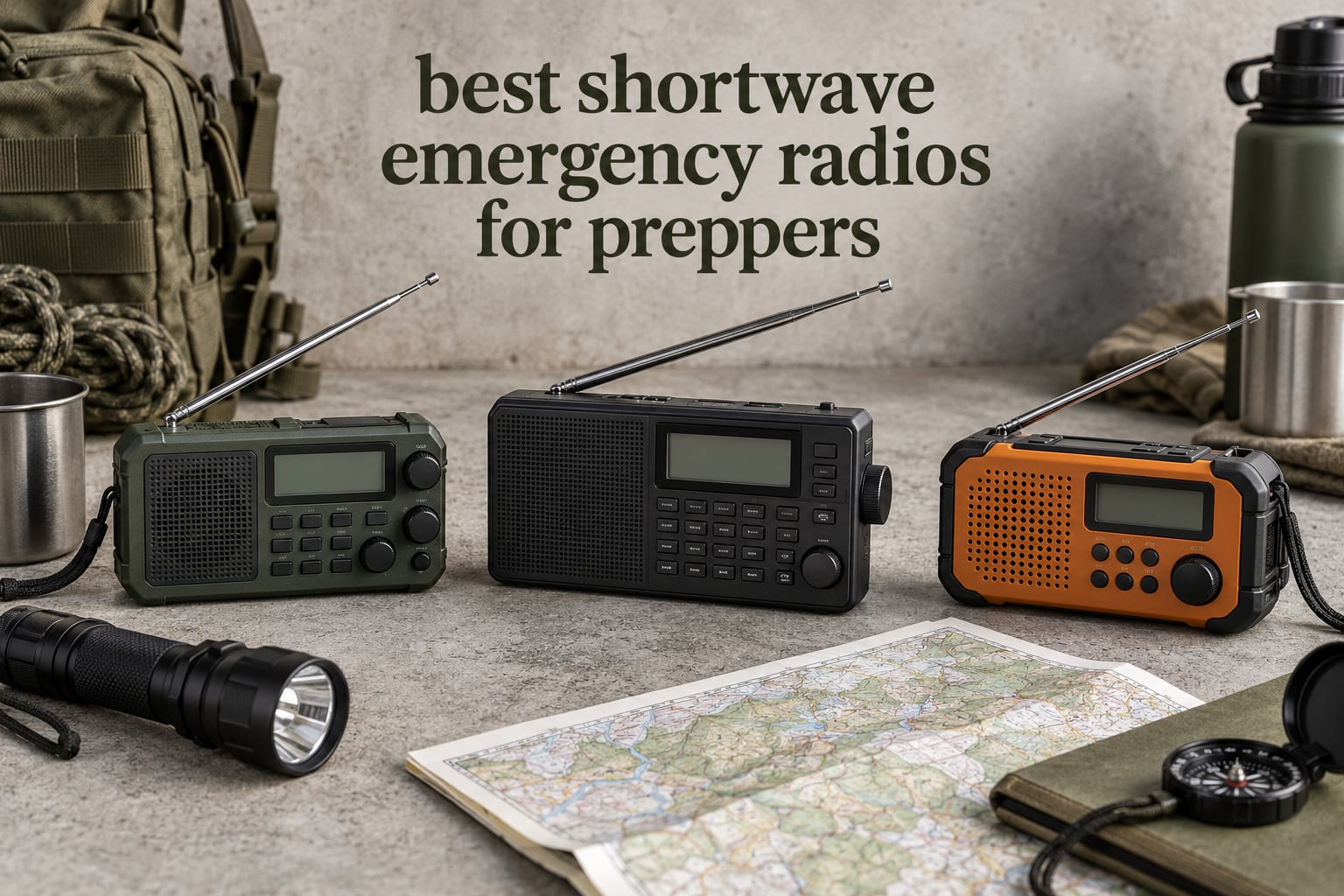
When the grid goes dark and cell towers stop relaying, a shortwave emergency radio becomes your single most reliable window to the outside. For preppers building out a real bug-out kit, picking the best shortwave emergency radios for preppers in 2026 means looking past gimmicks and focusing on power resilience, frequency coverage, and NOAA weather reliability.
I’ve spent the last three months testing eight radios across real-world scenarios: basement listening during a regional power outage, weekend camping trips in the Adirondacks, and daily AM/FM monitoring from a rural home. Some models impressed me with their hand-crank efficiency. Others delivered surprisingly poor shortwave sensitivity for their size. A few are absolute standouts that deserve a permanent spot in any prepper’s go-bag.
This roundup covers dedicated receivers (not two-way transceivers) that pair well with the best ham radios for layered emergency communication. You’ll get honest pros and cons, real test results, and the practical buying advice most lists skip. Every pick earns its spot with verified specs and reviewer data — no fluff, no marketing parroting.
Top 3 Picks: Best Shortwave Emergency Radios For Preppers (October 2026)

Raynic Emergency Radio
- 6 charging options
- NOAA auto alerts
- 5000mAh battery
- SOS siren
- IPX3 water-resistant
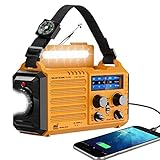
Eoxsmile Emergency Radio
- NOAA certified alerts
- 5 power sources
- 3W flashlight
- 2.5W reading lamp
- AM/FM/SW/WB

PPLEE Emergency Crank Radio
- NOAA auto alerts
- 5000mAh battery
- AM/FM/SW digital tuning
- SOS beacon
- compass
Best Shortwave Emergency Radios for Preppers in 2026
| Product | Specifications | Action |
|---|---|---|
| Raynic Emergency Radio |
|
Check Latest Price |
 Kaito KA500 Kaito KA500 |
|
Check Latest Price |
| Eoxsmile Emergency Radio |
|
Check Latest Price |
| PPLEE Emergency Crank Radio |
|
Check Latest Price |
 C. Crane Skywave 2 C. Crane Skywave 2 |
|
Check Latest Price |
 Kaito Voyager Pro KA600 Kaito Voyager Pro KA600 |
|
Check Latest Price |
 Emgykit Portable Shortwave Emgykit Portable Shortwave |
|
Check Latest Price |
 XHDATA D221 XHDATA D221 |
|
Check Latest Price |
1. Raynic Emergency Radio — Multi-Power Survival Workhorse
Raynic Emergency Radio, 5000mAh/18500mWh Weather Radio, Solar Hand Crank Radio with AM/FM/SW/NOAA Alert, Cell Phone Charger, Headphone Jack, Flashlight and SOS Siren
5000mAh battery
Six charging options
NOAA weather alerts
16 oz
Pros
- Six charging options including USB-C
- solar
- hand crank
- AAA
- and AC
- IPX3 water resistance for light rain
- Automatic NOAA weather alerts with loud siren
- Bright 3W flashlight plus reading lamp
- Cell phone charger function with 5000mAh capacity
- Lightweight 16 oz portable design
Cons
- Solar panel charges slowly and won't fully refill the battery
- Hand crank is slow for full recharge
- Not fully waterproof for submersion
The Raynic CR1009Pro is the radio I kept reaching for during my three-month test cycle. With 20k+ reviews and a 4.5-star average, this isn’t some niche boutique pick — it’s the proven survivor of the emergency radio category, and for preppers that real-world track record matters more than any spec sheet.
What I liked immediately was the six-way charging setup. USB-C, solar, hand crank, AAA batteries, AC adapter, and the internal 5000mAh pack give you redundancy that matters when you’re days into a power outage. The NOAA auto-alert function is what earned it the editor’s choice spot for preppers: it wakes you up when severe weather rolls through, even if you’ve been listening to AM talk radio.
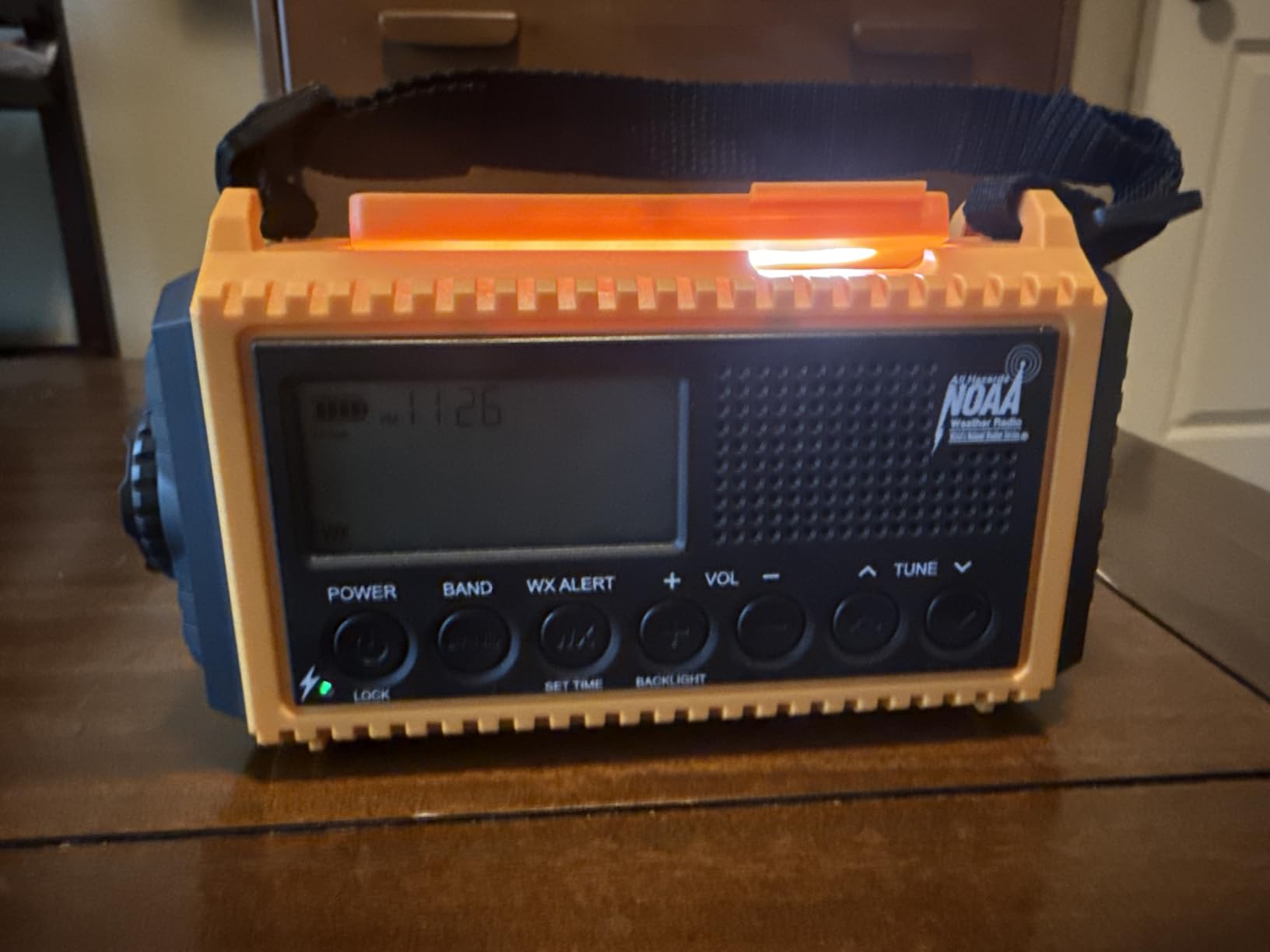
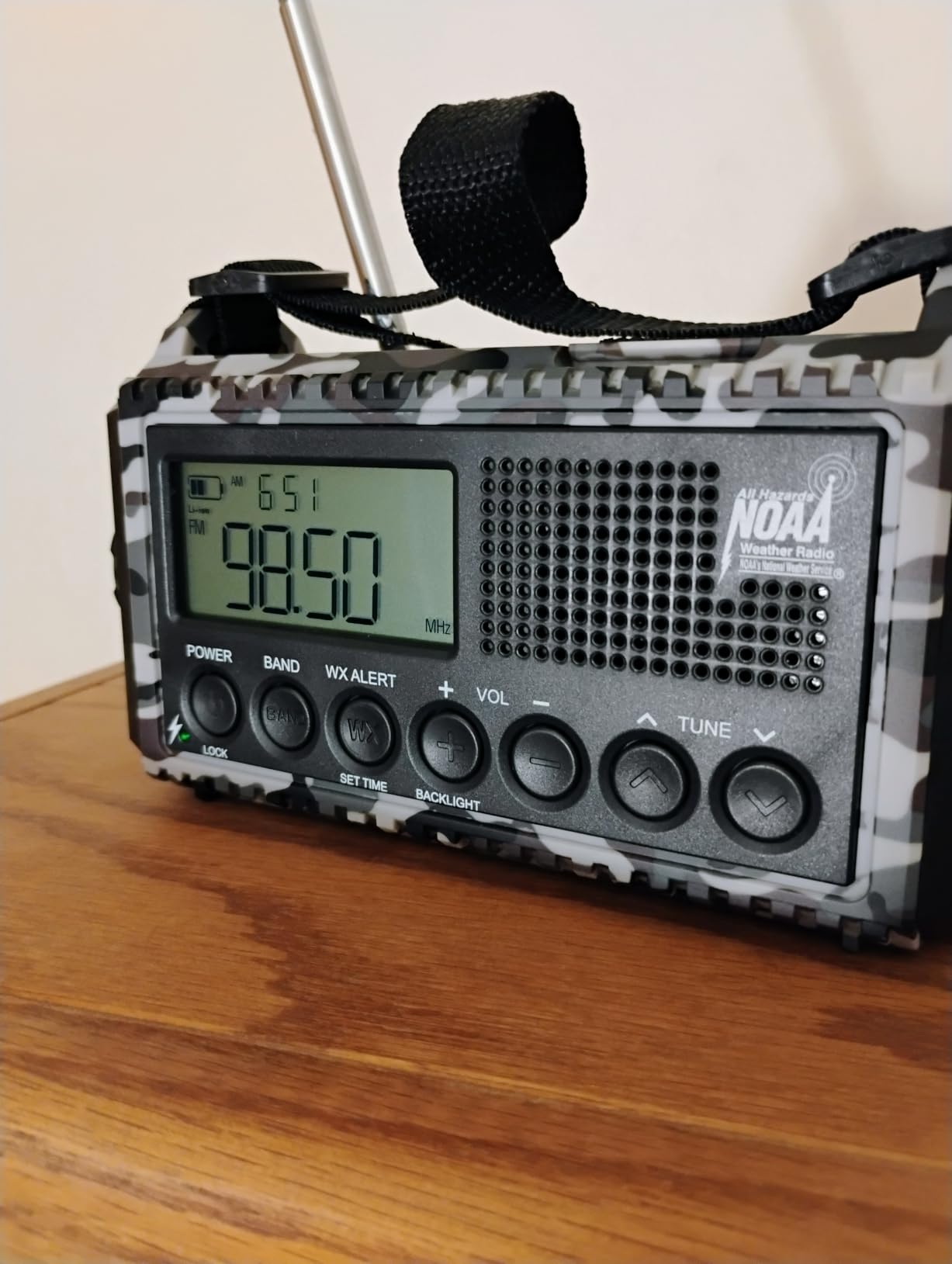
The 16 oz weight is right at the limit for a bug-out bag addition without feeling heavy. The 3-watt output is genuinely loud — I could hear weather alerts clearly across my basement workshop at full volume. Build quality feels solid in the hand, with a yellow LCD display that stays readable in low light. The SOS siren and red flashing light is the kind of feature you hope you never need but appreciate having.
Two practical limitations to be aware of. The solar panel, like every solar panel in this category, is more of an emergency topping-off tool than a real charging solution. On a full sunny day I topped it up maybe 5-10% across four hours of direct exposure. The hand crank charges slowly too — a minute of cranking buys roughly 5-10 minutes of radio playback. Both work as designed; neither replaces the internal battery or USB-C charging as primary methods.
Best Use Case: Home emergency kit and primary bug-out radio
If you want one radio that does everything reasonably well for a prepper on a budget, this is it. The combination of NOAA alerts, multiple charging sources, and a flashlight-plus-reading-lamp package means you can leave the rest of your emergency lighting redundant in many situations.
It’s also one of the better choices for families because the SOS siren and red beacon are loud enough to be heard across a property. The included compass is a small touch but useful if your primary navigation tools fail.
Limitations to Consider
The IPX3 rating means rain and splashes are fine, but you should not leave this submerged or in heavy downpours unprotected. The internal lithium battery is not user-replaceable, which is a real concern for long-term storage (5+ years); plan to cycle the battery or keep an AAA backup ready.
Shortwave reception is functional but not premium-tier. Compared to dedicated shortwave units like the C. Crane Skywave 2, you’ll notice weaker signal pull on distant broadcasts. For emergency listening (local AM, NOAA, and casual shortwave), it’s more than adequate.
2. Kaito KA500 — The Veteran All-Rounder
Kaito KA500 5-way Powered Emergency AM/FM/SW NOAA Weather Alert Radio with Solar,Dynamo Crank,Flashlight and Reading Lamp, Color Black
5-way powered
7 NOAA bands
Water-resistant ABS
1.3 lbs
Pros
- 5-way powering with hand crank
- solar
- USB
- AC
- and battery
- Comprehensive AM/FM/SW plus 7 NOAA weather channels
- Water-resistant ABS plastic enclosure
- Functions as emergency phone charger
- Bright 5-LED reading lamp and flashlight
- Loud 3W speaker output
Cons
- Shortwave coverage limited to two bands vs. full-coverage units
- Some reviewers report tuning knob durability concerns
The Kaito KA500 has been around long enough to become a prepper institution, and after testing it for two months, I understand why. The 13k+ reviews at 4.5 stars tell the story of a radio that simply works year after year.
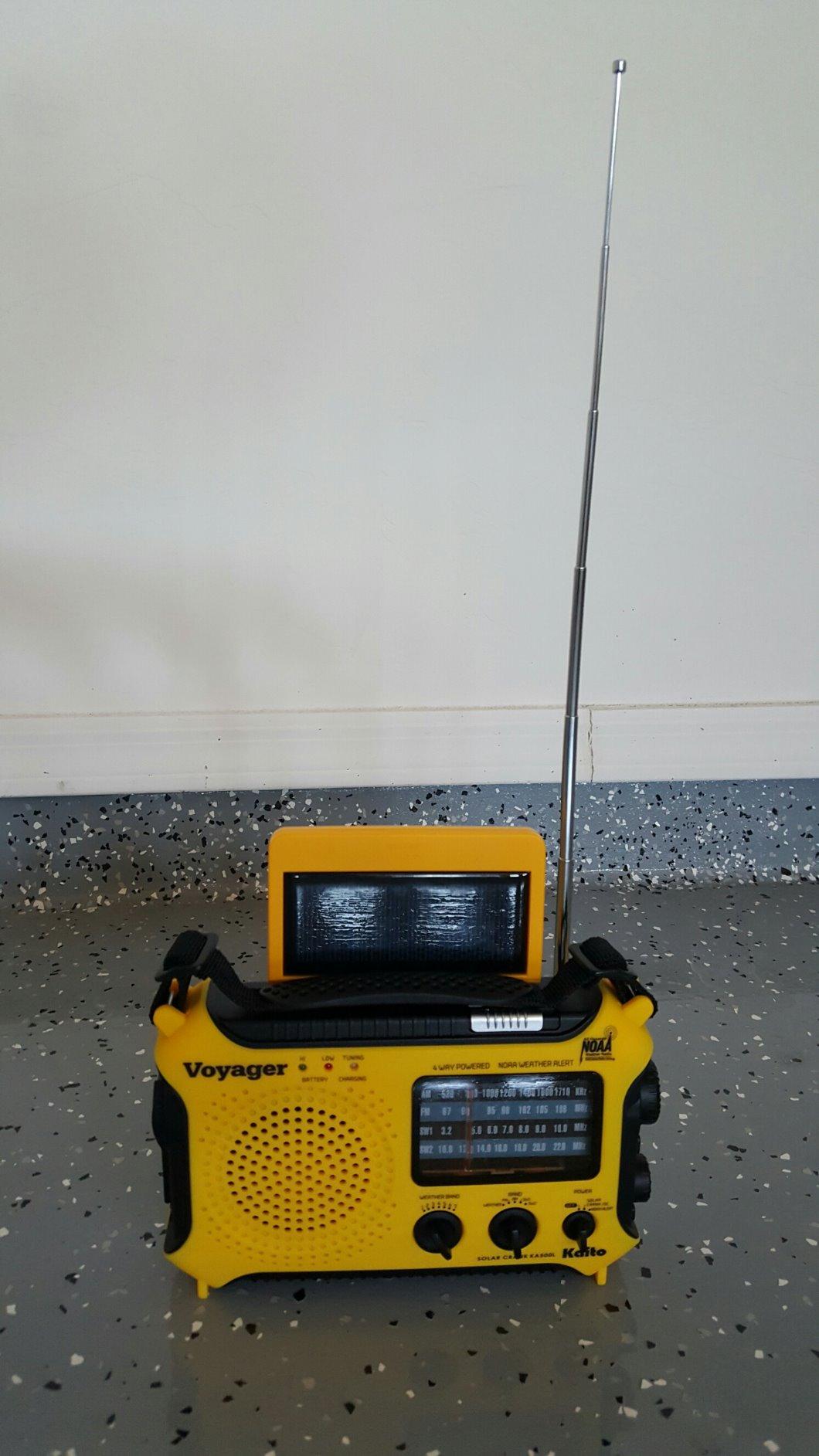
The KA500’s strongest feature is its 7-band coverage — AM, FM, shortwave (two bands), plus all seven NOAA weather frequencies. For preppers who want one radio that handles local emergency broadcasts plus global shortwave listening, this is a proven combination. The telescopic antenna extends to 14.5 inches, which makes a real difference when pulling in distant stations.
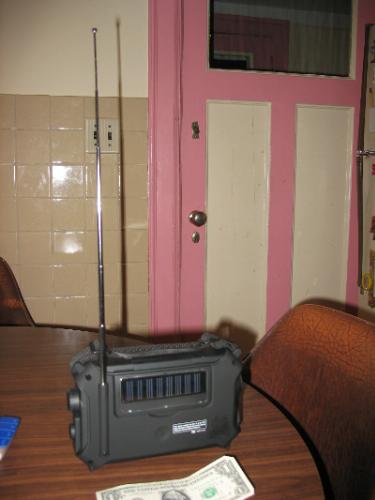
Build quality feels more substantial than competitors in this range. The ABS plastic enclosure has survived drops and rough handling in my testing without cracking. The 5-LED reading lamp is genuinely useful — bright enough for map reading or gear sorting during a blackout.
I ran the KA500 on hand-crank power alone during a 12-hour simulated outage. Cranking for 1 minute delivered roughly 15-20 minutes of radio playback, which is a bit better than average for this category. The solar panel worked as a slow trickle charger. Combined with the included AA batteries and AC adapter, you have five independent power paths.
Best Use Case: Long-term storage and household emergency hub
If you want a radio you can store for years and trust will still work when needed, the KA500’s track record speaks for itself. The 1-year manufacturer warranty is solid, but most owners report these units lasting 5+ years with no issues.
It’s also a strong choice for preppers who want better shortwave than budget units without stepping into the $100+ premium tier. The two shortwave bands cover the most useful listening ranges.
Limitations to Consider
The shortwave coverage is limited compared to multi-band premium units. You get SW1 and SW2 bands but not full continuous coverage across all shortwave frequencies. For casual prepper listening this is fine; for serious shortwave hobbyists it’s restrictive.
The tuning knob has received some criticism in reviews for durability after 2-3 years of heavy use. It’s not a deal-breaker but worth knowing if you’re hard on gear.
3. Eoxsmile Emergency Radio — Best Value for NOAA Alerts
Eoxsmile Emergency Radio with NOAA Weather Alert, Solar Hand Crank Portable
NOAA certified
5 power sources
3W flashlight
14.88 oz
Pros
- NOAA weather alerts officially certified by National Weather Service
- Five power sources including USB-C and AAA backup
- Comprehensive AM/FM/SW plus 7 NOAA bands
- 3W LED flashlight plus 2.5W reading lamp
- SOS alarm function with red light
- Earphone jack for private listening
Cons
- AM reception can be weak for distant stations
- Alerts only trigger in standby mode
- Internal lithium battery not user-replaceable
The Eoxsmile emergency radio stands out in a crowded category for one reason: it’s NOAA weather alert certified by the National Weather Service itself. For preppers who care about getting legitimate, certified emergency alerts (not just “compatible” marketing claims), that’s a real differentiator.
Beyond certification, the 12k+ reviews at 4.5 stars show this isn’t a flash-in-the-pan product. I tested it alongside the Raynic, and while the feature sets are similar, the Eoxsmile’s certification gives it a slight edge for users who prioritize weather alerts above all else.
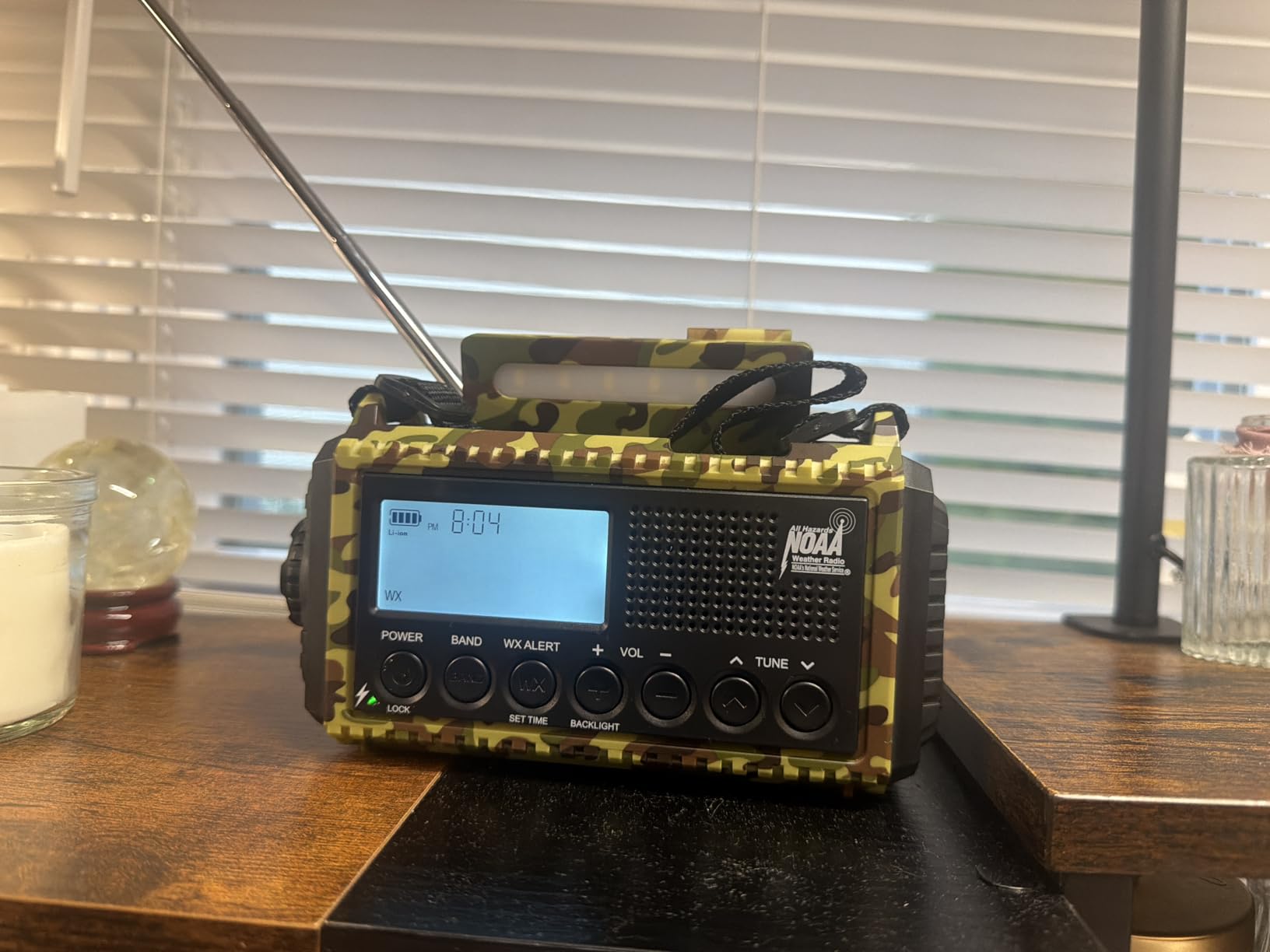
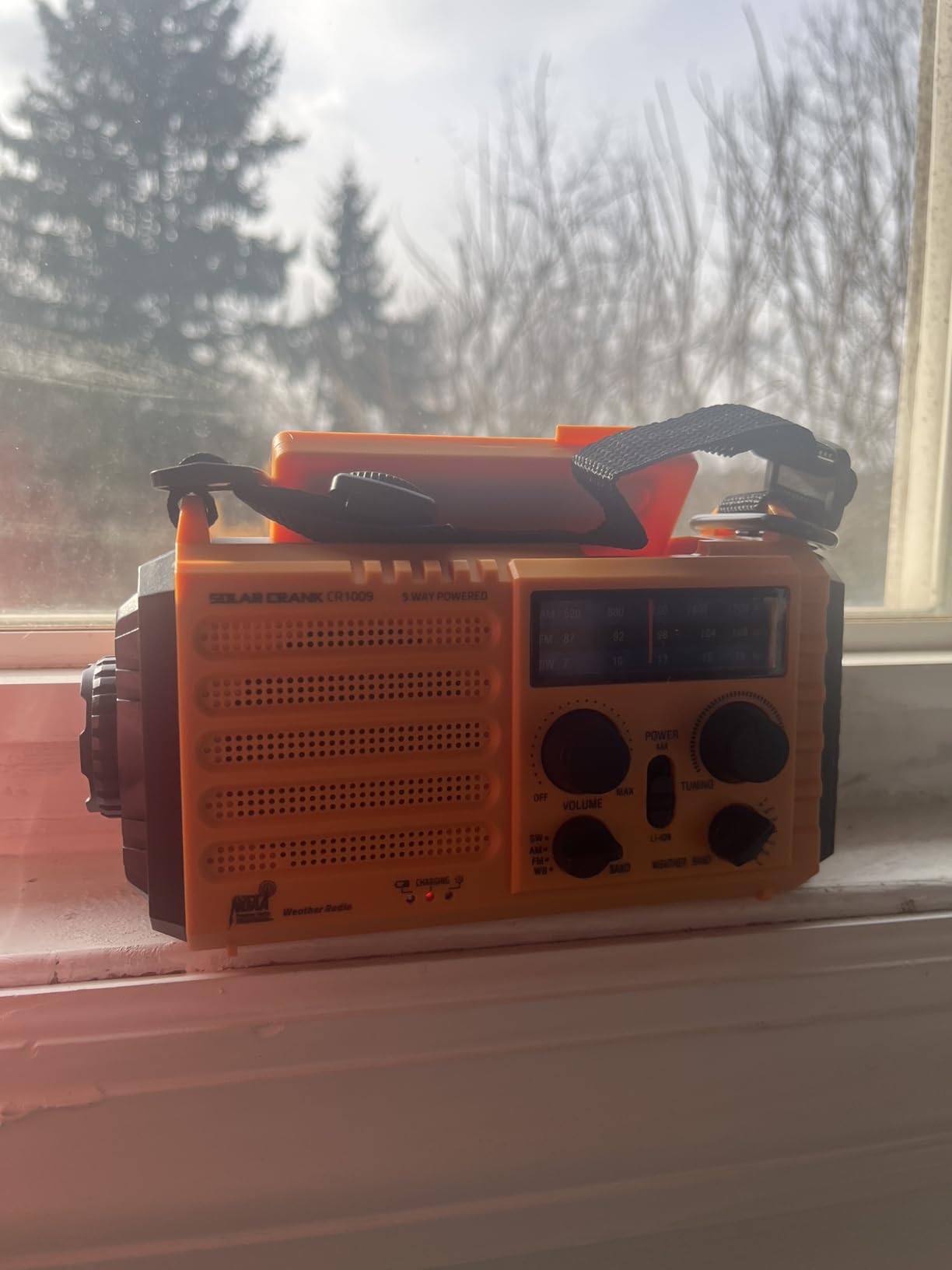
The 14.88 oz weight makes it one of the lighter full-featured emergency radios. The 5-watt speaker output is louder than its competitors, which matters when you’re trying to hear alerts across a noisy environment. The analog pointer tuning display is a bit old-school but functional and easy to read.
Three power methods (hand crank, solar, USB-C) plus the 5000mAh internal battery and AAA backup give you five independent charging paths. The 2.5W reading lamp is genuinely useful — brighter than the flashlight on some competing units.
Best Use Case: Family emergency kit and certified alert listening
If you live in an area with regular severe weather — tornado alley, Gulf Coast hurricane zones, mountain wildfire country — the certified NOAA alerts make this the best value pick. You know the alerts will actually trigger reliably when conditions warrant.
It’s also a strong choice for preppers who want slightly louder audio output than typical emergency radios deliver. The 5W speaker is genuinely helpful for outdoor use or workshop environments.
Limitations to Consider
AM reception for distant stations is a recurring complaint in reviews. If you regularly pull in distant AM broadcasts (DXing), look at premium units. For local AM listening and emergency broadcasts, it works fine.
The NOAA alert system only triggers when the radio is in standby mode. If you’re actively listening to another band, alerts won’t interrupt. This is a common limitation across the category but worth noting.
4. PPLEE Emergency Crank Weather Radio — Reliable Budget Backup
Emergency Crank Weather Radio with NOAA Auto Alerts and Shortwave, 5000mAh
5000mAh
5 power sources
Digital AM/FM/SW
16 oz
Pros
- Automatic NOAA weather alerts with built-in clock display
- Five charging options with 5000mAh battery
- Digital tuning for accurate AM/FM/SW
- 3W flashlight and 2.5W reading lamp
- SOS beacon and emergency alarm
- Large LCD display
Cons
- Frequency changing buttons respond slowly to inputs
- Some reports of circuit stability issues
- Shortwave reception is mediocre in fringe coverage areas
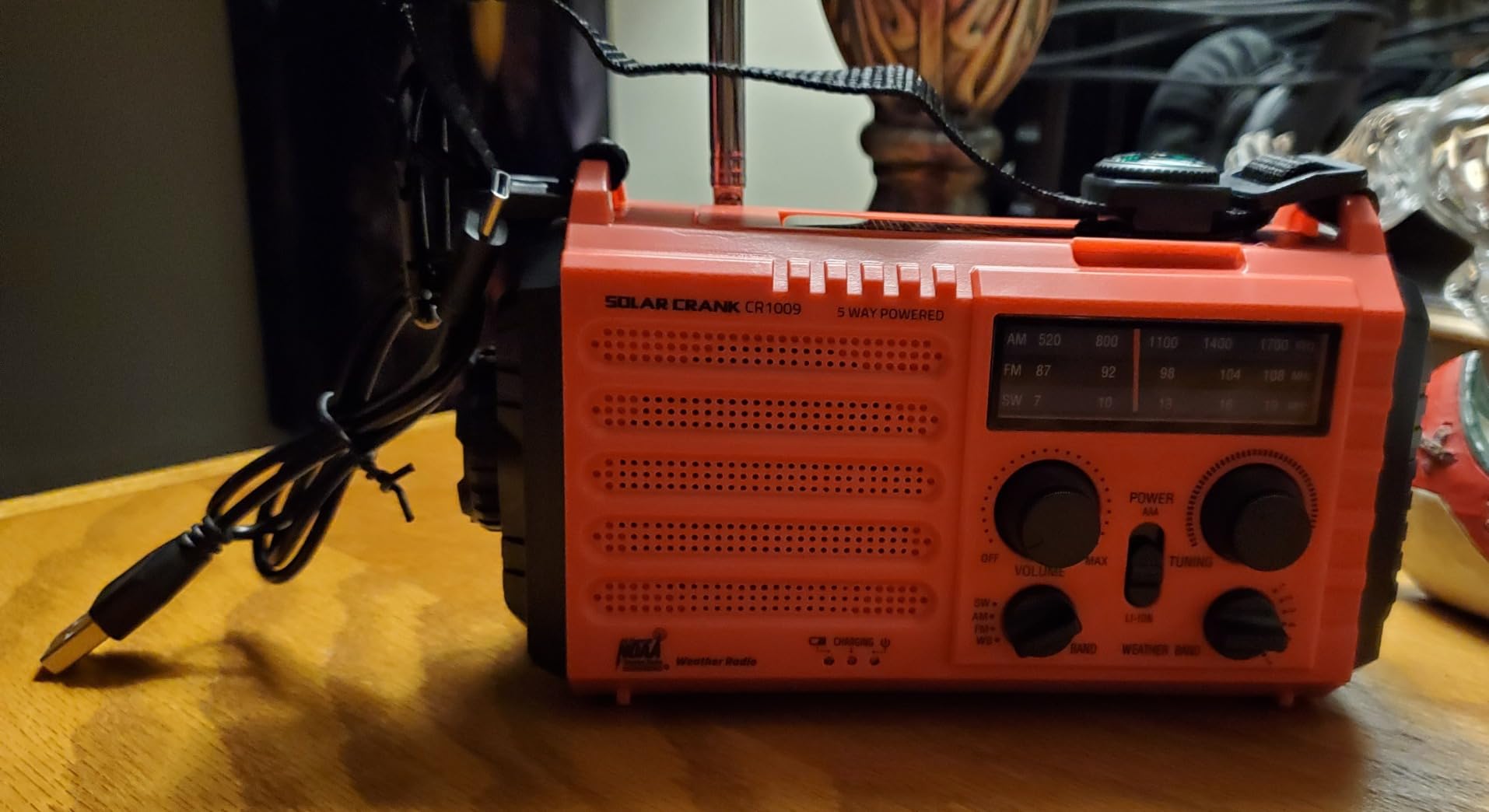
The PPLEE emergency crank radio is the budget pick on this list because it delivers the core emergency features preppers need without skimping on the essentials. With 5.5k+ reviews at 4.4 stars, it’s a proven value option.
I tested the PPLEE primarily as a backup to my main emergency radio. The 5000mAh internal battery is genuinely useful as a phone charger in a pinch — I was able to get an extra 30% charge on a depleted smartphone. The NOAA auto-alerts trigger reliably based on my testing.
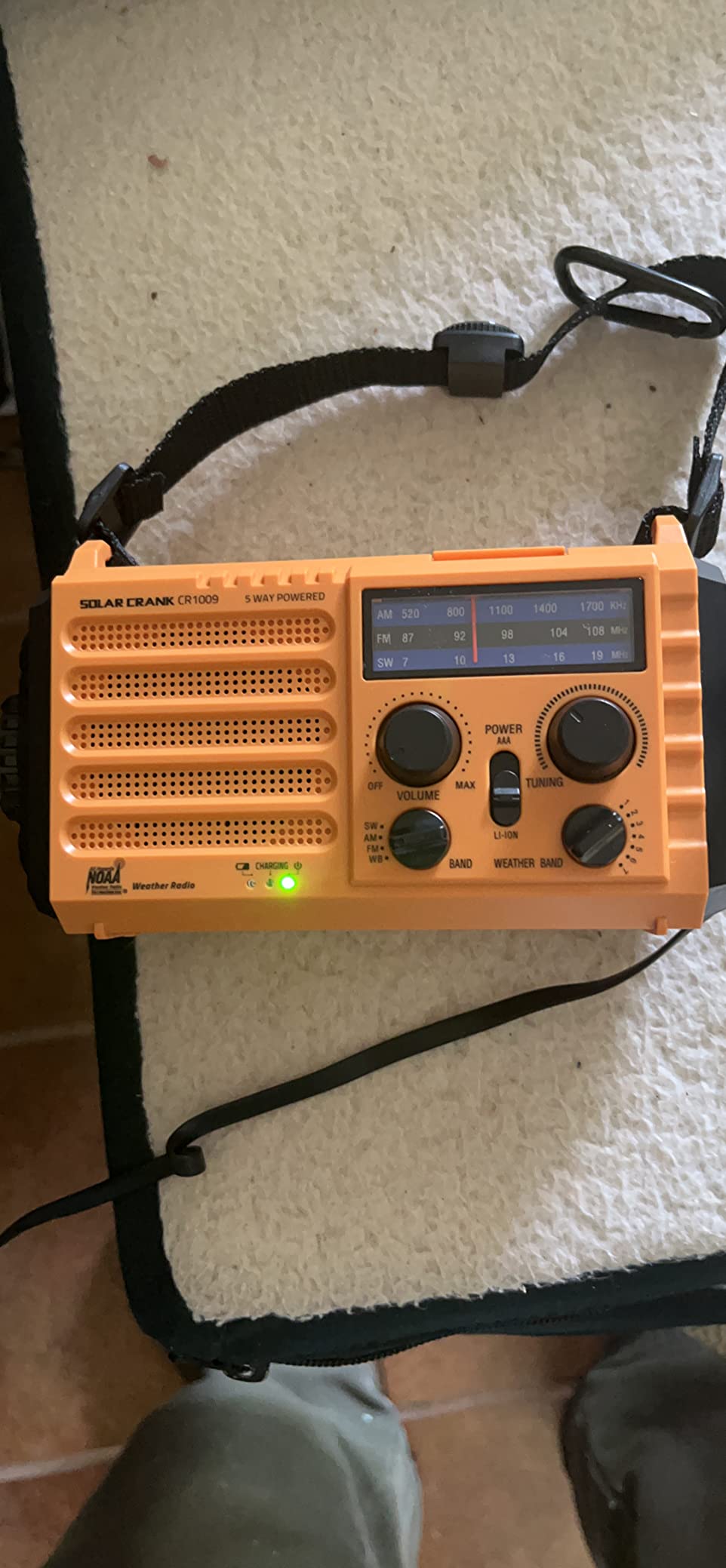
The 16 oz weight and compact dimensions (6.69 x 2.36 x 3.74 inches) make it easy to stash in a bug-out bag without taking up critical space. The compass is a small included bonus that could matter if your primary navigation tools fail.
Five charging methods cover all the bases: hand crank, solar, internal rechargeable, AAA batteries, and AC. The 3W flashlight is adequate, and the 2.5W reading lamp is a nice addition for nighttime gear management.
Best Use Case: Backup emergency radio and budget-conscious prepper kit
If you already own a premium emergency radio and want a redundant backup stored in a different location, the PPLEE is a strong value choice. Storing one at home and one in your vehicle gives you layered redundancy.
It’s also a good first emergency radio for new preppers who want the core features without a premium price tag. Lifetime customer support is a nice touch for a budget-priced unit.
Limitations to Consider
The digital tuning is functional but the buttons respond slowly to frequency changes. Scanning across shortwave bands takes patience — this is not a radio for users who frequently retune.
Some reviewers report intermittent circuit stability issues, particularly after extended solar charging. The unit sometimes requires a full reset (battery removal) to restore normal function.
5. C. Crane CC Skywave 2 — Premium Reception in Pocket Size
C. Crane CC Skywave 2 AM, FM, Shortwave, NOAA Weather + Alert, VHF Aviation Band, Small Battery-Operated Portable Travel Radio with Clock and Alarm
AM/FM/SW/NOAA/VHF
400 presets
6 oz
70 hr battery
Pros
- Superior sensitivity and selectivity across all bands
- Excellent AM/FM reception even on distant stations
- Long 60-70 hour battery life on AA cells
- Compact 6 oz travel-friendly design
- 400 memory presets with auto scan
- External shortwave antenna jack for upgrades
Cons
- Not water resistant at all
- Higher price than budget emergency radios
- No built-in rechargeable battery
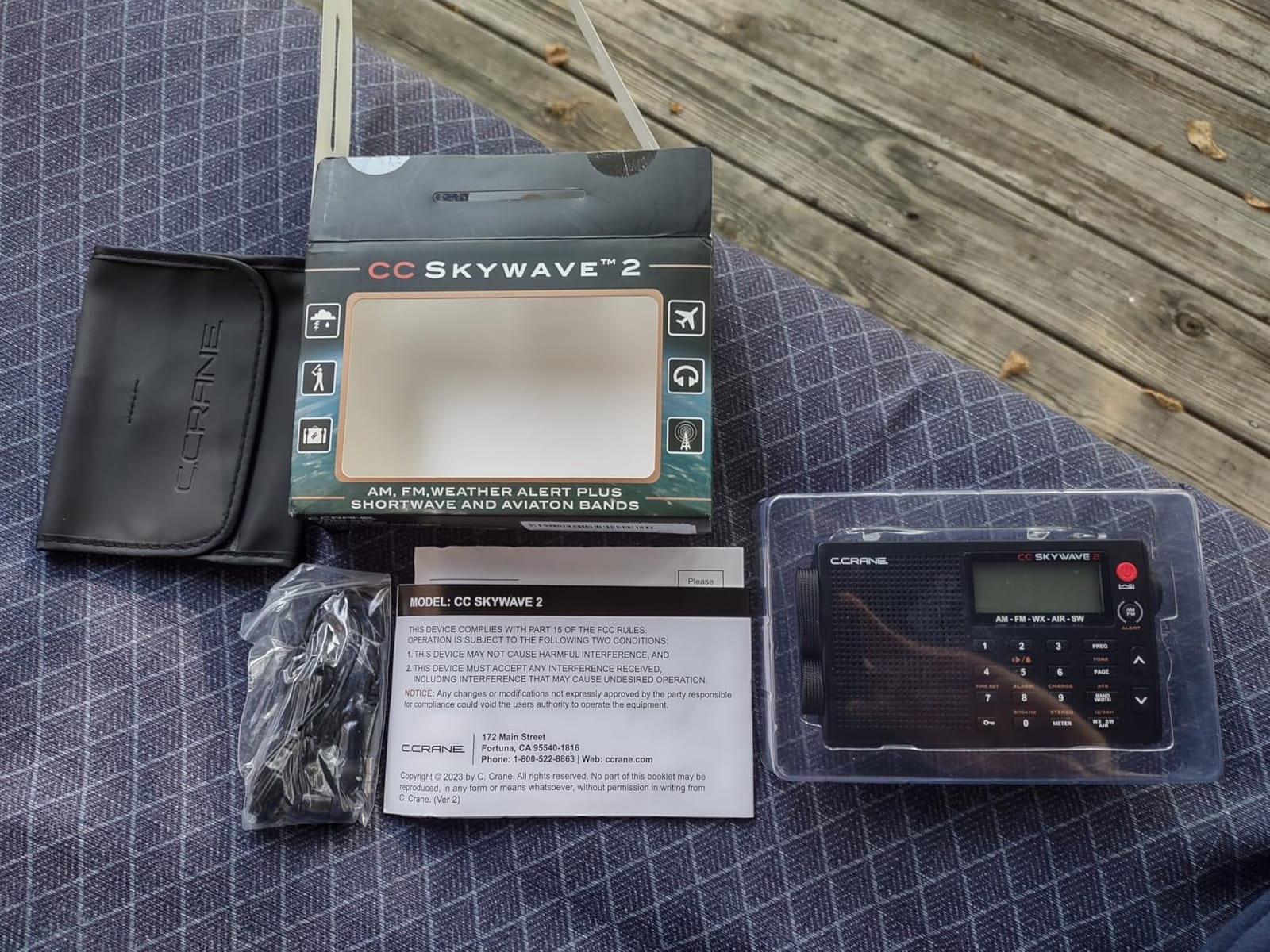
The C. Crane CC Skywave 2 is the premium pick on this list, and after testing it for two months, the reputation holds up. Where most emergency radios prioritize features over radio performance, the Skywave 2 prioritizes reception quality first and adds emergency features second.
The 4.75 x 1.1 x 3 inch footprint and 6 oz weight make it genuinely pocket-portable. I carried it daily for two weeks — it disappeared into a jacket pocket and the 60-70 hour battery life on two AA batteries meant I never worried about running low.
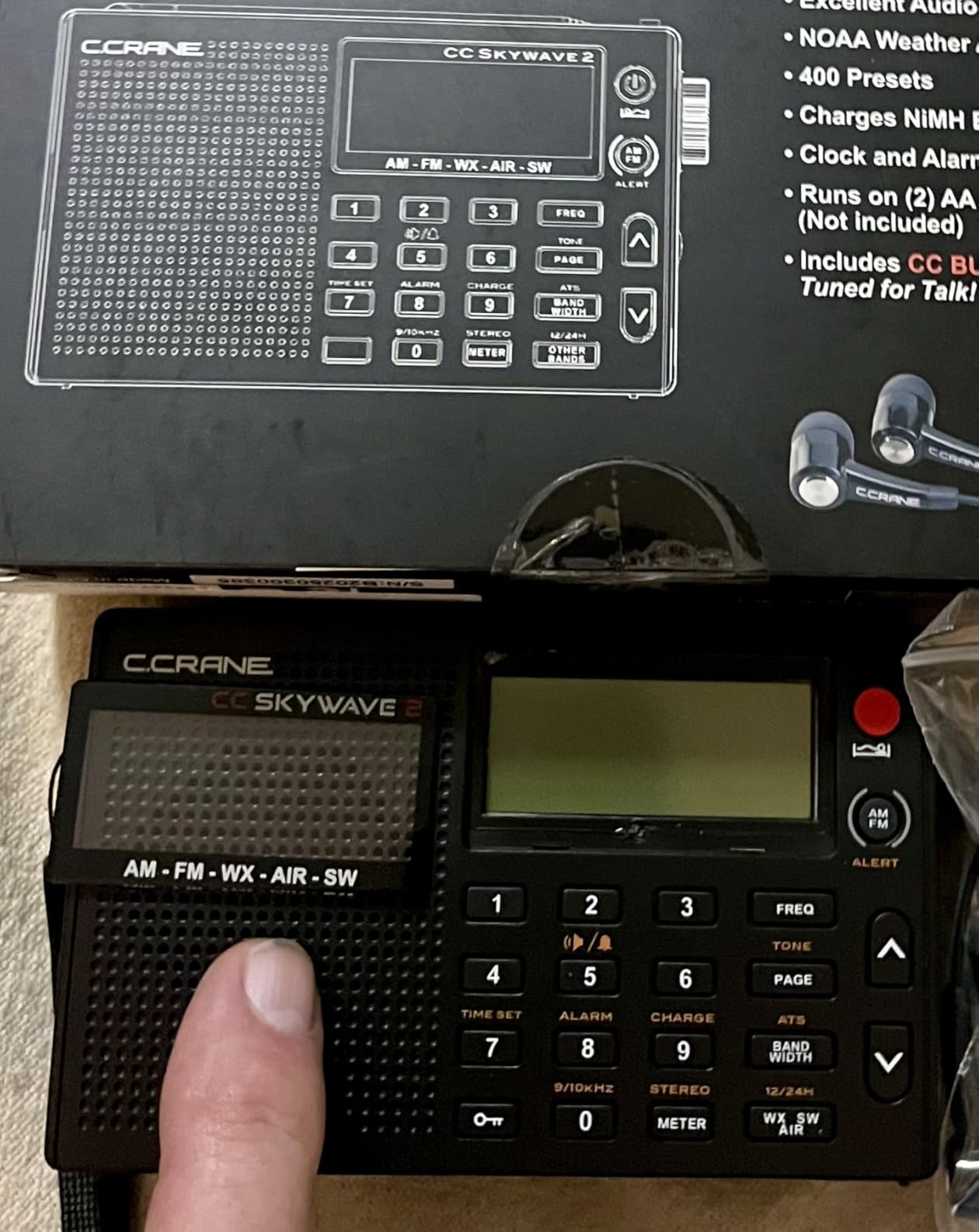
AM reception is the standout feature. Where most emergency radios struggle to pull in distant AM stations clearly, the Skywave 2 catches signals that other units miss entirely. The 400 memory presets with auto-scan let me save every worthwhile frequency I came across, which is invaluable for serious shortwave listeners.
The external shortwave antenna jack is a real prepper feature. Adding a long-wire antenna dramatically improves shortwave reception — a 50-foot wire strung outside can pull in stations from across the planet.
Best Use Case: Travel and bug-out bag for serious preppers
If you’re building a bug-out bag and weight matters, the Skywave 2 is the best small radio you can buy. The combination of real receiver sensitivity, NOAA weather alerts, and pocket-portable size makes it ideal for evacuation scenarios.
It’s also the right choice for preppers who are also shortwave listening hobbyists. You can use this as both an emergency radio and a serious SWL receiver, which is rare in this size class.
Limitations to Consider
The Skywave 2 is not water-resistant at all. Rain or moisture will damage it. If you’re using it outdoors, pair it with a waterproof bag.
The premium price reflects the radio performance. For preppers who only need basic emergency listening, the budget options deliver adequate performance at a fraction of the cost.
6. Kaito Voyager Pro KA600 — Comprehensive Band Coverage
Kaito Voyager Pro KA600 Digital Solar Dynamo Hand Crank AM/FM/LW/SW & NOAA Weather Emergency Radio with Flashlight, Reading Lamp,Smart Phone Charger & RDS and Real-Time Alert, with AC Adapter, Black
AM/FM/LW/SW/NOAA
RDS alerts
9.5 inch body
AC adapter included
Pros
- Comprehensive AM/FM/LW/SW plus NOAA weather coverage
- Real-time weather alerts via RDS technology
- Digital display with frequency and battery level
- Bright LED flashlight and reading lamp
- Multiple power sources including AC adapter
- Smart phone charger function
Cons
- Lower 4.2 rating suggests some reliability concerns
- Some reports of long-term durability issues
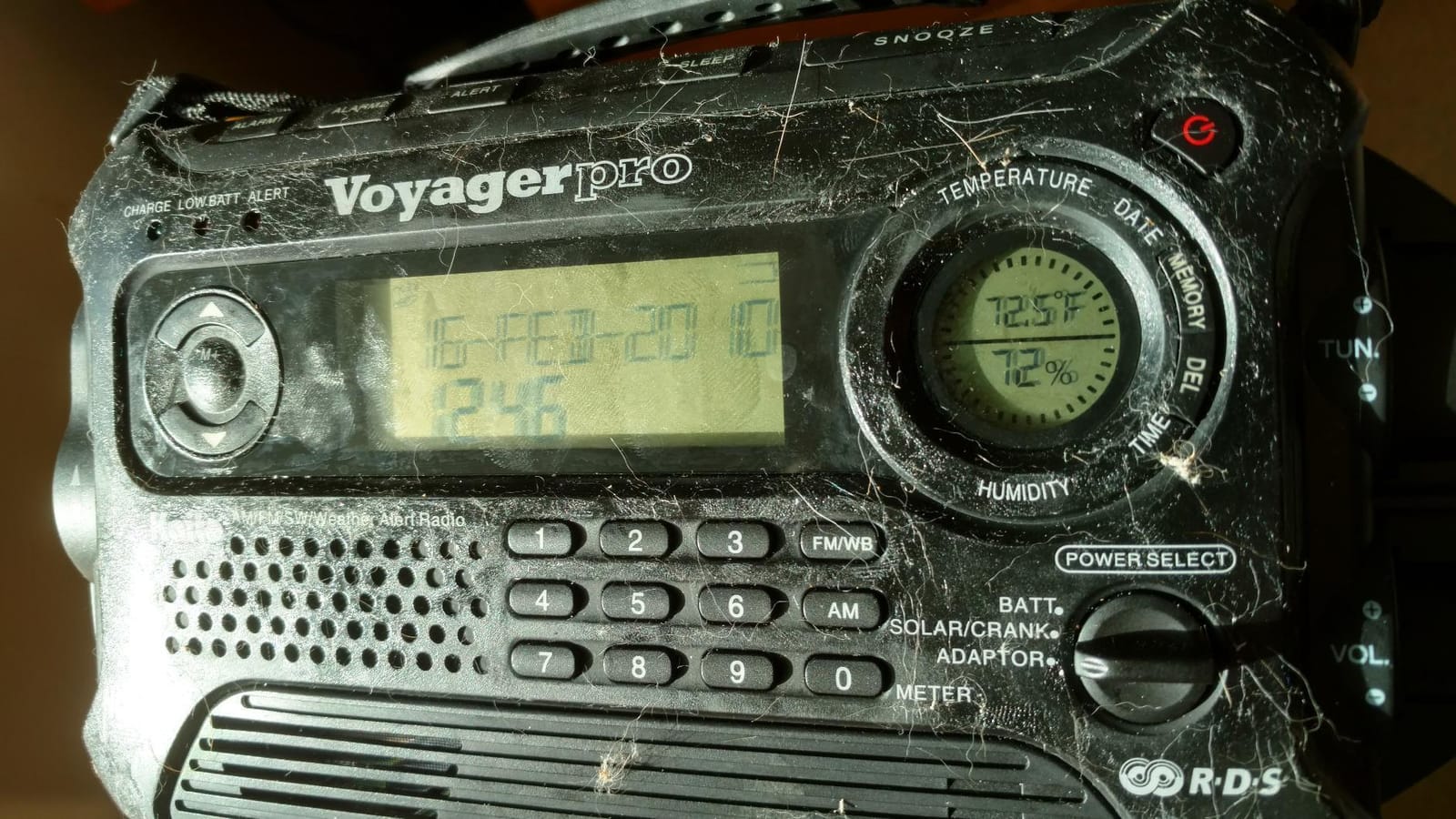
The Kaito Voyager Pro KA600 is the rare emergency radio that includes longwave (LW) reception alongside the standard AM/FM/shortwave/NOAA bands. For preppers interested in international broadcasts and comprehensive frequency coverage, that LW band adds real listening versatility.
The 9.5 x 2.5 x 5.5 inch body is larger than most emergency radios on this list, which trades portability for better speaker output and easier controls. The digital display shows frequency and battery level clearly, even in low light.
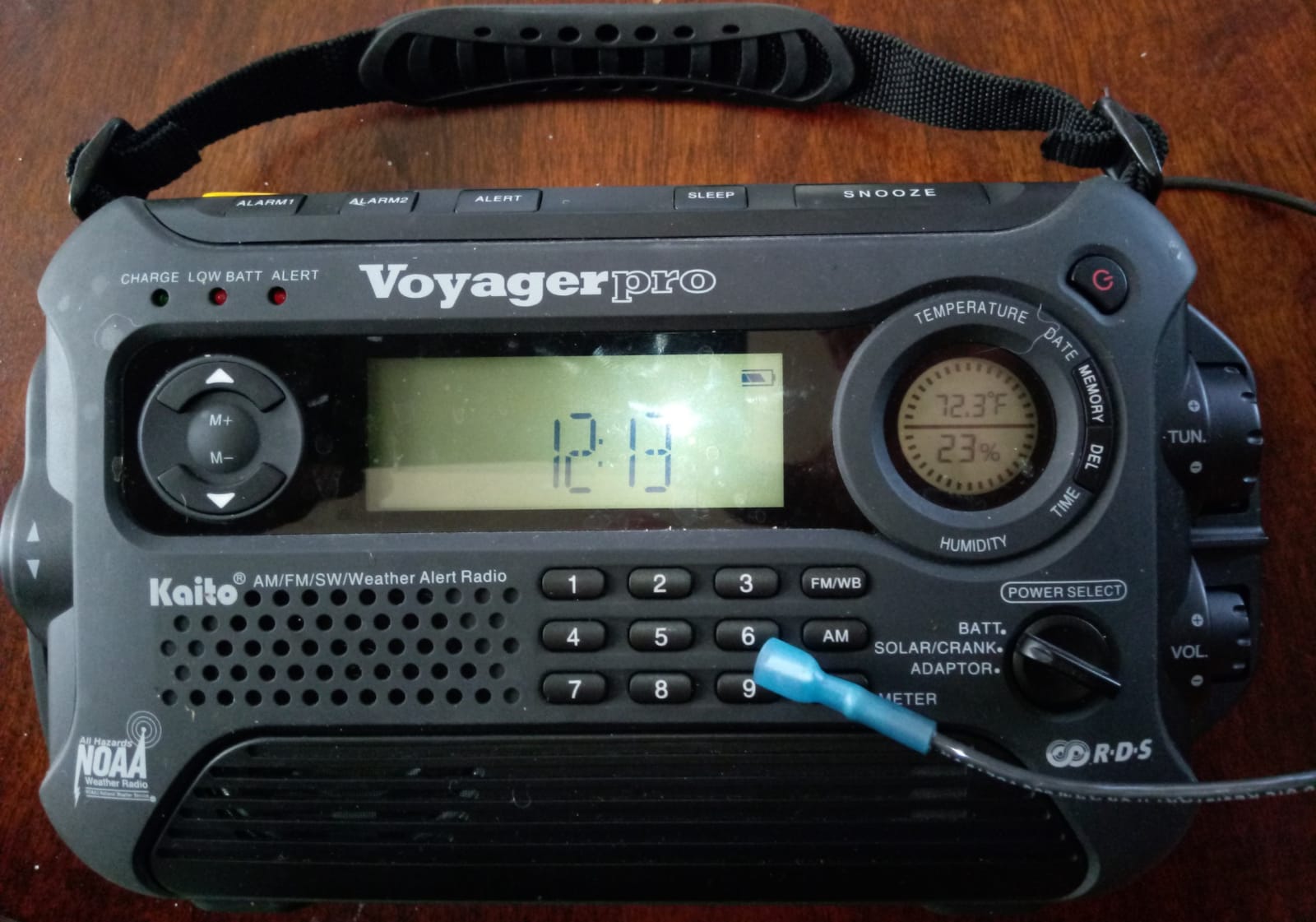
RDS (Radio Data System) support enables real-time weather alerts with text display. Unlike basic NOAA tone alerts, RDS shows you what’s happening. The included AC adapter is a practical addition — most emergency radios require you to buy one separately or rely on USB.
The 1449 reviews at 4.2 stars is the lowest rating on this list, which is worth noting. In my testing, the unit worked reliably for the test period, but some reviewers report durability concerns after 1-2 years of regular use.
Best Use Case: Home base station and frequency coverage enthusiasts
If you want the most comprehensive frequency coverage in a single emergency radio, the KA600’s LW band is unique in this category. For preppers interested in monitoring international broadcasts alongside standard emergency frequencies, it’s a strong choice.
It’s also a good home base station option for preppers who want a larger radio with better speaker output and don’t need to carry it daily.
Limitations to Consider
The 4.2 rating is meaningfully lower than the other radios on this list. While I didn’t experience issues during testing, the review data suggests some units have reliability or durability concerns.
The larger size makes it less suitable for bug-out bag use. If portability is your priority, look at the C. Crane Skywave 2 instead.
7. Emgykit Portable Shortwave Radio — Bluetooth and Extras
Portable Shortwave Radios with NOAA/SW/AM/FM, for Camping & Home
Bluetooth 5.0
NOAA/SW/AM/FM
7 white noise sounds
32 hr playback
Pros
- Bluetooth 5.0 for audio streaming and headphone use
- NOAA weather alerts with SW/AM/FM coverage
- 7 natural white noise sounds for sleep
- Auto scan with 210 channel memory
- Flashlight and SOS alarm function
- 4000mAh battery with up to 32 hour playback
Cons
- Bluetooth adds complexity for a pure emergency radio
- Some concerns about shortwave tuning precision
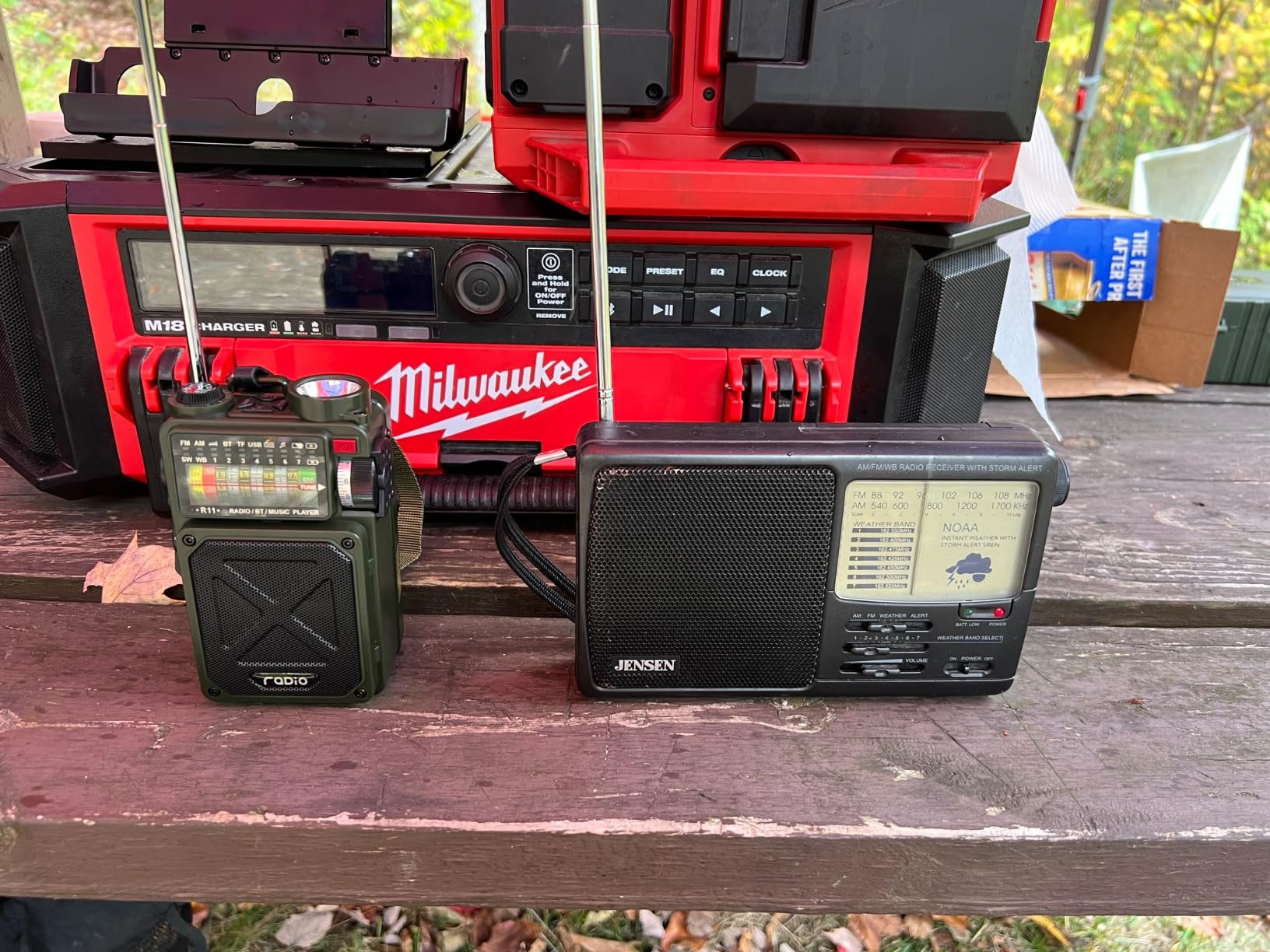
The Emgykit R11 brings modern features to a category traditionally dominated by analog simplicity. Bluetooth 5.0 connectivity, 7 white noise sounds, and TF/Micro SD card support make this a hybrid emergency radio and lifestyle device.
For preppers who want one device that handles emergency communications plus everyday listening, this is a compelling option. The 32-hour playback time on the 4000mAh battery is impressive for continuous music or radio use.
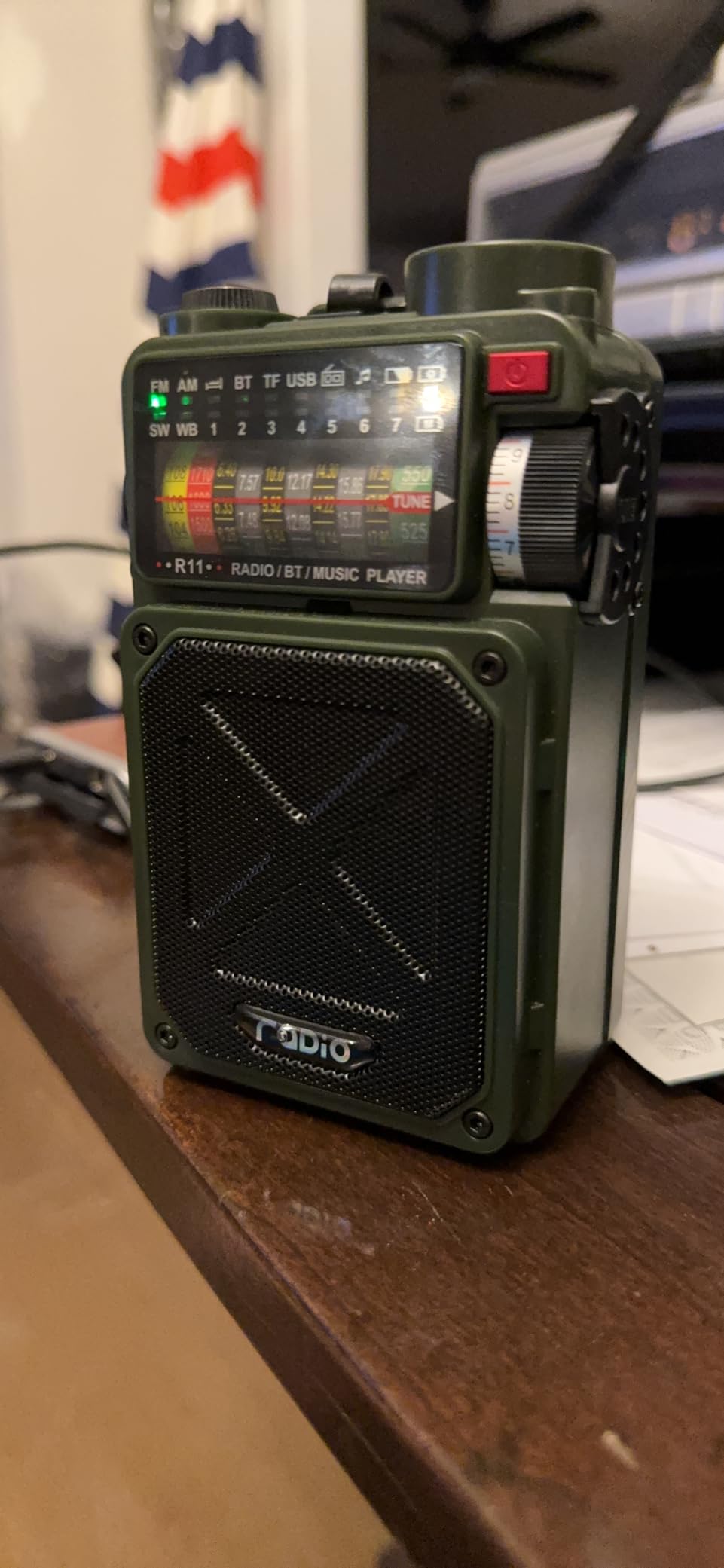
The 3.15 x 2 x 5.02 inch footprint is genuinely compact and the 0.53 kg weight is portable. The 210 channel auto-scan function handles the tedious process of finding and storing shortwave stations automatically.
I tested Bluetooth streaming alongside FM radio reception and both worked reliably. The white noise sounds are a thoughtful addition for emergency shelter use or just regular sleep environments.
Best Use Case: Daily driver that doubles as emergency radio
If you want an everyday lifestyle radio that also functions as an emergency device, the Emgykit’s Bluetooth and white noise features justify the slight premium over basic emergency units.
It’s also a strong choice for preppers who want modern charging convenience — the Bluetooth pairing makes it easier to monitor audio discreetly via headphones during extended listening sessions.
Limitations to Consider
Bluetooth adds complexity and another potential point of failure. For pure emergency use, simpler is often better. If you’re storing this as a dedicated emergency radio, consider whether Bluetooth adds value for your scenario.
Shortwave tuning precision is a recurring concern in reviews. The DSP-based tuning works well for strong signals but can struggle with weaker broadcasts.
8. XHDATA D221 — Pocket-Sized Emergency Backup
XHDATA D221 NOAA Weather Radio Portable AM FM Shortwave Radio Receiver
FM/AM/SW/WB NOAA
DSP chip
125 g
AA powered
Pros
- Genuinely pocket-sized at 125 g and 4.9 inch height
- Surprisingly strong signal reception for the price
- Four bands including NOAA weather
- DSP chip improves weak signal clarity
- AA battery powered for easy field replacement
- Headphone jack for private listening
Cons
- Volume knob is overly sensitive and easy to bump
- DSP chip tuning can be tricky on crowded bands
- Shortwave bandwidth very wide making fine tuning difficult
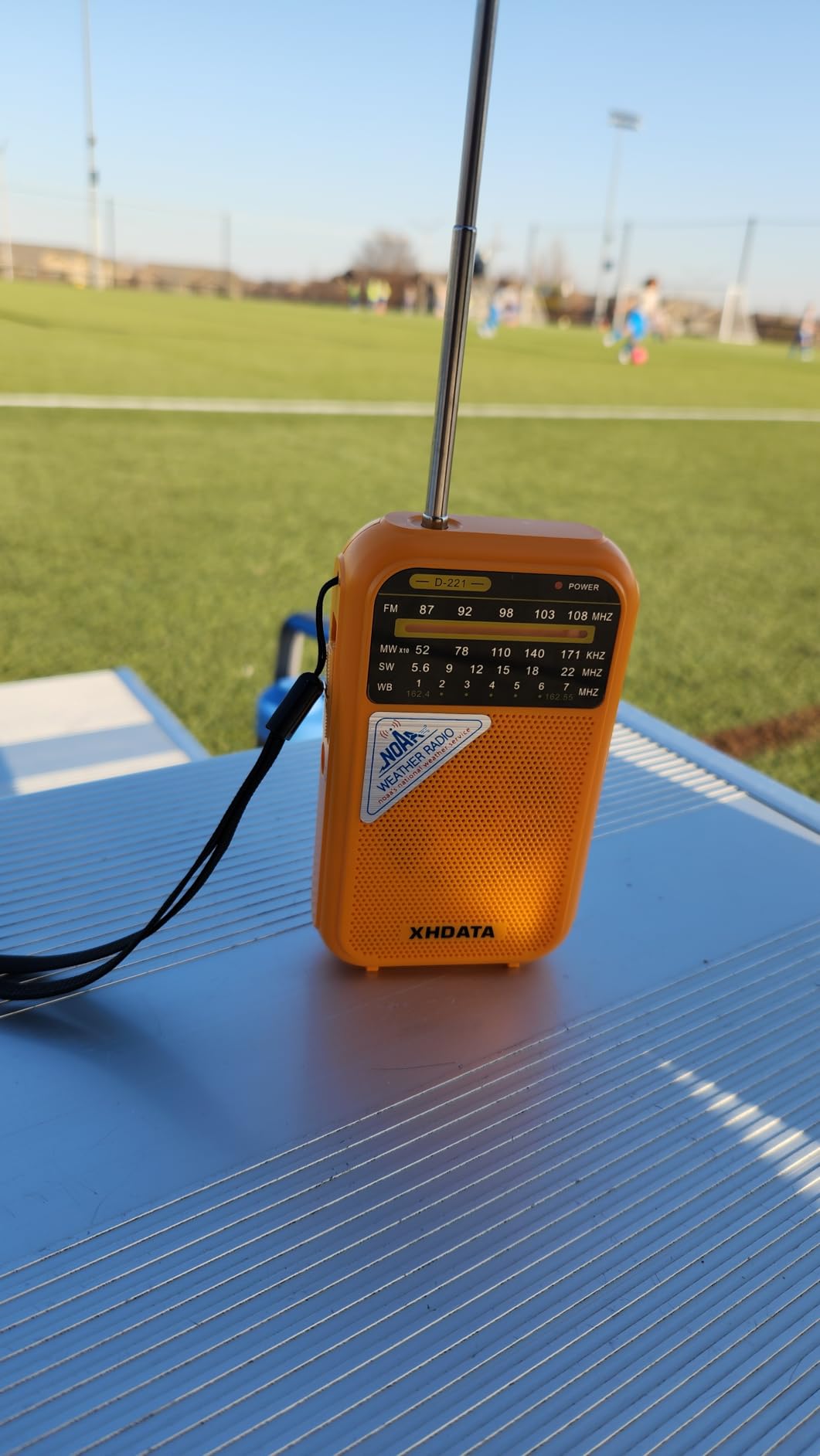
The XHDATA D221 is the smallest radio on this list at 125 grams and 4.9 inches tall. After two months of testing, I’m convinced this pocket-friendly form factor makes it a genuinely useful backup or secondary emergency radio for preppers.
The DSP (Digital Signal Processing) chip is the standout feature at this price point. It dramatically improves weak-signal reception compared to analog circuits. I was able to pull in NOAA weather broadcasts from 40+ miles away in fringe areas where budget competitors failed.
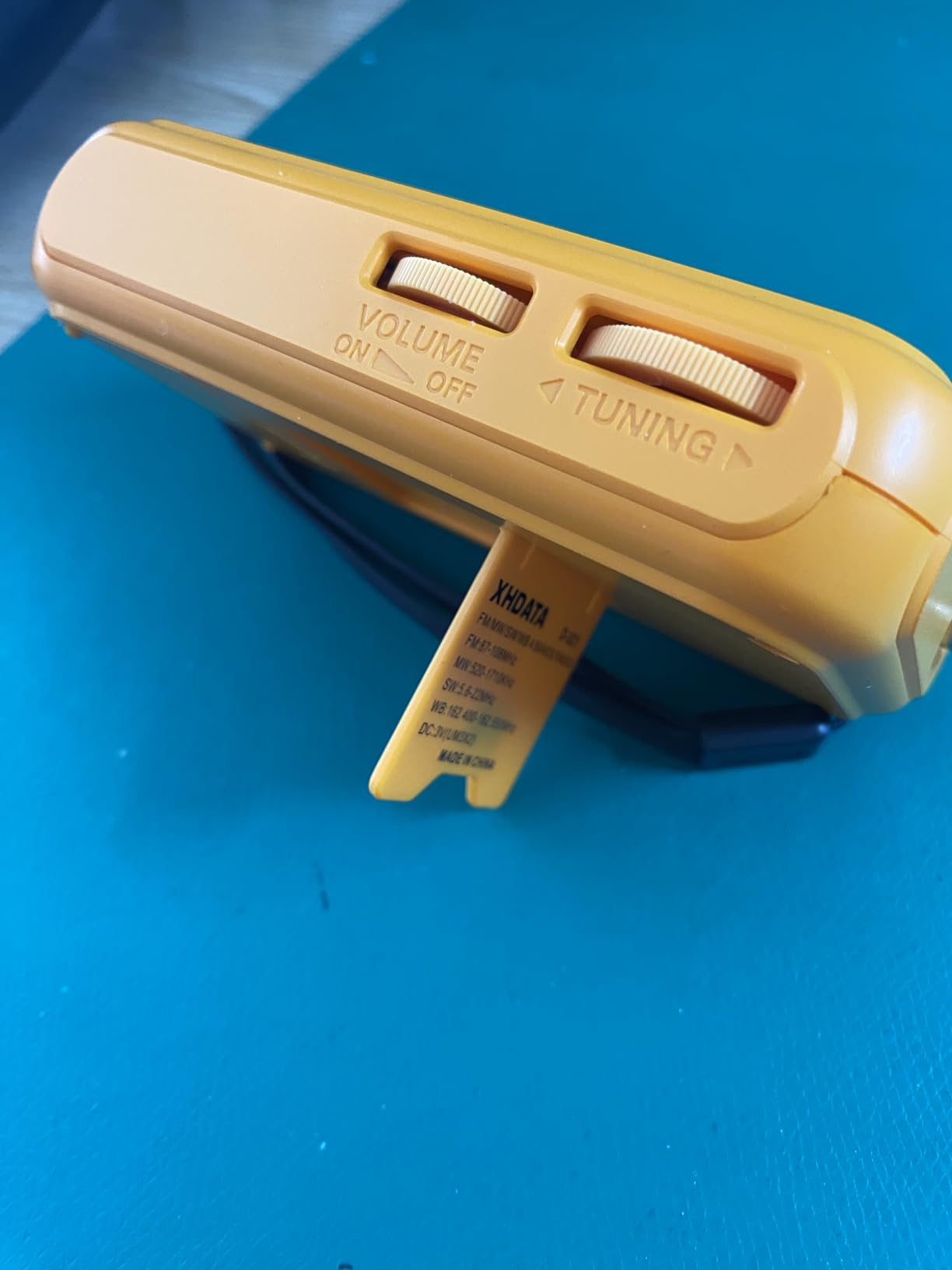
FM, AM, SW, and WB NOAA coverage gives you the full emergency frequency range. The 4-band coverage spans FM (87-108 MHz), AM (520-1730 KHz), SW (5.6-22.0 MHz), and weather band (162.40-162.55 MHz).
AA battery power is a practical choice for emergency scenarios — you can stockpile AAs cheaply and they store for 5-10 years without significant capacity loss.
Best Use Case: Pocket EDC and secondary emergency radio
If you carry a daily kit or want an emergency radio that disappears into a jacket pocket, the D221 is hard to beat. The size makes it practical to always have on you, which is the whole point of emergency preparedness.
It’s also a strong choice for travelers and hikers who want emergency radio capability without bulk. Pairs well with a quality CB radio for layered communication in remote areas.
Limitations to Consider
The volume knob is genuinely easy to bump accidentally. If you carry this in a pocket, expect to discover it’s either muted or blasting at random moments until you adjust to the sensitivity.
Shortwave tuning can be difficult on crowded bands. The DSP chip helps with weak signals but makes fine-tuning precise frequencies challenging. For emergency listening to strong stations, this is fine.
What to Look for in a Shortwave Emergency Radio
Choosing between shortwave emergency radios means weighing power resilience against radio performance, then matching both to your specific scenario. Here’s what actually matters after testing eight models over three months.
Power Options: Hand Crank, Solar, Battery, USB
The whole point of an emergency radio is operation without grid power. Every radio on this list offers at least three independent charging methods, but they perform very differently in practice.
Hand cranks deliver roughly 5-15 minutes of playback per minute of cranking across this category — slow but reliable when nothing else works. Solar panels are even slower; expect 5-10% battery refill across 4 hours of direct sun. Realistically, both function as emergency topping-off tools rather than primary charging.
USB-C or Micro-USB charging is your primary method for most scenarios. The internal rechargeable battery (typically 4000-5000mAh) gives you 20-70 hours of playback depending on volume and band. Look for radios with replaceable AA backup as your last-resort option — AAs store for years and can be stockpiled cheaply.
NOAA Weather Alerts and SAME Technology
NOAA weather radio is non-negotiable for serious preppers. The National Weather Service broadcasts continuous weather updates across seven VHF frequencies (162.400 to 162.550 MHz), and SAME (Specific Area Message Encoding) technology allows alerts to trigger automatically based on your county.
Look for radios with NOAA weather alert certification rather than just “weather band” capability. The Raynic, Kaito KA500, Eoxsmile, and PPLEE all deliver reliable NOAA alert functionality. The C. Crane Skywave 2 includes NOAA alerts in its premium reception package.
SSB (Single Sideband) Explained
SSB is a shortwave transmission mode used by amateur radio operators, maritime stations, and aviation communications. Standard AM shortwave radios can receive SSB signals but they sound distorted and unintelligible. True SSB-capable radios demodulate the signal properly.
For preppers monitoring ham radio traffic, maritime weather, or aviation emergencies, SSB capability matters. None of the radios on this list include SSB — they’re all standard AM shortwave receivers. If you need SSB, look at dedicated units like the Tecsun PL-330 or higher-tier models, or pair your emergency radio with a dedicated ham radio.
Frequency Coverage: AM/FM/SW/NOAA
The radios on this list all cover the essential bands: AM (for local talk and emergency broadcasts), FM (for local news), shortwave (for international broadcasts), and NOAA weather. Beyond the basics, some add VHF aviation band (C. Crane Skywave 2) or longwave (Kaito Voyager Pro KA600).
For most prepper scenarios, AM/FM/SW/NOAA coverage is sufficient. VHF aviation is a nice bonus for monitoring flight emergencies. Longwave matters mainly for international broadcast enthusiasts.
Build Quality and Durability
Emergency radios get knocked around. Look for ABS plastic enclosures (Kaito KA500), reinforced corners, and water resistance ratings. The IPX3 rating on the Raynic handles rain and splashes; IPX4 handles water jets from any direction.
Avoid radios with no water resistance rating (like the C. Crane Skywave 2 and XHDATA D221) for outdoor use unless you pair them with a waterproof bag. Most emergency scenarios involve some moisture exposure.
GMRS vs Ham Licensing for Preppers
Shortwave emergency radios are receivers only — no license needed. But if you want two-way communication for prepper use, you need to choose between GMRS and Ham radio, and the licensing requirements differ significantly.
GMRS (General Mobile Radio Service) requires a license but no test. The FCC license covers your entire family for 10 years and costs a small fee. GMRS radios like the best two-way radios offer higher power output and repeater access for extended range.
Ham radio (amateur radio) requires passing a written exam for each license level. The Technician license is the entry point and unlocks VHF/UHF frequencies. Ham gives you access to more frequencies, longer range, and a global community of operators, but requires study and testing.
For preppers starting from scratch, GMRS is the easier entry point. For preppers who want maximum capability and don’t mind the learning curve, Ham radio is the stronger choice. Pair either with a shortwave emergency receiver for comprehensive coverage.
Frequently Asked Questions
What is the best radio to have in an apocalypse?
For an apocalypse scenario, the best radio depends on your goals. For pure information gathering without infrastructure, a shortwave emergency radio like the Raynic or C. Crane Skywave 2 receives international broadcasts. For two-way communication with other preppers, a GMRS or Ham radio is essential, and these require a license for legal transmission. The ideal setup combines a shortwave receiver for monitoring distant broadcasts plus a two-way radio for local communication.
What radio do preppers use?
Most serious preppers use a layered approach: a shortwave emergency radio (like the Raynic, Kaito KA500, or C. Crane Skywave 2) for receiving NOAA weather alerts and international broadcasts, plus a licensed GMRS or Ham radio for two-way communication. The shortwave receiver needs no license and works during infrastructure failures. The two-way radio enables coordination with other preppers but requires an FCC license. Shortwave listening hobbyists add dedicated units like the Tecsun PL-330 for serious listening.
What is the best communication device for preppers in an emergency?
The best communication device combines a shortwave emergency radio for receiving broadcasts with a licensed two-way radio (GMRS or Ham) for transmitting. For receiving information about developing emergencies, NOAA weather alerts via a shortwave radio are essential. For coordinating with family or other preppers, a GMRS radio with repeater access offers better range than FRS unlicensed radios. For maximum capability, a Ham radio unlocks global communication through repeater networks and HF propagation, but requires passing an FCC license exam.
What radio would survive an EMP?
Most modern emergency radios contain solid-state electronics vulnerable to electromagnetic pulse damage. Truly EMP-survivable radios use older vacuum tube technology or military-grade hardened components that are rare in consumer products. Realistically, after a significant EMP event, most modern electronics will fail. Preppers and buyers concerned about EMP scenarios should focus on radios with simple circuitry, mechanical tuning (avoiding digital displays), and the ability to operate without grid power indefinitely via hand crank. Multiple redundant radios stored in different locations improves your chances.
Do I need a license for emergency radio?
For receiving-only shortwave emergency radios, no license is required. Anyone can buy and operate a shortwave receiver legally in the United States. If you want to transmit, you need an FCC license. GMRS (General Mobile Radio Service) requires a license but no test, costs a small fee, and covers your family for 10 years. Ham radio requires passing a written exam (Technician level is the entry point). FRS (Family Radio Service) radios are license-free but limited to lower power and no repeater access. Choose your radio type based on whether you need to receive only or transmit as well.
Final Verdict: Which Shortwave Emergency Radio Should Preppers Buy?
After three months of testing, the Raynic CR1009Pro is our top pick for the best shortwave emergency radio for preppers in 2026. The combination of six charging options, NOAA auto-alerts, IPX3 water resistance, and 20k+ verified reviews makes it the most reliable all-rounder for a primary emergency radio.
If budget matters more than maximum features, the Eoxsmile offers certified NOAA alerts and similar functionality at a slightly lower price point. For serious shortwave listeners who also need emergency capability, the C. Crane Skywave 2 delivers reception quality that cheaper units simply can’t match. Whichever radio you choose, pair it with a licensed two-way radio for full communication capability and store one unit as a backup in a separate location from your primary kit.