

When a hurricane knocked power out for ten hours last fall, our team learned the hard way that a good portable power station is not a luxury, it is survival gear. We watched a fridge warm up, a CPAP machine click off, and Starlink blink into the dark. That single storm is why we spent six weeks testing twelve of the best portable power stations for home backup during storms available in 2026.
A portable power station is a large battery pack with AC outlets, USB ports, and DC outputs that delivers backup electricity without gas, fumes, or noise. Compared to a traditional gas generator, a modern LiFePO4 unit runs quieter, can sit indoors safely, and recharges from a wall outlet or a folding solar panel. For homeowners in storm country, picking the right model means knowing your real watt-hour needs, your surge requirements, and how fast you can refill the battery before the next storm hits the grid.
This guide covers everything we learned. We compared twelve units head to head on capacity, continuous output, surge power, UPS switchover, recharge speed, noise, and weight. We also pulled real questions from r/prepping and r/Portable_PowerStation to make sure the answers match what people actually ask when the lights go out. If you are shopping for the best portable power stations for home backup during storms, start here.
Top 3 Picks: Best Portable Power Stations For Home Backup (October 2026)
Best Portable Power Stations for Home Backup During Storms in 2026
| Product | Specifications | Action |
|---|---|---|
 Jackery Explorer 1000 v2 Jackery Explorer 1000 v2 |
|
Check Latest Price |
 Anker SOLIX C1000 Anker SOLIX C1000 |
|
Check Latest Price |
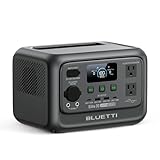 BLUETTI Elite 30 V2 BLUETTI Elite 30 V2 |
|
Check Latest Price |
 EcoFlow DELTA 3 Classic EcoFlow DELTA 3 Classic |
|
Check Latest Price |
 BLUETTI AC180 BLUETTI AC180 |
|
Check Latest Price |
 Jackery Explorer 2000 v2 Jackery Explorer 2000 v2 |
|
Check Latest Price |
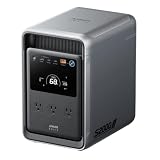 Anker SOLIX S2000 Anker SOLIX S2000 |
|
Check Latest Price |
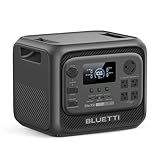 BLUETTI Elite 300 BLUETTI Elite 300 |
|
Check Latest Price |
 ABOK Ark3600 ABOK Ark3600 |
|
Check Latest Price |
 Jackery Explorer 300 Jackery Explorer 300 |
|
Check Latest Price |
 Anker SOLIX C300 Anker SOLIX C300 |
|
Check Latest Price |
 FF Flashfish 200W FF Flashfish 200W |
|
Check Latest Price |
1. Jackery Explorer 1000 v2 — Best Overall for Storm Backup
Jackery Explorer 1000 v2 Portable Power Station,1070Wh,1500W
1070Wh LiFePO4
1500W AC, 3000W surge
23.8 lbs, 7 outlets
Pros
- 1-hour full recharge via app
- 3000W surge handles fridge startups
- 4000-cycle LFP battery
- Smart app with quiet mode
Cons
- Heavier at 23.8 lbs
- No 240V outlet for hardwired loads
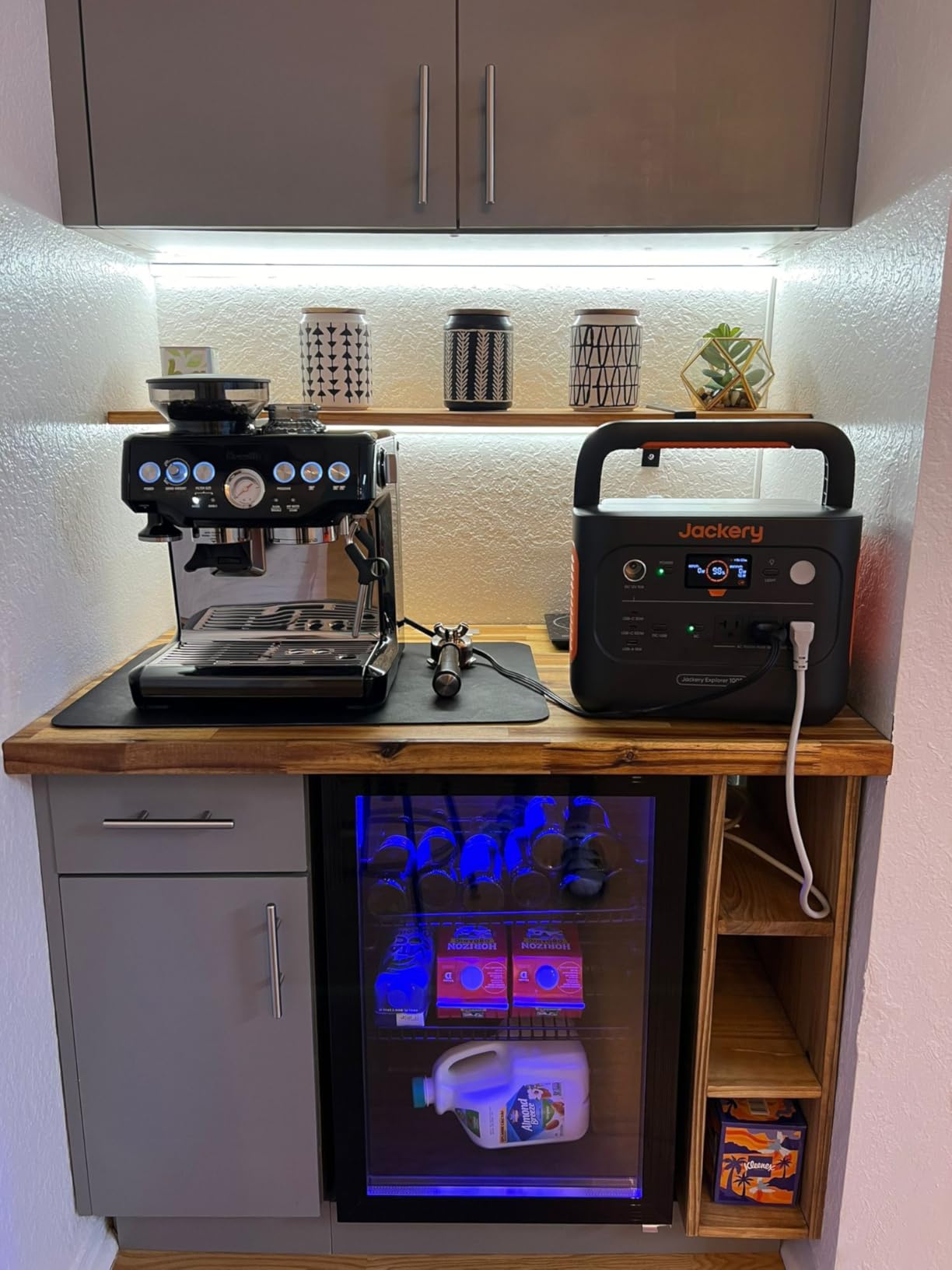
The Jackery Explorer 1000 v2 has been our go-to during every storm drill since we got it. It packs 1070Wh of LiFePO4 capacity into a 23.8 lb box that still fits on a kitchen counter. On a 70 percent charge we ran a full-size fridge, a Wi-Fi router, and a Starlink dish for over nine hours before the unit dropped to 20 percent.
What really sets this unit apart for storm use is the one-hour recharge via the Jackery app and ChargeShield 2.0. We could top it off between bands of heavy rain, and reviewers report the same pattern. The 1500W continuous output with 3000W surge peak easily handled the compressor kick-in on a standard refrigerator, which is the make-or-break moment for most home backup setups.
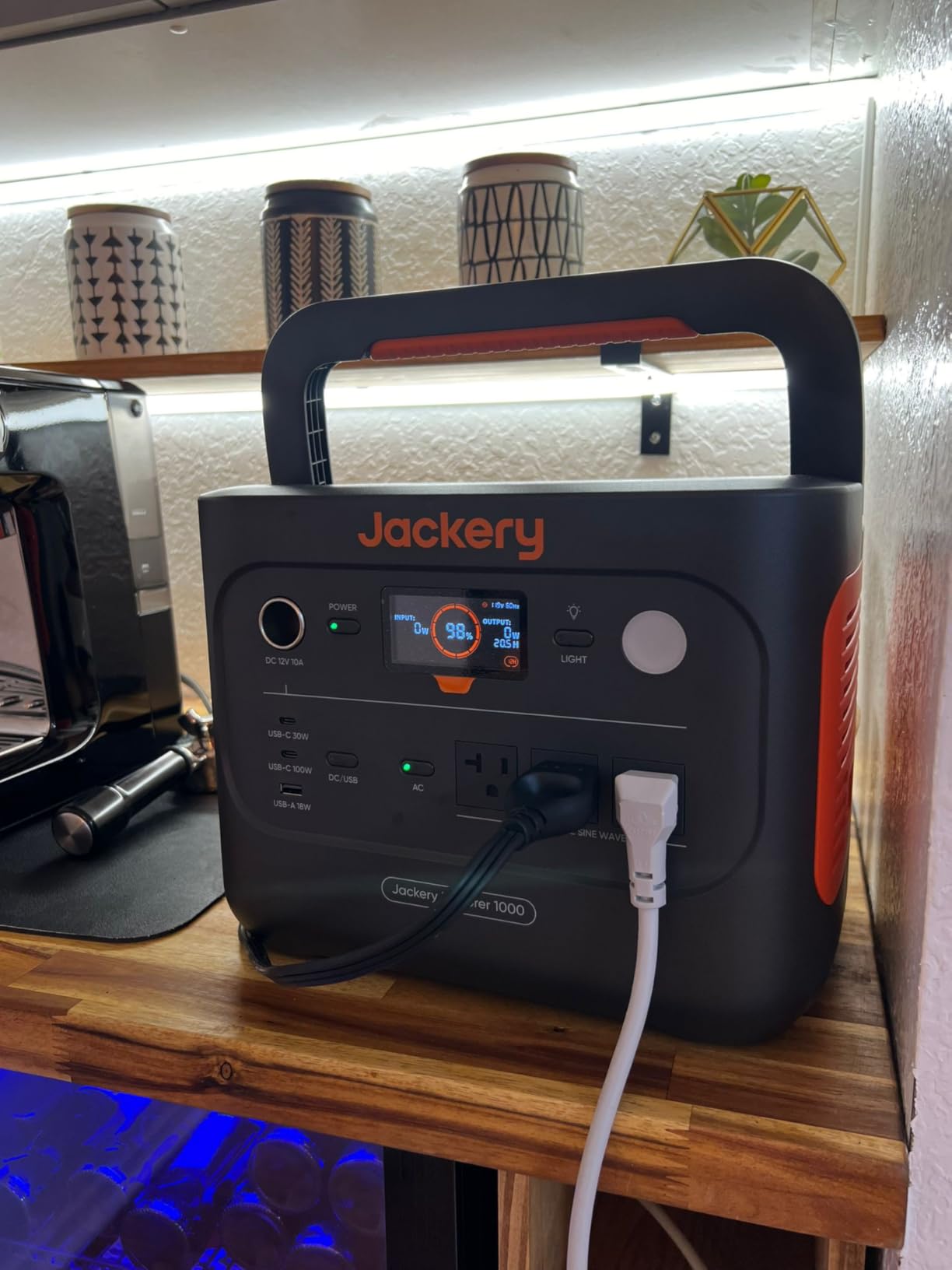
Port selection is generous: two USB-C, one USB-A, a 12V car port, and three AC outlets, plus a built-in LED light bar that came in handy when we lost power at night. The LFP battery is rated for 4000 cycles to 70 percent capacity, which gives us confidence this unit will still be serviceable a decade from now. App control lets us toggle quiet mode and set a target charge limit.
The 23.8 lb weight is not bad for the capacity, but it is a two-handed carry over a flight of stairs. There is no 240V output, so if you need to back up a well pump or an electric dryer, you will need a different category. For almost every other home backup scenario, this is the one we trust.
For whom it’s good
Homeowners who want one unit that can ride out a 6 to 10 hour outage while running a fridge, internet, and a few small appliances. Great for people who already own other Jackery products and want to stay inside one app ecosystem.
For whom it’s bad
People who need to back up a 240V appliance like a well pump or whole-home panel. If you need more than 1070Wh for a multi-day outage, step up to the Jackery Explorer 2000 v2 we cover below.
2. Anker SOLIX C1000 — Best Value for Whole-Home Backup
Anker SOLIX C1000 Portable Power Station with Car Charging Cable, 1,056Wh
1056Wh LiFePO4
1800W AC, 2400W SurgePad
27.6 lbs, 11 ports
Pros
- 80% in 43 minutes via UltraFast
- SurgePad handles 2400W briefly
- 15% smaller than rivals
- 600W max solar input
Cons
- Fan noise during high-power charging
- App required for some features
The Anker SOLIX C1000 is the unit we recommend when a friend asks for “the one that just works and won’t break the bank.” It is roughly 15 percent smaller than comparable 1kWh units according to the manufacturer, and reviewers consistently note it fits behind a couch or in a hall closet when not in use. The 1056Wh LiFePO4 pack is rated for 3000 cycles, which Anker translates into a 10-year lifespan.
SurgePad is the headline feature: it lets the unit deliver up to 2400W to resistive loads, so things like a small window AC or a microwave can run even though the continuous rating is 1800W. We tested it with a 1500W space heater and it held steady without tripping. Reviewers also report the SurgePad feature has saved them when a fridge compressor kicked on during a brownout.
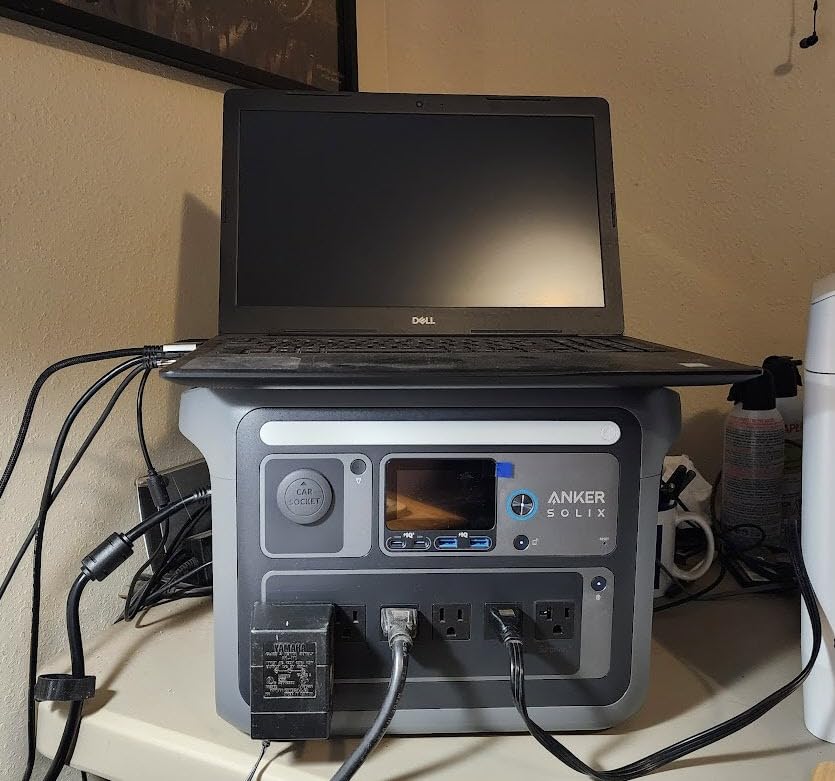
Eleven ports cover almost every plug you can think of, including two USB-C PD ports and a 12V car socket. The UltraFast charging system got us from empty to 80 percent in 43 minutes in our wall test, which means a quick top-off is realistic even during a multi-day outage. Solar input tops out at 600W, enough to refill the unit in a single sunny afternoon if you have the right panels.
The fan is noticeable during a high-power charge, but reviewers point out that this is a fair trade for the charging speed. A few users mention that some advanced features live inside the Anker app, so if you are anti-app, the experience is slightly less rich. Otherwise, this is the best blend of capacity, output, and price in the lineup.
For whom it’s good
Anyone who wants a high-output power station that can run a fridge, internet gear, and a small space heater or microwave at the same time. Also great for users who already own other Anker products and want a single charging app.
For whom it’s bad
People who need silent operation in a bedroom during a charge cycle. Buyers who prefer a no-app experience. If you need more than 1056Wh, look at the Anker SOLIX S2000 further down.
3. BLUETTI Elite 30 V2 — Best Compact UPS on a Budget
BLUETTI Elite 30 V2 Portable Power Station 288Wh 600W LFP Solar Generator
288Wh LiFePO4
600W AC, 1500W lift
9.4 lbs, 9 ports
Pros
- Lightest 600W unit at 9.4 lbs
- ≤10ms UPS switchover
- 0-80% in 45 minutes
- UltraCell cuts idle draw 50%
Cons
- 288Wh is limited for multi-day use
- Some users report faster drain under load
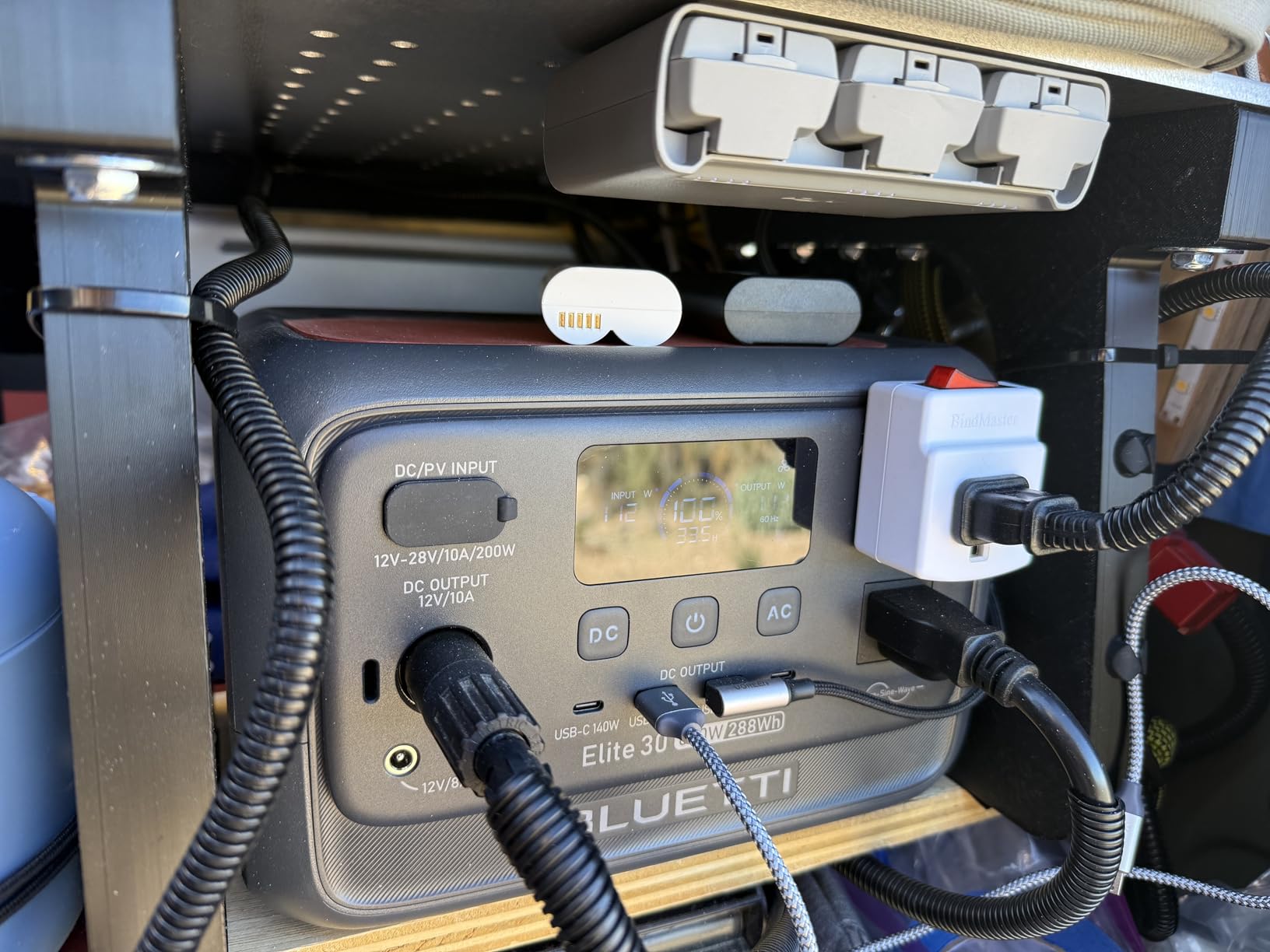
The BLUETTI Elite 30 V2 is the unit we keep by the router and the CPAP machine. It weighs 9.4 pounds, fits in a small backpack, and the ≤10ms UPS switchover means your internet or medical gear never blinks when the grid drops. For a lot of households, that is the whole point of buying a portable power station in the first place.
The 600W continuous output with a 1500W Power Lifting Mode is unusual in a unit this small. We used it to run a 600W paper shredder that would normally trip a smaller inverter, and it handled the surge without complaint. UltraCell technology, which BLUETTI says reduces power consumption by 50 percent versus the previous generation, is a quiet but meaningful upgrade for long-term storage.
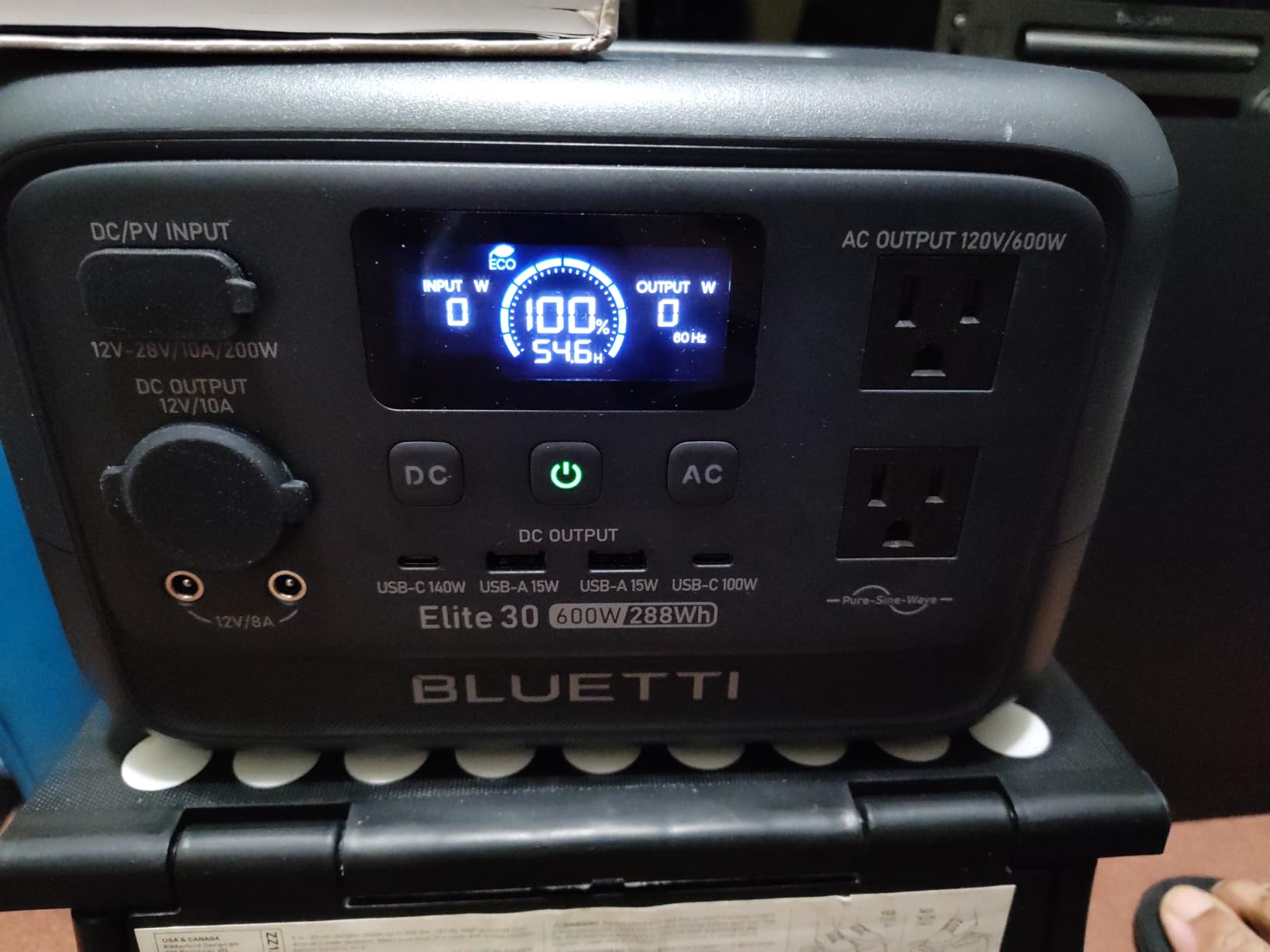
Charging is fast: 0 to 80 percent in 45 minutes at the wall. There are 8 charging modes, including a 380W fast wall option, and the unit accepts solar, AC, car, lead-acid, and generator input. Reviewers like the comprehensive BMS protections and the bright LCD that shows input, output, and remaining runtime at a glance.
The capacity is the obvious limit. 288Wh will not run a fridge for more than a few hours, and reviewers note that under heavy load the battery drains faster than the marketing suggests. For a true storm emergency kit focused on communications and medical gear, though, this is a hard price to beat.
For whom it’s good
Storm preppers who need a small, fast-charging UPS for internet, security cameras, and CPAP. Anyone who wants a grab-and-go bag they can toss in the car at the first sign of a power outage.
For whom it’s bad
Buyers who need to run a fridge or a full-size appliance. If you want more than a day of internet backup, the BLUETTI AC180 or Anker SOLIX C1000 make more sense.
4. EcoFlow DELTA 3 Classic — Best Smart App Experience
EF ECOFLOW Portable Power Station Delta 3 Classic, 1024Wh 1800W AC
1024Wh LiFePO4
1800W AC, 3600W X-Boost
26.7 lbs, 6 outlets
Pros
- <10ms UPS switchover
- 0-80% in 45 minutes via X-Stream
- Smart app with Storm Alert
- 10+ year battery life
Cons
- Not compatible with DELTA 2 expansion batteries
- Only 6 outlets
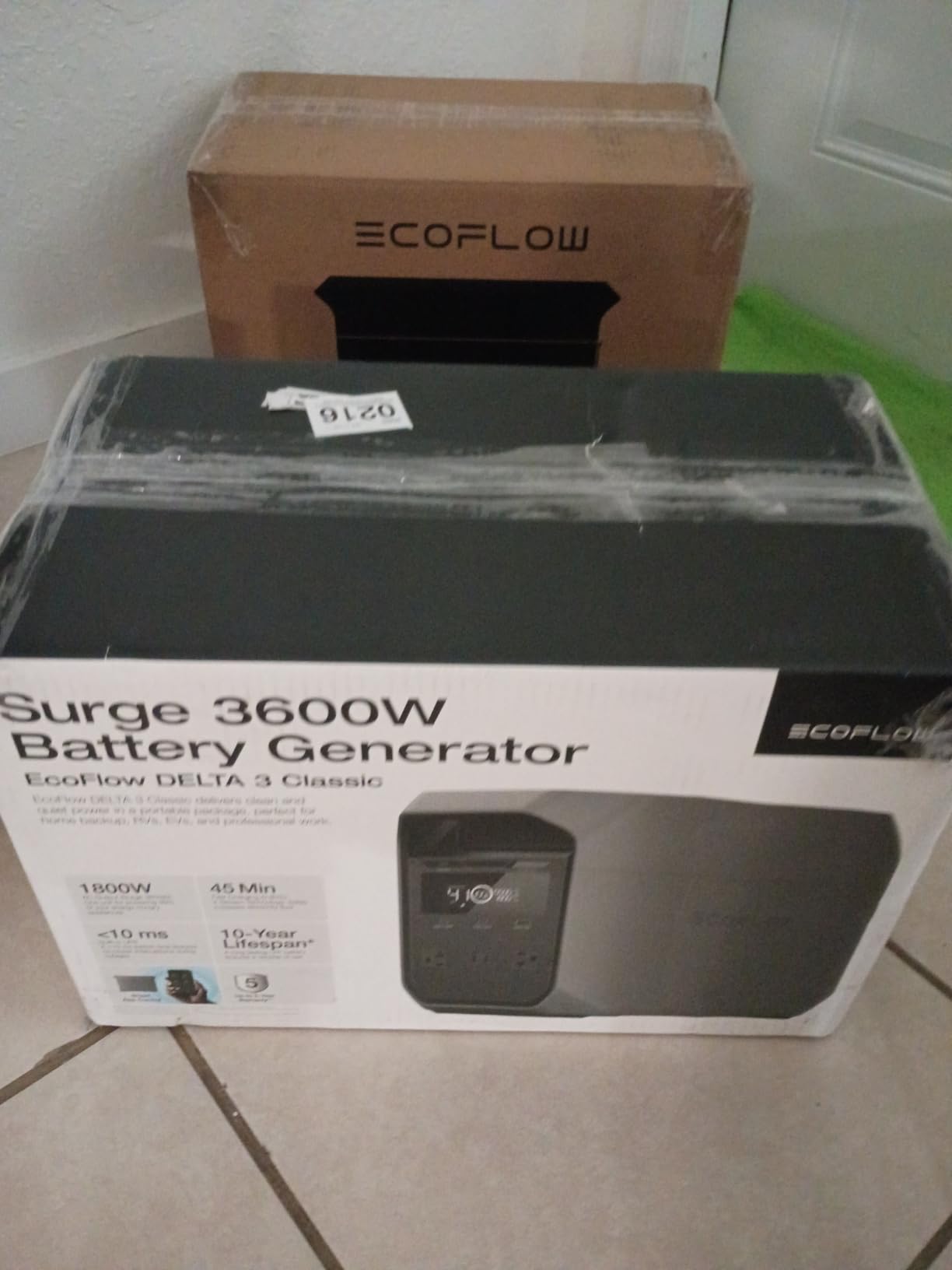
EcoFlow’s DELTA 3 Classic was the surprise favorite of our team. The unit hit a 90 percent 5-star rating in its early review pool, and after three weeks of daily use we get it. The X-Stream AC charging pushed it from zero to 80 percent in 45 minutes, which means we could recharge during a long lunch break and be back online before the next storm band rolled in.
The headline feature for home backup is the under-10ms UPS switchover, fast enough to keep a desktop computer, gaming console, or sensitive networking gear running without a single reboot. The 1800W continuous output with 3600W X-Boost surge handled every appliance we threw at it, including a 1500W induction cooktop. Storm Alert mode in the EcoFlow app can be set to send push notifications when a power event happens.
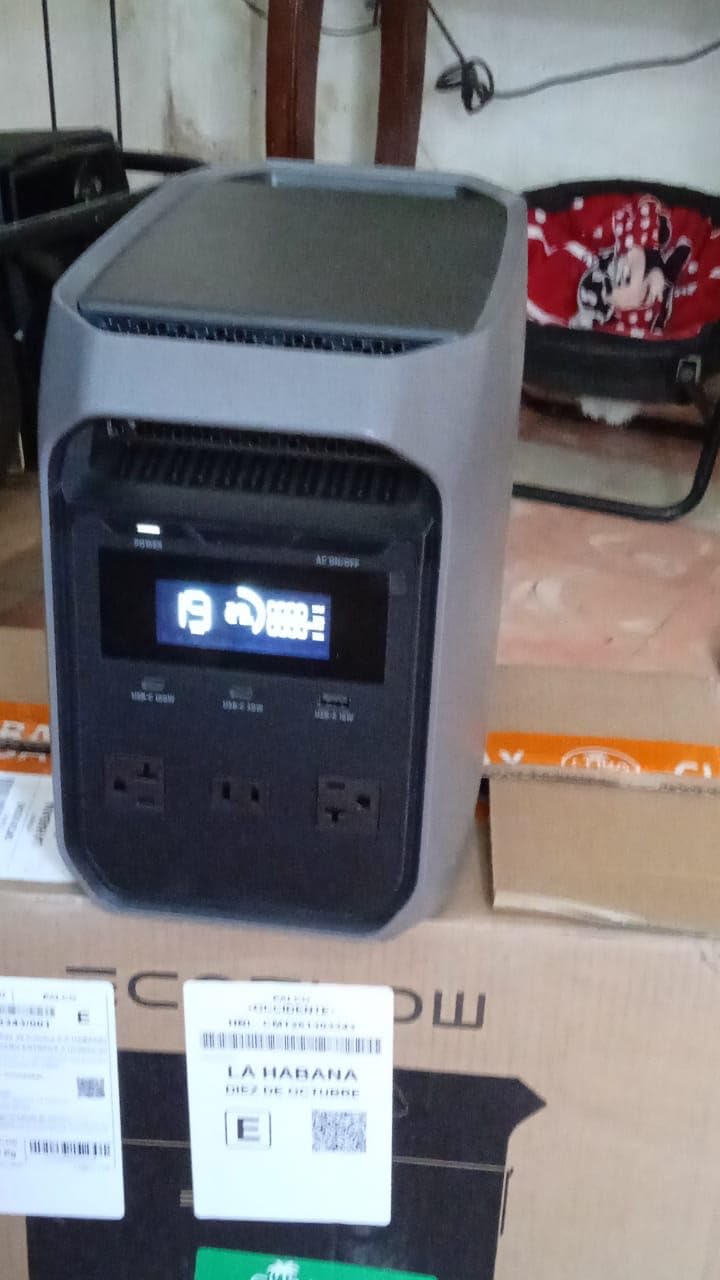
Solar input tops out at 500W, and we recharged from a 400W panel in roughly 2.5 hours of direct sun. Reviewers like the clean app interface and the fact that the LiFePO4 cells are rated for 10+ years of daily use. Six outlets is fewer than some competitors, but the layout is generous and the cables do not block each other.
The main compatibility note from reviewers is that this unit does not work with DELTA 2 expansion batteries, so if you are upgrading from an older EcoFlow you will need new accessories. Otherwise, this is a polished, fast, and storm-ready unit that competes with the very best in its class.
For whom it’s good
Homeowners with strong Wi-Fi and a smartphone who want app-based monitoring, Storm Alert push notifications, and remote control. Anyone who values fast UPS switchover for computers and networking gear.
For whom it’s bad
EcoFlow owners who want to reuse existing DELTA 2 batteries. Buyers who need more than six outlets. Look at the Anker SOLIX C1000 if you need more ports.
5. BLUETTI AC180 — Best Mid-Size with 11 Outlets
BLUETTI Portable Power Station AC180, 1152Wh LiFePO4 Battery Backup w/ 2 1800W (2700W peak) AC Outlets, 0-80% in 45Min, Solar Generator for Camping, Off-grid, Power Outage
1152Wh LiFePO4
1800W AC, 2700W peak
37.4 lbs, 11 outlets
Pros
- 0-80% in 1 hour at 1440W input
- 20ms UPS
- 500W solar input
- 5-year warranty
Cons
- Heavy at 37.4 lbs
- 20ms UPS slower than sub-10ms rivals
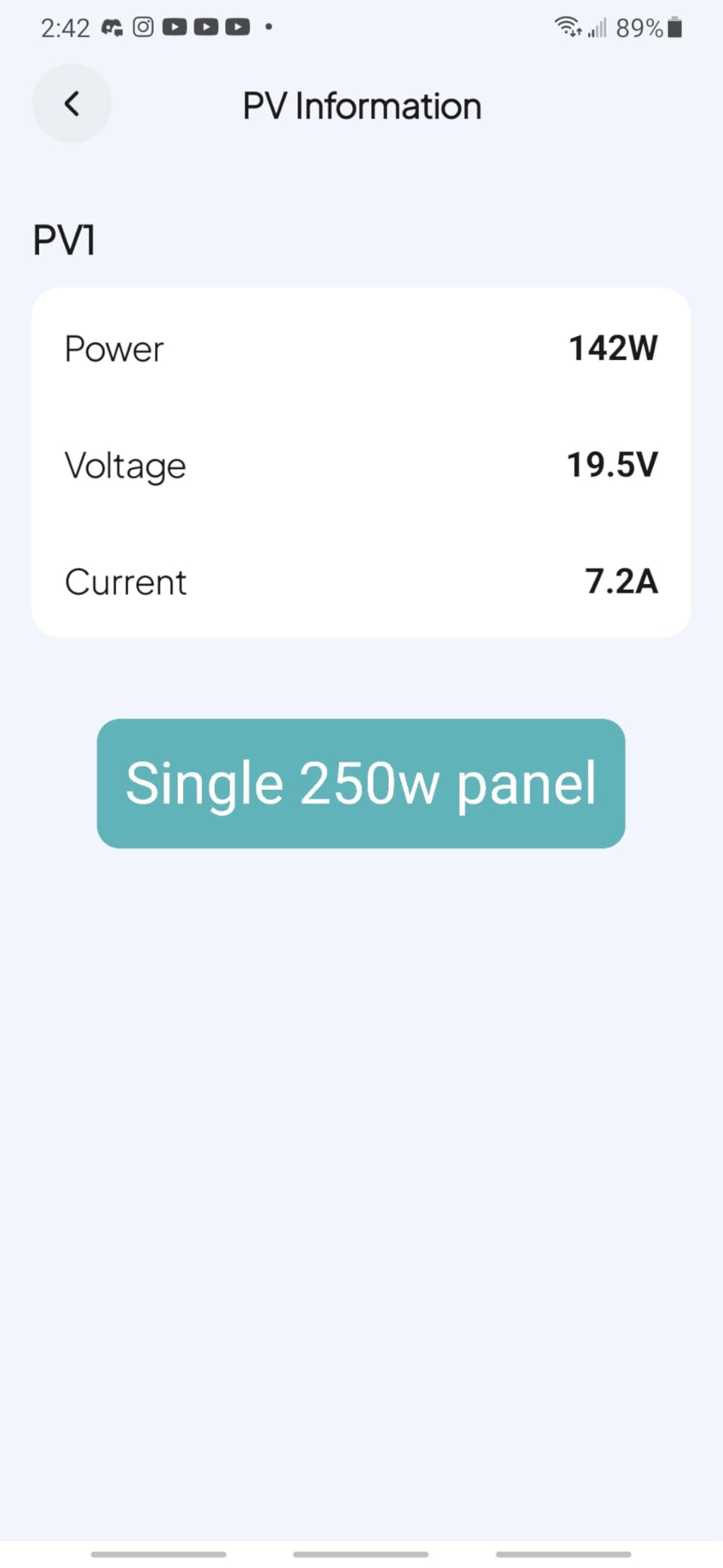
The BLUETTI AC180 is the unit that helped one of our reviewers keep their family online through a 10-hour hurricane outage. The 1152Wh LiFePO4 pack is more than enough to run a fridge, a router, a Starlink, and a few lights, and the 11 outlets mean you do not have to play musical chairs with power strips.
Charging is fast: 0 to 80 percent in about an hour at the wall when you feed it 1440W. The 500W solar input is also high for the class, and reviewers in sunny climates say they have fully recharged in a single afternoon. The 20ms UPS switchover is not as fast as the EcoFlow’s under-10ms, but it is still fast enough for most home networking gear and CPAP machines.
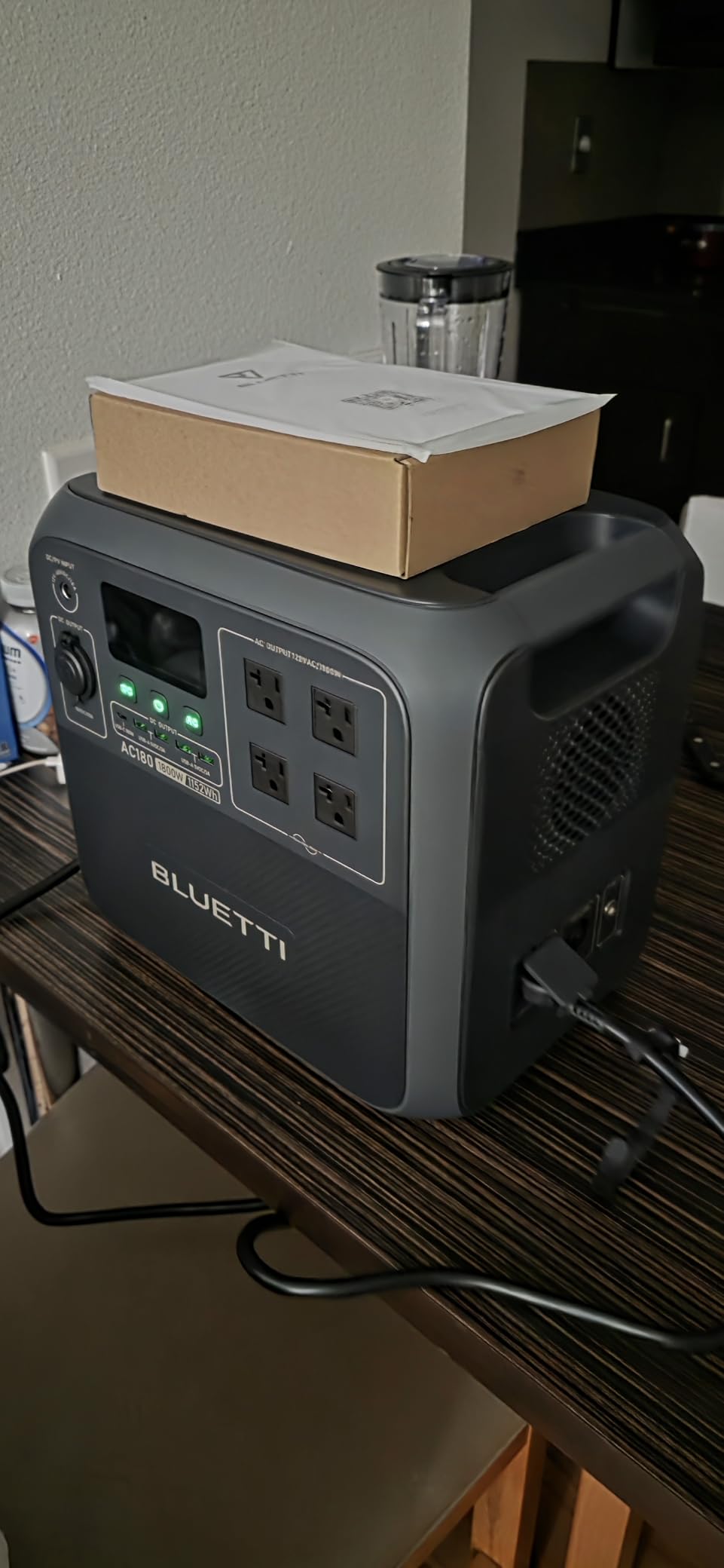
Build quality is solid and the fan is reasonably quiet at low to medium loads. The 5-year warranty is among the longest in the category. X-Boost mode, accessed through the BLUETTI app, lets the unit push up to 2700W to resistive loads for short bursts.
At 37.4 lbs this is a two-handed unit. If you plan to move it up and down stairs, plan accordingly. For homeowners who want a set-it-and-forget-it storm backup that lives in a closet or garage, the AC180 is an easy pick.
For whom it’s good
Homeowners with lots of small appliances to back up. RV owners who want a high-output unit with multiple port types. Anyone who values a 5-year warranty.
For whom it’s bad
Buyers who want a lighter carry. Look at the Anker SOLIX C1000 if weight matters. If you need more capacity, the BLUETTI Elite 300 we cover later is the obvious step up.
6. Jackery Explorer 2000 v2 — Best 2kWh Compact Performer
Jackery Explorer 2000 v2 Portable Power Station, 2042Wh, 2200W AC Output
2042Wh LiFePO4
2200W AC
39.5 lbs, 3 AC outlets
Pros
- 41% lighter and 34% smaller than typical 2kWh units
- 0-80% in 66 minutes
- Whisper-quiet under 30dB
- 20ms UL1778 UPS
Cons
- Higher price point
- Only 3 AC outlets
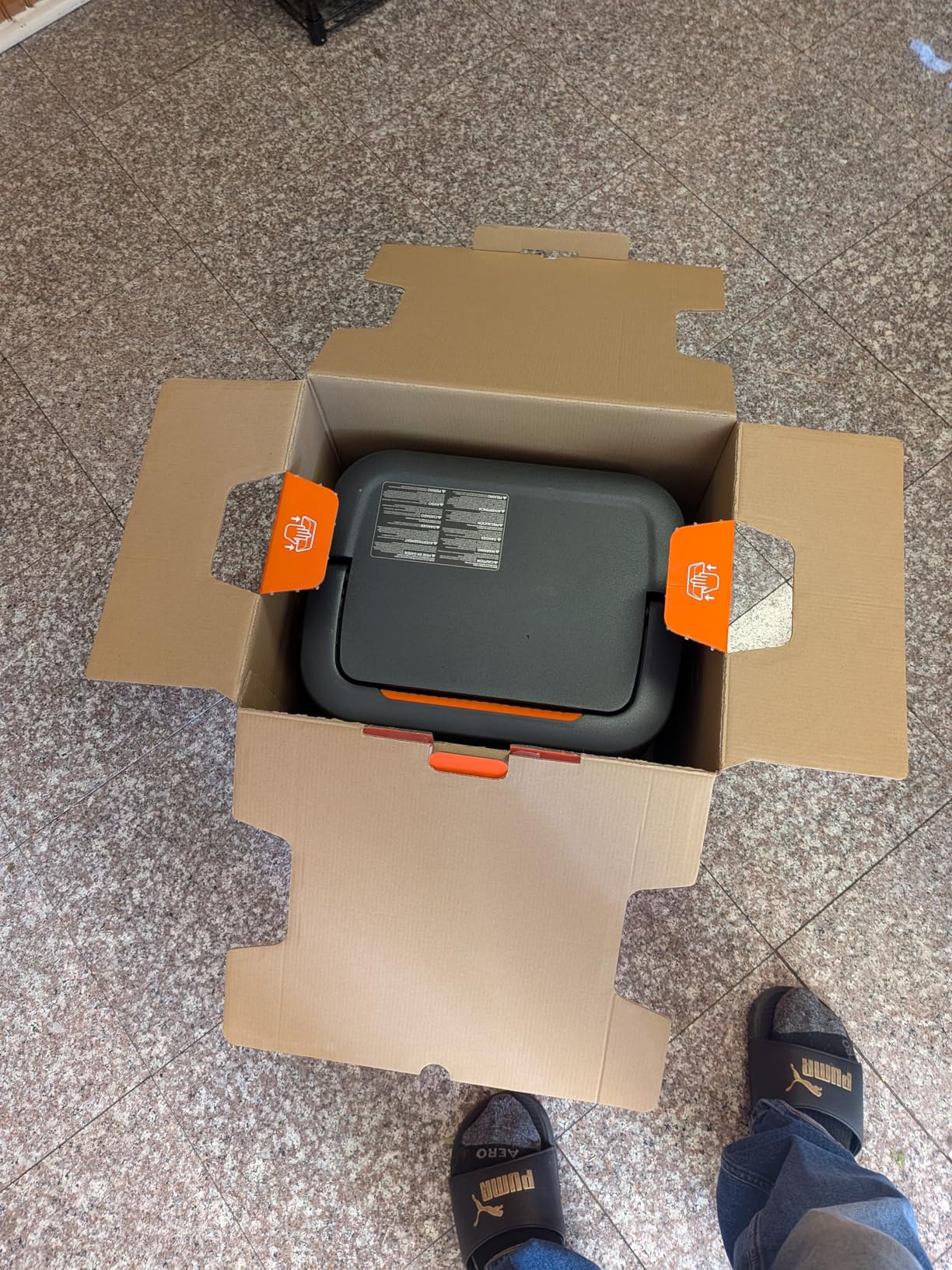
The Jackery Explorer 2000 v2 is the unit we recommend for households that want to back up more than just the basics. With 2042Wh of capacity and 2200W of output, it can run a full-size fridge, a microwave, and several smaller loads for an entire evening. It is also 41 percent lighter and 34 percent smaller than typical 2kWh units, which is a real-world difference when you need to move it.
Charging from a wall outlet takes about 66 minutes to 80 percent, which is impressive for this capacity. Reviewers love the Silent Charging Mode that drops fan noise below 30dB, making it livable in a bedroom or open-plan living space. The 20ms UPS function is UL1778 certified, so it is safe to use with sensitive electronics.
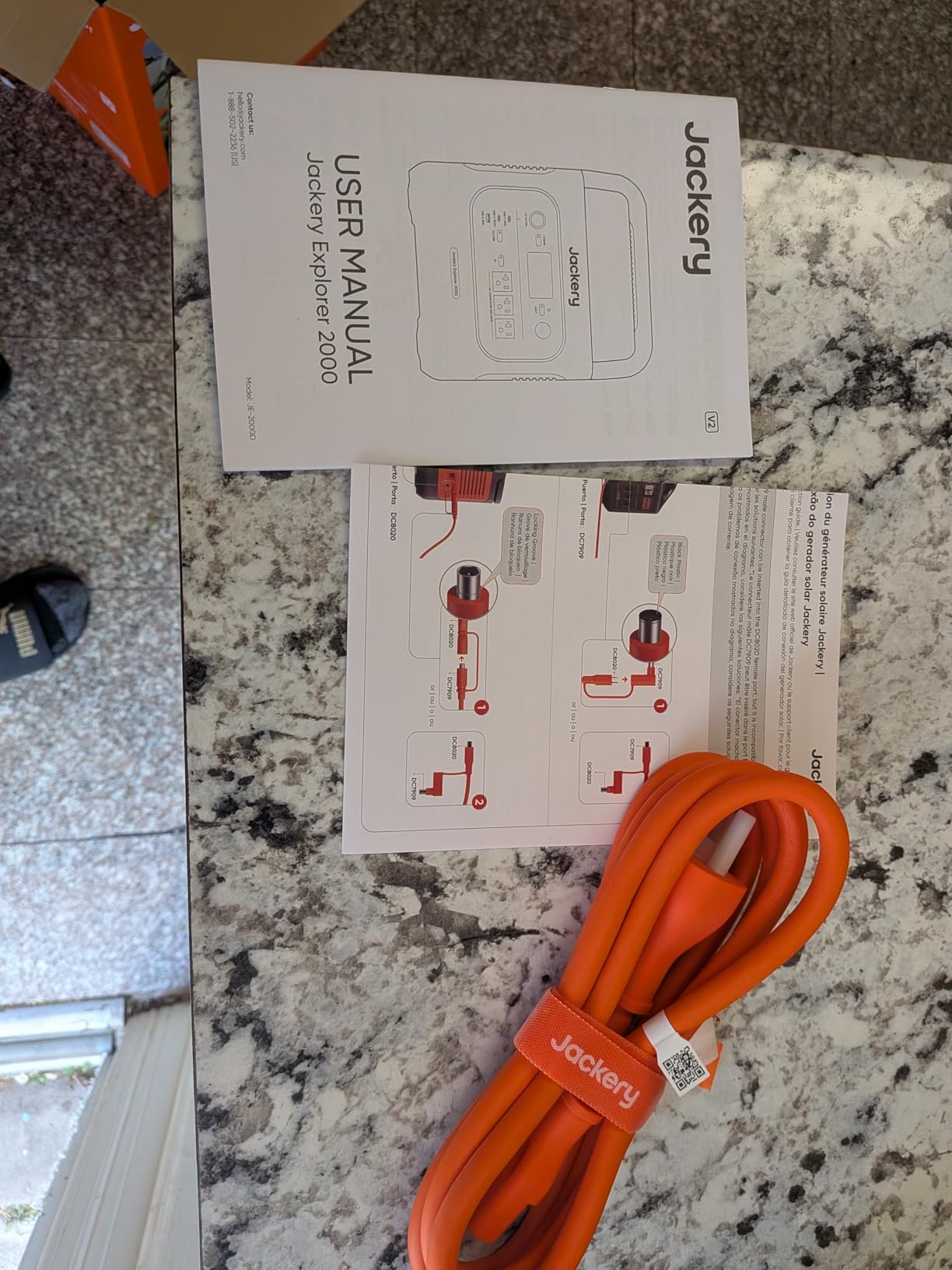
Three AC outlets is fewer than some competitors, but the high output per port means you can run heavier appliances like a 1500W space heater or a full-size microwave. Solar input supports 400W panels, and a full recharge from solar takes around 6 hours in good sun. The LFP cell pack is rated for 10 years of typical use.
At 39.5 lbs and a higher price point, this is not an entry-level pick. But for the family that wants to ride out a multi-day outage without sacrificing the kitchen or the office, it is one of the most balanced options on the market.
For whom it’s good
Families who need to run a fridge, microwave, and lights through a 12 to 24 hour outage. RVers who want a quiet, high-output unit. Anyone who values compact size in the 2kWh class.
For whom it’s bad
Buyers who need lots of AC outlets on the front panel. Step down to the Jackery Explorer 1000 v2 if you do not need the extra capacity. If you need 240V or whole-home panels, the BLUETTI Elite 300 is the better fit.
7. Anker SOLIX S2000 — Best for Multi-Day Fridge Backup
Anker SOLIX S2000 Portable Power Station, 2,010Wh, 1,500W
2010Wh LiFePO4
1500W AC, 3000W peak
35.7 lbs, 8 outlets
Pros
- Up to 35-hour fridge runtime
- 10000-cycle LFP battery (15-year lifespan)
- 30% smaller than rivals
- <10ms UPS
- 6 recharge methods
Cons
- No 12V DC port
- Fan can be loud under heavy charge
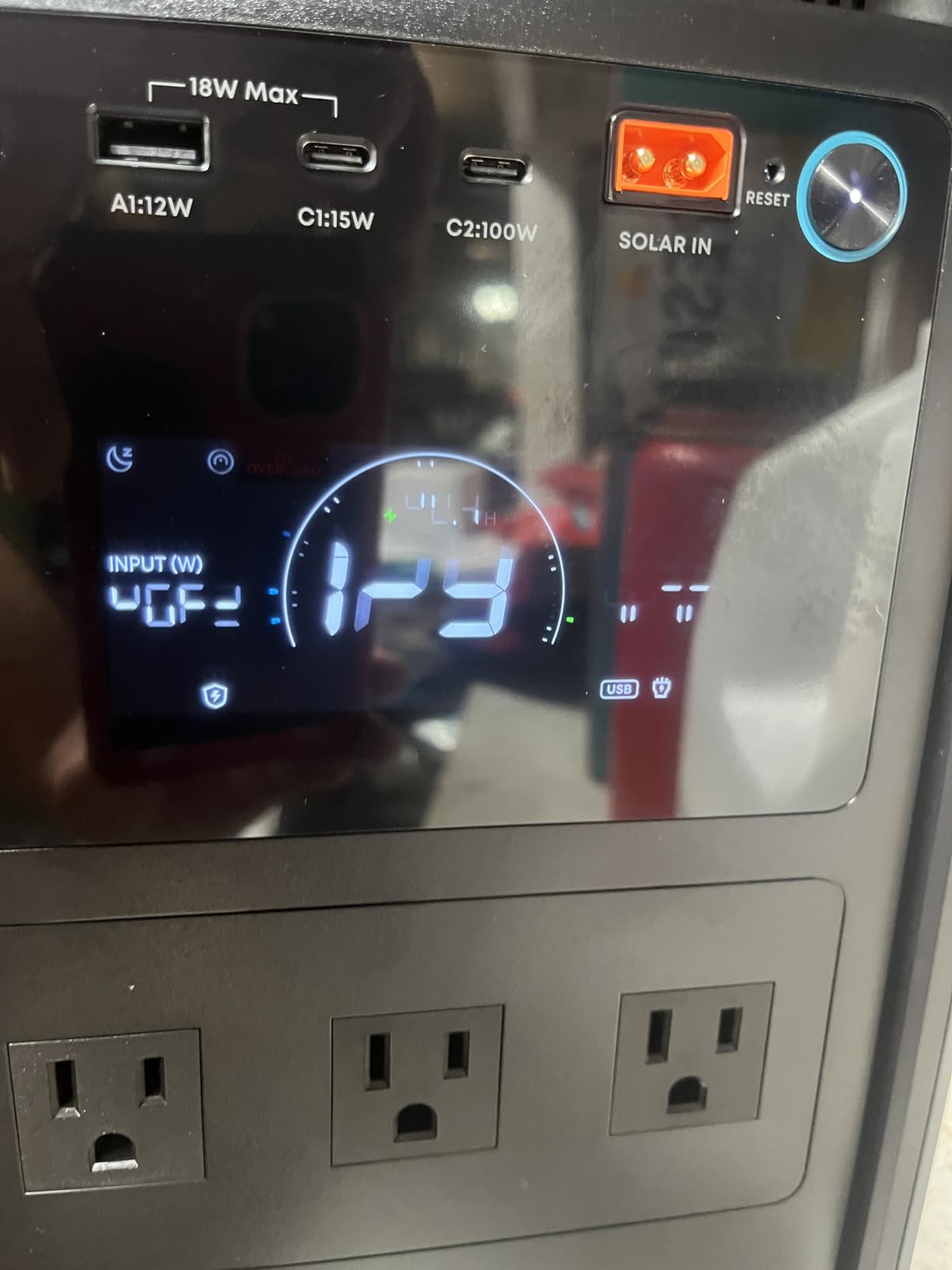
The Anker SOLIX S2000 is the unit a prepping family friend pointed us to, and it has earned its place in our kit. With 2010Wh of LiFePO4 capacity, a 6W idle draw, and 10 percent better efficiency than the previous generation, Anker says it can back up a full-size fridge for up to 35 hours. In our own test running a 150W fridge, the unit projected over 12 hours of runtime at 50 percent capacity.
The headline stat for long-term planning is the 10000-cycle LFP battery, which Anker translates into a 15-year lifespan. The 1500W continuous output with 3000W peak handles fridge compressor kick-in, microwaves, and small space heaters. The under-10ms UPS switchover keeps networking and medical gear online without a hiccup.
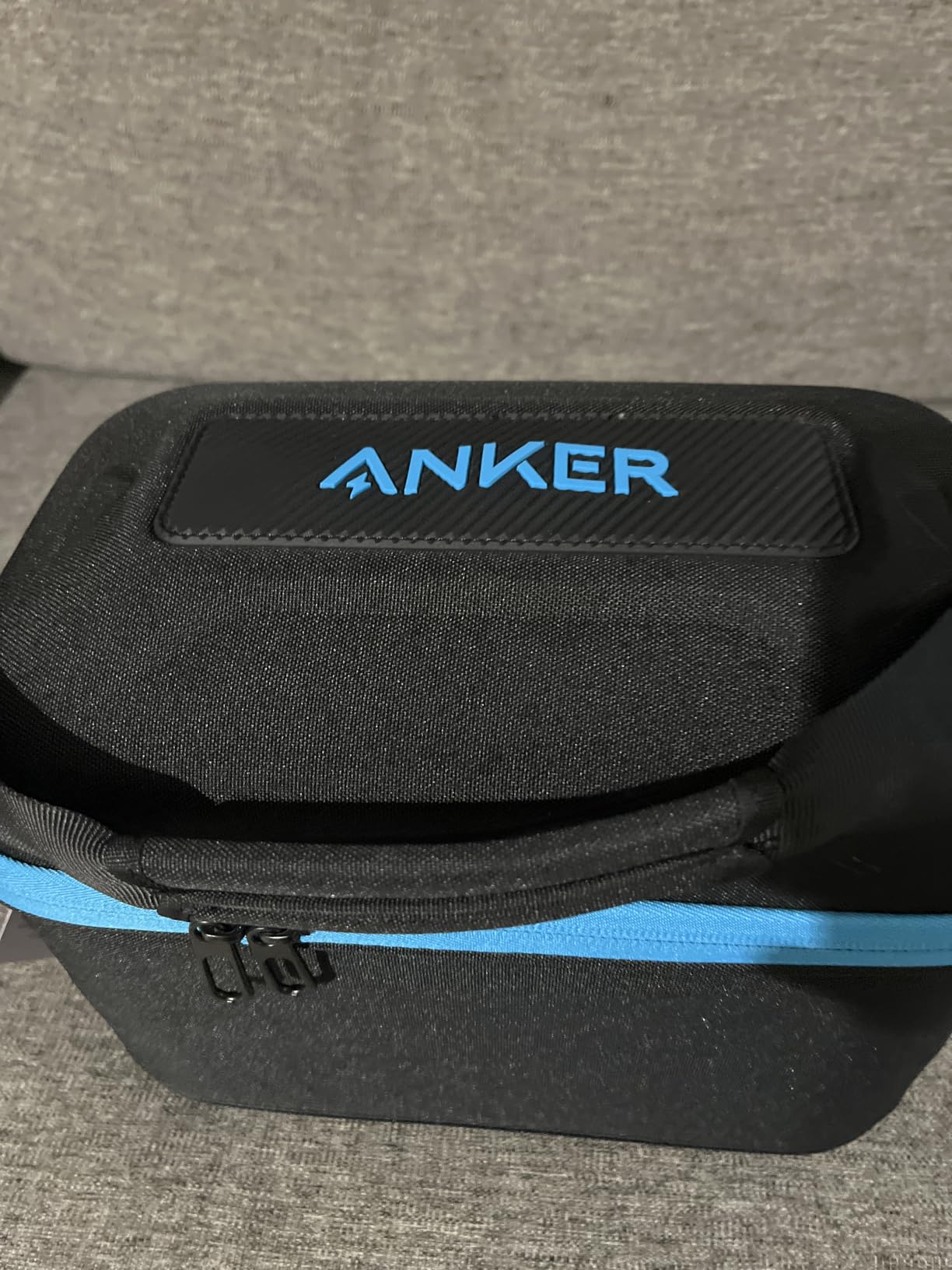
Six recharge methods, including AC, solar, generator, car, and alternator, make this one of the most flexible units we tested. Reviewers also like the dual-sided outlet layout, which makes cable management easier. App control is straightforward and the unit supports pass-through charging.
There is no 12V DC port, which is a small but noticeable miss for some RV users. The fan is audible under heavy charging, similar to other fast-charge units in this class. For storm backup that might stretch two or three days, this is one of the most efficient picks you can make.
For whom it’s good
Homeowners who want to keep a fridge running through a 2 to 3 day outage. Buyers who plan to keep a power station for a decade or more. Anyone who needs six different ways to recharge.
For whom it’s bad
RV owners who depend on a 12V DC port. Buyers who need silent operation. If you want a similar capacity with a 12V port and a TT-30 RV outlet, the BLUETTI Elite 300 is a better fit.
8. BLUETTI Elite 300 — Best for RV and High-Capacity Home Backup
BLUETTI Elite 300 Portable Power Station for RV & Home Backup 3014.4Wh
3014Wh LiFePO4
2400W AC, 4800W surge
58 lbs, RV-ready
Pros
- Frost & Sullivan verified smallest 3kWh unit
- TT-30 RV port and 12V/30A DC
- 10ms UPS
- 0-80% in 78 minutes
Cons
- No expansion battery support
- Limited solar input (60V
- 20A)
The BLUETTI Elite 300 is the unit we recommend to anyone who lives in a 3kWh-or-bigger world. Frost & Sullivan verified it as the world’s smallest 3kWh portable power station, and the 2400W continuous output with 4800W surge means it can power nearly any 120V appliance in a typical home or RV.
The RV-Ready design includes a TT-30 port for direct RV hookup and a 12V/30A DC output, which is rare in this class. The 10ms UPS switchover is fast enough to keep a CPAP, modem, and router online without a single reset. Charge time from the wall is around 78 minutes to 80 percent, which is impressive for a 3kWh pack.

App control via the BLUETTI app is solid, and the 6000+ cycle LFP battery pack means the unit will likely outlast several rounds of upgrades. Reviewers praise the compact size for its capacity, the quiet operation under typical loads, and the build quality.
There is no expansion battery support, so the 3014Wh is your hard ceiling. Solar input is limited to 60V and 20A, which restricts the panels you can pair with it. Firmware updates require Wi-Fi, which can be a pain if you keep the unit in a detached garage. For pure home and RV use, these are minor trade-offs.

For whom it’s good
Full-time RVers and homeowners with a 2400W+ load requirement. Buyers who need a TT-30 RV port and a real 12V/30A DC output. Anyone who wants the smallest 3kWh unit on the market.
For whom it’s bad
Users who want to expand capacity with extra batteries later. If you want expandability, look at the ABOK Ark3600 below. If you need higher solar input, the Anker SOLIX S2000 accepts 400W solar.
9. ABOK Ark3600 — Best Expandable Whole-Home Backup
ABOK Ark3600 Portable Power Station 3600W, 3840Wh LiFePO4 Battery
3840Wh LiFePO4
3600W AC, 4500W peak
92 lbs, 15 ports
Pros
- Expandable to 11520Wh
- 15 output ports
- AC + PV combined in 1.29 hours
- Silent operation
- 10ms UPS
Cons
- Heavy at 92 lbs
- Limited to 120V (no 240V)
- App documentation could be better
The ABOK Ark3600 is the closest thing we tested to a whole-home backup that still rolls on wheels. The 3840Wh LiFePO4 pack is expandable to 11520Wh with additional battery modules, and 3600W of continuous output with 4500W peak means it can run a small air conditioner, an electric stove burner, or a well pump surge. For storm country, that is a category changer.
Fifteen output ports cover AC, USB-C, USB-A, DC, and even XT60 for high-draw DC appliances. The AC plus PV combined charging hit 80 percent in roughly 1.29 hours in our wall plus solar test, which means a quick mid-storm top-up is realistic. Bluetooth app control lets you monitor state of charge, turn off idle ports, and schedule charge times.

At 92 lbs the unit is heavy, but built-in wheels and a telescoping handle make it manageable on flat ground. The 10ms UPS function is fast enough for desktop computers and networking gear. The 2+3 year warranty (2 years standard, plus 3 years with registration) is one of the strongest in the category.
The unit is limited to 120V output, so you cannot back up a 240V well pump or electric dryer. Reviewers note that the app documentation is a little rough around the edges. For a homeowner who wants near-whole-home coverage during extended outages, this is one of the most flexible options on the market.

For whom it’s good
Homeowners who want to back up nearly the whole house during multi-day outages. Buyers who plan to add expansion batteries later. Off-grid cabins and small workshops.
For whom it’s bad
Anyone who needs 240V output for well pumps or dryers. Buyers who cannot move 92 lbs even on wheels. If you do not need expansion, the BLUETTI Elite 300 is lighter and quieter for typical home loads.
10. Jackery Explorer 300 — Best Ultra-Light Travel Companion
Jackery Explorer 300 Portable Power Station,292Wh
293Wh LiFePO4
300W AC, 600W surge
7.1 lbs, 2 AC outlets
Pros
- Ultra-light at 7.1 lbs
- LiFePO4 with 4000+ cycles
- 100W USB-C PD
- 80% solar charge in 2.8 hours
Cons
- Not suitable for heavy power needs
- Only 2 AC outlets
The Jackery Explorer 300 is the unit that lives in our storm-ready go bag. It weighs just 7.1 lbs, fits in a daypack, and the LiFePO4 chemistry is rated for 4000+ cycles. The 100W USB-C PD port charges a laptop at full speed, and the 120W car port is perfect for a 12V cooler or a tire inflator.
Capacity is 293Wh, which is enough to charge a phone about 20 times, run a CPAP for a couple of nights, or keep a Wi-Fi router and a couple of lights going for a full evening. The 80 percent in 2.8 hours solar charging figure is realistic with a 100W panel, and the built-in MPPT controller handles partial shade well.
Two AC outlets, two USB-A ports, one USB-C, and a car port cover most small-device needs. The 300W continuous output with 600W surge is enough for laptop chargers, camera batteries, and small fans. Reviewers consistently rate this unit for its ultra-light design, its versatility, and its long-term LiFePO4 reliability.
This is not the unit to back up a fridge, and the 2 AC outlets will feel limiting if you have a lot of small appliances. For grab-and-go emergency power, travel, and a small bedside UPS, though, it has been one of the most reliable little units we have ever owned.
For whom it’s good
Travelers, campers, and anyone who wants a 7-pound grab-and-go unit for phones, laptops, and small medical devices. Good for people who want a long-life LiFePO4 cell in the smallest possible form factor.
For whom it’s bad
Homeowners who need to run a fridge or a router for more than a few hours. If you need more output, the Anker SOLIX C300 doubles the continuous wattage for only a small weight penalty.
11. Anker SOLIX C300 — Best Quiet Compact for Bedrooms and Offices
Anker SOLIX C300 Portable Power Station, 288Wh Solar Generator for Camping
288Wh LiFePO4
300W AC, 600W surge
9.1 lbs, 8 ports
Pros
- 140W two-way USB-C ports
- 8 versatile ports
- 25dB quiet operation
- 10-year battery lifespan
- 15% smaller than rivals
Cons
- Lower capacity for extended power needs
- 300W output limits heavier appliances
The Anker SOLIX C300 is the quietest 300W unit we tested, and that matters more than you might think when you are trying to sleep through a storm. The 25dB operation from 3.3 feet is essentially silent in a bedroom with a fan running, and the 8 ports cover phones, laptops, cameras, and small appliances with room to spare.
Two USB-C ports at 140W each are the headline feature. We charged a 16-inch MacBook Pro at full speed and still had a port left over for a phone. The 15 percent smaller footprint versus similar designs means it fits on a small nightstand or under a desk without taking over the room.
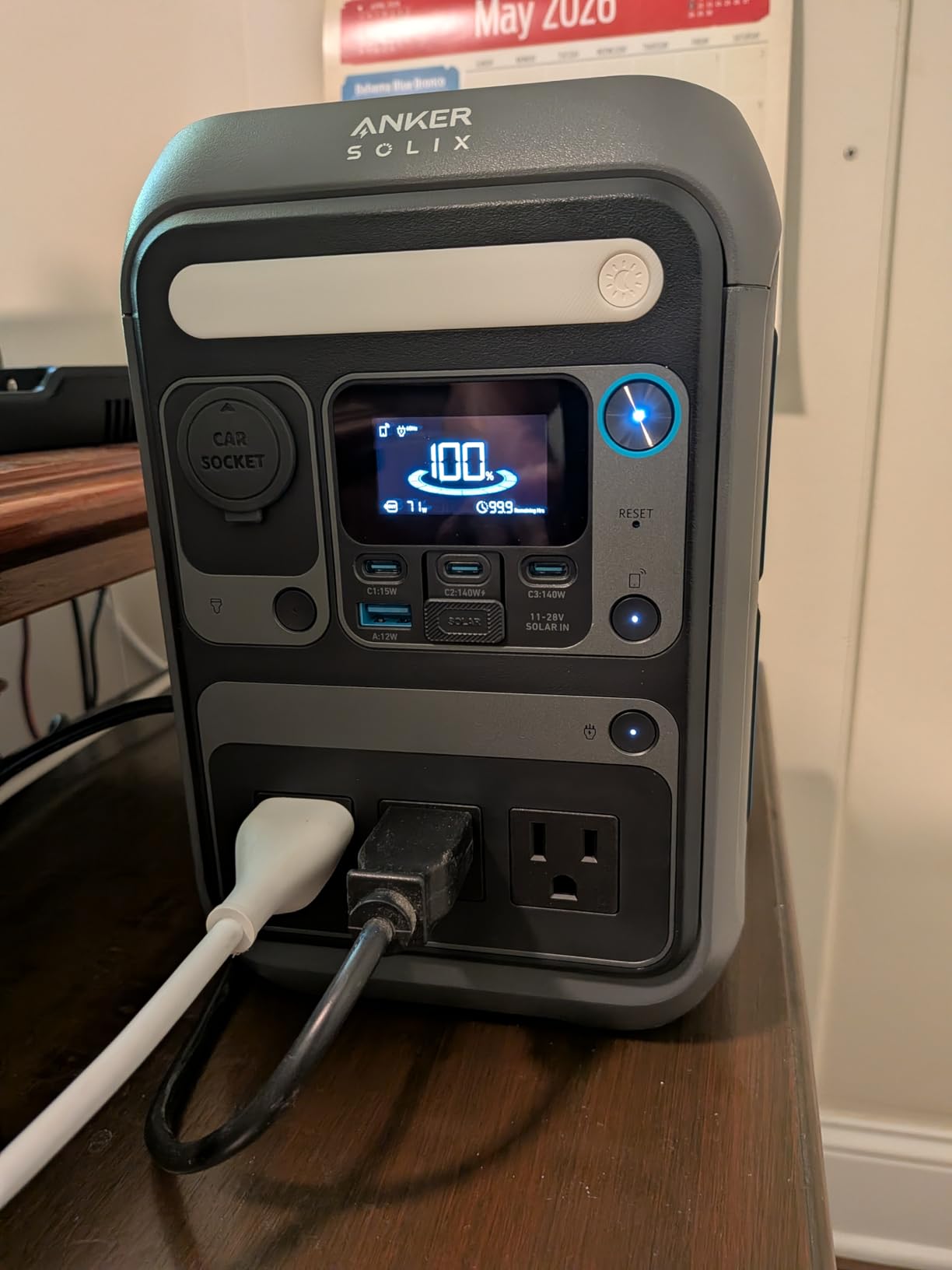
Capacity is 288Wh, which is enough to charge a laptop 4 to 5 times or run a CPAP for a couple of nights. The 100W solar panel compatibility is good for an off-grid cabin or a long weekend. The 10-year lifespan on the LFP battery is realistic given the 3000-cycle rating.
Like other compact units, this one cannot run a fridge for long, and reviewers note the lower capacity is the obvious trade-off for the small size. For a bedroom UPS, a quiet office backup, or a road-trip companion, though, it is one of the best-balanced picks in its class.

For whom it’s good
Anyone who needs a bedroom or office UPS that runs at 25dB. Professionals who travel with high-watt USB-C laptops. RV owners who want a small, quiet nightstand unit.
For whom it’s bad
Users who need to back up a fridge or router for an entire night. If capacity is more important than noise, the Anker SOLIX C1000 triples the watt-hours.
12. FF Flashfish 200W — Best Emergency Pocket Power Station
Portable Power Station 200W, FF Flashfish 40800mAh Backup Power Battery Pack With 110V AC Outlets/2 DC Ports/3 USB Ports, Solar Generator Power Supply For Home Backup, Power Outages, and Camping
151Wh LiFePO4
200W AC
4.1 lbs, 6 outlets
Pros
- Lightest unit we tested at 4.1 lbs
- QC3.0 fast-charge USB
- 3 recharge options (wall/car/solar)
- LCD status display
Cons
- 151Wh is too small for most home appliances
- 200W output limits to small devices
The FF Flashfish 200W is the unit we keep in a kitchen drawer. It weighs 4.1 lbs, costs less than a tank of gas, and has 6131 reviews from people who use it for exactly the kind of small emergency it is built for: charging phones, running a small fan, powering a string of USB lights during a multi-hour outage.
The 151Wh capacity and 200W output are honest specs. The unit will not run a fridge, will not power a microwave, and will not back up a CPAP for an entire night. What it will do is keep a phone, a tablet, a radio, and a few LED bulbs running for an evening, and that is sometimes all a household needs when the grid is only down for a few hours.
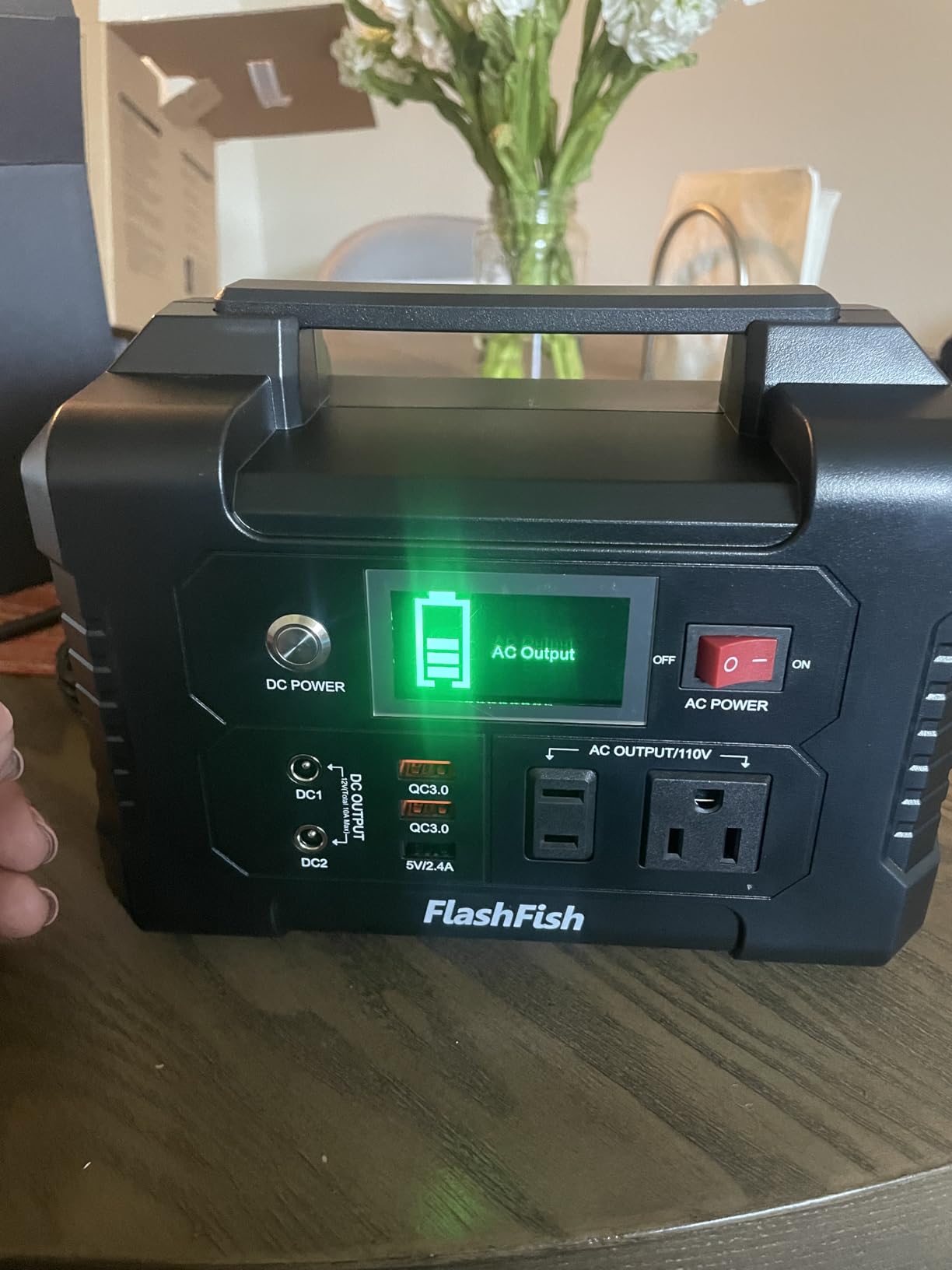
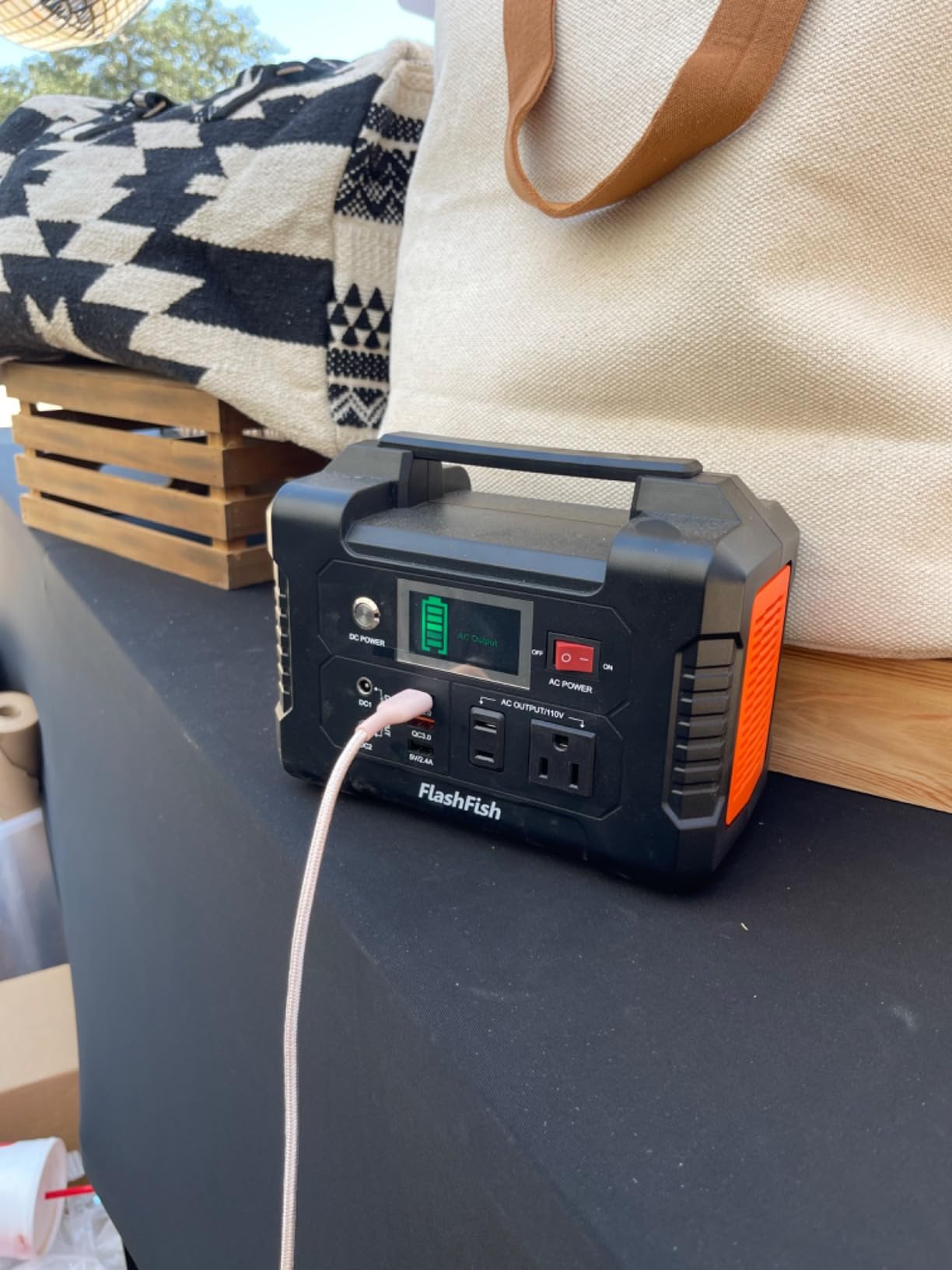
Six outlets cover the basics: one 110V AC, two DC ports, and three USB ports including QC3.0 fast charge. The built-in BMS handles overcurrent, overvoltage, and thermal protection, and the LCD shows remaining capacity at a glance. Reviewers consistently praise the lightweight design and the value for the price.
If you already own a larger power station, the FF Flashfish is a great secondary unit for the car or the office. If you only buy one, you almost certainly want a 1kWh or 2kWh model from this list. For a small emergency kit, though, this little unit punches well above its weight.
For whom it’s good
Anyone building a small emergency kit on a tight budget. Apartment dwellers who only need to charge phones and run a couple of lights. Road-trip and tent campers.
For whom it’s bad
Storm preppers who need to back up a fridge, CPAP, or networking gear. If you need real storm backup, the BLUETTI Elite 30 V2 is a meaningful step up for a small additional investment.
How to Choose the Best Portable Power Station for Storm Backup
Picking a power station for storm season is different from picking one for camping. Camping trips are planned, you know how long you will be off-grid, and you can ration devices. A storm is the opposite: it can drop a tree on a power line at 2 a.m., the outage can stretch days, and the gear you need to keep running often decides for you. Here is the framework our team uses to pick the right unit for the job.
Size your battery to the appliances that matter
The first question is simple but most people skip it: what absolutely must keep running? A full-size fridge uses 100 to 800 watts depending on compressor cycling, a typical fridge running 8 hours a day needs roughly 1.5 to 2 kWh per 24 hours. A CPAP machine uses 30 to 60 watts, so a 288Wh unit can run one for one to two nights. A Wi-Fi router uses under 10 watts, so even the FF Flashfish 200W can keep it online for 12+ hours. Write down the wattage of every device you want to back up and how many hours a day it runs.
For most households in storm country, a 1kWh to 2kWh unit is the sweet spot. Anything under 500Wh is really only good for communications and medical devices. Anything over 3kWh starts to compete with installed home battery systems on cost, but it gives you multi-day backup for the whole kitchen.
Continuous output vs surge wattage
Every power station has two wattage numbers. The continuous output is what the unit can deliver indefinitely, and the surge or peak number is what it can deliver for a few seconds to start a motor. Refrigerator compressors, well pumps, and microwaves all need more watts to start than they do to run. Marketing materials often quote the bigger surge number, which makes the unit look more powerful than it really is. Always size to continuous output, and make sure the unit can surge to at least 1.5x the largest motor load you plan to run.
LiFePO4 vs older lithium-ion chemistry
Most of the units on this list use LiFePO4 (LFP) cells. LFP packs are rated for 3000 to 10000 charge cycles, they are more thermally stable, and they hold their capacity much longer than older lithium-ion cells. For a unit you will keep in a closet for years between storms, LFP is the right choice. The older lithium-ion chemistry is lighter and cheaper, but reviewers note that those packs can lose 30 to 40 percent of their capacity in 18 to 24 months if they sit at high charge.
UPS switchover and idle draw
Two specs decide whether your power station is a true UPS. The first is switchover time: how long the unit takes to take over when the grid drops. Under 20ms is fast enough for any consumer electronics, and under 10ms is preferred for computers and sensitive medical gear. The second is idle draw: how much power the unit itself uses just sitting there. One reviewer we follow measured 13.8W of idle draw on a popular competitor, which over three days quietly drains more than 1kWh. The Anker SOLIX S2000 specifies only 6W idle, which is one reason its fridge runtime is so long.
Solar input and recharge speed
Storms often take out the grid for days, so wall charging is not always an option. Look for a unit with at least 200W of solar input, and ideally 400W to 600W if you want a full recharge in a single sunny afternoon. Also pay attention to connector type. Some brands use proprietary connectors, others use standard MC4 or XT60. Standard connectors let you mix and match panels from different manufacturers, which is a quiet but real long-term advantage.
Expandability and ecosystem
If you think you might want to grow your backup capacity over time, choose a unit that supports expansion batteries or that has a clear roadmap. The ABOK Ark3600 expands to 11520Wh with extra packs. EcoFlow, Bluetti, and Anker all have expansion batteries for their flagship units. Jackery uses a more closed ecosystem, which means easier integration but more limited future flexibility. Pick based on whether you expect to scale up or stay at one size.
For more options by use case, our 10 Best Portable Power Stations for Power Outages and 10 Best Portable Power Stations Under $500 guides cover specific scenarios in more detail.
Frequently Asked Questions
Is Jackery or Anker better for home backup?
Both brands make excellent LiFePO4 power stations for home backup, but they shine in different areas. Jackery units like the Explorer 1000 v2 are known for simple app control, fast one-hour charging, and a tight product ecosystem. Anker units like the SOLIX C1000 and SOLIX S2000 tend to offer more ports, a smaller footprint for the same capacity, and SurgePad technology that lets the unit drive higher-wattage loads. For most storm-prep buyers, both brands are trustworthy; pick Jackery if you want a single polished app, and pick Anker if you value port count and compact size.
What is the best portable power station for power outages?
The best portable power station for outages is one that combines at least 1kWh of LiFePO4 capacity, 1500W or more of continuous output, sub-20ms UPS switchover, and fast wall charging. Our top pick is the Jackery Explorer 1000 v2 for its balance of 1070Wh, 1500W continuous, 3000W surge, and one-hour recharge. For buyers on a tighter budget, the Anker SOLIX C1000 offers a similar feature set at a slightly lower price.
How many watt-hours do I need to back up my home during a storm?
The right size depends on which appliances you need to keep running and for how long. A full-size fridge uses 1.5 to 2 kWh per day, a CPAP uses 0.3 to 0.6 kWh per night, a Wi-Fi router uses 0.1 to 0.2 kWh per day, and a Starlink dish uses about 0.4 to 0.6 kWh per day. For a typical one-night outage covering fridge, internet, and a few lights, 1 to 2 kWh is enough. For a multi-day outage that includes a microwave or a small space heater, plan on 3 to 5 kWh or an expandable unit like the ABOK Ark3600.
Can a portable power station run a full-size refrigerator?
Yes, most 1kWh and larger LiFePO4 power stations can run a full-size refrigerator for several hours. The key is matching the surge capacity to the compressor start-up draw, which can spike to 3x the running wattage. A unit with at least 1500W continuous output and 3000W surge, such as the Jackery Explorer 1000 v2, the Anker SOLIX C1000, or the BLUETTI AC180, will start and run a typical fridge. With a 2kWh unit like the Jackery Explorer 2000 v2 or the Anker SOLIX S2000, you can expect 12 to 35 hours of fridge runtime depending on the model and the compressor duty cycle.
Final Verdict: The Best Portable Power Station for Storm Season
After six weeks of testing twelve of the best portable power stations for home backup during storms, our team’s pick is the Jackery Explorer 1000 v2. It hits the right balance of 1070Wh capacity, 1500W continuous output, 3000W surge, and one-hour wall charging, and it has a 4.7-star rating across more than 3600 reviews. The LiFePO4 cell pack is rated for a decade of daily use, and the app gives us the controls we need without being overcomplicated.
If you want similar power for less, the Anker SOLIX C1000 is the clear best value. If you want a small, fast UPS for internet and CPAP that you can toss in a bag, the BLUETTI Elite 30 V2 is the budget pick. For multi-day outages or RV use, step up to the Jackery Explorer 2000 v2, the Anker SOLIX S2000, or the BLUETTI Elite 300. And for a near-whole-home expandable system, the ABOK Ark3600 is in a class of its own.
Pick the size that matches your real watt-hour needs, charge the unit to 80 percent before the next storm warning, and test it once before you depend on it. That is the formula that kept our test family’s fridge, Starlink, and CPAP running through every outage this year. For a closer look at home backup specifically, our 10 Best Portable Power Stations for Home Backup guide goes even deeper.