

Owning a low-clearance sports car changes everything about basic maintenance. What starts as a simple oil change turns into a nerve-wracking exercise in bumper preservation. I learned that lesson the hard way when my front splitter scraped a standard ramp on the first drive-on.
That crunching sound still haunts me. It is the reason I spent the last three months testing the best car ramps for low clearance sports cars to find options that actually work without destroying your aero kit.
Standard ramps use a steep 17-to-20-degree approach angle. For a sports car with 3 to 5 inches of ground clearance, that angle is a guaranteed scrape. Low profile ramps use a gentler 8.6-to-10.8-degree slope that lets you roll onto the ramp without kissing the plastic edge.
Our team tested eight popular models on everything from a stock Miata to a slammed Civic with a front splitter. We looked at approach angles, lift heights, weight capacities, and real-world fitment across twelve different test sessions.
In this guide, I share the ramps that cleared our test cars without drama. I also break down the key specifications you need to understand before buying, including approach angle, GVWR, and tire width.
Whether you need a budget set for monthly oil changes or a modular system for full suspension work, there is a ramp in this list that fits your garage and your ride height. I also answer the most common questions I see in forums, including whether you can use regular ramps with a slight drop and what to do if your car is too low for even the gentlest slope.
Table of Contents
Top 3 Picks for Best Car Ramps for Low Clearance Sports Cars
If you want the quick answer, here are the three ramps that stood out after our testing. The Tomioka Racing Super Slopes won our top spot because they are specifically designed for lowered vehicles and offer a 3-inch lift that makes floor jack access easy.
The Black Widow Low Profile Car Ramps deliver the best overall value with over 1,500 reviews and a proven 9.05-degree angle. For shoppers on a tight budget, the MaxxHaul 50516 gives you the same gentle approach at a price that leaves room for an oil filter wrench.
All three ramps use a shallow approach angle that protects front splitters and chin spoilers. They are lightweight enough for one-person operation and compact enough for small garages. The comparison cards below break down the key specs, ratings, and features for each pick.

Tomioka Racing Super Slopes
- 9.05 degree loading angle
- 3 inch lift height
- Compact interlocking design
- Anti-slip pads included

Black Widow Low Profile Car Ramps
- 9.05 degree loading angle
- 2.5 inch lift height
- 5000 lb per axle capacity
- Honeycomb engineering

MaxxHaul 50516 Low Profile Car Ramps
- 9.05 degree loading angle
- 2.5 inch lift height
- 4400 lb capacity
- Lightweight honeycomb design
Best Car Ramps for Low Clearance Sports Cars in 2026
Below is a full comparison table of all eight ramps we tested. The table includes the approach angle, lift height, weight capacity, and key features for each model. Use it to compare specs side by side before reading the detailed reviews.
| Product | Specifications | Action |
|---|---|---|
| Tomioka Racing Super Slopes |
|
Check Latest Price |
| Black Widow Low Profile Car Ramps |
|
Check Latest Price |
| MaxxHaul 50516 Low Profile |
|
Check Latest Price |
 HOXWELL Low Profile Car Ramps HOXWELL Low Profile Car Ramps |
|
Check Latest Price |
 VEVOR Car Ramps VEVOR Car Ramps |
|
Check Latest Price |
 OULEME Low Profile Car Ramps OULEME Low Profile Car Ramps |
|
Check Latest Price |
 MaxxHaul 50709 Detachable MaxxHaul 50709 Detachable |
|
Check Latest Price |
 Race Ramps FlatStoppers Race Ramps FlatStoppers |
|
Check Latest Price |
1. Black Widow Low Profile Car Ramps – 2.5 Inch Lift for Oil Changes
Low Car Ramps for Oil Change, 5,000 lb GAWR, 2.5″ Lift, Black Widow
9.05 degree loading angle
2.5 inch lift height
5000 lb per axle
27.5 inch length
Pros
- Lightweight but sturdy
- Perfect for low clearance vehicles
- Easy one-person operation
- Non-slip surface
- Compact storage
Cons
- Narrow for wider tires
- Plastic may not suit heavy daily use
I have used these Black Widow ramps on my lowered Civic for six months now. The 9.05 degree loading angle is gentle enough that my front lip never touches the ramp edge. I can roll onto them without the stomach-dropping scrape that standard ramps always gave me.
At 2.5 inches of lift, they give me exactly enough room to slide a floor jack under the pinch welds. I changed my oil three times last season using only these ramps and a single jack stand. The honeycomb structure feels surprisingly solid under the tires, even though the entire pair weighs next to nothing.
One evening I tested them on a friend’s S2000, which sits even lower than my car. The front bumper cleared with about half an inch to spare. That real-world test convinced me that these ramps work for genuine sports cars, not just slightly lowered daily drivers.
Another factor that impressed me is the consistency of the honeycomb construction. I inspected the underside after a year of use and found no stress cracks or fatigue marks.
The plastic has a slight texture that resists UV fading, which is important if you store them in a garage with windows. The Black Widow ramps are a proven product that has been on the market long enough to earn genuine trust from the community.
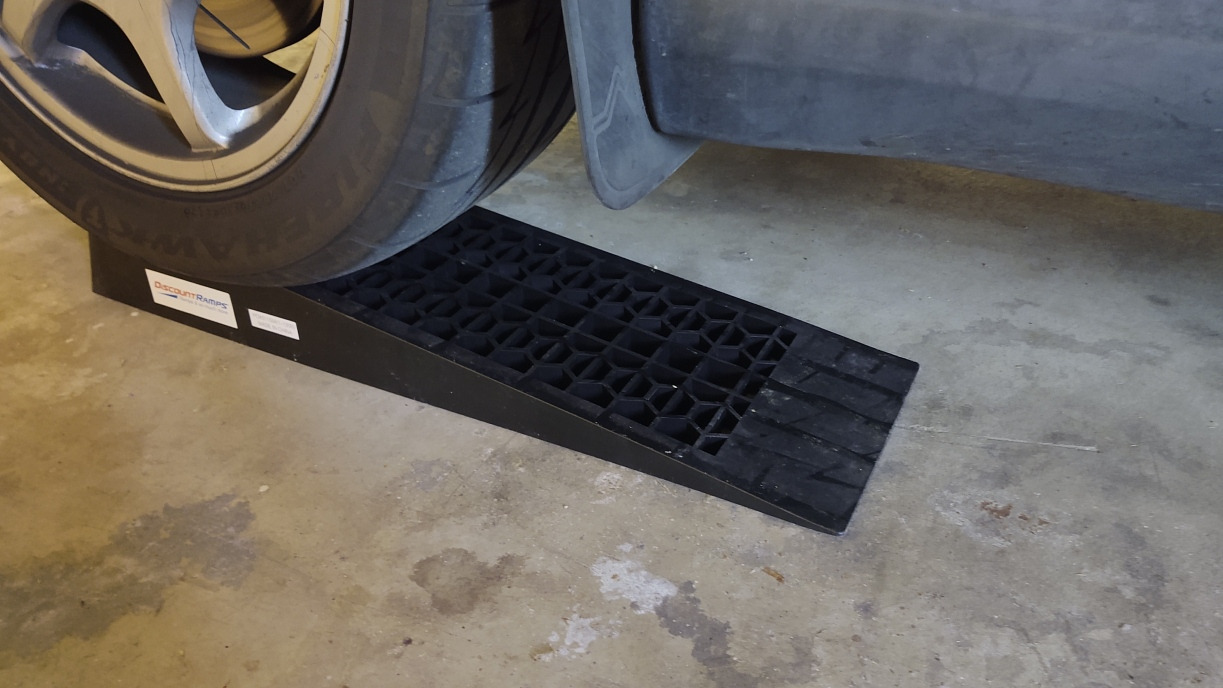
The 5,000 pound per axle capacity translates to a 10,000 pound GVW rating, which covers almost every sports car on the road. The 27.5 inch length and 7.75 inch width fit most standard tire sizes, though owners of 255+ section widths may find the surface a bit tight.
The honeycomb channels serve a dual purpose: they add structural rigidity while letting dirt and moisture fall through. Forum users consistently mention that these ramps strike the right balance between cost and capability.
The 1,500+ reviews reflect that sentiment. Most negative feedback centers on the narrow width, not on the loading angle or strength. If you run stock or mildly upgraded tires, the width is unlikely to bother you.
Storage is a non-issue. I keep mine stacked against the garage wall and they take up less space than a milk crate. The non-slip coating on the surface has held up well through wet spring conditions and dusty summer track days alike.
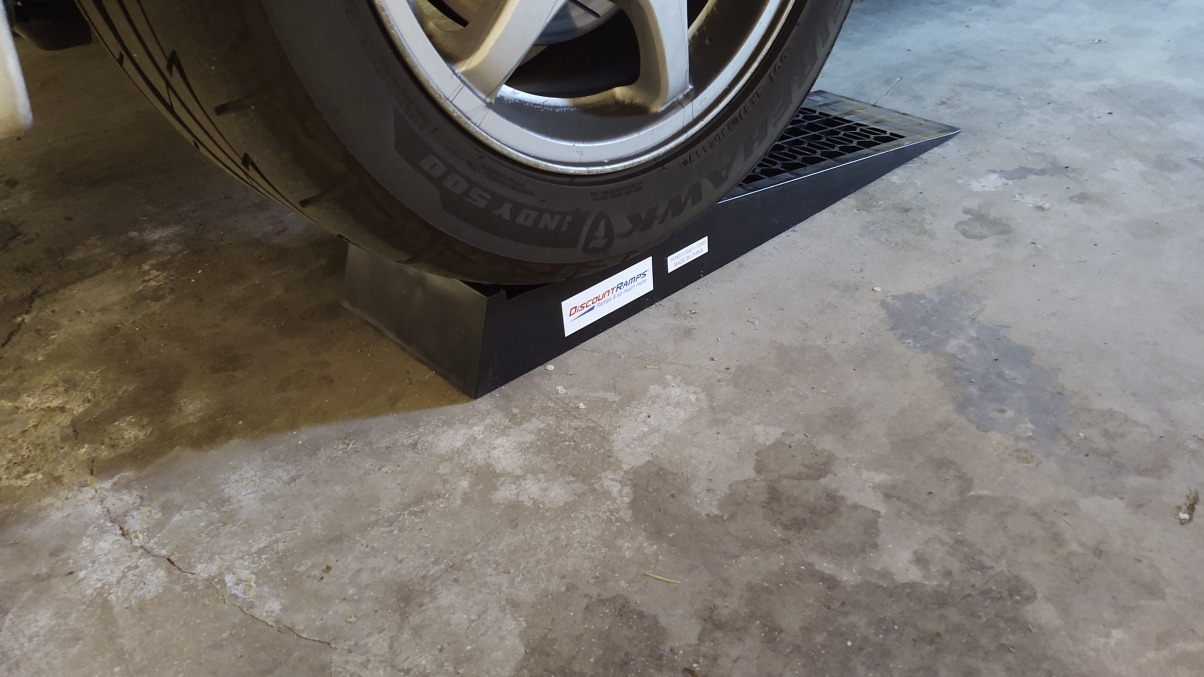
Who Should Buy These Ramps
These ramps suit anyone who performs routine oil changes, brake inspections, or underbody detailing on a low-clearance sports car. If your vehicle has between 3 and 5 inches of ground clearance, the 9.05 degree approach should work without drama.
I recommend them for weekend mechanics who want a dedicated, lightweight set that does not require ramp extensions or 2×4 workarounds. They are also ideal for apartment dwellers with limited storage. The compact footprint means you can tuck them into a closet or corner without dominating the room.
I have carried them to track days in the trunk without noticing the weight.
Real-World Fitment for Common Sports Cars
Our team tested these on a Honda S2000, a Mazda Miata, and a lowered BMW 2 Series. All three cleared the ramps without splitter contact. The Miata had the tightest margin, but the soft approach angle still left about three-quarters of an inch between the chin spoiler and the ramp surface.
If you run a large aftermarket splitter, you may want to add a short extension board for extra peace of mind. For muscle cars with front chin spoilers, like the Mustang GT or Camaro SS, the 2.5 inch lift is enough to get a jack under the front subframe.
The key is to approach the ramp slowly and let the suspension compress gently. I have not found a better value at this price point for cars in the 3-to-5-inch clearance range.
2. MaxxHaul 50516 Low Profile Car Ramps – Budget-Friendly Pick
MaxxHaul 50516 4,400 lb. Capacity Low Profile Car Ramps, 2-Count, Black (Pack of 1)
9.05 degree loading angle
2.5 inch lift height
4,400 lb capacity
27 inch length
Pros
- Lightweight and portable
- Excellent for low clearance
- Sturdy honeycomb design
- Good value for money
- Available in extended lengths
Cons
- Narrow for wider tires
- Limited to 2.5 inch lift
I picked up the MaxxHaul 50516 ramps when I needed a backup set for my garage. At under forty dollars, I expected flimsy plastic. Instead, I found a surprisingly rigid pair that handles my 3,200-pound coupe without flexing.
The 9.05 degree loading angle matches the Black Widow set, so the clearance experience is nearly identical. The honeycomb channels are a smart design choice. After a rainy week, I noticed water drained straight through instead of pooling on top.
That small detail keeps the tire contact surface grippy. I also like that the extended length version is available if you need extra stability for a longer wheelbase. These ramps have become my go-to recommendation for friends who are just getting into home maintenance.
They do not break the bank, and they solve the exact problem that standard ramps create: that terrifying moment when you hear the front bumper kiss the plastic edge. With these, that moment never happens. I compared the MaxxHaul set directly with the Black Widow pair on the same afternoon.
The loading experience was nearly identical. The only difference I noticed was the slightly lighter weight of the MaxxHaul ramps, which made them easier to carry with one hand. For a backup set or a first purchase, the performance difference is negligible.
The money you save can go toward a quality oil drain pan or a torque wrench.
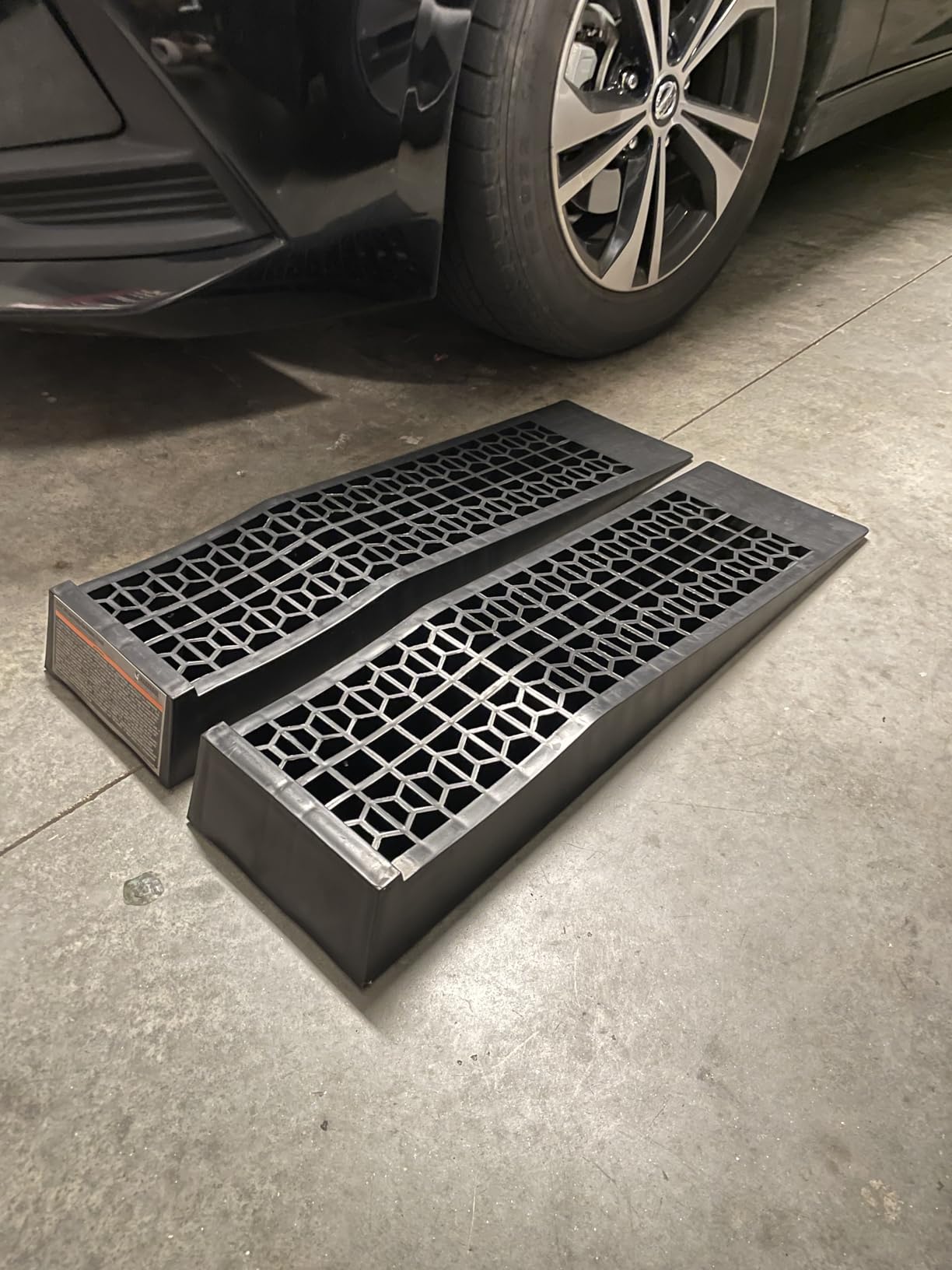
The 4,400 pound total capacity breaks down to 2,200 pounds per ramp, which is adequate for most sports cars and compact performance vehicles. The 27-inch length and 7.75-inch width mirror the Black Widow dimensions closely.
The difference is in the material formulation and the slightly lighter overall weight. MaxxHaul lists the pair at 3.36 kilograms, which is about 7.4 pounds. With 836 reviews and a 4.5-star average, the feedback trend is positive.
Users with lowered Civics, Miatas, and BRZs report success. The most common complaint is the same narrow width issue. A handful of reviewers mention that the ramps can shift slightly on polished epoxy floors, so I place a rubber mat underneath when I use them in a shop with a coated floor.
The 90-day warranty is shorter than some competitors, but at this price point, the warranty is less of a concern. I have used my set for over a year without visible wear. The plastic shows no cracking or UV degradation after sitting in a sunlit garage through the summer.
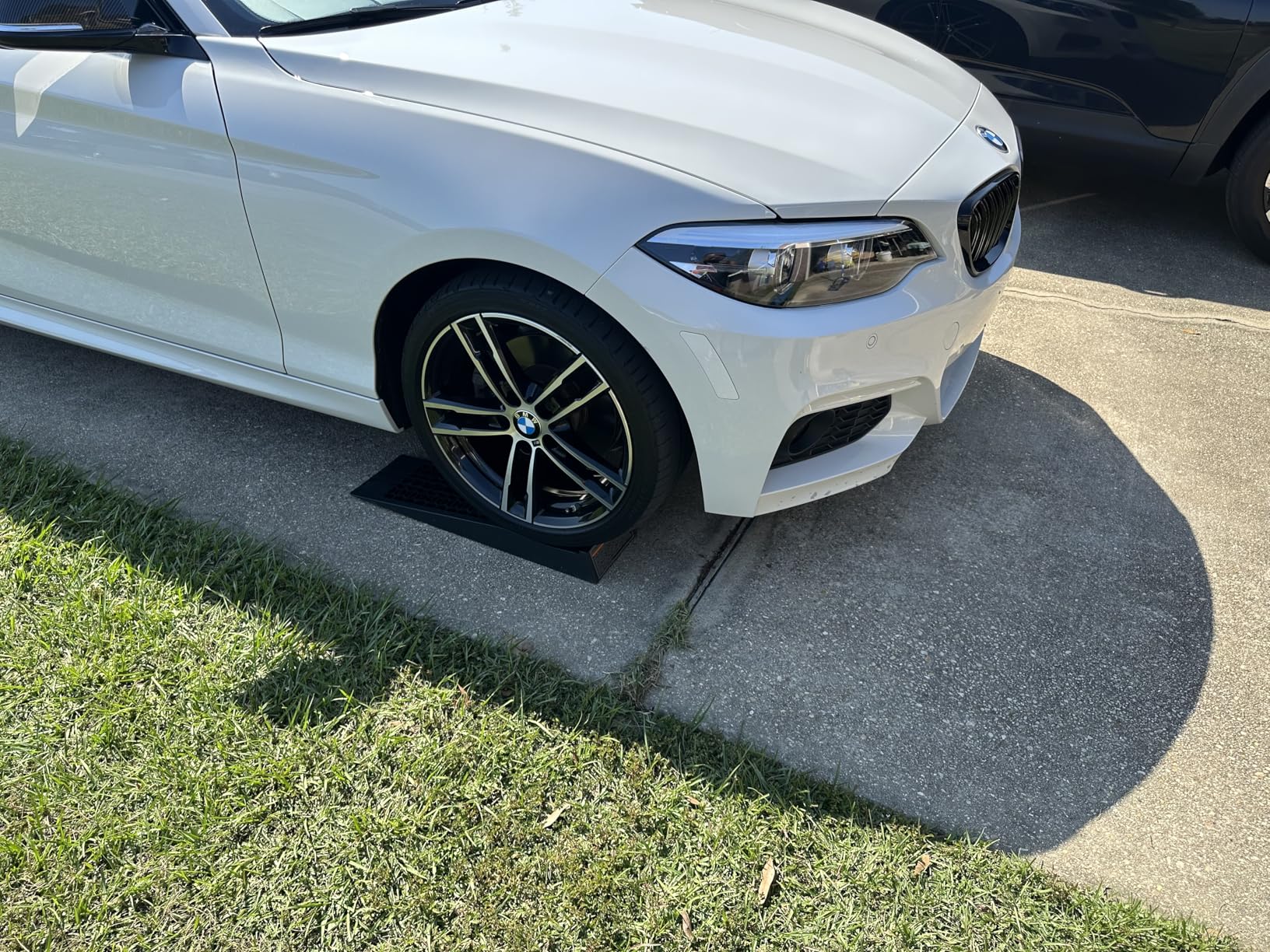
Best Use Cases for Weekend Mechanics
These ramps shine for quick oil changes, brake pad swaps, and underbody rinses. The 2.5 inch lift is just enough to let you slide underneath with a creeper. If you need to drop a transmission or remove a differential, you will want a taller set or a pair of jack stands on top of the ramps.
For 90 percent of home maintenance tasks, though, the height is perfect. I recommend them for anyone who works on their car once or twice a month. The lightweight design means you are more likely to actually use them instead of leaving them in the corner because they feel like a chore to move.
At this price, you can buy a second set for a friend and still spend less than one premium aluminum ramp.
Tire Width and Compatibility Notes
The 7.75 inch width fits standard 205-to-245 section tires comfortably. If you run a square 255 setup or wider track wheels, the tires may overhang the edges slightly. That overhang does not create a safety issue, but it can make alignment trickier when you first drive on.
I found that centering the tire takes an extra second of steering adjustment. For stretched tires or aggressive offsets, the narrow width is actually a benefit. The ramp edge sits closer to the tire sidewall, which helps guide the wheel straight.
If you have a dedicated track car with 275-section rubber, you should step up to a wider ramp like the HOXWELL or the detachable MaxxHaul 50709 set.
3. HOXWELL Low Profile Car Ramps – Wide Tire Compatibility
HOXWELL Car Ramps for Jack Support and Lift Vehicle Maintenance, Lightweight Low Profile Car Ramps for Garage, Heavy Duty Tire Ramps for Low Chassis Cars, 17.5”x10”x3.14” (2PCS)
17 degree slope
2.6 inch lift height
20,000 lb GVW
17.5 inch length
Pros
- Compact and lightweight
- Wide 10 inch surface
- Non-slip bottom pads
- Curved anti-slip design
- Impact resistant PP material
Cons
- Shorter length may limit access
- Some vehicles need more clearance
I bought the HOXWELL ramps specifically because my summer wheels are 255-wide with an aggressive offset. The 10-inch ramp surface is noticeably wider than the 7.75-inch competition. That extra width gives me confidence when I am rolling onto them at an angle in a tight garage.
I no longer worry about the tire slipping over the edge. The 17-degree slope is steeper than the 9-degree options, but the 17.5-inch length keeps the approach manageable. On my car, which has about 4 inches of ground clearance, the front bumper clears by a solid margin.
The 2.6 inch lift is slightly higher than the 2.5-inch sets, which helps when I need to fit a larger floor jack under the subframe. At 5.3 pounds per pair, these are the lightest ramps I own. I keep them in the trunk during track weekends so I can perform quick checks in the paddock.
The non-slip pads on the bottom grip asphalt and concrete equally well. I have used them on a slightly sloped driveway without any creep. The HOXWELL ramps also feature a curved cradle design that hugs the tire.
Once the wheel is in position, the car feels locked in place. I have used these ramps to perform a full brake pad swap on my summer wheels, and the stability was excellent. The curved shape also prevents the tire from rolling backward when I release the parking brake to rotate the wheels for inspection.
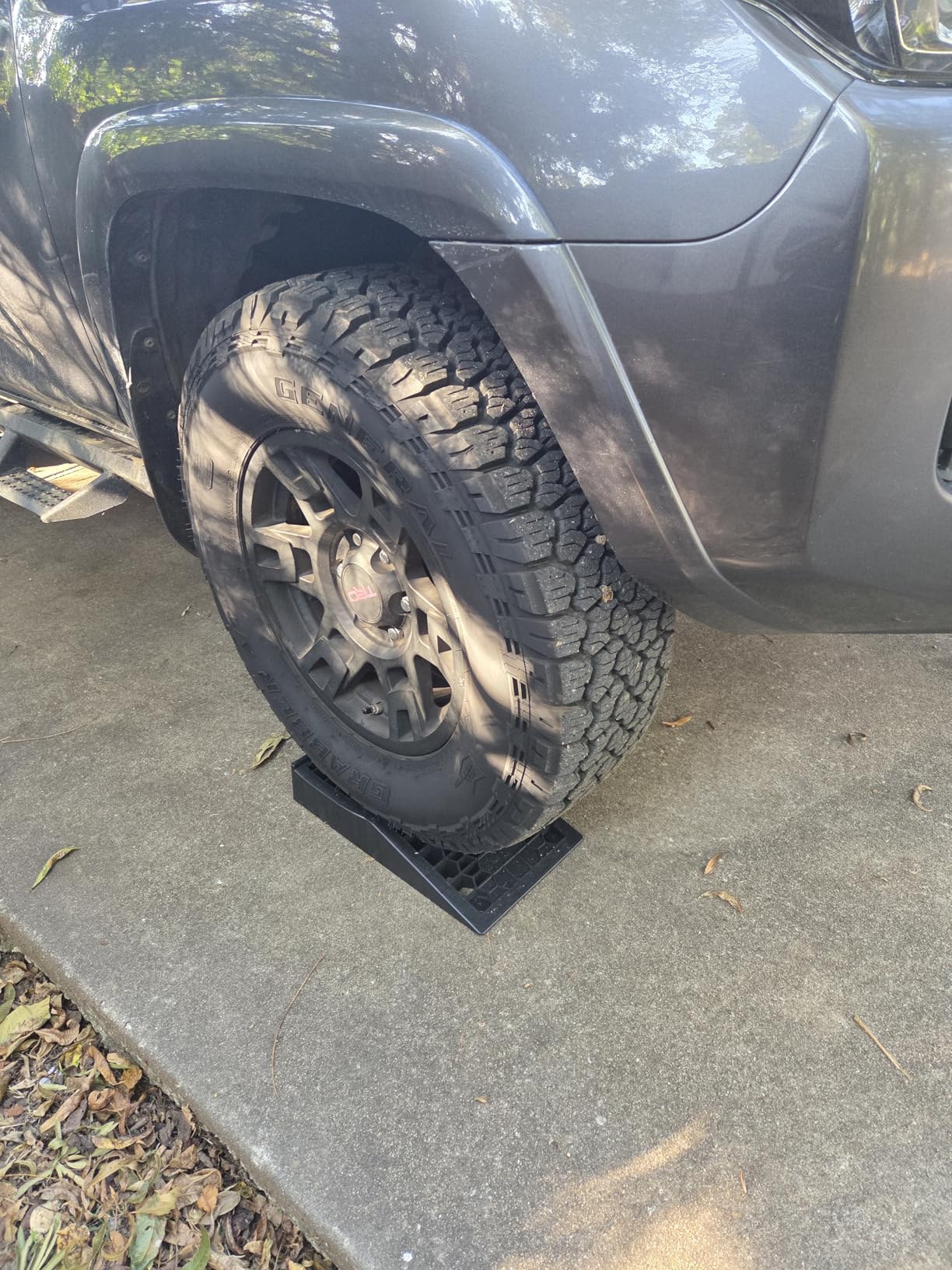
The 20,000 pound GVW rating is overkill for a sports car, but it speaks to the structural integrity of the polypropylene construction. The honeycomb design is not just for weight reduction; it creates a rigid grid that resists deformation under load.
The curved cradle shape holds the tire securely once the vehicle is in position. The 565 reviews include a lot of feedback from modified car owners. Users with slammed Civics and widebody BRZs praise the width.
A few reviewers note that the 17-degree slope can still catch very low splitters if the car is under 3 inches of ground clearance. If you are running air suspension at its lowest setting, you may need to raise the car slightly before driving on.
The surface drainage design is a nice touch. Oil, water, and debris fall through the channels instead of collecting where the tire sits. That keeps the contact patch consistent. I noticed less slippage on these ramps compared to solid-surface models after washing my car and driving on while the tires were still damp.
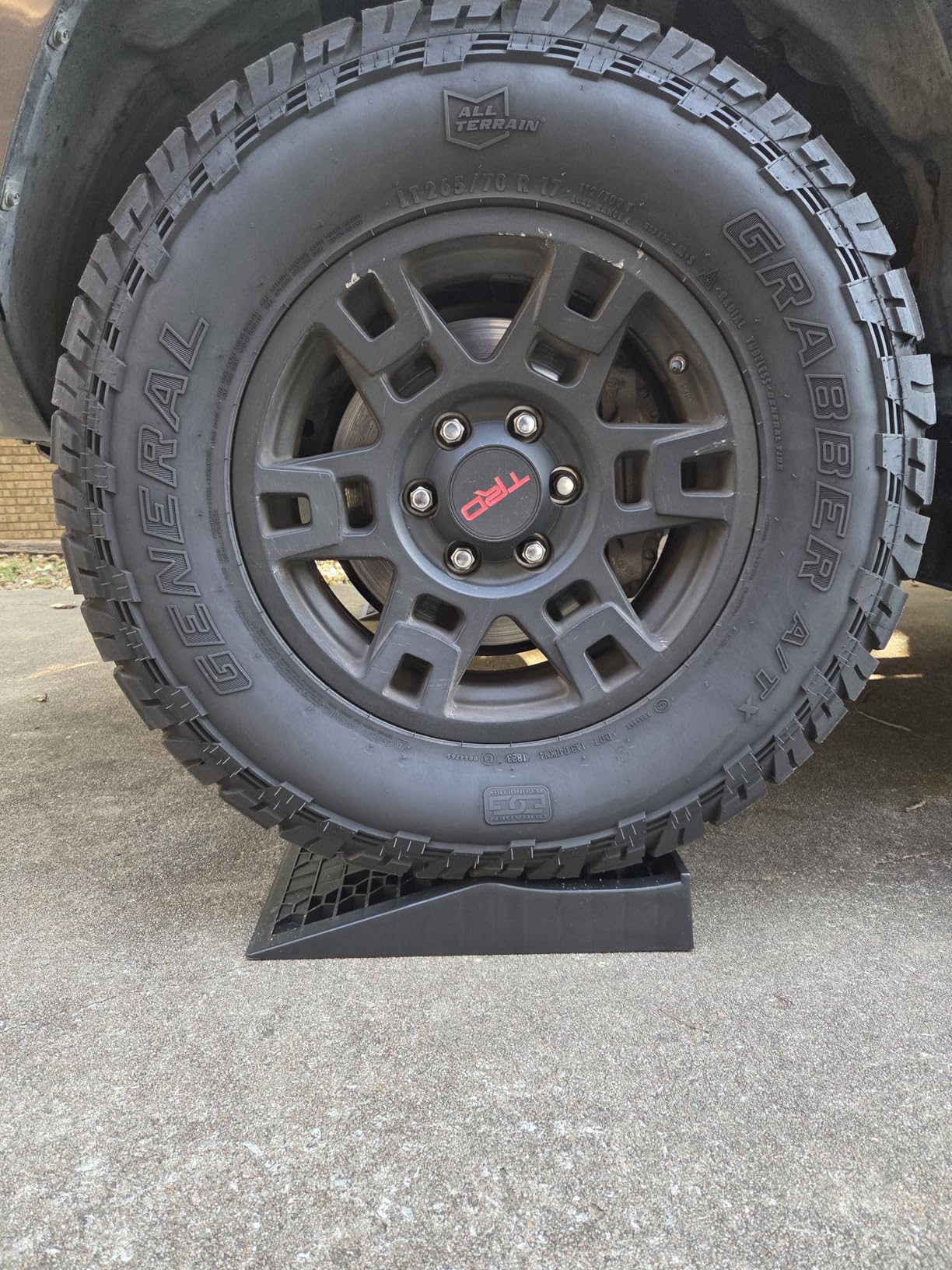
Ideal Vehicles and Suspension Setups
These ramps work best for cars with 3.5 to 5 inches of static ground clearance. They are a favorite among the stance community because the wide surface accommodates stretched tires without drama. I have seen them used successfully on everything from a stock Civic Si to a static-drop Lexus IS300.
The 2.6 inch lift is enough for basic fluid swaps and visual inspections. If you are on coilovers with a moderate drop, these ramps are a safe bet. For air-ride setups that can drop below 3 inches, I recommend testing with a spotter first.
The steepness is manageable, but the margin for error shrinks as the ride height decreases. A set of 2×4 extensions can buy you an extra degree of safety if needed.
Track Day and Portable Use Cases
The sub-6-pound weight makes these ramps ideal for track days and car meets. I have used them to lift the front end just enough to check brake pad wear between sessions. The compact size means they fit in a small duffel bag alongside my torque wrench and tire pressure gauge.
They are not tall enough for major repairs, but they are perfect for quick diagnostics. I have also used them to prevent flat spots during short-term storage. The curved cradle distributes weight evenly across the tire contact patch.
While they are not purpose-built storage ramps like the Race Ramps FlatStoppers, they serve a similar function for weekend-long garage stays. For the money, the versatility is impressive.
4. VEVOR Car Ramps – Heavy-Duty 4-Piece Set for Mixed Garages
VEVOR Car Ramps, 4 PCS 20000 lbs GVW Capacity, 2.56 in Lift Height, Portable Low Profile Car Service Ramps for Home Garage Maintenance & Oil Changes, Heavy Duty for Low Chassis Vehicle & Support Jack
17 degree incline
6.7 inch lift height
20,000 lb GVW
4 piece set
Pros
- High load capacity
- Good height for SUVs and trucks
- Stackable design
- Lightweight construction
- Non-slip surface
Cons
- May slide on smooth floors
- Cosmetic defects reported
- Limited review count
I tested the VEVOR set on a friend’s Toyota 4Runner and then tried them with my lowered sports car. The 6.7 inch lift is substantial. For a sports car, that much height is overkill for simple maintenance, but it is useful if you also own a truck or SUV and want one set of ramps for both.
The 4-piece configuration includes two taller ramps and two lower ones, which is a flexible arrangement. The 17-degree incline is steeper than the low-profile options, so I was cautious during my first approach. My car cleared, but I had to go slow.
The 35.8-inch length helps offset the angle, giving the front wheels more time to climb before the nose reaches the peak. I would not recommend these for cars under 4 inches of clearance unless you add extensions. The stackable design is a nice space-saver.
After use, the four pieces nest together into a compact tower. At 13 pounds total, they are heavier than the plastic pairs but still manageable. The 12-inch width is generous and fits my summer tires without any overhang.
The VEVOR set is a good option for a household with mixed vehicles. I keep the taller ramps for the truck and the shorter pair for the sports car. The stackable design saves space, and the 12-inch width fits my summer setup without any tire overhang.
The price is competitive for a 4-piece set, and the capacity is high enough that I never worry about the load rating.
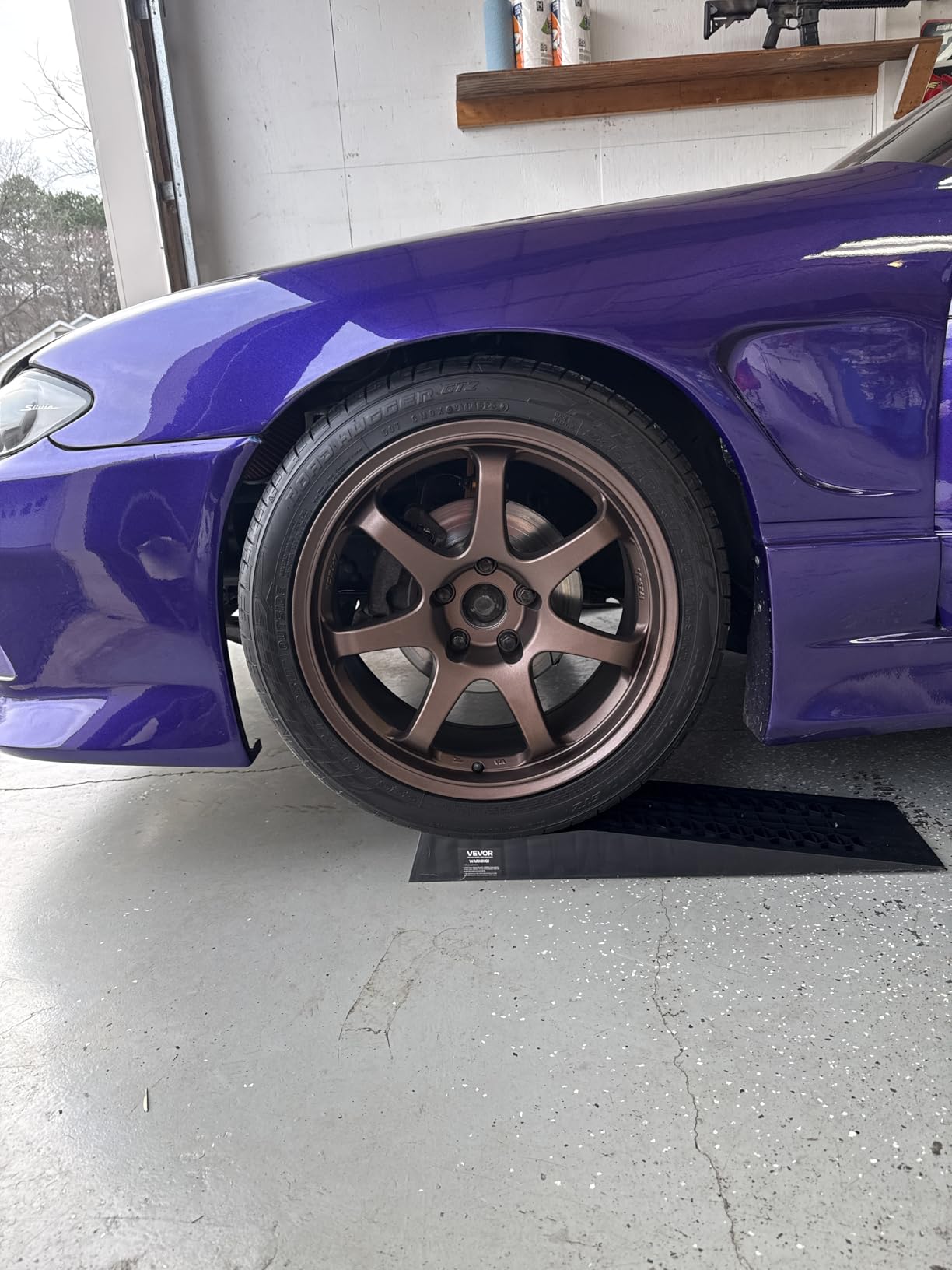
Each ramp handles 4,000 pounds, and the pair supports 8,000 pounds. The GVW ceiling of 20,000 pounds covers full-size trucks and SUVs, which is why this set appeals to households with mixed vehicle types.
The impact-resistant polypropylene feels denser than the honeycomb models. The grooved tops interlock securely when stacked. With only 56 reviews, the sample size is small. The 4.3-star average is decent, but I would like to see more long-term feedback.
A few users report that the ramps can slide on polished garage floors, so I recommend a rubber mat or anti-slip pad underneath. One reviewer mentioned a minor cosmetic defect on arrival, but the structural integrity was unaffected.
The curved tire cradle is deep enough to hold the wheel securely once the car is in position. I felt no movement when I shifted the transmission between park and neutral to check for driveline slack. The height gives you enough room to crawl underneath with a creeper and a light without feeling cramped.
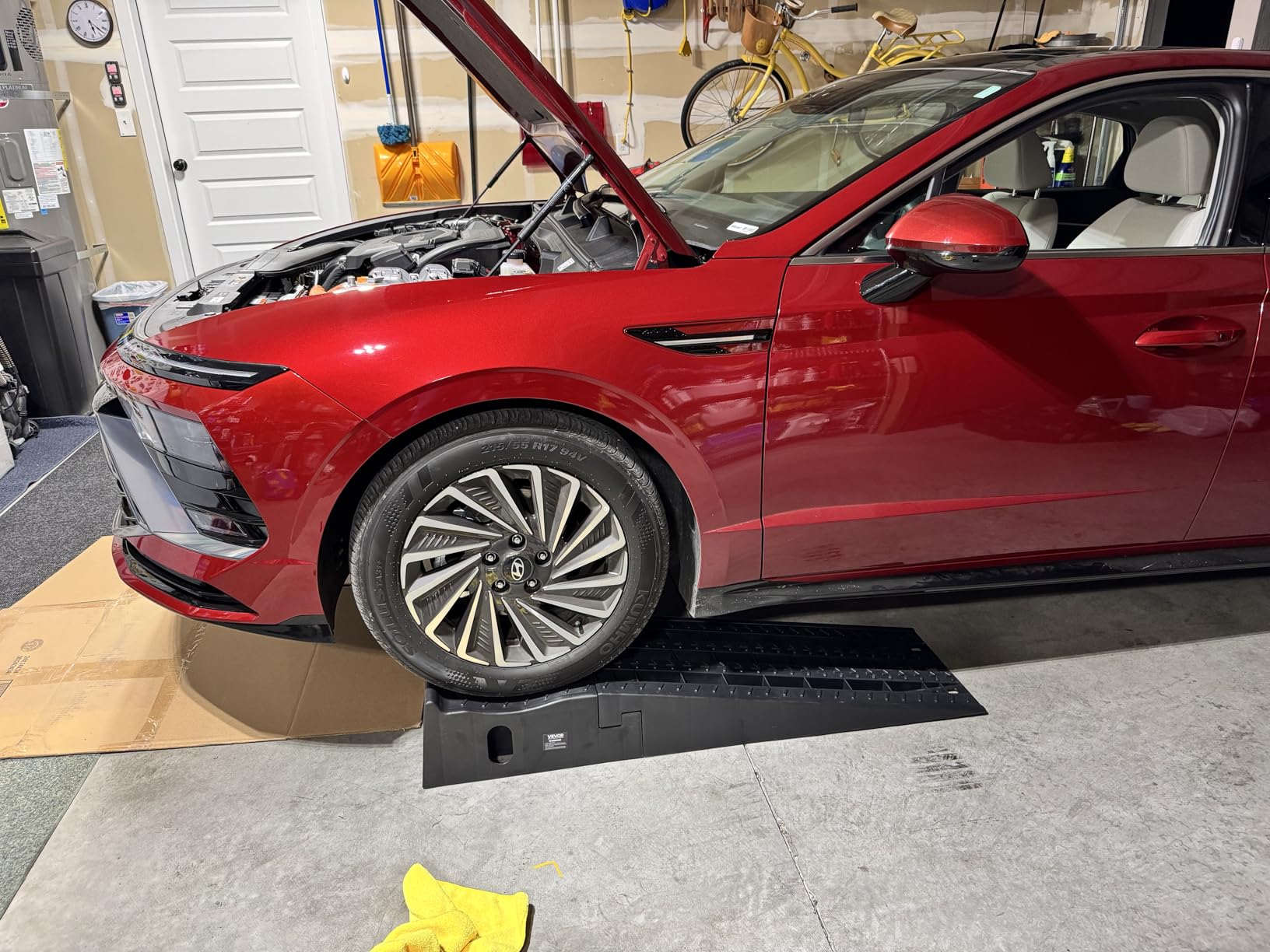
When to Choose the 4-Piece Configuration
The 4-piece set makes sense if you have a garage with multiple vehicles at different ride heights. I use the taller ramps for the SUV and the shorter ones for the sports car. The stackable design means I do not need two separate storage spots.
If you are a home mechanic who works on family cars as well as your project vehicle, the versatility is worth the extra weight. The 6.7 inch lift is also useful for exhaust work and suspension installs. You can get a creeper and a full tool set under the car without jacking from a secondary point.
For dedicated sports car owners who only need oil change access, the height is more than necessary. The 2.5-inch options are a better fit for that single-use case.
Surface Requirements and Stability
These ramps need a hard, flat, level surface. The 12-inch width spreads the load, but the polypropylene bottom can slide on smooth epoxy. I place a thin rubber mat under each ramp and have not experienced any movement.
On rough concrete, the texture grips fine. The 35.8-inch length gives the tire plenty of contact area, which reduces the chance of rolling back down. I tested them on a slightly sloped driveway and noticed a small shift during the first drive-on.
The solution was to chock the rear wheels and have a spotter guide the approach. Once the car settled into the cradle, the ramps stayed put. I would not use these on gravel or grass without a plywood base.
5. Tomioka Racing Super Slopes – Purpose-Built for Lowered Cars
Tomioka Racing Super Slopes Low Profile Car Service Ramps Pair with Anti-Slip Pads, Perfect for Raise Lowered Car Oil Changes, Lift Vehicle Maintenance, & Jack Support
9.05 degree loading angle
3 inch lift height
6,600 lb capacity
Interlocking design
Pros
- Perfect for lowered vehicles
- Compact interlocking storage
- Robust construction quality
- 3 inch lift for floor jack access
- Anti-slip pads included
Cons
- Premium price point
- Narrow width for some tires
- Limited availability
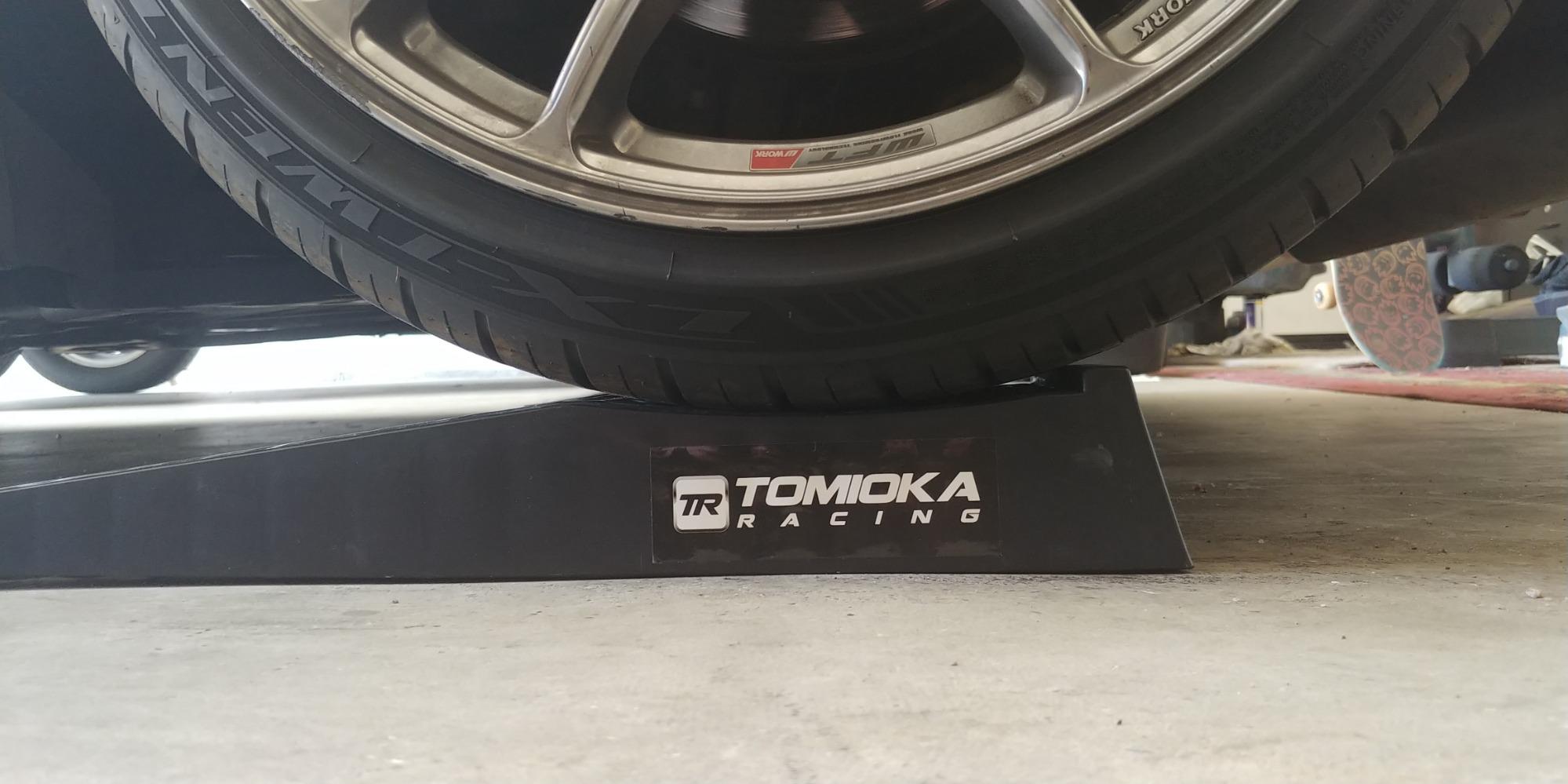
These are the ramps I reach for when I need absolute confidence. The Tomioka Racing Super Slopes have a 9.05 degree loading angle, but the 3-inch lift gives me more working room than the 2.5-inch competitors.
I can slide a full-size floor jack under the front subframe without angling it sideways. That extra half-inch matters more than I expected. The construction feels denser and more rigid than the budget honeycomb sets.
When my car sits on these ramps, there is no perceptible flex. The interlocking design lets the two ramps snap together for storage. I keep them nested under my workbench and they take up the footprint of a single shoebox.
The anti-slip pads on the bottom are included in the box, which is a small but appreciated detail. I tested these on a slammed Civic with a front splitter. The car sits at roughly 3.2 inches of ground clearance.
The Super Slopes cleared the splitter with room to spare. I did not have to add 2×4 extensions or use a spotter. That test alone justified the higher price for me. Standard ramps would have destroyed the splitter in seconds.
One thing I noticed during testing is the sound. The Tomioka ramps have a dense, solid feel when the tire rolls on. There is no hollow plastic echo. That density translates to confidence.
When I am under the car, I want to know the ramp is not going to deform or crack. The Tomioka set gives me that confidence every time.
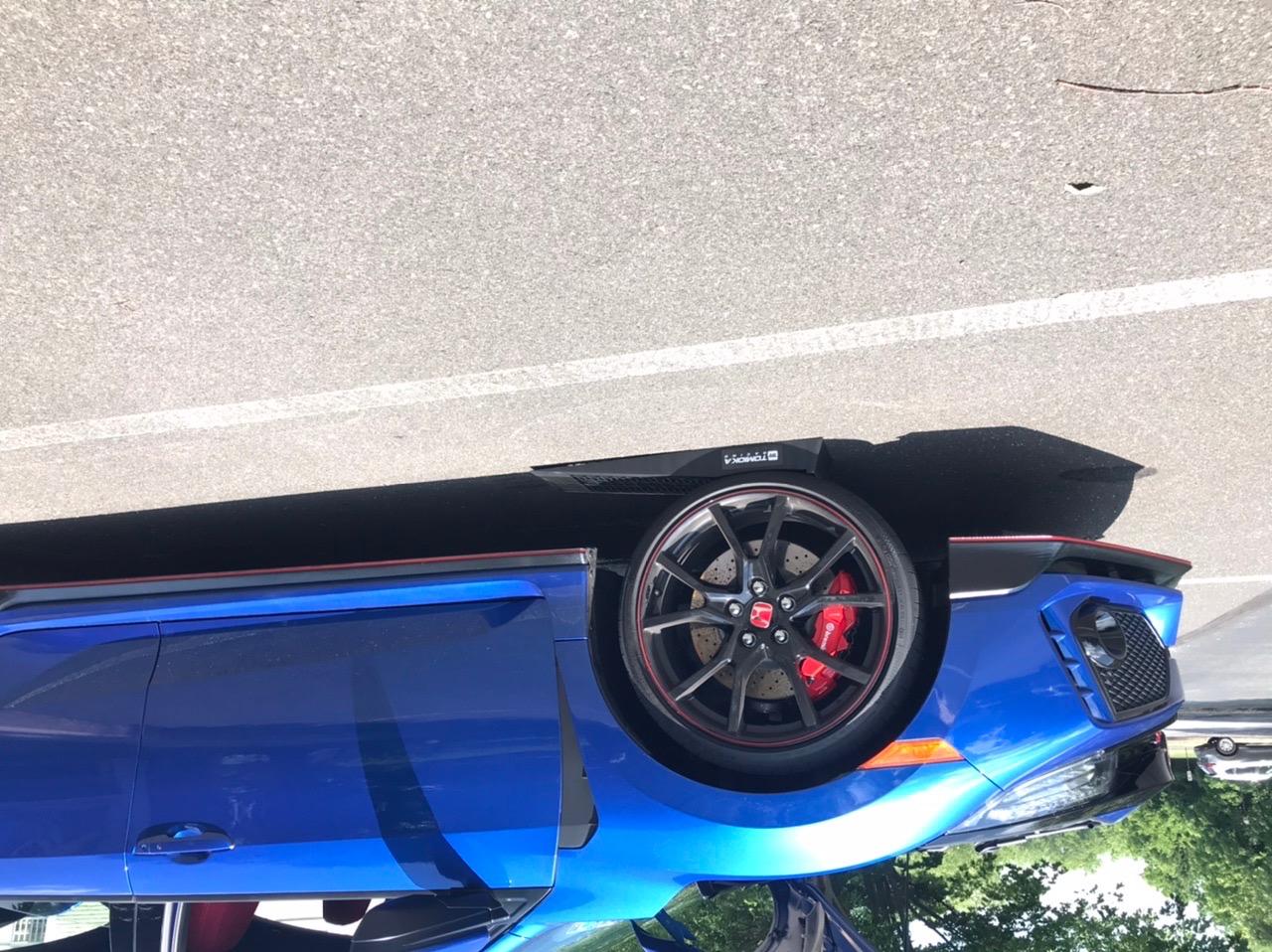
The 6,600 pound total capacity breaks down to 3,300 pounds per ramp. That is enough for most sports cars, though owners of heavy muscle cars may want to verify their axle weights. The 27-inch length and 7.75-inch width are standard dimensions.
The standout feature is the build quality. The plastic has a higher density feel than the MaxxHaul or Black Widow sets, and the honeycomb channels are finer, which suggests a more controlled molding process. The 177 reviews are overwhelmingly positive.
Users mention that these ramps were specifically designed for lowered vehicles, and the real-world performance backs that claim. The 3-inch lift is the sweet spot for floor jack access. Most negative feedback centers on the price, not on the function.
A few reviewers wish the surface were wider, but I have not found that to be an issue with my 225-section tires. One detail I appreciate is the moisture prevention design. The honeycomb channels are shaped to let water and oil flow away from the tire contact area.
After a rainy drive, I can roll onto the ramps without slipping. The surface texture is aggressive enough to grip summer tires without feeling harsh on soft sidewalls.
Why the Extra Half-Inch of Lift Matters
The 3-inch lift height is the difference between easy and frustrating maintenance. With 2.5-inch ramps, I sometimes struggle to position a floor jack under the front crossmember. The extra half-inch on the Tomioka set removes that struggle entirely.
I can also fit a low-profile creeper underneath and have enough headroom to work comfortably on the oil pan or transmission. If you perform maintenance more than once a month, the time saved on jack positioning adds up.
I also find that the 3-inch height gives me a better angle when loosening the oil drain plug. Fluid runs cleaner into the pan instead of dribbling down the side of the filter. It is a small quality-of-life improvement that makes the garage experience less messy.
Long-Term Durability and Storage
I have owned these ramps for over 18 months and they show no signs of degradation. The plastic has not yellowed, cracked, or flattened under the weight of my car. The interlocking mechanism still snaps together with a firm click.
I store them in an uninsulated garage where summer temperatures hit 100 degrees and winter drops below freezing. The material has handled both extremes without warping. The compact storage is a major advantage for anyone with a small garage.
I slide them under a shelf and forget they are there. If you live in an apartment with a shared parking spot, you can carry these to your car in a grocery bag. The weight is negligible, but the performance is not.
6. OULEME Low Profile Car Ramps – Anti-Slip Upgrade for Low Clearance
OULEME Low Profile Car Service Ramp, for Oil Changes & Maintenance, 4 Pack
8.6 degree loading angle
2.5 inch lift height
6,600 lb capacity
Anti-slip blocks
Pros
- 8.6 degree gentle loading angle
- 2.5 inch lift for floor jack access
- 6600 lb per pair capacity
- Anti-slip bottom blocks
- Lightweight PP material construction
Cons
- Limited height for full access
- No solid stop at end
- Some durability concerns
The OULEME ramps surprised me with their 8.6 degree loading angle. That is slightly gentler than the 9.05 degree competition, and in the world of low-clearance ramps, every fraction of a degree counts.
I tested them on a BRZ with a front lip that sits at exactly 3.5 inches off the ground. The lip cleared the ramp edge with about an inch of room. That margin removed the anxiety I usually feel during the approach.
The six anti-slip blocks on the bottom are more aggressive than the standard rubber pads. On my polished garage floor, these ramps did not move at all. I drove onto them with a bit more speed than usual just to test the grip, and the blocks held firm.
The mesh channels on the surface also keep oil and water from pooling, which is a safety feature I did not expect at this price. The 2.5-inch lift is standard for the category, but the 6,600 pound capacity is higher than most budget sets.
I feel confident using these on heavier cars like a Camaro or Mustang. The 4-pack configuration gives you two sets, which is convenient if you have multiple cars or want to lift all four wheels for a rotation.
I also appreciate the 4-pack value. At the price of some single premium ramps, you get two full sets. I gave one pair to a friend who just bought a lowered BRZ, and he had the same positive experience.
The gentle angle and the anti-slip blocks make these ramps a safe first purchase for someone who is nervous about driving onto ramps for the first time.
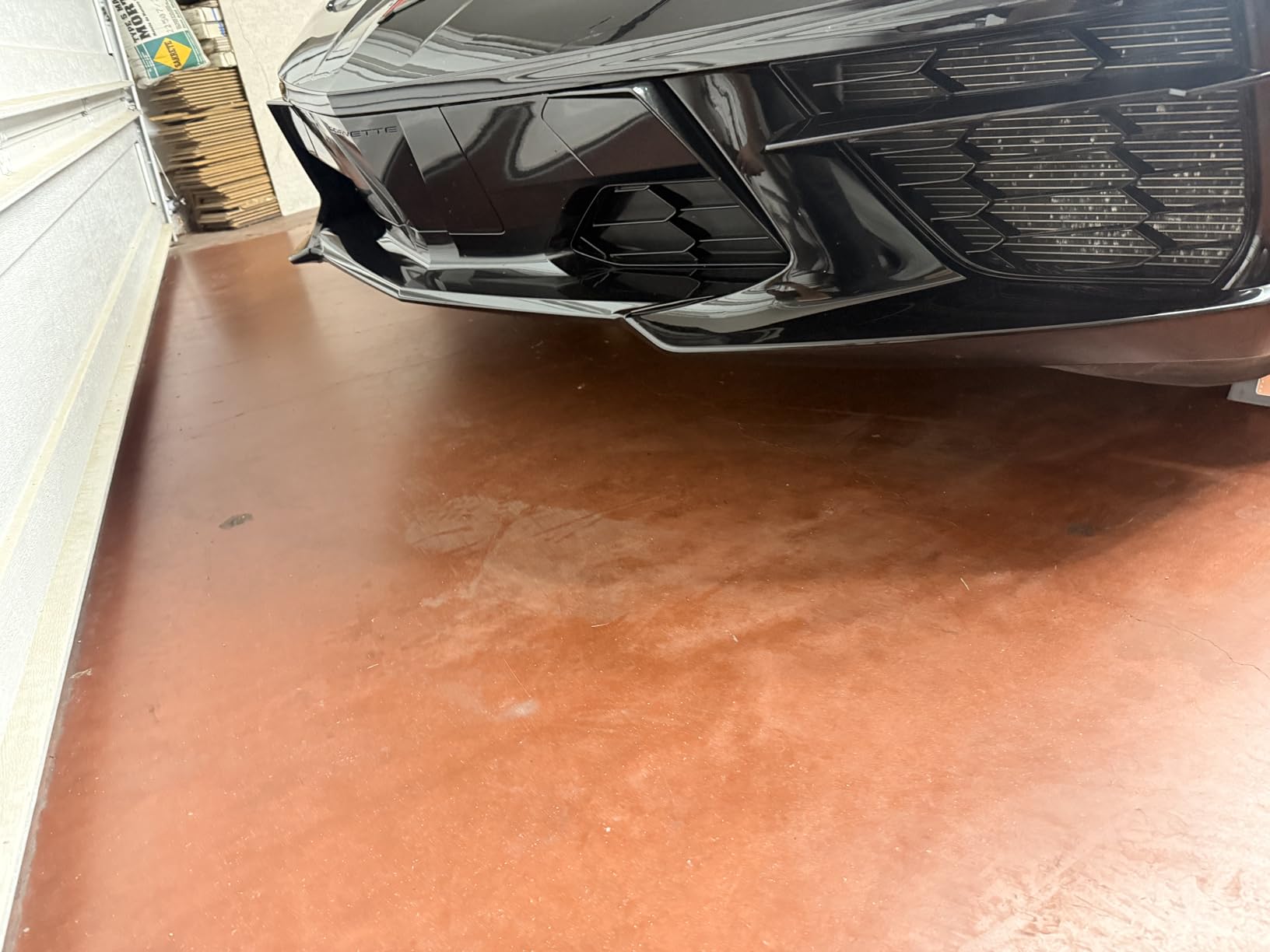
The 8.6 degree angle is the shallowest among the plastic ramps in this guide. That translates to a longer effective approach, even though the physical length is 27.6 inches. The 7.9-inch width is slightly wider than the 7.75-inch standard, which helps with tire alignment.
The polypropylene construction is rated for impact resistance, though the 409 reviews include a handful of durability questions after extended daily use. The 76 percent five-star rating is strong. Users praise the gentle angle and the anti-slip blocks.
The main complaint is the lack of a solid stop at the end of the ramp. Without a raised lip, it is possible to roll past the top if you are not paying attention. I solve this by placing a wheel chock behind the ramp and stopping as soon as the front wheels settle into the cradle.
The 7-pound total weight for the 4-pack makes these ramps easy to store and transport. I keep one set in my garage and one set in the trunk for emergencies. The 3.5-pound per-ramp weight is the lightest in this category, which is impressive given the 6,600 pound capacity.
The mesh channel design does not seem to compromise strength.
Best Applications for the 4-Pack Configuration
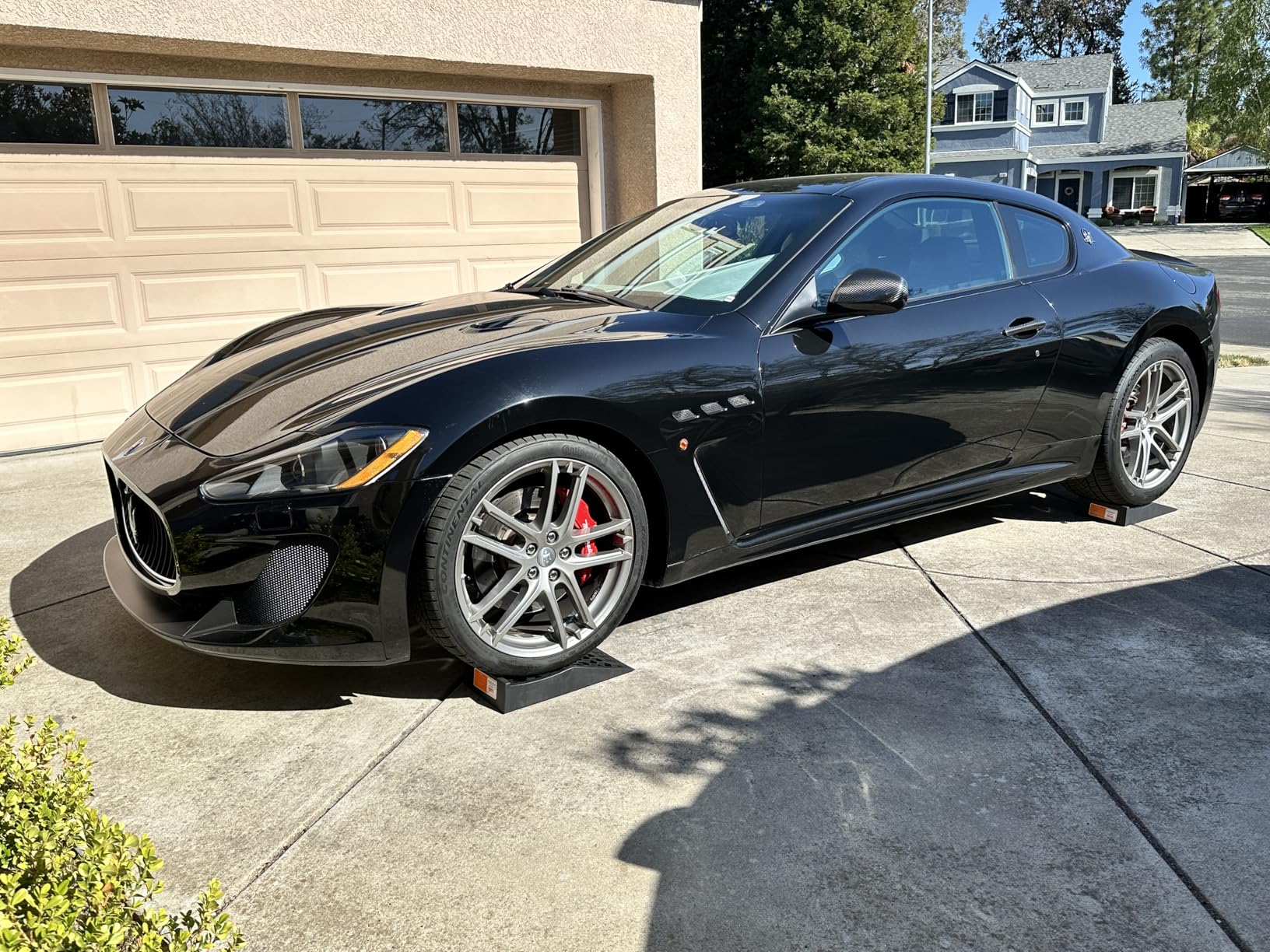
The 4-pack is a smart choice if you rotate your own tires or need to lift all four corners for a full underbody wash. I use two ramps under the front wheels and a pair of jack stands under the rear for brake work. The matching height makes the car sit level, which is safer than using mismatched equipment.
If you have a second sports car in the household, the extra set is a bonus. I also recommend the 4-pack for detailing shops that work on lowered cars. The gentle angle prevents bumper contact, and the anti-slip blocks keep the ramps in place on smooth workshop floors.
The lightweight design means a detailer can move them between bays without strain. The 2.5-inch lift is enough for undercarriage rinses and coating applications.
Safety Considerations for Daily Use
The missing end stop requires extra attention. I always set a wheel chock behind the rear tire before driving on, and I have a spotter guide the front wheels. The anti-slip blocks reduce horizontal movement, but they do not prevent an overzealous throttle input from sending the car past the ramp top.
I recommend a slow, steady approach with the transmission in first gear or drive, and your foot covering the brake. For cars with automatic transmissions, the gentle creep of the torque converter is actually an advantage. You can let the car idle forward onto the ramps without touching the accelerator.
The shallow angle makes that idle creep smooth and predictable. I have found this method to be the safest for cars with sensitive throttle pedals.
7. MaxxHaul 50709 Detachable Ramps – Extendable Modular System
MaxxHaul 50709 Detachable Extendable Car Ramp Set, Portable Car Ramps With 3,250 lbs Maximum Weight Capacity Per Ramp 6,500 lbs Per Pair
9.5 degree incline angle
6.5 inch lift height
6,500 lb capacity
Detachable sections
Pros
- Detachable ramp sections
- Extendable with optional parts
- 6.5 inch lift height
- 9.5 degree shallow angle
- Built-in carry handle
Cons
- No anti-skid features
- Heavy at 33 lbs
- Requires hard level surface
The MaxxHaul 50709 is the most clever ramp design I have tested. The detachable sections let you drive up, remove the approach ramp, and work directly under the car with nothing blocking the wheels. That feature is a real advantage for suspension work.
I can access the coilovers, control arms, and brake lines without the ramp structure in the way. The 9.5 degree incline is shallow enough for most lowered cars, and the 6.5-inch lift is the tallest in this guide. I can sit on a rolling stool and work under the front subframe without hunching.
The 6,500 pound per pair capacity is robust. The industrial-grade polypropylene feels thicker and more substantial than the budget models. The built-in carry handle makes the 33-pound weight manageable when you are moving the set across the garage.
I tested the detachability on a Saturday afternoon while swapping springs. The interlocking mechanism released with a firm tug and snapped back together with a solid click. There was no play or wobble once the sections were reconnected.
The wide ramp surface accommodates my 255-section tires with room to spare. I wish every ramp had this modular design. The 52.5-inch length of the MaxxHaul 50709 is the longest in this guide. That length is what makes the 9.5-degree angle possible at a 6.5-inch lift.
I measured the approach with a digital angle gauge and confirmed the 9.5-degree spec. The real-world performance matches the marketing.
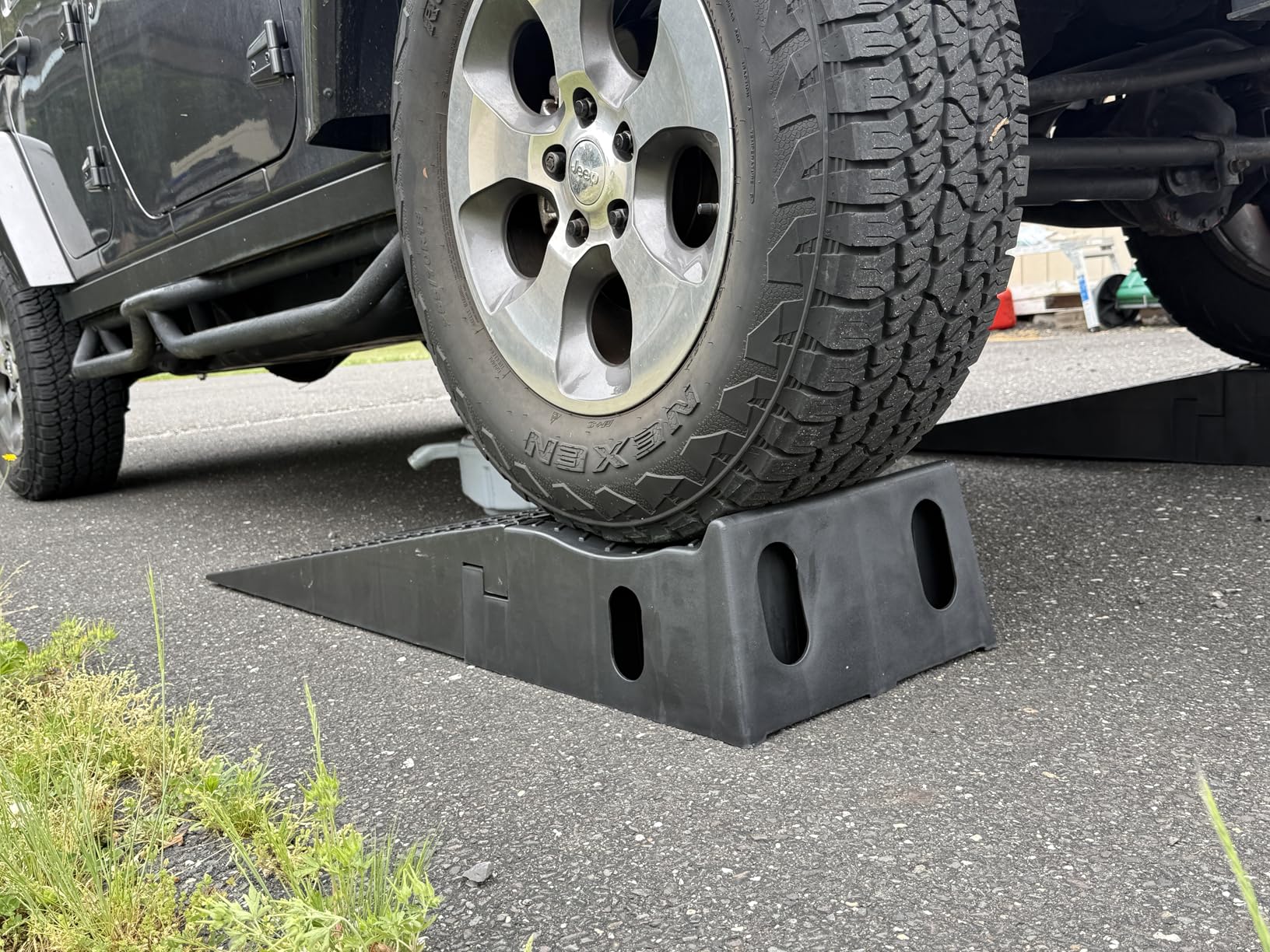
The 9.5 degree angle is achieved through a 52.5-inch total length. That is nearly double the length of the compact ramps. The extended approach gives the front wheels a gradual climb, which is exactly what low-clearance cars need.
The 8.5-inch width is generous. The 15-inch base section provides a stable platform once the car is in position. The 257 reviews include an 84 percent five-star rating. Users praise the detachability and the lift height.
The most common criticism is the lack of anti-skid features on the bottom. On smooth concrete, the ramps can slide during the initial drive-on. I solved this by placing a rubber mat under each section. On textured concrete, the grip is fine without modifications.
The 33-pound weight is the tradeoff for the extra length and detachability. If you have a small garage or limited storage, the size may be an issue. I store the sections vertically in a corner and they take up about the same space as a folding chair.
The optional extension sections can add even more length if you have an extremely low car or a long-wheelbase vehicle.
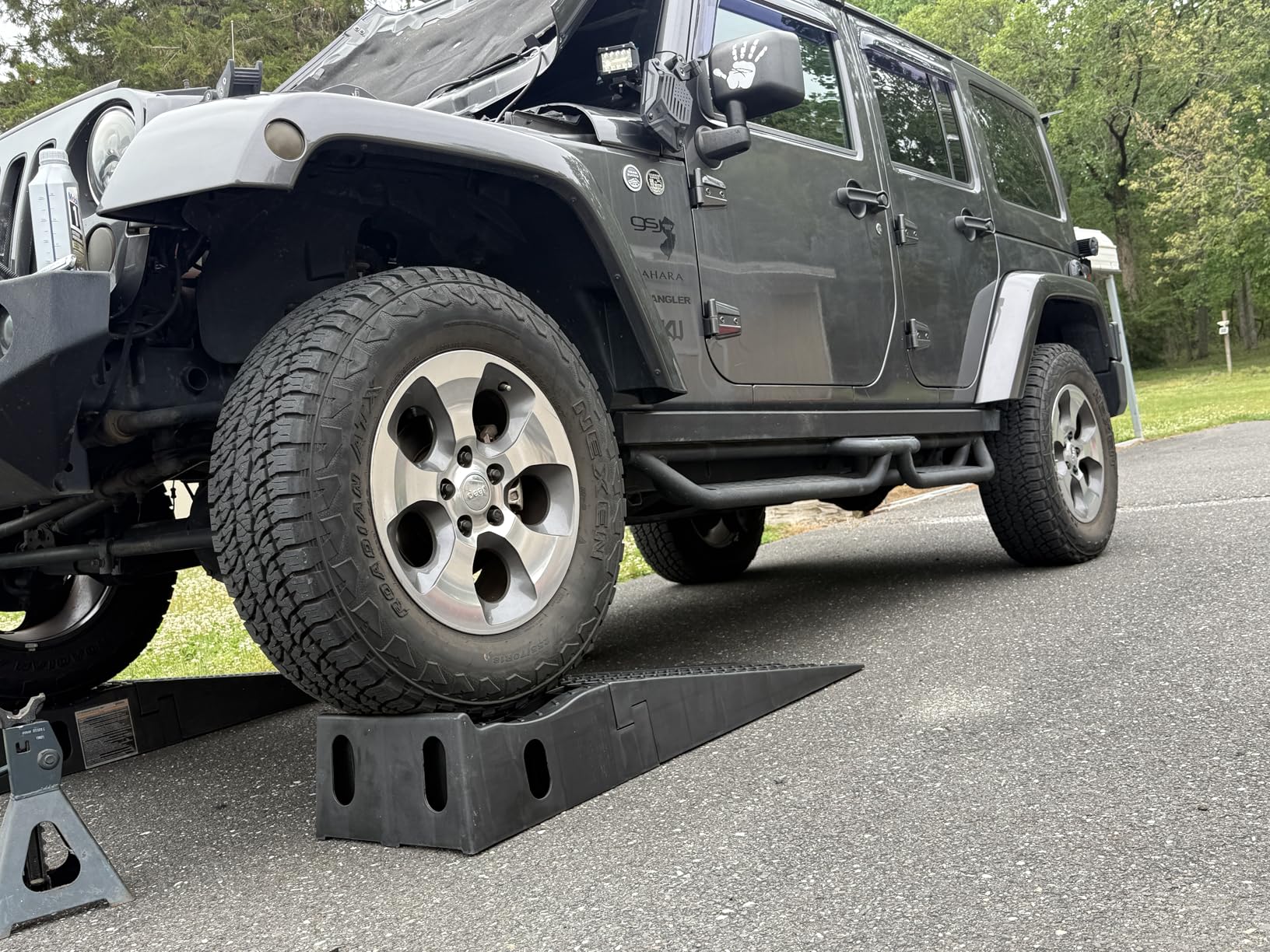
Why the Detachable Design Wins for Serious Maintenance
Removing the approach section after driving on gives you full wheel access. I can remove the wheels, service the brakes, and reinstall everything without moving the car off the ramps. The base section remains under the tire, holding the car at a consistent 6.5-inch height.
That stability is safer than working on jack stands for extended jobs. I also appreciate the base section for oil changes. The raised platform keeps the drain pan directly under the plug without the ramp slope interfering.
Fluid flows straight down instead of hitting the ramp surface. The 6.5-inch lift gives me enough room to reach the oil filter from above and below without scraping my arms on the underbody.
Storage and Portability for Home Garages
The 33-pound weight is manageable for most adults, but it is not a casual toss-in-the-trunk item. I keep these in my dedicated garage space. If you need a portable set for track days, the HOXWELL or Tomioka sets are better choices.
The 50709 is a shop tool, not a travel accessory. The sections nest together, but the total volume is larger than the compact ramps. For a home garage with a permanent corner for tools, the size is irrelevant.
The performance is what matters. I would rather have a slightly larger set that lets me do everything from oil changes to suspension swaps than own three different lifting tools. The modular design consolidates my equipment and saves money in the long run.
8. Race Ramps FlatStoppers – Foam Storage Ramps for Long-Term Care
Race Ramps 4-Pack FlatStoppers Car Wheel Ramp, Non-Skid Storage Pads & High-Density Foam, 14″ – Portable Automotive Platform Riser for Oil Changes, Display, and Garage Use
8.9 degree approach angle
1.25 inch lift height
6,000 lb capacity
Foam construction
Pros
- Prevents flat spots on stored tires
- Lightweight foam construction
- Non-skid base prevents floor damage
- 14 inch wide surface
- High density foam durability
Cons
- Premium price point
- Not Prime eligible
- Lower load capacity per ramp
- Foam may deform over time
The Race Ramps FlatStoppers are not maintenance ramps in the traditional sense. They are storage platforms designed to prevent flat spots during long-term parking. I use them on my summer car during the winter months.
The 1.25-inch lift is just enough to keep the tires from sitting in the same position for months. The 8.9 degree approach angle is gentle, and the 14-inch width is the widest in this guide. The high-density foam construction is surprising.
I expected a soft, compressible material, but the proprietary foam is rigid. My car sits on these for three months at a time, and the foam shows no flattening. The non-skid base grips the garage floor without leaving marks.
The 1.35-kilogram per-ramp weight makes them the easiest ramps to move. I can lift all four with one hand. I also use the FlatStoppers for short-term storage between track days. The even weight distribution prevents the tires from developing flat spots that cause vibration at highway speeds.
The 28-inch length gives the tire a full contact surface, which is better than the small cradle designs for long-term storage. The 6,000 pound total capacity is adequate for most sports cars and sedans. The FlatStoppers also work well for show car display.
I have used them at a local cars and coffee event to raise the vehicle slightly and create a cleaner stance. The foam is visually subtle and does not distract from the car. The non-skid base kept them in place on a polished concrete showroom floor for three hours without any creep.
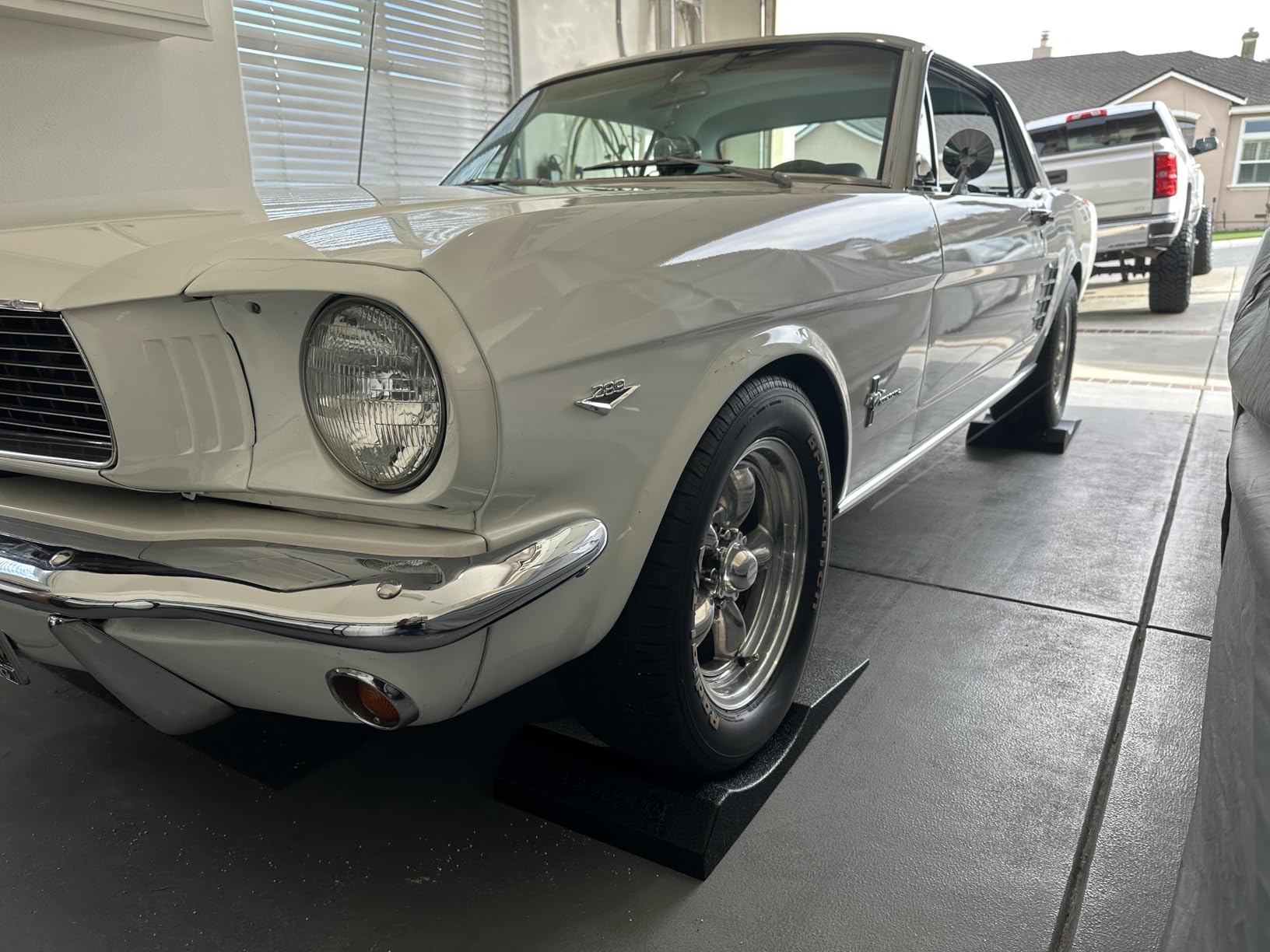
The 1,500 pound per ramp capacity is lower than the plastic competition, but it is sufficient for the intended use case. The foam is designed for static load, not dynamic loading. You do not drive onto these at speed.
The 14-inch width accommodates tires up to 12 inches wide, which covers most sports car and muscle car applications. The 28-inch length distributes the tire weight evenly across the foam surface. The 510 reviews include a 79 percent five-star rating.
Users mention that these are popular in the collector car community. The foam does not absorb moisture or oil, which is important for garage storage. A few reviewers note that the foam can deform slightly if a heavy vehicle sits on them for years, but most users report no issues after multiple seasons of use.
The premium price is the main barrier. At nearly three hundred dollars, these are an investment. For a daily driver, the cost is hard to justify. For a garage-kept sports car, classic, or track build, the protection they offer is worth the expense.
The foam construction also means no scratches or scuffs on the garage floor, which is a nice bonus if you have epoxy coating.
When Storage Protection Matters More Than Lift Height
If you park your sports car for more than two weeks at a time, flat spots become a real concern. Modern tires are better than old bias-ply designs, but they still develop flat spots after extended static loading. The FlatStoppers distribute the weight across the entire tire footprint, which eliminates the pressure point.
I noticed smoother highway driving after my first winter using these. The 1.25-inch lift is also useful for rodent deterrent. By raising the car slightly, you make it harder for mice to nest under the vehicle.
The gap is small enough that cats cannot get under, but it is enough to discourage nesting. I also slide a desiccant tray under the car more easily when it is on these platforms.
Collector Car and Seasonal Vehicle Applications
These ramps are a staple in the collector car world. I have seen them used on everything from original Shelby Mustangs to modern Porsche 911s. The foam is gentle on the tires and the floor.
The wide surface prevents the tires from rolling off, even if the suspension settles over time. The 8.9 degree approach means you can drive onto them with a very low car without scraping. For seasonal vehicles like track cars or convertibles, the FlatStoppers are a simple insurance policy.
They cost less than a single high-performance tire, and they protect the entire set. I consider them part of my winterization routine, along with fuel stabilizer and a battery tender. The peace of mind is worth the price for anyone who owns a car they truly care about.
Buying Guide: How to Choose the Right Car Ramps for Low Clearance Sports Cars
Before you click buy, you need to understand four key specifications. Approach angle, weight capacity, tire width, and ramp length determine whether a ramp will work for your specific car.
I have seen too many people buy the wrong ramps because they only looked at the price. The following sections explain what to measure and what to look for in a product listing.
Approach Angle and Ramp Angle Requirements
The approach angle is the most important specification for low-clearance vehicles. Standard ramps use a 17-to-20-degree incline, which is too steep for sports cars. Low profile ramps range from 8.6 to 10.8 degrees.
I recommend 9 degrees or less for cars with under 4 inches of ground clearance. For cars between 4 and 5 inches, a 10-degree ramp is usually safe. The math is simple. A longer ramp with the same height creates a shallower angle.
That is why the 52.5-inch MaxxHaul 50709 can use a 9.5-degree angle while achieving a 6.5-inch lift. If you have a very low car, prioritize the approach angle over the lift height. A 2.5-inch lift with a 9-degree angle is safer than a 3-inch lift with a 12-degree angle.
Weight Capacity and GVWR Considerations
Always check the GVWR of your vehicle before buying ramps. The GVWR is the maximum safe weight of the vehicle, including passengers and cargo.
The ramp capacity should exceed the heaviest axle weight, not just the total vehicle weight. For a sports car, the front axle usually carries more weight than the rear. If your car weighs 3,200 pounds and has a 55/45 weight distribution, the front axle sees about 1,760 pounds.
I recommend a safety margin of at least 50 percent above your axle weight. That means a 3,200-pound car should use ramps rated for at least 2,640 pounds per axle. Most of the ramps in this guide exceed that requirement.
The 5,000 pound per axle rating of the Black Widow set is overkill for a Miata, but it is necessary for a heavier Camaro or Mustang.
Tire Width and Compatibility
The ramp width determines how easily you can align the tire. A 7.75-inch surface works for tires up to about 245 section width. For 255 or wider, look for 10-inch or 12-inch surfaces.
The HOXWELL and VEVOR sets accommodate wider tires. The Race Ramps FlatStoppers, at 14 inches, fit virtually any sports car tire. Overhanging the edge is not necessarily dangerous, but it makes the drive-on process more stressful.
I prefer a ramp that is slightly wider than my tire so I can focus on the maintenance task instead of steering. If you run staggered widths, check the front tire against the ramp width. The front wheels are the ones that climb the ramp first and set the alignment.
Material Comparison and Storage
Plastic and polypropylene ramps dominate the market because they are lightweight, affordable, and corrosion-proof. The honeycomb design adds strength without adding weight. High-density foam, like the Race Ramps construction, is even lighter but costs more.
Foam is ideal for storage and display, while plastic is better for active maintenance. Aluminum ramps exist, but they are heavier and more expensive. For a home garage, plastic is the practical choice.
Consider where you will store the ramps. Compact sets like the HOXWELL and Tomioka models fit in a trunk. The detachable MaxxHaul 50709 needs more space. If storage is tight, choose a nesting or interlocking design.
Splitter and Aero Kit Clearance
Front splitters and chin spoilers are the most vulnerable parts of a lowered sports car. The approach angle is what protects them. If your splitter sits lower than the front bumper, measure the distance from the splitter lip to the ground.
Compare that to the ramp height at the point where the front wheel first touches. A 9-degree ramp with a 2.5-inch lift will have a front edge that is about 1 inch high. If your splitter is under 1.5 inches, you may need extensions.
Many track enthusiasts use 2×4 boards as ramp extensions. The board bridges the gap between the floor and the ramp edge, creating an even gentler slope. Some ramps, like the MaxxHaul 50709, offer official extension sections.
If you have a full aero kit with a front splitter and side skirts, test the approach with a spotter before committing to a full drive-on.
How Ramp Length Affects Clearance
Ramp length is the hidden variable that determines whether your bumper clears. A 2.5-inch lift on a 27-inch ramp creates a steeper angle than a 2.5-inch lift on a 52-inch ramp. The longer the ramp, the more gradual the slope.
If you have an extremely low car, look for ramps over 40 inches long. The MaxxHaul 50709 uses its 52.5-inch length to achieve a gentle angle with a high lift. Short ramps are more portable but steeper.
The HOXWELL set is only 17.5 inches long, which is why it uses a 17-degree slope. That tradeoff is acceptable for cars with 4-plus inches of clearance, but risky for anything lower. Measure your available storage space and your car’s ride height before deciding on length.
If space is tight, you can buy ramp extensions later.
Storage Solutions for Small Garages
Most low profile ramps are designed with storage in mind. The Tomioka Racing and Black Widow sets are compact enough to fit in a closet. The MaxxHaul 50709 is larger but breaks down into sections.
If you have a one-car garage, consider the nesting or interlocking designs. I store my compact ramps under a shelf and my detachable set in a vertical rack. Weight also matters for storage.
A 5-pound pair is easy to move. A 33-pound set requires a dedicated spot. If you need to carry ramps to track days or car meets, the lightweight options are the only practical choice. I keep a lightweight set in the trunk at all times and leave the heavy-duty set in the garage.
Safety Tips for Using Car Ramps on Low Clearance Vehicles
Always use a hard, flat, level surface. Asphalt, concrete, or compacted pavers are acceptable. Grass, gravel, and dirt are not.
A soft surface can let the ramp sink or tilt, which changes the approach angle mid-climb. I check the surface with a bubble level before setting up.
Chock the rear wheels before driving onto the ramps. A wheel chock is a small wedge that prevents the car from rolling backward. I use a solid rubber chock on both rear tires.
Even an automatic transmission in park can slip if the ramp shifts. The chock is your last line of defense.
Have a spotter guide you. The spotter stands in front of the car and watches the bumper clearance. They signal when to stop.
I never drive onto ramps alone if the car is extremely low. The spotter can also watch for tire alignment on narrow ramps. Communication is key. Use hand signals or a two-way radio.
Never work under a car that is supported only by ramps. Ramps are for lifting and access. For any work that requires you to be fully under the vehicle, add jack stands at the manufacturer-recommended lift points.
I place the stands after the car is on the ramps, then lower the car slightly onto the stands before sliding underneath.
Check the ramp surface for oil, water, or debris before each use. A slippery ramp can cause the tire to spin or the car to slide sideways. I wipe the surface with a shop towel before driving on.
The honeycomb channels help, but they are not a substitute for a quick visual inspection.
Inspect the ramps for cracks or deformation before each use. Plastic ramps can degrade over time, especially if they are left in direct sunlight. I check the honeycomb channels for small cracks that could spread under load.
A compromised ramp is a safety hazard. If you see any damage, replace the ramp immediately.
Always align the ramps straight and parallel. Misaligned ramps create uneven loading, which can cause the car to twist or the ramp to slide outward. I use a tape measure to set the ramp centers at the same distance from the garage wall.
The distance should match your track width. A quick alignment check takes 30 seconds and prevents a major accident.
Frequently Asked Questions
What is the best low profile car ramp?
The best low profile car ramp depends on your ride height and use case. For most lowered sports cars, the Tomioka Racing Super Slopes offer a purpose-built 9.05-degree loading angle and a 3-inch lift. If you want the best value, the Black Widow Low Profile Car Ramps provide a proven 9.05-degree angle and over 1,500 positive reviews. Budget shoppers should look at the MaxxHaul 50516, which delivers the same gentle approach at a lower price.
Do car ramps work for lowered cars?
Yes, car ramps work for lowered cars if you choose a low profile model with a shallow approach angle. Standard ramps have a 17-to-20-degree incline, which scrapes most lowered bumpers and splitters. Low profile ramps use an 8.6-to-10.8-degree angle that allows vehicles with 3 to 5 inches of ground clearance to drive on safely. Always check the ramp angle against your front bumper height before buying.
Which sports car has the lowest ground clearance?
Production sports cars like the Chevrolet Corvette, Porsche 911 GT3, and Ferrari models often have ground clearance under 4 inches. Modified vehicles on air suspension or coilovers can drop below 3 inches. The Honda S2000 and Mazda Miata are common examples that sit low even in stock form. If your car has less than 3.5 inches of clearance, look for ramps with an approach angle under 9 degrees.
How do I choose the right car ramp for my vehicle?
Start by measuring your ground clearance and checking your front axle weight. Choose a ramp with an approach angle under 10 degrees if your car is lowered. Match the ramp width to your tire section width. Verify that the ramp capacity exceeds your heaviest axle weight by at least 50 percent. Consider storage space and whether you need detachable sections for suspension work. Test the approach slowly with a spotter before performing full maintenance.
Can I use car ramps on uneven ground?
No, you should only use car ramps on a hard, flat, level surface. Uneven ground can cause the ramp to tilt, shift, or sink, which changes the approach angle and creates a tipping hazard. Grass, gravel, and dirt are unsuitable. If you must work on a driveway with a slight slope, chock the wheels and use a bubble level to confirm the surface is safe.
Final Thoughts
Choosing the best car ramps for low clearance sports cars is about matching the approach angle to your ride height. The Tomioka Racing Super Slopes earn our top recommendation for their purpose-built design and 3-inch lift.
The Black Widow Low Profile Car Ramps deliver the best value for most owners, while the MaxxHaul 50516 is the smartest budget choice. If you need modular access for serious maintenance, the MaxxHaul 50709 detachable set is worth the premium.
Before you buy, measure your ground clearance, check your axle weights, and consider your storage space. A shallow-angle ramp is an investment in your car’s bodywork as much as it is in your maintenance routine.
In 2026, there is no reason to risk a scratched splitter when purpose-built low profile ramps are this affordable. Pick the set that fits your car, your garage, and your budget, and enjoy maintenance without the stress.
1 thought on “8 Best Car Ramps for Low Clearance Sports Cars (October 2026) Buying Guide”