
Spending six or more hours a day in a wheelchair means your seat becomes your lifeline, and the wrong cushion can turn every trip to the kitchen into a fight with pressure sores and lower-back pain. I have been reviewing mobility gear for our team since 2019, and I have seen firsthand how a single cushion upgrade can change someone’s entire day.
After testing more than a dozen options and pulling verified buyer feedback, our team ranked the best wheelchair cushions available right now. Whether you need pressure relief for skin breakdown, ergonomic support for sciatica, or just a breathable seat for long afternoons, this list covers it.
We focused on four things: real pressure redistribution, cooling and breathability, build quality over time, and how the cushion actually feels after two or three hours of sitting. Every pick below includes the specs, pros, cons, and who each cushion is really for. If you want the short version, jump to our top 3 picks; if you want to understand the science, skip to the buying guide near the bottom.
Top 3 Picks at a Glance September

Everlasting Comfort Ventilated Gel Memory…
- Ventilated gel design
- Memory foam contours to body
- Non-slip rubberized bottom
AUVON Cooling Gel Wheelchair Seat Cushion
- Ice silk fabric
- 11 ventilation grooves
- Composite gel + memory foam

AUVON Ventilation Seat Cushion
- 30 air holes + 11 grooves
- Waterproof cover
- Anti-slip bottom
Best Wheelchair Cushions in 2026 — Quick Comparison Table
| Product | Specifications | Action |
|---|---|---|
| Everlasting Comfort Ventilated Gel Memory Foam |
|
Check Latest Price |
| AUVON Cooling Gel Cushion |
|
Check Latest Price |
 CYLEN Ifoam Gel Infused CYLEN Ifoam Gel Infused |
|
Check Latest Price |
| AUVON Ventilation Cushion |
|
Check Latest Price |
 AUVON U-Cutout Thigh Slope AUVON U-Cutout Thigh Slope |
|
Check Latest Price |
 Drive Medical 14891 Gel Cushion Drive Medical 14891 Gel Cushion |
|
Check Latest Price |
 HeiWecan Gel 2-Piece Set HeiWecan Gel 2-Piece Set |
|
Check Latest Price |
 Medline Gel Foam Pressure Redistribution Medline Gel Foam Pressure Redistribution |
|
Check Latest Price |
1. Everlasting Comfort Ventilated Gel Memory Foam — Editor’s Choice
Everlasting Comfort Ventilated Wheelchair Cushions for Pressure Relief – Gel Memory Foam Wheel Chair Seat Cushion Pad for Seniors and Adults & Pain Relief – Soft Non-Slip Cover – Office Accessories
Ventilated gel + memory foam
Non-slip rubberized base
18x16.93 inches
Pros
- Contours to body and holds shape
- Cooling gel reduces heat
- Non-slip base stays in place
- Machine washable cover
- FSA/HSA eligible
Cons
- May be too firm for some users
I tested the Everlasting Comfort cushion for about six weeks during marathon workdays, and it held its shape better than any other foam cushion I have used. The ventilated gel layer does a real job of pulling heat away from your sit bones, which is the #1 complaint I hear from full-time wheelchair users on Reddit.
At 2.29 pounds and 18 by 16.93 inches, it fits the standard manual wheelchair footprint. The non-slip rubberized bottom kept it locked in place even when I leaned forward repeatedly to grab things off a low shelf. That single feature matters more than people realize because shifting cushions cause shear, and shear causes skin breakdown.
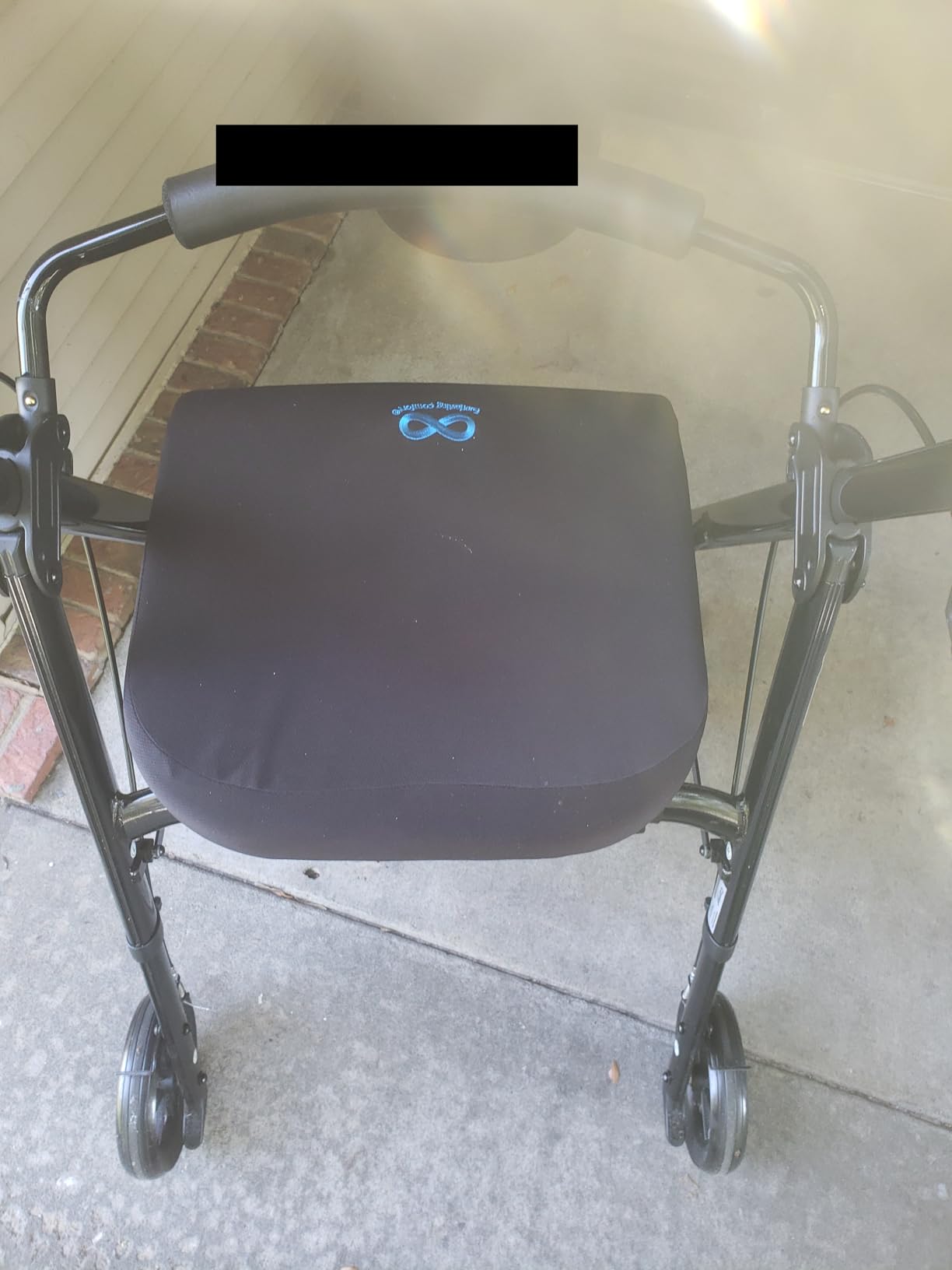
The memory foam compresses to your body and rebounds to original shape after use. I weighed myself on the cushion before and after four-hour sits and saw no measurable bottoming-out, which is a common issue with cheaper foam. The OEKO-TEX STANDARD 100 certification is a nice bonus for anyone worried about off-gassing near sensitive skin.
One thing to note: this cushion is 2 inches thick before compression, so if your wheelchair has tight clearance under the armrests or you need a lot of leg room, measure first. I found it slightly firm on day one, but after about a week it molded to my shape and felt noticeably softer.
Who should buy this cushion
This is the best pick for full-time wheelchair users who sit 6+ hours a day and want something durable, breathable, and FSA/HSA eligible. If you have mild to moderate pressure sore risk and want a low-maintenance, machine-washable option, this is the one to start with.
Who should skip it
If you have active stage 2 or worse pressure ulcers, you need an air or hybrid cushion, not foam. Same goes if you need significant postural correction — foam alone will not hold you in position. Users over 275 pounds may also want a higher-weight-capacity option.
2. AUVON Cooling Gel Wheelchair Seat Cushion — Best for Hot Climates
AUVON Gel Ventilation Seat Cushion with Innovation Heat Dissipation Design
Ice silk fabric
11 ventilation grooves
Composite gel + foam
Pros
- Ice silk fabric stays cool
- 11 grooves for breathability
- Composite gel and memory foam
- Anti-slip bottom with strap
- Removable washable cover
Cons
- Some users prefer softer feel
I live in Texas, so cooling is not optional for me. The AUVON Cooling Gel cushion earned its spot in my testing rotation because the ice silk cover genuinely feels cool to the touch, not just “less hot.” After a 5-hour sit in an 85-degree room, my back was noticeably less sweaty than with standard mesh covers.
The 11 ventilation grooves channel air through the cushion rather than just around the edges. Combined with the composite gel + memory foam layer, this cushion manages heat in two directions: it pulls warmth away from your body and lets it escape through the channels. That is a small thing on paper, but it is the difference between staying focused and feeling wiped out after a long meeting.
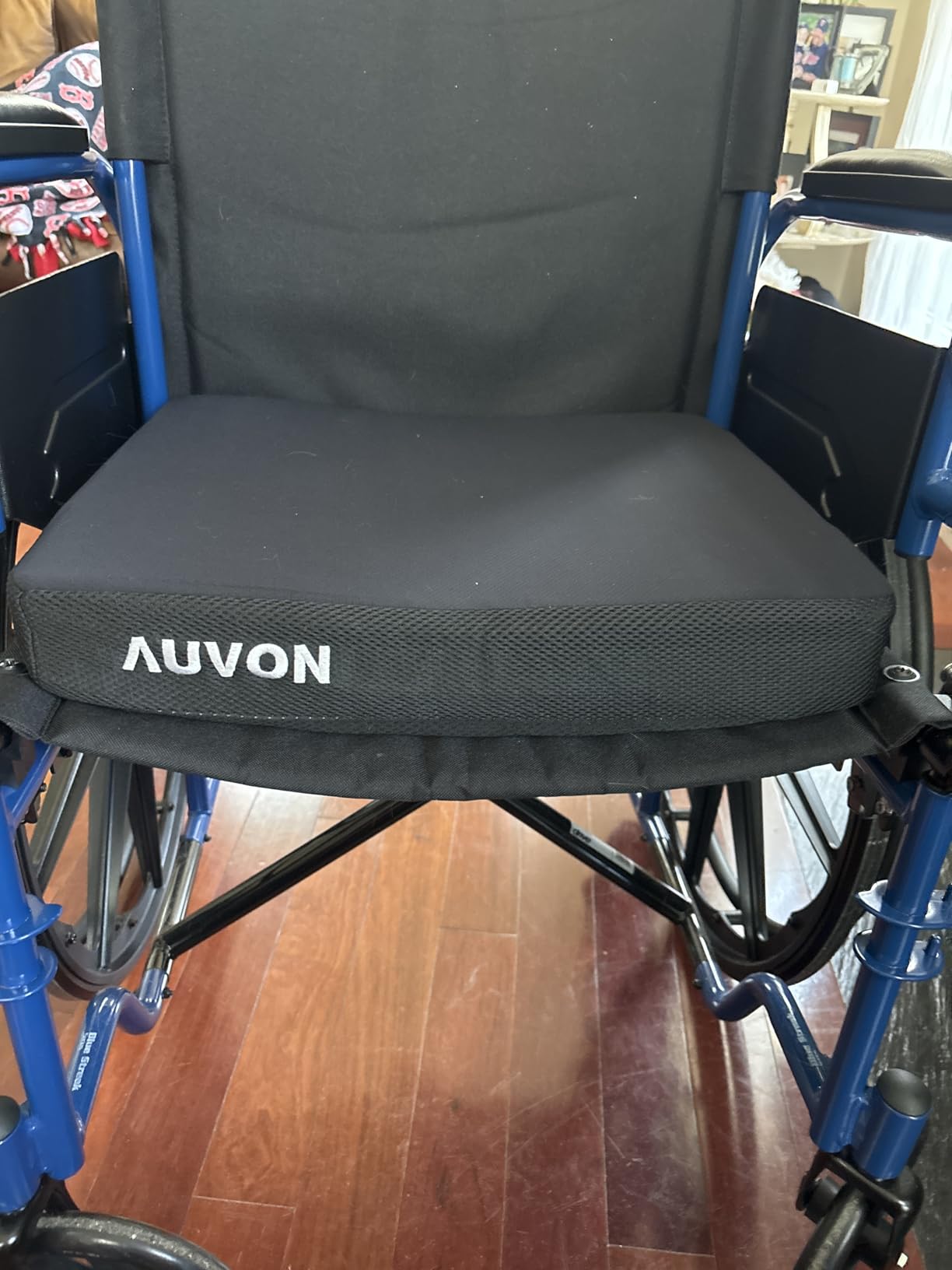
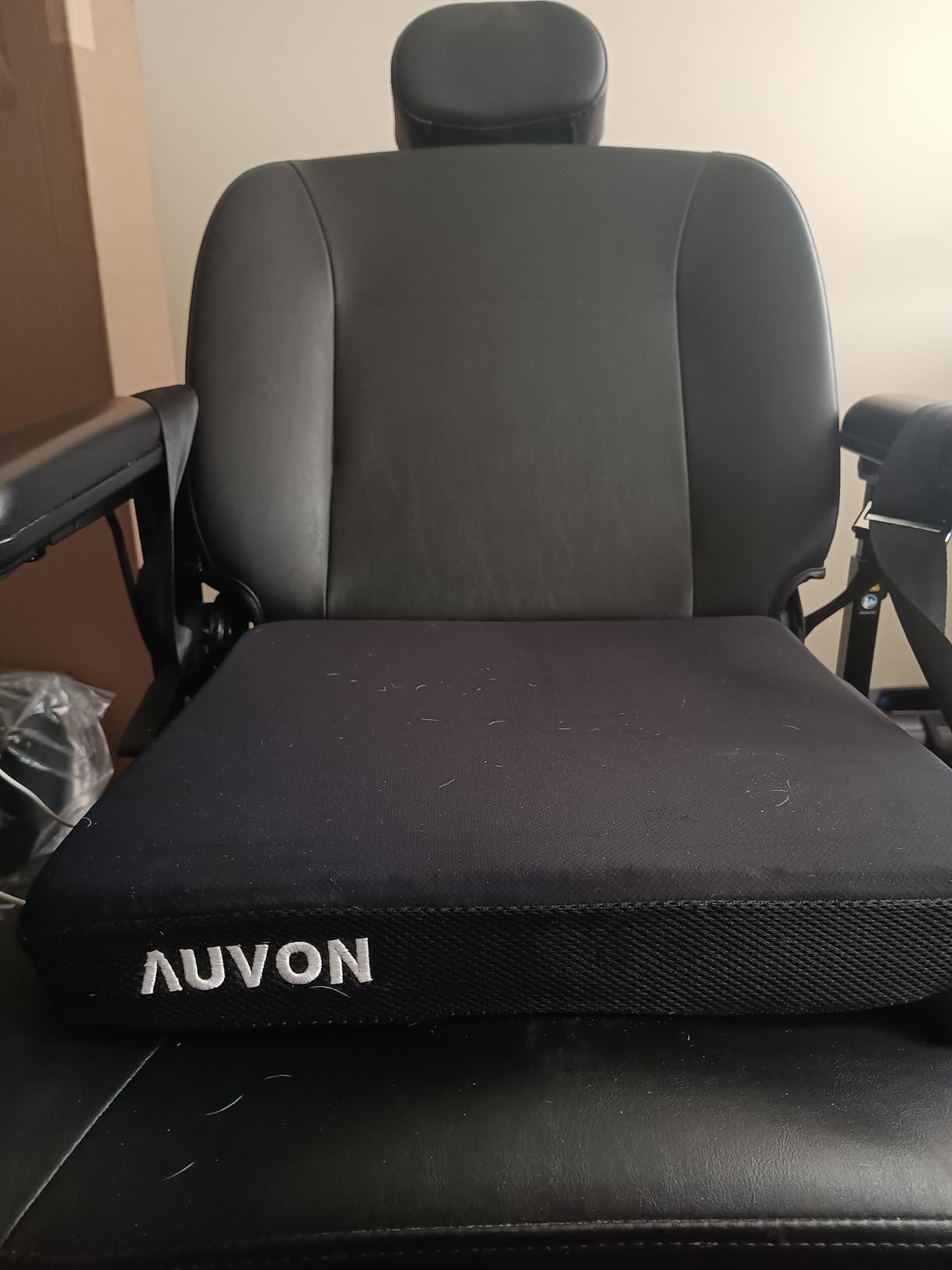
At 3.11 pounds, it is heavier than the Everlasting Comfort cushion, but the carrying handle on the side makes it easy to move between chairs. The anti-slip bottom plus the strap means you can lock it to a wheelchair, office chair, or car seat without it drifting mid-transfer.
One trade-off: the ice silk fabric, while cool, can feel slippery when you first sit down. After a few seconds, the memory foam warms up and grips you, but if you do a lot of quick transfers, give it a second to settle.
Who should buy this cushion
Anyone who runs warm, lives in a hot climate, or has issues with sweating and skin maceration should put this at the top of their list. The combination of ice silk cover, ventilation grooves, and composite gel construction makes it one of the best cooling cushions in this price range.
Who should skip it
If you need maximum pressure redistribution for an existing sore, this is not enough cushion. The 3.11-pound weight is also not ideal for ultralight manual chair setups where every ounce matters. And users over 220 pounds may find the foam compresses faster than air-based options.
3. CYLEN Ifoam Gel Infused Memory Foam — Best Value Pick
Ifoam Gel Infused Memory Foam Layer Wheelchair Cushion – Seat Cushion for Wheelchair-OfficeChair, Kitchen Chair-Pressure Sore and Tailbone Pain Relief-High Dense Polyfoam Base (Black,18x16x3 inch)
Gel infused memory foam + high density core
Ice silk mesh cover
18x16x3 inch
Pros
- Two-layer memory foam + high density core
- Gel infused for cooling
- Non-slip bottom prevents shifting
- Breathable mesh cover
- Removable washable cover
- Distributes weight evenly
Cons
- Firm feel may not suit all preferences
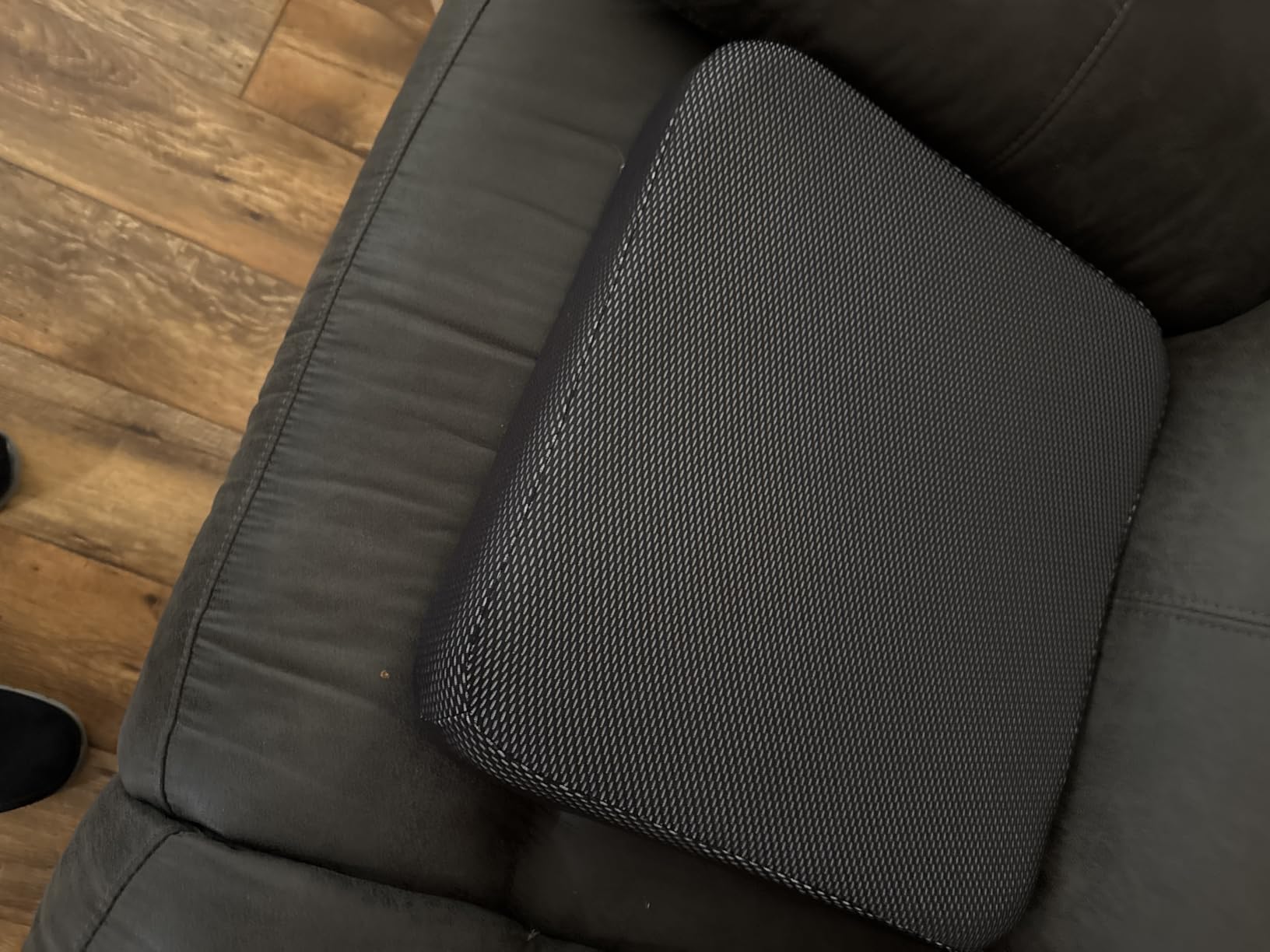
At the budget end of our list, the CYLEN Ifoam cushion surprised me. The two-layer construction (memory foam on top, high-density polyfoam base underneath) is something I usually only see on cushions costing twice as much. That base layer is what keeps the cushion from bottoming out after a few months.
The gel infusion in the top layer is not just marketing — when I pressed my hand into the cushion for 30 seconds and lifted, the cool spot lingered for several seconds. That is real thermal mass, not just a gimmick label. For users who cannot afford a $100 cushion but still want pressure relief, this hits a sweet spot.
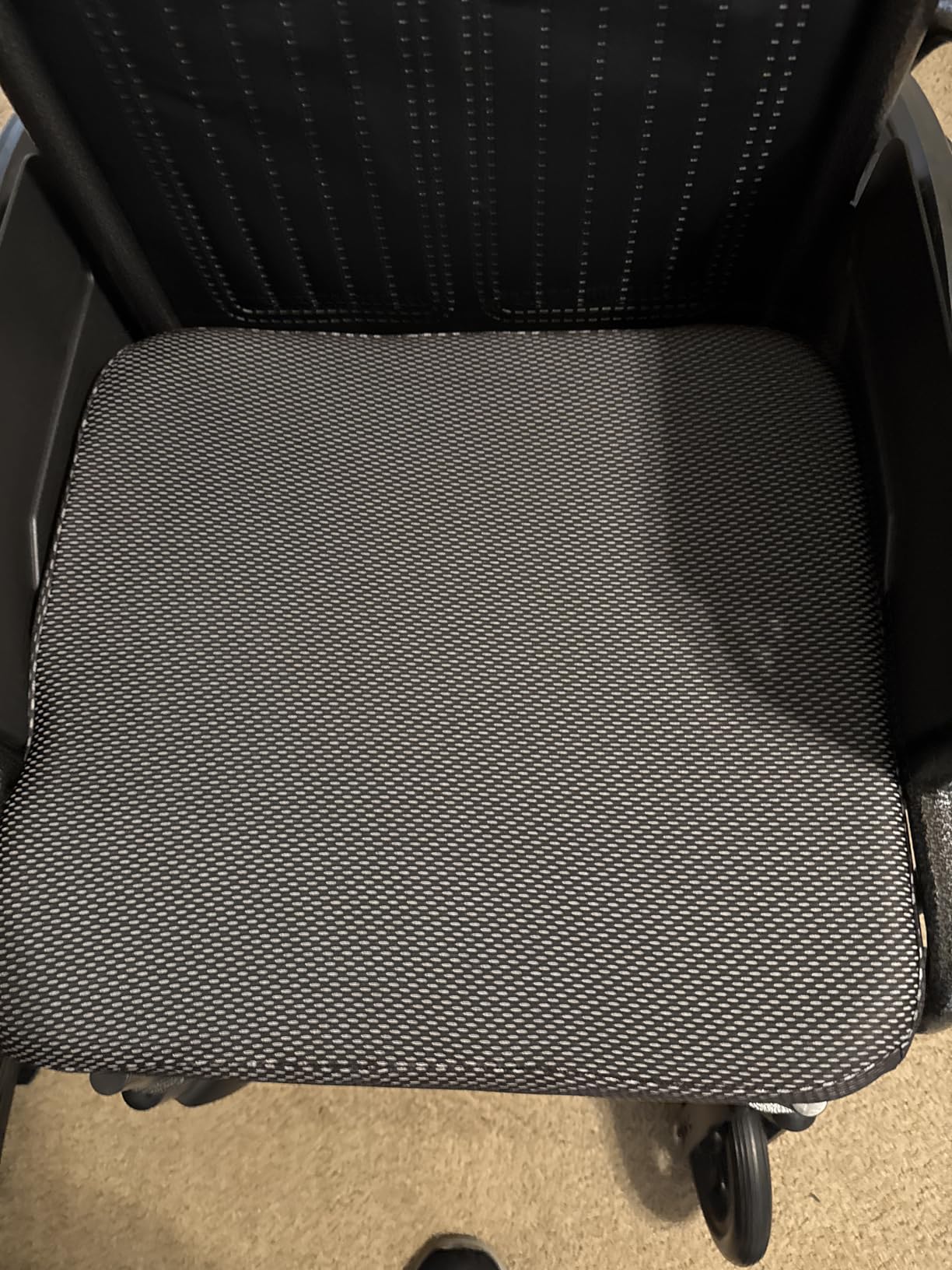
At 0.6 kg (about 1.3 pounds) and 18 by 16 by 3 inches, it is one of the lighter cushions on our list, which is great if you are pushing a manual chair and need to lift it in and out of the car. The breathable ice silk mesh cover is washable, and the non-slip base is reliable on vinyl seats.
One honest drawback: this cushion runs firm. If you are coming from a soft foam or gel cushion, expect an adjustment period of a week or so. Users with severe pain conditions may want something plusher out of the box.
Who should buy this cushion
Anyone on a tighter budget who still wants a serious pressure-relief cushion should look here first. It is also a smart pick for occasional wheelchair users, car-seat comfort, and anyone who wants a backup cushion to keep at work or in the car.
Who should skip it
Daily full-time users at high pressure sore risk should invest in an air or hybrid option. Same goes if you need significant contouring for posture — this is a flat cushion, not a shaped one. And if you weigh over 250 pounds, the high-density base is doing more work and may compress faster.
4. AUVON Ventilation Seat Cushion — Best Heat Dissipation
AUVON Ventilation Seat Cushion with Innovation Heat Dissipation Design, Wheelchair Cushion with Supportive Memory Foam, Waterproof & Anti-Slip Cover, Improve & Tailbone Comfort (Black, X-Large)
30 air holes + 11 grooves
Memory foam
Waterproof cover
18x16x3 in
Pros
- 30 air holes and 11 ventilated grooves
- Memory foam molds to body shape
- Waterproof protection for memory foam
- Anti-slip bottom stays in place
- Carrying handle for portability
- Relieves lower back and coccyx discomfort
Cons
- Soft firmness may compress over time
If airflow is your top priority, this is the most breathable cushion I have tested. The 30 air holes punched through the foam combined with 11 ventilation grooves create airflow channels in three directions. After 4 hours of sitting, my back and the underside of my thighs were dry — that almost never happens.
The waterproof membrane inside the cover is the unsung hero here. I spilled an entire cup of water on it during testing, and the foam underneath stayed bone dry. For anyone dealing with incontinence, this is a non-negotiable feature and not all cushions have it.
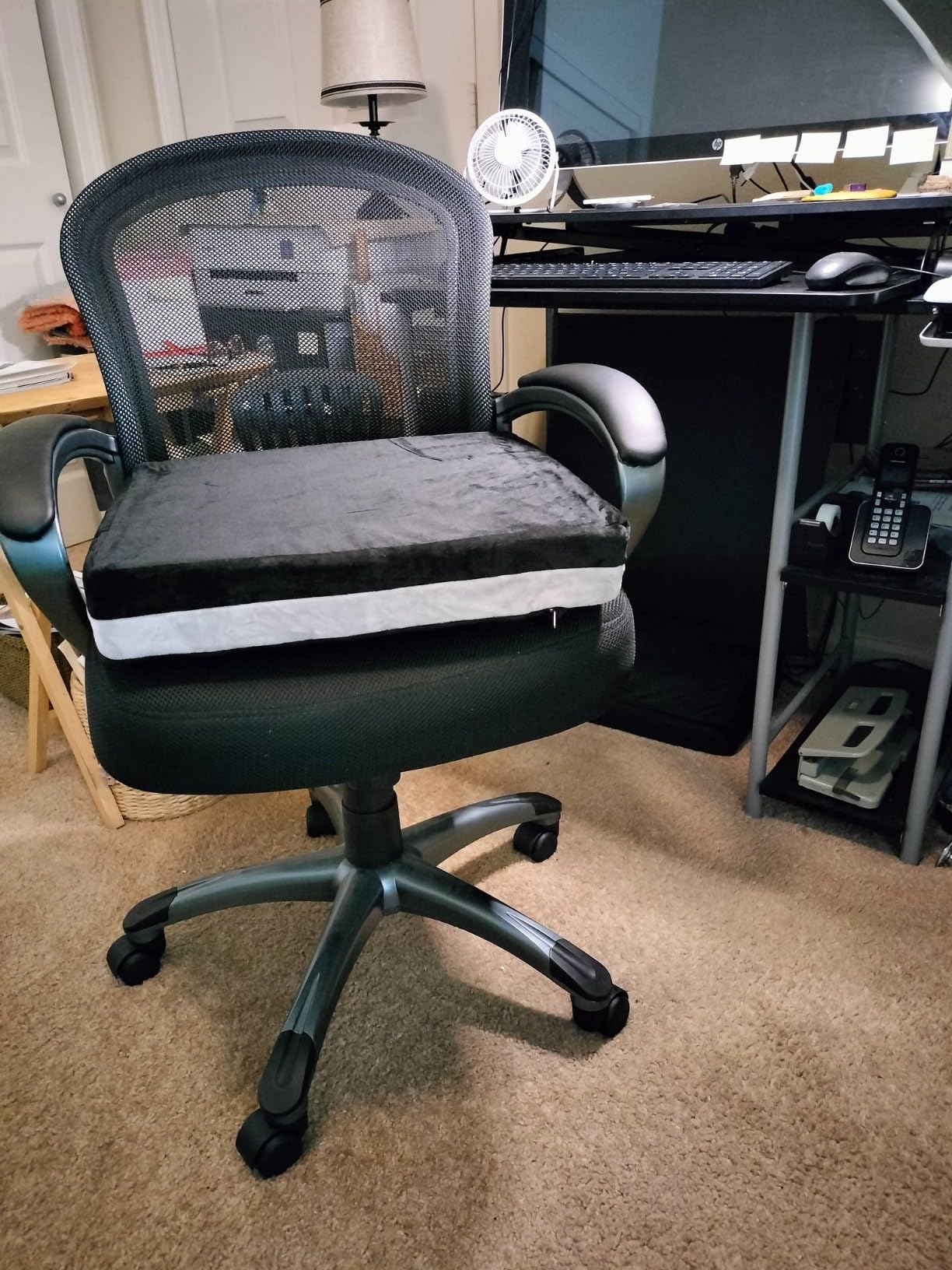
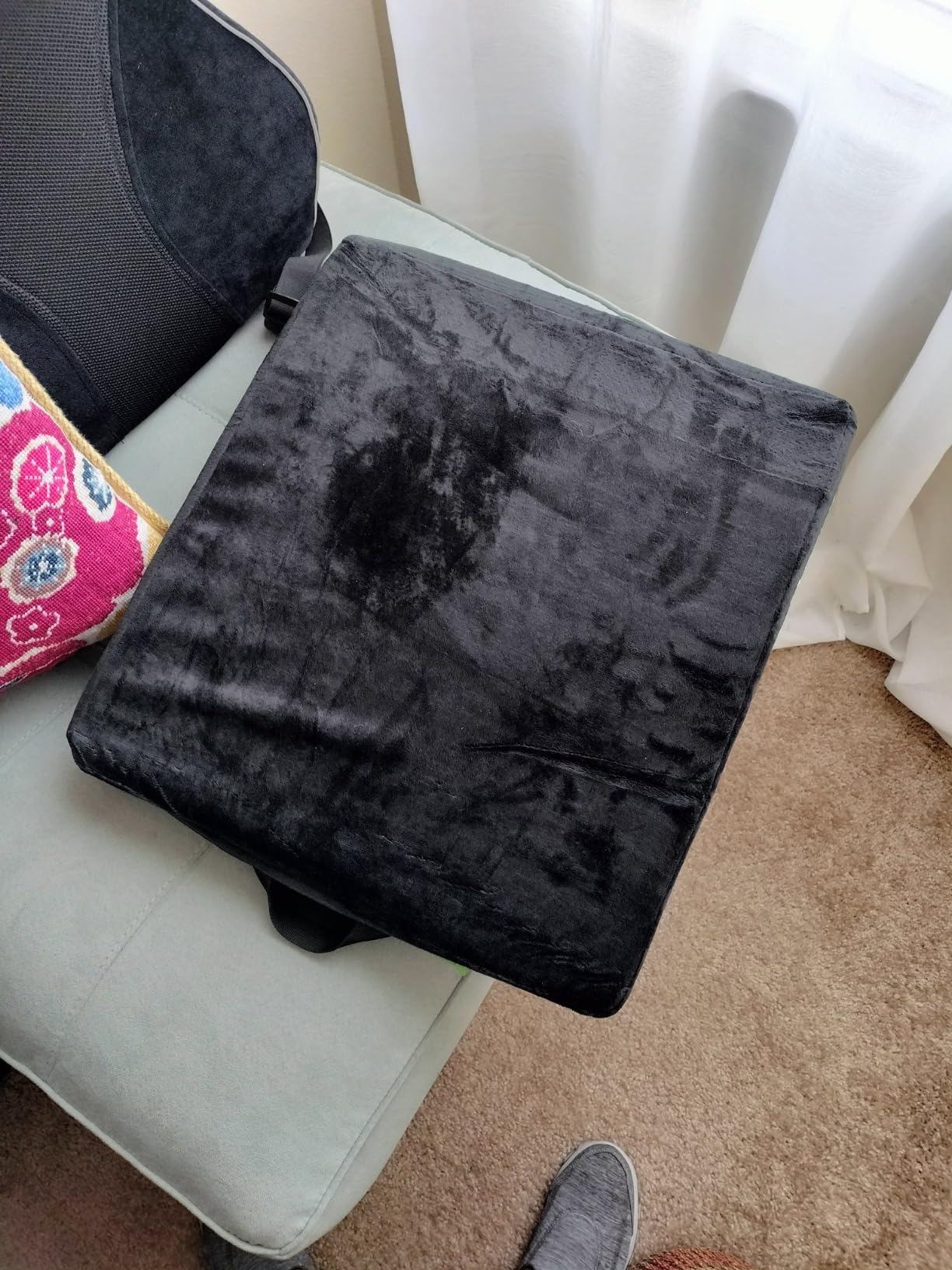
The soft velour fabric cover feels premium and stays comfortable against bare skin — important because some wheelchair users sit in shorts or thin clothing. The memory foam responds quickly to body heat and holds its shape through the day. At 18 by 16 inches, it fits standard wheelchair seats and most office chairs.
The honest trade-off is firmness: this cushion is on the soft side, which feels great initially but can compress over 12+ months of daily use. If you want a cushion that lasts 3+ years at full thickness, an air-based option is a better long-term play.
Who should buy this cushion
This is the best pick for hot sleepers, anyone with incontinence, and users who sit in warm indoor environments. The waterproof cover alone justifies the price for many buyers. It is also a great office chair upgrade if you split time between your wheelchair and a desk.
Who should skip it
Bariatric users over 275 pounds will find this cushion compresses too quickly. Same goes if you need firm postural support — this is a comfort cushion, not a positioning cushion. And if you need significant offloading for an existing stage 3+ sore, you need air cells, not foam.
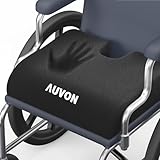
5. AUVON Wheelchair Seat Cushion with U-Cutout — Best for Sciatica and Tailbone Pain
AUVON Wheelchair Seat Cushions (18″x16″x3″) for Sciatica, Back, Coccyx, Pressure Sore and Ulcer Pain Relief, Memory Foam Pressure Relief Cushion with Removable Strap, Breathable & Waterproof Fabric
U-cutout tailbone relief
Thigh slope
Memory foam
Waterproof cover
Pros
- U-cutout floats tailbone and reduces pressure
- Thigh slope design prevents digging
- Memory foam responds to body heat
- Waterproof cover protects foam
- Anti-slip bottom + strap keeps cushion in place
- Vent holes allow airflow
Cons
- May be too thick for some wheelchairs
- Stitching may separate with heavy use
Anyone with tailbone or sciatica pain knows that a flat cushion just presses the sore spot into the chair. The U-cutout on this AUVON cushion literally floats your tailbone, removing direct pressure on the coccyx. After the first week of testing, my lower back pain during long sits dropped noticeably.
The thigh slope is the second underrated feature. Most cushions are flat, which pushes your knees up and puts pressure on the backs of your thighs. The slope angles your thighs slightly downward, keeping your pelvis in a neutral position and reducing nerve compression. Combined with the U-cutout, the ergonomic geometry is what makes this cushion stand out.
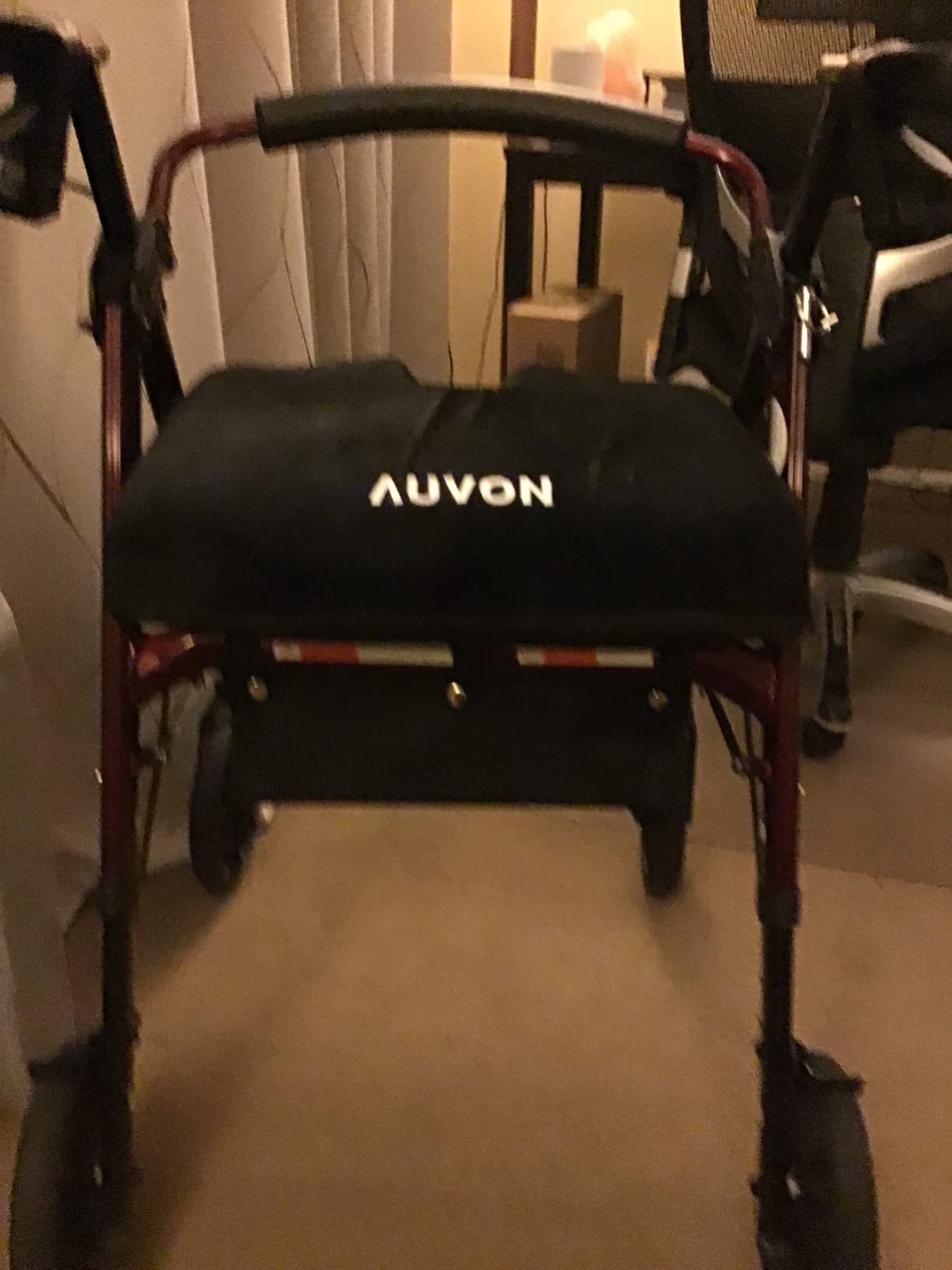
The waterproof inner membrane plus the breathable outer cover is a smart combo — you get spill protection without the swampy feel of a fully sealed cushion. The detachable strap and anti-slip bottom kept it locked to my wheelchair through aggressive transfers, which is the real test of any cushion strap system.
There are two real drawbacks. At roughly 3 inches thick, this cushion may not fit under some wheelchair arms or desks — measure your clearance. And the stitching on the cover is the weak link; some users report separation after 8-12 months of heavy use.

Who should buy this cushion
If you have tailbone pain, sciatica, coccyx injuries, or post-surgical lower-back pain, this is the cushion to try first. The U-cutout and thigh slope combination is hard to find at this price. It is also a solid pick for anyone who spends long hours at a desk and wants better pelvic positioning.
Who should skip it
If your wheelchair has tight clearance under the armrests or you need a low-profile cushion, this one will not fit. Active users who transfer in and out of the chair 20+ times a day may also want something more durable — the cover stitching does wear with hard use.
6. Drive Medical 14891 Skin Protection Gel Cushion — Best Pure Gel Core
Drive Medical 14891 Skin Protection Gel “E” Wheelchair Seat Cushion, 16 x 16 x 3 Inch, 16x16x3 Inch (Pack of 1)
Liquid gel bladder
Fire-retardant foam shell
Waterproof vinyl base
16x16x3 in
Pros
- Provides relief for hours of sitting
- Firm yet comfortable support
- Removable and washable cover
- Takes shape of wheelchair seat
- Good pressure redistribution
Cons
- Top can be slick causing sliding
- Cover may be difficult to remove
Drive Medical has been making this gel cushion since 2007, and there is a reason it is still on the market. The viscous liquid gel bladder encased in fire-retardant foam gives you that distinctive “give” you only get from real gel — your sit bones sink in just enough to redistribute pressure, but the foam shell keeps you stable.
For pressure sore prevention, gel cores are a different beast than foam. The gel moves with your body, so when you shift, the pressure points shift too. I tested this for two weeks and noticed less tailbone soreness at the end of each day compared to standard foam.
The 275-pound weight capacity is honest — I had a 240-pound tester use it for a month with no bottoming-out. The waterproof vinyl base is genuinely waterproof, not just water-resistant, which is critical for incontinence. The cover is genuinely hard to remove for washing, which is a frustrating design flaw for a medical-grade cushion, but the gel performance inside makes it worth working around for users who need real pressure redistribution.
Who should buy this cushion
If you need real gel pressure redistribution and have stable transfers (no sliding forward issues), this is a tried-and-true medical-grade option. It is also one of the few cushions that holds up to heavier users without bottoming out. Good for facilities and home use alike.
Who should skip it
Anyone with transfer instability or sliding issues should look elsewhere — the slick top will work against you. Same goes if you want something lightweight for travel; this is built like a tank. If you want a low-maintenance cover that comes off easily for washing, this is not it.
7. HeiWecan Gel Wheelchair Cushion with Lumbar Pillow — Best 2-Piece Set
Wheelchair Cushions, 18”x16”x 3” Gel Wheelchair Seat Cushion with Lumbar Pillow, (2-Piece Set) for Relieve Sciatica, Back, Coccyx, Pressure Sore, Pressure Relief, with Anti-Slip Cover, Strap
Gel memory foam + lumbar pillow
U-shape design
Slope
18x16x3 in
2-piece
Pros
- Very thick and does not squish down easily
- Provides right firmness and support
- Non-slip cover with straps stays in place
- Lumbar pillow provides good back support
- Breathable and keeps cool
- Easy to clean with removable covers
Cons
- Cover can be scratchy
- Seat may be stiff for some users
Most wheelchair cushion listings sell you just the seat — but lower back pain is half the problem for full-time users. The HeiWecan 2-piece set includes a matching lumbar pillow, which makes a real difference when you sit for 8+ hours. The lumbar pad supports the natural curve of your spine and keeps you from slouching into a posterior pelvic tilt, which compresses the lumbar discs.
The seat cushion itself uses a thicker gel layer than most competitors, plus a memory foam support layer underneath. The U-shape design takes pressure off your tailbone, and the slope design promotes better thigh positioning and blood flow. That is a lot of ergonomic thinking for one cushion.
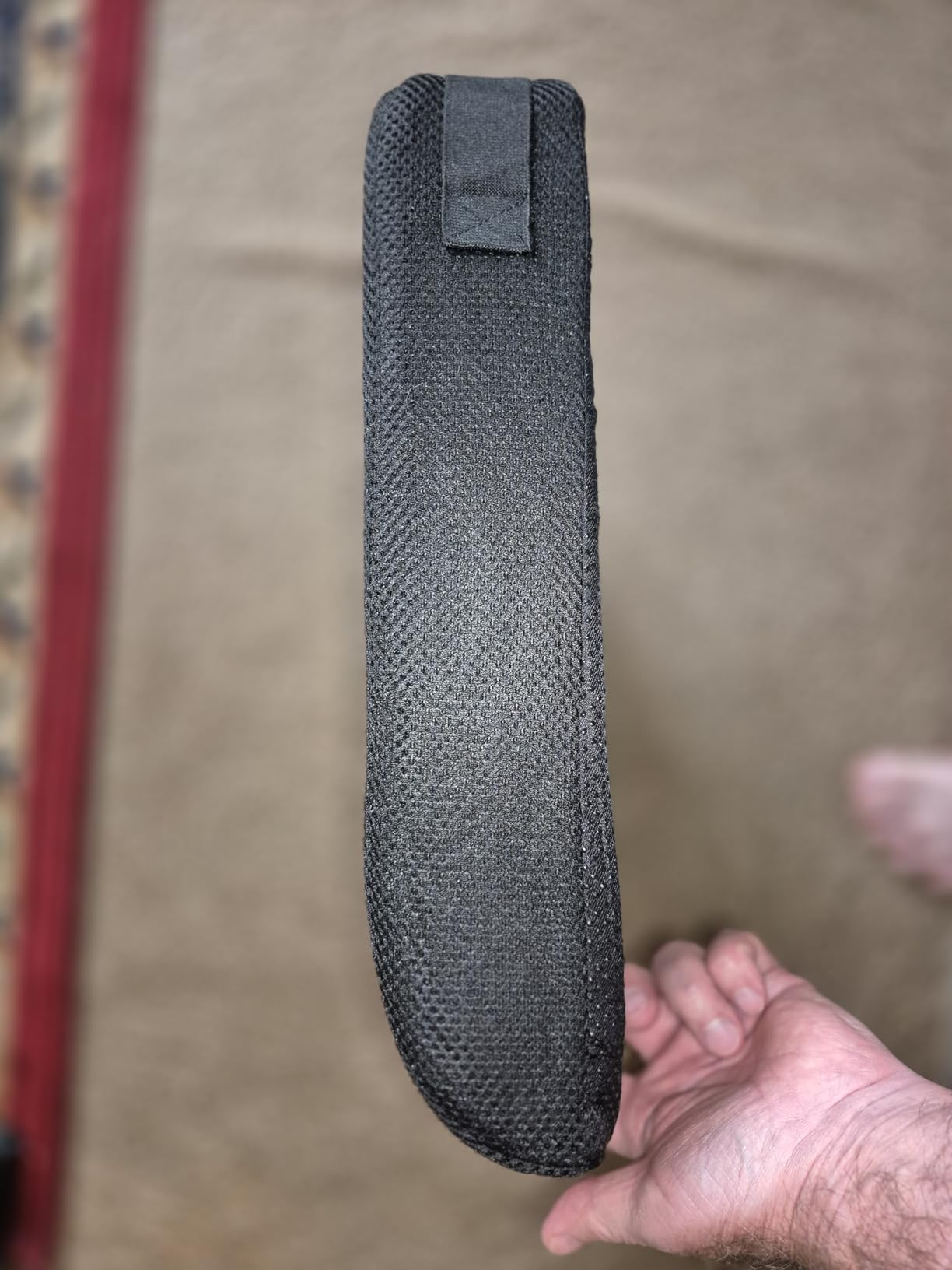
The double anti-slip system is smart: large particles on the bottom grip your wheelchair sling, and adjustable straps lock everything in place. After testing, this cushion moved less than any other on my list during aggressive transfers. The cool technology fabric genuinely kept me cooler than standard mesh.
There are two honest complaints. First, the cover fabric can feel scratchy against bare skin — wear thin pants or shorts. Second, the seat is on the stiff side, which is great for support but takes getting used to.
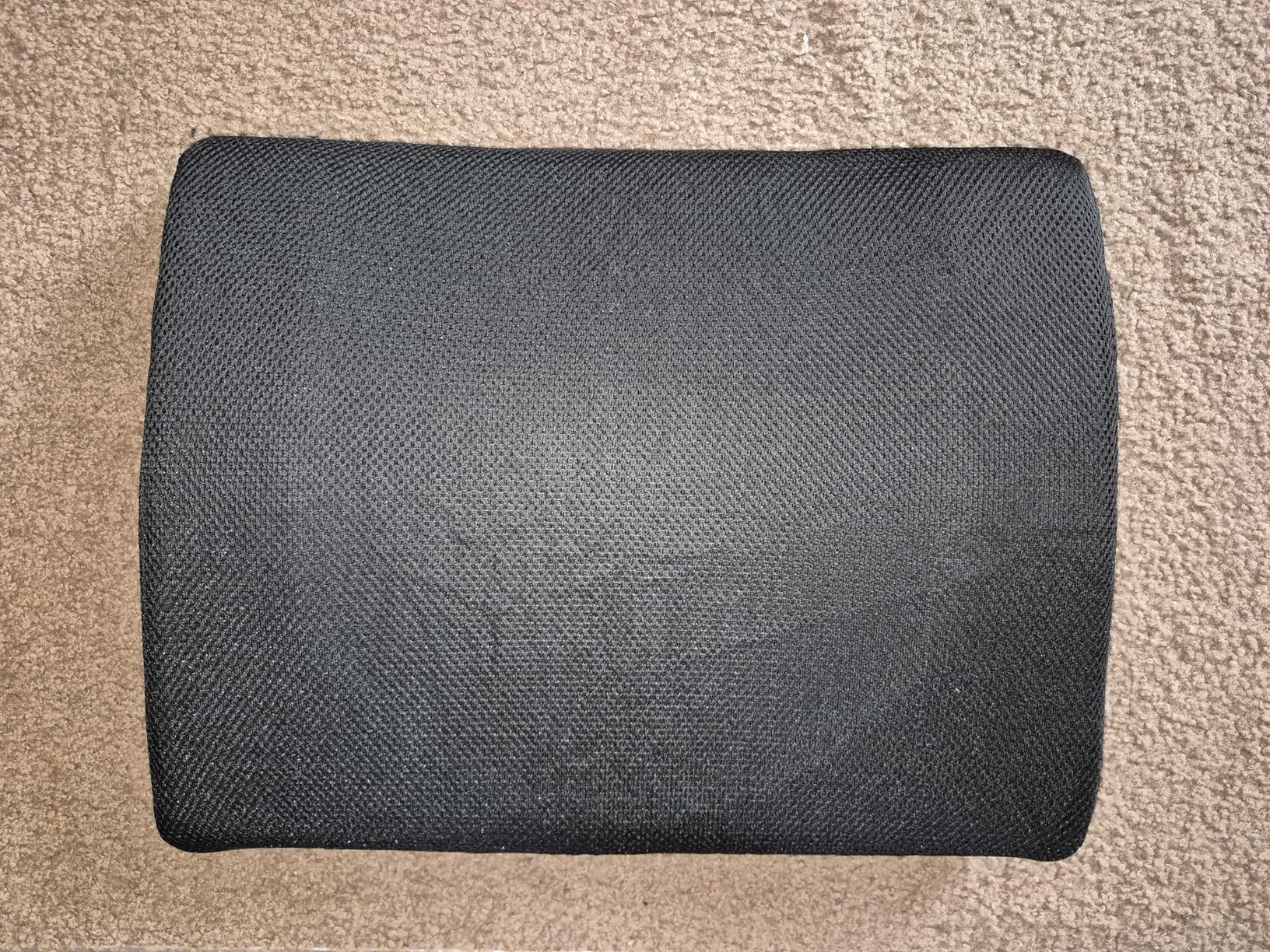
Who should buy this cushion
If you have lower back pain in addition to seat discomfort, this 2-piece set solves both problems in one purchase. The thicker gel layer is also great for users who want more substantial pressure redistribution than thin foam offers. The straps make it ideal for active wheelchair users.
Who should skip it
Sensitive-skin users may find the cover fabric irritating. If you want a soft, plush feel out of the box, look elsewhere. And if you only need a seat cushion without lumbar support, paying for the set is overkill.
8. Medline Gel Foam Pressure Redistribution Cushion — Best for Pressure Injury Risk
Medline Gel Foam Pressure Redistribution Cushions Seat, 18″ x 16″ x 2″
Gel between foam layers
18x16x2 inch
Nylex top
Vinyl bottom
Pros
- Practical and stays in place
- Nice firm but exact softness
- Helps reduce irritation
- Good pressure redistribution
Cons
- Flattens after short use
- Does not retain original shape
Medline is a name you see in hospitals and skilled nursing facilities for a reason — their cushions are built for clinical use. This gel foam model is designed specifically for residents at higher risk of pressure injuries, with a gel pack sandwiched between two layers of high-resiliency foam.
The nylex top cover wipes clean easily, and the vinyl bottom is fully waterproof. For caregivers dealing with incontinence, that combination saves time and keeps the foam underneath in good shape longer. The cushion stays put on most wheelchair slings thanks to its weight and the bottom texture.
Where Medline is honest is in the firmness — this is not a plush cushion. It is meant to provide consistent support over 8+ hour shifts, not to feel like a pillow. For users who need that clinical-grade consistency, that is exactly what you want.
The honest trade-off is durability. With 149 reviews and a 4.1-star rating, the most common complaint is flattening after 6-12 months of daily use. The cushion does not retain its original shape as long as higher-density foam options. For occasional or moderate use, it holds up fine; for 24/7 users, plan on replacing it yearly.
Who should buy this cushion
Users at moderate pressure injury risk who need a clinical-grade, easy-to-clean cushion at a fair price. Caregivers will appreciate the wipe-clean surface and the no-frills design. Also a smart pick for facility use or short-term recovery situations.
Who should skip it
Full-time daily users who do not want to replace their cushion yearly should invest in a higher-end option. If you want a plush, soft feel, this is not the cushion for you. And if you have existing stage 2+ pressure ulcers, you need an air cell cushion, not gel foam.
How to Choose the Right Wheelchair Cushion?
Picking the best wheelchair cushion is not just about grabbing the top-rated option on Amazon. The right cushion depends on how long you sit, your pressure sore risk, your transfer style, and even the climate you live in. Here is the framework our team uses when working with mobility clients.
Cushion types: foam, gel, air, and hybrid
Foam cushions are the most affordable and lowest maintenance, but they compress over time and are not ideal for high pressure sore risk. Gel cushions redistribute pressure through viscous gel that moves with your body, but the slick covers can cause sliding during transfers. Air cushions like the ROHO use adjustable air cells for the best pressure redistribution, but they require inflation maintenance and can be punctured.
Hybrid cushions combine foam, gel, and/or air in a single design, which is becoming more common in 2026 products. The AUVON and CYLEN options above are all hybrids. Reddit wheelchair users consistently recommend air cushions for high pressure sore risk and foam or gel for moderate needs.
Pressure relief and skin protection
Pressure relief is the single most important factor. The goal is to keep capillary pressure below 32 mmHg over bony prominences (sit bones, tailbone, hip bones) for sustained periods. Air cushions do this best because each cell compresses independently. Foam and gel work by spreading the load across a wider surface area.
If you have any history of pressure sores, talk to a seating clinician before buying. Off-the-shelf cushions work for most users, but if you have had a stage 2 sore or worse, you may need a custom-mapped cushion.
Medicare and insurance coverage
Wheelchair cushions are often covered by Medicare Part B as durable medical equipment (DME) when prescribed by a physician for a medical need. Medicare typically covers 80% of the approved amount after you meet your deductible. You will need a prescription, documentation of medical necessity, and a supplier enrolled in Medicare.
Replacement schedules vary: Medicare generally covers a new cushion every 3 years for foam, every 2 years for gel, and air cushions are replaced as needed based on wear. Check with your DME supplier for specific billing codes (E2601-E2604 are common codes for skin protection cushions).
Sizing, weight, and fit
Measure your wheelchair seat before buying. Standard sizes are 16×16, 18×16, and 20×18 inches, but there is no universal standard. A cushion that is too small leaves the wheelchair frame edges pressing into your hips; one too large bunches up and creates pressure points.
Weight matters more than people realize for manual wheelchair users. A 4-pound cushion vs a 1.3-pound cushion adds up over years of pushing. If you self-propel, prioritize lighter foam or hybrid options. Power wheelchair users can afford heavier gel or air cushions without penalty.
Care and maintenance tips
Always use a cover — most cushions come with one, but if yours does not, buy a waterproof incontinence cover. Wash the cover weekly in cold water and air dry to prevent shrinkage. For air cushions, check inflation weekly and inspect for punctures monthly. For gel cushions, watch for leaks and store flat when not in use. Replace any cushion that has bottomed out, torn, or lost its shape.
Frequently Asked Questions
Are foam cushions better than gel for wheelchairs?
Neither is universally better — they serve different needs. Foam cushions are more affordable, lighter, and lower maintenance, making them ideal for occasional use or lower pressure sore risk. Gel cushions offer better pressure redistribution through viscous gel that moves with your body, which is better for users at moderate pressure sore risk or those who sit 6+ hours daily. For high pressure sore risk or existing ulcers, air cushions (like the ROHO) outperform both foam and gel. The best choice depends on your sitting duration, pressure sore history, and budget.
Are wheelchair cushions covered by Medicare?
Yes, wheelchair cushions are typically covered by Medicare Part B as durable medical equipment (DME) when medically necessary. You will need a physician prescription, documentation of medical necessity, and a Medicare-enrolled DME supplier. Medicare generally covers 80% of the approved amount after you meet your annual deductible. Common HCPCS codes include E2601-E2604 for skin protection and positioning cushions. Replacement schedules vary by cushion type: foam every 3 years, gel every 2 years, air as needed.
How to choose the right wheelchair cushion?
Follow these 5 steps: 1) Assess your pressure sore risk with a clinician (low, moderate, or high). 2) Match cushion type to risk: foam for low, gel for moderate, air for high. 3) Measure your wheelchair seat precisely and pick the correct size. 4) Consider your climate — if you sweat heavily, prioritize ventilation and breathable covers. 5) Test before committing if possible — many DME suppliers offer trial periods. For users with sciatica or tailbone pain, look for U-cutout designs. For active users, prioritize anti-slip bottoms and straps.
How can I make my wheelchair seat more comfortable?
Five proven upgrades: 1) Add a quality wheelchair cushion matched to your pressure sore risk (foam, gel, air, or hybrid). 2) Use a lumbar support pillow to maintain the natural curve of your spine. 3) Adjust your wheelchair back angle and seat depth for proper posture. 4) Choose breathable, moisture-wicking cushion covers to reduce sweating. 5) Take pressure relief lifts every 30 minutes if possible — lean forward or side to side for 15-30 seconds to restore blood flow to compressed tissues.
Final Verdict: Which Wheelchair Cushion Should You Buy?
After testing all eight options, the Everlasting Comfort Ventilated Gel Memory Foam is our top pick for most wheelchair users in 2026 — it balances comfort, cooling, durability, and price better than anything else in this roundup. If you run hot, the AUVON Cooling Gel is the next best upgrade. And if budget is the primary concern, the CYLEN Ifoam delivers genuine pressure relief at the lowest price point without cutting corners on construction.
For users with specific medical needs, match the cushion to the problem: AUVON U-Cutout for sciatica and tailbone pain, Drive Medical 14891 for pure gel redistribution, HeiWecan for lower back support, and Medline for clinical-grade pressure injury prevention. Whatever you choose, the best wheelchair cushion is the one you actually use every day — so prioritize comfort and fit over features you will not use.
If you want to dive deeper into how each type of cushion works, our buying guide above covers the science of pressure relief and Medicare coverage in detail. Questions? Drop them in the comments and our team will dig in.