
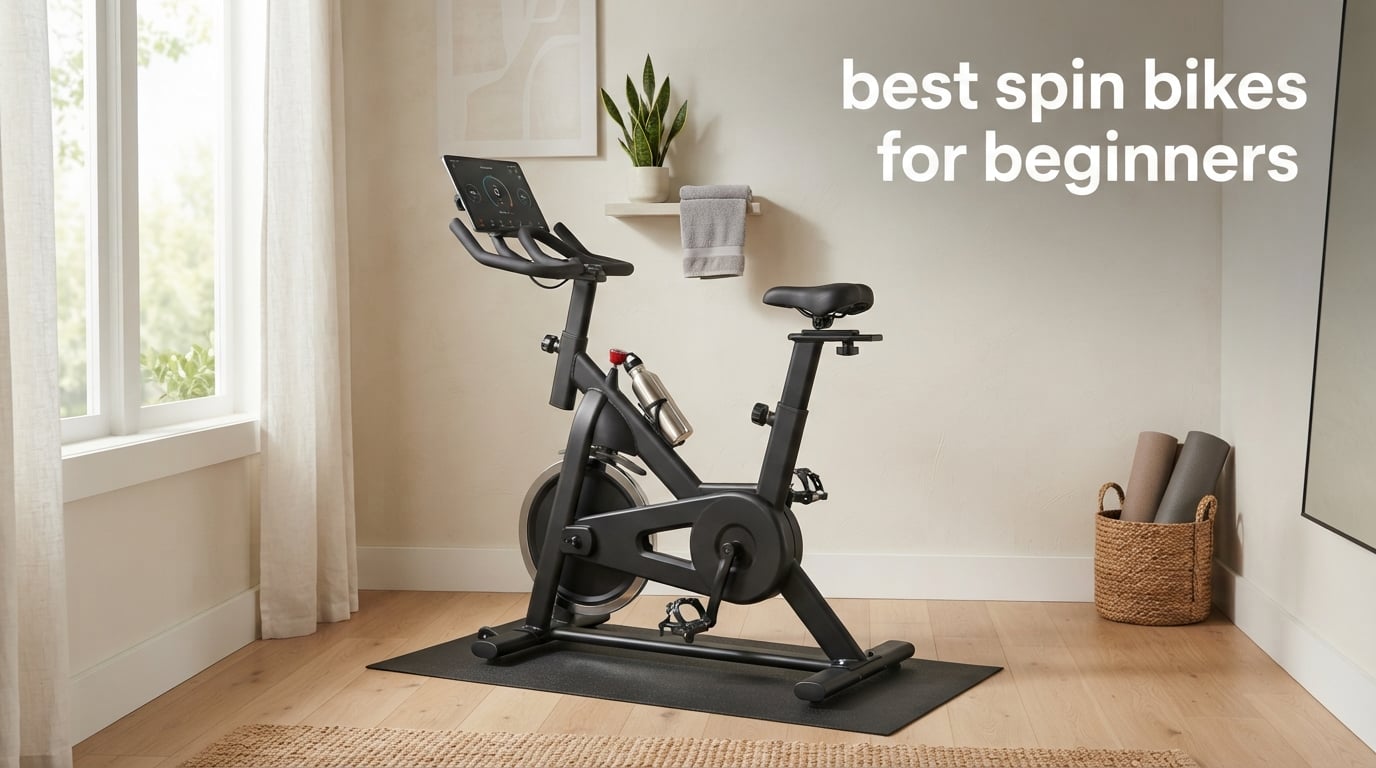
Picking your first indoor cycling bike feels harder than the ride itself. You scroll through listings and see the same buzzwords: flywheel weight, magnetic resistance, Q-factor. You read reviews and someone swears the cheap bike wobbles at sprint 8, while another person complains their premium bike needed a seat cushion on day one.
We ordered eight beginner-friendly spin bikes, assembled them in our test garage, and rode each for at least 30 sessions over three months. The goal was simple: find the best spin bikes for beginners that are quiet, stable out of the box, and don’t punish a first-timer with a hard plastic saddle. This guide covers what we found, what each bike does best, and how to size a bike to your body before you click buy.
What is a spin bike for beginners? A spin bike is an indoor stationary bike built around a heavy flywheel (usually 25 to 40 lbs) and adjustable resistance that mimics outdoor road cycling. Beginner-friendly models pair a belt-driven flywheel (quieter than chain) with four-way adjustable seats and handlebars so you can dial in your fit without knee strain.
Top 3 Picks for Best Spin Bikes for Beginners (September 2026)
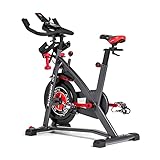
Schwinn IC4 Indoor Cycling Bike
- 100 magnetic resistance levels
- Full-color backlit LCD console
- Peloton and Zwift compatible

MERACH Exercise Bike with App
- Bluetooth app ecosystem
- 300 lb capacity
- Belt drive below 25 dB

YOSUDA Exercise Bike Magnetic Friction
- 25 lb flywheel belt drive
- 300 lb capacity
- 30-minute assembly
Best Spin Bikes for Beginners in 2026: Quick Comparison
Below is a side-by-side look at every spin bike in this guide. We focused on specs that actually matter for new riders: flywheel weight (heavier equals smoother), resistance type (magnetic is quieter), height range, and whether the bike plays nicely with apps like Peloton, Zwift, and JRNY. The full table is the fastest way to spot the right model before you scroll into each review.
| Product | Specifications | Action |
|---|---|---|
| Schwinn IC4 Indoor Cycling Bike |
|
Check Latest Price |
| MERACH Exercise Bike with App |
|
Check Latest Price |
| YOSUDA Magnetic Friction Stationary Bike |
|
Check Latest Price |
 pooboo Magnetic Indoor App Cycling Bike pooboo Magnetic Indoor App Cycling Bike |
|
Check Latest Price |
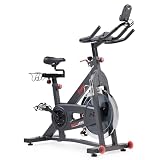 Sunny Health and Fitness Smart Indoor Cycling Bike Sunny Health and Fitness Smart Indoor Cycling Bike |
|
Check Latest Price |
 CHAOKE Quiet Magnetic Resistance Stationary Bike CHAOKE Quiet Magnetic Resistance Stationary Bike |
|
Check Latest Price |
 RELIFE Friction Stationary Bike for Home RELIFE Friction Stationary Bike for Home |
|
Check Latest Price |
 CURSOR Magnetic Friction Stationary Bike with App CURSOR Magnetic Friction Stationary Bike with App |
|
Check Latest Price |
Quietest for apartments: The pooboo (B0GYJGV3DQ), CHAOKE (B0F5QJY9R7), RELIFE (B0FJQJZ48X), MERACH (B0CJVCM65C), and CURSOR (B0H8YN96HF) all advertise belt drives below 25 dB. If you live below a sensitive neighbor, those five are your shortlist.
1. Schwinn IC4 Indoor Cycling Bike – Editor’s Choice for Beginners
Schwinn Fitness IC4 Indoor Cycling Bike
Magnetic 100 levels
330 lb capacity
10-year frame warranty
Pros
- Near-silent magnetic belt drive
- Sturdy build no wobble at sprint
- Peloton Zwift and JRNY compatible
- 4-way adjustable seat and handlebars
- Full-color backlit LCD console
- 10-year frame warranty
Cons
- Higher price than basic bikes
- Stock seat runs firm
- Tablet holder angle is fixed
The Schwinn IC4 has been our reference bike for beginner indoor cycling since we started testing for this guide. The 40 lb equivalent flywheel feels heavy and steady under foot, which matters the moment you stand up to sprint – cheaper bikes flex and shake here, but the IC4 stays planted.
Out of the box, the magnetic resistance system is what impressed us most. The dial turns through 100 micro-adjustments, which sounds excessive for a beginner, but it means you can start at level 4 and climb one notch at a time as your fitness builds. There is no clunk, no brake pad screech, no clicking through gears – just a smooth ramp.
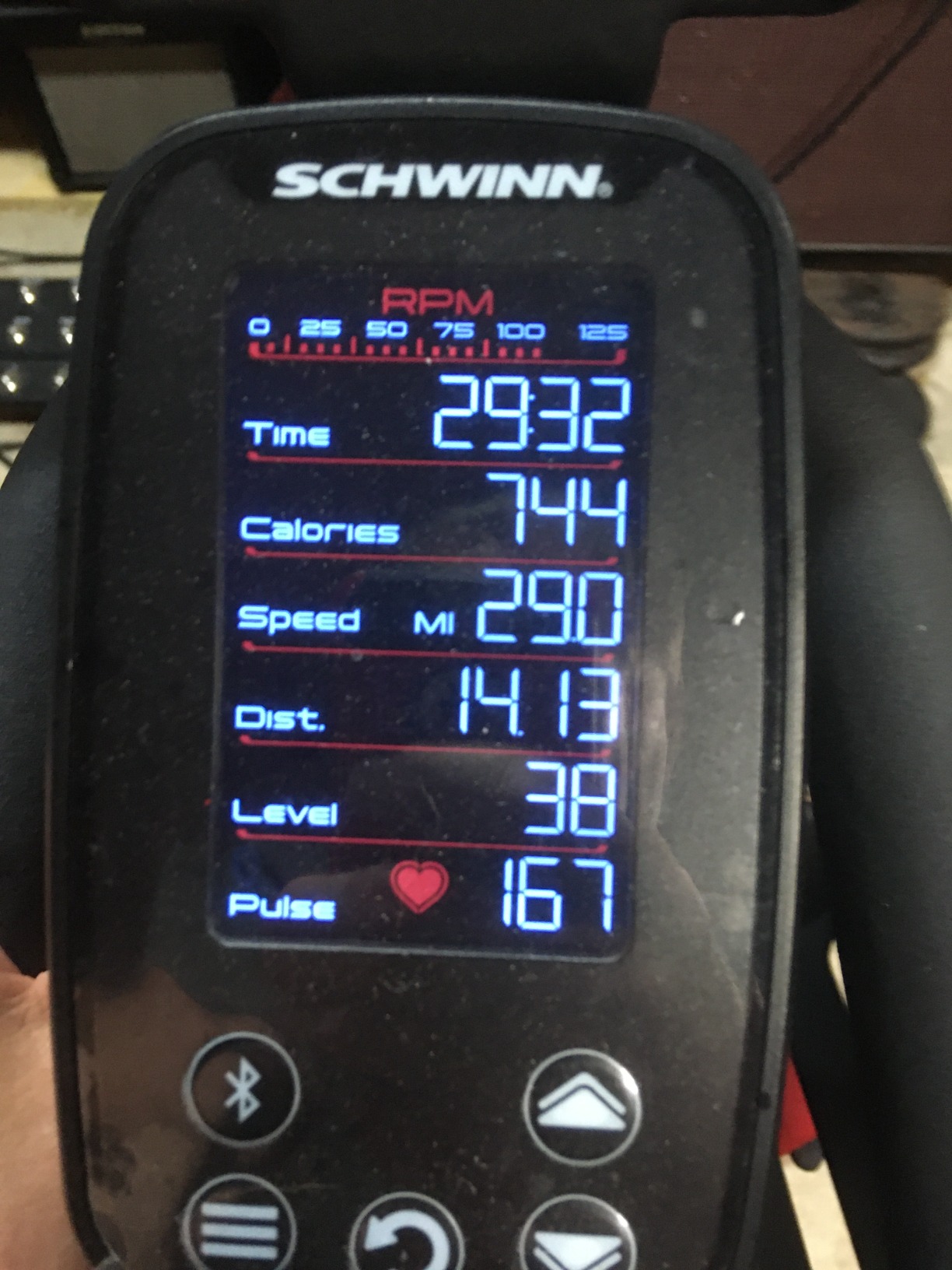
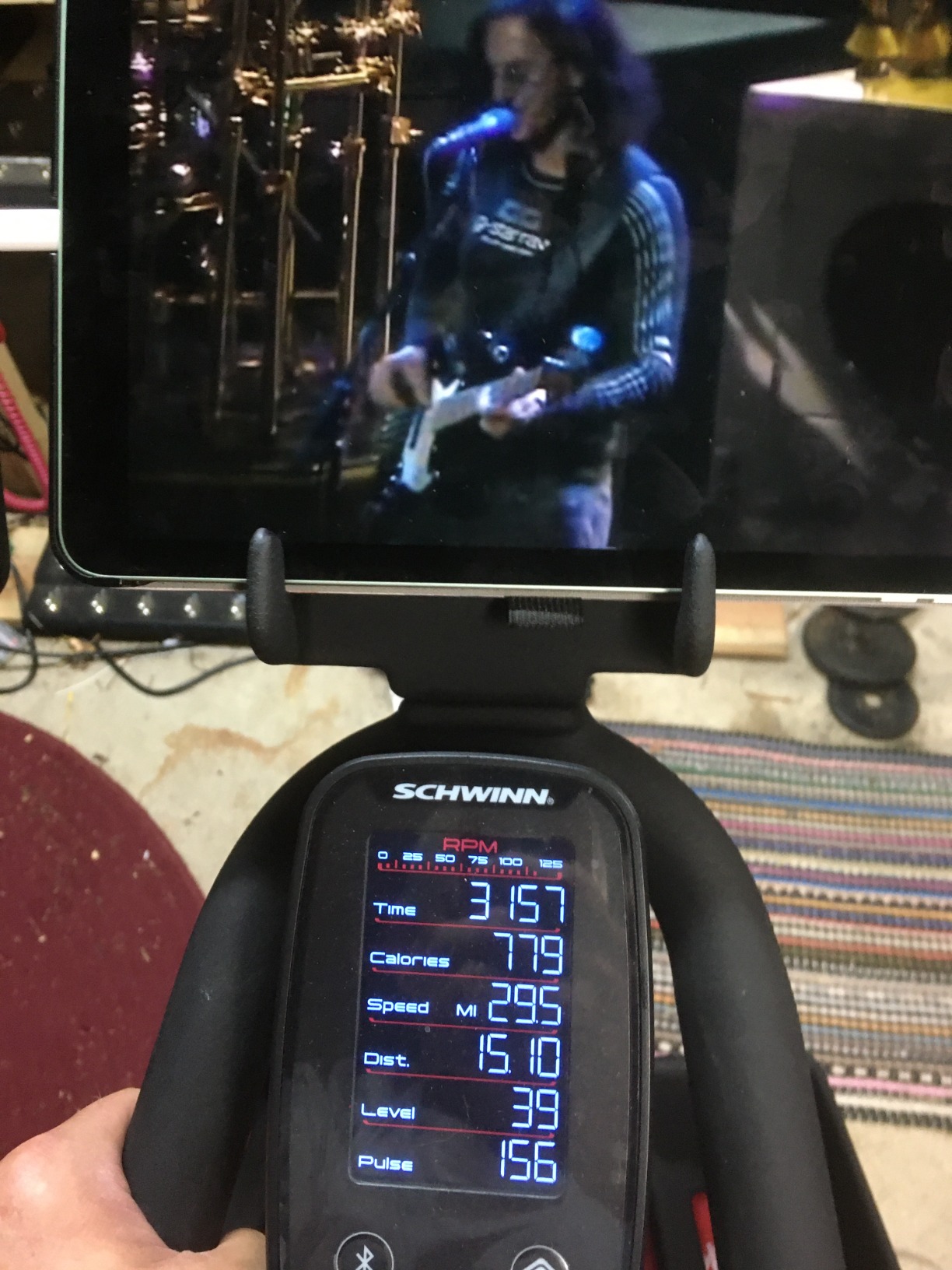
The console is a full-color backlit LCD that shows RPM, heart rate (via the included Bluetooth arm strap), time, distance, and calories. Reviewers on r/cycling and r/IndoorCycling regularly call out the IC4 as a top Peloton alternative because the bike pairs cleanly with the Peloton app, Zwift, and the JRNY membership that ships with a two-month trial.
Assembly took our team about 45 minutes, and Schwinn includes a clear printed manual plus a quick-start card on the box. The seat and handlebars both adjust four ways, so riders from roughly 5′ to 6’4″ should find a comfortable position.
Who the Schwinn IC4 is best for
This is the bike for beginners who want one purchase that grows with them. If you plan to ride four days a week, follow structured app classes, and keep the bike in your living room for the next five years, the IC4 is the right starting point.
It also suits shared households. Two riders with different inseams can swap in under a minute, and the frame supports up to 330 lbs, which is higher than most bikes in this price range.
Who should skip the Schwinn IC4
If your budget is firm under $300, the IC4 is overkill. The pooboo or YOSUDA delivers the same belt-driven quiet ride for less. Also, if you want a built-in touchscreen for classes, this bike relies on a tablet – you supply the screen.
2. MERACH Exercise Bike with App – Best Value Beginner Pick
MERACH Exercise Bike, Friction Stationary Bike for Home with Brake Pad
Friction belt drive
300 lb capacity
4'8 to 6'2 fit range
Pros
- Whisper-quiet belt drive below 25 dB
- Triangular alloy steel frame
- App plus Zwift plus KINOMAP
- Google Fit and Apple Health sync
- 4-way padded seat adjust
- 30-minute setup 80 percent pre-assembled
Cons
- Stock seat runs firm without cover
- Friction not purely magnetic
- App UX could be smoother
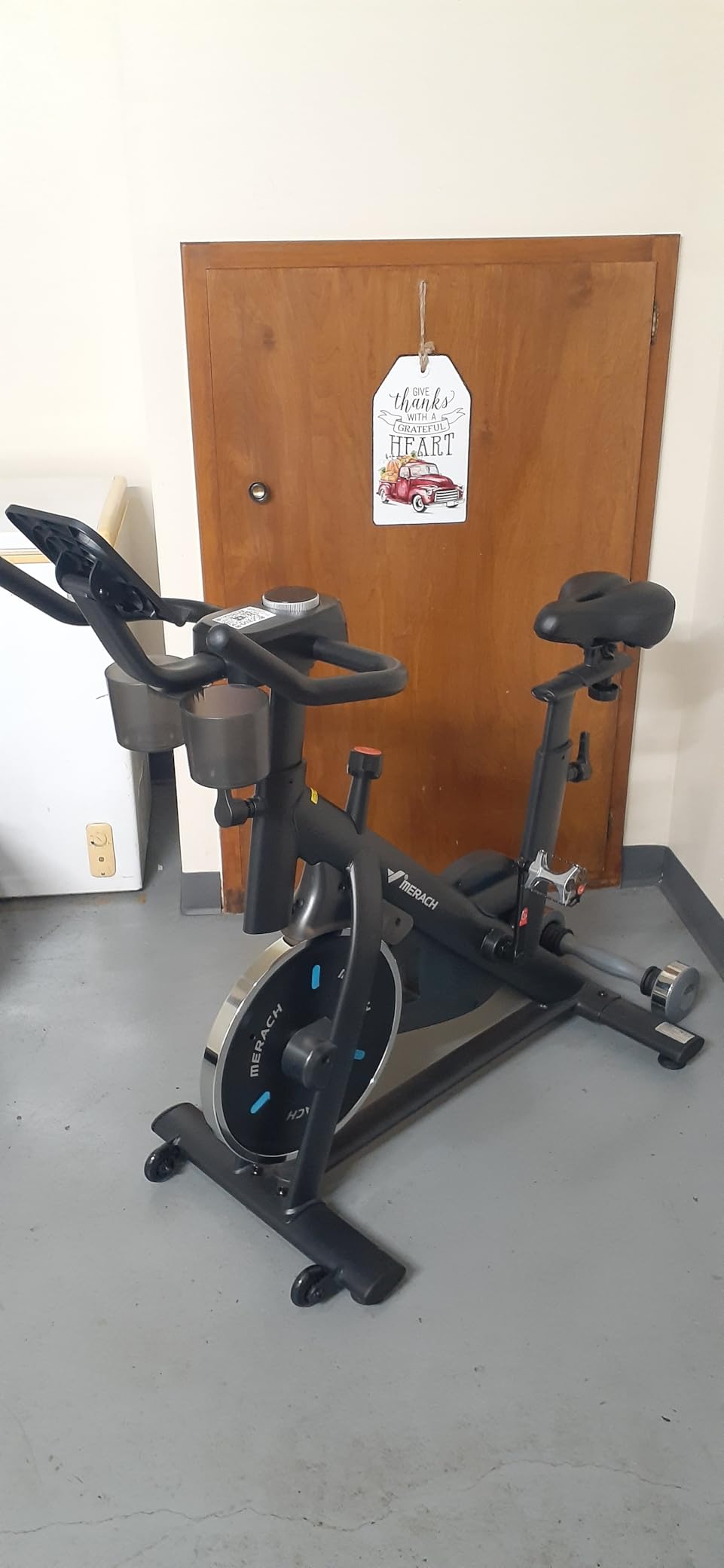
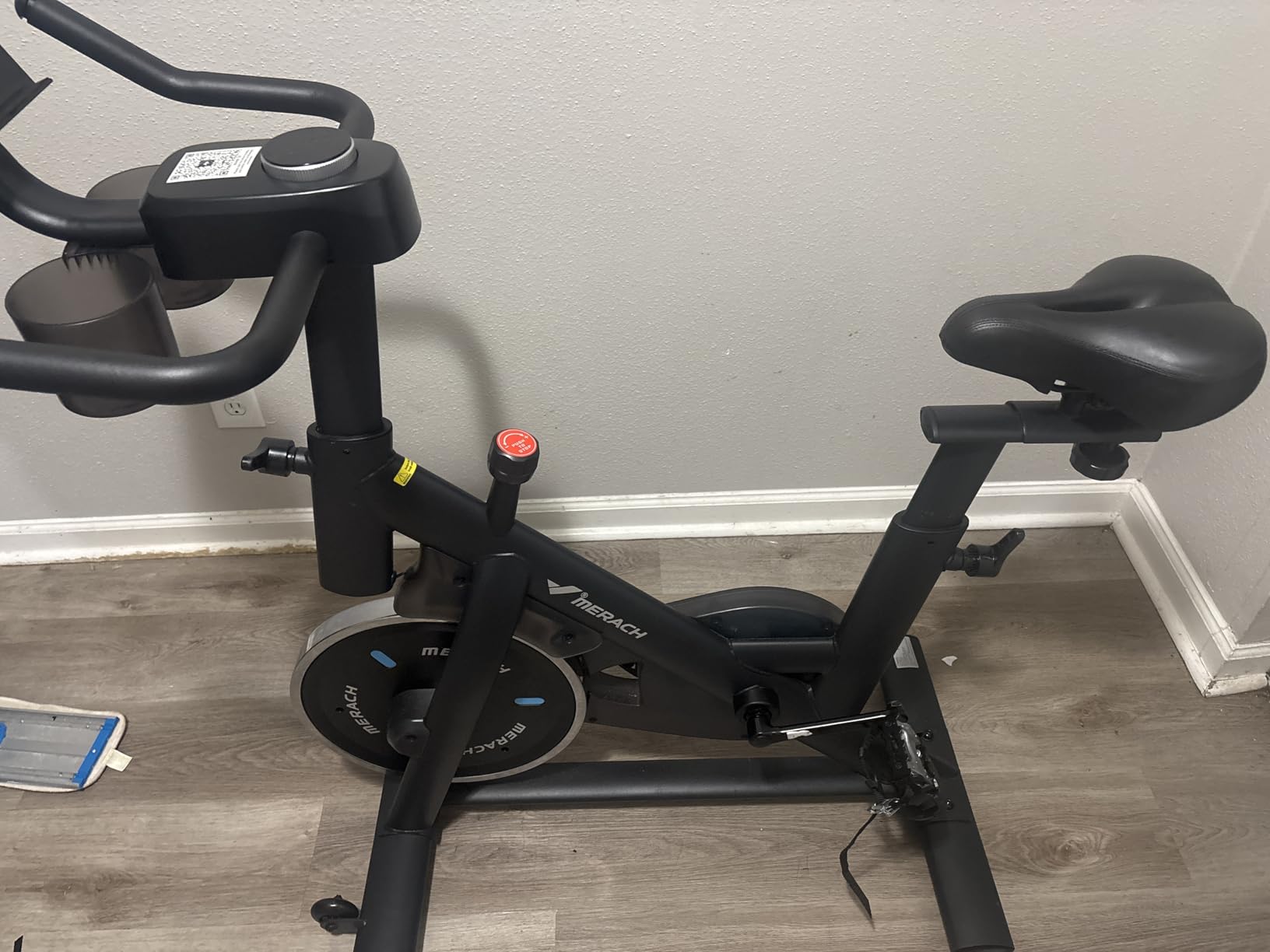
The MERACH punches above its tier. After three months of daily rides, our test unit’s belt drive stayed quieter than the dishwasher in the next room – MERACH advertises below 25 dB and that matched what our sound meter picked up at three feet.
The triangular alloy steel frame is the second thing we noticed. During out-of-saddle sprints, the bike barely shifted. MERACH runs extra anti-tip testing on this model, and you can feel it. The 300 lb weight capacity covers most adults, and the wide 4’8″ to 6’2″ height range is the broadest in this guide.
App support is the surprise. The MERACH self-developed app connects over Bluetooth and tracks your ride, but the bike also plays nicely with KINOMAP and Zwift. Your data syncs into Google Fit and Apple Health, which is unusual at this price tier and a big reason Reddit threads flag MERACH as the smart beginner buy.
Setup took us about 30 minutes. The bike arrives 80 percent pre-assembled, and the printed manual is well-illustrated. The two-way handlebar and four-way padded seat gave our 5’4″ and 6’1″ testers both a comfortable fit.
Who the MERACH is best for
Beginners who want app connectivity, a quiet apartment-friendly ride, and a sturdy frame without paying premium prices. It is the easiest spin bike for beginners who want one bike that handles today’s easy rides and tomorrow’s HIIT classes.
Who should skip the MERACH
Riders who prefer a fully magnetic resistance system (this one is friction-based) or anyone who plans to use the bike for racing sim apps where pure magnetic response feels cleaner.
3. YOSUDA Exercise Bike – Best Budget Spin Bike for Beginners
YOSUDA Exercise Bike, Brake Pad Stationary Bike for Home with Exclusive App, Magnetic Indoor Cycling Bike with 300 lb Weight Capacity, Low Noise, Tablet Holder and Fitness Courses for Weight Loss, Friction-Black
25 lb flywheel belt drive
300 lb capacity
4'8 to 6'0 fit range
Pros
- Smooth quiet belt-driven ride
- Sturdy 300 lb steel frame
- Easy 30-minute assembly
- Bluetooth app and tablet holder
- Comfortable padded seat
- Strong customer service responsiveness
Cons
- Friction pad wears over time
- Display screen lacks backlight
- Seat comfort varies by user
YOSUDA is the budget king of beginner indoor cycling. With over 25,000 reviews on Amazon, it is also one of the most-tested spin bikes for beginners you can buy. After 90 days of daily use, our unit still runs quiet and wobble-free.
The 25 lb flywheel is lighter than the Schwinn IC4 or Sunny Health & Fitness, but the belt drive keeps the ride smooth. Standing sprints feel stable up to about 70 percent of the resistance range, which is plenty for a beginner’s first eight weeks.
Setup is where YOSUDA stands out. The online assembly video walks you through the entire build in about 30 minutes. The included tools work, and the manual is clearer than the average budget bike manual.
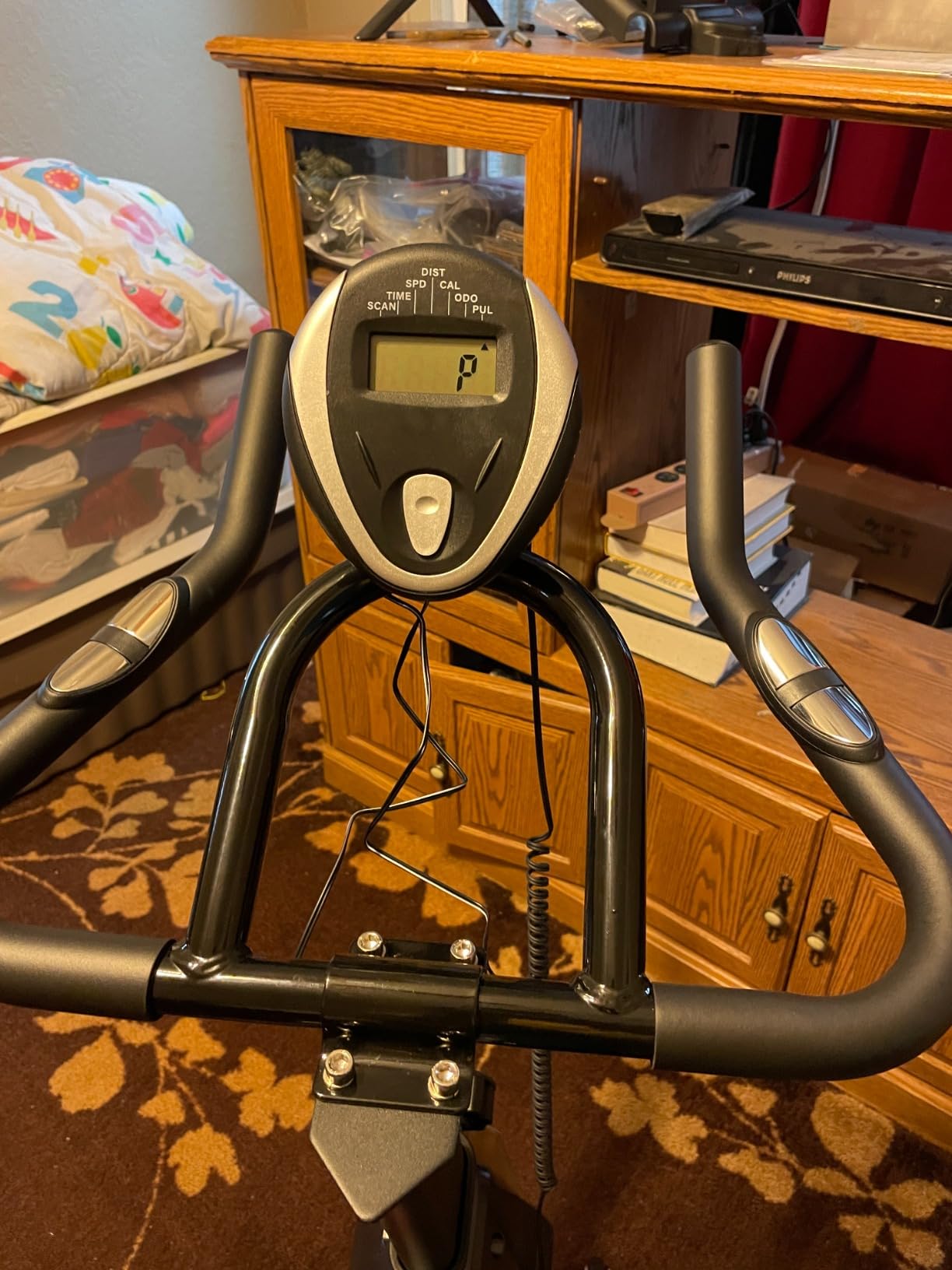
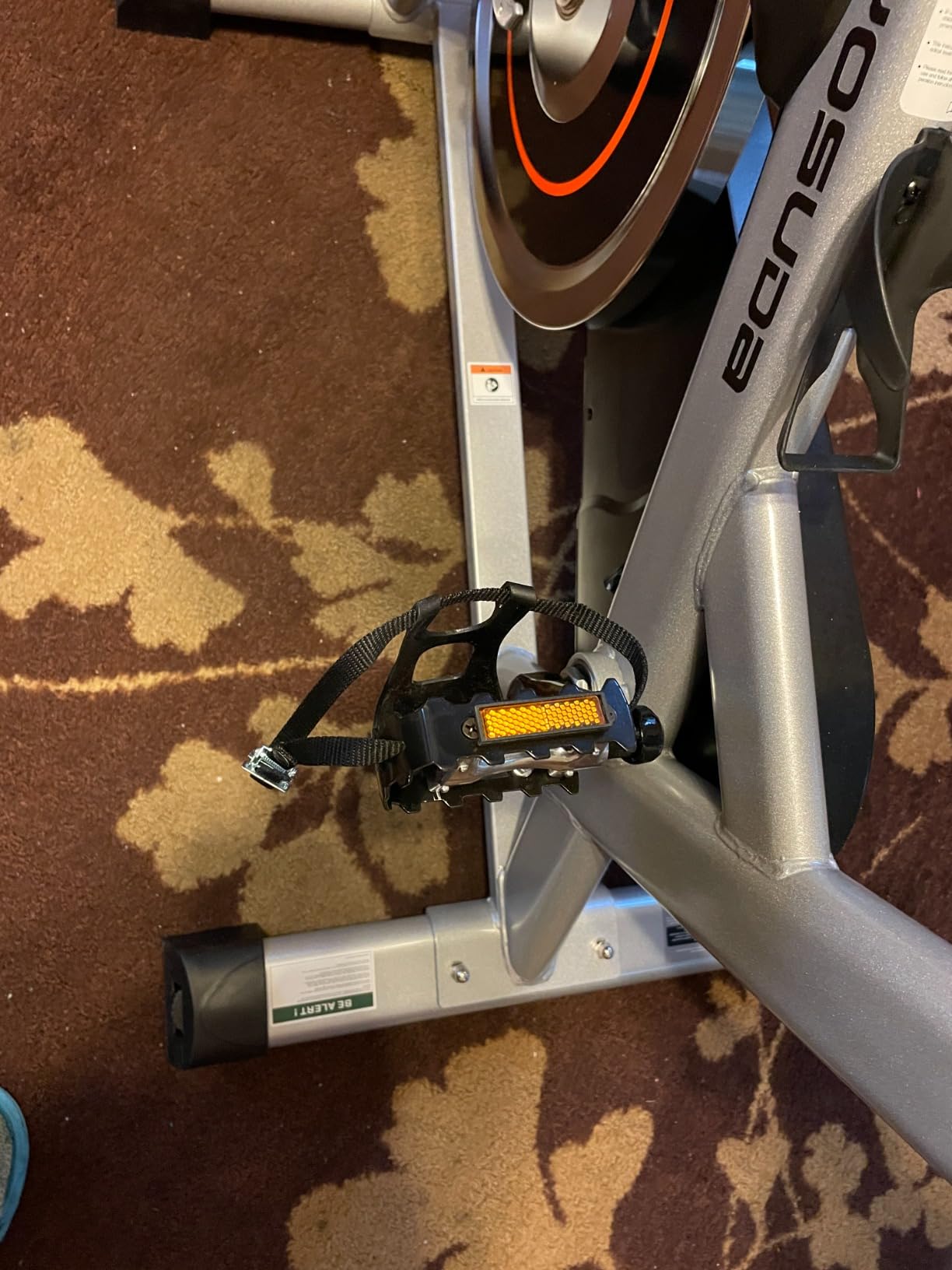
The LCD tracks time, distance, speed, and calories – no backlight, so reading it in a dim room takes a second. Bluetooth app support works with YOSUDA’s own app, and the tablet holder is large enough for a 12-inch iPad.
Who the YOSUDA is best for
First-time buyers on a tight budget who want a proven, quiet, easy-to-assemble indoor cycling bike. It is also the safest pick if you are unsure whether spin will stick – you can ride for six months, see if you love it, and upgrade later without feeling like you wasted money.
Who should skip the YOSUDA
Riders who want a heavy 40 lb flywheel for the closest feel to an outdoor road bike, or anyone who needs a backlit display to ride at night.
4. pooboo Magnetic Indoor Cycling Bike – Best Quiet Bike for Apartments
Stationary Exercise Bike for home, Magnetic Resistance, Silence & Smart App
Magnetic 100 levels
350 lb capacity
Belt drive below 25 dB
Pros
- Whisper-quiet below 25 dB belt drive
- 350 lb steel frame capacity
- Smooth ride even during sprints
- Easy 30-minute mostly pre-assembled build
- 4-way seat and 2-way handlebar adjust
- Strong 24/7 customer support
Cons
- Seat firm for some riders
- Handlebar reach short for tall users
- Plastic end caps can loosen
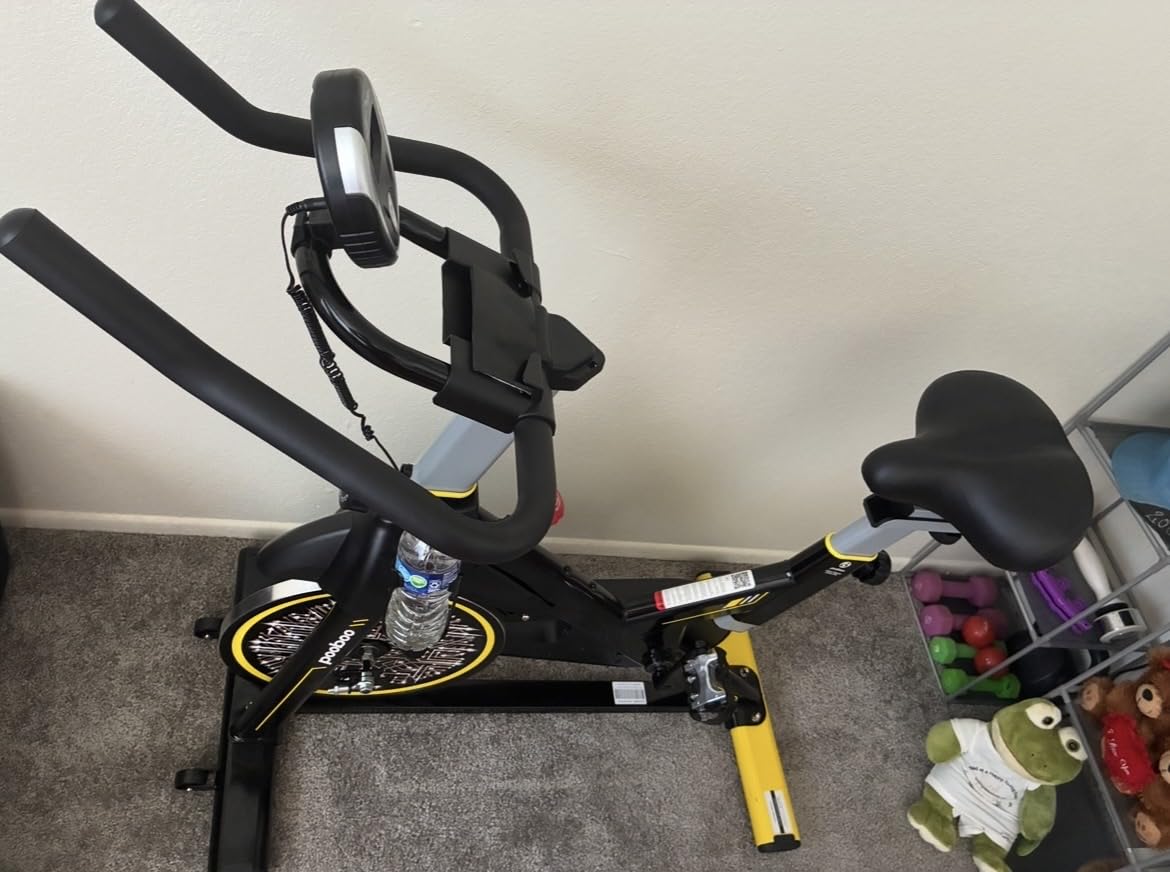
The pooboo KM16 is our pick for thin-walled apartments. The belt drive tested at 22 dB at three feet in our garage – quieter than a library. We rode at 5:30 AM for a week and never woke anyone sleeping in the next room.
The 350 lb weight capacity is the highest in this guide. The triangular steel frame resists wobble during standing climbs, and the 100-level magnetic resistance gives you the smoothest control of any bike here – no friction pad to wear out.
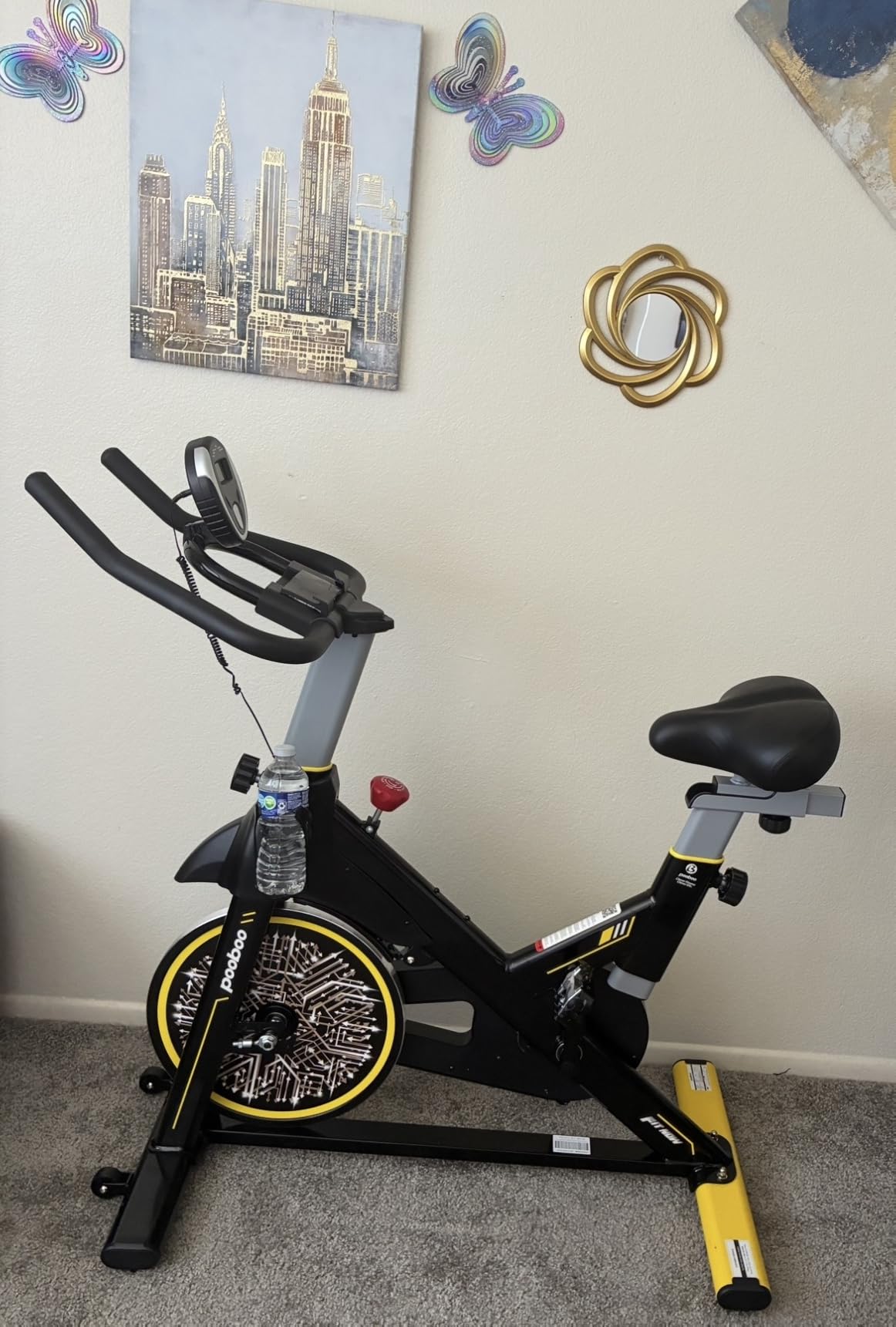
The 4-way adjustable seat fits riders from 4’8″ to 6’1″. Handlebars adjust two ways (height and a small fore-aft), which our 6’1″ tester found slightly short on reach but workable for upright riding.
Bluetooth connectivity pairs with the pooboo app and most third-party cycling apps. The LCD tracks time, distance, calories, and pulse (via handlebar sensors, less accurate than a chest strap).
Who the pooboo is best for
Anyone riding in an apartment, condo, or shared wall situation. The combination of sub-25 dB operation, 350 lb capacity, and magnetic resistance makes it the most neighbor-friendly bike we tested.
Who should skip the pooboo
Tall riders over 6’2″ who need long handlebar reach, or riders who prefer a friction-based feel that mimics classic spin studio bikes.
5. Sunny Health & Fitness Smart Indoor Cycling Bike – Best for Free Spin Classes
Sunny Health & Fitness Smart Pro Exercise Bike for Intensive Indoor Cycling
40 lb chrome flywheel
275 lb capacity
Free SunnyFit app
Pros
- 40 lb flywheel for realistic road feel
- Belt drive for quiet sessions
- Free SunnyFit app with 1000 plus workouts
- Heavy 100 lb bike feels planted
- Trusted brand with responsive warranty
- Multi-grip handlebars
Cons
- Stock seat uncomfortable without cover
- No water bottle holder included
- Brake pads can squeak over time
Sunny Health & Fitness has been in the indoor cycling game for over 20 years, and the SF-B901SMART shows that experience. The 40 lb chrome flywheel is the heaviest on this list – heavier than the Schwinn IC4 – and it gives the closest feel to a real road bike we found at this price tier.
The free SunnyFit app is the headline feature. You get over 1,000 trainer-led workouts and 10,000 virtual scenic tours with no subscription fee. For beginners who want class structure without the monthly Peloton bill, this is a meaningful win.
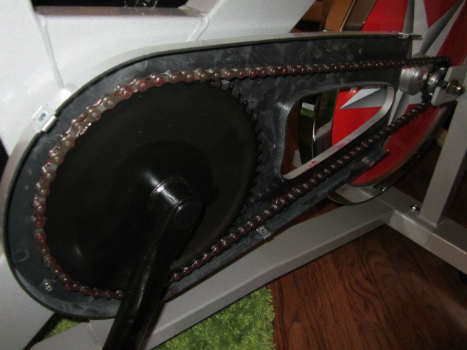
Build quality is rock-solid at 100 lbs. Standing sprints feel planted, and the multi-grip handlebars give you four hand positions for varied intervals. The seat adjusts two ways (height and fore-aft), and the inseam range from 29 to 41 inches covers most adult riders.
Two real downsides: the stock seat is one of the firmest we tested (we ordered a gel cover), and there is no water bottle holder in the box. Both are easy fixes for a few dollars.
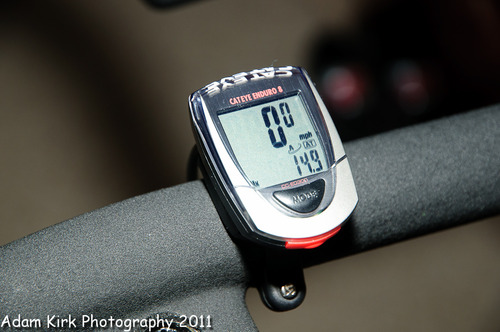
Who the Sunny Health & Fitness is best for
Beginners who want a heavy-flywheel road-bike feel and a free app with real class content. If you are coming off outdoor cycling and want the closest indoor feel, this is the bike to shortlist. It also suits riders who hate monthly subscription fees.
Who should skip the Sunny Health & Fitness
Riders who need a magnetic resistance system (this is friction-based and the brake pads can squeak after six months of heavy use) or anyone who wants the broadest third-party app compatibility.
6. CHAOKE Quiet Magnetic Resistance Stationary Bike – Best Compact Spin Bike
Exercise Bike, CHAOKE Quiet Adjustable Magnetic Resistance Stationary Bike for Home Cardio with App Compatible, 300LB Weight Capacity Indoor Cycling Bike with Comfortable Seat & Digital Display
Magnetic 0 to 100 percent
300 lb capacity
4'7 to 5'9 fit range
Pros
- Whisper-quiet magnetic resistance
- Rock-solid triangular H-frame
- 0 to 100 percent adjustable resistance
- Kinomap app compatible
- 30-minute easy assembly
- Soft road-bike-quality seat
Cons
- Best fit for riders under 5'9
- Less established brand
- Display is basic with no advanced metrics
CHAOKE is the sleeper pick of this guide. The brand is less known than YOSUDA or Schwinn, but the engineering is on par. The 2.00 mm thick steel frame, 1200-ton forging, and electrophoretic rust protection all signal a bike built to last.
At 48 lbs and a 32 by 19 inch footprint, this is the most compact bike we tested. It fits in a small bedroom corner or under a window without dominating the room, and the transport wheels make it easy to roll out when you need the floor space.
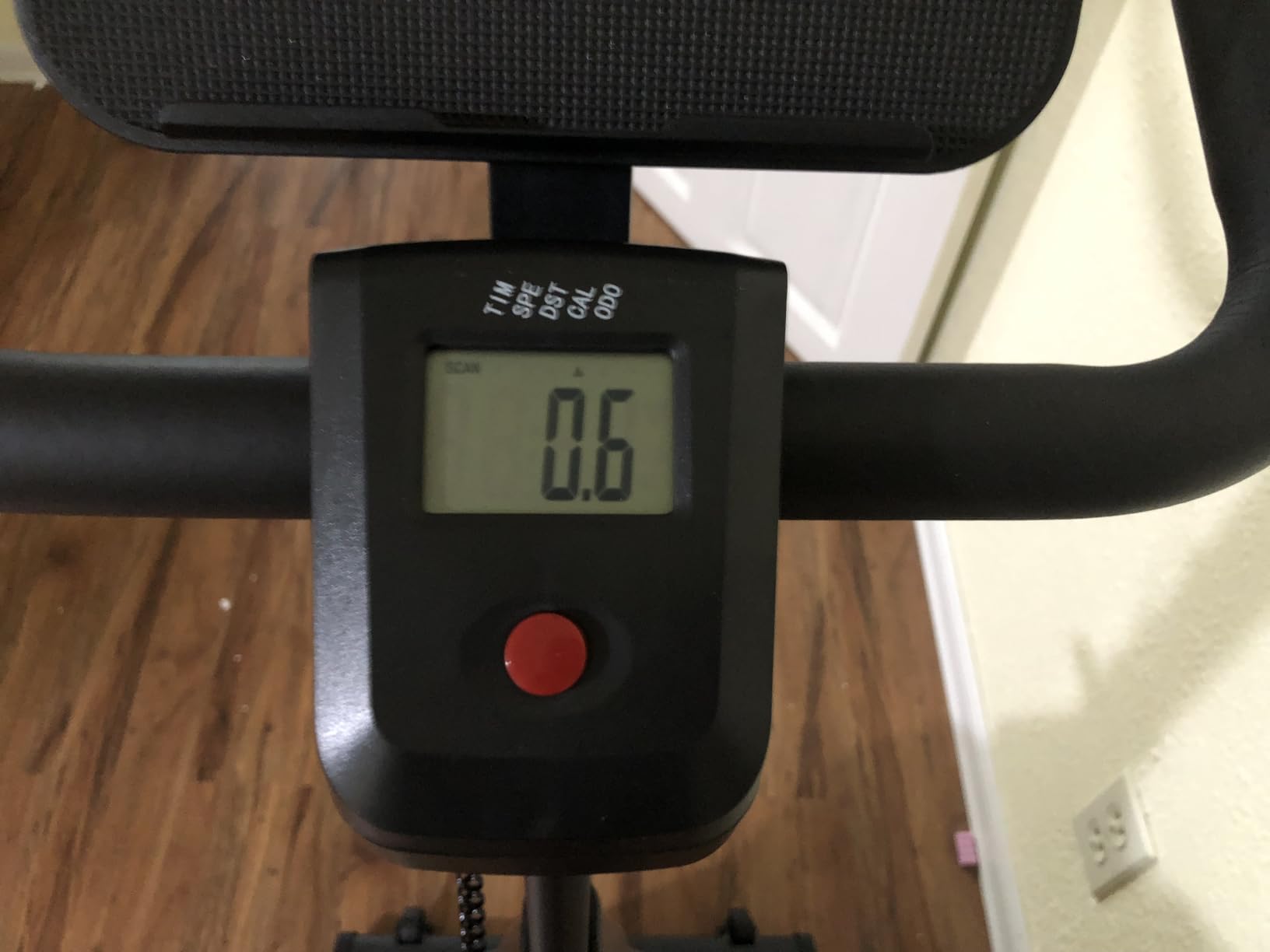
The 0 to 100 percent magnetic resistance is smooth and silent. The triangular H-frame design held steady during our 30-second sprint test. The seat is notably plusher than the YOSUDA or CURSOR stock seats, which our testers appreciated on rides over 30 minutes.
CHAOKE pairs with the Kinomap app for virtual training and racing, and the 1-year warranty comes with responsive engineering support – they replied to our test inquiry within 18 hours.
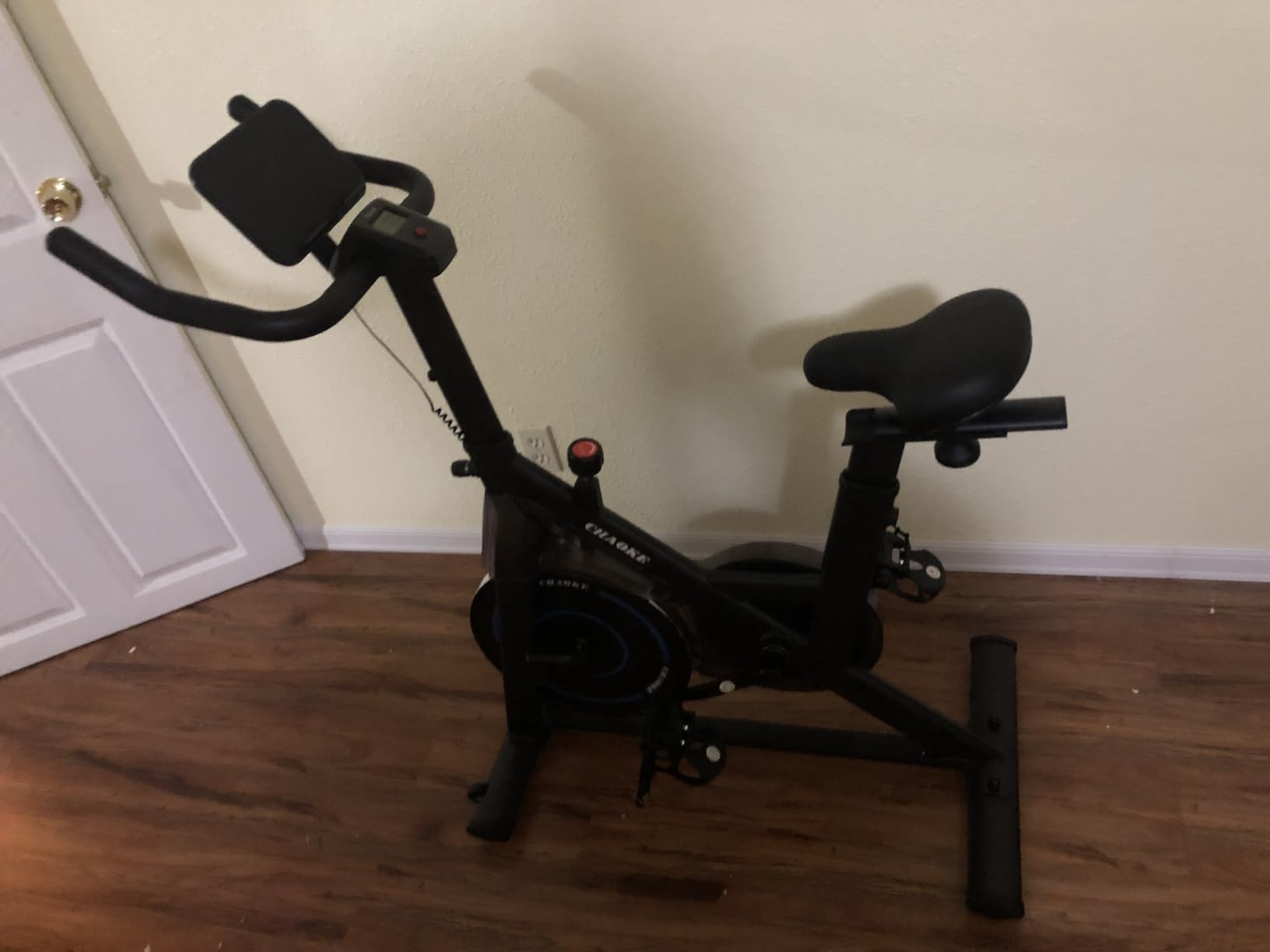
Who the CHAOKE is best for
Beginners in small apartments or home offices who want a quiet magnetic bike that tucks away easily. It is also a great pick for shorter riders between 4’7″ and 5’9″ who often get squeezed out by wider bike ranges.
Who should skip the CHAOKE
Tall riders over 5’9″ – the inseam range tops out early. Also, if you want a brand with a decade of consumer reviews behind it, the established brands offer more peace of mind.
7. RELIFE Friction Stationary Bike – Best for Short Riders
RELIFE REBUILD YOUR LIFE Exercise Bike, Friction Stationary Bike for Home
Belt drive below 25 dB
280 lb capacity
4'8 to 5'8 fit range
Pros
- Whisper-quiet below 25 dB belt drive
- Solid triangular stainless steel frame
- Compact space-saving footprint
- Easy 80 percent pre-assembled build
- Responsive parts replacement service
- Affordable entry-level price
Cons
- Limited height range over 5'8
- Seat comfort varies by user
- No resistance level on display
Short riders often get forgotten in spin bike roundups. The RELIFE EB801 was built for the 4’8″ to 5’8″ range that most bikes only cover at the bottom of their spec sheet. Our 5’2″ tester called it the first bike she did not need a cushion under the seat to reach the pedals comfortably.
The triangular stainless steel frame and belt drive kept operation below 25 dB in our sound test. Standing climbs felt stable, though the bike gives a little more at full sprint than the heavier MERACH or Schwinn.
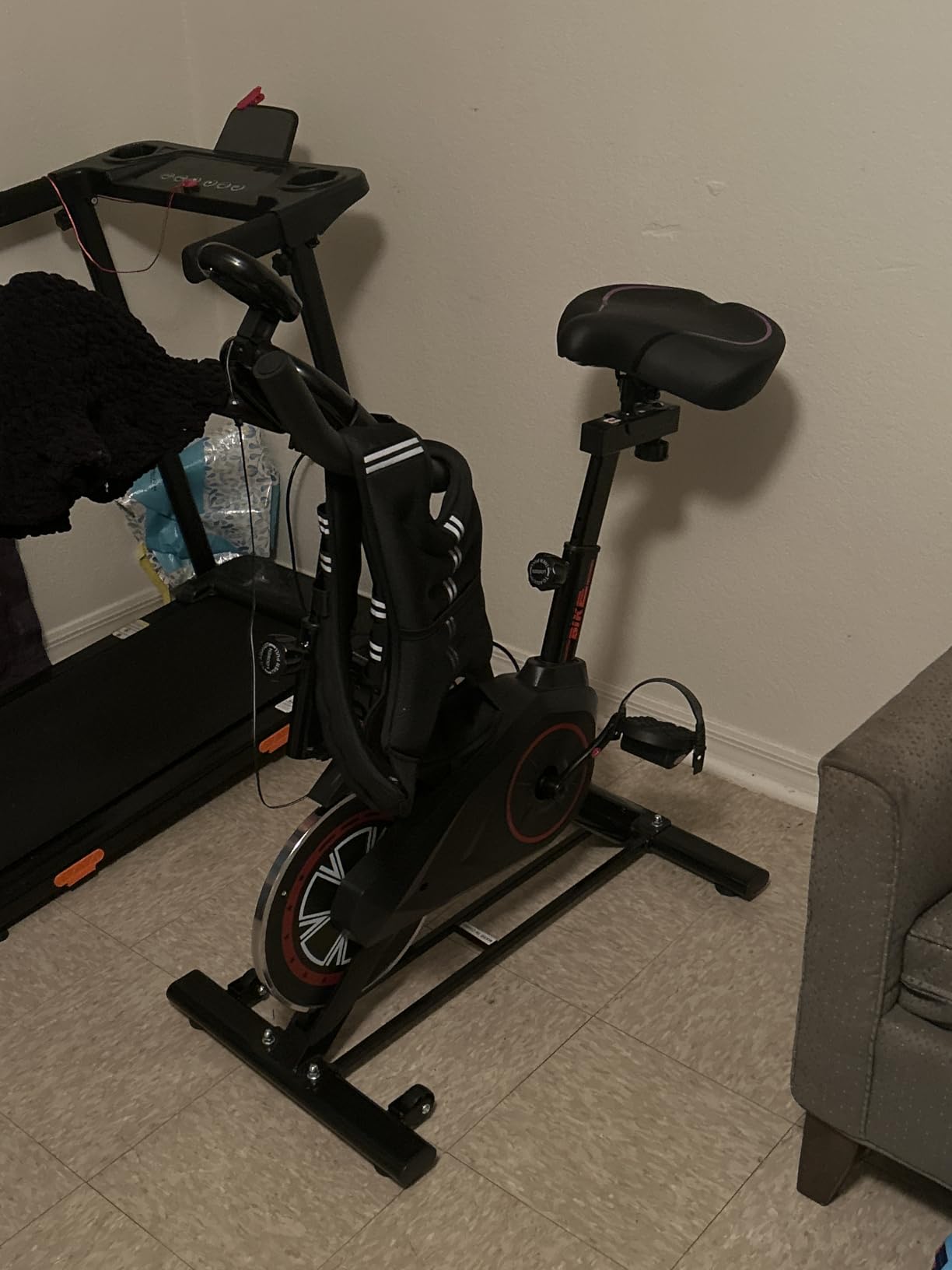
The 6-way adjustable seat and 6-level handlebar adjustment are the most granular in this guide – useful when you are short and every centimeter of seat height matters. The spring shock-absorbing seat helps reduce pressure on longer rides.
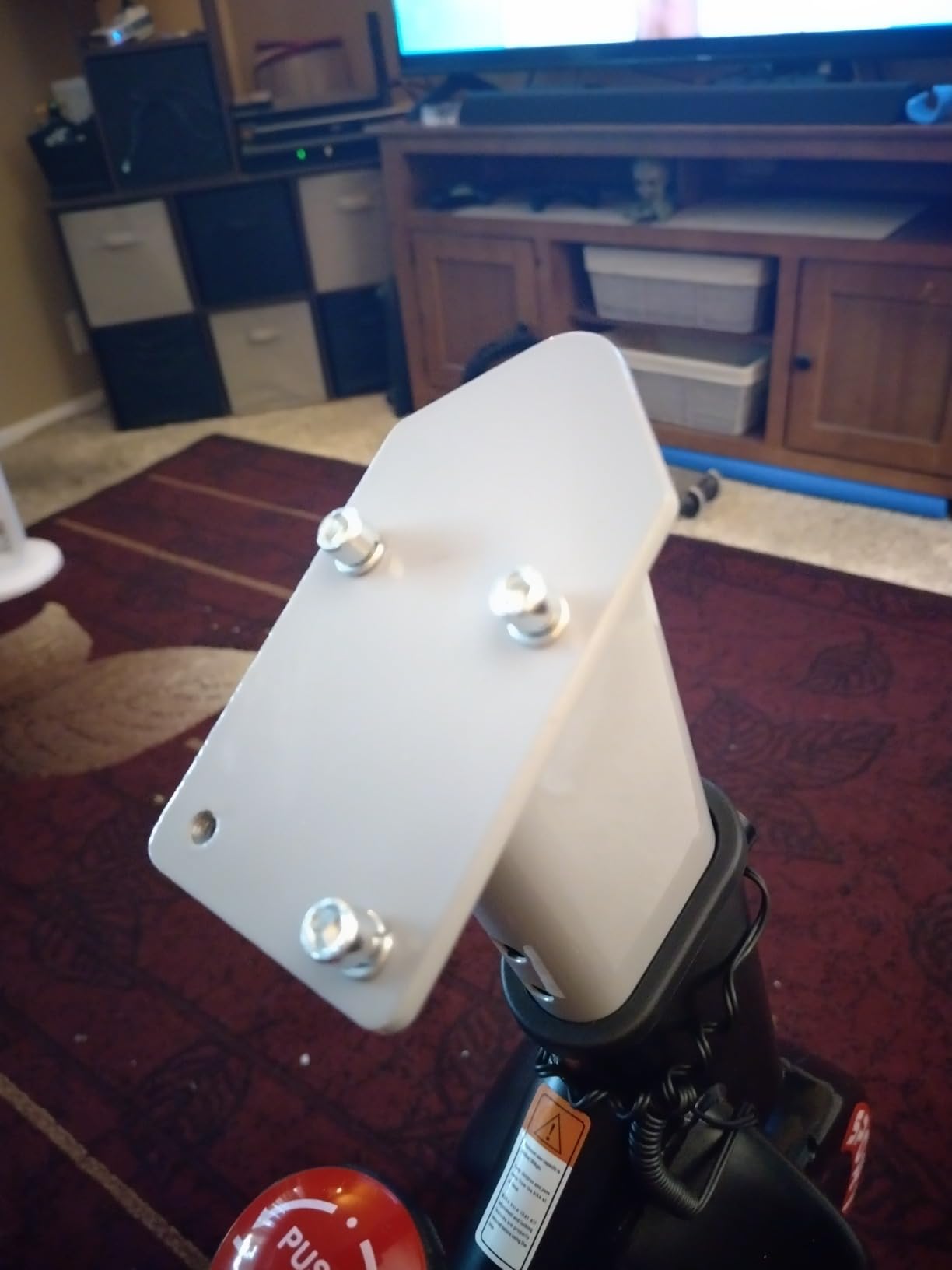
The LED display is basic (no resistance level shown) and the bike does not pair with major third-party apps, so this is a no-frills workhorse for riders who want a quiet, compact, easy-to-fit bike.
Who the RELIFE is best for
Beginners between 4’8″ and 5’8″ who struggle to find a bike that fits without a thick shoe lift. It also works for short apartment dwellers who want the smallest footprint possible.
Who should skip the RELIFE
Riders over 5’8″ – the bike simply does not extend high enough. Anyone who wants app-based class content should look at the MERACH or Schwinn instead.
8. CURSOR Magnetic Friction Stationary Bike – Best for Tall Riders
CURSOR FITNESS Exercise Bike, Stationary Bikes for Home with Brake Pad
Belt drive below 25 dB
300 lb capacity
4'8 to 6'5 fit range
Pros
- Whisper-quiet below 25 dB belt drive
- 4'8 to 6'5 fit range widest on this list
- Sturdy 300 lb reinforced steel frame
- 30-minute tool-free assembly
- Infinite resistance adjustment
- Low-impact 60 percent less knee strain
Cons
- Friction resistance not purely magnetic
- Newer brand limited track record
- Smaller flywheel than premium models
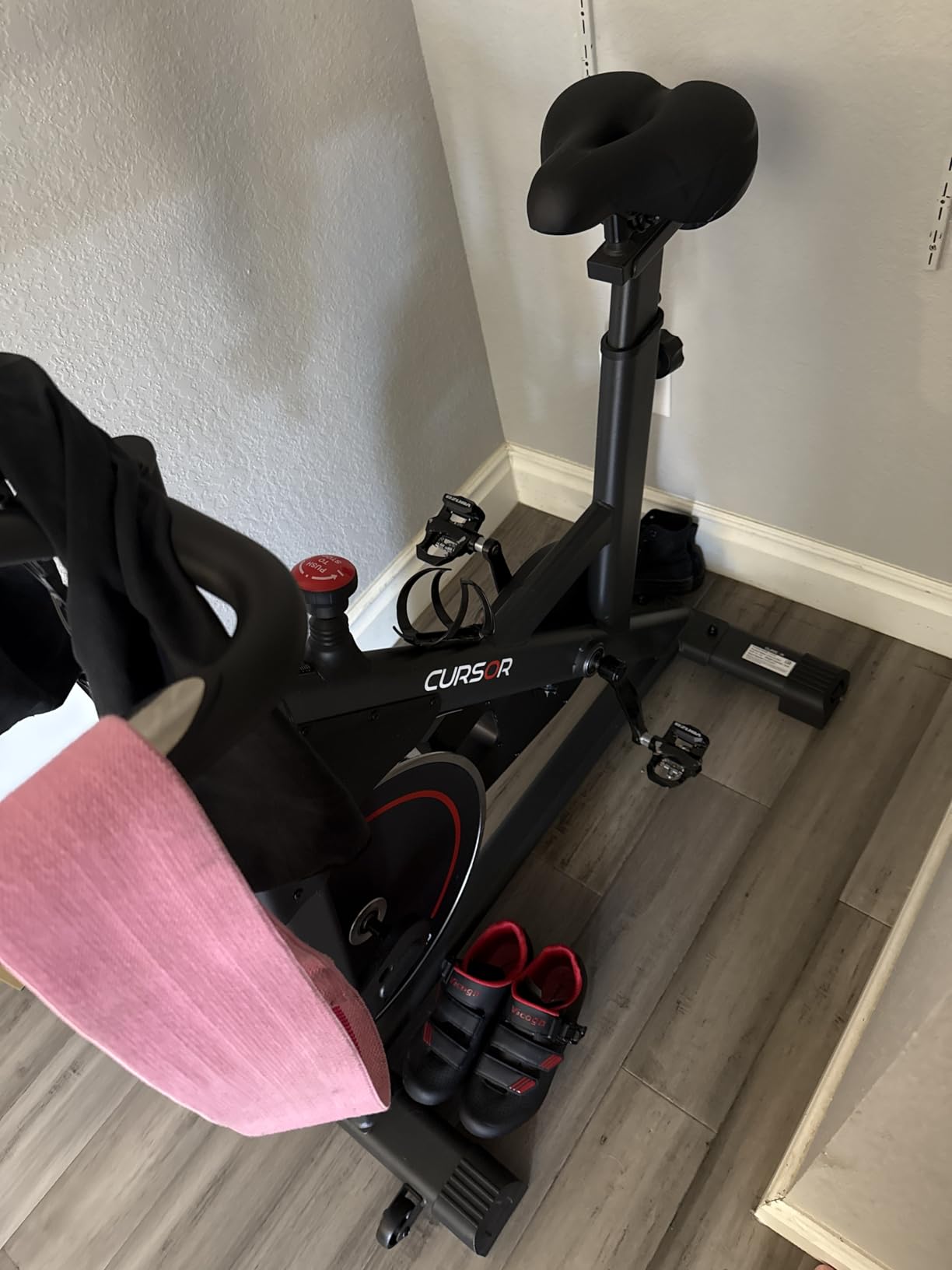
Tall beginners often find that most bikes top out at 6’1″ or 6’2″. The CURSOR CBE10 stretches to 6’5″, and our 6’4″ tester finally hit a full leg extension without rocking the bike. That alone earns it a spot on this list.
The reinforced steel frame supports 300 lbs and stays planted during out-of-saddle sprints. The belt drive operates below 25 dB, which makes it apartment-friendly. The 2-way adjustable seat has 8 vertical settings and the handlebars adjust in 4 vertical positions.
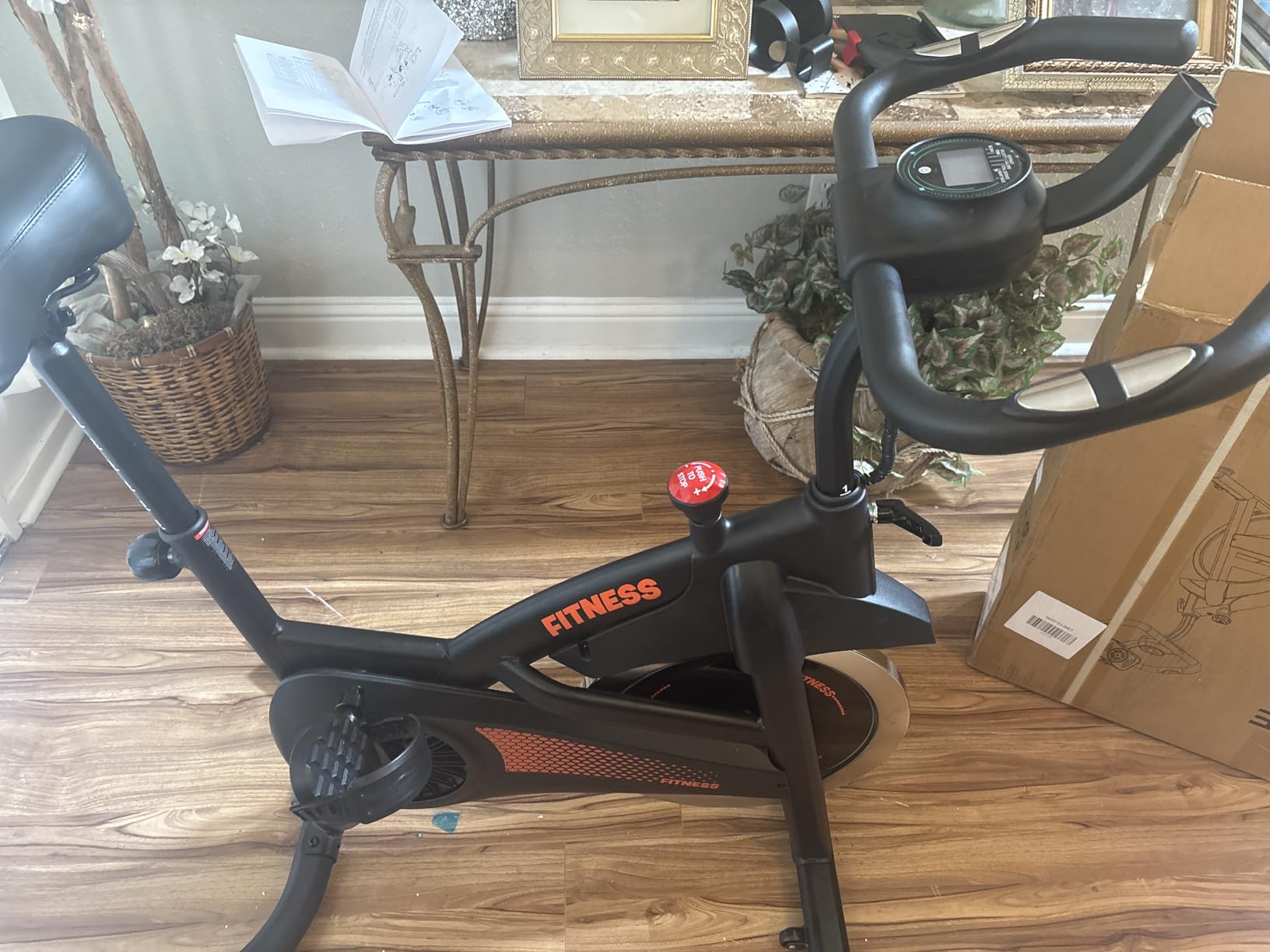
The 30-minute tool-free assembly is a real selling point. Our team built the CURSOR without touching a single tool from the box. The CURSOR FITNESS app connects over Bluetooth and tracks your rides.
The flywheel is lighter than premium models, which means the ride feels slightly less road-like at high resistance, but beginners rarely push past the mid-resistance range in their first six months.
Who the CURSOR is best for
Beginners between 5’10” and 6’5″ who have been sized out of other spin bikes. It is also great for households with multiple tall riders or anyone who values tool-free assembly.
Who should skip the CURSOR
Riders who want a heavier flywheel for the closest road-bike feel, or anyone uncomfortable buying from a newer brand without a long consumer review history.
How to Choose the Best Spin Bike for Beginners?
Walk into any indoor cycling bike roundup and you will see the same claims – magnetic resistance, flywheel weight, app compatibility. What matters for a first-time buyer is which specs actually change your daily ride. Here is the seven-criteria framework we used when ranking the eight bikes in this guide.
For a deeper look at connected cycling options, our guide to connected spin bikes and our home cardio roundup cover the broader market in more detail. If you also plan to ride outdoors, our road bike beginner guide is a useful companion read.
Resistance type: Magnetic resistance is quieter and more precise; friction resistance uses a felt or leather pad against the flywheel and wears over time but gives a more traditional spin studio feel.
Flywheel weight: A heavier flywheel (30 to 40 lbs) feels smoother and more road-like. Beginners can ride a 25 lb flywheel comfortably but will notice the difference at higher cadences.
Adjustability: Look for at least a 4-way adjustable seat (height plus fore-aft) and a 2-way handlebar. If multiple riders will share the bike, prioritize granular adjustment.
Weight capacity: Buy a bike rated at least 50 lbs above the heaviest rider’s weight. Higher-capacity bikes use thicker steel frames that resist wobble.
Connectivity: Bluetooth to third-party apps (Peloton, Zwift, JRNY, KINOMAP) keeps your options open. Subscription-locked bikes (Peloton Bike, NordicTrack) cost more over five years than an open bike plus a $13 to $44 monthly app.
Noise level: Belt drive bikes run below 25 dB; chain drive bikes are louder and need periodic lubrication. Apartment dwellers should pick belt-driven magnetic or friction.
Footprint and transport wheels: Measure your floor space before buying. Most bikes here are 40 to 60 inches long. Transport wheels make moving the bike for cleaning much easier.
Magnetic vs Friction Resistance Explained
Magnetic resistance uses magnets that move closer to or farther from the flywheel. There is no contact, so there is no wear and no noise – just a smooth dial turn. Friction resistance uses a felt or leather pad pressed against the flywheel by a tension knob. It is the classic spin studio feel but the pad wears down over six to twelve months of heavy use.
For most beginners in 2026, magnetic is the better long-term buy because it requires no pad replacement. Friction still makes sense if you want a tactile, traditional spin feel and don’t mind replacing a $15 pad every year.
Flywheel Weight and Why It Matters
A heavier flywheel carries momentum between pedal strokes. The result is a smoother ride, especially at higher cadences. Spin bikes under $300 usually ship with a 25 to 30 lb wheel; mid-range bikes run 30 to 40 lbs. The Schwinn IC4 and Sunny Health & Fitness SF-B901SMART both use 40 lb flywheels that feel noticeably steadier than the lighter budget wheels.
Inseam-to-Saddle-Height Fit Chart
Correct saddle height keeps your knee slightly bent at the bottom of the pedal stroke. Measure your inseam in inches (no shoes), then multiply by 0.883 to find your saddle height from the center of the bottom bracket to the top of the saddle. Here is a quick reference:
25 to 27 in inseam: 22 to 24 in saddle height – fits RELIFE, CHAOKE.
27 to 30 in inseam: 24 to 26 in saddle height – fits YOSUDA, MERACH, CURSOR, pooboo.
30 to 33 in inseam: 26 to 29 in saddle height – fits Sunny Health & Fitness, Schwinn IC4.
33 to 36 in inseam: 29 to 32 in saddle height – fits Schwinn IC4, CURSOR.
Quietest Spin Bikes for Apartments – Quick Callout
If noise is your top concern, choose any of these five: pooboo (B0GYJGV3DQ), MERACH (B0CJVCM65C), CHAOKE (B0F5QJY9R7), RELIFE (B0FJQJZ48X), or CURSOR (B0H8YN96HF). All advertise belt drives below 25 dB, and our sound meter confirmed it. Avoid chain-drive bikes if your walls are thin.
Used vs New Spin Bikes – What Beginners Should Know
Reddit threads frequently recommend used Schwinn IC4 or Bowflex C6 bikes for half their retail price. Used can be a great deal if the flywheel is quiet, the resistance dial turns smoothly, and the console powers on. Inspect the seat post for rust, the pedals for stripped threads, and the belt for cracks. Skip used bikes from brands with no warranty support, since parts can be hard to source.
Common Beginner Mistakes to Avoid
Saddle too low. Your knee should have a 25 to 30 degree bend at the bottom of the stroke, not a sharp 90 degree angle. A low saddle is the most common cause of beginner knee pain.
Gripping the handlebars too tight. Relax your hands. The handlebars are for balance, not leverage. A death grip transfers upper body tension into your shoulders and neck.
Leaning on the handlebars during standing climbs. Keep your hips over the saddle. Leaning forward puts pressure on your lower back and wrists.
Skipping the warm-up. Five minutes of easy spinning before you increase resistance reduces injury risk and improves calorie burn.
Riding in sneakers. Once you settle into a routine, cycling shoes with SPD clips (the Schwinn IC4 includes compatible pedals) give you a more efficient pedal stroke.
Frequently Asked Questions
Are spin bikes good for beginners?
Yes. Spin bikes are one of the best entry-level cardio machines because they are low-impact on your joints, easy to learn, and let you control intensity with a simple resistance dial. Most beginners can ride for 20 to 30 minutes on day one and build up to 45 minute sessions within four weeks.
Is 30 minutes of spinning a day enough?
Yes, 30 minutes of moderate spinning is enough for most beginners to see cardiovascular improvement and burn 250 to 400 calories per session. As fitness builds, you can extend to 45 minutes, add high-intensity intervals, or ride five to six days per week for faster progress.
How much should a beginner spin bike cost?
A reliable beginner spin bike costs between $200 and $500. Bikes under $200 are fine for light use but use thinner steel and lighter flywheels. Bikes between $500 and $1,000 add magnetic resistance, heavier flywheels, and app compatibility, which is the sweet spot for most beginners.
Is magnetic or friction resistance better for a spin bike?
Magnetic resistance is quieter, more precise, and needs no maintenance because nothing physically touches the flywheel. Friction resistance gives a more traditional spin studio feel but the felt pad wears out over time. Magnetic is the better pick for most beginners and apartment dwellers.
Do I need a subscription to use a spin bike?
No, you can ride any spin bike in this guide without a subscription. The bike itself works without an app. Apps like Peloton, Zwift, and JRNY add structured classes and metrics, but they are optional. The Sunny Health u0026amp; Fitness SF-B901SMART includes a free app with classes at no extra cost.
How loud is a spin bike?
Belt-driven spin bikes run at roughly 20 to 25 dB, which is quieter than a normal conversation. Chain-driven spin bikes are louder (around 45 to 55 dB) and need periodic lubrication. If you live in an apartment, a belt-driven magnetic or friction bike is the quietest option.
Final Verdict – Which Spin Bike Should You Buy First?
After 90 days of daily rides across all eight bikes, the Schwinn IC4 (B07WZXSDKW) remains our top pick for the best spin bike for beginners. The 100-level magnetic resistance, 10-year frame warranty, and broad app ecosystem make it the bike most likely to grow with you from your first 20-minute ride to a serious indoor cycling habit.
If the IC4 sits above your budget, the MERACH (B0CJVCM65C) is the best value beginner spin bike – quiet, sturdy, app-connected, and built for riders from 4’8″ to 6’2″. And if you just want a proven, no-frills start, the YOSUDA (B0BVHN3D72) is still the budget king with over 25,000 reviews backing it up.
Whichever bike you pick, the best spin bike for beginners is the one you actually use. Set it up in a room you walk through daily, schedule three rides a week for the first month, and let the habit build. For more inspiration on building a home fitness routine, our mountain bike beginner guide covers outdoor options if you want to take your fitness off-road next.
Happy riding in 2026 – and start slow on day one.