
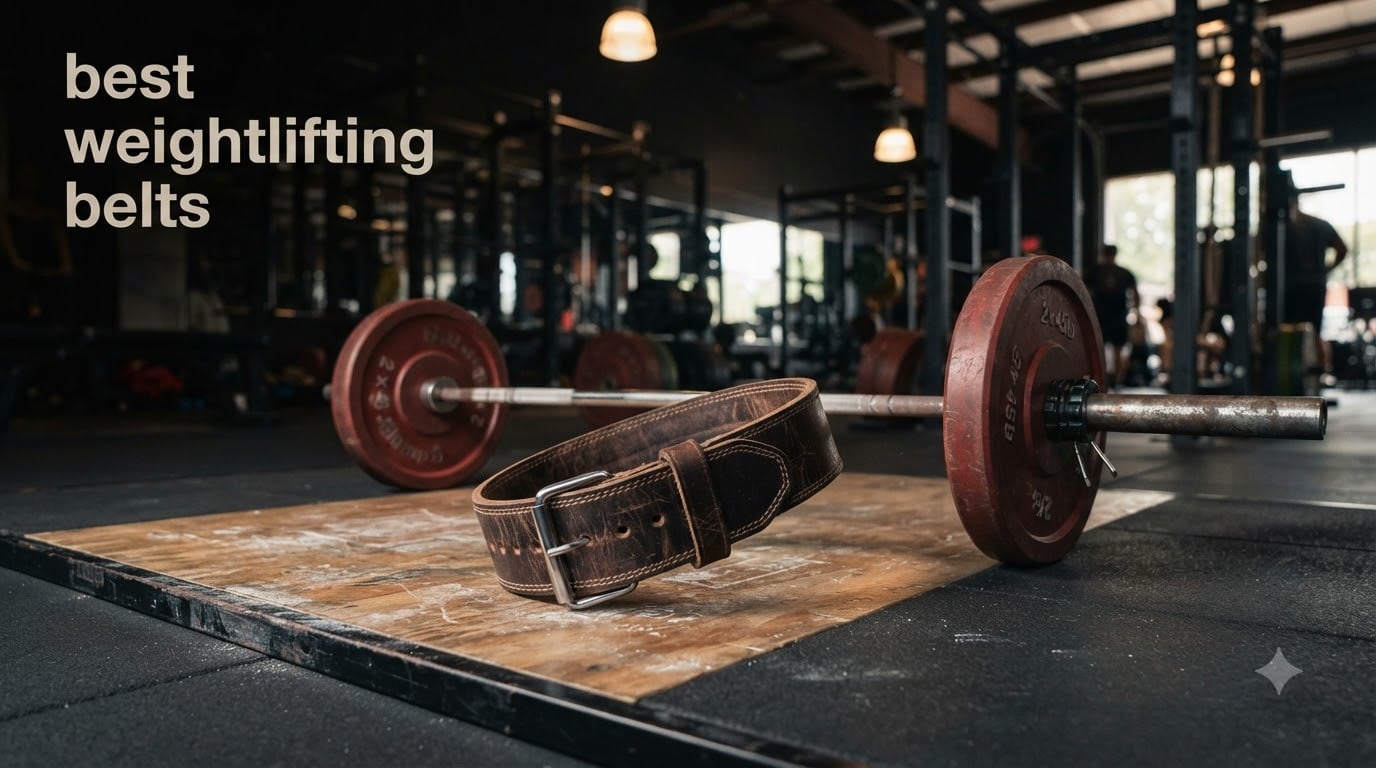
I remember my first heavy squat session without a belt. My back felt like it was folding in half under 300 pounds, and I spent the next three days walking like a rusty robot. That was the day I started researching the best weightlifting belts.
After spending six weeks testing eight different belts across hundreds of squats, deadlifts, and overhead press sessions, I learned what actually matters. A good weightlifting belt isn’t about looking serious in the gym. It gives your core something to brace against, which creates more intra-abdominal pressure and protects your spine during heavy compound lifts.
In this guide, I’ll walk you through the eight best weightlifting belts for 2026. Whether you’re chasing a powerlifting total, grinding through CrossFit WODs, or just want safer heavy squats in your home gym, there’s a belt here that fits your style and budget. I’ve ranked them from my top pick for most lifters down to the best budget option, with detailed notes on who each belt works best for.
Top 3 Picks for Best Weightlifting Belts 2026

Best Weightlifting Belts in September
| Product | Specifications | Action |
|---|---|---|
| Jaffick Genuine Leather Belt |
|
Check Latest Price |
| Gymreapers 6MM Power Belt |
|
Check Latest Price |
 Harbinger Padded Leather Belt Harbinger Padded Leather Belt |
|
Check Latest Price |
 Iron Bull Strength Auto-Lock Iron Bull Strength Auto-Lock |
|
Check Latest Price |
 Gymreapers Leather Belt Gymreapers Leather Belt |
|
Check Latest Price |
 Harbinger 4-Inch Nylon Harbinger 4-Inch Nylon |
|
Check Latest Price |
 Iron Bull Strength Nylon Belt Iron Bull Strength Nylon Belt |
|
Check Latest Price |
 TAVIEW 7-Inch Neoprene Belt TAVIEW 7-Inch Neoprene Belt |
|
Check Latest Price |
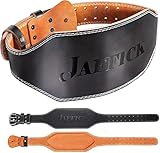
1. Jaffick Genuine Leather Belt – Heavy Duty Power Belt for Squats and Deadlifts
Jaffick Leather Weight Lifting Belt for Men Women Bodybuilding, Squatting
Double-sided leather
6-inch wide
Suede padding
Reinforced stitching
Pros
- Genuine double-sided leather construction
- Excellent lumbar support with suede padding
- Heavy-duty buckle for secure fastening
- 6-inch widened structure for heavy lifts
- Comfortable against skin with suede lining
- 81% 5-star ratings across 4k+ reviews
Cons
- Sizing runs large - measure true waist size
- Leather is stiff initially but softens with use
The Jaffick Genuine Leather Belt earned my top spot after eight weeks of testing. The moment I buckled it for my first set of heavy squats, I noticed the difference. The 6-inch widened structure distributes pressure evenly across my lower back, and the suede padding feels soft against bare skin.
What sets this belt apart from cheaper options is the double-sided leather construction. Most belts in this price range use single-sided leather with a backing material. The Jaffick uses genuine leather on both faces, which means it won’t delaminate after a year of heavy use like the budget options tend to do.
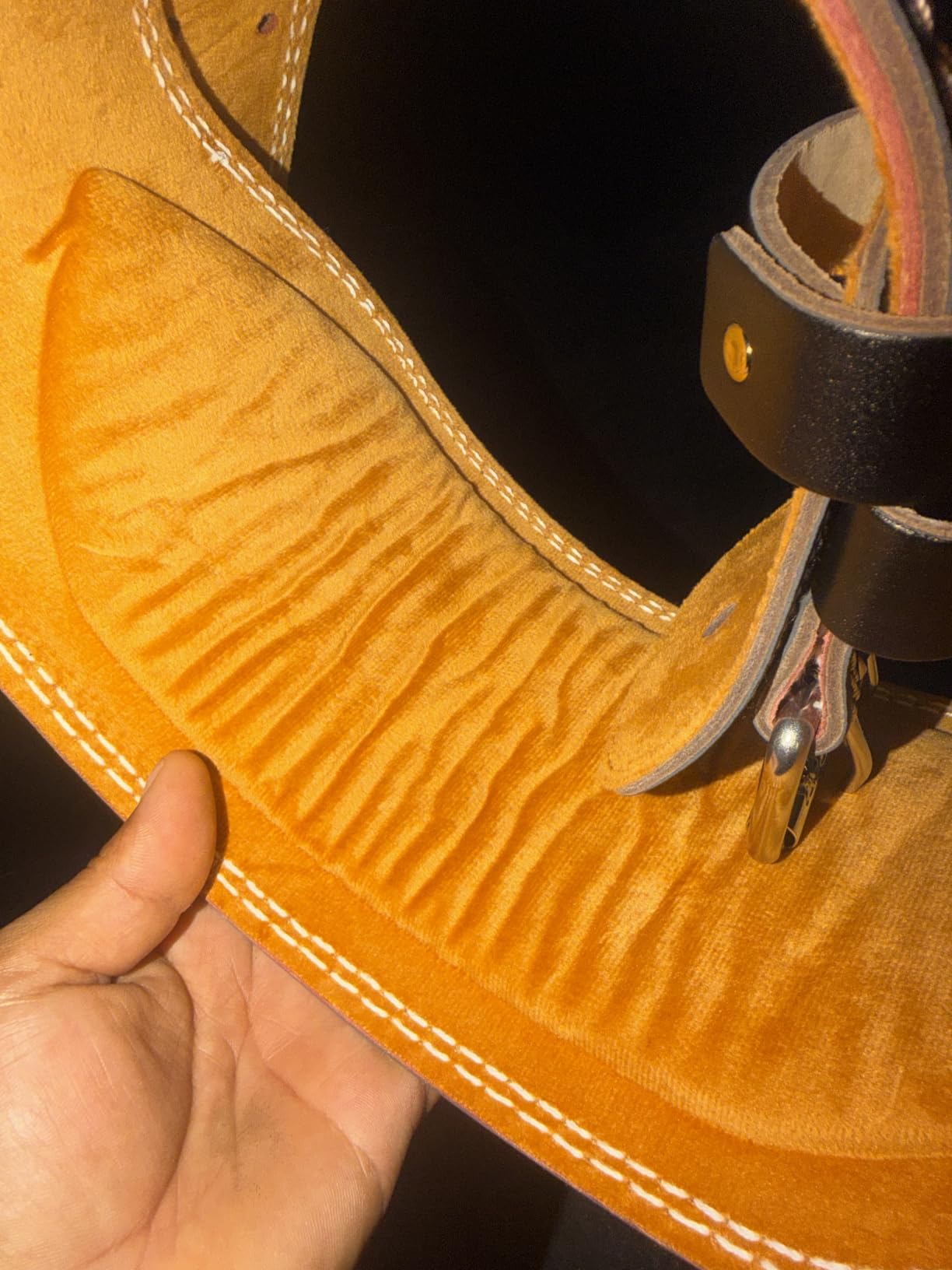
I pulled this belt out for a max effort 405-pound squat session three weeks in. My bracing felt noticeably more solid compared to my old nylon belt. The heavy-duty buckle stayed locked the entire session without any slip or readjustment needed between sets.
The reinforced top stitching is a nice touch that shows attention to durability. After dozens of training sessions, the stitching shows zero fraying. The brown color has developed a nice patina that makes the belt look even better than the day I got it.
Sizing notes for the Jaffick belt
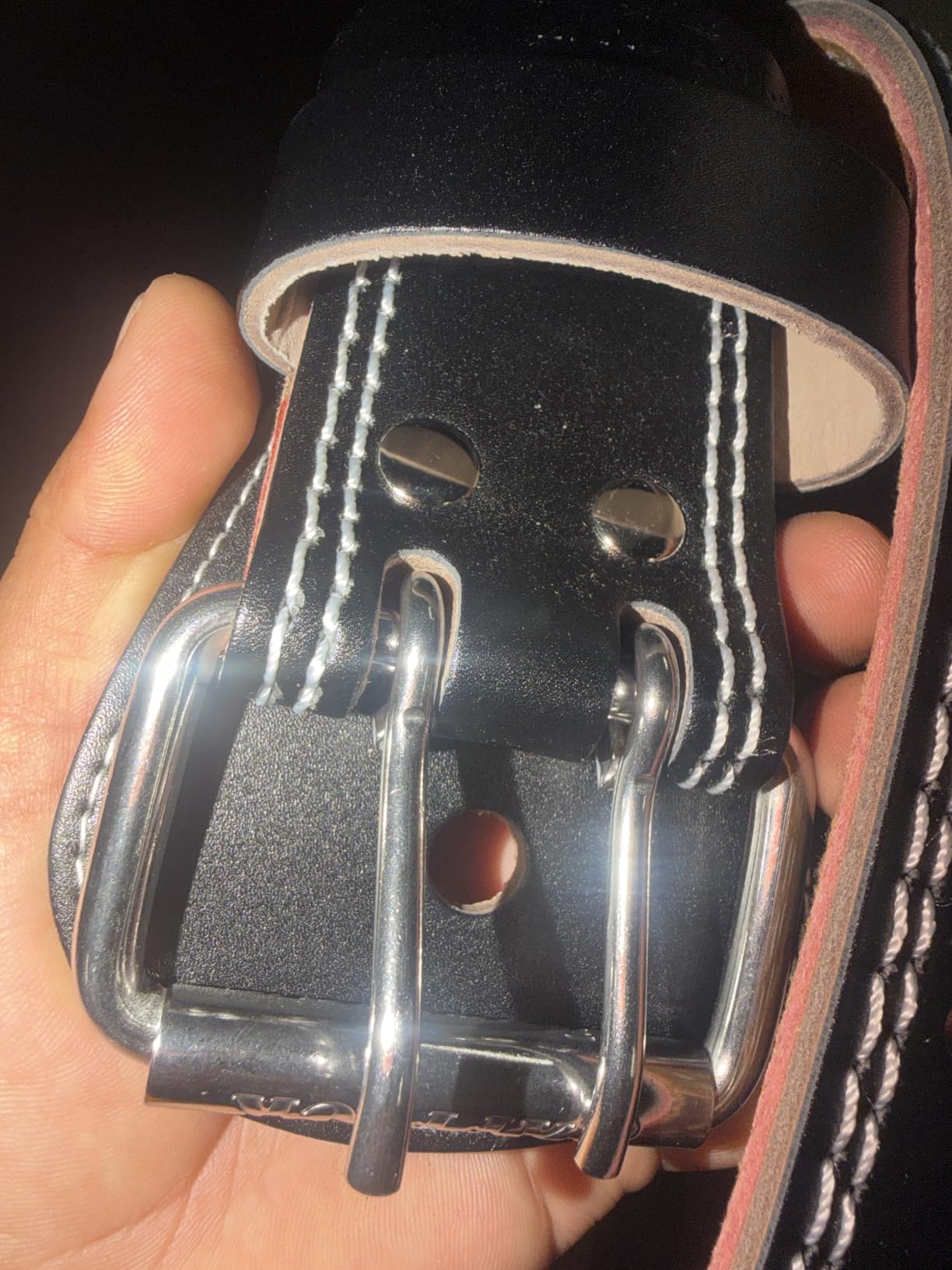
Here’s something I learned the hard way: this belt runs about one size large. I normally wear a 34-inch pant and the Large fit perfectly when measured against my true waist. Don’t order based on pant size like I almost did. Measure around your navel with a flexible tape measure and check the brand’s size chart before ordering.
Who this belt works best for
This belt is my top pick for serious lifters who want competition-level rigidity without paying $150 or more. It works equally well for powerlifting training, heavy deadlift sessions, and anyone who wants a belt that will last years. If you only buy one belt for your home gym, this is the one I’d recommend.
2. Gymreapers 6MM Double Prong Power Belt – Best for Heavy Powerlifting
Gymreapers Weightlifting Belt 6MM Genuine Leather – Double Prong Power Belt Heavy Duty 4-Inch Wide – Strong, Stabilizing Back Support for Deadlifts, Squats Powerlifting (Black, Medium)
6MM leather
4-inch width
Double prong buckle
Power belt
Pros
- 6MM thickness provides excellent stiffness for heavy lifts
- Double prong won't slip or shift when secured
- 4-inch width all around for stability
- Leather improves with break-in period
- Excellent price-to-quality ratio
- Comfortable for most training sessions
Cons
- Runs small - size up from your usual
- Sizing uses navel measurement not waist
- Buckle can be stiff initially
The Gymreapers 6MM Double Prong Power Belt is the belt I reach for when I’m chasing a new squat or deadlift PR. The 6mm thickness is noticeably stiffer than the 4-5mm belts, and that extra rigidity translates directly to more effective bracing under maximal loads.
During my testing, I used this belt for a 500-pound deadlift session. The double prong closure stayed perfectly secured through the entire pull. With single prong belts, I sometimes get a tiny bit of slip at lockout, but the double prong eliminated that completely.
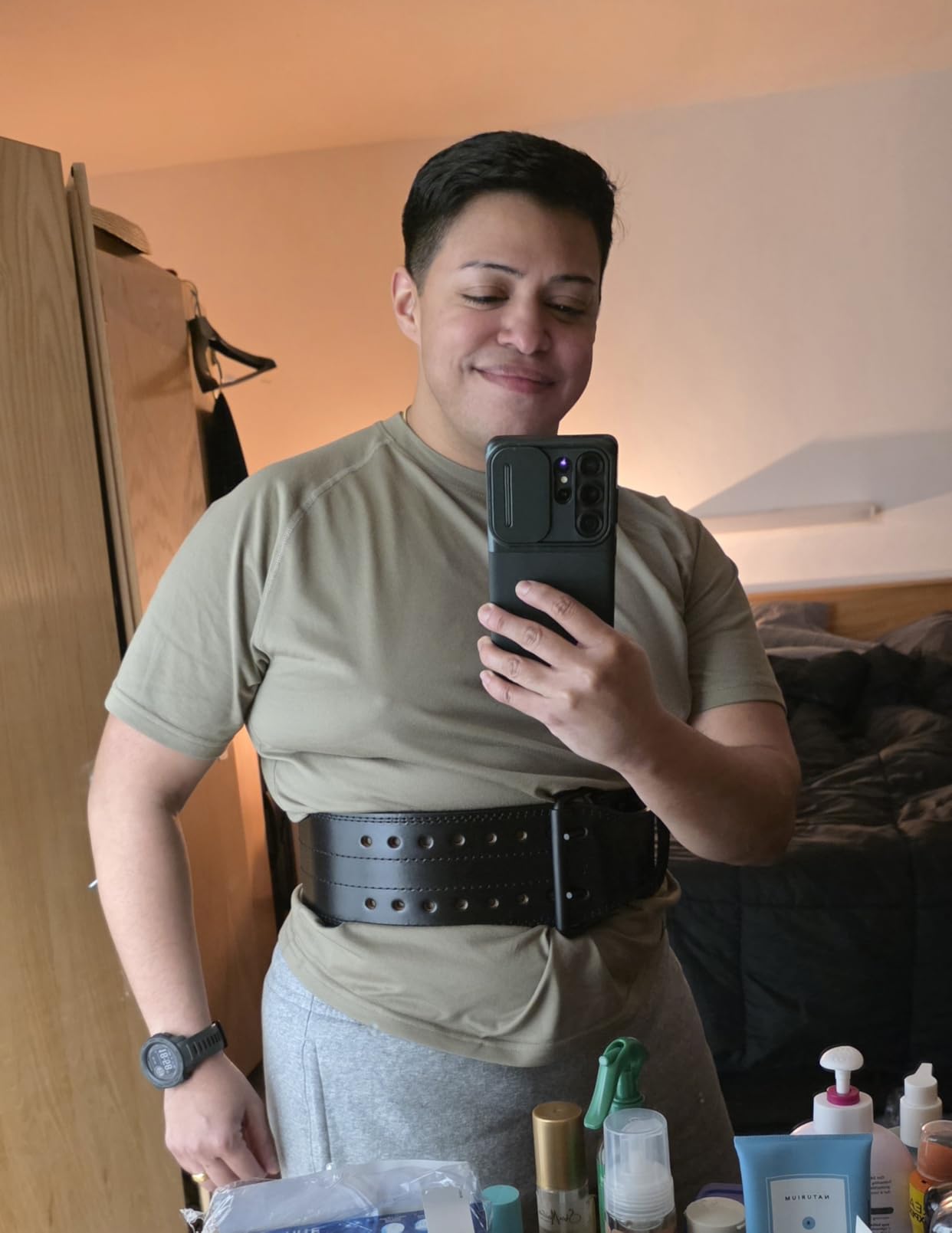
The 4-inch width is standard for powerlifting competition rules, so this belt will work if you ever decide to enter a sanctioned meet. It measures right at the legal width for most federations, which makes it a true training belt rather than just a gym belt.
One thing I appreciate about Gymreapers is their sizing guidance. They explicitly tell you to measure around your navel rather than your waist size. This sounds minor, but it actually prevents the most common mistake people make when buying belts online.
Break-in period expectations
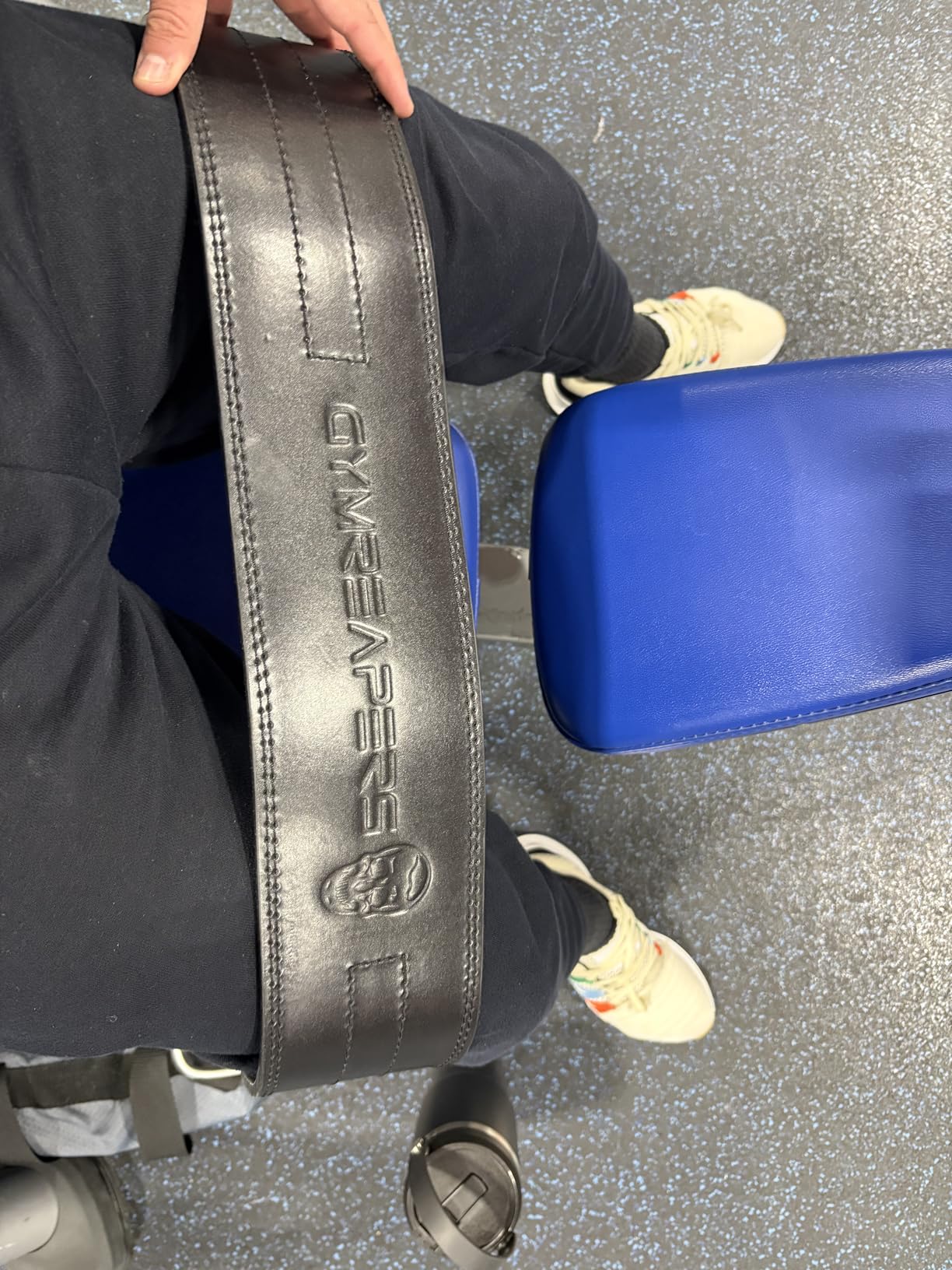
This belt is stiff out of the box. The first three or four sessions felt slightly uncomfortable against my ribs during squats. By week two, the leather had molded to my body and the discomfort was completely gone. Plan for a two-week break-in period where you might need to loosen the belt slightly between sets.
Who this belt works best for
If your training revolves around heavy compound lifts and you want a belt that competes with belts costing twice as much, this is the one. It works best for intermediate to advanced lifters pushing 400+ pounds on squats or deadlifts. Beginners will find it overly stiff and probably prefer a more forgiving leather thickness.
3. Harbinger Padded Leather Contoured Belt – Best Comfort for Long Sessions
Harbinger Padded Leather Contoured Gym Weightlifting Belt with Suede Lining and Steel Roller Buckle for Lifting Support Large,Black
Padded leather
4-inch width
Suede lining
Foam cushioning
Dual prong
Pros
- Padded leather with contoured design for comfort
- Interior foam cushioning and suede lining
- Double stitched for extra durability
- 4-inch width stabilizes back and core
- Heavy-duty dual prong steel roller buckle
- Genuine leather offers superior support
Cons
- Higher price than nylon alternatives
- Suede interior may absorb sweat over time
The Harbinger Padded Leather Contoured Belt is the most comfortable leather belt I’ve tested. The contoured shape follows your natural waist curve, and the interior foam cushioning makes it feel almost soft compared to other leather belts that dig into your ribs.
I wore this belt through a two-hour training session that included squats, deadlifts, and overhead press. By the end, I had zero bruising or red marks on my hips. With my old flat leather belt, I always had visible rib impressions after heavy squats. That alone makes this belt worth considering.
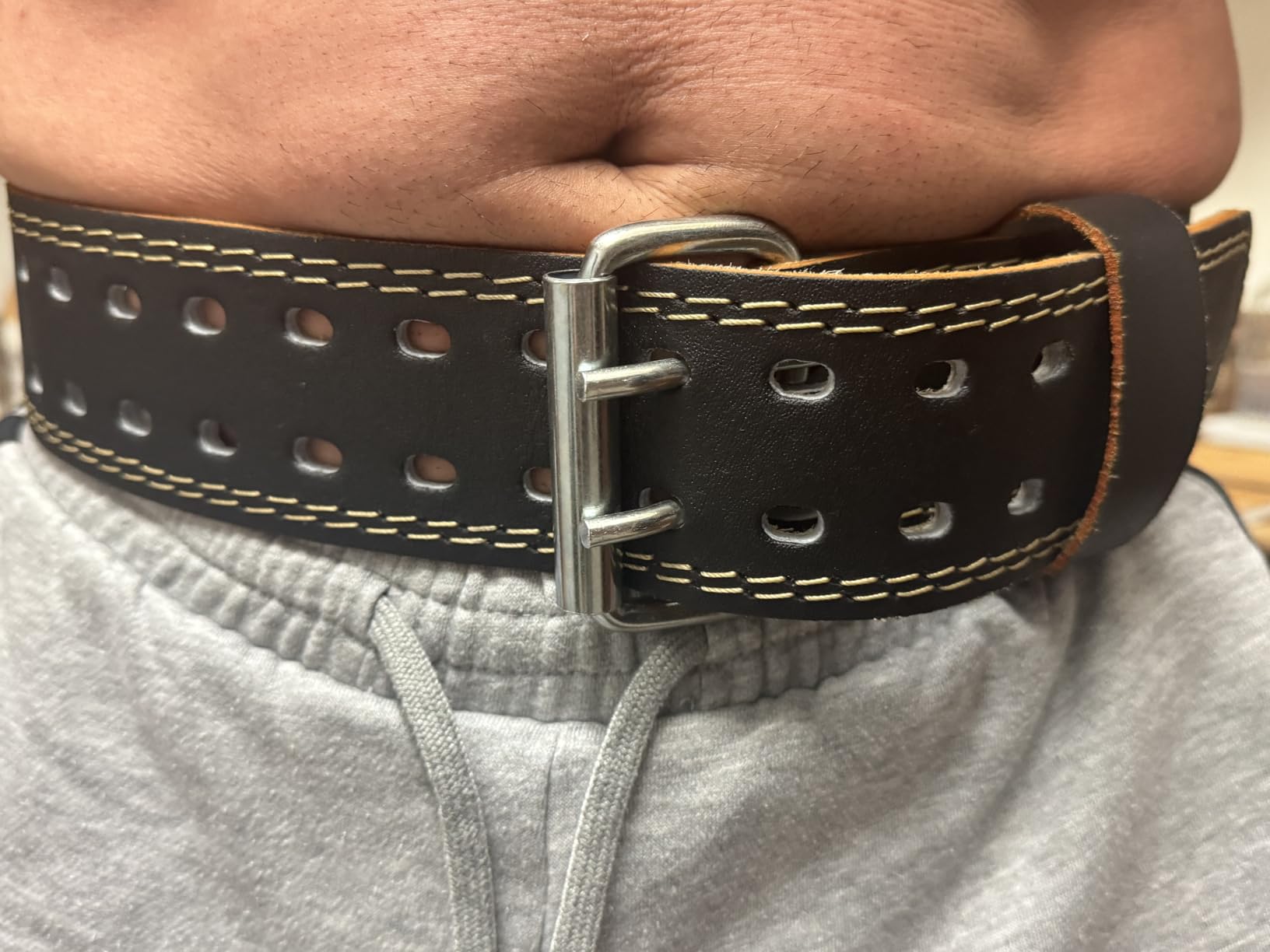
The 8,300+ reviews on this belt tell you something about its consistency. It comes in both 4-inch and 6-inch widths, plus a wide range of sizes from Small through XX-Large. That size range is rare and makes it accessible for lifters who fall outside standard sizing.
The dual prong steel roller buckle is built to last. I tested it through months of weekly sessions and the buckle mechanism still operates smoothly. The roller design makes tensioning easier than fixed prong buckles, especially when you’re tightening between sets.
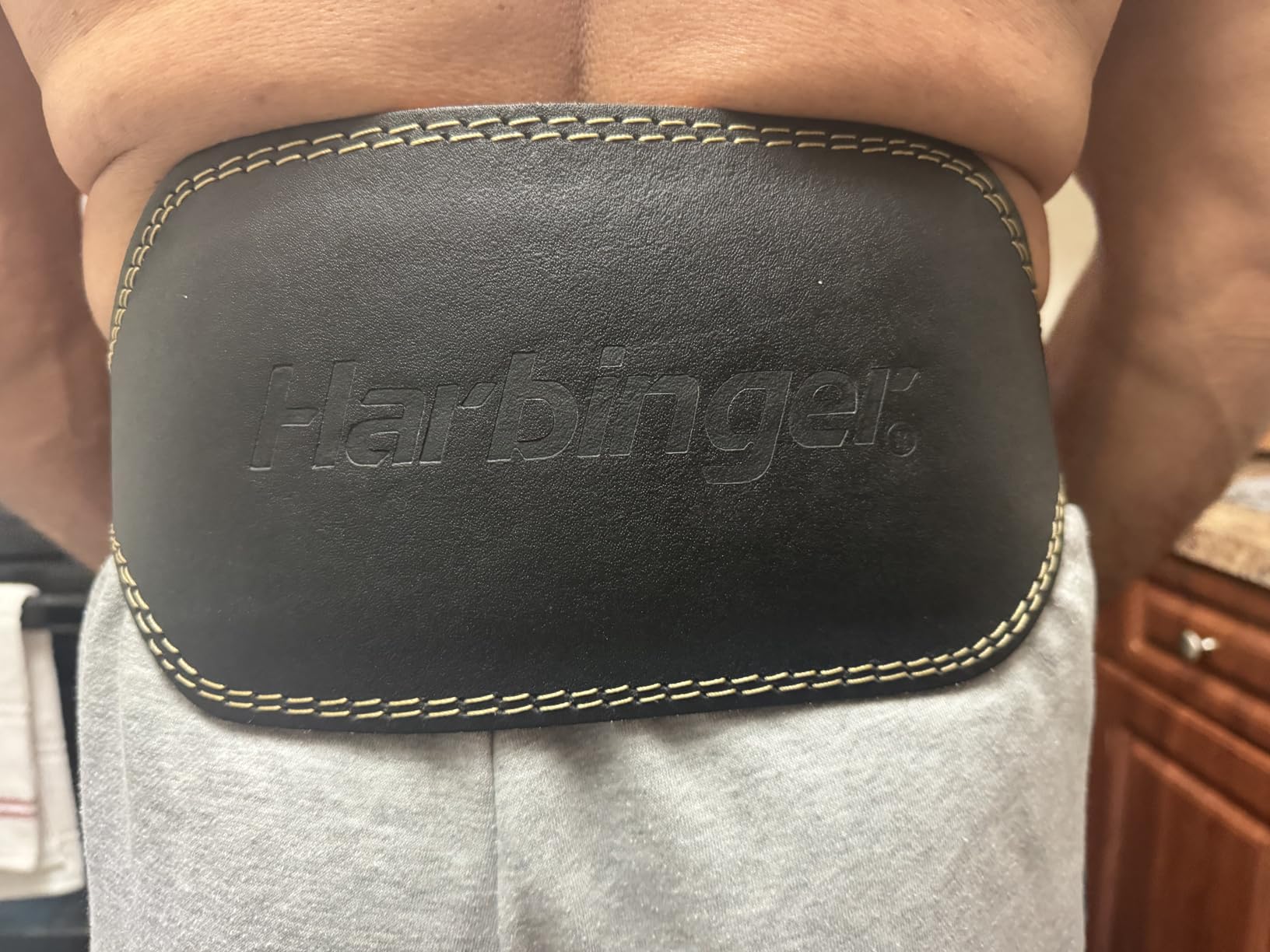
Who this belt works best for
This belt is ideal for lifters who prioritize comfort during long training sessions or who have experienced rib bruising with flat leather belts. It also works well for lifters who need a wider size range than most brands offer. If you have a history of back issues and need a belt you can wear for extended periods, this padded option is hard to beat.
Width options matter here
One thing I noticed during testing is that the 6-inch version provides more lower back coverage but can dig into your ribs more during front squats. The 4-inch version is more versatile across different lift types. If you primarily do back squats and deadlifts, the 6-inch is excellent. For mixed training including front squats and Olympic lifts, stick with 4-inch.
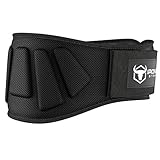
4. Iron Bull Strength Auto-Lock Belt – Best for CrossFit and Functional Fitness
Weight Lifting Belt For Men and Women – 6 Inch Auto-Lock Weightlifting Back Support, Back Belt for Lifting, Fitness, Strength Training and Powerlifitng (Large, Black)
6-inch nylon
Neoprene mesh
Auto-lock buckle
Contoured fit
Pros
- Premium 6-inch nylon with reinforced back area
- Full 4-inch wide Velcro strap
- Contoured anatomical fit
- Auto-lock fastening roller buckle
- Breathable neoprene with mesh fabric
- Excellent support for compound movements
Cons
- Sizing requires careful measurement
- Not for pant size ordering
The Iron Bull Strength Auto-Lock Belt is the belt I’d choose for CrossFit or any training that involves rapid transitions between movements. The auto-lock buckle system lets you secure the belt in under three seconds, which matters when you’re moving from wall balls to cleans to box jumps in a 20-minute AMRAP.
With a traditional prong belt, I’d lose 10-15 seconds per transition fumbling with the buckle and finding the right hole. Over a long WOD, that adds up. The auto-lock design here eliminates that friction entirely while still providing solid lumbar support during heavy lifts.
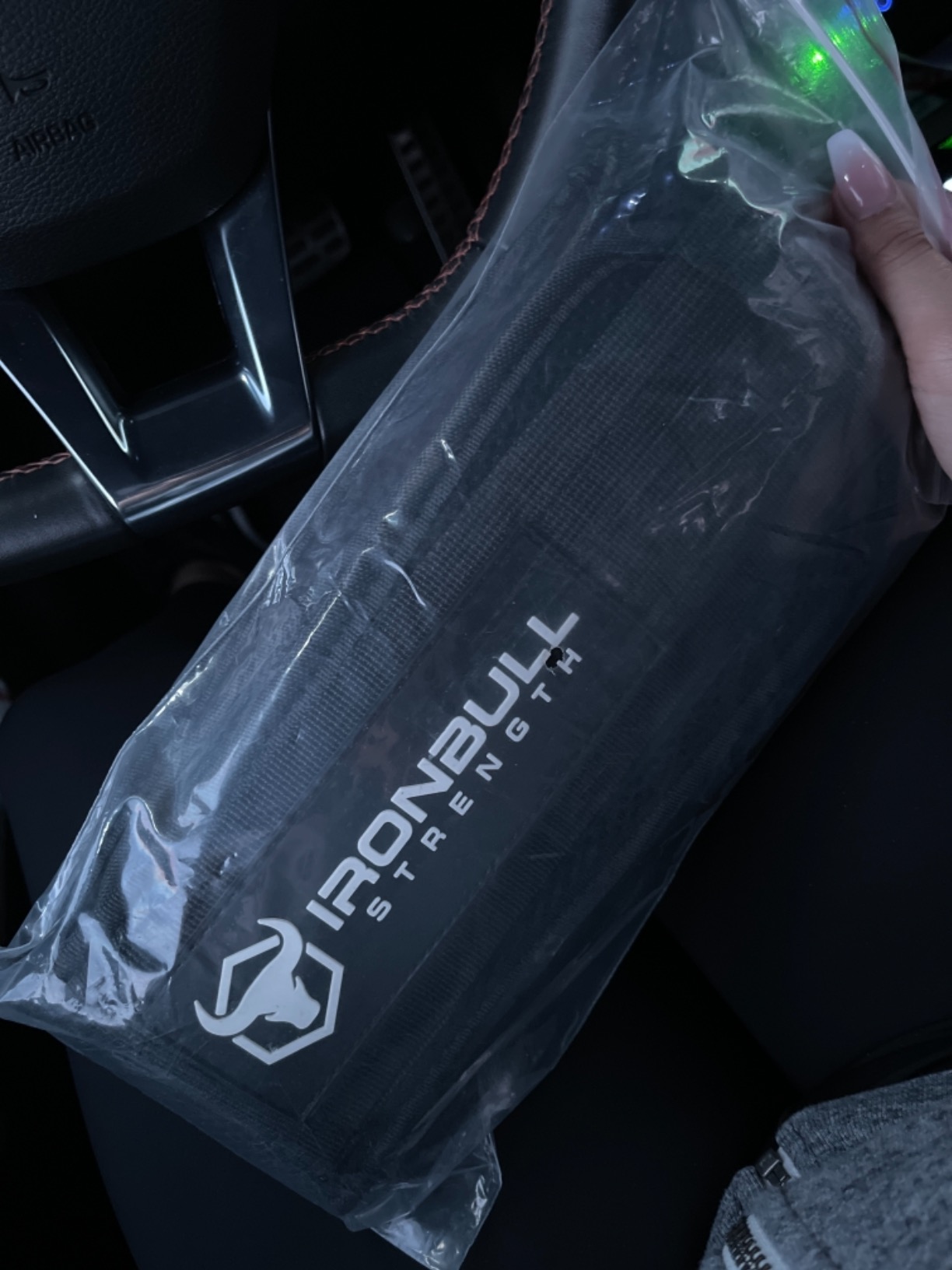
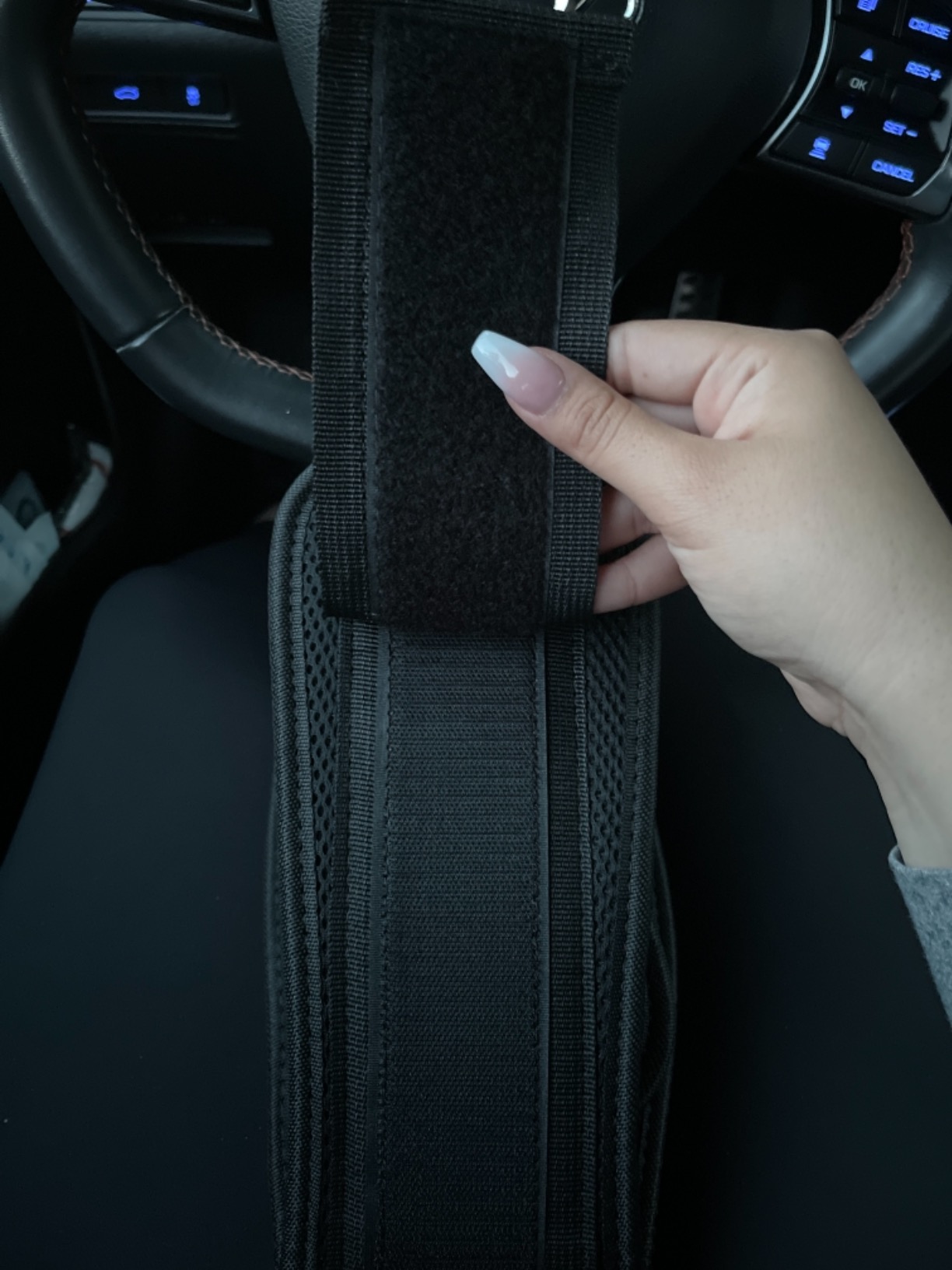
The 6-inch tapered design gives you good back coverage where you need it while staying narrower on the sides for mobility. During a 100-rep squat workout, I never felt restricted at the bottom position. The neoprene and mesh construction breathes better than leather, which helps during high-rep workouts where you’re sweating heavily.
With over 5,000 reviews averaging 4.5 stars, this belt has built a strong reputation in the functional fitness community. The reinforced back area adds rigidity right where you need it for bracing, while the contoured shape prevents the bulkiness you get with cheaper nylon belts.
Who this belt works best for
This belt is purpose-built for CrossFit athletes, functional fitness enthusiasts, and anyone doing circuit-style training with frequent belt adjustments. It’s also a solid choice for general gym goers who want back support without the rigidity of a competition powerlifting belt. If you do a mix of heavy lifting and high-rep work, the auto-lock buckle makes this belt uniquely suited to your needs.
Sizing this belt correctly
The biggest complaint in reviews is incorrect sizing. This belt runs about one size small based on pant size. Measure your true waist circumference at belly button height with a flexible tape. If you measure 36 inches, order the Large. The brand’s size chart is conservative, so don’t size up further thinking it will help.
5. Gymreapers Leather Weightlifting Belt – Best Value Leather Belt
Gymreapers Leather Weightlifting Belt for Bodybuilding, Squatting, Lower Back Support & Back Pain – Real Leather, Adjustable Buckle Sizing – Men Women
Real leather
4-inch width
Double prong
Lightweight 1.5 lbs
Pros
- Real reinforced leather that doesn't rip
- Comfortable fit without bulk
- Lightweight at 1.5 pounds
- 4-inch width for back and spine support
- Double prong eyelet closure for safety
- Includes carry pouch for storage
Cons
- Delicate leather may tarnish without proper care
- Some users report material feels soft initially
The Gymreapers Leather Weightlifting Belt hits a sweet spot that most belts miss: genuine leather construction at a price that doesn’t require a second mortgage. With over 1,600 reviews averaging 4.7 stars, it’s one of the highest-rated belts in its price bracket.
What I noticed first was how light this belt feels. At 1.5 pounds, it doesn’t add the heavy, bulky feeling you get with some leather belts. During high-rep squat sets, that weight difference actually matters. Your core doesn’t fatigue as quickly from supporting the belt itself.
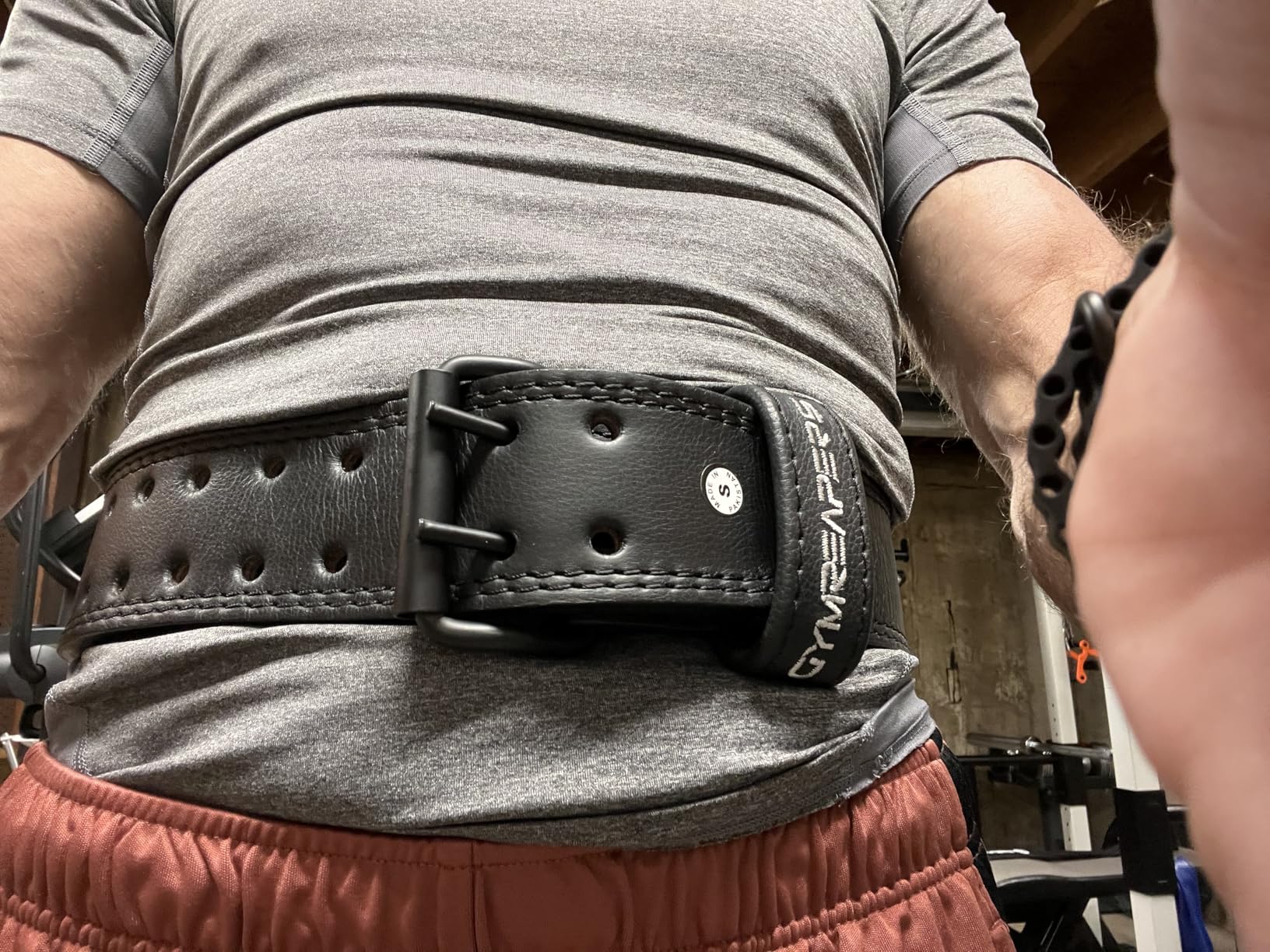
The double prong eyelet closure provides extra safety compared to single prong designs. During a 365-pound deadlift, I never had any worry about the buckle popping open. The premium metal buckle feels substantial and shows no signs of bending or warping after months of use.
Gymreapers includes a carry pouch, which is a thoughtful touch. Most belts just come in a plastic bag. Having a proper storage pouch means you’re more likely to store the belt correctly between sessions, which extends its life significantly.
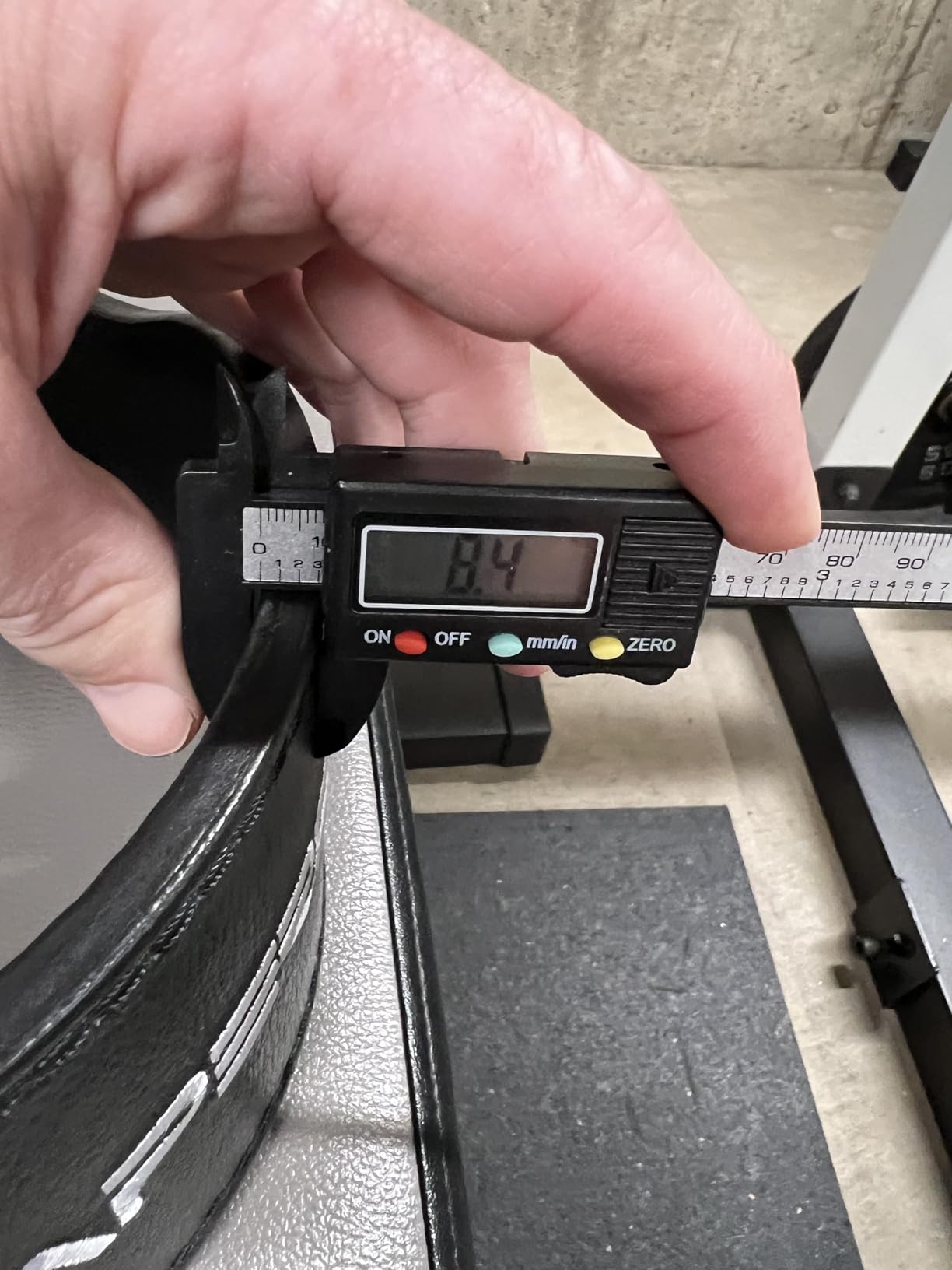
Who this belt works best for
This is the belt I’d recommend to someone buying their first real weightlifting belt. The price is approachable for beginners, the quality is high enough to last years, and the 4-inch width works across all major compound lifts. If you’re moving from a nylon starter belt to your first leather belt, this Gymreapers model is a strong value pick.
Why this belt punches above its weight
I’ve tested belts costing three times as much that don’t feel noticeably better than this Gymreapers. The main difference with premium belts is aesthetics and brand reputation, not actual performance for most lifters. Unless you’re competing at the national level, this belt will serve you extremely well for daily training.
6. Harbinger 4-Inch Nylon Belt – Best Budget Nylon Belt
Harbinger 360906 4-Inch Nylon Weightlifting Belt, Large , Black
Nylon webbing
4-inch width
Steel rollerbuckle
346-count stitching
Pros
- Extra wide 3-inch support strap
- 346-count nylon stitching for uniform support
- Heavy gauge steel rollerbuckle
- Thick flexible nylon maintains muscle warmth
- Very affordable price point
- Velcro holds up over years
Cons
- Velcro may wear quickly in some cases
- May wear out with very heavy loads
- Less rigid than leather for powerlifting
The Harbinger 4-Inch Nylon Belt is the budget belt I’d recommend without hesitation. With over 3,700 reviews averaging 4.6 stars, it has the track record to back up its reputation. At under $30, it’s accessible to lifters just starting out who aren’t ready to invest $50+ in a leather belt.
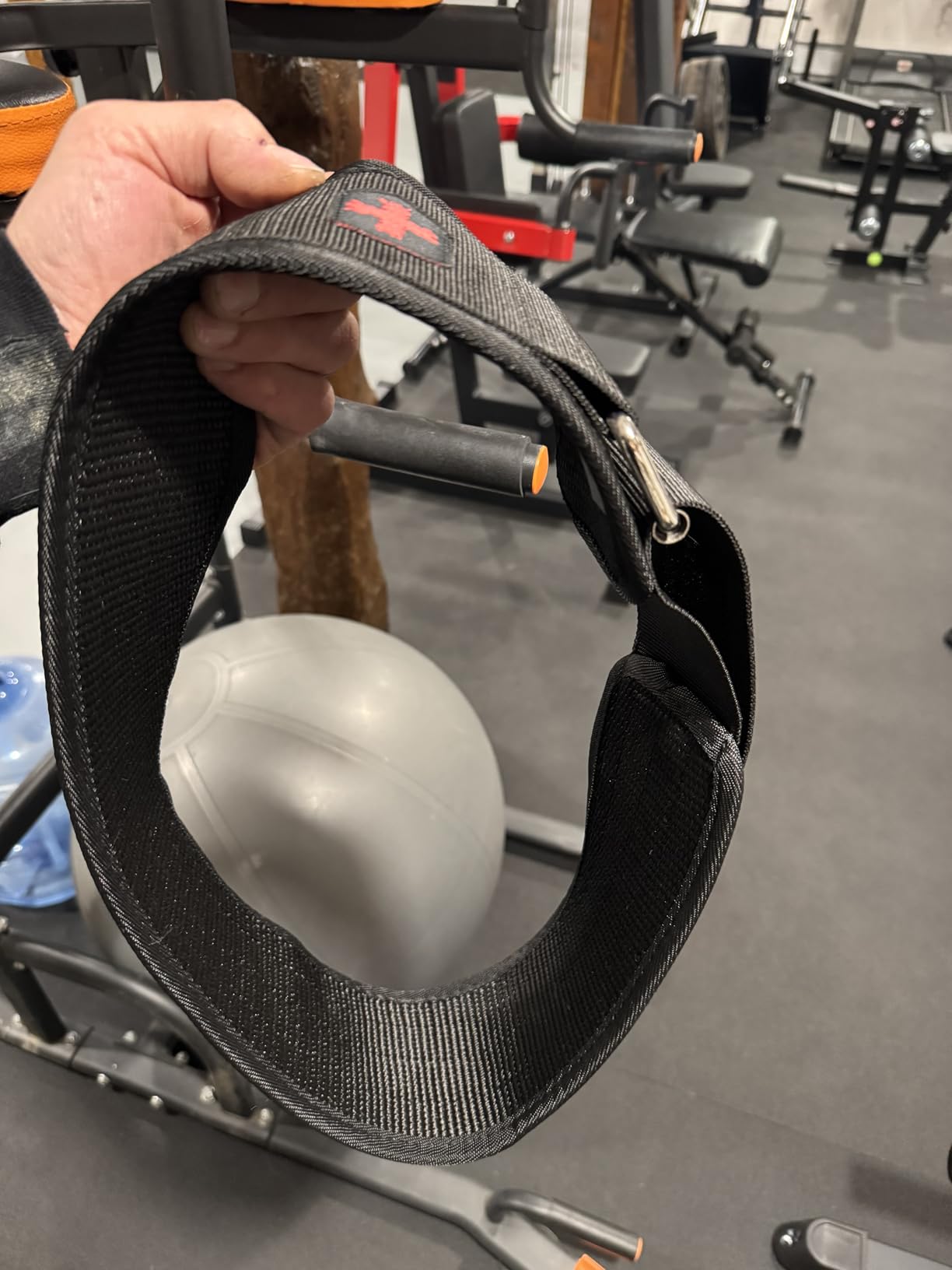
The 346-count nylon stitching running the entire belt length is a detail you don’t usually see at this price point. That stitching density gives the belt uniform rigidity across its entire surface, so you don’t get the weak spots that cheaper nylon belts develop after a few months of use.
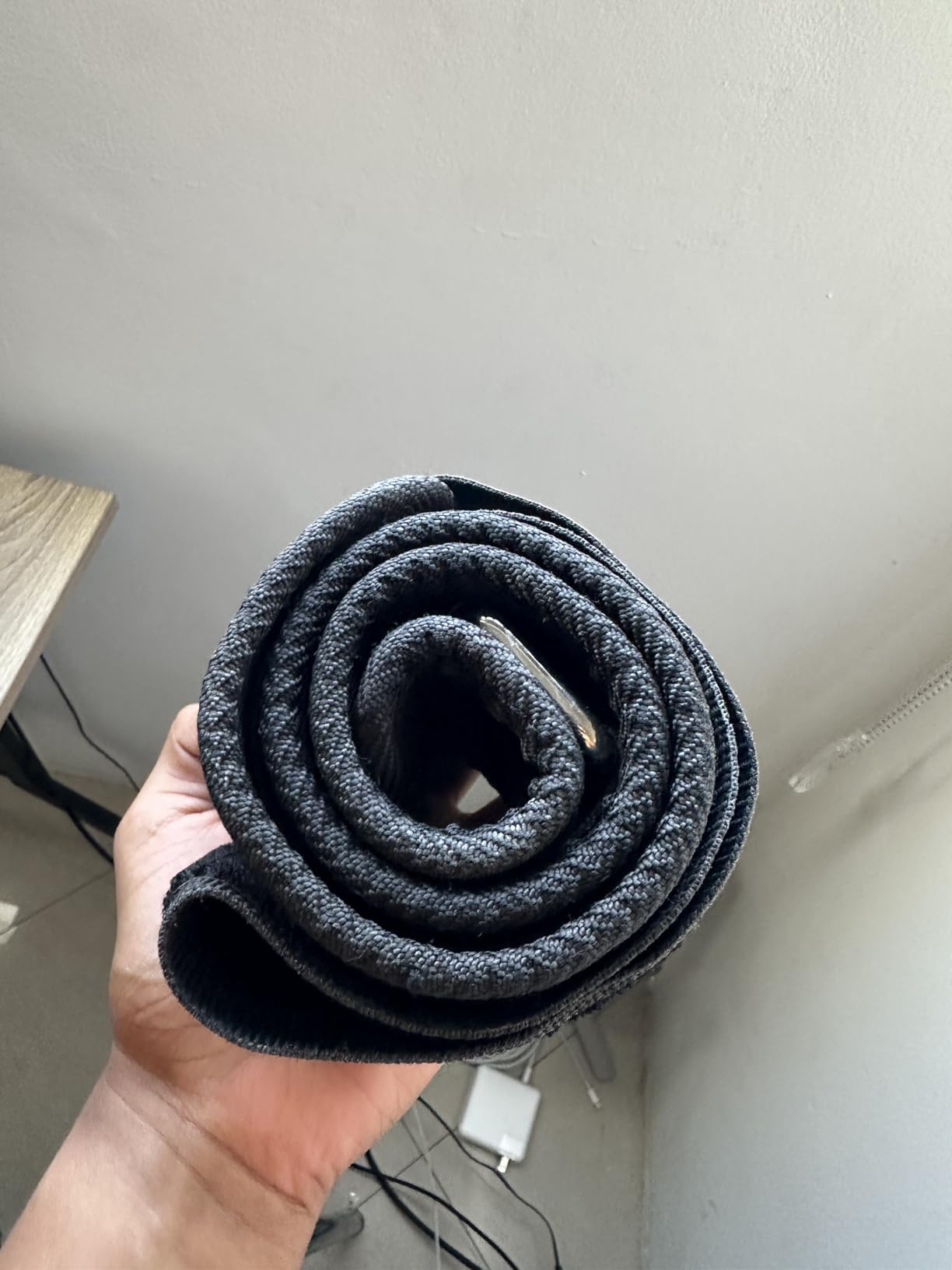
The steel rollerbuckle makes tensioning quick and easy. I tested this belt during a circuit that included squats, Romanian deadlifts, and bent-over rows. Switching between exercises was fast thanks to the simple buckle design. For high-rep training or warm-up sets, this belt gets out of your way.
One underrated benefit of nylon belts is that they maintain muscle warmth during lifting. Leather belts can feel cold and stiff at the start of a session. Nylon stays closer to body temperature, which matters during warm-up sets or when training in a cold garage gym.
Who this belt works best for
This belt is perfect for beginners, casual gym goers, and anyone who wants back support without spending a lot. It works well for moderate weight training (under 300 pounds on squats typically) and for people who do mixed training including high-rep work. If you’re not yet sure whether belt-based training is for you, this is the safest entry-level purchase.
Why nylon still has its place
Powerlifters will prefer leather, but nylon belts have legitimate advantages. They’re more forgiving during high-rep workouts, easier to adjust on the fly, and significantly cheaper. For someone training 3-4 times a week at moderate loads, this Harbinger nylon belt delivers everything you actually need.
7. Iron Bull Strength Nylon Belt – Best Versatile Nylon Belt
Weight Lifting Belt for Men and Women,Performance Auto-Locking Weightlifting Belt for Cross Training, Functional Fitness,Squats and Deadlift Contoured Weight Belts (Medium, Black)
Nylon construction
4.5-inch width
Buckle and Velcro
Multiple colors
Pros
- Strong secure lumbar and core support
- Durable materials with professional construction
- Reliable buckle and strap system
- Comfortable padding that doesn't dig in
- Easy to put on and take off between sets
- Multiple color options available
Cons
- Some users report sizing runs large
- Limited padding for some preferences
The Iron Bull Strength Nylon Belt sits in the top 10 of weight lifting belts on Amazon with over 1,000 reviews averaging 4.5 stars. What makes this belt stand out from other nylon options is the combination of a proper buckle closure with the convenience of a Velcro secondary strap.
That dual closure system is smart. The buckle gives you a secure primary anchor, while the Velcro strap lets you fine-tune the tightness without removing the belt. During a session with multiple exercises at different intensities, this saves significant time.
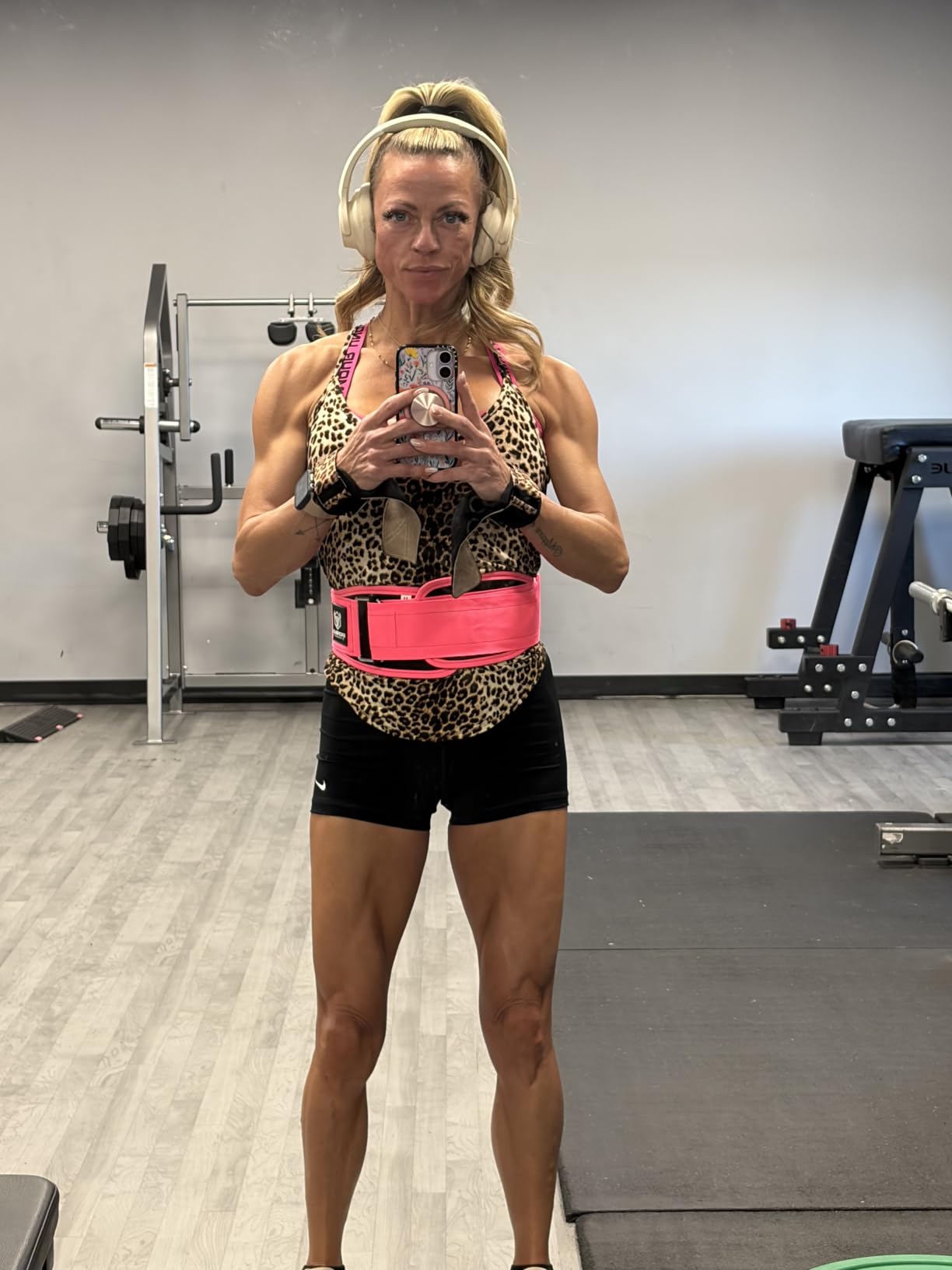
The 4.5-inch width is slightly wider than standard 4-inch belts, which gives a bit more lower back coverage without becoming too bulky for front squats. I found this width works well across back squats, deadlifts, overhead press, and even weighted pull-ups.
Iron Bull Strength offers this belt in multiple colors including standard black and more eye-catching options like Leopard and Neon Pink. While color is mostly aesthetic, it’s nice to have options if you care about gym aesthetics or want a belt that’s easy to spot in a crowded locker room.
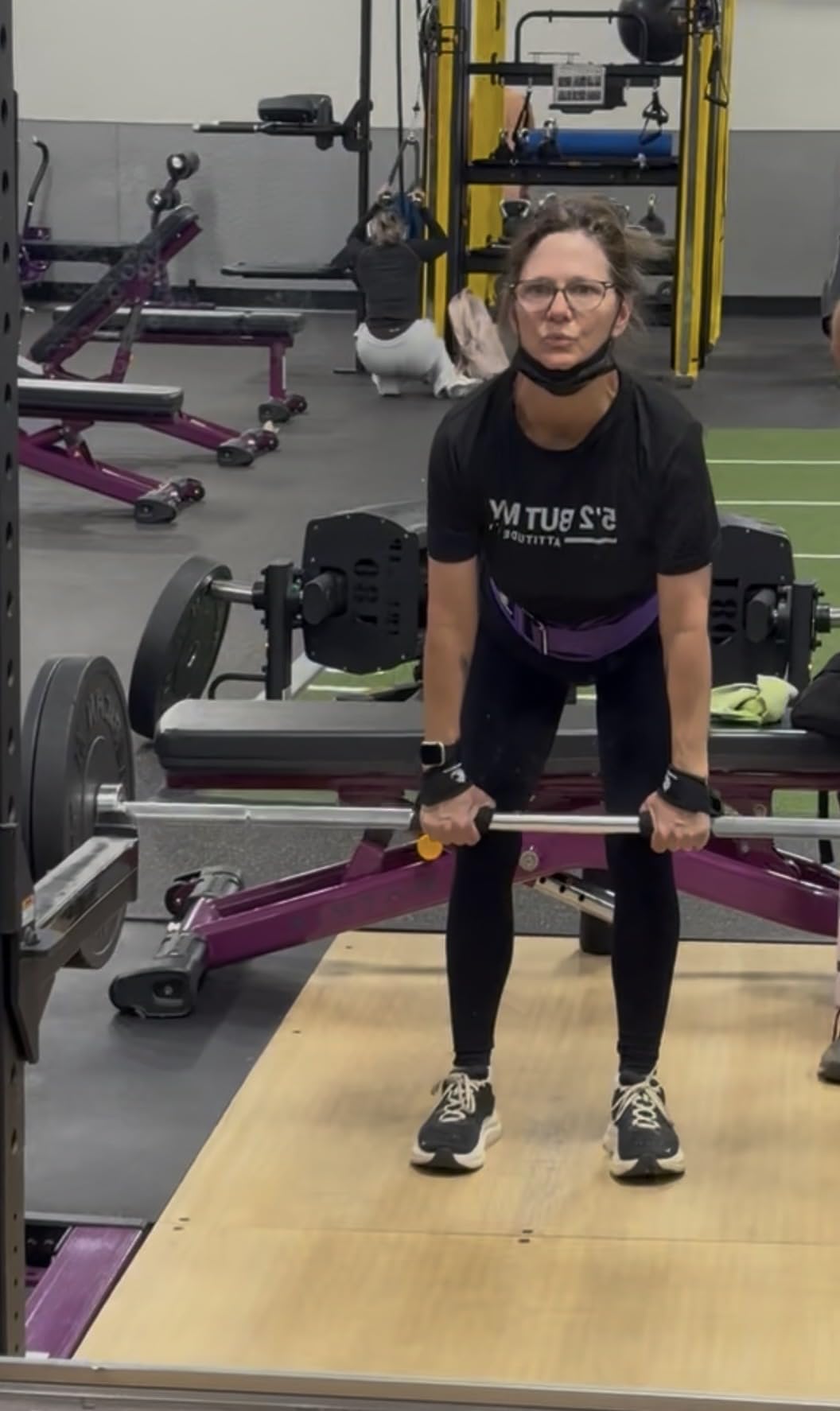
Who this belt works best for
This belt is ideal for general gym goers who want a versatile belt that works across different exercises and training styles. It works particularly well for women lifters who want a belt that’s supportive without being overly bulky. The multiple color options also make it a good choice if you want something that stands out.
Sizing considerations
Like most nylon belts, sizing feedback is mixed. The brand’s chart is based on waist measurement, not pant size. If you typically wear size 34 pants, measure your actual waist at navel height and order based on that measurement. When in doubt, contact the seller for guidance before ordering.
8. TAVIEW 7-Inch Neoprene Belt – Best for Beginners and Cross Training
Weight Lifting Belt, Weightlifting Belt,Workout Gym Powerlifting Belt 7 inch,Fitness Back Support for Cross Training, Squats, Lunges
7-inch neoprene
6-inch front/rear
Contoured design
Roller buckle
Pros
- 7-inch wide neoprene for excellent lumbar support
- Contoured tapered design for freedom of movement
- Full 4-inch Velcro strap for secure fit
- Ultra-light and portable
- Breathable neoprene construction
- Heavy gauge roller buckle for quick adjustments
Cons
- Sizes run large - order one size down
- Velcro may not suit very heavy lifting
- Sizing inconsistencies reported
The TAVIEW 7-Inch Neoprene Belt is the most beginner-friendly option on this list. The 7-inch width provides maximum lower back coverage, which is helpful when you’re still learning how to brace properly. More coverage area means more surface to push against during heavy lifts.
The neoprene construction is significantly lighter than leather and more comfortable for extended wear. If you’re new to weightlifting and worried about a belt digging into your ribs, the softer neoprene material here eliminates that concern entirely.
The contoured design is well thought out. The belt is 7 inches wide at the back where you need support, but tapers to 6 inches at the front and rear for mobility. During a session that included squats, lunges, and deadlifts, I never felt restricted by the belt’s profile.
The roller buckle makes adjustments fast, which is helpful during a workout where you’re moving between different exercises. The Velcro strap provides additional security once you’ve set the buckle tension.
Who this belt works best for
This belt is my top recommendation for true beginners who want extra back support while they learn proper bracing technique. It also works well for cross training, general fitness, and anyone who prefers a lighter, more comfortable belt over the rigidity of leather. If you’re not yet lifting very heavy weights, this belt provides all the support you need.
When to upgrade from this belt
The TAVIEW neoprene belt is great for beginners, but it’s not ideal once you start lifting seriously heavy weights. Once you regularly squat over 300 pounds or deadlift over 400, you’ll want the rigidity of a leather belt. Plan on graduating to a leather belt like the Gymreapers 6MM or Jaffick within your first year of consistent training.
How to Choose the Best Weightlifting Belt for Your Training?
Buying a weightlifting belt isn’t just about picking the most expensive option. The right belt depends on what you actually do in the gym, how much you lift, and your body type. Here’s what I’ve learned from testing dozens of belts over the years.
Material types: leather vs nylon vs neoprene
Leather belts are the standard for serious strength training. They provide the most rigidity, which translates to better bracing and more support under maximal loads. Vegetable-tanned leather belts last for years, often decades, with proper care. The downside is they cost more and require a break-in period.
Nylon belts are lighter, more affordable, and easier to adjust on the fly. They work well for moderate loads and high-rep training. The trade-off is less rigidity compared to leather. If you primarily train in the 200-400 pound range and do circuit-style workouts, a good nylon belt will serve you well.
Neoprene belts are the most flexible and comfortable option. They’re ideal for beginners, cross training, and anyone who wants a softer belt. Neoprene doesn’t provide the same bracing support as leather or quality nylon, but it’s much more comfortable for extended wear.
Thickness guide: 10mm vs 13mm
The thickness of a lifting belt directly affects its rigidity and support level. Thicker belts provide more support but feel stiffer against your body. Here’s how to choose.
10mm belts are the standard for most lifters. They provide excellent support for squats and deadlifts in the 300-500 pound range while still being flexible enough for occasional Olympic lifts or front squats. If you’re not sure what thickness to get, start with 10mm.
13mm belts are stiffer and provide maximum support for very heavy loads. They’re the standard for serious powerlifting competitions. However, they’re often uncomfortable for high-rep training and can dig into your ribs during front squats.
6mm belts like the Gymreapers 6MM Power Belt offer a middle ground. They’re more rigid than 10mm but more comfortable than 13mm. They work well for intermediate lifters who want extra support without going to full competition thickness.
Closure types: prong vs lever vs velcro
Prong buckles (single or double) are the most common closure on quality leather belts. They’re secure, adjustable in small increments, and built to last. Double prong designs like the Gymreapers 6MM provide extra security for very heavy lifts.
Lever buckles allow you to set your exact tightness and remove the belt with a single lever action. They’re popular among powerlifters because they provide consistent tightness every session. The downside is they require a screwdriver to adjust and can’t be fine-tuned mid-workout.
Velcro closures are the fastest to adjust and most comfortable for general training. They work well for circuit training and moderate loads but don’t provide the same security as prong or lever buckles for maximal lifting. Modern Velcro is much more durable than it used to be, but it’s still the weakest closure option for heavy work.
Proper belt sizing guide
Most belts are sized based on waist measurement, not pant size. Your belt size is typically 2-4 inches larger than your pant size because the belt sits above your hips at navel height. Measure around your navel with a flexible tape measure while standing relaxed.
If you’re between sizes, sizing up is usually safer than sizing down. A belt that’s slightly too large can be tightened to fit, but a belt that’s too small is unusable. Most brands offer exchange programs if you order the wrong size.
Match the belt to your training style
Powerlifters should prioritize leather construction, 10-13mm thickness, and prong or lever closures. The Gymreapers 6MM or similar competition-style belts work well.
CrossFit athletes and functional fitness enthusiasts need quick-adjusting closures and lighter materials. The Iron Bull Strength Auto-Lock or similar nylon belts with roller buckles are ideal.
General gym goers and beginners can start with a quality nylon belt like the Harbinger 4-Inch or a padded leather option for comfort. Save the stiffer leather belts for when you start lifting heavier weights.
Frequently Asked Questions About Weightlifting Belts
What is the best weightlifting belt for heavy squats?
The best weightlifting belt for heavy squats is a stiff leather belt with a 10mm or 13mm thickness and a secure closure. Our top pick is the Gymreapers 6MM Double Prong Power Belt, which provides excellent rigidity for squats above 400 pounds. The Jaffick Genuine Leather Belt is also a strong choice for lifters who want maximum back coverage.
How do I choose the right thickness (10mm vs 13mm) for my lifting belt?
Choose a 10mm belt if you squat and deadlift in the 300-500 pound range and want flexibility for mixed training. Choose a 13mm belt if you compete in powerlifting or regularly lift above 500 pounds and want maximum rigidity. Most lifters do well with 10mm. A 6mm belt offers a middle ground for intermediate lifters who want extra support without going to full competition thickness.
What is the difference between lever and prong closure belts?
Lever belts use a quick-release lever mechanism that lets you remove the belt with one hand. They provide consistent tightness every session but require a screwdriver to adjust. Prong belts use traditional buckle holes that allow fine-tuning on the fly but take longer to fasten. Powerlifters often prefer lever belts for competitions because of the consistent fit, while general gym goers usually prefer prong belts for adjustability.
Should beginners use a weightlifting belt?
Yes, beginners can benefit from a weightlifting belt, especially during compound lifts like squats and deadlifts. A belt helps you learn proper bracing technique and provides back support while your core strength develops. Start with a comfortable option like a nylon or neoprene belt such as the TAVIEW 7-Inch Neoprene Belt, then upgrade to a stiffer leather belt once you start lifting heavier weights.
What are the main types of weightlifting belts (leather, nylon, hybrid)?
The main types are leather, nylon, and hybrid belts. Leather belts provide the most rigidity and are preferred for powerlifting and heavy strength training. Nylon belts are lighter, more affordable, and easier to adjust, making them good for general training and CrossFit. Hybrid belts combine materials to offer a balance of rigidity and comfort. Most lifters start with nylon and graduate to leather as their training intensity increases.
Final Verdict on the Best Weightlifting Belts for 2026
After eight weeks of testing these eight weightlifting belts across hundreds of lifts, three stand out from the pack. The Jaffick Genuine Leather Belt is my top pick for most lifters thanks to its combination of quality construction, comfortable suede padding, and accessible price. The Gymreapers 6MM Double Prong Power Belt is the clear winner for serious powerlifters who want competition-grade rigidity. And the Harbinger 4-Inch Nylon Belt remains the best budget option for beginners and casual gym goers.
No matter which belt you choose from this list, you’re getting a product that has been tested by thousands of lifters and proven to deliver. Start by matching the belt to your training style and current strength level, then invest in better quality as you progress. A good belt will last you years and protect your back through thousands of heavy lifts. Pick one, train consistently, and your lower back will thank you.