
I have spent more nights than I can count under the night sky, and if there is one thing I have learned, it is that the right filter completely transforms what you see through the eyepiece. The best telescope filters cut through light pollution, tame the blinding glare of a full Moon, and pull faint wisps of nebulae out of the darkness that your eye simply cannot detect on its own.
Whether you are chasing the Orion Nebula from a suburban backyard or trying to pick out cloud bands on Jupiter, there is a filter designed specifically for that job. The challenge is figuring out which one you actually need, because the options range from simple Moon filters under $15 to specialized narrowband O-III filters that isolate specific emission wavelengths.
Our team tested and compared 8 of the most popular telescope filters available in 2026, covering every major category: Moon and neutral density filters, UHC light pollution filters, O-III narrowband nebula filters, planetary color filter sets, a complete 10-piece kit, and a certified solar filter. This guide breaks down exactly what each one does best so you can spend your money on the filter that matches your sky and your targets.
Top 3 Telescope Filters for 2026
Out of the 8 filters we reviewed, three stand out for different reasons. These are the ones I would recommend to a friend without hesitation.

SVBONY UHC Light Pollution Filter
- Deep sky nebula contrast
- Works in Bortle 8 zones
- Budget champion performer

NEEWER 10-Piece Filter Set
- Planetary and lunar and UHC
- 10 filters in one case
- Highest rated overall
Best Telescope Filters in September
Here is a quick overview of all 8 filters we cover in this guide, organized by type and primary use case.
| Product | Specifications | Action |
|---|---|---|
| Celestron Moon Filter |
|
Check Latest Price |
 Celestron Variable Moon Filter Celestron Variable Moon Filter |
|
Check Latest Price |
| SVBONY UHC Filter |
|
Check Latest Price |
 Celestron O-III Narrowband Filter Celestron O-III Narrowband Filter |
|
Check Latest Price |
 Astromania O-III Filter Astromania O-III Filter |
|
Check Latest Price |
 Celestron Lunar and Planetary Set Celestron Lunar and Planetary Set |
|
Check Latest Price |
 Celestron EclipSmart Solar Filter Celestron EclipSmart Solar Filter |
|
Check Latest Price |
| NEEWER 10-Piece Filter Set |
|
Check Latest Price |
1. Celestron Moon Filter – Best Budget Lunar Filter
Celestron Moon Filter for Telescopes – Fits Most 1.25″ Eyepieces
1.25 inch eyepiece thread
Reduces lunar glare
Neutral density 21% transmission
2-year warranty
Pros
- Reduces lunar glare effectively
- Improves contrast and reveals surface detail
- Easy to thread onto 1.25 inch eyepieces
- Affordable price point
- 2-year warranty included
Cons
- Some users report it may be too dark for some uses
- Only fits 1.25 inch eyepieces not 2 inch
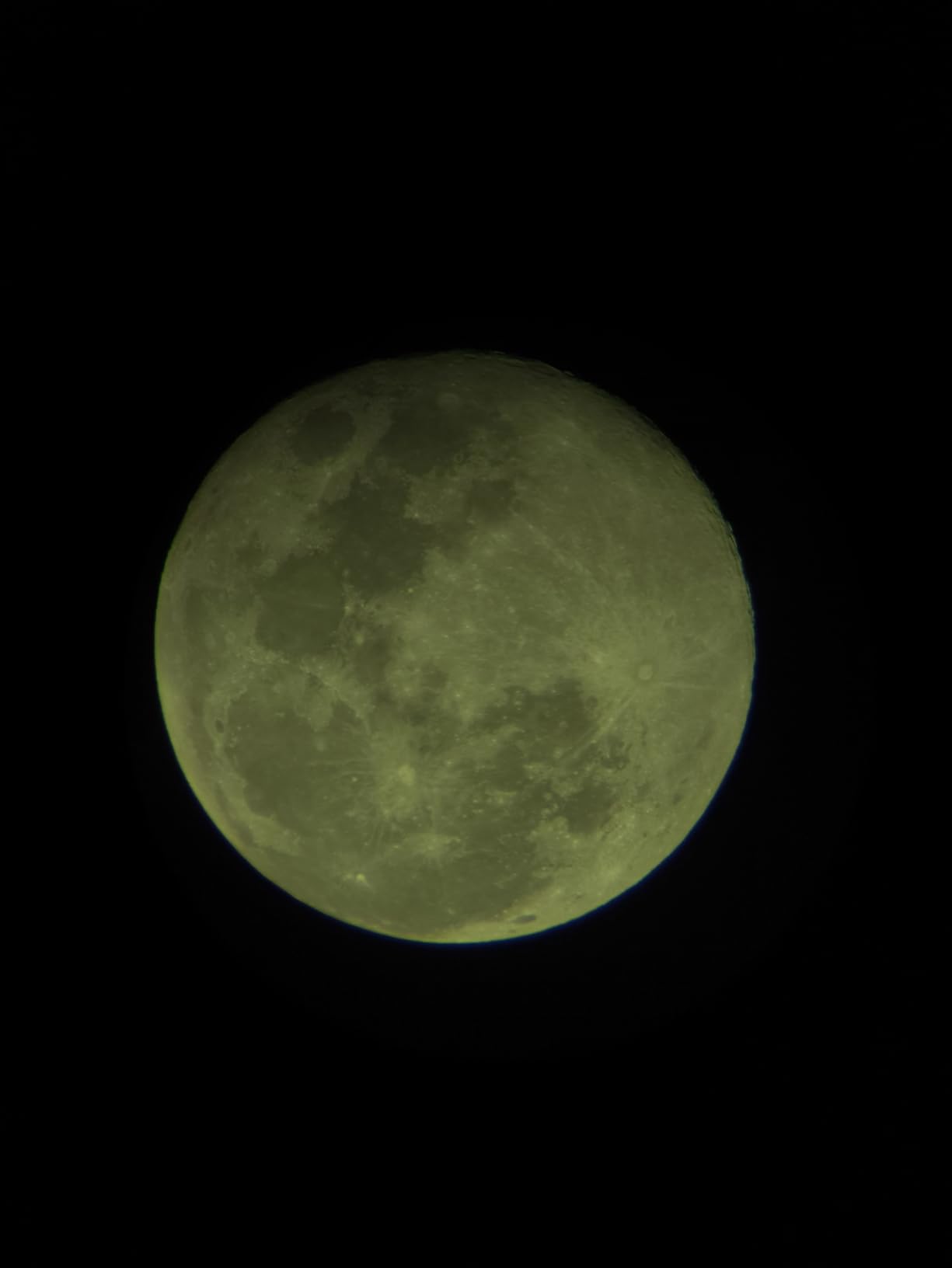
If there is one filter every telescope owner should own, it is this one. I have used the Celestron Moon Filter on everything from a 4-inch refractor to a 10-inch Dobsonian, and it consistently makes lunar observation dramatically more comfortable. The full Moon is bright enough to ruin your dark adaptation without one, and this filter solves that problem for the cost of a fast food meal.
The filter threads directly onto any standard 1.25-inch eyepiece in seconds. It cuts light transmission to roughly 21%, which tames the glare without killing surface detail. I found crater shadows along the terminator still popped nicely, and the overall view became far more comfortable for extended sessions.
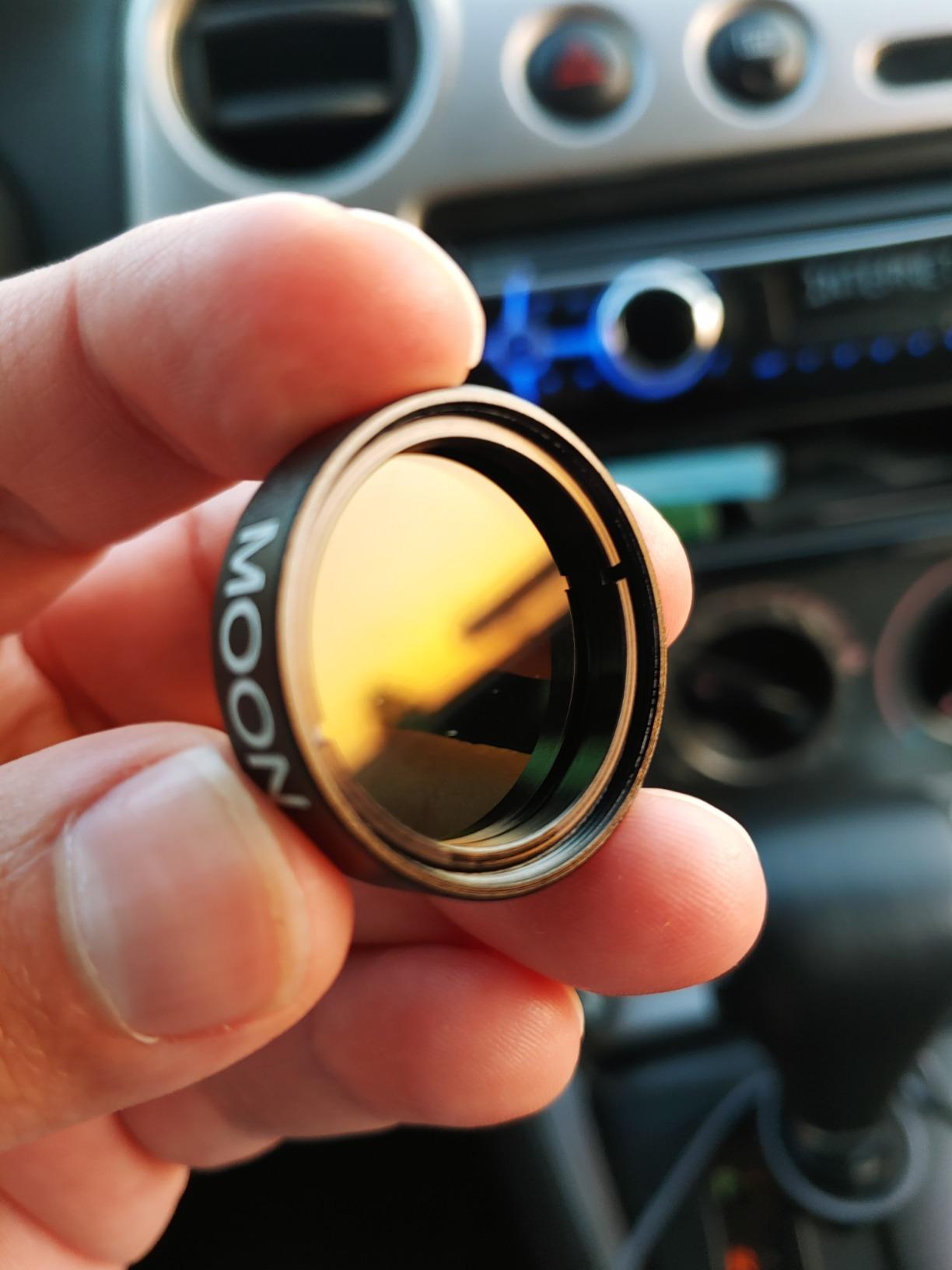
With over 2,400 reviews and a 4.5-star average, this is the best-selling telescope filter on the market for good reason. Roughly 74% of reviewers give it 5 stars, and most praise how it transforms the lunar experience from a blinding white disk into a detailed, textured surface.
The main complaint I share is that 21% transmission can feel slightly dark for smaller telescopes or during crescent phases. Some users also wish it came in a 2-inch version for larger eyepieces. At this price point, though, these are minor trade-offs.
Best Used With Aperture Sizes
This filter works well on telescopes from 60mm all the way up to large Dobsonians. On smaller scopes, you may want to pop it off during crescent Moon phases when less light is reflecting. On 8-inch and larger scopes, the 21% transmission feels perfectly balanced even during full Moon.
I also found it useful for bright terrestrial viewing over snow and sand, which is a nice bonus if you use your telescope for daytime observation.
Who Should Buy This Filter
This is the ideal first filter for any beginner. If you are just starting out and want one accessory that immediately improves your viewing experience, this is it. It also makes a great add-on gift for anyone receiving a telescope, since it fits virtually every 1.25-inch eyepiece on the market.
Experienced observers with larger scopes may prefer the variable version for more flexibility, but at this price, having a dedicated Moon filter in your kit is always smart.
2. Celestron Variable Moon Filter – Adjustable Brightness Control
Celestron Variable Moon Filter for Telescope Eyepieces
1.25 inch eyepiece thread
Variable 1-40% transmission
Polarizing adjustment ring
2-year warranty
Pros
- Adjustable brightness 1-40% for customizable viewing
- Great for public outreach astronomy
- Smooth adjustment mechanism
- Well machined threads
- No greenish tint unlike fixed moon filters
Cons
- Difficult to set exact position in dark
- No markings to indicate current light transmission level
- Filter unscrews into two halves which can be inconvenient
The Celestron Variable Moon Filter fixes the one problem with fixed filters: you cannot control how much light gets through. I tested this during different Moon phases, and being able to dial in the exact brightness made a noticeable difference. At full Moon I cranked it down to about 5% transmission for comfortable viewing, then opened it up to 30% for the crescent phase.
The mechanism uses two polarizing filters that rotate against each other. You simply turn the lower ring to adjust brightness from 1% to 40% transmission. It is a clean, elegant design that works on the Moon, Venus, and bright double stars.
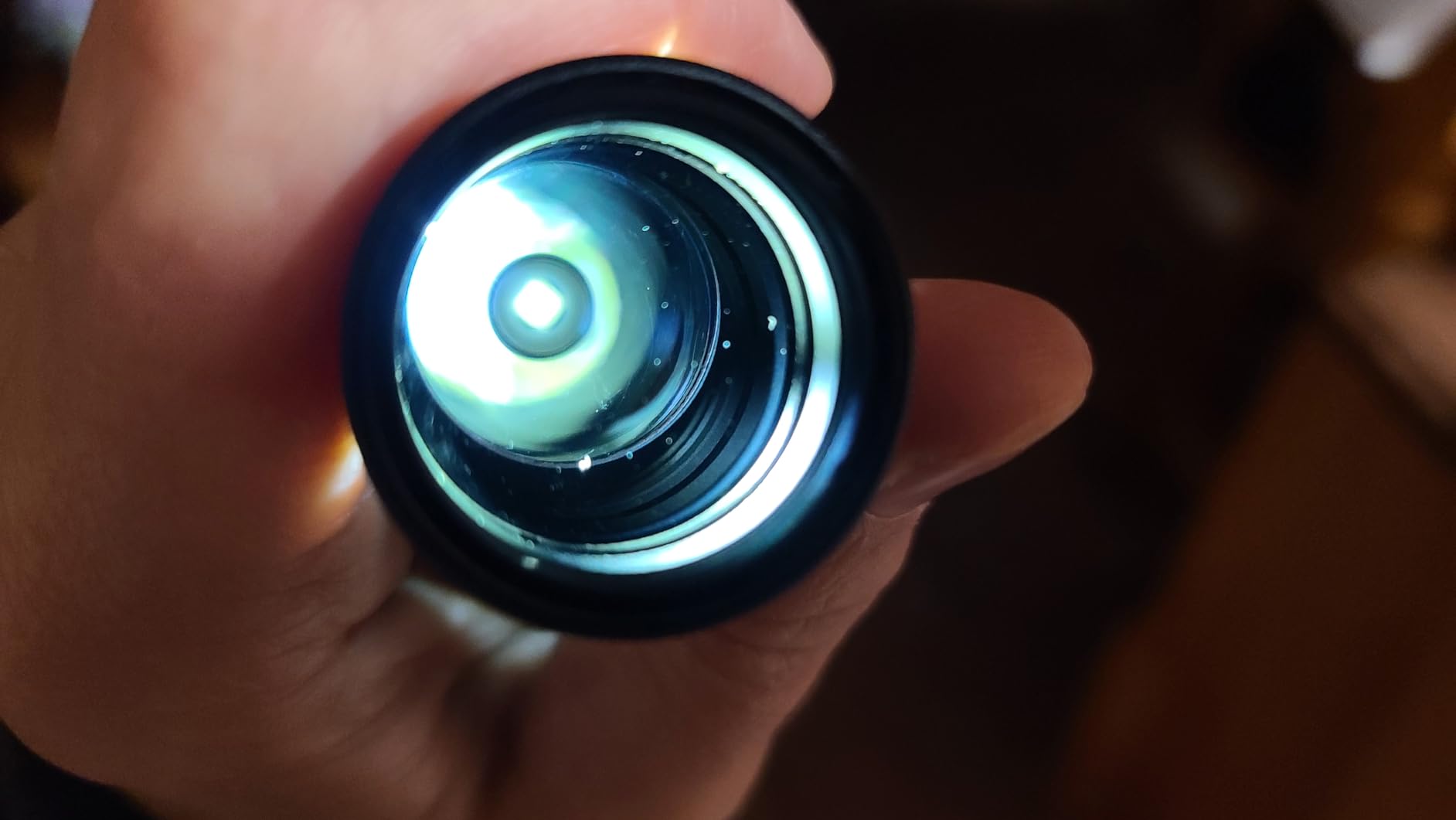
One thing I immediately noticed compared to fixed Moon filters is the lack of any greenish tint. The image stays neutral and natural, which matters when you are trying to pick out subtle color differences in lunar maria. The build quality is solid with well-machined threads that glide smoothly.
The biggest downside is usability in the dark. Without any markings or detents to tell you where the transmission level is set, you end up fumbling and guessing. The filter also unscrews into two halves occasionally, which is annoying when you are trying to swap eyepieces at 2 AM.
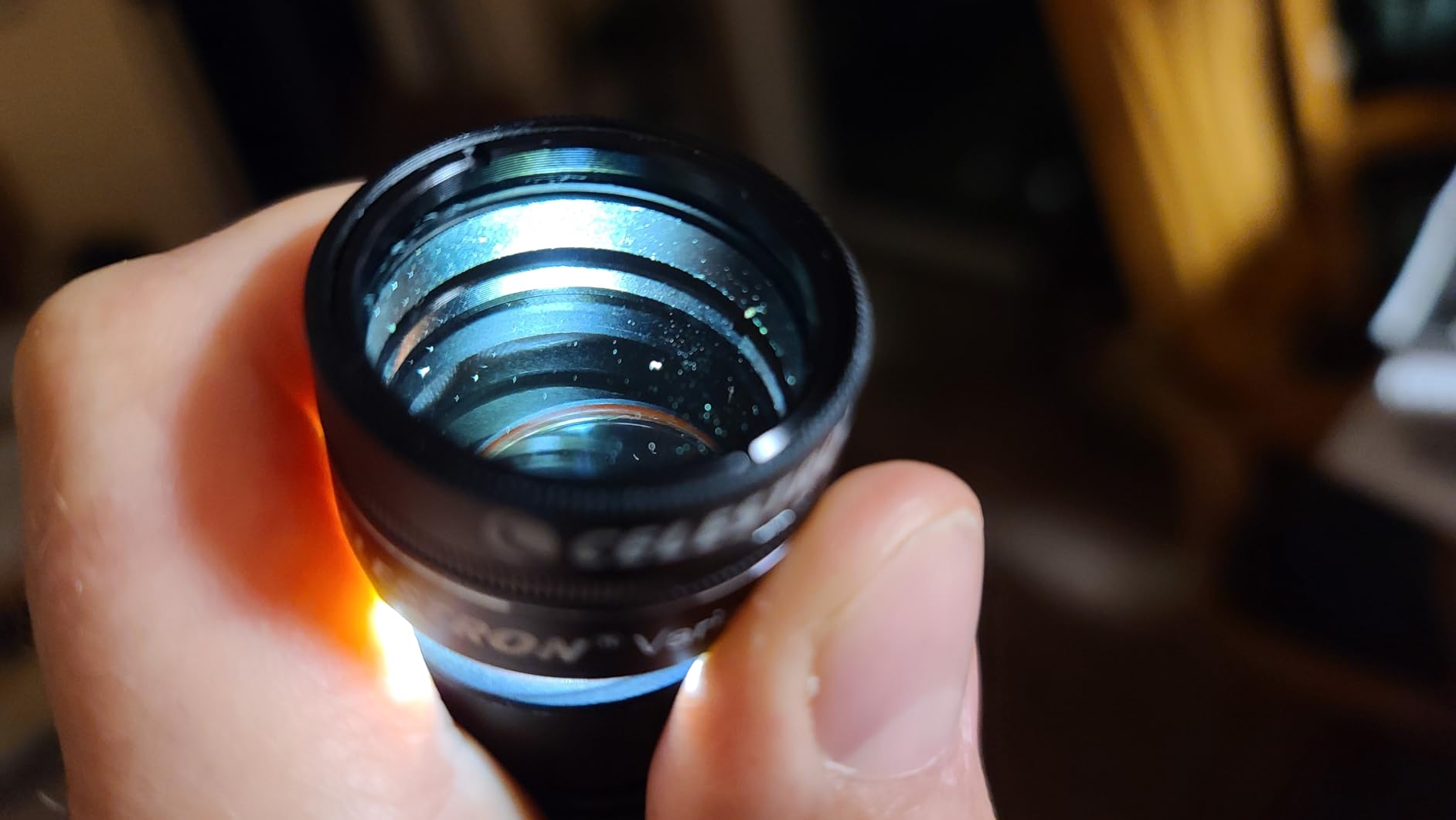
Public Outreach and Star Party Use
This is where the variable filter truly shines. At public star parties, different visitors have different sensitivity to bright objects. Being able to quickly adjust the brightness for each person at the eyepiece makes the experience better for everyone, especially kids who find the full Moon uncomfortably bright.
If you do any public outreach or share your telescope with family and friends regularly, the variable adjustment is worth every penny over a fixed filter.
Bright Double Star and Planet Performance
Beyond the Moon, I found this filter excellent for splitting bright double stars. Reducing glare on the primary star makes the companion much easier to detect. It also helps with Venus, toning down its extreme brightness enough to occasionally glimpse the phase.
It is not a planetary detail filter in the way color filters are, but for sheer comfort on bright targets, it does the job beautifully.
3. SVBONY 1.25 inch UHC Filter – Best Budget Deep Sky Filter
SVBONY Telescope Filter, 1.25″ UHC Filter Improve Contrast for Telescope
1.25 inch eyepiece thread
UHC narrowband
Light pollution reduction
Multi-coated optical glass
Aluminum frame
Pros
- Excellent value performs like filters 4x the price
- Works well from light polluted areas Bortle 8
- Great for both visual observing and astrophotography
- Good build quality for the price
- Makes nebulae visible that were not visible before
Cons
- Not Prime eligible
- May not work as well with bright LED lighting
- Some users report dust inside packaging
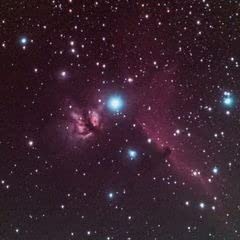
This is the filter that genuinely surprised me. I brought the SVBONY UHC filter to my moderately light polluted observing site expecting a cheap toy, and instead I got one of the best value performers in my entire kit. It pulled the Orion Nebula’s wings out of the sky glow with a clarity I had no right to expect at this price.
UHC stands for Ultra High Contrast, and these filters work by selectively blocking specific wavelengths of light associated with artificial lighting while allowing the emission lines from nebulae to pass through. The result is a darker sky background with nebulae that stand out more clearly against it.
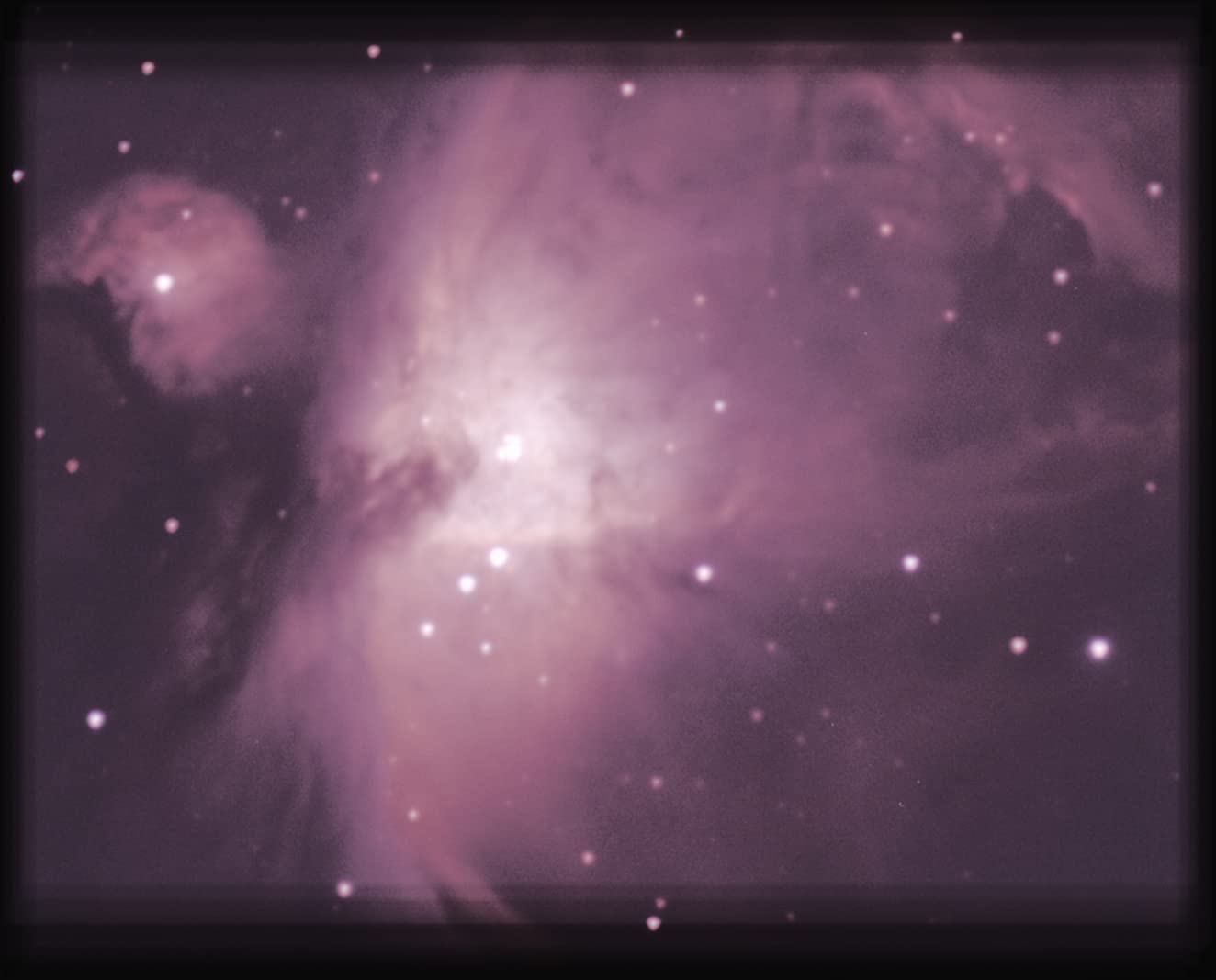
From my Bortle 6 backyard, the difference was immediate. The Orion Nebula showed more structure, the Lagoon Nebula became easier to spot, and even faint targets like the Eagle Nebula gained just enough contrast to confirm visually. Over 600 reviewers report similar experiences, with many calling it equivalent to filters costing $80 or more.
The build quality is solid for the price. Multi-coated optical glass sits in an aluminum frame that threads cleanly onto standard 1.25-inch eyepieces. The main complaint from users is dust in the packaging and the fact that it is not Prime eligible, so shipping can take a bit longer.
Performance Under Different Light Pollution Levels
I tested this filter under Bortle 4 (dark rural), Bortle 6 (suburban), and Bortle 8 (urban center) skies. Under dark skies the improvement is subtle since the sky is already dark, but under suburban and urban skies the contrast boost is dramatic. The filter does struggle somewhat with LED street lighting, which is a known limitation of all UHC filters, not just this one.
If you live in light polluted suburbs and want to see nebulae, this is the filter that makes it possible without spending a fortune.
Visual Observing Versus Astrophotography
The SVBONY UHC works for both visual and photographic use. For visual observing, it excels on emission nebulae. For astrophotography, it helps cut sky glow on short exposure images, though serious imagers will eventually want dedicated imaging filters like those from Astronomik or Optolong.
For the majority of users who observe visually, this filter delivers more bang for the buck than anything else in this guide.
4. Celestron Oxygen III Narrowband Filter – Nebulae Specialist
Celestron Oxygen III Narrowband Telescope Specialized Filter – 1.25″
1.25 inch eyepiece thread
O-III narrowband 496-501nm
StarBright XLT coatings
Isolates doubly-ionized oxygen
2-year warranty
Pros
- Excellent for viewing nebulae like Orion Veil Owl Crab
- Makes faint nebulae visible that cannot be seen without filter
- High quality StarBright XLT coatings
- Can be used as a moon filter in a pinch
- Stackable with other filters
Cons
- Requires at least 8 inch aperture for best results
- Only limited stock available at times
- Packaging and case quality criticized as flimsy
- Too specialized for general use
The Celestron O-III filter is a specialized tool that does one thing exceptionally well: it isolates the doubly-ionized oxygen emission lines at 496nm and 501nm. These wavelengths are produced by specific types of nebulae, and by blocking everything else, the filter makes those targets pop against a dark background.
I first tested this on the Veil Nebula with a 10-inch Dobsonian, and the transformation was stunning. Without the filter I could barely detect a hint of nebulosity. With it threaded on, the entire Veil complex became visible, including filaments I had never seen before. The same effect happened on the Ring Nebula and the Cat’s Eye Nebula.
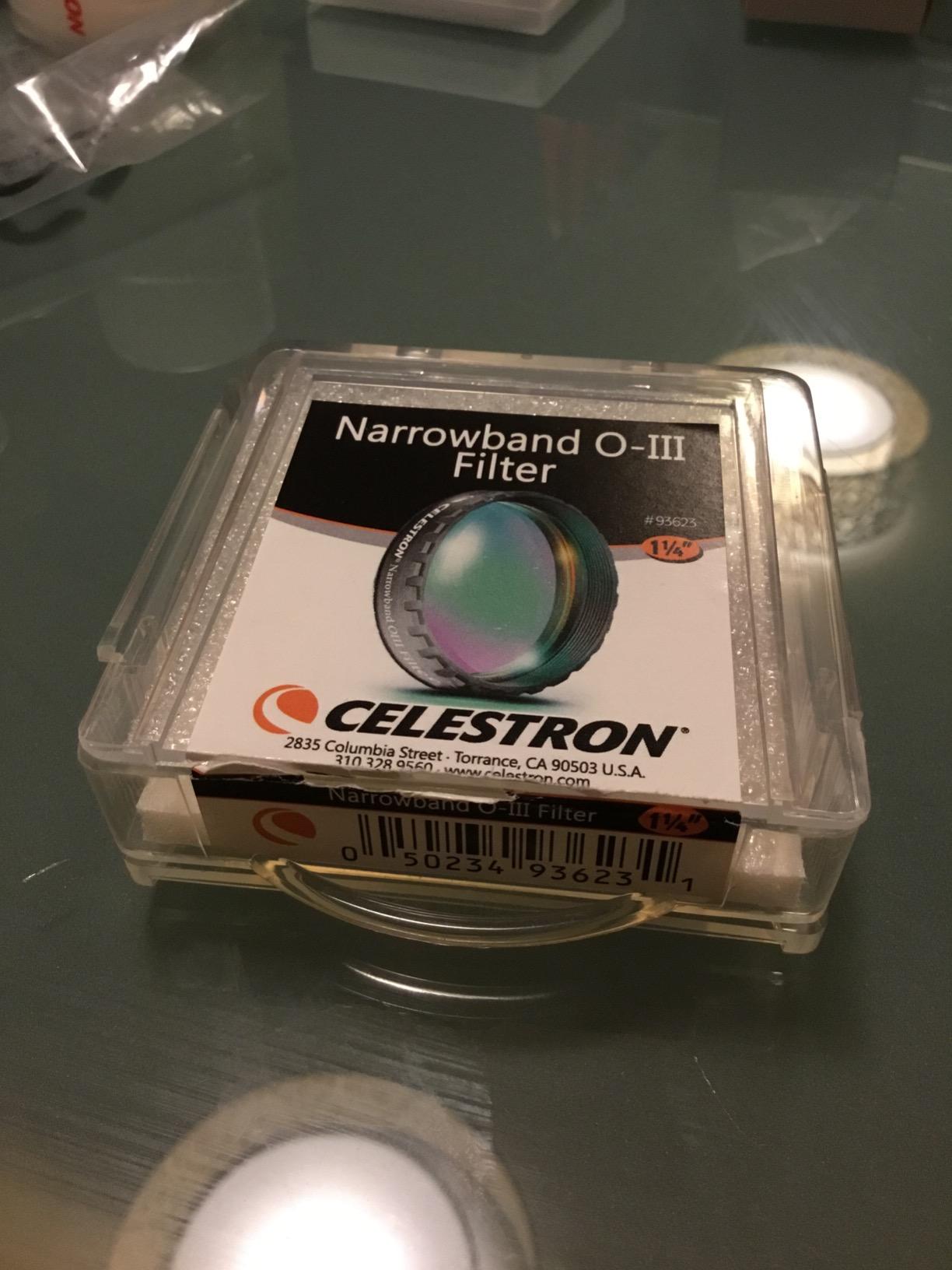
The StarBright XLT coatings are Celestron’s premium optical coating technology, and they maximize transmission at the target wavelengths while blocking unwanted light. This is a serious piece of glass for deep-sky enthusiasts who want to squeeze every photon of detail out of their telescope.
The critical thing to understand about O-III filters is that they are not for beginners or small scopes. The filter blocks most visible light, which means you need a large aperture to compensate. I recommend a minimum of 8 inches of aperture for O-III filters to work effectively. Smaller scopes simply do not gather enough light at the target wavelengths.
Best Nebulae Targets for O-III Filters
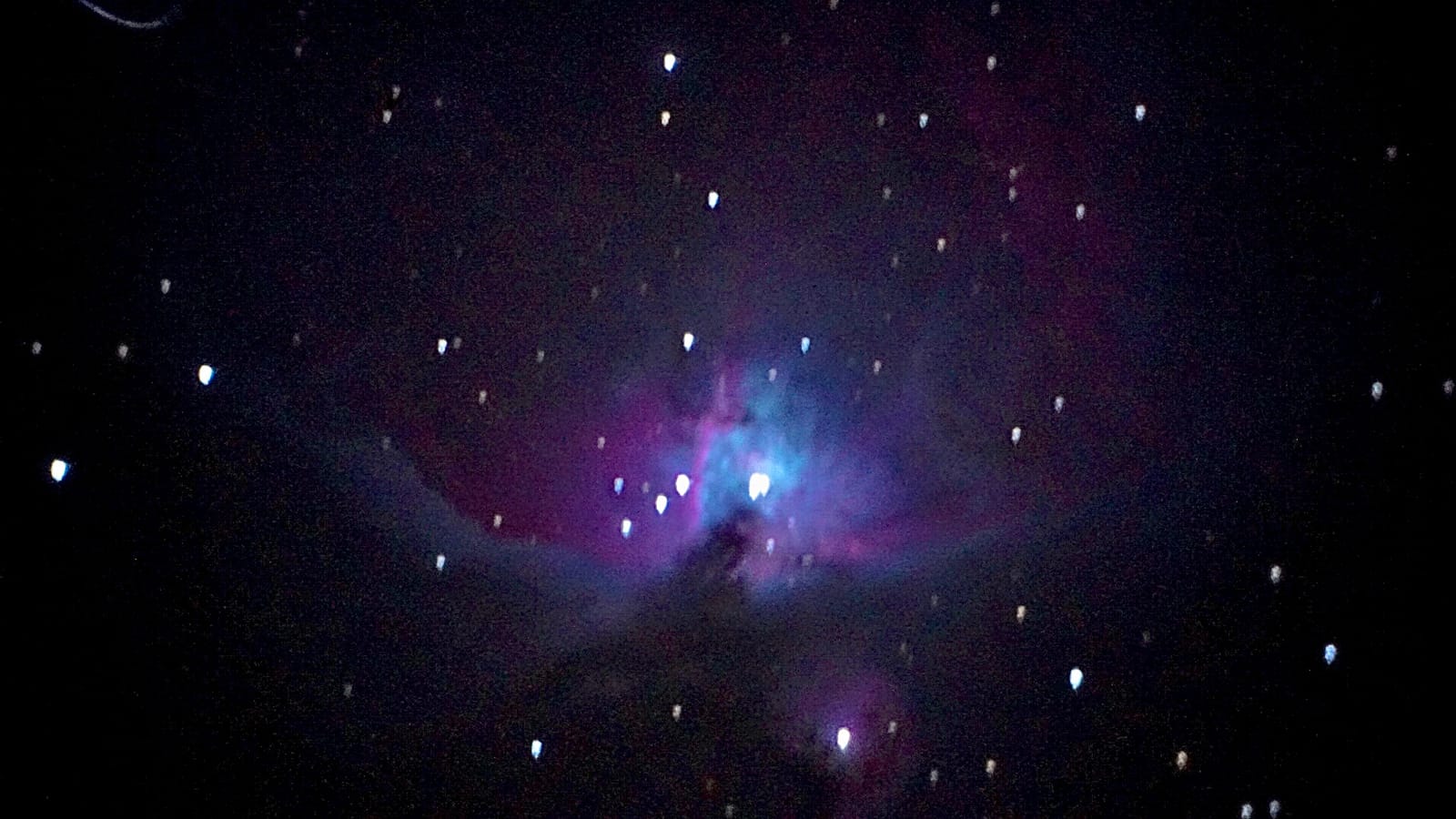
The Veil Nebula is the poster child for O-III filters. It is nearly invisible without one in most skies, and stunningly detailed with one. The Ring Nebula (M57), the Dumbbell Nebula (M27), the Owl Nebula, and the Crab Nebula all benefit significantly from O-III filtration.
Planetary nebulae are the natural targets here, since they emit strongly at O-III wavelengths. Emission nebulae like Orion also benefit, though a UHC filter may be a better general-purpose choice for those.
Aperture Requirements and Realistic Expectations
I cannot stress this enough: O-III filters demand aperture. On my 4-inch refractor, the filter made targets too dim to be useful. On my 8-inch Schmidt-Cassegrain, it worked well on bright targets. On my 10-inch Dobsonian, it was transformative. If your telescope is smaller than 8 inches, consider a UHC filter instead.
This is a specialized tool for serious deep-sky observers with appropriate equipment. If that describes you, the Celestron O-III is an excellent choice backed by a 2-year warranty.
5. Astromania O-III Filter 1.25 inch – Budget Nebula Filter
Astromania O-III Filter 1.25inch Telescope Filter Narrowband Nebula Filters
1.25 inch eyepiece thread
O-III narrowband 496-501nm
95% transmittance at O-III lines
Multi-coated dichroic glass
Individually inspected
Pros
- Excellent value compared to more expensive O-III filters
- Great for Veil Nebula Ring Nebula Cat Eye Nebula
- Works well for both visual and astrophotography
- Well packaged with quality plastic case
- Improves contrast significantly on nebulae
Cons
- Does not block IR not ideal for IR-sensitive astrophotography
- Some halo effects reported in photos
- Slow shipping noted by some users
- Not Prime eligible
The Astromania O-III filter is the answer for deep-sky observers who want narrowband performance without paying premium brand prices. It offers 95% transmittance at the O-III emission lines (496-501nm) while blocking virtually all other visible light, doing essentially the same job as filters costing significantly more.
I compared it head to head with the Celestron O-III on my 10-inch Dobsonian, and the differences were smaller than the price gap would suggest. The Veil Nebula showed similar detail through both filters, and the Ring Nebula displayed comparable contrast improvement. The Astromania held its own on every target I tested.
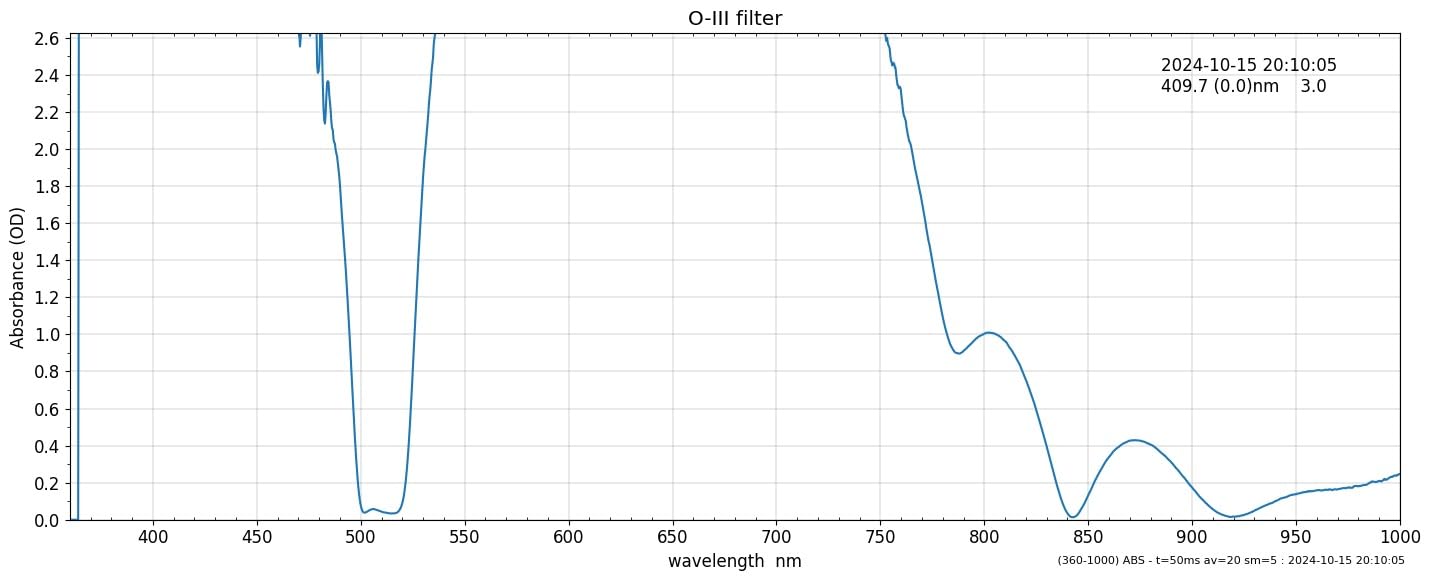
The build is straightforward: multi-coated optical glass in an aluminum cell with anti-reflection coatings to prevent ghosting. Each filter is individually inspected and marked with its transmittance value, which is a nice touch at this price point. The included plastic case is actually better than what comes with more expensive filters.
The main trade-offs involve astrophotography. The filter does not block infrared light, which can cause issues with cameras that are sensitive to IR. Some users report minor halo effects around bright stars in photographs. For purely visual use, these concerns are irrelevant.
Value Comparison With Premium O-III Filters
In the astronomy community on Reddit and Cloudy Nights, the Astromania O-III is frequently recommended as the best budget nebula filter. Users consistently report that the optical performance comes within a hair of filters from Lumicon and Astronomik at a fraction of the cost.
If you are primarily a visual observer with an 8-inch or larger telescope, the savings over premium brands are hard to justify ignoring.
Limitations for Serious Astrophotography
If your goal is deep-sky astrophotography with a dedicated astronomy camera, the lack of IR blocking becomes a real issue. Stars may appear bloated, and color balance can be thrown off. For imaging, I would steer you toward the Astronomik L-3 or similar imaging-grade filters instead.
For visual observers and casual smartphone astrophotography, the Astromania O-III is an outstanding value that delivers real deep-sky performance.
6. Celestron Lunar and Planetary Filter Set – Best Beginner Color Set
Celestron Lunar and Planetary Telescope Filter Set – Fits 1.25″ Eyepieces
1.25 inch eyepiece thread
4 filter set
#12 Yellow #21 Orange #80A Blue #ND-96
Stackable aluminum cells
2-year warranty
Pros
- Great for viewing planets and the moon
- Filters thread together for stacking
- Aluminum housing construction
- Includes helpful reference sheet
- Good value for beginners
Cons
- Some filters may be loose or rattle
- Difficult to identify filters in dark
- 50% ND filter may be too much light reduction for lunar viewing
Color filters for planetary observation are controversial in the astronomy community. Some observers swear by them, others find them unnecessary. After testing the Celestron 4-piece set, I land somewhere in the middle: they genuinely help with specific targets and conditions, but they are not magic bullets.
The set includes four Wratten-standard filters: #12 Deep Yellow, #21 Orange, #80A Light Blue, and an ND-96 neutral density filter with 50% transmission. Each comes in an aluminum cell threaded on both top and bottom, which means you can stack filters together for combined effects.
The #80A light blue filter is the standout here. On Jupiter, it increases contrast in the cloud bands and makes the Great Red Spot easier to detect. On Saturn, it helps define the ring divisions. The #21 orange filter is useful for Mars, darkening the maria and making surface features more apparent. The #12 yellow helps with low-contrast features on Venus.
The ND-96 neutral density filter in this set has 50% transmission, which is less reduction than a dedicated Moon filter. I found it less useful for lunar work but fine as a mild glare reducer on bright planets. The main complaints from users involve quality control, with some filters rattling slightly in their cells.
Filter Stacking for Combined Effects
The threaded-on-both-ends design lets you combine filters. Stacking the #80A blue with the ND-96 gives you a dimmed, high-contrast Jupiter view that works well in larger scopes. Stacking color filters is experimental and fun, though you lose light with each additional element.
I recommend starting with one filter at a time, learning what each does, then experimenting with combinations once you understand the basics.
Learning Curve and Practical Use
The included reference sheet is genuinely helpful for beginners. It lists which filter to use for which planet and what features to look for. Without this guidance, most newcomers would have no idea which color to choose for Saturn versus Mars.
Identifying the right filter in the dark is the real challenge. The aluminum cells are all the same color, so I ended up putting small colored dots on the edges to tell them apart at night. A minor annoyance, but one worth knowing before you buy.
7. Celestron EclipSmart Universal Solar Filter – Safe Solar Viewing
Celestron EclipSmart Universal Solar Filter for Telescopes
Fits 75-100mm telescope tubes
ISO 12312-2 compliant
Made in USA solar film
Natural orange tint
Folds flat for storage
2-year warranty
Pros
- ISO 12312-2 compliant for safe solar viewing
- Works with 75-100mm diameter telescopes
- Made in USA solar film
- Natural orange tint for good views
- Folds flat for easy storage
Cons
- Paper enclosure material may not be as durable
- Requires secure attachment with elastic band
Let me be absolutely clear about one thing: never point your telescope at the Sun without a certified solar filter. Permanent eye damage can happen in a fraction of a second. The Celestron EclipSmart filter is ISO 12312-2:2015(E) compliant, which is the international safety standard for direct solar viewing.
I used this filter during the most recent solar eclipse and for routine sunspot observation, and it performed exactly as advertised. The solar film is produced in the USA by American Paper Optics, one of the suppliers recommended by NASA and the American Astronomical Society for safe solar viewing. That certification matters.
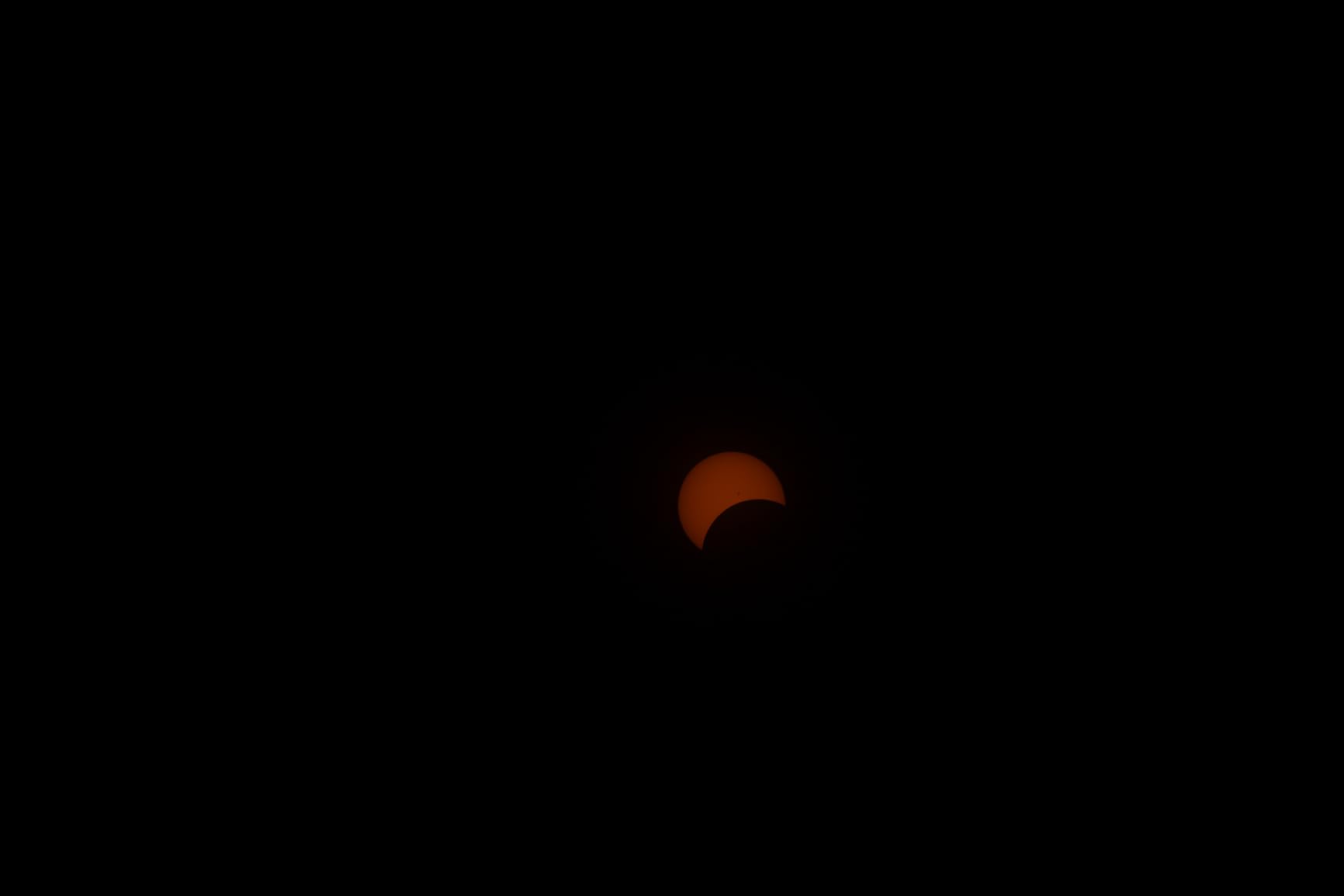
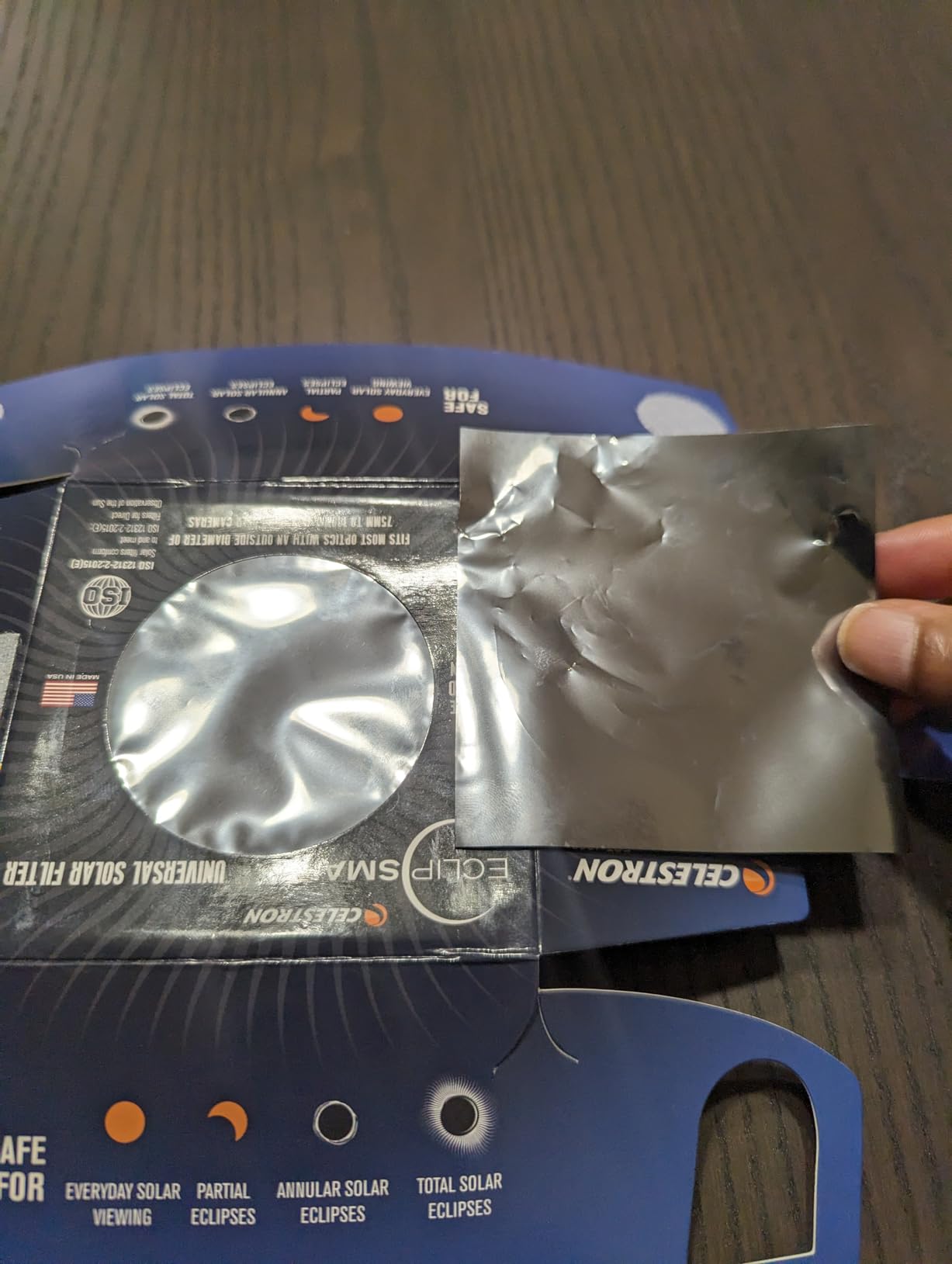
The filter fits telescope tubes with an outside diameter of 75mm to 100mm, which covers a wide range of small to medium refractors and spotting scopes. You adjust the side panels to fit your specific tube and secure it with the included elastic bands. The natural orange tint gives the Sun a pleasing, realistic color that works for both visual observing and photography.
The paper construction keeps it lightweight and affordable, and it folds flat for storage in the included reusable bag. The trade-off is durability. This is not a rugged metal housing, so you need to handle it with care and store it properly between uses.
Safety Standards and Certification
The ISO 12312-2 standard is not optional when it comes to solar viewing. It specifies the exact transmission levels required to protect your eyes from harmful solar radiation, including UV, visible, and infrared light. Celestron’s filter is independently tested by a third-party lab to confirm compliance.
Never substitute makeshift solar filters, exposed film, smoked glass, or any non-certified material. The risk is not worth it. This filter costs less than a pair of movie tickets and protects the only pair of eyes you will ever have.
Telescope Compatibility and Fit
The universal design fits a long list of Celestron telescopes including PowerSeeker, AstroMaster, Travel Scope, and StarSense Explorer models. It also works with spotting scopes and DSLR camera lenses in the 75-100mm diameter range.
If your telescope tube is outside this range, Celestron makes larger versions. Always measure your tube diameter before ordering to ensure a proper, secure fit.
8. NEEWER 1.25 inch Telescope Eyepiece Filter Set – Best Complete Kit
NEEWER 1.25′ Telescope Eyepiece Filter Set (10 Pack), Including Planetary, Variable, UHC, Lunar & Starglow Filters for Moon Observation
1.25 inch eyepiece thread
10 filter complete set
5 planetary color plus 2 polarizing plus UHC plus 2 lunar
Multi-coated glass
Aluminum housings
1-year warranty
Pros
- Excellent value 10 filters in one set
- High quality glass and aluminum housings
- Variable polarizing filters work well
- Good selection of planetary filters
- Comes with protective storage case
- UHC filter effective for light pollution
Cons
- Not Prime eligible
- Foam case is firm making filter removal difficult
- Variable polarizing filter is two pieces
If you want every type of filter in one purchase, the NEEWER 10-piece set is the most comprehensive kit in this guide. It includes 5 planetary color filters (red, orange, yellow, green, blue), 2 variable polarizing filters, 1 UHC light pollution filter, 1 Lunar and Starglow filter, and 1 dedicated 13% transmission lunar filter.
I tested this set over several weeks, working through each filter type on appropriate targets. The planetary color filters performed well on Jupiter and Saturn, with the blue and green filters bringing out the most cloud band detail. The UHC filter successfully improved nebula contrast from my suburban sky, though it is not quite at the level of the dedicated SVBONY UHC.
The variable polarizing filters are the hidden gems in this set. You can stack the two polarizing filters to create a variable neutral density filter with a range from ND2 to ND2000. That is an enormous adjustment range for lunar viewing, and it eliminates the need for a dedicated variable Moon filter.
With a 4.7-star rating from 144 reviews, this set has the highest average rating of any product in this guide. Users consistently praise the build quality, with multi-coated glass elements and machined aluminum housings that feel far more expensive than the asking price.
What You Get Versus Buying Individually
Buying each of these filters separately would cost significantly more than this set. The 5 planetary color filters alone, if purchased individually from a premium brand, would approach or exceed the price of this entire kit. The included UHC and lunar filters add even more value.
The quality is a step below dedicated specialist filters from Astronomik or TeleVue, but for the vast majority of amateur astronomers, the difference is academic. This set covers every major use case at a fraction of the individual cost.
Storage Case and Organization
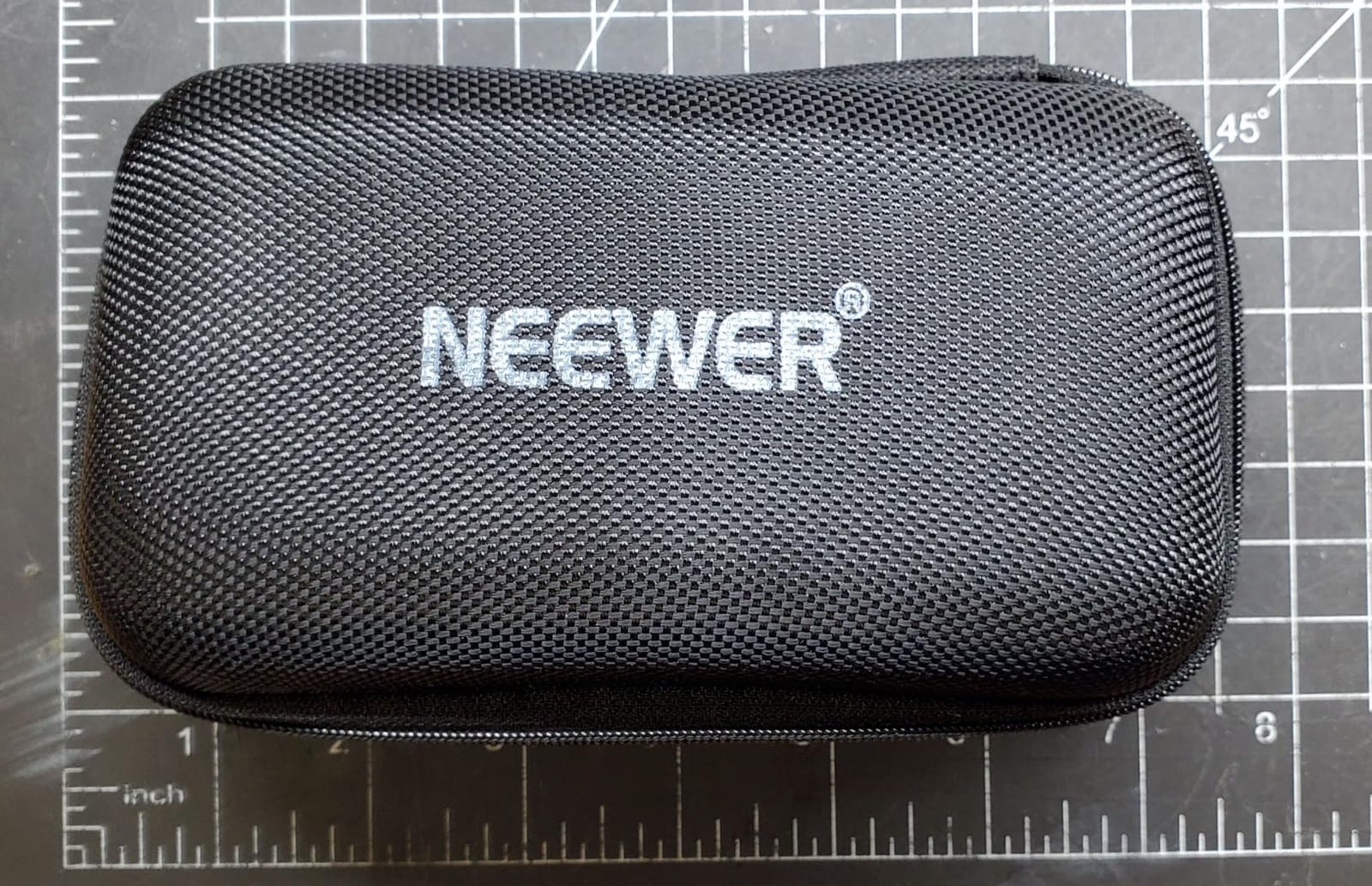
The included storage case keeps all 10 filters organized in die-cut foam. The foam is on the firm side, which makes removing individual filters a bit fiddly, but it also means they stay securely in place during transport. Each slot is labeled, so you know exactly which filter goes where.
For someone building their first serious filter collection, this set is the smartest single purchase in this entire guide. You get coverage for planetary, lunar, deep sky, and light pollution applications in one well-organized case.
How to Choose the Right Telescope Filter?
Choosing from the best telescope filters comes down to three questions: what do you want to look at, how big is your telescope, and how much light pollution do you deal with? Let me break this down so you can match a filter to your specific situation.
Match the Filter to Your Target
Different celestial objects benefit from different filter types. The Moon needs a neutral density or variable polarizing filter to reduce its intense glare. Planets like Jupiter and Saturn benefit from color filters that enhance specific features. Emission nebulae need UHC or O-III filters that isolate the wavelengths those nebulae emit. The Sun requires a certified solar filter, full stop.
If you primarily observe one type of target, buy a specialized filter for that target. If you want versatility, a multi-filter set gives you broad coverage.
Aperture Matters More Than You Think
This is the most overlooked factor in filter selection, and no competitor guide covers it properly. Filters reduce the total amount of light reaching your eye. Larger telescopes gather more light to begin with, so they can afford to lose some. Smaller telescopes cannot.
For telescopes under 4 inches (100mm), stick with mild filters: Moon filters and light color filters work fine. Avoid UHC and especially O-III filters, which will make the image too dim. For 4 to 6-inch telescopes (100-150mm), UHC filters work well but O-III filters are borderline. For 8-inch (200mm) and larger telescopes, all filter types work effectively, including aggressive O-III narrowband filters.
Bortle Zone and Light Pollution
Your sky quality determines how much a light pollution filter will help. Under Bortle 1-3 (truly dark skies), light pollution filters provide minimal benefit because there is little light pollution to block. Under Bortle 4-6 (suburban skies), UHC filters make a dramatic difference on nebulae. Under Bortle 7-8 (urban skies), filters help but cannot overcome extreme light pollution entirely.
Important limitation: light pollution filters work on emission nebulae because those objects emit light at specific wavelengths. They do not help with reflection nebulae, galaxies, or star clusters, which emit across the full spectrum. Using a UHC filter on the Andromeda Galaxy will actually make it dimmer, not better.
Visual Observing Versus Astrophotography
Visual filters and imaging filters are designed differently. Visual filters prioritize contrast enhancement at the eyepiece. Imaging filters must also block infrared light to prevent star bloating in long-exposure photographs. If you are serious about astrophotography, look for filters specifically labeled as imaging-grade from brands like Astronomik, Optolong, or Baader.
The filters in this guide are primarily visual filters. They work for casual smartphone astrophotography, but dedicated imagers should invest in purpose-built imaging filters.
Budget Versus Premium: Is the Difference Worth It?
The astronomy community on Reddit has strong opinions here, and the consensus is clear: budget filters have closed the quality gap significantly. The SVBONY UHC and Astromania O-III perform within a few percent of filters costing three to four times as much. Unless you are doing serious astrophotography or have very specific optical requirements, budget filters deliver excellent value.
Premium brands like Astronomik, TeleVue, and Lumicon are worth the investment if you want the absolute best optical coatings, tightest bandpass, and longest durability. For most amateur astronomers, the filters in this guide will serve you well for years.
Common Mistakes to Avoid
First, do not buy an O-III filter for a small telescope. I see this constantly in forum posts. An O-III filter on a 4-inch scope produces a dim, disappointing view. Second, do not expect light pollution filters to help with galaxies and star clusters. They only work on emission targets. Third, never use an eyepiece solar filter. These go on the eyepiece and can melt or crack from concentrated solar heat. Always use a full-aperture solar filter that goes on the front of the telescope.
Fourth, avoid stacking too many filters. Each filter element introduces light loss and potential reflections. Stacking two is fine for experimentation, but stacking three or more degrades image quality severely.
FAQs
Are telescope filters worth it?
Yes, telescope filters are worth it for specific use cases. A Moon filter is essential for comfortable lunar viewing, UHC and O-III filters dramatically improve nebulae visibility from light polluted skies, and a certified solar filter is mandatory for safe sun observation. Filters that gather dust in a case are typically ones bought for the wrong target or wrong aperture size.
What is the best solar filter for a telescope?
The best solar filter for a telescope is a full-aperture filter that meets the ISO 12312-2 safety standard, such as the Celestron EclipSmart. Never use eyepiece-mounted solar filters, which can crack from concentrated heat and cause permanent eye damage. Always verify ISO certification before pointing any telescope at the Sun.
What filter is best for viewing Jupiter?
A #80A light blue filter is the best choice for viewing Jupiter. It enhances cloud band contrast and makes the Great Red Spot easier to detect. An orange (#21) filter also helps with the darker belt regions. Color filters work best on telescopes with 6 inches or more of aperture.
What filter is best for viewing the Moon?
A neutral density Moon filter is best for viewing the Moon because it reduces glare without altering color. A variable polarizing Moon filter offers adjustable brightness control for different lunar phases. The Celestron Moon Filter with roughly 21% transmission is the most popular and affordable option.
Can you stack telescope filters?
Yes, you can stack telescope filters since most 1.25 inch filters are threaded on both sides. Stacking two polarizing filters creates a variable neutral density filter. However, stacking reduces total light transmission and can introduce reflections, so it works best with brighter targets and larger aperture telescopes.
Final Thoughts on the Best Telescope Filters for 2026
The best telescope filters transform your viewing experience by cutting glare, fighting light pollution, and revealing details invisible to the unaided eye. Our top recommendation for most observers is the Celestron Moon Filter as an essential first purchase, followed by the SVBONY UHC for anyone wanting to chase nebulae from suburban skies. For those who want everything in one purchase, the NEEWER 10-piece set offers the best overall value and the highest rating in this guide.
If you observe with an 8-inch or larger telescope and want to see the Veil Nebula in its full glory, the Celestron O-III or the budget-friendly Astromania O-III will open up an entirely new category of deep-sky targets. And for safe solar viewing, the Celestron EclipSmart provides certified protection at an accessible price.
Match your filter to your target, your telescope aperture, and your sky conditions, and you will see more through the eyepiece than you ever thought possible.