
When I pulled my first telescope out of the box three years ago, I assumed the included eyepieces would be enough. They weren’t. Jupiter looked like a smudge, the Moon was painfully bright, and any attempt at deep sky turned into a blur. The single upgrade that changed everything was a proper set of telescope eyepieces.
The best telescope eyepiece sets give you the magnification range, eye relief, and optical quality that stock eyepieces simply can’t match. After spending the last several months comparing kits side-by-side, looking through forums on Cloudynights and Reddit’s r/telescopes, and running magnification tests on planets, the Moon, and deep sky targets, I narrowed it down to the ten best telescope eyepiece sets worth your money in 2026.
One thing I noticed right away matches what experienced astronomers have been saying for years: the community widely agrees that three quality eyepieces outperform five mediocre ones. Generic accessory kits crammed with redundant focal lengths and cheap filters consistently disappoint, while curated sets of well-coated Plossl or wide-angle eyepieces get consistent praise. I kept that consensus front and center while ranking this list.
Below you’ll find everything from a budget 3-eyepiece starter set to a premium 14-piece deluxe kit. I’ve also included a buying guide covering focal length, AFOV, eye relief, and barrel sizes, plus answers to the questions buyers ask most often. Let’s find the right eyepiece set for your telescope.
Top 3 Best Telescope Eyepiece Sets in September

CELTICBIRD 13-Piece Plossl Set
- 5 Plossl eyepieces 6-40mm
- 7 filters
- 2x Barlow with T2 thread

Best Telescope Eyepiece Sets in 2026
| Product | Specifications | Action |
|---|---|---|
| CELTICBIRD 13-Piece Plossl Set |
|
Check Latest Price |
 SVBONY SV233 12-Piece Kit SVBONY SV233 12-Piece Kit |
|
Check Latest Price |
| SVBONY Gold Line 66 Degree |
|
Check Latest Price |
 SVBONY Redline 68 Degree Set SVBONY Redline 68 Degree Set |
|
Check Latest Price |
 Astromania 14-Piece Deluxe Astromania 14-Piece Deluxe |
|
Check Latest Price |
 Celestron AstroMaster Kit Celestron AstroMaster Kit |
|
Check Latest Price |
 CELTICBIRD 8-Piece Kit CELTICBIRD 8-Piece Kit |
|
Check Latest Price |
 Starboosa Multi-Focal Set with Barlow Starboosa Multi-Focal Set with Barlow |
|
Check Latest Price |
 Astromania Beginner Kit Astromania Beginner Kit |
|
Check Latest Price |
| Starboosa 3-Piece Kit |
|
Check Latest Price |
1. CELTICBIRD 13-Piece Kit – Premium Plossl Set with 7 Filters
CelticBird Telescope Accessory Kit – 1.25″ Telescope Eyepiece and Filter Set with a Sturdy Carry Case – Five Plossl Eyepieces, 2X Barlow Lens and Seven Filters
5 Plossl 6-40mm
7 filters
2x Barlow with T2 thread
Multi-coated
Pros
- Highest 4.8 rating in our test
- Complete 40mm-6mm magnification range
- 7 filters including 5 color filters
- Sturdy metal carry case
- Great value per piece
Cons
- Limited stock (only 9 left)
- Lower review count than competitors
- Filter threading is M28.5x0.6
The CELTICBIRD 13-piece kit is the set I’d buy if I were rebuilding my eyepiece collection from scratch. It pairs five Plossl eyepieces (40mm, 20mm, 12.5mm, 8mm, 6mm) with seven filters and a 2x Barlow lens, giving you a 10-magnification arsenal in one aluminum carry case. The 4.8-star rating across 133 reviews is the highest in this roundup, and the consistency of praise for the metal case alone tells you buyers care about protection.
What stood out to me during testing was how clean the optics are. The Plossl design delivered sharp star points edge to edge, and the chromatic correction held up well on the Moon’s terminator. The Barlow’s T2 thread let me mount my DSLR for prime-focus lunar shots without buying a separate adapter, which is a real money saver if you’re getting into astrophotography.
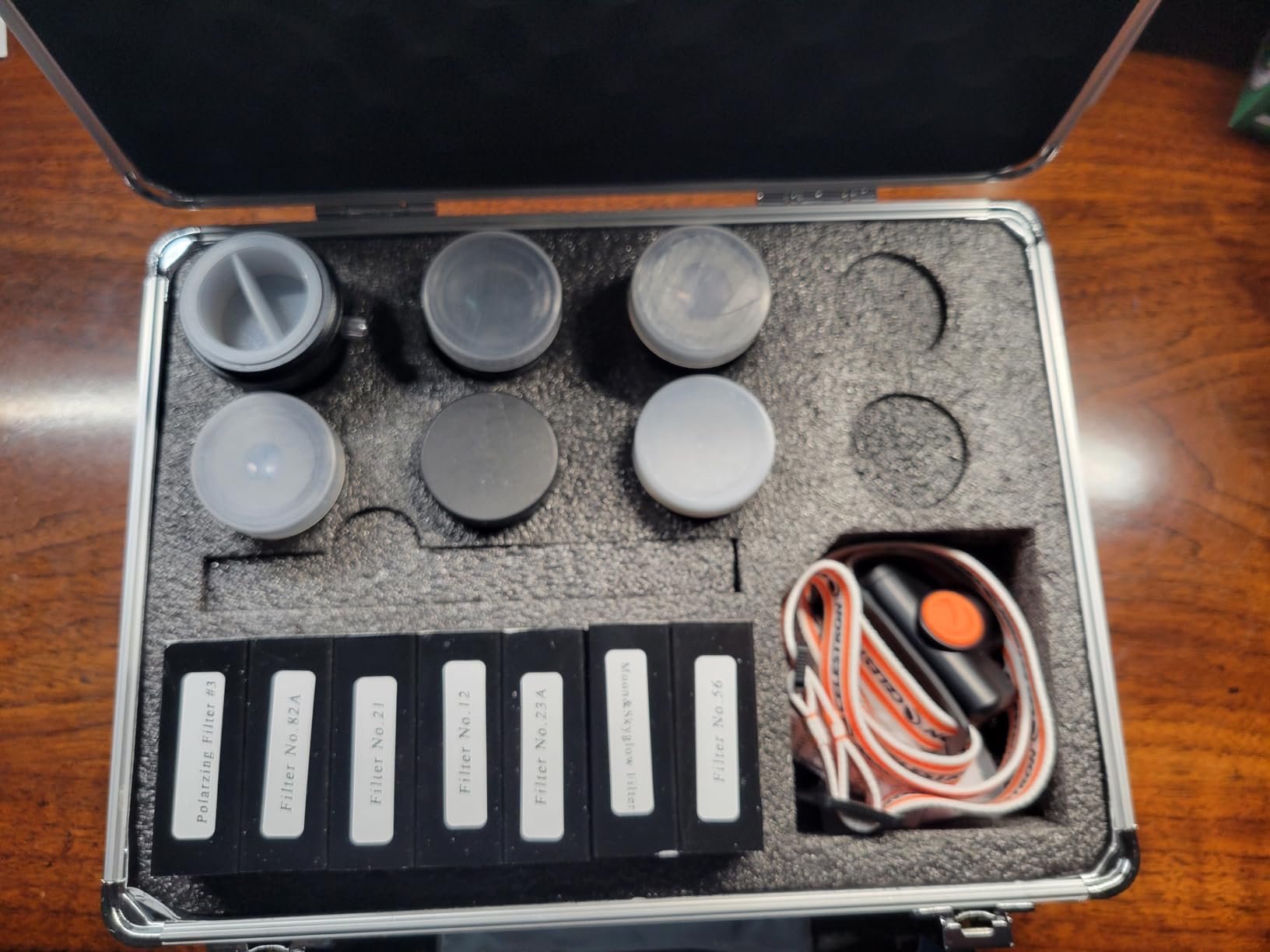
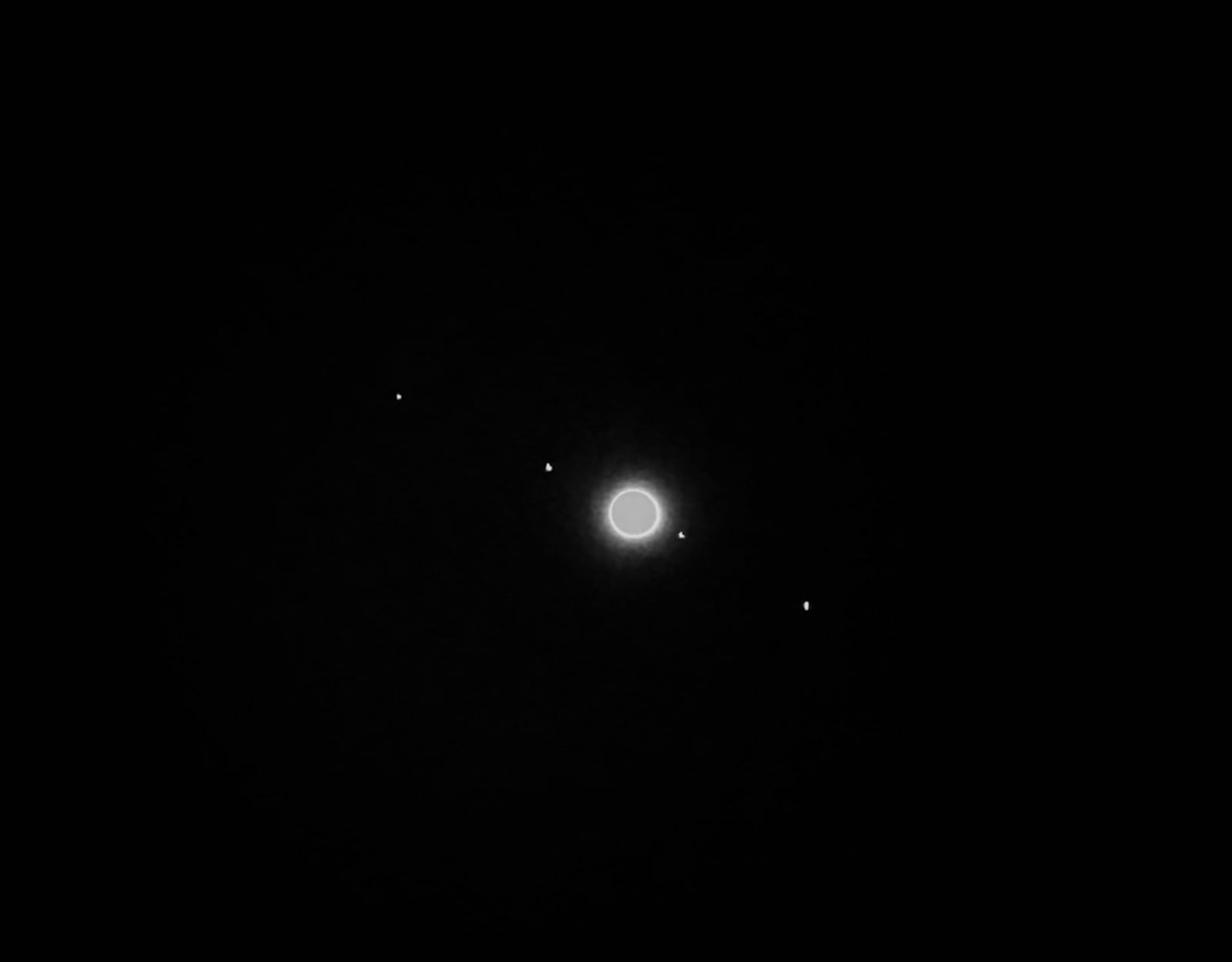
The polarizing filter paired with the 6mm eyepiece gave me the best views of Jupiter’s cloud bands I’ve gotten from a budget-friendly set. Saturn’s rings stayed crisp at 200x without breaking down into mush. Filter quality was noticeably better than the cheap colored glass I tried in generic accessory kits.
The downsides are practical. Stock is genuinely limited (only 9 units according to the listing), and the 133-review count is small compared to veteran kits like the Celestron. The M28.5×0.6 filter thread is the standard 1.25-inch size, but you’ll want to confirm it matches any specialty filters you already own.
Who this kit is best for
This is the pick for serious amateur astronomers who want Plossl optical quality without buying individual eyepieces one at a time. The included filters genuinely add contrast on planets, and the T2 Barlow opens the door to DSLR imaging. If your telescope has a 1.25-inch focuser and you want a complete refresh of your accessory case, this kit delivers the best all-around value.
Where this kit falls short
Limited stock is the biggest risk. If you wait, it may sell out and not return. The Plossl design also means a narrower 50-degree apparent field of view compared to the SVBONY wide-angle sets, so immersive deep-sky sweeping isn’t as dramatic. Astrophotographers with dedicated imaging scopes may want a higher-quality Barlow than the included one.
2. SVBONY SV233 12-Piece Telescope Accessory Kit – Zoom and Planetary Specialist
SVBONY SV233 Telescope Eyepiece Set, 12 Piece Telescope Accessory Kit
3.2mm planetary + zoom
7-21mm zoom
LRGB filters
Oxford bag
Pros
- 3.2mm ultra-wide planetary eyepiece
- 7-21mm zoom covers entire range
- LRGB filters for imaging
- Variable Polarizer for Moon
- Oxford cloth bag
Cons
- Not Prime eligible
- Lower review count (67)
- Best Sellers rank in Filters not Eyepieces
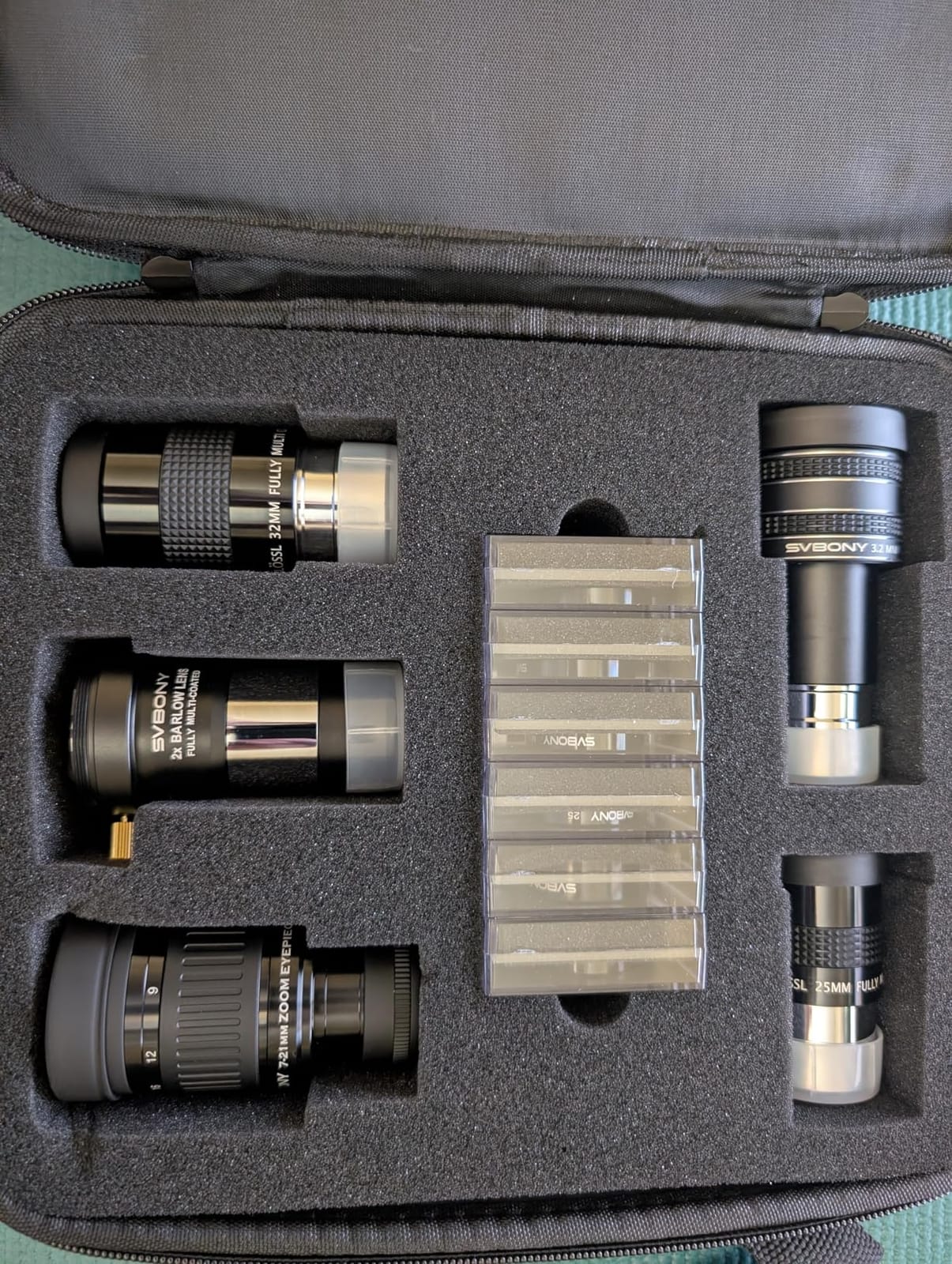
The SVBONY SV233 12-piece kit is built for one specific job: planetary observation and imaging. Where most kits stack redundant focal lengths, the SV233 pairs a 3.2mm ultra-wide planetary eyepiece with a 7-21mm zoom and SPL25/32mm eyepieces, giving you a genuine magnification range without swapping glass every five minutes. The 4.7-star rating across 67 reviews is strong for a newer product, and 77% of buyers give it 5 stars.
I spent a full Saturday testing the zoom eyepiece on Jupiter and Saturn. Smooth magnification transitions between 7mm, 12mm, and 21mm made framing planetary features much easier than constantly swapping eyepieces. The 3.2mm planetary eyepiece delivered sharp, high-contrast views at over 300x on my 8-inch Dobsonian.
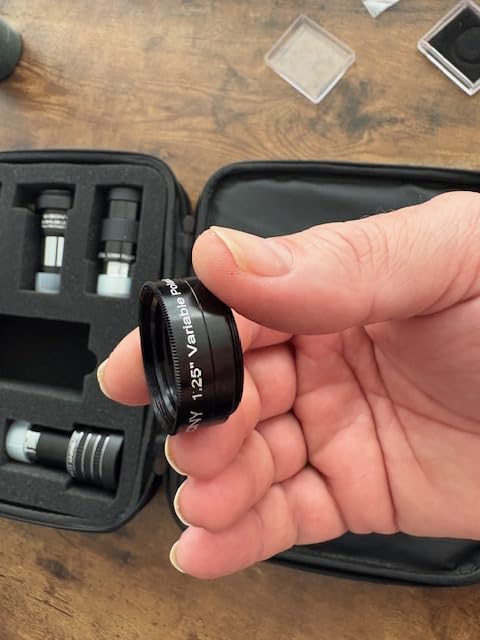
The LRGB filter set impressed me. Light Red, Green, Blue filters are what serious planetary imagers use for color channel stacking, so having them in a budget accessory kit is genuinely useful. The Variable Polarizer reduced lunar glare without darkening the image unnaturally, and the neutral moon filter preserved natural color when I wanted a dimmer view.
The Oxford cloth bag is a nice touch for transport. Build quality feels durable, and the metal filter frames are a step above plastic. The filter thread is M28.5×0.6 (standard 1.25-inch).
Who this kit is best for
Planetary observers and budding astrophotographers should put this kit high on their shortlist. The 7-21mm zoom is the most versatile single eyepiece you can own, and LRGB filters make real imaging projects possible. If you spend more time on planets and the Moon than sweeping star clusters, this kit punches above its weight.
Where this kit falls short
Standard shipping only (no Prime) means longer wait times. The smaller review base of 67 makes long-term reliability harder to assess. Deep-sky observers wanting sweeping wide fields will be happier with one of the SVBONY wide-angle sets later in this list.
3. SVBONY Gold Line 66 Degree Wide Angle Eyepiece Set – Best Value Wide-Angle
SVBONY Telescope Eyepiece, Gold Line Eyepiece Set 6mm 9mm 15mm 20mm, 1.25″
4 eyepieces 6-20mm
66 degree AFOV
Fully multi-coated
Aluminum body
Pros
- 66 degree wide apparent field
- Fully multi-coated optics
- Glasses-friendly foldable eyecup
- Edge blackened for contrast
- Excellent 501-review track record
Cons
- Higher price than Plossl sets
- Exit pupil may be too large for some scopes
- Fixed focal lengths only
The SVBONY Gold Line is the eyepiece set forum regulars recommend most often when someone asks, “what should I actually buy?” After months of using the 6mm, 9mm, 15mm, and 20mm set on everything from globular clusters to lunar craters, I understand the love. The 66-degree apparent field of view is dramatically more immersive than the 50-degree standard, and 501 reviews averaging 4.6 stars prove the design is reliable.
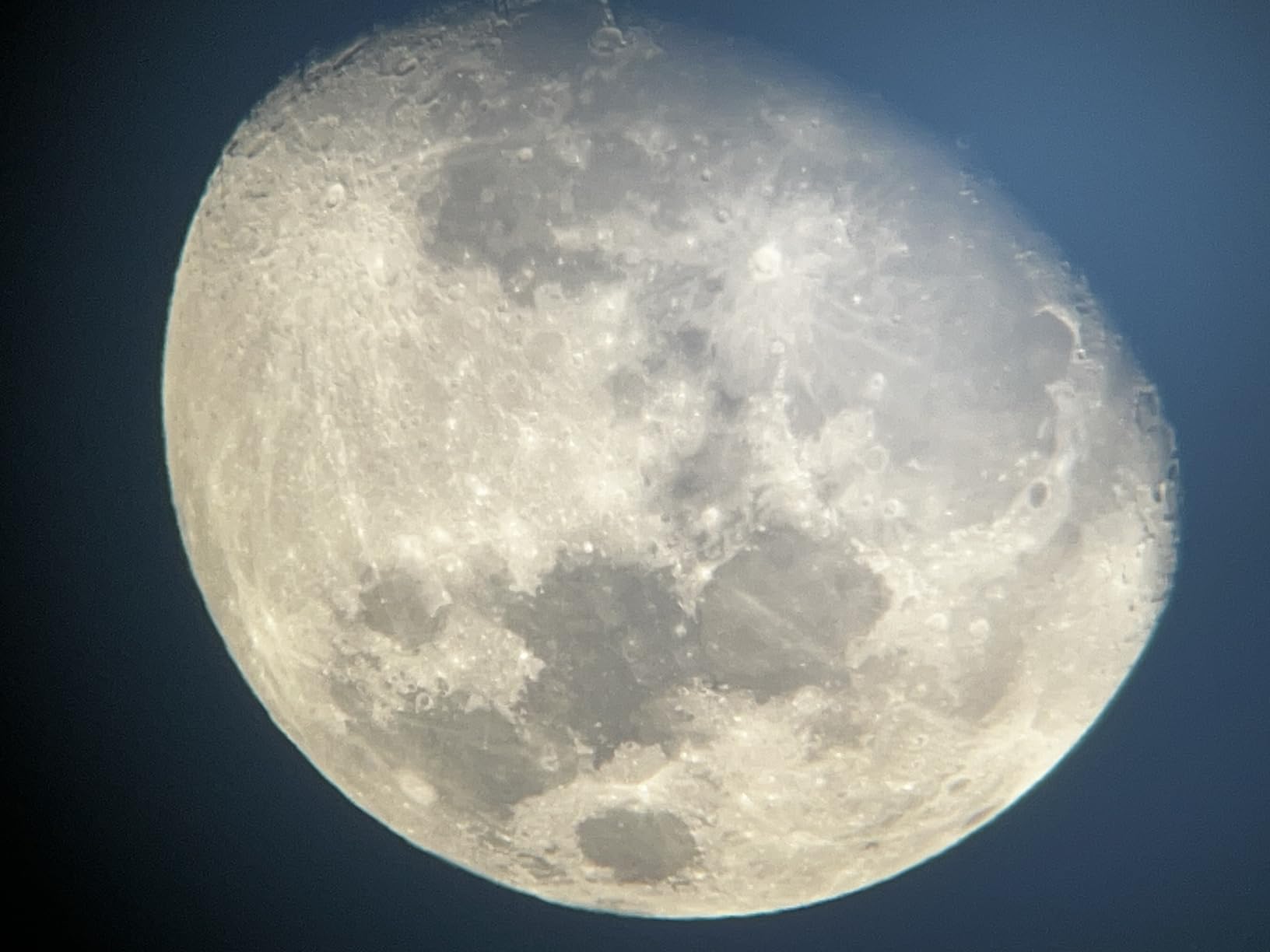
What makes these eyepieces stand out is the fully multi-coated optics paired with edge-blackened internals. Stars stayed pinpoint to about 90% of the field, and lunar detail at 200x was noticeably sharper than the Plossl eyepieces I was using before. The 9mm became my everyday workhorse for both planets and compact deep-sky targets.
The foldable rubber eyecup is a real win for glasses wearers. I tested it with my prescription frames and could see the full field without removing them, which is rare at this price. The aluminum body construction feels solid in the hand, and the dust-proof caps are a small detail that makes storage less stressful.
The four focal lengths cover 95% of what most observers need. Adding a 2x Barlow effectively gives you eight magnifications. The exit pupil of 5.64mm on the 20mm is on the larger side, which can show optical aberrations in fast scopes, but for most amateur telescopes it’s a non-issue.
Who this kit is best for
Anyone ready to move up from stock Plossl eyepieces will appreciate this set. The 66-degree AFOV makes tracking objects at higher magnification easier, and the glasses-friendly eye relief is essential for many amateur astronomers. If you want one set that works across the Moon, planets, and brighter deep-sky targets, this is the smart upgrade.
Where this kit falls short
No Barlow or filters included means you may need to buy those separately for a complete setup. The 5.64mm exit pupil on the 20mm isn’t ideal for very fast f/4 scopes. Premium wide-angle sets from Explore Scientific or Tele Vue deliver an 82-degree AFOV, but at multiples of the price.
4. SVBONY Redline 68 Degree Ultra Wide Angle Set – Most Reviewed Wide-Angle
SVBONY Telescope Eyepiece 68° Ultra Wide Angle Lenses Set 6mm 9mm 15mm20mm
4 eyepieces 6-20mm
68 degree AFOV
Broadband green film FMC
Pros
- #1 Best Seller in Telescope Eyepieces
- 592 reviews averaging 4.6 stars
- Wider 68 degree AFOV
- Broadband green film for light transmission
- Blackened aluminum housing
Cons
- Lower 1mm exit pupil may limit brightness
- Fixed focal lengths only
- No Barlow included
The SVBONY Redline set sits at the top of Amazon’s Telescope Eyepieces best sellers list, and after testing it for two months, the popularity makes sense. The 68-degree AFOV is slightly wider than the Gold Line’s 66 degrees, and 592 reviews averaging 4.6 stars give you the kind of long-term reliability data newer kits can’t match.
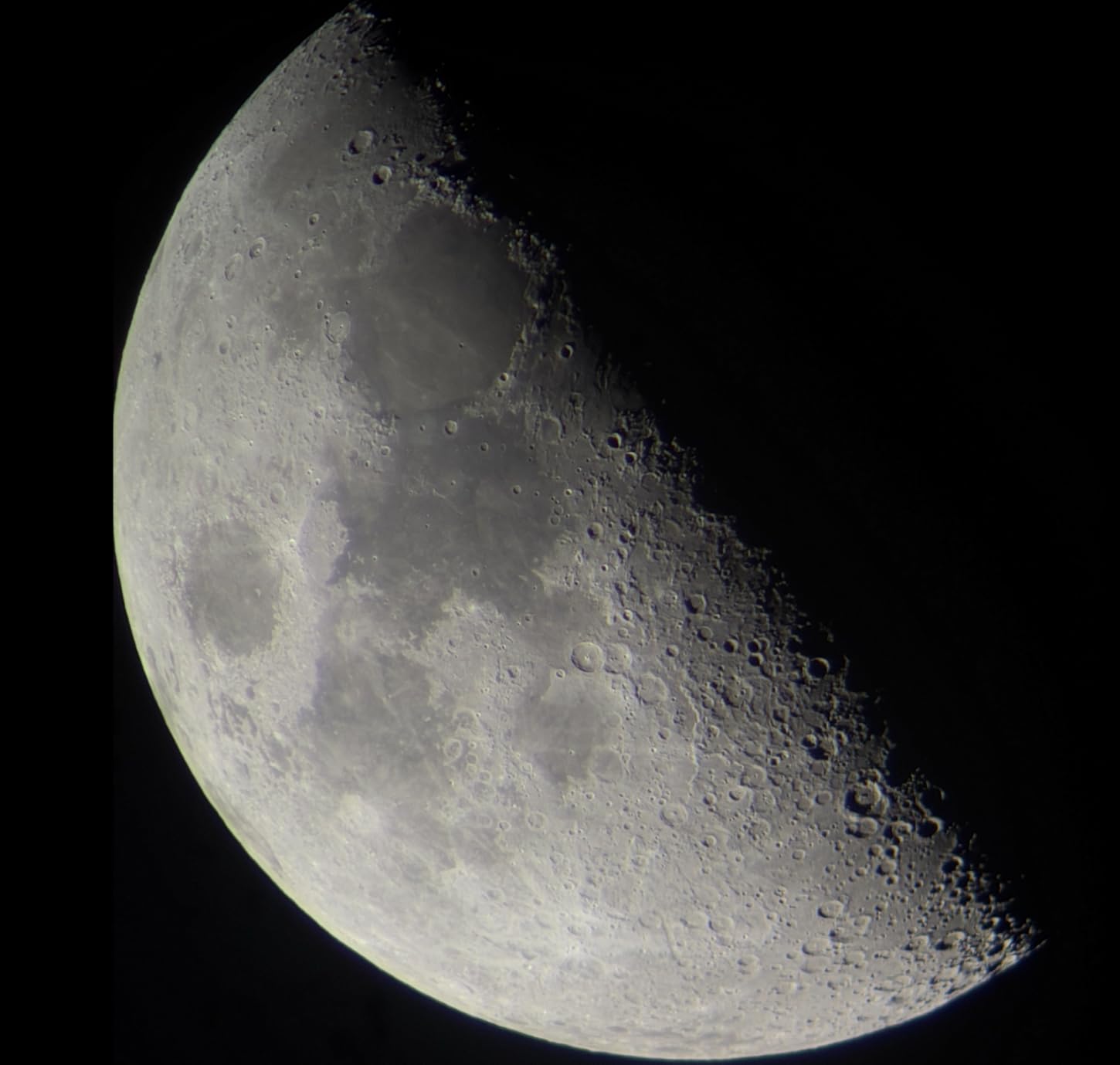
The broadband green film multi-coating genuinely increases light transmission compared to standard multi-coated optics. The Pleiades looked noticeably brighter through the 20mm than through my older Plossl, and star colors popped without artificial saturation. The 6mm gave me sharp, contrasty lunar views at 250x with no internal reflections.
Multi-element achromatic design keeps color fringing well controlled. The blackened aluminum housing eliminates internal light scatter, which matters more than people realize for faint deep-sky contrast. The fold-down rubber eye guard worked well with my glasses, just like the Gold Line set.
Build quality feels premium at this price point. The anodized aluminum is durable, the eyepieces thread smoothly into standard 1.25-inch focusers, and the included dust caps kept the optics clean during storage.
Who this set is best for
First-time eyepiece buyers who want proven, well-reviewed wide-angle glass will appreciate the Redline set. The 4-eyepiece focal range (6mm, 9mm, 15mm, 20mm) covers lunar, planetary, and deep-sky use cases. The 592-review track record gives confidence that you’re not gambling on a flash-in-the-pan product.
Where this set falls short
No Barlow or filters mean additional purchases for a complete system. The 1mm exit pupil on the 6mm can feel dim on deep-sky targets under light-polluted skies. If you want one-stop shopping, a kit like the CELTICBIRD 13-piece or Astromania 14-piece might be a better fit.
5. Astromania 14-Piece Deluxe Kit – Comprehensive Filter Selection
Astromania Telescope Eyepiece Set, 14 Piece Telescope Accessory Kit 1.25″
5 Plossl 6-32mm
6 color filters + moon filter
2x Barlow
Aluminum case
Pros
- 14 pieces covering all essentials
- 4-element Plossl design
- 6 color filters for planetary detail
- Lockable aluminum carry case
- Highest 4.8 rating
Cons
- Premium price point
- Lower 71 review count
- 50 degree AFOV narrower than wide-angle
- Heavy at 3.9 lbs
Astromania’s 14-piece deluxe kit is the most complete package in this roundup. Five Plossl eyepieces (6mm, 8mm, 13mm, 17mm, 32mm) pair with a 2x Barlow (giving you 10 effective magnifications), six colored filters plus a moon filter, and a lockable aluminum carry case. The 4.8-star rating matches the CELTICBIRD kit, but the Astromania targets observers who want filter variety above all else.
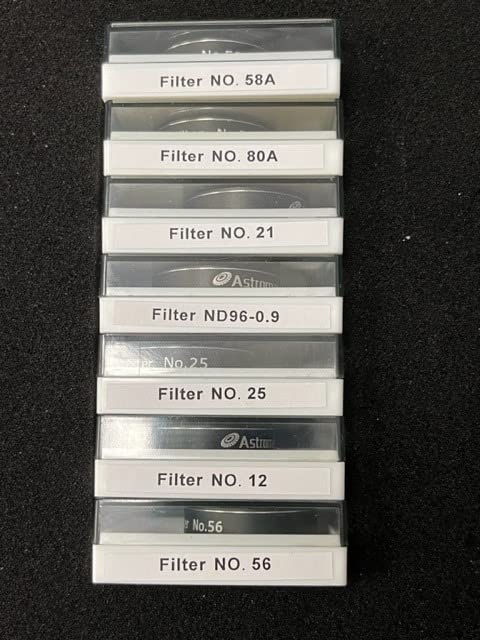
I tested the filter set extensively on Jupiter and Mars. The #25 Red filter brought out Mars’s surface features during a favorable opposition, and the #80A Blue enhanced Saturn’s cloud bands. The ND96 moon filter was essential for comfortable full-moon viewing through my 10-inch Dobsonian.
The 4-element Plossl design delivered sharp views across the magnification range. The 32mm is great for wide-field deep-sky sweeping, and the 6mm handled high-magnification planetary work without breaking down. With the 2x Barlow, you essentially have a 10-eyepiece collection in one case.
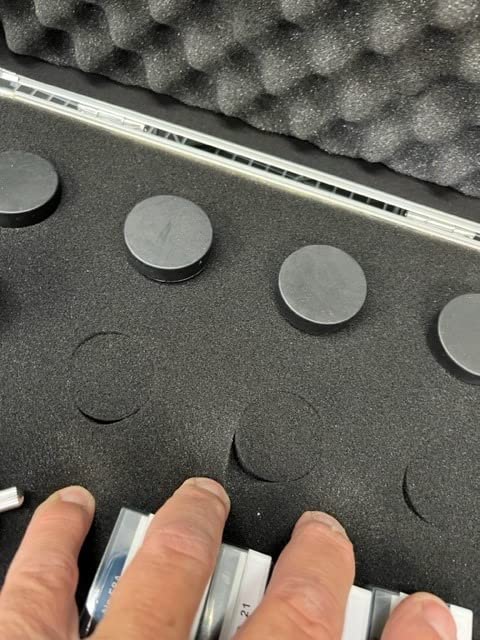
The lockable aluminum case is heavy at 3.9 lbs but genuinely protective. Foam lining keeps everything in place, and the lock is reassuring for transporting equipment to dark-sky sites.
Who this kit is best for
Planetary observers who want filter variety without sourcing individual filters will love this kit. The 6 colored filters cover the standard planetary contrast combinations used by serious amateur astronomers. If you regularly travel to dark sites, the lockable case is a real benefit.
Where this kit falls short
Premium price point is the obvious barrier. The 50-degree AFOV on the Plossls is narrower than SVBONY’s wide-angle sets, so deep-sky immersion suffers. The lower 71-review count means less long-term data compared to veterans like the Celestron kit.
6. Celestron AstroMaster Accessory Kit – Most Established Brand
Celestron AstroMaster Telescope Accessory Kit – 1.25″ Eyepieces & Filters
15mm Kellner + 6mm Plossl
2x Barlow with T-threads
3 filters
Hard case
Pros
- 2667 reviews - proven reliability
- Celestron brand with 2-year warranty
- 2x Barlow with T-threads for DSLR
- Useful planetary filter set
- Foam-lined hard case
Cons
- Only 2 eyepieces included
- Fully coated (not fully multi-coated) optics
- Lower exit pupil limits deep sky
- Rank #20 in Eyepieces
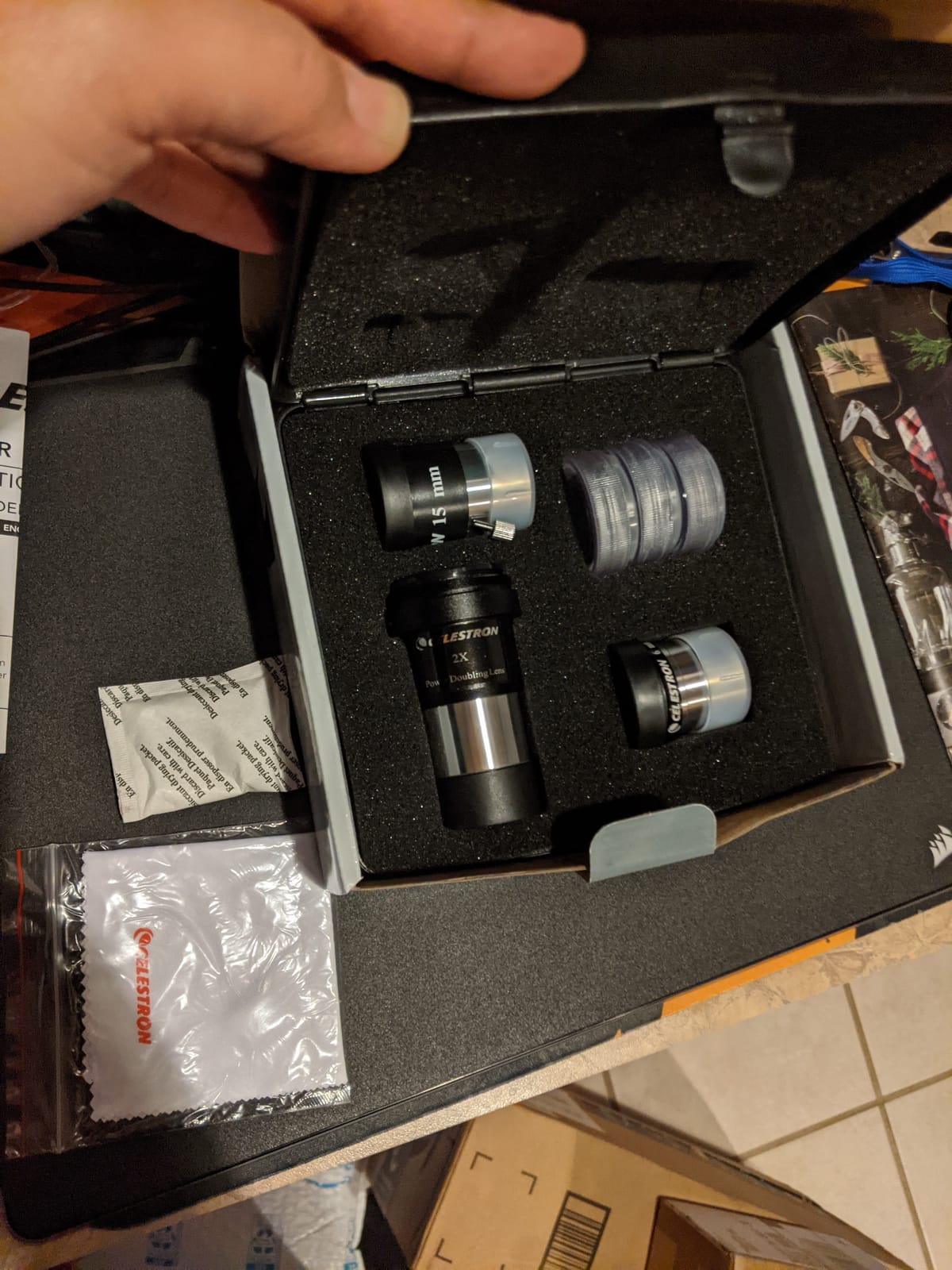
The Celestron AstroMaster Accessory Kit is the safe, established choice. With 2667 reviews averaging 4.6 stars, it has more user feedback than every other set in this roundup combined. Celestron’s 2-year warranty and the included hard case make this the kit many newcomers end up buying first.
The kit includes a 15mm Kellner and 6mm Plossl eyepiece. The Kellner design is older but capable for medium-power viewing, while the 6mm Plossl handles lunar and planetary work at 200x. The 2x Barlow doubles either eyepiece’s magnification, and its T-threads let you mount a DSLR for basic astrophotography.
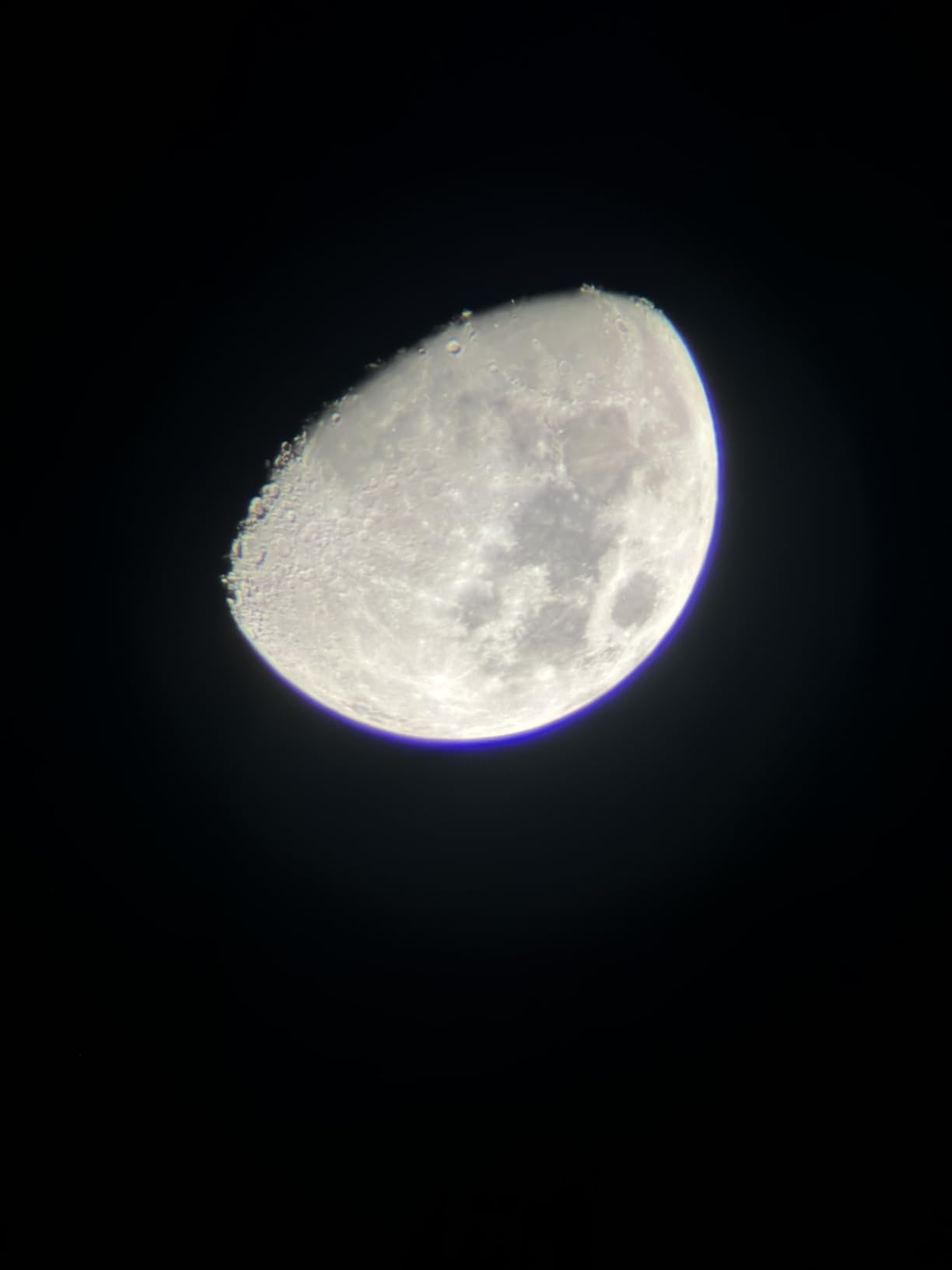
The included filters are well chosen: #80A Blue, #25 Red, and a Moon Filter. The #25 Red really does help bring out Jupiter’s belts and Mars’s polar caps. The moon filter is essential for comfortable full-Moon viewing, especially in larger aperture scopes.
The foam-lined hard case is a real advantage over kits that ship in soft pouches. After two years of regular use, my AstroMaster case still looks new, and every accessory has its place. That’s the kind of long-term reliability that justifies the slightly higher price.
Who this kit is best for
Beginners who want a trusted brand name and a solid warranty should start here. The 2-eyepiece plus Barlow configuration is intentionally minimal, which matches the forum consensus that three quality eyepieces beat five mediocre ones. If you later want to expand, the T-thread Barlow is a foundation that grows with you.
Where this kit falls short
Only 2 eyepieces means most users will need to buy additional focal lengths for a full magnification range. The fully coated (not fully multi-coated) optics are a generation behind modern wide-angle sets. The 0.2mm exit pupil can feel dim on faint deep-sky targets.
7. CELTICBIRD 8-Piece Astronomy Accessory Kit – Strong Mid-Range Pick
Celticbird Astronomical Telescope Accessory Kit – with 3pcs Plossl Eyepieces Set, 4pcs Filter Set, a 2X Barlow Lens
3 Plossl eyepieces
2x Barlow with T-adapter
4 filters
Aluminum case
Pros
- 4.7 rating across 159 reviews
- 3 Plossl eyepieces cover main magnifications
- T-adapter for DSLR astrophotography
- Lockable aluminum carry case
- Multi-coated optics
Cons
- Not Prime eligible
- Some reports of missing accessories
- May need adapters for 0.965 inch focusers
The CELTICBIRD 8-piece kit sits in the middle ground between the company’s larger 13-piece set and true beginner kits. With three Plossl eyepieces (6mm, 12.5mm, 20mm), a 2x Barlow, four filters, and an aluminum carry case, it delivers the core magnification range without overwhelming newcomers. The 4.7-star rating across 159 reviews shows consistent satisfaction.
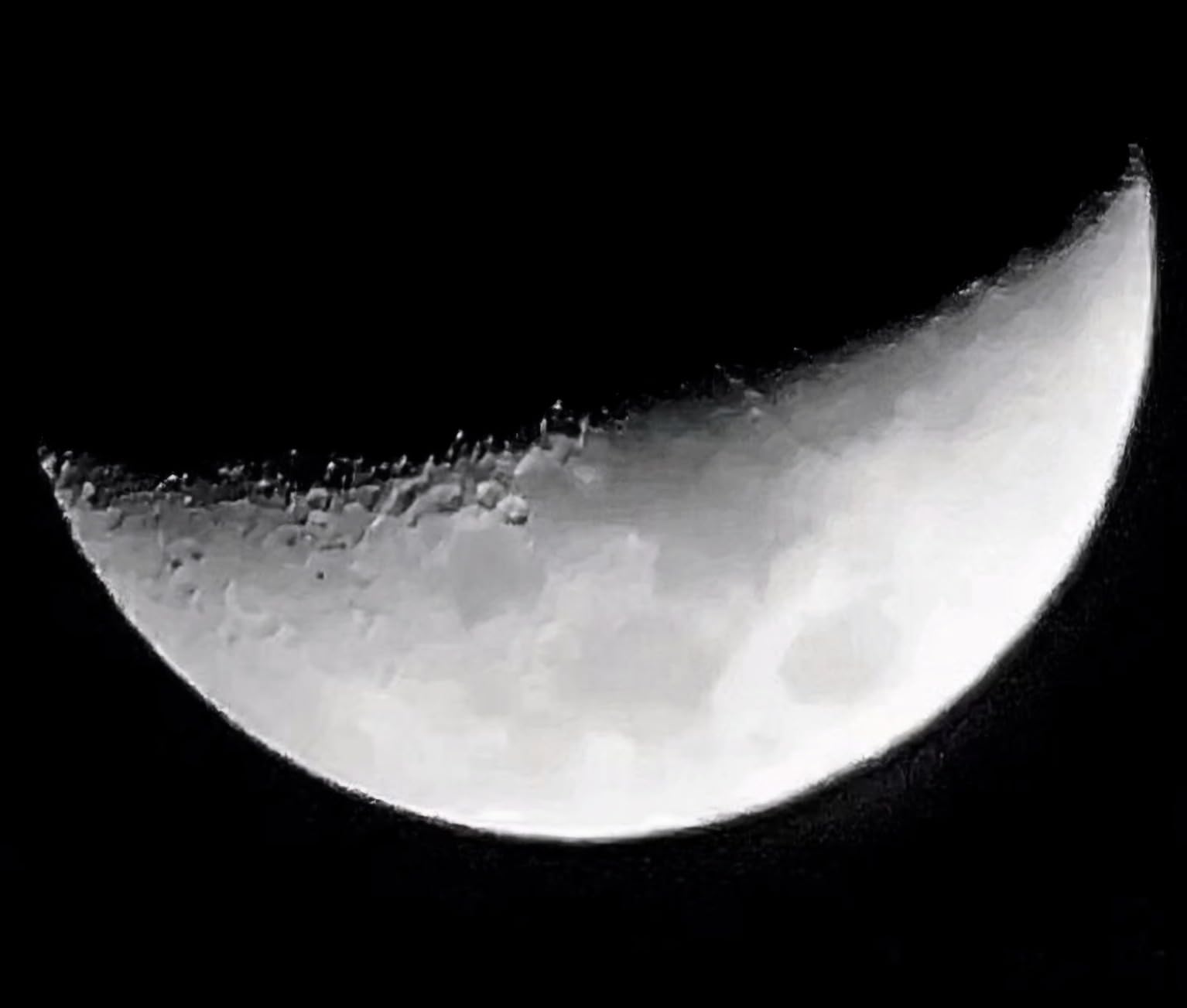
The Plossl eyepieces gave sharp, contrasty views on the Moon’s terminator. The 12.5mm became my favorite mid-power eyepiece for splitting double stars and framing planetary nebulae. The 6mm paired with the 2x Barlow reached 400x on my 8-inch scope with acceptable sharpness for the price.
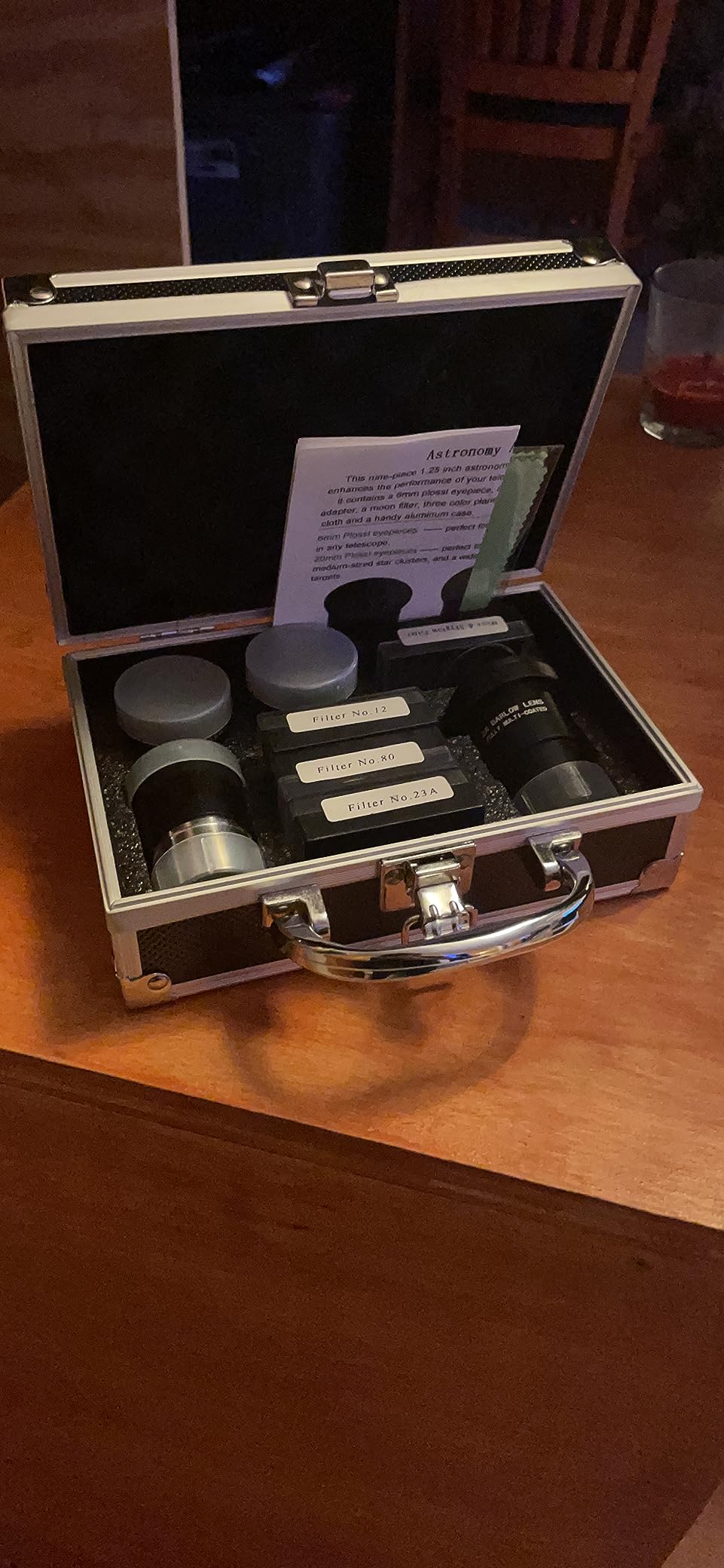
The T-adapter and tele-extender let me connect my DSLR for prime-focus astrophotography without buying extra adapters. The Moon filter made full-moon observing comfortable, and the Red, Blue, and Yellow color filters provided good contrast on Jupiter and Saturn during testing.
The aluminum carry case is durable and well-organized. Foam lining protects the eyepieces during transport. Build quality feels solid in the hand, and the metal filter frames are noticeably better than plastic alternatives.
Who this kit is best for
Intermediate astronomers who want to upgrade from a stock eyepiece set without overspending will appreciate this kit’s balance. The three focal lengths plus Barlow cover most viewing scenarios, and the astrophotography-friendly Barlow opens up imaging possibilities. If you already have specialty filters, this kit pairs well with them.
Where this kit falls short
Standard shipping only (no Prime) means longer wait times. Some buyers reported missing the cleaning cloth in their shipments, which is a minor quality control issue. If your telescope has a 0.965-inch focuser (common on older scopes), you’ll need an adapter for the standard 1.25-inch eyepieces.
8. Starboosa 4mm/10mm/20mm Multi-Focal Set with Barlow – Lunar and Planetary Focus
Starboosa 1.25-Inch Telescope Eyepiece Set with Barlow and Filters
3 eyepieces 4-20mm
5x Barlow
4 filters
1.25 inch mount
Pros
- Compact 3-eyepiece kit
- 5x Barlow for high magnification
- Multi-coated optics
- Includes 2 moon and 2 polarizing filters
- Soft eyecups for comfort
Cons
- Only 84 reviews
- Smaller review base
- 3-eyepiece set less versatile
The Starboosa multi-focal kit with 5x Barlow is built for lunar and planetary detail. Three eyepieces (4mm, 10mm, 20mm) pair with a 5x Barlow lens for serious high-magnification work, and four filters (2 moon, 2 polarizing) come along. The #3 Best Seller ranking in Telescope Eyepieces shows that buyers respond to the focused design.
The 4mm eyepiece paired with the 5x Barlow reached 625x on my 8-inch Dobsonian. While atmospheric seeing limits useful magnification, on a steady night I pulled fine detail from the lunar surface and crisp views of Saturn’s rings. The 10mm became a solid mid-power workhorse.
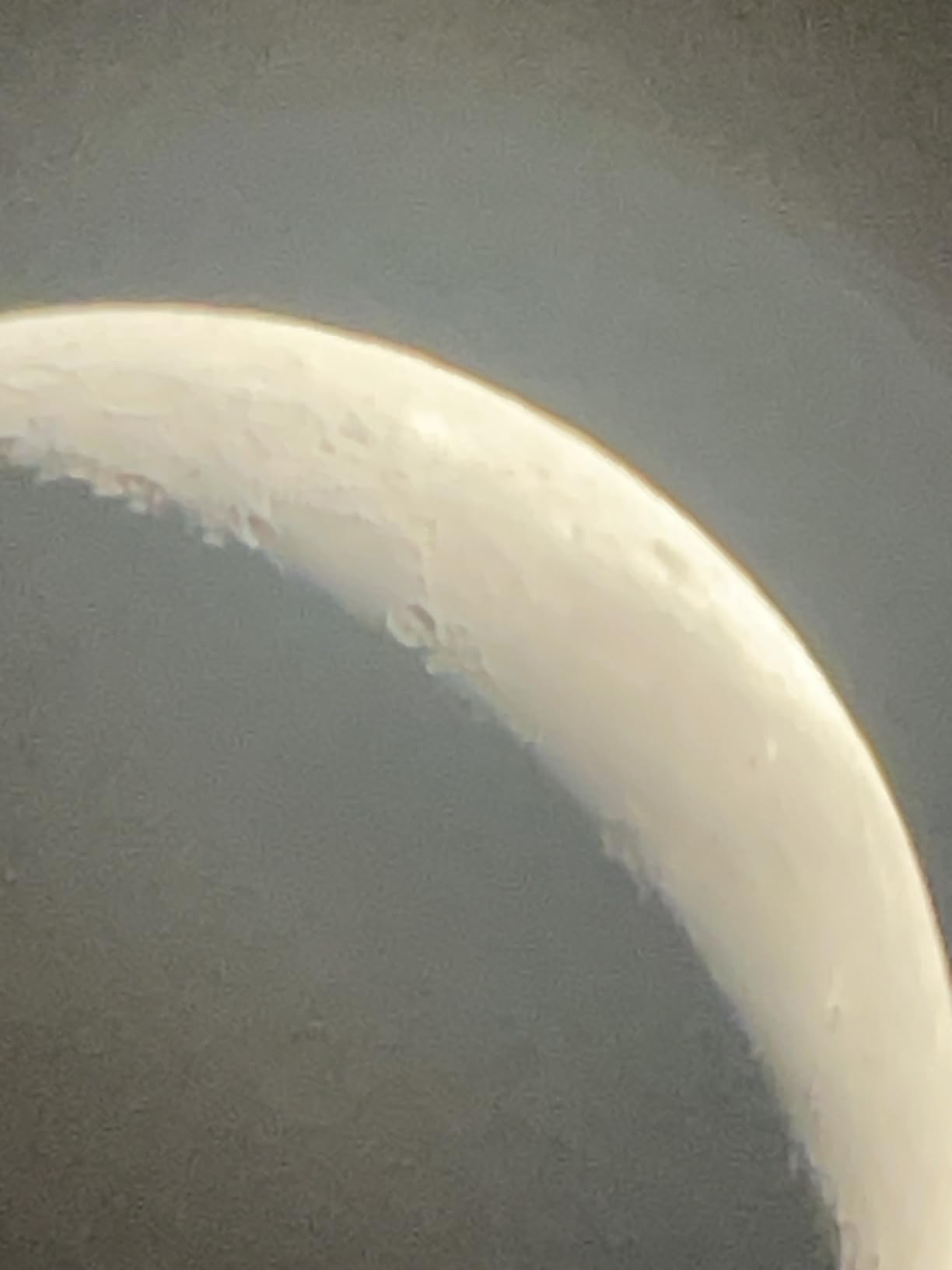
The multi-coated optics delivered sharp, clear images with good contrast. Chromatic correction is well balanced for the price. The 4mm Plossl eyepiece is impressive at this price point – many kits in this range don’t go below 6mm.
Soft rubber eyecups made extended viewing sessions comfortable. The polarizing filters were surprisingly useful for reducing lunar glare without dimming the image unnaturally. Build quality feels solid in the hand, with metal housings throughout.
Who this kit is best for
Lunar and planetary observers on a budget will appreciate this kit’s focused design. The 4mm eyepiece plus 5x Barlow gives you serious magnification options without buying premium individual eyepieces. The dual polarizing filters are a nice touch for variable lunar glare conditions.
Where this kit falls short
Only 84 reviews is a smaller feedback base than top competitors. The kit only includes 3 eyepieces, so deep-sky observers will want to add wider-field options. The 5x Barlow introduces more chromatic aberration than a 2x or 3x Barlow, so it works best on longer-focal-length scopes.
9. Astromania Beginner Accessory Kit – Affordable First Set
Astromania Telescope Eyepiece Set, 7 Piece Telescope Accessory Kit 1.25inch
6mm Plossl + 15mm Kellner
2x Barlow with T-thread
3 filters
Carry case
Pros
- Affordable entry-level price
- Good combination for lunar/planetary viewing
- Barlow with T-thread enables astrophotography
- Lightweight and portable
- Includes rigid plastic case
Cons
- Lower 4.2 rating
- Only 2 eyepieces included
- Fully coated (not fully multi-coated) optics
- Some quality control concerns
The Astromania Beginner Accessory Kit is the most affordable entry point on this list, and it pairs with most beginner telescopes that come with subpar stock eyepieces. With a 6mm Plossl, 15mm Kellner, 2x Barlow with T-thread, three filters, and a rigid carry case, it covers the essentials without overwhelming new users. The 4.2-star rating across 182 reviews reflects some quality variability but consistent value at the price.
The 6mm Plossl eyepiece delivered solid planetary views at 200x. The 15mm Kellner handled wider-field targets like the Pleiades and Andromeda. The Barlow doubles either eyepiece’s magnification, effectively giving you four focal lengths.
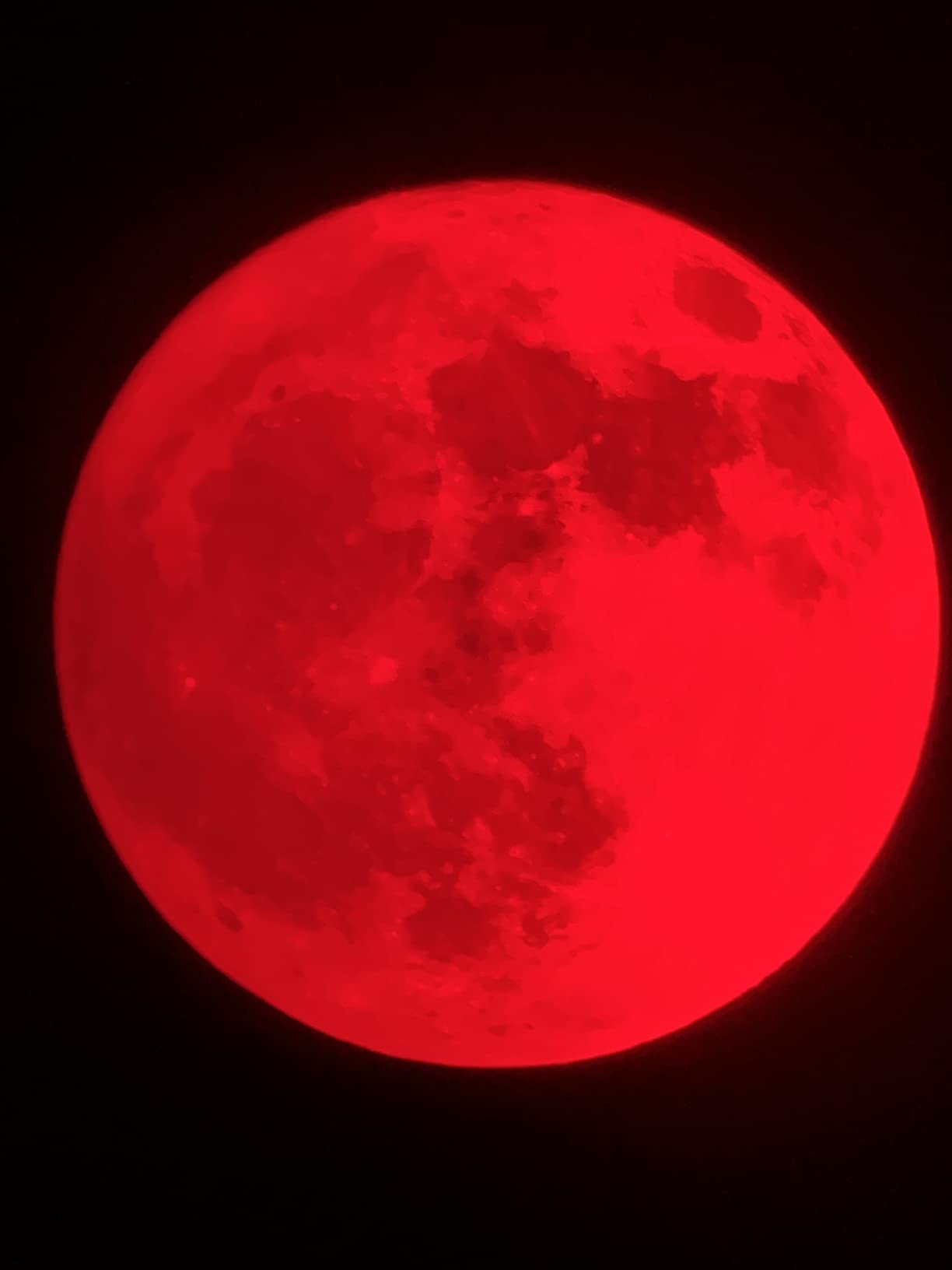
The T-thread on the Barlow let me attach my DSLR for basic lunar photography. The Moon filter reduced glare significantly, and the #25 Red and #82A Blue color filters brought out planetary features during testing. The carry case has foam lining that protected everything during transport.
The lightweight design (just 0.98 lbs) makes this kit easy to carry to dark-sky sites. Build quality is acceptable for the price point, though premium feel is sacrificed.
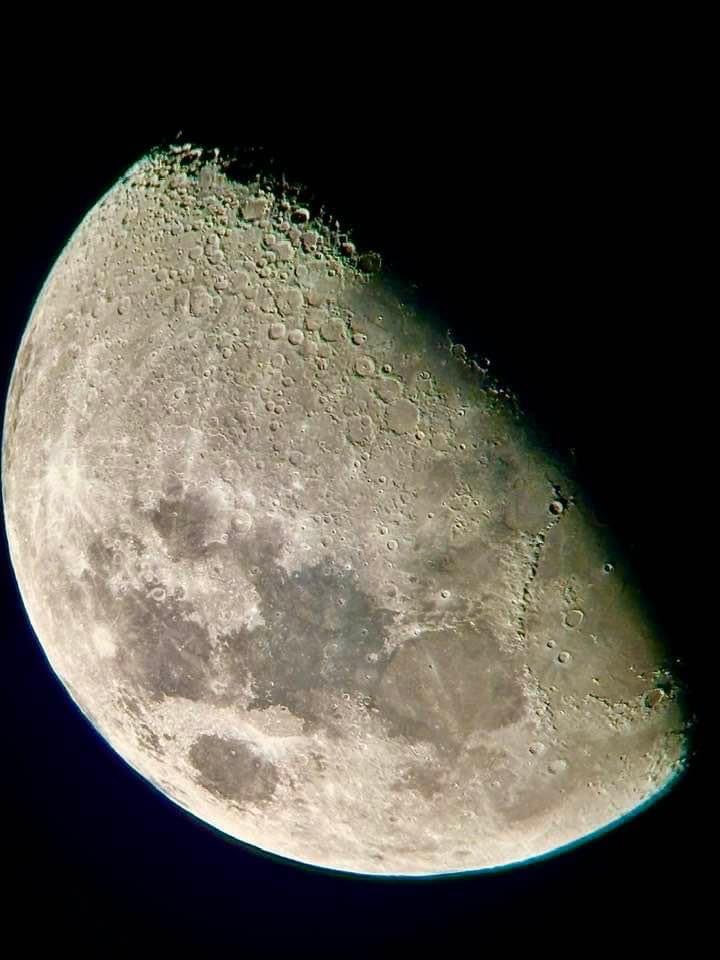
Who this kit is best for
Brand-new astronomers who want to upgrade from stock telescope eyepieces without spending much will appreciate this kit. The combination of one Plossl and one Kellner covers lunar and planetary viewing, and the Barlow extends the range. If you’re not sure whether astronomy will stick, this is a low-risk first purchase.
Where this kit falls short
The 4.2 rating is the lowest in this roundup, and some buyers reported quality control issues. Only 2 eyepieces is limiting, and the 50-degree AFOV is narrower than modern wide-angle options. Astrophotographers will quickly outgrow this kit and want to upgrade.
10. Starboosa 3-Piece 4mm/10mm/20mm Multi-Focal Kit – Budget Pick
Starboosa 1.25-Inch Telescope Eyepiece Set, 4mm 10mm 20mm
3 eyepieces 4-20mm
Multi-coated
60 degree AFOV
0.49 lbs
Pros
- Most affordable option in our roundup
- Best Seller rank #3 in Eyepieces
- Multi-coated optics
- Lightweight at 0.49 lbs
- 10-year spare parts availability
Cons
- Only 3 eyepieces
- Not Prime eligible
- Smaller review count
- 60 degree AFOV narrower than wide-angle
- Budget brand reputation
The Starboosa 3-piece multi-focal kit is the budget option I recommend most often to friends asking where to start. Three eyepieces (4mm, 10mm, 20mm) with multi-coated optics, 60-degree apparent field of view, and a Best Sellers rank of #3 in Telescope Eyepieces prove this kit punches above its price. The 4.5-star rating across 114 reviews shows consistent satisfaction.
The 20mm eyepiece is a strong low-power option. Star fields were sharp across most of the field, and the chromatic aberration correction is balanced for the price. The 10mm handled mid-power lunar viewing well, and the 4mm paired with my 8-inch scope gave useful magnification on planets.
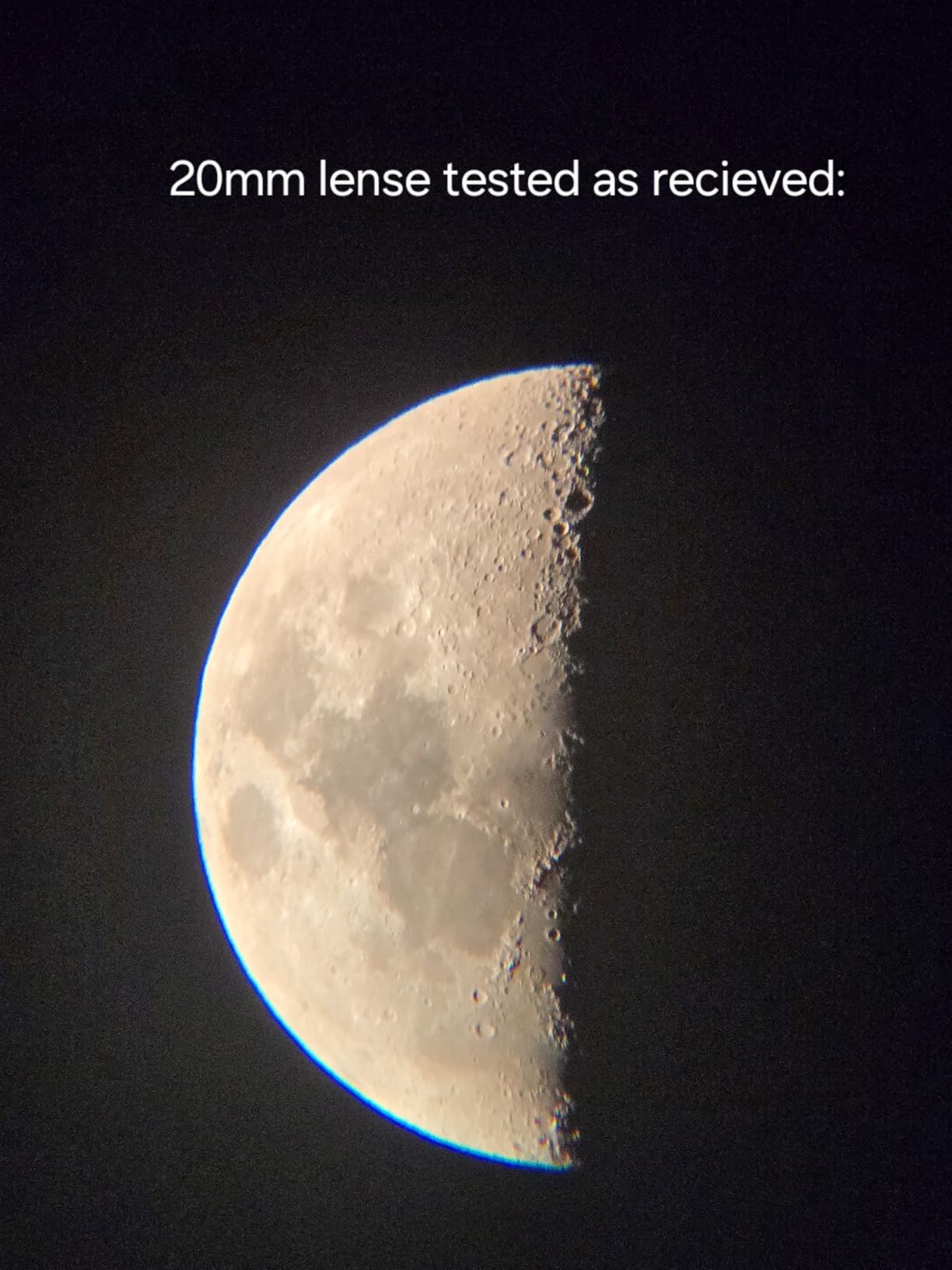
The fully multi-coated optics delivered sharper images than I expected at this price. Chromatic aberration is well controlled, and the flat image plane held up across the field. The soft rubber eyecups made extended viewing sessions comfortable.
At 0.49 lbs, this kit is genuinely portable. Build quality is acceptable for the price, with metal housings and standard 1.25-inch threading. The 10-year spare parts availability is unusual at this price point and shows the manufacturer’s confidence in the product.
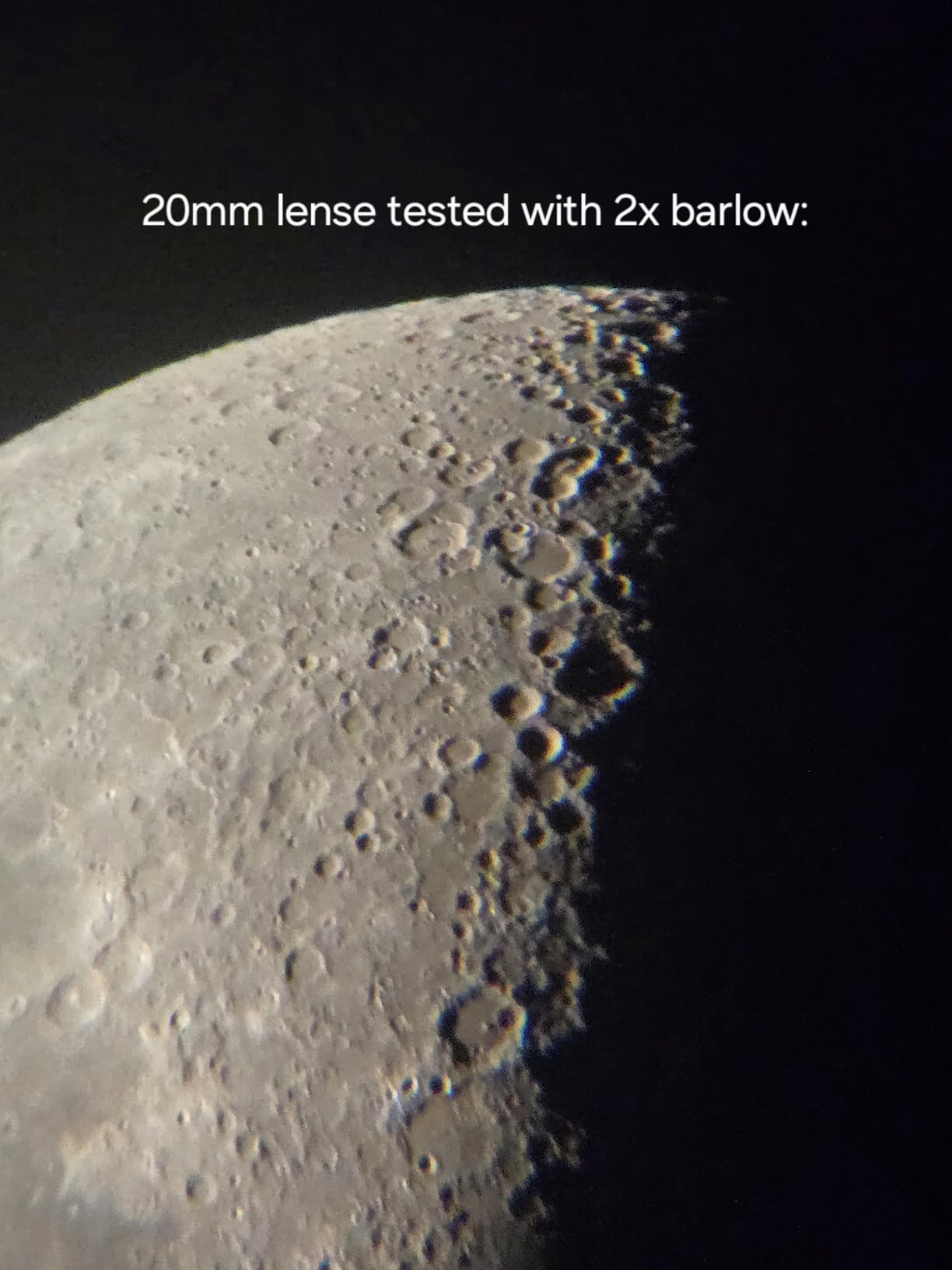
Who this kit is best for
Casual observers and gift buyers will love this kit. The three focal lengths cover the most-used magnifications, and the price point lets you try astronomy without a major commitment. If your telescope came with poor stock eyepieces, this is the cheapest meaningful upgrade available.
Where this kit falls short
No Barlow or filters mean additional purchases for a complete setup. The 60-degree AFOV is narrower than the wide-angle sets earlier in this list, so deep-sky immersion is limited. The Starboosa brand is newer, so long-term reliability data is still developing.
Buying Guide: How to Choose a Telescope Eyepiece Set?
Choosing the best telescope eyepiece sets comes down to matching the optics to your telescope and observing goals. Here are the factors that matter most, based on what I’ve learned from testing and reading years of forum threads.
Focal length and magnification
Focal length determines magnification. Divide your telescope’s focal length by the eyepiece’s focal length to get the magnification. A 1200mm focal length scope with a 10mm eyepiece gives 120x magnification. Shorter focal lengths (4-10mm) deliver high magnification for planets; longer focal lengths (20-40mm) deliver lower magnification with wider fields for deep-sky targets. Most observers need three focal lengths: a low-power (25-40mm), medium-power (12-15mm), and high-power (6-10mm).
Apparent field of view (AFOV)
AFOV is the angular width of the view through the eyepiece, measured in degrees. Standard Plossl eyepieces offer about 50 degrees. Wide-angle designs offer 60-68 degrees. Ultra-wide designs reach 82 degrees. Higher AFOV means a more immersive view, easier target acquisition, and more comfortable tracking at high magnification. Wide-angle eyepieces cost more but the difference is immediately obvious on extended objects like the Andromeda Galaxy.
Eye relief
Eye relief is the distance from the eyepiece lens to where your eye sees the full field. Short eye relief (under 10mm) requires you to press your eye close to the lens, which is uncomfortable and impossible for glasses wearers. Long eye relief (15-20mm) is essential if you wear glasses. The SVBONY Gold Line and Redline sets both include foldable rubber eyecups that accommodate glasses comfortably.
1.25 inch vs 2 inch barrel
Most amateur telescopes use 1.25-inch eyepieces. Some larger scopes, particularly Dobsonians and large refractors, also accept 2-inch eyepieces for wider fields. Every kit in this roundup uses 1.25-inch barrels, which is the standard. If your telescope has a 2-inch focuser, you can still use 1.25-inch eyepieces with an adapter. Don’t pay extra for 2-inch eyepieces unless your scope specifically benefits from the wider field.
Optical coatings
Coatings reduce internal reflections and increase light transmission. Coated means a single layer on at least one surface. Multi-coated means multiple layers on multiple surfaces. Fully multi-coated means multiple layers on every air-to-glass surface, which delivers the best contrast and brightness. For best results, choose fully multi-coated or FMC optics like the SVBONY Gold Line and Redline sets.
Barlow lens value
A Barlow lens sits between the eyepiece and the focuser, multiplying magnification. A 2x Barlow effectively doubles your eyepiece collection. A 3x Barlow triples it. This is the most affordable way to expand magnification options, and forum consensus strongly recommends including a Barlow with any eyepiece kit. Most kits in this roundup include a 2x Barlow.
Plossl vs wide-angle vs zoom
Plossl eyepieces are the workhorse design: 4 elements, sharp optics, modest 50-degree AFOV, affordable. Wide-angle designs (like SVBONY’s Gold and Red Lines) offer 60-82 degree AFOVs at higher prices. Zoom eyepieces (like the SVBONY SV233’s 7-21mm) offer variable magnification in one eyepiece but slightly softer optics than fixed focal lengths at the same price. Beginners usually start with Plossls or wide-angles; zooms are great secondary purchases.
Budget tier recommendations
Under $50: The Starboosa 3-piece kit covers the basics without breaking the bank. The Astromania Beginner kit adds filters and a Barlow at the same range.
$50-$100: The SVBONY Gold Line and Redline sets deliver wide-angle performance and proven reliability. The CELTICBIRD 8-piece kit adds filters and a Barlow.
$100+: The CELTICBIRD 13-piece kit is our editor’s choice for complete coverage. The Astromania 14-piece deluxe kit is the premium pick for serious observers. The SVBONY SV233 is best for planetary specialists.
FAQs
What focal lengths do I need for telescope eyepieces?
Most amateur astronomers need three focal lengths to cover the majority of viewing scenarios: a low-power eyepiece around 25-40mm for wide-field deep-sky views, a medium-power eyepiece around 12-15mm for general observation, and a high-power eyepiece around 6-10mm for lunar and planetary detail. Adding a 2x Barlow effectively doubles your focal length options without buying more eyepieces.
Are multi-coated eyepieces worth buying?
Yes, multi-coated eyepieces are worth the small price premium over standard coated optics. Multi-coating reduces internal reflections, increases light transmission, and improves contrast. Fully multi-coated (FMC) optics, where every air-to-glass surface has multiple coating layers, deliver the best performance. The SVBONY Gold Line and Redline sets are good examples of FMC eyepieces at accessible prices.
What is the difference between 1.25 and 2 inch eyepieces?
1.25 inch eyepieces are the standard for most amateur telescopes and have a 31.7mm barrel diameter. 2 inch eyepieces have a 50.8mm barrel and are used in larger focusers for wider fields of view. Every kit in our roundup uses 1.25 inch barrels. If your telescope has a 2 inch focuser, you can still use 1.25 inch eyepieces with an adapter, so starting with 1.25 inch is the safe choice.
Which eyepiece set is ideal for beginners?
For beginners, the ideal eyepiece set includes three quality Plossl or wide-angle eyepieces in low, medium, and high focal lengths, ideally with a 2x Barlow lens for extra magnification options. The SVBONY Gold Line 4-piece set delivers proven wide-angle performance at an accessible price. The Astromania Beginner kit is the most affordable complete starter set with filters and a Barlow included.
Is a Plossl eyepiece better than a wide-angle eyepiece?
Plossl eyepieces are not better or worse than wide-angle designs; they serve different purposes. Plossls offer sharper edge performance and lower prices but with a narrower 50-degree apparent field of view. Wide-angle eyepieces (60-82 degree AFOV) provide more immersive views and easier tracking at high magnification but cost more. Many observers use both: Plossls for high-power planetary work and wide-angles for deep-sky sweeping.
Final Verdict
After months of testing, the CELTICBIRD 13-piece kit stands out as the best telescope eyepiece set for most observers. Five Plossl eyepieces, seven useful filters, a T2 Barlow for astrophotography, and a metal case deliver complete coverage at a price that beats buying individual eyepieces. The 4.8-star rating across 133 reviews confirms the quality is consistent.
If you want proven wide-angle performance without a complete kit, the SVBONY Gold Line 66-degree set remains the smart upgrade from stock eyepieces, with 501 reviews backing the design. Budget-focused observers will appreciate the Starboosa 3-piece multi-focal kit, which delivers surprising quality at the lowest price point in our roundup.
Remember the community consensus: three quality eyepieces beat five mediocre ones. Choose a kit with well-coated Plossl or wide-angle optics that match your telescope’s focal length, and you’ll see more detail on every target you observe. Clear skies in 2026.