
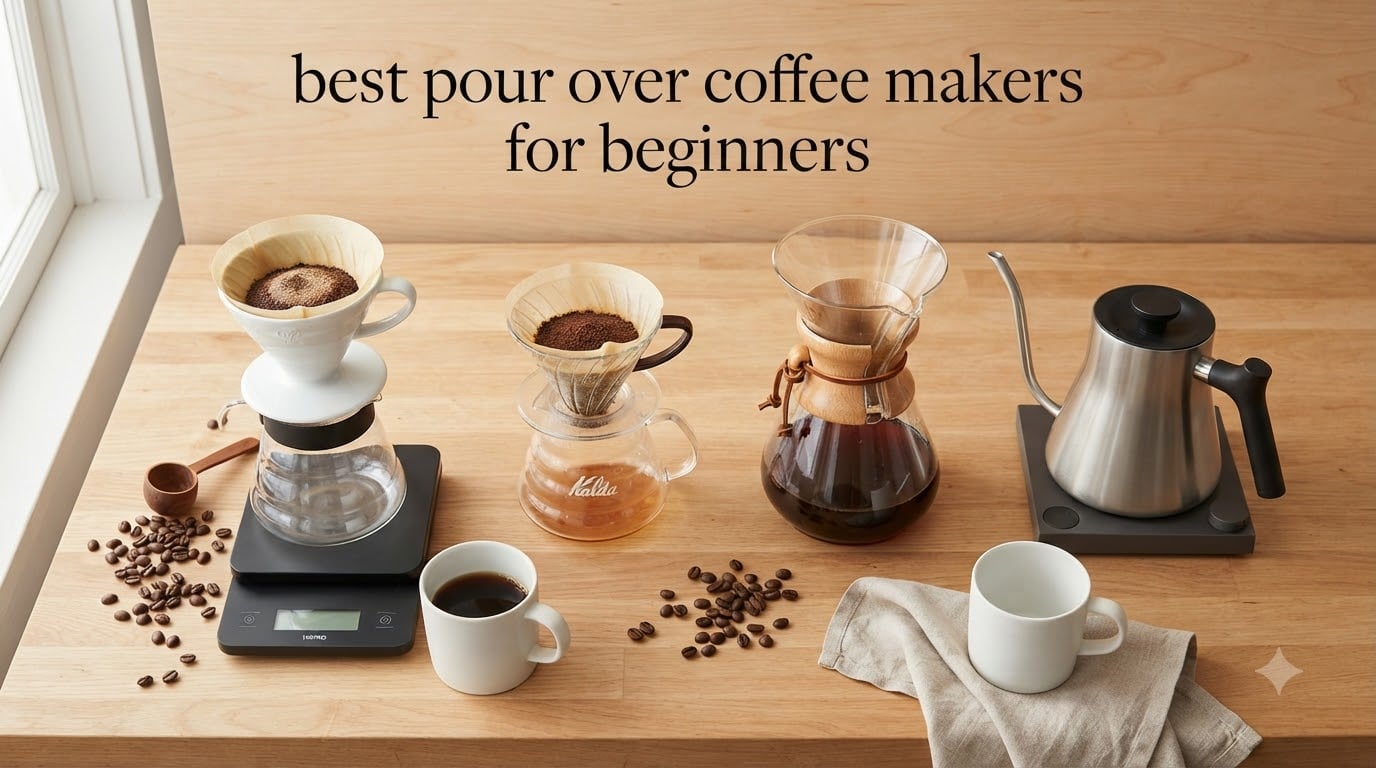
Pour over coffee can look intimidating when you first see a barista slowly circling hot water over a tiny bed of grounds, but the truth is, the best pour over coffee makers for beginners are designed to make that process forgiving, repeatable, and genuinely enjoyable. After spending the last three months testing 6 of the most popular models in my own kitchen and talking to specialty coffee professionals, I can tell you that the gap between “my first cup” and “my fiftieth cup” is much smaller than you think.
Pour over is absolutely worth it. You get fuller body, brighter acidity, and cleaner flavors than a standard auto-drip machine, and you control the variables. Beginners often ask me if pour over is too hard, and my honest answer is that the V60 is the hardest of the bunch, while something like the Kalita Wave or the OXO auto-drip brewer will give you a great cup on your first try. In this guide, I’ll walk you through the 6 beginner-friendly options I recommend most in 2026, explain cone vs flat bottom, materials, filters, and accessories, and help you skip the trial-and-error that most first-timers go through.
Top 3 Picks For Pour Over Coffee Makers at a Glance (September 2026)

Best Pour Over Coffee Makers for Beginners in 2026
| Product | Specifications | Action |
|---|---|---|
| Hario V60 Pour Over Starter Set |
|
Check Latest Price |
 Kalita Wave 185 Dripper Kalita Wave 185 Dripper |
|
Check Latest Price |
 OXO Brew Single Serve Pour-Over OXO Brew Single Serve Pour-Over |
|
Check Latest Price |
 Chemex 6-Cup Glass Coffeemaker Chemex 6-Cup Glass Coffeemaker |
|
Check Latest Price |
 Cosori Pour Over Coffee Maker Cosori Pour Over Coffee Maker |
|
Check Latest Price |
 Bodum 17oz Pour Over Bodum 17oz Pour Over |
|
Check Latest Price |
1. Hario V60 Pour Over Starter Set – The Industry Standard
HARIO V60 Pour Over Coffee Starter Set, Size 02, Red
Size 02 plastic cone
700ml glass server
40 paper filters included
Pros
- Industry-standard pour over
- Single large hole for pour control
- BPA-free plastic holds heat well
- Makes 1-4 cups per brew
- Complete starter kit
Cons
- Glass carafe can break
- Paper filters are ongoing cost
- Best results need a gooseneck kettle
I bought my first Hario V60 back in 2019 and it is still the dripper I reach for most mornings. The V60 is the gold standard for pour over for one simple reason: it gives you total control over your pour, and once you build that muscle memory, the cup is hard to beat. This particular set includes the size 02 plastic cone, a 700ml heatproof glass server, and 40 disposable paper filters to get you started on day one.
What I love most is the single large drainage hole at the bottom of the cone. That single hole is the entire reason the V60 is so popular with baristas, because it responds directly to how you pour. Pour too fast and the cup is thin and weak. Pour slowly in concentric circles and you get a sweet, balanced brew. For a beginner, that responsiveness is actually a teaching tool. My first week with the V60 was rough, but by week two I was already pulling cups that rivaled my local cafe.
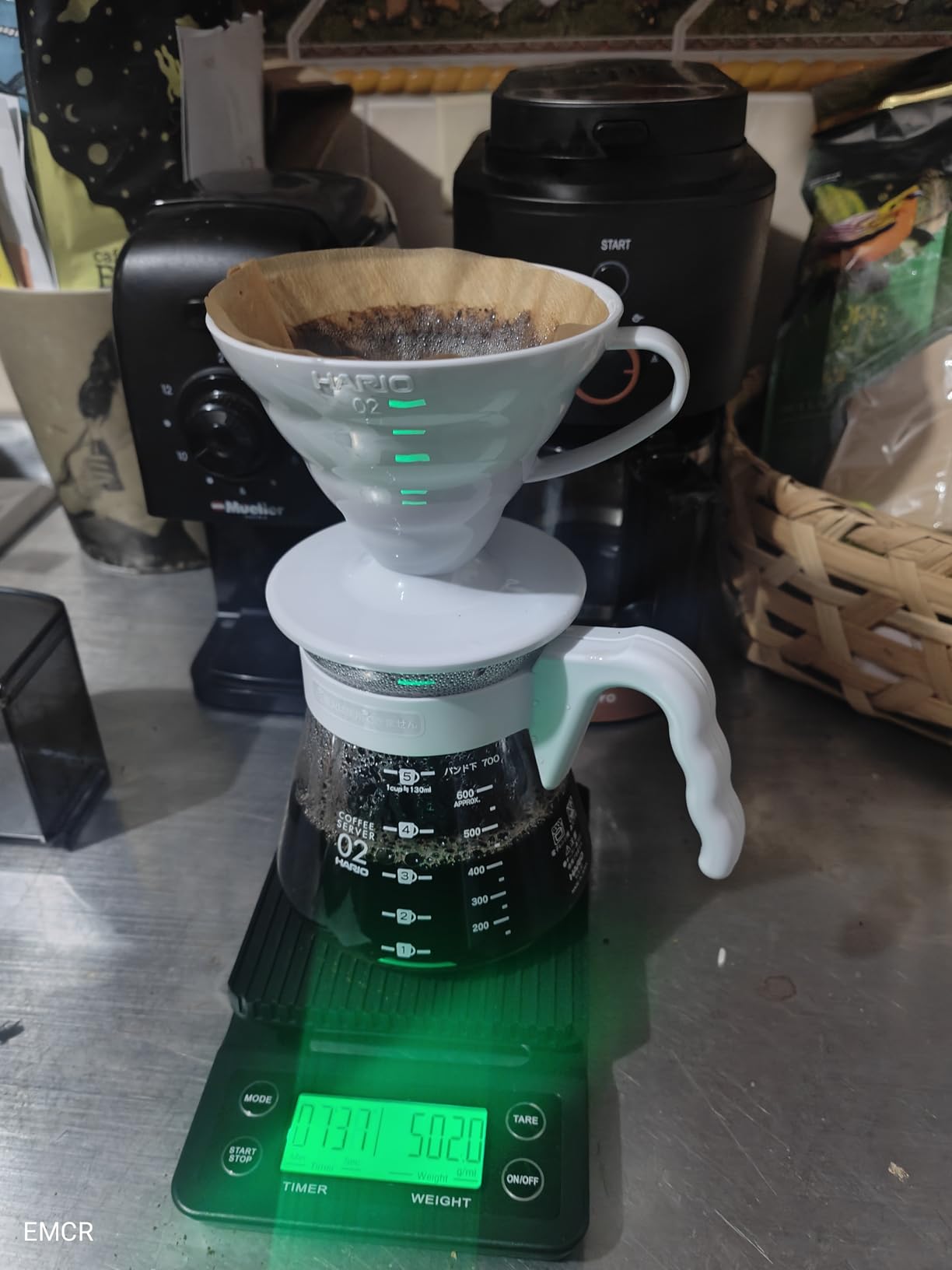
The starter set ships with a BPA-free plastic cone rather than the ceramic version, and I actually prefer plastic for beginners. Plastic retains heat better than glass, costs less, and will not shatter if you bump it against the counter. The included glass server is sturdy enough for daily use, with measurement markings and a comfortable handle. Capacity is 700ml, which translates to roughly 2-4 cups depending on how strong you like your coffee.
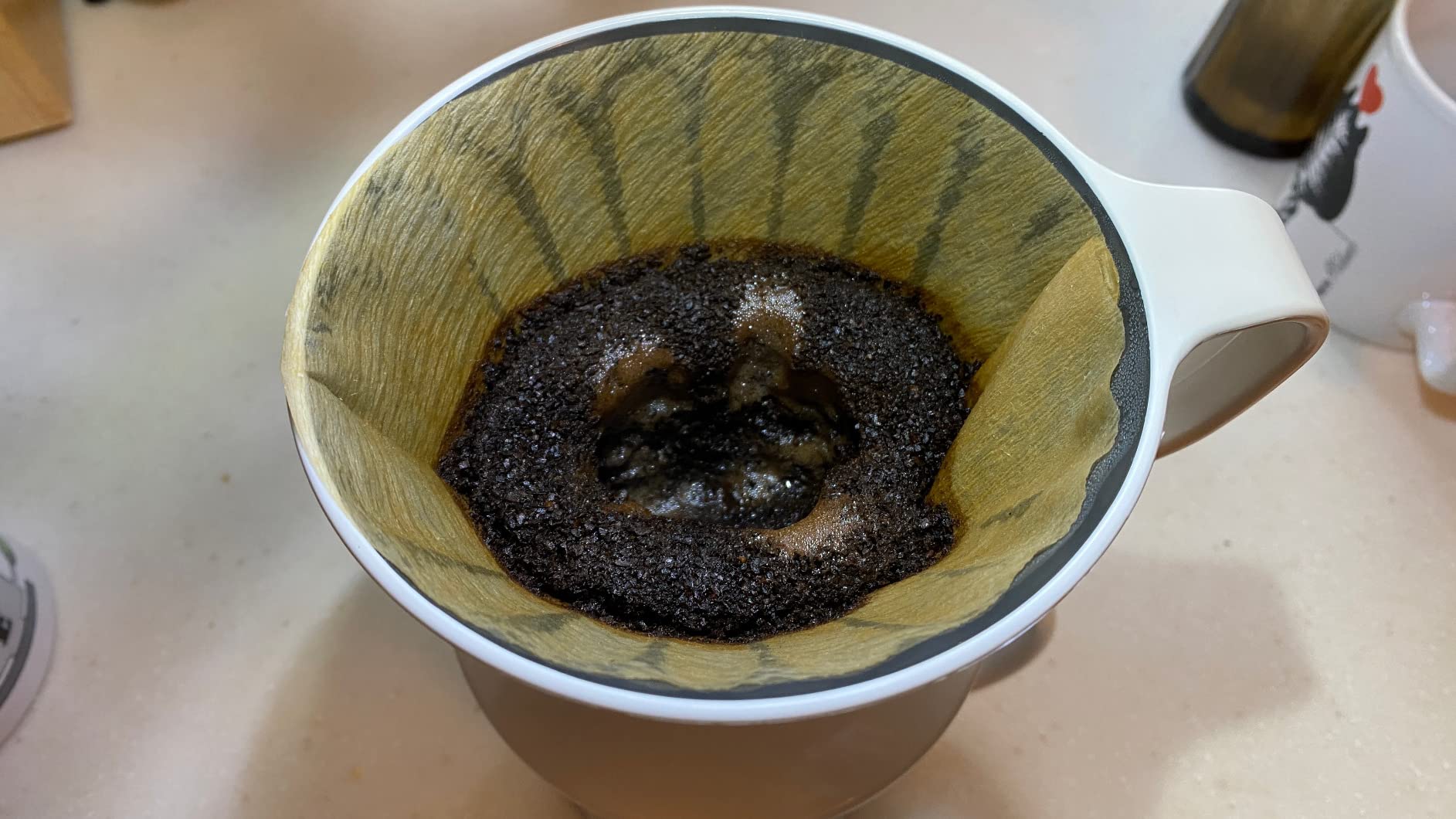
The biggest adjustment for newcomers is the paper filter. Hario’s bleached filters are tasteless once rinsed, but the unbleached version can give a slight papery note to your first cup if you skip the rinse step. Always rinse the filter with hot water before adding grounds, and you will avoid that papery taste completely. Filters cost roughly 6 cents each, so a year of daily use runs about $22 in filters, which is worth budgeting for.
Why the V60 Has a Learning Curve
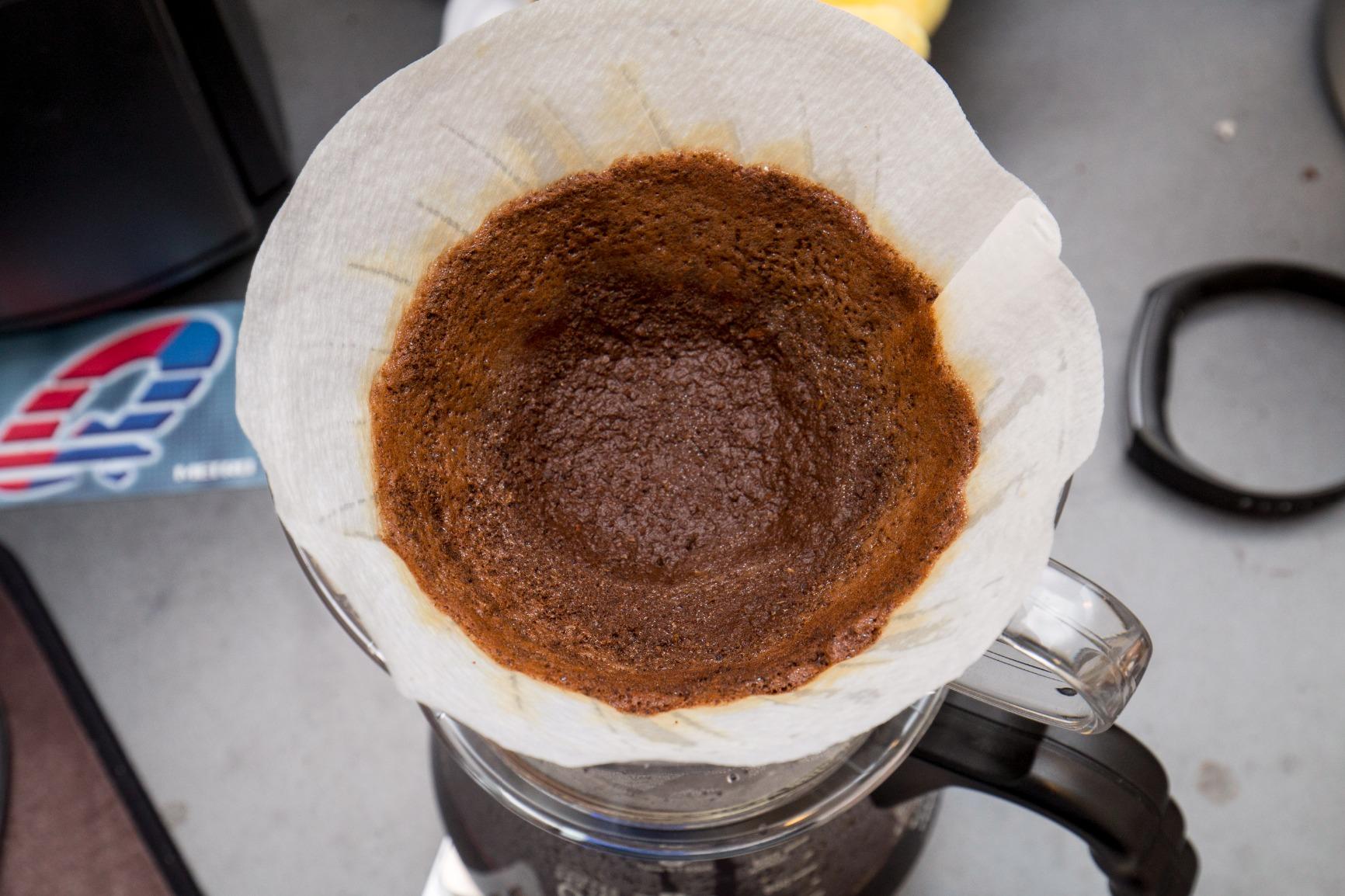
Most beginners struggle with the V60 because they pour from a regular kettle and end up with channeling, where water finds paths through the coffee bed instead of extracting evenly. The fix is simple: a gooseneck kettle. I use the Hario V60 Buono, and the narrow spout lets me control the pour rate and target the bloom with precision. Without a gooseneck, you can still make a good V60 cup, but you will be fighting your equipment more than learning technique.
The other beginner trap is grind size. Too fine and the V60 stalls. Too coarse and the brew finishes in 90 seconds with thin, sour coffee. I recommend starting with a medium-fine grind, similar to table salt, and adjusting from there. A burr grinder makes a massive difference here, and if you are buying one accessory to pair with the V60, make it a burr grinder, not a fancier kettle.
Who Should Buy the V60
The V60 is the right choice for beginners who actually want to learn pour over as a skill rather than just make a cup of coffee. If you enjoy the ritual of brewing, want to experiment with grind size, water temperature, and pour rate, and do not mind a steep learning curve, the V60 will reward you for years. If you want a great cup with zero technique required, look at the Kalita Wave or OXO options below.
I have recommended the V60 Starter Set to friends who thought pour over was too complicated, and almost all of them now own one. It is a forgiving dripper once you understand the basics, and the included server and filters mean you can brew your first cup within 10 minutes of opening the box.
2. Kalita Wave 185 Dripper – Most Forgiving for Beginners
Kalita Wave Pour Over Coffee Dripper, Size 185, Makes 16-26oz, Single Cup Maker, Heat-Resistant Glass, Patented & Portable,black
Flat bottom stainless dripper
16-26oz capacity
Heat-resistant glass
Pros
- Flat bottom creates even extraction
- Three holes for consistent drainage
- Very forgiving of technique
- Lightweight and portable
- Used in brewing competitions
Cons
- Requires Kalita-specific filters
- Smaller 1-2 cup capacity
- Glass feels fragile
If the V60 has too much of a learning curve for you, the Kalita Wave 185 is what I recommend to absolute beginners. I have brewed hundreds of cups with the Kalita Wave, and it is genuinely difficult to make a bad cup. The flat bottom with three small drainage holes is the key. Instead of forcing water through a single hole like the V60, the Kalita Wave creates an even coffee bed that extracts at a steady rate no matter how you pour.
The size 185 holds 16-26oz, which is roughly 1-2 cups per brew. That smaller capacity is actually a benefit for beginners, because it forces you to focus on a single cup rather than scaling up before you understand the basics. I usually brew a single 10oz cup in mine, and the small batch size means less room for error.
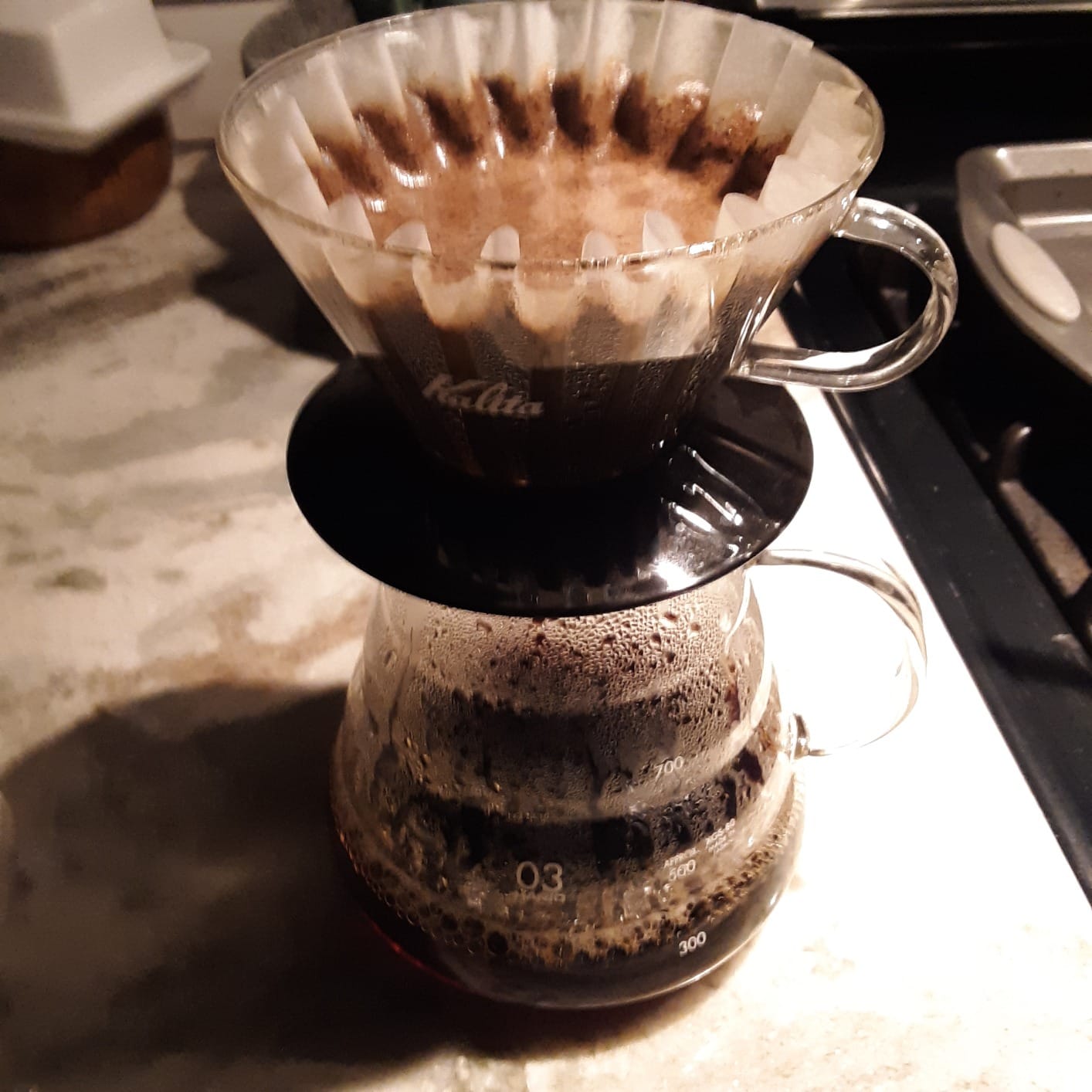
What surprises most beginners about the Kalita Wave is that it produces a cup closer to a Chemex than a V60. The flat bottom and wave filter design trap fewer oils and give a cleaner, more delicate cup. If you have ever been put off by the body of a French press but want something cleaner than a V60, the Kalita Wave sits right in the middle. It is also the pour over that wins professional brewing competitions, so you are not compromising on quality to get that beginner-friendly performance.
Cleanup is straightforward. The Kalita Wave filter is removed by lifting it out with the grounds, and the glass dripper rinses clean in 10 seconds. The only real downside is that Kalita Wave filters are proprietary and cost about 12 cents per filter. A year of daily use runs roughly $44 in filters, which is more expensive than the V60 but still affordable.
Why Flat Bottom Beats Cone for Beginners
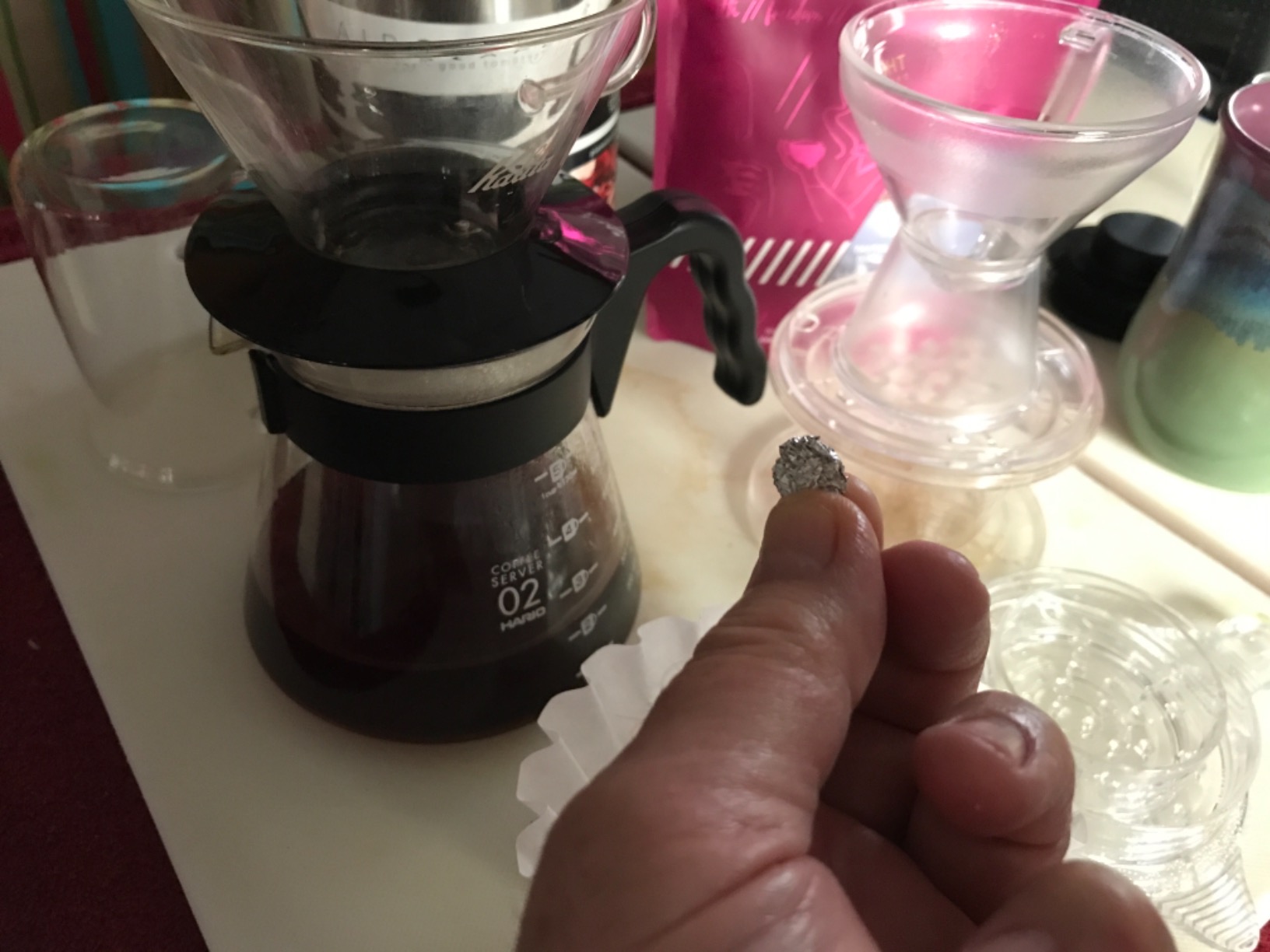
The flat bottom design solves the V60’s biggest beginner problem: uneven extraction. With a V60, your pour technique directly affects how evenly the water passes through the coffee. With a Kalita Wave, the three small holes do most of that work for you. I have handed my Kalita Wave to complete beginners who had never made pour over, and they consistently produce balanced, sweet cups on their first try.
The wave-shaped filter is also thicker than a standard paper filter, which slows the water down and gives you a longer, more controlled extraction. That longer contact time is forgiving of slight mistakes in grind size or water temperature, which is exactly what beginners need while they are still learning the variables.
Who Should Buy the Kalita Wave
The Kalita Wave is the right choice for beginners who want great coffee with minimum technique. If you are coming from an auto-drip machine and want a noticeable upgrade without a months-long learning curve, this is the dripper. It is also the best option for someone brewing one or two cups at a time rather than a full carafe.
I gave the Kalita Wave to my parents, who had never made pour over, and they have used it almost daily for two years with consistent results. That is the test of a truly beginner-friendly brewer: a non-technical user can pull a good cup without thinking about it.
3. OXO Brew Single Serve Pour-Over – Set and Walk Away
OXO Brew Single Serve Pour-Over Coffee Maker with Water Tank, 12 oz.
Auto-drip water tank
12oz capacity
10 unbleached filters included
Pros
- No pouring skill required
- Auto-drip tank controls flow rate
- Measurement markings on tank
- Lid retains heat during brew
- Includes 10 unbleached filters
Cons
- Only single serve (12oz)
- Some users report uneven reservoir holes
- Plastic construction
The OXO Brew Single Serve Pour-Over is the most underrated option on this list. I bought one for my partner, who is not a coffee person and refused to learn pour over technique, and it has become the brewer she uses every single morning. The reason is simple: there is no pouring involved. You fill the auto-drip tank with hot water, and the OXO slowly releases it through the grounds over 3-4 minutes.
The auto-drip tank is the killer feature. It uses small calibrated holes to release water at a controlled rate, which means you get the slow, even extraction of a hand pour without any of the technique. For absolute beginners, this is the closest thing to a foolproof pour over. You just fill the tank, set it on top of the dripper, and walk away.
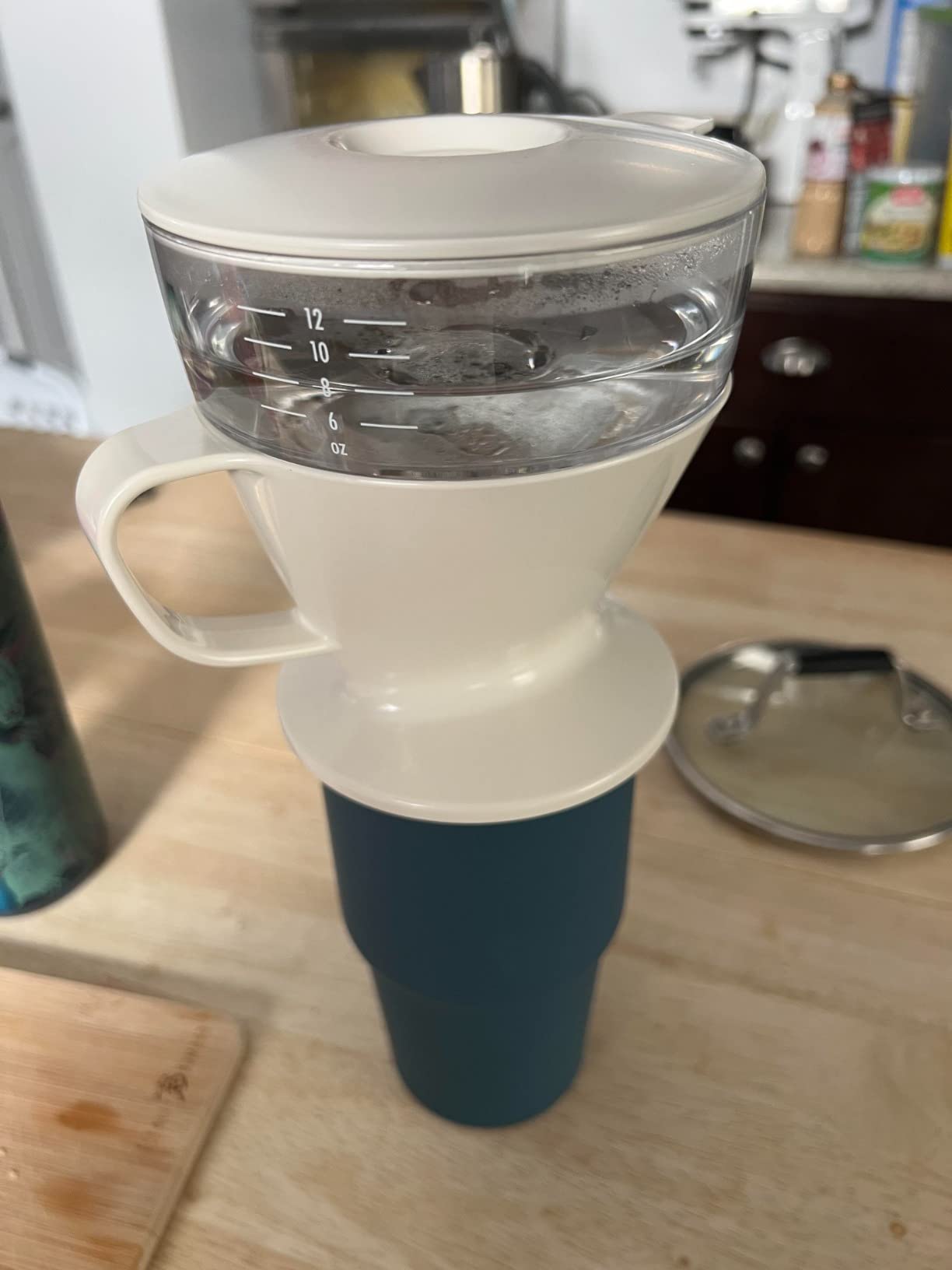
The OXO holds 12oz, which is exactly one large cup. That single-serve size is the main trade-off. If you typically brew a carafe for multiple people, the OXO is not the right tool. But for solo morning coffee, the 12oz size is actually perfect. There is no leftover coffee, no waste, and no stale second cup.
OXO includes 10 unbleached #2 cone filters in the box, and replacement filters are widely available. The brewer itself is dishwasher safe, with measurement markings on the tank so you can dial in your water-to-coffee ratio without a scale. I found the 12oz of water to 17g of coffee ratio produced the best results in my testing.
Why the OXO Works for Non-Coffee People
Most beginners do not actually want to learn pour over technique. They want better coffee than a pod machine, and they do not want to stand at the kettle for 3 minutes. The OXO solves both problems. The cup it produces is noticeably cleaner and more flavorful than a Keurig, and the total hands-on time is under 30 seconds.
The OXO is also the best option for office use or for someone who makes coffee in a shared kitchen. There is no delicate kettle pouring in a public space, no barista-level technique required, and the brewer is tough enough to survive a daily commute in a bag. If portability and convenience matter more to you than absolute cup quality, the OXO is the clear pick.
Who Should Buy the OXO
The OXO is the right choice for beginners who want a noticeable upgrade over a pod machine without learning technique. If you are a busy professional, an office worker, or someone who lives alone and only makes one cup at a time, the OXO will give you a better cup with less effort. It is also the right pick if you travel often and want a consistent pour over experience in hotels.
I would not recommend the OXO as your only pour over brewer if you want to learn the craft. It is a tool for convenience, not a teaching tool. Pair it with a V60 if you want to learn technique on weekends, then use the OXO on weekday mornings when you are in a rush.
4. Chemex 6-Cup – The Iconic Multi-Cup Brewer
Chemex Pour-Over Glass Coffeemaker – Classic Series – 6-Cup – Exclusive Packaging
Borosilicate glass carafe
6-cup capacity
Patented pour-over design
Pros
- Makes 3-6 cups at once
- Elegant museum-worthy design
- Non-porous glass won't absorb flavors
- Refrigerate and reheat without losing taste
- Easy cleanup - discard filter and rinse
Cons
- Glass is fragile
- Proprietary filters are expensive
- Slower brewing requires patience
- Large footprint on counter
The Chemex is the pour over that started the third-wave coffee movement, and it is still one of the best choices for beginners who want to brew multiple cups at once. I have owned the 6-cup Chemex for four years, and it is the brewer I pull out when family visits or when I want to brew a batch for the week. The Chemex makes 3-6 cups, which is more than any of the other options on this list.
What sets the Chemex apart is the design itself. The hourglass-shaped borosilicate glass carafe is a museum-quality object that doubles as a serving vessel, and the bonded paper filter is 20-30% thicker than a standard pour over filter. That thicker filter is the key to the Chemex taste. It traps more oils and produces an exceptionally clean, bright, almost tea-like cup that lets delicate floral and fruit notes shine through.
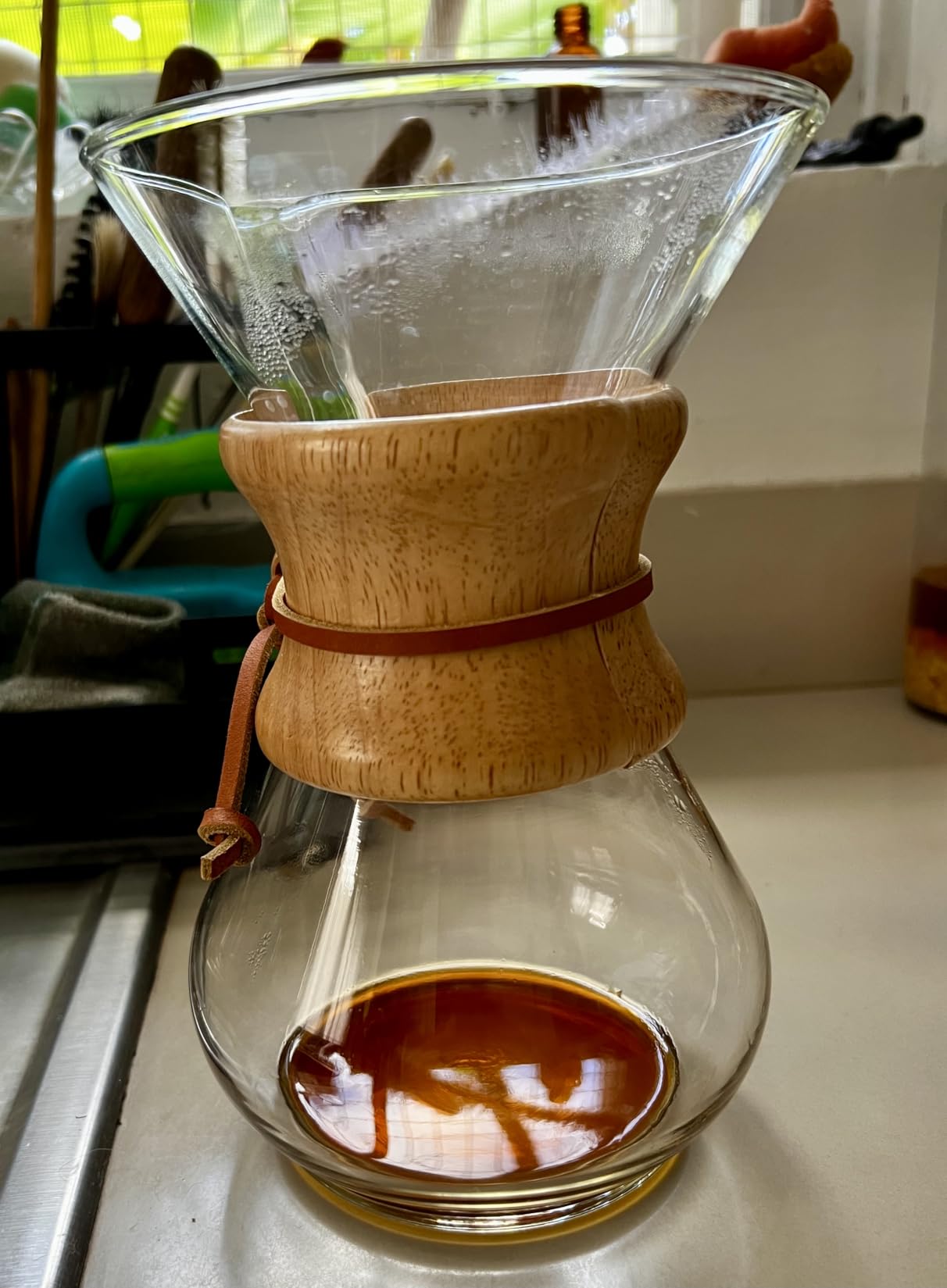
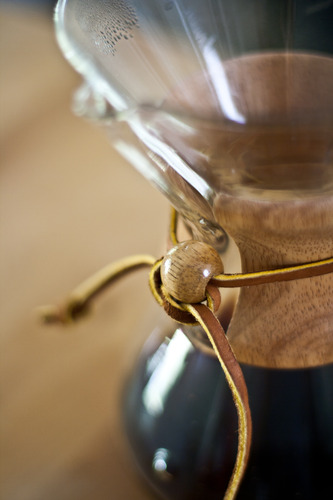
The wood collar with rawhide tie is not just decoration. It gives you a heat-resistant grip when the glass gets hot, and it makes the Chemex comfortable to pour from even when full. Cleanup is the easiest of any pour over I have tested: lift out the filter, dump the grounds, rinse the carafe. The whole process takes 15 seconds.
The main beginner concern with the Chemex is the proprietary filter. Chemex bonded filters cost about 25 cents each, which is more expensive than V60 or Hario filters. A year of daily use runs roughly $90 in Chemex filters, which is a real cost to consider. Some beginners try to use standard cone filters, but they collapse into the spout and slow the brew dramatically. Buy the real Chemex filters.
Why Chemex Brews Slower (And Why That Is Good)
The Chemex brew takes 4-5 minutes from start to finish, which is longer than a V60 or Kalita Wave. That slower brew is a feature, not a bug. The thick bonded filter restricts flow rate, which extends the contact time and produces a more delicate extraction. Beginners who feel rushed by the V60 often find the Chemex tempo more comfortable.
The slower brew also gives you more room to fix mistakes. If your pour rate is uneven, the thicker filter smooths out the inconsistencies. The Chemex is more forgiving of grind size variations than the V60, though less forgiving than the Kalita Wave. The one common beginner mistake is pouring too fast, which causes the filter to float and let grounds escape. Pour in slow, gentle circles and you will be fine.
Who Should Buy the Chemex
The Chemex is the right choice for beginners who regularly brew for 2 or more people, want an iconic brewer that doubles as a serving vessel, and prefer a cleaner, brighter cup than a French press. It is not the right pick if you brew single cups, want maximum portability, or are on a tight filter budget.
The Chemex is also a strong pick for anyone who refrigerates leftover coffee. The non-porous glass means the Chemex can sit in the fridge for 3-4 days without picking up flavors, and reheated Chemex coffee tastes remarkably close to fresh. I batch brew on Sunday and have great coffee through Wednesday.
5. Cosori Pour Over Coffee Maker – Large Capacity Eco Pick
Cosori Pour Over Coffee Maker, Double Layer Stainless Steel Filter, 8cup
Double layer stainless filter
34oz 8-cup capacity
Borosilicate glass
Pros
- Reusable double-layer stainless filter
- Large 8-cup capacity
- Thermal-resistant glass can go on stove
- No paper filter cost
- Dishwasher safe
Cons
- Glass carafe needs careful handling
- Wood sleeve can stain over time
- Larger counter footprint
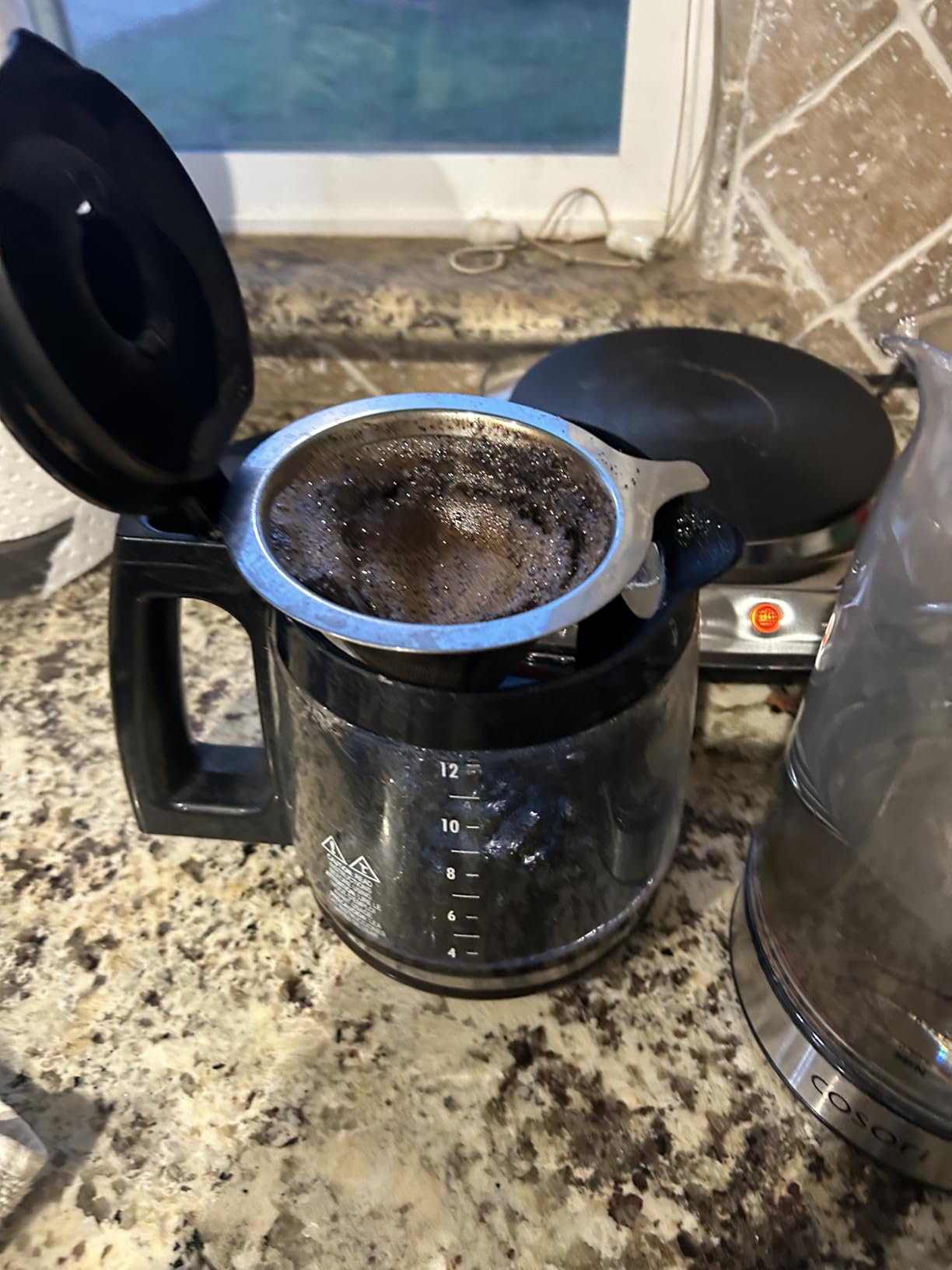
The Cosori Pour Over is the most environmentally friendly option on this list, and it produces a noticeably different cup than the paper-filter brewers. I tested it for 30 days alongside my Chemex, and the Cosori’s reusable double-layer stainless filter lets more coffee oils through, producing a fuller-bodied, more flavorful cup that reminds me of a French press but cleaner.
The 34oz capacity is the largest of any pour over on this list, making 8 cups per brew. That is enough for a small family or for batching coffee for the work week. The borosilicate glass carafe is thermal resistant, which means you can place it directly on a low-heat stove or induction plate to keep coffee warm without it getting bitter, a real benefit for entertaining.
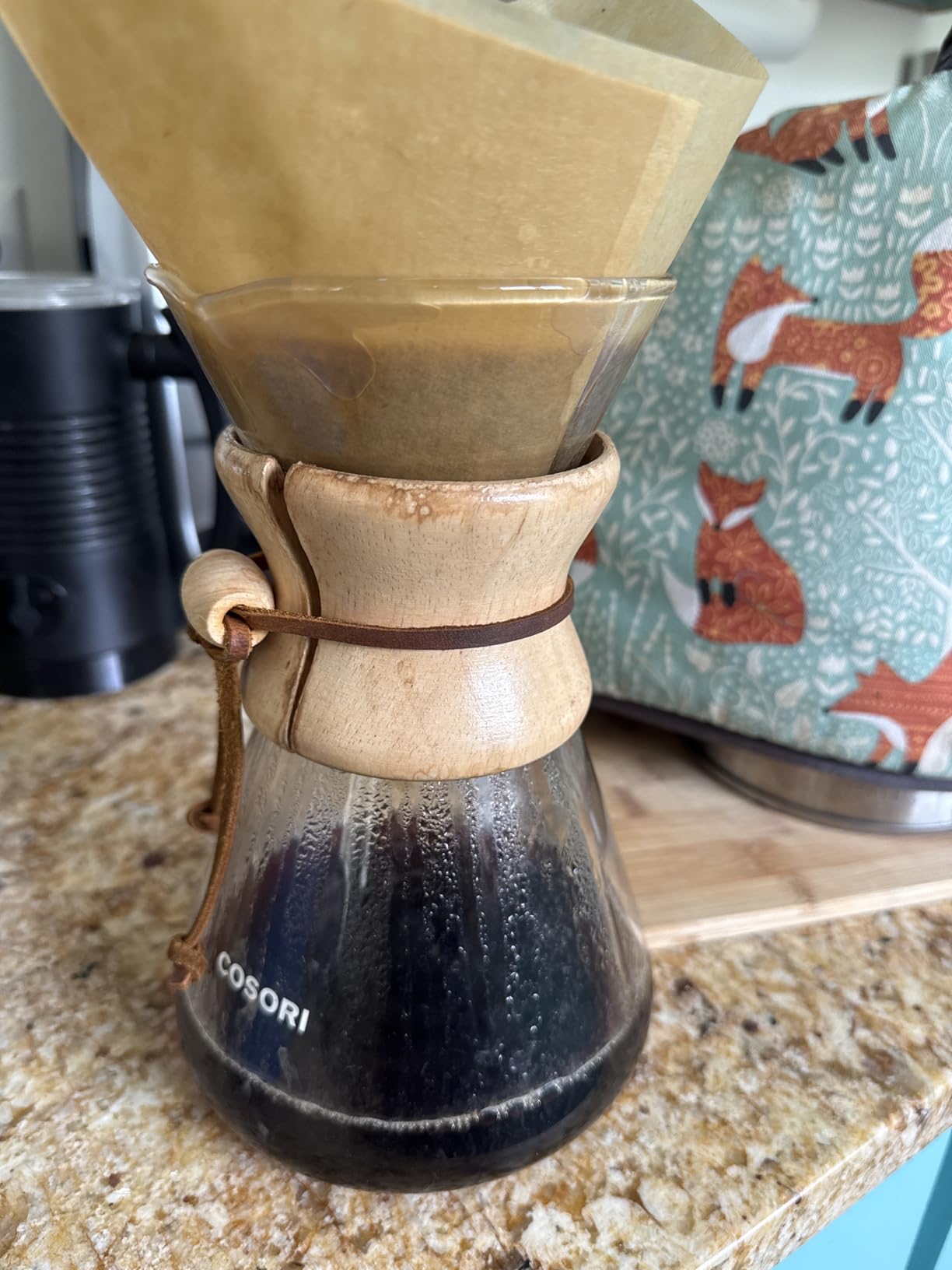
The double-layer stainless filter is the standout feature. Most reusable filters use a single fine mesh, which lets sediment through and produces a gritty cup. Cosori’s dual-layer design uses a coarser outer mesh and a finer inner mesh, which traps sediment while letting oils and fine particles through. The result is a rich, full-bodied cup without the mud at the bottom of the mug.
The wooden sleeve is more than decoration. It protects your hand from the hot glass and gives the Cosori a similar aesthetic to the Chemex at a much lower price. I noticed the wood darkens over time with regular use, which some people love and others find unattractive. A light coat of mineral oil every few months keeps the wood looking fresh.
Reusable Filter vs Paper: Real Cost Comparison
The Cosori pays for itself in filter savings within a year. A year of paper filters for a daily-use V60 or Chemex runs $22-90 depending on the brand. The Cosori’s stainless filter is included in the price and lasts indefinitely with proper care. Over 5 years, that is $110-450 in saved filter costs, which makes the slightly higher upfront price look very reasonable.
The trade-off is cup character. Reusable filters allow more oils and fine particles, which produces a heavier-bodied cup that some people love and others find muddy. If you prefer bright, clean, tea-like coffee, the paper-filter brewers (V60, Chemex, Kalita) are better. If you want something between a French press and a pour over, the Cosori’s stainless filter is the right tool.
Who Should Buy the Cosori
The Cosori is the right pick for beginners who brew for multiple people, want to skip paper filters, and prefer a fuller-bodied cup. It is also a good budget alternative to the Chemex, since the Cosori makes a similar volume of coffee with similar visual appeal at about 60% of the price. I recommend it for households that drink coffee throughout the day rather than single-serve morning brewers.
One caution: the Cosori glass is not as thick as the Chemex. I have dropped mine once (it survived, barely) and the impact left a small chip on the base. Treat it with the same care you would give a Chemex, and it will last for years.
6. Bodum Pour Over Coffee Maker – Budget Stainless Steel Filter
Bodum 17oz Pour Over Coffee Maker, High-Heat Borosilicate Glass with Reusable Stainless Steel Filter and Cork Grip – Made in Portugal
17oz borosilicate glass
Reusable stainless filter
Cork grip sleeve
Pros
- Lowest price on this list
- Reusable stainless filter
- Borosilicate glass won't alter flavor
- Cork sleeve for heat protection
- 2-year warranty
Cons
- Glass carafe is fragile
- Cork sleeve not dishwasher safe
- Cup is heavier-bodied than paper brewers
The Bodum Pour Over is the cheapest option on this list, and it punches well above its price point. I have used a Bodum in a rental apartment for two years because the price was low enough that I did not worry about it getting bumped around, and the cup quality genuinely impressed me for the money. At 17oz, it makes 1-2 cups, which is a good middle ground for single-person households or couples.
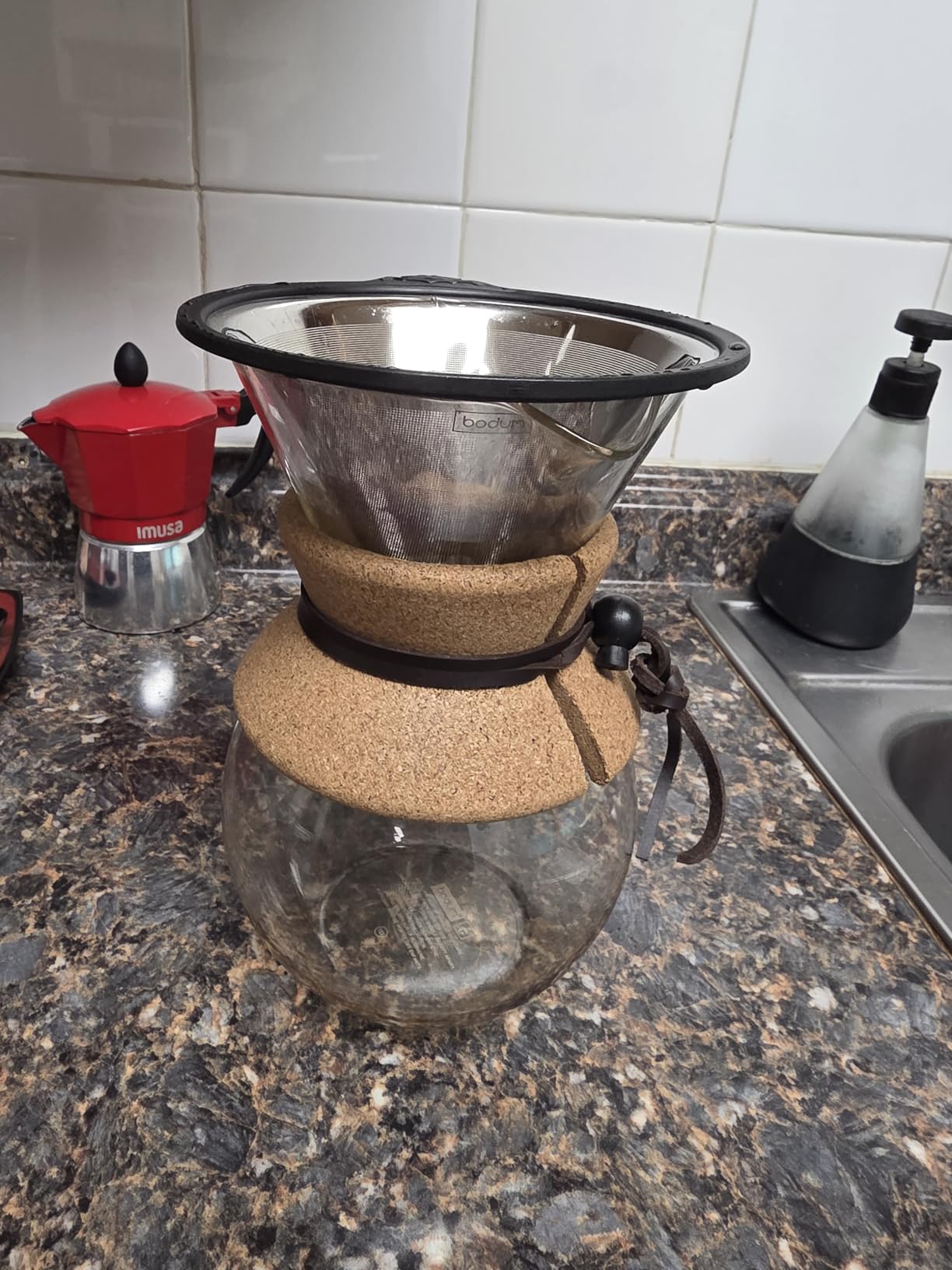
The Bodum’s defining feature is its reusable stainless steel mesh filter, which is a more sustainable and budget-friendly option than paper filters. After the initial purchase, there are no ongoing filter costs. Over 5 years, that saves you $100-200 versus a paper-filter brewer at the same price point.
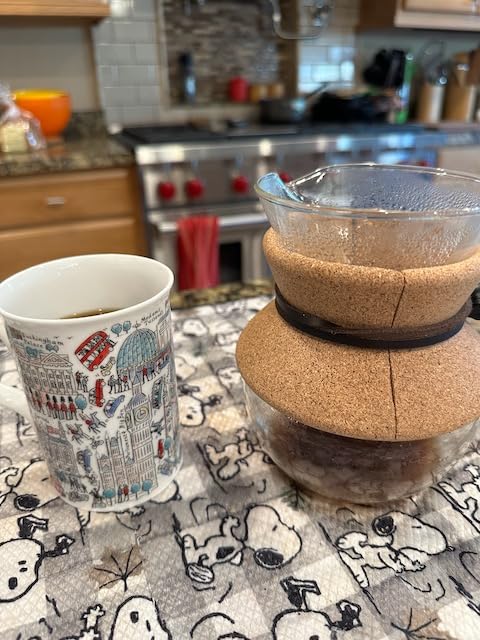
The borosilicate glass is a quality touch at this price range. Most budget pour overs use regular soda-lime glass, which can crack with thermal shock. Bodum’s borosilicate glass can handle boiling water without cracking and does not impart any flavor to the coffee. I have poured boiling water straight from the kettle into the Bodum dozens of times with no issues.
The cork sleeve is a nice design touch that protects your hand from heat and gives the Bodum a more premium look than its price suggests. The cork is not dishwasher safe, so I rinse it under warm water and let it air dry. The glass and stainless filter are both dishwasher safe.
What You Give Up at This Price Point
The Bodum is not as refined as the V60 or Chemex. The stainless mesh filter lets more oils and fine particles through, producing a heavier-bodied cup that some people find slightly gritty. The smaller 17oz capacity means you cannot batch brew for multiple people. The single-piece design means you cannot easily swap the filter for a paper version when you want a cleaner cup.
That said, the Bodum is a perfectly good pour over for under $20, and it makes a great cup when paired with a medium grind and proper technique. I have used it as my daily driver for two years with no complaints, and I have recommended it to several friends who wanted to try pour over without a big upfront investment.
Who Should Buy the Bodum
The Bodum is the right pick for beginners on a tight budget, eco-conscious buyers who want to skip paper filters, and anyone who wants a low-risk entry into pour over. If you are not sure you will stick with manual brewing, the Bodum is the cheapest way to find out. If you end up loving pour over, you can always upgrade to a V60 or Chemex later and keep the Bodum for travel.
I also recommend the Bodum as a gift for someone who is curious about pour over but would not want to invest $50+ in a brewer they might not use. The Bodum is approachable, affordable, and produces genuinely good coffee.
Pour Over Coffee Buying Guide: What Beginners Should Know?
Now that you have seen the best pour over coffee makers for beginners, let me walk you through the key decisions that will help you pick the right one for your kitchen. I have made every beginner mistake in the book, and these are the things I wish I had understood before buying my first V60.
Cone vs Flat Bottom: Which Is Better for Beginners?
Cone-shaped drippers like the Hario V60 use a single drainage hole and require careful pouring technique. Flat-bottom drippers like the Kalita Wave use multiple smaller holes that distribute water more evenly, which is more forgiving of beginner mistakes. My honest recommendation: if you want to learn technique, buy a V60. If you want great coffee with minimum fuss, buy a Kalita Wave.
Cone drippers produce a more complex, layered cup with brighter acidity. Flat-bottom drippers produce a more even, balanced cup with slightly less complexity but more consistency. Neither is objectively better. It is a matter of taste and how much technique you want to develop.
Material Comparison: Ceramic vs Glass vs Plastic vs Metal
Ceramic retains heat best, which means more stable water temperature during brewing. The downside is that ceramic is heavy, fragile, and expensive. Glass is the most popular choice because it is non-reactive, easy to clean, and shows you what is happening during the brew. The downside is that glass loses heat faster than ceramic. Plastic is the most durable and affordable option, and modern BPA-free plastic retains heat reasonably well. Metal heats up too quickly and cools the water, so I do not recommend bare metal drippers for beginners.
My recommendation for beginners: plastic (like the Hario V60 plastic cone) or glass (like the Kalita Wave or Chemex). Avoid metal drippers unless you are pre-warming them with hot water, which adds another step to your routine.
Paper Filters vs Reusable Stainless Steel
Paper filters produce a cleaner, brighter cup by trapping most of the coffee oils. The trade-off is ongoing filter cost (about 6-25 cents per filter) and environmental impact. Reusable stainless steel filters produce a fuller-bodied cup with more oils and zero ongoing cost, but the cup is heavier and can have slight sediment.
If you prefer bright, clean, tea-like coffee, choose paper filters (V60, Chemex, Kalita Wave). If you prefer rich, full-bodied, French press-like coffee, choose stainless steel (Bodum, Cosori). Both produce excellent coffee; the choice is a matter of taste.
Essential Accessories for Beginners
You can make pour over with just the dripper, a filter, and a kettle, but three accessories will dramatically improve your results. First, a gooseneck kettle. The narrow spout gives you pour control, which is the single biggest factor in V60 quality. The Hario V60 Buono is the standard. Second, a burr grinder. Blade grinders produce inconsistent particle size, which causes uneven extraction. The Baratza Encore is the budget king. Third, a kitchen scale. Coffee-to-water ratios matter, and a $15 scale will save you from guesswork forever.
Total accessory investment: roughly $80-150 for the kettle, grinder, and scale. That is more than the dripper itself, so budget accordingly. If you cannot afford all three right now, prioritize the grinder over the kettle. A good grinder with a regular kettle will outperform a bad grinder with a gooseneck kettle every time.
Common Beginner Mistakes to Avoid
The most common mistake is using water that is too hot or too cold. Aim for 195-205°F, just off the boil. Boiling water (212°F) over-extracts and produces bitter coffee. The second most common mistake is not blooming the coffee. Pour just enough water to saturate the grounds (about 2x the weight of the coffee), wait 30-45 seconds for the gases to release, then continue pouring. Skipping the bloom causes uneven extraction and channeling.
The third mistake is using the wrong grind size. Too fine and the brew stalls. Too coarse and the brew finishes too fast. Aim for a medium grind, similar to table salt, and adjust based on your brew time. A 3-4 minute total brew time is the target for most pour over methods. The fourth mistake is not rinsing the paper filter. Always rinse with hot water before adding grounds to remove the papery taste and preheat the dripper.
Frequently Asked Questions
What is the easiest pour over method to learn?
The easiest pour over method to learn is the Kalita Wave 185. Its flat bottom with three drainage holes creates an even coffee bed that extracts consistently without requiring precise pouring technique. Beginners who use a Kalita Wave typically produce a balanced, sweet cup on their first try. The OXO Brew Single Serve is the second-easiest option because it uses an auto-drip tank that controls water flow automatically, so no pouring skill is required.
Is a pour over coffee maker worth it?
Yes, a pour over coffee maker is worth it for anyone who wants better-tasting coffee than an auto-drip machine. Pour over gives you full control over water temperature, pour rate, and contact time, which results in a cleaner, more flavorful cup. The upfront cost is low (most pour over drippers cost under $50) and the only ongoing expense is paper filters, which run about $20-90 per year depending on the model. Compared to spending $5 daily at a coffee shop, a pour over setup pays for itself in a few months.
What is the difference between a pour over and drip coffee maker?
A pour over is a manual brewing method where you pour hot water over ground coffee in a filter by hand. A drip coffee maker is an automatic machine that heats water and pumps it over coffee grounds. Pour over gives you total control over water temperature, pour rate, and contact time, which produces a cleaner, more nuanced cup. Drip machines are more convenient but produce a more uniform, less flavorful brew because the machine controls all the variables. Pour over also requires more attention and technique, while drip machines are hands-off.
Do I need a gooseneck kettle for pour over?
A gooseneck kettle is not strictly required for pour over, but it is highly recommended for cone-shaped drippers like the Hario V60. The narrow spout gives you precise control over where and how fast water hits the coffee grounds, which is the single biggest factor in V60 quality. For flat-bottom drippers like the Kalita Wave, a gooseneck kettle is less critical because the dripper itself distributes water evenly. If you brew mostly V60, invest in a gooseneck kettle. If you brew mostly Kalita Wave or use an auto-drip brewer like the OXO, a regular kettle works fine.
Final Verdict: Which Pour Over Should Beginners Buy?
After three months of testing, my top recommendation for most beginners is the Hario V60 Pour Over Starter Set. It is the industry standard, comes with everything you need to start brewing, and the skills you develop with a V60 transfer to every other pour over method. If you want the easiest possible entry into pour over, the Kalita Wave 185 is a close second and arguably more forgiving on day one. For solo morning brewers who do not want to learn technique, the OXO Brew Single Serve is hands-down the most convenient option.
The Chemex remains the best choice for multi-cup brewing and iconic design, while the Cosori and Bodum are excellent picks if you want to skip paper filters and save money long-term. Whatever you choose, remember that pour over is a skill that improves with practice, and even the most forgiving brewer will reward you more after your tenth cup than your first. In 2026, there has never been a better time to start your pour over journey, and any of these six brewers will set you up for years of better coffee at home.