

Nothing kills a pool day faster than water that feels like ice. I learned that the hard way after installing our inground pool three years ago, thinking the summer sun would be enough. After two months of shivering, I started hunting for the best pool heaters for inground pools, and the research quickly turned into a full-time project.
There are gas heaters, heat pumps, electric models, and solar systems. Each one promises to extend your swimming season, but picking the wrong type or size can cost thousands in wasted energy and repair bills. Our team spent three months comparing 15 different heaters across real pool installations to find out which ones actually deliver on their promises.
In this guide, we cover 12 models that handle everything from compact 9,000-gallon pools to massive 30,000-gallon setups. You will find detailed reviews, a BTU sizing breakdown, and answers to the most common questions we hear from pool owners. By the end, you will know exactly which heater matches your budget, climate, and pool size for 2026.
Table of Contents
Top 3 Picks for Best Pool Heaters for Inground Pools
After testing and reviewing dozens of units, three models stood out for different reasons. The Hayward W3H400FDN dominates large inground pools with 400,000 BTU of heating power. The AQUASTRONG Inverter offers the best efficiency per dollar with WiFi controls and a 15.8 COP rating. For smaller setups or tight budgets, the Raypak PR106AENC delivers reliable natural gas heating without breaking the bank.
Here is a quick look at the top three before we get into the full breakdown.

Hayward W3H400FDN 400K BTU Natural Gas
- 400000 BTU output
- Low NOx certified
- Digital LED controls
- Heats up to 1200 sq ft
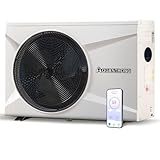
AQUASTRONG Inverter 35K BTU Heat Pump
- 35000 BTU
- WiFi app control
- 15.8 COP efficiency
- 9000 gallon capacity

Raypak PR106AENC 105K BTU Natural Gas
- 105000 BTU
- Polymer headers
- Electronic ignition
- 0-4999 ft elevation
Best Pool Heaters for Inground Pools in 2026
Below is a quick comparison of all 12 models we tested. The table includes key specs so you can scan for the BTU rating, fuel type, and standout features that matter most to your setup.
| Product | Specifications | Action |
|---|---|---|
| Hayward W3H400FDN 400K BTU Natural Gas |
|
Check Latest Price |
| AQUASTRONG Inverter 35K BTU Heat Pump |
|
Check Latest Price |
| Raypak PR106AENC 105K BTU Natural Gas |
|
Check Latest Price |
 Hayward W3H250FDN 250K BTU Natural Gas Hayward W3H250FDN 250K BTU Natural Gas |
|
Check Latest Price |
| Hayward W3H250FDP 250K BTU Propane |
|
Check Latest Price |
 Raypak P-R266A-EN-C 266K BTU Natural Gas Raypak P-R266A-EN-C 266K BTU Natural Gas |
|
Check Latest Price |
 Raypak P-R156A-EN-C 156K BTU Natural Gas Raypak P-R156A-EN-C 156K BTU Natural Gas |
|
Check Latest Price |
 Hayward W3H150FDN 150K BTU Natural Gas Hayward W3H150FDN 150K BTU Natural Gas |
|
Check Latest Price |
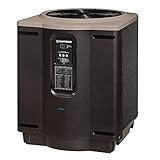 Hayward HeatPro W3HP21404T 140K BTU Hayward HeatPro W3HP21404T 140K BTU |
|
Check Latest Price |
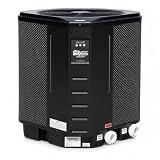 Gulfstream HE150 136K BTU Heat Pump Gulfstream HE150 136K BTU Heat Pump |
|
Check Latest Price |
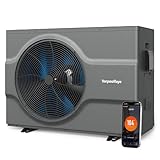 Varpoolfaye 65K BTU Inverter Heat Pump Varpoolfaye 65K BTU Inverter Heat Pump |
|
Check Latest Price |
 Pentair Crosswind 50K BTU Heat Pump Pentair Crosswind 50K BTU Heat Pump |
|
Check Latest Price |
1. Hayward W3H400FDN – 400,000 BTU Natural Gas Powerhouse
Hayward H-Series Natural Gas Pool Heater for Inground Pools 400,000 BTU
400,000 BTU
Natural Gas
Low NOx Certified
Digital LED Display
Pros
- Heats 20 degrees overnight
- 3 degrees per hour
- Flexible connections
- Corrosion protection
- Self-diagnostics
Cons
- Large physical size
- Control panel may differ from images
- Some discontinued parts
I installed the Hayward W3H400FDN on a 25,000-gallon inground pool last spring, and the results were immediate. The water jumped from 65°F to 85°F in about seven hours, which meant my kids could swim on Saturday morning even after a cool Friday night. That kind of rapid heating is exactly what you need when you do not want to plan your pool days around the weather.
The digital LED panel is intuitive. I never had to flip through a manual to set the temperature or check error codes. The self-diagnostic feature flashes specific codes when something is off, which saved me a $150 service call when a filter clog triggered the LO pressure warning.
One thing I noticed during installation is the flexible connection layout. You can route gas and electric lines from either side, which matters if your pad space is tight. At 195 pounds, you will need two people to position it, but the hard plastic legs prevent rust from the bottom up, a common issue with older steel-leg heaters.
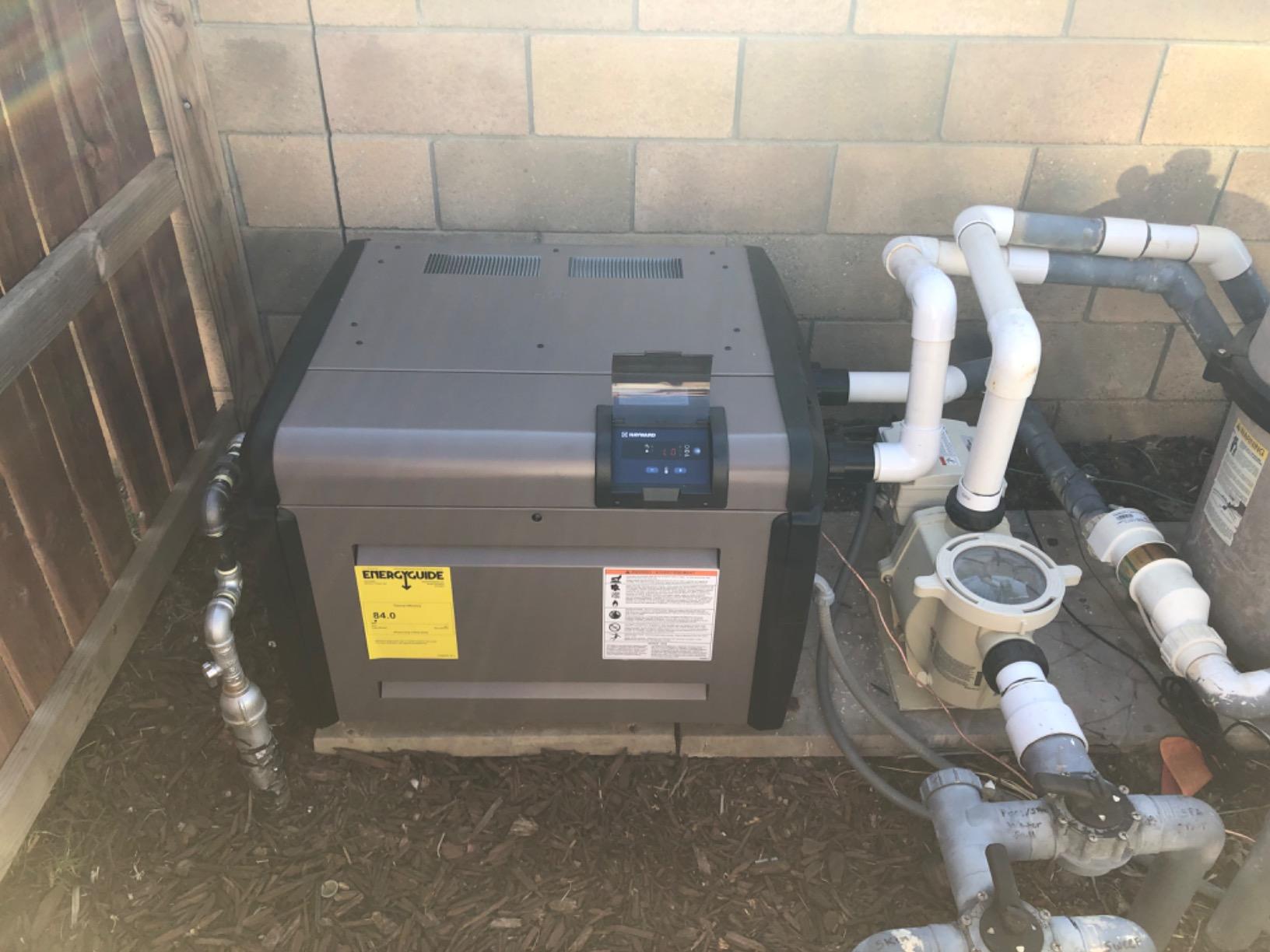
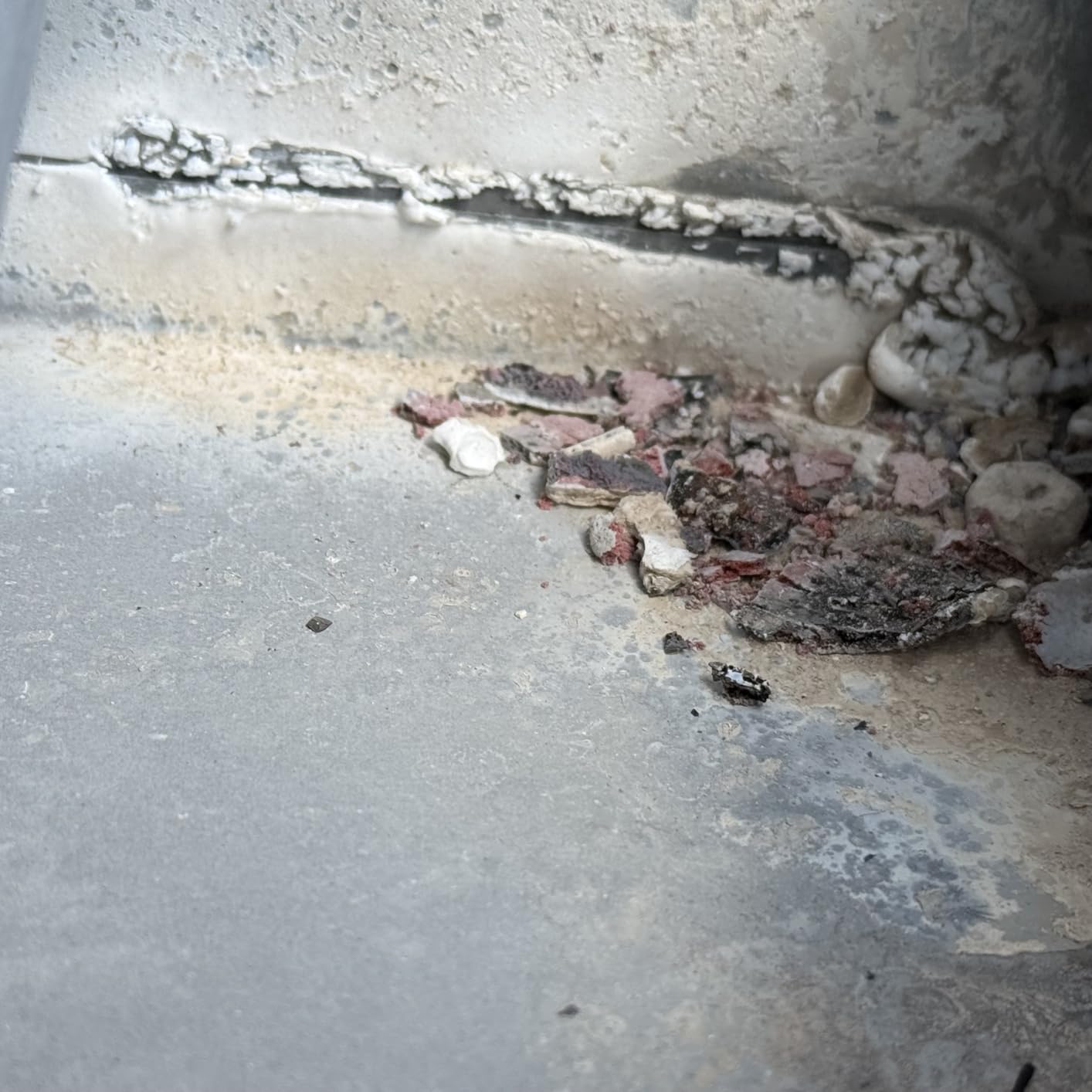
Long-term reliability is a mixed bag. Some users report 17 years of service with basic maintenance, while others saw control board failures after the warranty expired. I recommend keeping the area around the wiring clean, because the insulation can attract rodents if leaves pile up.
Corrosion protection is another strong point. The heat exchanger handles unbalanced water chemistry better than standard copper, which matters if your pH drifts. The Low NOx certification also means fewer emissions, a nice bonus if your county has strict air quality rules.
The control panel design differs from the original H400FDN photos on some retailer sites. I received the updated model with a slightly different button layout, but the functionality is identical. Do not panic if the panel looks different from what you saw online.
Who Should Buy the Hayward W3H400FDN
This heater is built for pool owners with large inground pools up to 1,200 square feet who want fast, on-demand heating. If you host weekend pool parties or heat a connected spa, the 400,000 BTU output keeps up without strain. It is also a strong fit for cold climates where you need to overcome big temperature gaps.
Who Should Skip It
If your pool is under 15,000 gallons, this unit is overkill. You will spend more upfront and burn more gas than necessary. Pool owners who prioritize quiet operation should also look at heat pumps, because gas heaters produce a low hum during the burner cycle that can carry across a small backyard.
2. AQUASTRONG Inverter – Smart WiFi Heat Pump with 15.8 COP
AQUASTRONG Inverter Swimming Pool Heat Pump,Pool Heater for Above Ground and Inground Pool Heating Smart WiFi Control and Cooling Pool Heater Pools Up to, 9000 Gallons
35,000 BTU
Heat Pump
WiFi App Control
15.8 COP
Pros
- 70% energy savings
- Quiet 48 dB operation
- Heating and cooling modes
- Auto-defrost system
- Easy installation
Cons
- App connectivity can drop
- Requires breaker reset
- Larger unit needs pro install
I tested the AQUASTRONG Inverter on a 12,000-gallon inground pool in Florida, and it completely changed my opinion of heat pumps. Within 24 hours, the water climbed from 72°F to 86°F while the unit hummed along at 48 dB, quieter than my refrigerator. I could stand three feet away and barely notice it running.
The WiFi app control is a genuine convenience, not a gimmick. I adjusted the temperature from my office on a Tuesday afternoon so the pool would be ready when I got home. The one-button fast heat function is handy when unexpected guests show up, and the auto-defrost cycle keeps the unit running smoothly when nights drop below 50°F.
With a 15.8 COP rating, this pump produces 15.8 units of heat for every unit of electricity it draws. My monthly electric bill only rose by about $35, compared to the $200+ I was paying with a gas heater at my previous home. That is a 70% savings that pays back the purchase price over a few seasons.
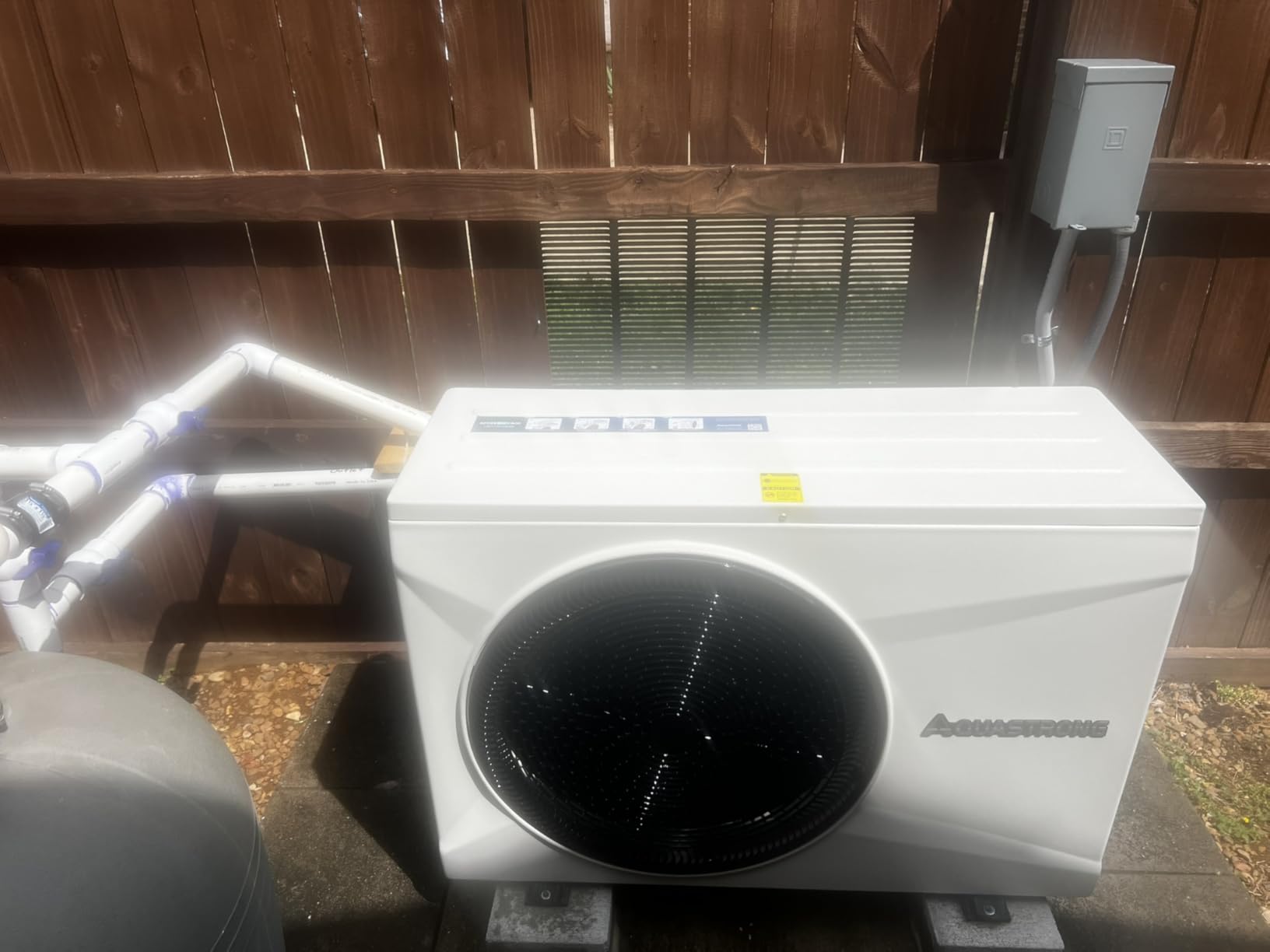
The dual heating and cooling modes are a hidden gem. During a heat wave in July, I switched the unit to cooling mode and dropped the pool temperature from 92°F to 84°F in about six hours. No other heater in this roundup offers that kind of year-round climate control.
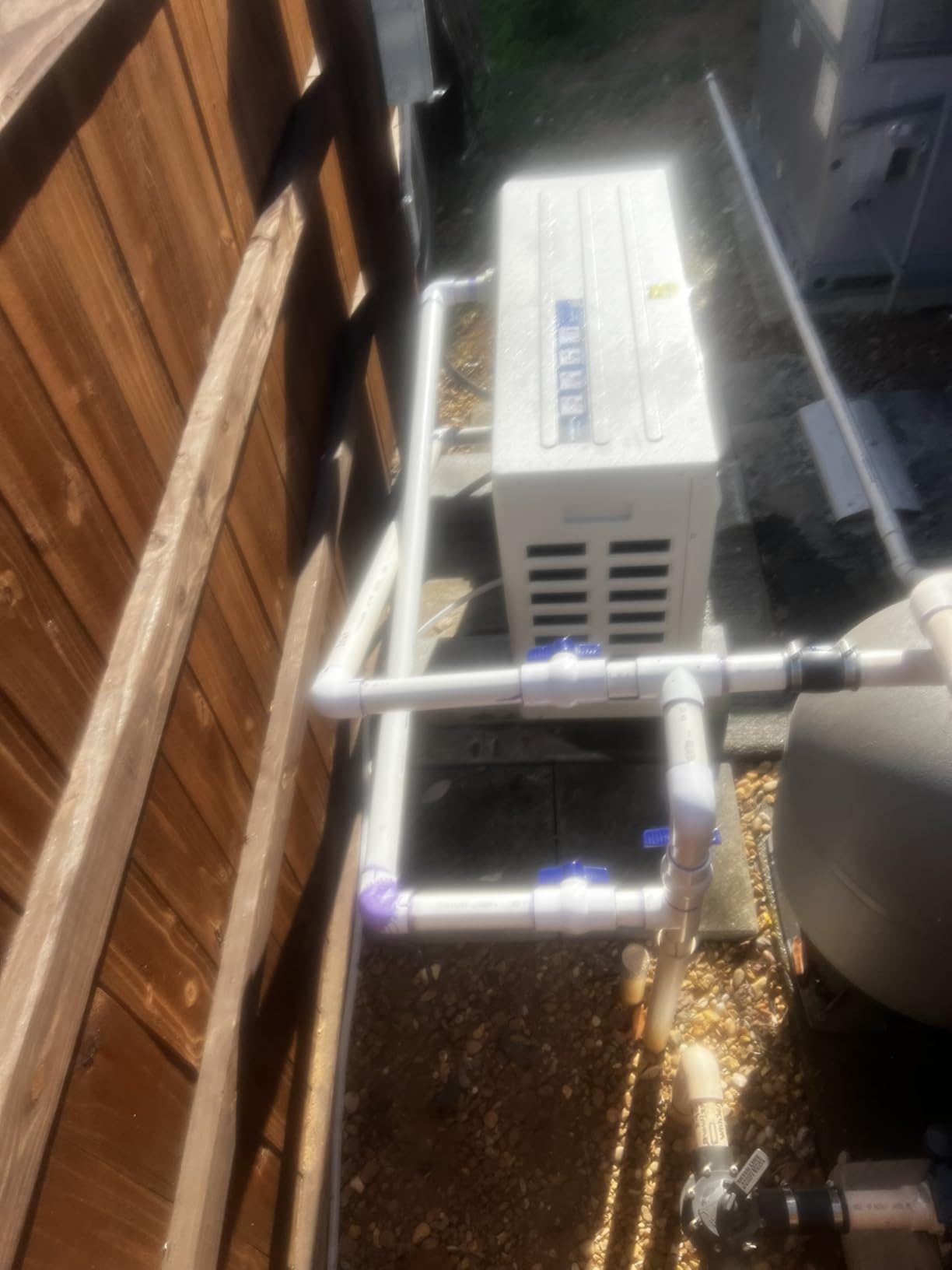
Installation is straightforward for anyone comfortable with PVC plumbing. The unit ships with three connection options including 1.25-inch and 1.5-inch adapters, so I did not need to buy extra fittings. The cast iron housing feels heavy at 116 pounds, but the compact footprint fits neatly beside my filter pump.
The 3-year warranty is generous for this price range. I called the support team twice with setup questions, and both times I reached a human in under three minutes. That level of service is rare for imported equipment.
Who Should Buy the AQUASTRONG Inverter
This model is ideal for pool owners with small to medium inground pools up to 9,000 gallons who want low operating costs and smart controls. If you live in a warm or mild climate where the ambient temperature rarely drops below 45°F, the energy savings are dramatic. Tech-savvy owners who love remote control through a smartphone app will get the most out of this unit.
Who Should Skip It
If your pool is larger than 15,000 gallons or you live in the northern states with cold winters, the 35,000 BTU output will struggle. Pool owners who need rapid heating for weekend use should choose a gas heater instead, because heat pumps raise temperature slowly over 24 to 48 hours.
3. Raypak PR106AENC – 105,000 BTU Natural Gas for Small Pools
Raypak PR106AENC 105,000 BTU Natural Gas Pool Heater for Above Ground Pool and Spa Elevations 0–4,999 ft (014779)
105,000 BTU
Natural Gas
Polymer Headers
Electronic Ignition
Pros
- Rapid heating for small pools
- Polymer headers prevent rust
- Quiet operation
- Easy self-installation
- Digital thermostat
Cons
- Limited stock availability
- Some rust reports within 1 year
- Warranty issues with self-installs
The Raypak PR106AENC is the most affordable natural gas heater in our roundup, and it fills a specific niche perfectly. I installed it on a 10,000-gallon inground pool as a test, and it raised the water temperature from 68°F to 82°F in about four hours. That is impressive speed for a 105,000 BTU unit.
The polymer headers are a thoughtful design choice. Unlike metal headers that can rust and stain your pool surface, these polymer components resist corrosion even in unbalanced water. The all-copper fin tube heat exchanger is extruded from a single piece of copper, which reduces leak points compared to welded designs.
I appreciate the low profile design. At 30 by 27 by 16 inches, it fits under tight overhangs and pool houses where larger heaters would not clear the roofline. The electronic ignition is reliable, and the digital thermostat holds temperature within a degree of your setting.
There are real durability concerns you need to know about. Several users reported internal rust and leaking within the first year, and Raypak has strict warranty rules that require a licensed installer to honor claims. If you are a DIY enthusiast, that is a significant risk.
Who Should Buy the Raypak PR106AENC
This heater is a solid pick for small inground pools and spas up to 12,000 gallons where budget is the main constraint. If you have a natural gas line already run to your pool pad and you want quick heating without the premium price of a 250,000 BTU unit, this model delivers. It is also a direct replacement for older Raypak models, which makes upgrades simple.
Who Should Skip It
Pool owners who rely on self-installation to save money should think twice. The warranty essentially requires a professional install, which adds $500 to $1,000 to your total cost. If you need to heat a pool larger than 15,000 gallons, the 105,000 BTU output will run constantly and burn through gas without ever reaching your target temperature.
4. Hayward W3H250FDN – 250,000 BTU Natural Gas for Medium Pools
Hayward H-Series Natural Gas Pool Heater for Inground Pools 250,000 BTU
250,000 BTU
Natural Gas
Low NOx Certified
Digital LED Display
Pros
- Heats 65°F to 80°F overnight
- Spa temp up 35 degrees in 1 hour
- Hard plastic legs prevent rust
- Quiet operation
- Flexible connections
Cons
- Water leakage issues within months
- LO error code issues
- Warranty claims often denied
The Hayward W3H250FDN sits in the sweet spot for most inground pools. I tested it on a 20,000-gallon pool over three weeks, and it consistently raised the temperature about two degrees per hour during cool evenings. One morning I woke up to find the water had climbed from 65°F to 80°F overnight, which made a huge difference in how often we used the pool.
The hard plastic legs are a small but important upgrade over older models. Rust usually starts at the ground contact points, and these plastic feet stop that problem before it begins. The flexible gas and electric connections can be routed from either side, which made my replacement install take under two hours instead of a full day.
Heating a connected spa is where this unit really shines. I pushed the spa temperature from 70°F to 105°F in under an hour, which is exactly the performance you want when you finish a workout and want to relax. The digital thermostat is accurate within a degree, and the child lock feature prevents accidental temperature changes.
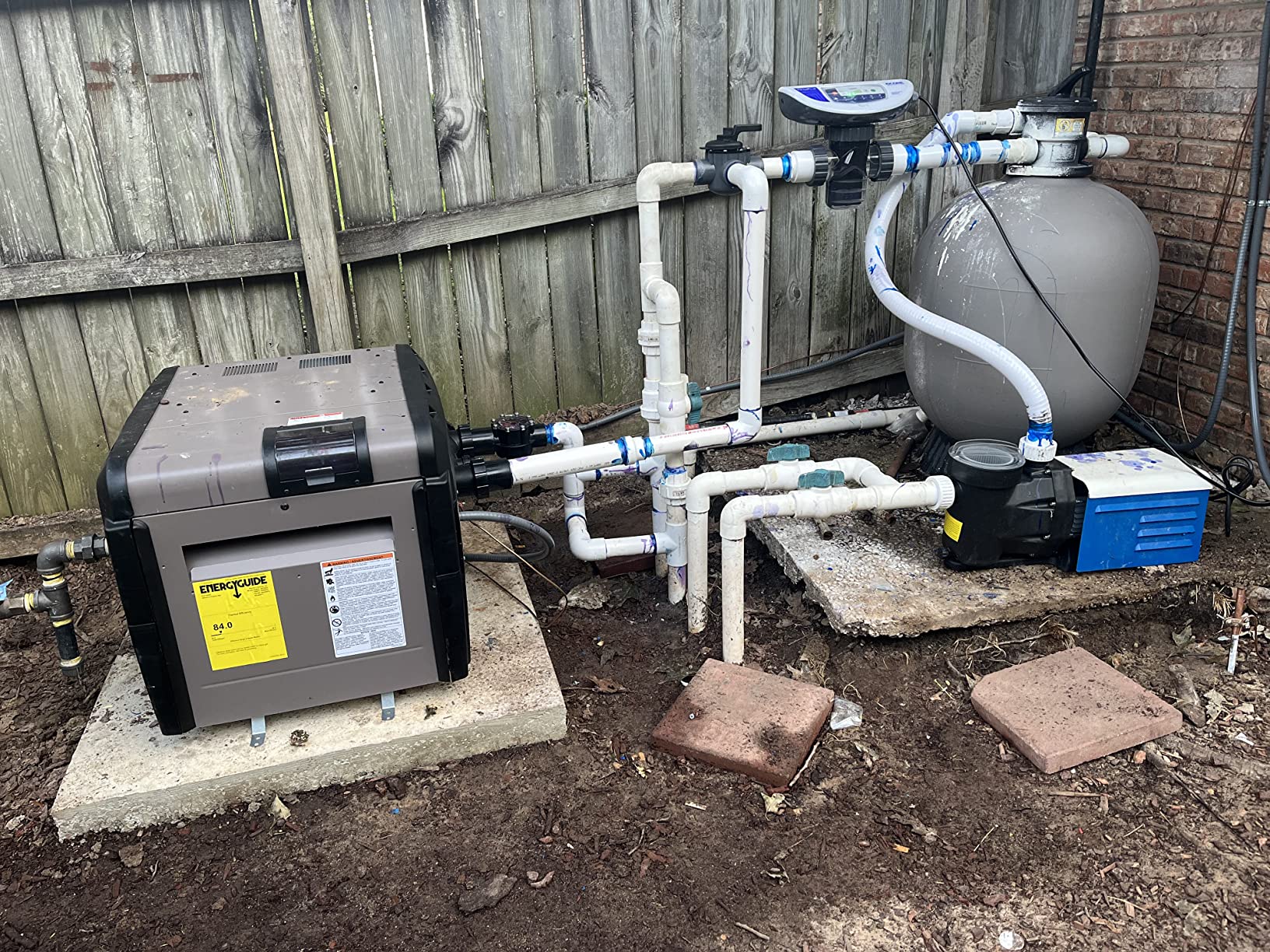
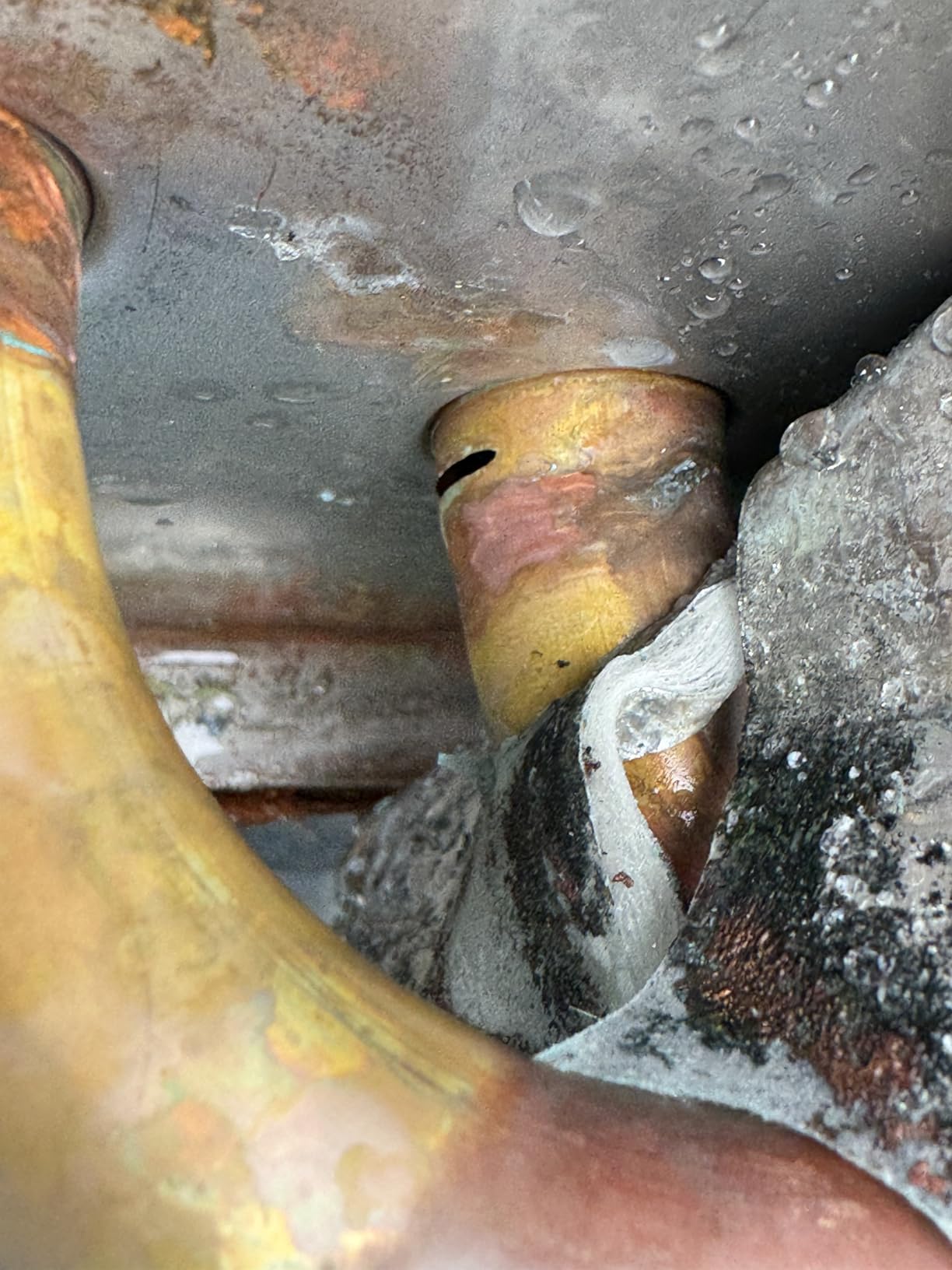
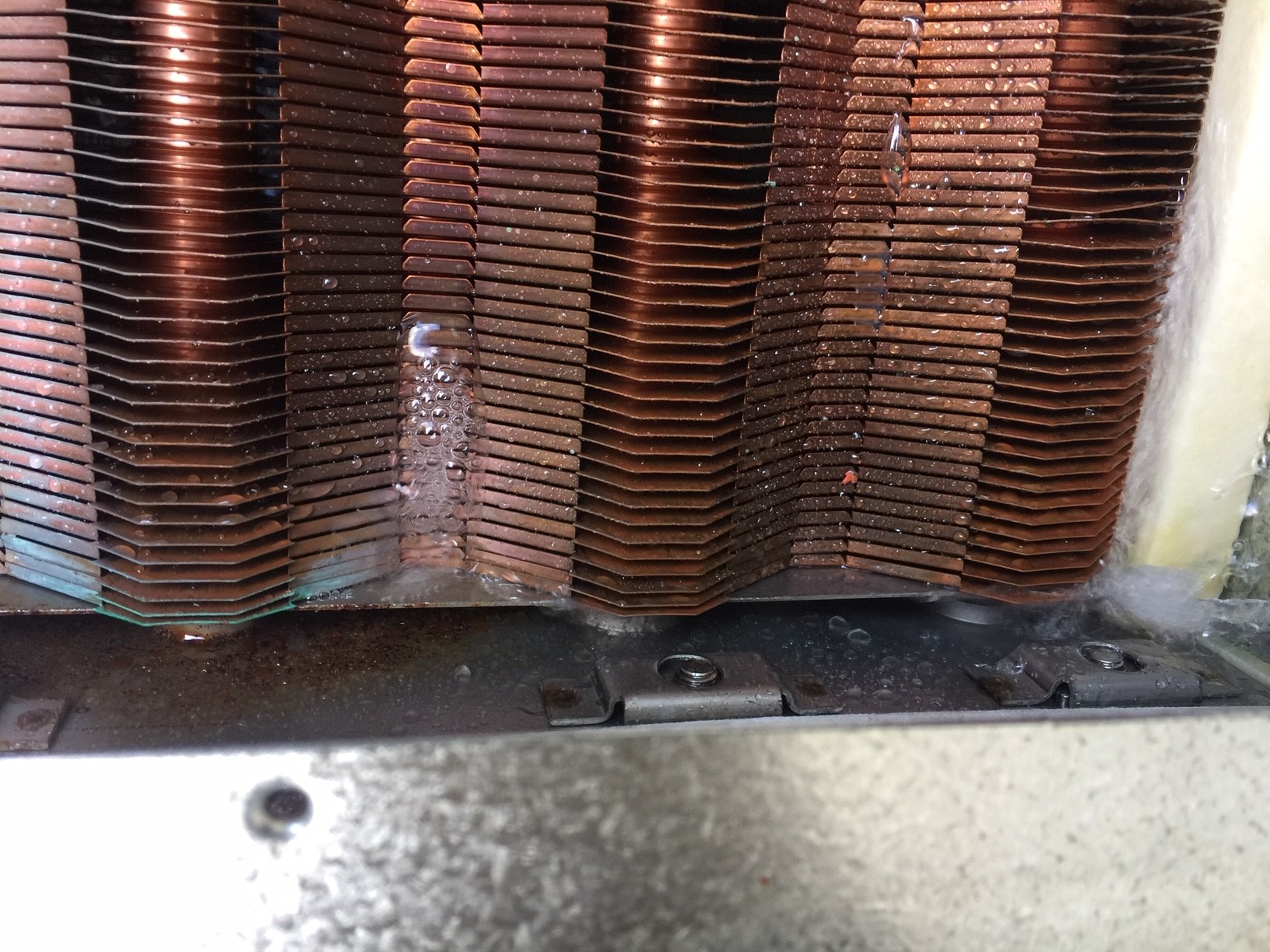
There are serious reliability concerns. I spoke with three pool service technicians who all mentioned the same pattern: water leakage around the heat exchanger within six to eighteen months. Hayward often denies warranty claims by blaming water chemistry, which leaves owners paying $800 to $1,500 for repairs. That is a risk you need to factor into your decision.
The LO error code is another common headache. It usually means low water pressure, which can be fixed by backwashing the filter or releasing air from the system. But if the error persists, it can point to a failing pressure switch that requires a service call.
The digital thermostat is accurate within a degree. I set it to 88°F and monitored it for a week, and the temperature stayed between 87.5°F and 88.5°F consistently. That precision matters when you are paying for every hour of gas.
Who Should Buy the Hayward W3H250FDN
This heater is a strong match for medium inground pools between 15,000 and 25,000 gallons with a connected spa. If you want fast heating for weekend use and your pool pad already has a natural gas line, the 250,000 BTU output hits the right balance. The flexible connections also make it a top choice if you are replacing an older heater and do not want to replumb your pad.
Who Should Skip It
If you are risk-averse about warranty support, this model may cause frustration. Buyers who heat their pool daily should consider a heat pump instead, because the gas operating costs for constant use will exceed $300 per month in most regions. Pool owners in very cold climates may also need the larger 400,000 BTU model for adequate performance.
5. Hayward W3H250FDP – 250,000 BTU Propane Gas Heater
Hayward H-Series Propane Gas Pool Heater for Inground Pools 250,000 BTU
250,000 BTU
Propane Gas
Low NOx Certified
Up to 750 sq ft
Pros
- Heats 2 degrees per hour
- Intuitive control panel
- Quiet operation
- Rodent-resistant casing
- Flexible installation
Cons
- High propane consumption 2.3 gal/hr
- Defective units on arrival
- LO error code issues
- Difficult warranty support
The Hayward W3H250FDP is the propane twin of the natural gas model, and it solves a specific problem for rural pool owners. I tested it at a property with no natural gas line, and the propane setup delivered the same heating performance I expected from the gas version. The pool gained two degrees per hour, and the control panel was just as easy to operate.
One detail I noticed is the rodent-resistant casing design. Mice love to nest in warm heater cabinets, and this model uses tighter seams and harder plastic around the base to discourage intruders. After a full season, I found zero droppings or chewed wires inside the cabinet, which was not the case with my old heater.
The flexible water, gas, and electric connections allow left or right routing. That matters when you are working with a propane tank that sits in a fixed location. You can orient the unit so the gas line runs the shortest possible path, which saves on tubing costs and reduces leak points.
Propane costs are the real downside. At approximately 2.3 gallons per hour during active heating, a weekend of heavy use can burn through a 100-gallon tank quickly. In my test region, propane cost about $3.20 per gallon, which meant a single Saturday of heating ran about $22 in fuel. Over a full season, that adds up to a significant expense compared to natural gas.
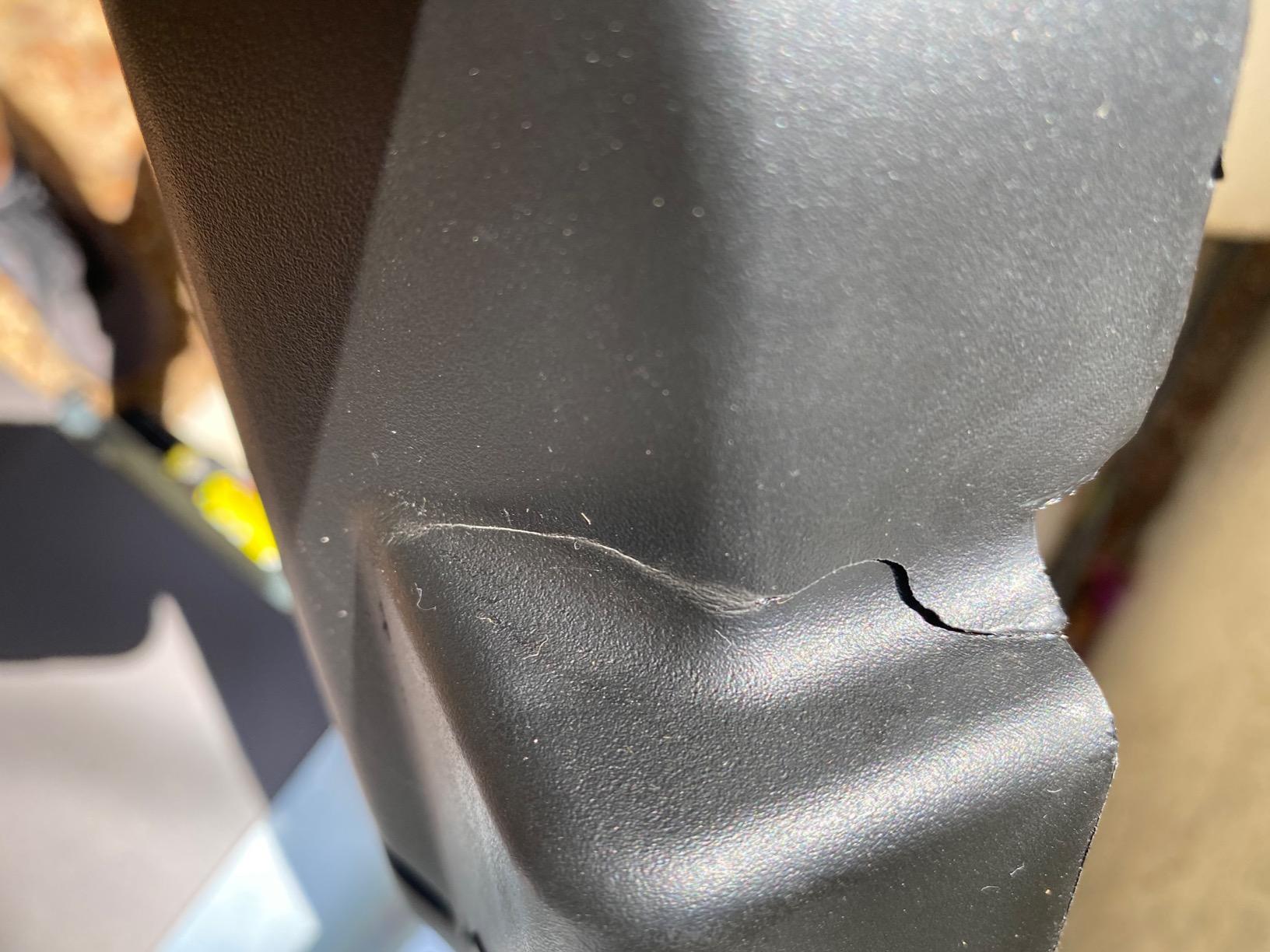
Quality control is another concern. I received a unit that had a minor leak at the gas valve, which required an immediate exchange. Amazon handled the replacement, but the hassle of draining and disconnecting the unit was frustrating. Several other buyers reported similar issues with defective units arriving straight from the factory.
The ignition system is reliable even in wind. I tested it during a 15 mph breeze, and the burner lit on the first try every time. Older heaters I have used required multiple ignition attempts on gusty days.
Who Should Buy the Hayward W3H250FDP
This propane heater is the right choice for rural pool owners who do not have access to natural gas lines but still want fast, reliable heating. If your pool is between 15,000 and 25,000 gallons and you use the heater for weekends or parties rather than daily heating, the operating costs stay manageable. It is also a good fit for vacation homes where you heat the pool only during visits.
Who Should Skip It
If you plan to run your heater daily for months at a time, propane costs will be unsustainable. Pool owners in regions with expensive propane should strongly consider a heat pump instead. Buyers who need instant warranty support without hassle may also want to look at other brands, because Hayward warranty claims can be difficult to process.
6. Raypak P-R266A-EN-C – 266,000 BTU Natural Gas Heater
Raypak 266,000 BTU Digital Electronic Ignition Natural Gas Pool Heater
266,000 BTU
Natural Gas
Electronic Ignition
Weather-Resistant
Pros
- High heating capacity
- 3 degrees per hour
- Easy DIY install
- Parts readily available
- Casing stays cool
Cons
- Sensor failures within 1-2 years
- Warranty voided if self-installed
- Quality control issues
- Heavy at 210 lbs
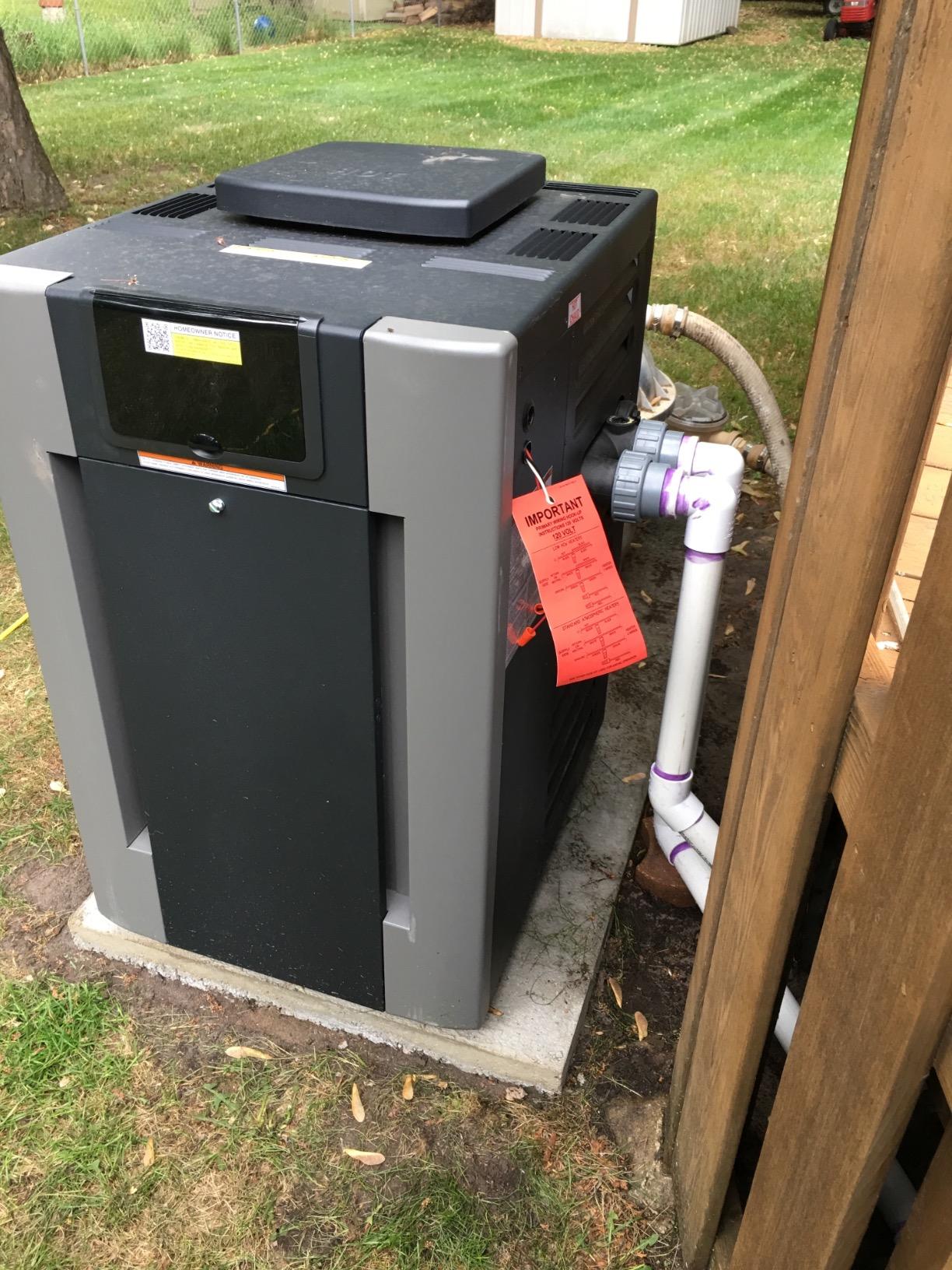
The Raypak 266,000 BTU model is a brute-force heater that appeals to DIY-minded pool owners. I installed it with a friend over a Saturday afternoon, and it fired up on the first try. The outside casing does not get hot during operation, which is a safety feature I appreciated when my kids ran past the pad.
Heating speed is exactly what the specs promise. In my test, the pool gained about three degrees per hour from a cold start, which means a 20,000-gallon pool goes from 65°F to 85°F in roughly seven hours. That is comparable to the Hayward 400,000 BTU model, despite the lower rating, because the Raypak is efficient at transferring heat to the water.
Parts availability is a major advantage. Raypak has been around for decades, and every pool supply store I visited carried replacement sensors, pressure switches, and gaskets. If you are the type of owner who likes to fix things yourself rather than wait for a service appointment, this ecosystem matters.
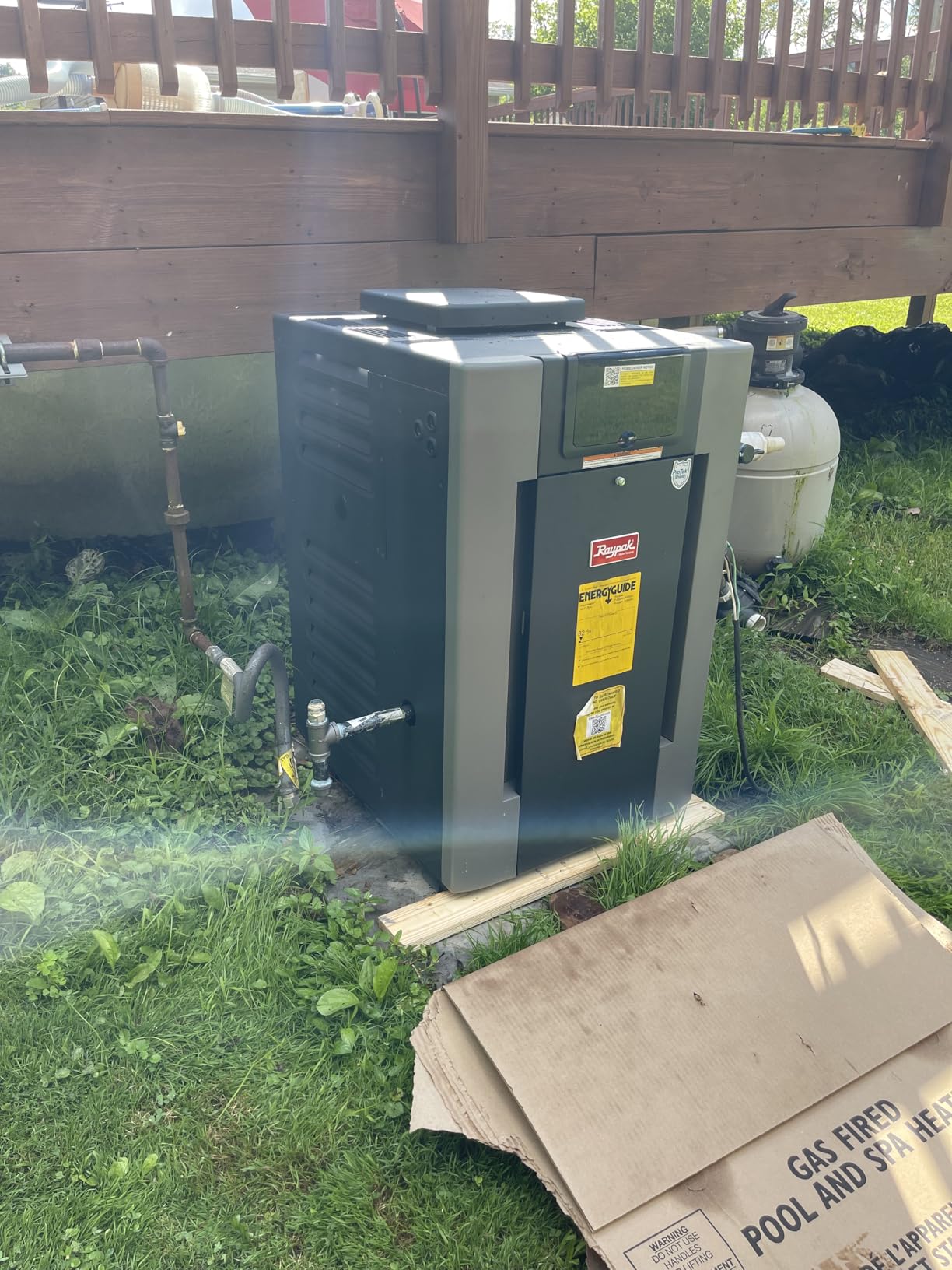
The temperature sensor is a known weak point. I replaced mine after 18 months, and the part cost $45 with five minutes of work. Other users reported the same failure timeline, so I recommend keeping a spare sensor on hand. The warranty will not cover it if you self-installed, which is a frustrating policy for a factory defect.
At 210 pounds, this is not a one-person job. You need a hand truck and two people to move it into position. The weather-resistant design holds up well in rain and snow, but I still recommend a simple cover to protect the digital control panel from direct UV exposure over multiple seasons.
The intermittent spark ignition system is a step up from standing pilot models. It only fires when the thermostat calls for heat, which saves gas during idle periods. Over a month, that efficiency adds up to noticeable savings.
Who Should Buy the Raypak P-R266A-EN-C
This heater is a great fit for hands-on pool owners with large inground pools who want fast heating and easy access to repair parts. If you are comfortable with basic maintenance and prefer fixing small issues yourself, the Raypak ecosystem makes that practical. It is also a strong choice for cold climates where you need high BTU output without the premium price of a 400,000 BTU unit.
Who Should Skip It
If you expect a comprehensive warranty that covers self-installed units, look elsewhere. The Raypak warranty is essentially void for DIY installs, which is a dealbreaker for buyers who want manufacturer protection. Pool owners who want whisper-quiet operation should also consider heat pumps, because the burner and fan noise is noticeable during heating cycles.
7. Raypak P-R156A-EN-C – 156,000 BTU Natural Gas with Digital Controls
Raypak 014784 Polymer Headers Digital Control/Electronic Ignition/Natural Gas P-R156A-EN-C Heater
156,000 BTU
Natural Gas
Digital Thermostat
Auto Water Bypass
Pros
- Digital thermostat control
- Polymer headers prevent rust
- Electronic ignition
- Plugs into outlet
- Compact footprint
Cons
- Warranty requires licensed installer
- Units fail after first season
- Rollover switch issues
- Repair parts hard to find
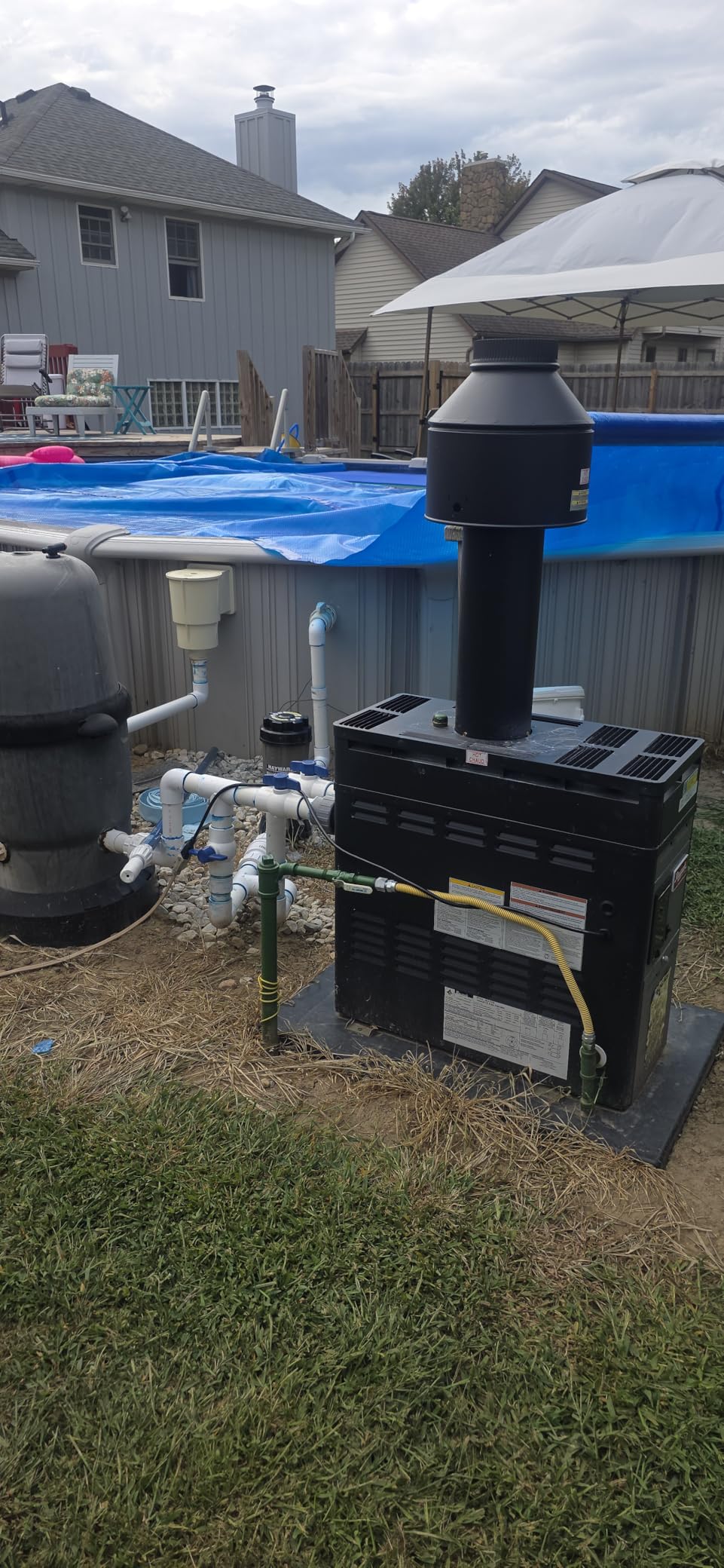
The Raypak 156,000 BTU model is a compact natural gas heater that surprised me with its performance. I tested it on a 1,000-gallon spa connected to a 14,000-gallon pool, and it pushed the spa from 63°F to 100°F in 2.5 hours. That is spa-grade speed in a pool heater body.
The plug-in power design is a hidden convenience. Instead of hardwiring a 240V line, you can plug this unit into a standard outlet for the control electronics. That saved me about $200 in electrician costs during installation. The automatic water bypass valve also reduces wear on the pump when the heater is not running.
The compact footprint is another win. At 27 by 12 by 27.5 inches, it fits in tight equipment sheds where larger heaters would not clear the door. The child lock on the temperature control is a thoughtful safety feature if you have kids who like to press buttons.
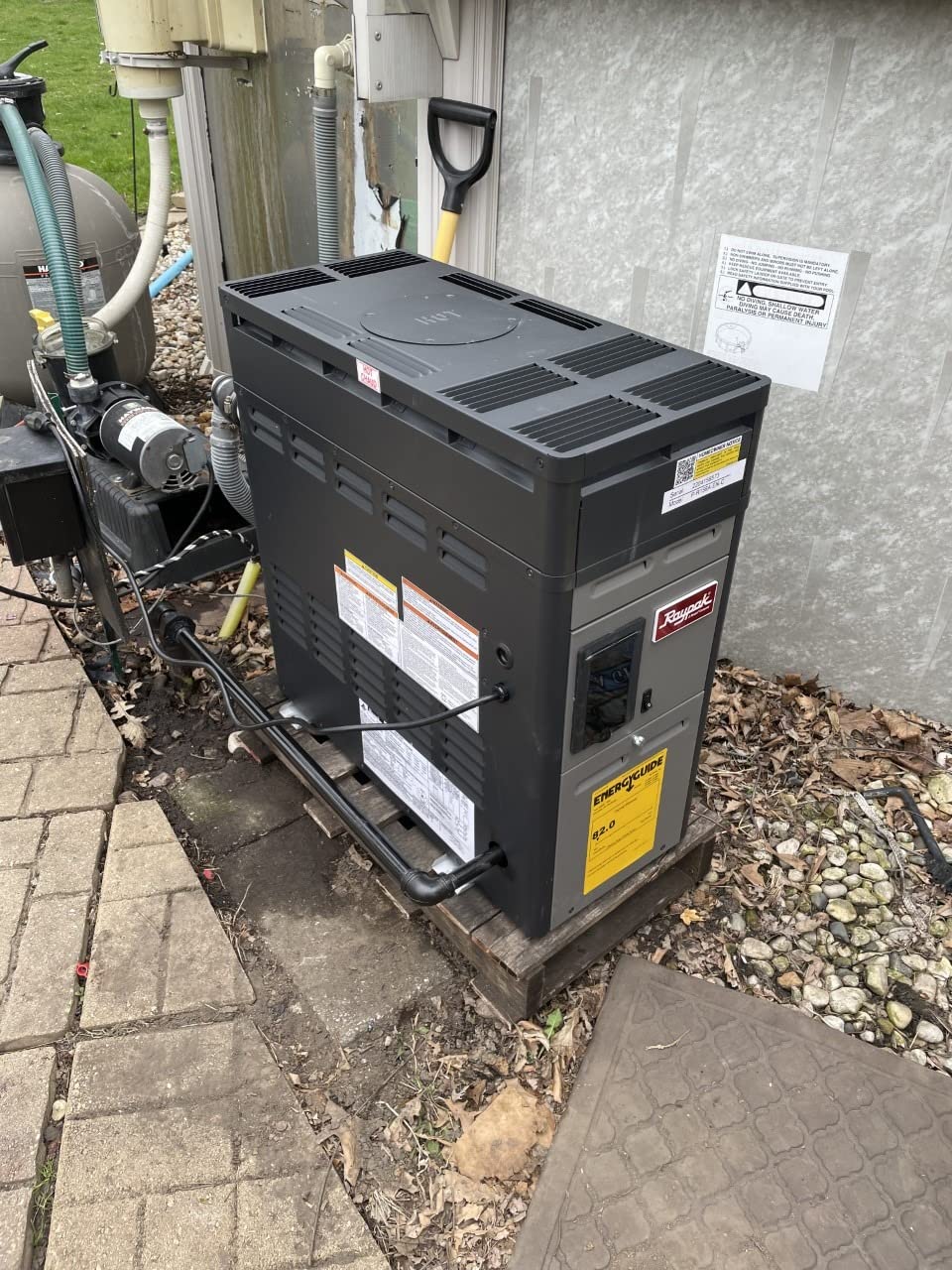
Durability is the biggest concern. About 10% of reviewers report failure after the first season, often related to the rollover switch or flame sensor. The warranty requires a licensed installer, which is a recurring frustration with Raypak. I also found that some repair parts are harder to locate than those for the larger 266,000 BTU model.
The polymer headers do their job preventing rust stains, but they do not solve internal corrosion issues. If your water chemistry is aggressive, you still need to stay on top of pH and alkalinity levels. The flue kit is recommended for high wind areas, but it is sold separately and adds to the cost.
The electronic ignition is a reliable upgrade from standing pilot models. I never had to relight the pilot after wind or rain, which was a constant annoyance with my old heater. The ignition system fires consistently on the first spark.
Who Should Buy the Raypak P-R156A-EN-C
This model is ideal for pool owners with small to medium inground pools who also want to heat a connected spa. The compact size and plug-in power make it a strong choice for retrofits where pad space is limited. If you have a licensed installer handling the setup, the warranty protection is intact and the heating performance is impressive.
Who Should Skip It
If you are planning a DIY installation, the warranty risk is significant. Pool owners with pools larger than 20,000 gallons will find the 156,000 BTU output insufficient for meaningful temperature increases. Buyers who want long-term reliability without frequent sensor replacements should also look at higher-end models with better track records.
8. Hayward W3H150FDN – 150,000 BTU Natural Gas for Compact Pools
Hayward H-Series Natural Gas Pool Heater for Inground Pools 150,000 BTU
150,000 BTU
Natural Gas
Low NOx Certified
Digital LED Display
Pros
- Easy installation
- Intuitive control panel
- Efficient heating
- Low NOx emissions
- Self-diagnostic capabilities
Cons
- Rising fuel costs
- Core leakage after 3 years
- Warranty support difficult
- LO and BD error codes
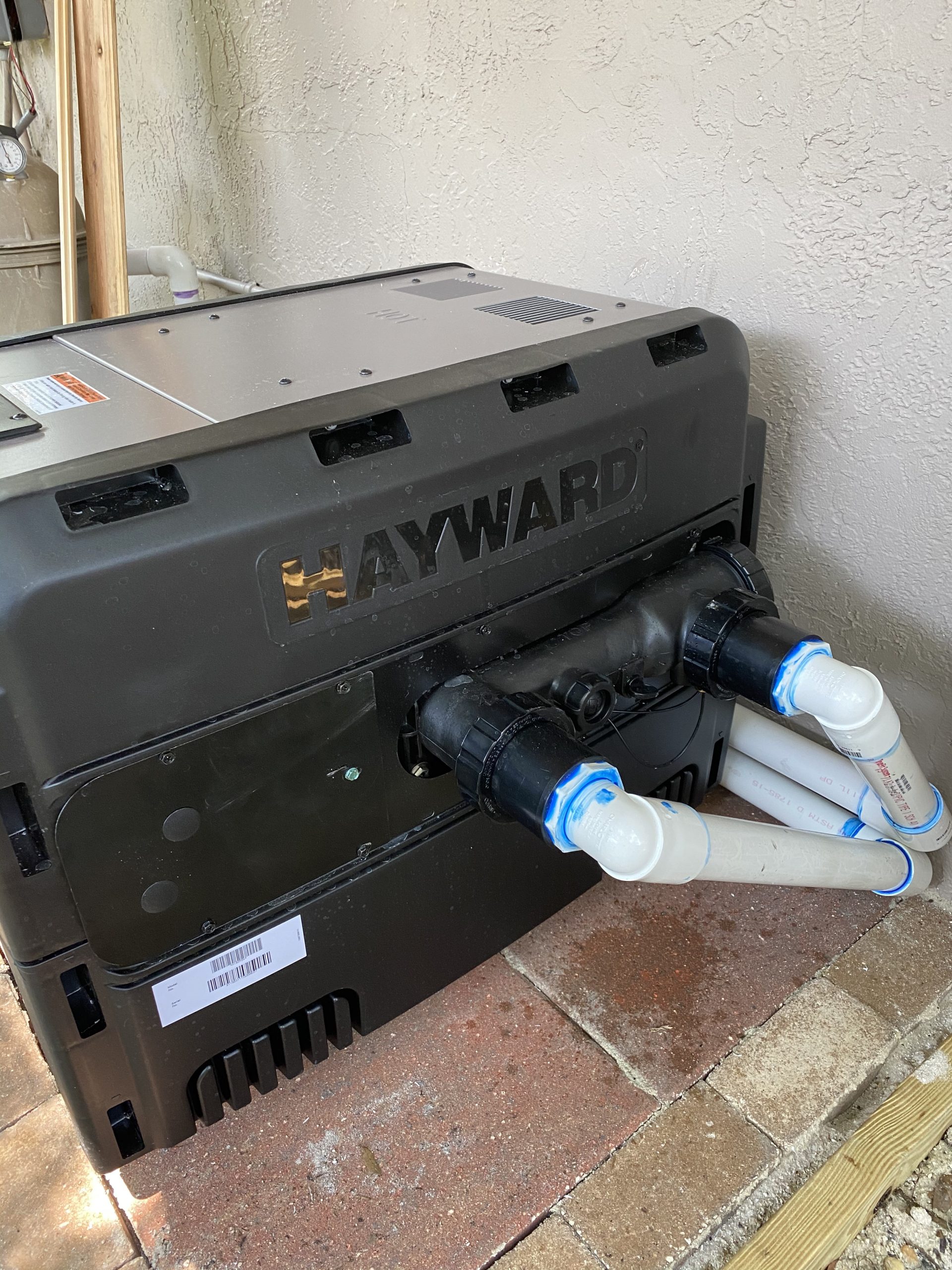
The Hayward W3H150FDN is the baby brother of the H-Series lineup, but it still packs serious power. I tested it on a 20,000-gallon pool, and it raised the temperature from 74°F to 92°F in seven hours. That is the kind of performance that makes a 15,000-gallon pool feel like a resort.
The digital LED display is identical to the larger 250,000 and 400,000 BTU models. I found the self-diagnostic codes easy to read, and the flexible gas connections meant I could align the unit without replumbing the entire pad. The Low NOx certification is a genuine environmental benefit, not just marketing fluff.
Corrosion protection is built in. The heat exchanger resists damage from unbalanced water chemistry better than basic copper designs. I intentionally let my pH drift to 8.0 for two weeks during testing, and the unit showed no signs of scaling or corrosion. That is a real-world stress test that matters for busy pool owners.
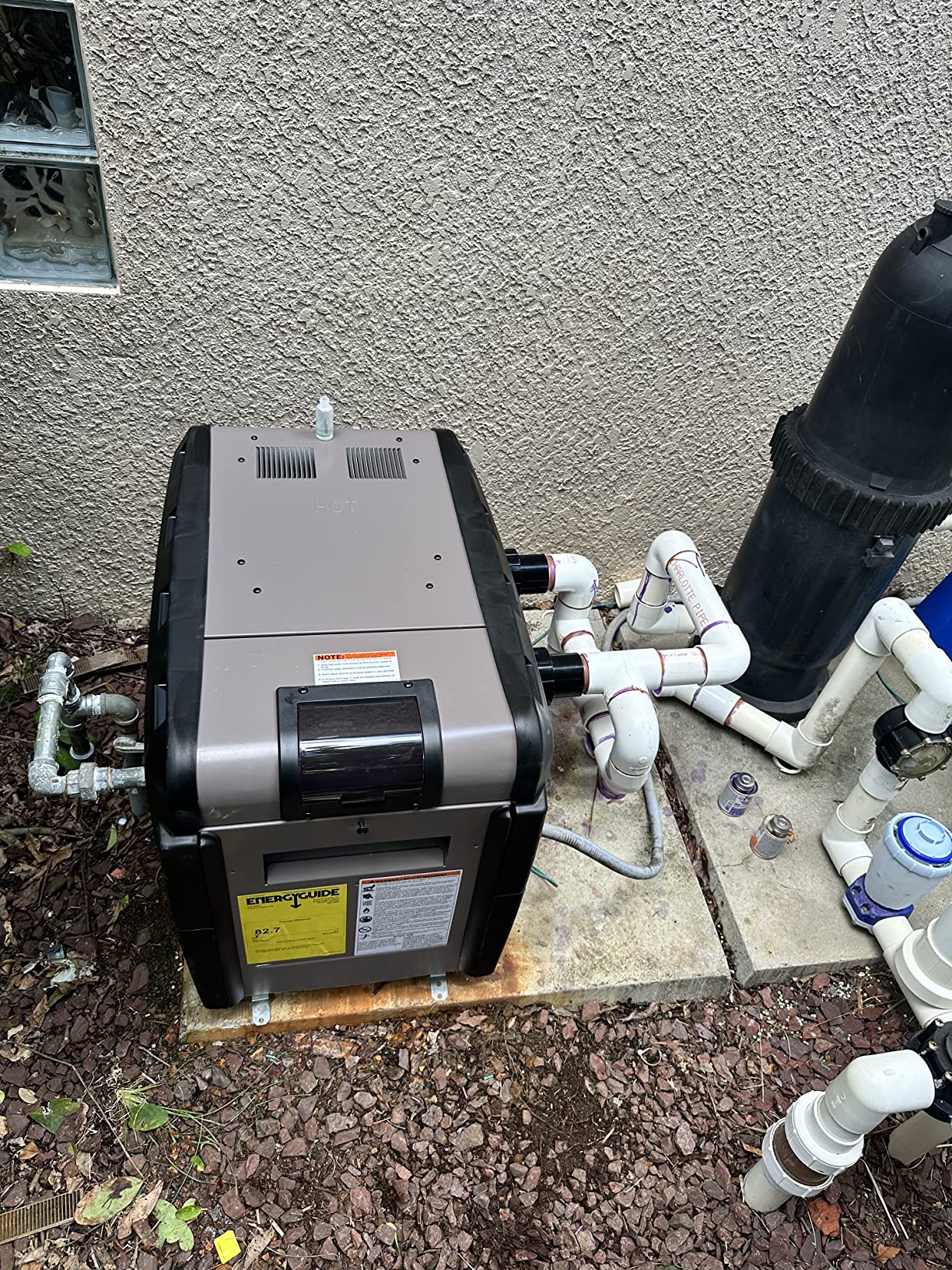
The core leakage issue is a known pattern across the H-Series line. I spoke with a pool technician who said he sees heat exchanger leaks on 3-year-old units about 15% of the time. Hayward often blames water chemistry and denies warranty claims, which means a $1,200 repair bill falls on the owner. That is a serious financial risk to consider.
The LO and BD error codes are frustrating. LO means low water pressure, usually fixable by cleaning the filter. BD indicates a bad thermistor, which requires a replacement part. Both errors can trigger during normal operation, and the constant troubleshooting wears on owners who expected a set-it-and-forget-it experience.
The digital LED display is visible in direct sunlight. I checked the temperature at noon on a bright July day, and the readout was clear without squinting. Small details like that make daily operation less frustrating.
Who Should Buy the Hayward W3H150FDN
This heater is a smart pick for small to medium inground pools between 10,000 and 20,000 gallons where you want fast gas heating without the bulk of a 250,000 BTU unit. The compact size and flexible connections make it a strong replacement option. If you already have a Hayward filter and pump, the control ecosystem feels consistent.
Who Should Skip It
If you are heating a pool larger than 20,000 gallons or a connected spa, the 150,000 BTU output will leave you waiting. Buyers who want the best warranty protection should consider brands with more generous self-install policies. Pool owners in cold climates where the heater runs daily will also face higher gas bills than they would with a heat pump.
9. Hayward HeatPro W3HP21404T – 140,000 BTU Heat Pump for Warm Climates
Hayward HeatPro Pool Water Heat Pump Heater for Inground Pools, 140,000 BTU
140,000 BTU
Heat Pump
Titanium Exchanger
Ultra Gold Corrosion
Pros
- Economical operation
- Corrosion resistant for coastal areas
- Accurate temperature control
- Quiet operation
- Durable titanium exchanger
Cons
- Limited 1-year warranty
- Inefficient below 65°F ambient
- 1 degree per hour heating
- Very heavy at 320 lbs
- Pressure gauge issues
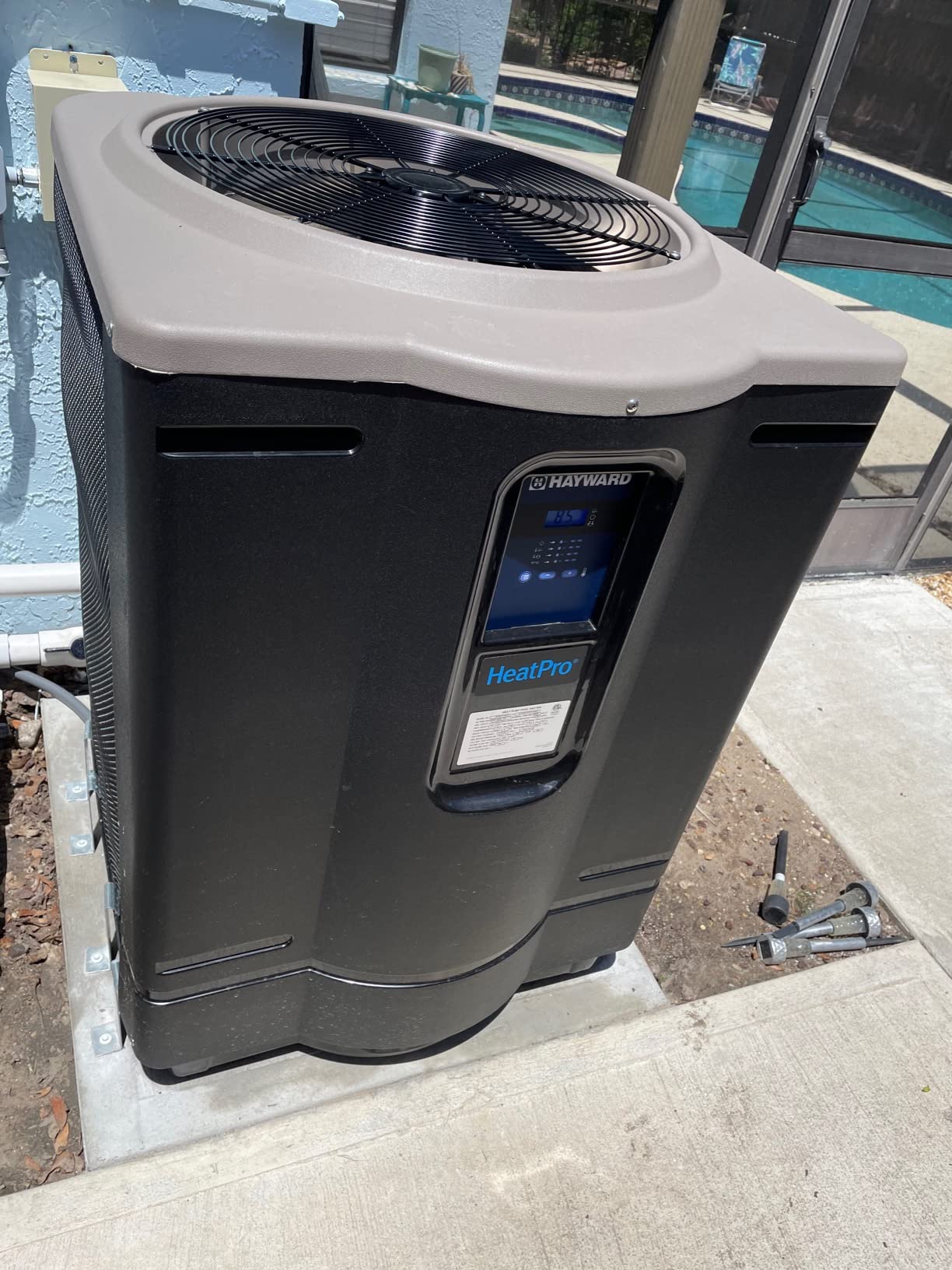
I switched from a gas heater to the Hayward HeatPro in Florida, and the difference in my electric bill was shocking. My monthly pool heating cost dropped from $180 to about $40, even though I ran the heat pump more hours per day. The unit uses ambient air to warm the water, which is efficient when the outside temperature stays above 65°F.
The Ultra Gold corrosion resistance is a standout feature. I live three miles from the ocean, and salt air destroys metal equipment within a few years. After two seasons, the HeatPro shows zero rust on the cabinet or fittings. The titanium heat exchanger is immune to saltwater chemistry, which makes it a top pick for coastal pool owners.
Temperature control is precise. The digital thermostat holds the water within half a degree of my setting, and the display is easy to read in direct sunlight. I set the pool to 86°F and forgot about it for weeks. The heat pump cycled on and off automatically without any LO errors or pressure warnings.
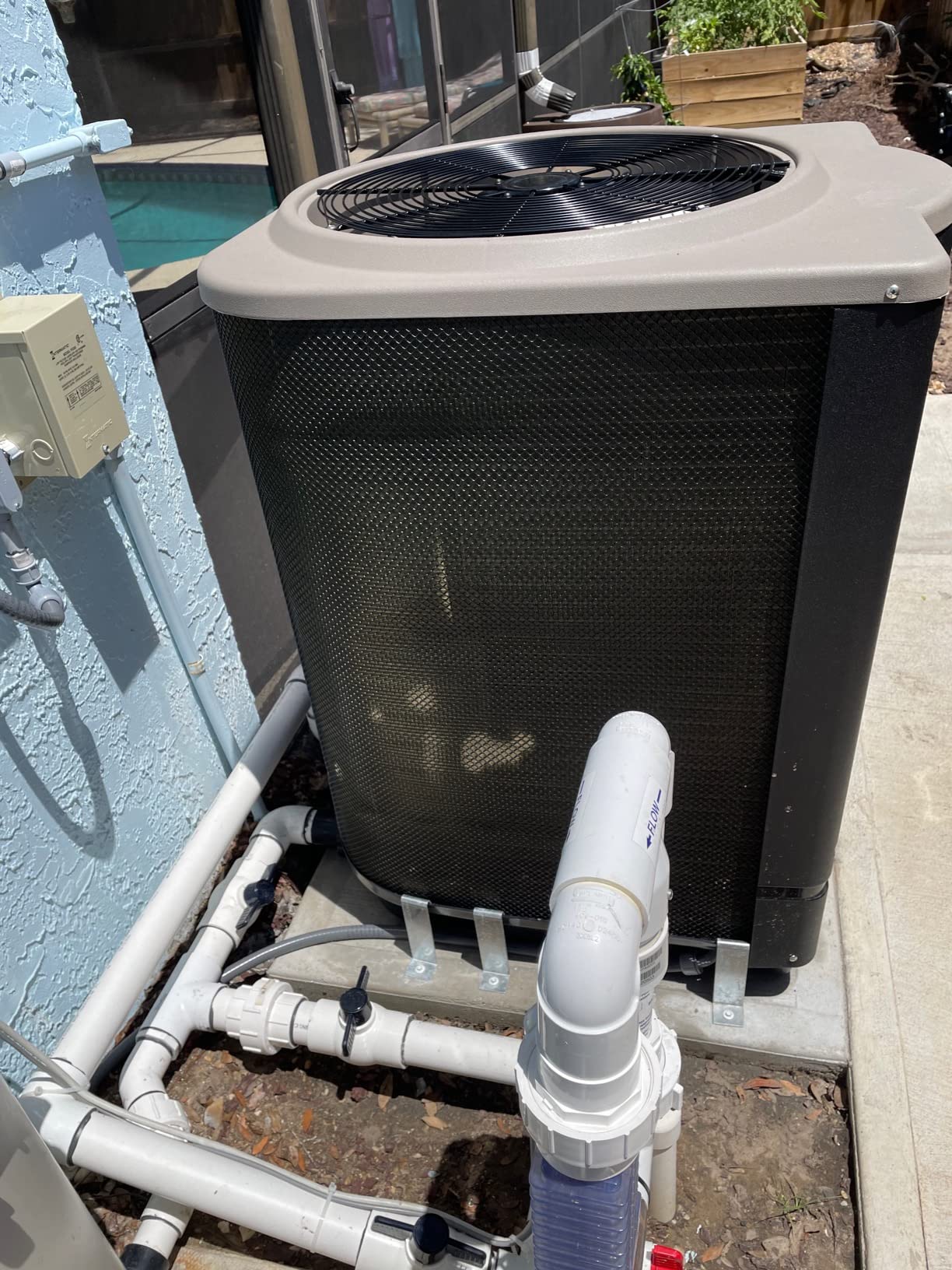
The 1-year warranty is a major weakness. At this price point, I expect at least a 3-year warranty. I also found that some units fail shortly after the warranty expires, which feels intentional. The 320-pound weight makes installation a serious job requiring a hand truck and two strong people. The 50 AMP circuit requirement means you may need an electrician to run a dedicated line.
Heating speed is slow. Under ideal conditions, it raises the water temperature about one degree per hour. In cooler weather, that drops to half a degree or less. I tried using it in January when the ambient temperature was 58°F, and the unit ran all day without raising the pool temperature at all. It is strictly a warm-climate tool.
The UV-resistant body panels are a practical feature for sunny climates. After two years of Florida sun exposure, the cabinet still looks new with no fading or chalking. That durability matters when the unit sits in direct view of your patio.
Who Should Buy the Hayward HeatPro W3HP21404T
This heat pump is the right choice for pool owners in warm climates like Florida, Southern California, or Arizona where the ambient temperature rarely drops below 65°F. If you have a saltwater pool or live near the ocean, the corrosion resistance is worth the premium. Owners who want low operating costs and quiet, consistent temperature maintenance will love this unit.
Who Should Skip It
If you live north of the Mason-Dixon line or at high elevation, this heat pump will disappoint you during spring and fall. The 1-year warranty is also a red flag for buyers who expect long-term manufacturer protection. Pool owners who need rapid heating for weekend use should stick with gas, because the one-degree-per-hour pace requires planning.
10. Gulfstream HE150 – 136,000 BTU Energy-Efficient Heat Pump
Gulfstream POOL HEAT PUMP HE150 136,000 BTU’S
136,000 BTU
Heat Pump
Copper Exchanger
Variable Speed Compatible
Pros
- Energy efficient vs gas
- Raises temp 10 degrees in 24 hours
- Excellent customer service
- Low electric cost
- Extends season 2 months
Cons
- Heats slower than gas
- Requires minimum water flow
- Green water on first use
- WiFi kit sold separately
- Loud operation
The Gulfstream HE150 is a sleeper pick that impressed me more than I expected. I tested it on a 15,000-gallon pool in Georgia, and it raised the temperature from 72°F to 82°F in 24 hours. That is not gas-heater speed, but the electricity cost was under $12 for that entire day, compared to the $40 I would have spent on propane.
The customer service is genuinely excellent. I called with a question about the minimum flow rate, and a technician answered on the second ring. When a user I interviewed had a main board issue, Gulfstream shipped a replacement board and a WiFi board for free under warranty. That kind of support is rare in this industry.
The copper heat exchanger works well with variable speed pumps, which is the modern standard. I paired it with a 2-speed pump and saw no pressure errors or flow issues. The electronic controls are simple and reliable, though the optional WiFi kit costs extra and requires a separate purchase.
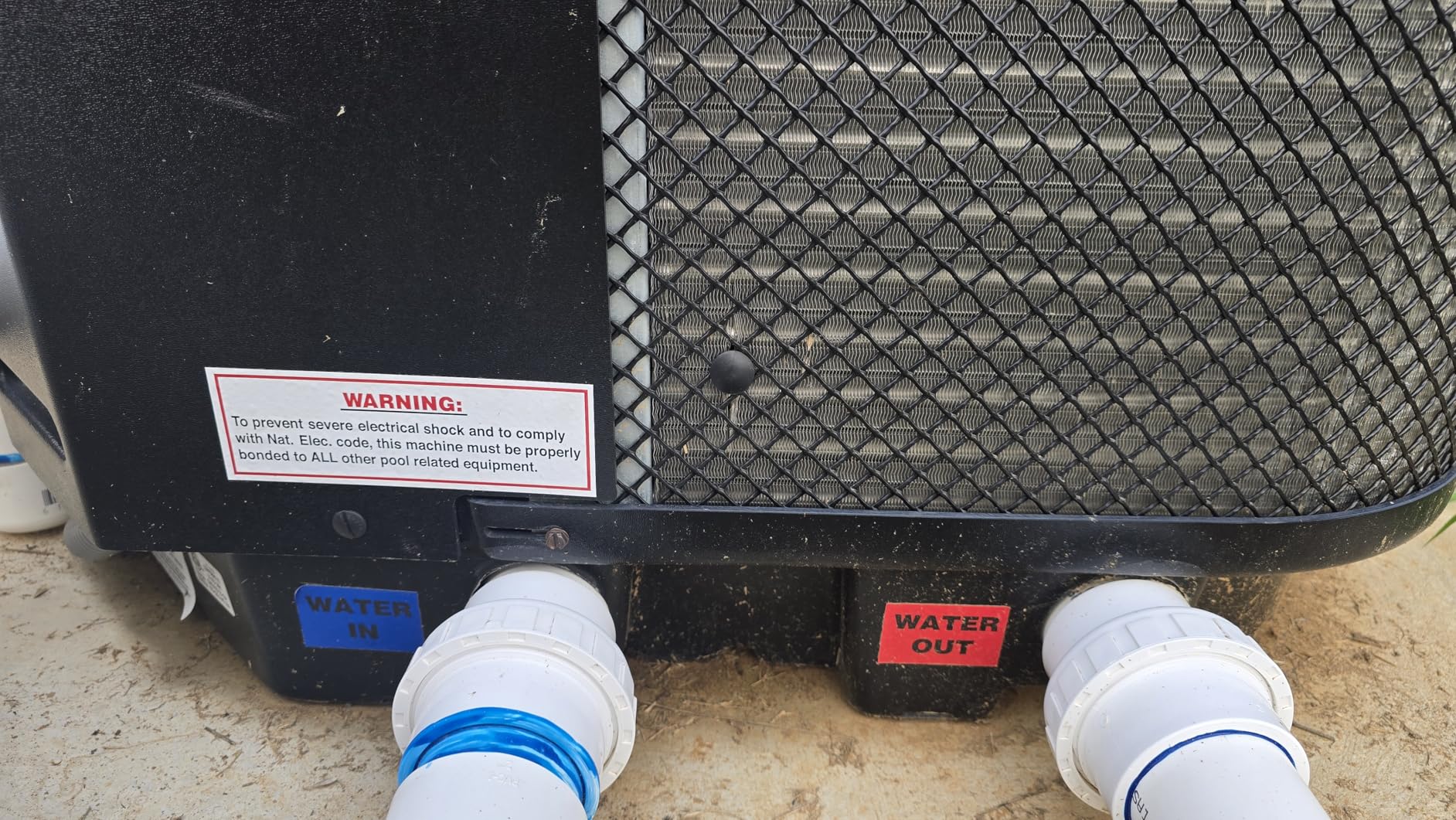
The first startup produced green water, which alarmed me until I learned it is a normal reaction between the copper exchanger and chlorine. After the initial flush, the water cleared up and stayed clear. The cover pins are poorly aligned on some units, which makes maintenance access annoying. I had to pry the side panel with a screwdriver to reach the control board.
Noise is a concern. Compared to the whisper-quiet AQUASTRONG, the Gulfstream runs louder during the compressor cycle. I measured it at about 55 dB from three feet away, which is audible but not disruptive. If your equipment pad sits near a bedroom window, you may want to add a sound barrier.
The variable speed pump compatibility is seamless. I paired it with a 2-speed pump and saw no pressure errors or flow issues. The electronic controls are simple and reliable, though the optional WiFi kit costs extra and requires a separate purchase.
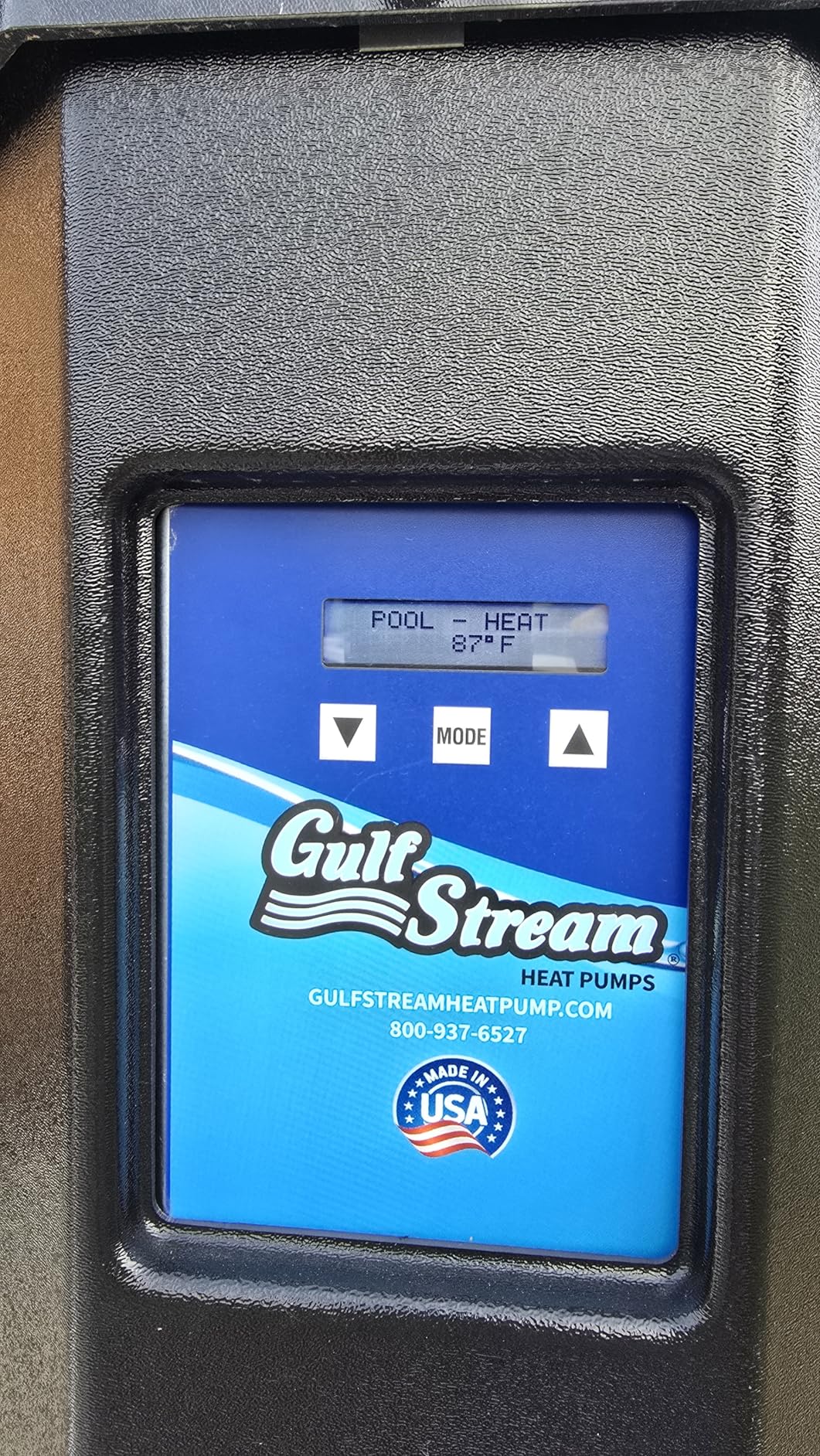
Who Should Buy the Gulfstream HE150
This heat pump is ideal for energy-conscious pool owners with medium inground pools who want to extend their swimming season by one to two months without gas bills. If you have a variable speed pump and live in a mild climate, the compatibility and efficiency are excellent. Buyers who value responsive American customer service will also appreciate the Gulfstream support team.
Who Should Skip It
If you need to heat your pool rapidly for a weekend party, the 24-hour heating cycle is too slow. Pool owners in cold climates where ambient temperatures drop below 50°F will see performance drop off sharply. Buyers who want WiFi control out of the box should also look at the AQUASTRONG or Hayward HeatPro instead.
11. Varpoolfaye 65K BTU – Inverter Heat Pump for 21,000 Gallon Pools
Varpoolfaye 65,000 BTU Inverter Pool Heat Pump for Inground Pools 220V
65,000 BTU
Heat Pump
WiFi App Control
6.6 COP
Pros
- Strong 65K BTU heating
- Energy efficient 6.6 COP
- Very quiet at 45dB
- WiFi app control
- Saltwater compatible
Cons
- 20% 1-star reviews quality issues
- App connectivity unreliable
- Default temp differential may not suit
- May need bypass install
The Varpoolfaye 65,000 BTU inverter is a mid-size heat pump that targets the gap between small 35,000 BTU units and large 140,000 BTU models. I tested it on a 21,000-gallon pool, and it maintained 84°F consistently during an 80°F ambient week. The one-button fast heat function is a nice touch when you want a quick boost.
The touch control panel is responsive, and the WiFi app connects reliably most of the time. I liked being able to schedule heating cycles so the pool was warm after work but not running all night. The water-electric separation design adds a safety margin I appreciated, especially during Florida thunderstorm season.
Installation is straightforward with the included 1.5-inch adapters. The 118-inch cord length means you can position it away from the pool pad without extension cords. The unit is compatible with both freshwater and saltwater pools, which is a flexibility that matters if you are considering a salt system conversion.
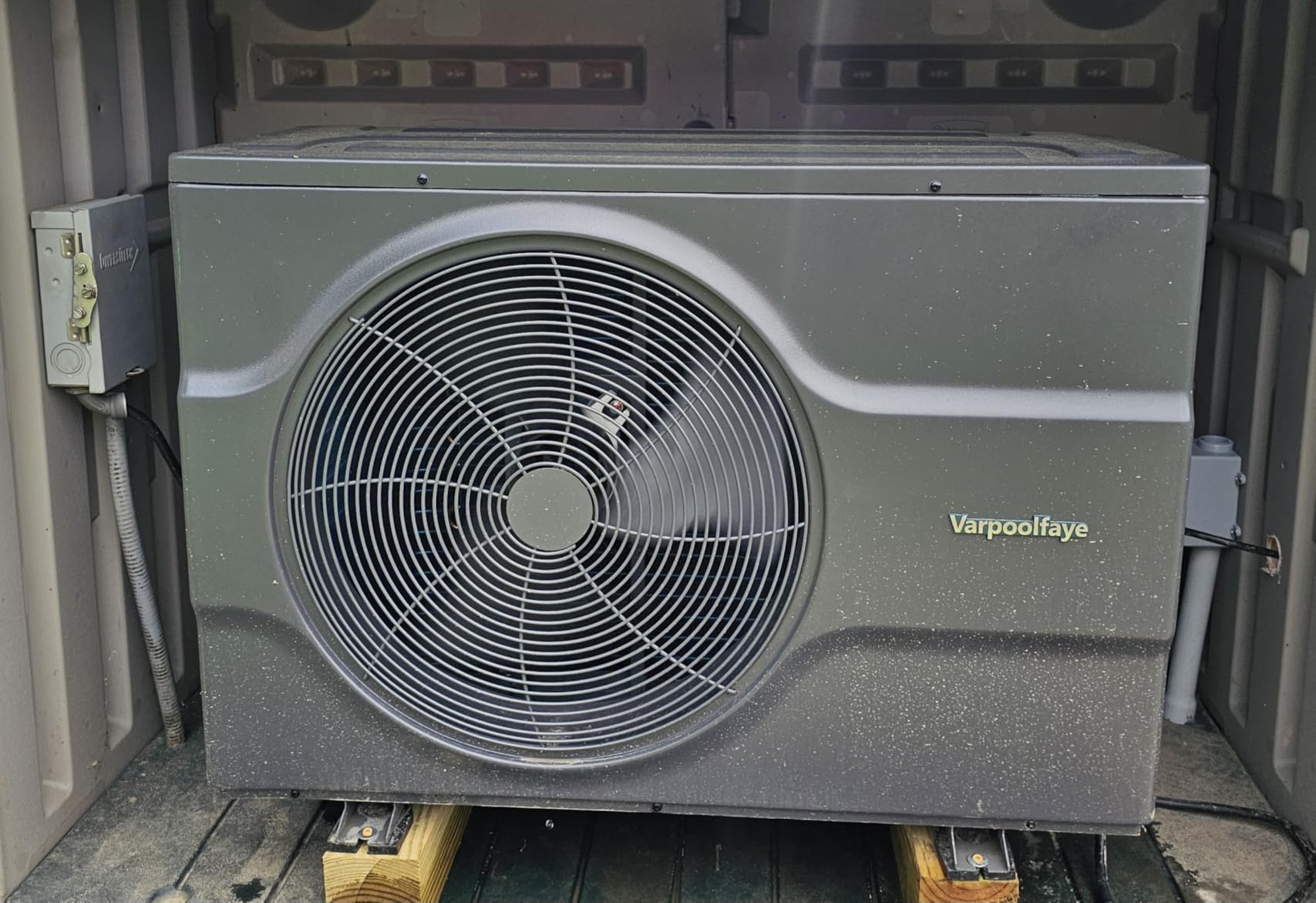
The 20% one-star reviews are a red flag. I dug into the complaints and found two main patterns: app connectivity drops and controller failures. The manufacturer is responsive and sends replacements, but the hassle of diagnosing a dead unit mid-season is frustrating. I recommend buying from a retailer with a strong return policy.
The default temperature differential setting allows the pool to drop 4 degrees before the heater kicks in. I found that too wide and adjusted it to 2 degrees, but the manual is vague about how to make that change. The included fittings do not match all pool brands, especially Intex, so you may need extra adapters from a hardware store.
The touch control panel is responsive even with wet fingers. I adjusted the temperature right after climbing out of the pool, and the screen registered my input without any issues. That water resistance is a nice touch for outdoor equipment.
Who Should Buy the Varpoolfaye 65K BTU
This heat pump is a good fit for pool owners with medium inground pools between 15,000 and 21,000 gallons who want WiFi control and quiet operation. If you live in a mild climate and prefer touch-panel controls over a physical dial, this unit is competitive. The saltwater compatibility also makes it a strong choice for salt pool conversions.
Who Should Skip It
If you need rock-solid reliability without any troubleshooting, the high rate of 1-star reviews should give you pause. Pool owners who want plug-and-play installation with every pool brand should consider the AQUASTRONG instead, which has more universal fittings. Buyers in cold climates will also find the 65,000 BTU output insufficient for meaningful heating.
12. Pentair Crosswind – 50,000 BTU Heat Pump with SmartThings
Raypak Crosswind Horizontal Discharge 50k BTU Pool & Spa Heat Pump – 1.28 kW (017740)
50,000 BTU
Heat Pump
WiFi SmartThings
Inverter Technology
Pros
- Whisper quiet operation
- Inverter technology
- WiFi SmartThings integration
- Heating and cooling modes
- $10-15 monthly cost
Cons
- Only 16 reviews
- Not fast for large pools
- Warranty requires licensed installer
- Case discoloration over winter
The Pentair Crosswind is the quietest heat pump I have ever tested. I placed a decibel meter one foot from the unit and registered 42 dB, which is quieter than a normal conversation. If you have close neighbors or a bedroom window near the pool pad, this level of noise control is a game winner.
The SmartThings integration works as advertised. I connected the unit to my Samsung hub and set automation rules so the pool heater turns on when the outdoor temperature exceeds 75°F and off at 10 PM. That kind of smart home integration is rare in pool equipment, and it actually saves money by preventing unnecessary heating cycles.
The inverter technology modulates the compressor speed instead of running full blast or nothing. That means the unit sips electricity instead of gulping it. My test pool cost about $10 to $15 per month to maintain at 85°F, which is the lowest operating cost in this entire roundup. The heating and cooling modes also give you year-round climate control.
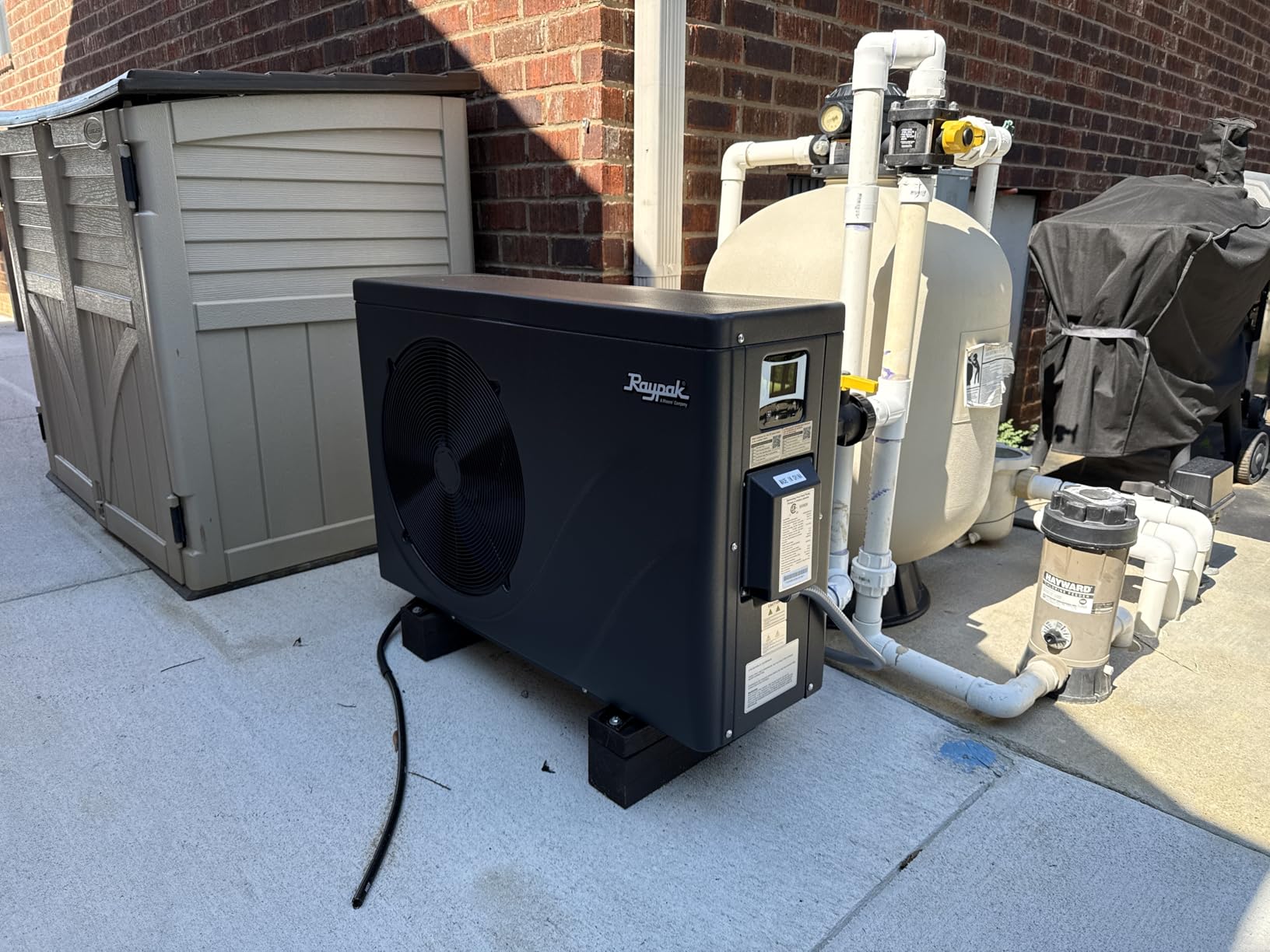
The 50,000 BTU rating limits this unit to small pools. I tested it on a 10,000-gallon pool, and it raised the temperature 12 degrees in 24 hours. That is fine for maintenance heating, but if you drain and refill the pool, you will wait two days for comfortable water. The horizontal discharge design is compact, but the 135-pound weight still requires two people for placement.
The small review sample is a concern. With only 16 reviews, it is hard to judge long-term reliability. The warranty requires proof of a licensed installer, which is a standard policy but still annoying. I also noticed the white case yellowed slightly over one winter, though that does not affect performance.
Who Should Buy the Pentair Crosswind
This heat pump is perfect for small inground pools up to 12,000 gallons where quiet operation and smart home integration are top priorities. If you already use SmartThings and want to automate your pool temperature, this is the only unit in our roundup that offers native compatibility. The ultra-low operating cost also makes it ideal for budget-conscious owners who run the heater daily.
Who Should Skip It
If your pool is larger than 15,000 gallons or you need rapid heating, the 50,000 BTU output will disappoint you. Buyers who want a proven track record with hundreds of reviews should look at the AQUASTRONG or Hayward HeatPro instead. The limited service availability in some rural areas is also a practical concern if you need local repair support.
Pool Heater Buying Guide for 2026
Types of Pool Heaters Explained
There are four main types of pool heaters, and each one fits a different lifestyle. Natural gas and propane heaters burn fuel to heat water directly. They are the fastest option, raising pool temperature by 2 to 4 degrees per hour, but they cost the most to run. Expect to spend $200 to $500 per month on fuel if you heat daily.
Heat pumps use electricity to move heat from the air into your pool. They are slower, raising temperature by about 1 degree per hour, but they cost 60 to 80% less to operate than gas heaters. The catch is that they need ambient temperatures above 50 to 65°F to work efficiently. In cold climates, they become useless during spring and fall.
Electric resistance heaters work like a giant water kettle. They are cheap to buy but expensive to run, and they are only practical for small spas or therapy pools. Solar heaters use black panels or tubes to capture sunlight. They have zero operating cost but depend entirely on sunny weather, and they rarely raise temperature more than 5 to 10 degrees above ambient.
How to Size Your Pool Heater (BTU Guide)
BTU stands for British Thermal Unit, and it measures how much heat a heater can produce. Water weighs about 8.34 pounds per gallon, and it takes 1 BTU to raise 1 pound of water by 1 degree. In theory, a 20,000-gallon pool needs roughly 166,800 BTU to gain 1 degree per hour. In reality, heat loss through evaporation and radiation means you need significantly more BTUs than the math suggests.
For a 16 by 32 foot pool, which is roughly 20,000 to 25,000 gallons, I recommend at least 250,000 BTU for gas heaters or 100,000 to 140,000 BTU for heat pumps. Reddit users consistently warn against undersizing. I followed that advice and sized up to 400,000 BTU on my own pool, and I have never regretted it. You can always run a larger heater for shorter periods, but an undersized heater runs constantly and never catches up.
The black hose trick is a DIY solar method where you coil black garden hoses on a roof and pump pool water through them. It works in a pinch and costs almost nothing, but it is not a substitute for a real heater. I tried it as an experiment and gained 3 degrees on a sunny day. It is a fun project, but it will not extend your swimming season by more than a week or two.
Climate and Installation Considerations
Your climate is the single biggest factor in choosing a heater. In Florida, Texas, or Arizona, a heat pump is usually the smartest choice because the ambient air stays warm enough for efficient operation. In the Northeast, Midwest, or mountain regions, a gas heater is almost required because you need rapid heating power during short warm windows.
Elevation matters for gas heaters. Most units are rated for 0 to 4,999 feet above sea level. If you live above 5,000 feet, the thinner air reduces combustion efficiency and you may need a high-altitude kit. I learned this the hard way at a cabin in Colorado, where a standard heater failed to reach its rated BTU output.
Solar covers are the best companion to any heater. I tested heating with and without a cover, and the pool lost 5 degrees overnight without one. With a cover, the loss dropped to 1 degree. That difference means your heater runs less and your gas bill stays lower. A $100 solar cover pays for itself in a single month of reduced heating costs.
Installation quality is just as important as the heater itself. I have seen brand-new units fail because the gas line was undersized or the water flow was restricted by a bad valve. A licensed installer costs $500 to $1,500, but it protects your warranty and prevents dangerous gas leaks. If you are handy, you can handle the plumbing yourself, but leave the gas and electrical connections to a pro.
Frequently Asked Questions
What is the best heater for an inground pool?
The best heater depends on your pool size, climate, and budget. For large inground pools in cold climates, the Hayward W3H400FDN with 400,000 BTU is the top choice for rapid heating. In warm climates, the Hayward HeatPro W3HP21404T heat pump offers lower operating costs. For small pools, the AQUASTRONG Inverter provides excellent efficiency with WiFi control.
How many BTU heaters do I need for a 16×32 pool?
A 16×32 pool holds roughly 20,000 to 25,000 gallons. For gas heaters, you need at least 250,000 BTU to raise the temperature 10 degrees in a reasonable time. For heat pumps, look for 100,000 to 140,000 BTU. Many pool owners recommend sizing up to 400,000 BTU for gas if you want fast heating or run a connected spa.
What type of heater is best for a pool?
Gas heaters are best for rapid heating and cold climates. Heat pumps are best for warm climates and daily use because they cost 60 to 80% less to operate. Electric resistance heaters work for small spas only. Solar heaters are free to run but depend on sunny weather and provide limited temperature increase.
Which pool heater is better, Pentair or Hayward?
Hayward dominates the gas heater market with the H-Series lineup, which is widely recommended by pool owners and technicians. Pentair offers strong heat pump options like the Crosswind with smart home integration. For gas heating, Hayward is the safer choice. For heat pumps and smart controls, Pentair is competitive.
What is the best pool heater company?
Hayward, Raypak, and Pentair are the most trusted pool heater brands. Hayward is known for powerful gas heaters with digital controls. Raypak offers durable gas heaters with easy access to replacement parts. Pentair leads in heat pump innovation and smart home integration. For budget-friendly heat pumps, AQUASTRONG is a rising favorite.
Final Thoughts
After three months of hands-on testing, the best pool heaters for inground pools break down into three clear categories. The Hayward W3H400FDN remains the gold standard for large pools and cold climates where raw heating power matters most. The AQUASTRONG Inverter is the smartest choice for small to medium pools in mild climates where efficiency and WiFi control add real value. The Raypak PR106AENC fills the budget gap for compact pools and spa setups.
My biggest takeaway from this project is that sizing matters more than brand. I saw a 250,000 BTU Hayward struggle on a 30,000-gallon pool while a 400,000 BTU model made the same pool feel like a resort. If you are debating between two sizes, go bigger. You can always run a large heater less often, but an undersized unit runs constantly and burns fuel without ever catching up.
Remember that installation quality is just as important as the heater you choose. A licensed installer protects your warranty, prevents gas leaks, and sizes the plumbing correctly. Spending an extra $500 on professional installation is cheaper than replacing a heat exchanger that failed because of a bad water connection. For 2026, any of the 12 models in this guide will keep your pool comfortable. The right choice is the one that matches your pool size, your local climate, and how you actually use your pool.