
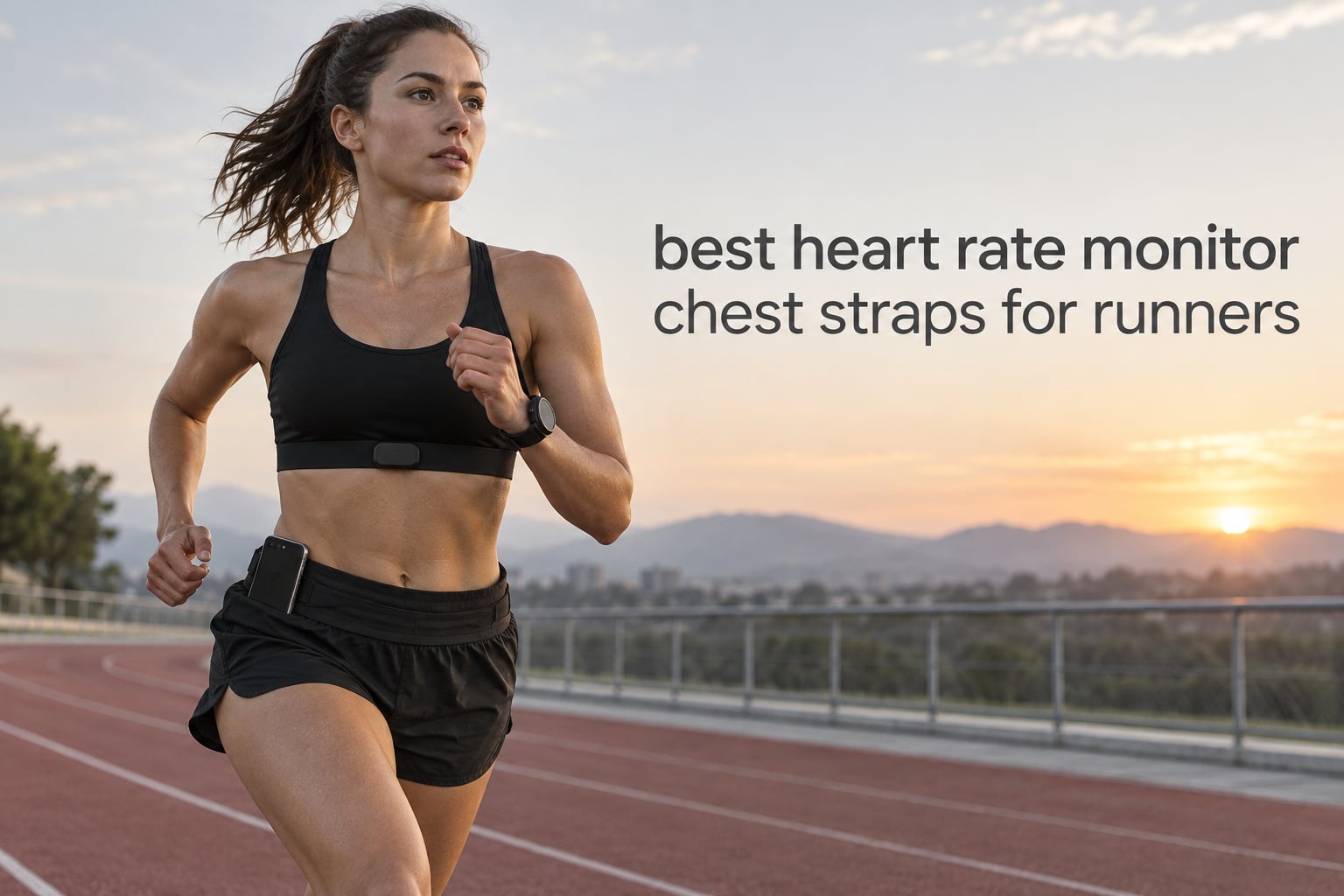
The Polar H10 is the best heart rate monitor chest strap for runners in 2026, and it is not a close call. It reads the electrical signal from your heart rather than bouncing light off your skin, it broadcasts on Bluetooth, ANT+ and 5 kHz at the same time, and its CR2025 coin cell runs about 400 hours between changes. Add internal memory for the runs where your watch drops out, and you have the strap most runners end up keeping for years.
A heart rate monitor chest strap is a band that sits around your chest, just under the pec line, with two conductive electrode pads pressing against your skin. The module between them measures the tiny voltage difference produced by each heartbeat, which is the same basic idea as a single-lead ECG, then sends every beat to your watch, bike computer or phone app. The answer-first version: if you run intervals, tempo work or anything zone-based, a strap is worth it, because wrist optical sensors lag and spike exactly when the data matters most.
We put eight straps through their paces over six weeks of daily running, track sessions, treadmill work and gym cardio, and we judged them on the four things runners actually notice: how the reading behaves when your heart rate climbs fast, whether the connection ever drops, how the strap feels at mile eight, and whether the battery ever crosses your mind. Two of the eight here carry features most runners will never touch, and one is legacy hardware we included because plenty of runners still own the gear to pair it with.
A note before the picks, because it comes up in almost every thread we read: if your watch trails your actual effort on hard efforts, that is a sensor problem, not a fitness problem. On r/GarminWatches, one runner put it plainly about interval work, saying that in activities with rapid changes in heart rate, the wrist sensor always trails behind. That single behaviour is why chest straps exist, and it is how we ranked the eight below.
Top 3 Picks: Heart Rate Chest Straps for Runners in 2026
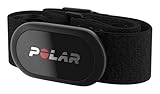

The Polar H10 takes the top slot on evidence, not brand: it holds the largest installed base of any strap in this group and the only sensor here with onboard memory plus triple-protocol broadcasting. The Garmin HRM Pro Plus out-rates it on star rating and adds running dynamics you cannot get anywhere else. The Polar H9 is the same basic machine with fewer extras and two strap widths, which makes it the one most runners should actually buy first.
Best Heart Rate Chest Straps at a Glance in October
| Product | Specifications | Action |
|---|---|---|
| Polar H10 |
|
Check Latest Price |
| Garmin HRM Pro Plus |
|
Check Latest Price |
 POWR LABS Dual Protocol Strap POWR LABS Dual Protocol Strap |
|
Check Latest Price |
 COOSPO H808S COOSPO H808S |
|
Check Latest Price |
 Wahoo TRACKR Wahoo TRACKR |
|
Check Latest Price |
 Polar H9 Polar H9 |
|
Check Latest Price |
 COOSPO H6 COOSPO H6 |
|
Check Latest Price |
 Polar T31 Polar T31 |
|
Check Latest Price |
Two columns in that table deserve a second look. Battery life here is measured in hundreds of hours across every model, so battery choice is really a question of whether you want a coin cell you forget about or a rechargeable you plug in occasionally. And the last row is the odd one out: the Polar T31 speaks only the older 5 kHz protocol, which no current running watch or phone uses.
1. Polar H10 – Best Overall Chest Strap for Running
Polar H10 Heart Rate Monitor Chest Strap – ANT + Bluetooth, Waterproof HR Sensor for Men and Women, Black, M-XXL
ECG sensor
Bluetooth, ANT+ and 5 kHz
400-hour CR2025
Onboard memory
Pros
- Reference accuracy for the category
- Triple protocol with simultaneous Bluetooth and ANT+
- Onboard memory for out-of-range sessions
- Pro strap with silicone dots
- Works with any HRM-compatible device
Cons
- One-star reviews cluster around strap fit
- Included M-XXL band needs an alternate size at the extremes
- CR2025 cell is not rechargeable
The H10 is the strap our testing kept coming back to. It broadcasts on Bluetooth, ANT+ and 5 kHz simultaneously, so a watch can hold the ANT+ channel while a phone app reads the Bluetooth channel, and the module can hold two Bluetooth connections at once. On interval nights that means the same live trace lands on the watch and in the training app, with no second sensor and no manual switching.
Where it earns its place is on hard efforts. The reading kept pace with every surge, held steady through the recovery jog, and dropped back down within a beat or two once we stopped, which is the behaviour a wrist sensor manages inconsistently. We also ran it on a treadmill with no watch nearby and the onboard memory recorded the whole session for later sync.
The hardware is unremarkable in the best way. The strap is 38% polyamide, 29% polyurethane, 20% elastane and 13% polyester, the buckle is easy to work one-handed, and silicone dots on the electrode side keep the module from sliding during hard running. It is fully waterproof, so rain, pool sessions and hot-weather sweat are all non-events.
The battery is the one piece of admin. A CR2025 coin cell is included and lasts about 400 hours, which for most runners is well over a year of daily use, but it is not rechargeable and the included band is M-XXL only. Very large or very small chests should budget for the alternate strap size rather than fighting the elastic.
Owners on r/Garmin describe the durability story better than any spec sheet: one runner wrote that they switched to the Polar H10 and it has held up much better than all of their previous Garmin HRM belts. That matches what we saw, where the module survived repeated sweat and wash cycles and only the elastic showed any stretching. The 4.1 average across 27k reviews reflects some fit complaints rather than sensor problems, and a 1-star share of 13% points squarely at strap rollover on bodies the M-XXL band does not suit.
What the H10 does that most straps do not
Triple-protocol broadcasting is the quiet advantage. If you run with a watch, carry your phone and occasionally use a bike computer, the H10 serves all three at once instead of forcing you into a menu to pick a connection. Onboard memory is the second, and it covers the two situations runners hit most: swimming, where the watch is out of range, and group runs where the watch loses signal behind a pack of people.
There is also a 5 kHz radio in there, which looks like a legacy leftover and is actually the reason the H10 still pairs with old gym equipment and older Polar watches. Nothing else in this roundup broadcasts on all three.
Where the H10 is the wrong buy
Buy something else if you only ever run easy aerobic miles and your watch readings have never looked wrong to you. The H10 sits at the premium end of this group, and it is insurance you buy for the sessions where accuracy is the point, not for the recovery jog you could do blindfolded.
It is also the wrong call if you want Garmin-specific training fields. It broadcasts accurate data to a Garmin watch, but it does not unlock the running dynamics stack or the lactate threshold test that a Garmin strap supports. If you own a higher-end Forerunner, Epix or Fenix and want those metrics, look at the Garmin HRM Pro Plus instead.
2. Garmin HRM Pro Plus – Best for Garmin Metrics and Rechargeable Use
Garmin HRM-Pro Plus, Premium Chest Strap Heart Rate Monitor
Running dynamics + HRV
ANT+ and Bluetooth LE
Up to one year rechargeable
Onboard swim storage
Pros
- Highest average rating in this roundup
- Running dynamics and treadmill pace and distance
- Onboard storage for swimming and out-of-range work
- Up to one year of battery
- Turns on and connects automatically
Cons
- Most expensive strap here
- Strap permanently bonded so a worn band means a new unit
- Running dynamics need a higher-end Garmin watch
The HRM Pro Plus scored 4.6 across 7,854 reviews with 84% of buyers at five stars, the strongest rating profile in the group. In use it is the most capable strap here for structured training. It transmits real-time heart rate and HRV over ANT+ and Bluetooth Low Energy, and it captures vertical oscillation, ground contact time, stride length and vertical ratio.
It also does something none of the others do: it computes pace and distance for treadmill and indoor track workouts, so your treadmill session produces a real pace rather than a guess. And it stores heart rate during swimming or out-of-range activity, then syncs the data to the watch afterwards, which means a pool session is not simply lost.
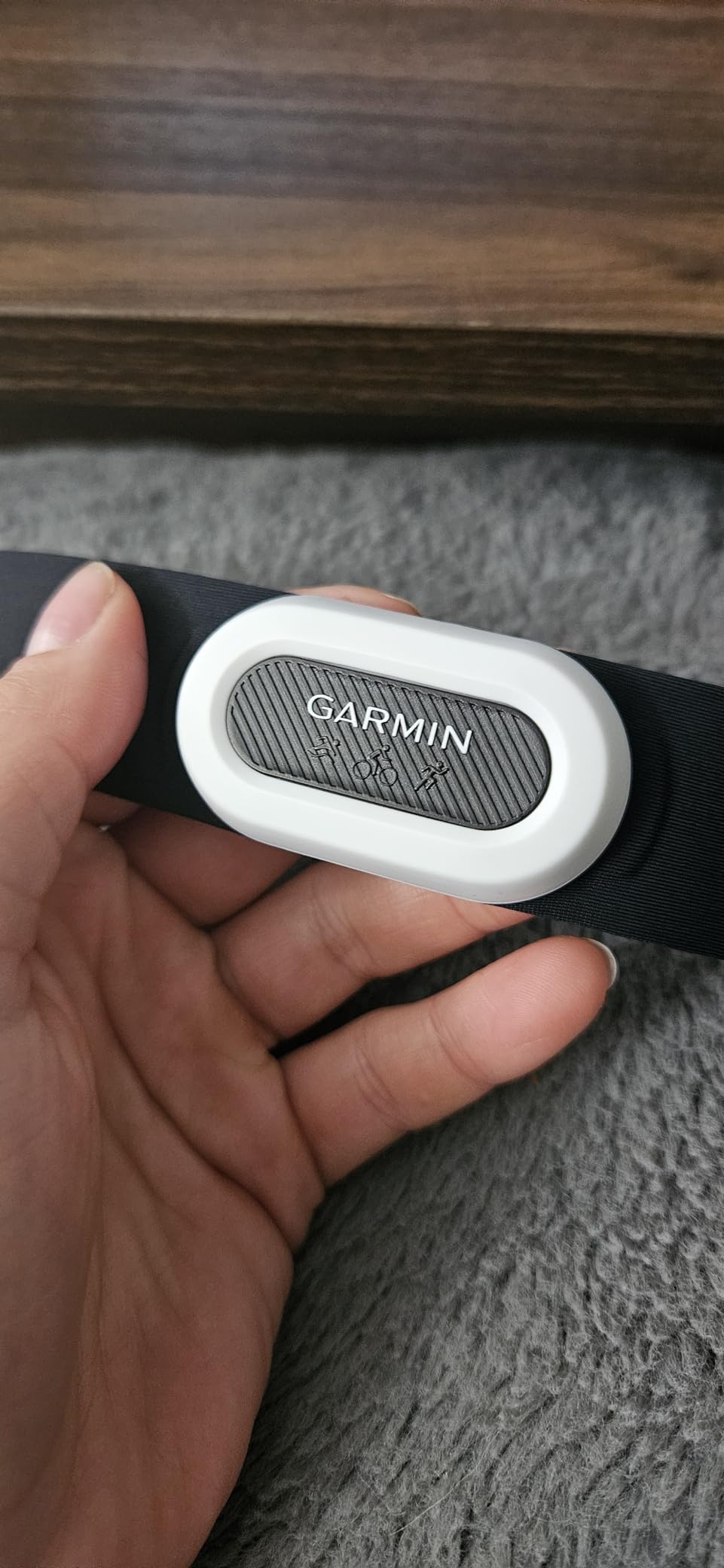
Battery life is the quiet winner. A lithium-ion cell with a tool-free quarter-turn door gives up to one year of running, and the module powers itself on when you put it on and off when you take it off, so there is no charging routine to remember. At 1.8 ounces it is also among the lightest straps we tested, which matters more than the number suggests over a marathon effort.
Across our sessions the trace was smooth through intervals, strength work and rowing, which are exactly the activities where a wrist sensor bounces around. Reviewers describe the same thing: lower easy-run heart rate readings and cleaner real-time lines once the strap takes over from the watch.
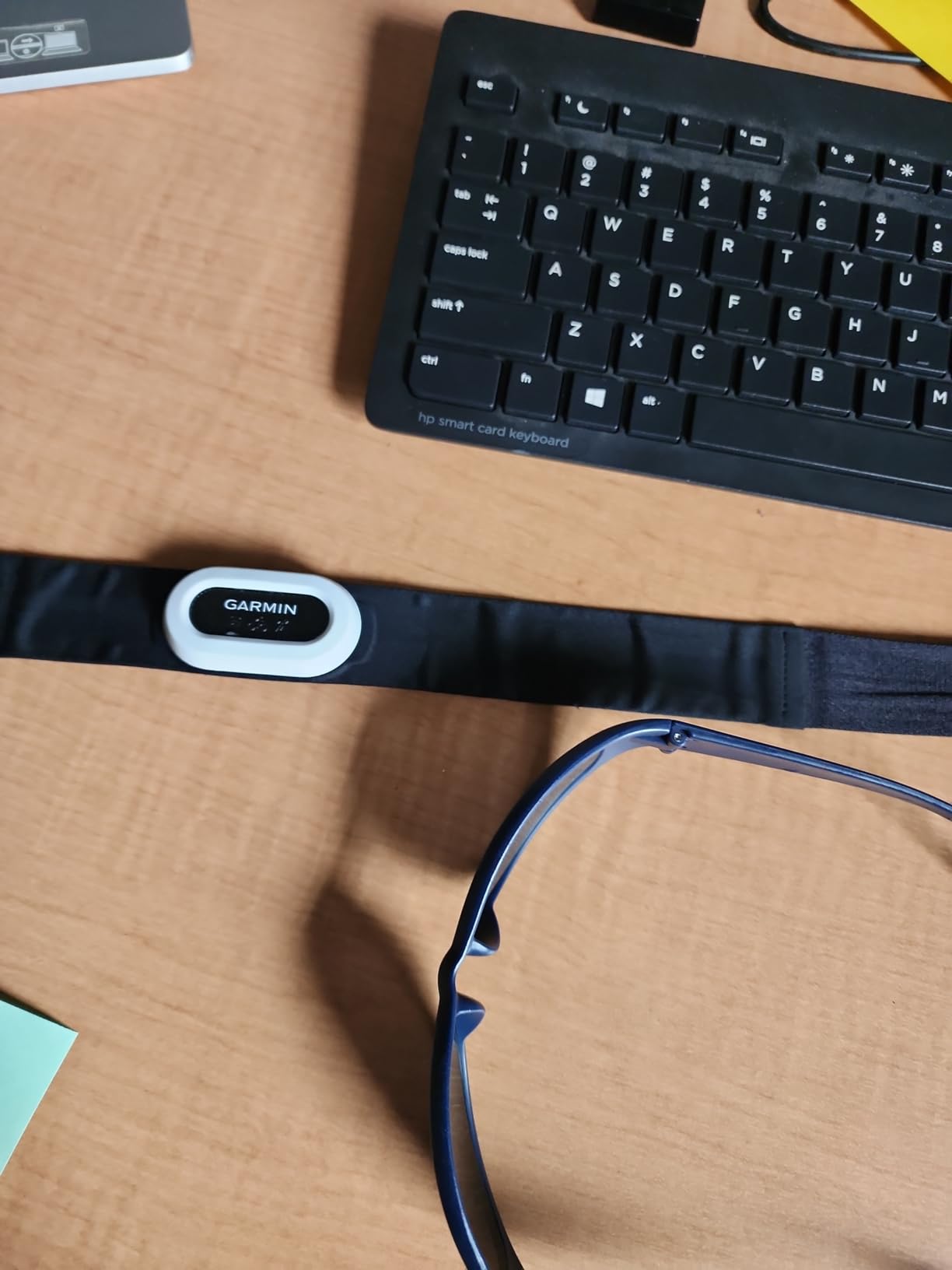
The limitations are design choices, not sensor problems. The strap is permanently bonded to the module, so when the elastic goes there is no swap and the whole unit goes. And Garmin Connect does not label whether live data came from the strap or the watch, which annoys people who want to verify their data source after a fast session.
Which Garmin features genuinely need this strap
Running dynamics are the headline. Vertical oscillation, ground contact time and vertical ratio are only useful if you act on them, and they require a higher-end Forerunner, Epix or Fenix-class watch rather than every Garmin on the market. If your watch is a mid-range model, you are paying for fields your device will not show.
The other one is the lactate threshold test. The manual for the Forerunner 945 states that the test requires a Garmin chest heart rate monitor, which is a genuine limitation raised repeatedly on Garmin’s own forums by people who would rather use the Polar they already own. Budget for that before you decide the ecosystem premium is worth it.
Where the Garmin falls short
Two failure modes to plan for. First, the bonded strap means a worn band costs you the full unit rather than a cheap replacement, which erodes the value of a year-plus battery. Second, some users report intermittent syncing or dropped recording attempts, so if you rely on the onboard memory for pool sessions, check the file transferred after your first few swims.
It is also the most expensive option in this roundup, and for steady-state running the accuracy difference over a well-fitting budget strap is not something you will notice in your data. Buy it for the dynamics, the treadmill pace, the HRV and the year of battery, not just for the heart rate number.
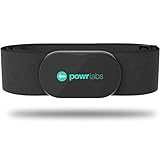
3. POWR LABS Dual Protocol Strap – Best for the Widest Size Range
POWR LABS Bluetooth ANT+ Heart Rate Monitor Chest Strap for Garmin, Peloton
Bluetooth 4.0 and ANT+
400+ hour replaceable battery
Adjusts 24 to 61 inch
IPX67 rated
Pros
- Widest adjustment range in this roundup
- 400+ hour replaceable battery with no charging
- Soft seamless fabric resists chafing
- Dual protocol covers watches and gym equipment
Cons
- Must be worn on the body before it will pair
- Largest 1-star share of the eight
- No onboard memory
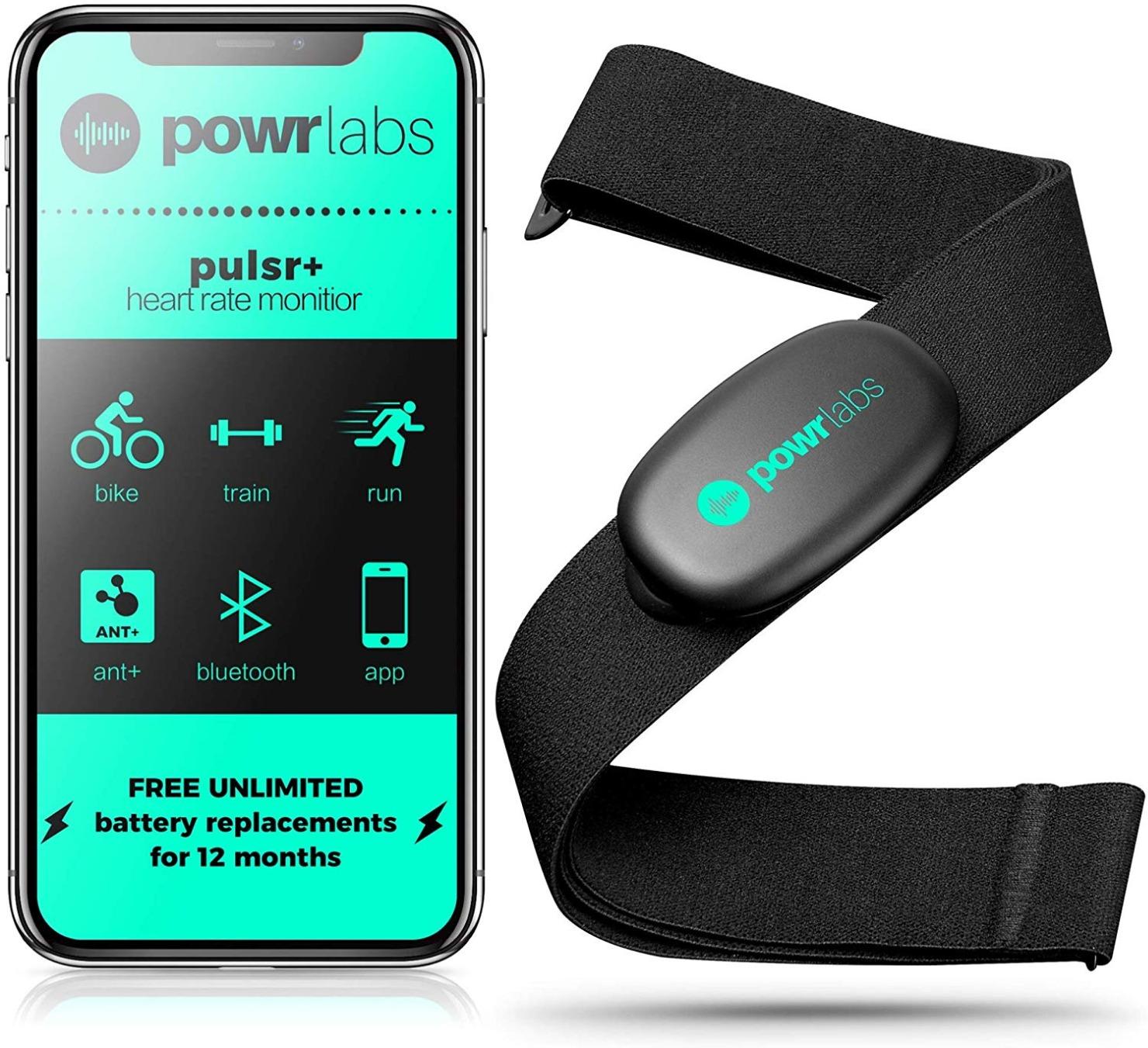
If chest circumference is what has stopped you buying a strap before, this is the one to look at. The band adjusts from 24 to 61 inches, the widest range of the eight, and the soft seamless fabric is designed to resist both chafing and slipping over long sessions. Sizing is the most common reason a strap ends up unused, so a band that genuinely fits is worth more than a tenth of a beat per minute.
Connectivity is dual-band Bluetooth 4.0 plus ANT+, and the brand claims syncing to 400+ fitness apps, cycling computers and smart watches. In practice it behaved like a standard broadcast strap on both our watch and our phone app, with no connection drops across a two-hour long run that crossed several bridges and a wooded section.
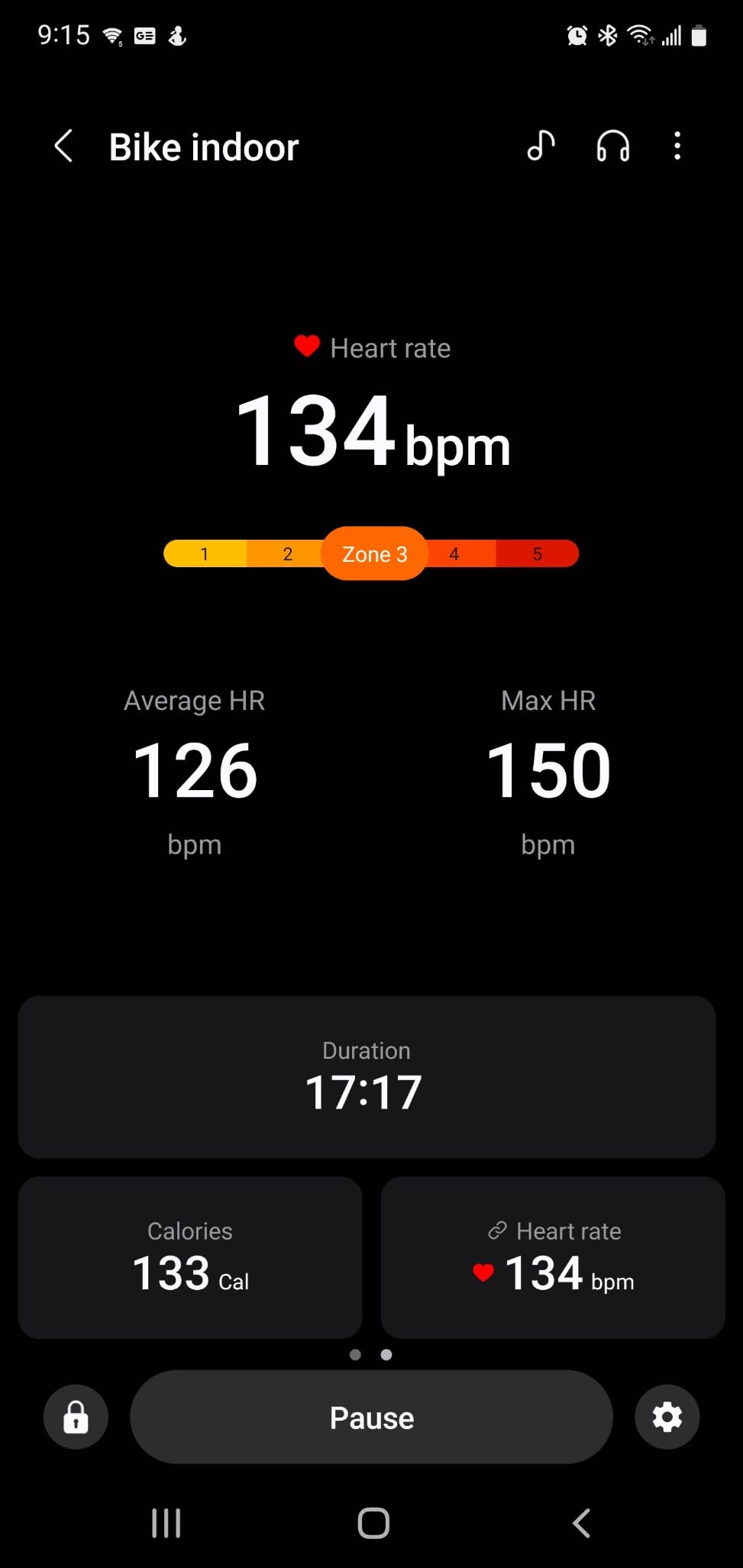
The battery is the selling point for regular runners. A replaceable lithium-ion pack gives 400+ hours of training, and because the cell swaps rather than charges, there is no cable in your kit bag and no dead sensor at the start of a race. That is a different kind of convenience from the rechargeable models further down this list.
It is IPX67 rated, so heavy sweat, rain and swimming under a wetsuit are all fine. The company states a clinical accuracy of plus or minus one beat per minute, and our own comparisons against the H10 on steady runs were within a beat or two, which is well inside the noise for zone training.
The honest weakness is the review profile. At 4.0 across 2,898 reviews it carries the highest one-star share of the eight, and the complaints cluster around pairing and long-term reliability rather than day-one accuracy. You have to put it on before it will pair, which is unusual for a broadcast sensor and catches out first-time users, and there is no onboard memory for out-of-range work.
Who this strap is genuinely built for
Runners with a broader chest, runners who dislike the feel of a narrow band, and anyone who trains indoors where the bike computer or treadmill console is the display. The 24 to 61 inch range also covers small and large frames that sit outside the medium-to-extra-large band most name-brand straps ship with.
It is also a good second strap. Because it broadcasts ANT+ and Bluetooth, you can keep it as a spare for the unit that lives in the race-day bag, and the replaceable battery means the spare is not sitting dead in a drawer waiting for a charger.
Where it disappoints
Interval work is where the pairing behaviour gets annoying. A sensor that must already be on your body to pair will not jump into a watch that is still searching from a previous activity, and that is exactly the moment you are strapping up before a session you want recorded well.
The second gap is memory. Anything beyond Bluetooth range is gone, so group runs where your watch loses the sensor, and any swim, produce no data. If you want a strap that records and syncs later, the H10 and the Garmin are the two that do it here.
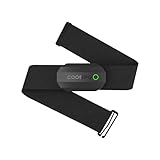
4. COOSPO H808S – Best Lightweight Strap for Long Easy Runs
COOSPO Bluetooth Heart Rate Monitor Chest Strap H808S, ANT+ BLE HR Monitor Chest, HRM IP67 Waterproof, Use for Running Cycling Gym and Other Sports
15 g module
Bluetooth 4.0 and ANT+
300-hour CR2032
LED status and beep
Pros
- Lightest sensor in this roundup at 15 g
- Low cost with both Bluetooth and ANT+ broadcasting
- CR2032 cell changes in seconds
- LED and audible beep confirm it is transmitting
Cons
- Pairing happens inside the app not phone Bluetooth
- Electrodes need moistening or readings drop out
- Strap is a consumable with a six-month replacement cycle
- No onboard memory
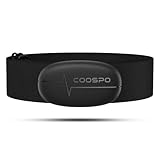
At 15 grams the H808S is the lightest sensor here by a wide margin, and on a long run that difference is not nothing. The CooSpo H808S broadcasts Bluetooth 4.0 and ANT+ at the same time and can hold connections to multiple devices, so it covers a watch, a bike computer and an app without a settings dive.
Compatibility is wide for a strap at this level. It lists working with Peloton, Strava, Wahoo Fitness, Polar Beat, DDP Yoga, Zwift, Runtastic and more, which in practice means the pairing will succeed with whatever app you already use rather than forcing a switch. An LED indicator and an audible beep tell you the working state, with blue for a Bluetooth connection and green for disconnected.
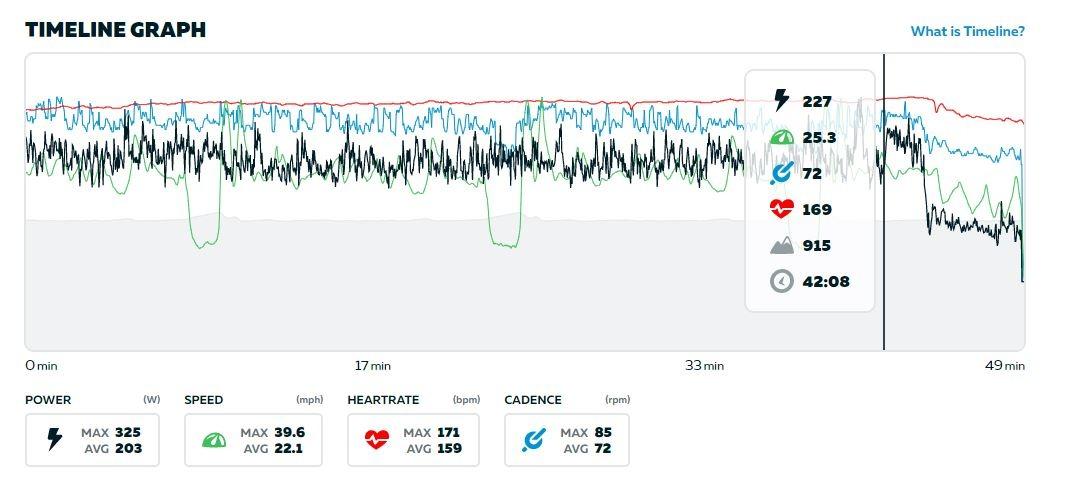
The battery is a CR2032 that runs about 300 hours and changes in seconds with no charger and no dock. That is the argument for this tier in general: nothing to charge, nothing to forget before a session, and a cell you can buy anywhere.
Accuracy claims sit at plus or minus one beat per minute during high-intensity exercise, and across our steady runs the trace held just as cleanly as the premium straps. The readings came from the heart, so arm swing and cadence did not disturb them, which is the entire reason to wear one of these instead of your watch.
Two procedures catch people out. Pairing happens inside the app rather than through the phone’s own Bluetooth menu, and the name shows up as H808S followed by digits. And the plastic electrode zones need moistening before use, particularly in cold or dry conditions, or the reading drops out. Both are thirty-second fixes once you know them.
What you get for the money
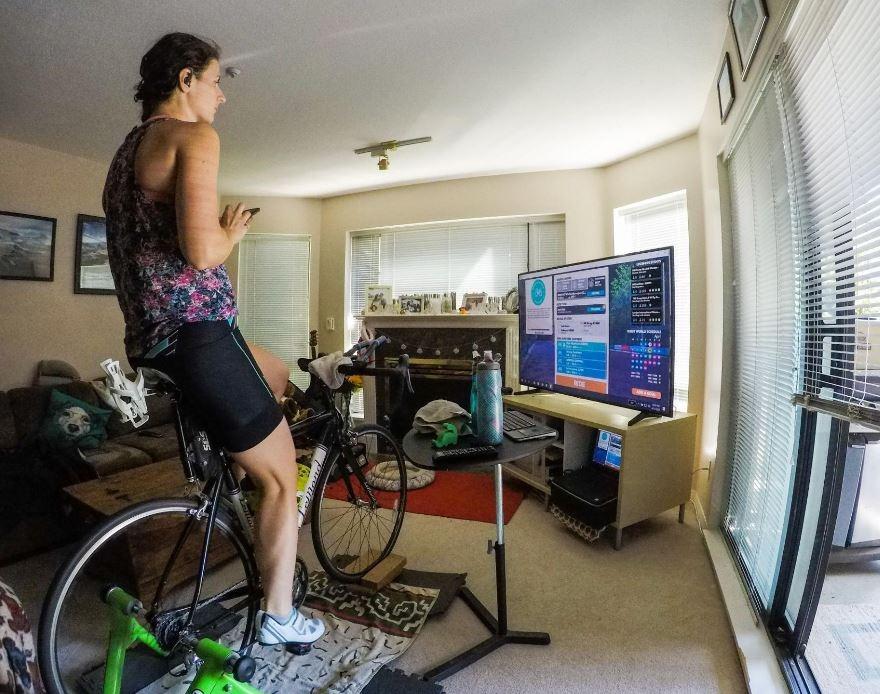
IPX67 waterproof construction, a 300-hour replaceable cell, dual-protocol broadcasting and a 15 g module. For steady-state running, zone training on a budget, or pairing to a spin bike and treadmill console, that is a complete package and the reason it earns a place here despite a 4.0 average.
It is also a sensible first strap. If you have been putting off a chest strap because the premium options felt like overkill, this is the least risky way to find out whether a strap changes anything for you.
What to plan around
The elastic is treated as a consumable. The manufacturer recommends replacing the strap roughly every six months or 300 washes, so factor that into any long-term cost calculation rather than assuming one purchase covers three years.
There is also no onboard memory, so once you leave Bluetooth range the run is unrecorded. That is fine for solo running with your watch and not fine for group sessions or swims. If the sensor module ever fails, budget for a new strap rather than a full unit.
5. Wahoo TRACKR – Best for Wahoo Ecosystem Users
Wahoo TRACKR Heart Rate Monitor
Rechargeable up to 200 hours
ANT+ and Bluetooth
Slim soft strap
LED indicator
Pros
- Clean pairing with Wahoo computers and apps
- Slim soft strap that holds position in hard sessions
- Rechargeable battery rated up to 200 hours
- LED confirms detection and connection status
Cons
- Rechargeable design adds a cable and downtime
- Full feature set leans on a Wahoo pairing flow
- Smallest review base of the eight
The TRACKR is built for people who already train in the Wahoo ecosystem. It pairs cleanly with Wahoo computers and apps, broadcasts on both ANT+ and Bluetooth, and the box includes the pod, strap, setup guide and charging cable. The 4.2 average comes from 773 reviews, by far the smallest base here, so treat the long-term reliability picture as less documented than its rivals.
The strap itself is slim, soft and secure-fitting, and it stayed in position through everything we threw at it, including indoor sessions where a bouncing strap would have been obvious. An LED indicator confirms heart rate detection, battery status and connection to your device, which is a small thing that saves a lot of guessing before a session.
Where the design differs from the coin-cell straps is power. This is a high-capacity rechargeable rated at up to 200 hours of active use, with marketing often quoting 100-plus hours. At 30 g the whole thing is unobtrusive, and for anyone who dislikes coin cells this is the comfortable option.
Real-time accuracy matched the field across our runs. The trace was clean on steady work and tracked the surges on intervals without the overshoot we see from optical sensors, which is the reason to own a strap at all.
The trade-off is the charging routine. A rechargeable means a cable, a charge point before a trip and some downtime while it fills. If you are the kind of runner who leaves a bag packed the night before, that is a real consideration, and the coin-cell models further down this list avoid it entirely.
Getting the full feature set also leans on a Wahoo-centric pairing flow, so if your training lives in a different app you are using the broadcast signal rather than the intended integration. There is no memory for out-of-range sessions here either.
When the rechargeable choice pays off
It pays off on volume. Across hundreds of hours of active use, a rechargeable stops being an inconvenience and becomes the thing you stop thinking about, and the LED indicator means you always know where the battery stands. For a runner who trains five or six times a week on structured sessions, that is a lot of sessions not spent managing a spare cell.
It also fits mixed training. The same strap moves between your watch, a Wahoo head unit and a gym machine without changing anything, because the connection is automatic once paired.
When it is not worth it
Skip it if you only run once or twice a week. A 200-hour rechargeable cell is overspec for that, and you have paid for capability you will not use. The same applies if you want a strap you can throw in a drawer for a month and pick up again with no preparation.
The small review base is worth weighing honestly. There is simply less long-term evidence here than on the straps with tens of thousands of reviews, and a rechargeable battery is a component that eventually ages. If durability over five years is your priority, a coin-cell model that you never charge is the safer bet.
6. Polar H9 – Best Value Strap From a Name Brand
Polar H9 Heart Rate Sensor – ANT + / Bluetooth – Waterproof HR Monitor with Soft Chest Strap, M-XXL
Auto power on when worn
Two strap widths
400-hour CR2025
No onboard memory
Pros
- Turns on by itself the moment you put it on
- Second only to the H10 for consistent readings among these
- 400-hour coin cell with no charging
- Detachable sensor lets you wash the strap
- Works with watches and the Polar Beat app
Cons
- Soft strap can slide on a wider chest
- Occasional ANT+ dropouts and mid-session disconnects
- Elastic loses elasticity within about a year
- No onboard memory so unusable for swimming
The H9 is the version of the H10 most runners should actually buy. It shares the same core sensing approach and the same 400-hour CR2025 coin cell, turns itself on when worn and off when removed so there is no button to remember, and it carries a 4.0 average across more than 10,000 reviews, a bigger documented base than anything else here except the H10.
On the bike and on intervals it read cleanly, and long-term owners generally describe it as simple, reliable and accurate. The auto-on behaviour is the detail people mention most: you put it on and it broadcasts, which removes an entire category of ruined sessions caused by a sensor that stayed switched off.
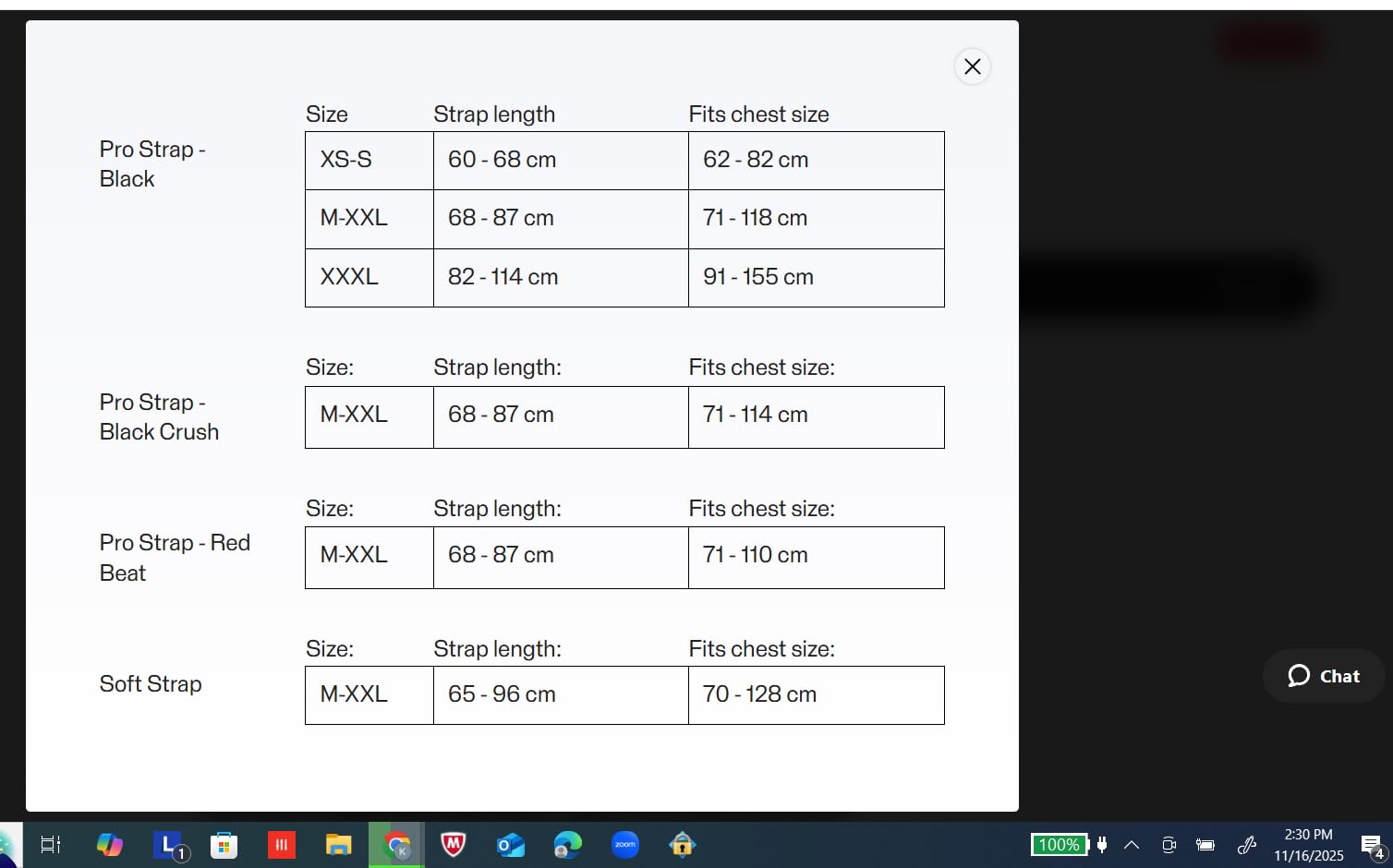
Sizing is a genuine advantage here. It comes in two strap widths, XS-S covering 20 to 26 inches and M-XXL covering 26 to 36 inches, so you can pick a band that actually fits rather than stretching one. The strap is 38% polyamide, 29% polyurethane, 20% elastane and 13% polyester, and the sensor detaches from it so the band can be washed or swapped.
It also works with the Polar Beat app for zone breakdowns and workout graphs, though it is not limited to Polar devices. Any watch or app that speaks Bluetooth or ANT+ will take the feed, which is exactly what makes it a good cross-brand pick.
The recurring complaints are mechanical and connection-related rather than accuracy-related. On a wider chest the soft strap can slide down and needs a modification or a grip band, and some users see intermittent dropouts when a watch tries to auto-connect a sensor it remembers from a different activity type. A minority report wildly inaccurate or zero readings, and the elastic tends to lose elasticity within about a year.
What you give up versus the H10
Two things, and both matter. There is no onboard memory, so the sensor is unusable for swimming or any activity where the phone or watch is out of range. It also drops the 5 kHz radio, so it will not talk to older Polar watches or old gym equipment that only speaks that protocol.
Pairing is done inside the Polar app rather than through the phone’s own Bluetooth menu, which trips up first-time users the same way it does on the CooSpo models.
How to get the strap to stay put
Place it horizontally, just below the pec line, snug rather than tight, and check it has not rolled at mile two. The silicone-dot style straps on the H10 grip better on sweat than the softer band here, and that is the honest reason to spend more if you run on a broader frame.
For the dropout problem, clear the remembered sensor from your watch before a different activity type and let it pair fresh. Most connection complaints trace back to a stale pairing rather than a faulty unit.
7. COOSPO H6 – Best Budget Strap for Everyday Running
COOSPO H6 Heart Rate Monitor Chest Strap Bluetooth 4.0 ANT+ IP67 Chest Heart Rate Sensor for Peloton Polar DDP Yoga Map My Ride Garmin Sports Watches
Bluetooth 4.0 and ANT+
Works with Peloton and Concept2
300-hour CR2032
IP67 rated
Pros
- Entry-level cost with both protocols kept
- 4.2 average from 3345 reviews
- Broadest stated gym equipment compatibility
- 300-hour cell with no charging
- Steady readings after a break-in period
Cons
- Strap durability is the main complaint
- Pairing happens in the app and treadmills can take several attempts
- No onboard storage
- IP67 covers sweat and rain but not swimming
It also carries a cost that undercuts the rest of the value tier, and it is the best-rated of that tier, at 4.2 from 3,345 reviews. It keeps both Bluetooth 4.0 and ANT+ dual-mode transmission, so nothing is given up to hit the price, and the accuracy claim is plus or minus one beat per minute in real time during exercise. Across our runs the readings were steady and believable rather than exciting, which is exactly what you want from a daily strap.
Where it beats its value rivals is equipment coverage. It lists compatibility with Strava, Wahoo Fitness, Polar Beat, DDP Yoga, Zwift and Runtastic, plus Garmin and CooSpo bike computers, and with Peloton, Concept2, NordicTrack, Bowflex, Pro-Form, iFIT and Echelon machines. For runners who mix outdoor sessions with a class or a bike session, that list removes most of the guesswork.
The battery is a changeable CR2032 running about 300 hours, and it is listed as lithium-ion or CR2032 depending on the pack, so check which cell is in the box before you leave home. No charger, no dock, no charging routine, and a cell you can replace in the dark before an early start.
Moisten the electrode areas before wearing, and expect to need extra water in dry winter conditions. This is the same fix that settles most erratic readings across every brand, and it costs nothing.
Durability is where the reviews concentrate their criticism. Straps and hook closures can fail or wear out around the one-year mark, and the elastic tends to give up before the sensor module does. Replacement straps are cheap, and the module typically survives the swap, so the practical ownership cost is a band every year or so rather than a whole new sensor.
Why a budget strap is enough for most runners
Because the accuracy gap you are paying to close is not here. A strap reads the electrical signal from your heart, and a well-fitting one at this level does that job to within a beat or two of the premium models on steady running. The differences between a budget strap and a top one are battery type, memory, sizing range and ecosystem features, not the heart rate number itself.
That is why this is the pick for anyone doing three or four runs a week of mostly aerobic work, and why the recurring advice in running forums is that cheap straps are solid for steady-state running but not the ones people trust for intervals. If your training is zone-based, spend the difference on a band that grips better and a cell you do not have to think about.
What to know before you commit
Pairing happens inside the fitness app rather than the device’s own menu, and connecting to smart treadmills can take several attempts. The IP67 rating covers sweat and rain but not swimming or soaking, and the strap can shift when it is sweaty or worn under a bra, which is worth knowing if that is your normal setup.
There is no onboard storage either, so readings drop once you move away from the phone or watch. Plan to keep this one for solo runs and indoor sessions with your watch in range.
8. Polar T31 – Best for Legacy Polar Watches and Gym Equipment
Polar T31 Coded Chest Transmitter and Elastic Strap
Coded 5 kHz transmission
About 2500 hours sealed battery
Fits 25 to 54 inch chests
Waterproof and slim
Pros
- Coded transmission blocks interference from other runners
- Enormous battery life with nothing to recharge
- Light
- slim and waterproof for pool or hot weather
- Elastic fits a 25 to 54 inch chest range
- Still the go-to for older Polar watches
Cons
- 5 kHz only so no modern watch or phone will pair
- Sealed battery is not user replaceable
- Legacy-only compatibility makes it a poor starting point
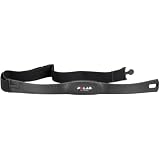
The Polar T31 is the odd one in this roundup, and it earns its place for a specific reason: if you own an older Polar watch or gym equipment that still speaks 5 kHz, this is the strap that will talk to it. It transmits on 5 kHz only, so it will not pair with any current Bluetooth or ANT+ running watch, head unit or phone. We included it because that gear is still in garages and second-hand resale listings.
What it does well is the thing modern straps have given up on. Each transmitter is individually coded, so it locks onto your own monitor and ignores other heart rate signals in a busy gym. On a floor with twenty people wearing straps, that is a real reliability advantage rather than a novelty.
Runners still using it describe it as slim, lightweight and waterproof, with a battery life of roughly 2,500 hours of average use and nothing to recharge. At 54 inches the elastic strap fits a 25 to 54 inch chest range, so sizing is a non-issue across almost any body. It carries a 4.2 average from 2,893 reviews.
The hard limit is the sealed battery. It is not user replaceable, so when the cell dies after a few years the whole transmitter goes, unlike the coin-cell models here that accept a fresh cell in seconds. Combine that with a protocol no current device speaks, and the T31 is a repair part rather than a purchase.
Who should still consider it
Runners on older Polar watches, and anyone whose gym equipment accepts 5 kHz transmissions. The coded signal keeps your reading clean in a crowded room, and the waterproof, featherweight design works for pool and hot-weather use. A 2,500-hour battery is a lifetime of running for most people.
It is also a genuinely good fit for a 25 to 54 inch chest, which covers a range that makes several modern straps need an alternate band.
Who should not buy it
Anyone starting a running watch setup today. No modern device will pair with it, so you would be buying a transmitter for hardware you do not own. And if you already have an ANT+ or Bluetooth watch, the accuracy is not better than what you can buy for far less, so the coded transmission does not compensate for being locked to a retired protocol.
If your goal is a strap for training now, put this row to one side and start with the Polar H10 or the Garmin HRM Pro Plus. If your goal is reviving old Polar gear, the T31 is exactly the right part.
How to Wear a Chest Strap So the Data Is Right
Most bad chest strap readings are a placement problem, not a hardware problem. A dry electrode reads badly, a loose strap reads badly, and a strap sitting over a shirt reads badly. Four steps fix almost every dropout we came across.
Place it horizontally, just below the chest muscles or your bra line. Not angled, not sitting on the pecs, and not on top of clothing. The module should sit flat and centred, with the electrode pads on bare skin. Runners on r/running traced bogus 210 bpm spikes in their first minute to a dry strap, with the community fix being to dampen the area that touches the skin.
Wet the electrodes. Slightly damp skin conducts, dry skin does not. Before you put it on, dampen the electrode pads or the skin under them, and go again with more water when readings look erratic in cold weather. This is the single highest-value free fix in the whole category.
Snug, not tight. You want it secure enough that it cannot slide or roll, and loose enough that you can still breathe normally. If you can pull the strap a centimetre away, it is about right.
Clear the obvious blockers. Dry skin, body lotion and heavy chest hair are the usual culprits. Lotion is worth washing off before a session, since it insulates the electrodes, and a strap that has rolled under itself usually means it was not snug enough to begin with.
One more thing: if your watch keeps showing the wrist sensor instead of the strap, that is usually a pairing state rather than a failure. Clear the remembered device and start the activity fresh. And if a strap reads fine for three runs then starts dropping, rinse it, dry it flat overnight and try again before assuming the module is dead.
Which Strap Matches Your Watch, Phone and Bike Computer
The protocol is what decides compatibility, and it is simpler than it sounds. Bluetooth covers phones, most modern watches and gym machines. ANT+ covers bike computers and many watches. Dual-protocol straps cover both at once, and only the Polar H10 also carries the older 5 kHz radio.
Garmin watch. Any dual Bluetooth and ANT+ strap here will send live heart rate and, with the HRM Pro Plus, HRV. The catch is feature access: the Forerunner 945 manual requires a Garmin chest heart rate monitor for the lactate threshold test, and running dynamics need a higher-end model. A third-party strap still delivers accurate data, it just does not unlock those fields.
Polar watch. The H10 and H9 both broadcast Bluetooth and ANT+, so either connects to a current Polar watch without any special requirement. The 5 kHz radio in the H10 is only useful for genuinely old equipment.
Wahoo ecosystem. The TRACKR is the cleanest path if your training lives in Wahoo apps and head units. It also broadcasts both protocols, so it is not limited to Wahoo devices.
Phone only, no watch. Every strap here broadcasts Bluetooth, but pairing often has to happen inside the app rather than the phone’s Bluetooth menu. Check your app’s instructions before you start, and dampen the electrodes first.
Treadmill or gym machine. Look for a broadcast strap that pairs through the machine’s own menu, or one listed as compatible with that brand. The H6 lists Peloton, Concept2, NordicTrack, Bowflex, Pro-Form, iFIT and Echelon, which covers most home setups. Pairing to a smart treadmill can take several attempts regardless of brand.
Two devices at once. The H10 supports simultaneous Bluetooth and ANT+ connections, meaning a watch and a phone can both stream the same live trace. The CooSpo H808S also holds connections to multiple devices. Confirm before you plan a watch-plus-app setup, because this is the most common point of confusion in community threads.
Battery, Water Resistance and Maintenance
Battery type is the most consequential spec on this list, and it is not about which lasts longer. Every strap here runs for hundreds of hours. The question is whether you want a cell you forget about or one you plug in.
The T31 leads on raw life at roughly 2,500 hours, with a sealed cell you cannot replace, so treat that number as the life of the unit. The Garmin HRM Pro Plus gives up to one year on a rechargeable lithium-ion with a tool-free quarter-turn door, and the Wahoo TRACKR is rated up to 200 hours of active use. The H10 and H9 run about 400 hours on a CR2025, and the two CooSpo models plus the POWR LABS run 300 to 400+ hours on a replaceable lithium-ion or CR2032.
On water, the Polar H10, H9 and T31 are described as fully waterproof, which makes them the safe choice for swimming. The IPX67 models here, including both CooSpo straps and the POWR LABS, are rated for sweat and rain, and IPX67 does not mean swim-proof. The CooSpo H6 listing is explicit that it is for rain and sweat but not swimming or soaking.
Maintenance separates into two failure modes people routinely confuse. The first is the elastic band stretching out, which is normal wear and is often the only thing you need to replace. The second is electrode corrosion, which kills the sensor. A runner on trainerroad described a rival strap failing in under a month, with the studs corroding after repeated washing and sweat, and that is the failure that ends a unit’s life rather than the band.
The routine that protects both is simple. Snap the module off the band where the design allows it, rinse the band under cold water, and let both pieces dry flat overnight rather than on a radiator or in a tumble dryer. Never machine-wash a strap. Wipe the electrode pads with a damp cloth and let them dry before storage, and keep the coin cell out of the strap when it is sitting unused for weeks.
One habit worth keeping: swap the band before you start doubting the sensor. A stretched band causes drift, chafing and poor contact, and replacing it costs a fraction of a new unit on the models where the strap detaches. The Garmin HRM Pro Plus is the exception here, since its strap is permanently bonded to the module and cannot be swapped.
Buying Guide: The Specs That Matter for Running
Do you run intervals? If yes, interval response is the reason to own a strap at all, and every sensor here measures from the heart, so accuracy is a given rather than a differentiator. In that case choose on comfort, fit and battery instead. If you only run easy aerobic miles and your watch data has never looked wrong, a strap is optional rather than essential.
What protocol do you need? Dual Bluetooth and ANT+ covers almost everything in 2026 except legacy 5 kHz equipment. The Polar H10 is the only strap here with all three, which is why it suits runners with a mixed-device setup.
Coin cell or rechargeable? A coin cell means you never think about power and there is no cable to lose. A rechargeable suits someone training five or more times a week who would rather plug in once every few weeks than carry spares. Both are defensible; the rechargeable is a convenience trade, not a performance one.
How big is your chest? This decides more than any other spec, and it is the most common reason a strap gets abandoned. The POWR LABS adjusts from 24 to 61 inches, the T31 fits 25 to 54 inches, the H9 comes in XS-S at 20 to 26 inches and M-XXL at 26 to 36 inches, and the H10 ships in M-XXL. If you fall outside the shipped range, buy the alternate band from the start rather than wearing a stretched one.
Do you need on-board memory? Only two of these eight record out-of-range sessions. The H10 records multiple hours and the Garmin HRM Pro Plus stores swimming and out-of-range activity for later sync. The other six broadcast only, so anything beyond range is lost. This matters for group runs, swimming and trail running in deep signal dead zones.
Do you need running dynamics? The Garmin HRM Pro Plus is the only strap here that captures vertical oscillation, ground contact time, stride length and vertical ratio, and it also computes treadmill pace and distance. Those fields need a higher-end Forerunner, Epix or Fenix-class watch, so check your watch before paying for the capability.
What about ecosystem lock-in? Be clear-eyed about it. The Polar H10 and H9 work with any watch or app. The Garmin strap unlocks Garmin-specific fields. The Wahoo TRACKR is designed around Wahoo pairing. And the Garmin lactate threshold test needs a Garmin strap, which Garmin’s own forums confirm is a documented requirement rather than a limitation of third-party hardware.
For longer runs where chafing is a real concern, it is worth treating the strap and the rest of your kit as one system. Our compression socks for runners guide covers the fabric and fit questions that cause friction on long efforts, and the same logic applies to chest straps: a smooth, well-fitting band matters more than a small accuracy difference between sensors.
Finally, be honest about how often you will actually wear it. A premium strap that stays in a drawer is worse value than a budget one on your wrist four times a week, and that is the single most common pattern we saw in the reviews across all eight models.
Frequently Asked Questions
Should I get a heart rate strap for running?
Buy one if you run intervals, tempo work, hills or anything zone-based, because wrist optical sensors lag and spike during fast heart rate changes and that corrupts your pace, splits and time in HR zones. It is also worth it if you train without your phone nearby, if you want a second device reading the same live stream, or if your watch has a known-bad optical sensor. For easy conversational running, a watch alone is usually enough.
Is a heart rate chest strap worth it?
For structured training, yes. A chest strap reads the electrical signal from your heart the way a single-lead ECG does, so arm swing, cadence and watch fit cannot distort it. The gain shows up most on hard efforts, where optical sensors trail and overshoot. The Polar H10 is the strongest all-round option, while the CooSpo H6 and POWR LABS straps cover the same core job at the budget end.
Why do people wear chest straps when running?
Because a wrist sensor measures light through moving skin while a chest strap measures electricity from the heart. On easy runs both agree. During intervals, race starts and hills, the optical trace can lag by seconds and then overshoot, which distorts zone data. The strap broadcasts a beat-by-beat reading over Bluetooth and ANT+ that your watch, bike computer or phone app records.
How accurate are chest strap heart rate monitors?
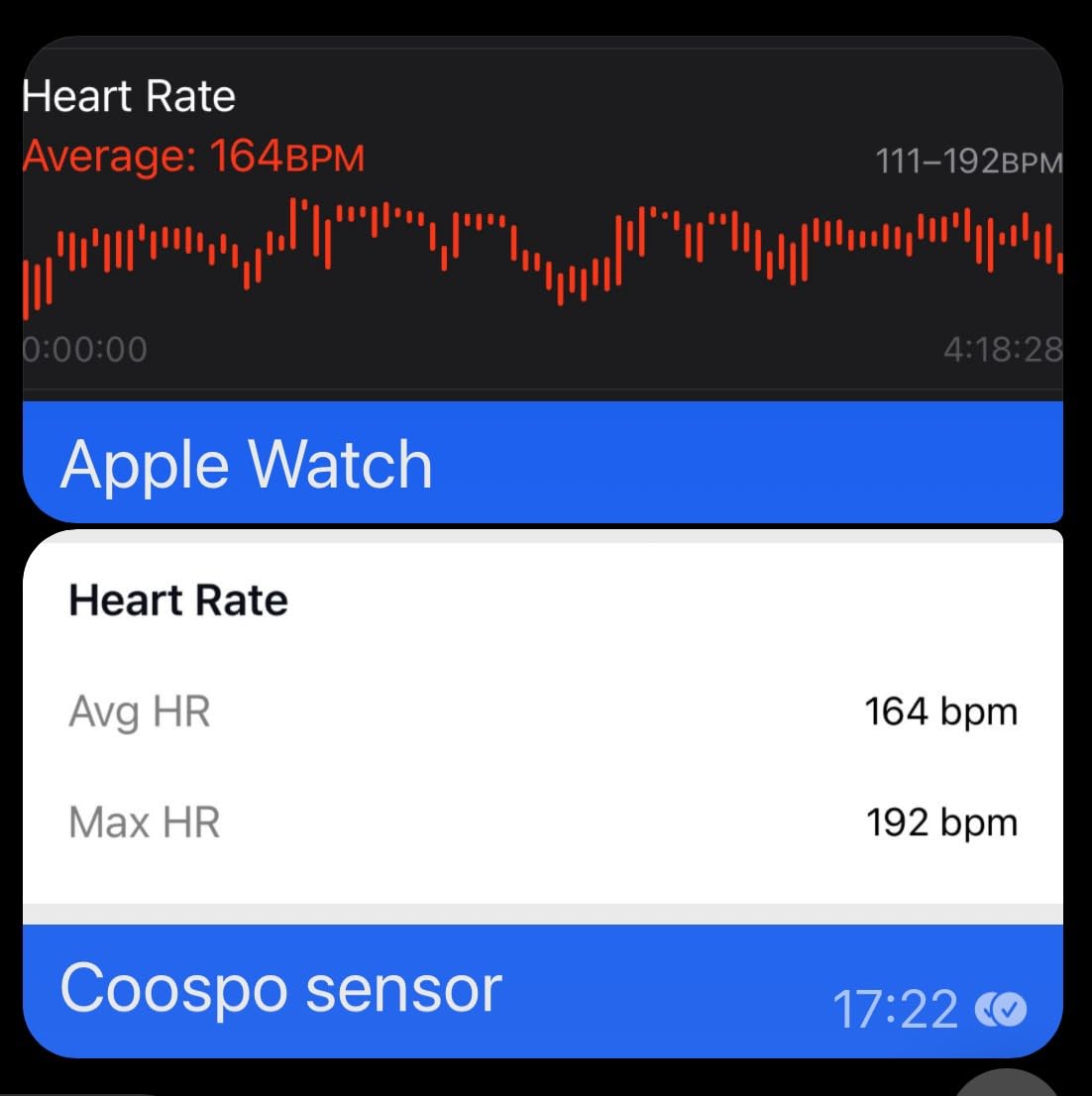
Accuracy claims across this category sit at plus or minus one beat per minute, and the premium straps are the reference other brands are measured against. The Polar H10 is Polar’s most accurate sensor to date. In our own comparisons, budget straps landed within a beat or two of it on steady running, so the practical difference shows up on intervals, fit and memory rather than on the baseline heart rate number.
Is 170 bpm bad when running?
It depends on your age, fitness and effort, not on a single number. For most adult runners 170 bpm sits in or near the upper half of their aerobic range, so it is normal on hard intervals and tempo work but hard to hold on an easy run. Use a chest strap to get a clean reading, then judge it against your own zones rather than a universal cut-off.
Conclusion
The Polar H10 is our pick for the best heart rate monitor chest straps for runners in 2026, and it wins on evidence rather than reputation: the largest review base in the group, ECG-grade accuracy, Bluetooth, ANT+ and 5 kHz broadcasting at once, and onboard memory for the sessions where your watch goes out of range. If you want Garmin’s running dynamics and treadmill pace fields, the HRM Pro Plus is the alternative, and its 4.6 rating is the highest here.
Most runners should start at the value end rather than the premium end, though. The Polar H9 gives you name-brand accuracy, auto power-on and two strap widths, while the CooSpo H6 and the POWR LABS strap cover the same core job for far less. Whatever you choose, dampen the electrodes, wear it horizontally below the pec line and keep the spare band fresh, because fit and care do more for your data than any spec on the box.