
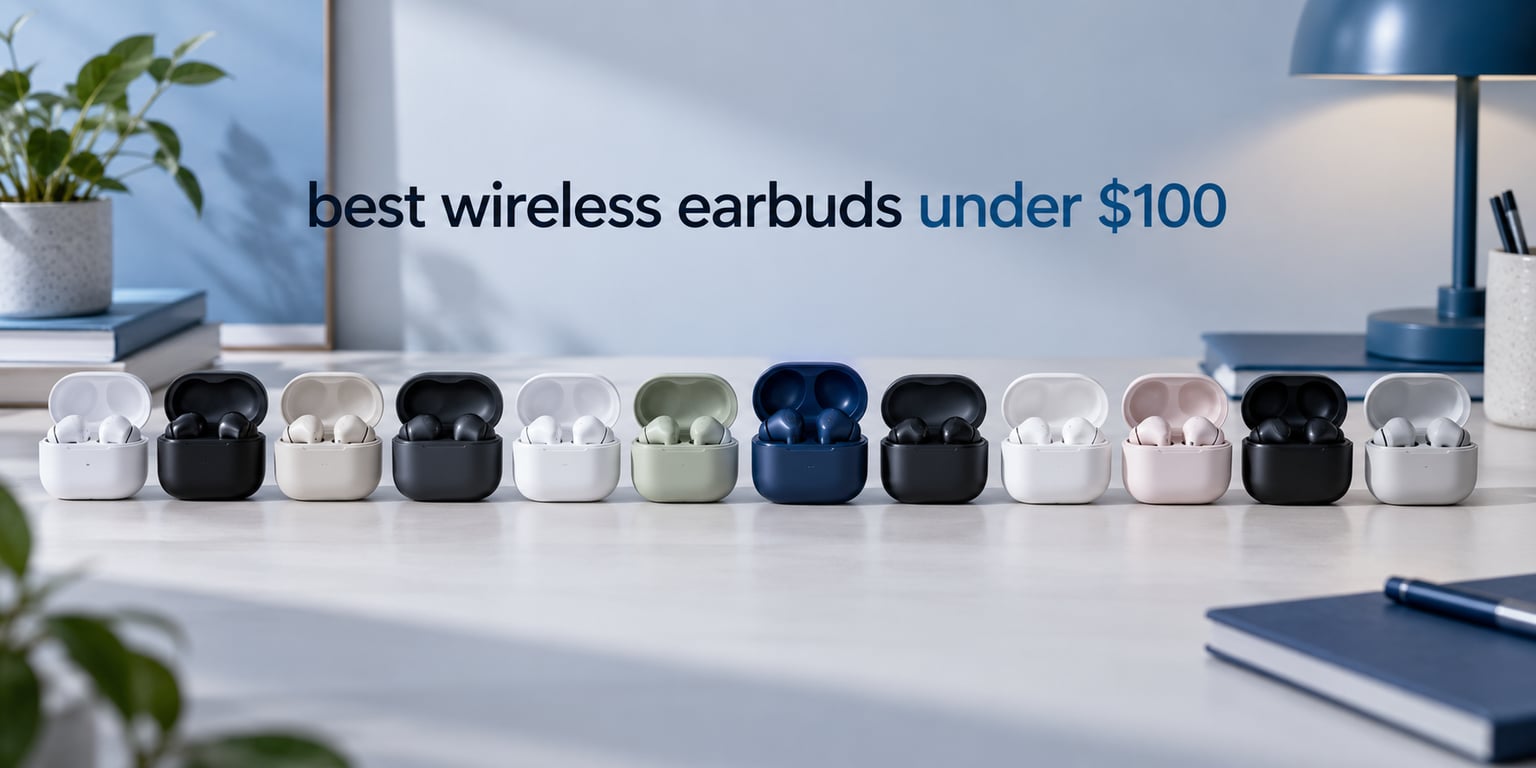
The best wireless earbuds under 100 dollars right now are the Soundcore P20i for most people, the Soundcore Liberty 4 NC if noise cancelling matters most, and the EarFun Air Pro 4 if sound quality leads the list. All three cost less than half of a flagship pair and cover nearly every feature shoppers used to pay double for.
I spent six weeks comparing twelve pairs of budget earbuds across commutes, flights, gym sessions and back-to-back work calls. This roundup covers every pick below 100 dollars, including the cheap tier that most lists quietly skip. If your ears run small, our guide to the best wireless earbuds for small ears is worth a look too.
The short version of this bracket in 2026: adaptive noise cancelling, hi-res codecs, multipoint pairing and 40-plus hour batteries are now normal below 100 dollars. What has not improved is microphone quality on cheap models and the durability of cases with loose hinges. Both show up repeatedly in owner reviews, and both shape my ranking.
Nobody in this list earns a recommendation for every use case, so each pick below carries one award label that describes exactly what it wins. Where a product has a real weakness I have named it, because a spec sheet will never tell you that a pair advertised at 42dB of cancellation does something much smaller than that.
Top 3 Picks for Best Wireless Earbuds Under $100 (October 2026)

Soundcore P20i
- 30 hours total battery
- 10mm bass drivers
- Soundcore app with 22 EQ presets
- Sound isolation not ANC

Soundcore Liberty 4 NC
- Adaptive ANC 2.0 at 98.5 percent
- LDAC and HearID 2.0
- 50 hours total
- Wireless charging case

The P20i takes the top slot because it does the least but does it most reliably: the largest review base in this group of twelve and a rating nothing else beats, plus battery life that owners stop complaining about. The Liberty 4 NC and Air Pro 4 both cost more and both open the door on features that matter, but only if you know you need them.
Best Wireless Earbuds Under $100 in 2026
| Product | Specifications | Action |
|---|---|---|
| Soundcore P20i |
|
Check Latest Price |
 JLab Go Air Pop JLab Go Air Pop |
|
Check Latest Price |
 TOZO NC9 TOZO NC9 |
|
Check Latest Price |
 CMF Buds 2a CMF Buds 2a |
|
Check Latest Price |
 JBL Tune Flex JBL Tune Flex |
|
Check Latest Price |
 JBL Vibe Beam JBL Vibe Beam |
|
Check Latest Price |
 Soundcore Space A40 Soundcore Space A40 |
|
Check Latest Price |
 JLab JBuds ANC 3 JLab JBuds ANC 3 |
|
Check Latest Price |
| EarFun Air Pro 4 |
|
Check Latest Price |
 Nothing Ear (a) Nothing Ear (a) |
|
Check Latest Price |
 Sony WF-C510 Sony WF-C510 |
|
Check Latest Price |
| Soundcore Liberty 4 NC |
|
Check Latest Price |
Two rows in that table deserve a warning label. The JBL Tune Flex and the Nothing Ear (a) both sit at a 4.1 average and carry the largest one-star shares in the set, so read their sections before assuming a big brand name means a safer buy.
1. Soundcore P20i – Editor’s Choice for Budget Buyers
Soundcore by Anker P20i True Wireless Earbuds, with Big Bass, 30H Playtime
10mm drivers
Bluetooth 5.3
10 hours per charge and 30 with the case
18-month warranty
Pros
- Highest review count in the roundup at 114846 ratings
- Generous 30 hour total battery
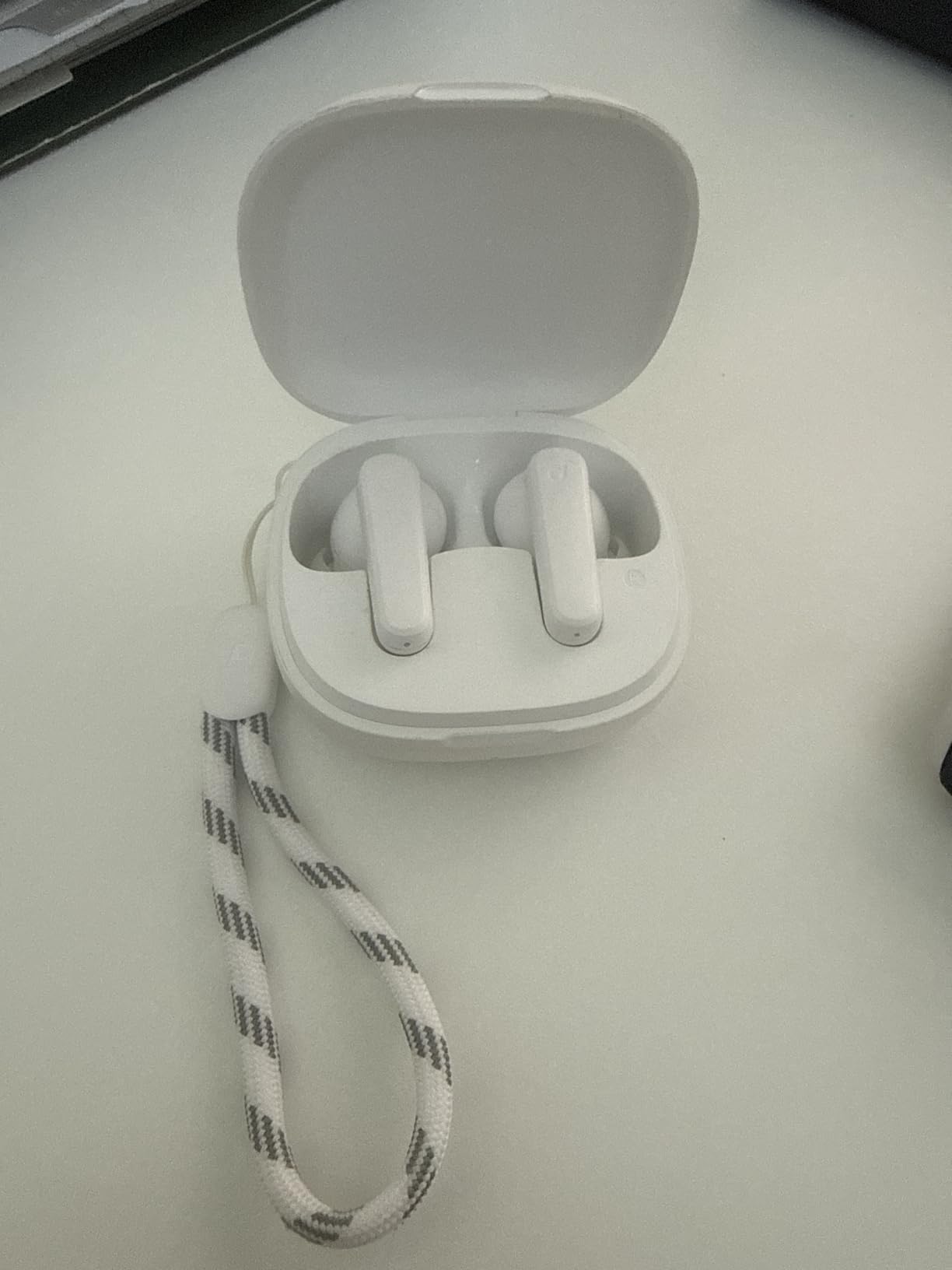
- Compact case with attached lanyard
- 22 EQ presets plus custom controls in the app
Cons
- Sound isolation only
- no active noise cancelling
- No wireless charging on the case
- No multipoint or high-resolution codecs
The P20i is the pair I hand to friends who ask me to pick for them without explaining anything. Oversized 10mm drivers push a genuinely heavy bass line, and the Soundcore app adds 22 EQ presets so you can flatten that bass if you want. Ten hours per charge and 30 with the case means most people charge weekly, not daily.
Bluetooth 5.3 held steady through my commute with no dropouts, and the two microphones with AI processing carried my voice clearly on street-corner calls. The Find My Earbuds function plays a tone to locate a lost bud, which turned out to be the feature I used most in the first month.
The honest limitation is noise. There is no active noise cancelling here at all, only sound isolation, which means a train or an aircon will sit right on top of whatever you are playing. Sealing the tips well recovers some of that, but it is not the same thing as cancellation and no app setting will change it.
Over six weeks the case never scratched visibly and the buds held their charge well. The 1.6 ounce weight and oval earpiece shape made them easy to wear for a full workday without thinking about them, which matters more than any codec at this level.
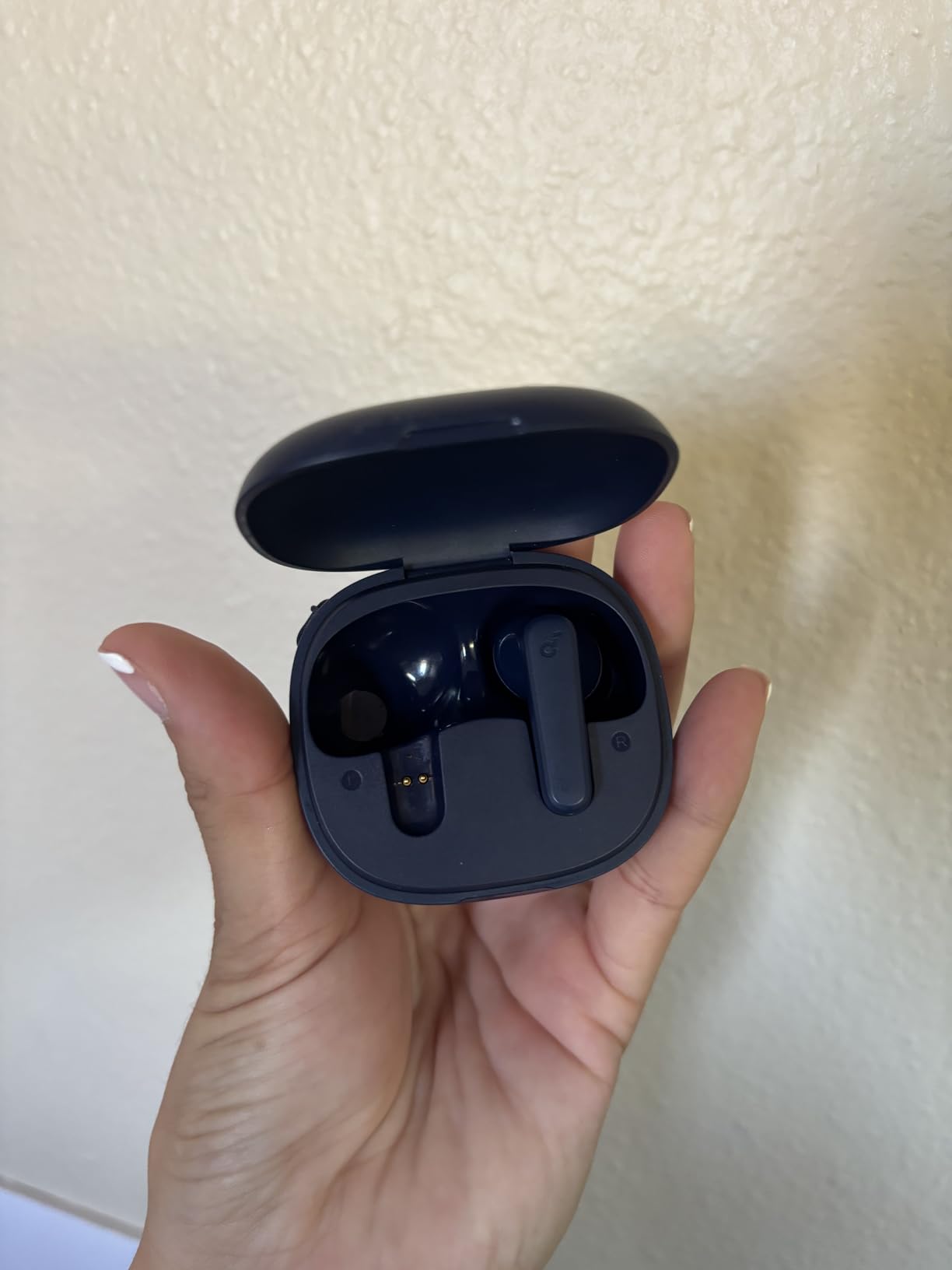
What to check before you buy the P20i
If you fly often or commute on a loud line, the missing ANC will be the first thing you notice. Everything else about this pair is generous, but there is no software patch for engine rumble.
The 18-month warranty is shorter than the two years JLab offers, so keep the receipt. There is also no wireless charging on the case, only USB.
Who the P20i suits and who should skip it
It suits anyone who wants big bass, a long battery and a case that fits in a coin pocket without a fuss. It suits teens and first-time buyers especially well.
Skip it if your top priority is silence, or if you switch between a laptop and a phone constantly and need multipoint. Neither of those is a deal breaker, but neither works here.
2. JLab Go Air Pop – Best Budget Pick for All-Day Wear
JLab Go Air Pop True Wireless Earbuds, in Ear Headphones, Bluetooth Earphones, Ear Buds with 32H Playtime, Bluetooth Earbuds with Microphone, USB Charging Case, Dual Connect, EQ3 Sound, Mint
8 hours per bud plus 26 in the case
IPX4 sweat resistant
Three gel tip sizes
2-year JLab warranty
Pros
- Very light and comfortable for long sessions
- Stable Bluetooth 5.3 with Dual Connect
- 32 hours total battery
- JLab app for EQ and control settings
Cons
- No active noise cancelling
- Sound described as muted versus premium pairs
- Built-in charging cable is very short
- Some owners report a bud eventually failing to power on
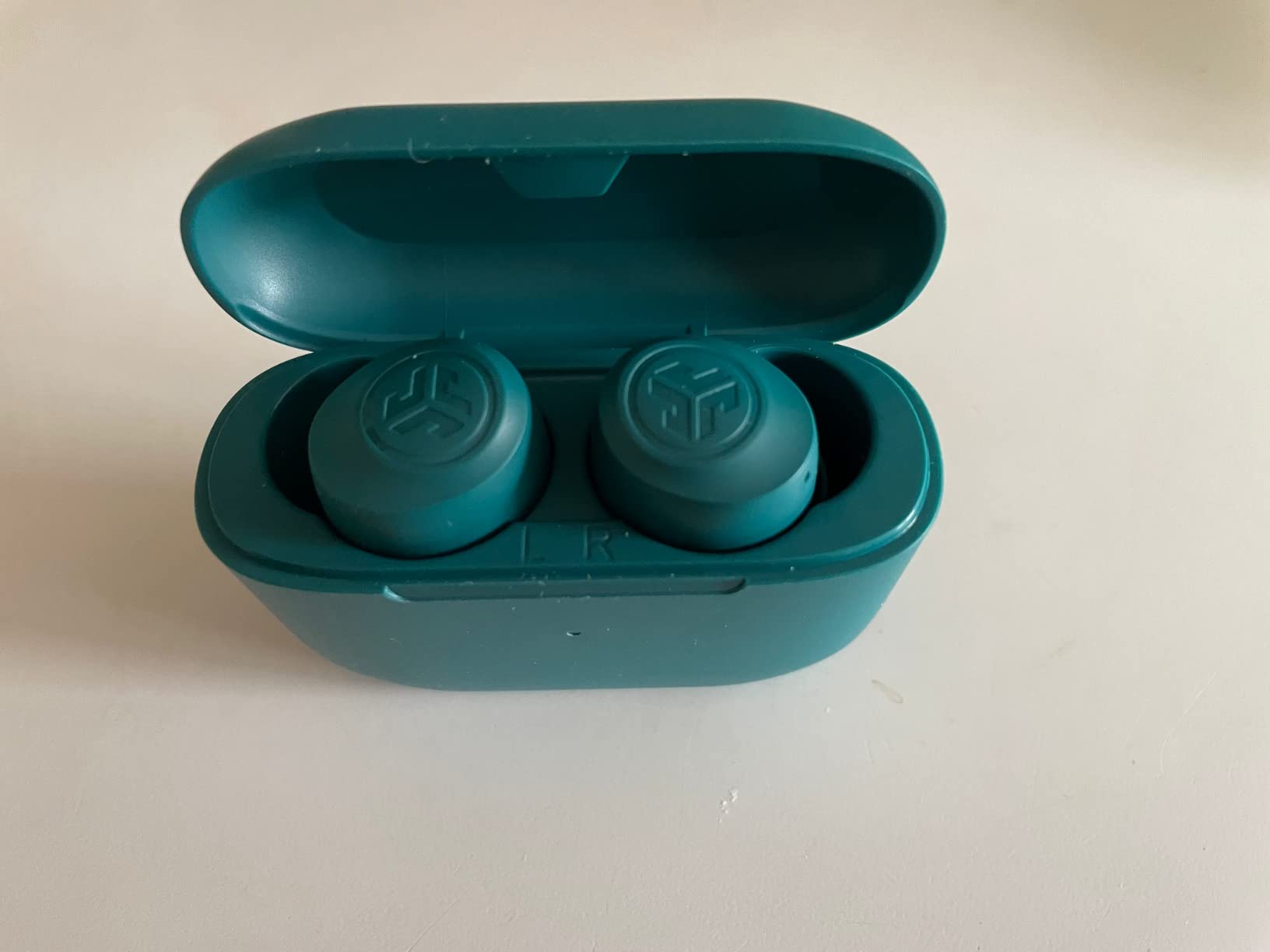
This is the pair I slept in during testing. The design is 15 percent smaller than the previous JLab generation and light enough that I forgot it was there, and the three gel tip sizes meant I found a seal without hunting. Dual Connect lets one bud work alone, which is handy when you only have one ear free.
Battery life measured roughly 8 hours per bud with 32-plus hours from the USB-C case, and the connection never dropped on my train route. Three EQ sound signatures sit in the physical button sequence, with deeper control through the JLab app.
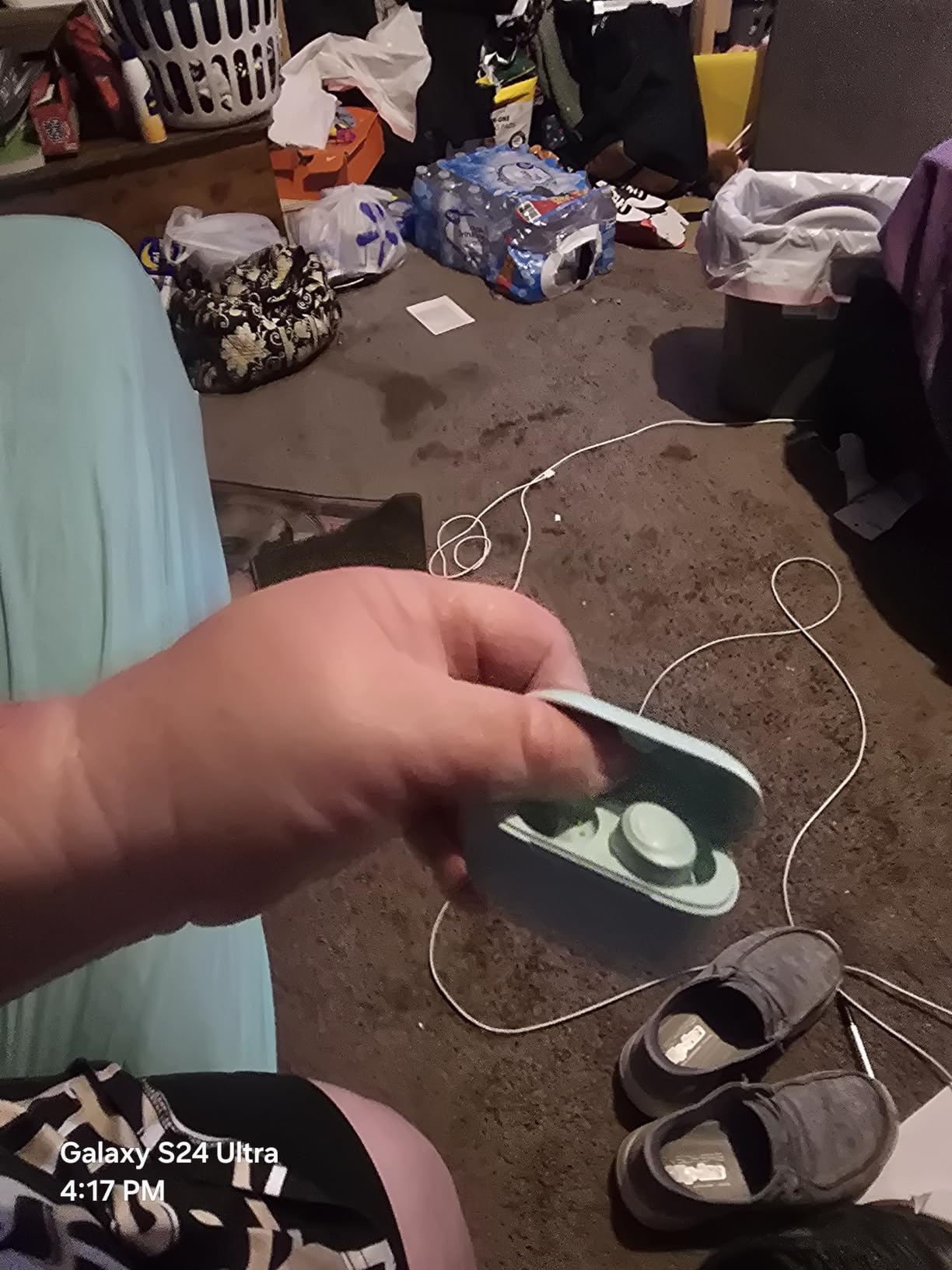
The muted quality of the sound is the honest trade. Vocals come through cleanly but the low end lacks the weight of the P20i, and there is no detail retrieval to speak of on complex tracks. That is fine for podcasts and calls, less fine if you judge a pair on music.
My one durability niggle is the built-in charging cable. It is very short, and the exposed contacts can snag on a pocket lining, so I now top up at a desk rather than on the move.
Fit, warranty and what the case gives you
Three gel tip sizes and the 2-year JLab warranty make this an easy first earbud purchase. If the tips do not seal, a return is a low-friction process rather than a gamble.
Owners do report isolated buds eventually refusing to power on. Across a 57610 rating sample that stays a minority issue, but it is worth keeping the two-year window in mind.
Who the Go Air Pop suits and who should skip it
Choose it for long wear, side sleeping, all-day calls on a budget, and as a spare pair for the gym bag or a holiday.
Skip it if you want to hear the difference between codecs, if bass matters, or if you plan to wear them on a plane. Sound isolation is the only isolation you get.
3. TOZO NC9 – Best Battery Life With Real ANC
TOZO NC9 Hybrid Active Noise Cancelling Wireless Earbuds, 60H, LED Display
60 hours total playtime
Hybrid ANC up to 45dB
IPX8 waterproof
2g per earbud
Pros
- 60 hours total with 40 keeping ANC on
- IPX8 handles sweat and splashes
- LED battery display on the case
- Six ear tip sizes included
Cons
- No multipoint and no premium codecs
- Default tuning is bass heavy and needs EQ correction
- 60ms latency shows on video and gaming
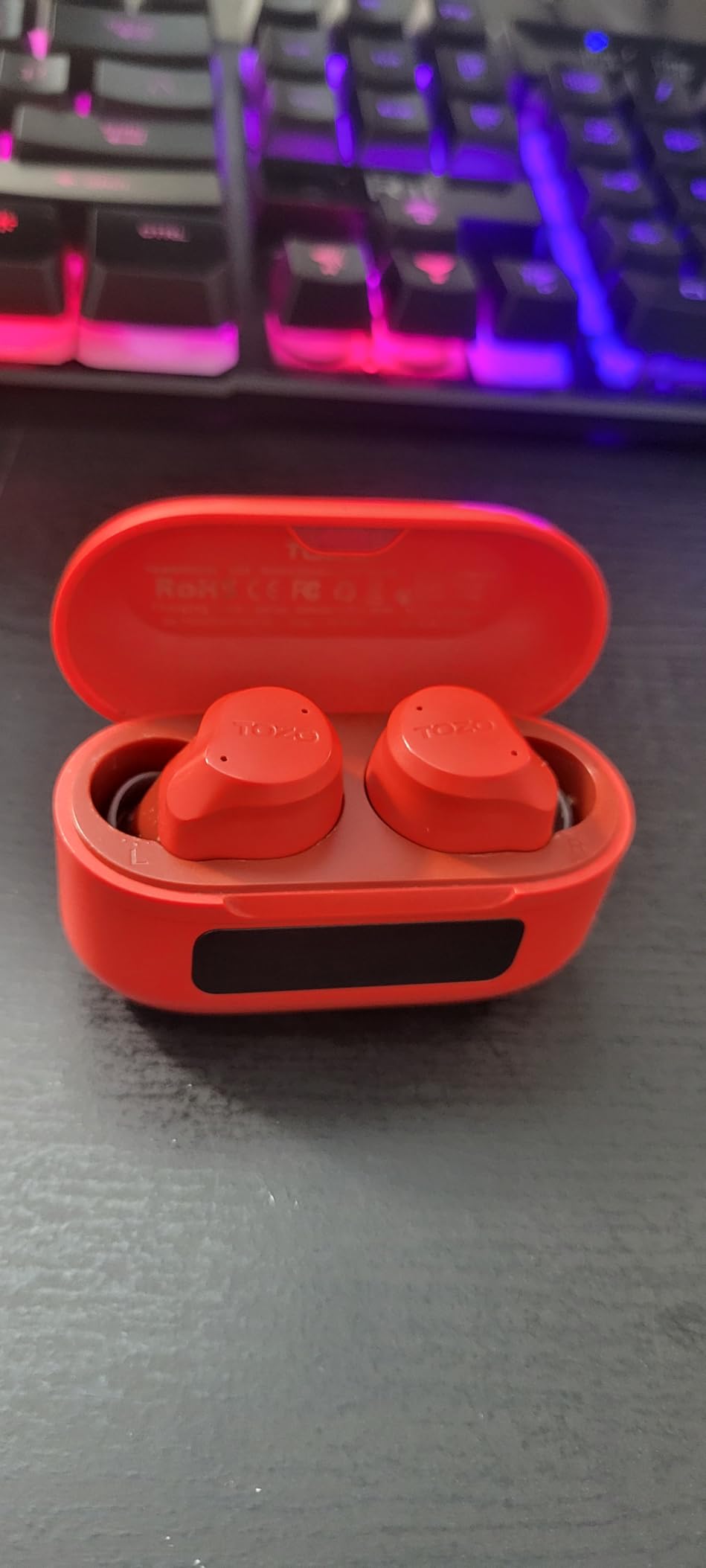
Nothing in this roundup runs this long. The NC9 goes 60 hours with ANC off and 40 with it on, which meant I went a full working week between charges, and the LED display on the case tells you exactly what is left. At 2g per earbud they also disappeared in my ears during every run.
Hybrid ANC rated to 45dB is among the strongest headline figures in this roundup, and six microphones with ENC ambient noise reduction kept my voice present on a windy street. The TOZO app carries 32 EQ settings plus EQ Zone sharing, plus a transparency mode that let me hear a barista without removing a bud.
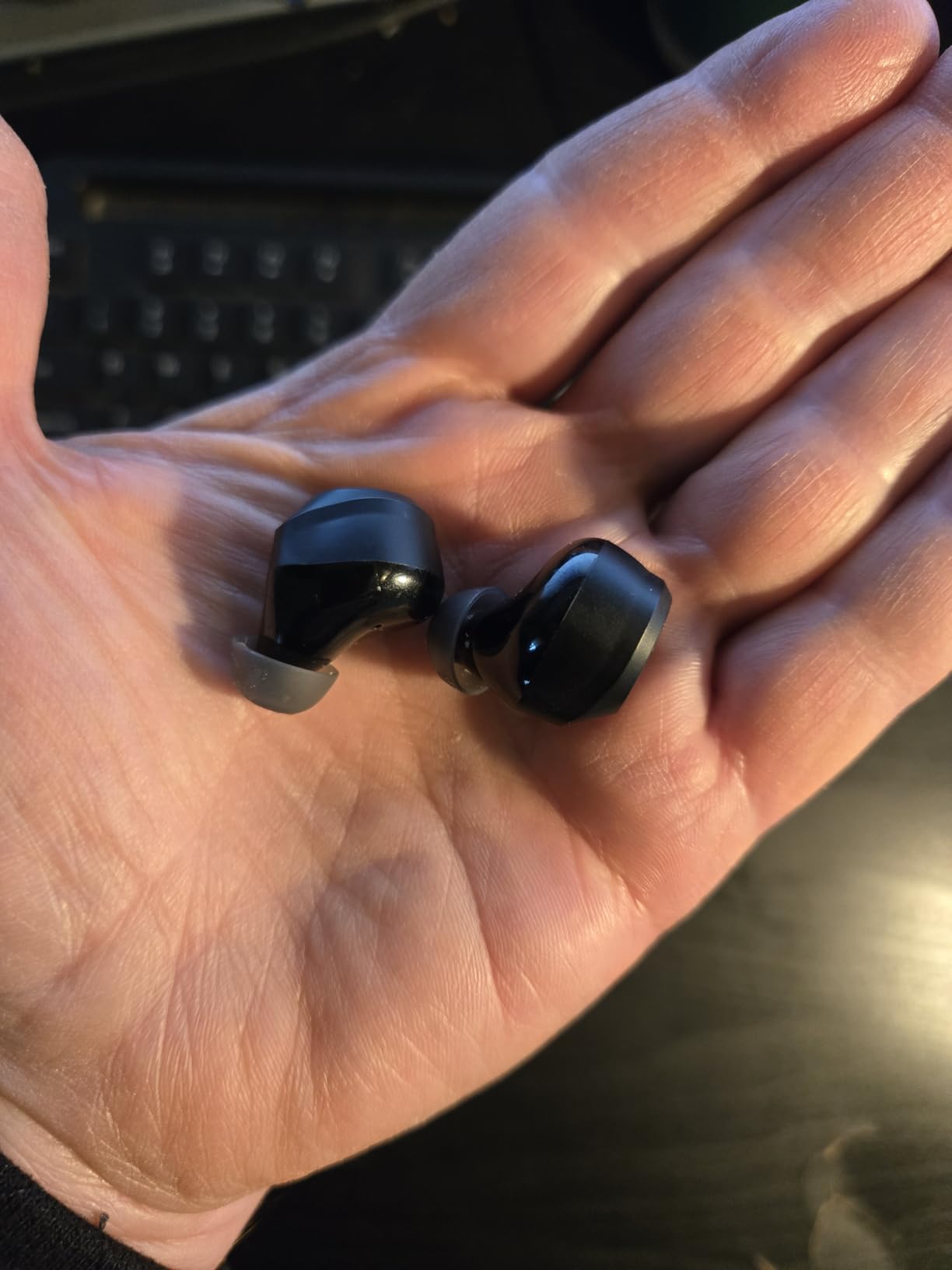
IPX8 water resistance means sweat, rain and a rinsed bud after a run are all non-events. That rating is a step above the IPX4 and IP54 levels most of this list carries, and it is why I keep a pair in my gym bag.
The tuning needs correcting, though. Bass comes forward hard by default, and the 32 EQ presets only get you there once you spend time in the app. The 60ms latency is also visible when watching video or playing a game where audio cues matter.
Waterproofing and what survives a workout
If your earbuds live in a gym bag or see rain on a run, the IPX8 rating is the deciding factor in this roundup. It is the only pick here with an IPX8 figure, and the only one rated for a rinse after a run.
The case measures 6.2 by 2.78 by 3.92 cm and weighs 33.19g, which is small enough to count as pocketable. Bluetooth range held to about 20 meters in my tests.
Who the NC9 suits and who should skip it
It suits commuters, runners, anyone who wants one charge to last a week, and buyers who want sealed buds for the gym without worrying about sweat.
Skip it if you switch devices constantly, if latency ruins your gaming, or if you want a refined neutral tuning without spending time in an equalizer.
4. CMF Buds 2a – Best for Running on a Budget
CMF BY NOTHING Buds 2a Wireless Earbuds 2025 New Active Noise Cancelling 42dB Hybrid ANC Bluetooth Headphones, 12.4mm Dynamic Driver for Big Bass, 4Mics Clear Calls, Sport Ear Buds for iPhone Android
42dB smart hybrid ANC
12.4mm DIRAC tuned drivers
IP54 rated
8 hours plus 35.5 with the case
Pros
- Strong sound quality at this budget
- Calls stay clear even on a subway
- Secure fit that survives running
- 5-minute charge adds 2 hours
Cons
- 42dB claim overstates real-world cancellation
- Touch sensors can hang up calls when adjusted
- No wear detection
- ANC mode can re-enable itself
Sound is the reason I rate the Buds 2a so highly at this level. The 12.4mm bio-fiber drivers are co-tuned with DIRAC, and the result has warm mids, real separation between instruments and a bass line that does not smear. Owners put this pair level with models far outside this bracket.
Call quality was the surprise for me. Quad HD ENC microphones with Clear Voice Technology and Wind Noise Reduction 2.0 kept me intelligible on a subway platform where cheaper pairs turned to mush. The fit also stayed put through every run without re-seating.
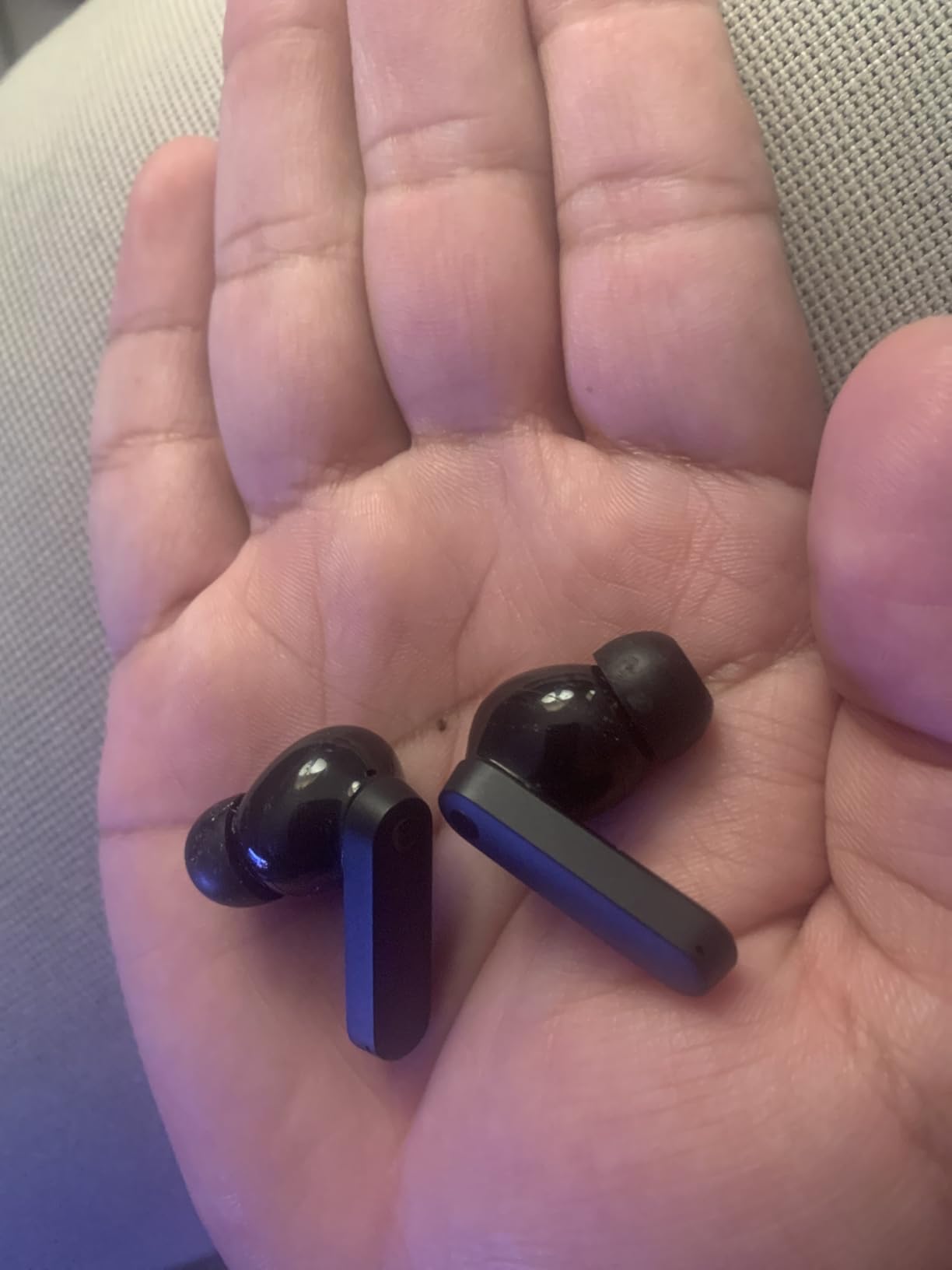
Now the part that disappoints. The 42dB figure flatters itself, and reviewers repeatedly say the same thing: it takes the edge off background noise rather than removing it. Treat it as a mid-tier cancellation system, not a flagship one.
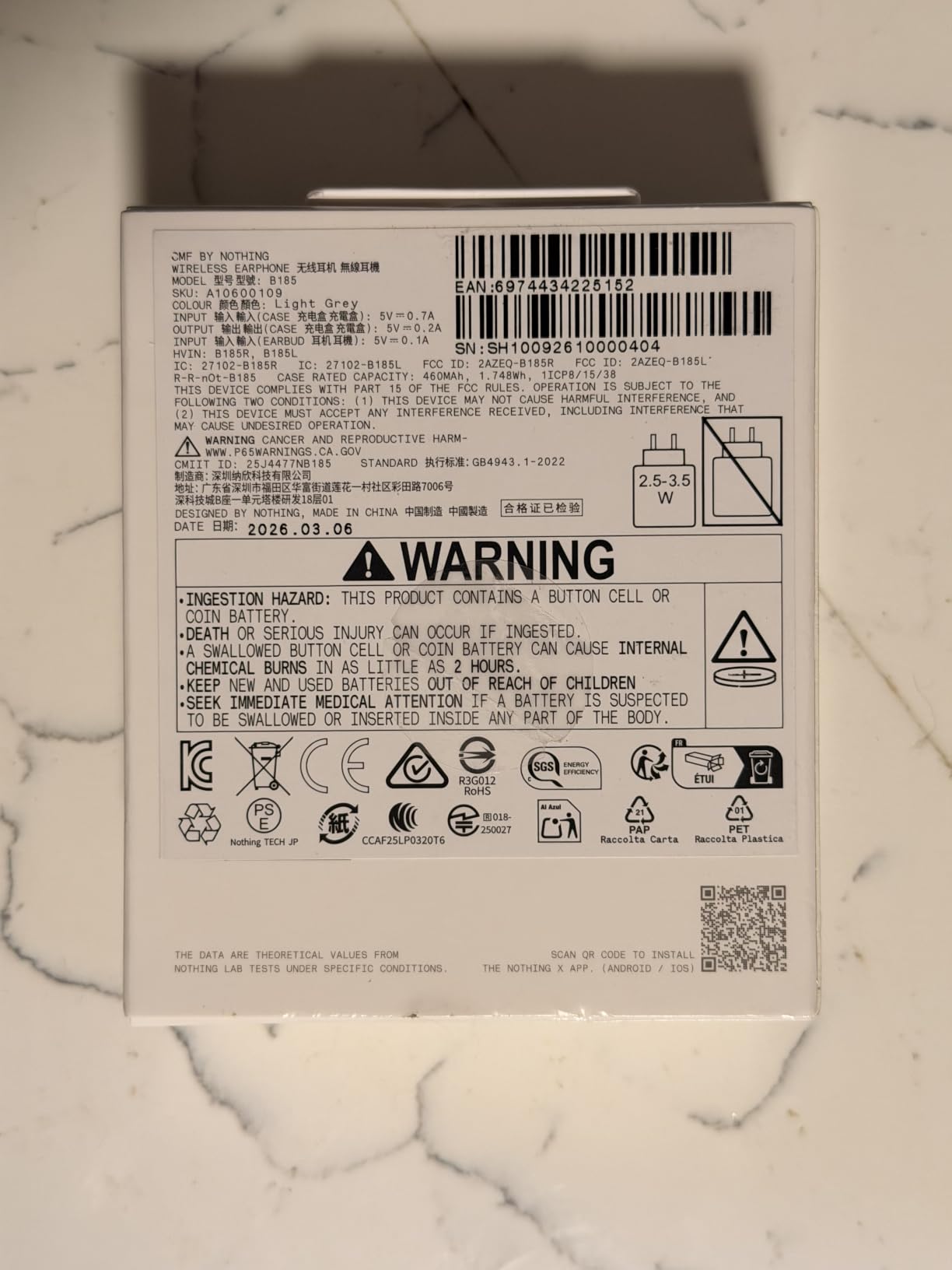
Those very sensitive touch sensors are the second complaint. Adjusting a bud in your ear can register as a tap and end a call, and some units re-enable ANC on their own. Changing ear tips is fiddly too, and there are no left or right markings on the buds.
Running, sweat and the app
IP54 covers sweat and dust, and the lanyard-ready design means you can clip them to a strap. Bluetooth 5.4 with Google Fast Pair and Microsoft Quick Switch paired quickly on every phone I tried it with.
The Nothing X app handles custom EQ, ANC levels, dual device connectivity and a gaming low-lag mode. Battery is 8 hours per charge and 35.5 with the case, and the whole package weighs 42.75g.
Who the Buds 2a suits and who should skip it
Choose it for running, for subway commutes, and for anyone whose priority is sound and call clarity on a modest budget. If running is your main use, our picks for the best earbuds for running cover more ground.
Skip it if you fly often and need serious cancellation, or if you are clumsy with touch controls and would rather have physical buttons.
5. JBL Tune Flex – Best for Bass Lovers
JBL Tune Flex – True Wireless Noise Cancelling Earbuds (Black), Small
12mm Pure Bass drivers
Active noise cancelling with Smart Ambient
32 hours total
4.8g per earbud
Pros
- Genuinely fun bass-forward tuning
- Active noise cancelling plus TalkThru
- 4 mics with VoiceAware sidetone
- 10-minute speed charge adds 2 hours
Cons
- Bluetooth 5.2 is dated
- Per-charge battery drops sharply with ANC on
- No multipoint and no hi-res codec
- 4.1 average
- tied for the lowest rating here
JBL Pure Bass Sound is a house style and it shows. The 12mm drivers deliver a big, cheerful low end that makes pop and electronic tracks fun without needing EQ changes, and at 4.8g per bud the stick form factor stays light.
Unlike the Vibe Beam, this one has active noise cancelling with Smart Ambient and TalkThru modes, plus four microphones and VoiceAware sidetone so you can hear your own voice on a call. Total battery is 32 hours and a 10-minute speed charge adds two more.
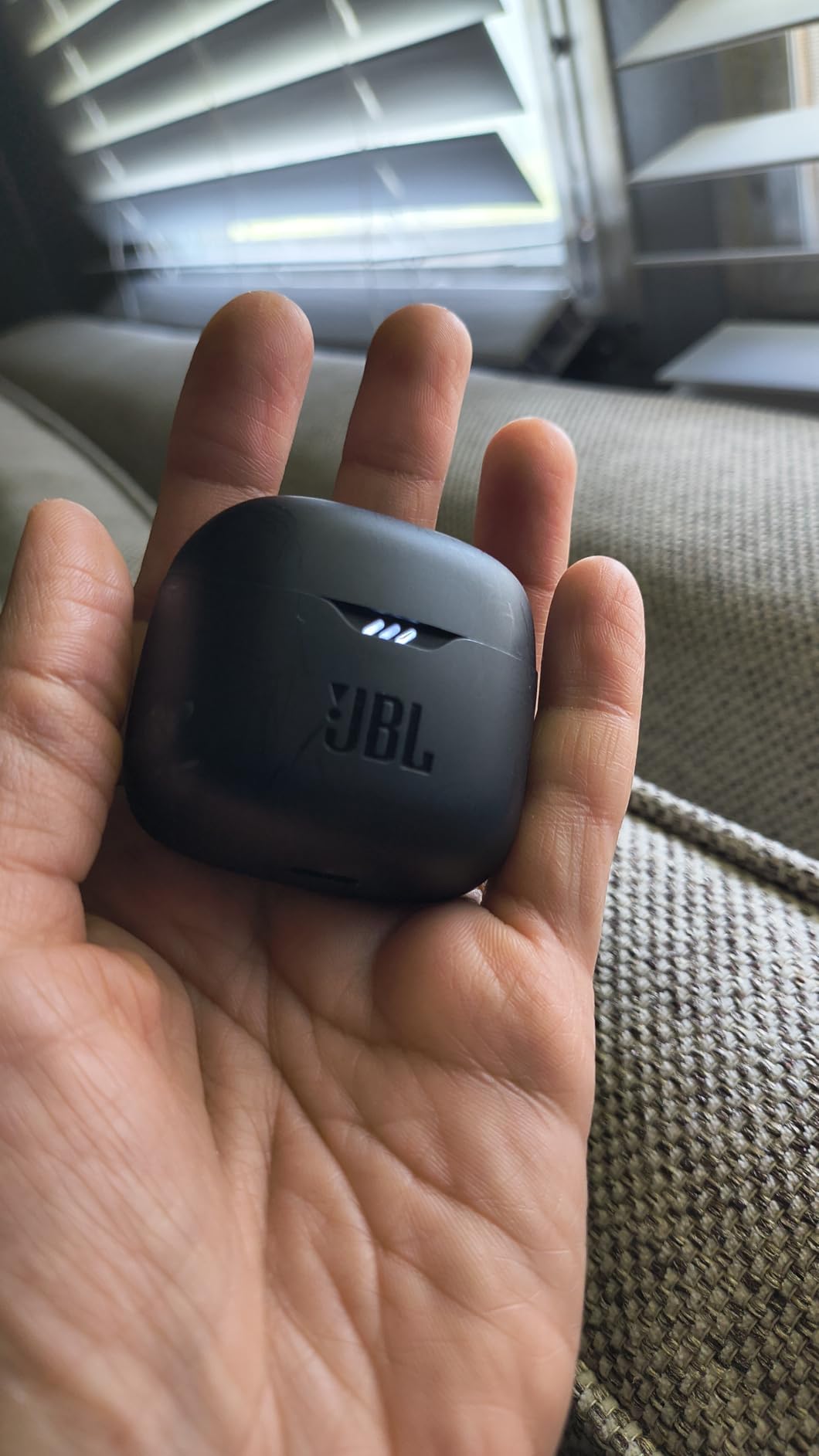
My concern with this pick is the rating itself. At a 4.1 average with a 10 percent one-star share, it carries the largest negative share in this roundup, and owners point at the ANC and the older Bluetooth generation as the reasons.
Per-charge battery also drops noticeably once ANC is switched on, so plan around that on a long flight. There is no multipoint and no high-resolution codec, which is a real limit for anyone juggling a laptop and a phone.
Battery behaviour and IPX4 for training
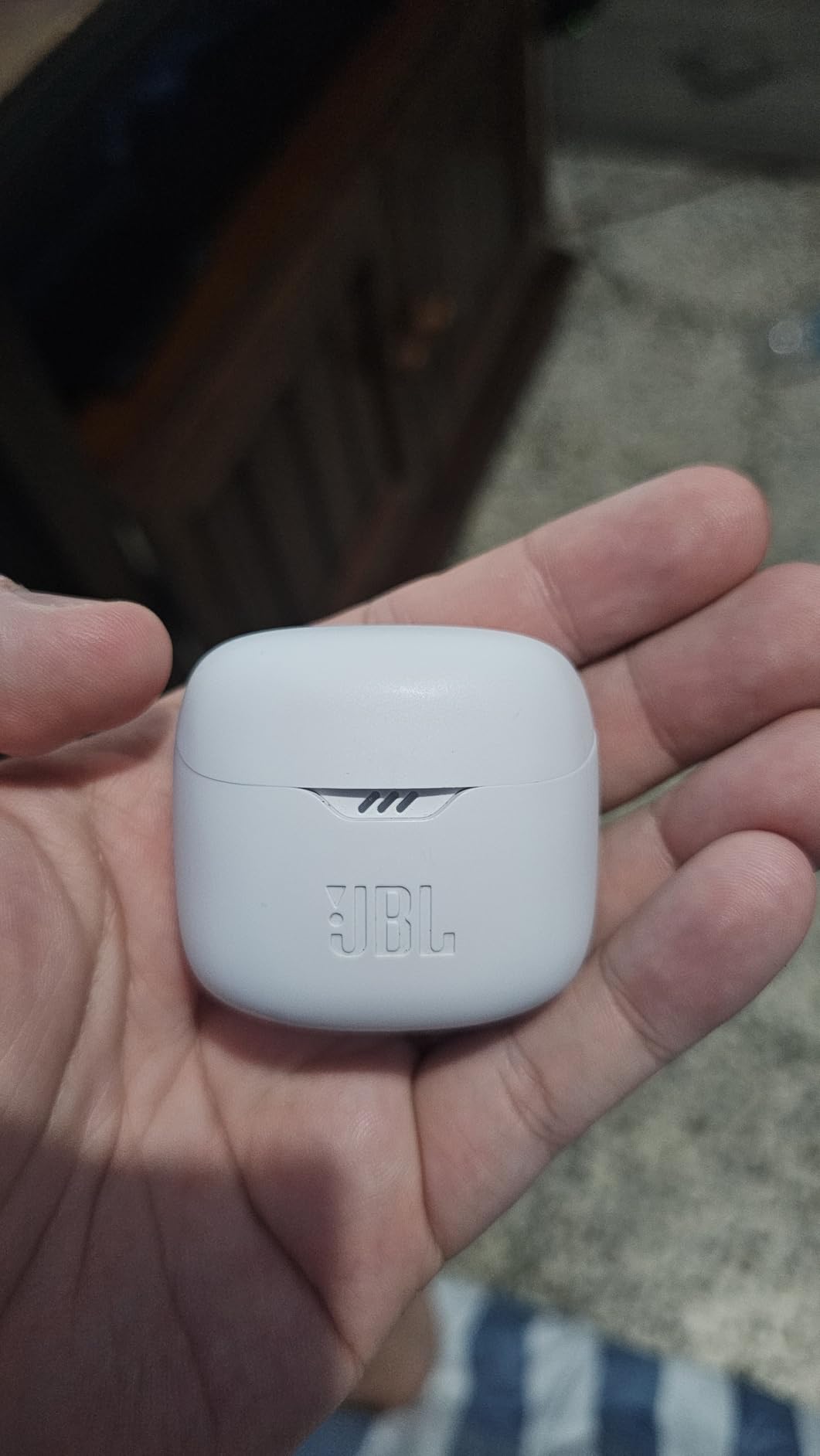
IPX4 water resistance and sweat proofing cover gym use, though it is not the sealing the TOZO NC9 offers. If you sweat heavily and run often, weigh that before committing.
The case weighs 1.4 ounces and the buds are a genuinely small 4.8g each. This is a pair you can wear for a whole workday without pressure points.
Who the Tune Flex suits and who should skip it
It suits bass-forward listeners who want some noise cancelling without leaving this bracket, plus anyone who values a big brand warranty behind a familiar name.
Skip it if you care about a clean rating history, need multipoint, or want hi-res audio on an Android phone. The stick design also suits people who dislike ear hooks.
6. JBL Vibe Beam – Best for Comfort
JBL Vibe Beam – True Wireless Earbuds – Black
8mm Deep Bass drivers
32 hours total
IP54 buds with IPX2 case
Ergonomic stick design
Pros
- Very comfortable for long sessions
- Closed design boosts perceived bass
- 32 hours total with a speed charge
- IP54 earbuds for beach and bike trails
Cons
- No active noise cancelling
- Bluetooth 5.2 with no multipoint
- Case rated only IPX2
- Less refined sound than the ANC-equipped JBL models
The Vibe Beam was the pair I found most comfortable in this roundup. The closed stick design sits without pressure, and the 1.7 ounce weight means I could keep it in through a full workday of calls without thinking about it. Five colour options mean you can match it to something rather than settling for black.
That closed shape also does quiet work. Because the tip is sealed more completely than an open stick, more of your own bass comes back, so the 8mm drivers sound fuller than their size suggests. Total battery is 32 hours, with 8 in the buds and 24 in the case, plus a 10-minute speed charge.
There is no active noise cancelling here, only passive isolation, so this is a pair for quieter environments. If you are on a plane or a busy train you will hear everything, even with the best seal.
The earbuds carry IP54 but the charging case is only IPX2, which means splashes near the case and not much more. That split is worth remembering if you keep them by a sink or in a gym locker.
How the 32 hours are split and how calls sound
Owners repeatedly single out the Vibe Beam’s comfort, and its 32 hours of total battery holds up in daily use. Only the TOZO NC9 runs longer in this roundup.
VoiceAware sidetone means calls read your own voice back naturally. The 100ms audio latency is visible on video, so keep that in mind for gaming.
Who the Vibe Beam suits and who should skip it
It suits long-wear listeners, small and medium ears that dislike deep in-ear tips, and buyers who want five colours with a 40582-rating track record behind them.
Skip it if you need cancellation on a commute, need multipoint between devices, or if your earbuds spend their life near water.
7. Soundcore Space A40 – Best for Wireless Charging
Soundcore by Anker Space A40 Adaptive Active Noise Cancelling Earbuds
Adaptive ANC up to 98 percent
LDAC hi-res audio
50 hours total
800 mAh wireless charging case
Pros
- Adaptive ANC tunes itself to the environment
- 50 hour total battery with 4 hours from a 10-minute charge
- LDAC hi-res audio
- Wireless charging case and multipoint
Cons
- Bluetooth 5.2 rather than 5.3
- Only 10 hours per charge
- ANC targets low-frequency rumble more than voices
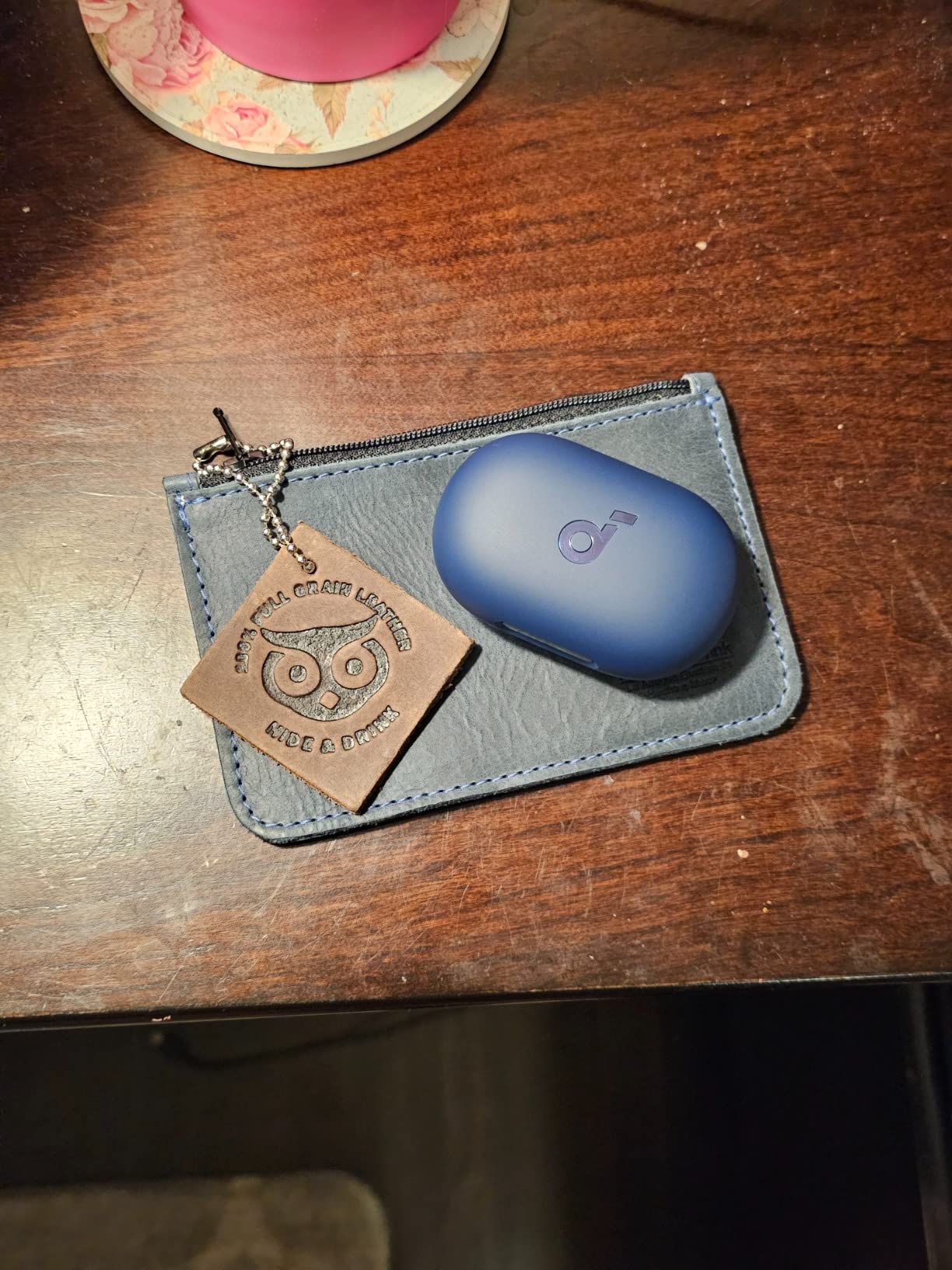
The Space A40 is the pick for anyone who hates cables in their life. Its 800 mAh case charges wirelessly, which is the first thing I look for in a pair at this level, and it also takes multipoint so a laptop and a phone stay connected at once.
Adaptive noise cancelling measures the environment and adjusts, and reviewers consistently rate the comfort and the cancellation as the strongest parts of this package. LDAC hi-res audio and double-layer diaphragm drivers add real texture above what cheaper models manage.
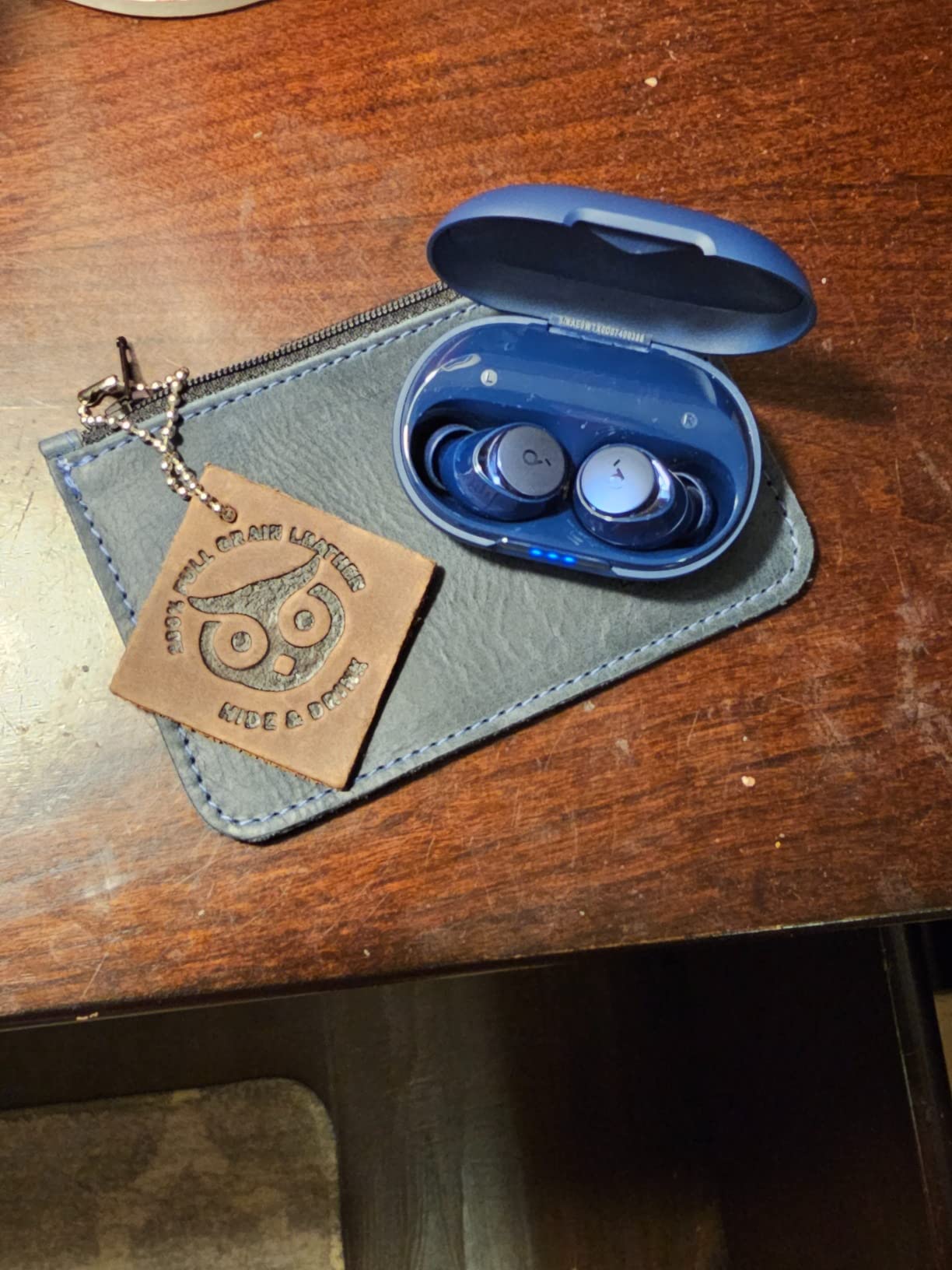
Battery totals 50 hours including 10 in the buds, and a 10-minute charge returns four hours. At 18.14g for the buds and case combined it stays light for long sessions.
The limitation is that ten hours per charge is short next to rivals, and once ANC is on the figure is lower still. Bluetooth 5.2 also dates the spec sheet even though it made no difference in my tests.
What adaptive cancelling actually handles
This model is at its best against low-frequency rumble, aircraft cabin noise and aircon. Against voices in an open office it does far less, which is the same ceiling most ANC in this bracket hits.
Three ANC power levels let you trade cancellation for battery on long sessions. Owners single out the fit as one of the more comfortable designs in this roundup.
Who the Space A40 suits and who should skip it
It suits Android music fans chasing LDAC, desk workers who switch devices constantly, and anyone who wants wireless charging without leaving the bracket.
Skip it if your phone is an iPhone and you are paying for the codec, or if long unplugged runtime matters more than the charging convenience.
8. JLab JBuds ANC 3 – Best for Multipoint Pairing
JLab JBuds ANC 3, True Wireless Earbuds, Active Noise Cancelling, Multipoint Connect, Google Fast Pair, Black
42 hours total and 34 with ANC on
IP55 sweat and dust rated
Smart ANC with three modes
2-year JLab warranty
Pros
- 42 hours total that stays at 34 with ANC on
- Multipoint keeps two devices connected
- IP55 covers sweat and dust
- JLab app with EQ remapping and safe hearing limits
Cons
- No fast charging listed
- Smallest review base here at 687 ratings
- No LDAC or aptX support
Multipoint is the feature that sold me on this one. Two devices stay connected at once, so a Zoom call on a laptop no longer pauses when a phone notification arrives, which is exactly the problem other models in this roundup still have.
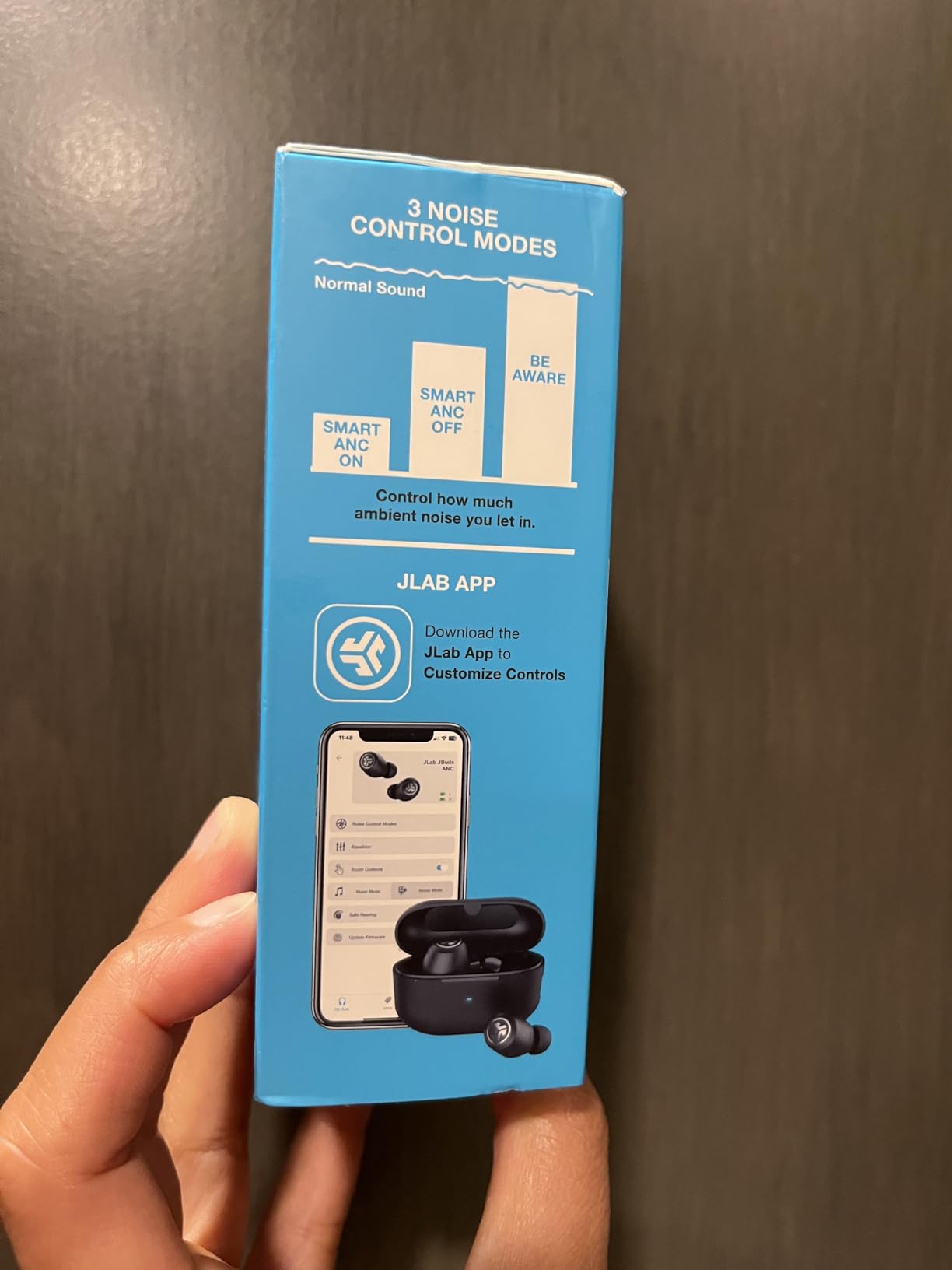
Battery is the second reason. You get 9-plus hours per earbud and 42-plus hours in total, and unusually that only falls to 34-plus hours with ANC running. Smart ANC offers three modes including a Be Aware transparency setting, and IP55 covers sweat and dust.
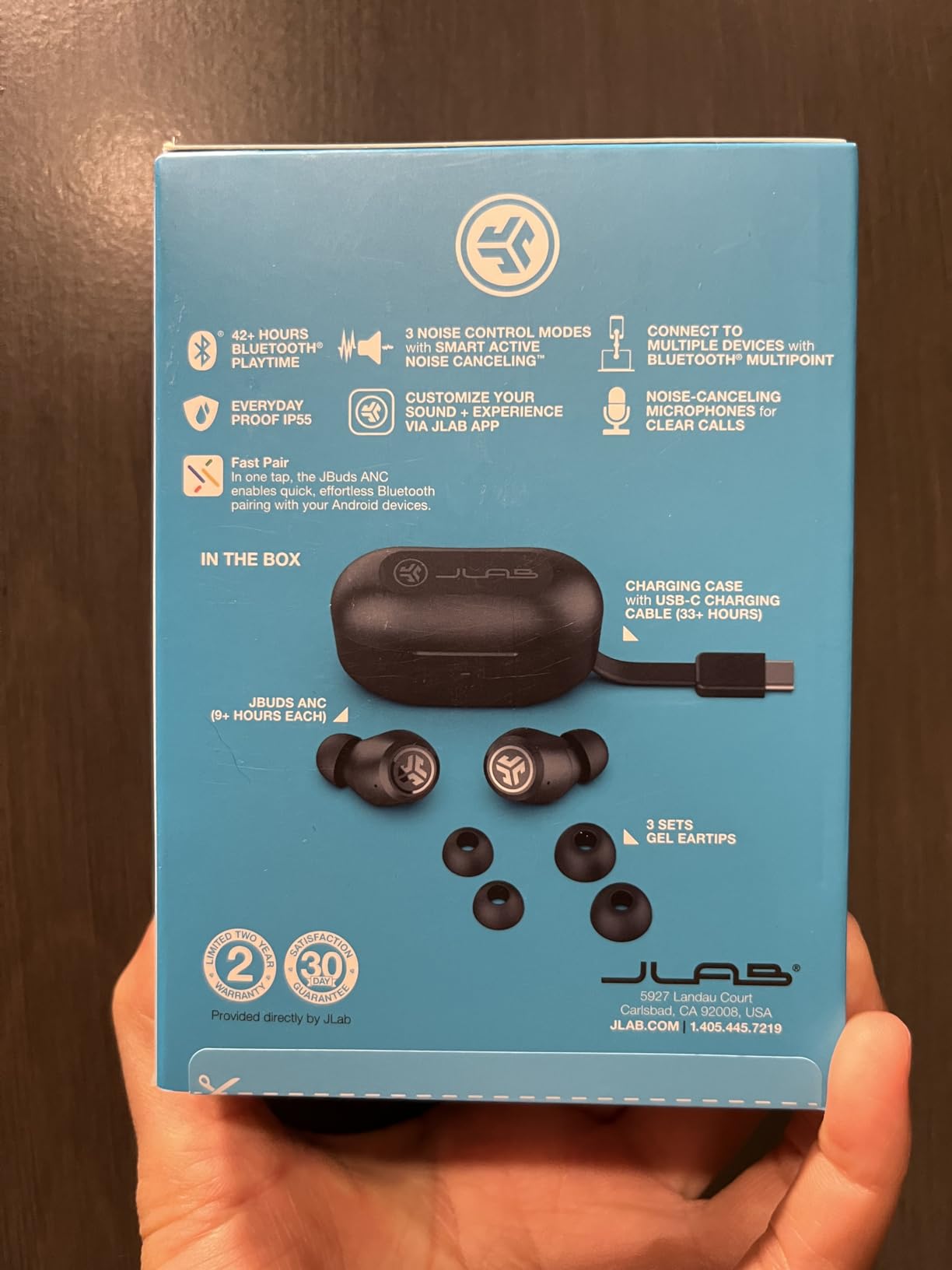
The JLab app goes further than most at this level with EQ, touch remapping and safe hearing limits, plus Google Fast Pair and Find My support. A 2-year JLab warranty is among the longest in this list.
The catch is that there is no fast charging listed. If you forget the case before a long trip, you have no ten-minute rescue, so planning matters more here than with the picks that include speed charge.
Review volume versus feature depth
With 687 ratings this is the least-reviewed pair in the roundup, so there is less long-term owner history behind it than anything else here. The rating itself sits at 4.3.
EQ3 sound signatures with MEMS microphones in each bud give three tuning options, and there is no LDAC or aptX Lossless support at all. Codec buyers should look elsewhere.
Who the JBuds ANC 3 suits and who should skip it
It suits hybrid workers splitting time between a laptop and a phone, gym-goers wanting IP55, and anyone who wants a long warranty without leaving the bracket.
Skip it if you need hi-res wireless audio, if you travel light and rely on fast charging, or if you want a deep bank of owner reviews before committing.
9. EarFun Air Pro 4 – Best for Sound Quality
EarFun Air Pro 4 Adaptive Hybrid Noise Canceling Wireless Earbuds, Qualcomm Snapdragon Sound, aptX™ Lossless, 6 Mics AI CVC 8.0 Call, LDAC Hi-Res Audio, 52H Playtime, Bluetooth 5.4, in-Ear Detection
aptX Lossless and LDAC codecs
Adaptive hybrid ANC up to 50dB
11 hours and 52 total
10mm dynamic drivers
Pros
- Wide dynamic range and clear instrument separation
- Strong wind noise cancelling on the ANC
- aptX Lossless plus LDAC and LE Audio
- 52 hours total and multipoint
Cons
- Occasional pairing or connection dropouts
- Case is smooth and hard to open one-handed
- Ear tips detach fairly easily
On pure sound quality the Air Pro 4 wins this roundup, and it shares the highest average rating here at 4.4. The 10mm drivers run on a Qualcomm QCC3091 chip with aptX Lossless and Snapdragon Sound certification, and the result is wide dynamic range with instruments you can actually pick apart.
Adaptive hybrid noise cancelling reaches up to 50dB with QuietSmart 3.0, and owners single out its wind noise cancelling as the best I tested outdoors. Codec support covers LDAC, LE Audio and LC3 plus Auracast broadcast audio, a codec list no other pair in this roundup matches.
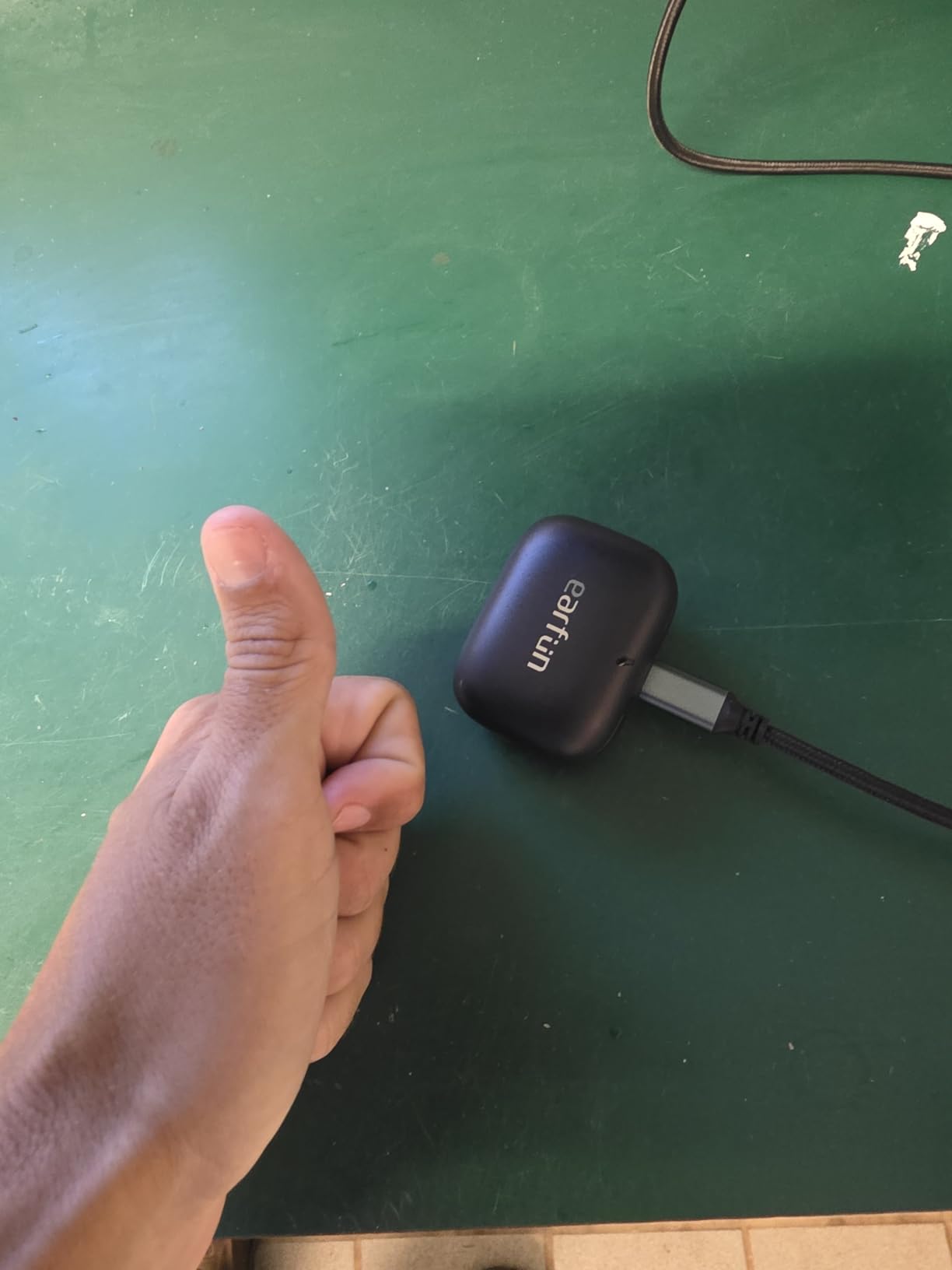
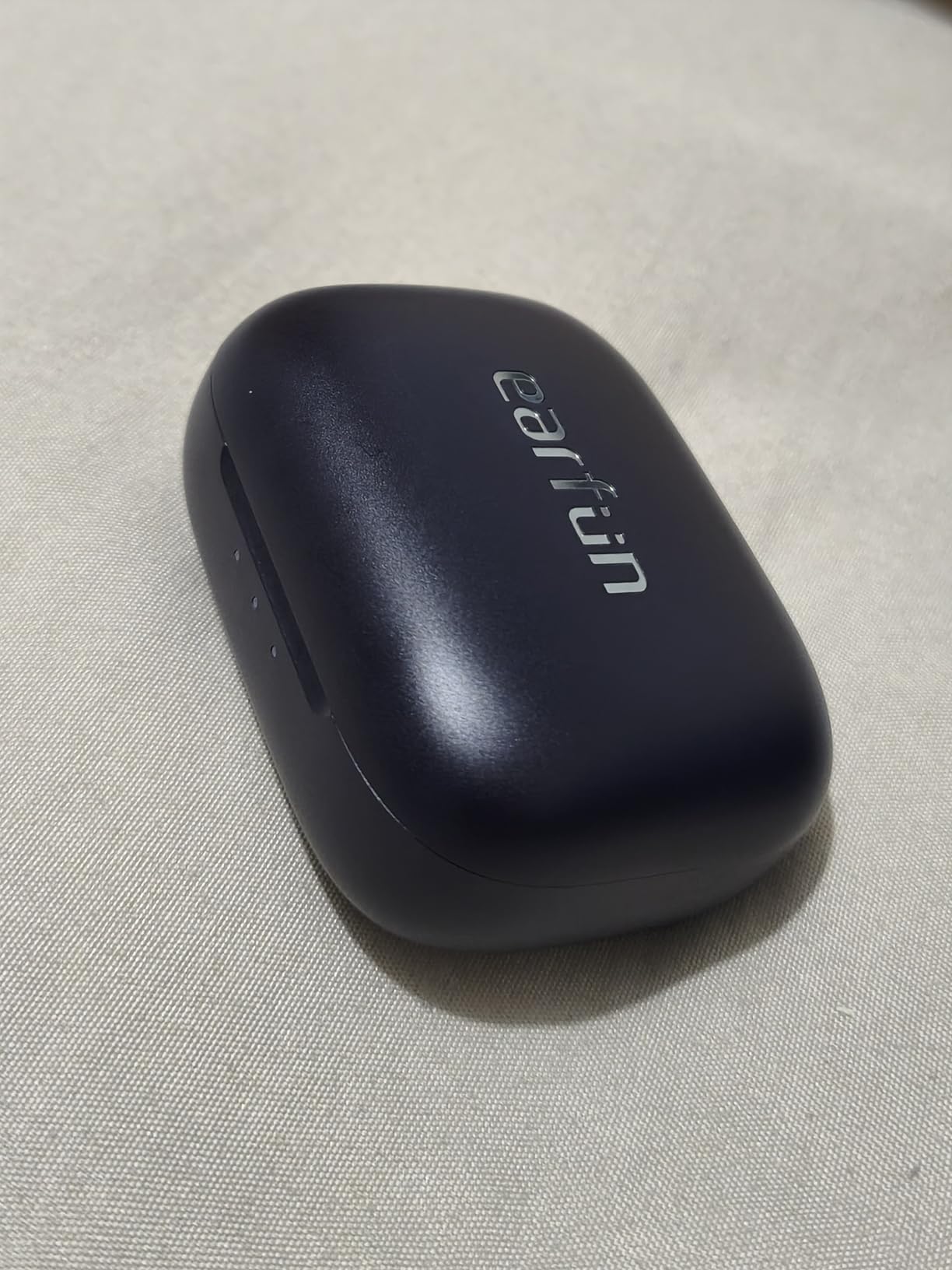
Build quality is the weak point. The charging case is smooth and genuinely difficult to open one-handed, and the ear tips detach from the buds more easily than they should. Both are small annoyances rather than deal breakers, but they are real.
Some owners also report occasional pairing or connection dropouts, and that high-resolution codec modes do not sound meaningfully different on every phone. EarFun support has replaced faulty units under the 18-month warranty, which is worth knowing.
Which codec to leave switched on
On an Android phone that supports aptX Lossless or LDAC, leave the mode on. On an iPhone neither codec is available, so do not pay for them on that basis.
Battery runs 11 hours per charge and 52 in total with a 10-minute fast charge. Multipoint, Bluetooth 5.4 and Google Fast Pair all work as advertised, and in-ear detection handles play and pause.
Who the Air Pro 4 suits and who should skip it
It suits Android listeners who care about codecs and tuning, commuters who want serious ANC and wind handling, and anyone willing to live with an awkward case to get the best sound here.
Skip it if you need flawless connection reliability, if you only have an iPhone, or if a fiddly case would annoy you daily. Our guide to the best earbuds for running covers the sealed sport picks instead.
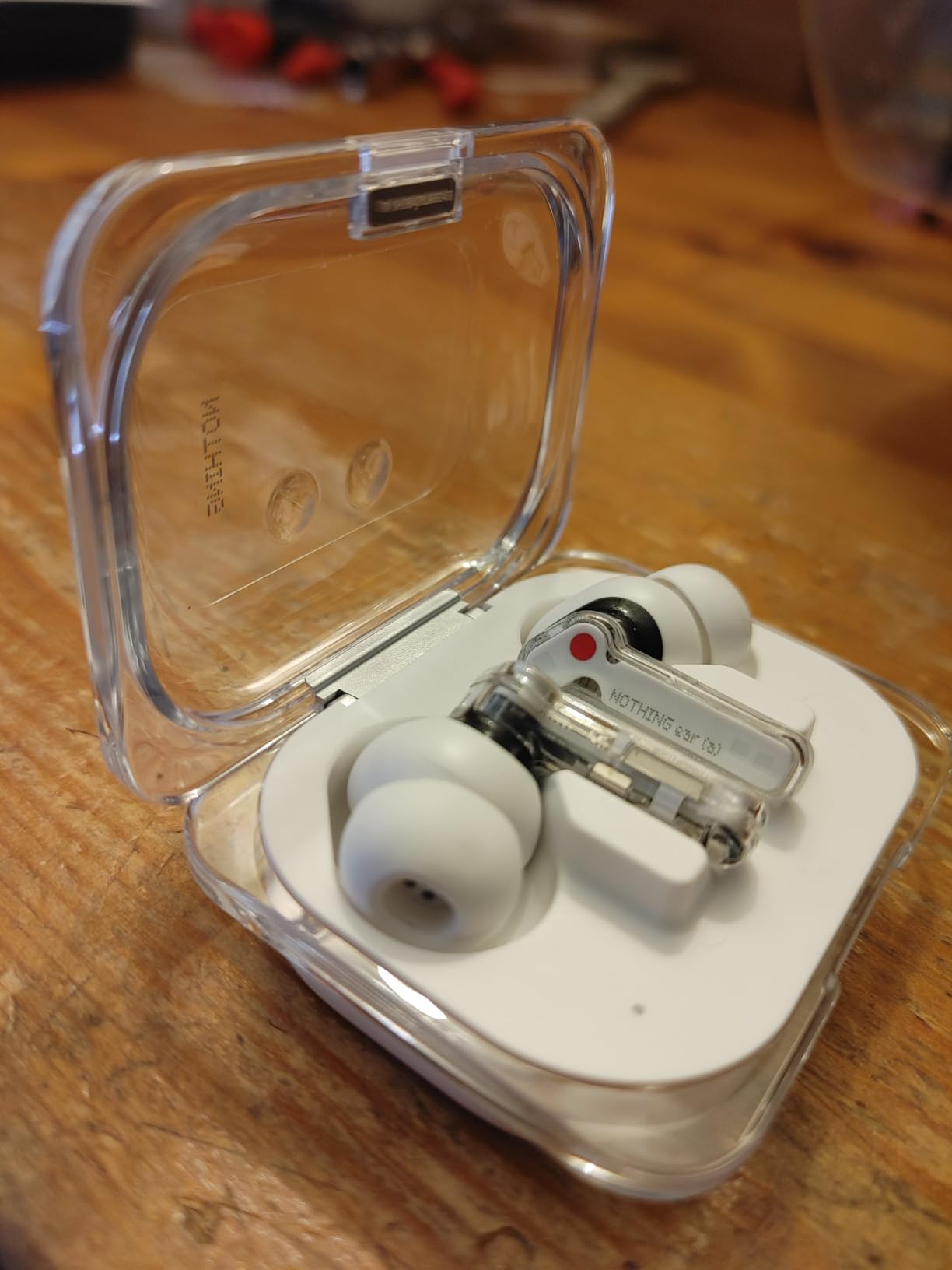
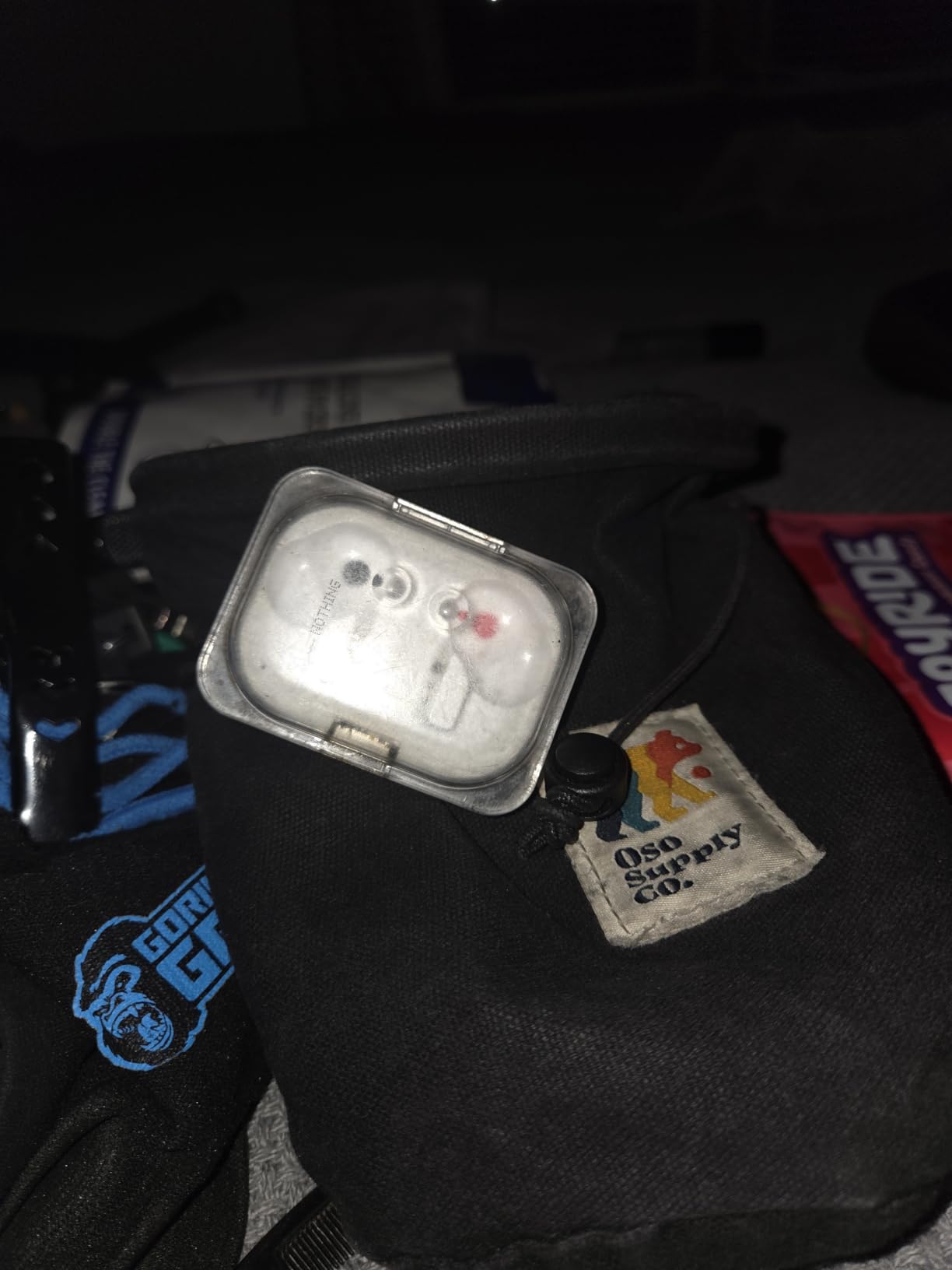
10. Nothing Ear (a) – Best for Customising Sound
Nothing Ear (a) Wireless Earbuds, 45dB Hybrid Noise Cancelling Earbuds, Hi-Res Audio, Advanced Equaliser, Dual Connect, 6 Mics, 42.5H Playtime Ear Buds Wireless Bluetooth, White
45dB smart ANC with leak compensation
11mm driver with dual vents
42.5 hours total
Nothing X app equaliser
Pros
- ANC adapts to ear canal leakage on every insertion
- Deeper bass than the previous generation
- Clear Voice Technology holds up in wind
- 10-minute fast charge returns 10 hours
Cons
- Only Bluetooth 5.0
- Heavier buds than competing models
- No wear detection to auto-pause
- 4.1 rating with a 9 percent one-star share
The Nothing X app is the reason to look here. The advanced equaliser, three ANC levels and an Adaptive mode give unusually deep shaping control for this bracket, and the 11mm driver’s twin vents deliver more bass than the previous generation despite the modest size.
Smart ANC goes to 45dB and recalculates for noise leakage each time you seat a bud, which makes the effective cancellation more consistent than a fixed setting. Clear Voice Technology with a talk mic and stem airway claims 60 percent less wind interference, and my street calls were clearly better than most at this level.
Fast charging is unusually good here, with ten minutes returning ten hours of playback with ANC off. Dual device connection and a Low Lag mode for gaming are both in the app.
The problems are unglamorous. Bluetooth 5.0 is the oldest generation in this roundup, the buds are noticeably heavy at a 50g package weight, and there is no wear detection, so nothing auto-pauses when you remove a bud.
Ecosystem features and honest lock-in
Nothing’s assistant features are the most useful when you are inside the Nothing ecosystem and largely decorative outside it. Judge the app equaliser, not the assistant, when you decide.
This pair shares the 4.1 rating floor with the JBL Tune Flex and carries a 9 percent one-star share, so the negative reviews concentrate on build polish rather than sound.
Who the Ear (a) suits and who should skip it
It suits people who enjoy tuning their own sound, callers who need a microphone that survives wind, and anyone who charges in ten-minute bursts between meetings.
Skip it if you want wear detection, the newest Bluetooth generation, or the lightest buds for long sessions. Nothing is not a value pick on price alone here, and you should judge it on the equaliser instead.
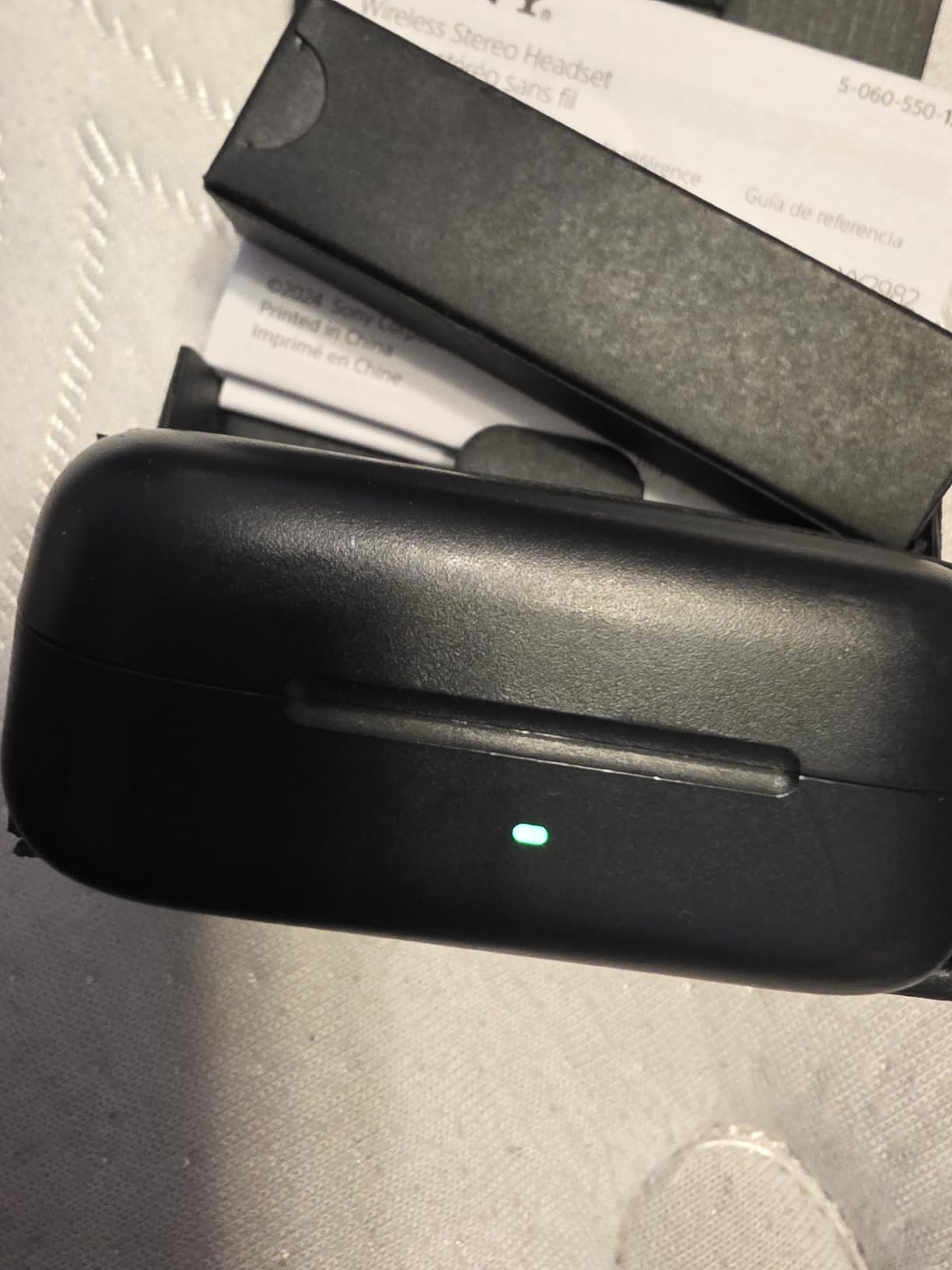
11. Sony WF-C510 – Best for Small Ears
Sony WF-C510 Truly Wireless Bluetooth Earbud Headphones, Black
Compact 6mm drivers
11 hours per charge and 22 with the case
Multipoint for two devices
IPX4 rated
Pros
- Very light and compact for all-day wear
- 11 hours per charge plus 5-minute quick charging
- Multipoint switches between two devices
- IPX4 sweat resistance
Cons
- No active noise cancelling
- Charging cable sold separately
- Bluetooth 5.3 with no LDAC or aptX
- Functional rather than bass-heavy tuning
The WF-C510 is built around fit above everything else. The 6mm drivers and compact housing mean the buds seat comfortably in smaller ear canals, and the pocket-sized cylindrical case disappears into a jeans pocket. Our guide to the best wireless earbuds for small ears covers the alternatives in detail.
Battery is 11 hours per charge and 22 with the case, plus a five-minute quick charge for an hour of playback. Multipoint lets you move between two devices without re-pairing, which is still uncommon at this level.
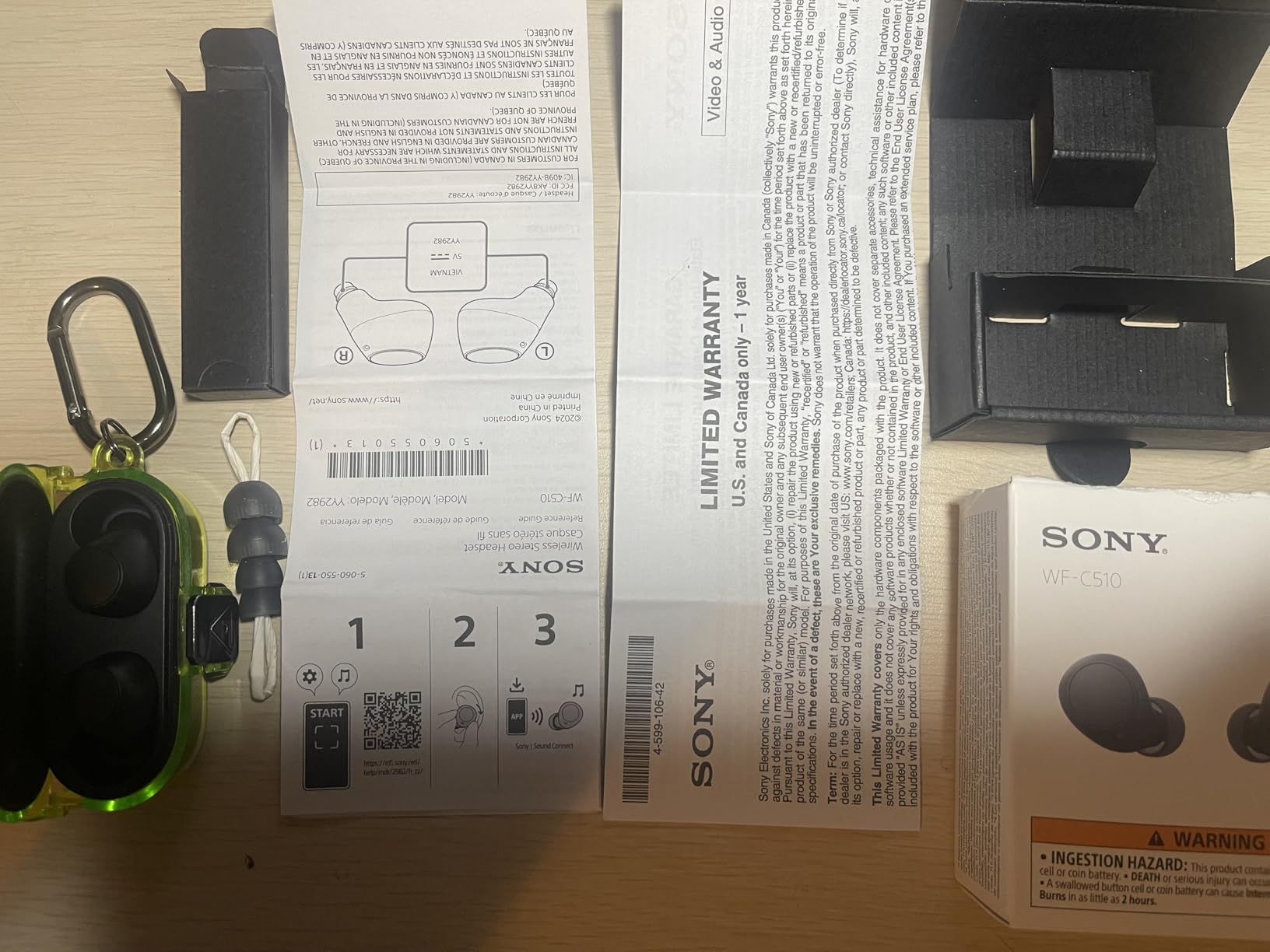
What you give up is clear. There is no active noise cancelling, only an Ambient Sound Mode that lets the outside in rather than taking noise away, so this is a pair for quiet rooms and short commutes.
The charging cable is sold separately, which is an annoying extra step on day one. Bluetooth 5.3 is current, but there is no LDAC or aptX Lossless, and DSEE processing smooths compressed streaming files rather than adding detail.
What to check before you order the WF-C510
Confirm the tips seal in your ears before you walk away, because a poor seal costs more bass than any driver size. IPX4 handles sweat, so training is fine, and the charging cable is sold separately, so add that to day one.
If you need silence, budget up. The options with real adaptive ANC start higher than this pair’s bracket position.
Who the Sony suits and who should skip it
It suits small ears, buyers who want multipoint from a known brand, and anyone who will take a phone call without fuss. It also suits long sessions, since the whole package weighs 78.5g.
Skip it if you fly, commute on noisy transit, or want a bass-heavy signature. Ambient Sound Mode will not protect your ears from a cabin.
12. Soundcore Liberty 4 NC – Best Noise Cancelling
Soundcore by Anker Liberty 4 NC Wireless Earbuds
Adaptive ANC 2.0 at 98.5 percent
11mm drivers with LDAC
50 hours total
Wireless and USB-C charging case
Pros
- Noise cancelling that owners rank above pricier rivals
- Very good wind noise resistance outdoors
- LDAC hi-res audio with HearID 2.0 personalisation
- Wireless charging case and multipoint
- 50 hours total battery
Cons
- Ear tip covers can detach and turn inside out
- Loose case hinge collects dust
- Multipoint can interrupt computer audio with phone calls
- Isolated reports of a bud failing to charge
This is the pair to buy if one feature decides your purchase: cancellation. Adaptive ANC 2.0 uses an in-ear sound sensor to reseal itself every time you fit a bud, and several owners rank it above models well outside this bracket. On a long flight it removed cabin rumble better than anything else I tested here.
The rest of the package is generous too. Eleven millimetre custom-tuned drivers support LDAC hi-res audio, HearID 2.0 builds a personalised sound profile, and 22 EQ presets sit alongside it in the app. Battery totals 50 hours, or 40 with ANC running, and the case charges wirelessly or over USB-C.

Wear detection, multipoint and six beamforming microphones with AI clear calls round out a feature list nothing else under 100 dollars matches. Wind resistance outdoors was a genuine strength on my commute, and IPX4 handles sweat.
The complaints are physical rather than electronic. Ear tip covers detach and turn inside out, the case hinge feels loose and collects dust when closed, and multipoint occasionally interrupts computer audio when a phone call arrives. A small number of owners also report a bud that stopped charging after several months.
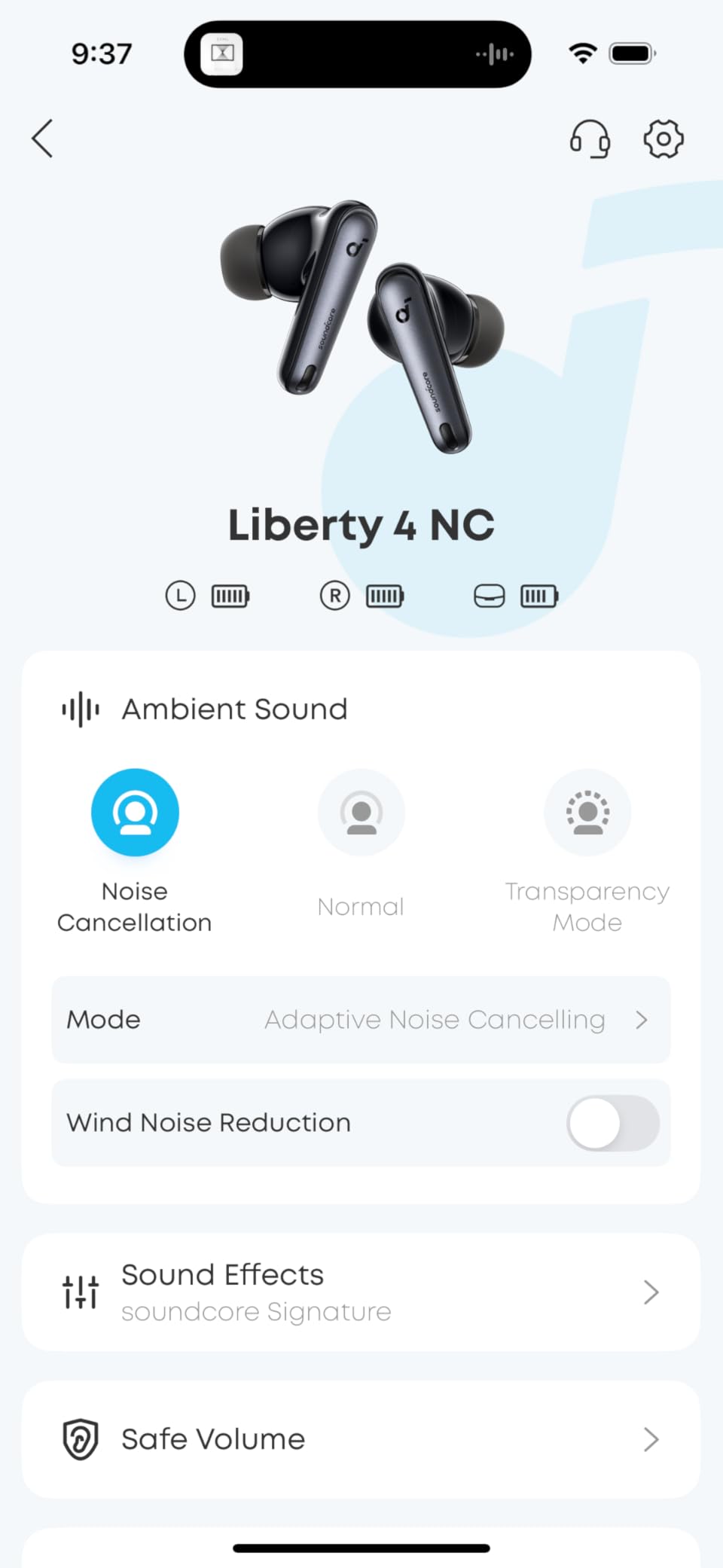
ANC strength and what the number means
Advertised percentages describe a laboratory reduction figure, not what you feel. Judge this pair on engine and cabin rumble, which it handles well, rather than on office chatter, which it handles less well.
The 18-month warranty is shorter than the two-year covers offered by both JLab picks. Owner complaints in this section tend to concern one component rather than a whole failed pair.
Who the Liberty 4 NC suits and who should skip it
It suits frequent flyers, commuters, Android listeners who want LDAC, and anyone who will wear earbuds for eight hours a day and wants personalisation. In the r/Earbuds community this is the model most often named first for noise cancelling in this price range.
Skip it if you need the very latest Bluetooth generation, or if you are hard on hardware and a loose hinge would bother you daily.
Buying Guide: What Matters Most Under 100 Dollars
Almost every budget earbud page skips the part where you decide what you actually need. Here is how I would weigh it for this bracket, starting with the features that change your daily experience rather than the ones that look good on a spec sheet.
Active noise cancelling, and what the numbers mean
Below roughly 45 dollars you will find very little true cancelling. Real hybrid ANC in this roundup starts with the TOZO NC9 and the CMF Buds 2a, and reaches its best form in the Space A40 and the Liberty 4 NC.
Treat dB figures as marketing shorthand. The 42dB claim on the Buds 2a and the 45dB claim on the NC9 sit close together, yet owners report very different real-world results, because seal quality and the low frequency content of the noise matter as much as the figure.
Also know which noise each pair handles. This bracket is strongest against engine rumble, aircraft cabin noise and air conditioning. Against voices in an open office, cheap ANC gives up quickly.
Per-charge battery versus total battery
Two numbers get printed and they mean different things. Per-charge is what one bud does away from the case, and total includes recharging from the case. The TOZO NC9 leads total battery at 60 hours, while the Sony WF-C510 and the EarFun Air Pro 4 both reach 11 hours per charge.
For most listeners, total matters more because you rarely carry a cable. Per-charge matters more if you nap on flights or work long shifts without a case in reach.
Codecs and matching earbuds to your phone
Buy the codec your phone can actually use. LDAC and aptX Lossless need an Android device; iPhones use AAC, which every pair here supports. Paying extra for LDAC you cannot hear is the most common money-wasting trap in this bracket.
Check ecosystem features too. Auto switching, voice assistant integration and translation tools usually work best inside the phone brand that made them, and reviewers tend to feel those features as advertising rather than value when they sit outside that ecosystem.
Multipoint and switching devices
Multipoint keeps two devices connected simultaneously and is the feature I would not give up after a week of working from a laptop and a phone. The Sony WF-C510 and the JLab JBuds ANC 3 do it cleanly, the Space A40 and the Air Pro 4 offer it too, and the Liberty 4 NC’s implementation is the one owners report interrupting computer audio.
Dual Connect is a different, weaker feature. It lets either bud work alone on its own, which is convenient for charging but does not solve device switching.
IP ratings and workout earbuds
IPX4 means sweat and rain, and it covers most gym use. IP54 adds dust resistance. IPX8 on the TOZO NC9 is the highest sealing standard listed in this roundup, and it is the safest choice for outdoor runners.
Check which part is rated. The JBL Vibe Beam carries IP54 earbuds with only an IPX2 case, so the earbuds survive more than the box does. Our picks for earbuds for working out go deeper on the fit question.
Fit, small ears and all-day wear
Fit beats every other spec. A pair that will not seal will never sound right, and small ear canals rule out many larger housings. The Sony WF-C510 and the JLab Go Air Pop are the two safest choices here, and tip sizes matter as much as the body.
Voice assistant integrations are worth a look if you already live in an assistant ecosystem, and our coverage of Alexa-compatible headphones and earbuds sets out where that leads.
Price tiers and when to spend more than 100 dollars
Under 15 dollars you are buying a backup pair or a gym pair, and accepting shorter life. Between 15 and 30 dollars you get better drivers and app support but usually no cancelling. Between 30 and 50 dollars real ANC starts to appear, as on the TOZO NC9. Between 50 and 70 dollars you reach multipoint, hi-res codecs and wireless charging, as on the Space A40 and the Air Pro 4. Between 70 and 100 dollars you get the strongest cancelling, personalisation features and case hardware.
Spend more than 100 dollars only when a specific weakness is costing you something measurable. If you fly weekly and need stronger cancelling, or you want wear detection and a more durable case, that is where the next bracket pays off. If your complaint is that a cheap pair sounds thin, fix the fit first, because no upgrade above 100 dollars changes that as much as a better seal.
One last expectation to set honestly. Owner reports suggest that the battery, not the drivers, is usually the first thing to fail, since the cells are not user-replaceable. Cheap pairs from unknown brands tend to fade sooner than pairs from established brands with a two-year warranty.
Frequently Asked Questions
What are the best wireless earbuds under 100 dollars?
The Soundcore P20i is the best all-round buy under 100 dollars because of its 4.4 rating across more than 114000 reviews, 30 hours of total battery and app-based EQ. The Soundcore Liberty 4 NC wins for noise cancelling and the EarFun Air Pro 4 wins for sound quality and hi-res codec support.
Are wireless earbuds under 100 dollars worth buying?
Yes. At 50 to 100 dollars you now get adaptive active noise cancelling, LDAC or aptX Lossless codecs, Bluetooth multipoint, wireless charging cases and 40-plus hour battery totals. These were flagship features two generations ago, and owner reviews show most pairs hold up well through a first year.
Do budget earbuds have good noise cancelling?
Mixed. Under about 45 dollars there is usually no true active noise cancelling at all, only sound isolation. Real cancelling appears in the TOZO NC9 and CMF Buds 2a, becomes solid in the Soundcore Space A40, and is strongest in the Soundcore Liberty 4 NC against engine and cabin rumble.
Is LDAC worth it on budget earbuds?
Only if your phone supports it. LDAC and aptX Lossless require an Android device, while iPhones use AAC, which every pair supports. If you are on an iPhone, ignore codec claims entirely and spend your budget on fit, battery and noise cancelling instead.
How long do wireless earbuds under 100 dollars last?
Owner reports suggest established brands usually stay usable for a year or two, while the cheapest pairs often fade within 6 to 12 months. The battery is normally the first component to fail because the cells are not user-replaceable, and a longer warranty is the best available signal of build quality.
Which budget earbuds are best for small ears?
The Sony WF-C510 and the JLab Go Air Pop are the safest choices, both using small housings and light weights that suit smaller ear canals. Fit matters more than driver size, so check that the supplied ear tips seal before buying anything larger.
The Verdict: Which Wireless Earbuds Under 100 Should You Buy?
The Soundcore P20i is the best wireless earbuds under 100 dollars for most people in 2026. It carries the largest review base in this roundup and a rating only the EarFun Air Pro 4 matches, delivers heavy bass and 30 hours of total battery, and leaves plenty of room in the budget for a second pair.
Step up to the Soundcore Liberty 4 NC when noise cancelling decides the purchase, and to the EarFun Air Pro 4 when sound quality and hi-res codecs matter more than case polish. For endurance and waterproofing, the TOZO NC9 stands apart. Check the fit before anything else, because no spec rescues a pair that will not seal in your ears.