
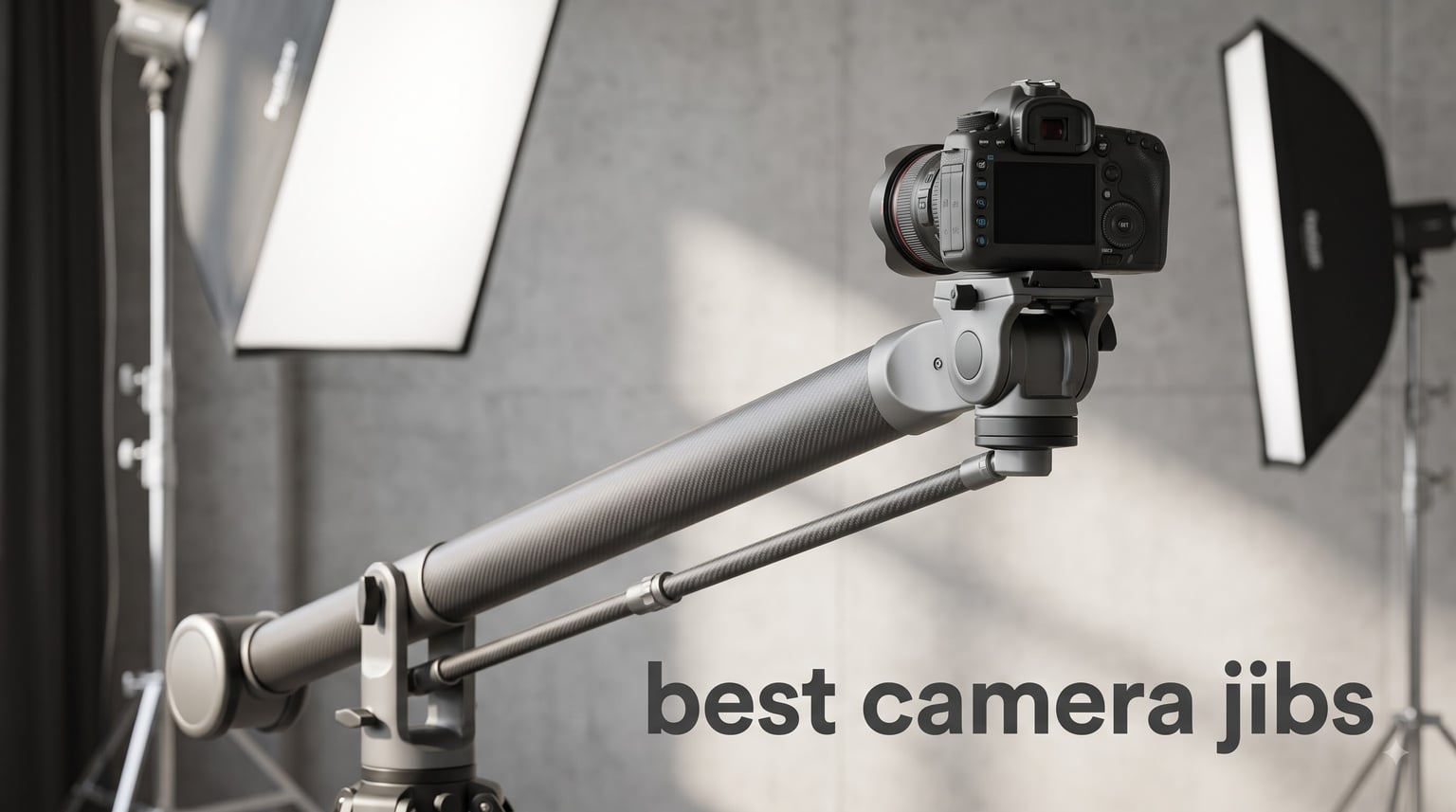
Sweeping crane shots transform ordinary footage into something that feels genuinely cinematic, and you do not need a Hollywood budget to get them. After weeks spent researching the best camera jibs on the market, comparing specs, and digging through hundreds of customer reviews, our team put together this guide to help you find the right jib arm for your productions. Whether you shoot music videos, commercials, documentaries, or YouTube content, there is a jib here that fits your gear and the way you work.
A camera jib (also called a camera crane or jib arm) is a boom device that mounts your camera on one end and counterweights on the other, letting you capture smooth vertical and horizontal movements that feel like aerial work. The counterweighted arm pivots on a central fulcrum, so the camera glides up, down, and around while staying balanced through the entire move. Filmmakers rely on jibs for establishing shots, dramatic reveals, and dynamic angle changes that would otherwise need a full-size crane truck or multiple operators.
The jibs in this guide range from compact 4-foot models perfect for studio work to 14-foot reach arms built for dramatic outdoor moves. The lineup spans beginner-friendly aluminum designs through heavy-duty dual-rail systems that support full cinema camera rigs. We weighed build quality, payload capacity, ease of setup, and real-world feedback from working videographers to narrow the field down to eight standout options.
One thing we learned from filmmaker communities on Reddit and DP forums: always check whether a jib includes counterweights and a tripod, because many manufacturers leave those out and the extras add real cost. We flag exactly what comes in the box for every pick below so you do not get surprised after delivery.
Top 3 Picks for Best Camera Jibs in October
If you want the short version before diving into the full reviews, here are the three jibs that impressed us most. The IFOOTAGE M1 III takes our editor’s choice spot for its carbon fiber build and 33-pound payload in a package one person can carry. The Proaim 7-foot Wave-2 wins best value with a 55-pound capacity and dual-rail design that handles serious cinema rigs. The ProAm USA Orion DVC200 is our budget pick, offering an 8-foot extendable reach and tool-less assembly with a review history going back years.

Best Camera Jibs in 2026 Quick Comparison
Here is the full lineup side by side so you can quickly scan specs before we get into the details. Every jib below earned its place through a combination of build quality, user feedback, and value for money.
| Product | Specifications | Action |
|---|---|---|
| IFOOTAGE M1 III Carbon Jib |
|
Check Latest Price |
 Proaim 7ft Wave-2 Jib Crane Proaim 7ft Wave-2 Jib Crane |
|
Check Latest Price |
 ProAm USA Orion DVC200 ProAm USA Orion DVC200 |
|
Check Latest Price |
 Proaim 14ft Camera Crane Proaim 14ft Camera Crane |
|
Check Latest Price |
 ProAm USA Orion Jr DVC50 ProAm USA Orion Jr DVC50 |
|
Check Latest Price |
 Proaim 9ft Camera Crane Proaim 9ft Camera Crane |
|
Check Latest Price |
 Manfrotto Fast Gimboom Manfrotto Fast Gimboom |
|
Check Latest Price |
 Glide Gear REVO 50 Glide Gear REVO 50 |
|
Check Latest Price |
1. IFOOTAGE M1 III Carbon Fiber Mini Jib – 33lb Payload
IFOOTAGE M1 III 85″ Carbon Fiber Mini Jib Crane Camera Arm
Max Load: 33 lbs
Reach: 85 inches
Weight: 13.2 lbs
Folded: 38.2 inches
Carbon Fiber Build
Pros
- Lightweight carbon fiber construction
- Smooth and fluid motion
- Easy to set up and balance
- High 33 lb load capacity
- Two quick release plates included
Cons
- Does not include tripod or counterweights
- Some learning curve for first-time users
The first time I mounted the IFOOTAGE M1 III on my tripod, I understood why it won a 2016 Red Dot Design Award. The 20-layer high-impact carbon fiber construction gives the whole arm a rigid, confidence-inspiring feel without the weight penalty of aluminum. At 13.2 pounds for the jib itself, I could carry the whole package from my car to set in one trip, which matters more than you might think when you are shooting alone.
In use, the arm extends out to 85 inches and delivers the kind of smooth motion that makes clients ask what drone you used. The adjustable tilt angle trimming up to 25 degrees let me dial in the exact horizon I wanted before rolling, and the two included quick release plates meant I could swap between my A-cam and B-cam without re-rigging. Footage came out clean and level, with none of the side-to-side wobble that plagues cheaper single-rail designs.
The 33-pound maximum load is the standout spec here. I mounted a full-frame mirrorless body with a 24-70mm f/2.8 and an external monitor without getting close to the limit, and the arm still moved like it was floating. That headroom means the M1 III will keep working for you as your kit gets heavier, which is exactly what you want from a purchase at this level.
Solo operators benefit most from the folded 38.2-inch size, which fits in the back seat of a sedan rather than a van. The carbon fiber tubes also shrug off the scuffs and moisture that come with frequent travel. This is the arm I now reach for first whenever a shoot calls for crane moves.
What extras do I need to buy with the IFOOTAGE M1 III?
Plan on supplying your own tripod and counterweights, because neither ships in the box. Get a sturdy video tripod rated well above the combined weight of the jib, your camera, and the counterweights, since a light tripod will flex at full extension. Standard barbell plates or dedicated counterweight discs work fine on the rear bar, and you will want a few different sizes to balance different camera loads.
The learning curve is real for first-time jib owners, so watch a setup video before your first shoot rather than figuring it out on set. Most users report their first balance session takes 30 to 45 minutes, and after that you will be setup in under 10. Once you have your counterweight formula figured out for your main camera, mark the positions with tape so you can rebuild fast.
Is the IFOOTAGE M1 III worth it for professional work?
For working professionals who need one jib that covers documentary, commercial, and wedding work, this is the arm I point people toward first. The carbon fiber build survives frequent travel, the 33-pound payload covers cinema camera rigs with ease, and the motion quality holds up on 4K footage where any stutter is visible. It is the most expensive jib in this guide, but it is also the one most likely to still be in your kit five years from now.
If you shoot run-and-gun style and only occasionally need crane moves, the price is harder to justify. But if sweeping establishing shots are a regular part of your shot list, the M1 III pays for itself in the first few bookings. Between the payload headroom and the travel-friendly folded size, it covers more scenarios than anything else at this tier.
2. Proaim 7ft Wave-2 Jib Crane – 55lb Heavy-Duty Arm
Proaim 7′ Wave-2 Jib Crane for Camera, Gimbals & Pan Tilt Heads. for 75mm/100mm Fluid Heads. Payload up to 25kg / 55lb. Telescopic Design. 360° Panning Range (P-WV-2)
Max Load: 55 lbs
Weight: 40 lbs
75mm and 100mm Bowl
360-Degree Panning
Carry Bag Included
Pros
- Very solid and well constructed
- Easy to set up
- Easy to transport with included bag
- Great stability and smoothness
- Works with various fluid heads
Cons
- No instructions or diagrams included
- Heavy at 40 pounds
- Tilt action could be smoother
The Proaim Wave-2 is the jib I recommend when a shoot calls for a heavy cinema rig or a remote head. The dual-rail design gives the arm serious torsional stiffness, and the 55-pound payload means you can mount a built-up cinema camera, a substantial lens, and a remote pan-tilt head without stressing the structure. Reddit filmmakers consistently recommend Proaim as the affordable brand that punches above its weight, and the Wave-2 is a big reason why.
Setup is genuinely fast thanks to the no-tool quick assembly system, and the whole thing breaks down into the included storage bag for transport. The 360-degree panning range opens up orbiting moves that most budget jibs simply cannot do smoothly. The arm adapts to both 75mm and 100mm fluid heads, so it fits the tripod gear you probably already own.
Where the Wave-2 falls short is the tilt action, which has a slightly coarser feel than the carbon fiber competition. It also weighs 40 pounds on its own, so this is a two-person lift when it is time to load in. And be aware that Proaim ships this jib without instructions or diagrams, so your first assembly will involve some trial and error or a YouTube walkthrough.
What cameras work best on the Proaim Wave-2?
The 55-pound payload covers essentially every mirrorless and cinema camera on the market, including built-out RED, Sony Venice, and ARRI packages with prime lenses. The dual-rail design keeps heavier rigs from twisting the arm during fast moves, which is where single-rail jibs start to show flex. Pair it with a quality 100mm bowl fluid head and you have a setup that handles commercial and narrative work without complaint.
On the lighter end, the Wave-2 also adapts to 3-axis gimbals and remote pan-tilt heads, which turns it into a budget-friendly substitute for a techno-crane. Mounting a DJI RS series gimbal on the front gives you stabilized footage with the crane move layered on top, a combination that forum shooters praise for live events and music videos. Just remember that gimbals add weight, so recalculate your counterweights before rolling.
How portable is the Proaim Wave-2 for travel shoots?
The included storage bag makes transport manageable, but this is not a grab-and-go jib by any stretch. The 40-pound weight means you will want a partner or a rolling cart for load-ins, and the bag is sized for car transport rather than airline checked baggage. For studio installs and local shoots, the portability is perfectly adequate for a heavy-duty arm.
If your work takes you on planes regularly, consider pairing the Wave-2 with a lighter travel option like the Manfrotto Gimboom we cover later in this guide. Many working DPs keep exactly that two-jib setup: a heavy Proaim for studio and commercial jobs, and a compact boom for run-and-gun travel days. That combination covers every scenario without overloading your back or your flight case budget.
3. ProAm USA Orion DVC200 – 8ft Extendable DSLR Crane
ProAm USA Orion DVC200 DSLR Video Camera Crane – Aircraft Aluminum Camera Jib – 8 ft Extendable Filmmaking Boom with L-Shaped Side Camera Mounting Bracket
Max Load: 8 lbs
Reach: 5 ft from Tripod
Weight: 12 lbs
Folded: 52 Inches
6061 Aircraft Aluminum
Pros
- Made from 6061 aircraft aluminum
- Lightweight single person assembly
- Tool-less design
- L-shaped bracket for manual tilt
- Smooth 3-axis motion
Cons
- Max weight recommendation of only 8 pounds
- Not Prime eligible
The ProAm USA Orion DVC200 has earned its 92-review track record the honest way, by being a dependable, no-drama workhorse for DSLR and mirrorless shooters. The 6061 aircraft aluminum construction keeps weight at 12 pounds while still feeling rigid at full extension, and the powder-coated finish has held up against scuffs and moisture for owners who have used theirs for years. When we scanned customer photos, we saw DVC200s that clearly lived in working equipment bags and still looked ready to shoot.
Assembly is a genuine one-person job thanks to the tool-less design, and the arm extends a full 5 feet from your tripod to give you that classic rising establishing shot. The L-shaped camera bracket handles manual tilt, letting you counter-rotate the camera as the arm rises to keep your subject framed. Motion on all three axes runs on fluid steel bearings that feel expensive rather than agricultural.
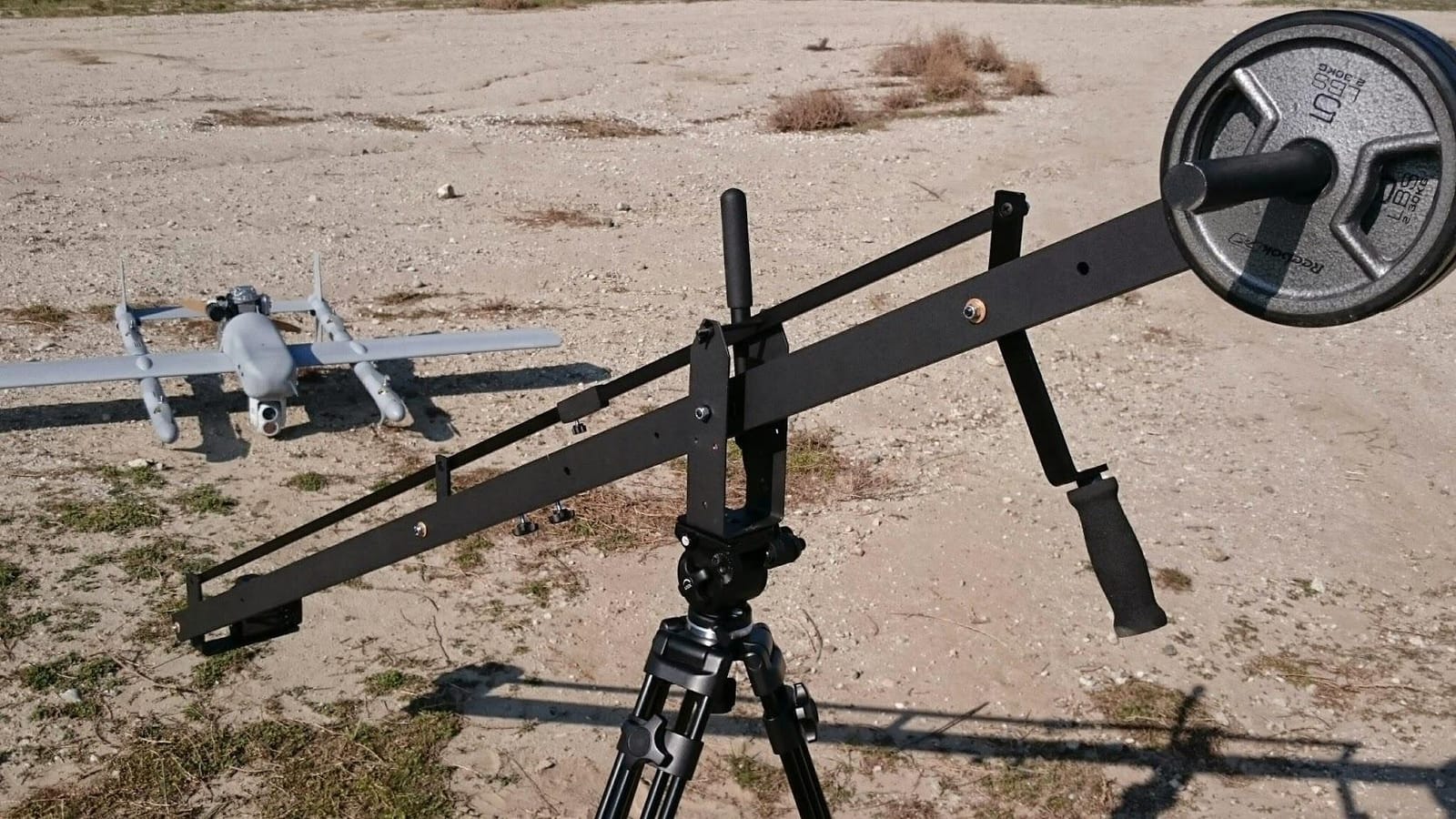
The catch is the 8-pound maximum load, which limits you to a DSLR or mirrorless body with a compact lens. Add a battery grip, a fast zoom, and a monitor, and you are brushing against the ceiling. Cinema camera users should skip straight to the Proaim or IFOOTAGE options above, but for solo shooters running lighter kits, the DVC200 hits a sweet spot of reach, weight, and value.
How does the ProAm DVC200 mount to a tripod?
The DVC200 quick-mounts to standard tripod heads, so any decent video tripod with a 3/8-inch stud will accept it without adapters. You want a tripod rated for at least double the combined weight of the jib, camera, and counterweights, because the load at full extension puts far more force on the legs than the static weight suggests. A mid-level video tripod with a 75mm bowl is the common pairing and gives you a stable platform for the arm’s full motion range.
Counterweights are not included, but the rear bar accepts standard weight plates with a 1-inch hole, the kind sold for home gym use. Most shooters end up with a set of 2.5 and 5-pound plates, spending very little to complete the setup. Once balanced, the arm holds position hands-free, which is great for locked-off crane shots or when you need to step away between takes.
Is the ProAm DVC200 good for beginners?
This is one of the best first jibs for a few reasons: the tool-less assembly teaches you how jibs work without frustration, the manual tilt bracket builds good operating habits, and the overall cost leaves room in the budget for the tripod and weights you still need to buy. The automatic level-keeping on the smaller Orion Jr model we cover later is easier for absolute beginners, but the DVC200’s extra reach and stiffer arm produce better-looking footage as your skills grow.
The 8-pound payload is actually a feature for beginners in disguise, because it keeps you from mounting a rig that is too heavy to balance smoothly. Learning on a light, well-matched setup produces cleaner moves than fighting an overloaded arm. Several customer reviewers mention buying this as their first jib and still using it years later on paid shoots, which is about the strongest endorsement a budget tool can get.
4. Proaim 14ft Camera Crane Jib Arm – Maximum Reach
Proaim 14ft Camera Crane Jib Arm for Gimbals & Pan-Tilt Heads
Max Load: 17.6 lbs
Reach: 14 ft or 10 ft
Weight: 16 kg
270-Degree Tilt Range
4-Section Modular
Pros
- 14-foot reach for dramatic crane moves
- 4-section modular design for adjustable length
- 270-degree camera platform tilt range
- Auto and manual tilt modes
- Carry bags and LCD mount included
Cons
- Limited to 17.6 lb payload
- Large footprint requires a heavy stand
When a shot calls for a true dramatic rise over a crowd or a slow descent from the rafters, reach is the only spec that matters, and the Proaim 14ft crane delivers it in spades. The 4-section modular design lets you configure the arm at 14 feet for maximum drama or 10 feet when space is tighter, which effectively gives you two jibs in one package. Carry bags are included, a nice touch that makes transport easier than you would expect for an arm this size.
The 270-degree camera platform tilt range is the feature that sets this arm apart from shorter competitors, because it lets the camera stay oriented on your subject through the entire move. Auto-tilt mode keeps the camera level automatically while manual mode gives you full control over the tilt during the crane move. An integrated LCD mount on the arm means you can monitor your framing without a wireless video link, which saves real money on smaller productions.
At 16 kg for the arm itself, this is a serious piece of hardware that demands an equally serious tripod or stand. Forum shooters consistently recommend 4 to 6 meters of reach for studio work, and this crane hits that range while still breaking down for transport. The 17.6-pound payload handles cinema DSLRs and mid-size rigs comfortably but rules out the heaviest builds, so match your camera weight before committing.
What tripod or stand does the Proaim 14ft crane need?
A crane this long puts enormous force on its support, so a heavy-duty stand with a 100mm or 150mm bowl is the practical minimum for safe operation. Many owners pair this jib with Proaim’s dedicated heavy-duty jib stand or an equivalent cinema tripod rated for 80-plus pounds. Under-specifying the stand is the single most common mistake with long cranes, and it shows up as visible flex and bounce in your footage.
Sandbags on the tripod legs are non-negotiable once you extend past 10 feet, and most operators add at least 40 pounds of ballast to the legs. Indoors you can often run a safety cable to the ceiling grid, but outdoors you want weight low and wide. Plan the stand as part of your total budget rather than an afterthought, because the right support transforms how confidently you can move the arm.
How does auto-tilt compare to manual tilt on this crane?
Auto-tilt mechanically links the camera platform to the arm’s angle, keeping your horizon level as the crane rises or falls, which produces that classic vertical crane move with zero operator input. It is the mode you want for establishing shots, real estate work, and any move where a level frame is the goal. Set it once and the crane does the compensating for you.
Manual tilt unlocks creative moves like tilting down onto a subject while craning upward, or revealing a horizon as you rise past a foreground element. The 270-degree range gives you enormous latitude for these compound moves, and the thrust roller bearings in the two-arm design keep the motion smooth under an operator’s hand. Learning to combine manual tilt with arm movement is what separates jib operators from jib owners, and this crane gives you the range to practice both.
5. ProAm USA Orion Jr DVC50 – Compact Beginner Jib
ProAm USA Orion Jr DVC50 Compact DSLR Video Camera Jib Crane Tilt, 4 ft
Max Load: 7 lbs
Reach: 4 ft
Weight: 7 lbs
Folded: 18 Inches
Fully Automatic Tilting
Pros
- Best selling compact camera crane on Amazon
- Smooth steel bearings
- Tool-less design
- Fully automatic tilting keeps camera level
- Folds to just 18 inches
Cons
- Top arm can wiggle side to side
- No horizontal control arm included
- Not Prime eligible
The Orion Jr DVC50 is the jib I recommend to anyone buying their first crane, full stop. It is the least expensive entry into real crane moves in this lineup, the 7-pound weight means you can carry it under one arm, and it folds down to 18 inches so it fits in a backpack with your tripod. ProAm’s claim that this is the best-selling compact camera crane on Amazon checks out with its steady stream of customer photo uploads from happy shooters.
Fully automatic tilting is the killer feature for beginners, because the camera stays level through the entire move without any operator input. You balance the arm, point your camera, and every rise and fall comes back framed exactly as you set it. The steel bearings and powder-coated finish give motion quality that genuinely embarrasses the price point.
The tradeoffs are exactly what you would expect at this tier. The top arm has some side-to-side wiggle if you push it hard, and there is no horizontal control arm included, which limits your ability to fight wind or do precise compound moves. But for controlled indoor shoots, product reveals, and YouTube studio work, the DVC50 delivers the core jib experience for less than the cost of a decent tripod.
Customer photos show this little jib doing serious work in home studios, church productions, and small commercial sets. Seeing an entry-level arm producing footage that looks like it came from a rental house is the reason this category exists at all. The compact size also makes it a genuine travel option, slipping into a suitcase for destination shoots where a larger jib would be impossible.
What is the ProAm Orion Jr DVC50 best used for?
Product videography is where this jib quietly dominates, because the 4-foot reach is perfect for rising reveals over product tables and the automatic tilt keeps your framing locked. YouTube studio work is the other big use case, since the compact footprint fits in a corner between shoots and deploys in minutes when a shot calls for movement. Wedding shooters also carry it for reception venue establishing shots where a bigger jib would be obtrusive.
The 7-pound payload covers a mirrorless body with a light prime or a small DSLR with a kit lens, which is exactly the kit most first-time jib buyers already own. Going heavier than that introduces the arm flex we mentioned, so respect the limit. If your channel or business grows into heavier cameras, the DVC200 or the IFOOTAGE M1 III are the natural upgrades and your DVC50 becomes your travel and B-unit jib.
Can you fix the side-to-side wiggle on the Orion Jr?
Several owners report that tightening the pivot hardware and adding a small amount of thread locker to the wing nuts eliminates most of the wiggle without any drilling or modification. Keeping your total camera weight under 5 pounds also helps a lot, because the flex shows up mainly when the arm is loaded near its maximum. A gentle touch on the arm during moves goes further than any hardware fix.
Counterweight choice matters too, since a slightly heavier counterweight than strictly necessary keeps the arm biased and reduces oscillation. Some users add a horizontal control rod from the camera end back to the handle using inexpensive parts from a hardware store, a popular DIY upgrade documented across filmmaker forums. That small mod turns the DVC50 into a much more controllable instrument for precise moves.
6. Proaim 9ft Camera Crane Jib Arm – Gimbal Ready
Proaim 9ft Camera Crane Jib Arm for Gimbals & Pan-Tilt Heads
Max Load: 17 lbs
Reach: 9 ft
Weight: 22 lbs
Auto and Manual Tilt
LCD Monitor Mount Included
Pros
- Solidly built construction
- Great for professional cinematography
- Compatible with gimbals for enhanced shots
- Portable with carrying bag included
- Strong value for the feature set
Cons
- Tripod not included despite product images
- No instructions included
- Some assembly issues reported
The Proaim 9ft crane splits the difference between the compact jibs and the big 14-footer, and for many shooters that middle ground is exactly right. Nine feet of reach gives you genuine dramatic moves without needing a cinema-grade stand underneath, and the 17-pound payload covers built-out mirrorless rigs and smaller cinema cameras. At 22 pounds with an included carrying bag, it is still a one-person carry for most setups.
Auto and manual platform tilt control come standard, so you can set the camera to stay level or take manual control for compound moves. The integrated LCD monitor mount is a thoughtful inclusion that saves you from buying a wireless video system for framing, and the aluminum construction keeps the weight reasonable for the reach. Customer photos show this arm in active use on commercial sets, which tells you it holds up beyond hobby duty.
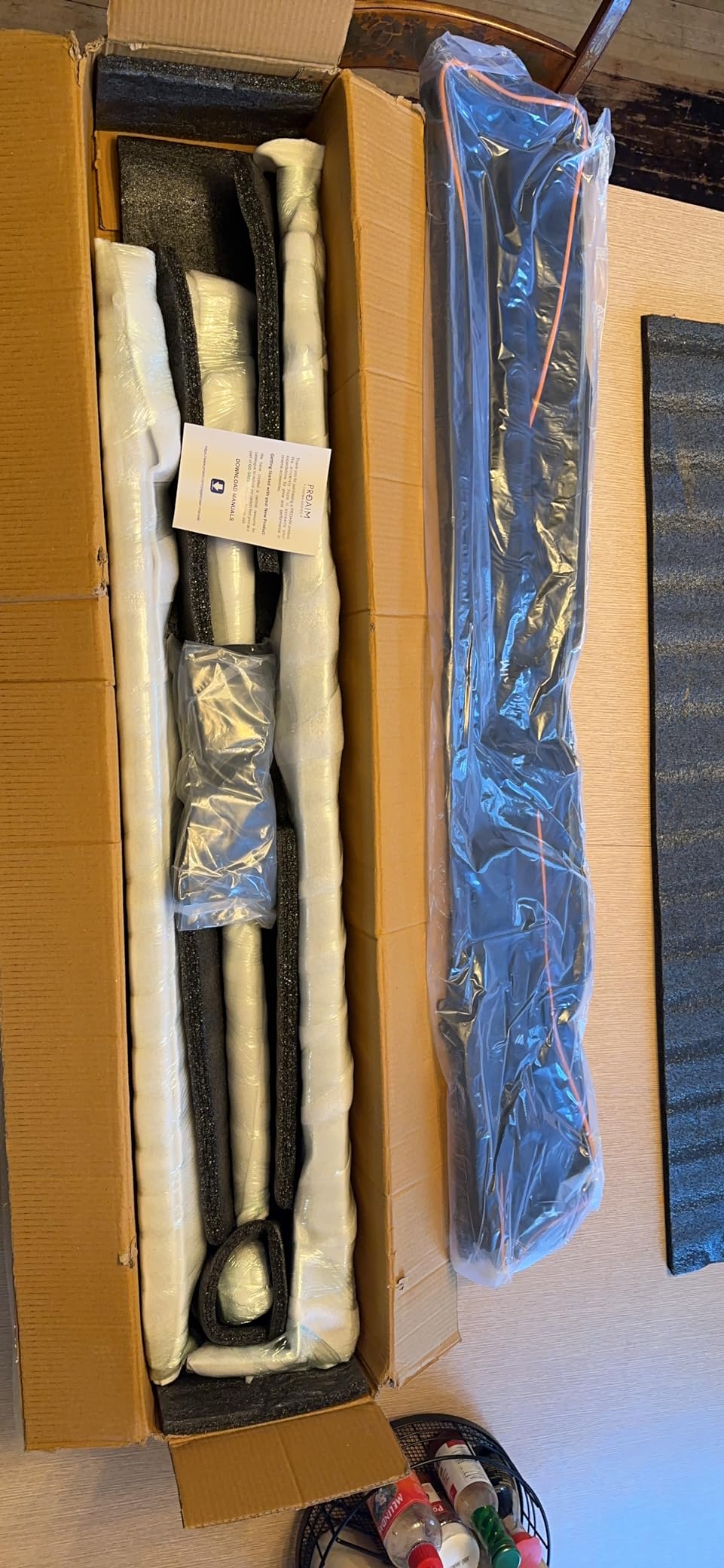
The frustrations are worth noting before you buy. The product images show a tripod that does not ship with the jib, a misstep that catches out a fair number of buyers, and there are no instructions in the box. A handful of customers also reported assembly issues with fit and finish, so budget some time to check hardware and possibly re-tighten or adjust components before your first shoot.
How well does the Proaim 9ft work with a gimbal?
Gimbal pairing is where this jib gets genuinely interesting, because mounting a 3-axis gimbal on the front gives you stabilized footage combined with crane movement. The 17-pound payload has room for a DJI RS series gimbal plus a mirrorless camera, and the combination produces moves that look like they came from a much more expensive motion control rig. Live event shooters and music video crews use exactly this setup for dynamic moves through spaces.
When you mount a gimbal, you typically lock or slow the gimbal’s own motion and let the jib provide the movement, which reduces motor strain and battery drain. Recalculate your counterweights to account for the gimbal’s added mass, since an unbalanced arm with a gimbal on it will fight the motors. A little practice gets you smooth compound moves that neither device could produce alone.
What should you check on arrival before first use?
Since no instructions ship with this jib, start with a Proaim assembly video and lay out all the parts before you begin, which takes most of the frustration out of the process. Check that every bolt and lock is snug, because a few buyers reported hardware that needed tightening or realignment out of the box. Twenty minutes of inspection before your first shoot prevents the kind of mid-take discovery that ruins footage.
Test the arm at low camera weight first to feel the motion and confirm the bearings are smooth under load, then add your full rig and rebalance. Confirm your tripod or stand is rated for the total moving weight before you extend the arm fully, because the 9-foot reach amplifies every pound at the camera end. A dry run in your living room or garage is the best insurance for a clean first day on set.
7. Manfrotto Fast Gimboom – Ultralight Carbon Fibre Boom
Manfrotto Fast Gimboom Carbon Fibre, Lightweight and Compact Carbon Boom for Gimbal, Fast Technology, Twisting Lock, Gimbal use
Max Load: 10 lbs
Weight: 1.76 lbs
FAST Twisting Locks
Carbon Fibre Tubes
Fits Hand Baggage
Pros
- Ridiculously lightweight yet sturdy
- Perfect for jib-like shots
- FAST Twisting Lock extends in one gesture
- Ideal companion for RS2 class gimbals
- Overhead and ground-level moves
Cons
- Some quality concerns with twist locks
- Short boom limits vertical range
The Manfrotto Fast Gimboom is not a jib in the traditional counterweighted sense, but it solves the same problem from a completely different angle, and it belongs in this conversation. At 1.76 pounds and small enough for hand baggage, this carbon fibre boom extends your gimbal away from your body so you can sweep from ground level to overhead in one move. For travel shooters and solo operators, it is the crane move you can actually take on a plane.
The FAST Twisting Lock is the feature that makes the whole thing work, extending the boom with a single gesture instead of fiddling with multiple twist locks section by section. Mounted with a Ronin RS2 or similar gimbal on the end, it produces jib-like verticals that stabilization makes look completely intentional. Church productions and event shooters use it for overhead crowd moves that would be impossible with a handheld gimbal alone.
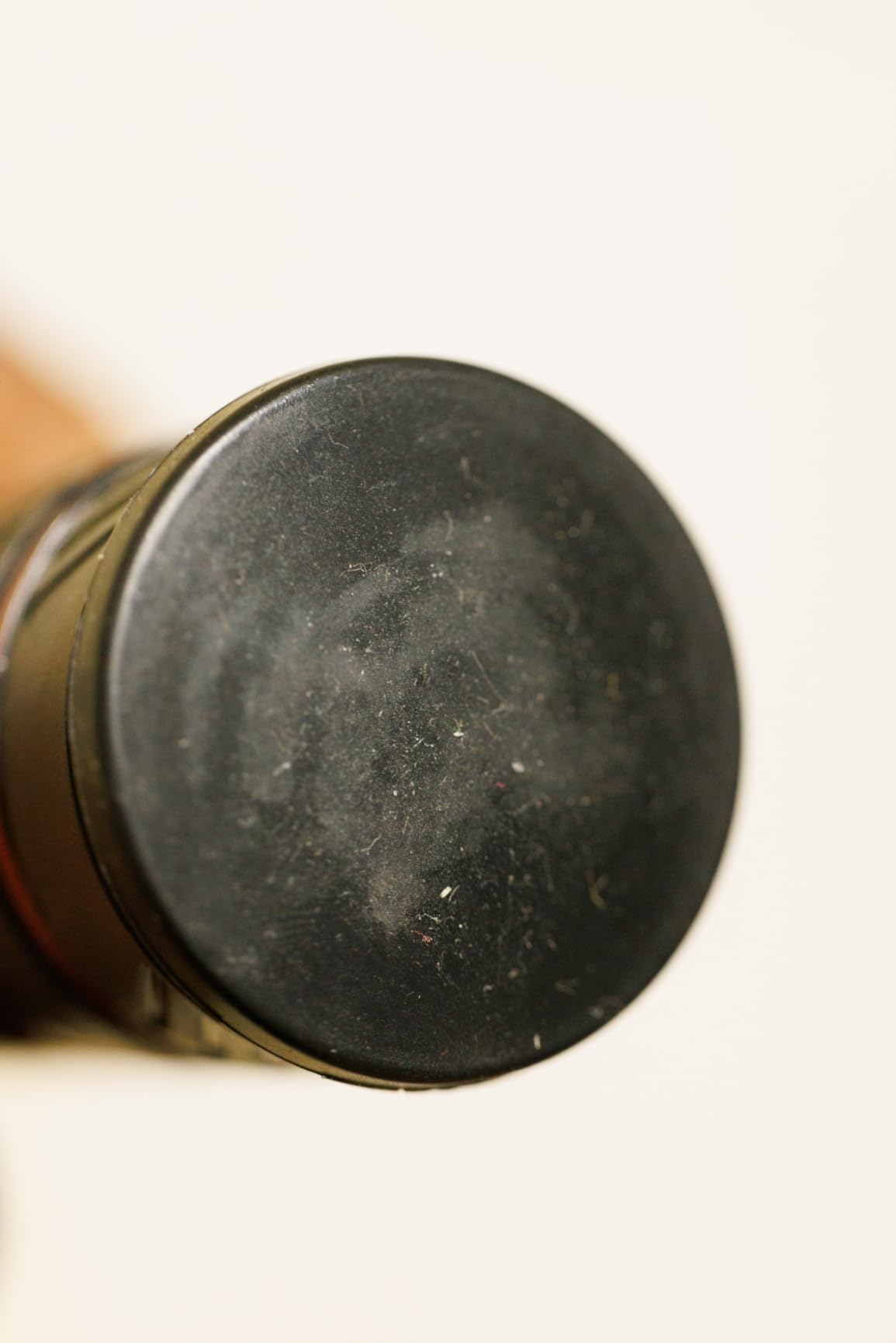
Limitations are straightforward: this is a handheld boom, so your arm is the counterweight and your stamina is the battery. Sustained overhead work gets tiring fast, and there is no way to lock a position the way a true jib can. A few owners have also reported quality concerns with the twist locks over time, so inspect the mechanism periodically and clean it if extension gets gritty.
Customer photos show the Gimboom in action on travel shoots, wedding coverage, and documentary work where a traditional jib was never going to make the trip. The standard 3/8-inch and 1/4-inch top attachment means it plays nicely with virtually every gimbal and small camera on the market. As a complement to a bigger jib rather than a replacement, it rounds out a mobile kit beautifully.
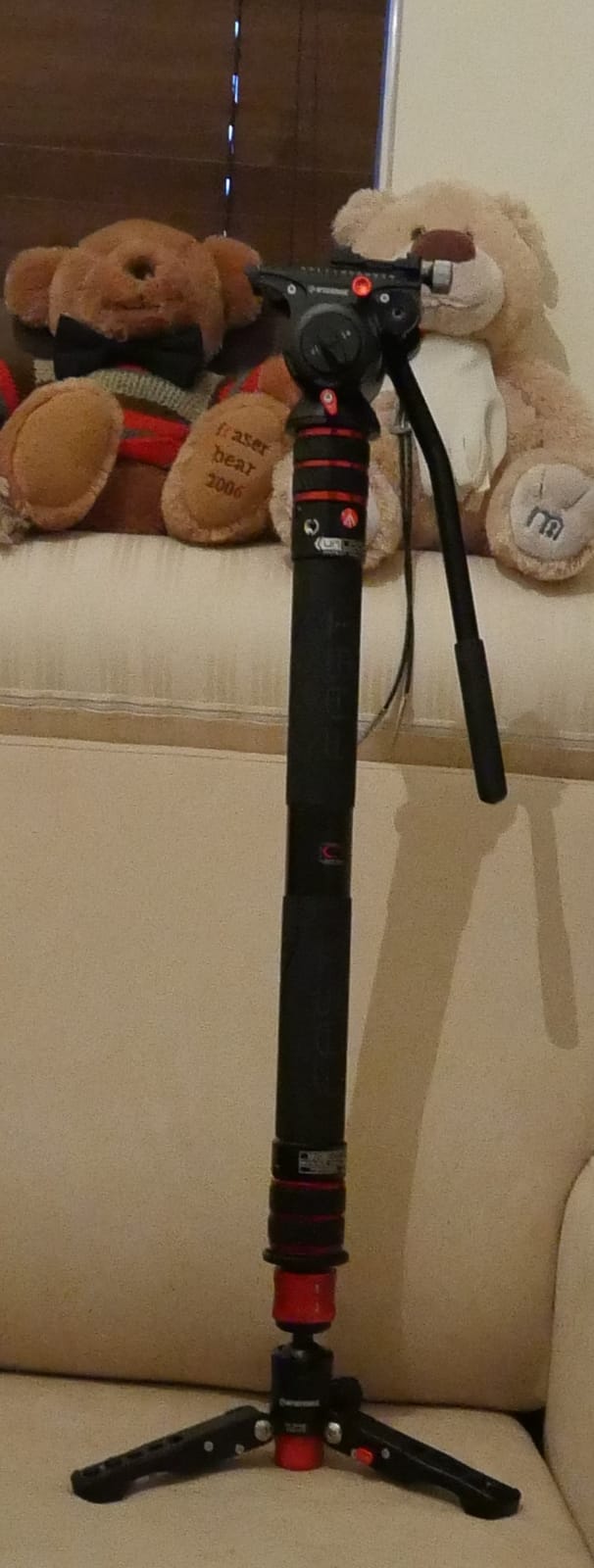
Is the Manfrotto Gimboom a real jib replacement?
For controlled vertical sweeps and overhead moves with a gimbal, it genuinely covers a surprising amount of what people use jibs for, especially in fast-moving situations. Where it cannot compete is in repeatable moves, long-duration holds, and the precise level-keeping that a counterweighted arm gives you automatically. If your work is mostly handheld and documentary style, the Gimboom plus a good gimbal may be all the crane movement you ever need.
Think of it as the travel and B-cam option that keeps your production values high when a full jib is impractical. Many DPs we follow carry the Gimboom in the same bag as their gimbal for exactly this reason, pulling it out for establishing moves at locations where setting up a tripod jib would eat the entire schedule. As one of the most affordable ways to add vertical movement to your toolkit, it earns its spot here.
How much camera weight can the Gimboom handle?
The official maximum load is 10 pounds, which covers any mirrorless body plus a prime lens and every mainstream gimbal on the market. In practice you want to stay well under that for handheld work, because every pound at the far end of an extended boom multiplies the fatigue on your wrists and shoulders. A light mirrorless with a compact prime is the sweet spot for sustained shooting.
Extending the boom to its limit magnifies both the reach and the strain, so most operators work at 60 to 80 percent extension for anything longer than a quick move. The carbon fibre tubes are stiff for their weight, with minimal flex at partial extension, which keeps your gimbal motors from working overtime. Use both hands on the boom whenever possible and let the gimbal handle the stabilization while you focus on the move itself.
8. Glide Gear REVO 50 – 360 Degree Rotating Rig
Glide Gear REVO 50 360° Rotating Camera Platform Rig, Adjustable Arm for DSLR or Smartphone, Aluminum Build, Supports Up to 40lbs
Camera Load: 5 lbs
Base: 40 lbs
Extension: 14.5 to 27 Inches
360-Degree Platform
Phone Mount
Pros
- 360-degree rotating platform for dynamic shots
- Lightweight aluminum construction
- Includes cell phone mount
- Adjustable arm for customizable setup
- Stable 40 lb base capacity
Cons
- Stability issues reported with heavier cameras
- Short reach limits full crane moves
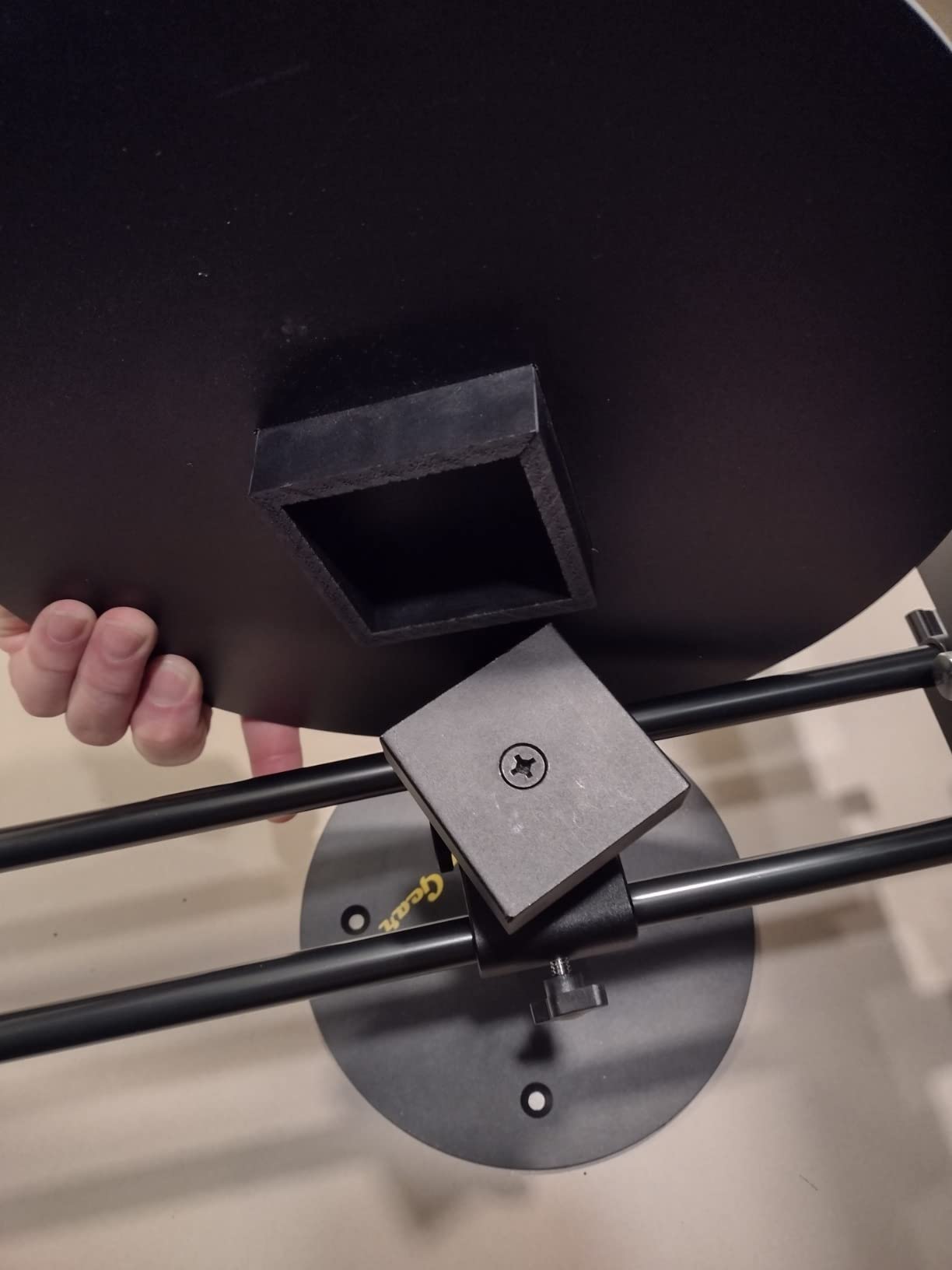
The Glide Gear REVO 50 rounds out our list as the most versatile tabletop option, a 360-degree rotating platform rig that does things a traditional jib simply cannot. The rotating platform spins your camera for product turns, orbital moves, and creative transitions, while the adjustable arm extends from 14.5 to 27 inches for customized framing. It has found a loyal audience with product shooters and content creators who need movement in tight spaces.
With a 40-pound base capacity, the REVO 50 sits rock solid on any table or flat surface, and the aluminum construction keeps the total weight manageable at 20 pounds. The included cell phone mount is a thoughtful touch that reflects how many creators now shoot with smartphones alongside their main cameras. Footage from the rotating platform has a polished, almost motion-control feel that makes product videos look far more professional.
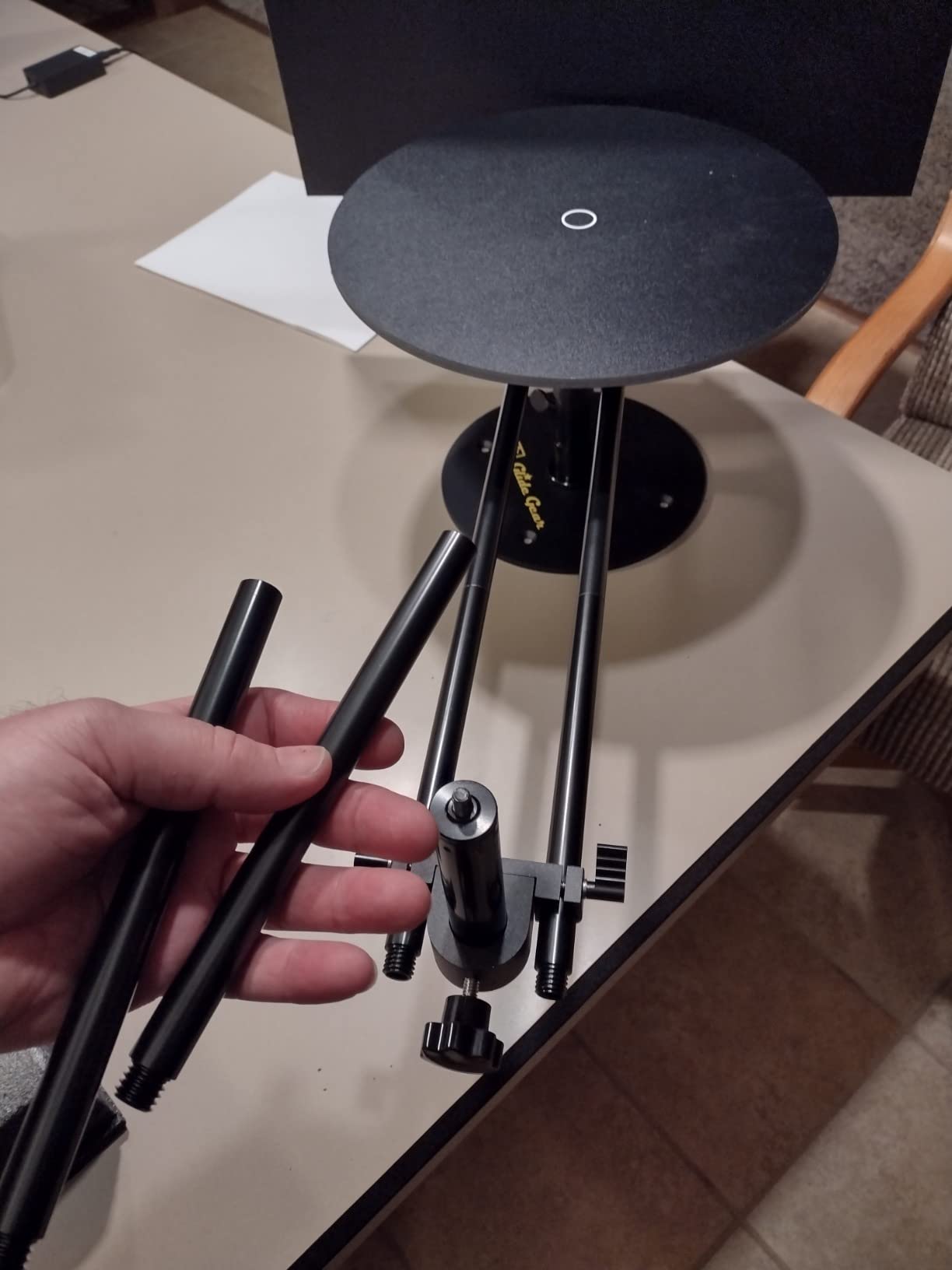
The 5-pound camera payload is the main constraint, and some users report stability issues when they push close to that limit with larger-bodied cameras. The short reach also means this is not the tool for dramatic crane moves over a scene. But for product reveals, tabletop commercials, and social content that needs dynamic movement without a full crew, the REVO 50 earns its spot in a well-rounded kit.
Browsing customer images, you can see the REVO 50 set up in home studios producing clean rotating product shots for e-commerce and YouTube reviews. The platform motion is smooth enough for 4K footage when the camera is well balanced, and the whole rig stores in a compact footprint. For creators whose work is primarily tabletop and product based, this is a tool that pays for itself quickly.
What projects suit the Glide Gear REVO 50 best?
Product cinematography is the core use case, where a slow 360-degree rotation shows every angle of an item without a camera operator touching anything. Food content benefits similarly, with the platform providing overhead and orbiting moves over dishes that handheld shooting cannot match for consistency. Wedding and event shooters also use it for detail shots of rings, invitations, and decor tables captured in a single smooth pass.
Social media creators working alone get the most value here, because the rig operates hands-free once balanced and can run through a rotation while you adjust lighting or product placement. The short extension is actually an advantage in a small studio, keeping the whole setup within arm’s reach. Pair it with a turntable-style workflow and you can batch a dozen product clips in an hour.
How stable is the REVO 50 with heavier cameras?
The base itself handles 40 pounds without complaint, so the platform does not tip or rock under normal use. Where stability becomes an issue is at the camera end, where a heavier body combined with the arm extended toward its 27-inch maximum introduces some wobble into the rotation. Keeping the arm shorter and the camera under about 4 pounds produces noticeably cleaner motion.
Mounting a full-frame body with a light prime is the realistic ceiling for smooth results, and smartphone or compact mirrorless setups work brilliantly. Some users add a small counterweight opposite the camera to balance the arm and tighten the motion further. On a solid table with a reasonable camera, the REVO 50 delivers rotation footage that looks far more expensive than it is.
Buying Guide: How to Choose the Best Camera Jib?
Choosing between jibs comes down to matching a handful of specs to the way you actually shoot. Here is what matters most, based on our testing and the collective experience of working filmmakers.
Weight Capacity
Payload is the first spec to check because it determines what camera you can actually fly. Total your camera body, lens, battery, monitor, and any gimbal or head you plan to mount, then add a 20 percent buffer for safety. An 8-pound limit like the ProAm DVC200’s suits DSLR and light mirrorless kits, while the IFOOTAGE M1 III at 33 pounds and the Proaim Wave-2 at 55 pounds cover built-out cinema rigs with room to grow.
Undershooting your payload leads to flex, bounce, and eventually damaged bearings, none of which show up in product photos. It is always better to have capacity headroom than to max out an arm on day one. Remember that accessories add up quickly, and a wireless video transmitter plus a follow focus motor can add two pounds before you notice.
Arm Length and Reach
Reach determines the drama of your moves, and forum consensus points to 4 to 6 meters (13 to 20 feet) as the sweet spot for studio work. The compact 4-foot jibs like the Orion Jr are perfect for tabletop and small studio spaces, while 8 to 9 foot arms like the DVC200 and the Proaim 9ft handle most corporate and event scenarios. The 14-foot Proaim delivers true establishing-shot drama but demands a serious stand underneath it.
Consider your shooting spaces honestly, because reach you cannot use indoors is wasted money and wasted transport effort. A modular arm like the Proaim 14ft, configurable at 10 or 14 feet, gives you flexibility when your locations vary. Also think about ceiling height, doorways you need to move through, and whether your vehicle can carry the assembled length.
Material Quality
Carbon fiber and aluminum are the two real choices, and each has a clear role. Carbon fiber arms like the IFOOTAGE M1 III and the Manfrotto Gimboom are lighter for the same stiffness, resist corrosion, and travel better, which is why they dominate the premium end. Aluminum arms like the ProAm Orions and the Proaim cranes cost less for a given capacity and are easier to repair if a tube gets dinged.
Look at bearing quality as much as arm material, because the bearings are what make motion smooth or jerky. Fluid steel bearings in the ProAm line are a genuine step above simple bushings, and thrust roller bearings in the Proaim two-arm designs keep motion consistent under heavier loads. Powder coating, fit and finish, and how well hardware stays tight over months of use are where material quality shows up long term.
Mounting Compatibility
Your jib needs to attach to your tripod and your camera needs to attach to the jib, and both connections have standards to verify. Most quality jibs mount to standard tripod heads via a 3/8-inch thread, while 75mm and 100mm bowl compatibility on the Proaim Wave-2 opens up professional fluid head options. At the camera end, look for standard 1/4-inch and 3/8-inch mounting plus quick release plates, two of which ship with the IFOOTAGE.
Check whether a fluid head or remote pan-tilt head is included or needs to be purchased separately, because that is a significant added cost. If you plan to fly a gimbal, confirm the payload supports the combined weight and that the arm can lock or offset to work with motorized stabilization. Tripod compatibility matters too, since a jib without a properly rated support is a safety issue, not just a quality one.
Ease of Setup
Setup time ranges from five minutes for the Orion Jr to a genuine half-hour project for the long cranes, and that difference compounds across a busy shoot day. Tool-less designs like both ProAm Orions get you shooting fast and eliminate the risk of losing a critical wrench. The Proaim Wave-2’s no-tool quick setup is impressive for its capacity class, though the missing instructions mean your first assembly takes some patience.
If you work solo, factor in how many trips it takes to move the jib from car to set and whether you can carry it assembled. Counterweight systems deserve attention too, since arms with fine counterweight adjustment balance faster and hold position better than coarse ones. Anything that speeds up balance time directly increases the number of setups you can complete in a day.
Portability and Transport
Folded size and travel weight decide whether a jib actually leaves the studio. The Orion Jr folds to 18 inches and fits in a backpack, the Manfrotto Gimboom meets carry-on requirements at 1.76 pounds, and the IFOOTAGE packs down to 38.2 inches. At the other end, the 40-pound Proaim Wave-2 and the 16 kg Proaim 14ft are vehicle-dependent tools that assume a crew or a cart.
Included carrying bags are worth more than they sound, protecting both the jib and your vehicle interior while making multi-piece transport manageable. If you fly to shoots, check airline policy on length for anything over 45 inches folded. Many working shooters own two jibs precisely for this reason, a substantial one for local and studio work and a compact travel model for everything else.
Counterweights and Hidden Costs
Almost no jib ships with counterweights, and most do not include a tripod either, so your real budget is higher than the sticker price suggests. Standard barbell plates with 1-inch holes fit most rear bars and cost a fraction of proprietary weights, so check the bar diameter before buying. Budget for a tripod or stand rated well above your total moving load, sandbags for the legs, and any fluid head the jib assumes you already own.
The rental versus purchase question is worth asking for occasional users, since jib rental rates run reasonable in most markets and a single yearly shoot may not justify ownership. If you shoot crane moves weekly, ownership pays back within a few months and you always have the tool on hand. Buying mid-tier and upgrading later is often smarter than over-buying capacity you have not grown into yet.
Frequently Asked Questions
What are the different types of camera jibs?
Camera jibs come in five main types: compact mini jibs (under 5 feet) for tabletop and studio work, mid-range arms (6 to 9 feet) for corporate and event shooting, long-reach cranes (10 feet and up) for dramatic establishing shots, motorized motion control jibs for repeatable programmed moves, and handheld boom poles like the Manfrotto Gimboom that pair with gimbals for portable jib-like motion.
What are the downsides of using a jib crane?
The main downsides are setup time (15 to 45 minutes for larger arms), the need to buy counterweights and a heavy tripod separately, transport bulk for long cranes, a real learning curve to achieve smooth moves, limited payload on budget models, and the need for a dedicated operator during shoots.
How much does a jib cost?
Camera jibs span a wide price range depending on size, material, and capacity. Compact beginner arms sit at the affordable end, mid-size aluminum cranes occupy the middle of the market, and heavy-duty dual-rail or motorized systems command premium prices. Whatever tier you choose, budget extra for counterweights and a properly rated tripod or stand, since few jibs include either.
What is a jib camera?
A jib camera is a camera mounted on a jib arm, a counterweighted boom that pivots on a fulcrum to move the camera smoothly up, down, and around for sweeping cinematic shots. The term refers to the camera-plus-jib combination rather than a special camera type, and almost any DSLR, mirrorless, or cinema camera can be jib-mounted within the arm’s payload limit.
Conclusion: Which Camera Jib Should You Buy?
The best camera jibs deliver that sweeping cinematic motion without requiring a crane truck or a full crew, and the right pick depends entirely on your camera weight and shooting style. For most professionals, the IFOOTAGE M1 III is the clear winner with its carbon fiber build, 33-pound payload, and consistently smooth motion. Heavy cinema rigs call for the Proaim Wave-2 and its 55-pound dual-rail design, while budget-conscious DSLR shooters get outstanding value from the ProAm Orion DVC200.
Beginners and YouTube studio owners should start with the ProAm Orion Jr DVC50 before committing to anything larger, and travelers will appreciate the Manfrotto Gimboom for gimbal-based jib moves that fit in a carry-on. Whatever you choose, budget for the counterweights and a tripod rated for the total moving load, because those hidden costs catch out most first-time buyers.
Pick the arm that matches your heaviest camera today with room to grow, practice your balance and moves before the first paid shoot, and you will be capturing the kind of footage that makes clients ask how you did it. Any of the eight jibs in this guide will get you moving in the right direction.