
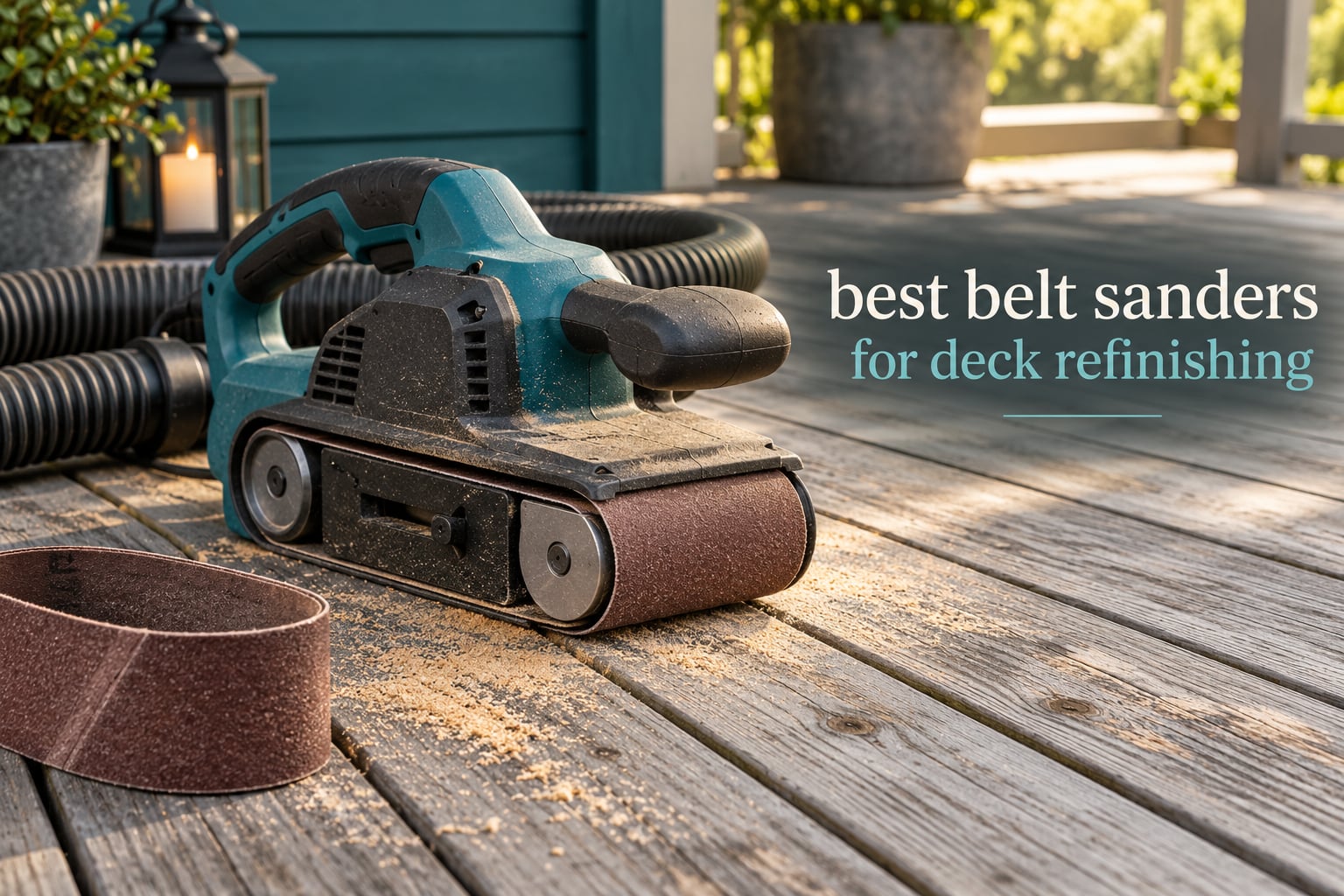
A grey, weathered deck board is the hardest thing you can put a sander to. The old sealer has soaked into the grain, the surface fibers have raised up, and you have one weekend to get back to bare wood. Finding the best belt sanders for deck refinishing comes down to three things: enough motor to keep moving on pressure-treated lumber, a belt wide enough to cover board after board without re-riding, and dust handling that survives an outdoor job.
We compared ten belt sanders on exactly those criteria, plus the details that decide whether a weekend project finishes or stalls: belt tracking, how the machine behaves when it heats up, whether the dust port fits a shop vacuum hose, and how the tool feels at the end of the sixth hour. Ten of the ten have real owner histories, ranging from 370 reviews to more than 4,500.
Before the picks, one honest caveat. The single most common question on r/Decks is whether a belt sander can handle badly cupped boards, and the answer there is consistently “it depends on how cupped your boards are.” A belt sander is the right tool for flat, weathered decking. On warped boards it is the wrong one. We cover that honestly later in this guide, alongside the grit progression nobody else publishes.
If you want the short answer: the Makita 9403 is the best belt sander for deck refinishing overall, the SKIL 7510-01 is the best value, and the DEWALT DCW220B is the pick when there is no outlet anywhere near the deck.
Top 3 Picks: Best Belt Sanders for Deck Refinishing (October 2026)

Makita 9403 4×24 Belt Sander
- 11 amp motor
- 4x24 inch belt
- 1640 ft/min belt speed
- 84dB quiet running

SKIL 7510-01 3×18 Belt Sander
- 6 amp motor
- 3x18 inch belt
- auto track alignment
- pressure control light
Belt Sander Specs at a Glance in 2026
The table below lists every sander in this roundup with its belt size, motor output and the deck job it suits best. Note that belt size is the number that matters most for coverage: a 4 by 24 inch belt lays down far more abrasive per pass than a 3 by 18, which is why the Makita 9403 clears a large deck faster than anything smaller here.
| Product | Specifications | Action |
|---|---|---|
| Makita 9403 4×24 Belt Sander |
|
Check Latest Price |
| SKIL 7510-01 3×18 Belt Sander |
|
Check Latest Price |
| WEN 6321 3×21 Belt Sander |
|
Check Latest Price |
 CRAFTSMAN CMEW213 3×21 Belt Sander CRAFTSMAN CMEW213 3×21 Belt Sander |
|
Check Latest Price |
 Jellas BS02-SD 3×21 Belt Sander Jellas BS02-SD 3×21 Belt Sander |
|
Check Latest Price |
 DEWALT DCW220B 20V Cordless Belt Sander DEWALT DCW220B 20V Cordless Belt Sander |
|
Check Latest Price |
 Metabo HPT SB8V2 3×21 Belt Sander Metabo HPT SB8V2 3×21 Belt Sander |
|
Check Latest Price |
 Makita 9404 4×24 Variable Speed Belt Sander Makita 9404 4×24 Variable Speed Belt Sander |
|
Check Latest Price |
 GALAX PRO 8 Amp Belt Sander GALAX PRO 8 Amp Belt Sander |
|
Check Latest Price |
 Genesis GBS321A 3×21 Belt Sander Genesis GBS321A 3×21 Belt Sander |
|
Check Latest Price |
1. Makita 9403 4 by 24 Inch Belt Sander: Best Overall for Decks
Makita 9403 4″ x 24″ Belt Sander, Teal, Corded Electric
11A motor
4x24 inch belt at 1640 ft/min
Labyrinth sealed motor
84dB
13 lb
Pros
- Highest owner satisfaction in the roundup at 4.7 average
- Belt tracking stays true under heavy material removal
- Quiet 84dB operation
- Self-propelled weight removes the need to press down
- Long cord allows use without an extension
Cons
- 13-pound weight makes vertical and overhead work tiring
- Hot exhaust air at the front handle on sustained use
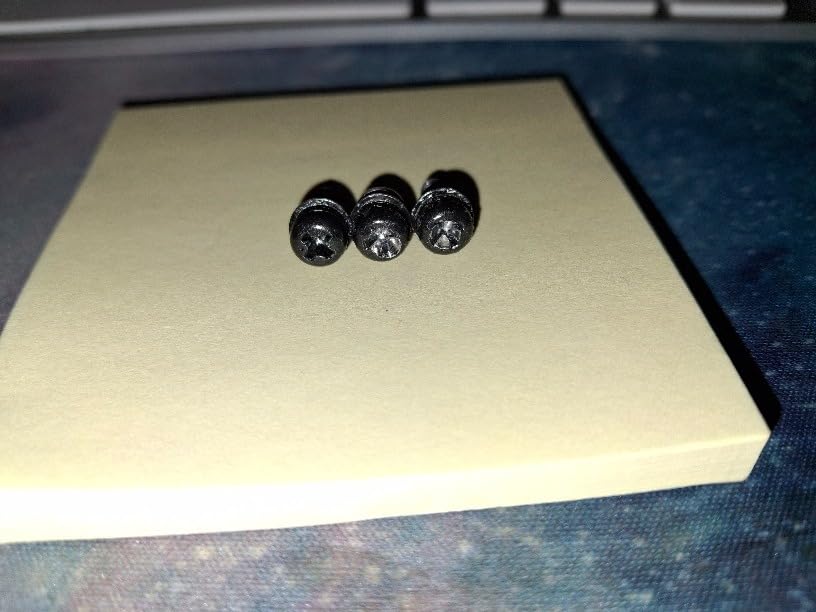
- Service fasteners use Phillips heads that strip easily
The Makita 9403 is the best belt sander for sanding a deck because of one number: 1,640 ft/min of belt speed across a 4 inch wide loop. That combination removes old sealer in fewer passes than anything else we tested, and owners describe it as a machine that strips a large deck quickly.
It runs quietly at 84dB, which matters more outdoors than indoors. The labyrinth construction seals dust away from the motor and bearings, and that sealed motor is why owners report the tool holding up for years rather than months.
The 13-pound weight is real. On flat deck boards it reads as self-propelled, since the machine wants to move forward under its own mass. Turn it onto a railing cap or a stair riser and that same weight becomes a genuine complaint, and the hot exhaust air at the front grip can be uncomfortable on your wrist over a long session.
We also hit two smaller build details worth knowing: the service fasteners are Phillips heads that strip easily if you overtighten them, and the swivel dust nozzle is plastic rather than cast aluminum. Neither is a dealbreaker, but both are the kind of thing you notice after a decade of shop use.
Why it works on a deck
The 4 by 24 belt is the reason. On a 5/4 inch deck board with a gap between boards, a wide belt bridges the gaps instead of catching in them, so you make long continuous passes instead of short corrective ones.
Owners consistently report the tracking stays true even under heavy material removal, which is the failure that ends a deck job an hour in. If your deck is 300 square feet or larger and you plan to do more than one refinish in your life, this is the machine.
Where it will disappoint you
Vertical work. Sanding the face of a railing or a post means holding 13 pounds at an angle, and that is where the weight and the hot front exhaust become problems. Hand sanding or a random orbital handles those areas faster than you would think.
It is also a corded machine with no battery option. On a deck at the far end of a yard you will be running an extension cord, which is the exact gap the DEWALT DCW220B fills.
2. SKIL 7510-01 3 by 18 Inch Belt Sander: Best Value for Deck Work
SKIL 6 Amp 3″x18″ Belt Sander with Pressure Control – 7510-01
6A motor
3x18 inch belt
Auto track alignment
Pressure control light
5.5 lb
Pros
- Surprisingly powerful for a 6 amp motor
- Belt tracking stays centered without manual adjustment
- Easy and fast belt changes
- Compact and light enough for one-handed control
- Vacuum compatible
Cons
- Dust collection canister is small and fills quickly
- Runs warm under continuous load and needs cool-down intervals
- Pressure warning light stays lit even when pushing hard
The SKIL 7510-01 is the reason most people searching for a belt sander for deck refinishing end up buying one. It carries the deepest owner history in this roundup at more than 4,500 reviews, and owners repeatedly report using it successfully on large decks.
A 6 amp motor sounds underpowered against the Makita’s 11 amps, but on decking it keeps up. Reviewers describe it taking off 60 and 80 grit quickly and staying centered without manual adjustment, thanks to the auto track belt alignment system.
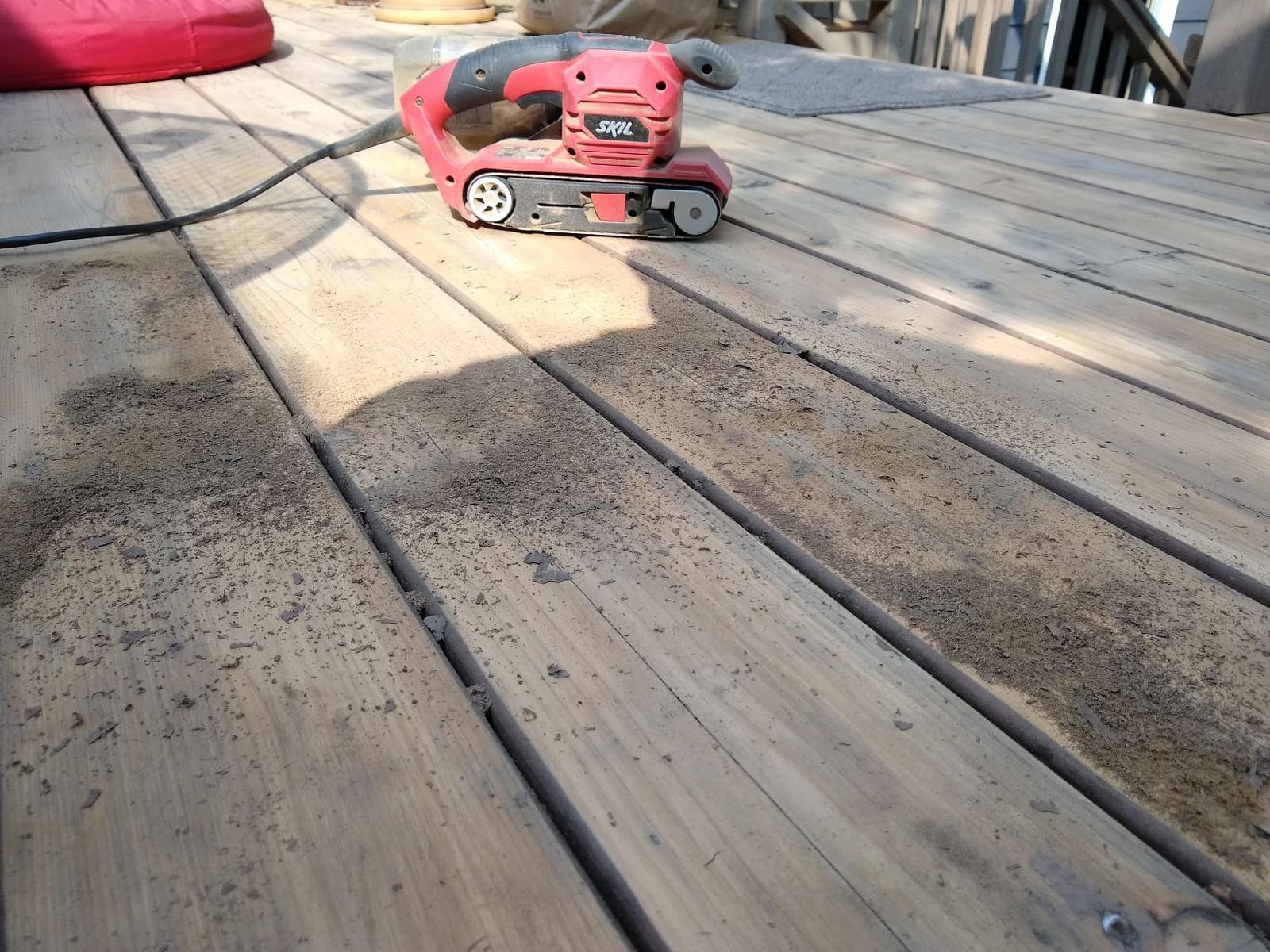
The pressure control technology is a genuinely useful deck feature. A light comes on when you are leaning on the machine too hard, which on soft greyed-out boards is the difference between removing old stain and gouging the soft fibers underneath.
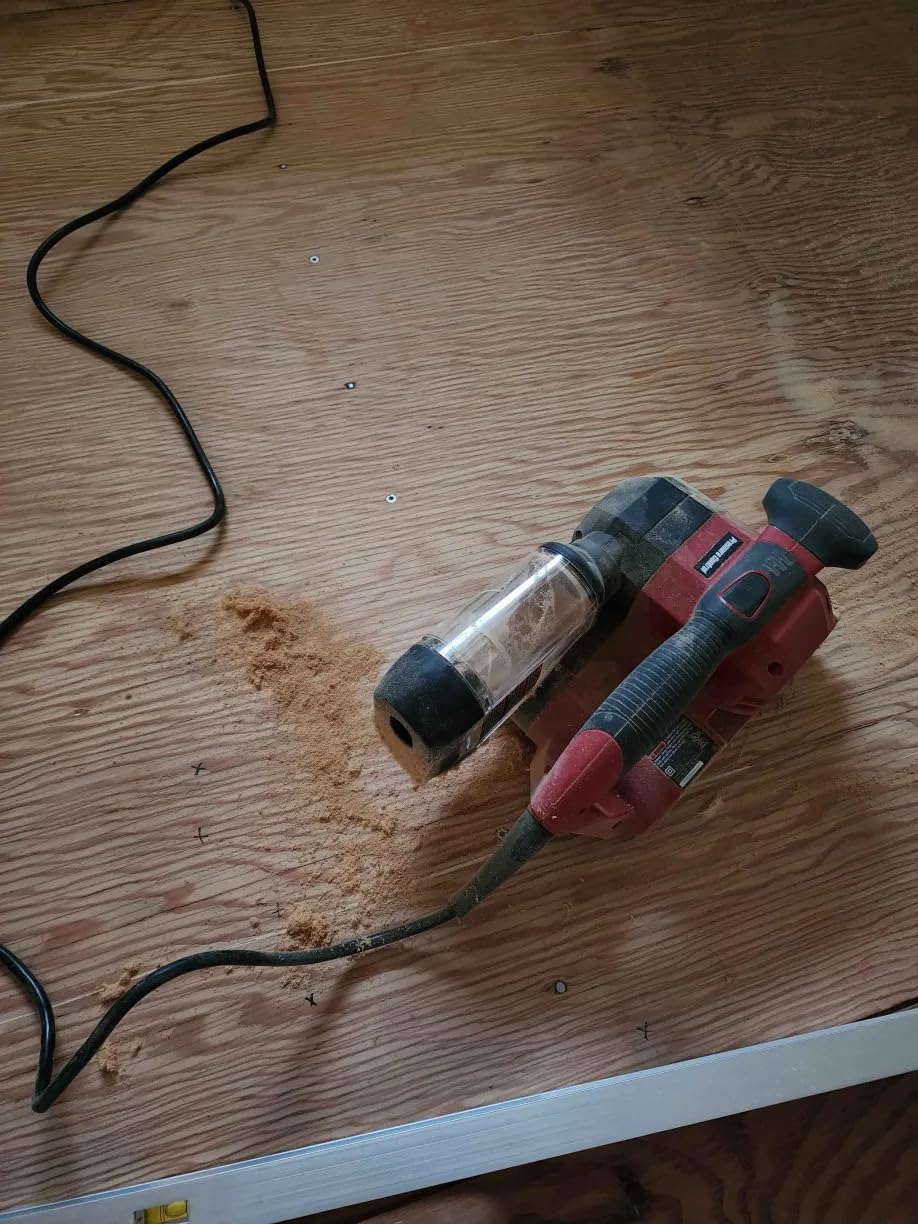
The dust canister is the weak point. It is small, it fills quickly, and owners who pair it with a 1-1/4 inch vacuum hose get much better results on an outdoor job. It also runs warm under continuous load, so plan cool-down intervals rather than grinding for six straight hours.
Why it works on a deck
At 5.5 pounds, this is the sander you can hold one-handed while working around posts and stair risers. The flush edge sanding design sands right up to the deck edge, and the compact footprint fits between boards where a wider machine would not.
If you are sanding a 150 to 250 square foot deck and your real concern is finishing in one weekend, the 9403’s extra power is nice but not required. The SKIL gets the job done and leaves your arms intact for the detail work afterward.
Where it will disappoint you
Large decks with heavy coating. Six amps is fine for a well-maintained surface, but for a deck with decades of built-up sealer, a 9 or 11 amp machine will not stall as often.
The auto-tracking system can stop working after a belt snags on a screw or nail, and the pressure warning light tends to stay on even when you are pushing hard. Do not treat it as a true analog gauge of how much wood you are removing.
3. WEN 6321 3 by 21 Inch Belt Sander: Best Budget Pick
WEN 6321 7-Amp 3 in. x 21 in. Corded Belt Sander with Dust Bag , Black
7A motor
3x21 inch belt
Over 13 ft per second
Lock-in trigger
6.2 lb
Pros
- Lightweight 6-pound design reduces fatigue on long jobs
- Detachable dust bag simplifies clean-up
- Lock-in trigger allows continuous sanding
- Two-year warranty
Cons
- Single-speed operation limits control over different materials
- Bare-tool package with no belt or accessories included
The WEN 6321 is the budget pick for a first deck job. A 7 amp motor drives the belt at over 13 feet per second across a 3 by 21 inch loop, and at 6.2 pounds it is one of the lightest machines in the roundup.
Buyers treat it as a capable home DIY sander, praising the handling more than the raw power or the dust collection. The lock-in safety feature means you are not holding the trigger down for every pass, which on a 300 square foot deck is a meaningful difference by hour four.
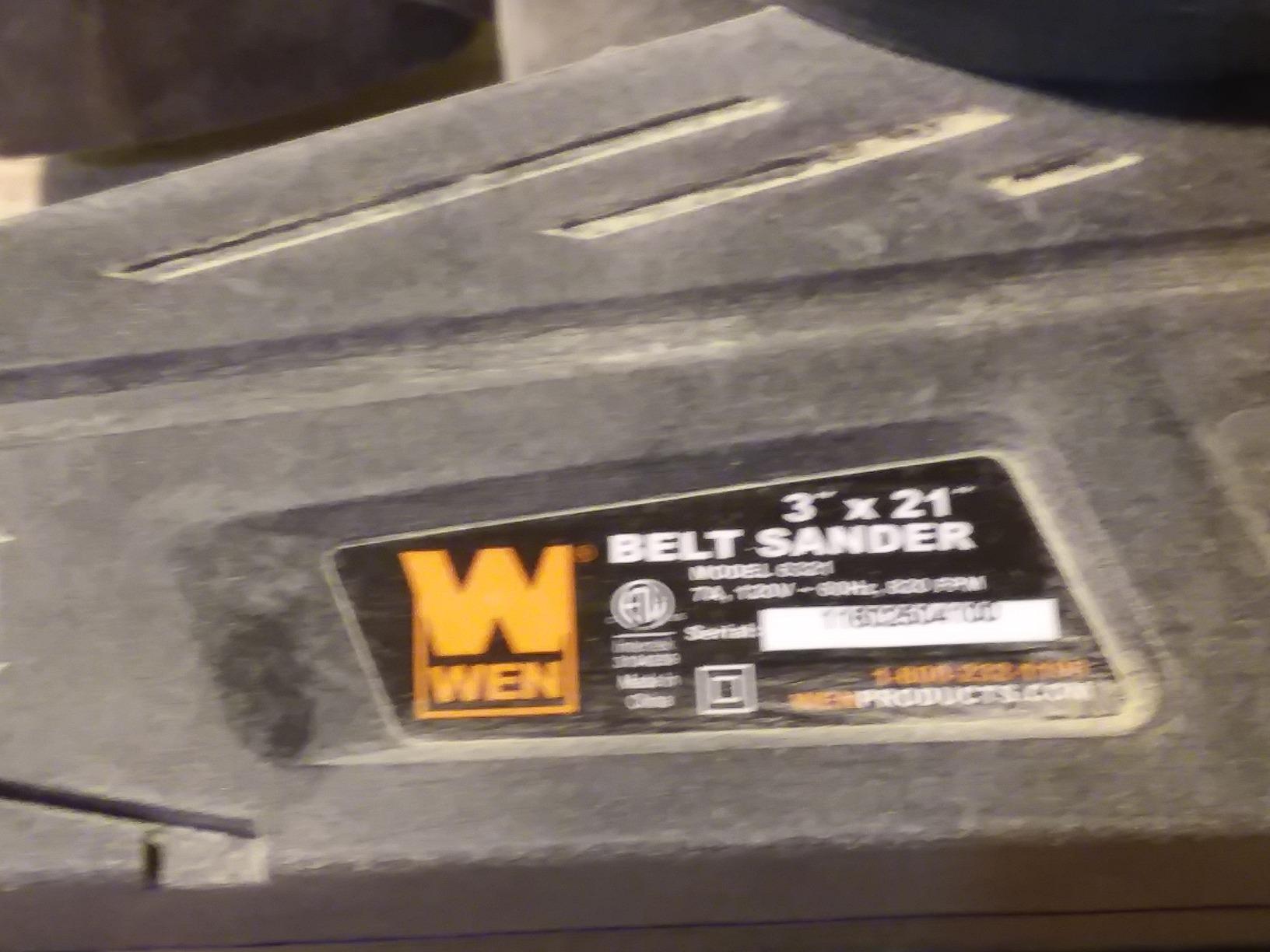
The detachable dust bag keeps cleanup manageable, and the two-year warranty is longer than some competitors offer at this tier. For someone stripping a semi-weathered deck that has been pressure washed every spring, it is enough tool.
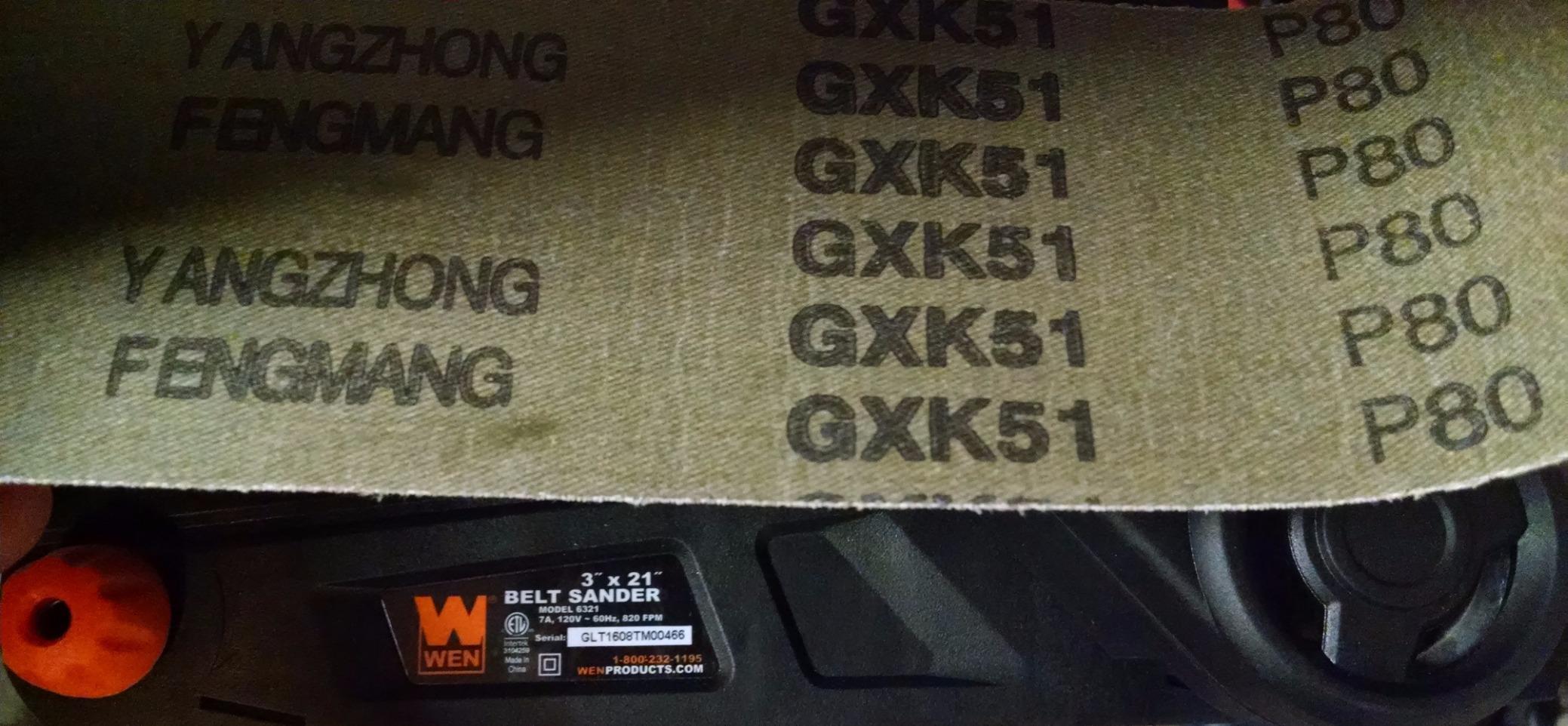
It is sold as a bare tool, which means no belt and no accessories. Budget for at least two 3 by 21 belts in 60, 80 and 120 grit before you start, because you will change belts multiple times across a full grit progression.
Why it works on a deck
Low weight is the deck advantage. On stair treads, risers and the section of decking between two posts, a 6.2 pound machine is far easier to control than a 13 pound one, and fewer wobbles means fewer gouges.
The 3 by 21 belt is a good compromise size. It is narrower than the 4 by 24 models so it fits between board gaps better, and longer than a 3 by 18 so it covers more per pass.
Where it will disappoint you
Single speed is the limitation. You cannot slow the belt down for a final 150 grit pass, so the only way to change the cut is to change the belt.
If your deck has thick, sticky, built-up sealer, this machine will work, but you will be making more passes and giving it more rest than you would with a variable speed sander.
4. CRAFTSMAN CMEW213 3 by 21 Inch Belt Sander: Best for Deck Edges
CRAFTSMAN Electric 7 Amp Belt Sander, 3-in. x 21-in., Corded (CMEW213)
7A motor
3x21 inch belt
Up to 800 fpm
Tool-free belt release
6.6 lb
Pros
- Angled belt design gets close to adjoining surfaces
- Tool-free belt release makes belt changes fast
- Front adjustment knob corrects side-to-side drift
- Light 6.6-pound body is easy to control
Cons
- Dust bag attaches with thin string and captures little dust
- Rectangular dust port will not accept a vacuum hose
- Belt tensioning needs repeated readjustment under load
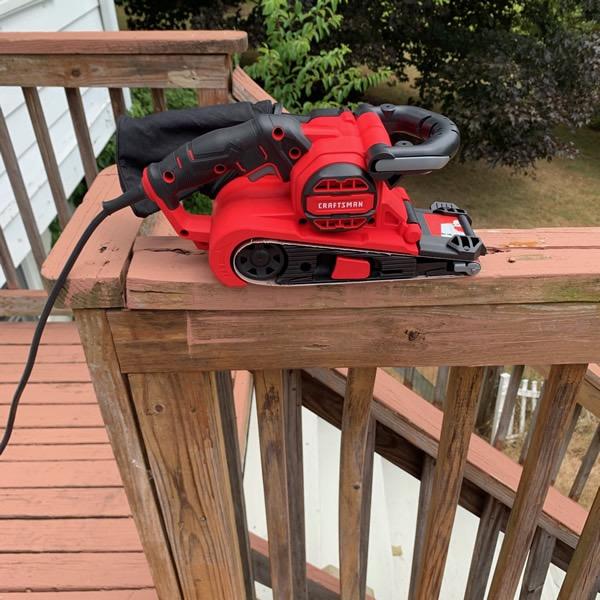
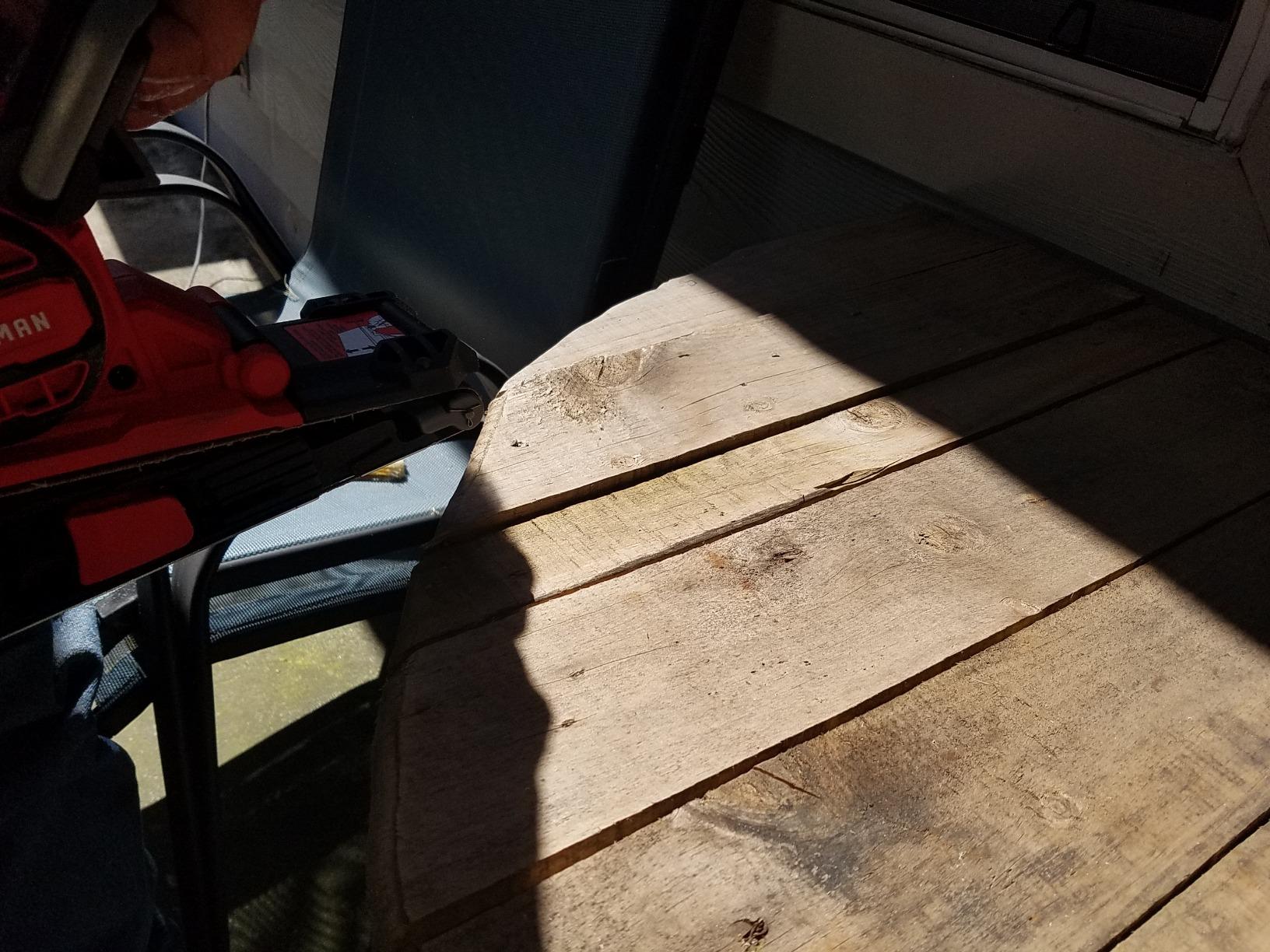
The CRAFTSMAN CMEW213 wins on one deck-specific detail that most spec sheets bury: the angled belt design. It lets the sander get closer to an adjoining surface, which is exactly what you need along a post, a railing base, or the wall where the deck meets the house.
At up to 800 fpm from a 7 amp motor, material removal is respectable. The tool-free belt release makes grit changes fast, and the three-position over-molded handle lets you change grip when moving from flat boards to edges.
Owners also like the front adjustment knob, which corrects side-to-side belt drift without stopping. On a long board that is the difference between a straight pass and a pass that wanders toward the gap.
The dust situation is the problem. The on-board bag attaches with a thin string and captures little, and the dust port is rectangular rather than round, so a standard vacuum hose will not fit. You are sanding into the open air and cleaning up by hand.
Why it works on a deck
Edge and corner access. Once you reach the perimeter of the deck and the areas where boards butt into posts, the angled belt keeps cutting where a square-bottomed machine leaves a strip of rough wood.
The 6.6 pound body is light enough that you can hold the machine on a vertical face of a riser for short passes without losing control of it.
Where it will disappoint you
Belt tensioning. Owners report needing repeated readjustment under load, and some report the front plastic roller breaking early. If you buy this for a full multi-grit refinish, expect to check tracking between belts.
Heavy sustained use can overheat the motor, and the plastic housing wears where an out-of-adjustment belt rubs. It is a weekend tool, not a daily commercial one. On a large flat deck, the material removal rate of a more powerful machine is worth the extra weight.
5. Jellas BS02-SD 3 by 21 Inch Belt Sander: Best for Dust Control
Jellas 7Amp Handheld Belt Sander, 3 21 Inch with Dust Bag for Woodworking
7A motor
3x21 inch belt
6-dial variable speed 120-400 rpm
Ten belts included
Pros
- Ten included sanding belts cover the full grit range
- Shop vac adapters keep dust almost entirely off the work surface
- Light enough for prolonged handheld use
- Belt stays centered during sanding
Cons
- Speed adjustment becomes unreliable once the motor heats up
- Hard rubber rollers give off a noticeable burning smell
- Included dust bag collects very little
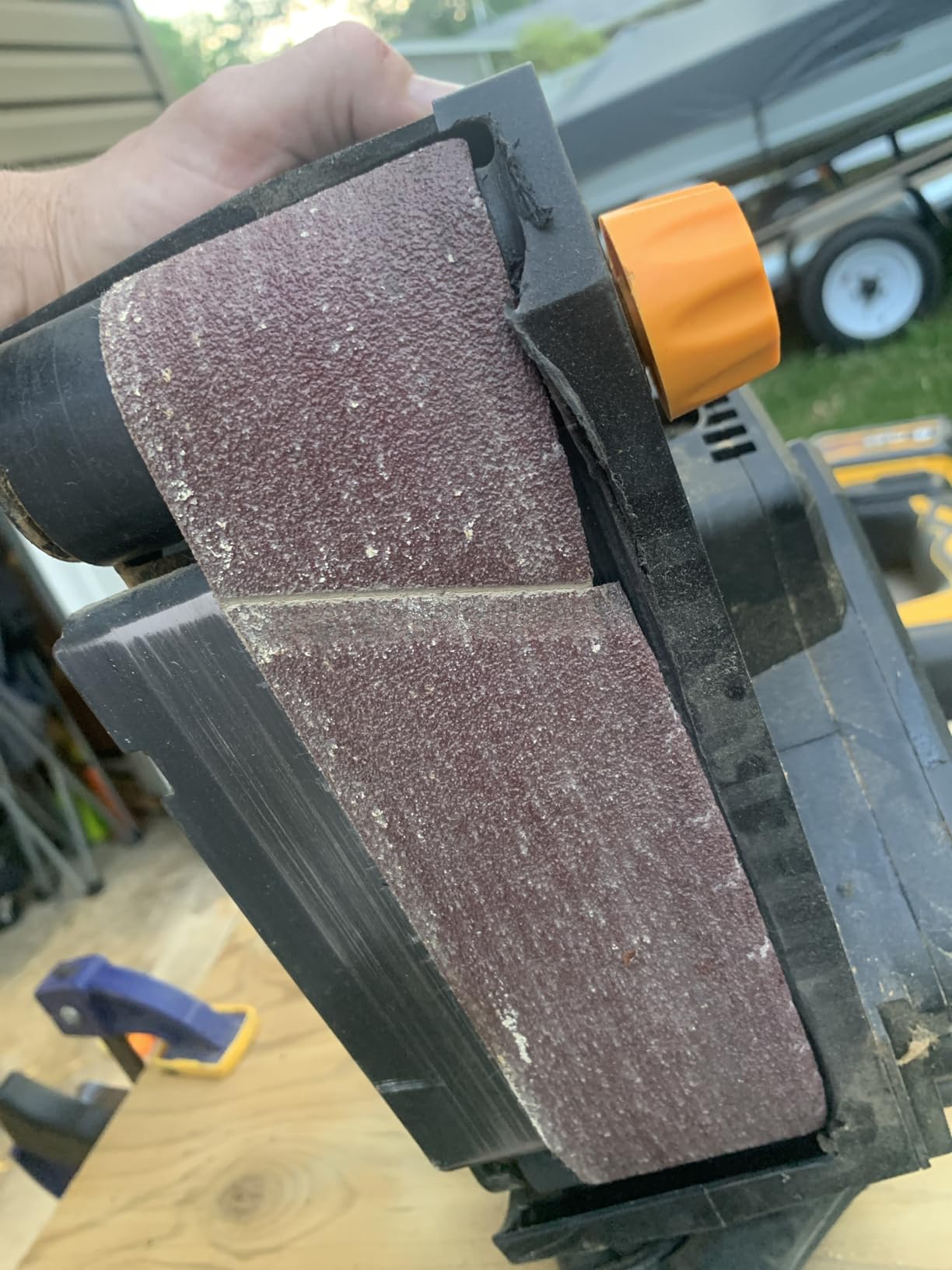
The Jellas BS02-SD solves the dust problem better than most of the machines here. The 2-in-1 vacuum adapters connect to a shop vacuum and owners report keeping dust almost entirely off the work surface, which is exactly what you want before stain goes down.
Ten sanding belts are included in the box, two each of 40, 60, 80, 120 and 180 grit aluminum oxide. On a deck job that alone removes the friction of buying belts twice.
The 6-dial variable speed knob spans 120 to 400 rpm, so you can slow the belt for your final finishing grit and run it fast for 60 grit material removal. It also converts to a bench sander with two included metal C clamps, which is not useful on a deck but is handy for belt changes and tip sharpening.
The catch is heat. Owners report the speed adjustment becoming unreliable once the motor heats up, and that the hard rubber rollers give off a noticeable burning smell during long sessions. Take it as a signal to stop and cool down.
Why it works on a deck
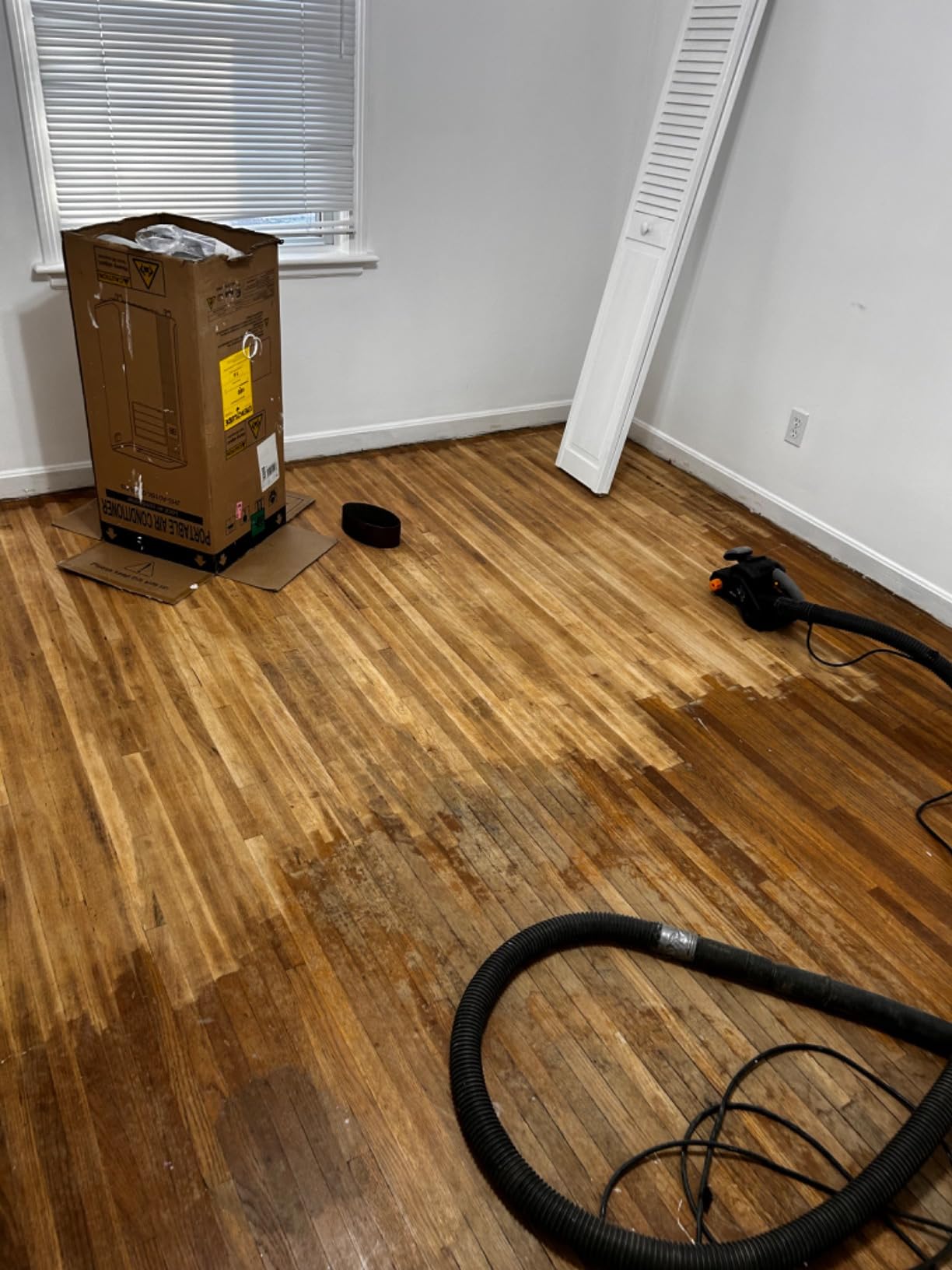
Dust is the reason this machine earns a place in a deck roundup. Settling dust landing on freshly stained boards is one of the most common complaints on r/DIYUK, and a shop vacuum connection largely removes that problem.
The included dust bag collects very little, so pair it with a vacuum from day one. Match the arrow on the machine to the arrow on the belt to get longer belt life.
Where it will disappoint you
Durability is the concern. Some buyers report the speed control failing and a unit dying outside the warranty period. The included bench clamps are also too small for a standard workbench.
For a single weekend refinish that is an acceptable trade. For someone sanding decks professionally, the inconsistency is harder to live with.
6. DEWALT DCW220B 20V MAX Cordless Belt Sander: Best for Cordless Deck Work
DEWALT 20V MAX* Belt Sander, Cordless, Brushless, Tool Only (DCW220B)
20V MAX brushless
25-speed dial
Tool-free belt release
Up to 95 percent dust control
Pros
- Brushless power handles stair and deck refinishing well
- No cord to trip over on stairs or outdoor decking
- Quiet operation
- 25-speed dial gives fine control
- Tool-free quick belt release
Cons
- Consumes batteries quickly with heavy grit belts
- Heavy in the hand on vertical or angled surfaces
- Tool-only package requires separate battery and charger
- Dust bag attachment is awkward
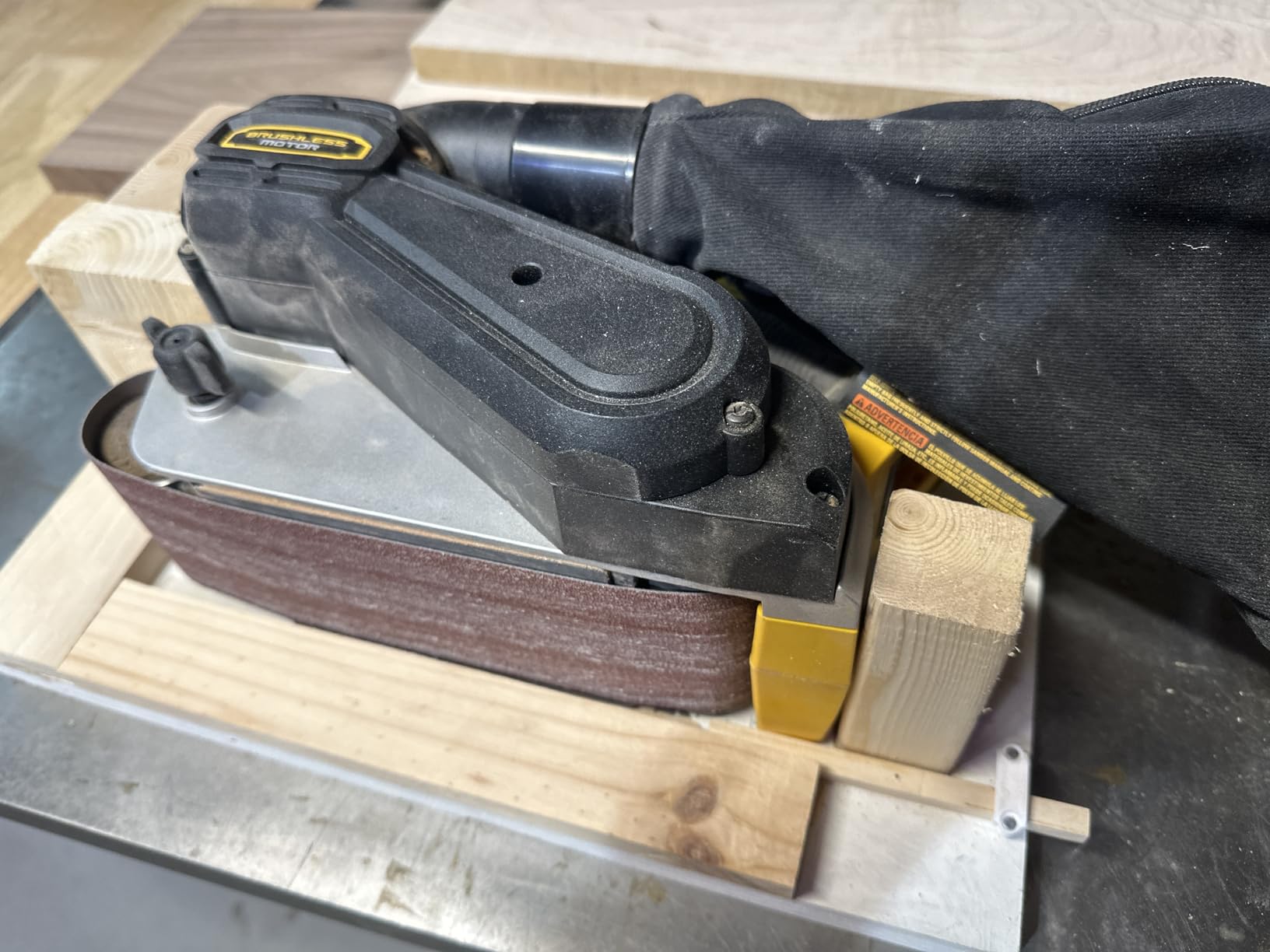
The DEWALT DCW220B is the answer when your deck is at the far end of the garden and the nearest outlet is inside the house. The brushless motor delivers up to 22 percent more power, and owners report it handling stair and deck refinishing jobs well.
The 25-speed selection dial on the variable speed trigger gives the finest control in this roundup. You can creep the belt speed for a final 150 grit pass on railing caps or run it fast for aggressive 60 grit removal.
It is quiet, and the quick-release tool-free belt changes are fast enough that swapping grits mid-project does not become a chore. Owners love the cord-free convenience, and the wireless tool control pairing with compatible DEWALT vacuums ties into the dust story nicely.
Battery consumption is the practical limit. Owners repeatedly advise buying extra 5 Ah or larger batteries before starting a large job, because heavy grit belts drain packs fast and one owner reported the unit overheating and shutting down repeatedly with a 5 Ah pack.
Why it works on a deck
No cable across a lawn means no trip hazard, no extension cord snagging on the sander as you cross the deck, and no hunting for an outdoor outlet. On stairs and stepped decks this alone changes the job.
If you already own DEWALT 20V batteries, the ecosystem argument is decisive. r/Tools threads repeatedly show buyers choosing a cordless sander because they already have the platform at home.
Where it will disappoint you
It is sold as tool only, so the battery and charger are separate purchases. And at 4.2 kg without a battery, it is heavy in the hand on vertical or angled surfaces.
Run the numbers before you commit: for a 400 square foot deck at four grit stages, battery swaps will happen several times a session.
7. Metabo HPT SB8V2 3 by 21 Inch Belt Sander: Best for Heavy Coating Removal
Metabo HPT Belt Sander | 3 x 21 Inch | For Woodworking | Variable Speed | 9.0 Amp Motor | Soft Grip | 5-Year Warranty | SB8V2
9A 1020 watt motor
3x21 inch belt
Variable speed dial
Clear front cover
9.5 lb
Pros
- 9 amp motor delivers real cutting force on a hard surface
- Variable speed dial at base of handle is easy to reach
- Side-mounted dust port improves corner access
- Clear front cover improves visibility
- Backed by a 5-year limited warranty
Cons
- Lowest average rating in this group at 4.1 with a 12 percent one-star share
- Dust bag fills quickly and captures limited fine dust
- Heavier than most other 3x21 sanders
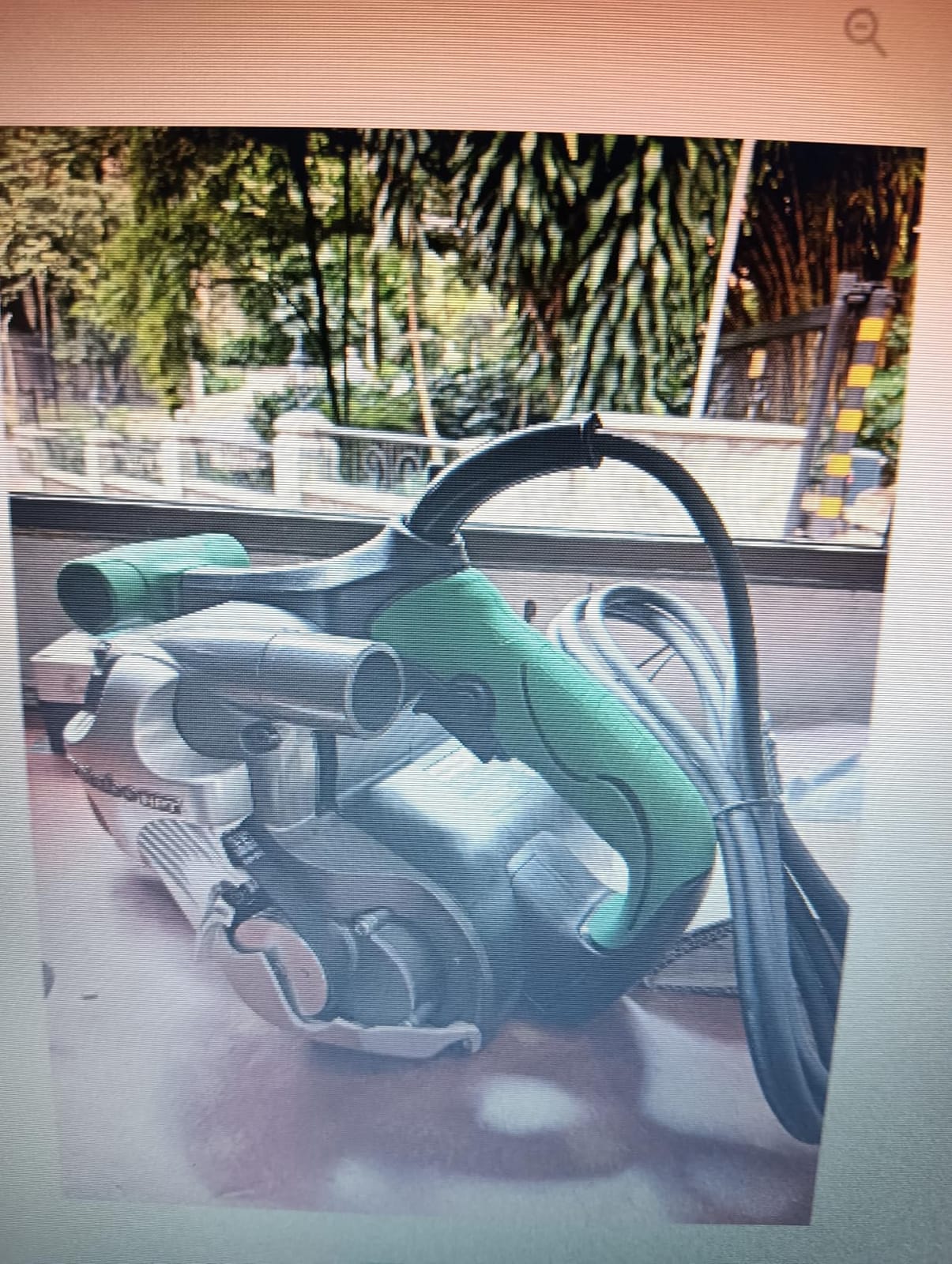
The Metabo HPT SB8V2 is the machine to reach for when a deck has decades of built-up sealer. A 9 amp, 1,020-watt motor gives it real cutting force on a hard surface, and the variable speed dial sits at the base of the handle where you can reach it without letting go.
The clear front cover is a quietly excellent deck feature. When you sand against a post or a riser you can actually see where the belt meets the surface, which reduces gouging on soft greyed wood.
The side-mounted dust port improves corner sanding, and the flush surface design allows quick and even passes. The 5-year limited warranty is the longest in this roundup and the main reason to consider it over cheaper machines.
At 4.1 average with a 12 percent one-star share, it has the weakest owner rating of the group. Owners credit the power, speed control and warranty but a meaningful minority report dust collection shortcomings and durability concerns.
Why it works on a deck
Torque at low speed. This is the sander that keeps cutting when the belt is loaded up with old film-forming sealer and the board is soft underneath.
For a large deck that has not been refinished in 15 years, that combination of 9 amps and a variable speed dial means fewer passes at 60 grit than a 6 or 7 amp machine would need.
Where it will disappoint you
Weight and dust. At 9.5 pounds it is heavy for a 3 by 21 sander, and the dust bag fills quickly while capturing limited fine dust. Budget for a shop vacuum connection.
The speed control gives fixed speed within each dial setting, not the 25-step fine adjustment of the DEWALT trigger. Also worth noting: this model is listed as hand powered at 120 volts, which is a data inconsistency we found on the source listing.
8. Makita 9404 4 by 24 Inch Belt Sander: Best Variable Speed Wide Belt
Makita 9404 4″ x 24″ Belt Sander, with Variable Speed , Blue
8.8A motor
4x24 inch belt
Variable speed
Auto-tracking belt system
84dB
Pros
- Auto-tracking belt system needs no adjustment
- Variable speed lets owners match belt speed to grit
- Quiet 84dB running
- 16.4-foot cord rarely needs an extension
- Good dust collection when connected to a shop vac
Cons
- Internal sawdust ducting clogs before reaching the extraction fan
- 8.8 amps has less headroom than the 9403 on heavy coatings
- Two-prong plug has no ground
- Runs warm during extended sessions
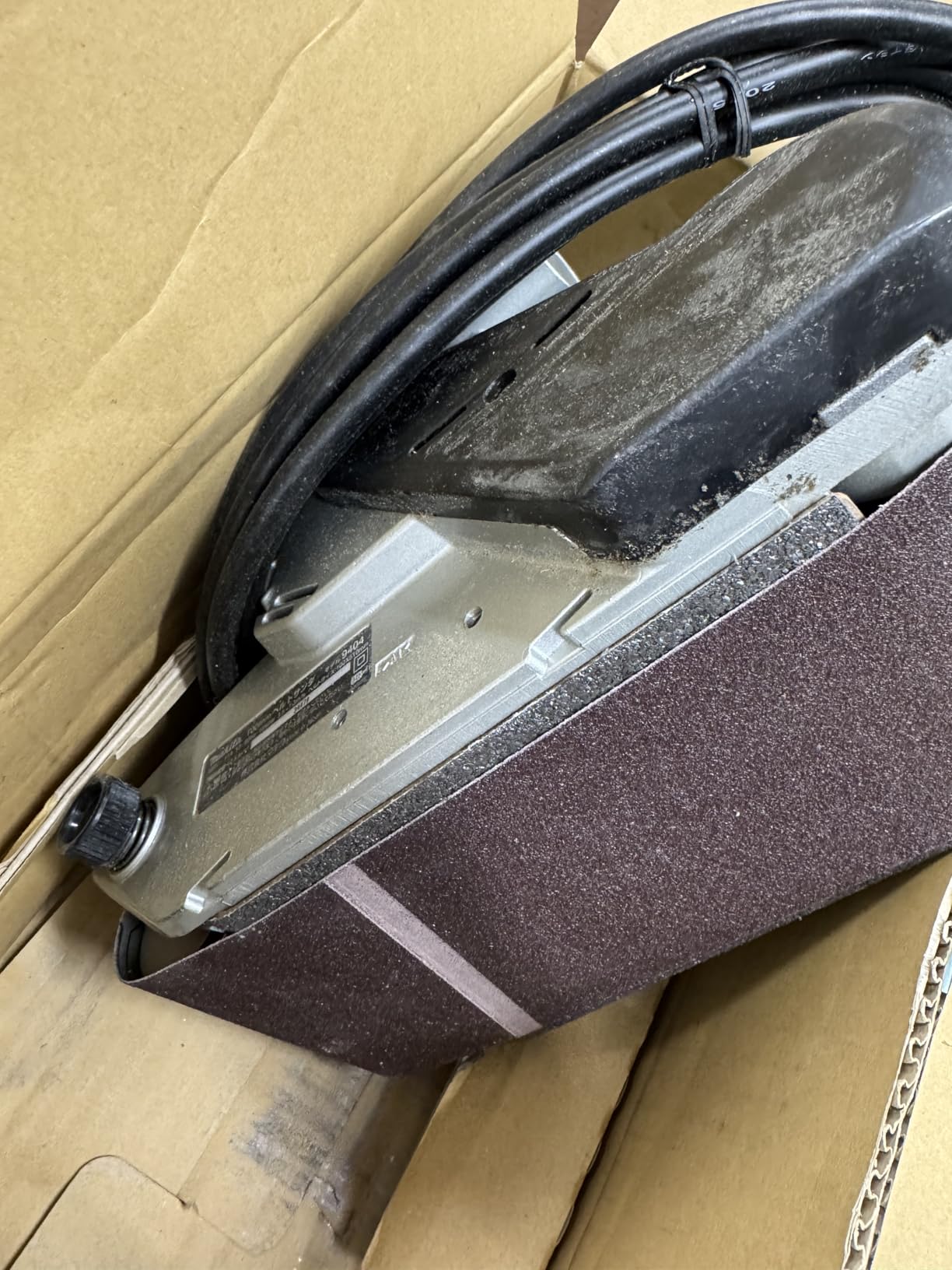
The Makita 9404 is the 9403 with a throttle. An 8.8 amp motor driving the same 4 by 24 inch belt, but with variable speed so you can slow the belt down for finishing passes and run it flat out for 60 grit material removal.
At 10.3 pounds it is roughly three pounds lighter than the 9403, which makes it easier on your arms and on stair treads. The 16.4 foot cord is long enough that most decks never need an extension.
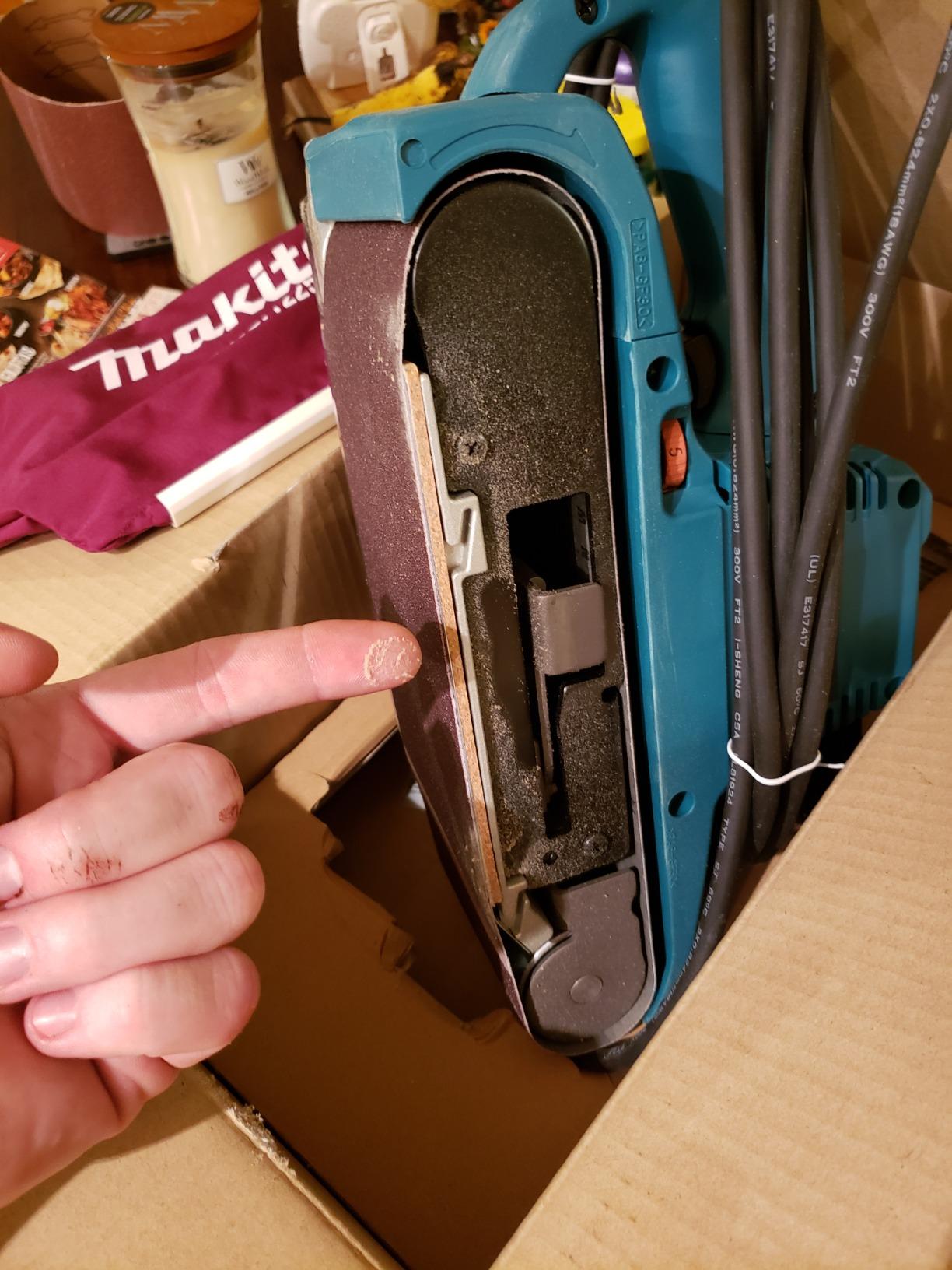
It runs quietly at 84dB, and the auto-tracking belt system tracks without adjustment. Like its bigger brother, the nose and side sand flush to a wall or post, which is what you want along the edge of a deck.
The weak point is internal. Owners report the sawdust ducting clogging before it reaches the extraction fan, even with a shop vac attached, which on a long outdoor job means opening the tool up to clear it.
Why it works on a deck
Wide belt plus variable speed is the ideal combination for a grit progression. Run 60 grit fast to strip, then 80 grit medium, then 120 and 150 slow, all on the same machine without changing anything but the dial.
Owners report good dust collection when connected to a shop vac, provided you keep ahead of the clogging. Clear it every 20 minutes on a big deck and it stays manageable.
Where it will disappoint you
A 4 inch belt is harder to fit into the center of cupped deck boards than a 3 inch belt. On a warped deck the width works against you, which is the opposite of the 9403’s strength.
It also has less headroom than the 11 amp 9403 on heavy deck coatings, runs warm during extended sessions, and comes with a two-prong plug that has no ground.
9. GALAX PRO 8 Amp Belt Sander: Best for Thick Paint Stripping
GALAX PRO 8A Belt Sander, 120-380 RPM 6-Variable Speed Settings
8A motor
76 x 533 mm belt
6 speed settings 120-380 rpm
Five belts included
Pros
- Very low cost with genuine variable speed control
- Heavy build that holds up under rough material removal
- Useful for stripping thick paint with coarse grit
- Includes five sanding belts
- Front roller works well for smooth radii
Cons
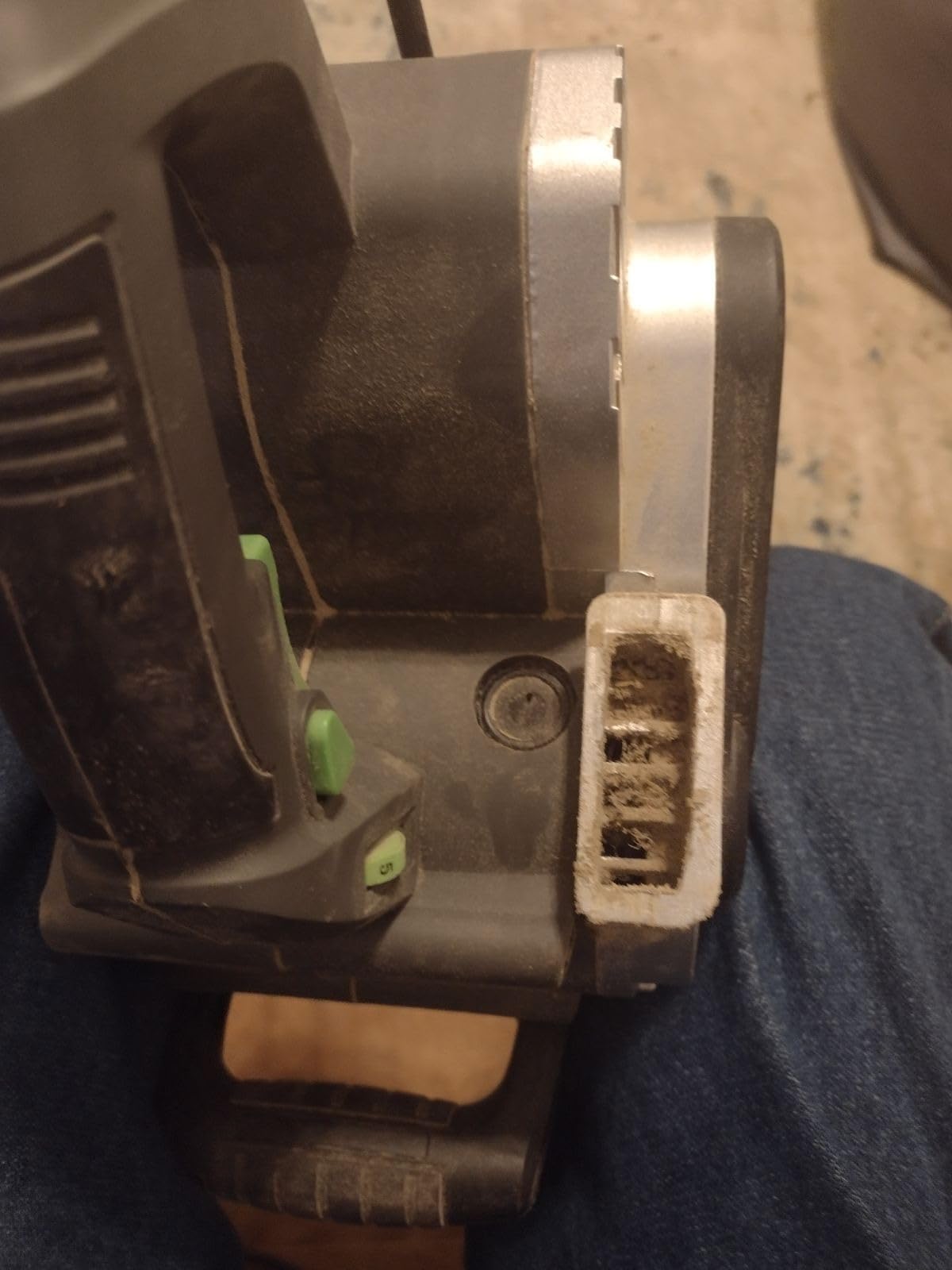
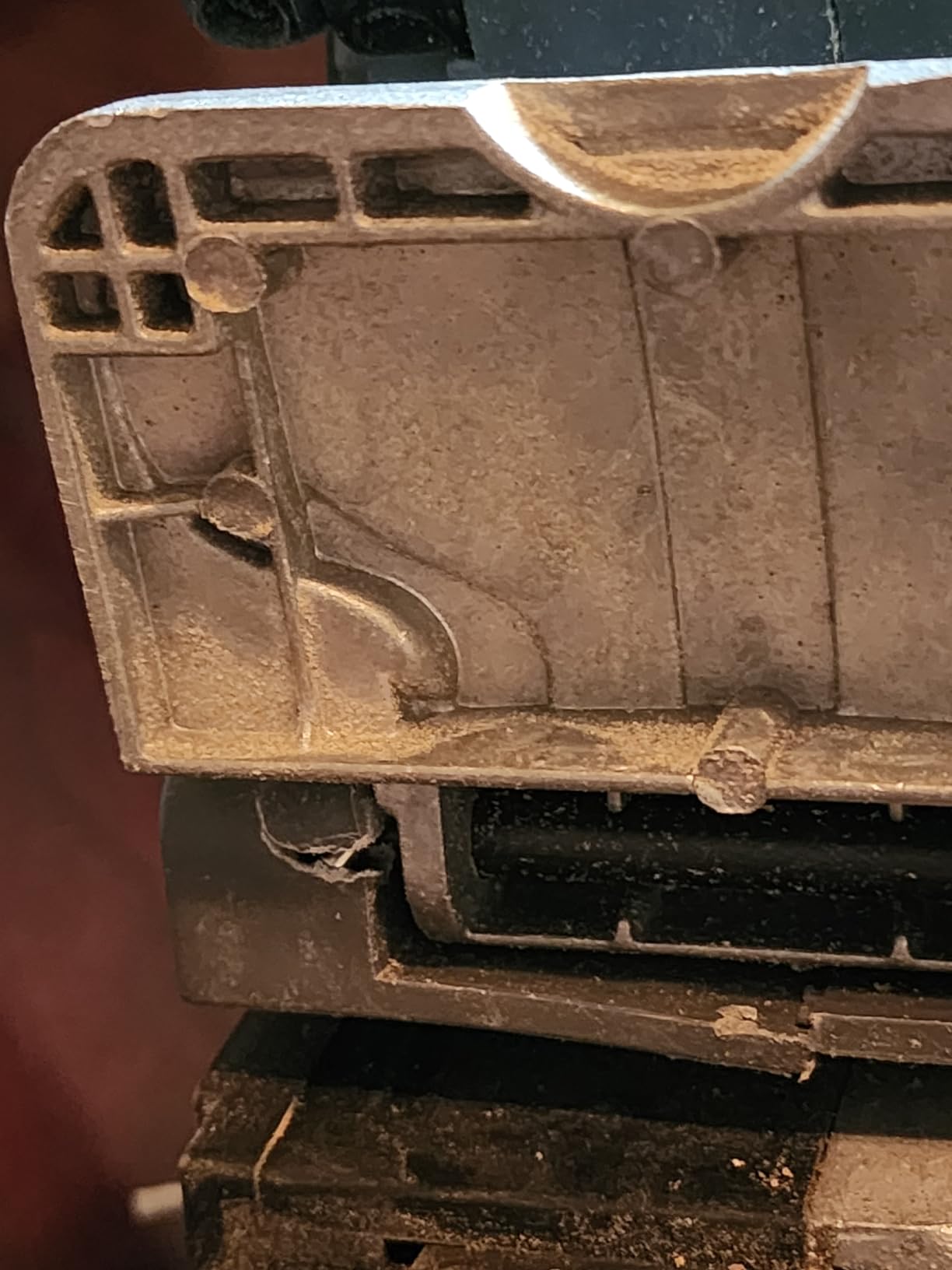
- Belt cover is difficult to remove making a slipped belt hard to fix
- Included dust bag zipper fails quickly
- Front roller rubber coating wears off quickly
- Replacement belts are not available from the manufacturer
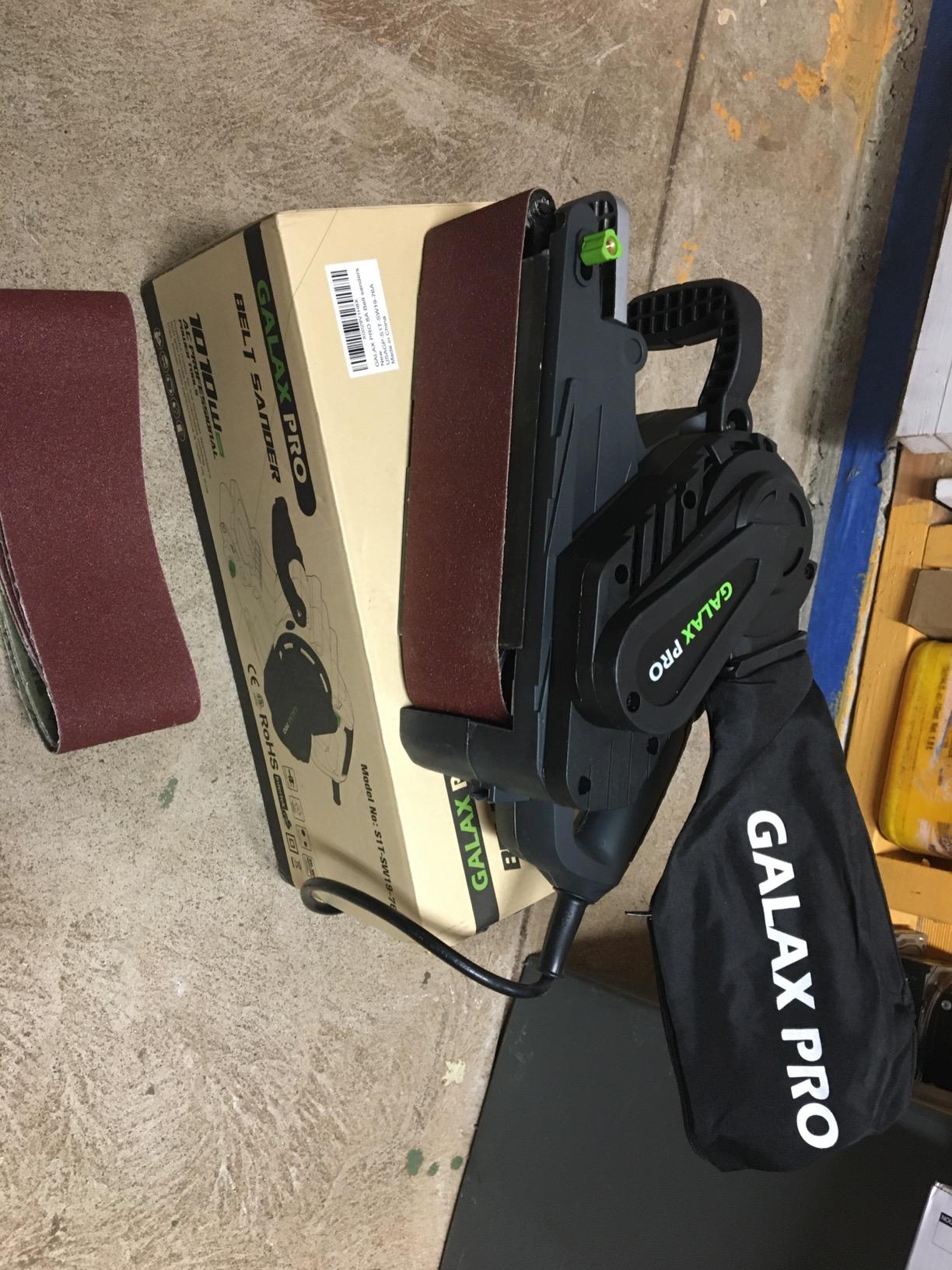
The GALAX PRO is a rough-finishing brute with an 8 amp motor and six variable speed settings from 120 to 380 rpm. Buyers use it for stripping thick paint and coarse jobs where the only goal is material removal.
Five P80 sanding belts are included in the box, which is unusual at this level, and the soft-grip ergonomic handle plus lock-on button make long passes manageable. The build is heavy in a way that reads as durable under rough material removal.
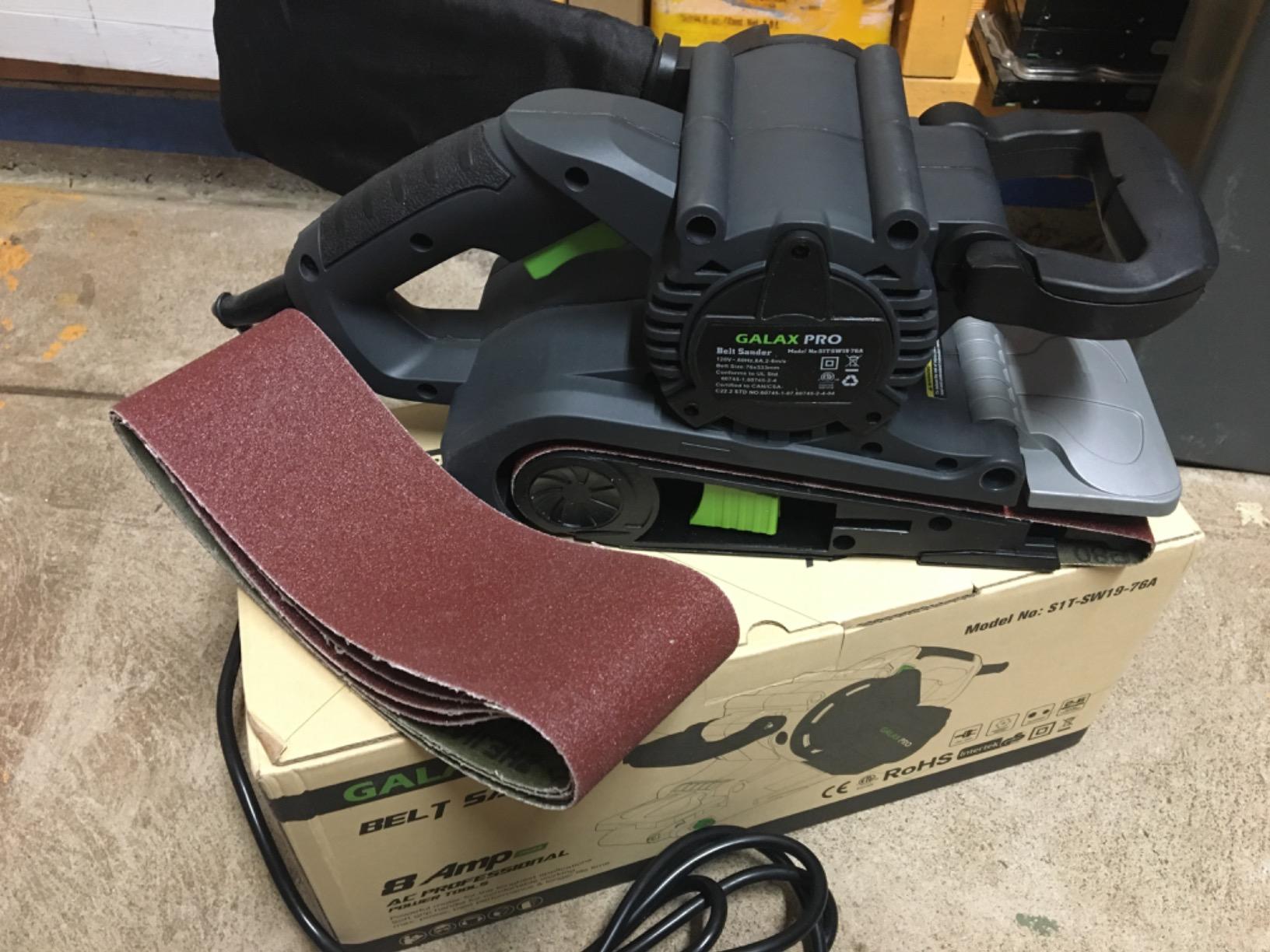
Note the belt size. This machine takes a 76 by 533 mm belt, which is a different footprint from the 3 by 18, 3 by 21 and 4 by 24 sizes used everywhere else in this roundup. Plan your belt purchases accordingly and do not assume it takes standard 3 by 21 belts.
The speed adjusting dial and auto-tracking belt system are useful features that most competitors at this level lack, and owners praise the price-to-feature ratio for stripping paint and fiberglass.
Why it works on a deck
Older painted decks. If your boards were painted rather than stained, an 8 amp motor with coarse grit is a sensible brute-force choice for the first pass, before you move to a better sander for the finishing grits.
The lock-on button and soft-grip handle reduce fatigue during the aggressive first stage, which is the most physically demanding part of any deck refinish.
Where it will disappoint you
Maintenance. The belt cover is difficult to remove, so a slipped belt is genuinely hard to fix in the field. The included dust bag zipper fails quickly and the front roller rubber coating wears off quickly.
Replacement belts are not available from the manufacturer, which is the real problem for a tool meant for one weekend a year. One owner also received a unit that smoked and would not run out of the box.
10. Genesis GBS321A 3 by 21 Inch Belt Sander: Best for Tight Spots
Genesis GBS321A Single Lever 3″ x 21″ Variable Speed Belt Sander with Adjustable Front Handle and Dust Collection Bag , Grey
8A motor
3x21 inch belt
Low profile body
Single lever belt change
7.8 lb
Pros
- Single lever belt change is quick and tool-free
- Low profile body reaches tight spots and flush edges
- Adjustable front handle improves control
- Variable speed suits a range of materials
- Backed by a 2-year manufacturer warranty
Cons
- Limited dust bag collection
- 8 amp output is modest next to the 9403
- Lowest sales rank in the roundup indicating limited demand
The Genesis GBS321A is built around shape. Its low profile design gets into tight spots, and the adjustable front handle with a flat side lets you sand flush against a surface that a taller machine cannot reach.
The single lever tool-less belt change is the best in this roundup for speed. You pull one lever, swap the belt and keep moving, which pays off across a four-grit deck progression.
Variable speed lets you match the belt to the material, and a dust bag plus one 80 grit belt are included. The 2-year Genesis manufacturer warranty with US-based support is a reasonable backstop.
Eight amps is modest next to the class leaders, and dust bag collection is limited. This is also the least widely purchased machine here, which in our view means less long-term owner data behind it.
Why it works on a deck
The places a deck sander normally cannot reach: the inside corner where decking meets the house wall, the narrow channel between two posts, and the underside returns on stair risers. The low profile and flat side reach these.
For an older deck with lots of tight geometry, having a dedicated machine for these spots can save you a lot of hand sanding. Our broader reviews of spindle and detail sanders cover that kind of corner work too.
Where it will disappoint you
Dust. The bag catches a limited amount, and there is no mention of a vacuum port in the specification, so you will be sweeping a deck by hand at the end of every session.
If your deck is large and flat, the low profile that makes this machine special also gives up some of the material removal rate you would get from a taller, more powerful sander.
How to Sand a Deck with a Belt Sander
Start at 60 grit and work up through 80, 120 and 150. This grit progression is the single most useful thing on this page, and it is the step most skipped by owners who jump straight to 80 and end up chasing scratches that were never removed.
60 grit strips old sealer, grey fibers and any remaining coating. Expect one to two full passes per board, moving along the length of the board with the grain rather than across it. Cross-grain passes leave swirl marks that no amount of later sanding fully hides.
80 grit evens out what 60 grit opened. One pass is usually enough once the coating is gone. This is also the grit where a pressure control light or a speed dial earns its keep, because you can back off the cut as the surface turns from sealed to clean wood.
120 grit removes the 80 grit scratches and readies the surface for stain. Two light passes with the grain. If you can still see scratch marks from a raking light at this stage, go back to 80 rather than pressing harder with 120.
150 grit is the finish grit for most stain and sealer systems. One pass, low pressure, and change direction with each pass so you can spot any spot where the machine was leaning.
Always move with the grain, in long passes along each board, and keep the machine moving. Pushing a belt sander hard in one spot removes too much material and burns the wood, especially on soft or greyed-out boards. Weight the machine lightly and let it do the work.
Count on belt changes constantly. A 60 grit belt dulls fast on old sealer, which is the main reason the Jellas with ten included belts stands out. Fresh grit on every board is faster than grinding a dull belt through the whole deck.
How to Choose a Belt Sander for Deck Work
Belt width first. A 4 by 24 inch belt covers the most wood per pass and bridges gaps between deck boards, which makes it the fastest choice on a large flat deck. A 3 by 18 inch belt is more maneuverable and easier to fit into cupped boards, at the cost of more passes.
Motor power second. Six amps handles a well-maintained deck. Nine amps and up is what you want for built-up sealer, thick paint or a deck that has not been touched in many years. Our deeper comparison of belt sanders for general woodworking covers the motor question in more detail.
Corded or cordless. Corded gives you unlimited runtime and consistent power, and the 9403’s long cord means most decks need no extension. Cordless wins when there is no outlet near the deck, and the DEWALT DCW220B solves the cord-snagging problem on stairs, at the cost of battery swaps. Buying a second sander for one weekend rarely makes sense; pick the one that matches where your deck actually is.
Dust collection next, and this is where outdoor work diverges from shop work. A small bag fills in minutes on a grey deck and stops capturing anything. Any machine with a round vacuum port and a hose adapter is worth a look, and our notes on dust collection across other sander types explain why fine dust from outdoor jobs behaves differently.
Weight and variable speed last. Heavier machines are more controllable on flat boards but tiring on stairs and vertical work. Variable speed is genuinely useful on a grit progression, since it lets you run fast for removal and slow for finishing without changing belts.
Belt Sander vs Orbital vs Drum Sander for Decks
A belt sander is the best sander for deck refinishing on flat, weathered boards because it removes material faster than any other handheld option. An orbital or random orbital sander is better at edges, corners and detail work, and a drum or floor sander is faster still but far less controllable.
The reason belt sanders win on flat deck surfaces is simple: the belt is driven at a fixed linear speed with no orbital motion, so every square inch of abrasive contacts the wood at the same rate. Random orbital sanders are designed to avoid that kind of flat scratch pattern, which makes them gentler but slower.
The practical sequence on most refinishes is a belt sander for the boards, then an orbital for the perimeter, risers, and any edges the machine could not reach flush. That is why nearly every belt sander in this roundup is praised for flush edge sanding rather than penalized for it.
On cupped or warped boards the ranking flips. A wide belt bridges a cup and cuts the high edges down to a curve, and you end up with a dish instead of a flat board. That is when a random orbital, which follows the contour, or simply replacing the boards is the honest answer.
Managing Dust on an Outdoor Deck Job
Dust settles, and settled dust landing on freshly stained boards is the complaint that appears again and again on r/DIYUK and r/DIY. The fix is a canopy. A simple frame with a tarp over the deck keeps direct sun rays off the wet stain and slows the settling you cannot entirely prevent.
Use a shop vacuum wherever you can. The SKIL 7510-01 fits a standard 1-1/4 inch hose, and the Jellas includes adapters that owners say keep dust almost entirely off the work surface. Machines with small stock bags, including the CRAFTSMAN and the Genesis, are fine for indoor trim and frustrating outdoors.
Sand dry. Damp wood clogs abrasive almost immediately, and a wet belt gums up and glazes within minutes. Wait for a dry spell, and keep sanding until the dust is wood-colored rather than grey, which is the signal that you are through the weathered layer.
Renting vs Buying a Belt Sander for a One-Time Deck Job
If you are sanding one deck, once, renting is usually the better financial decision, and it is the question people ask most on forums. A rental shop will also hand you a machine with fresh belts and a commercial motor that will not cook itself on hour five.
Buy when you plan to refinish again in a few years, when you sand furniture or floors as well as decks, or when no rental outlet is within a reasonable drive of the deck.
The deciding factor is often awkward rather than financial. Transporting a 13 pound sander, plus a shop vacuum, plus a canister of stain, plus a cord, is part of the job. If you are already driving to the hardware store for supplies, one more heavy box matters more than the price difference.
When a Belt Sander Is the Wrong Tool for Your Deck
A belt sander is the wrong tool when the boards are cupped. It cuts the high edges of a cup down to a curve and leaves you with a dish that no amount of extra sanding will flatten. On r/Decks, owners who tried a floor sander on cupped boards generally concluded the orbital was the better choice.
It is also the wrong tool on badly warped pressure-treated lumber. A 3 inch belt is more forgiving here than a 4 by 24, which is one argument for the smaller machines on heavily cupped decks. Once the gap between the high edge and the low edge exceeds the belt width, stop sanding and price out board replacement.
If the deck predates 1978, get the boards tested for lead-based coating before you power anything on. This is a genuine safety issue, not a formality, and it is covered properly by the EPA’s lead-safe renovation guidance. Our safety section below assumes you have already ruled it out.
And if your only goal is to knock a weathered deck back to a consistent grey so new stain will adhere, a belt sander may be more tool than the job needs. Pressure washing first, then an orbital over the boards, gets most owners the result they wanted.
Belt Sander Safety Tips for Deck Work
Wear a respirator, eye protection and hearing protection. Machines in this roundup run at 84dB and above, and outdoor wind and traffic noise hide hearing damage that would otherwise be obvious indoors.
Set the sander on the deck surface before you power it on, and keep both hands on the machine. A belt sander dropped onto a deck will gouge the board and can fire the belt off the drums.
Unplug before every belt change, and treat that rule as absolute. Even a tool-only cordless sander should have its battery removed before you change a belt.
Find every nail and screw before you start. On older pressure-treated decks, raised fasteners are the single most common cause of a thrown belt and a ruined run of boards. Sink them below the surface with a punch.
Work along the boards, never across them, and keep the machine moving. Stopping in one spot on soft greyed wood is how people sand through a board in an afternoon.
Do not sand a deck built before 1978 until the coatings have been tested for lead. If the test comes back positive, this guide does not apply; follow EPA lead-safe renovation practice and use a HEPA vacuum and P100-rated abrasive.
Frequently Asked Questions
What is the best sander for deck refinishing?
For flat, weathered deck boards, a belt sander is the best sander for deck refinishing because it removes old sealer and grey fibers far faster than an orbital. The Makita 9403 is our top pick, with an 11 amp motor and a 4 by 24 inch belt at 1,640 ft/min. For a smaller deck, the SKIL 7510-01 offers the best value.
Is a belt sander good for sanding decks?
Yes, a belt sander is good for sanding decks, with one important exception. It is the fastest handheld way to strip sealer from flat deck boards, but it will dish cupped or warped boards because the wide belt cuts the high edges down to a curve. On badly cupped pressure-treated decking, an orbital sander or board replacement is the better choice.
What grit sandpaper should I start with for deck sanding?
Start at 60 grit to strip old sealer, grey wood fibers and any coating, then work up through 80, 120 and 150 grit. Expect one to two passes at 60 grit per board, one pass at 80, two light passes at 120 and one slow pass at 150. Always move along the length of the board with the grain.
Can you use a belt sander on a vertical surface like a deck railing?
You can, but it is not the best tool for it. Vertical work means holding the full weight of the machine at an angle, which is tiring on anything above 9 pounds and risks gouging soft wood. Sand railing caps with the machine on its side, and hand sand or use a random orbital for post faces and spindle work.
Do I need variable speed for deck work?
Variable speed is helpful but not essential. It lets you run the belt fast for 60 grit material removal and slow for a 150 grit finishing pass without changing belts. Single-speed machines such as the WEN 6321 do the job fine; you simply change the belt to change the cut.
Should I rent or buy a belt sander for a deck?
Rent for a single one-time deck refinish, since you get a commercial machine with fresh belts and avoid transporting a heavy tool. Buy if you expect to refinish again in a few years, sand furniture or floors as well, or live far from a rental outlet. If a rental shop is not a reasonable drive away, buying usually wins.
Final Thoughts
The best belt sanders for deck refinishing come down to deck size and board condition. For a large flat deck with built-up coating, the Makita 9403 clears it fastest. For a mid-sized deck on a weekend budget, the SKIL 7510-01 is the machine most owners are happy with. For a deck with no outlet nearby, the DEWALT DCW220B removes the cord problem entirely.
Pick your sander, buy more belts than you think you need, work 60 through 150 grit with the grain, and check the boards for lead before you power on. Updated for 2026, and it should see you through the weekend.