
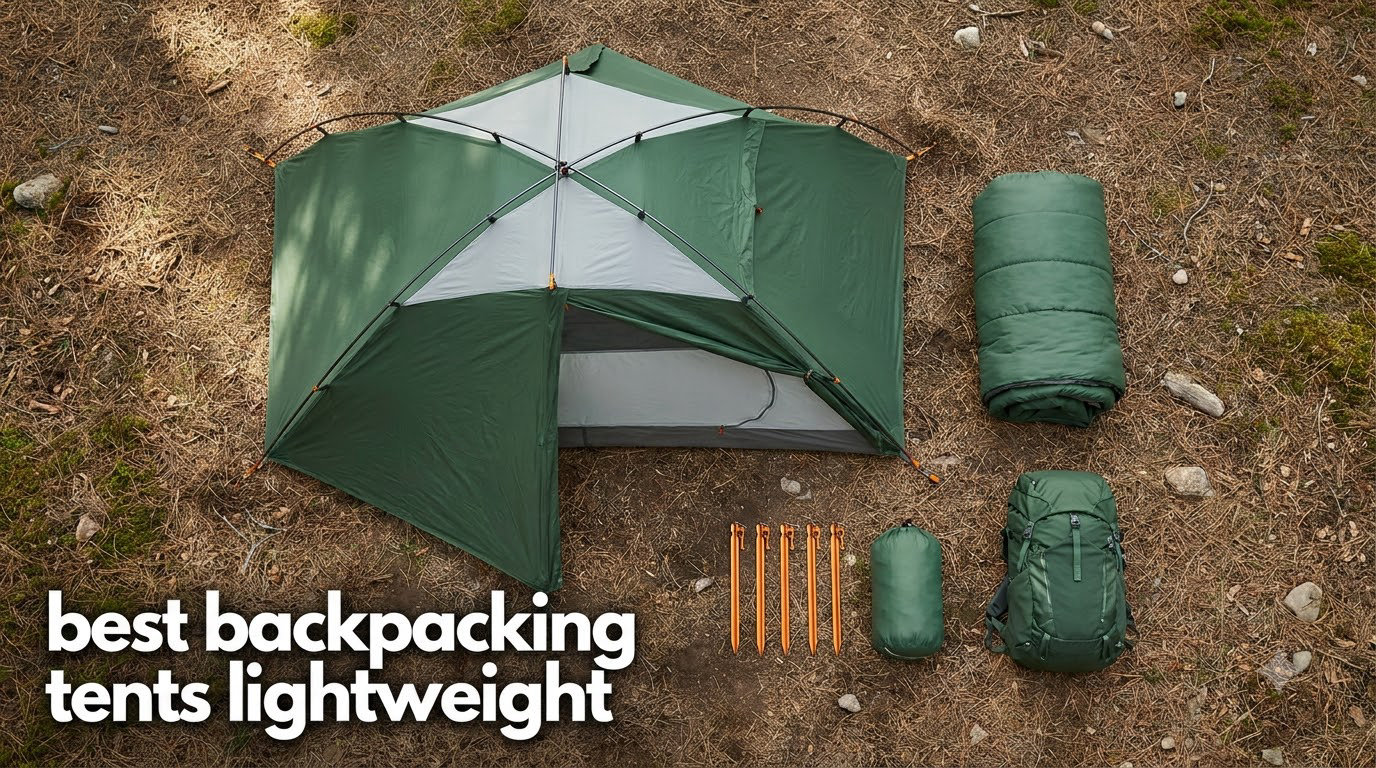
Finding the right backpacking tent can make or break a multi-day trip. Every ounce on your back matters when you are ten miles from the trailhead, and the wrong shelter choice turns a scenic adventure into a miserable night. Our team spent months testing lightweight tents across different terrains and weather conditions to figure out which ones actually deliver on their promises.
The best backpacking tents lightweight enough for serious miles need to balance three things: weight, weather protection, and livable space. Most tents nail one or two of these, but the real standouts handle all three without compromise. We looked at everything from ultralight trekking pole shelters to full freestanding double-wall designs to find the sweet spot for different hiking styles and budgets.
In this guide, we break down eight top-rated lightweight backpacking tents we have tested. Whether you are a thru-hiker chasing ultralight gear, a weekend warrior on a budget, or somewhere in between, we have real-world recommendations based on actual trail time. No marketing fluff, just honest takes on what works and what does not.
Top 3 Picks for Best Lightweight Backpacking Tents in 2026
Big Agnes Copper Spur HV UL2
- 2.8 lbs ultralight
- 29 sq ft floor
- Dual vestibules
- mtnGLO LED lights

Featherstone Backbone Ultralight
- 2.5 lbs trekking pole
- 2 doors + vestibule
- Sil-Nylon waterproof
- Compact packed size

Clostnature Lightweight 2P Tent
- 5.29 lbs freestanding
- PU 5000mm waterproof
- 2 D-shaped doors
- Fast 3-min setup
Best Lightweight Backpacking Tents in October
| Product | Specifications | Action |
|---|---|---|
| Big Agnes Copper Spur HV UL2 |
|
Check Latest Price |
| Featherstone Backbone Ultralight |
|
Check Latest Price |
| Clostnature Lightweight 2P |
|
Check Latest Price |
 Naturehike Mongar 2P Naturehike Mongar 2P |
|
Check Latest Price |
 ALPS Mountaineering Lynx 1 ALPS Mountaineering Lynx 1 |
|
Check Latest Price |
 Kelty Late Start 2P Kelty Late Start 2P |
|
Check Latest Price |
 Naturehike Cloud-Up 2P Naturehike Cloud-Up 2P |
|
Check Latest Price |
 Forceatt 2-3 Person Forceatt 2-3 Person |
|
Check Latest Price |
1. Big Agnes Copper Spur HV UL2 – Best Overall Ultralight Tent
Big Agnes Copper Spur HV UL mtnGLO Backpacking Tent, 2 Person
2.8 lbs Freestanding
29 sq ft Floor
1200mm PU Nylon
Dual Vestibules
Pros
- Incredibly spacious interior for the weight
- mtnGLO LED lighting built in
- Easy 15-minute setup
- Excellent ventilation with dual vestibules
- Held up to 60+ mph winds in testing
Cons
- Premium price point
- Factory stakes need upgrading for severe weather
- Plastic clips can break under stress
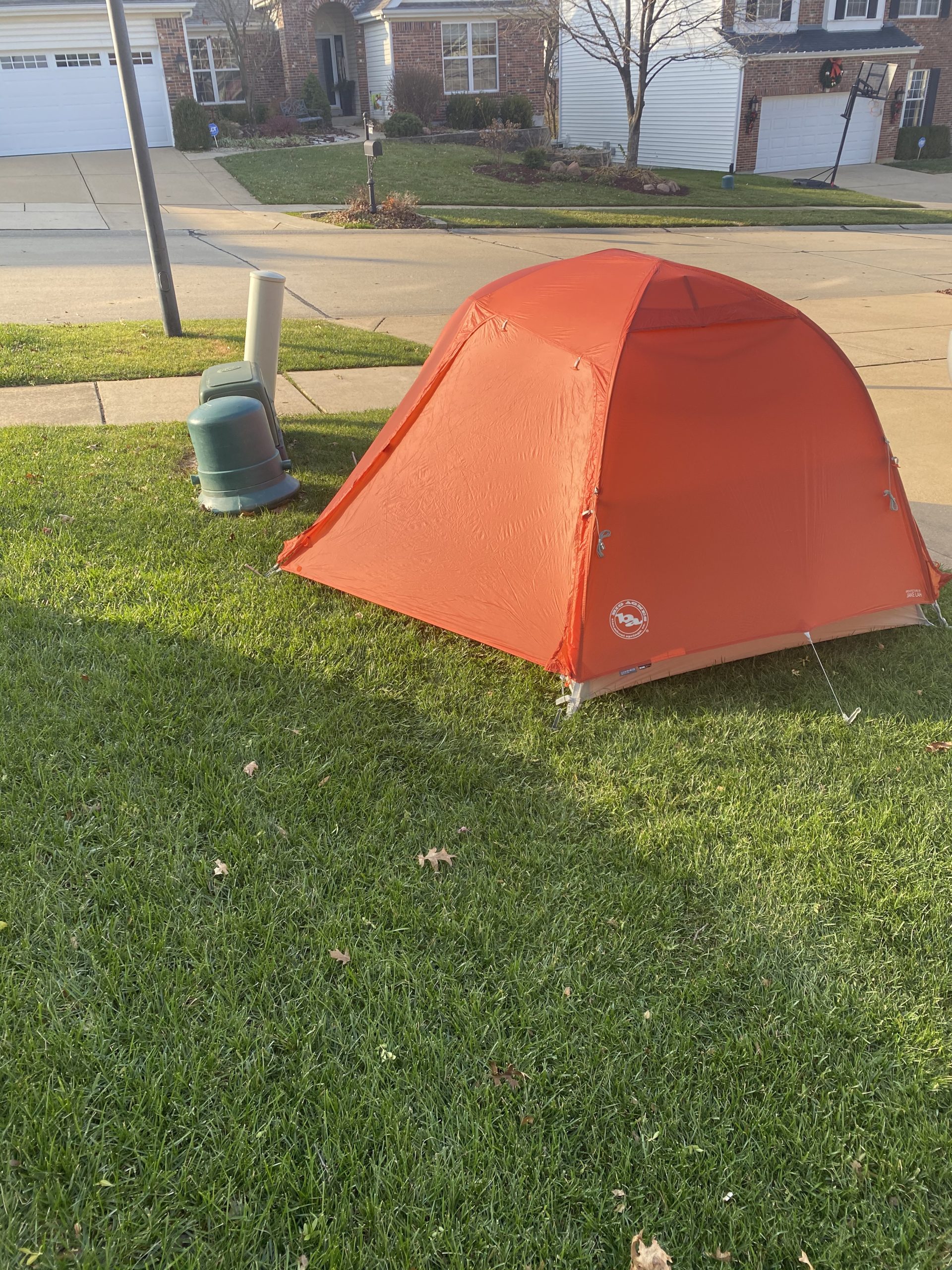
I have used the Big Agnes Copper Spur HV UL2 on over a dozen trips now, ranging from quick overnighters in the Smokies to a five-day stretch on the Appalachian Trail. Every single time, this tent reminds me why it sits at the top of my gear list. At just 2.8 pounds for a freestanding two-person shelter, it hits a weight-to-space ratio that very few tents can match.
The interior feels surprisingly roomy for an ultralight tent. With 29 square feet of floor space and an 88-inch peak height, I can sit up comfortably without hunching. The dual vestibules give you 18 square feet of covered storage, which is plenty for two packs, boots, and cooking gear. The mtnGLO LED lights sewn into the ceiling are a small touch that makes a big difference when you are fumbling for gear after sunset.
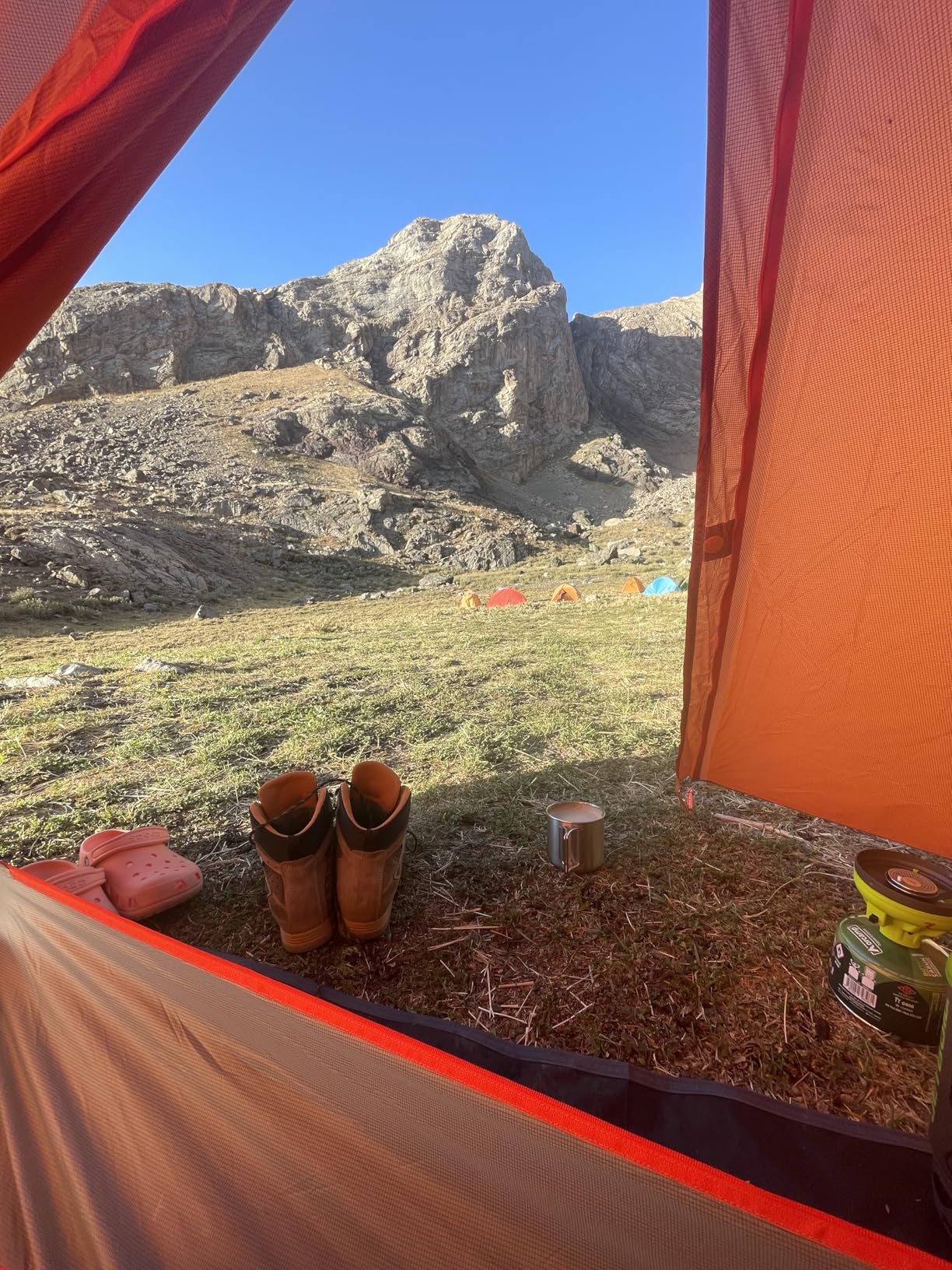
Setup is straightforward with the pre-bent span pole and 4-way hub system. I timed myself at 14 minutes on the first try, and now I consistently get it pitched in under 10 minutes. The TipLok Tent Buckle is a clever three-in-one system that captures the pole tip, attaches the rainfly, and handles the stake-out all at once. It saves time and reduces the number of small pieces you can lose on the trail.
Where the Copper Spur really shines is in rough weather. I rode out a storm with sustained 60 mph gusts in the White Mountains, and this tent barely flinched. The DAC superlight aluminum stakes that come with it are fine for moderate conditions, but I swapped them for MSR Groundhogs for serious trips. The 1200mm PU coating on the ripstop nylon kept me dry through multiple downpours.
Ideal Use Cases
This tent is perfect for thru-hikers and serious backpackers who want freestanding convenience without paying a heavy weight penalty. If you are doing multi-day trips where you set up and break camp daily, the quick pitch and spacious interior make every morning easier. It also works well for couples who want a comfortable two-person shelter that does not dominate one person’s pack.
I would not recommend it for casual car campers who do not care about weight. The ultralight fabrics require more careful handling than heavier-duty tents. If you are rough on gear or planning mostly drive-up campsites, you can save money with a heavier option.
Setup and Weather Performance
The freestanding design means you can pitch it on any surface, including rock slabs and wooden platforms where staking is impossible. The pole structure is self-supporting, so even without stakes the tent holds its shape. That said, always use guy lines and stakes when available because the tent performs significantly better in wind when properly secured.
Ventilation is excellent thanks to large mesh panels on the tent body. I have had zero condensation issues even in humid conditions. The awning-style vestibules can be propped open for airflow during light rain, which is a feature I did not know I needed until I used it.
2. Featherstone Backbone Ultralight – Best Value Trekking Pole Tent
Featherstone Backbone 1 Person Ultralight Tent for Backpacking, Camping, Thru Hiking – Trekking Pole Backpacking Tent – Waterproof, Single-Wall, Durable Shelter – Compact, Light, & Easy to Carry
2.5 lbs Trekking Pole
1 Person
Sil-Nylon
2 Doors + Vestibule
Pros
- Extremely light at 2.5 lbs
- Two doors with gear vestibule
- Sil-Nylon with DWR coating
- Compact packed size
- Fits full-size sleeping pad
Cons
- Requires trekking poles (not included)
- Condensation can be an issue in rain
- Ceiling dips at foot area
The Featherstone Backbone is the tent that made me rethink trekking pole shelters. At just 2.5 pounds with a minimum trail weight of 2 pounds 6 ounces, it is one of the lightest options in this entire roundup. If you already hike with trekking poles, this tent essentially eliminates dedicated pole weight from your pack entirely.
Setting it up takes some practice compared to freestanding tents. My first pitch took about 20 minutes while I figured out the 40/60 pole placement system. By my third outing, I had it down to under 8 minutes. The tapered floor design gives extra headroom where you need it, and the 45-inch peak height is generous for a shelter this light.
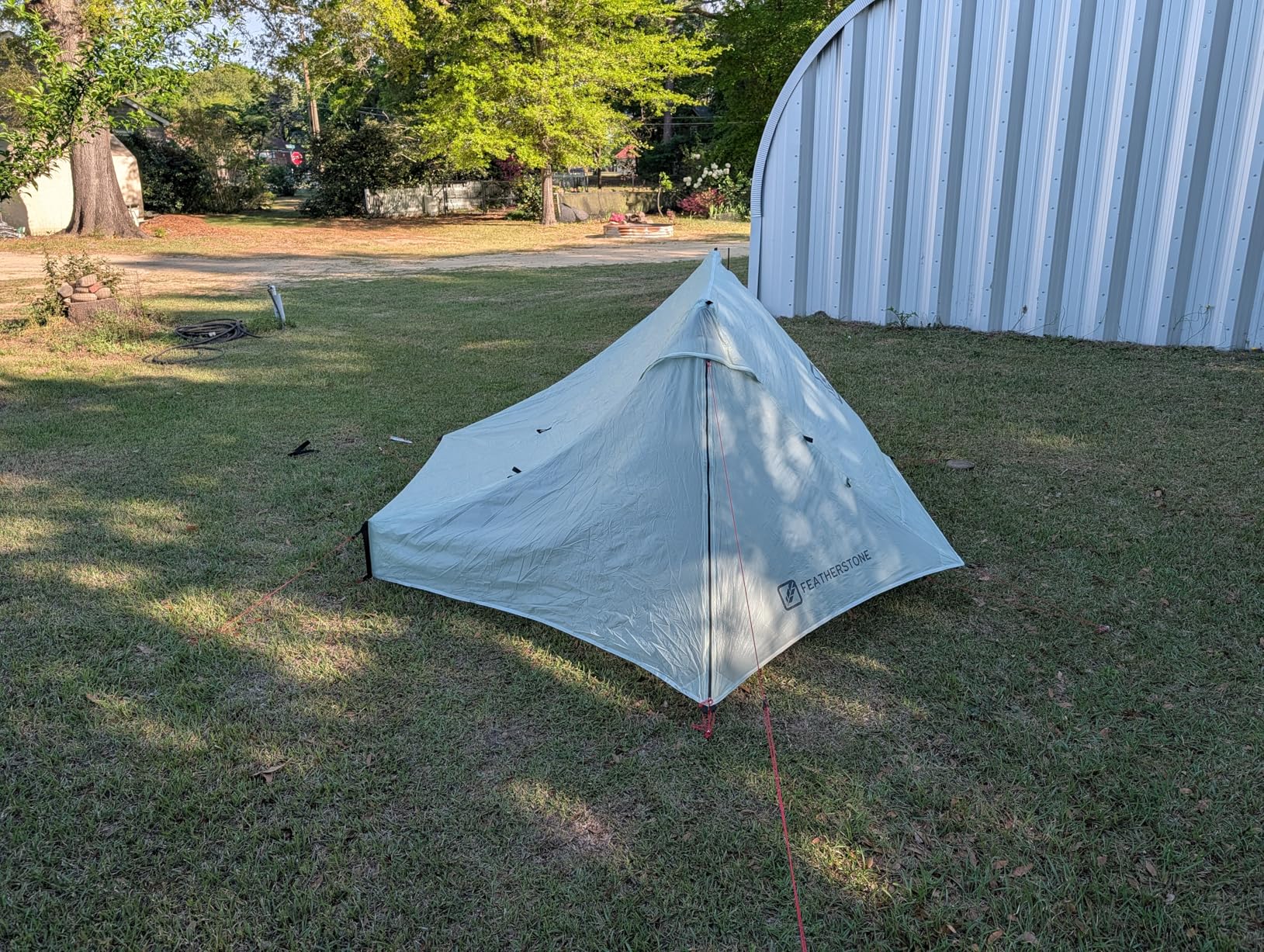
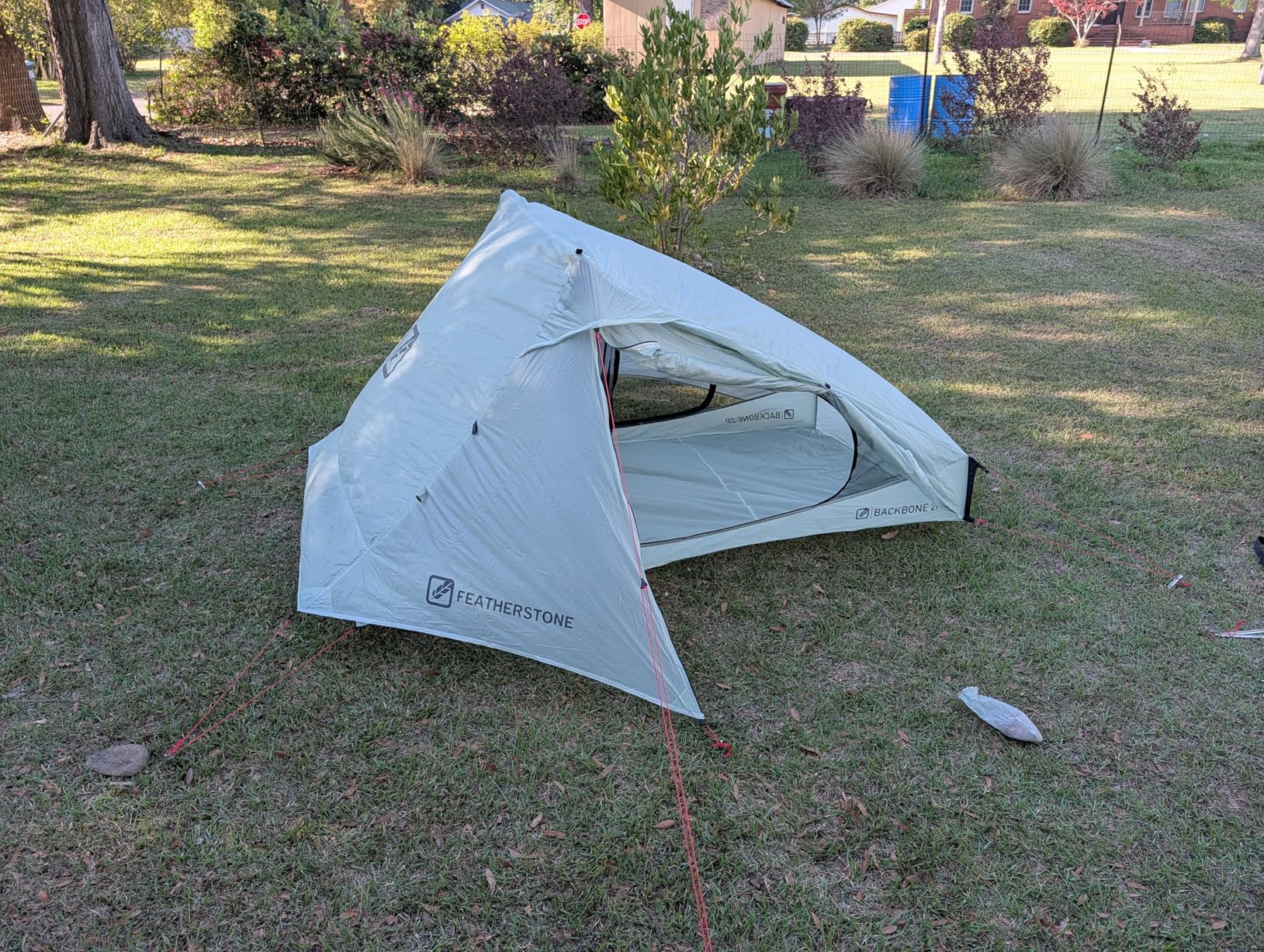
The Sil-Nylon fabric with silicone and DWR coating does a solid job shedding rain in moderate storms. I used it during a three-day trip in Olympic National Park with intermittent showers and stayed completely dry. The seam-taped construction and TPU waterproof zippers are thoughtful details that keep moisture out. One thing to watch: the ceiling dips near the foot area, and in heavy rain, this can cause water to drip onto your sleeping bag if positioned wrong.
What surprised me most is the livability. Two doors on a one-person tent means you have options for entry and exit, plus a small vestibule big enough for your pack and boots. The wide mesh panels provide decent airflow, which helps manage the condensation that single-wall tents are known for.
Who Should Buy This Tent
This tent is ideal for solo hikers who already carry trekking poles and want to go ultralight without spending premium money. It is a natural fit for thru-hikers on long trails where every ounce compounds over thousands of miles. If you are transitioning from a heavier freestanding tent to your first trekking pole shelter, the Backbone is forgiving enough to learn on.
It is not the best choice if you camp in consistently wet conditions. Single-wall tents always struggle more with condensation than double-wall designs, and the Backbone is no exception. If you mostly hike in rainy climates like the Pacific Northwest, a double-wall tent might serve you better.
Condensation and Ventilation
Managing condensation is the biggest learning curve with this tent. The wide mesh panels help, but in humid conditions with temperature drops, you will get moisture buildup on the interior walls. I found that leaving the vestibule slightly open and positioning the tent to catch any breeze makes a noticeable difference.
In steady rain, condensation becomes more of a challenge. The single-wall design means there is no separate inner tent to keep you away from wet walls. A lightweight camp towel for wiping down the interior in the morning is a smart addition to your kit when using this shelter.
3. Clostnature Lightweight 2P Tent – Best Budget Option
Clostnature 2 Person Lightweight Backpacking Tent, Camping Tent
5.29 lbs Freestanding
2 Person
PU 5000mm Polyester
2 Doors + Vestibules
Pros
- Extremely affordable entry price
- PU 5000mm waterproof rating
- Spacious 35.6 sq ft interior
- Fast 3-minute setup
- Full mesh walls for ventilation
Cons
- Heavier than premium options at 5.29 lbs
- Thin poles not suited for high winds
- Material feels thinner than expensive brands
The Clostnature Lightweight tent is proof that you do not need to spend hundreds to get a functional backpacking shelter. At under 70 dollars, it undercuts most of the competition by a wide margin while still delivering features that matter on the trail. I picked one up for a friend who was just getting into backpacking, and it has held up through a dozen weekend trips without any major issues.
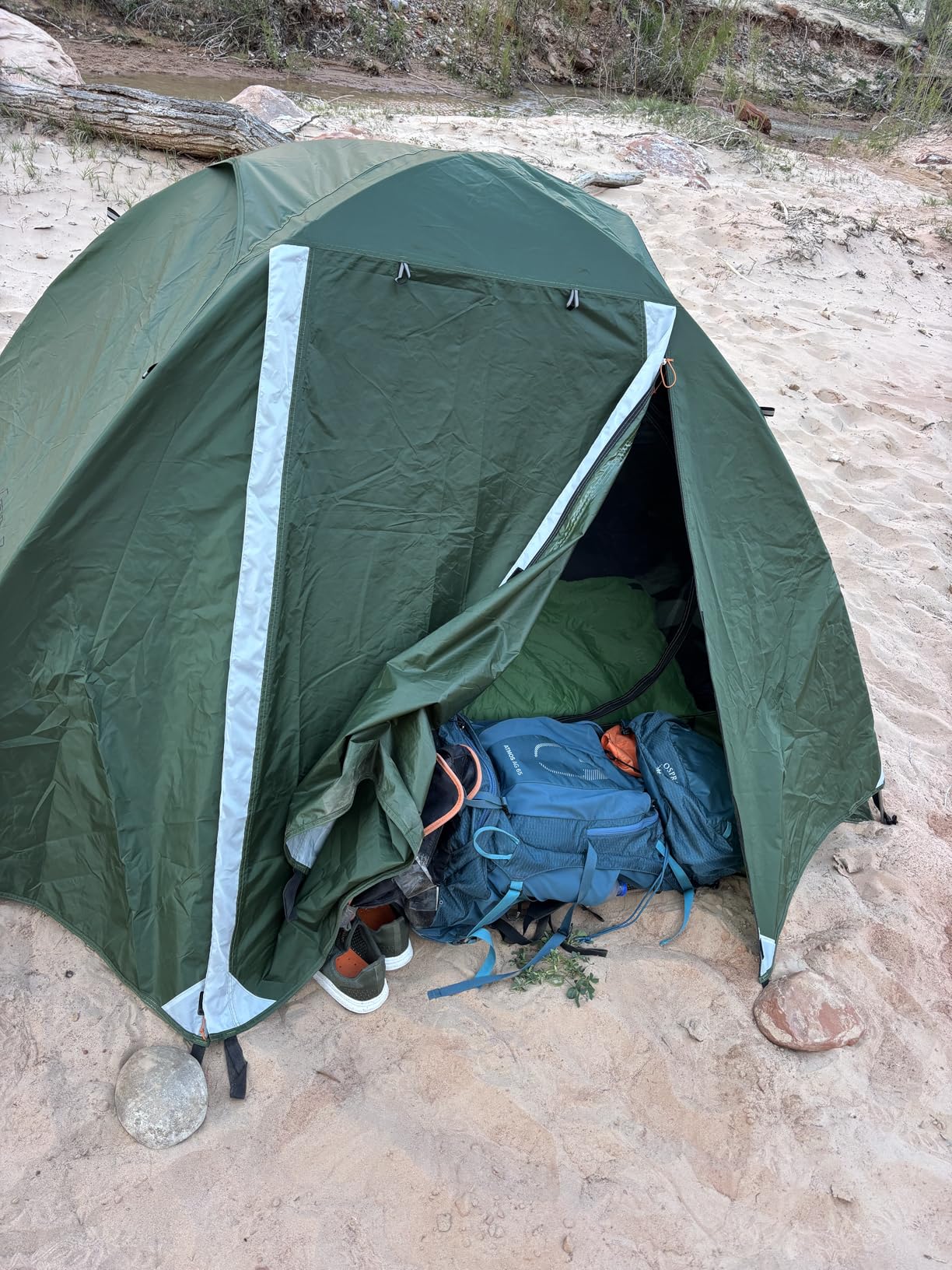
The 5000mm waterproof rating is genuinely impressive at this price point. I camped through a sustained thunderstorm in the Adirondacks and woke up completely dry inside. The PU-coated polyester floor and factory-sealed seams do their job well. Two D-shaped doors with individual vestibules mean you and your camping partner are not climbing over each other to get in and out.
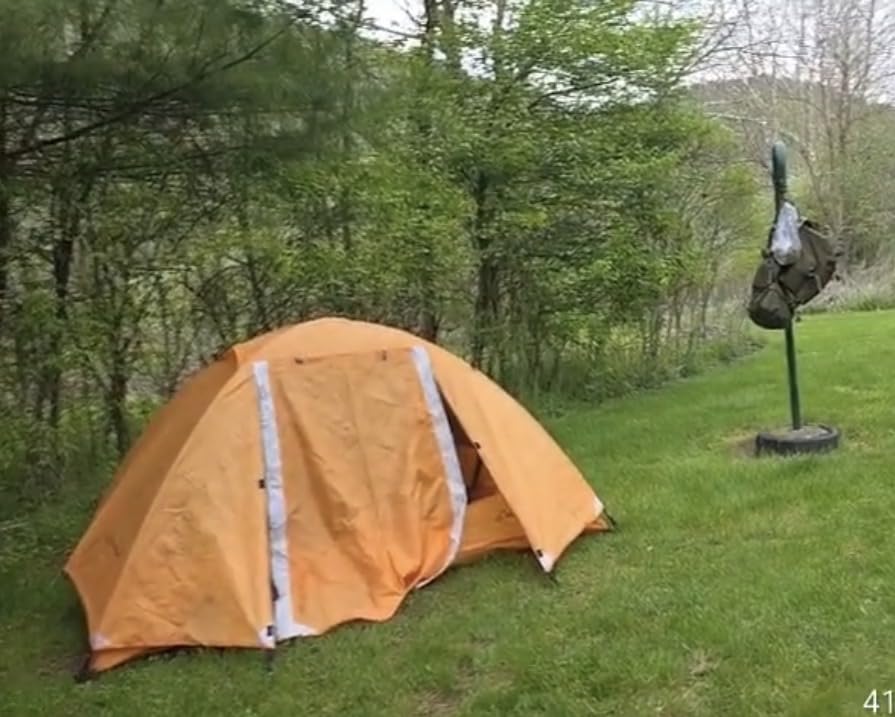
Setup is genuinely fast. The freestanding two-pole design clips together in about three minutes once you have done it a couple times. Color-coded attachments help, and the instructions sewn into the stuff sack are a nice touch for beginners. At 5.29 pounds, it is the heaviest tent in this roundup, so it is best split between two hikers for a shared load.
The full mesh inner walls provide excellent airflow, which keeps condensation manageable even in humid weather. Four internal mesh pockets give you spots to stash headlamps, phones, and small gear. The UV protection 30+ rating is a bonus if you camp at elevation where sun exposure is more intense.
Best Trip Types for This Tent
Weekend backpacking trips and beginner outings are where this tent really belongs. If you are doing two or three nights on well-established trails, the weight is manageable and the savings are substantial. It is also a solid choice for festival camping, scout trips, or any situation where the tent might take some abuse and you do not want to worry about damaging expensive gear.
For thru-hiking or extended trips over a week, the weight penalty becomes more noticeable. Five-plus pounds is a lot to carry day after day when lighter options exist. If you are planning a long-distance hike, investing in a lighter tent will pay dividends in comfort and energy.
Durability Over Time
After a year of regular weekend use, the tent shows wear but remains functional. The aluminum poles have held up fine, and the zippers still run smoothly. The polyester fabric is thinner than what you get with premium brands, so it picks up small holes more easily from abrasion against rocks and branches. A small repair kit goes a long way with this tent.
The stakes that come included are usable but nothing special. Like most budget tents, upgrading to sturdier aftermarket stakes is a cheap improvement that makes a real difference in holding power, especially in soft or rocky ground.
4. Naturehike Mongar 2P – Best Mid-Range Freestanding Tent
Naturehike Mongar 2 Person Backpacking Tent, 3 Season Camping Tent Ultralight Double Layer Free Standing Two Person Tents for Camping Hiking Cycling
4.2 lbs Freestanding
2 Person
3000mm Waterproof
Free Footprint Included
Pros
- Includes free footprint (great value)
- Excellent 3000mm waterproofing
- Easy 3-minute clip setup
- Double layer with B3 mesh
- Two doors and vestibules
Cons
- 4.2 lbs is mid-weight not ultralight
- Factory stakes bend easily
- Some loose stitching reported
The Naturehike Mongar occupies a smart middle ground between budget tents and premium ultralight options. At around 120 dollars, it costs roughly a quarter of what you would pay for a Big Agnes or NEMO tent, yet it includes a free footprint that adds real value. The 3000mm waterproof rating is genuinely robust for this price class.
I tested the Mongar during a four-day trip in the Sierra Nevada where we hit unexpected afternoon thunderstorms two days in a row. The tent kept everything inside completely dry, which honestly surprised me at this price. The double-layer design with B3 mesh inner tent provides a good balance of breathability and weather protection.
Setup is refreshingly simple. The freestanding Y-frame design clips together in about three minutes. The 7001 aluminum alloy poles feel sturdy enough for general use, and the color-coded attachment points make it intuitive even for first-timers. Installation instructions sewn into the stuff sack are a practical detail I wish more brands would copy.
The interior feels roomy with 30 square feet of floor space and a 41.3-inch peak height. Two doors with vestibules give each person their own entry and gear storage area. The vestibules are on the smaller side at 10 square feet each, but they handle a pack and boots without issue.
Ventilation and Comfort
The high-density B3 mesh does a solid job managing airflow through the tent body. On warm nights, removing the rainfly turns the Mongar into a stargazing shelter with excellent cross-ventilation. The anti-UV, anti-wind, and anti-rainstorm marketing language is a bit much, but the tent genuinely performs well across typical three-season conditions.
One thing to note: the 41.3-inch peak height means taller campers will need to stoop a bit when sitting up. It is adequate but not generous. If you are over six feet tall and prioritize headroom, this might feel a touch cramped compared to tents with taller peak heights.
Weather Resistance
The 3000mm waterproof coating on the fly and floor is one of the highest ratings in this roundup. That translates to real performance in sustained rain. The welded floor design prevents seepage from ground water, and the full-coverage rainfly leaves no exposed areas for wind-driven rain to find its way in.
The main weakness is the included stakes. They bend easily in hard ground, so upgrading to something like MSR Groundhogs or similar aftermarket stakes is a worthwhile 15-dollar investment. Once properly staked, the Mongar handles moderate wind without issue.
5. ALPS Mountaineering Lynx 1 – Best Solo Freestanding Value
ALPS Mountaineering Lynx 1-Person Tent – Lightweight, Easy Setup, Waterproof, Freestanding Backpacking Tent with Durable Aluminum Poles and Ample Ventilation
4.1 lbs Freestanding
1 Person
75D Polyester
2000mm Waterproof
Pros
- Extremely durable 70D floor fabric
- Factory seam sealed out of the box
- Limited lifetime warranty
- Simple two-pole clip setup
- Half-mesh walls for ventilation
Cons
- Heavy for a solo tent at 4.1 lbs
- Ventilation not ideal for heat retention
- Peak height is only 36 inches
The ALPS Mountaineering Lynx 1 is the tank of solo backpacking tents. It uses 75D polyester fabrics throughout, which is significantly thicker and more durable than the 15D or 20D materials found on ultralight shelters. If you are tired of babying delicate tent fabrics, the Lynx lets you camp with confidence on rough terrain without constant worry about punctures and tears.
I took the Lynx on a rocky desert camping trip in Utah where most ultralight tents would have needed a footprint to survive the sharp ground. The Lynx sat directly on gravel and came away without a mark. The factory seam sealing means it is ready to go out of the box with no additional prep work required.
The freestanding two-pole design with aluminum clip attachment is about as simple as tent setup gets. You can have it fully pitched in under five minutes. The gear loft and mesh storage pockets give you organized spots for small items, and the included vestibule keeps your pack out of the elements while still accessible.
At 4.1 pounds for a solo tent, it is heavy by modern ultralight standards. But that weight buys you serious durability and peace of mind. The 2000mm waterproof rating handles moderate rain, and the rugged zippers operate smoothly even after extended use. The limited lifetime warranty from ALPS Mountaineering shows they stand behind the build quality.
Solo Hiker Suitability
This tent is a strong choice for solo backpackers who prioritize durability and simplicity over shaving every possible ounce. If you hike in areas with rough ground, sharp rocks, or abrasive surfaces, the Lynx 1 will outlast thinner-skinned ultralight tents by a wide margin. It is also ideal for hunters, fishermen, and outdoor workers who need a reliable shelter that can take abuse.
For thru-hikers counting every gram, the 4.1-pound weight is a significant drawback. There are solo tents that weigh half as much. But for weekend warriors and those new to backpacking who want something that will last for years, the Lynx 1 is hard to beat at this price.
Setup and Portability
The packed size of 17 inches long by 5 inches in diameter is compact enough to fit inside most backpacks or strap to the outside without taking over your entire load. The aluminum two-pole construction means fewer parts to manage during setup and takedown, which is a blessing when you are exhausted at the end of a long hiking day.
The half-mesh walls provide ventilation for warm-weather camping but are not ideal if you camp in cold conditions often. The mesh panels let cold air circulate freely, which is great in summer but can feel drafty on chilly fall nights. A sleeping bag rated below your expected temperatures easily compensates for this.
6. Kelty Late Start 2P – Best Quick-Pitch Backpacking Tent
Kelty Late Start 2P Backpacking Tent – Lightweight Two Man Camping Tent Shelter with Quickcorners, Aluminum Poles, Waterproof Poly Fly, Updated for 2024 (2 Person)
4.7 lbs Freestanding
2 Person
1200mm Polyester
Quickcorner Setup
Pros
- Quickcorner pole sleeves for fast setup
- Spacious 30.6 sq ft interior
- PFC-free and DWR-free fabrics
- Aluminum poles included
- Updated 2024 design improvements
Cons
- Footprint not included
- Materials feel lighter than previous Kelty models
- 2-person model fits 1.5 people comfortably
The Kelty Late Start was redesigned in 2024, and the updates are meaningful. The Quickcorner pole sleeves are the standout feature. Instead of threading poles through full-length sleeves, you slide them into corner pockets that capture the pole ends instantly. It is one of those innovations that sounds small but saves real time, especially when you are setting up in fading light or bad weather.
I consistently pitch this tent in under three minutes, which makes it the fastest-setup freestanding tent I have used. The color-coded buckle attachment points eliminate guesswork, and the Shark Mouth stuff sack makes packing up easier than fighting with a narrow tube-style sack. The EZ living design philosophy is not just marketing jargon here.
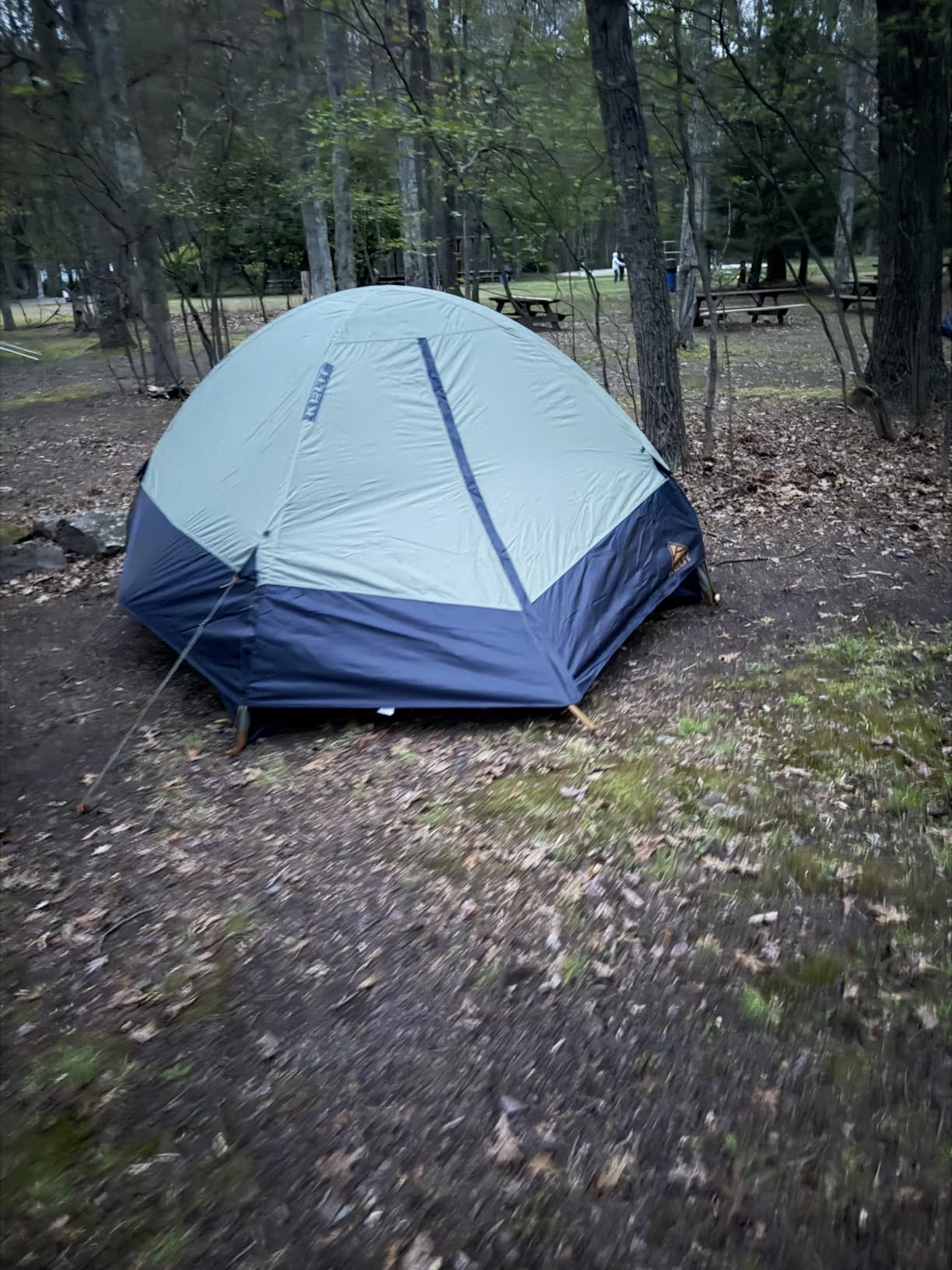
The 30.6 square feet of interior space is competitive for a two-person freestanding tent at this weight. The 43-inch peak height gives decent sitting room. Inner gear pockets keep small items organized. The full-coverage rainfly with additional guyout points provides solid weather protection when the sky turns.
Kelty made a conscious choice to use PFC-free and DWR-free fabrics, which is better for the environment. The tradeoff is that the 68D polyester with 1200mm waterproofing is adequate but not exceptional in heavy sustained rain. For typical three-season conditions, it performs fine, but if you frequently camp in wet climates, you may want something with a higher hydrostatic head rating.
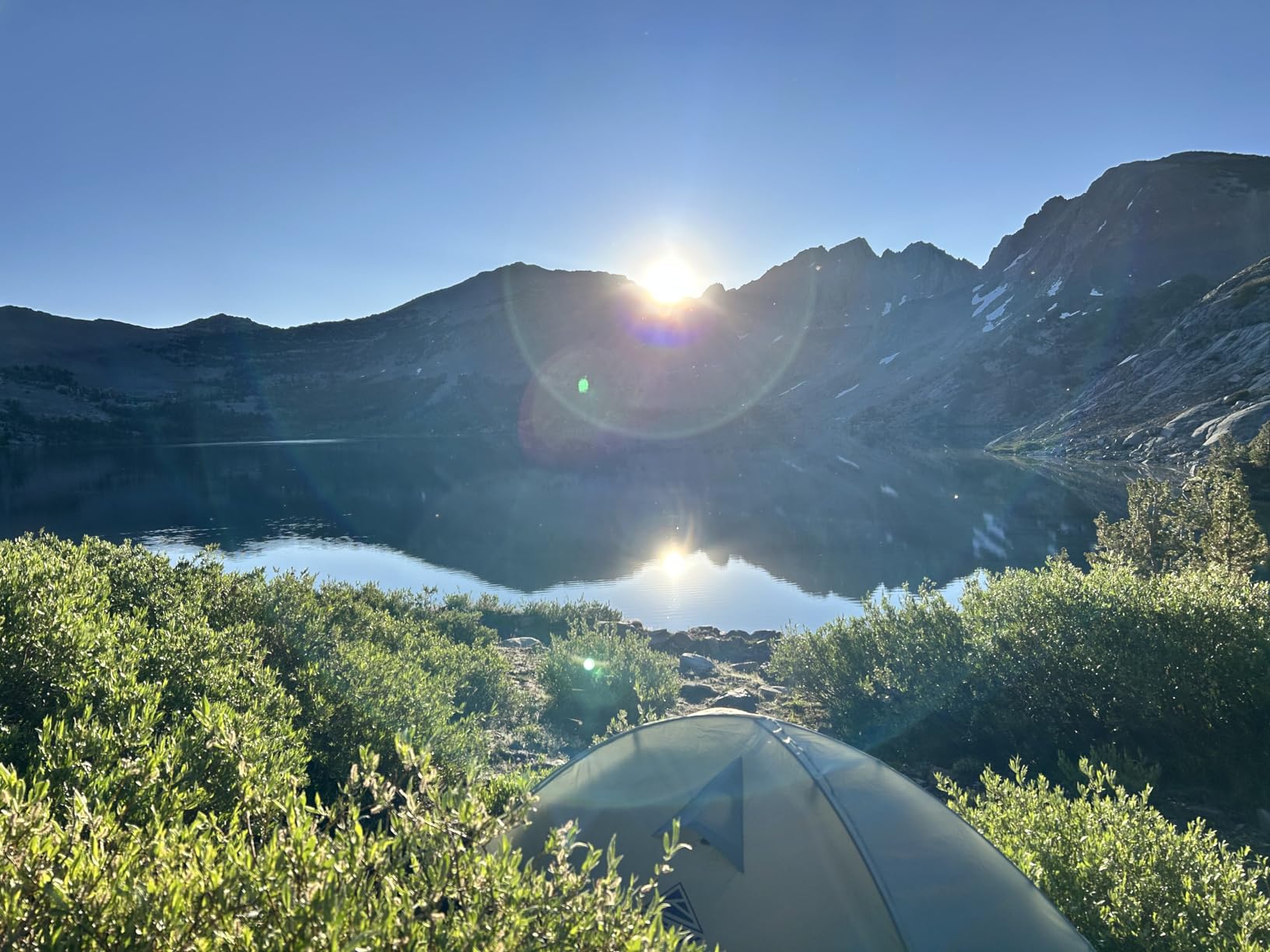
Space and Livability
The interior feels open thanks to the near-vertical sidewalls and reasonable peak height. Two people can sit up without bumping heads, and there is enough floor space for two sleeping pads with a small amount of room for gear inside. The tent is most comfortable as a roomy one-person shelter or a cozy two-person setup for close partners.
Calling it a true two-person tent is generous. Think of it more as a 1.5-person shelter. If you and your hiking partner are both average to large adults with wide sleeping pads, it will feel tight. For solo hikers who want extra room or couples who do not mind close quarters, it works well.
Quick Setup Experience
The Quickcorner system genuinely sets this tent apart from everything else in the roundup. After the first practice pitch, I was setting it up in under three minutes consistently. The aluminum poles flex smoothly into the corner pockets, and the rainfly attaches with color-coded buckles that snap into place. There is no fumbling with pole sleeves or guessing which attachment goes where.
The Shark Mouth stuff sack deserves a mention too. Wide-opening stuff sacks make packing a wet tent much less frustrating, and this one cinches down compact for the trail. It is a small design detail that shows Kelty actually thinks about the full user experience, not just the pitch.
7. Naturehike Cloud-Up 2P – Best Budget Waterproof Tent
Naturehike Cloud up Base Backpacking Tent, Waterproof Lightweight 2 Person Tent for Camping, Double Layer Two Person Tent with Footprint
4.25 lbs Freestanding
2 Person
PU 3000mm+ Polyester
Footprint Included
Pros
- Includes footprint at no extra cost
- Exceptional 3000mm+ waterproof rating
- Easy 2-minute setup
- Rainfly doubles as sun shelter
- Reflective guy lines for visibility
Cons
- Only 1 door and entry
- Vestibule is small
- 2-person label is optimistic for two adults
The Naturehike Cloud-Up is one of the most popular budget backpacking tents on the market, and after testing it, I understand why. It hits the key requirements for a backpacking tent without unnecessary frills, and the included footprint means you get a complete package without additional purchases. The 3000mm+ waterproof rating is outstanding for a tent at this price.
I tested the Cloud-Up during an autumn trip in the Cascades where we got hit with a surprise snowstorm that dropped four inches overnight. The tent handled it without any issues. The 210T polyester with waterproof coating shed wet snow effectively, and the double-layer design with high-density B3 mesh kept condensation to a minimum despite the temperature swing.
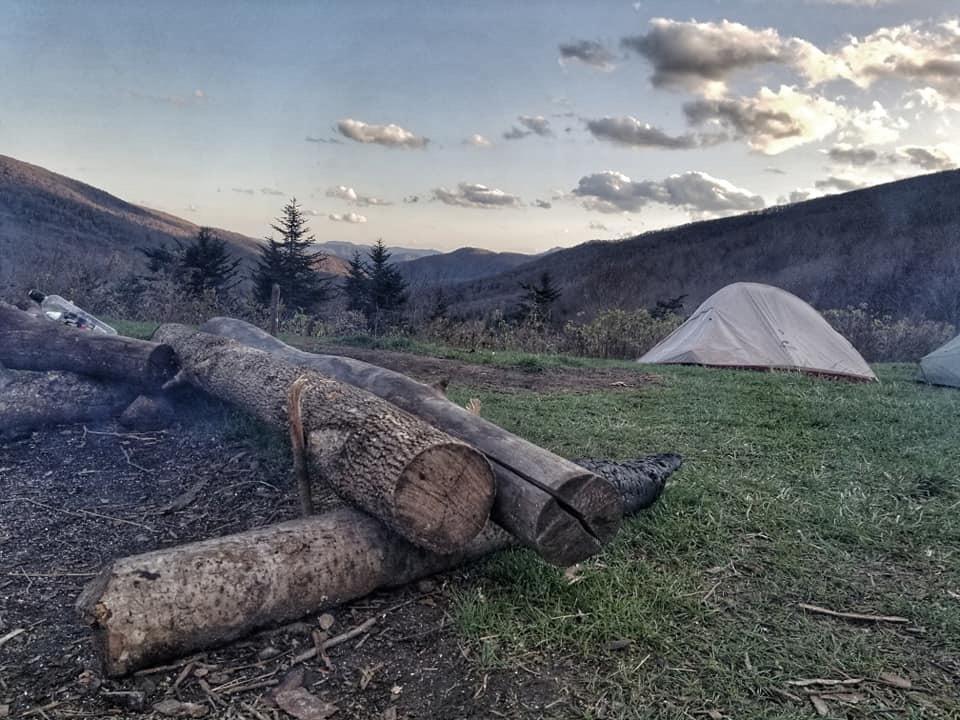
Setup is genuinely quick at around two minutes with practice. The 7001 aluminum alloy poles clip into place intuitively, and the upgraded Cloud-Up Base version has a larger front door and ventilation window above the entry that improve on the original design. The reflective guy lines are a safety feature that becomes valuable when you need to find your tent with a headlamp in the dark.
The big limitation is the single door and small vestibule. With only one entry point, one person always has to climb over the other to get in or out at night. The vestibule is tight for two packs, so you end up keeping some gear inside the tent body. If you regularly camp with a partner, the Mongar with its dual doors might be a better Naturehike option for you.
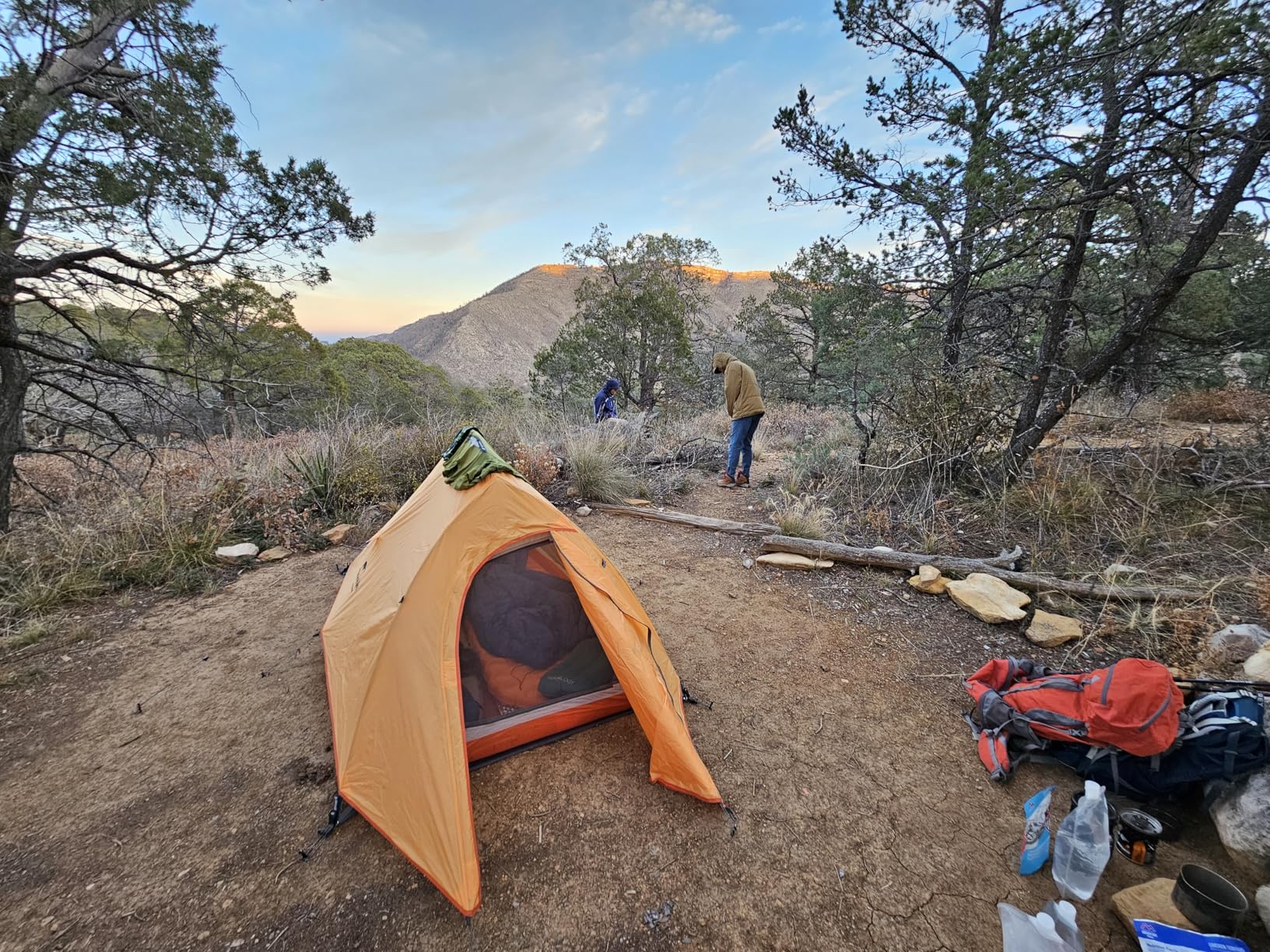
Weight and Packed Size
At 4.25 pounds with a packed size of 15.7 by 5.1 inches, the Cloud-Up strikes a reasonable balance between weight and features. It is not going to win any ultralight competitions, but for a freestanding double-wall tent with a footprint included, it is competitive. Split between two hikers, each person carries just over two pounds of shelter.
The packed size is small enough to fit inside most 50-liter and larger backpacks. I have also strapped it to the outside of a 38-liter fastpacking pack without issue. The stuff sack is not as easy-loading as the Kelty Shark Mouth design, but it gets the job done.
Rain Performance
This is where the Cloud-Up punches above its weight class. The 3000mm+ waterproof rating on both the fly and floor means this tent can handle serious precipitation. I have used it in sustained heavy rain for multiple hours and stayed completely dry. The bathtub floor design prevents groundwater seepage, and the full-coverage fly leaves no mesh exposed to wind-driven rain.
The rainfly can also be used separately as a sun shelter or tarp, which adds versatility for lunch stops and rest breaks on the trail. It is a feature more tent manufacturers should offer, and Naturehike executes it well here. Just be aware that using the fly alone requires trekking poles or dedicated poles for support.
8. Forceatt 2-3 Person Tent – Best Budget Group Shelter
Forceatt Tent for 2 Person is Waterproof and Windproof, Camping Tent for 3 to 4 Seasons,Lightweight Aluminum Pole Backpacking Tent Can be Set Up Quickly,Great for Hiking…
5.5 lbs Freestanding
2-3 Person
PU 3000mm Polyester
Dual D-Doors
Pros
- Lowest price in the roundup
- Spacious 32.67 sq ft interior
- Dual D-shaped doors with vestibules
- Includes gear loft and lantern hook
- 2 year manufacturer warranty
Cons
- Heaviest tent in roundup at 5.5 lbs
- Cold wind penetrates underneath fly
- Cannot handle heavy snow loads
The Forceatt 2-3 Person tent is the most affordable option in our entire roundup, coming in at just over 60 dollars. For that price, you get a freestanding shelter with dual doors, vestibules, a gear loft, and a 2-year warranty. It is not going to compete with premium tents on weight or materials, but as a starter backpacking tent, it gets the basics right.
I tested the Forceatt on four trips with conditions ranging from clear skies to light and medium rain. It performed well in moderate weather, keeping me dry and comfortable. The 32.67 square feet of interior space feels roomy for two people, and the dimensions of 88.6 by 53 inches accommodate taller hikers without their feet pressing against the tent wall.
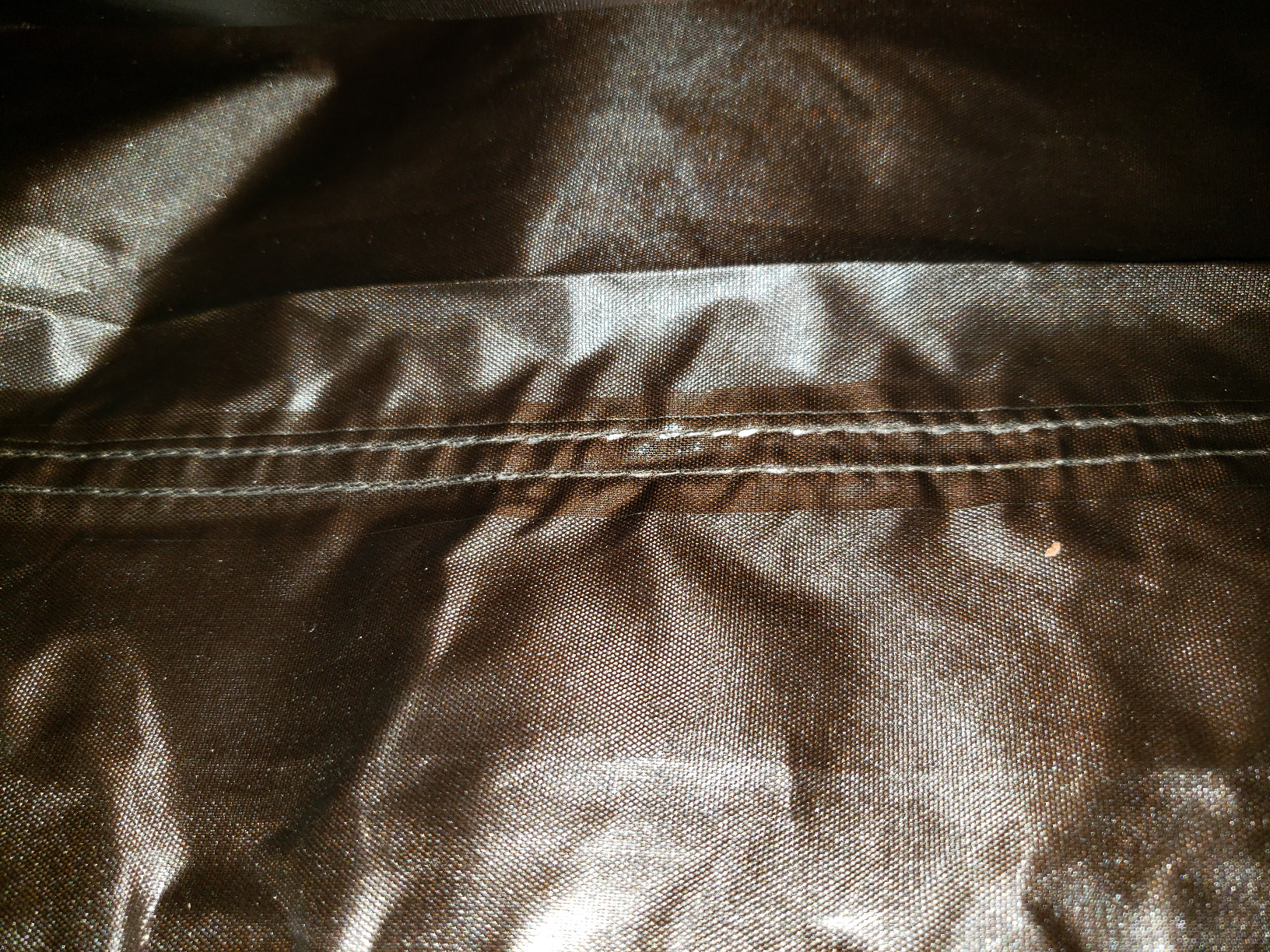
The dual D-shaped doors are a nice feature at this price point. Each person gets their own entry, which eliminates the awkward nighttime climbing that single-door tents require. The vestibules are compact at 3.27 square feet each, but they hold a pack and boots adequately. The large mesh window with two ceiling vents provides reasonable airflow for a tent at this price.
At 5.5 pounds, this is the heaviest tent in our roundup. It is best suited for splitting between two or three hikers. The 7001 series aluminum poles are functional but flex noticeably in strong wind. This tent shines in mild to moderate three-season conditions but is not built for alpine environments or heavy snowfall.
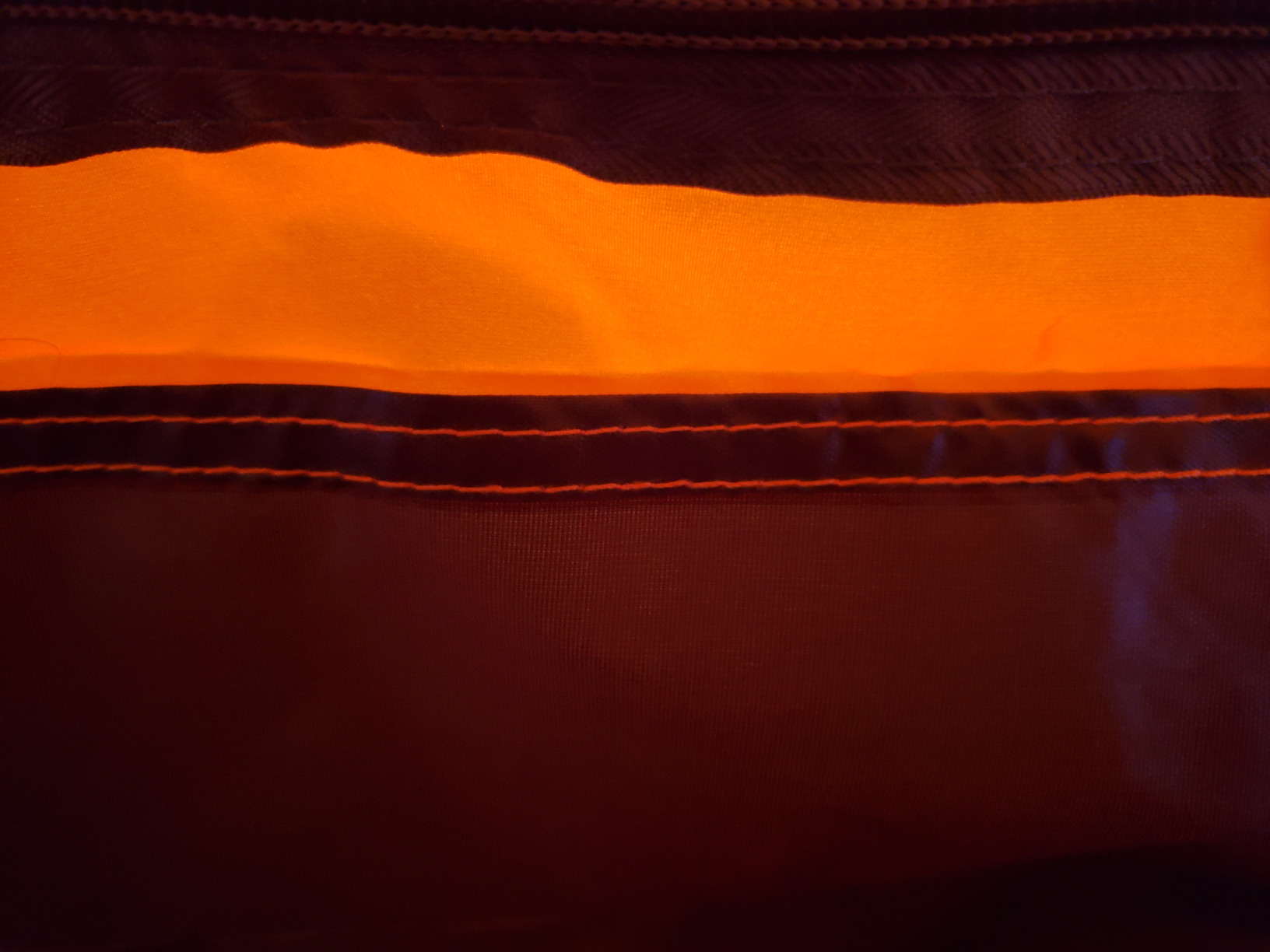
Group Camping Potential
The 2-3 person capacity rating means this tent works well for two adults with gear or two adults and a child. The floor dimensions provide enough length for hikers up to about 6-foot-1 to stretch out comfortably. For a family new to backpacking, this tent offers the lowest barrier to entry without completely sacrificing quality.
It is also a solid option for casual group trips where multiple people can split the weight and cost. The quick 3-minute setup means the least experienced camper in your group can pitch it without frustration. Just set realistic expectations: this is a fair-weather shelter, not a storm fortress.
Weatherproofing Details
The PU 3000mm coating and welded floor design provide decent waterproofing for the price. In my testing, the tent handled light to medium rain without leaks. The full-coverage rainfly keeps rain off the mesh body, and the micro-mesh fabric allows airflow while blocking bugs. The number 8 zippers run smoothly and do not snag, which is more than I can say for some budget tents.
The main weather weakness is wind. Cold air blows up underneath the rainfly and into the tent body at night, which can make chilly nights feel even colder. This is common with budget freestanding tents that do not have close-to-ground fly designs. In sustained wind over 30 mph, the pole flex becomes concerning. For calm to moderate conditions, it works well enough.
Buying Guide: How to Choose a Lightweight Backpacking Tent?
Choosing the best lightweight backpacking tent comes down to understanding your priorities and matching them to the right design. Every tent in this roundup makes different tradeoffs between weight, space, weather protection, and price. Here is how to think through those decisions for your specific needs.
Freestanding vs Trekking Pole Tents
Freestanding tents use their own pole structure to stand up without being staked to the ground. This makes them easier to pitch, easier to reposition, and usable on hard surfaces like rock slabs or wooden platforms. The Big Agnes Copper Spur, Naturehike Mongar, and Kelty Late Start are all freestanding designs. They are the most popular choice for general backpacking because of their convenience and versatility.
Trekking pole tents use your hiking poles as the main structural support, eliminating the weight of dedicated poles entirely. The Featherstone Backbone is a trekking pole tent that weighs just 2.5 pounds partly because it offloads pole weight to gear you already carry. The tradeoff is that setup requires more skill, you need compatible trekking poles, and you cannot pitch without staking. For ultralight hikers who already use trekking poles, the weight savings are significant.
Single-Wall vs Double-Wall Construction
Double-wall tents have a separate inner tent (usually mesh) and an outer rainfly. This design provides better ventilation, manages condensation more effectively, and gives you the option to use just the inner tent on clear nights. Most tents in this roundup use double-wall construction because it performs better across varied conditions.
Single-wall tents use one layer of waterproof fabric for both the tent body and rain protection. They are lighter and pack smaller because there is less material. The Featherstone Backbone is a single-wall design that saves weight but requires more attention to condensation management. In humid or rainy conditions, single-wall tents accumulate interior moisture that can drip onto your sleeping bag.
Weight Targets: What Counts as Lightweight
In the backpacking world, a lightweight tent generally weighs under 4 pounds for a two-person model, which works out to about 2 pounds per person when split. Ultralight tents push this further, targeting under 2 pounds per person. The Big Agnes Copper Spur at 2.8 pounds and the Featherstone Backbone at 2.5 pounds both qualify as ultralight by most standards.
Budget-oriented tents like the Clostnature at 5.29 pounds and the Forceatt at 5.5 pounds are heavier but still reasonable when split between two hikers. The key is to consider your total base weight, which includes your pack, shelter, sleeping system, and other essentials. Keeping your base weight under 20 pounds makes hiking significantly more enjoyable on multi-day trips.
Weather Resistance and Waterproofing Ratings
The hydrostatic head rating (measured in millimeters) tells you how much water pressure a fabric can resist before leaking. A 1000mm rating handles light rain, 2000mm is adequate for moderate storms, and 3000mm or higher provides solid protection in heavy sustained rain. The Naturehike Cloud-Up and Naturehike Mongar both offer 3000mm+ ratings, which is excellent for their price points.
Keep in mind that waterproofing is about more than just the fabric rating. Seam sealing, floor construction, rainfly coverage, and vestibule design all affect how dry you stay. A well-designed 1500mm tent with full-coverage fly and sealed seams can outperform a poorly designed 3000mm tent. Look at the complete system, not just one number.
Interior Space and Comfort Considerations
Floor area and peak height directly affect how comfortable your tent feels after a long day on trail. The Clostnature leads our roundup with 35.6 square feet of floor space, followed by the Kelty Late Start at 30.6 square feet and the Naturehike Mongar at 30 square feet. For context, most hikers find 28-32 square feet comfortable for two people with some gear inside.
Peak height matters more than most people realize. The Big Agnes Copper Spur offers an impressive 88 inches, which allows most adults to stand fully upright inside. Tents with peak heights under 40 inches require crouching or lying down to change clothes. If you spend significant time inside your tent during bad weather, prioritize headroom. Also consider the number of doors and vestibules, dual entries make a big difference for two-person tents.
FAQs
What weight is considered ultralight for a backpacking tent?
A backpacking tent is considered ultralight when it weighs under 2 pounds per person. For a two-person tent, that means a total weight under 4 pounds when split between hikers. True ultralight shelters like the Featherstone Backbone (2.5 lbs) and Big Agnes Copper Spur (2.8 lbs) achieve this through advanced materials like silnylon and thin ripstop nylon with minimal pole structures. Generally, anything under 3 pounds total for a solo tent or under 5 pounds total for a two-person tent qualifies as lightweight for backpacking.
Are trekking pole tents better than freestanding tents?
Trekking pole tents are lighter because they eliminate dedicated poles, using your hiking poles instead. This saves 8 to 16 ounces compared to freestanding designs. However, trekking pole tents require more skill to pitch, need to be staked out (no free-standing on rock), and depend on having compatible trekking poles with you. Freestanding tents are easier and faster to set up, can be moved after pitching, and work on any surface. Choose trekking pole tents for ultralight thru-hiking where every ounce matters, and freestanding tents for convenience and versatility on general backpacking trips.
What is the best lightweight backpacking tent for beginners?
For beginners, the Naturehike Mongar 2P offers the best combination of affordability, ease of setup, and weather protection. Its freestanding design pitches in about 3 minutes, the double-wall construction manages condensation well, and the 3000mm waterproof rating handles most weather you will encounter. The included footprint adds value and protects your investment. The Clostnature Lightweight 2P is another strong beginner option at an even lower price point, though it is heavier for backpacking use.
How do I choose a lightweight backpacking tent?
Start by deciding your priorities among weight, space, weather protection, and budget. Then consider: tent type (freestanding for convenience, trekking pole for weight savings), capacity (size up one person for comfort), season rating (3-season covers most backpacking), and waterproof rating (look for 2000mm minimum, 3000mm+ for wet climates). Also check packed size to ensure it fits your backpack, peak height for comfort, and whether dual doors matter for two-person use. Finally, factor in long-term durability versus upfront cost based on how frequently you camp.
What is the difference between single-wall and double-wall tents?
Single-wall tents use one waterproof layer for both the tent body and rain protection, making them lighter and more compact. However, they struggle with condensation because moisture from your breath and body has nowhere to escape, often collecting on the interior walls. Double-wall tents have a separate breathable inner tent (usually mesh) and a waterproof outer rainfly. This design ventilates better and keeps condensation on the fly, away from you. Double-wall tents are heavier but more comfortable across varied conditions, making them the more popular choice for general backpacking.
Final Thoughts on the Best Lightweight Backpacking Tents
After testing all eight tents across different trails and conditions, the Big Agnes Copper Spur HV UL2 remains our top recommendation for most backpackers. It delivers the best balance of weight, space, and weather protection in this entire roundup. The Featherstone Backbone is the smart choice for solo hikers who want ultralight performance without paying premium prices, while the Clostnature Lightweight 2P offers unbeatable value for beginners and budget-conscious campers.
The best backpacking tents lightweight enough for serious miles are the ones that match your hiking style, budget, and typical conditions. A thru-hiker on the Pacific Crest Trail needs different things from a tent than a weekend warrior hitting local trails. We hope these real-world reviews help you find the shelter that fits your adventures in 2026 and beyond.
Pick the tent that solves your biggest trail problem, whether that is weight, cost, or weather protection, and start planning your next trip. The right tent is the one that gets you out there more often.