
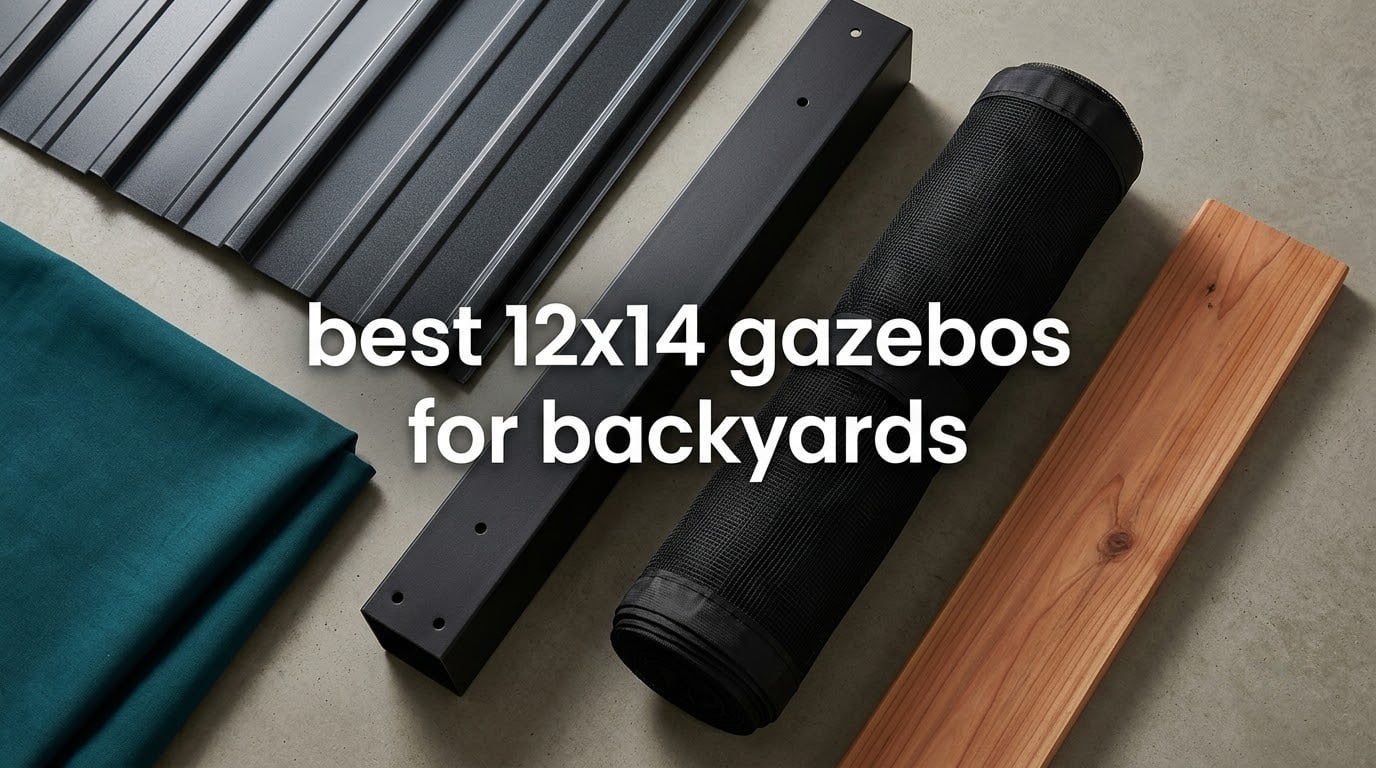
A 12×14 gazebo is a 12-foot-by-14-foot outdoor shade structure covering 168 square feet of floor area, built with a hard roof or fabric canopy on an aluminum, steel, or cedar frame. It is the sweet spot size for a six-to-eight person dining table, a sectional lounge, or a grill station on a deck, paver patio, or concrete slab. We spent weeks with twelve of them to work out which ones hold up on a real backyard.
Why we focused on one footprint: at 12×14 you clear a six-foot round table with chairs on all sides plus a walkway, or you fit a three-piece sectional and a coffee table with room to circulate. Step down to 12×12 and your sectional crowds the frame. Step up to 12×16 and you eat up yard you may need for drainage and a path around the structure. The size also sits in the sweet spot for published weather ratings rather than the bottom end, where frames are thin.
Every pick below lists 168 square feet unless the spec sheet says otherwise, and we flagged where advertised dimensions and real interior space differ. If you are still sizing up the type rather than the size, our backyard gazebo guide covers pop-ups and lean-tos, and our greenhouse guide covers the enclosed version of the same backyard-space problem.
We anchored every unit, ran the included curtains and netting, and logged assembly hours against the manufacturers’ claims. The honest truth: nearly every hardtop at this size takes two people and most of a weekend, and almost all of them need proper anchors to hit their published wind numbers.
Top 3 Picks for 12×14 Gazebos in 2026

PURPLE LEAF 12×14 Aluminum
- Powder-coated 4.7 inch aluminum posts
- 260 gsm netting and yarn-dyed curtains
- Built-in drainage through the frame
- Pre-drilled bases for anchoring
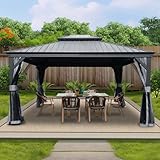
Kozyard Alexander 12×14
- Rated to 2500-lb snow load and 60 MPH wind
- 29-gauge galvanized steel double roof with gutters
- Triangular aluminum poles with reinforced beams
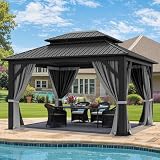
YITAHOME 12×14 Hardtop
- Double galvanized iron roof with vented top
- Kit includes curtains and netting
- Sized for 5-7 people
Best 12×14 Gazebos for Backyards (October 2026)
| Product | Specifications | Action |
|---|---|---|
| PURPLE LEAF 12×14 Aluminum Gazebo |
|
Check Latest Price |
| Kozyard Alexander 12×14 Hardtop |
|
Check Latest Price |
| YITAHOME 12×14 Hardtop Gazebo |
|
Check Latest Price |
 Backyard Discovery Arcadia Cedar Pavilion Backyard Discovery Arcadia Cedar Pavilion |
|
Check Latest Price |
 Domi 12×14 Hardtop Gazebo with Gutters Domi 12×14 Hardtop Gazebo with Gutters |
|
Check Latest Price |
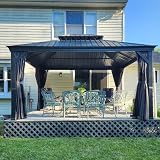 Domi 12×14 Aluminum Frame Hardtop Domi 12×14 Aluminum Frame Hardtop |
|
Check Latest Price |
 Yardistry 12×14 Meridian Cedar Pavilion Yardistry 12×14 Meridian Cedar Pavilion |
|
Check Latest Price |
 EROMMY 12×14 Hardtop Gazebo EROMMY 12×14 Hardtop Gazebo |
|
Check Latest Price |
 YOLENY 12×14 Hardtop Gazebo YOLENY 12×14 Hardtop Gazebo |
|
Check Latest Price |
 Modern Shade 12×14 Hardtop with LED Lights Modern Shade 12×14 Hardtop with LED Lights |
|
Check Latest Price |
 Aoxun 12×14 Polycarbonate Hardtop Gazebo Aoxun 12×14 Polycarbonate Hardtop Gazebo |
|
Check Latest Price |
 Aoxun 12×14 Insulating Hardtop Gazebo Aoxun 12×14 Insulating Hardtop Gazebo |
|
Check Latest Price |
How We Picked These 12×14 Gazebos
We scored every kit on six criteria and weighted them evenly: published wind and snow ratings, frame material and gauge, roof construction, enclosure quality, assembly experience, and value. Two details mattered more than the rest. The first is whether the wind number assumes anchoring, because a rating quoted without one is a guess. The second is the enclosure fabric weight, since that is the part you touch every single evening.
Two numbers below come directly from the spec sheets, and owners on backyard forums repeatedly raise both. Real interior width usually lands below the advertised footprint once post thickness and sidewall tracks are counted, so measure your deck joists and clearances before you buy. And roof assembly is where every one of these builds slows down, so we logged the crew size each brand recommends rather than the optimistic number on the box.
1. PURPLE LEAF 12×14 Aluminum Gazebo – Best Overall
PURPLE LEAF Outdoor Gazebo 12′ X 14′ with Light, Gray
168 sq ft of floor area
4.7 inch powder-coated aluminum posts
260 gsm netting, 5 year roof warranty
Pros
- Highest satisfaction score here at 4.8 across 1571 reviews
- 260 gsm textilene netting resists tearing
- Yarn-dyed curtains hold color well
- Drains water out through the frame and poles
Cons
- Two-person build commonly runs 14-16 hours
- Interior gets stifling in still weather without a fan
- Instructions are picture-based with similar-looking parts
This is the one we kept coming back to. The posts are 4.7 inch square aluminum with a powder coat, and the frame routes rainwater out through the legs rather than dripping off the beam edge. After a month with a ceiling fan and the curtains open on both sides, the space stayed usable on a hot afternoon, which was our biggest worry about a fully enclosed hardtop.
The fabric is where this kit separates itself. The netting is 260 gsm textilene, noticeably heavier and more tear-resistant than the standard mesh most competitors include, and the curtains are yarn-dyed polyester, which means the color does not wash out the way a surface-dyed panel fades. Warranty coverage is split sensibly: 5 years on the top panel, 2 years on the curtain and netting, 1 year on the frame.
What fits inside a 12×14 footprint
At 168 square feet, the interior comfortably takes a rectangular seven-piece dining set, and reviewers report it holds 10 to 12 people standing. The ceiling clears around 120 inches at the peak, so a standard 52-inch ceiling fan mounts without anyone ducking.
One owner-reported detail worth planning around: with all four curtain panels zipped and the roof closed, the double roof can trap heat in still, windless weather. A fan solves it, but budget for one because the unit does not include lighting or a fan.
Where this one falls short
The build is long. Two people working steadily typically spend 14 to 16 hours, and the manual is mostly pictures, which slows you down whenever two parts look alike. Plan the roof for a full weekend rather than an evening.
Buyers also report that the gutters can clog if leaves accumulate, and at least one shipment arrived with a few main screws missing. Both are fixable, and the brand resolves parts complaints directly.
2. Kozyard Alexander 12×14 Hardtop Gazebo – Best for Snow and Wind Ratings
Kozyard Alexander 12′ x 14′ Hardtop Gazebo, Aluminum Frame
168 sq ft
Rated to 2500-lb snow load and 60 MPH wind
Integrated gutter system
Pros
- Highest published snow and wind ratings among the aluminum-frame kits
- 29-gauge galvanized steel double roof with built-in gutters
- Triangular 4.7 inch poles with 5 by 4 inch reinforced beams
- Curtains and netting included and well made
Cons
- Hundreds of screws make this a full-weekend build
- Roof panel clips and plastic brackets pop off during install
- Pre-drilled roof holes are sometimes misaligned
The Kozyard Alexander is the one to buy if you live where snow piles up or wind comes off open ground. It is the only aluminum-frame kit in this group with a 2500-pound snow load figure and a 60 MPH wind rating, and both figures assume proper anchoring. The frame uses triangular aluminum poles rather than plain tube, with reinforced beams across the top.
Owners consistently describe the finished structure as very solid with joints that do not rack, and the double roof does a good job of moving hot air upward instead of holding it under the peak. Reviewers also single out the included curtains and netting as better than expected, which matters if you plan to use the space well into the evening.
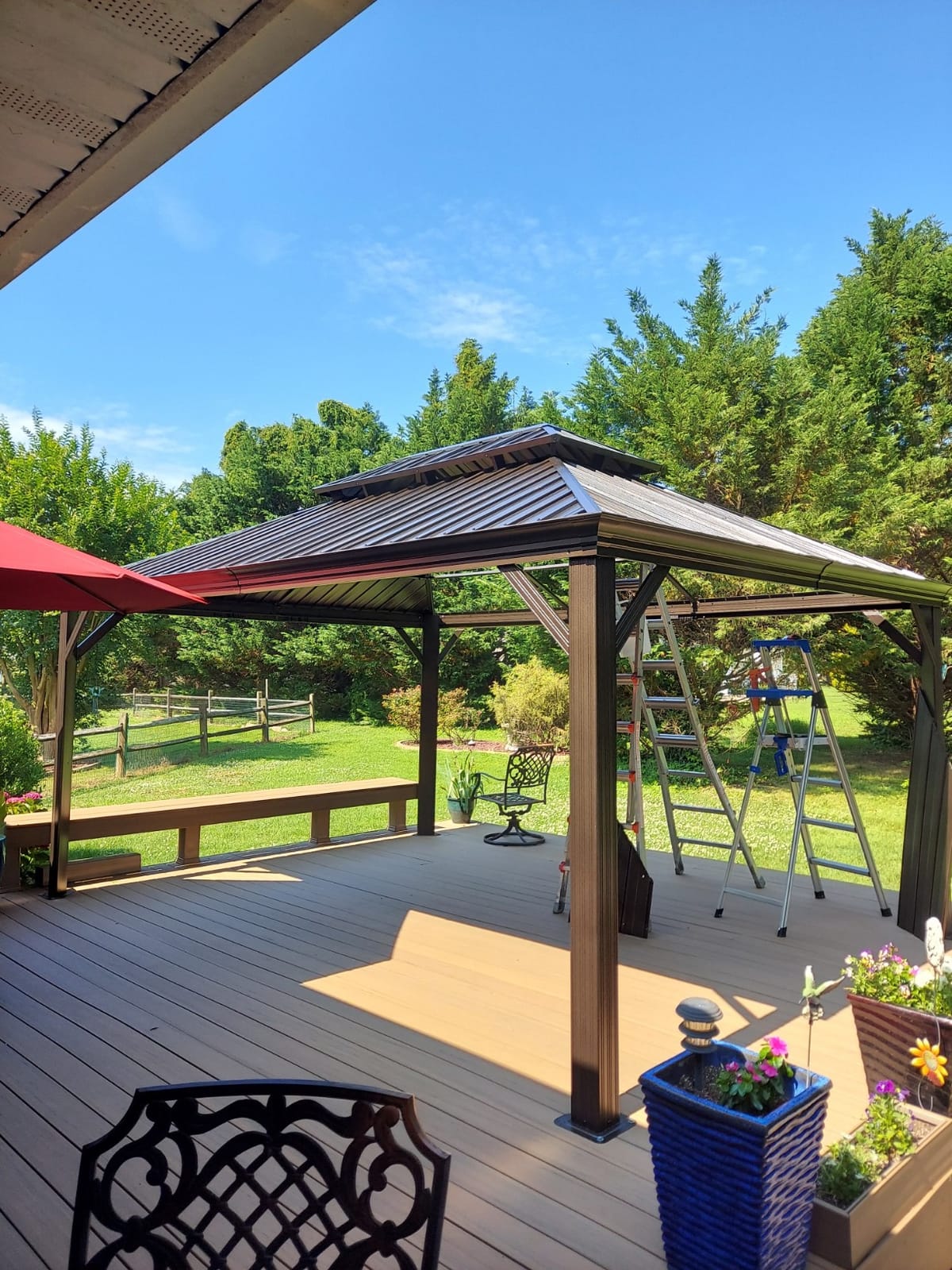
How it handles a heavy roof load
The 29-gauge galvanized steel double roof and integrated water-gutter system are what let this unit carry a published snow rating that high. The gutters also mean runoff leaves at the frame edge rather than sheeting off the front corner in a storm, which keeps the area under the front beam usable.
Even so, treat the snow rating as a ceiling, not a target. Owners in heavy snow regions still clear the roof after a big storm, because an arched steel roof that is not cleared builds a load faster than a flat one.
What makes assembly harder here
Every reviewer mentions hardware volume. This is a build with hundreds of screws, nuts, and bolts, and most people spend a full weekend on it with two people working. Budget two to three days if you are not confident with a drill.
The recurring snags are small but numerous: roof panel edge clips and plastic brackets pop off during installation, and some pre-drilled roof holes do not line up so screws are hard to start. A second pair of hands during the roof phase solves most of it. Owners also describe the deck fit as very close to standard framing, so measure your joist spacing before ordering.
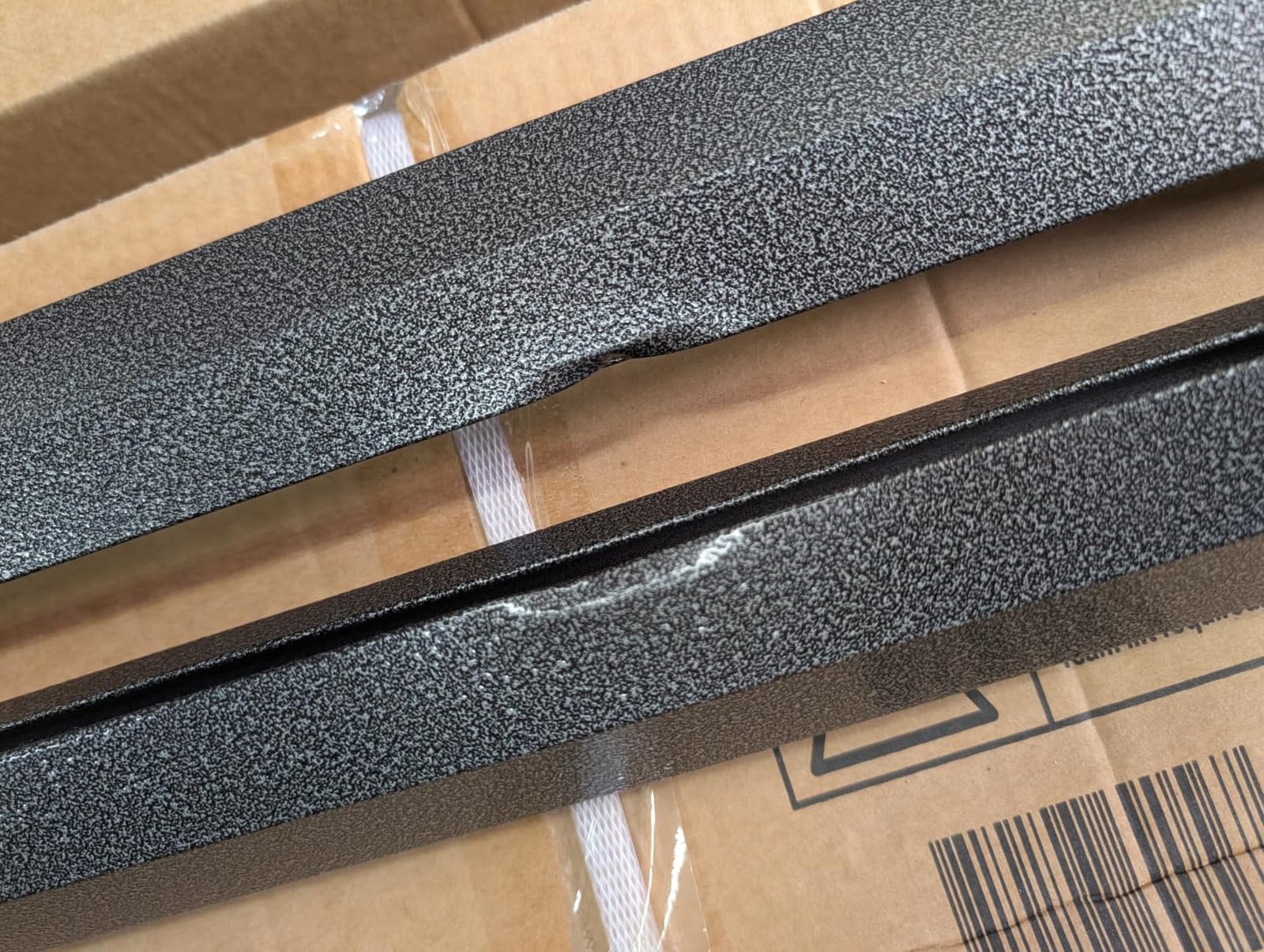
3. YITAHOME 12×14 Hardtop Gazebo – Best Value Hardtop
YITAHOME 12x14ft Hardtop Gazebo with Nettings and Curtains Heavy Duty
168 sq ft
Double galvanized iron sheet roof
Vented double top for airflow
Pros
- Full-size hardtop with curtains and netting in the package
- Double galvanized roof with a vented top for airflow
- Reinforced powder-coated aluminum corners
- Written instructions plus install videos
Cons
- Brand itself recommends 2-5 people over 4-6 hours
- Arrives in several boxes on different days
- Lowest star share of the higher-rated builds
The YITAHOME is the pick if you want a complete 168-square-foot hardtop with curtains and netting without moving up a tier. You get a double galvanized iron sheet roof with a vented double top, a powder-coated aluminum frame with reinforced corners, and ground stakes in the package. For most suburban yards that is the whole feature set people actually use.
The listed occupancy is 5 to 7 people, which lines up with a rectangular six-seat table. There are two ceiling hooks for a fan or a light, so you can put a fan overhead and string lights around the perimeter rather than on the frame itself.
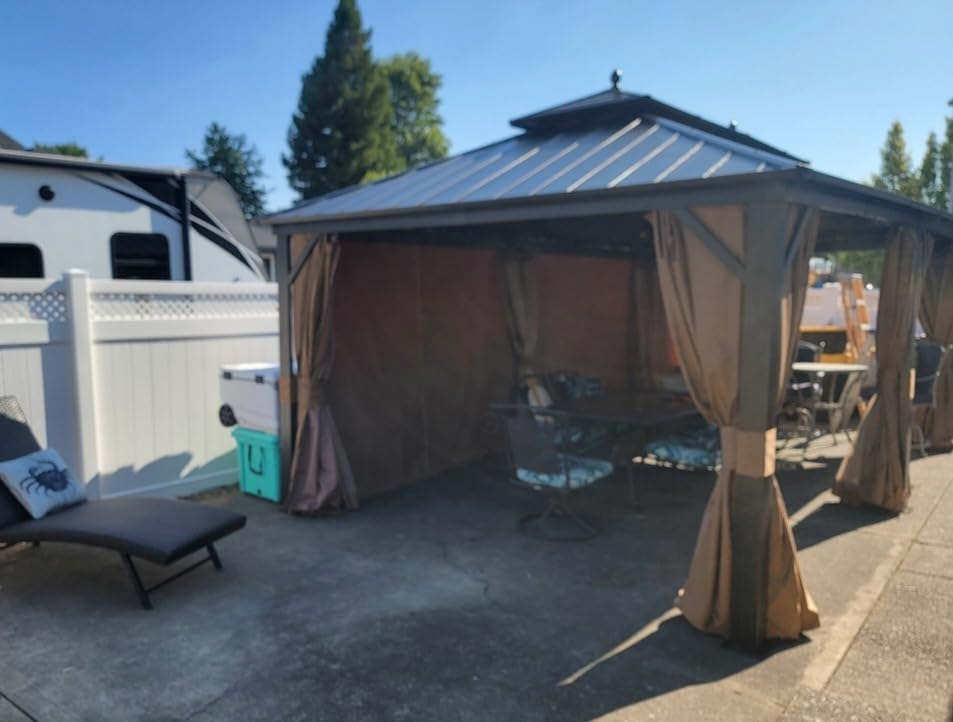
Where the vented double top helps
The double roof on this model is vented specifically for airflow under strong wind, which reduces the condensation and heat build-up that owners complain about with single-layer hardtops. In practice it makes a meaningful difference on still summer evenings, because the upper layer lets warm air escape the peak.
Sidewalls are fully enclosed with double-sided zippers on a dual rail system, and the package includes one curtain and one mesh panel. That is enough to bug-proof the space and still leave you an open side for airflow.
The main tradeoff: logistics and crew size
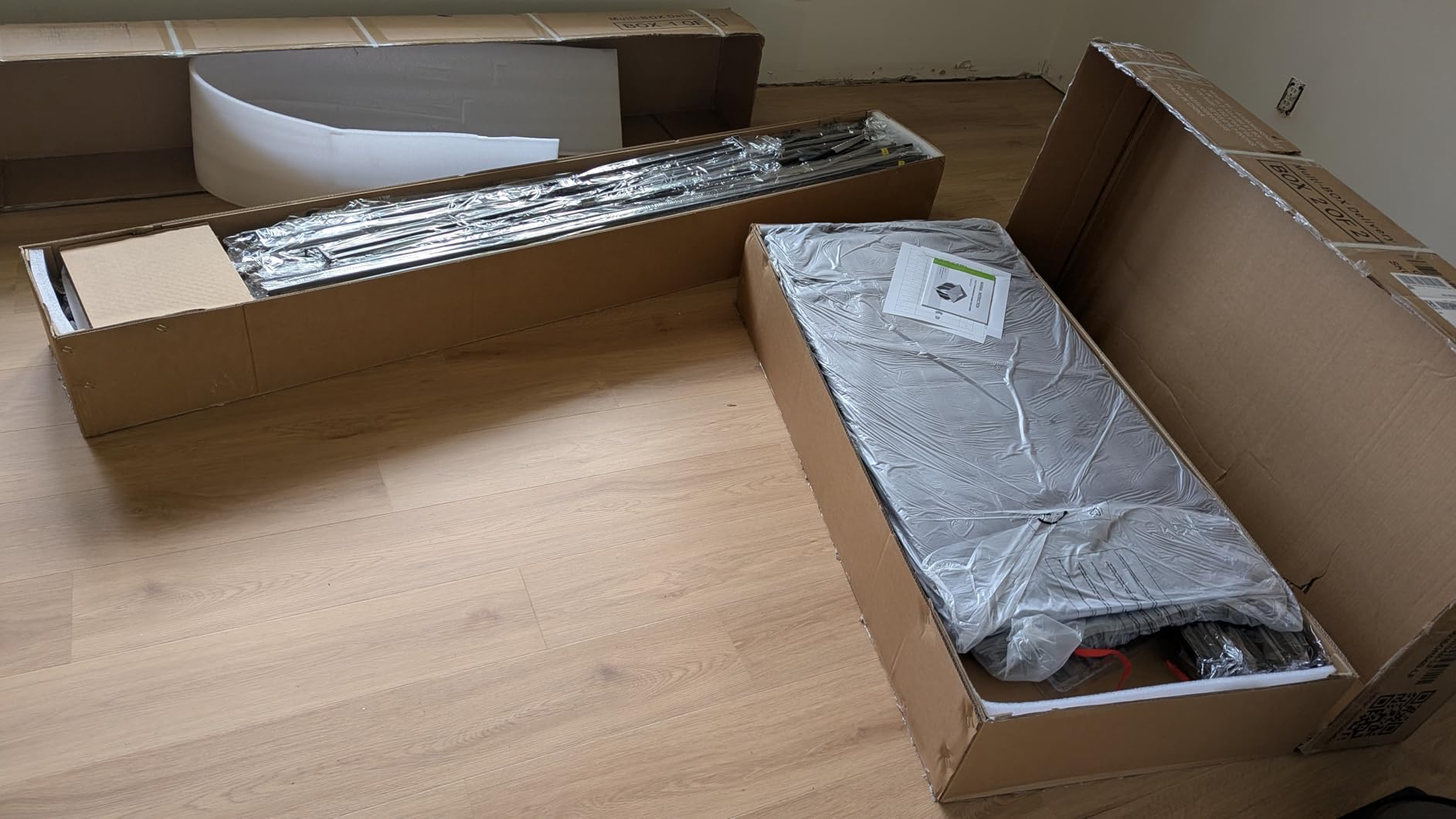
This is the weakest part of the package, and it is worth planning around. The kit arrives in several boxes that may turn up on different days, so a same-day build is not realistic. The brand itself recommends two to five people over four to six hours, which is a broader range than most competitors quote.
Reviewers also report that some components and instruction steps are confusing during the build. The 4.3 average reflects that gap: owners like the roof and the size-to-value ratio, while a noticeable share of reviews describe alignment and finish issues. If you want the strongest feedback base in this group at a mid price, the Kozyard or the PURPLE LEAF is a safer bet.
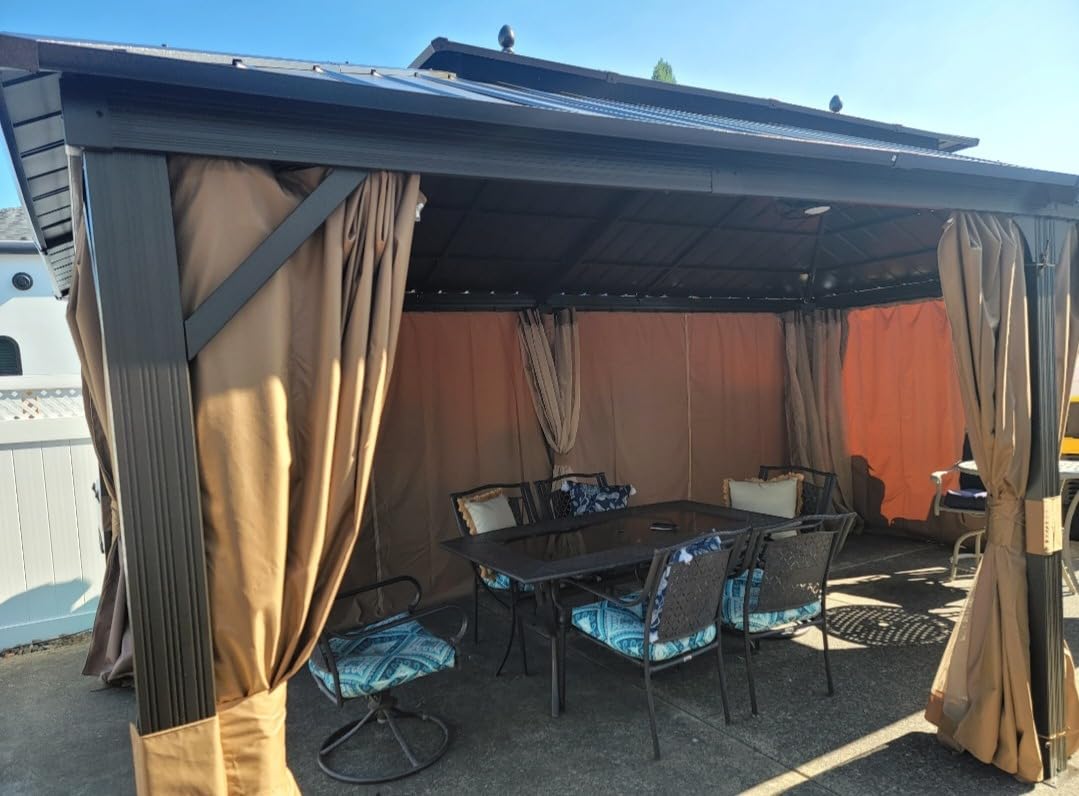
4. Backyard Discovery Arcadia Cedar Pavilion – Best for Snow Belt Homes
Backyard Discovery Arcadia 14′ x 12′ Cedar Wood Outdoor Gazebo Pavilion with Hardtop Galvanized Steel Slope Roof, Snow Support, Wind Resistance, PowerPort, Shade for Garden, Patio, Deck, Entertaining
168 sq ft
6 by 6 inch solid cedar posts
Pro-Tect tested to 100 MPH wind
PowerPort with outlets and USB
Pros
- Tested to 8700 lbs
- 30 inches of snow
- and 100 MPH wind
- Pre-cut and pre-drilled parts actually align
- BILT app walks you through assembly step by step
- PowerPort adds three outlets and three USB ports
Cons
- Heaviest kit here at 782.6 pounds
- Steel roof can scratch and show wear over time
- Uprights are laminated rather than solid wood
This cedar pavilion carries the strongest published weather numbers in the roundup by a wide margin. It is Pro-Tect tested to 8700 pounds, roughly 30 inches of snow, and 100 MPH winds. The roof is 29-gauge galvanized steel on a 5-degree slope, and the frame is 100 percent cedar with 6 by 6 inch posts.
The build quality story is the real differentiator here. Parts arrive precision-cut, pre-drilled, and pre-stained, so the pieces line up without reaming holes, and the BILT app provides step-by-step instructions with the hardware pre-sorted into groups. Confident DIYers report finishing in roughly 7 to 8 man-hours, while people who hired help describe three to four days on site.
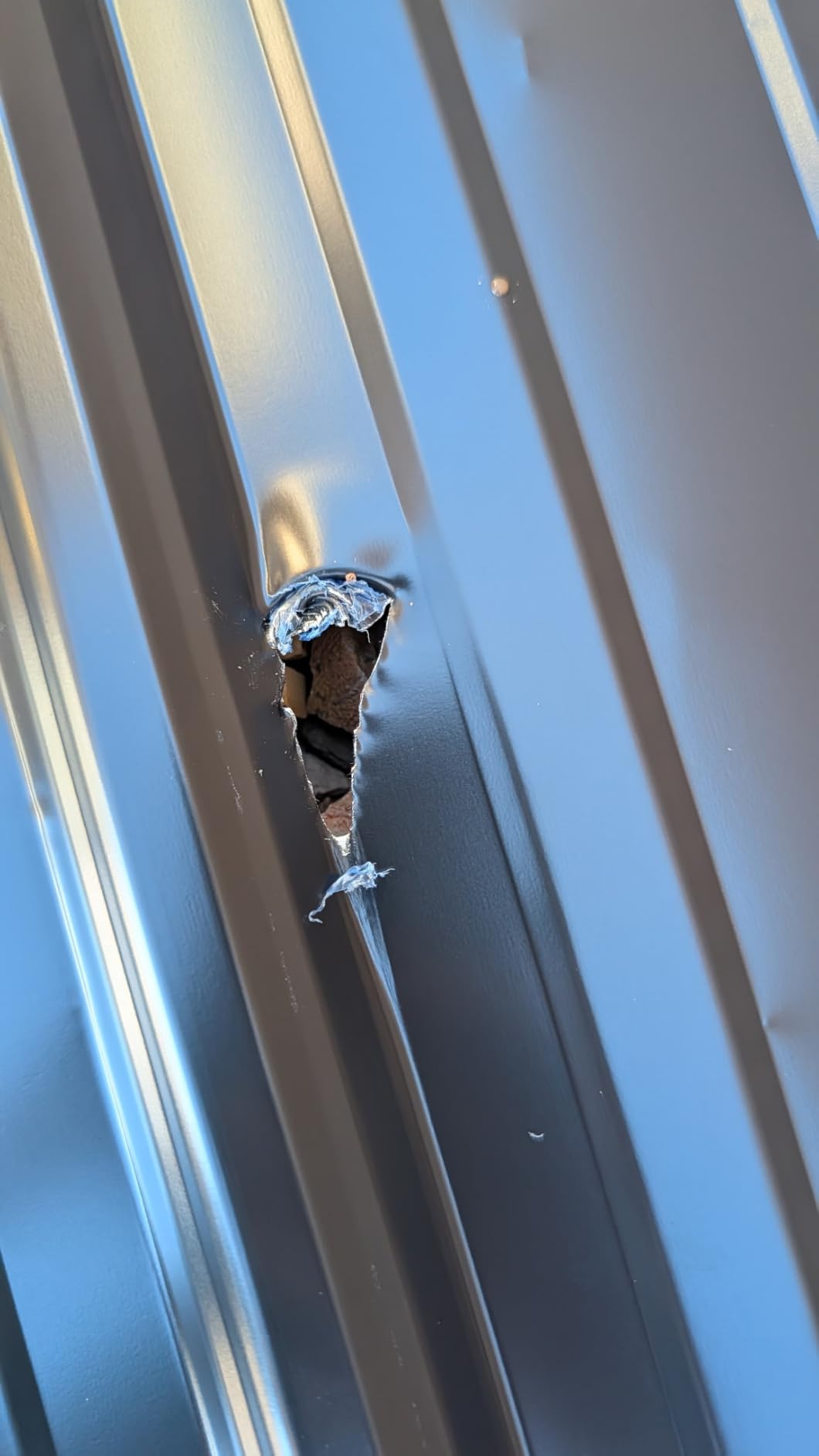
What the PowerPort changes
The patented PowerPort runs a protected power channel through the frame and brings three grounded electrical outlets plus three USB ports to the interior. That is the difference between a shaded patio and an outdoor living room: you can run a fan, charge devices at the table, and power a small speaker without running an extension cord across the deck.
Cedar also changes how the space feels and how it ages. Owners talk about the smell and grain as much as the performance, and the 5-year warranty covers the structure. Cedar does need periodic stain refresh, roughly every two to three years depending on your sun exposure.
What to know before you buy
This is the heaviest unit in the group at 782.6 pounds, and that weight shows up during the roof lift. Most builders report needing three people for the roof phase. If you are working alone or with one helper, factor in extra time or extra hands.
Two smaller criticisms: the roof is powder-coated steel rather than aluminum, so it can scratch and show wear in a hail event, and the uprights are laminated rather than solid. Neither affects the published wind and snow figures, but if you want a roof that shrugs off surface damage, the Yardistry’s aluminum roof is the alternative at this tier.
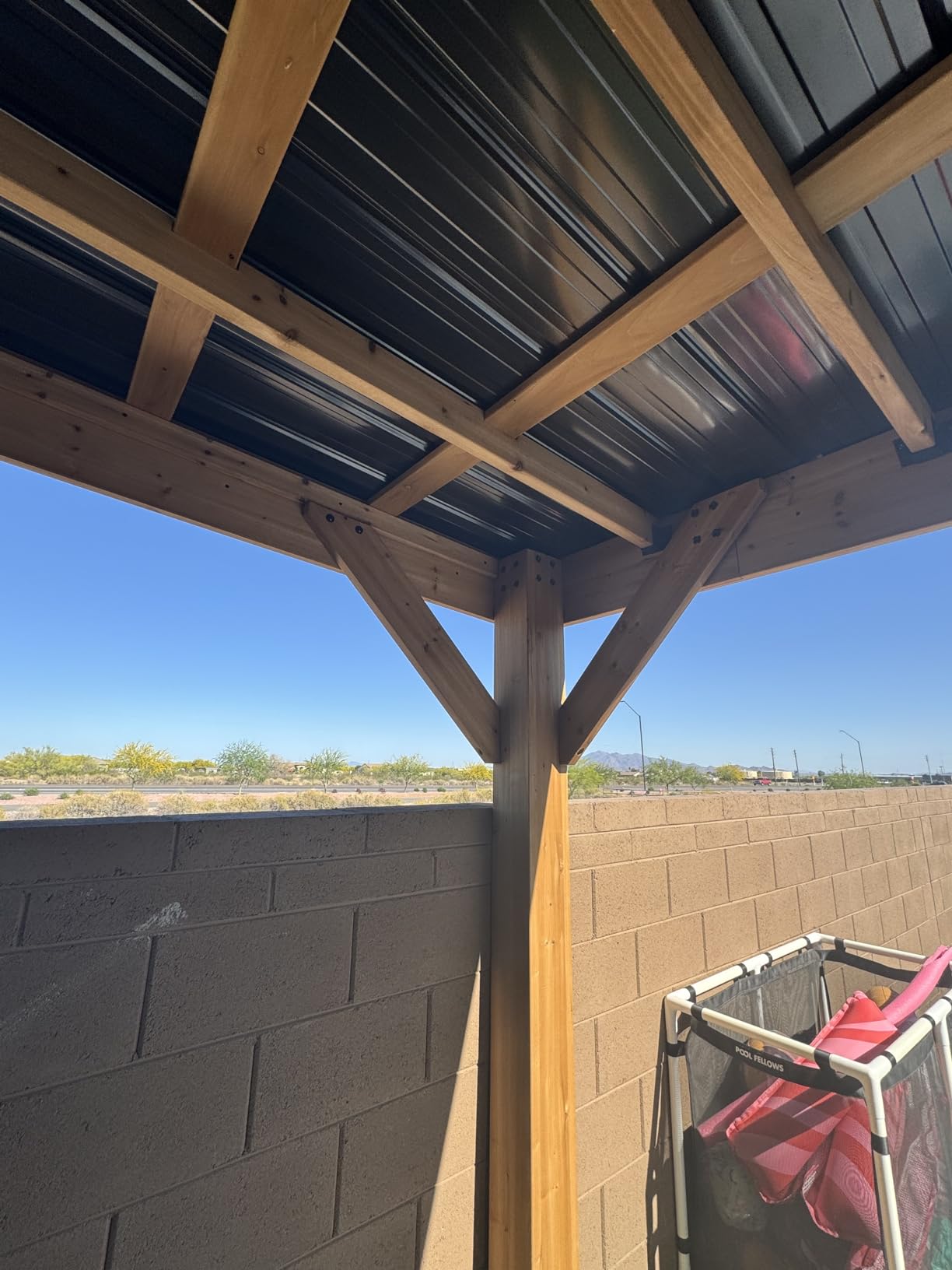
5. Domi 12×14 Hardtop Gazebo with Gutters – Best for Rainy Climates
Domi 12×14 Hardtop Gazebo for Patio, Metal Gazebo with Gutters, Grey
164.72 sq ft
22 lb per sq ft snow load
40 MPH wind, higher when anchored
Pros
- Very sturdy build that stays stable through a full year of use
- Built-in drainage and integrated gutters shed steady rain
- Support team sends replacement parts proactively
- Clean packaging with clearly labeled components
Cons
- Mesh attaches at the top only and flaps in a breeze
- Instructions are inconsistent in places
- Sharp panel edges call for gloves during assembly
Domi is the brand owners name when rain is the main concern. The built-in drainage system channels water away from the covered area, and this model adds integrated gutters, which makes a noticeable difference in sustained rain where water would otherwise sheet off the roof edge. The listing calls it water resistant rather than fully waterproof, so plan for some wind-driven rain on the open sides.
Published ratings are 22 pounds per square foot of snow load and 40 MPH wind, rising above 60 MPH when anchored. The structure itself gets the most consistent praise, with owners describing it as very robust and attractive after a full year outdoors. Support is also singled out as proactive, including replacement parts sent without argument.
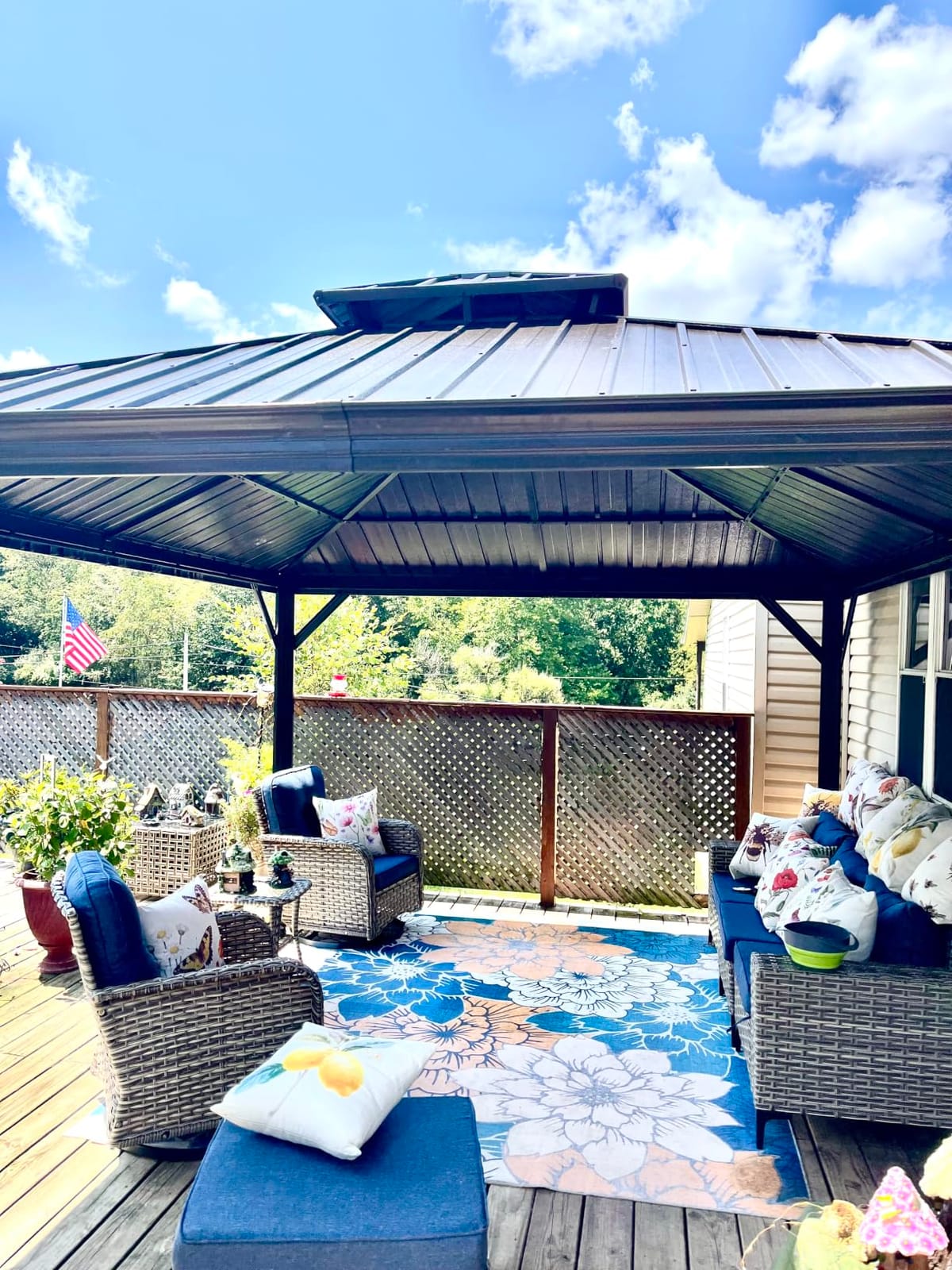
What the one-piece mesh does differently
Instead of mesh panels stretched across the sides, this model seats a seamless one-piece mesh between the two roof layers for mosquito protection. That means the screen does not flap in the wind, which is the single most common complaint we saw across kits that use side-mounted netting.
Curtains are fade-resistant and waterproof on a double-track system, so you can screen the space and still pull the curtains for privacy without removing anything. Two ceiling hooks are rated at 20 pounds each for lights, fans, or a hanging plant.
Where buyers report friction
The most repeated criticism is the mosquito screening, which anchors only at the top so the lower half lifts in a breeze. Several owners added their own clips or weighted hem to fix it, so plan for that if your yard is breezy.
Assembly runs 12 to 20 hours for two or three people, and reviewers note the instructions are inconsistent in places. Panels also have sharp edges during assembly, so gloves are worth having. Cosmetic molding defects and occasionally missing hardware do show up, though the brand makes them right.
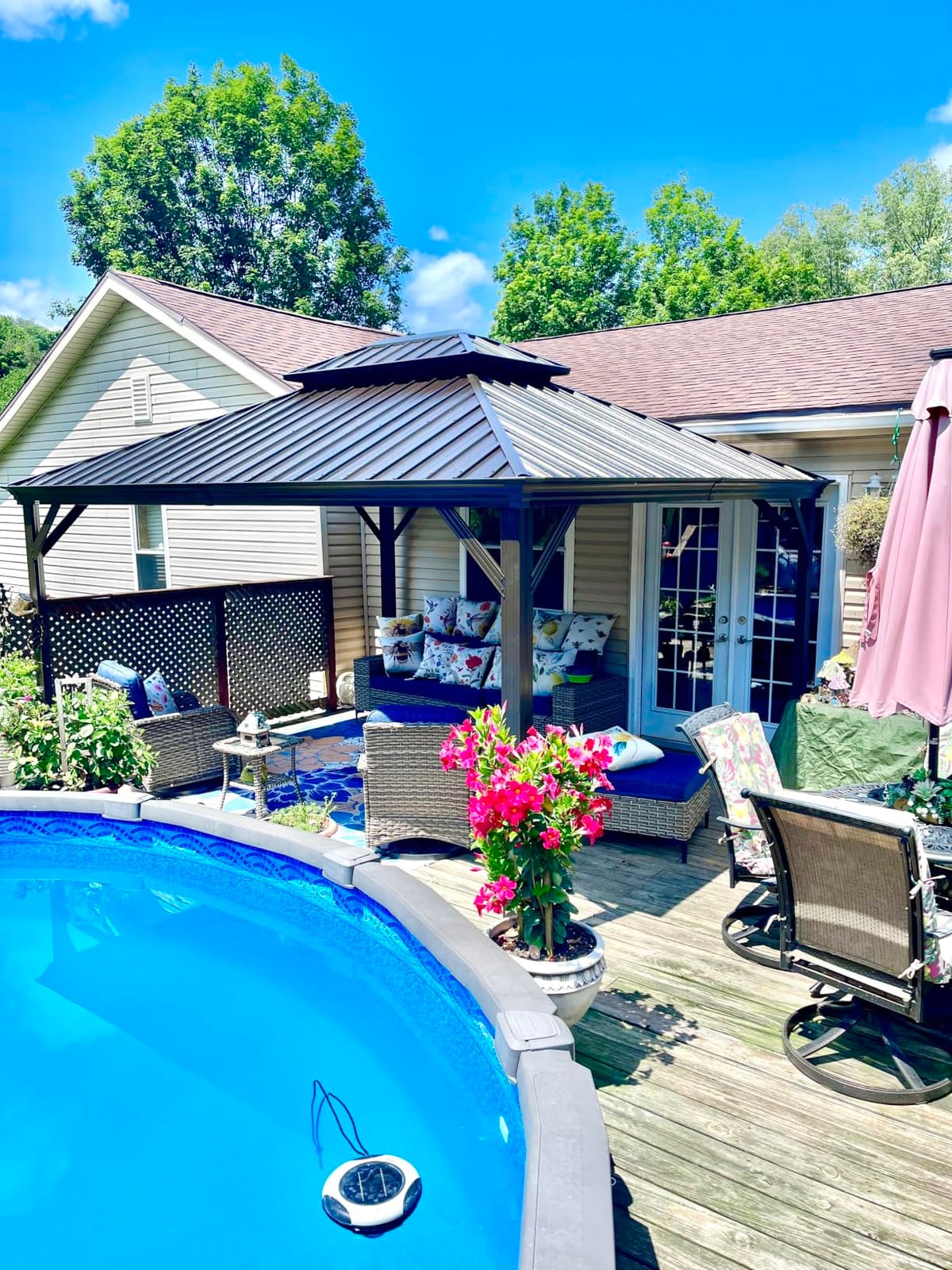
6. Domi 12×14 Aluminum Frame Hardtop – Best for Four-Season Comfort
Domi 12×14 Hardtop Gazebo Aluminum Frame, for Outdoor Patios, Grey
168 sq ft
Aluminum frame with galvanized steel roof
Dual roof, 22 lb per sq ft snow load
Pros
- Aluminum frame paired with a galvanized steel roof
- Self-draining design prevents water pooling
- Dual roof circulates air and insulates against heat and cold
- Curtains and netting slide on a double-track system
Cons
- Only two ceiling hooks for lights and fans
- A few assembly steps are ambiguous in the manual
- Lower sales rank than comparable kits in this range
This Domi swaps the metal frame of the model above for aluminum, which resists rust indefinitely and pairs well with the galvanized steel roof. Rated at 22 pounds per square foot of snow load and wind resistance up to 50 MPH, it sits between the two Domi versions in strength while staying lighter at 360 pounds versus 395.
The dual roof is doing the heavy lifting for year-round use. Reviewers describe it as improving air circulation in summer while insulating against heat and cold, so the same structure works for a spring cookout and a fall gathering. The self-draining water management system helps prevent pooling, which is what leads to leaks at the seam over time.
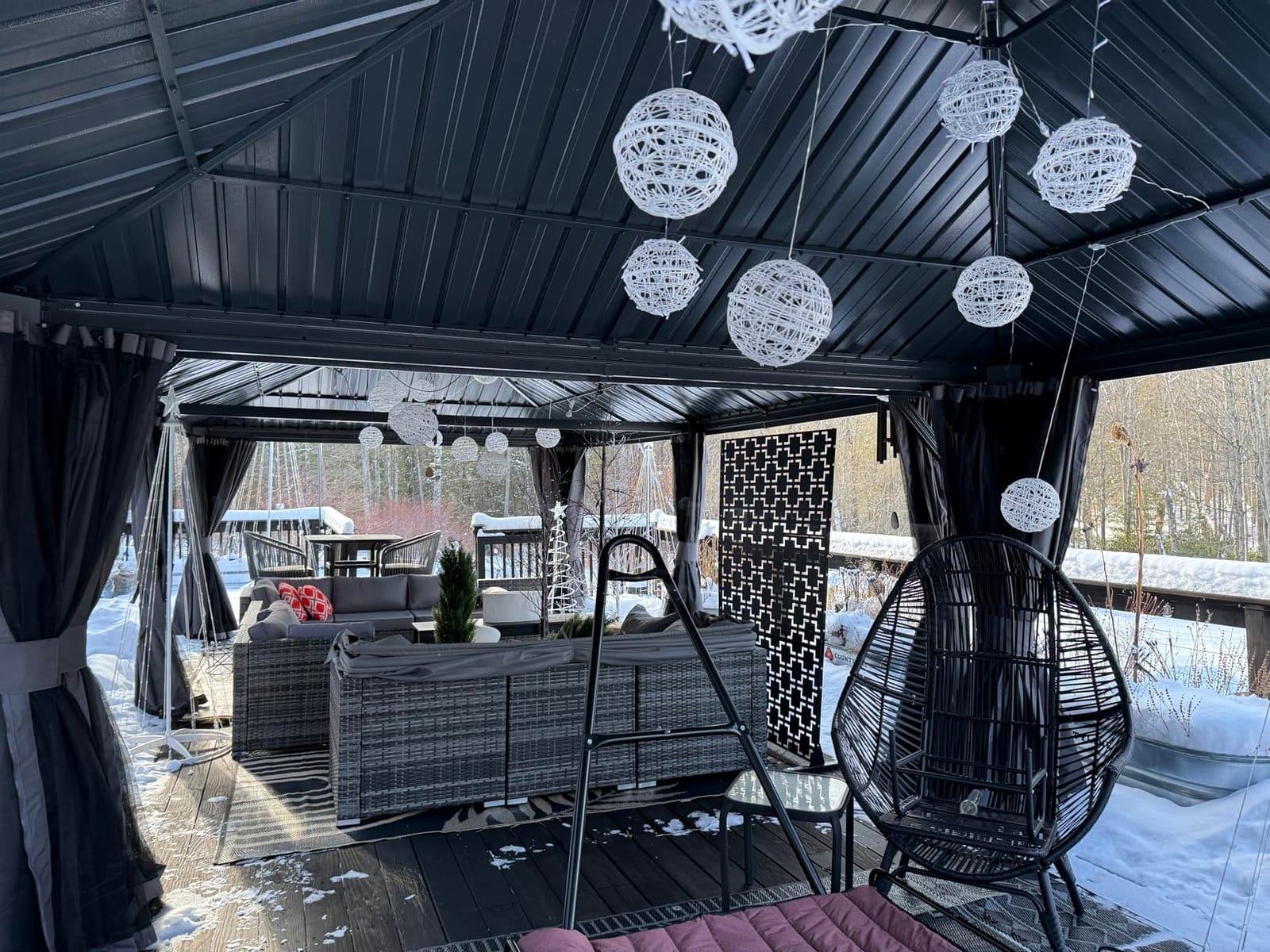
Why frame material changes the maintenance calendar
An aluminum frame does not rust, so you can skip the annual rust inspection you would give a steel frame and the periodic sanding and touch-up that goes with it. It also does not warp, which keeps the sidewall tracks square so the curtains and netting slide smoothly for years instead of binding.
UV performance is listed at 99 percent with a UPF 50+ rating, which is what you want for a structure whose main job is cutting glare off a patio between May and September.
What reviewers flag as limitations
Two ceiling hooks is the most-cited limitation. They are rated at 20 pounds each, so a fan plus a light works, but a fan plus two pendant lights plus a speaker does not. Plan a separate lighting solution or add a ceiling-mounted fixture on a portable bracket.
A few buyers also found some assembly steps ambiguous in the manual and called out a lower sales rank than comparable kits at this level, which usually means fewer long-term owner reports to lean on. Once it is anchored, reviews describe the frame as sturdy and the included curtains and netting as working well for both privacy and insects.
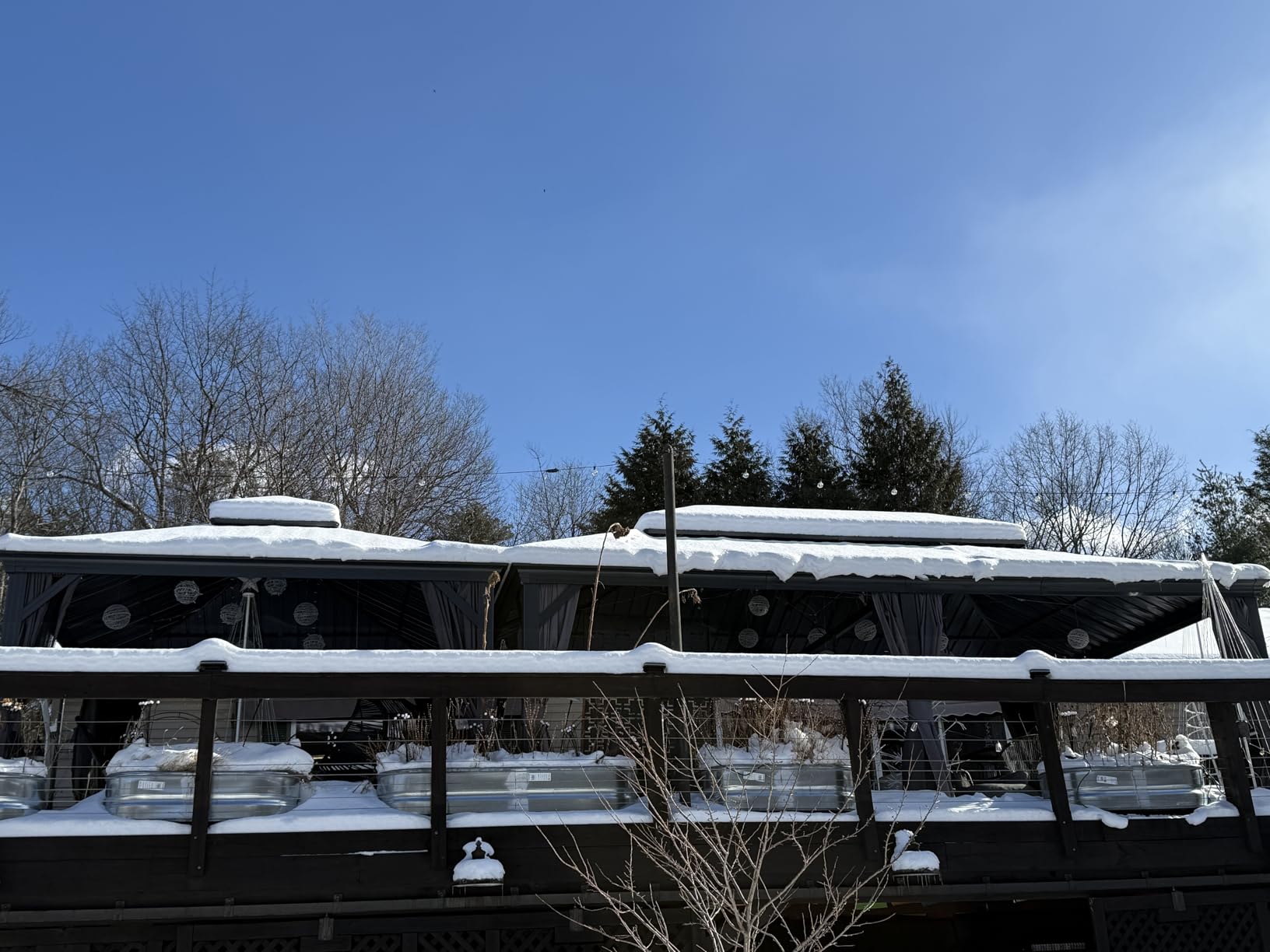
7. Yardistry 12×14 Meridian Cedar Pavilion – Best for Cedar Construction
Yardistry 12 x 14 Meridian Cedar Gazebo Pavilion for Patios, Decks, Garden, Backyard, Durable, Aluminum Roof
168 sq ft
Premium cedar with aluminum roof
Suits 6-8 people
Wind and snow tested
Pros
- 4.7 average with only 1 percent one-star reviews
- Premium cedar lumber with a rust-proof aluminum roof
- Hardware inventory arrives complete with spare screws
- Clean lines that suit a garden or cottage yard
Cons
- Factory cedar stain is pale and needs refinishing soon
- Roof assembly needs four people and a 2 by 4
- Ridge cap is awkward to fit and has sharp ends
- A few warped or imperfectly cut boards
The Meridian is the cedar pavilion that owns the 12×14 conversation, and its 4.7 average comes with only 1 percent one-star reviews, the cleanest owner record in the group. The frame is 100 percent premium cedar in a natural cedar stain, and the roof is a rust-proof coffee brown aluminum panel rather than coated steel, which is the upgrade most visible after a few seasons.
Structure detail is where this one earns the rating. Heavy-duty curved gussets at the joints add real stiffness, and a double beam roof support with cedar roof straps carries the load. Published testing puts it beyond industry standards for snow load and wind, and the listed occupancy is 6 to 8 people.
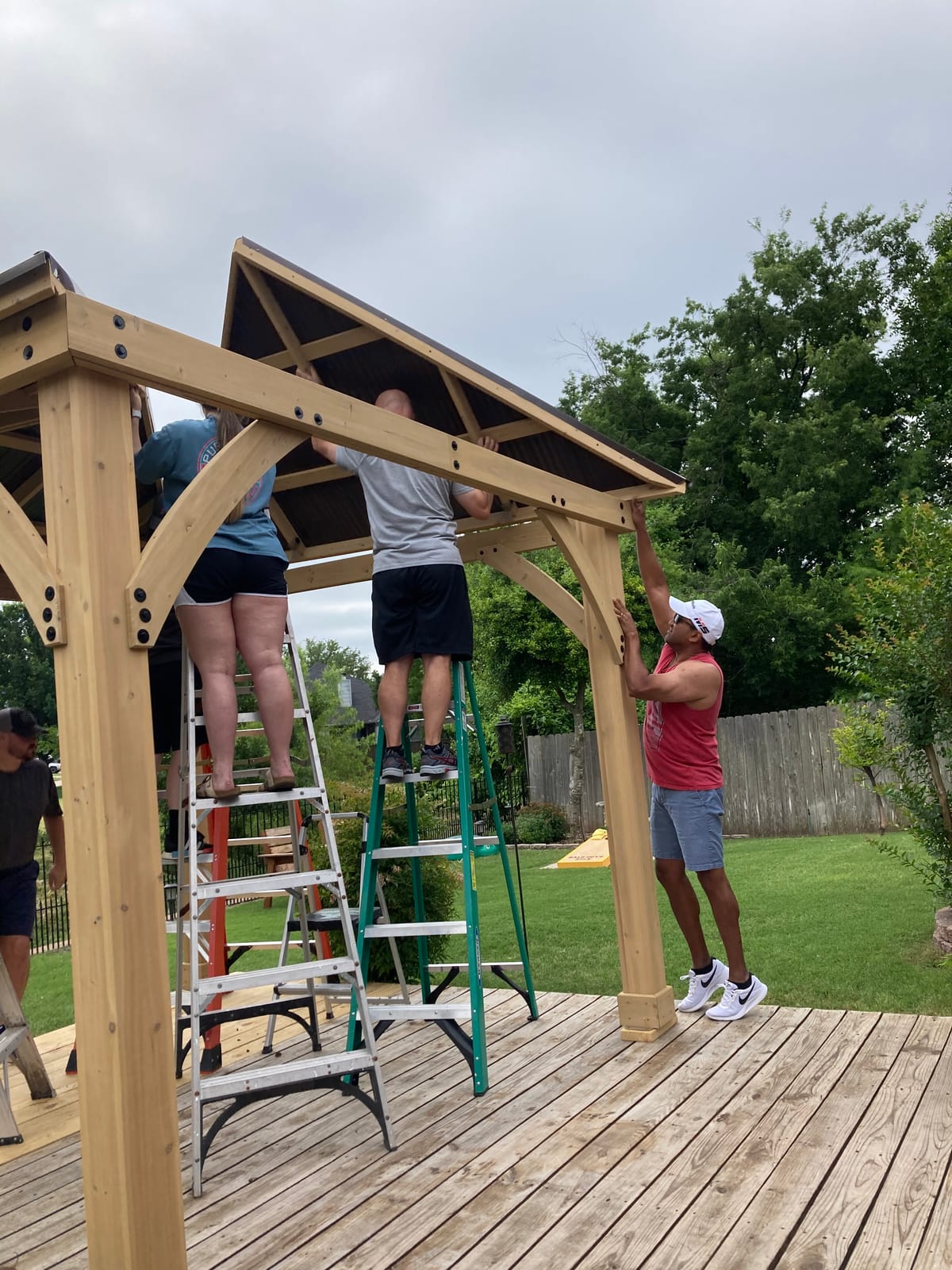
Preparing for the cedar finish
The single most consistent piece of advice from owners is to stain the structure soon after the build. The factory stain is very light, so the natural cedar color does not appear until you apply your own coat. Owners who planned for that step report a much better result than those who waited a year.
Cedar needs a refresh roughly every two to three years depending on how much direct sun the structure takes. That is the ongoing cost of buying wood instead of aluminum, and it is worth pricing in before you commit.
What the roof assembly actually demands
Owners consistently say the roof needs four people and that a 2×4 is used to hold the first panel in position while the others go on. That is the hardest build in this roundup by a clear margin, and it is the main reason we rank this below the Backyard Discovery for straight-through DIY.
Smaller complaints include an awkward ridge cap with sharp ends and seams, and a few warped or imperfectly cut boards in the kit. The upside is that the hardware inventory is complete, with extra screws, washers, and bolts included, so you are not making a hardware store run mid-build.
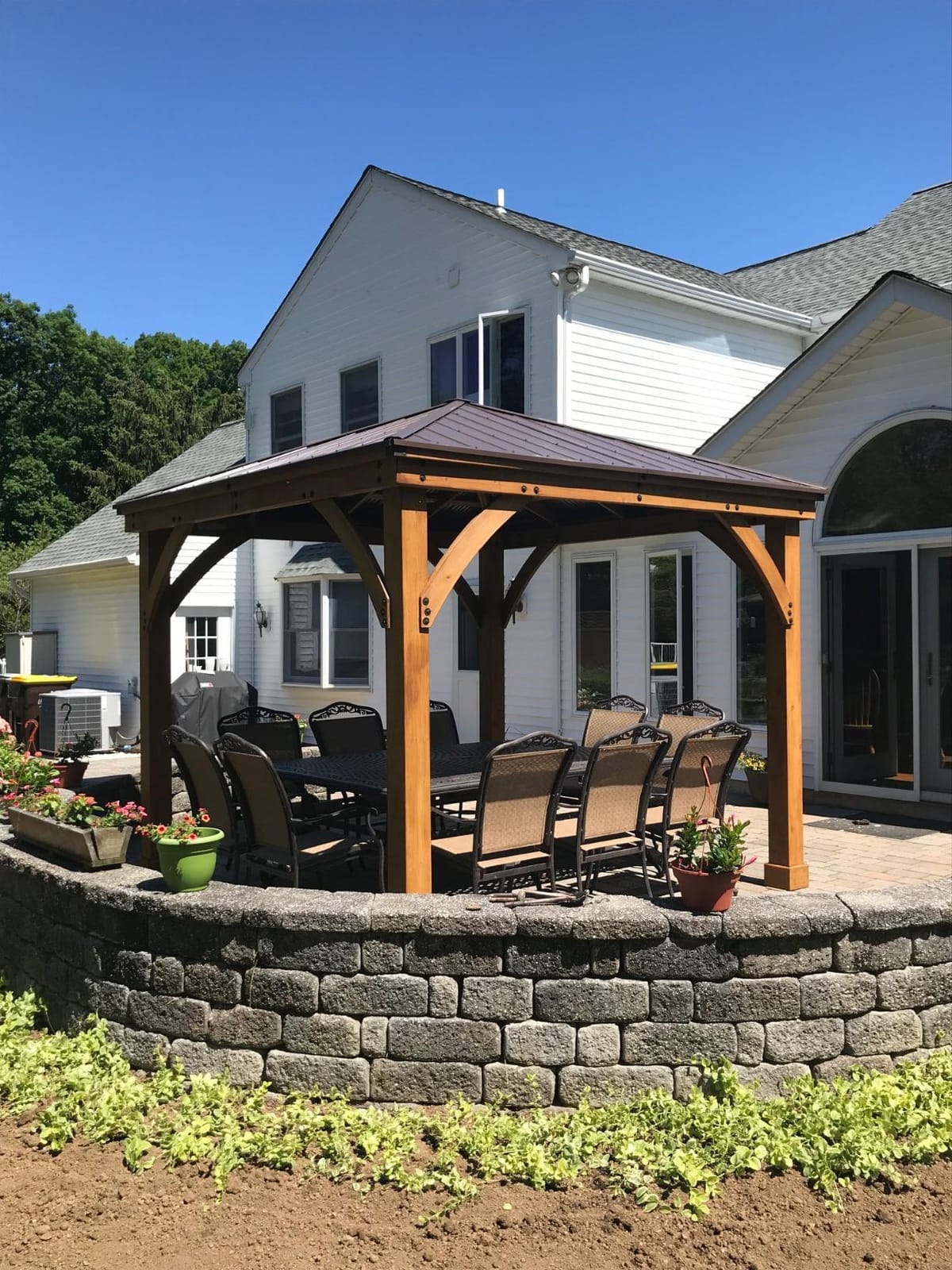
8. EROMMY 12×14 Hardtop Gazebo – Best for Large Dining Sets
EROMMY 12′ x 14′ Hardtop Gazebo, Aluminum Frame Gazebos with Galvanized Steel Double Roof, Permanent Outdoor Metal Pavilion with Curtain and Netting for Patio, Lawn, Deck
168 sq ft
Galvanized steel hardtop with vented double top
Fits a 7-person dining set
Pros
- Hard galvanized roof holds up better in snow and wind than fabric
- 3.94 inch triangular powder-coated aluminum frame
- Pre-drilled bases handle uneven ground
- Roof hooks for lights and fans
Cons
- Water resistant rather than fully waterproof
- Netting and curtain tracks take care to align
- Roof assembly is the hardest stage of the build
The EROMMY is a straightforward galvanized steel hardtop that lists occupancy at 7 people, which matches a rectangular seven-piece dining set with a bit of clearance around the edges. The frame uses 3.94 inch triangular powder-coated aluminum, and the pre-drilled bases are designed to sit on uneven ground, which matters if your yard is not dead level.
The vented double top gives the shade benefit of a hard roof with airflow underneath, and the listing cites 99 percent UV protection. Fully enclosed zipped double-layer sidewalls run on a double track system, and the kit includes top netting, four-side netting zippers, and roof hooks for lights and fans.
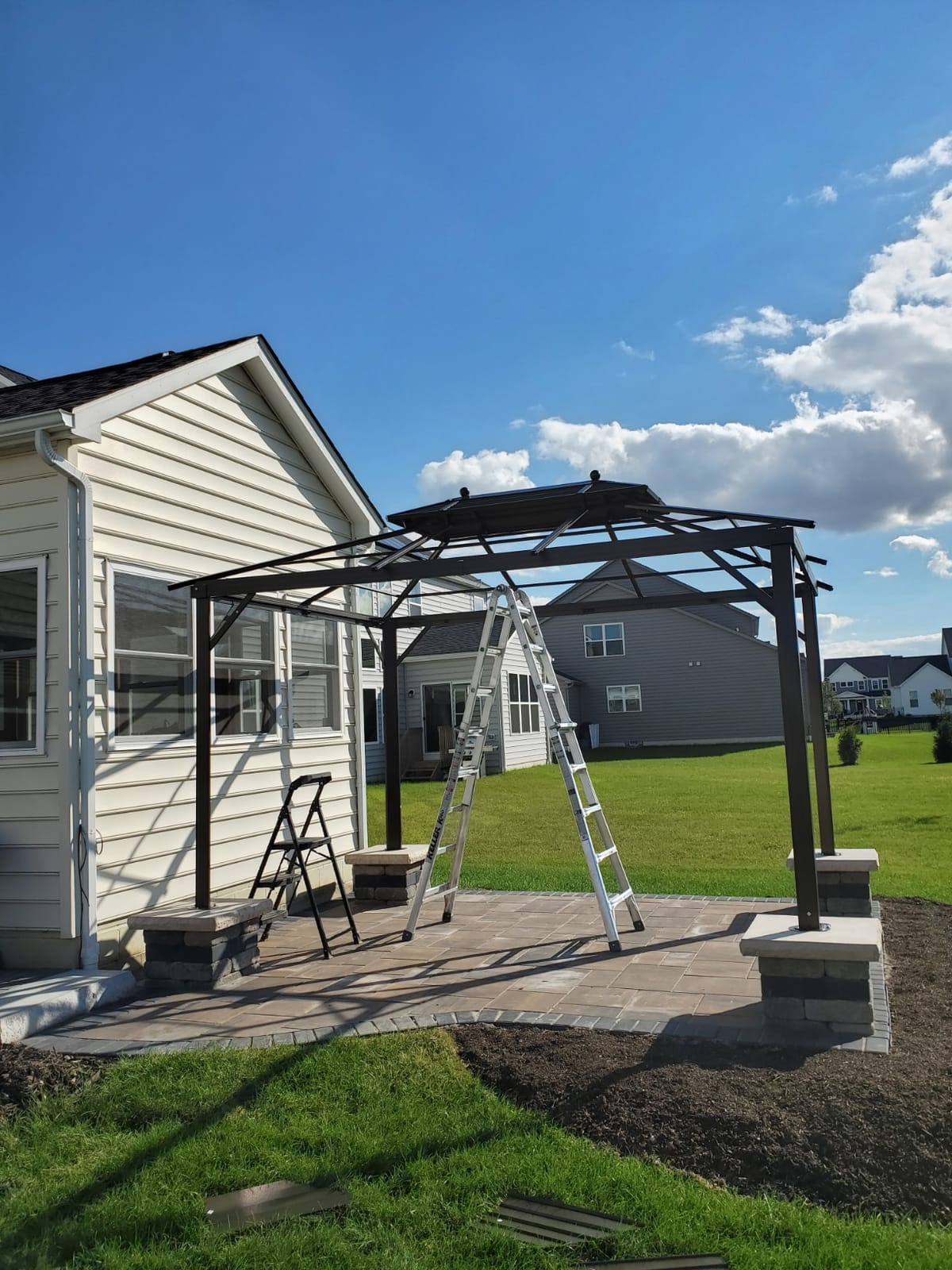
Hard roof versus soft top for this size
A galvanized steel hardtop outlasts a fabric canopy by a wide margin and holds a snow load and resists wind far better. The cost is weight at 280 pounds and a roof that conducts cold, so in winter you are sheltering from weather rather than warming up underneath it.
If you want summer shade only and plan to take the structure down for winter, a soft top is lighter, cheaper, and easier to store. But at 168 square feet you are buying a permanent outdoor room, and this hardtop is built to stay up year-round.
What holds the rating at 4.2
Owners generally like the roof and frame, and the aluminum is praised for handling uneven ground. The split feedback is about installation. Aligning the roof panels and the clip hardware is the most common pain point, and the sidewall tracks need care to thread correctly the first time.
The listing is water resistant rather than fully waterproof, so expect some runoff on the open sides in a hard rain. The 11 percent one-star share points to a solid product with a modest quality ceiling rather than a problem with the finished structure.
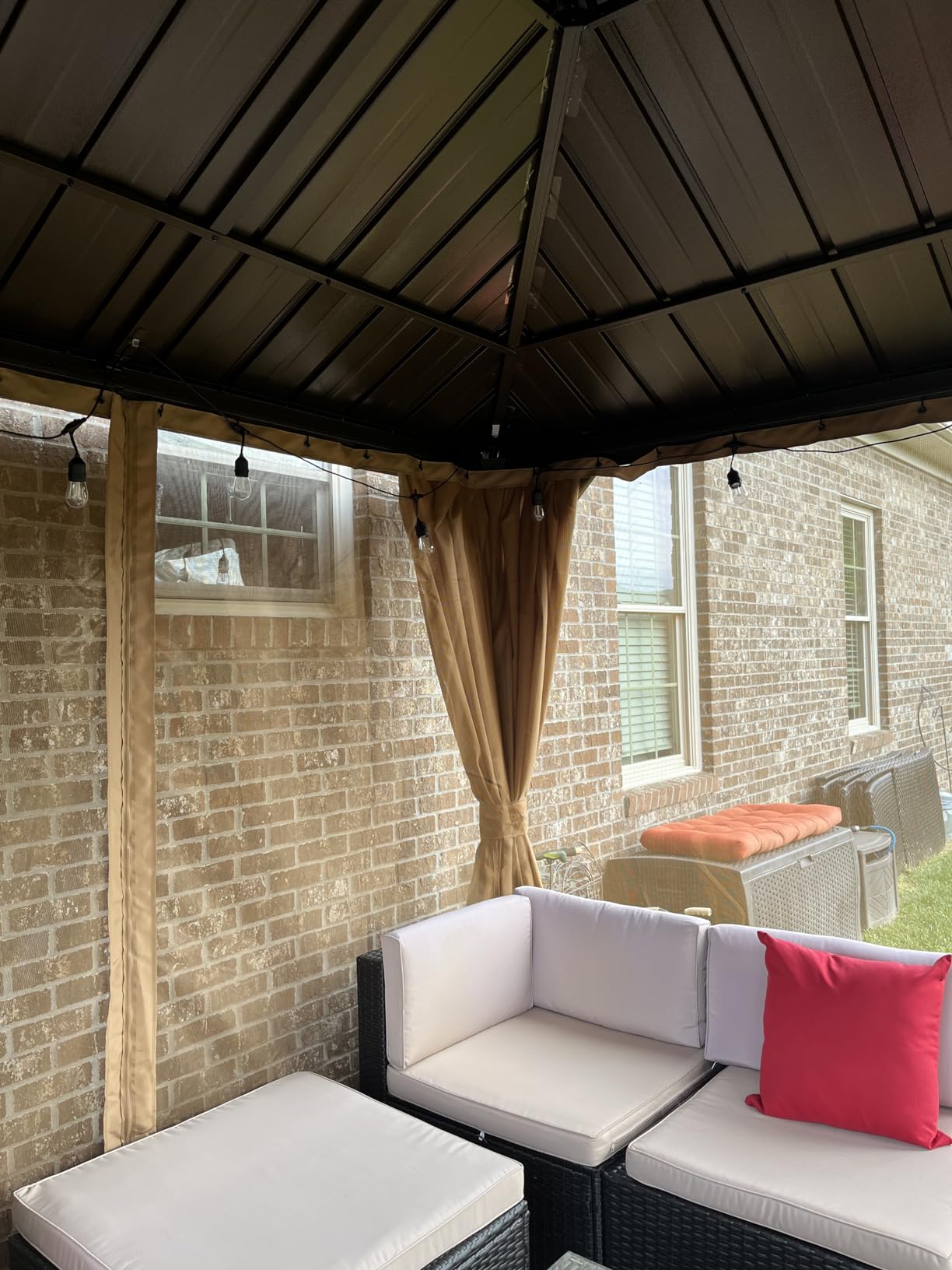
9. YOLENY 12×14 Hardtop Gazebo – Best for Snow Drainage
YOLENY 12×14 Gazebo,Outdoor Hardtop Gazebo with Aluminum Frame
168 sq ft
Double galvanized steel roof with sloped drainage
Triangular aluminum frame
Pros
- Sloped roof with leakage holes channels water and snow clear
- Triangular aluminum frame stiffer than standard tube frames
- Pre-drilled bases work on uneven ground and any floor
- Zipped double-layer sidewalls on a dual rail
Cons
- Hardware and roof clips are fiddly to align
- Instructions unclear on similar-looking parts
- Only one ceiling hook for lights or fans
The YOLENY stands out for its roof drainage design. It is a double-layer galvanized steel roof with a vented top, a deliberate slope, and leakage holes that channel rainwater and snow to the ground rather than letting it sit at the seam. On a 168-square-foot footprint that keeps the covered area drier than a flatter roof panel, and the frame is 280 pounds in total.
Rather than plain tube, the frame uses triangular powder-coated aluminum, which owners consistently call sturdier than the tube frames used at this price point. The pre-drilled post bases are designed for attachment to any floor type, which makes this a reasonable option on a paver patio rather than a poured slab.
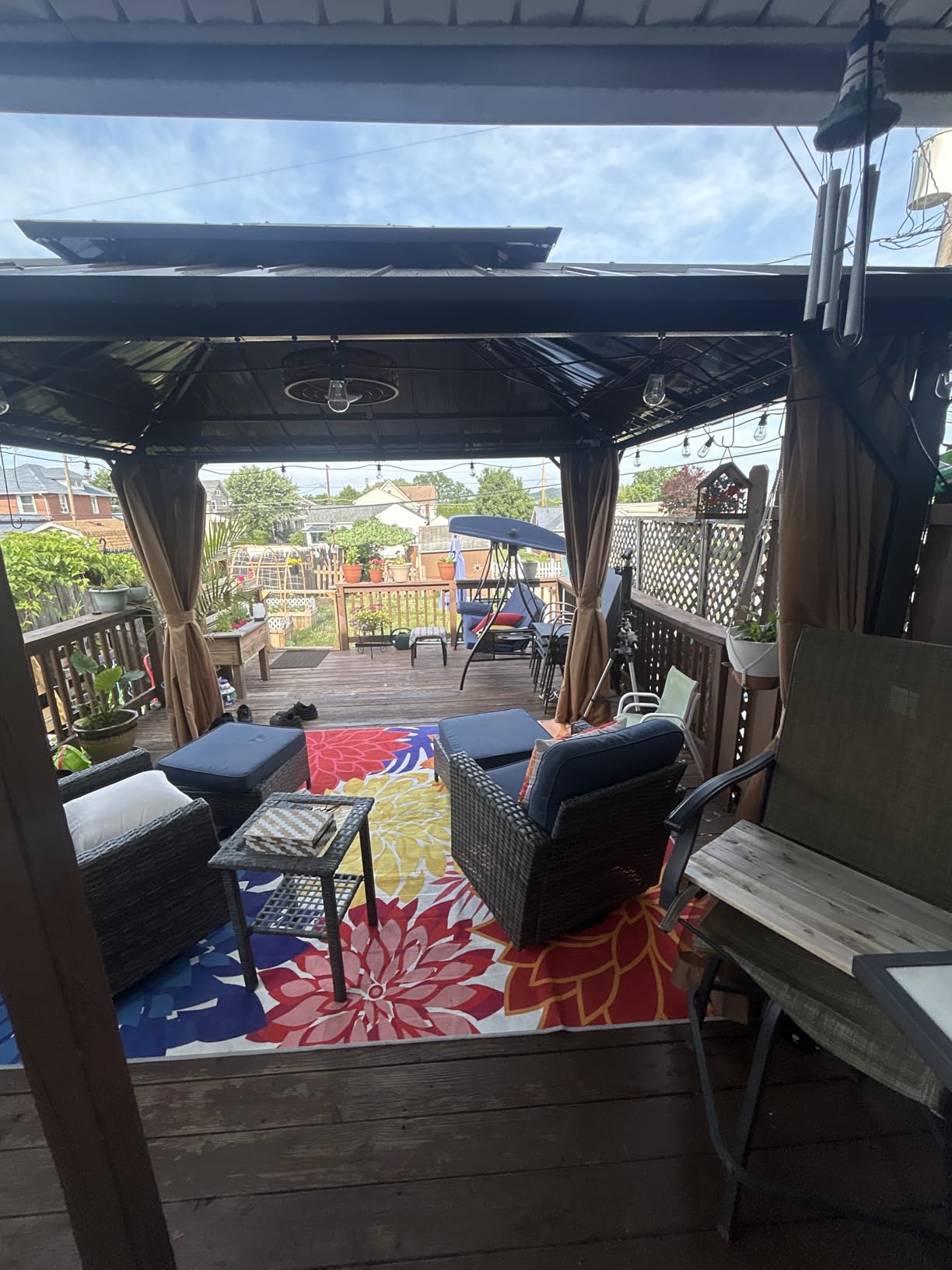
How the roof sheds water and snow
The double roof gives a vented cavity above the covered space, and the sloped panels move runoff and snow toward the perimeter. Assembled height is about 10 feet, so check clearance against tree branches and any overhead lines before the frame goes up.
UV protection is listed at 99.99 percent, and the structure is marked waterproof rather than water resistant, which is the more common rating in this group.
Where the 4.1 average comes from
The recurring negatives are all about installation precision. Aligning the roof panels and working with the clips is fiddly, and several owners report that instructions are unclear when two parts look nearly identical. The kit arrives in four boxes with standardized hardware.
Only one ceiling hook is included, so a fan and a light cannot both hang from the frame. The 13 percent one-star share reflects more quality complaints than the top-rated models, but the finished structure itself draws consistent marks for the roof and the triangular frame.
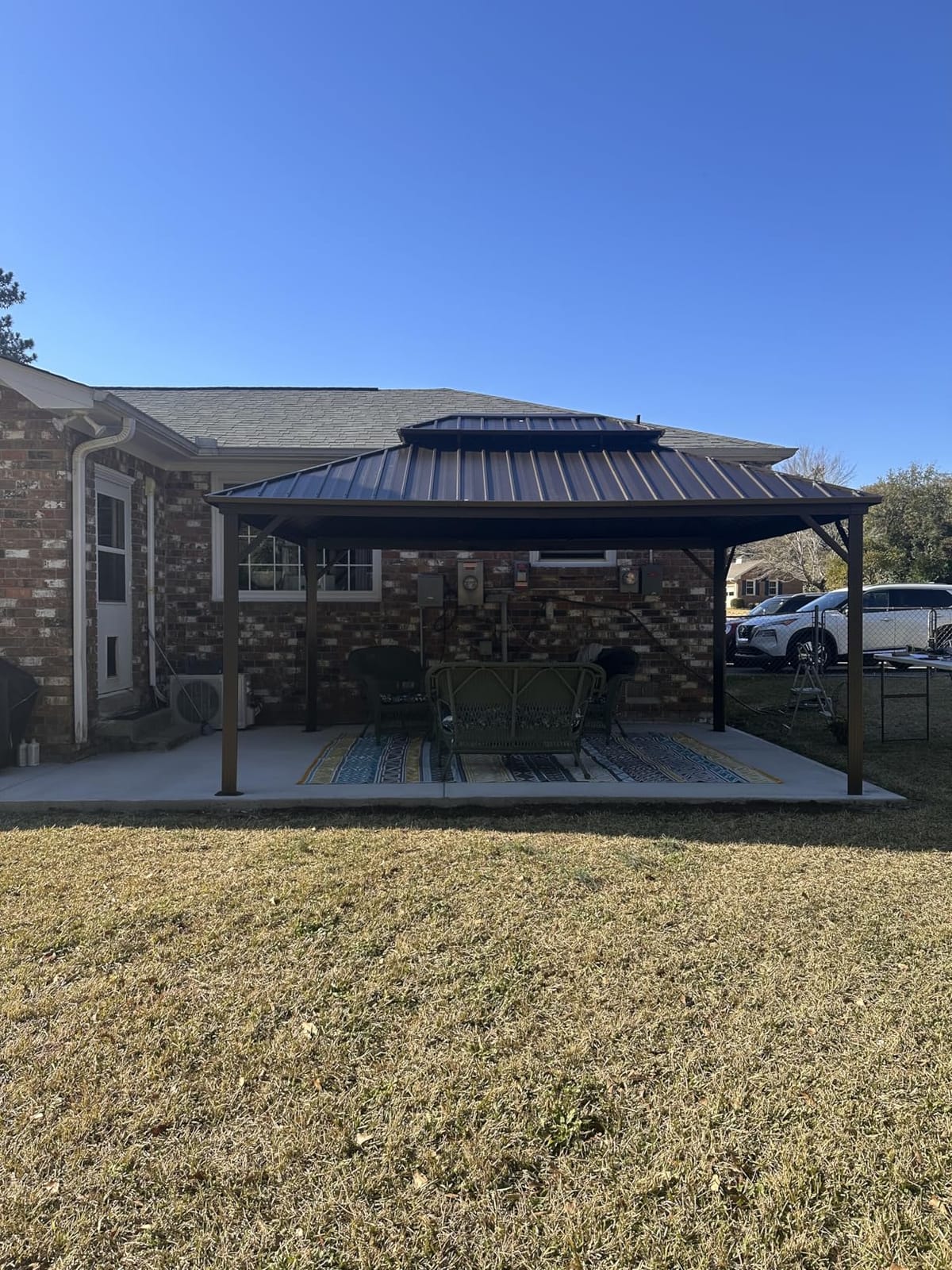
10. Modern Shade 12×14 Hardtop Gazebo with LED Lights – Best for Evening Use
Modern Shade Hardtop Gazebo 12×14 with 4 LED Lights for Backyard, Black
168 sq ft
Four solar-powered LED lights
83 MPH wind rating, 20 lb per sq ft snow
Pros
- Four solar LED lights built into the frame
- Highest published wind rating in this group at 83 MPH
- Detachable dual-track netting for shade and bugs
- Concrete screws included for deck or slab anchoring
Cons
- Smallest review base here
- so less long-term feedback
- Published wind and snow figures assume proper anchoring
- Arrives in multiple boxes on different days
This is the only hardtop in the roundup that includes lighting in the box: four solar-powered LED lights built into the frame. If your evenings are the main use case, that removes the most common accessory purchase, because you no longer need to run string lights across the frame or wire a hanging lantern to a ceiling hook.
The structure itself is conventional and solid. The roof is a fade- and rust-resistant galvanized steel double roof, rated at 20 pounds per square foot of snow load and up to 83 MPH wind, which is the highest published wind figure among the twelve. Those numbers assume the unit is anchored into concrete or decking with the included screws.
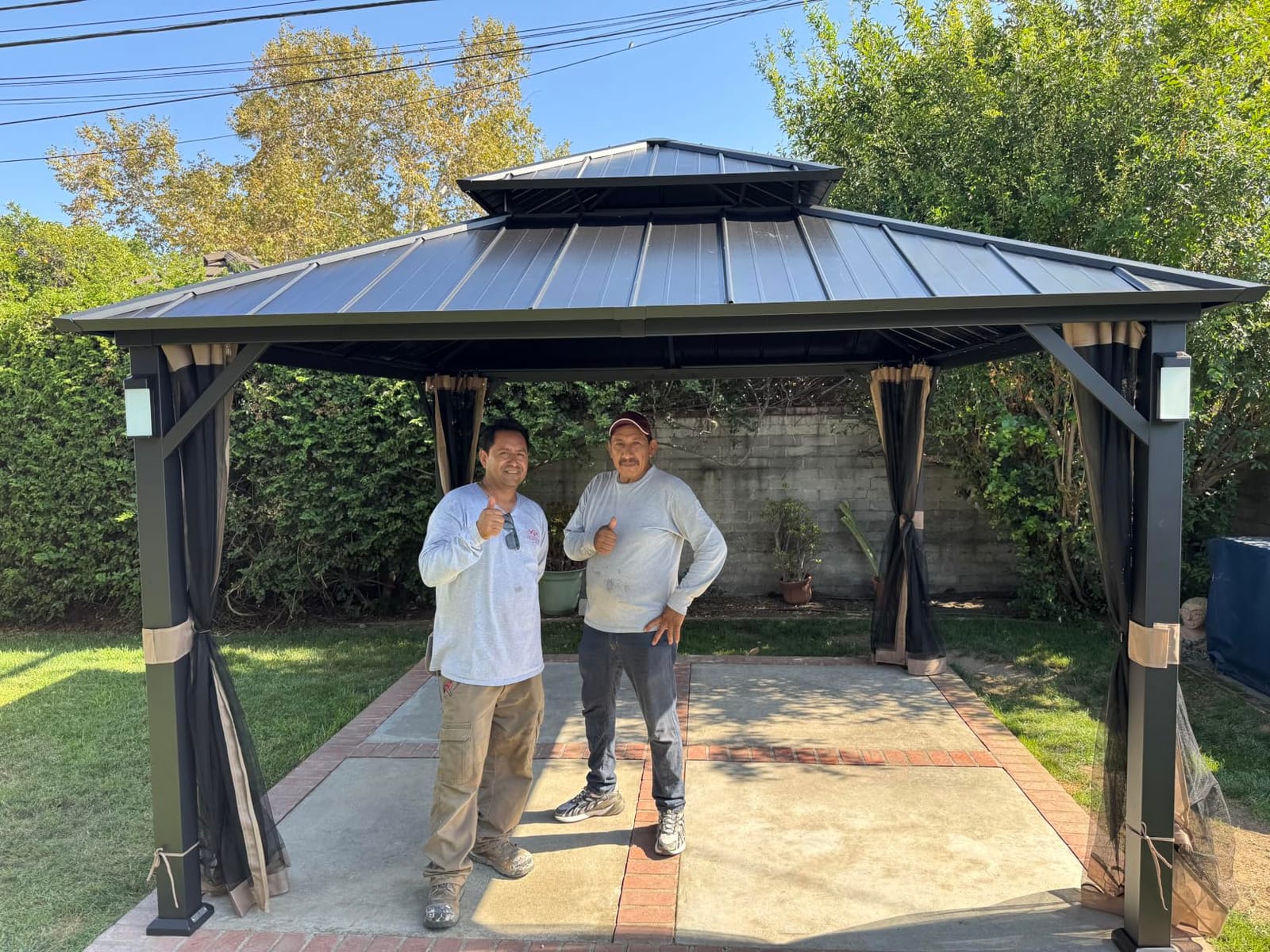
What the integrated lighting changes
Solar LEDs need no wiring and no outlet, so the structure stays self-contained on a deck with no power nearby. That also means no outlet to weatherproof and no cord across a walkway, which matters on a raised deck where the surface stays wet.
Detachable dual-track netting gives shade and insect control without permanent sidewalls, so you can strip it back in winter and store it. U-shaped roof hooks let you add a fan or more lights if the four built-in lights are not enough for dining brightness.
Where to temper expectations
The 4.6 average comes with the smallest review base in this group at 246 reviews, so there is less long-term feedback about how the roof coating and frame hold up over many seasons. Treat it as a strong current rating rather than a proven track record.
Anchoring is not optional if you want the published wind figure. The kit includes concrete screws for concrete or decking, and a ground-stake-only install will not reach those numbers. The build is recommended for two to three people, and the unit arrives in multiple boxes.
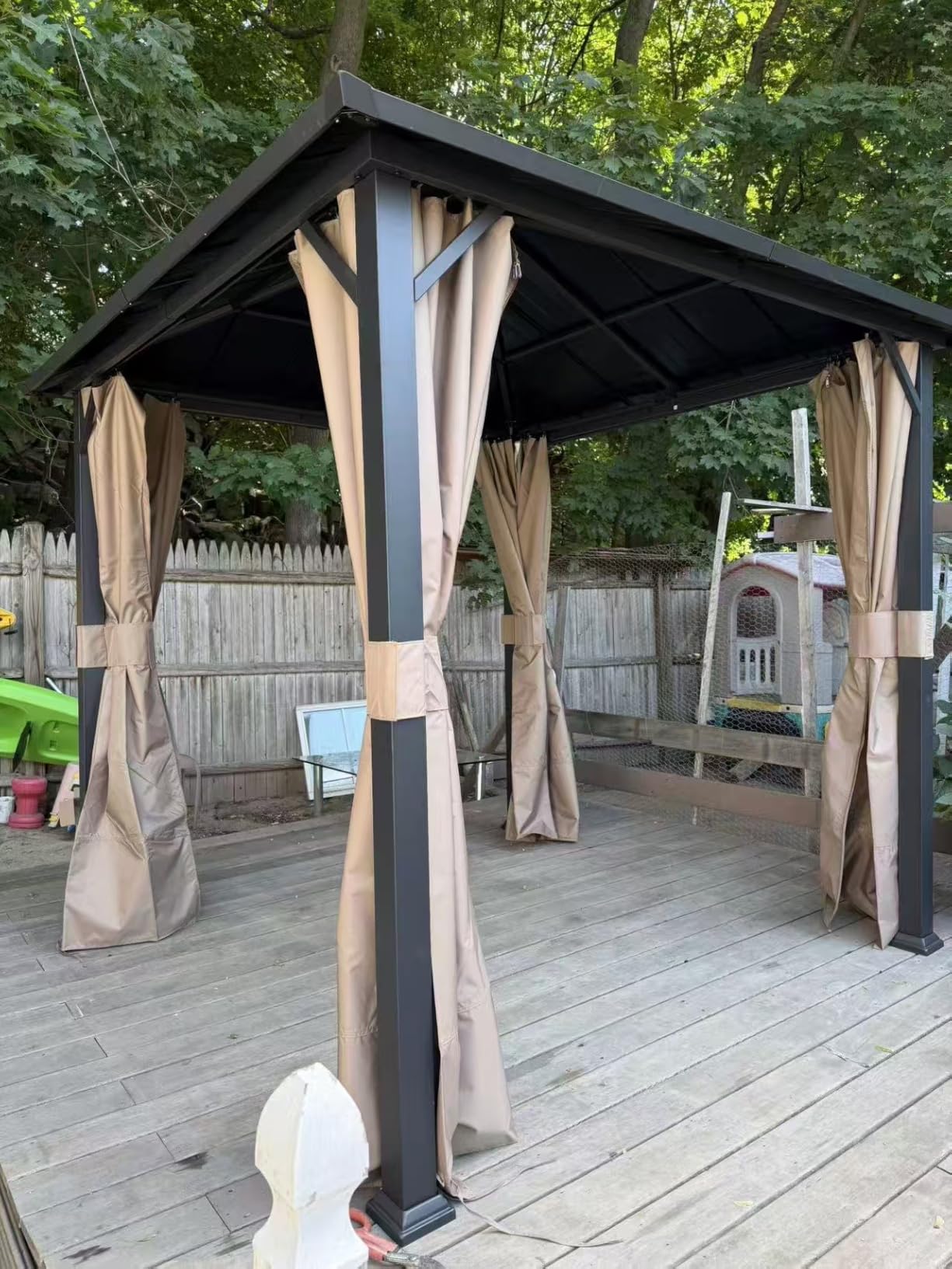
11. Aoxun 12×14 Polycarbonate Hardtop Gazebo – Best Budget Entry
Aoxun 12’x14′ Hardtop Gazebo with Polycarbonate Double Roof, Gray
168 sq ft
Double-layer polycarbonate roof
UV blocking with airflow
numbered hardware
Pros
- Lowest entry point for a true 12x14 footprint
- Polycarbonate double roof blocks UV while allowing airflow
- All parts clearly numbered with illustrated instructions
- Curtains and inner zipped netting included
Cons
- Lowest average rating here with a 15 percent one-star share
- Lighter 197.3-pound frame than the metal and wood kits
- Needs ground spikes and wind rope when set on grass
The Aoxun polycarbonate model is the way into a real 12×14 footprint without moving up a tier. The roof is double-layer polycarbonate rather than steel or aluminum, and it blocks UV while still letting air circulate, which is why the listing marks it waterproof. The frame is a thick powder-coated metal rated to resist scratching, peeling, and corrosion, with hooks for fans, lights, and decorations.
Removable polyester curtains and inner zipped mosquito netting are both included, so you can run the space as a screened room in summer and open it up in spring. The listed dimensions are 168.1 by 112.2 inches at the frame with a height of about 144 inches, which makes this one of the taller units in the group.
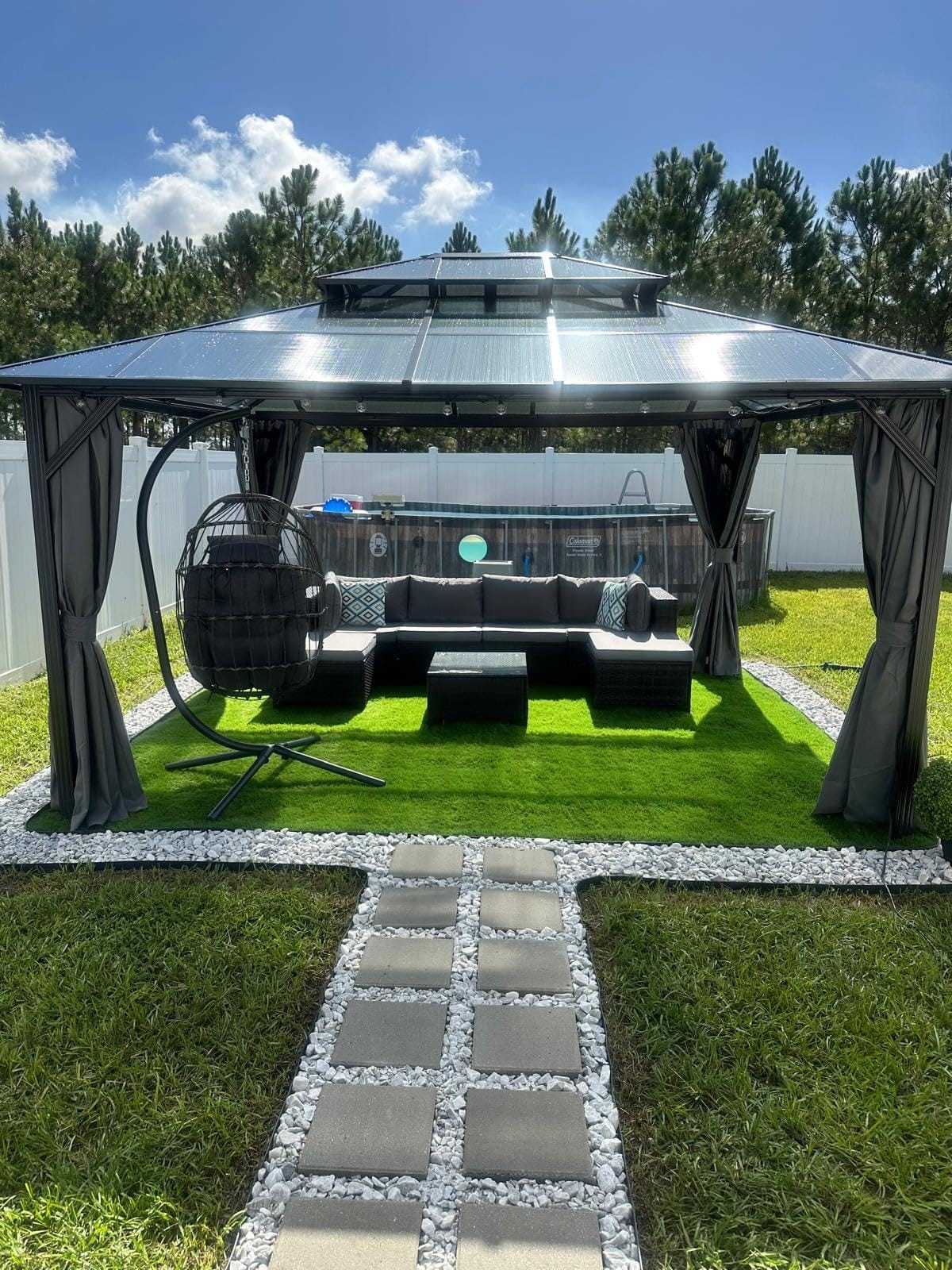
Polycarbonate versus steel at this size
Polycarbonate roof panels are lighter than galvanized steel, which reduces the load on the frame and makes the roof phase easier. They also filter light instead of blocking it, so the space stays brighter under overcast skies. The trade-off is surface durability, where steel resists scratches and hail better.
At 197.3 pounds this is the lightest metal-frame kit here, and that lower mass is the main reason it needs careful anchoring. On grass it must be fixed with ground spikes and wind rope, and even then it is the structure we would least want standing through a coastal storm.
What the 4.0 average reflects
Owners appreciate the size for the price and like that every part is clearly numbered with illustrated instructions, which speeds up identification during the build. Assembly is described as needing two to three people over two to three hours, the shortest build in this roundup.
The 4.0 average is held down by a 15 percent one-star share, with complaints clustering around finish durability, assembly fit, and anchoring. If you can hold the site prep to a paved surface and live somewhere with mild weather, it is a capable structure. If you want it to handle snow or sit through storm season, spend up a tier.
12. Aoxun 12×14 Insulating Hardtop Gazebo – Best for Hot and Sunny Yards
Aoxun 12X14Ft Hardtop Gazebo Metal Gazebo with Galvanized Steel Double Roof
168 sq ft
Insulating interlayer between roof layers
Force 7 wind, 31-38 MPH
Blocks over 95% UV
Pros
- Insulating interlayer keeps the interior noticeably cooler
- Sloped double-layer construction drains water fast
- Dual curtain system combines mesh with opaque privacy panels
- Ground stakes and expansion screws included
Cons
- Weakest wind rating in the group at 31-38 MPH
- Highest one-star share here at 16 percent
- Needs 3-4 adults over 3-5 hours
- Some complaints about the brown finish
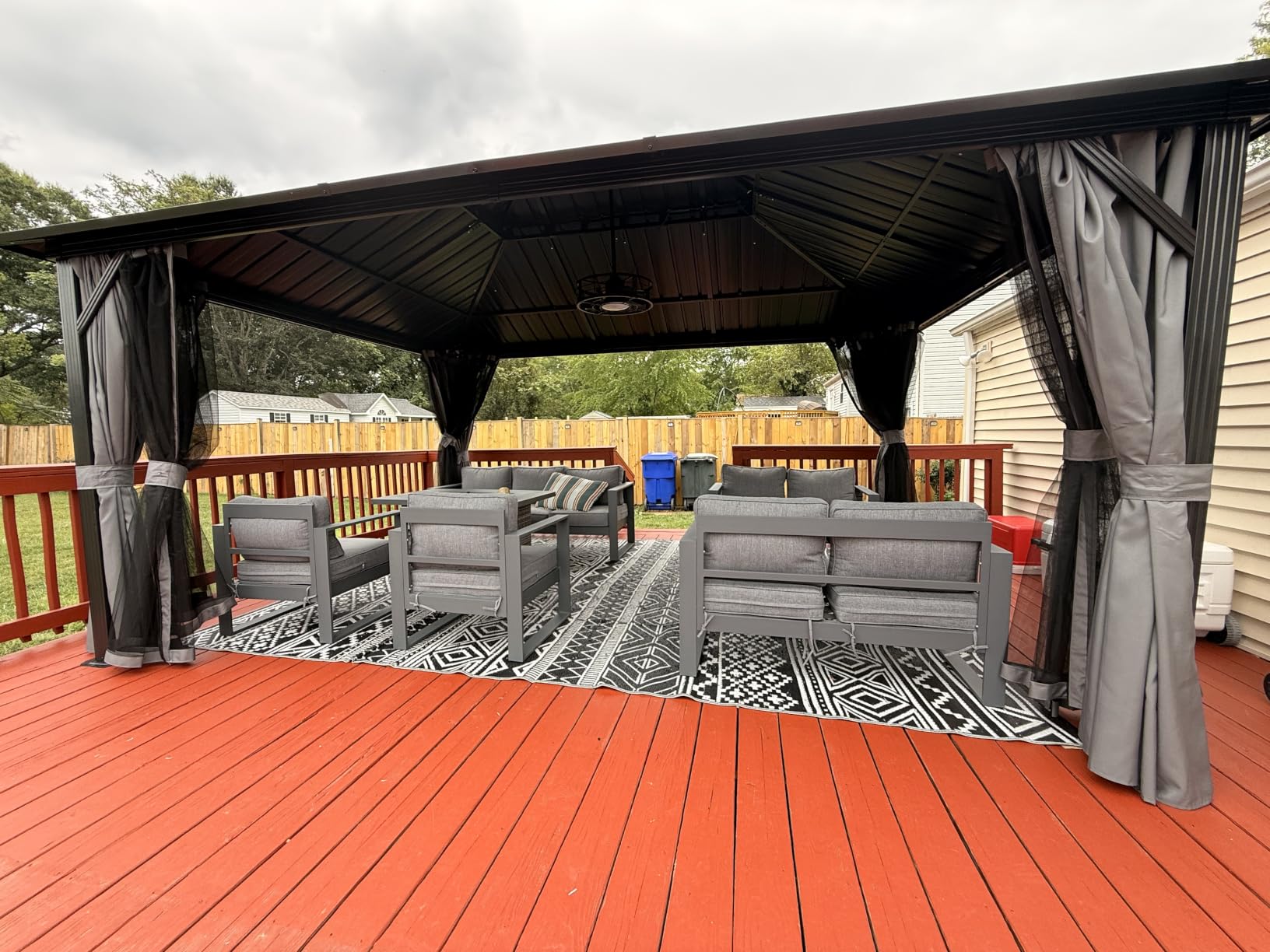
This Aoxun is built around one idea: getting the interior temperature down. The dual-layer roof has a heat-insulating interlayer between the sheets to block harsh sunlight, and the fabric sidewalls block over 95 percent of harmful UV. Reviewers who live in hot climates consistently credit the roof with keeping the space cooler than the steel-roof kits.
The roof is scientifically sloped for rapid drainage with leak-proof double-layer construction, and the powder-coated steel frame comes with ground stakes and expansion screws, so the anchoring hardware does not become a separate purchase. Sidewalls are removable 180g polyester curtains paired with fine mesh and opaque panels, so you get insect control and privacy from the same package.
Cooling performance versus wind strength
That same insulated roof carries the lowest wind rating in the roundup. The frame is rated to Force 7, which works out to 31 to 38 MPH. That is fine in a sheltered suburban yard with a fence or hedge line, and it is not fine on an exposed lot or anywhere with storm season.
If your priority is keeping the patio usable in July heat, the insulating layer is genuinely effective and buyers back that up. If your priority is surviving a storm, this is the wrong kit regardless of how good it feels in August.
What reviewers flag
The 16 percent one-star share is the highest of the twelve, which points to a wider spread in finish and fit quality than the other Aoxun model. Some buyers also comment on the brown finish and paint quality specifically.
Assembly is on the heavier side of manual work at three to four adults over three to five hours, and hardware is pre-drilled with clear step-by-step instructions. Listed occupancy is 6 to 8 people at 168 square feet. Treat it as a seasonal shade structure rather than a year-round weather shelter.
12×14 Gazebo Buying Guide
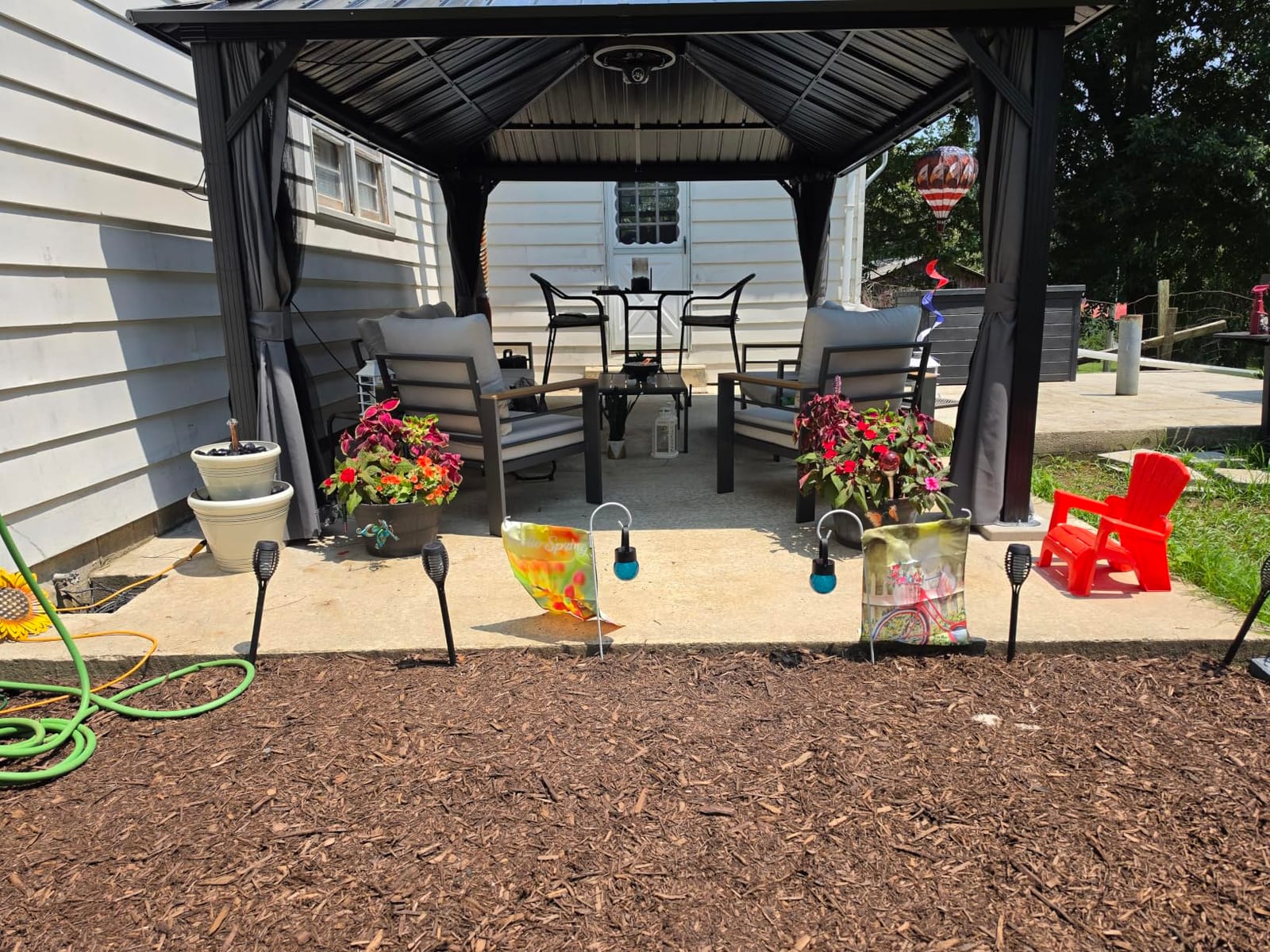
A 12×14 gazebo is a 168-square-foot structure, and that number is more useful than the footprint label. It fits a six-foot round table with chairs pushed back and still leaves walking room, or a three-piece sectional and coffee table with clearance around the edge. It will not take an outdoor kitchen with a 36-inch grill island and counters, which needs 12×16 or larger.
One caution applies to every kit below: interior space is always smaller than the advertised footprint. Post thickness, beam width, and sidewall tracks all eat into the usable rectangle, so measure your actual clear area and compare against the interior dimensions rather than the headline size.
Hardtop vs soft-top for a backyard
A hardtop gazebo uses steel, aluminum, or polycarbonate panels. It stays up year-round, sheds rain and snow, and carries a published load rating, but it is heavy and adds hundreds of pounds to whatever supports it. Most hardtops in this roundup run 280 to 400 pounds, and the cedar pavilion reaches 782.6 pounds.
A soft-top gazebo uses a fabric canopy stretched over the frame. It is lighter, cheaper, and quick to assemble, and it blocks UV effectively, but fabric needs replacing every few years and offers no snow or wind rating. For a 12×14 that you plan to leave standing through four seasons, we would pick a hardtop every time.
Roof materials compared
Galvanized steel is the most common hardtop roof, typically 29 gauge, and it is the best balance of cost and strength. It can scratch and show surface wear over years, and it conducts cold, so winter use means weather protection rather than warmth. Five of the picks here use steel roofing.
Aluminum roofing resists corrosion and scratches better than steel, which is why the cedar pavilions at the premium end use it. Polycarbonate filters light rather than blocking it and keeps the interior brighter, while being the least resistant to surface damage. The Aoxun polycarbonate model and the Modern Shade steel model show the two ends of that trade-off.
Frame materials compared
Powder-coated aluminum frames do not rust and do not warp, which keeps sidewall tracks square for years. Most kits in this roundup use triangular aluminum profiles between 3.94 and 4.7 inches, and triangular sections resist racking better than plain tube. Steel frames are heavier and stronger at the same gauge but need rust inspection over time.
Cedar frames are the premium option. They look and smell the best, take weather detail well, and last a long time, but they need a stain refresh every two to three years and the roof phase needs more hands. If you are weighing other structures for the same yard, our outdoor shed guide covers the storage side of the space.
Matching the frame to your climate
Snow belt: pick a published snow load figure. Twenty-two pounds per square foot covers moderate winters, the Kozyard’s 2500-pound figure covers heavy ones, and the Backyard Discovery’s testing to 30 inches of snow is the strongest published claim in this group. Clear steel roofs after major storms regardless.
High-wind plains or coastal: wind rating matters more than snow. Anything above 60 MPH published requires proper anchoring. The Modern Shade lists 83 MPH, the Kozyard 60 MPH, and the Aoxun insulating model only 31 to 38 MPH, which rules it out for an exposed lot.
Sun belt and desert: UV protection and heat management are the priorities. Look for UPF 50 plus coverage, which the two Domi models cite, and consider the polycarbonate or insulated-roof options if the space needs to stay usable in peak afternoon heat.
Base preparation and anchoring
Four feet of clearance around the footprint is the minimum working space, and most of these kits need six feet on at least two sides for the roof phase. The frame sits on the base, and the anchors are what transfer wind and snow load into the ground instead of into the frame itself.
Concrete footings or a poured slab give the strongest hold and suit heavy cedar builds. Diamond piers or pier points under each post work well for aluminum and steel frames and cost less to install. Paver patios need drilled expansion anchors into the pavers or the base beneath, and they will only be as strong as what is under them. Ground stakes are for level, firm soil and light wind loads only. If cooking is the main event under the roof, our backyard griddle guide covers the hardware that pairs with it.
Follow this order: mark the footprint and check level, prepare the base, build the frame square and plumb, anchor before adding roof panels, then fit the roof, then hang the sidewalls. Anchoring last means you cannot get a wrench to the base plates.
Permits and code
Most jurisdictions require a permit for a permanent structure over roughly 100 to 120 square feet, which puts every gazebo in this roundup over the line. A 168-square-foot structure is a permanent fixture in most building codes, and the local building department treats it closer to a shed than to furniture. Check before you order, because a permit drawn after delivery can delay your build by weeks.
Assembly: the honest numbers
Brand recommendations in this group run from two to three people over two to three hours at the shortest, up to four people for the cedar roof panels. Real-world reports land longer than the box claims across the board. Most owners spend a full weekend on a two-person build, and the roof phase is where a third set of hands changes the outcome.
Paying a professional is worth it when the roof is heavy, the site is uneven, or you do not have a third helper. People who hired help on the cedar pavilion describe three to four days on site, while confident DIYers finished the same kit in roughly 7 to 8 man-hours. The gap between those two numbers is experience, not kit difficulty.
Lifespan and maintenance
Hardtop aluminum and steel frames typically last 15 to 20 years, cedar 20 years or more with maintenance, and soft-top canopies need replacement every three to five years. Keep that in mind when a fabric top starts to fade, because the frame underneath usually has many years left.
Monthly, clear the gutters and check drainage paths so water leaves at the frame edge. Seasonally, wash the roof panels, inspect anchors for movement, and store detachable netting and curtains dry. Annually, tighten hardware, check the powder coat for chips, and refresh the cedar stain on cedar structures every two to three years.
Frequently Asked Questions
Which brand of gazebo is the most durable?
For a 12×14 hardtop, durability comes down to frame material and published load ratings. Backyard Discovery’s cedar pavilion carries the strongest tested figures in this roundup at up to 100 MPH wind and about 30 inches of snow. Powder-coated aluminum frames from PURPLE LEAF, Kozyard, and Domi resist rust and warp without maintenance. Cedar lasts longest but needs a stain refresh every two to three years.
Which is better for my backyard, a hardtop gazebo or a soft top gazebo?
A hardtop is better if you want the structure up year-round. Steel, aluminum, or polycarbonate roofing sheds rain and snow, carries a published load rating, and lasts 15 to 20 years. A soft top is lighter, cheaper, and quick to assemble, and it blocks UV well, but fabric needs replacing every three to five years. At 168 square feet, most buyers on a deck want the hardtop.
How long does a 12×14 gazebo take to assemble?
Most 12×14 hardtop kits take two people a full weekend, which is 12 to 20 hours of actual work. Brands quote anywhere from two to five hours, but owner reports consistently run longer because of the roof phase. Add a third person for the roof on any cedar kit. Budget the weekend plus a separate day for anchoring and leveling if the base is not already flat.
What are common gazebo mistakes?
The most common mistakes are anchoring last instead of first, ordering against advertised rather than interior dimensions, skipping a level base, and building the roof without a third pair of hands. A second tier of errors includes keeping soft tops up through winter, buying a cedar structure and forgetting the stain schedule, and assuming a wind rating holds when the unit is not anchored.
How long do 12×14 gazebos last?
Hardtop aluminum and steel structures typically last 15 to 20 years with basic maintenance, and cedar frames can run 20 years or more when you refresh the stain every two to three years. Fabric canopies on soft-top models need replacing every three to five years even when the frame is sound. Routine gutter clearing and annual hardware checks extend the life of any of them.
The Bottom Line on the Best 12×14 Gazebos for Backyards in 2026
The PURPLE LEAF 12×14 aluminum gazebo is our pick as the best 12×14 gazebo for backyards, with the highest satisfaction score in the group at 4.8 across 1571 reviews, the heaviest enclosure fabric at 260 gsm, and a frame that drains water out through the posts. If snow or wind drives your decision, the Kozyard Alexander’s 2500-pound snow load and 60 MPH rating or the Backyard Discovery’s tested 100 MPH figure are the stronger buys.
Whatever you choose, anchor it properly, measure your interior clearances rather than the advertised footprint, and give the roof phase a third pair of hands. Those three steps decide whether the first summer goes well. For sizing the rest of your outdoor space, start with our complete backyard gazebo guide.