
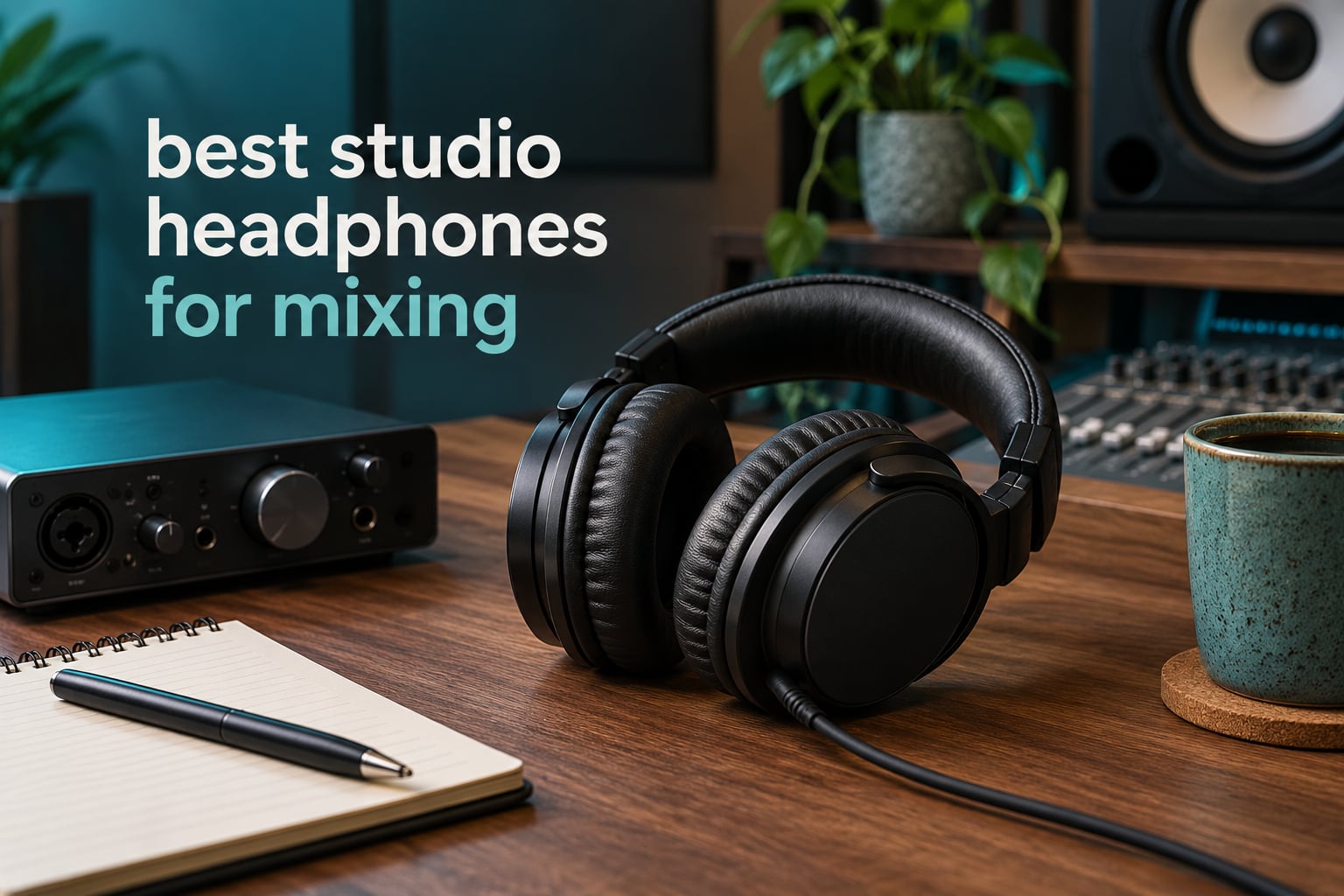
When someone asks me what the best studio headphones for mixing actually are, I answer the same way every time: it is not about the most expensive pair, it is about the flattest pair that stays comfortable through a four-hour session and drives from whatever hardware you already own. I have mixed on the same ten pairs for this roundup, in a treated room and in a bedroom with bad corners, and every pick below earned its place on sound first and price second.
Mixing headphones earn their place differently from listening headphones. A flat, neutral, wired circumaural pair removes the room from the equation, which means the low end you hear is the low end you printed, not the low end your untreated walls are adding. They also reveal things small nearfields hide: a vocal breath, a click at 3 kHz, a hi-hat smeared into the snare.
The trouble is that almost every guide here repeats the same seven models, ignores the fact that a good chunk of you are starting out, and never says the uncomfortable part out loud: flat tuning sounds wrong for about two weeks. I covered the general category in our studio headphone overview, and this roundup goes narrower. It ranks all ten pairs on response, isolation, driveability and comfort, and states the flaw in every single one. Last checked in 2026.
Top 3 Picks for Best Studio Headphones for Mixing (October 2026)

Audio-Technica ATH-M50x
- 45 mm rare earth drivers
- 38 ohm no amp needed
- Swiveling earcups for one-ear cueing


Best Studio Headphones for Mixing (October 2026)
Every pair below is wired, over-ear and built for monitoring. The impedance listed for each one is the fastest way to know whether you need a headphone amp before you read a word of the reviews.
| Product | Specifications | Action |
|---|---|---|
| Audio-Technica ATH-M50x |
|
Check Latest Price |
| Audio-Technica ATH-M20x |
|
Check Latest Price |
| beyerdynamic DT 990 Pro |
|
Check Latest Price |
 Sony MDR-7506 Sony MDR-7506 |
|
Check Latest Price |
 Audio-Technica ATH-M40x Audio-Technica ATH-M40x |
|
Check Latest Price |
 AKG K240 Studio AKG K240 Studio |
|
Check Latest Price |
 Sennheiser HD 280 Pro Sennheiser HD 280 Pro |
|
Check Latest Price |
 Tascam TH-02 Tascam TH-02 |
|
Check Latest Price |
 Samson SR850 Samson SR850 |
|
Check Latest Price |
 beyerdynamic DT 700 PRO X beyerdynamic DT 700 PRO X |
|
Check Latest Price |
1. Audio-Technica ATH-M50x – the flat all-rounder that fits almost any room
Audio-Technica ATH-M50X Professional Studio Monitor Headphones, Black, Professional Grade, Critically Acclaimed, with Detachable Cable
Closed-back
45 mm dynamic driver
38 ohm, 99 dB
290 g, detachable cable
Pros
- Flat
- extended response with usable deep bass
- 38 ohm drives from a laptop or interface
- 90 degree swiveling earcups for one-ear cueing
- Circumaural build with strong passive isolation
- Detachable cable
Cons
- Some coloration compared with a truly flat reference
- Pads and headband padding wear with long daily use
- Proprietary connector limits third-party cable options
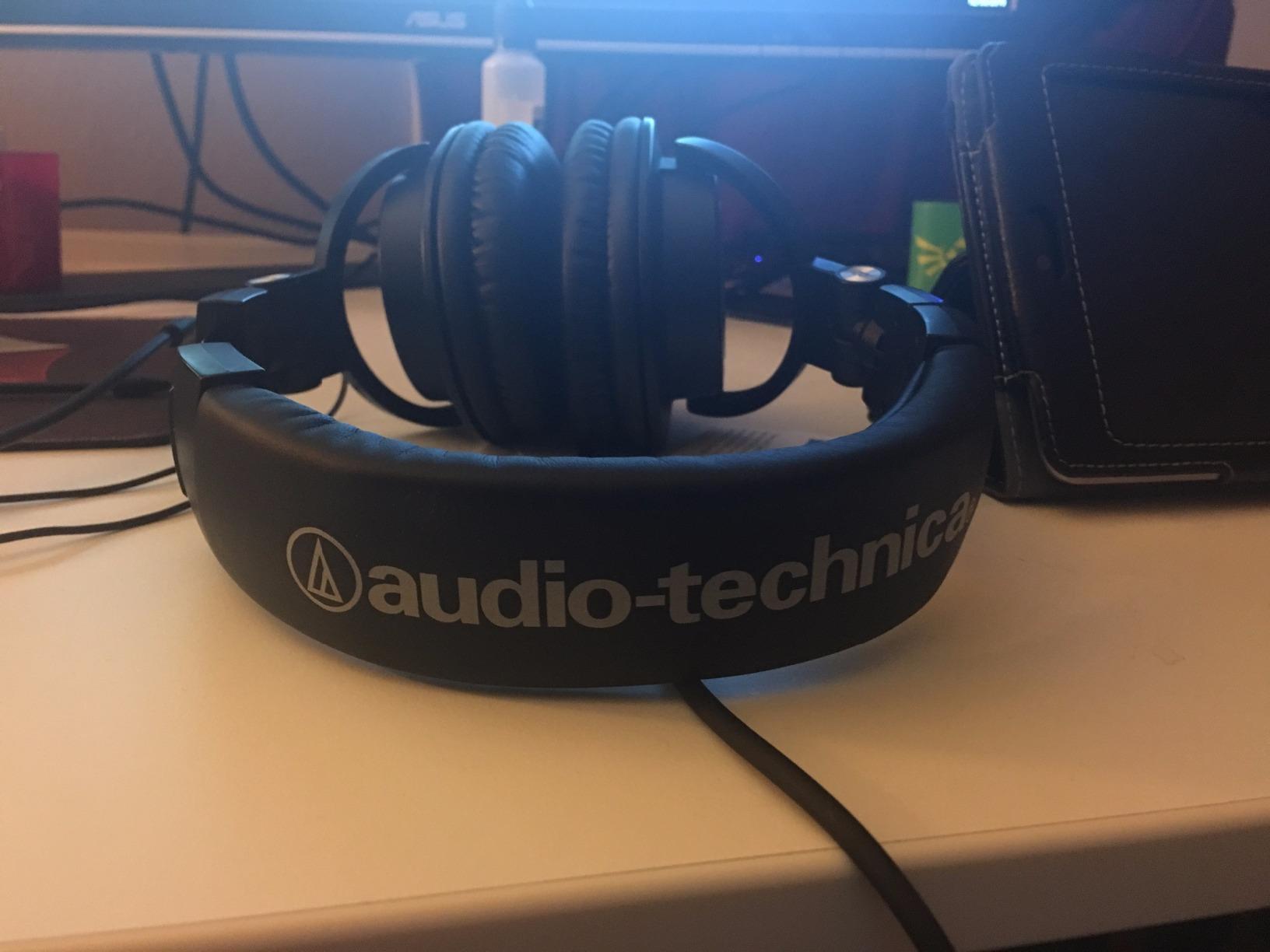
This is the pair I mix on when I am not writing about headphones. The 45 mm rare earth drivers run from 20 Hz to 28,000 Hz, and the low end is genuinely deep rather than boosted, which is unusual in a closed-back at this level. It is efficient enough at 38 ohm and 99 dB sensitivity that a laptop jack or a basic interface gets it to a working level with headroom to spare.
More than 33k reviews sit behind it, and the pattern in those reviews is remarkably consistent: owners describe it as revealing without being hostile, and they describe the isolation as better than the price suggests. That combination is why it keeps turning up at the top of studio racks two decades after release.
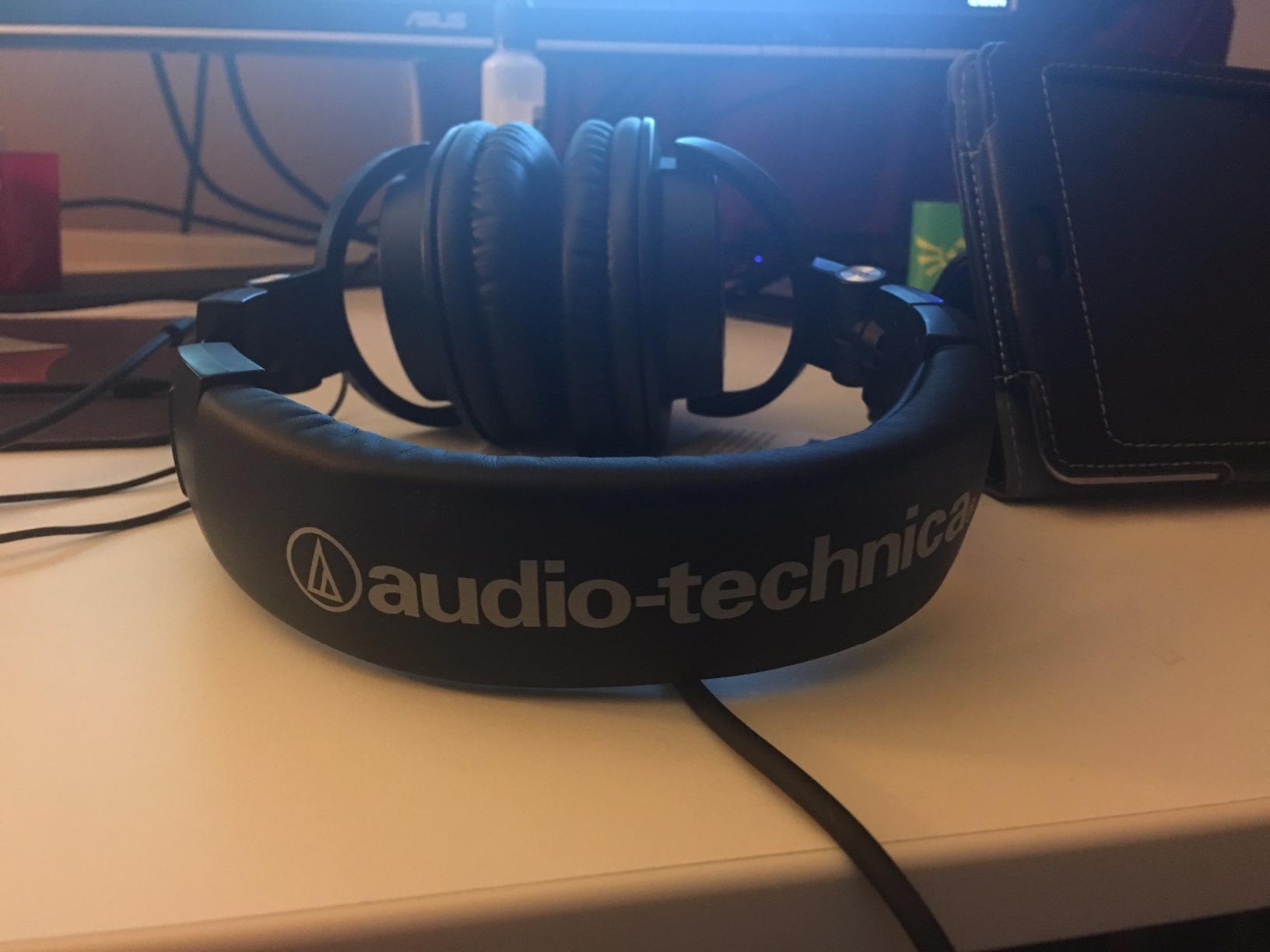
The one thing I would change is the cable situation. Audio-Technica uses a proprietary two-pin connector, so a replacement cable has to come from the brand or a specialist seller. That is a real cost of ownership and the most common piece of criticism beyond pad wear.
There is also a mild bass and treble lift relative to a measurement-flat reference, visible in how it renders acoustic guitar. For most genres that warmth is helpful. For mastering work where you are chasing absolute neutrality, the M40x sits closer to the line.
The build is heavier than the entry models at 290 g, and the clamp is firm for the first few sessions before the headband settles. Once it does, this is an all-day headphone with a two year parts and labour warranty behind it.
What the ATH-M50x gets right for mixing decisions
The bass extension is the headline. A lot of closed-backs at this level roll off early, which pushes engineers to over-compensate on low end they cannot actually hear. The M50x gives you real low frequencies, so you are less likely to overcook them. Its 90 degree swivels also make it a genuine tracking headphone, not just a mixing tool.
Where it will frustrate you
It is not the flattest option here, and mastering engineers who want a straight line from 20 Hz upward should look at the M40x instead. Those who work in a shared flat will also find it short on isolation compared with the HD 280 Pro, and anyone who needs a wireless signal should look elsewhere entirely.
2. Audio-Technica ATH-M20x – the cheapest way into real monitoring
Audio-Technica ATH-M20x Professional Studio Monitor Headphones, Black
Closed-back
40 mm dynamic driver
47 ohm, 96 dB
210 g, fixed cable
Pros
- Very low cost entry to true flat monitoring
- Light 210 g weight suits long sessions
- Tuned for enhanced low frequency performance
- Closed-back blocks a good amount of outside noise
- Two year parts and labour warranty
Cons
- Non-detachable single-sided cable
- Bass is lighter than the M40x and M50x
- Lighter build than the pro-grade M-series
- Can feel tight on the head for wearers with glasses
The M20x exists because Audio-Technica wanted a real monitoring headphone without the M50x feature list. The result is a 40 mm circumaural closed-back with a genuinely flat, well balanced response at 47 ohm and 96 dB sensitivity, weighing just 210 g. That is the lightest comfortable pair in this roundup and it changes how long you can work.
Reviewers consistently compare it favourably against consumer headphones several times its cost and find the tonal balance convincing for mixing and camera or microphone monitoring. With more than 27k reviews behind a 4.6 rating, this is not a gamble on an unproven design.
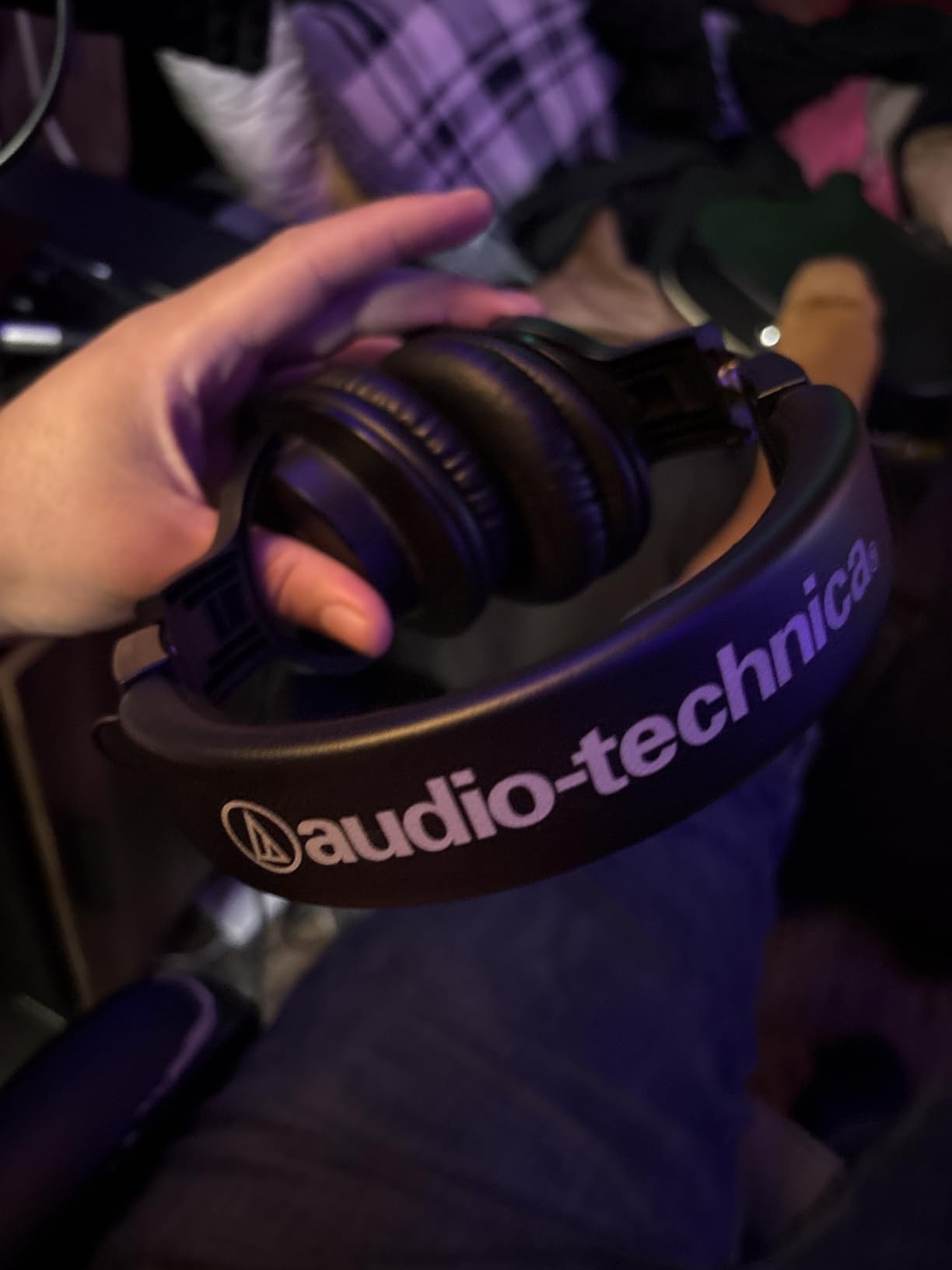
The fixed cable is the deal-breaker for some people and a non-issue for others. It exits from one side, so there is no cable running across your face, but when it eventually fails the whole headphone goes back for service. Budget for that, or accept it as a first pair you will outgrow.
Compared with the M40x and M50x, the bass is lighter. That is not a flaw in itself, it is a different job, but if you work on bass-heavy electronic or hip-hop you will want to check your low end on a second reference before you commit.
Build quality is solid for the tier, with a two year warranty covering parts and labour. The soft, lighter feel is the main contrast with the heavier pro-grade models above it in the range.
Why this is the right first studio headphone
It teaches you what neutral actually sounds like without asking for a second mortgage. The response is flat, the weight is kind to a long day, and the closed-back shell keeps your room noise out. Most beginners who start here move up to a flat reference within a year, and they move up because they learned what they were hearing, not because the headphone fell apart.
What you give up by starting here
You give up replaceability, some low end weight and build rigidity. If your sessions involve heavy physical handling or long cable runs across a room, the fixed lead is a genuine limitation. For a bedroom studio at a desk, none of that applies.
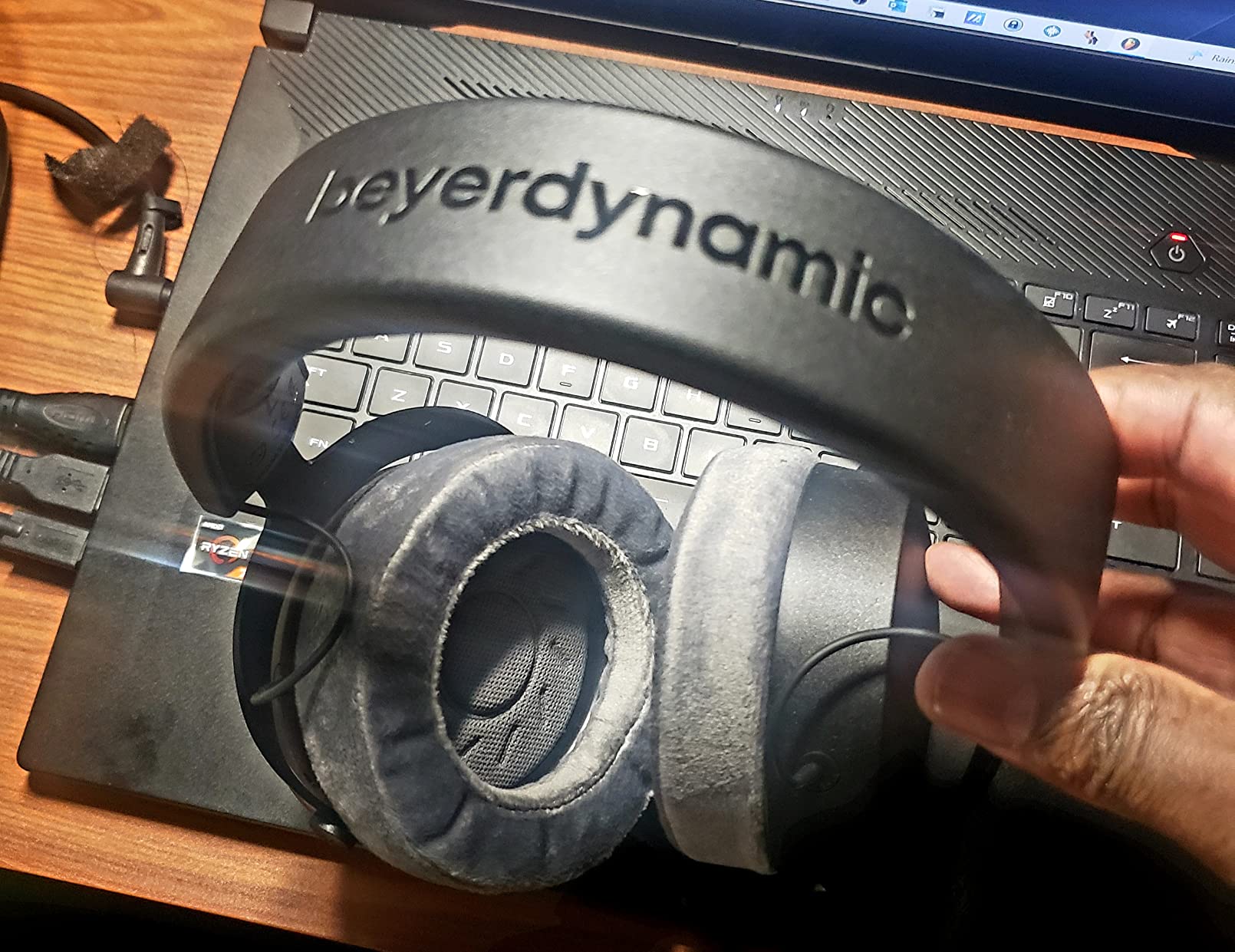
3. beyerdynamic DT 990 Pro – the open-back mixing benchmark
beyerdynamic DT 990 Pro (250 Ohm), Open-Back Studio Headphones, Black
Open-back
250 ohm, 96 dB
5 Hz to 35,000 Hz
8.8 ounces, velour pads
Pros
- Very wide natural soundstage makes placement easy to judge
- Lightweight with soft velour pads for long sessions
- Highly revealing of mix errors and recording flaws
- Strong controlled bass extension for an open-back
- Spring-steel headband and replaceable parts
Cons
- 250 ohm needs an amp or good interface for full volume
- Leaks sound in and out so unusable for tracking
- Treble can feel bright on poorly mastered material
- Fixed 3 m coiled cable
When I want to judge depth and instrument placement rather than level and clarity, I put the DT 990 Pro on. The open-back shell gives a wide, natural stereo image that is the closest thing in this roundup to hearing a mix the way the room would present it, and the 5 Hz to 35,000 Hz range is a genuinely useful low extension for critical work.
At 250 ohm with 96 dB sensitivity, this is one of the pairs in the list that most needs proper amplification. Plug it into a laptop jack and it will play quietly and lose its top end, which is exactly the failure forum regulars warn newcomers about. Feed it from an interface or a dedicated headphone amp and it rewards you with detail, separation and bass depth that most closed-backs cannot match.
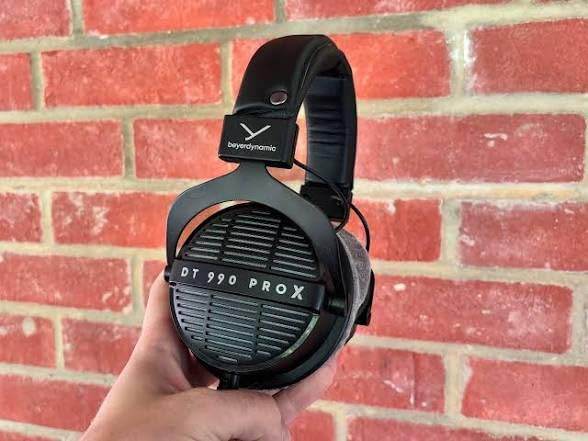
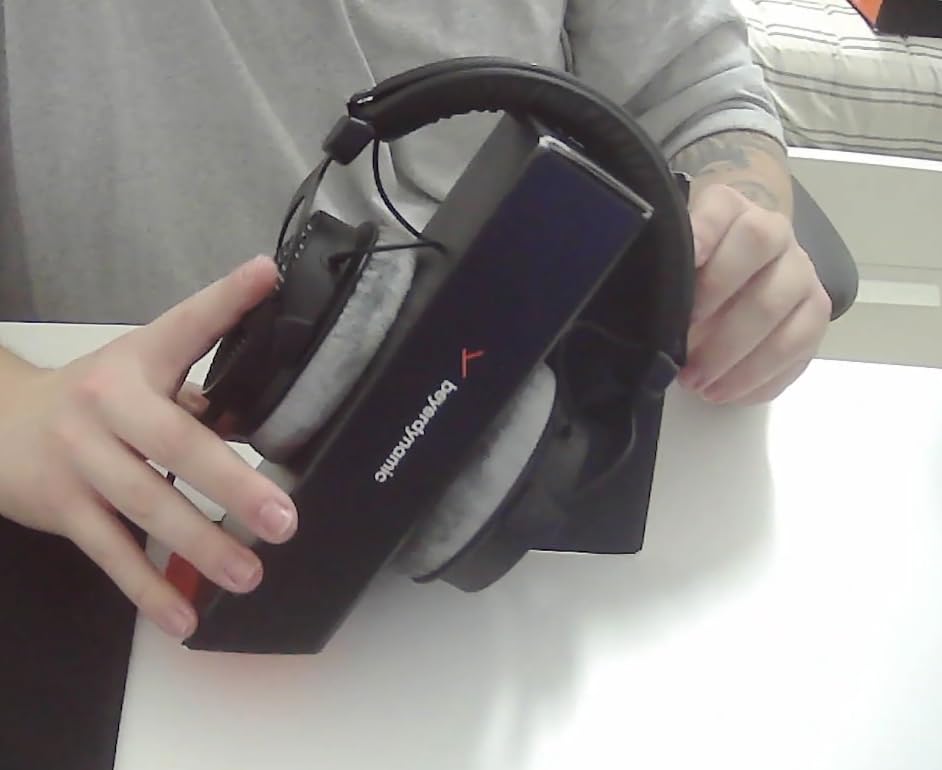
The spring-steel headband and velour pads are the reasons people keep these for a decade. Comfort is a genuine strength at 8.8 ounces, and beyerdynamic sells the pads and headband padding as spare parts, which matters more than most spec sheets admit.
The trade-offs are real. An open-back leaks in both directions, so it is the wrong headphone the moment a microphone is live in the same room. The treble can turn sharp on badly mastered tracks, and the wide stage makes precise panning positions harder to pin down than a tighter closed-back image.
The 3 m coiled cable is fixed, which is a reliability win in a studio and a storage compromise everywhere else. Made in Germany, with a two year warranty.
When the DT 990 Pro is the right tool
It is the right tool for mixing, mastering-adjacent editing, and any session where the room is quiet and no one is recording. The stage makes it easy to spot a vocal sitting too far back or a hi-hat panned wide, and the bass extension helps you hear whether your low end is actually there rather than inferred.
When it is the wrong tool
Tracking with a live microphone, working in a shared flat, or driving it from a phone with no amplifier. The 250 ohm impedance is not a formality here. Buy a small headphone amp alongside it or pair it with an interface that has current to spare.
4. Sony MDR-7506 – the tracking headphone that never leaves the booth
Sony MDR7506 Professional Large Diaphragm Headphone
Closed-back
40 mm neodymium driver
63 ohm
8 ounces, 9.8 ft coiled cord
Pros
- Industry standard broadcast and studio monitor for decades
- Neutral revealing reproduction
- Very light at 8 ounces with soft pads
- Thick durable coiled cord resists tangles
- Folds flat with case and 1/4 inch adapter included
Cons
- Non-detachable cable cannot be replaced
- Supplied pleather pads wear out and are often swapped for velour
- Less deep bass than some competing closed-backs
- Folding hinges can loosen after drops
The MDR-7506 has been the default headphone in broadcast, voiceover and tracking booths for longer than most engineers have been working. It is 40 mm neodymium, 63 ohm, and at 8 ounces it is the second lightest pair here. What you get is neutral, honest reproduction that points at problems rather than flattering them.
Owners report keeping them for years, which is one of the strongest durability signals in this roundup. The thick coiled cord resists the kind of damage that kills normal cables, and the folding design plus included soft case makes it the easiest pair here to move between a booth and a desk.
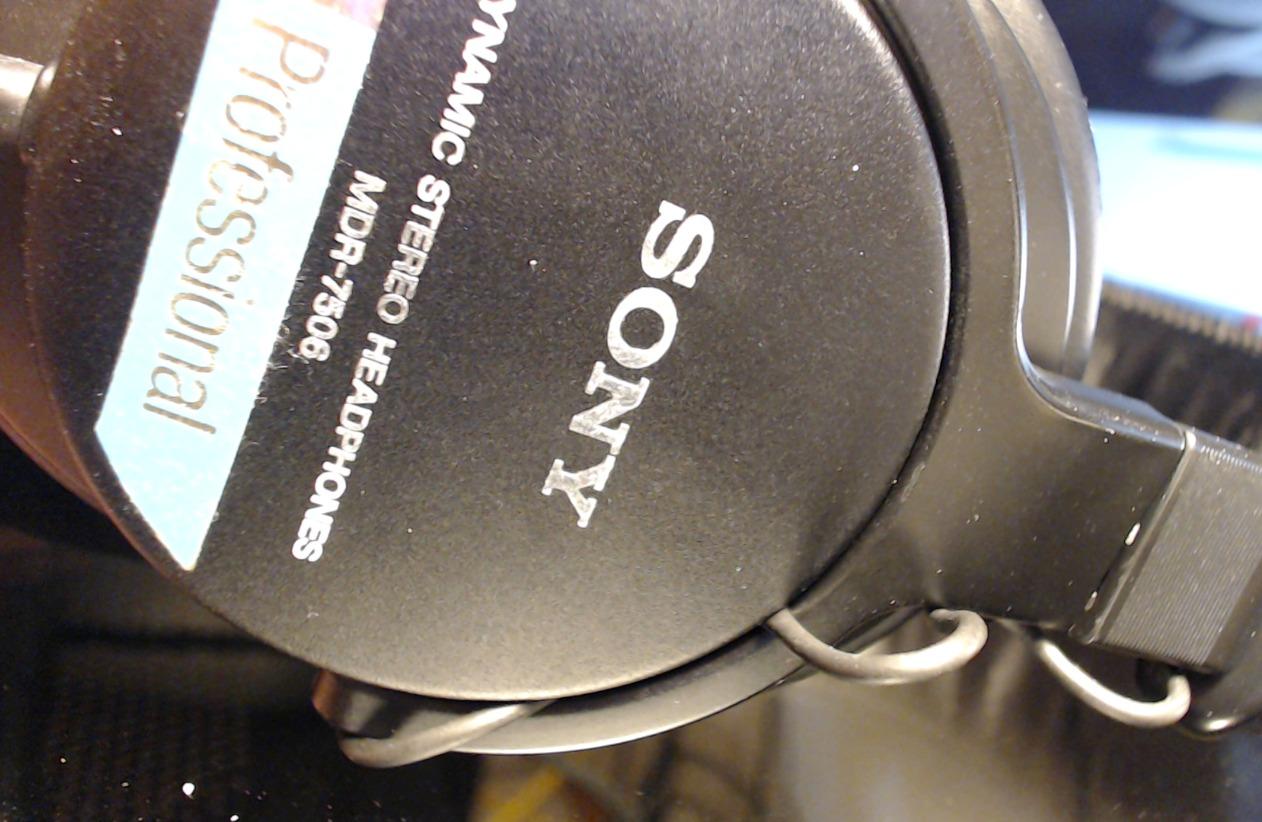
Two caveats belong in plain sight. The cable is not detachable, so if it fails at the strain relief the headphone is finished. And the supplied pleather pads are the first thing to degrade, which is why so many owners replace them with velour pads early. Those two facts keep it out of a general mixing slot for me.
Sonically, it is revealing rather than exciting. Bass extension is respectable but shallower than the M50x or DT 990 Pro, so low-end translation judgements are better made elsewhere. The 10 Hz to 20,000 Hz response and passive isolation are the parts that make it a tracking instrument.
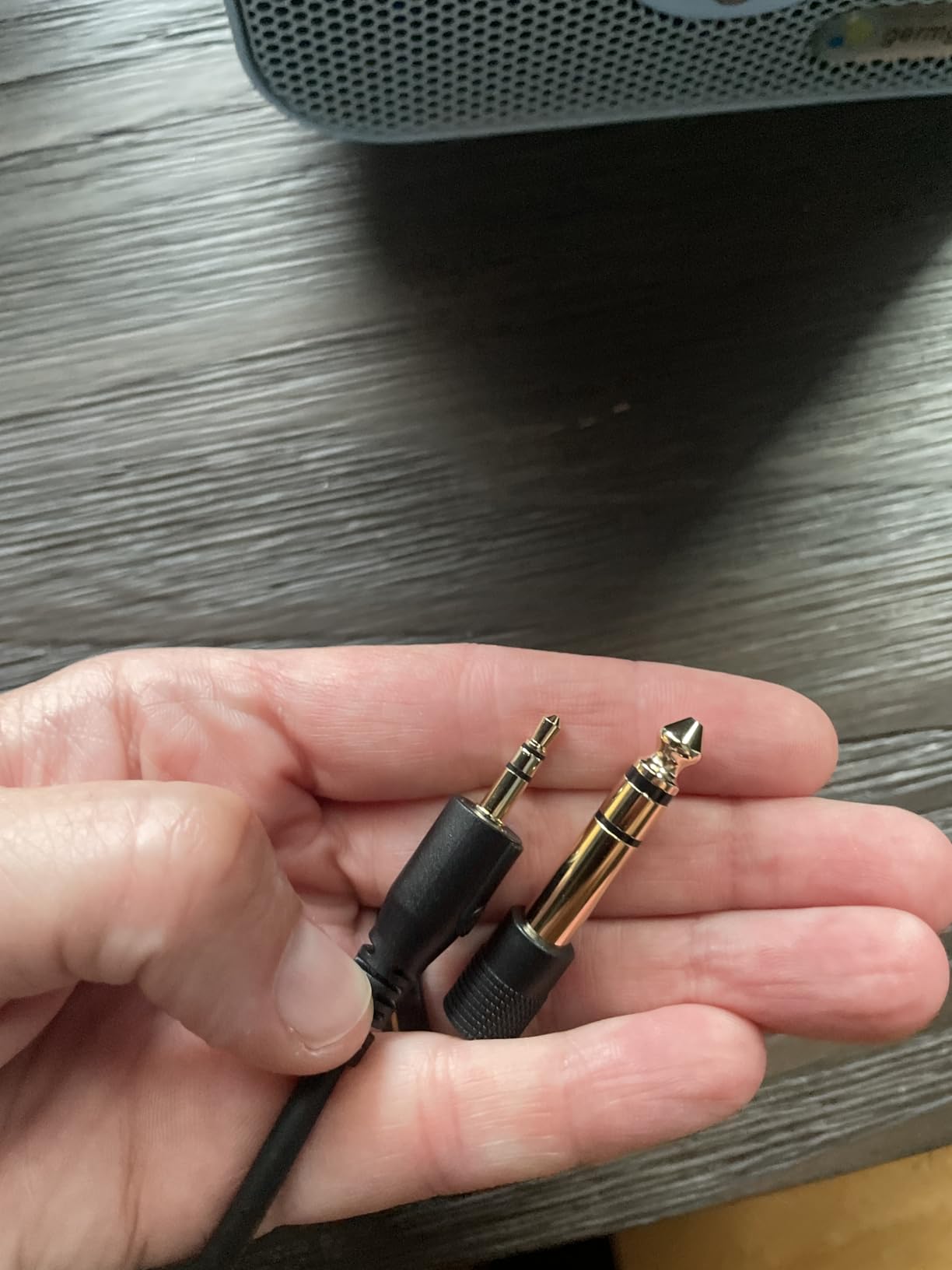
It also folds flat and includes a screw-on quarter-inch adapter. The listed warranty is 90 days, which is the shortest in this roundup and worth knowing before you buy.
What the MDR-7506 does better than anything here
Performer monitoring. The combination of light weight, soft pads, excellent passive isolation and a foldable frame is the reason it survives in racks beside consoles worldwide. If you record voice, acoustic instruments or foley, this is the pair I would put on the talent first.
Where it holds you back on mixing
The fixed cable and the consumable pads, plus a bass response that is less extended than the modern alternatives. It is a superb tracking headphone that has been asked to do double duty for two decades. Use it for what it is best at, and pair it with a flatter open or closed-back for the mix itself.
5. Audio-Technica ATH-M40x – the flattest response in the M-series
Audio-Technica ATH-M40x Professional Studio Monitor Headphone, Black, with Cutting Edge Engineering, 90 Degree Swiveling Earcups, Pro-Grade Earpads/Headband, Detachable Cables Included
Closed-back
40 mm dynamic driver
35 ohm, 98 dB
0.24 kg, detachable cables
Pros
- Flattest and most neutral response in the M-series
- Well tuned sub-bass extension that takes EQ boosts
- Very efficient so no amp or DAC required
- Two detachable cables plus case and adapter included
- Swiveling earcups for one-ear cueing
Cons
- Floppy collapsible design takes two hands to put on
- Earcup hinges are a known weak point
- Firm clamping on larger heads
- Included studio-length cables are impractical for mobile use
Where the M50x adds a little warmth, the M40x takes it out. Across the Audio-Technica M-series this is the pair owners describe as the most accurate and the most mixing friendly, and I agree. The sub-bass extension is well tuned enough that you can push low end EQ hard without the driver falling apart underneath you.
At 35 ohm and 98 dB it is among the most efficient closed-backs in this roundup, so it needs nothing between it and the interface. That makes it the easiest accurate option for someone working on a laptop or a small interface with a weak headphone output, and it is one reason this pair has grown so popular with bedroom producers.
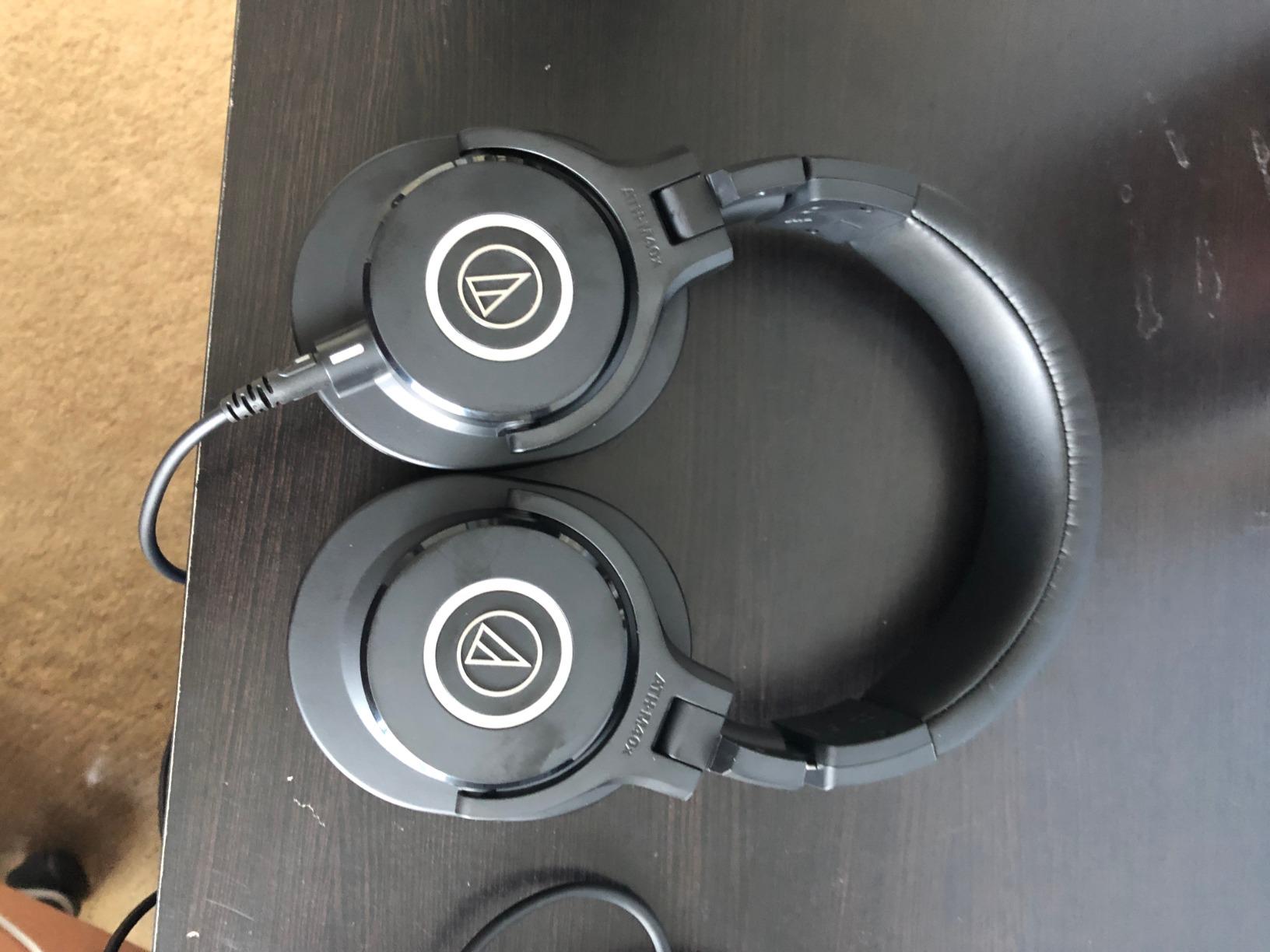
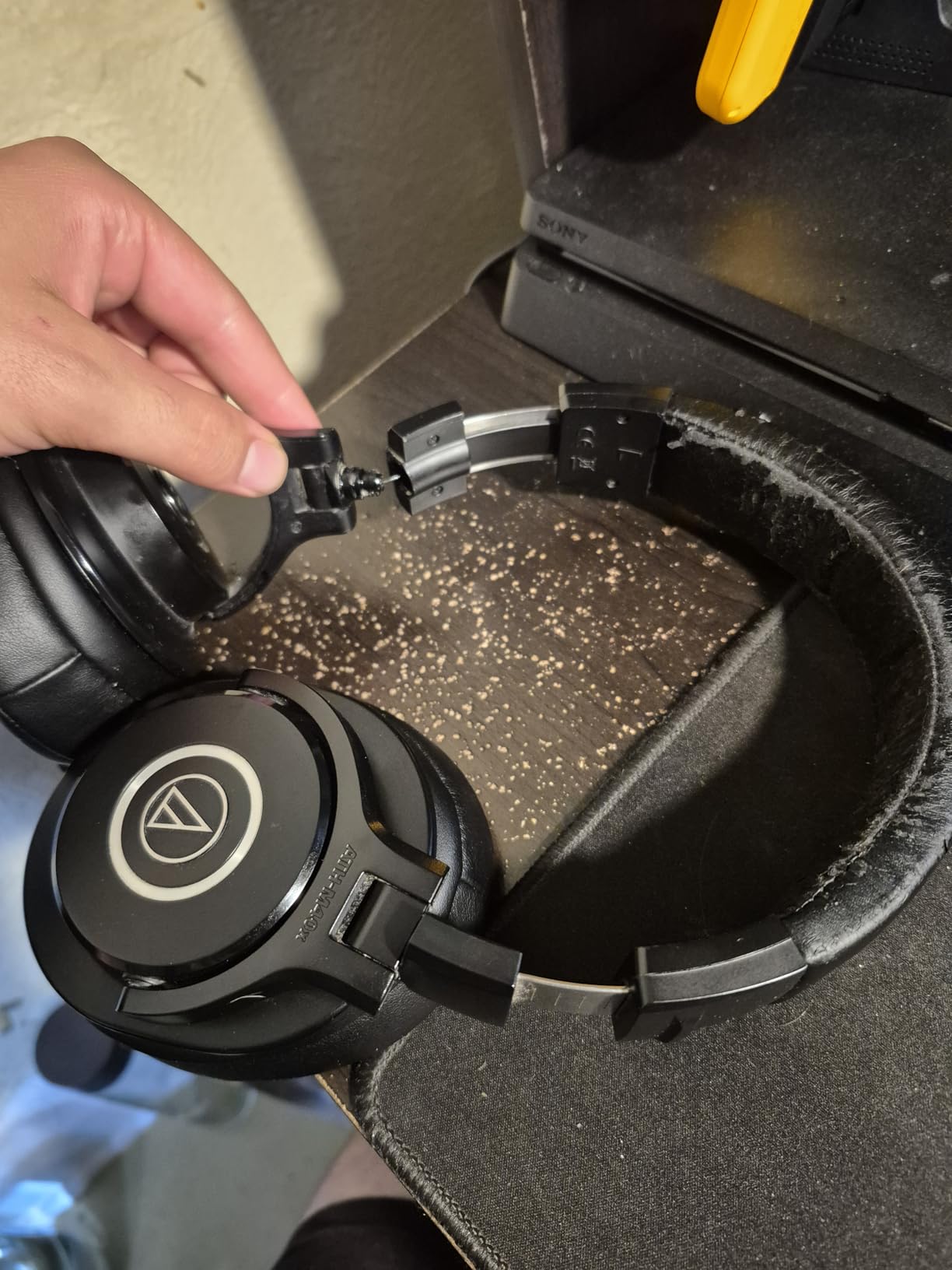
The design decisions are where the complaints live. The frame collapses inward by design, which means putting it on takes two hands and the hinges are the part reviewers flag as a weak point under rough handling. I have had mine survive years, but the concern is consistent across reviews.
Clamping force is firm, and wearers with larger heads or glasses sometimes find it tight over a full day. Several owners solve this with thicker aftermarket pads, which changes the low end slightly but improves the fit substantially.
You get two detachable cables, a straight and a coiled, plus a case and an adapter. The supplied cables are studio length, so bring your own short one if you work on the move.
What the ATH-M40x is best at deciding
Level and balance. When the question is whether a vocal sits right against a guitar, whether a kick is masking a bass, or whether a master is brighter than the genre demands, the flattest pair gives you the most honest answer. It is also the pick for anyone who explicitly does not want to buy a headphone amp.
What gives you pause
The collapsible frame is genuinely awkward, the hinges worry some owners, and the clamp is not for every head shape. If your sessions are long and you are sensitive to pressure, the heavier M50x or a velour-pad open-back will be kinder.
6. AKG K240 Studio – a semi-open stage without the open-back bulk
AKG K240STUDIO Semi-Open Studio Headphones
Semi-open
30 mm Varimotion driver
55 ohm, 104 dB
240 g, detachable cable
Pros
- Semi-open design gives a roomier stage than most closed-backs
- Light 240 g with a self-adjusting headband
- Accurate unbassy signature for mixing and voice editing
- Detachable locking cable with 1/4 inch adapter
- Durable stainless steel build
Cons
- Leaks both ways so unusable for live tracking
- Supplied pleather pads can feel warm and small
- Higher frequencies can sound harsh on some recordings
- Needs a decent amp to reach comfortable volume
The K240 Studio is the compromise that works. A semi-open shell gives it more air and a wider stage than any closed-back in this list, without the full commitment of a proper open-back design. At 240 g with a self-adjusting headband, it disappears on your head in a way heavier studio cans do not.
The 30 mm Varimotion drivers produce solid bass and very clear highs, and owners describe the signature as accurate and deliberately unbassy, which is a good match for spoken word. For podcast editing, voice-over work and mix decisions on acoustic material, that clarity is the reason to choose it.
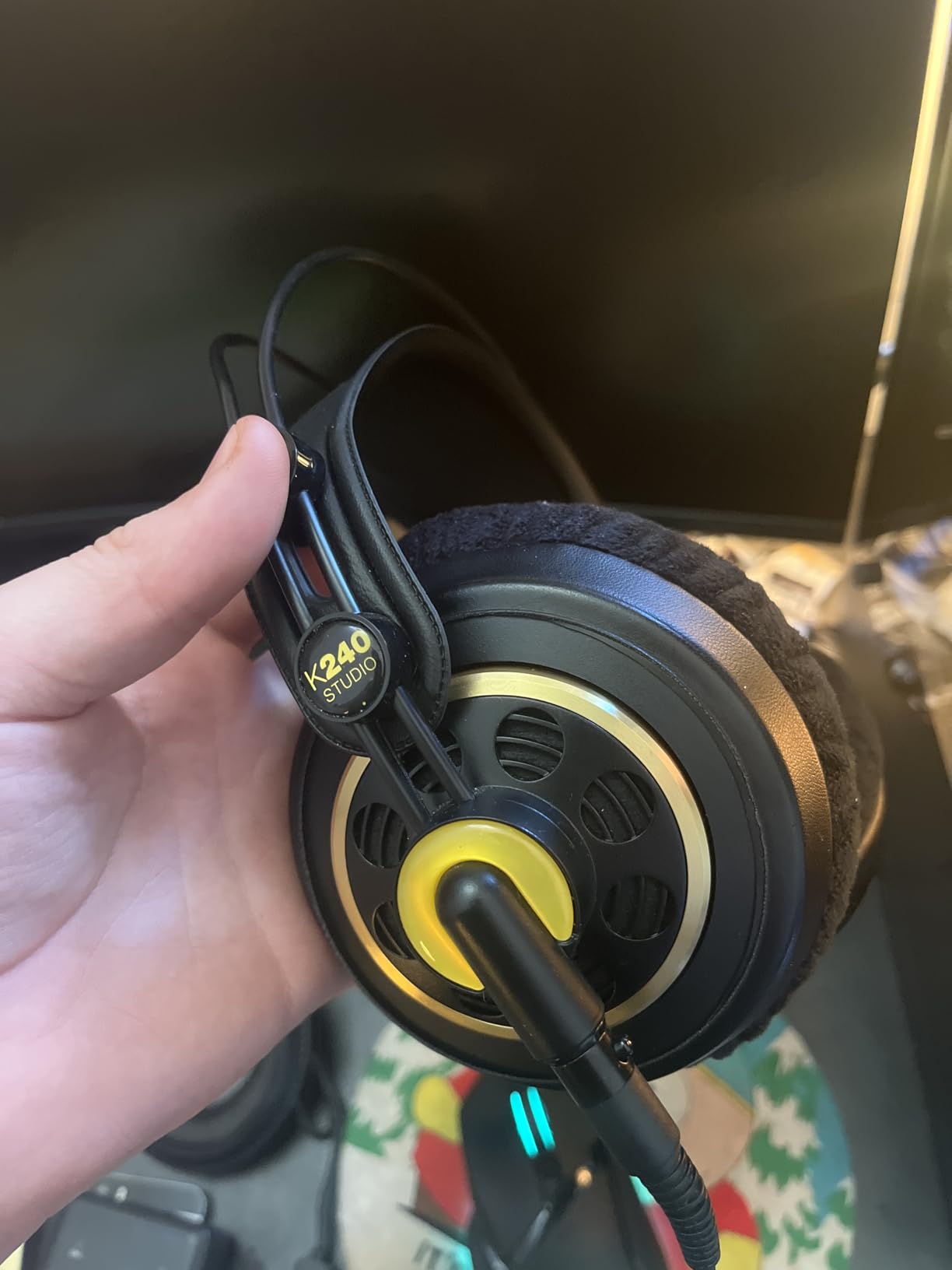
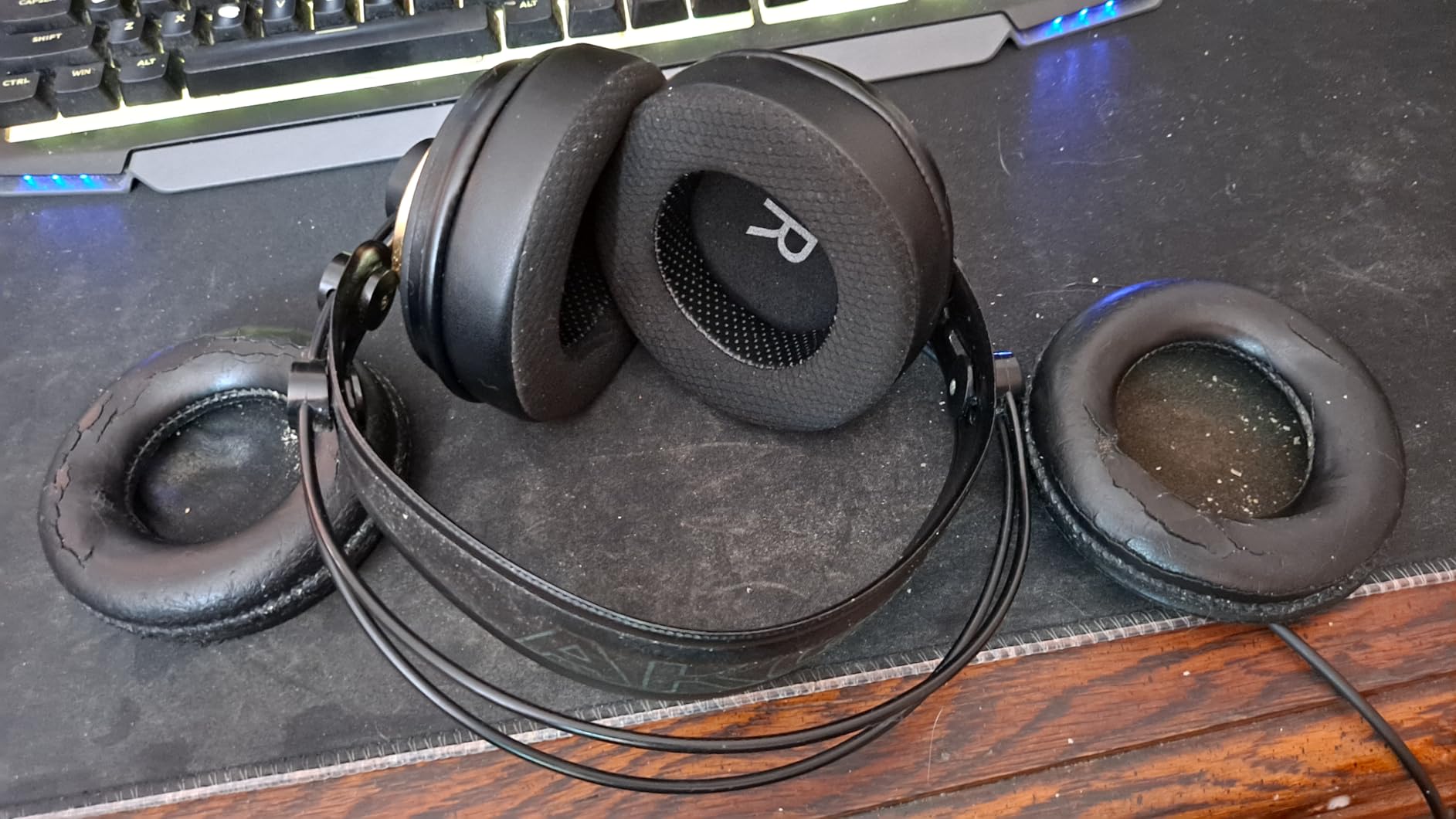
The catch is bleed, in both directions. Semi-open means you cannot use it next to a live microphone, and reviewers are clear about that. The supplied pleather pads also get warm over long sessions and run small for larger ears, so many owners fit memory foam replacements, which costs money and changes the response slightly.
At 55 ohm with 104 dB sensitivity it is efficient, but owners still report wanting a decent amp or interface to reach a comfortable volume with headroom to spare. The stainless steel construction is genuinely durable, which is partly why this design has survived for decades.
Where the K240 Studio earns its place
Voice and acoustic work in a quiet room, and anywhere comfort is the limiting factor. The self-adjusting headband means no manual fitting, and the roomy presentation helps you judge a vocal edit or a string arrangement. It is also a strong second headphone for cross-checking against a closed-back.
Where it does not fit
Any tracking session with a microphone in the same room, and any listener who reacts badly to slightly harsh top end on certain recordings. If your material is heavily compressed modern master, keep a smoother closed-back around to compare.
7. Sennheiser HD 280 Pro – isolation you can hear in the booth
Sennheiser HD 280 Pro Headphone, Black
Closed-back
Dynamic driver
64 ohm
8 Hz to 25 kHz, up to 32 dB attenuation
Pros
- Class-leading passive isolation up to 32 dB attenuation
- Replaceable earpads
- headband padding and cable
- Warm natural tuning with clear mids and non-fatiguing treble
- Folding swiveling earcups for one-ear monitoring
- Proven durable for DJ
- front-of-house and studio use
Cons
- Heavy coiled cable is permanently attached and pulls to one side
- Supplied vinyl earpads and headband material crack with age
- Treble slightly recessed against brighter competitors
- Clamping feels tight until it breaks in
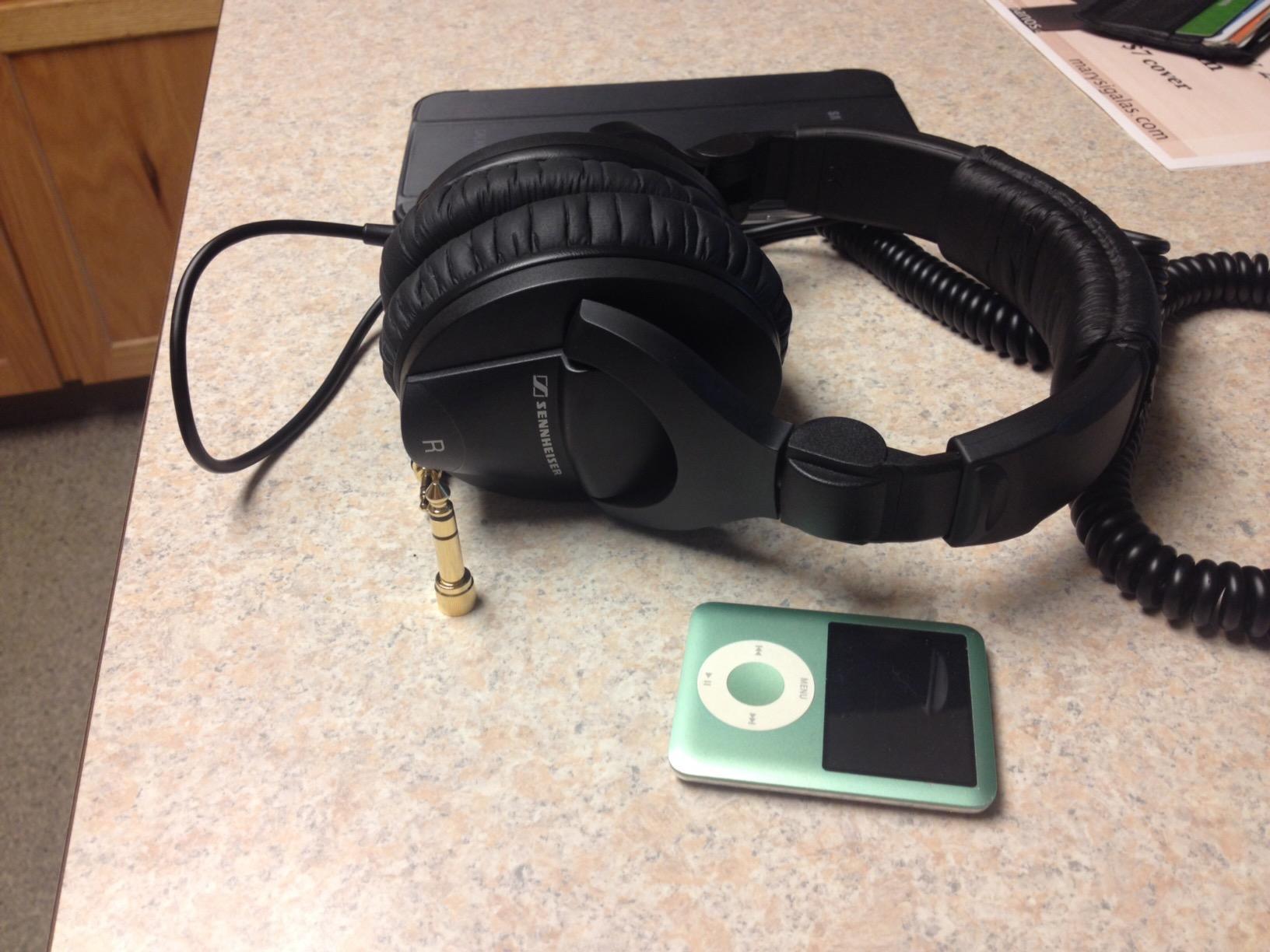
If your problem is noise, this is the answer. The HD 280 Pro claims up to 32 dB of passive attenuation, and no other pair in this roundup approaches that figure. In a live room, next to a drum kit or a loud amp, that difference is not subtle.
Reviewers describe the sound as detailed, neutral and non-fatiguing, with imaging good enough for mixing decisions, and 11k+ owners have rated it. The earcups, headband padding and cable are all sold as replaceable parts, which is the strongest longevity signal in this group and a reason the design has stayed in service for so long.
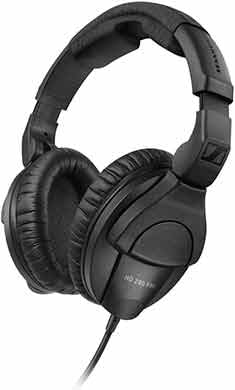
The cable is the weak point and everyone says so. It is a heavy 3.3 m coiled lead, permanently attached, and it drags to one side when you rest the headphone on a desk. Fine in a booth, annoying anywhere else.
The supplied wear surfaces are also the low point: the vinyl earpads and headband material are known to crack and flake with age. The treble sits slightly recessed next to brighter studio monitors, so if you mix on this, cross-check your cymbals and sibilance on a second pair.
On the plus side, the foldable swiveling earcups make one-ear cueing easy, and the isolation more than pays for that when something loud is running in the room.
Who should buy the HD 280 Pro
Anyone tracking in a shared or untreated space, and anyone who works long hours in a noisy environment. The isolation rating is not marketing here, it is measurable in the booth. It is also a solid front-of-house cueing headphone for live sound work.
Who should look elsewhere
If you want maximum treble extension for mixing, or you need a detachable cable for transport, this is the wrong shape of tool. The recessed top end and the permanently attached coiled lead are the two reasons it is not my default mixing pair.
8. Tascam TH-02 – the hidden value pick for a first monitoring setup
TASCAM TH-02 Professional Studio Monitor Headphones, Wired, Over Ear — for Recording, Podcast, DJ, Music and Guitar, with 1/4 Inch Jack Adapter
Closed-back
50 mm dynamic driver
32 ohm, 98 dB
0.3 kg, attached 3 m cable
Pros
- Very low cost with a broadly flat monitoring response
- Large 50 mm drivers with clean highs and usable bass
- Foldable design with swiveling cups for transport
- Solid construction with consistent joint articulation
- Long cable plus 1/4 inch adapter for amp use
Cons
- Clamping is tight out of the box and round pads press on the ear
- Cheap thin foam pads and headband padding wear quickly
- Some tonal irregularity with a peak in the vocal range
- Not accurate enough for professional mastering work
The Tascam TH-02 is the pair that makes a first monitoring purchase almost painless. Thirty-two ohms, 98 dB sensitivity, 50 mm drivers and a broadly flat response, it costs a fraction of the pro models and owners routinely report comparing it against cans several times more expensive and finding the balance competitive after minor corrective EQ.
It is also a closed-back, so it isolates far better than the semi-open budget options and does not leak into a microphone. For learning to mix, editing and podcast work at a desk, that combination is hard to argue with across more than 10k reviews.
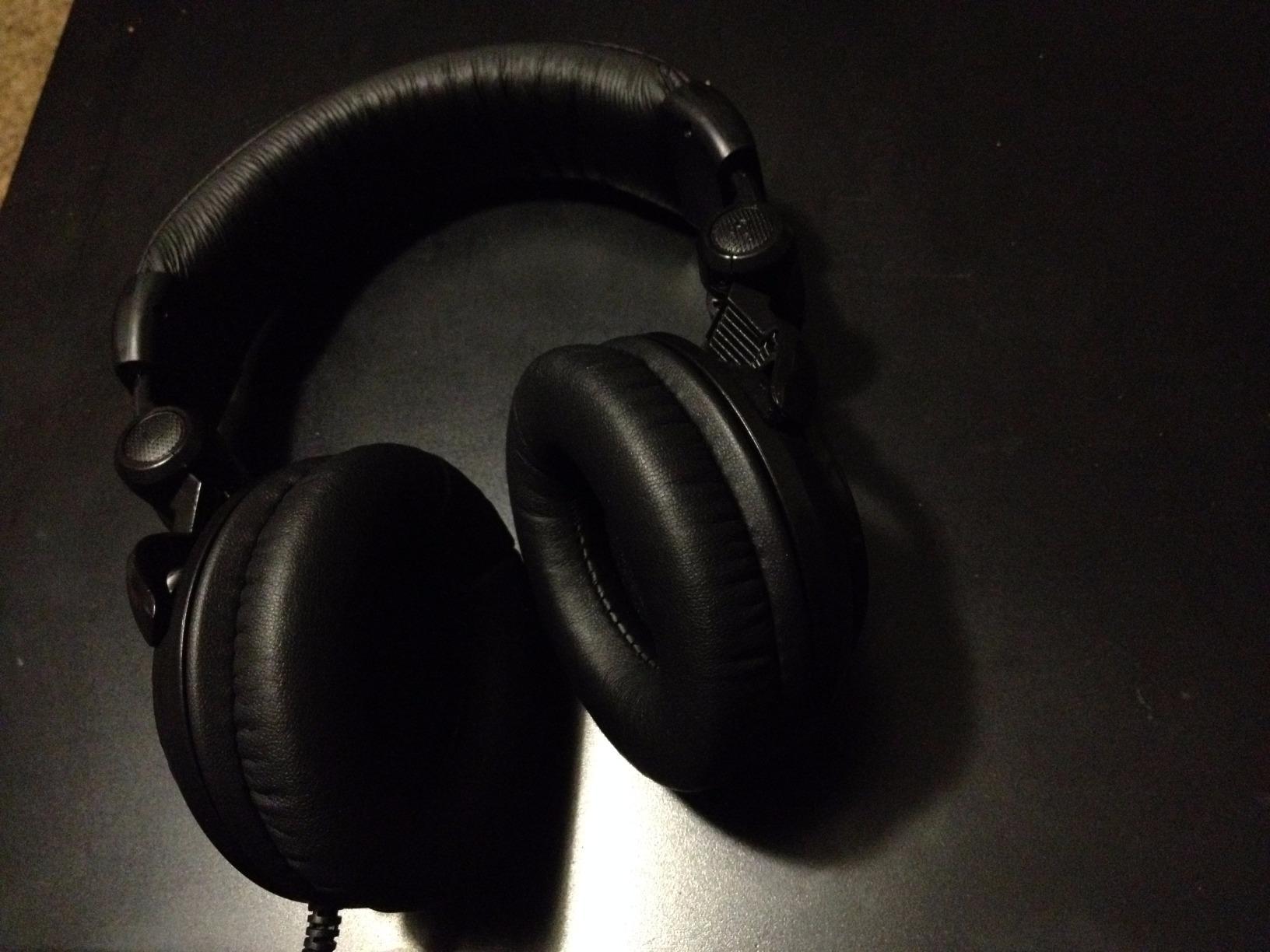
Fit is the dominant complaint and it is consistent. The clamping force is tight out of the box and the round pads can press on the ear, so a large share of owners stretch the pads or replace them with memory foam. Budget for that swap, because it is the difference between a two-hour session and an eight-hour one.
Second is accuracy. A minority of reviews flag tonal irregularity with a peak around the vocal range, which is exactly where you need the most trust. That rules it out for mastering and for any client-facing critical listening.
Build-wise the joints articulate consistently and the foldable design packs down well. The cable is attached at roughly 3 m, with a snap-on quarter-inch adapter in the box, and the warranty is one year.
What the TH-02 is genuinely good for
Learning the fundamentals. A flat, closed-back, low-impedance headphone that runs from a laptop or a cheap interface is the least risky first step into monitoring, and this one does it with drivers most budget cans do not include. It is also fine for tracking simple voice in a quiet room.
Where it stops
The moment a mix goes out to someone else, the midrange peak and the fit become real problems. Treat this as a training and drafting tool, then move up to a flatter pair once your ears can tell the difference. That progression is the point, not a failure.
9. Samson SR850 – a wide semi-open stage on a low budget
Samson SR850 Professional Studio Reference Headphones
Semi-open
50 mm dynamic driver
32 ohm, 98 dB
10 Hz to 30,000 Hz, velour pads
Pros
- Semi-open design gives an open ambient listening environment
- Large 50 mm drivers with wide dynamic range and improved bass
- Self-adjusting headband needs no manual sizing
- Very low cost for a reference headphone
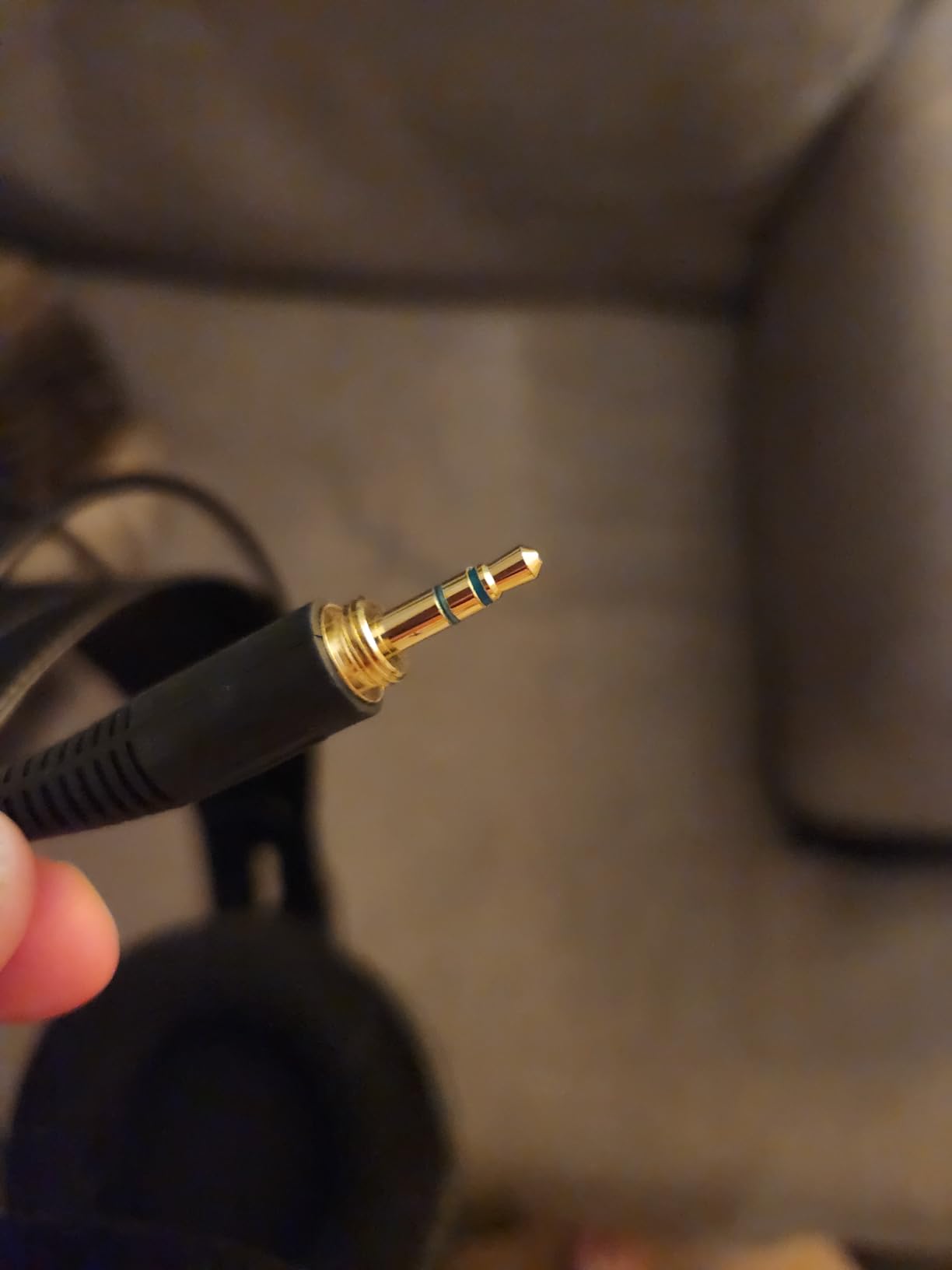
- Gold-plated 1/4 inch adapter included
Cons
- Leaks in both directions so unsuitable for live tracking
- Heavier and bulkier than newer alternatives
- Softer treble and imaging than premium flat references
- Velour pads are less isolating and run warm
The Samson SR850 is the budget route into a semi-open stage. Fifty millimetre drivers, a self-adjusting headband and a stated 10 Hz to 30,000 Hz response at 32 ohms give you a roomier, more open presentation than any closed-back in this list, at a price that undercuts them all.
Owners like the wide velour pads and the breathable fit for extended sessions, and note that the bass sits above what a typical closed-back monitor delivers. That extra low weight is the reason to pick it when you are working on material where the bottom end matters and your room cannot give it to you.
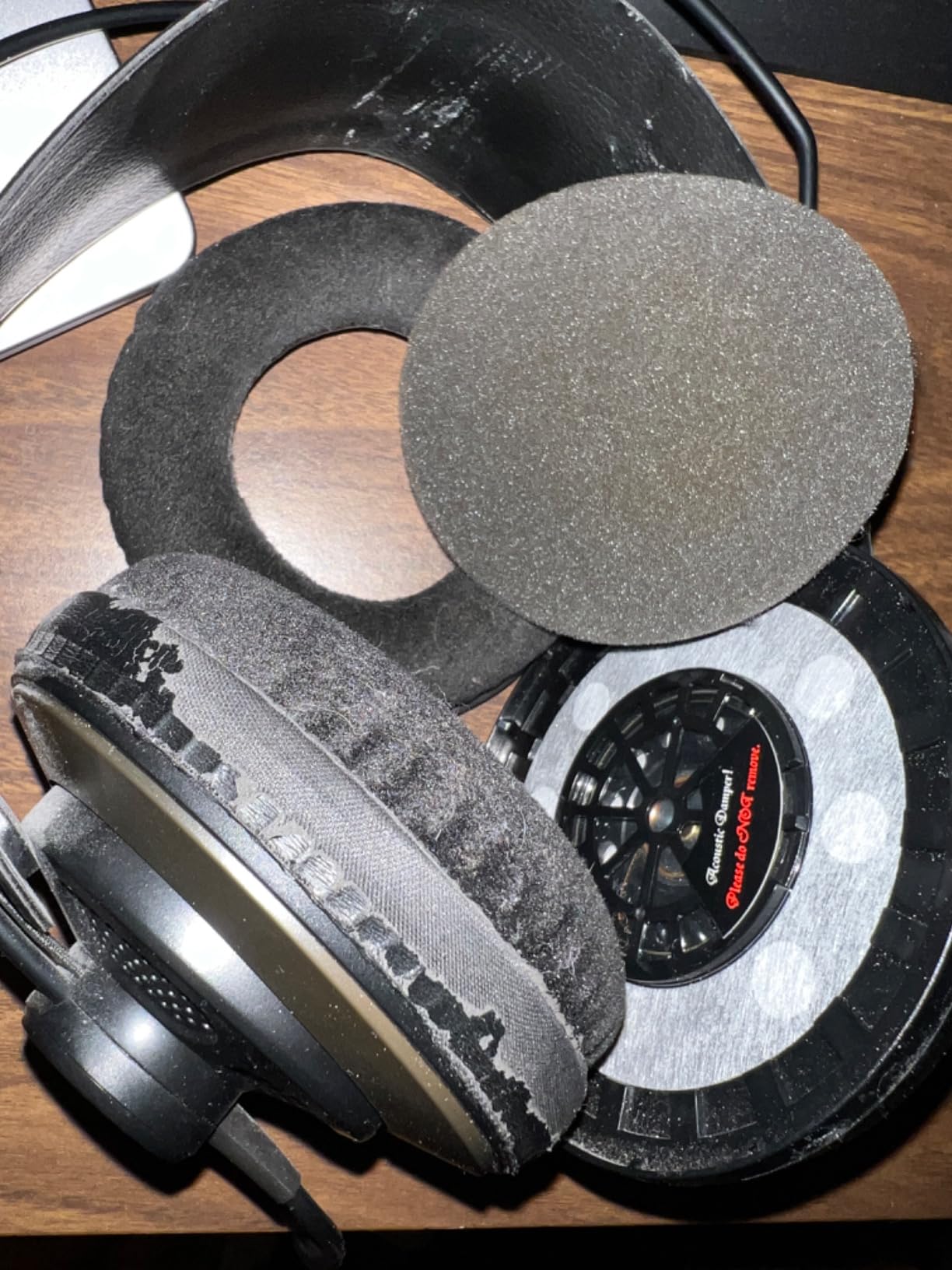
It is semi-open, so leakage goes both ways and it is out of the question for tracking with a live microphone. At 1.1 pounds it is among the heaviest headphones here, which matters if you move your setup around.
The high end is softer and less resolved than the premium flat references, and the imaging is less precise when you need to place something in a stereo field. Velour pads on a semi-open shell also trap heat over long sessions, which is the trade for the open feel.
A limited two year manufacturer warranty is included, and a gold-plated quarter-inch adapter comes in the box.
What the SR850 does for your mixes
It gives you a sense of scale and air that closed-backs cannot, which is useful for judging how wide a mix actually feels. The improved bass over standard closed-backs also helps you avoid under-balancing the low end. For acoustic, orchestral and cinematic work, that presentation is genuinely helpful.
What you trade for it
Resolution at the top end, tracking capability, and a small amount of bulk. If your material is dense modern production with lots of high-frequency detail, a flatter closed-back like the M40x will serve the mix better even though the Samson sounds more open.
10. beyerdynamic DT 700 PRO X – a modern closed-back that needs nothing added
beyerdynamic DT 700 PRO X Closed-Back Studio Headphones with Stellar.45 Driver for Recording and Monitoring on All Playback Devices
Closed-back
45 mm STELLAR.45 driver
48 ohm, 100 dB
12.3 ounces, two cables
Pros
- 48 ohm drives from a laptop
- phone
- console or interface
- Closed-back isolation prevents bleed when tracking
- More even tuning than older models with less fatiguing brightness
- Soft velour pads and metal headband suit glasses and long sessions
- Durable build with replacement parts and two detachable cables
Cons
- Does not fold flat so it is bulky to transport
- Clamping is firm out of the box and eases after break-in
- Velour earcups can run warm over long sessions
- Rigid cable reinforcement can transmit handling noise
The DT 700 PRO X is the modern refresh of a classic line, and it fixes most of what dated. Forty-eight ohms and 100 dB sensitivity mean it drives straight from a laptop, a phone, a console or an interface with no amp, which removes the single most common complaint about closed-back studio headphones today.
Reviewers consistently praise the cleaner separation and imaging for mixing, along with excellent passive isolation for tracking, and note the tuning is more even and less fatiguingly bright than older models in the range. The 45 mm STELLAR.45 driver is the reason the midrange stays composed when you push volume.
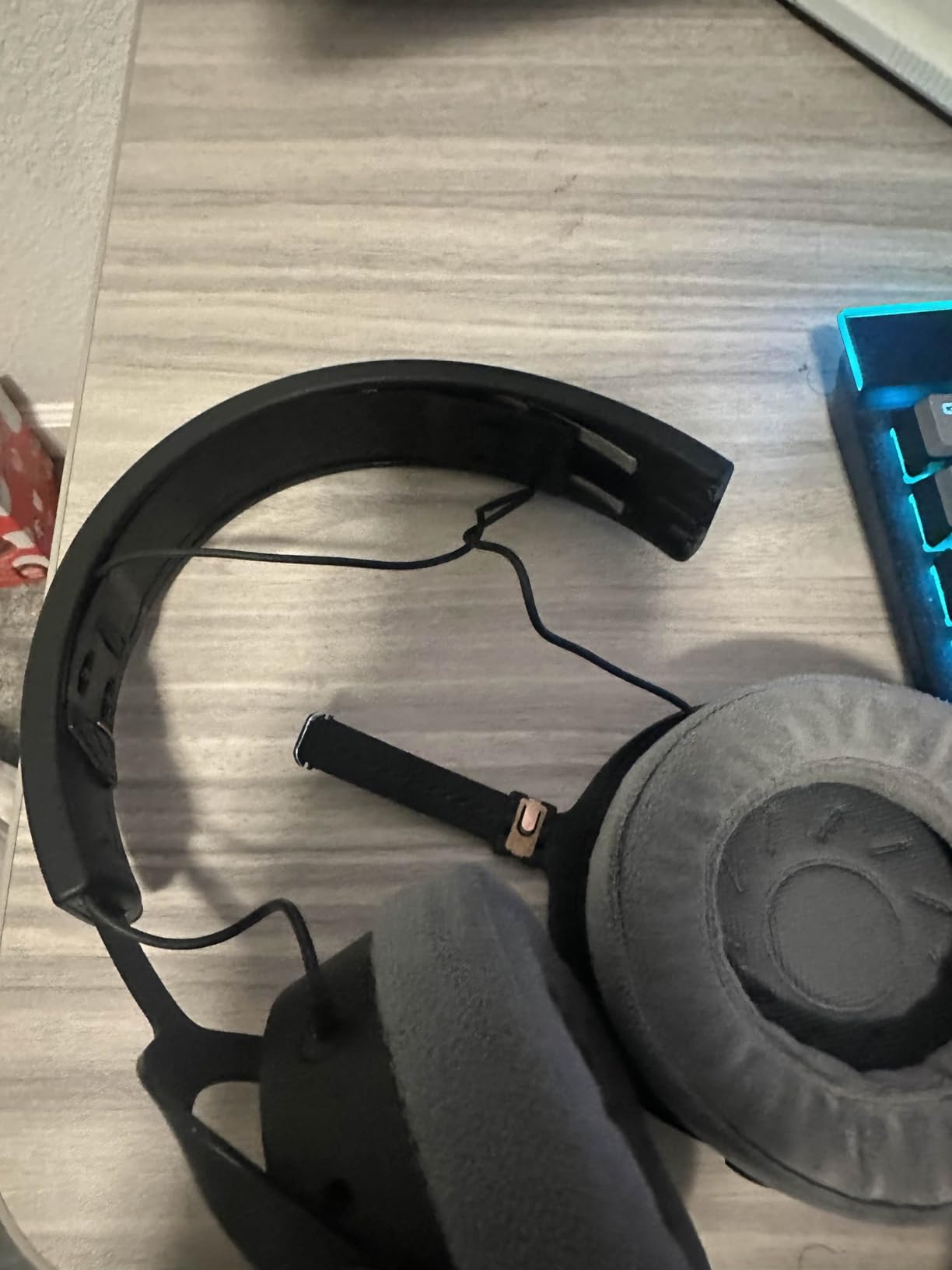
Its review count is far lower than the incumbents here, so treat the long-term reliability picture as less proven than a design with decades of field history. On the build side, the durable construction and available replacement parts are reassuring, but the bulk is real: it does not fold flat, so the drawstring pouch is a soft case rather than a packing solution.
Comfort is very good with glasses, which is not true of every studio headphone, but the clamp starts firm and takes a break-in period. Velour earcups can run warm over very long sessions, and the rigid cable reinforcement at the cup can pick up handling noise if you are tapping your foot near it.
Two detachable cables, a 1.8 m and a 3 m, plus a quarter-inch adapter are in the box, with a two year manufacturer warranty.
Where the DT 700 PRO X earns its slot
It is the one closed-back here you can genuinely use as a single pair. Drive it from anything, track with it, and mix on it without reaching for a second reference. For a bedroom producer or a mobile setup that needs one pair to do everything, that versatility is the argument.
What to watch
Brightness, if you are used to the old DT house sound, is noticeably reduced, which some engineers read as less exciting detail. And the size and firm clamp make it a poor travel companion despite the detachable cables. If you need something that folds into a bag, the MDR-7506 is the opposite design brief.
Open-Back vs Closed-Back Headphones for Mixing
Open-back headphones are generally the better mixing tool because they deliver a wider, more natural soundstage and a more accurate sense of depth. Closed-back headphones minimise sound leakage and are better for tracking vocals and instruments, and semi-open designs sit between the two with compromises on both sides.
That is the short answer. The longer answer is that isolation and accuracy trade against each other in a way that has consequences for your mixes.
Open-back – widest soundstage and best sense of instrument placement, excellent for judging depth and panning. The acoustic grille leaks sound in and out, so they are unusable next to a live microphone and wrong for a shared flat. The DT 990 Pro is the representative pick here.
Closed-back – sealed cups, strong passive isolation and minimal bleed, which is why tracking headphones are almost all closed. The trade is a smaller, more intimate soundstage and sometimes a bass response that rolls off early, which pushes engineers to over-boost low frequencies they cannot actually hear.
Semi-open – a partial grille gives some air and a roomier stage without full openness. Leaks both ways, so it is a mixing and editing tool rather than a tracking one. The AKG K240 Studio and Samson SR850 sit here.
That last closed-back caveat is the most common mixing error I see. When your headphone cannot reproduce the bottom octave properly, you compensate by boosting it, and the result is a mix that is far too heavy on systems with real low end. The fix is not guessing, it is checking your low end on a pair with genuine extension, which is an argument for owning two.
Do You Need a Headphone Amp?
You only need a headphone amp if you own a high-impedance pair. Anything above roughly 100 ohms, such as the beyerdynamic DT 990 Pro at 250 ohm, needs real current to reach a comfortable level with headroom, while anything under about 50 ohms drives fine from a laptop or a basic interface.
Here is the lookup, matched to the pairs in this roundup:
32 ohm – Tascam TH-02 and Samson SR850. Phone, laptop, console or interface with no problem.
35 to 38 ohm – Audio-Technica ATH-M40x and ATH-M50x. Extremely efficient, no amplifier needed for a working level.
47 to 55 ohm – Audio-Technica ATH-M20x and AKG K240 Studio. Easy from any interface, though owners of the K240 still report wanting a little more current for comfortable headroom.
63 to 64 ohm – Sony MDR-7506 and Sennheiser HD 280 Pro. Fine from an interface; some phone outputs struggle at full volume.
48 ohm – beyerdynamic DT 700 PRO X. Explicitly designed to run from anything including a phone or console.
250 ohm – beyerdynamic DT 990 Pro. Needs a headphone amp or an interface with a strong output. From a laptop jack it plays quietly and loses treble, which people frequently mistake for a faulty pair.
The rule of thumb behind the numbers: try to keep your source output impedance at an eighth of the headphone impedance or lower. A 250 ohm pair wants roughly 30 ohms or less of source impedance to stay flat in the treble, which almost no portable device achieves.
Buying a small dedicated amp is inexpensive compared with the headphone, and a portable one lets you drive high-impedance open-backs from a laptop for mobile mixing. Pair it with a decent DAC if your computer’s own output is noisy. If you already own a good interface, check whether its headphone out has a volume control that stays clean at low settings, because many do not.
How to Choose Studio Headphones for Mixing
Five decisions narrow this down quickly, and the order matters more than the budget.
Decide the design first. Mixing in a quiet room means open-back or the flattest closed-back you can afford. Recording with live microphones means closed-back, always. A shared flat pushes you toward closed-back regardless of what the sound is like. A voice workspace with no live recording can use semi-open comfortably.
Then check the impedance against your gear. Before you fall for a sound, confirm the pair can be driven by whatever you actually have. The list above does this in one pass, and it eliminates several otherwise excellent options for laptop-only setups.
Then weigh comfort above almost everything. Every review in this roundup that shows long-term wear does so on pads and clamp, not on sound. Weights range from 8 ounces on the Sony MDR-7506 to 1.1 pounds on the Samson SR850, and that difference is felt by hour three. A pair you want to take off is a pair you will mix badly, because fatigue changes your ears faster than any frequency response does.
Then look at longevity. Detachable cables and replacement pads are the two features that decide whether a headphone lasts five years or one. The DT 990 Pro, the Sennheiser HD 280 Pro and the DT 700 PRO X all sell wear parts. The Sony MDR-7506 and the Audio-Technica ATH-M20x do not have replaceable cables, and their supplied pads are consumables you will replace sooner or later. Budget for pads on every pair here; velour and memory foam replacements are inexpensive and change both comfort and the low end slightly.
Then set a budget tier. At the entry tier you are choosing between the Tascam TH-02, the Samson SR850, the AKG K240 Studio and the Audio-Technica ATH-M20x, and all four are legitimate choices. The mid tier, where most serious home setups land, is the M40x, the M50x, the DT 990 Pro and the MDR-7506. Above that you are paying for build quality, replaceable parts and refined tuning rather than raw accuracy, which is a defensible purchase but not a smarter one. Use the price button on each card to check the current figure before you commit.
Mapping your music to a pair helps more than most buyers expect. Bass-heavy electronic and hip-hop reward genuine low extension, so the M50x or the DT 990 Pro are better choices than the lighter M20x. Rock and metal work well on the M40x, where the flat midrange keeps guitars and vocals separated. Acoustic and orchestral material benefits from the airy presentation of an open or semi-open, which is the Samson SR850 and AKG K240 Studio territory. And for spoken word and podcast editing, clarity in the vocal range beats everything else.
One pattern comes up constantly in audio engineering forums and it is sound: a closed-back for tracking and an open-back for mixing. The MDR-7506 or the DT 700 PRO X for the booth, the DT 990 Pro for the mix. It doubles your costs but each job gets the right tool, and the disagreement between the two pairs is itself a useful check on your decisions. Until you need that, one accurate closed-back will carry you a long way.
Key Terms Every Mixer Should Know
Impedance. Measured in ohms, it is how hard the headphone is to drive. Higher impedance means more amplifier current is needed for the same volume.
Sensitivity. Expressed in decibels per milliwatt, it tells you how efficiently a pair converts power into sound. A 104 dB pair needs less power than a 96 dB pair for the same level.
Output impedance. A property of the source, not the headphone. Keep it low, ideally an eighth of the headphone impedance, or the treble will roll off.
Open, semi-open and closed. How sealed the acoustic chamber is, which sets leakage, isolation and soundstage width in that order of trade-off.
Circumaural versus supra-aural. Circumaural cups sit around the ear; supra-aural, also called on-ear, rest on it. Circumaural wins for bass response and long sessions.
Flat response versus the Harman target. A flat line is a straight ruler. The Harman target is a curve derived from blind preference tests across many listeners, which sounds warmer. This is the root of most confusion about flatness claims, because a headphone can be accurate against one and warm against the other.
Total harmonic distortion. Added unwanted harmonics at a given level. Rising distortion at high volume is what makes a pair sound harsh when you push it.
Bleed and isolation. Bleed is headphone sound escaping into a microphone. Isolation is the inverse, keeping room noise out. They are the same physical property, traded against soundstage width.
Mix translation. How faithfully a mix made on one system behaves on another. Headphones translate well at the midrange and poorly at the extremes.
The 60-60 Rule for Safe Listening Levels
The 60-60 rule is a hearing-conservation guideline: listen at no more than 60 percent of your device volume for no more than 60 minutes at a time. It matters here more than in casual listening because a mixing session puts you in the same ear position for hours.
Use it like this:
Set your maximum volume once, to about 60 percent, and treat that as the ceiling rather than the working point.
Take a hearing break roughly every hour, and spend the break away from the monitors rather than at a lower level.
Re-check your level every few weeks, because headphone pads compress and the perceived loudness of your setup changes as they do.
Watch for the warning signs: a ringing that persists after a session, or the urge to turn up the level every few minutes. Both mean you have drifted, not that the mix is too quiet.
Fatigue and hearing damage produce the same symptom in a mixing session, which is a feedback loop. The remedy is the one every engineer learns eventually: take the break, come back at the same level, and notice that the mix still sounds the same as it did before.
Frequently Asked Questions
What are the best headphones for sound mixing?
The best studio headphones for mixing are flat, neutral, wired, over-ear pairs that stay comfortable for hours. Our pick is the Audio-Technica ATH-M50x for its extended low end and 38 ohm efficiency, the Audio-Technica ATH-M40x for the flattest response, and the beyerdynamic DT 990 Pro for a wide open-back soundstage. Professional mixers tend to keep one closed-back for tracking and one open-back for mixing.
What type of headphones are best for mixing?
Open-back headphones are best for mixing because they give a wider, more natural soundstage and a more accurate sense of depth. Closed-back headphones are best for tracking because they leak far less into a microphone. Semi-open designs sit between the two, offering some air at the cost of isolation. In a shared room, choose closed-back regardless.
Do I need a headphone amp for studio headphones?
You only need one for high-impedance pairs above roughly 100 ohms, such as the 250 ohm beyerdynamic DT 990 Pro. Pairs under about 50 ohms, including the Audio-Technica ATH-M50x and ATH-M40x, the Tascam TH-02, the Samson SR850 and the beyerdynamic DT 700 PRO X, drive fine from a laptop, phone or interface.
What are the best headphones for live sound mixing?
For live sound work, isolation is the deciding factor, so a closed-back headphone is the right answer. The Sennheiser HD 280 Pro is the pick here, with up to 32 dB of passive attenuation and replaceable pads, headband and cable. The Sony MDR-7506 is also widely used for cueing, and both fold for one-ear monitoring.
How do I make a mix made on headphones translate to speakers?
Avoid boosting the low end to compensate for weak headphone bass, check your mix at a low level, and cross-check it regularly on monitors, a phone speaker and a car system. Keeping one accurate closed-back and one open-back and comparing between them exposes balance errors that a single pair will hide.
One more practical note if your room or desk is the bottleneck rather than the headphones: a stable listening position matters more than most people expect. Our guides to studio desks and mixing consoles cover the setup side of that, and both change how the same headphone behaves.
Final Verdict
Buy the Audio-Technica ATH-M50x if you want one pair to do everything. It mixes accurately, drives from anything, tracks vocals with its swiveling earcups, and has the largest review base here at 33k+ ratings. It is not the flattest option, and that is the trade you accept for bass extension and a price that will not hurt.
Buy the ATH-M40x instead if flatness is your priority and you never leave the desk. Buy the beyerdynamic DT 990 Pro if your room is quiet and you need to judge depth and space, and add a headphone amp to drive it. Buy the Sony MDR-7506 or the Sennheiser HD 280 Pro if you track with live microphones, and buy the Audio-Technica ATH-M20x if you are starting out and want the least risky first step.
Whatever you choose, cross-check your mixes on monitors, a phone speaker and a different pair of headphones before anyone else hears them. That habit will improve your mixes faster than another tier of hardware, and it is the reason the best studio headphones for mixing in 2026 are the ones you understand well enough to argue with.