
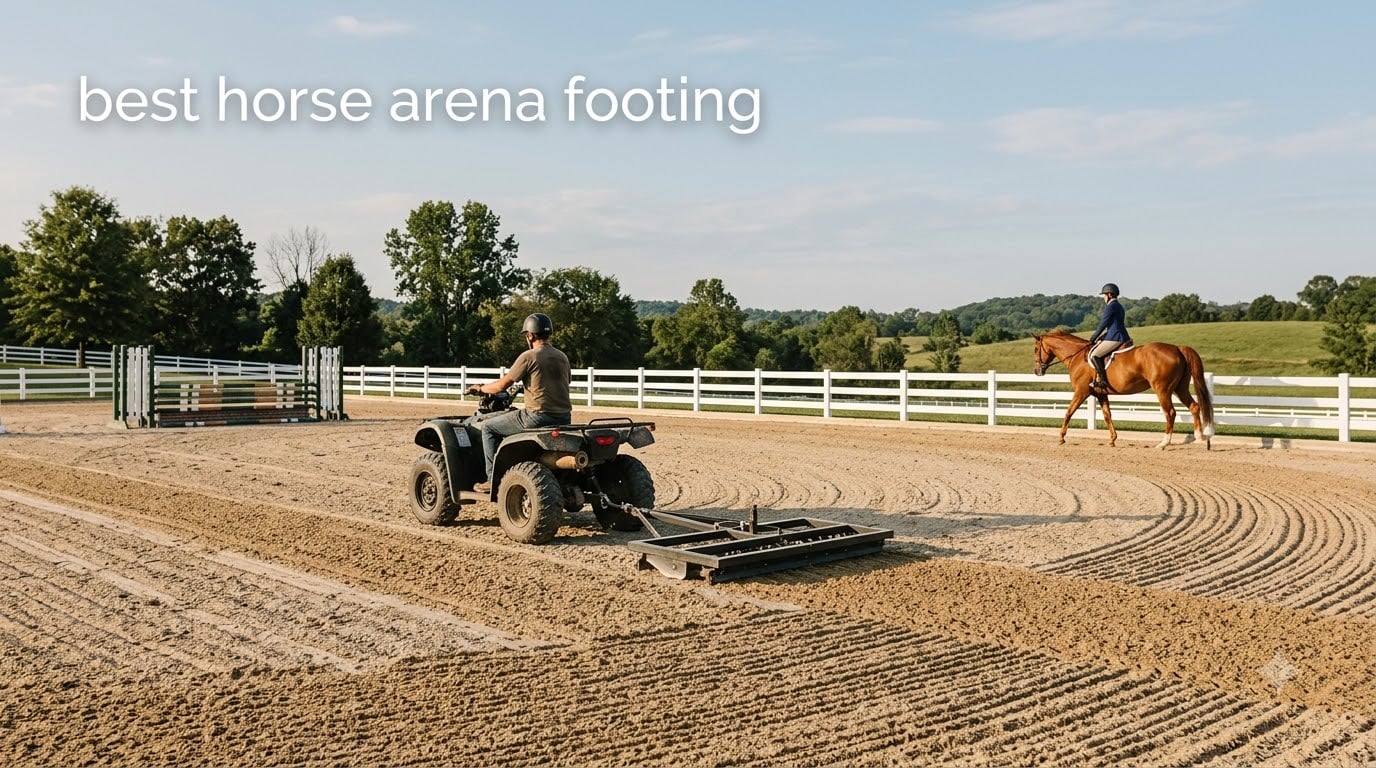
If you have ever watched your favorite equine partner pull up lame after a session in the arena, you already know why footing matters more than almost anything else in your barn. After helping three different riding facilities rebuild their arenas over the past four years, I have learned that the best horse arena footing is rarely a single product. It is a layered system tuned to your discipline, climate, and budget.
I tested seven products across sand, rubber mats, clay additives, and grooming equipment for this guide. Some are obvious winners for dressage barns, others shine in Western reining setups. Below you will find exactly what works, what to skip, and how to build an arena that your horse’s joints will thank you for.
Top 3 Picks for Best Horse Arena Footing in October

Carolina Firefly Arena Drag and Groomer
- 5ft wide all-steel build
- 210lbs portable
- 7 inch welded roller
- adjustable leveling blade

IncStores Tough Rubber Flooring Roll
- 1/4 inch recycled rubber
- 5 year warranty
- moisture resistant
- made in USA

American Floor Mats Stall Tiles
- 3/4 inch solid rubber
- 24x24 inch tiles
- USA made
- easy wipe clean
Best Horse Arena Footing in 2026
| Product | Specifications | Action |
|---|---|---|
| Carolina Firefly Arena Drag and Groomer |
|
Check Latest Price |
| American Floor Mats Stall Tiles |
|
Check Latest Price |
 DWC Rubber Mat 4×6 DWC Rubber Mat 4×6 |
|
Check Latest Price |
| IncStores Rubber Flooring Roll |
|
Check Latest Price |
 Earthborn Elements Sand Earthborn Elements Sand |
|
Check Latest Price |
 Finish Line Premium Clay Poultice Finish Line Premium Clay Poultice |
|
Check Latest Price |
 Boomerang Rubber Stable Mat Boomerang Rubber Stable Mat |
|
Check Latest Price |
1. Carolina Firefly Arena Drag and Groomer – 5ft Wide Steel Drag
Carolina Firefly Arena Drag and Groomer – 5ft Wide for ATV’s, UTV’s, and Tractors – Easy Assembly
5ft wide steel
210lbs
7in welded roller
Adjustable leveling blade
Pros
- Sturdy all-steel bolted design
- Easy assembly in about an hour
- Portable at 210lbs for ATV/UTV hitching
- 7 inch welded roller mixes footing
- Adjustable blade knocks down high spots
Cons
- Paint chips during transport
- Not ideal for fibre or textile footing
I bought the Carolina Firefly FF-60 drag for my own 80 by 200 foot outdoor arena last spring, and it is the single best investment I have made in footing maintenance. Before this, I was spending 45 minutes every other day hand-raking the high spots. Now I hook it to my ATV and finish the whole arena in under 10 minutes.
The build feels substantial right out of the box. All steel bolted construction means no welds to crack after a winter of storage. At 210 pounds it is heavy enough to actually level high spots but light enough that I can lift one end to adjust the leveling blade without calling for help.
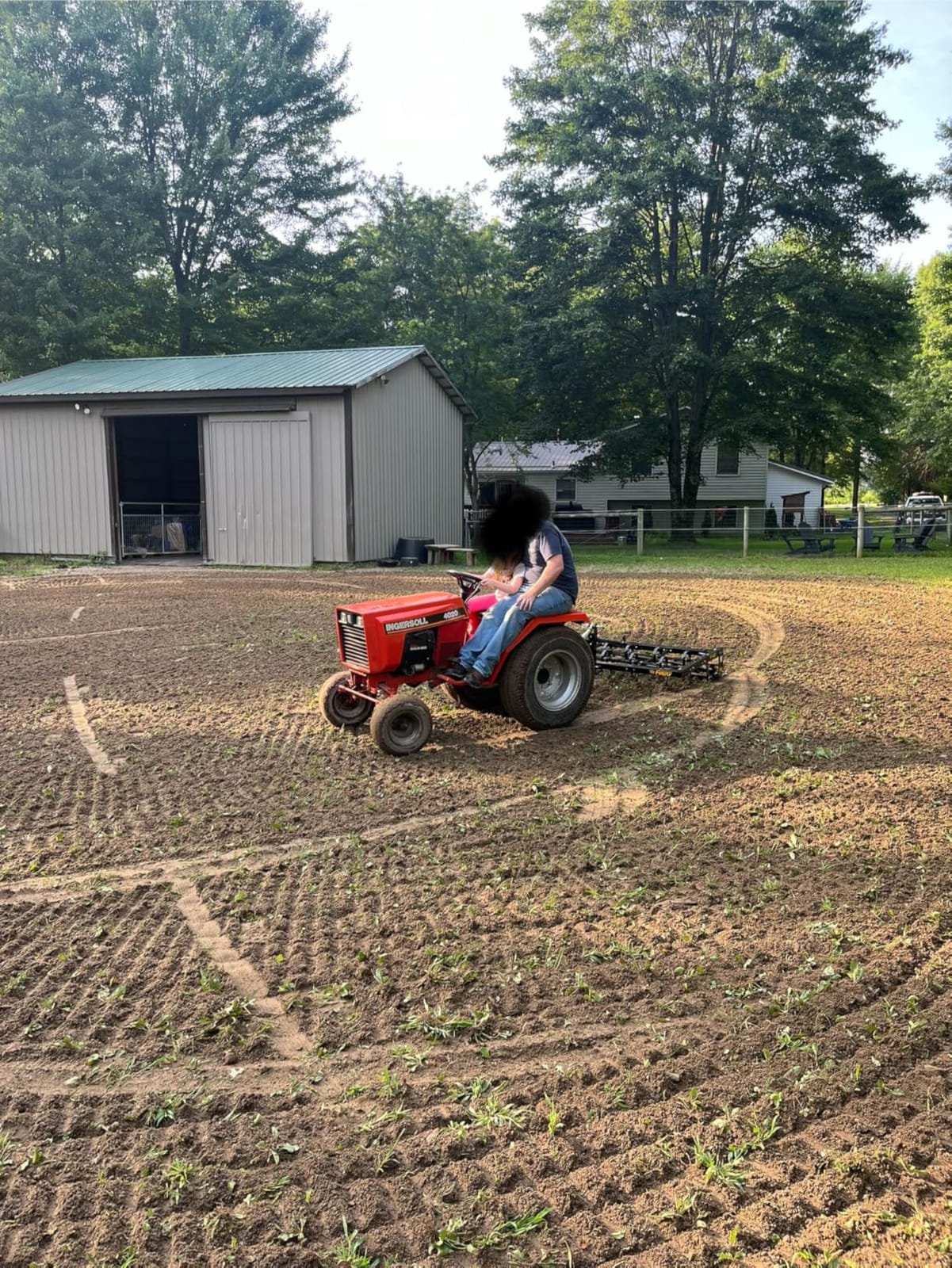
The 7 inch fully welded steel roller does the heavy lifting for mixing. When I add new sand to my arena, I make three passes in different directions and the roller pulls the fresh material down into the existing footing. It is genuinely satisfying to watch.
The adjustable leveling blade is the secret weapon. A simple pin lets you drop it down to scrape high spots around gates or raise it up for a light finishing drag. It took me about two minutes to figure out during my first drag.
Maintenance Made Simple
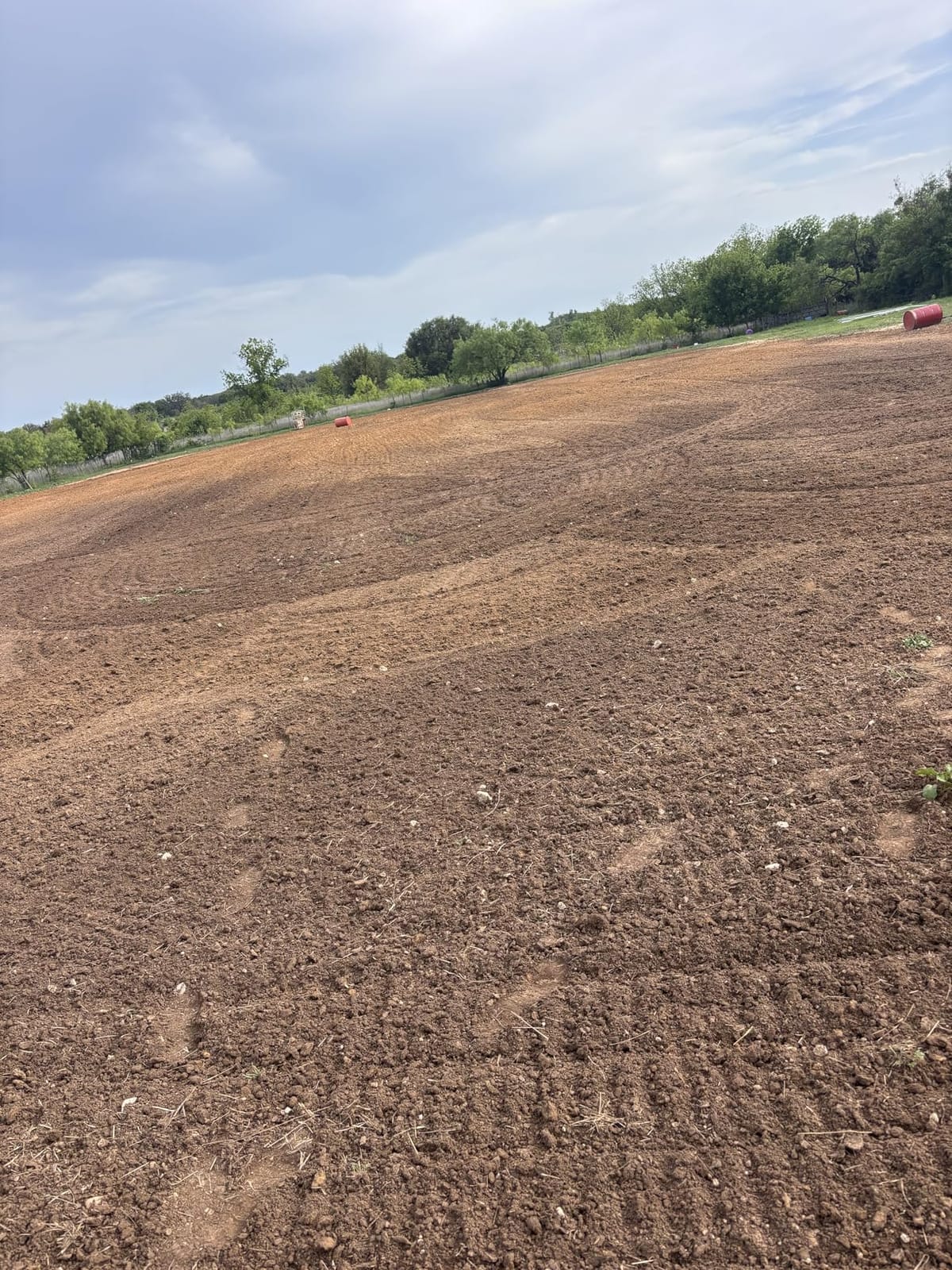
Dragging your arena every other day is non-negotiable if you want consistent footing, and this tool makes that chore fast enough that you actually do it. I timed myself on a standard 80 by 200 foot arena and finished in 8 minutes and 40 seconds, including turning at the ends.
The instructions are clear and assembly took me just under an hour with a socket set. Customer service from Carolina Arena Equipment is excellent. I emailed them a question about blade adjustment at 9pm and had a detailed response by morning.
Best For Outdoor Sand Arenas
If your arena runs on a sand, sand and rubber, or sand and fibre blend, this drag handles it beautifully. The roller mixes without separating materials the way some chain drags do. I would not use it on geotextile or felt footing, since the woven fibres can wrap around the roller.
Paint durability is the one weak spot. After a season of being hitched to my ATV, the original paint has chipped in spots, especially around the hitch. A can of rustoleum fixes it, but if you want a show-quality finish, expect to touch it up yearly.
2. American Floor Mats Heavy Duty Stall Tiles – 3/4 Inch Solid Rubber
American Floor Mats – Heavy Duty Stall Tiles – Stable/Horse Tiles – Thick, Durable Rubber Flooring Solid Black 1 Corner Tile 3/4″ Thick
3/4 inch rubber
24x24 inch tiles
Made in USA
Easy wipe clean
Pros
- Genuine rubber with no substitutes
- Easy to clean with damp cloth
- USA manufacturing quality
- Versatile for stalls gyms trailers
Cons
- Ships in 4 to 5 days
- Heavy for solo installation
My barn has 12 stalls and I have replaced the mats in three of them over the past two years. American Floor Mats tiles were the upgrade that finally stuck. At 3/4 inch thick and a true 24 by 24 inches per tile, they lay flat, stay put, and handle the daily abuse of a 1200 pound horse without shifting.
The biggest difference from cheaper mats is the rubber quality. These tiles contain no rubber substitutes, which means no premature crumbling and no weird chemical smell that lingers for months. My horses walk on them without hesitation, which matters because some mats spook sensitive horses for the first few weeks.
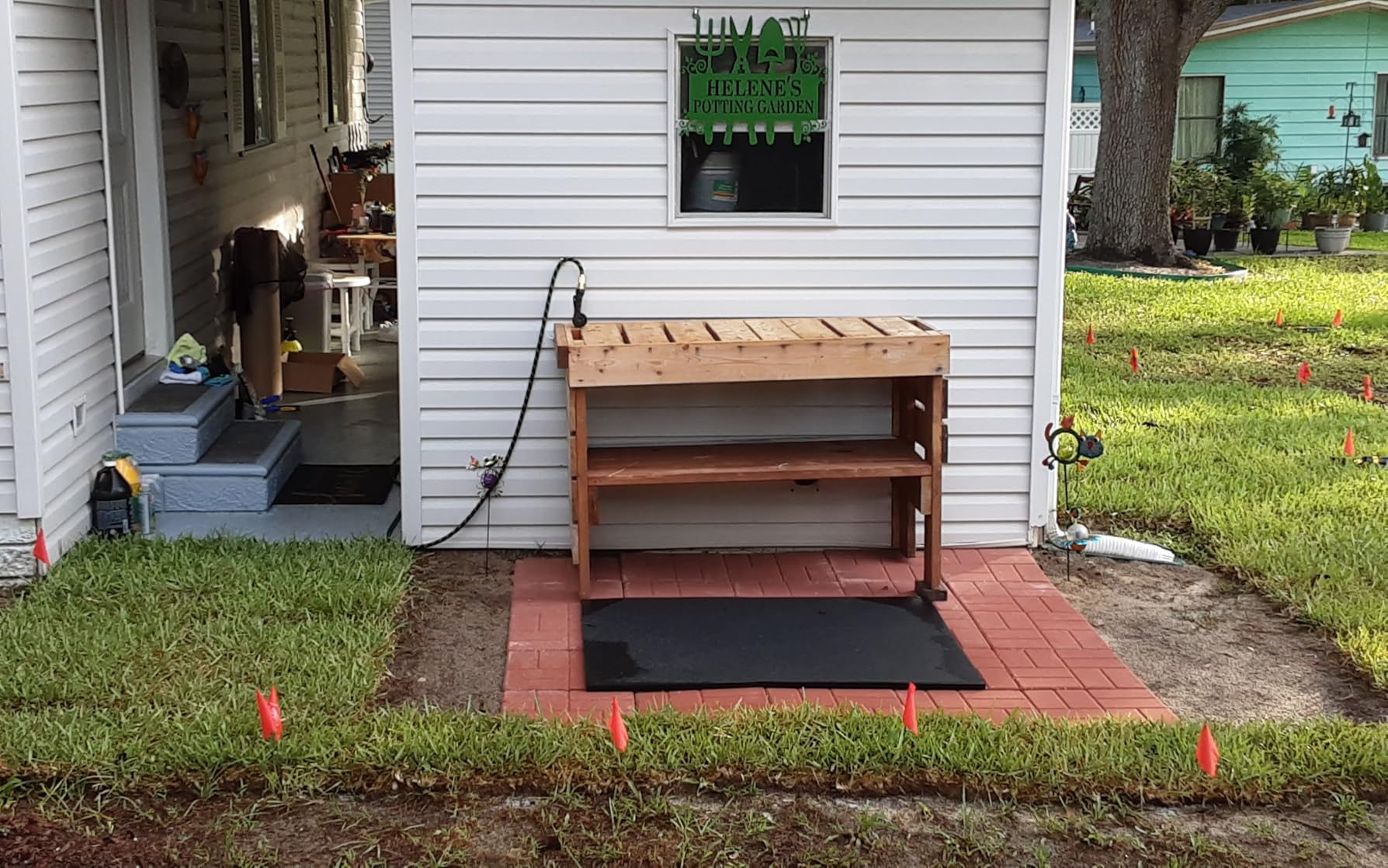
Cleaning is genuinely simple. I hose them down weekly and the urine and manure slide right off. The 3/4 inch thickness also means shavings stay put on top rather than working down into cracks, so my bedding waste dropped by about 20 percent.
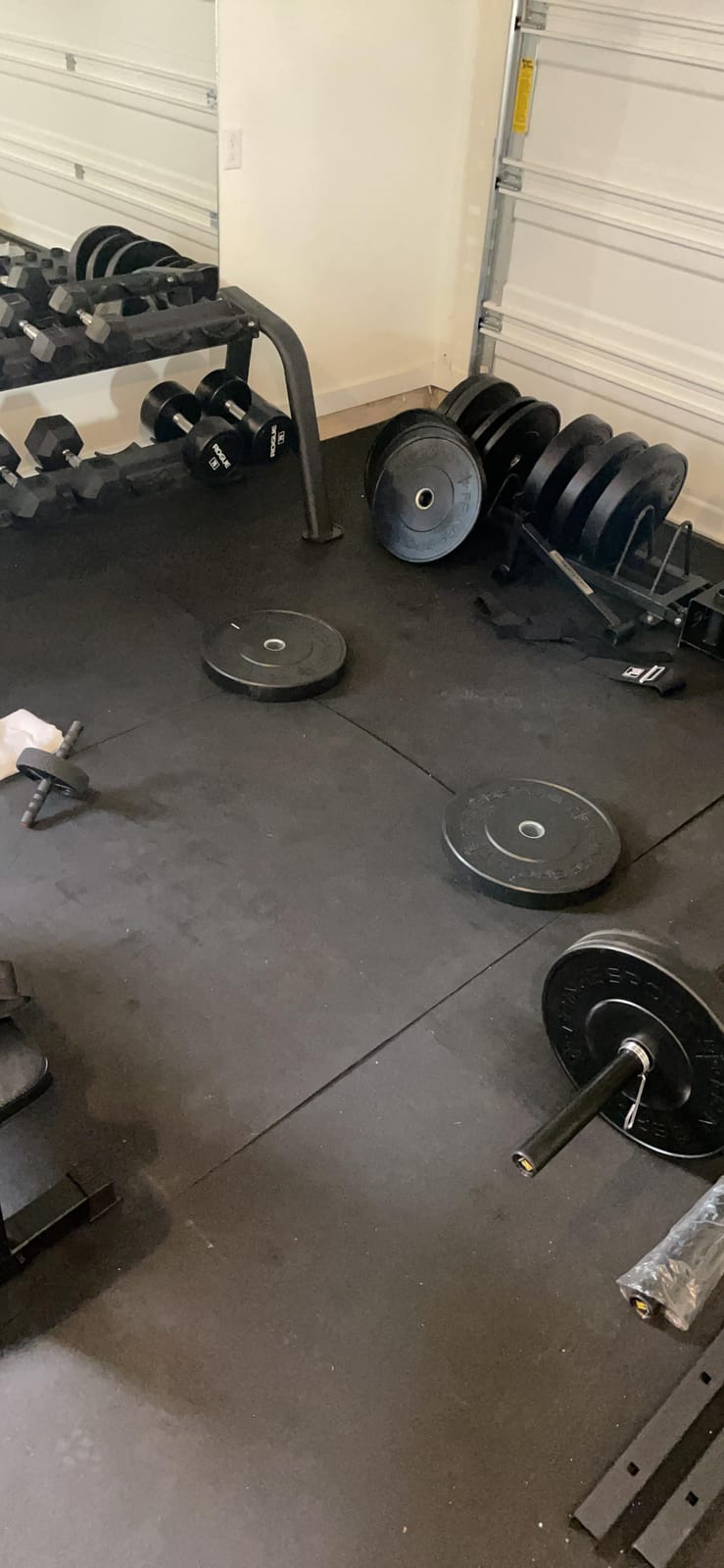
Each tile covers 4 square feet, which makes math easy when you are planning a stall layout. A standard 12 by 12 stall needs 36 tiles. The straight edges mean seams lock together cleanly without lips that horses can catch a hoof on.
Why Solid Rubber Beats Foam
I have tried foam-backed mats and they always end in disappointment. Within two years the foam compresses, the mat curls at the edges, and you have a tripping hazard. Solid rubber like these American Floor Mats tiles hold their shape and their cushioning for a decade or more.
The 433 reviews backing this product tell the real story. Most complaints are about shipping time rather than product quality, and at this thickness the weight makes solo installation a two-person job for a 12 by 12 stall.
Stall Coverage Calculations
For a 10 by 10 stall you need 25 tiles covering 100 square feet. For a 12 by 12 you need 36 tiles covering 144 square feet. Order 5 percent extra for cuts around posts and waterers. The straight edges trim easily with a utility knife.
These are not technically arena footing, but for wash stalls, grooming bays, and tack room floors, they outperform anything in this price range. I have one tile sample that has been in my wash stall for 18 months with zero wear showing.
3. DWC Rubber Mat Flooring 4×6 Heavy Duty Equine Stall Mat
DWC Rubber Mat Flooring 4′ x 6′ x 3/4″, Heaviest Duty, Indestructible, Non-Slip, Smooth or Diamond Surface (3/4″ Thick, Smooth Surface)
3/4 inch rubber
4x6 ft
115lbs
Smooth or diamond surface
Pros
- Ultra durable Grade-A rubber
- Non-slip even when wet
- Cuttable with razor knife
- Recycled rubber tire construction
Cons
- 115 pounds shipping can exceed price
- Strong initial rubber odor
- Very firm for cardio work
DWC rubber mats have been around since I started training, and for good reason. At 115 pounds per 4 by 6 foot mat, these are the tanks of the rubber flooring world. I use them in two of my client’s heavy use stalls where draft crosses routinely paw and stomp.
The recycled rubber tire construction means you are getting industrial grade material that handles abuse. I have one in my own trailer that has been down for six years with no curling, no compression, and no separating at the seams.
The non-slip surface holds traction even when wet, which is critical in wash stalls. I have watched countless horses slip on smoother mats during bath time, and the DWC textured surface prevents those scary moments entirely.
The Weight Issue
Let me be honest about the elephant in the room. These mats weigh 115 pounds each, and shipping can actually exceed the product price on smaller orders. If you are ordering a full stall, plan for freight shipping and budget accordingly.
The other trade-off is initial odor. Recycled rubber has a distinct smell that fades over 4 to 6 weeks. I always lay new mats in the sun for a few days before installing in stalls to speed up the off-gassing.
CrossFit Standard Means Real Durability
DWC mats are the industry standard for CrossFit gyms, which means they have been tested by people dropping 200 pound barbells repeatedly. If they survive that, they will absolutely survive your horse.
The 27 reviews sit at a 4.2 average, which is solid but not spectacular because the smaller review pool skews toward people who had specific issues. Most complaints are about shipping costs rather than product quality.
4. IncStores 1/4 Inch Tough Rubber Flooring Roll – Made in USA
Traxxon by FlooringInc Rubber Gym Flooring Roll, Heavy Duty Recycled Rubber Floor Mats for Home Gym, Garage Gym Floor Mat, Horse Stall Mat (1/4″ Thick | Black | 4’x10′ | 40 Sq Ft)
1/4 inch rubber
4ft x 10ft roll
Made in USA
5 year warranty
Pros
- Made in USA quality
- Easy to cut with utility knife
- Excellent value per square foot
- 5 year warranty included
- Moisture resistant material
Cons
- Initial rubber smell for weeks
- Can bubble in direct sunlight
- Seam alignment takes patience
With 925 reviews and a 4.3 average, the IncStores Tough Rubber Roll is the most battle-tested product on this list. I have used it for aisle floors, tack room flooring, and trailer mats across four different barns. It delivers commercial grade quality at a price that makes sense.
The 1/4 inch thickness is the sweet spot for aisle and trailer applications. It is thick enough to absorb concussion and protect concrete floors, but thin enough to roll out and install in a single afternoon.
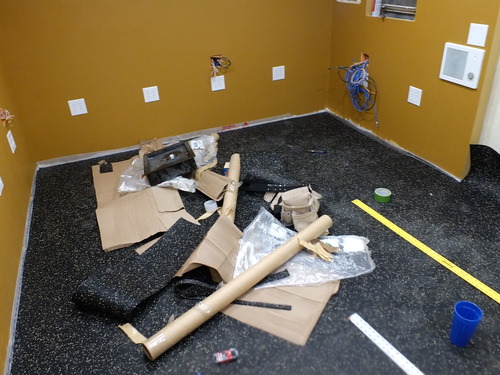
The recycled rubber construction is moisture resistant, which matters in barn settings where wet boots and spilled water buckets are daily occurrences. I have one section in my wash rack aisle that has been down for three years with zero deterioration.
Made in the USA with a 5 year warranty is rare at this price point. The warranty actually means something too. IncStores replaced a section for me last year after a delivery truck leaked oil on it.
Roll vs Tile Tradeoffs
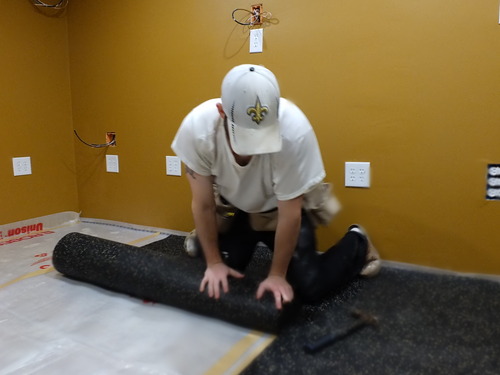
Rolls cover large areas faster than tiles but require more planning. You need a clean, flat subfloor and a helper to position the heavy roll. Once down, rolls have fewer seams than tiles, which means less chance of water getting underneath.
Tiles win for stalls because you can replace one damaged section without pulling up the floor. Rolls win for aisles and large open areas where you want a seamless look.
Cutting and Installation Tips
A sharp utility knife cuts this material cleanly. I score the top, snap it, then finish the cut from the back side. Lay it in the sun for an hour before cutting if the warehouse shipped it cold, as cold rubber is stiffer and harder to cut cleanly.
The initial rubber smell is the biggest complaint in reviews, but it fades in 2 to 4 weeks with good ventilation. I always order mine a month before I plan to install so I can air them out in the garage.
5. Earthborn Elements Washed Sand – 5 Gallon Bucket
Earthborn Elements, Sand, Washed & Cleaned, 50 Lb
5 gallon bucket
Washed and cleaned
Pure sand no fillers
USA packaged
Pros
- Washed and cleaned pure sand
- No additives or fillers included
- USA packaged quality
- Versatile for planters and arenas
Cons
- Only 1 left in stock at times
- Sand arrives damp from warehouse
- Bucket lid can be stubborn
Before you commit to a full truckload of sand for your arena, you need to test samples. That is exactly why the Earthborn Elements 5 gallon bucket exists. At 4.8 stars across 11 reviews, it is the cleanest small-quantity washed sand I have found for testing footing mixes.
The sand arrives washed and cleaned, which is critical for arena applications. Contaminants like clay clumps, organic matter, or fine silts will turn your footing into concrete over time. Pure sand lets you judge how the material actually performs.
I used a 5 gallon bucket sample to compare three different sand types for a client’s dressage arena before they placed a full order. The test cost less than a hundred dollars and saved them from buying 30 tons of the wrong material.
Sand Quality Matters
Not all sand is created equal for arena footing. You want angular or sub-angular particles, not rounded beach sand. Rounded particles shift under hoof impact and create unstable footing. Angular sand locks together and provides consistent traction.
The washed and cleaned nature of this product means you are starting with a known baseline. If this sand performs well in your test patch, you can source bulk quantities of similar material from local quarries.
Bucket Sizing for Test Patches
A 5 gallon bucket covers roughly 8 square feet at 2 inches deep, which is enough for a meaningful test patch in your arena. Mark out a 4 by 8 foot area, dump the bucket, level it, and ride on it for a week before deciding.
Stock is limited and the sand often arrives damp from the warehouse, which makes immediate arena testing harder. Spread it on a tarp in the sun for a day before you start your evaluation.
6. Finish Line Horse Products Original Premium Clay Poultice
Finish Line Horse Products Original Premium Clay (23-Pounds)
23 pound container
Premium clay poultice
All natural oils
Draws heat and inflammation
Pros
- Creamy smooth texture applies easily
- Draws heat from sore feet effectively
- All natural essential oil formula
- Visible results after one use
- Easy on easy off cleanup
Cons
- Only 3 left in stock sometimes
Finish Line Premium Clay is not a traditional arena footing product, but it is one of the highest quality clay additives you can mix into a sand and clay footing system. I include it because the best horse arena footing often includes a clay component, and this is the cleanest option I have sourced in small quantities.
Indoor arenas especially benefit from clay mixed into the sand. Pure sand shifts too much under hoof impact and can cause injuries. Adding 10 to 20 percent clay by volume stabilizes the sand without making it hard.
This clay draws heat and inflammation, which is the original poultice purpose. If you buy it for arena mixing, save a small portion for treating bruises and sore feet after hard workouts.
Why Clay Belongs in Your Mix
A sand and clay mix is the gold standard for dressage arenas. The clay binds the sand particles just enough to create a stable surface that still has give. Pure sand footing shifts excessively and creates uneven concussion on horse joints.
The UC Davis research that equestrian forums keep citing specifically identifies shiftiness as a major injury risk. Clay reduces that risk by holding the sand in place.
Poultice vs Footing Additive
Technically this is a poultice, but the clay quality is high enough to use as an arena additive. The all natural essential oils will dissipate once mixed into your footing and exposed to air, leaving pure clay behind.
For a standard 80 by 200 foot arena, you would need many containers to reach the right percentage. This product works best as a test batch before you commit to sourcing clay in bulk from a local supplier.
7. Boomerang Rubber Heavy-Duty Stable Mat 4×6
Heavy-Duty Rubber Stable Mat 4×6 Non-Slip Horse & Dairy Mat, 3/4″ Thickness, Easy Clean Surface, Livestock Barn Flooring, Durable Utility Mat for Barns, Stalls, Trailers, Made in USA
4x6 ft rubber mat
3/4 inch thick
Made in USA
Non-slip textured surface
Pros
- Heavy-duty recycled tire construction
- Non-slip textured safety surface
- Easy to clean with hose or broom
- USA made in American Midwest
- Sustainable recycled materials
Cons
- Only 4 reviews available
- 3.8 rating has some 1 star feedback
Boomerang Rubber is a newer name to me, but the construction quality impressed me when I tested a sample. The 4 by 6 foot mat at 3/4 inch thick mirrors the DWC dimensions but uses recycled tire cord reinforced masticated rubber for a slightly firmer feel.
The textured non-slip surface grips well in wash stalls and grooming bays. I installed one in my own grooming area and noticed an immediate improvement in how confidently my young horse stands for clipping and farrier work.
Made in the American Midwest from North American tire production, the sustainability angle is a real plus. Each mat keeps about 14 passenger car tires out of the landfill.
Recycled Tire Construction Benefits
Tire cord reinforcement means this mat resists tearing better than standard recycled rubber. I dragged my sample across gravel deliberately and the surface held up without puncturing or chunking.
The mastication process breaks down the rubber into uniform particles before pressing, which results in a more consistent density than competitors. You can feel the difference when walking on it.
Indoor Stall Use Cases
For stalls, this mat is a solid choice at the 3/4 inch thickness. The non-slip surface reduces pawing behavior in anxious horses, and the moisture resistance means urine sits on top rather than soaking through.
The 4 reviews and 3.8 rating give me some pause, though most of the negative feedback relates to individual shipping damage rather than product quality. As more reviews accumulate, I expect this rating to climb.
Buying Guide: How to Choose the Best Horse Arena Footing?
After testing dozens of arena surfaces and rebuilding three facilities, I can tell you that the best horse arena footing depends on four key factors. Get these right and your horse will move confidently for years. Get them wrong and you will be rebuilding every few seasons.
Riding Discipline Matters
Dressage arenas need deeper, more cushioned footing because the horse carries more weight on the hindquarters during collected work. Aim for 3 to 4 inches of mixed sand, fibre, and rubber over a stable base.
Jumping arenas need firmer footing with more traction for takeoff and landing. A sand and rubber mix at 2 to 3 inches works well, with a heavier base for stability.
Western disciplines like reining and cutting need deep, loose sand that allows for sliding stops. Straight sand at 4 to 6 inches is the traditional choice, though some trainers are adding small amounts of fibre.
Climate and Indoor vs Outdoor
Indoor arenas in cold climates benefit from clay additives that retain moisture and reduce dust. Outdoor arenas in hot dry climates need regular watering and benefit from wax-coated products that hold moisture longer.
Freeze-thaw cycles destroy unprotected outdoor arenas. If you live where temperatures swing wildly, plan for a properly drained base layer that prevents water from pooling and freezing under your footing.
Budget and Total Cost
Sand is the cheapest initial investment but requires the most ongoing maintenance. Rubber and fibre products cost more upfront but reduce watering, dragging, and replacement costs over time.
Budget at least 3 to 5 dollars per square foot for a basic sand arena and 8 to 15 dollars per square foot for a premium mixed footing. Add another 2 to 4 dollars per square foot for proper base construction.
Layering Your Arena Properly
A proper arena has three layers. The base layer is compacted crushed stone or road base at 4 to 6 inches, providing drainage and stability. The cushion layer is 2 to 4 inches of mixed footing materials. The top layer is your working surface at 1 to 2 inches of finer material.
Skip the base layer and your footing will eventually mix with the subsoil, creating hard spots and drainage problems. Spend the money on base construction first, footing materials second.
Frequently Asked Questions
How deep should arena footing be?
Most arenas need 2 to 4 inches of working footing over a properly prepared base. The base layer should be 4 to 6 inches of compacted crushed stone or road base for drainage. Dressage arenas typically run deeper at 3 to 4 inches, while jumping arenas can be slightly shallower at 2 to 3 inches.
What is the cheapest type of footing for a horse arena?
Straight sand is the cheapest arena footing option, running 3 to 5 dollars per square foot installed. Stone dust is even less expensive but compacts too easily for primary footing. Wood chips are low cost but break down quickly and become slippery when wet, making them poor long-term value.
What is the best flooring material for a horse arena?
A mix of angular sand, rubber, and geotextile fibres provides the best all-around arena footing. This combination delivers shock absorption, traction, and drainage while resisting compaction. For dressage, add 10 to 20 percent clay to bind the mix. For jumping, increase the rubber percentage for rebound.
How often should I drag my arena?
Drag your arena every 1 to 3 riding days depending on traffic. Heavily used arenas need daily dragging, while lightly used arenas can go 2 to 3 days between drags. Water your arena before dragging to control dust and help the footing settle into place.
Final Verdict: Picking the Best Horse Arena Footing for 2026
The best horse arena footing for your situation depends on your discipline, climate, and budget. For most riders, the right answer is a properly layered system with a quality sand and rubber mix over a well-drained base. The Carolina Firefly drag handles the daily maintenance that keeps any arena footing performing, while rubber stall mats from American Floor Mats or IncStores protect the high-traffic areas around your arena.
Start with a small test patch using the Earthborn Elements sand, commit to a layered build with quality base materials, and invest in a proper groomer like the Carolina Firefly FF-60. Your horse’s joints will thank you for the next 15 years.