

If you want the most machine you can still open up and upgrade, the ASUS TUF Dash 15 is the one to watch in Amazon’s Prime Big Deal Days sale. A 12th-gen Core i7 with RTX 3060 graphics, a 144Hz panel and two open upgrade slots, all inside a 4.4 lb chassis, and owners rate it 4.5 out of 5 across more than 1.5k reviews.
Two alternatives sit close behind it. The ROG Strix G16 adds a colour-calibrated 165Hz screen and a faster RTX 4060 for people who care about how games look, not just how they run. The 2025 ROG Strix G16 goes the other way, with RTX 5070 Ti graphics and a 2.5K 240Hz panel for 4K-class work. Prime Big Deal Days runs October 6-7, 2026, and most offers on these picks need a Prime membership.
Table of Contents
Our Top 3 Picks for Best Amazon Prime Big Deal Days ASUS Deals
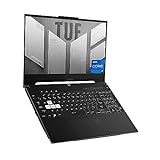
ASUS TUF Dash 15
- RTX 3060 graphics
- 144Hz 15.6-inch Full HD panel
- Open RAM and storage slots
- 4.4 lb chassis

ASUS ROG Strix G16
- RTX 4060 at 140W
- 165Hz 100 percent sRGB panel
- 1TB PCIe Gen4 SSD
- Liquid metal CPU cooling

ASUS ROG Strix G16 (2025)
- RTX 5070 Ti with DLSS 4
- 2.5K 240Hz Nebula display
- 32GB DDR5-5600
- Vapor chamber cooling
Best Amazon Prime Big Deal Days ASUS Deals Compared (2026)
| Product | Specifications | Action |
|---|---|---|
| ASUS TUF Dash 15 |
|
Check Deal Price |
| ASUS ROG Strix G16 |
|
Check Deal Price |
| ASUS ROG Strix G16 (2025) |
|
Check Deal Price |
 ASUS TUF Gaming F16 ASUS TUF Gaming F16 |
|
Check Deal Price |
 ASUS TUF Gaming A16 ASUS TUF Gaming A16 |
|
Check Deal Price |
 ASUS Vivobook Go 15 ASUS Vivobook Go 15 |
|
Check Deal Price |
 ASUS Chromebook Flip CX1 ASUS Chromebook Flip CX1 |
|
Check Deal Price |
 ASUS ProArt PA278QV ASUS ProArt PA278QV |
|
Check Deal Price |
 ASUS TUF VG27AQ3A ASUS TUF VG27AQ3A |
|
Check Deal Price |
 ASUS ProArt PA279CRV ASUS ProArt PA279CRV |
|
Check Deal Price |
How We Chose
Every pick here was compared on the specs that decide this purchase: processor and graphics, memory and storage, screen size and refresh rate, ports, weight and battery. Owner reviews and ratings on the Amazon listings carried equal weight. Data checked October 2026.
1. ASUS TUF Dash 15: Editor’s Choice
ASUS TUF Dash 15 (2022) Gaming Laptop, 15.6″ 144Hz FHD Display, Intel Core i7-12650H, GeForce RTX 3060, 16GB DDR5, 512GB SSD, Thunderbolt 4, Windows 11 Home, Off Black, FX517ZM-AS73
Type: gaming laptop
Standout: RTX 3060 and 144Hz panel
Warranty: 1 year
Pros
- RTX 3060 6GB runs demanding titles at high settings
- Nothing soldered and a spare M.2 slot
- 4.4 lb is light for a gaming machine
- USB-C charging works with third-party chargers
Cons
- Backlight bleed shows on dark scenes
- Armoury Crate software is buggy
- Battery life drops under two hours of load
The TUF Dash 15 earns the top spot because it is the easiest machine here to keep and to upgrade after you buy it. The bottom cover pops open with a screw, both memory slots are accessible and a second M.2 socket sits free, so adding storage later takes minutes rather than a service visit.
Specs-wise it is a 2022 chassis with a 12th-gen Core i7-12650H, 16GB of DDR5-4800 and a 512GB Gen3 drive, paired with the RTX 3060. The 144Hz 1080p IPS panel is matte, which matters in a bright room, and the MUX switch lets the GPU drive the display directly instead of routing through the integrated chip.

Where owners push back is software and panel quality. Armoury Crate is the recurring complaint: wrong temperature readings, fans spinning up for no reason and mode switches that need a restart. Backlight bleed on dark scenes gets mentioned often too, and unplugged runtime falls away sharply under heavy load.
Compared with the ASUS ROG Strix G16, you give up a colour-accurate 165Hz panel and a newer processor, and you get a lighter machine, a bigger battery and far more upgrade freedom. If you want the newest silicon instead, look at the 2025 ROG Strix G16. Our handheld gaming PC options cover what changes when the machine has to fit in a bag rather than sit on a desk.

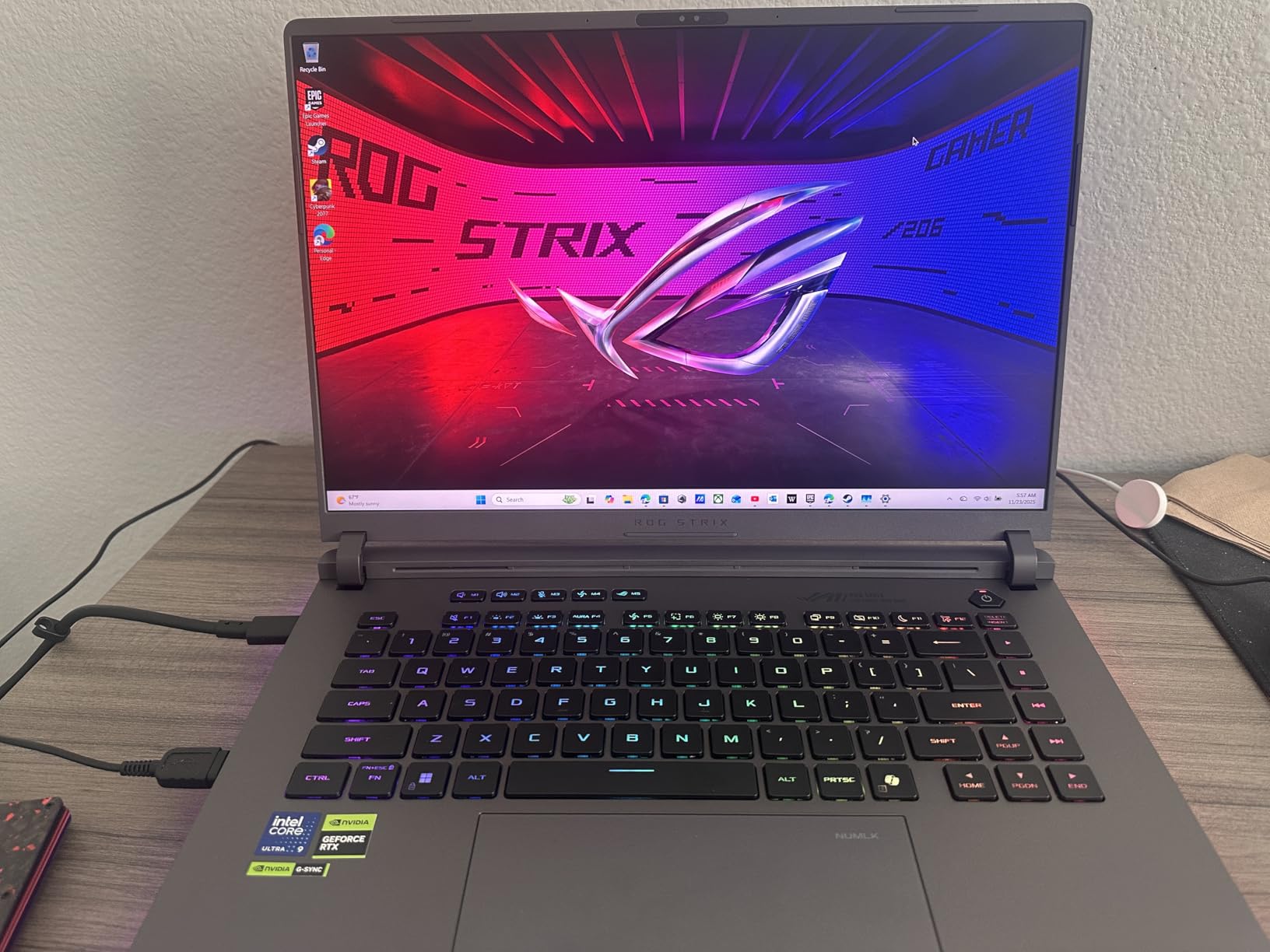
2. ASUS ROG Strix G16: Best Value
ASUS ROG Strix G16 Gaming Laptop, 165Hz Display, NVIDIA® GeForce RTX™ 4060, Intel Core i7-13650HX, 16GB DDR5, 1TB PCIe Gen4 SSD, Wi-Fi 6E, Windows 11, G614JV-AS74
Type: gaming laptop
Standout: RTX 4060 at 140W
Warranty: 1 year
Pros
- RTX 4060 runs at 140W for sustained performance
- 165Hz panel is 100 percent sRGB and Pantone validated
- Liquid metal on the CPU holds up in long sessions
- 1TB Gen4 SSD out of the box
Cons
- Only 1920 x 1200 resolution at this price
- Battery life is short on a 16-inch body
- ASUS firmware updates can be finicky
A desk-bound machine for people who care about picture quality as much as frame rate. The 165Hz panel covers 100% of sRGB and carries Pantone validation, so colour-critical side work on the same laptop does not need a second screen.
Under the hood it is a 13th-gen Core i7-13650HX with an RTX 4060 allowed up to 140W, 16GB of DDR5-4800 and a 1TB PCIe Gen4 drive. Thermal Grizzly Conductonaut Extreme liquid metal sits on the CPU and a third intake fan keeps things stable during long sessions, which matters more than peak clock speed once you pass the first hour.
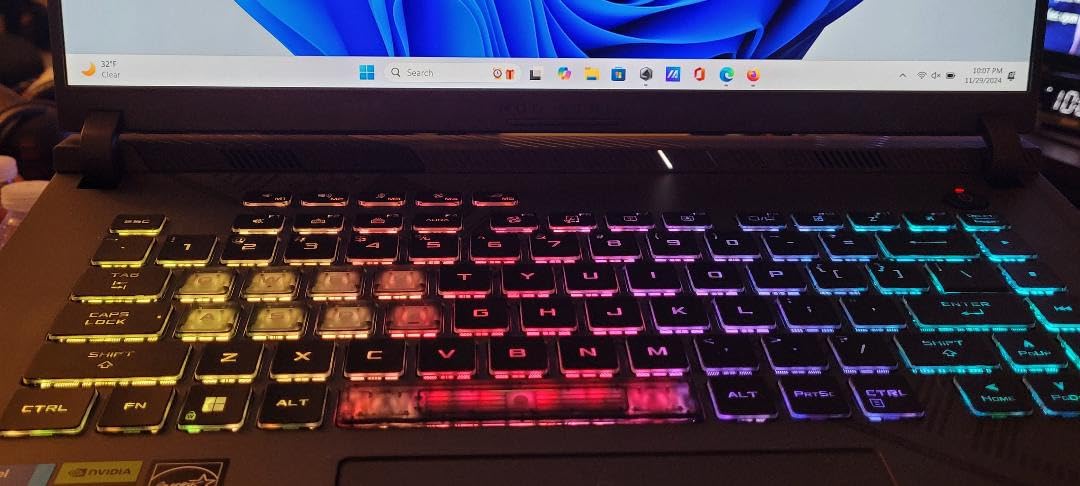
The honest criticism is that a 1920 x 1200 panel is modest for a machine in this bracket, and the battery is quoted at up to four hours rather than a full working day. Fan noise also climbs noticeably under sustained load. Several owners also mention ASUS driver and firmware updates being fussy to install cleanly.
Set against the ASUS TUF Gaming F16, you get a newer processor, a better-calibrated screen and a larger storage drive for roughly the same money, at the cost of a heavier 5.5 lb body. The ProArt PA278QV is the other option here if the screen matters more than the graphics card.
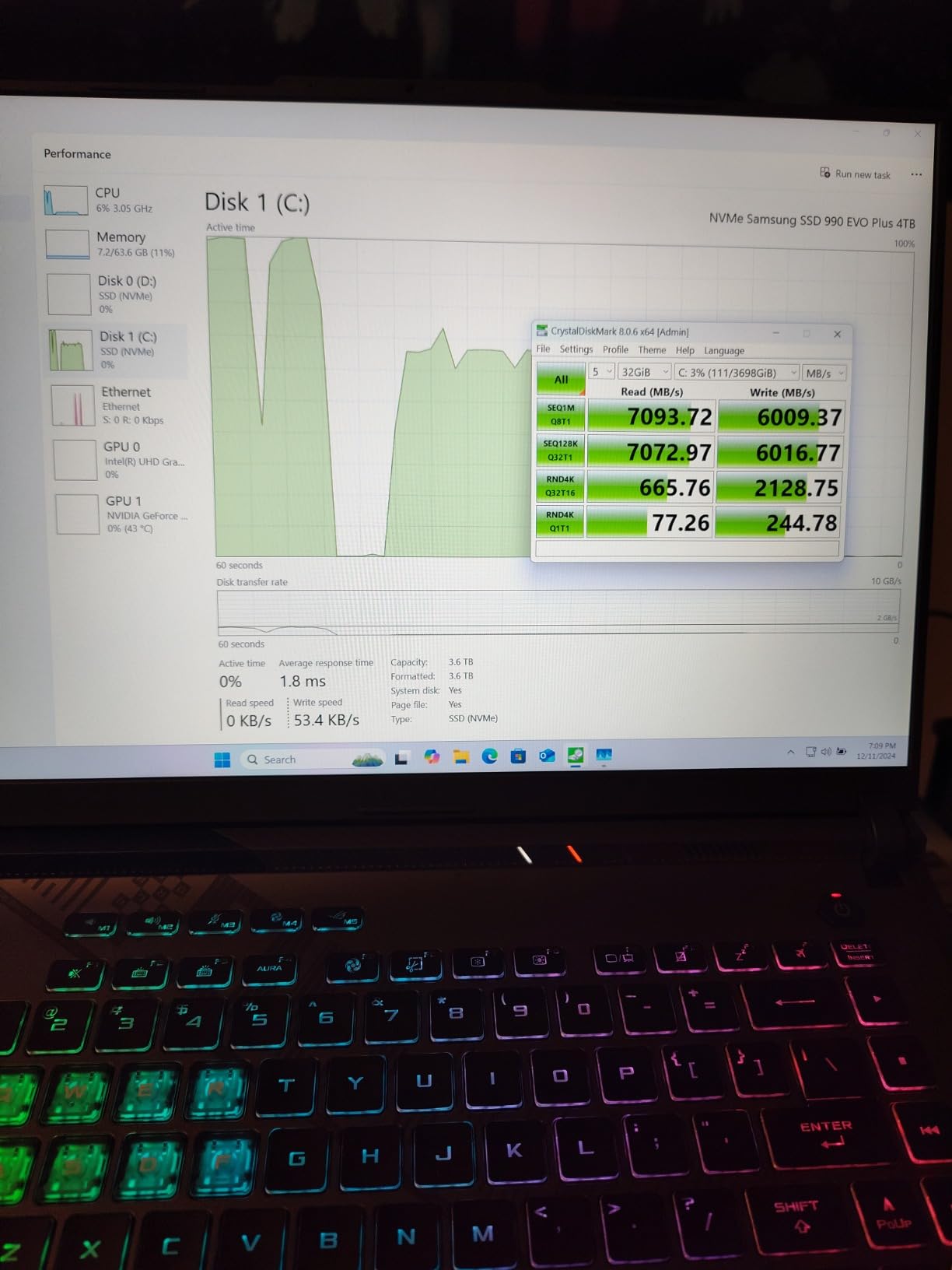
3. ASUS ROG Strix G16 (2025): Best for 4K Gaming
ASUS ROG Strix G16 (2025) Gaming Laptop, 16” ROG Nebula 16:10 2.5K 240Hz/3ms, NVIDIA® GeForce RTX™ 5070 Ti, Intel® Core™ Ultra 9 Processor 275HX, 32GB DDR5, 1TB SSD, Wi-Fi 7, Win11 Home, G615LR-AS96
Type: gaming laptop
Standout: RTX 5070 Ti and 2.5K
Warranty: 1 year
Pros
- RTX 5070 Ti with DLSS 4 and Max-Q
- 2.5K 240Hz Nebula panel at 500 nit
- 32GB DDR5-5600 leaves real headroom
- Stealth Mode hides the RGB lighting
Cons
- Sits at the top of this list on cost
- 5.8 lb is heavy to move around
- RGB light bar is hard to switch off entirely
The only laptop here built for 4K output is this one, and that is the whole argument for it. The RTX 5070 Ti carries 32GB of GDDR5 on the Blackwell architecture with DLSS 4 and Max-Q, paired with an end-to-end vapor chamber and liquid metal on the chipset.
The display is the piece that justifies the rest: 16:10 2.5K at 240Hz and 3ms response, 500 nit brightness, with an anti-glare film that lifts contrast in a lit room. Memory is 32GB of DDR5-5600, and Wi-Fi 7 comes standard rather than as an optional module.
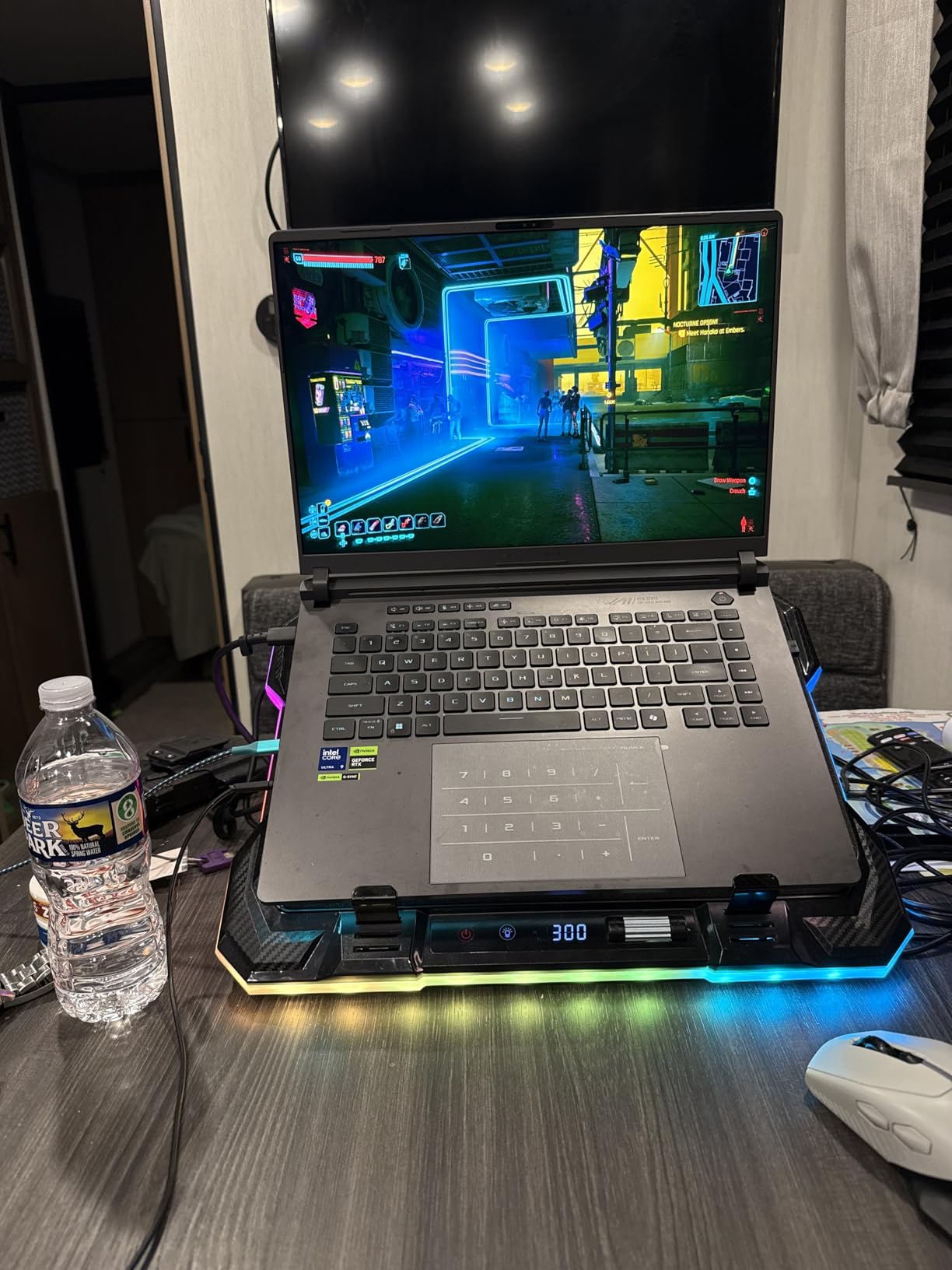
Owners like the flexibility of Stealth Mode, which kills the lighting for a work meeting, and the full-surround RGB bar syncs with other ROG kit if you want it visible. The complaints are predictable: it sits at the top of the range on cost, it weighs 5.8 lb, and a small share of buyers hit early fan noise or firmware quirks.
Compared with the ROG Strix G16, this is a straight upgrade in panel resolution, refresh rate and graphics memory, with a 24-core Core Ultra 9 275HX behind it. If that step is more than you need, the older G16 gives you most of the gaming performance at a lighter body.
4. ASUS TUF Gaming F16: Best for Big-Screen Gaming
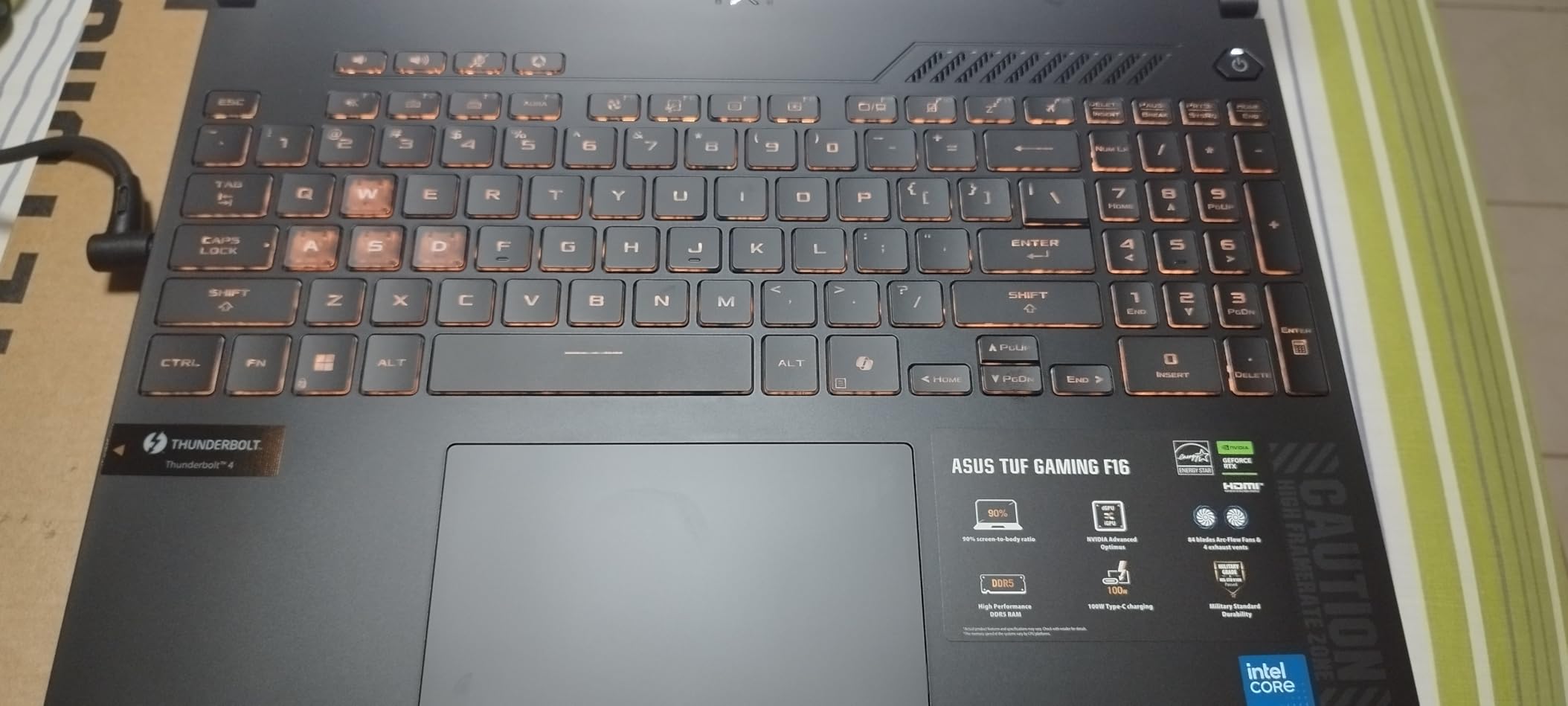
ASUS TUF Gaming F16 Gaming Laptop, 16” FHD+ 144Hz IPS-Level 16:10 Display, Intel® Core™ 5 210H, NVIDIA® GeForce RTX™ 4050, 16GB DDR5, 512GB PCIe Gen4 SSD, Wi-Fi 6, Win11 Home, FX607VU-SS53
Type: gaming laptop
Standout: 16-inch 144Hz panel
Warranty: 1 year
Pros
- 16-inch 1200p panel at 144Hz with Adaptive-Sync
- RTX 4050 at 115W with Advanced Optimus
- Five heat pipes and an anti-dust filter
- MIL-STD-810H tested chassis
Cons
- 56Wh battery is small for a 16-inch body
- Core 5 210H holds back CPU-heavy games
- 512GB fills up with modern titles
Somewhere between the older Dash and the ROG line sits this one, and for a lot of shoppers it is the sensible middle. You get a 16-inch FHD+ 1200p panel running at 144Hz with 100% sRGB coverage and Adaptive-Sync, which is a bigger canvas than the Dash without the ROG price tag.
The graphics are an RTX 4050 allowed up to 115W through NVIDIA Advanced Optimus, paired with 16GB of DDR5-5200 and a 512GB Gen4 SSD. Cooling uses Arc Flow fans, four exhaust vents and five dedicated heat pipes with an anti-dust filter, so the internals are built for years of load rather than a demo loop.
The Core 5 210H is the weak link. It is an eight-core part, and owners note it holds back simulation and other CPU-heavy titles even when the GPU has room to spare. The 56Wh battery is also small for a machine this size, and 512GB goes quickly once a few large games are installed.
Choose the ASUS TUF Gaming A16 instead if you want an AMD processor, or the ASUS TUF Dash 15 if upgrade access and weight matter more to you. This is the pick when the screen size and the understated styling are the deciding factors.
5. ASUS TUF Gaming A16: Best for AMD Processors
ASUS TUF Gaming A16 Laptop: AMD Ryzen 7 7445HS, 16″ Full HD+ 145Hz Display, NVIDIA GeForce RTX 4050, 16GB DDR5 RAM, 512GB SSD, Backlit Keyboard, Windows 11
Type: gaming laptop
Standout: Ryzen 7 7445HS
Warranty: 1 year
Pros
- Ryzen 7 7445HS is a strong six-core gaming CPU
- Memory can be expanded up to 64GB
- 144Hz FHD+ panel with wide colour coverage
- Backlit keyboard and spill-resistant shell
Cons
- Heaviest laptop here at 7 pounds
- Only two USB ports on the spec sheet
- 512GB storage and a small battery
AMD silicon, and a deliberate choice rather than a compromise: the Ryzen 7 7445HS pairs with an RTX 4050 for balanced 1080p gaming, and the six-core CPU holds its own in games where Intel’s entry chips here tend to fall behind.
Memory is the quiet strength. The 16GB of DDR5 can be pushed all the way to 64GB, well past what the ASUS TUF Dash 15 ships with, which saves you replacing a machine in three years. The 16-inch FHD+ panel runs at 144Hz with wide colour coverage and an anti-glare coating, and the keyboard is backlit.

What you give up is portability. At 7 lb this is the heaviest laptop on the list, and the battery produces limited unplugged runtime. The spec sheet also lists only two USB ports, which is thin for a 16-inch body, and the 512GB drive is on the small side.
Against the ASUS TUF Gaming F16, you trade the newer Intel platform and the larger port selection for a stronger CPU in multi-threaded games and far better memory expansion. Against the ASUS TUF Dash 15, you gain CPU headroom and lose the open M.2 slot and the lighter 4.4 lb frame.
6. ASUS Vivobook Go 15: Best for Everyday Work
ASUS Vivobook Go 15.6” FHD Slim Laptop, AMD Ryzen 3 7320U Quad Core Processor, 8GB DDR5 RAM, 128GB SSD, Windows 11 Home, Fast Charging, Webcam Sheild, Military Grade Durability, Black, E1504FA-AS33
Type: everyday laptop
Standout: 3.59 lb and 0.70 inch thick
Warranty: 1 year
Pros
- Only 0.70 inch thick at 3.59 lb
- Handles documents calls and streaming easily
- Webcam privacy shutter included
- MIL-STD-810H tested for a budget machine
Cons
- 128GB SSD runs out of room quickly
- 45 percent NTSC at 250 nit looks washed out
- 60Hz panel and entry-level Ryzen 3
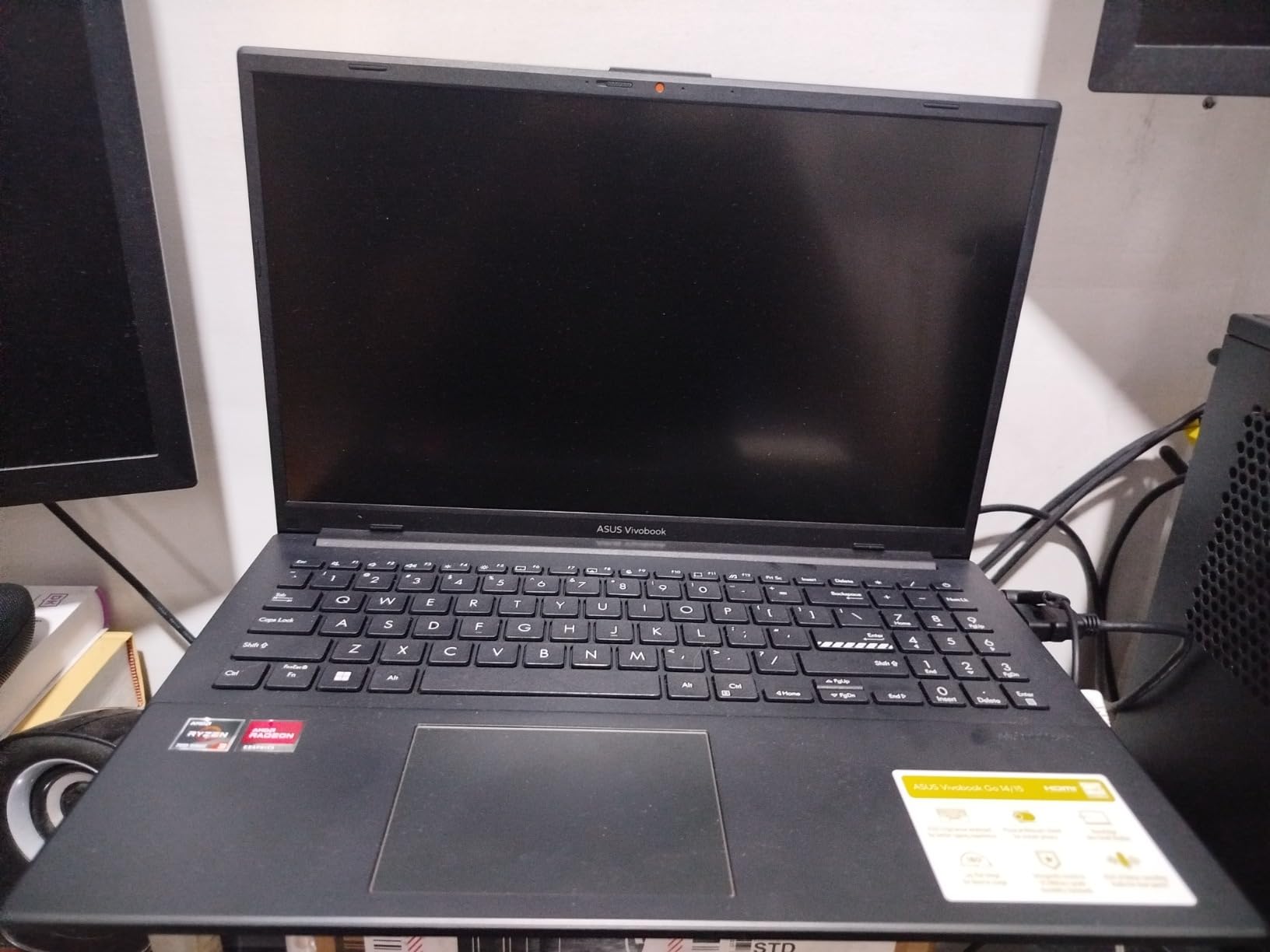
Bought for the bag rather than the desk: email, documents, video calls and streaming, at 0.70 inch thick and 3.59 lb it disappears into a backpack. The Ryzen 3 7320U with 8GB of LPDDR5-5200 handles multiple browser tabs and office work without complaint.
It is also built tougher than the price suggests: MIL-STD-810H testing, a 180-degree hinge and a 720p camera with a physical privacy shutter. Ports are sensible for the size, with USB-C, two USB-A, HDMI 1.4 and a 3.5mm jack.

The display is where the money was saved. A 60Hz panel at 45% NTSC and 250 nit looks washed out next to anything else in this guide, and 128GB of storage fills up quickly with software and downloads. The memory is soldered with a single slot, so there is no upgrade path there.
If you want the same portability with a screen you can actually work on, the ASUS Chromebook Flip CX1 gives you a touchscreen and a much longer battery, though it runs ChromeOS rather than Windows.
7. ASUS Chromebook Flip CX1: Most Versatile
ASUS Chromebook Flip CX1 Convertible Laptop, 14″ FHD NanoEdge 360-degree Touchscreen, Intel Celeron N4500 Processor, 128GB eMMC Storage, 8GB RAM, ChromeOS, Transparent Silver, CX1400FKA-AS88FT
Type: Chromebook
Standout: 360-degree touchscreen
Warranty: 1 year
Pros
- Four modes from one 14-inch touchscreen
- Up to 11 hours of stated battery life
- 3.6 lb and MIL-STD-810H tested
- Three months of Google One AI Premium included
Cons
- Celeron N4500 is a very basic chip
- 128GB eMMC is slower than an SSD
- ChromeOS cannot run full Windows software
The lowest-cost way into ASUS hardware during the sale, and the most flexible device in the guide. The 14-inch Full HD NanoEdge panel flips through 360 degrees into tent, stand and tablet modes, so it works as a laptop on a desk and a screen on a sofa with the same cable.
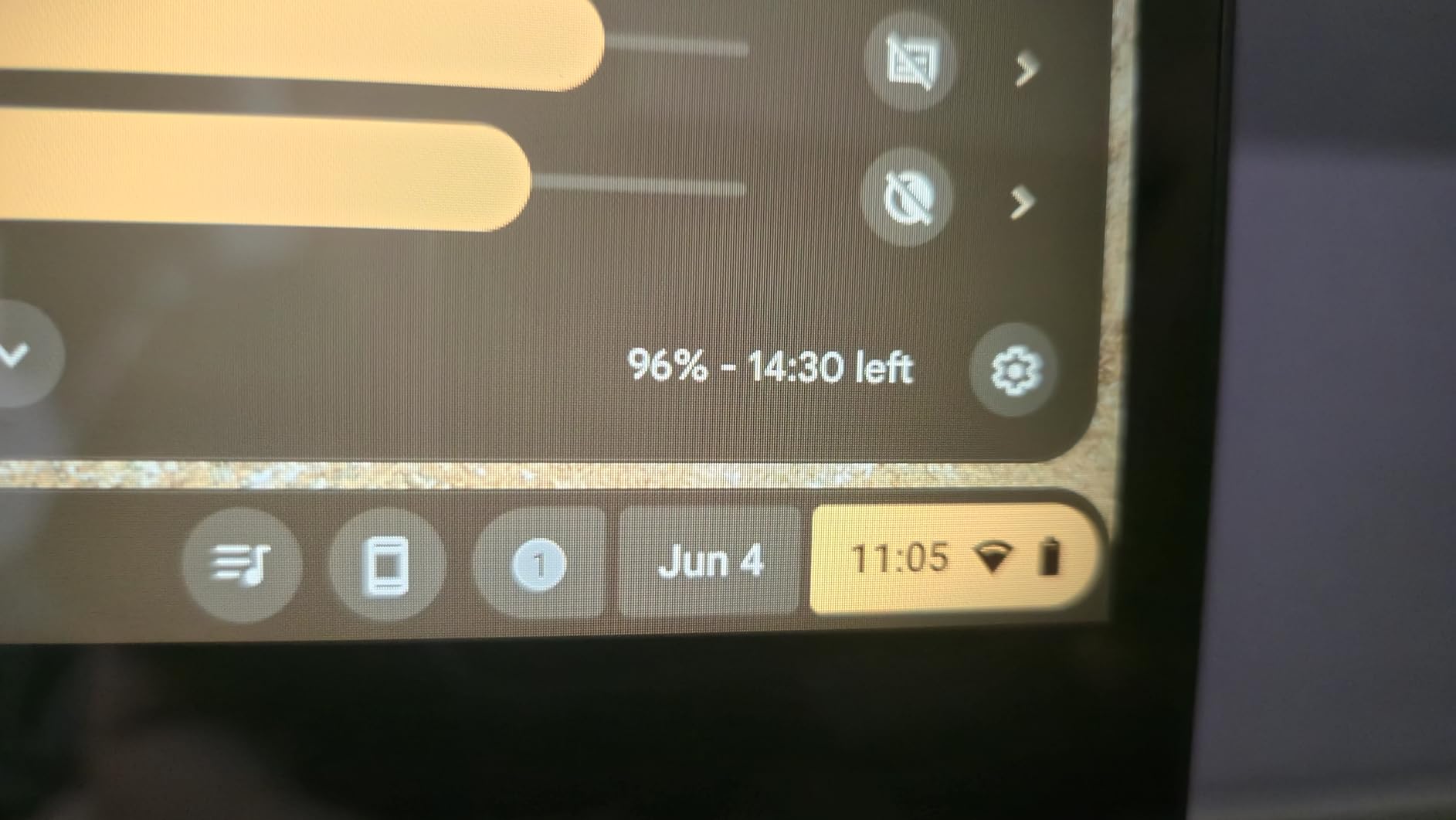
Battery is the standout number: up to 11 hours of stated runtime, at a weight of 3.6 lb with military-grade durability. ChromeOS updates itself, needs no maintenance and carries built-in virus protection, and three months of Google One AI Premium come included for cloud storage and Gemini Advanced.
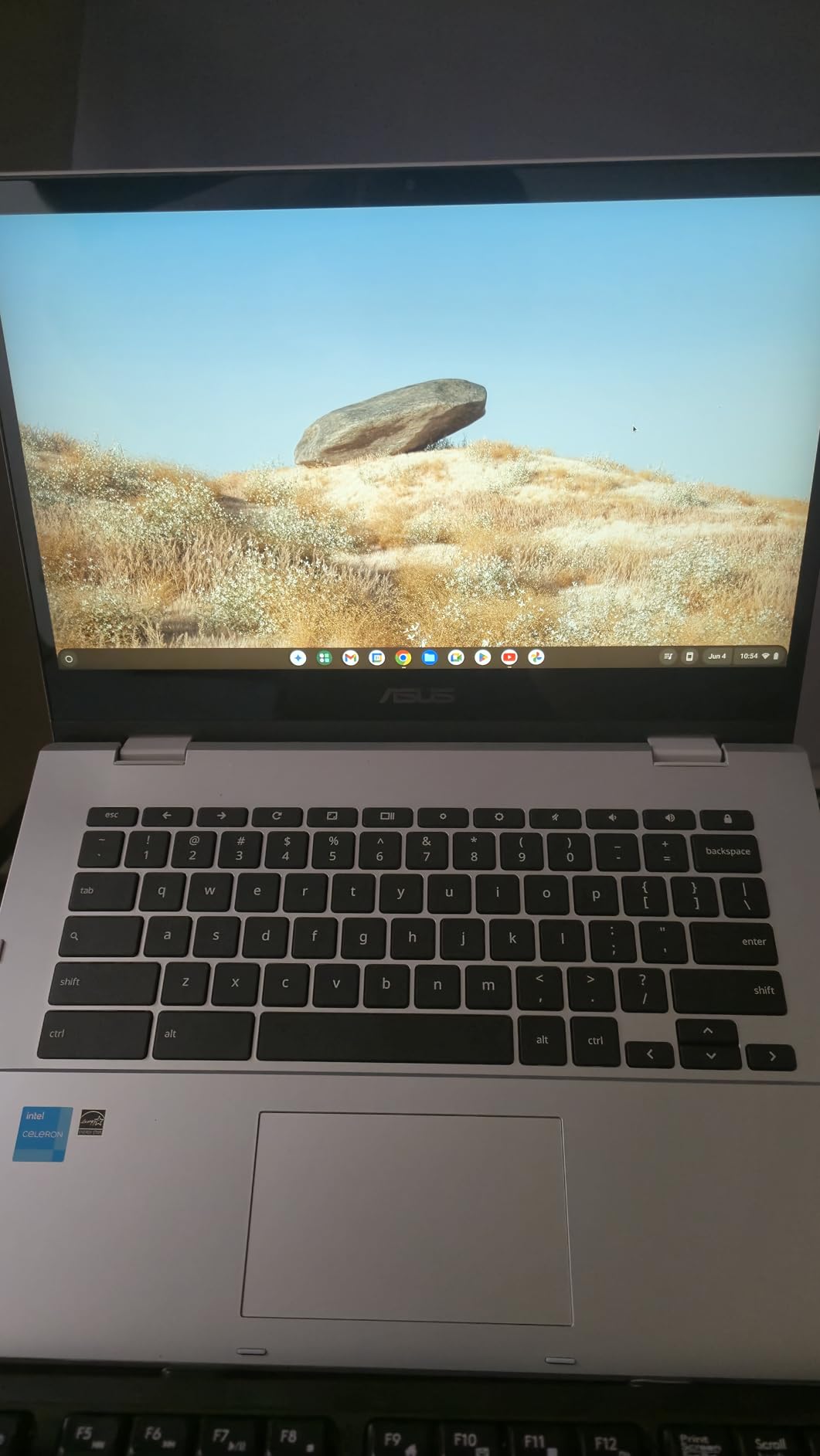
The limits are the usual Chromebook ones. The Intel Celeron N4500 has two cores and little multitasking headroom, 128GB of eMMC fills fast and runs slower than an SSD, and no Windows desktop software will run on it. If your coursework needs Excel macros or a full engineering suite, this is the wrong tool.
Compared with the ASUS Vivobook Go 15, you get a touchscreen, a convertible hinge, better ports and a far longer battery in exchange for Windows. Compared with any laptop on this list that runs desktop applications, the CX1 simply is not in the same category.
8. ASUS ProArt PA278QV: Top Rated
ASUS ProArt PA278QV 27 Inch 1440p QHD Professional Monitor
Type: monitor
Standout: Calman verified QHD IPS
Warranty: 5 years
Pros
- Calman Verified with Delta E under 2,100 percent sRGB and Rec. 709 coverage
- 2560 x 1440 IPS at 350 nit
- DisplayPort HDMI DVI-D Mini DP and 4-port USB hub
- Fully adjustable stand and 5-year warranty
Cons
- 75Hz refresh is low for competitive play
- No USB-C or laptop power delivery
- 17 lb is awkward to reposition
More owners have reviewed this monitor than any other product in the guide, at 4.6 out of 5 across more than 3k reviews. Photographers and video editors buy it for one reason: the panel is Calman Verified out of the box with Delta E under 2, covering 100% of sRGB and 100% of Rec. 709.
The rest of the package is built for a working desk. It is 27-inch WQHD IPS at 350 nit with a matte finish, the stand adjusts for tilt, swivel, pivot and height, and the port selection includes DisplayPort, HDMI, DVI-D, Mini DisplayPort and a four-port USB 3.2 hub. ASUS Eye Care handles flicker and blue light, and the warranty runs five years.
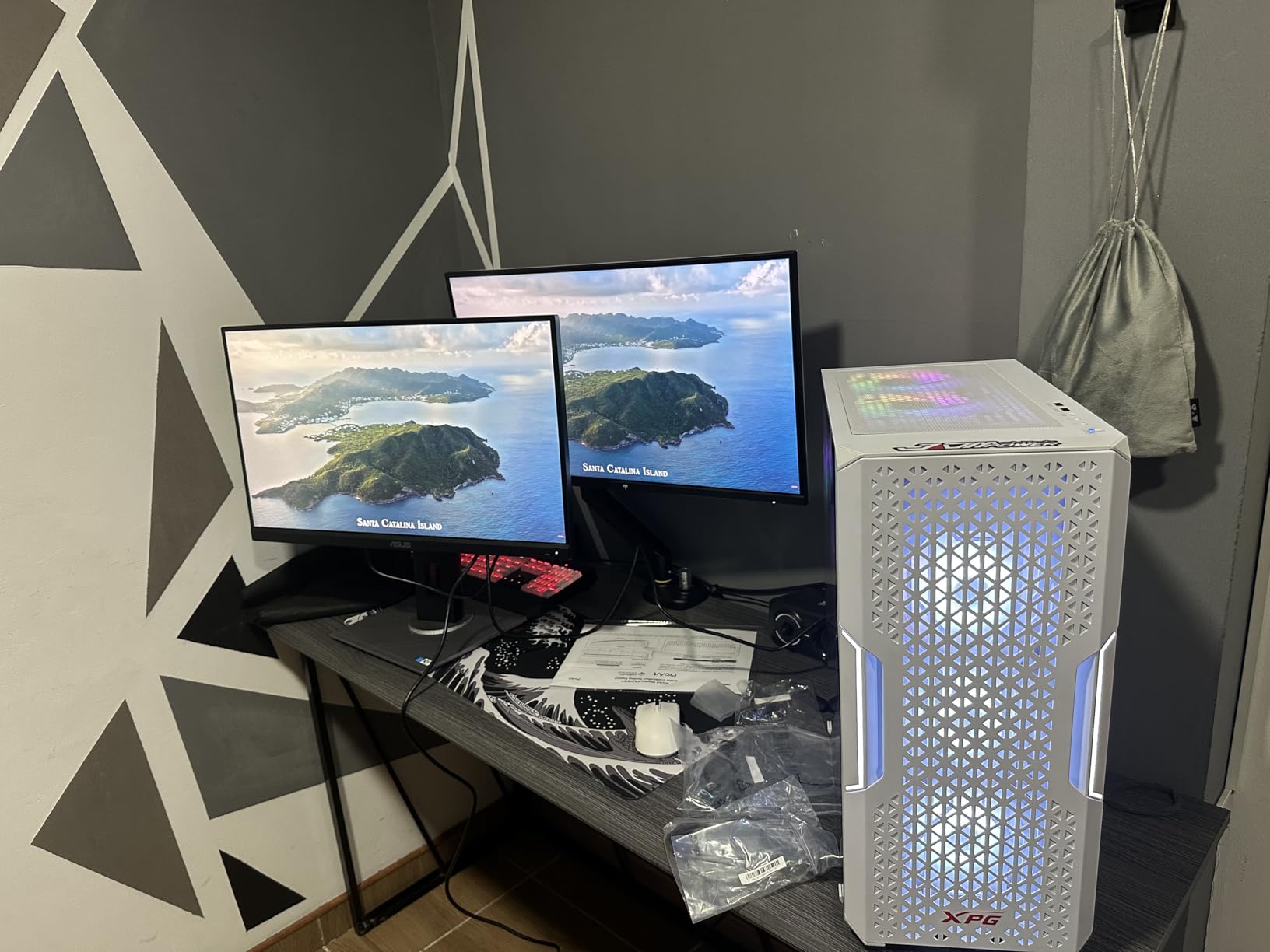
Buyers accept the trade-offs: 75Hz is low for competitive gaming, there is no USB-C power delivery for a laptop, and 17 lb makes it awkward to swing around on a small desk. Three months of Adobe Creative Cloud are included, which helps if you are starting out.
The ASUS TUF VG27AQ3A is the opposite answer to the same desk. It runs far faster for play but drops to 130% sRGB and carries no colour certification, so pick by job: this one for images, that one for frames.
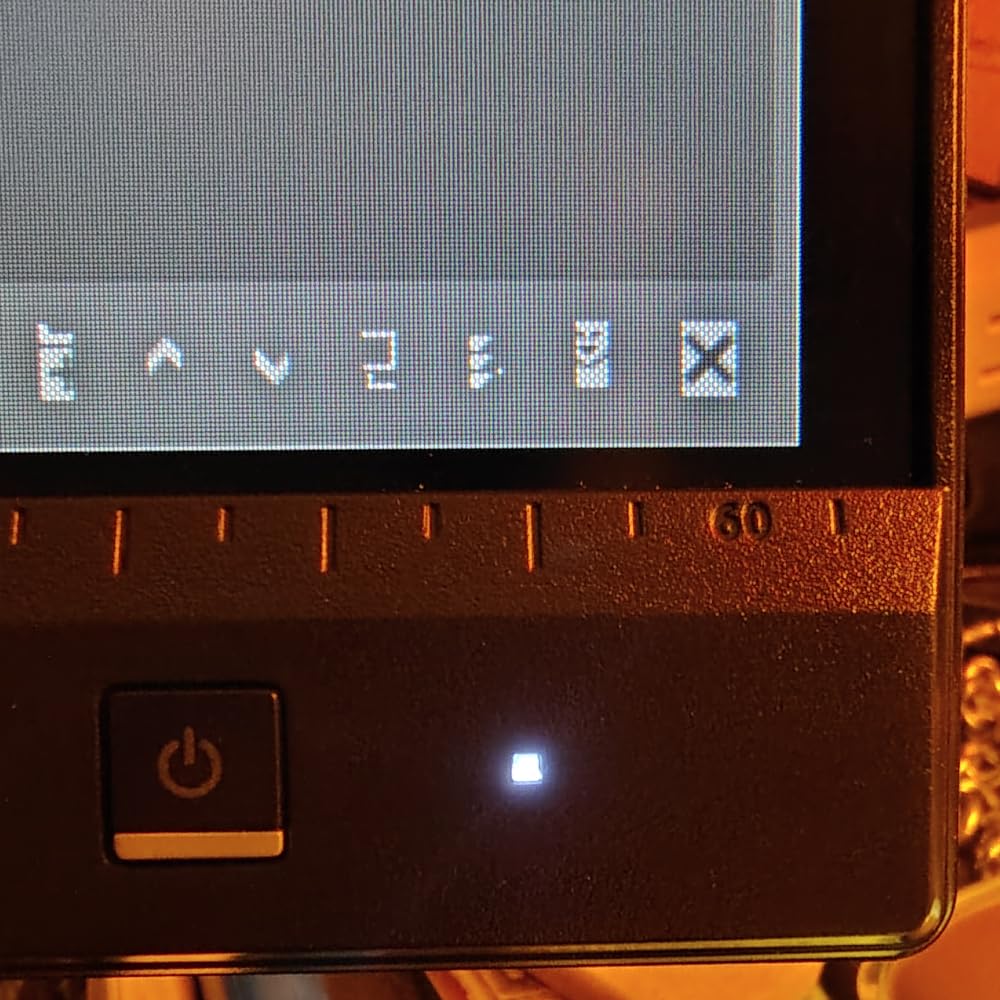
9. ASUS TUF VG27AQ3A: Best for High-Refresh Gaming
ASUS TUF Gaming VG27AQ3A 27 Inch 1440p 180Hz G-SYNC Gaming Monitor
Type: monitor
Standout: 180Hz 1ms Fast IPS
Warranty: 3 years
Pros
- 180Hz at 1440p with 1ms Fast IPS response
- Works with G-Sync and FreeSync Premium
- HDR-10 support and ELMB Sync
- VESA 100x100 mount ready
Cons
- Built-in 2W speakers are very quiet
- Stand has no height or portrait adjustment
- Slightly bright out of the box
Where the ProArt PA278QV is built for colour, this one is built for motion. A 27-inch Fast IPS panel runs at 180Hz with 1ms response, and ASUS Extreme Low Motion Blur Sync works alongside variable refresh so ghosting and tearing get handled at the same time.
Sync support is the practical strength: FreeSync Premium, G-SYNC compatible and AdaptiveSync, with variable refresh on by default, plus VRR on PS5. Resolution is 2560 x 1440, colour gamut is 130% sRGB, HDR-10 is supported, and there is a crosshair overlay for aiming. Owners report a large install base with no dead-pixel complaints.
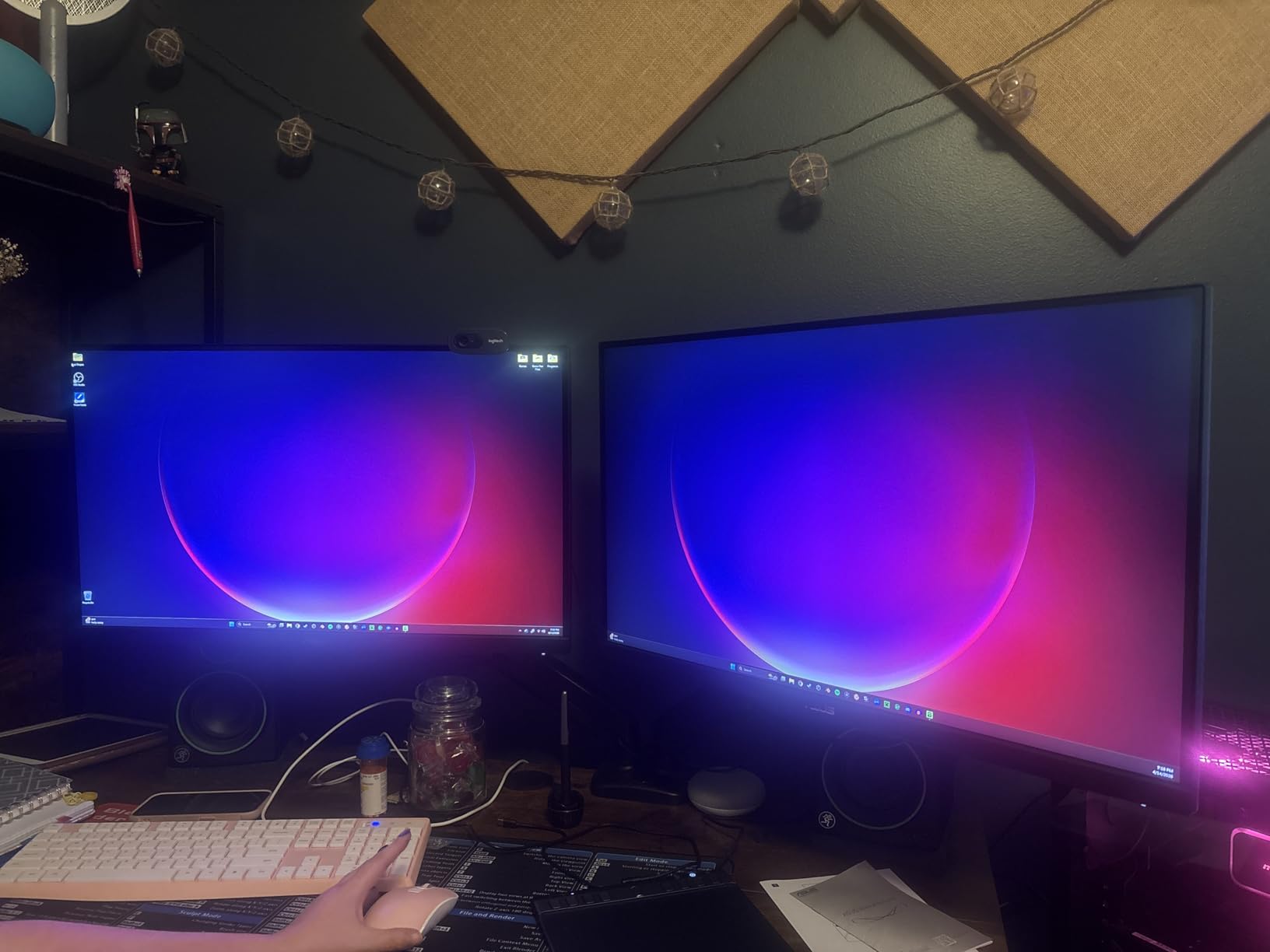
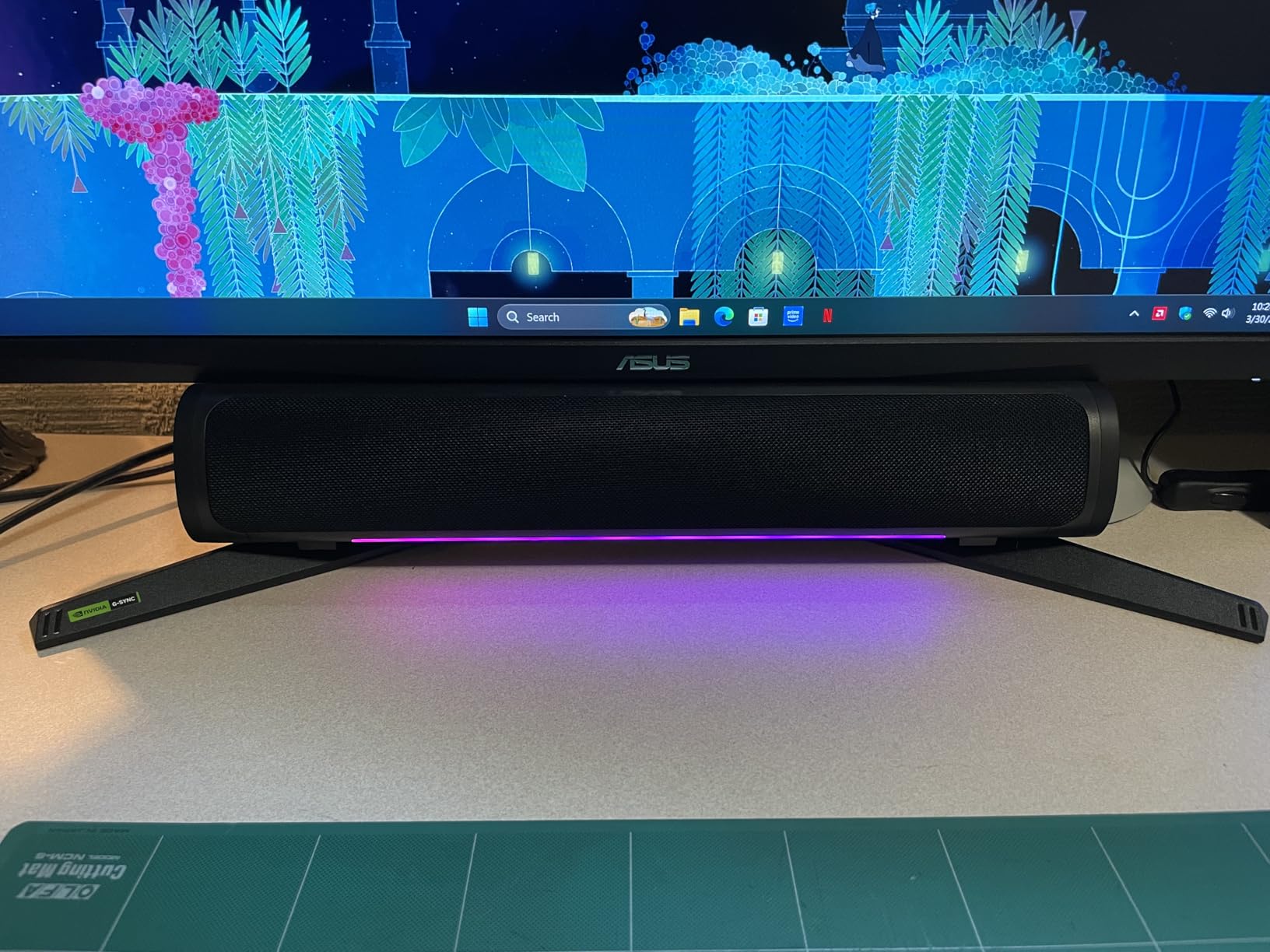
Two caveats are repeated often. The integrated 2W speakers are quiet and thin, so budget for separate audio. The stand does not adjust for height and cannot rotate to portrait, which is a real downgrade from the ProArt’s fully adjustable arm.
Against the ASUS ProArt PA279CRV, you gain refresh rate and lose resolution and USB-C power delivery. Against a laptop screen, it is the change most people notice first. If you already own a capable GPU, pair this with the ASUS ROG Strix G16 for a setup that actually uses the 180Hz.
10. ASUS ProArt PA279CRV: Best for USB-C Setups
ASUS ProArt PA279CRV 27 Inch 4K UHD USB-C HDR Professional Monitor for Mac
Type: monitor
Standout: 4K UHD with 96W USB-C
Warranty: 5 years
Pros
- One USB-C cable charges and drives a Mac or laptop
- 3840 x 2160 IPS at 400 nit
- 99 percent DCI-P3 and 99 percent Adobe RGB
- DisplayPort daisy-chain for extra monitors
Cons
- 60Hz refresh and 5ms response
- 18.3 lb is the heaviest monitor here
- A minority report colour and HDR issues
One cable is all a laptop needs here. USB-C with 96W power delivery charges a notebook and drives the display at the same time, so a MacBook or any USB-C laptop connects with a single lead and needs no separate dock.
The panel is 27-inch 4K UHD IPS at 400 nit with HDR, covering 99% of DCI-P3 and 99% of Adobe RGB and factory calibrated to Delta E under 2 with Calman verification. DisplayPort daisy-chaining lets a second monitor hang off the same upstream port, and the stand adjusts for tilt, swivel, pivot and height.
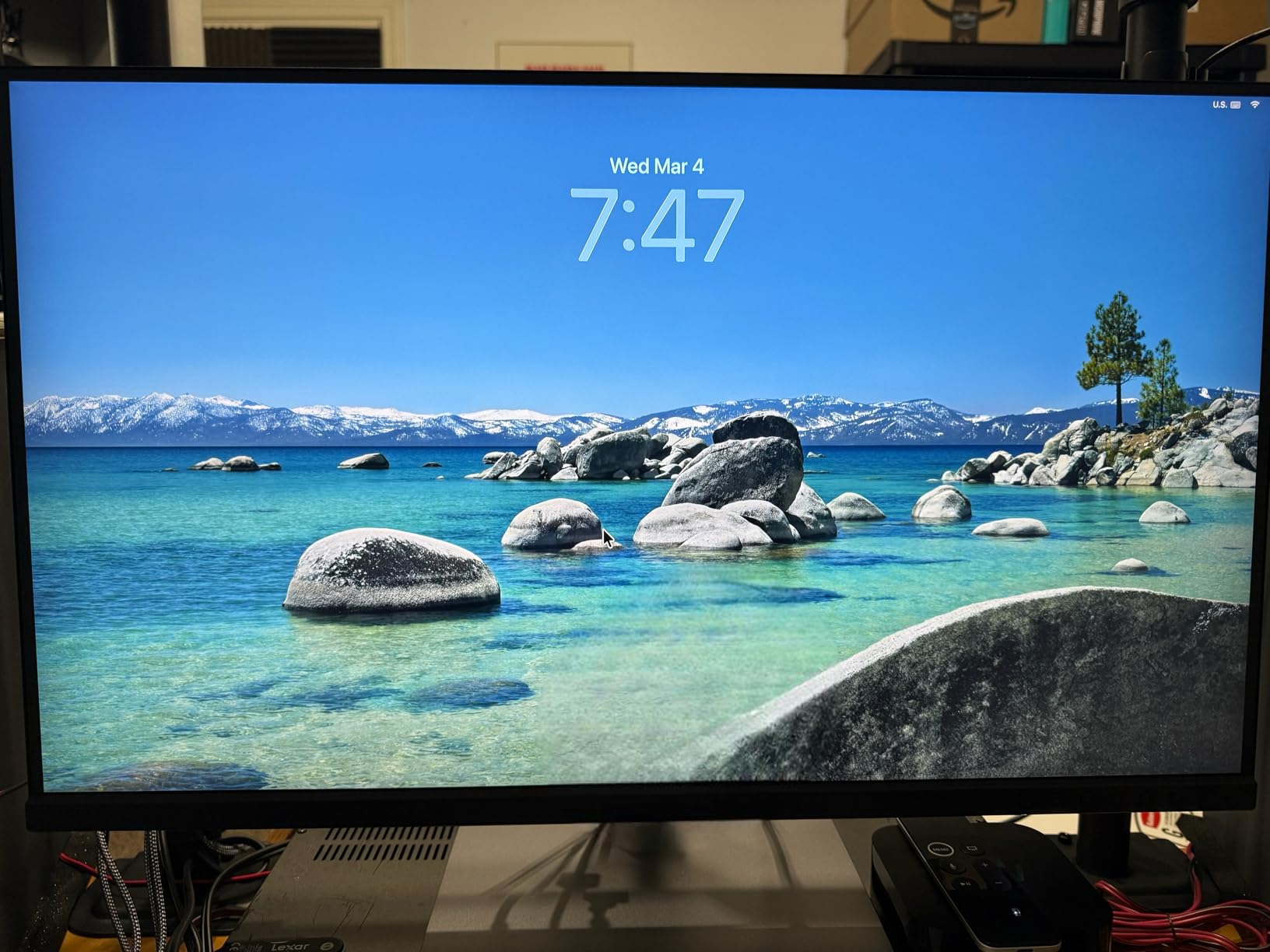
It is built for image work, not play. A 60Hz ceiling and 5ms response are unremarkable, which also limits what FreeSync can do, and at 18.3 lb it is the heaviest item in this guide. A small share of owners report colour and HDR results that miss the calibration claims out of the box, so check your own unit early.
Compared with the ASUS ProArt PA278QV, you gain 4K detail, HDR and USB-C power while giving up half the refresh rate and some of the rating. Compared with the ASUS TUF VG27AQ3A, the choice is simple: colour and pixels, or speed.
How to Choose ASUS Electronics During Prime Big Deal Days
Match the Computer to Your Main Tasks
Start with the heaviest thing you will do all day, because that decides the machine. Browsing, documents and video calls need 8GB of memory and a Core i5 or Ryzen 3 class chip, which is where the Vivobook Go 15 sits. Creative work on photos and video needs colour-accurate screens and more memory, and our photo-editing laptop options set out that choice in more detail.
Gaming is a graphics decision first. An RTX 4050 covers esports and mainstream titles at 1080p or 1200p, an RTX 4060 buys you headroom at 1080p with a colour-accurate panel, and RTX 5070 Ti territory starts at 2.5K and 4K. A handheld on the sofa is a different shape of machine entirely.
Check the Exact Model and Generation
ASUS reuses names across years, so verify the model code at the bottom of the specification list before you compare two pages that look identical. The TUF Dash 15 here is FX517ZM-AS73 and the 2025 ROG Strix G16 is G615LR-AS96. Two laptops sharing a product name can differ by processor generation, memory and screen.
Check the processor generation in the title too. A 12th-gen Core i7 and a 13th-gen Core i7 look similar in a listing title but behave differently on battery and in mixed workloads, and the RTX 3060 and RTX 4060 are two generations apart with different power limits.
Confirm Screen and Component Connectivity
Screen size and resolution decide what a machine feels like in use. A 15.6-inch 1080p panel suits a desk, a 16-inch 1200p panel gives you more canvas for the same price band, and 16:10 2.5K at 240Hz is a genuine step up that only the newest ROG screen here reaches.
Ports matter more than most shoppers expect. Look for Thunderbolt 4 or USB-C with display output for an external monitor, count the USB-A sockets for a keyboard, mouse and drive, and on monitors check whether there is USB-C power delivery or only DisplayPort and HDMI. Our ultrawide monitor deals cover what to look for when one screen has to do several jobs.
For laptops, check memory expansion. Anything with a spare M.2 slot and two accessible memory slots is worth paying more for, and the ASUS TUF Dash 15 is the pick here with nothing soldered.
Compare Bundle Contents and Seller Details
Some listings include extras and some do not. The Chromebook Flip CX1 comes with three months of Google One AI Premium, the TUF Dash 15 bundle includes 30 days of Xbox Game Pass for PC, and two of the ProArt monitors here include a three-month Adobe Creative Cloud subscription. Read the box contents before assuming a stylus, dock or charger is included.
Seller details are worth reading too. Some offers are sold and sent by Amazon, others by a marketplace partner, and the returns arrangements differ. The condition line matters as well: a refurbished listing is not the same purchase as a new one even at the same model number.
How to Shop ASUS Deals During the Sale
Look for the model code, not just the product name, and read the memory, storage and screen figures on the listing rather than the headline. Note who the seller is and who delivers the order, and check the condition wording on anything marked renewed. Most offers during Prime Big Deal Days require a Prime membership, and prices and offers change through the event.
Quick Checklist
- Confirm the model code and processor generation before comparing two similar listings.
- Decide between a laptop, a Chromebook or a monitor first, since they solve different problems.
- For laptops, check memory slots and spare M.2 sockets rather than just the headline specs.
- For monitors, match refresh rate and colour gamut to your actual work.
- Read the box contents so you know what is in the bag on arrival.
- Check seller, delivery arrangement and condition wording on every offer.
Frequently Asked Questions
When does Amazon Prime Big Deal Days run in 2026?
Amazon Prime Big Deal Days runs October 6-7, 2026. The event is Amazon’s October version of Prime Day, and ASUS laptops, Chromebooks and monitors are among the lines that get the most attention during it. Offers move through the two days rather than lasting the whole window, so it is worth checking the listing twice.
Do you need Prime to access Amazon Prime Big Deal Days ASUS Deals?
Most offers during the event are limited to Prime members, and a free trial counts for the length of the sale. A few ASUS listings run at the same price for everyone, but the event pricing on most of them is member-only. Check the Prime badge on the listing before you commit to a basket.
Will the best ASUS deals remain available for the entire event?
No. Offers change through the two days and can be replaced by different ones, so nothing lasts the whole window. Popular configurations on the TUF and ROG lines are the ones most likely to shift first. Look at the listing on the day you plan to buy rather than assuming an early offer carries through.
How can I identify the exact laptop generation in an Amazon listing?
Find the model code in the specification section, usually a string of letters and numbers such as FX517ZM-AS73 or G615LR-AS96, then match it to the processor generation listed alongside. Product names repeat across years, so the code is the only reliable way to tell a 2022 chassis from a 2025 one before you compare specifications.
Are Prime Big Deal Days computer deals sold only by Amazon?
No. An offer can be sold by Amazon and sent by Amazon, sold by Amazon and sent by a partner, or sold and sent by a marketplace seller. Each arrangement has its own returns handling, so read the seller and delivery lines on the listing before ordering. The same model number can appear from more than one seller.
Should I choose a laptop bundle or the standalone computer?
It depends on whether the bundle adds something you would buy anyway. Some ASUS listings include a Game Pass trial or a few months of Google One AI Premium, which are worth taking at no extra cost. A bundle that exists only to describe the same laptop and charger is not a deal, so compare the configuration and model code rather than the word bundle.
Final Verdict: Best Amazon Prime Big Deal Days ASUS Deals
The ASUS TUF Dash 15 is the pick most worth watching during Prime Big Deal Days: the most reviewed laptop here, an easy-to-open chassis that nothing else in the list matches, and a 4.4 lb frame. If your budget stretches and you want a screen you can trust for images, the ASUS ProArt PA278QV is the one to watch instead.
For a budget alternative, the ASUS Chromebook Flip CX1 gives you a convertible touchscreen and an 11-hour battery at the lowest cost here, and the ASUS Vivobook Go 15 covers the same need if you need Windows. Gamers should look at the ASUS ROG Strix G16 for a colour-accurate 165Hz panel and the 2025 ROG Strix G16 for 2.5K 240Hz with RTX 5070 Ti, while the ASUS TUF Gaming F16 and A16 cover bigger screens and AMD processors. Check the model code on the listing before you order, then use the button on each section to see the current price.