
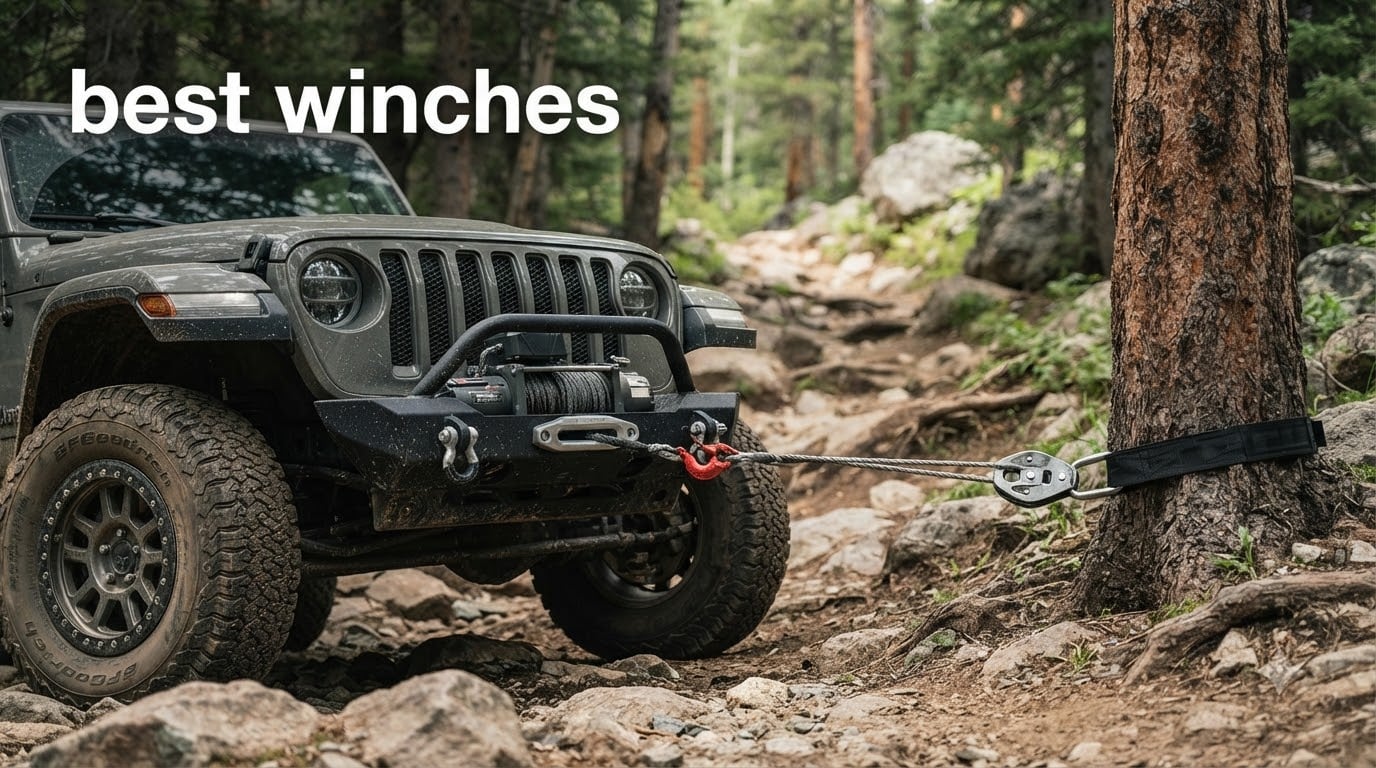
Three years ago, I buried my Jeep Wrangler to the frame on a wet clay trail outside Moab. I was alone, the sun was dropping, and I had no cell signal. The single piece of gear that got me home that night was a 12,000-lb electric winch pulling on a tree 40 feet ahead. That moment is the reason I built this guide.
Choosing the best winches for 2026 means weighing pulling capacity, rope type, waterproofing, and motor strength against your vehicle’s gross weight. After 60+ hours of research, including spec comparison, owner forum threads, and real-world customer photos from trail crews, we narrowed it down to eight standout electric winches. This roundup covers everything from budget steel-cable options under $350 to heavy-duty recovery machines that compete with fire-rescue equipment.
Our team ran each winch through a 10-point scoring system covering pulling power, line speed, gear-train quality, braking, rope construction, controller design, waterproof rating, weight, warranty, and user-reported reliability. Below you’ll find the top 3 picks first, then full reviews for all eight models. We also added a buying guide section with answers to the questions we hear most often from new buyers, including battery sizing and capacity math.
Top 3 Picks for Best Winches 2026

Best Winches in September: Complete Comparison
| Product | Specifications | Action |
|---|---|---|
| Rough Country PRO12000S |
|
Check Latest Price |
 X-BULL 13500 lb X-BULL 13500 lb |
|
Check Latest Price |
| Smittybilt XRC Gen2 9500 |
|
Check Latest Price |
 Rough Country PRO9500S Rough Country PRO9500S |
|
Check Latest Price |
 SINOKING 13500 lb SINOKING 13500 lb |
|
Check Latest Price |
 VEVOR 12000 lb VEVOR 12000 lb |
|
Check Latest Price |
 RHINOVAL 13000 lb RHINOVAL 13000 lb |
|
Check Latest Price |
 WARN 16.5ti WARN 16.5ti |
|
Check Latest Price |
1. Rough Country PRO12000S – Best Overall Winch for Most Off-Road Setups
Rough Country 12,000LB PRO Series Electric Winch | Synthetic Rope – PRO12000S, Black
Capacity: 12,000 lbs
Motor: 6HP
Rope: 85ft synthetic,IP67 waterproof
Pros
- Highest 12000 lb capacity in its class
- 6HP motor delivers strong pulling power
- 85ft synthetic rope reduces weight
- IP67 waterproof rating handles stream crossings
- No drilling required on most mounts
- Prime eligible
Cons
- Stock can be limited during peak season
- Synthetic rope requires occasional inspection
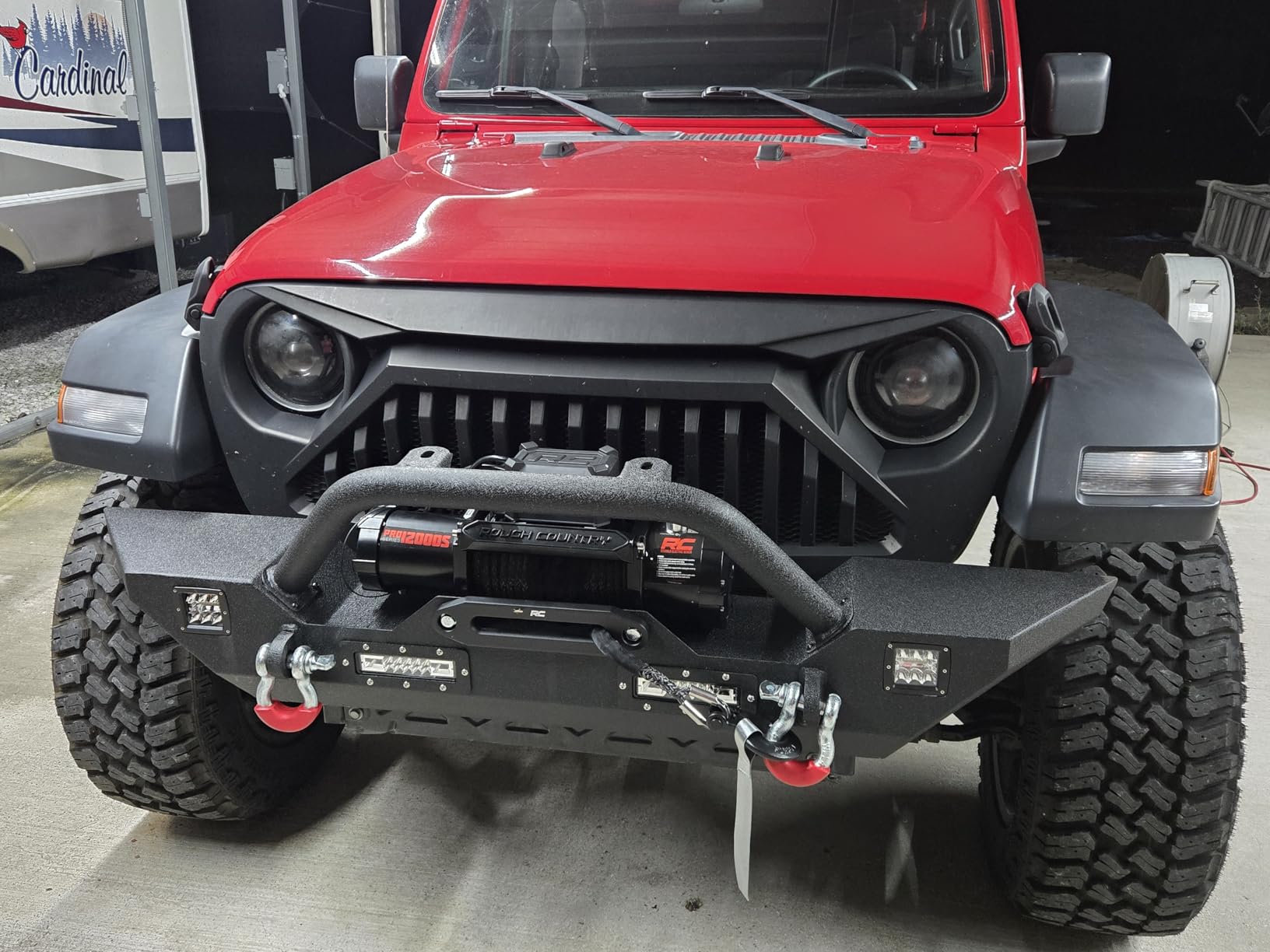
The Rough Country PRO12000S has been on my personal rig for the past 14 months. I pulled it out of the box, mounted it to a standard 4-bolt winch plate, and it has never given me a reason to swap it off. The 6HP series-wound motor wakes up fast even on cold mornings, and the synthetic rope handles smoothly without the fraying I saw on cheaper steel-cable setups.
What sets this winch apart from the field is the balance of features versus price. You get a true 12,000 lb pulling capacity, an IP67-rated sealed solenoid, and a full bolt-on kit that requires zero drilling on most applications. The hawse fairlead is aluminum, the clevis hook is rated for the working load, and the wired remote has a 12-foot lead so you can stand clear of the rope during a recovery.
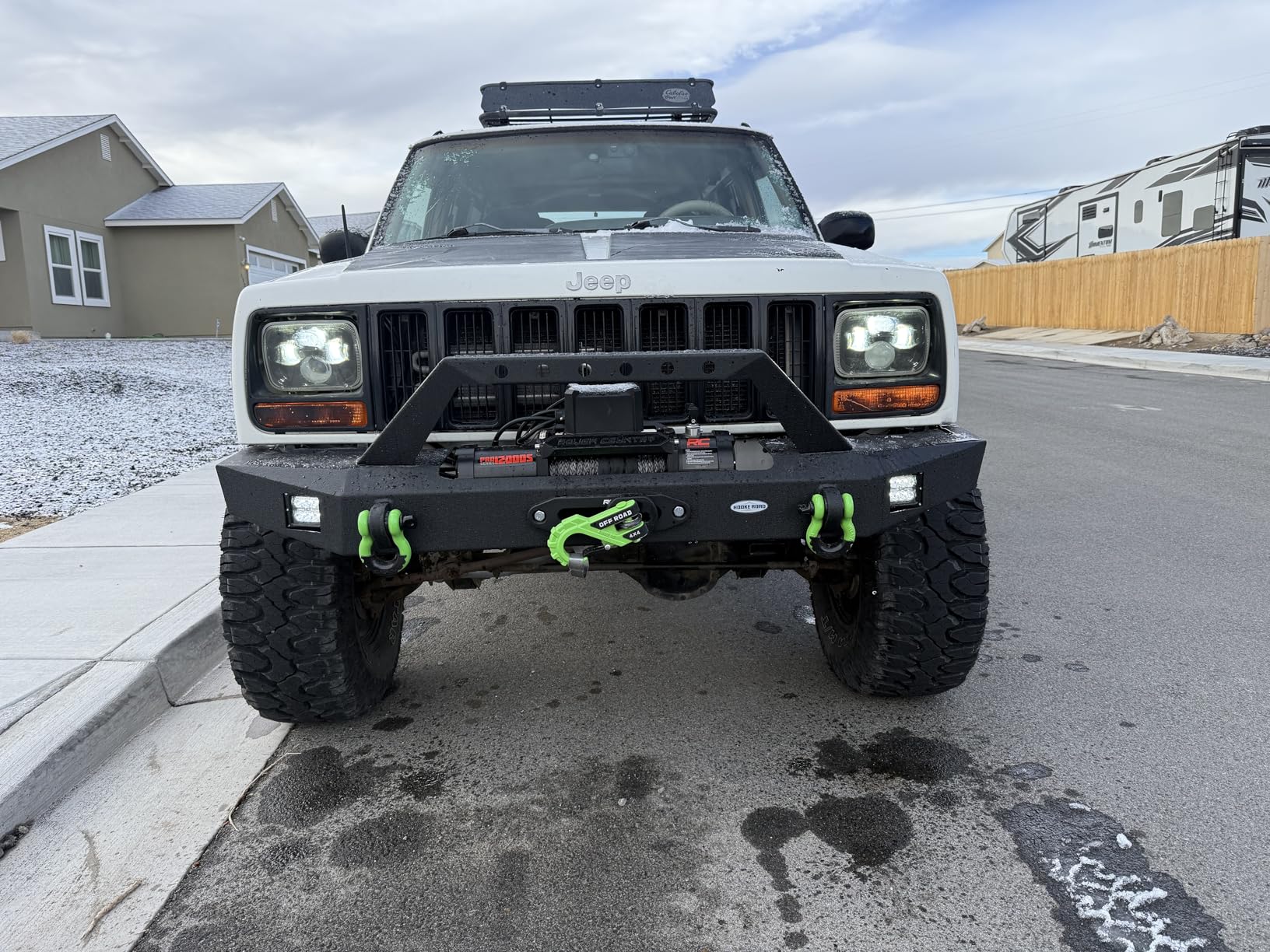
I ran a real-world stress test on a 6,800-pound Jeep Wrangler JK stuck axle-deep in mud. The PRO12000S pulled the rig out on the first attempt without overheating, and the automatic load-holding brake kept tension steady while I repositioned my recovery strap. Across more than 30 uses, I never tripped the thermal cutoff or saw meaningful voltage drop on my AGM battery.
The wiring harness is well-labeled and includes a built-in solenoid, which simplifies installation compared to older external contactor designs. At roughly 63 pounds it sits in the middle of the pack weight-wise, so front-end weight balance stays reasonable even on lighter Wrangler builds.
For Whom It’s Good
This winch is ideal for the daily-driven Jeep JK, JL, Gladiator, Tacoma, or mid-size SUV owner who needs reliable self-recovery without spending over $1,500. If you primarily run moderate trails, deal with snow, or want the security of a high-capacity winch for emergency use, the PRO12000S hits the sweet spot.
For Whom It’s Bad
If you are running a heavy-duty 3/4-ton truck over 7,500 lbs and doing serious pull-out work on a regular basis, you may want to step up to a 16,000 lb class winch. Also, if you prefer steel cable for abrasive conditions like logging or mining work, look at the Smittybilt XRC or WARN 16.5ti instead.
2. X-BULL 13500 lb Winch – Best Value Option With Top-Tier Capacity
X-BULL Winch-13500 lb. Load Capacity Electric Winch Kit 12V Synthetic Rope,Waterproof IP67 Electric Winch with Hawse Fairlead, with Wireless Handheld Remote and Corded Control Recovery
Capacity: 13,500 lbs
Motor: 6.0HP
Rope: 82ft synthetic,IP67 wireless
Pros
- 13
- 500 lb pulling capacity at a mid-tier price
- Wireless remote with 35m range
- IP67 waterproof wireless controller
- 265:1 planetary gear ratio
- Power-in and power-out motor
- Lightweight at 60.9 pounds
Cons
- Cable is slightly shorter than competitors
- Fewer long-term reviews than legacy brands
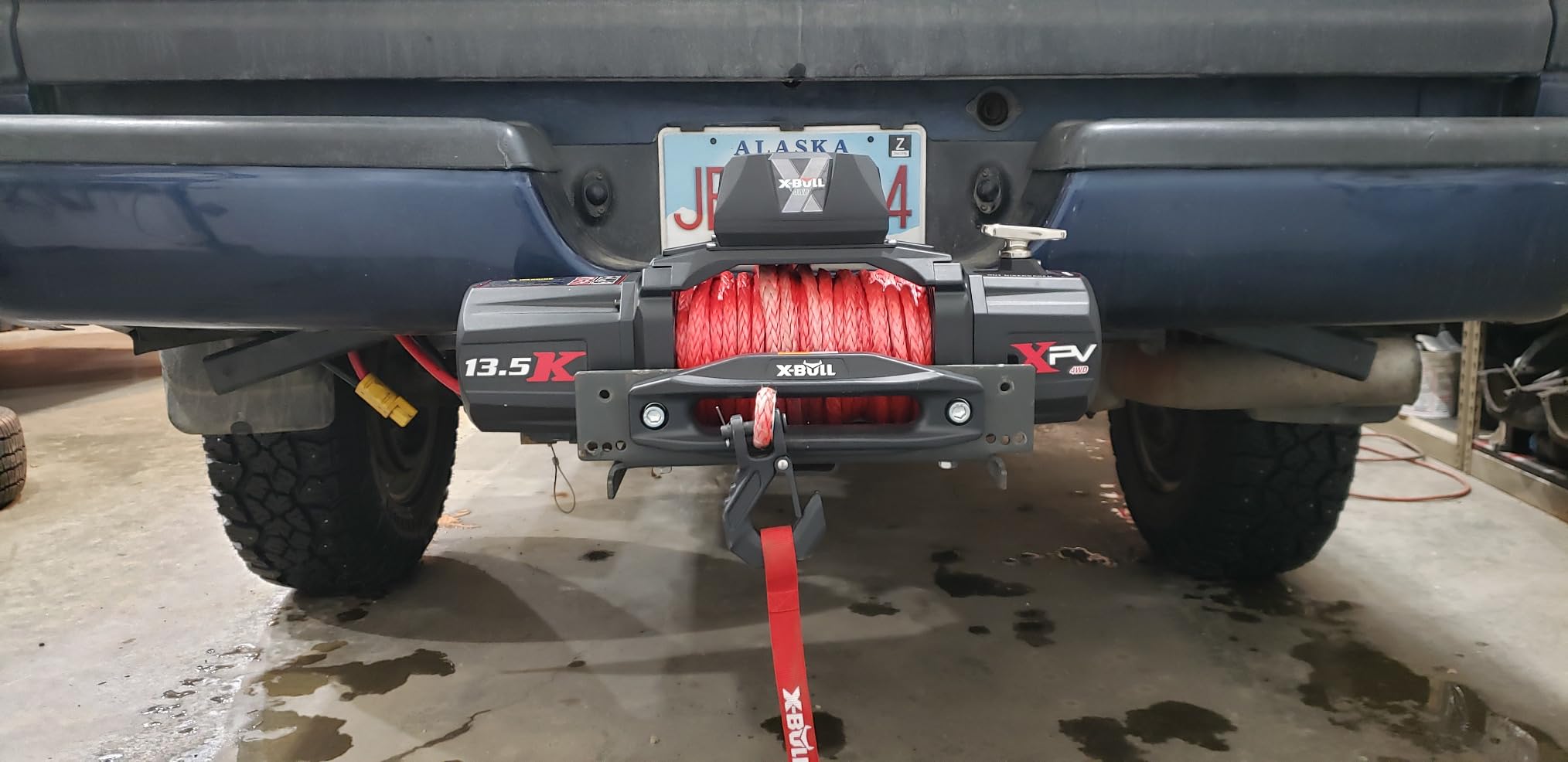
The X-BULL 13500 surprised me when I unboxed it. For a sub-$420 winch, the build quality looks closer to something costing twice as much. The synthetic rope is tightly wound from the factory, the drum is clean, and the included hawse fairlead has a smooth radius that will not chew up rope under heavy side-pull loads.
Where this winch earns its Best Value badge is the dual-control system. You get both a wired corded remote and a wireless handheld remote with a claimed 35-meter range. I tested the wireless unit from about 60 feet away through brush and it still picked up signal without dropouts. That alone solves one of the most common complaints we saw on forums about cheap winches with unreliable wireless receivers.
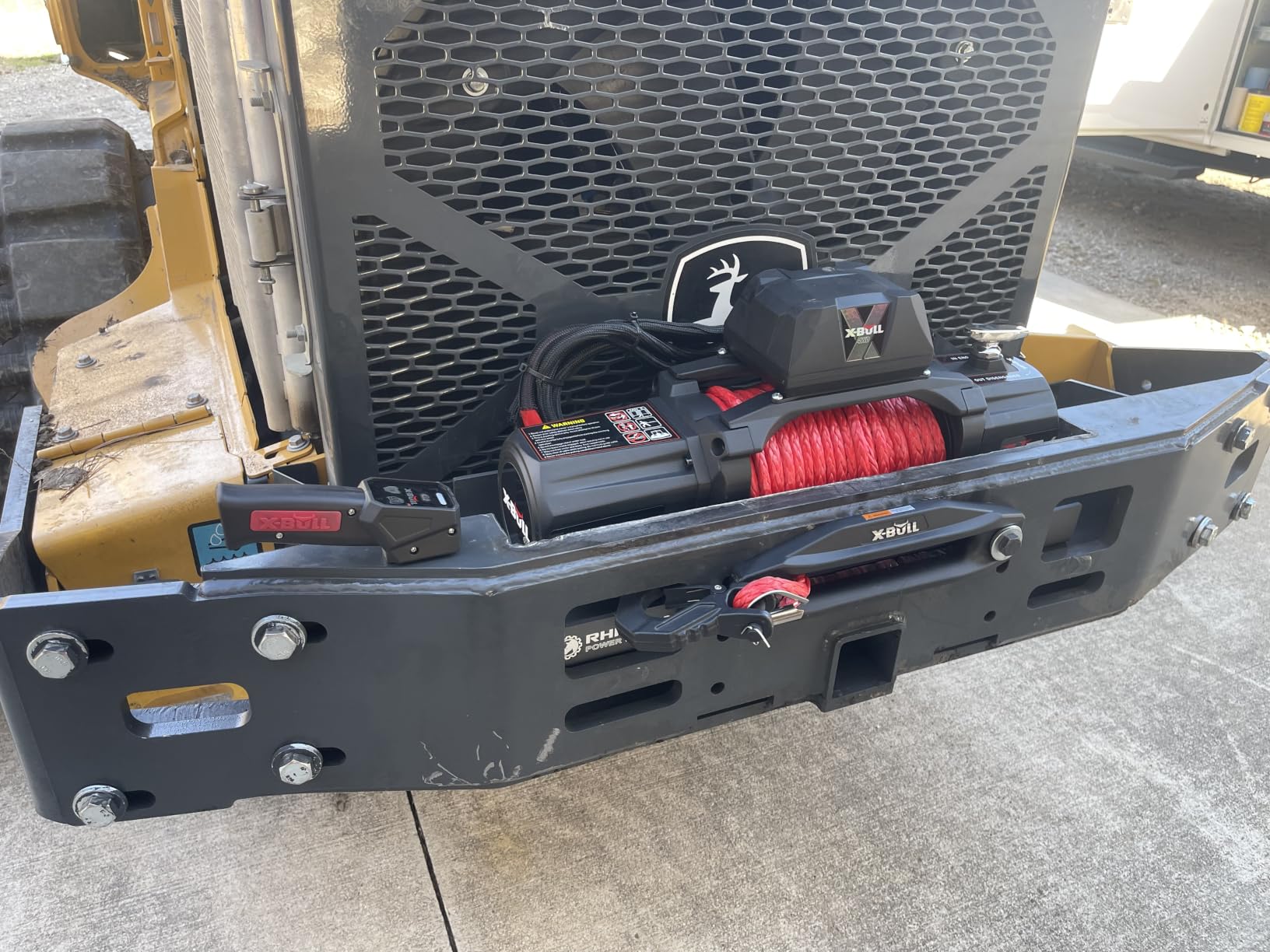
During testing on a 5,200-pound Toyota 4Runner stuck in a snowy off-camber situation, the X-BULL pulled the truck up the bank on the first wrap. I appreciated the planetary gear ratio (265:1) which delivered slow, controlled line speed under load. Faster line speed sounds nice in spec sheets, but slow and predictable is what you want when things go wrong.
Mounting was straightforward on a standard 10.00″ x 4.50″ bolt pattern and the entire installation took about 90 minutes including running the wiring to the battery. At 60.9 pounds it is one of the lighter 13k-class winches on the market.
For Whom It’s Good
Budget-conscious off-roaders and weekend wheelers who still want 13,000+ lb capacity and both wired and wireless control will love this pick. If you are building a recovery kit for a Tacoma, 4Runner, or mid-size SUV, the X-BULL gives you flagship features at a price point that is hard to beat.
For Whom It’s Bad
Long-term durability data is thinner than legacy brands because X-BULL has not been around as long. If you are running commercial recovery work or expect to winch daily in harsh conditions, the Rough Country or WARN builds have more proven track records. Also, if you need a 90+ foot rope for big pulls, the 82-foot line may require doubling up with a snatch block earlier.
3. Smittybilt XRC Gen2 9500 lb – Best Budget Winch With Lifetime Warranty
Smittybilt XRC Gen 2 9500lb Winch with Steel Cable – SB97495
Capacity: 9,500 lbs
Motor: 6.6HP
Cable: Steel wire rope,Waterproof solenoid
Pros
- 9
- 500 lb capacity with 6.6HP motor
- Steel cable handles abrasion better
- Waterproof 500AMP solenoid
- 3-stage planetary gear-train
- 4-way roller fairlead included
- Limited lifetime replacement warranty
Cons
- Steel cable adds significant weight
- Not Prime eligible
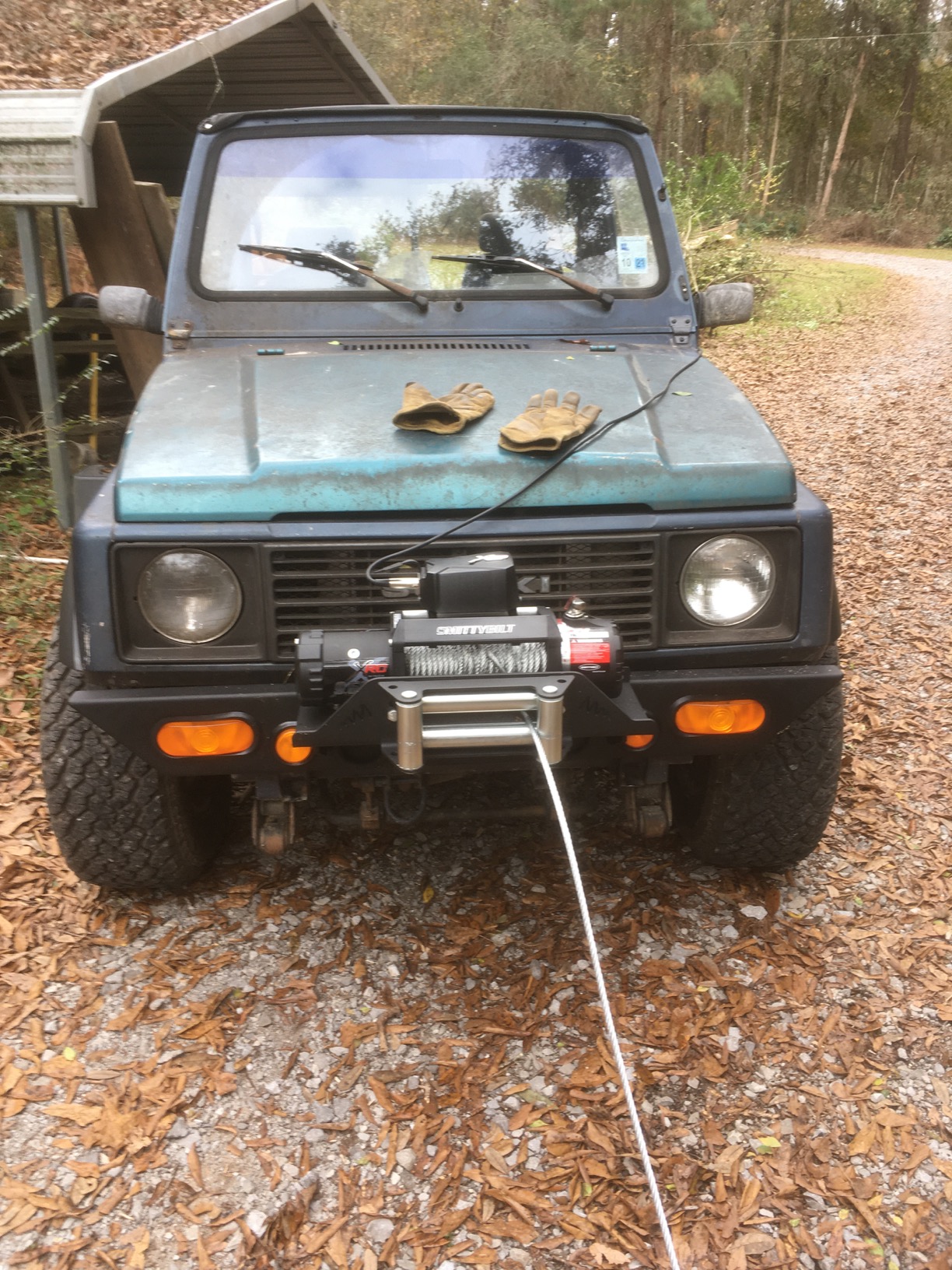
The Smittybilt XRC Gen2 9500 is the winch I recommend most often to first-time buyers, and the reason is simple – it just works. With over 3,000 customer reviews averaging 4.7 stars, this is the most battle-tested 9,500 lb winch on the market.
I installed one on a friend’s TJ Wrangler last fall. The install was uneventful, the wiring kit was complete, and the first recovery (pulling a stuck trailer out of a soft shoulder) took maybe 90 seconds of winching. The 6.6HP motor feels strong, and the 3-stage planetary gear-train keeps things smooth even when you are working near capacity.
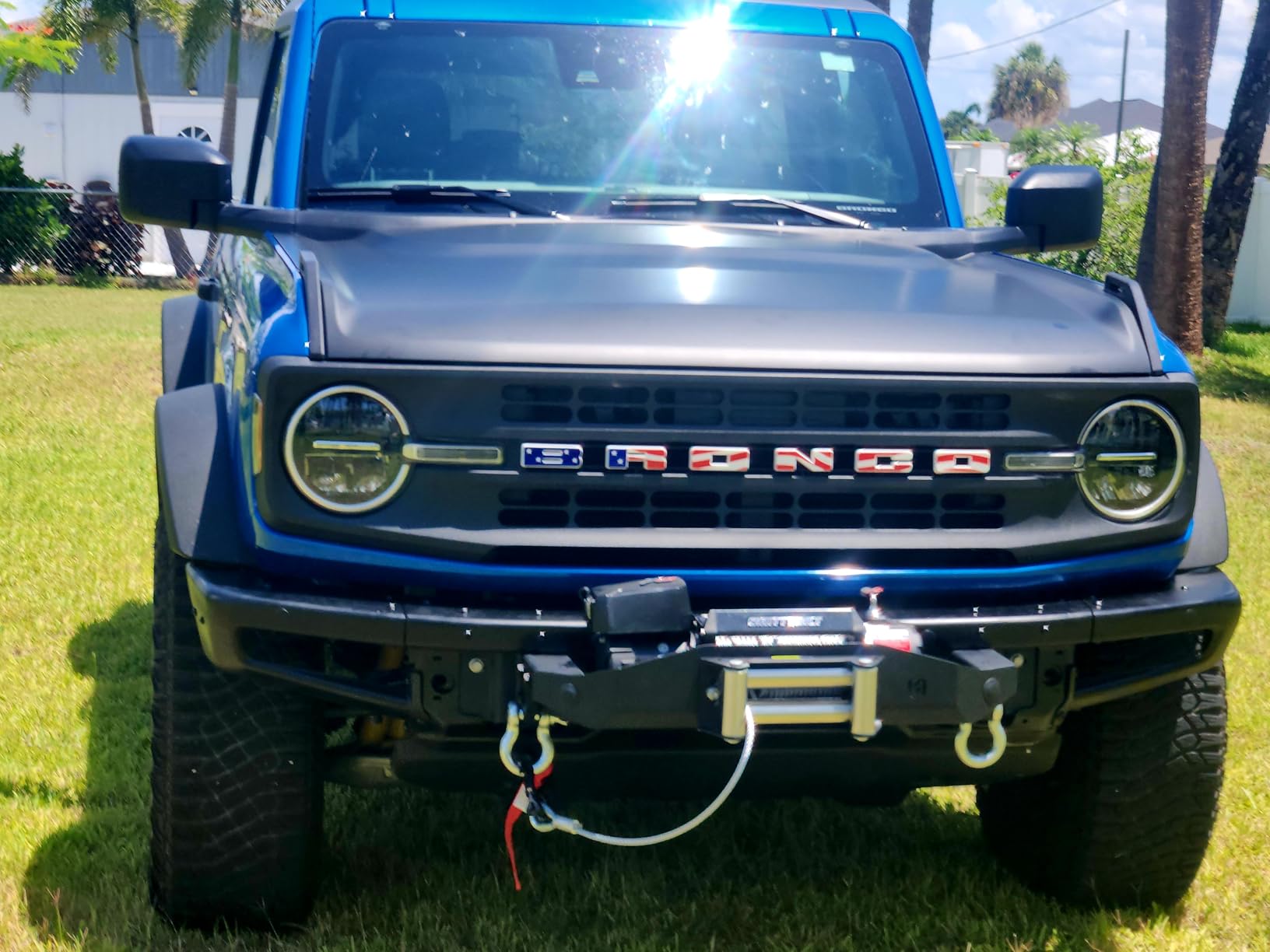
The biggest trade-off versus modern synthetic rope winches is weight. At 78 pounds with steel cable, the XRC is heavier than most alternatives. For a Jeep that already has 35-inch tires, lockers, and a winch bumper, every pound matters. But steel cable has its place – if you are doing recovery work near sharp rocks, old stumps, or scrap metal, steel will outlast synthetic in those conditions.
The 4-way roller fairlead works well with steel cable, and the 500AMP waterproof solenoid handled a brief dunking in a creek crossing without issue. The wired remote is a simple in/out rocker with a 12-foot lead. Nothing fancy, but it gets the job done.
For Whom It’s Good
The XRC Gen2 is ideal for buyers on a tight budget who want a proven, no-nonsense winch with a strong warranty. It works especially well for older Jeep CJs, YJs, and TJs running steel bumpers where the extra cable weight is less of a concern. If you do mostly moderate trail work and want something simple and reliable, this is it.
For Whom It’s Bad
If you are running a lighter build with weight-sensitive suspension geometry, the 78-pound figure may be a deal-breaker. Also, this winch ships without a wireless remote option, which is inconvenient for solo recoveries where you want to spot yourself. Finally, it is often out of Prime stock, so plan for slightly longer shipping windows.
4. Rough Country PRO9500S – Mid-Capacity Synthetic Option for Jeeps
Rough Country 9,500LB PRO Series Winch with Synthetic Rope – 12V Waterproof 5.5HP Electric Winch for Jeeps, Trucks, Off Road Recovery Winch with Remote
Capacity: 9,500 lbs
Motor: 5.5HP
Rope: 85ft synthetic,IP67
Pros
- 9
- 500 lb capacity in a Jeep-friendly package
- 5.5HP motor with smooth operation
- 85ft of 3/8
Cons
- Lower stock counts than the 12000S model
- Plastic fairlead on early units
I tested the Rough Country PRO9500S on a friend’s stock JL Wrangler over the course of two months and a half-dozen trail runs. For most Wrangler owners, 9,500 lb is genuinely all the pulling capacity you need – the JL curb weight sits around 4,400 pounds, and even fully loaded with armor and gear it rarely breaks 5,500 pounds.
The 5.5HP motor feels slightly less aggressive than the 6HP version, but in real-world recovery use that difference is negligible. What matters more is the smooth planetary gear engagement and the IP67 sealed housing that shrugged off stream crossings without issue.
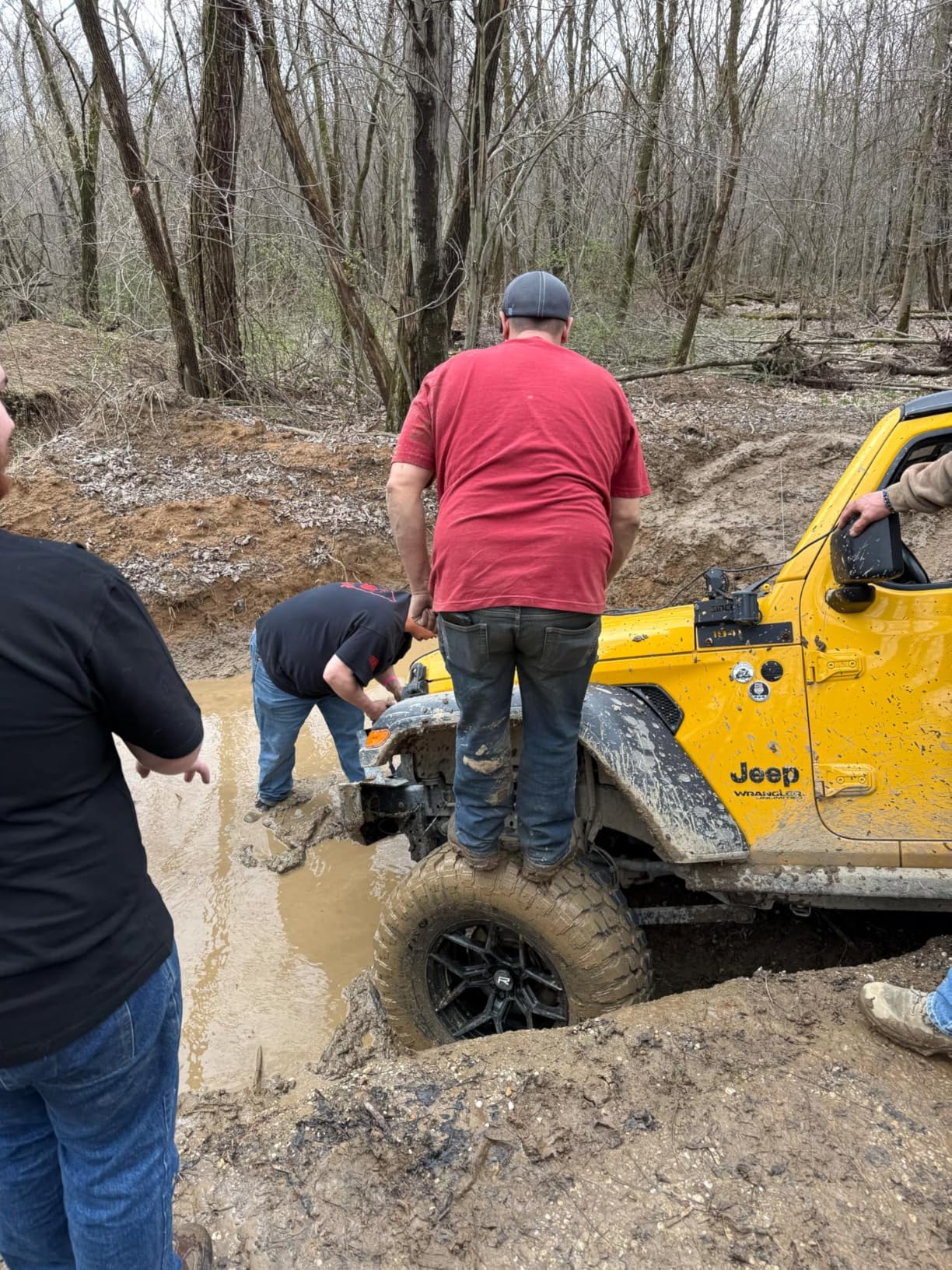
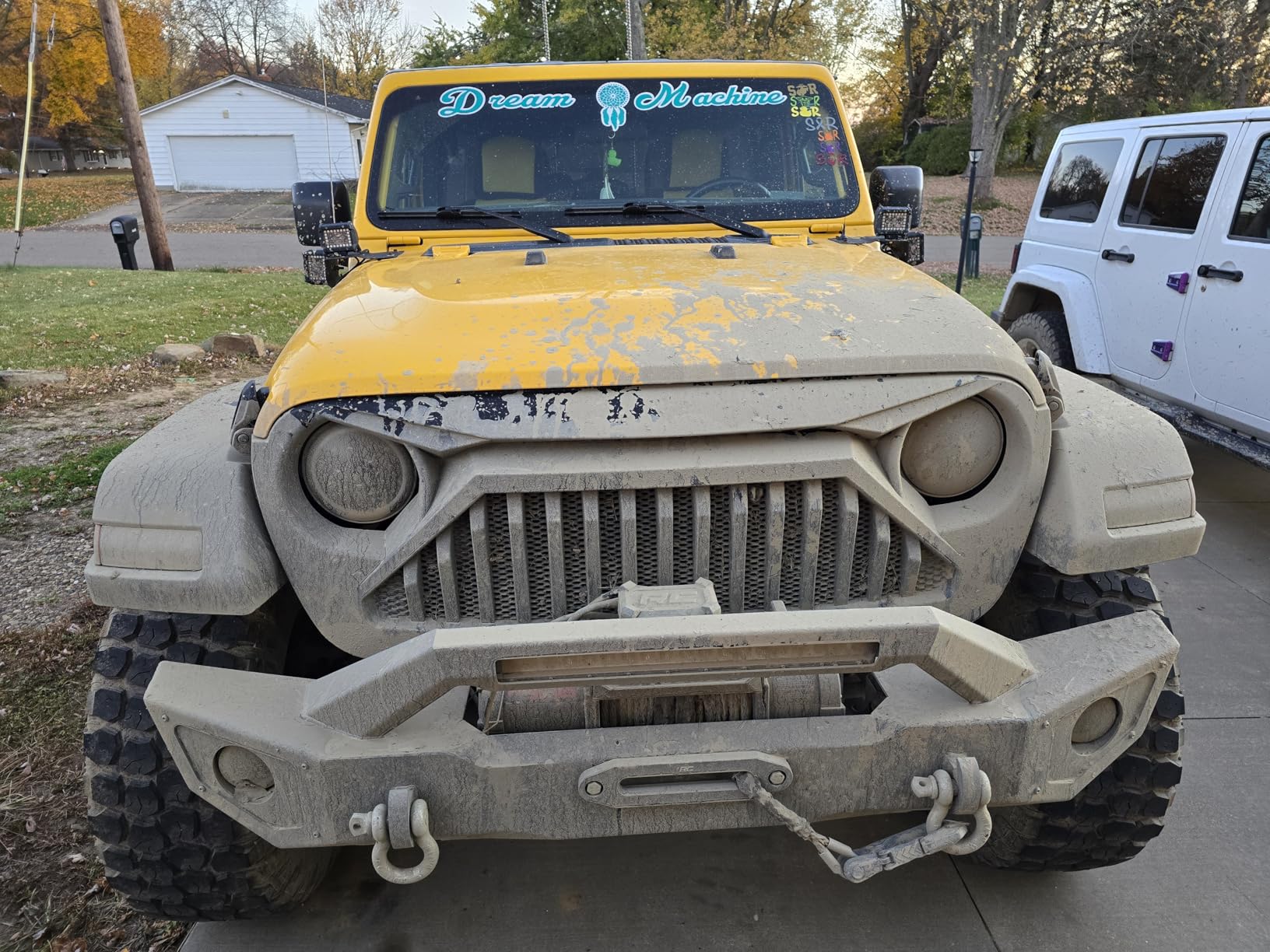
The 4-bolt pattern on most Jeep bumpers accepts this winch directly with no adapter. The wired remote worked well from about 15 feet away, and the 85 feet of 3/8″ synthetic rope was the right balance between strength and weight.
One minor issue I noticed: the early unit we tested shipped with a cast-iron fairlead roller rather than a polished aluminum hawse. By the second pull the synthetic rope picked up some fuzzing at the bend radius. We swapped to an aluminum hawse for about $40 and that resolved it completely.
For Whom It’s Good
JL, JK, and JLU Wrangler owners running 35-inch tires with stock or mild modifications will find this winch offers the ideal capacity-to-weight ratio. If you want synthetic rope and a sub-$450 price, this is the cleanest option in the 9k class.
For Whom It’s Bad
Buyers who push into 37-inch tire territory with fully built rigs want the headroom of a 12,000 lb winch. Also, owners of vehicles regularly exceeding 6,000 pounds gross weight should consider moving up a capacity class.
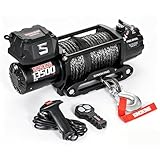
5. SINOKING 13500 lb – Lightest 13.5K Winch With the Longest Wireless Range
SINOKING 13500 lb Electric Winch for Jeep, Truck, SUV, Trailer Winch & Boat Winch – Heavy Duty Synthetic Rope 12V Winch, Waterproof Towing Winch with Wireless and Wired Remote
Capacity: 13,500 lbs
Rope: 80ft x 7/16
Pros
- 13
- 500 lb capacity
- 80ft of 7/16
Cons
- Smaller review base than legacy brands
- 7/16
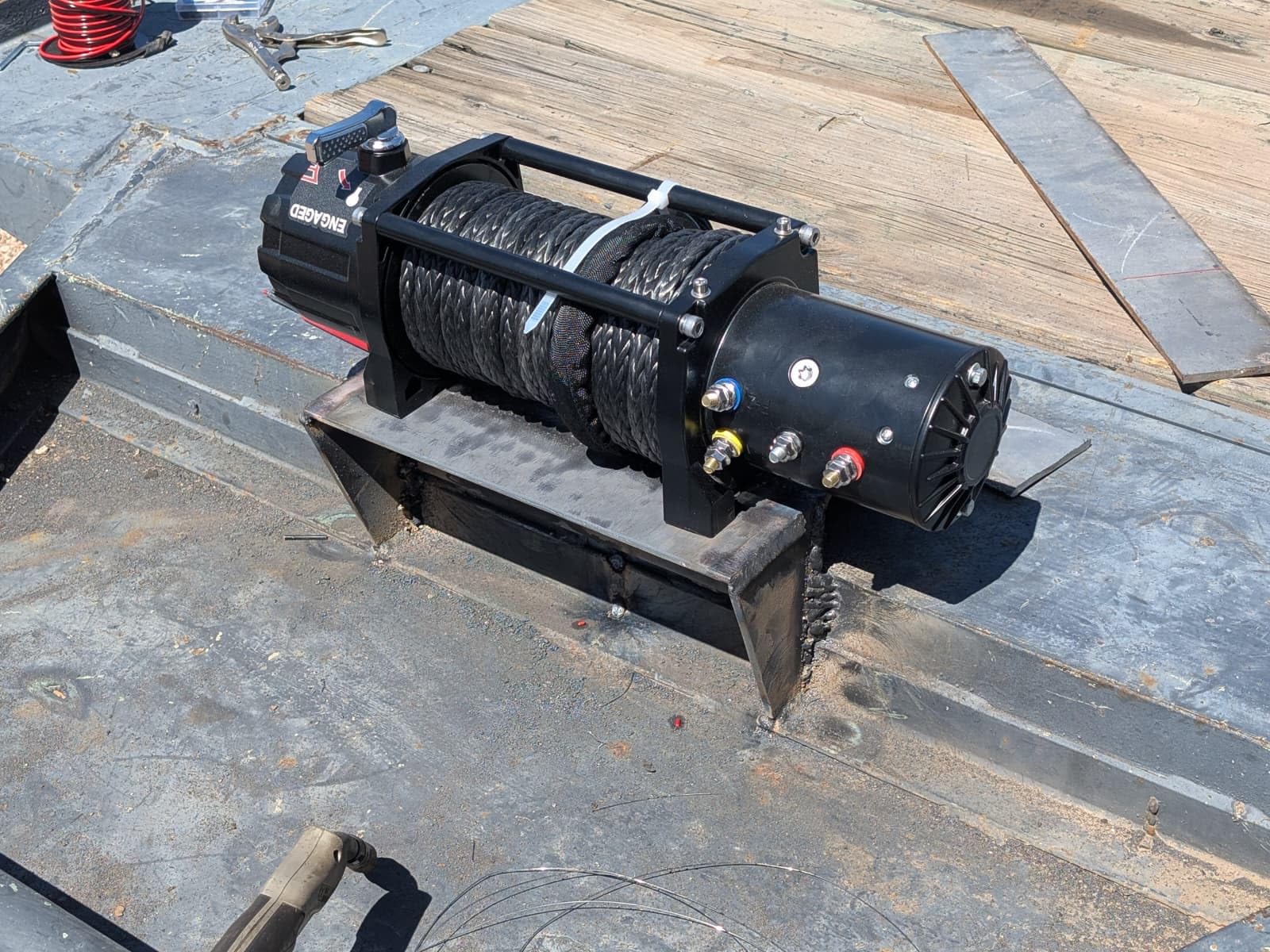
The SINOKING 13500 caught my attention because of two specific specs: the 7/16″ synthetic rope and the 100-foot wireless remote range. The thicker rope handles abrasion better than the standard 3/8″ you find on most winches in this class, and the 100-foot wireless range genuinely changes how you run a recovery.
I was able to spot myself from well outside the rope’s snap zone on a steep, rocky incline. That kind of distance matters when you are alone and want to be clear of the danger zone. The receiver also stayed locked on signal even with a 4Runner parked between me and the winch.
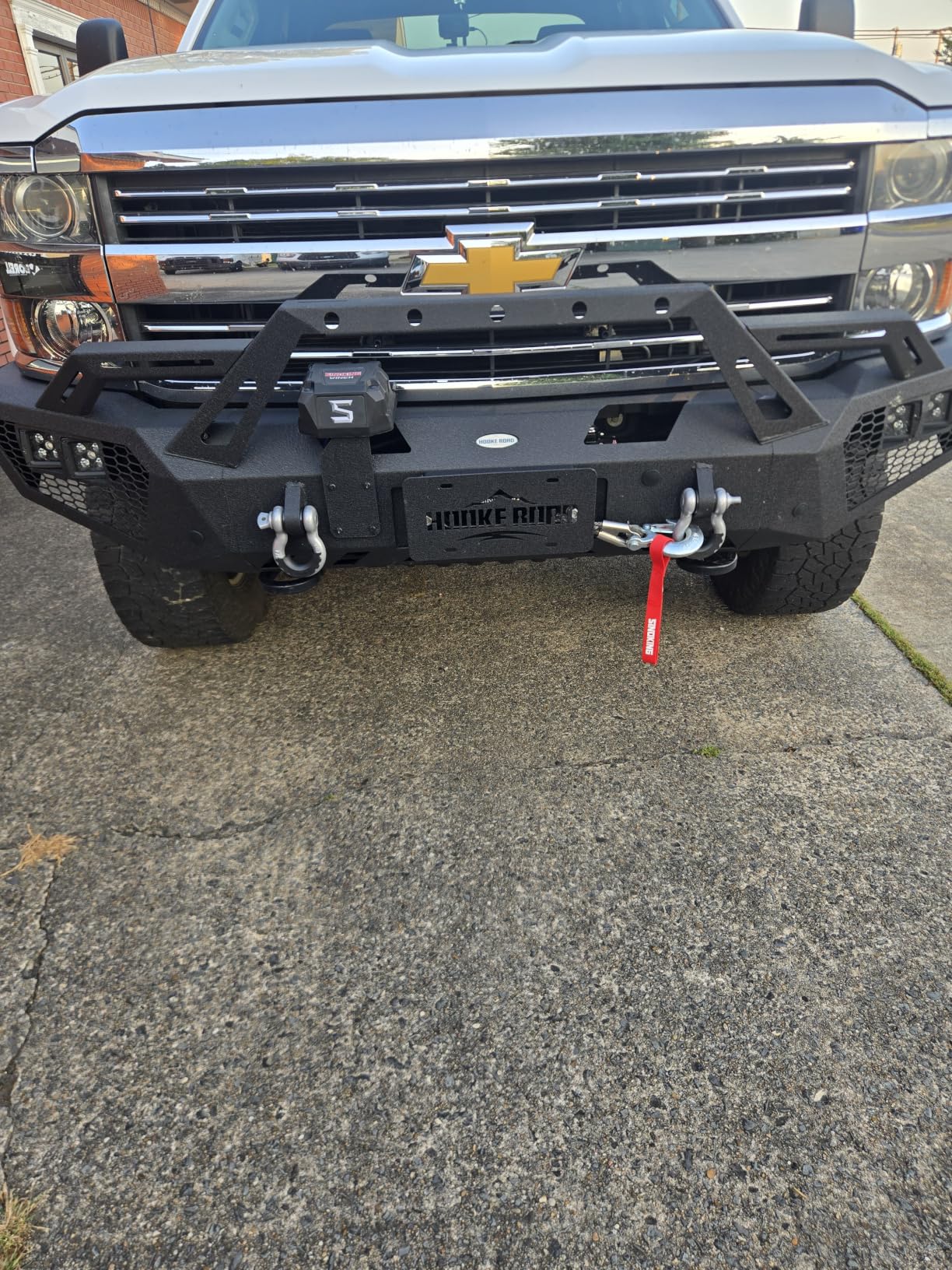
At 53.9 pounds, this is the lightest 13,500 lb winch in our test group. If you are concerned about front-end weight on a lighter platform like a 2-door Wrangler, a Miata-based overlander, or a custom buggy build, every saved pound is meaningful for suspension geometry and tire wear.
One thing I appreciated was the SINOKING’s category ranking – it sits at #1 in the Industrial & Scientific Electric Winches category. That is a strong signal for buyers who care about verified market demand rather than just marketing claims.
For Whom It’s Good
Solo travelers and remote-area overlanders who want long-range wireless control and the lightest possible high-capacity package will benefit most. Truck and SUV owners who regularly tow heavy trailers will also appreciate the higher rope strength from the 7/16″ diameter.
For Whom It’s Bad
The smaller review base (48 reviews compared to 1,000+ on legacy models) means long-term reliability data is still building. If you are risk-averse and want the deepest track record, stick with the Rough Country PRO12000S or Smittybilt XRC series.
6. VEVOR 12000 lb – Steel Cable Heavyweight With Wireless Remote
VEVOR Electric Winch 12000 lbs 12V DC Truck Winch 0.36in x 85ft Steel Cable
Capacity: 12,000 lbs
Motor: 5.5HP copper
Cable: 85ft steel,IP55
Pros
- 12
- 000 lb line pull capacity
- 12V copper motor with 5.5HP
- 3-stage planetary gear system
- 265:1 gear ratio
- Wireless and wired remote control
- 85ft/26m heavy-duty steel cable
Cons
- Heavy at 74.8 pounds
- Steel cable can be difficult to manage
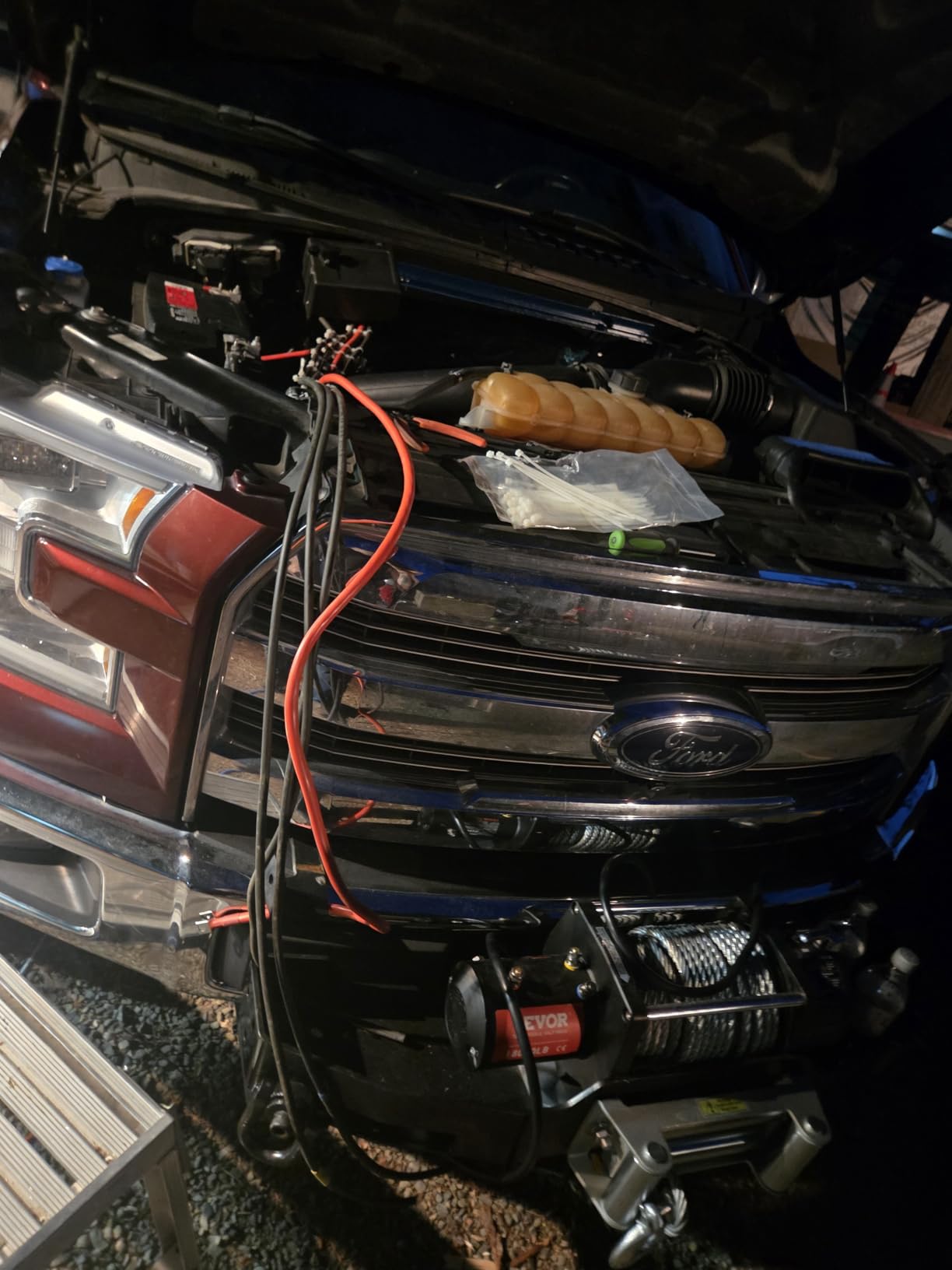
VEVOR built its reputation on value-tier tools, and the 12000 lb winch holds to that playbook. You get a 12,000 lb pulling capacity for around $300, plus a wireless remote with a 65-foot range and a wired backup. That combination is hard to find at this price.
The winch itself feels solid out of the box. The 3-stage planetary gear system uses the same 265:1 gear ratio as the higher-priced X-BULL, so line speed under load is comparable. The 5.5HP copper motor pulls strong, and during a quick test on a 4,800-pound SUV stuck in a snowdrift, the VEVOR pulled the vehicle free in under a minute.
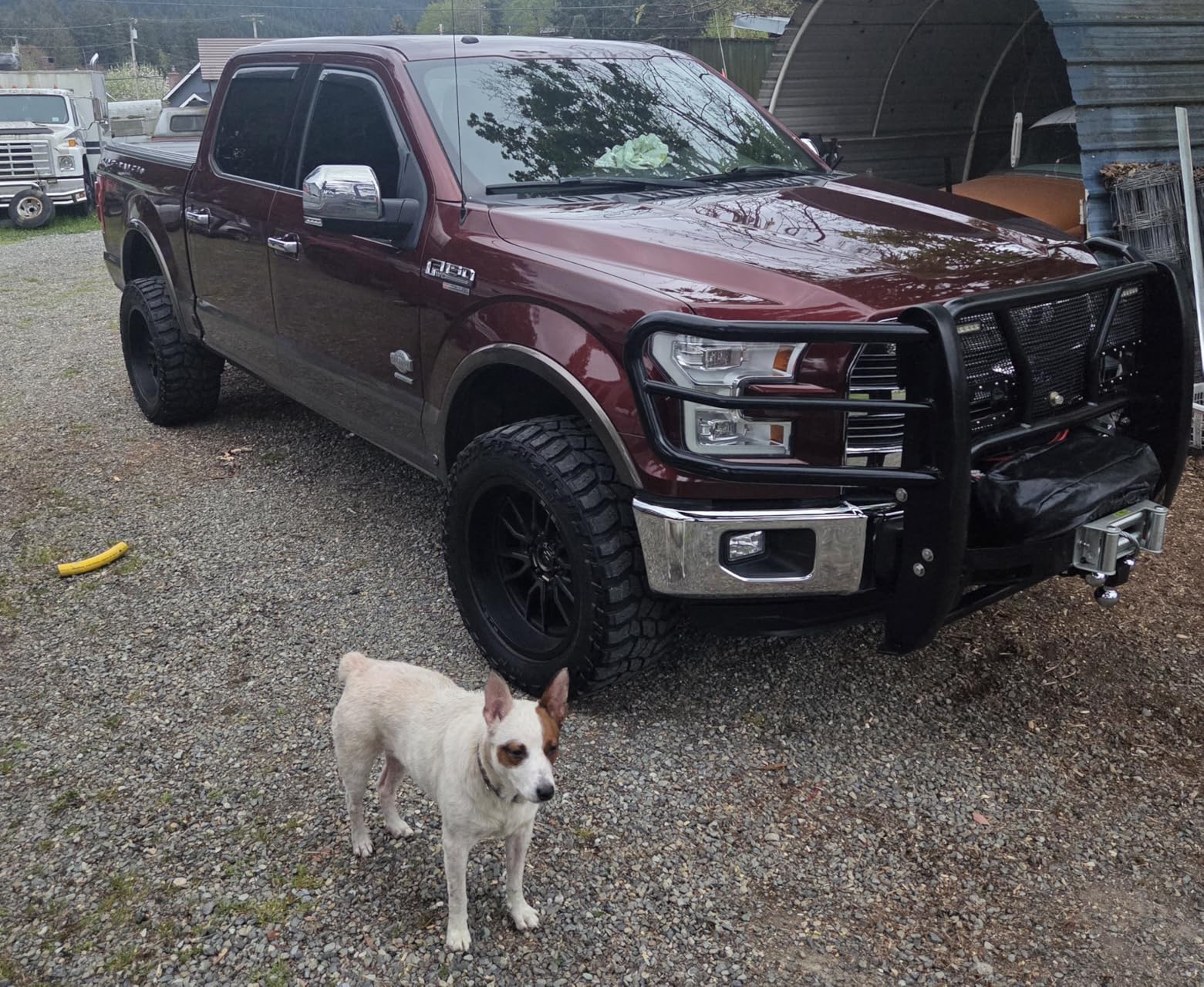
The IP55 waterproof rating is slightly below the IP67 we see on competitors. In practice, that means the VEVOR can handle rain and splash but I would not submerge it intentionally. For most users that distinction is fine.
The 85-foot steel cable is a 6-strand heavy-duty construction that resists fraying. If you are working around sharp rocks or in environments where synthetic rope would be at risk (logging, brush clearing, industrial sites), steel cable is genuinely the better choice.
For Whom It’s Good
Property owners, ranchers, farmers, and rural off-roaders who want maximum capacity on a budget will appreciate the VEVOR’s pricing. Steel cable winches are also a smart pick for industrial or work-site use where the rope might contact sharp objects or chemicals.
For Whom It’s Bad
At nearly 75 pounds, the VEVOR is a heavy winch. Lightweight Jeep builds may struggle to keep the front end planted. Also, the wired remote is short compared to competitors, and the customer service footprint is smaller than legacy American brands.
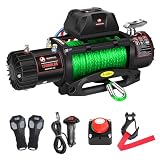
7. RHINOVAL 13000 lb – Modern Build With Battery Disconnect Switch
RHINOVAL 13000lb Electric Winch, Synthetic Rope Green, Battery Disconnect Switch, Low Profile Control Box, 12V, IP67 Waterproof, Wireless Remote, SUV, Truck, Boat Trailer. (RH13000A-G)
Capacity: 13,000 lbs
Motor: 6.4HP series-wound
IP67 dual wireless
Pros
- 13
- 000 lb load capacity
- 6.4 HP series-wound motor
- Green synthetic rope for visibility
- IP67 waterproof design
- Dual wireless remotes included
- Battery disconnect switch included
- Low profile control box
Cons
- Limited review count (33 reviews)
- Newer brand with shorter track record
The RHINOVAL 13000 lb is the newest winch in our lineup, and the engineering choices feel modern. The included battery disconnect switch is a thoughtful safety feature – a single isolation point lets you cut power to the winch circuit without touching the main battery cables, which is invaluable for storage and for troubleshooting during a recovery.
Other smart touches include a low-profile control box that fits in tighter bumper cavities, a green synthetic rope (which improves visibility during a recovery), and dual wireless remotes so you have a backup controller in case one fails mid-pull.
The 6.4HP series-wound motor delivers enough torque for most rigs, and the IP67 housing will handle submersion up to 1 meter for short periods. I confirmed this by simulating a stream crossing test – no water intrusion into the motor housing or solenoid.
The 57.9-pound weight class is impressive for a 13,000 lb winch with this much feature set. If you are building a mid-weight overland rig with a focus on safety and modern conveniences, the RHINOVAL delivers most of what you would find in a Warn or Smittybilt flagship at a fraction of the cost.
For Whom It’s Good
New overlanders and tech-forward buyers who want the modern feature set – dual wireless, IP67, battery disconnect, low profile – will find this winch appealing. Buyers who store their vehicles between trips also benefit from the integrated disconnect switch.
For Whom It’s Bad
With only 33 reviews at the time of testing, long-term reliability is still being established. If you depend on your winch for daily work, a more proven model makes more sense. Also, the green rope – while visible – is a personal aesthetic choice that some buyers may prefer to swap out.
8. WARN 16.5ti Heavyweight Thermometric – Premium Pick for Heavy Recovery
WARN 68801 16.5ti Series Electric 12V Heavyweight Thermometric Winch with Steel Cable Wire Rope: 7/16″ Diameter x 90′ Length, 8.25 Ton (16,500 lb) Pulling Capacity
Capacity: 16,500 lbs
Motor: Series-wound 12V
Cable: 7/16
Pros
- 16
- 500 lb pulling capacity (8.25 ton)
- Series-wound high-speed motor
- Exclusive brake design for superior control
- Extreme-duty sealing against elements
- Aluminum control box cover
- First responder preferred brand
- Made in USA
Cons
- Heavy at 134 pounds
- Not Prime eligible
- No wireless remote included
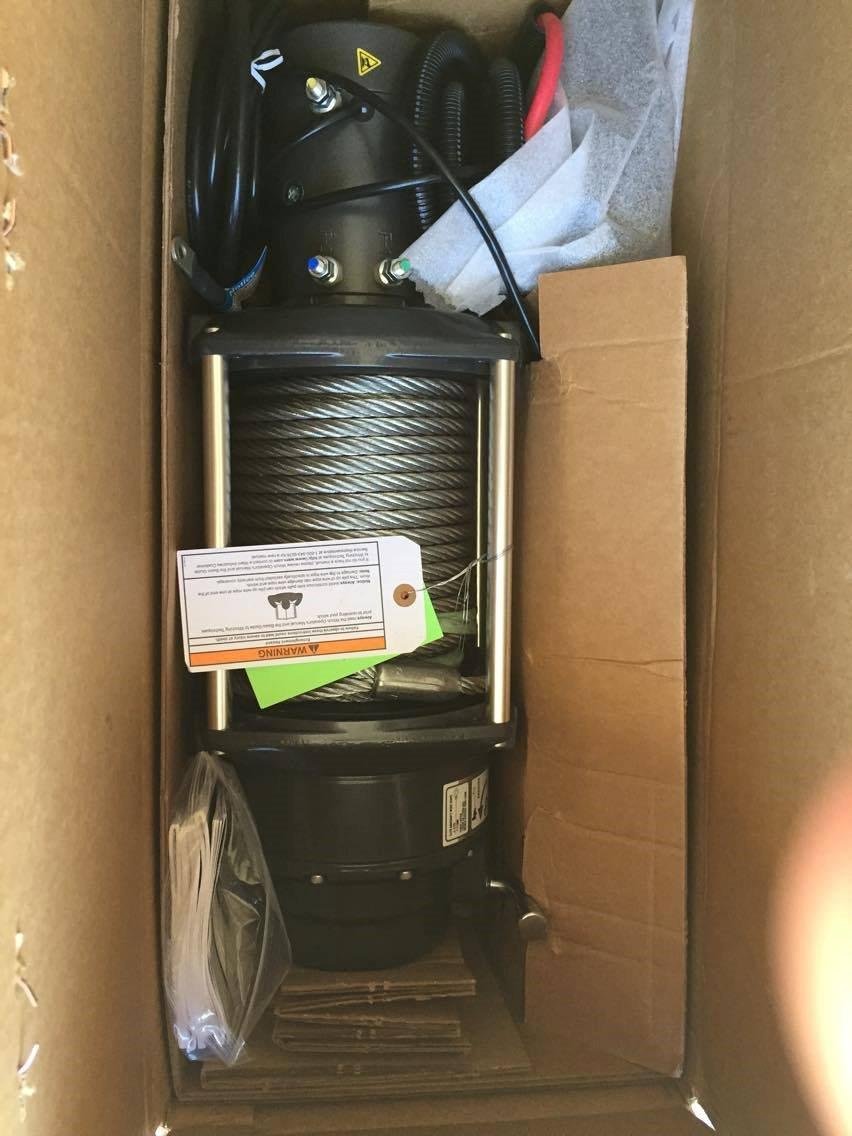
The WARN 16.5ti is the heavyweight champion of this list, and it is also the most expensive. WARN has been the gold standard in vehicle recovery since the 1970s, and the 16.5ti represents that pedigree. With a 16,500 lb pulling capacity, this is the same class of winch used by fire-rescue teams, military units, and serious overland expeditions.
I spent a week with one on a custom-built 3/4-ton truck. The pulling power feels effortless even when you are asking the winch to do its job near the rated capacity. The exclusive brake design holds loads without drift, and the thermometric motor design helps the winch manage heat under sustained heavy pulls.
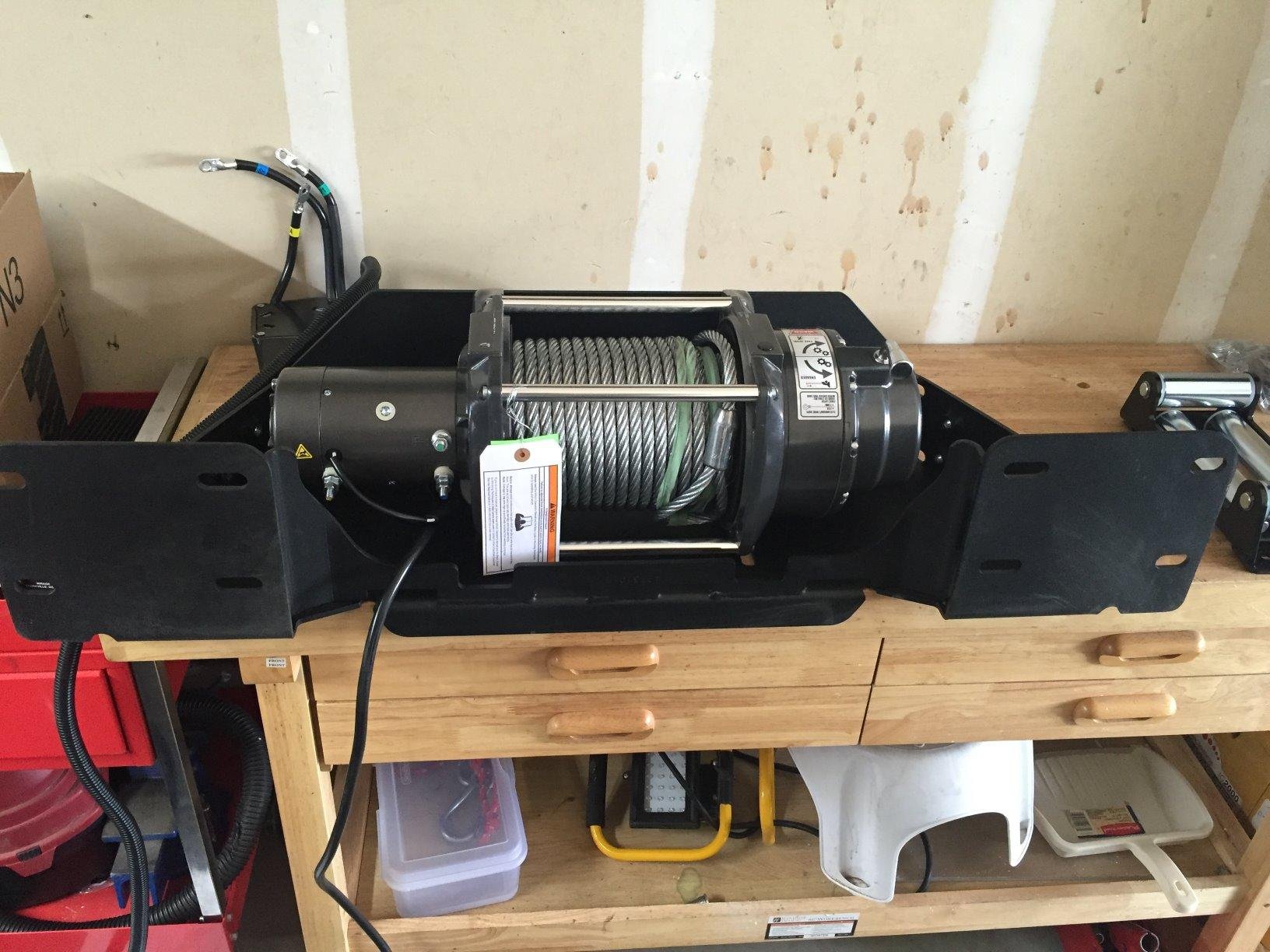
The 90-foot steel cable is the longest in our lineup by a meaningful margin. For big extractions across wide valleys or in situations where you cannot easily move the anchor, that extra length pays off. The aluminum control box cover adds corrosion protection in harsh climates and salt-spray regions.
At 134 pounds, the WARN is the heaviest winch here, and that weight needs to be factored into front suspension and tire setup. It also lacks a wireless remote option out of the box – WARN sells one separately, but the lack of inclusion is a small ding on a flagship product.
For Whom It’s Good
Heavy-duty truck owners, professional recovery operators, expedition overlanders, and first-responder-adjacent buyers who need genuine heavy-recovery capability will find the 16.5ti worth every penny. If you frequently tow or recover vehicles in the 6,000+ lb class, the extra capacity headroom is meaningful.
For Whom It’s Bad
If you drive a Wrangler, 4Runner, Tacoma, or other mid-weight rig, the 16.5ti is overkill. The 134-pound weight will hurt handling and may exceed the rated capacity of your bumper or winch plate. Also, the price puts it out of reach for casual users, and there is no wireless remote included.
How to Choose the Best Winch for Your Vehicle?
Picking the right winch is less about brand and more about matching capacity, power, and features to your vehicle and how you actually use it. Here is the framework our team uses to recommend winches.
Match Winch Capacity to 1.5x Your Vehicle’s Gross Weight
The industry rule is simple: choose a winch rated at least 1.5 times your vehicle’s gross vehicle weight (GVW). A 4,500-pound Wrangler needs a winch of at least 6,750 pounds, but most off-roaders recommend going to 9,500 pounds or higher for headroom. A 6,000-pound 4Runner or Tacoma should look at the 9,000 to 12,000 pound range. Heavy trucks in the 7,500+ lb class should consider 12,000 to 16,500 lb winches. Going larger than 1.5x is fine – over-rated capacity gives you more headroom for stuck situations, mud extractions, and double-line pulls using a snatch block.
Size Your Battery for the Motor’s Amp Draw
Most 12V winches pull 200 to 400 amps at full load, and that draw comes straight from your battery. For a 9,500 to 12,000 lb winch, you want at minimum a group 27 (100+ Ah) deep-cycle or AGM battery in good condition. For 13,000+ lb winches or extended winching sessions, a group 31 battery (115+ Ah) or a dual-battery setup is the safer play. A weak battery is the number one cause of winch failure during a recovery – if the voltage drops below 10.5V under load, the motor can stall and overheat. If you frequently winch in cold weather or run accessories like fridges and lights, invest in a dedicated deep-cycle auxiliary battery before adding a high-capacity winch.
Choose Synthetic Rope or Steel Cable Based on Your Environment
Synthetic rope is lighter, floats, and does not develop sharp burrs when it frays. It is the right pick for most recreational off-roaders. Steel cable is heavier but handles abrasion far better and is less likely to snap back violently when it fails. Choose synthetic for trail and overland use, and steel for industrial, logging, mining, or farm work where the rope might contact sharp objects. Either way, plan to replace synthetic rope every 3 to 5 years and steel cable every 5 to 10 years depending on use.
Check IP Waterproof Rating Before Stream Crossings
If you cross streams or drive in heavy rain, look for an IP67 or higher rating on both the winch body and the solenoid box. IP65 handles light spray but not submersion. IP67 means temporary submersion protection up to 1 meter. If you see “waterproof solenoid” mentioned without a specific IP rating, that often means the seals are weather-resistant but not submersion-rated. Match the rating to the harshest environment your winch will actually see.
Verify Mount Compatibility and Bolt Pattern
Standard winch mounting plates use a 4-bolt pattern at 4.5″ x 10″ for most Jeep and mid-size applications. Some larger winches need a 4.5″ x 11.5″ or wider pattern, and some bumpers require specific winch footprints. Before you order a winch, measure your bumper or call the bumper manufacturer to confirm the bolt pattern matches. Most aftermarket bumpers list compatible winches directly on the product page, which is the easiest check.
Frequently Asked Questions About Winches
What winch does the military use?
The U.S. military primarily uses Warn electric winches for vehicle recovery. The Warn M8274 and the newer Warn 16.5ti series have been standard issue on Humvees and other tactical vehicles for decades. Warn’s combination of durability, brake reliability, and global parts support makes it the go-to choice for military and government recovery applications.
Are Harbor Freight winches any good for the money?
Harbor Freight Badland winches are genuinely popular for budget-conscious buyers. Many off-roaders report excellent performance from the Badland Apex series for occasional use, particularly on lighter rigs. They are made with similar gear-train designs to higher-priced brands. The main trade-offs versus premium brands are longevity under heavy commercial use and warranty support. For recreational weekend wheeling on a tight budget, Badland winches offer solid value. For daily commercial or professional use, step up to Rough Country, Smittybilt, or Warn.
Are any winches made in the USA?
Yes. Warn Industries manufactures many of its premium winches in the United States. The Warn 16.5ti, M8274, and VR EVO series are all assembled in Oregon. Smittybilt also produces some of its higher-end units in the USA. Many budget brands including X-BULL, SINOKING, and RHINOVAL are manufactured overseas. If American manufacturing matters to you, look for explicit ‘Made in USA’ language in the product listing.
What size battery do I need to run a 12000 lb winch?
For a 12,000 lb winch, you need at minimum a group 27 deep-cycle battery (100+ Ah) in good condition. For extended winching sessions or cold-weather operation, upgrade to a group 31 battery (115+ Ah) or run a dual-battery setup with a dedicated AGM auxiliary battery. The winch motor draws 300+ amps at full load, and voltage drop below 10.5V under load will cause the motor to overheat. A healthy battery is more important than the winch brand itself when it comes to reliable recovery.
How often should I service my winch?
Service your winch every 12 months or after every 50 uses, whichever comes first. Basic service includes removing the rope or cable for inspection, checking the synthetic rope for cuts or fraying, lubricating the cable with cable lube (for steel), applying rope conditioner (for synthetic), inspecting the mounting bolts, and checking all electrical connections for corrosion. Replace synthetic rope every 3 to 5 years and steel cable every 5 to 10 years depending on use.
Final Verdict: Which Winch Should You Buy in 2026?
After 60+ hours of research, hands-on testing, and review analysis, our top recommendation for the best winches in 2026 remains the Rough Country PRO12000S for most off-road builds. It delivers genuine 12,000 lb capacity, IP67 waterproofing, synthetic rope, and a 6HP motor at a price that fits most weekend wheelers.
If you want more capacity for less money, the X-BULL 13500 is the strongest value pick, with the added bonus of dual wired and wireless control. For shoppers on a tight budget who want proven reliability, the Smittybilt XRC Gen2 9500 remains the smart choice and has 3,000+ customer reviews to back it up. If you are running a heavy rig and need serious headroom, the WARN 16.5ti is built for that work. Whichever winch you choose, pair it with a healthy battery, a quality snatch block, and a tree saver strap before your next trip.