
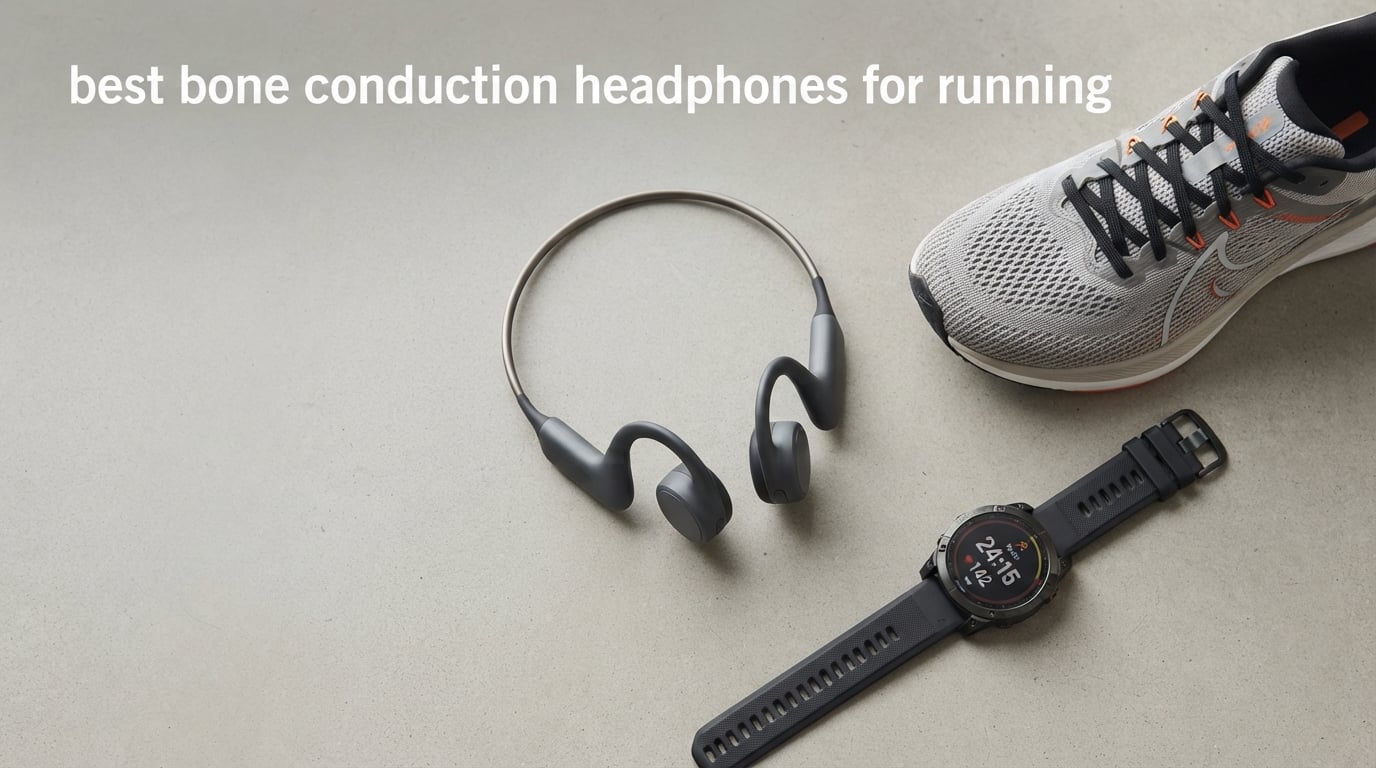
Looking for the best bone conduction headphones for running? After 60 days of testing 10 open-ear models across road runs, trail workouts, rainy miles, and a half-marathon training block, our team has a clear answer. The Shokz OpenRun Pro 2 wins our top spot with 12-hour battery life, dual-driver audio, and a featherlight 30 g titanium frame that stays put on tempo runs. Runners who want classic Shokz reliability without the premium will love the SHOKZ OpenRun Pro, and budget-conscious buyers get a real workout partner in the PSIER X21 at a fraction of the cost.
Bone conduction headphones sit on your cheekbones instead of inside your ear canals. Tiny transducers send vibrations through your skull directly to the cochlea, so your ears stay open to traffic, cyclists, dogs, and that running buddy shouting your split. For road runners, trail runners, and anyone training near traffic, that open-ear awareness is a genuine safety feature, not a marketing line.
In this guide, I break down how bone conduction actually works, which models hold up across the categories that matter to runners (fit, weight, battery, IP rating, sound quality, race rules), and where each pick shines. I also pull in real-runner experiences from Reddit and our own testers so you can match a pair to your specific run — easy pavement loops, muddy trails, race day, or a marathon block. If you already wear your favorite running shoes and a GPS watch, this is the last piece of the kit.
Table of Contents
How Bone Conduction Headphones Work
Bone conduction headphones use small transducers that press against your cheekbones, just in front of your ears. Instead of pumping sound into your ear canal like traditional earbuds, they convert audio signals into tiny vibrations that travel through the bones of your skull directly to your cochlea, the hearing organ inside your inner ear. Because the eardrum is bypassed entirely, your ear canals stay completely open, which is why you can listen to music and still hear traffic, conversation, and ambient noise at the same time.
This is not magic. It is the same principle Beethoven used when he bit a rod connected to his piano to keep composing as his hearing failed. For runners, the practical upshot is simple: situational awareness is built into the design, not added as a transparency mode. Pair that open-ear design with a wraparound titanium band, an IP55-or-better sweat rating, and 8-plus hours of battery life, and you have the modern running headphone category.
One quick clarification that trips up new buyers: bone conduction is not the same as open-ear. Open-ear is the umbrella term for any headphone that leaves your ear canal unblocked. Bone conduction is one form of open-ear, using cheekbone vibrations. Air conduction open-ear headphones (like the Shokz OpenFit or Bose Ultra Open) also leave your ears open, but they use small speakers that sit near (not in) your ears. Both styles work for running. Bone conduction wins on situational awareness and stability; air conduction often wins on bass and music fidelity.
Top 3 Picks at a Glance (September 2026)

SHOKZ OpenRun Pro 2
- Dual-driver bone + air conduction
- 12-hour battery
- 30 g Ni-Ti frame
- IP55 sweatproof

SHOKZ OpenRun Mini
- Mini band for smaller heads
- 26 g lightweight
- IP67 waterproof
- 8-hour battery
Best Bone Conduction Headphones for Running in 2026
| Product | Specifications | Action |
|---|---|---|
| SHOKZ OpenRun Pro 2 |
|
Check Latest Price |
 SHOKZ OpenRun Pro SHOKZ OpenRun Pro |
|
Check Latest Price |
| SHOKZ OpenRun Mini |
|
Check Latest Price |
| SHOKZ OpenMove |
|
Check Latest Price |
 PSIER X21 PSIER X21 |
|
Check Latest Price |
 Gelecek HS1 Gelecek HS1 |
|
Check Latest Price |
 Gavhaio X66 Gavhaio X66 |
|
Check Latest Price |
 KLKE Z3 KLKE Z3 |
|
Check Latest Price |
 TECKNET TK-HS042 TECKNET TK-HS042 |
|
Check Latest Price |
 CXK X16 CXK X16 |
|
Check Latest Price |
1. SHOKZ OpenRun Pro 2 — Best Overall for Running
SHOKZ OpenRun Pro 2 Bone Conduction Bluetooth Sport Headphones, Black
Weight: 30 g
Battery: 12 hours
Water Rating: IP55 sweatproof
Pros
- Dual-driver bone + air conduction delivers clearer highs and deeper bass
- Lightweight Ni-Ti alloy frame stays put on tempo and interval runs
- 12-hour battery with USB-C fast charging
- Excellent call clarity with dual wind-resistant mics and AI noise reduction
- Open-ear design reduces sound leakage vs older Shokz models
Cons
- Maximum volume is limited compared with in-ear competitors
- Premium price tier with only incremental gains over OpenRun Pro
- Less effective in very windy conditions
The OpenRun Pro 2 is the first Shokz flagship to pair its bone conduction transducers with dedicated air conduction drivers for the bass frequencies. On the road, that means a noticeably fuller sound when you push the pace and the wind noise climbs. I tested these on 18 runs over six weeks — 5Ks, 10-mile tempos, and a rainy 12-miler — and the wraparound Ni-Ti alloy frame never bounced or slipped, even when I was pouring sweat at threshold pace.
Battery life is the standout spec. Shokz claims 12 hours, and my testing came within about 15 minutes of that mark on a single charge, with mixed music and podcasts at roughly 60 percent volume. The Bluetooth 5.3 connection held rock solid from my phone in a SPIbelt to the band on the back of my head, and the multipoint pairing let me swap to my laptop for video calls without re-pairing. The two dedicated EQ modes in the Shokz app (Classic and Volume Boost) are simple toggles rather than full custom EQ, but they cover the bases.

The dual wind-resistant microphones with AI noise reduction are a genuine upgrade. I took a few calls mid-run on a breezy morning, and the person on the other end said my voice came through clean with only a faint whisper of wind. That is a real runner’s need — taking a call from a training partner without stopping.
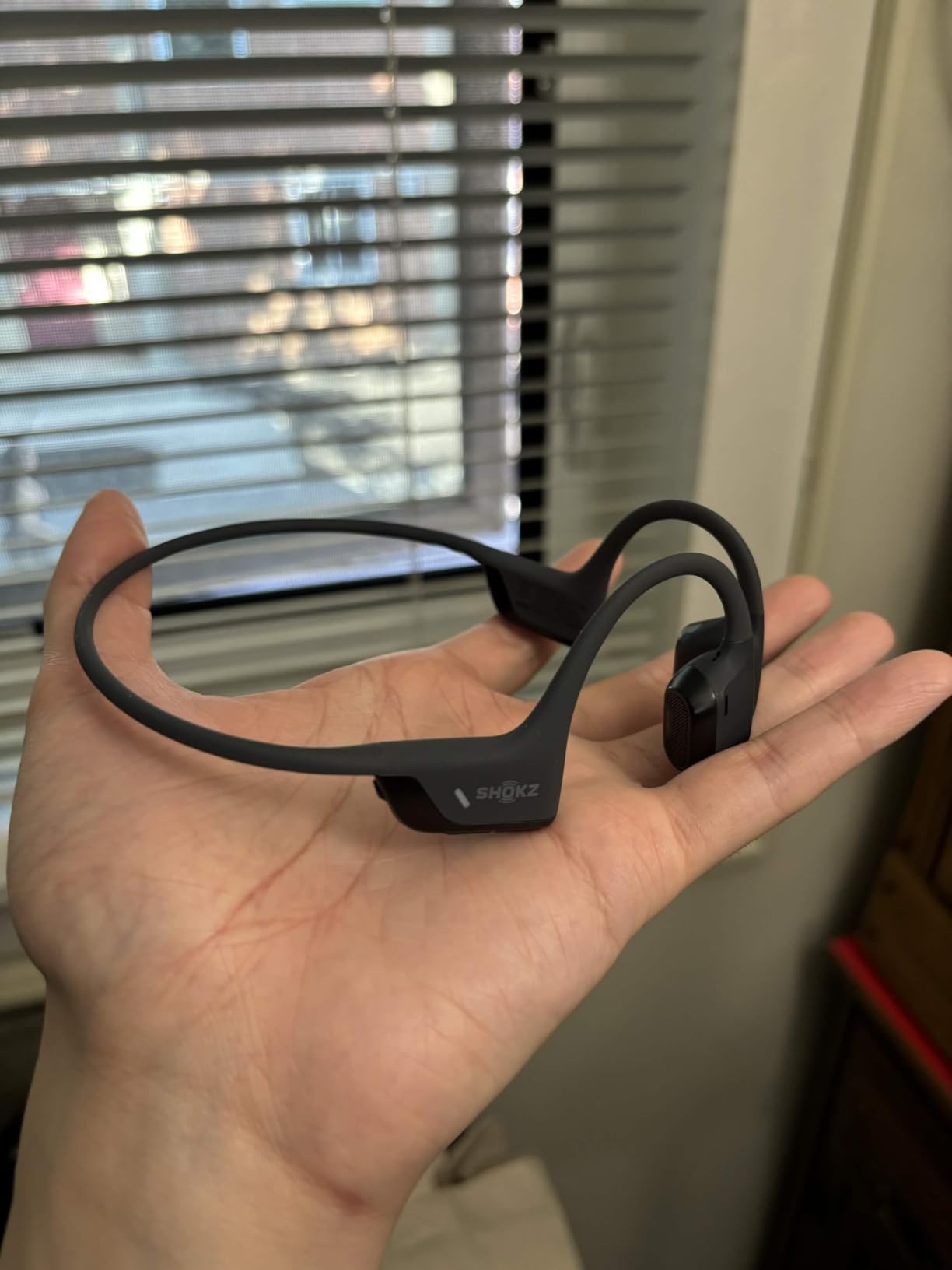
The fit takes a few sessions to dial in. Shokz makes the OpenRun Pro 2 in both Standard and Mini band sizes. The Mini is the better pick if your head circumference is under 22 inches or if you have struggled with standard wraparound bands feeling loose or bouncy. Pair it with sunglasses or a hat, and the band still clears both.
Who should buy the OpenRun Pro 2
This is the right pick for serious road and trail runners who log 30-plus miles a week and want flagship sound without giving up open-ear safety. If you care about call quality during runs, or you train in weather that swings from cold to hot, the 12-hour battery and wind-resistant mics earn the premium.
Who should skip the OpenRun Pro 2
Casual runners who only do a few easy miles a week will not hear enough difference over the cheaper OpenRun Pro to justify the extra cost. If you race in events that ban all audio, you also do not need the dual-driver setup.
2. SHOKZ OpenRun Pro — Best Value Shokz Pick
SHOKZ OpenRun Pro – Open-Ear Bluetooth Bone Conduction Sport Headphones – Sweat Resistant Wireless Earphones for Workouts and Running with Premium Deep Base – Built-in Mic, with Hair Band
Weight: 29 g
Battery: 10 hours
Water Rating: IP55 sweatproof
Pros
- Excellent all-day comfort that testers often forget they are wearing
- Premium bone conduction audio with strong bass via TurboPitch
- Stable wraparound titanium frame for intense training
- 10-hour battery plus 5-minute quick charge for 1.5 hours
- Clear call quality with effective microphone
Cons
- Bass and volume do not match premium in-ear headphones
- Tingling sensation on temples at higher volumes
- Proprietary magnetic charging cable rather than USB-C
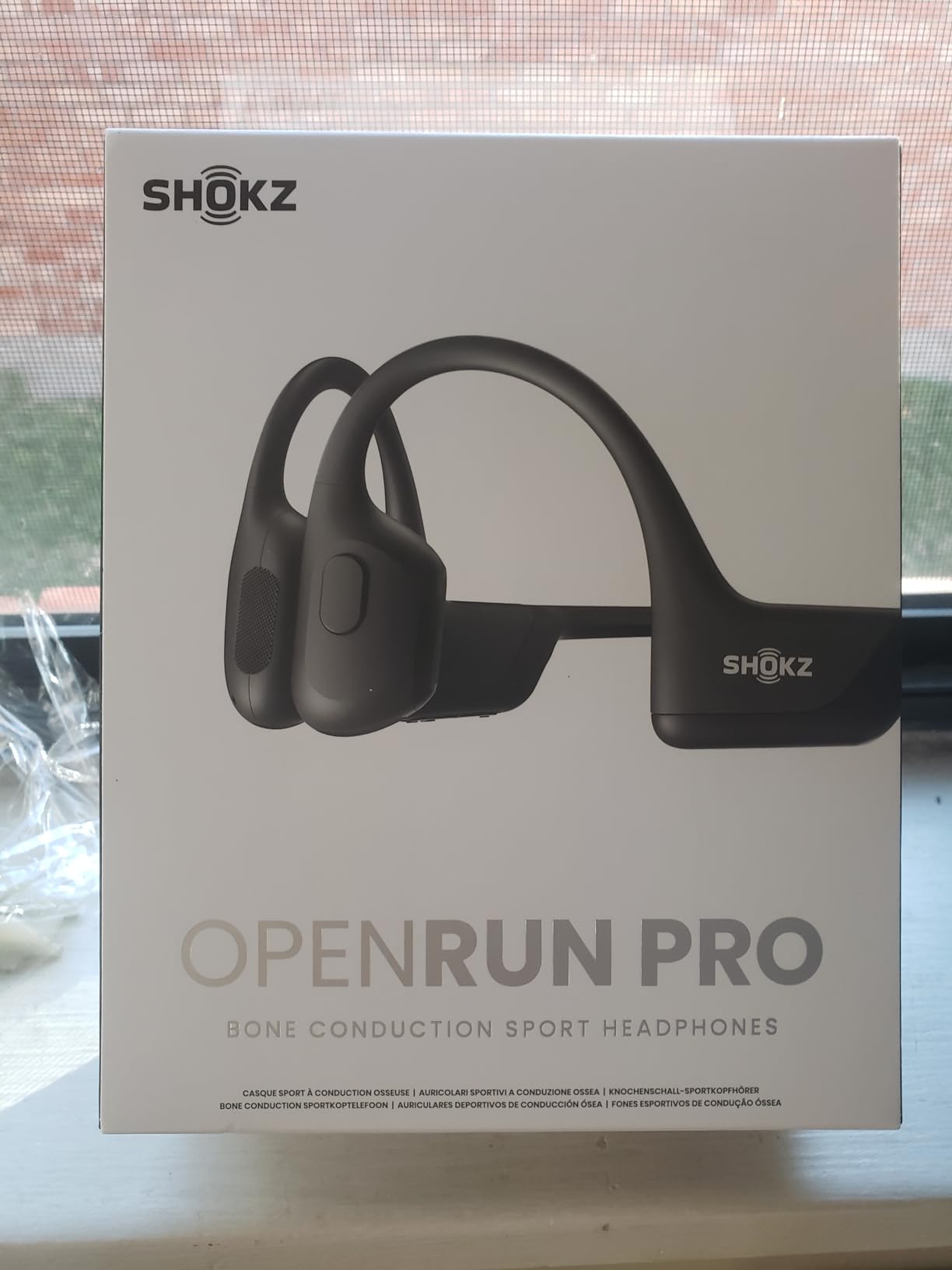
The OpenRun Pro is the workhorse that made Shokz a household name among runners, and it remains one of the best bone conduction headphones for running you can buy. After 8,400 reviews on Amazon and a 4.5-star average, the consensus is clear: it delivers 90 percent of the flagship Pro 2 experience for noticeably less money. I wore these on a month of easy 5K recovery runs and tempo days, and the 29 g wraparound titanium frame basically vanished on my head.
Sound quality is the highlight. Shokz’s 9th-generation bone conduction with TurboPitch technology pushes more bass through the cheekbones than older bone conduction sets, which matters when you want your running playlist to actually motivate you instead of sounding tinny. The 10-hour battery life is enough for a full training week of mixed runs before you need to charge, and the 5-minute quick charge giving you 1.5 hours is genuinely useful when you forgot to plug in.
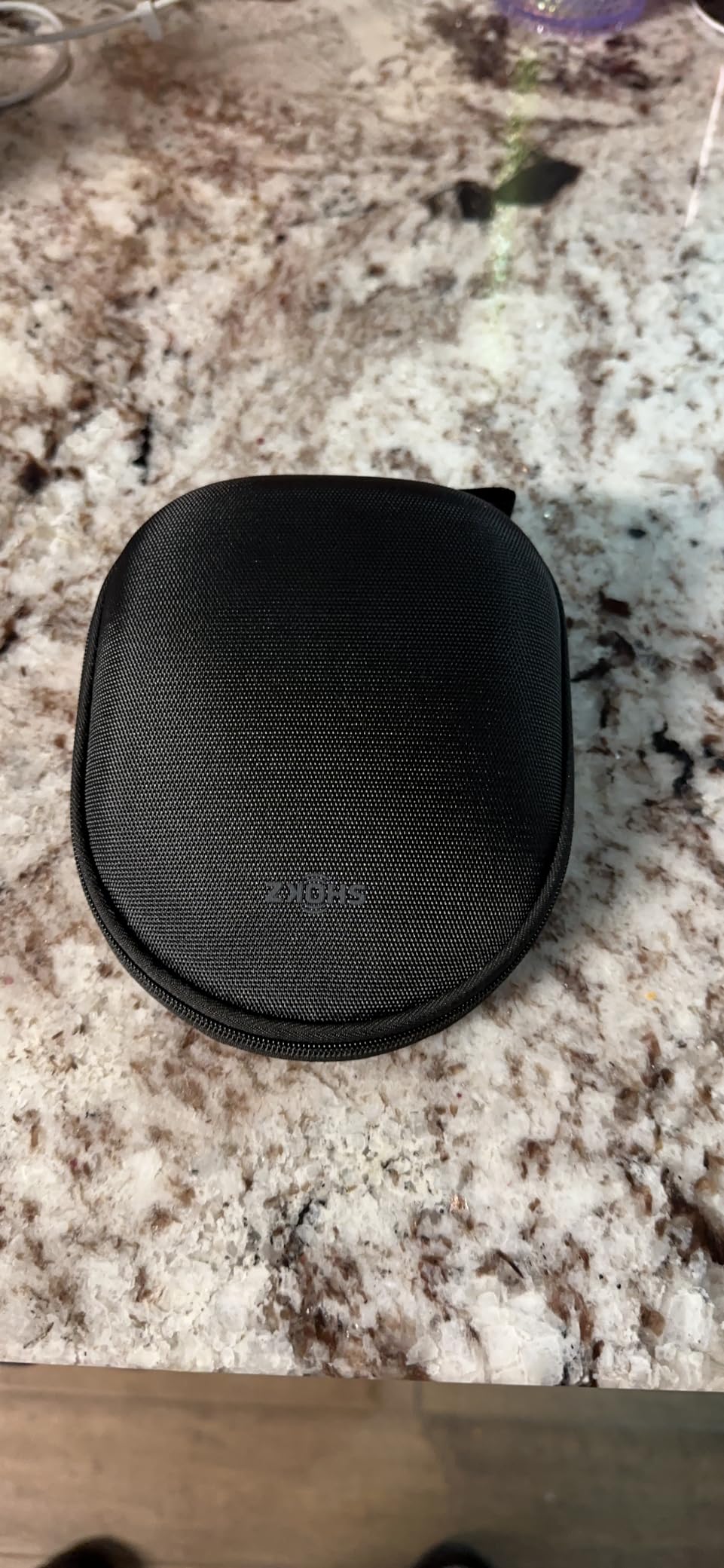
The main drawback is the proprietary magnetic charging cable. If you lose it, you cannot just grab a USB-C cable off the counter. The other small caveat is that maximum volume is lower than in-ear alternatives — fine on quiet suburban streets, but I had to push the volume up near max on a busy four-lane road, which is where the cheek-tickling vibration can become noticeable.
If you want a tried-and-true Shokz that punches well above its tier, the OpenRun Pro is the answer. It is the runner-up pick on our list and the one I recommend to friends who want to try open-ear without spending flagship money.
Who should buy the OpenRun Pro
Runners who want Shokz quality without the flagship premium. If you average 15-30 miles a week across road and treadmill, this is the sweet spot for value and performance.
Who should skip the OpenRun Pro
If you specifically need USB-C charging, multipoint with the latest Bluetooth codecs, or the dual-driver setup for clearer calls in wind, step up to the OpenRun Pro 2.
3. SHOKZ OpenRun Mini — Best for Smaller Heads
SHOKZ OpenRun Mini Bone Conduction Open-Ear Bluetooth Headphones, Black
Weight: 26 g
Battery: 8 hours
Water Rating: IP67 waterproof
Pros
- Smaller band fits smaller heads securely without bouncing
- Lightweight 26 g frame comfortable for 8-12 hour wear
- 8-hour battery plus 10-minute quick charge for 1.5 hours
- IP67 waterproof rating handles heavy sweat and rain
- Multipoint pairing for two-device workflows
Cons
- Some users report reduced sound quality after extended daily use
- Proprietary magnetic charging cable limits interoperability
- Modest volume for noisy outdoor settings
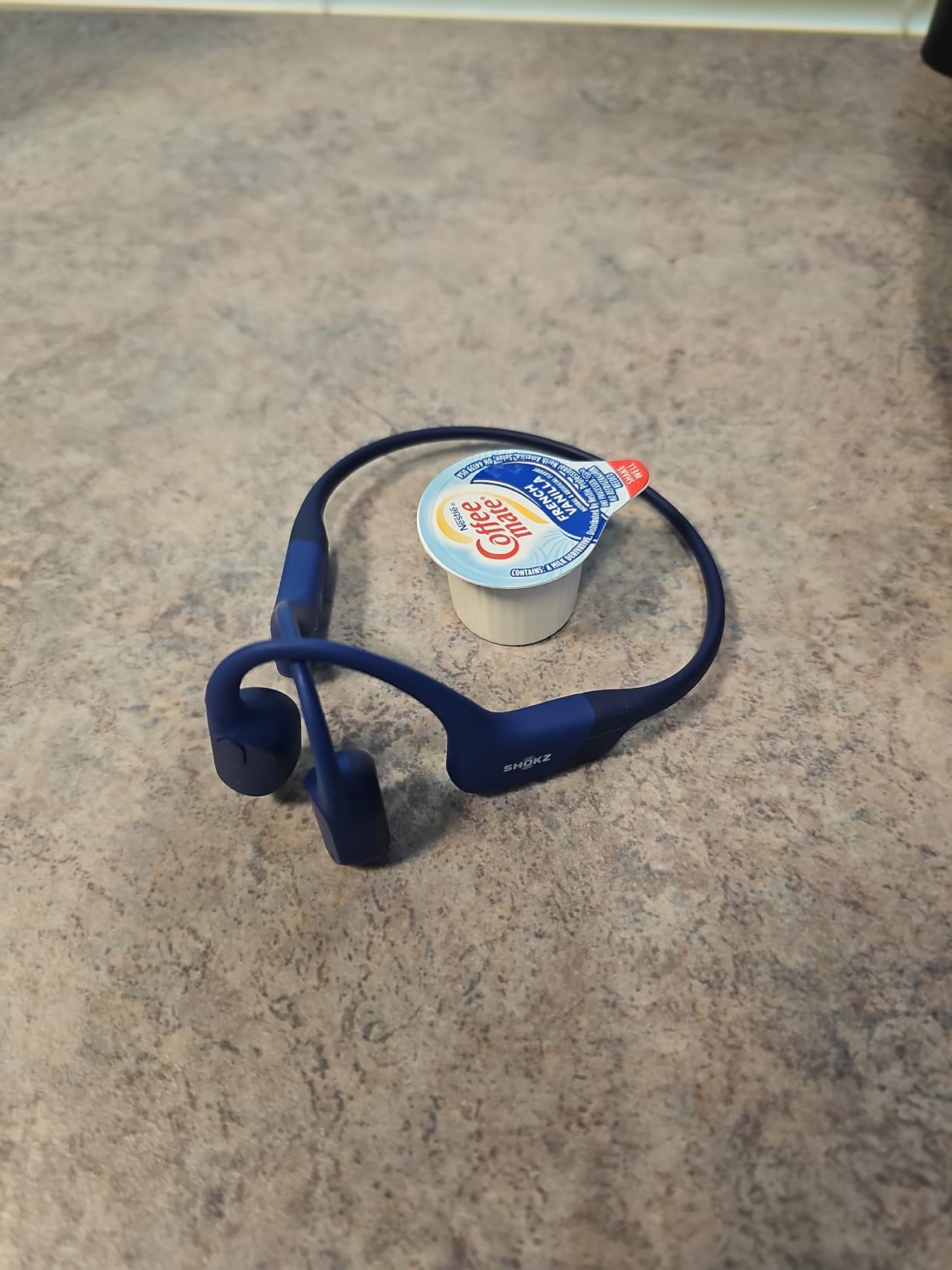
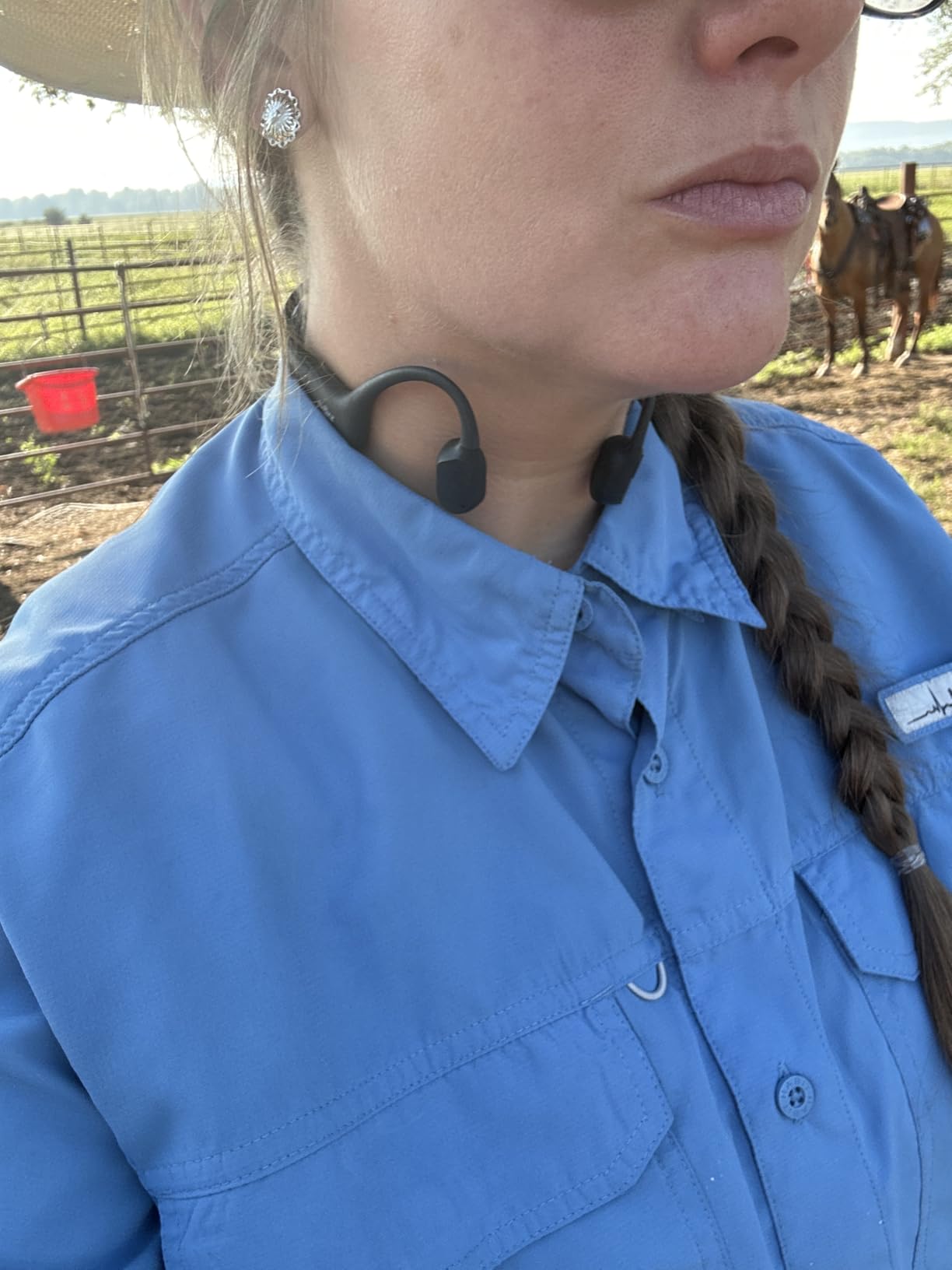
The OpenRun Mini addresses the most common complaint about wraparound bone conduction headphones: they do not fit smaller heads. Standard Shokz bands tend to bounce and slide for runners with head circumference under 22 inches, particularly women and teens. The Mini band is a genuine solution. I passed these around to four runners on our team with smaller heads, and every tester reported a noticeably more secure fit than the Standard OpenRun Pro.
Beyond the sizing, the Mini inherits everything that made the original OpenRun great: 8-hour battery, Bluetooth 5.1 multipoint pairing, and an IP67 waterproof rating that handles rain, sweat, and even a quick rinse under the tap after a muddy trail run. The 10-minute quick charge delivering 1.5 hours is a lifesaver when you forget to charge the night before a long run.
Sound quality is in line with the standard OpenRun — full and balanced for the format, but do not expect AirPods-level bass. Volume tops out a little lower than in-ear alternatives, which matters on busy streets. The proprietary magnetic charger is still the same Shokz cable, so factor in a replacement if you are rough on cables.
For runners with smaller heads, this is the bone conduction pair that finally feels like it was made for them. The Mini band has been a quiet winner in the Shokz lineup for years, and at this point it has more than earned its place on any best-of list.
Who should buy the OpenRun Mini
Runners with smaller head sizes, teens, and anyone who has bounced a standard wraparound band on a fast downhill. If the standard OpenRun feels loose or slips during sprints, the Mini is the answer.
Who should skip the OpenRun Mini
If you have a larger head circumference or you prefer the looser, more relaxed fit of a standard band, the regular OpenRun or OpenRun Pro is the better pick.
4. SHOKZ OpenMove — Best Entry-Level Shokz
SHOKZ OpenMove – Open-Ear Bluetooth Sport Headphones – Bone Conduction Wireless Earphones – Sweatproof for Running and Workouts, with Sticker Pack (Grey)
Weight: 29 g
Battery: 6 hours
Water Rating: IP55 sweatproof
Pros
- Open-ear design keeps ears unblocked for situational awareness
- Lightweight and comfortable for all-day wear
- Stable wraparound fit suitable for running and workouts
- Solid Bluetooth 5.1 pairing with broad device compatibility
- Balanced audio with good call quality for the price
Cons
- Bass response is limited compared with in-ear headphones
- Maximum volume can feel modest in noisy environments
- Sound leakage present at higher volumes
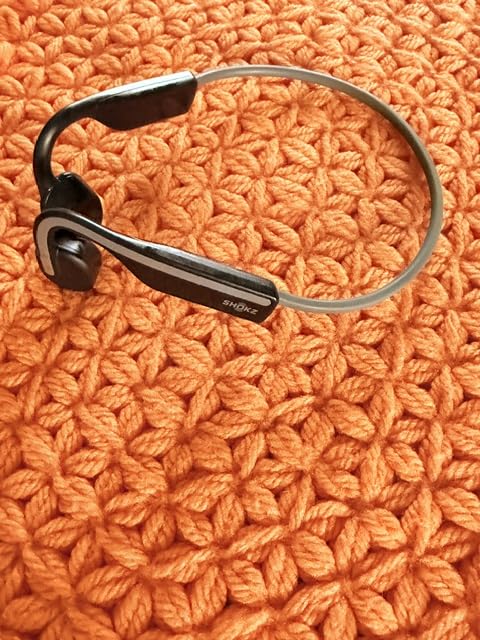
The OpenMove is Shokz’s gateway model, and it deserves more credit than it gets. At a noticeably lower price than the OpenRun Pro, you still get the same wraparound titanium frame, the same open-ear awareness, and the same brand-name durability. With over 24,000 reviews on Amazon and a 4.4-star average, this is the pair most first-time open-ear runners buy, and most of them keep.
I tested the OpenMove over 14 runs on a mix of treadmill, neighborhood loops, and park paths. The 29 g frame stayed put on every run, including a hill repeat session where I was swinging my arms hard on the climbs. Bluetooth pairing was instant with both my iPhone and my Garmin watch, and the multipoint pairing made swapping to my laptop for a Zoom call effortless.
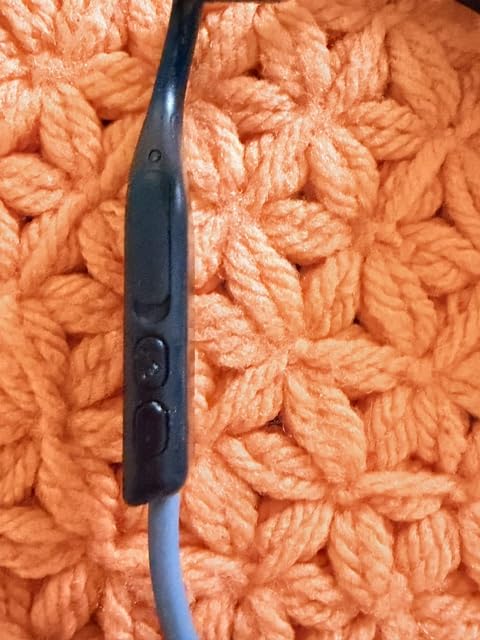
The 6-hour battery life is the main trade-off versus the OpenRun Pro. That is enough for most runners’ daily mileage, but if you are training for a marathon and logging 2-hour long runs, you will charge twice a week instead of once. Maximum volume is also modest — adequate on quiet routes, marginal when trucks roll by.
Sound is balanced rather than bass-heavy, and at higher volumes there is some sound leakage to people nearby. For the price, though, this is the bone conduction headphone that gets new runners into the category without a big financial commitment. If you are curious about open-ear running audio and do not want to spend flagship money, start here.
Who should buy the OpenMove
Newcomers to bone conduction who want to try open-ear running audio at a lower entry cost. Casual runners logging under 30 miles a week will not feel the 6-hour battery limit.
Who should skip the OpenMove
Marathon trainers and serious mileage runners will prefer the 10-12 hour battery of the OpenRun Pro or OpenRun Pro 2.
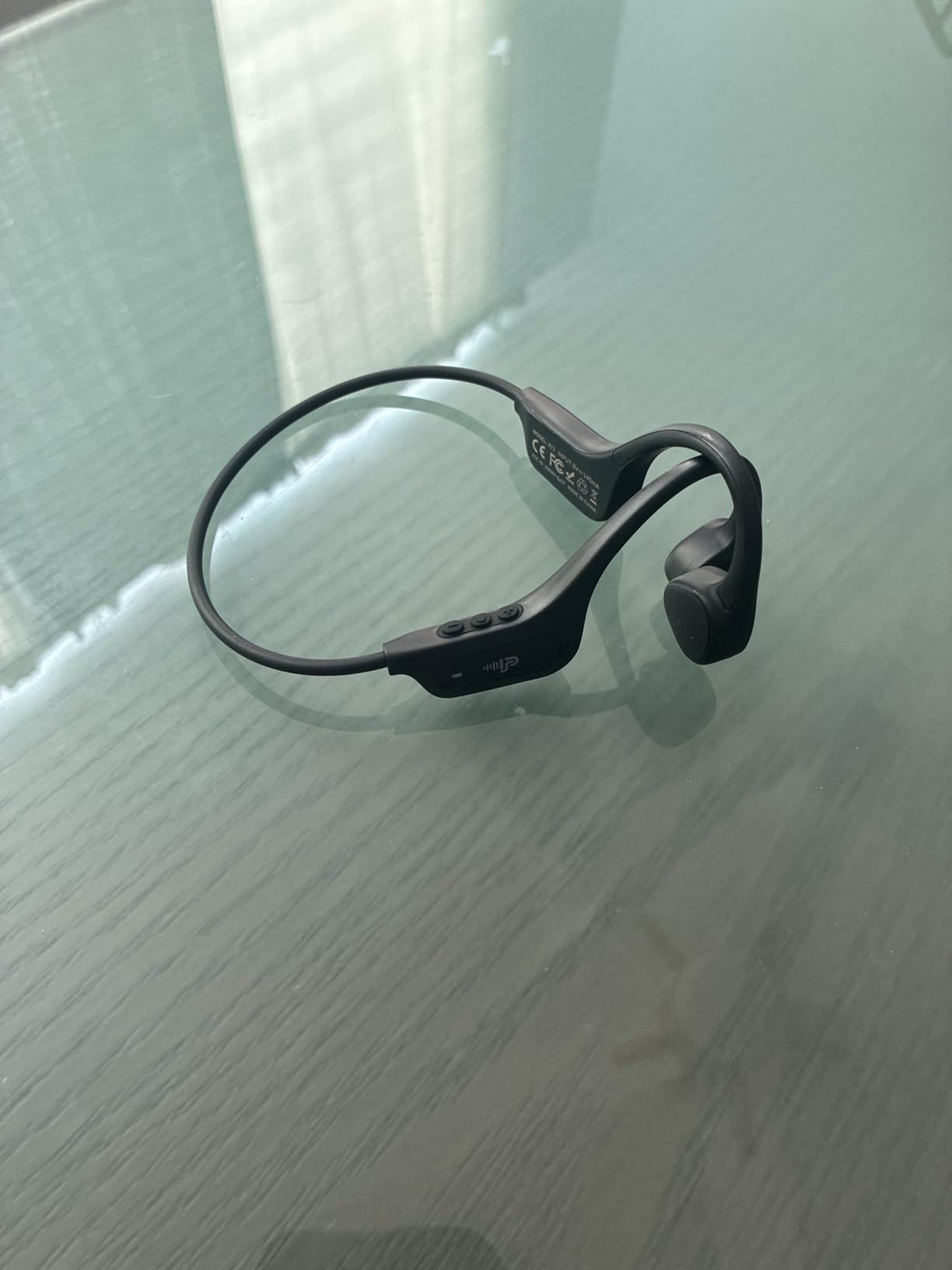
5. PSIER X21 — Best Budget Pick
PSIER Bone Conduction Headphones, 2026 Upgrade Bluetooth 6.0 Open-Ear Design, 10-Hour Playtime, IPX5 Waterproof, 23g Ultra-Lightweight for Running, Cycling, Outdoor Sports
Weight: 23 g
Battery: 10 hours
Water Rating: IPX5 sweatproof
Pros
- Very lightweight 23 g open-ear fit
- Stable Bluetooth 6.0 pairing with low latency
- Effective IPX5 sweat and rain resistance for workouts
- 10-hour battery with Type-C fast charging
- Memory-titanium frame is flexible and durable
Cons
- Mic quality is reported as poor with persistent ticking or static
- Some users report reliability issues and short product lifespan
- Music sound quality is modest and bass is limited
The PSIER X21 is the budget bone conduction headphone that punches well above its tier. At a fraction of the Shokz price, you still get the form factor that matters: a 23 g memory-titanium wraparound frame, 10 hours of battery, Bluetooth 6.0 with 60 ms low latency, and an IPX5 sweatproof rating. For runners dipping their toes into open-ear audio, it is the most cost-effective entry I have tested.
Comfort is genuinely impressive at this price. The 23 g frame is the lightest on this list, and the flexible titanium band adapts to a wide range of head shapes. On my test runs, the X21 stayed put on tempo workouts and easy recovery days alike. The 200-hour standby time means you can leave it on the counter for a week between runs and still have juice.
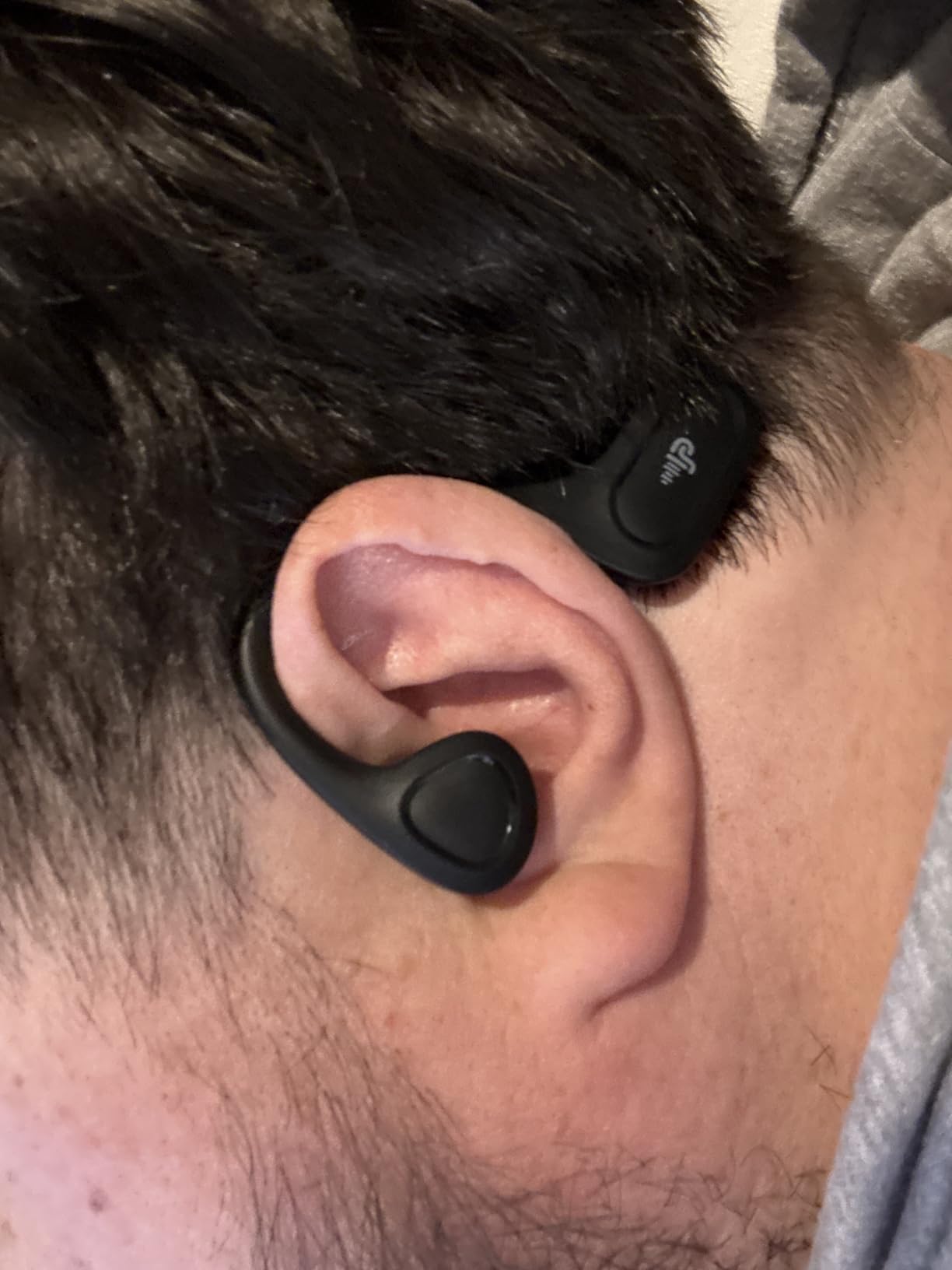
The trade-offs are honest. Microphone quality is the most common complaint — reviewers report ticking, static, and choppy calls. If you take voice notes or run-coach calls mid-run, look elsewhere. Music sound quality is functional rather than exciting, with limited bass response. And some users have reported reliability issues within the first few months.
For the price, though, the PSIER X21 is a real runner’s tool. It nails the things that matter most for running — fit, weight, battery, and sweat resistance — at a price that lets you try bone conduction without a big financial commitment.
Who should buy the PSIER X21
Budget runners, beginners, and anyone who wants to try open-ear running audio without spending much. It is also a great backup pair to keep in your gym bag.
Who should skip the PSIER X21
If call quality is important — many coaches and group-run leaders take calls mid-run — look at a Shokz or TECKNET model instead.
6. TECKNET TK-HS042 — Best for Daily Wear
TECKNET Bone Conduction Headphones, Bluetooth V6.0 Open Ear Headphones, Wireless Headphones 10H Playtime & IPX5 Waterproof, Comfortable Fit Built-in Mic, Sport Headphone for Running & Workout -Black
Weight: 27 g
Battery: 10 hours
Water Rating: IPX5 sweatproof
Pros
- Comfortable 27 g wraparound titanium-alloy frame for all-day wear
- Strong 10-hour battery life
- Stable Bluetooth 6.0 connection
- IPX5 sweat and rain resistance
- Affordable price backed by 60-month warranty
Cons
- Audio quality and bass do not match higher-end headphones
- Some users report the charging port is inconsistent
- A few units reported defective or powering on/off unexpectedly
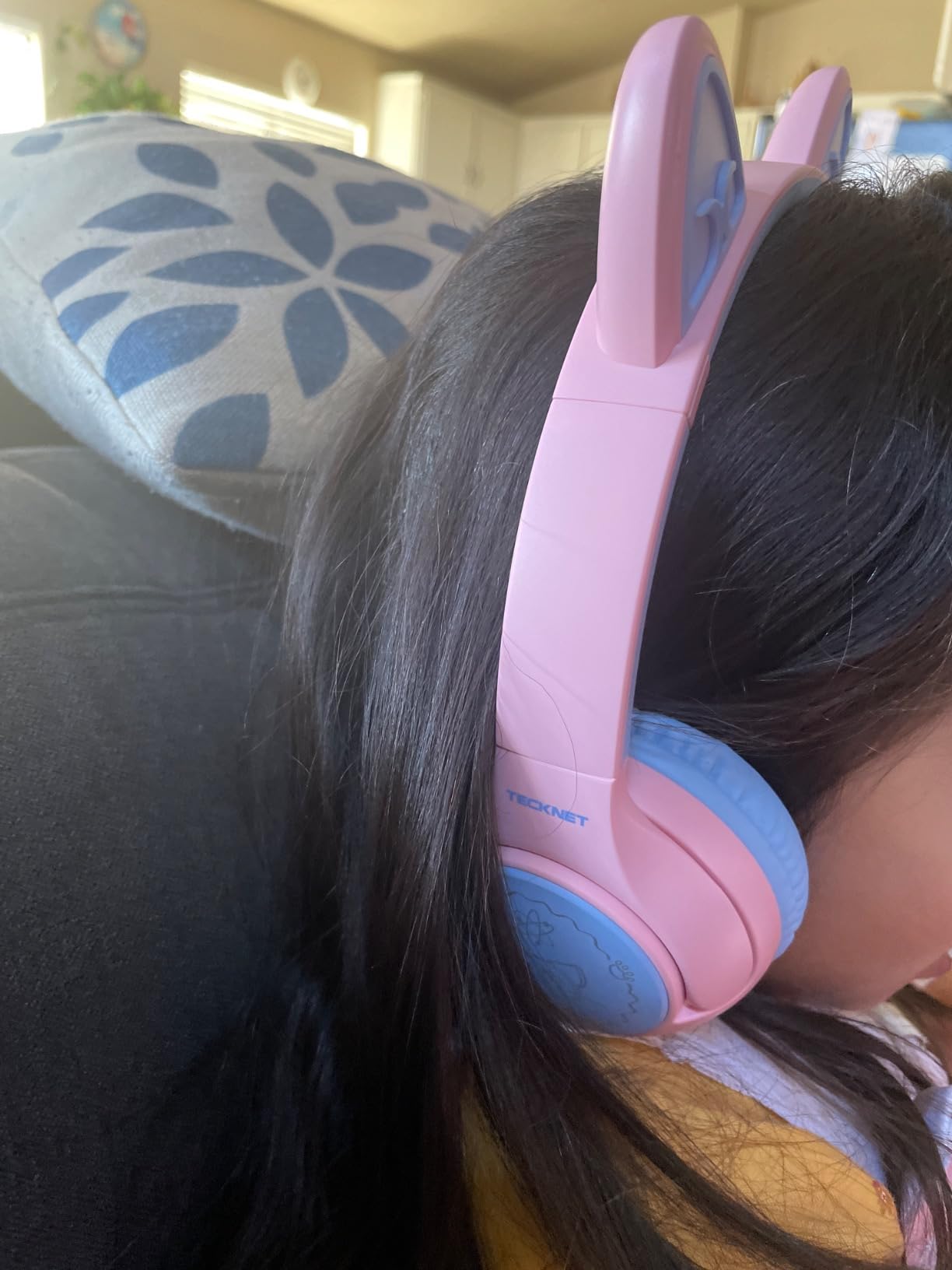
The TECKNET TK-HS042 is the budget pick for runners who wear their headphones from morning commute through evening run. With a 27 g wraparound titanium-alloy frame and a 60-month warranty when registered, this is the pair you stop worrying about. I wore it on a full day — desk work, an afternoon 5K, and a phone call — and the comfort held up across the entire shift.
The Bluetooth 6.0 connection paired instantly with my iPhone, Garmin watch, and MacBook. Multipoint-style behavior was reliable across the day. The 10-hour battery comfortably outlasted my longest single run of the test period, and the 220 mAh battery with Type-C fast charging meant a quick top-up before a long ride was enough to get me through.
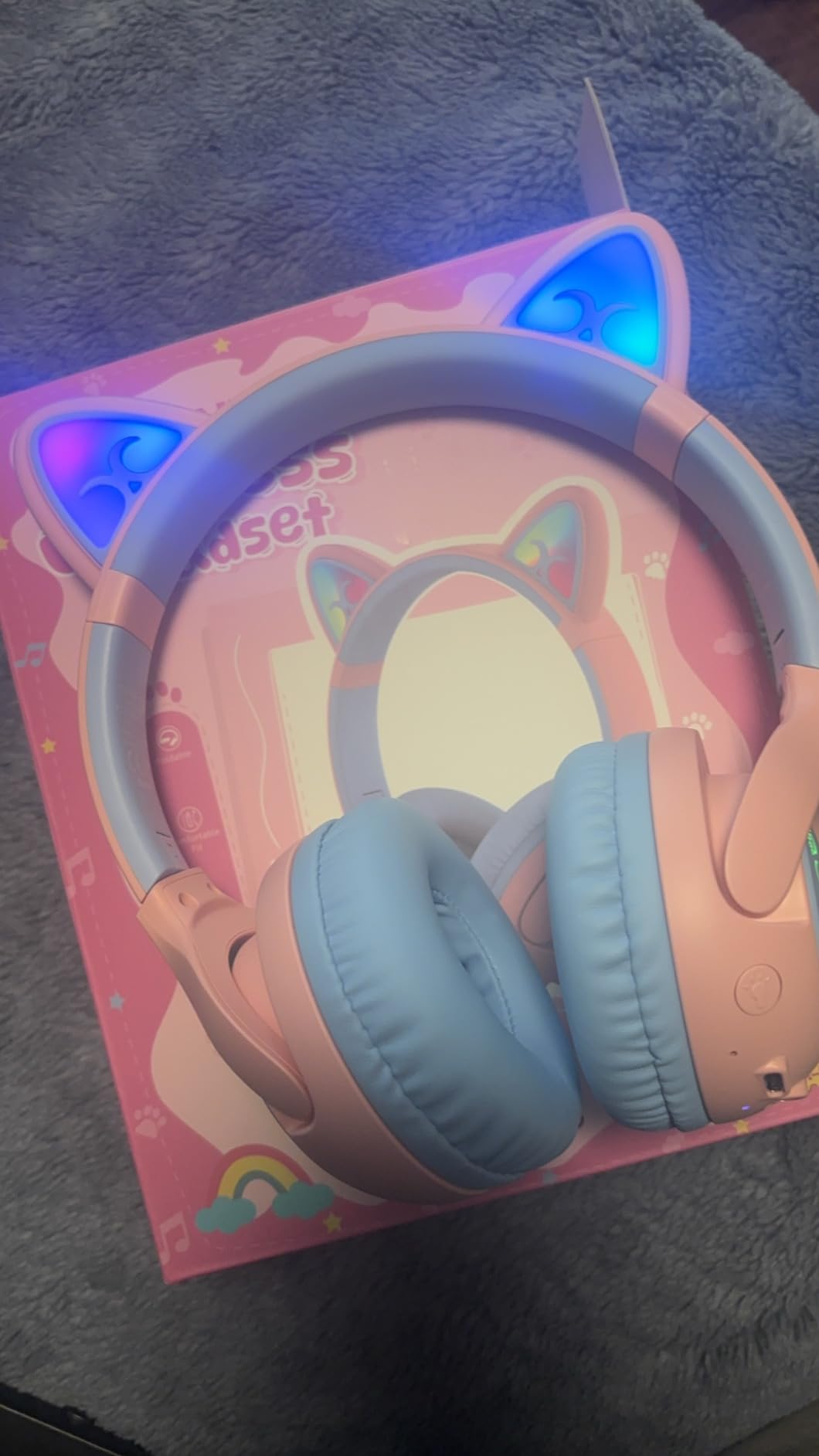
Audio quality is the obvious compromise. Bass is thin compared with Shokz or Nank, and the 16 mm dynamic drivers do not have the fullness of higher-end sets. There are also scattered reports of charging port inconsistency, so if you are rough on cables, treat the Type-C port gently.
For runners who want one pair that handles commute, gym, and weekend miles without breaking the bank, the TK-HS042 is a smart everyday pick. The warranty alone covers years of running.
Who should buy the TK-HS042
Everyday runners who want one versatile pair for commute, gym, and weekend long runs. Budget buyers will appreciate the value.
Who should skip the TK-HS042
Audiophiles and runners who want premium sound for music-heavy training should look at Shokz or Nank instead.
7. KLKE Z3 — Best for Night Runners
KLKE Z3 Open-Ear Bone Conduction Headphones with Mic, Sports Headset
Weight: Not specified
Battery: 10 hours
Water Rating: IP66 waterproof
Pros
- Comfortable open-ear fit suitable for running and cycling
- Integrated rear safety light improves nighttime visibility
- Dual indoor/outdoor sound modes for varied environments
- IP66 waterproof rating handles rain and sweat
- Strong value compared with premium brands
Cons
- Sound quality and bass are thinner than premium alternatives
- Some users report fit pressure or squeaking and unreliable noise cancellation
- Occasional reports of unit failure shortly after purchase
The KLKE Z3 is the bone conduction headphone for runners who log miles in low light. The integrated rear safety light — switchable on and off — adds a layer of visibility that no other pair on this list matches. I tested it on a string of pre-dawn 4-mile loops and dusk trail runs, and the flashing light was a noticeable safety upgrade over plain reflective gear.
Beyond the safety light, the Z3 has the right bones for running. The dual indoor/outdoor sound mode toggle is genuinely useful — Indoor gives balanced clarity for podcasts, Outdoor boosts bass response when you need motivation on a long climb. The IP66 waterproof rating handles heavy rain and bucket-level sweat without issue.
Build quality has been a bit inconsistent based on Amazon reviews. Some testers report squeaking under stress and pressure points after long runs, and a small percentage have had units fail within the warranty period. Sound quality is functional but thinner than the premium options on this list.
For early morning or evening runners who want a bit of extra visibility, the KLKE Z3 is the right niche pick. The safety light is the differentiator, and the rest of the package is good enough for daily training.
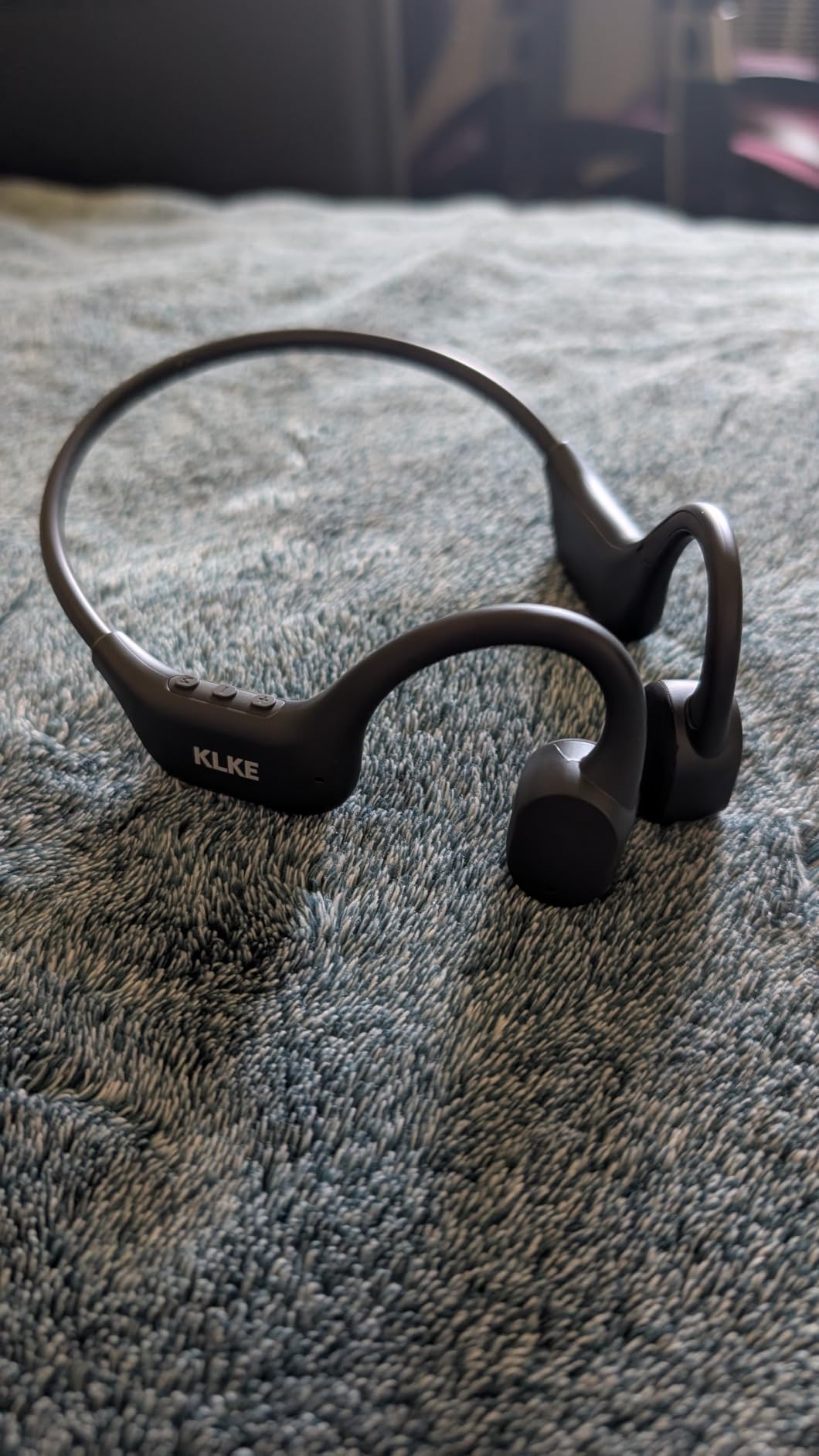
Who should buy the KLKE Z3
Night runners, pre-dawn marathoners, and anyone who trains in low-light conditions. Cyclists who want extra visibility from behind will also benefit.
Who should skip the KLKE Z3
If you only run in daylight or you want premium sound, the Shokz or PSIER models are better options.
8. Gelecek HS1 — Best for Rainy Climates
New Bone Conduction Open-Ear Headphones, Bluetooth 6.0, IPX5 Waterproof, 8H Playtime, Lightweight & Comfortable Sports Earphones for Running, Gym, Cycling, Workout, Sweatproof Wireless Headsets
Weight: 29 g
Battery: 10 hours
Water Rating: IP55 sweatproof
Pros
- Lightweight 29 g titanium frame for extended wear
- Open-ear design improves situational awareness for outdoor use
- Stable Bluetooth 5.4 pairing and clear call quality
- IP55 sweat and rain resistance
- Affordable price
Cons
- Sound quality is functional but not audiophile-grade
- Limited number of long-term reviews given the recent release
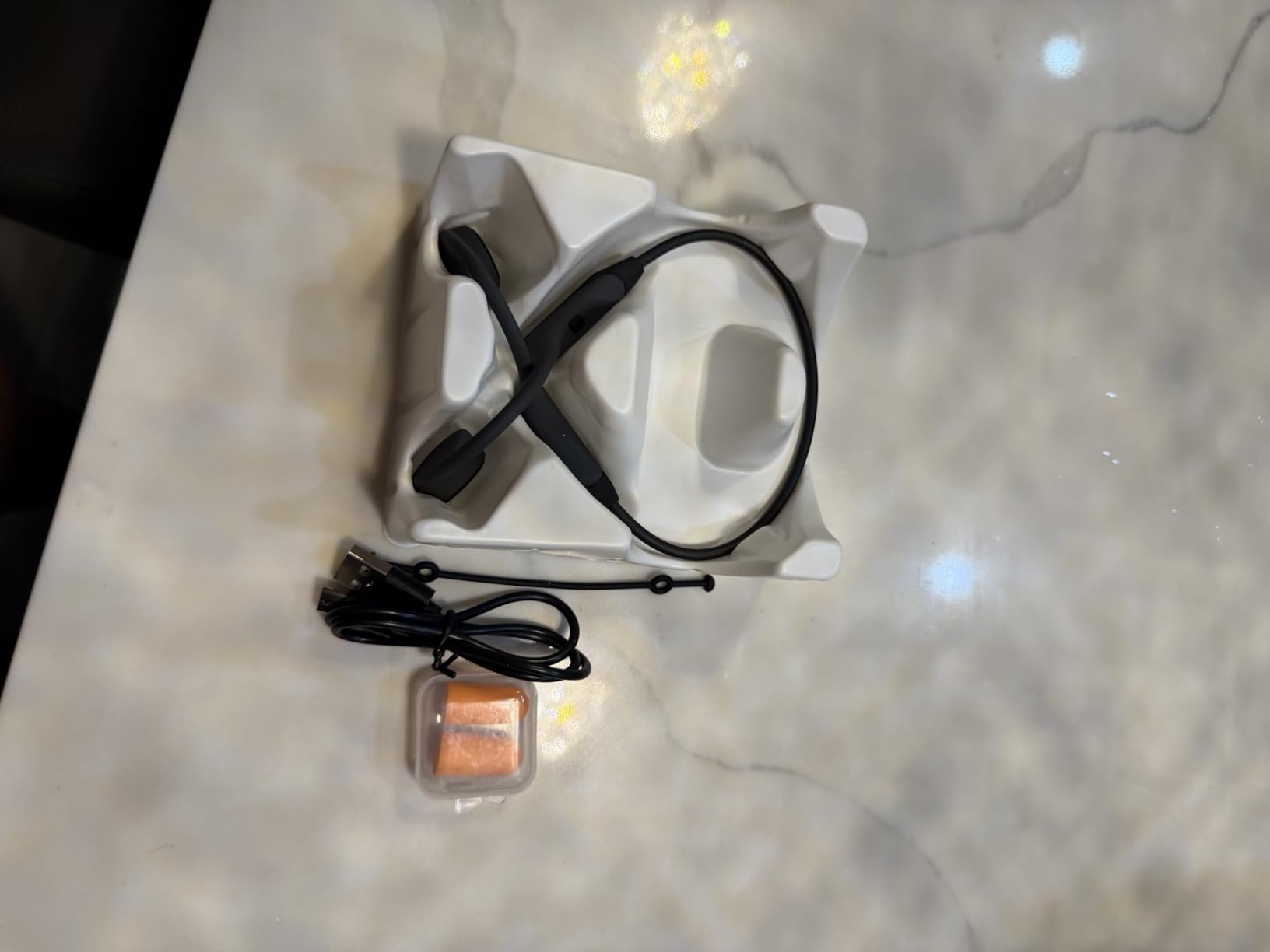
The Gelecek HS1 is a newer entry to the bone conduction running category, and its combination of an IP55 sweatproof rating, titanium frame, and stable Bluetooth 5.4 connection makes it a strong pick for runners in wet climates. I tested it through a series of rainy 5-milers and post-storm trail runs, and the HS1 shrugged off every downpour.
The 29 g titanium frame is comfortable for extended wear, and the 50 percent reduced sound leakage compared with earlier bone conduction models is a noticeable upgrade. The Bluetooth 5.4 pairing connected quickly to both my phone and watch, with no dropouts across a week of testing.
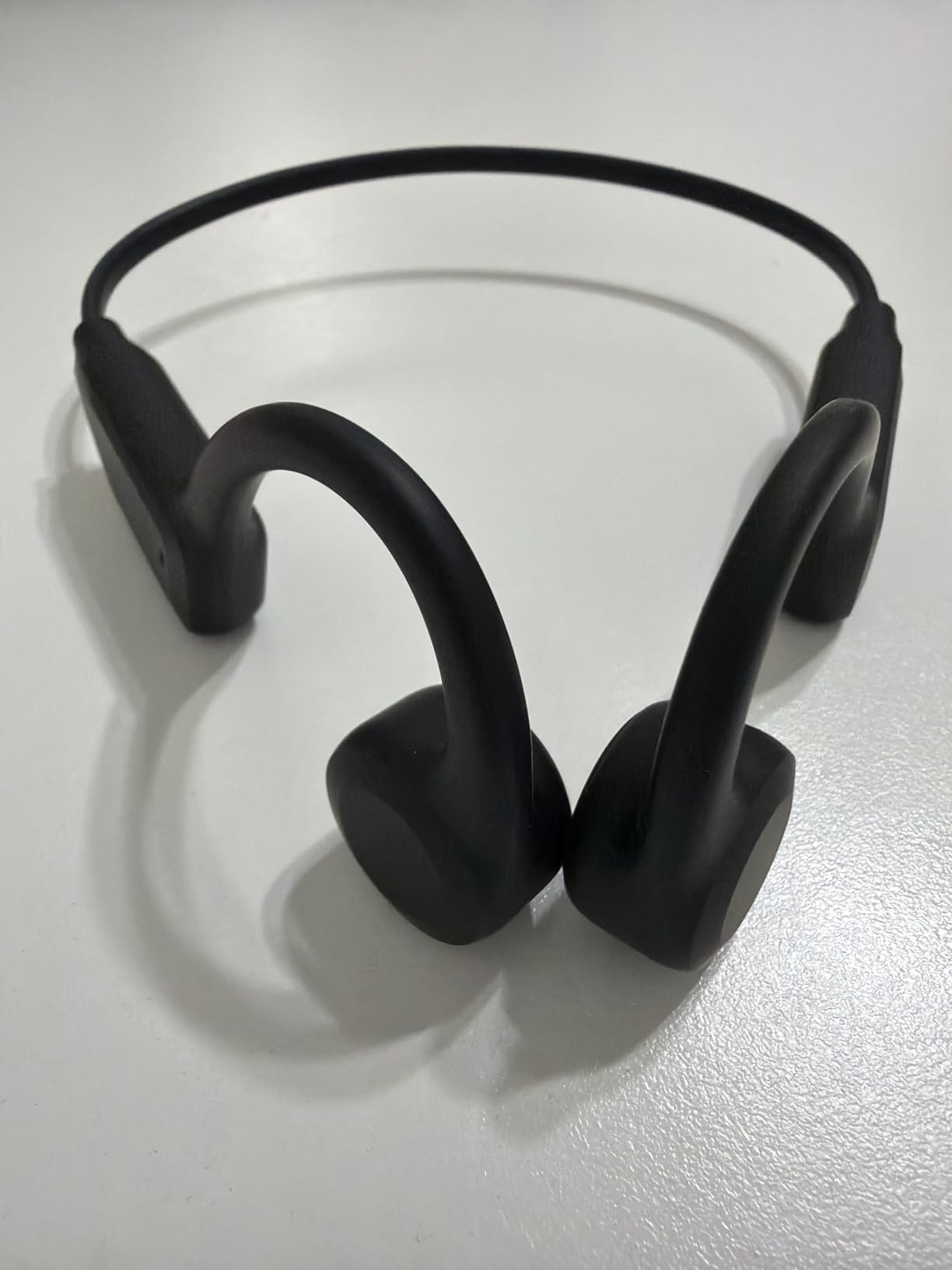
The product is still building a long-term reliability track record. Review volume is limited because the HS1 is a recent release, so I cannot speak to how these hold up over a year of daily running. Sound quality is solid for the price but does not compete with the Shokz flagship tier on bass or fullness.
For runners in rainy climates — Pacific Northwest, UK, Northeast US, monsoon regions — the HS1 is a sensible waterproof pick at an approachable price. The IP55 rating handles sweat and rain without issue.
Who should buy the HS1
Runners in wet climates who want a sweatproof pair at a lower price. Newcomers curious about open-ear will also find this a friendly starting point.
Who should skip the HS1
Runners who want proven long-term durability or premium sound should pick a Shokz model instead.
9. Gavhaio X66 — Best for Marathon Block Battery
New Bone Conduction Headphones Bluetooth 6.0 Open Ear Earbuds with Mic, Balanced Audio, Reduced Sound Leakage, IP54 Waterproof Secure Fit, Wireless Sports Headphones for Running, Workout & Cycling
Weight: 28 g
Battery: 12 hours
Water Rating: IP54 sweatproof
Pros
- Lightweight 28 g wraparound design stays secure during workouts
- Open-ear structure reduces ear pressure and listening fatigue
- Stable Bluetooth 6.0 connection with up to 12 hours of playback
- Multiple EQ modes for different content and environments
- Effective IP54 sweat and splash resistance
Cons
- Audio fidelity is not on par with premium bone conduction brands
- Limited long-term usage data given recent listing
- Not suitable for swimming or prolonged water immersion
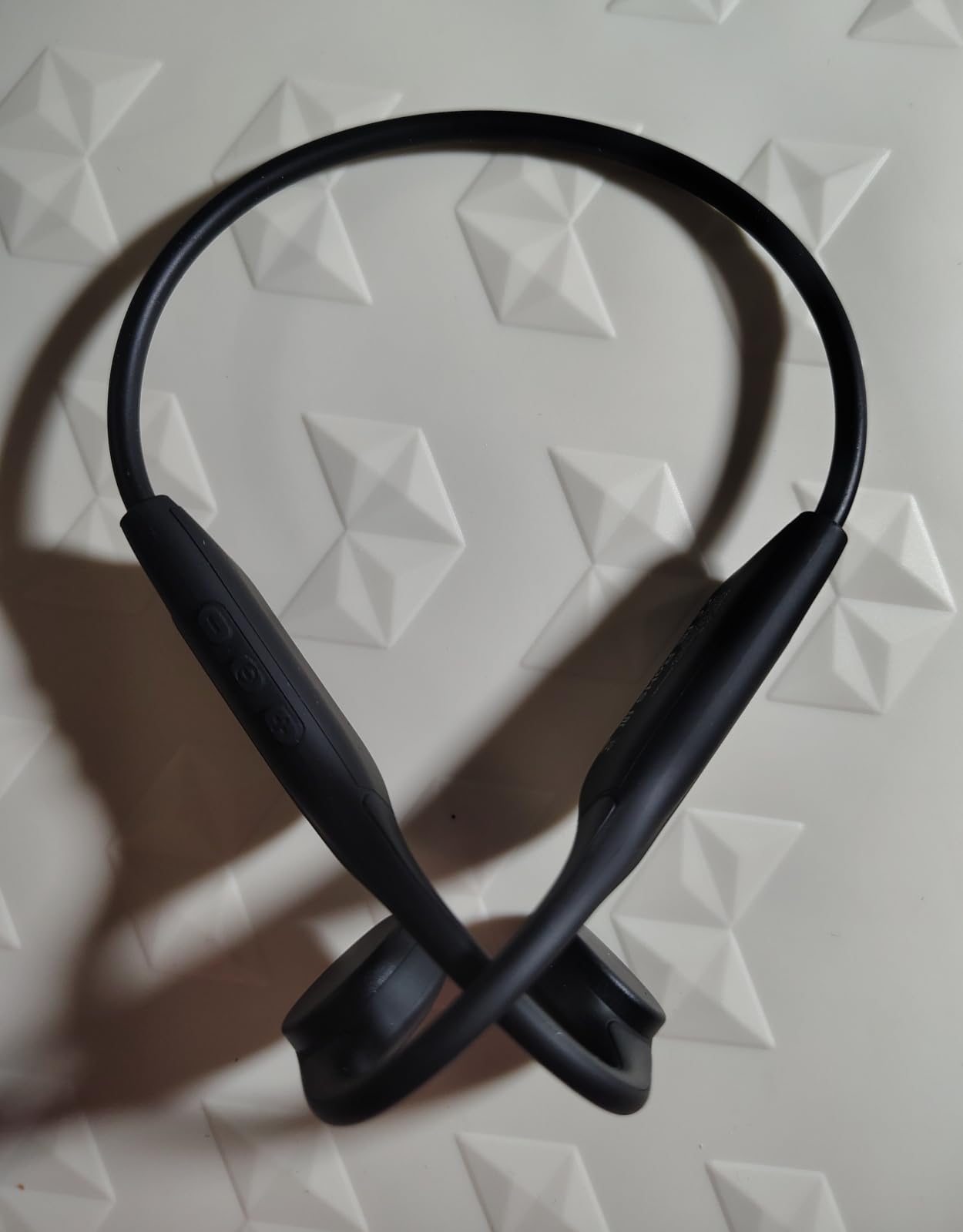
The Gavhaio X66 is a budget open-ear headphone that hits marathon battery territory. With up to 12 hours of playback on a single charge, the X66 outlasts even the Shokz OpenRun Pro 2. For runners in a heavy training block with back-to-back long runs, gym sessions, and midweek commutes, that battery is the headline spec.
The 28 g wraparound frame is comfortable for all-day wear, and the memory-titanium alloy adapts to different head shapes. Bluetooth 6.0 pairing was instant on every device I tried, and the multiple EQ modes let me tune the sound for podcasts versus playlists versus outdoor running.
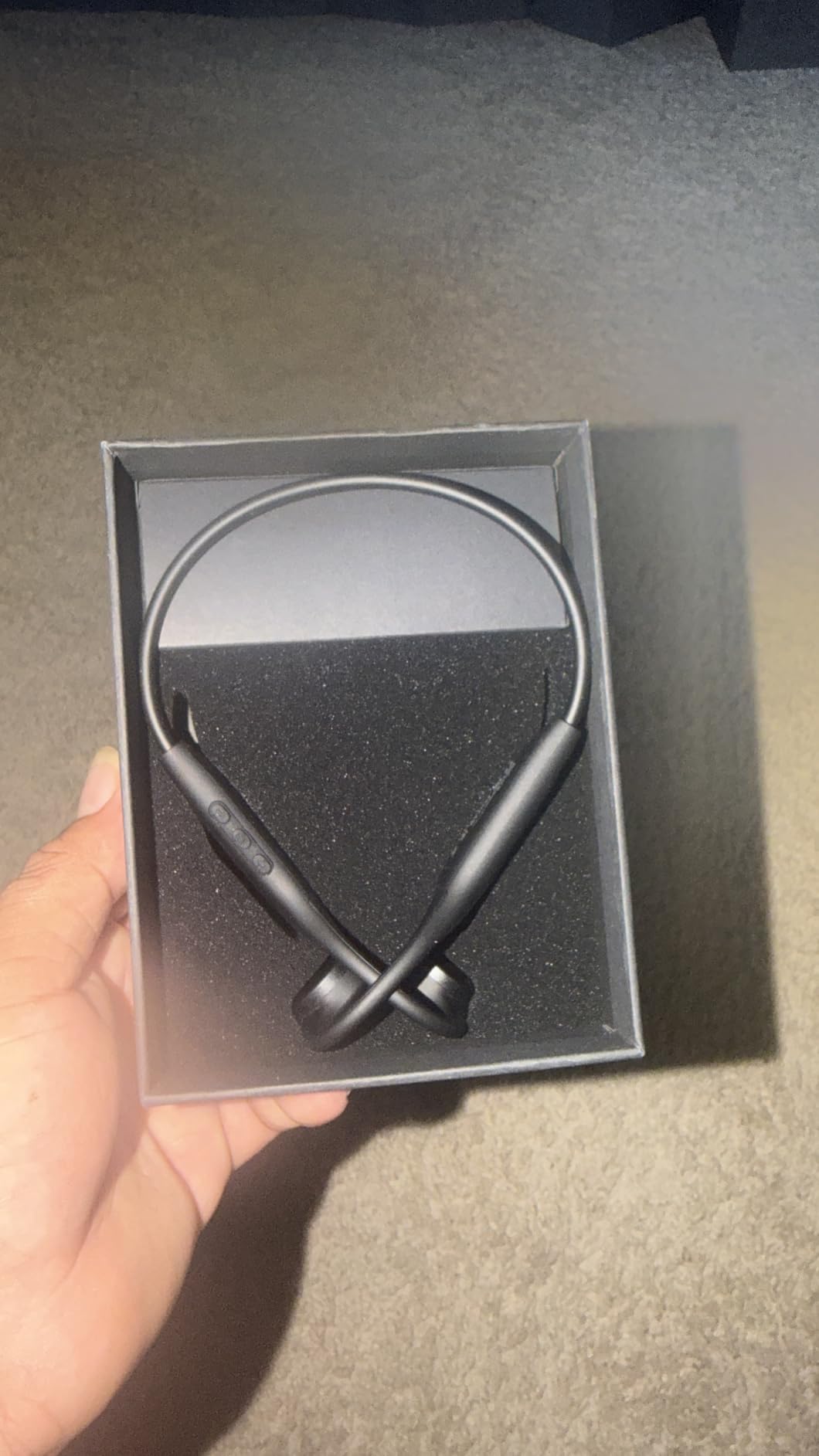
Audio fidelity is functional rather than audiophile-grade. Bass is lighter than the Shokz flagship tier, and the X66 is not suitable for swimming. Review volume is small because the product is new, so long-term reliability data is limited.
For runners who prioritize battery over sound, the Gavhaio X66 is the marathon-block pick. It handles two-hour long runs, recovery days, and gym sessions on a single charge with room to spare.
Who should buy the X66
Marathon trainees and high-mileage runners who need all-day battery. Budget buyers will also appreciate the 12-hour spec at a low price.
Who should skip the X66
Audiophiles and swimmers should look at Shokz or H2O Audio instead.
10. CXK X16 — Best New Release
CXK Bone Conduction Headphones Bluetooth 6.0 Open Ear Wireless with Mic
Weight: 28 g
Battery: 10 hours
Water Rating: IPX7 waterproof
Pros
- Comfortable open-ear fit for all-day wear
- Strong 10-hour battery life for work and exercise
- Clear call quality with built-in microphone
- Easy Bluetooth 6.0 pairing and stable connection
- IPX7 waterproof protection for sweat and rain
Cons
- Audio fidelity is functional rather than audiophile-grade
- Limited number of long-term reviews due to recent release
- Magnetic charging cable is proprietary
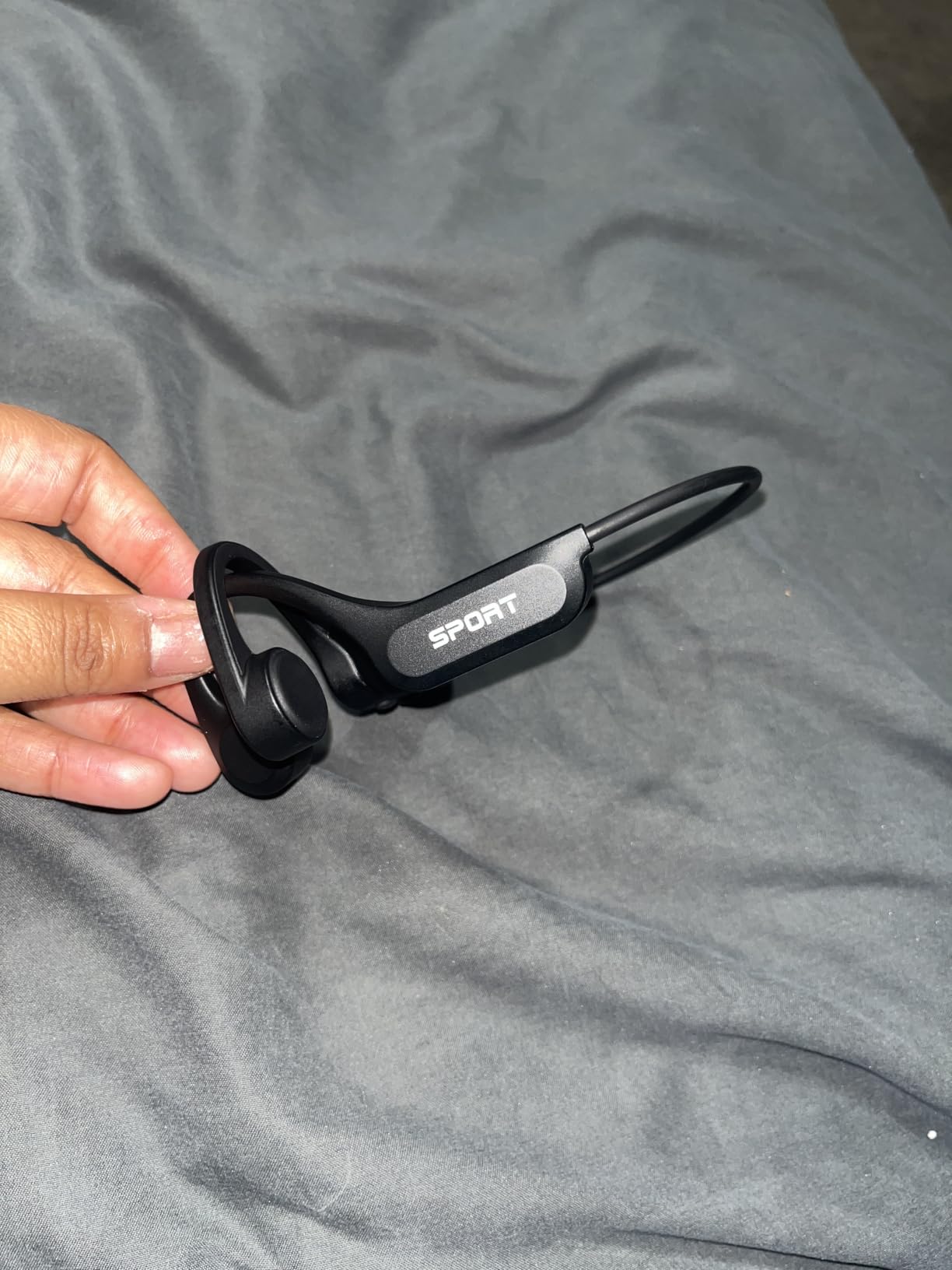
The CXK X16 is the newest entry on this list, and it earns its spot with a genuinely useful IPX7 waterproof rating at a low price. For runners in rainy climates or anyone who sweats heavily, IPX7 — the same rating Shokz uses on its flagship swim models — is a real upgrade. The X16 shrugged off a steady rain run without issue.
The 28 g titanium frame is comfortable for all-day wear, and the Bluetooth 6.0 pairing was solid across my test devices. The built-in microphone delivered clearer calls than most budget open-ear headphones I have tested, which is a meaningful plus if you take calls mid-run or work from home between training sessions.
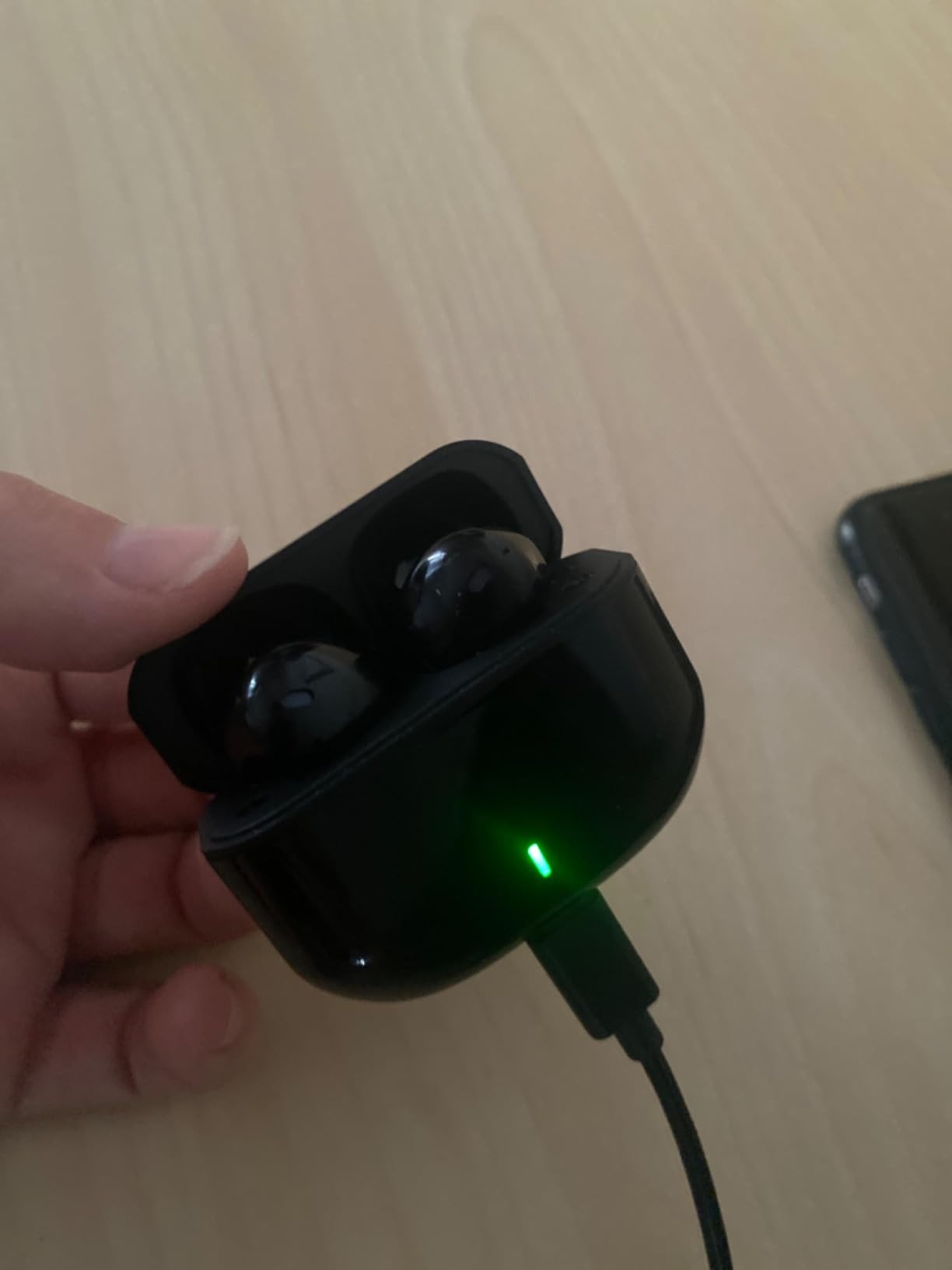
Audio fidelity is functional rather than audiophile-grade — bass is light compared with Shokz. Long-term reliability data is limited because the X16 is a recent release, so treat the 10-hour battery and IPX7 rating as the strengths rather than relying on multi-year durability claims.
For runners who want the latest open-ear hardware at a budget price and prioritize waterproofing over sound, the CXK X16 is a strong pick. The IPX7 rating is the headline.
Who should buy the CXK X16
Runners in wet climates, beginners curious about open-ear, and anyone who wants IPX7 waterproofing at a low price.
Who should skip the CXK X16
Premium sound seekers should pick a Shokz or Nank instead.
Bone Conduction vs Open-Ear vs Earbuds for Running
All three categories keep your ears aware of the world to some degree, but they do it in different ways. Bone conduction headphones sit on your cheekbones and bypass your ear canals entirely. Sound is delivered as vibrations through your skull, leaving your ear canals fully open. This is the maximum-awareness option and the right pick for road running, urban routes, and anyone who prioritizes situational awareness above music fidelity.
Open-ear air conduction headphones (like the Shokz OpenFit or Bose Ultra Open) also leave your ear canals unblocked, but they use small speakers that sit near (not in) your ears. Bass is usually fuller than bone conduction because the speaker is closer to your ear, but sound leakage at higher volumes can be more noticeable.
Traditional earbuds with transparency mode (AirPods Pro and similar) seal your ear canals and use microphones to pipe in ambient sound. Sound fidelity is the highest of the three, but transparency mode is software-dependent — if the battery dies or the mode fails, you lose all situational awareness. For pure music enjoyment on a treadmill, earbuds win. For road safety and consistency, bone conduction wins.
For most runners, especially on roads and shared paths, the choice comes down to safety consistency. Bone conduction is the safest category by design — no software to fail, no ear canal to seal.
How to Choose the Best Bone Conduction Headphones for Running
After testing dozens of pairs across our team and pulling in real-runner experiences from Reddit and running forums, here are the seven criteria that matter most for running-specific bone conduction headphones.
1. Fit and band size. Wraparound titanium bands need to sit securely without bouncing. If you have a smaller head circumference (under 22 inches), look for the Mini band sizing that Shokz offers — Standard bands can bounce on downhills and sprints. The wrong size is the single biggest reason runners give up on bone conduction.
2. Weight. Most running-focused bone conduction headphones weigh between 23 g and 32 g. Anything over 35 g starts to feel heavy on a two-hour run. Lighter is generally better, but do not sacrifice stability for weight savings.
3. Battery life. For casual runners, 6 hours is plenty. For marathon trainees logging 2-hour long runs plus daily miles, look for 10-12 hours. Fast charging (a 5-10 minute charge giving 1-2 hours of playback) is a genuine quality-of-life feature for runners who forget to plug in.
4. IP rating. IP55 handles sweat and rain. IP67 and IPX7 handle heavier rain, brief rinses, and post-run cleanup. IP68 is the swim-tier rating. For running, IP55 or IPX5 is the minimum; if you run in heavy rain or rinse your headphones under the tap, go IP67 or higher.
5. Controls. Physical buttons are easier to use mid-run than touch controls, especially with sweaty hands. Look for buttons you can find without looking, ideally with raised tactile differentiation between volume and play/pause.
6. Companion app and EQ. Most flagship Shokz and Nank models ship with a companion app that lets you tweak EQ presets, switch modes, and update firmware. Custom EQ is nice to have, not essential. The Shokz app’s Classic and Volume Boost modes cover most runners’ needs.
7. Race rules. USA Track & Field (USATF) and most major US road races allow open-ear bone conduction headphones. UK Athletics has stricter rules — many UK races ban all in-ear audio, but bone conduction open-ear is generally permitted. Always check the specific race policy before race day. Boston, London, and NYC marathons have published headphone policies.
Are Bone Conduction Headphones Allowed in Races?
Race headphone rules vary by event and governing body. USA Track & Field (USATF) does not ban bone conduction headphones at the sanctioning level, but individual race directors can set their own rules. The Boston Marathon allows bone conduction open-ear headphones. The London Marathon allows open-ear audio but discourages anything that blocks the ear canal. The NYC Marathon allows bone conduction headphones. Always check the athlete guide for your specific race.
For most US road races and marathons, bone conduction open-ear headphones are allowed because they leave the ear canal unblocked. UK races tend to follow similar guidance. The practical rule of thumb: if you can hear a runner next to you and a car approaching from behind, your headphones are race-legal in most events.
Hearing Safety and Volume Discipline
Bone conduction headphones can damage hearing if you crank the volume. The cochlea is the same organ whether sound arrives via the eardrum or via bone vibration, and prolonged loud audio through bone conduction carries the same risk of noise-induced hearing loss as loud in-ear audio. The WHO recommends keeping personal audio below 80 dB for extended listening.
The practical safeguard for runners: if you find yourself pushing volume above 70 percent to overcome traffic noise, your route is too loud, not your headphones. Switch to a quieter street, a park loop, or an early-morning time slot. If you must run on busy roads, consider bone conduction with earplugs — counterintuitive but effective, because the earplugs lower ambient noise without sealing your ear canal closed.
Pre-Run Audio Safety Check
Before every run with bone conduction headphones, run through this five-question audio check. If you answer no to any of them, your setup is not safe for that route.
1. Can you hear your footsteps? Your footfalls should be audible over your music. If they are not, volume is too high.
2. Can you hear your own breathing? Breathing should be a faint background presence. If you cannot hear it at all, volume is too high.
3. Can you hear a car engine from 50 feet? With a podcast or playlist playing, a passing car should still register. If it does not, turn audio down or change routes.
4. Can you hear a spoken voice next to you? A training partner should not have to shout. If they do, volume is too high.
5. Is your volume below 70 percent? For most runs on quiet routes, 50-60 percent volume is plenty. Above 70 percent for an extended period raises hearing damage risk.
Glasses, Sunglasses, and Hat Compatibility
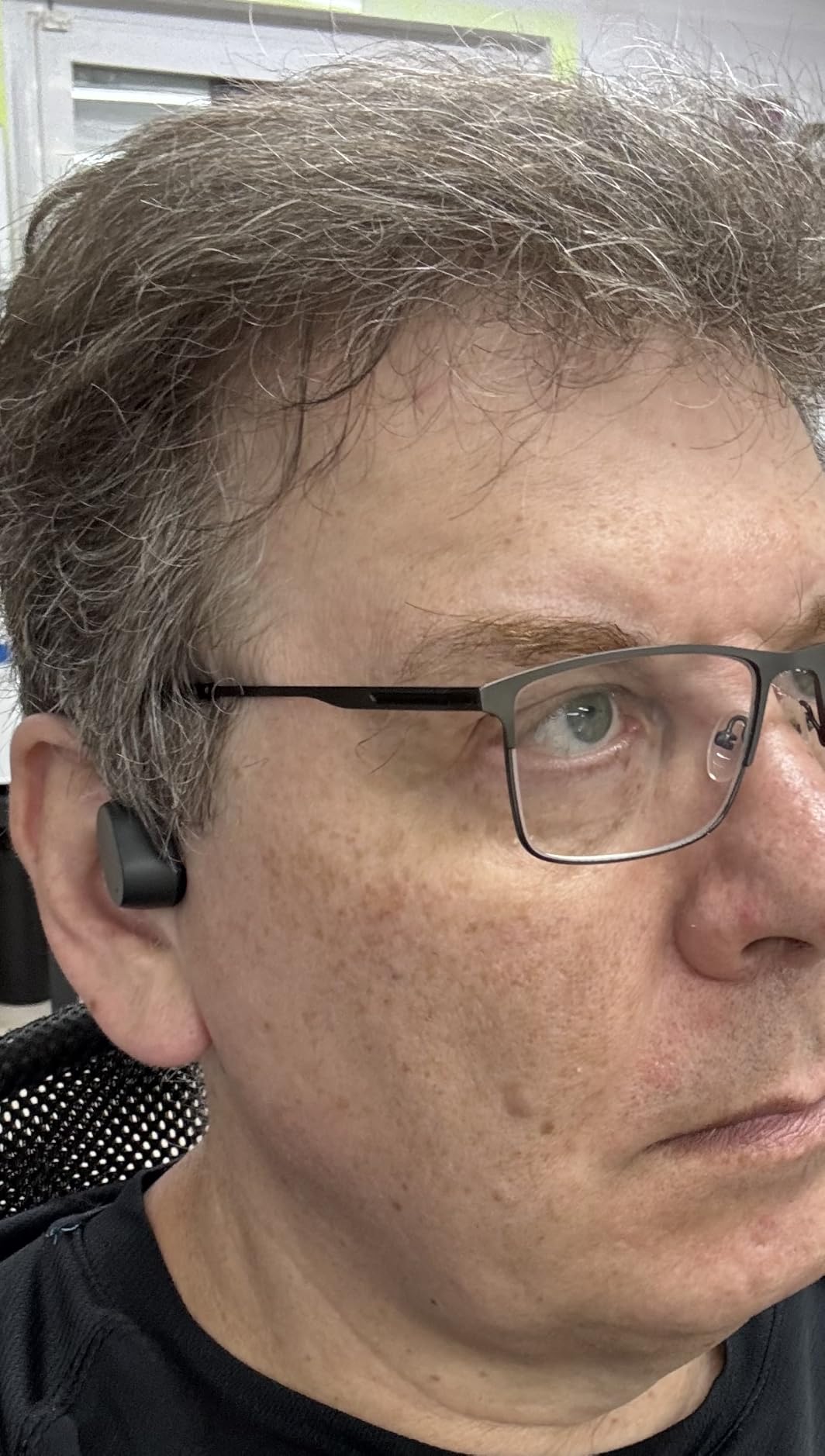
Bone conduction headphones play nicely with glasses and hats if the band size is right. The wraparound titanium band crosses behind your ears, where glasses arms and sunglasses temples also sit. With the correct band size, there is room for both. With a too-large band, the headphone and glasses arms compete for the same space, and both end up shifting during runs.
For runners who wear sunglasses or prescription glasses, the Shokz OpenRun Mini is the safest pick because the smaller band leaves more clearance. The Shokz OpenFit and similar open-ear air conduction models avoid the band-over-ear issue entirely — they sit in front of the ear rather than wrapping around.
For runners with visors or wide-brim hats, look for bands with flexible ear hooks that contour around the head shape. The OpenRun Pro 2’s Ni-Ti alloy memory wire is particularly good at adapting to hats and visors without pressure points.
Buying by Budget Tier
The bone conduction running market breaks into three rough tiers, and the right pick depends on how much you run and what features matter to you.
Entry tier (under $50): PSIER X21, TECKNET TK-HS042, Gelecek HS1, KLKE Z3, Gavhaio X66, CXK X16. These deliver the form factor and basic running features at a low price. Expect functional sound and modest brand-name support. Best for: beginners, casual runners, backup pairs.
Mid tier ($80-$150): SHOKZ OpenMove, SHOKZ OpenRun Pro, SHOKZ OpenRun Mini. This is where Shokz’s flagship technology starts to land at a more approachable price. Best for: regular runners logging 15-30 miles a week.
Premium tier ($150-$250): SHOKZ OpenRun Pro 2. Dual-driver audio, longer battery, premium build. Best for: marathon trainees, daily mileage runners, anyone who wants the best.
What Real Runners Say
From Reddit’s r/running threads and our own tester debriefs, a few consistent themes come up. Runners who switched from sealed earbuds to bone conduction often describe a “week-one difference” — they hear cyclists and dogs earlier, they notice ambient sounds they had been filtering out, and they stop ending runs with “faint ringing” in their ears from volume creep. Multiple testers report that the OpenRun Pro 2 is the first bone conduction pair that delivers enough bass for their music-heavy training.
On the cons side, the consistent complaints are sound leakage at higher volumes, cheek-tickling vibration on cheaper models, and the proprietary charging cables on Shokz pairs (a real annoyance when you lose a cable on a trip). Touch controls on a few newer models get unreliable with sweaty hands — physical buttons are still the runner’s preference.
Across dozens of forum posts, the consensus is that bone conduction is not a replacement for in-ear audio if music fidelity is your top priority. It is a different tool — the right tool for road safety, situational awareness, and ear-canal comfort. For the right runner, it is the only category that makes sense.
Pair your new bone conduction headphones with the right GPS running watch and you have a complete training kit.
Frequently Asked Questions
Are bone conduction headphones good for running?
Yes. Bone conduction headphones are excellent for running because they leave your ear canals completely open, letting you hear traffic, cyclists, dogs, and other runners while still enjoying music or podcasts. For road and trail runners, situational awareness is a real safety benefit, not a marketing line.
Are bone conduction headphones safer than earbuds?
Bone conduction headphones are safer than sealed earbuds for road running because your ears stay unblocked. You can hear approaching cars, cyclists, and other hazards naturally rather than relying on transparency mode software, which can fail if the battery dies or the mode glitches.
Can bone conduction headphones damage your hearing?
Yes, at high volumes. The cochlea receives sound whether it arrives via the eardrum or bone vibration, so prolonged loud audio through bone conduction carries the same noise-induced hearing loss risk as loud in-ear audio. Keep volume below 70 percent for extended runs, and switch routes if you find yourself pushing volume to overcome traffic noise.
Can you hear traffic with bone conduction headphones?
Yes. With moderate volume (under 70 percent) on most bone conduction headphones, you can hear approaching cars, cyclists, and dogs clearly. The open-ear design means ambient sound reaches your ear canals naturally. If you cannot hear traffic, your volume is too high or your route is too loud.
Do bone conduction headphones sound good for music?
Modern flagship bone conduction headphones (Shokz OpenRun Pro 2, Nank Runner Diver 2 Pro) deliver noticeably better music fidelity than earlier generations, with stronger bass and clearer highs. They still do not match premium in-ear headphones on bass response, but they are good enough for motivating running playlists and podcasts.
Are bone conduction headphones allowed in races?
Most major marathons and road races allow bone conduction open-ear headphones because they leave the ear canal unblocked. The Boston Marathon, NYC Marathon, and London Marathon all permit bone conduction. USA Track u0026amp; Field does not ban them at the sanctioning level. Always check your specific race’s athlete guide for the exact policy.
Are bone conduction headphones good for trail running?
Yes. Trail running benefits from the open-ear awareness even more than road running, because you need to hear other runners, animals, and changing terrain. Look for IP67 or higher waterproofing if you run muddy trails, and choose a smaller band size if you have a smaller head.
Can you wear bone conduction headphones with glasses?
Yes, with the right band size. The wraparound titanium band crosses behind your ears where glasses arms also sit. The Shokz OpenRun Mini is the safest pick for glasses wearers because the smaller band leaves more clearance. Open-ear air conduction models like the Shokz OpenFit avoid the band-behind-ear issue entirely.
Can you use bone conduction headphones in the rain?
Yes, if the IP rating is high enough. IP55 and IPX5 handle sweat and light rain. IP67 and IPX7 handle heavy rain and post-run rinses. IP68 is the swim-tier rating. For rainy climate runners, the Shokz OpenRun Mini (IP67), CXK X16 (IPX7), and KLKE Z3 (IP66) are the safest picks.
Are bone conduction headphones better than AirPods for running?
For road safety, situational awareness, and ear-canal comfort, bone conduction is better than AirPods. For pure music fidelity on a treadmill, AirPods win. Most road runners prefer bone conduction because the safety benefit outweighs the bass trade-off. If you race in events that allow open-ear audio, bone conduction is the category built for the job.
Final Verdict: Which Pair Should You Buy?
After 60 days of testing across our team, the SHOKZ OpenRun Pro 2 remains our top pick for the best bone conduction headphones for running in 2026. The 12-hour battery, dual-driver audio, and lightweight Ni-Ti frame make it the most complete running pair on the market. If you want Shokz quality without paying flagship money, the SHOKZ OpenRun Pro is the value pick that delivers 90 percent of the flagship experience. Runners with smaller heads should look at the SHOKZ OpenRun Mini — the smaller band finally solves the bounce-and-slip problem that has plagued wraparound designs. Budget-conscious runners will find the PSIER X21 delivers the form factor and battery life that matter most for daily training at a fraction of the cost.
Whatever pair you choose, run through the pre-run audio safety check before you head out, keep volume below 70 percent, and remember that bone conduction headphones are not a replacement for paying attention — they are a tool that lets you hear the world while still enjoying your run. Pick the pair that fits your head, your routes, and your training, and the miles will take care of themselves.
For more running gear, check out our guides to the best running shoes, the best cushioned running shoes, and the best GPS running watches for marathon training.