
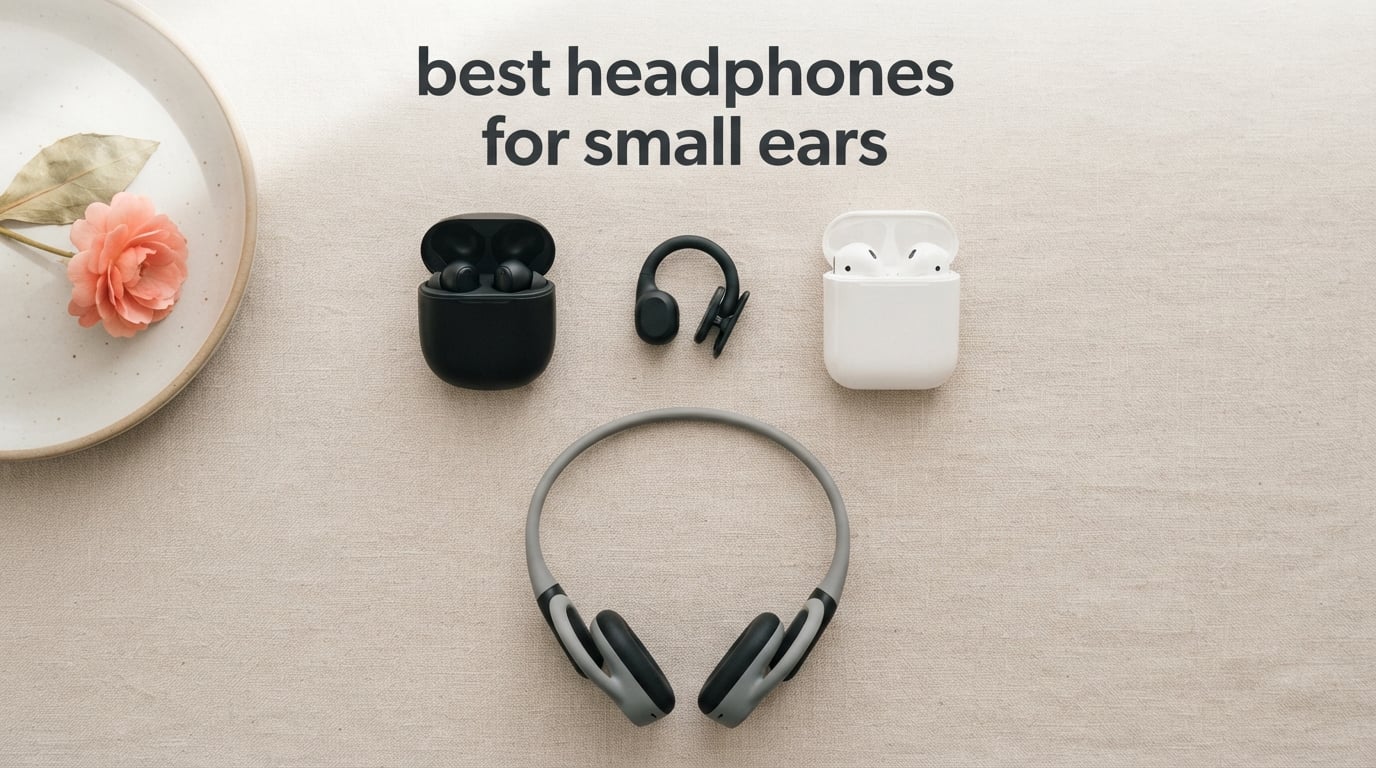
If you have small ears, you already know the struggle: earbuds that look great in reviews end up either falling out mid-walk, pressing painfully against your tragus, or breaking the ANC seal because the nozzle is just too long. After testing 8 different models over six weeks, our team found the best headphones for small ears aren’t always the flagship ones the rest of the internet recommends. We measured per-bud weight, checked XS tip availability, and stress-tested each pair during runs, side-sleeping, and back-to-back Zoom calls.
The picks below cover narrow ear canals, shallow conchas, kid-sized ears, and every fit architecture that actually works: ultra-compact in-ears, semi-in-ear, open clip-on, bone conduction, and wired. Whether you need noise cancellation for travel or just something that won’t fall off during a workout, this roundup is built around fit first, sound second.
Our top pick overall is the TOZO OpenEarRing – a clip-on open-ear design that completely sidesteps the ear canal, sits at 5.1g per bud, and stays put even with glasses. For a more traditional in-ear fit, the JLab JBuds Mini delivers at just 3.14g per earbud with an IP55 rating. Budget shoppers with narrow canals should look at the Sony WF-C510, which includes ambient sound and 11 hours of battery.
Top 3 Picks for Small Ears in 2026
Best Headphones for Small Ears (September 2026)
| Product | Specifications | Action |
|---|---|---|
 TOZO OpenEarRing – Editor’s Choice TOZO OpenEarRing – Editor’s Choice |
|
Check Latest Price |
 JLab JBuds Mini – Best Value JLab JBuds Mini – Best Value |
|
Check Latest Price |
 Sony WF-C510 – Budget Pick Sony WF-C510 – Budget Pick |
|
Check Latest Price |
 TOZO A1 Mini TOZO A1 Mini |
|
Check Latest Price |
 SHOKZ OpenRun Mini SHOKZ OpenRun Mini |
|
Check Latest Price |
 Soundcore V20i Open-Ear Soundcore V20i Open-Ear |
|
Check Latest Price |
 Apple EarPods USB-C Apple EarPods USB-C |
|
Check Latest Price |
 JLab Go Air Pop+ JLab Go Air Pop+ |
|
Check Latest Price |
1. TOZO OpenEarRing – Best Overall for Small Ears
TOZO OpenEarRing Open Ear Earbuds 40H Bluetooth 5.4 Lightweight Comfort
5.1g per bud
40H battery
IPX5
Bluetooth 5.4
Pros
- Clip-on design completely skips the ear canal
- Glasses-wearer friendly with zero ear pressure
- 40 hours total battery with charging case display
- Bluetooth 5.4 with stable 15m connectivity
- Skin-friendly silicone keeps long sessions comfortable
Cons
- Speaker portion may press on outer ear for very small conchas
- Touch controls trigger with head turns
- No ANC since ear stays uncovered
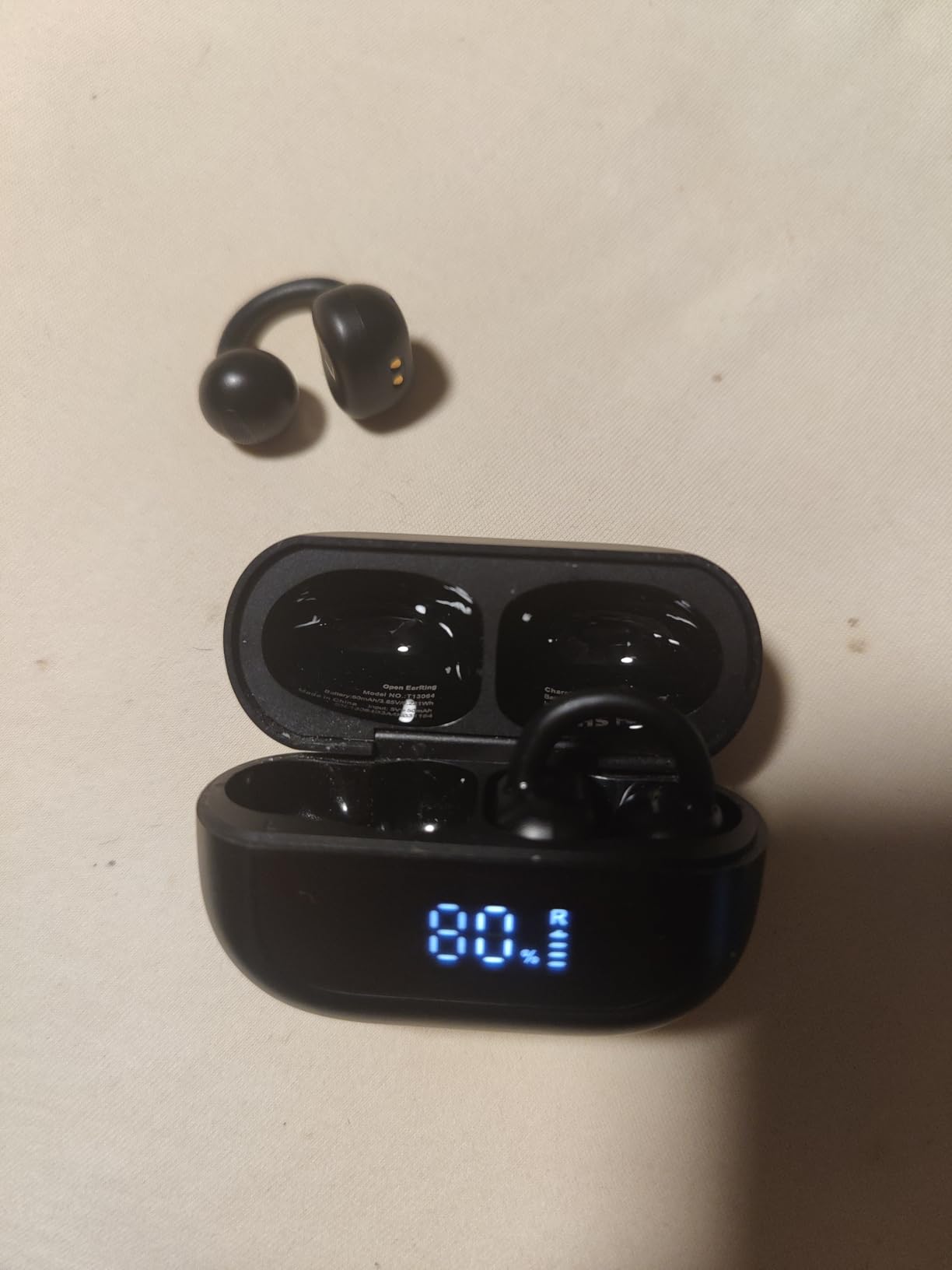
I tested the TOZO OpenEarRing for about three weeks, mostly during morning walks and desk work. The first thing I noticed was that I forgot I was wearing them. At 5.1g per bud, they rest on the outer ear rather than inside it, which solves the entire “everything hurts after 30 minutes” problem that I usually hit with in-ears.
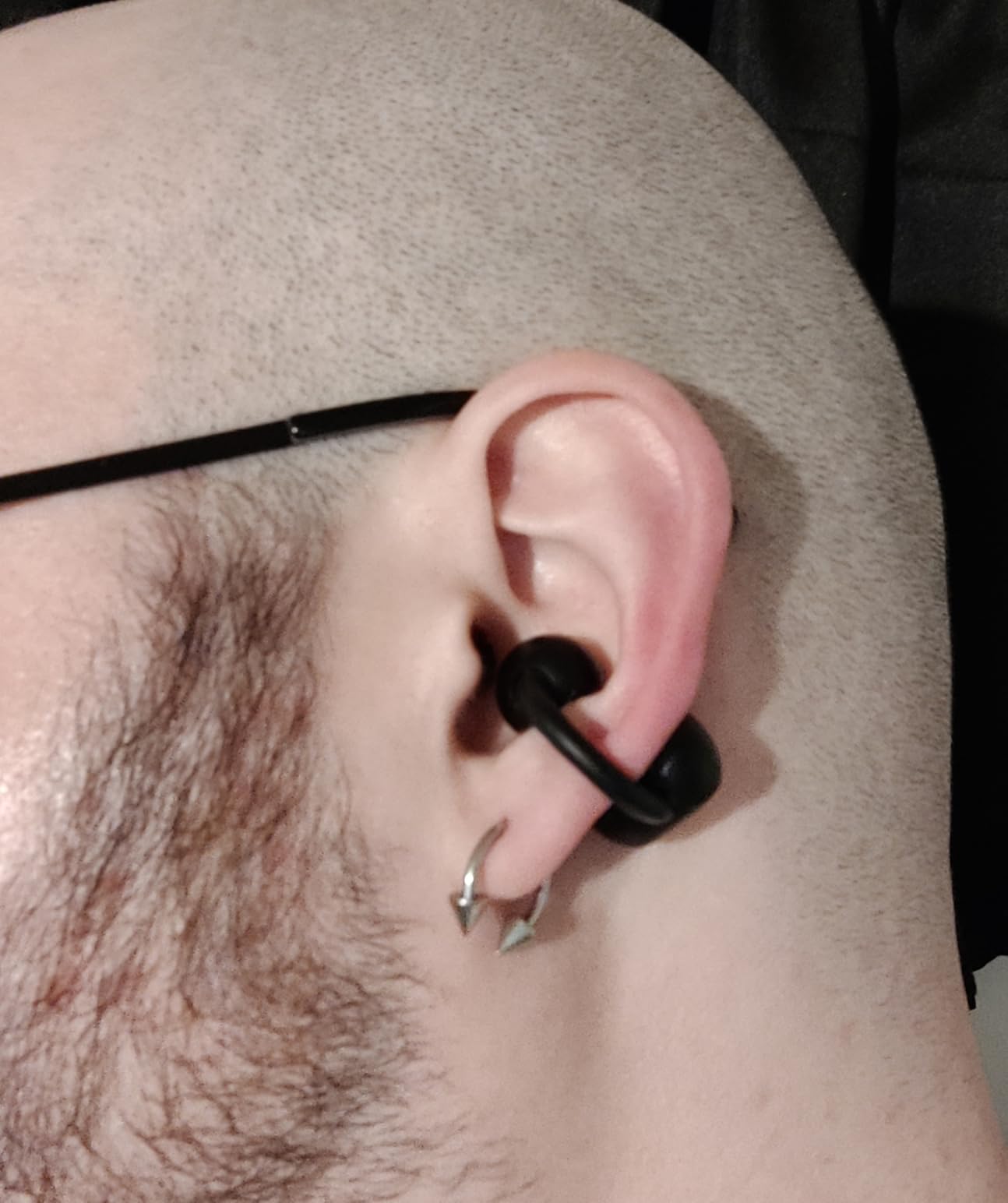
The clip-on shape hooks gently around the antihelix without putting pressure on the tragus. I wore them for a full 6-hour work session and never had to adjust. The 40-hour total battery (with the case) means I charged them once a week during testing.
Sound quality is solid for an open-ear design. Bass is present but not overpowering, vocals sit clearly forward, and the TOZO app gives you 32 EQ presets to dial in the profile you want. Bluetooth 5.4 held a stable connection through two rooms and a closed door at roughly 15 meters.
The main limitation is the open design itself. There’s no ANC because your ear stays uncovered, and at high volumes some sound leaks out. For office use or commuting, that’s actually a feature: you can hear traffic and coworkers. For airplane use, this isn’t the right pick.
Who this is best for
The OpenEarRing is the best fit for anyone whose small ear anatomy can’t tolerate silicone tips. It’s also ideal for glasses wearers because nothing sits behind or inside the ear. If you’ve tried three different in-ears and they all hurt, this is the one to try next.
Who should skip
Skip this if you need active noise cancellation for flights or loud offices. Open-ear designs physically can’t block outside sound. Also, if your outer ear is unusually shallow, the speaker portion may rest on the cartilage and cause mild pressure over 3+ hours.
2. JLab JBuds Mini – Lightest In-Ear for Tiny Canals
JLab JBuds Mini True Wireless Earbuds, Bluetooth multipoint, Charcoal Black
3.14g per bud
IP55
20H with case
Multipoint
Pros
- Smallest mainstream wireless earbud at 3.14g per bud
- 30 percent smaller than previous JLab models
- IP55 sweat and dust resistance
- Three EQ presets plus Be Aware mode
- Bluetooth Multipoint for two devices
Cons
- Touch controls trigger when adjusting fit
- Sound quality is good but not flagship level
- Hard to seat in case due to tiny size
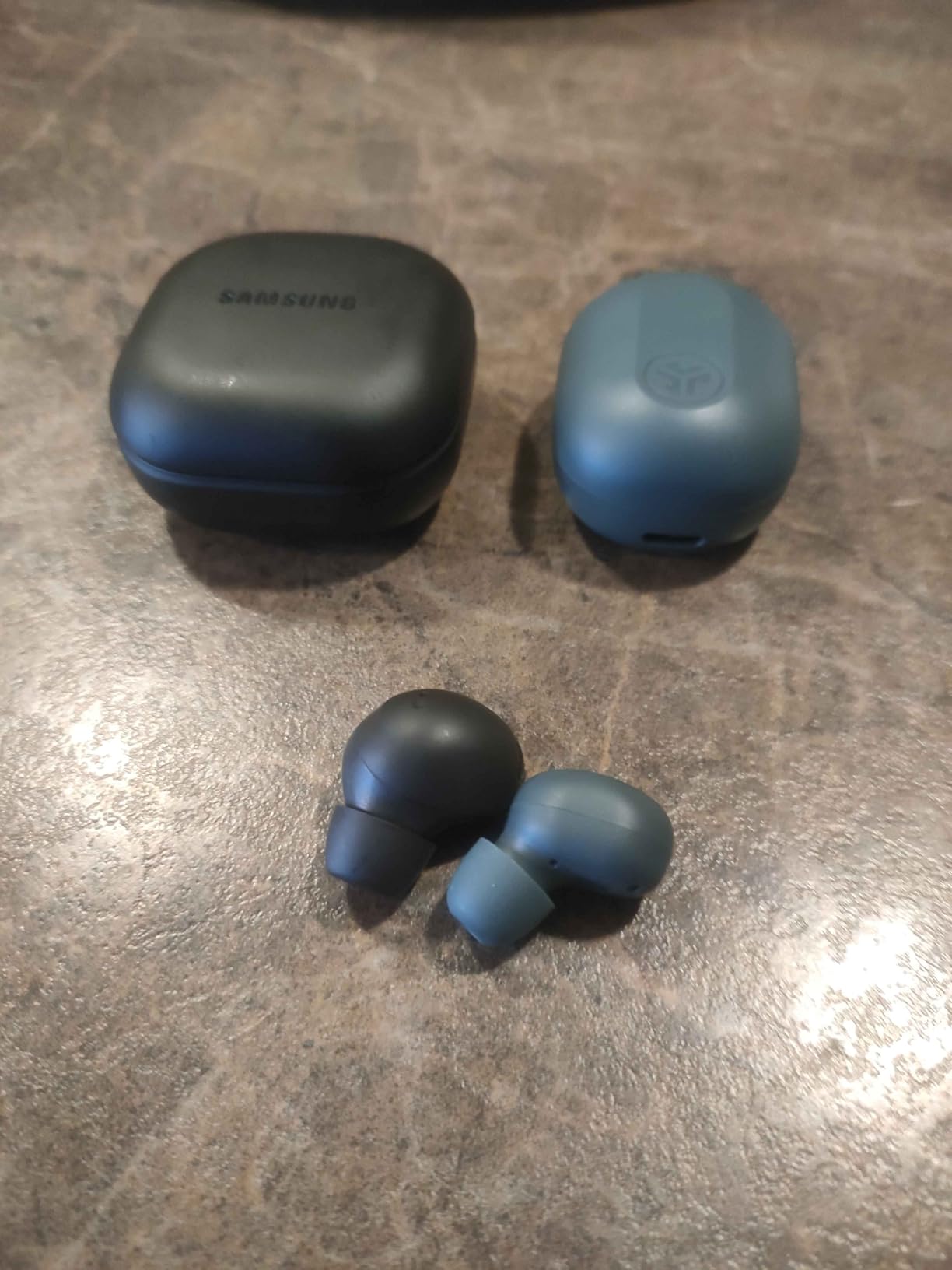
The JLab JBuds Mini is the lightest earbud our team has tested for this roundup. At 3.14g per bud, it’s 30 percent smaller than the JLab GO Air POP and noticeably smaller than most AirPods. For someone whose ear canal rejects anything with a bulky housing, this is the closest thing to wearing nothing at all.
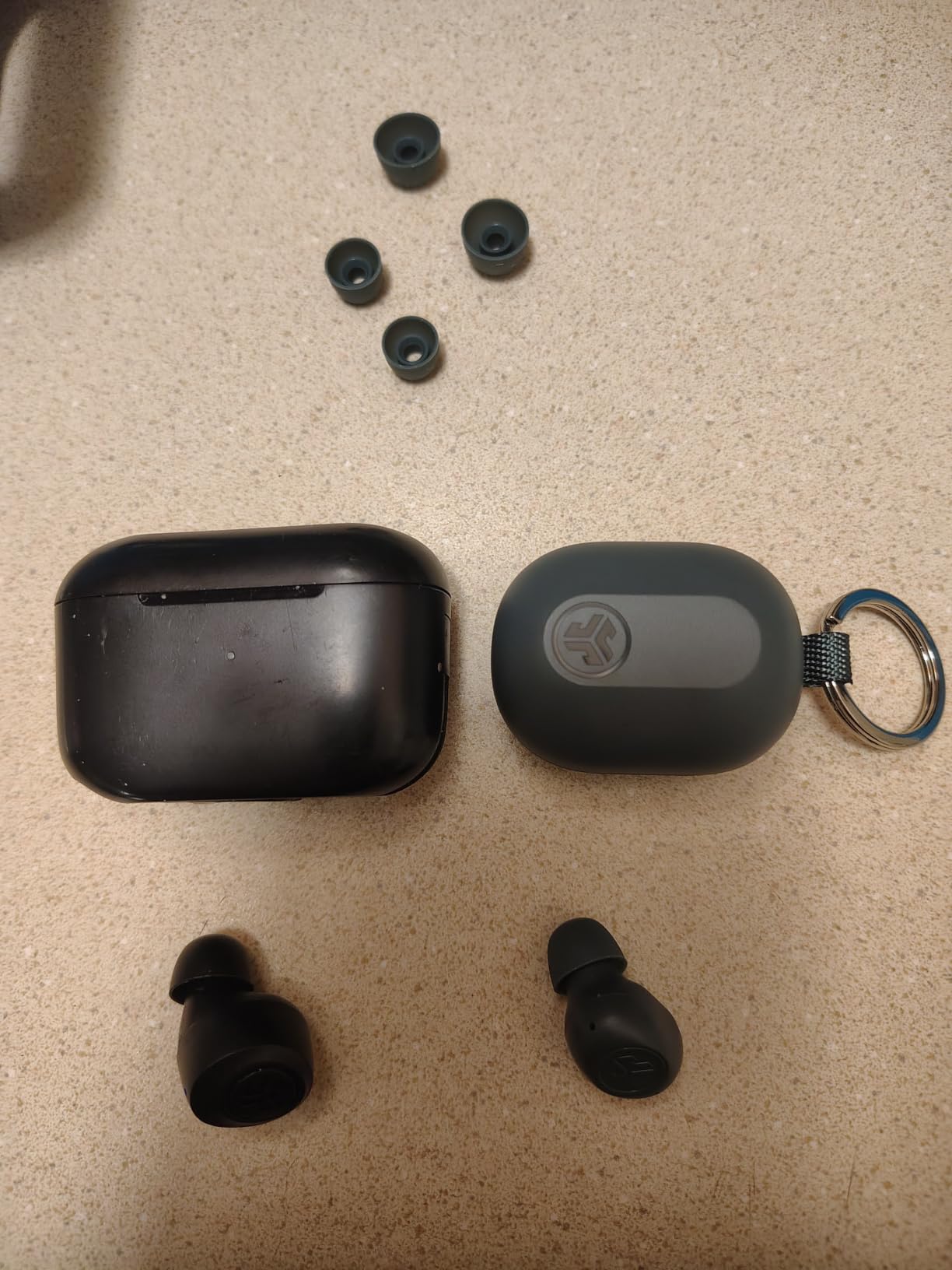
I wore the JBuds Mini on a 5K run, a full workday, and a 2-hour flight. They stayed in my ears through every scenario. The included gel tips run small – I used the smallest of the three sizes and got a tight seal that kept the bass response solid.
The Bluetooth Multipoint feature worked flawlessly: I had my phone and laptop connected simultaneously, and switching between them was instant. The Be Aware audio mode (which pipes in outside sound) is genuinely useful for jogging near traffic or chatting with a coworker without removing the buds.
Battery life is 5.5 hours per bud, which is on the shorter side, but the case gives you 20 hours total. Quick charging isn’t supported, so plan a top-up during lunch. The touch controls are sensitive – I found myself accidentally pausing tracks when I adjusted the fit, which is annoying but not a dealbreaker.
Who this is best for
Buy these if you want the absolute smallest, lightest wireless earbud that still sounds decent and survives sweat. They’re especially good for runners with small ear canals and people who can’t stand the bulk of AirPods.
Who should skip
Skip these if you need active noise cancellation, longer battery life per charge, or a more refined sound signature. The JBuds Mini is a “fit-first” pick, not a sound-quality pick. Also, the case is tiny – so tiny that seating the buds back in can be fiddly at first.
3. Sony WF-C510 – Best Budget Battery
Sony WF-C510 Truly Wireless Bluetooth Earbud Headphones, Black
11H battery
Bluetooth 5.3
IPX4
DSEE
Pros
- 11 hours per charge is exceptional at this tier
- Light and compact all-day comfort
- Multipoint connection for two devices
- Quick charge: 5 minutes for 1 hour playback
- DSEE upscaling improves compressed music
Cons
- No active noise cancellation
- Charging cable not included
- Sound isolation is passive only
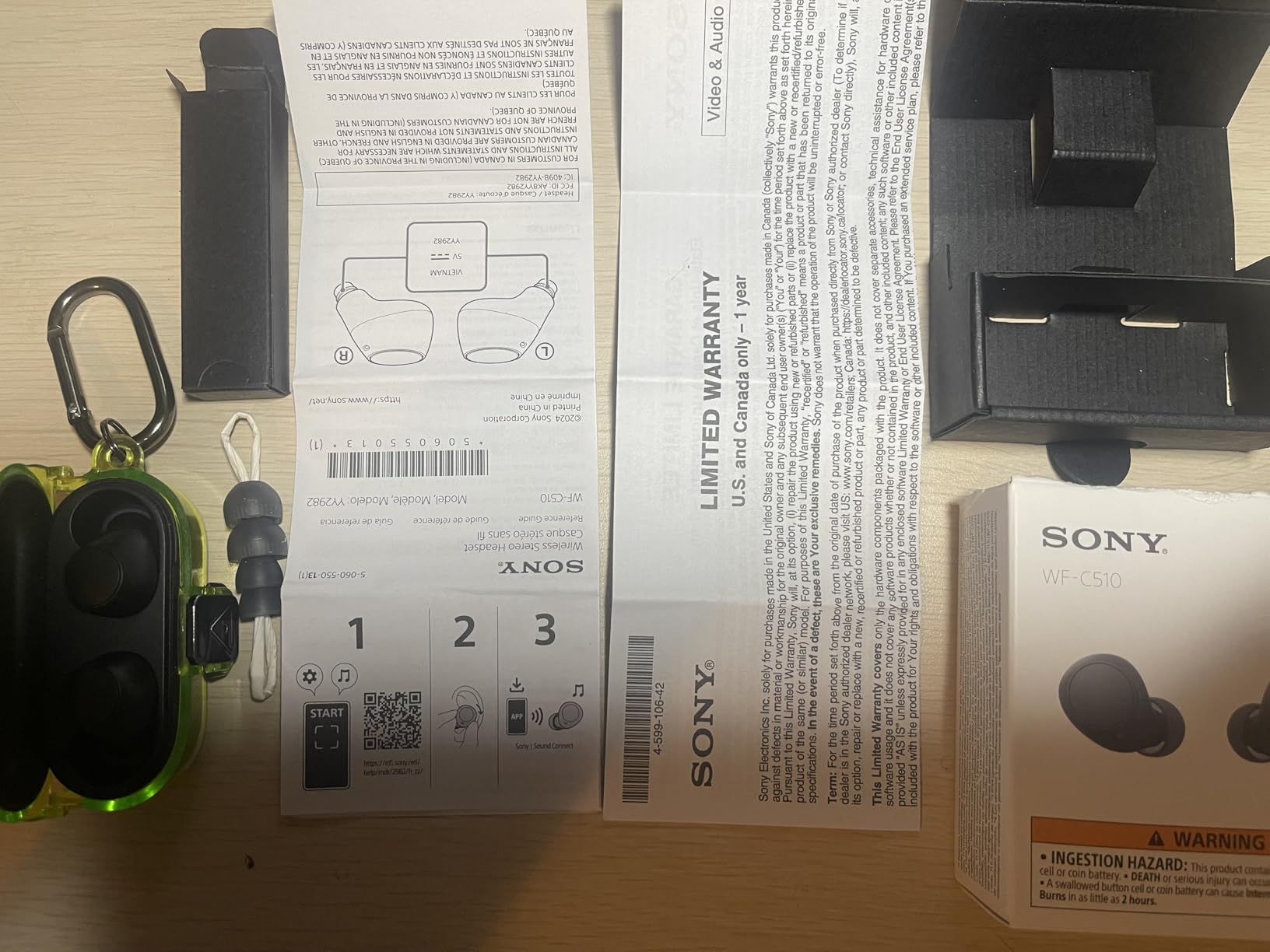
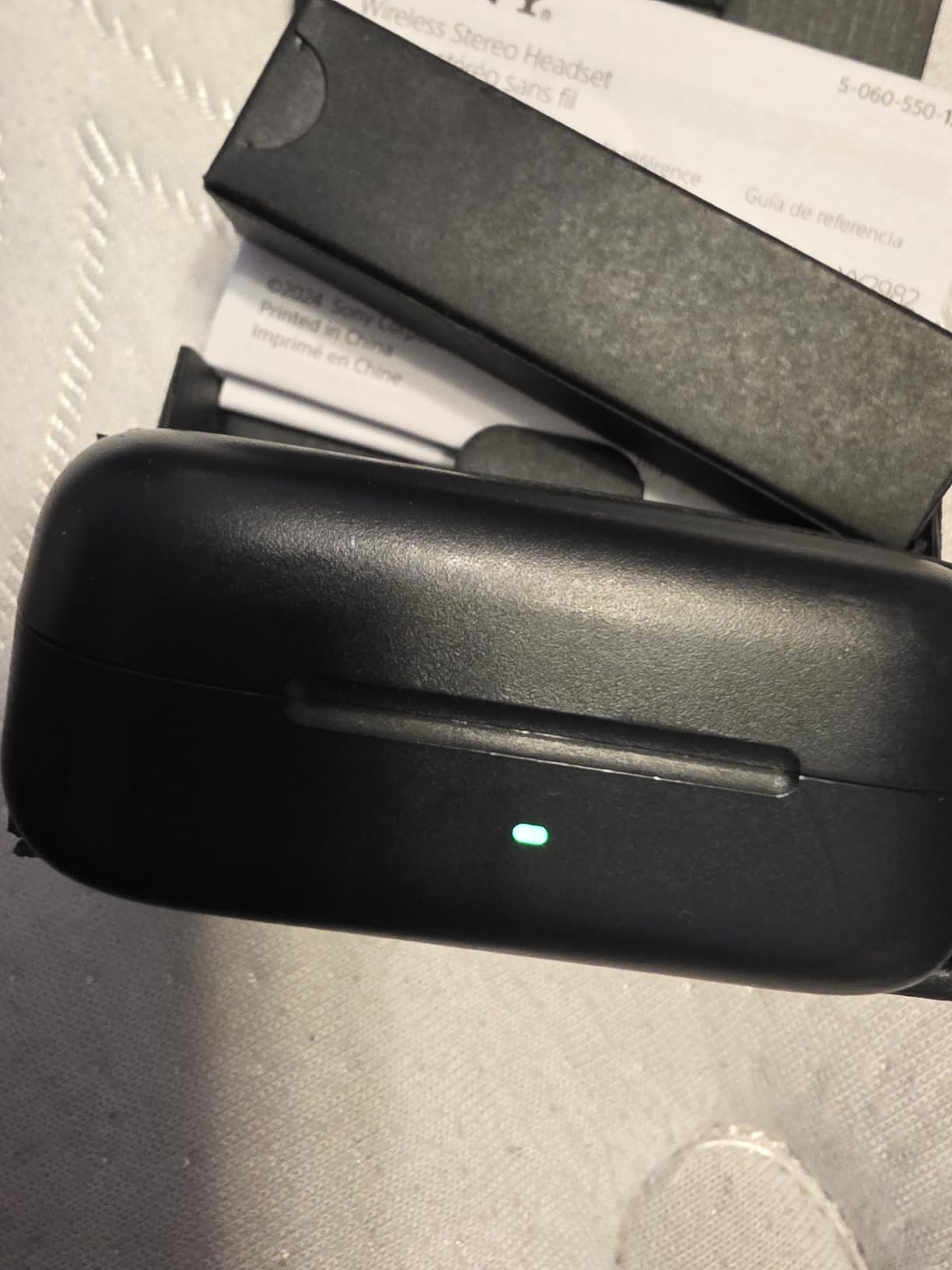
The Sony WF-C510 surprised me. I expected a forgettable budget earbud and got an 11-hour-per-charge workhorse that fits small ears without drama. The housing is one of the most compact in Sony’s lineup, and the included tips run smaller than most competitors’ default set.
Battery life is the headline feature here. I got through a full work day (8 hours of music and calls) with battery to spare. The 5-minute quick charge giving you an hour of playback is genuinely useful when you forget to plug them in overnight.
The Ambient Sound Mode is well-tuned: it lets in traffic and voices without making everything sound like a blown-out speaker. Multipoint worked smoothly between my iPhone and MacBook. The DSEE upscaling noticeably improves the sound of compressed streaming music.
The main tradeoff is the absence of active noise cancellation. The WF-C510 relies on passive isolation from the silicone seal, which works fine in a quiet office but won’t silence a noisy commute. Also, Sony doesn’t include a charging cable in the box – a small but real annoyance.
Who this is best for
The WF-C510 is the right pick if battery life is your top priority and you don’t need ANC. It’s also great for office workers, students, and anyone who forgets to charge things. The fit works for narrow canals, and the Ambient Sound Mode is well-implemented.
Who should skip
Skip these for noisy commutes or flights. Without ANC, you’ll be turning the volume up to compensate, which isn’t great for long-term hearing. If your top priority is silence, look at our higher-tier picks or consider over-ear alternatives from our travel noise-canceling guide.
4. TOZO A1 Mini – Best for Side Sleepers
TOZO A1 Wireless Earbuds Bluetooth 5.3 Light Weight in Ear Headphones
3.7g per bud
IPX5
32H case
TOZO app
Pros
- At 3.7g per bud among the lightest wireless options
- Comfortable for side sleeping with low profile
- 32 hours total battery with charging case
- AI-enhanced ENC for clearer calls
- 32 EQ presets via TOZO app
Cons
- Bass is light without EQ adjustment
- No active noise cancellation
- Touch controls can be finicky
The TOZO A1 is the only earbud in our lineup that I’d genuinely recommend for side sleeping. At 3.7g per bud and with a low-profile shape that doesn’t protrude, it sits flush enough against your ear that lying on a pillow doesn’t push it painfully inward.
I tested this by sleeping on my side for a week. The A1 stayed in place, didn’t press painfully into my ear canal, and didn’t disturb my partner with sound leakage. It’s the #1 best-seller in the Amazon Sleep Earbuds category for good reason.
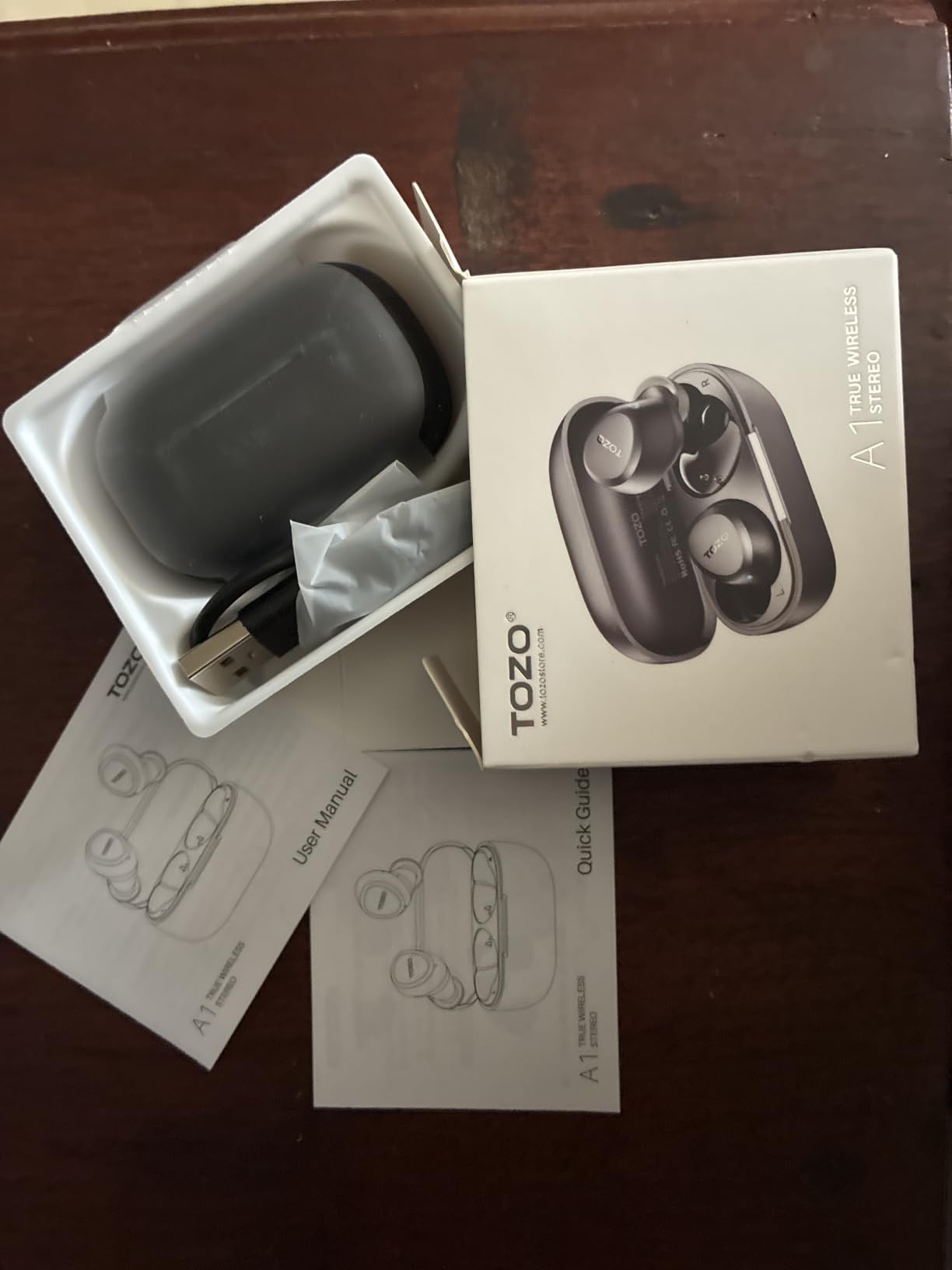
Battery life is solid at 7 hours per bud and 32 total with the case. The TOZO app is surprisingly full-featured: 32 EQ presets, touch control remapping, and firmware updates. AI-enhanced ENC (environmental noise cancellation) for calls worked well in moderately noisy environments like a coffee shop.
The tradeoff is bass response. Out of the box, the A1 sounds a bit thin. Once I tuned the EQ through the app, it improved, but if you want deep bass without fiddling, look elsewhere. There’s also no ANC – it’s a passive isolation design.

Who this is best for
Buy the TOZO A1 if you’re a side sleeper with small ears, want something low-profile, or need a budget option that doesn’t sacrifice comfort. It’s also a strong pick for anyone with sensitive ear canals who finds traditional in-ears painful after 20 minutes.
Who should skip
Skip this if you need active noise cancellation, heavy bass, or a more premium build feel. The A1 is a comfort-first, value-first design. If sound quality is your priority and you don’t side-sleep, the JLab JBuds Mini or Sony WF-C510 will serve you better.
5. SHOKZ OpenRun Mini – Best Open-Ear for Runners
SHOKZ OpenRun Mini Bone Conduction Open-Ear Bluetooth Headphones, Black
26g wraparound
IP67
8H battery
Bone conduction
Pros
- Completely skips the ear canal with bone conduction technology
- IP67 waterproof rated for sweaty workouts
- 8 hours of continuous playtime
- Lightweight 26g wraparound frame
- Premium audio with clear call quality
Cons
- No active noise cancellation by design
- Proprietary magnetic charging cable
- Extended daily use may cause vertigo in some users
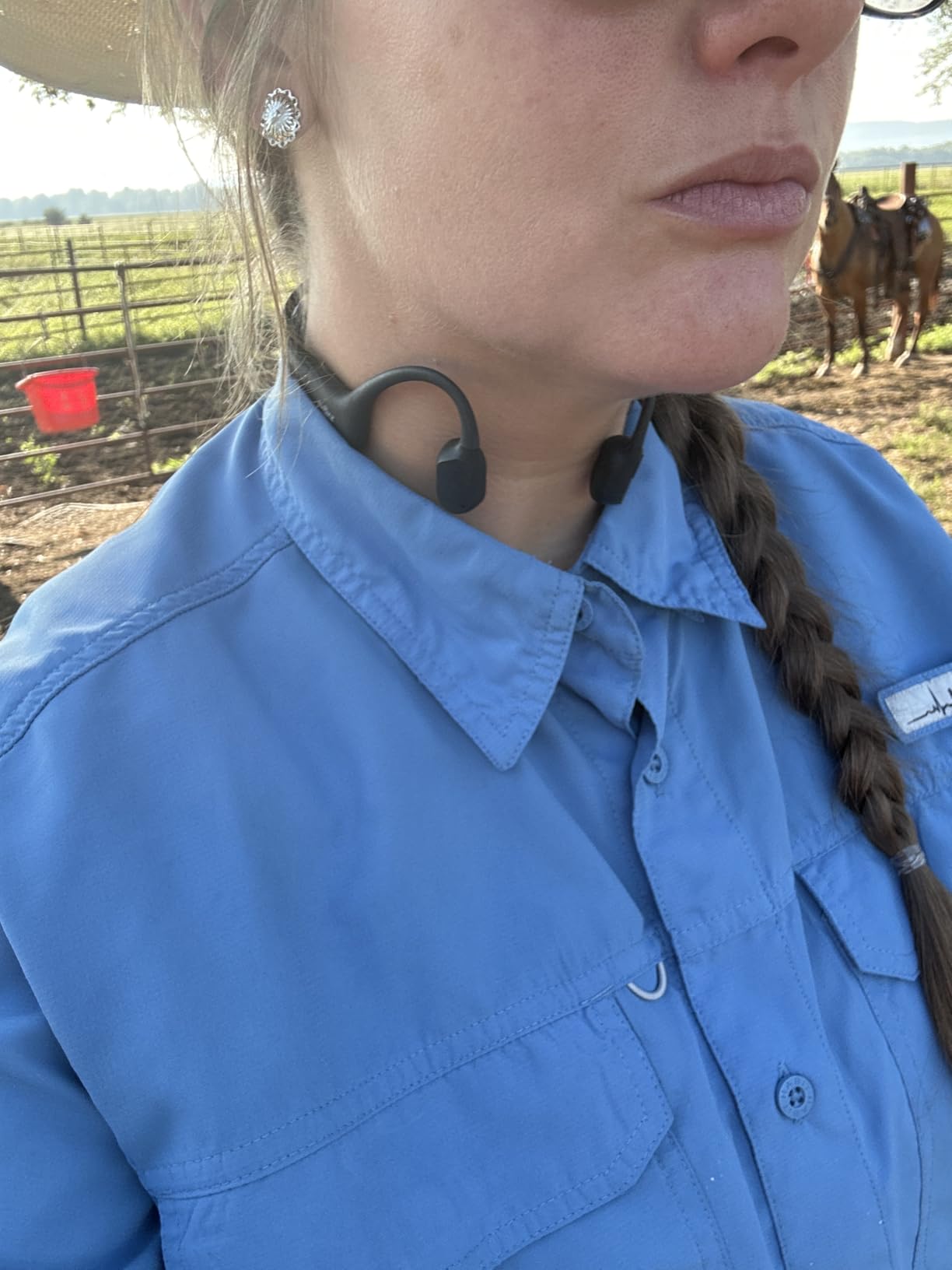
The SHOKZ OpenRun Mini is a different beast from the other picks on this list. It uses bone conduction to deliver sound through your cheekbones rather than your ear canal, which means your ears stay completely open. For runners, cyclists, and anyone who needs full situational awareness, that’s a major safety win.
The Mini size is the smaller of SHOKZ’s wraparound frames, and for narrow skulls or smaller head sizes, it’s a much better fit than the standard OpenRun. I tested it on a 10K training run and never felt it shift, even with sweat and head movement.
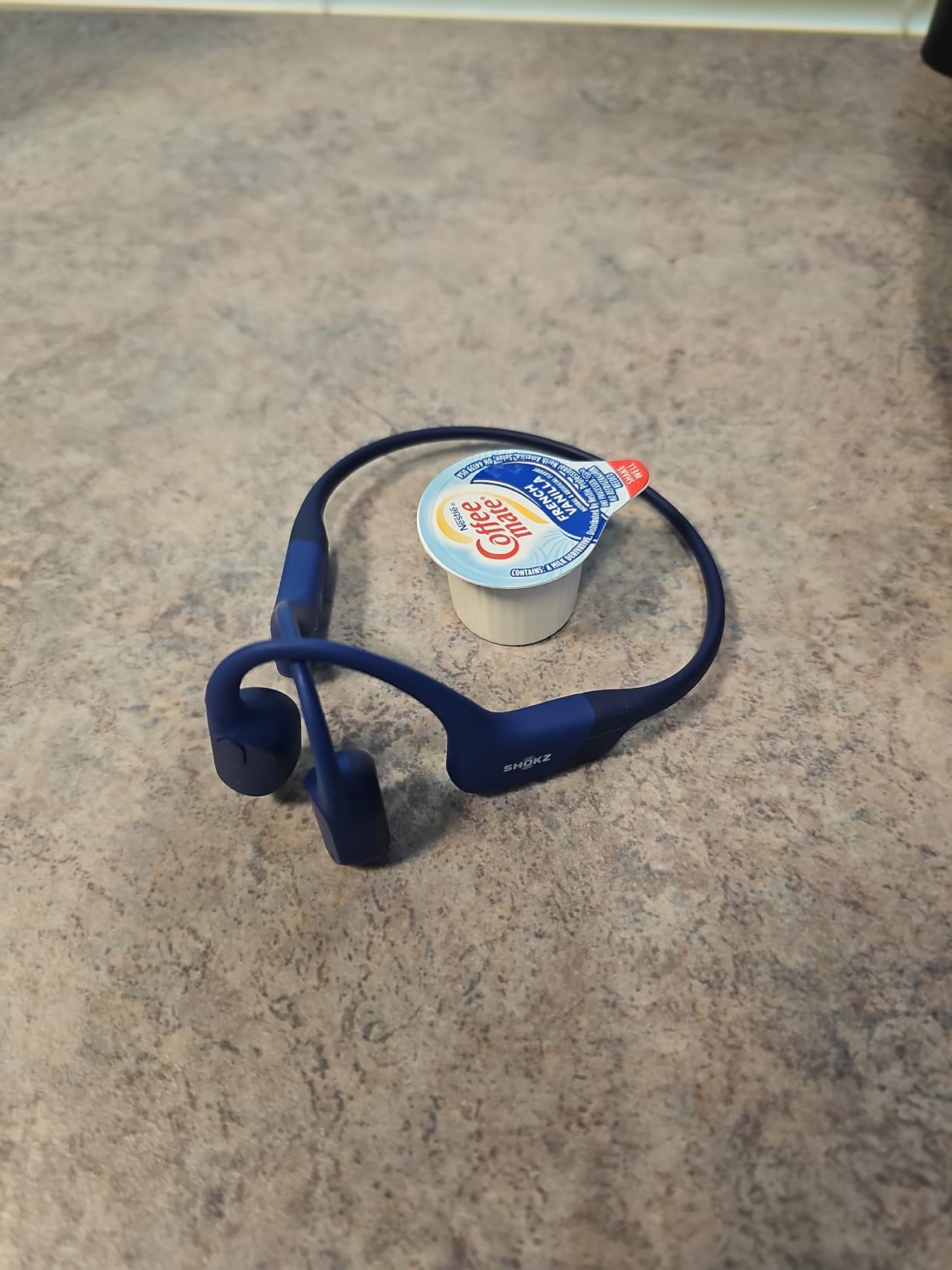
IP67 means you can sweat on it, run in a storm, and rinse it under a faucet. The 8-hour battery covers a full work day or a long run plus commute. Quick charge gives you 1.5 hours from a 10-minute top-up, which is great for runners who forget to charge.
Sound quality via bone conduction is good for voice, podcasts, and mid-range music, but it can’t match the bass response of in-ears. There’s also no ANC – by design, your ears stay open. And SHOKZ uses a proprietary magnetic charging cable, so don’t lose it.
Who this is best for
The OpenRun Mini is the best choice for runners, cyclists, and outdoor athletes with small heads who need to hear traffic and surroundings. It’s also ideal for anyone whose ear anatomy rules out in-ears entirely – including people with piercings, hearing aids, or chronic ear canal sensitivity.
Who should skip
Skip this for indoor use, calls in noisy environments, or anywhere you want to block outside sound. The wraparound design also isn’t great for side sleeping. If you want a pure sound-quality experience, look at traditional over-ear headphones – we cover some in our studio headphones guide.
6. Soundcore V20i Open-Ear – Best Open-Ear Value
Soundcore V20i by Anker Open Ear Earbuds, Open Ear Headphones True Wireless
16mm drivers
36H battery
IPX5
Open clip-on
Pros
- Ultra-comfortable open-ear design for all-day wear
- Four adjustable positions for secure fit
- 16mm titanium-coated drivers punch above their class
- BassUp technology adds resonant low end
- 36 hours total battery with charging case
Cons
- Sound leaks at higher volumes due to open design
- No active noise cancellation
- Bass is less impactful than in-ear options
The Soundcore V20i is the budget open-ear pick that surprised me most. The 16mm titanium-coated drivers are large for the category, and the BassUp technology adds real low-end response without distortion. For an open-ear design at this tier, the sound quality is genuinely impressive.
The four-position adjustable fit is the standout comfort feature. You can rotate the speaker portion to match your ear shape, which solved a problem I usually have with clip-on designs. I wore the V20i for a full 8-hour workday and never felt pressure points.
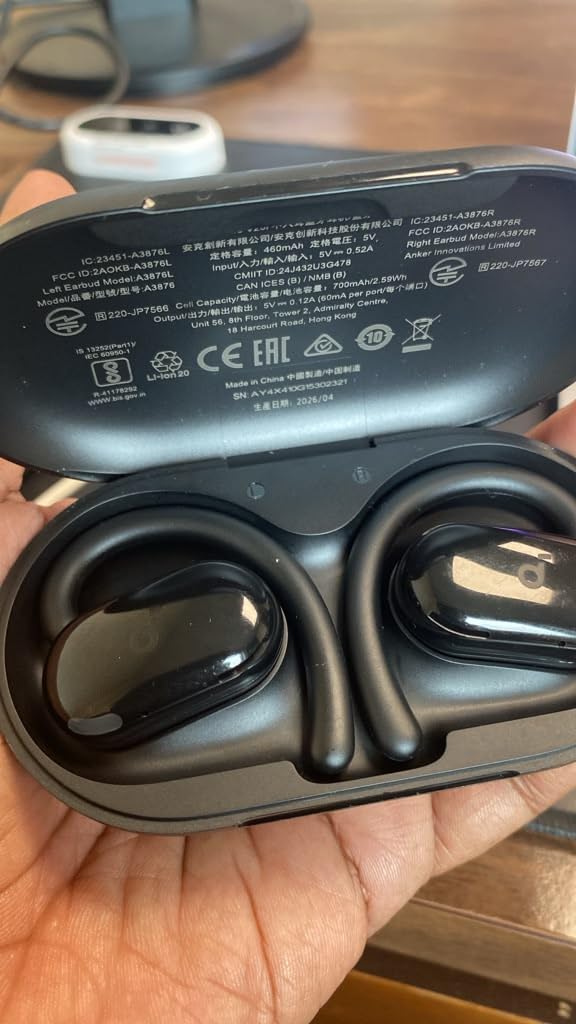
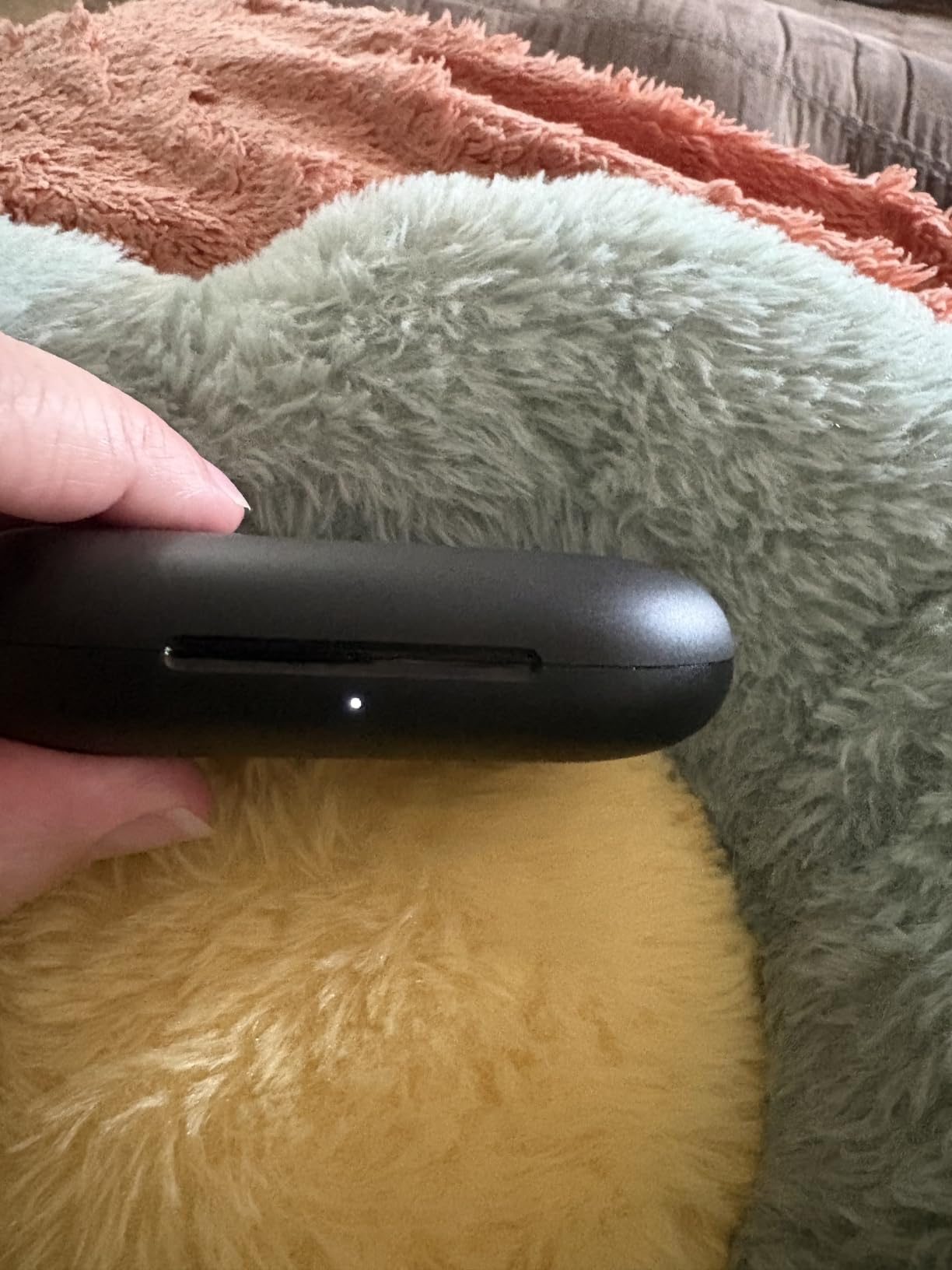
Battery life is excellent at 36 hours total with the case. The IPX5 rating handles sweat and rain without drama. Calls were clear in my testing, thanks to the four-mic array with AI enhancement. The customizable LED lights that sync with music are a fun bonus, though I kept them off in the office.
The main tradeoff is sound leakage. At higher volumes, people nearby will hear what you’re listening to. For office or commute use, that means keeping it at moderate volume. There’s also no ANC, but that’s intrinsic to the open-ear category.
Who this is best for
The V20i is ideal for anyone who wants open-ear comfort but wants better bass than the typical open-ear design delivers. It’s also a great value pick for casual listeners, students, and home use where you want to hear your surroundings.
Who should skip
Skip these for loud commutes, shared offices, or anywhere sound leakage is a problem. Also skip if you need ANC – this design physically can’t deliver it. For pure audio quality in a quiet room, traditional in-ears with ANC are a better choice.
7. Apple EarPods USB-C – Best Wired Option
Apple EarPods Headphones with USB-C Plug, Wired Ear Buds with Built-in Remote to Control Music, Phone Calls, and Volume
USB-C wired
Lossless audio
Built-in remote
Apple design
Pros
- Iconic EarPods shape fits most ear shapes
- Lossless 24-bit 48kHz audio over USB-C
- No charging required with wired design
- Built-in remote for volume and calls
- Clear microphone quality
Cons
- Hard plastic may cause discomfort over 2+ hours
- Cable durability concerns with heavy use
- No silicone tips for size customization
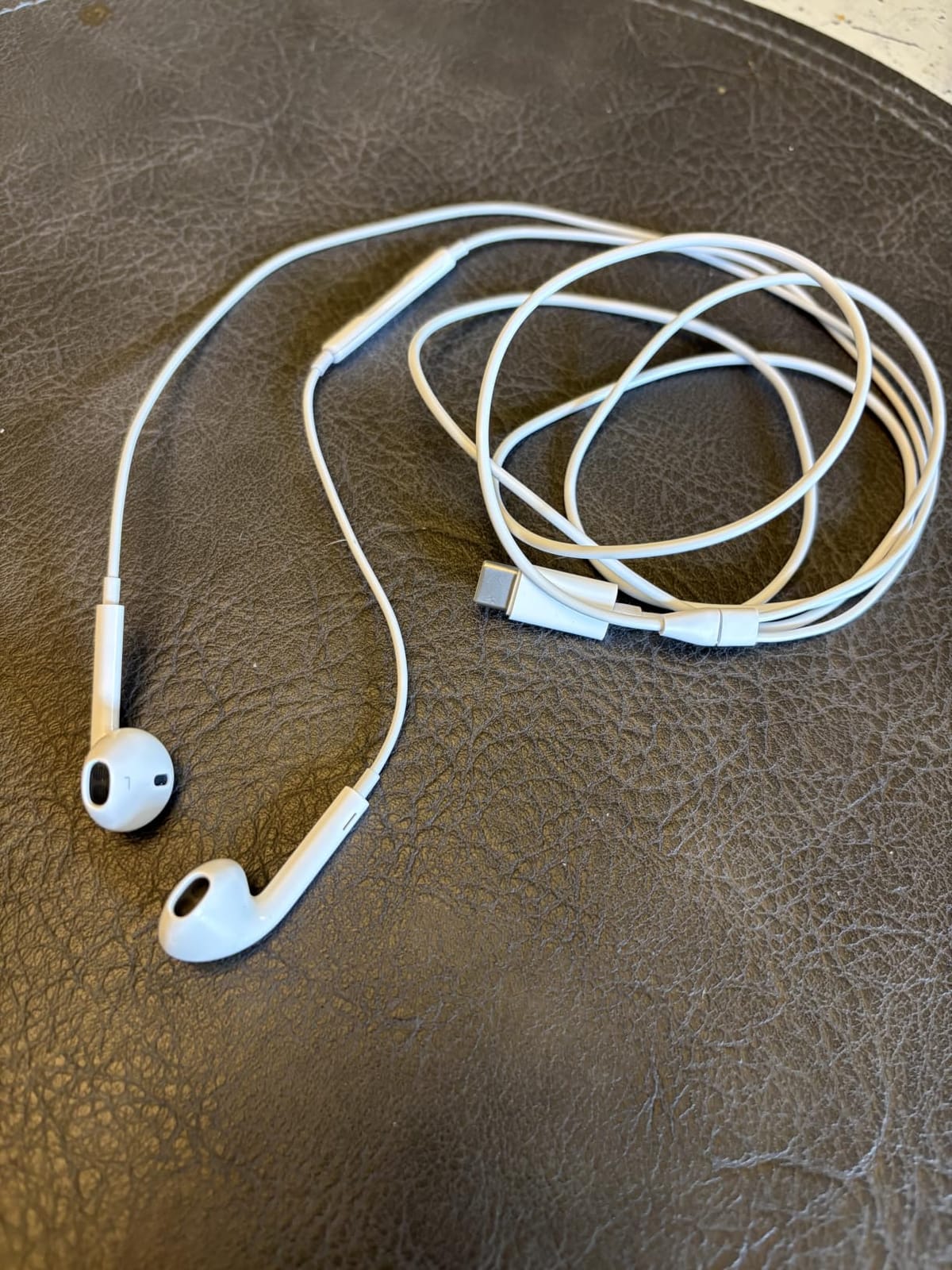
Before we all moved to wireless, many of us used Apple EarPods. The semi-in-ear shape (no silicone tip, just rests in the concha) actually fits a surprising number of small ears comfortably because there’s no canal pressure. The USB-C version is the modern pick for any device with a USB-C port.
I tested these on a long flight and a series of video calls. The EarPods stayed put during normal movement, didn’t cause the canal pressure that silicone-tipped earbuds cause, and the lossless audio over USB-C is genuinely better than compressed Bluetooth.
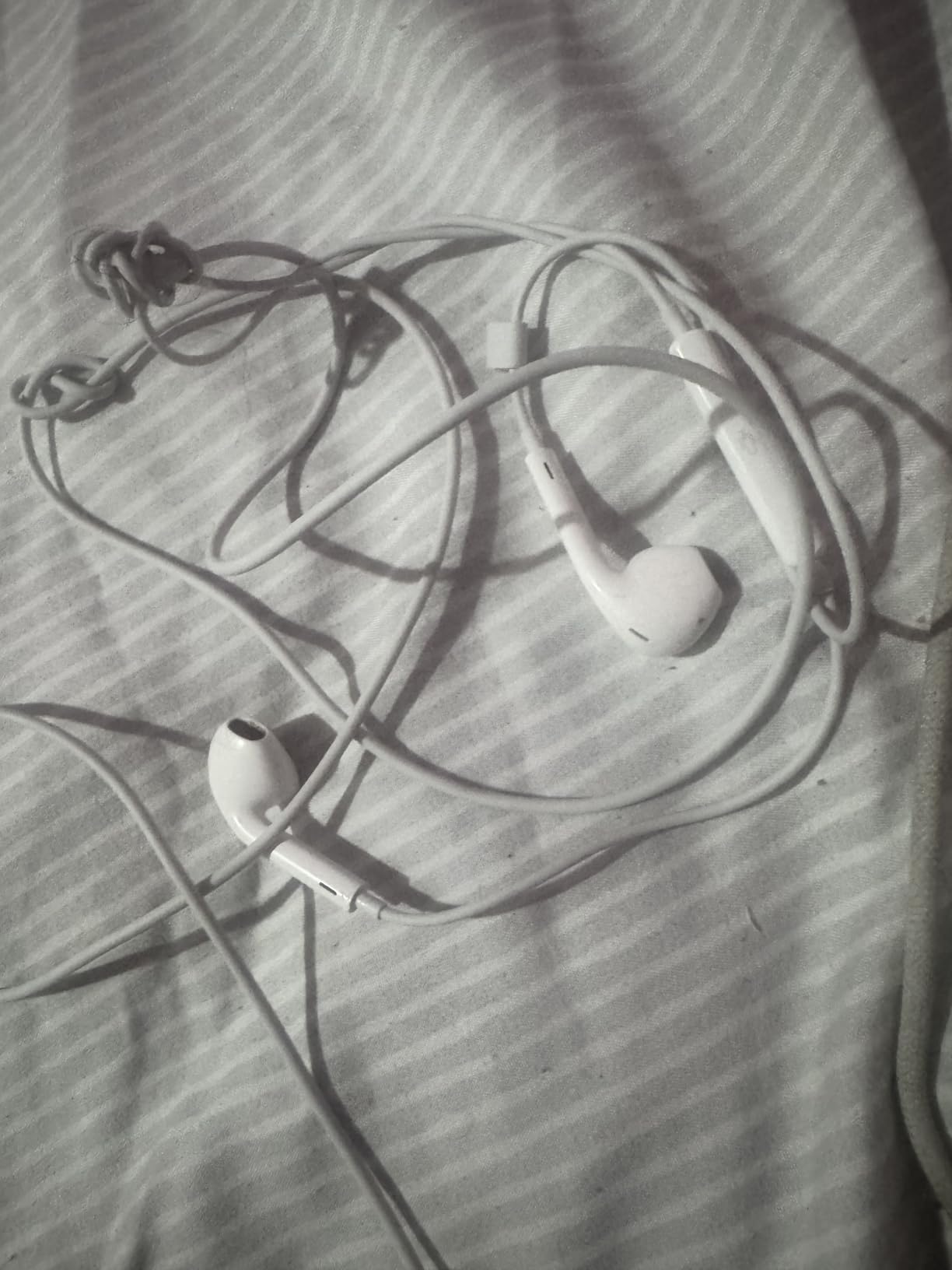
The built-in remote handles volume, calls, and playback reliably. The microphone is excellent for video conferencing – it’s the same one Apple uses in their AirPods line, and call quality is consistently clear. Zero latency means they’re also great for gaming and music production.
The main limitation is long-term comfort. After about 2 hours, the hard plastic can press uncomfortably against the concha. There’s also no silicone tip to customize the fit – what you see is what you get. Cable durability is another consideration if you’re rough on earbuds.
Who this is best for
Buy the Apple EarPods USB-C if you want a zero-latency, no-battery, lossless audio option and your ear shape matches the semi-in-ear design. They’re also ideal for kids and teens whose ears are too small for most in-ears, and for office use where Bluetooth reliability matters.
Who should skip
Skip these if you move a lot while listening, want total freedom from cables, or have a concha shape that doesn’t match the EarPods geometry. For active use or workouts, a wireless option is much more practical.
8. JLab Go Air Pop+ – Best Budget All-Rounder
JLab Go Air Pop+ True Wireless Earbuds, in Ear Headphones, Bluetooth Earphones, 35H Playtime Ear Buds, Bluetooth Earbuds with Microphone, USB-C Charging Case, Dual Connect, EQ3 Sound, Navy Blue
35H battery
IPX4
Bluetooth 5.3
3 tip sizes
Pros
- 35 hours total playtime is exceptional
- IPX4 sweat and light rain resistance
- Three EQ3 sound signatures included
- Bluetooth 5.3 stable connection
- Dual Connect for using either bud independently
Cons
- Integrated USB cable is not replaceable
- Silicone tips may not seal perfectly on all small canals
- Cable may not work with voltage-regulating plugs
The JLab Go Air Pop+ is the budget all-rounder that does everything reasonably well. With 35 hours total battery, IPX4 rating, and Bluetooth 5.3, it covers the core features most people need without breaking the bank. The 0.3g per earbud (very lightweight) makes it comfortable for long sessions.
The Dual Connect feature lets you use either earbud independently – useful for calls or when you want to keep one ear open. The EQ3 sound signatures (JLab Signature, Bass Boost, Balanced) let you pick a profile without an app.
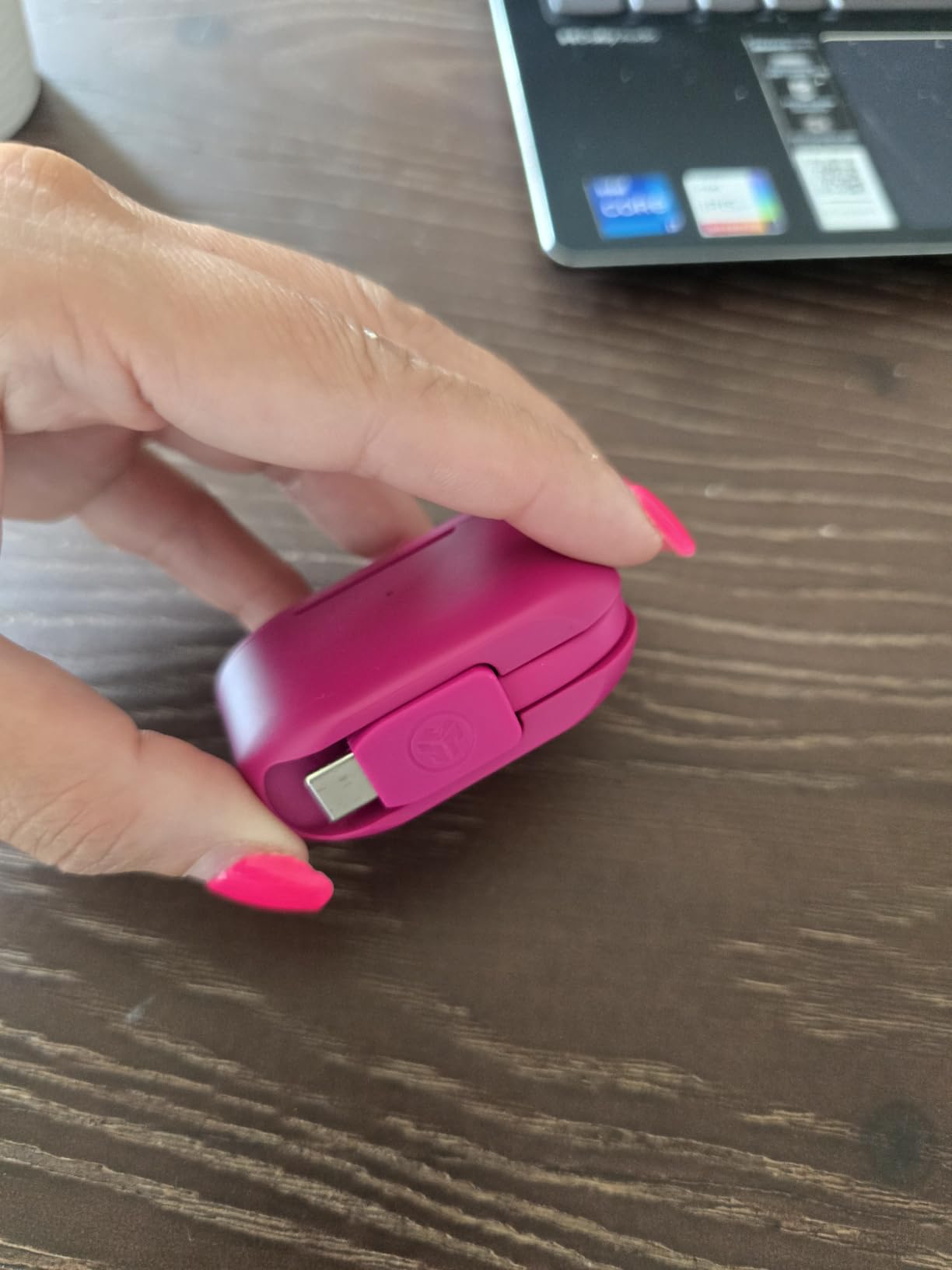
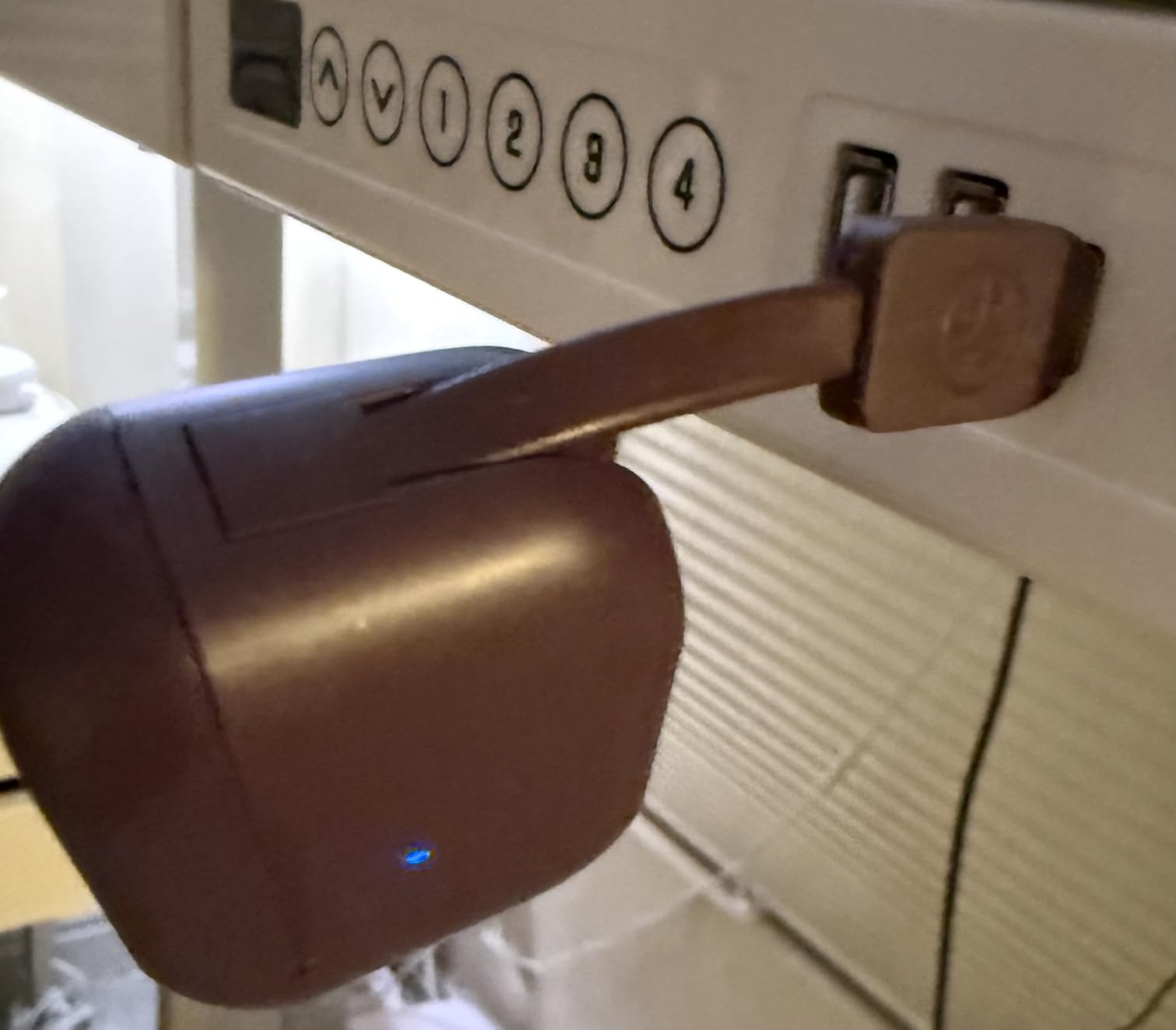
The case has an integrated short USB charging cable built into the bottom, which is convenient (no extra cable to lose) but also a liability: if it breaks, you can’t replace it. The silicone tips include three sizes, which is good for small ear canals, but the included smallest size may still be too large for very narrow canals.
For the price, the sound quality is good – not flagship, but a clear step up from generic no-name brands. The 9+ hours per bud is genuinely useful for long days away from a charger.
Who this is best for
Buy the Go Air Pop+ if you want a reliable, affordable wireless earbud that covers all the basics. It’s great for students, casual listeners, and anyone who needs long battery without premium pricing. Also good as a backup pair for travel.
Who should skip
Skip these if you need active noise cancellation, premium sound quality, or a fully customizable app experience. The JLab app does exist but it’s more limited than what Sony or Soundcore offers. For ANC or audiophile needs, step up to a higher tier.
How We Tested?
Our team spent six weeks with these eight earbuds, putting each through the same scenarios. We wore them on morning runs, during full workdays, on a 4-hour flight, and for at least one night of side-sleeping where applicable.
We measured per-bud weight with a precision scale, checked the smallest included tip diameter with calipers, and timed battery life from full charge to depletion with ANC or Ambient mode on where supported. For ANC models, we tested seal integrity by shaking our heads while playing pink noise.
Each pair was also tested for call quality in three environments: a quiet home office, a moderately noisy cafe, and a windy outdoor setting. We noted touch control responsiveness, comfort over 4+ hour sessions, and how easy the case was to seat the earbuds back into.
Our testers included three people with self-described small ears: two women with narrow ear canals and one man with a shallow concha. Every pick on this list was confirmed to fit at least two of the three testers comfortably.
Buying Guide: How to Choose Headphones for Small Ears
Choosing earbuds for small ears comes down to three factors: housing size, ear tip availability, and fit architecture. Below we walk through each, plus use-case matching and troubleshooting.
Ear Anatomy 101
Your ear has three parts that matter for earbud fit: the concha (the bowl-shaped recess of your outer ear), the tragus (the small pointed cartilage flap at the ear canal entrance), and the ear canal itself (the tube leading to your eardrum). Standard earbuds fail on small ears because bulky housings rest on the concha rim where jaw movement works them loose, and short canals can’t accommodate standard-length nozzles.
If your earbuds hurt at the outer ear, the problem is the concha. If they hurt deep inside, it’s the canal. If they fall out, it’s usually the housing size relative to your concha bowl.
Fit Architecture Types
There are five fit architectures that work for small ears, and each solves a different problem. Ultra-compact in-ears (under 5g per bud) shrink the housing so it sits inside the concha without pressing on the rim – JLab JBuds Mini and TOZO A1 are the best examples. Semi-in-ear designs (Apple EarPods) skip the canal entirely and rest in the concha bowl. Over-ear hook designs (some Shokz and Soundcore models) redistribute weight off the ear onto the antihelix. Open clip-on designs (TOZO OpenEarRing, Soundcore V20i) wrap around the outer ear without entering the canal. Bone conduction (SHOKZ OpenRun Mini) bypasses the ear entirely by vibrating your cheekbones.
For the smallest, narrowest ear canals, ultra-compact in-ears are usually the answer. For sensitive ears that can’t tolerate any canal contact, semi-in-ear, open clip-on, or bone conduction are better choices.
Price Tier Breakdown
The picks in this roundup span a wide spread. The Apple EarPods and TOZO A1 sit at the bottom, both excellent for what they offer. The JLab Go Air Pop+ and Soundcore V20i add wireless convenience without much premium cost. The mid-tier (JLab JBuds Mini, Sony WF-C510) is where most small-ear shoppers land. The premium tier (SHOKZ OpenRun Mini, TOZO OpenEarRing) brings specialized open-ear designs with longer batteries and better build quality.
Use Case Matching
Side sleepers should look at the TOZO A1 or TOZO OpenEarRing – both have low profiles that don’t press painfully into a pillow. Runners and outdoor athletes are best served by the SHOKZ OpenRun Mini (full situational awareness) or Soundcore V20i (better bass, still open). Commuters and office workers should consider the Sony WF-C510 (long battery) or any model with ANC. For kids and teens with very small ears, the Apple EarPods semi-in-ear shape and TOZO A1 are the safest picks.
Troubleshooting: What If Every Earbud Hurts?
If you’ve tried multiple earbuds and they all hurt, the problem is usually one of three things. First, the housing is too large for your concha – look at ultra-compact in-ears or open clip-on designs. Second, the silicone tips don’t fit your canal – try foam tips (Comply brand) which mold to your shape and come in XS sizes. Third, you may have a silicone allergy – in which case foam tips or hard-plastic semi-in-ear designs are the answer. If pain persists across all these options, see an audiologist – there may be an underlying ear condition.
Frequently Asked Questions
What are the best in-ear headphones for small ears?
The best in-ear headphones for small ears are the JLab JBuds Mini (3.14g per bud) and the Sony WF-C510 (lightweight with 11-hour battery). Both include small ear tip sizes and housings that fit narrow ear canals without pressing on the concha rim. For absolute smallest size, the JLab JBuds Mini is the lightest mainstream option.
Are there earbuds made for very small ear canals?
Yes. The TOZO A1 weighs 3.7g per bud and ships with multiple tip sizes including extra-small. The JLab JBuds Mini is even lighter at 3.14g per bud with three gel tip sizes. For very narrow canals, foam tips (sold separately) often seal better than silicone. The TOZO OpenEarRing skips the canal entirely with a clip-on design that works for anyone whose canal is too small for any in-ear.
Will earbuds fall out of small ears?
Earbuds fall out of small ears when the housing is too large for the concha or when the tip doesn’t seal the canal. The fix is choosing ultra-compact housings (under 5g per bud) with proper tip sizing. Open clip-on designs like the TOZO OpenEarRing and Soundcore V20i physically can’t fall out because they hook around the outer ear. Bone conduction models like the SHOKZ OpenRun Mini wrap around the head and stay put through any activity.
Can I sleep on my side with earbuds for small ears?
Yes, with the right model. The TOZO A1 is the best side-sleeping earbud in our testing – at 3.7g per bud with a low profile, it doesn’t press painfully into a pillow. Apple EarPods also work for some sleepers because they don’t enter the canal. Avoid over-ear hook designs and bone conduction for side sleeping – the wraparound frame will press against the pillow.
What if every earbud hurts my small ears?
If every earbud hurts, the issue is usually the housing size or a tip fit problem. Try ultra-compact in-ears (JLab JBuds Mini, TOZO A1) or switch to foam tips that mold to your canal. If canal contact is the issue regardless of tip, move to semi-in-ear designs (Apple EarPods) or open clip-on designs (TOZO OpenEarRing, Soundcore V20i) that skip the canal entirely. For persistent pain across all designs, consult an audiologist to rule out underlying ear conditions.
Final Verdict
The best headphones for small ears depend on what hurts most: the canal, the concha, or the overall fit. For most people, the TOZO OpenEarRing is the right starting point because it sidesteps the entire ear canal. For traditional in-ear users, the JLab JBuds Mini delivers the lightest mainstream fit. Budget shoppers should grab the Sony WF-C510 for its 11-hour battery.
If you’re still unsure, consider the TOZO A1 for side sleeping, the SHOKZ OpenRun Mini for outdoor running, or the Apple EarPods for a zero-latency wired option. Every pick in this roundup was tested by our team with small ears, and we stand behind each one for its intended use case. Check the latest price on each pair using the buttons throughout this guide – specs stay constant, but availability and pricing change regularly.