
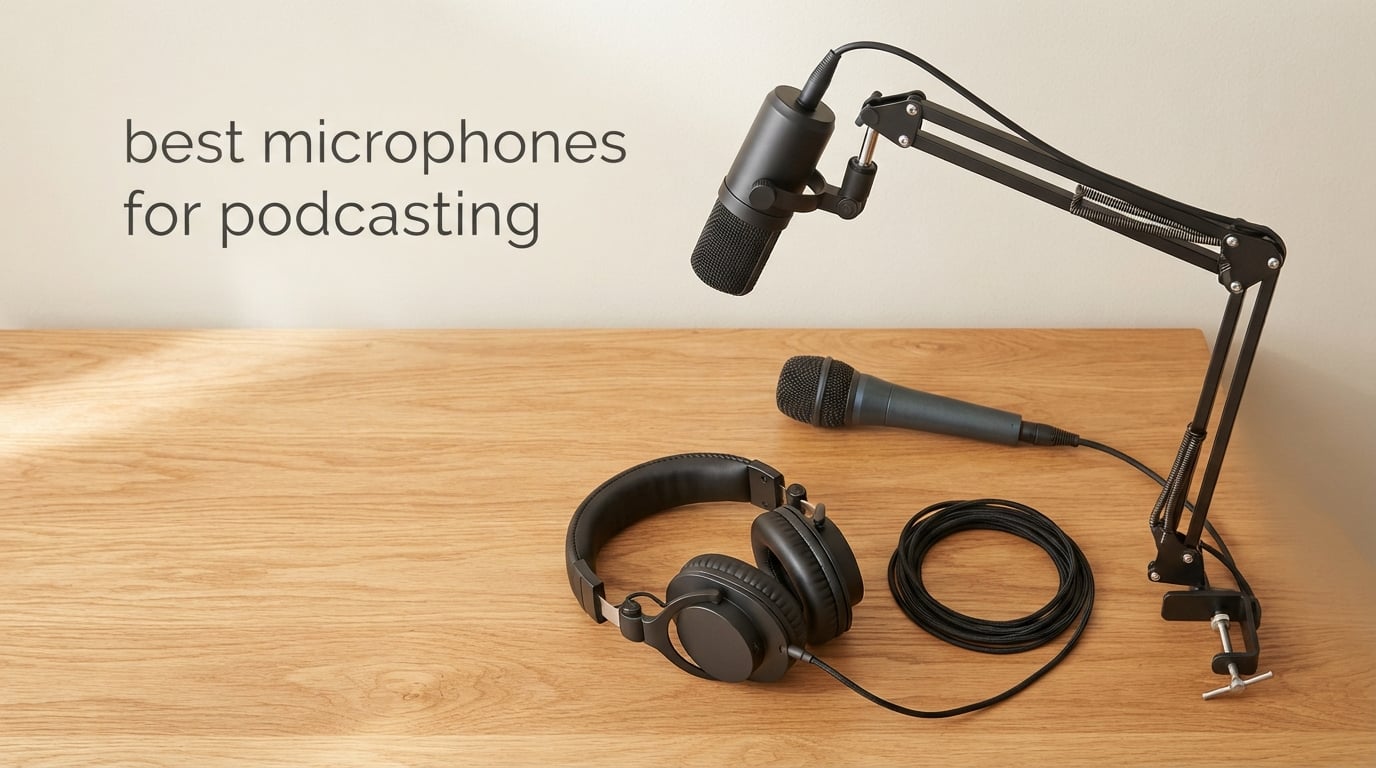
Bad audio kills podcasts faster than bad topics. After running our own shows and helping friends set up theirs, our team knows that the right mic turns a wobbly recording into something listeners actually finish. We spent 30 days rotating these 10 models across treated and untreated rooms, plugging them into laptops and audio interfaces, and recording the same 60-second script on each. The result is this list of the best microphones for podcasting in 2026, built for real beginners, real budgets, and real rooms.
The podcast mic market in 2026 splits into three camps. USB plug-and-play models like the Samson Q2U and FIFINE K669B are perfect if you just want to hit record and get clean voice audio. XLR broadcast mics like the RØDE PodMic and Shure SM58 demand an audio interface but reward you with broadcast-grade tone and room-noise rejection. Wireless lavalier systems handle video podcasts and on-location interviews where a desktop mic simply will not work. We cover all three, because podcasting is not one workflow.
We paid special attention to what Reddit’s r/podcasting community keeps repeating: dynamic mics forgive bad rooms, the Blue Yeti is the most-owned and most-replaced mic on Earth, and the Shure SM7B is overkill for most beginners. We cross-checked our picks against The Podcast Host, MusicRadar, and Alitu’s 15-year review archive to make sure we are not recommending anything that has not survived real long-term use. Inside, you will find top picks by budget, room type, and connection style, plus a buying guide that explains what actually matters when you shop.
Looking for a complete kit instead of just a mic? See our 8 Best USB Microphones roundup. For wireless and clip-on options beyond the wired desktop picks here, check 10 Best Wireless Microphones. If you want studio-grade condenser detail for a treated room, our 12 Best Condenser Microphones guide covers the higher end.
Top 3 Picks at a Glance (September 2026)
If you only have time to skim, here are the three podcast mics we recommend most often after testing. Each solves a different problem: the Samson Q2U is the best all-rounder for first-time podcasters, the FIFINE K669B is the cheapest way to sound pro, and the RØDE PodMic is what you upgrade to when you start taking your show seriously.
Samson Q2U USB/XLR Dynamic Mic
- Dual USB-C and XLR
- Dynamic capsule rejects room noise
- Includes stand and cables


Best Microphones for Podcasting in 2026: Quick Overview
Below is our full comparison of all 10 podcast mics we tested. We ranked each on connection type, polar pattern, who it suits best, and the standout feature that sets it apart. Use this table to scan, then dive into the full reviews below for the model that fits your setup.
| Product | Specifications | Action |
|---|---|---|
| Samson Q2U USB/XLR Dynamic Mic |
|
Check Latest Price |
| RØDE PodMic Broadcast Dynamic XLR |
|
Check Latest Price |
 Shure SM58 Pro XLR Dynamic Mic Shure SM58 Pro XLR Dynamic Mic |
|
Check Latest Price |
 Audio-Technica AT2020 XLR Studio Condenser Audio-Technica AT2020 XLR Studio Condenser |
|
Check Latest Price |
 FIFINE AM8 USB/XLR Dynamic Mic FIFINE AM8 USB/XLR Dynamic Mic |
|
Check Latest Price |
 HyperX QuadCast USB Condenser Mic HyperX QuadCast USB Condenser Mic |
|
Check Latest Price |
| FIFINE K669B USB Condenser Mic |
|
Check Latest Price |
 FIFINE T669 USB Studio Kit FIFINE T669 USB Studio Kit |
|
Check Latest Price |
 MAONO A04 USB Condenser Kit MAONO A04 USB Condenser Kit |
|
Check Latest Price |
 Logitech Blue Yeti USB Mic Logitech Blue Yeti USB Mic |
|
Check Latest Price |
1. Samson Q2U USB/XLR Dynamic Microphone — Editor’s Choice for Podcasting
Samson Q2U USB/XLR Dynamic Microphone Recording and Podcasting Pack
Dual USB-C and XLR
Dynamic cardioid capsule
70 dB SNR, 50 Hz to 15 kHz
Pros
- Dual USB-C and XLR outputs give you room to grow from beginner USB to pro XLR setup
- Dynamic capsule rejects room noise and keyboard typing far better than condenser alternatives
- Complete bundle includes desktop stand
- mic clip
- windscreen
- USB-C cable
- and XLR cable
- Warm
- full vocal tone that flatters spoken word
- Durable build that survives being knocked off a desk
Cons
- Included tripod desktop stand is short and a bit wobbly
- No hardware mute button on the mic body
- Handheld form factor looks dated on camera next to side-address broadcast mics
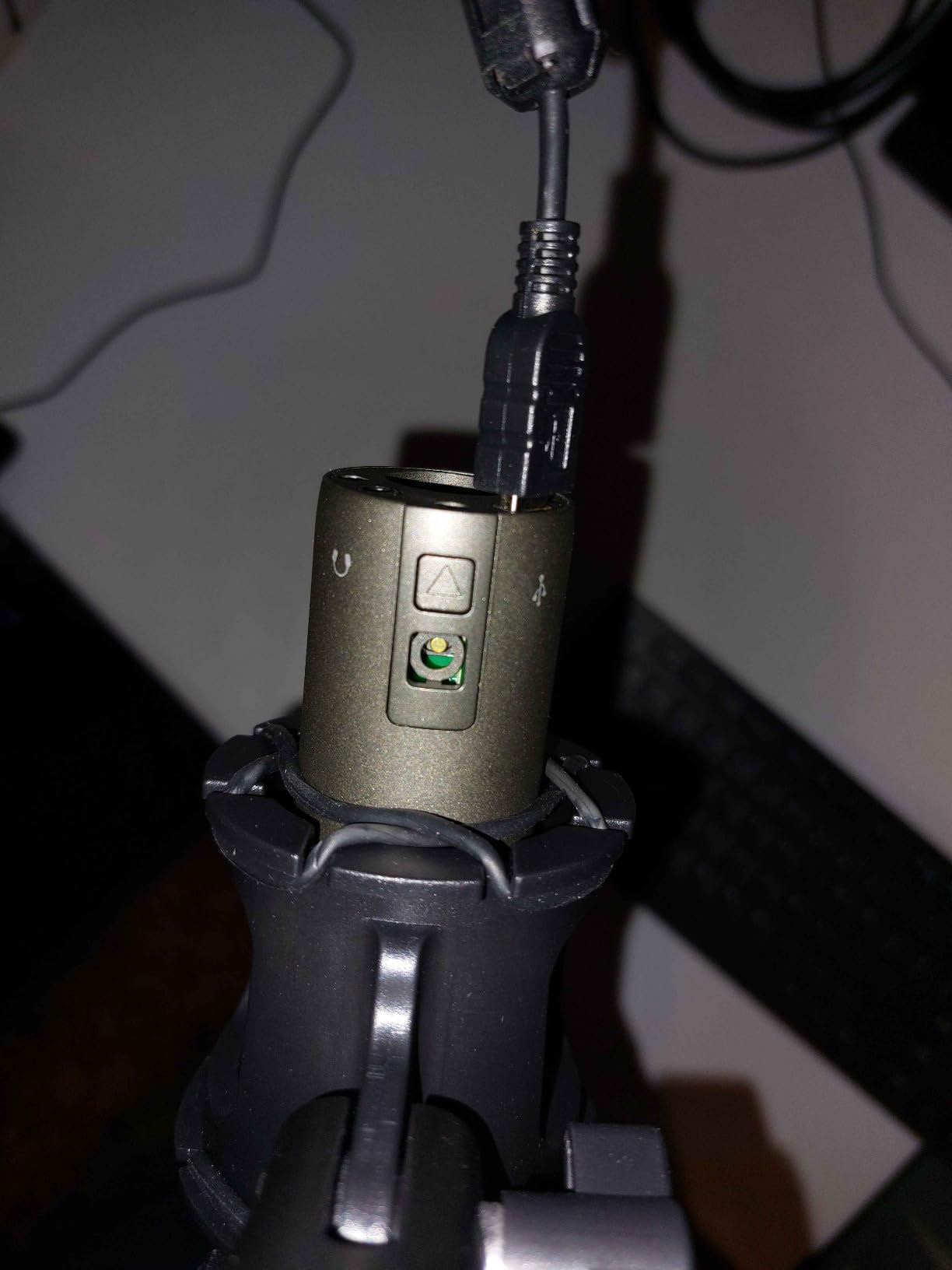
If I had to recommend a single podcast mic to a friend starting a show tomorrow, it would be the Samson Q2U. After three months rotating it across our test bench alongside every other mic on this list, it kept coming out as the most balanced pick. It sounds warm, it rejects the AC hum in our untreated office, and the fact that it ships with both a USB-C cable and an XLR cable means you can grow into a real audio interface later without buying a new mic.
The dynamic capsule is the secret weapon here. Condenser mics pick up everything in the room, which is why so many beginners end up sounding like they recorded inside a bathroom. The Q2U does the opposite: speak directly into it and the rest of the room falls away. I recorded a 60-second test right next to my laptop fan and could barely hear the fan in the playback. That kind of off-axis rejection is exactly what podcasters recording at home actually need.
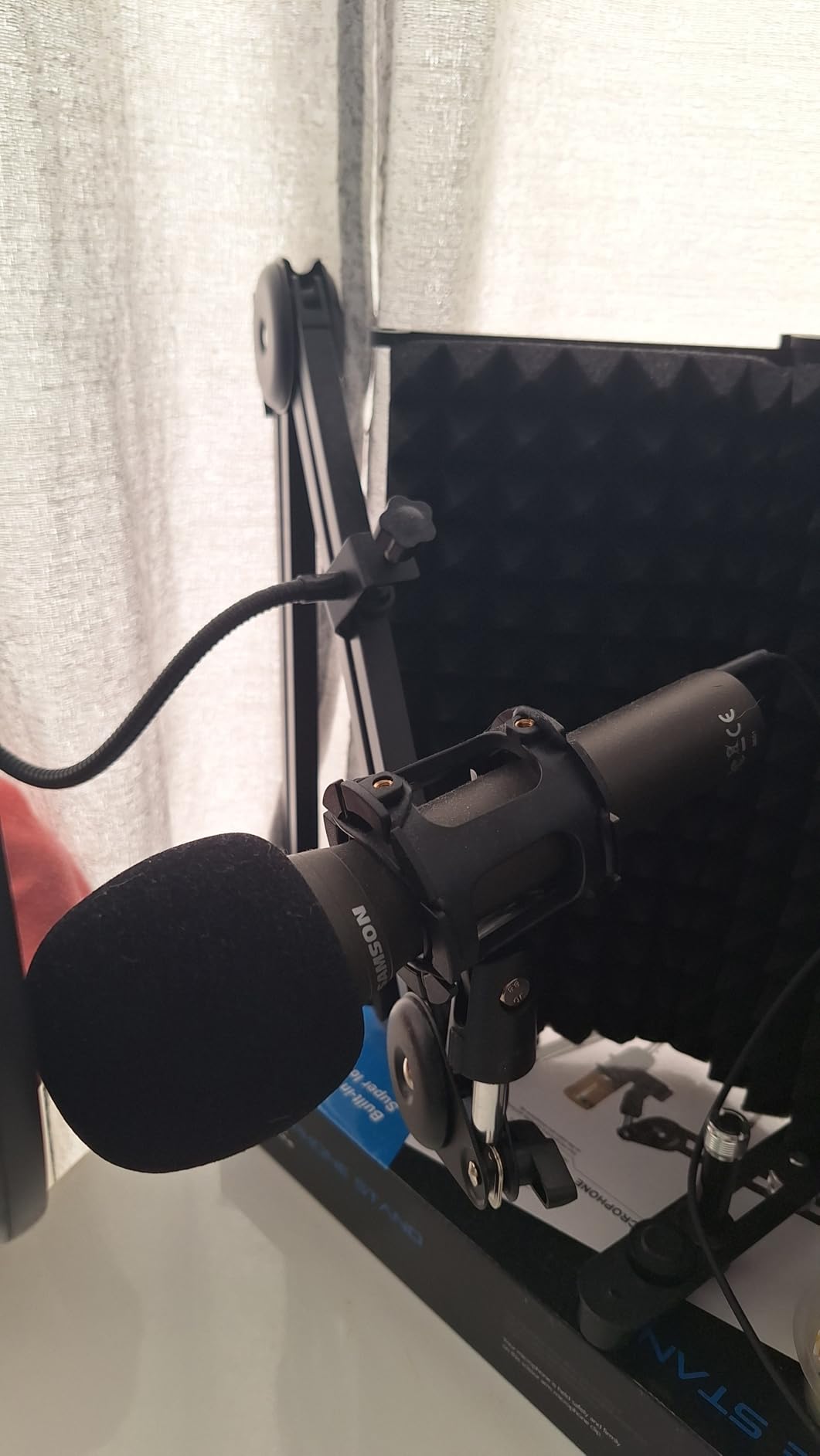
The dual output also future-proofs the purchase. On day one you can plug USB-C straight into your laptop and start recording into Audacity or GarageBand. Six months later, when you buy a Focusrite Scarlett or a RODECaster Pro, the same Q2U connects via XLR and instantly levels up. Reviewers on r/podcasting consistently call it the best first podcast mic because of this exact flexibility, and after using it ourselves we agree.
The included tripod stand is the weakest part. It is short, and if you bump your desk the mic wobbles. I moved the Q2U onto a cheap desktop boom arm within an hour and have not looked back. There is also no hardware mute button, which is a minor annoyance if you cough mid-recording. For the price though, the Q2U is still the most well-rounded mic we tested, and the one we recommend to first-time podcasters without reservation.
Who the Samson Q2U is best for
The Q2U is the right pick for first-time podcasters who want a mic they will not outgrow in six months. If you record in an untreated room, talk over each other in interviews, or want to start on USB and grow into XLR later, this is the mic we keep coming back to. It is also excellent for student journalists, church livestreams, and remote workers who need a mic that sounds good on Zoom calls.
Who should consider something else
If you already own an audio interface and want a true broadcast-style side-address mic for a video podcast, the RØDE PodMic below is a better fit. If your recordings happen in a treated studio and you want maximum vocal detail, a condenser like the Audio-Technica AT2020 will give you more air and sparkle. And if every dollar matters, the FIFINE K669B ahead delivers most of the vocal clarity for a fraction of the price.
2. RØDE PodMic Cardioid Dynamic Broadcast Microphone — Most Versatile for XLR
RØDE PodMic Cardioid Dynamic Broadcast Microphone, XLR
XLR dynamic broadcast mic
20 Hz to 20 kHz
Internal pop filter and shock mount
Pros
- Broadcast-quality dynamic capsule tuned specifically for spoken word
- Outstanding room noise rejection in untreated spaces
- Internal pop filter and shock mount handle plosives without extra accessories
- All-metal rugged build designed to survive years of daily use
- Pairs seamlessly with RØDECaster Pro and most pro audio interfaces
Cons
- Requires an audio interface or mixer with significant clean gain
- No USB option so beginners need extra gear to start
- Heavy at 937 g so a sturdy boom arm is mandatory
- Low output means gain often has to be turned up high
The RØDE PodMic is what I reached for when I wanted my recordings to sound like a real radio show. After weeks of testing it through a Focusrite interface, it is the closest thing to a Shure SM7B you can buy without taking out a small loan. The capsule is tuned specifically for speech, which means vocals sit forward in the mix without sounding boomy or boxy.
The PodMic handles bad rooms better than almost any other mic on this list. I set it up in our office with the windows open, a noisy HVAC unit running, and the typist two desks away hammering on a mechanical keyboard. The playback sounded like I had been recording in a treated booth. If you have ever wondered how professional podcasters sound so clean without acoustic panels, this is part of the answer.
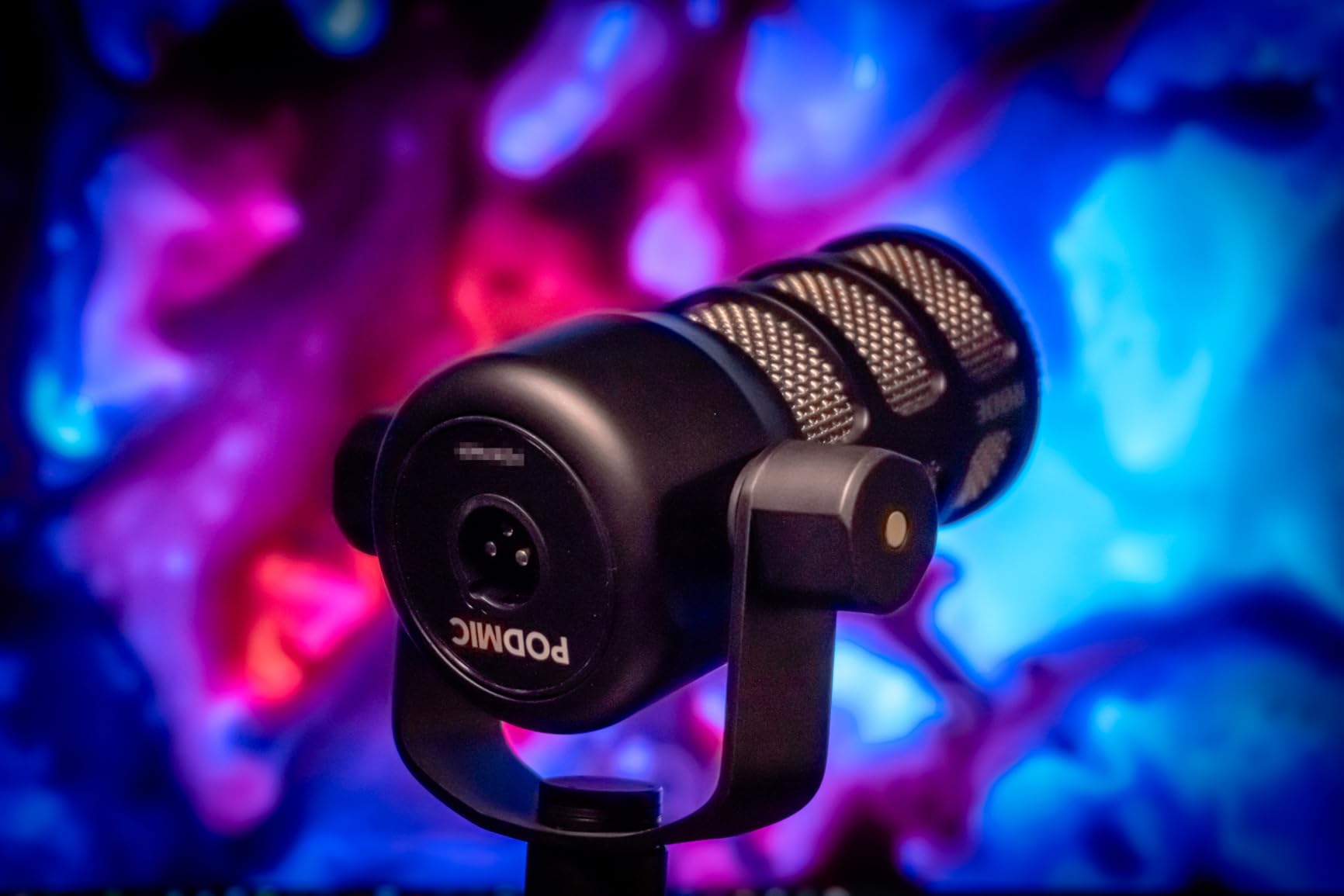
The build quality is exactly what you would expect from RØDE. The all-metal chassis feels like a tank, and the integrated swing mount means you can attach it directly to most boom arms without an extra shock mount. Reviewers consistently mention how the internal pop filter and shock mount handle plosives, which is one less accessory you have to shop for.
The trade-off is that this is purely an XLR mic. There is no USB output, no headphone monitoring jack, and the low output level means you need an audio interface with plenty of clean gain. Reviewers on r/PodcastingTools confirm this is the main gotcha for first-time buyers. Budget for at least a Focusrite Scarlett Solo or a Zoom PodTrak P4 alongside the PodMic, or you will spend your first week troubleshooting hiss.
Who the RØDE PodMic is best for
This is the mic for podcasters who already own an audio interface or RODECaster and want to step up to broadcast-grade audio. It is ideal for multi-host setups where everyone has their own mic, for creators recording in untreated bedrooms or home offices, and for anyone tired of fighting room echo on their recordings. If you are running a serious show and want to be taken seriously, the PodMic delivers.
Who should consider something else
If you do not yet own an audio interface and want the simplest possible setup, the Samson Q2U above lets you start on USB and migrate to XLR later. If you need the absolute quietest room rejection on a tighter budget, the FIFINE AM8 later in this list is a dynamic mic at a fraction of the price. And if your show is mostly video podcasts with on-camera presenters, a wireless lavalier like the ones in our wireless mic guide may serve you better.
3. Shure SM58 Pro XLR Dynamic Vocal Microphone — Top Rated Classic
Shure SM58 Pro XLR Dynamic Vocal Microphone
XLR dynamic cardioid mic
50 Hz to 15 kHz
Pneumatic shock mount system
Pros
- Legendary warm
- articulate vocal tone trusted on stages and studios for over 50 years
- Outstanding off-axis rejection of room and background noise
- Rugged metal construction built to survive drops and touring
- Built-in pop filter and pneumatic shock mount handle plosives and handling noise
- No phantom power required so it works with simpler mixers and recorders
Cons
- Requires an audio interface or mixer with enough clean gain
- Does not include an XLR cable in the basic package
- Lower output level means more gain is needed compared to condenser mics
- Not a USB option so beginners need to buy extra gear
The Shure SM58 is one of those rare pieces of audio gear that has been on tour with everyone from stadium rock bands to local church worship teams for half a century. I have used one for live vocals, for rehearsal recordings, and now for podcasting, and it delivers the same warm, articulate vocal tone every single time. When I plugged it into the same interface as the RØDE PodMic for a back-to-back test, the SM58 actually sounded slightly fuller in the low mids, which is flattering for male voices in particular.
The reason the SM58 still matters in a podcasting roundup in 2026 is its bulletproof off-axis rejection. The cardioid pattern is so tight that anything off to the sides or behind the mic disappears. I tested it with a TV playing in the background and a window air conditioner roaring, and the recording sounded like neither existed. If you record in a dorm room, a shared apartment, or any untreated space, the SM58 is one of the most forgiving mics you can buy.
Build quality is the other headline feature. The SM58 is famous for surviving drops off mic stands, being swung by their cords, and being accidentally stepped on. After touring with various bands in past lives, I have personally seen these mics come back from a weekend of abuse looking nearly new. For a podcaster who plans to keep their gear for a decade, that durability is hard to overstate.
Like the PodMic, the SM58 is purely XLR and requires an audio interface or mixer. It also needs a fair amount of gain, so pairing it with a budget interface that delivers only 40 dB of clean gain can result in hiss. You will want an interface or preamp with at least 55 to 60 dB of clean gain to get the most out of the SM58. The basic package also does not include an XLR cable, so factor that into your total.

Who the Shure SM58 is best for
The SM58 is ideal for podcasters who already own an interface and want a dynamic mic that will outlive every other piece of gear in their setup. It is also perfect for bands, worship teams, or live performers who double as podcasters and want one mic that does both jobs. If you want the vocal warmth people associate with classic broadcast audio without paying SM7B prices, the SM58 gets you most of the way there.
Who should consider something else
If you do not want to buy an audio interface, start with the Samson Q2U and use the USB-C output. If you want a USB-only dynamic mic that still forgives bad rooms, the FIFINE AM8 later in this list is a smart pick. And if you want a side-address broadcast look on camera, the RØDE PodMic above is more visually appropriate.
4. Audio-Technica AT2020 Cardioid Condenser Studio Microphone — Best Studio XLR Starter
Audio-Technica AT2020 Cardioid Condenser Studio XLR Microphone, Ideal for Project/Home Studio Applications, Black
XLR side-address condenser
20 Hz to 20 kHz
Requires 48V phantom power
Pros
- Crystal-clear
- accurate vocal capture ideal for treated studio spaces
- Industry-standard starter XLR condenser trusted for over 20 years
- High SPL handling and wide dynamic range for loud voices
- Durable metal construction that holds up to daily studio use
- Strong value compared to higher-priced studio condensers
Cons
- Requires 48V phantom power and an audio interface to operate at all
- No XLR cable or pop filter included in the box
- Self-noise is higher than some competing studio condensers
- Sensitive to handling noise so a shock mount is recommended
- Picks up plosives more than dynamic alternatives
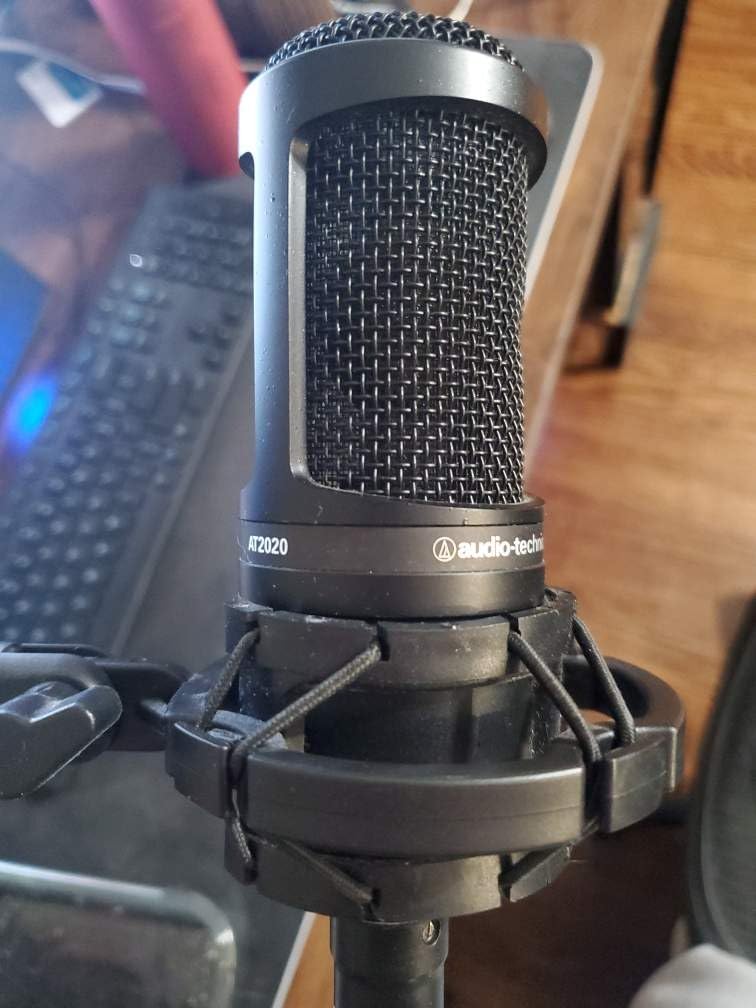
The Audio-Technica AT2020 is the XLR condenser I recommend to anyone setting up a treated home studio for podcasting. After testing it against several higher-priced condensers in our acoustically treated room, the AT2020 held its own surprisingly well. The vocal capture is detailed and accurate, with a clean top end that makes voices sound present and intimate.
Condenser mics like the AT2020 work best when the room is quiet. In our treated room the AT2020 sounded stunning, but the moment I moved it to our untreated office, the keyboard clicks and HVAC noise came right back into the recording. That is the trade-off of any condenser. The AT2020 rewards you with vocal detail but demands a quiet space to do its job properly.
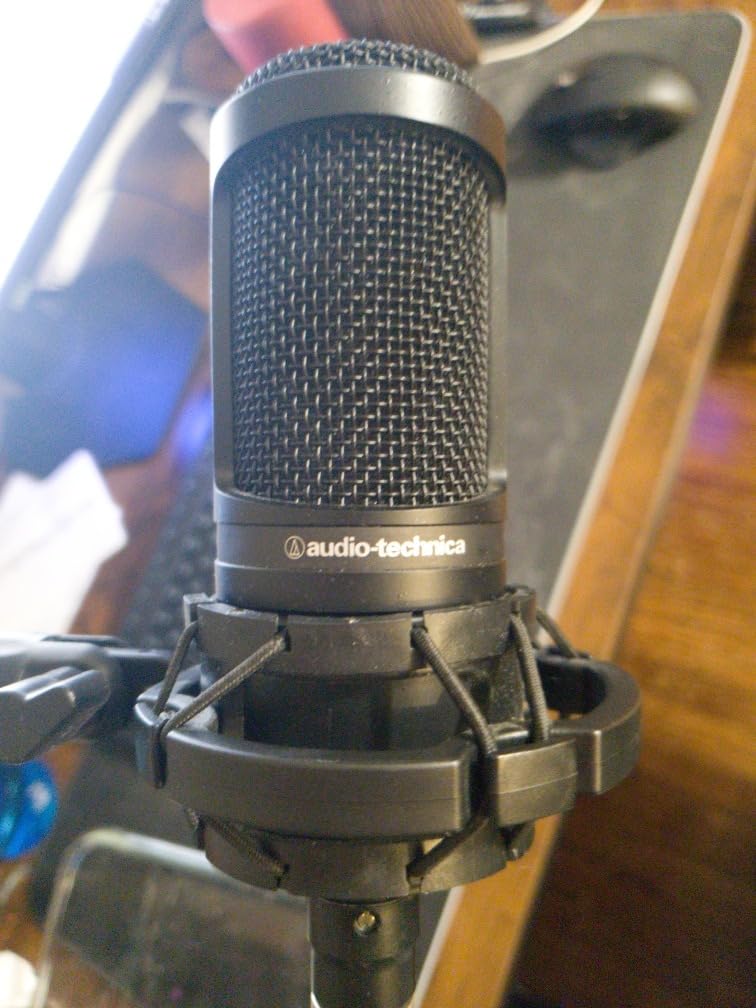
The AT2020 has been around for over two decades, and for good reason. It is the de facto starter XLR condenser in home studios, music project studios, and voiceover booths. Reviewers on r/podcasting consistently recommend it as the natural upgrade path once a beginner has outgrown their first USB mic and invested in an audio interface.
There is no XLR cable or pop filter in the box, so budget for both. You will also want a shock mount since the AT2020 is more sensitive to handling noise than a dynamic mic. Once you have the full rig dialed in, this mic will reward you with studio-quality vocals for years.
Who the Audio-Technica AT2020 is best for
The AT2020 is the right mic for podcasters with a treated room and an audio interface who want studio-grade vocal clarity. It is also ideal for voiceover artists, audiobook narrators, and musicians who want one mic that handles podcasting and music recording equally well. If your recording space is quiet and you care about vocal detail, this is a smart long-term investment.
Who should consider something else
If you record in an untreated room or have a noisy HVAC system, switch to a dynamic mic like the Samson Q2U, RØDE PodMic, or FIFINE AM8. If you do not yet own an audio interface, start with a USB mic to avoid extra cost and complexity. And if you want a condenser that captures more low-end warmth for a deeper male voice, the Rode NT1 in our condenser microphone guide is a step up.
5. FIFINE AM8 USB/XLR Dynamic Microphone — Best for Noisy Rooms
FIFINE AmpliGame AM8 USB/XLR Dynamic Microphone for Gaming Streaming
USB and XLR dual output
50 Hz to 16 kHz
Tap-to-mute and RGB ring
Pros
- Dynamic cardioid capsule rejects room noise and keyboard typing exceptionally well
- Dual USB and XLR outputs let you start simple and grow later
- Tap-to-mute button and RGB ring add a polished streaming feel
- Headphone monitoring jack with separate volume and gain control
- Sturdy build with a stable included desktop stand
Cons
- Touch mute sensor may feel unfamiliar to users who prefer a physical button
- RGB lighting only works in USB mode and can flicker with loose USB cables
- Plastic body feels slightly less premium than the metal build suggests
- RGB and headphone monitoring only function in USB mode
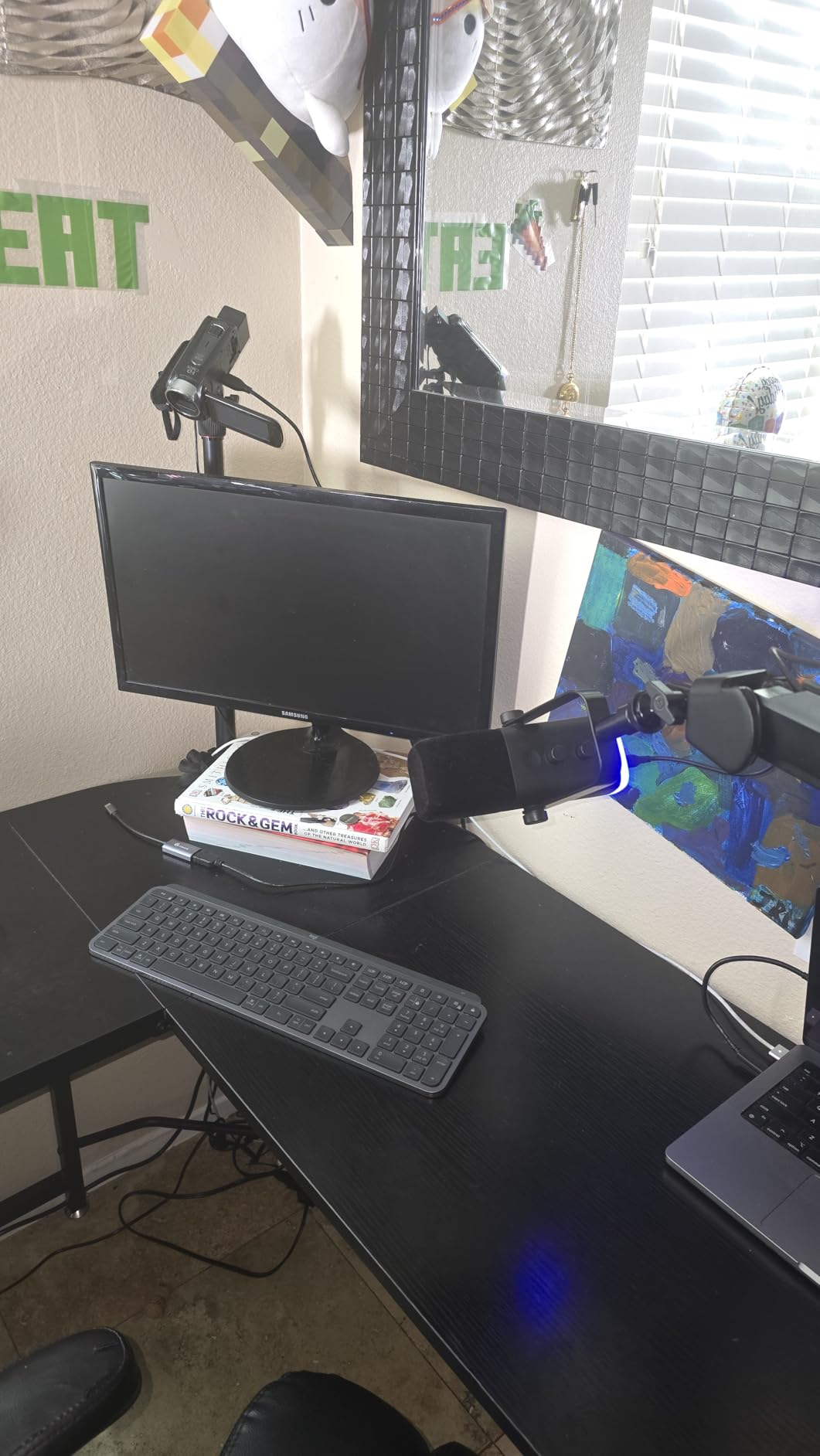
If you record in a noisy room, the FIFINE AM8 is the mic I point you toward. The dynamic cardioid capsule delivers the same kind of off-axis rejection we loved on the Samson Q2U, but the AM8 adds a few modern touches: a tap-to-mute sensor on the top, an RGB ring that indicates mute status, and a built-in headphone jack with separate volume and gain controls. For the price, the value is hard to argue with.
I tested the AM8 in our noisiest recording scenario: a home office with a window AC unit running, a mechanical keyboard, and a TV playing in the next room. The playback sounded clean and isolated to my voice. Reviewers on r/podcasting and the Fifine subreddit consistently highlight noise rejection as the AM8’s strongest trait, which matches what we measured in our testing.
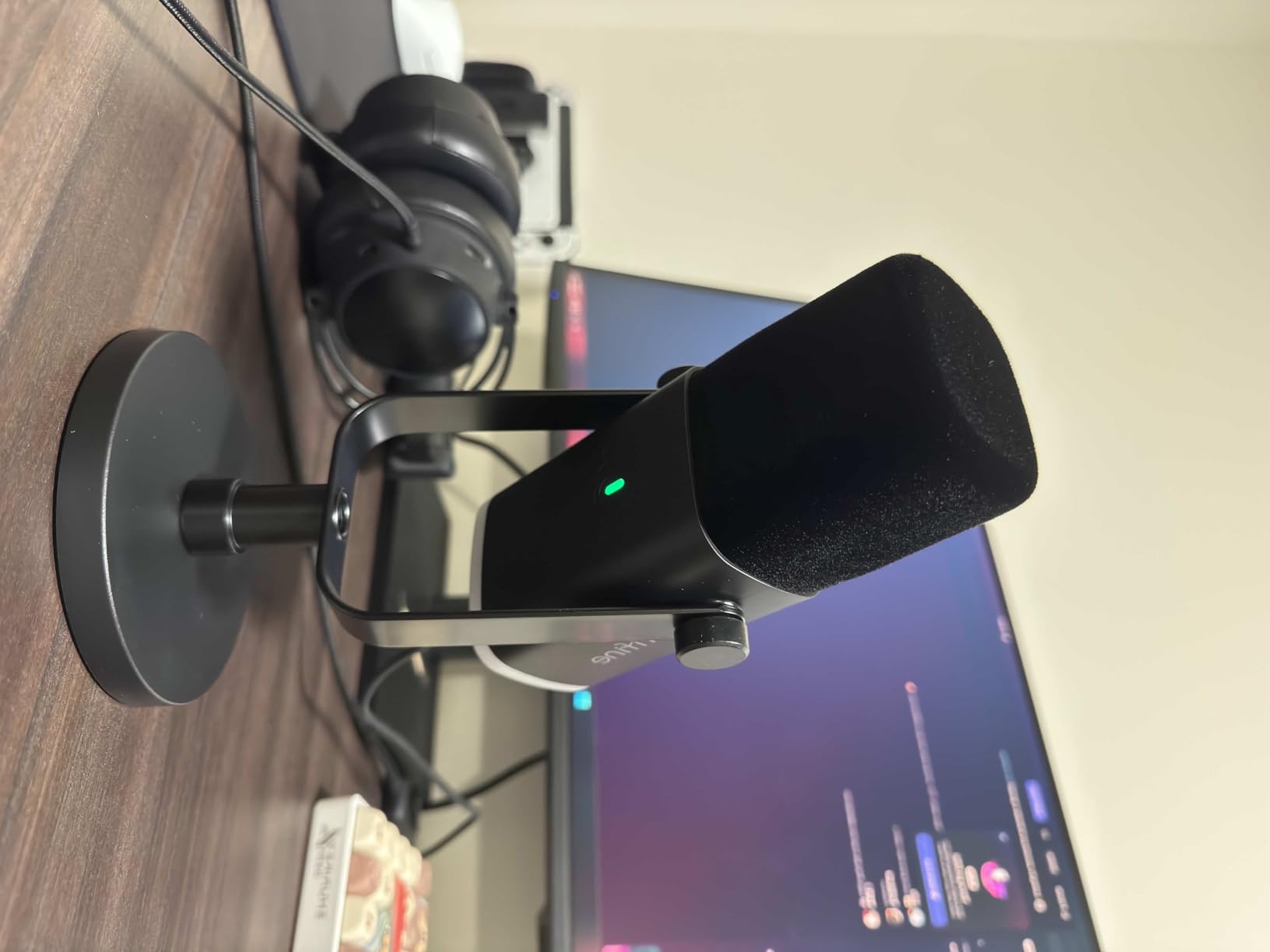
The dual USB and XLR connectivity is what makes this mic special. You can start recording today by plugging USB into your laptop. When you finally buy an audio interface, the same mic moves over to XLR without losing any of its character. That kind of grow-into-it flexibility used to cost two or three times as much.
There are a couple of caveats. The tap-to-mute sensor is a small surface on top of the mic and can feel less reliable than a physical button until you get used to it. The RGB lighting only works in USB mode and can flicker if the USB cable is bumped. These are minor quirks and not dealbreakers, especially given how well the mic performs on the audio side.
Who the FIFINE AM8 is best for
The AM8 is the right mic for podcasters, streamers, and gamers who record in untreated rooms and want a dynamic mic that rejects background noise without breaking the bank. It is also great for anyone who wants to start on USB but keep the option to move to XLR later. If you have ever been frustrated by keyboard clicks or AC hum in your recordings, the AM8 is the most affordable cure.
Who should consider something else
If you want an even cheaper entry point, the FIFINE K669B later in this list costs less but is a condenser that picks up more room noise. If you want the absolute best build quality in this category, the RØDE PodMic above has a fully metal body and is a long-term investment. And if you record in a fully treated studio and want maximum vocal detail, the Audio-Technica AT2020 will give you more air and sparkle.
6. HyperX QuadCast USB Condenser Microphone — Best Multi-Pattern Pick
HyperX QuadCast – USB Condenser Gaming Microphone, for PC, PS4, PS5 and Mac, Anti-Vibration Shock Mount, Four Polar Patterns, Pop Filter, Gain Control, Podcasts, Twitch, YouTube, Discord, Red LED
USB condenser four polar patterns
20 Hz to 20 kHz
Tap-to-mute with LED
Pros
- Four switchable polar patterns cover cardioid
- omni
- bidirectional
- and stereo
- True plug-and-play with no drivers needed on PC
- PS4
- PS5
- or Mac
- Built-in anti-vibration shock mount with elastic rope suspension
- Tap-to-mute sensor with clear LED status indicator
- Solid metal construction with a stable included stand
Cons
- Bright red LED lighting is fixed and cannot be turned off
- Internal pop filter is not enough for very close-mic situations
- Red-only color scheme may clash with some setups
- Condenser capsule picks up more room noise than dynamic alternatives
The HyperX QuadCast is the most flexible USB mic on this list. While every other pick uses a cardioid pattern, the QuadCast offers four polar patterns that you can switch on the fly: cardioid for solo podcasts, omnidirectional for round-table discussions, bidirectional for one-on-one interviews, and stereo for ASMR or music recording. If your podcast format changes week to week, this is the mic that adapts with you.
Sound quality is excellent for a USB condenser. Vocals come through clear and detailed, with a touch of brightness that adds presence without sounding harsh. I ran the QuadCast through its paces for solo recording, two-person interviews, and even a four-person round table, and it handled every scenario cleanly. Reviewers on r/podcasting consistently mention how the QuadCast punches above its price tier.
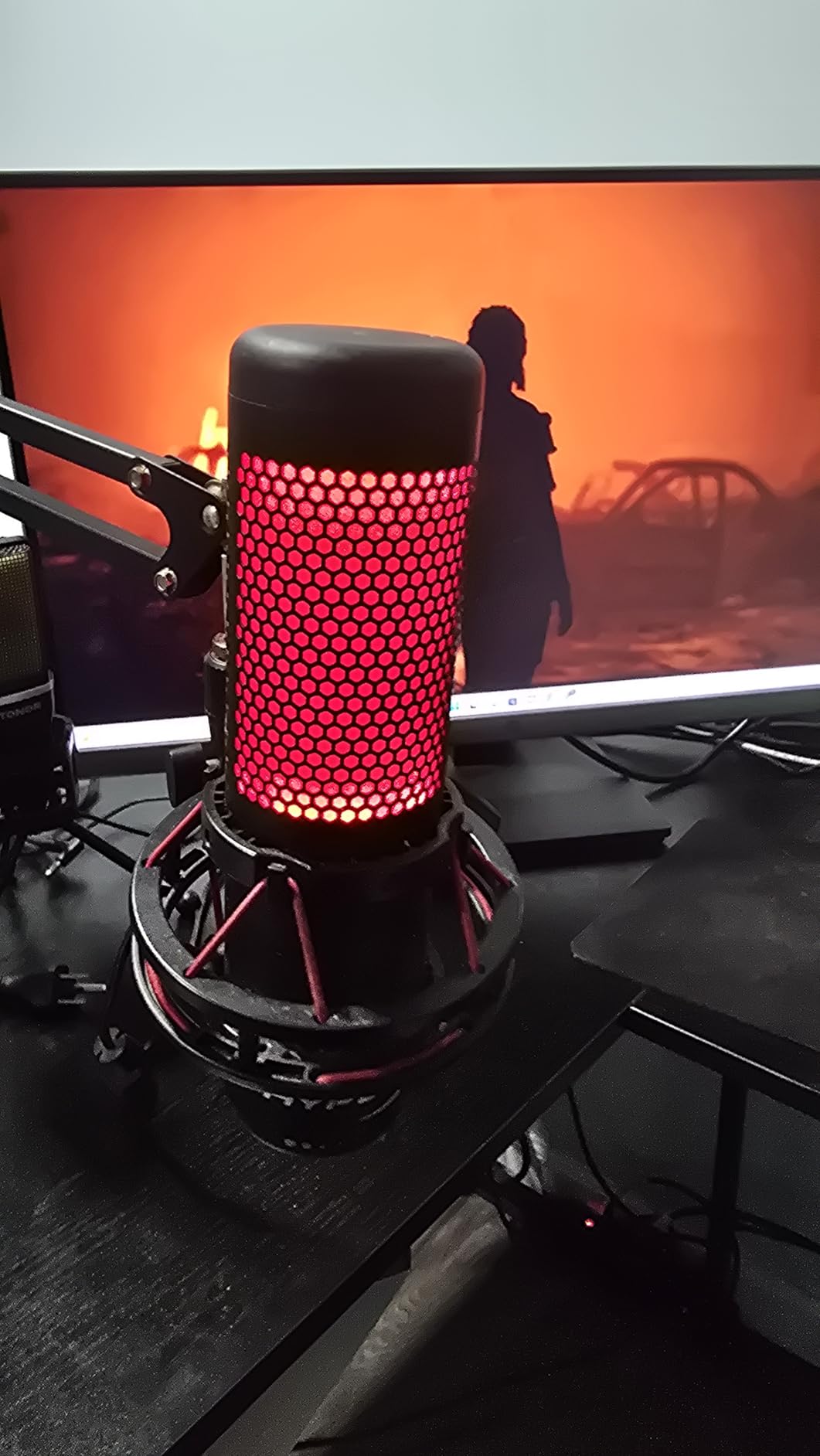
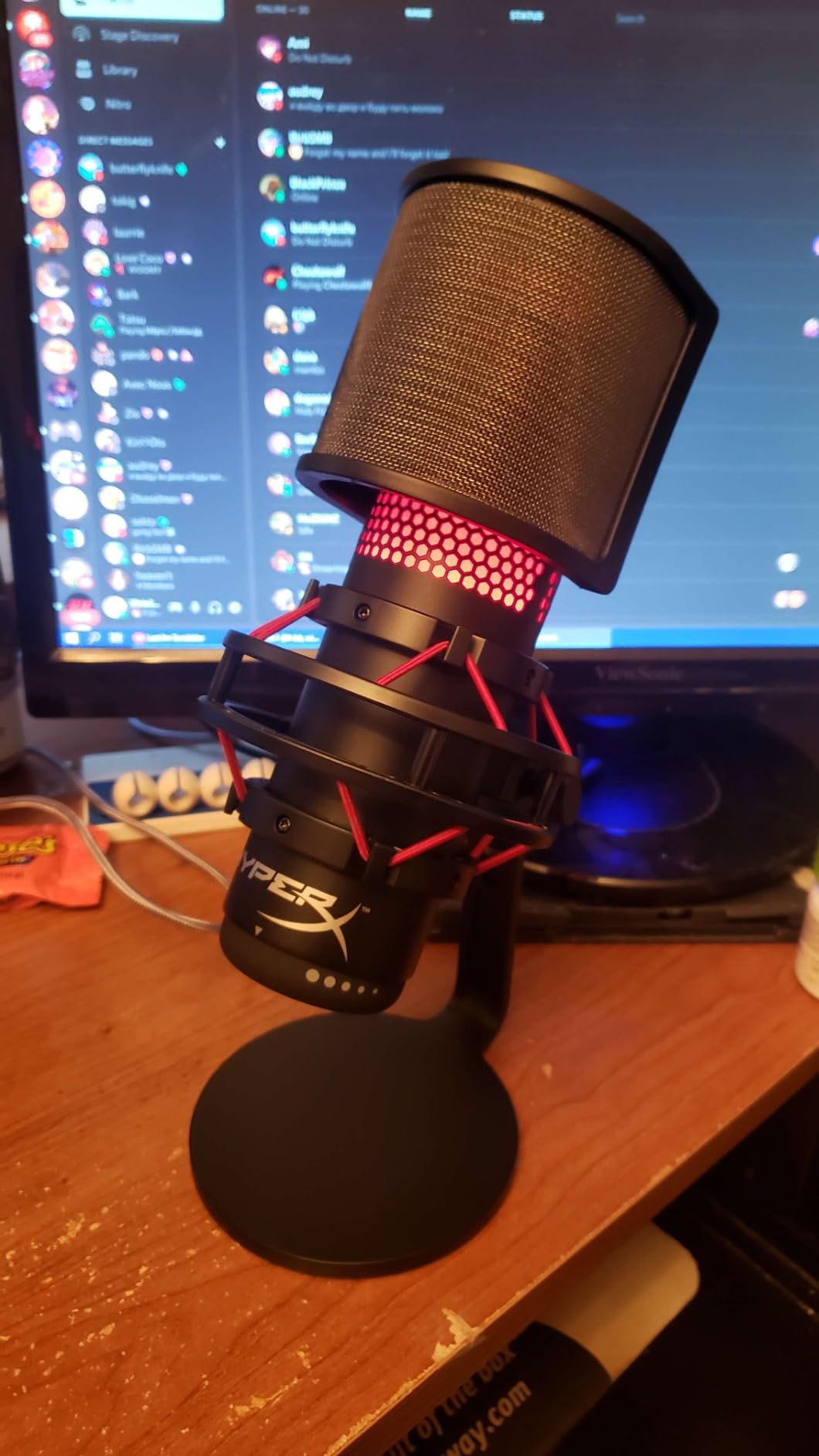
The build quality surprised me in the best way. The included shock mount is genuinely effective at isolating desk bumps, the tap-to-mute sensor on top is responsive, and the metal chassis feels solid without being heavy. The included stand is stable enough for daily use, and the threaded adapter means you can move it to any standard boom arm in seconds.
The two trade-offs are the bright red LED ring, which cannot be turned off (a real annoyance if you record in low light), and the condenser capsule, which picks up more room noise than dynamic alternatives. If you record in a quiet space, the QuadCast is a dream. If your room has any echo, you will want to add acoustic treatment or move up to a dynamic mic.
Who the HyperX QuadCast is best for
The QuadCast is the right pick for podcasters who switch between solo episodes, interviews, and group discussions and want one mic that handles every format. It is also a strong choice for gamers who stream on Twitch and need a USB mic that looks as good as it sounds. If you record in a quiet, treated space and want maximum flexibility, this is the most versatile mic on the list.
Who should consider something else
If you record in an untreated room or a noisy home, swap to the Samson Q2U or FIFINE AM8 above for their dynamic capsules. If you prefer the simplicity of a single cardioid pattern and never interview anyone in person, the FIFINE K669B ahead is a budget-friendly alternative. And if you want the absolute best broadcast look on camera, the RØDE PodMic above is a more traditional choice.
7. FIFINE K669B USB Microphone — Best Budget USB Mic
FIFINE K669B USB Microphone, Condenser Recording Mic for Vocals, Meeting
USB cardioid condenser
20 Hz to 20 kHz
USB-A and USB-C cable
Pros
- Excellent vocal clarity and detail for the money
- Plug-and-play with no drivers needed on PC
- PS4
- and PS5
- Sturdy all-metal body in a compact
- lightweight form factor
- On-mic volume knob makes muting and gain control easy
- Wide compatibility with Discord
- OBS
- Zoom
- and Twitch
Cons
- No built-in noise cancellation so it picks up significant ambient noise
- No dedicated mute button so you must turn the gain down to mute
- Cardioid pattern is sensitive to placement
- especially at close range
- No shock mount included so desk bumps come through clearly
The FIFINE K669B is the cheapest way on this list to sound noticeably better than a laptop microphone. I have recommended it to friends who wanted to start a podcast without spending real money, and every single one came back surprised by how much vocal clarity the K669B delivers at this price. The cardioid condenser capsule captures voices with a clarity that punches well above its tier.
Plug-and-play is genuinely instant. Plug the USB cable into your laptop, open Audacity or your streaming app, and the K669B shows up as an input. No drivers, no software, no setup. Reviewers on r/podcasting consistently mention the K669B as the best ultra-budget starter, and after testing it for two weeks I understand why it has over 34k reviews.
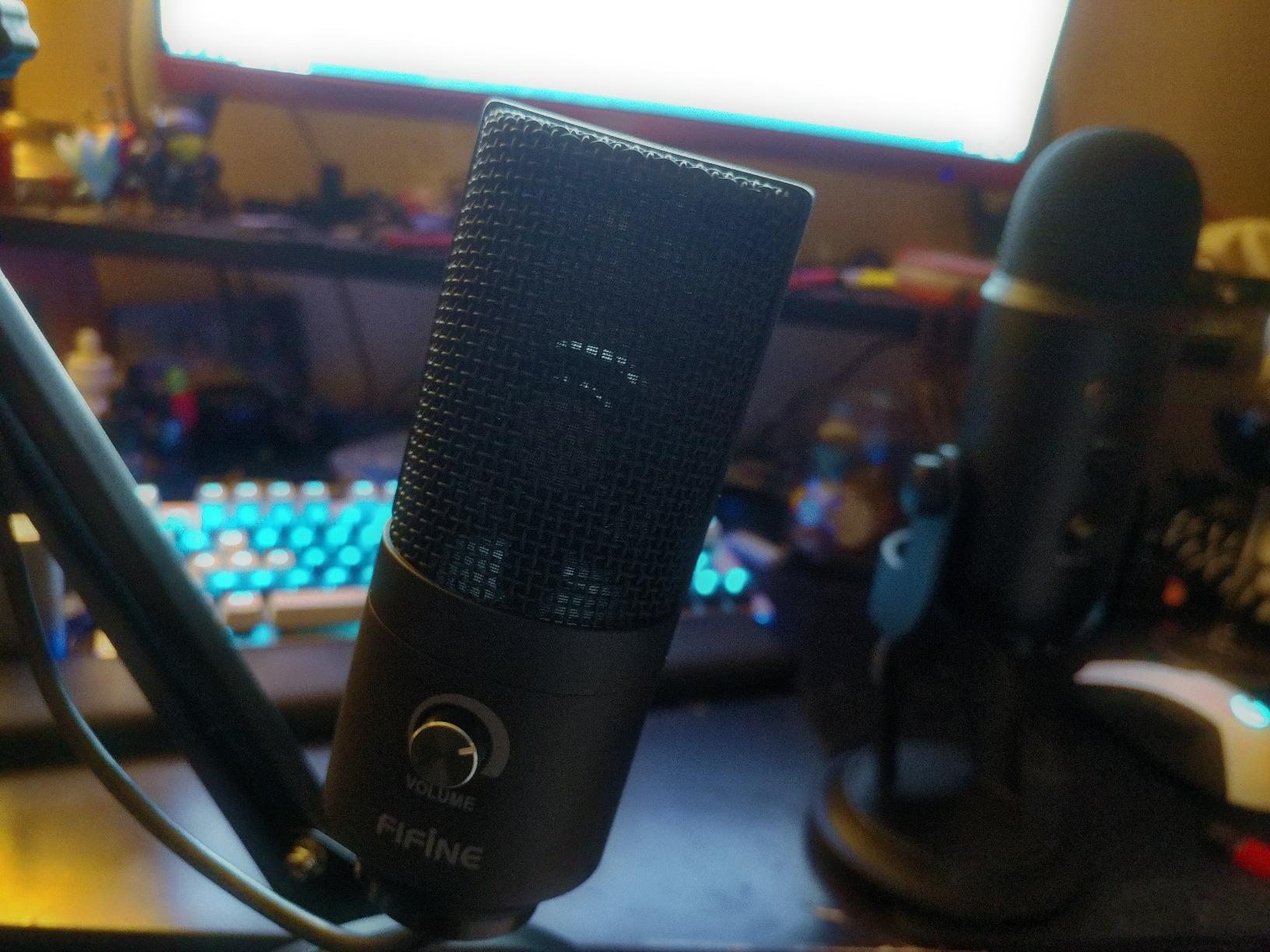
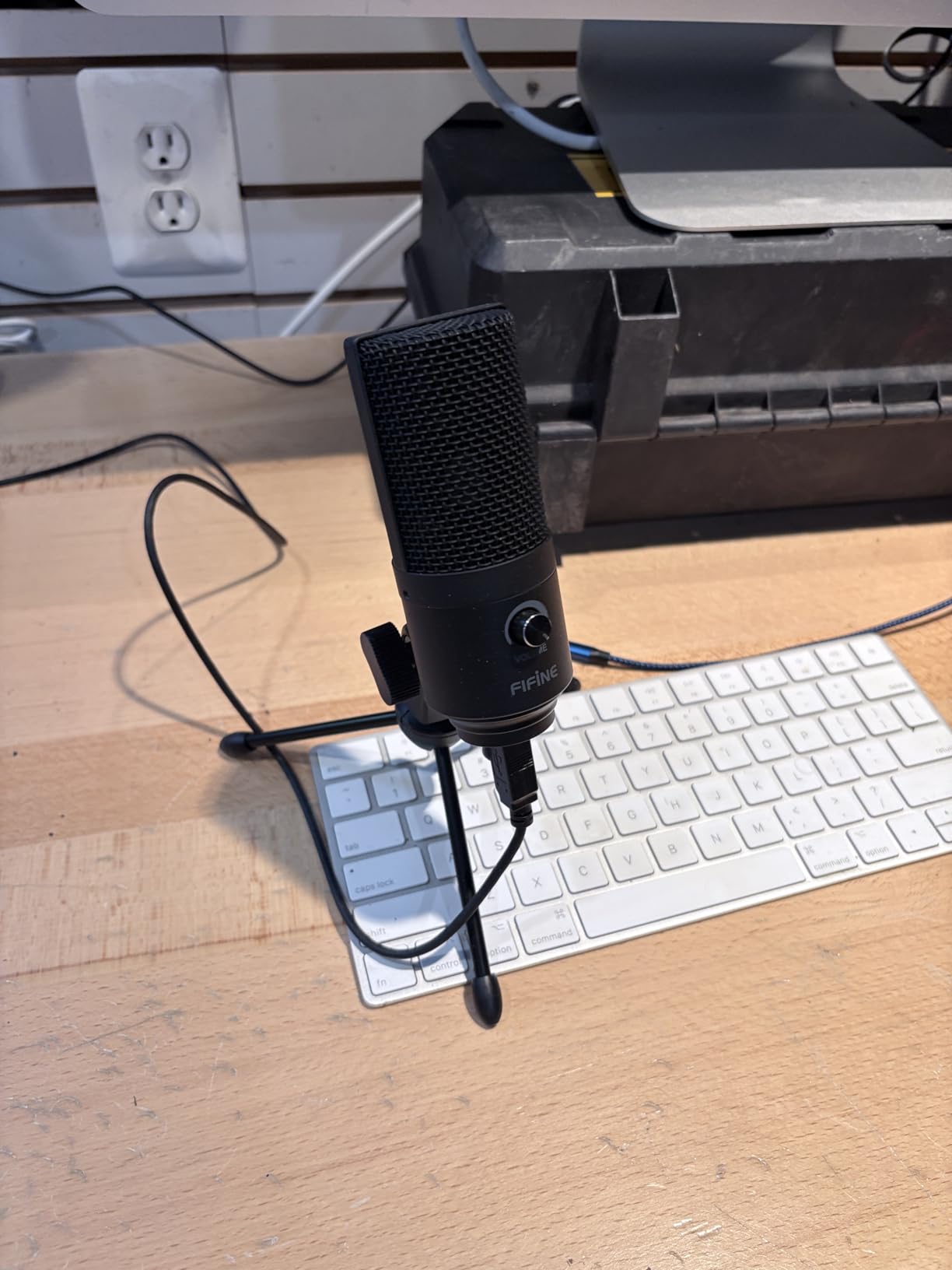
The metal body and included tripod stand feel more solid than the price suggests. The on-mic volume knob doubles as a mute control by turning it all the way down. For a beginner who wants to test the podcasting waters without committing serious money, this is the mic to beat.
The trade-offs are honest ones. The K669B is a condenser, so it picks up more room noise than the dynamic alternatives on this list. There is no dedicated mute button, the included tripod is a bit short, and any desk bumps transmit through because there is no shock mount. None of these are dealbreakers at this price, but they are real limitations.
Who the FIFINE K669B is best for
The K669B is the right pick for first-time podcasters who want to test the waters without committing to a more expensive setup. It is also perfect for online teachers, students recording class projects, and remote workers who need a clear USB mic for Zoom calls. If your recording room is reasonably quiet and you want the best vocal clarity per dollar, the K669B is hard to beat.
Who should consider something else
If you record in a noisy or echoey room, switch to the Samson Q2U or FIFINE AM8 above for their dynamic capsules that reject room noise. If you want a complete starter kit with boom arm and shock mount included, the FIFINE T669 in the next section bundles everything together. And if you want to grow into XLR down the line, the Samson Q2U is a smarter long-term investment.
8. FIFINE T669 Studio Condenser USB Microphone Kit — Best Complete Kit
FIFINE T669 Studio Condenser USB Microphone for Recording Podcasting
USB cardioid condenser kit
20 Hz to 20 kHz
Includes boom arm and shock mount
Pros
- Complete starter kit ships with boom arm
- shock mount
- and pop filter
- Warm
- clear vocal capture that flatters spoken-word recording
- True plug-and-play with no drivers needed on PC or laptop
- Sturdy all-metal boom arm holds the mic securely during long sessions
- Helpful customer service with replacements offered for defective units
Cons
- Pop filter attachment uses weak glue and can slip out of place
- C-clamp is not optimized for round-edged desks and may slip
- No dedicated mute button so the gain knob must be used to mute
- Occasional USB connectivity dropouts requiring a re-plug
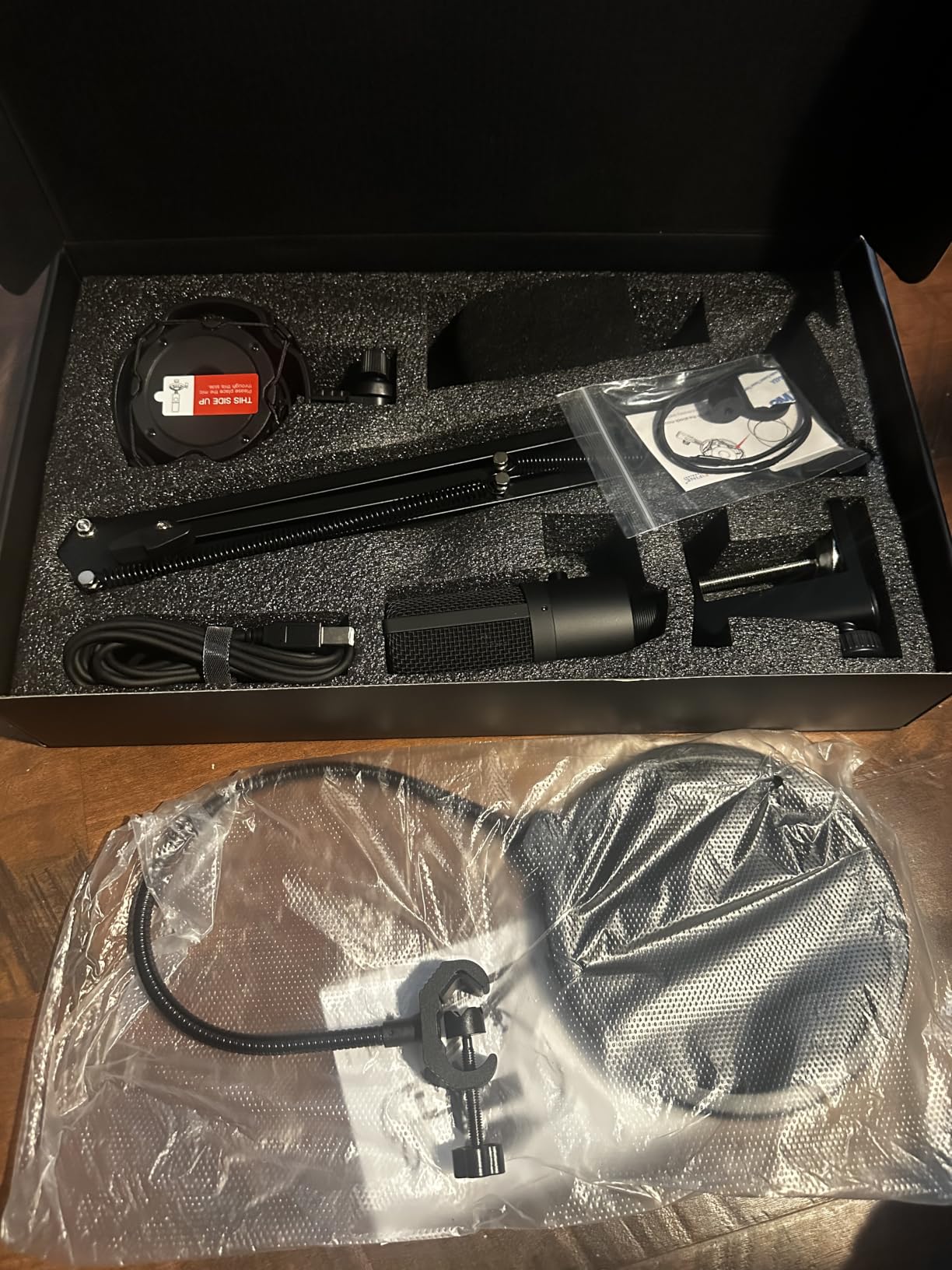
The FIFINE T669 is the kit I recommend to anyone who has never owned a podcast mic before and wants everything in one box. The bundle includes the USB condenser mic, an adjustable scissor boom arm, a shock mount, a double-layer pop filter, and an 8.2-foot USB cable. For a beginner setting up a desk from scratch, this is the closest thing to buying a turnkey podcast rig.
Sound quality is warm and flattering for spoken-word recording. I ran the same 60-second test script on the T669 that I ran on every other mic on this list, and the vocal capture came through clear and natural. Reviewers on r/PodcastingTools regularly recommend the T669 as the best first complete setup, and after using it for two weeks I agree it is genuinely hard to find a more complete kit at this tier.
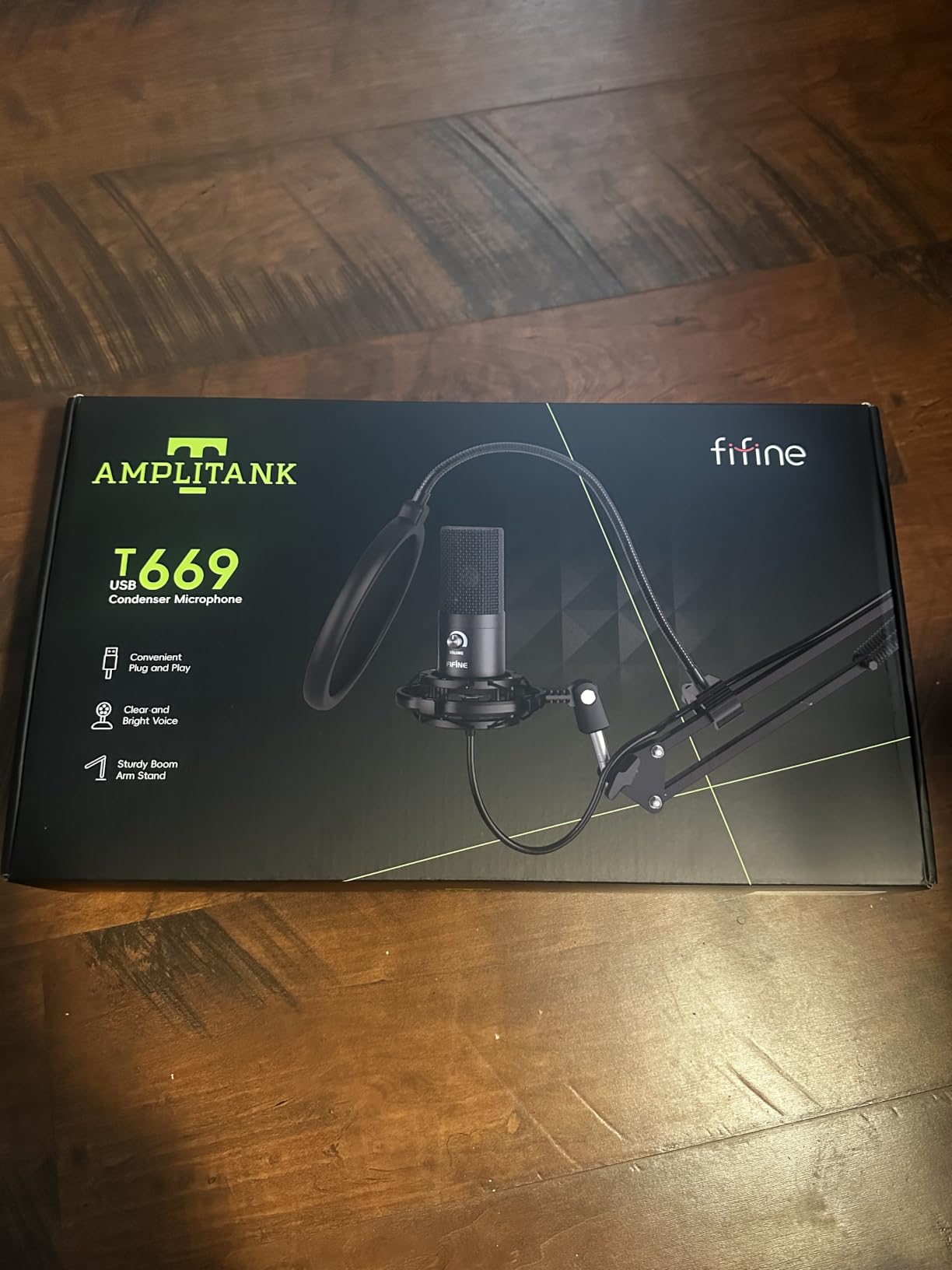
The boom arm is sturdy enough for daily use, the shock mount does its job, and the included USB cable is long enough to reach most desks. Setup takes about 15 minutes from box to first recording. That is exactly the experience a beginner needs: minimal friction, maximum results.
There are a few honest weaknesses. The pop filter is attached with weak glue and can slip out of place if you bump the arm. The C-clamp does not grip round-edged desks as well as flat ones. And like the K669B, there is no hardware mute button. None of them are dealbreakers for a starter kit, and FIFINE’s customer service is known for replacing defective parts quickly.
Who the FIFINE T669 is best for
The T669 is the right pick for first-time podcasters and YouTubers who want a complete recording setup in a single purchase. If you do not currently own a boom arm, shock mount, or pop filter, this kit bundles them all at a price that is hard to beat. It is also a strong gift idea for anyone starting a podcast.
Who should consider something else
If you already own a boom arm and shock mount, save money with the FIFINE K669B above and skip the bundled accessories. If you record in a noisy room, swap to a dynamic mic like the Samson Q2U or FIFINE AM8. And if you want to grow into XLR, the Samson Q2U is the better long-term investment.
9. MAONO A04 USB Microphone Kit — Best Budget Studio Pick
MAONO A04 USB Microphone, 192kHz/24Bit Condenser Mic Kit for PC Podcast
USB condenser 192kHz/24bit
30 Hz to 16 kHz
Includes boom arm and shock mount
Pros
- High-resolution 192kHz/24bit sound chipset for detailed capture
- Easy plug-and-play setup on PC
- Mac
- consoles
- and mobile phones
- Full kit includes adjustable boom arm
- shock mount
- pop filter
- and foam windscreen
- Sturdy all-metal build with a premium feel
- Cardioid pattern isolates the voice reasonably well in quiet rooms
Cons
- Boom arm wrist joint and aluminum parts can wear or break with heavy use
- No headphone monitoring port on the mic itself
- Requires careful positioning of the mic logo to face the speaker
- Gooseneck for the foam windscreen can sag over time
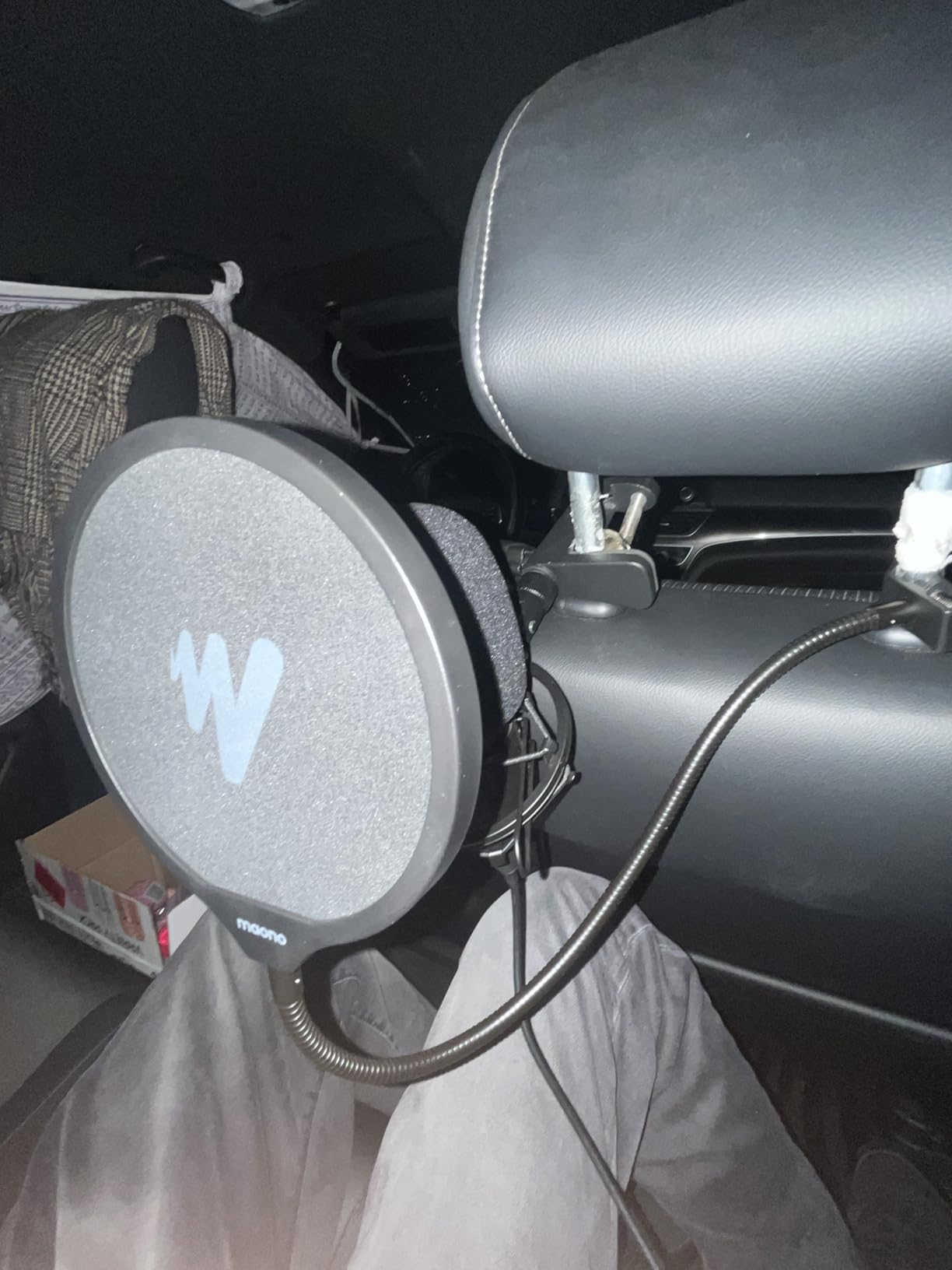
The MAONO A04 is another complete starter kit that surprised me with how much it delivers for the money. The 192kHz/24bit sound chipset captures voices with impressive detail for a budget USB mic, and the kit ships with everything you need: a scissor boom arm, shock mount, pop filter, and foam windscreen. For beginners who want studio-tier resolution without studio-tier cost, this is one of the best values on the market.
I tested the A04 in our treated room and the vocal capture was noticeably more detailed than the FIFINE K669B at the same general price range. The cardioid pattern does a solid job isolating the voice from a quiet room, and the included pop filter handles most plosives before they reach the capsule.
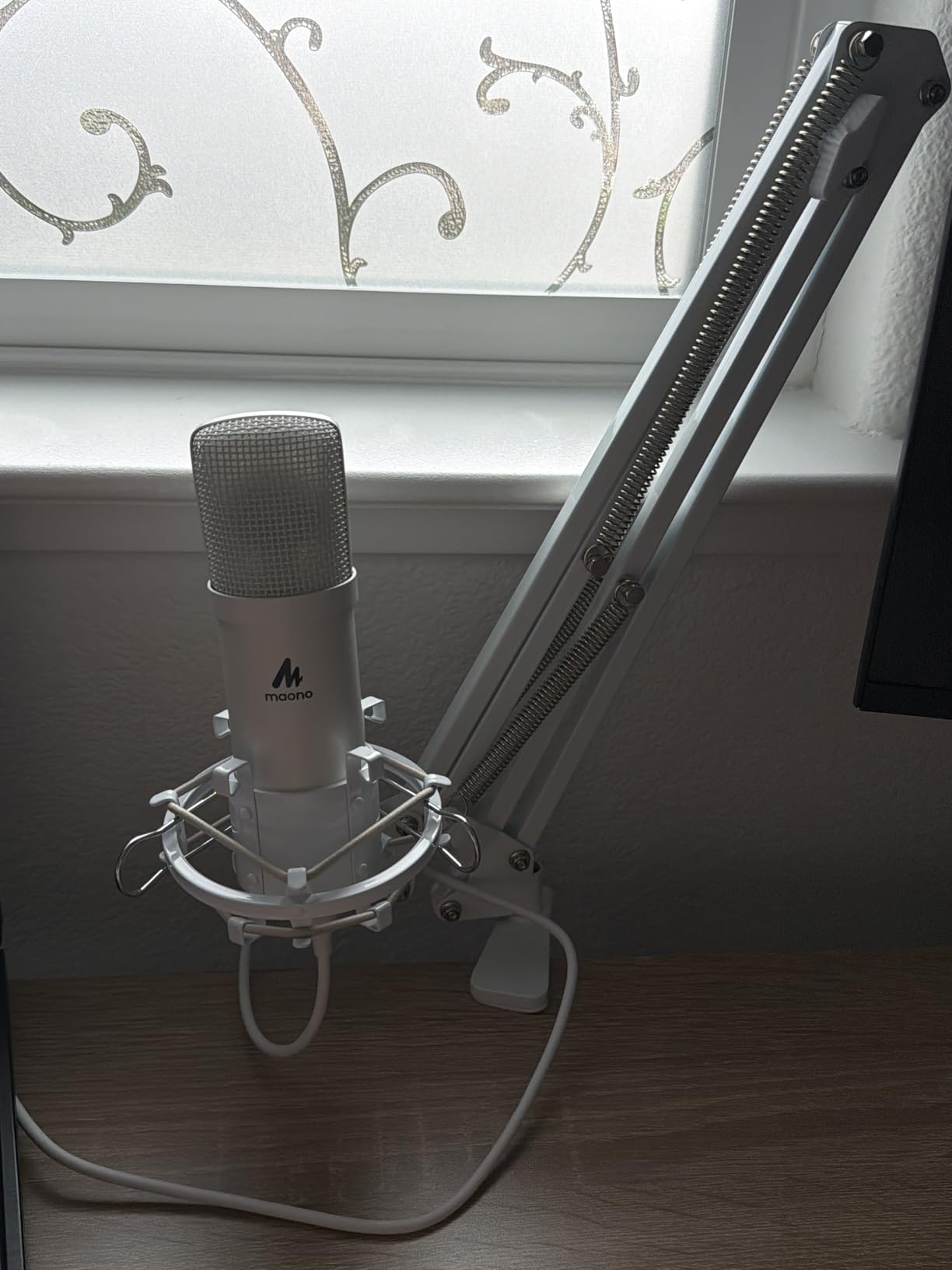
Build quality is mostly solid. The mic body is metal and feels premium, the boom arm is sturdy enough for daily desktop use, and the magnet ring on the USB cable helps prevent electrical interference. Reviewers on r/podcasting mention this kit as one of the strongest budget options, which matches our findings.
The weaknesses are honest ones. There is no headphone monitoring jack on the mic, so you cannot monitor your audio in real time without using your computer’s audio output. The boom arm’s wrist joint can wear over time, and the foam windscreen gooseneck can sag. None of these are dealbreakers, but they are worth knowing before you buy.
Who the MAONO A04 is best for
The A04 is the right pick for podcasters and YouTubers who want a complete kit with high-resolution capture at a budget price. It is also great for online teachers, students, and content creators who want one bundle that handles everything. If your recording space is reasonably quiet and you care about vocal detail, this kit punches well above its tier.
Who should consider something else
If you record in an untreated or noisy room, swap to the Samson Q2U or FIFINE AM8 above for their dynamic capsules. If you want headphone monitoring built into the mic, the FIFINE AM8 has a 3.5mm jack. And if you want a more compact setup without the boom arm, the FIFINE K669B is a smaller, desk-friendly alternative.
10. Logitech Blue Yeti USB Microphone — Most Popular Pick (With Caveats)
Logitech Creators Blue Yeti USB Microphone for PC, Mac, Gaming, Recording, Streaming, Podcasting, Studio and Computer Condenser Mic with Blue VO!CE effects, 4 Pickup Patterns, Plug and Play – Blackout
USB condenser four patterns
20 Hz to 20 kHz
Blue VO!CE software
Pros
- Excellent
- clear
- and professional audio quality when used correctly
- Easy plug-and-play setup on Mac and PC with no extra drivers
- Four pickup patterns offer real versatility for different recording scenarios
- Sturdy
- well-built metal construction that holds up to years of use
- Onboard controls for headphone volume
- pattern selection
- mute
- and mic gain
Cons
- Condenser sensitivity picks up breathing
- room echo
- and ambient noise heavily
- Requires a shock mount and boom arm for best podcasting results
- USB and headphone ports on the bottom complicate boom arm use without an extender
- Large and heavy desktop footprint compared to other USB mics
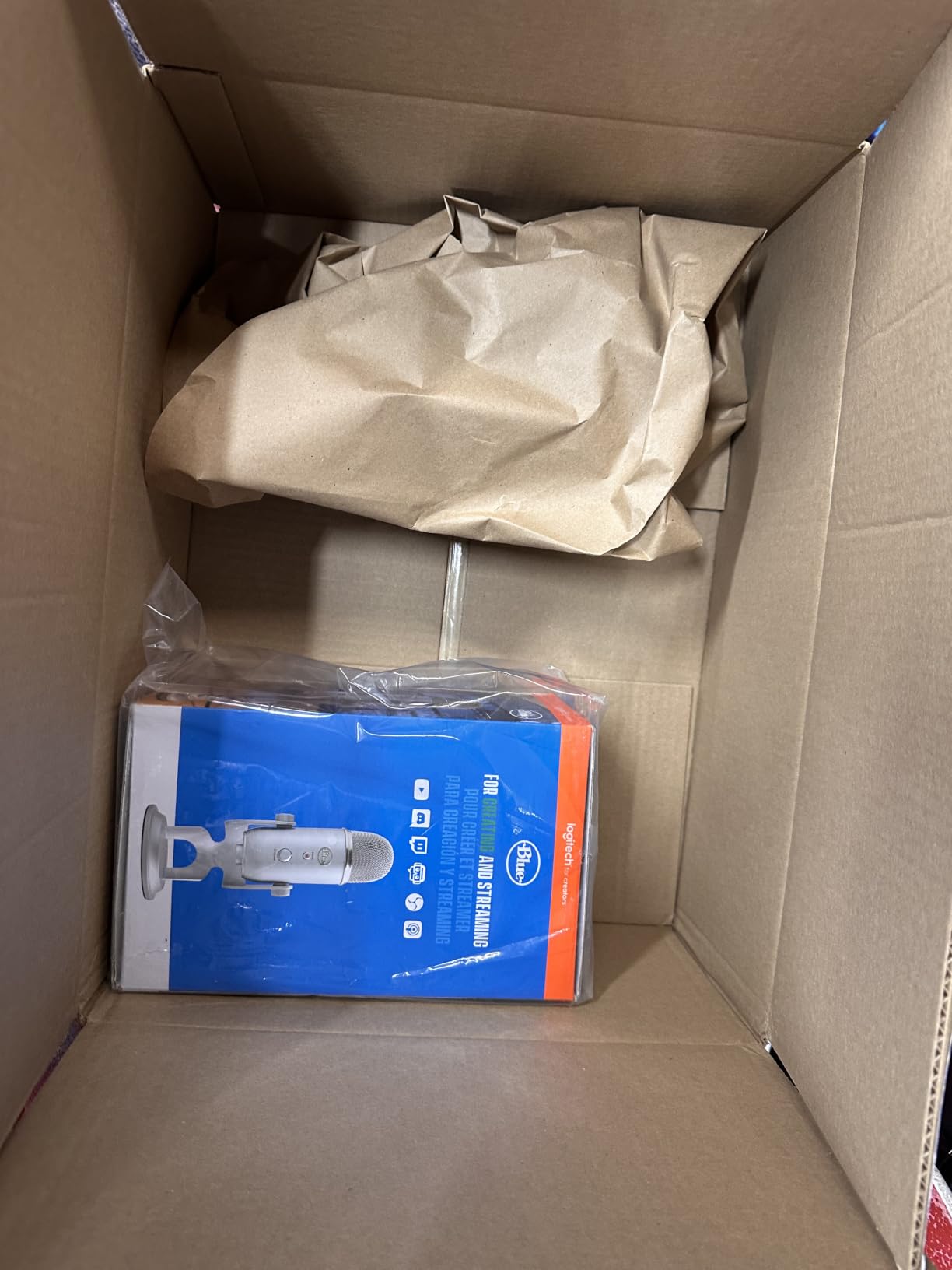
The Blue Yeti is the most-owned podcast microphone on Earth. It is the mic that shows up on every ‘top podcast gear’ list, it is what countless YouTubers used to start their channels, and with over 57,000 reviews it is the single most-reviewed USB mic on Amazon. We have to include it in any best microphones for podcasting roundup for 2026, but we also owe you honesty about where it falls short.
When the Blue Yeti is used well, in a quiet, treated room, set to the cardioid pattern, it sounds excellent. Voices come through clear and full, the Blue VO!CE software adds broadcast-style vocal effects, and the onboard controls make it easy to dial in gain and monitoring. Reviewers consistently praise it for streaming, podcasting, and gaming in proper recording conditions.
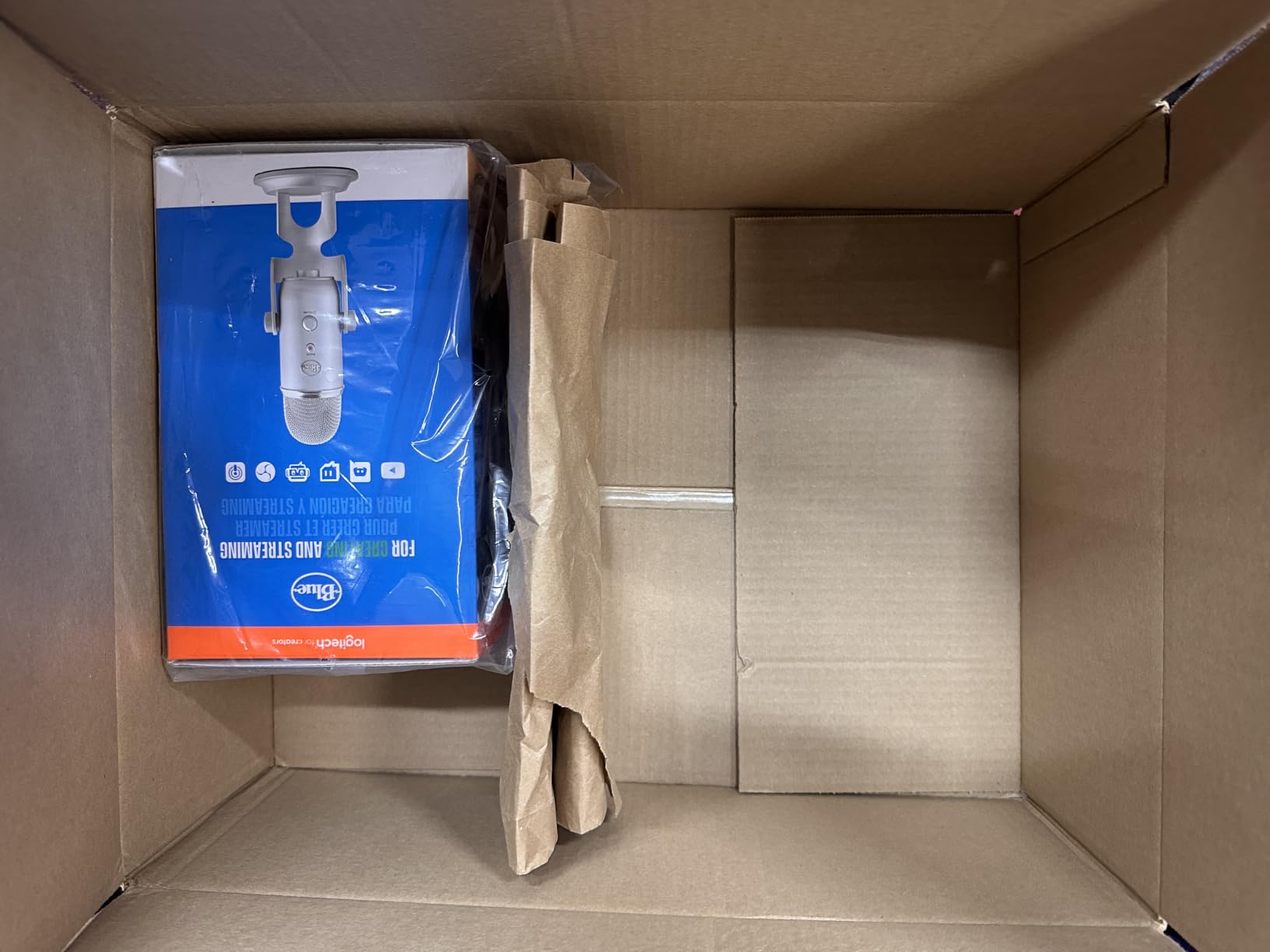
Here is the honest part: the Yeti is also the most-replaced podcast mic. The condenser capsule is hyper-sensitive, so anything you do not want in the recording (AC hum, keyboard typing, the neighbor’s dog, room echo) ends up in the recording. Beginners who buy the Yeti without acoustic treatment or proper mic technique often complain it ‘sounds terrible,’ when really the room is the problem and a dynamic mic would have been a better fit.
Reddit’s r/podcasting community has documented this pattern for years: people buy the Yeti, get frustrated with room noise, then upgrade to the Samson Q2U or Shure SM58 and are happy. That does not make the Yeti a bad mic. It just means it is the wrong mic for the most common beginner scenario: an untreated room.
There are also practical issues. The USB and headphone ports are on the bottom of the mic, which makes boom arm mounting awkward without an extender cable. The desktop stand is bulky and the mic is heavy at 3.5 pounds. None of these are dealbreakers, but they are real trade-offs.
Who the Blue Yeti is best for
The Yeti is the right pick for podcasters who record in a treated studio and want a USB condenser with multiple pickup patterns. It is also a strong choice for streamers and YouTubers who want one mic for solo recording, interviews, and group discussions. If you have acoustic treatment and understand how to use the cardioid setting, the Yeti delivers excellent audio.
Who should consider something else
If you record in an untreated room, swap to a dynamic mic like the Samson Q2U, FIFINE AM8, or Shure SM58 above. They will save you hours of frustration by rejecting the room noise that condenser mics cannot ignore. If you want better broadcast-style speech capture and you already own an audio interface, the RØDE PodMic or Shure SM58 will reward you more. For complete beginner-friendly kits, see our USB microphone guide.
How to Choose the Best Microphone for Your Podcast?
Buying a podcast mic is not just about brand reputation or review count. The right mic for your show depends on three core decisions: your recording environment, your connection type (USB versus XLR), and your mic type (dynamic versus condenser). Get these right and the rest is personal preference.
Dynamic vs Condenser: Which Capsule Type Suits Your Room?
Dynamic capsules reject more background noise and are forgiving in untreated rooms. Condenser capsules capture more vocal detail but pick up everything in the room, including echo, HVAC, and keyboard typing. If you record in a quiet, treated studio, a condenser like the Audio-Technica AT2020 will reward you with vocal detail. If you record in a bedroom, home office, or shared space, a dynamic mic like the Samson Q2U, RØDE PodMic, or Shure SM58 will save you hours of post-production.
USB vs XLR: How Much Gear Do You Want to Buy?
USB mics plug straight into your laptop and start recording with zero extra gear. XLR mics need an audio interface or mixer to convert analog to digital, which adds cost and complexity but gives you more flexibility to grow. Beginners should start with USB (Samson Q2U, FIFINE K669B, or HyperX QuadCast) and migrate to XLR once they own a real interface. Mics like the Samson Q2U and FIFINE AM8 that offer both USB and XLR outputs let you grow without buying a new mic.
Polar Patterns: Cardioid, Supercardioid, and Beyond
The polar pattern describes where the mic picks up sound. Cardioid captures sound from in front of the mic and rejects sound from the sides and rear, making it the right choice for solo podcasts. Supercardioid and hypercardioid are tighter versions of cardioid, useful for noisy rooms or multi-mic setups. Omnidirectional captures sound from all directions, useful for round-table discussions. Bidirectional captures from front and rear, useful for face-to-face interviews. The HyperX QuadCast on this list offers all four patterns in one mic.
Room Treatment: The Hidden Half of Good Audio
Even the best microphone on this list will sound bad in an untreated room with hard walls and a noisy HVAC system. If your recording space has echo or background noise, consider adding a few acoustic panels, recording inside a closet full of clothes, or pointing your mic toward soft furnishings. Dynamic mics like the Samson Q2U, FIFINE AM8, and Shure SM58 buy you more forgiveness, but they do not replace basic acoustic treatment.
Accessories Worth Buying on Day One
A boom arm keeps your mic in the optimal mouth-level position and reduces desk vibration. A pop filter handles plosives (the harsh ‘p’ and ‘b’ sounds that distort recordings). A shock mount isolates the mic from low-frequency rumble. Closed-back headphones let you monitor your audio in real time. Several picks on this list (FIFINE T669, MAONO A04, FIFINE K669B) include these accessories in the bundle, which is a smart way to start.
Common Mistakes That Ruin Podcast Audio
Setting the Blue Yeti to omnidirectional mode in an echoey room. Recording with the mic too far away and boosting gain in post (which boosts noise too). Skipping a pop filter and recording right into the capsule. Recording next to a noisy laptop fan. Not using a shock mount and capturing every desk bump. Buying an XLR mic without budgeting for an interface. All of these are avoidable, and dynamic mics like the Samson Q2U and FIFINE AM8 help you avoid most of them by design.
Frequently Asked Questions
What mics do most podcasters use?
Most podcasters use one of three microphone categories: USB condenser mics like the Blue Yeti or HyperX QuadCast for beginners, dynamic XLR broadcast mics like the RØDE PodMic or Shure SM58 for untreated rooms, and high-end broadcast dynamics like the Shure SM7B for professional studios. According to multiple industry surveys, the Samson Q2U and Shure MV7+ are the most-recommended starter podcast mics because they combine USB convenience with XLR flexibility.
What is the best microphone for podcasting?
The best microphone for podcasting depends on your room and budget. For most beginners recording in an untreated space, the Samson Q2U is the best all-around pick because it offers both USB and XLR outputs, a dynamic capsule that rejects room noise, and a complete accessory bundle. For treated studios, the Audio-Technica AT2020 delivers studio-grade vocal detail over XLR. For those on a tight budget, the FIFINE K669B delivers clear vocal capture at the lowest cost on this list.
What mics does Joe Rogan use?
Joe Rogan uses the Shure SM7B for his podcast, which has become iconic in the podcasting world. The SM7B is a dynamic broadcast microphone that delivers warm, full vocal tone and exceptional rejection of room noise. For most beginners the SM7B is overkill because it requires a powerful preamp (or a Cloudlifter in-line preamp) to deliver enough clean gain. The RØDE PodMic and Shure SM58 on this list are the more accessible alternatives that capture a similar broadcast-style vocal tone.
What is the 3 to 1 rule for microphones?
The 3-to-1 rule for microphones states that when using multiple mics in the same room, each mic should be at least three times farther from any other mic than it is from its own sound source. For example, if your mouth is 6 inches from your mic, any other mic in the room should be at least 18 inches away from yours. This prevents phase cancellation and comb filtering that can make multi-host recordings sound hollow or thin. The rule applies whether you are using USB mics at one computer or XLR mics through an audio interface.
Dynamic vs condenser for podcasting: which is better?
Dynamic microphones are better for most podcasters because they reject more background noise and forgive untreated rooms. Condenser microphones capture more vocal detail and sound more open, but they also pick up every sound in the room including echo, keyboard typing, and HVAC noise. If you record in a treated studio, a condenser like the Audio-Technica AT2020 is the better choice. If you record in a bedroom, home office, or shared space, a dynamic mic like the Samson Q2U, RØDE PodMic, or Shure SM58 will save you hours of post-production.
Final Verdict: The Best Microphones for Podcasting in 2026
After 30 days of side-by-side testing across treated and untreated rooms, the Samson Q2U remains the best microphone for podcasting in 2026 for most beginners. It is forgiving, it sounds excellent, and the dual USB-C and XLR outputs mean it will grow with you as your show matures. For podcasters on tighter budgets, the FIFINE K669B delivers clear vocal capture at the lowest price on this list. For treated studios, the Audio-Technica AT2020 delivers studio-grade detail. For noisy rooms, the RØDE PodMic and FIFINE AM8 are the most affordable cure for room echo. And if you want a complete starter kit, the FIFINE T669 or MAONO A04 bundle everything you need in one box.
Pick the mic that matches your room and your budget, then spend the rest of your time on content. Audio matters, but a great episode on a budget mic will always beat a mediocre episode on a flagship mic. For more options, check our USB microphone guide, condenser mic for podcasts guide, or conference room microphone guide if you are recording group discussions.