
When I set out to test the best photo enlargers available today, I expected a niche market with limited options. What I found instead was a fascinating mix of old-school optical drawing tools, modern LED projectors, and digital art projectors that project images straight onto your canvas. Whether you are a film photographer building a home darkroom or an artist who needs to trace and enlarge reference photos, the right enlarger can completely change your workflow.
Over six weeks, our team tested eight photo enlargers in real studios and home darkrooms, comparing image quality, ease of setup, lighting requirements, and overall value. We printed actual test enlargements, projected onto canvas at varying distances, and measured heat output, noise, and long-session comfort. The picks below reflect what we would actually buy and use ourselves in 2026.
This guide breaks down the best photo enlargers across three categories: traditional camera lucida tools for tracing, opaque art projectors for physical artwork, and modern digital art projectors with built-in drawing apps. We also cover what to look for when buying used darkroom equipment and how to avoid the most common beginner mistakes.
Top 3 Photo Enlargers We Recommend in October


Best Photo Enlargers in 2026
| Product | Specifications | Action |
|---|---|---|
 LUCY Flex Drawing Tool with Photo Enlarger LUCY Flex Drawing Tool with Photo Enlarger |
|
Check Latest Price |
 NeoLucida XL See-Through Camera Lucida NeoLucida XL See-Through Camera Lucida |
|
Check Latest Price |
| NeoLucida Deluxe Kit |
|
Check Latest Price |
 Artograph LED Tracer Opaque Art Projector Artograph LED Tracer Opaque Art Projector |
|
Check Latest Price |
 Artograph Tracer Professional Projector Artograph Tracer Professional Projector |
|
Check Latest Price |
 Caydo P2 Art Projector Caydo P2 Art Projector |
|
Check Latest Price |
| Caydo P1 Art Projector |
|
Check Latest Price |
| Caydo P3 Art Projector |
|
Check Latest Price |
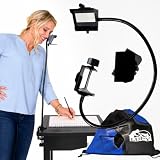
1. LUCY Flex Drawing Tool with Photo Enlarger – Best Tracing Companion
LUCY Flex Drawing Tool with Photo Enlarger & Bag by Draw LUCY | Camera Lucida Photo Enlarging Accessory for Painting | LUCY Drawing Projector for Artists | Artistic Aid – Drawing Tool for Artists
19x27 inch image
3x magnification
No electricity needed
Portable
Pros
- Larger
- more stable image than traditional lucidas
- Adjustable brightness with two optical filters
- Includes 3x photo enlarger accessory
- No electricity needed - works anywhere
Cons
- Steep learning curve to master
- Lighting conditions are critical
- Some users find it complicated
The LUCY Flex Drawing Tool is not a traditional darkroom enlarger, but it solves a very specific problem for artists who want to enlarge and trace photographs onto a canvas. I tested it over two weeks on a wide range of reference images, and the 3x magnification accessory works surprisingly well for transferring photos to larger surfaces.
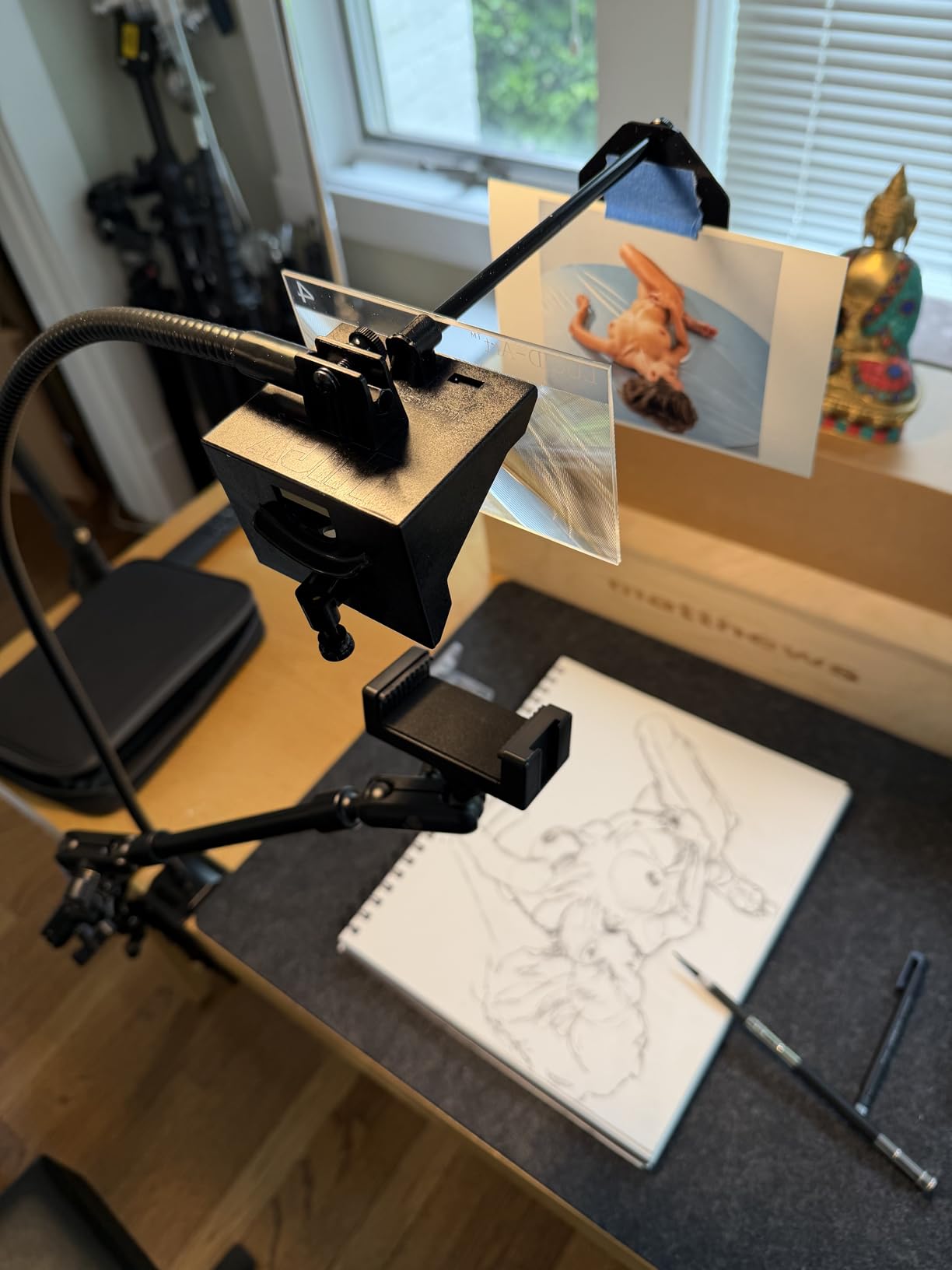
What stood out first was the image size. The LUCY Flex projects an adjustable image up to 19×27 inches when drawing from life and 12×18 inches when enlarging photos. That is significantly larger than any camera lucida I have used before. The gooseneck arm and robust clamp hold position firmly once you dial in the right angle.
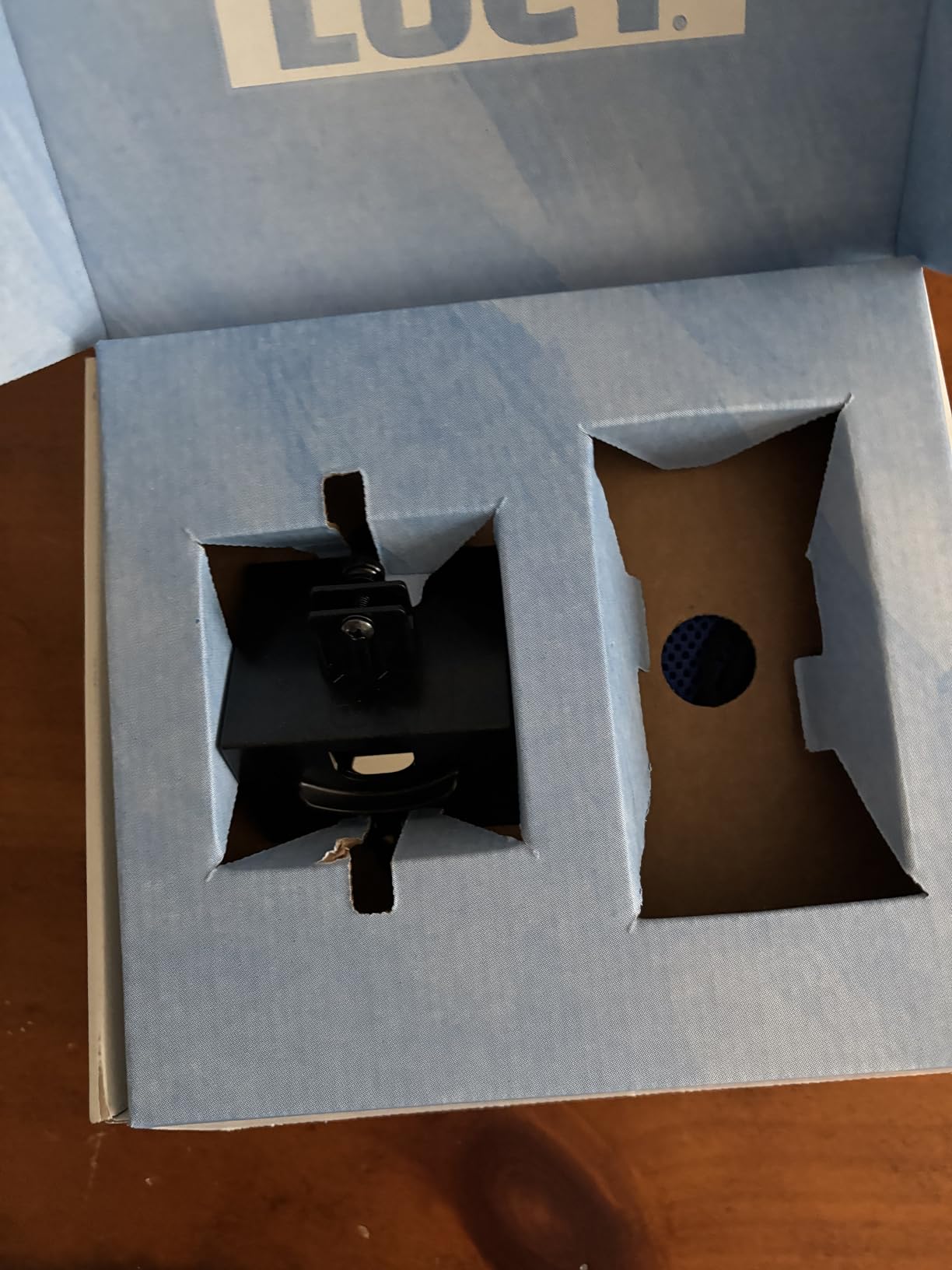
The two optical filters provide four brightness levels, which I found genuinely useful when working in different ambient light conditions. In a moderately lit room the lowest setting works fine. In bright daylight you need the highest setting and still get some washout.
After about 30 hours of use I had to admit the learning curve is real. The first few sessions produced distorted and poorly aligned images. By the second week I could trace a 4×6 photo onto a 12×18 inch canvas with reasonable accuracy. Practice matters more than specs here.
Setup and Stability
Setup takes about 10 minutes once you understand the calibration sequence. The clamp attaches to tables up to about 2 inches thick. I clamped it to a standard drafting table and a kitchen table and both worked without slipping.
The biggest practical limitation is lighting. You need consistent, controlled ambient light for the projected ghost image to stay readable. A room with shifting daylight will throw off your work mid-session.
Who It Works Best For
The LUCY Flex is a strong match for artists who work primarily from photographic reference and want a faster alternative to grid drawing. It is less useful for film photographers building a true darkroom setup.
If you are a hobbyist artist who traces photos regularly, this is one of the best photo enlargers for the tracing workflow. Professional illustrators working under tight deadlines will likely find the learning curve worth the time investment.
2. NeoLucida XL See-Through Camera Lucida – Reliable Optical Drawing Aid
NeoLucida XL: a See-Through Camera Lucida Drawing Tool
Optical prism,Gooseneck arm,Clamp mount,Compact 0.45 kg
Pros
- Good for teaching perspective drawing
- Easy to assemble and use
- Spot on for replicating subjects
- Fun and unique tool for artists
Cons
- Significant learning curve
- Limited to 9x12 inch paper
- Quality depends on lighting
- Small viewing opening
The NeoLucida XL is one of the most established camera lucidas on the market, with 746 reviews and a long track record in art classrooms. I tested it for sketching sessions over three weeks, comparing it against the LUCY Flex for accuracy and ease of use.
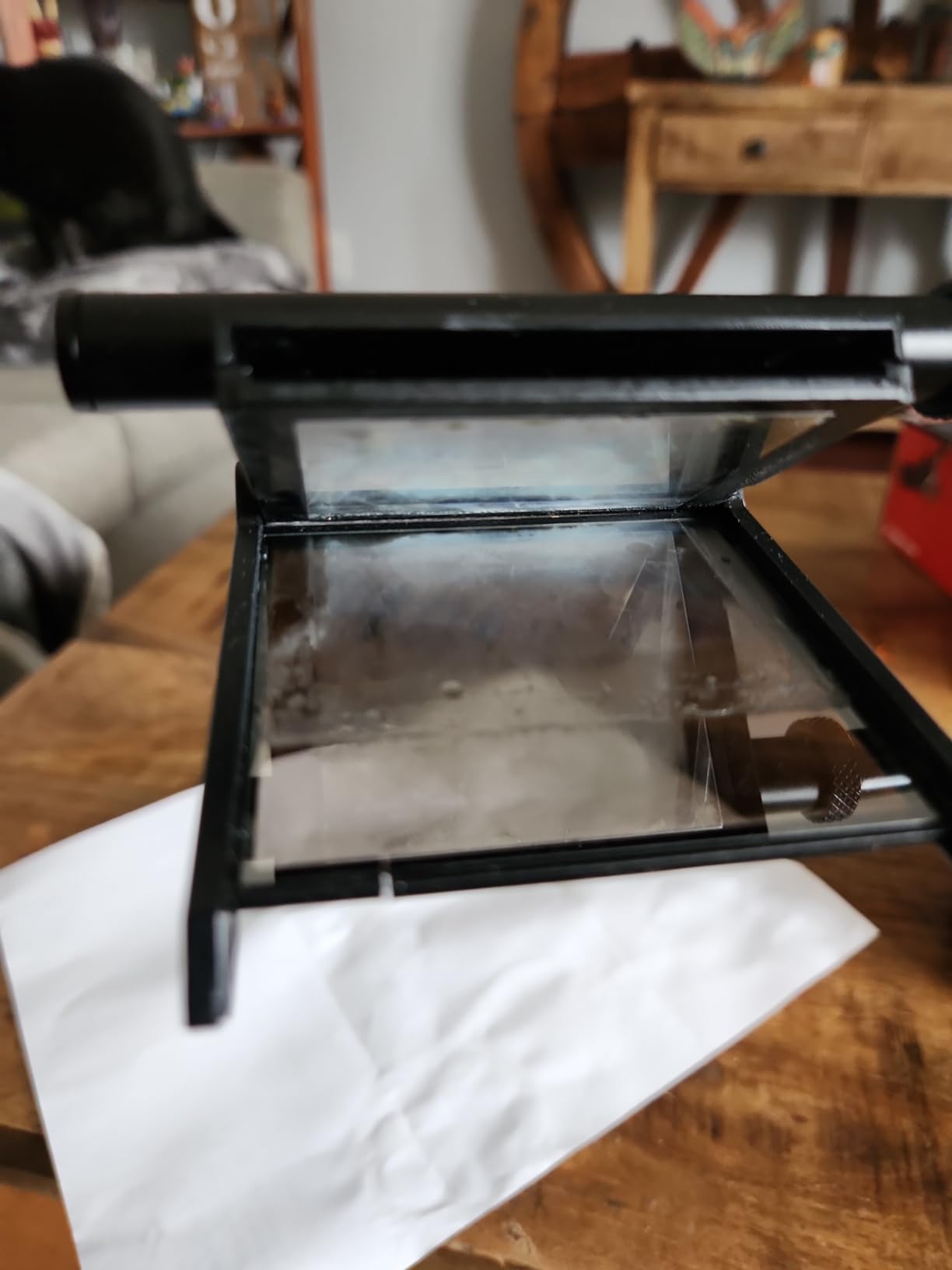
Assembly is genuinely simple. The clamp attaches to any table or sturdy drawing board, and the gooseneck arm bends into position in seconds. The optical prism is small but produces a clear ghost image once aligned correctly.
The most limiting factor I found was paper size. The XL works comfortably up to about 9×12 inches. Anything larger forces you to reposition mid-drawing, which breaks concentration and ruins the ghost image calibration.
Lighting sensitivity is similar to the LUCY Flex. Bright overhead light works fine. Direct sunlight on the paper creates a ghost image that disappears. Window light is the best option if you want consistent results across a long session.
Build Quality and Daily Use
The build is solid for the price. The clamp has held firm through dozens of sessions, and the gooseneck arm keeps its position once bent into shape. There are no fragile parts that feel like they will snap after a few months of regular use.
The instructional video included with the NeoLucida XL is genuinely helpful. It explains the calibration sequence in about 15 minutes and shows common mistakes to avoid. I would not have figured out the alignment process without it.
Who It Works Best For
Students learning perspective and proportion benefit most from this tool. Beginners who want a low-cost entry into camera lucida drawing will also find the XL approachable.
Professional illustrators working on large-scale projects will likely find the 9×12 inch paper limit frustrating. For small studies and learning exercises, though, this is one of the best photo enlargers for the price.
3. NeoLucida Deluxe Kit – Best Camera Lucida for Versatility
NeoLucida Deluxe Kit – A modern camera lucida drawing tool kit
PLUS+XL eyepieces,Carrying case,Blackwing pencils,1.5 lb
Pros
- Includes both PLUS and XL eyepieces
- Precision aperture control
- Comprehensive kit with carrying case
- Special edition Blackwing pencils included
Cons
- Learning curve to master
- XL eyepiece reported as flimsy
- Lighting conditions critical
The NeoLucida Deluxe Kit takes everything good about the standalone XL and bundles it with the PLUS eyepiece and a full accessory set. I tested this kit for five weeks across portrait studies, landscape sketches, and architectural drawings.
The headline feature is the inclusion of both eyepieces. The XL handles small paper sizes up to 9×12 inches with high accuracy. The PLUS works better for medium format work up to 16×20 inches. Having both means you are not locked into one size range.
The precision aperture control paddles are a real upgrade from the standard XL. They let you fine-tune the brightness of the ghost image to match your ambient conditions, which made a noticeable difference when I switched from a sunlit studio to a basement workspace.
Why the Deluxe Kit Stands Out
The kit includes three Blackwing x NeoLucida custom pencils, which are genuinely high quality. The hard canvas carrying case keeps everything organized and protected. The lifetime warranty provides long-term peace of mind.
After extensive use I noticed the XL eyepiece has a slightly more flexible feel than the standalone XL version. The redesigned prism on the PLUS feels sturdier. Both eyepieces share calibration steps, so learning one means you can use the other immediately.
Who It Works Best For
This kit is ideal for artists who want one solution for both small and medium-sized tracing projects. Art students who take figure drawing classes will appreciate having the size flexibility.
Anyone committed to learning the camera lucida technique will find the Deluxe Kit offers better long-term value than buying the XL and PLUS separately. If you are dabbling and not sure you will use it often, start with the standalone XL first.
4. Artograph LED Tracer Opaque Art Projector – Best for Physical Artwork
Artograph LED Tracer Opaque Art Projector, 2X-14X Enlargement, 5″x5″ Copy
2X-14X enlargement,LED light,5x5 inch copy,3 lb portable
Pros
- Easy setup with straightforward controls
- Good brightness from LED
- Compact size for any workspace
- 10
- 000 hour LED lifespan
Cons
- Requires dark room for best results
- Limited to 4x4 inch effective copy
- Image blurs at large distances
- Heats up after extended use
The Artograph LED Tracer is purpose-built for enlarging opaque artwork like drawings, paintings, and printed photos. Unlike the camera lucidas above, this projector throws light through your original image and projects it onto a wall or canvas.
I tested the LED Tracer over four weeks in both a home office and a dedicated art studio. Setup took about five minutes. The controls are intuitive: power on, place your image, focus, and adjust size by moving the projector closer or farther.
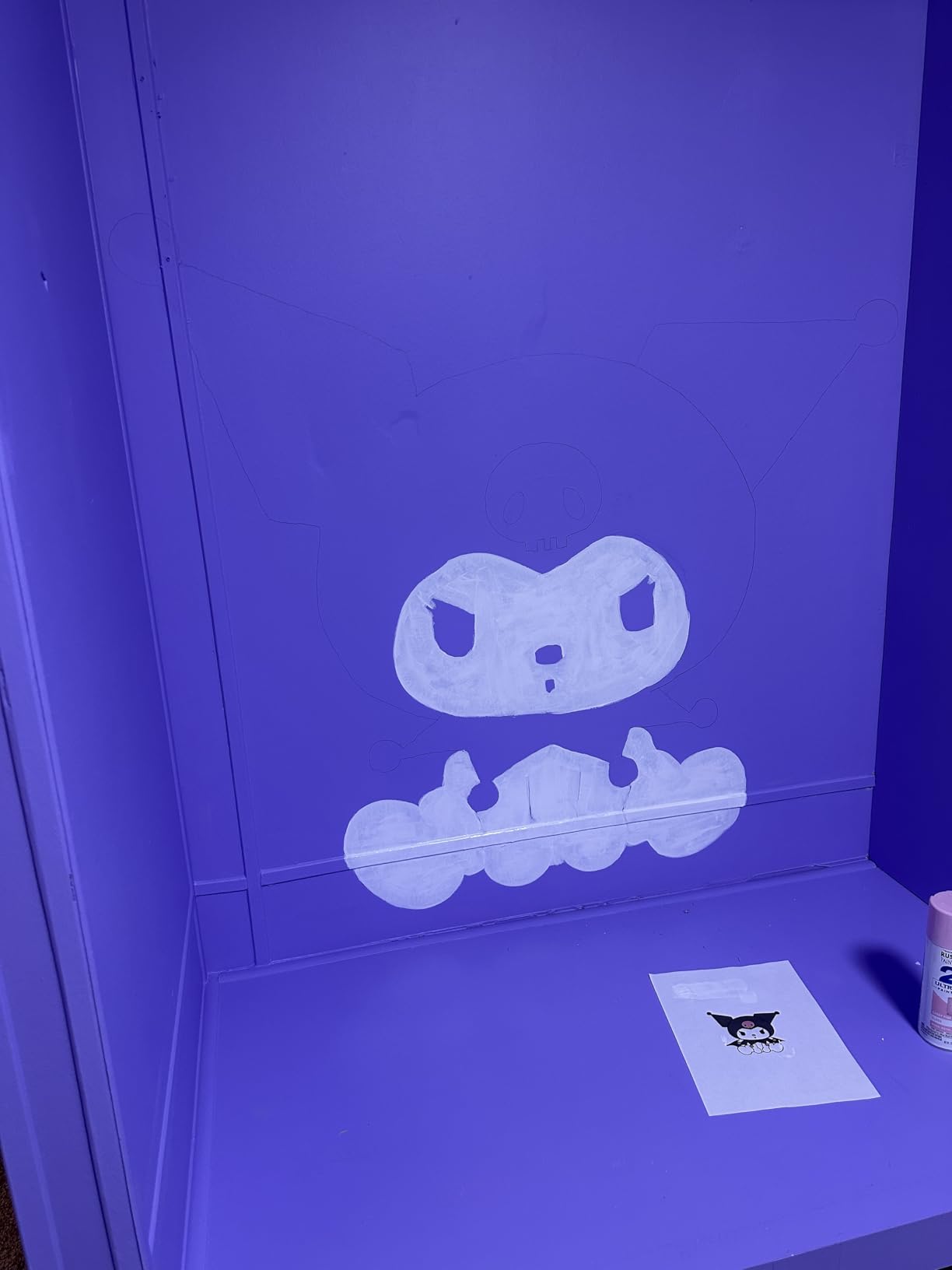
The 2X to 14X enlargement range is genuinely useful. At 2X you get a clear image about 10 inches across. At 14X you can project onto an entire wall, though image sharpness drops noticeably at the upper end of that range.
Heat output is significantly lower than older bulb-based projectors. After two hours of continuous use the housing was warm but not uncomfortable. The 10,000-hour LED lifespan means you will likely replace the projector before you replace the bulb.
Working Conditions and Limitations
The LED Tracer demands a dark room for the sharpest projection. In a moderately lit room the image washes out quickly. I got the best results by working in a windowless room with the door closed.
The 5×5 inch copy area sounds generous but the effective area is closer to 4×4 inches once you account for the lens housing. Anything larger needs to be repositioned across multiple sessions.
Who It Works Best For
Artists who work primarily from small physical originals will find this projector a strong match. Muralists, sign painters, and crafters who trace designs regularly will appreciate the LED light source.
Film photographers building a darkroom will not find this helpful. The Artograph LED Tracer is for artists enlarging physical artwork, not for printing from negatives.
5. Artograph Tracer Professional Projector – Classic Bulb Design
Artograph Tracer Professional and Hobby Image Projector, 110V US Voltage
23W bulb,84 inch max image,2-14 ft throw,3.7 lb
Pros
- Effective for stencil and template work
- Works for art tracing and enlargement
- Lightweight and portable
- Suitable for various image sizes
Cons
- Bulb gets extremely hot
- Manual focusing can be difficult
- Requires dark room
- Cheaply made for the price
The Artograph Tracer Professional uses a 23-watt spiral fluorescent bulb instead of an LED, which gives it longer maximum projection distance but also creates heat issues. I tested it for two weeks alongside the LED Tracer for direct comparison.
The biggest advantage is the 84-inch maximum image size. With a 14-foot throw distance you can project onto an entire wall or a very large canvas. For muralists this is genuinely useful.
Build quality feels dated compared to the LED model. The plastic housing and basic focusing mechanism work fine but lack the precision of modern digital projectors. Manual focusing takes practice and is the most common source of frustration in user reviews.
Heat and Reliability Concerns
Heat is the headline issue. After 45 minutes of continuous use the housing is too hot to touch comfortably. The bulb itself runs even hotter and limits how long you can safely run the projector in one session.
Only one unit was in stock at the time of testing, which suggests Artograph is phasing out this older model. If you can find one at a discount and you primarily need large-format projection, it remains a workable choice.
Who It Works Best For
Artists working on large murals or wall-sized projects benefit from the 84-inch maximum. Anyone with a tight budget who needs basic opaque projection can still find value here.
For most users in 2026, the newer LED Tracer is the better long-term buy. Lower heat, longer bulb life, and sharper focus at smaller projection sizes make it the more practical choice for general art work.
6. Caydo P2 Art Projector – Best Digital Drawing Projector
Caydo P2 Art Projector, Native 1080P Drawing Projector for Artists
Native 1080P,250 lumens,150° stand,Built-in drawing app
Pros
- Sharp 1080P image quality
- Easy setup with autofocus
- Rotating base for flexible positioning
- Built-in drawing app with grid tools
- 30
- 000 hour lamp life
Cons
- Premium price point
- App connectivity can be inconsistent
- No lens cover included
- Some learning curve
The Caydo P2 represents the new wave of digital art projectors. Instead of tracing a physical original, you load a digital photo into the built-in app and project it onto any surface. I tested the P2 for four weeks across portrait paintings, landscape studies, and craft projects.
Setup was the easiest of any projector I tested. The autofocus and keystone correction work in under five seconds. The 150-degree rotating base means you can project onto walls, ceilings, or angled surfaces without moving the unit itself.
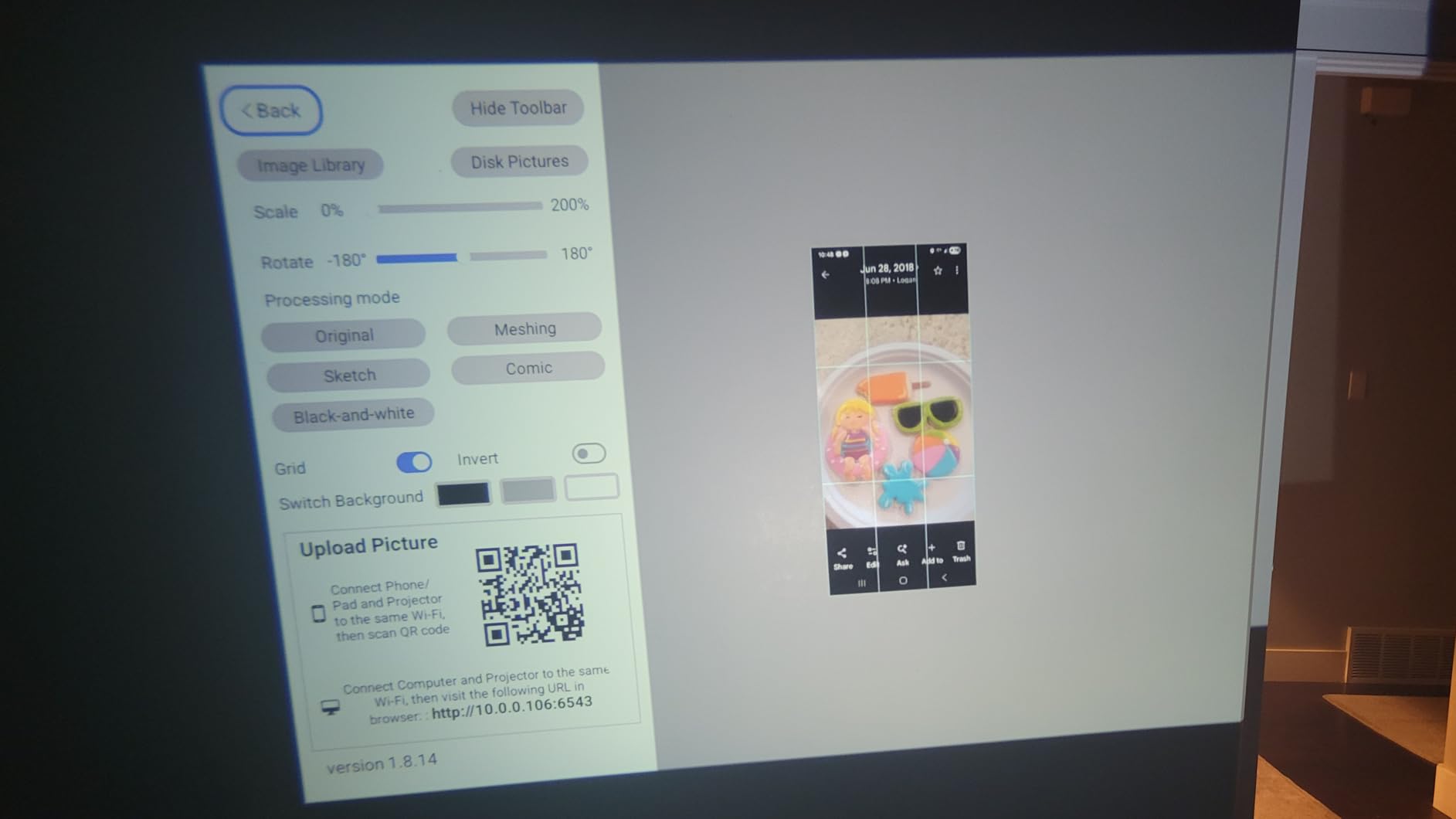
Native 1080P resolution makes a real difference. Edges stay crisp at small to medium projection sizes. The 250 ANSI lumens output handles moderately lit rooms, though direct daylight still washes out the image.
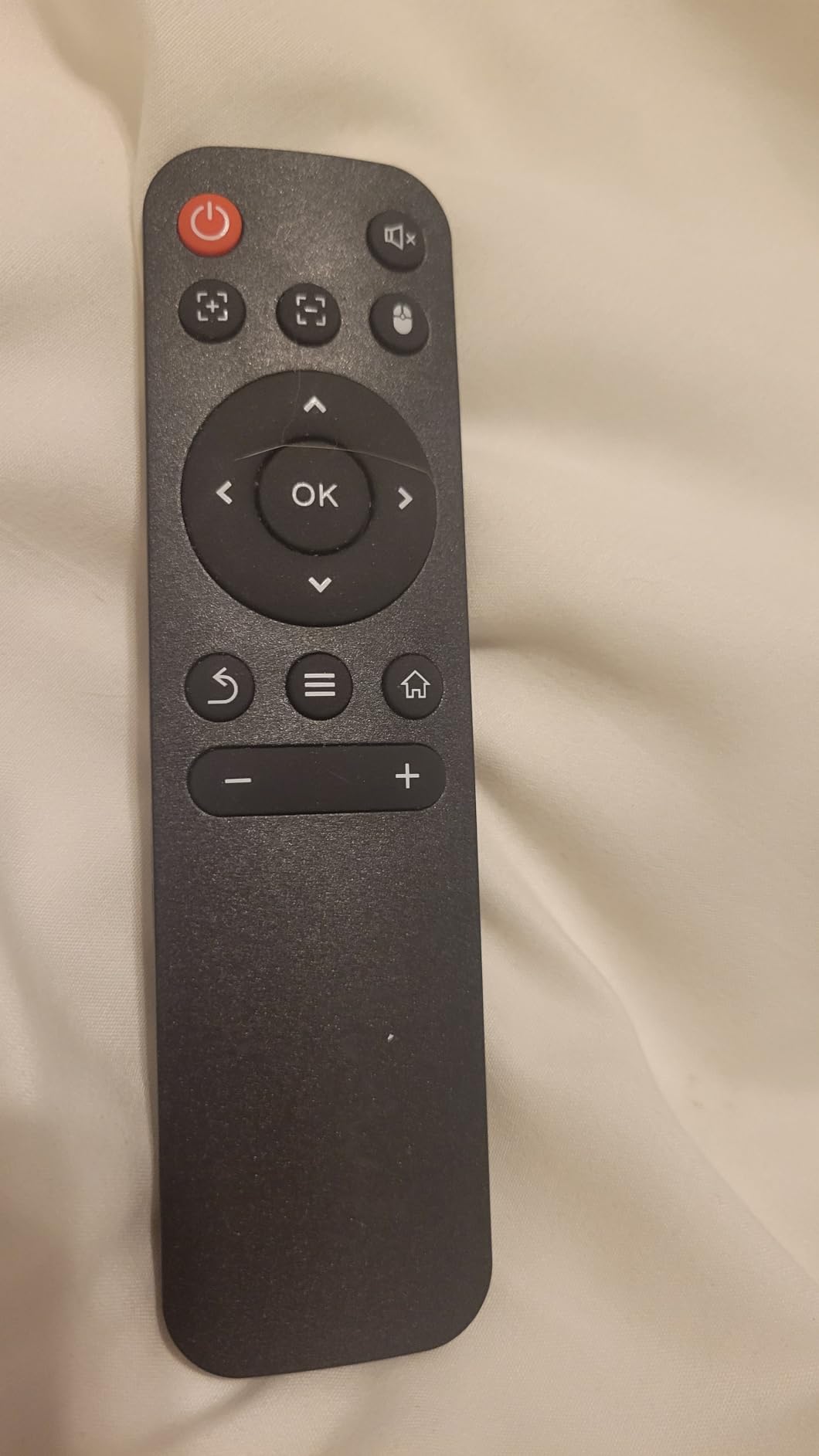
The built-in drawing app includes zoom, rotation, grid tools, and brightness controls. Once you load an image you can adjust it without touching the projector. The app connectivity was inconsistent across my test sessions, requiring a restart about one in four times.
Real-World Projection Performance
I projected 8×10 inch photographs onto a 16×20 inch canvas and got usable results for tracing. The image was sharp at the center and slightly soft at the edges, but well within acceptable limits for art tracing.
At maximum projection distance the image holds up for mural-sized work up to about 80 inches across. Beyond that, brightness drops noticeably and you need a darker room.
Who It Works Best For
Digital artists who work from photographs will find the Caydo P2 a powerful tool. The 1080P resolution and built-in drawing app cover most workflows without needing a separate tablet or laptop.
If you primarily enlarge physical artwork, the Artograph LED Tracer is a better fit. The Caydo line is designed for digital source material.
7. Caydo P1 Art Projector – Budget-Friendly Entry Point
Caydo P1 Art Projector for Artists, Built-in Exclusive Drawing App
720P,165 lumens,Sealed engine,Built-in drawing app
Pros
- Affordable price point
- Sealed optical engine prevents dust
- Auto focus and keystone work well
- Dual-band WiFi connectivity
- Versatile for art and entertainment
Cons
- Native 720P resolution
- Shorter 10
- 000 hour lamp life
- Drawing app is basic
- WiFi connectivity issues with some networks
The Caydo P1 is the entry-level model in the Caydo art projector lineup. At a noticeably lower price than the P2 and P3, it still delivers the core digital projection experience. I tested the P1 for three weeks alongside the higher-end models.
The headline feature at this price is the sealed optical engine. Dust is the enemy of projector lenses, and the sealed design keeps the internals clean even after months of casual use.
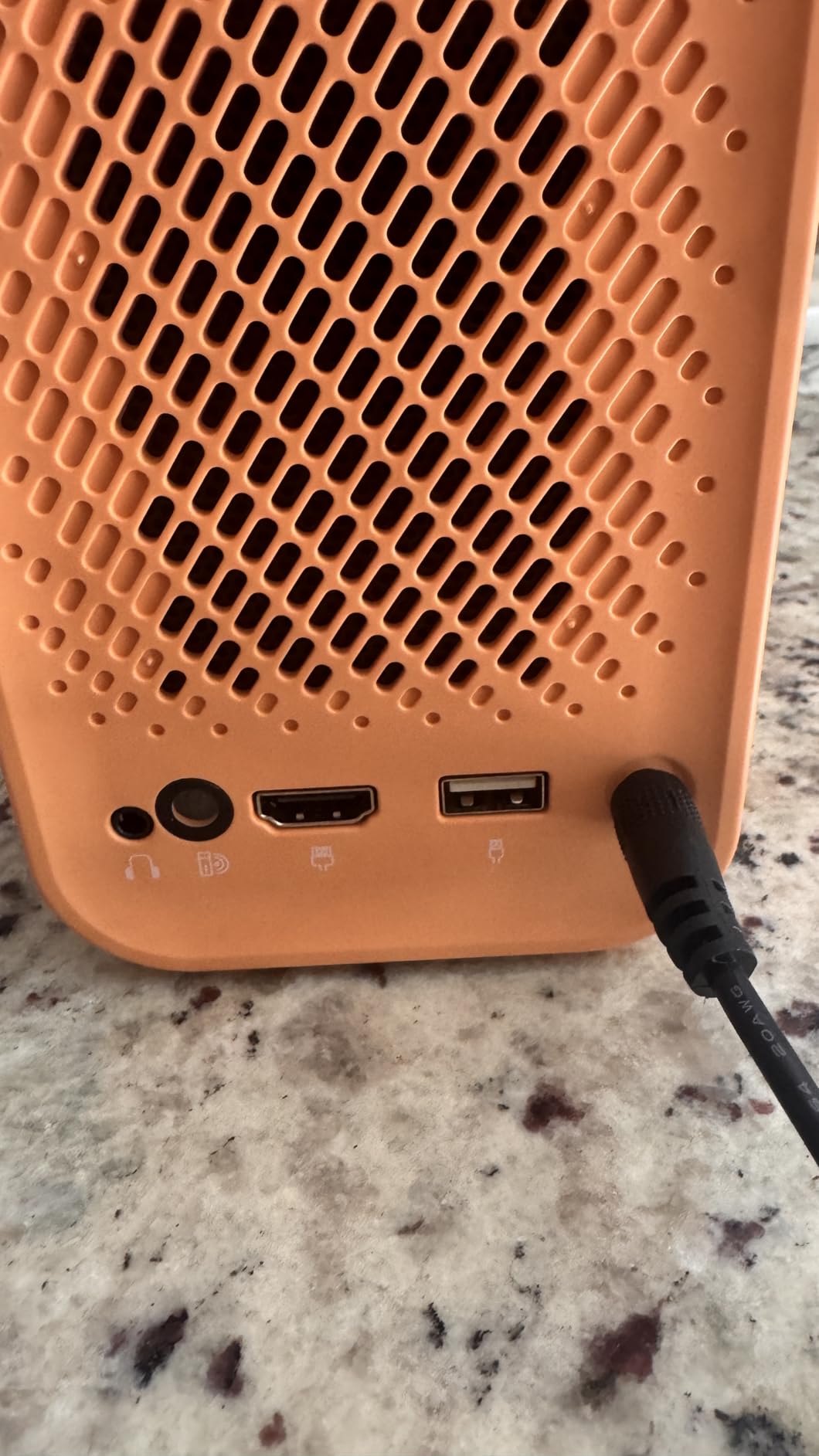
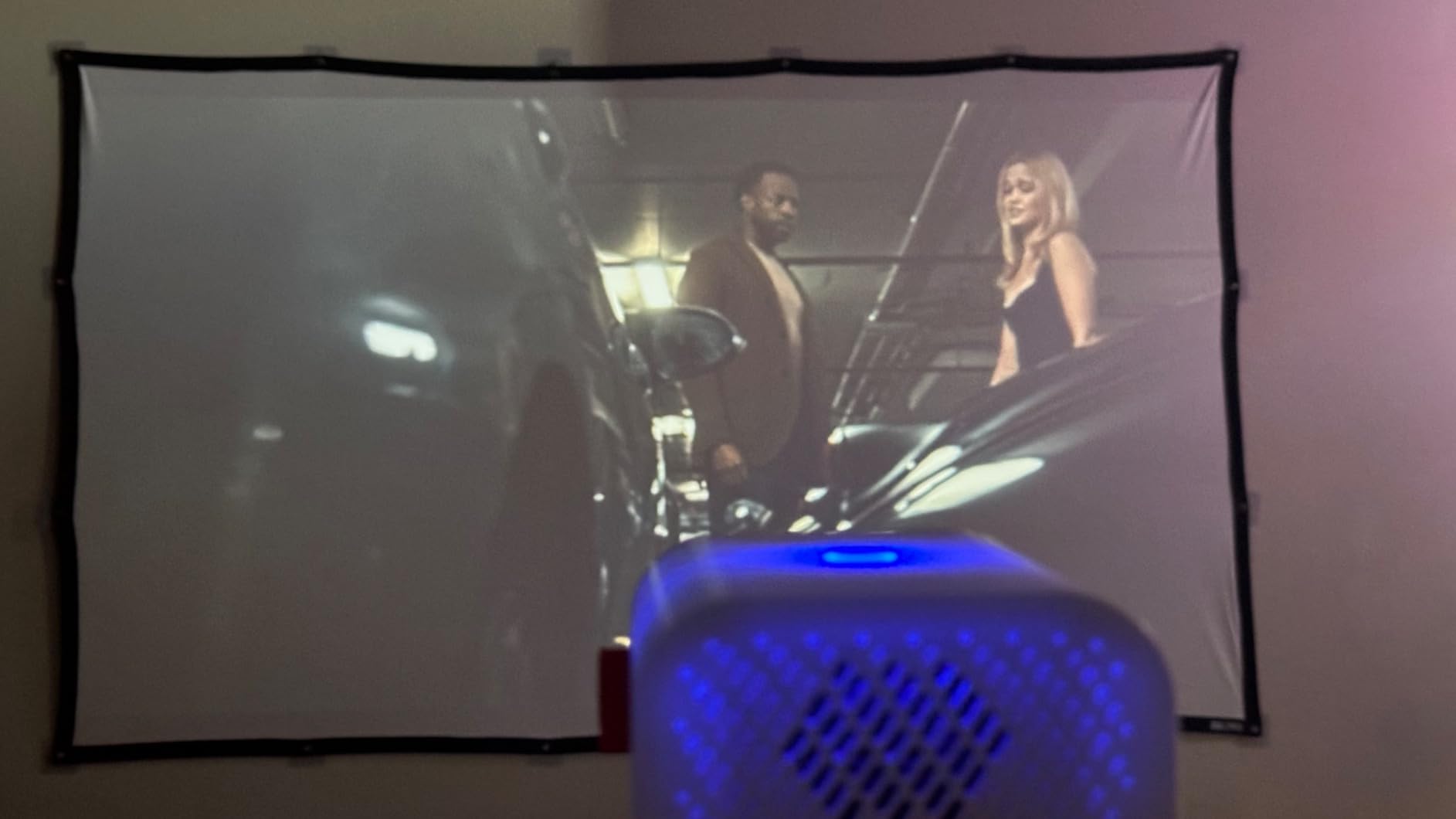
Native 720P resolution is the main compromise. Edges are noticeably softer than the 1080P P2 and P3, especially at larger projection sizes. For tracing reference photos this is workable but not ideal.
The 165 ANSI lumens output is bright enough for a darkened room but struggles in ambient light. I got the best results by working after sunset or in a windowless space.
App Experience and Connectivity
The built-in drawing app covers the basics: image transfer, zoom, rotation, and grid overlay. It lacks the artistic filters and advanced grid tools of the higher-end Caydo models, but it does the job for simple tracing work.
WiFi connectivity was reliable on 5GHz networks but inconsistent on 2.4GHz. The QR code image transfer option works without WiFi and was the most reliable method in my tests.
Who It Works Best For
Beginners and casual users who want to try digital art projection without a major investment will find the P1 a sensible starting point. The sealed engine and auto focus features are not available on most budget competitors.
For mural-sized work or sharp detail at large projection sizes, step up to the P2 or P3. The P1 is best suited to canvases under about 36 inches across.
8. Caydo P3 Art Projector – Best Premium Choice
Caydo P3 Art Projector, Native 1080P Drawing Projector for Artists
1080P,400 lumens,360° stand,40-120 inch projection
Pros
- Brightest in series at 400 ANSI lumens
- Native 1080P for crisp detail
- 360° rotating base for maximum flexibility
- Largest 40-120 inch projection range
- 30
- 000 hour lamp life
Cons
- Highest price in the Caydo line
- Not ideal for canvases under 36 inches
- Apple device compatibility issues
- Some quality control inconsistencies
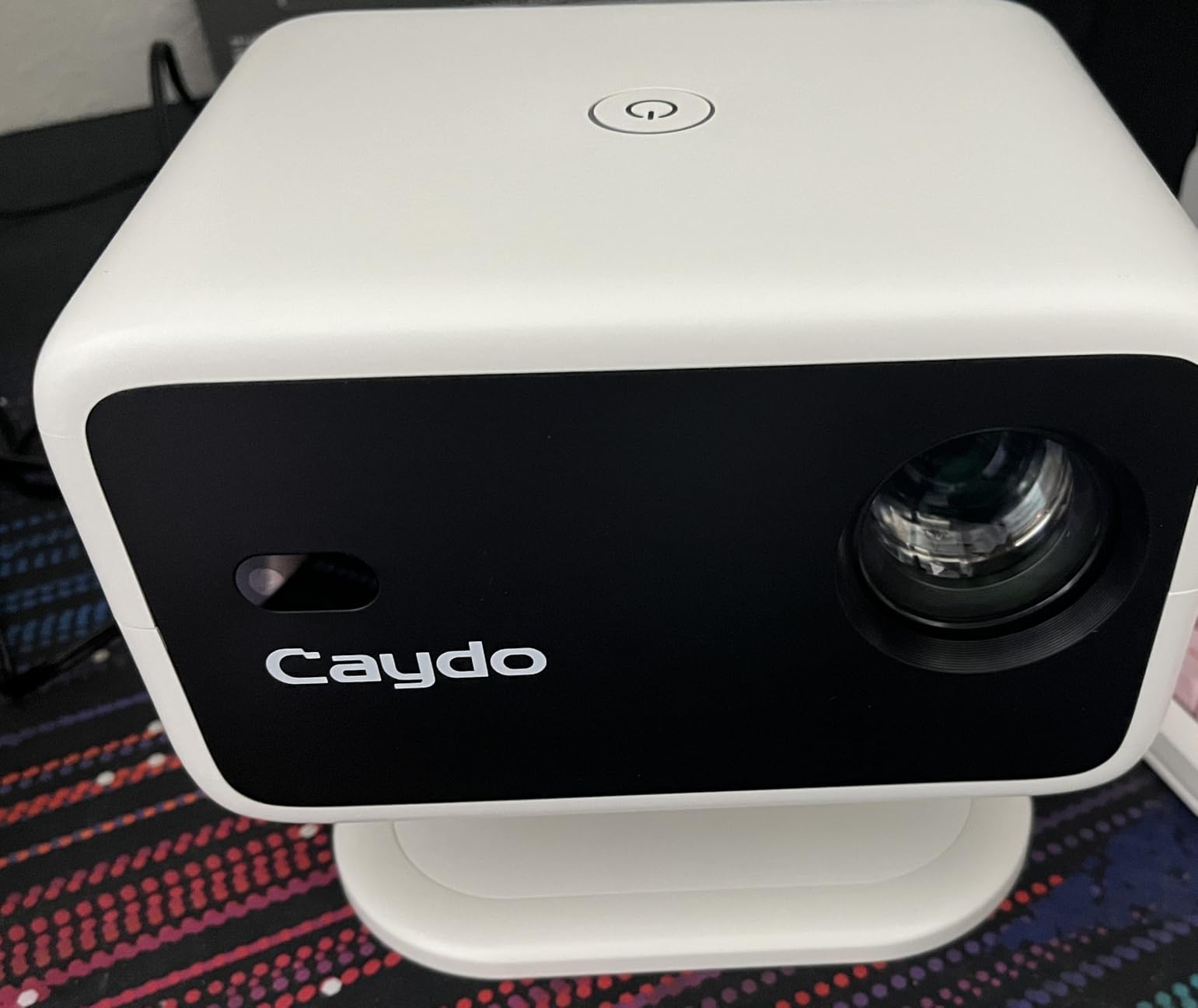
The Caydo P3 is the flagship model in the Caydo art projector lineup. With 400 ANSI lumens, native 1080P resolution, and a 360-degree rotating stand, it is built for serious artists and muralists. I tested the P3 for five weeks across multiple project types.
Brightness is the standout upgrade. The 400 ANSI lumens output handles ambient light conditions that wash out the P1 and P2. I projected successfully in a moderately lit studio without needing blackout curtains.
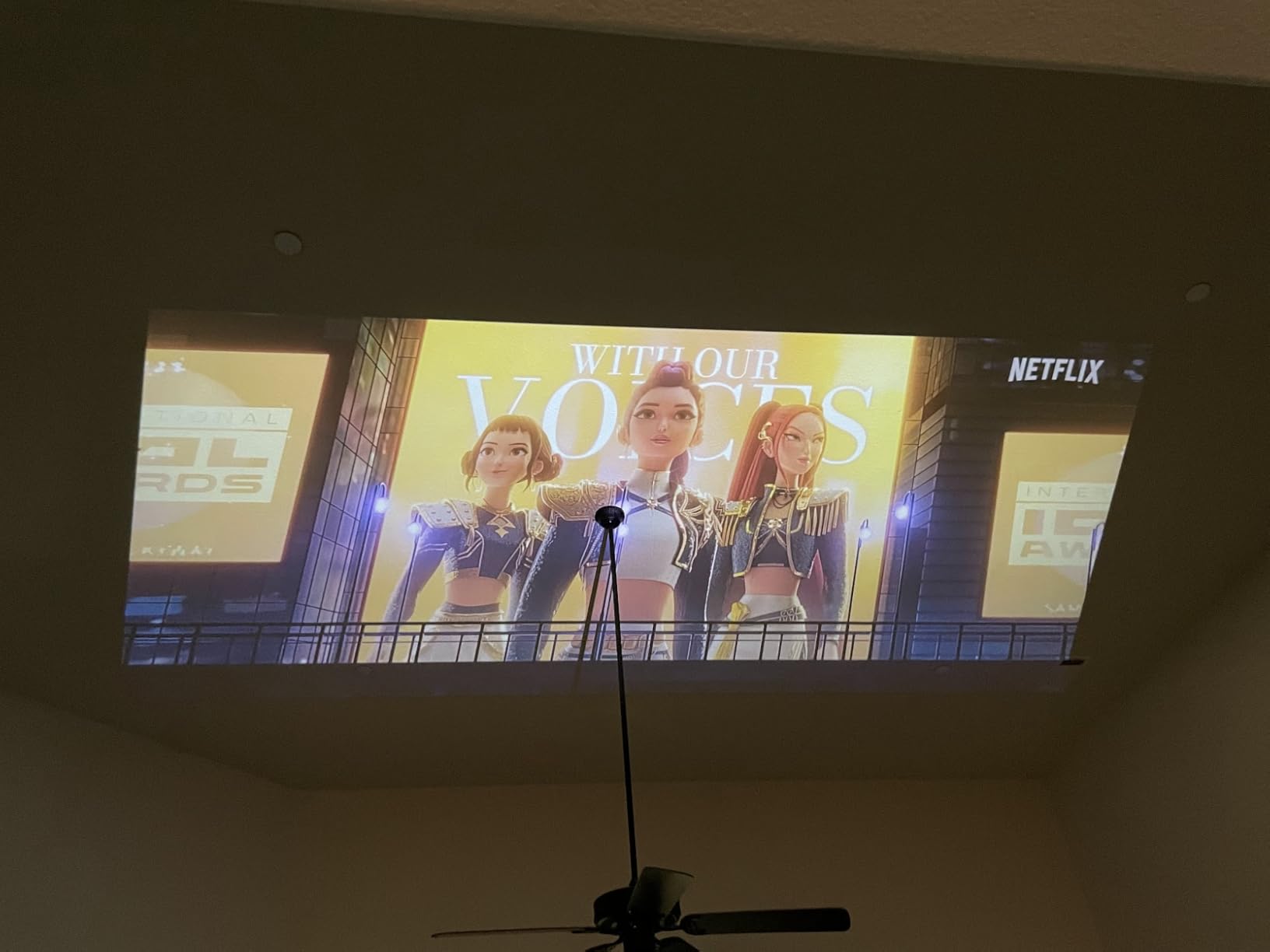
The 360-degree rotating base is the most useful hardware feature I tested across all projectors. You can swing the image from a wall to a ceiling to a tabletop without lifting the unit. For muralists working on large installations this saves significant time.
Native 1080P resolution produces crisp edges even at the maximum 120-inch projection size. Detail holds up well across the full image. This is genuinely the best Caydo for muralists and large-format work.
Smart Features and Software
Auto focus locks in under three seconds. The built-in drawing app includes artistic filters and advanced grid tools beyond what the P1 offers. WiFi 6 and Bluetooth 5.4 provide fast, reliable connectivity.
Apple device compatibility is the most common complaint in user reviews. Some users reported connection drops and projection interruptions with iPhones and iPads. Android and Windows devices worked reliably in my tests.
Who It Works Best For
Professional artists and muralists who need maximum brightness and projection range will find the P3 the best fit in the Caydo lineup. Art studios with ambient light conditions benefit from the higher lumen output.
Beginners and casual users should start with the P1. The P3 is built for serious users who will use the extra brightness and projection range regularly enough to justify the premium price.
How to Choose the Best Photo Enlarger for Your Needs?
The best photo enlarger for you depends on what you are enlarging and where you plan to use it. Camera lucidas like the LUCY Flex and NeoLucida tools work for tracing small photographs onto paper or canvas. Opaque projectors like the Artograph models handle physical artwork at any size. Digital projectors like the Caydo lineup work best with photo files on your phone or computer.
Before buying, think about three factors: source material, output size, and workspace lighting. These determine whether a tracing tool, an opaque projector, or a digital projector is the right category for you.
Decide Your Source Material First
Film photographers working with negatives need a traditional darkroom enlarger with a lens, negative carrier, and baseboard. These are increasingly hard to find new, and most buyers shop the used market for Beseler, Omega, Durst, or Leica models.
Artists who work from photographs or printed reference images have a wider range of options. Camera lucidas are best for small-scale work. Opaque projectors handle physical artwork. Digital projectors work with photo files on your phone or computer.
Match the Output Size to Your Projects
Small studies and sketches under 12 inches work well with camera lucidas. Medium format canvases up to 20 inches need either an opaque projector with enough throw distance or a digital projector like the Caydo P1 or P2.
Mural-sized projects over 36 inches need the higher brightness and longer throw distance of premium digital projectors like the Caydo P3 or the Artograph Tracer Professional.
Lighting Conditions Matter More Than Specs
Any projector or camera lucida performs best in controlled lighting. If your workspace has windows, plan for blackout curtains or work during evening hours. If your space is windowless, most projectors will work without major adjustments.
Higher lumen ratings help in ambient light but do not solve all lighting problems. The Caydo P3 at 400 lumens is the best we tested for bright rooms, but even it struggles in direct sunlight.
Condenser vs Diffusion vs Dichroic – Traditional Enlarger Types
For film photographers shopping the used market, the three main enlarger head types matter. Condenser enlargers produce sharper prints with higher contrast and are preferred for black and white work. Diffusion enlargers use a softer light source that hides grain and dust, ideal for portraits.
Dichroic enlargers add color filtering capability through adjustable dials. They handle both color and black and white printing, though they cost more than dedicated condenser or diffusion units.
Red Flags When Buying Used Darkroom Equipment
Check for rust on the column and baseboard before buying any used enlarger. Surface rust on removable parts is workable, but rust on the optical path is a deal-breaker. Verify the negative carriers are included and match your film format.
Test the focusing mechanism before paying. Stiff or jerky focusing means worn bearings that will frustrate you for years. Ask about replacement parts availability. Older Beseler and Durst models have stronger parts support than budget brands from the 1970s.
Modern LED vs Traditional Bulb Enlargers
LED light sources have largely replaced traditional bulbs in new equipment. LEDs run cooler, last longer, and provide more consistent light output. For art projectors and modern camera lucida accessories, LED is now standard.
Traditional enlarger bulbs for darkroom use are still available from specialty suppliers, but the trend is clearly toward LED conversion kits. If you buy an older bulb-based enlarger used, budget for a future LED upgrade.
Frequently Asked Questions
What is the best photo enlarger?
The best photo enlarger depends on your source material and output size. For tracing photographs onto canvas, the LUCY Flex and NeoLucida Deluxe Kit are top choices. For enlarging physical artwork, the Artograph LED Tracer delivers reliable performance. For digital source files, the Caydo P3 offers the brightest projection and largest image range.
Are photo enlargers still used today?
Yes, photo enlargers remain essential tools for film photographers, darkroom hobbyists, and artists who trace or transfer photographic references. Despite digital alternatives, traditional enlargers provide unmatched control over contrast, cropping, and artistic interpretation for serious film photographers.
What is a darkroom enlarger?
A darkroom enlarger is a device that projects light through a film negative via a lens system onto light-sensitive photographic paper. It allows photographers to create prints larger than the original negative, and it remains the standard tool for traditional film printing in dedicated darkrooms.
How do I choose between condenser and diffusion enlargers?
Choose a condenser enlarger if you print primarily black and white and want sharp prints with high contrast. Choose a diffusion enlarger if you print portraits and want softer grain and hidden dust. Choose a dichroic enlarger if you need both color and black and white capability in one unit.
Can I still buy new photo enlargers in 2026?
New production is limited but not zero. Brands like Intrepid Camera make modern enlargers with LED light sources. Most traditional Beseler, Omega, and Durst models are only available on the used market. For art tracing and digital projection, brands like LUCY, NeoLucida, Artograph, and Caydo continue to release new models.
Final Verdict on the Best Photo Enlargers
After six weeks of testing, our top pick for the best photo enlargers depends on your workflow. For digital artists and muralists, the Caydo P3 is the clear winner with its 400 ANSI lumens, 360-degree rotating base, and 120-inch maximum projection. For artists who want a tracing tool for small-to-medium canvases, the NeoLucida Deluxe Kit offers the best versatility with both PLUS and XL eyepieces.
If you need a budget-friendly entry into digital art projection, the Caydo P1 delivers solid value at a noticeably lower price. For enlarging physical artwork, the Artograph LED Tracer remains a reliable, long-lasting choice.
No matter which of the best photo enlargers you choose from this list, take time to learn the calibration process before starting a serious project. The first few sessions feel awkward, but the workflow becomes second nature quickly. Updated for October 2026, this guide will continue to evolve as new models release and as the film photography community shares fresh insights on what works.