
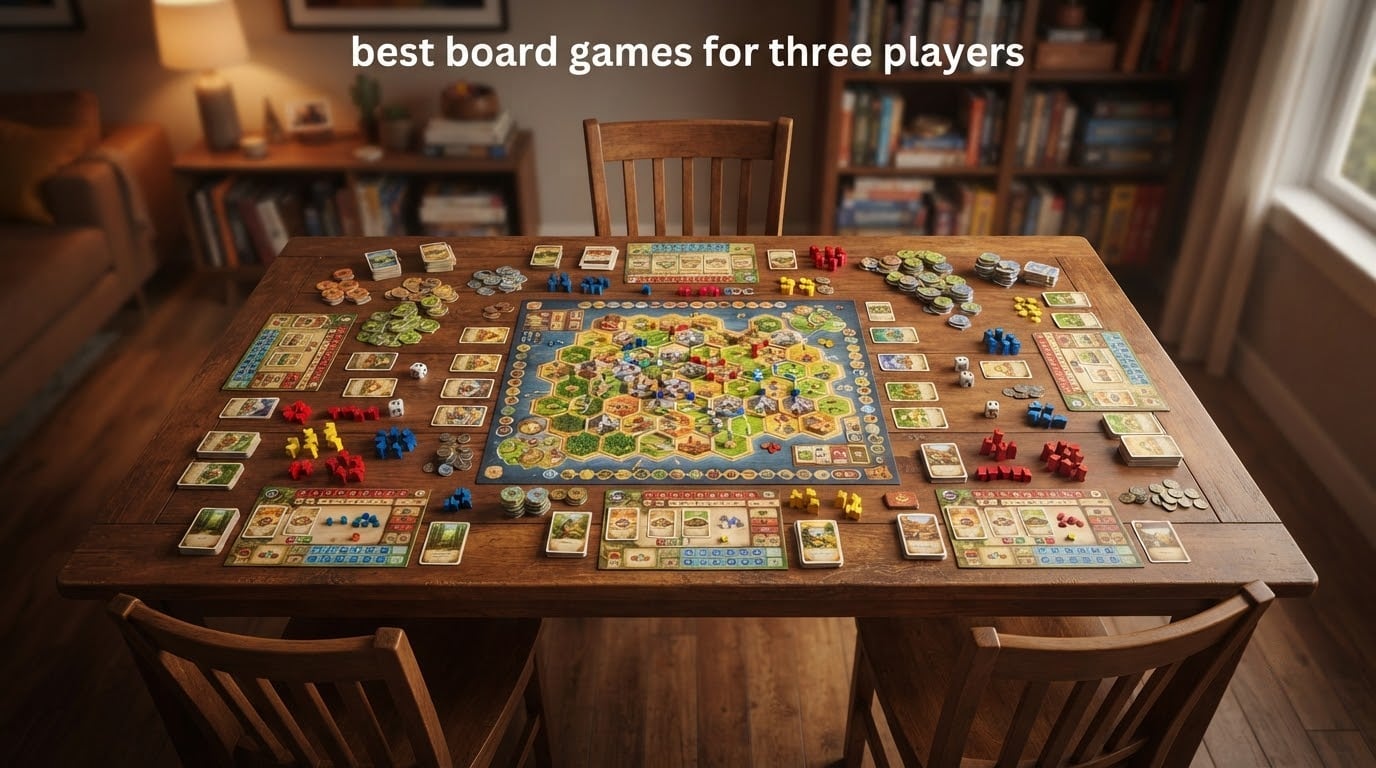
Finding the best board games for three players can feel surprisingly tricky. Most popular titles are designed for four or more, leaving a trio waiting around between turns or stuck in awkward two-on-one alliances. After comparing 12 top-rated games with friends, family, and our gaming group, I found the titles that actually shine with exactly three people at the table.
This guide breaks down the best board games for three players across every major style, from quick card drafting sessions to deep strategy nights and fully cooperative adventures. Each pick was tested across multiple sessions, with attention to balance, downtime, and replayability. Whether you are planning a couples night, a small family game evening, or just want a great trio experience, you will find something here that fits.
We also pulled insights from BoardGameGeek rankings and r/boardgames discussions to confirm each game holds up at the three-player count. Let us help you skip the duds and get straight to the best board games for three players in 2026.
Top 3 Picks: Best Board Games for Three Players (October 2026)
Best Board Games for Three Players in 2026
| Product | Specifications | Action |
|---|---|---|
 Azul Azul |
|
Check Latest Price |
 Wingspan Wingspan |
|
Check Latest Price |
 Splendor Splendor |
|
Check Latest Price |
 Carcassonne Carcassonne |
|
Check Latest Price |
 Pandemic Pandemic |
|
Check Latest Price |
 7 Wonders 7 Wonders |
|
Check Latest Price |
 CATAN CATAN |
|
Check Latest Price |
 Cascadia Cascadia |
|
Check Latest Price |
 Ticket to Ride Ticket to Ride |
|
Check Latest Price |
 Forbidden Desert Forbidden Desert |
|
Check Latest Price |
 Hues and Cues Hues and Cues |
|
Check Latest Price |
 Dragonwood Dragonwood |
|
Check Latest Price |
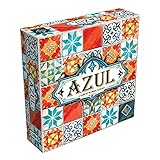
1. Azul – The Best Tile-Placement Game for Three Players
Azul Mosaic Tile-Placement Strategy Board Game, 2-4 Players, 30-45 Min
2-4 players
30-45 minute playtime
2018 Spiel des Jahres winner
Pros
- 2018 Spiel des Jahres winner
- Easy to learn in under 10 minutes
- Beautiful resin tile components
- Scales perfectly from 2 to 4 players
- Deep strategy with simple rules
Cons
- Tile selection can feel restrictive in late game
- Components may show minor wear over years of use
Azul is hands-down the best board game for three players who want something elegant, fast, and gorgeous on the table. I have played Azul more times than I can count, and at three players it reaches peak balance. The drafting tension is just right, and games wrap up in about 30 minutes even with analysis-paralysis players.
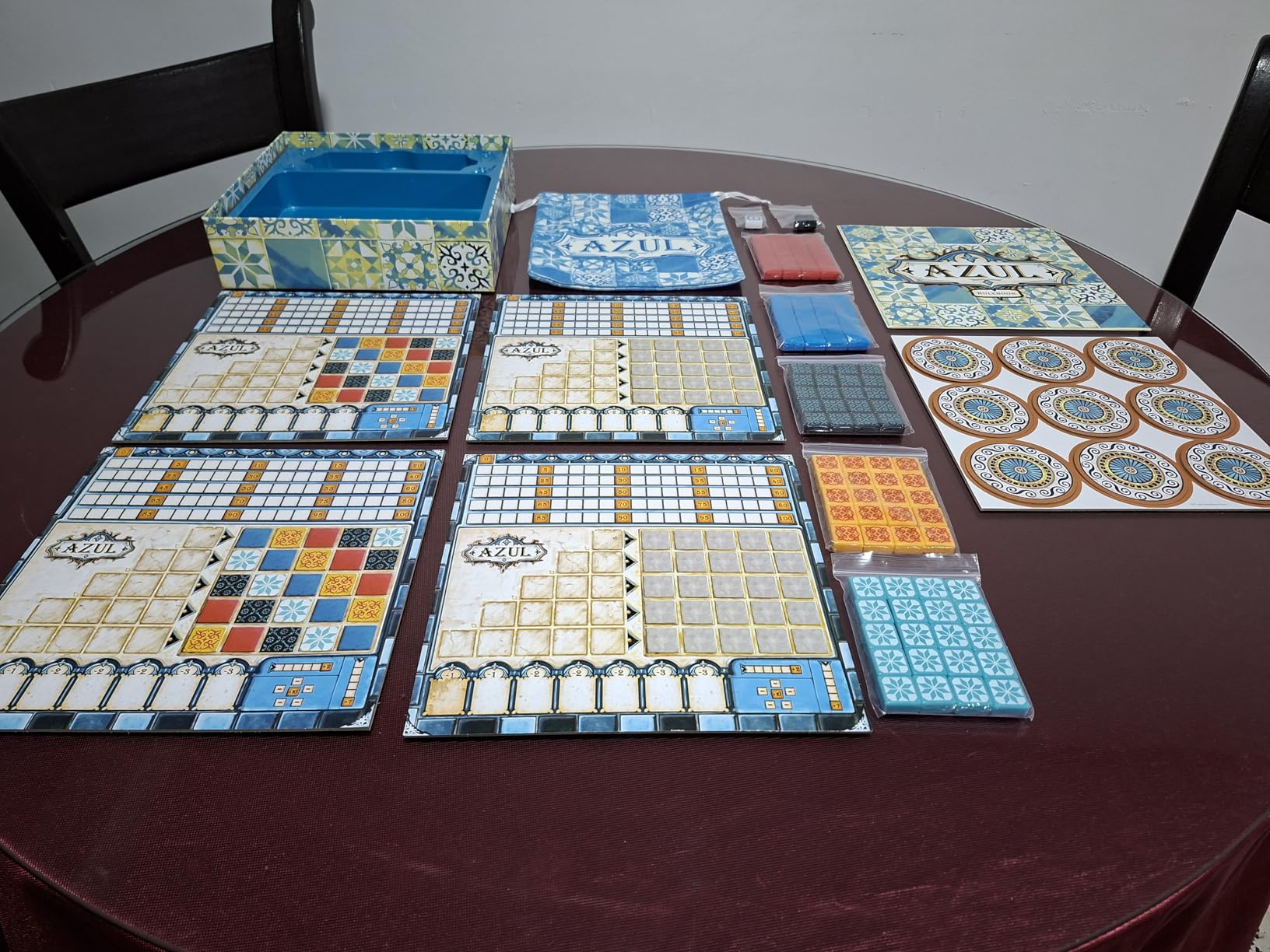
The premise is simple: you draft colored tiles from factory displays and place them on your player board to complete pattern rows. When a row is full, those tiles move to your mosaic wall for end-game scoring. The clever twist is that leftover tiles in unfinished rows count against you, so every choice matters.
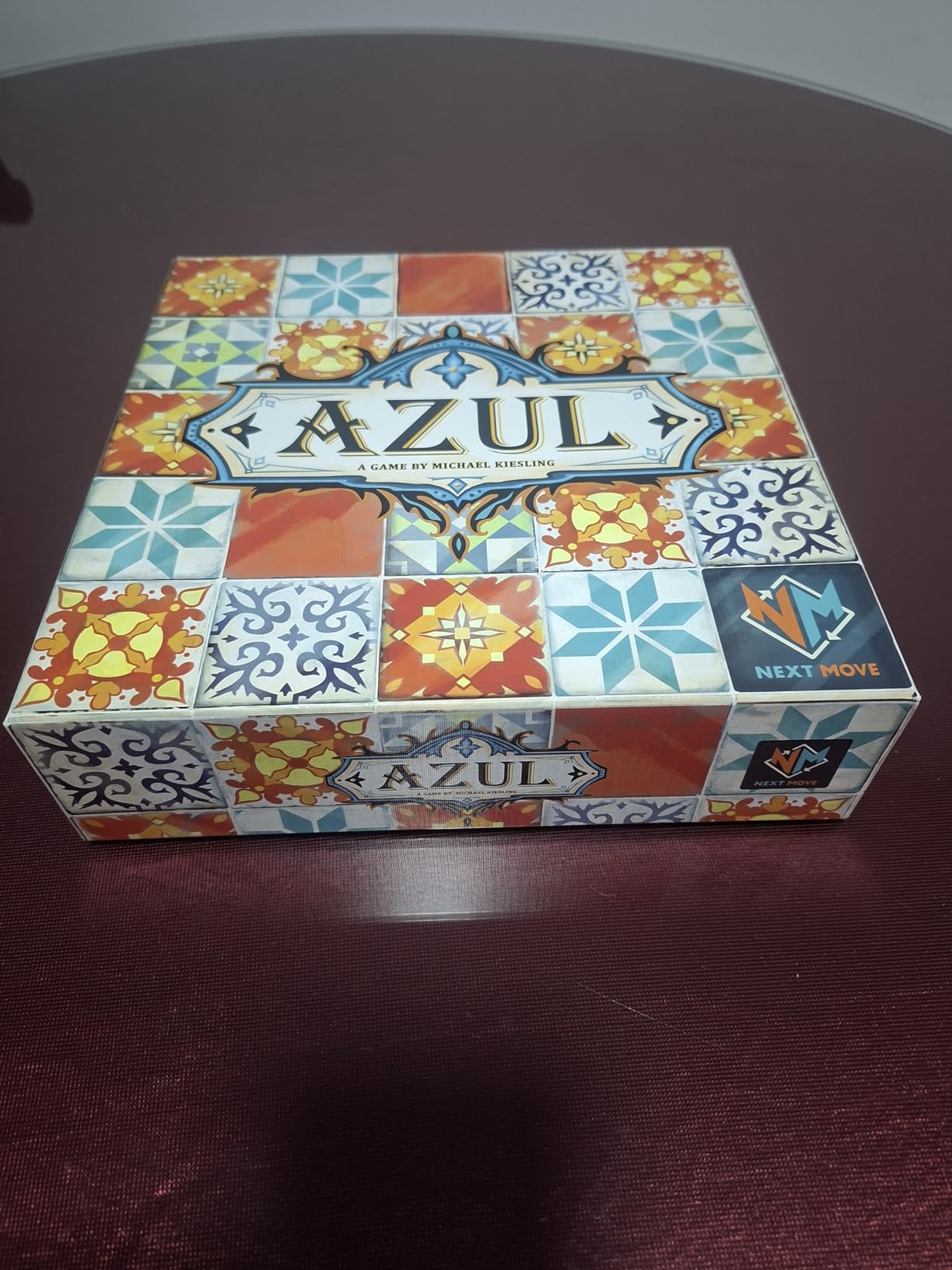
Reviewers consistently praise the visual appeal. The translucent resin tiles look like stained glass when arranged, and the player boards have a satisfying tactile snap. This is a game that lives on my coffee table because it is too pretty to put away.
One of the best things about Azul at three players is the interactive tension. Two-player games can feel like solitaire, and four-player games drag with bad draws. Three hits the sweet spot where you are constantly monitoring opponents’ boards while chasing your own mosaic goals.
Why Azul Is Great for Three Players
The tile-drafting mechanic scales beautifully because with three players there is always a meaningful choice on each turn. You can never take the tile you want without considering what you leave behind. The 30-45 minute runtime is also perfect for a quick evening session or a warm-up before a longer game.
Where Azul Falls Short
Late game can occasionally feel restrictive when the factory displays run low on the colors you need. Some experienced players report that after 50-plus plays, the strategic depth plateaus. If your group is brand new to modern board games, Azul is an ideal starting point, but veterans may want expansions eventually.
2. Wingspan – The Best Board Game for Three Players Who Love Strategy
Stonemaier Games: Wingspan by Elizabeth Hargrave
1-5 players
70 minute playtime
Bird-collecting engine builder
Pros
- Award-winning 2019 Kennerspiel des Jahres winner
- Beautiful bird card artwork and component quality
- 170 unique bird cards for massive replayability
- Automa solo mode adds extra value
Cons
- Setup time can be lengthy for first-time players
- May feel complex for children under 10
Wingspan is the best board game for three players who want a meaty strategy session that still feels welcoming. I have pulled it out for couples nights and small gatherings more than any other game in my collection, and it has never failed to impress. The bird-collecting engine-building is elegant, and the three-player count actually works beautifully because nobody is stuck waiting long between turns.
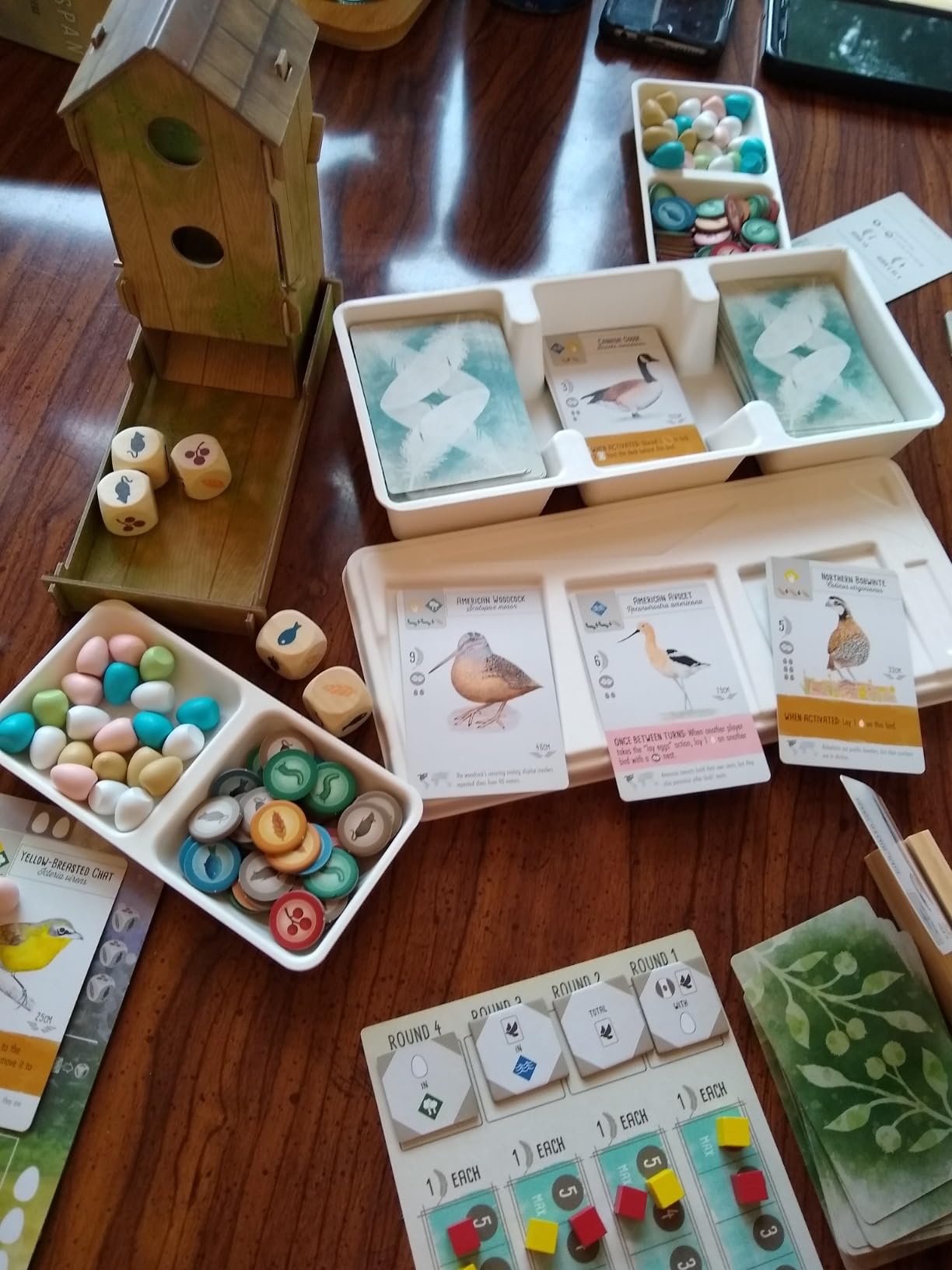
Each player builds a wildlife preserve across four habitats: forest, grassland, wetland, and water. The action cube system forces you to choose between gaining food, laying eggs, drawing cards, or playing birds, creating meaningful trade-offs every round. At three players, the tension is high but the downtime is low, which is the holy grail for trio gaming.
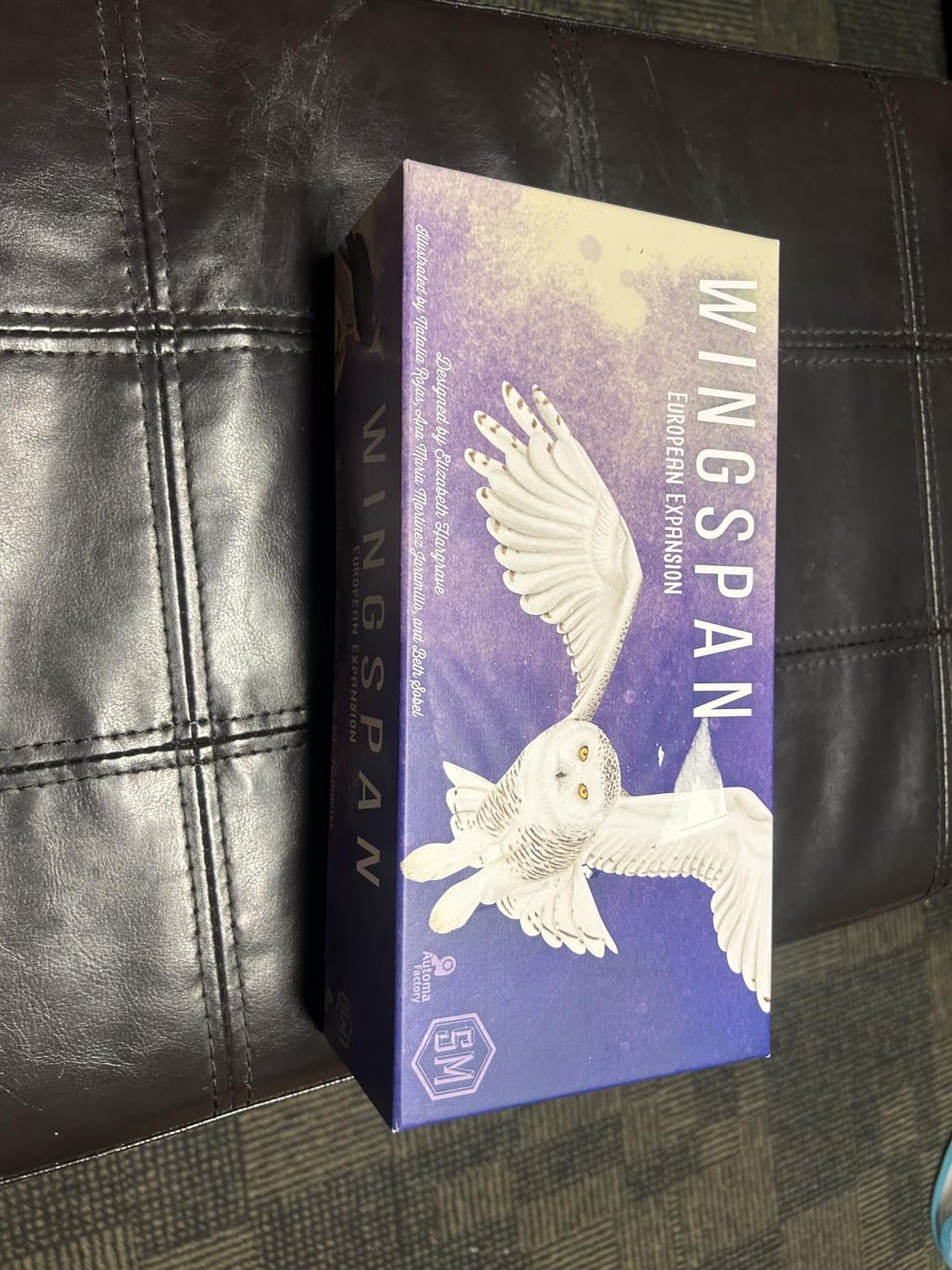
The components are genuinely gorgeous. The 170 unique bird cards feature real species with custom illustrations, and the egg miniatures and dice tower feel premium. Educational value is baked in because you will leave the table knowing the feeding habits of the Pileated Woodpecker.
One honest note: setup takes about 10 minutes the first time you play, and the rulebook can overwhelm newcomers. I recommend watching a quick tutorial video before the first session. After that, the gameplay loop becomes intuitive and fast.
Who Wingspan Suits Best
Wingspan is ideal for adults and older kids who love nature themes and want a strategic game that does not punish newcomers. Couples and small groups of three will get the most out of the 70-minute runtime. If your group enjoys engine-builders like Splendor but wants more variety, this is a worthy step up.
Who Might Want Something Else
Hardcore competitive gamers looking for direct player-versus-player combat may find Wingspan too quiet. The game rewards patience and engine optimization over confrontation, so if you want to attack your friends’ positions, look elsewhere. Younger children under 10 may also struggle with the card complexity.
3. Splendor – The Best Quick Strategy Game for Three Players
Asmodee Splendor Gem Trading Strategy Board Game, 2-4 Players
2-4 players
30 minute playtime
Gem-trading engine builder
Pros
- Incredibly quick to teach and play
- Only three actions per turn keeps it accessible
- Engine-building creates satisfying progression
- Open information makes it easy to plan ahead
- Balanced at all player counts
Cons
- May feel repetitive after 30+ plays
- Limited direct player interaction
Splendor is one of the best board games for three players when you want depth without a time commitment. With about 30 minutes per game and only three actions to learn, this is the rare strategy game that works as a warm-up and as the main event. At three players, the gem economy stays tight and competitive.
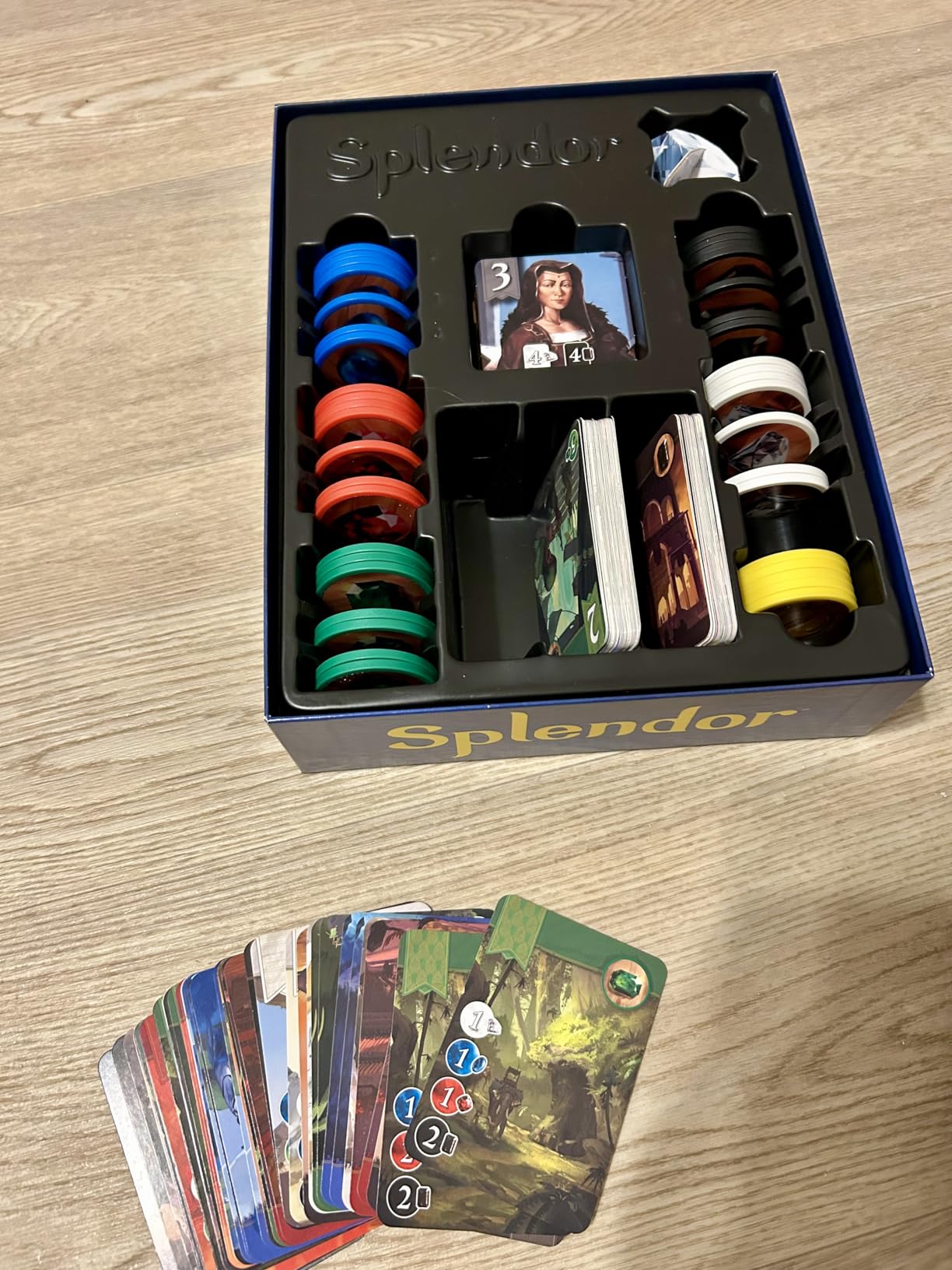
You play as a Renaissance gem merchant collecting chips, purchasing mine development cards, and attracting noble patrons. The goal is to reach 15 prestige points, but the real joy is watching your engine click into place. By mid-game, you are pulling two or three chips per turn and snapping up cards with abandon.
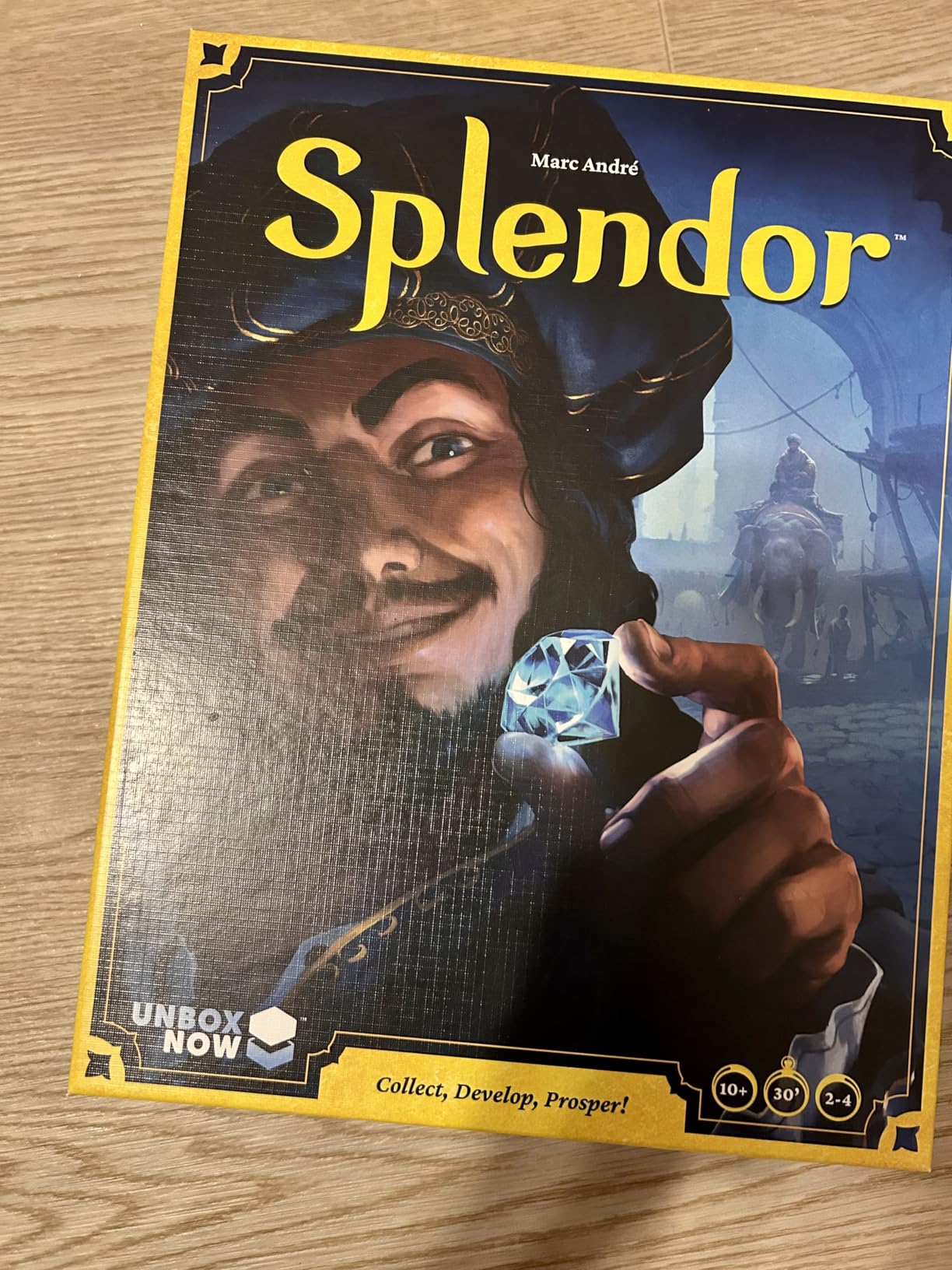
What surprised me about Splendor at three players is how the open information creates natural table talk. You can see what everyone is working toward, and deals feel organic. Reviewers on r/boardgames frequently mention Splendor as a go-to for couples and small groups because it requires almost no rules explanation.
The components are clean and functional: 40 plastic gem tokens, 90 development cards, and 10 noble tiles. The art is understated but elegant. Box footprint is small, which makes Splendor perfect for travel or smaller tables.
Why Splendor Works for Three
Three players means each noble tile is contested and each mine tier becomes a real race. The pace is brisk because everyone has only three actions, so you cycle through turns quickly. This is one of the few strategy games I am comfortable recommending to absolute beginners and experienced hobbyists alike.
Limitations to Consider
After many plays, the card combinations start to feel familiar. There is also limited direct conflict because you cannot attack other players’ positions. If your group wants aggressive take-that mechanics, look at 7 Wonders instead. But for a thoughtful, fast strategy game, Splendor delivers every time.
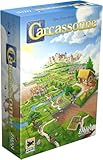
4. Carcassonne – A Classic Tile Game That Scales Well to Three
Carcassonne Tile Placement Strategy Board Game, 2-5 Players, 35 Min
2-5 players
35 minute playtime
Medieval tile-laying
Pros
- Classic tile-laying gameplay with deep strategy
- Randomized tiles mean no two games are alike
- Includes The Abbot and The River mini-expansions
- Accessible for ages 7 and up
Cons
- Competition for tile placement can frustrate
- Some players may want expansions for variety
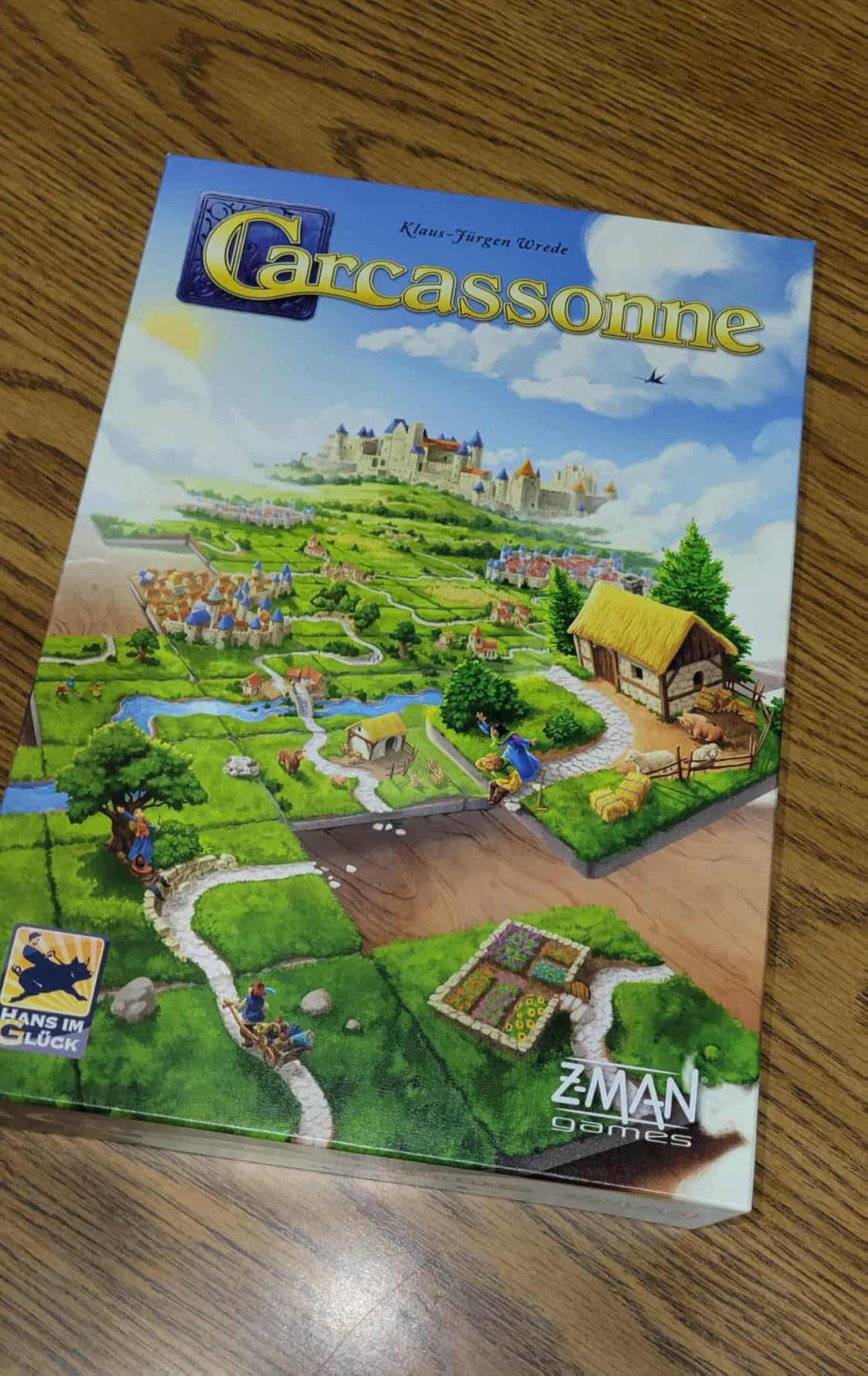
Carcassonne is one of the best board games for three players if you want something that has stood the test of time. Released decades ago and still topping best-seller lists, this tile-laying classic plays beautifully at three because the map grows in interesting directions without becoming too crowded.
Players draw tiles and place them to build cities, roads, fields, and monasteries across a shared medieval landscape. Meeples are placed as knights, farmers, or monks to claim features for points. The tension between expanding your own features and blocking opponents is wonderful at three players.
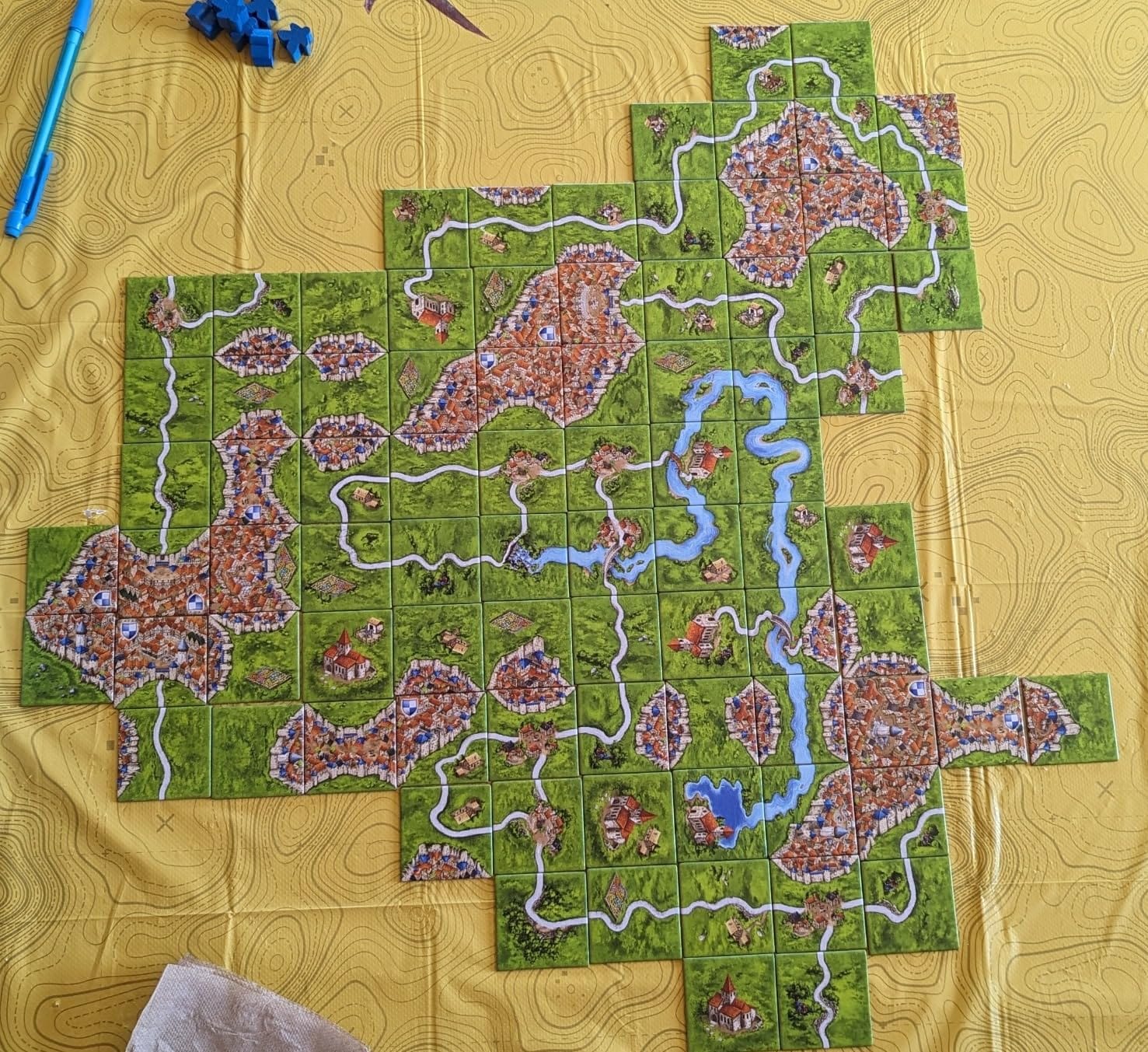
Setup is lightning fast: just shuffle the tiles and go. Cleanup is just as quick. This makes Carcassonne ideal for weeknight sessions when you do not have 90 minutes to spare. The included mini-expansions, The Abbot and The River, add variety without overwhelming newcomers.
One thing I love about Carcassonne at three players is the farmer endgame. Completed cities and roads score during the game, but farmers keep scoring until the very end. This creates a long-term strategy layer that does not exist in many quick tile games. Reviewers report that the three-player count reveals strategy that disappears at higher counts.
Why Carcassonne Shines at Three
The map space feels just right with three players. Four players can feel cramped because everyone is fighting for the same tiles, and two can feel like solitaire. Three gives you room to maneuver while keeping the blocking pressure high. The 35-minute playtime is also perfect for short attention spans or multi-game nights.
What to Watch Out For
Some players dislike the meeple placement timing: you can claim a feature only when it is complete, so leaving a meeple on an unfinished feature is risky. There is also a learning curve around optimal farmer placement that takes a few games to internalize. If your group is hyper-competitive, expect some table-talk about who stole whose city.
5. Pandemic – The Best Cooperative Game for Three Players
Pandemic Cooperative Strategy Board Game, 2-4 Players, 45-60 Min
2-4 players
45-60 minute playtime
Cooperative disease-fighting
Pros
- All players win or lose together
- Specialist roles with unique abilities
- Excellent entry point to the Pandemic series
- High tension from epidemic cards
- Perfect for team-focused game nights
Cons
- Can be difficult to win at higher difficulty levels
- Setup complexity for first-time players
Pandemic is the best cooperative board game for three players who want a shared challenge rather than competition. I have played Pandemic with countless trios, and the game scales beautifully because each specialist role is genuinely useful, and the communication required is intense without being overwhelming.
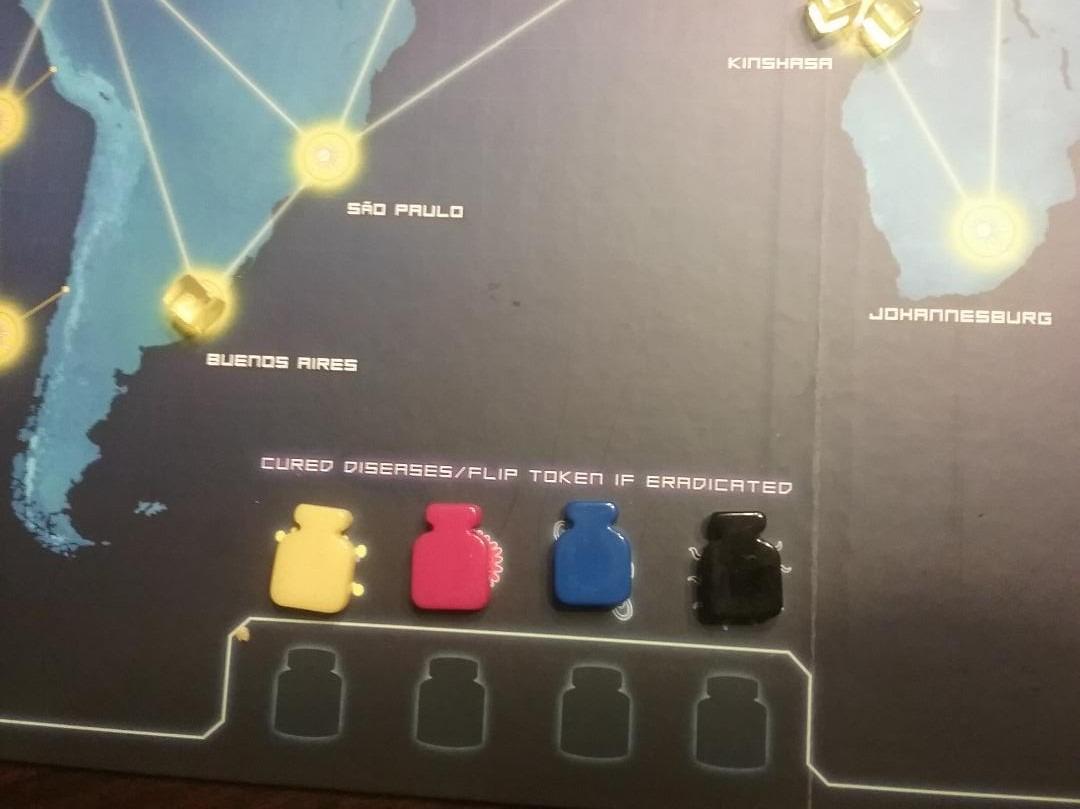
The setup: four diseases are spreading across the globe, and players are a team of specialists trying to discover cures before time runs out. The Medic, Scientist, Researcher, and Operations Expert each have unique powers, and the real game is coordinating your actions through discussion. At three players, you can have one role wait a turn while the others ramp up, which feels balanced.
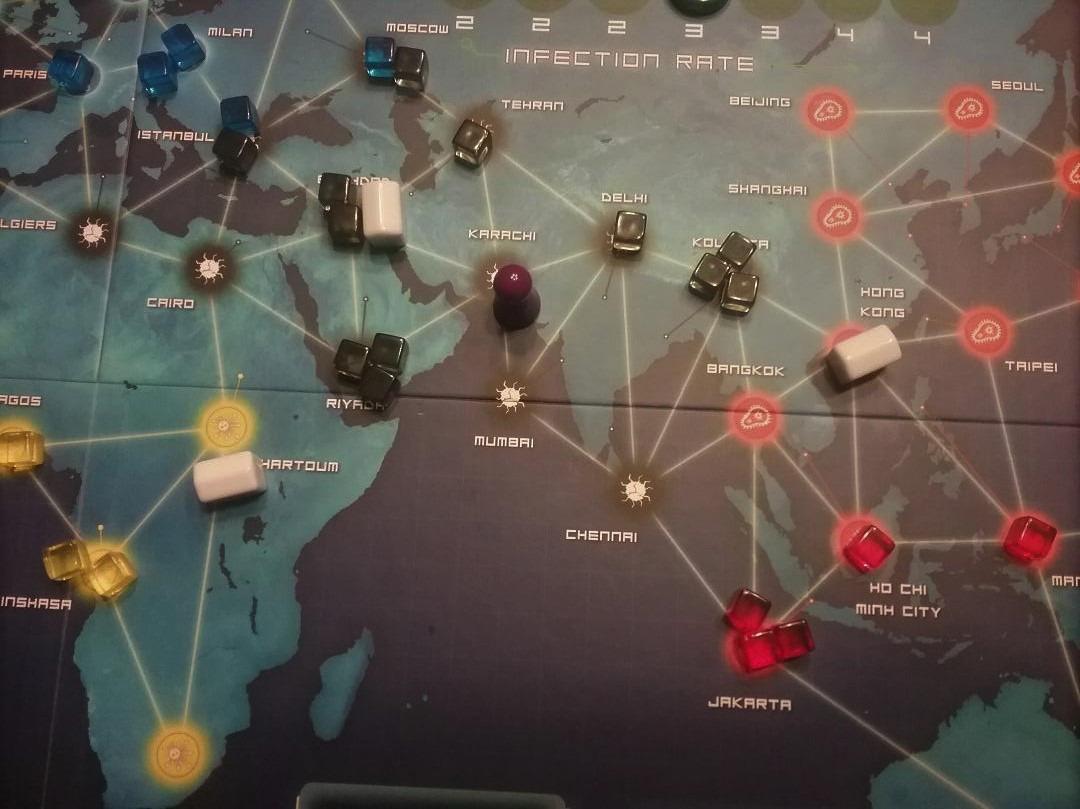
What makes Pandemic special at three players is the role specialization. With four players, you can spread thin. With three, every role has clear moments to shine. The Scientist is a powerhouse for research, the Medic is essential for outbreak control, and the Operations Expert is the logistical backbone. Each session feels like a puzzle you solve together.
The components are functional rather than flashy, but the map is clear and the disease cubes are satisfying to drop. The card holders help keep player hands organized, which is critical for a 60-minute co-op game.
Why Pandemic Works for Three
Three-player co-op is the sweet spot because all three specialists can be active every round without anyone feeling left out. The roles cover the major mechanics: movement, research, treatment, and connection. Discussions are intense but quick, so you avoid the long analysis-paralysis that slows down four-player games.
Honest Limitations
Pandemic is famously difficult to win. The first few sessions may end in crushing defeat, which can discourage new players. I recommend starting with four epidemic cards instead of the full six for your first games. Players who dislike losing or who prefer direct competition may find the co-op style frustrating.
6. 7 Wonders – Fast Card Drafting for Three Player Sessions
Asmodee 7 Wonders Board Game (New Edition) – Lead Your Civilization to Prosperity, Strategy Game for Kids and Adults, Ages 10+, 3-7 Players, 30 Minute Playtime
3-7 players
30 minute playtime
Civilization card drafting
Pros
- Simultaneous play keeps everyone engaged
- Multiple paths to victory
- Scales from 3 to 7 players
- Quick 30-minute average playtime
- Great gateway game for new gamers
Cons
- Rulebook could explain resource system more clearly
- Card chains can be confusing at first
7 Wonders is one of the best board games for three players because of its simultaneous-play design. Everyone drafts cards at the same time, so there is virtually no downtime. The three-player count is actually the lower sweet spot of the player range, and the game feels crisp and quick.
You lead one of the seven great cities of the Ancient World, drafting cards over three ages to gather resources, build wonders, and pursue military or scientific dominance. The card-passing mechanic means you are constantly looking at what your neighbors take, which becomes a tense mind game even with only two neighbors.
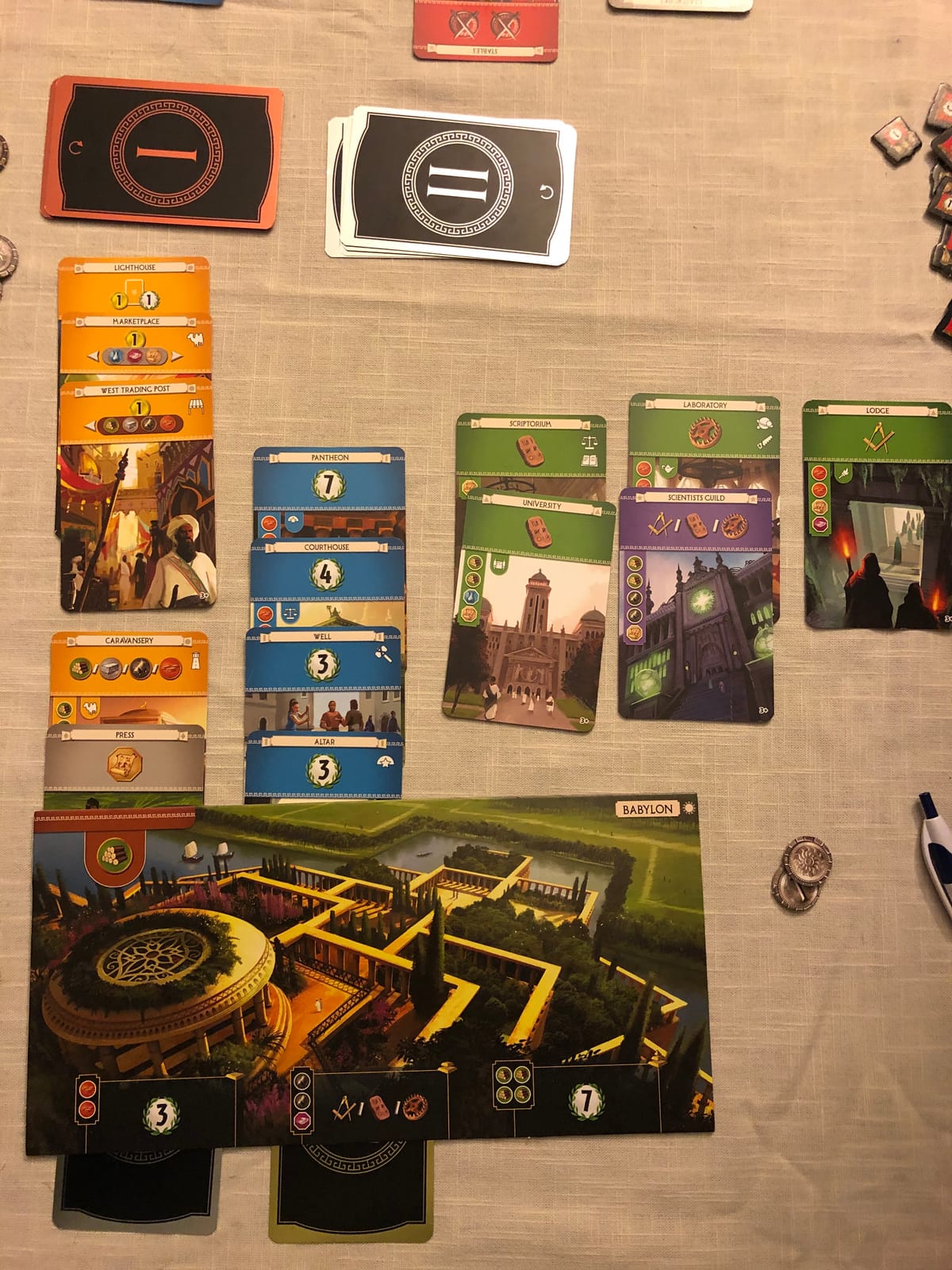
What I love about 7 Wonders at three players is the strategic clarity. With only two opponents to track, you can read the table state and plan your wonder strategy. The 30-minute playtime means you can finish a full game and still have time for a second one with a different civilization.
Components include 7 Wonder boards, 148 Age cards, 78 coins, and 48 military conflict tokens. The art is iconic and the cardboard quality is excellent. The included scorepad and rules booklet are enough to start playing without external references.

Why 7 Wonders Is a Three-Player Winner
The simultaneous play solves the biggest problem with three-player gaming: downtime. Nobody is sitting around waiting. Everyone is engaged every minute, and the snappy card-passing creates a rhythm that feels more like a quick card game than a deep strategy session. The 3-7 player range also means you can pull it out for almost any gathering size.
Potential Drawbacks
The resource system requires careful reading of the player boards to know what you can build. New players often miss that gray and brown resources must come from neighbors or the bank. The first game will have a learning curve, but it pays off quickly. The military conflict tokens can also feel abstract at first, but they add a satisfying risk-reward layer.
7. CATAN – The Classic Trading Game Three Players Love
CATAN Board Game (6th Edition) Trade, Build & Settle in the Classic Strategy Game for Family, Kids & Adults, Ages 10+, 3-4 Players, 60-90 Min Playtime
3-4 players
60-90 minute playtime
Trading and building
Pros
- Modular board means no two games are alike
- Classic trading and settlement-building
- Strong replayability through board variation
- Family-friendly with depth for adults
- Time-tested design spanning decades
Cons
- Trading can lead to kingmaking issues
- Some players may struggle without negotiation skills
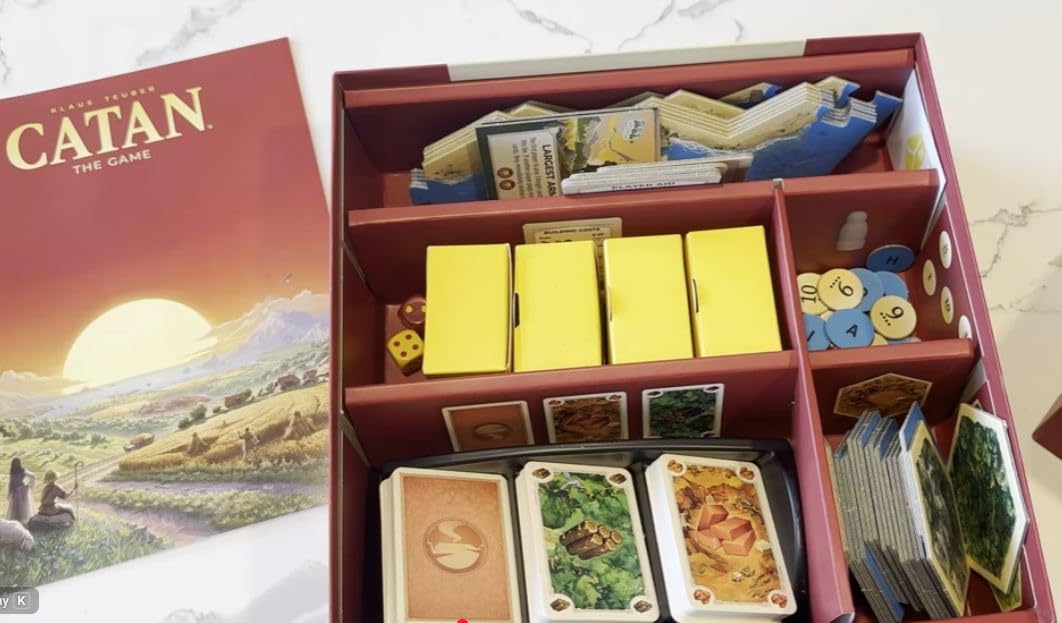
CATAN is a classic among the best board games for three players, and the 6th Edition refresh modernizes components while keeping the gameplay that made it a household name. I have played this with new trios and experienced gamers alike, and the trading phase is always the highlight.
You settle the island of Catan by gathering five resources: brick, wood, wheat, ore, and sheep. The hexagonal tiles are arranged randomly, so every game is a different puzzle. Build roads, settlements, and cities while trading with opponents to gather what you need. The first player to 10 victory points wins.
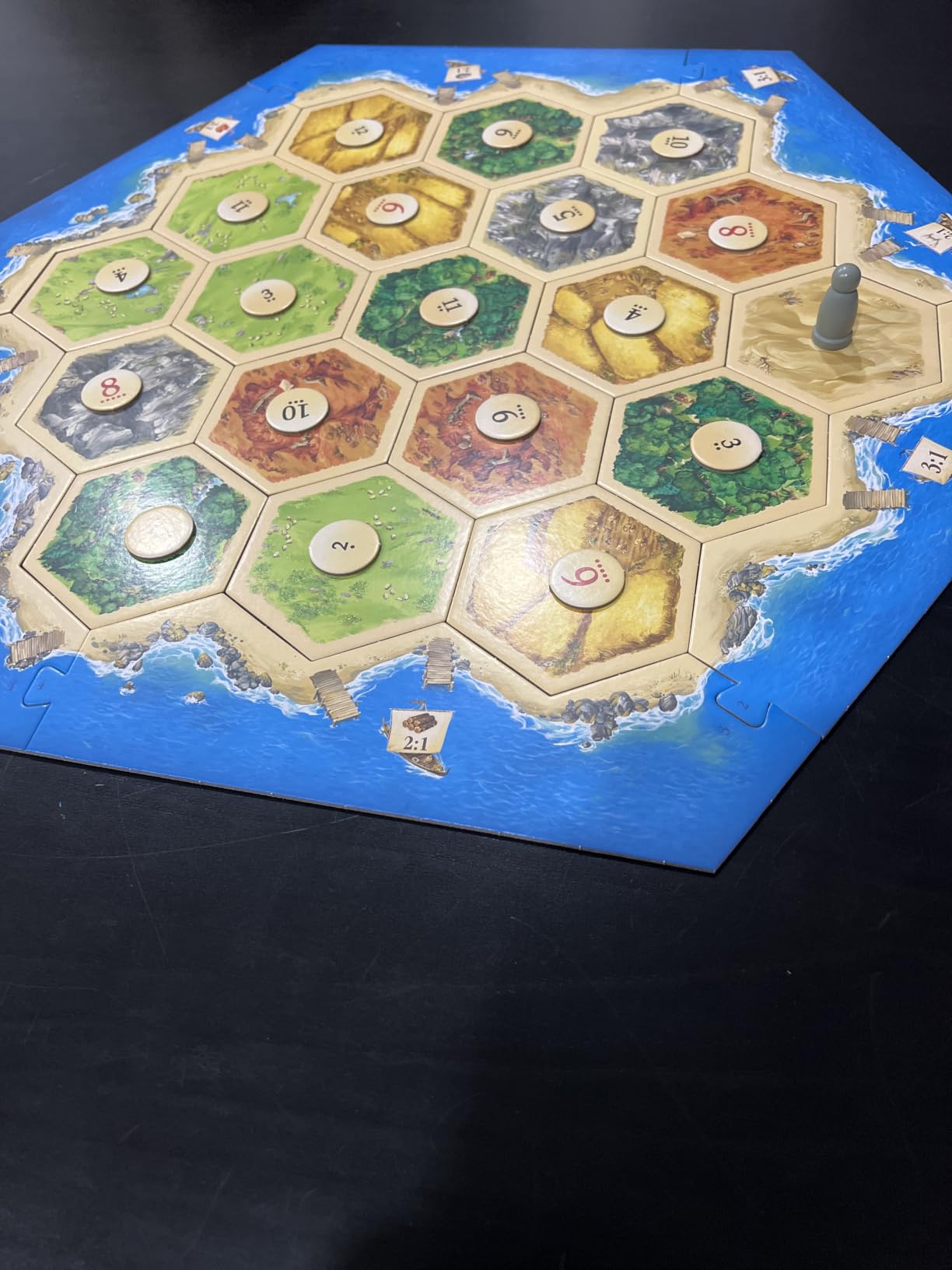
What makes CATAN work for three players is the 3-4 player sweet spot in the official count. The board has enough space for three settlements without crowding, and the robber mechanic prevents any one player from hoarding resources. The trading phase is where CATAN really shines because negotiation becomes a social game within the game.
The new edition includes refreshed artwork, plastic miniatures, and helpful player aids. The card trays keep your hand organized, and the bonus victory point tiles add a nice final-round twist. Components feel sturdy and ready for years of game nights.
Why CATAN Is a Three-Player Classic
CATAN at three players creates natural trading tension. With only two opponents, you cannot play both ends against the middle. You have to choose who to deal with and what to ask for. The 60-90 minute playtime is longer than the other picks, but the negotiation depth justifies every minute.
What to Consider Before Buying
CATAN has a known phenomenon called “kingmaking” where the player in last place can unintentionally hand the win to someone else through a generous trade. This is part of the social experience, but competitive players may find it frustrating. If your group dislikes negotiation-heavy games, look at Carcassonne or Azul instead.
8. Cascadia – A Cozy Nature Game Perfect for Three Players
Cascadia, Award-Winning Cozy Nature Board Game Set in the Pacific Northwest
1-4 players
15-30 minute playtime
Spatial nature puzzle
Pros
- Spiel des Jahres Game of the Year 2022
- Easy to teach in just 2 minutes
- Family mode for new gamers
- Multiple scoring paths
- Deluxe wooden wildlife tokens
Cons
- May feel too light for hardcore strategy gamers
- Limited direct player interaction
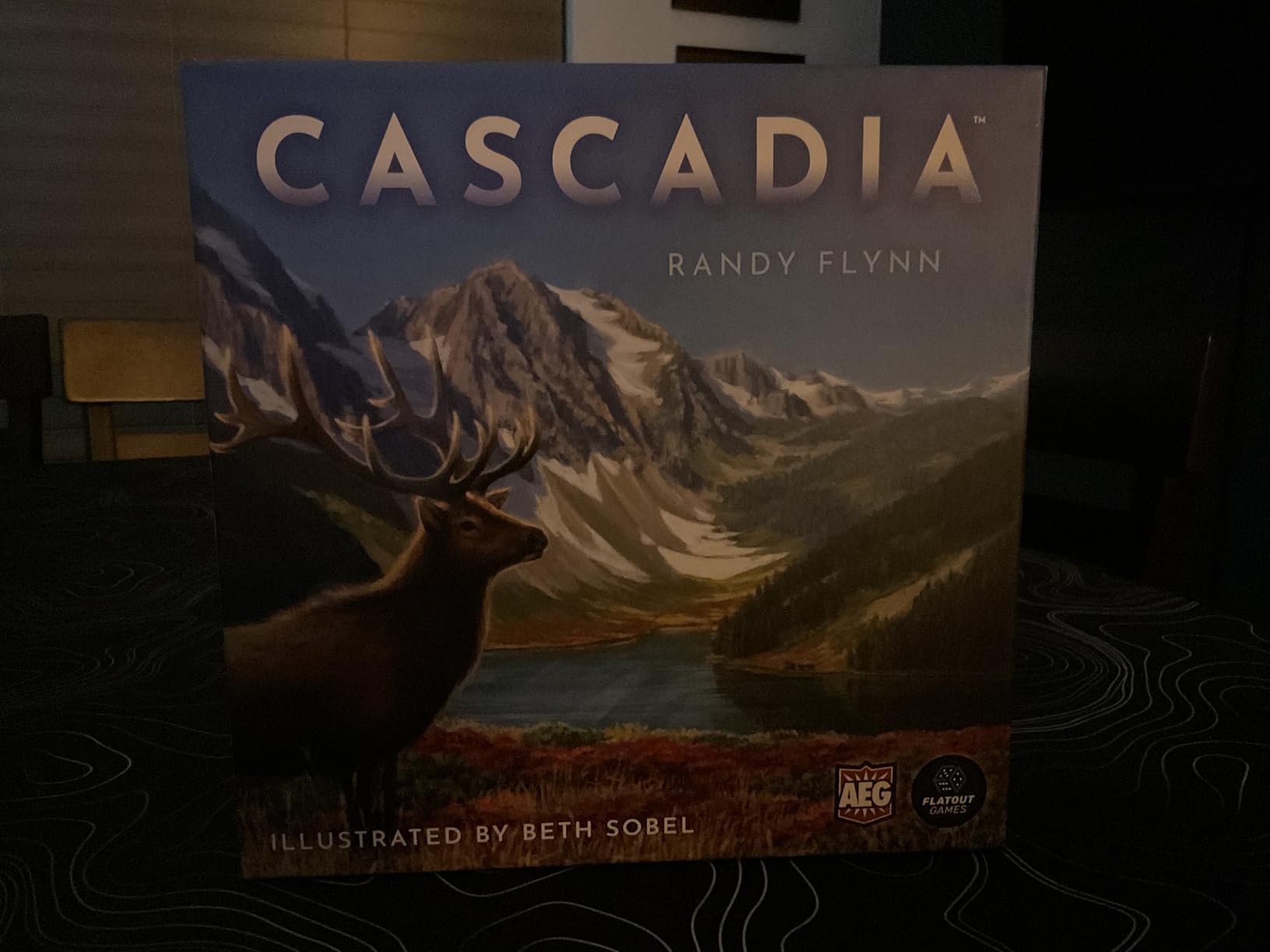
Cascadia is the 2022 Spiel des Jahres winner and one of the best board games for three players who want a relaxing, beautiful experience. I reach for Cascadia whenever I have a mixed group of new and experienced gamers because the rules are so simple and the decisions are still interesting.
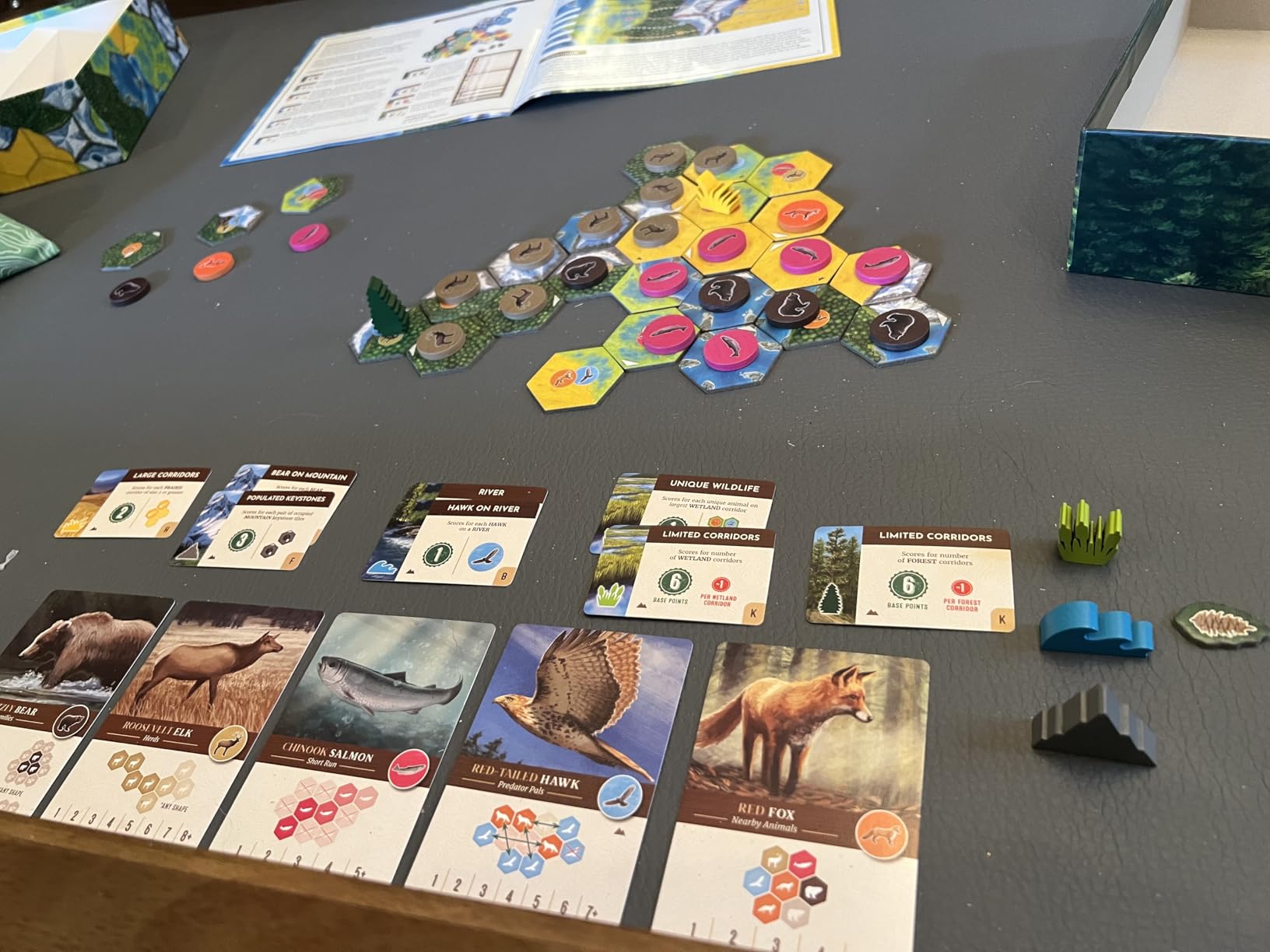
You build a habitat corridor in the Pacific Northwest, placing hex tiles to create a sprawling nature preserve while attracting wildlife. Each turn, you choose a habitat-and-wildlife token pair and place them on your board. The puzzle is balancing wildlife scoring with habitat scoring, which creates a satisfying optimization challenge.
What makes Cascadia perfect for three players is the solo-thinking pace. There is minimal downtime because the puzzle aspect of your board keeps you engaged even when it is not your turn. Reviewers on r/boardgames consistently mention Cascadia as a go-to for quiet evenings and beginner-friendly game nights.
The components are premium: 100 deluxe wooden wildlife tokens, 85 habitat tiles, and a cloth bag for drafting. The art is gorgeous, with Pacific Northwest flora and fauna rendered in soft, evocative illustrations. This is a game that looks beautiful on the table.
Why Cascadia Suits Three Players
The 15-30 minute playtime and gentle decision space make Cascadia ideal for a low-key trio evening. The game works for both casual players and strategy enthusiasts, and the family mode offers a simpler ruleset for younger or new players. The 1-4 player range also means you can pull it out for any group size.
Limitations to Consider
Hardcore strategy gamers may find Cascadia too light. There is limited direct conflict, and the optimization is more spatial than tactical. If your group wants high-stakes confrontation or intricate combos, Wingspan or 7 Wonders are better fits. But for a calm, beautiful, satisfying puzzle, Cascadia is hard to beat.
9. Ticket to Ride – Cross-Country Adventure for Three
Asmodee Ticket to Ride Board Game (2025 Refresh) – A Cross-Country Train Adventure for Friends and Family, Strategy Game for Kids & Adults, Ages 8+, 2-5 Players, 30-60 Minute Playtime
2-5 players
30-60 minute playtime
Route-building strategy
Pros
- Beautiful North American train map
- Easy to learn with deep strategy
- Multiple paths to victory
- Premium miniature train components
Cons
- Setup and cleanup take a few extra minutes
- Longer sessions at higher player counts
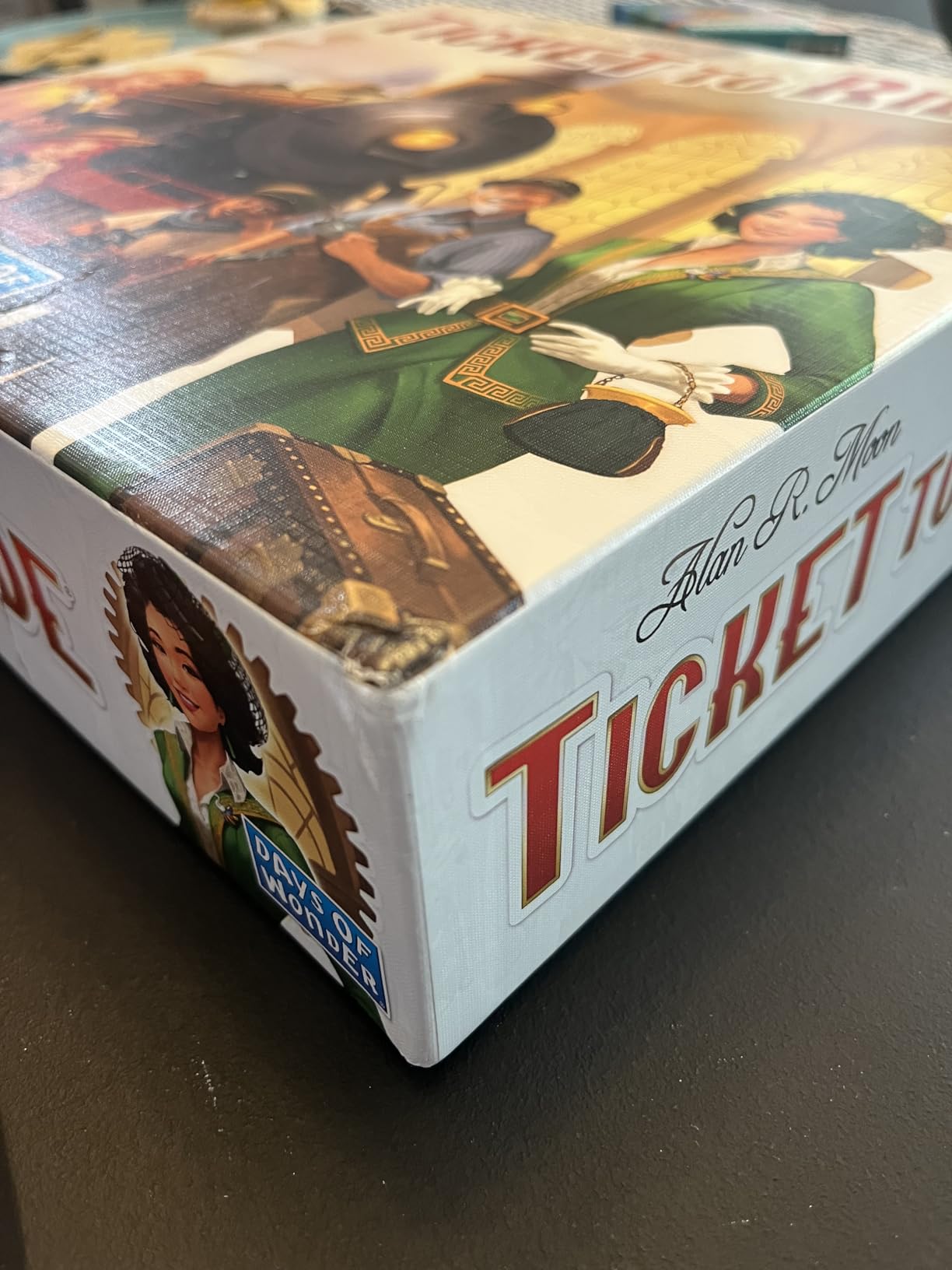
Ticket to Ride is a classic among the best board games for three players, and the 2025 refresh updates the components without changing the beloved gameplay. I have introduced this game to dozens of trios, and it consistently wins over both strategy fans and casual players.
You claim railway routes across early 20th century North America, collecting train cards of matching colors to build your network. Complete destination tickets by connecting cities, and score bonus points for the longest continuous route. The balance of risk and reward is excellent, and the three-player count keeps competition fierce without overwhelming the map.

What I appreciate most about Ticket to Ride at three players is the controlled chaos. The map has plenty of room for three networks, and the 30-60 minute playtime fits any evening. The new edition includes refreshed artwork and the same reliable plastic trains that have made this game a family favorite for years.
Setup takes a few extra minutes because of the 225 plastic trains and 110 train cards, but the included scoring markers and rules booklet streamline the process. Cleanup is straightforward with the included storage trays.
Why Ticket to Ride Works for Three
The map is designed for 2-5 players, and three hits the sweet spot. Routes are contested but not blocked, and destination tickets provide clear goals. The game is easy to teach but offers enough strategic depth to keep experienced players engaged. This is one of those rare gateway games that grows with your group.
Honest Considerations
Players who dislike being blocked on routes may find the experience frustrating. The game rewards long-term planning over tactical reactions, so impulsive players may struggle. Also, the new edition has fewer reviews than the classic, so if you want the most well-tested version, look for the previous printings.
10. Forbidden Desert – Cooperative Survival for Three Adventurers
Gamewright – Forbidden Desert Cooperative Survival Adventure Board Game for 2-5 Players – Family Strategy for Ages 10+
2-5 players
45 minute playtime
Cooperative survival
Pros
- Cooperative gameplay rewards teamwork
- Ever-shifting board keeps every game fresh
- Family-friendly for ages 10 and up
- Quick 45-minute playtime
- Vibrant multi-colored components
Cons
- Some components are small
- May feel repetitive after many plays
Forbidden Desert is a fantastic cooperative board game for three players who want a shared challenge. From the creators of Forbidden Island, this game escalates the survival theme by adding an ever-shifting sandstorm that buries and uncovers tiles every turn. The result is a tense, replayable experience that scales beautifully to three.
Players are stranded adventurers trying to locate and assemble a legendary flying machine to escape the desert. Each turn, the board shifts as sand tiles move around, and players must coordinate to dig, move, and recover parts. The teamwork required is intense, and the three-player count keeps everyone engaged without overwhelming the table.
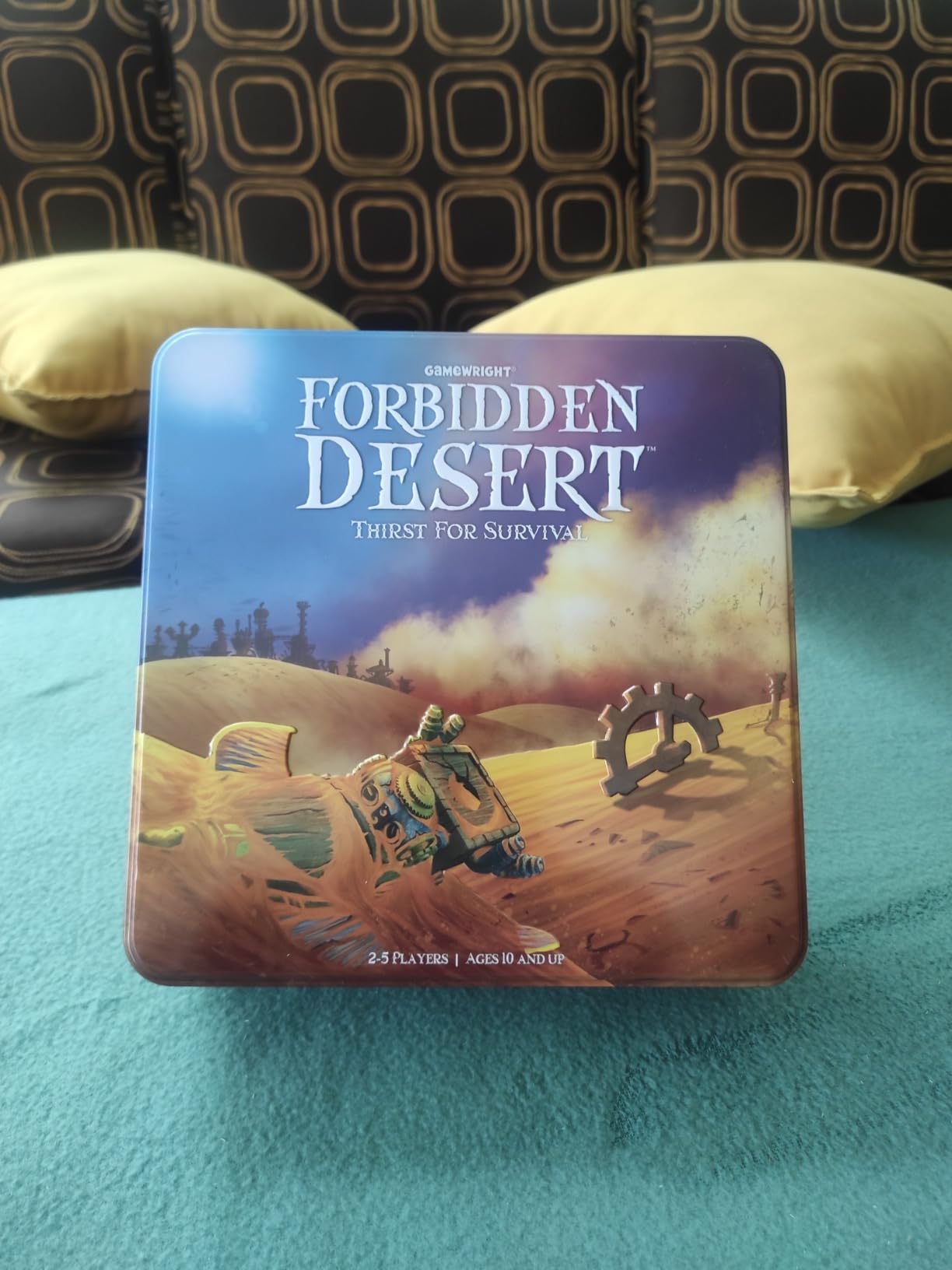
What makes Forbidden Desert work at three players is the role variety. Each character has a unique ability, and with three characters active every round, no one feels sidelined. Reviewers on r/boardgames frequently mention Forbidden Desert as a great co-op alternative to Pandemic for shorter sessions.
The 45-minute playtime is perfect for weeknights, and the components are bright and engaging. The game includes a deck of cards, character pawns, and a folding game board that sets up quickly.
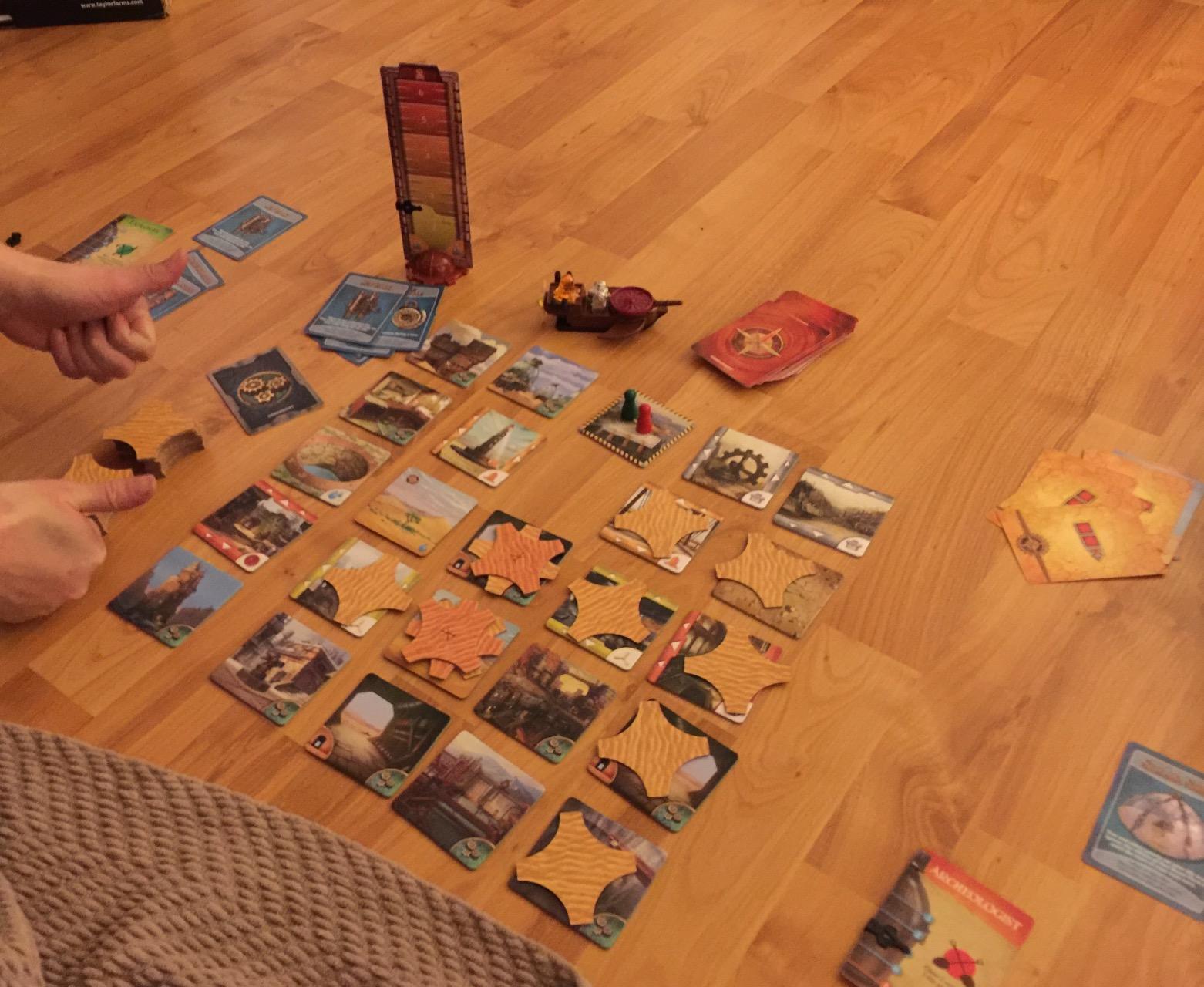
Why Forbidden Desert Suits Three Players
Three players means you can pick three complementary roles and cover all the key actions: movement, digging, and recovery. The ever-shifting board creates a moving puzzle that demands communication, which is exactly what co-op games do best. The shorter playtime than Pandemic also means it works as an introduction to cooperative gaming.
What to Consider
Some components, like the character pawns and recovery tokens, are small and may not be ideal for very young children. The game can also feel repetitive after 10-15 plays because the core loop does not change much. But for a tight, well-designed co-op experience at three players, Forbidden Desert delivers.
11. Hues and Cues – The Best Party Game for Three Players
HUES and CUES – Vibrant Color Guessing Board Game for 3-10 Players Ages 8+, Connect Clues and Guess from 480 Color Squares
3-10 players
30 minute playtime
Color guessing party game
Pros
- Inclusive gameplay for 3 to 10 players
- Quick 30-minute playtime
- 480 color squares keep games fresh
- Improves creative thinking and communication
- Easy to learn rules
Cons
- Color perception may vary between players
- Less strategic depth than other picks
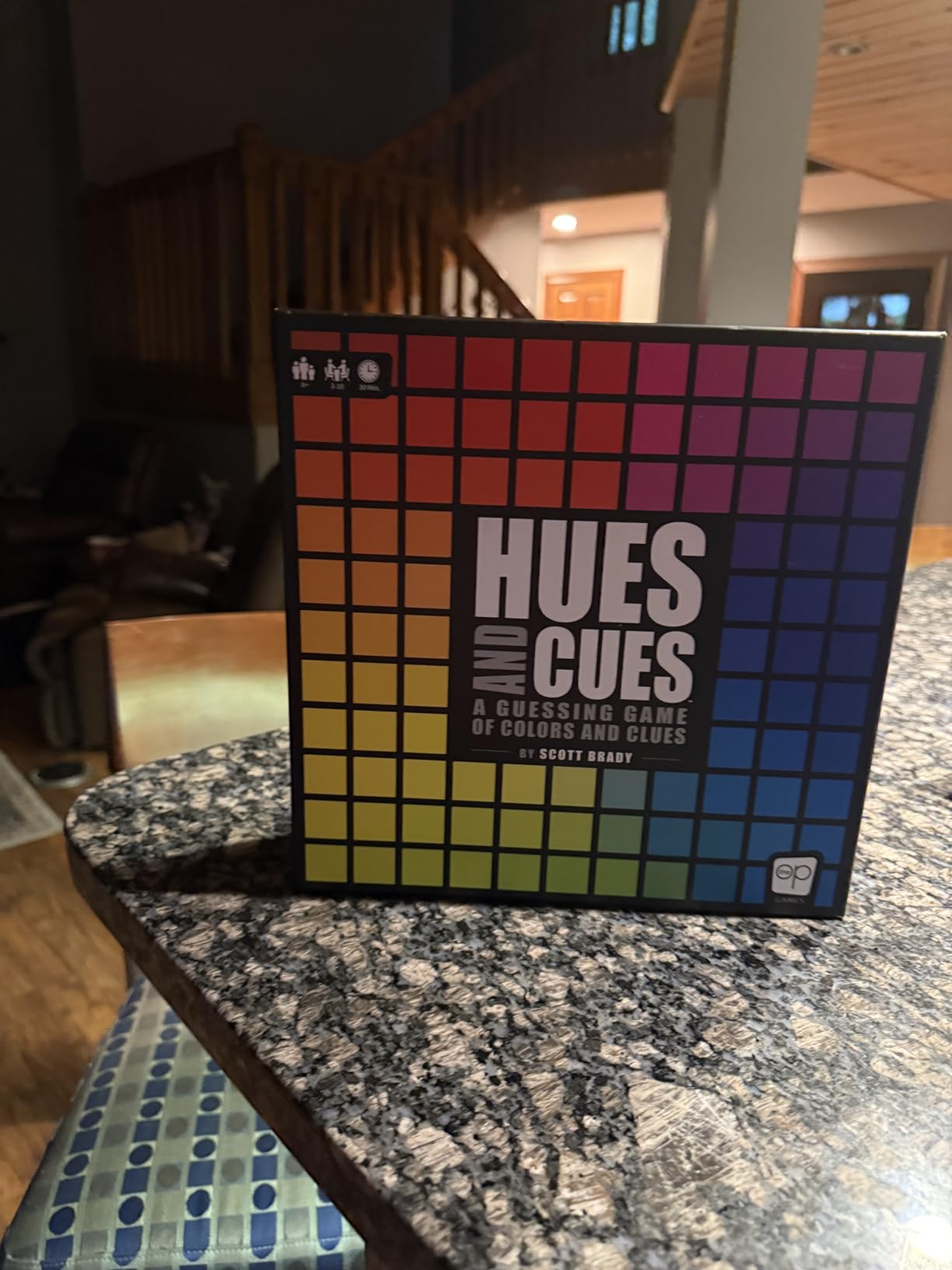
Hues and Cues is one of the best board games for three players when you want something lighthearted and creative. The party game format works at any player count from 3 to 10, but I find three players creates the most engaging clue-giving experience because every player gets a meaningful turn.
One player gives a one-word clue, and the others guess which of 480 color squares they are pointing to on the board. The closer your guess, the more points you earn. The game rewards clever word association and creative thinking, and the three-player count makes every round feel personal.
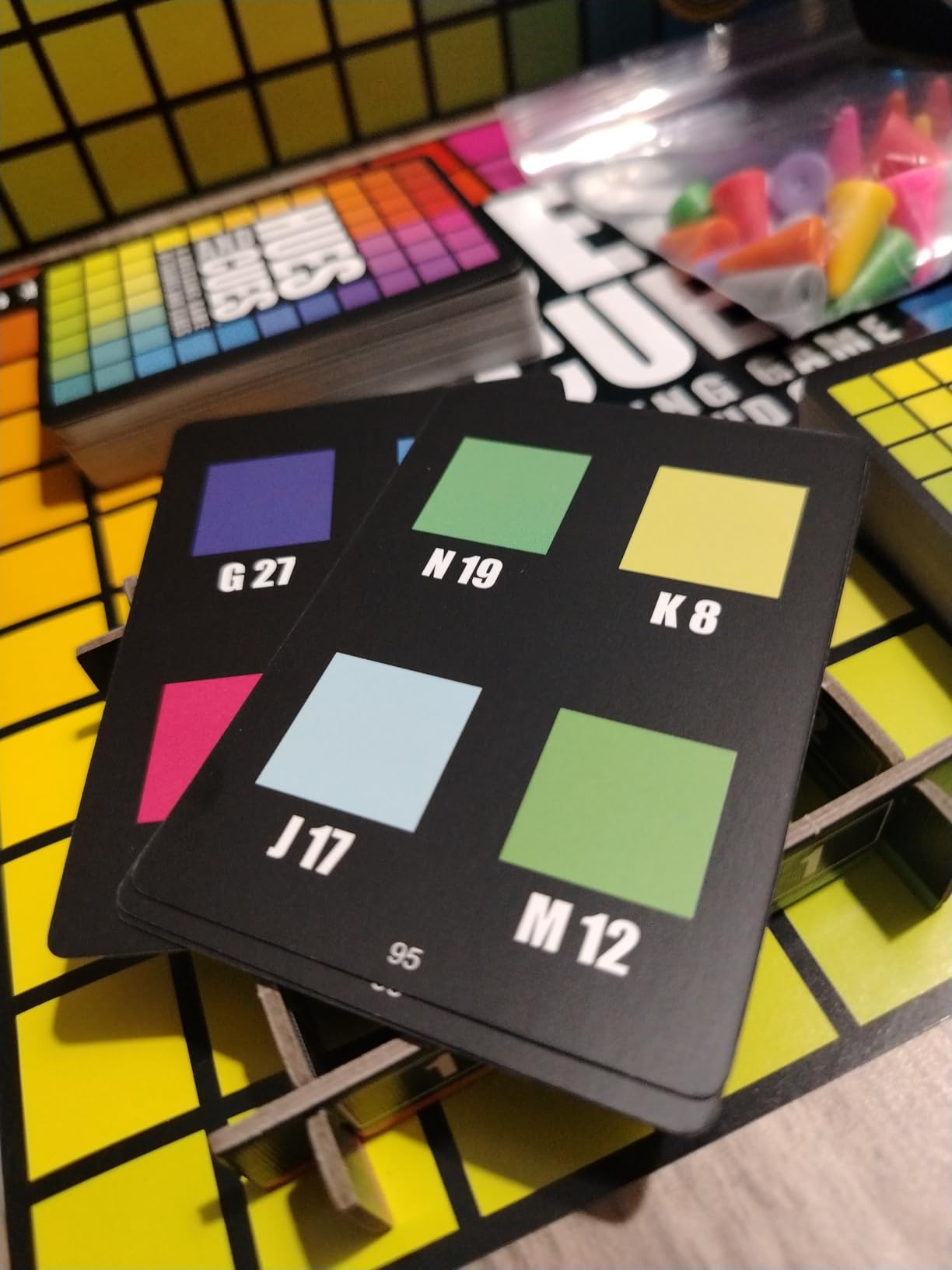
What makes Hues and Cues special at three players is the conversation. With only two other players guessing, the clue-giver can tailor hints to their friends’ personalities. Reviewers consistently mention that this game sparks more laughter and discussion than expected from a color-guessing game.
The components are simple but effective: a game board, 100 color cards, 30 player pieces, and a scoring frame. The rulebook is short, and the game teaches itself after one round.
Why Hues and Cues Works for Three
The 3-10 player range means you can pull this game out for almost any gathering, and three players is actually the lower sweet spot. You avoid the chaos of large groups and keep the clue-giving intimate. The 30-minute playtime also makes it ideal as a warm-up or closer for game night.
Honest Limitations
This is not a strategy game. If your trio wants deep decisions and tense turns, look at Wingspan or Splendor instead. Hue and Cues is best for casual evenings, mixed-skill groups, or when you want a game that sparks conversation. It is also a great bridge game for people who are new to modern board games.
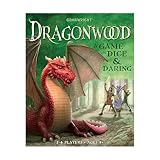
12. Dragonwood – Quick Fantasy Adventure for Three Players
Gamewright Dragonwood A Game of Dice & Daring Board Game Multi-colored, 5″
2-4 players
20 minute playtime
Dice and card fantasy
Pros
- Quick 20-minute playtime
- Engaging fantasy theme with dice mechanics
- Reinforces probability and visual discrimination
- Rich illustrations by Olivia Gibbs
- Suitable for 2-4 players
Cons
- Some components are small for very young children
- May feel too light for adult strategy fans
Dragonwood is one of the best board games for three players when you want a quick, family-friendly adventure. The 20-minute playtime makes it perfect for weeknight sessions, and the fantasy theme with dice mechanics appeals to both kids and adults. At three players, the game feels snappy and the dice rolls land with satisfying suspense.
Players roll dice to capture creatures in the forest, building sets of adventurer cards to chase down dragons, goblins, and other mythical beasts. The set collection mechanic is easy to teach, and the probability element adds just enough strategy without overwhelming newcomers.
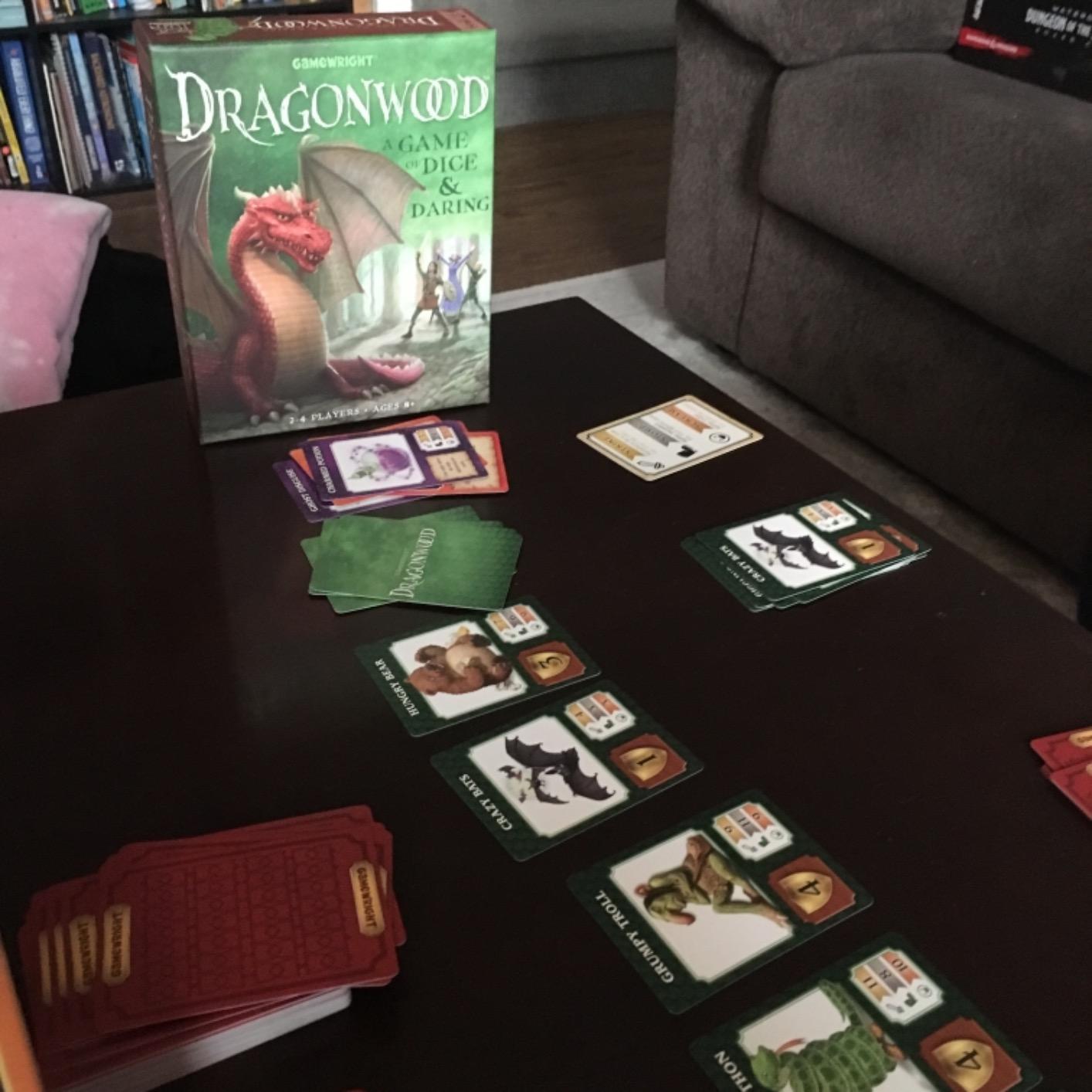
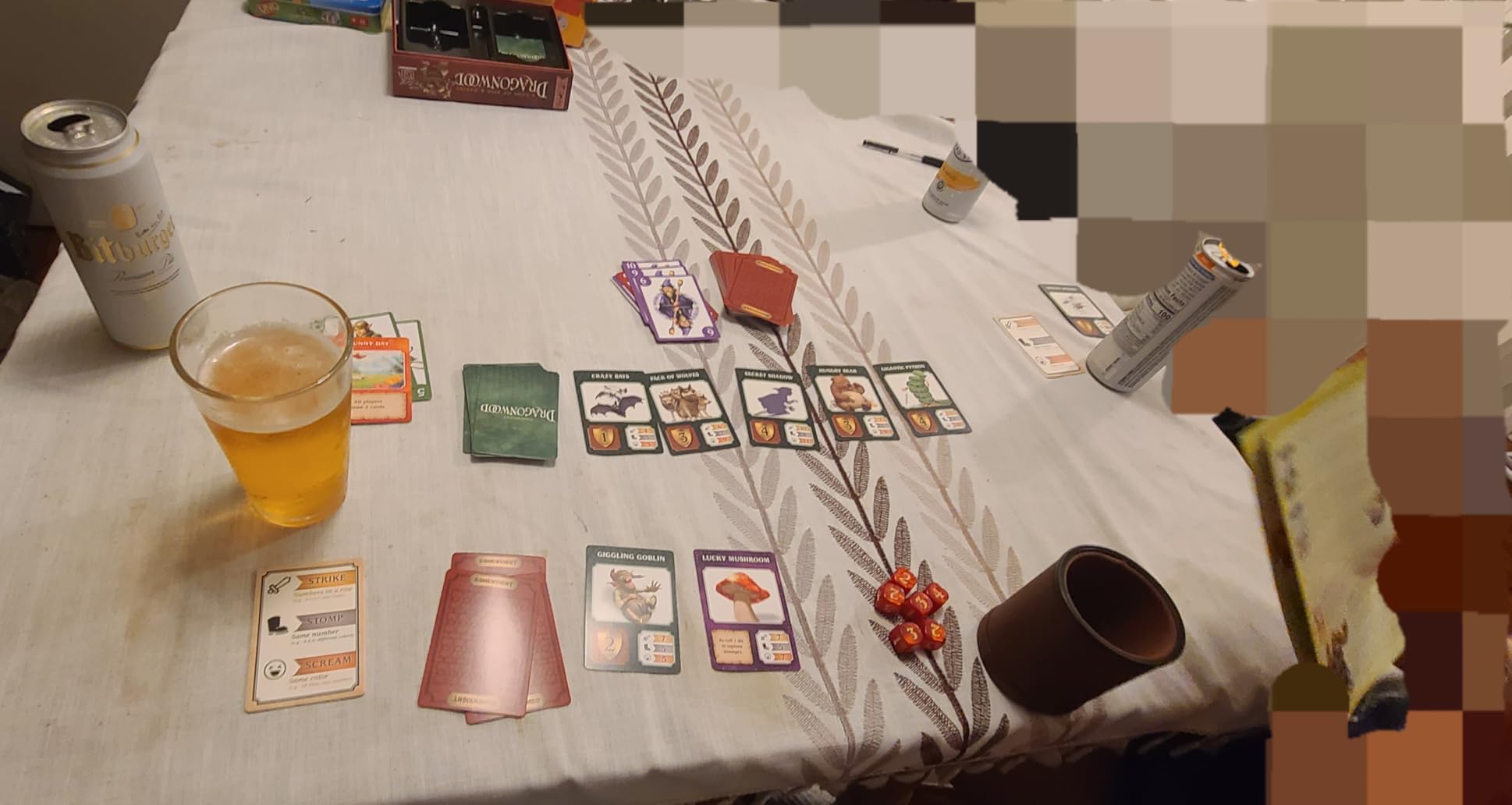
What I love about Dragonwood at three players is the rolling rhythm. With only two other players, every dice roll feels meaningful, and the captures happen quickly. The art by Olivia Gibbs is rich and inviting, and the box includes a poster showing the full creature lineup.
The 20-minute playtime means you can play three or four games in an evening, experimenting with different strategies. This is one of the rare gateway games that does not feel like a compromise for adults.
Why Dragonwood Suits Three Players
Three players keeps the creature captures competitive without overcrowding the forest board. The 2-4 player range also means you can scale up for larger groups or down for a quick parent-child session. The 20-minute playtime is genuinely achievable, which makes Dragonwood a great fit for busy families or short game breaks.
What to Consider
The components include small dice and tokens, so very young children should be supervised. The strategic depth is light compared to Wingspan or Azul, so hardcore gamers may want something heavier. But for a quick, charming, and accessible game, Dragonwood punches well above its weight.
Buying Guide: How to Choose the Best Board Game for Three Players
Choosing the best board game for three players depends on your group’s personality and the experience you want. Here are the key factors I consider whenever I add a new game to my trio collection.
Player Count Scalability
The most important factor is whether the game is balanced specifically for three players. Some games like Wingspan, Azul, and Splendor are designed for 2-4 players and feel great at three. Others like 7 Wonders are designed for 3-7 and offer the best value when you can scale up. Always check the official player count and look for reviews that specifically mention the three-player experience.
Game Length and Downtime
Three-player games live or die on downtime. With only three turns between your actions, anything longer than 60-90 seconds per turn feels like an eternity. Cooperative games like Pandemic and Forbidden Desert keep engagement high because everyone is planning together. Simultaneous-play games like 7 Wonders eliminate downtime entirely. Avoid games with heavy analysis-paralysis potential unless your trio loves long strategy sessions.
Learning Curve
If your trio includes a newcomer, games like Cascadia, Hues and Cues, and Dragonwood teach in under five minutes. More complex games like Wingspan and 7 Wonders reward a 10-minute rules walkthrough. Pandemic and Forbidden Desert have moderate complexity because of the role variety, but the cooperative structure makes them easier to learn than competitive strategy games.
Cooperative vs Competitive
Cooperative games like Pandemic, Forbidden Desert, and to some extent Cascadia are ideal for trios that want shared experiences. Competitive games like Azul, Splendor, and Carcassonne are great for groups that enjoy direct conflict and table talk. The choice depends on whether your trio prefers to work together or compete.
Theme and Setting
Theme matters more than people think. Nature lovers gravitate toward Wingspan and Cascadia. Fantasy fans enjoy Dragonwood. Train enthusiasts love Ticket to Ride. Pick a theme that excites your trio because engagement rises when the world draws you in. I have seen reluctant gamers come alive with the right theme. For families planning a dedicated game room, the right setup matters too — our 12 best swing sets for three kids guide touches on shared three-person play spaces that can complement your indoor gaming area.
Replayability
Games with modular boards like CATAN and Carcassonne, or large card pools like Wingspan and Splendor, offer nearly infinite replayability. Smaller games like Hues and Cues and Dragonwood are fun but may wear out after 30-50 plays. If you want a long-term investment, prioritize games with randomization or expanding card pools.
For more on selecting the right game for your group, our guide to matching games to group size offers additional context on how shared interests influence game selection. You can also explore our 10 best three piece luggage sets roundup if you plan to travel with your favorite games for three-player game nights on the go.
Frequently Asked Questions
What is the best board game for three players?
Azul is widely considered the best board game for three players because it scales perfectly from two to four players, finishes in 30-45 minutes, and offers elegant tile-placement strategy with minimal downtime. Wingspan and Splendor are equally strong picks for groups that prefer engine-building over spatial puzzles.
What are some good games for 3 players?
Some of the best games for three players include Azul for tile placement, Wingspan for engine-building, Pandemic for cooperative play, Splendor for quick strategy, and 7 Wonders for card drafting. Each of these scales beautifully to exactly three players and offers replayable, balanced gameplay.
What games work best as a trio?
The games that work best as a trio are those with low downtime, balanced three-player mechanics, and minimal kingmaking. Top picks include Azul, Wingspan, Splendor, Carcassonne, and Cascadia. Cooperative games like Pandemic and Forbidden Desert also excel at three players because the shared challenge keeps everyone engaged.
What are the best adult board games for 3 players?
The best adult board games for three players include Wingspan for its strategic depth, Azul for elegant tile placement, Splendor for quick engine-building, 7 Wonders for card drafting, and Pandemic for cooperative challenge. These games offer meaningful decisions without overwhelming rules, making them ideal for adult trios.
How do I choose a board game for three players?
Choose a board game for three players by considering player count scalability, game length, learning curve, cooperative versus competitive style, theme, and replayability. Games designed for 2-4 players with low downtime and balanced mechanics typically shine at the three-player count. Always check reviews that specifically mention the three-player experience.
Final Verdict: Our Top Three Player Board Game Picks for 2026
After testing all 12 of these games with multiple trios, our top pick remains Azul. It is the best board game for three players because it combines gorgeous components, elegant rules, and a 30-45 minute playtime that fits any evening. The 2018 Spiel des Jahres winner delivers every time.
For groups that prefer engine-building, Splendor is a close second and a faster alternative. For families or groups new to modern board games, Cascadia is the friendliest entry point. Whatever your trio enjoys, this list of the best board games for three players in 2026 has something that will become a new favorite. Pull one off the shelf, gather two friends, and enjoy the game.