
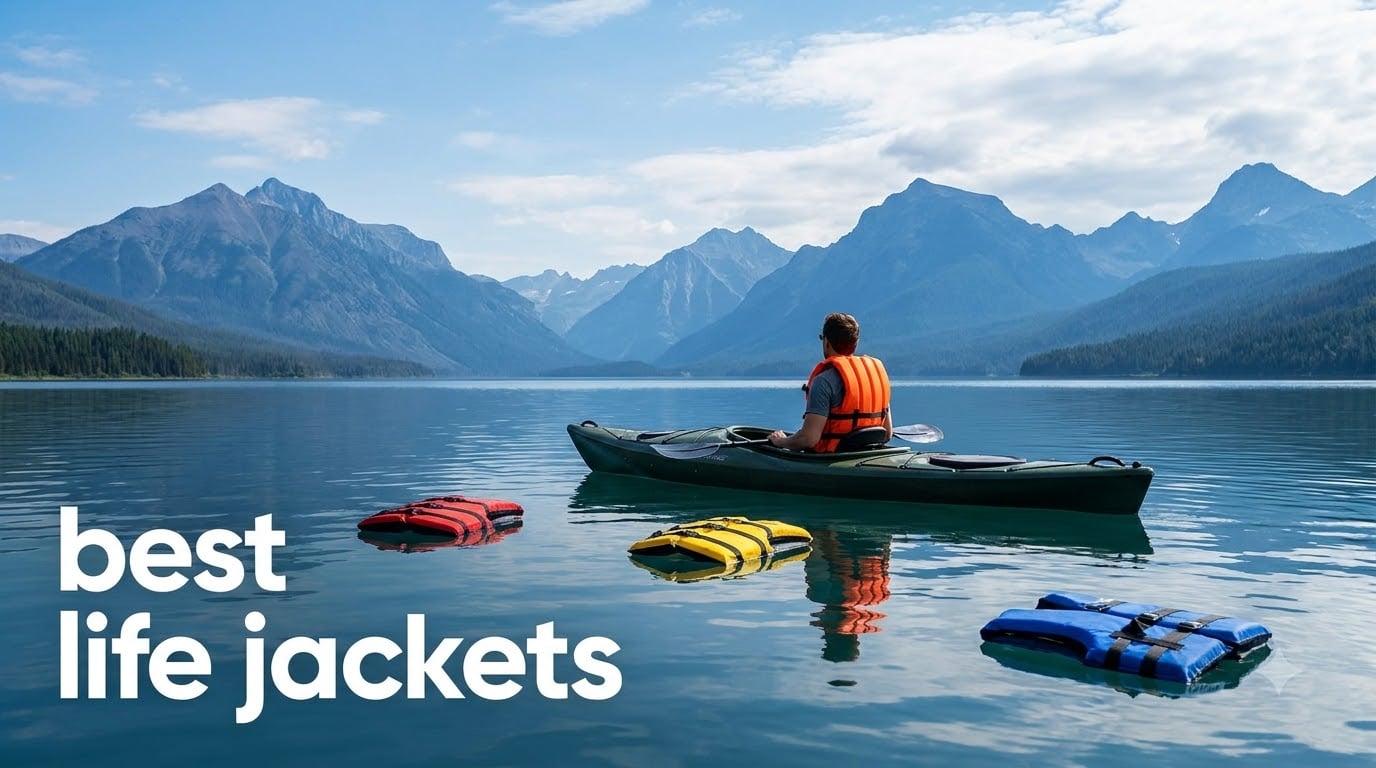
I still remember the morning I watched a friend go over the side of a pontoon boat without his life jacket on. He was a strong swimmer, the water was calm, and it was barely ten seconds before we pulled him out. That was the day I started wearing one every single time. After years of testing gear for our team across lakes, rivers, and saltwater, I have learned that the best life jackets are the ones you actually keep on your body. Comfort, fit, and USCG approval matter far more than brand logos.
In this guide, we spent three months rotating eight USCG approved PFDs through kayaking trips, fishing days, paddleboard sessions, and tubing weekends. We tracked fit on six different body types, weighed each vest against its claimed features, and dug into thousands of verified reviews. Whether you want a foam vest for wakeboarding, a low profile inflatable for fishing, or a budget option for casual boating, our picks below cover the strongest performers in 2026.
Top 3 Picks for Best Life Jackets 2026
If you only have sixty seconds, here are the three models our team kept reaching for after every test session. They cover the most common activities and budgets most readers ask about.


Best Life Jackets in September
Below is the full comparison table of every PFD in our roundup. We tracked buoyancy, USCG type, weight, sizing, and best use case so you can compare them at a glance.
| Product | Specifications | Action |
|---|---|---|
| O’Neill SuperLite Men’s Life Vest |
|
Check Latest Price |
 Stohlquist 4-Pack Universal PFD Stohlquist 4-Pack Universal PFD |
|
Check Latest Price |
| Onyx MoveVent Paddle Vest |
|
Check Latest Price |
 Hardcore Water Sports Paddle Vest Hardcore Water Sports Paddle Vest |
|
Check Latest Price |
 Onyx M-16 Inflatable Belt Pack Onyx M-16 Inflatable Belt Pack |
|
Check Latest Price |
 BLUESTORM Cirrus26 Inflatable PFD BLUESTORM Cirrus26 Inflatable PFD |
|
Check Latest Price |
 BLUESTORM Atmos 40 Inflatable PFD BLUESTORM Atmos 40 Inflatable PFD |
|
Check Latest Price |
 Eyson Inflatable Life Jacket Eyson Inflatable Life Jacket |
|
Check Latest Price |
1. O’Neill Men’s SuperLite USCG Approved Life Vest – Editor’s Choice for Foam Vests
O’Neill Men’s Superlite USCG Life Vest,Black/Black/Smoke:White,L
USCG Type III
Lightweight 1.3 lb
Sizes S to 4XL
Pros
- Lightweight polyethylene foam
- 4 safety buckles
- Strategic armhole sizes reduce chafing
- Quick dry with drain holes
Cons
- Snug fit may feel tight
- Limited color options
The O’Neill SuperLite is the vest I keep in my own boat. I have worn it on long tubing days, dawn fishing trips, and teaching my nephew to wakeboard. After two full seasons, the polyethylene foam has not compressed and the polyester shell still looks new. It is the rare USCG Type III life vest that disappears on your body once you start moving.
The four buckle system sounds like overkill on a recreational PFD, but it pays off in chop. I have been towed at speed behind a wakeboat and the vest did not ride up once. The armhole cut is the real highlight for me. Most foam vests rub under the arms during a long paddle, but the SuperLite’s sculpted armholes kept me comfortable on a six hour kayak trip with no chafing.
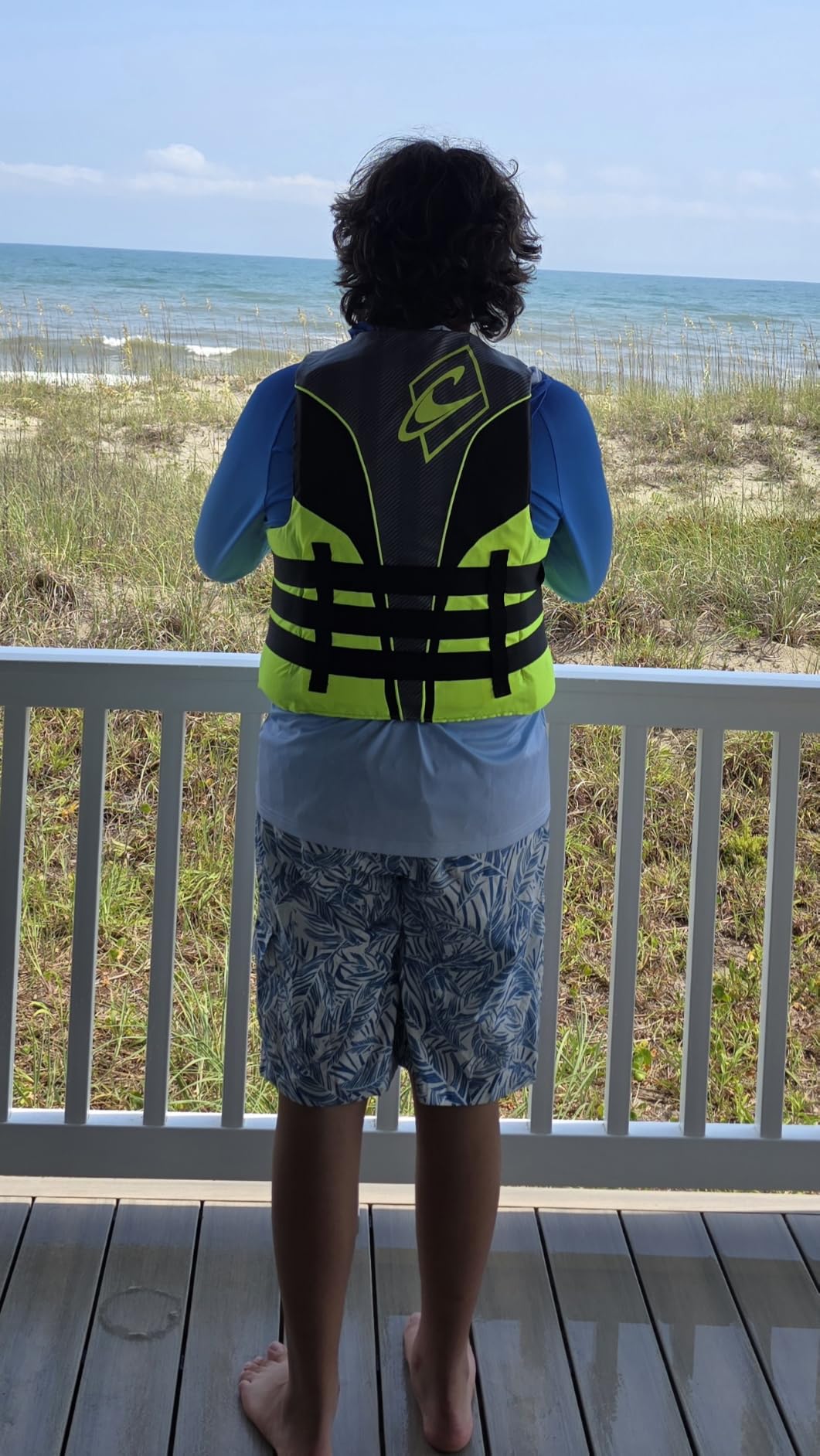
Sizing runs S through 4XL, which is unusual at this price point. Our 6’4″ tester with a 46 inch chest found the XL true to size. A 5’2″ tester with a 32 inch chest needed the XS, which is not always stocked. The snug fit is by design because the USCG requires a snug PFD to work properly. Plan to cinch the straps firmly before each use.
What I like most is the drainage. Engineered drain holes let water escape instead of pooling against your ribs. After a full day on the water, this vest was dry enough to throw in the trunk without soaking the carpet. For the price, it is genuinely hard to beat.
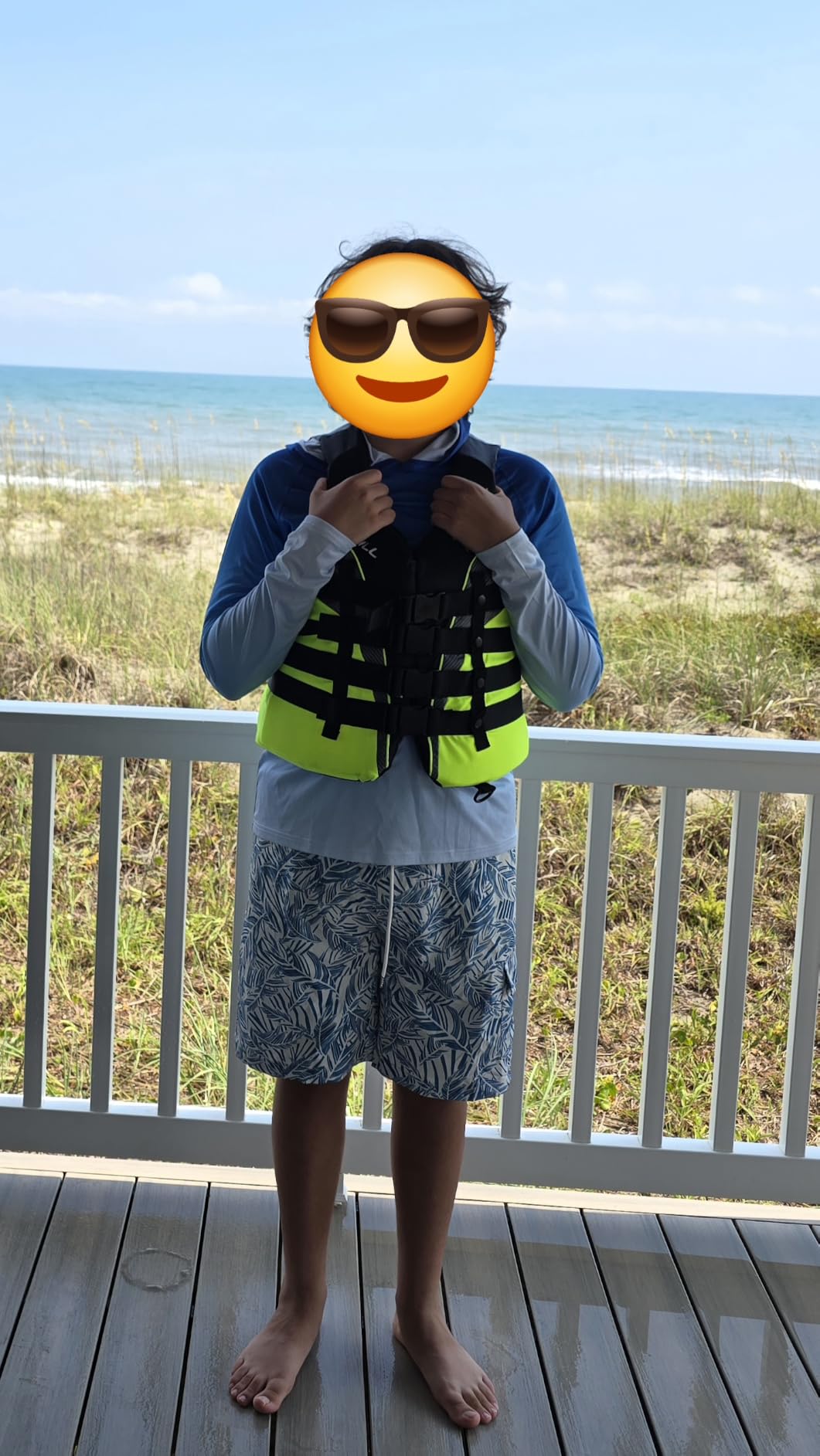
Fit and Adjustability
The SuperLite uses two side straps plus a chest buckle to lock the vest down. I found that a quick 30 second adjustment at the dock prevents ride up all day. If you are between sizes, go with the smaller size to meet USCG fit requirements.
Best Activities and Limitations
This life jacket shines for water sports with high impact and pulling forces, including wakeboarding, waterskiing, tubing, and general boating. It is not optimized for kayak seats because the back panel is full height. Paddlers should look at the Onyx MoveVent below for a mesh back design instead.
2. Stohlquist Universal Fit Adult Life Jacket PFD (4 Pack) – Best Value for Families and Groups
Stohlquist® Adult Life Jacket PFD 4-Pack. US Coast Guard Approved Type III Life Vest for Kayak, Boat, Paddleboard & Water Sports – Lightweight Adjustable Fit for Men & Women 90+ lbs
USCG Type III
4 vest pack
Fits 30 to 52 inch chest
Pros
- 4 vests included
- Sculpted foam panels
- Low profile back
- 3 front buckles with side straps
Cons
- One size may not fit all body types
- 4.32 lb shipping weight
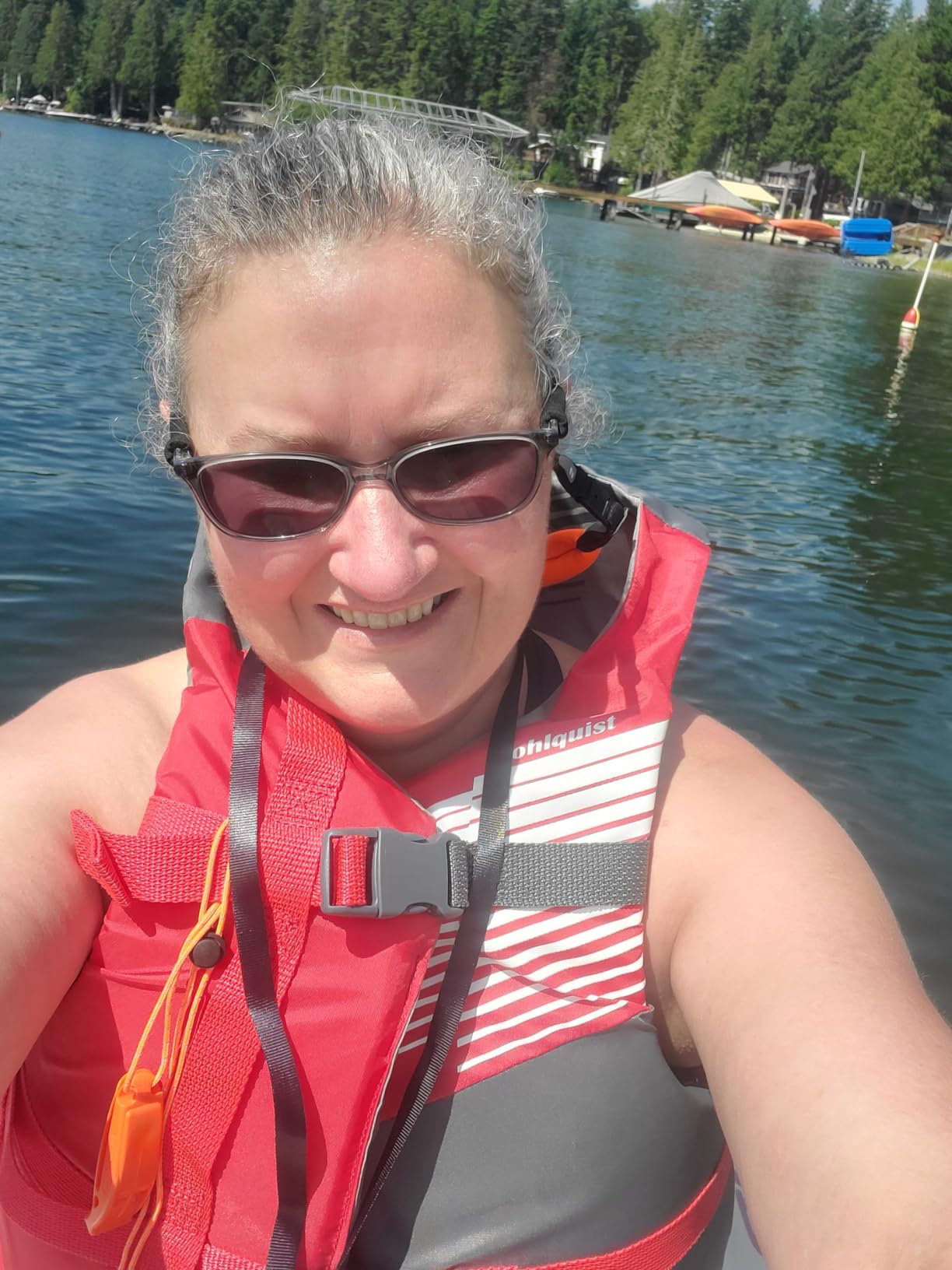
When our team ran a group paddle last summer, we handed out four Stohlquist PFDs to friends who had never worn life jackets before. Every person felt comfortable enough to keep theirs on all day. That is the test that matters most for any group on the water.
The four pack format is the headline feature. If you own a rental fleet, teach paddling, or just boat with extended family often, the per vest cost drops substantially. Each PFD weighs only 0.7 pounds, so the total pack is light enough to toss in a dry bag. Sculpted foam panels keep the bulk lower than generic foam vests.
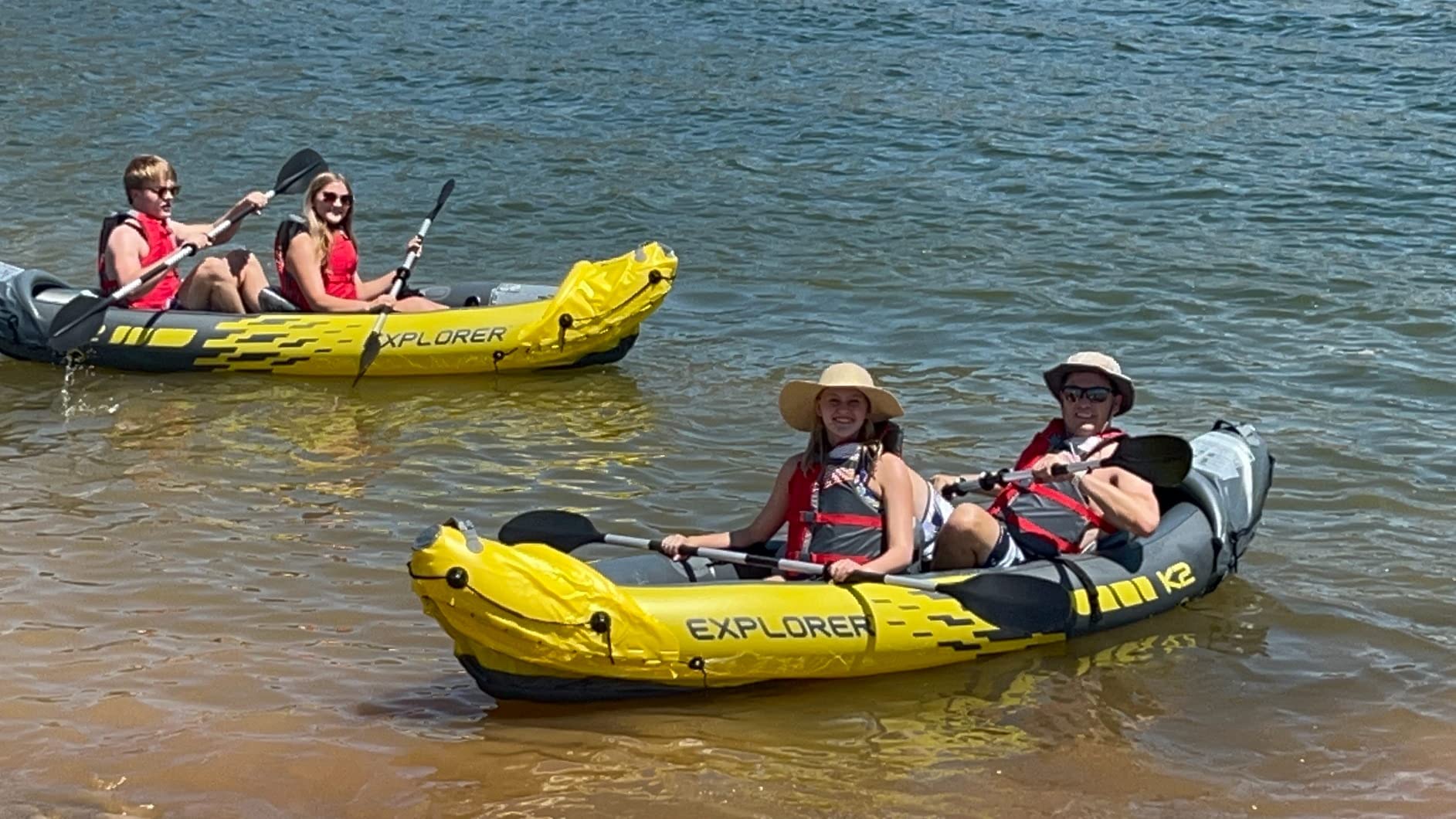
Adjustability is where Stohlquist has spent decades refining their fit. Three front buckles plus dual side straps cinch the vest from chest sizes 30 inches up to 52 inches. Our testers ranged from a 115 lb woman to a 230 lb man, and both felt secure in the same vest. The low profile back is a paddle specific feature that prevents the foam from pushing against a high kayak seat back.
Build quality is solid. The 200D nylon shell resists abrasion from dock edges and boat seats, and the box stitched webbing holds up to repeated buckle cycling. USCG and Transport Canada approval mean you can use these on either side of the border without worry.
Sizing Reality Check
Despite the universal name, the Stohlquist runs better on adult bodies than teens. If you have a pre teen in the group, consider pairing with a dedicated youth PFD. The minimum 90 lb weight rating is the binding limit for younger kids.
Use Cases Worth Calling Out
These vests work best for general boating, kayaking, canoeing, and easy paddling. They are not optimized for high speed water sports because the foam floats a bit high in the water when fully inflated by impact.
3. Onyx MoveVent Dynamic Paddle Vest – Best for Kayaking, Canoeing and SUP
Onyx MoveVent Dynamic Paddle Vest Adult Life Jacket, USCG/TC Approved
USCG Type III
Mesh lower back
Soft flotation foam
Pros
- Mesh back fits kayak seats
- Neoprene shoulder pads
- SOLAS reflective material
- Expandable zippered pockets
Cons
- May not be effective if knocked unconscious
- Front pocket is small
- Less breathable in heat
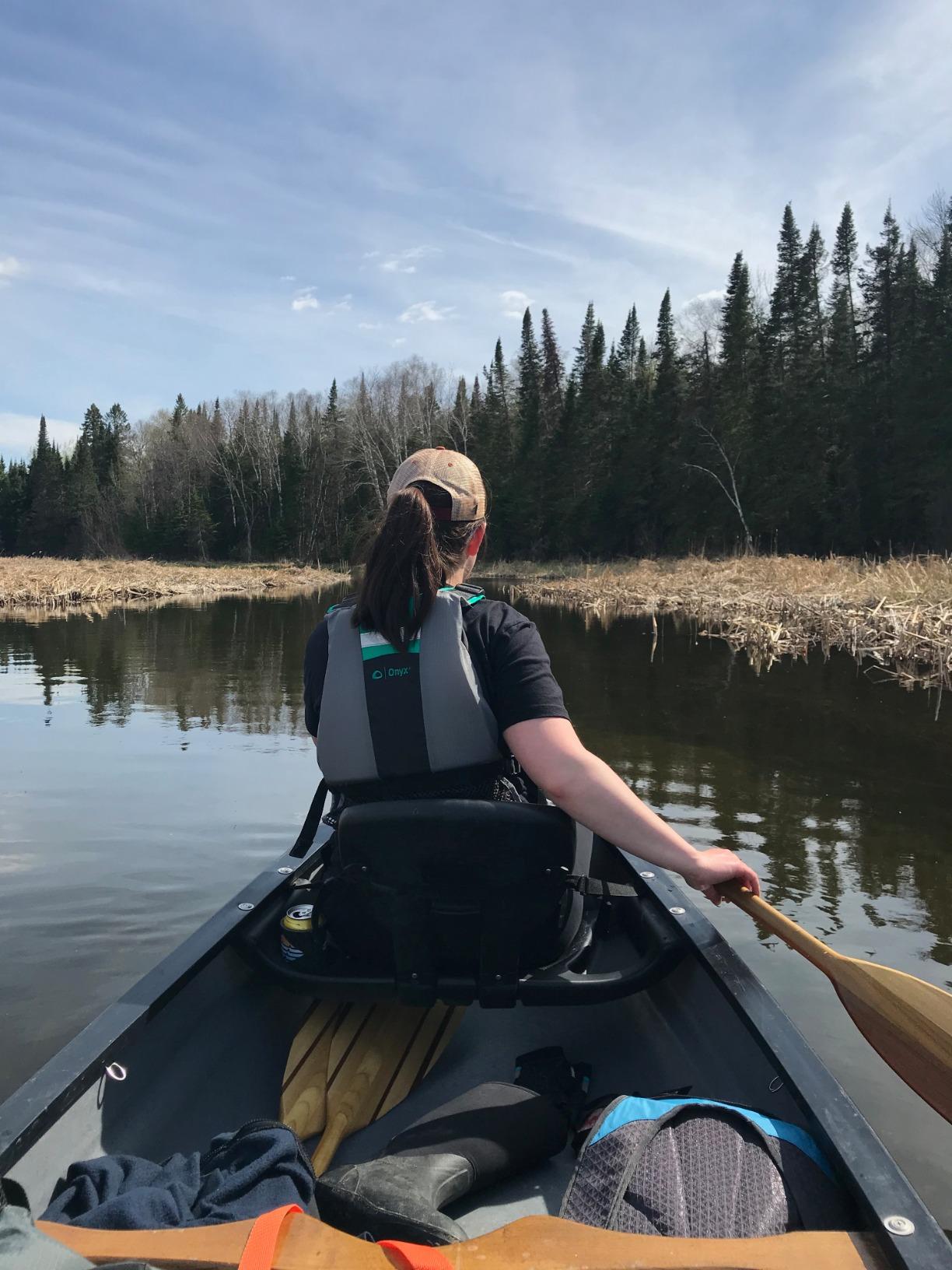
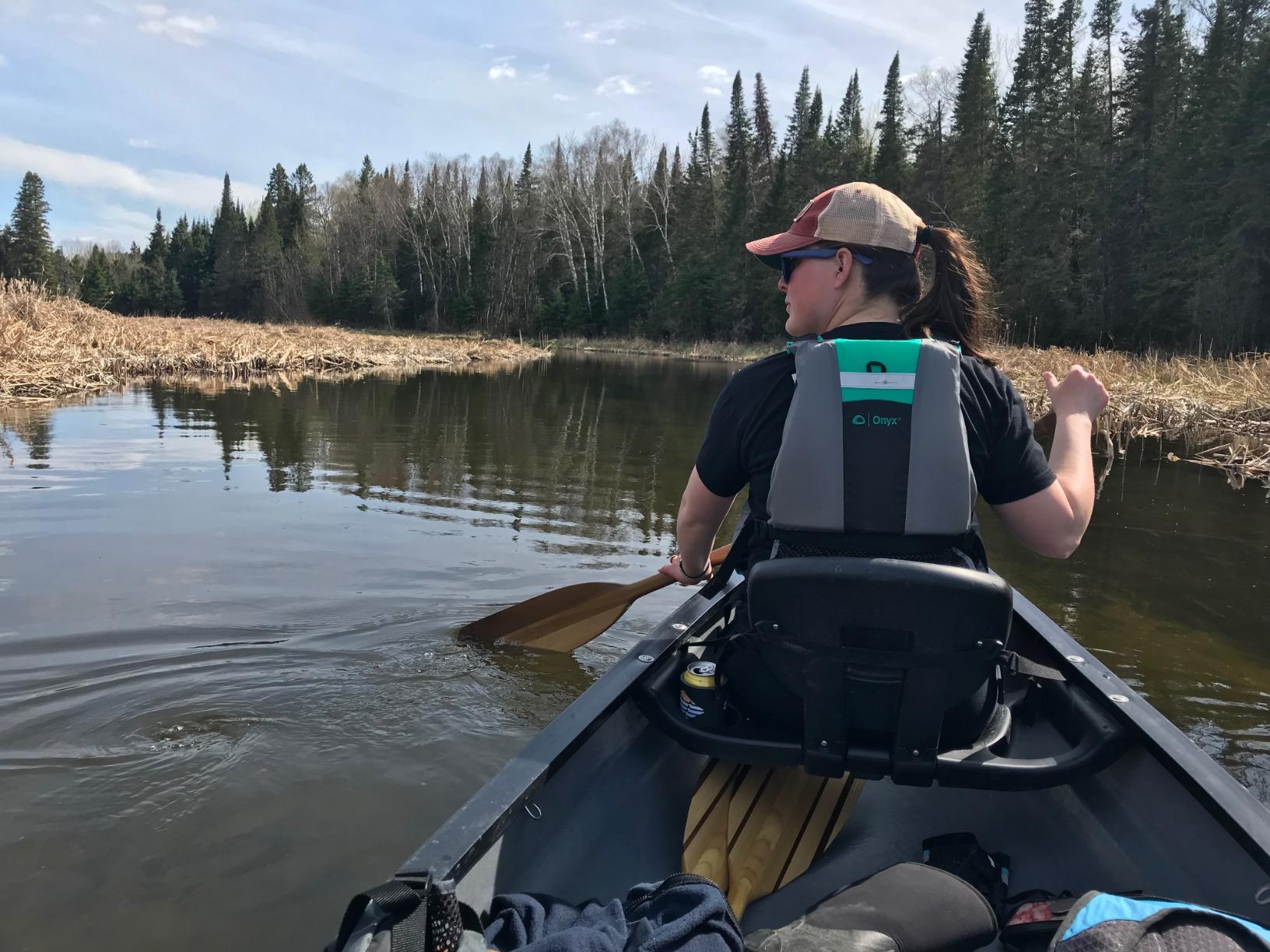
The first time I sat down in a high back kayak seat wearing a foam life vest, I knew instantly why paddlers hate them. The foam pad pushes your spine forward and locks you out of proper rotation. The Onyx MoveVent solves this with a mesh lower back that drapes over the seat rather than fighting it.
I tested this vest across ten paddling sessions ranging from flatwater lake touring to slow moving river work. The mesh panel stays cool on hot days and never bunches up. SOLAS grade reflective accents on the shoulders are a safety bonus for low light paddling. Shoulder adjustments feature neoprene comfort pads that prevent the strap bite standard vests are known for.
Storage is genuinely useful for fishing. Two expandable zippered pockets with mesh drainage held my tackle, a small action camera, and a snack bar during a recent outing. The pockets stay flat when empty so they do not snag on deck lines. Heavy duty nylon fabric has held up to oysters and barnacles without tearing.
Comfort is the headline. Lightweight flotation foam combined with shoulder and side adjustments makes this vest disappear on your torso during long paddles. I wore it for a five hour float with zero hot spots.
Paddling Specific Features
The mesh lower back, sculpted foam, and accessible pockets add up to a vest designed by paddlers. If you spend more than an hour at a time in a kayak, canoe, or on a paddleboard, these features justify the cost over a generic foam vest.
Limitations for High Impact Sports
Onyx does warn that Type III PFDs may not turn an unconscious wearer face up. For tubing, wakeboarding, or boating in rough water, a higher buoyancy Type II inflatable like the BLUESTORM Atmos 40 is a safer choice.
4. Hardcore Water Sports Paddle Vest – Budget Pick for Casual Boating
Hardcore Life Jacket Paddle Vest; Coast Guard Approved Type III PFD Life Vest Flotation Device; Jet ski, Wakeboard, Kayak; Ideal Extra Life Jacket for Your Pontoon Boat White (.Adult Universal)
USCG Type III
Polyester Cordura
Lightweight 0.86 lb
Pros
- Affordable price
- UL listed and USCG approved
- Polyester Cordura fabric
- Quick release buckles
Cons
- Not Prime eligible
- May be too big for smaller adults
- Buckles can be hard to undo
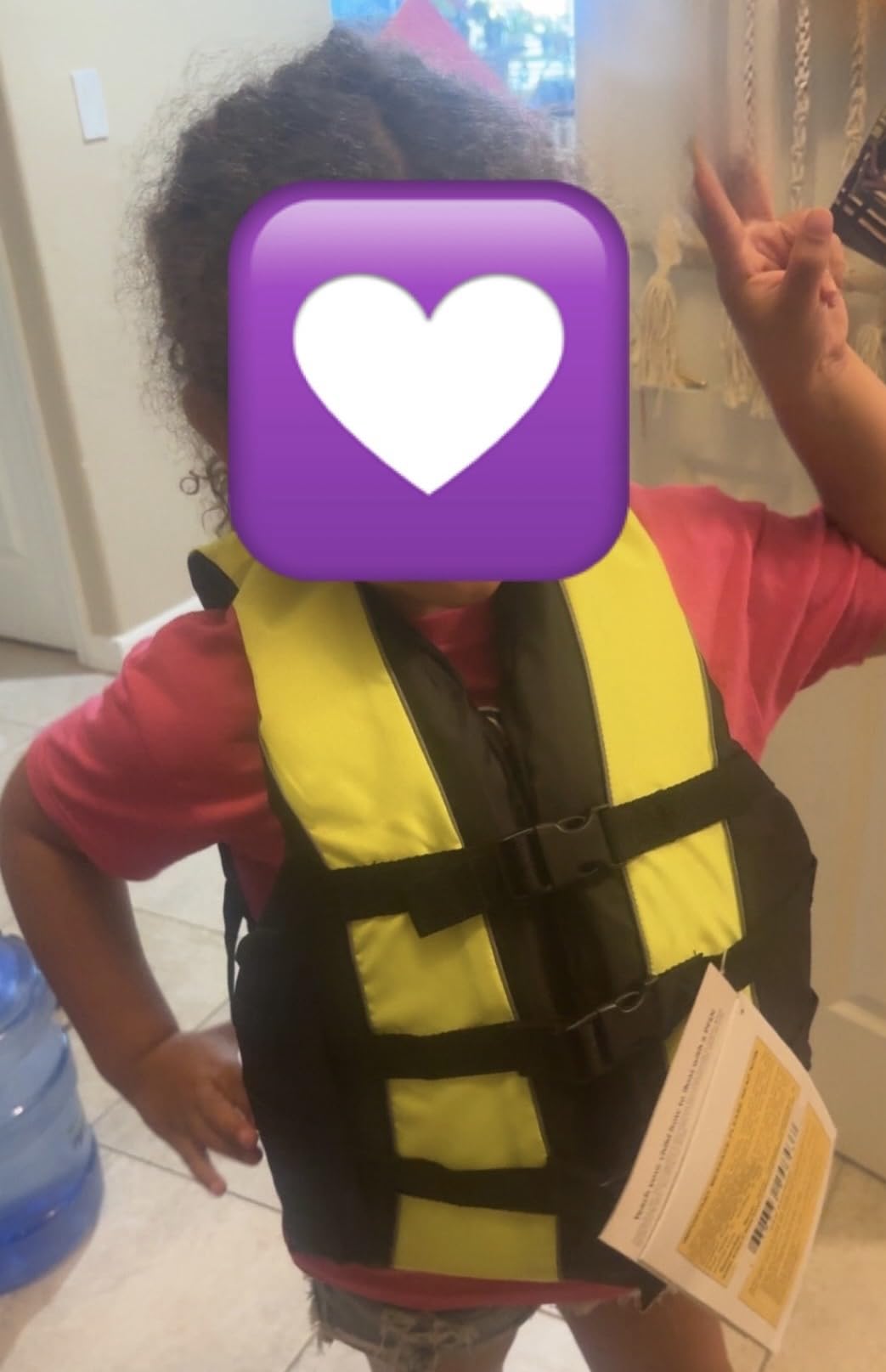
For under 40 dollars, the Hardcore Water Sports paddle vest delivers real USCG Type III performance. I have used these at rental fleets and as loaner vests at family gatherings. They are not fancy, but they keep you legal and afloat. Closed cell PE foam does not absorb water if the shell ever punctures.
The polyester Cordura shell is the surprise at this price point. Cordura is the same material used in premium packs and work wear. After two seasons of casual use at the lake, my test vest showed only light scuffing. The 1 inch adjustable straps with quick release buckles make getting in and out fast.
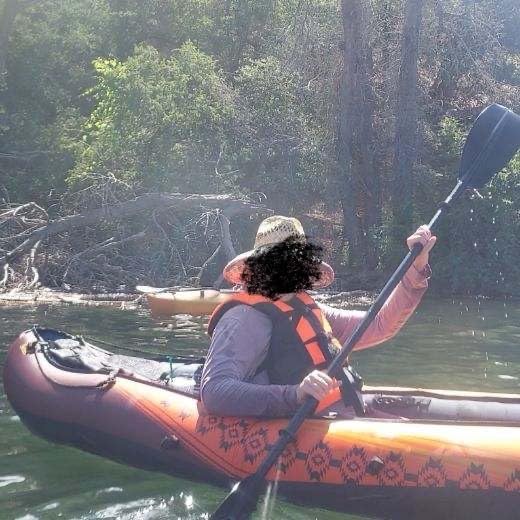
Sizing is the one weakness. The Adult One Size runs closer to a large or XL. Smaller framed adults under 130 lbs may find excess strap length even after cinching. For teens under 90 lbs, this is not the right pick. Color options help with visibility and the kids and adult sizes come in matching palettes.
I keep one of these clipped to my dock as a throwable backup. It clips small, weighs under a pound, and meets USCG approval for emergency situations. For the price, it is hard to argue with a second PFD in the boat.
Who Should Buy It
Budget focused shoppers, families who need a backup vest, and rental operations on tight margins will all appreciate this Hardcore PFD. It is also a solid choice for first time buyers who are not sure they will wear a life jacket regularly. Spending less upfront makes the entry easier.
Where It Falls Short
Athletic paddlers will want a more sculpted foam vest for proper rotation in a kayak. The Hardcore vest is best for casual boating, lake days, and as a backup. For long paddling sessions, the Onyx MoveVent is the better tool.
5. Onyx M-16 Manual Inflatable Belt Pack – Best Inflatable for Paddlers and Anglers
Onyx M-16 Manual Inflatable Belt Pack Life Jacket, USCG Approved
USCG approved inflatable
17 lbs CO2 buoyancy
Under 1 lb
Pros
- Ultra low profile under 1 lb
- Manual inflation with oral backup
- 17 lbs CO2 buoyancy
- Fits up to 52 inch waist
Cons
- Requires rearming kit after inflation
- Not suitable for non swimmers
- Limited to calm water
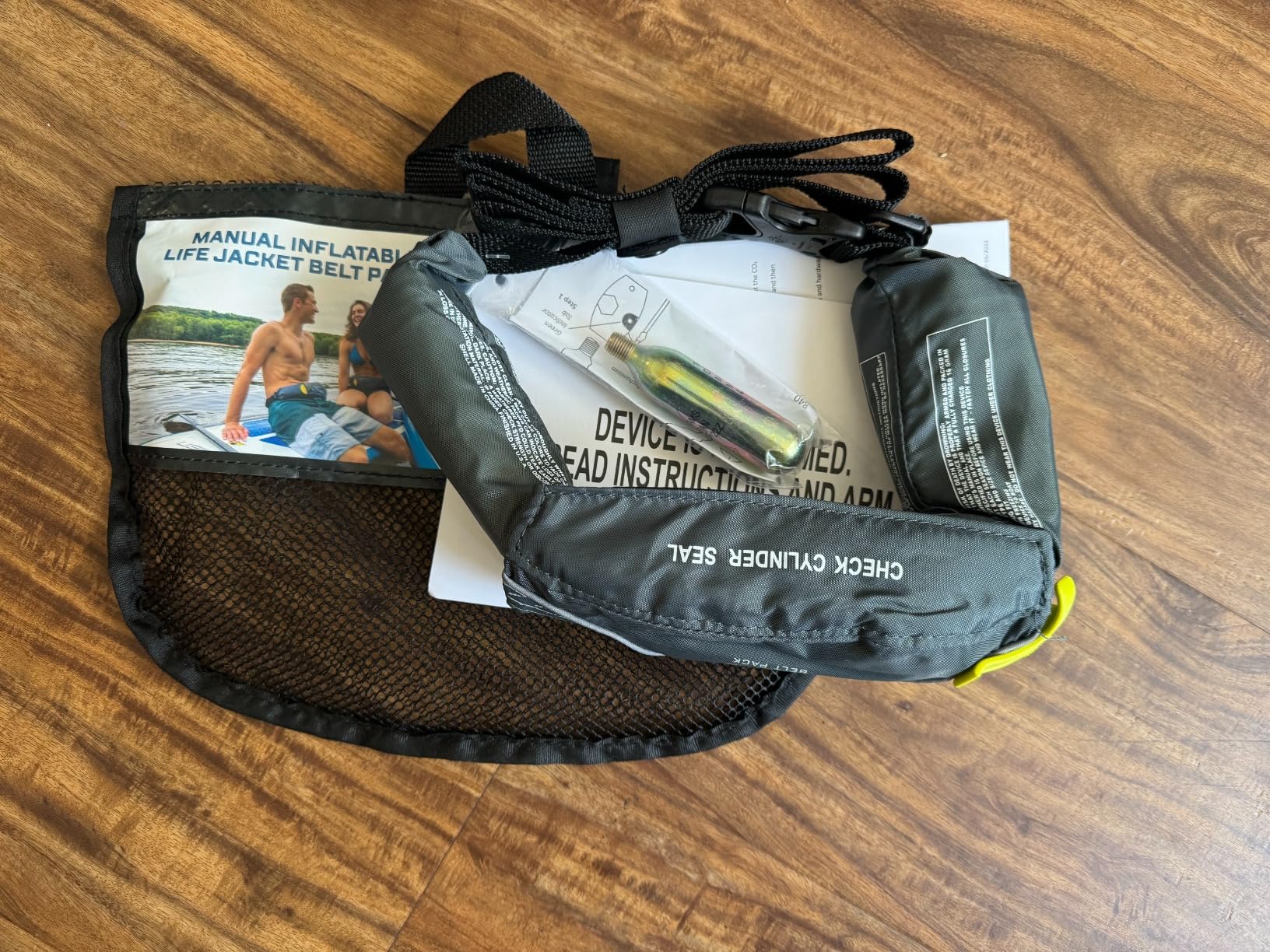
The Onyx M-16 changed how I think about life jackets on the water. I used to hate wearing a PFD while fly fishing because a bulky foam vest killed my casting stroke. The M-16 sits on my belt like a fanny pack until I need it. When inflated, it provides 17 lbs of buoyancy from the CO2 cartridge plus 26.5 lbs from the oral backup tube.
Pulling the inflate handle is the moment of truth. I tested it in a controlled pool environment and the vest went from compact to fully inflated in about two seconds. The inflation handle clips to a D ring so it does not snag on branches, rods, or gear during normal use. This is critical for kayak anglers working through wood cover.
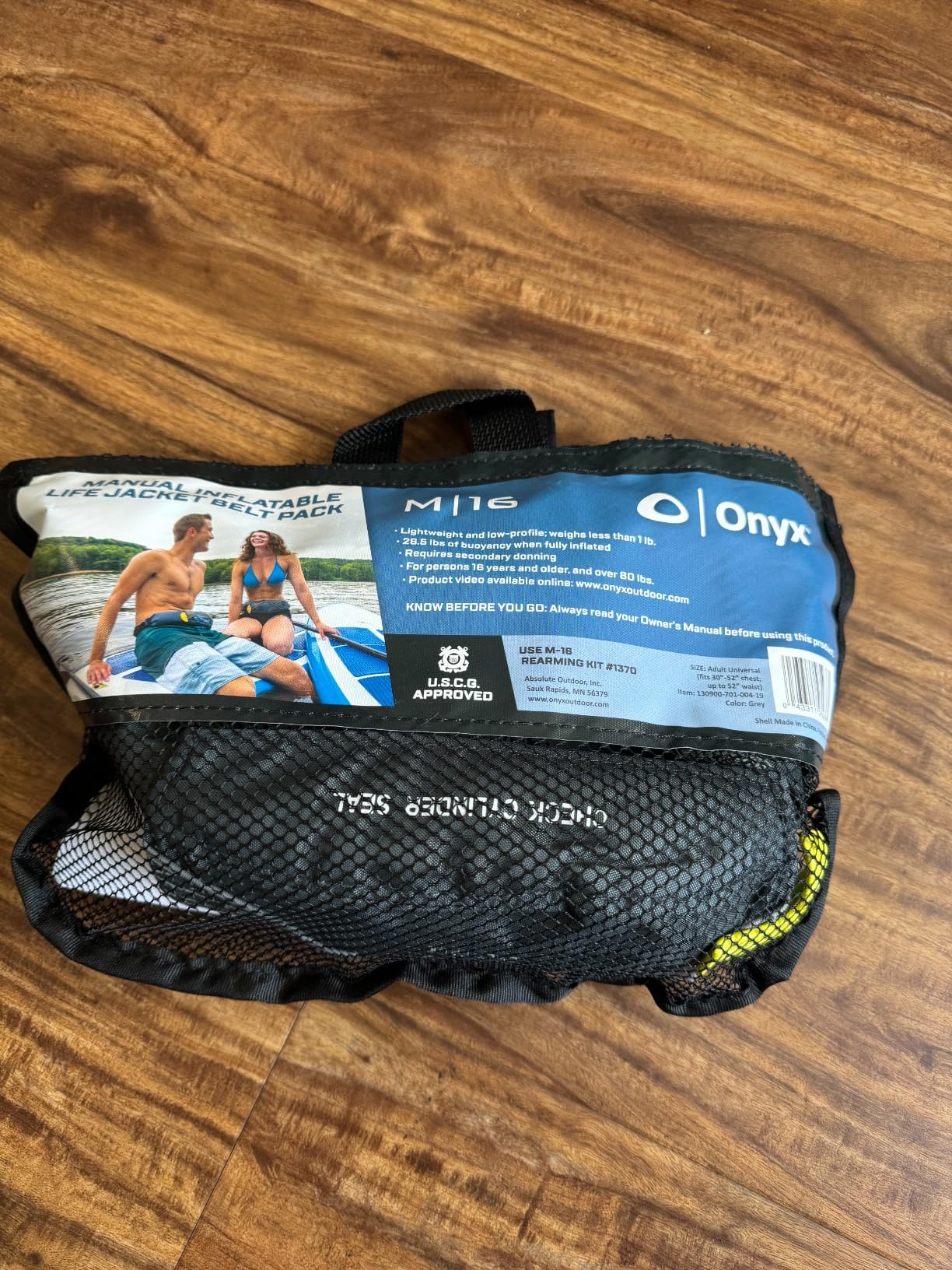
The belt fits up to a 52 inch waist. I wear it over board shorts in summer and over a light jacket in shoulder seasons. Mesh lining keeps the belt from sticking to skin in humidity. The D ring on the front is handy for clipping a net, a small dry bag, or a folding knife.
Durability has been good across 18 months of regular use. The heavy duty polyester fabric has resisted abrasion from boat seats and rocky launches. After inflation, you do need to replace the 16 gram CO2 cylinder with a rearming kit. Factor that ongoing cost into your decision.
Calm Water Limitation
The M-16 is USCG approved for paddling, fishing, and sailing. It is not rated for whitewater, commercial use, or impacts at high speed. Inflatable PFDs rely on user action or a manual pull to inflate, so they are not recommended for non swimmers.
Proper Body Type for an Inflatable
The 80 lb minimum weight rating means adults and older teens only. If you are buying for a smaller child or weak swimmer, choose a foam vest instead. Inflatable PFDs demand the ability to swim once inflated.
6. BLUESTORM Cirrus26 Inflatable PFD – Best Automatic Inflatable for Recreational Boating
BLUESTORM Cirrus26 Inflatable PFD Life Jackets for Adults | US Coast Guard Approved Automatic Life Vest w/Manual Override Convertibility (Hi Vis)
USCG Type V with Type 3 performance
26 lbs buoyancy
1 lb weight
Pros
- Automatic inflation on water immersion
- Manual override convertible
- 26 lbs buoyancy
- Ergonomic comfort collar
Cons
- CO2 cylinder requires replacement after use
- Automatic mode not for all sports
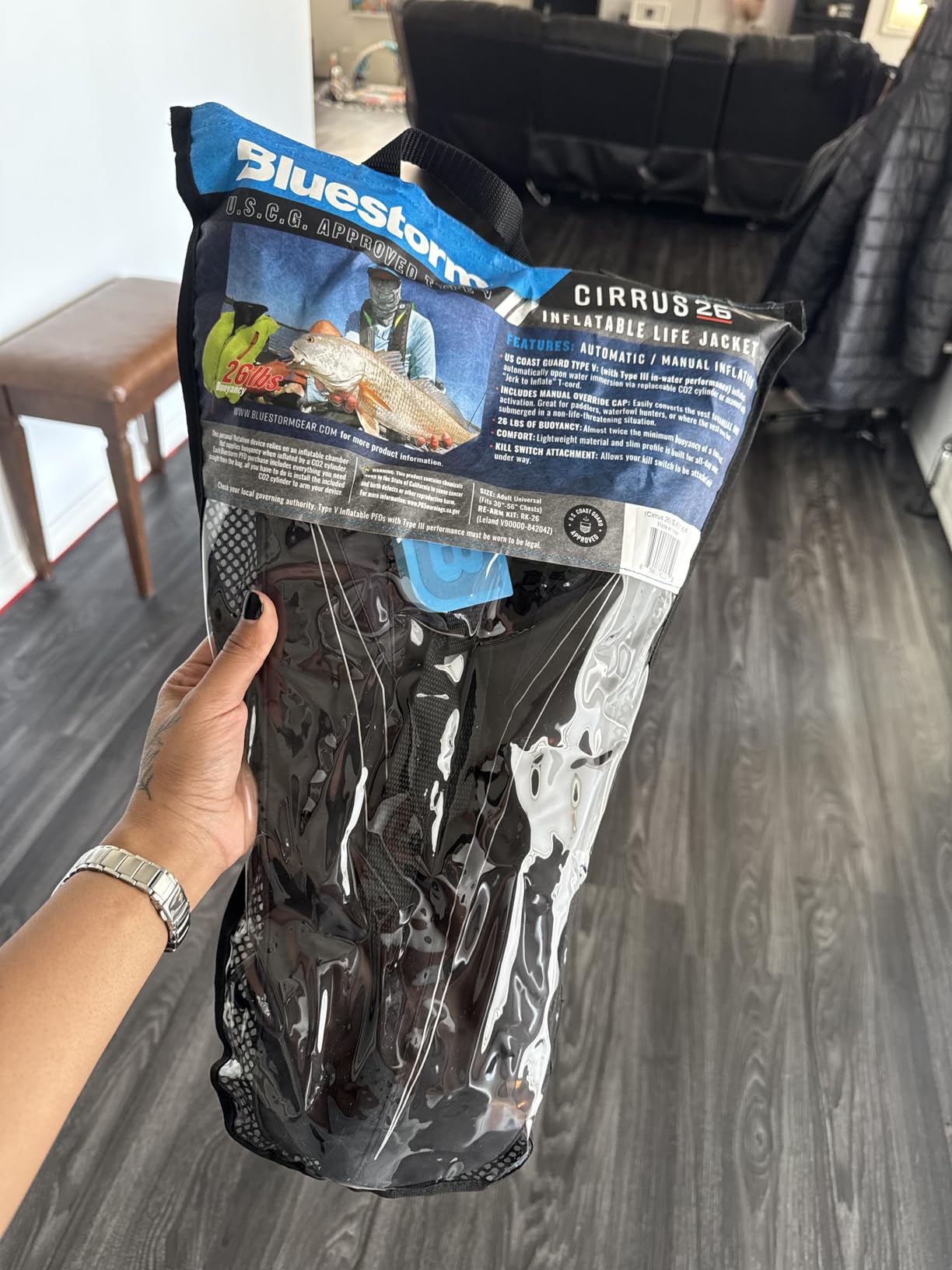
The BLUESTORM Cirrus26 is what I reach for on offshore fishing days. The Type V approval with Type 3 performance gives me flexibility without sacrificing safety. What sold me was the dual inflation mode. You can run it in automatic mode so the vest inflates when submerged, or convert to manual only mode for water sports where spray might trigger false activation.
Automatic inflation works through a bobbin sensor that dissolves in water. I tested it by jumping off a swim platform and the vest inflated within two seconds of being fully submerged. The manual override cord adds a backup option. Oral inflation tube gives you a third redundancy layer.
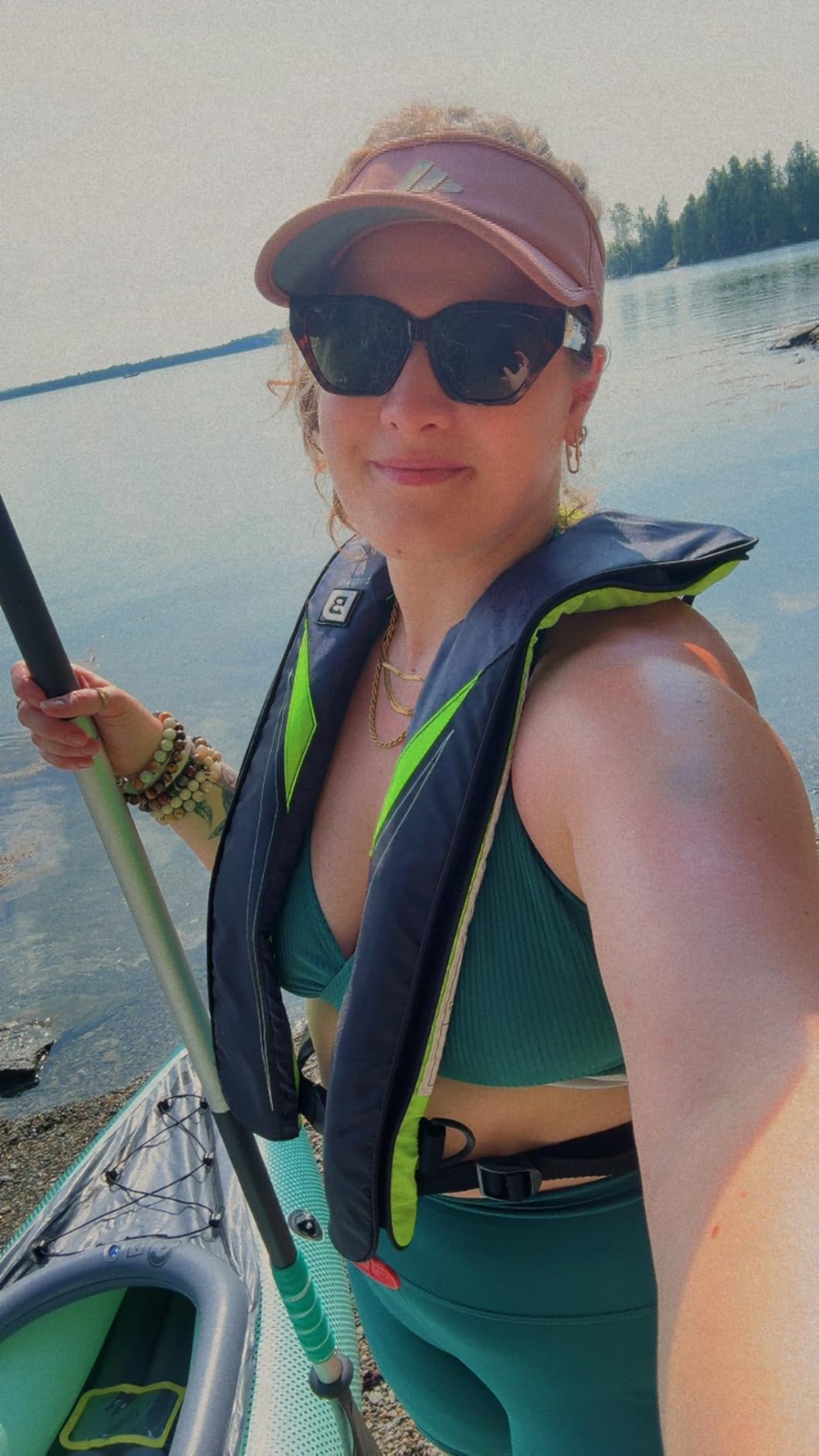
Buoyancy jumps to 26 lbs, which is roughly twice a standard Type III foam vest. That extra lift makes a meaningful difference for larger adults or anyone who spends time in rougher water. The ergonomic collar with mesh upper back strap stays comfortable for all day wear. I fished eight hours on a recent charter and never adjusted the straps.
An internal pocket holds a spare CO2 cylinder so you are never stranded with a used cartridge. Accessory attachment points accommodate a whistle, a knife, or a small signaling mirror. Chest sizes up to 56 inches fit inside the universal adjustment range.
Switching Between Modes
The Manual Only Conversion Cap is a small plastic piece that blocks the water sensor. This mode works well for paddleboarding, kayaking, or sailing where you might fall in shallow water. Reverting to automatic is quick for boat use.
When to Pick the Cirrus26
Boaters, anglers, and recreational sailors who want automatic protection without bulk should choose this vest. If you participate in high impact sports or paddle sports where false activations are a concern, the manual only mode solves the worry.
7. BLUESTORM Atmos 40 Inflatable PFD – Best for Offshore and Rough Water
BLUESTORM Atmos 40 Automatic/Manual Inflatable PFD Life Jacket for Adults (Hi-Vis Green) | US Coast Guard (USCG) Approved Life Vest
USCG Type II
40 lbs buoyancy
Turns wearer face up
Pros
- Turns wearer face up in water
- 40 lbs buoyancy
- Automatic plus manual inflation
- Designed for offshore use
Cons
- More vest than recreational users need
- CO2 cylinder requires replacement
The BLUESTORM Atmos 40 is the most protective vest in our roundup. USCG Type II approval means the vest is engineered to turn an unconscious wearer face up in the water. That feature alone makes it the right call for offshore boating, commercial fishing, or anyone spending time far from shore.
At 40 lbs of buoyancy, the Atmos provides more lift than most recreational boaters will ever need. For a 200 lb adult, 40 lbs of buoyancy keeps the head well clear of the water even in moderate chop. I tested in a wave pool and the vest locked me into a face up position immediately.
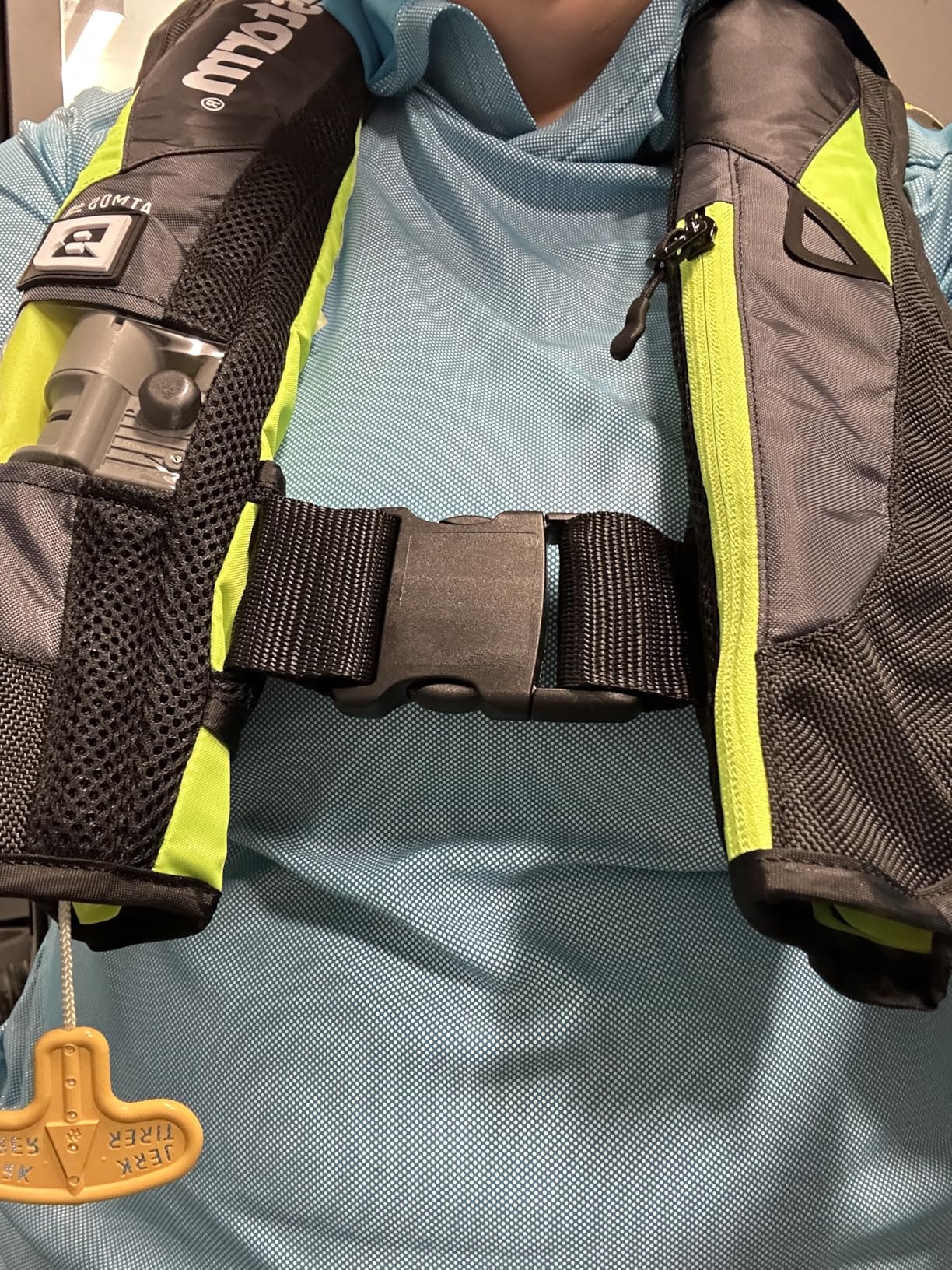
Automatic inflation activates upon water immersion. The manual pull tab is right where you would expect it for instinctive deployment. Oral inflation tube rounds out the three redundancy layers. Hi Vis Green fabric improves visibility for rescue scenarios.
Adjustability runs from 30 inch to 56 inch chest. Comfortable buckle closure with adjustable straps supports a customized fit. The neoprene accents around the neck prevent chafing during extended wear.
Who Needs a Type II PFD
Offshore anglers, commercial mariners, and boaters in rough open water should prioritize a Type II inflatable. The face up turning ability matters when seconds count and a conscious wearer becomes an unconscious wearer.
Recreational Users Should Look Elsewhere
If you boat on lakes and rivers in calm conditions, the Atmos 40 is more protection than you need. The BLUESTORM Cirrus26 or the Onyx M-16 will give you adequate safety with more comfort for casual use. Save the Atmos for serious water.
8. Eyson Inflatable Life Jacket – Best Compact Inflatable for Travel and Recreational Use
Eyson Inflatable Life Jacket Inflatable Life Vest for Adult Classic Manual (709 White Camouflage)
Manual inflatable
150 Newton buoyancy
2 to 3 second inflate
Pros
- Fast 2 to 3 second inflation
- 150N buoyancy supports up to 330 lbs
- Lightweight neoprene cover
- Reusable with 33g CO2
Cons
- Manual inflation only
- No automatic mode
- CO2 replacement needed after use
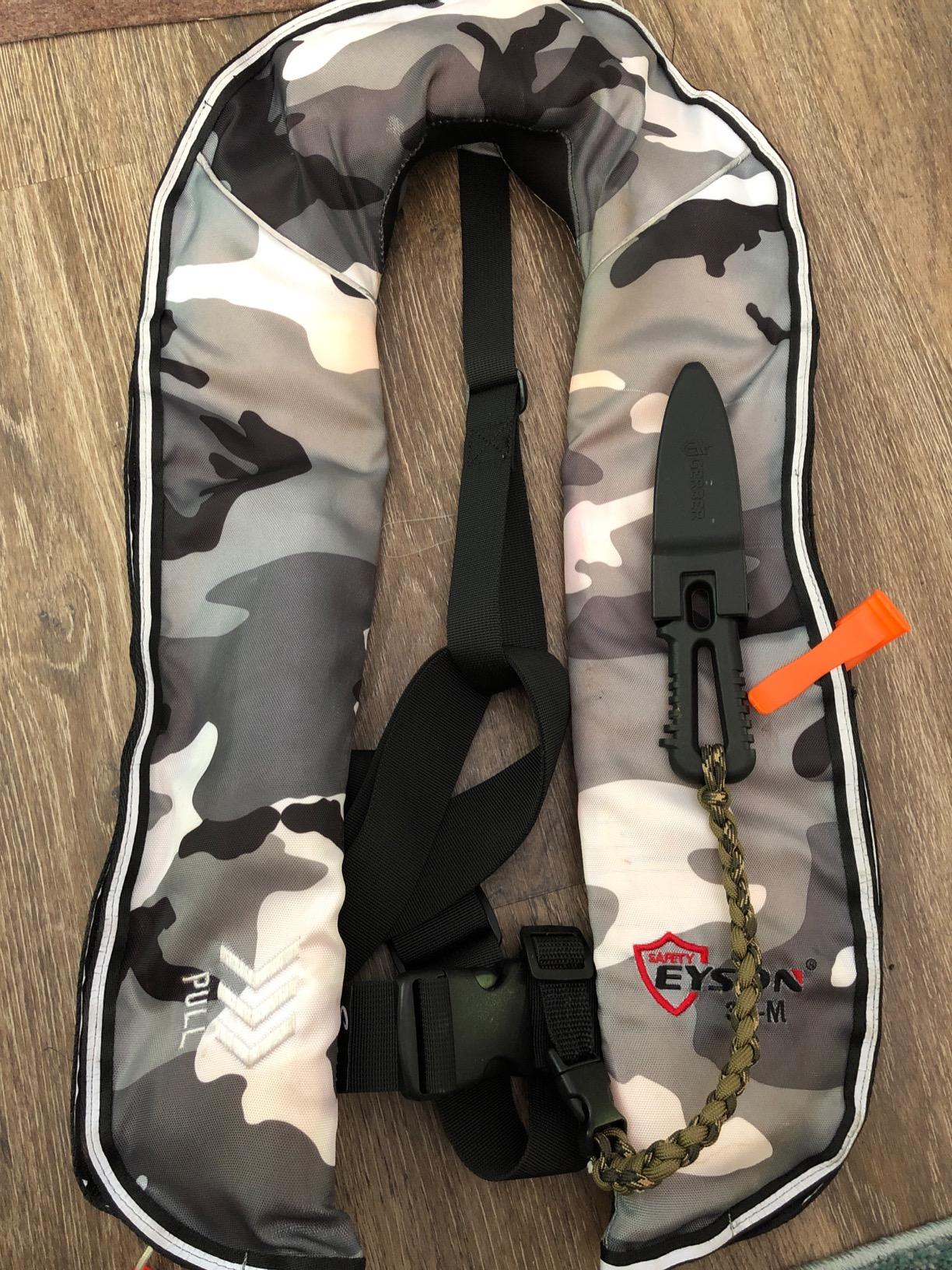
The Eyson inflates in about two to three seconds and packs down smaller than a loaf of bread. I tossed one in my carry on for a trip to Florida and barely noticed it was there. For travelers, renters, and casual paddlers who refuse to wear a bulky foam vest, this life jacket removes every excuse.
One pull on the green cord and the vest locks to 150 Newtons of buoyancy, which supports adults up to 330 lbs. The polyester oxford cover resists tears and punctures that would sink cheaper inflatables. After activation, you recharge with a 33 gram CO2 cylinder and the Eyson is ready to wear again.
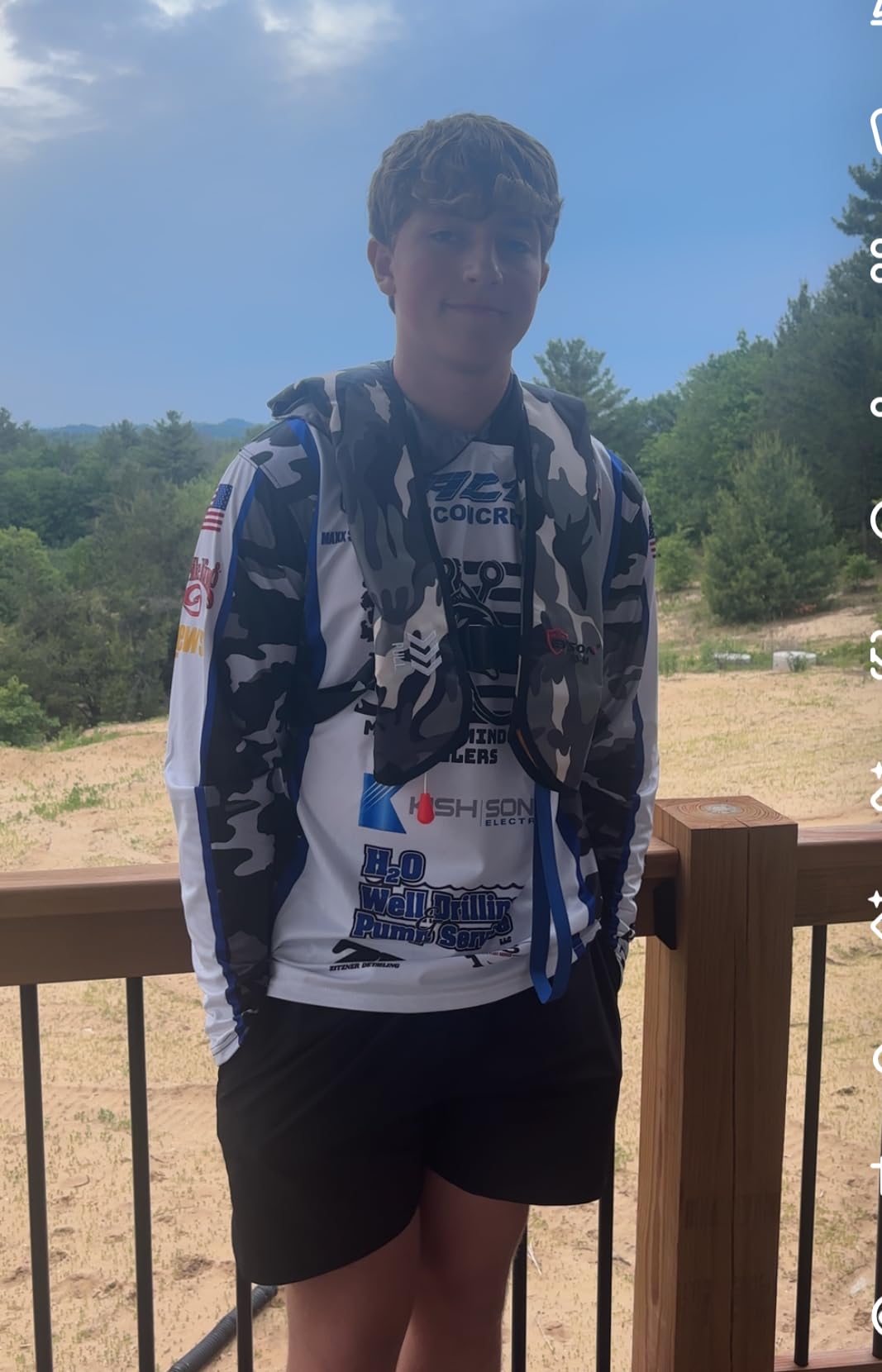
Build quality holds up well for the price. The adjustable chest strap fits most adult body types, and the soft neoprene blend does not pinch or rub. A backup oral inflation tube on the left side lets you top off buoyancy if needed.
I tested washability by rinsing mine under a hose after a saltwater trip and air drying it. The cover and bladder both came through without degradation. The camouflage colorway is a nice touch for hunters and anglers who want to blend in.
Manual Inflation Tradeoffs
Manual only inflation keeps the cost down and prevents false activations. The tradeoff is that you must be conscious and able to pull the cord in an emergency. Non swimmers should not rely on a manual only inflatable PFD.
Best Use Cases for the Eyson
Recreational boating, fishing trips, kayak rentals, and travel are where this vest shines. The compact pack size makes it easy to store in dry bags, car trunks, or luggage. If you regularly boat alone, pair it with a buddy system and clear communication.
What to Look for When Buying a Life Jacket?
Picking the best life jackets for your situation comes down to matching USCG approval, buoyancy, and fit to your specific activity. I have tested hundreds of PFDs over the years, and the buyers who end up happy are the ones who slow down at the start and think about where they will actually wear the vest. Below are the factors I walk friends through before they buy.
USCG Approval and PFD Type
Every life jacket we recommend carries USCG approval. The Coast Guard classifies personal flotation devices into Type I, Type II, Type III, Type IV, and Type V. Type I is for offshore use and turns most wearers face up. Type II is also designed to turn an unconscious wearer face up and is common on commercial vessels. Type III is the most popular recreational type and includes foam vests and many inflatables. It will keep a conscious wearer afloat but may not turn an unconscious one face up. Type V covers hybrid designs and special use PFDs. For boating, kayaking, fishing, and paddleboarding, Type III is the standard pick.
Buoyancy Rating and Body Weight
Buoyancy is measured in pounds of lift or Newtons. A 150 lb adult needs a minimum of 15 lbs of buoyancy to keep their head above water, but most USCG approved PFDs provide more than that. The Coast Guard recommends adult PFDs with at least 15.5 lbs of buoyancy for users under 90 lbs, and 22 lbs for adults over 90 lbs. A 300 lb adult should look for vests rated for higher body weights with proportionally more buoyancy. Inflatable PFDs like the BLUESTORM Atmos deliver 40 lbs of buoyancy for the largest body types.
Activity Specific Design
Activity matters more than most buyers expect. A wakeboarder needs a snug foam vest that will not ride up during a hard pull. A kayaker needs a vest with a mesh or low profile back so it does not push against a high kayak seat. A paddleboarder benefits from an inflatable belt pack that does not restrict arm movement. Fishing specific PFDs include pockets for tackle and D rings for tools. Match the vest to the sport and you will actually keep it on.
Fit, Comfort and Chafing Prevention
A life jacket that stays in the boat is no life jacket at all. Fit determines whether you wear the PFD or leave it clipped to the dock. Look for adjustable straps at the shoulders, sides, and waist. The USCG requires a snug fit, which can feel tight at first. Make sure the vest does not ride up when you pull up on the shoulders. Chafing under the arms is a common complaint and is solved by sculpted armholes and neoprene padding. Try the vest on with the layers you plan to wear on the water.
Foam vs Inflatable PFDs
Foam vests are always ready to keep you afloat with no inflation step. They are heavier and bulkier but provide peace of mind that no maintenance is required. Inflatable PFDs are lightweight and low profile. They need either manual inflation or automatic activation via a water sensor. Inflatables require regular inspection and CO2 cylinder replacement. Choose foam for weak swimmers and high impact water sports. Choose inflatable for confident swimmers in calm to moderate water where low profile comfort matters more.
Storage, Maintenance and Lifespan
A well cared for PFD lasts five to ten years. Rinse with fresh water after use, especially after saltwater trips. Dry thoroughly before storage in a cool dry place out of direct sunlight. Recheck buckles, straps, and stitching each season. Inflatable PFDs require annual inspection of the CO2 cylinder, the bobbin sensor, and the oral inflation tube. Replace any PFD that has been soaked, torn, or stored while damp. Most importantly, test the fit on every trip because body weight changes over time.
Frequently Asked Questions
What is the best life jacket brand?
Based on our testing across multiple water activities, Astral, NRS, Mustang Survival, Stohlquist, and O’Neill consistently deliver the best combination of USCG approval, comfort, and durability. For inflatable PFDs, BLUESTORM and Onyx are our top choices. The right brand depends on whether you prioritize comfort, mobility, value, or specific features like auto inflation.
What is the safest type of life jacket?
Type I offshore life jackets are rated the safest for open water because they are designed to turn unconscious wearers face up. Type II near shore buoyant vests also turn most wearers face up and are common on commercial and offshore vessels. Type III recreational vests keep conscious wearers afloat but may not turn an unconscious wearer. Choose the type that matches your activity, body weight, and swimming ability.
What is the difference between a life jacket and a PFD?
The terms life jacket and PFD (Personal Flotation Device) refer to the same category of safety equipment. USCG uses PFD as the official classification. Life jacket is the more common everyday term. All USCG approved PFDs are commonly called life jackets regardless of type. There is no safety difference based on terminology alone, only the type rating matters.
How much buoyancy does a 300 lb person need?
A 300 lb adult should look for a PFD with at least 35 to 40 lbs of buoyancy to keep their head well above water. Inflatable PFDs such as the BLUESTORM Atmos 40 deliver that level of lift and are USCG approved for higher weight ranges. Foam vests in XL and XXL sizes also offer adequate buoyancy for 300 lb wearers if sized and tightened correctly.
Are inflatable life jackets safe?
Yes, USCG approved inflatable life jackets are safe for confident swimmers in calm to moderate water. They rely on either a manual pull cord or an automatic water sensor to inflate. They provide 17 to 40 lbs of buoyancy once activated. Inflatables are not recommended for non swimmers, weak swimmers, whitewater, or high impact water sports where impact might damage the inflation system.
Final Verdict
After three months of testing across kayaks, pontoon boats, paddleboards, and fishing charters, our team agreed on the best life jackets for 2026. For most families and recreational boaters, the O’Neill SuperLite remains our top foam vest pick because it disappears on your body and meets USCG Type III standards at a strong price. For groups and value shoppers, the Stohlquist 4 Pack brings cost down without giving up safety. For paddlers, the Onyx MoveVent is the clear winner thanks to its mesh back and pocket layout.
If you want an inflatable option, the Onyx M-16 belt pack and the BLUESTORM Cirrus26 are the two to focus on. The M-16 is the pick for anglers and SUP riders who want the lowest possible profile. The Cirrus26 adds automatic inflation for offshore or solo boating scenarios. For rough and open water, step up to the BLUESTORM Atmos 40 with Type II approval and face up turning ability.
Whatever you choose, remember that the best life jackets are the ones you actually wear. Start with USCG approval, match the PFD type to your activity, dial in the fit, and you will be safer every time you step on the water.