
If you have ever stood in a garage holding a piece of scrap steel and wondered which machine would let you fix it tonight, this roundup is built for you. We spent weeks comparing ten multiprocess welders, weighing their output, wire handling, process coverage and the small annoyances that only show up after a few hours of real work. The result is a list of the best multiprocess welders for hobbyists you can actually buy, ranked from a first-machine special to a dedicated aluminum setup.
A multi-process machine packs MIG, flux core, TIG and stick into one inverter power source. For a hobbyist that is the difference between one box on a shelf and four. It also means the same torch leads, the same ground clamp and the same workbench habits transfer between processes, which shortens the learning curve in a way that separate machines never do.
One thing worth saying up front: no machine here is the right answer for everybody. The cheapest one cannot weld aluminum at all, and the most capable one has no MIG mode. We have leaned on owner feedback and forum discussion to separate the machines that behave as advertised from the ones whose spec sheets are optimistic. If your real interest is TIG specifically, our guide to the best TIG welders covers that corner of the market on its own.
Table of Contents
What Is a Multiprocess Welder?
A multiprocess welder is one power source that combines two or more welding processes, typically gas MIG (GMAW), self-shielded flux core (FCAW), TIG (GTAW) and stick (SMAW), so a hobbyist can switch processes with a button instead of buying and storing a separate machine for each one.
The four processes worth knowing, in the order a beginner should meet them:
Flux core (FCAW) – self-shielded wire, no gas cylinder, forgiving on dirty or outdoor steel. This is where most hobbyists should start.
MIG (GMAW) – solid wire with shielding gas. Faster and cleaner on thinner material and the everyday process for garage projects.
Stick (SMAW) – electrode welds that reach where a MIG gun cannot, including rusted frames, exhaust and structural work.
TIG (GTAW) – the cleanest, most precise process, and the only one here that handles thin material and aluminum well. TIG on a budget machine usually means lift TIG, where you scratch the tungsten to start the arc.
You will also see marketing numbers like 3-in-1, 5-in-1, 6-in-1 and 10-in-1. Read them carefully. A machine counting four processes by splitting MIG into gas and gasless versions is not doing anything a three-process machine does not. What actually matters is whether the process is named on the front panel, whether TIG is lift or high frequency, and whether the machine has real AC output. We explain how to decode those claims in the buying guide below.
Top 3 Picks: Multiprocess Welder Hobbyists in 2026
Three machines stand out from this group. The first is the safest purchase for somebody starting out, the second is the strongest overall value if you can give it a 220V circuit, and the third is the only genuine answer here for aluminum.
YESWELDER 135A 3-in-1
- Gasless flux core MIG
- stick and lift TIG on 110V
- Synergic control with 3V fine trim
- 11.4 lb portable IGBT inverter

ARCCAPTAIN 200A 6-in-1
- Six named processes including spot weld
- 110V and 220V dual voltage
- 10 memory presets with 2T and 4T modes

Forney 271 Easy Weld 140 MP
- Stick
- MIG and DC TIG on 120V
- All-metal case with metal wire drive
- Generator friendly inverter
Best Multiprocess Welders Compared Side by Side in 2026
Before the individual write-ups, here is the whole lineup in one place. Process count, output and voltage matter most, but so does the weight, because a 61 lb machine and a 9 lb machine are very different objects to carry up a staircase to a second-floor workshop.
| Product | Specifications | Action |
|---|---|---|
| YESWELDER 135A MIG Welder 3-in-1 |
|
Check Latest Price |
| ARCCAPTAIN 200A MIG Welder 6-in-1 |
|
Check Latest Price |
 GZ GUOZHI 140A MIG Welder 3-in-1 GZ GUOZHI 140A MIG Welder 3-in-1 |
|
Check Latest Price |
 HITBOX 200A MIG Welder 3-in-1 HITBOX 200A MIG Welder 3-in-1 |
|
Check Latest Price |
| Forney 271 Easy Weld 140 MP |
|
Check Latest Price |
 Weldpro 200A AC/DC TIG Welder 5-in-1 Weldpro 200A AC/DC TIG Welder 5-in-1 |
|
Check Latest Price |
 Bestarc 145A MIG Welder 4-in-1 Bestarc 145A MIG Welder 4-in-1 |
|
Check Latest Price |
 BILT HARD 135A IGBT Inverter Welder 3-in-1 BILT HARD 135A IGBT Inverter Welder 3-in-1 |
|
Check Latest Price |
 ANDELI 135A MIG Welder 4-in-1 ANDELI 135A MIG Welder 4-in-1 |
|
Check Latest Price |
 FEMEROL 250A MIG Welder 6-in-1 FEMEROL 250A MIG Welder 6-in-1 |
|
Check Latest Price |
1. YESWELDER 135A MIG Welder – the Safest First Machine
YESWELDER 135A MIG Welder, 110V Flux Core Gasless MIG/Lift TIG/Stick 3-in-1
135A IGBT DC output on 110V
Gasless flux core MIG, stick and lift TIG
11.4 lb body with handle
3/32 in mild steel capacity
Pros
- Usable out of the box with .030 and .035 flux core wire included
- Synergic mode with 3V fine trim for thinner material
- Light 11.4 lb body that moves between garage and job
- No gas cylinder needed for everyday flux core work
- Oversized LED readout of live current
Cons
- DC only so no AC TIG for aluminum
- Lift TIG torch sold separately
- Spool holder and tensioner feel cheap
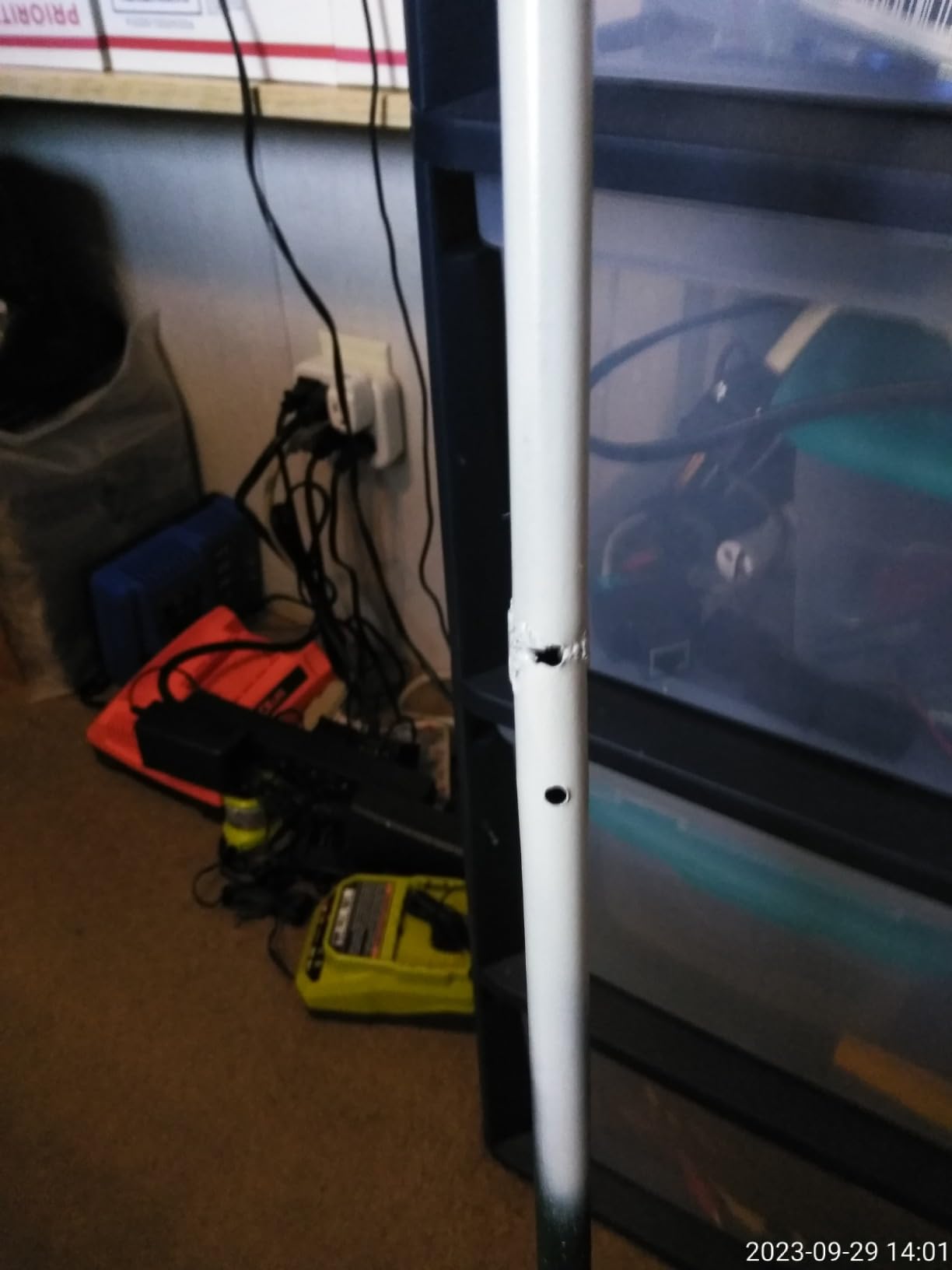
This is the machine I keep coming back to as the least risky first purchase, and the numbers behind that are hard to argue with. Owner feedback on this one is by far the largest body in the roundup, which means the surprises are already known rather than waiting for you. Reports describe laying decent beads within an afternoon, mostly because the synergic mode sets voltage to match the wire feed speed instead of leaving the beginner to guess.
I used a gasless machine like this as the only welder in a small shop for several weeks before touching gas MIG. It handled thin auto body panel work without burning through, and the oversized LED display was genuinely readable with a helmet down. Owners consistently say the same thing: the bead quality is better than machines costing several times more.
Technically it is a 110V-only IGBT unit rated at 135A output, with mild steel capacity up to 3/32 inch. Wire compatibility is .030 and .035 E71T-GS flux core, and it includes an electrode holder, ground clamp, MIG torch and a pound of wire in two diameters. Over-current, overload and over-heat protection are all fitted, which matters more than it sounds when you are learning.
The honest limitation is polarity. Because output is DC only, there is no AC TIG, which means aluminum work is off the table entirely. There is also no manual override of the flux core settings, so you adjust amperage and let the machine pick voltage. Reviewers report the wire tensioner is easy to over-tighten, and that some units arrived with defects such as a missing power switch.
Who this machine suits
Somebody with a garage outlet, no gas cylinder and a list of steel repairs that start with gate hinges and exhaust sections. It is also the machine to buy if you want to learn stick and flux core without committing to consumable costs beyond wire and a helmet.
It suits owners of older machines who found bead quality frustrating. The step up in arc consistency is the single thing reviewers praise most, and it costs you nothing at the time of the purchase.
Who should skip it
Anyone whose project list includes aluminum, trailer skin or sheet metal that needs AC output. If your electrical situation is limited to a single 15A circuit, check with an electrician first, because a 135A machine on a shared outlet is a frustrating experience.
It is also the wrong pick if you want to fine-tune wire and voltage by hand. The synergic-only flux core mode removes a control that experienced users like, so treat it as a learner machine rather than a final one.
2. ARCCAPTAIN 200A MIG Welder – Best Value in the Roundup
ARCCAPTAIN 200A MIG Welder 110V 220V 6 in 1 Aluminum Welding Machine MIG200
Six named processes on one power source
110V and 220V dual voltage
200A class output
10 memory presets, 2T and 4T modes
Pros
- Only machine here listing spot weld and spool gun readiness
- Two-year manufacturer warranty
- Metal wire drive and a decent ground clamp
- Cooling fan runs only while welding so it stays quiet
- Three drive roll profiles included covering steel flux and aluminum wire
Cons
- No supplied drive roll is grooved for .035 wire
- Power lead and torch cable feel thin and run warm
- Arrives wired for 110V with a converter adapter
If you want the most capability per pound of money in this list, this is the one. It names six functions on the panel, including spot welding and spool gun readiness, and it runs on either household voltage. Owners who arrived from entry-level imports describe it as the step up they wish they had made first.
The synergic mode will handle most of your setup work, but unlike several cheaper machines you can drop into full manual control at any point. That matters more than it sounds. Once you know what your machine is doing, being able to trim voltage and wire speed yourself is the difference between a machine you grow with and one you outgrow.
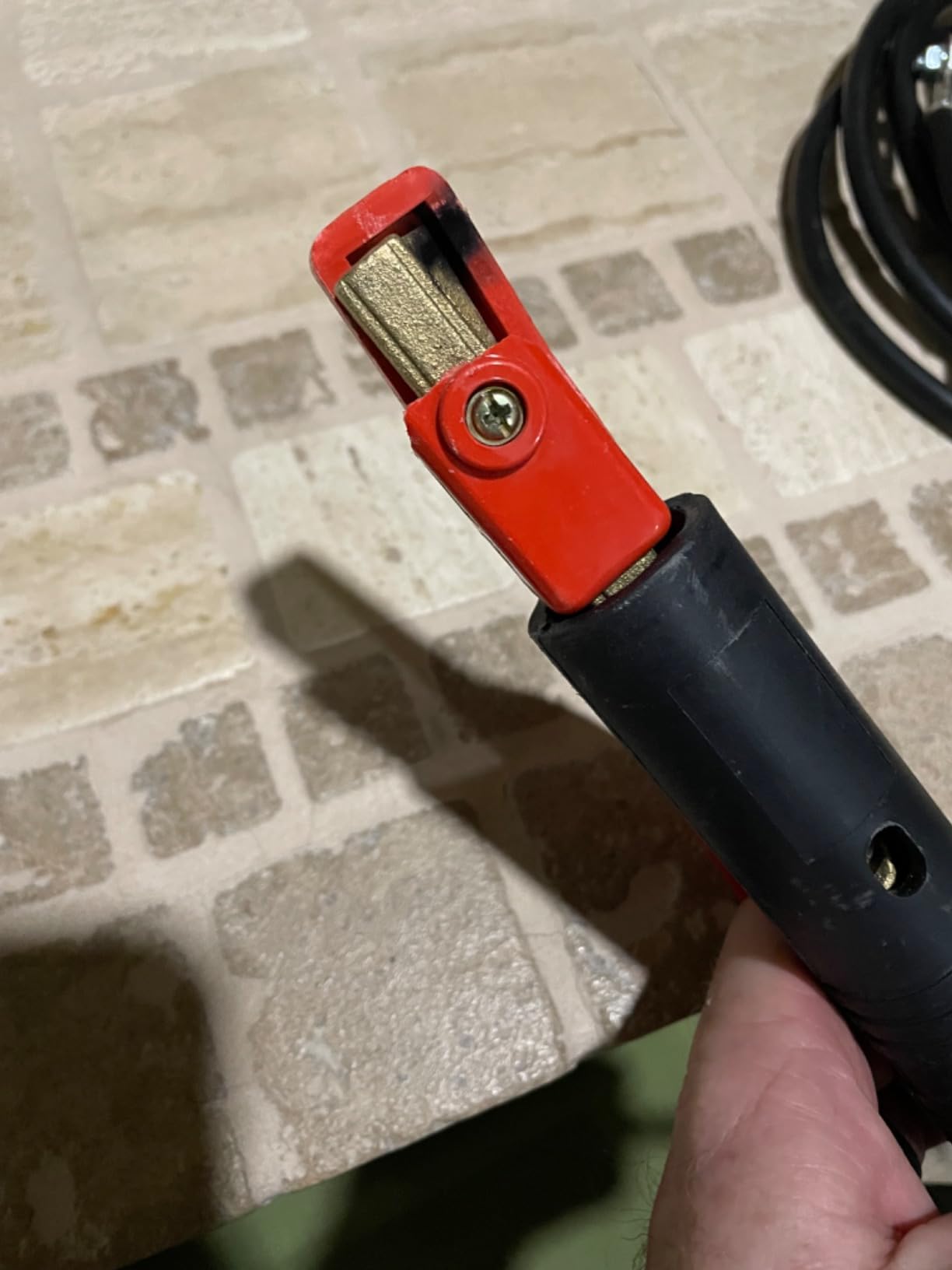
Wire support runs from .023 to .035 solid, .030 and .035 flux core, and .035 and .040 aluminum. There are crater fill, burn-back adjustment, pre-flow and post-flow, plus both 2T and 4T trigger modes for short fixes and long seams. The display is bright enough to read through a welding helmet, and the panel stores ten parameter sets so you can recall a setup you liked without rebuilding it.
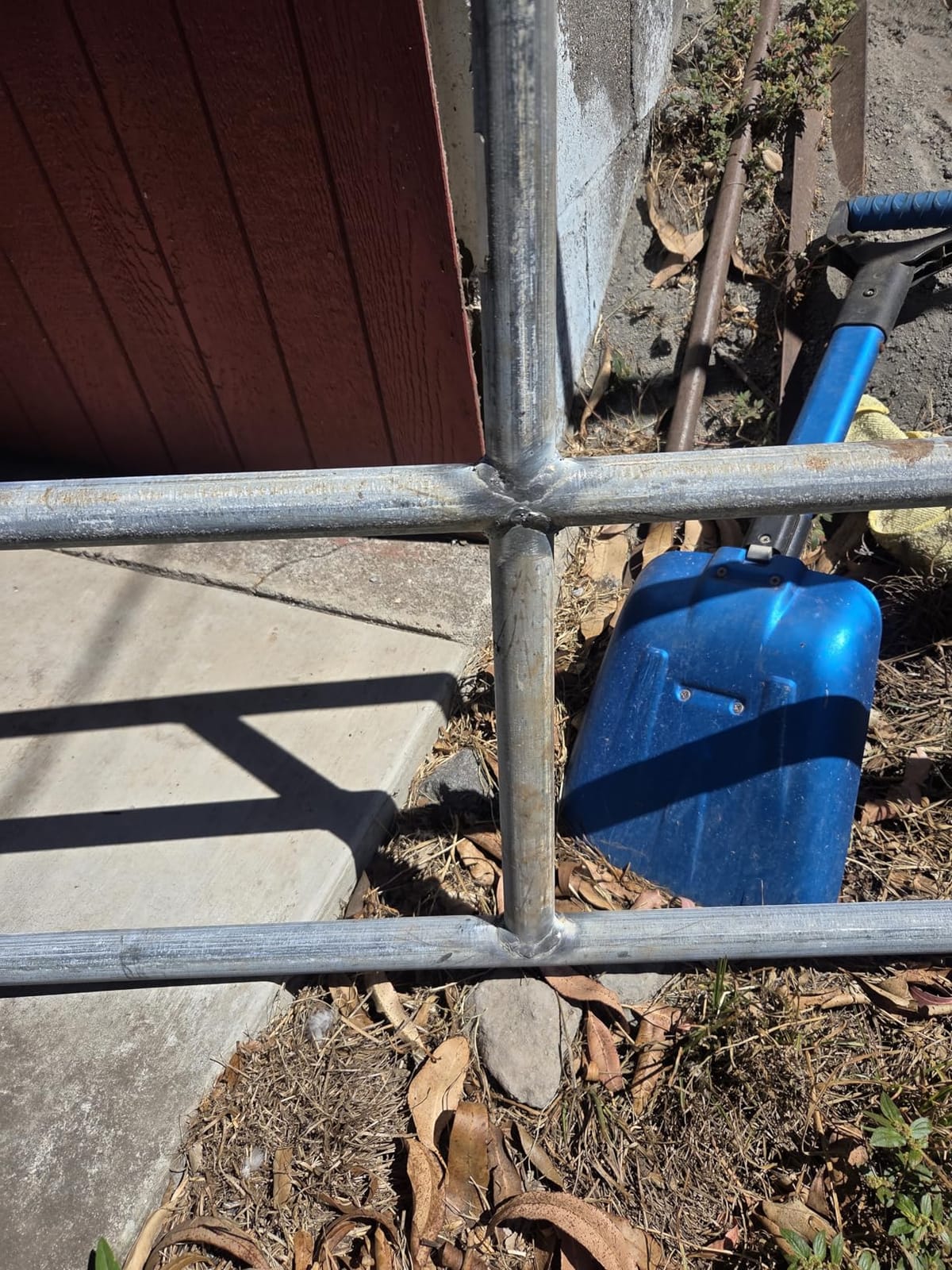
The recurring complaints are about accessories rather than welds. None of the included drive rolls has a groove sized for .035 wire, which is worth solving before your first big job. The power cable is thinner than we would like and runs warm. There is no setup chart inside the door, and the manual does not explain that amperage has to be set before synergic mode engages.
Who this machine suits
Hobbyists with real variety in their project list who will run a 220V circuit if the machine demands it. Farm and ranch owners doing mixed repairs will find the spot mode genuinely useful for consistent sheet work without burn-through.
It also suits anyone who intends to add a spool gun for aluminum later. The machine is built to accept one, and the drive roll set already covers aluminum wire diameters.
Who should skip it
People who cannot run a dedicated 220V branch circuit. Running this at full output on a shared household circuit is how you get an unpleasant surprise mid-project.
Skip it if the missing .035 drive roll and thin power lead sound like the kind of detail you would rather not deal with. It is a solvable problem, but it is a real one, and it costs you an afternoon.
3. GZ GUOZHI 140A MIG Welder – Three Processes at the Lowest Outlay
GZ GUOZHI 140A MIG Welder,3-in-1 MIG Welder with FLUX MIG/ARC/Lift TIG Multi-Process,110V Welding Machine,110V Flux Core Welder with Welding Gun(black)
Flux MIG, stick and lift TIG in one body
90V-140V wide input design
14.1 lb portable machine
Rated to operate down to minus 15 degrees C
Pros
- Low outlay for a genuine three-process machine
- Synergic mode with a manual override when you want it
- Compact and light enough for outdoor and elevated repairs
- Steady performance on a fluctuating supply
- Kit includes electrode holder
- ground clamp
- torch and wire
Cons
- 2 lb spools mean refills interrupt longer jobs
- No lift TIG torch in the box
- Has the lowest average rating in this roundup
This machine exists for a specific person: somebody who wants three processes, weighs almost nothing and does not want to spend real money finding out whether they like welding. It is the cheapest route into multi-process work in this roundup, and owners mostly frame it that way.
Once voltage and wire feed are dialled in, the beads are more than adequate for home and shop work. The dynamic cycle control earns credit for a stable arc and reduced spatter, and the manual mode is available when synergic stops suiting the job. That combination is unusual at this cost and is the reason it earns a place here.
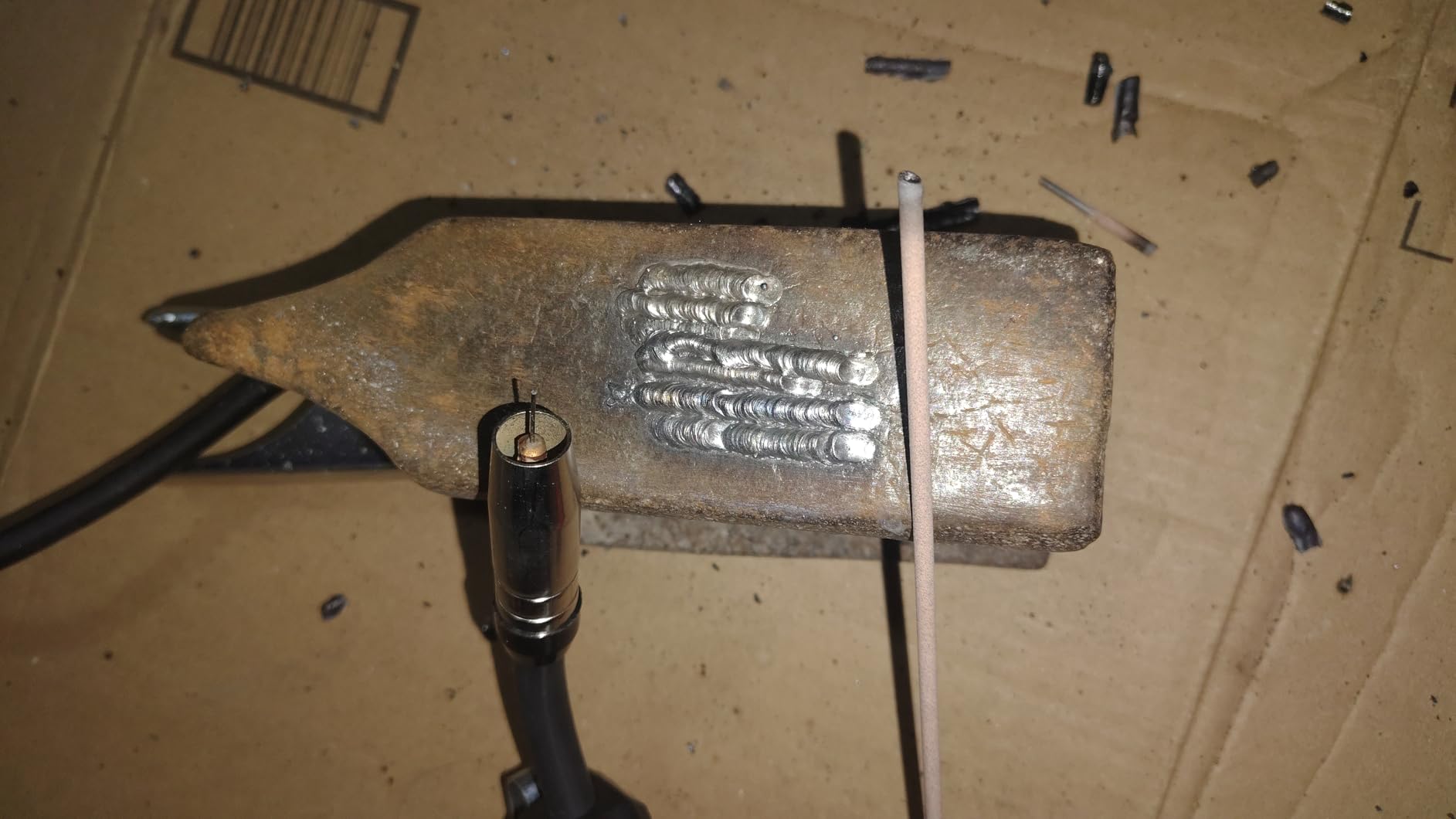
It runs 2 lb spools of .030 and .035 flux core wire and stick rods under 1/8 inch, with stainless capability once you add a lift TIG torch. The wide input design handles voltage fluctuation, which matters more than it sounds on a shared rural supply, and it is rated for operation down to minus 15 degrees C for cold garage or farm work.
The limitations are practical rather than fatal. The 2 lb spool size means frequent refills on anything bigger than a weekend repair. There is no gas MIG capability at all, so this is flux core and stick plus a TIG mode you will need to buy a torch for. Its average rating is the joint lowest figure in this roundup, with a larger share of one-star reviews than the machines around it.
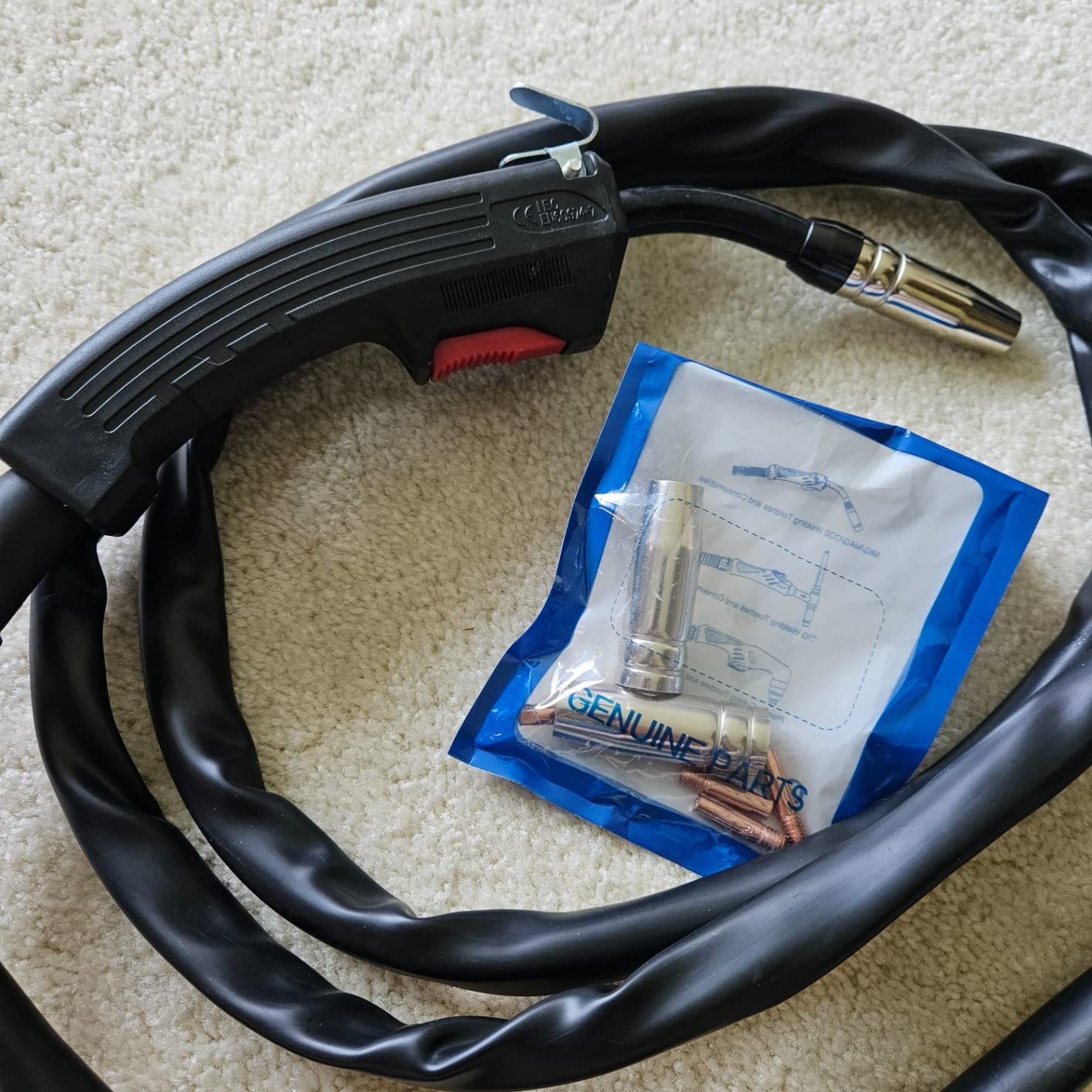
Who this machine suits
True beginners on a strict budget, and anyone doing repairs where the machine has to live in the back of a truck. The weight and compact footprint make it easy to move between the garage, a fence line and a piece of farm equipment.
It also suits cold-weather work given the rated temperature range, which is unusual information to find on a hobby-grade listing.
Who should skip it
Anyone planning production volume, frequent work or jobs longer than a spool. Constant refills and a smaller wire capacity will wear on you faster than the saving helps.
Skip it if TIG is a headline requirement. The process exists, but the torch is extra and the machine will not deliver clean aluminum work.
4. HITBOX 200A MIG Welder – Lightest Body and Dual Voltage
HITBOX 200A MIG Welder, 110V/220V Flux Core MIG/Lift TIG/Stick 3-in-1
Gasless flux MIG, stick and lift TIG
IGBT inverter on 110V and 220V
About 8.6 lb with built-in handle
.030 and .035 flux core wire
Pros
- Featherweight at roughly 8.6 lb with a built-in handle
- Quiet operation with clean low-spatter beads
- Torch
- ground clamp
- holder
- wire and both tips included
- Handles 220V work as well as 110V
- Users upgrading from old machines report a dramatic bead improvement
Cons
- Measured output runs 20-30 percent below the displayed value
- No hot start and stick limited to the supplied 1/16 inch rod
- Lift TIG torch not included
This is the machine to buy if weight is the deciding factor. At roughly 8.6 lb with a built-in handle, it is the most portable of the ten, and reviewers describe the operation as quiet with surprisingly clean beads for its size.
The listed output is up to 200A on dual voltage, and owners confirm it behaves well on a 220V supply. Several people report a large improvement over older machines they owned for years, particularly in bead consistency. If you have been welding with something you inherited, the difference will be obvious immediately.
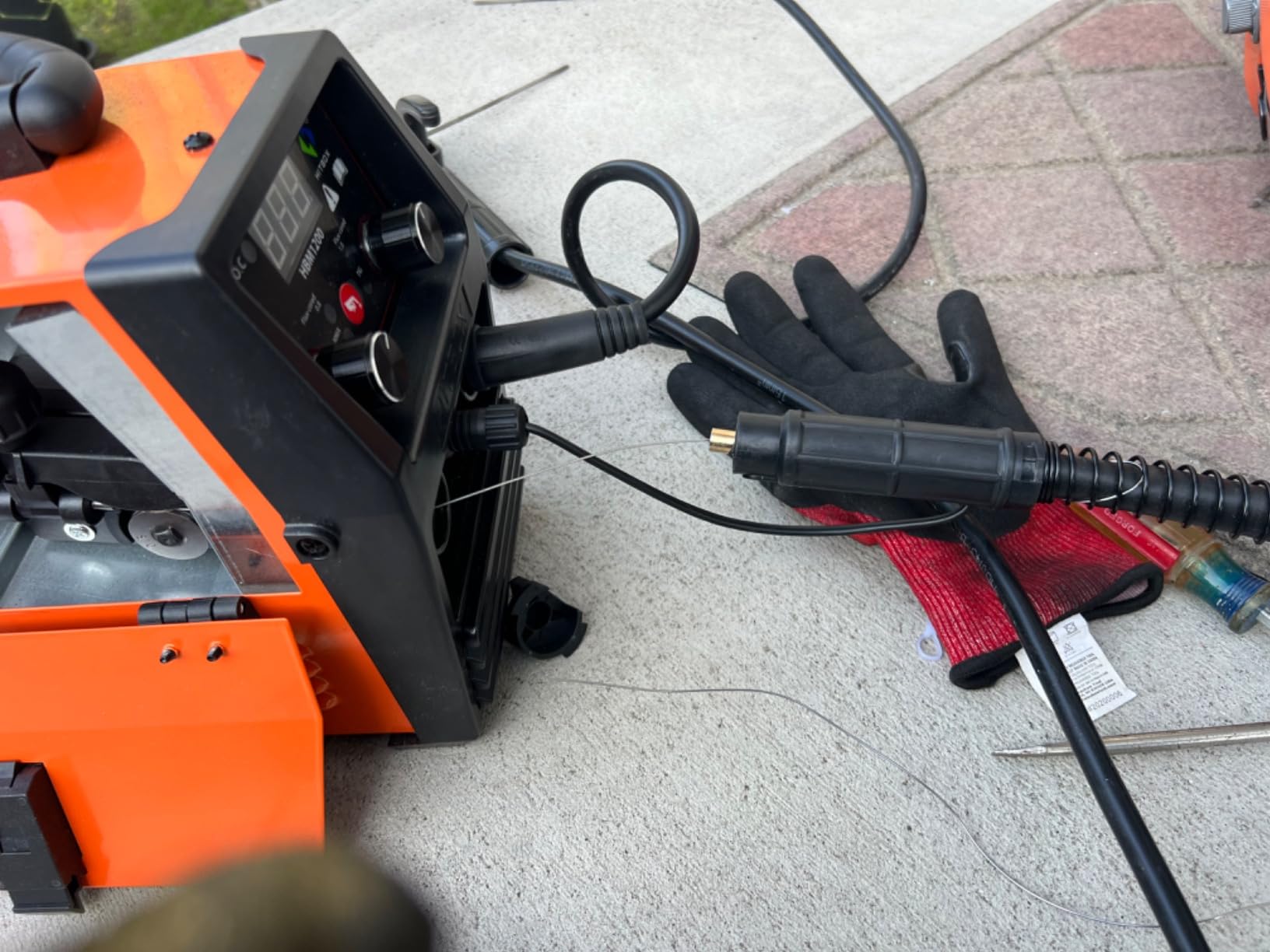
Technically it covers flux core MIG, stick and lift TIG on .030 and .035 wire with mild steel capacity to 4.0 mm. The box includes the torch, ground clamp, electrode holder, wire and both contact tips, so nothing needs buying before the first weld. Protection circuits cover over-current, overload, over-voltage and over-heat.
The most useful finding in the reviews comes from an owner who checked the machine with a clamp meter and found real output running 20 to 30 percent below the displayed figure. That is worth knowing if you plan heavy work. Stick performance is limited to the supplied 1/16 inch rod, the ground clamp is soft, and the instructions are thin.
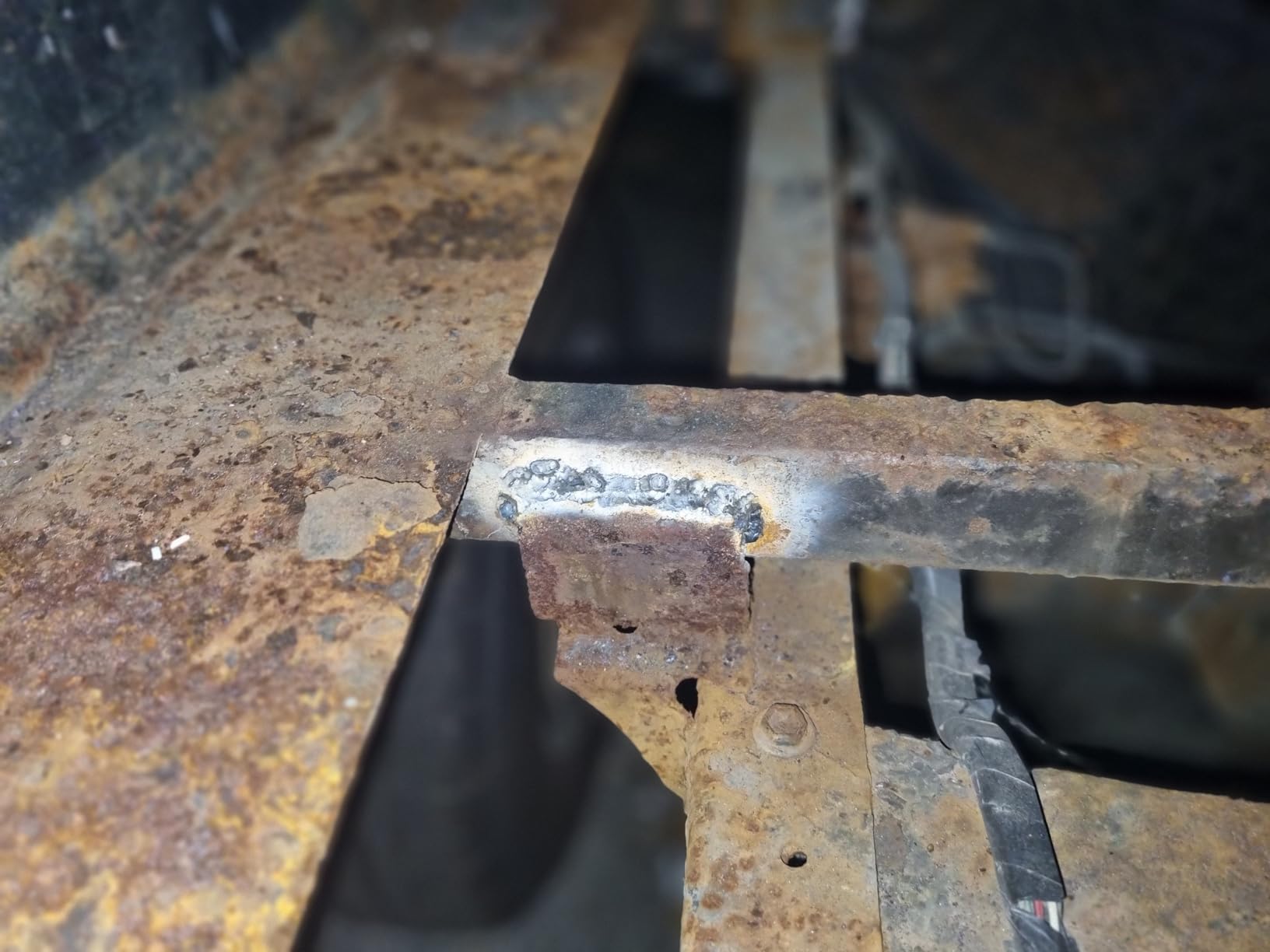
Who this machine suits
People who weld in more than one location. If your projects move between a garage bench, a gate and a piece of equipment in a field, a body you can carry one-handed changes how often you start a job at all.
It also suits anyone who wants MIG, stick and lift TIG coverage without a large cash outlay, and it packs a full accessory kit for the money.
Who should skip it
Fabricators who plan sustained work on thick steel, particularly anyone relying on the displayed amperage figure to judge how long a weld will take. Knowing the gap between displayed and real output changes how you pace a job.
Skip it if you rely on stick with 6010, 6011 or 1/8 inch 7018 electrodes. There is no hot start, and those rods will not hold an arc on this machine.
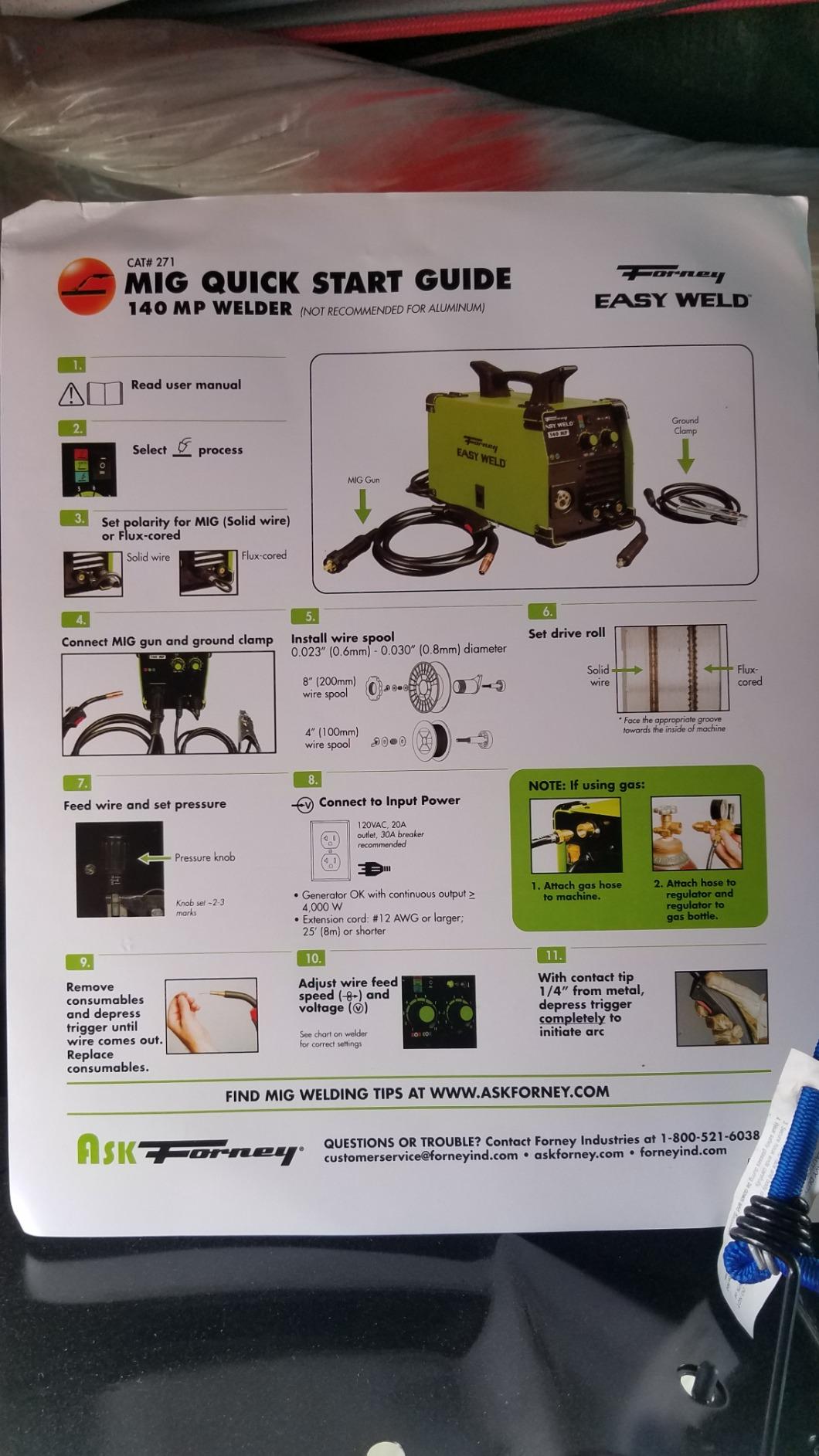
5. Forney 271 Easy Weld 140 MP – the Best Known Brand Here
Forney 271 Easy Weld 140 MP Multi-Process Welder – Versatile 3-in-1 Welding Machine for MIG, DC TIG, and Stick Welding Application
Stick, MIG and DC TIG on 120V
140A rated output
All-metal case at 25.8 lb
Infinite voltage and wire feed trim
Generator friendly inverter
Pros
- Recognizable brand with a 12-month manufacturer warranty
- All-metal case and metal wire drive components
- Generator friendly for farm
- ranch and outdoor work
- DC TIG handles thin work and light fabrication
- A fabricator reports 1/4 inch steel and exhaust work without hitting duty limits
Cons
- Needs its own 25 to 30A circuit to perform properly
- Wire feed speed not fast enough to push much past 16 gauge with solid wire
- DC only so aluminum TIG is not possible
- TIG torch sold separately
This is the only established American brand in the group, and the reviews reflect it. The rating distribution is unusually clean, and the all-metal case with a metal wire drive feels a step above the plastic-bodied machines most people start with. For a buyer who wants parts and service support in the long run, that is worth more than another two processes on the marketing count.
Novices report laying respectable, solid beads within their first hour, largely because the simple start feature and the three-position process switch keep setup simple. Experienced users confirm it holds up to real fabrication, including 1/4 inch steel and rusted frame work, without tripping the breaker.
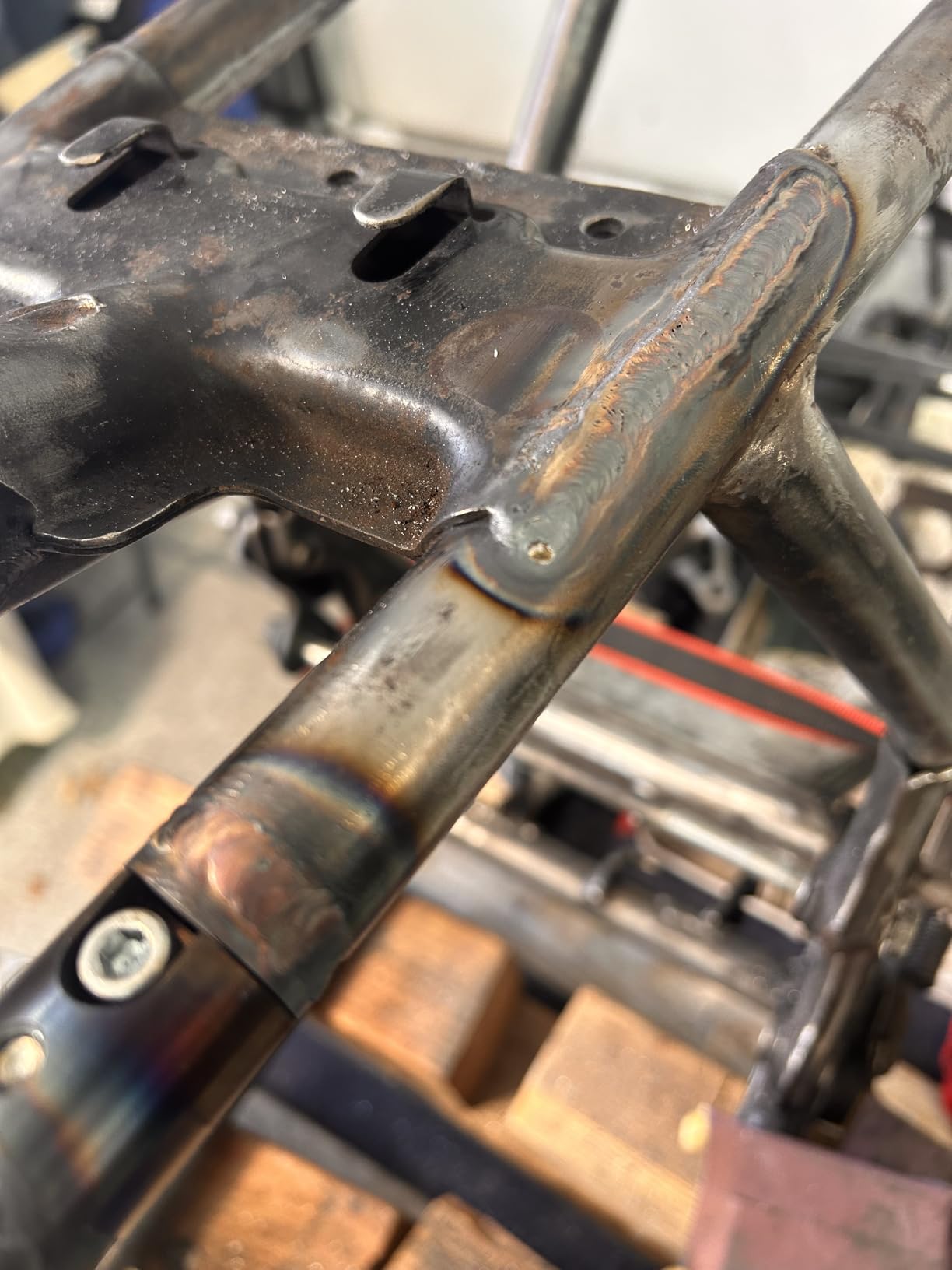
Output is rated at 140A with infinite adjustment on both voltage and wire feed speed, across stick, MIG and DC TIG. It is generator friendly, which matters for ranch, farm and property work where there is no clean supply. The kit includes a 10 ft MIG gun, 8 ft electrode holder, 8 ft ground clamp, a 20A to 15A adapter and a spare .030 inch contact tip.
The single most important practical takeaway across reviews is electrical. It performs well on its own 25 to 30A circuit and is described as anemic and erratic on a shared 15A outlet. Several owners changed their wiring to get smooth results. Wire feed speed is the second limitation, capping solid wire work at thinner gauges.
Who this machine suits
Hobbyists who want a brand with a real parts channel and a warranty behind it, and who run heavier steel or exhaust work than a light-gauge machine handles well. A professional fabricator’s report of running it hard on 1/4 inch steel without hitting duty limits is the kind of evidence small machines rarely produce.
It suits property owners working away from a mains supply, since generator friendly operation removes a real constraint.
Who should skip it
Anyone working on thin sheet where wire feed speed matters. Past about 16 gauge with solid wire, this machine runs out of feed and the result will show it.
Skip it if aluminum is on the agenda, and note the 25.8 lb weight if you planned to carry it between locations. That is a deliberate trade for the metal case rather than a spec-sheet advantage.
6. Weldpro 200A AC/DC TIG Welder – the Only Real Aluminum Answer
Weldpro 200A AC/DC TIG Welder with Pulse, 110V/220V Dual Voltage Aluminum TIG Welder, AC TIG/DC TIG/AC PULSE TIG/DC PULSE TIG/Stick 5 in 1 Multiprocess Welding Machine with TIG Torch & Foot Pedal
AC TIG, DC TIG, AC pulse, DC pulse and stick
True AC output for aluminum and magnesium
Pulse control from 0.5 to 200 Hz
Torch, foot pedal and flow meter included
Pros
- Only machine here with genuine AC TIG output
- Full pulse control with adjustable peak amps plus upslope and downslope
- High-frequency non-contact start keeps tungsten wear low
- Rocker foot pedal gives hands-free amperage control
- Complete kit with gas hose flow meter and 300A ground clamp
Cons
- No MIG capability at all
- Weighs 61.8 lb so moving it needs two people
- 40 percent duty cycle at full 200A output
This is the specialist in the group and it exists for one reason. It is the only machine here with true AC output, which means it welds aluminum, magnesium and other non-ferrous metals properly rather than approximately. If aluminum is on your project list, this is the honest answer in 2026.
Owners pick it specifically over cheaper multi-process units, and they mention the same features: the pulse range, the non-contact start and the foot pedal. For thin gauge work the upslope and downslope control is what stops a small piece glowing before the arc settles, and the pedal means you can fade a weld without breaking your concentration.
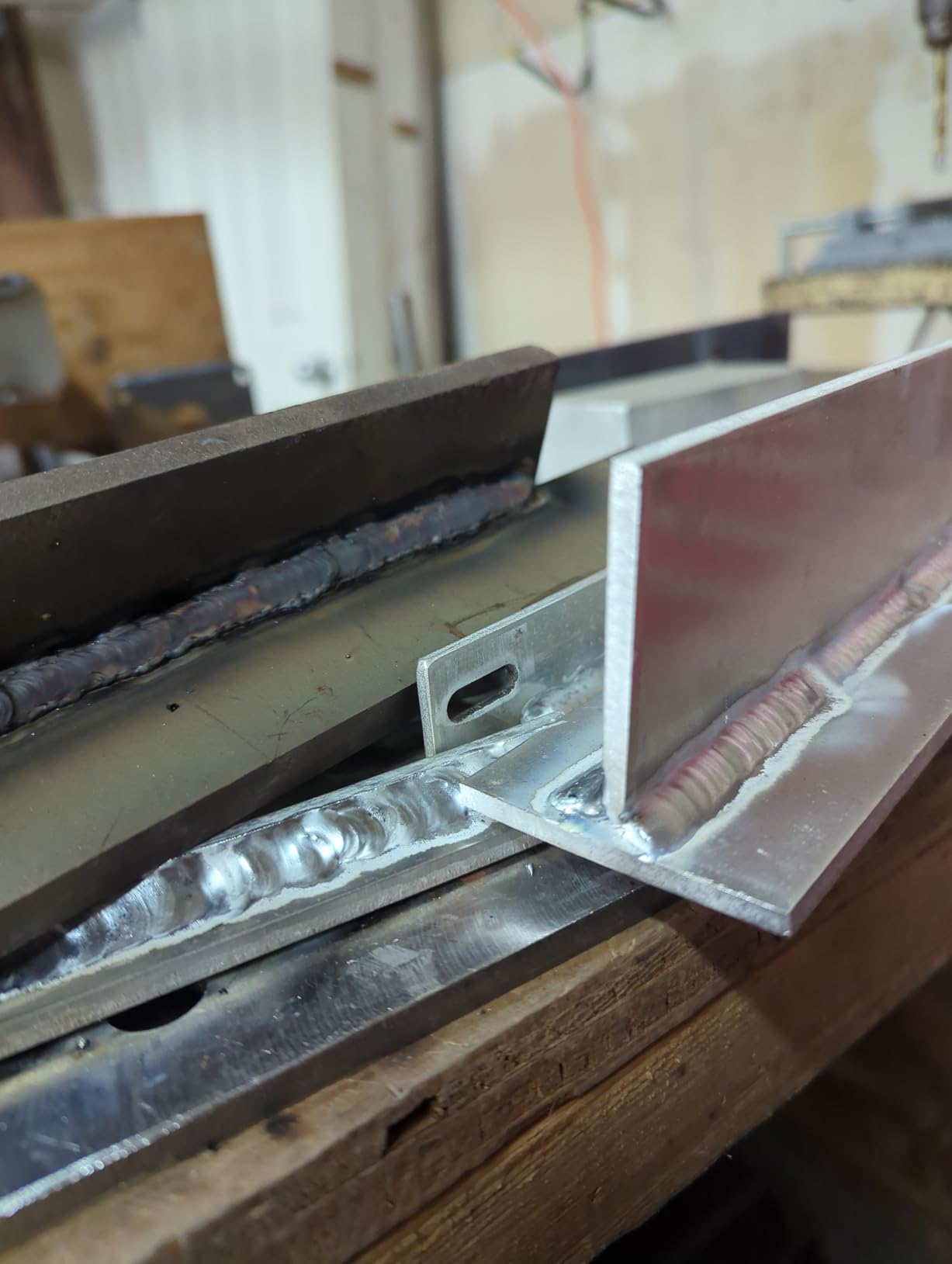
Technically it is a five-in-one covering high frequency AC TIG, DC TIG, AC pulse TIG, DC pulse TIG and stick. Pulse frequency runs from 0.5 to 200 Hz with adjustable peak amperage, and AC balance and frequency are adjustable, which is what lets you tune the cleaning action for a given alloy. Voltage detection is automatic across 110V and 220V.
The box includes the TIG torch, rocker foot pedal, 300A ground clamp, electrode holder, gas hose, flow meter, tungsten, nozzles, collets and caps. That is an unusually complete package. The trade-offs are real: there is no MIG mode at all, the machine weighs 61.8 lb, and the duty cycle is 40 percent at full 200A output.
Who this machine suits
Hobbyists doing aluminum fabrication, motorcycle or trailer work, and anyone who regularly welds thin non-ferrous material where heat control decides the outcome. Magnesium and stainless work are also well served.
It suits people who already own a gasless machine and have decided TIG is where they want to go. In that case it complements rather than replaces, which is how reviewers describe it.
Who should skip it
Anyone whose main work is MIG or flux core. Buying this as a single machine to cover everything means giving up the process you will use most, and the weight makes moving it around a garage a two-person job.
Skip it for sustained production work. A 40 percent duty cycle at 200A is a real ceiling, and it is well below what a fabrication shop would need.
7. Bestarc 145A MIG Welder – the Best All-Round Starter
Bestarc 145A MIG Welder, Flux Core/Gas MIG Stick Lift TIG Welding, 110/220V
Gas MIG, flux MIG, lift TIG and stick
Automatic 110V and 220V detection
13.7 lb with shoulder strap
Adjustable inductance for spatter control
Pros
- Runs gas MIG and gasless flux core from one machine
- Cables are heavier gauge than most rivals at this tier
- Ground clamp that does not need replacing immediately
- Synergic start with 3V fine trim either way
- Later production runs fixed the earlier drive roll and lead problems
Cons
- Spool tension spring is factory-set too tight
- Digital panel needs manual mode for true wire feed control
- No gas regulator in the box
The reason this machine is interesting is that it switches between gas MIG and gasless flux core in one box. Few machines at this tier pair both MIG modes properly. That single feature changes what you can do. You learn without a cylinder, and when you are ready you add shielding gas and raise your throughput without changing machines.
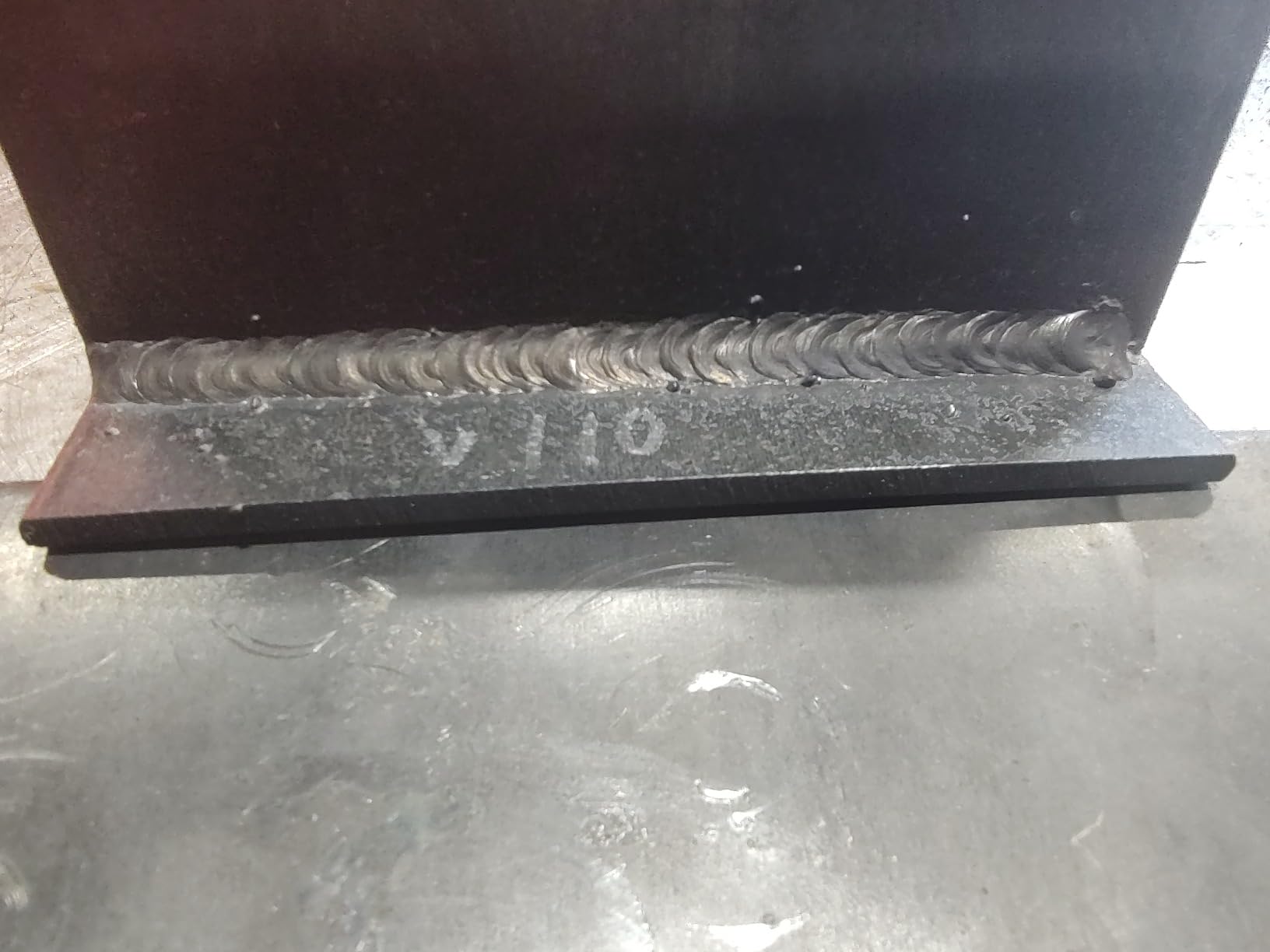
Owners use it for RV fabrication, garage projects and general hobby work, and they consistently mention the LED display and the synergic settings as the features that make it approachable. The duty cycle of 60 percent at this tier is generous and gives you room to finish a job without waiting for a thermal cutback.
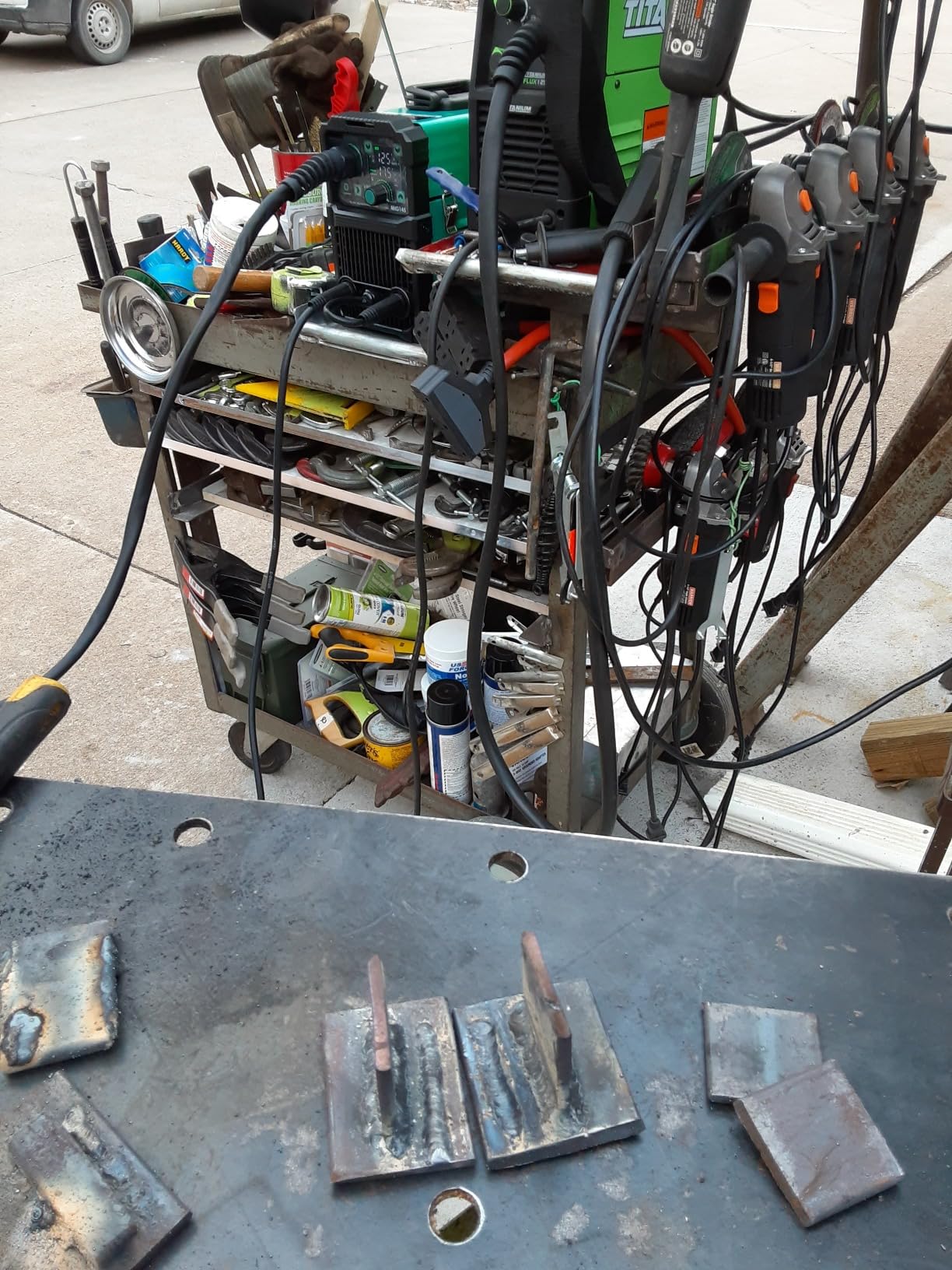
It runs .030, .035 and .040 flux core wire plus .030 and .035 solid, with adjustable inductance for arc stability and spatter control. Voltage detection is automatic across 110V and 220V with an on-panel indication, and the body is 13.7 lb with a top-load spool and shoulder strap. Protection covers over-current, overload and over-heat, plus voltage fluctuation compensation.
The most useful review in this product’s history is a long-term one from a production welder who documented specific problems in the early machines, including v-groove-only drive rolls that hurt flux core stability and a tensioner set too tight, then confirmed those were corrected on later production. Buy the current machine, not the reputation of the old one, but the fact that the maker listened is worth something.
Who this machine suits
Hobbyists who will start gasless and add a cylinder later. Being able to do both MIG modes is the closest thing in this list to a proper learning progression inside a single machine.
It suits people doing sheet and trailer work who want spot-free, controllable MIG beads without stepping up to a much heavier and far costlier unit.
Who should skip it
Anyone who expects a polished digital interface to behave intuitively. Several users find the rotary knob confusing because it changes wire feed in one mode and voltage in another, and the manual does not explain it clearly.
Skip it if you are buying on the assumption that everything needed is in the box. There is no gas regulator, and the spool tension spring will likely need attention.
8. BILT HARD 135A IGBT Welder – the Best Starter Kit
BILT HARD 135A 3-in-1 IGBT Inverter Welder, 110V Flux Core MIG/Lift TIG/Stick Welding Machine with Synergic Control, LED Display, 2T/4T/SPOT Modes & Full Kit (Solar Helmet)
Flux MIG, lift TIG and stick on 110V
LED readout of volts, amps and wire speed
2T, 4T and spot trigger modes
Solar auto-darkening helmet included
Pros
- Screen-equipped machine at this budget level
- Complete kit includes an auto-darkening solar helmet
- Spot mode is genuinely useful for short fixes
- Compact and light enough to move around a garage
- Synergic control keeps first-time setup simple
Cons
- Included helmet drifts out of its darkness setting
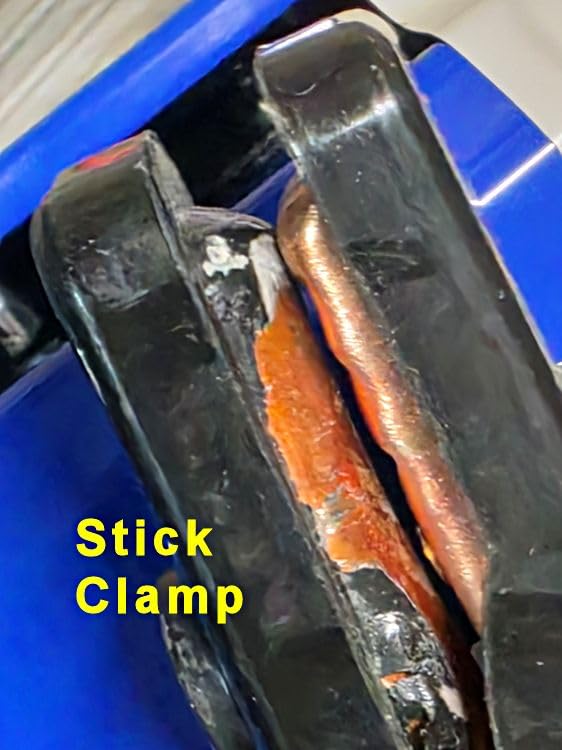
- Weak stick electrode clamp and wedge-style connections
- Spindle thread too short for the supplied spool hardware
The unusual part here is what comes in the box. A solar auto-darkening helmet, wire, both contact tips, ground clamp, MIG gun, brush and hammer are all included, so the total cost of getting started is a helmet upgrade rather than a helmet plus everything else. Buyers are consistently surprised by the LED menu at this tier.
Real owners report it holding up on actual jobs, including exhaust pipes, truck headache racks and trailer rebuilds. The spot mode and the 2T and 4T trigger options are small conveniences that you will appreciate on quick fixes, and the error-code shutdown with fan cooldown is a sensible way to protect a machine from someone learning its limits.
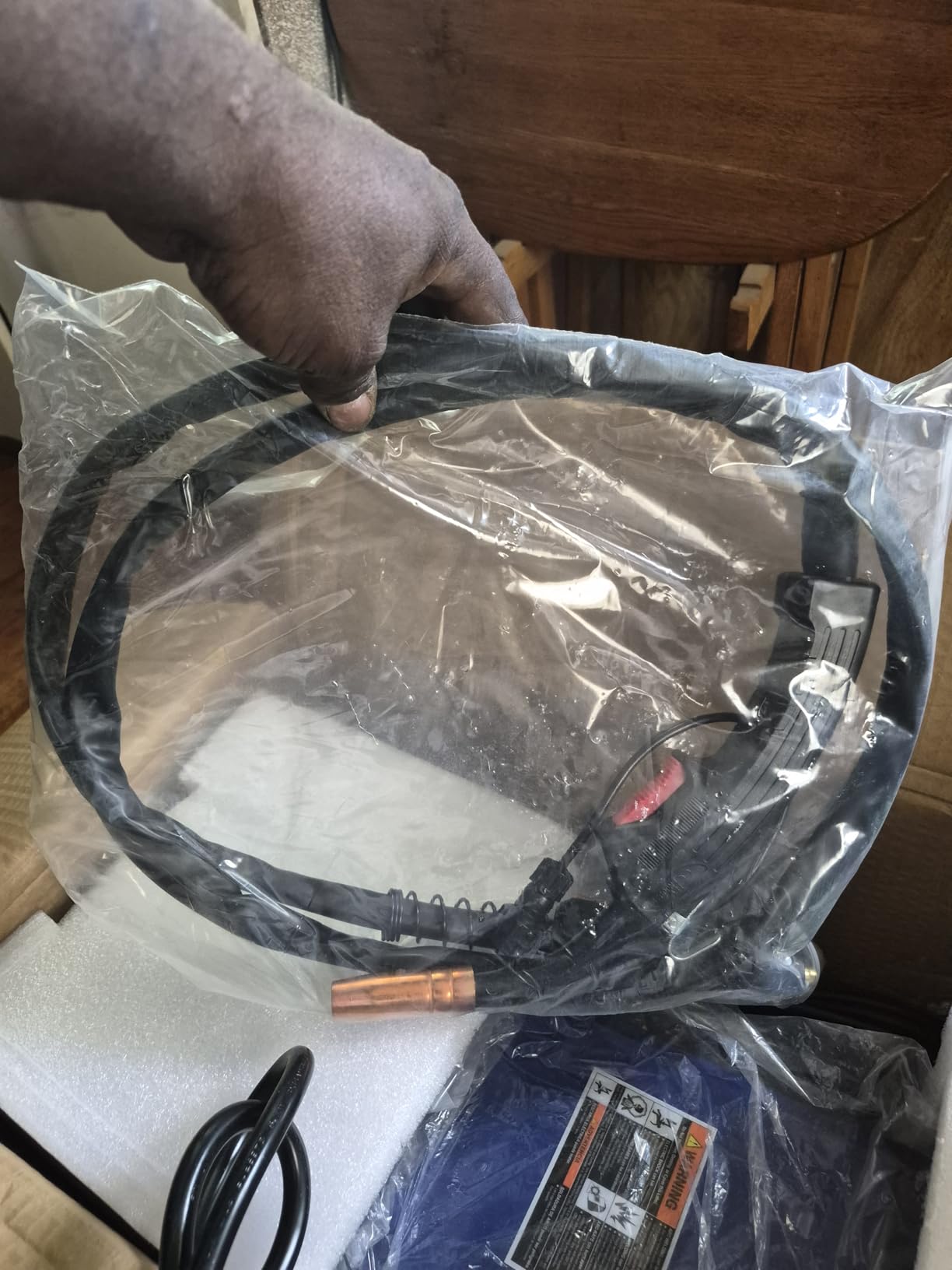
Technically it is a 135A 3-in-1 running flux core MIG, lift TIG and stick on 110V, with dedicated MIG modes for burn-back and inductance, and MMA modes for hot start, arc force and VRD. The LED display shows live voltage, current and wire speed. Shutdown codes cover E1 overcurrent and E2 over-heat with a one to two minute fan cooldown before restart.
The recurring theme across reviews is that the machine performs well while the bundled extras are the weak link. The helmet darkness knob drifts, the gloves and brush are poor, and one detailed review documented a spool spindle too short to mount the included wire, resolved with a credit and a hardware store wingnut. The listed item weight of 76 lb covers the whole kit rather than the welder.
Who this machine suits
Complete beginners who want to open one box and start. The included helmet removes the most common reason a first welder gets abandoned in the first month, because the budget for a proper one has already been spent.
It also suits anyone doing the kind of small jobs where spot mode is genuinely useful, such as panel fix-ups and short brackets on 24 gauge material.
Who should skip it
Anyone who will weld outside where the helmet matters most. A solar helmet that drifts out of its shade setting in bright sun is a poor place to cut corners, and most owners replace it quickly anyway.
Skip it if you need gas MIG or aluminium capability. The flux core wire included is the only wire type this machine is set up to run well, and the TIG torch is extra.
9. ANDELI 135A MIG Welder – the Pulse MIG Choice Here
ANDELI 110V/220V MIG Welder 135A ,PULSE Flux Core/Lift TIG/Stick 4-in-1
Pulse flux MIG, gasless MIG, lift TIG and stick
110V and 220V with included adapter
9.04 lb body with detachable leads
4.1 inch shielded LED display
Pros
- Pulse mode gives noticeably smoother
- more uniform beads
- Very light at 9.04 lb with detachable and replaceable leads
- Inductance
- hot start and arc force all adjustable
- Large display readable through a welding helmet
- Helmet
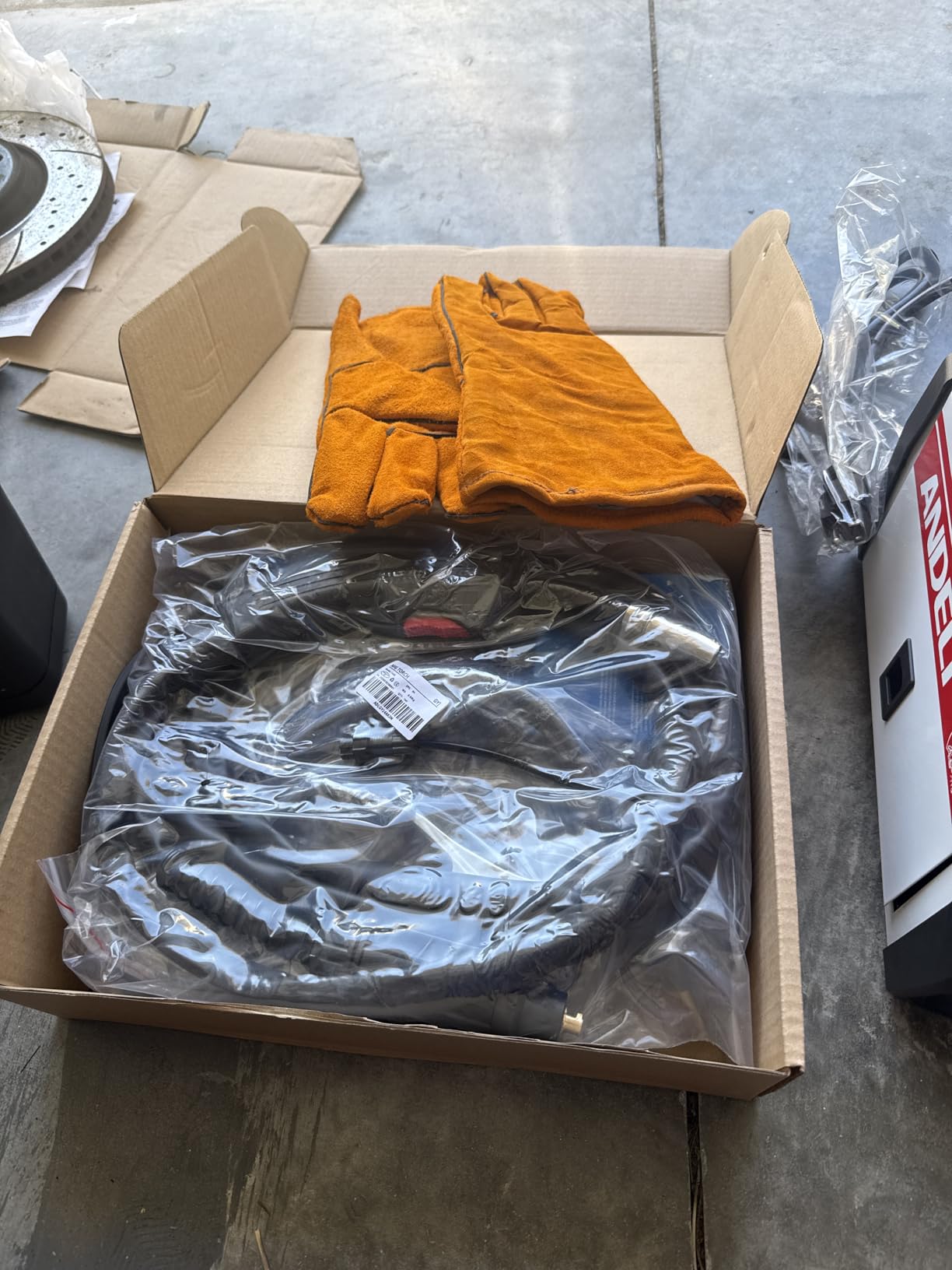
- auto-darkening glasses and leather gloves included
Cons
- Included helmet is the first thing owners replace
- Only accepts 2 lb wire spools
- Lift TIG torch sold separately
Pulse welding is the feature that separates this from the other entry machines. Reviewers describe the arc as noticeably smoother and the beads as finer and more uniform than non-pulse machines in the same class, and for anyone learning bead appearance that difference is worth a lot. It is a strange omission on a machine this light, and a genuinely useful one.
Owners using it for truck floor pans, auto body work and farm repairs report performance that surprises them for the size. One owner with 20 years of industrial experience said he had not seen a machine this compact put out that much. The controls cover synergic and manual wire speed and voltage, adjustable inductance, hot start and arc force.
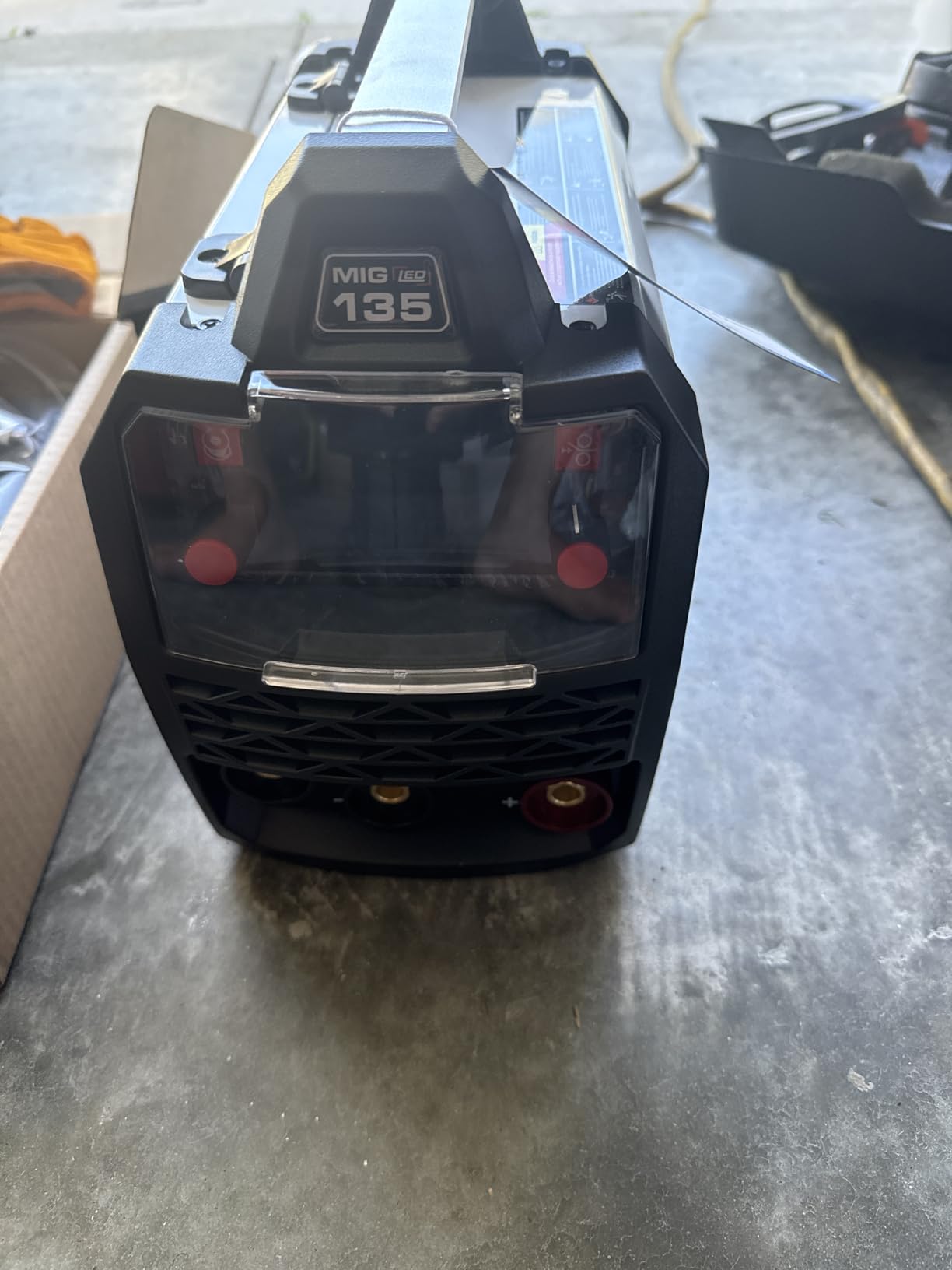
It welds material up to 5.0 mm, runs 110V and 220V with an included adapter, and supports .030, .035 and .040 flux core wire. The 4.1 inch LED display sits behind a transparent cover against impact, sparks and debris, which is a sensible detail on a machine that will live on a garage floor. Protection covers over-current, overload, overheating and over-voltage with automatic voltage compensation.
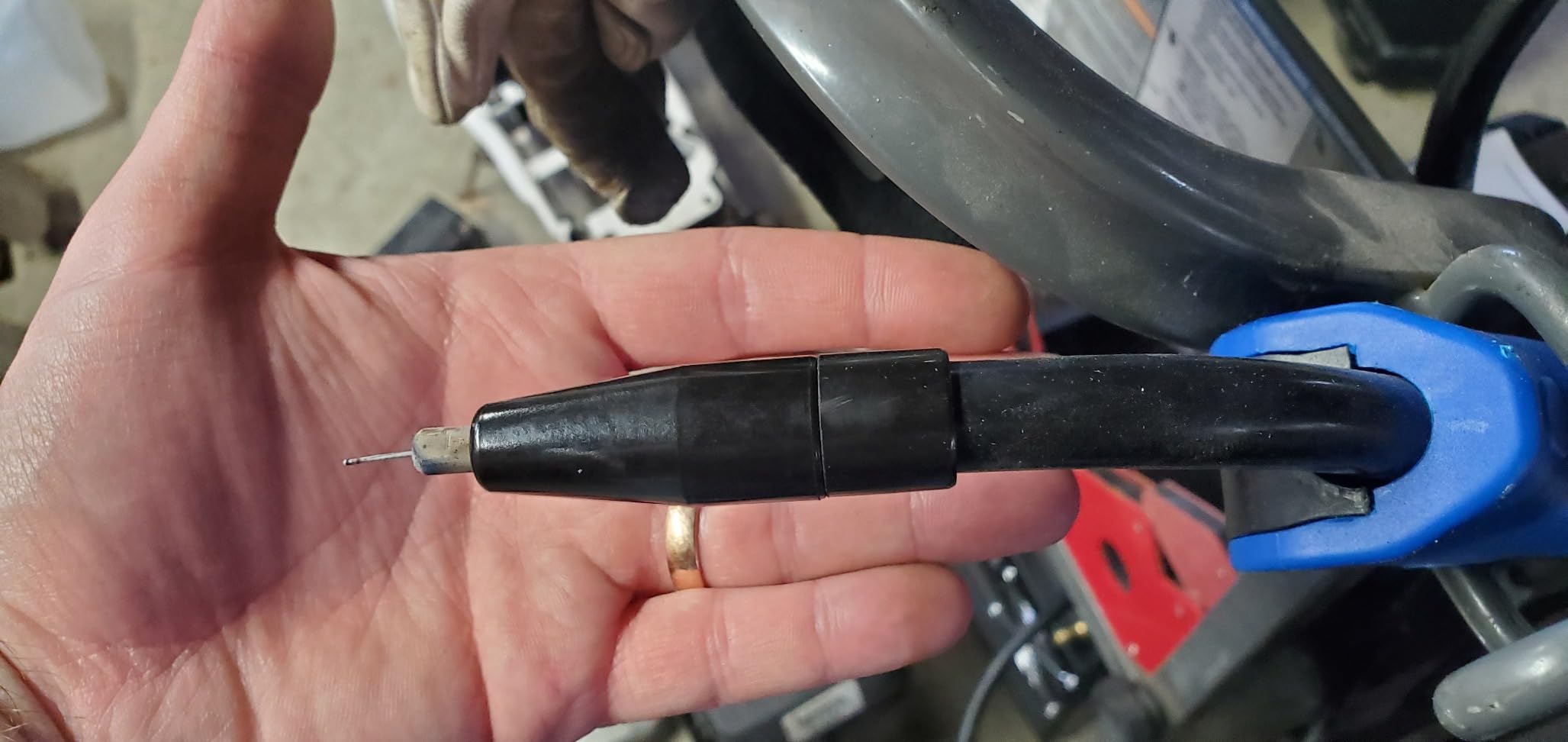
The leading complaint is the bundled welding helmet, which almost every owner replaces immediately. The display shows wire feed in amps rather than inches per minute in synergic mode, which is confusing for anyone learning from an American machine. A few reports also mention units running very hot during use, while some production batches were built without the pulse mode shown in the product images.
Who this machine suits
Hobbyists doing auto body and panel work where finish quality is visible. The pulse mode and adjustable inductance work together to give you control over spatter and bead profile at a weight you can carry easily.
It also suits anyone with a detachable-lead preference. Being able to swap in a heavier torch lead or ground lead is a small feature that extends the machine’s useful life, and several owners did exactly that.
Who should skip it
Anyone planning long sessions. A 2 lb spool limit means frequent refills, and the 9.04 lb body plus small spool makes this a short-job machine rather than a shop machine.
Skip it if TIG is central to what you want to do, since the torch is extra and the mode is lift only. Verify on arrival that your unit includes the pulse function before you rely on it.
10. FEMEROL 250A MIG Welder – Most Output for Thick Steel
FEMEROL 250A MIG Welder,6 in 1 Gas MIG/Gasless Flux Core/Stick/Lift TIG/Spot Welding/Spool Gun Compatible Aluminum Welding Machine Large LED Display 110V/220V Multi Process Welder
250A output at 60 percent duty cycle
Six processes including spot and spool gun ready
110V and 220V with included adapter
Around 9.5 ft cables on every lead
Pros
- 250A at 60 percent duty cycle is unusually generous here
- Handles aluminum through a teflon liner or a spool gun
- Spot mode is consistent on 24 gauge work
- Cables are longer than most rivals at this tier
- Two-year guarantee with responsive support
Cons
- Supplied plug and power cord are undersized for 250A
- No amperage control for TIG so lift TIG is basic
- DC only so aluminum work is limited to MIG
This machine splits its audience in two, which is unusual. Experienced fabricators who already own premium machines treat it as a cheap backup or lunch box unit and stress-test it hard. Beginners see six processes and a spot mode against a modest outlay and feel they have got a lot. Both groups tend to keep it.
Experienced owners have verified its output on a shorting bar and report working from .024 inch up to 1/2 inch steel in multiple passes, plus aluminium without birdnesting in the wire. One user took a full 10 lb spool through a day at maximum output without the machine stumbling. As a second machine, that is a strong argument.
It is a six-in-one covering gas and solid wire MIG, gasless flux core MIG, stick, spot welding, lift TIG and spool gun compatibility, with 250A at 60 percent duty cycle across MIG, MMA and TIG. Wire support spans .023 to .035 solid and flux core and .035 to .045 aluminium. Torch, ground and stick cables all run around 9.5 ft, longer than most rivals at this tier.
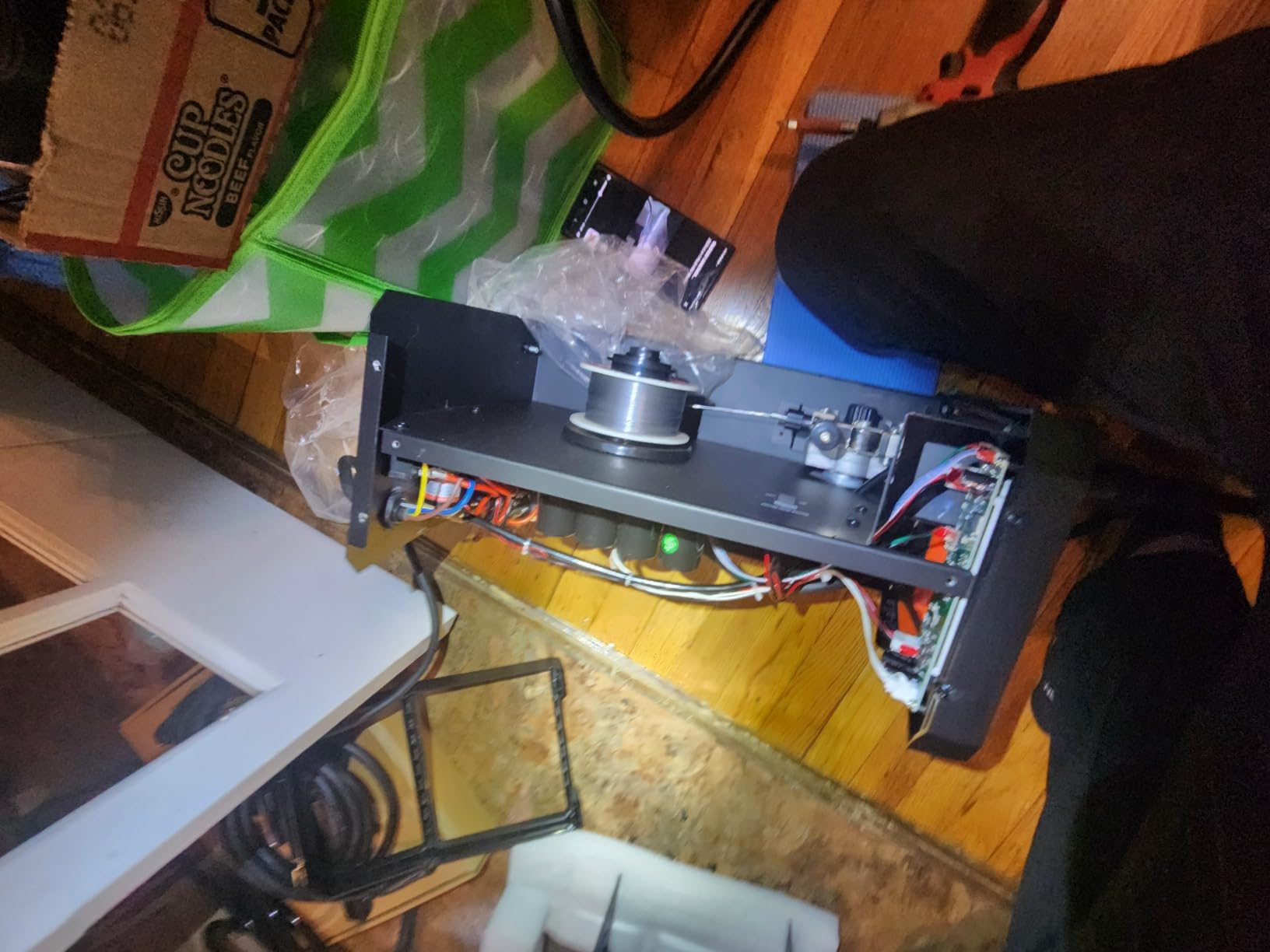
The consistent complaint from both reviewer groups is the power cord and 120V plug, which several owners replaced with #10 gauge wire and a 50A plug to get closer to rated output. Other notes: the cooling fan is loud and runs continuously, the gas hose fitting is barbed rather than threaded, and lift TIG has no amperage control at all, which makes it basic.
Who this machine suits
Fabricators who want one machine to cover a wide range of work, including thicker steel than the entry machines here will comfortably handle. The 60 percent duty cycle means you can finish a long job without a thermal pause.
It suits hobbyists who intend to weld aluminum eventually and can add a spool gun, since the drive system and wire range already support it without replacing the machine.
Who should skip it
Anyone who wants fine TIG work. With no amperage control on the TIG side, this is a machine for a spool gun and MIG aluminum rather than for craft TIG on thin material.
Skip it if you are not prepared to replace the power cord and plug. Out of the box the supplied cord is not sized for the output the machine claims, and that is a job for somebody comfortable with wiring.
Multiprocess vs Single-Process Welder: An Honest Comparison
The difference between MIG and multiprocess is one of scope, not quality. MIG is a single process, and a MIG welder does that one thing very well. A multiprocess welder is a machine that does MIG plus flux core, TIG and stick from the same power source. Neither welds better than the other. They simply cover different amounts of work from one box.
For a hobbyist the argument is arithmetic. Three dedicated machines cost three times as much, occupy three times the bench space and need three sets of consumables, cables and spares. A multi-process machine replaces that with one purchase and one set of habits. The compromise is that each individual process gets less attention, which is why the best machines let you drop from automatic settings into manual control.
Are multiprocess welders any good? Yes, with a caveat. A well-made one at this tier produces beads that match machines costing several times more, and the owner feedback in this roundup backs that up repeatedly. The caveat is that the feature count on the box is marketing, and the processes you can genuinely use are usually two or three, not six.
Forum discussion shapes our advice on learning order, and the pattern is consistent across hobbyist communities. Start gasless, move up, and let each stage earn the next machine:
Flux core first – no cylinder, no gas cost, forgiving of rust and dirt. It is the cheapest way to learn hand-eye coordination.
MIG second – once your joints are consistent, add shielding gas for cleaner, faster work on thinner material.
Stick third – reach for it when a MIG gun cannot get into the joint, or when the metal is too thick or too dirty for gas.
TIG last – the hardest to master and the one beginners most want on day one. Waiting until you understand heat and travel speed makes it a much shorter road.
That last point matters more than any spec sheet. Several experienced hobbyists make the point that auto-set programs are worth having precisely because they let a beginner get good results with technique that is not yet good. A machine that does that is buying you progress rather than frustration.
How to Choose a Multiprocess Welder in 2026
Check which processes are actually named
Start by reading the process list rather than the number in front of it. A 6-in-1 machine that counts gas MIG and gasless flux core as two separate processes is inflating its own count. What you want to see listed separately is MIG, flux core, TIG and stick, and ideally spot welding as a bonus.
Then check how TIG is started. Lift TIG means you scratch the tungsten against the work to create the arc, which adds heat to thin material and is harder on beginners. High frequency start is non-contact and far cleaner. Machines with a dedicated HF start and a foot pedal, such as the AC TIG option in this roundup, are the real TIG tools.
Decide whether you need aluminum capability
This is the question that most often decides the purchase, because most multi-process machines advertised as multi-process cannot weld aluminum at all. Aluminum needs either a machine with true AC TIG output, a pulse MIG function with a spool gun, or DC MIG with a teflon liner and an aluminum wire size the machine supports.
If your project list is steel only, do not pay for aluminum capability you will never touch. If aluminum is on the list, verify the machine handles it before you buy, not after. Our guide to spot welders covers a related option for thin sheet and automotive panels where resistance welding beats an arc process.
Understand duty cycle as session length
Duty cycle is the percentage of a ten minute period the machine can weld before it needs to cool. A 60 percent rating means roughly six minutes of arc time in every ten. A 40 percent rating sounds modest but is still comfortable for most hobby work, since you rarely weld for more than a few minutes without a repositioning break.
The practical consequence is that a low duty cycle shows up on a single long project rather than in daily use. Buying a machine whose duty cycle is well above your session length costs you nothing and removes the most annoying failure mode a hobby welder can hit.
Check what your garage circuit can carry
This is the least glamorous factor and the one that generates the most complaints. A machine that runs at 110V can share an ordinary outlet, though a 20A circuit gives it headroom. Anything rated at 220V needs a dedicated branch circuit, and in a lot of older homes and detached garages there is not one.
Owners of the mid-size machines in this roundup repeatedly report anemic, erratic performance until they ran the machine on its own circuit. If you have never installed a 220V outlet, that cost belongs in your budget before the machine does. If you plan to work away from the house, check whether the machine is generator friendly.
Understand the brand tiers
Hobbyist communities sort brands into tiers and the sorting holds up. The established American brands, Forney here, and the names you see in dealer shops carry service and parts support, which is the single most cited reason to pay more. Mid-tier machines from brands in this roundup sit somewhere between, with responsive support but thinner documentation.
Popular import machines from brands like YESWELDER, ARCCAPTAIN and FEMEROL give you impressive feature counts and output for the money, and for most home use they are entirely adequate. The trade is documentation, spare parts and the small quality details. Whether Lincoln or Miller is better is a long-running argument with no clean answer; what matters for a hobbyist is that parts and service exist where you live.
Work out what is not in the box
This is where hobbyist budgets get surprised. Almost no machine comes with shielding gas, and gas cylinders are rented rather than owned outright. Wire, contact tips, nozzles, a ground clamp of decent quality, an electrode holder, a helmet and gloves are all separate purchases at some point.
TIG torches are the most commonly missed item, since several machines in this roundup list TIG as a capability but sell the torch separately. Spool guns for aluminum are the second, and they are a meaningful addition to any budget. Building a starter list before you buy prevents the frustration of a machine that arrives ready for everything except the thing you wanted to do.
Set a circuit budget before you buy
Several machines here are listed at well under the cost of a single professional unit from a dealer, and that gap is exactly what makes multi-process ownership attractive for a hobbyist. The practical way to use it is to spend less on the machine and keep a reserve for consumables, a cart and a proper helmet rather than chasing the largest output number available.
Switching off the budget entirely is the most common mistake in this category. A machine that comfortably hits the thickness of steel you actually work with, on a circuit you actually have, beats a larger machine you cannot power properly. For most home projects that means something in the 135A to 200A range rather than a 250A unit you will never push.
Run a first-time safety checklist
Before the first arc, get the protective gear right rather than after. An auto-darkening helmet with a shade appropriate to your process, leather gloves, a jacket that covers your forearms, and fume extraction or at least a fan pointed at your breathing zone. Welding fume is the long-term risk in this hobby, not the arc itself.
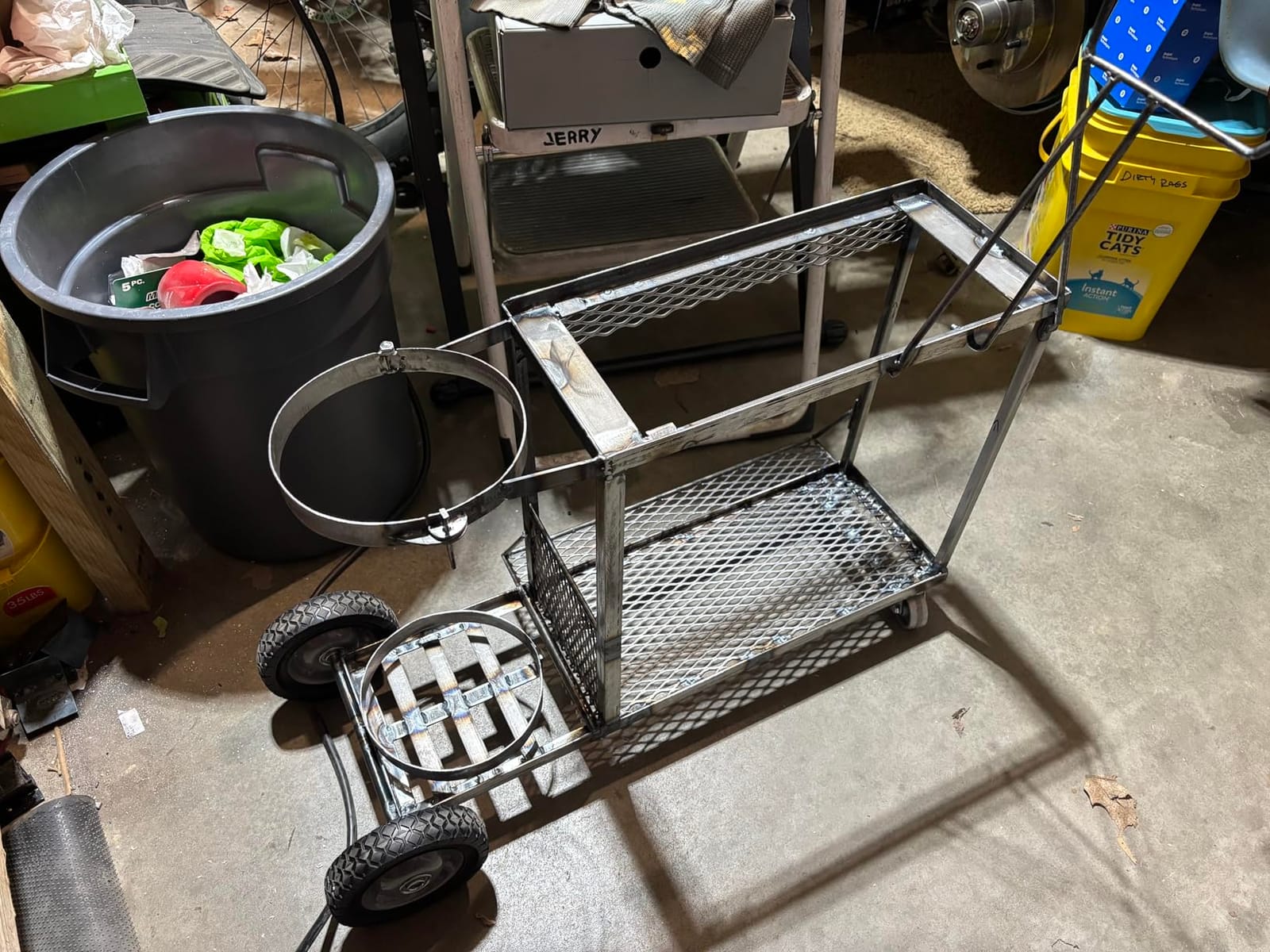
If you use shielding gas, secure the cylinder upright on a cart and chain it. A cylinder that tips in a garage is a genuinely dangerous thing to have in the same room as hot steel. Keep a fire extinguisher near the work area and clear the bay of anything flammable before you strike an arc. Building a garage workspace properly is worth doing once; our notes on benchtop workshop gear covers the rest of the setup.
Frequently Asked Questions
What is the best multi-process welder for home use?
For most home garages, the YESWELDER 135A 3-in-1 is the safest starting point because it runs gasless flux core, stick and lift TIG on a standard 110V outlet, weighs about 11.4 lb and has the largest body of owner feedback in this group. If you can add a 220V circuit and want more process coverage, the ARCCAPTAIN 200A 6-in-1 adds gas MIG, spot welding and spool gun readiness, while the Forney 271 Easy Weld 140 MP is the pick if you want a known brand with real parts support.
What is a multi-process welder?
A multiprocess welder is one power source that combines two or more welding processes, typically gas MIG, self-shielded flux core, TIG and stick, so you can switch processes with a button instead of buying and storing a separate machine for each one. The same torch and work leads stay connected, so moving between processes takes seconds rather than a full re-wire.
Are multiprocess welders any good?
Yes, within the limits of the feature claims. A well-built machine in this tier produces beads that match units costing several times more, and owners on several of these models report exactly that. The real limits are process coverage and output honesty, so check which processes are named on the panel rather than trusting the in-1 number, and verify whether TIG is lift or high frequency before buying.
How much does a multiprocess welder cost?
Prices span an enormous range, from very cheap entry imports to professional dealer machines that cost several times as much, so it helps to think in bands. Entry machines cover flux core, stick and lift TIG on 110V. Mid-range machines add gas MIG, dual voltage and better documentation. Premium machines add true AC TIG for aluminium, pulse control and higher duty cycles. Budget for the machine plus gas, wire, a helmet, gloves, a TIG torch and possibly a spool gun on top.
What is the difference between MIG and multiprocess?
MIG is a single process and a MIG welder does that one job very well. Multiprocess describes a machine that performs MIG plus other processes such as flux core, TIG and stick from the same power source. Neither welds better than the other. For a hobbyist the difference is convenience and cost, since one multi-process machine replaces three or four single-process machines that would cost more and take up more bench space.
Can a multiprocess welder weld aluminium?
Only some of them. Most budget multi-process machines are DC only, which rules out AC TIG entirely, so aluminium needs a machine with true AC TIG output, a pulse MIG function, or DC MIG with a teflon liner and an optional spool gun. In this roundup the Weldpro 200A handles aluminium through real AC TIG, and the FEMEROL 250A handles it in MIG with a liner or spool gun. Everything else should be assumed not to until you check.
Do I need 220V for a multiprocess welder?
Not always, but it helps. Several machines here run on a standard 110V outlet, which is fine for light work on a 20A circuit. Anything rated at 200A or above usually wants a dedicated 220V branch circuit, and owners report anemic, erratic results when a bigger machine is run on a shared 15A outlet. Check what your garage can supply before choosing, since adding a 220V outlet is part of the cost of the machine.
Is lift TIG or HF TIG better?
HF TIG is better for most hobby work. A high frequency start creates the arc without touching the work, which means less heat on thin material, far less tungsten wear and far easier ignition. Lift TIG requires you to scratch the tungsten against the piece to strike the arc, which is manageable but adds heat and confuses beginners. Lift TIG is fine for practice on mild steel, but if you plan aluminium or thin gauge, look for high frequency start and preferably a foot pedal.
Bottom Line: Which Multiprocess Welder Should You Buy in 2026
For most hobbyists in 2026, the best multiprocess welder is the YESWELDER 135A 3-in-1. It covers the three processes you will actually use first, runs on an ordinary outlet, carries the largest body of real owner feedback in this roundup, and needs nothing beyond wire and a helmet to get started.
Pick the ARCCAPTAIN 200A 6-in-1 if you will run a 220V circuit and want gas MIG plus spot welding. Pick the Forney 271 Easy Weld 140 MP if brand support matters more to you than feature count. If aluminium is the reason you are welding, the Weldpro 200A AC TIG machine is the only honest option here.
Whichever you choose, start with flux core, keep a little budget back for consumables, and check your circuit before the machine arrives. That is what turns a purchase into a hobby you keep doing.