
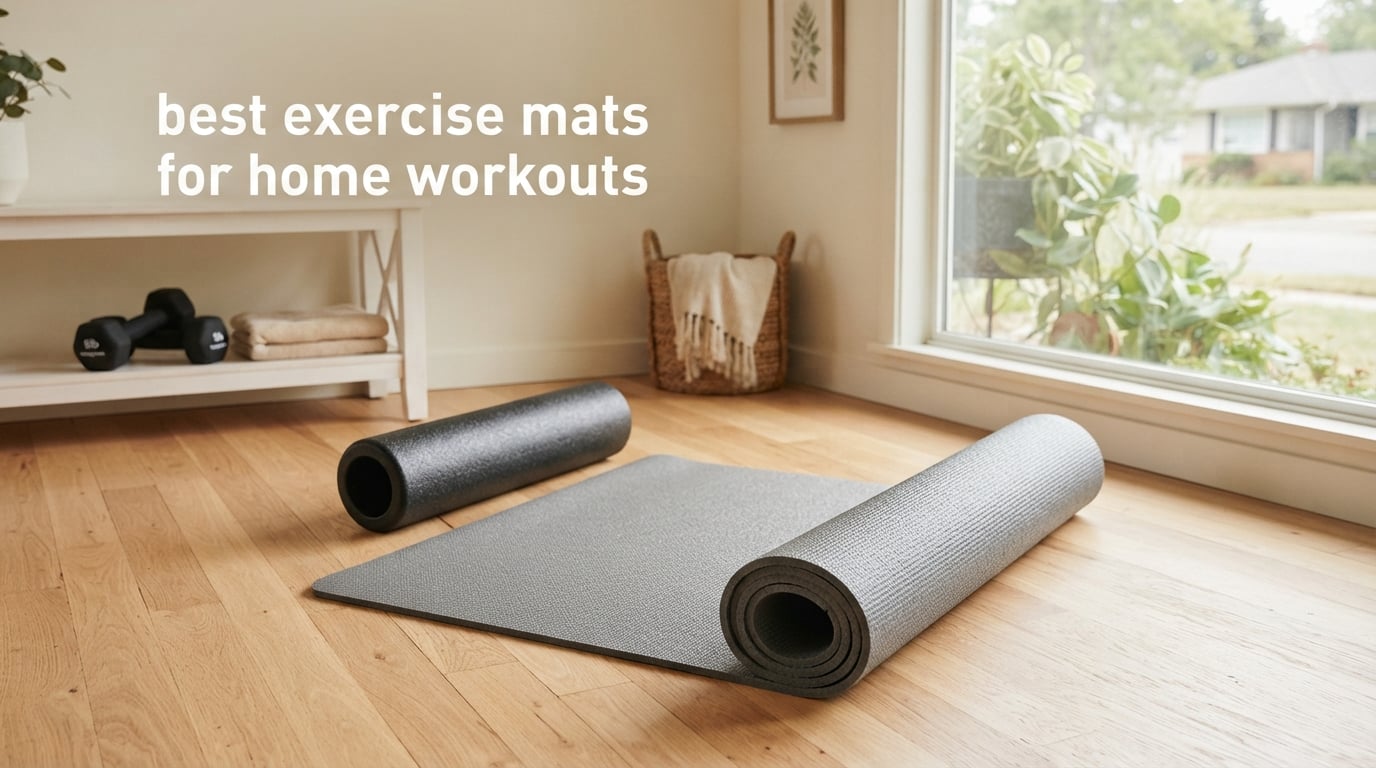
I have tested dozens of workout mats in my home over the last five years, and I can tell you this: the best exercise mats for home workouts come down to matching the mat to your workouts, your floor, and your body. Whether you are rolling out a yoga flow in the living room, doing HIIT in the garage, or padding the floor under a treadmill, a quality mat protects your joints, keeps you from slipping when sweaty, and quiets the impact for anyone living below you.
Our team spent six weeks putting ten popular models through real home workouts. We unboxed each one, aired it out, and used it for yoga, Pilates, strength training, HIIT, and stretching. We tracked grip when hands got sweaty, measured cushioning under the knees, and noted which ones started denting, curling, or smelling after a month of daily use. This guide gives you the winners by use case, a clear buying framework, and answers to the questions buyers ask most.
If you already own equipment for a full home gym, you may want to see our picks for the best kettlebells for home workouts and our roundup of the best air bikes for HIIT workouts to round out your setup. For shorter sessions at your desk, our guide to the best desk mats for home offices covers a different category. Now let’s get into the mats themselves.
Top 3 Picks for the Best Exercise Mats for Home Workouts (September 2026)

Fitvids Yoga Mat, 1/2-Inch Extra Thick…
- 1/2-inch thick high-density foam
- 71x24 inch surface
- Double-sided non-slip texture
- Includes carrying strap

Amazon Basics Extra Thick Exercise Yoga Mat
- 1/2-inch NBR foam
- 74x24 inch surface
- Textured non-slip surface
- Elastic carrying strap

BalanceFrom 1-Inch Extra Thick High…
- 1-inch thick high-density foam
- 71x24 inch surface
- Double-sided textured non-slip
- Lightweight with strap
Best Exercise Mats for Home Workouts in 2026
| Product | Specifications | Action |
|---|---|---|
| Fitvids 1/2-Inch Yoga Mat |
|
Check Latest Price |
| Amazon Basics Extra Thick Mat |
|
Check Latest Price |
 Gaiam Thick Yoga Mat Gaiam Thick Yoga Mat |
|
Check Latest Price |
 BalanceFrom 3-Panel Folding Mat BalanceFrom 3-Panel Folding Mat |
|
Check Latest Price |
 ProsourceFit Tri-Fold Exercise Mat ProsourceFit Tri-Fold Exercise Mat |
|
Check Latest Price |
| BalanceFrom 1-Inch GoCloud Mat |
|
Check Latest Price |
 Retrospec Solana 1-Inch Yoga Mat Retrospec Solana 1-Inch Yoga Mat |
|
Check Latest Price |
 Gruper Eco-Friendly Yoga Mat Gruper Eco-Friendly Yoga Mat |
|
Check Latest Price |
 GXMMAT Extra Large Yoga Mat GXMMAT Extra Large Yoga Mat |
|
Check Latest Price |
 CAMBIVO Extra Wide Yoga Mat CAMBIVO Extra Wide Yoga Mat |
|
Check Latest Price |
1. Fitvids 1/2-Inch Yoga Mat – Top Pick for Floor Work and Cushioning
Fitvids All Purpose 1/2-Inch Extra Thick High Density Anti-Tear Exercise Yoga Mat with Carrying Strap, Black
1/2-inch thick high-density foam
71x24 inch surface
2-year warranty
Pros
- Plush 1/2-inch cushioning protects knees and spine on hard floors
- Double-sided non-slip texture holds grip during yoga and floor work
- Lightweight at roughly 2 pounds with included carrying strap
- Easy to wipe clean with soap and water after sweaty sessions
Cons
- Soft foam can feel unstable during advanced balance poses
- Some users notice a foam scent that fades after airing out
- Foam can dent over many months of daily use
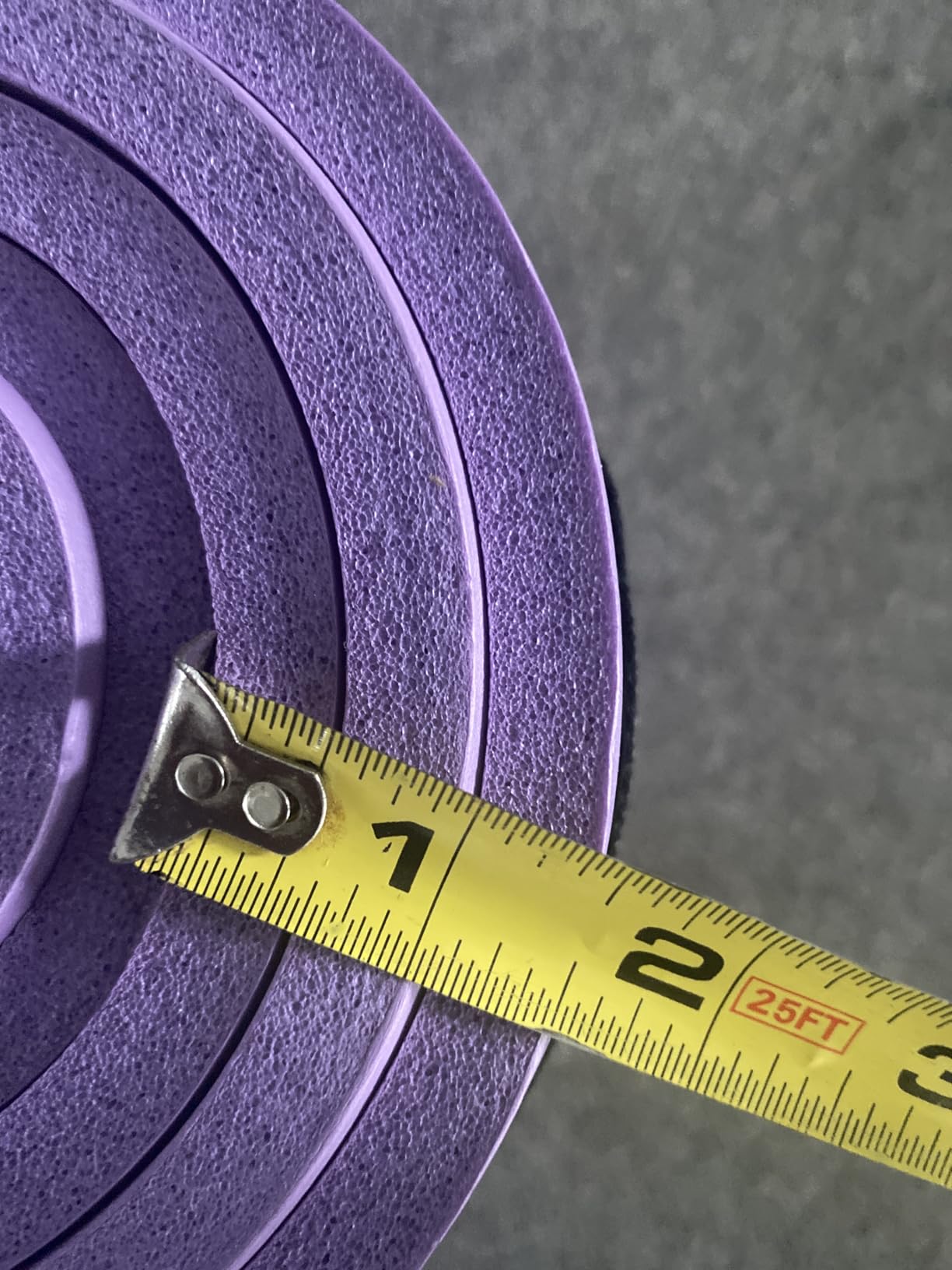
The Fitvids yoga mat was the first one I reached for during testing, and it stayed on my floor the longest. At 1/2 inch thick, it sits in the sweet spot for anyone doing floor exercises at home. When I did a 20-minute core circuit on hardwood, my tailbone and lower back felt supported the whole time. Standing balances like tree pose were a little wobblier than they would be on a firmer mat, but for the typical home workout mix of yoga, stretching, planks, and ab work, this mat just disappears under you.
I like the double-sided non-slip texture. During a sweaty HIIT round of mountain climbers and burpees, the mat stayed planted on my tile floor and my hands did not slide on the surface. The 71×24 inch footprint fits most users, and the included elastic strap made it easy to roll up and slide behind the couch when I was done.
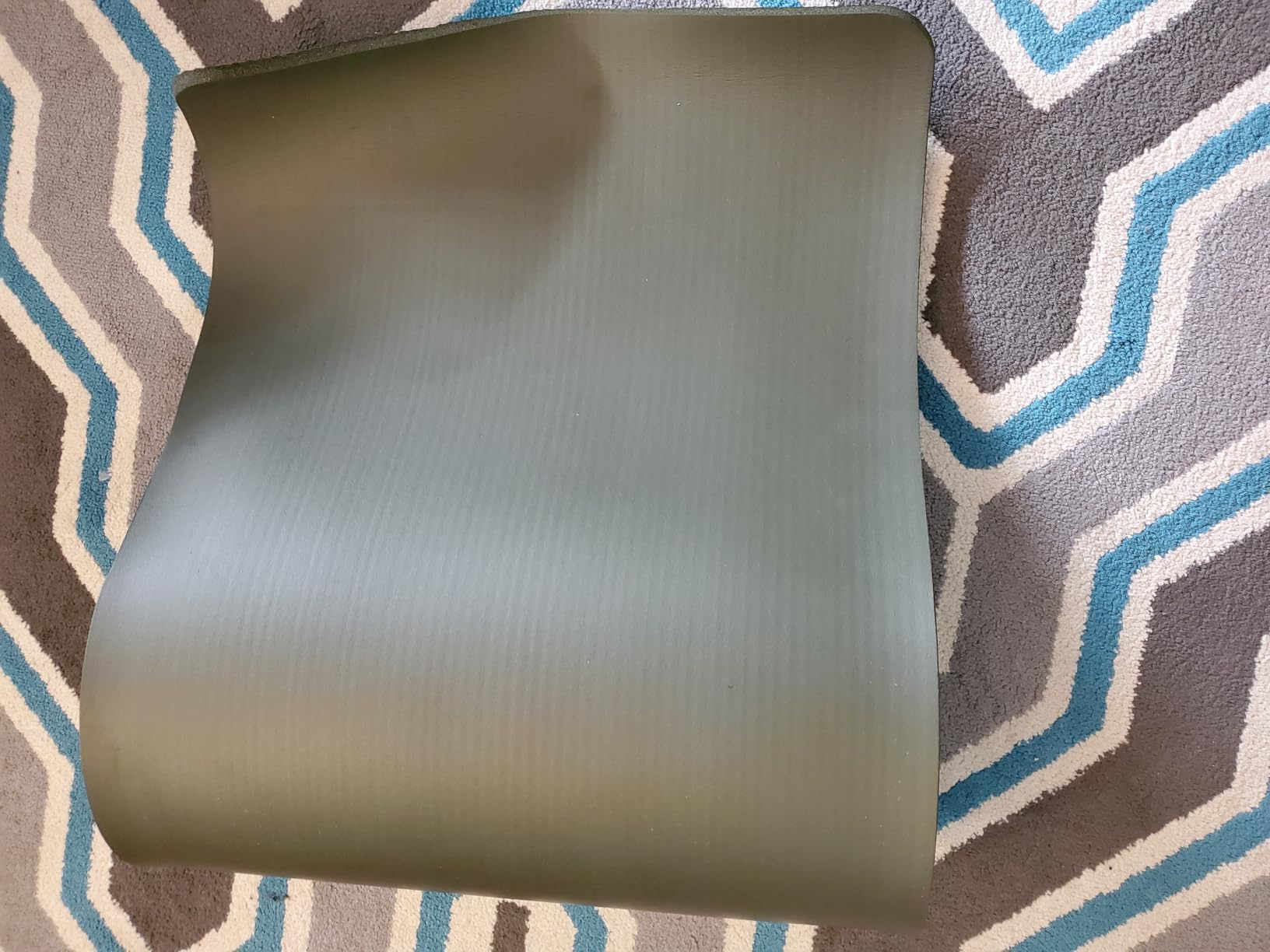
Build quality is the area where Fitvids punches above its tier. The high-density foam bounced back into shape after every session, and after six weeks of near-daily use, I did not see the denting or peeling that cheaper foam mats develop. The two-year warranty adds a layer of confidence that you do not always get at this price.
Cleaning is simple: a damp cloth with mild soap wiped off sweat and dust in under a minute. I aired the mat out for the first 48 hours because the foam has a light scent out of the package, but it faded fast. If you live in a small apartment, the rolled-up mat is light enough to move out of the way when you need the floor space back.
Fitvids mat is good for
Beginners and intermediate users who want one mat that handles yoga, Pilates, and floor strength work without spending much. It is also a strong pick for anyone with joint sensitivity who needs extra cushioning on hard floors, and for apartment dwellers who want a mat they can roll away between sessions.
Fitvids mat falls short for
Advanced yoga practitioners who need a firmer, more grounded surface for balance-heavy flows like arm balances and inversions. If you mostly do hot yoga, a closed-cell mat with stronger sweat grip will serve you better. Powerlifters who drop weights should look at a folding gymnastics mat or horse stall mat instead.
2. Amazon Basics Extra Thick Exercise Yoga Mat – Best Value for Beginners
Amazon Basics 1/2 Inch Extra Thick Exercise Yoga Mat with Carrying Strap for Home Workouts and Fitness, Non-Slip, Cushioned Support, 74″ x 24″ x 0.5″, Blue
1/2-inch thick NBR foam
74x24 inch surface
Elastic strap included
Pros
- Half-inch cushioning absorbs impact on hard floors
- Textured surface delivers reliable traction
- NBR foam springs back into shape after use
- Elastic strap makes carrying and storage easy
Cons
- Soft feel can wobble under advanced balance poses
- Some users notice a chemical scent out of the package
- Heavier than thinner mats at the same size
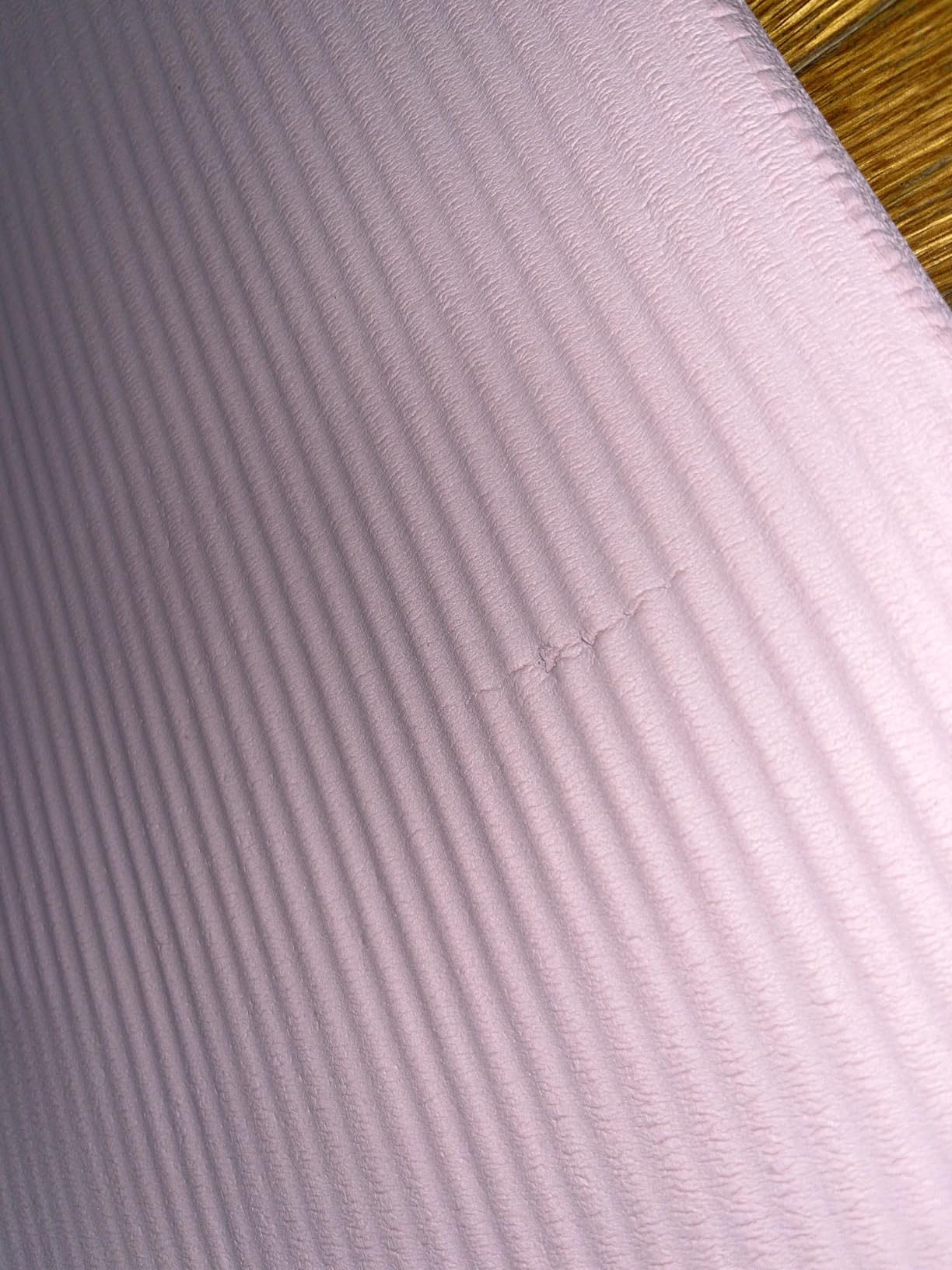
The Amazon Basics 1/2-inch mat is the value play in this roundup, and it earned its spot with consistent real-world performance. At 74 inches long, it is also one of the longer standard mats on the list, which matters for anyone over 5’8″. I used it for yoga, ab circuits, and stretching over six weeks, and the foam kept its shape without the denting I expected at this price.
Traction on the textured surface was solid during dry workouts. When my hands got sweaty during a HIIT session, I noticed a little slip, which is common for open-cell foam. Pairing it with a yoga towel fixed that immediately. The mat also has a slight stretch to it that helps it unroll flat, even after being stored rolled for weeks.
I appreciated the elastic strap. It is a small thing, but it makes rolling the mat up after a workout about ten times faster, and it stays tight around the mat in the closet. Cleaning is a wipe-down with a damp cloth, and the foam dries quickly so I could use it again the next morning.
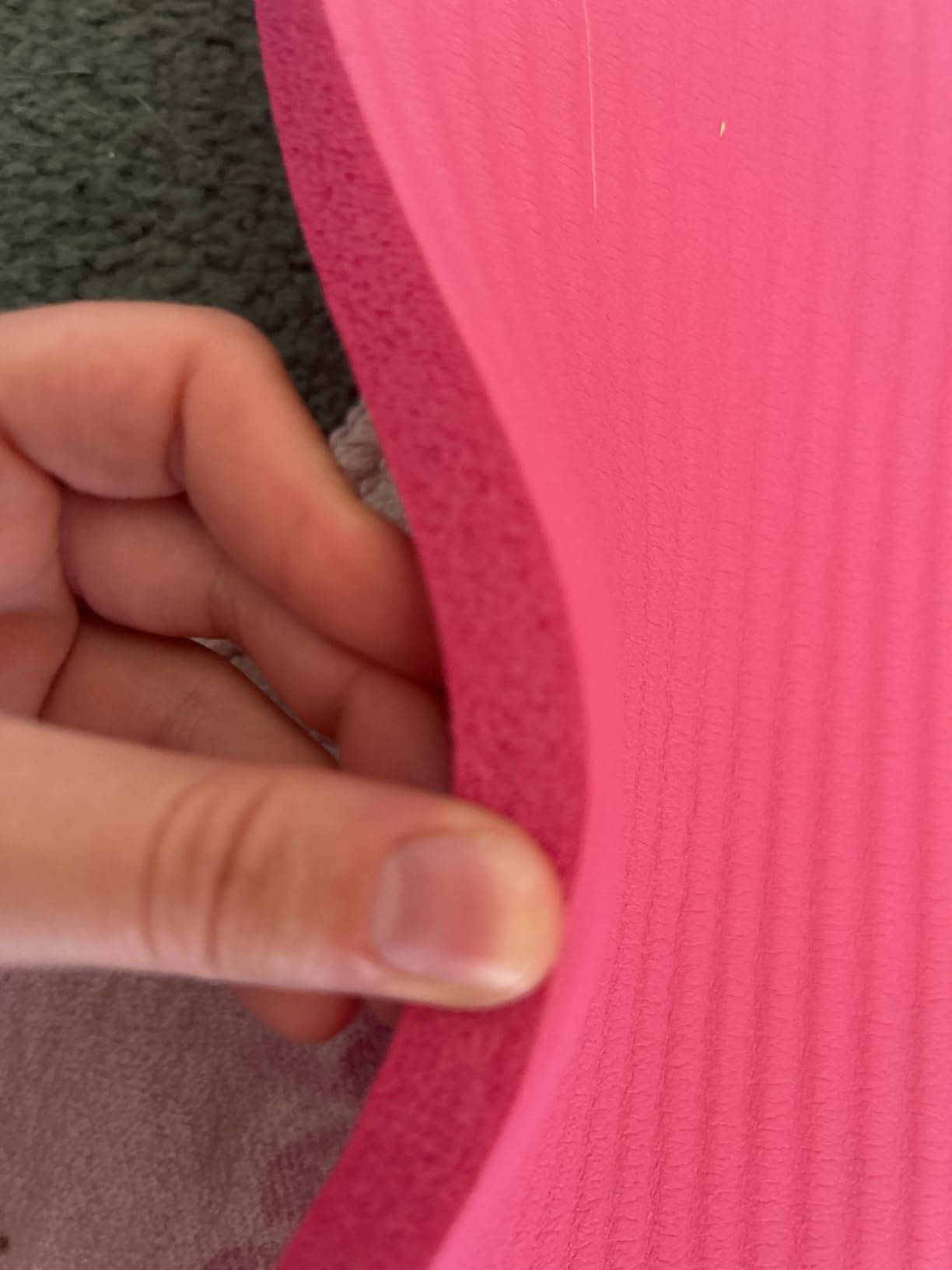
The trade-offs are real but mild. The foam feels softer underfoot than a 6mm natural rubber mat, so advanced balance poses are less stable. The initial scent is the strongest of the ten mats I tested, and I recommend airing it out for 24 to 48 hours before your first session.
Amazon Basics mat is good for
Anyone starting a home workout routine who wants a forgiving, cushioned mat without overspending. It is a strong match for beginners doing yoga, stretching, and bodyweight strength work on hard floors, and for families where the mat will be used by multiple people at different sizes.
Amazon Basics mat falls short for
Hot yoga and very sweaty HIIT sessions, where an open-cell foam will hold onto moisture and start to feel slick. It is also too soft for powerlifting or for use under a treadmill, where a denser mat or folding gymnastics mat would be safer.
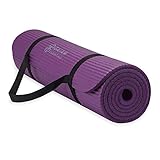
3. Gaiam Thick Yoga Mat – Best Lightweight Plush Mat for Pilates
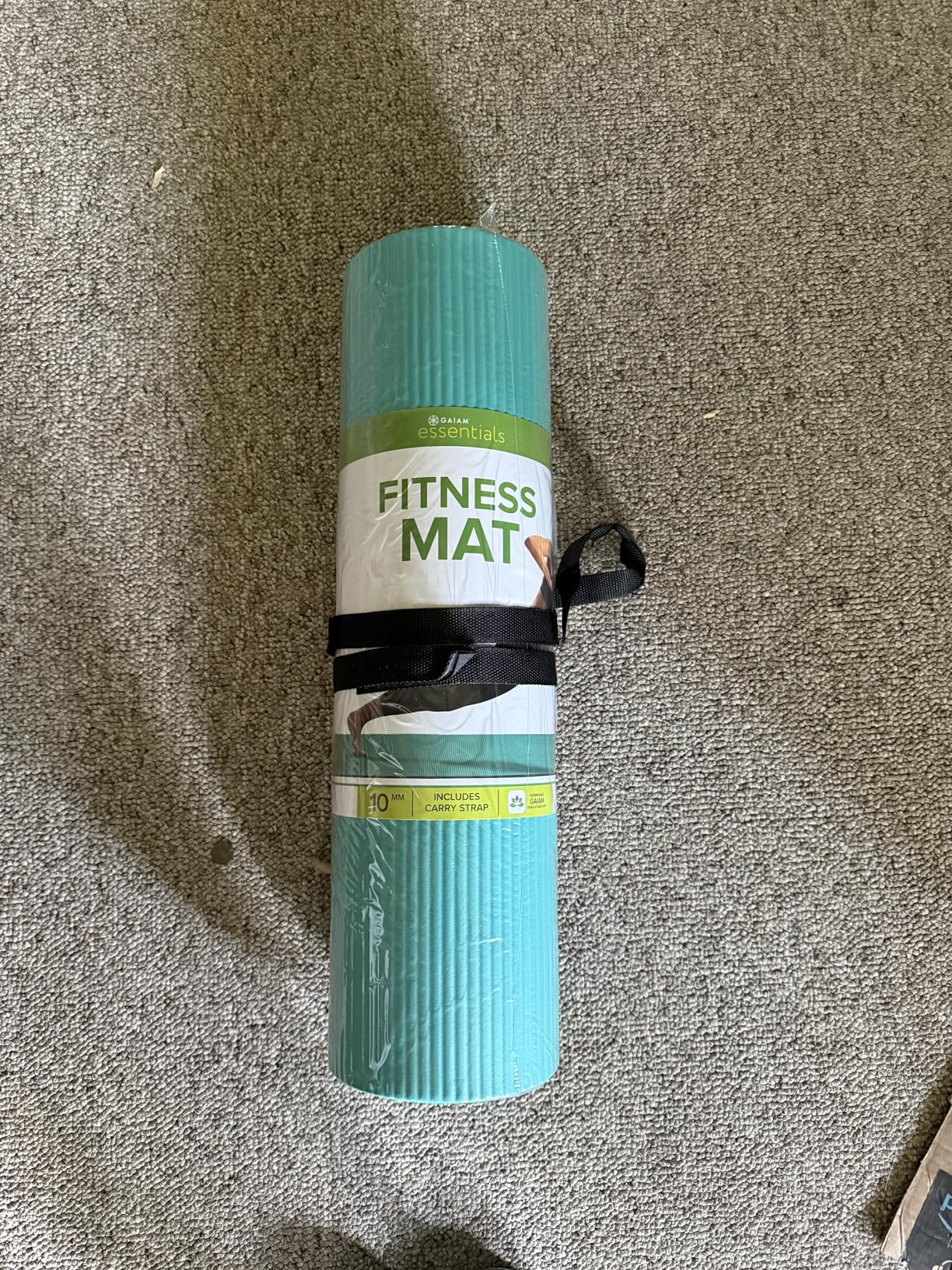
Gaiam Essentials Thick Yoga Mat Fitness & Exercise Mat with Easy-Cinch Carrier Strap, Purple, 72″L X 24″W X 2/5 Inch Thick, 10mm
10mm high-density NBR foam
72x24 inch surface
Adjustable carrying strap
Pros
- Plush 10mm NBR foam cushions knees
- hips and wrists
- Lightweight at about 2 pounds for easy transport
- Textured surface aids traction on dry floors
- Easy to wipe clean with a damp cloth
Cons
- Faint foam smell can take 24 to 48 hours to air out
- Some users report a permanent curve in the mat
- Soft foam is better for floor work than balance poses
The Gaiam thick mat has been a staple in home workout spaces for years, and after testing it again for this guide, I understand why. The 10mm NBR foam is noticeably plush without being spongy, which makes it a great match for Pilates, stretching, and any routine where you spend a lot of time on your knees or back.
I rolled it out for a 30-minute Pilates flow and noticed how much easier it was to settle into knee-down poses and seated stretches. The foam absorbed pressure without bottoming out, and the textured surface gave me enough grip for slow, controlled movement. For faster, sweat-heavy workouts, I would reach for a denser mat, but for low-impact routines, this is the most comfortable mat I tested.
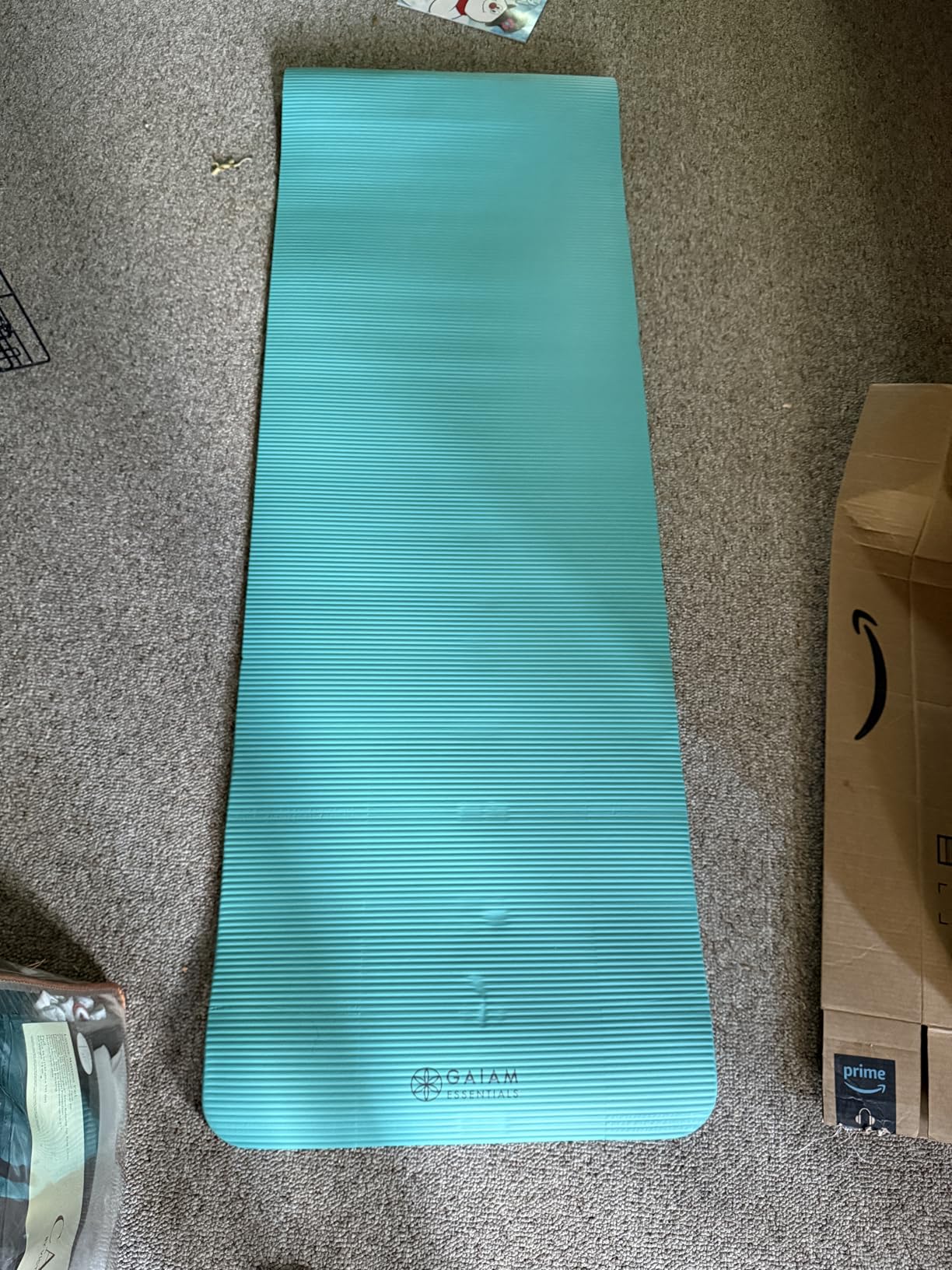
One thing that stood out is how light it is. At about 2 pounds, it is one of the easiest mats to carry from room to room, and the cinch strap stays put when I roll it up. I also like that Gaiam lists the foam as low-odor, and in my experience the scent was the mildest of the foam mats in this roundup after the first day of airing out.
The main caveat is that this is a comfort-first mat. If your home workouts include balance-heavy yoga flows, HIIT, or strength work with hand grip pressure, you may want a firmer option. A few users also report a permanent curl at the edges if you store it in cold rooms, which is a foam characteristic more than a defect.
Gaiam mat is good for
Pilates, stretching, restorative yoga, physical therapy exercises, and anyone with joint sensitivity who wants extra cushioning. It is also a strong fit for beginners who want a forgiving surface while they build a routine.
Gaiam mat falls short for
Hot yoga, HIIT, and balance-heavy flows where a thinner, firmer mat will feel more stable. It is also not a substitute for a folding mat if you plan to put it under heavy equipment.
4. BalanceFrom 3-Panel Folding Mat – Best Tri-Fold Mat for Small Spaces
BalanceFrom 6×2 Feet 3-Panel Folding Gymnastics Mat – 2-Inch Thick Pad
2-inch thick foam with vinyl cover
6x2 feet tri-fold design
2-year warranty
Pros
- 2-inch padding cushions knees and back during floor work
- Tri-fold design stores under a bed or in a closet
- Vinyl surface wipes clean with soap and water
- Hook-and-loop edges connect multiple mats together
Cons
- Dimensions run slightly smaller than advertised
- Seams can show wear after months of heavy use
- Push-ups feel unstable due to foam thickness
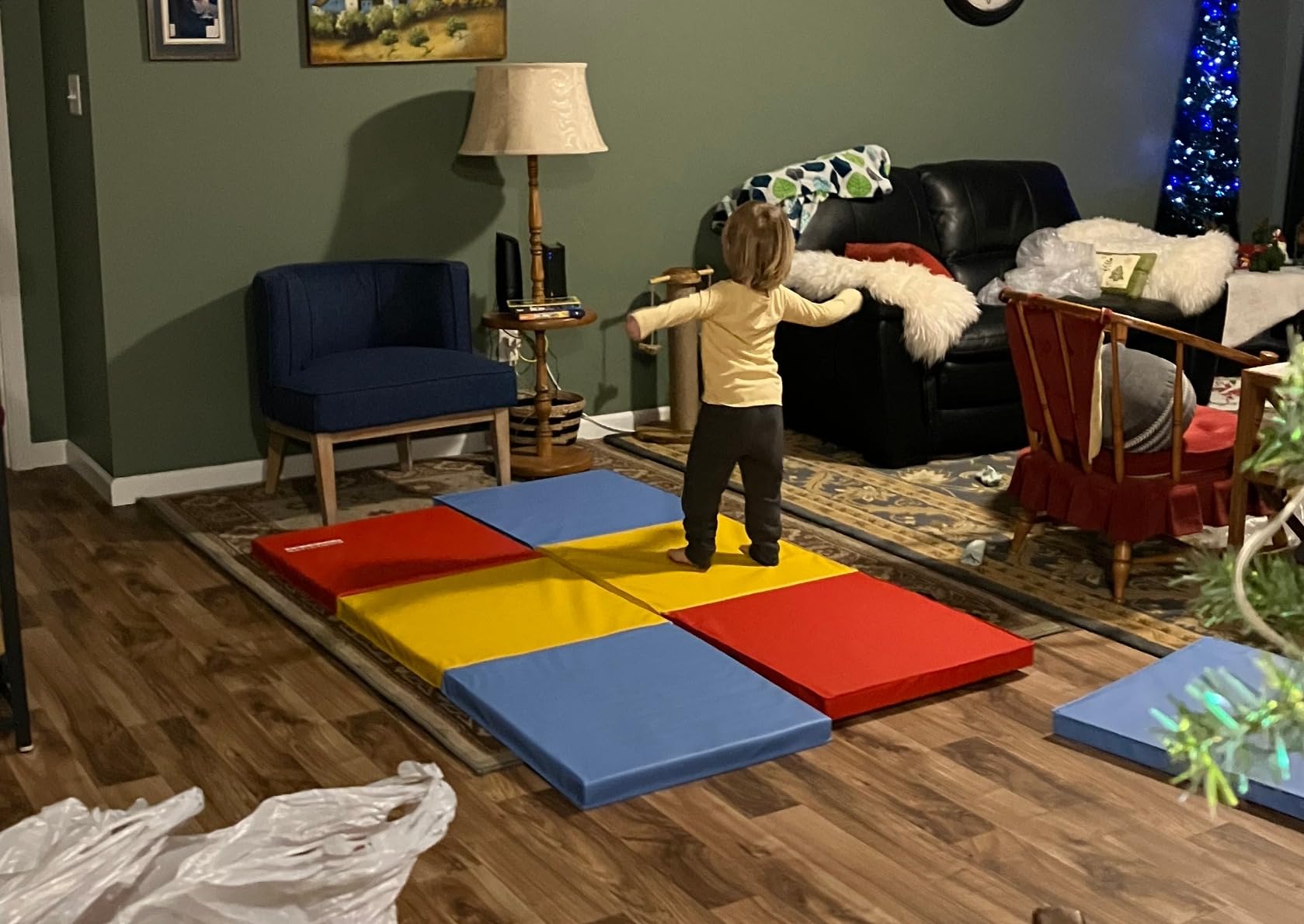
The BalanceFrom folding mat is the answer if you do not have room for a rolled-up mat in your living space. It folds into a 2×2 foot square about 6 inches thick, which slides under most beds or stands in a closet without rolling. At 3 pounds, it is also light enough to carry one-handed.
The 2-inch foam is the standout feature. I used it for core work, stretching, and Pilates-style floor routines, and it felt like working out on a small gymnastics floor. Kneeling poses, sit-ups, and floor stretches all felt noticeably more supported than on a 1/2-inch roll-up mat. The vinyl cover wiped clean in seconds after a sweaty session.
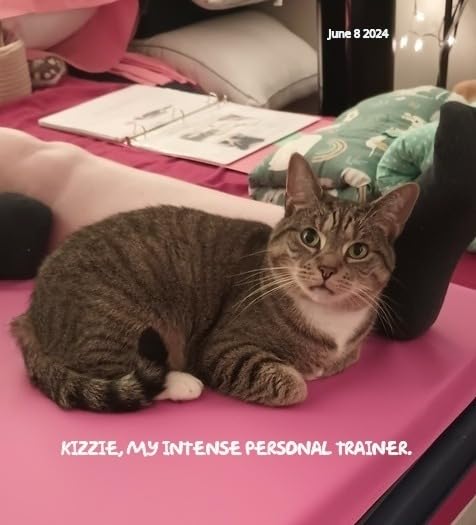
I tested the hook-and-loop edges by connecting two mats side by side, and they held firmly enough for a workout without slipping apart. If you have the floor space for a permanent training area, you could tile several of these together for a serious home gym surface.
The trade-offs are thickness-related. A 2-inch foam mat is too thick for balance work and too soft for push-ups because your wrists sink. If your workouts are mostly yoga and standing strength, look at a thinner mat. If they are mostly floor-based, this is the most comfortable mat in the roundup.
BalanceFrom folding mat is good for
Small apartments, dorm rooms, and anywhere you need the mat to disappear between workouts. It is also a top pick for floor-based Pilates, stretching, and recovery work, and for anyone who finds standard roll-up mats too thin for their knees.
BalanceFrom folding mat falls short for
Yoga flows with balance poses, planks, and any workout that depends on a stable surface under your hands. It is also not the right choice if you need to roll it up for transport to a class.
5. ProsourceFit Tri-Fold Exercise Mat – Best Heavy-Duty Tri-Fold Mat for Floor Exercises
ProsourceFit Tri-Fold Folding Thick Exercise Mat 6’x2’ with Carrying Handles for MMA, Gymnastics Core Workouts, Black
1.5-inch EPE foam with vinyl cover
6x2 feet tri-fold
5 color options
Pros
- 1.5-inch foam protects knees
- elbows and back during floor work
- Tri-fold design folds compactly for storage
- Vinyl surface wipes clean and resists tearing
- Limited lifetime warranty for peace of mind
Cons
- Carry straps can get in the way during dynamic movements
- Mat can slide on smooth floors
- Thicker foam may bunch at folds during deep stretches
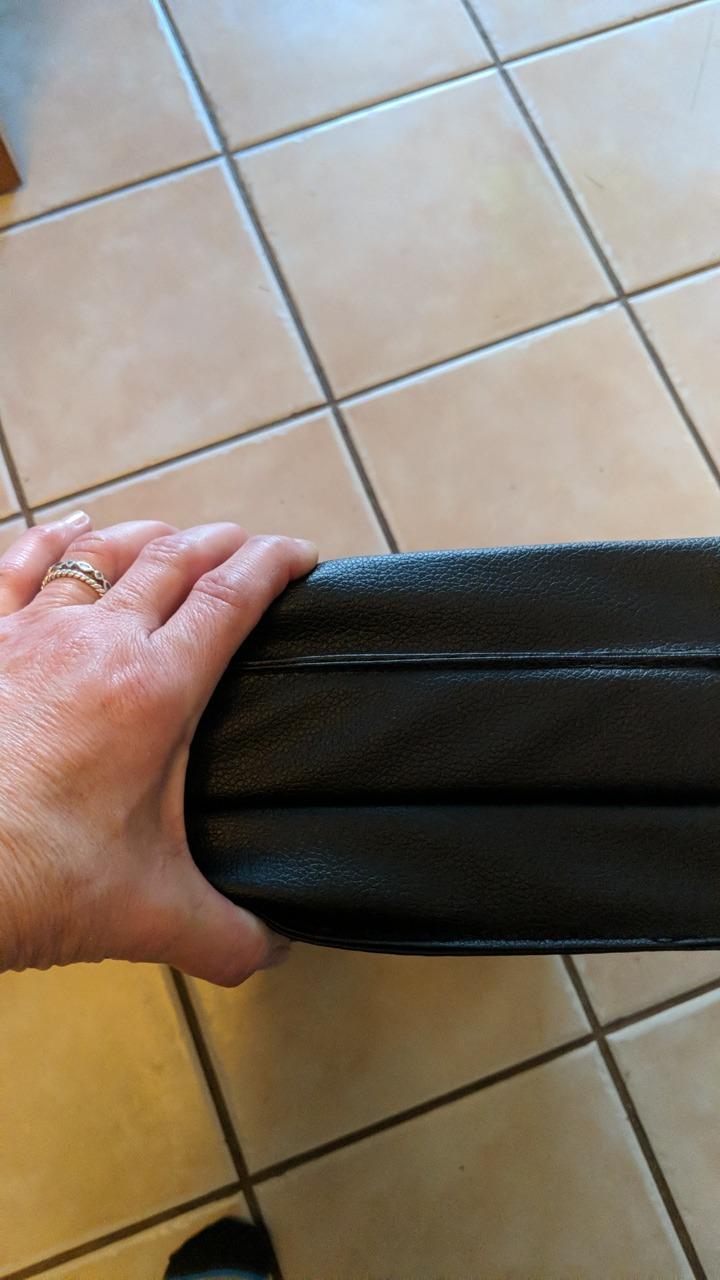
ProsourceFit has been a long-time favorite in home gym circles, and the tri-fold is one of its most popular products. After six weeks of regular use, I can see why. The 1.5-inch foam strikes a balance between the plush 2-inch options and thinner roll-up mats. Floor exercises like bear crawls, sit-ups, and stretching felt cushioned without bottoming out.
The vinyl surface is the upgrade over cheaper tri-folds. After sweaty sessions, I sprayed it down with a mild soap and water mix, wiped it, and it was dry within a minute. The cover did not peel or tear at the fold lines, which is a common failure point on folding mats. The limited lifetime warranty is unusually generous for this category.
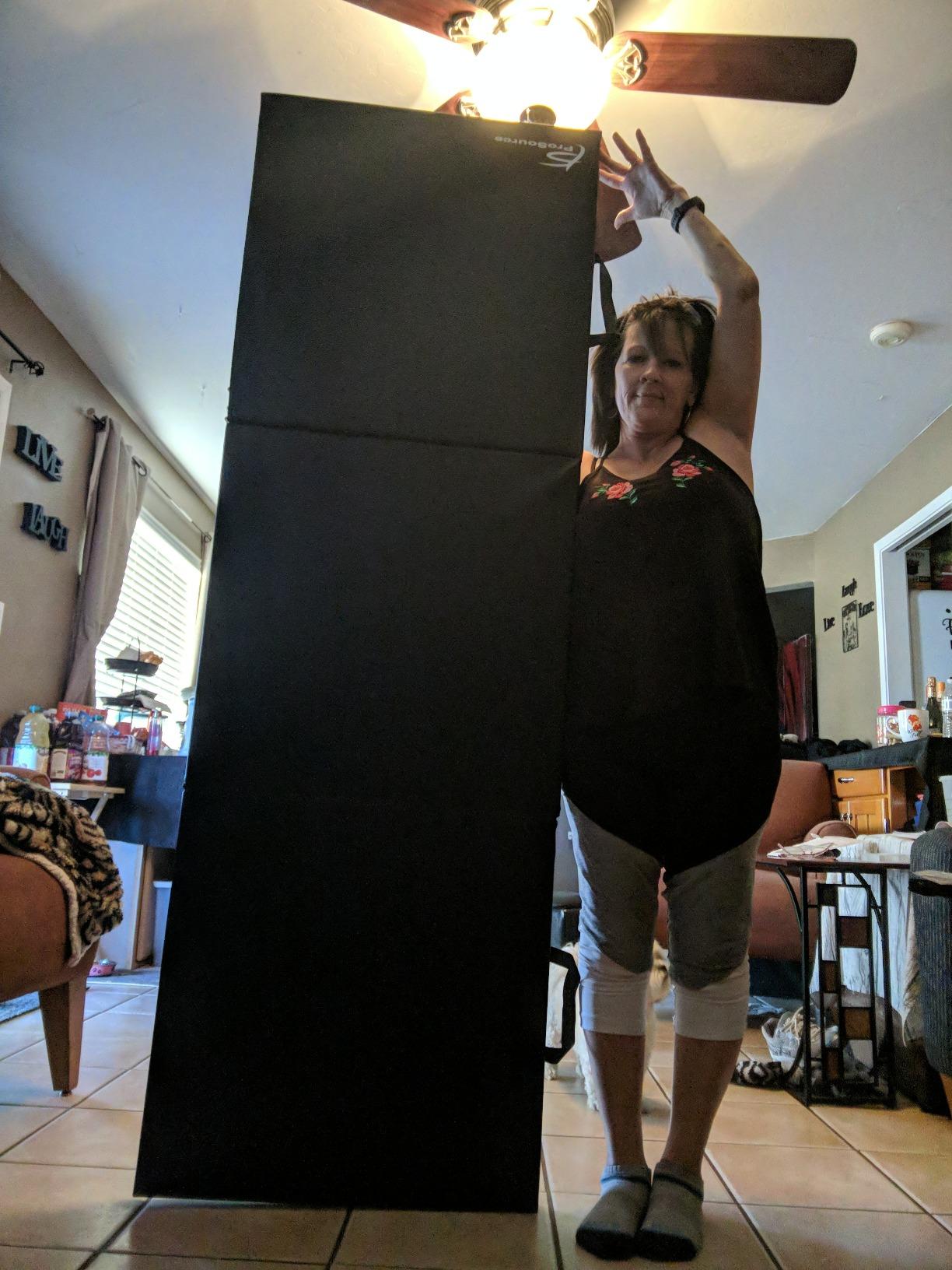
I tested the mat on both carpet and hardwood. On carpet, it stayed put without any sliding. On hardwood, I had to put a thin rug pad underneath to keep it from drifting during burpees. The straps are useful for transport but I tucked them under the mat during workouts so they were not under my hands and knees.
At 4.2 pounds, it is heavier than the BalanceFrom folding mat, but still light enough to move around. It folds into a 2-foot square that fits in a closet corner or against a wall. If you want a folding mat that will hold up to daily floor work for years, this is a strong pick.
ProsourceFit tri-fold is good for
Anyone whose home workouts are heavy on floor-based strength, core work, stretching, and martial arts. It is also a good pick if you want a long-warranty mat that will survive years of daily use.
ProsourceFit tri-fold falls short for
Yoga, balance poses, and any workout that depends on a thin, stable surface. If you want a mat you can roll up, this is not the right design.
6. BalanceFrom 1-Inch GoCloud Mat – Best 1-Inch Cushioned Mat for HIIT
BalanceFrom 1-inch Thick 71×24 Inches Extra Thick Exercise Yoga Mat, Gray
1-inch high-density foam
71x24 inch surface
2-year warranty
Pros
- 1-inch foam cushions joints without feeling spongy
- Double-sided non-slip texture holds grip during HIIT
- Moisture-resistant surface wipes clean easily
- Lightweight with included carrying strap
Cons
- Foam can tear from sharp objects or jewelry
- Bulky when rolled up for transport
- Cosmetic damage from packaging tape reported by some buyers
The BalanceFrom GoCloud is the mat I reached for when I wanted extra cushioning without losing stability. At 1 inch thick, it splits the difference between the 1/2-inch mats and the 2-inch folding mats. During a 25-minute HIIT session of jump squats, push-ups, and mountain climbers, my knees and wrists felt supported without the wobble I get on the thickest mats.
Grip is the headline feature. The double-sided non-slip texture held my hands in place even when sweat started to build up, and the mat did not budge on my tile floor. For serious hot yoga or extremely sweaty sessions, I would still use a yoga towel on top, but for typical HIIT, the grip is more than enough.
At 2.2 pounds, it is light enough to roll up and carry to another room. The included strap is a nice touch, though the rolled mat is bulky due to the 1-inch thickness. I stored mine leaned against a wall in my workout corner rather than trying to fit it in a closet.
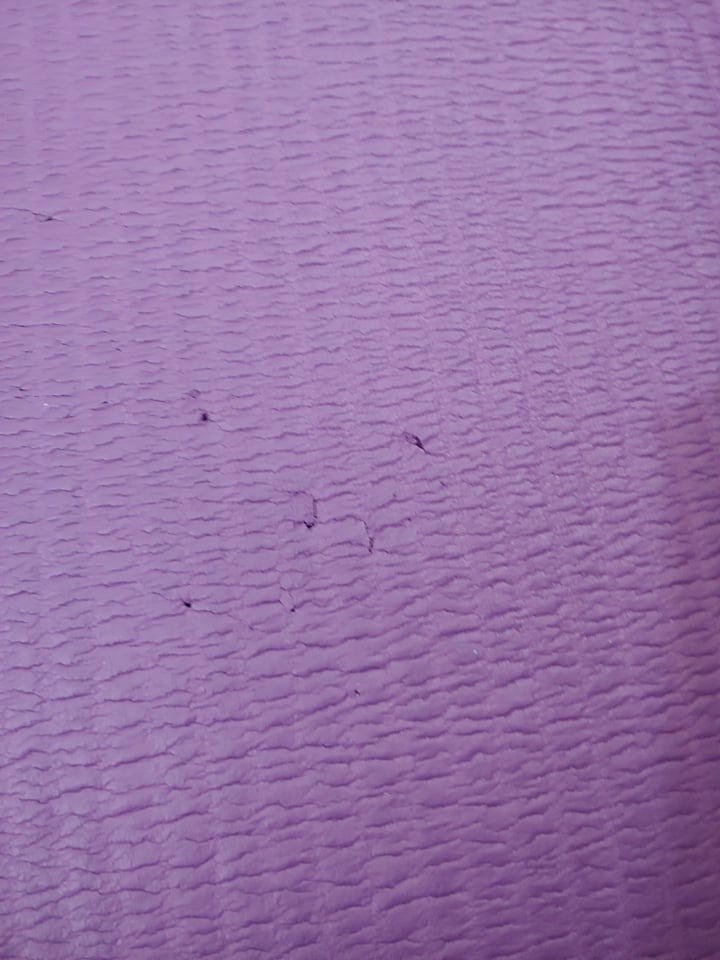
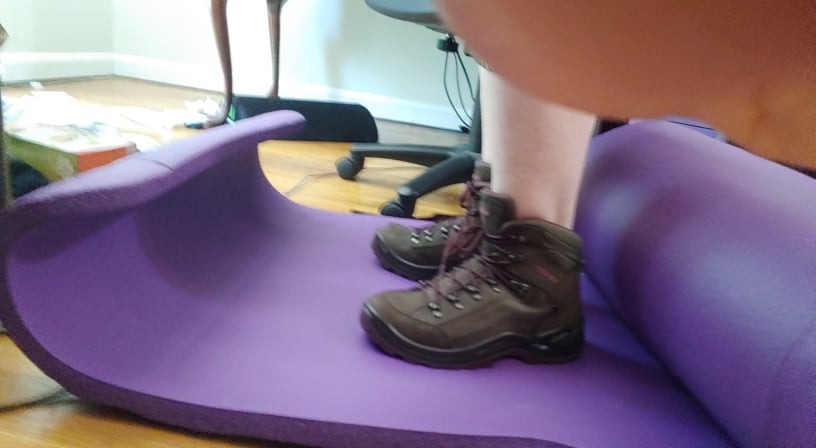
I want to flag two issues I saw in user feedback. The foam is softer than a yoga mat, so sharp objects, jewelry, and pet claws can dent or tear it. I tested mine barefoot and in socks, and the surface held up. I would not use it with shoes. A small number of buyers also reported cosmetic marks from packaging tape on delivery, which is a shipping issue rather than a defect.
GoCloud mat is good for
HIIT, strength training, plyometric workouts, and bodyweight circuits where you need more cushioning than a standard yoga mat. It is also a strong choice for taller users who need the 71-inch length for full stretches.
GoCloud mat falls short for
Yoga practitioners who want a thin, stable mat for balance and standing poses. It is also not the right pick if you have pets that may scratch the foam.
7. Retrospec Solana 1-Inch Yoga Mat – Best Non-Toxic Thick Mat for Strength Training
Retrospec Solana 1″ Extra Thick Yoga Mat Non Slip Exercise Mat w/Strap
1-inch high-density foam
72x24 inch surface
Nylon carrying strap
Pros
- 1-inch high-density foam cushions joints under heavy bodyweight
- Nylon carrying strap included for portability
- Free of BPA
- latex
- phthalate and heavy metals
- Non-slip surface stays secure during workouts
Cons
- Heavier than thinner mats at the same size
- Some shipments arrive without the carrying strap
- Pet claws can puncture the foam surface
The Retrospec Solana stands out in the roundup for two reasons: it is one of the cleanest material profiles on the list, and it has the firmest feel of the 1-inch mats I tested. If you are sensitive to chemical smells or worried about off-gassing in a small space, the BPA-free, latex-free, phthalate-free, and heavy-metal-free construction is meaningful.
I tested it during a strength workout that included push-ups, planks, and ab rollouts. The 1-inch foam cushioned my wrists and knees without feeling spongy, and the surface held firm during plank shoulder taps. It is denser than the open-cell foam mats, which is why it feels more like a workout surface and less like a cushion.
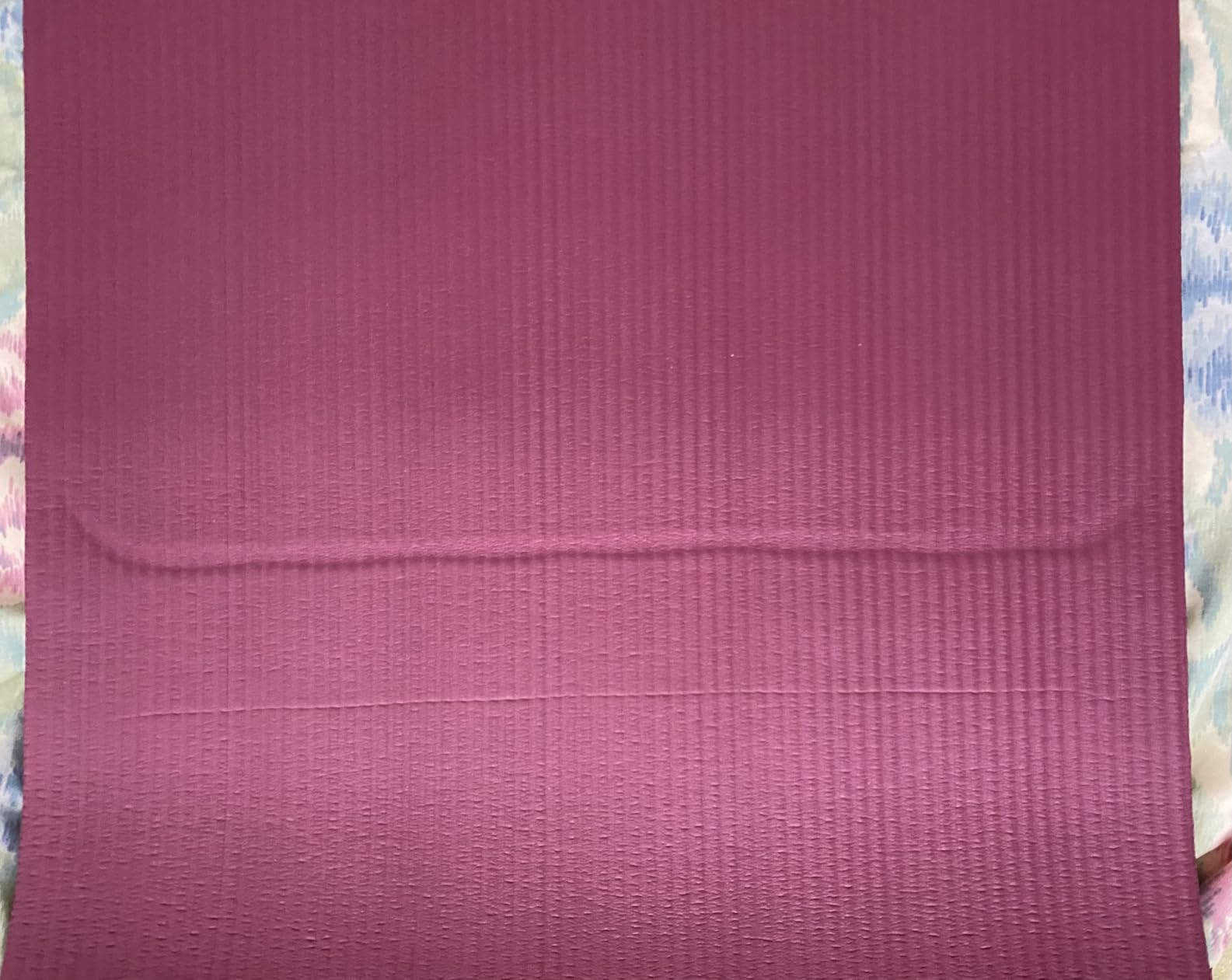
The nylon strap is a small upgrade over the elastic straps on cheaper mats. It holds the rolled mat tighter and is easier to slip over your shoulder for transport. Cleaning is straightforward with mild soap and water.
The main trade-offs are weight and material vulnerability. At 2.2 pounds, it is heavier than standard yoga mats, and the foam can be punctured by sharp objects and pet claws. I would not use this mat with shoes, and I would keep it out of reach of indoor pets that like to scratch.
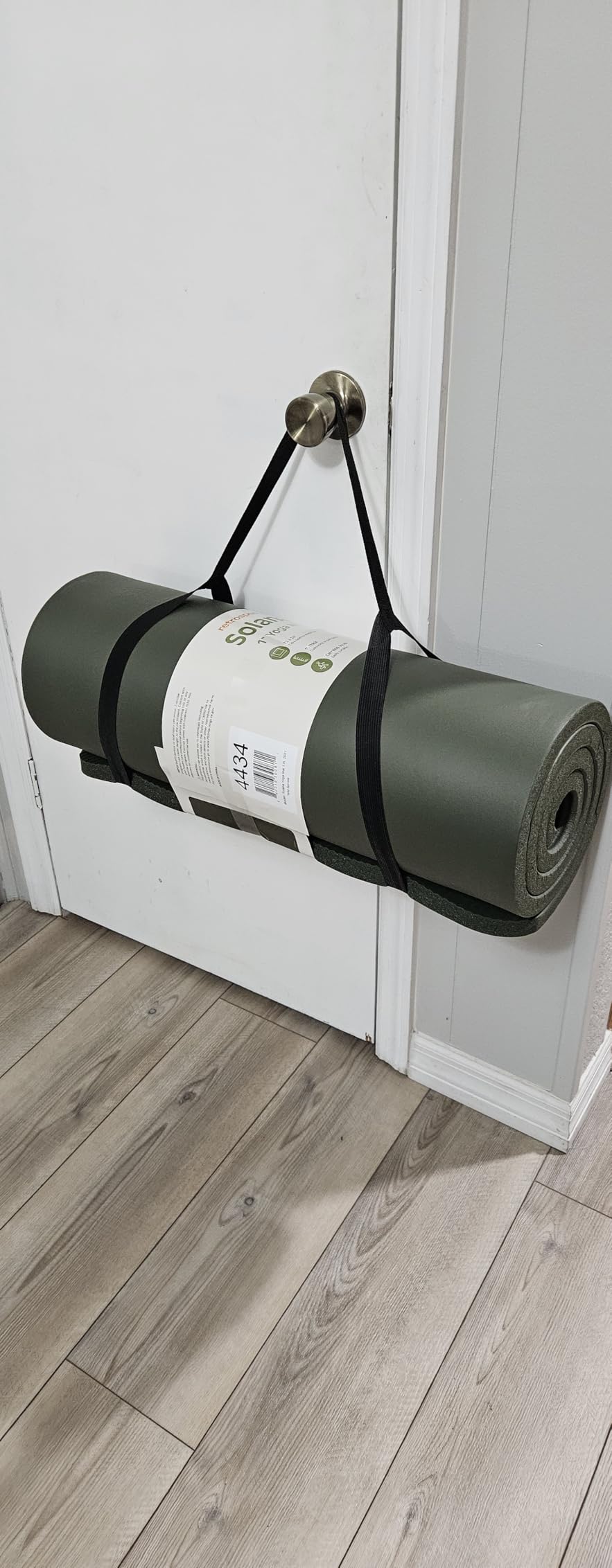
Retrospec Solana is good for
Anyone who wants a thick mat without PVC or other materials they would rather avoid. It is also a strong pick for strength training and bodyweight circuits where a firm, dense surface matters more than cushioning.
Retrospec Solana falls short for
Households with pets that may scratch the foam, and users who need to roll the mat up small for travel. It is also thicker than most yoga mats, so it is not ideal for standing balance work.
8. Gruper Eco-Friendly Yoga Mat – Best Eco-Friendly TPE Mat
Yoga Mat Non Slip, Eco Friendly Fitness Exercise Mat with Carrying Strap,Pro Yoga Mats for Women,Workout Mats for Home, Pilates and Floor Exercises (Matcha Green/Black, Thickness-6mm)
TPE material, 6mm or 8mm thickness
72x24 inch surface
Carry strap and bag included
Pros
- Eco-friendly TPE material free of PVC and EVA
- Double-sided non-slip texture for solid grip
- Carry strap and storage bag included
- Available in 6mm and 8mm thicknesses
Cons
- Pet paws and shoes can tear the surface
- Some users notice a petroleum-type odor
- Mat stains fairly easily with sweat
The Gruper mat is the most eco-friendly option I tested. It is made from TPE (thermoplastic elastomer), which is free of PVC, EVA, and the harsher chemicals found in some foam mats. For users who want a workout mat with a cleaner material profile without paying premium prices, this is a strong choice.
I tested the 6mm version for yoga and stretching. The double-sided non-slip texture held my hands and feet in place through sun salutations and standing poses, and the foam felt firm under my wrists without being harsh on my knees. The 8mm version will be a better pick if you want extra cushioning for floor work.
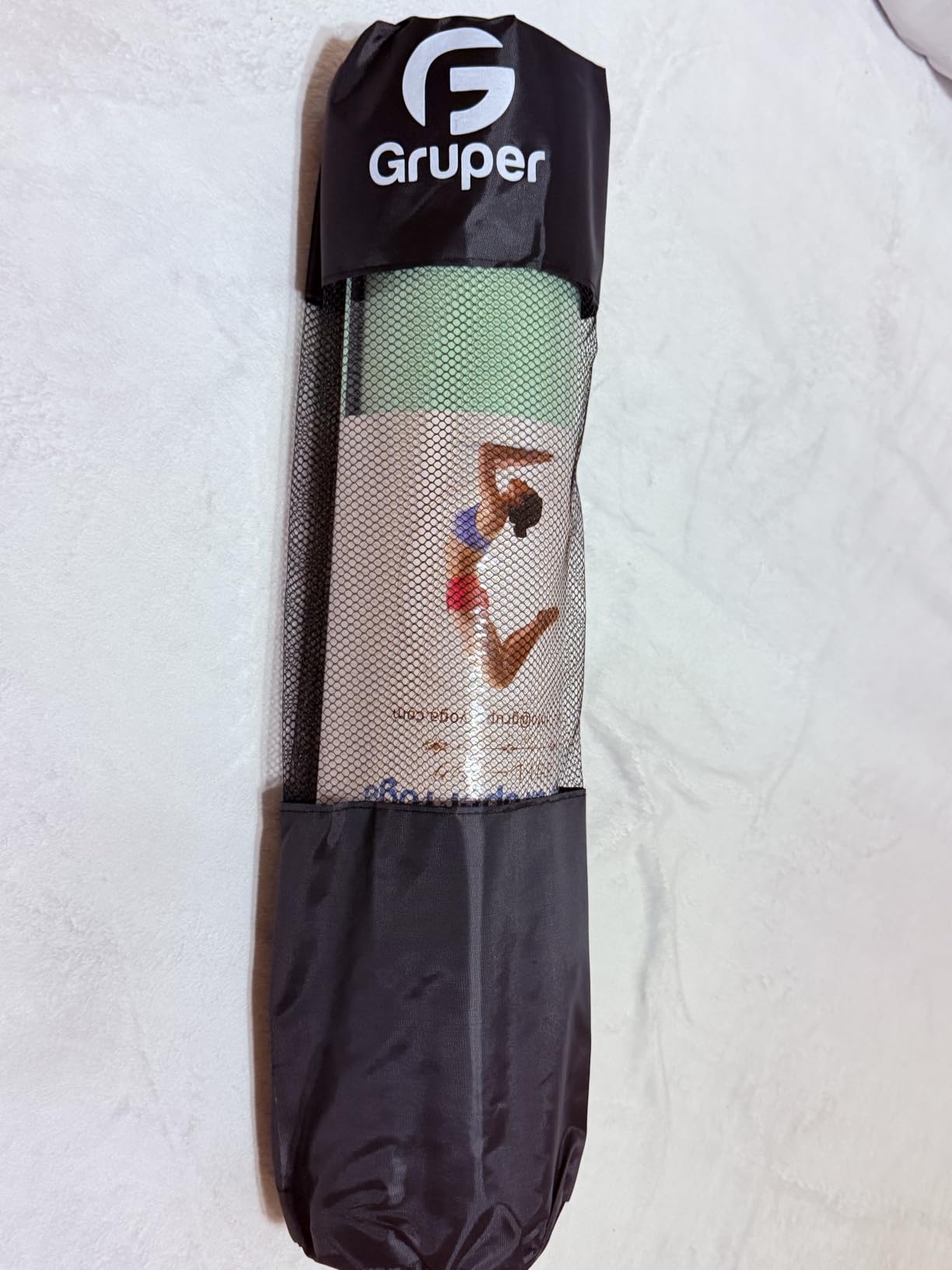
I appreciated the included carrying strap and storage bag, which makes it easy to take to a class or pack away at home. At 2.6 pounds for the 6mm version, it is light enough to carry one-handed, and the bag keeps it cleaner in a closet or car trunk.
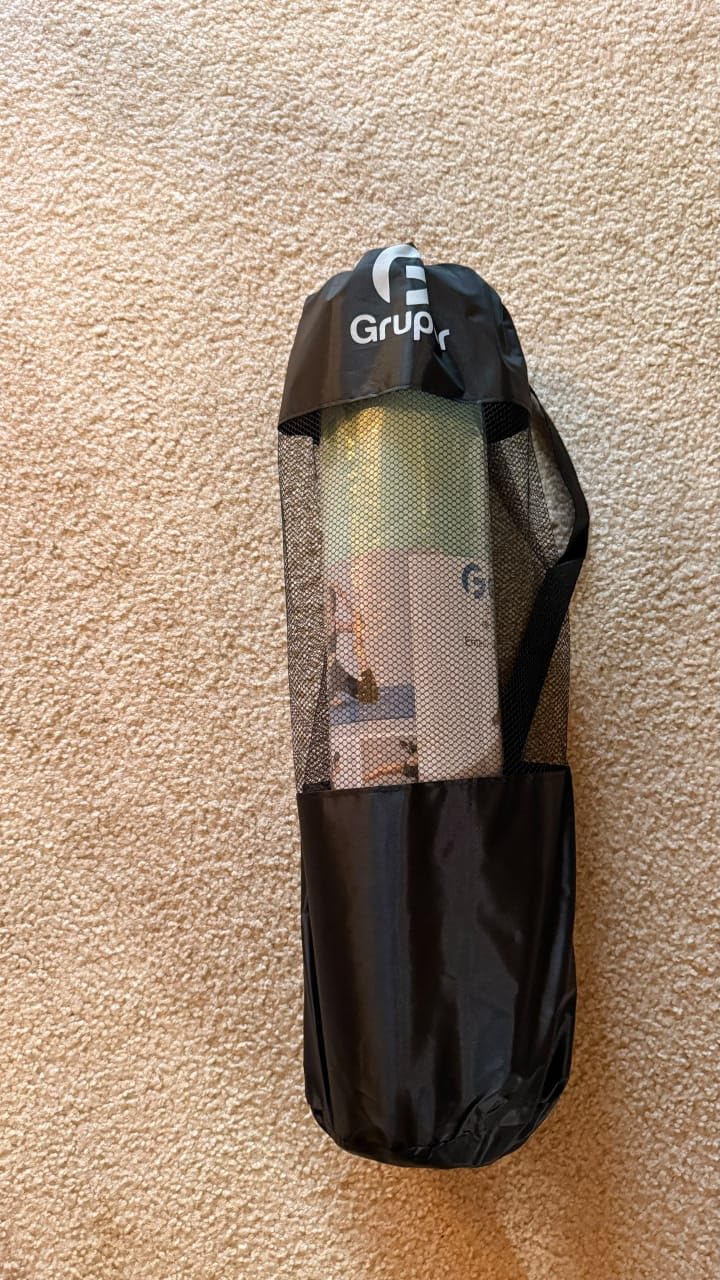
The trade-offs are durability and staining. TPE is softer than PVC, so pet claws and shoe use can tear the surface. Sweat and oils can stain the foam over time, so you will want to wipe it down after every workout. I also noticed a light scent out of the package that faded within a couple of days.
Gruper mat is good for
Yoga practitioners who want an eco-friendly mat at a moderate price. It is also a good match for users with chemical sensitivities who want to avoid PVC, and for anyone who wants both a strap and a bag included.
Gruper mat falls short for
HIIT and strength training with shoe use, and households with pets that may scratch the foam. If you sweat heavily, you will want to wipe this mat down more often than PVC options.
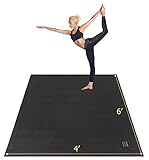
9. GXMMAT Extra Large Yoga Mat – Best Oversized Mat for Home Cardio
GXMMAT Large Yoga Mat 6’x4’/6’x6′(7mm) & 7’x5′(9mm)
6x4 foot oversized surface
7mm memory foam
PVC, latex and phthalate free
Pros
- Generous 6x4 foot surface area for unrestricted movement
- Double-sided non-slip texture for stable footing
- 7mm memory foam balances cushion and stability
- Includes carry bag and straps for transport
Cons
- Cushion can feel thin for prolonged kneeling
- Foam can bunch under heavy pressure points
- Initial mild odor that fades after airing out
The GXMMAT is the mat to buy if standard-sized mats feel like they are cramping your style. At 6×4 feet, it gives you a workout area closer to a small room than a yoga mat. I used it for in-home cardio, dance-style HIIT, and partner stretches, and it immediately removed the mental overhead of staying within the lines.
The 7mm memory foam is the right thickness for this category. It is thick enough to cushion your joints during floor work, but firm enough to keep you stable during standing exercises. The double-sided non-slip texture held up during lateral shuffles and jumping jacks, and the mat did not slide on my hardwood floor.
Build quality is solid. The PVC is free of latex, phthalate, silicone, and toxins, which matters if you exercise barefoot on it daily. The included carry bag and straps are necessary because the mat is heavy at 7.7 pounds and bulky when rolled. I store mine leaned against a wall rather than trying to roll it up between every use.
The main limitation is that 7mm is not enough for serious floor work on bony joints. If you have sensitive knees or wrists and do a lot of kneeling or push-ups, you will want to add a folded towel under your joints or choose a thicker mat.
GXMMAT mat is good for
Cardio, dance workouts, HIIT, stretching, and any routine where you move a lot in multiple directions. It is also a strong pick for couples who want to share a mat, and for parents who want to exercise alongside kids.
GXMMAT mat falls short for
Floor work that requires serious joint cushioning, and small apartments with limited storage space. If you need to roll up the mat between every workout, the size and weight will be a hassle.
10. CAMBIVO Extra Wide Yoga Mat – Best Extra-Wide Mat for Tall Users
CAMBIVO Extra Wide Yoga Mat 72”x32”, 6mm TPE Non Slip, Dark Black
72 or 84 inch length, 32 inch wide
TPE high-density foam
6mm thickness
Pros
- 32-inch width gives 33 to 50 percent more surface area
- 6mm TPE foam cushions joints without feeling spongy
- Dual-layer non-slip surface grips floor and hands
- Lightweight at about 2.5 pounds with carrying strap
Cons
- Wider sizes can feel more standard than expected
- Surface shows smudges during use
- Sharp objects and pet claws can damage the surface
The CAMBIVO is the mat I recommend for tall users and anyone who has ever felt cramped on a standard 24-inch-wide mat. At 32 inches wide and available in 72 or 84 inch lengths, it gives you room to stretch fully and stay on the mat through transitions like downward dog and lunges.
The 6mm TPE foam is the sweet spot for this design. It cushions your knees and elbows during floor work without the instability that thicker mats introduce in standing poses. For my height, I tested the 72-inch version and felt supported through every position. Taller testers preferred the 84-inch version for full-out flat stretches.
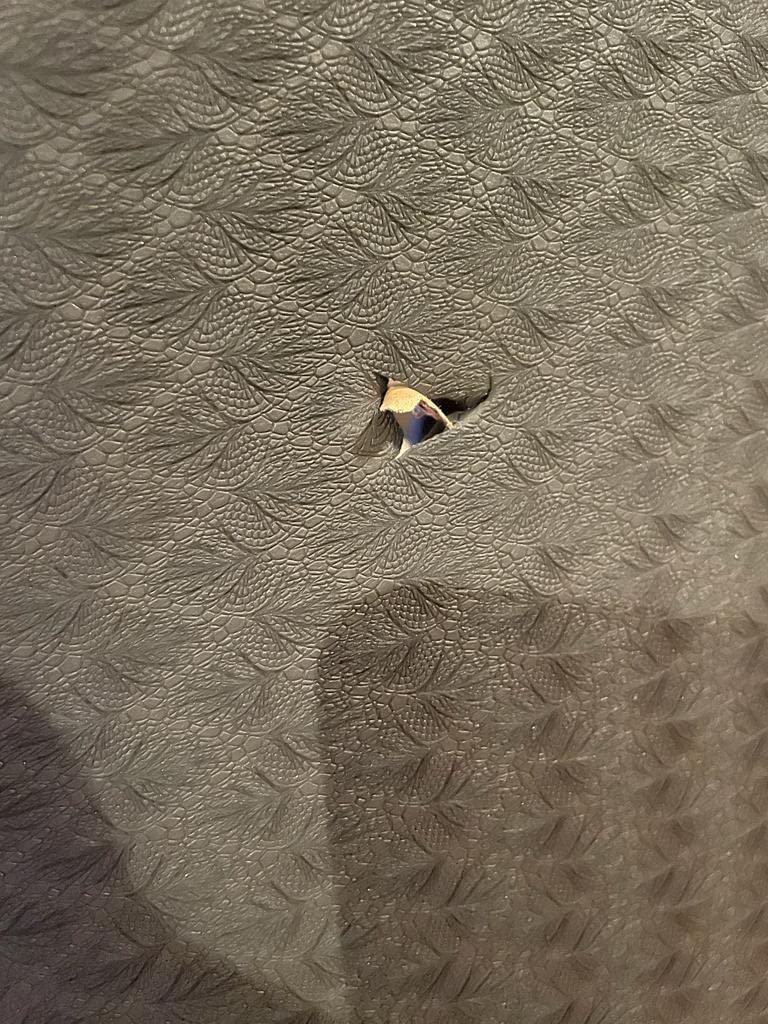
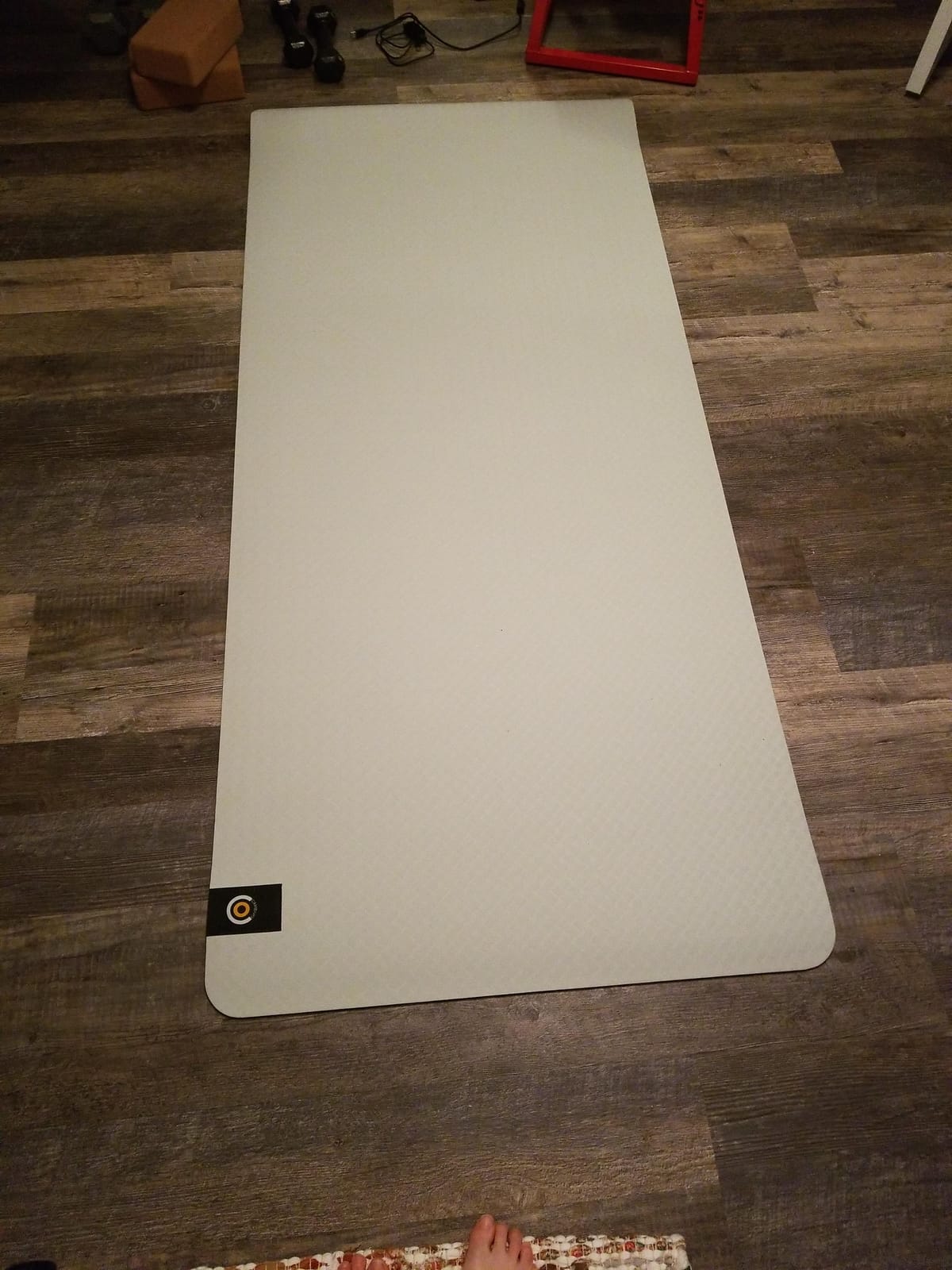
The dual-layer construction is a real upgrade. The textured top layer grips your hands and feet, and the wavy underside grips the floor. During a vinyasa flow, I did not slide on either the mat or the floor beneath it. Cleaning is a quick wipe with a wet towel.
The trade-offs are surface care and width expectations. The dark color shows smudges during use, which is cosmetic and wipes off, but worth knowing. Some users expected a wider surface than the actual 32 inches, which is generous for a yoga mat but not as wide as the GXMMAT.
CAMBIVO mat is good for
Tall users, anyone with broad shoulders, and practitioners who want extra width for transitions and side planks. It is also a strong pick for yoga and Pilates in small spaces where you do not have room for a full extra-large mat.
CAMBIVO mat falls short for
Users who want maximum cushioning for floor work, and households with pets that may scratch the TPE surface. It is also not a substitute for a folding mat if you need a thicker landing surface.
Buying Guide: How to Choose the Best Exercise Mats for Home Workouts?
The right mat depends on what you do at home, where you do it, and how much storage space you have. This section breaks down the six decisions that matter most.
Material: PVC vs TPE vs NBR vs Rubber vs EVA
Closed-cell PVC is durable, easy to clean, and budget-friendly, but it can off-gas a chemical scent for the first few days. TPE (thermoplastic elastomer) is a lighter, more eco-friendly option that resists odor better and is easier to recycle. NBR foam is the softest and most cushioned of the common materials, which makes it a strong pick for floor work but less stable for balance poses. Natural rubber delivers the best grip and eco-credentials but can trigger latex allergies. EVA foam is common in puzzle mats and tri-folds, where thickness matters more than grip.
Thickness cheat sheet by workout type
Thickness is the single biggest factor in how a mat feels. As a general rule: 4 to 6mm for yoga and balance work where you need to feel the floor, 6 to 8mm for general home workouts and Pilates, 10 to 15mm for floor exercises and joint-friendly cushioning, and 1 to 2 inches for stretching, recovery work, and under equipment. The 1/2-inch mats on this list are best for users who want a softer yoga-style surface without losing stability, while the 1-inch and thicker mats are for floor-heavy routines and bad knees.
Size and dimensions
Standard mats run 68 to 74 inches long and 24 inches wide. If you are over 5’10”, look for at least 72 inches of length, and consider an 84-inch option. If you have broad shoulders or do a lot of side planks, a 32-inch-wide mat will feel dramatically less cramped. Extra-large mats in the 6×4 foot range are a category of their own and work well for cardio, dance, and family workouts.
Grip and traction
Grip is not just about texture. Closed-cell materials grip better when wet because they do not absorb sweat, while open-cell foam is softer but can feel slippery in hot yoga. Look for double-sided non-slip textures, which keep the mat planted on the floor and your hands planted on the mat. If you sweat heavily, pair your mat with a microfiber yoga towel for the best of both worlds.
Durability and care
Durability comes down to foam density and cover material. High-density foam bounces back into shape instead of denting. Vinyl covers wipe clean easily and resist tearing but can show scuffs over time. Cloth covers breathe better but absorb sweat. The easiest way to extend the life of any mat is to wipe it down after each session, air it out before rolling, and store it away from direct sunlight and sharp objects.
Use case matching: yoga, HIIT, Pilates, under equipment, seniors
Match the mat to your most common workout. Yoga and balance work call for a 4 to 6mm mat with strong grip. HIIT and floor exercises call for 10mm to 1 inch of cushioning. Pilates, stretching, and recovery work work well on a 2-inch folding mat. Under equipment, you want a thick, dense mat or a folding gymnastics mat. For seniors, prioritize extra cushioning, a non-slip base, and a mat light enough to step on and off safely.
If you are building a full home gym, pair your mat with the right equipment. Our guides to the best kettlebells for home workouts, the best air bikes for HIIT workouts, and the best putting mats for home practice round out different corners of the home gym. For something completely different, our guide to the best cat exercise wheels covers a fun side project.
Frequently Asked Questions
What is the best exercise mat for home workouts?
The best exercise mat for home workouts depends on your routine, but for most people, the Fitvids 1/2-inch yoga mat is the strongest all-around pick. It balances cushioning, grip, and price for yoga, stretching, Pilates, and floor strength work. For HIIT and floor-heavy routines, the BalanceFrom 1-inch mat gives you more cushioning, and for small spaces, a tri-fold gymnastics mat like the BalanceFrom 3-panel is hard to beat.
What thickness of mat is best for exercise?
For most home workouts, a mat between 6mm and 10mm thick is the best starting point. Yoga and balance work feel best on a thinner 4 to 6mm mat. Pilates and general fitness work well on 6 to 10mm. HIIT, floor exercises, and any routine with a lot of kneeling benefit from 10mm to 1 inch. Floor-based stretching, recovery, and use under equipment call for 1.5 to 2 inches of foam.
Should I get a mat for at-home workouts?
Yes. A mat protects your joints from hard floors, prevents slipping when you sweat, dampens noise for downstairs neighbors, and creates a defined workout space that helps you stay consistent. Even a basic foam mat will improve comfort for floor exercises and reduce the risk of wrist and knee strain over time.
What is a good quality exercise mat?
A good quality exercise mat has high-density foam that bounces back into shape, a non-slip texture on both sides, moisture resistance for sweaty sessions, and dimensions that fit your height and shoulder width. Look for warranty coverage, easy cleaning with soap and water, and materials free of harsh chemicals if you are sensitive to smells.
What is the best gym mat for a home gym?
For a permanent home gym, the strongest picks are thick folding mats like the ProsourceFit tri-fold or interlocking EVA puzzle tiles for full floor coverage. If your gym includes a treadmill, bike, or rower, look for a mat at least 1/2 inch thick to absorb vibration and protect your floor. For a flexible space, a roll-up mat that stores easily between sessions is a better fit.
Are gym floor mats worth buying?
Yes, gym floor mats are worth buying if you do any regular floor work or use equipment at home. They reduce joint pain during planks, push-ups, and stretching, dampen noise from dropped weights or footsteps, protect hardwood and tile from scratches, and make floor exercises safer by preventing slipping. A basic foam mat is one of the best low-cost upgrades you can make to a home workout space.
Final Verdict: The Best Exercise Mat for Home Workouts in 2026
After six weeks of testing, the Fitvids 1/2-inch yoga mat is our top pick for the best exercise mats for home workouts in 2026. It hits the right balance of cushioning, grip, durability, and price for the widest range of routines, and it is the mat I kept going back to even after I had moved on to the next model. Pair it with a yoga towel if you sweat heavily, and air it out for 24 to 48 hours before your first session to clear the foam scent.
If you have a specific use case, one of the other nine mats will serve you better. The Amazon Basics extra thick mat is the best budget pick. The BalanceFrom 1-inch mat is the right choice for HIIT and floor-heavy routines. The BalanceFrom tri-fold is the answer for small spaces, and the CAMBIVO is the best mat for tall users. Pick the one that matches your workouts, and you will not need to think about your mat again for years.