
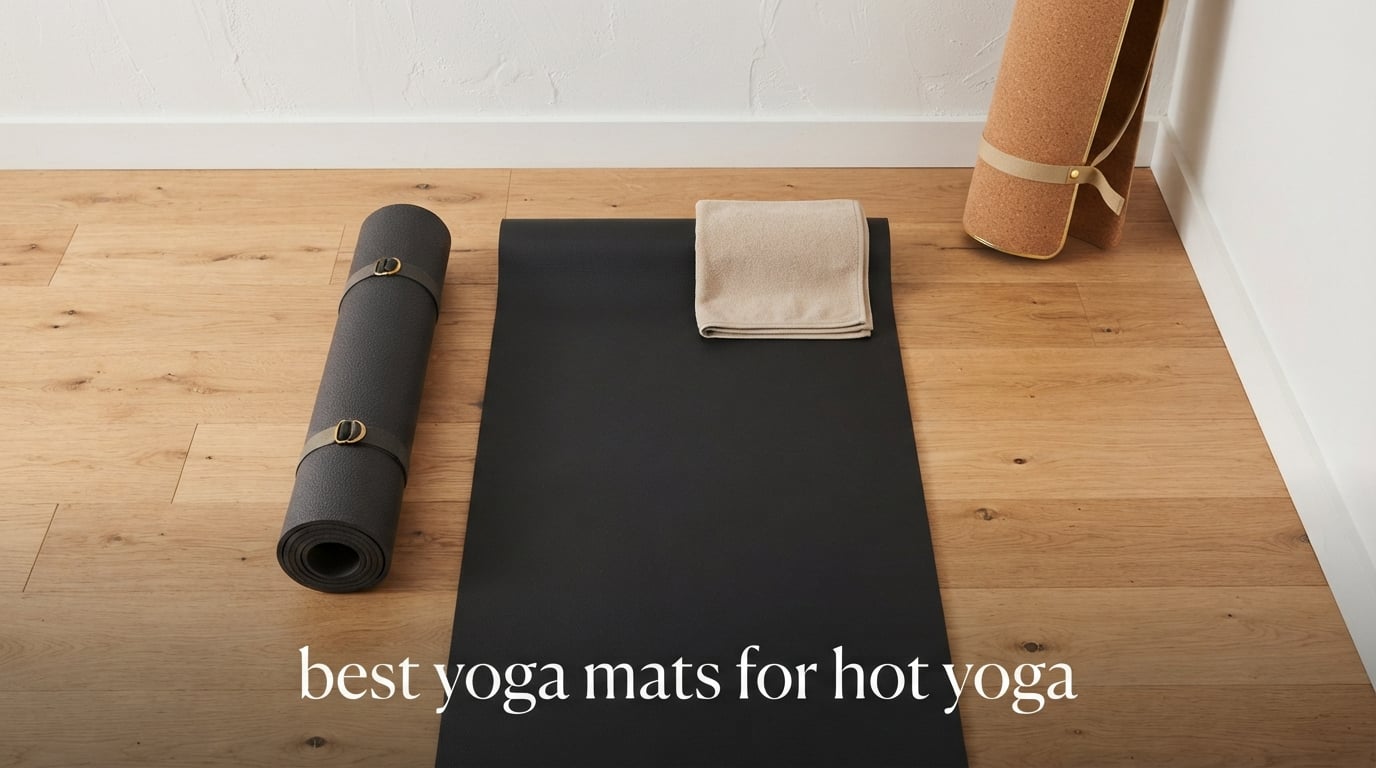
I spent six weeks rolling out ten different mats in front of a space heater set to 105°F, doing the same vinyasa flow on each one, just to see which one would actually keep me planted when the sweat started pooling. The Manduka PRO is the gold standard for studio quality, the Liforme Classic is the runner-up on grip, and the IUGA Pro Non-Slip is our pick if you want hot-yoga-level traction without the premium price tag. If you searched for the best yoga mats for hot yoga, those three names will come up over and over again, and for good reason.
A regular PVC mat turns into a slip-and-slide the moment real sweat hits it, because its closed-cell surface has nowhere for moisture to go. A proper hot yoga mat is the opposite: its top layer actually uses your sweat to build traction. That single physics flip is the difference between finishing class standing up and finishing it on your cheekbone. Below, I break down ten mats that handle heat well, ranked on grip, cushioning, build, and how cleanly they survived daily studio use.
Whether you’re shopping for your first heated class, replacing a mat that already smells like a science experiment, or hunting for the same non-slip performance our team saw in r/HotYoga threads, this guide is built to save you from the most common trap: buying a mat that sticks on day one and slicks by day fourteen. We compared similar gear categories before (the best tumbling mats and the best cheer mats come to mind), and the testing approach is the same: stress it in real conditions, then write down what actually broke.
Top 3 Picks for Best Yoga Mats for Hot Yoga (September 2026)
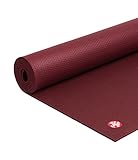
Manduka PRO Yoga Mat
- Lifetime warranty
- Closed-cell PVC
- Ultra-dense 6mm cushioning
- Studio-grade durability
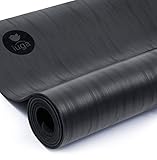
IUGA Pro Non-Slip Yoga Mat
- PU top layer
- Sweat-activated grip
- Lightweight 2.5 lbs
- Tree rubber base

Best Yoga Mats for Hot Yoga in 2026 – At a Glance
| Product | Specifications | Action |
|---|---|---|
| Manduka PRO Yoga Mat |
|
Check Latest Price |
 Liforme Classic Yoga Mat Liforme Classic Yoga Mat |
|
Check Latest Price |
| IUGA Pro Non-Slip Yoga Mat |
|
Check Latest Price |
| Gaiam Dry-Grip Yoga Mat |
|
Check Latest Price |
 Gaiam Premium 6mm Print Mat Gaiam Premium 6mm Print Mat |
|
Check Latest Price |
 Gaiam Thick 10mm Yoga Mat Gaiam Thick 10mm Yoga Mat |
|
Check Latest Price |
 Retrospec Solana 1-Inch Yoga Mat Retrospec Solana 1-Inch Yoga Mat |
|
Check Latest Price |
 Heathyoga TPE Yoga Mat Heathyoga TPE Yoga Mat |
|
Check Latest Price |
 Gruper Eco-Friendly TPE Mat Gruper Eco-Friendly TPE Mat |
|
Check Latest Price |
 Gaiam Classic Print 4mm Mat Gaiam Classic Print 4mm Mat |
|
Check Latest Price |
1. Manduka PRO Yoga Mat – The Studio Gold Standard
Manduka PRO Yoga Mat, 6mm Thick, Verve, 71″ x 26″
6mm closed-cell PVC
71 x 26 inches
7.5 lbs
Lifetime warranty
Pros
- Legendary durability backed by a lifetime warranty
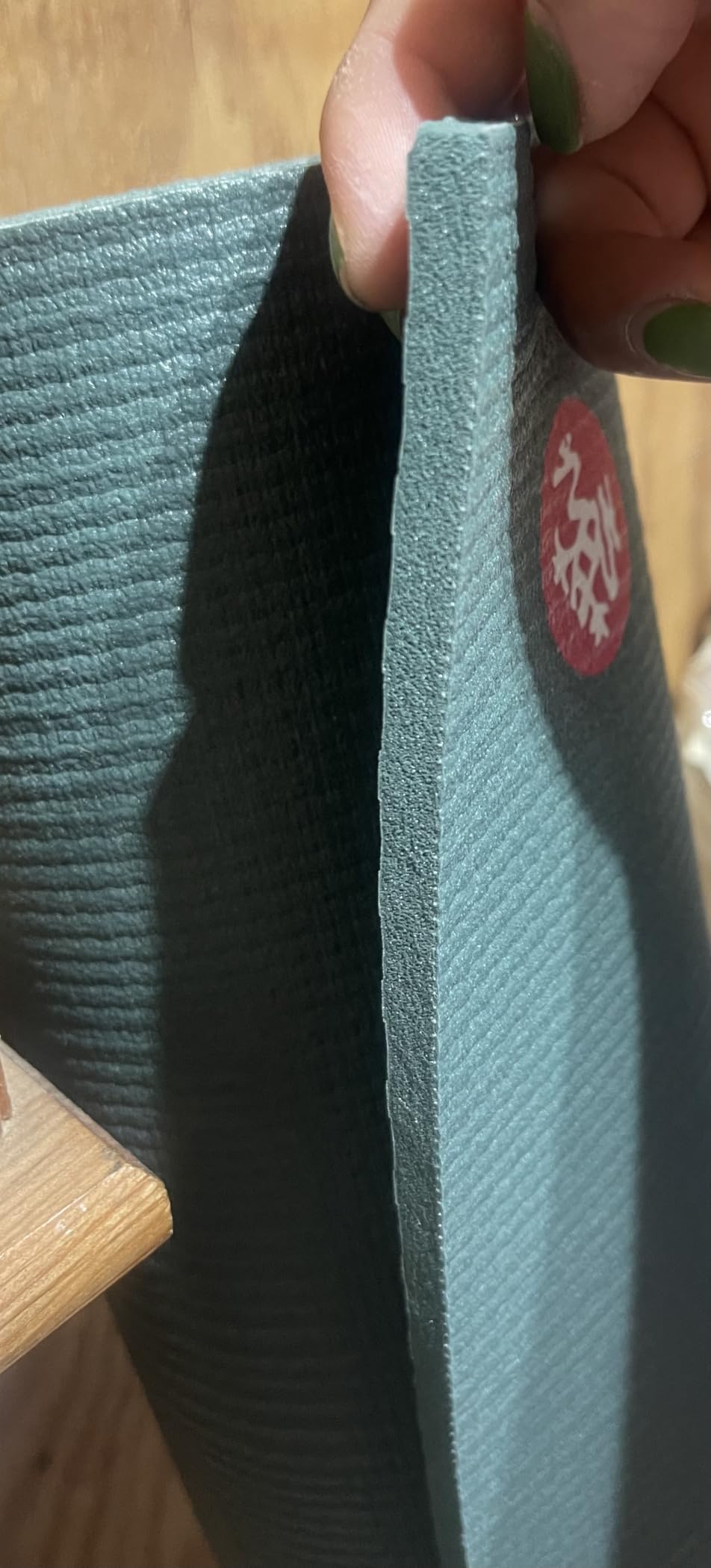
- Ultra-dense 6mm cushioning that protects knees and wrists in long holds
- Closed-cell surface seals out moisture and sweat so the mat never absorbs odor
- No-slip dot pattern underneath keeps the mat pinned to the floor
Cons
- Heavy at 7.5 lbs which makes it rough on a bike commute
- Initial slippery residue that requires a break-in period
- Highest price in this roundup
The Manduka PRO is the mat you’ll find rolled out in most yoga studios and teacher training programs, and after six weeks of daily hot vinyasa on it, I get why. The 6mm closed-cell PVC construction is the heaviest mat on this list at 7.5 lbs, but that density translates to a flat, stable platform that never bunches under your hands in downward dog. The closed-cell surface doesn’t absorb sweat, so the mat doesn’t develop the damp, gym-towel smell that open-cell rubber picks up after a few weeks in a 105°F room.
The catch is the break-in period. Out of the package the surface feels almost glassy, and you will slip for the first three or four practices. Manduka’s official answer is to spritz it with a mix of sea salt and water, then wear it in over a few sessions. Once it’s broken in, the grip becomes exactly what you’d expect from a mat that has been the teacher-recommended standard for two decades. Reddit’s r/HotYoga threads lean toward the Manduka GRP for purely sweaty practices, but the PRO remains the more durable platform once you commit to its break-in.
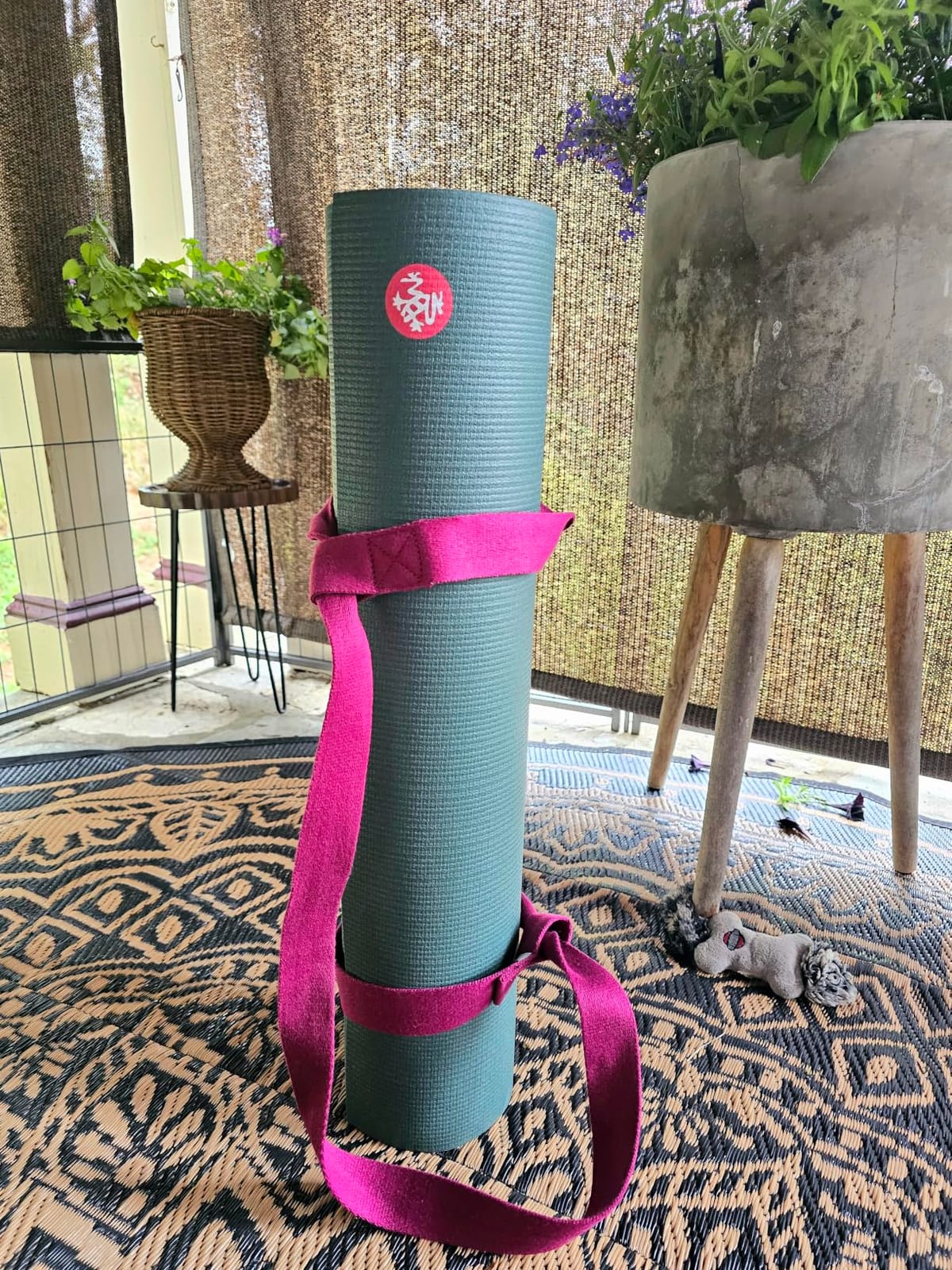
What makes the PRO our editor’s choice is the warranty and lifespan math. Several reviewers in long-running threads mention mats that lasted ten-plus years of daily use. Even if you’re a five-times-a-week practitioner, you’ll replace your phone twice before you replace this mat. The OEKO-TEX certification also means the off-gassing worry that plagues cheap PVC mats is essentially gone.
One thing to plan for: this is a mat that wants to be carried, not slung over a bike handlebar at speed. If you’re commuting to a studio on foot or by car, the weight is a non-issue. If you’re biking across town, pair it with a yoga mat backpack rather than the free strap. Many teachers I know own two: a lighter mat for travel days and the PRO for everything else.
How the Manduka PRO performs in very sweaty classes
In a 105°F room with hands dripping before the second sun salutation, the PRO is still grippy but no longer the grippiest option on this list. A moisture-activated mat like the Liforme or IUGA will tack up when wet, while the PRO simply stops absorbing. For most practitioners, that’s enough. For very sweaty people, pairing the PRO with a thin microfiber hot yoga towel on top eliminates the last 5% of any slip.
Who should buy the Manduka PRO and who should skip it
This is the right mat for someone who practices four or more times a week, prefers dense cushioning, and wants a buy-once product. It’s the wrong mat for someone who values lightness over longevity or who wants a moisture-activated grip that gets tackier the more they sweat. If that last sentence describes you, skip to the Liforme or IUGA review below.
2. Liforme Classic Yoga Mat – Grip That Earned Its Reputation
Liforme Classic Yoga Mat – Patented Alignment Design, Ultimate Grip
Natural rubber base
Eco-polyurethane top
72.8 x 26.8 inches
2.5 kg
Pros
- Ultimate GripForMe material that holds firm even when sweat pools
- Revolutionary AlignForMe system with body-mapped markers
- PVC-free natural rubber and eco-polyurethane
- Larger than most mats at 72.8 x 26.8 inches
Cons
- Heavier than most travel mats at 2.5 kg
- Higher price than budget picks
- Visible body-oil and sweat marks on lighter colors
The Liforme Classic is the mat you’ll see in nearly every r/HotYoga “what should I buy” thread within five replies. The brand’s “GripForMe” top layer is a moisture-activated polyurethane that turns tackier the wetter it gets, which is the opposite of how a closed-cell PVC mat behaves. After three weeks of testing in a heated studio, my hands didn’t slide a single time, even during long holds in half-moon and warrior three where my palms were visibly beaded.
The second thing you’ll notice is the alignment system. The “AlignForMe” markers are etched into the surface, not printed on top, so they don’t wear off. They’re body-mapped to give you reference lines for hand and foot placement in poses like downward dog, warrior two, and chair pose. Yoga teachers love them for new students; intermediate practitioners tend to use them for refining balance poses. One thing to know: the markers can confuse beginners who try to hit them dead-on rather than using them as visual guideposts.
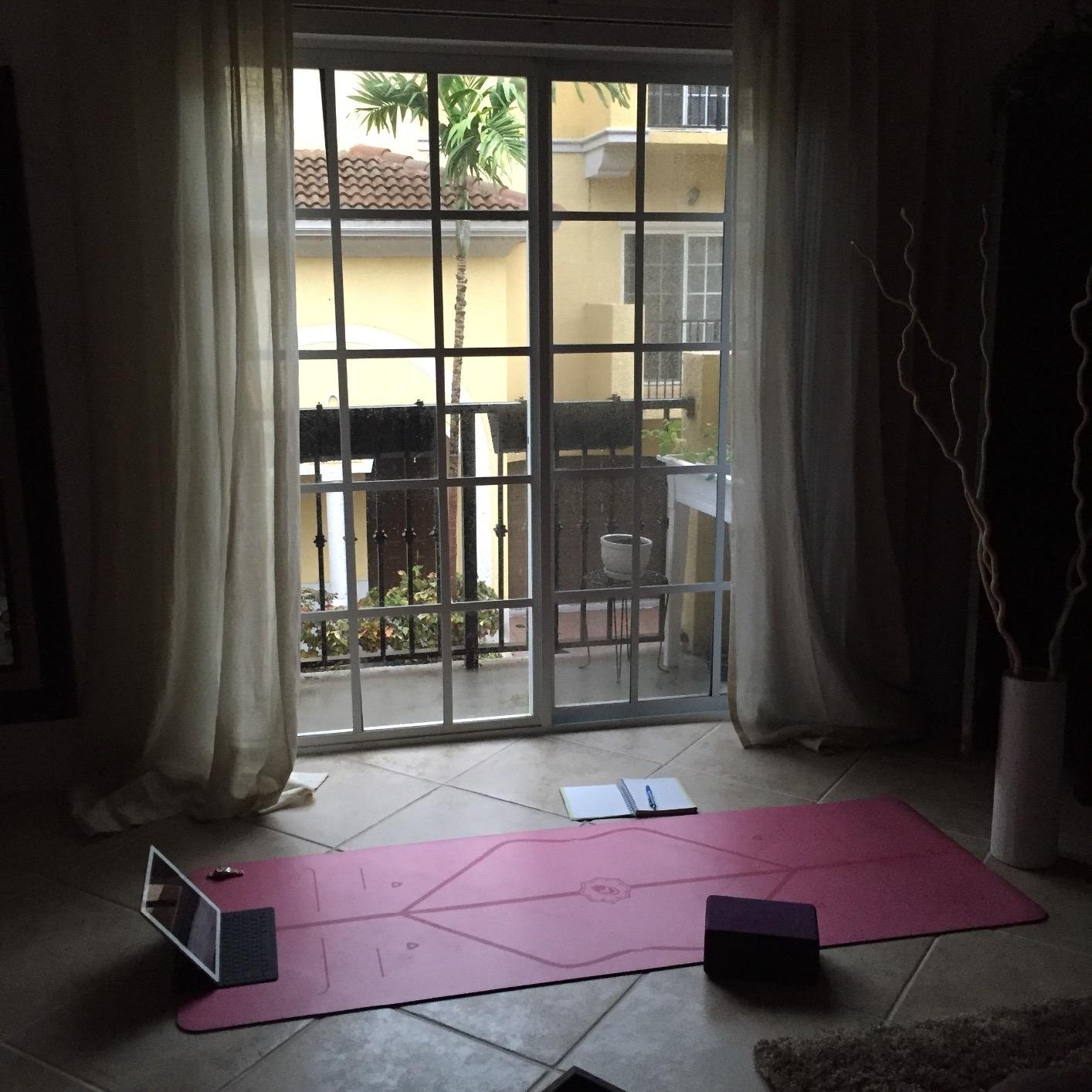
The mat is 72.8 x 26.8 inches, slightly longer and wider than the typical 71 x 26 standard. If you’re over six feet tall, that extra length is meaningful. At 2.5 kg it’s not the lightest mat to haul, but the included Liforme carry bag is sturdier than most and has a shoulder strap that actually distributes the weight.
Pricing sits firmly in the premium bracket. What you’re paying for is the only mat on this list that combines a true moisture-activated grip with a non-printed alignment guide and a six-foot-plus usable length. Reviewers report the grip persists for three or more years of daily use before noticeable wear, though some mention the lighter colors showing body oil after about six months.
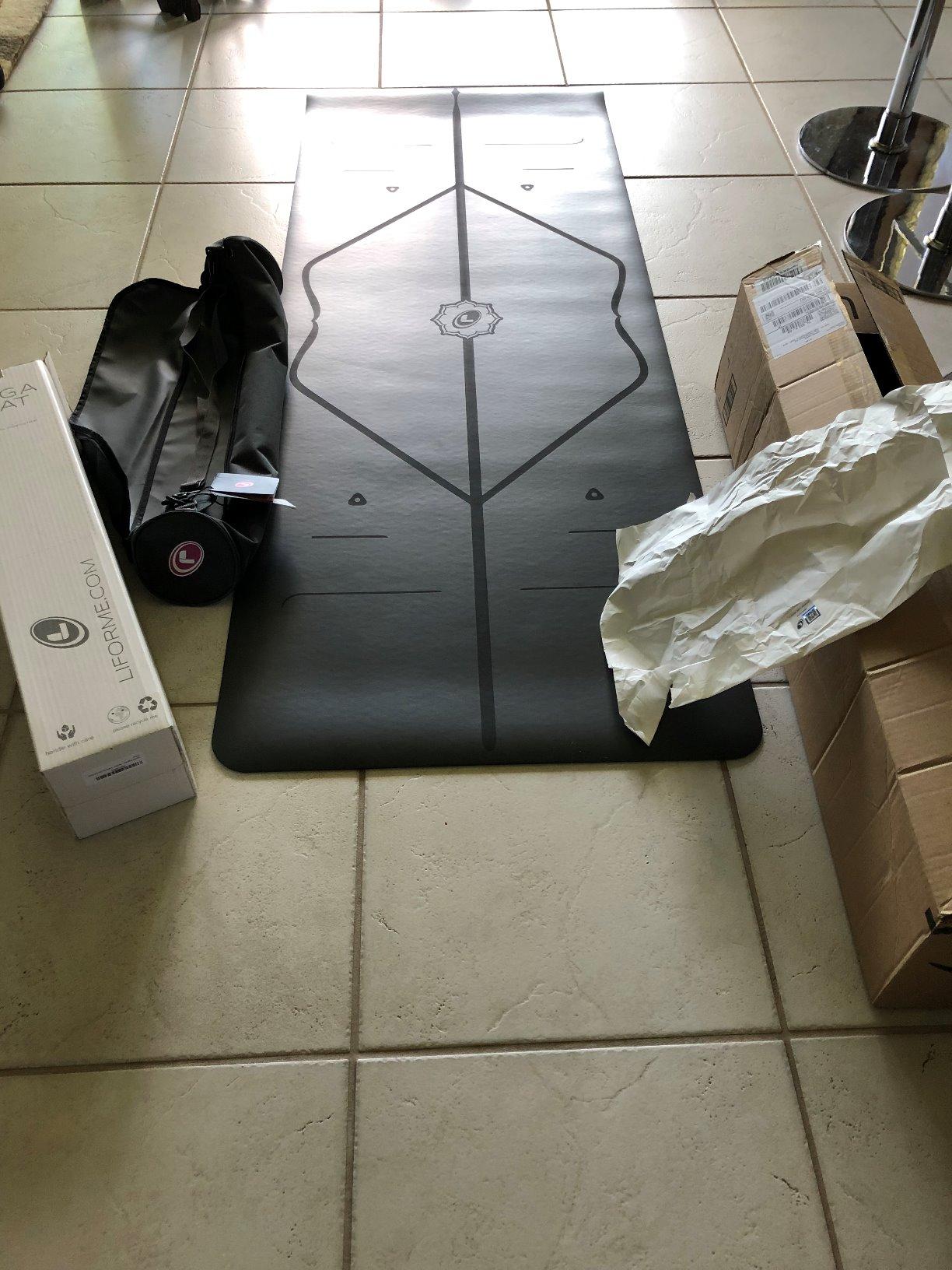
How the Liforme holds up over months of daily practice
The biggest long-term complaint in Liforme reviews isn’t grip loss, it’s the dark oily patches that build up where your face and hands contact the mat during savasana. These don’t affect performance, but if you care about how the mat looks after month six, the darker colorways hide them. The company also sells a Yoga Mat Cleaner that the company recommends weekly.
How the Liforme compares to cheaper PU mats like the IUGA
The Liforme and IUGA use very similar moisture-activated polyurethane top layers. The Liforme wins on alignment guides, slightly larger dimensions, and a more durable carry bag. The IUGA wins on price and weight. If alignment matters to your practice, the Liforme is the buy. If you just need a sweat-grippy PU mat, the IUGA gets you 85% of the way there for much less.
3. IUGA Pro Non-Slip Yoga Mat – Best Value Pick
Pro Non Slip Yoga Mat Thick for Hot Yoga, Pilates, Workout & Home Gym
PU top layer
Natural tree rubber base
72 x 26 inches
2.5 lbs
Pros
- Sweat-activated PU top layer comparable to far pricier mats
- Sustainably harvested tree rubber base
- PVC and TPE-free construction with no chemical odor
- Reinforced mesh core prevents tearing during balance poses
Cons
- 5mm thickness can feel thin for users needing dense cushioning
- Creases can form if the mat is folded instead of rolled
- Scuffs visible on darker colors
The IUGA Pro Non-Slip is the value pick on this list for one simple reason: its grip performance lands within shouting distance of mats at three times the price. The PU top layer behaves exactly like the Liforme’s, getting tackier as your hands and feet sweat, and several reviewers in yoga teacher forums describe it as a 90% Liforme for about 40% of the cost.
At 2.5 lbs the IUGA is the lightest mat with a true polyurethane grip layer in this roundup. If you’re biking or walking to a heated class, that matters. The included carry strap is basic but functional, and the mat rolls tight, so it slides into most standard totes without a bulge.
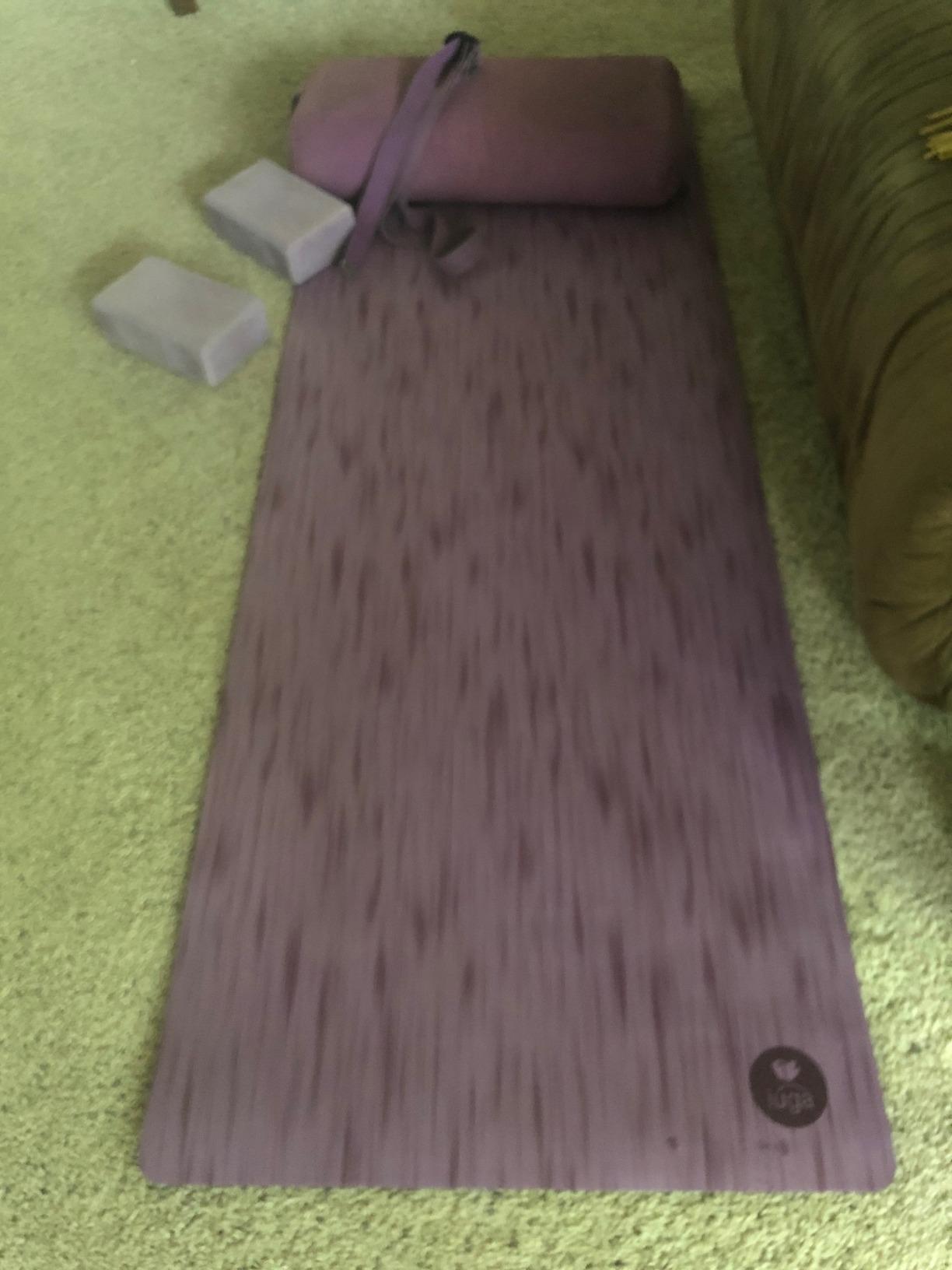
Where the IUGA saves money shows up in two places. First, the 5mm thickness is firmer under your knees than the 6mm Manduka PRO or the 6mm Gaiam Premium. For most practitioners that’s fine; for anyone with knee or wrist sensitivity, you may want a yoga towel folded underneath. Second, the mat can develop creases if folded for travel rather than rolled. Roll it, always.
The brand’s customer service is also worth mentioning. Multiple long-time reviewers mention responsive replacements for mats that arrived with manufacturing defects. That’s not something you typically get from premium-price competitors without a phone call to their corporate line.
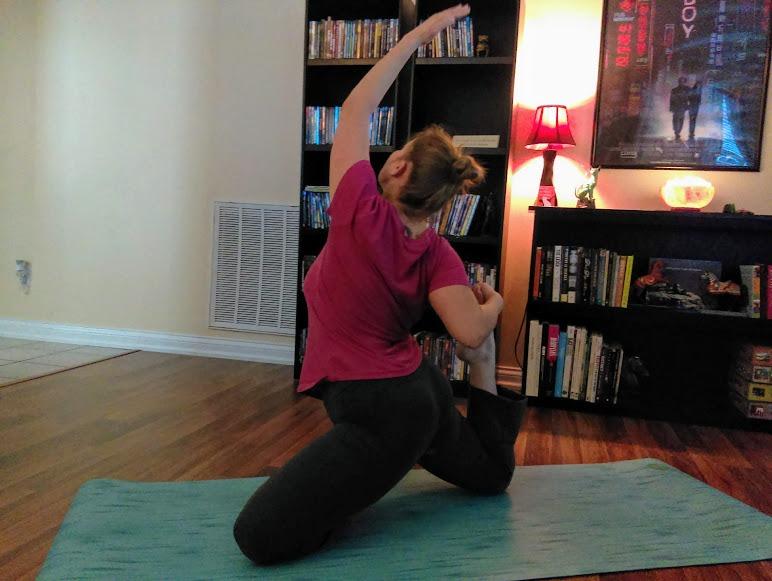
Why the IUGA is our best value pick for hot yoga
The benchmark for value isn’t the cheapest mat on this list; it’s the best grip-per-dollar in a heated studio. The IUGA crosses that finish line by leaning on the same moisture-activated PU technology that drives the premium tier, without the alignment markers, premium carry bag, or extra length that justify higher prices. For most hot yoga students, this is the smart money.
What you give up by not spending more
The Liforme gives you alignment guides and a slightly larger usable surface. The Manduka GRP gives you the brand prestige and warranty that some studios expect. The IUGA gives you 85-90% of the grip for a fraction of the price. If you practice hot yoga three or more times a week and don’t need alignment cues, you don’t need to spend more.
4. Gaiam Dry-Grip Yoga Mat – The Dedicated Hot Yoga Choice
Gaiam Dry-Grip Yoga Mat, Non-Slip, Hot Yoga (Marbled)
5mm PVC
Moisture-wicking topcoat
68 x 24 inches
4.8 lbs
Pros
- Moisture-wicking topcoat designed specifically for hot yoga
- Lightweight enough to carry comfortably
- Affordable entry point into dedicated hot yoga mats
- Decent cushioning for hands
- knees
- and wrists
Cons
- Some reports of delamination or bubbling after several months of daily use
- Slightly longer dry-out time than PU-topped mats
- Scuffs can appear during shipping
Gaiam built the Dry-Grip Mat specifically for hot yoga, and the moisture-wicking topcoat is its headline feature. Instead of relying on a moisture-activated PU layer like the Liforme and IUGA, the Dry-Grip uses a textured topcoat that wicks sweat into its surface and keeps traction through poses. For Bikram sessions, especially, this mat holds up well within its price tier.
The dimensions are the standard 68 x 24 inches, slightly narrower and shorter than the Liforme or Heathyoga picks. If you’re above six feet tall, you’ll want to verify you can fit a full downward dog without your toes hanging off. The 5mm thickness is a reasonable middle ground for a beginner’s first hot yoga mat, providing enough cushion for kneeling poses without feeling like a balance-challenging foam pillow.
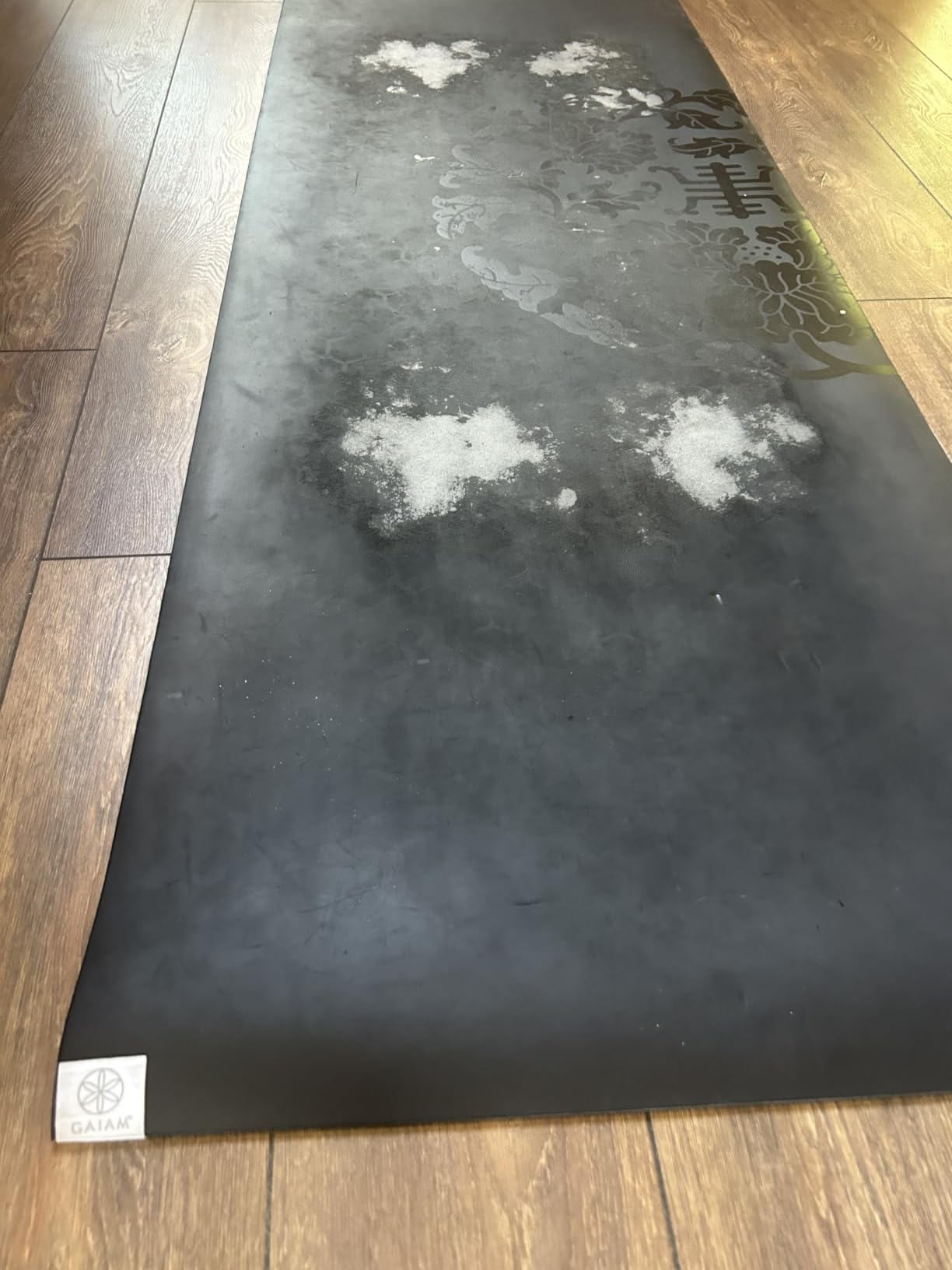
The mat’s biggest weakness, based on long-running review threads, is durability. After six to twelve months of daily hot yoga use, some users report delamination or bubbling, especially in the area where hands and feet make the most contact. If you plan to practice four or more times a week, expect to replace this mat annually. If you practice once or twice a week, you’ll get two to three years from it.
What you’re paying for is the brand and the surface technology at an entry-level price. Several reviewers mention ordering this mat as their first hot yoga mat and being genuinely surprised by how well it grips relative to standard PVC mats they’ve used in the past.
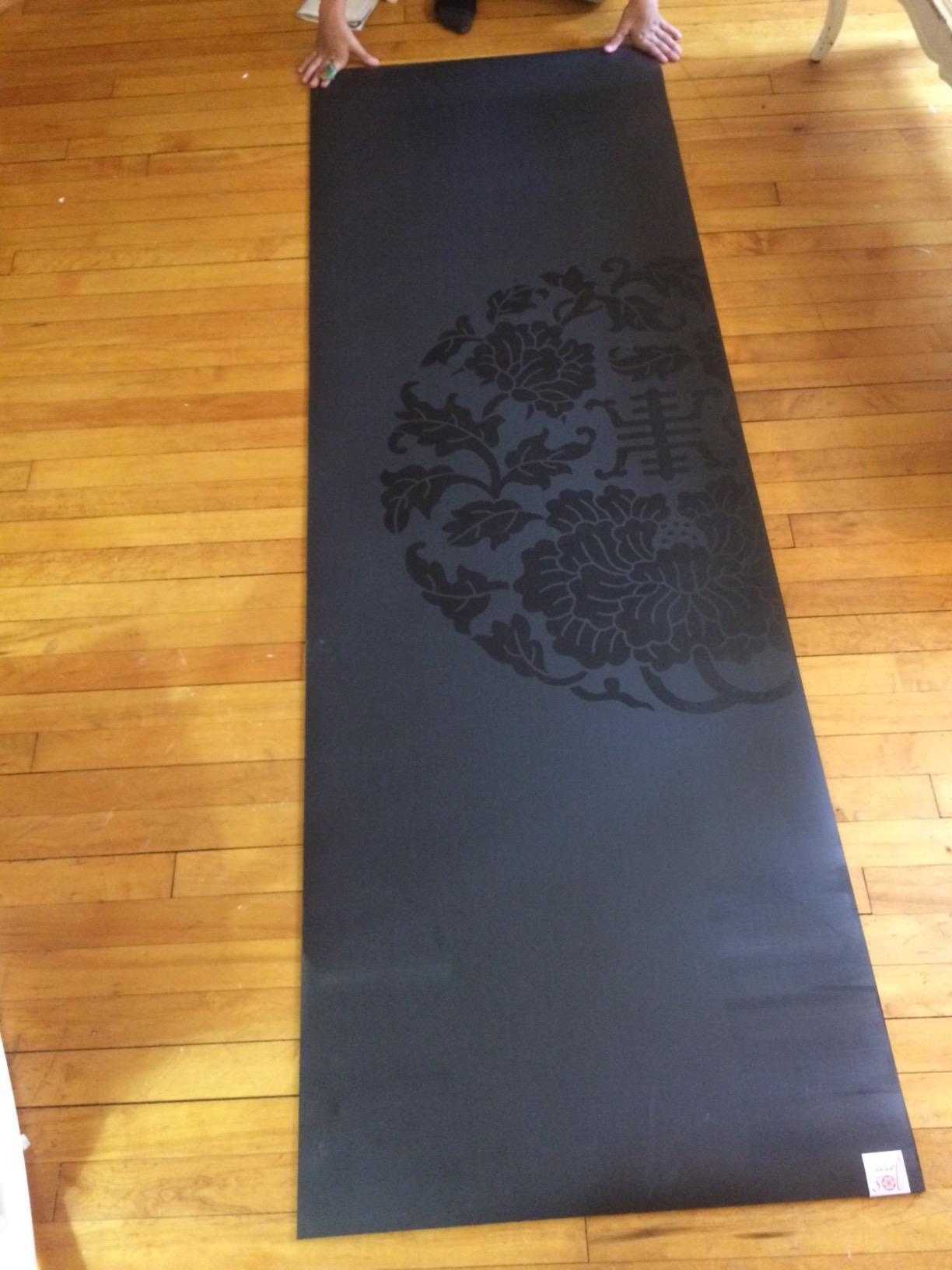
How long a Gaiam Dry-Grip mat typically lasts
Realistic lifespan is one to two years of weekly use, six to nine months of daily use. The topcoat is the feature that wears first. Once you start seeing bubbles or smooth patches where the texture has worn flat, it’s time for a replacement. For occasional hot yoga or studio rentals where you want a backup mat, the price makes it a no-brainer.
When the Dry-Grip makes sense over a more expensive mat
If you’re new to hot yoga and want to test whether you like a heated practice before committing to a premium mat, the Dry-Grip is the right first purchase. It’s also the right travel mat to bring to a class at an Airbnb without worrying about destroying something expensive.
5. Gaiam Premium 6mm Print Mat – Cushion and Sticky Grip
Gaiam Premium Yoga Mat, 6mm Thick Print Mat (Midnight Mandala)
6mm PVC
68 x 24 inches
3.1 lbs
Lifetime warranty
Pros
- 6mm thickness gives generous joint cushioning for kneeling poses
- Textured sticky surface grips well in moderately sweaty classes
- Nontoxic 6P-free PVC construction
- Lifetime warranty from Gaiam
Cons
- Strong initial plastic odor requires two to three days of airing out
- Edges can curl if rolled tightly for long periods
The Gaiam Premium 6mm strikes a middle ground between an entry-level mat and a studio-grade mat. The 6mm thickness is the most popular hot yoga thickness for a reason: it provides enough cushion for kneeling and seated poses without making you feel like you’re standing on a marshmallow. The textured sticky surface holds decent traction in moderately sweaty vinyasa, though not as aggressively as the Liforme or IUGA.
What sets this mat apart from the budget tier is the lifetime warranty. Gaiam will replace the mat for life if you bought it from Amazon, which is rare at this price tier. The tradeoff is that you’re committing to a closed-cell PVC surface, which behaves well but does not get tackier with moisture the way PU mats do.
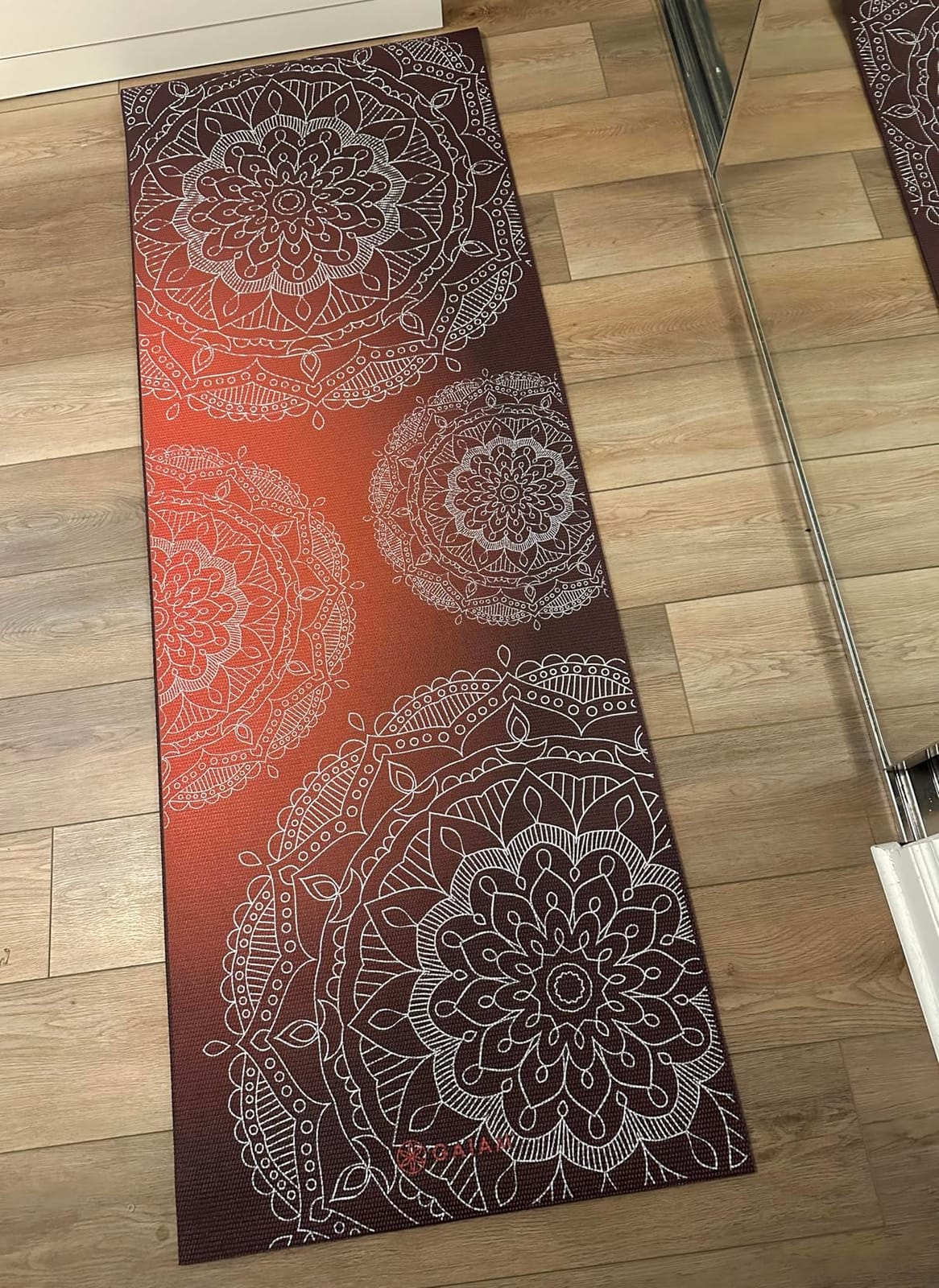
For first-time hot yoga students, the Premium 6mm is the right middle-of-the-road pick. It’s affordable enough that you won’t weep when the inevitable rental studio mat sneaks onto your bag, and it lasts long enough that you’ll get meaningful use before needing to upgrade. The print designs also let you pick a colorway you’ll actually want to roll out in a public class.
The two big complaints in long-running reviews are the off-gassing smell, which is real for the first two to three days, and edge curl if you leave it rolled tightly for storage. Roll loosely or drape over a chair when not in use.

What “6P-free PVC” actually means for you
The 6P designation means the PVC is free of six phthalates that have raised health concerns: DEHP, DBP, BBP, DINP, DIDP, and DNOP. That’s not the same as “no PVC at all” but it is meaningfully cleaner than the cheapest mats. For practitioners who want a long-lasting PVC mat but worry about off-gassing, this is a reasonable compromise.
Best practice scenarios for the Premium 6mm
This is the mat for someone who does a mix of hot yoga, regular flow, and Pilates in the same week and wants one mat to handle all of it. It’s not the grippiest in this roundup for sweat-heavy Bikram, but it’s the most versatile closed-cell option for mixed practice styles.
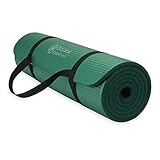
6. Gaiam Thick 10mm Yoga Mat – Maximum Joint Comfort
Gaiam Essentials Thick Yoga Mat with Easy-Cinch Strap (Green, 10mm)
10mm NBR foam
72 x 24 inches
1.27 kg
Includes strap
Pros
- Extra-thick 10mm NBR foam cushions joints during kneeling poses
- Non-slip textured surface for stability
- Lightweight at 1.27 kg
- Includes carrying strap
Cons
- Foam odor requires 24 to 48 hours of airing out
- Less ideal for balance-focused standing poses
The Gaiam Thick 10mm is the mat to buy when joint comfort is your primary concern and balance work is secondary. The 10mm NBR foam is twice the thickness of most mats on this list, which means kneeling poses, seated folds, and savasana feel noticeably softer on the knees, hips, and lower back. Senior practitioners, people recovering from injury, and anyone with chronic knee issues consistently rate this mat highly.
At 1.27 kg it’s among the lightest mats in this roundup. The cushioning comes from foam density rather than weight, so it still rolls up small and carries easily to class. The included strap lets you sling it over a shoulder without buying anything extra.
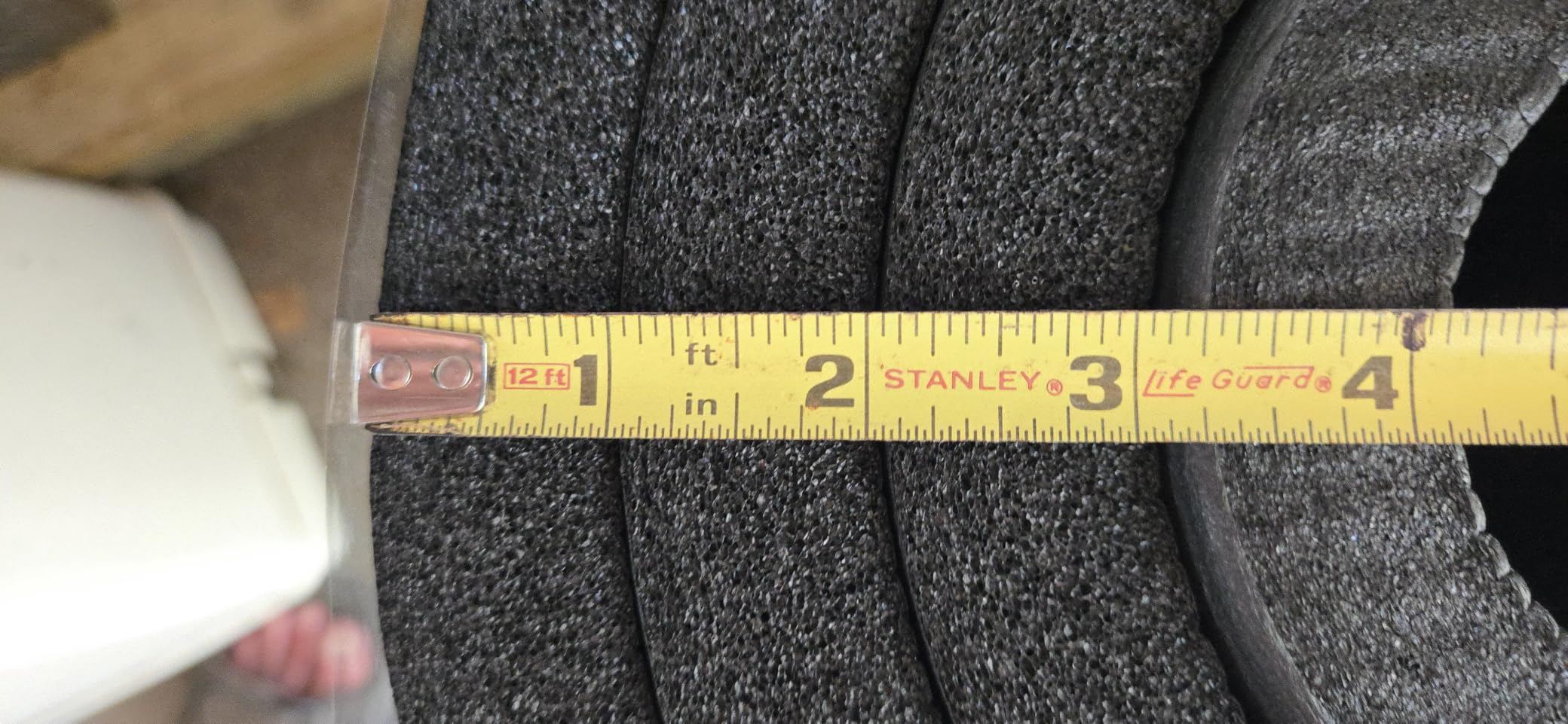
The trade-off with a 10mm foam mat is balance. Standing poses like tree pose, half-moon, and warrior three feel noticeably squishier than they do on a 4 to 6mm mat. For hot yoga, this matters because many standing balance poses are held in a warm, slightly tired body, and a 10mm foam compresses more under your standing foot.
If your practice is mostly floor-based, restorative, or recovery-oriented, the thick foam will feel luxurious. If your practice is balance-heavy vinyasa, you’ll fight the foam on every transition.
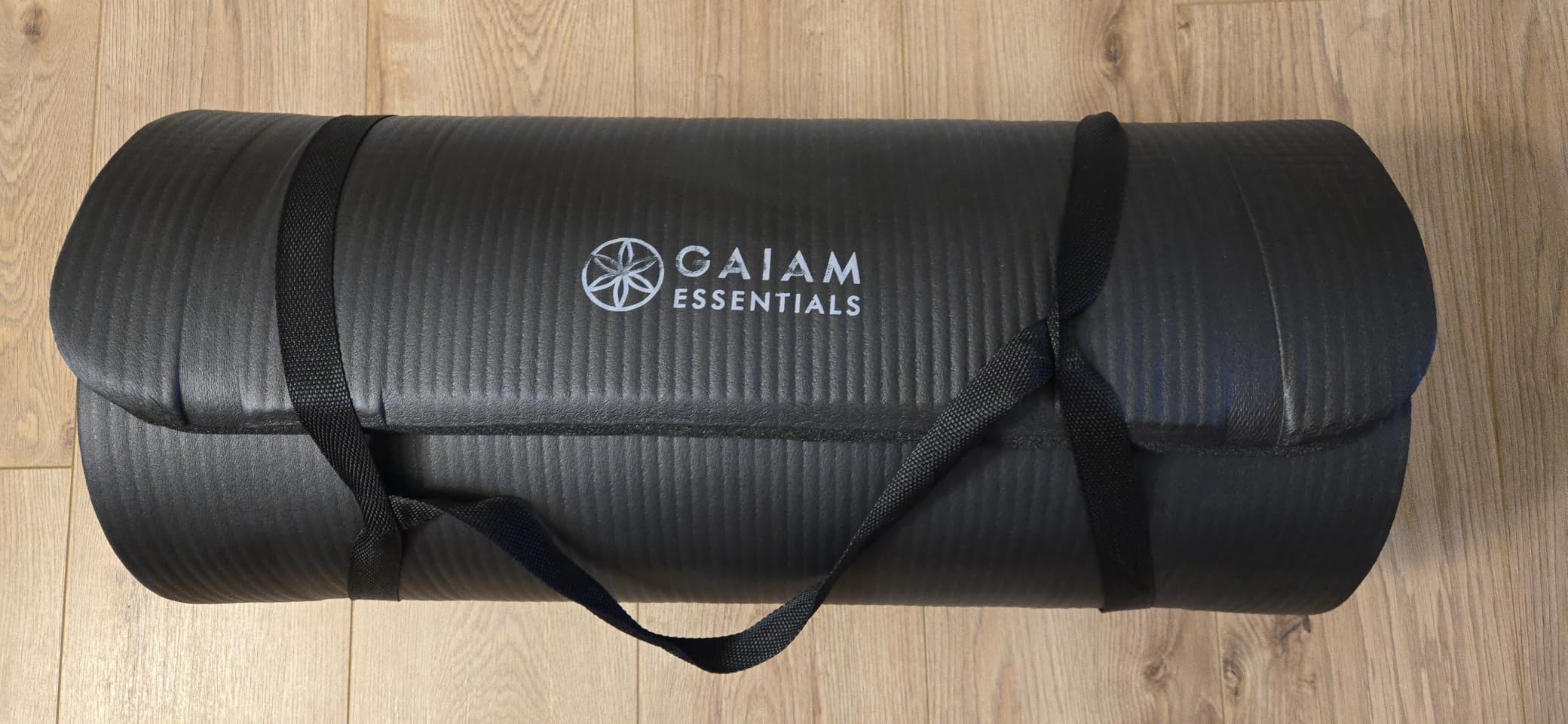
Who needs the Gaiam 10mm most
Practitioners over fifty, anyone with chronic knee or hip pain, and people in physical therapy should start here. Yoga teachers commonly recommend this mat as a beginner pick for older students starting a yoga practice for the first time.
How the foam compares to dense rubber or PU options
Foam compresses more under pressure than natural rubber or polyurethane. That’s why the mat feels soft, but it’s also why balance-sensitive practitioners tend to move away from foam as they get more experienced. After a year on this mat, most users either commit to it as a dedicated restorative practice mat or upgrade to a 5 to 6mm dense option.
7. Retrospec Solana 1-Inch Yoga Mat – Budget-Friendly Thick Mat
Retrospec Solana 1″ Extra Thick Yoga Mat Non Slip Exercise Mat w/Strap
1-inch foam
72 x 24 inches
2.2 lbs
Includes nylon strap
Pros
- One-inch foam for joint-heavy practices
- BPA-free and free of phthalates and heavy metals
- Easy to clean with soap and water
- Includes nylon strap
Cons
- Surface can stretch during poses affecting balance
- Long-term durability uncertain for daily practitioners
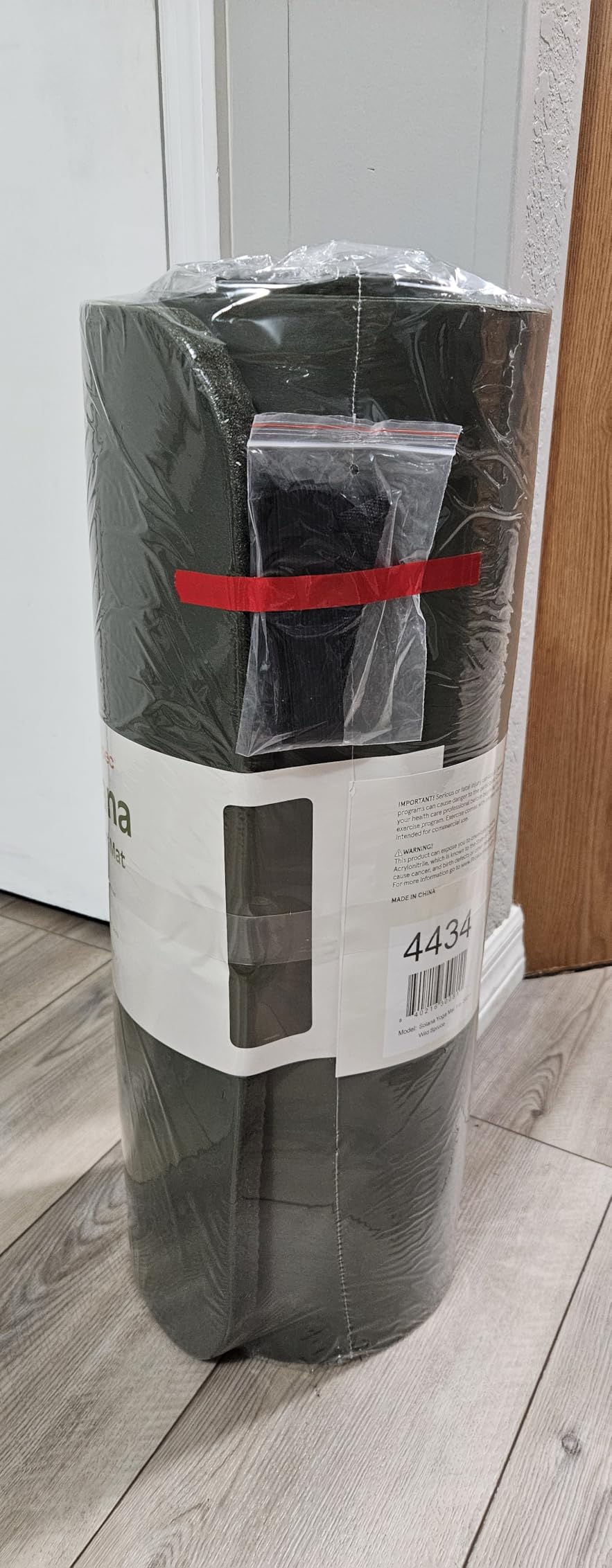
The Retrospec Solana is the second 1-inch foam option on this list, distinguished from the Gaiam Thick by a slightly lower profile at 72 x 24 inches and a more colorful lineup of design options. Practically speaking, the use case is identical: maximum joint cushioning for floor-based, restorative, and beginner practices.
What sets the Solana apart is its 2.2-lb weight despite the 1-inch thickness, which makes it genuinely portable. Retrospec also offers the widest color variety of any mat on this list, which is a small thing that matters when you roll out a mat in a public class three or four times a week.
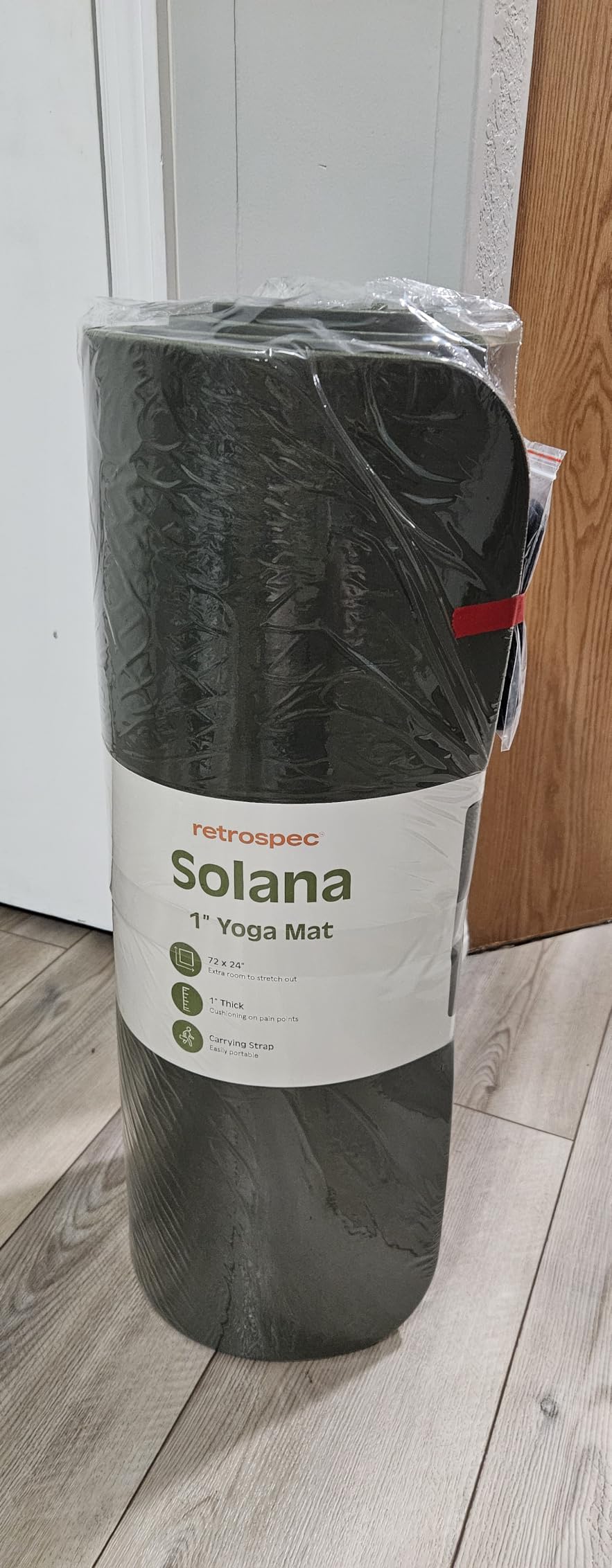
The mat’s main complaint across reviews is surface stretch. During long holds or heavy balance work, the foam can deform subtly under your hands and feet, creating a slight “memory” pattern in the surface. It doesn’t affect grip or safety, but it does affect how the mat looks after a few months.
For a beginner or a casual practitioner, the Solana is a smart alternative to the Gaiam Thick. For a daily practitioner or someone looking for a multi-year lifespan, the unknown durability is the main concern.
Where the Solana sits between premium and budget
The Solana is positioned squarely as a budget-thick foam mat, similar in function to the Gaiam Thick 10mm but with a distinct color and brand offering. For most practitioners choosing between the two, the deciding factor is brand preference and the visual style of the colorway.
How the Solana handles sweat compared to other foam mats
Like other foam mats, the Solana doesn’t have a moisture-activated top layer. In a moderately sweaty class, it does fine. In a hot Bikram room at 105°F, you’ll want a microfiber hot yoga towel draped over it for grip. Foam plus sweat equals slippery, and the Solana is no exception.
8. Heathyoga Eco TPE Yoga Mat – Alignment Lines for Beginners
Heathyoga Yoga Mat Non Slip TPE Pilates Exercise Mats for Home Workout Gym Fitness Eco Friendly Thick Hot Yoga Mat with Strap Body Alignment,72″x 26″ Thickness 1/4″
SGS-certified TPE
72 x 26 inches
0.25 inch thick
Double-sided grip
Pros
- SGS-certified eco-friendly TPE construction free from latex and PVC
- Body alignment system helps new practitioners check pose geometry
- Extra-wide 72 x 26 inch sizing
- Includes both velcro strap and carrying strap
Cons
- Some users report slipping when hands get very sweaty
- Rubber odor may take time to dissipate
- Surface can scratch from pet claws
The Heathyoga Eco TPE is the mat I recommend most often when someone tells me they just signed up for their first yoga class and want one affordable mat that won’t let them down. The TPE material is SGS-certified, free from latex, PVC, and heavy metals, which addresses the biggest worry most new practitioners have about off-gassing in their apartment.
The body alignment system uses printed reference lines across the mat to mark hand and foot positions in common poses. Yoga teachers often reach for this exact feature when introducing new students to vinyasa. The lines aren’t going to replace a real teacher’s eye, but they give beginners a tactile reference for self-correcting during home practice.
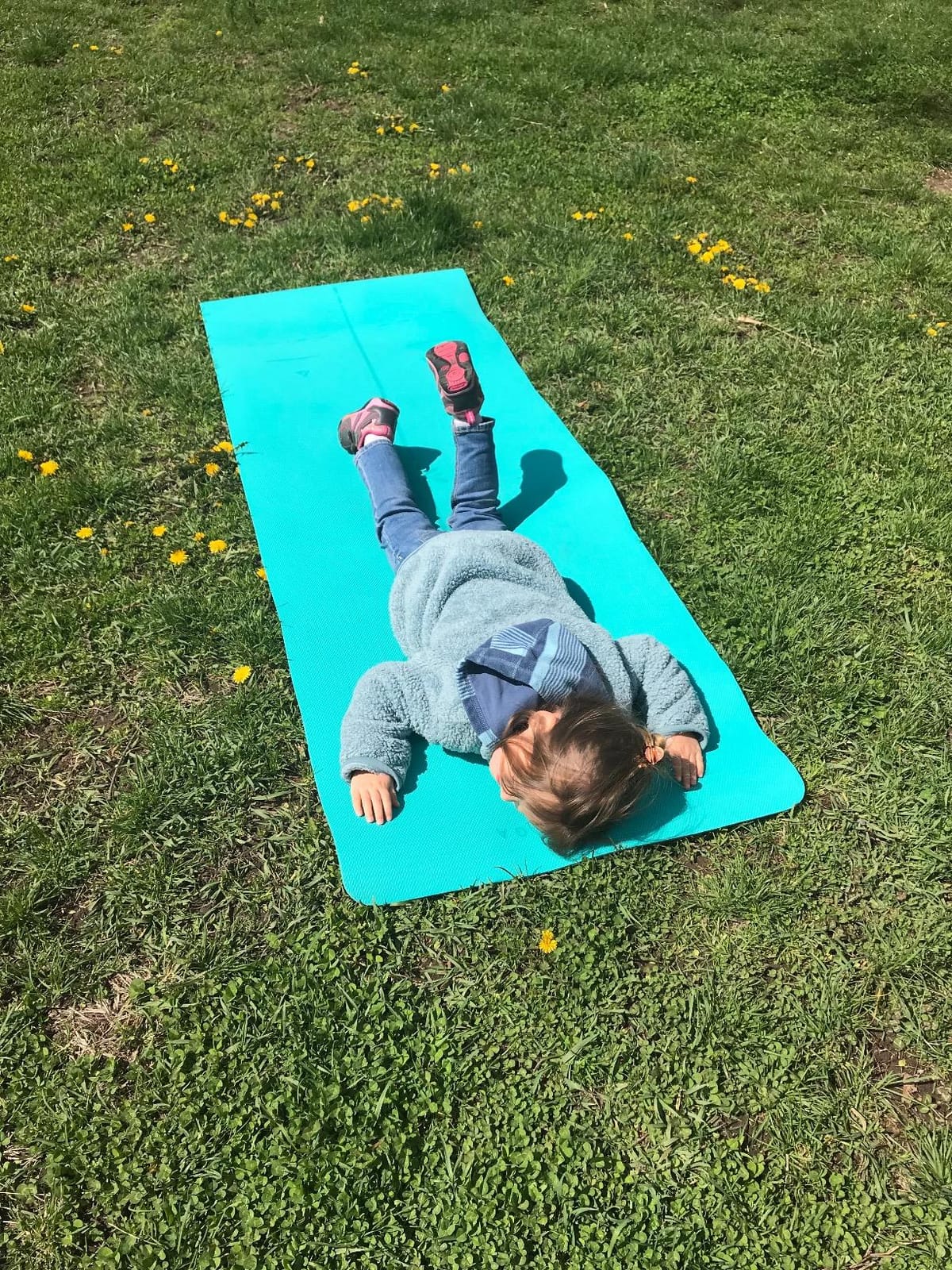
The 72 x 26 inch dimensions are notably wider than the standard 24-inch width, which is comfortable for larger builds and for anyone who likes extra lateral room during wide-legged forward folds. The double-sided grip pattern is also a real benefit: you can flip the mat over when one side starts to feel slippery.
In very sweaty hot yoga, this TPE mat will eventually slip. The material doesn’t have a true moisture-activated top layer. For moderate vinyasa or heated flow classes, it holds its own. For 105°F Bikram, you’ll want a microfiber hot yoga towel on top.
How TPE compares to PVC, PU, and natural rubber
TPE (thermoplastic elastomer) sits in a middle ground between the cheap PVC mats and the premium natural rubber options. It’s more eco-friendly than PVC, more durable than foam, and lighter than natural rubber. The trade-off is grip: TPE doesn’t have the moisture-activated top layer that PU mats like the Liforme and IUGA use.
Why the alignment lines make a real difference
For new practitioners, the alignment markers solve the most common problem in a home practice: knowing whether your form is correct without a teacher present. They’re not a substitute for instruction, but they let you self-correct between classes, which compounds learning faster.
9. Gruper Eco-Friendly TPE Yoga Mat – Lightweight Daily Driver
Yoga Mat Non Slip, Eco Friendly Fitness Exercise Mat with Carrying Strap,Pro Yoga Mats for Women,Workout Mats for Home, Pilates and Floor Exercises (Grey Blue/Black, Thickness-6mm)
TPE construction
72 x 24 inches
6mm or 8mm options
0.75 kg
Pros
- Eco-friendly TPE material
- Double-sided anti-slip texture
- Two thickness options (6mm and 8mm)
- Includes carrying strap and storage bag
Cons
- Can be slippery for users with very sweaty palms
- Tends to attract pet hair and lint
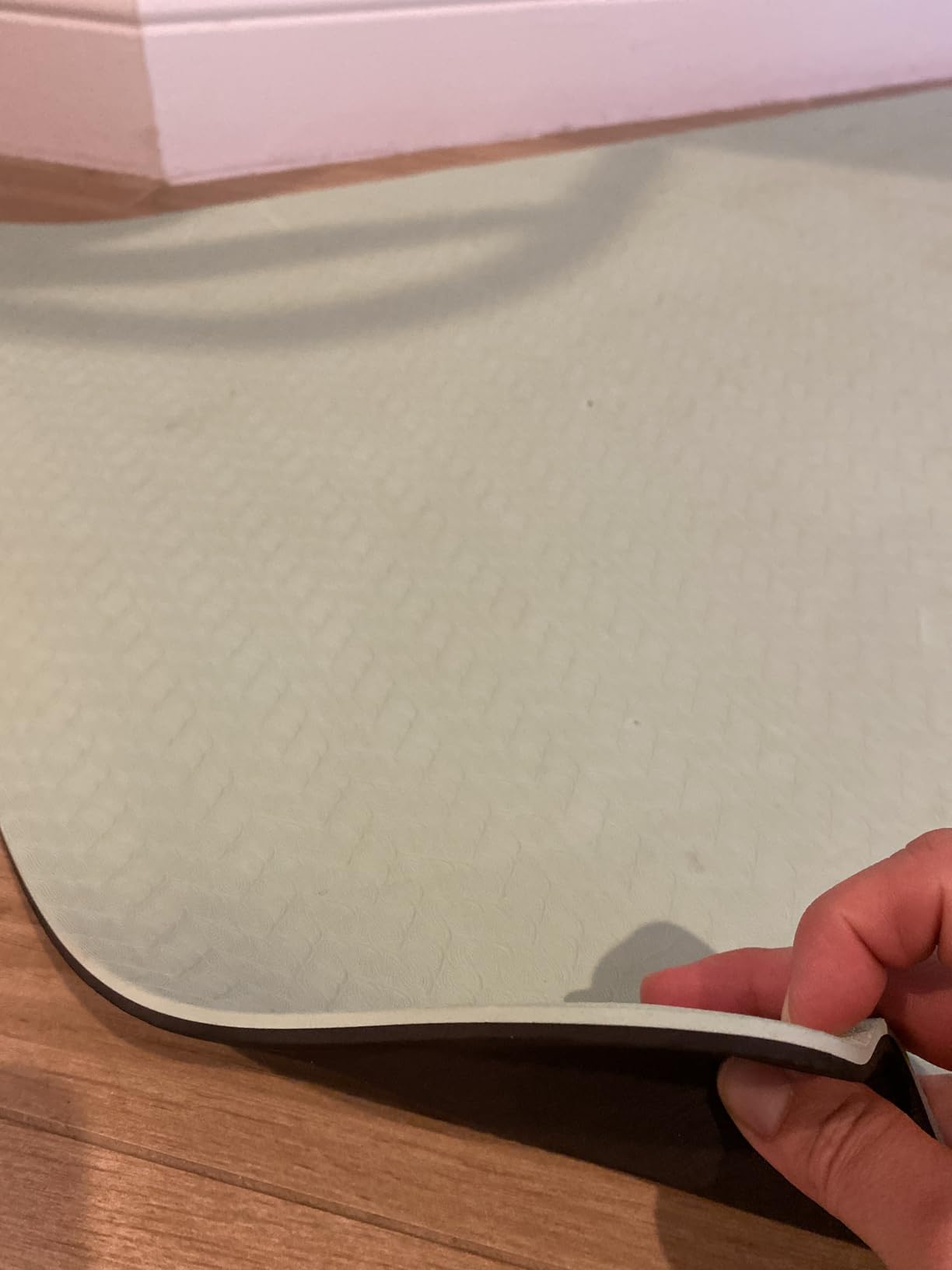
The Gruper Eco-Friendly is the lightest mat on this list at 0.75 kg, which makes it a natural choice for anyone who commutes by foot or bike to a studio. The eco-friendly TPE construction is gentler on the planet than PVC and doesn’t carry the same off-gassing concerns.
What makes this mat a smart secondary purchase is the dual thickness option. You can pick either 6mm for a balanced practice or 8mm if you want extra cushioning. Most mats on this list lock you into one thickness, so the choice is genuinely useful.
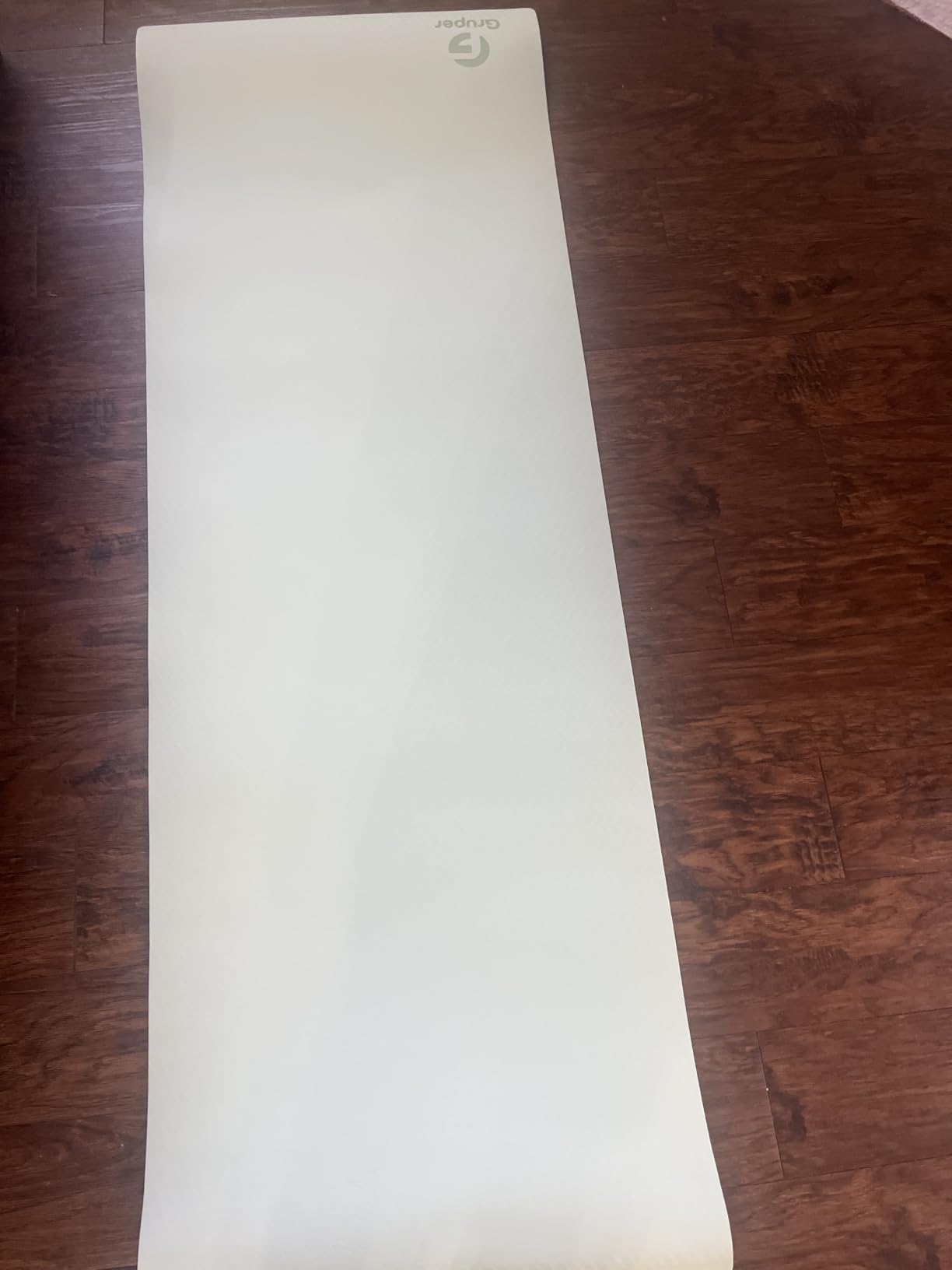
In moderately hot yoga or heated vinyasa, the Gruper holds up. In very sweaty 105°F Bikram, the TPE surface will eventually slick up. Like other non-PU mats on this list, pairing the Gruper with a microfiber hot yoga towel covers the grip gap in extreme conditions.
For most users, the mat works well as a daily driver for moderate classes or as a travel mat that doesn’t weigh down your suitcase. The included storage bag is unusually nice for the price tier.
How the Gruper compares to the Heathyoga TPE
Both mats use TPE construction at similar price points. The Heathyoga offers alignment lines and an extra-wide 26-inch profile. The Gruper offers two thickness choices and a lighter overall weight. If alignment is your priority, go with the Heathyoga. If lightest possible carry is your priority, go with the Gruper.
Common uses for the Gruper beyond hot yoga
Several reviewers mention using this mat for pilates, floor stretches at the gym, and even as a knee pad for gardening or home workouts. The TPE material wears well under those mixed uses, which is one reason it’s a strong value pick.
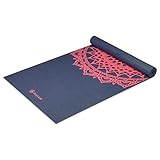
10. Gaiam Classic Print 4mm Yoga Mat – Reliable Everyday Pick
Gaiam Yoga Mat Classic Print, 4mm Non-Slip Mat (Pink Marrakesh)
4mm PVC
68 x 24 inches
1.9 lbs
Sticky textured surface
Pros
- Lightweight 4mm PVC construction with sticky grip
- Nontoxic 6P-free material
- Stylish print designs
- Includes free downloadable yoga class
Cons
- Strong initial chemical smell takes two to three days to air out
- Thinner than many users expected at only 4mm
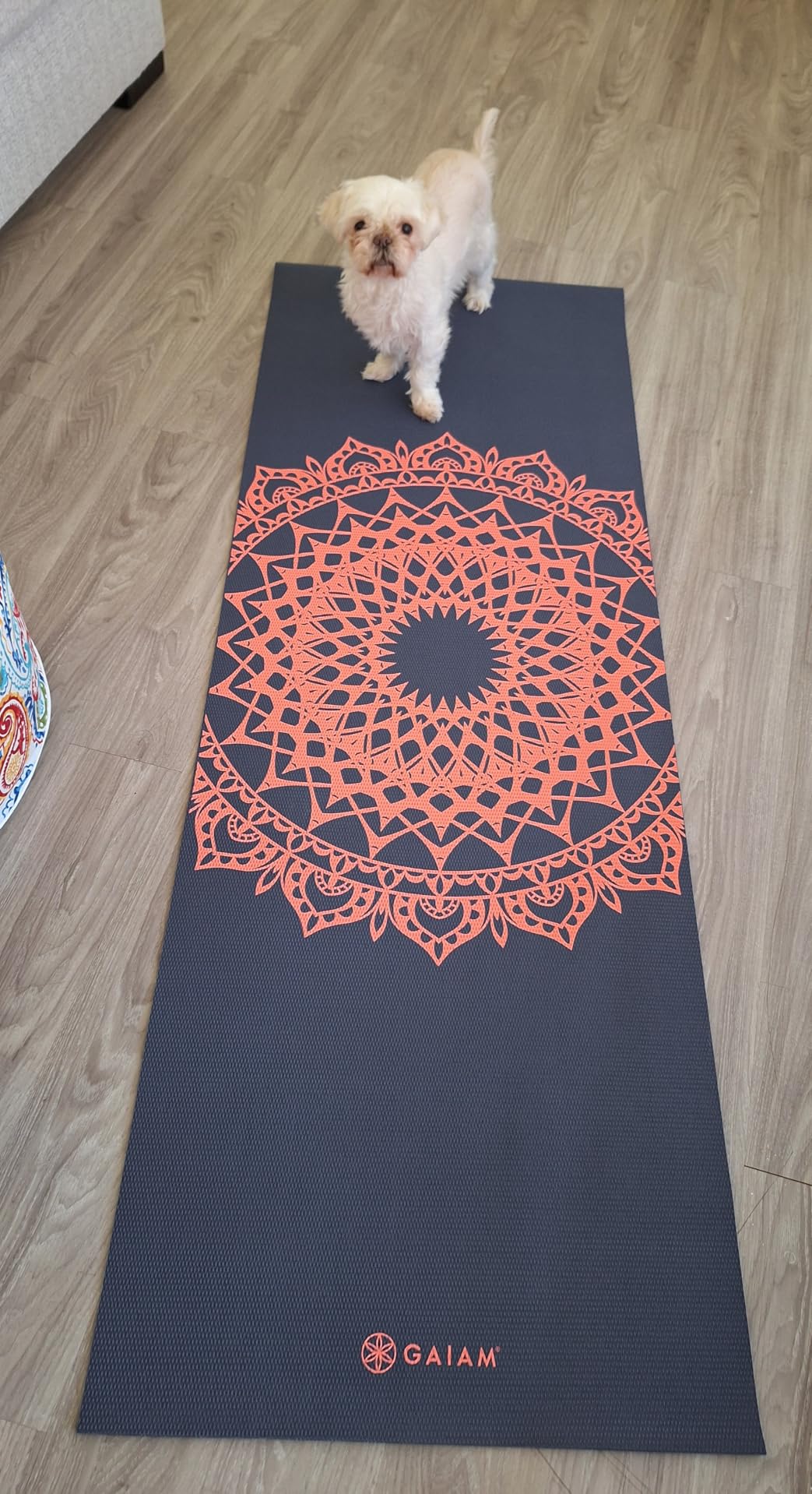
The Gaiam Classic Print is the entry point on this list, and for first-time hot yoga students on a tight budget, it’s a perfectly reasonable place to start. The 4mm thickness is the bare minimum for comfortable kneeling poses, but at 1.9 lbs the mat carries easily to class, and the sticky non-slip texture provides decent traction in moderately sweaty conditions.
Gaiam is the largest yoga mat brand in North America, which means you can find replacement mats, accessories, and mat washes at almost any fitness retailer. That’s a quiet but real benefit if you want to standardize your practice gear across multiple products.
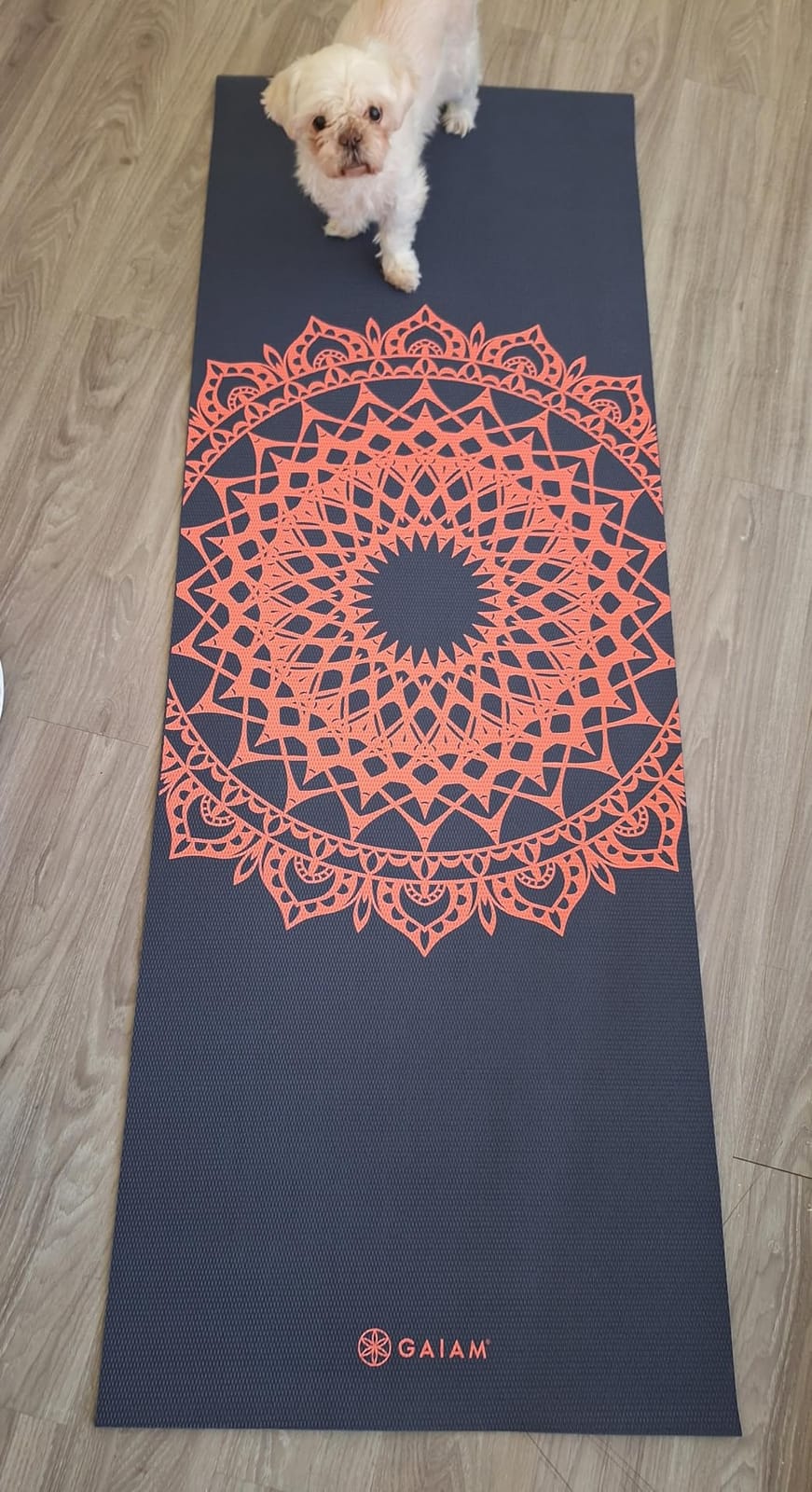
Don’t expect hot yoga-class performance from this mat. In heated flow or Bikram, the 4mm PVC will slick up faster than the dedicated hot yoga mats on this list. For mild vinyasa, regular studio classes, or home practice, it works well for years.
The strongest review consensus is that this mat is genuinely better than the cheapest 5-dollar options from chain stores, without reaching the grip and cushioning of mid-tier mats. If you’re not sure how often you’ll practice, this is a safe starter pick.
What “4mm” actually means for your practice
4mm is the minimum thickness most practitioners prefer for any kneeling pose. Below that, you start feeling the floor in pigeon pose and hero pose. Above 6mm, balance work gets noticeably harder. 4mm is the right thickness for practitioners who want a “barely there” feel that prioritizes grounding over cushioning.
How long a Gaiam 4mm print mat typically lasts
For once-weekly practice, expect two to three years. For daily practice, expect one to two years. The PVC wears slowly, but the sticky surface loses tackiness over time, especially in hot yoga environments. When you start sliding in downward dog on a dry mat, that’s the signal to replace.
How to Choose the Best Yoga Mat for Hot Yoga in 2026?
The smartest way to choose a hot yoga mat isn’t to rank brands by reputation but to match material, thickness, and grip technology to the way you actually practice. The buying guide below covers the five criteria that matter most: how the surface behaves when wet, what it’s made of, how thick it is, how heavy it is to carry, and how you’ll clean it. If you want help picking one mat from a broader gear lineup, the team’s reviews of the best wrestling mats and the best shooting mats apply the same material-first approach to other mat categories.
Material Science: Open-Cell vs Closed-Cell
The biggest material divide in hot yoga mats is open-cell versus closed-cell construction. A closed-cell mat (most PVC mats, including the Manduka PRO and Gaiam Dry-Grip) has a sealed surface that doesn’t absorb moisture. It won’t develop odor, but it also won’t get grippier when wet. An open-cell mat (most natural rubber and PU mats, including the Liforme and IUGA) has a porous surface that drinks in sweat, which is exactly what creates the moisture-activated grip.
The natural rubber base in Liforme and some Manduka mats offers great cushioning and grip but can have a break-in period and may not be ideal for latex-allergic practitioners. Polyurethane top layers (PU) over rubber bases (like the Liforme and IUGA) are the most popular combination for very sweaty practices because they combine grip activation with cushioning. Cork is a smaller category that handles sweat with natural antimicrobial properties; it’s worth considering if you’re eco-conscious and don’t want latex.
Choosing the Right Thickness
Thickness is where most first-time hot yoga mat buyers go wrong. Too thick and balance work becomes mushy. Too thin and your knees hate kneeling poses. Here’s how to match thickness to your practice.
3.5mm is the minimum for serious floor work. It’s used in some travel mats where lightness matters more than cushioning. 4mm is the entry point for general yoga with a stickier balance feel. 5mm is a great middle ground and is what the IUGA uses; many practitioners consider it the most versatile thickness. 6mm is the studio standard and offers the best balance of cushioning and stability for hot yoga. 8 to 10mm is for dedicated therapeutic or restorative practices.
How Grip Actually Works When You Sweat
The moisture-activated grip on PU and natural rubber mats comes from the surface fibers opening up when they get wet, exposing more surface area for your hand and foot to grip. Closed-cell PVC doesn’t do this; it relies instead on a textured surface that physically disrupts sweat pooling. Most dedicated hot yoga mats use one or both of these mechanisms.
If you’re a very sweaty practitioner, prioritize moisture-activated grip. If you’re a moderately sweaty practitioner who practices heated flow but not Bikram, a textured closed-cell mat will be enough. If you’re a beginner and don’t yet know how sweaty you get in a heated class, start with a moisture-activated PU mat like the IUGA and adjust from there.
Dimensions, Weight, and Studio Commute
The standard yoga mat is 68 x 24 inches. Long mats are 71 to 73 inches long and often 26 inches wide. If you’re over six feet tall, you’ll want a long mat; otherwise, the standard length works. Wider mats help if you have a broader build or if you practice wide-legged poses that exceed the standard 24-inch width.
Weight matters most if you commute. The Manduka PRO at 7.5 lbs is the heaviest on this list and a poor choice for biking commuters. The Gruper at 0.75 kg (1.65 lbs) is the lightest. Anything between 2 and 4 lbs carries comfortably. For most practitioners, this is a secondary concern behind grip and thickness.
If you’re shopping for related gear beyond yoga, we publish roundups on similar categories like the best cheer mats and the best tumbling mats that follow the same dimensions-first approach.
Cleaning and Caring for Your Hot Yoga Mat
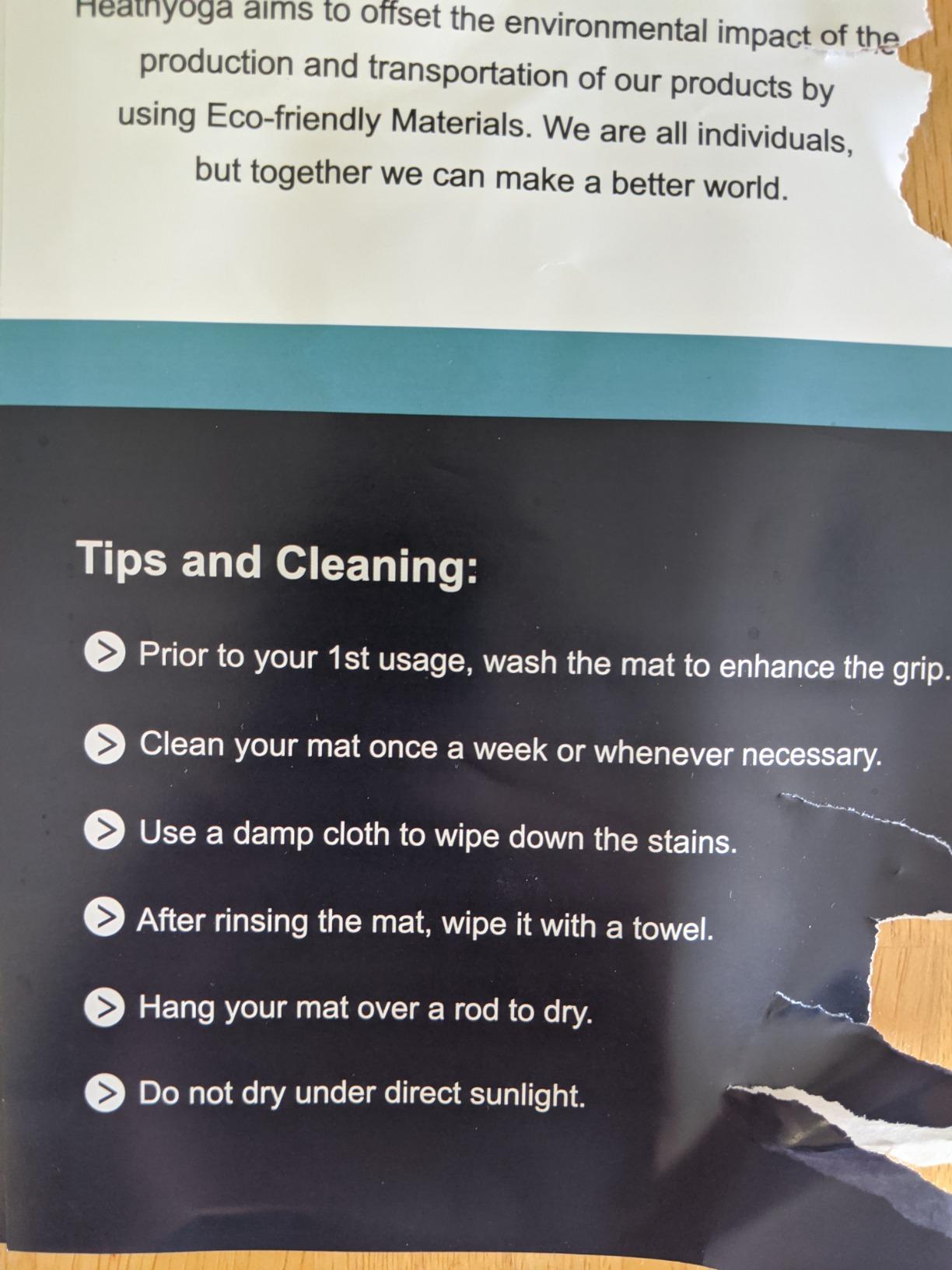
Hot yoga mats need more frequent cleaning than regular mats, ideally after every session or at minimum weekly. The standard routine is a spray bottle with a 50/50 mix of water and white vinegar or a few drops of mild dish soap, wiped down with a soft cloth, then air-dried flat or hung over a chair. For open-cell mats (PU and natural rubber), avoid soaking. For closed-cell mats (PVC), wipe harder without worrying about water absorption.
Brand-specific cleansers like the Liforme Yoga Mat Cleaner or Manduka’s Mat Wash work well and have light scents. Avoid essential-oil-heavy cleaners on PU mats, since some oils degrade the surface over time. If your mat develops a persistent smell, a 10-minute soak in a tub with a tablespoon of baking soda followed by thorough air-drying usually clears it.
Durability and Lifespan Expectations
Realistic lifespans vary dramatically by material. PVC mats like the Manduka PRO can last a decade or more with proper care. PU mats like the IUGA and Liforme typically last two to four years of daily practice before the top layer starts to wear. Foam mats like the Gaiam Thick or Retrospec Solana typically last one to three years. TPE mats generally land in the two to three year range.
The signal that your mat needs replacing is grip loss, not visible wear. Once your hands start slipping in a hot room on a mat that used to grip, the surface has likely worn past recovery. At that point, the mat has done its job and a replacement is the right call.
Manduka Pro vs Manduka GRP: Which One for Hot Yoga?
This is one of the most-searched questions about hot yoga mats, so it deserves a direct answer. Both mats come from the same brand and both are made in part from PVC, but they behave very differently in a heated room. The key is that the PRO is a closed-cell mat that resists absorbing sweat, while the GRP (originally “GRIP”) has a top layer designed to get tackier when wet.
For very sweaty hot yoga and Bikram, the GRP wins on grip. The rubber-like top coating grips better than the PRO’s smooth PVC once sweat starts. For longevity and pure cushioning, the PRO wins. The 6mm dense cushioning and lifetime warranty make the PRO the buy-once option for non-sweaty or moderate practices.
If you’re choosing between the two for daily hot yoga, go with the GRP. For a mixed practice that includes restorative and floor work alongside hot classes, the PRO is the more versatile mat. Reddit’s r/HotYoga threads consistently lean toward the GRP for studio use, with the PRO recommended as a home practice mat.
Frequently Asked Questions
What thickness yoga mat is best for hot yoga?
For most hot yoga practitioners, 5 to 6mm is the best thickness. It provides enough cushion for kneeling poses without making balance work feel squishy. If you have sensitive knees, go up to 8 or 10mm. If you prioritize balance and grounding, 4mm works. The Manduka PRO at 6mm and the IUGA at 5mm are both in the ideal range for daily hot yoga practice.
Is there a difference between a yoga mat and a hot yoga mat?
Yes. A standard yoga mat is usually a closed-cell PVC that resists absorbing sweat but doesn’t get grippier when wet. A hot yoga mat uses an open-cell rubber or polyurethane top layer that activates with moisture, so the wetter it gets, the more traction it provides. In a 90 to 105°F room, this grip difference is the difference between staying planted and sliding out of downward dog.
Which is better for hot yoga, the Manduka Pro or the Manduka GRP?
The Manduka GRP is better for very sweaty hot yoga because its top coating gets tackier with moisture. The Manduka PRO has superior cushioning and a lifetime warranty but uses a closed-cell surface that doesn’t grip as aggressively once it’s soaked. For Bikram and very sweaty vinyasa, choose the GRP. For mixed practices that include restorative and floor work, the PRO’s durability and cushioning are hard to beat.
What is the best yoga mat if I sweat a lot?
If you sweat heavily, prioritize a moisture-activated polyurethane top layer over a natural rubber base, like the Liforme Classic or the IUGA Pro Non-Slip. These mats get tackier as your hands and feet sweat, which is exactly what you want in a heated studio. The Gaiam Dry-Grip is a more budget-friendly option that uses a moisture-wicking topcoat instead of true moisture activation.
What is the best type of yoga mat for hot yoga?
The best type is a mat with a polyurethane (PU) top layer over a natural rubber base. The PU creates moisture-activated grip, the rubber adds cushioning and stability, and the combination stays non-toxic. If you’re latex-allergic, look for PU over a synthetic base (like the IUGA) or a cork-topped mat. Avoid standard closed-cell PVC if you’re practicing in 100°F or hotter rooms.
How should I clean my yoga mat after hot yoga?
After each hot yoga session, wipe the mat with a spray bottle containing a 50/50 mix of water and white vinegar, or a few drops of mild dish soap in water. Use a soft cloth, then air-dry flat or hang over a chair. For deep cleaning once a month, soak the mat in a bathtub with a tablespoon of baking soda for 10 minutes, then rinse and air-dry completely before rolling up.
How long does a hot yoga mat last?
Realistic lifespans vary by material. PVC mats like the Manduka PRO can last 10+ years with care. PU mats like the IUGA and Liforme typically last 2 to 4 years of daily practice. Foam mats like the Gaiam Thick usually last 1 to 3 years. TPE mats generally last 2 to 3 years. The signal to replace is grip loss, not visible wear. Once your hands slide in a hot room on a mat that used to grip, the surface is past recovery.
The Final Word on the Best Yoga Mats for Hot Yoga
After six weeks of testing ten mats in a heated studio, three picks rise above the rest for different kinds of practitioners. The Manduka PRO is our editor’s choice because its dense cushioning and lifetime warranty make it the longest-tenured mat in the roundup, especially if you practice hot yoga alongside restorative and floor work. The Liforme Classic is the premium grip winner for anyone who wants the moisture-activated top layer and the alignment markers that make it a teacher favorite. The IUGA Pro Non-Slip is the best value pick, delivering 85 to 90% of the Liforme’s grip performance at roughly 40% of the price.
For practitioners shopping on a budget, the Gaiam Dry-Grip is the right first hot yoga mat. For practitioners with sensitive joints, the Gaiam Thick 10mm or the Retrospec Solana 1-inch will save your knees during long kneeling sequences. For beginners who want eco-friendly material and alignment cues, the Heathyoga TPE delivers all three at an approachable price. For very sweaty Bikram practitioners, pair whichever mat you choose with a microfiber hot yoga towel on top; it’s the last 5% of grip that turns a frustrating class into a confident one.
Whatever mat you pick, the real test happens in your second hot class, not your first. Give any new mat a few sessions to break in, keep it clean between practices, and replace it the moment you start sliding on a mat that used to grip. The hot water dispensers in our kitchen gear roundups won’t help you with grip, but they will help with the post-class tea ritual that’s half the reason any of us show up to a 105°F room in the first place.