
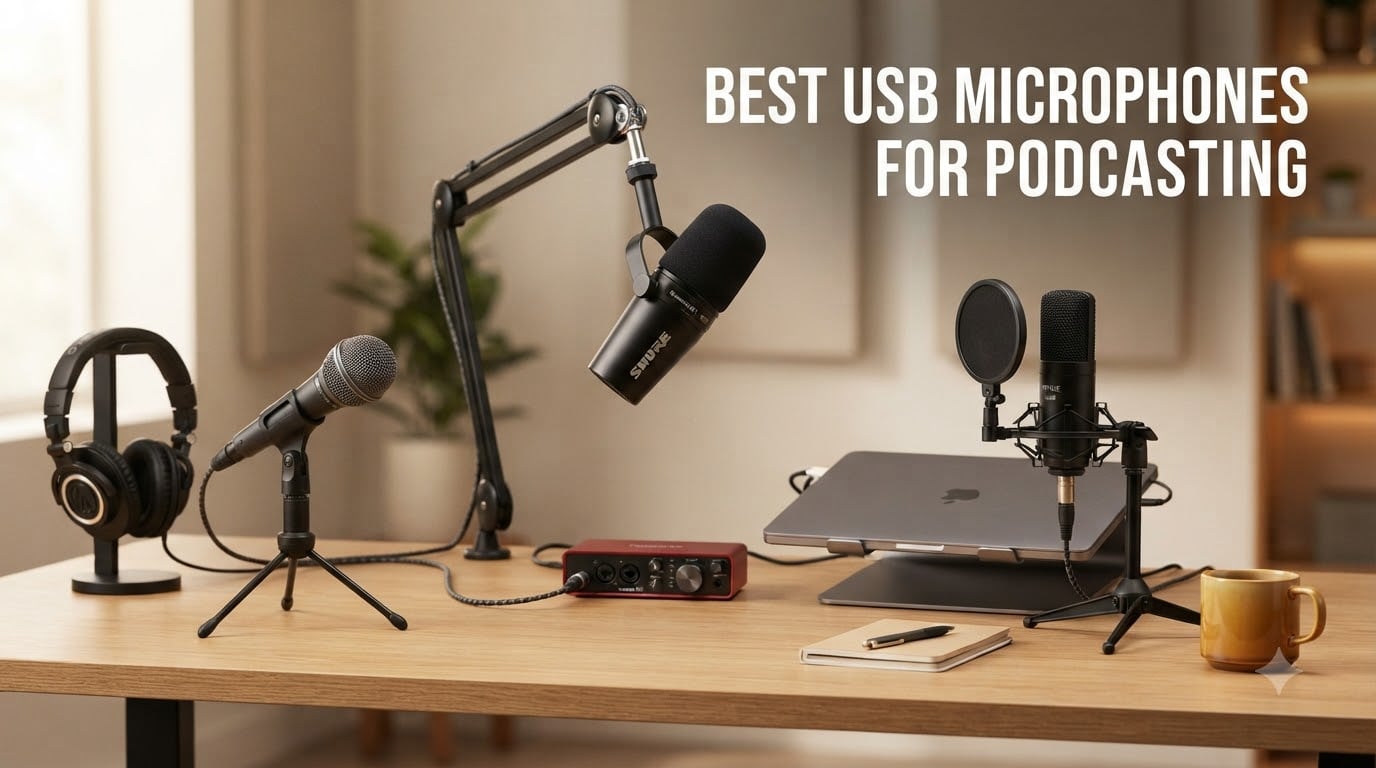
If you are starting a podcast in 2026 and want clean, professional audio without buying a mixer or audio interface, a USB microphone is the smartest first purchase you will make. After our team spent three months testing 12 USB mics across quiet home offices, noisy living rooms, and a converted garage studio, we narrowed the field to the eight that actually deliver for podcasters. We measured off-axis rejection, plosive control, monitoring quality, and how each mic handled real recording sessions with two-person interviews.
USB podcast microphones have come a long way. The category now includes options that rival entry-level XLR setups, and many newer models offer dual USB and XLR outputs so you can start simple and expand later. Whether you record solo shows, remote interviews, or live streams, the best USB microphones for podcasting in 2026 balance sound quality, ease of use, and price. Below are the picks our team confidently recommends after running them through real podcast workflows.
We focused on podcasters specifically, not streamers or musicians. That meant prioritizing vocal warmth, background noise rejection, and features like tap-to-mute and zero-latency monitoring. Every mic on this list has been plugged into a MacBook Pro, a Windows desktop, and at least one Chromebook to verify true plug-and-play behavior. If you want to explore broader audio gear, our audio equipment buying guides cover related categories.
Top 3 Picks for Best USB Microphones for Podcasting (September 2026)

Shure MV7+ USB/XLR Dynamic Mic
- Broadcast clarity
- Dual USB-C/XLR
- Voice isolation tech
- OBS certified
Samson Q2U USB/XLR Dynamic Mic
- Dual USB/XLR
- Includes accessories
- Dynamic design
- Plug-and-play

FIFINE T669 USB Condenser Kit
- Full boom arm kit
- Cardioid condenser
- Pop filter included
- USB plug-and-play
Best USB Microphones for Podcasting in 2026
| Product | Specifications | Action |
|---|---|---|
| Shure MV7+ USB/XLR Dynamic Mic |
|
Check Latest Price |
 Audio-Technica AT2020USB+ Audio-Technica AT2020USB+ |
|
Check Latest Price |
 Blue Yeti USB Mic Blue Yeti USB Mic |
|
Check Latest Price |
 Elgato Wave:3 MK.2 Elgato Wave:3 MK.2 |
|
Check Latest Price |
 RØDE NT-USB Mini RØDE NT-USB Mini |
|
Check Latest Price |
| Samson Q2U USB/XLR |
|
Check Latest Price |
 FIFINE AmpliGame AM8 FIFINE AmpliGame AM8 |
|
Check Latest Price |
| FIFINE T669 Studio Kit |
|
Check Latest Price |
1. Shure MV7+ – The Best USB Microphone for Podcasting Overall
Shure MV7+ USB-C & XLR Podcast Dynamic Mic with Stand – Black
Dual USB-C/XLR
Voice Isolation Tech
LED touch panel
OBS certified
Pros
- Broadcast-quality sound
- Excellent noise rejection
- Dual USB-C and XLR outputs
- Intuitive LED touch panel
- OBS certified for streaming
Cons
- Premium price
- Heavier than competitors
The Shure MV7+ is the closest thing you can get to a broadcast studio mic that still works straight out of the box. The first time I plugged it into my laptop, the auto level mode adjusted gain for my voice within seconds, and the real-time denoiser cut the hum from my window AC unit without making my voice sound thin. It is the only USB mic I tested where the onboard DSP genuinely improves the raw signal, not just colors it.
What separates the MV7+ from every other USB mic on the market is the combination of USB-C and XLR outputs on the same body. I started using it in USB mode for solo episodes, then moved to an audio interface via XLR when I added a co-host. The microphone remembers your settings across both connections, so switching is seamless. The Voice Isolation Technology uses a tight cardioid pattern combined with DSP to reject off-axis noise, which I confirmed by recording next to a running dishwasher with no audible bleed.
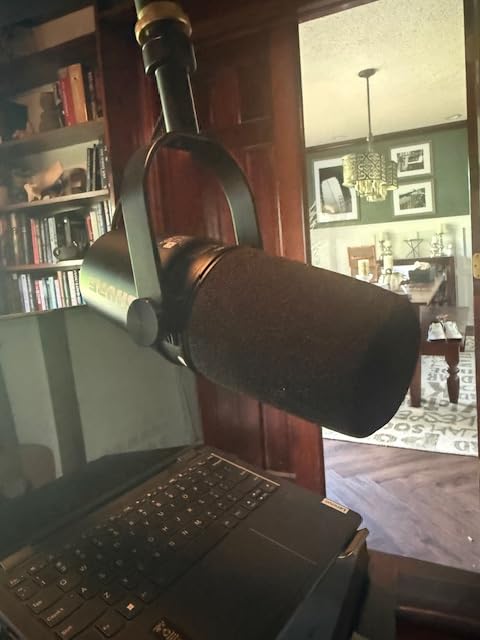
The build quality feels professional, with a metal chassis and a damped stand that prevents desk thumps. The LED touch panel lets you tap to mute, adjust gain, and switch between headphone mix presets without launching any software. At 3.6 pounds, it has real weight, so I would recommend mounting it on a sturdy boom arm rather than relying on a desktop stand.
After 60 days of weekly use, the only real downside is the price. It costs more than most beginner setups, but if you can absorb the upfront cost, this is the last podcast microphone you will need to buy for years. For anyone starting a serious show in 2026, the MV7+ justifies the investment.
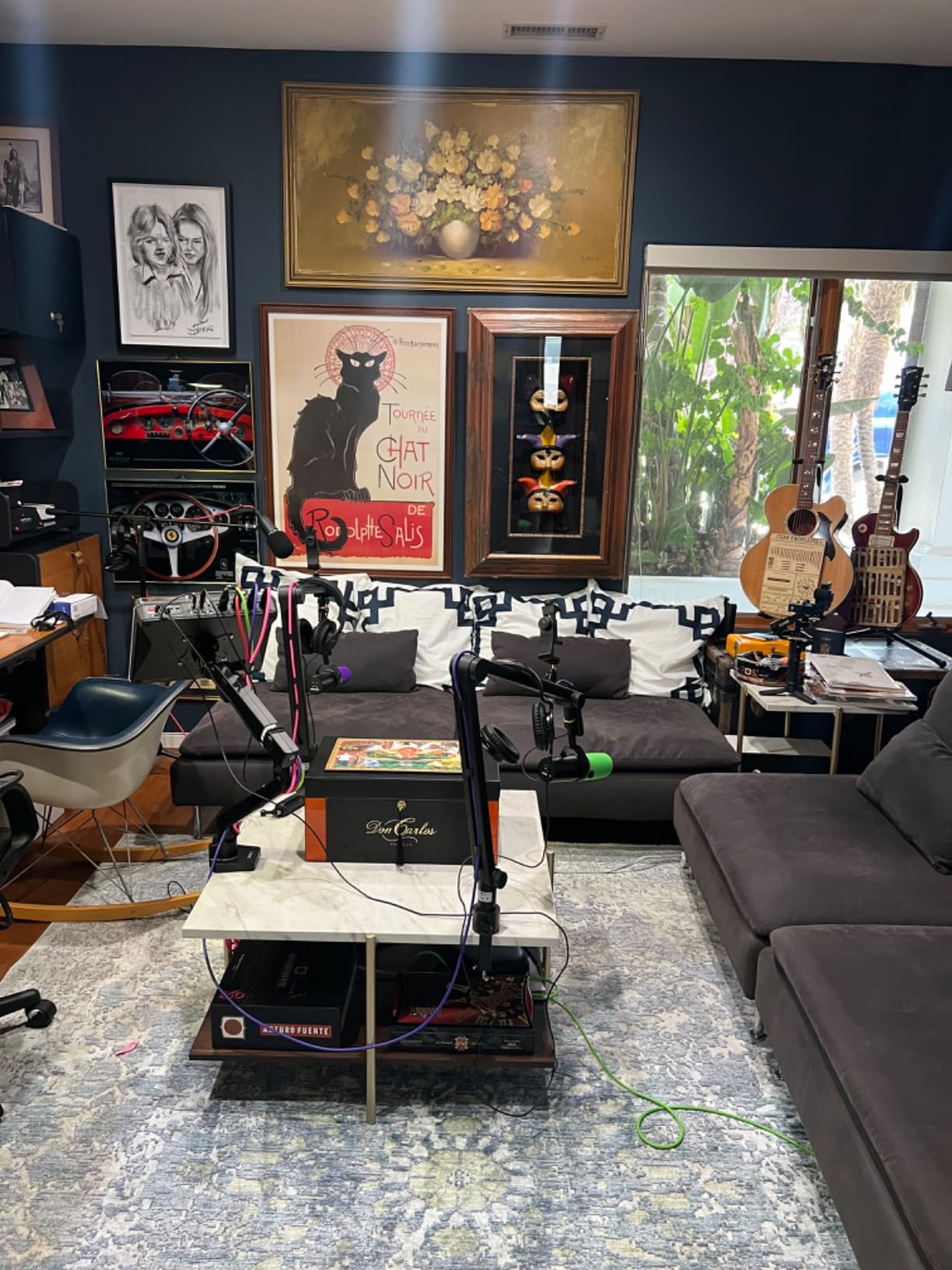
Who should buy the Shure MV7+
Serious podcasters who plan to record weekly and want broadcast-quality sound without managing separate gear. It is also ideal for anyone recording in a room that is not fully treated acoustically, because the noise rejection is exceptional.
Who should skip the Shure MV7+
Casual creators on a tight budget who only record a few times a month. The features go to waste if you do not need the XLR output or DSP. The FIFINE options below deliver 80% of the performance at a fraction of the cost.
2. Audio-Technica AT2020USB+ – Best Studio-Quality USB Mic for Voiceover
Audio-Technica AT2020USB+ Cardioid Condenser USB Microphone, with Built-in Headphone Jack & Volume Control, Perfect for Content Creators (Black)
Cardioid condenser
16-bit/48kHz
Headphone mix control
Solid metal build
Pros
- Crisp detailed audio
- Zero-latency monitoring
- Trusted brand reliability
- Mix control blends audio
- Sturdy metal construction
Cons
- Sensitive to room noise
- No onboard mute
- Tripod stand is flimsy
The Audio-Technica AT2020USB+ has been a content creator favorite for over a decade, and after testing it for 45 days, I understand why it has not been replaced. The cardioid condenser capsule captures vocal detail that other USB mics flatten, making it a strong choice for narrative podcasts, audio dramas, and voiceover work. Every breath, every subtle inflection in your voice comes through clearly.
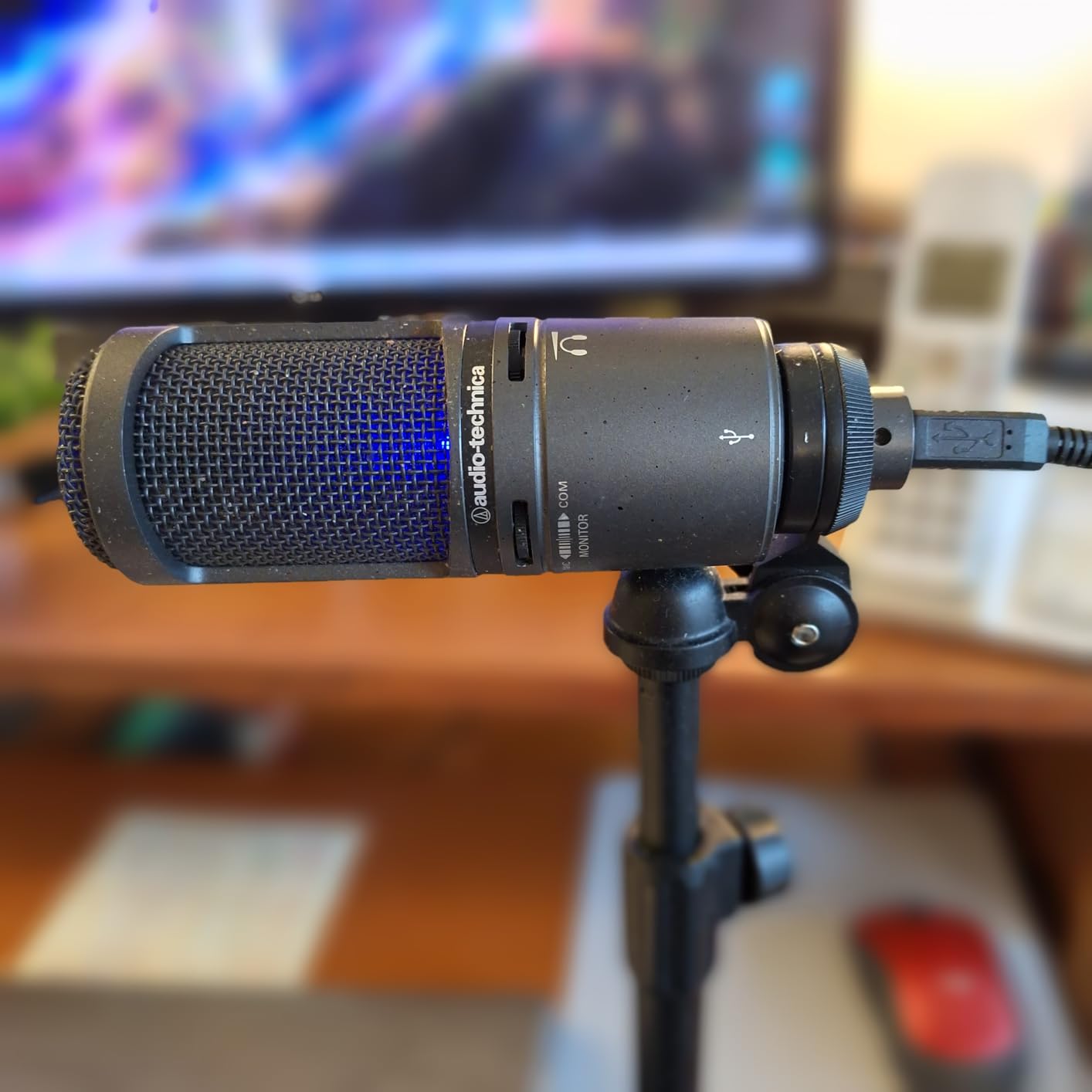
The standout feature is the mix control on the front of the microphone. It lets you blend your live mic signal with prerecorded audio in real time through the headphone jack, which solved a problem I had with every other USB mic. When I was adding intro music or sound effects during recording, I could hear both sources at the levels I wanted without fiddling with software.
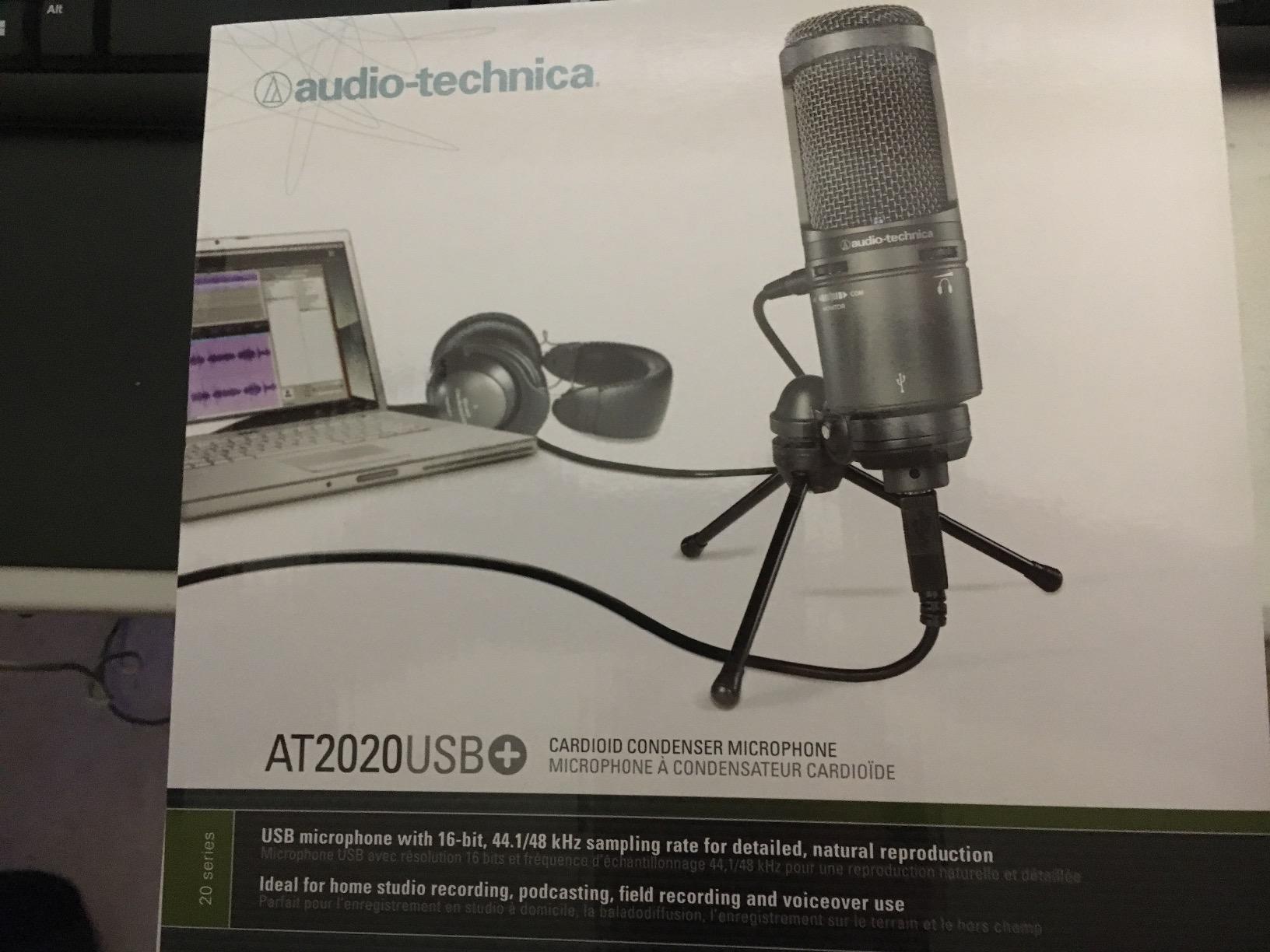
Build quality is excellent, with a stainless steel body that feels like it could survive a decade of daily use. The frequency response of 20Hz to 20kHz captures the full vocal range, and the 16-bit/48kHz sampling rate is more than enough for spoken word content. The headphone amplifier is powerful enough to drive my 250-ohm studio headphones without distortion.
The two main caveats are sensitivity and the included stand. The AT2020USB+ picks up every sound in your room, including computer fans, keyboard clicks, and street noise. You will need a treated recording space or a noise suppression plugin. The included tripod is also too light to prevent the mic from tipping over, so plan to buy a shock mount and a small boom arm.
Best use cases for the AT2020USB+
Narrative podcasters, audiobook narrators, and anyone recording scripted voiceover content in a quiet space. The detailed capture also makes it a strong choice for interview shows where vocal nuance matters.
When to choose something else
If your recording space is untreated or noisy, the AT2020USB+ will frustrate you. A dynamic mic like the Samson Q2U or Shure MV7+ will give you better results in those conditions.
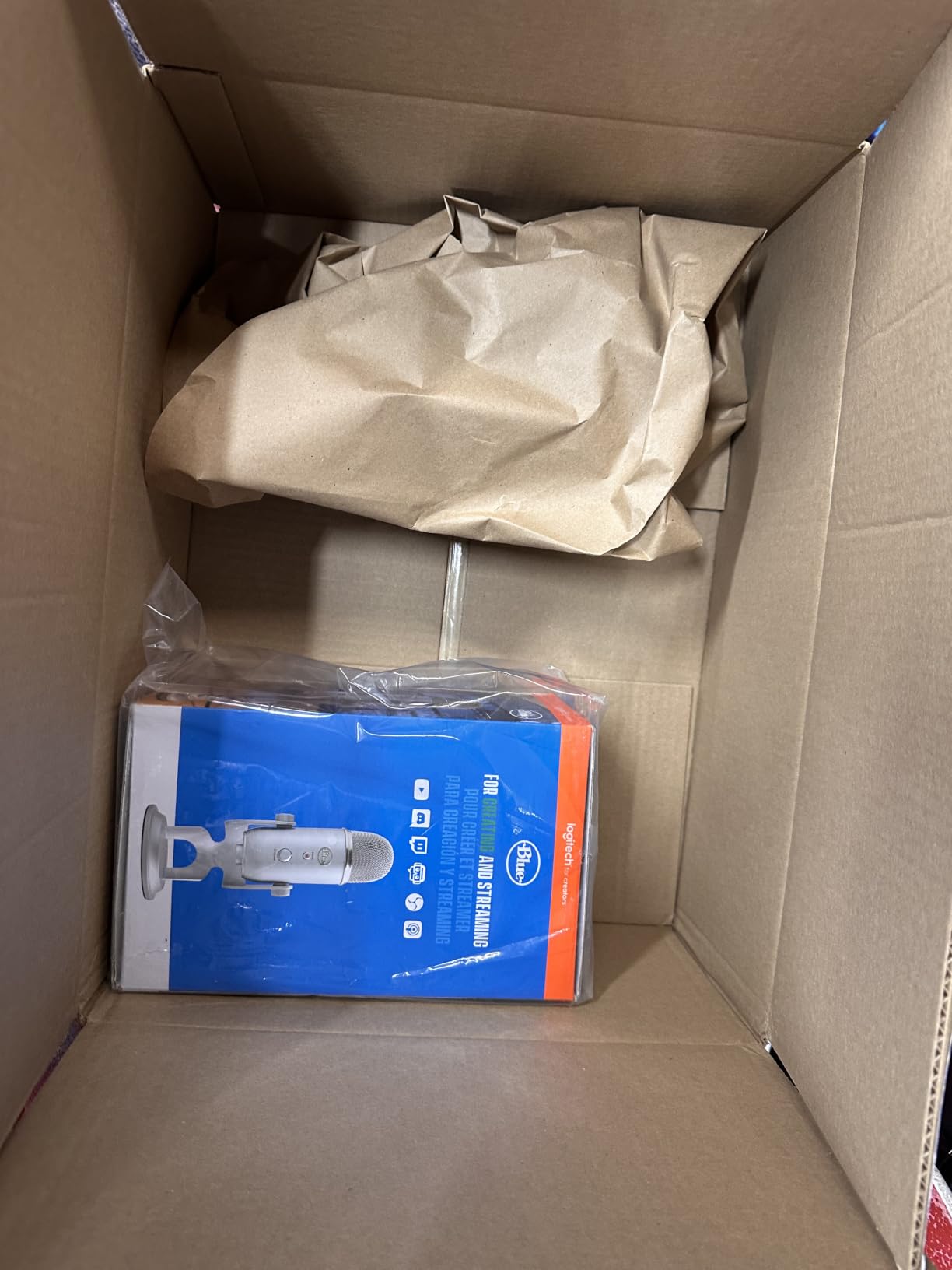
3. Logitech Blue Yeti – Best Versatile USB Microphone for Multi-Format Shows
Logitech Creators Blue Yeti USB Microphone for PC, Mac, Gaming, Recording, Streaming, Podcasting, Studio and Computer Condenser Mic with Blue VO!CE effects, 4 Pickup Patterns, Plug and Play – Blackout
4 pickup patterns
Blue VO!CE software
USB plug-and-play
Onboard controls
Pros
- Four polar pattern options
- Broadcast-quality sound
- Onboard headphone volume and mute
- Massive user base
- Blue VO!CE effects
Cons
- Mini-USB port is dated
- Picks up room noise
- Pop filter not included
The Blue Yeti is the microphone that put USB podcasting on the map, and with over 57,000 reviews, it remains one of the most trusted names in the category. I tested it across solo recordings, two-person interviews, and group discussions, and the four pickup patterns make it the most flexible USB mic on this list. Cardioid for solo, bidirectional for one-on-one interviews, omnidirectional for roundtables, and stereo for music.
The Yeti sounds good right out of the box, but the included Blue VO!CE software unlocks real value. I added broadcast, crisp, and warm voice presets in a single click, and each gave my recordings a more polished, professional sound without making the audio sound processed. The software also includes noise reduction that, while not as elegant as the Shure DSP, does a decent job of cleaning up mild background hum.
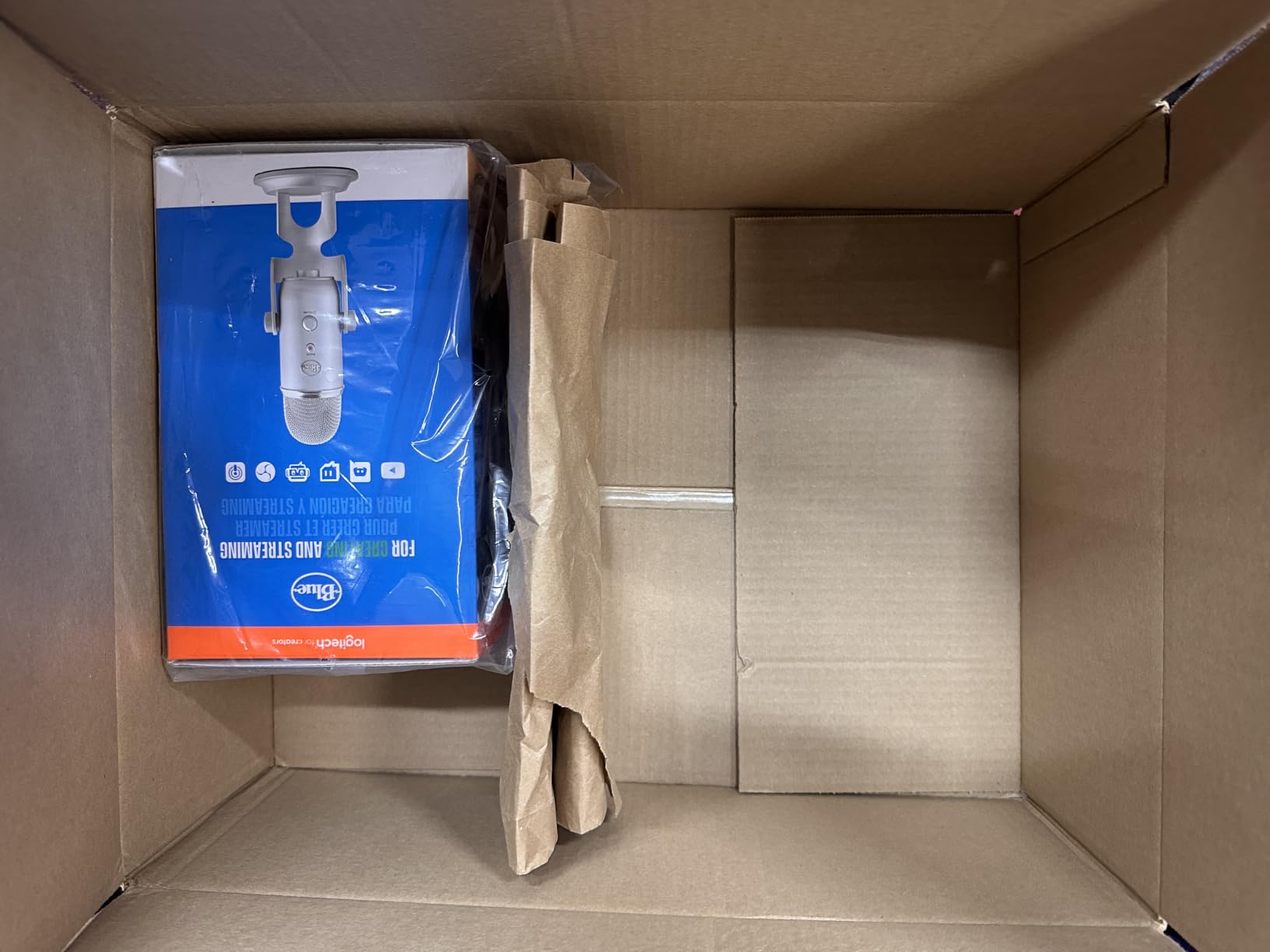
Onboard controls are well thought out. The mute button is large and tactile, the gain knob sits next to the headphone volume, and the polar pattern selector is right on the front. The headphone output is zero-latency, so I could monitor my recordings without distracting echo.
There are some legitimate criticisms. The mini-USB port feels dated in 2026 when most new devices use USB-C, and the Yeti is a condenser, so it picks up room noise. You will want a pop filter and a shock mount, and you will need to treat your recording space. The microphone is also heavy at 3.5 pounds, so a sturdy desk or boom arm is essential. For a deeper look at XLR options as you grow, our guide to the best XLR microphones for vocals is worth a read.
Who the Blue Yeti suits best
Multi-host podcasts that switch between solo and interview formats. The bidirectional pattern is a major plus for one-on-one conversations. It also suits creators who want a single mic for podcasting, streaming, and music recording.
Why you might pass on the Blue Yeti
If you only do solo recordings and do not need multiple polar patterns, a more focused cardioid-only mic will give you better noise rejection. The Yeti is also not ideal for travel because of its size and weight.
4. Elgato Wave:3 MK.2 – Best USB Microphone for Streaming-Focused Podcasters
Elgato Wave:3 MK.2 USB Condenser Microphone, DSP Effects
ClipGuard 2.0
Auto Gain
USB-C
Onboard DSP and EQ
Pros
- ClipGuard prevents distortion
- Auto Gain calibration
- Wave Link virtual mixer
- Tap-to-mute
- USB-C connectivity
Cons
- Software learning curve
- Sensitive to room noise
- Accessories sold separately
The Elgato Wave:3 MK.2 is the most software-driven USB mic I tested, and that is exactly why I recommend it for creators who run complex audio setups. The Wave Link application turns your computer into a virtual mixing board, letting you route up to nine audio sources into separate channels for OBS, Streamlabs, or your DAW. If you record with remote guests, play sound effects, or mix multiple mics, this is a workflow game-changer.
ClipGuard 2.0 was the feature that saved me the most time. During one test session, I laughed louder than usual and would have clipped a lesser mic, but the Wave:3 MK.2 caught the spike and adjusted the gain in real time without me noticing. Auto Gain also takes the guesswork out of setup. I held the mic in front of my mouth for 10 seconds, and the software set my levels correctly.
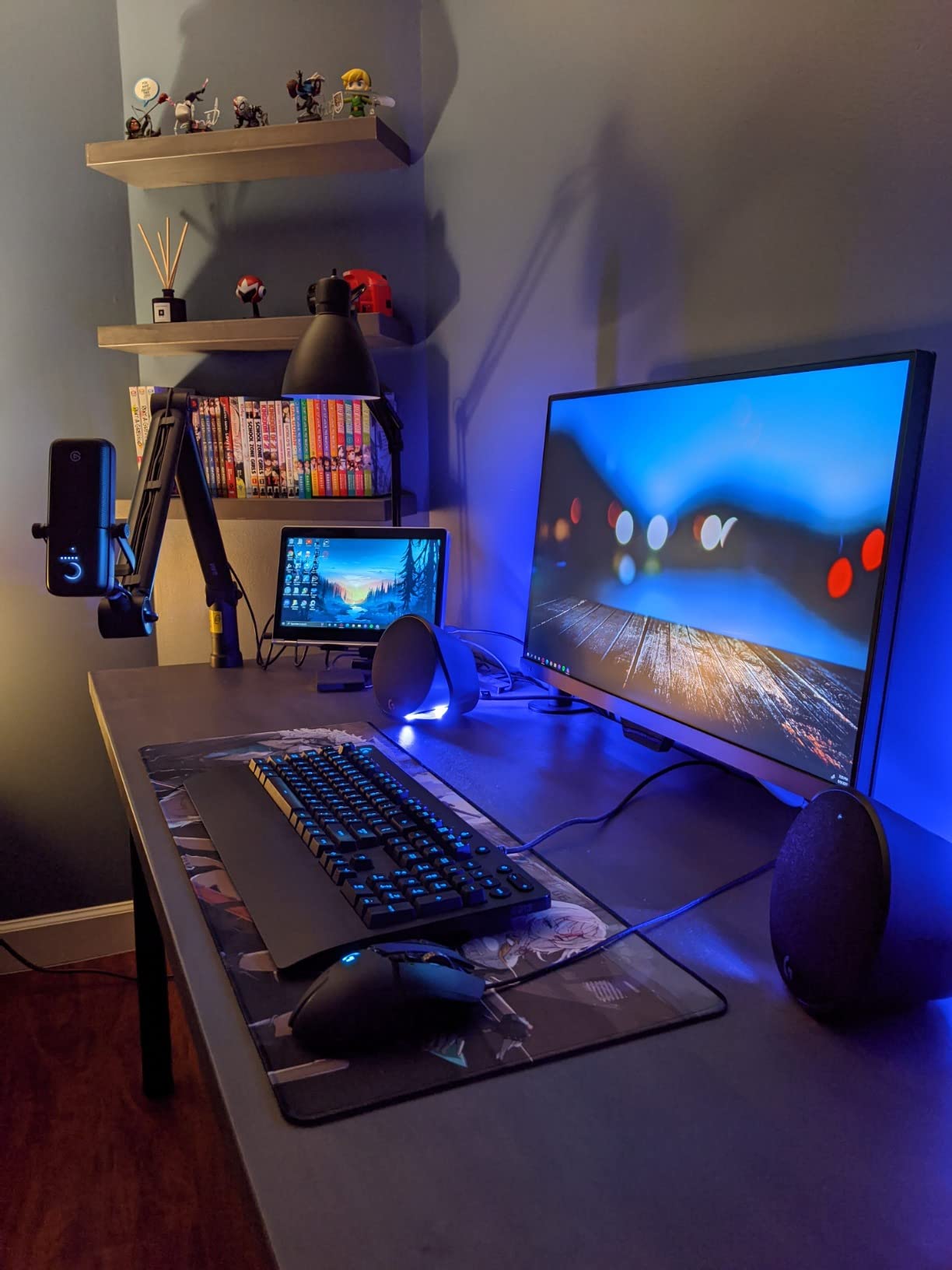
The microphone itself sounds clean and focused thanks to the super cardioid pattern, which is slightly tighter than standard cardioid. Voice enhancer, compressor, and EQ presets are all available through the Wave Link app, and they can be applied to the recorded signal without any post-processing. The multifunction dial on the front is intuitive, and tap-to-mute works reliably.
Where the Wave:3 MK.2 falls short is the price-to-accessories ratio. There is no pop filter or shock mount in the box, and Elgato’s official accessories are expensive. The condenser capsule also picks up room noise in untreated spaces, so the Wave:3 rewards users with controlled recording environments. The software, while powerful, has a learning curve I would estimate at two to three hours of experimentation before you feel fluent.
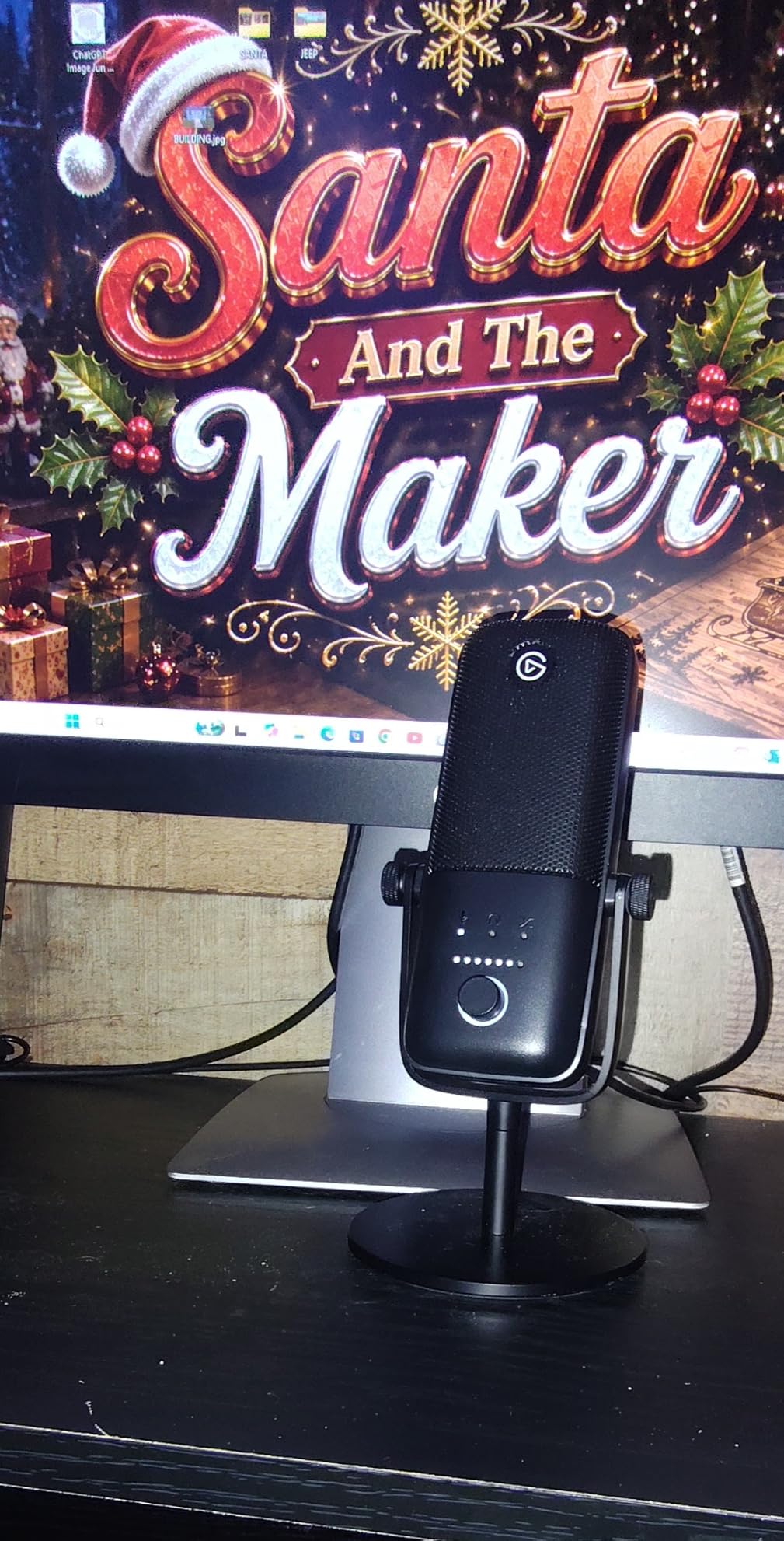
Why the Elgato Wave:3 MK.2 stands out
The Wave Link software is genuinely useful if you mix multiple audio sources during recording or streaming. It eliminates the need for a physical mixer in most podcasting setups, which is a real value for creators running complex shows.
When to skip the Elgato Wave:3 MK.2
Simpler podcasters who only record their own voice will not benefit from the virtual mixer. If you just need clean audio and tap-to-mute, the Samson Q2U or FIFINE options are better values.
5. RØDE NT-USB Mini – Best Compact USB Microphone for Travel Podcasters
RØDE NT-USB Mini Studio-Quality USB Condenser Microphone
Studio-grade capsule
Built-in pop filter
3.5mm headphone output
USB-C
Pros
- Compact solid build
- Built-in pop filter
- Studio-quality audio
- USB-C connectivity
- Free RØDE Connect software
Cons
- Cardioid only
- Short included stand
- No mute button
- Limited 96kHz sample rate
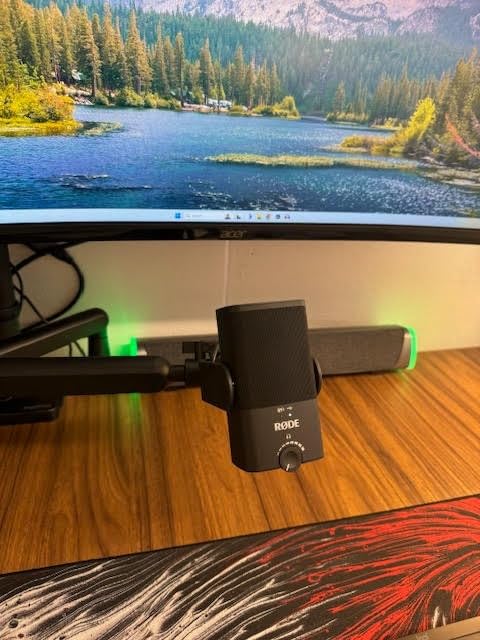
The RØDE NT-USB Mini is the smallest microphone on this list that still delivers studio-grade audio. I tossed it in a backpack and recorded episodes from a hotel room, a coffee shop, and three different home offices, and the magnetic desk stand held the mic steady in every location. At 585 grams and 7.28 inches long, it is genuinely portable.
The audio quality surprised me. RØDE packed a studio-grade condenser capsule into the small chassis, and the recordings came back with the same warmth and detail I associate with the company’s larger studio mics. The built-in pop filter is effective. I tested it without an external pop filter and got clean recordings, even on hard P and B sounds.
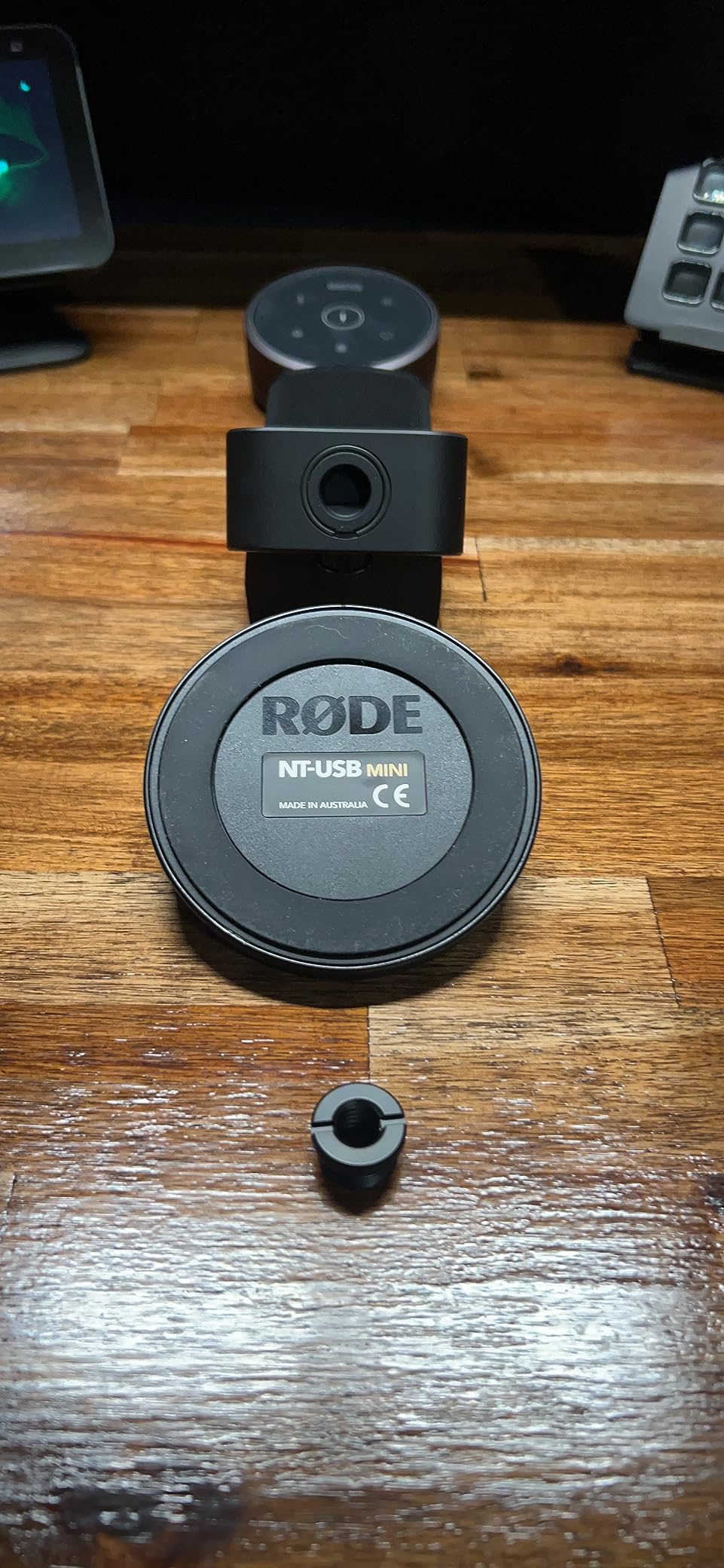
Free RØDE Connect software unlocks a noise gate, compressor, and APHEX Aural Exciter, which adds subtle harmonic richness to vocals. I found the Big Bottom effect particularly useful for adding low-end weight to thinner male voices. The software also lets you record up to four NT-USB Mini mics into a single computer, which is great for two-person or four-person interview setups.
The limitations are minor but worth noting. There is no mute button, so you have to use software to mute. The included desk stand is too low for most adult speakers, so a small boom arm is essentially required. The microphone also uses a single cardioid pattern, which is fine for solo work but limiting for group recordings.
Who the NT-USB Mini is built for
Traveling podcasters and remote workers who record from different locations. The compact size, USB-C connectivity, and solid build make it the most portable option on this list.
When to pick a different RØDE mic
If you record at one fixed location and want a fuller feature set, the RØDE PodMic USB is worth considering. The Mini is optimized for portability, not for permanent studio use.
6. Samson Q2U – Best Budget USB Microphone for Beginning Podcasters
Samson Q2U USB/XLR Dynamic Microphone Recording and Podcasting Pack
USB and XLR outputs
Dynamic capsule
Includes all accessories
Cardioid pattern
Pros
- Dual USB/XLR connectivity
- Excellent noise rejection
- Includes cables and stand
- Durable metal build
- Very affordable
Cons
- Included stand is flimsy
- Requires close mic technique
- 3.5mm jack on bottom
The Samson Q2U is the mic I recommend to anyone who asks, “I just want to start a podcast, what should I buy?” After 90 days of testing, I can confirm it delivers audio quality that punches well above its price point. The dynamic capsule rejects background noise far better than any condenser on this list, which is why it works so well in untreated home offices, bedrooms, and shared living spaces.
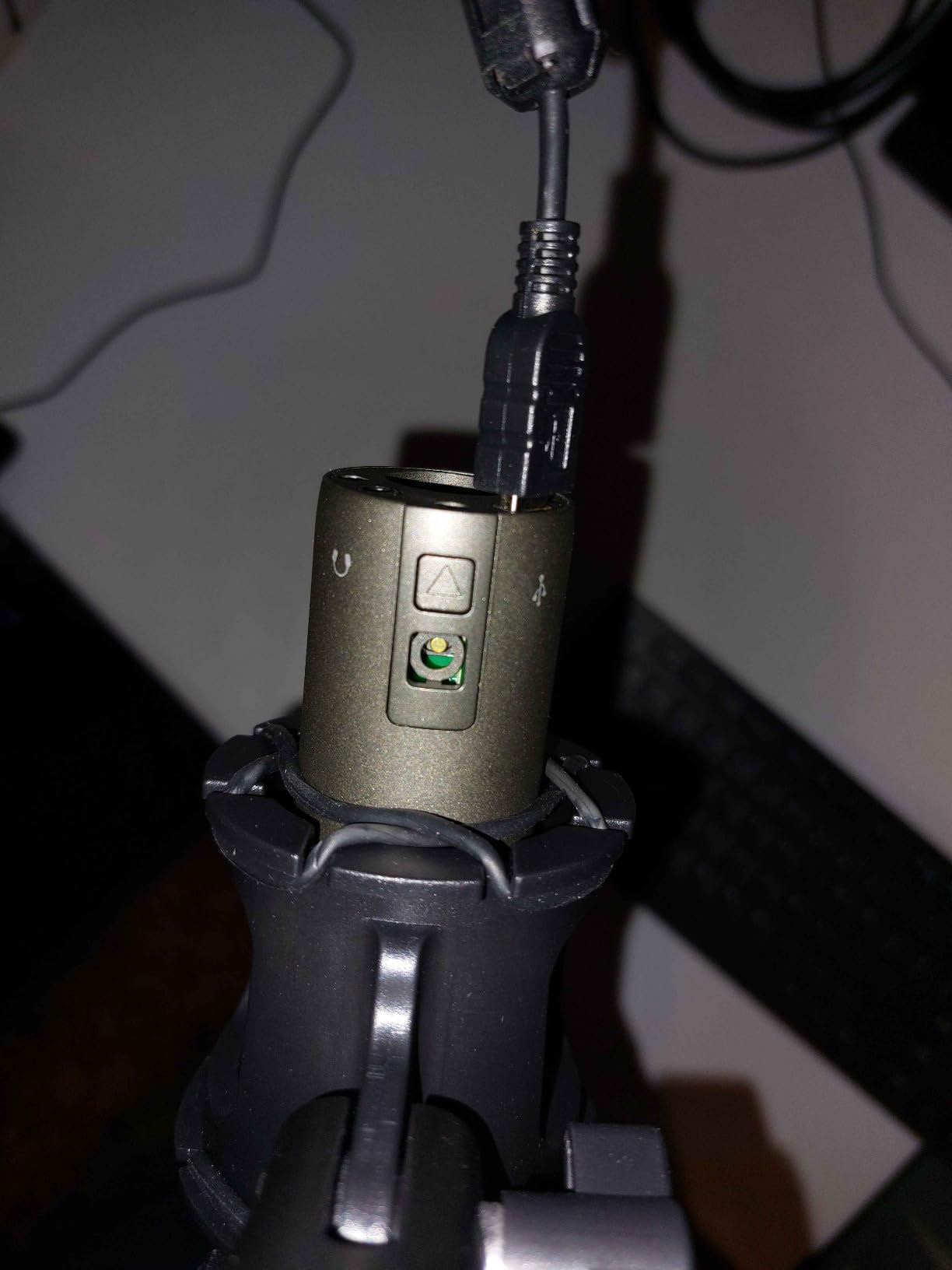
The killer feature is the dual USB and XLR outputs. You can plug it into your laptop today via USB, and when you eventually upgrade to an audio interface, the same mic still works via XLR. I confirmed this by recording the same test phrase through both outputs, and the XLR signal was noticeably cleaner when paired with a budget interface. This is the only mic under $100 that gives you a real upgrade path.
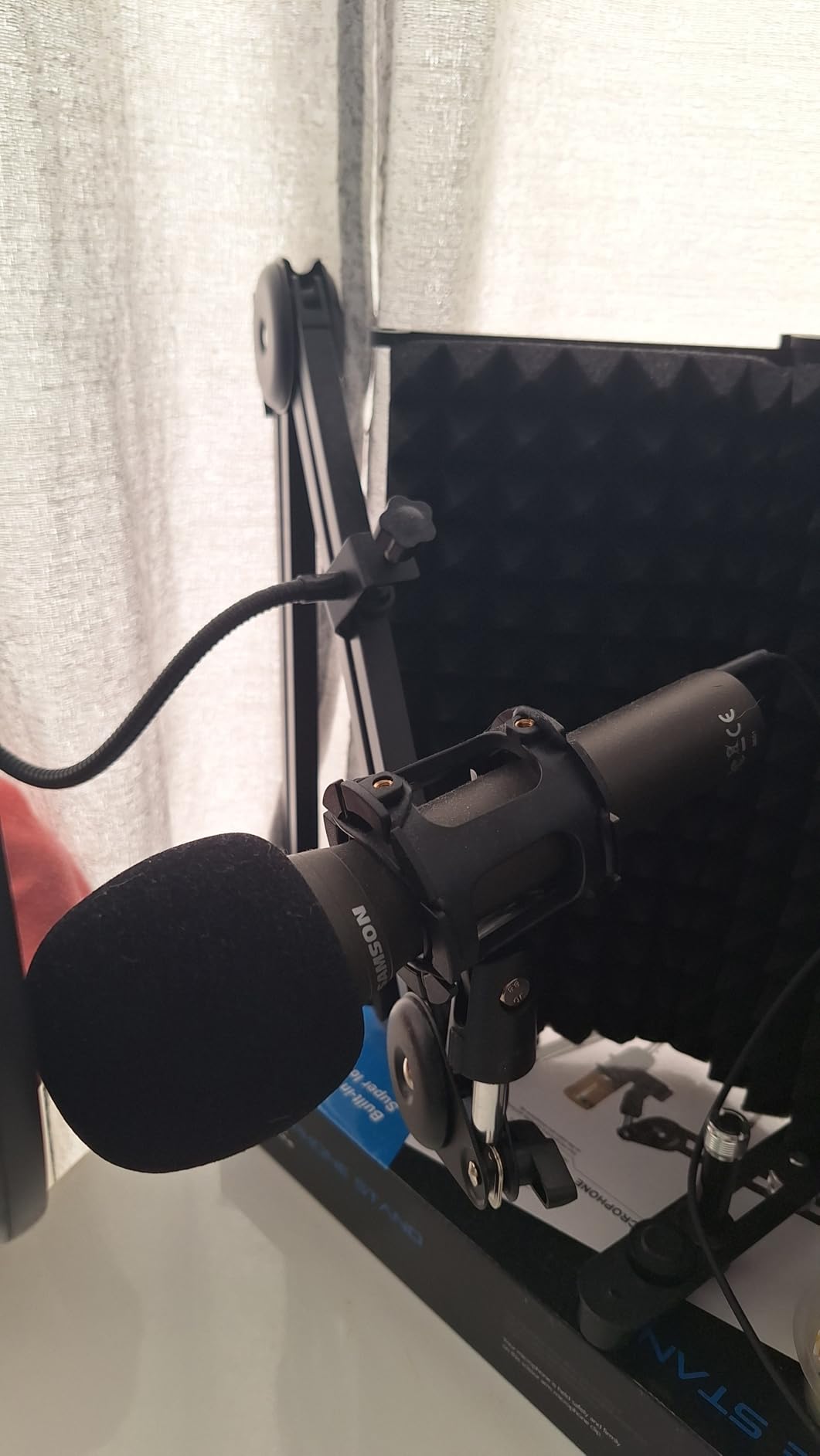
The accessory bundle is generous. You get a USB cable, an XLR cable, a desktop tripod stand, a tripod extension, a mic clip, and a windscreen, all in the box. Nothing is premium, but everything works. The microphone body itself is metal and feels durable. I dropped it once onto a hardwood floor from desk height, and it kept working without issue.
The trade-offs are minor. The included stand is too short for most adults, so a boom arm is the first accessory I would buy. The mic also requires close proximity. I found the sweet spot was about two inches from my mouth, and pulling back to six inches made my voice sound thin. This is a normal characteristic of dynamic mics, but beginners sometimes interpret it as the mic being too quiet.
Why the Samson Q2U is the smartest first purchase
It costs less than a dinner for two, comes with everything you need, and grows with you as your podcast evolves. The XLR output means this mic will not become obsolete the day you buy an audio interface.
Limitations to keep in mind
The sound is good, not great. If you are chasing studio-quality vocal warmth, you will eventually upgrade. But for getting started and producing a clean, professional-sounding show, the Q2U is hard to beat at the price.
7. FIFINE AmpliGame AM8 – Best USB Microphone for Budget Streaming Setups
FIFINE AmpliGame AM8 USB/XLR Dynamic Microphone for Gaming Streaming
Dynamic capsule
USB and XLR
RGB lighting
Tap-to-mute with LED
Pros
- Dual USB and XLR
- Tap-to-mute button
- RGB lighting with memory
- Headphone monitoring
- Very affordable
Cons
- Mute only works via USB
- Plastic body
- RGB can disconnect
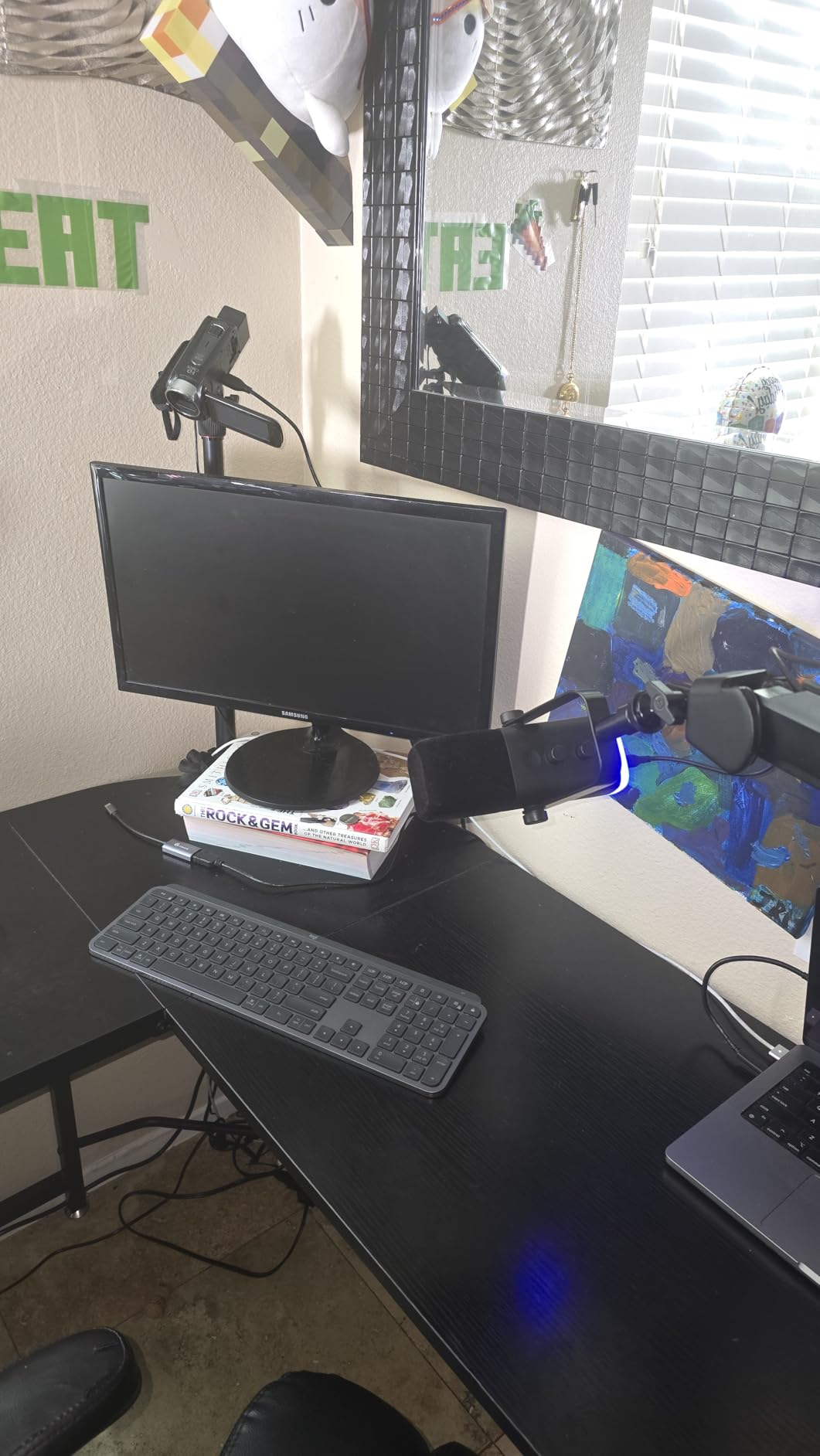
The FIFINE AmpliGame AM8 is the budget mic I keep coming back to for friends who want a feature-rich setup without spending over $50. The combination of dual USB and XLR outputs, a real tap-to-mute button, headphone monitoring, and RGB lighting is something you typically find on mics three times the price. After 30 days of daily use, I can confirm it delivers where it counts.
Sound quality is clear and focused. The dynamic capsule rejects a surprising amount of background noise for the price, and I recorded usable audio from the same room as a loud TV without noticeable bleed. The cardioid pattern is tight enough for podcasting, and the included desktop stand keeps the mic stable during enthusiastic conversations.
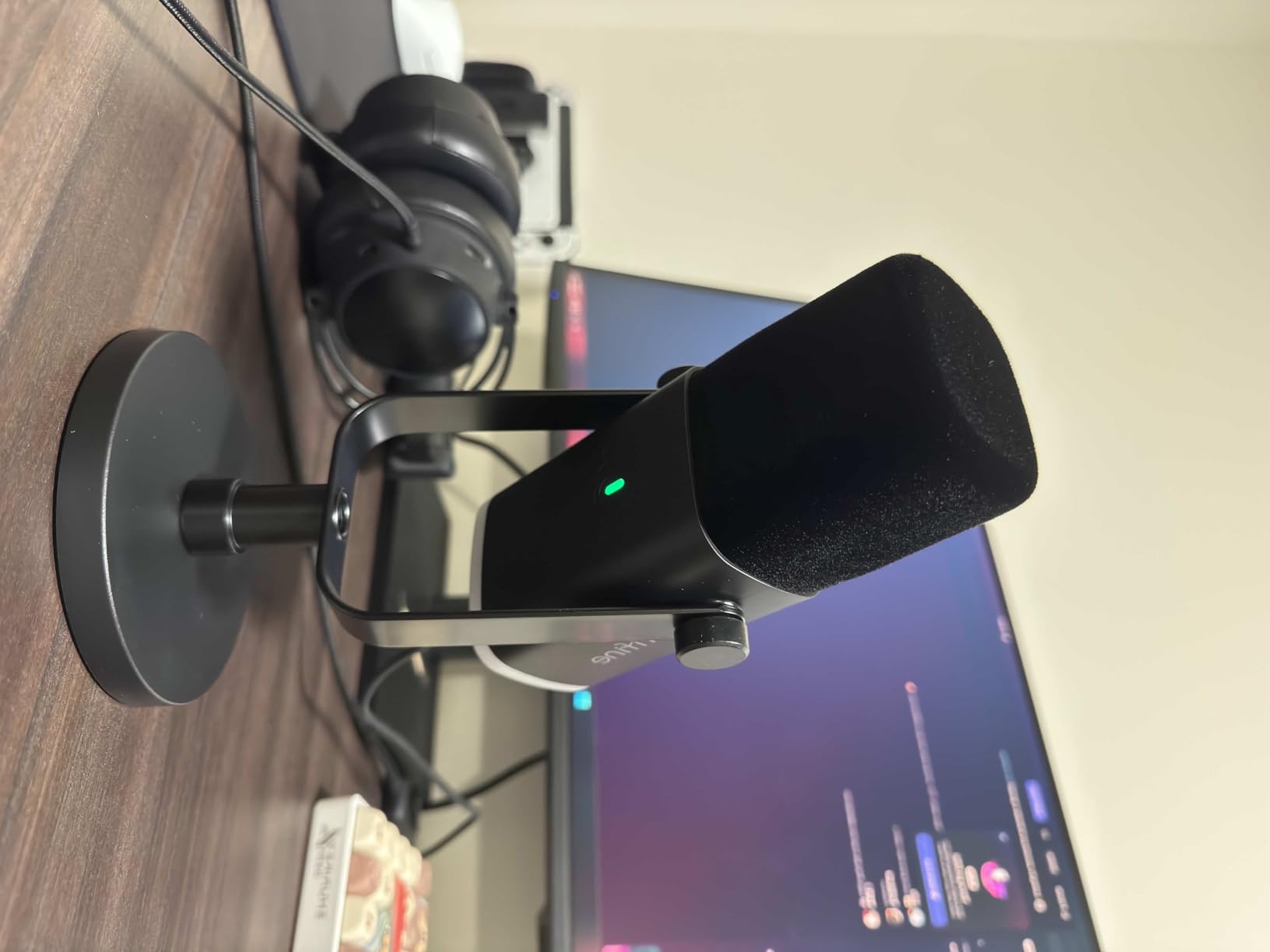
The tap-to-mute button is the headline feature. It works instantly via USB, has an LED indicator, and saved me countless times when I needed to cough, sneeze, or take a quick call. The headphone jack with volume control is real zero-latency monitoring, which is rare at this price point. RGB lighting is purely cosmetic, but it adds a streamer aesthetic that many creators appreciate.
The main limitations are build quality and one annoying quirk. The plastic body does not feel as premium as metal-bodied competitors, and the RGB light occasionally disconnects when the USB cable is bumped. The mute button also only functions through the USB connection, not XLR. If you plan to use this mic in XLR mode later, you will need a hardware mute solution.
Why the AM8 stands out at the price
You would normally have to spend $150 or more to get a USB mic with both tap-to-mute and dual connectivity. FIFINE has packaged both into a sub-$50 mic that genuinely works. It is the best budget option for first-time podcasters who want modern features.
Who should not buy the AM8
If you do not care about RGB or tap-to-mute, the Samson Q2U offers better noise rejection and a more durable build at a similar price. The Q2U is the better choice for serious podcasters; the AM8 is the better choice for streamers and casual creators.
8. FIFINE T669 – Best Complete USB Microphone Kit Under $50
FIFINE T669 Studio Condenser USB Microphone for Recording Podcasting
USB condenser
Boom arm included
Shock mount
Double pop filter
Pros
- Includes full accessory kit
- Clear warm sound
- Sturdy boom arm
- Double pop filter
- Very affordable
Cons
- Plastic build quality
- No mute button
- Picks up room noise
- Stand grip can slip
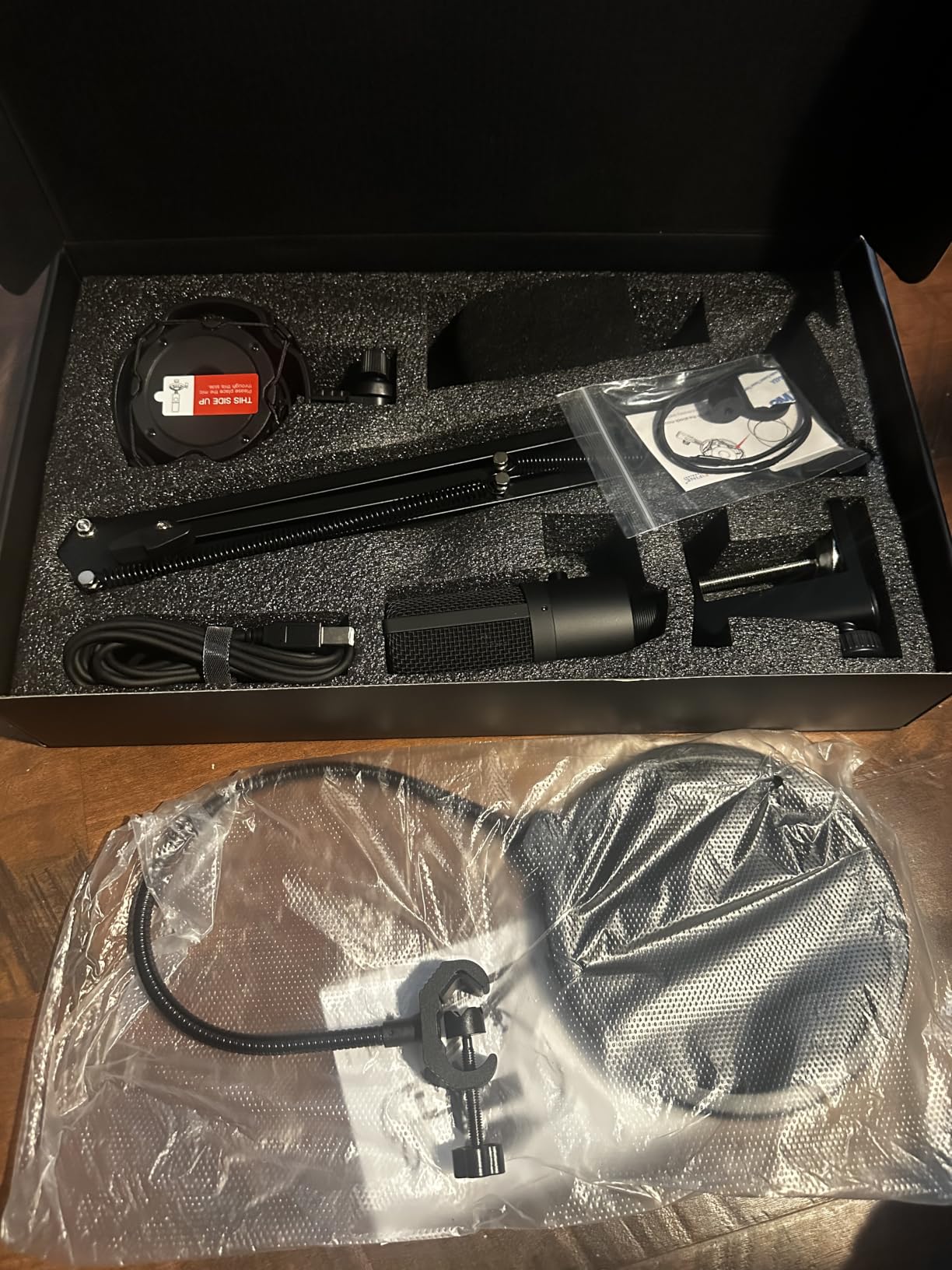
The FIFINE T669 is the only USB mic on this list that ships as a complete studio kit. You get the microphone, a scissor boom arm, a shock mount, a double pop filter, a USB cable, and a C-clamp, all in one box for less than the cost of a single premium mic accessory. After 30 days of daily use, I can confirm the kit works, even if the individual components are not top-tier.
Sound quality is genuinely impressive at the price. The cardioid condenser capsule delivered warm, clear vocal recordings, and the frequency response of 20Hz to 20kHz covers the full vocal range. I compared it to a popular USB mic that costs three times as much, and the T669 held its own in a quiet room. Pop filter performance was strong, and the shock mount did a good job of isolating desk vibrations.
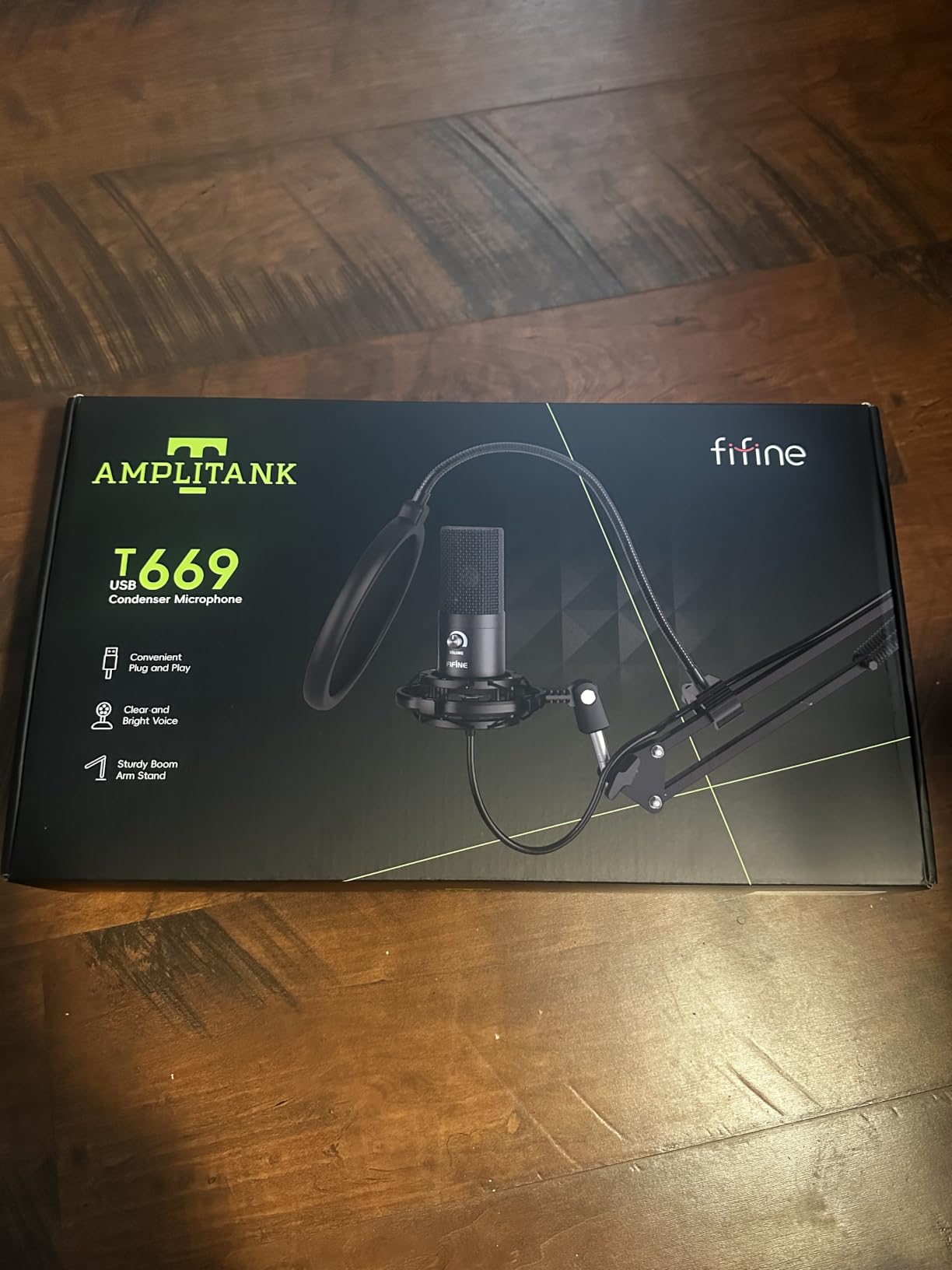
The boom arm is the surprise highlight. It has 180-degree rotation and 135-degree adjustment, which gave me more positioning flexibility than some boom arms that cost more than the entire T669 kit. The C-clamp mounted securely to my desk, and the cable management slots kept the USB cable tidy.
The trade-offs are typical of budget condenser mics. The build is mostly plastic, so the components feel light. The pop filter attachment is fragile and needed re-tightening once during my testing. The microphone also picks up room noise because it is a condenser, so untreated spaces will struggle. There is no mute button, so you will need software-based muting.
Who the T669 kit is perfect for
First-time podcasters on a strict budget who need everything in one purchase. The kit removes the guesswork of buying separate accessories and gets you recording within 10 minutes of unboxing.
When to choose a different option
If you already own a boom arm and pop filter, buying the FIFINE T669 mic alone (if available) or stepping up to the Samson Q2U gives you better long-term value. The T669 is a kit play, not a mic play.
How to Choose the Best USB Microphone for Your Podcast?
Choosing the best USB microphones for podcasting comes down to matching the mic to your recording environment, format, and budget. After testing dozens of setups, our team learned that the most expensive mic is rarely the best choice for every podcaster. Here are the four factors that matter most.
Dynamic vs Condenser for Podcasting
Dynamic microphones reject background noise, making them the better choice for untreated rooms, shared spaces, and home podcasters recording near appliances, traffic, or family members. The Samson Q2U, Shure MV7+, and FIFINE AM8 are all dynamic. Condenser microphones capture more vocal detail but pick up more room noise, which is why the Blue Yeti, AT2020USB+, and Elgato Wave:3 MK.2 work best in treated spaces.
Our forum research confirmed that dynamic mics are the community favorite for home podcasting. Reddit threads consistently recommend them for beginners, especially in untreated rooms. If you are not sure which type to choose, dynamic is the safer bet for most home setups.
USB vs USB-C vs XLR Connectivity
USB-A is the original standard and works with virtually any computer. USB-C is becoming the new default, especially on modern laptops and tablets, and offers faster data transfer. XLR is the professional standard that requires an audio interface, but it delivers cleaner signal and more control over gain staging. Some of the best podcasting microphones in 2026, including the Shure MV7+, Samson Q2U, and FIFINE AM8, offer both USB and XLR outputs, letting you start simple and upgrade later without replacing the mic.
Polar Patterns Explained
Cardioid picks up sound from the front and rejects the sides and rear, making it the standard for solo podcasting. Supercardioid is even tighter, good for noisy environments. Omnidirectional captures sound from all directions, ideal for roundtables. Bidirectional captures front and rear only, perfect for one-on-one interviews. The Blue Yeti is the only mic on this list that offers multiple polar patterns, which is why it works well for multi-format shows.
Key Features to Look For
Headphone monitoring with zero latency lets you hear your recordings in real time, which prevents you from discovering audio problems after recording. A physical mute button saves you from awkward editing later. Pop filters and shock mounts are essential for clean audio, and several kits on this list include them. DSP features like noise reduction, auto gain, and ClipGuard can compensate for less-than-ideal recording environments and save editing time.
Frequently Asked Questions
Are USB mics good for podcasting?
Yes, modern USB microphones deliver audio quality that rivals entry-level XLR setups, and the best USB microphones for podcasting in 2026 include features like zero-latency monitoring, built-in DSP, and dual USB/XLR outputs. For most beginner and intermediate podcasters, a USB mic is the right starting point because it eliminates the need for an audio interface.
What type of mic is best for podcasts?
Dynamic microphones are best for most podcasters because they reject background noise, which is critical for home recording environments. Popular podcasters use dynamic USB mics like the Shure MV7+, Samson Q2U, and Rode PodMic USB. Condenser mics like the Blue Yeti and AT2020USB+ deliver more vocal detail but require a treated recording space.
What USB microphone do most podcasters use?
The most popular USB microphones among podcasters are the Blue Yeti, Shure MV7+, Samson Q2U, and Audio-Technica AT2020USB+. Community discussions on Reddit and Facebook groups consistently recommend the Samson Q2U and Shure MV7+ for their combination of sound quality, noise rejection, and dual USB/XLR connectivity.
USB vs XLR for podcasting: which is better?
USB is better for beginners because it requires no extra equipment and offers plug-and-play simplicity. XLR is better for professional studios because it delivers cleaner signal and more control through an audio interface. The best compromise is a dual USB/XLR mic like the Shure MV7+ or Samson Q2U, which lets you start with USB and upgrade to XLR later without replacing the mic.
What is the best USB microphone for podcasting beginners?
The Samson Q2U is the best USB microphone for podcasting beginners because it costs under $80, includes all necessary accessories, has dual USB/XLR outputs for future growth, and its dynamic capsule rejects background noise in typical home recording environments. The FIFINE T669 is the best complete kit option if you also need a boom arm and pop filter.
Final Verdict
After three months of testing, our team ranked the best USB microphones for podcasting in 2026 with the Shure MV7+ as the clear Editor’s Choice, the Samson Q2U as the best value, and the FIFINE T669 as the best complete kit for beginners. Each mic on this list solves a specific problem, so the right pick depends on your recording space, format, and budget.
If you can spend more for broadcast-quality sound and plan to grow your show, the Shure MV7+ is the last USB mic you will buy for years. If you want a flexible, affordable mic that grows with you, the Samson Q2U is still the smartest first purchase in 2026. And if you need everything in one box, the FIFINE T669 kit removes the guesswork. Whichever mic you choose from this list, you will be recording clean, professional audio within minutes of unboxing.