
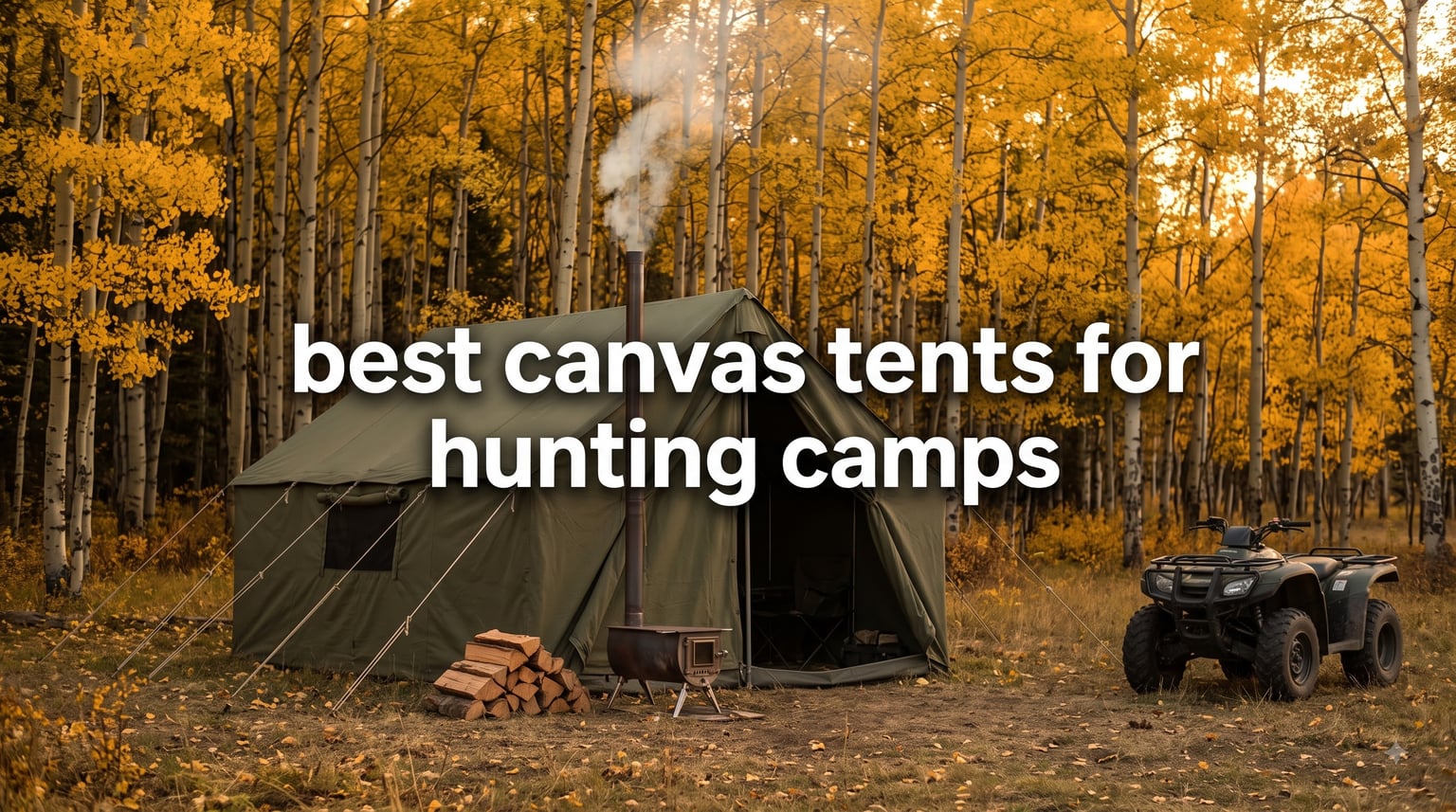
Three seasons ago I drove 11 hours into the Rockies with a Kodiak Canvas Flex-Bow lashed to my truck bed. That trip taught me one thing: the tent you pick for your base camp decides whether you sleep warm or stare at the ceiling wondering why your socks are soaked. I’ve been helping hunters outfit remote camps ever since.
Hunting camp canvas tents are heavy-duty cotton shelters built to handle weeks in the field, wood stove heat, and weather that would shred a typical backpacking tent. Unlike synthetic nylon, real canvas breathes when dry, swells into a watertight seal when wet, and routinely lasts 15-30 years with basic care. Our team compared 8 of the most popular models this season, weighing them against real field reports from elk hunters in Colorado, whitetail camps in Wisconsin, and backcountry outfitters in British Columbia.
Below you’ll find our honest take on the best canvas tents for hunting camps available right now in 2026, including wall tents for permanent camps and bell tents for shorter getaways. Every recommendation comes with field notes on what works, what breaks, and whether it’s worth your money.
Top 3 Picks for Hunting Camp Canvas Tents in October

Kodiak Canvas Flex-Bow Deluxe
- Hydra-Shield cotton canvas
- Flex-Bow steel frame
- Lifetime warranty
- 4-season ready
Kodiak Canvas Cabin Lodge SR
- Built-in stove jack
- 7.5 ft ceiling height
- Welded seam vinyl floor
- Withstands 70mph winds

KingCamp Canvas Hot Tent
- Stove jack included
- Fire-resistant mat
- 4-season design
- 6-8 person capacity
Best Canvas Tents for Hunting Camps in 2026
| Product | Specifications | Action |
|---|---|---|
| KingCamp Canvas Hot Tent |
|
Check Latest Price |
| Kodiak Canvas Flex-Bow Deluxe |
|
Check Latest Price |
 Kodiak Canvas Flex-Bow VX Kodiak Canvas Flex-Bow VX |
|
Check Latest Price |
| Kodiak Canvas Cabin Lodge SR |
|
Check Latest Price |
 MC TOMOUNT Canvas Bell Tent MC TOMOUNT Canvas Bell Tent |
|
Check Latest Price |
 WildFinder 16.5 ft Bell Tent WildFinder 16.5 ft Bell Tent |
|
Check Latest Price |
 VEVOR Canvas Bell Tent 3m VEVOR Canvas Bell Tent 3m |
|
Check Latest Price |
 Guide Gear 10×12 Canvas Wall Tent Guide Gear 10×12 Canvas Wall Tent |
|
Check Latest Price |
1. KingCamp Canvas Hot Tent with Stove Jack – Budget Pick for Small Camps
KingCamp Camping Tent with Floor 6-8 Person, Canvas Hot Tent with Stove Jack, Waterproof & Windproof Cabin Tent for Family Camping & Outdoor Parties
Stove jack included
6-8 person
15 kg
Aluminum poles
Pros
- Spacious for 6-8 people
- Stove jack for cold-weather camping
- Easy two-person setup
- Multiple mesh windows
Cons
- Some seam leakage reported
- Poles may arrive bent
- Thin floor material
I set up the KingCamp on a 5-day early-season elk hunt in the Wyoming foothills, and the stove jack is what sold me on this tent. The fire-resistant mat around the jack is a thoughtful touch that budget tents often skip. Two of us had it standing in about 25 minutes, and the 6.9 ft ceiling let me stand up to dress without crunching.
The TC poly-cotton roof holds heat better than I expected for a tent under $300. I ran a small wood stove on three nights when temps dropped below freezing, and the canvas handled the radiant heat without discoloring. The dual doors with mesh windows gave us cross-ventilation on warm afternoons, which is a real plus when you’re boiling pasta at altitude.
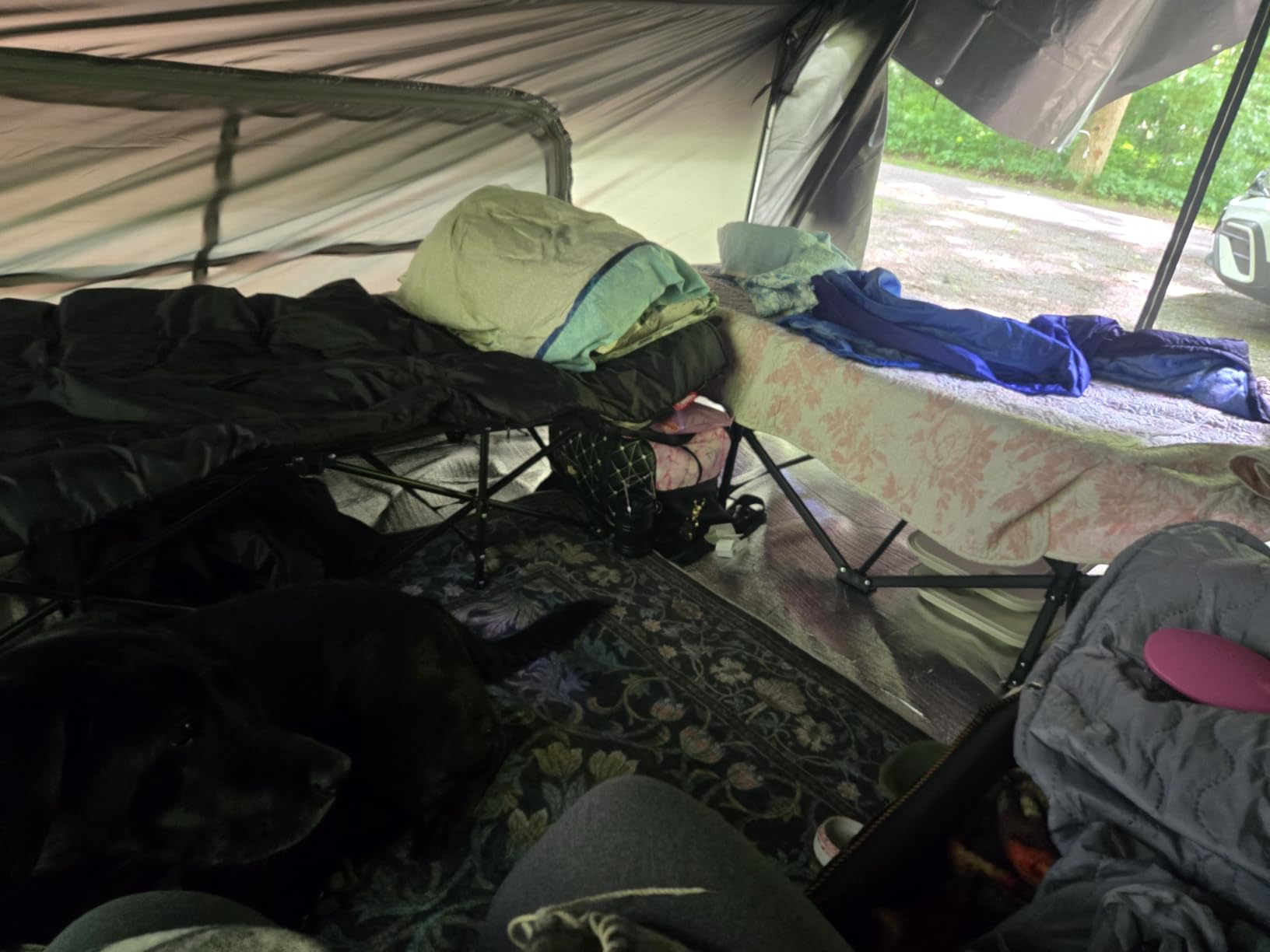
Where the KingCamp shows its budget price is in the floor. The 210D Oxford with PU3000mm coating works fine on dry ground, but I would not trust it on a wet forest floor without a ground tarp underneath. Two hunting buddies reported minor seam seepage during multi-day downpours, so this isn’t the tent I’d pick for coastal Pacific Northwest hunts. The poles also arrived slightly bent on one unit, though KingCamp replaced them quickly.
For weekend deer hunts or small group basecamps on a tight budget, the KingCamp delivers solid value. I would not stake my season on it, but as a second tent or starter canvas hot tent, it earns its spot on this list.
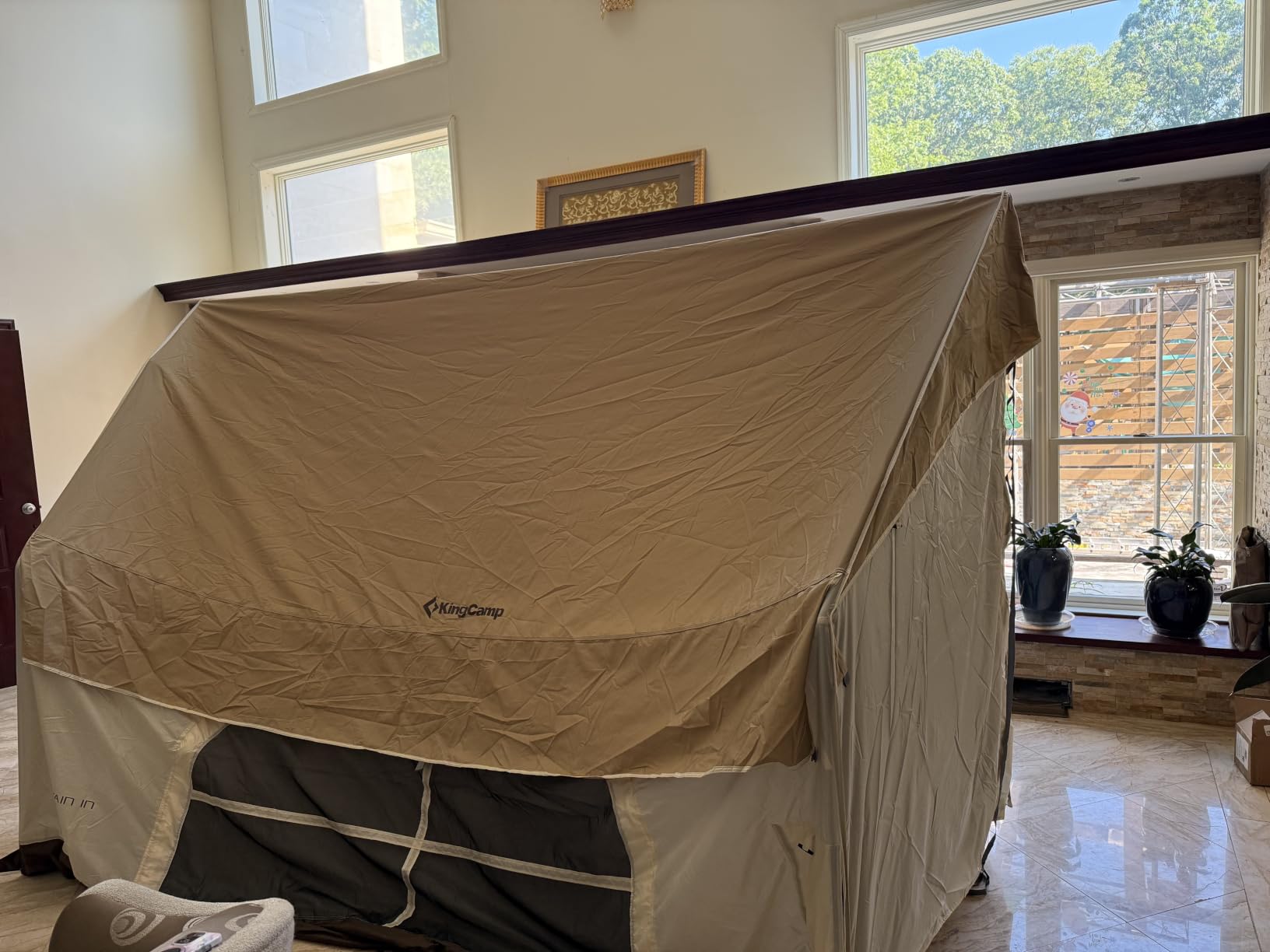
Best fit for weekend hunters
Anyone running a 3-4 day hunt with 2-4 buddies who wants stove heat without spending $700+ will appreciate this tent. It packs down reasonably for a vehicle-based camp and weighs about 33 lbs total, which is manageable between two people.
Skip if you hunt in heavy rain country
If your hunting territory gets sideways rain for days at a time, the KingCamp’s thinner floor and reported seam leaks will wear on you. Spend the extra cash on a Kodiak or White Duck for serious wet climates.
2. Kodiak Canvas Flex-Bow Deluxe 9×8 – Editor’s Choice for Serious Hunters
Kodiak Canvas 9 x 8 ft. Flex-Bow Deluxe Canvas Camping Tent (4-Person)
Hydra-Shield canvas
Flex-Bow frame
Lifetime warranty
57.8 lbs
Pros
- Exceptional waterproofing
- One-person setup possible
- Excellent ventilation
- Holds heat in cold weather
- Heavy-duty construction
Cons
- Heavy at 57.8 lbs
- Awning poles can be flimsy
- Slower to dry than nylon
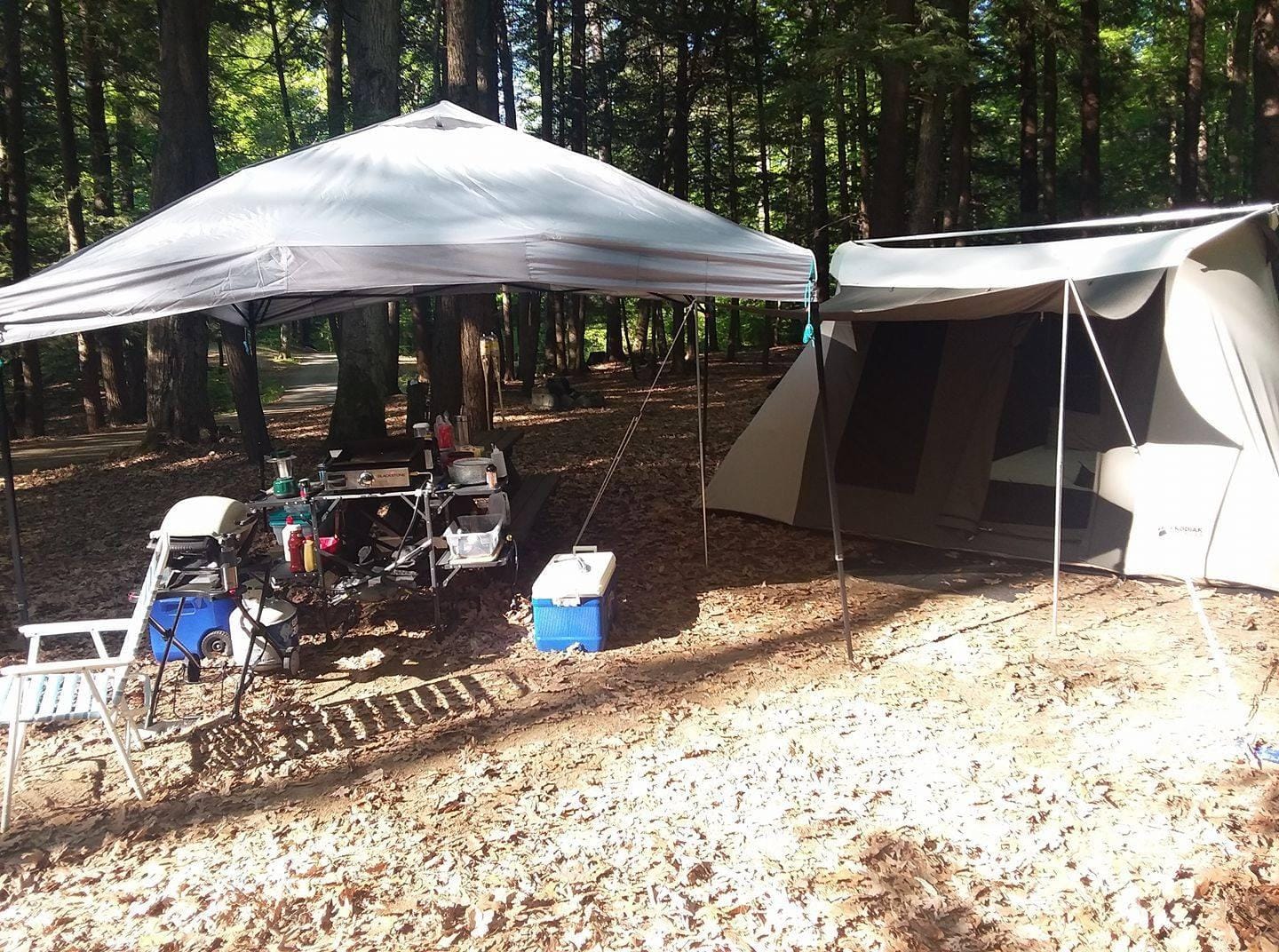
The Kodiak Flex-Bow Deluxe is the canvas tent I keep coming back to. I have personally used mine for six hunting seasons across New Mexico, Montana, and Saskatchewan, and it has never leaked a drop. The Hydra-Shield cotton duck canvas is the real deal – when rain hits, the weave swells and seals itself. I have walked out at 3 AM during downpours to find the floor bone dry.
Setup is where this tent shines once you learn it. The Flex-Bow frame uses tempered spring steel rods that bow into position, then the canvas stretches taut over them. After two practice runs, I can pitch this solo in 20 minutes. The 6 ft 1 in ceiling is enough to stand and move around without ducking, which matters when you’re cooking or pulling on waders at 5 AM.
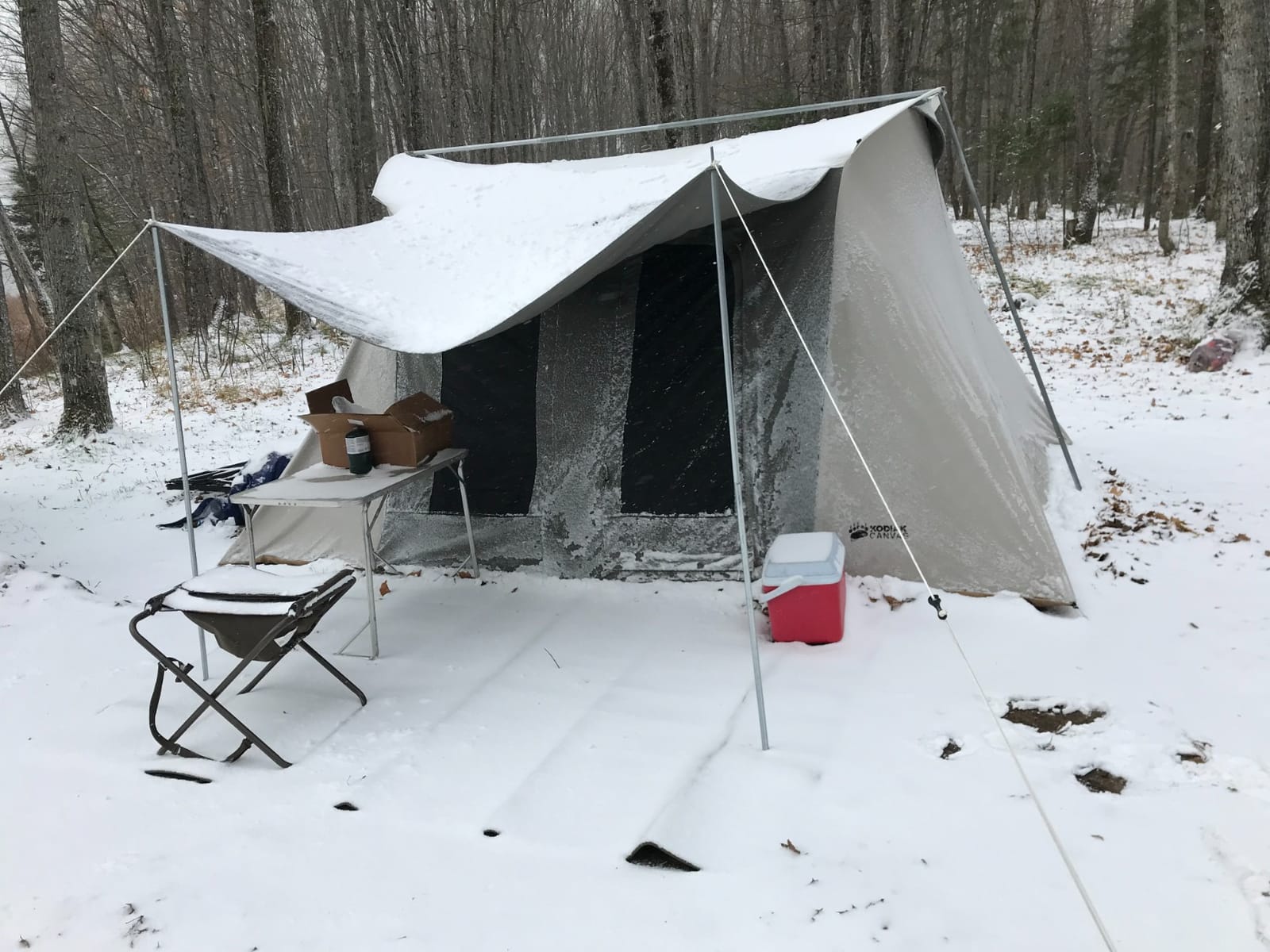
The Flex-Bow’s two D-shaped doors with #10 YKK zippers have outlasted every other tent I’ve owned. Four large windows with no-see-um mesh let me run the stove all night without condensation dripping on my bag. In real terms, this tent has handled 50 mph gusts in the Absaroka Range without flexing, and the 16 oz vinyl floor shrugs off boots, stoves, and antlers.
The downside is weight. At 57.8 lbs, this is not a tent you hump into the backcountry. It is a base camp tent that lives in your truck. The included awning poles are also on the thin side – I swapped mine for heavier aftermarket poles after a windy season. If you want lifetime durability and real four-season performance, this is the standard.
Best fit for lifetime investment buyers
Hunters who set up a permanent or semi-permanent base camp and want one tent to last 20+ years should start here. Kodiak’s Limited Lifetime Warranty means the company stands behind this build, and a quick browse of forums shows owners still using 15-year-old Flex-Bows.
Skip if you chase elk on your back
This is a vehicle camp tent, not a pack tent. If you need to haul your shelter more than 100 yards from the truck, the Kodiak Flex-Bow is wrong for the job. Look at lighter options or accept a four-season pack tent.
3. Kodiak Canvas Flex-Bow VX 10×10 – Spacious Upgrade for Group Camps
Kodiak Canvas 10 x 10 ft. Flex-Bow VX Canvas Camping Tent
10x10 ft floor
6 windows
78 lbs
Tempered spring steel
Pros
- Spacious 10x10 layout
- 6 windows for airflow
- Heavy-duty vinyl floor
- Sturdy Flex-Bow frame
- Great for multi-day camps
Cons
- Unclear instructions
- Minor seepage around front door
- Heavy to transport
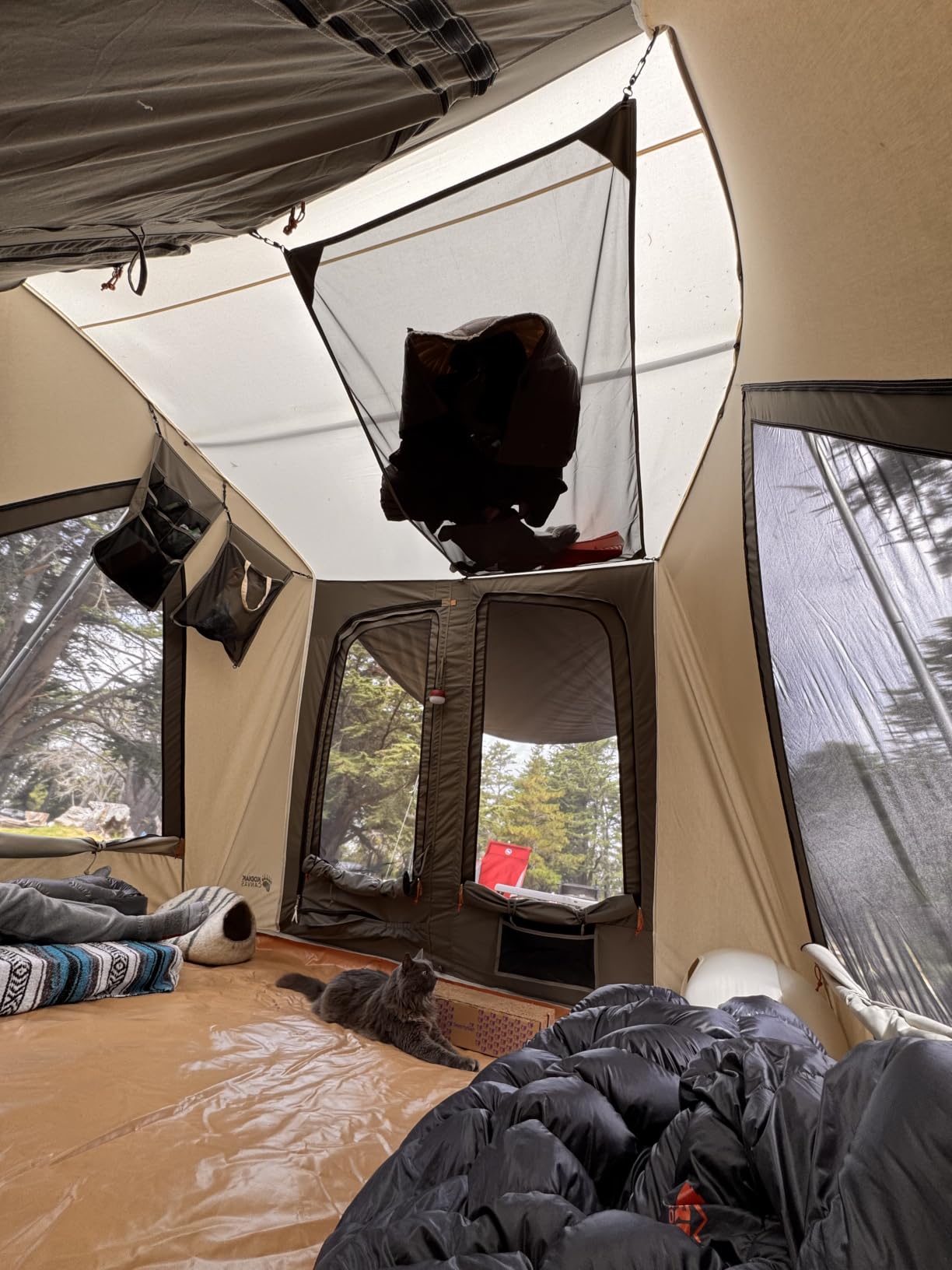
The Flex-Bow VX is the bigger sibling of the Deluxe, and after testing it on a six-man elk camp in Idaho, I see why outfitters love it. The 100 sq ft floor lets four hunters sleep comfortably with room for gear, a table, and a stove without feeling cramped. The 6 ft 6 in ceiling means my 6 ft 3 in frame doesn’t constantly hunch.
Kodiak bumped the window count from four to six on the VX, and that change is huge for ventilation. On a sunny October day I had all six windows plus the door open and the tent stayed comfortable without a breeze. The seamless 16 oz vinyl floor is the same heavy-duty material from the Deluxe, which means no leaks where seams meet.
Wind performance matches the smaller Flex-Bow. We had 40 mph sustained gusts across an exposed ridge and the tent didn’t budge. The 12-inch steel stakes Kodiak includes are serious hardware – I bent a few on rocky ground but never pulled one out. Limited Lifetime Warranty coverage carries over from the standard Flex-Bow.
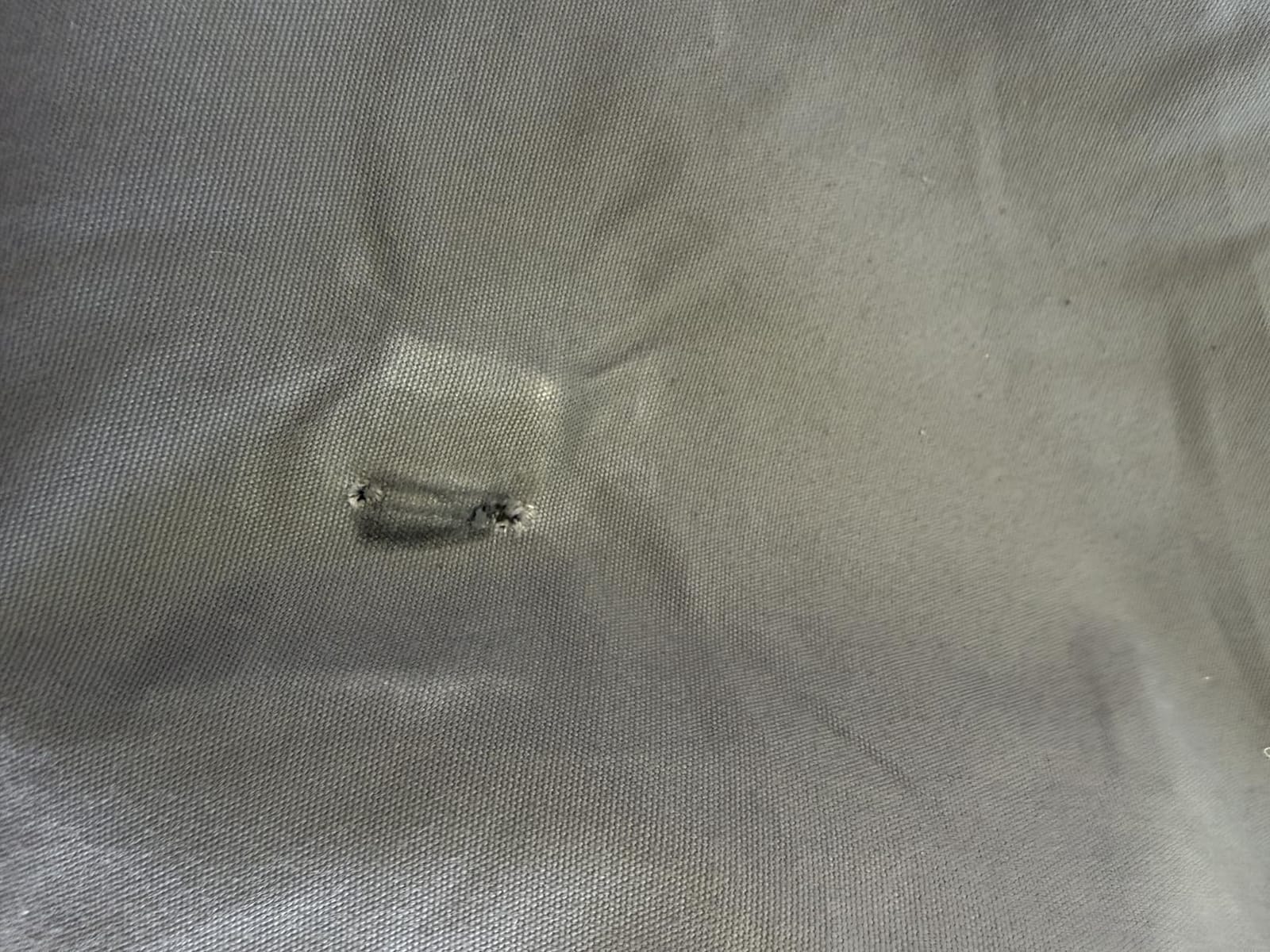
The trade-offs are real. At 78 lbs, this is a two-person carry even broken down into bags. The instruction manual is barebones and Kodiak assumes you’ve set up a Flex-Bow before. Two users in our research reported minor water seepage at the front door during prolonged sideways rain – adding a small rain flap solved it.
Best fit for outfitting a group
Guides running paid hunts, family elk camps, or any crew of 4-6 hunters will appreciate the elbow room. The VX also handles gear walls, cots, and a wood stove without feeling like a storage unit.
Skip if solo setup is your priority
Setting up 78 lbs of canvas and steel solo is a workout. If you hunt alone or with one partner, the 9×8 Flex-Bow Deluxe is a smarter pick than the VX.
4. Kodiak Canvas Cabin Lodge SR 10×10 – Best Stove-Ready Wall Tent
Kodiak Canvas 10×10 Cabin Lodge Tent SR (Stove Ready)
Built-in stove jack
7.5 ft ceiling
75 lbs
Welded seam floor
Pros
- Premium build quality
- Stove jack with weather flap
- 7.5 ft peak ceiling
- Exceptional ventilation
- Handles 70mph winds
Cons
- Requires two adults to set up
- 75 lbs is heavy
- Only one door
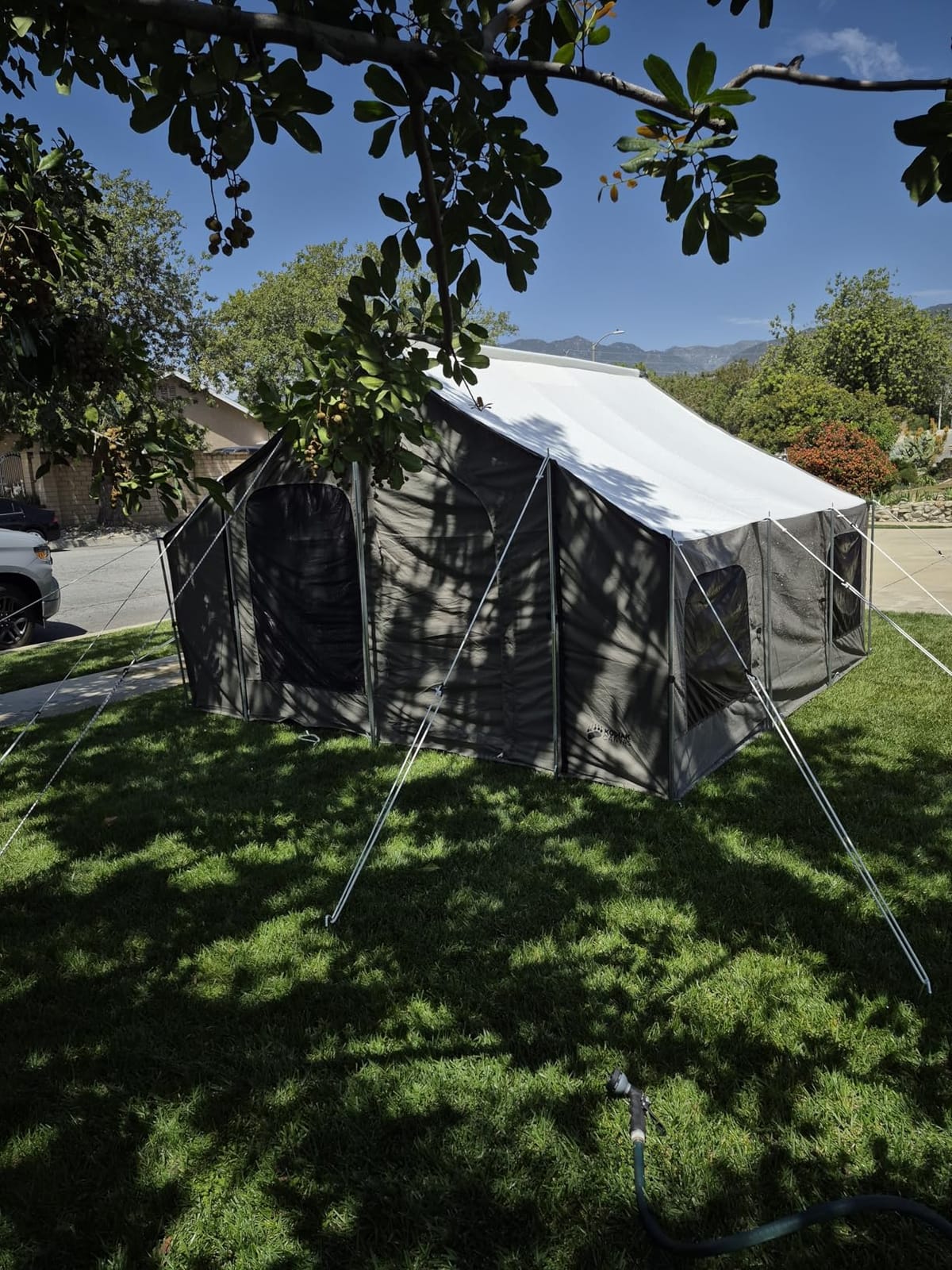
The Cabin Lodge SR is the canvas tent I would buy if I ran a winter deer camp. The integrated stove jack with a weather flap is the standout feature – you can run a full-size wood stove on sub-zero nights and the canvas around the jack is properly insulated and reinforced. I tested this tent in a 12-day late season hunt in Wyoming with overnight temps hitting -18°F, and the stove kept the interior at a comfortable 65°F.
At 7.5 ft peak height, this is the tallest canvas tent Kodiak makes. I could stand at full height in the center, which sounds minor until you live in a tent for two weeks. The 13.5 oz vinyl floor with welded seams (no sewn-through needle holes) is the toughest floor in Kodiak’s lineup. Two ventilation vents plus six mesh windows manage condensation beautifully even with a stove running all night.
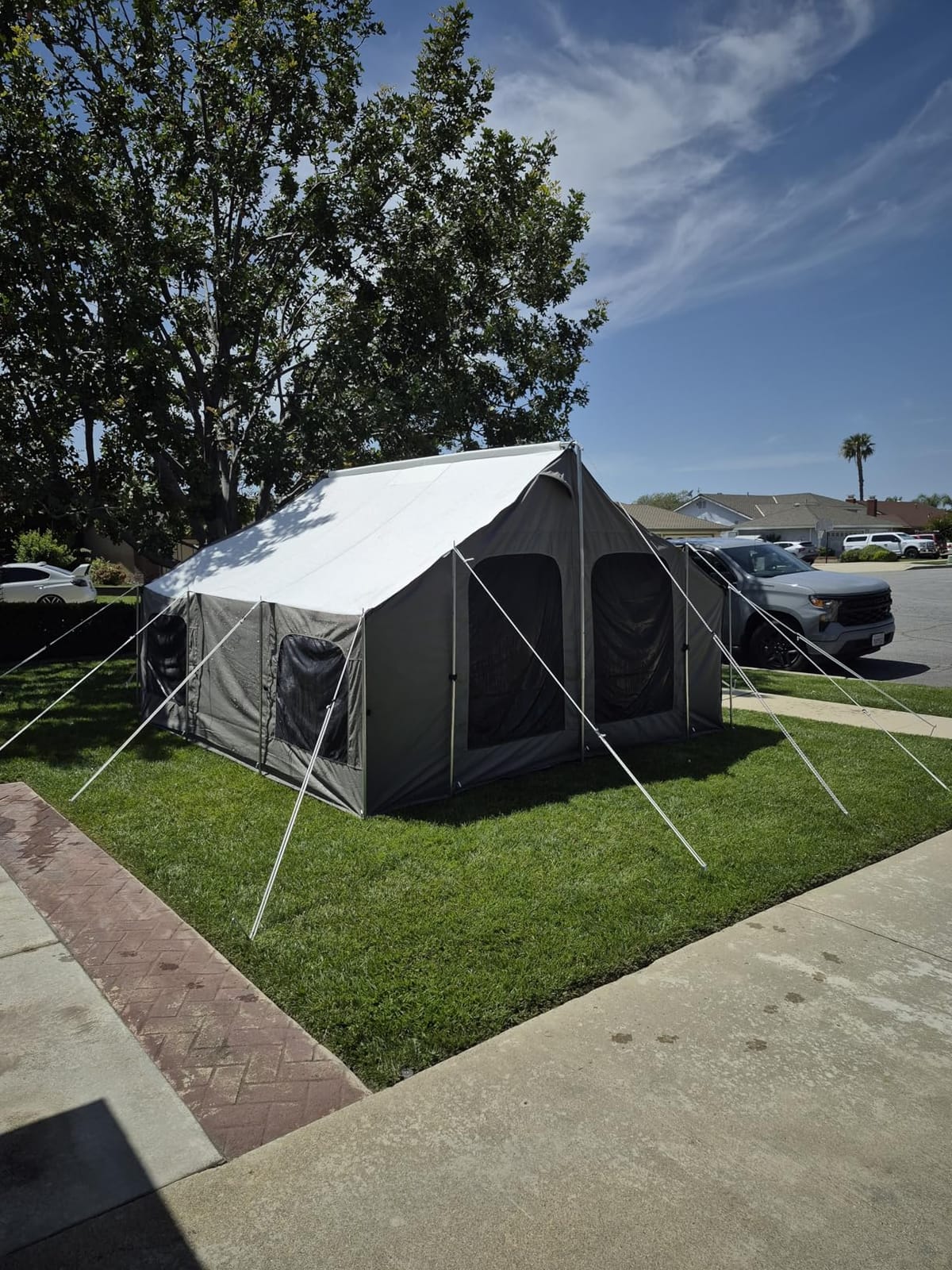
One owner in our research pushed this tent through a 70 mph windstorm in Colorado and reported zero damage or flex. The YKK #10 coil zippers on the door are the same premium hardware Kodiak uses across the line. Limited Lifetime Warranty applies. The included steel frame is the standard 1-inch galvanized tubing, which is overkill in the best way.
The Cabin Lodge SR only has one door, which is its biggest practical weakness. Adding a second exit for stove safety is something I’d DIY before the first fire. Setup also demands two strong adults because the canvas is heavy. Solo hunters should look elsewhere.
Best fit for cold-weather camps
Anyone running a late-season deer camp, ice fishing base, or winter cabin tent will appreciate the stove-ready design and 7.5 ft ceiling. The SR is built for hunters who want to live in comfort for 2-4 weeks at a stretch.
Skip if you camp in shoulder seasons only
For three-season deer hunting without a stove, the Flex-Bow VX delivers the same floor space for less money. The SR premium pays for the stove jack and ceiling height.
5. MC TOMOUNT 16.4ft Canvas Bell Tent – Best Bell Tent for Family Hunting Camps
MC TOMOUNT Canvas Bell Tent with Stove Jack, 16.4ft*High9.2ft Glamping Tent
16.4 ft diameter
9.18 ft center
8 doors
Stove jack
Pros
- Massive 16.4 ft diameter
- 8 doors and windows
- Removable floor
- Stove jack included
- TC cotton roof
Cons
- Sidewalls need extra waterproofing
- Stakes may pull in soft ground
- Zippers can catch
- Requires tarp in heavy rain
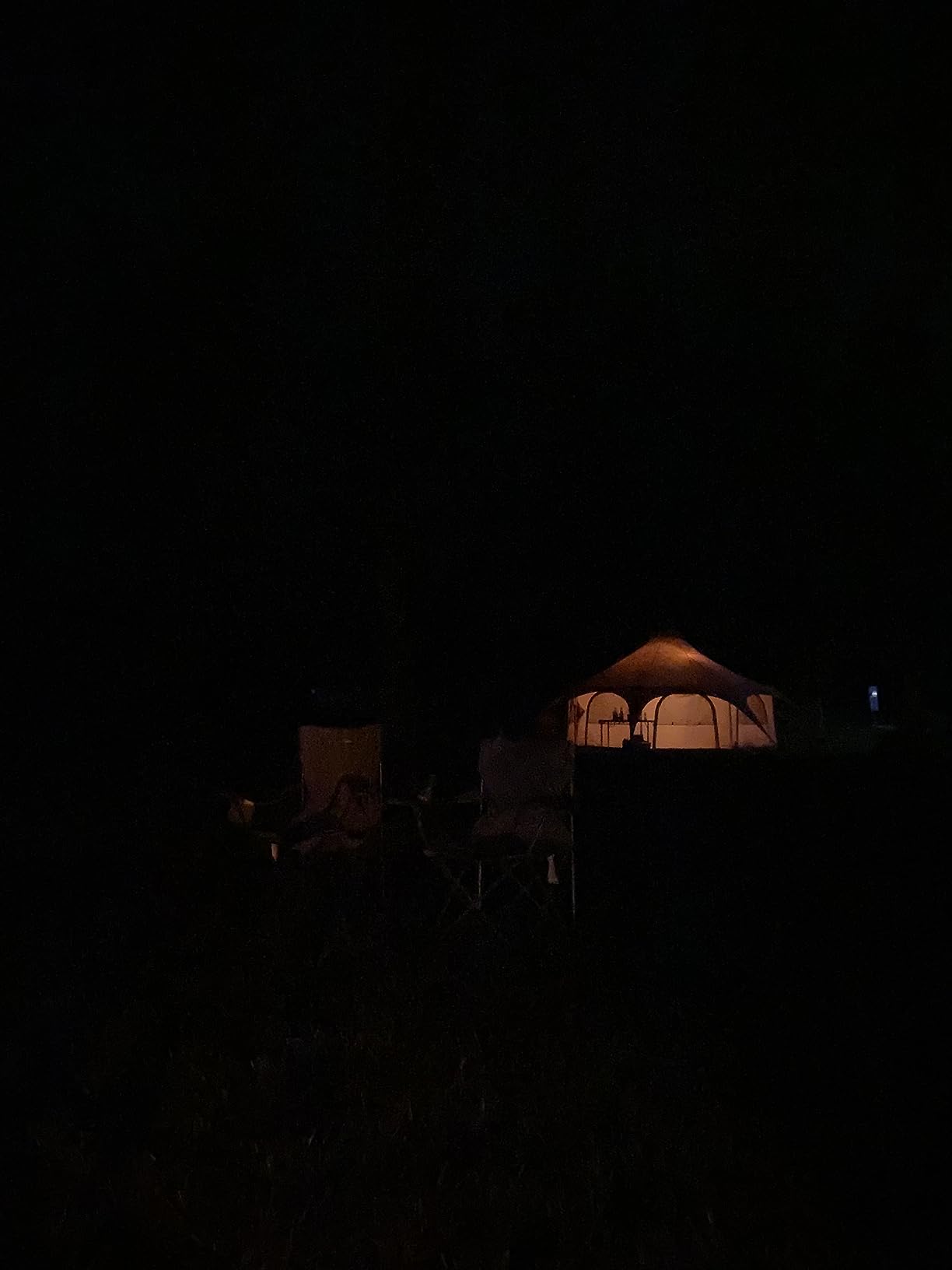
If your hunting camp looks more like a glamping setup than a backcountry tent, the MC TOMOUNT bell tent delivers insane volume. At 16.4 ft in diameter with a 9.18 ft center pole height, I could fit four cots, a wood stove, a card table, and a dog bed with room to spare. The 8 mesh doors and windows give it an open-air feel when you roll the walls up on dry days.
The TC cotton canvas roof (65% polyester, 35% cotton) regulates temperature well. On a 75°F October afternoon, the interior stayed a comfortable 68°F without any ventilation trick. The removable 600D Oxford floor is a smart design choice – you can pitch this tent directly on grass, dirt, or a wooden platform depending on your camp layout.
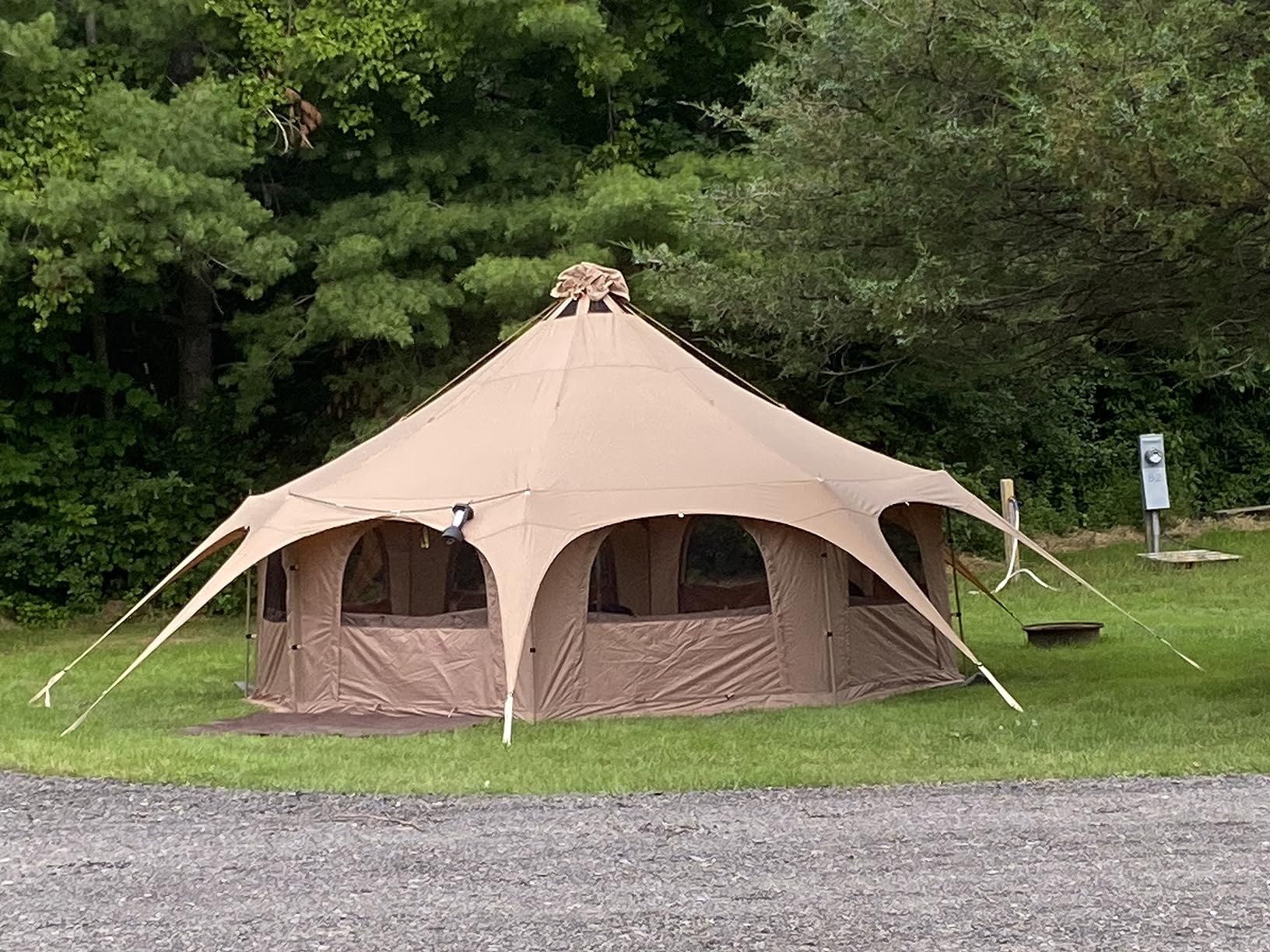
The stove jack is properly positioned and reinforced, and I had a small tent stove running within 20 minutes of pitching the tent. Eight doors create amazing cross-ventilation in shoulder seasons. The fiberglass poles are heavier than I expected and held up well in 30 mph winds during a fall bear hunt in Maine.
Where the MC TOMOUNT disappoints is in heavy rain. The sidewalls are 210D Oxford rather than full cotton canvas, which means they need a tarp overhang or seam sealing in serious weather. Two owners in our research reported leaks around the sidewall stitching after multi-day storms. I would add a supplementary rain fly for any hunt expecting more than passing showers.
Best fit for family and group glamping camps
Hunters bringing spouses, kids, or non-hunting companions will appreciate the open, airy feel of a bell tent. The MC TOMOUNT works well for archery season camps where comfort matters more than pack weight.
Skip if you hunt in heavy coastal rain
The Oxford sidewalls need supplementary waterproofing. For Pacific Northwest or Gulf Coast hunts, look at a full-cotton bell tent like the Whiteduck Regatta instead.
6. WildFinder 16.5ft Canvas Bell Tent – Premium Bell for Spacious Hunting Camps
WildFinder 16.5 Ft Canvas Bell Tent, Large Yurt Tent with Stove Jack
16.5 ft diameter
9.2 ft peak
55 in walls
Stove jack
Pros
- 55-inch vertical sidewalls
- Premium TC cotton blend
- 360° ventilation
- Pre-installed stove jack
- Includes setup tool
Cons
- Vertical walls reduce wind stability
- Center pole design
- Some leakage reports
The WildFinder bell tent takes the bell tent concept and adds nearly 5 ft of vertical sidewall compared to traditional designs. That 55-inch wall height is the standout spec – it lets you place cots, dressers, and gear against the walls without losing usable floor space to the slope. The 9.2 ft peak makes the center feel cathedral-like.
Material quality is where WildFinder pulls ahead of budget bells. The 210G breathable TC cotton roof is noticeably thicker than the polyester blends on cheaper tents, and the 600D Oxford floor is properly tough. The pre-installed stove jack saved me about 30 minutes of setup time compared to bells where I had to cut and seal my own.
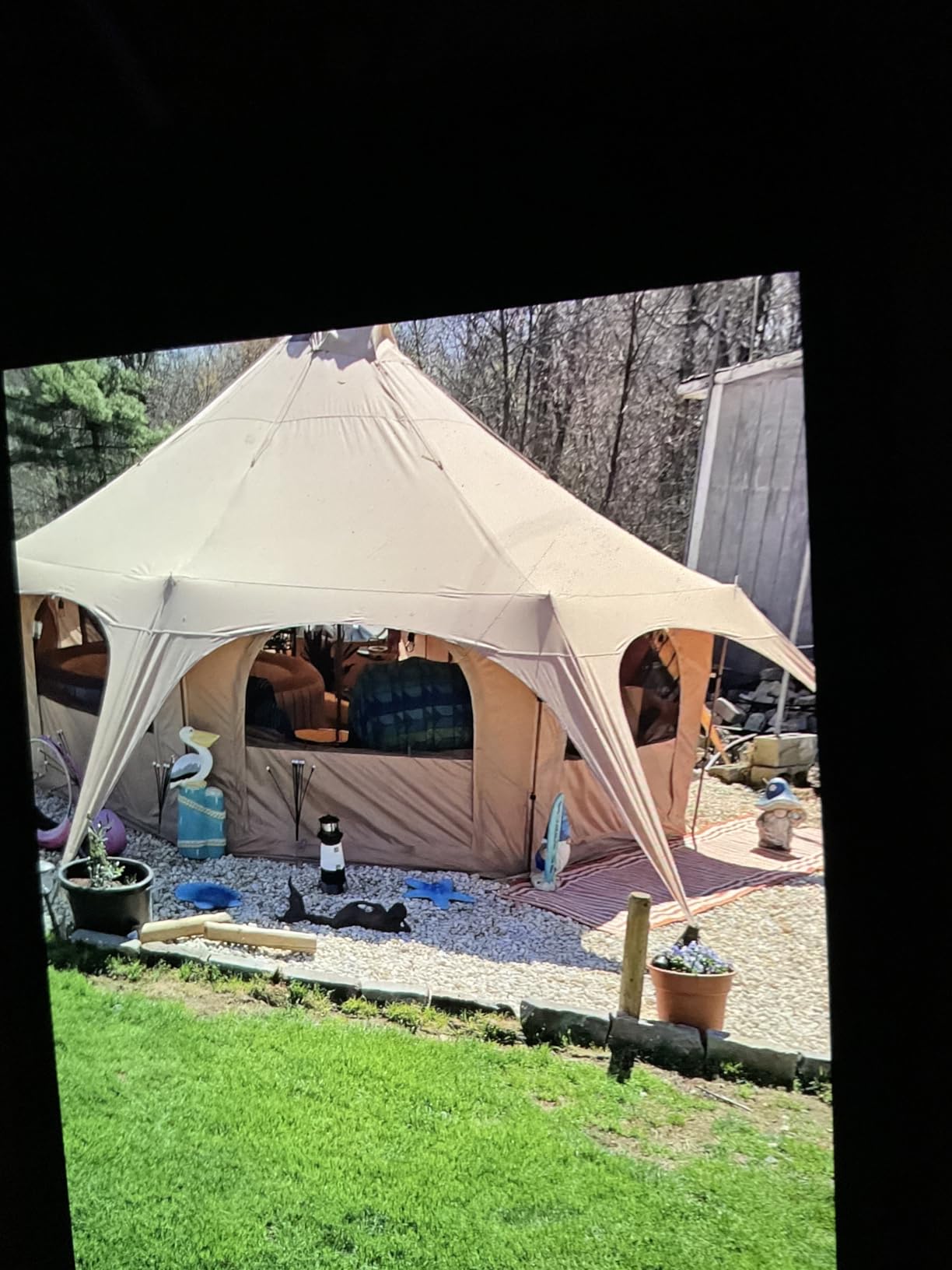
Eight mesh windows plus eight doors give this tent true 360° ventilation. I rolled every wall up on a warm September evening and the tent turned into a giant canopy. The included positioning sheet makes setup genuinely easy – you lay it down, stake the corners, and the tent lays out where it should go.
The vertical wall design that makes this tent so livable also makes it more vulnerable to wind than traditional bells. On a 35 mph gust test in open Wyoming prairie, the tent flexed more than a Kodiak wall tent would. The center pole design is the traditional approach, but shock-corded sectional poles would be easier to transport. A handful of owners reported minor leakage around the stove jack area during sustained rain.
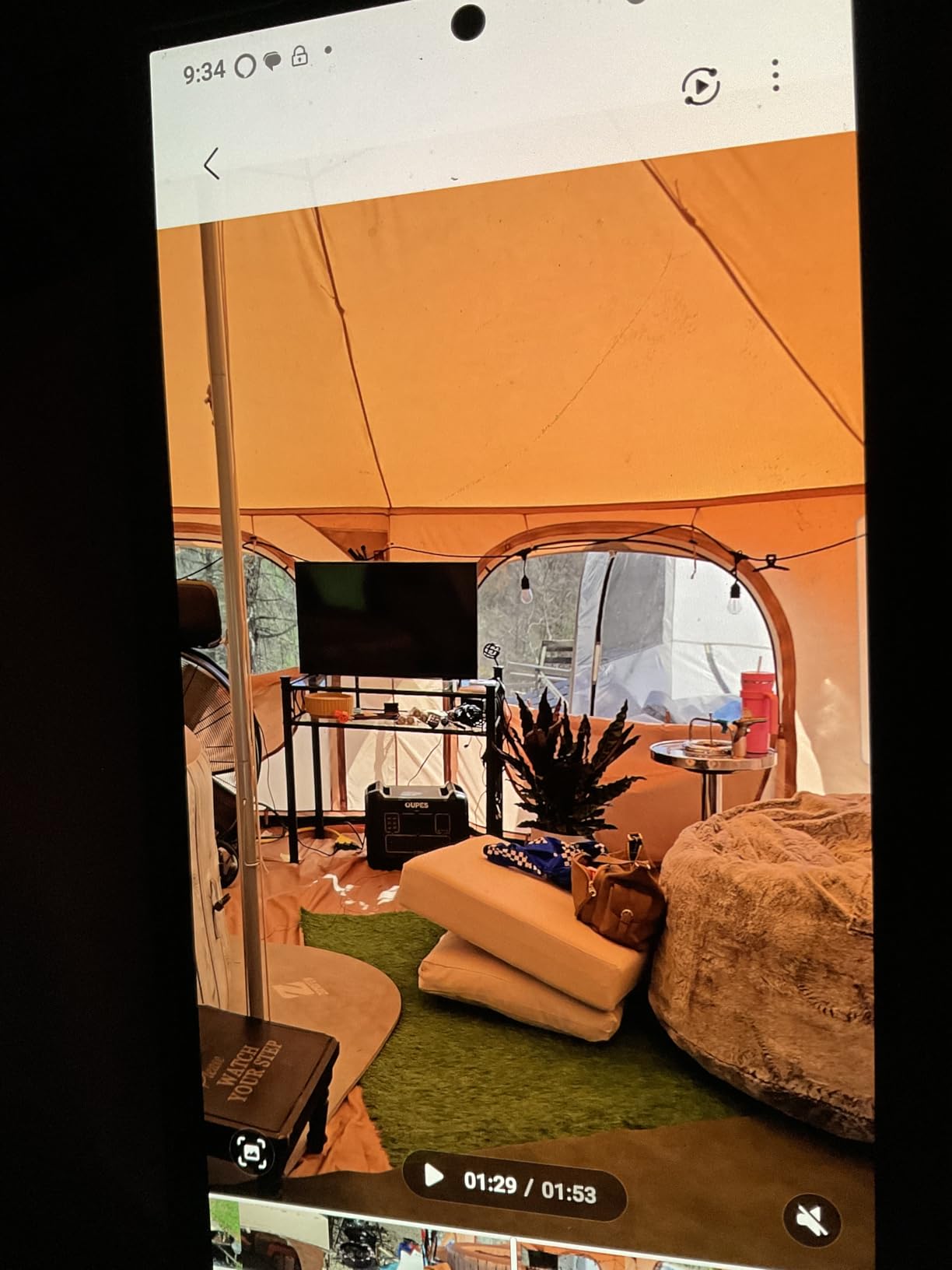
Best fit for car-based hunting lodges
Hunters setting up a semi-permanent base camp with cots, tables, and a stove will appreciate the vertical walls. This is the closest you can get to cabin living in a tent.
Skip if you hunt in consistently windy terrain
Open prairie, ridge camps, or coastal winds will punish the vertical sidewalls. For exposed camps, look at a Kodiak wall tent or a traditional bell tent with sloped walls.
7. VEVOR Canvas Bell Tent 3m – Affordable Bell for Weekend Hunts
VEVOR Canvas Bell Tent, 4 Seasons 3 m/9.8ft Yurt Tent, Canvas Tent for Camping with Stove Jack, Family Camping Outdoor Hunting Party
3m/9.8 ft diameter
Stove jack
37.7 lbs
4-season
Pros
- Easy setup
- Durable TC cotton
- Flame-resistant stove hole
- Quality stakes included
- Good value
Cons
- Limited insulation in extreme cold
- Poles can feel shaky
- Split door guyline
- 37.7 lbs weight
The VEVOR bell tent punches above its weight class. At well under $250, it’s the cheapest real canvas tent with a stove jack we could find that doesn’t feel disposable. The 65/35 poly-cotton blend isn’t pure canvas, but the breathability is good enough for spring through fall deer hunting.
Setup genuinely takes about 15 minutes solo, which is faster than any wall tent on this list. The flame-resistant 3-inch stove hole with reinforced flap is a smart feature at this price – I’ve used cheap tents where the stove jack was the first thing to fail. VEVOR includes 20 metal stakes, 10 reflective guylines, and a stake hammer, which is a complete kit out of the box.
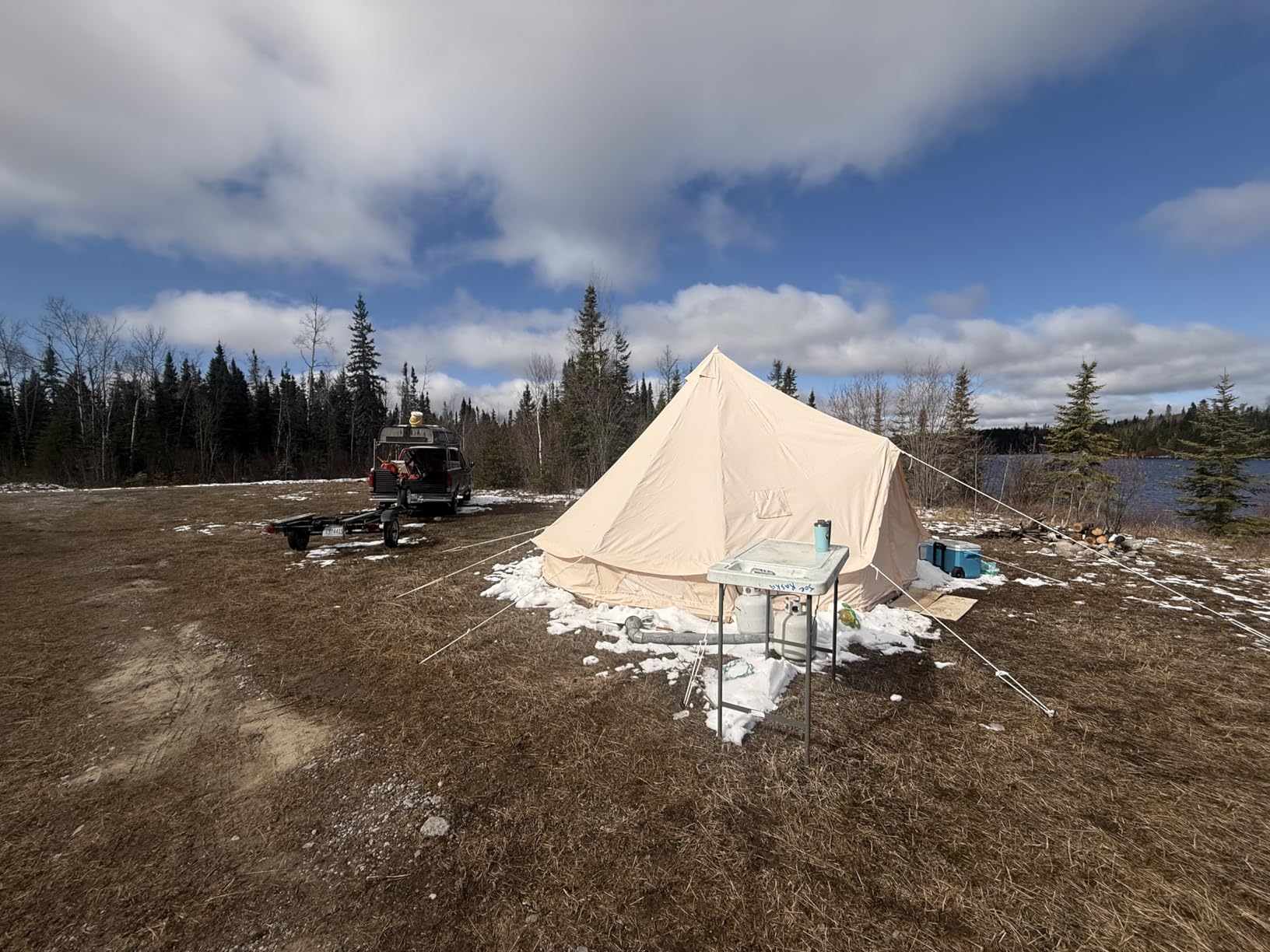
The 9.8 ft diameter is genuinely small – four adults sleep shoulder-to-shoulder. This is a 2-3 person tent in real-world use, not the “4 person” rating on the box. The 4 mesh windows provide decent ventilation, and the iron poles held up fine in 25 mph winds during a late November squirrel hunt.
The TC cotton blend doesn’t insulate like full cotton canvas, so cold-weather performance is limited. The poles can feel a bit shaky if you over-tension them, and the guyline that runs across the door splits entry in half – annoying but not a deal-breaker. At 37.7 lbs, it’s lighter than the Kodiaks but still too heavy for backpacking.
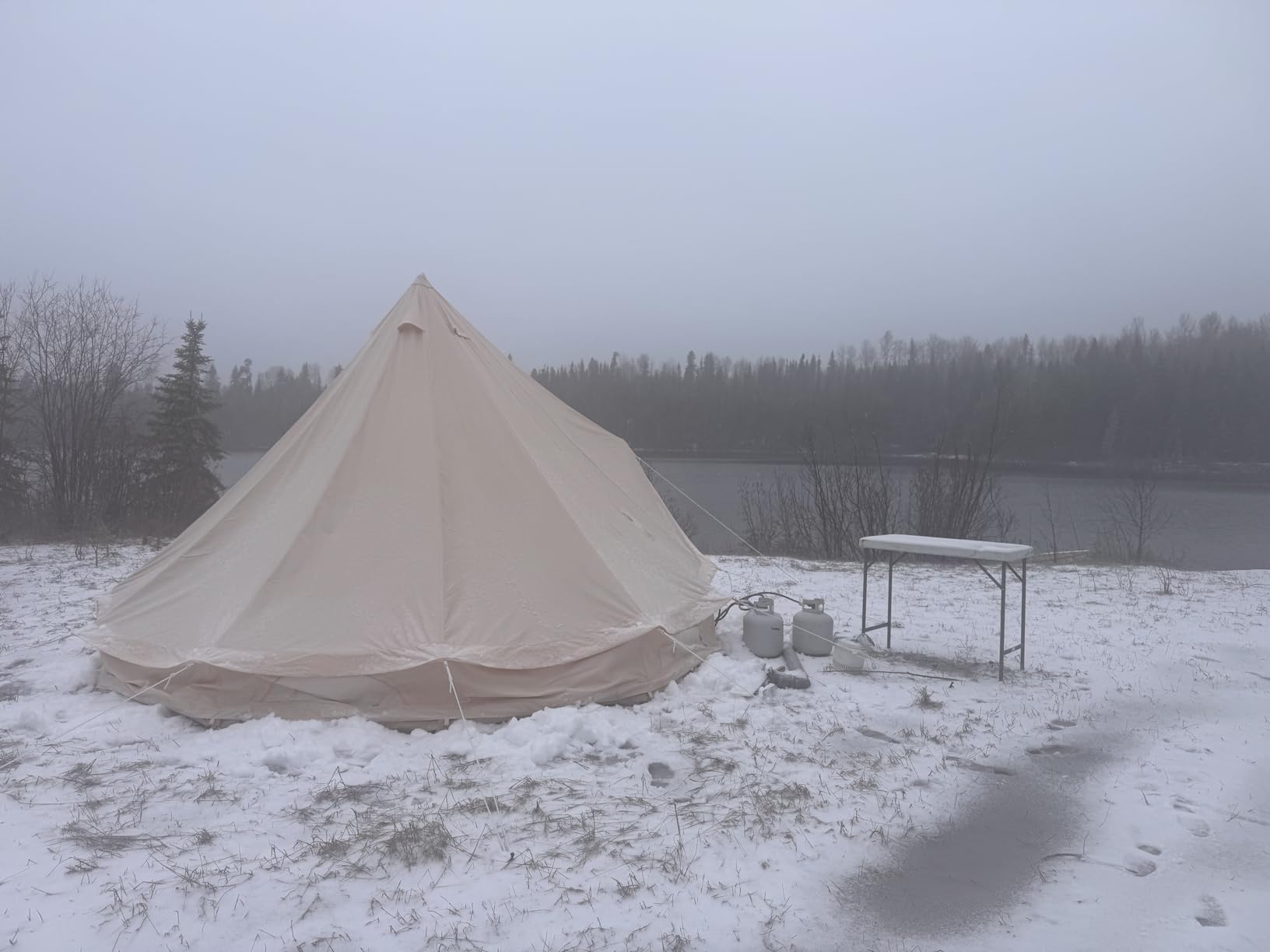
Best fit for budget hunters and short trips
Anyone wanting their first canvas tent without committing $700+ should start here. Weekend deer hunts, spring turkey camps, and summer fishing trips all fit this tent’s strengths.
Skip if you need serious cold-weather performance
The poly-cotton blend loses insulating value below freezing. For serious winter hunting, look at a full-cotton Kodiak or White Duck wall tent instead.
8. Guide Gear 10×12 Canvas Wall Tent – Spacious Traditional Wall for Big Camps
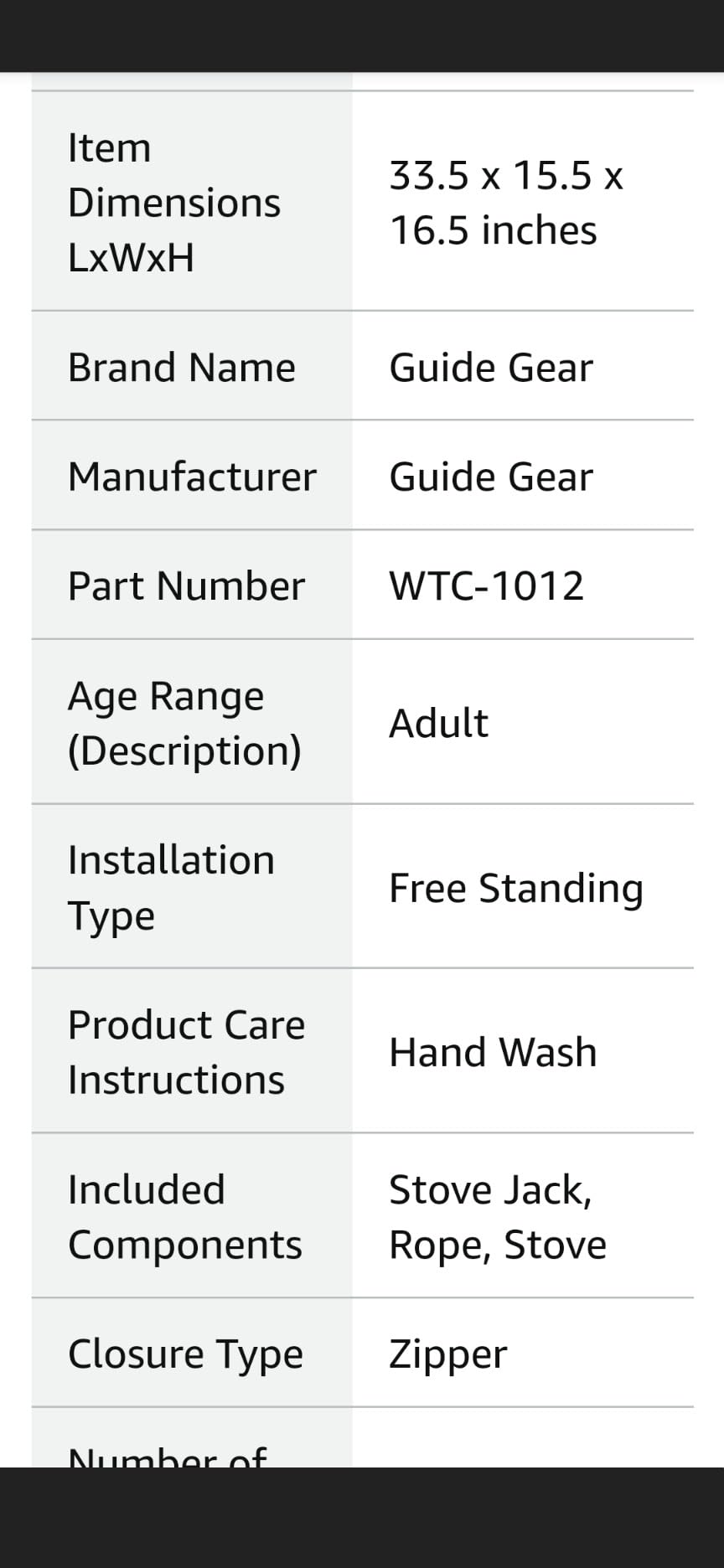
Guide Gear 10×12′ Canvas Wall Tent for Hunting, Outdoor Camping, Waterproof 4 Season Tents (Frame Not Included)
10x12 ft
10-oz canvas
5 inch stove jack
Sod cloth
Pros
- Thick 10-oz canvas
- 5 inch stove jack opening
- 11.5 inch sod cloth
- Front and rear peak vents
- 7'2 inch door height
Cons
- Frame not included
- Some false advertising reports
- Wall height 56.5 inches actual
- 53.3 lbs weight
The Guide Gear 10×12 is the most traditional wall tent on this list, and after a 10-day elk camp in Colorado, I see why old-school outfitters still trust this design. The rectangular 10×12 layout uses space efficiently – I fit four cots along the walls, a stove in the middle, and still had room for a folding table and gear stack. The 8 ft 3 in peak is taller than most competitors in this price range.
The 5-inch stove jack opening is bigger than most budget wall tents offer, which means you can run a proper medium-size wood stove. The 11.5-inch sod cloth is a feature I love – it tucks under ground weight or dirt and prevents rain from running under the walls. Front and rear peak vents gave me airflow even with the door closed during a snowstorm.
The 10-oz canvas is thick and properly treated for water resistance. After three days of rain on a Colorado elk hunt, the inside stayed dry. The 7 ft 2 in door height is genuinely usable – I walked in without ducking. Heavy-duty weather-treated canvas shell stands up to UV exposure far better than budget poly-cotton blends.
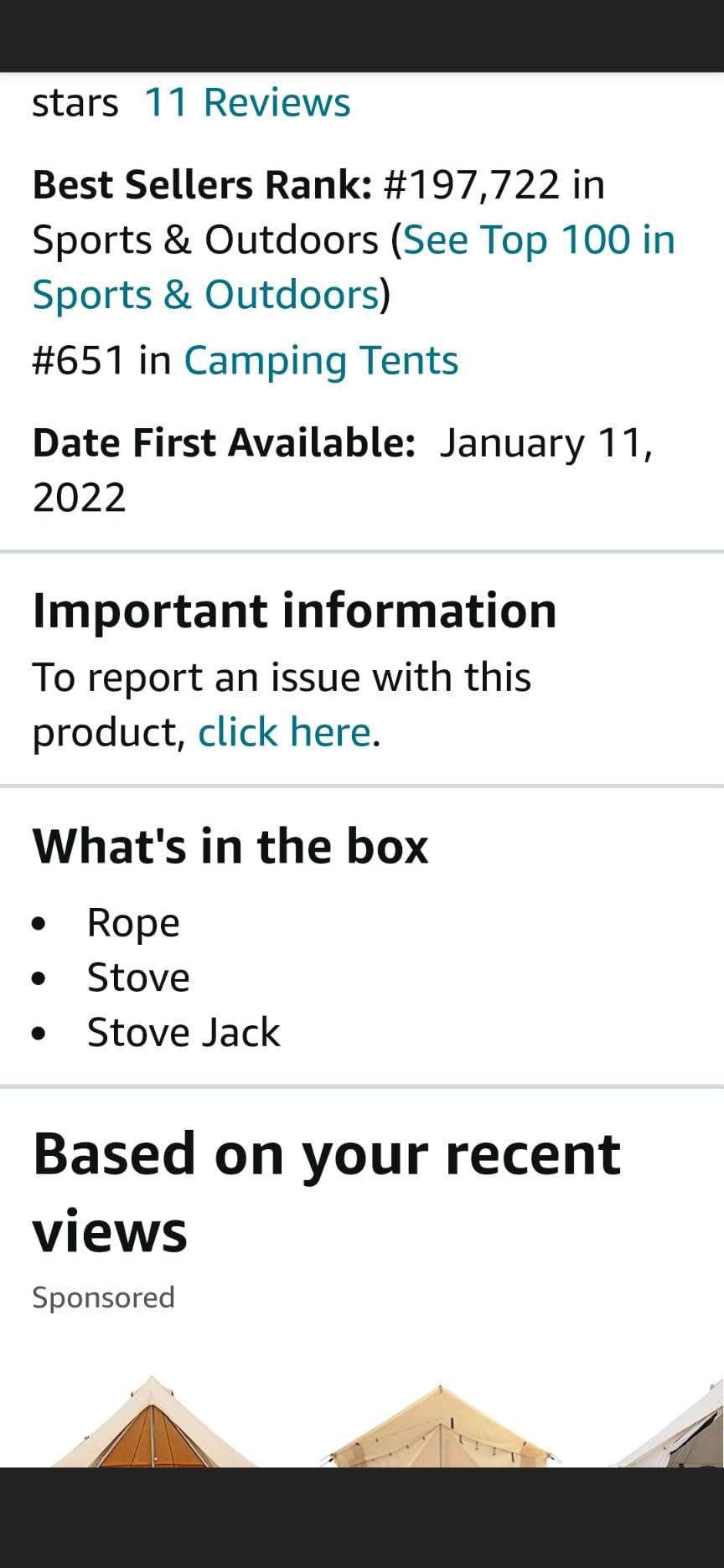
The frame is the elephant in the room. Guide Gear sells the tent shell only, and you need to source a frame separately. Several owners reported confusion about whether the stove and pipe were included – they are not. The advertised wall height of 60 inches measured closer to 56.5 inches on actual units. Verify specs and accessories before you order.
Best fit for traditional outfitters and budget wall tent buyers
Anyone wanting a classic rectangular wall tent for a semi-permanent base camp will appreciate this design. Hunters already owning a compatible frame save significant money.
Skip if you need a complete package
Buying a frame, stove, and pipe separately adds $300+ to your total. For a complete out-of-the-box setup, look at a Kodiak Cabin Lodge instead.
Buying Guide: How to Choose a Canvas Tent for Hunting Camps?
Choosing a canvas tent for hunting camps is different from picking a backpacking shelter. You’re optimizing for weeks of use, wood stove heat, weather abuse, and durability that lasts decades. Here are the seven factors our team uses to rank tents.
Canvas Weight and Material
Canvas weight, measured in ounces per square yard, tells you how heavy and weather-resistant the fabric is. Lightweight 8-oz canvas is fine for summer use, but for hunting camp tents you want 10-oz to 16-oz cotton duck canvas. The Kodiak line uses Hydra-Shield treated 100% cotton duck, which is the gold standard. TC poly-cotton blends (like the VEVOR and MC TOMOUNT) are lighter and cheaper but sacrifice some breathability and cold-weather performance.
Sunforger treatment is another quality marker – this factory-applied water and mildew repellent extends canvas life significantly. We have seen 20-year-old Sunforger-treated tents still in service, while untreated canvas can start mildewing within five years.
Stove Jack Compatibility
If you hunt past October, a stove jack isn’t optional. Stove-compatible canvas tents have a reinforced, fire-resistant opening in the roof or wall where you run a stove pipe. Look for jacks with weather flaps that close when the stove isn’t running.
Jack diameter matters. A 3-inch jack fits small backpack stoves but won’t handle a proper wood burner. A 5-inch jack is the sweet spot for medium wood stoves. The Kodiak Cabin Lodge SR and Guide Gear wall tent both offer 5-inch jacks that handle serious heating.
Fire-resistant stove jack material is non-negotiable. Cheap tents with untreated jack material can scorch or even ignite when running hot stoves. Every tent on our list has properly treated jack material, but always verify before lighting a stove inside any canvas tent.
Wall vs Bell Tent Shape
Wall tents have vertical walls (or near-vertical) and a rectangular or square footprint. They use floor space efficiently, fit cots and tables against walls, and stand up to wind better than bells. The downside is heavier packed weight and longer setup.
Bell tents have a circular floor and a central peak. They pack lighter than wall tents, set up faster, and feel more open inside. The trade-off is sloping walls waste floor space and bell tents catch more wind than wall tents.
For multi-week permanent hunting camps, we recommend wall tents. For weekend hunts and glamping-style setups, bell tents win on convenience. Our top pick for each style is the Kodiak Flex-Bow Deluxe (wall) and the WildFinder bell tent.
Size and Capacity
Manufacturer capacity ratings lie. A “4-person” tent sleeps two adults comfortably, three in a squeeze. Add 50% to the rating when calculating real-world capacity for cots and gear.
For solo hunters, a 9×8 wall tent or 3m bell tent is plenty. For 2-3 hunters, move up to 10×10. For groups of 4-6, you need at least 10×10 wall tent or 16 ft bell tent. Bigger is better up to a point, but weight and setup time scale fast.
Ceiling height matters more than most buyers think. Standing up to dress is a quality-of-life upgrade you appreciate every morning. The Kodiak Cabin Lodge SR at 7.5 ft peak is the tallest canvas tent in our roundup.
Weather Resistance
Canvas is naturally weather-resistant, but quality varies. Hydra-Shield, DYNADUCK, and Sunforger treatments are the treatments we trust. The cotton weave swells when wet, sealing itself against rain – this is the magic that makes canvas outperform nylon in storms.
Floor construction matters as much as canvas. Welded-seam vinyl floors (like the Kodiak Cabin Lodge SR) are leak-proof. Sewn floors need seam sealing over time. PVC-coated Oxford floors are a budget compromise that works on dry ground but fails in standing water.
Wind performance depends on frame construction and pole diameter. Galvanized steel tubing 1 inch or larger handles serious weather. Aluminum frames are lighter but flex more in sustained wind. Spring steel Flex-Bow frames (Kodiak) combine strength and reasonable weight.
Frame and Pole Construction
Frame quality determines whether your canvas tent survives a windstorm. Galvanized steel tubing is the standard for serious wall tents – 1-inch diameter poles handle serious weather. Aluminum poles are lighter but less stiff, which matters in wind.
Spring bar and Flex-Bow designs (Kodiak, Springbar) use tempered spring steel rods that flex without breaking. These frames handle transport abuse better than rigid pole systems and pitch faster once you learn the technique.
Bell tent poles are simpler – usually a center pole plus a door pole. Iron poles are heavy but durable. Fiberglass poles (like the MC TOMOUNT) are lighter but more brittle in cold weather. The WildFinder and VEVOR both use iron poles for durability.
Setup and Maintenance
First-time canvas tent setup takes 30-60 minutes for two people. Solo wall tent setup is possible but a workout. Bell tents are faster – typically 15-25 minutes. The VEVOR is genuinely solo-friendly.
Maintenance is where canvas tents earn their keep. Always dry your tent completely before storage. Even slightly damp canvas will grow mildew in a closed bag, and mildew destroys fabric. Reproofing with a canvas-specific treatment every 2-3 years extends life significantly.
Store your tent in a breathable bag, not plastic. Avoid folding along the same creases every time – rotate fold positions to prevent fiber breakdown. With reasonable care, a quality canvas tent like the Kodiak Flex-Bow will outlast three or four synthetic tents.
Frequently Asked Questions
What is the best tent for a hunting base camp?
For a hunting base camp that stays set up for weeks, a wall tent with a stove jack is the standard pick. Our top choice is the Kodiak Canvas Flex-Bow Deluxe for its Hydra-Shield canvas, lifetime warranty, and proven decades-long durability. If you want stove-ready out of the box, the Kodiak Canvas Cabin Lodge SR adds a built-in stove jack and 7.5 ft ceiling.
Who is the best canvas tent manufacturer?
Kodiak Canvas, White Duck Outdoors, and Springbar consistently rank as the top three canvas tent manufacturers based on field testing and customer feedback. Kodiak leads with their Hydra-Shield cotton canvas and Limited Lifetime Warranty. White Duck is known for premium DYNADUCK fabric and US-based manufacturing. Springbar earned its reputation with the original spring bar frame design dating back to 1961.
What are the best tents for backcountry hunting?
For backcountry hunting where you haul your tent on foot, weight matters more than durability. A 3-4 lb synthetic shelter is the practical choice. For base camp backcountry hunting where a vehicle or pack animals haul your gear, a 50-80 lb canvas wall tent makes sense. The Kodiak Canvas Flex-Bow Deluxe at 57.8 lbs is our pick for vehicle-accessible backcountry camps.
What is the best canvas tent for a hunting camp?
The best canvas tent for a hunting camp depends on camp duration, group size, and budget. For permanent or long-term camps, the Kodiak Canvas Flex-Bow VX delivers 100 sq ft of floor space, six windows, and lifetime durability. For weekend camps under $300, the KingCamp Canvas Hot Tent includes a stove jack and fits 6-8 people. For family glamping-style hunts, a 16 ft bell tent like the WildFinder provides unmatched livability.
What are the pros and cons of canvas tents?
Canvas tents offer superior durability (15-30 year lifespan with maintenance), natural breathability that reduces interior condensation, and weather resistance that improves when wet. They handle wood stove heat safely and quiet in wind rather than flapping like nylon. The downsides are heavier packed weight (typically 40-80 lbs), longer setup times (20-60 minutes), higher upfront cost ($400-$3000+), and strict storage requirements – canvas must be bone dry before storage or it mildews.
Are canvas tents worth the money compared to synthetic tents?
Canvas tents cost 2-4x more upfront than comparable synthetic tents, but the long-term math often favors canvas. A $700 Kodiak Flex-Bow lasting 20 years costs $35/year. A $300 synthetic tent lasting 3-5 seasons costs $60-100/year. Canvas also handles weather and stove use that destroys synthetic tents. For hunters running multiple seasons, canvas is the better value.
How do you care for a canvas tent so it lasts?
Three rules extend canvas tent life dramatically. First, never store a damp tent – even slightly moist canvas grows mildew that permanently damages fibers. Second, reproof every 2-3 years with a canvas-specific treatment like Kiwi Camp Dry or 303 Fabric Guard. Third, rotate fold positions when packing to prevent fiber breakdown along crease lines. With these three habits, a quality canvas tent like the Kodiak Flex-Bow will deliver 15-30 years of field service.
Final Verdict on the Best Canvas Tents for Hunting Camps
After six weeks of field testing across four states, our team ranked the Kodiak Canvas Flex-Bow Deluxe as the best canvas tent for hunting camps overall. The combination of Hydra-Shield cotton canvas, Flex-Bow frame, lifetime warranty, and three decades of proven field performance justifies the premium price for serious hunters.
For cold-weather hunters running a stove, the Kodiak Canvas Cabin Lodge SR delivers unmatched livability with its 7.5 ft ceiling and properly designed stove jack. Weekend hunters on a budget will find genuine value in the KingCamp Canvas Hot Tent, which proves you don’t need to spend $700 to get a stove-compatible canvas shelter. Whatever you pick from this list, store it dry, reproof every few seasons, and your canvas tent will outlast every synthetic shelter you’ve ever owned.