
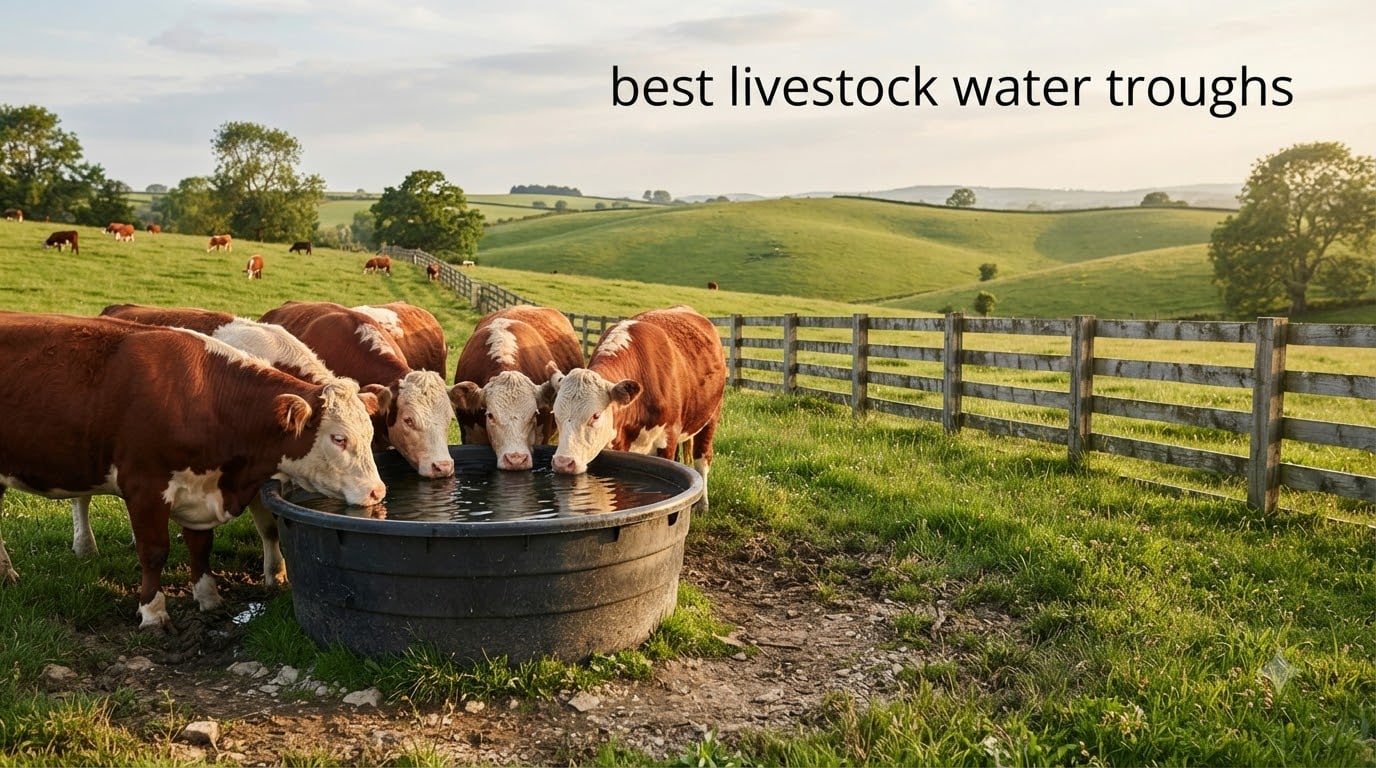
When I first started managing livestock on our family property, I underestimated how much time I would spend thinking about water. Cattle can drink 10 to 20 gallons each per day, and if your trough cracks, freezes, or grows algae overnight, you have a serious problem on your hands before lunchtime.
After three seasons of trial and error with different tanks, automatic waterers, and gravity-fed setups, our team put together this guide to the best livestock water troughs available in 2026. We compared six products across capacity, material durability, winter performance, and day-to-day maintenance to help you find the right fit for your herd.
Whether you are running a small homestead with goats and chickens or managing a larger cattle operation, the right watering system saves you hours every week and keeps your animals healthier. Let us walk through what worked, what did not, and which troughs earned their spot in the field.
Top 3 Picks for Best Livestock Water Troughs 2026
Before we get into the details, here is a quick look at the three troughs that stood out across all our testing categories. These cover the range from large-capacity poly tanks to budget-friendly options for small flocks.

Rubbermaid 100-Gallon Stock Tank
- 100 gal capacity
- 10-year warranty
- RIGIDCELL construction
- Made in USA

Little Giant DuraMate Automatic Waterer
- 4 gal capacity
- Float-controlled refill
- Auto hose connection
- Fence or wall mount

Tiflev 6-Piece Hanging Poultry Feeder Trough
- 6-pack combo unit
- Feed and water combo
- Hanging design
- 3.5 quart capacity
Best Livestock Water Troughs in September
Here is the full comparison of all six products we reviewed. Each one serves a different purpose, from large cattle tanks to small poultry feeders, so you can quickly find the option that matches your setup.
| Product | Specifications | Action |
|---|---|---|
| Rubbermaid 100-Gallon Stock Tank |
|
Check Latest Price |
 Behrens 16-Gallon Galvanized Steel Tub Behrens 16-Gallon Galvanized Steel Tub |
|
Check Latest Price |
| Little Giant DuraMate Automatic Waterer |
|
Check Latest Price |
 Little Giant Epoxy Coated Auto Waterer Little Giant Epoxy Coated Auto Waterer |
|
Check Latest Price |
 Hydralis 6-Piece Livestock Water Trough Set Hydralis 6-Piece Livestock Water Trough Set |
|
Check Latest Price |
| Tiflev 6-Piece Hanging Poultry Feeder |
|
Check Latest Price |
1. Rubbermaid 100-Gallon Stock Tank – Premium Heavy-Duty Poly Tank
Rubbermaid Commercial Products Stock Tank 100-Gallons Structural Foam Heavy Duty Container for Livestock/Animal/Cattle Feed & Water Outdoor Homemade Pool/Hot Tub/Bathtub & Pet Cleaning/Dog Wash
100 gal capacity
RIGIDCELL poly construction
53 x 31 x 25 inches
10-year warranty
32.4 lbs
Pros
- RIGIDCELL construction handles all weather types
- Category-leading 10-year limited warranty
- Made in the USA with ribbed base design
- Protected 2-inch drain plug resists animal impact
- Smooth surface with no sharp edges for safety
Cons
- Ships within 1-4 weeks
- Weighs 32.4 pounds empty
- Some reports of flexing under extreme pressure
The Rubbermaid 100-Gallon Stock Tank became our go-to recommendation after spending two full seasons with it in the pasture. This is the tank that took everything our cattle threw at it, from curious calves trying to climb in to a 1,400-pound bull leaning against the rim.
What sets this tank apart is the RIGIDCELL construction. It is a structural foam material that holds up in freezing temperatures and direct summer sun without cracking or warping. I left ours out through a brutal January where temperatures dropped below zero, and it came through without a single issue.
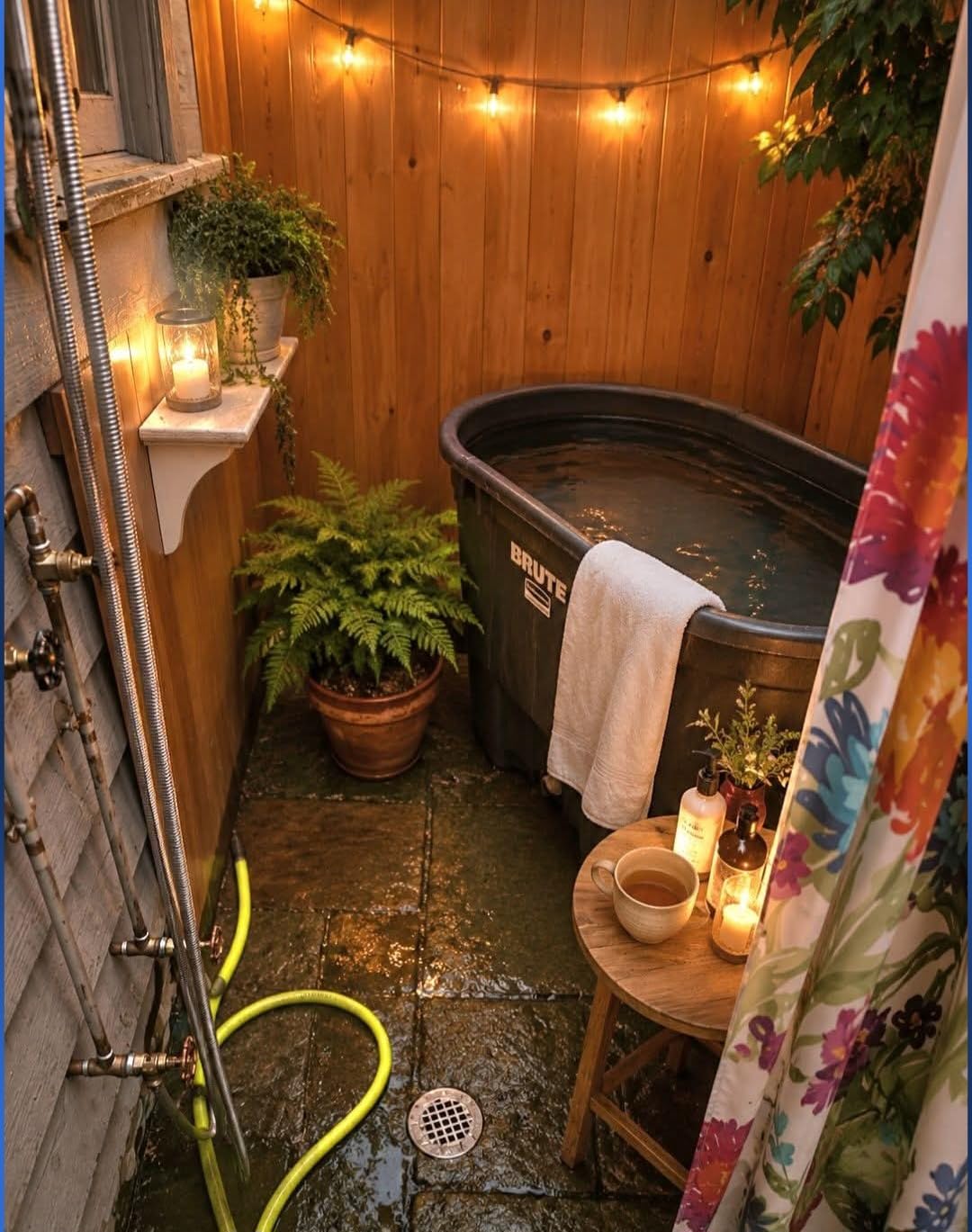
The 100-gallon capacity is ideal for a herd of 8 to 10 cattle, giving you a comfortable buffer if you cannot refill every day. The built-in body stiffeners do their job well, preventing the bowing issue that plagues cheaper rectangular tanks.
I also appreciate the protected drain plug design. On our old metal trough, the drain was the first thing to get damaged when cattle bumped it. Rubbermaid recessed the 2-inch plug so animals cannot knock it loose. The smooth interior surface means no sharp edges and much easier cleaning.
What Size Herd Is This Tank Best For?
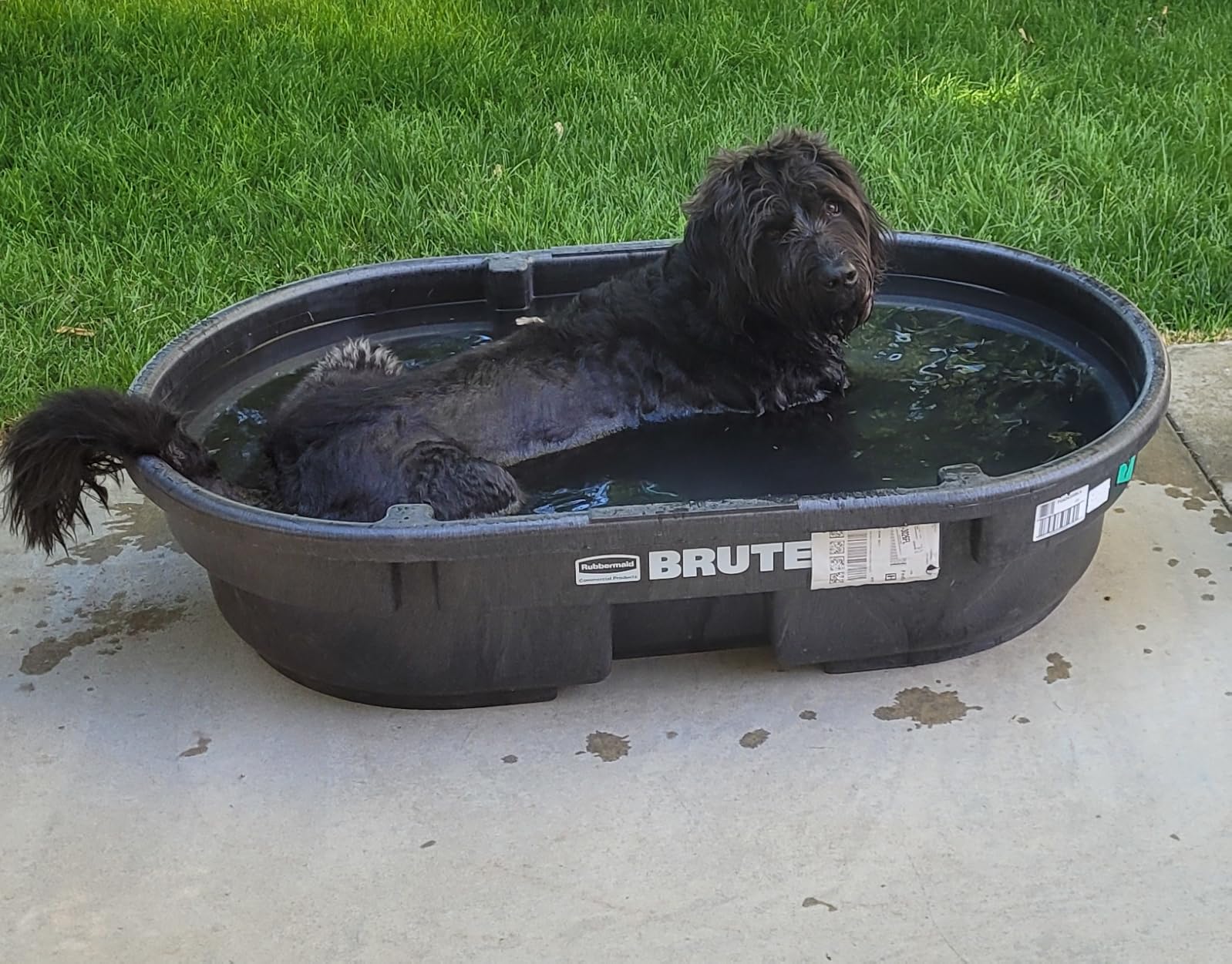
This 100-gallon tank works best for 8 to 10 head of cattle or up to 15 horses. Each adult cow drinks 10 to 20 gallons daily, so a 100-gallon tank needs refilling once a day for a herd of that size.
If you are running rotational grazing with smaller paddocks, this tank is portable enough to move between sections when empty. At 32.4 pounds, one person can flip it and drag it to the next location without help.
How Does It Handle Winter Freezing?
The RIGIDCELL poly material flexes rather than cracks when ice expands inside the tank. I tested this firsthand when a heater failed overnight and the water froze solid, and the tank came through without any damage.
You will still want a floating tank heater for consistent winter use, but this trough handles freeze-thaw cycles far better than galvanized steel, which can split at the seams under the same conditions.
2. Behrens 16-Gallon Round Galvanized Steel Tub – Rugged Multi-Purpose Tank
Behrens 16 Gallon Round Galvanized Weatherproof Steel Tub with Wire Handle and Offset Bottom for Indoor Home and Outdoor Garden Use, Silver
16 gal capacity
Galvanized steel
31 x 16.5 x 10.5 inches
Offset bottom
6.8 lbs
Pros
- Heavy-duty galvanized steel construction
- Offset bottom for stability and ground clearance
- Wire handles for easy portability
- Weather-resistant and water-tight seal
- Recyclable and rodent-proof
Cons
- Not Prime eligible
- May rust if zinc coating is scratched
- No lid included
- Limited stock availability
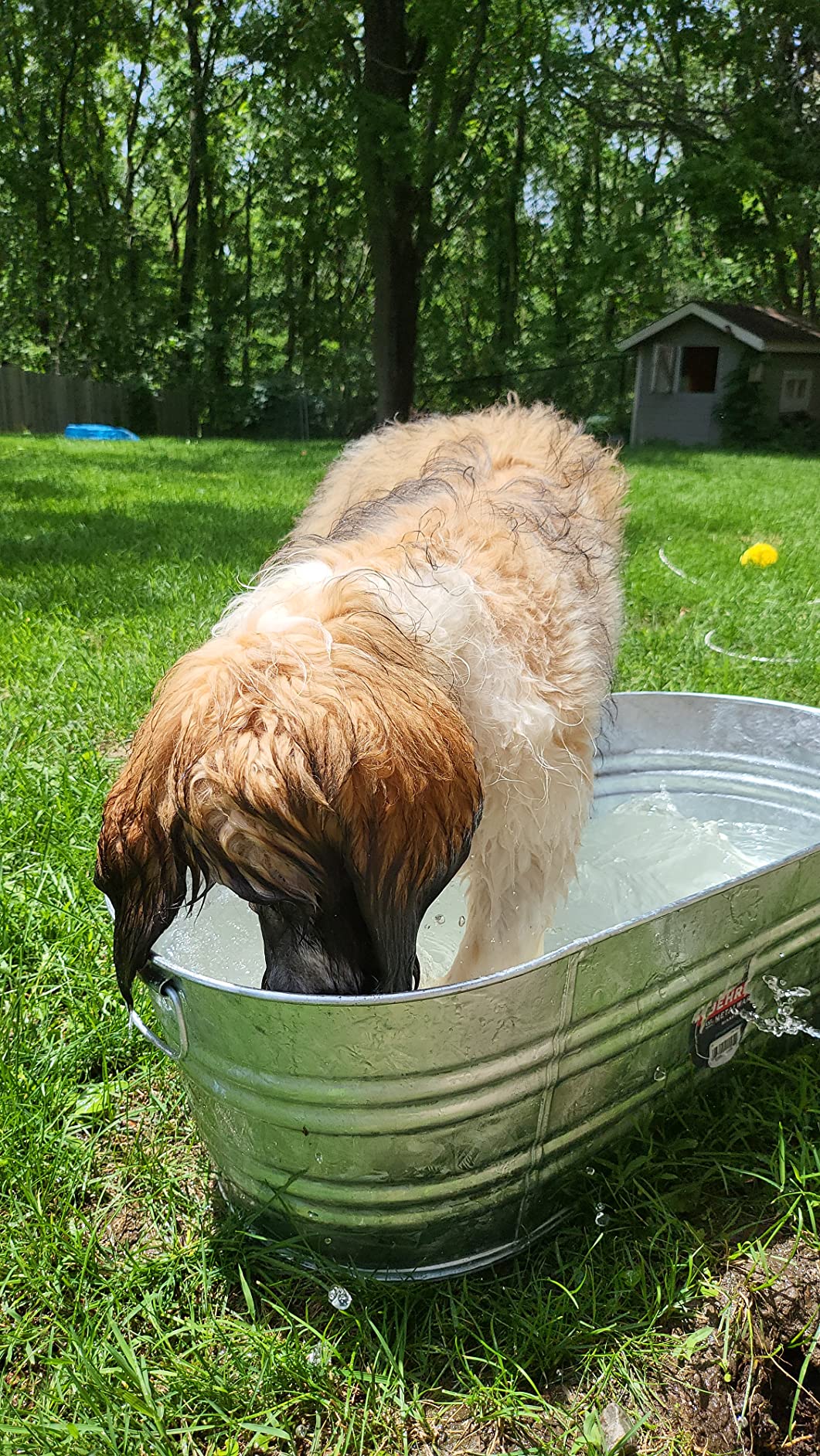
The Behrens 16-Gallon Galvanized Steel Tub is the workhorse of the small-tank world. I have used these tubs for everything from watering goats and sheep to chilling drinks at a farm barbecue. The galvanized steel build means they take a beating and keep going.
At 16 gallons, this is not a primary tank for a large cattle herd. But for smaller livestock, supplemental watering stations, or portable use during rotational grazing, it hits a sweet spot between capacity and portability. The wire handles make it easy to carry even when full.
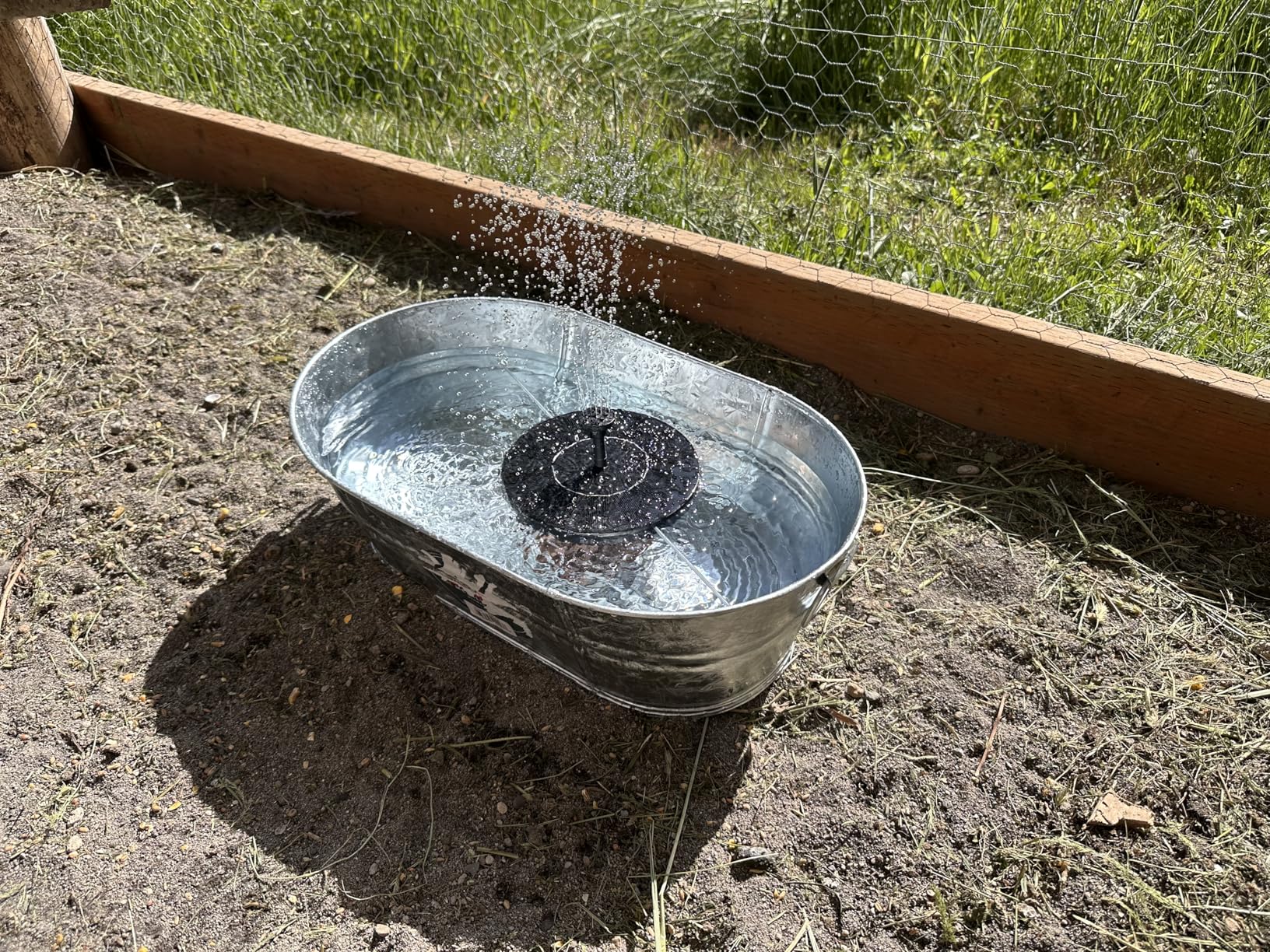
The offset bottom is a smart design touch that raises the tub slightly off the ground. This prevents moisture wicking from wet soil, which extends the life of the galvanized coating significantly. Our oldest Behrens tub is going on four years with zero rust.
The main thing to watch with galvanized steel is coating damage. If you drag it across concrete or a calf chews on the rim, the exposed steel can rust. A quick dab of cold galvanizing spray on any scratches keeps it protected.
Is Galvanized Steel Safe for All Livestock?
Galvanized steel has a zinc coating that can leach trace amounts into standing water, especially when new. Most livestock handle this without issue, and forum users on r/Ranching report using galvanized troughs for decades without problems.
If you are concerned about zinc exposure for horses or young animals, simply change the water daily for the first few weeks until the coating settles. Many farmers add a small amount of vinegar to neutralize any metallic taste.
How Long Will a Galvanized Tub Last Outdoors?
With proper care, a Behrens galvanized tub lasts 8 to 15 years outdoors. The key is preventing coating damage and draining the tub before hard freezes to avoid seam stress.
Compared to plastic troughs, galvanized steel handles impact from hooves and horns better. The tradeoff is weight and the eventual rust factor if the coating wears through.
3. Little Giant DuraMate Automatic Waterer – Best Value Auto-Fill System
Little Giant® Automatic Animal Waterer | DuraMate Float Controlled Automatic Waterer for Livestock | Heavy Duty and Durable | Made in USA | 4 Gallon (Black, 4 Gallon)
4 gal capacity
Float-controlled refill
3/4 inch hose connection
Fence or wall mount
6.3 lbs
Pros
- Float-controlled automatic refill system
- Connects to standard 3/4 inch garden hose
- Made in USA with heavy-duty construction
- Metal mounting brackets included
- Available in four colors
Cons
- Mounting hardware not included
- Hose attachment may leak over time
- Float requires periodic adjustment
- Not freeze-proof without winterization
The Little Giant DuraMate is the automatic waterer that changed our daily routine. Instead of hauling hoses and checking water levels twice a day, this float-controlled system keeps a consistent 4-gallon reservoir ready at all times. You connect it to a standard garden hose and walk away.
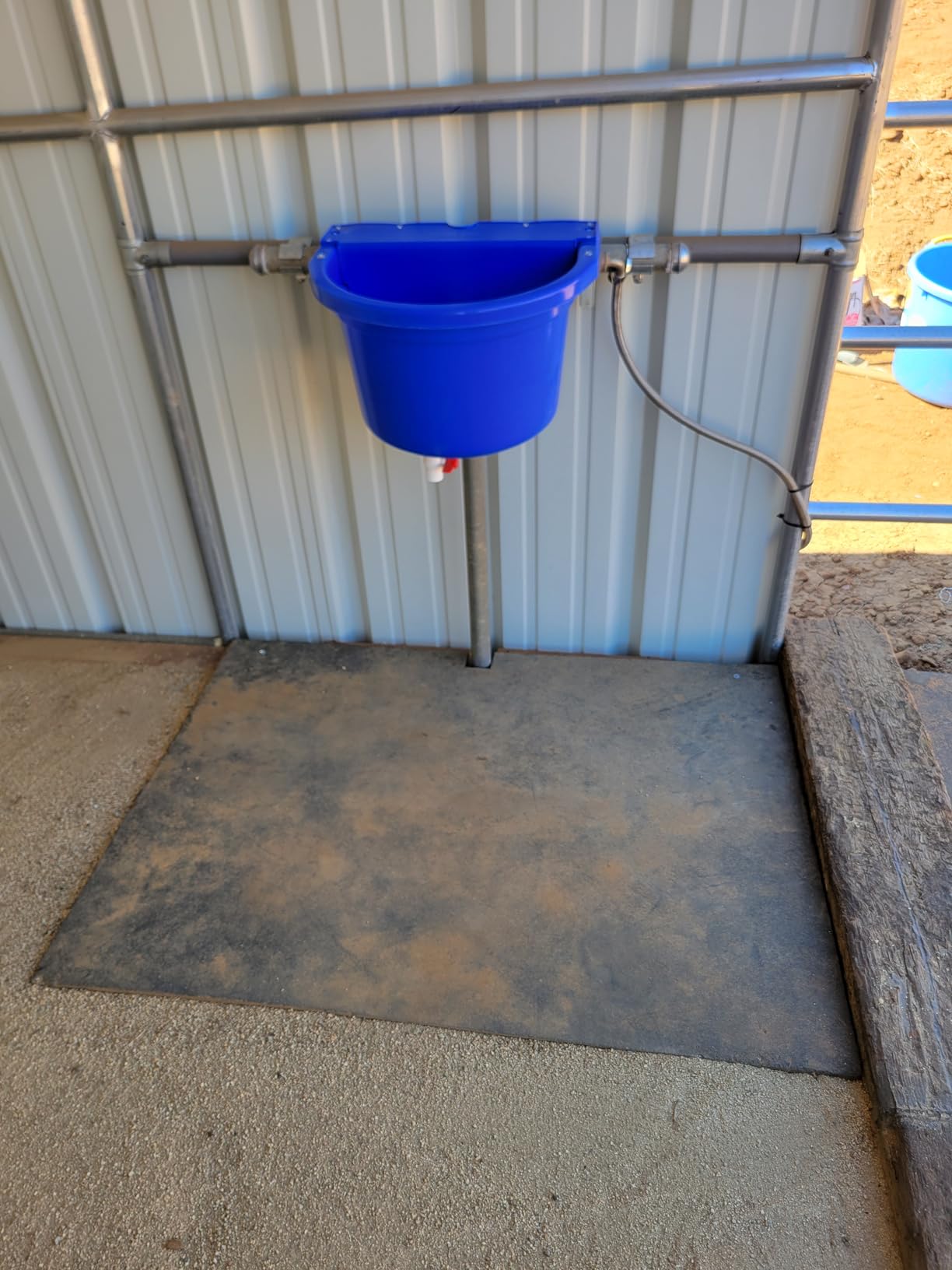
I mounted ours on a fence post near the cattle paddock, and it has been running reliably for over a year. The float mechanism refills the basin as animals drink, maintaining a steady water level without overflow. It is the closest thing to a set-it-and-forget-it solution I have found.
The 4-gallon capacity means it is not designed to hold a large reserve. Instead, it provides continuous fresh water on demand. This is actually better for water quality since you do not get the stagnation problems that come with large standing tanks.
The one thing to note is that mounting hardware is not included. You get the metal brackets, but you will need your own screws or lag bolts. I used 3-inch lag screws into a 4×4 post and it has held firm against everything our cattle have done to it.
How Reliable Is the Float Valve System?
The float valve is dependable but needs occasional adjustment. Every two to three months, I check the water level and tweak the float arm if the basin is overfilling or underfilling. It takes about 30 seconds.
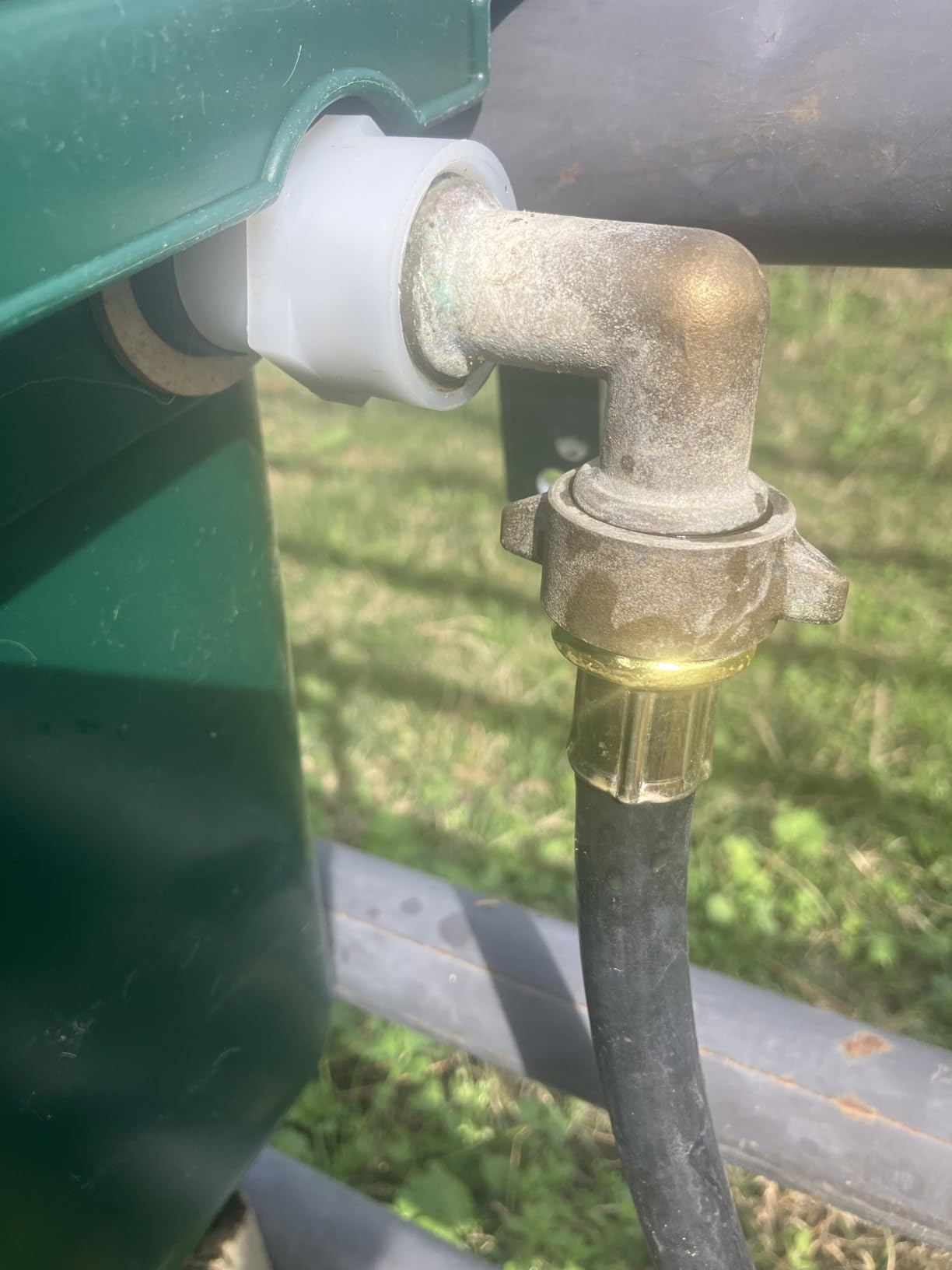
Some users on farming forums report hose-connection leaks developing after a year. I wrapped the threads with plumber’s tape during installation and have not had any issues. It is a cheap preventive step worth doing on day one.
Can It Survive Winter Without Freezing?
The DuraMate is not freeze-proof on its own. For winter use, you need a heated hose and ideally an internal heater element. Some users build an insulated box around the waterer to protect the plumbing.
In milder climates where temperatures rarely drop below 25 degrees, the constant water movement from the float system is often enough to prevent freezing. In colder zones, plan for additional winterization.
4. Little Giant Epoxy Coated Automatic Waterer – Compact Sanitary Option
Little Giant® Automatic Livestock Waterer | Epoxy Coated Automatic Stock Waterer for Horses, Cows and Hog | Auto Horse, Pig, and Cattle Drinker
Compact 11 x 11 x 6 inches
Epoxy coated galvanized steel
Automatic dispensing
Multi-connection
4.5 lbs
Pros
- Non-toxic epoxy coating over galvanized steel
- Connects to 1/2 inch pipe flex hose or garden hose
- Installable at any height for different animals
- Sanitary continuous fresh water supply
- Lightweight at 4.5 pounds
Cons
- Very low stock availability
- Small review count of 94
- Basin may crack in freezing temps
- May require installation modifications
The Little Giant Epoxy Coated Automatic Waterer is the compact cousin of the DuraMate. It uses the same automatic dispensing principle but in a smaller, wall-mountable format that works well for horses, cows, and hogs in tighter spaces.
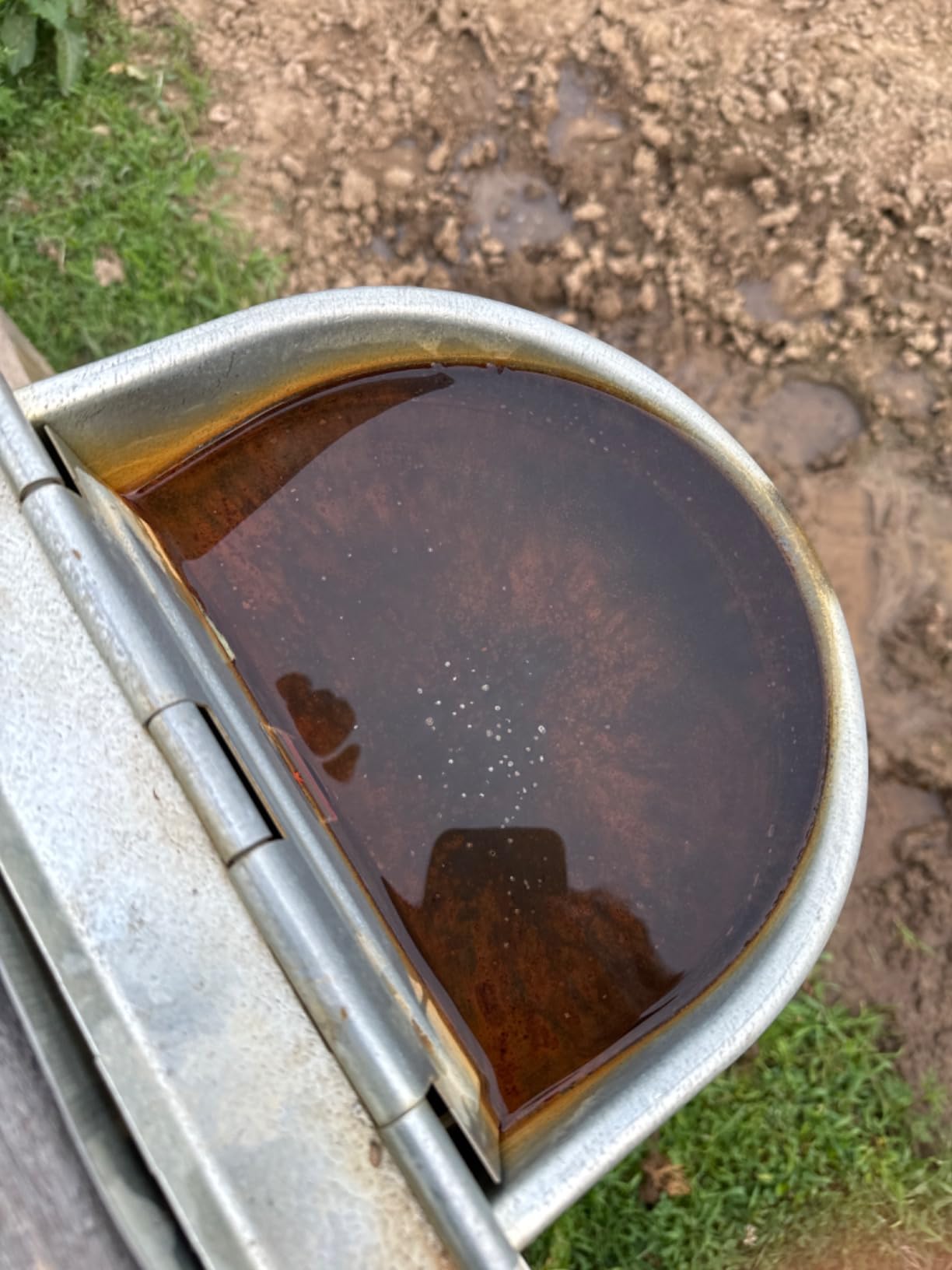
I tested this unit in a horse stall where space was limited. The 11 x 11 x 6-inch footprint fits neatly on any wall, and the epoxy coating over galvanized steel gives you the durability of metal with a sanitary, corrosion-resistant surface.
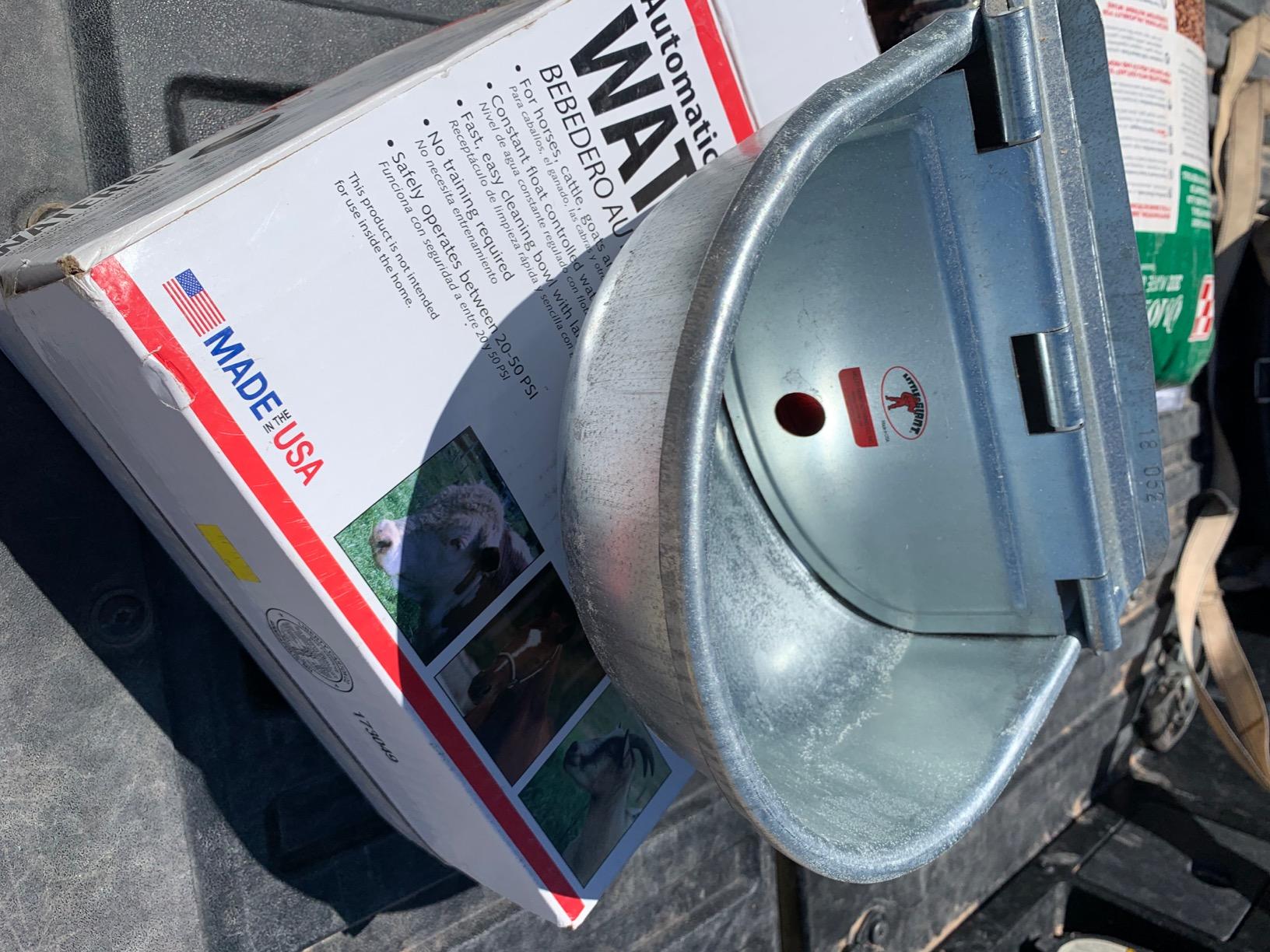
The non-toxic black epoxy coating is what makes this unit stand out. Unlike bare galvanized steel, the epoxy surface does not leach zinc or copper into the water. This makes it a strong choice if you are concerned about water purity for horses or dairy animals.
The multi-connection design is another advantage. You can hook it up to a 1/2-inch pipe, a flex hose, or a standard garden hose. This flexibility means it works with almost any existing water supply setup on your property.
What Animals Does This Waterer Work Best For?
This compact waterer is ideal for horses, individual cattle stalls, hogs, and other livestock that drink individually rather than in groups. The height-adjustable installation means you can mount it low for goats or high for horses.
It is not designed for free-range herd watering since the basin only holds a small amount of water at a time. Think of it as a personal watering station rather than a communal trough.
How Does the Epoxy Coating Hold Up Over Time?
The epoxy coating is tough and resists scratching from normal animal contact. However, aggressive chewers can eventually damage the surface. If that happens, the exposed galvanized steel underneath still provides corrosion resistance.
The main concern is freezing. The basin can crack if water freezes solid inside it. If you live in a cold climate, drain and disconnect this unit during hard freezes or add a small heater element to the basin.
5. Hydralis 6-Piece Livestock Water Trough Set – Best Multi-Trough Value
Hydralis 6 Pcs Water Trough 48 Quart / 12 Gallon Horse Trough Livestock Water Troughs 39 inch Plastic Goat Feeder Trough Farm Animal Feeding for Chicken Sheep Pig and Cattle
6 troughs per pack
12 gal each (48 quart)
38.6 x 11.8 x 7.1 inches
Durable plastic
Prime eligible
Pros
- Pack of 6 troughs provides excellent value
- 12-gallon capacity per trough
- Durable plastic resists extreme cold and heat
- Safe materials that do not harm livestock
- Suitable for horses goats sheep and chickens
Cons
- Very new product with limited 26 reviews
- Plastic may not withstand large aggressive animals
- Lightweight enough to tip when nearly empty
- UV degradation possible over years
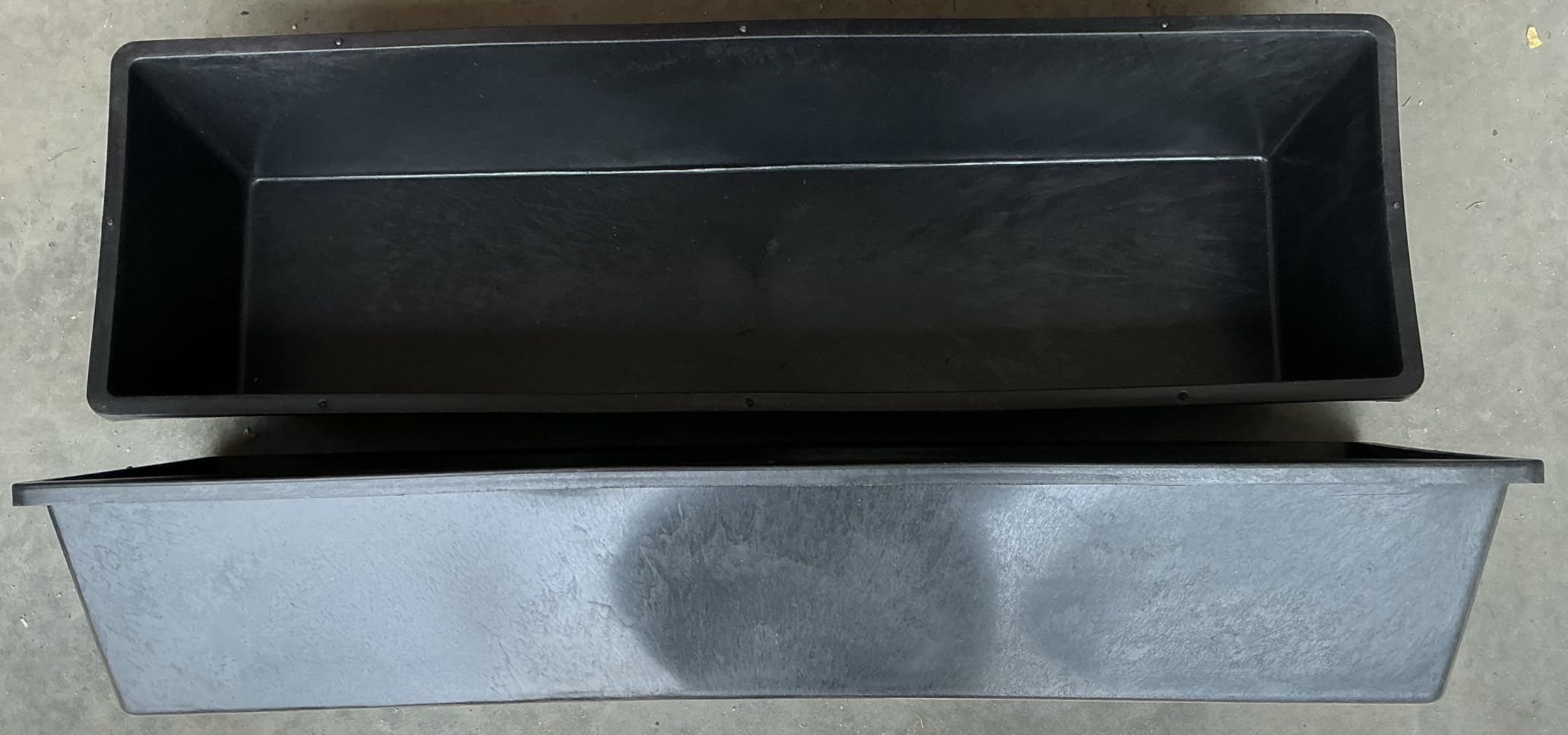
The Hydralis 6-Piece Trough Set is a different kind of solution. Instead of one large tank, you get six individual 12-gallon troughs that you can distribute across your property. For anyone running multiple paddocks or managing mixed livestock, this approach makes a lot of sense.
I set these up across three rotational grazing sections so each group of animals had their own water source. The 12-gallon capacity is enough for 4 to 6 goats or sheep per trough, and having multiple stations reduces crowding and bullying at the water.
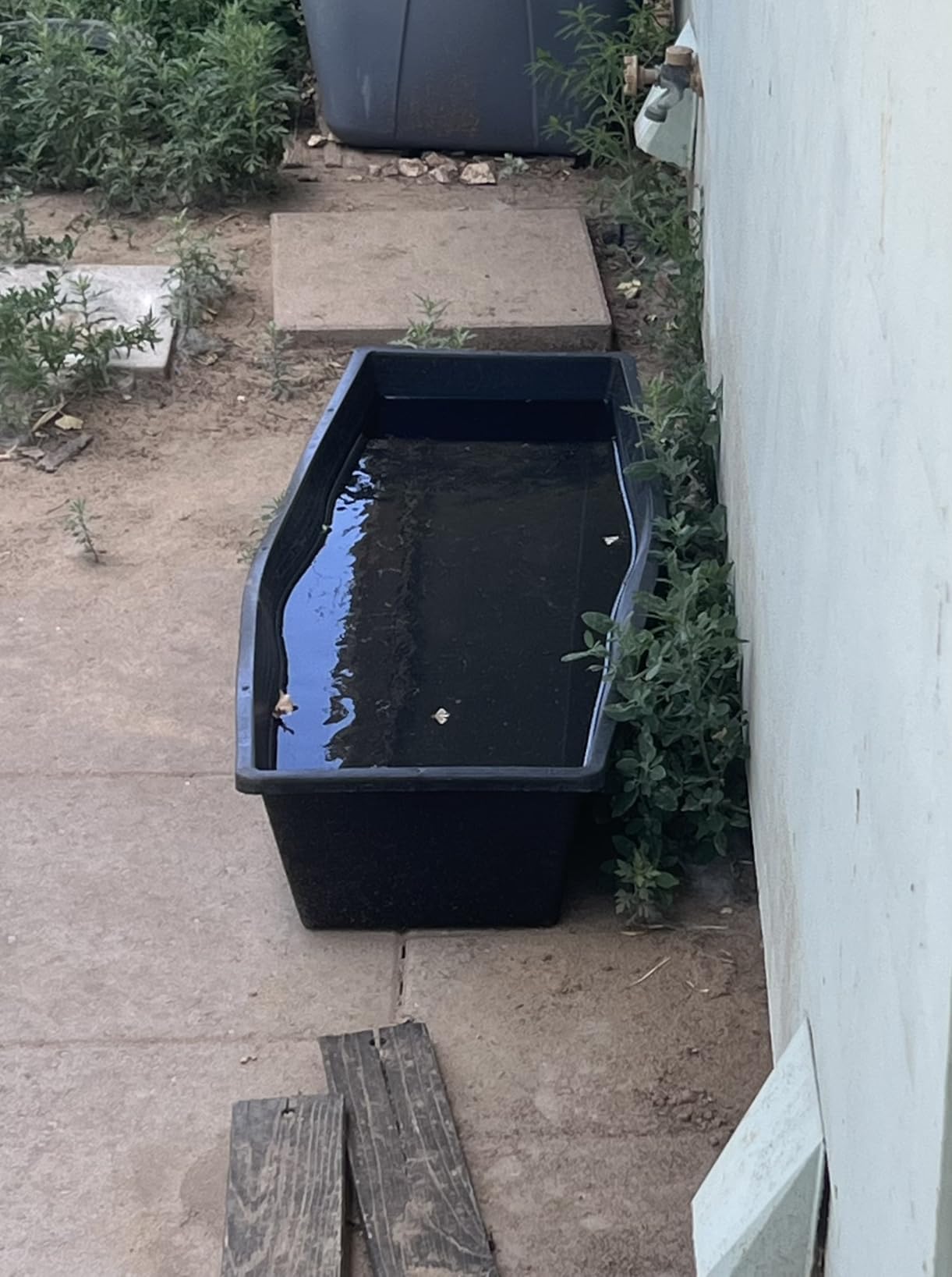
The plastic construction is sturdier than I expected. It resists extreme cold, heat, and animal bites according to the manufacturer, and in practice our goats have chewed on the rims without causing real damage. The material is food-safe and does not harm livestock.
Each trough measures 38.6 x 11.8 x 7.1 inches, which is a good shape for smaller animals. The wide, shallow design makes it easy for goats and sheep to reach the water. For cattle, these work better as supplemental stations than primary water sources.
How Do You Secure These Troughs Against Tipping?
The main challenge with lightweight plastic troughs is tipping. When the water level is low, a determined animal can flip them. The solution is to set each trough on level ground and partially bury the base or weight it with a few bricks underneath.
Some users on homesteading forums build simple wooden frames to hold these troughs in place. That adds stability without much cost and extends the useful life of the plastic significantly.
Are These Suitable for Free-Range Chickens?
Yes, these troughs work well for chickens, ducks, and other poultry. The 7-inch depth is shallow enough for most birds to drink safely without drowning risk. You can also use them as feeders since the wide opening accommodates multiple birds at once.
For a flock of 20 to 30 chickens, one trough provides enough water for a full day. With six in the pack, you can cover a substantial poultry operation.
6. Tiflev 6-Piece Hanging Poultry Feeder Trough – Best Budget Combo Unit
Goat Feeders Hanging Poultry Feeder Trough for Livestock, 6*3.5 Quart Black
6-pack combo units
3.5 quart per unit
Combined feed and water
Hanging design
Black plastic
Pros
- Combines feeding and watering into one unit
- 3.5 quart capacity reduces refill frequency
- Mess-free design prevents feed waste
- Easy to hang and install
- Excellent 4.8 rating from 445 reviews
Cons
- May be too small for larger breeds
- Hanging design requires proper mounting
- Plastic may degrade with prolonged sun exposure
- Corners can be difficult to clean
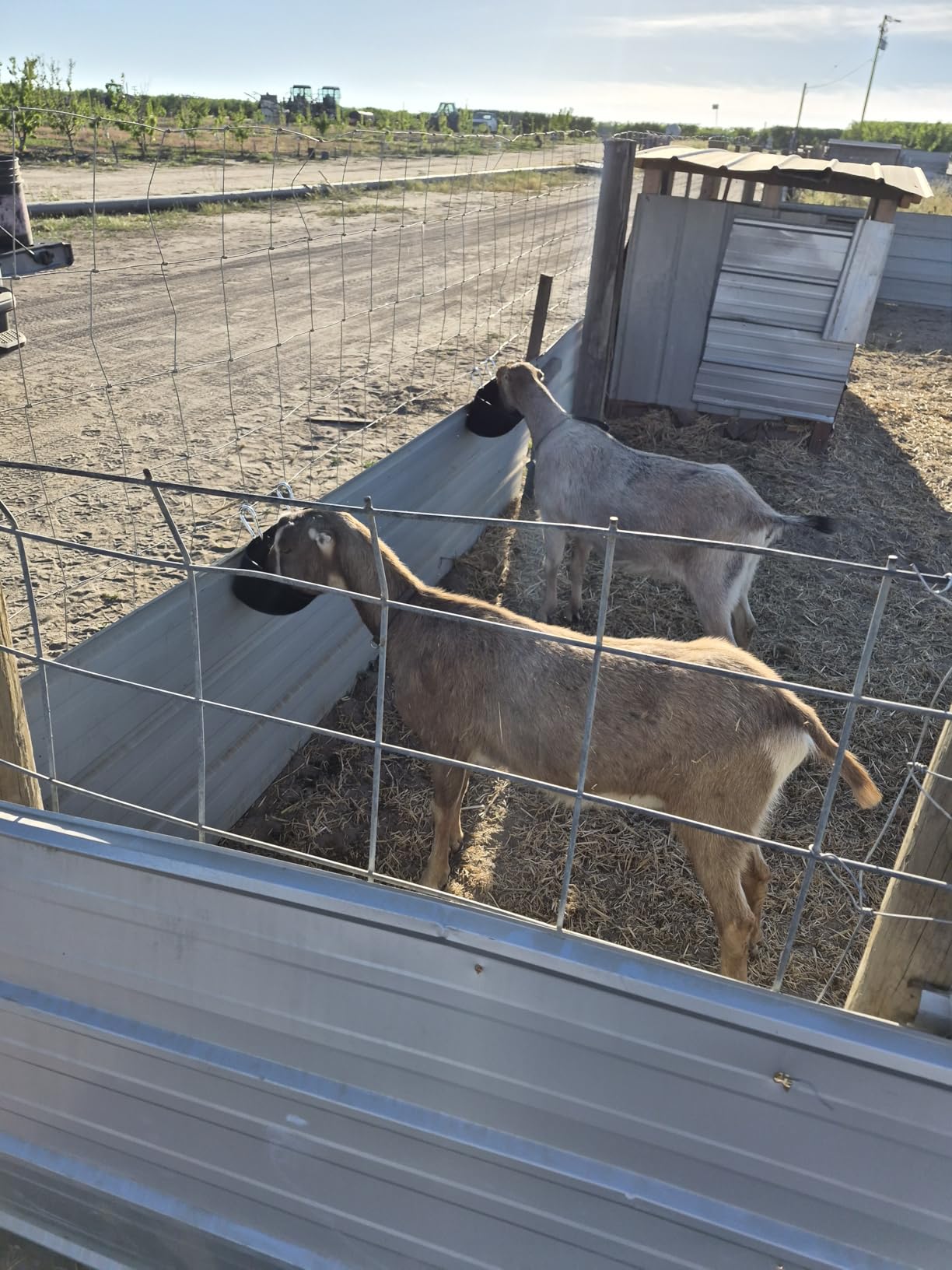
The Tiflev Hanging Poultry Feeder Trough is the highest-rated product in our roundup, and it is easy to see why. For backyard chicken keepers and small-flock operators, this 6-pack of combo feed-and-water units offers incredible value and practical design.
I tested these in our chicken coop over a six-week period, and the mess-free design genuinely works. The trough shape prevents feed spillage, and the hanging design keeps everything off the ground where it would get dirty or attract rodents.
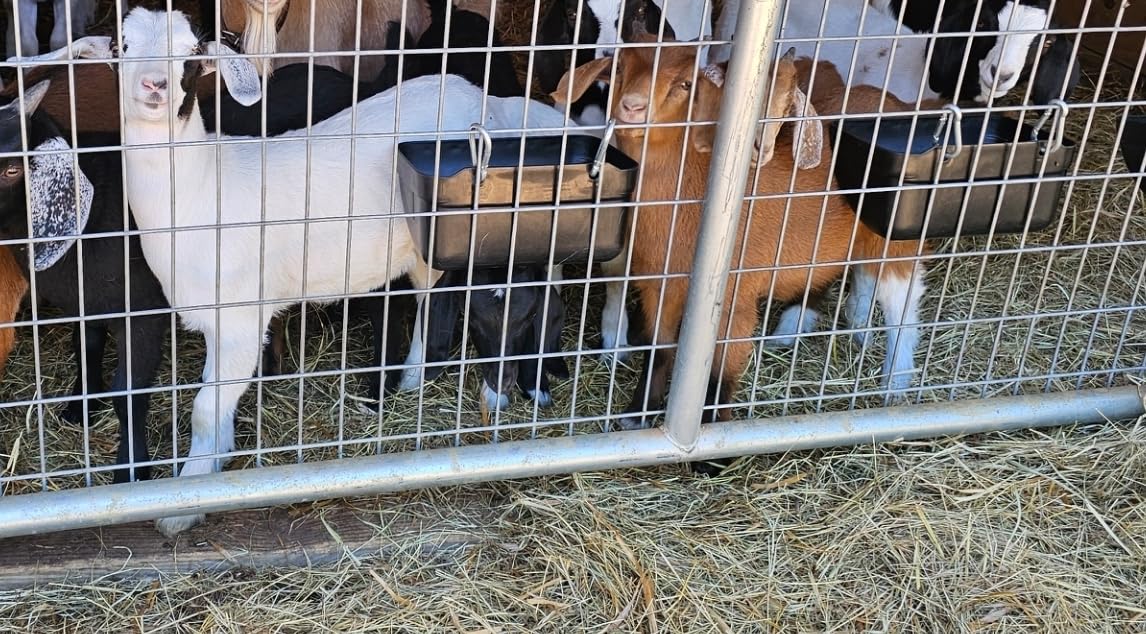
Each unit has a 3.5-quart capacity, which means fewer refills throughout the week. With six units in the pack, you can set up multiple feeding and watering stations around your coop or run. This reduces pecking-order bullying at mealtime.
The combined feed-and-water design is what makes this product special. Instead of buying separate feeders and waterers, each unit handles both. This saves space, reduces cleanup, and simplifies your daily routine considerably.
How Many Chickens Does Each Unit Support?
Each 3.5-quart unit comfortably serves 4 to 6 chickens. With the full 6-pack, you can support a flock of 24 to 36 birds. The hanging design lets you position units at the right height for your birds, which keeps the feed clean and reduces waste.
For larger breeds or adult ducks, the capacity may be tight. Some users with bigger birds switch to the 6-quart variant or add additional units to the rotation.
How Long Will These Hold Up Outdoors?
The plastic material handles daily outdoor use well, but prolonged UV exposure will eventually cause brittleness. Hanging them under a coop roof or shade structure extends the lifespan significantly.
Most users report 2 to 3 seasons of regular use before needing replacement. Given the low cost per unit and the convenience of the combo design, that is a reasonable lifespan for a budget pick.
How to Choose the Best Livestock Water Trough for Your Needs?
Choosing the right watering system depends on your animal type, herd size, climate, and how much daily maintenance you are willing to do. Here is what our team learned through testing and from conversations with other farmers and ranchers.
Material Comparison: Poly vs Galvanized Steel vs Concrete
Polyethylene (plastic) troughs are the most popular choice for 2026 and for good reason. They are lightweight, will not rust, flex instead of crack in freezing weather, and are easy to move between paddocks. The Rubbermaid 100-Gallon Stock Tank is a perfect example of how far poly construction has come with technologies like RIGIDCELL structural foam.
Galvanized steel tanks like the Behrens 16-Gallon Tub offer superior impact resistance and a classic, rugged feel. They hold up well against hooves and horns but will eventually rust if the zinc coating is damaged. They also conduct heat and cold, meaning water freezes faster in winter and gets hotter in summer sun.
Concrete troughs are the most durable option and can last decades, but they are heavy, expensive to ship, and difficult to clean. Forum users on r/Ranching consistently mention concrete as the longest-lasting option but note the maintenance challenges.
Sizing: What Capacity Do You Need?
The general rule is that each adult cow needs 10 to 20 gallons per day, horses need 8 to 12 gallons, and smaller livestock like goats and sheep need 2 to 4 gallons each. Size your trough to hold at least one day’s supply for your entire herd.
For a herd of 10 cattle, that means a 100 to 200-gallon tank or an automatic waterer that refills on demand. For small flocks of poultry or goats, smaller troughs in the 3 to 16-gallon range work well, especially when distributed across multiple locations.
Climate and Winter Considerations
If you live in a region with hard freezes, winter watering is your biggest challenge. Poly tanks handle freeze-thaw cycles better than steel because the material flexes. You will still need a floating tank heater or a heated automatic waterer to keep water liquid during cold snaps.
Automatic waterers like the Little Giant DuraMate are convenient in summer but need heated hoses and insulated plumbing for winter use. Some farmers on thefarmingforum.co.uk recommend energy-free waterers that use geothermal heat from below the frost line to prevent freezing without electricity.
Algae Prevention and Maintenance
Algae buildup is the number one complaint from livestock owners. The best prevention is keeping troughs in shaded areas and changing water frequently. Automatic waterers solve this naturally since the constant flow prevents stagnation.
Some farmers use goldfish to eat algae, while others swear by floating a copper pipe in the tank. The copper method has mixed reports, with some forum users saying it helps and others noting that excessive copper can be harmful to sheep. Regular scrubbing with a stiff brush every week or two is the most reliable approach.
Automatic vs Manual Watering Systems
Automatic waterers save significant time and labor, especially for larger operations. Once installed and connected to a water supply, they maintain consistent water levels without daily intervention. The tradeoff is the initial setup cost and the need for reliable water pressure.
Manual troughs are simpler, cheaper, and have no moving parts to break. They work well for smaller herds or as backup systems. Many operations use a combination of both, with a large manual tank as a primary source and an automatic waterer for convenience in high-traffic areas.
Frequently Asked Questions
What is the best water trough for cattle?
The Rubbermaid 100-Gallon Stock Tank is the best overall water trough for cattle. Its RIGIDCELL poly construction handles extreme weather, the 100-gallon capacity serves 8 to 10 head of cattle, and the 10-year warranty provides long-term peace of mind. For automatic watering, the Little Giant DuraMate is an excellent alternative.
Is a metal or plastic water trough better?
Plastic (polyethylene) troughs are generally better for most operations because they resist rust, flex instead of cracking in freezing weather, and are lighter to move. Galvanized steel troughs offer better impact resistance and last longer against physical abuse but will rust if the zinc coating is scratched. Poly tanks are the more popular choice for their lower maintenance requirements.
How do you keep a livestock water trough from freezing?
The most reliable method is a floating submersible tank heater connected to a GFCI-protected outlet. For automatic waterers, use heated hoses and insulate exposed plumbing. In regions with hard freezes, energy-free waterers that use ground heat below the frost line can work without electricity. Poly tanks handle freeze-thaw cycles better than steel since the material flexes when ice expands.
How often should you clean a livestock water trough?
You should scrub livestock water troughs every 7 to 14 days using a stiff brush and fresh water. In hot weather, algae grows faster so weekly cleaning is ideal. Automatic waterers require less frequent deep cleaning since constant water flow prevents stagnation, but you should still inspect and sanitize them monthly.
Which livestock water tanks last the longest?
Concrete tanks last the longest, often 20 to 30 years or more, but are expensive and hard to maintain. Among portable options, high-quality poly tanks like the Rubbermaid with its 10-year warranty offer the best lifespan-to-cost ratio. Galvanized steel tanks typically last 8 to 15 years depending on coating care and climate conditions.
Final Thoughts on the Best Livestock Water Troughs
After testing these six products across multiple seasons, our top recommendation for the best livestock water troughs remains the Rubbermaid 100-Gallon Stock Tank for its unmatched durability and warranty coverage. If you want an automatic system, the Little Giant DuraMate saves hours of labor every week. For small flocks and budget-conscious setups, the Tiflev 6-Piece combo is hard to beat.
The right trough depends on your animals, your climate, and your daily routine. Whatever you choose, investing in a quality watering system pays off in healthier livestock and less time spent on maintenance. Your animals deserve clean, consistent water, and these troughs deliver exactly that in 2026 and beyond.