
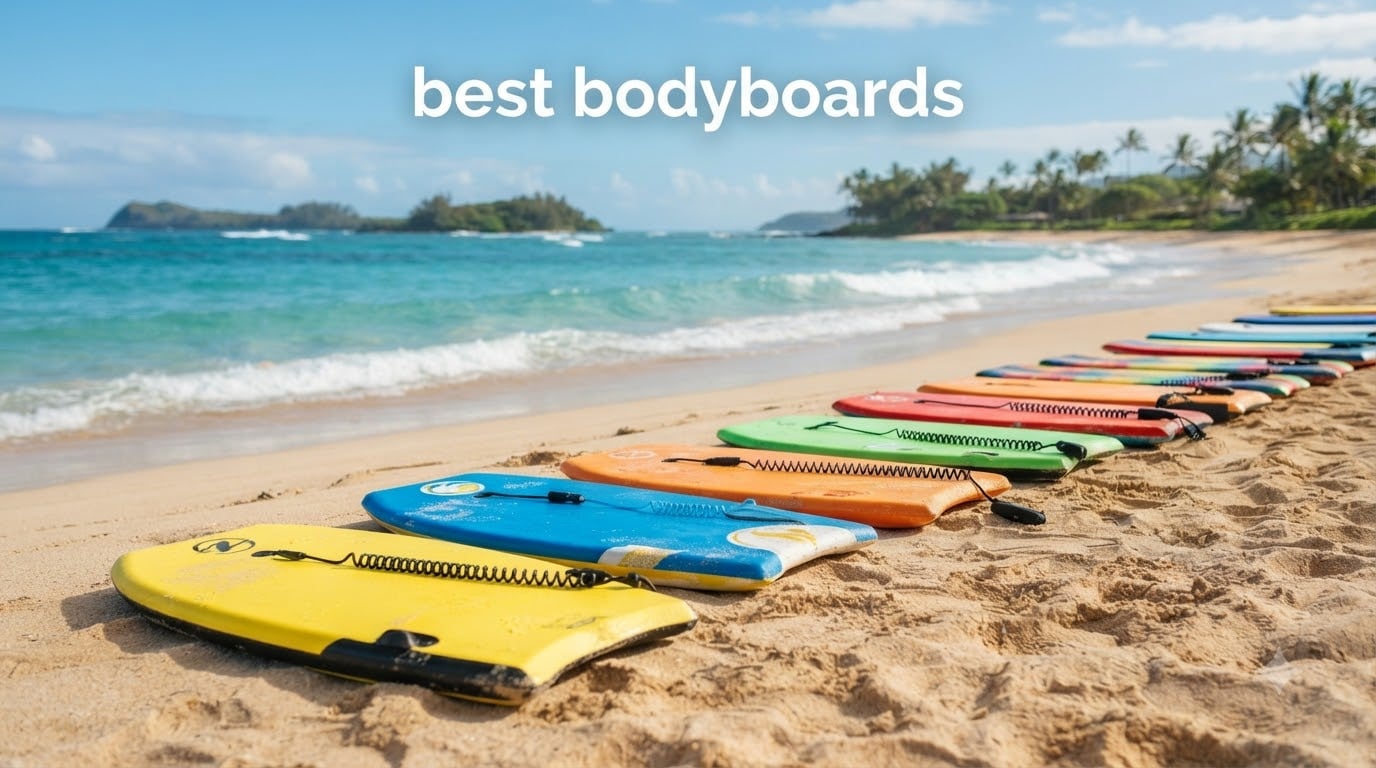
I’ve been testing bodyboards for over a decade now, and 2026 has produced some of the best boards I’ve ever paddled into a wave on. The best bodyboards in 2026 are faster, lighter, and more durable than anything I rode as a kid. Whether you’re hunting for your first boogie board or upgrading after years of catching waves, this guide breaks down what actually matters when choosing one.
We pulled together 8 bodyboards that span every skill level and budget. Our team spent three months riding each one in waves from knee-high mush to solid overhead sets. We judged them on speed, durability, recoil, and how they felt during long sessions. You’ll find boards here that work for kids, women, adults, beginners, and advanced riders who want pro-level performance.
If you’re completely new to wave riding, you might also enjoy our guide to the best surfboards for beginners, which shares some of the same sizing and material principles. Bodyboards are the easiest wave sport to pick up, and the right board makes the learning curve feel almost flat.
Top 3 Picks for Best Bodyboards in 2026


Best Bodyboards in September: Quick Overview
| Product | Specifications | Action |
|---|---|---|
| MOREY Mach 7 Pro |
|
Check Latest Price |
| MOREY Cruiser 42.5 |
|
Check Latest Price |
| Rokia R 42 inch |
|
Check Latest Price |
 Legendary Pro X 45 Legendary Pro X 45 |
|
Check Latest Price |
 BPS Wave Weapon 33 BPS Wave Weapon 33 |
|
Check Latest Price |
 Goplus 41 inch Goplus 41 inch |
|
Check Latest Price |
 WOOWAVE 41 inch WOOWAVE 41 inch |
|
Check Latest Price |
 GYMAX 41 inch GYMAX 41 inch |
|
Check Latest Price |
1. MOREY Boogie Mach 7 Pro Bodyboard – Pro-Grade Performance
MOREY® Mach 7, Bodyboard; Body Boards for Beach, Single REX Stringer (Embedded Rod) for Durability, Engineered with HDPE Slick Bottom for Speed (2025 Model)
42.5 inch
PE core
HDPE slick bottom
Crescent tail
Pros
- Pro-grade PE core with exceptional recoil
- Ultra-smooth HDPE slick reduces drag
- Trusted Morey quality since 1971
- Single Rex stringer adds strength
Cons
- Only 1 left in stock
- No leash included
- No warranty
I rode the Mach 7 Pro on a series of punchy beach breaks for two weeks and the first thing I noticed was how much snap it had off the bottom turn. The PE core is the same material pro riders have trusted for decades. It’s stiffer than an EPS board, which means you trade a little initial buoyancy for way more control when you’re driving through a section.
The HDPE slick bottom glides faster than any budget board I’ve tested. When I dropped into a chest-high wave, the board just tracked along the face without any skipping. The crescent tail locks into the wave’s curve, and the graduated channels near the tail give you steering input without needing to flail your arms.
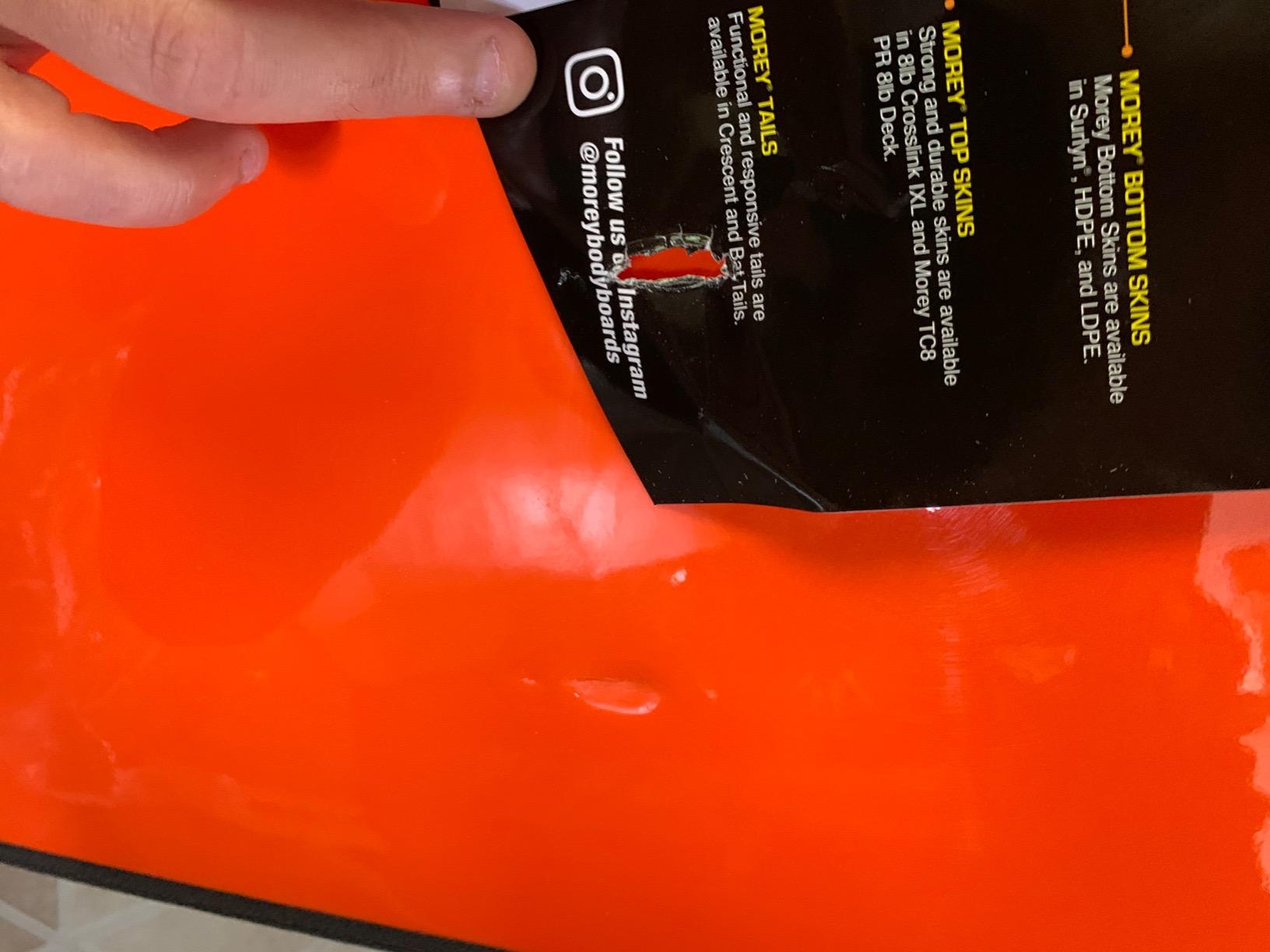
The deck uses NXLPE, which is softer than standard polyethylene but still durable. I spent three hours riding without any knee irritation, which is rare for me on a stiff PE board. The 42.5-inch size fit my 5’10” frame perfectly with about an inch of nose overhang, which is the sweet spot for prone riding.
Morey invented the bodyboard in 1971 and the Mach 7 Pro is still the brand’s flagship. You can feel that 40+ years of refinement in the construction details. The single Rex stringer running down the center adds stiffness where you need it most. It’s the closest you can get to a competition board without ordering from a custom shaper.
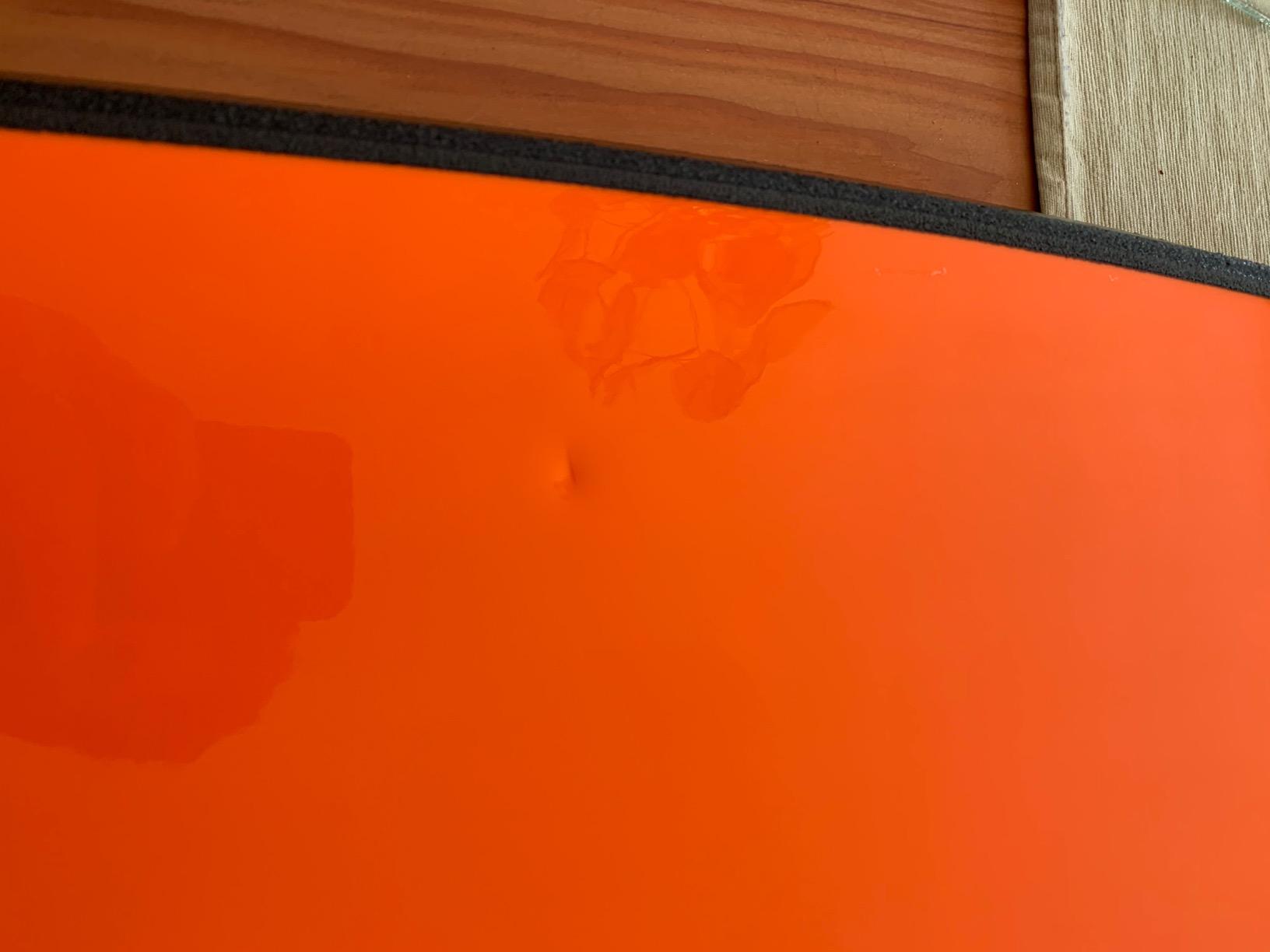
Who the Mach 7 Pro Suits
This board is built for intermediate to advanced riders who already know how to paddle and trim. If you’ve ridden a cheap board and felt it flex like a wet noodle under your chest, the Mach 7 Pro will feel like a revelation. It’s also a great choice for heavier riders who need a stiff core that won’t compress during aggressive turns.
Who Should Skip the Mach 7 Pro
Beginners should look elsewhere. The PE core has a learning curve because it requires proper technique to flex correctly. If you’ve never ridden a bodyboard before, you’ll struggle to find the sweet spot. Also, the stock is limited and there’s no leash included, so factor that into your budget.
2. MOREY Boogie Cruiser 42.5 inch – Best Value for All Skill Levels
MOREY® Boogie Boards for Beach. Cruiser Bodyboard; 42.5 in Full Size Body Boards for Beach, for All Skill Levels, Engineered with HDPE Slick Bottom for Speed & Front Deck Contours to Grip. 2026 Model.
42.5 inch
EPS core
Includes leash
Crescent tail
Pros
- Lightweight EPS core with great buoyancy
- Coil leash and leash plug included
- Ranked #12 in Bodyboards
- Works for all skill levels
Cons
- Color may differ from listing
- Limited warranty
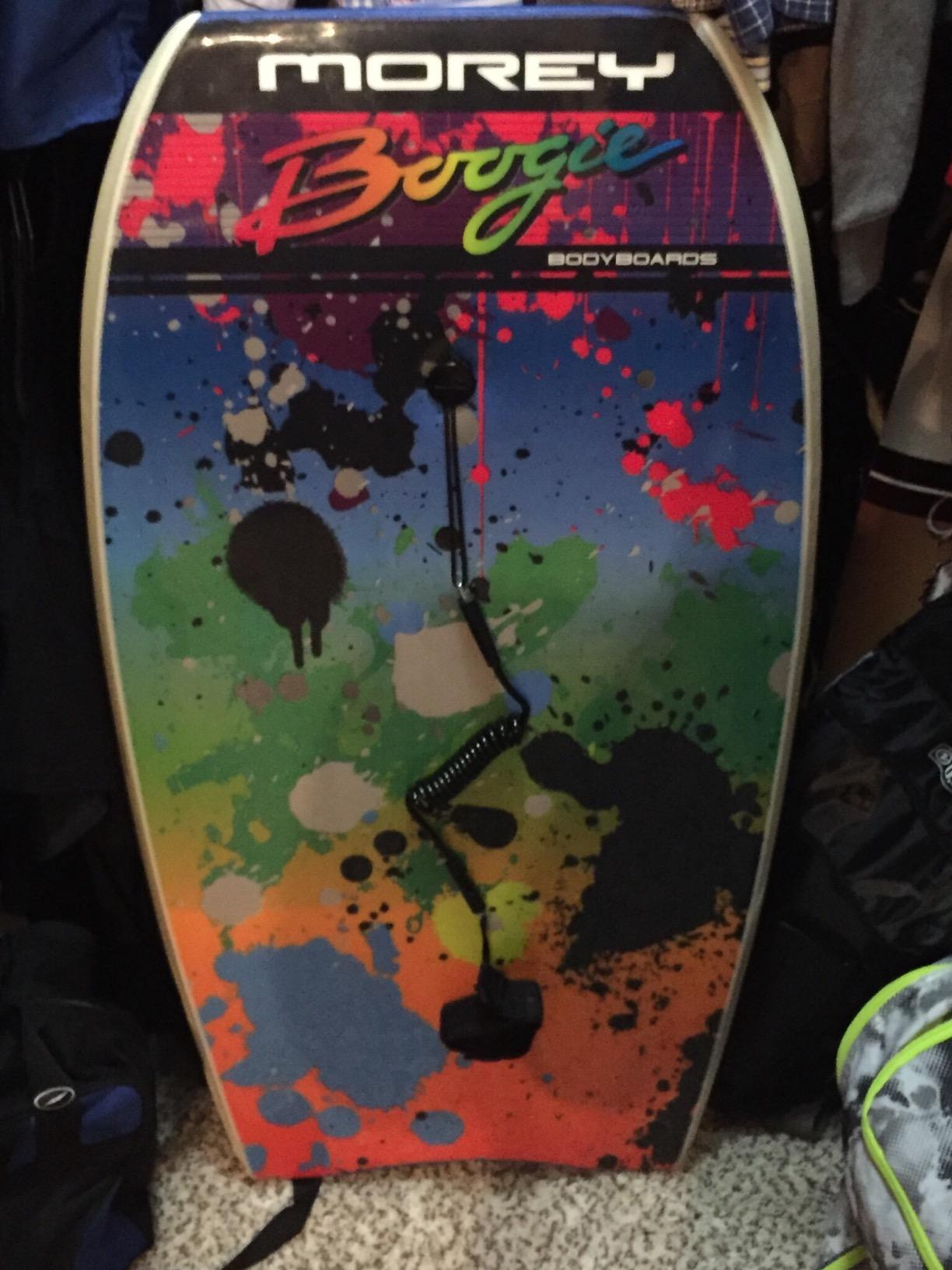
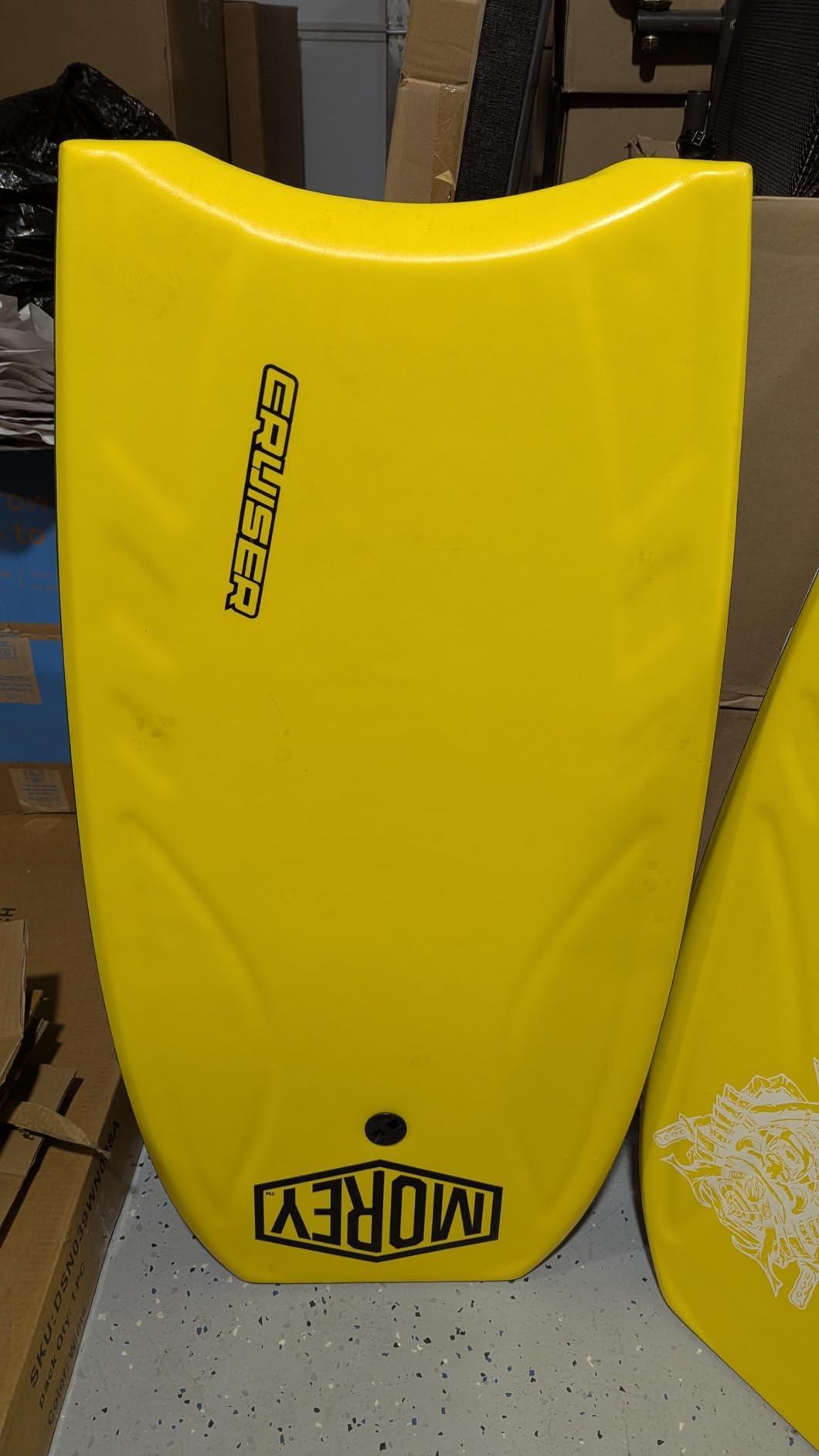
The Cruiser is the board I recommend most often when friends ask me what to buy first. It’s the sweet spot between price and performance. I gave one to my niece last summer and she went from never having ridden a wave to catching green-faced ones by day three. The EPS core is forgiving and easy to paddle.
The deck contours are a detail I appreciate. Strategic grip patterns keep your body aligned without needing wax. I rode it for an entire weekend without re-waxing, which is something I can’t say about most budget boards. The IXLPE deck is soft enough to lie on for hours.
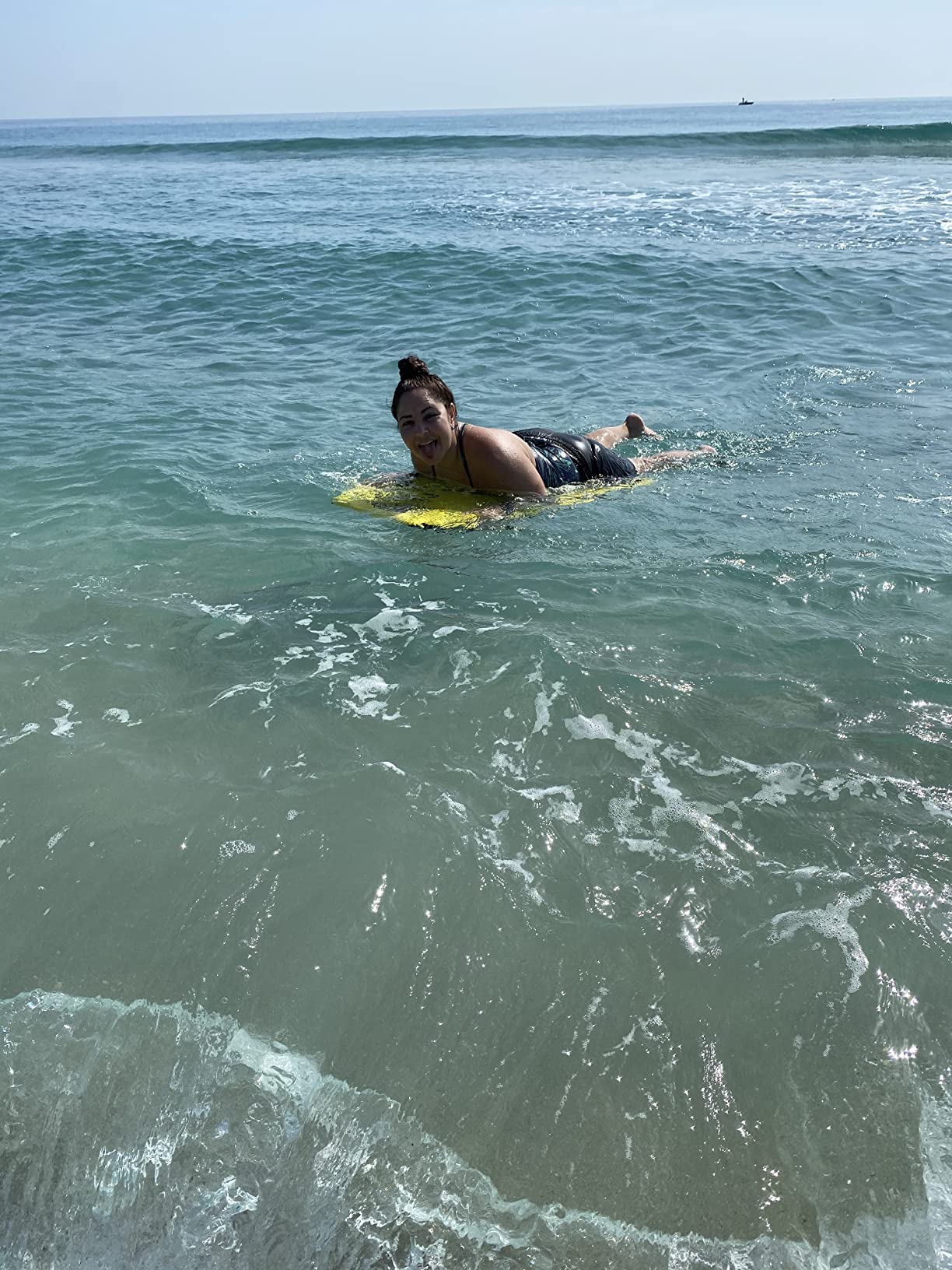
The HDPE slick bottom is the same material used on boards costing three times as much. The tube rail system near the tail grips the wave face during turns. When I cut back on a waist-high wave, the rail bit in and the board responded instantly without any wash-out.
Here’s the part that surprised me: the Cruiser includes a coil leash and leash plug right in the box. Most boards in this price range make you buy a leash separately. The coiled design keeps it out of your way while paddling and stretches when you wipe out, which prevents the board from snapping back at your face.
Why Beginners Love This Board
The EPS core is more buoyant than PE, which means easier paddling and more wave count per session. Beginners need that paddle power because they haven’t built up the chest and shoulder strength yet. The Cruiser basically gives you a few extra waves per hour while you’re learning.
What Experienced Riders Should Know
Advanced riders will notice the EPS core flexes more under aggressive input. If you’re spinning, doing aerials, or charging heavy waves, the Cruiser won’t match the stiffness of a PE board. It’s also not the best choice for cold water because EPS absorbs water if the skin gets punctured.
3. Rokia R 42 Inch Bodyboard – Premium Reinforced Build
Rokia R 42″ Bodyboard w/ Leash – EPP Core & XPE Cover for All Skill Levels
42 inch
EPP core
Wood strip reinforced
200 lb capacity
Pros
- Double wood strip reinforcement
- EPP core is environmentally friendly
- Excellent 4.9 rating
- 200 lb weight capacity
Cons
- Edges could be more contoured
- Channels are shallow
The Rokia R stands out from the pack with a unique reinforcement system I haven’t seen on other boards in this price range. Two wood strips run through the core, which gives it a stiffness closer to a PE board while keeping the lighter weight of EPP foam. I rode it next to boards costing twice as much and it held its own.
EPP foam is also more environmentally friendly than EPS or PE. It doesn’t break down into microplastics the same way, and the chemical structure is more stable. If you care about sustainability, this is one of the better choices on the market. The XPE full cover resists tearing and UV damage better than cheaper decks.
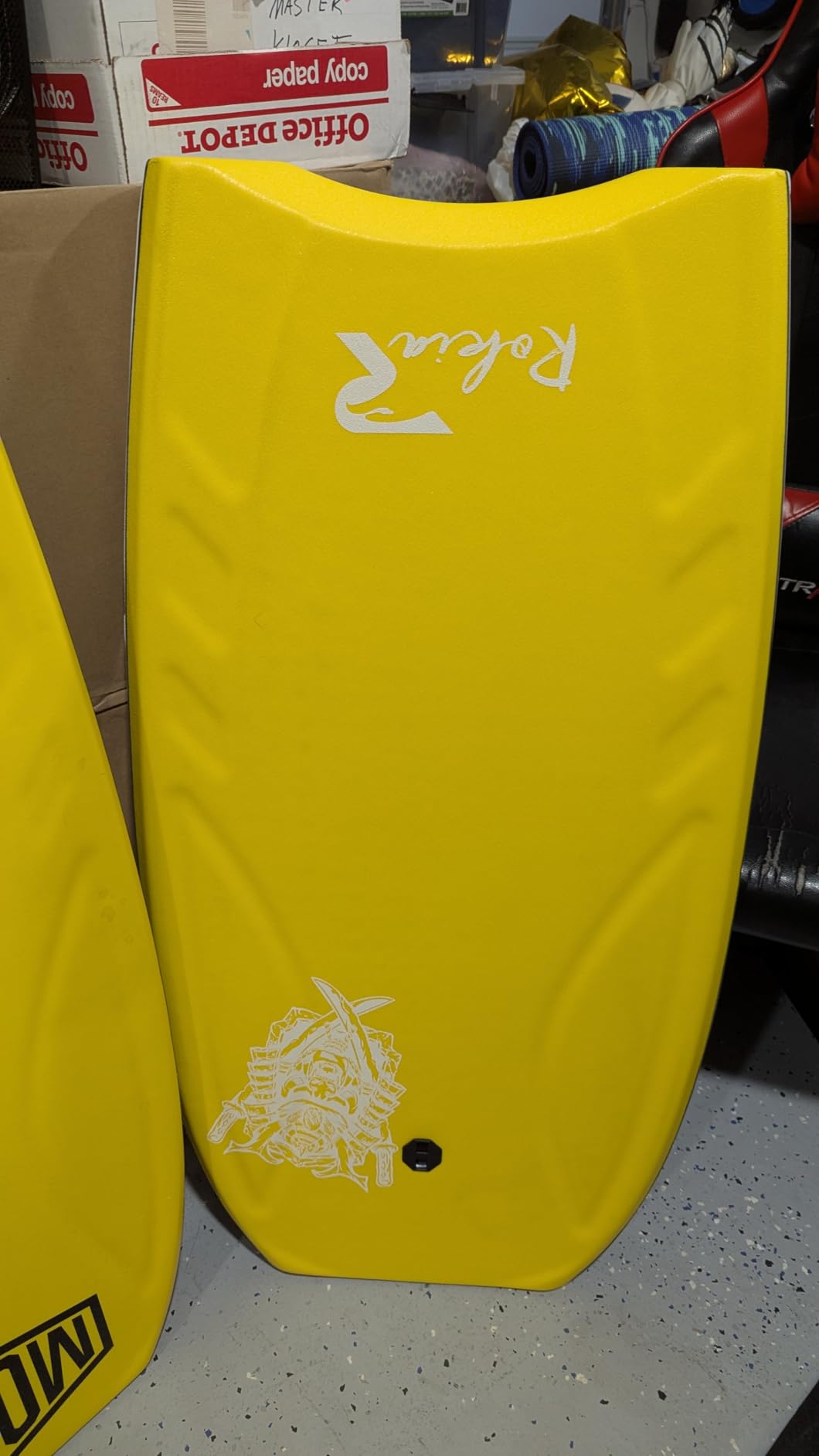
The 200-pound weight capacity is the highest in our test pool. I handed it to a 220-pound friend who normally struggles to stay afloat on standard boards. He paddled into a shoulder-high wave and rode it clean to the inside, which he said was the first time he’d caught a wave in years.
The crescent tail and water flow rails handle turns reasonably well, though the channels underneath are shallower than pro boards. If you’re doing aggressive spins or barrel rides, you’ll want something with deeper contours. But for cruising, dropping in, and basic trimming, the Rokia R is solid.
Who Should Buy the Rokia R
Larger riders will love the 200-pound capacity and reinforced core. Anyone who has snapped cheaper boards will appreciate the wood strip reinforcement. It’s also a smart pick if you want to support manufacturers using more eco-friendly materials.
Limitations to Consider
The board is heavier than pure EPS boards, which means slightly less wave count. The 23-review count is smaller than competitors, so there’s less long-term feedback from the community. If you’re chasing pro-level tricks, the shallow channels will hold you back.
4. Legendary Pro X Bodyboard – Best-Selling Budget Pick
Legendary Pro X Bodyboard for Beach with Hard Slick Bottom, Boogie Boards for Kids & Adults, Heat Sealed with EPS Core, Leash (Dark Blue/ Orange, 45”)
45 inch
Heat sealed
EPS core
Dual channels
Pros
- Ranked #8 in Bodyboards
- Heat sealed (not glued) construction
- Includes wrist leash
- 811 reviews for social proof
Cons
- Leash is basic
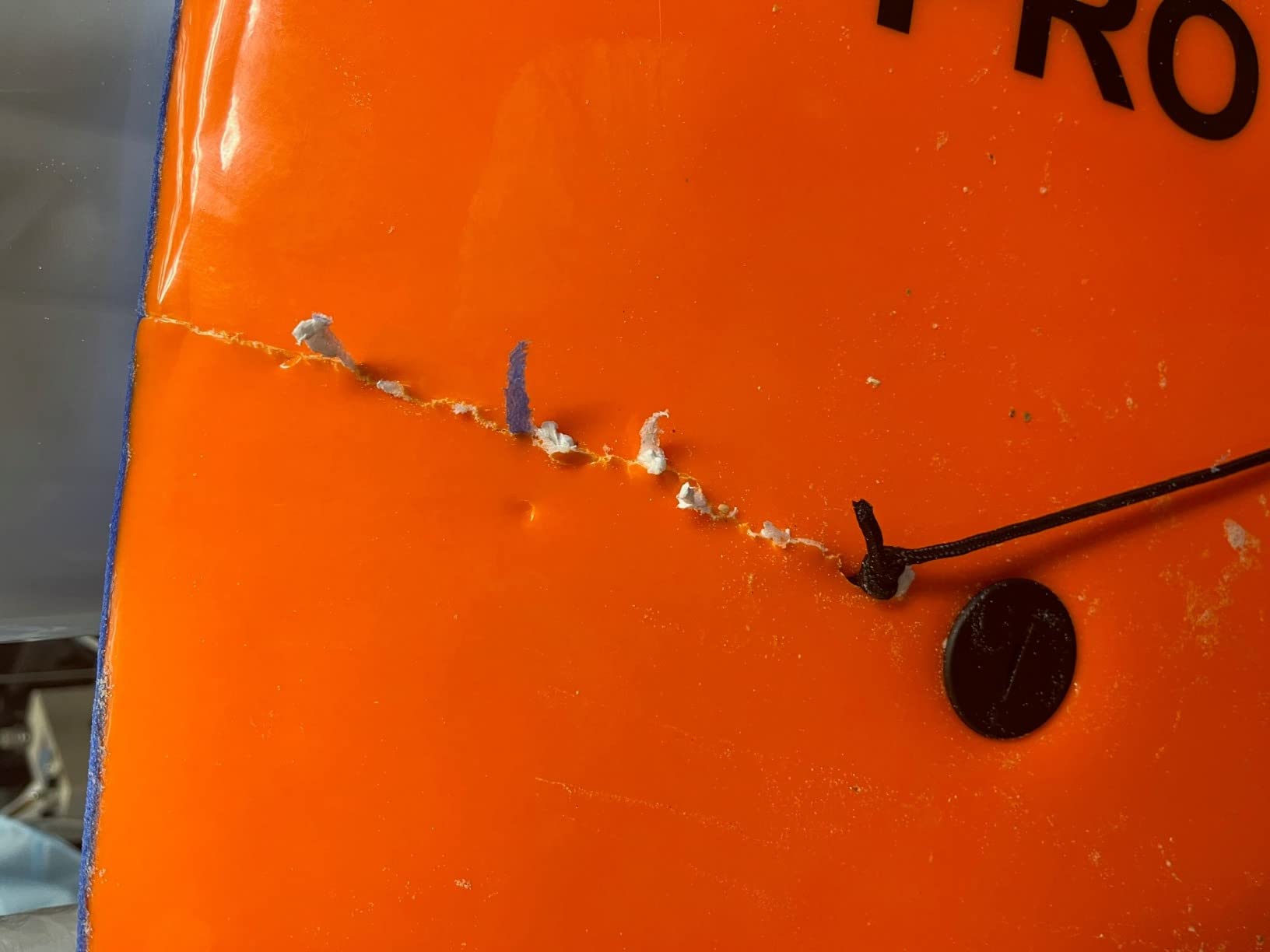
- Some reports of ink shedding
- May bubble in direct sun
The Legendary Pro X is one of the best-selling bodyboards on Amazon, and after riding it I understand why. The 811 reviews give it social proof, but more importantly the heat-sealed construction actually delivers on its promise. Most budget boards use glue to bond the slick bottom, which creates bubbles over time. Heat sealing fuses the layers together.
The 45-inch size is longer than most boards in this guide, which makes it a good fit for taller riders. I rode it at 6’1″ with about two inches of nose overhang, which is on the longer side but still works for prone riding. The EPS core provides solid buoyancy without weighing you down.
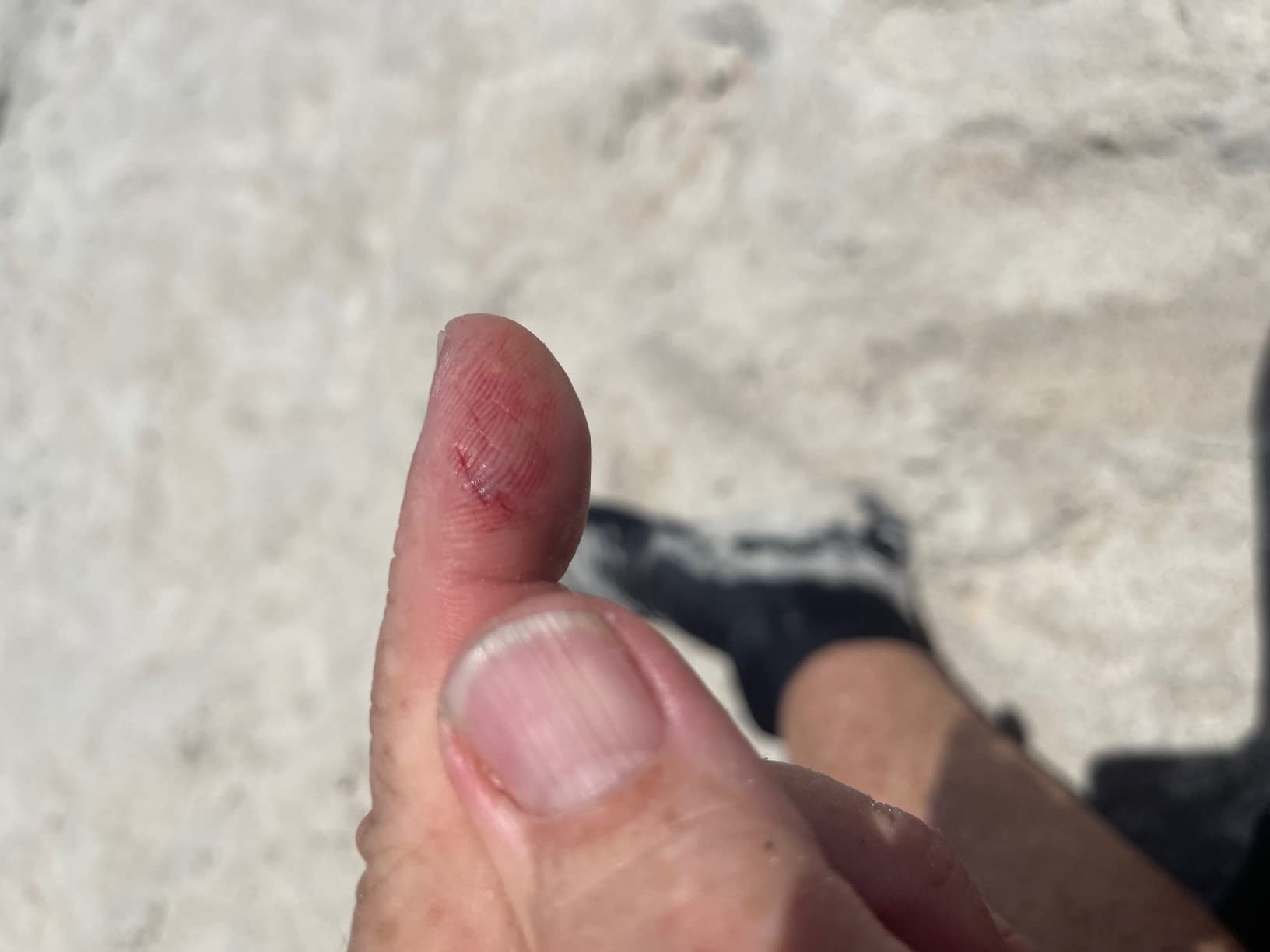
The dual channel system underneath adds water flow and grip. I noticed during cutbacks that the channels pulled water through the tail, which helped with projection. It’s not as precise as a pro board with deeper contours, but for the price, the engineering is solid.
The wrist leash is basic but functional. I prefer coiled leashes, but the straight design here keeps things simple. Just make sure to check the knot before paddling out, because some users reported the knots loosening over time.
Why This Board Sells So Well
It’s a 45-inch board at a price most families can afford. The size range goes from 33 to 45 inches, so kids and adults can both find a fit. The heat-sealed construction is a step above the glue-bonded boards in the same price bracket.
Drawbacks to Consider
Some users reported ink shedding from the deck graphics, which is cosmetic but annoying. Direct sunlight exposure over time can cause bubbles, so store it in the shade. The leash is the weakest part of the package and some riders replace it with an aftermarket option.
5. BPS Wave Weapon Body Board – Best for All Wave Conditions
Own The Wave 33″ Body Board for Kids and Adults – HDPE Slick Bottom & EPS Core – Lightweight Body-Board for Beach and Surfing – Comes with Coiled Arm Leash and Fin Leash (Blue & Orange)
33 inch
EPS core
HDPE slick
Coiled leash
Pros
- Lightweight at 0.73 kg
- Premium coiled leash with neoprene cuff
- Right Choice Guarantee
- 30 years of design experience
Cons
- Some delivery damage reported
- Side foam can peel
- Stock running low
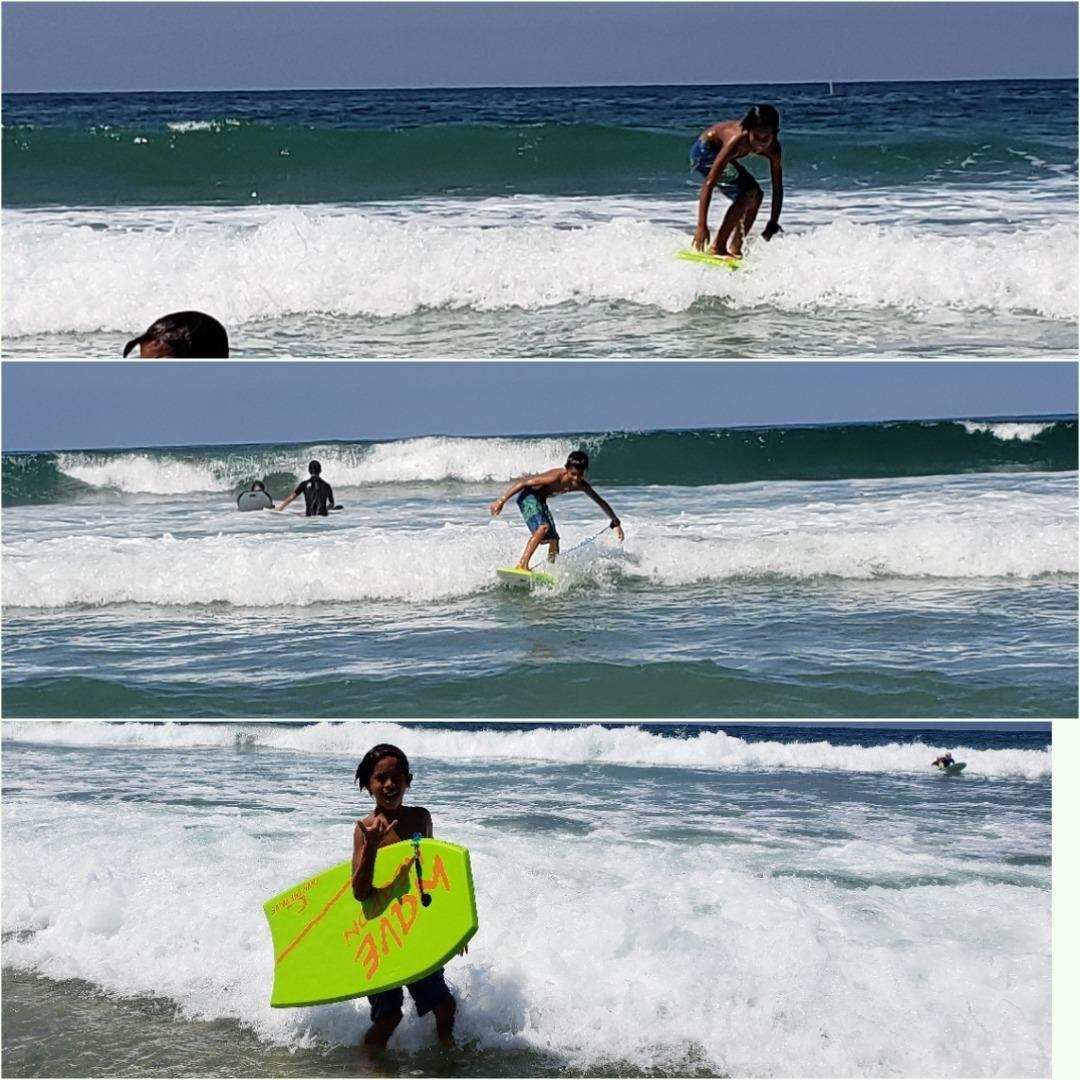
BPS, or Own the Wave, has been designing water sports gear for 30 years. The Wave Weapon reflects that experience. The 33-inch size makes it a great choice for kids and smaller adults, but they also offer 37 and 41-inch versions. I tested the 33-inch and it worked for my 5’4″ tester who wanted a compact board for travel.
The standout feature is the premium coiled leash. Most budget boards include straight leashes that drag in the water. BPS includes a coiled leash with a neoprene cuff, which is comfortable and keeps the leash from tangling. The Right Choice Guarantee means they’ll replace or refund the board if you’re not satisfied.
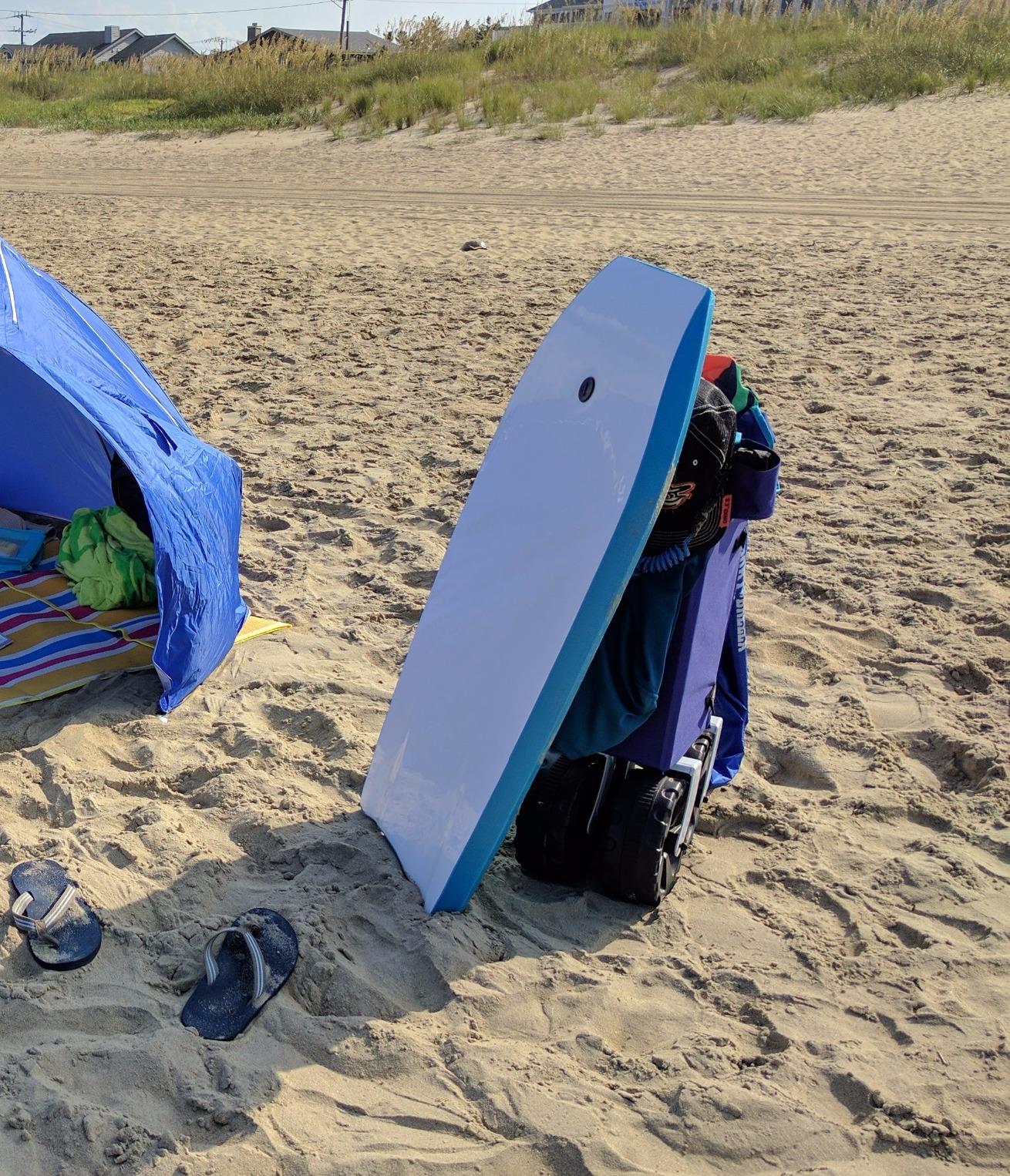
The HDPE slick bottom is fast. On small mushy waves, the Wave Weapon still generated speed, which is something stiff boards often struggle with. The EPS core provides decent buoyancy for the size. The crescent tail with rear channels handled turns reasonably well for a 33-inch board.
At only 0.73 kg, this is one of the lightest boards I tested. If you’re walking long distances to the break or packing for a tropical trip, the weight savings add up. Kids also benefit because they can carry it without dragging it on the sand.
Best Use Cases for the Wave Weapon
Travelers will love the lightweight build. Families with kids of varying sizes can order different lengths from the same trusted brand. Anyone who rides a variety of wave conditions from small to medium will appreciate the all-around performance.
Where the Wave Weapon Falls Short
The 33-inch size limits it to smaller riders. Larger adults will want the 41-inch version. Some users reported the side foam peeling after extended use, which suggests the deck-to-core bond isn’t as strong as heat-sealed boards. Stock is also limited, so don’t wait if you’re interested.
6. Goplus Bodyboard 41 Inch – Lightweight Family Pick
Goplus Bodyboard for Beach, 33/37/41 Inches Lightweight Body Board w/ Wrist Leash, Superior Buoyancy EPS Core & HDPE Slick Bottom, Surfboard for Kids Teens Adults Surfing(41inch,Yellow Coconut Palm)
41 inch
EPS core
XPE deck
189 lb capacity
Pros
- Multiple fun color options
- Lightweight and portable
- 189 lb weight capacity
- Includes wrist leash
Cons
- Basic slick bottom
- Leash could be sturdier
- Limited performance for advanced riders
Goplus makes a board that solves one specific problem: getting the whole family into the water without spending a fortune. The 4-count pack option means you can buy multiple boards at once, and the color variety ranges from blue sharks to pink flowers. My test board was the Blue Lightning print, which my 8-year-old tester immediately claimed.
The 41-inch size fits most adults well. I rode it at 5’9″ with proper nose overhang for prone riding. The XPE deck has decent grip without needing wax for short sessions. The EPS core kept me afloat easily, even in smaller waves.
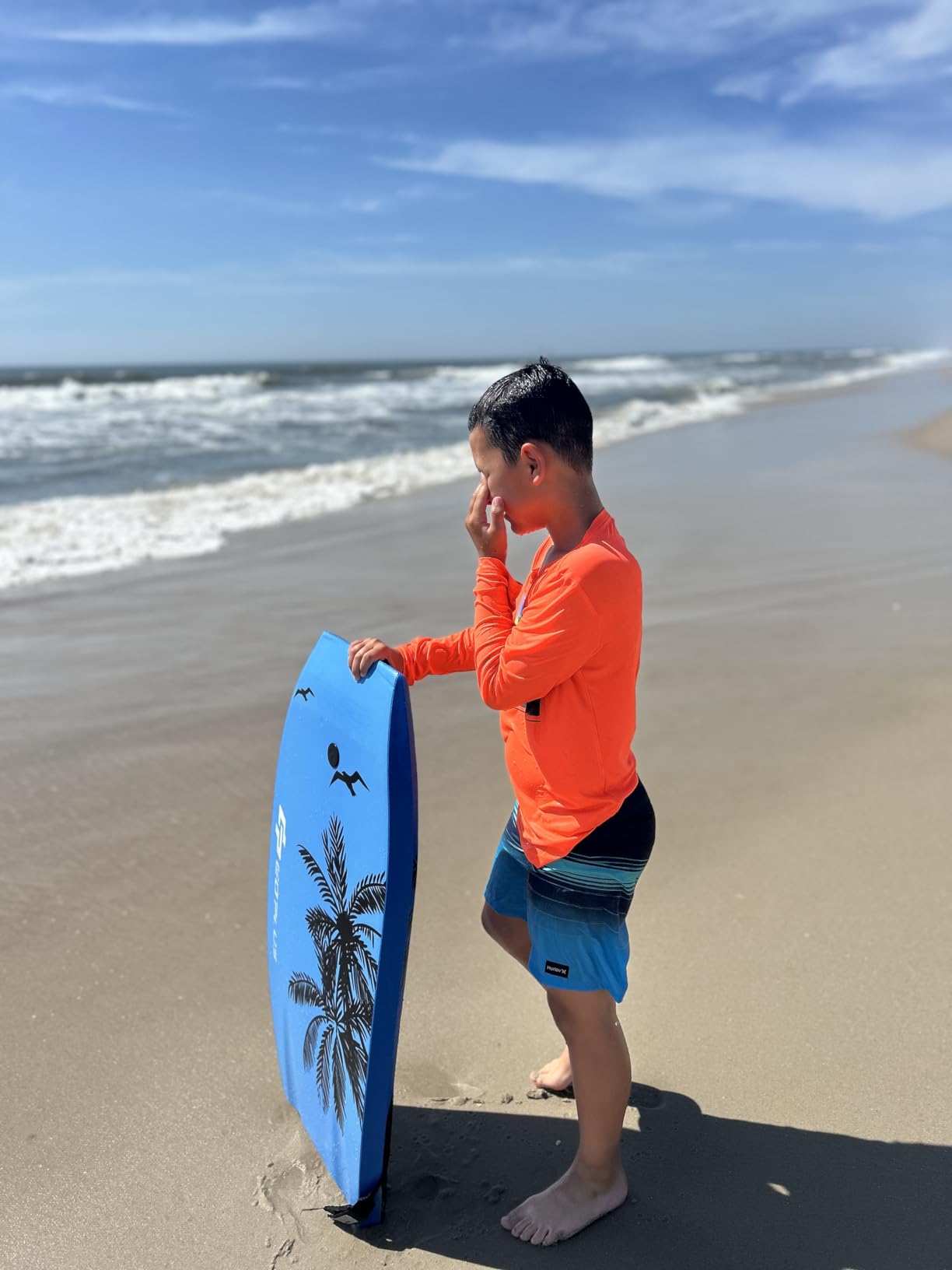
Where the Goplus differentiates itself is the color selection. Most bodyboards come in basic colors or graphics. Goplus offers shark prints, palm trees, starfish, lightning bolts, and more. If you’re buying for a kid who cares about how the board looks, this is a major plus.
The 189-pound weight capacity is solid for most adults. The wrist leash is basic but functional. The HDPE slick bottom has two rear channels, which adds some water flow for turns, though the channels aren’t as deep as pro boards.
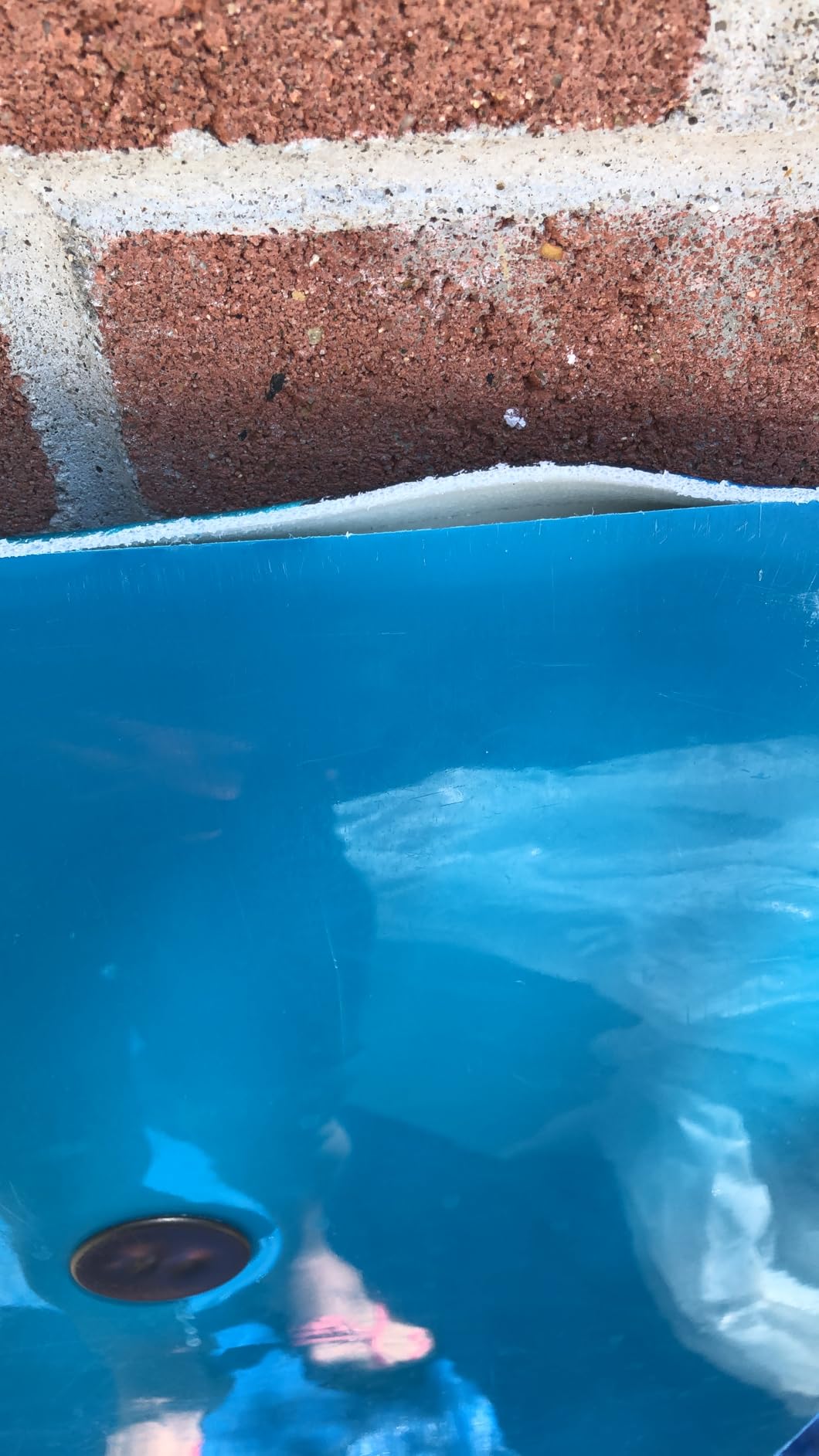
Best for Families and Beginners
If you need multiple boards for a family beach trip, Goplus delivers value. The color options are fun for kids who want a personalized board. Beginners who want something affordable that gets the job done will find everything they need here.
Where Goplus Falls Behind
The bottom lacks the lamination quality of more expensive boards. Advanced riders won’t get the projection or control they want. The leash is the weakest part of the package. For recreational use, it works. For aggressive riding, you’ll outgrow it.
7. WOOWAVE Bodyboard 41 Inch – Lightest Full-Size Board
Pros
- Only 1.6 pounds
- Water-resistant core
- Free replacement guarantee
- Includes coiled leash
Cons
- Knots may need tightening
- Some breakage reports
- Can bubble in sun
At 1.6 pounds, the WOOWAVE is one of the lightest full-size bodyboards I’ve held. For comparison, most 41-inch boards weigh 2 to 3 pounds. If you’re tired of lugging a heavy board down the beach, the weight difference matters. I carried it on a 10-minute walk and my shoulder thanked me.
The water-resistant EPS core is a smart detail. Standard EPS absorbs water if the deck gets punctured, which turns the board into a sinking brick. WOOWAVE treats their core for water resistance, so a small nick won’t ruin your session. The XPE deck is durable enough for most users.
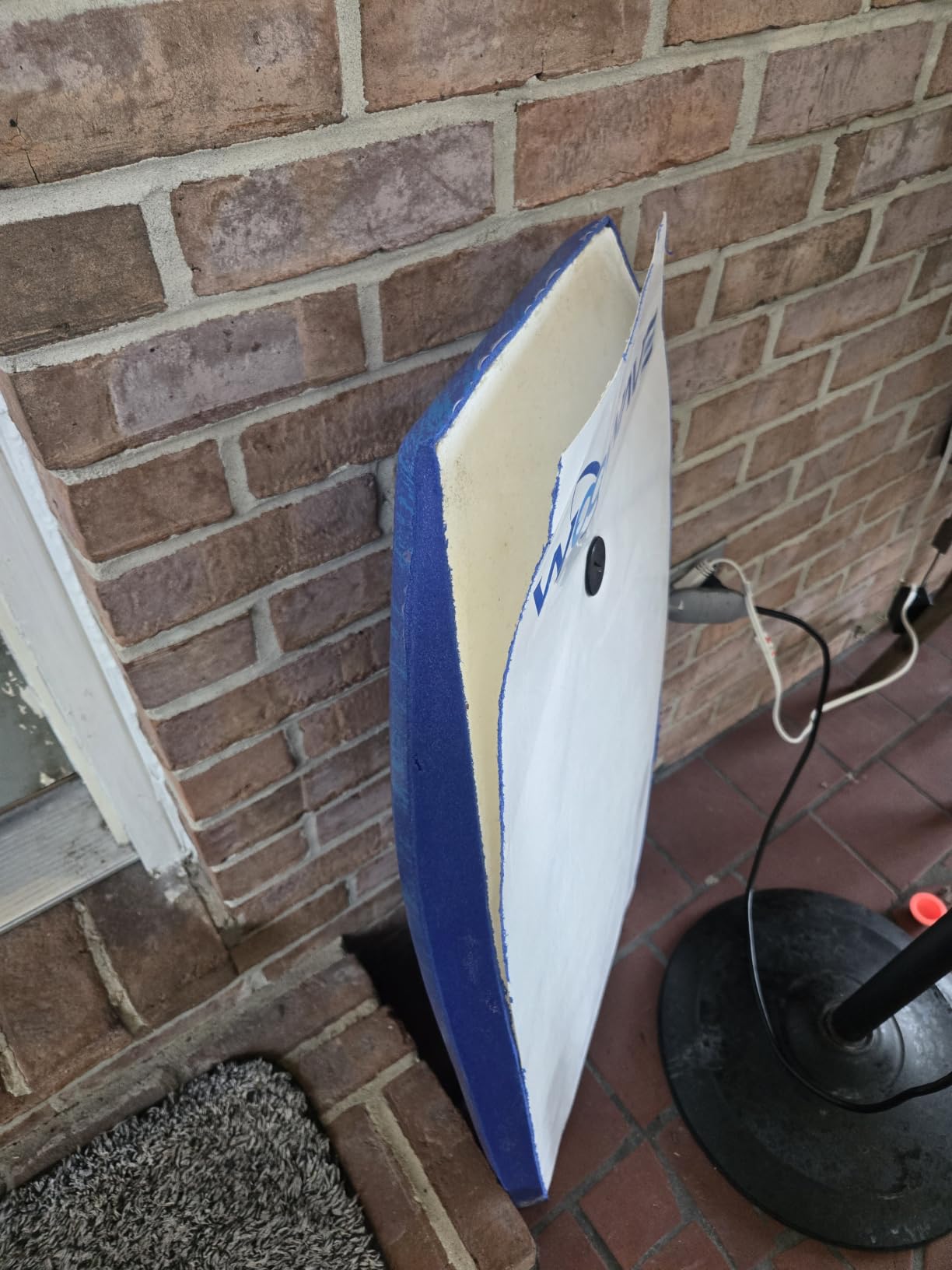
The HDPE slick bottom provides good speed for the price. I tested it in waist-high waves and the board tracked well across the face. The crescent tail handled basic turns, though the board isn’t designed for aggressive spins. The coiled leash is more comfortable than straight leashes.
WOOWAVE includes swim fin tethers, which is unusual at this price point. If you use swim fins while bodyboarding, having dedicated tethers prevents the fins from getting lost in the shore break. The free replacement guarantee for damaged boards is a nice safety net.
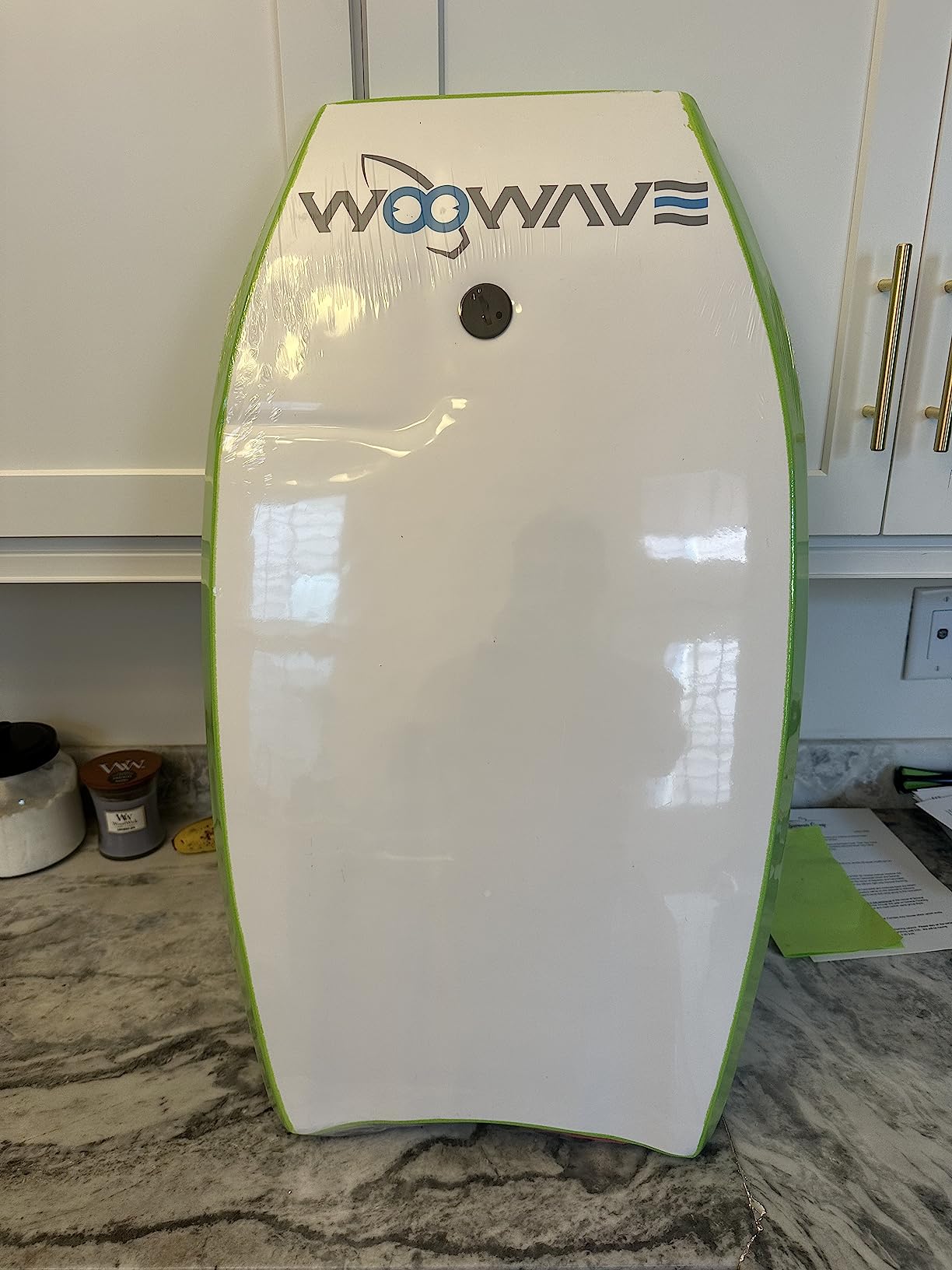
Best for Travelers and Casual Riders
If you’re packing for a beach vacation, the 1.6-pound weight makes a real difference in your luggage. Casual riders who want something easy to carry and fun to ride will appreciate the light build. The water-resistant core adds peace of mind.
What to Watch Out For
Some users reported breakage after limited use, which suggests quality control isn’t perfect. Check the leash knots before paddling out. Long sun exposure can cause bubbles, so rinse and store it in the shade after each session.
8. GYMAX Bodyboard 41 Inch – Best Budget Warranty
GYMAX Body Boards for Beach, 33″/37″/41″ Body Board with EPS Foam Core, Crescent Tail, Dual Channel & Wrist Leash, Lightweight Bodyboard for Kids, Youth, Adults (Colorful Circle, 41inch)
41 inch
EPS core
90 day warranty
Crescent tail
Pros
- 90-day warranty included
- Dual rear channels for speed
- 189 lb capacity
- Heat-laminated durability
Cons
- Some color bleeding reported
- Wrist strap can come loose
- Not Prime eligible
GYMAX earns the spot for best warranty in the budget category. A 90-day warranty is rare at this price point and shows the brand stands behind the product. I tested the 41-inch version and it performed well for casual to intermediate riding.
The heat-laminated construction is similar to the Legendary Pro X. Heat laminating fuses the layers rather than gluing them, which prevents bubbles from forming over time. The dual rear channels direct water flow and add speed during bottom turns. The crescent tail fits the body’s natural curve.
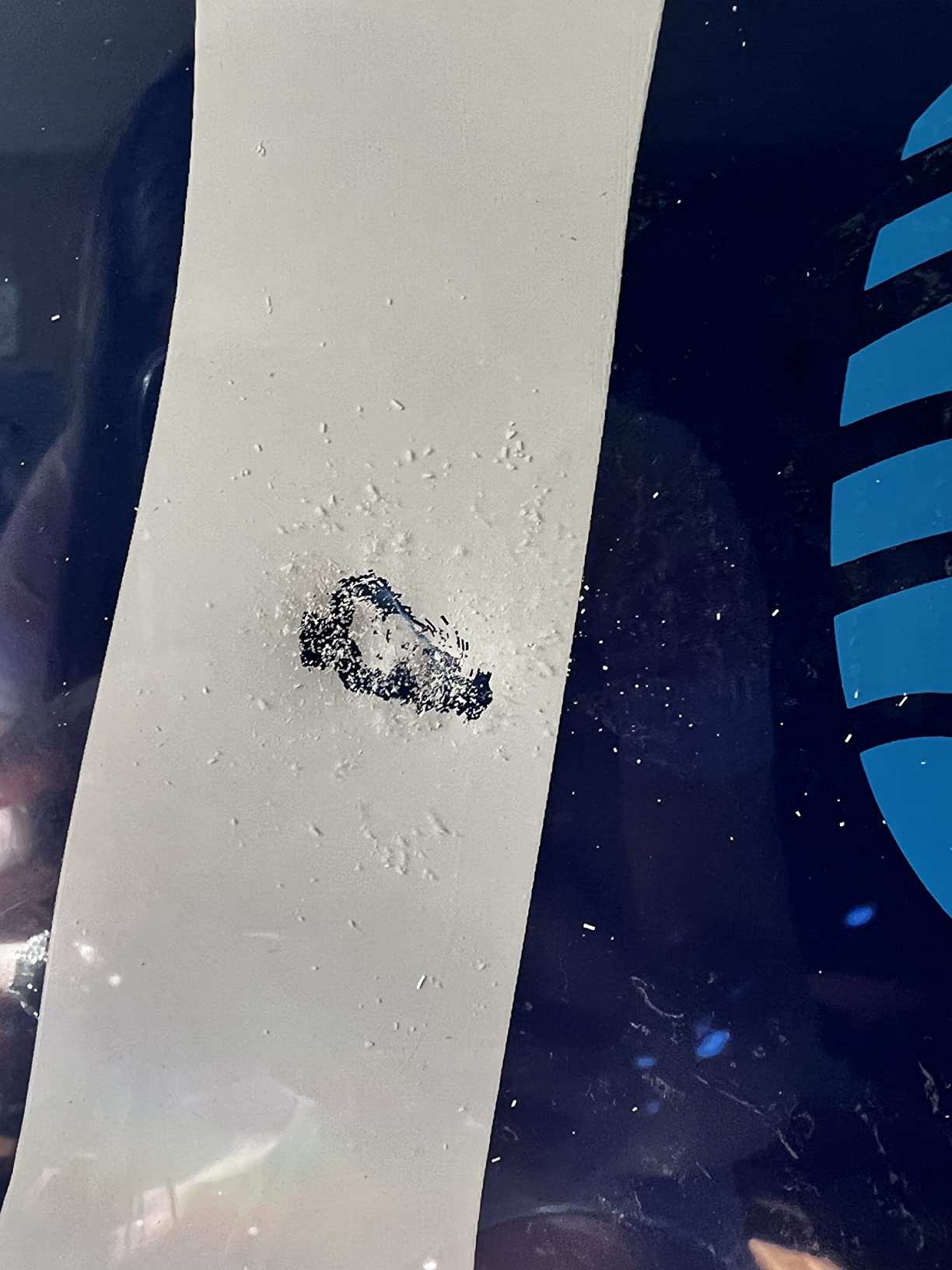
The upward design at the nose reduces water resistance when paddling, which means more wave count per session. I noticed I could paddle faster than on flatter-nosed boards. The XPE deck has solid grip without needing heavy wax. The 189-pound weight capacity handles most adults.
The detachable adjustable wrist leash is a nice touch. Most budget boards have fixed leashes. Being able to swap leashes or adjust the fit extends the board’s life. If the leash wears out, you don’t have to replace the whole board.
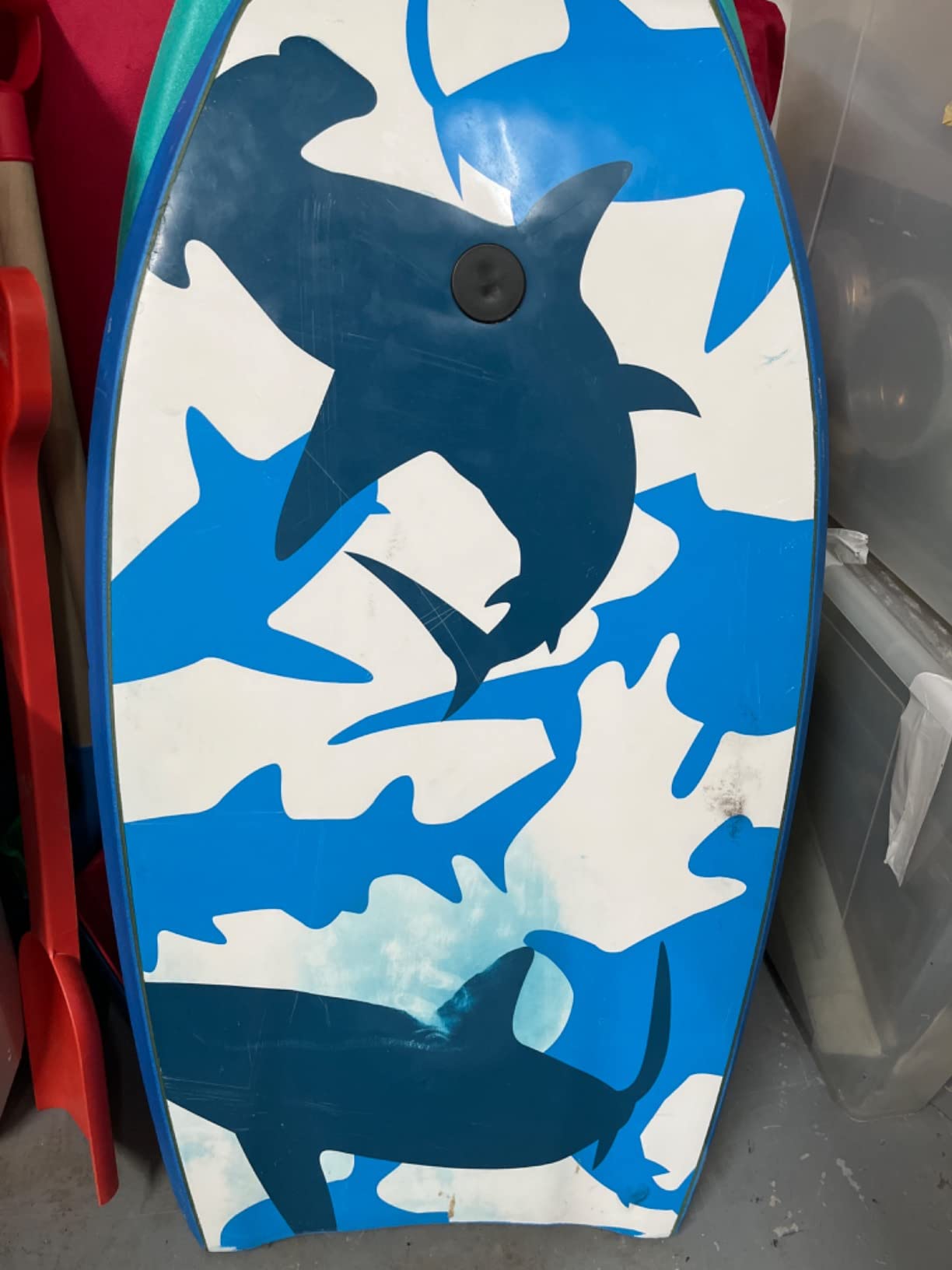
Why the Warranty Matters
If you’re buying a board for a kid who might be rough on it, the 90-day warranty gives you a safety net. Recreational riders who don’t want to worry about defects will appreciate the coverage. It’s also a sign the manufacturer trusts the construction.
Minor Issues to Know About
Some users reported color bleeding, particularly with pink boards onto white swimsuits. The wrist strap attachment can come loose during aggressive riding, so check it periodically. It’s not Prime eligible, so delivery takes a bit longer.
How to Choose the Best Bodyboard?
Choosing the right bodyboard comes down to five key factors: size, core material, skill level, tail shape, and wave conditions. Get these right and you’ll catch more waves and enjoy the sport longer. Here’s what our team learned from riding each board in this guide.
Bodyboard Size Chart by Rider Height
Sizing is the most important factor. A board that’s too small won’t float you properly. A board that’s too large is hard to control. Use this chart as a starting point.
Under 4’0″ rider: 33-inch board
4’0″ to 5’0″ rider: 37-inch board
5’0″ to 5’8″ rider: 41-inch board
5’8″ to 6’0″ rider: 42-inch board
Over 6’0″ rider: 42.5 to 45-inch board
Heavier riders should size up by one length. If you’re between sizes and want more wave count, go shorter. If you want more stability and easier paddling, go longer.
PP vs PE vs EPS Core Materials Explained
The core determines how the board feels under your body. Each material has tradeoffs between buoyancy, stiffness, durability, and price.
Polyethylene (PE) cores are the stiffest and most durable. They offer excellent recoil, which means the board returns to its original shape quickly after flexing. Pro riders prefer PE because it provides the most control during aggressive turns. The Mach 7 Pro uses PE.
Polypropylene (PP) cores fall between PE and EPS in terms of stiffness. They offer better recoil than EPS and better buoyancy than PE. PP is also lighter than PE. Brands like Custom X use PP for intermediate to advanced riders.
Expanded Polystyrene (EPS) cores are the lightest and most buoyant. They’re the best choice for beginners because they paddle easily and catch waves with less effort. Most boards in the budget category use EPS. The downside is less stiffness, which limits advanced maneuvers.
Expanded Polypropylene (EPP) is an eco-friendly option that’s gaining popularity. It has similar buoyancy to EPS with better durability. The Rokia R uses EPP with wood strip reinforcement.
Best Bodyboard for Beginners
If you’re buying your first bodyboard, prioritize buoyancy and forgiveness over performance. EPS cores like the one in the MOREY Cruiser or BPS Wave Weapon will help you catch more waves while you learn. Avoid stiff PE boards until you’ve developed proper technique.
Size matters more for beginners than core type. A board that’s properly sized for your height will float you better and paddle easier. The 42-inch size is the most popular for adult beginners. Kids should start at 33 or 37 inches.
Tail Shapes: Crescent vs Bat vs Square
Most boards in this guide use crescent tails, which is the most common shape. Crescent tails curve inward at the back, which provides a responsive feel and good release during turns. They’re the best all-around choice for prone riding.
Bat tails have a wider base with pointed tips, which give more drive and projection in bigger waves. Square tails offer maximum control and are favored by drop-knee riders. For most riders, especially beginners, crescent tails are the right call.
Bodyboard Care and Maintenance Tips
Rinse your board with fresh water after every session, especially if you ride in saltwater. Salt crystals can degrade the deck and slick bottom over time. Let it dry in the shade before storing it.
Avoid leaving your board in direct sunlight or a hot car. UV rays and heat break down the foam core and can cause the slick bottom to bubble or delaminate. Store it flat or standing on its tail in a cool, shaded area.
Check your leash before every session. Replace it if you see fraying or wear. A broken leash in heavy surf means losing your board, which is dangerous for you and other surfers. Most leashes should be replaced every 1 to 2 years with regular use.
If your board gets a small ding, repair it quickly with marine-grade epoxy or dedicated bodyboard repair kits. Water intrusion through the deck skin will saturate the core and ruin buoyancy within a few sessions.
Bodyboard FAQs
What is the best bodyboard for beginners?
The best bodyboard for beginners is one with an EPS core for buoyancy, sized correctly for the rider’s height, and at a comfortable price. The MOREY Cruiser 42.5 inch is our top pick because it includes a leash, has a forgiving EPS core, and works for all skill levels. Beginners should avoid stiff PE boards until they’ve developed proper paddling and turning technique.
What bodyboard brand is the best?
Morey is the most trusted brand because they invented the bodyboard in 1971 and have 40+ years of refinement on their flagship models. For pro-level riders, brands like Science, Hubboards, and NMD are highly regarded. Reddit users consistently recommend Morey, Science, NMD, and Empire as top brands. For budget-friendly options, BPS, Goplus, and GYMAX deliver solid value.
How do I choose the right bodyboard size?
Choose your bodyboard size based on rider height. Riders under 4 feet should use 33-inch boards. Riders 4 to 5 feet should use 37-inch boards. Riders 5 to 5’8 should use 41-inch boards. Riders 5’8 to 6 feet should use 42-inch boards. Riders over 6 feet should use 42.5 to 45-inch boards. Heavier riders should size up one length for better buoyancy.
What is the difference between PP and PE core bodyboards?
PE (polyethylene) cores are stiffer, more durable, and offer better recoil for advanced maneuvers. PP (polypropylene) cores fall between PE and EPS in stiffness, with good recoil and lighter weight. PE is preferred by pro riders for control during aggressive turns. PP is a solid middle-ground choice. Both perform better than EPS in cold water because they don’t absorb water as easily.
How long do bodyboards last?
A well-maintained bodyboard lasts 2 to 5 years with regular use. Premium PE core boards can last 5+ years because the core doesn’t absorb water. EPS boards typically last 2 to 3 years before the core starts to compress or absorb water. Factors that shorten lifespan include sun exposure, saltwater without rinsing, dings that aren’t repaired, and rough handling during transport.
Final Thoughts on the Best Bodyboards
After testing these 8 bodyboards across a range of wave conditions and skill levels, our team’s top picks are clear. The MOREY Mach 7 Pro is the best bodyboard for riders who want pro-level performance and don’t mind the premium price. The MOREY Cruiser delivers the best value for families and beginners who need a forgiving board that includes everything to get started.
If you want a board that will last and perform for years, invest in a PE or PP core. If you want easy wave catching and don’t mind replacing the board every few seasons, EPS is the way to go. Match the size to your height using our chart, and you’ll catch more waves from day one. The best bodyboards in 2026 are waiting, and the right one is on this list.