
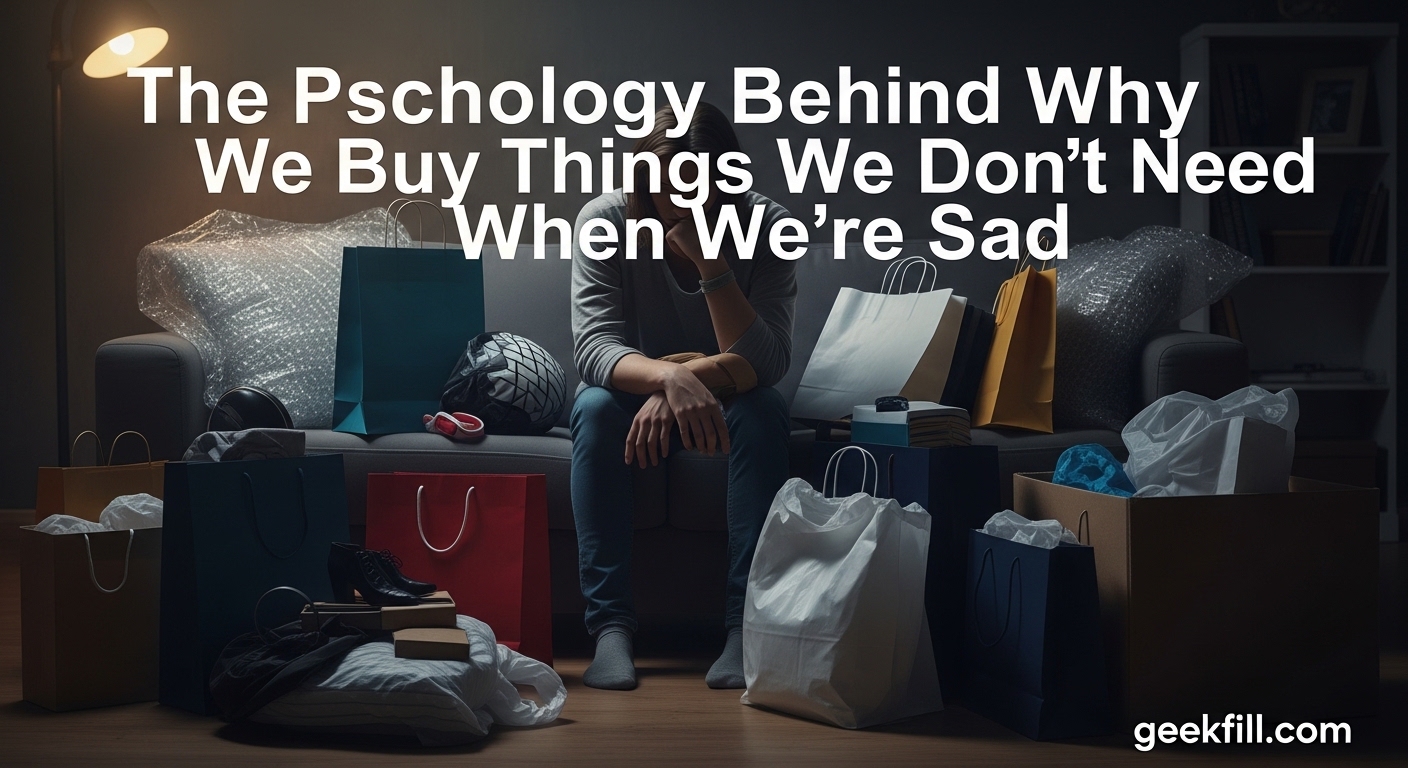
You have had one of those days. Your boss criticized your work in front of the team. You got home to an empty apartment, feeling lonely and defeated. Before you know it, you are browsing online stores, adding items to your cart that you absolutely do not need. The next morning, a confirmation email arrives and your stomach drops.
What just happened? This is emotional spending in action. Emotional spending happens when we use money to regulate mood rather than meet real needs, often triggered by sadness, stress, boredom, or loneliness. It is one of the most common yet least discussed coping mechanisms in modern life.
I have researched this topic extensively, digging into neuroscience research, psychology studies, and real stories from people who struggle with this cycle. Our team spent months analyzing why we buy things we do not need when we are sad, and what we found might surprise you. The behavior is not simply about lack of willpower. It is about brain chemistry, trauma responses, and a society designed to keep us clicking buy.
In this guide, you will learn exactly what drives emotional spending, how your brain rewards this behavior, and most importantly, evidence-based strategies to break free from the guilt-regret cycle. Whether you occasionally shop to feel better or feel completely out of control with your spending, understanding the psychology is your first step toward change.
Table of Contents
Why We Buy Things We Don’t Need When We’re Sad: Understanding Emotional Spending
Let us start with the basics. Emotional spending, sometimes called retail therapy, is the practice of shopping to soothe uncomfortable feelings. It is not about acquiring necessities. It is about acquiring feelings, specifically the temporary high that comes with a purchase.
The term retail therapy might sound harmless, even cute. But there is a real difference between treating yourself occasionally and using shopping as your primary emotional regulation strategy. One is a conscious choice. The other is a reflex, an automatic response to emotional pain.
Most emotional spending falls into predictable patterns. You might shop when you are sad, seeking comfort in something new and shiny. Others shop when bored, filling empty hours with the thrill of browsing. Stress shopping is equally common, especially among people in high-pressure jobs who feel they deserve a reward for surviving another difficult day. Loneliness drives late-night impulse purchases, the promise of a package arriving giving you something to look forward to.
The common thread is this: every emotional spending episode involves using a purchase to fill an emotional void. The item itself is secondary. What matters is the feeling you get from buying it.
The Neuroscience: How Shopping Affects Your Brain
To understand why we buy things we do not need when we are sad, we need to talk about dopamine. This neurotransmitter gets a lot of attention in popular culture, often oversimplified as the pleasure chemical. But dopamine is actually the anticipation chemical. It drives us to seek rewards and creates that excited feeling when we pursue something we want.
When you are sad, your brain is essentially in a dopamine deficit state. Negative emotions correlate with lower levels of dopamine and serotonin, the neurotransmitters responsible for feelings of well-being and satisfaction. Your brain notices this imbalance and starts seeking ways to correct it.
Shopping provides a remarkably efficient dopamine delivery system. Here is what happens in your brain during an emotional spending episode:
- Anticipation phase: Browsing products triggers dopamine release as your brain imagines owning the item
- Decision point: Adding to cart creates a dopamine spike as you anticipate the reward
- Purchase moment: Clicking buy releases another wave of dopamine and activates the brain’s reward center
- Delivery wait: Tracking a package keeps dopamine levels elevated through anticipation
- Unboxing: Receiving the item provides a final dopamine hit before levels begin normalizing
Two key brain regions drive this process. Your limbic system, particularly the nucleus accumbens, handles emotional responses and reward-seeking behavior. When you are sad, this system becomes hypersensitive to any potential reward. Meanwhile, your prefrontal cortex, responsible for impulse control and long-term planning, becomes less active during emotional distress. The result is a brain primed to pursue immediate gratification without considering consequences.
Researchers at Stanford University found that simply anticipating a purchase activates the same brain regions as anticipating food when hungry. Your brain literally treats shopping as a survival need when you are emotionally depleted.
The Dopamine Loop: Why Shopping Feels Good (Then Bad)
Here is the cruel irony of emotional spending. The same dopamine that creates the temporary high also sets you up for a crash. Understanding this cycle is crucial for breaking free.
Phase one is the emotional trigger. Something happens that creates negative feelings: a rejection, a stressful day, a reminder of something painful. Your brain wants relief and starts scanning for dopamine sources. Phase two is the search. You find yourself browsing online stores or wandering through a mall, not really looking for anything specific, just seeking that anticipatory buzz. This is when the dopamine starts flowing.
Phase three is the purchase itself. You find something, rationalize the expense, and click buy. For a brief moment, you feel better. The sadness, stress, or loneliness seems to fade. You have successfully self-medicated with retail.
Phase four is the inevitable crash. Within hours or days, reality sets in. You check your bank account and feel a wave of anxiety. The item arrives and you realize you did not really want it. Guilt replaces the brief euphoria. Shame often follows, especially if you hide the purchase from a partner or family member.
Phase five is the most dangerous: the loop resets. Now you feel worse than before thanks to the financial consequences and guilt. Your brain, desperate to escape these new negative feelings, suggests more shopping as the solution. And the cycle begins again.
One person on Reddit described it perfectly: After I stopped binge drinking, I moved onto buying things to cope. All excessive spending stopped once they addressed the emotional triggers. This highlights an important point many people miss. Emotional spending often substitutes for other coping mechanisms, including substance use, disordered eating, or other addictive behaviors.
Stress, Sadness, and Spending: The Connection
Sadness is perhaps the most common trigger for emotional spending. When you are depressed, lonely, or grieving, the world feels gray and meaningless. A new purchase injects color and excitement into an otherwise bleak emotional landscape. It gives you something to look forward to, a small spark of pleasure in a dark time.
Stress works similarly but with a different flavor. When you are overwhelmed, shopping feels like something you can control. Your job might be chaotic, your relationships strained, your future uncertain. But that checkout process? That is predictable. You click, you pay, something arrives. It creates a tiny oasis of order in a chaotic life.
Boredom is another major driver. In a world of constant stimulation, feeling bored can feel almost painful. Shopping provides endless novelty, infinite scrolling through possibilities. Your brain stays engaged even when your life feels stagnant.
Modern digital culture has weaponized these vulnerabilities. Social media algorithms know when you are sad. They serve you targeted ads for comfort items exactly when you are most vulnerable. One-click purchasing removes the friction that once gave you time to reconsider. Buy now, pay later options separate the pleasure of buying from the pain of paying, making it easier to ignore financial consequences.
The apps on your phone are designed to trigger dopamine releases through variable rewards, similar to slot machines. You never know what you will see when you open Instagram or TikTok, but you might find the perfect item. That uncertainty keeps you coming back, and it keeps you buying.
Trauma and Emotional Spending
This section addresses something most articles miss: the connection between trauma and shopping. For people with post-traumatic stress or complex trauma histories, emotional spending often serves a deeper purpose than simple mood regulation.
Trauma can leave you feeling powerless, out of control, and disconnected from your body. Shopping temporarily restores a sense of agency. You choose what to buy. You decide when to purchase. The item is yours, proof that you can affect your environment. For someone whose sense of control was shattered by trauma, this feeling is potent medicine.
Shopping can also serve as dissociation. The browsing, comparing, and purchasing creates a mental state where you are not thinking about painful memories or feelings. You are present in the shopping experience but absent from your emotional pain. This mirrors how other addictive behaviors function as escape mechanisms.
One forum user shared: Shopping to self-medicate when trauma is triggered. This simple statement captures the reality for many people. The spending is not random or frivolous. It is a survival strategy, however flawed, for managing overwhelming emotional states.
Addiction substitution is particularly common among trauma survivors. When someone stops using drugs or alcohol, or when they recover from an eating disorder, they often need new coping mechanisms. Shopping seems safer and more socially acceptable. But it can follow the same compulsive patterns, creating similar cycles of shame and secrecy.
If you recognize yourself in these descriptions, please know that you are not broken or shallow. You are using the tools available to you. The goal is not judgment but understanding, because understanding creates the foundation for building healthier strategies.
When Emotional Spending Becomes a Problem
Not all emotional spending is problematic. Buying yourself a treat after a hard week is normal and healthy for most people. So how do you know when you have crossed the line from occasional retail therapy into something more concerning?
Here are warning signs that emotional spending has become a problem:
- You hide purchases from partners, family, or friends
- You feel intense guilt or shame after buying
- You shop to avoid dealing with difficult emotions
- You continue spending despite financial strain
- You buy things you never use or forget you purchased
- Shopping is your only coping mechanism for stress or sadness
- You feel out of control, unable to stop even when you want to
- You experience withdrawal-like symptoms when you try to stop shopping
The difference between healthy retail therapy and problematic spending often comes down to three factors: frequency, financial impact, and emotional aftermath. Healthy occasional treats do not create debt or guilt. They are conscious choices, not compulsive reactions.
For people with ADHD, the connection between impulsivity and spending deserves special attention. The same executive function differences that make it hard to focus also make it difficult to resist immediate rewards. Combined with emotional dysregulation common in ADHD, this creates a perfect storm for impulsive spending. If you have ADHD and struggle with shopping, this is not a character flaw. It is a neurobiological difference that requires specific strategies.
Several mental health conditions can contribute to problematic spending. Depression creates the low mood that drives comfort purchasing. Anxiety disorders can trigger shopping as a distraction from anxious thoughts. Bipolar disorder may include manic or hypomanic episodes characterized by impulsive spending. Borderline personality disorder often involves emotional dysregulation and impulsivity. If you suspect an underlying condition is driving your spending, professional support can address the root cause.
How to Stop the Emotional Spending Cycle
Breaking free from emotional spending requires more than willpower. It requires understanding your triggers, building new coping skills, and creating systems that support your goals. Here is a step-by-step approach based on cognitive behavioral therapy and financial psychology research.
Step 1: Identify your triggers. For one week, keep a simple log. Note when you feel the urge to shop, what happened right before, and what emotion you were experiencing. Patterns will emerge. Maybe you shop after arguments with your partner. Maybe Sunday evenings trigger online browsing. Maybe specific social media accounts send you down spending spirals. You cannot change patterns you do not understand.
Step 2: Create a mandatory pause. Implement a 24-hour rule for all non-essential purchases. When you want to buy something, add it to a wishlist instead of your cart. Set a calendar reminder for 24 hours later. Most impulse purchases lose their appeal after the emotional moment passes. The pause gives your prefrontal cortex time to catch up with your limbic system.
Step 3: Remove friction from good habits, add friction to bad ones. Delete shopping apps from your phone. Log out of retail websites so you have to enter passwords to shop. Unsubscribe from marketing emails. At the same time, make healthy coping mechanisms easier. Keep a list of free mood boosters on your phone. Keep art supplies, exercise gear, or books easily accessible.
Step 4: Build an emotional first aid kit. Create a list of ten activities that reliably improve your mood without spending money. This might include taking a walk, calling a friend, journaling, doing a workout video, taking a bath, or watching a favorite movie. When you feel the urge to shop, consult this list first.
Step 5: Address the underlying needs. Emotional spending is a symptom, not the disease. If you shop because you are lonely, you need connection, not willpower. If you shop because you are bored, you need engagement and purpose. If you shop because you are stressed, you need stress management and possibly boundary setting. Working with a therapist can help you identify and meet these core needs.
One person who overcame emotional spending shared this insight on a forum: All excessive spending stopped once they addressed the emotional triggers. This is the goal. Not white-knuckle restraint forever, but building a life where you do not need shopping to feel okay.
Healthy Alternatives to Shopping
Your brain needs dopamine. That is non-negotiable. The question is how you get it. Shopping is one way, but there are many others that do not come with financial consequences.
Physical activity is among the most effective dopamine boosters. A 20-minute walk can significantly improve mood. More intense exercise creates larger dopamine releases. The key is finding movement you enjoy, not forcing yourself into activities you hate.
Social connection provides natural mood regulation. A meaningful conversation with a friend activates reward centers similar to shopping, but with lasting positive effects. If in-person connection is not available, phone calls, video chats, or even online communities can help. The quality matters more than the medium.
Creative activities offer dual benefits. Making something activates dopamine through both anticipation and accomplishment. Cooking, crafting, writing, or playing music creates a sense of agency and self-expression that shopping mimics but cannot truly provide.
Mindfulness practices help you sit with difficult emotions rather than immediately trying to escape them. This might sound unpleasant, but it actually builds emotional resilience. The more you can tolerate discomfort without reacting, the less you need external soothing. Simple breathing exercises, meditation apps, or grounding techniques can be powerful tools.
Nature exposure, even brief, reduces stress and improves mood. Looking at trees, feeling sunshine, or listening to birdsong regulates the nervous system in ways that indoor environments cannot replicate.
Finally, remember that sometimes you just need rest. We often shop to fill time when what we actually need is sleep, relaxation, or quiet. Learning to be still without immediately seeking stimulation is a skill worth developing.
Frequently Asked Questions
What is it called when you buy things when you’re sad?
This behavior is called emotional spending or retail therapy. Emotional spending is when we use shopping to regulate mood rather than meet real needs, typically triggered by negative emotions like sadness, stress, or loneliness.
What causes people to buy things they don’t need?
The primary cause is the brain’s dopamine reward system. When we are sad or stressed, our dopamine levels drop. Shopping triggers dopamine release, creating temporary relief from negative emotions. Marketing, social media, and one-click purchasing make it easier to act on these impulses.
What is the psychology of emotional spending?
Emotional spending psychology involves several mechanisms: dopamine release during anticipation and purchase, reduced activity in the prefrontal cortex (impulse control) during emotional distress, and the limbic system’s reward-seeking behavior. It is essentially self-medication using retail instead of substances.
Why do people buy things when they are stressed?
Stress creates a desire for control and order in chaotic situations. Shopping provides predictable outcomes: you choose an item, pay for it, and receive it. This creates a temporary sense of agency. Additionally, stress depletes dopamine, and shopping provides a quick way to restore those levels.
Why is shopping a trauma response?
For trauma survivors, shopping can restore a sense of control and power that trauma destroyed. It provides dissociation from painful memories, creates predictable positive experiences, and offers proof that one can affect their environment. Some people substitute shopping for other addictive behaviors like substance use.
What mental illness is associated with overspending?
Several conditions can contribute to problematic spending: depression (comfort purchasing), anxiety disorders (distraction shopping), ADHD (impulsivity and emotional dysregulation), bipolar disorder (manic spending episodes), and borderline personality disorder (emotional dysregulation). Compulsive buying disorder is also a recognized condition.
Why do I spend money when I feel sad?
Sadness depletes dopamine and serotonin, making you seek ways to feel better. Shopping triggers dopamine release in your brain’s reward center, creating temporary relief. The anticipation of a package arriving also gives you something positive to look forward to, countering feelings of hopelessness.
Conclusion: Understanding Why We Buy Things We Don’t Need When We’re Sad
Emotional spending is not a character flaw or lack of discipline. It is a predictable response to brain chemistry, emotional pain, and a culture designed to exploit both. When we buy things we do not need when we are sad, we are essentially self-medicating with dopamine, seeking temporary relief from feelings that feel unbearable.
The path forward requires compassion, not shame. Understanding the neuroscience behind your urges helps you work with your brain rather than against it. Identifying your triggers gives you power to intervene before the cycle starts. Building a toolkit of healthy alternatives ensures you have options when difficult emotions arise.
If you see yourself in this article, take heart. Change is possible. The same brain that learned to use shopping for comfort can learn new patterns. Start with one small step: implement the 24-hour pause, identify your top trigger, or add one free mood booster to your routine.
You deserve to feel better. And you deserve to feel better without financial regret. That balance is achievable, and understanding the psychology behind why we buy things we do not need when we are sad is your foundation for building it.