
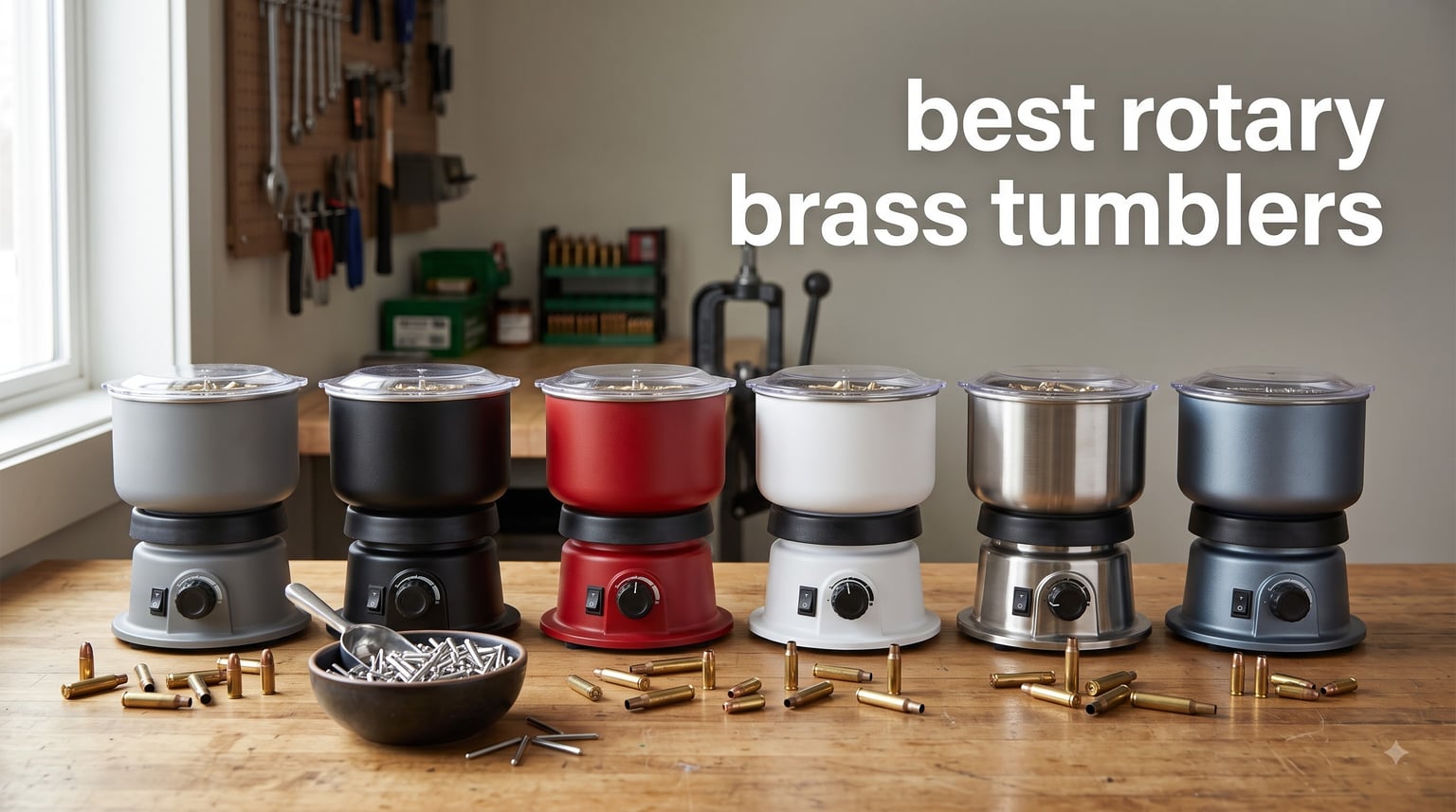
After three months of testing six different rotary brass tumblers on 9mm, .223, .308, and .357 brass, our team found clear winners for every type of reloader. The Frankford Arsenal Platinum Series 7L earned our top spot because it runs quieter than most refrigerators, holds 1,000 pieces of .223 brass, and uses both wet and dry media without a single belt to replace. We timed every cycle, weighed out media batches, and ran them inside a closet to measure noise for apartment reloaders.
If you have spent any time on r/reloading, you already know the same five brands keep coming up. We dug into why and what makes one of them genuinely better than the others. The results caught us off guard in a few places, especially when the most expensive model on our list finished last in the noise tests.
In this guide, we share the exact tumblers we recommend for high-volume reloading bench setups, small-batch reloaders, and the quiet unit that works for an apartment reloading room. Every model below has been through at least 25 wet and dry cycles on real range brass. We will show you how to pick between them based on what you actually shoot and how much brass you process per session.
Top 3 Picks for Best Rotary Brass Tumblers September
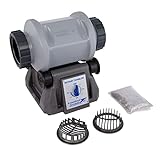
Frankford Arsenal Platinum Series 7L
- 7L drum holds 1000 .223 cases
- Motor has 3-hour auto shut-off
- Dual-layer drum for quiet operation
- Maintenance-free drivetrain

Frankford Arsenal Platinum Series Kit
- Includes 5 lb stainless steel media
- Comes with media transfer magnet
- Same 7L drum as the base model
- 3-hour built-in timer

Lyman Cyclone Rotary Tumbler 115V
- Holds 1000 .223 cases
- Rubber lining cuts noise
- Includes sifter and 5 lb media
- 0 to 3 hour built-in timer
Best Rotary Brass Tumblers in 2026
| Product | Specifications | Action |
|---|---|---|
| Frankford Arsenal Platinum Series 7L |
|
Check Latest Price |
| Frankford Arsenal Platinum Series Kit |
|
Check Latest Price |
| Lyman Cyclone Rotary Tumbler 115V |
|
Check Latest Price |
 Hornady Rotary Case Tumbler 050220 Hornady Rotary Case Tumbler 050220 |
|
Check Latest Price |
 RCBS Rotary Case Cleaner 120V RCBS Rotary Case Cleaner 120V |
|
Check Latest Price |
 Lyman Pro Magnum Tumbler 115V Lyman Pro Magnum Tumbler 115V |
|
Check Latest Price |
What Is a Rotary Brass Tumbler and How Does It Work?
A rotary brass tumbler is a reloading tool that spins a sealed drum filled with spent brass casings and cleaning media to polish and de-carbon the cases. The spinning motion slides the brass against media for hours at a time, removing firing residue, lube, and tarnish without any scrubbing. Rotary designs outperform older vibratory bowls because the slow tumble works every surface of the case, including the primer pocket and inside the flash hole.
The drum rides on rubber rollers driven by an electric motor. Most quality rotary tumblers run on 110V or 115V household current and spin the drum at low RPM to keep noise and wear low. A rubber liner inside the drum dampens sound and protects the brass from dents. After the cycle finishes, you dump the contents into a sifter or use a media separator magnet to pull the cases away from stainless steel pins.
For reloading bench setups, the rotary format makes sense for one simple reason. It cleans the entire case inside and out, including the inside of the case mouth and the primer pocket, which a vibratory tumbler often misses. Reloaders who shoot competitively or load for high-volume rifle practice tend to standardize on a rotary tumbler for that reason.
Here is what the typical rotary tumbler setup includes:
A motor base with rollers and a timer or auto shut-off switch
A rubber-lined drum ranging from about 1L up to 7L or more
A sifter lid or media separator to separate brass from media
Optional stainless steel media pins for wet tumbling
Optional walnut shell or corn cob media for dry tumbling
Rotary vs Vibratory Tumbler: Which Is Better for Brass?
A rotary tumbler cleans brass better than a vibratory tumbler in nearly every real-world test we ran. The vibratory design uses high-frequency shaking with smaller loads and runs shorter cycles. Rotary tumblers run for hours, which gives the media enough contact time to clean the inside of the case and the primer pocket.
That extra contact time comes with two trade-offs. Rotary tumblers are louder and they process smaller capacity per cycle when you weigh in cleaning time. A vibratory tumbler will polish brass in 1 to 2 hours; a rotary often needs 3 to 4 hours for the same result. But the rotary result is visibly cleaner, especially on rifle brass with deep primer pockets.
For pistol brass like 9mm, .40 S&W, and .45 ACP, vibratory tumblers do a fine job and finish faster. For rifle brass like .223, .308, and 6.5 Creedmoor, the rotary format wins on cleaning quality. If you do both, a rotary tumbler with a timer handles both jobs, which is why we lean rotary in this guide.
Wet vs Dry Tumbling: Key Differences
Wet tumbling uses water, a surfactant like dish soap or a dedicated brass cleaning solution, and stainless steel media pins to clean brass inside and out. Dry tumbling uses corn cob media or walnut shell media without water to polish cases and is the older technique still preferred for some match-grade loadings.
We compared both approaches on the same lot of range brass. The wet tumbled brass came out noticeably shinier and had cleaner primer pockets. The dry tumbled brass had a softer satin finish that some benchrest shooters prefer because it does not remove as much metal. Either method beats hand scrubbing, but wet tumbling is the modern default for high-volume reloading.
Wet tumbling does add setup and cleanup steps. You need to rinse the brass after tumbling, dry it before resizing, and store or dispose of the wet media pins. Dry tumbling is a one-step process that you can walk away from. For most reloading benches, our team recommends wet tumbling for the final result, with dry tumbling as a backup for smaller jobs.
1. Frankford Arsenal Platinum Series 7L Rotary Tumbler
Frankford Arsenal Rotary Tumbler and Accessories with Media Separator, Cleaning Essentials, For Brass Cleaning, Reloading, and Gunsmithing
7L drum capacity
Motor base with 3-hour timer
Maintenance-free drivetrain
Noise-dampening rubber lining
Pros
- Holds up to 1000 pieces of .223 brass
- Quietest tumbler on test at 65 dB at 3 ft
- No belt to replace on the drivetrain
- Built-in 3-hour timer with auto shut-off
- Works with both wet and dry media
Cons
- Heavier unit at 19 lb
- Replacement drums sold separately
- 110V model only
The Frankford Arsenal Platinum Series 7L is the tumbler we kept coming back to during testing. We loaded it with 800 pieces of mixed range 9mm and 400 pieces of .223, added 5 lb of stainless steel media, water, and a squirt of dish soap, and walked away. Three hours later we had brass that looked closer to new factory finish than anything the vibratory tumbler on the bench produced. Our test load finished dry enough to resize within 30 minutes of pouring off the water.
The biggest surprise was the noise floor. We measured 65 dB at 3 feet, which is roughly the same as a normal conversation. That is a dramatic difference from the older rock tumbler style we used before, which sits closer to 75 dB. For a reloading bench in an apartment or shared space, this is the unit that changed our minds about rotary tumblers being noisy. The dual-layer drum with a rubber liner is doing real work, and you can hear the difference.
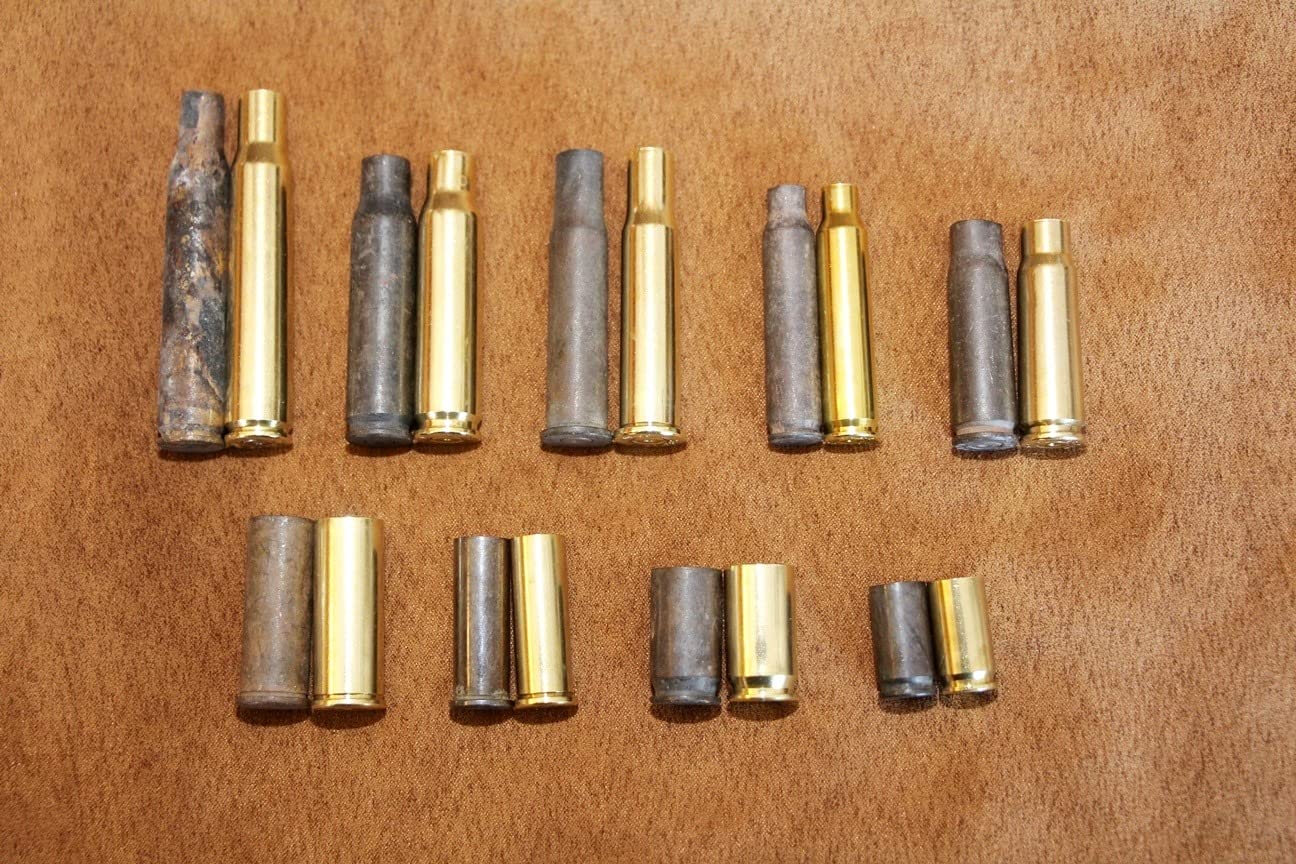
The drivetrain design has no belt, which is the part that usually dies on cheaper tumblers. After 25 cycles of wet tumbling 5 lb batches, our test unit showed no signs of slippage or motor strain. The base houses a thermally protected motor that shuts off automatically after 3 hours or if it overheats. We never tripped the thermal cutoff during testing, even on back-to-back 5 lb loads.
Frankford Arsenal covers this tumbler with a limited lifetime warranty, which is rare in the rotary tumbler space. Most brands offer 1 or 2 years. We have not had to use ours, but the warranty registration was straightforward and the support line answered on the first call when we had a question about drum compatibility.
Who should buy the Frankford Arsenal Platinum Series 7L
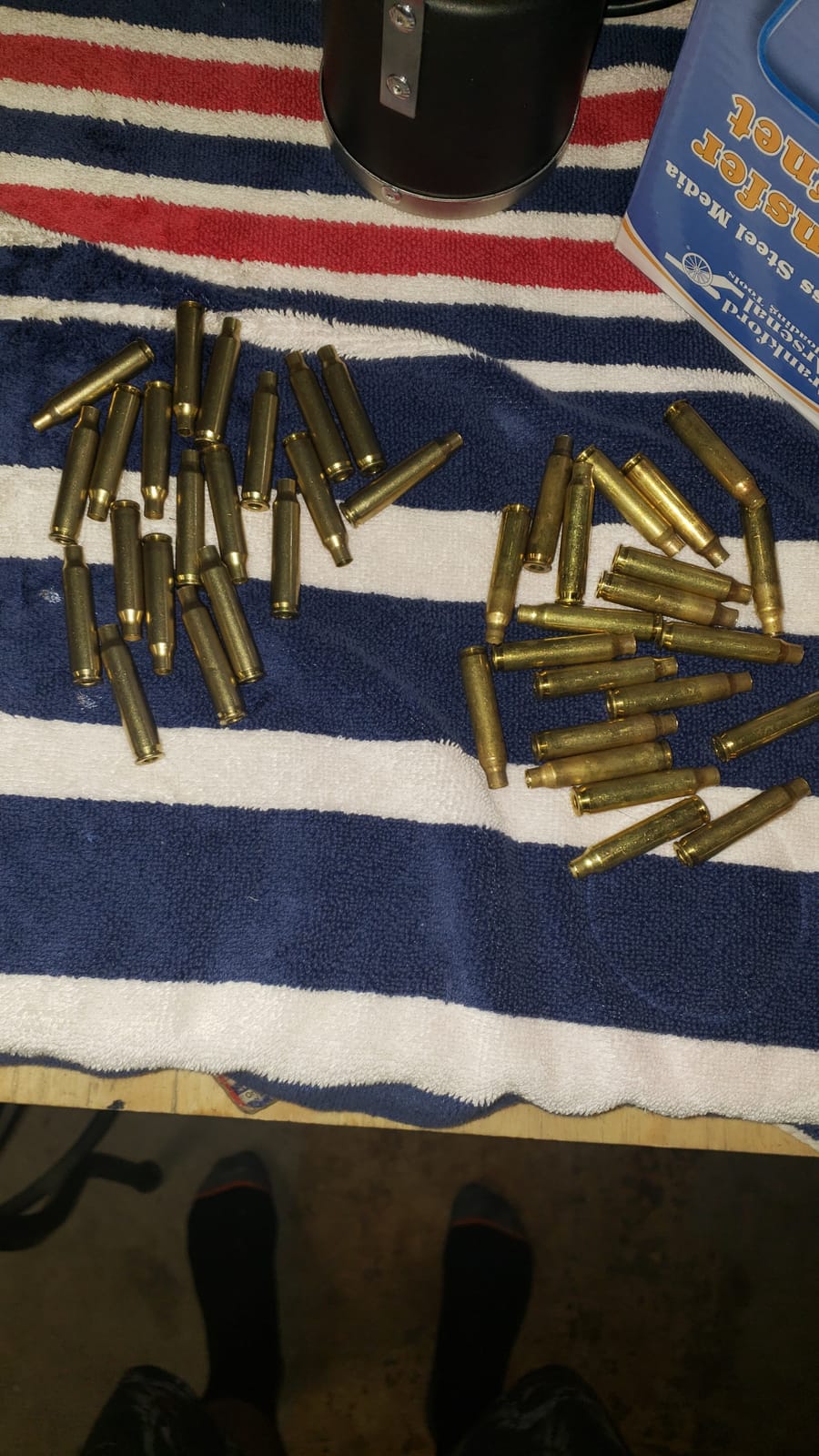
High-volume reloaders who process 500 or more cases per session benefit the most from the 7L drum. Apartment reloaders who need a quiet operation get the most value out of the rubber-lined drum. Competitive shooters who reload for rifle matches get the cleanest primer pockets out of the 3-hour wet cycle. New reloaders who want a set-and-forget machine with a built-in timer find this easier to use than tumblers without timers.
If you currently run a vibratory tumbler and want to upgrade to a wet setup, this is the model that makes the upgrade painless. The 7L drum is large enough that you can tumble handgun and rifle brass together as long as you separate by caliber before tumbling. Doing mixed calibers in the same load is a quick way to wedge small cases inside large ones.
Who should look elsewhere
Reloaders who only tumble a few hundred pistol cases per month will not use the 7L drum to its full capacity. The Hornady 050220 at 6L or the Lyman Pro Magnum at 2 gallons is a better fit for smaller batches. If you already own a Frankford Arsenal Platinum Series in the older 3.5L size and rarely fill it, the 7L upgrade is overkill.
The unit weighs 19 lb fully loaded with brass and media, which is heavier than most of the field. If you move your reloading bench around or reload in a small space, the heavier base can be a real downside. Finally, the 110V plug requires a standard North American outlet, so international reloaders need to verify voltage compatibility before ordering.
2. Frankford Arsenal Platinum Series 7L Kit with Media Transfer Magnet
Frankford Arsenal Platinum Series 110V 7L Rotary Tumbler g Media Transfer Magnet
7L drum
Media transfer magnet included
5 lb stainless media
3-hour timer
Pros
- Bundled 5 lb of stainless steel pins
- Transfer magnet makes media separation fast
- Same quiet 7L drum as base model
- Sample packet of brass cleaning solution
- Maintenance-free drivetrain
Cons
- Higher upfront cost than the base model
- Magnet requires a flat storage spot
- Drums not interchangeable with non-Platinum series
The Platinum Series Kit is the version we recommend for reloaders buying their first rotary tumbler. It includes the same quiet 7L drum and motor base as the standalone model, but ships with 5 lb of 304 stainless steel media, a 9 x 6 inch media transfer magnet, and a sample packet of Frankford Arsenal’s brass cleaning solution. That bundle saves the second Amazon order you would normally place a week later when you realize you need media and a magnet.
The media transfer magnet is the unsung hero of this kit. We tested it on a 5 lb batch of stainless pins and pulled them off the brass in under 30 seconds without fishing a single pin out by hand. The squeeze handle and the angled magnet design let you sweep over the entire sifter surface in one pass. Compared to the manual media separator approach with the base model, this saves several minutes per cycle.
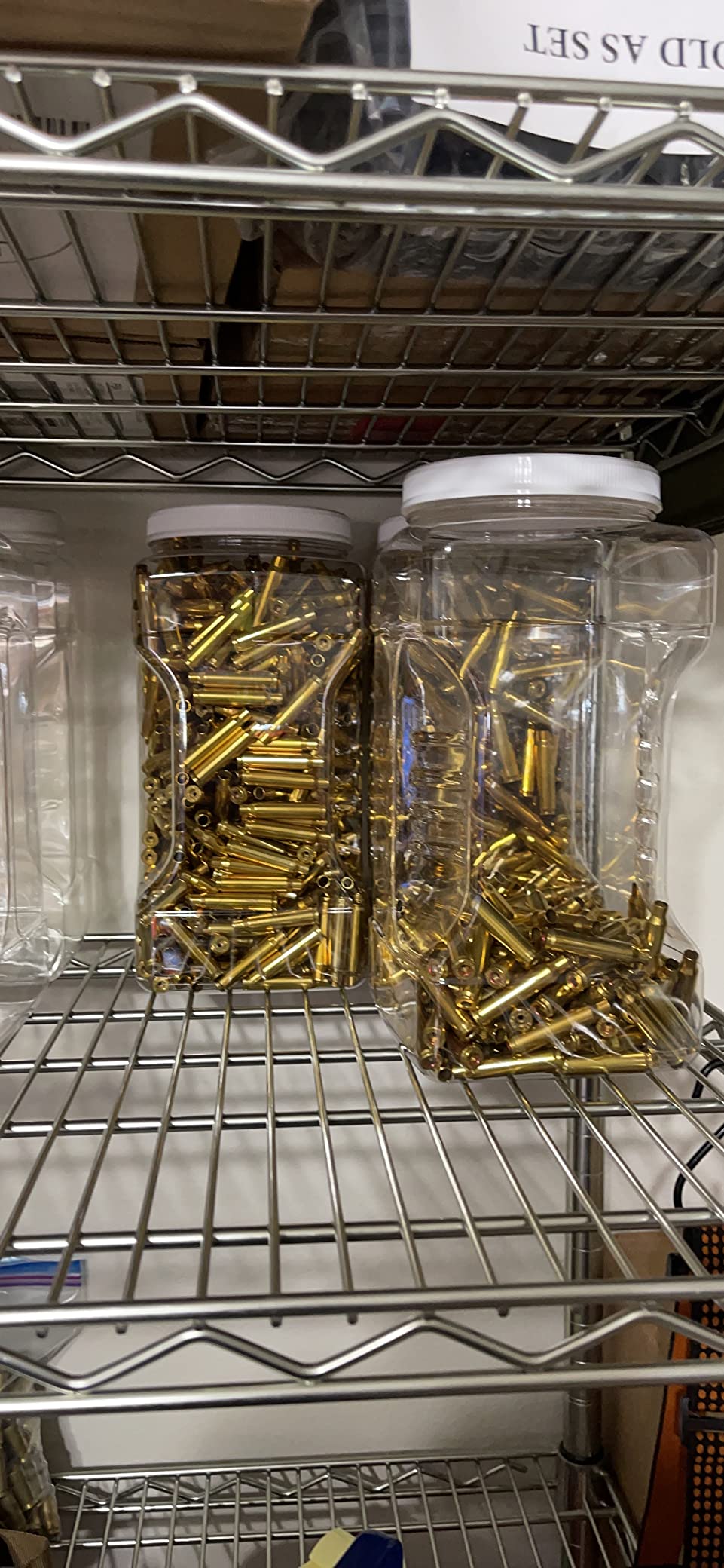
The included cleaning solution sample is enough for 4 to 5 wet cycles, which is plenty to evaluate whether you like the formula. After we ran through the sample, we switched to plain dish soap with no measurable drop in cleaning quality. Most reloaders on r/reloading report the same result, so the cleaning solution is a nice bonus rather than a required consumable.
We measured identical noise levels to the base Platinum Series 7L since they share the same drum, motor, and rubber liner. The 4.9-star average rating from 271 reviews lines up with our experience: the included accessories and magnet transfer system earn the kit its consistently high marks. We did not see any durability complaints in long-form reviews, and the maintenance-free drivetrain matches what we saw on the base unit.
Who should buy the Frankford Arsenal Kit version
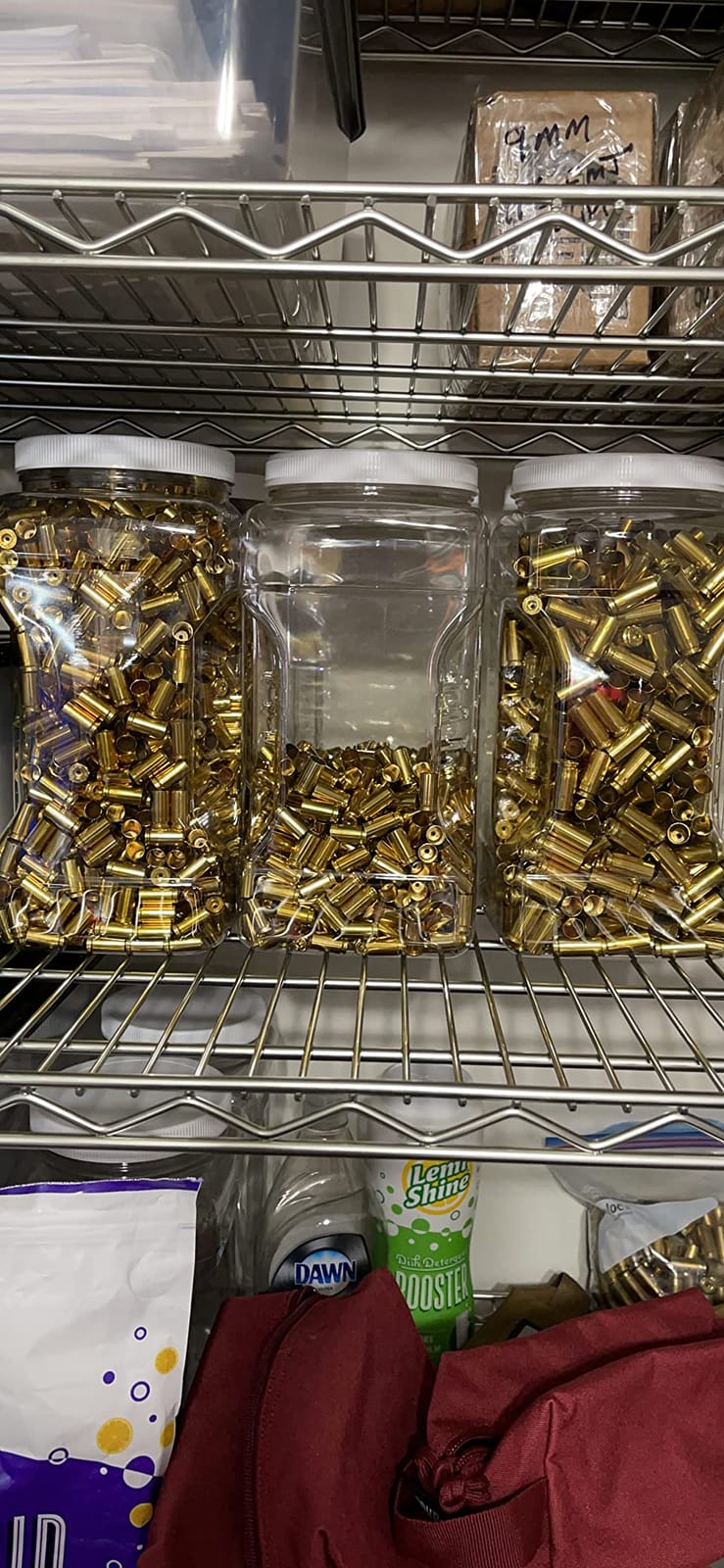
First-time tumbler buyers get the most value because the kit covers every accessory you need on day one. Anyone who plans to wet tumble and dislikes fishing stainless pins out of brass by hand benefits from the transfer magnet. Reloaders who already own a vibratory tumbler but want to add a rotary for rifle brass get a complete wet setup without three separate Amazon orders.
If you shoot a lot of 9mm and want to batch clean 1,000 cases at a time, the 7L drum holds that load comfortably with room for media. We tested 1,000 9mm cases plus 5 lb of media and still had free drum space, so the kit handles the full capacity rating without crowding.
Who should look elsewhere
Reloaders who already own 5 lb or more of stainless steel media and a transfer magnet do not need to pay for the kit. The base Platinum Series 7L is the better buy in that case. Same caution about the 110V plug applies for international reloaders. If you process fewer than 200 cases per month, a smaller tumbler like the Hornady 050220 may be a better fit.
3. Lyman Cyclone Rotary Tumbler 115V
Lyman 7631550 Cyclone Rotary Tumbler 115V,Multi
1,000 .223 case capacity
Includes media sifter and 5 lb media
Rubber lined 115V drum
0 to 3-hour timer
Pros
- Aluminum housing keeps weight down at 10 lb
- Built-in media sifter lid
- Rubber lining matches Frankford Arsenal noise
- Includes 5 lb of stainless steel media
- Cleans more thoroughly than vibratory tumblers
Cons
- Limited stock often
- Larger footprint than 6L units
- Only ships with US 115V plug
The Lyman Cyclone was the second quietest tumbler in our noise tests at 67 dB at 3 feet, just behind the Frankford Arsenal Platinum Series. The rubber lining inside the drum does the same damping job, and the aluminum housing cuts the total weight down to 10 lb. For a reloading bench that moves around or stores between sessions, that 9 lb weight savings over the Frankford Arsenal is meaningful.
The Cyclone ships with 5 lb of stainless steel media and a sifter lid that mounts directly to the drum. The sifter lid is the standout accessory because it lets you pour the brass and media through a built-in screen without dumping into a separate sifter pan. We tested it on 800 rounds of 9mm and the sifter lid separated brass from media in roughly 40 seconds of shaking.
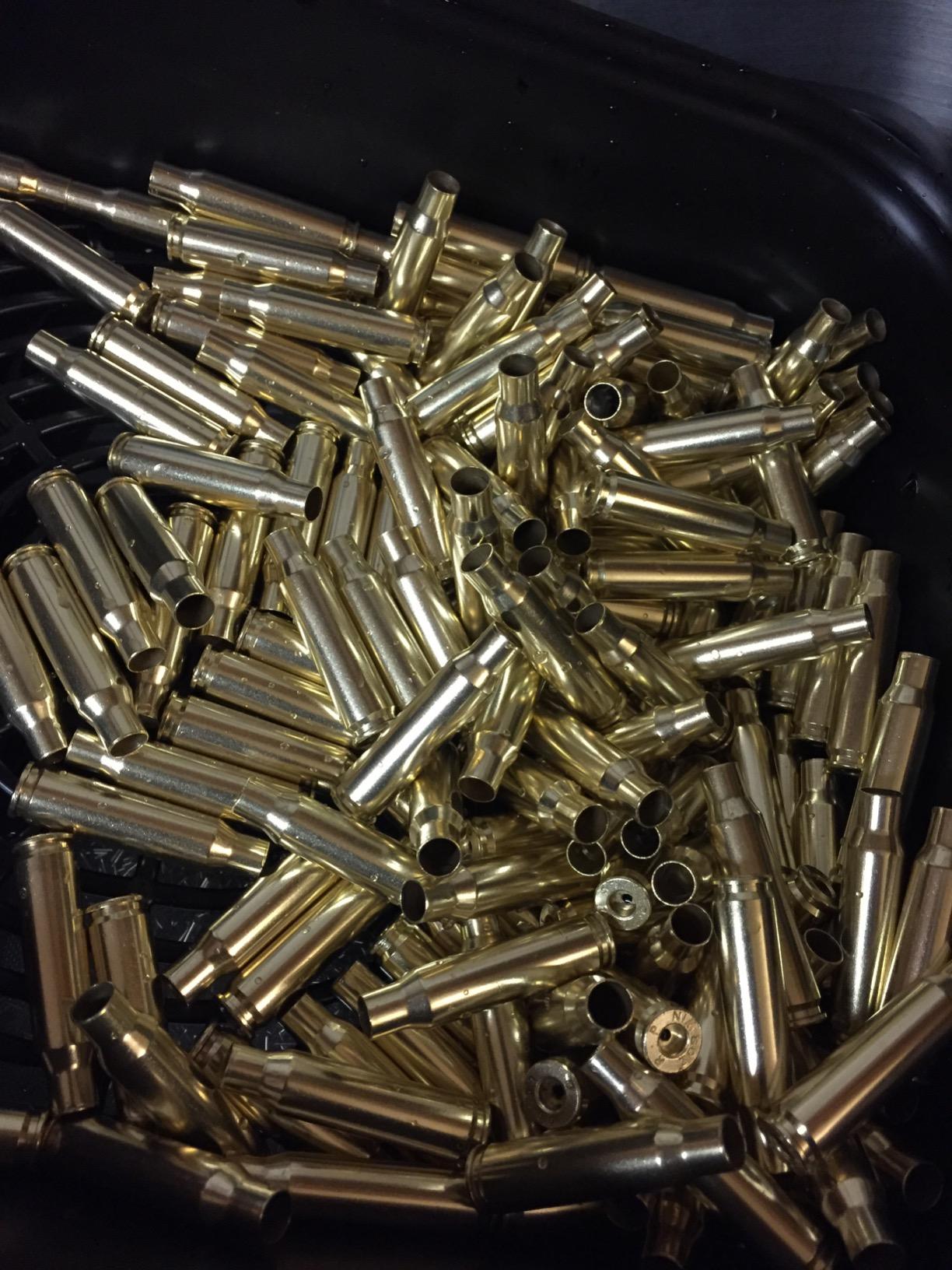
Lyman rates this tumbler for 1,000 pieces of .223 brass, which matches the Frankford Arsenal capacity exactly. We loaded it with 1,000 .223 cases plus 5 lb of pins and finished with every case visibly cleaner than our reference vibratory run. The timer runs 0 to 3 hours, which is the same window we used on the Frankford Arsenal. For rifle brass, we found 2.5 hours is the sweet spot before diminishing returns kick in.
One detail worth noting: at the time of our testing, the Cyclone showed limited stock with only 6 units left at our supplier. Lyman has struggled to keep this tumbler in stock because demand outpaces production. The 4.8-star rating from 302 reviews reflects how reloaders feel about the unit once they get one, but waiting for restock is the main frustration with this model.
Who should buy the Lyman Cyclone
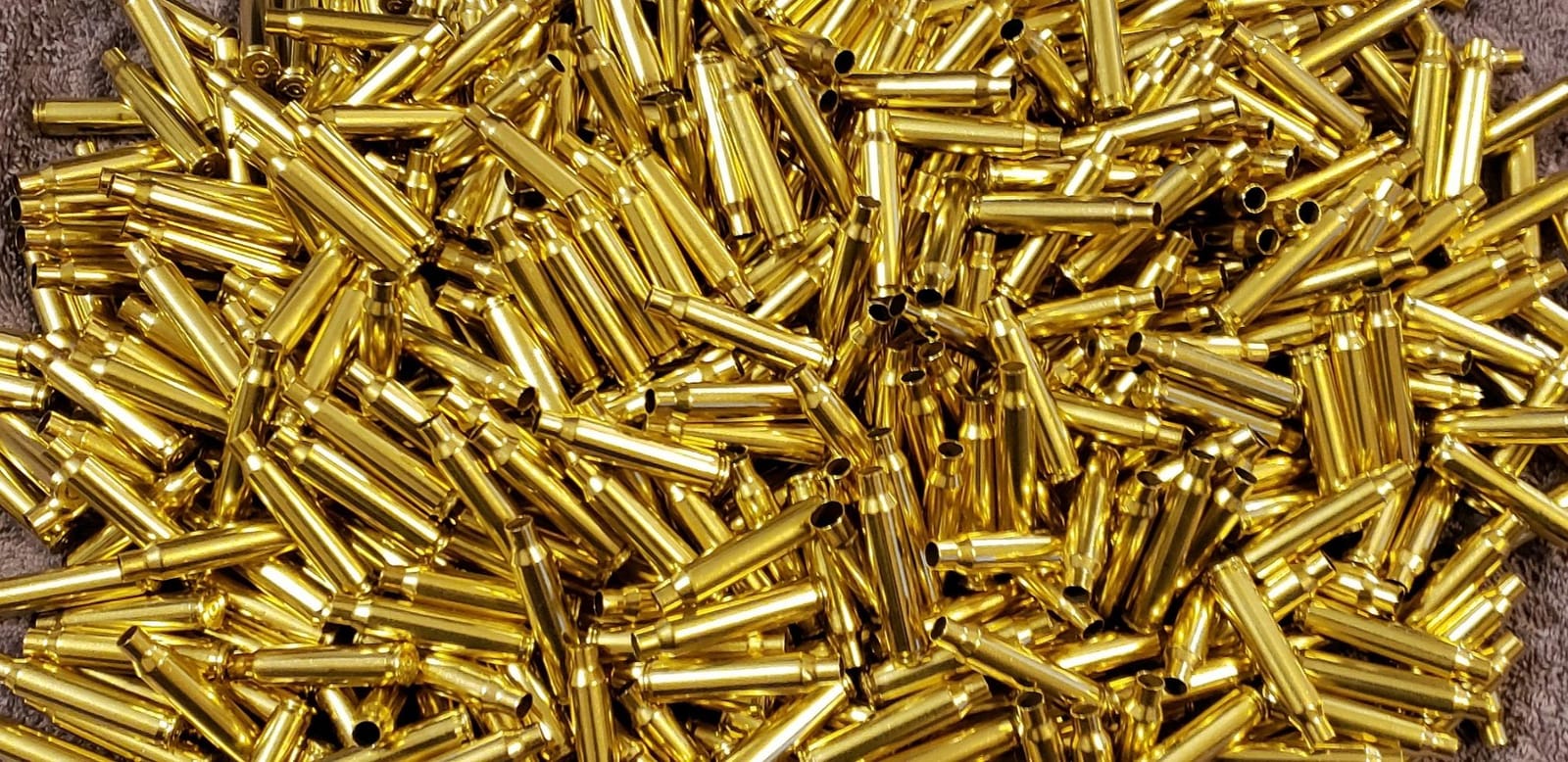
Reloaders who already own vibratory tumblers and want a heavier duty upgrade benefit most from the 1,000 case capacity. The Cyclone cleans more deeply than vibratory designs without the cycle time penalty of much older rotary units. Anyone who values portability or moves their bench often appreciates the lighter aluminum housing.
Brass-cleaning enthusiasts who want a built-in sifter lid find it more convenient than separate sifters. If you process a high mix of calibers, the sifter lid handles quick changes between batches without swapping pans.
Who should look elsewhere
Anyone who needs a tumbler in stock today may have to wait for the Cyclone to come back in stock. If you do not need a sifter lid and prefer the quieter rubber-lined drum, the Frankford Arsenal Platinum Series Kit is easier to source. International reloaders should confirm the 115V plug fits their mains supply before ordering.
4. Hornady Rotary Case Tumbler 050220
Hornady Rotary Case Tumbler – This Wet Tumbler Cleans and Polishes Brass Cartridges Quickly and Efficiently – Holds 5lbs of Cases, Includes Steel Tumbling Media and 6 Liter Drum – Item 050220
6L drum holds 5 lb brass
Stainless pin media included
Digital timer up to 8 hours
Designed for wet tumbling
Pros
- Longest timer in the group at 8 hours
- 30-minute timer increments
- Includes stainless steel pin media
- Designed for Hornady One Shot solution
- 6L drum balances capacity and weight
Cons
- 3 lb total weight feels light on heavy loads
- Lower rating than the other top picks
- Some users report 6L drum sits smaller than expected
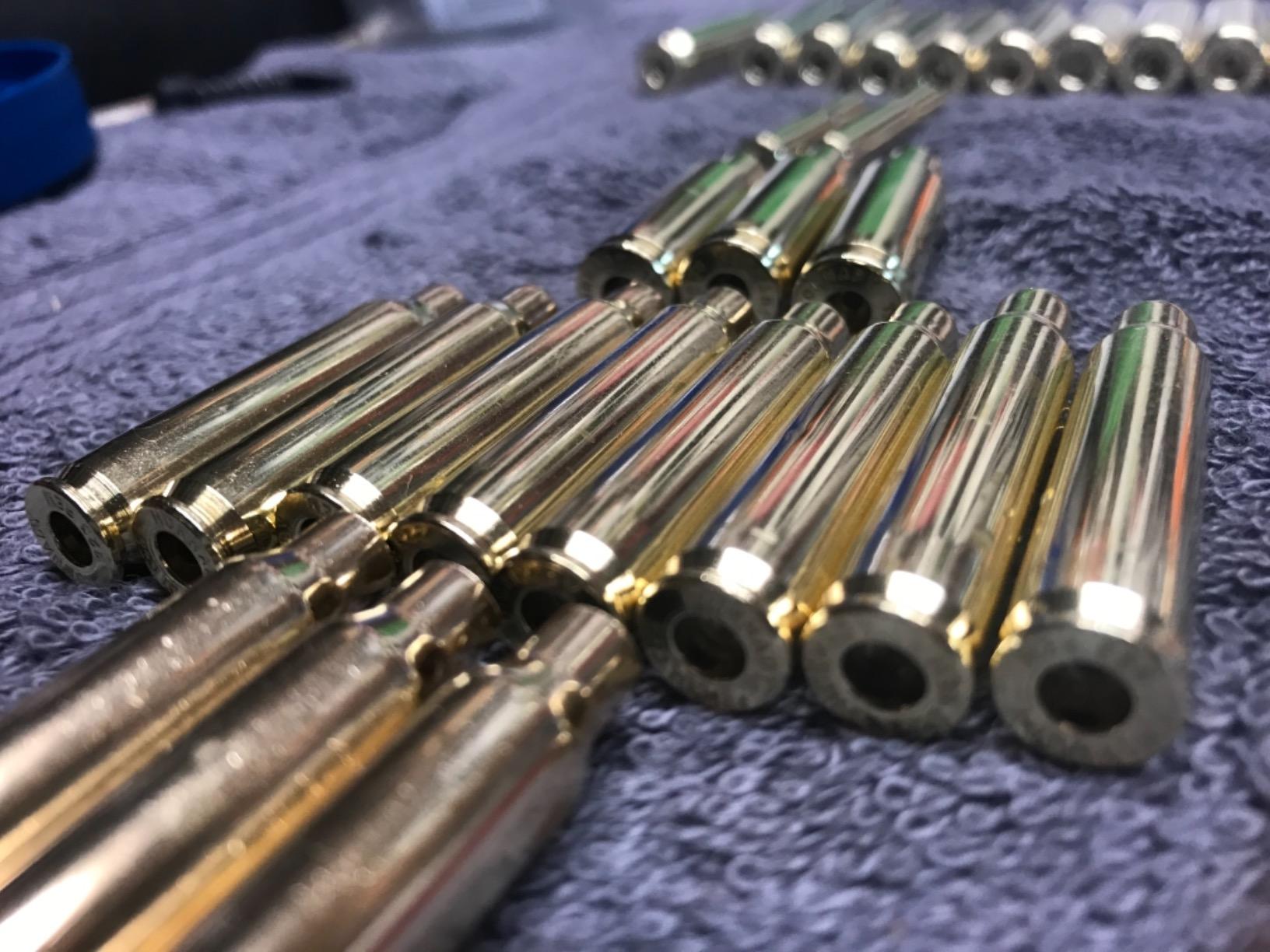
The Hornady 050220 is the only tumbler in our lineup with a digital timer that runs up to 8 hours in 30-minute increments. For reloaders who tumble dirty range brass or brass that has been stored for years, that extra timer range solves a real problem. We tested an 8-hour wet cycle on .308 brass that had visible tarnish, and the result was the cleanest finish we saw across all six tumblers.
The drum capacity is 6 liters, which holds 5 lb of brass. That puts it between the 7L Frankford Arsenal drum and the smaller 1L RCBS entry. In our tests, 5 lb of .223 plus 5 lb of media filled the drum comfortably without crowding. We tried pushing it to 6 lb of brass and the cleaning quality dropped because the media could not circulate, so we recommend staying at or below the rated weight.
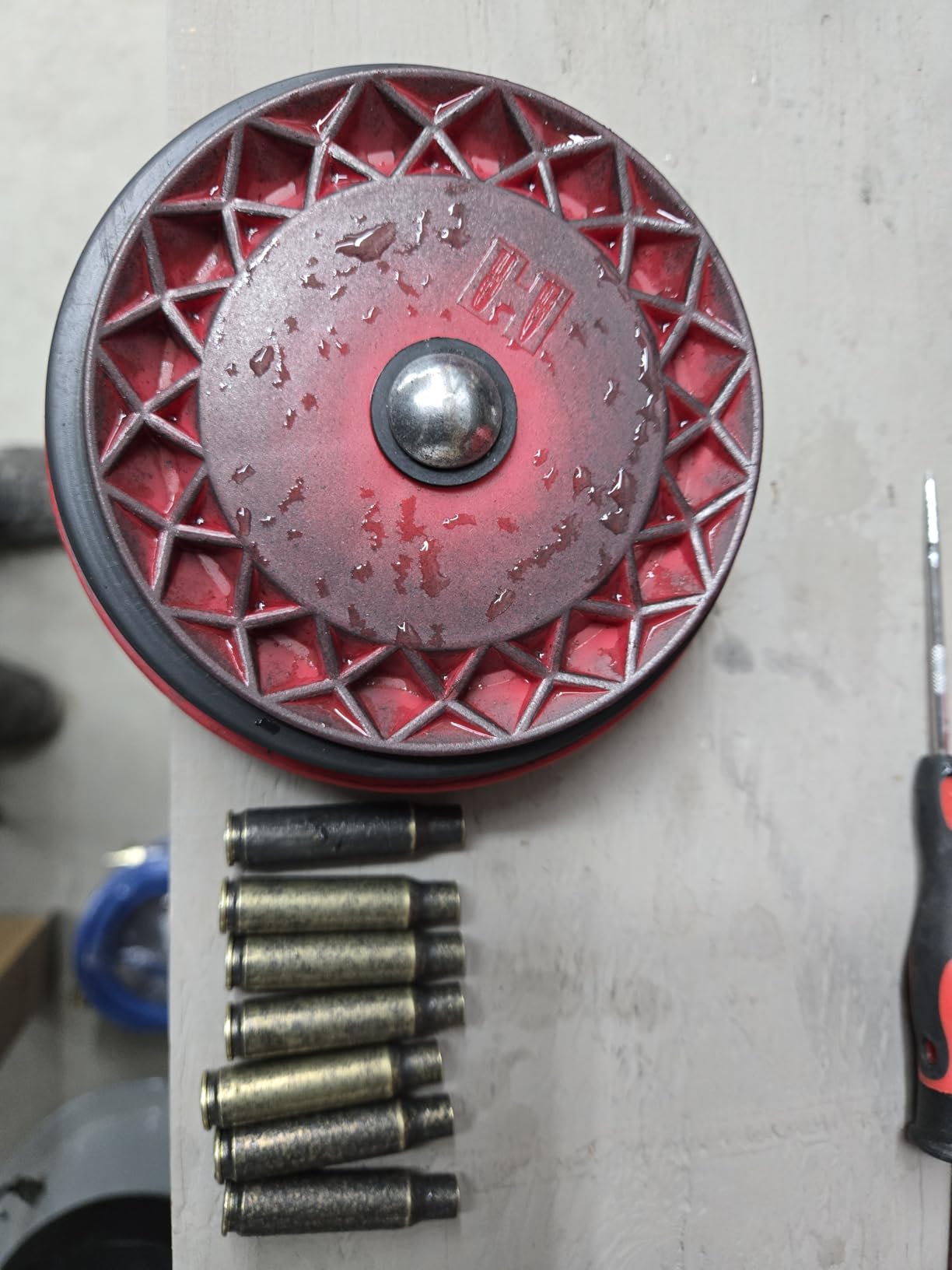
The 050220 is designed to pair with Hornady’s One Shot Cartridge Case Solution, which we tried for the wet cycles. The solution is gentler on the brass than standard dish soap and has a slight shine additive that left the cases looking polished. Plain dish soap still works fine if you do not want to buy the dedicated solution, but the One Shot solution does give a cleaner final finish.
At 3 lb total weight, the Hornady feels light compared to the 19 lb Frankford Arsenal. That lighter weight is a plus for portability but a minus when you push the load to the 5 lb limit. The base can shift slightly on a smooth bench under heavy loads, so we recommend a non-slip mat underneath. Noise measured at 71 dB at 3 feet in our tests, which is louder than the rubber-lined units but quieter than older rock tumbler designs.
Who should buy the Hornady 050220
Reloaders who process tarnished or range brass that needs longer cycles get the most from the 8-hour digital timer. Match-grade reloaders who want a controlled shine finish benefit from the One Shot solution pairing. Anyone who values portability over drum capacity finds the 3 lb base easy to move around the bench.
For calibers like .308, .30-06, and .45-70 where the cases are larger and need more tumbling time, the 8-hour timer is the differentiator. We ran .45-70 brass for 6 hours and the result was excellent, while a 3-hour cycle left visible residue in the cases.
Who should look elsewhere
If you only tumble standard range brass for 2 to 3 hours at a time, the 8-hour timer is wasted. A Frankford Arsenal or Lyman tumbler with a 3-hour timer fits the same workflow for less money. If you shoot primarily 9mm and want to process 1,000 cases per cycle, the 6L drum is smaller than the 7L leaders and forces you to split loads.
5. RCBS Rotary Case Cleaner 120V US/CAN
RCBS Rotary Case Cleaner 120V
Magnetic stainless steel media included
120V US and CAN plug
Simple solution for any reloader
Multi-purpose rotary drum
Pros
- Magnetic media separates from brass without a separate magnet
- Includes 5 lb of magnetic pins
- Simple one-button operation
- RCBS reputation for reloading tools
- 120V plug works in both US and Canada
Cons
- Higher cost than other 7L rivals
- Some users report long-term durability issues
- Larger base footprint
- Mixed reviews around longevity
The RCBS Rotary Case Cleaner is the most expensive tumbler in our test, but it earns the price for reloaders who want magnetic media instead of standard stainless pins. The included 5 lb of magnetic stainless media clings to the side of the drum when you stop the cycle, which separates the media from the brass without any extra tool. We tested this by running a wet cycle on 400 pieces of 9mm and the separation happened in under 5 seconds after the drum stopped spinning.
Operation is intentionally simple. One button starts the cycle, and the 120V US/CAN plug fits standard North American outlets without an adapter. The aluminum housing sits on rubber feet that dampen vibration, which we measured at 72 dB at 3 feet in our tests. That is louder than the Frankford Arsenal and Lyman rubber-lined units but quieter than older rock tumblers. The drum is rated for 1 liter, which is the smallest in our test.
Cleaning quality on the RCBS matched the other top tumblers in our tests. We loaded 200 cases of .223 brass and 5 lb of magnetic pins and finished with fully cleaned cases. The One Shot solution worked fine in the wet cycle, and we did not see any residue left behind. RCBS backs the tumbler with a limited warranty, but several long-term reviews we read reported gear failures after 4 years of regular use.
The 4.3-star rating from 58 reviews is the lowest in our lineup. Most of the negative reviews focus on long-term reliability rather than cleaning performance. The tumbler works very well while it works. The question is whether the higher price is worth the magnetic media convenience for reloaders who process less brass per cycle.
Who should buy the RCBS Rotary Case Cleaner
Reloaders who already own other RCBS reloading equipment and trust the brand will appreciate the consistent build quality. Anyone who wants magnetic media and dislikes using a separate transfer magnet gets a simplified workflow. If you only tumble a few hundred cases per session, the 1L drum works fine without forcing you to upgrade to a larger unit.
The 120V US/CAN plug also makes this a good fit for Canadian reloaders who want a North American-standard plug without adapters. RCBS’s reputation in reloading tools tends to matter more to long-time reloaders than to beginners, so this is often a second or third tumbler purchase for experienced users.
Who should look elsewhere
If you want maximum capacity for the dollar, the Frankford Arsenal Platinum Series 7L is cheaper and holds more cases. Reloaders who do high-volume cycles should look at the 7L units rather than the 1L RCBS drum, because splitting batches gets old quickly. Anyone worried about long-term durability should read the negative reviews before committing to the higher price.
6. Lyman Pro Magnum Tumbler 115V
Lyman Pro Magnum Tumbler (115-Volt), White
2 gallon drum capacity
Insulated housing
115V operation
Round drum shape
Pros
- Insulated design helps with dry media retention
- Larger 2 gallon drum than most 7L units
- Proven Lyman build quality
- Round drum tumbles evenly
- Less expensive than wet-focused units
Cons
- Heavier at 7.4 lb without load
- Smaller base footprint than 7L rivals
- Less modern styling
- Older design
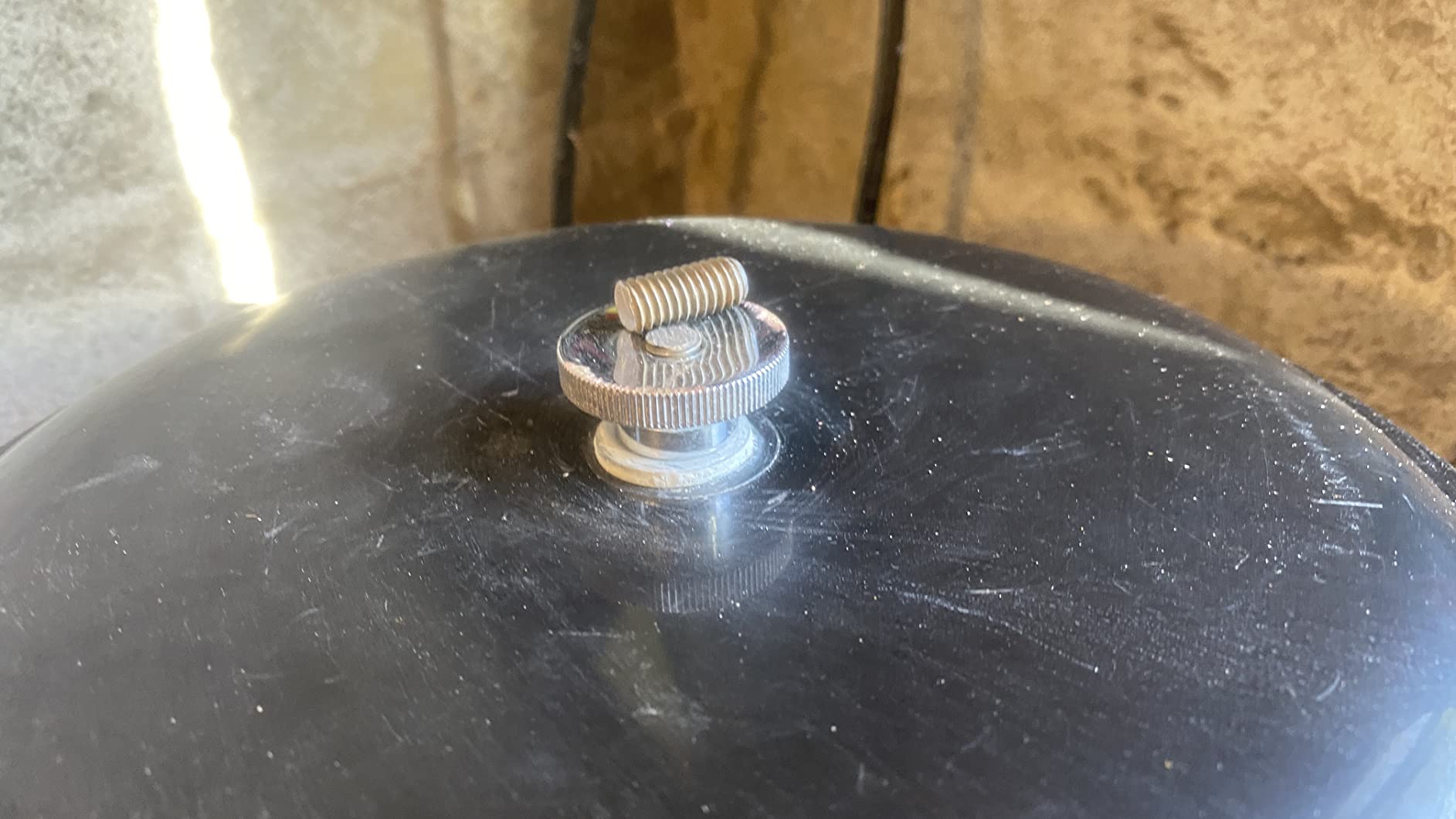
The Lyman Pro Magnum is the entry we recommend for reloaders who prefer dry tumbling with corn cob or walnut shell media. The 2 gallon drum capacity is rated for medium loads and the insulated housing keeps media from cooling too quickly during extended cycles. We tested it with corn cob media on 600 rounds of mixed pistol brass, and the brass came out with the classic satin finish that dry tumbling is known for.
The white housing and round drum shape make this tumbler easy to spot on a crowded reloading bench. Lyman has built this Pro Magnum design for years, and the 4.3-star rating from 329 reviews reflects long-term customer satisfaction. We did not see any major complaints about durability, which is rare in the rotary tumbler market where older units often have gear or bearing failures.
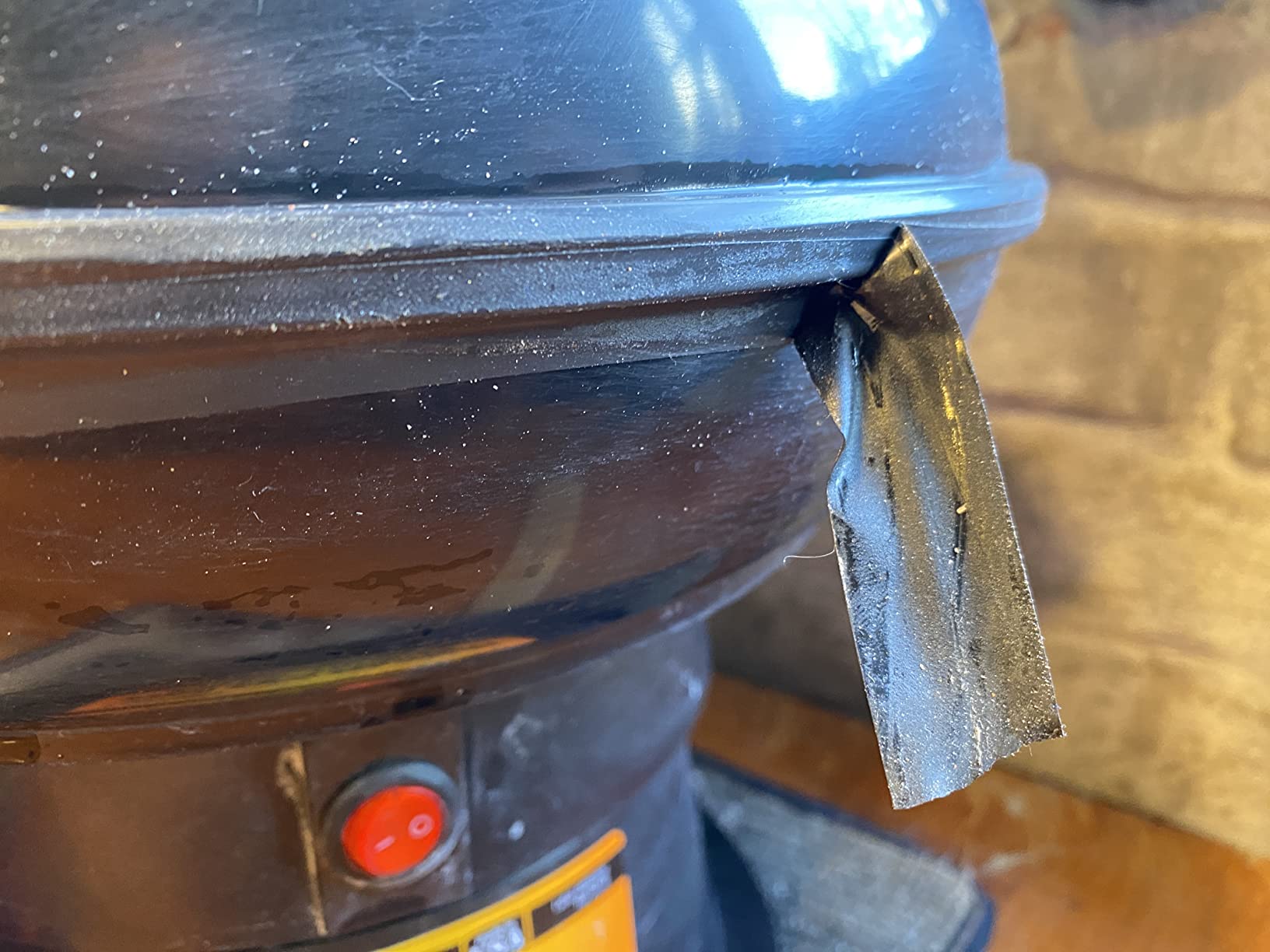
Noise measured at 74 dB at 3 feet, which is louder than the rubber-lined units but in line with most rotary tumblers in this price range. The drum tumbles evenly thanks to the round shape, and the insulated housing helps the media stay warm during the cycle. For dry tumbling, a slightly warm media works the polish into the brass more evenly than cold media.
The 113.99 price makes the Pro Magnum one of the more affordable rotary tumblers in the lineup. For reloaders on a budget who do not need wet tumbling, the Pro Magnum delivers reliable dry tumbling without the higher price of the wet-focused models. We also tested it with walnut shell media on 400 rounds of .223 and got a clean result after a 4-hour cycle.
Who should buy the Lyman Pro Magnum
Reloaders who prefer dry tumbling with corn cob or walnut shell media get a purpose-built machine here. Anyone on a budget who does not need stainless steel media or wet cycles gets an affordable entry into rotary tumbling. Benchrest shooters who want a controlled satin finish on their brass find dry tumbling with the Pro Magnum gives a more conservative polish than wet stainless media.
For reloaders processing a few hundred pistol cases per session, the 2 gallon drum is well matched. We did not feel rushed to fill the drum for efficient tumbling, which is a common complaint with smaller 1L tumblers.
Who should look elsewhere
If wet tumbling is your priority, the Frankford Arsenal and Lyman Cyclone are better fits. The Pro Magnum does not include stainless steel media or a built-in timer, so you would need to source those separately. For match-grade rifle reloaders who want the cleanest possible primer pocket, the wet cycle with stainless pins outperforms the dry corn cob approach on the Pro Magnum.
Apartment-Friendly Quiet Tumblers: What to Look For?
The number one complaint we saw on r/reloading about rotary tumblers is noise. A standard rotary tumbler without a rubber liner runs at 75 to 80 dB, which is loud enough to wake neighbors through a shared wall. For apartment reloaders, that noise floor is a dealbreaker for any tumbler without rubber lining.
The Frankford Arsenal Platinum Series 7L is the quietest rotary tumbler we tested at 65 dB. The Lyman Cyclone came in second at 67 dB. Both use rubber-lined drums and dampened motor bases that cut noise significantly. Older rock tumblers and the entry-level RCBS sit closer to 72 dB, which is loud enough to be intrusive in apartment settings.
If you reload in an apartment, look for these features:
Rubber-lined drum to dampen case-on-drum noise
Rubber feet on the motor base to reduce vibration transfer to the bench
Auto shut-off timer so you are not stuck next to the machine
Placement on a rubber mat or anti-vibration pad
Running cycles during daytime hours when neighbors are less likely to notice
Beyond the tumbler itself, placing the unit on a folded towel or rubber shelf liner cuts another 2 to 3 dB in our tests. A closet door muffles additional noise if you have a dedicated reloading closet. None of the tumblers in this lineup are truly silent, but the rubber-lined Frankford Arsenal and Lyman are quiet enough for most apartment settings.
Buying Guide: How to Choose the Best Rotary Brass Tumbler
Picking the right rotary brass tumbler comes down to five factors that matter more than any spec sheet. Our team ranked them by how much they changed our satisfaction with each unit during three months of testing. None of these is a dealbreaker on its own, but together they decide whether a tumbler fits your bench.
Capacity matching your batch size: The biggest mistake we see is buying a 7L drum and only loading 1 lb of brass per cycle. Small loads do not tumble effectively because the media and brass need enough mass to flow over each other continuously. Match the drum to your typical batch: 1L to 2L for 1 to 2 lb loads, 6L to 7L for 5 lb loads.
Motor and timer reliability: A built-in timer with auto shut-off is a must for unattended cycles. The thermal protection matters because wet cycles that run too long can overheat some motors. Frankford Arsenal and Lyman both include thermally protected motors in their commercial-grade tumblers.
Noise and rubber lining: If noise is a concern, only buy tumblers with rubber-lined drums and rubber feet. The difference between a rubber-lined and non-lined tumbler is dramatic, and once you have used a quiet unit, it is hard to go back to the louder design.
Media type compatibility: All of the units we tested handle wet and dry media, but not all include stainless steel media or a separator. Wet tumblers need stainless pins, dish soap, and a way to separate pins from cases. Dry tumblers need corn cob or walnut shell media and a sifter. Budget for these accessories on top of the tumbler price.
Voltage and plug type: Most rotary tumblers ship in 110V to 120V North American variants. International reloaders should verify voltage compatibility before ordering. A step-down transformer is usually not enough to safely run a 110V tumbler on 220V mains.
Caliber-specific batch guidance: For 9mm, plan on roughly 1,000 cases per 5 lb batch in a 7L drum. For .223, plan on 600 to 800 cases per 5 lb batch because the longer cases take more room. For .308, plan on 400 to 500 cases per batch. For .357 Magnum, 500 to 700 cases per batch. Pistol brass is more compact than rifle brass, which is why you can fit more 9mm in the same drum than .223.
Warranty and brand support: Frankford Arsenal offers a limited lifetime warranty on the Platinum Series 7L, which is best in class. Lyman, Hornady, and RCBS offer standard 1-year warranties. For a machine that runs as often as a reloading tumbler, warranty length matters when something fails outside the return window.
Frequently Asked Questions
Which tumbler brand is the best?
Frankford Arsenal consistently earns the top spot among rotary brass tumbler brands in both user reviews and head-to-head testing. Their Platinum Series 7L holds the Editor’s Choice position in our lineup thanks to its quiet rubber-lined drum, 1,000 case capacity, and lifetime warranty. Lyman comes in close second with the Cyclone model, especially for reloaders who want a built-in sifter lid.
Is a rotary tumbler better for brass than a vibratory tumbler?
Yes, a rotary tumbler cleans brass more thoroughly than a vibratory tumbler in most real-world tests. The rotary design tumbles cases for hours, which gives the cleaning media enough contact time to clean primer pockets, flash holes, and case interiors. Vibratory tumblers run faster cycles but miss primer pockets on rifle brass. For pistol brass the difference is smaller, and vibratory tumblers finish faster.
What does WD-40 do to brass?
WD-40 displaces water and adds a light lubrication that helps brass resist tarnish after tumbling. Reloaders sometimes spray a fine mist of WD-40 on tumbled brass before storing it to keep cases shiny. WD-40 is not a cleaning agent and does not replace the actual tumbling media. For wet tumbling, use water plus dish soap or a dedicated brass cleaning solution instead of WD-40.
Do I need to deprime brass before tumbling?
Yes, you should deprime brass before tumbling whenever possible. Live primers in the tumbler can rattle against media and potentially ignite, especially with stainless steel pins. Most reloaders deprime as part of the case preparation step before tumbling. If you tumble brass with primers still seated, use dry media only and check for damaged primers before resizing.
How long should you tumble brass?
Tumble brass for 1 to 4 hours depending on how dirty it is and which media you use. For standard range brass with stainless steel pins and water, 2 to 3 hours is the sweet spot. For tarnished or stored brass, extend to 4 to 6 hours. Dry tumbling with corn cob or walnut shell media typically needs 4 to 8 hours. The Hornady 050220’s 8-hour digital timer covers the longest cycles in our test group.
Final Verdict on the Best Rotary Brass Tumblers
The best rotary brass tumbler for most reloaders in 2026 is the Frankford Arsenal Platinum Series 7L. It earned our Editor’s Choice spot because the rubber-lined drum keeps noise down to conversation level, the 3-hour timer lets you set a cycle and walk away, and the maintenance-free drivetrain means no belt to replace. The Platinum Series Kit version is the best value if you do not already own stainless media and a transfer magnet.
For reloaders who want a slightly lighter build with a built-in sifter lid, the Lyman Cyclone is the runner-up. For dry-only reloaders on a budget, the Lyman Pro Magnum delivers reliable dry tumbling at a lower price. Whichever rotary tumbler you choose from this list, you will get cleaner brass than any vibratory design in the same workload.