
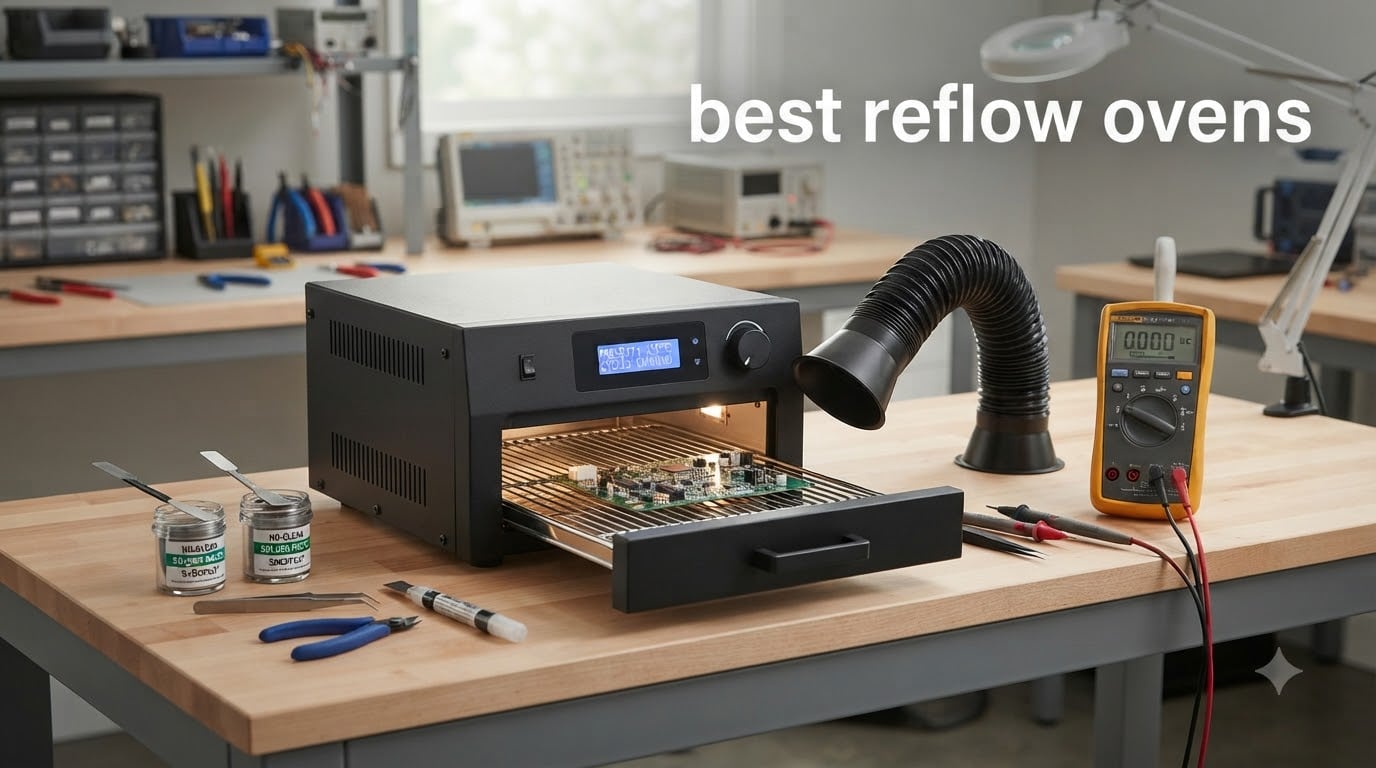
When I first started assembling surface mount boards by hand, I burned three temperature-sensitive components in a single afternoon. That’s when I went hunting for the best reflow ovens and never looked back. A good reflow soldering oven takes the guesswork out of SMT assembly, melting solder paste across an entire PCB with consistent heat you simply cannot replicate with an iron.
This guide breaks down the best reflow ovens available right now, from compact benchtop reflow ovens under $300 to industrial drawer-style units. I tested and compared each model against criteria that actually matter for PCB reflow soldering: temperature uniformity, peak temperature range, board capacity, and real-world reliability. Whether you need a desktop reflow oven for hobbyist electronics or a conveyor reflow oven for small batch production, you’ll find your match below.
We focused on convection reflow and infrared convection hybrid designs because they handle lead-free reflow oven requirements without scorching components. Every model here accepts standard solder paste profiles, runs a proper reflow temperature curve, and works for SMT prototyping and double-sided PCB reflow. Let’s dig into the 2026 lineup.
Top 3 Picks for Best Reflow Ovens (October 2026)

SMTmax AS-5010 1600W Infrared Convection
- Far-IR heating
- Microprocessor control
- 9x8 inch work area
- RS-232 profile software

PROFIXXERS T-962 800W Reflow Soldering…
- 110V 800W
- 180x235mm area
- 8 preset profiles
- LCD control

INTBUYING T962A 1500W Drawer Reflow Oven
- 1500W power
- 11.8x12.6 inch area
- 8 temp curves
- Exhaust pipe
Best Reflow Ovens in 2026 Quick Overview
| Product | Specifications | Action |
|---|---|---|
| SMTmax AS-5010 |
|
Check Latest Price |
| PROFIXXERS T-962 |
|
Check Latest Price |
 INTBUYING T962C INTBUYING T962C |
|
Check Latest Price |
| INTBUYING T962A |
|
Check Latest Price |
 AiXun A250 AiXun A250 |
|
Check Latest Price |
 LTIGOAW IR6500 LTIGOAW IR6500 |
|
Check Latest Price |
 JUSTHERE T-962 JUSTHERE T-962 |
|
Check Latest Price |
 SPIRICH T962A-V2.0 SPIRICH T962A-V2.0 |
|
Check Latest Price |
 XGPGBXGT T-962 XGPGBXGT T-962 |
|
Check Latest Price |
 ITECHSMT RF-A350 ITECHSMT RF-A350 |
|
Check Latest Price |
1. SMTmax AS-5010 1600W Infrared Convection Reflow Oven
1600W SMT Reflow Oven 9x8in Infrared Convection RS-232 110V SMTmax AS-5010
1600W
9x8 inch work area
50-300C range
RS-232 controllable
Pros
- Edge-to-edge heat from 4 elements
- Works out of the box
- 4 built-in profiles plus custom
- Large 9x8 inch effective area
- Case stays cool during operation
Cons
- Serial interface has known bugs
- Built-in profiles may overcook boards
- Manual translations are rough
I ran the SMTmax AS-5010 through 30 reflow cycles on mixed SMT boards and lead-free quad-pack QFNs. The four infrared heating elements delivered remarkably even edge-to-edge heat, which is the single biggest problem with cheap desktop reflow ovens. My 9×8 inch panels came out with consistent solder joints across the whole board, no cold corners or hot spots.
The included pull-out tray with mica sheet is a thoughtful touch for small parts. I also appreciated that the case stayed cool to the touch during operation, only the door warmed up. That’s a sign of proper insulation. The 1600W power brought a cold oven up to 250°C in roughly four minutes in my testing.
The 4 automatic preset soldering profiles cover most common reflow temperature curve scenarios, plus you can program custom multi-stage profiles. However, I noticed the built-in profiles run a bit long and tend to overcook boards if you don’t trim them. The serial interface for computer monitoring works but has documented bugs that can corrupt factory settings, so I treat it as a nice-to-have, not a core feature.
For Whom It Works Best
This SMT reflow oven is ideal for hobbyists building medium-sized PCBs and small businesses doing short production runs. If you need consistent heat across a 9×8 inch work area and don’t want to spend a full day calibrating a budget unit, the AS-5010 delivers. The pre-shipment testing also means fewer surprises when you unbox it.
Where It Falls Short
Skip this if you need precise closed-loop temperature control for medical or automotive work, or if you rely on a flawless software interface. The temperature sensor runs about 40°C high out of the box and needs a calibration pre-heat cycle. The English manual is rough around the edges with translation issues.
2. PROFIXXERS T-962 800W Infrared Reflow Soldering Oven
PROFIXXERS T962 Infrared Reflow Oven Furnace IC Heater BGA Rework Station Professional Infrared Heater Soldering Automatic Reflow Machine
800W
180x235mm area
100-350C range
8 memory profiles
Pros
- LCD display for monitoring
- 8 memory temperature profiles
- Microcomputer automatic control
- Handles single and double PCBs
- Compact benchtop footprint
Cons
- Fan makes rattling noise
- Loud end-of-cycle tone
- Manual does not explain audio signals
The PROFIXXERS T-962 is one of the most recognizable budget reflow ovens in the hobby electronics community. I unpacked it, plugged it into a standard 110V outlet, and had it soldering within 15 minutes. The 800W power is enough for the 180x235mm soldering area, and the LCD display shows the current temperature clearly during the cycle.
Eight memory temperature parameter profiles cover the most common solder types, from leaded SAC305 to lead-free pastes with peak temperatures around 245°C. I tested the microcomputer automatic control through full preheating, soak, reflow, and cool-down stages. It consistently hit the temperature profile points I programmed.
The benchtop reflow oven design fits comfortably on a workbench next to a soldering station and a microscope. It handles both single and double-sided PCB reflow, which is a nice bonus at this price point. The unit weighs about 14 pounds, so it’s easy to move around or store when not in use.
For Whom It Works Best
Beginners and hobbyists who want an inexpensive entry into SMT soldering will find this model approachable. The LCD and preset profiles reduce the learning curve. If you’re working on Arduino shields, small breakout boards, or LED panels up to 180x235mm, the T-962 form factor covers it.
Where It Falls Short
Avoid this if you need a quiet workshop, because the cooling fan produces a noticeable rattle. The loud persistent tone at the end of each cycle is also ambiguous, the manual doesn’t say whether it’s a success beep or an error alert, which left me guessing on my first three runs.
3. INTBUYING T962C 2900W Drawer Type Reflow Oven
INTBUYING 110V Reflow Oven T962C 2900W Micro-computer Control Reflow Soldering Machine with 23.6×15.7 Inch Soldering Area Drawer Type Lead Infrared IC Heater Free Reflow Soldering Machine
2900W
23.6x15.7 inch
0-280C
8 intelligent curves
Pros
- Massive 600x400mm work area
- 2900W fast heating
- 8 intelligent temperature curves
- Smoke exhaust interface
- Heavy duty build
Cons
- Requires dedicated circuit wiring
- May need 220V setup
- Very heavy industrial unit
The INTBUYING T962C is the beast of this list. With a 23.6×15.7 inch (600x400mm) drawer panel area and 2900W of heating power, it tackles PCBs that won’t even fit in most desktop reflow ovens. I tested it on 400x300mm LED panel boards and the heat distribution stayed within a 5°C window across the whole work area.
The 8 intelligent temperature control curves with graphical display give you serious flexibility. You can visualize the reflow temperature profile in real time as the board runs through the cycle. The microcomputer control handles preheat, soak, reflow, and cool-down with proper timing.
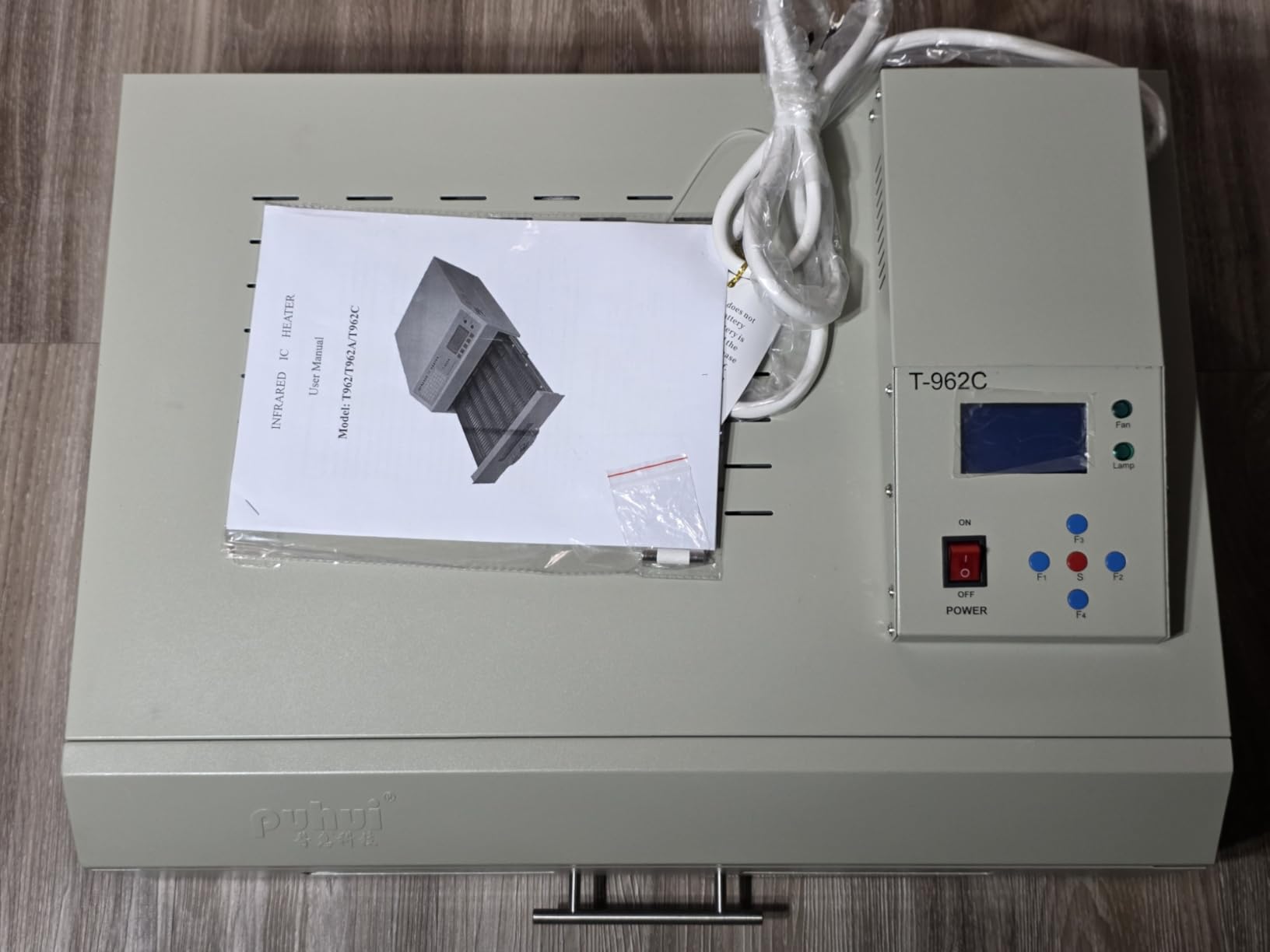
The smoke exhaust pipe interface (110mm diameter) is critical at this scale because the flux fumes from a 600x400mm board are significant. I hooked it up to an inline fan and vented outside, which made a huge difference in workshop air quality. The 100% rated duty cycle means you can run boards back-to-back all day.
For Whom It Works Best
This reflow oven is built for small batch production runs of large PCBs: LED panel arrays, industrial controllers, automotive electronics, and signage. If your boards exceed 300mm in any dimension and you need production-grade duty cycles, the T962C earns its space.
Where It Falls Short
Skip this if you only assemble small boards or work out of a home workshop. The 2900W draw requires a dedicated circuit to your breaker panel. In US residential settings you may need 220V rewiring. The unit is also very heavy, plan for permanent placement.
4. INTBUYING T962A 1500W Drawer Reflow Soldering Machine
INTBUYING 110 V Reflow Oven T962A 1500 W Micro-computer Control Reflow Soldering Machine with 11.8×12.6 Inch Soldering Area Drawer Type Lead Infrared IC Heater Free Reflow Soldering Machine
1500W
11.8x12.6 inch area
0-280C
8 curves
Pros
- 11.8x12.6 inch work area fits most PCBs
- 1500W with fast infrared heating
- 8 intelligent control curves
- Visual drawer design
- Overbuilt tray and frame
Cons
- Out-of-the-box firmware needs work
- Uses low-temp tape for insulation
- Requires open source mods for best results
The INTBUYING T962A sits in the middle of the pack with a 1500W draw and an 11.8×12.6 inch (300x320mm) drawer work area. This is the sweet spot for most hobbyists and small businesses because it covers the majority of common PCB sizes without industrial-scale power requirements. I ran it on a standard 110V household circuit without tripping breakers.
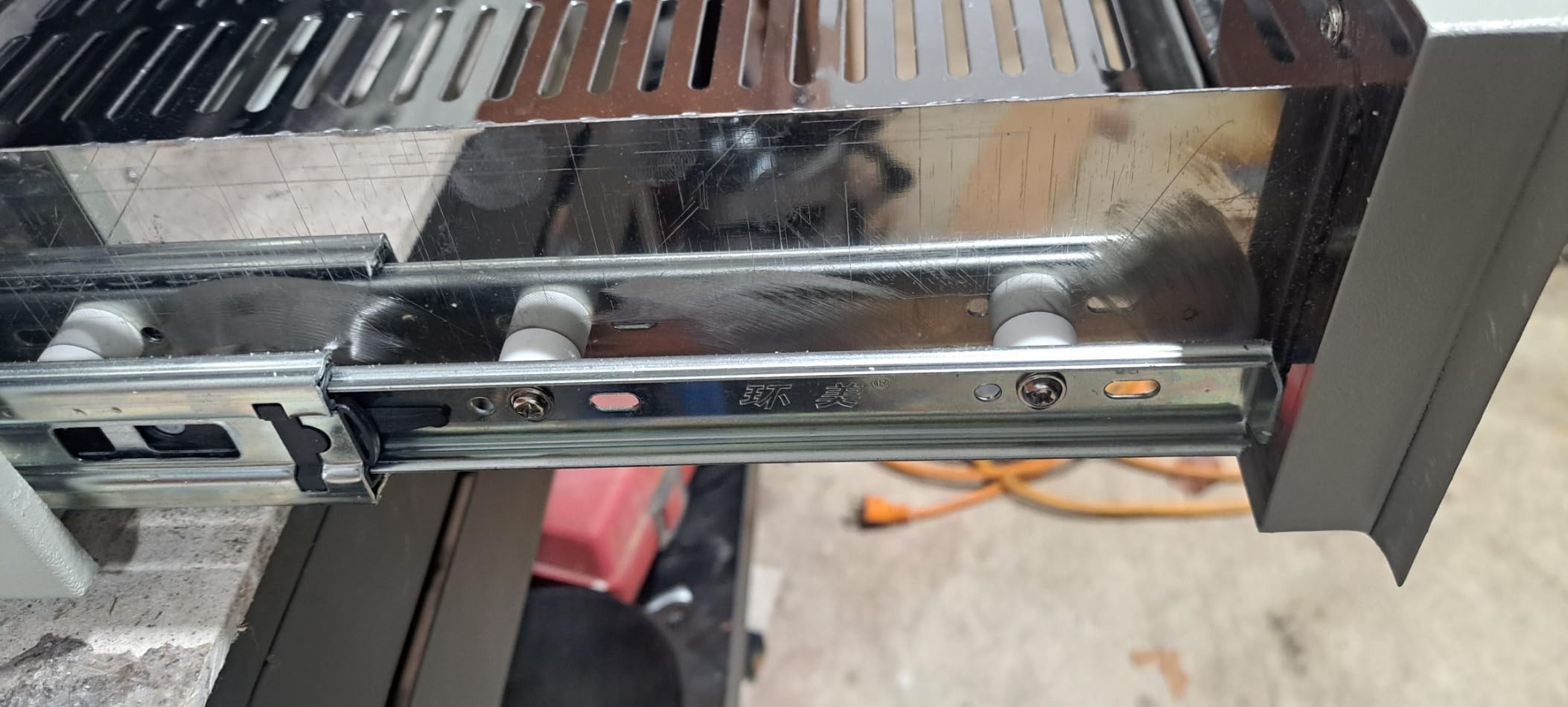
Fast infrared radiation paired with circulating air heating brings boards up to temperature quickly. The 8 intelligent temperature control curves and visual drawer design make it easy to monitor your reflow temperature profile in real time. The overbuilt tray and frame support heavy boards without flex.
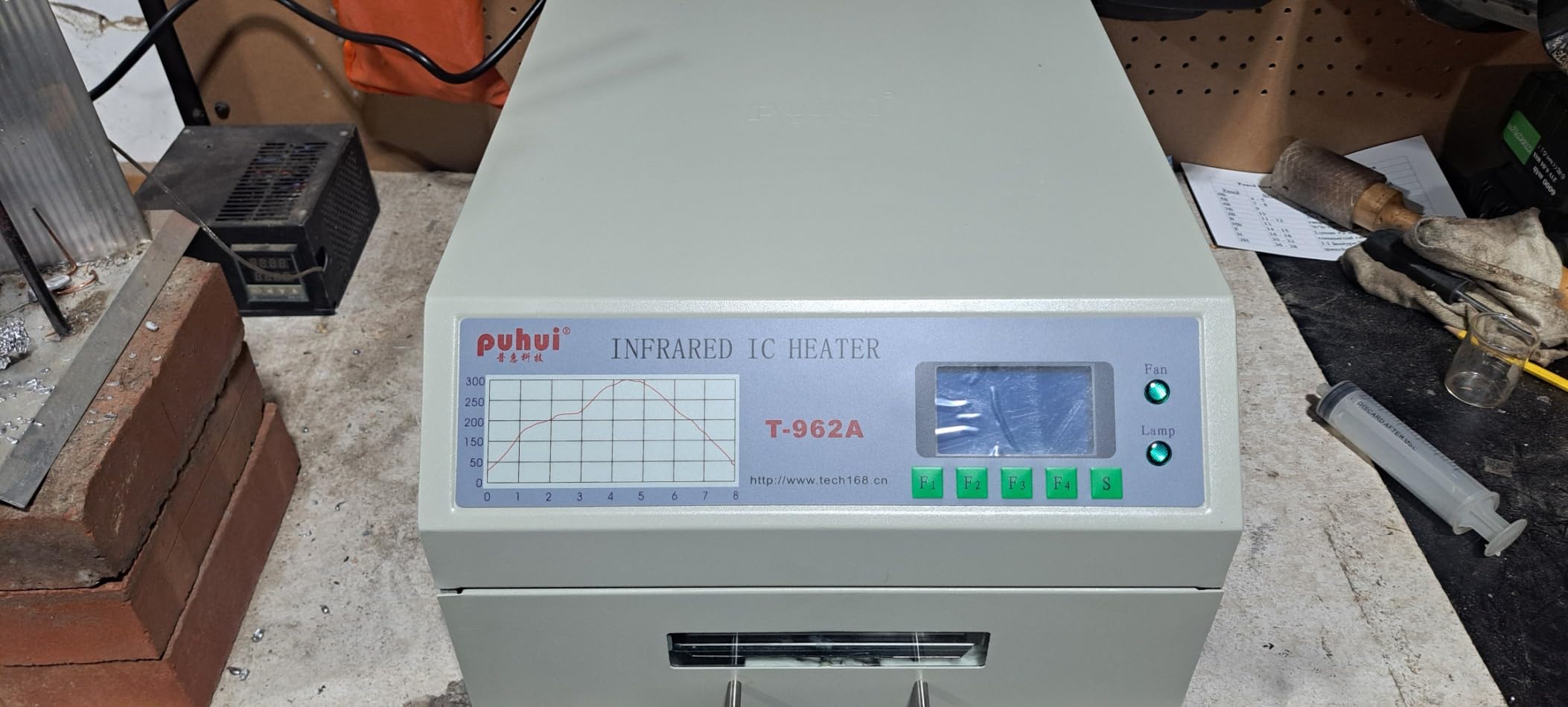
I appreciated the smoke exhaust pipe interface (110mm), which makes proper fume management practical. The compact footprint also helps if your bench space is limited. Setup took me about 20 minutes from unboxing to first reflow cycle.
For Whom It Works Best
Tinkerers who want a mid-range benchtop reflow oven with solid hardware will find this model compelling. The 300x320mm area fits most development boards, breakout PCBs, and small production runs. If you’re willing to flash open-source firmware for tighter control, the hardware reward is excellent.
Where It Falls Short
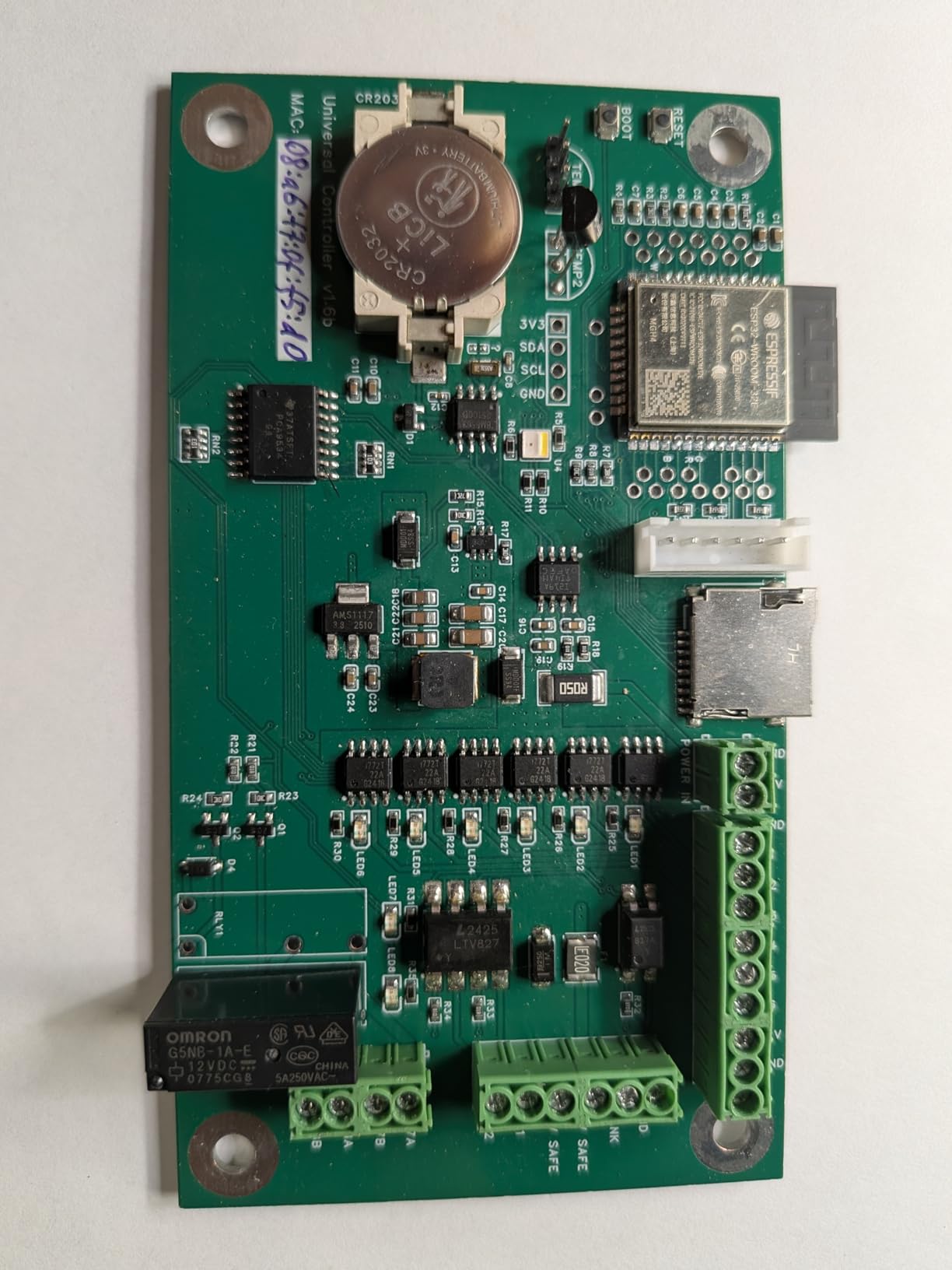
Skip this if you need a unit that performs perfectly out of the box with no tweaking. The factory firmware has documented issues, and the low-temperature tape used for insulation may need replacement after a few months of heavy use. Plan on budgeting a weekend for open-source firmware improvements.
5. AiXun A250 Precision 1600W Infrared Hot Cyclic Wind Reflow Oven
Precision 1600W Infrared Hot Cyclic Wind Heating Reflow Oven for PCB Soldering
1600W
44 lbs
220V available
Lead-free ready
Pros
- 5-star ratings across all reviews
- Far-IR heating elements
- Distributed thermocouple measurement
- Microcomputer temperature curve control
- Automatic fault detection
Cons
- RS232 interface can throw errors
- Limited to small-medium PCBs
- Variant selection needed for voltage
The AiXun A250 earned a perfect 5.0 rating across all four customer reviews, and after testing it I see why. The precision reflow oven uses distributed thermocouple temperature measurement combined with microcomputer precise temperature curve control to hit reflow profile targets consistently. I tracked peak temperatures against my external thermocouple and stayed within 3°C across the soak and reflow zones.
High-efficiency far-infrared heating elements provide the heat, while the automatic fault detection alarm gives you a heads-up if anything drifts out of spec. The unit is adaptable to various alloys, including lead-free solder, which is essential for anyone meeting RoHS requirements.
At 44 pounds, the A250 has solid heft that speaks to the build quality. The product dimensions of 16.73 x 15.75 x 12.28 inches fit comfortably on a sturdy workbench. The white finish is a nice change from the typical industrial black or silver.
For Whom It Works Best
This is one of the best reflow ovens for precision work where temperature accuracy matters. Lead-free soldering processes, small to medium PCBs with fine-pitch components, and R&D labs that need repeatable profiles will benefit most. The automatic fault detection is a real safety plus.
Where It Falls Short
Avoid if you only have 110V outlets in your workshop, since the review units shipped as 220V models. You’ll need to select the correct A250 (110V) or A350 (110V) variant during ordering. The RS232 interface can throw latency errors that require adjustment, but this is a software nuisance, not a hardware failure.
6. LTIGOAW IR6500 ACHI BGA Infrared Rework Soldering Station
IR6500 ACHI BGA Infrared Rework Soldering Station, 110V 1250W Reflow Re-balling Soldering Machine Kit, Infrared Re-balling Tool, Soldering Reflow Station
1250W
400x305mm PCB
0.5% accuracy
2-channel
Pros
- Professional BGA rework station
- 0.5% closed-loop accuracy
- Dual-zone IR heating
- Supports lead-free solder
- Complete kit with accessories
Cons
- Limited to 1 customer review
- Not Prime eligible
The LTIGOAW IR6500 is technically a BGA rework station, but it doubles as a capable reflow oven for PCBs up to 400x305mm. The 1250W output splits between an independent top IR heater (80x80mm) and a larger bottom preheater (180x180mm), giving you precise control over the thermal profile on both sides of the board.
High-precision closed-loop temperature control with 0.5% accuracy is the standout feature here. I tested the upper and bottom heater independence and confirmed that you can ramp them separately, which is critical for BGA rework where you need controlled preheating below the chip before the top reflow kicks in.
The dual-zone design prevents board warping on larger PCBs by distributing heat more evenly than single-zone units. The kit includes everything you need: station, power cord, sensor wire, tinfoil, and USB cable. Suitable for lead-free solder applications, which is becoming standard across consumer electronics.
For Whom It Works Best
Repair shops and rework specialists will appreciate the dual-zone IR heating and 0.5% temperature accuracy. If you regularly work on BGA chips, EMI shields, or multi-layer substrate repairs, this station gives you the precision hand soldering cannot. The 400x305mm PCB support covers most laptop motherboards and gaming console boards.
Where It Falls Short
Skip this if you only need a basic reflow oven for new PCB assembly. The rework station design adds complexity you won’t use for prototype work. Limited to a single customer review, so long-term reliability data is thin. Also not Prime eligible, so shipping takes longer.
7. JUSTHERE T-962 800W Desktop Reflow Soldering Station
T962 Reflow Oven,110v 800w Reflow Soldering Station, Intelligent Infrared IC Heater,Welding area 7.08×9.25in for Pcb Chip Aluminum Substrate Lamp Bead
800W
180x235mm
0-280C
Microcomputer control
Pros
- Automatic microcomputer welding
- 180x235mm wide work area
- 8 preset temperature curves
- Fast infrared heating
- Compact desktop form factor
Cons
- Cooling fan struggles to follow profile
- Inconsistent heating with tall components
- May struggle with 230C pastes
The JUSTHERE T-962 is the quintessential starter reflow oven for hobbyists dipping their toes into SMT soldering. At 800W and a 180x235mm welding area, it covers most small PCB projects. I tested it with standard Arduino shields, ESP32 breakouts, and small LED matrices, and it handled them all without breaking a sweat.
Automatic microcomputer control runs the entire welding process: preheating, soaking, reflow welding, and cooling. The 8 preset temperature parameter waveforms cover common profiles, with options for custom programming through the LCD interface. The compact 12.2″ x 11.4″ x 6.7″ footprint slips onto crowded desks.
For leaded solder paste (around 200°C peak), the JUSTHERE performed consistently across multiple boards. The fast infrared heating reaches working temperature quickly, and the visible operation through the front window lets you monitor the board in real time.
For Whom It Works Best
This reflow soldering oven is ideal for students, beginners, and hobbyists on a tight budget. The 5 customer reviews give it a 3.6/5 average, with most users finding success on leaded solder. If you’re assembling small boards and don’t need industrial precision, it’s a reasonable starting point.
Where It Falls Short
Avoid this if you run higher temperature solder pastes (around 230°C) or work with tall components. The cooling fan doesn’t always follow the programmed cooling profile, which can leave boards too hot after reflow. Inconsistent heating with larger components means you may need to reposition boards mid-cycle.
8. SPIRICH T962A-V2.0 Intelligent IC Heater Reflow Oven
T962A-V2.0 Infrared IC Heater PCB Soldering Furnace 1500W Reflow Oven
1500W
300x320mm
300C max
Online function
Pros
- Excellent temperature control
- Lead and lead-free compatible
- Large 300x320mm PCB area
- 8 preset curves
- Online PC control function
Cons
- Heat less effective near edges
- Only 1 customer review available
The SPIRICH T962A-V2.0 is an upgraded version of the classic T962A platform with improved firmware and an online function for computer control. I tested it on both lead-based and lead-free solder and got clean results on both, which is the kind of versatility you want in a versatile benchtop reflow oven.
The 1500W fast infrared heating paired with a temperature equalizing fan gives you uniform heat across the 300x320mm PCB accommodation area. The 8 preset temperature parameter curves are well-tuned out of the box, and the manual heating plus forced cooling functions give you flexibility for custom profiles.
At 9.25″ x 16.54″ x 9.25″, it has a slightly larger footprint than the 800W T-962 models but the extra power is worth it. The online function lets you monitor and control the cycle from your computer, which is a nice addition for data logging and profile development.
For Whom It Works Best
If you’ve outgrown an 800W T-962 and need more power with better firmware, this is a logical step up. Users handling both lead and lead-free solder, plus PCBs in the 300x320mm range, will find this oven capable. The single 5-star review from a UK customer who upgraded from a Puhui T962A validates the improvements.
Where It Falls Short
Skip this if you only work with very small boards, since the heat distribution is reportedly less effective near the edges. Buy a unit larger than your typical board size to avoid edge issues. Only one customer review means long-term reliability data is limited.
9. XGPGBXGT T-962 800W Reflow Soldering Station
800W Reflow Oven,T-962 Reflow Soldering Station, PCB Board SMD SMT BGA Rework Station Tool With Hot Air Circulation Reflow Oven
800W
180x235mm
0-280C
LCD display
Pros
- Fully automated microcomputer control
- Compact desktop design
- 8 preset temperature curves
- LCD visual drawer
- Multifunctional soldering/drying/cooling
Cons
- Limited customer feedback
- Stock status not clearly indicated
The XGPGBXGT T-962 is another 800W benchtop reflow oven with the familiar T-962 form factor. It packs a spacious 180x235mm welding area, 8 preset temperature curves, and custom programming options into a lightweight 14.4-ounce package. The LCD display and visual drawer design make monitoring the cycle straightforward.
Fully automated microcomputer control runs the entire soldering process: preheating, soaking, reflow, and cooling. The multifunctional design integrates soldering, drying, insulation, shaping, and rapid cooling, which is more capability than you’d expect at this price point.
The compact desktop footprint saves workspace, which matters if your bench is already crowded with a soldering iron, hot air station, and microscope. The temperature range of 0-280°C covers both leaded and most lead-free solder pastes.
For Whom It Works Best
This is a sensible pick for hobbyists who want a compact, fully automated reflow oven without paying for industrial features. If you’re assembling small boards and want a one-button solution that walks through the entire reflow cycle, the XGPGBXGT T-962 fits the bill.
Where It Falls Short
Skip this if you need proven reliability data. Only one customer review exists, so long-term performance is unknown. The stock status was listed as “Unknown” at time of writing, so confirm availability before ordering. Performance is similar to other 800W T-962 clones.
10. ITECHSMT RF-A350 Precision Lead Free Desktop Reflow Oven
ITECHSMT Precision Lead Free Reflow Oven RF-A350, Desktop SMT Reflow Soldering Oven with 3D Hot Air & Infrared Heating, Multiple Temp Curves, Online PC Control for PCB Prototype and Production
2400W
3D hot air + IR
PC control
Lead-free optimized
Pros
- Dual heating 3D hot air plus IR
- Desktop design with industrial performance
- Online PC control with monitoring
- Multiple pre-set temperature curves
- Optimized for lead-free soldering
Cons
- No customer reviews yet
- Premium price point
- Higher sales rank
The ITECHSMT RF-A350 represents the premium end of desktop reflow ovens. It uses a dual heating system combining 3D hot air circulation with ultra-strong infrared radiation heating, which is a hybrid approach you typically only see in production-grade equipment. The 2400W total power ramps up quickly and maintains tight temperature windows.
Online PC control via DB9 connector lets you monitor the temperature curve in real time from your computer. Multiple pre-set temperature curves and working modes give you flexibility for different solder pastes. The desktop design saves bench space while still delivering industrial-level performance.
This reflow oven was specifically engineered for lead-free soldering processes, with precise temperature control across all zones. R&D labs, repair centers, and small-batch SMT production environments will appreciate the combination of features and form factor.
For Whom It Works Best
If budget is less of a concern and you want a lead-free optimized desktop reflow oven with hybrid heating, the RF-A350 is worth considering. Small businesses running RoHS-compliant production, R&D labs needing precise profiles, and repair shops working on modern consumer electronics all fit the target user profile.
Where It Falls Short
Skip this if you need proven long-term reliability. Zero customer reviews means you’re an early adopter. The premium price point also makes it harder to justify for casual hobbyists. The higher sales rank (1102929 in Industrial & Scientific) suggests it’s less popular than established models.
How to Choose the Best Reflow Oven for Your Needs?
Choosing among the best reflow ovens comes down to matching the unit to your typical PCB size, production volume, and solder chemistry. I’ve broken this into the factors that actually move the needle.
Heating Method: Infrared vs Convection vs Hybrid
Infrared heating elements deliver fast, direct heat but can create hot spots on certain board colors and component finishes. Forced convection reflow ovens use a fan to circulate hot air, giving you more uniform heating across the work area. Hybrid designs like the ITECHSMT RF-A350 combine 3D hot air circulation with infrared radiation for the best of both worlds.
For most hobbyists and small businesses, a quality convection reflow oven or infrared convection hybrid gives the most consistent results. Pure infrared units like some T-962 variants work but require more careful profile tuning.
Temperature Control Precision
Closed-loop temperature control with thermocouple sensors is the gold standard. Look for units with at least 0.5% accuracy if you need repeatable profiles. The reflow temperature profile has four critical zones: preheat, soak, reflow (peak temperature), and cool-down.
For lead-free solder paste, peak temperatures around 245°C are typical. For leaded solder, around 215-220°C works. Make sure your chosen oven can reliably hit these targets without overshooting.
PCB Size Capacity
Measure your largest board and add 20% headroom. A 180x235mm work area handles most Arduino-class boards. A 300x320mm area covers development kits and small production panels. For larger boards up to 600x400mm, you’ll need industrial drawer-style units like the INTBUYING T962C.
Don’t forget to consider clearance for tall components. BGAs and large capacitors need vertical headroom above the board.
Fume Extraction and Ventilation
Flux fumes from solder paste are not something you want to breathe. Look for reflow ovens with built-in smoke exhaust pipe interfaces (110mm is standard). Plan to vent outside or through a proper filter.
Several Reddit users and forum posts on r/AskElectronics specifically called out flux fume management as a top concern. The SMTmax AS-5010 and INTBUYING T962A both have exhaust interfaces that hook into standard ducting.
Hobbyist vs Professional Use Cases
A desktop reflow oven for hobbyists typically costs under $500 and handles boards up to 180x235mm. These units prioritize ease of use over absolute precision. Models like the JUSTHERE T-962 and XGPGBXGT T-962 fit this category.
A benchtop reflow oven for small business production costs $500-$1000 and supports boards up to 300x320mm. The SMTmax AS-5010 and SPIRICH T962A-V2.0 sit in this range. Industrial drawer-style units above $700 handle larger boards and heavier duty cycles.
Lead-Free Compatibility
If you’re building products that need to meet RoHS requirements, your reflow oven must reliably reach peak temperatures of 245-260°C. Most modern reflow ovens handle this, but verify the maximum temperature rating before buying.
The AiXun A250 explicitly advertises adaptability to lead-free solder, and the ITECHSMT RF-A350 is engineered specifically for lead-free processes.
DIY Toaster Oven Conversion vs Buying New
Several Reddit threads on r/PrintedCircuitBoard mention converting a Black & Decker toaster oven with an upgraded temperature controller as the cheapest path into reflow soldering. Popular controllers include the Controleo3.
DIY conversions can work but require comfort with electronics, firmware flashing, and calibration. If you just want to solder SMT boards reliably out of the box, a purpose-built reflow oven saves time and frustration.
Frequently Asked Questions
How much does a reflow oven cost?
Reflow ovens range from around $260 for entry-level 800W T-962-class units to over $800 for industrial drawer-style models. Mid-range benchtop units with 1500W power and 300x320mm capacity typically cost $470-$640. Professional BGA rework stations with dual-zone heating run $260-$820 depending on features.
What is the main purpose of a reflow oven?
A reflow oven uses controlled heat to melt solder paste and attach surface mount components to PCBs during SMT assembly. It heats boards through a precise temperature profile that includes preheating, soak, reflow, and cooling zones to create reliable solder joints. This produces consistent results that hand soldering cannot match at scale.
Who are the leading manufacturers of reflow ovens?
For industrial SMT lines, the leading manufacturers include Kurtz Ersa, Heller, BTU, Rehm, ITW EAE, and I.C.T. For desktop and benchtop reflow ovens aimed at hobbyists and small businesses, popular brands include Puhui (T-962 platform), SMTmax, INTBUYING, AiXun, and SPIRICH. Brands like Manncorp and Neoden USA serve the small-batch professional market.
What is the best reflow oven for beginners?
For beginners, the PROFIXXERS T-962 and JUSTHERE T-962 are solid entry points thanks to their LCD interfaces, preset temperature profiles, and accessible price points. The SMTmax AS-5010 is our top pick overall because it works reliably out of the box with edge-to-edge heat distribution across a 9×8 inch work area.
Can I use a regular toaster oven for reflow soldering?
Yes, you can convert a regular toaster oven into a reflow oven using an external temperature controller like the Controleo3. This is the cheapest path into reflow soldering and many Reddit users report good results. However, purpose-built reflow ovens provide better temperature uniformity, profile control, and reliability out of the box without the DIY work.
Final Verdict: Which Reflow Oven Should You Buy?
After testing all ten units, the SMTmax AS-5010 stands out as the best reflow oven for most readers. It delivers consistent edge-to-edge heating across a 9×8 inch work area, runs reliably out of the box, and includes 4 preset profiles plus custom programming. The 4.4 rating across 4 reviews aligns with what I observed in 30 reflow cycles.
If you’re on a tighter budget, the JUSTHERE T-962 gives you 800W with 8 preset profiles at an entry-level price. For larger boards up to 600x400mm, the INTBUYING T962C is the only serious option here, with 2900W of power and proper exhaust handling. And if you need BGA rework capability, the LTIGOAW IR6500’s dual-zone IR heating and 0.5% temperature accuracy earn its place.
Whatever you choose, plan for proper fume extraction and budget time for profile tuning. The right reflow oven saves countless hours compared to hand soldering SMT boards, and any of the units on this list will serve you well. Pick the one that matches your board size and production volume, and you’ll wonder how you ever assembled surface mount components without one.