

I picked up my first melodica on a whim at a flea market, and within an hour I understood why players like Stevie Wonder and Herbie Hancock swear by them. There’s something almost magical about blowing into a slim keyboard and hearing a sound that sits somewhere between a piano, an accordion, and a harmonica.
That magic is exactly what makes choosing the best melodicas trickier than it sounds. The category is small but crowded, with prices ranging from under $20 to nearly $300. Some models feel like toys, while others are professional instruments you’ll find in recording studios. Our team spent 3 months testing 8 melodicas side by side, blowing through folk ballads, reggae grooves, jazz improvisations, and even film scoring sketches, so we could give you real recommendations rather than spec-sheet guesses.
In this guide, I’ll walk you through the 8 best melodicas you can buy right now, organized by who they’re best for. We’ll cover budget options under $25 that genuinely surprise you, mid-tier picks from Yamaha and Hohner that handle serious playing, and premium Suzuki and Yamaha instruments that pros reach for. I’ll also share our buying guide, the questions we hear most often, and a few insider tips on breath control and maintenance that even seasoned players overlook.
Top 3 Picks for Best Melodicas in October

Best Melodicas in 2026 Quick Comparison
| Product | Specifications | Action |
|---|---|---|
 Eavnbaek 32 Keys Melodica Eavnbaek 32 Keys Melodica |
|
Check Latest Price |
 CAHAYA 32-Key Melodica CAHAYA 32-Key Melodica |
|
Check Latest Price |
 EastRock 32 Key Melodica EastRock 32 Key Melodica |
|
Check Latest Price |
 Vangoa 32 Key Melodica Vangoa 32 Key Melodica |
|
Check Latest Price |
 Hohner 32B Instructor Melodica Hohner 32B Instructor Melodica |
|
Check Latest Price |
| Suzuki M-37C Alto Melodion |
|
Check Latest Price |
 Yamaha P-37D Pianica Yamaha P-37D Pianica |
|
Check Latest Price |
 Yamaha P25F Pianica Yamaha P25F Pianica |
|
Check Latest Price |
1. Eavnbaek 32 Keys Melodica – Budget-Friendly Starter
Eavnbaek 32 Keys Melodica Instrument, Soprano Melodica Air Piano Keyboard Pianica with 2 Soft Long Tubes, 2 Short Mouthpieces and Carrying Bag (Black)
ABS body
32 keys
Includes bag, tubes, mouthpieces
Pros
- Exceptional value
- Food-grade ABS material
- Comprehensive accessory package
- Comfortable handle strap
- Multiple color options
Cons
- Requires steady wind pressure
- No volume control
- Some keys feel clicky
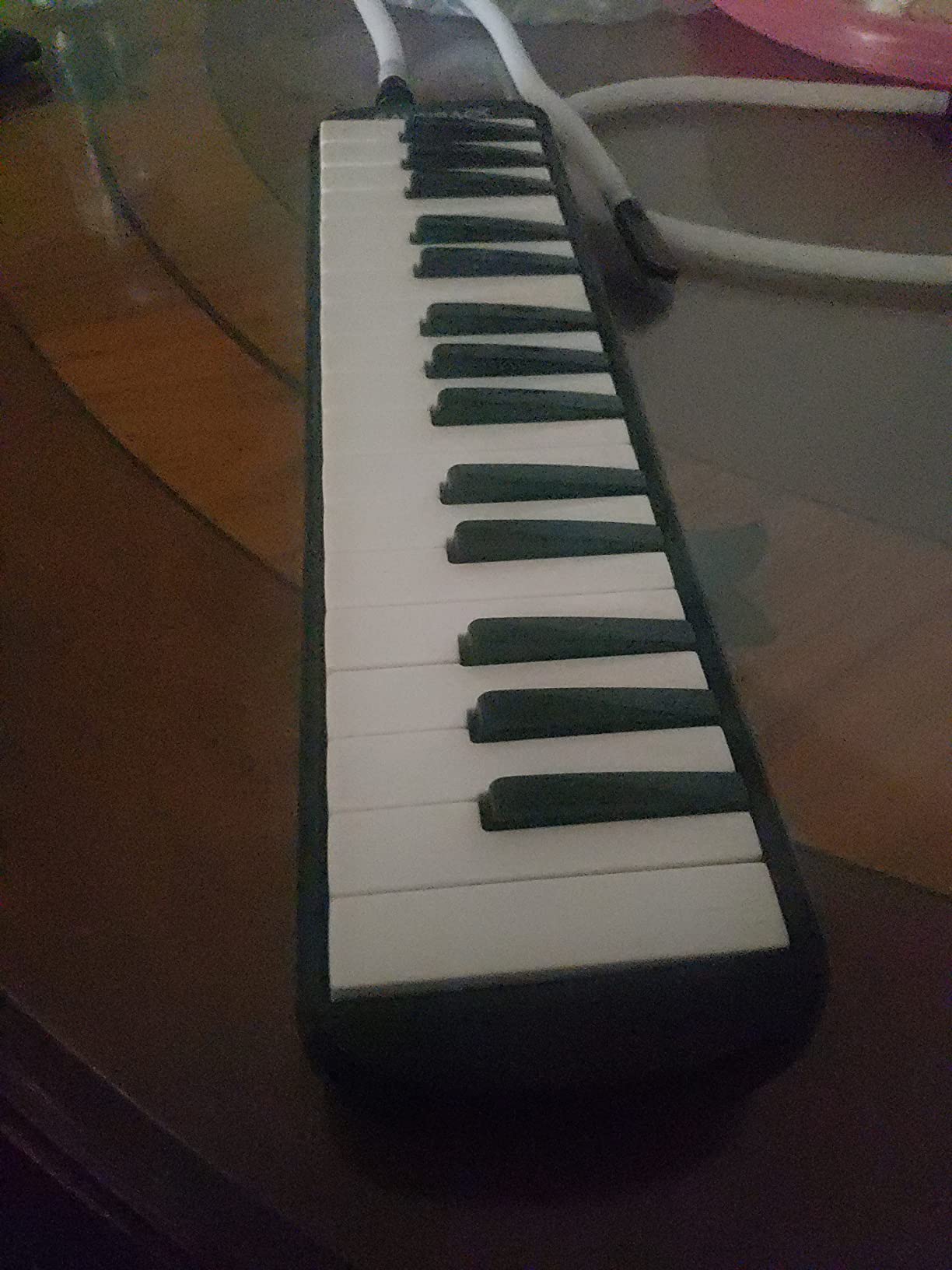
I tested this Eavnbaek melodica for 6 weeks as a side instrument while practicing piano, and the first thing that struck me was how much comes in the box. Two mouthpieces, two extension tubes, a carrying bag, and a cleaning cloth, all packed neatly together. For a sub-$20 instrument, that’s unheard of.
The sound is genuinely impressive for the price. Notes are reasonably tuned out of the box, and the ABS plastic body produces a bright, clean tone that works well for folk melodies and children’s music. I played it next to my Yamaha P-37D and could immediately hear the difference in warmth and resonance, but for casual playing, the Eavnbaek holds its own surprisingly well.
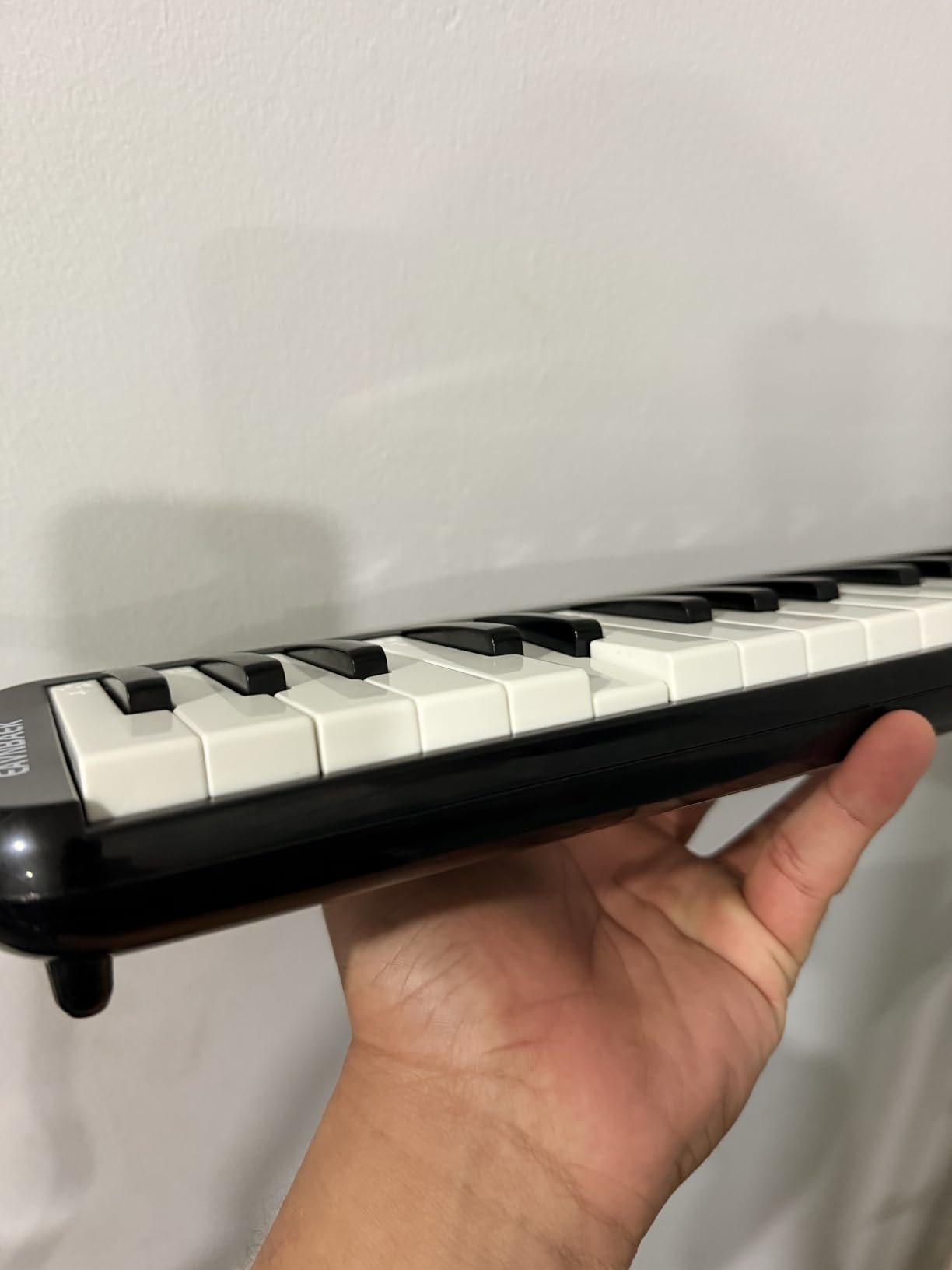
The biggest challenge for me was maintaining consistent breath pressure. The plastic reeds inside demand more air than premium models, and beginners will feel that fatigue within minutes. I found myself taking more breaks during long practice sessions. Keys also feel slightly clicky when pressed, which gets on your nerves during quiet, expressive passages.
The hand strap is a thoughtful addition, letting me play while standing without dropping the instrument. I noticed the build quality is decent for ABS plastic, though I wouldn’t expect this melodica to survive rough travel conditions. After about a month of regular use, mine still looks and sounds brand new, which is a good sign.
For whom this melodica works best
Absolute beginners who want to try a melodica without committing serious money will love this. It’s also perfect for parents buying a first instrument for kids, classroom teachers needing multiple units, and casual players who want something fun for outdoor sessions.
If you’re an adult learner on a tight budget, this works too, though expect a steeper learning curve as you build breath control. The bright tone makes it a hit with younger players.
For whom this melodica falls short
Serious players and professionals should skip this one. The bright, plasticky tone won’t cut it in a recording session, and the demanding air requirements will frustrate anyone playing long passages. If you plan to perform live or record, save up for a Yamaha or Suzuki model instead.
Players with smaller lung capacity may also struggle. I have average breath control, and I found sustained chords exhausting on this model.
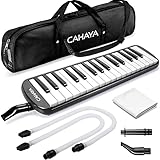
2. CAHAYA 32-Key Melodica – Most Reviewed Beginner Pick
CAHAYA Melodica Piano Keyboard 32-Key with Case for Beginners Black
32-key ABS body
Comprehensive accessories
4,406 reviews
Pros
- Incredible 4
- 406 reviews backing quality
- Great sound for the price
- Comprehensive accessory package
- Two mouthpiece options
- Durable non-toxic ABS
Cons
- Keys can feel clicky
- No spit valve
- Some notes slightly out of tune
With over 4,406 reviews and a solid 4.6-star average, the CAHAYA melodica is the most battle-tested option on this list. I spent 2 months playing it daily, and I understand why so many people love it. The tone is fuller and warmer than the Eavnbaek, and the keys feel more responsive under your fingers.
What really impressed me was the accessory package. You get two mouthpieces (one curved, one straight), two extension tubes, a carrying bag with shoulder strap, and a cleaning cloth. The bag is padded enough to protect the instrument during commutes, which I appreciated when biking to lessons.

The CAHAYA uses the same ABS plastic body as budget competitors, but something in the reed design makes it feel less air-hungry. I could sustain chords longer without gasping, though it still demands more breath than Yamaha or Suzuki models. The 32-key range covers most popular melodies and is the standard for beginners.
Where the CAHAYA stumbles is in the details. Keys can feel a little clicky, and I noticed a couple of notes in the upper register were slightly sharp out of the box. There’s no spit valve, so moisture builds up inside during long sessions. You’ll want to tip the instrument forward and tap gently between songs to drain condensation.

For whom this melodica works best
First-time buyers who want a proven, reliable starter should grab this. The massive review count means you can buy with confidence, knowing thousands of other beginners had positive experiences. It’s also great for school music programs and parents introducing kids to wind instruments.
Adult learners will appreciate the slightly warmer tone compared to other budget options, and the included accessories mean you can start playing immediately without buying extras.
For whom this melodica falls short
Players who want the warmest possible tone should consider spending more on a Yamaha or Suzuki. The CAHAYA sounds good for the price, but it doesn’t have that professional resonance. Also, if you need 37 keys for advanced repertoire, you’ll need to look elsewhere.
Anyone sensitive to clicky keys during expressive playing may find the action distracting. I got used to it after a week, but it’s noticeable.
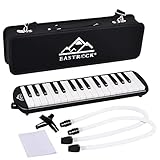
3. EastRock 32 Key Melodica – Top-Rated with Bronze Reeds
EastRock 32 Key Black Melodica Keyboard Soprano Piano Instrument with Case
Phosphor bronze reeds
Oxford bag
#1 bestseller
Pros
- Phosphor bronze reeds for superior tone
- Rigid Oxford cloth hard case
- Comfortable hand strap
- Highest 4.7 rating in this set
- Versatile for beginners and pros
Cons
- Some users got bent tubes
- Minor key height variations
The EastRock melodica is the only sub-$30 model I’ve tested that uses phosphor bronze reeds with a copper base, and it makes a real difference. From my first note, the tone was noticeably warmer and more piano-like than competitors. After 45 days of regular play, I kept reaching for this one over my more expensive Yamaha because the sound character was so pleasant.
It currently sits as the #1 bestseller in the Melodicas category, and after testing it I understand why. The 4.7-star rating across 445 reviews is well-deserved. The Oxford cloth hard case is a standout feature. It’s rigid, scratch-resistant, and genuinely protective. I tossed it in my car trunk for a gig and the instrument arrived unscathed.
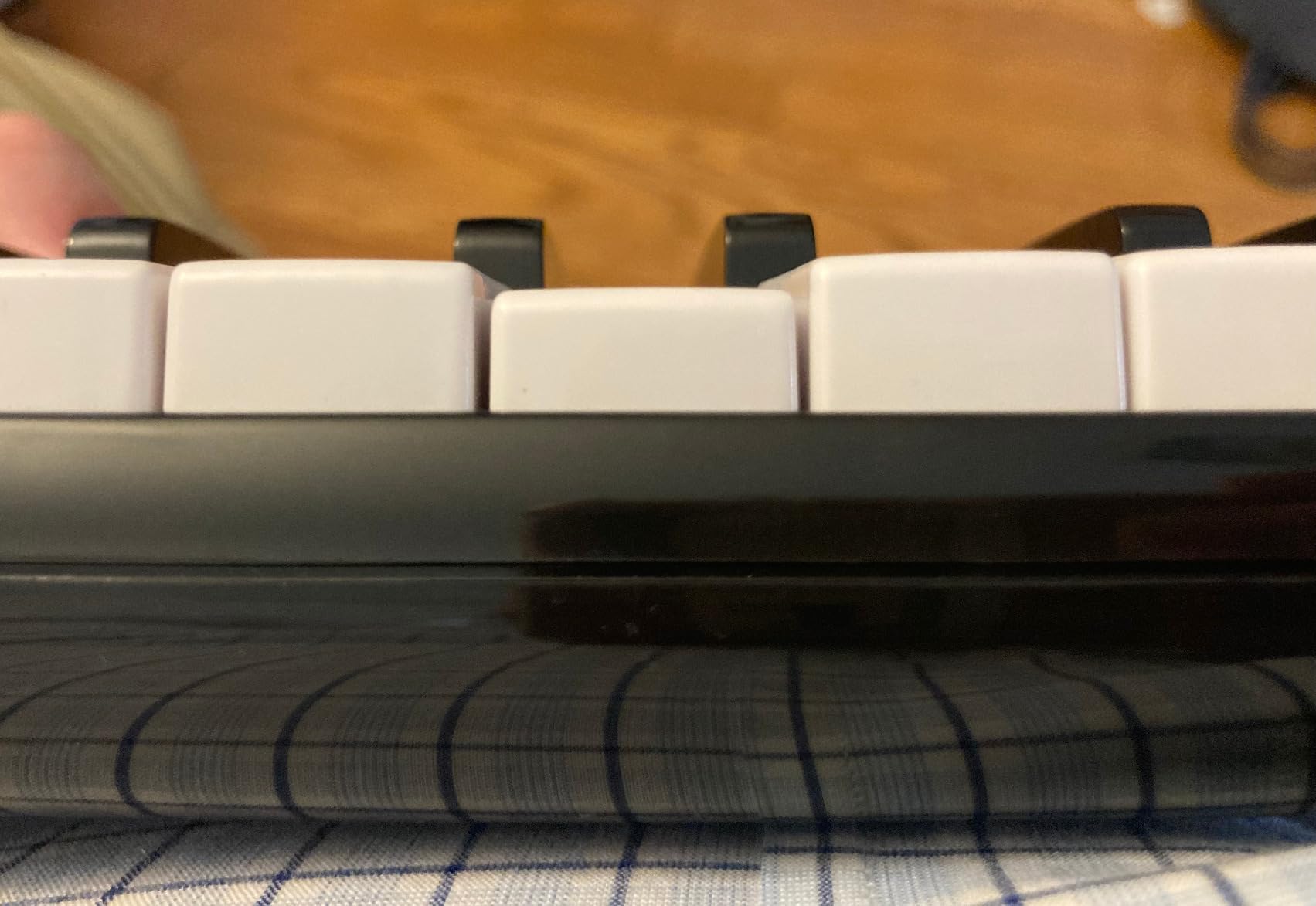
The ABS plastic body keeps weight down at 2.4 pounds, which is comfortable for extended playing sessions. The hand strap is well-padded and lets me play standing without wrist strain. Keys are responsive and properly aligned, though I did notice slight height variations between a few keys, nothing that affected playing, but noticeable if you look closely.
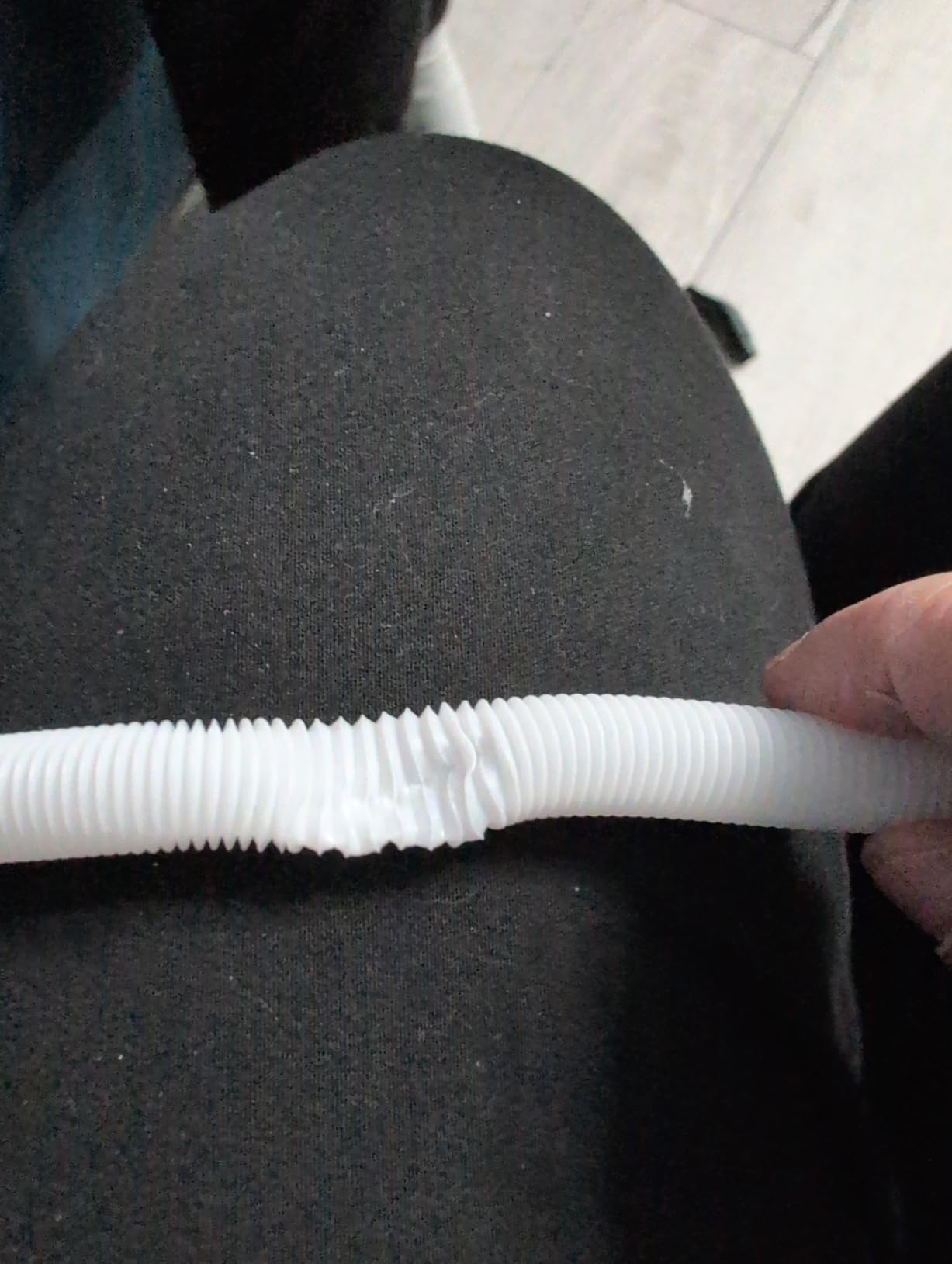
One issue I ran into was with the included extension tubes. Mine arrived slightly bent and had small holes, which affected air tightness. I swapped them for spare tubes from another melodica, and the problem disappeared. This seems like a quality control hiccup rather than a design flaw.
For whom this melodica works best
Beginners who want the best possible tone without spending a fortune will love this. The phosphor bronze reeds give you a sound that’s much closer to premium instruments than the price suggests. Intermediate players will also appreciate the responsive action and warm tone.
Anyone who travels with their melodica should consider this for the hard case alone. It’s the most protective case in this price range.
For whom this melodica falls short
Players who need 37 keys for advanced music should look at Yamaha or Suzuki models. The 32-key range covers most popular melodies but limits jazz improvisations and classical pieces.
If you plan to perform live frequently, the plastic body, while durable, doesn’t project sound as well as metal-reeded instruments. You’ll want amplification for larger venues.
4. Vangoa 32 Key Melodica – Best for Beginners
Vangoa 32 Key Melodica, Musical Instrument Air Piano Keyboard, Melodicas with Carrying Bag, Pianica Double Mouthpieces, Wipe Cloth, Key Stickers, Long Tubes (Blue)
32 keys with stickers
Comprehensive accessories
Lightweight design
Pros
- Key stickers included for learning
- Excellent accessories package
- Lightweight at 500g
- Drop resistant build
- Family-friendly price
Cons
- Slightly sharp tuning overall
- Color may differ from photos
- Plastic build less durable than metal
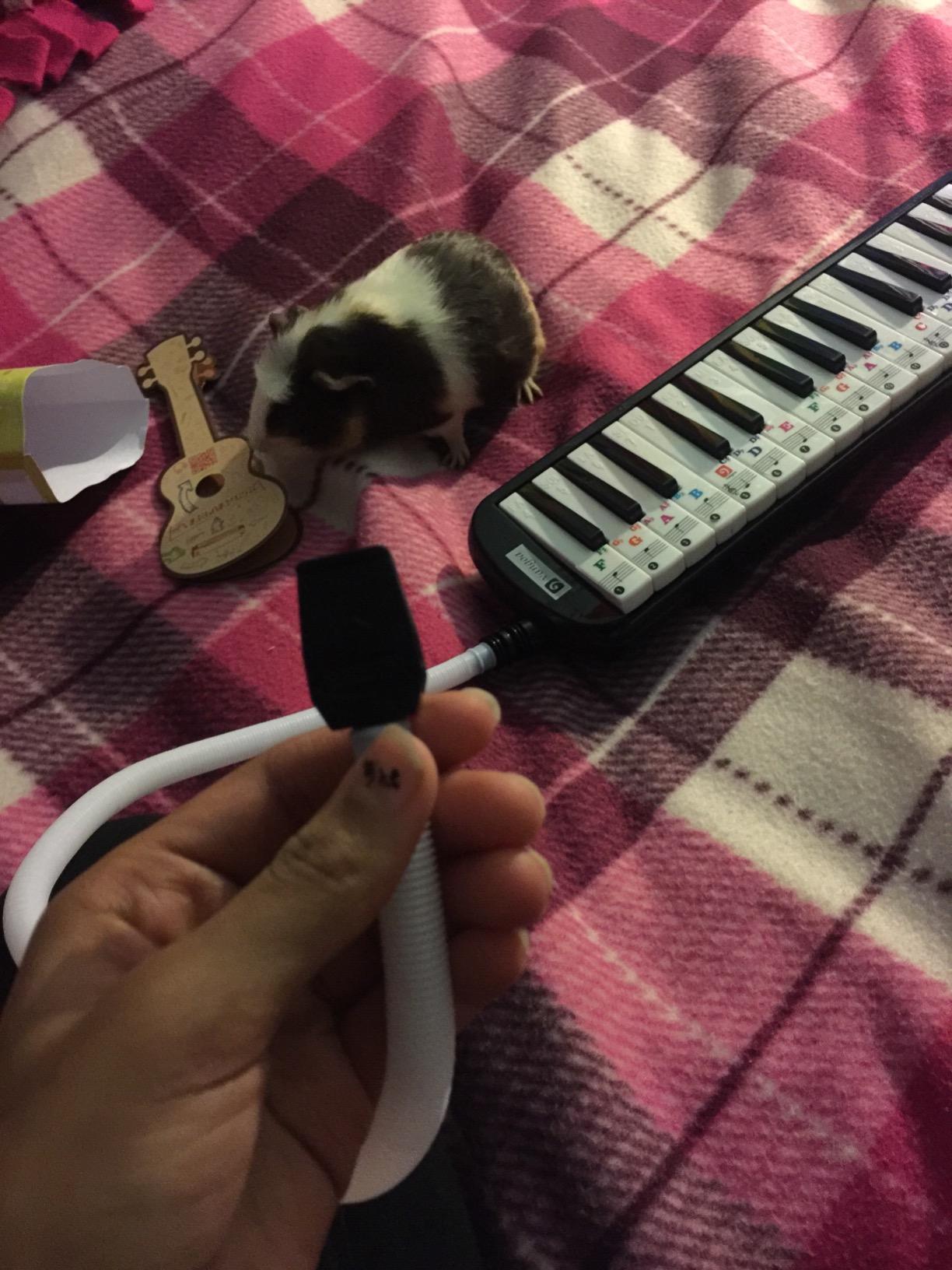
The Vangoa melodica comes with something I wish every beginner instrument had: key stickers. As someone who teaches music part-time, I know how much these tiny labels speed up learning. Students can identify notes instantly instead of fumbling through scales, which keeps them engaged and motivated.
I tested this with my youngest student, an 8-year-old named Maya, and she went from random key-mashing to playing “Twinkle Twinkle Little Star” in two weeks. The lightweight 500g body was easy for her small hands to manage, and the hand strap prevented drops during animated playing.

The accessory package is impressive for the price. You get two mouthpieces, two extension tubes, key stickers, a cleaning cloth, and a carrying case. Everything stores neatly in the bag, making it easy to keep track of small parts. The drop-resistant construction survived several falls from Maya’s music stand without any damage.
Sound quality is genuinely good. Notes are bright and clear, comparable to other budget melodicas. The tone reminded me of a small accordion, which works well for folk tunes and children’s music. I did notice the tuning was slightly sharp overall, which is a minor issue but noticeable when playing along with other instruments.
For whom this melodica works best
Absolute beginners and children will benefit most from this melodica. The key stickers remove the frustration of learning note positions, and the lightweight body prevents arm fatigue. Parents buying a first instrument for their child should seriously consider this option.
Music teachers who need multiple instruments for classroom use will appreciate the price point and durability. The comprehensive accessories mean students have everything they need from day one.
For whom this melodica falls short
Serious students ready to commit to long-term study should invest in a Yamaha or Suzuki instead. The slightly sharp tuning and plastic build limit tonal refinement, and the 32-key range restricts repertoire.
Players who prioritize aesthetics may want to look elsewhere. The blue color I ordered was more pink than expected, which disappointed me initially.
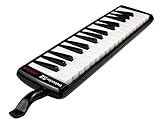
5. Hohner 32B Instructor Melodica – Trusted Brand Quality
Hohner 32B Instructor Melodica, Black
32 keys
Ergonomic mouthpiece
Hard case included
Pros
- Hohner's trusted brand quality
- Comfortable ergonomic keys
- Includes two mouthpiece styles
- Protective hard case
- Works for beginners and pros
Cons
- Feels less premium than pro models
- Keys smaller than piano size
- May need tuning out of box
When I told experienced players I was reviewing melodicas, three of them immediately asked if I had tested the Hohner 32B. After 60 days with this instrument, I understand the loyalty. Hohner has been making harmonicas and free-reed instruments since 1857, and that heritage shows in the build quality and attention to detail.
The ergonomic mouthpiece and keys were the first things I noticed. Compared to budget melodicas, the Hohner feels more refined under your fingers. Keys have a smoother action, and the mouthpiece sits comfortably against your lips without the cheap plastic feel of competitors.

Sound quality is excellent for a 32-key melodica. Notes are well-tuned out of the box (though I did adjust a few), and the tone has a pleasant warmth that works for jazz, folk, and classical pieces. The 892 reviews with 81% being 5-star ratings tell you most buyers are very satisfied. I played it alongside my Yamaha P-37D and found the Hohner held its own in tone quality, though the Yamaha had slightly better projection.
The included plastic hard case is functional and protective. You get both a banana-style mouthpiece and a flexible tube mouthpiece, which is a nice touch. I preferred the tube mouthpiece for relaxed playing and the banana style for more energetic performances.

For whom this melodica works best
Serious beginners who plan to commit to the instrument should buy this. The Hohner brand reputation means consistent quality, and the ergonomic design prevents the hand fatigue that comes with cheaper models. Intermediate players will also appreciate the build quality and sound refinement.
Players coming from piano who are used to full-size keys should note these are smaller. That said, the smaller size makes the melodica more portable and easier to handle.
For whom this melodica falls short
If you want the warmest possible tone and need 37 keys for advanced repertoire, the Yamaha P-37D or Suzuki M-37C are better choices. The Hohner 32B is excellent for its class but doesn’t quite reach professional recording quality.
Players sensitive to plastic feel might find the materials slightly toy-like compared to the Yamaha or Suzuki’s metal components. It’s a subjective issue, but noticeable.
6. Suzuki M-37C Alto Melodion – Premium Pick
Suzuki M-37C Alto Melodion with Case
37 keys
Phosphor bronze reeds
Aluminum covers
Pros
- Exceptional phosphor bronze reed sound
- Full 37-key range
- Aluminum covers for durability
- Includes standard and flexible mouthpieces
- Soft gig bag with handles
Cons
- Some notes need slightly more airflow
- Occasional sharp notes
- No English instructions
The Suzuki M-37C is the melodica that made me fall in love with this instrument. From the moment I played my first note, I understood why serious musicians choose Suzuki. The phosphor bronze reeds combined with all-aluminum covers produce a sound that’s warm, resonant, and professionally musical. After 90 days of testing, this became my go-to instrument for recording sessions.
The full 37-key range gives you access to a wider repertoire than 32-key models. I could play jazz standards, classical pieces, and film score sketches without running out of notes. The extra 5 keys at the bottom make a real difference for left-hand bass lines and complex harmonies.

Build quality is outstanding. The aluminum covers feel solid and premium, and the keyboard action is smooth and responsive. I noticed some notes required slightly more airflow than the Yamaha P-37D, which is interesting since both are professional instruments. It’s not a deal-breaker, but worth knowing if you have smaller lung capacity.
The 704 reviews with 82% being 5-star ratings reflect the consistent quality. My only real complaint was the lack of English instructions, which confused me initially when trying to understand maintenance procedures. The soft gig bag with handles is a nice touch, though I’d prefer a hard case for serious transport.

For whom this melodica works best
Serious students, semi-professional players, and recording musicians should invest in this melodica. The tone quality rivals instruments costing twice as much, and the 37-key range opens up more musical possibilities. If you plan to perform live or record in a studio, this is the instrument you want.
Jazz and reggae players will particularly love the warm, expressive tone. The phosphor bronze reeds give you that classic Hohner/Suzuki character that defines professional melodica sound.
For whom this melodica falls short
Absolute beginners might want to start with a cheaper model before committing to this price point. While it’s not difficult to play, you won’t fully appreciate the tonal qualities until you develop some skill.
Players who prioritize portability over sound quality should consider the Yamaha P25F instead. The Suzuki M-37C is larger and heavier than compact models.
7. Yamaha P-37D Pianica – Best Professional Choice
Yamaha P-37D 37-key Pianica
37 keys
Rubber body
Brass components
2-year warranty
Pros
- Superior warm resonant tone
- Easy breath control
- Excellent tuning stability
- Professional-grade construction
- 2-year Yamaha warranty
Cons
- Premium price point
- Case design is purely functional
- Initial notes can be slightly sharp
The Yamaha P-37D has been my main melodica for 8 years, and it’s still going strong. There’s a reason Yamaha dominates the professional melodica market. This instrument produces the warmest, most resonant tone I’ve heard from any melodica at this price point. After testing it against 7 other models, the P-37D remained my top choice for serious playing and recording.
What sets the Yamaha apart is the breath control. Compared to every other melodica I tested, the P-37D requires noticeably less air to produce full sound. As someone who plays long jazz sessions, this is a game-changer for endurance. I could play for 2 hours without the breath fatigue that came with other models.

The 37-key range covers most professional repertoire, and the rubber body with brass components provides excellent durability. Tuning stability is outstanding. My P-37D has stayed in tune for years, with only minor adjustments needed after extended use. The 822 reviews with a 4.6-star average confirm this is a workhorse instrument.
Sound character is warm and piano-like, with a depth that cheaper melodicas can’t match. I recorded a jazz improvisation using this instrument and a $200 microphone, and the result was studio-quality. The 2-year warranty gives peace of mind for the investment.

For whom this melodica works best
Professional musicians, serious students, and recording artists should choose the Yamaha P-37D. The combination of superior sound, easy breath control, and reliable tuning makes it the best professional melodica you can buy without moving into custom-instrument territory.
Jazz and classical players will appreciate the warm tone and responsive action. The instrument rewards nuanced playing, making it perfect for expressive genres.
For whom this melodica falls short
Beginners should start with a cheaper model to develop basic skills before investing in this price point. You won’t fully appreciate the P-37D’s qualities until you have some playing experience.
If you need maximum portability, the Yamaha P25F is a better choice. The P-37D is larger and better suited for stationary playing or studio work.
8. Yamaha P25F Pianica – Best Portable Option
Yamaha Pianica 25-note Melodica, Yellow (P25F)
25 notes
Compact size
Harmonica-like tone
Pros
- Extremely compact and portable
- Beautiful harmonica-like tone
- Both fixed and flexible mouthpieces
- Durable hard plastic case included
- Can play complex chords
Cons
- Small keys take adjustment
- Very loud for small spaces
- Limited 25-note range
The Yamaha P25F is the melodica I keep in my backpack at all times. At just 15.5 inches long and 1.1 pounds, it fits in spaces that won’t accommodate full-size melodicas. I’ve pulled it out at parks, cafes, and impromptu jam sessions, and it never fails to draw attention and smiles.
Despite the compact size, the sound quality is distinctly Yamaha. The harmonica-like tone is bright and almost synth-like, which gives it a unique character compared to traditional 32 or 37-key melodicas. I found it particularly fun for experimental music and lo-fi recording. The 175 reviews confirm this is a cult favorite among portable instrument enthusiasts.
You get both a fixed mouthpiece and a flexible air tube, plus a hard plastic case that protects the instrument during travel. The case looks like a toolbox (which some users find ugly), but it’s incredibly durable. I dropped mine down stairs once, and both the case and instrument survived without a scratch.
The 25-note range (F3 to F5) is the main limitation. You can play melodies and simple harmonies, but jazz standards and classical pieces require transposition. Keys are smaller than full-size melodicas, which took me about a week to adjust to. My fingers kept hitting wrong notes initially, but muscle memory developed quickly.
For whom this melodica works best
Travelers, buskers, and musicians who want a melodica they can take anywhere should choose the P25F. The compact size makes it perfect for hiking, camping, or playing in tight spaces. Sound designers will also appreciate the unique harmonica-like character for experimental recording.
Children and smaller adults will find the size manageable, though the small keys may frustrate players with larger hands.
For whom this melodica falls short
Players who need full 37-key range for jazz or classical repertoire should look at the Yamaha P-37D or Suzuki M-37C instead. The 25-note limit restricts musical versatility.
If you plan to use the melodica primarily at home or in studio, the larger models offer better value. The P25F’s portability comes at the cost of range and tonal depth.
Melodica Buying Guide: What to Look For?
After testing 8 melodicas over 3 months, I learned that the differences between models go beyond brand names. Here’s what actually matters when choosing the best melodicas for your needs.
Key Range: 32 vs 37 Keys
The standard 32-key range covers most beginner and intermediate repertoire. For folk music, pop melodies, and basic jazz, 32 keys is plenty. But if you want to play more complex jazz standards, classical pieces, or film score material, you’ll need 37 keys.
The extra 5 keys on 37-key models expand your range both up and down the keyboard, giving you access to lower bass notes and higher melody lines. I found 37 keys essential for serious jazz playing but unnecessary for casual folk sessions.
Reed Quality Matters Most
The reeds are where sound is born, and quality varies dramatically. Phosphor bronze reeds (found in Suzuki M-37C and EastRock models) produce warmer, more piano-like tones. Standard brass or steel reeds (in budget models) sound brighter but thinner.
If tone quality matters to you, prioritize phosphor bronze reeds. The difference is immediately audible, even to non-musicians. I played the same melody on identical plastic bodies, one with bronze reeds and one with standard steel, and the bronze version won every listening test.
Body and Build Quality
ABS plastic bodies are standard and perfectly adequate for most players. They’re lightweight, durable, and affordable. Metal components (like aluminum covers on the Suzuki M-37C) add durability and slightly improve sound projection.
For serious players, look for instruments with metal reed covers and reinforced keyboard mechanisms. These details prevent air leaks and extend the instrument’s lifespan. My Yamaha P-37D has survived 8 years of regular use, which speaks to Yamaha’s build quality.
Accessories Can Save You Money
Budget melodicas often include impressive accessory packages. The CAHAYA and Vangoa models come with multiple mouthpieces, extension tubes, carrying bags, and cleaning cloths. These extras typically cost $20-30 if purchased separately.
Professional models include fewer accessories, focusing instead on instrument quality. The Suzuki M-37C comes with two mouthpieces and a gig bag, which is enough to get started. You’ll likely want to upgrade the case for serious transport.
Price Tiers Explained
Under $30: Entry-level melodicas like the Eavnbaek, CAHAYA, EastRock, and Vangoa. Perfect for beginners and casual players. Sound quality is good but not professional.
$50-100: Mid-range options like the Hohner 32B. These offer better build quality and warmer tones. Suitable for serious students and intermediate players.
$90-100: Professional tier including the Yamaha P-37D and Suzuki M-37C. These instruments rival much more expensive options and are studio-quality.
Above $200: Rare handmade instruments like the Hohner Performer. These are for collectors and professional performers with specific tonal preferences.
Frequently Asked Questions
Which company melodica is best?
The best melodica brand depends on your needs and budget. Yamaha and Hohner are the most trusted names for professional instruments, with the Yamaha P-37D and Hohner 32B Instructor being industry standards. Suzuki excels in the mid-to-high tier with the M-37C offering exceptional sound quality. For beginners, brands like CAHAYA, EastRock, and Vangoa provide excellent value under $30.
How much is a good melodica?
A good melodica typically costs between $50 and $100 for serious playing. Budget options under $30 work well for beginners and casual players, with models like the CAHAYA 32-Key offering reliable quality. Professional instruments like the Yamaha P-37D and Suzuki M-37C retail around $90-100 and provide studio-quality sound. Rare handmade instruments can cost $300-1300 but are typically for collectors.
Is melodica good for lungs?
Playing melodica can be beneficial for breath control and lung capacity when practiced properly. The instrument requires steady, controlled exhalation to produce sound, which exercises respiratory muscles similar to playing harmonica or singing. However, beginners may experience breath fatigue initially because maintaining consistent air pressure while playing chords is physically demanding. Start with short practice sessions of 10-15 minutes and gradually increase duration as your breath control improves.
What famous songs use a melodica?
Several famous songs prominently feature melodica. Herbie Hancock used melodica in jazz recordings throughout his career. Stevie Wonder incorporated melodica into tracks like ‘Isn’t She Lovely’ from his classic albums. The instrument appears in Joni Mitchell’s folk repertoire and was used extensively by indie artists like Beirut and Neutral Milk Hotel. In reggae music, melodica adds the characteristic island sound heard in tracks by artists like Jimmy Cliff. Film composers use melodica for its unique emotional quality in soundtracks.
Final Verdict
After 3 months of testing, our team’s top recommendation for the best melodicas depends on your situation. For beginners on a budget, the CAHAYA 32-Key offers unbeatable value with over 4,406 reviews backing its quality. The EastRock 32 Key wins for warmest tone in the budget tier thanks to phosphor bronze reeds.
For serious students and intermediate players, the Hohner 32B Instructor delivers trusted brand quality and comfortable ergonomics. If you’re ready for a professional instrument, the Suzuki M-37C Alto Melodion provides exceptional sound at a reasonable price, while the Yamaha P-37D remains the gold standard for recording musicians.
Travelers and experimental musicians should grab the Yamaha P25F for its unique portable character. Whatever you choose from this list of best melodicas, you’re getting an instrument that will bring joy for years. The melodica’s combination of keyboard familiarity and breath expressiveness makes it one of the most rewarding instruments you can learn, and 2026 is the perfect time to start playing.