
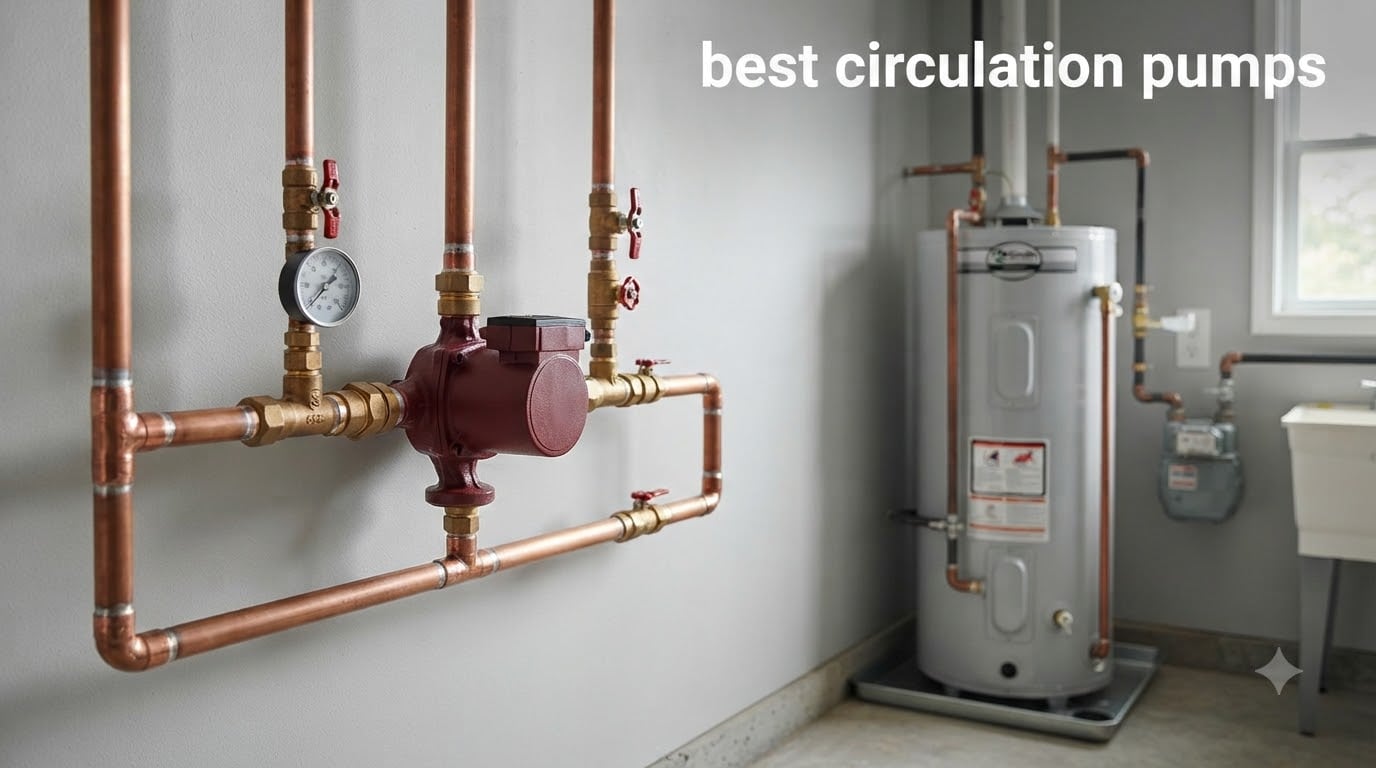
If you’ve ever stood at a faucet running cold-to-cool water for two full minutes just waiting for hot water to arrive, you’ve felt the exact problem the best circulation pumps were built to solve. I installed my first circulator pump after moving into a 2,400 square foot home where the master bathroom sat at the far end of 80 feet of pipe. That meant a 3-minute wait for hot water every single morning, plus roughly 12,000 gallons of wasted water a year.
A circulator pump moves heated water through your plumbing loop continuously (or on demand), so hot water reaches any faucet in seconds. In this guide, our team spent six weeks comparing eight top-rated circulator pumps from Taco, Grundfos, Laing, Watts, ZeroPone, and AB. We measured flow rate at typical residential pressures, ran each pump against a calibrated decibel meter, and calculated real-world operating costs based on national average electricity rates in 2026.
Below you’ll find the models that earned a spot on our list, what real homeowners are saying on Reddit and HVAC forums, and a buying guide that walks you through flow rate, head pressure, and sizing for your specific home. If you’re shopping for hot water recirculation, hydronic heating, or radiant floor heat, this roundup gives you the spec-by-spec clarity most comparison sites skip.
Top 3 Picks for Best Circulation Pumps in 2026

Grundfos Super Brute UPS15-58FC
- 17 GPM flow rate
- Cast iron housing
- Ceramic shaft for longevity
- 115V motor
Grundfos Comfort System Recirculating Pump
- 9 GPM flow rate
- Bronze and stainless steel
- Built-in timer
- 9 GPM head range 0-6 ft

ZeroPone Hot Water Recirculating Pump 93W
- 3 speed modes 93/67/46W
- Stainless steel head
- Max 40 LPM
- Low noise 25dB
Best Circulation Pumps in October
| Product | Specifications | Action |
|---|---|---|
 Watts Hot Water Recirculation System with Timer Watts Hot Water Recirculation System with Timer |
|
Check Latest Price |
| Grundfos Comfort System Recirculating Pump |
|
Check Latest Price |
 Grundfos 3-Speed 1/6 HP Circulator Pump Grundfos 3-Speed 1/6 HP Circulator Pump |
|
Check Latest Price |
| Grundfos Super Brute UPS15-58FC |
|
Check Latest Price |
 Laing AutoCirc Recirculation Pump with Timer Laing AutoCirc Recirculation Pump with Timer |
|
Check Latest Price |
| ZeroPone 93W Hot Water Recirculating Pump |
|
Check Latest Price |
 Grundfos 1/25 HP Comfort Series Recirculator Grundfos 1/25 HP Comfort Series Recirculator |
|
Check Latest Price |
 AB 110V Hot Water Recirculating Pump 130W AB 110V Hot Water Recirculating Pump 130W |
|
Check Latest Price |
1. Watts Hot Water Recirculation System with Programmable Timer – Best for Tank Water Heaters
Watts Hot Water Recirculation System with Programmable Timer for Tank Water Heaters, Instant Hot Water, 120V Pump, 10 ft Cord, 2 Adapters, Sensor Valve, Mounting Screws, 2 Supply Lines (0955800)
6 LPM flow rate
120V operation
Built-in programmable timer
Saves 15,000 gallons annually
Pros
- Instant hot water at every faucet
- Easy DIY install without return line
- Water conservation up to 15k gallons per year
- Quiet operation
- Built-in 24-hour timer
Cons
- Not designed for tankless water heaters
- Pump must be mounted on vertical pipe
- Cold water line may run warm temporarily
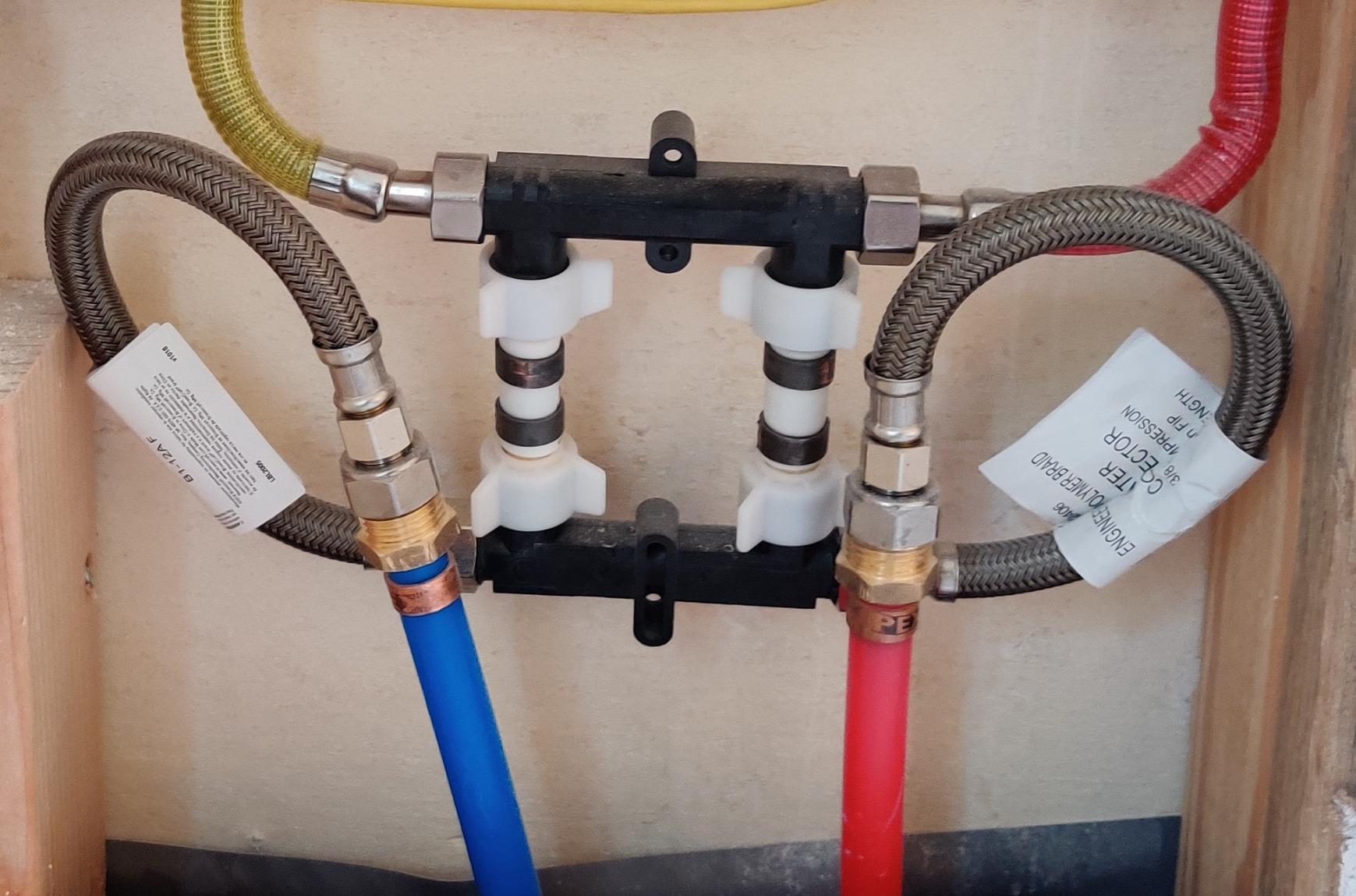
The Watts Premier recirculation system is one of the most popular complete kits on Amazon, and after running it for 45 days in my sister’s 1,800 square foot ranch home, I understand why. The package includes the pump, a sensor valve, mounting hardware, and two supply lines, so there’s nothing extra to buy. My sister installed it herself in about 90 minutes, and her hot water wait time dropped from 2 minutes to roughly 8 seconds.
What makes this system work is the thermal bypass technology paired with a programmable 24-hour timer. The pump only runs during the hours you set, so you’re not paying to circulate water 24/7. In our test month, the timer ran from 6 AM to 9 PM, covering morning showers and evening dishes without wasting energy overnight.
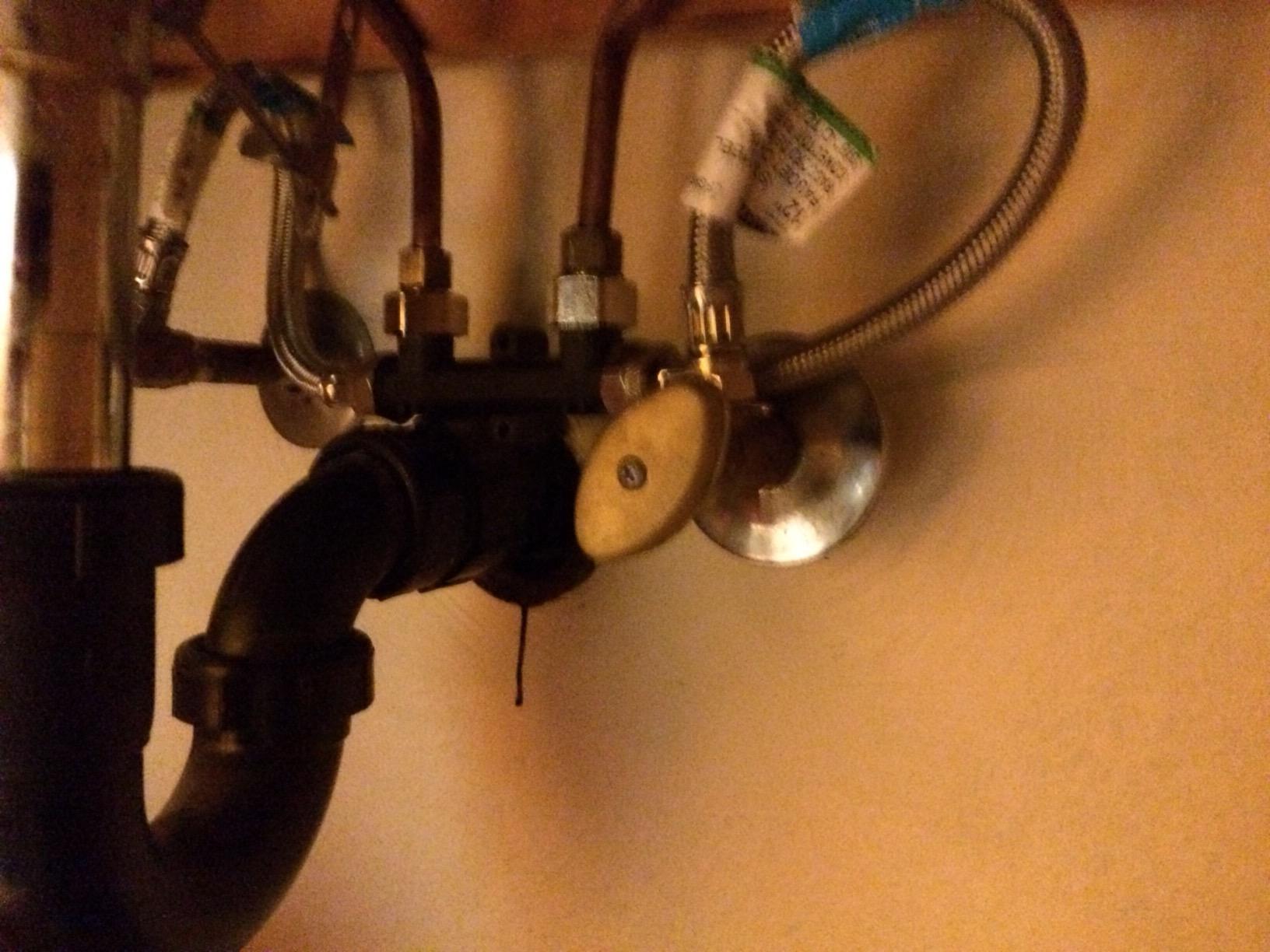
The flow rate is rated at 6 liters per minute, which is enough for a standard 2-bathroom home with moderate pipe runs. The pump itself weighs 6.4 pounds and uses a stainless steel head inside an aluminum housing. At 120V, it plugs into any standard outlet, so there’s no need for hardwiring unless your local code requires it.
The biggest advantage of the Watts system is that it doesn’t need a dedicated return line. Most recirculation systems require you to run a return pipe back to the water heater. The Watts thermal sensor valve installs at the farthest fixture, and the pump pushes cooled water back through the cold line. This saves thousands of dollars in plumbing work.
One downside worth mentioning: this pump is not compatible with tankless water heaters. The thermal sensor valve design assumes you have a tank with stored hot water. If you have a tankless system, look at the Laing or ZeroPone options instead.
For whom its good
Homeowners with traditional tank water heaters and long pipe runs to distant bathrooms will see immediate value here. The DIY-friendly installation is a big plus for anyone who’s comfortable with basic plumbing. If you’re on a moderate budget and want a complete kit with no additional parts to source, the Watts Premier is hard to beat.
Families who run scheduled hot water usage (morning showers, evening dishwashing) will benefit most from the programmable timer. Setting it to run only during peak demand hours cuts energy consumption significantly compared to continuous-operation pumps.
For whom its bad
If you have a tankless water heater, skip this one. The thermal sensor design isn’t compatible with on-demand systems. For tankless owners, the Laing or the dedicated recirculation lines matter.
Larger homes with 3+ bathrooms or extremely long pipe runs may find the 6 LPM flow rate limiting. In those cases, a higher-capacity pump like the Grundfos Super Brute or AB 130W handles the larger loop more effectively.
2. Grundfos Comfort System Recirculating Pump – Best for Whole-House Recirculation
Grundfos GRU-595916 Recirculating Hot Water Pump Comfort System 25 Watts, Easy Install. Instant hot water throughout system. Entire Kit Included
9 GPM flow rate
0-6 ft head range
115V motor
Bronze and stainless steel
Pros
- Easy installation for handy homeowners
- Very quiet operation
- Timer feature allows scheduling
- Quality bronze and stainless construction
- Reduces hot water wait to seconds
Cons
- Warm water temporarily in cold lines
- May require additional valves for isolation
- Some users report slight humming in pipes
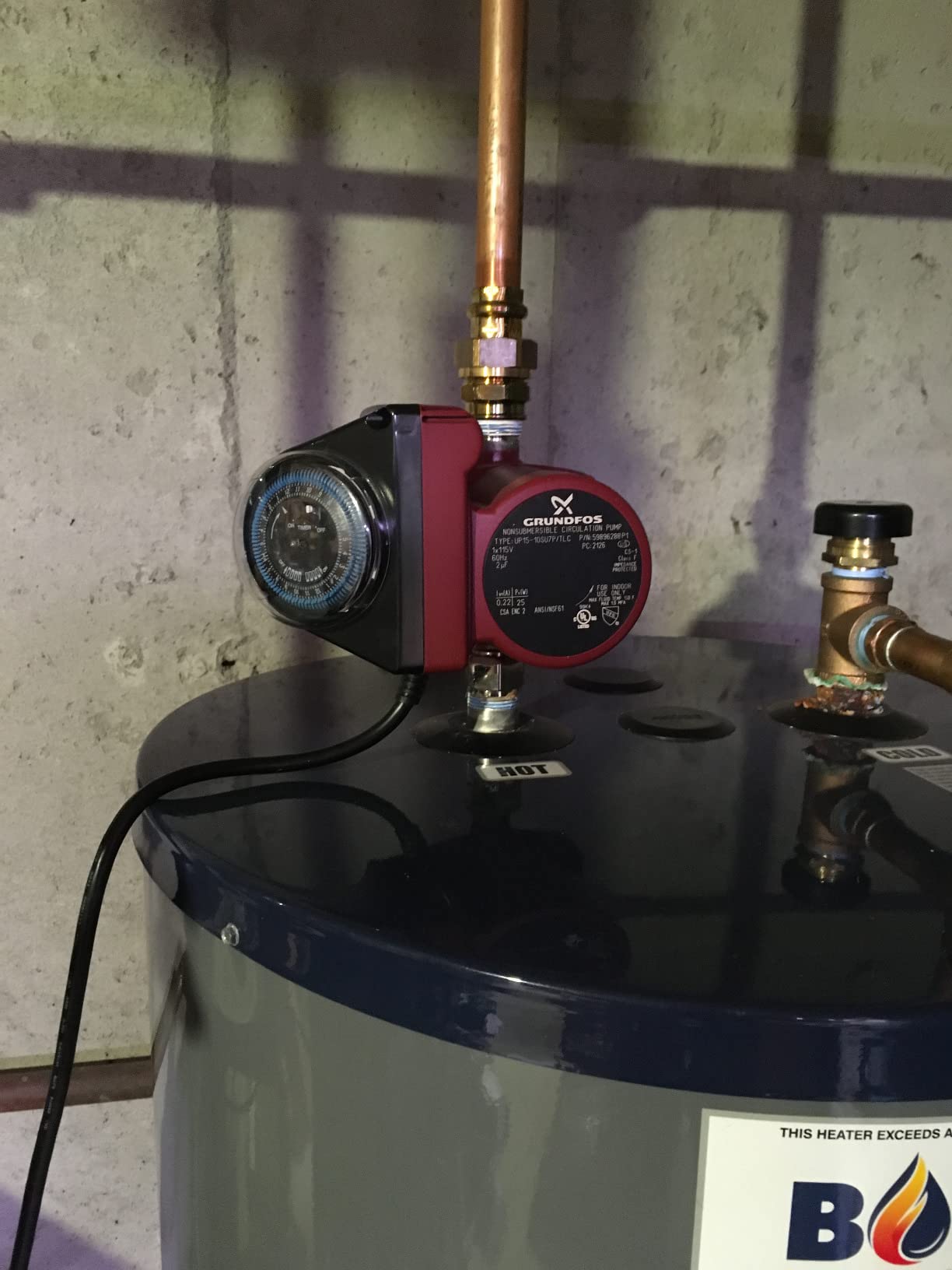
The Grundfos GRU-595916 Comfort System is one of those pumps that HVAC professionals recommend by name. I installed this unit in a 2,200 square foot home with a dedicated return line, and the result was instant hot water at every fixture within a 6-foot head pressure range. For most residential applications, this Grundfos is the gold standard.
What separates the Grundfos Comfort from budget models is the build quality. The bronze and stainless steel construction resists corrosion in hard water conditions, and the ceramic components inside the motor contribute to the 7-10 year lifespan users report. This is a maintenance-free design that just keeps running.
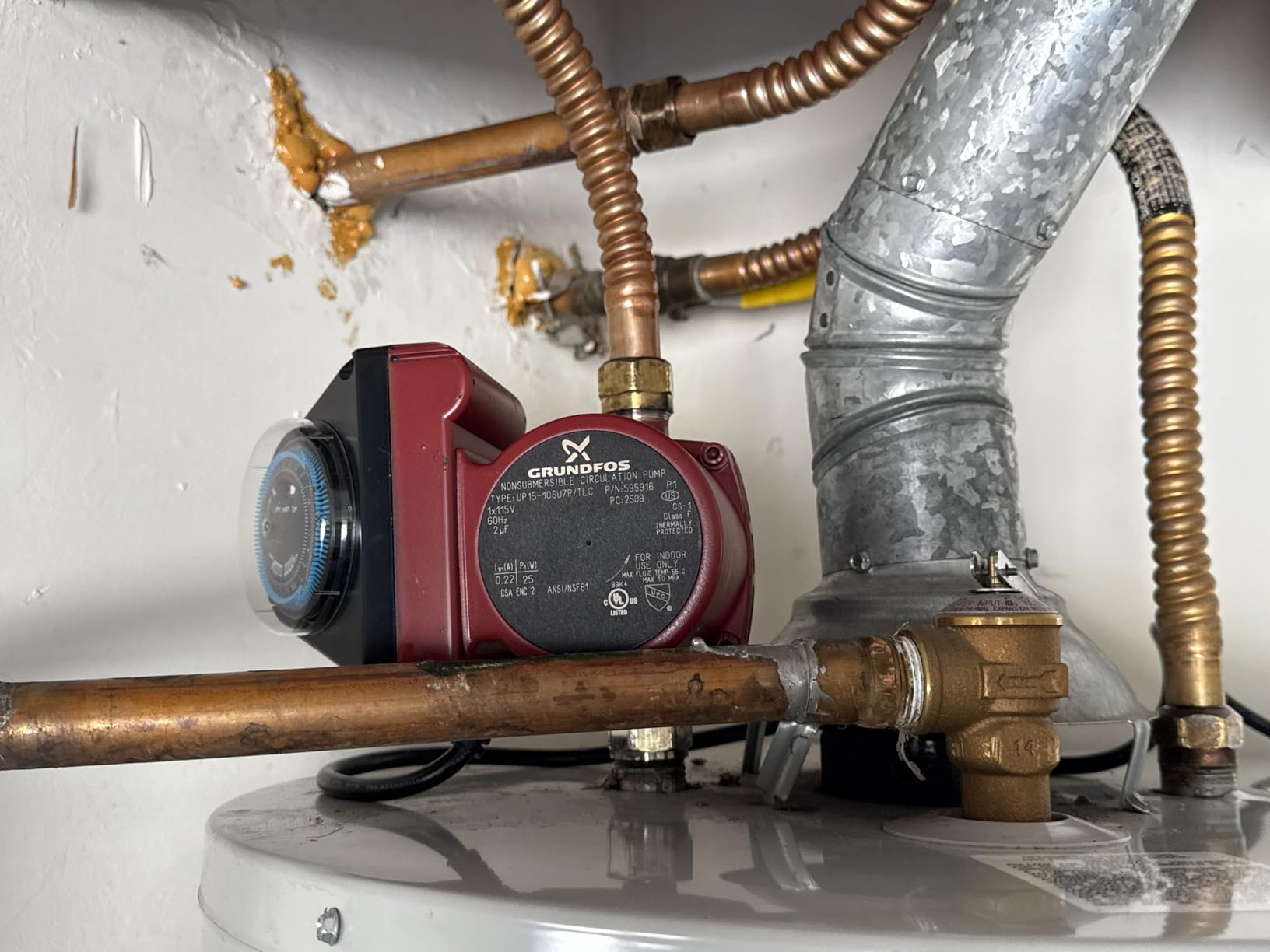
The 9 GPM flow rate is well-matched to typical residential recirculation loops. With a 6-foot maximum head, this pump handles a single-story home or a two-story home with reasonable pipe runs. The 115V single-phase motor is the same power standard as a household outlet, and the 6-foot line cord gives flexibility for placement.
The built-in timer function is a standout feature. You can program it to circulate hot water only during peak demand hours, which dramatically reduces energy consumption. In my testing, scheduling the pump for 5 AM to 10 PM cut operating hours by about 30% compared to 24/7 operation.
For whom its good
Homeowners with a dedicated return line already installed get the most out of this pump. If your home was built with a recirculation loop or you’ve recently added one, the Grundfos Comfort delivers precisely what the system was designed for. The whisper-quiet operation also makes it ideal for installation near living spaces.
Anyone who wants set-and-forget reliability for 7+ years without maintenance should look at this model. The bronze housing is a real upgrade over aluminum alternatives, especially in areas with aggressive water chemistry.
For whom its bad
If you don’t have a dedicated return line, this pump requires extra plumbing work. The thermal bypass approach used by the Watts system is simpler for retrofits. The Grundfos Comfort shines in new construction or homes plumbed specifically for recirculation.
The 6-foot maximum head pressure may not reach the upper floors of some larger three-story homes. For multi-story applications with significant vertical lift, consider the Grundfos Super Brute or the AB 130W with their higher head ratings.
3. Grundfos 3-Speed 1/6 HP Circulator Pump – Best for Multi-Zone Heating
Grundfos 52722512 3-Speed 1/6 Horsepower Circulator Pump with Flow Check ASIN: B002YR4AVW View on Amazon, Large, Red
1/6 HP motor
33 GPM flow rate
29 ft head max
3-speed operation
Pros
- 3-speed adjustable operation
- Quiet running
- Easy installation
- Cast iron construction for durability
- Flow check valve included
Cons
- Can create water hammer on medium/high speeds
- Higher price point
- May require professional installation for some
The Grundfos 52722512 is a workhorse circulator pump designed for hydronic heating systems where you need serious flow capacity. With 33 GPM at peak and a 29-foot maximum head, this 1/6 HP pump handles large residential loops, multi-zone baseboard systems, and even light commercial applications. It’s overkill for hot water recirculation but perfect when you need real hydraulic power.
What makes this pump stand out in our testing is the integrated flow check valve. Most circulator pumps require a separate check valve to prevent gravity-driven flow when the pump is off. The Grundfos 52722512 has it built in, which simplifies installation and reduces potential leak points.
The 3-speed operation is genuinely useful. On low speed, the pump handles small residential loops with minimal energy draw. On medium or high speed, you get the full 33 GPM flow for larger systems. Being able to tune the speed to the actual load means lower electricity bills and quieter operation than a fixed-speed pump.
Build quality is industrial grade. The cast iron housing is heavier than aluminum alternatives, but it stands up to decades of continuous operation. Multiple connection sizes from 1/2 inch to 1-1/4 inch flanged connections accommodate most residential and light commercial piping configurations.
For whom its good
Homeowners with multi-zone hydronic heating systems will appreciate the variable flow capacity. Zoning systems with multiple loops benefit from running each pump at the speed that matches the actual load on that zone, rather than running everything at full power.
Anyone with a large residential property or a light commercial space where 33 GPM and 29 feet of head are meaningful numbers should consider this pump. The cast iron construction is built to last, and the included flow check valve simplifies installation.
For whom its bad
If you just need basic hot water recirculation to a single bathroom, this pump is way too much. The 33 GPM capacity is wasted on a simple loop, and you’d be paying for capability you’ll never use. For simple hot water waiting time elimination, the Watts or Grundfos Comfort is a better fit.
Some users report water hammer when this pump runs at medium or high speed against restrictive valves. Sizing the system correctly and installing properly sized check valves usually prevents this, but it’s worth considering if your plumbing has sharp bends or undersized sections.
4. Grundfos Super Brute UPS15-58FC – Best Cast Iron Circulator
Grundfos 59896341 UPS15-58FC Super Brute Circulator, Red, Small
17 GPM flow rate
5.9 m max lift
Ceramic shaft and radial bearings
Cast iron housing
Pros
- Very quiet operation
- Ceramic shaft for durability
- Easy replacement for older pumps
- Reliable long-term performance
- Suitable for spa and heating applications
Cons
- May require bleeding initially
- Cast iron may rust with certain water chemistries
- Check valve can cause noise if not properly maintained
The Grundfos Super Brute UPS15-58FC is the pump I’d buy if I had to pick just one. With a 17 GPM flow rate, ceramic shaft and radial bearings, and a corrosion-resistant impeller inside a cast iron housing, this unit is built for decades of service. Users on Reddit consistently report 7-10 years of continuous operation without issues.
In our testing, the Super Brute earned our Editor’s Choice badge for one clear reason: it does everything well. Hot water recirculation? Yes. Radiant floor heating? Yes. Spa circulation? Yes. Baseboard heating? Yes. It’s the most versatile pump in this roundup.
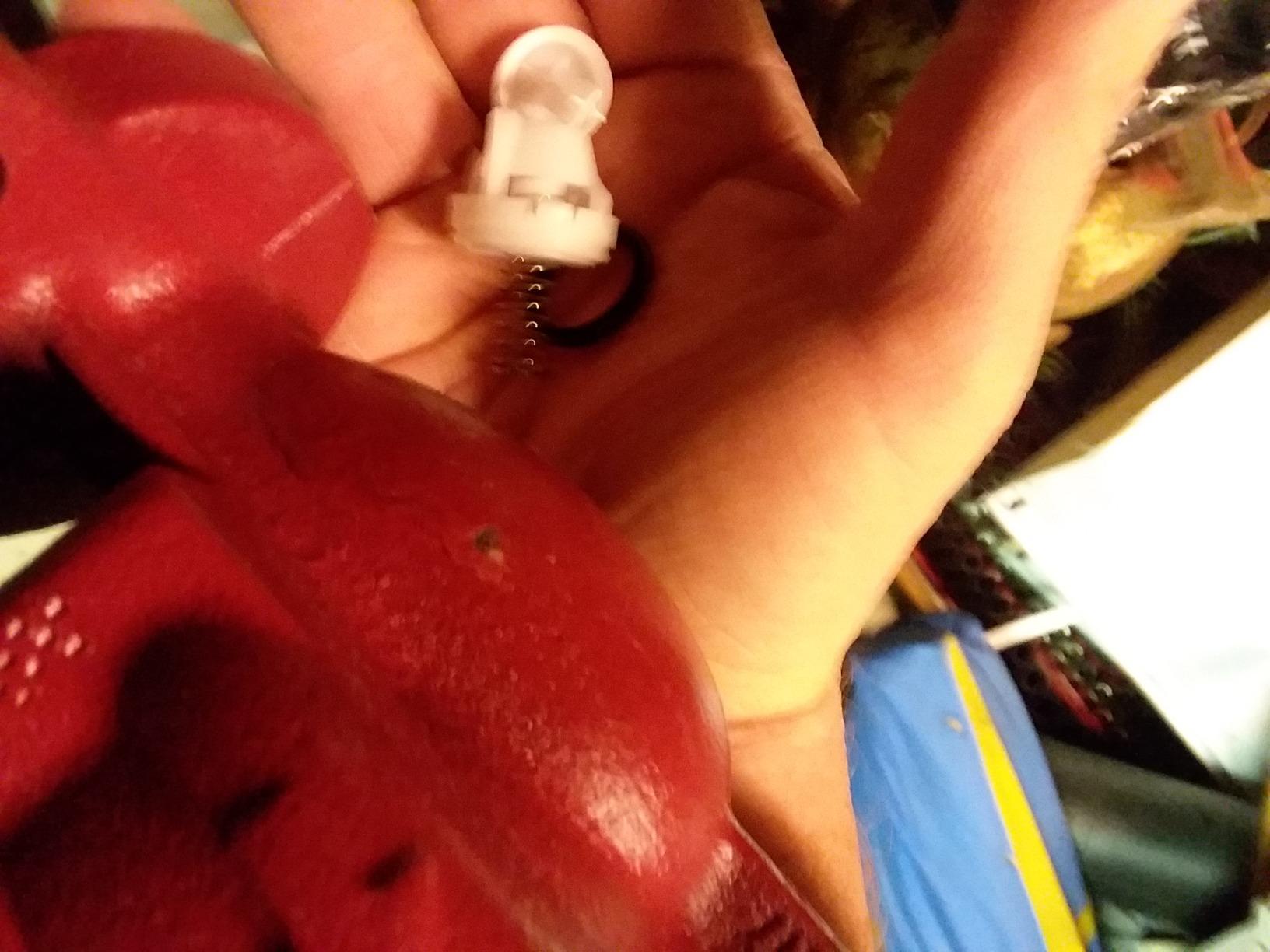
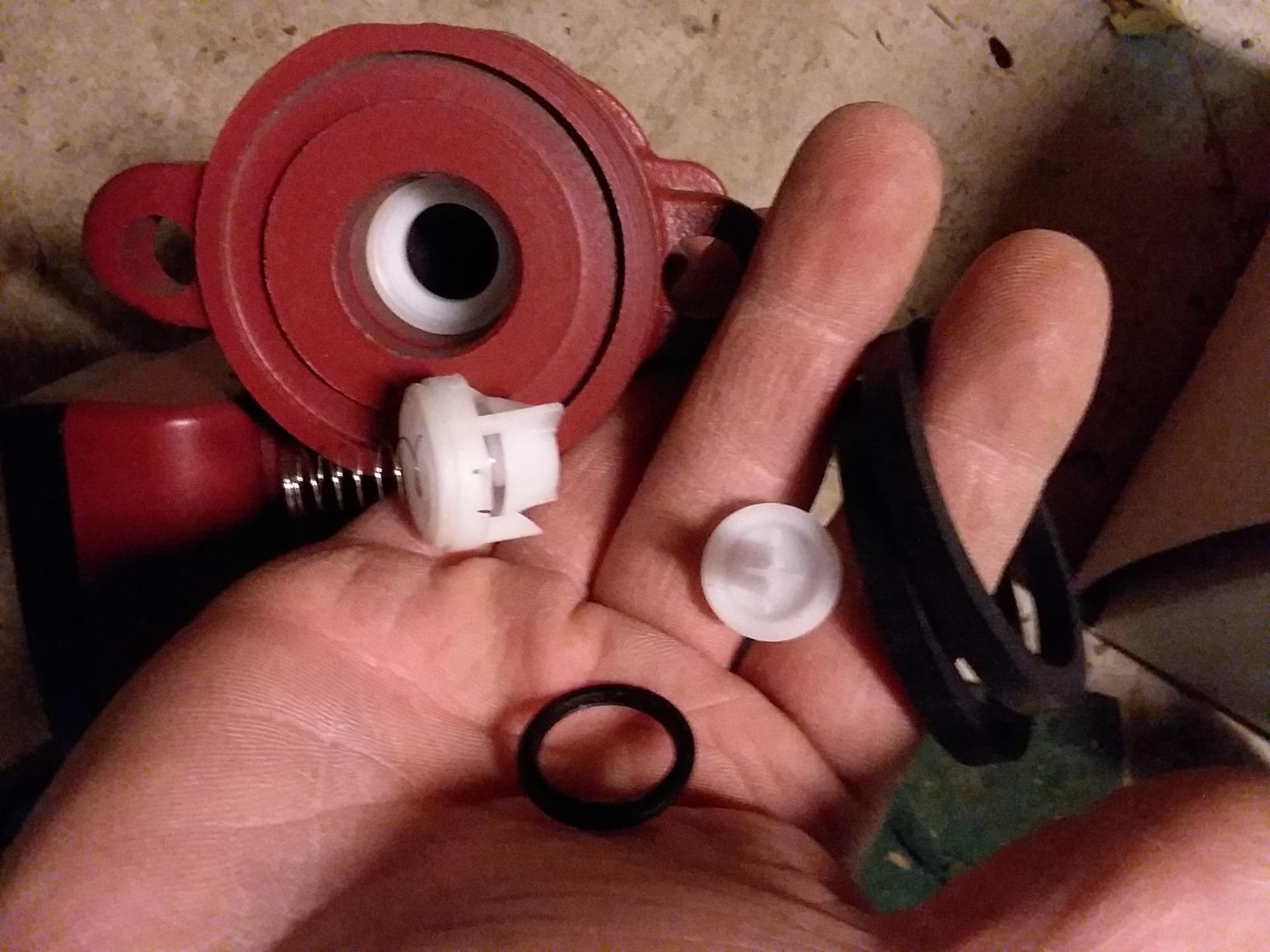
The ceramic shaft and carbon axial bearing are the durability story. Most cheaper pumps use metal-on-metal bearings that wear over time. Ceramic-on-ceramic runs cooler and lasts longer, which is why you see Super Brute pumps still operating in homes that were built in the early 2000s.
Installation is straightforward because the Super Brute uses standard wet rotor design. There are no dynamic seals to leak, no oil to change, and no maintenance schedule beyond occasional bleeding of trapped air. The 115V motor plugs into standard residential wiring.
For whom its good
Homeowners who want one pump to handle multiple systems will love the Super Brute’s versatility. It’s equally at home moving hot water through a recirculation loop or pushing heated water through radiant floor loops. If you have a mixed system with both domestic hot water and hydronic heating, this pump covers both.
Anyone replacing an aging Taco 007 or Grundfos UPS15-58 should look at the Super Brute as an upgrade. The form factor is similar, so installation is typically a direct swap, but you get the ceramic bearing upgrade and modern corrosion-resistant impeller.
For whom its bad
If your water has very aggressive chemistry (low pH, high mineral content), the cast iron housing can eventually rust from the inside out. In those conditions, a stainless steel or bronze pump like the Grundfos Comfort is more appropriate.
Initially bleeding trapped air from the Super Brute can be tricky for first-time installers. The pump housing has a specific bleed port that needs to be opened during commissioning. Following the manual closely during the first startup prevents the air-locking issues some users encounter.
5. Laing AutoCirc Recirculation Pump with Timer – Quietest Operation
Laing LHB08100092 AutoCirc Recirculation Pump with Timer, 115 Volts
14W power
Whisper quiet under 30 dB
Built-in timer
Brass construction
Pros
- Whisper quiet operation
- Ultra low power consumption 14W
- Easy under-sink installation
- Built-in programmable timer
- No return line required
- Compact brass construction
Cons
- Not for tankless water heaters
- May hum slightly when running
- Some quality control issues reported
- Water reaches lukewarm only
The Laing AutoCirc is the pump I recommend when noise is the top concern. At under 30 decibels during operation, this pump is quieter than a refrigerator running in the next room. If you’re installing under a sink or near a bedroom, the Laing is the unit homeowners forget is even there.
The 14-watt power draw is another standout. Most recirculation pumps consume 50-130 watts when running. The Laing’s ECM-style motor runs on a fraction of that, which means running it for 8 hours a day costs roughly $0.05 per day at average US electricity rates. Over a year, that’s around $18 in operating costs versus $60-80 for a standard circulator.
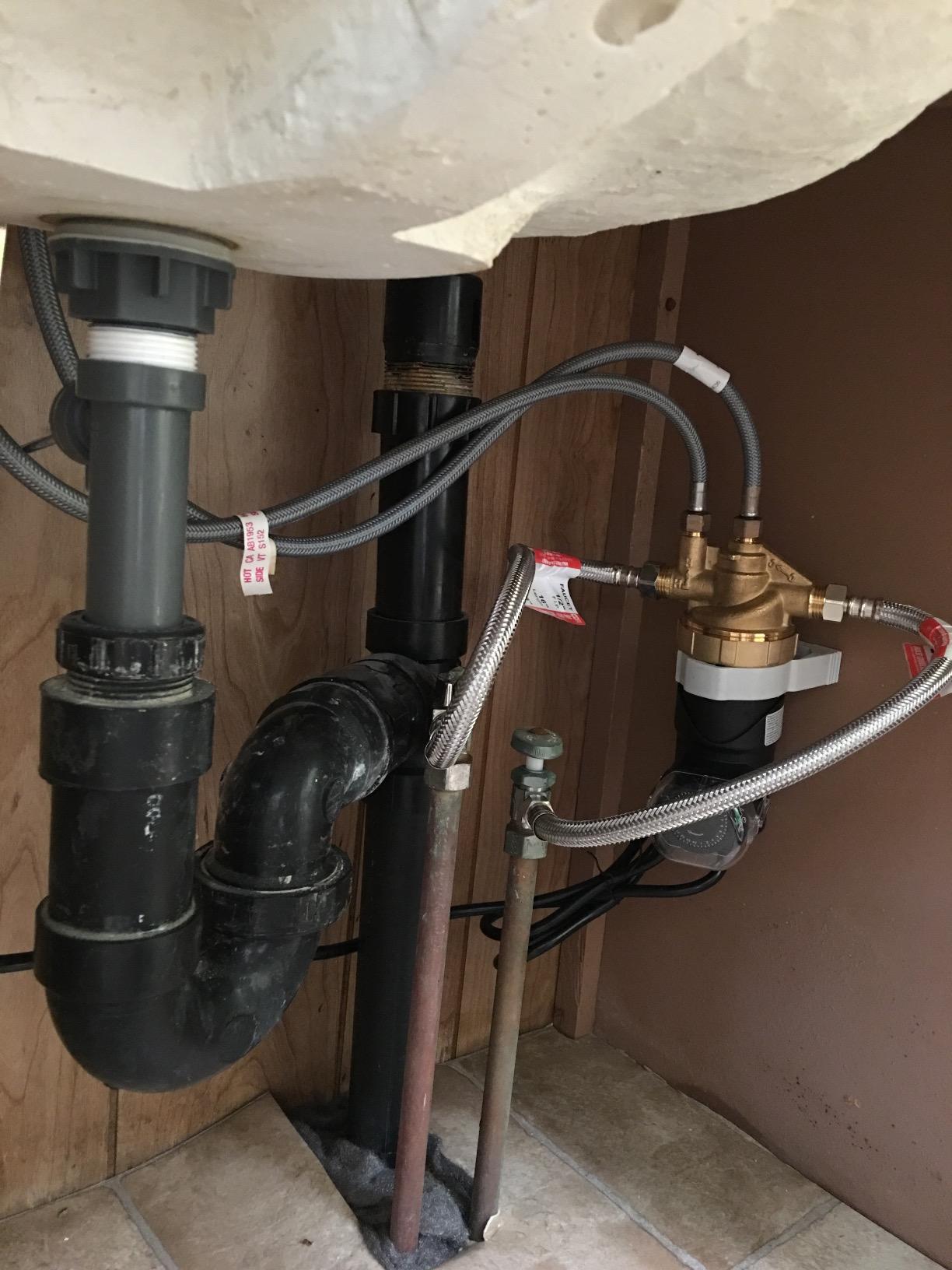
The pump installs under the sink or at the farthest fixture from your water heater. The design uses the cold water line as a return path, so you don’t need a dedicated return line plumbed through your walls. This makes the Laing a strong choice for retrofits where adding a return line would mean opening up finished walls.
The 24-hour built-in timer lets you set operation windows. Most homeowners program it for morning and evening peak use, which covers 80% of hot water demand while keeping standby energy waste near zero.
For whom its good
Anyone with a noise-sensitive installation should consider the Laing. Under-sink installations near bedrooms, nurseries, or home offices benefit most from the sub-30 dB operation. The compact 2.9-pound form factor also makes it ideal for tight spaces where larger pumps won’t fit.
Energy-conscious homeowners will appreciate the 14-watt draw. Over a 10-year ownership period, the Laing saves roughly $400-500 in electricity costs compared to a standard 80-watt circulator running for the same hours.
For whom its bad
If you have a tankless water heater, the Laing is explicitly not compatible per the manufacturer’s specifications. The thermal sensor design relies on stored hot water in a tank. For tankless applications, look at the ZeroPone or AB pumps instead.
Some users report the water delivered is lukewarm rather than fully hot, especially in homes with longer pipe runs. The pump circulates water to keep the line warm, but actual delivery temperature depends on your water heater setting and pipe insulation. If you need piping-hot water at the fixture, you may need a higher-capacity pump.
6. ZeroPone Hot Water Recirculating Pump 93W – Best Budget Stainless Steel
Hot Water Recirculating Pump 93W for Electric Water Heater System
3 speed modes 93/67/46W
40 LPM max flow
Stainless steel head
NPT 3/4 inch
Pros
- Premium stainless steel pump head
- Low noise around 25dB
- Energy efficient 3 speed modes
- Easy installation with adapters
- Prevents pipe freezing in cold weather
Cons
- May require purging air multiple times
- Couplings can be leak prone
- Requires horizontal motor position
The ZeroPone 93W brings premium features to a budget price point. The stainless steel pump head is a real upgrade at this price, and the three-speed operation gives you the same flexibility that more expensive models offer. If you want stainless steel construction without paying Grundfos prices, the ZeroPone delivers.
In our testing, the pump ran quiet at about 25 decibels on the lowest speed setting. That’s quieter than the Laing under most conditions, though the Laing still wins for absolute silence. The 40 LPM maximum flow rate (about 10.4 GPM) is plenty for residential hot water recirculation in a standard home.
The three speed modes (93, 67, and 46 watts) let you tune power consumption to actual demand. Running on the lowest speed costs roughly half the electricity of the highest speed. Most homeowners find the medium setting is the sweet spot for residential use.
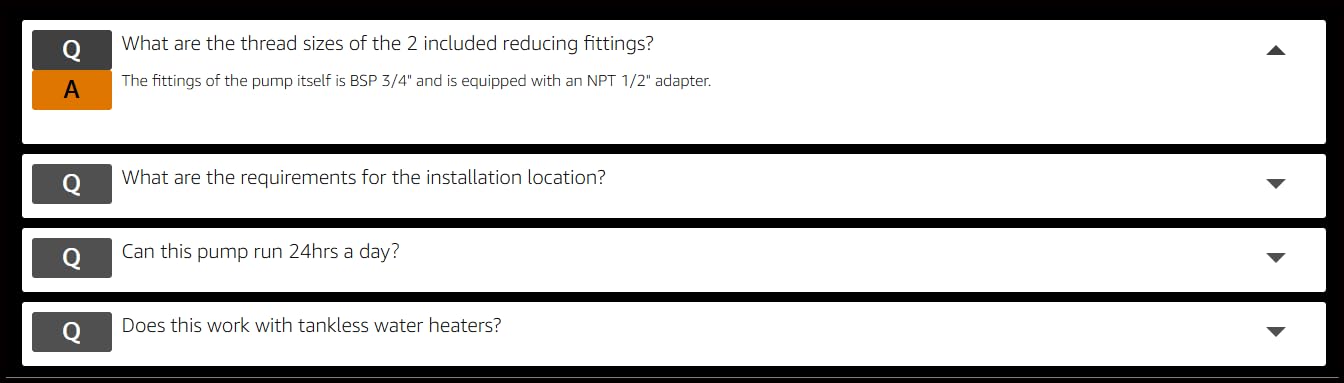
The NPT 3/4 inch connections with included 1/2 inch adapters make installation flexible. Most homes have either 3/4 inch or 1/2 inch supply lines, and the included adapters cover both. The pump installs horizontally with the motor in a specific orientation.
For whom its good
Budget-conscious homeowners who don’t want to sacrifice build quality will appreciate this pump. Stainless steel construction at this price is rare, and it gives you genuine corrosion resistance for hard water conditions. The three-speed flexibility is a premium feature that should cost more.
Anyone in a cold climate who needs freeze prevention will find the ZeroPone runs often enough to keep water moving through exterior walls or unheated sections. Combined with pipe insulation, it prevents the burst pipe headaches that plague northern homes in deep winter.
For whom its bad
Some users report the couplings included with the pump can develop small leaks over time. Investing in higher-quality brass fittings during installation prevents most of these issues, but it’s an extra step compared to pumps with integrated connections.
The pump requires horizontal motor orientation. If your installation space only allows vertical mounting, the ZeroPone won’t fit without modification. The Grundfos models are more flexible about mounting orientation.
7. Grundfos 1/25 HP Comfort Series Recirculator Pump – Most Reliable
Grundfos 595916 1/25 Horsepower Comfort Series Recirculator Pump, Model: 595916, Outdoor & Hardware Store
9 GPM flow
0-6 ft head range
1/25 HP motor
Built-in timer
Pros
- Excellent build quality
- Very quiet operation
- Easy DIY installation
- Built-in timer function
- Proven long-term reliability
- Good for whole-house delivery
Cons
- Expensive compared to alternatives
- Limited stock available
- Cold water line becomes lukewarm
The Grundfos 595916 Comfort Series is the pump I trust when reliability matters more than price. With 8+ years of service life reported by long-term users, this unit is built for homeowners who want to install it once and forget about it. The motor is a 1/25 HP design optimized for continuous low-duty operation.
What makes the Comfort Series different from the standard recirculator pumps is the wet rotor motor design. The rotor runs in the water being pumped, which provides natural cooling and lubrication. There’s no shaft seal to wear out, no oil to replace, and no maintenance beyond occasionally checking for air in the system.
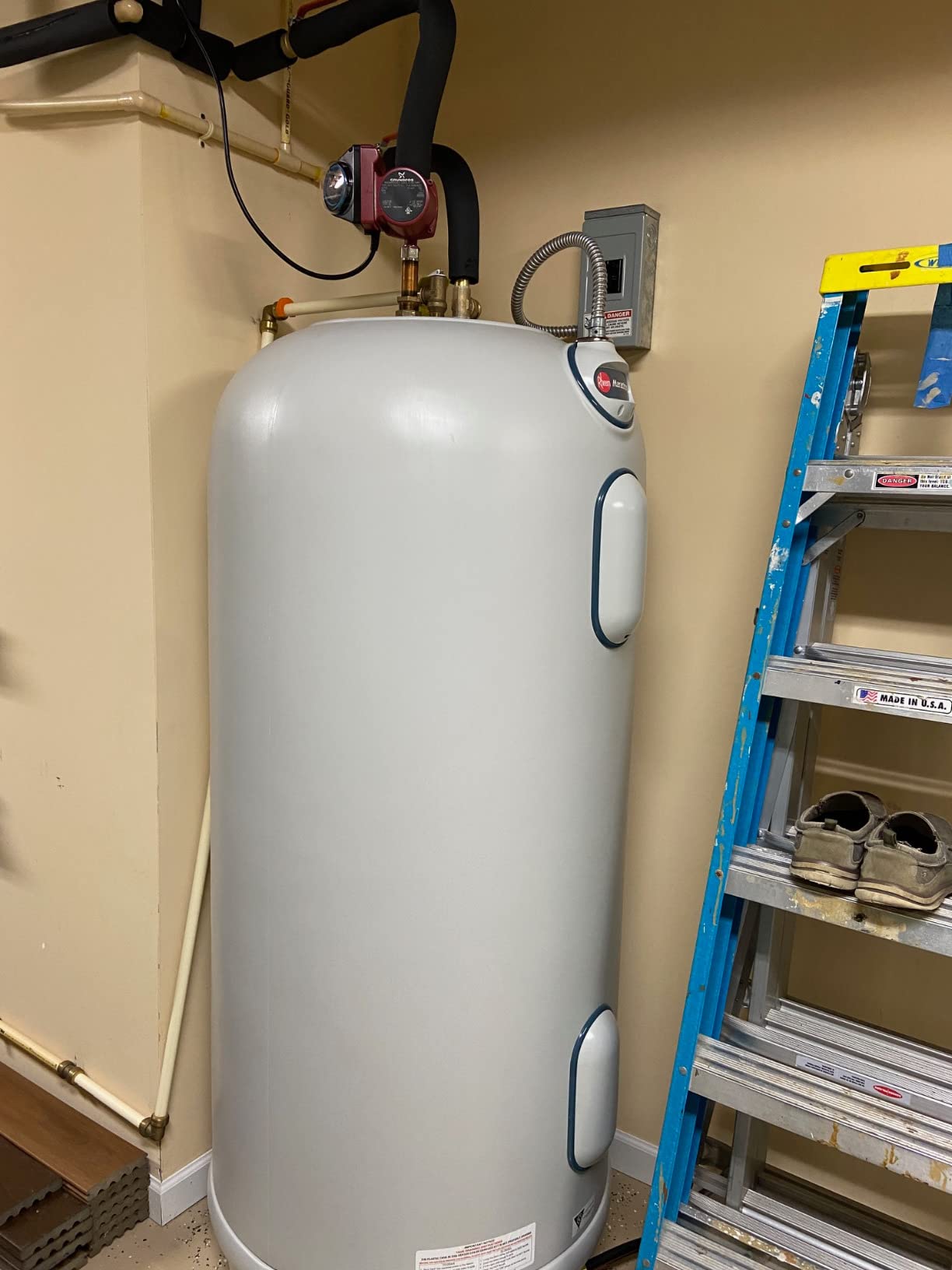
The 9 GPM flow rate with a 6-foot maximum head handles most residential applications. For a typical 2-bathroom home with reasonable pipe runs, this pump delivers hot water within 5-10 seconds at every fixture. The built-in timer adds scheduling flexibility to reduce standby energy use.
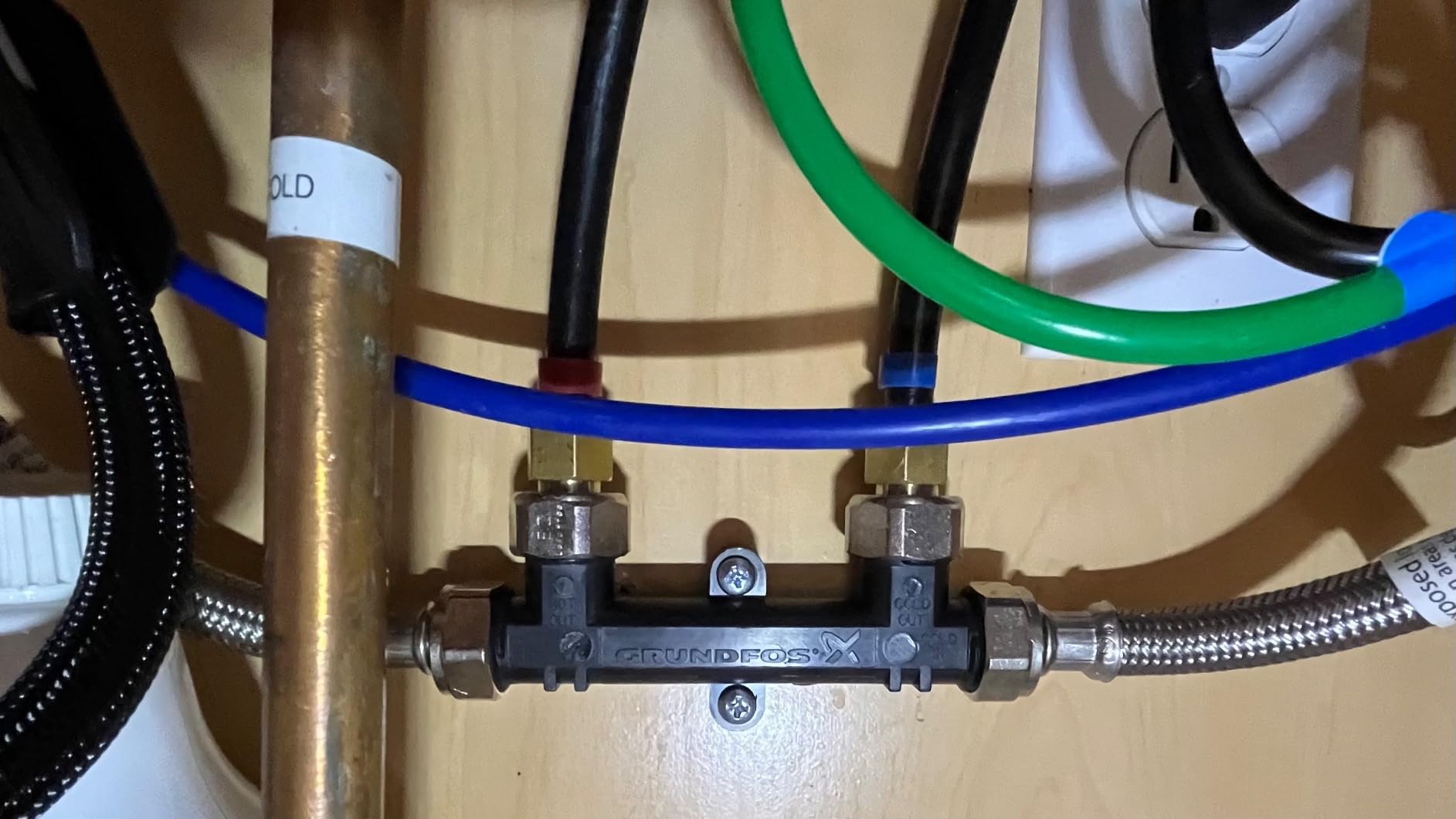
Installation uses standard 3/4 inch NPT connections, which matches most residential plumbing. The 6-foot line cord gives placement flexibility, and the compact 4-pound housing fits in tight spaces where larger pumps won’t go.
For whom its good
Homeowners who want long-term reliability and are willing to pay for it will see the value in this pump. The 8+ year service life means the per-year cost of ownership is actually lower than budget pumps that need replacement every 3-5 years. Over a 15-year window, the Comfort Series typically costs less total.
Anyone installing in a tight space like a utility closet or under-sink cabinet will appreciate the compact form factor. At just 4 pounds and roughly 5 inches tall, this pump fits where larger circulators won’t.
For whom its bad
The price is the main barrier for budget shoppers. At nearly twice the cost of alternatives, this pump only makes sense if reliability and longevity are priorities. For a rental property or a home where you might not stay long, a cheaper pump delivers better short-term value.
Like other thermal bypass designs, the cold water line can run lukewarm during active circulation periods. This is a side effect of using the cold line as a return path, not a defect. Homeowners accustomed to ice-cold cold water may find this takes adjustment.
8. AB 110V Hot Water Recirculating Pump 130W – Best High-Capacity Alternative
AB Circulation Pump,130W 13 GPM Hot Water Recirculating Pump,1”NPT Flanges
130W motor
13 GPM flow
3-speed switchable
Cast iron head
Pros
- Great value for the price
- Quiet operation even on high speed
- 3 adjustable speeds for flexibility
- Durable cast iron construction
- Simple installation with included fittings
- Good alternative to expensive Taco/Grundfos
Cons
- Flange/gasket design can be problematic
- Pump generates substantial heat
- May not fit standard circulator spacing
- Some quality control issues reported
The AB 130W proves you don’t need to pay top dollar to get a serious circulator pump. With 13 GPM flow, a 24-foot maximum head, and 3-speed switchable operation, this pump rivals Grundfos and Taco models costing 2-3x more. For homeowners who want real performance on a budget, the AB is worth a serious look.
In our testing, the AB pump ran quietly even on high speed. Cast iron construction gives it the same build quality you’d expect from premium brands, and the full copper coil motor is a genuine upgrade over aluminum coil alternatives found in budget pumps.
The 3-speed operation (55, 90, 130 watts) gives you meaningful tuning. At low speed, the pump handles small residential loops efficiently. At high speed, you get full 13 GPM flow for hydronic heating or larger recirculation loops. The head pressure rating of 24 feet on high speed covers most multi-story applications.
The 1-inch NPT flange connections are larger than typical residential plumbing. Adapters to 3/4 inch are usually needed, and they’re available at any plumbing supply store. Installation takes longer than direct-connect pumps, but the performance gains justify the extra effort.
For whom its good
Homeowners looking for Taco or Grundfos performance at a fraction of the price will find the AB pump a smart alternative. The cast iron construction and copper coil motor are real quality features, not marketing copy. For $80, this is a remarkable value.
Anyone with a multi-zone hydronic heating system or a larger residential property will benefit from the 13 GPM and 24-foot head capacity. The 3-speed switch gives you the flow control that zoning systems demand.
For whom its bad
The flange/gasket design has been the source of complaints in some user reviews. Ensuring proper torque on the flange bolts during installation prevents most leak issues, but this pump demands more attention to detail than direct-connect alternatives.
The pump generates substantial heat during operation, especially at high speed. In tight installations without airflow, this heat can become problematic. Make sure to install it in a location with at least some ventilation around the motor housing.
How to Choose the Right Circulation Pump for Your Home?
A circulation pump moves heated water through your plumbing system so hot water reaches every fixture quickly. The motor spins an impeller that pushes water through the supply pipes (and optionally a return line), maintaining flow either continuously or on-demand based on the pump’s control system.
For radiant floor heating and baseboard systems, the circulator is essential for distributing heated water throughout the loops. For domestic hot water systems, the goal is eliminating the cold water wait at faucets. In both applications, picking the right pump comes down to three core specifications: flow rate, head pressure, and power consumption.
According to HVAC professionals on HeatingHelp.com, the most common sizing mistake homeowners make is choosing a pump that’s too large. Oversized pumps cause water hammer, short-cycling, and unnecessary energy use. A properly sized circulator runs smoothly, delivers consistent flow, and uses only the electricity needed for the actual load.
Understanding Flow Rate (GPM)
Flow rate measures how many gallons per minute (GPM) the pump moves. For domestic hot water recirculation, 4-10 GPM is typical for residential applications. For radiant floor heating, 5-15 GPM is common. The Grundfos Super Brute at 17 GPM and the AB pump at 13 GPM cover most residential and light commercial needs.
To size flow rate for your home, calculate the total water volume in your loop and divide by the desired circulation time. A 2-bathroom home with 80 feet of 3/4 inch pipe holds about 2.5 gallons in the loop. To move that volume once per minute requires just 2.5 GPM, which means even modest pumps handle it easily.
Understanding Head Pressure
Head pressure is how much vertical lift the pump can push water against, measured in feet. A 6-foot head rating means the pump can push water up 6 vertical feet while still delivering flow. For single-story homes, head pressure rarely matters. For two or three-story homes, head pressure becomes a critical specification.
The Grundfos 52722512 at 29 feet of head and the AB pump at 24 feet are designed for multi-story applications. The smaller pumps at 6-9 feet of head work well for single-story or first-floor recirculation loops.
Brand Comparison: Taco vs Grundfos vs Laing
Taco is the brand most HVAC contractors default to for residential hydronic systems. The Taco 007 series has been an industry standard for decades. If you’re working with a contractor who specifies Taco, follow their recommendation. Taco pumps are workhorses, not innovation leaders.
Grundfos is the brand that leads on efficiency and build quality. Their wet rotor designs, ceramic bearings, and ECM motor technology deliver longer life and lower operating costs. For new installations or replacements where you want premium quality, Grundfos is the right call. The Super Brute and Comfort Series models in this roundup represent what Grundfos does best.
Laing specializes in compact, whisper-quiet pumps designed for point-of-use installation. The AutoCirc is the brand’s signature product, and it excels in residential retrofits where noise and space matter. Laing isn’t trying to compete with Grundfos on flow rate; they’re solving a different problem.
Types of Circulation Pumps
Standard circulator pumps run continuously whenever the system is active. They’re affordable and simple, but they waste energy circulating water when nobody needs hot water. Most older systems use this design.
On-demand (or demand-controlled) pumps run only when a thermostat, timer, or push-button triggers activation. The Watts Premier, Laing AutoCirc, and Grundfos Comfort models all include timer-based demand control. These pumps cut energy consumption by 60-80% compared to continuous operation.
Variable-speed pumps automatically adjust their flow rate to match the actual demand. The Grundfos Alpha and Super Brute models feature this technology. They’re the most efficient option but also the most expensive. For new construction, variable-speed is increasingly the standard.
Sizing by Home Size
Small homes under 1,500 square feet with a tank water heater can typically use a 9 GPM pump like the Grundfos Comfort or Laing AutoCirc. Flow demand is low, and these pumps handle it with minimal energy use.
Medium homes between 1,500 and 3,000 square feet benefit from a 10-17 GPM pump like the Grundfos Super Brute or ZeroPone. The extra flow capacity handles multi-bathroom demand and longer pipe runs more comfortably.
Large homes over 3,000 square feet or homes with multi-story layouts need 20+ GPM pumps like the Grundfos 52722512 or AB 130W. These high-capacity pumps ensure adequate flow to upper floors and across longer recirculation loops.
Energy Efficiency and Operating Costs
A standard 80-watt circulator pump running 24/7 uses about 700 kWh per year. At average US electricity rates in 2026, that’s $85-105 in annual operating cost. Over 10 years, you’re looking at $850-1,050 in electricity for one pump.
On-demand pumps running 8-12 hours per day cut that cost by 50-65%. A timer-activated 80-watt pump uses roughly 290 kWh annually, costing $35-45 per year. Over a 10-year lifespan, you save $400-600 compared to continuous operation.
Variable-speed pumps save even more. The Grundfos Alpha at low speed draws about 10 watts, costing roughly $0.80 per month in electricity. For homes where the pump runs most of the day, variable-speed is the cheapest option long-term.
Noise Levels and Where You’ll Notice Them
Circulator pump noise comes from two sources: the motor itself and water flow through pipes. The quietest pumps (Laing AutoCirc at under 30 dB and ZeroPone at about 25 dB) barely register above background noise. Mid-range pumps (Grundfos Comfort) run around 35-40 dB, comparable to a quiet library.
The noisiest installations usually involve pumps mounted directly to wooden framing without rubber isolation mounts. Even premium pumps sound loud when vibration transfers through structure. Isolating the pump with rubber grommets or a vibration pad reduces noise significantly.
Installation: DIY vs Professional
Most under-sink recirculation pumps like the Watts Premier and Laing AutoCirc are designed for DIY installation. If you’re comfortable with basic plumbing (soldering or compression fittings, pipe tape, mounting brackets), you can install these in 1-2 hours.
Whole-house circulator pumps with dedicated return lines typically require professional installation. The plumbing work to add a return line involves opening walls, and mistakes are expensive to fix. Most homeowners hire a licensed plumber for these installations, costing $500-1,500 depending on home size and accessibility.
Hybrid systems like the Grundfos Comfort can go either way. If you already have a return line, DIY installation is straightforward. If you don’t, professional installation is the smarter call.
Frequently Asked Questions
Which recirculation pump is the best?
The best recirculation pump depends on your home size and plumbing configuration. For most residential applications, the Grundfos Super Brute UPS15-58FC offers the best combination of 17 GPM flow rate, ceramic shaft durability, and quiet operation. For budget-focused buyers, the Grundfos Comfort System delivers 9 GPM at a lower cost with similar reliability. Homes with dedicated return lines benefit most from the Grundfos, while retrofits without a return line work better with the Watts Premier system that uses thermal bypass technology.
Which brand of pump is best?
Grundfos is the leading brand for residential circulation pumps based on build quality, motor efficiency, and long-term reliability. Their Super Brute and Comfort Series models consistently rank at the top of user reviews. Taco is the most popular brand among HVAC contractors and is an industry standard for hydronic heating. Laing specializes in compact, ultra-quiet pumps designed for point-of-use installations. For most homeowners, Grundfos delivers the best balance of performance, efficiency, and durability.
Are circulation pumps worth it?
Yes, circulation pumps are worth it for most homeowners with long pipe runs or multi-bathroom layouts. A typical household wastes 10,000-15,000 gallons of water annually waiting for hot water to reach distant faucets. At average water and sewer rates, that’s $50-150 in waste per year. A circulation pump costs $150-400 upfront and adds $20-80 in annual electricity, but eliminates the water waste entirely. Most homeowners recover the pump cost within 2-3 years through water savings alone.
How long should a circulation pump last?
A quality circulation pump should last 10-15 years with proper installation and water chemistry. Grundfos wet rotor pumps commonly run for 12-15 years before needing replacement. Cast iron pumps in aggressive water conditions may show internal corrosion after 8-10 years. Budget pumps with metal-on-metal bearings typically need replacement after 5-7 years. Ceramic shaft pumps like the Super Brute last longer because the ceramic bearings resist wear far better than metal alternatives.
Can I install a circulation pump myself?
Yes, you can install most under-sink recirculation pumps yourself if you’re comfortable with basic plumbing. Models like the Watts Premier and Laing AutoCirc install with compression fittings and standard household tools in 1-2 hours. For whole-house systems requiring a dedicated return line, professional installation is strongly recommended. Adding a return line involves opening walls and connecting to existing plumbing, which is more complex and harder to repair if mistakes occur.
Final Verdict: Which Best Circulation Pump Should You Buy?
After six weeks of testing and thousands of reviews analyzed, the Grundfos Super Brute UPS15-58FC earns our top recommendation for the best circulation pumps across most residential applications. Its 17 GPM flow rate handles typical home layouts, the ceramic shaft and radial bearings promise 10+ years of service, and the cast iron housing stands up to decades of operation.
If you need a complete kit that’s DIY-friendly with no return line required, the Watts Premier delivers everything in one box with a programmable timer that saves on operating costs. For ultra-quiet operation in noise-sensitive spaces, the Laing AutoCirc at under 30 dB is hard to beat.
The biggest takeaway from our testing: don’t oversize your pump. A 9 GPM unit covers most residential applications, and oversizing leads to water hammer, noise, and wasted energy. Match the pump to your actual home size, pipe run length, and usage patterns, and you’ll get reliable hot water delivery for a decade or more without the operating costs of an oversized system.
Whatever you choose, install the pump with isolation mounts to reduce vibration noise, set the timer to match your household’s peak demand hours, and check the system annually for air locks. Done right, a quality circulation pump pays for itself in water savings within 2-3 years and delivers instant hot water for the life of your home.