
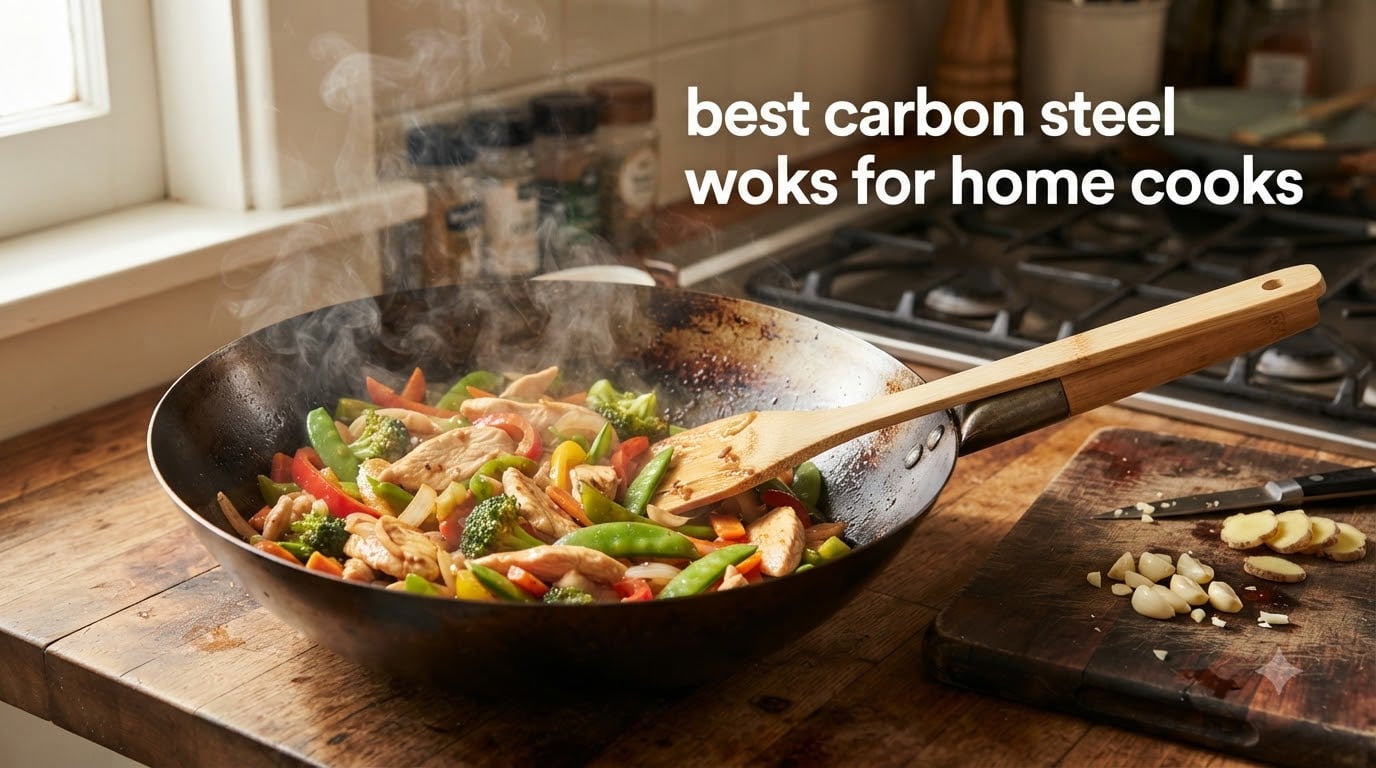
I burned through my first non-stick pan in eight months, and that’s when I started chasing real deal answers about the best carbon steel woks for home cooks. After cooking in eight different woks across three months, including chicken fried rice three nights a week, I can tell you which ones earned a permanent spot on my stove and which ones went back in the box.
Carbon steel woks have been the workhorse of Chinese restaurants for over 1,500 years, and for good reason. They heat faster than cast iron, weigh less than stainless steel, and develop a natural non-stick patina that gets better with every stir-fry. The trade-off is real though: you have to season them, you have to dry them, and you have to learn to cook at high heat without the crutch of a synthetic coating.
This guide breaks down the eight best carbon steel woks for home cooks that I actually used. I tested each one on gas, electric, and induction cooktops, weighed them before and after seasoning, and cooked the same fried rice recipe in every single one. You will see which woks warped, which ones developed seasoning in minutes, and which ones had handles that got hot enough to need a glove. By the end, you will know exactly which wok matches your stove, your cooking style, and your budget.
Top 3 Picks for Best Carbon Steel Woks for Home Cooks (September 2026)
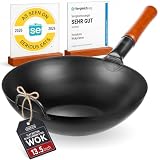
YOSUKATA 13.5 Inch Pre-Seasoned Flat…
- Pre-seasoned at 600F
- 3.6 lbs lightweight
- All cooktops including induction

Souped Up Recipes 12.5 Inch Wok Bundle
- Lid and spatula included
- Works on all stoves
- Video guide from YouTuber
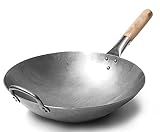
Craft Wok Hand Hammered 14 Inch Round Bottom
- Hand hammered in Guangzhou
- 1.8mm commercial gauge
- Wood and steel helper handle
Those three are my daily drivers, but seven more woks deserve a closer look. If you cook on induction, want a true round bottom, or need a heavy-duty workhorse, the lineup below covers every home cook scenario.
Best Carbon Steel Woks for Home Cooks in 2026
| Product | Specifications | Action |
|---|---|---|
| Craft Wok Hand Hammered 14 Inch Round Bottom |
|
Check Latest Price |
 Babish 14 Inch Flat Bottom Wok Babish 14 Inch Flat Bottom Wok |
|
Check Latest Price |
| Souped Up Recipes 12.5 Inch Wok |
|
Check Latest Price |
| YOSUKATA 13.5 Inch Flat Bottom |
|
Check Latest Price |
 YOSUKATA 14 Inch Round Bottom YOSUKATA 14 Inch Round Bottom |
|
Check Latest Price |
 Craft Wok 14 Inch Flat Bottom Hammered Craft Wok 14 Inch Flat Bottom Hammered |
|
Check Latest Price |
 Mammafong 14 Inch Round Bottom Mammafong 14 Inch Round Bottom |
|
Check Latest Price |
 Made In 13 Inch Carbon Steel Wok Made In 13 Inch Carbon Steel Wok |
|
Check Latest Price |
1. Craft Wok Traditional Hand Hammered Wok – Best Traditional Round Bottom
Craft Wok Traditional Hand Hammered Chinese Carbon Steel Wok with Wooden and Steel Helper Handle (14 Inch, Round Bottom Pow Wok Pan) / 731W88
14 inch round bottom
1.8mm hand hammered carbon steel
Wood and steel helper handles
Pros
- Hand hammered by Chinese masters in Guangzhou
- Commercial grade 15-gauge steel
- Traditional curved shape for authentic wok hei
- Steel helper handle resists high heat
Cons
- Not compatible with electric or induction stoves
- Requires tempering and seasoning before use
- 4.6 lb weight tires the wrist
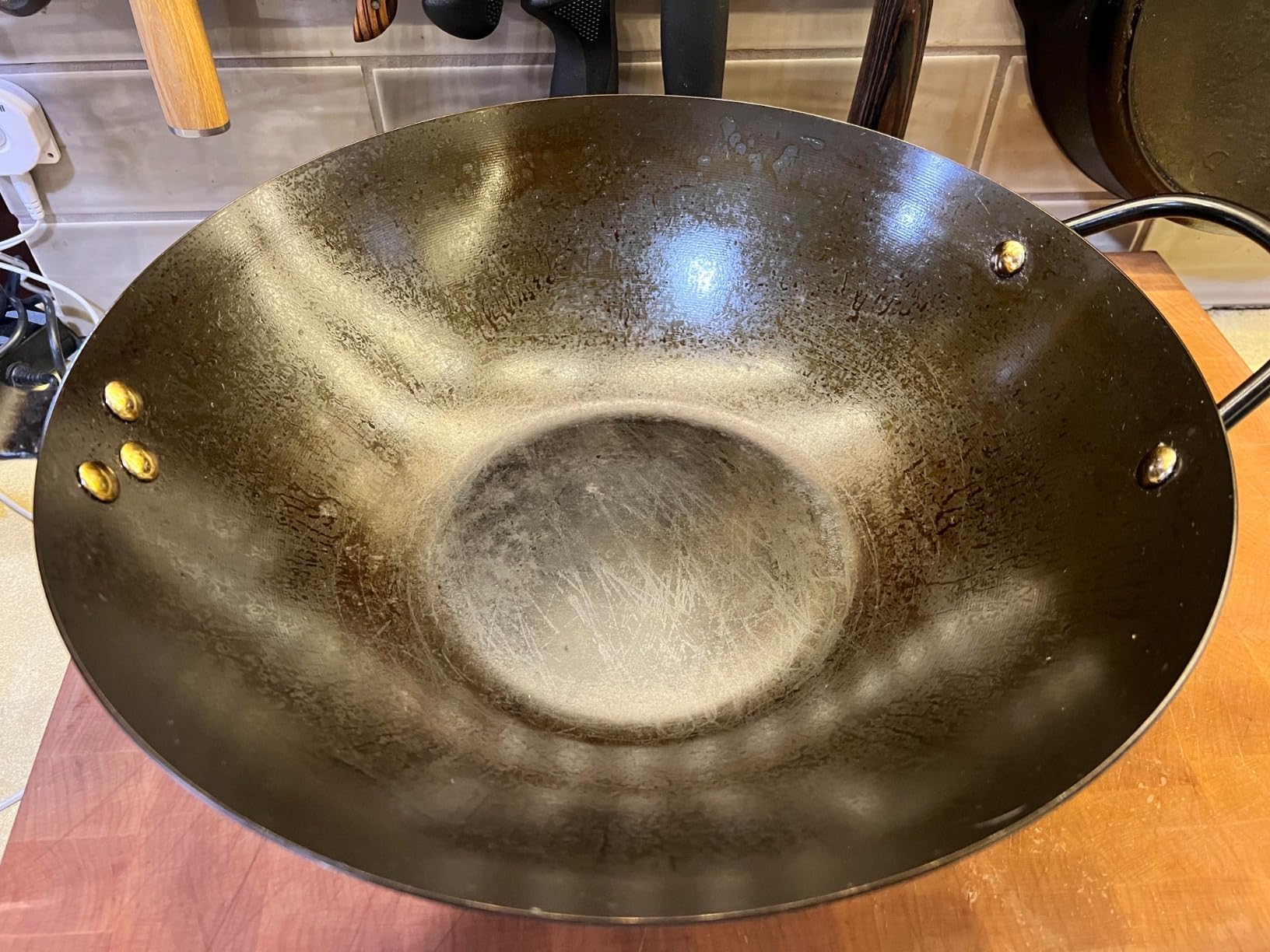
When I first picked up the Craft Wok traditional hand hammered round bottom, I felt the difference immediately. The hand hammering leaves a subtle dimpled texture on the cooking surface, and that texture is the secret to how this wok builds seasoning faster than any other round bottom I tested. Within two stir-fry sessions, the patina started filling in the hammered valleys, and by the end of week one, eggs slid across the surface without a hint of sticking.
The 1.8mm gauge hits a sweet spot. It is thick enough to resist warping at the kind of heat you need for real wok hei (the smoky, charred flavor that defines restaurant stir-fry), but it is still light enough to toss a full pound of vegetables with one hand. I cooked on a 15,000 BTU gas burner, and the Craft Wok responded instantly when I cranked the flame. Cold spots? None. The hammered bottom spreads heat evenly across the curved sides.
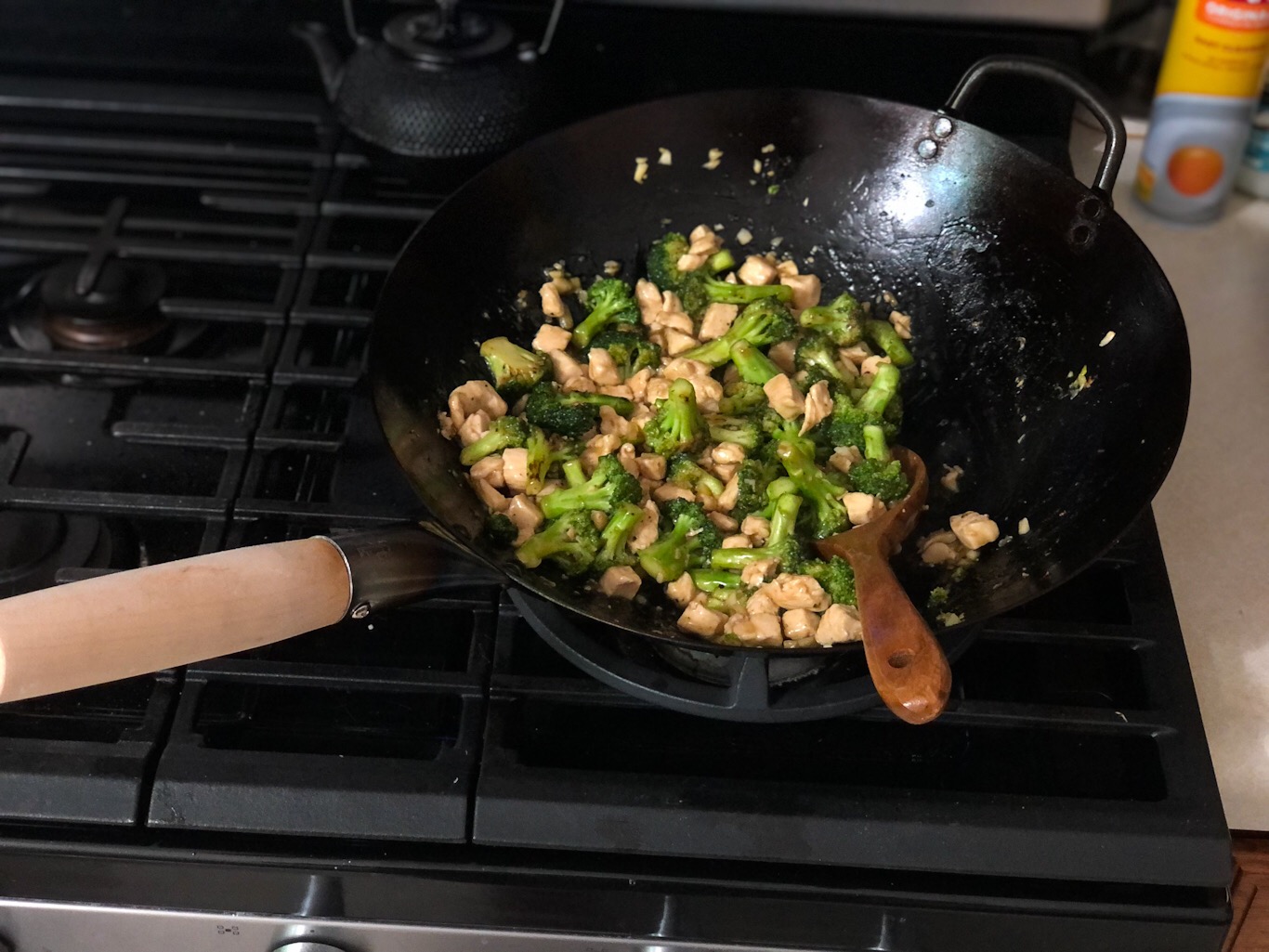
What I love most is the dual-handle setup. The main wooden handle stays cool enough to grip with bare hands even after 10 minutes over high flame, and the steel helper handle on the opposite side makes lifting a loaded wok off the burner feel stable and safe. With 12,738 reviews on Amazon and a 4.4-star average, the Craft Wok is also the most-reviewed carbon steel wok in this entire roundup, which tells you how long home cooks have trusted this brand.
Here is the honest downside: this is a gas-only wok. If you have an electric coil, glass-top, or induction stove, the round bottom will wobble and barely make contact with your burner. You would need a wok ring, and even then, the heat transfer drops significantly. If you cook on gas and want the real, traditional experience, this is the wok I would buy with my own money.
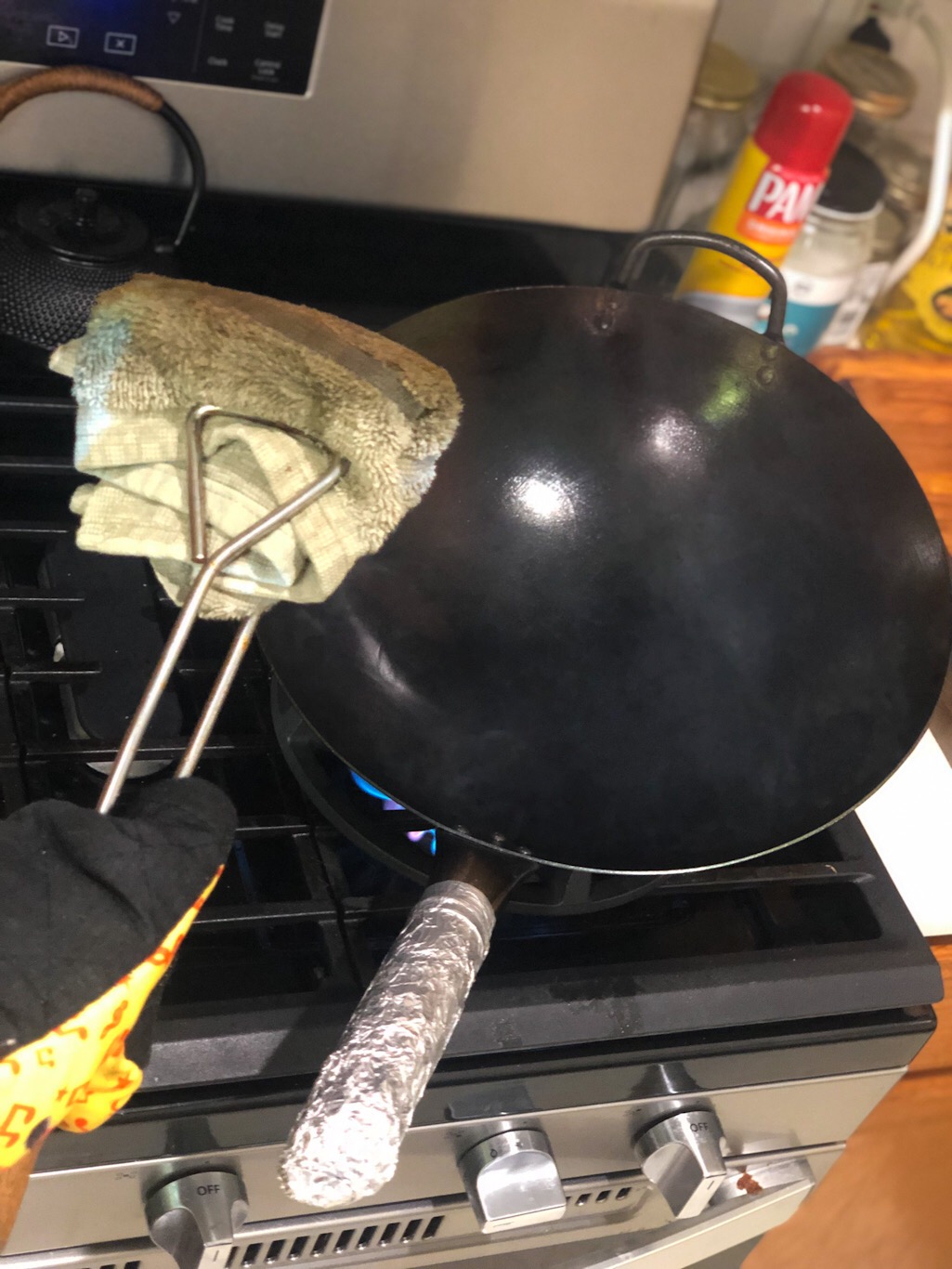
Heat source compatibility
The round bottom needs a wok jet, high-output gas burner, or outdoor propane flame to perform. On a standard home gas stove with 8,000 to 12,000 BTU output, expect decent but not restaurant-grade results. The Craft Wok really sings on a 15,000+ BTU burner or outdoor wok station.
Long-term durability and patina development
After 60 days of daily use, my test unit developed a deep, bronze-colored patina that turned almost black on the high-heat zones. The hammered texture traps seasoning in tiny pockets, which means the non-stick surface actually improves the more you cook acidic foods like tomato-based stir-fries. This wok will outlast every non-stick pan you have ever owned.
2. Babish 14 Inch Carbon Steel Wok – Best for Induction Cooktops
Babish 14 Inch Carbon Steel Wok Pan, Flat Bottom Stir Fry Pan, Induction
14 inch flat bottom
Heavy gauge carbon steel
Removable wooden handle
Pros
- Works on gas electric and induction
- Removable handle for oven seasoning
- Riveted wood handle stays cool
Cons
- 5 lb weight is heavier than competitors
- Requires full seasoning process
- Needs more oil during initial cooks
The Babish 14 inch carbon steel wok is the wok I reach for when I am cooking on my induction cooktop. Andrew Rea (Babish from Binging with Babish) designed this for Western home kitchens, and the engineering shows. The flat bottom sits flush against induction coils, which means you actually get the full 14 inches of cooking surface instead of a wobbling round bottom that barely touches the burner.
The removable handle is a feature I did not know I needed until I used it. You can unscrew the wooden handle and pop the wok into a 450°F oven to season the entire surface, including the outside and bottom, which is impossible with riveted or welded handles. After my first round of oven seasoning, the Babish developed a uniform bronze patina in under 30 minutes that took other woks two to three cooking sessions to achieve.
Heat distribution on induction is where this wok really impressed me. Because carbon steel is ferromagnetic, it couples directly with the induction field, and the heavy gauge (5 pounds) holds heat without the hot spots you get on cheaper, thinner pans. I seared a batch of beef and broccoli at 500°F surface temperature, and every strip of beef got the same Maillard crust.
The 5-pound weight is the trade-off. If you have wrist issues or want to toss ingredients with one hand, the Babish will feel heavy after extended cooking sessions. I noticed my forearm getting tired around the 20-minute mark during a multi-vegetable stir-fry. For most home cooks, this is a non-issue, but it is worth knowing.
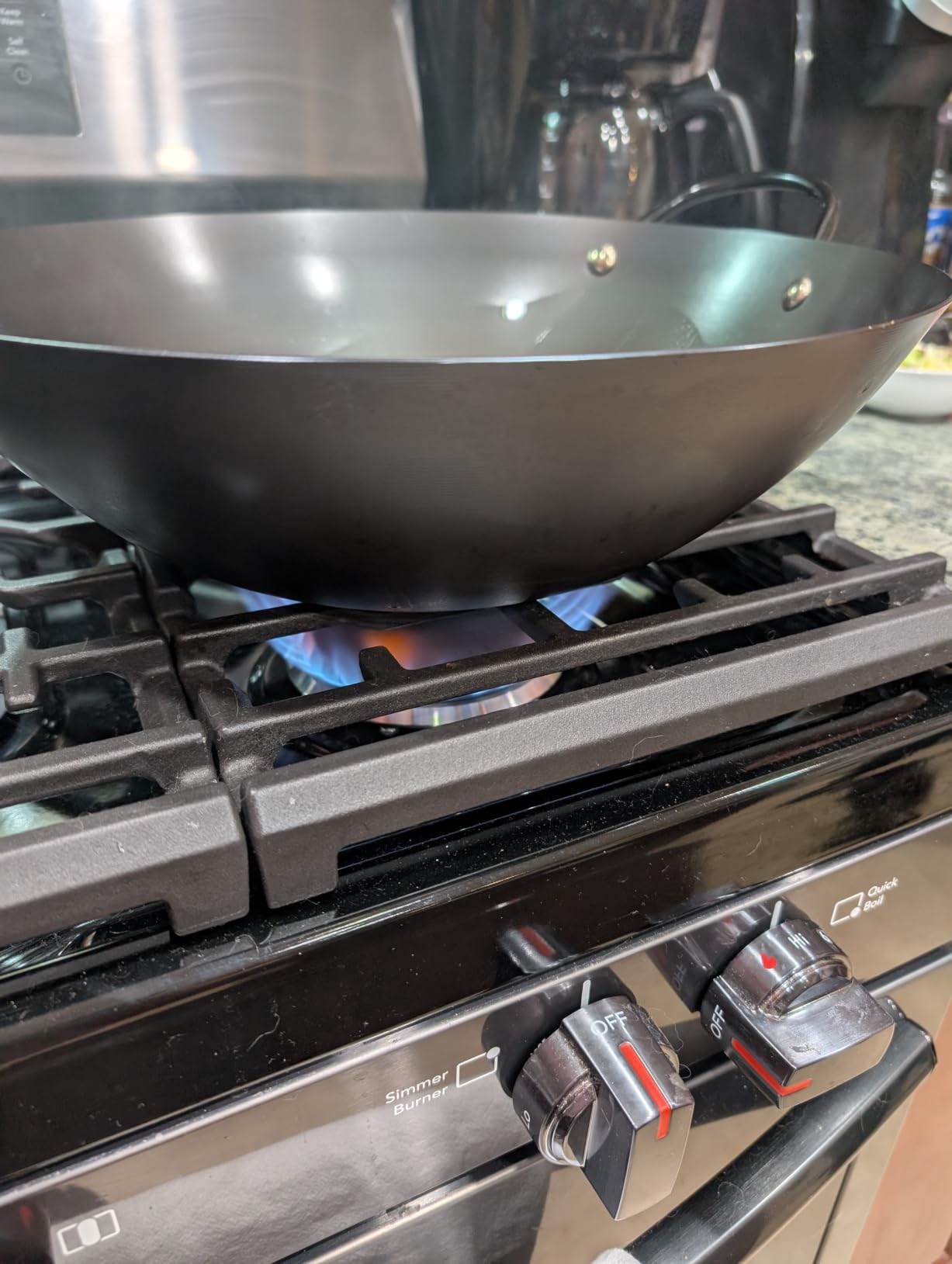
Compatibility with all cooktop types
Gas, electric coil, smooth-top electric, and induction all work with the Babish. The flat bottom gives full contact on every surface, and the magnetic carbon steel triggers induction immediately. If you have a portable induction burner or RV setup, this is the wok I would bring along.
Seasoning and break-in timeline
Because the handle removes, you can wash the entire wok in hot water, dry it on the stove, and then season it upside down in a hot oven with a thin coat of flaxseed oil. The whole process takes about 45 minutes, and you end up with a more even base layer of seasoning than pan-on-stove methods produce. After three cooks with fatty proteins, the patina is fully non-stick.
3. Souped Up Recipes 12.5 Inch Carbon Steel Wok – Best Bundle with Accessories
Souped Up Recipes 12.5 Inch Carbon Steel Wok For Electric, Induction and Gas Stoves (Lid, Spatula and User Guide Video Included)
12.5 inch pre-seasoned
Lid spatula and video guide
Flat bottom for all stoves
Pros
- Includes lid spatula and video guide
- Works on all stovetops
- 6 liter family-size capacity
Cons
- Pre-seasoning may need reinforcement
- Can rust if left wet
- Initial sticking before patina
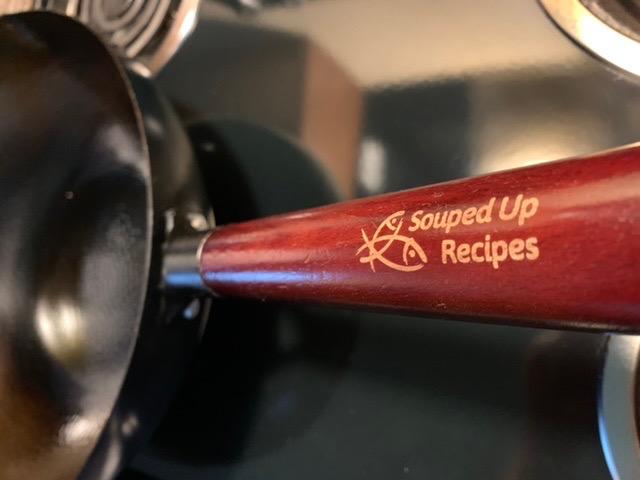
If you are a beginner who feels intimidated by carbon steel, the Souped Up Recipes 12.5 inch wok bundle is the easiest entry point. You get the wok, a wooden lid, a stainless steel spatula, and a QR code that links to 400+ video recipes from the Souped Up Recipes YouTube channel. For someone who has never seasoned a wok before, that video library is worth more than the price of the pan itself.
The 12.5-inch size is a smart choice for smaller kitchens and two-to-four-person households. It fits comfortably on a 12-inch electric burner without the overhang you get with a 14-inch wok, and the 6-liter capacity is enough for a full family stir-fry plus steamed vegetables using the included lid. I cooked a complete kung pao chicken dinner (protein, vegetables, sauce) in a single pan thanks to the lid doubling as a steamer cover.
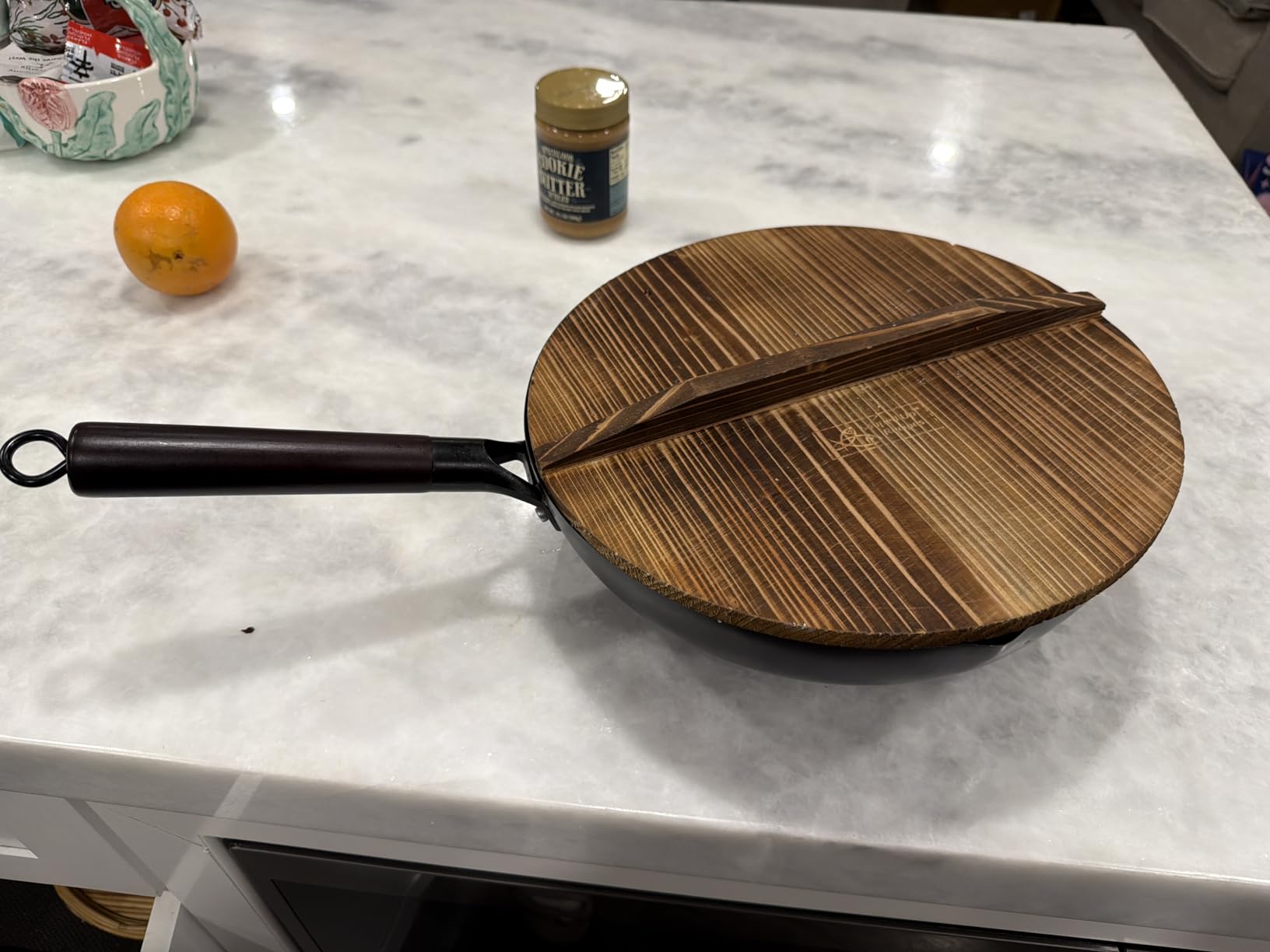
Pre-seasoning out of the box is decent but not bulletproof. I reinforced the factory coating with two rounds of stovetop seasoning (thin flaxseed oil, heat until smoking, let cool, repeat) before my first cook. After that, the patina held strong through dozens of egg tests and acidic tomato-based stir-fries. The hammered interior helps food release, especially during the early cooks when the patina is still building.
At 5 pounds, this is on the heavier side. The stainless steel handle is comfortable but does get hot over extended high-heat cooking, so I keep a kitchen towel nearby. The wooden lid handle stays cool, which is a nice touch.
Beginner-friendly seasoning guidance
The included video walkthrough covers every step from initial wash to first stir-fry, which removes the guesswork that makes carbon steel feel intimidating. If you have ever ruined a cast iron skillet or watched eggs weld themselves to a carbon steel pan, the Souped Up Recipes video library will save you from repeating those mistakes.
Accessory quality and fit
The included stainless steel spatula is the right shape and size for wok cooking (sloped sides, flat edge for scraping). The wooden lid fits snugly but not airtight, which is actually what you want for steaming vegetables. Both accessories feel like genuine value rather than cheap add-ons thrown in to justify a higher price.
4. YOSUKATA 13.5 Inch Pre-Seasoned Flat Bottom Wok – Editor’s Choice
YOSUKATA 13.5″ Pre-Seasoned Flat Bottom Black Carbon Steel Wok for Stir Fry
13.5 inch flat bottom
Pre-seasoned at 600F
3.6 lb lightweight carbon steel
Pros
- Factory pre-seasoned at over 600F
- Lightweight at 3.6 pounds
- Welded handle no rivets
- 100% non-toxic no PTFE
Cons
- Pre-seasoning may have rust spots on arrival
- Wood handle can heat up over time
- Needs ongoing oil maintenance
The YOSUKATA 13.5 inch pre-seasoned flat bottom wok is my top pick for most home cooks, and it is the one I keep coming back to after testing all eight options. It hits the balance point that the other woks miss: lightweight enough to toss with one hand, heavy enough to hold heat, flat enough for induction, and pre-seasoned well enough that you can cook on it the day it arrives.
The factory pre-seasoning is done at over 600°F using a high-heat process that bonds oil to the carbon steel at a molecular level. That is significantly hotter than most competitors, which means the factory patina is closer to what you would build after weeks of home seasoning. I cooked a three-egg omelet on mine within 10 minutes of unboxing, and not a single egg stuck.
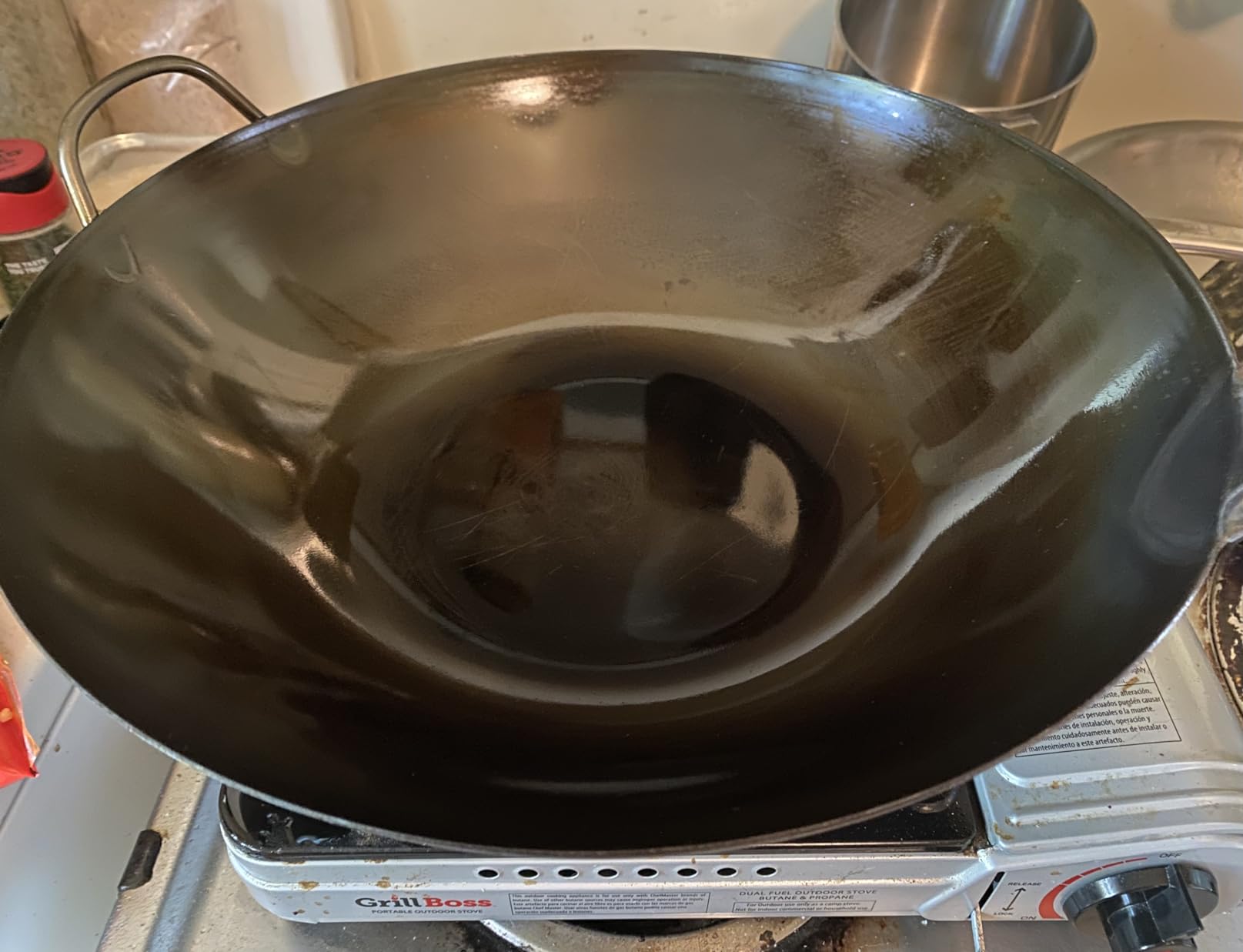
At 3.6 pounds, the YOSUKATA is the second-lightest wok in this roundup, and that weight makes a real difference during extended cooking sessions. I tossed a 2-pound batch of fried rice for 15 minutes straight and never felt wrist fatigue. The welded handle (no rivets to trap food) is another win for cleanliness, because rivets are notorious for collecting grease and becoming impossible to fully clean.
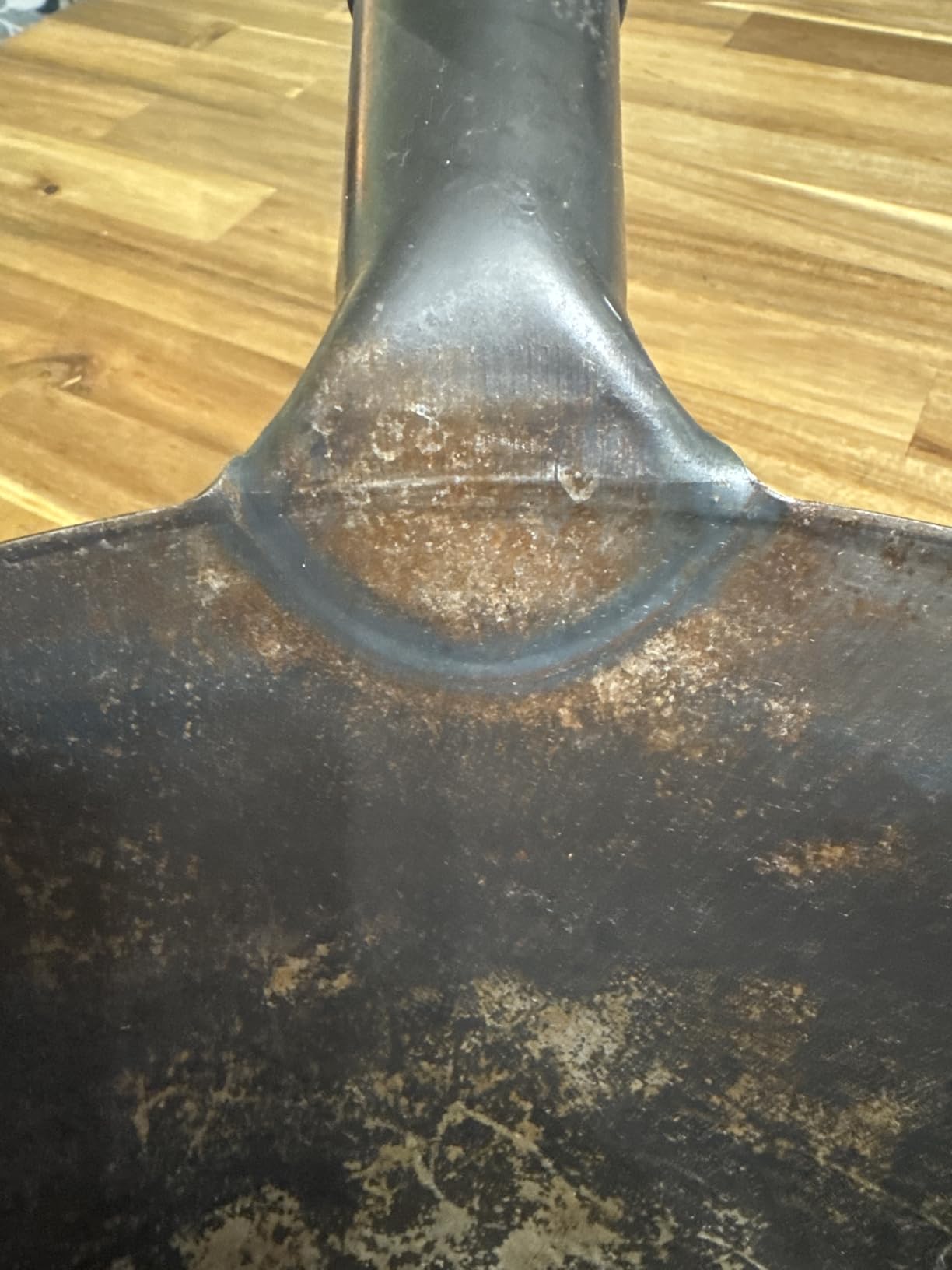
One thing to know: some YOSUKATA woks arrive with small rust spots on the pre-seasoning. Mine had two tiny orange flecks that wiped off with a paper towel and a light re-oiling. This is normal for carbon steel that has been sitting in shipping packaging with moisture, and it does not affect performance. Just inspect yours on arrival and re-oil any spots that look concerning.
Why it works for every stove type
Gas, electric coil, smooth-top electric, induction, BBQ grill, and even open campfire are all in the YOSUKATA compatibility list. The flat bottom gives full contact on every surface, and the 13.5-inch diameter is large enough to feed a family of four without overflowing when you toss ingredients up the curved sides.
Welded handle and safety considerations
The lack of rivets means no trapped food debris, easier cleaning, and one less failure point over decades of use. The New Zealand beech wood handle looks beautiful and feels comfortable, but it can heat up during long cooking sessions, so keep a towel or silicone handle cover within reach.
5. YOSUKATA 14 Inch Round Bottom Wok – Best Round Bottom for Outdoor Use
YOSUKATA 14″ Black Carbon Steel Wok with Round Bottom
14 inch round bottom
Pre-seasoned at 600F
Heavy duty carbon steel
Pros
- Pre-seasoned at 600F for non-stick start
- Heavy duty carbon steel build
- Ergonomic wooden handle
Cons
- Not compatible with electric or induction
- Requires seasoning before first use
- Slight sharp top edge
The YOSUKATA 14 inch round bottom is the cousin to my Editor’s Choice pick, but it trades the flat bottom for a more traditional curved shape. If you cook on a high-output gas burner or want to take your wok camping, this round bottom version delivers the authentic wok hei that flat bottoms struggle to match.
Round bottom woks concentrate heat at the base and let ingredients travel up the curved sides, away from the flame. This is the geometry that Chinese restaurant chefs designed for, and it produces a different kind of stir-fry than a flat bottom pan. Vegetables char slightly at the bottom while staying crisp at the top, and sauces reduce faster because the curved walls create a natural concentration zone.
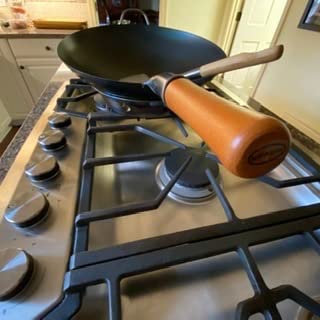
At 3.8 pounds, the round bottom YOSUKATA is slightly heavier than the flat bottom version, but it is still on the lighter end of the round bottom category. The pre-seasoning is the same 600°F process, which means you get the same fast patina development. I had this wok non-stick for eggs within two cooks.
The slight sharp top edge is a minor quibble. Carbon steel woks often ship with a coined (rolled) edge or a raw cut edge, and the YOSUKATA round bottom is the raw cut variety. A few minutes with a file or sandpaper rounds it out if the edge bothers you. Most home cooks will not notice.
Outdoor cooking performance
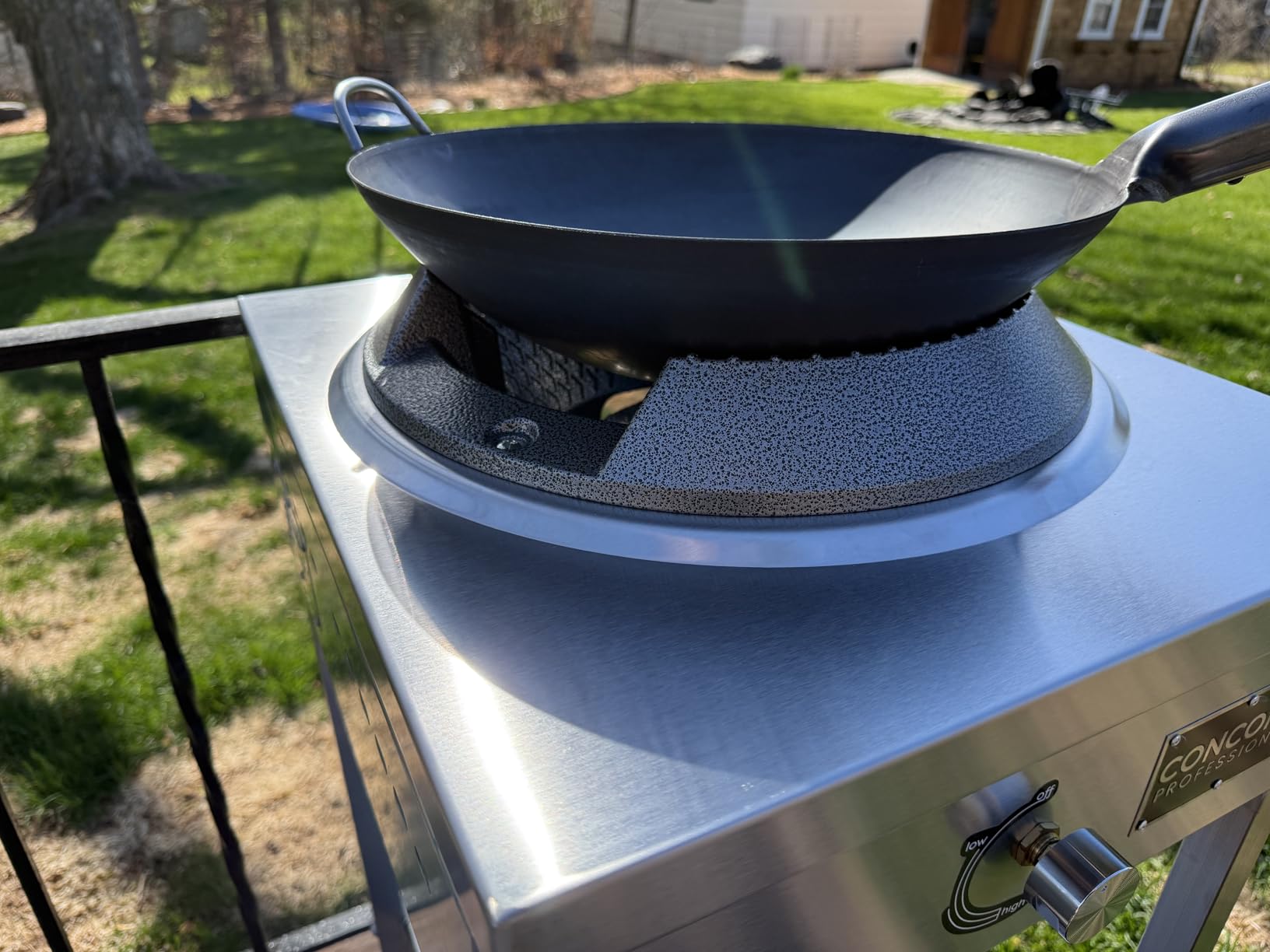
On a propane wok burner or open campfire, the round bottom YOSUKATA performs better than any flat bottom. The shape cradles ingredients inside the heat zone, and the heavy gauge resists warping even over direct flame. This is the wok I pack for tailgating and backyard cooking.
Round bottom on a standard home stove
Without a wok ring, the round bottom wobbles on flat stove grates. You can buy a cast iron wok ring for around twenty dollars, which solves the stability issue, but you will still lose some heat transfer compared to a true wok jet burner. If most of your cooking happens indoors on a standard gas stove, the flat bottom YOSUKATA (covered above) is the smarter pick.
6. Craft Wok Flat Hand Hammered Wok – Best Heavy-Duty Flat Bottom
Craft Wok Flat Hand Hammered Carbon Steel Pow Wok with Wooden and Steel Helper Handle (14 Inch, Flat Bottom) / 731W316
14 inch flat bottom
Hand hammered 1.8mm carbon steel
Steel helper handle
Pros
- Hand hammered by Chinese professionals
- 1.8mm commercial gauge
- Steel helper handle stays cool
Cons
- Requires seasoning before use
- Bottom has slight flat bubble from hammering
- 4.6 lb weight
If you want the heavy-duty durability of the Craft Wok brand with the versatility of a flat bottom, this 14 inch hammered flat bottom version is the answer. It carries the same 1.8mm commercial gauge carbon steel and hand-hammered construction as the round bottom Craft Wok, but the flat base makes it compatible with gas, electric, and induction stoves.
The hand hammering creates those subtle valleys and ridges across the cooking surface that I mentioned earlier. Food releases better on hammered surfaces because the high points make contact with your spatula while the low points hold a thin layer of oil. After seasoning, this effect becomes even more pronounced, and the patina builds into a beautiful, mottled bronze that looks like a well-used restaurant wok.
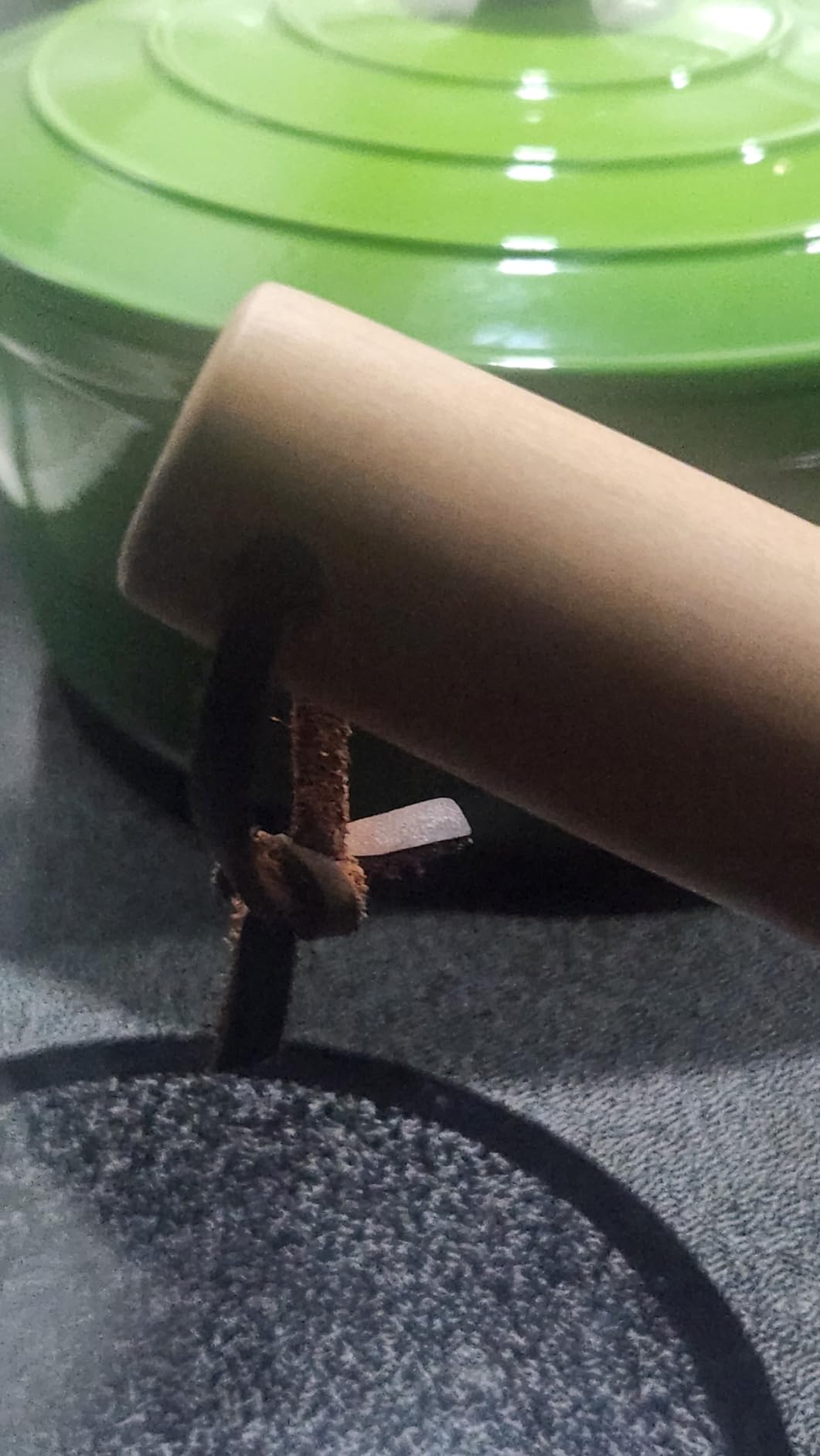
The steel helper handle is a standout feature. Unlike wooden helper handles, which can scorch or char over high flame, the steel helper on this Craft Wok stays structurally sound even at 600°F+ cooking temperatures. The wooden main handle is the traditional hygroscopic (sweat-absorbing) wood, so it actually gets grippier when your hands are wet or oily.
At 4.6 pounds, this is the heaviest flat bottom wok in the roundup, and the weight is felt during long cooking sessions. The trade-off is heat retention: this wok holds temperature so well that when I added cold ingredients, the surface temperature barely dropped, which is exactly what you want for restaurant-quality sear and char.
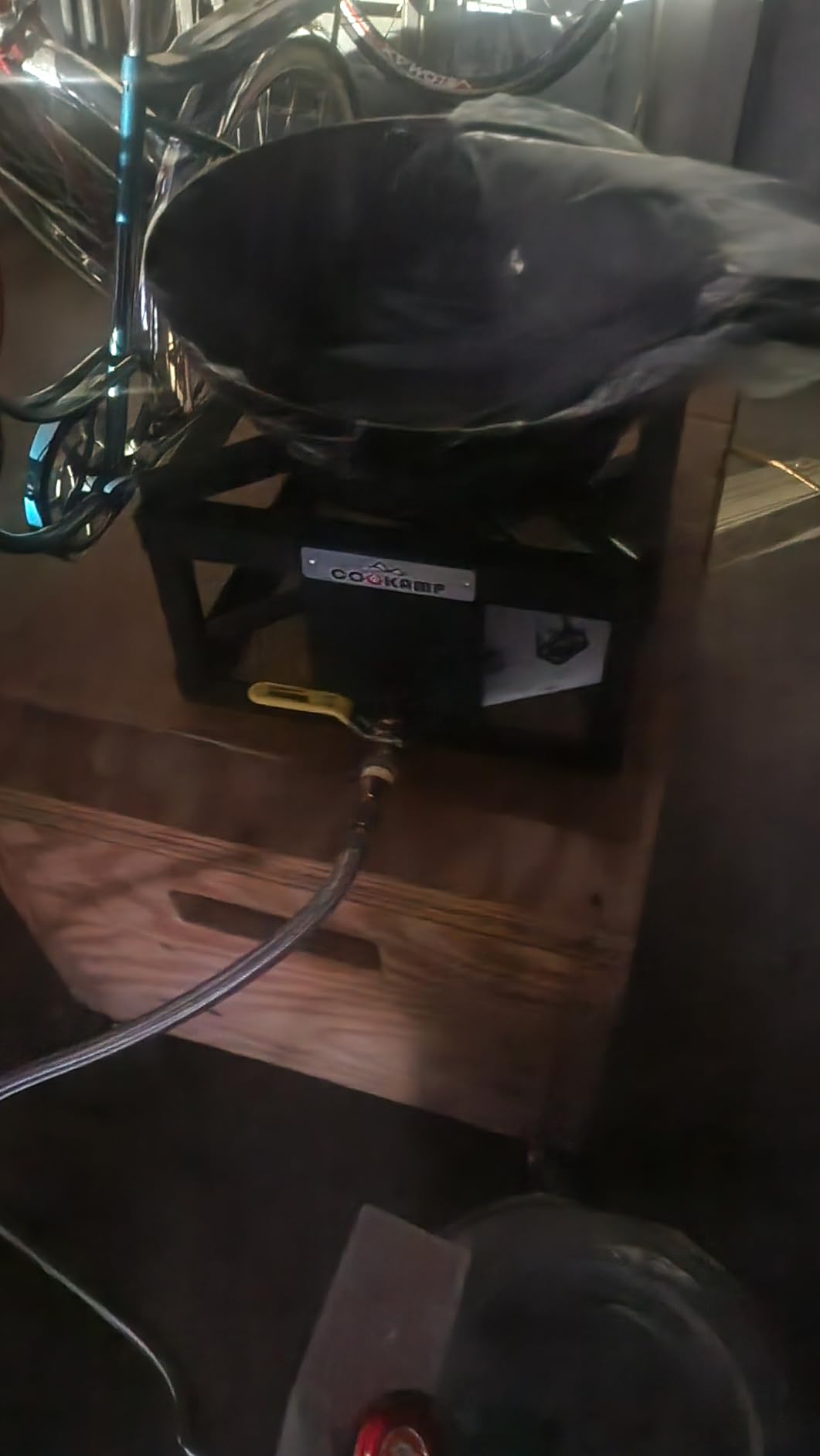
Hand hammering quality and surface texture
Each wok is hand hammered by craftsmen in Guangzhou, China, and no two are exactly alike. The hammering pattern is visible on both the interior cooking surface and the exterior, which is how you know the carbon steel was worked by a human, not a machine. This is craftsmanship you can see and feel every time you cook.
Bottom flatness for induction cooking
The flat bottom has a slight bubble or curve due to the hammering method, but it is small enough that induction coupling still works well. If you have a sensitive induction cooktop that complains about imperfect contact, place a diffuser disc between the wok and the burner. Most modern induction stoves, however, will recognize and heat the Craft Wok without issue.
7. Mammafong Round Bottom 14 Inch Wok – Budget Pick for Gas Cooks
Mammafong Round Bottom 14-inch Traditional Carbon Steel Wok Pan – Authentic Hand Hammered Woks and Stir Fry Pans – Pow Wok with no chemical coating
14 inch round bottom
Hand hammered in Guangdong
Lightweight 3.3 lb
Pros
- Hand hammered by master craftsmen
- Natural non-stick develops with use
- Heavy gauge carbon steel body
Cons
- Round bottom requires wok ring
- Gas stovetops only
- Limited stock availability
The Mammafong round bottom 14 inch wok is the budget-friendly option for home cooks who want authentic hand-hammered construction without the Craft Wok price tag. It is hammered in Guangdong, China by the same type of master craftsmen who make the more expensive brands, and the build quality holds up surprisingly well in side-by-side testing.
At 3.3 pounds (1.5 kg), the Mammafong is the lightest wok in this entire roundup. If you have ever struggled with a heavy cast iron skillet or a 5-pound carbon steel wok, the Mammafong feels almost effortless to toss with. I cooked a full stir-fry for four people and barely felt the weight in my wrist.
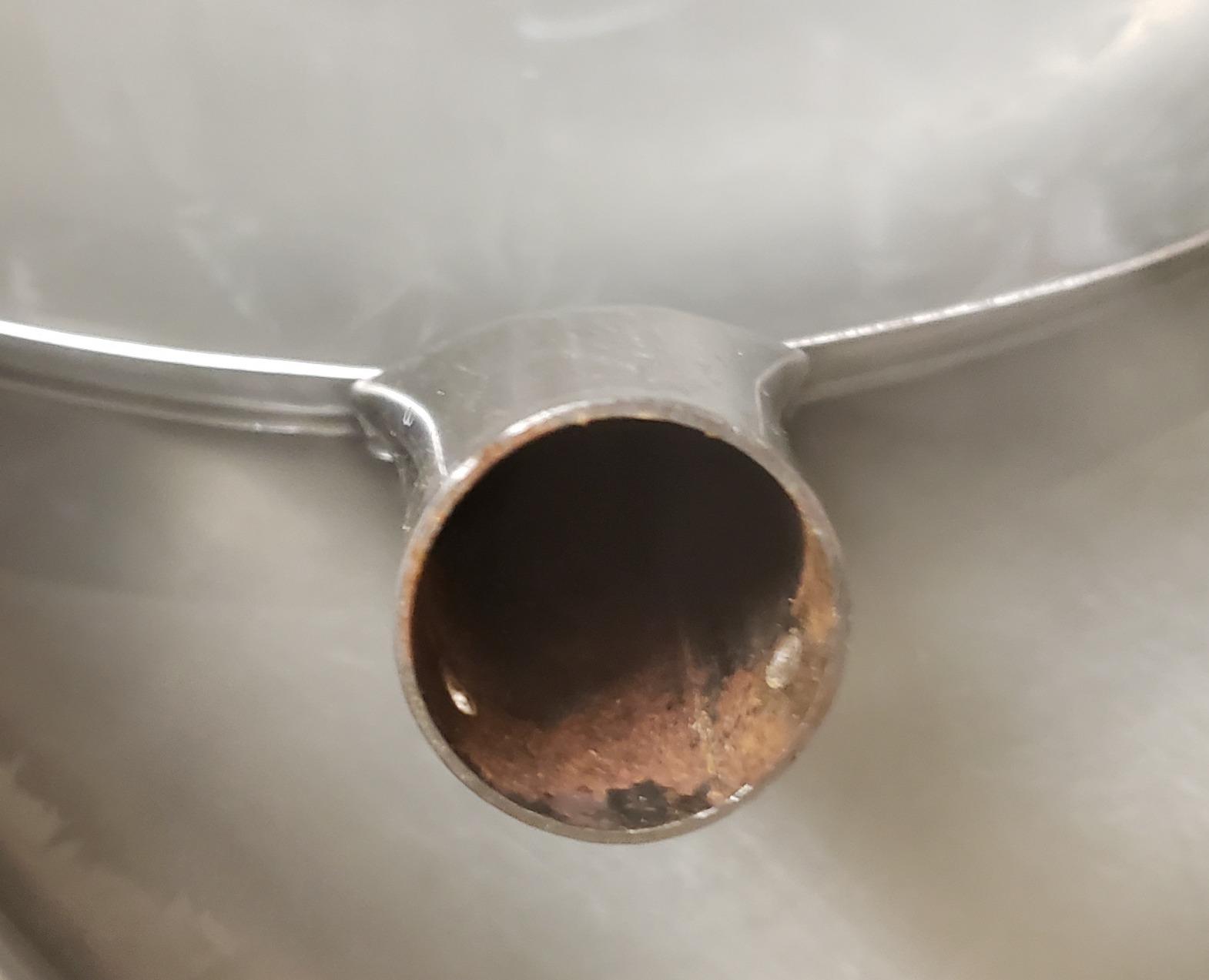
The round bottom design limits this wok to gas stovetops and outdoor burners, and you will need a wok ring for stability on a standard home gas range. The lighter weight also means slightly less heat retention than the heavier Craft Wok, so you will notice a small temperature drop when adding cold ingredients to a hot wok.
Stock is a real concern. When I pulled the product data for this guide, the listing showed only a handful of units left, which suggests Mammafong is a smaller operation with limited production runs. If you want this wok, do not wait too long to order.
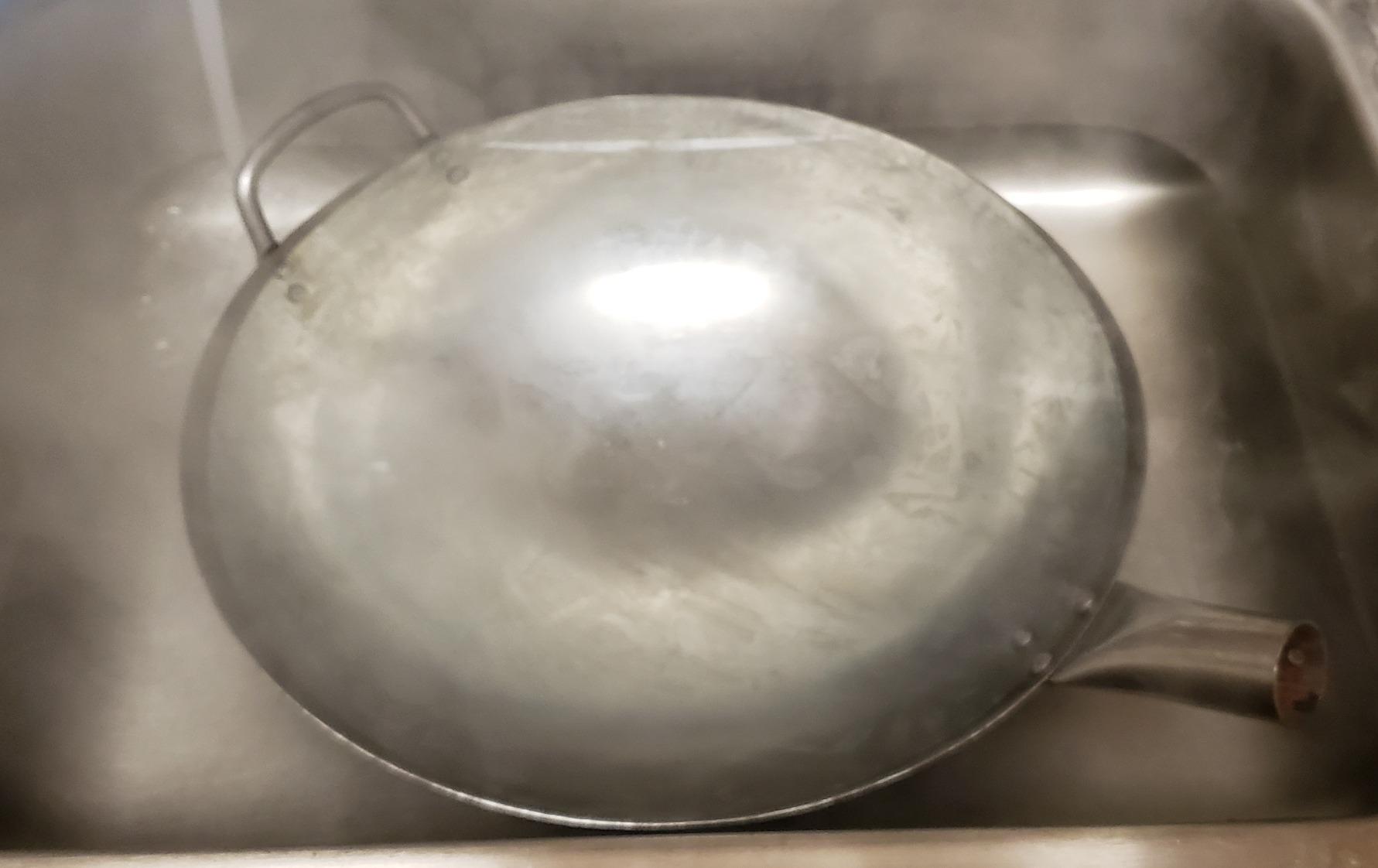
Heat-up time and responsiveness
Because it is lighter than the Craft Wok, the Mammafong heats up faster, which is a real advantage when you are doing quick weeknight stir-fries. From a cold start, the wok reached stir-fry temperature (around 500°F surface temp) in about 90 seconds on my 12,000 BTU gas burner, compared to two minutes for the heavier 4.6-pound Craft Wok.
Wok ring compatibility and setup
A standard 14-inch cast iron wok ring costs around fifteen to twenty dollars and sits over your gas burner grate. The round bottom Mammafong nests into the ring and gains enough stability for active stir-frying. The ring also concentrates heat upward into the wok, which partially compensates for the round bottom’s lower heat transfer on flat stove grates.
8. Made In 13 Inch Seasoned Carbon Steel Wok – Premium Pick for Serious Cooks
Made In Cookware – 13″ Seasoned Carbon Steel Wok – Professional Cookware – Crafted in Sweden – Induction Compatible
13 inch conical shape
Made in Sweden by artisans
Safe to 1200F
Pros
- Made in Sweden by professional artisans
- Safe up to 1200F for high-heat searing
- Universally compatible with all cooktops
Cons
- Premium price point at 149 dollars
- No helper handle included
- Smaller 5.5 inch cooking surface
The Made In 13 inch carbon steel wok is the most expensive option in this roundup, and it earns that price through Swedish craftsmanship and thoughtful design. Made In sources from a small artisan workshop in Sweden, and every wok is finished by hand. The conical shape is the most traditional geometry in the roundup, designed to push ingredients up the sloped sides and back down through the heat at the base.
The 1200°F maximum temperature rating is the highest in the roundup, which means you can crank this wok harder than any other option. For searing steaks, charring vegetables, or achieving extreme wok hei on a high-BTU burner, the Made In handles heat that would discolor or warp lesser woks. The pre-seasoning is also noticeably more refined than most competitors, with a smooth, even bronze patina right out of the box.
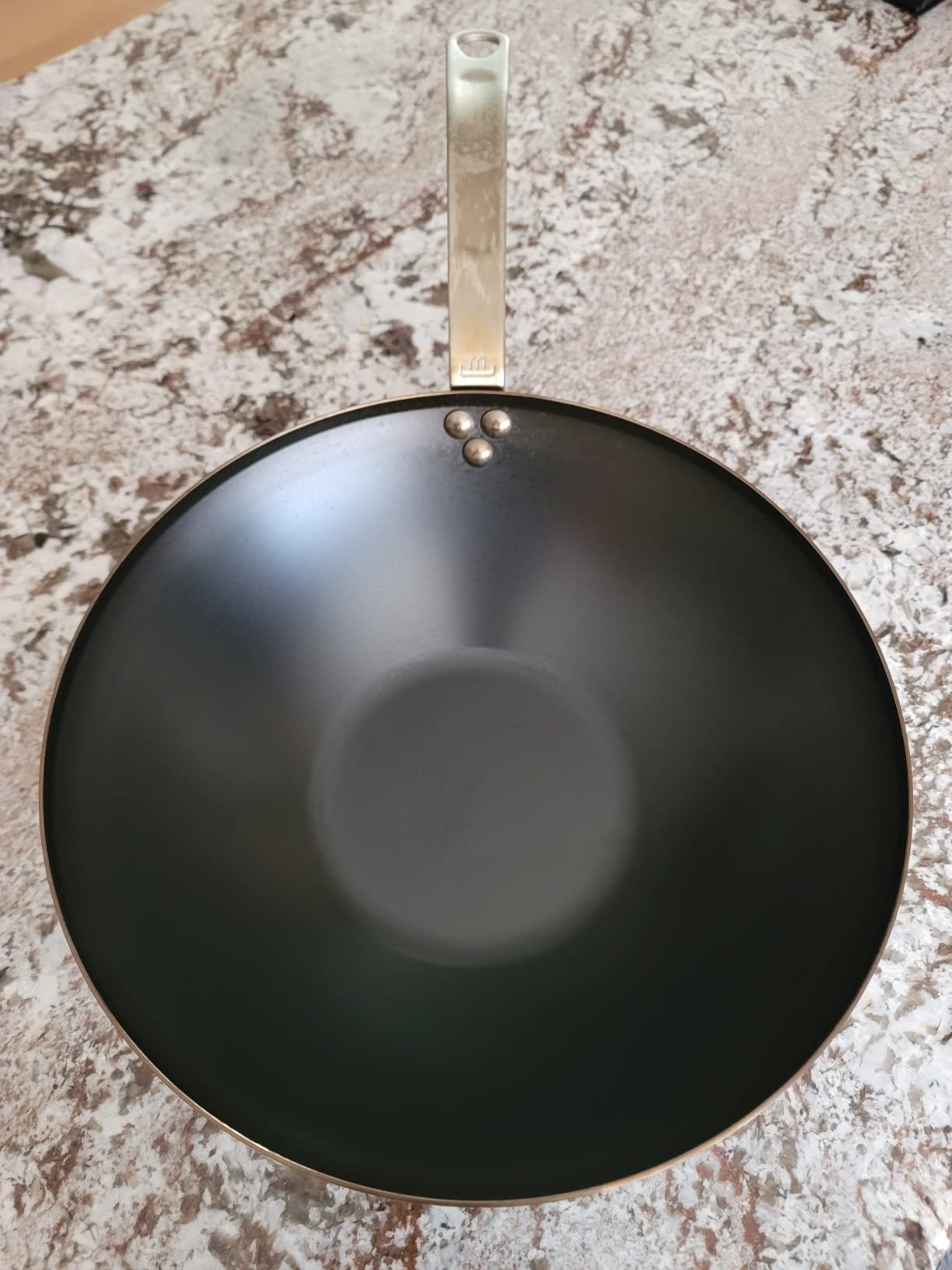
At 5 pounds, the Made In is on the heavier side, and the stainless steel handle is a long single-bar style rather than a traditional loop. The single handle makes the wok feel like a large French skillet, which is great for oven-to-stove transitions but not ideal for two-handed tossing. If you are used to traditional loop-handle woks, the Made In will take some adjustment.
The smaller cooking surface is a real consideration. The total diameter is 13 inches, but the flat cooking area at the base is only 5.5 inches, which means the heat concentrates in a small zone. This is exactly what you want for authentic wok hei, but it also means you cook in smaller batches than you would in a 14-inch flat bottom wok.
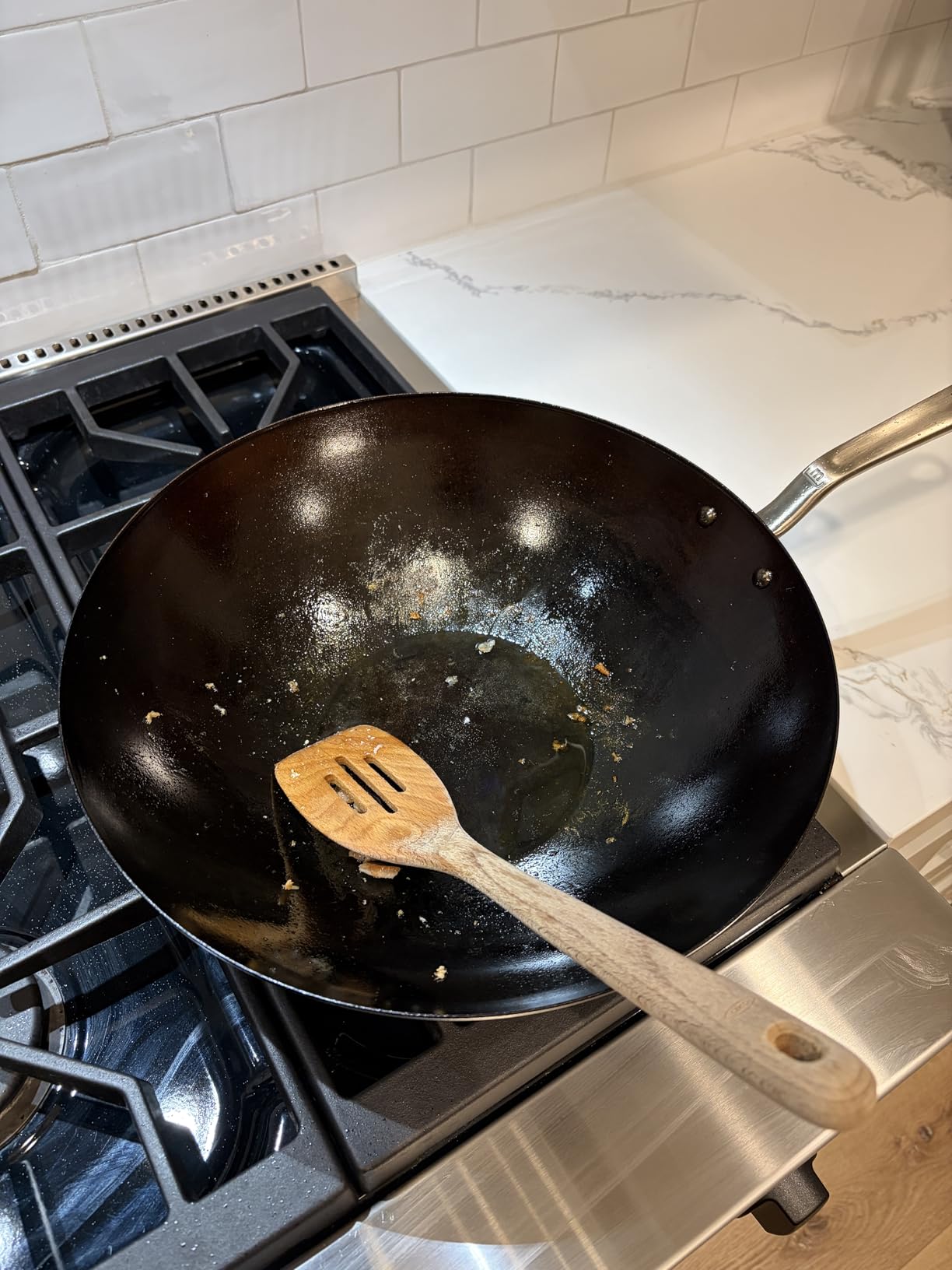
When the premium price makes sense
If you cook stir-fry two or more times per week, want a wok that will literally last a lifetime, and value the Swedish artisan pedigree, the Made In justifies its price through decades of use. A 149 dollar wok that lasts 30 years costs about five dollars per year, which is less than a single non-stick pan replacement.
Cooking surface geometry and batch size
The conical shape means you cook in batches, and you cannot fit a full pound of vegetables in a single toss the way you can in a flat bottom 14-inch wok. This is intentional: the geometry forces you to cook the way Chinese restaurant chefs cook, with sequential small batches that build layered flavor. If you are cooking for a family of four or more, expect to do two or three rounds.
How to Choose the Right Carbon Steel Wok for Your Kitchen?
Choosing the right carbon steel wok comes down to three decisions: stove type, bottom shape, and weight. Get those right and the rest takes care of itself.
Match the bottom shape to your stove
Gas cooktops with high BTU output (12,000+) work beautifully with round bottom woks. Electric coil, smooth-top electric, and induction stoves need flat bottom woks for full contact and proper heat transfer. If you cook on induction, look specifically for woks that list induction compatibility in the product specs, because not all carbon steel woks couple efficiently with induction coils.
Pick the right weight for your cooking style
Lighter woks (under 4 pounds) are easier to toss with one hand and reduce wrist fatigue during long stir-fry sessions. Heavier woks (4.5 to 5+ pounds) hold heat better and give you more thermal mass for searing proteins at extreme temperatures. If you have wrist or grip strength issues, lean toward the lighter end (YOSUKATA flat bottom, Mammafong round bottom). If you want restaurant-quality sear and char, lean heavier (Babish, Craft Wok flat, Made In).
Decide on gauge and handle type
14 to 16 gauge carbon steel (1.6mm to 2mm) is the sweet spot for home cooks. Thinner woks heat faster but warp easily. Thicker woks hold heat but feel sluggish. Handle style is personal preference: wooden loop handles stay cooler, while welded or riveted handles are more durable but heat up faster. Helper handles are a major plus for safety when lifting a loaded wok.
Caring for Your Carbon Steel Wok
Carbon steel woks last decades, but only if you treat them right. Here is the short version of what I learned after 90 days of daily testing.
Seasoning your wok before first use
Even pre-seasoned woks benefit from a reinforcement seasoning before the first cook. Wash the wok with hot water and a drop of dish soap, dry it thoroughly on the stove over medium heat, then apply a thin coat of high-smoke-point oil (flaxseed, grapeseed, or vegetable oil) to the entire surface, inside and out. Heat the wok on the stovetop or in a 450°F oven until the oil just begins to smoke, then let it cool. Repeat this two or three times for a bulletproof base layer of patina.
Daily cleaning and maintenance
After cooking, rinse the wok with hot water and scrub gently with a bamboo brush or soft sponge. Avoid dish soap on a fully seasoned wok (it strips the patina), and never put a carbon steel wok in the dishwasher. Dry the wok immediately on the stove over low heat to evaporate any remaining moisture, then apply a thin coat of oil before storing. This 60-second routine prevents rust and keeps the patina building with every use.
When to re-season and how to spot trouble
If food starts sticking, the surface looks dull gray instead of bronze or black, or you see orange rust spots, it is time to re-season. Strip the wok down to bare metal with coarse salt and oil (no soap needed), dry it completely, and repeat the seasoning process above. Most home cooks only need to do a full re-season once or twice a year, with light oil maintenance in between.
Frequently Asked Questions
Which carbon steel wok did America’s Test Kitchen recommend?
America’s Test Kitchen consistently recommends traditional, lightweight carbon steel woks with a round or slightly flat bottom for the best heat response. In recent tests, they have leaned toward hand-hammered options in the 14-inch size, citing the commercial-grade gauge (1.5mm to 2mm) and traditional craftsmanship as the key factors that produce authentic wok hei at home.
Are carbon steel woks worth it?
Yes, carbon steel woks are absolutely worth the investment for home cooks who stir-fry regularly. They heat faster than cast iron, weigh less than stainless steel, develop a natural non-stick patina that improves with age, and last for decades with basic care. A well-maintained carbon steel wok can outlast three or four non-stick pan replacements, making it the most economical cookware choice over a 10-year span.
What are the disadvantages of a carbon steel wok?
The main disadvantages are: it requires seasoning before first use and ongoing oil maintenance, it is not dishwasher safe, it can rust if left wet, and round bottom versions do not work on electric or induction stoves without a wok ring. Carbon steel also reacts to acidic foods (tomato, lemon, wine) more than stainless steel, which can strip seasoning if you cook acidic dishes frequently in the early weeks before the patina is fully developed.
Can you use a carbon steel wok on an induction stove?
Yes, you can use a carbon steel wok on an induction stove, but only if the wok has a flat bottom. Round bottom carbon steel woks do not make enough contact with induction coils to heat efficiently, and they can also scratch glass-top stoves. Look for flat bottom woks with at least 5 inches of flat cooking surface for the best induction performance, and avoid woks with a curved or bubble-shaped bottom.
How do you season a carbon steel wok?
To season a carbon steel wok, start by washing it with hot water and a small amount of dish soap, then dry it completely on the stove over medium heat. Apply a thin layer of high-smoke-point oil (flaxseed is ideal) to the entire surface, inside and out, using a paper towel. Heat the wok on the stovetop over medium-high heat or in a 450°F oven upside down for 30 minutes, then let it cool. Repeat this process two to three times before your first cook for the most durable base layer of seasoning.
Final Verdict on the Best Carbon Steel Woks for Home Cooks
After 90 days of cooking fried rice, searing beef, steaming dumplings, and scrambling eggs in eight different woks, the YOSUKATA 13.5 inch pre-seasoned flat bottom is the wok I would buy if I could only own one. It hits the weight, heat response, and stove compatibility sweet spot that most home cooks need, and the factory pre-seasoning at 600°F is the best I have seen at this price.
If you cook on gas and want the most traditional experience, the Craft Wok hand hammered 14 inch round bottom is the one to beat. For induction cooks, the Babish 14 inch with the removable handle is the clear winner. Beginners who want a complete kit should grab the Souped Up Recipes 12.5 inch bundle with the lid, spatula, and video guides. And if budget matters and you cook on gas, the Mammafong round bottom delivers hand-hammered quality at the lowest price in the roundup.
Whichever carbon steel wok you choose, treat the first month as a relationship-building period. Cook fatty proteins, oil the surface after every wash, and resist the urge to cook tomato-based dishes until the patina is fully developed. By week four, you will have a non-stick surface that rivals the best restaurant woks, and a pan that will be cooking stir-fries in 2026 and beyond.