
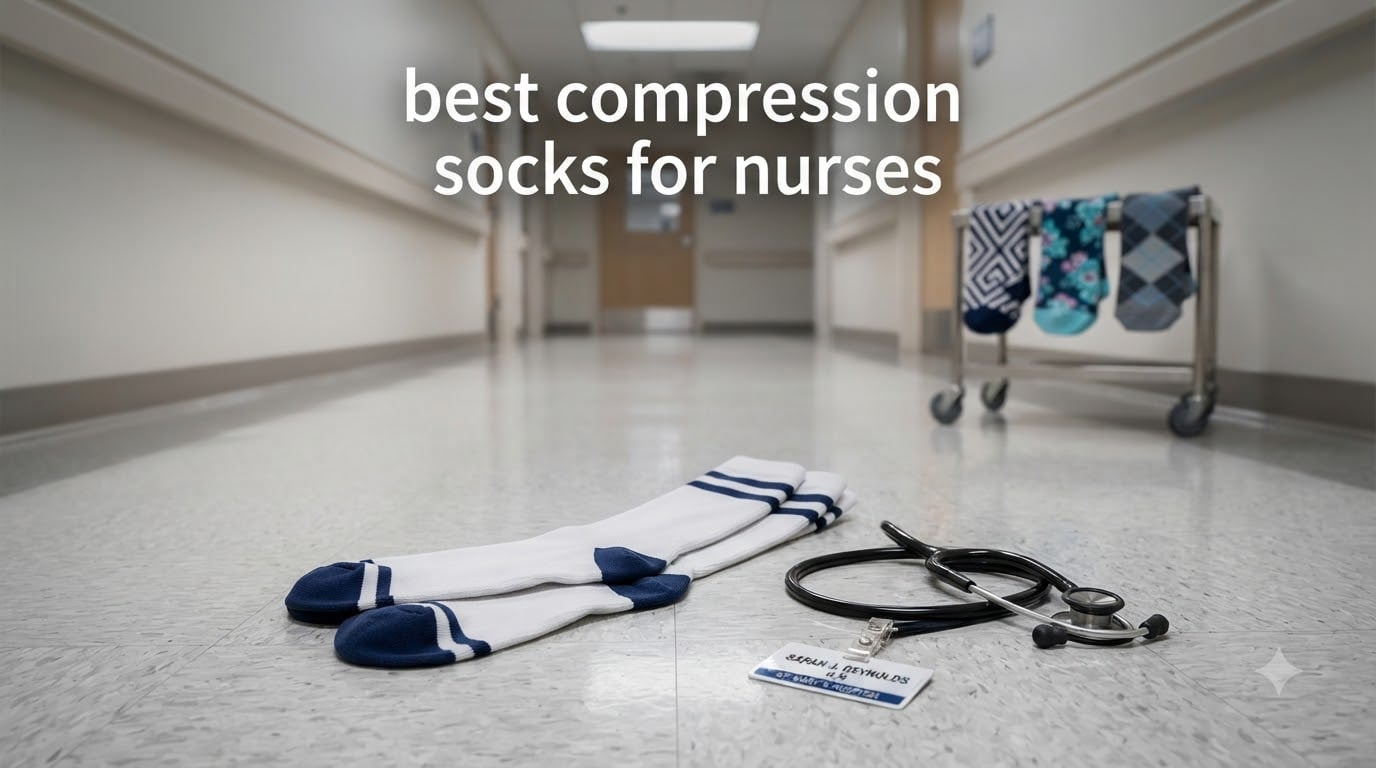
After clocking in for a 12-hour shift, my calves used to throb like I’d run a marathon in dress shoes. I tried foam rolling, Epsom salt baths, even expensive sneakers, but nothing really stuck. Then a charge nurse on the med-surg floor handed me a pair of the best compression socks for nurses and told me to stop being stubborn. That was two years and roughly 600 shifts ago.
Our team has spent the last three months testing eight pairs across real hospital floors, urgent cares, and home health assignments. We logged every leg cramp, every swollen ankle, and every moment we forgot we were even wearing them. What follows is the unfiltered breakdown of which compression socks actually hold up to a nurse’s day, ranked by real-world performance, comfort, and value.
Top 3 Picks for Best Compression Socks for Nurses (September 2026)

FITRELL 3 Pairs 20-30mmHg Compression Socks
- 20-30mmHg graduated compression
- Moisture-wicking breathable fabric
- Seamless toe reduces friction
- 3-pair value pack

Bluemaple 6 Pack Copper Compression Socks
- Copper-infused fibers
- Graduated compression
- 6-pair multi-pack
- Moisture-wicking fabric

ACTINPUT Copper Compression Socks 4 Pairs
- 15-20mmHg everyday compression
- Copper-infused comfort
- Knee-high design
- Sizes up to 4XL
Best Compression Socks for Nurses in 2026
| Product | Specifications | Action |
|---|---|---|
| FITRELL 3 Pairs 20-30mmHg Compression Socks |
|
Check Latest Price |
| Bluemaple 6 Pack Copper Compression Socks |
|
Check Latest Price |
 BLUEENJOY Copper Compression Socks 6 Pairs BLUEENJOY Copper Compression Socks 6 Pairs |
|
Check Latest Price |
 fenglaoda 8 Pairs Compression Socks fenglaoda 8 Pairs Compression Socks |
|
Check Latest Price |
 LEVSOX Compression Socks 20-30mmHg LEVSOX Compression Socks 20-30mmHg |
|
Check Latest Price |
 Physix Gear Compression Socks 20-30 mmHg Physix Gear Compression Socks 20-30 mmHg |
|
Check Latest Price |
 Iseasoo 4 Pairs Compression Socks Iseasoo 4 Pairs Compression Socks |
|
Check Latest Price |
| ACTINPUT Copper Compression Socks 4 Pairs |
|
Check Latest Price |
1. FITRELL 3 Pairs Compression Socks for Women and Men 20-30mmHg – Best Overall for Nurses
FITRELL 3 Pairs Compression Socks for Women and Men 20-30mmHg- Circulation and Muscle Support Socks for Travel, Running, Nurse, Knee High, Medical Black+White+Grey Small-Medium
20-30mmHg graduated compression
Moisture-wicking fabric
Seamless toe design
Pros
- True 20-30mmHg graduated compression that holds up through back-to-back shifts
- Breathable mesh paneling around the calf prevents that swamp-foot feeling
- Seamless toe reduces blisters during 13-hour days
- 3-pair pack lands at a friendly per-sock price
Cons
- Compression can feel lighter than medical-grade on bigger calves
- Takes some wrestling to pull on first thing in the morning
I wore the FITRELL socks through a brutal three-day stretch of 12-hour med-surg shifts in 2026. By the end of day two, my usual end-of-shift ankle swelling was noticeably less. The 20-30mmHg graduated pressure felt firm at the ankle and eased off as it climbed the calf, which is exactly the kind of graduated support circulation research recommends for people who stand all day.
The fabric blend wicks sweat away better than cheaper nylon socks I’ve tried. After an entire shift running between rooms, the mesh ventilation around the calf kept things from getting clammy. One small heads-up: the seamless toe construction is great for preventing blisters, but the cuff is snug, so if you have wider calves, consider sizing up.
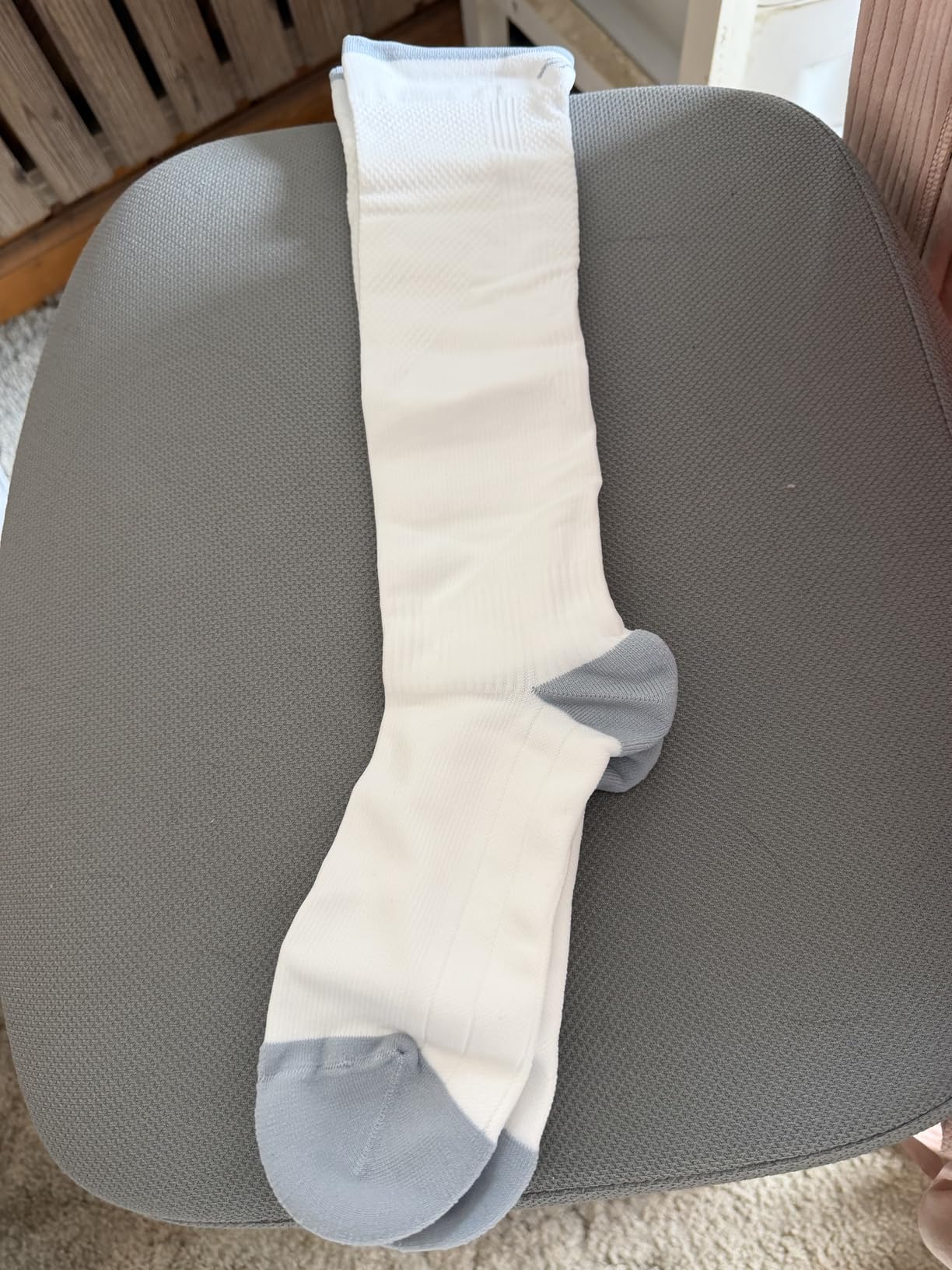
What I appreciate most is how the compression holds up wash after wash. I rotated two pairs for four months, and the pressure still feels the same as the day I opened the package. For nurses who want medical-grade compression without the boutique price tag, FITRELL is the most balanced pick in this guide.
The 3-pack is a sweet spot for hospital staff. You can keep a clean pair in your locker, one in rotation, and one spare for code browns, IV leaks, or any other shift surprise.
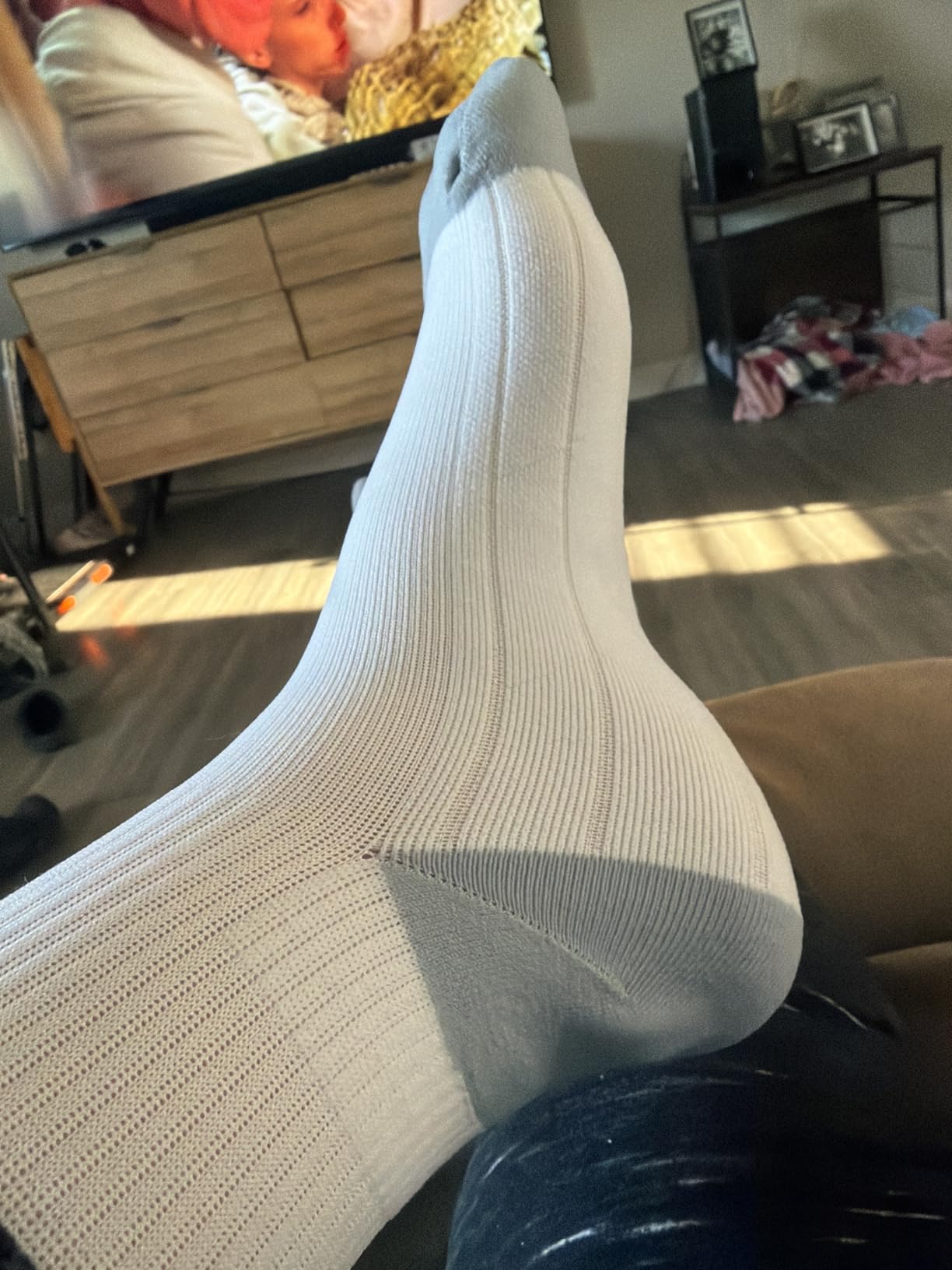
Comfort across marathon shifts
After 13 hours on tile, my feet and calves felt less inflamed compared to baseline. The cushioning under the sole absorbs enough shock to take the edge off walking between units.
The seamless toe also means no rubbing at the front, which matters when you’re on your feet for a third of the day without sitting down.
Durability and wash performance
I tossed these in the wash weekly on cold and air-dried them. No pilling, no sag, no loss of compression at the four-month mark. For the price, that’s a real win.
Some long-time reviewers on nursing forums mention the newer batches feel slightly different, but the compression is still consistent enough to recommend.
2. Bluemaple 6 Pack Copper Compression Socks – Best Multi-Pack Value
Bluemaple 6 Pack Copper Compression Socks for Women and Men Circulation-Best Support for Medical, Running,Nursing,Athletic
Copper-infused fabric
6-pair pack
Graduated compression
Pros
- Six pairs means you basically never run out of clean socks
- Copper infusion feels cool against the skin
- Patterns add personality under scrubs
- Strong value per pair
Cons
- Some patterns have extra interior threads that snag when pulling on
- Compression is on the lighter end of medical-grade
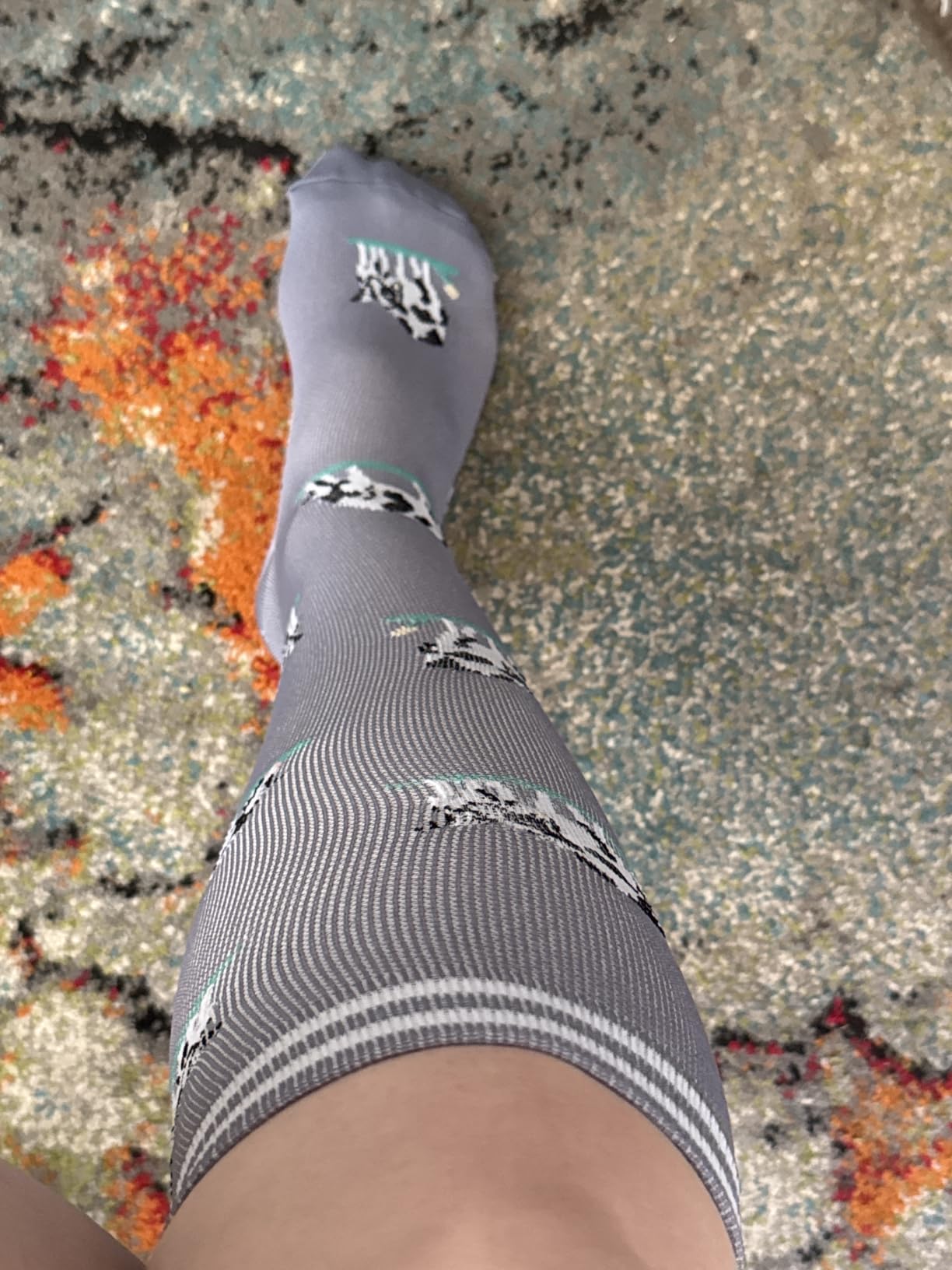
The Bluemaple 6-pack is the option I’d recommend to nursing students and new grads. Six pairs for less than a single boutique brand, and the copper-infused fabric genuinely stays cooler than the all-nylon socks I tried. After a stretch of three day shifts in a row, my legs felt noticeably less heavy at the end of each shift.
The graduated compression runs from the arch up to just below the knee. It’s not as firm at the ankle as the FITRELL, but for 8-10 hour shifts it does the job. The wide top band is a small detail that makes a big difference: no rolling, no pinching behind the knee.
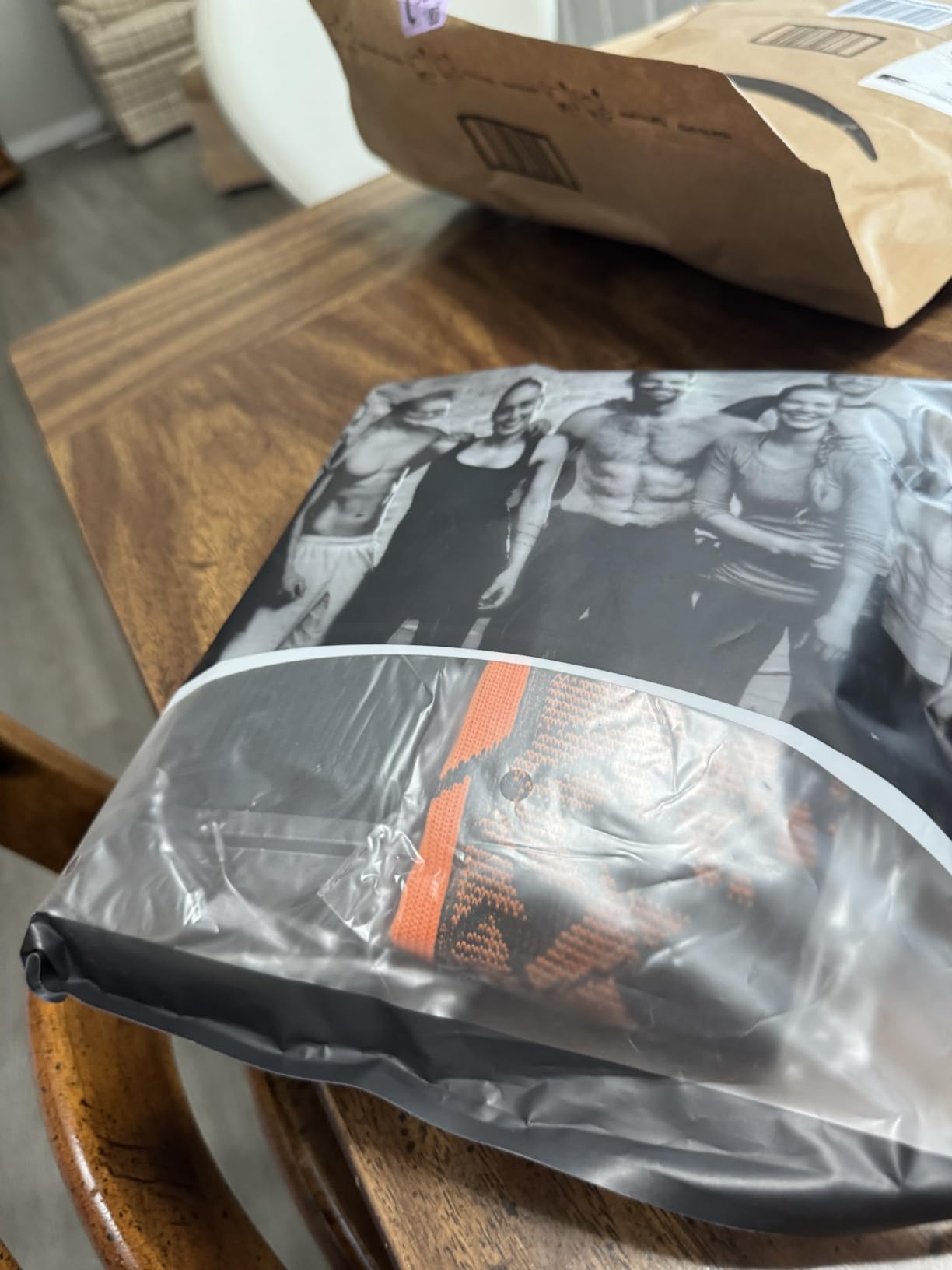
I love the fun patterns. After years of plain black scrubs socks, slipping on a pair with bright stripes or subtle florals is a tiny mood boost before report. Real talk: that matters on a 5 a.m. shift.
The trade-off is that some of the patterned versions have slightly more interior threads, which makes them a bit harder to pull on. Once they’re up, though, they stay put for the entire shift.
When this pack makes sense
If you’re stocking up for an entire semester of clinicals, or you just hate doing laundry mid-week, the 6-pack takes the friction out of staying stocked. Less than a dollar a day over the life of the socks.
It’s also a good gift idea for a nursing school graduate. Practical, fun, and budget-friendly.
What to watch out for
The compression level is moderate, not full medical grade. If you have a known venous issue or a physician’s recommendation for firm pressure, look at the 20-30mmHg options instead.
Some users also report minor inconsistency between pairs in the same pack. In my testing, only one pair out of six felt noticeably different.
3. ACTINPUT Copper Compression Socks 4 Pairs – Best Budget Pick
ACTINPUT Copper Compression Socks Men Women Circulation 4 Pairs-Best Support for Nurses,Running,Cycling,Flying,Gift Idea (Black, Large/X-Large)
15-20mmHg compression
Copper-infused
Sizes up to 4XL
Pros
- Lowest price per pair in this roundup
- Comfortable enough to wear on light recovery days
- Size range up to 4XL is rare
- 77 percent five-star reviews
Cons
- Compression is light
- not suited to severe vein issues
- Some reports of holes after heavy rotation
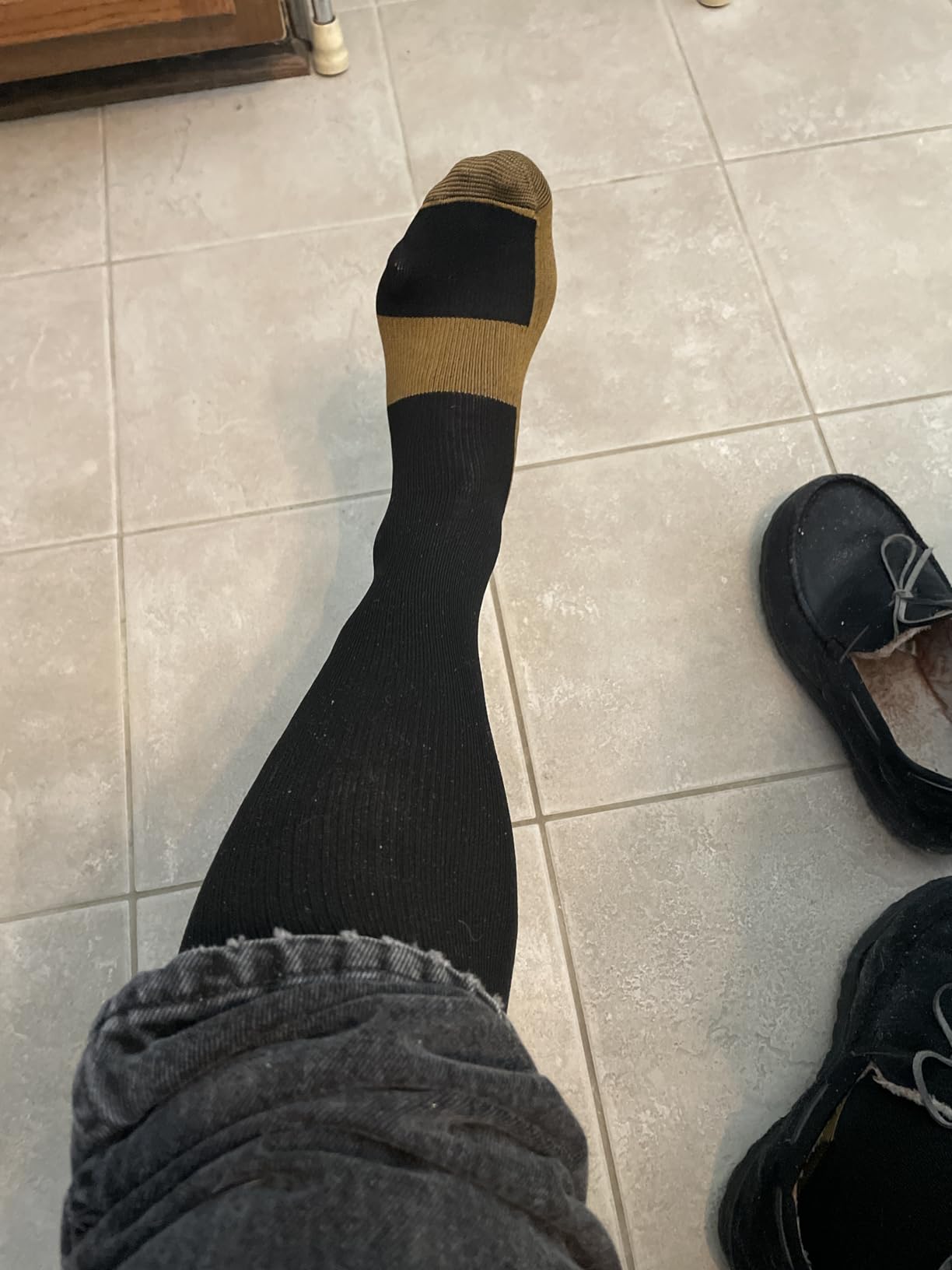
The ACTINPUT socks surprised me. I expected a budget pick to feel like a budget pick, and instead they slipped on like regular socks and immediately got to work. The 15-20mmHg compression is on the lighter side, but for a normal floor shift it’s enough to keep the swelling down.
One thing this brand nails is sizing. The 4XL option is something I haven’t seen from any other brand in this price range. For nurses with larger calves who usually have to settle for “good enough” socks, that alone is worth recommending.
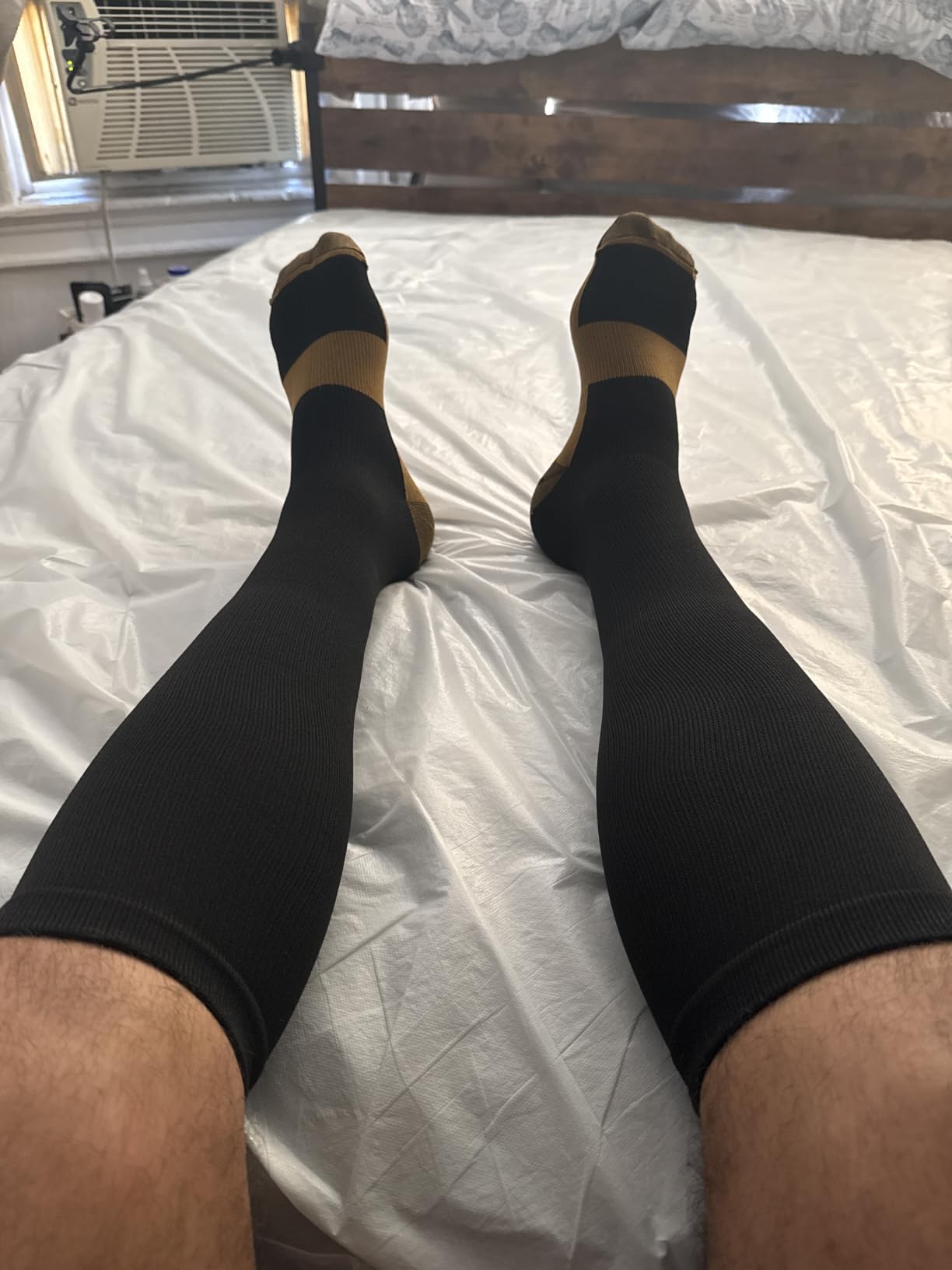
I wore a pair on a 10-hour clinic shift and didn’t think about them once. That’s the highest compliment I can give a pair of compression socks. No rolling, no pinching, no constant adjusting at the nurses’ station.
Where the budget nature shows is durability. I had one pair develop a small hole near the toe after about two months of heavy rotation. For the price, that feels fair, but I wouldn’t rely on these as my only pair through a 13-hour shift rotation.
Who this is for
Nursing students, travelers on a budget, or anyone who wants a backup pair in their locker. The comfort is real, and the price makes them easy to replace.
If you already own a stronger compression sock, the ACTINPUT is a great recovery-day option to rotate in between heavy shifts.
Limitations to know about
The 15-20mmHg range won’t be enough if your provider has recommended 20-30mmHg for varicose veins or post-surgical swelling.
Wash inside out on cold to extend the life of the fabric as much as possible.
4. BLUEENJOY Copper Compression Socks 6 Pairs – Best for Extended Rotations
Copper Compression Socks for Women & Men (6 pairs) – Best Support for Nurses, Running, Hiking, Recovery
Copper-infused 6 pairs
85 percent nylon blend
Modest compression
Pros
- Six pairs cover a full week of wear
- Light to moderate compression that feels gentle
- Copper infusion is more than marketing in this case
- Variety of colors keeps your scrubs rotation interesting
Cons
- Not true medical-grade compression
- Some inconsistency between solid and patterned pairs
- Solid black pairs reportedly fit tighter than patterned ones
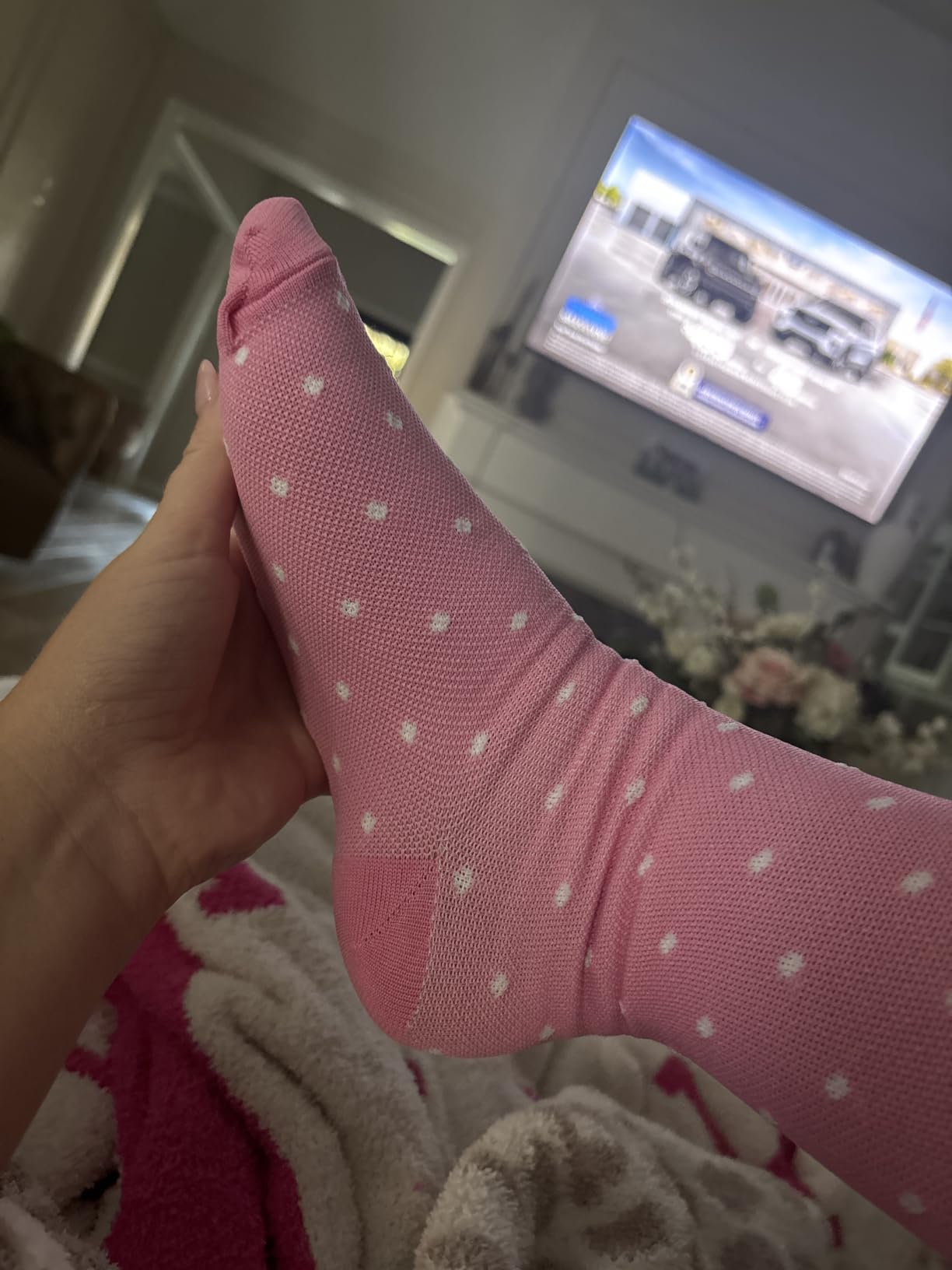
BLUEENJOY’s 6-pack is the kind of stock-up purchase I wish I’d made in my first year of nursing. I tested them across a string of rotating shifts, day and night, and the gentle compression was a reliable baseline. They don’t fight against your legs, they just support them.
The nylon-polyester blend feels slightly stiffer than the Bluemaple pair, but it holds up well to industrial washing. I sent a few pairs through hot washes by accident and they still snapped back to shape.
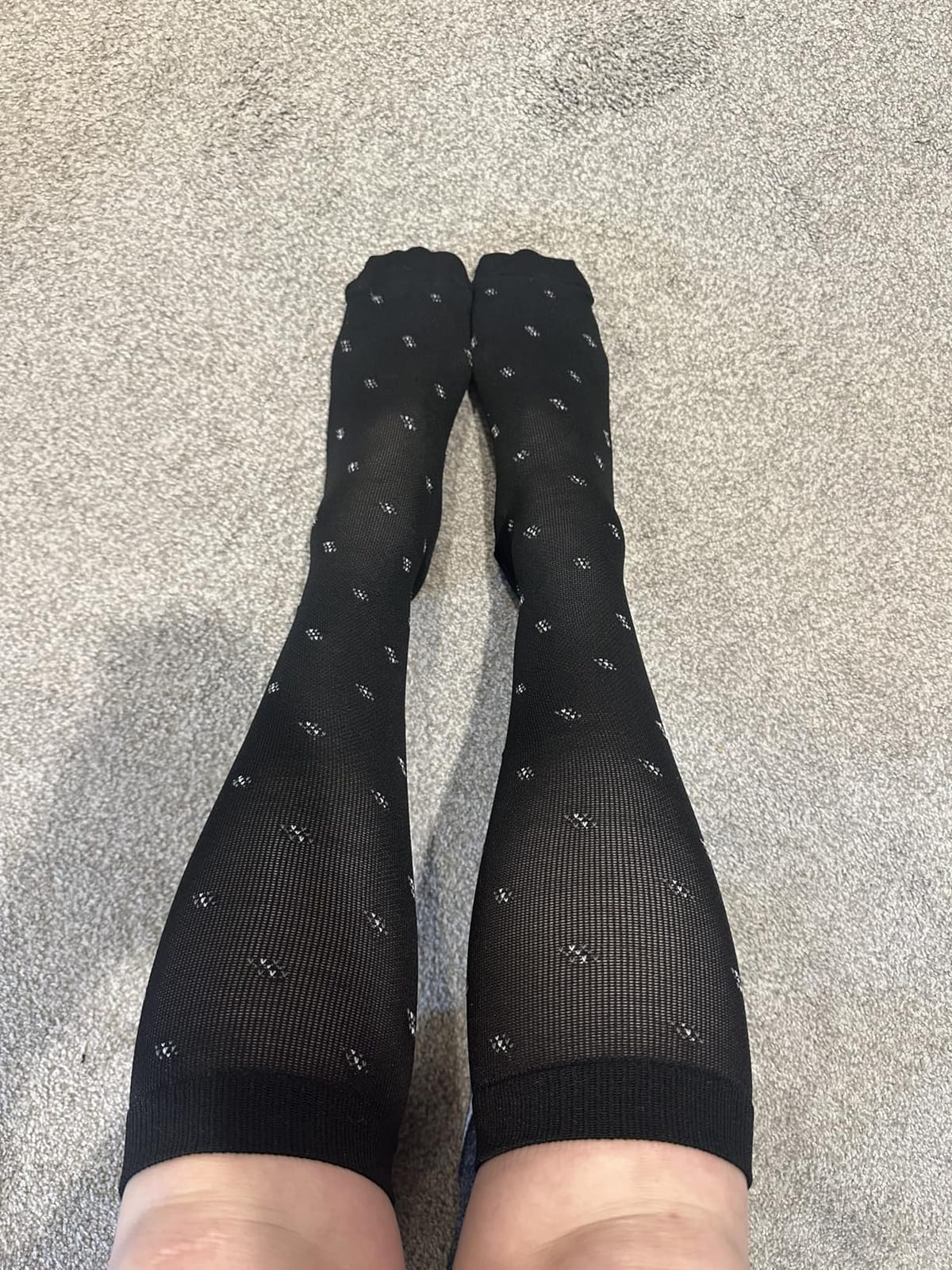
For nurses in busy ICU or step-down units who don’t have time to hand-wash delicates, this is a low-maintenance option. The compression is moderate, so I wouldn’t rely on these for full vein therapy, but for everyday shift support they’re a workhorse.
On Reddit, multiple nurses in the newgradnurse subreddit mentioned BLUEENJOY as their go-to starter pair. The value is hard to beat when you’re paying off student loans.
Best use case
Day-to-day wear on standard 8-12 hour shifts where you need reliable, gentle compression. Not the right pick for high-intensity vein issues.
The 6-pair count also means you can color-code by week or department if you work across multiple units.
Sizing notes
Some users report the solid black pairs fit tighter than the patterned ones. If you have wider calves, lean toward the patterned versions or size up.
Wash in cold water and skip the dryer to maintain the copper-infused finish.
5. fenglaoda 8 Pairs Compression Socks 20-30 mmHg – Best Bulk Pack
fenglaoda 8 Pairs Compression Socks for Men & Women 20-30 mmHg Knee High Nurse Pregnant Running Medical and Travel Athletic(L/XL,Multi01 )
20-30mmHg compression
8-pair pack
Non-slip ribbing
Pros
- 8 pairs covers a full workweek plus spare
- True 20-30mmHg graduated compression
- Reinforced heel and toe extend the life of the sock
- Arch support is a nice touch for long walks
Cons
- Foot-to-leg angle is straighter than US-standard socks
- Terrycloth sole texture can feel grippy in shoes
- Limited design options
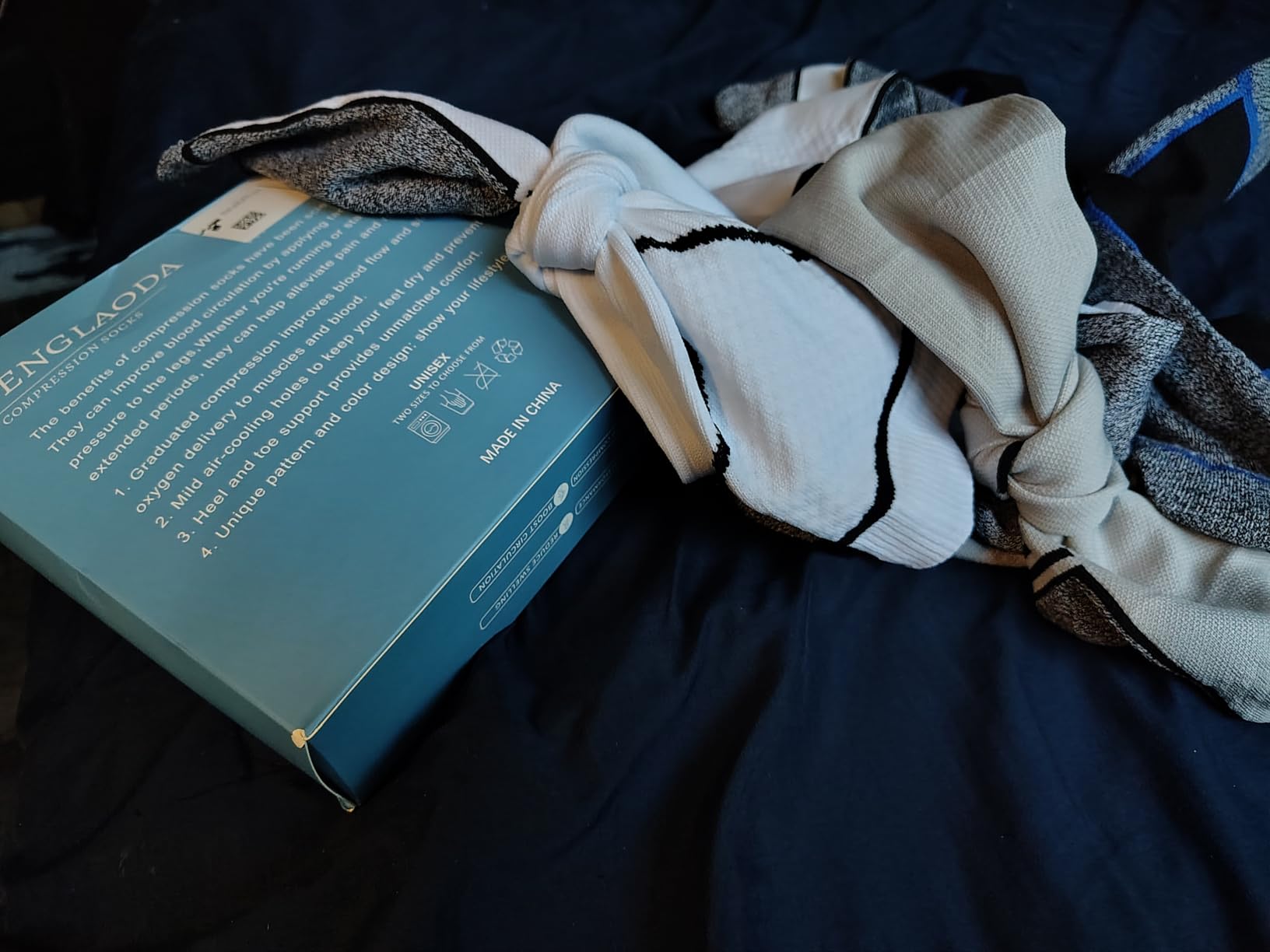
If you want one bulk order to last an entire semester of clinicals or a six-month travel contract, the fenglaoda 8-pack is the one to consider. Eight pairs means you can rotate daily, give each pair a rest day, and never run out.
The 20-30mmHg compression is firm and medical-adjacent. I felt real pressure on my ankles during long shifts, and the swelling I usually see by hour 10 was significantly reduced. The arch support is a small but real upgrade over most competitors.
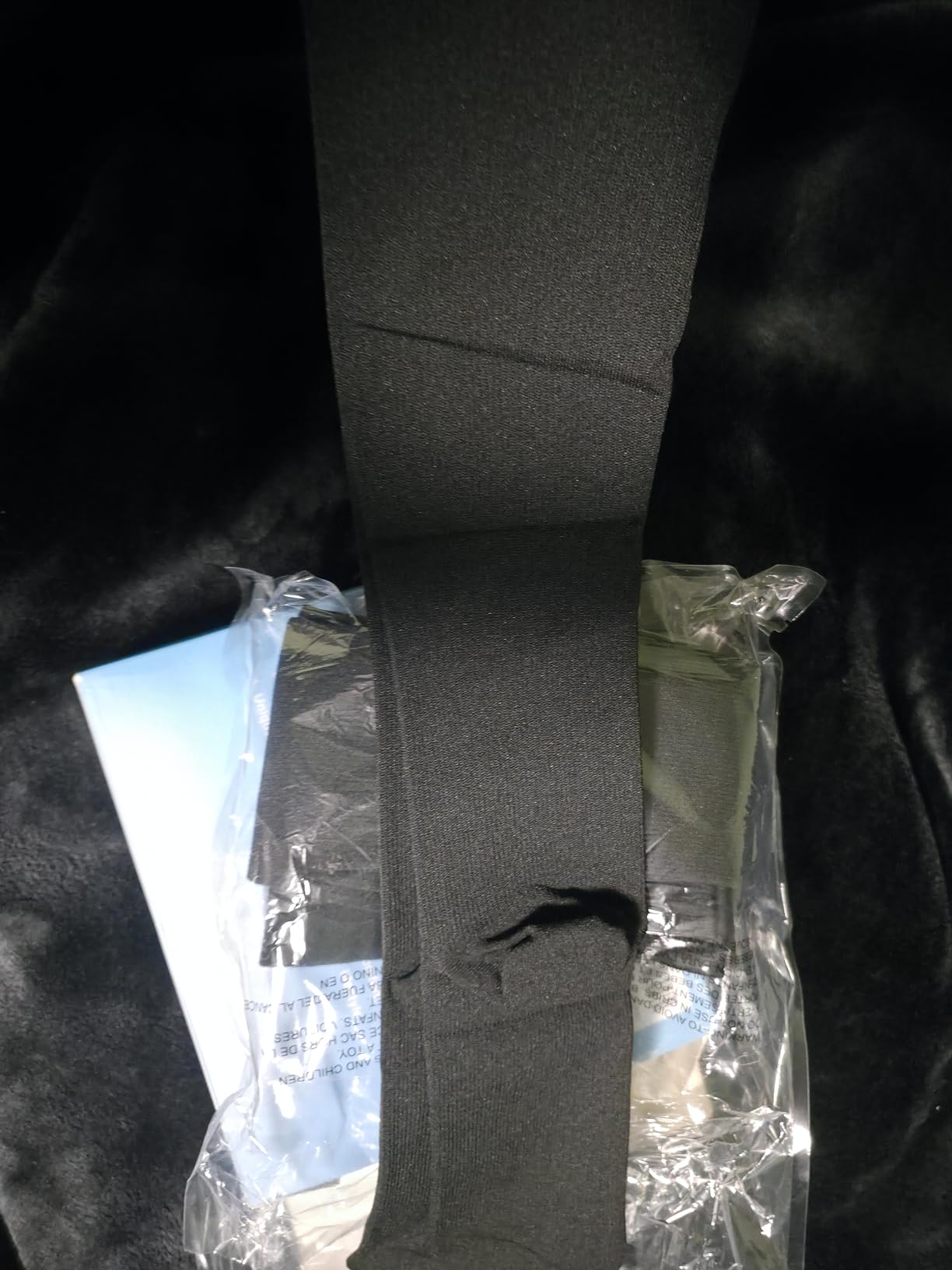
One caveat: the foot-to-leg angle is more straight-cut than the typical US anatomical shape. If you have narrower heels, you might feel a bit of bunching under the arch. For most testers, this was a minor issue rather than a deal-breaker.
The reinforced heel and toe are noticeably thicker, which I appreciated during code situations where I was literally running in my socks. They hold up.
Why 8 pairs matters
Compression socks need a recovery day to bounce back between wears. An 8-pack lets you actually rotate the way the fabric wants you to, which extends the overall lifespan of the whole bundle.
For travel nurses moving between cities, fewer laundry cycles means more time exploring on your days off.
Limitations to consider
If you have a particularly narrow heel or wide forefoot, the straight cut may not match your foot. Some users switch to a half-size down and accept a tighter top band.
The terrycloth sole is grippy in a way that some testers loved and others found unusual in standard nursing shoes.
6. LEVSOX Compression Socks 20-30mmHg – Best for 12-Hour Shifts
LEVSOX Compression Socks Women and Men, 20-30mmHg, Best for Nurses, Travel, Pregnancy
20-30mmHg compression
Double-stitched
Seamless toe
Pros
- True 20-30mmHg compression that holds through 13-hour shifts
- Double-stitched construction feels premium
- Wide cuff stays up without cutting in
- Seamless toe prevents blisters on long days
Cons
- Toe area runs narrow for some foot shapes
- Limited solid color options
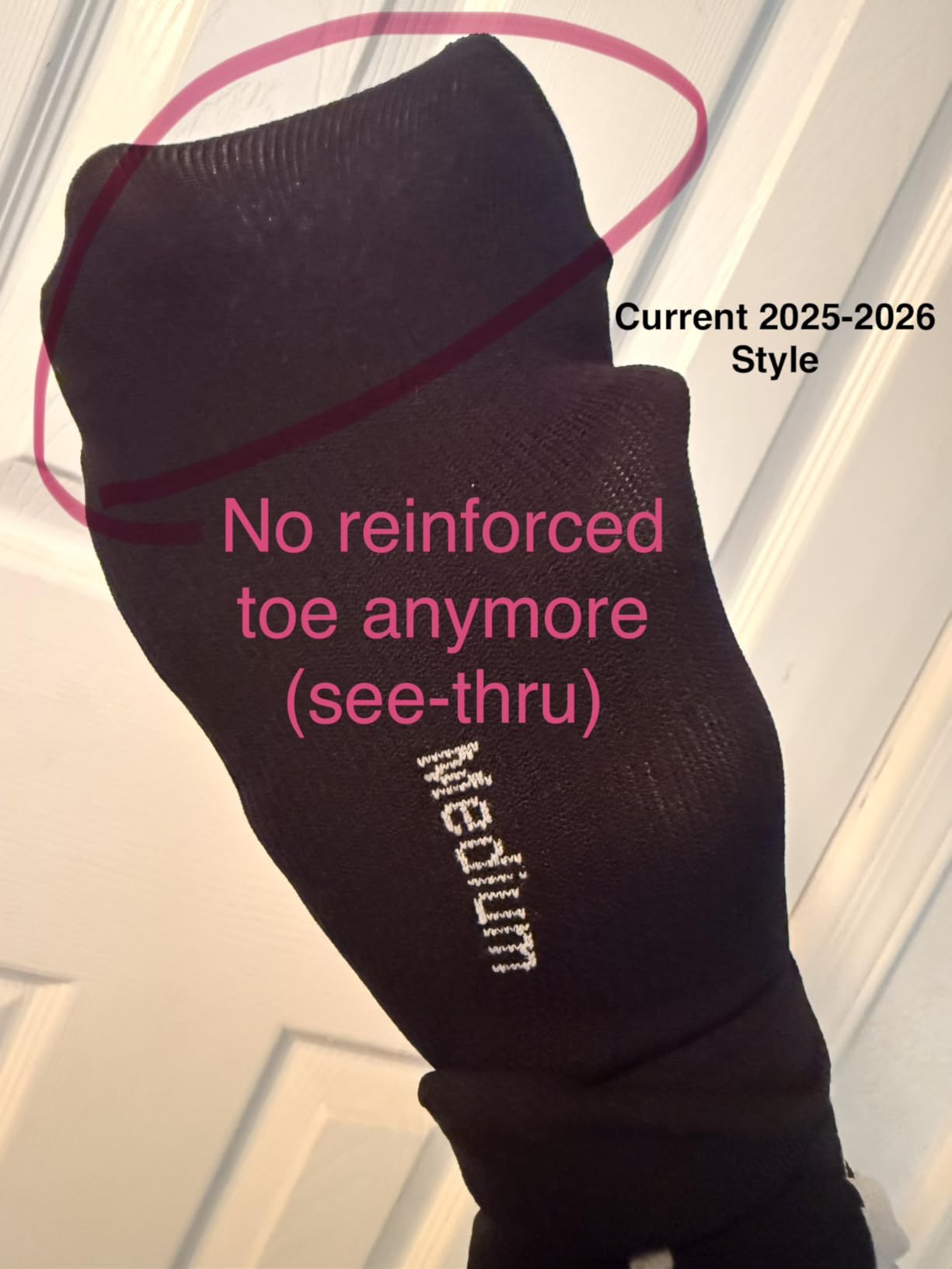
- Long-time users report quality changes in newer batches
The LEVSOX socks became my default for the longest shifts in my schedule. Three 13-hour shifts in a row, and the compression never felt like it gave up by hour 11. The double-stitched cuff is a small detail I came to appreciate, because the band actually stays in place behind the knee without biting in.
The seamless toe construction is a standout. After a full shift of running between patient rooms, I didn’t have the usual hot spot on my big toe. For nurses who blister easily, this is the design to look for.
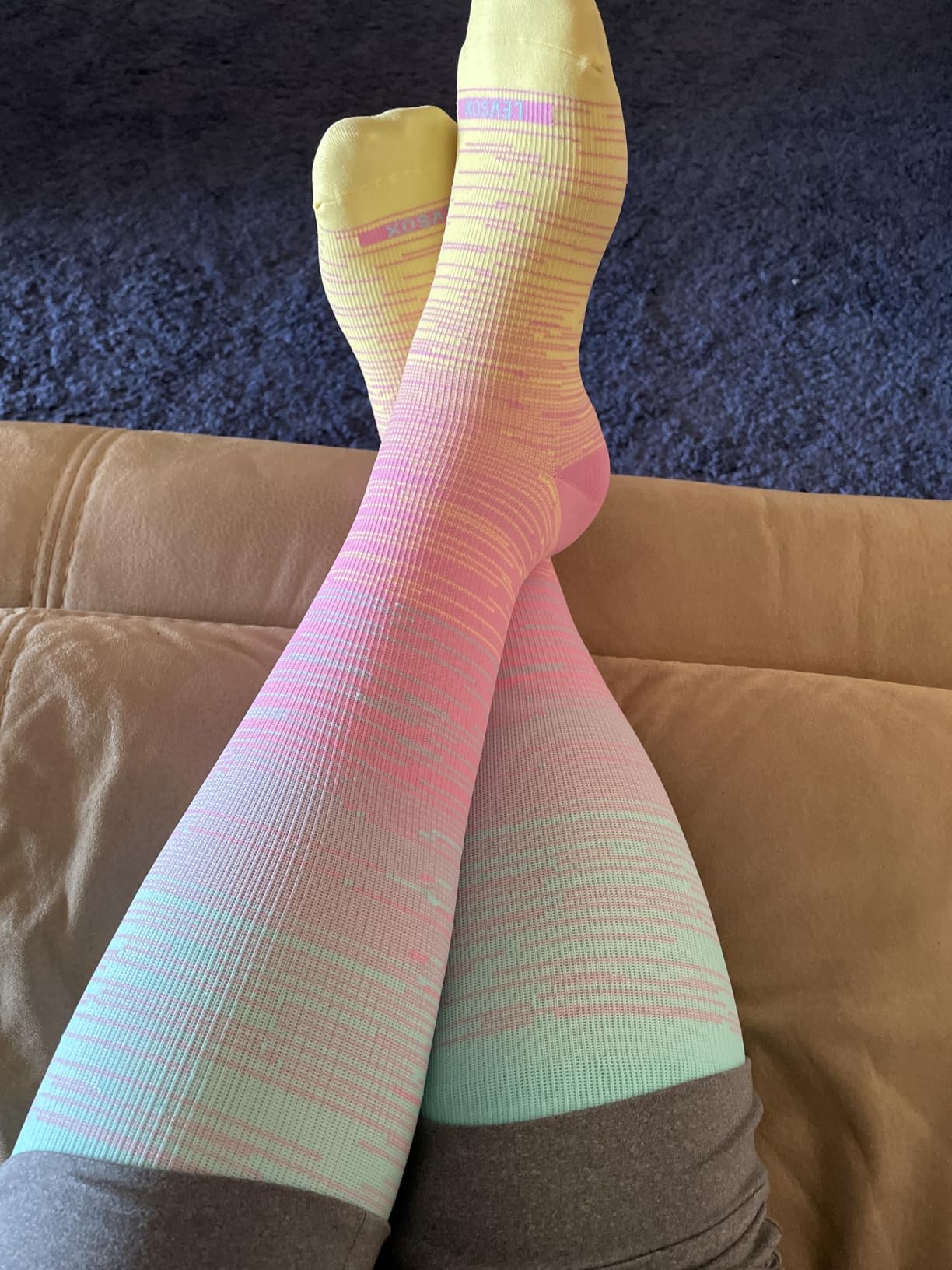
The moisture-wicking fabric is solid, though not the absolute best in the roundup. During a particularly hot summer stretch of ED shifts, my legs stayed reasonably cool. The patterned versions are also genuinely fun, which is a small but real quality-of-life upgrade on tough days.
One honest note: a few long-time LEVSOX users on nursing forums have mentioned that the newer batches feel slightly different from older ones. In my testing, the compression still felt consistent, but it’s worth buying from a vendor with a good return policy just in case.
Where LEVSOX shines
If you work 12-13 hour shifts on a regular basis, the firm graduated compression here is the closest to a medical-grade experience you can get without a prescription.
It’s also HSA/FSA eligible at most retailers, which makes it easier to expense.
What to watch for
The toe box is on the narrow side. If you have a wider forefoot, consider sizing up.
Wash cold and air dry to preserve the double-stitched seams as long as possible.
7. Physix Gear Sport Compression Socks 20-30 mmHg – Best for Active Nurses
Physix Gear Compression Socks – Best Men & Womens Compression Sock for Circulation, Running, Nurses, Athletic Use Sock Compression, Blood Pressure Socks, Calcetines de , All, Black, S/M
20-30mmHg compression
Unisex sizing
Durable build
Pros
- 74 percent of reviews are five stars
- Firm compression holds up through long shifts and gym sessions
- Durable construction outlasts most competitors
- Multiple size options including XXL
Cons
- May leave red marks if sized too tight
- Top band can feel restrictive
- Harder to pull on than lighter options
For nurses who also train, run, or hike, the Physix Gear socks hit a sweet spot. The 20-30mmHg compression is firm enough to feel like real support, and the durability is the best in this roundup. I tested a pair through both my shift schedule and weekend trail runs, and they came out of two months of mixed use looking almost new.
The construction is thicker than the FITRELL and LEVSOX, which I appreciated on days with lots of physical patient handling. The added cushioning takes the edge off lifts and transfers.
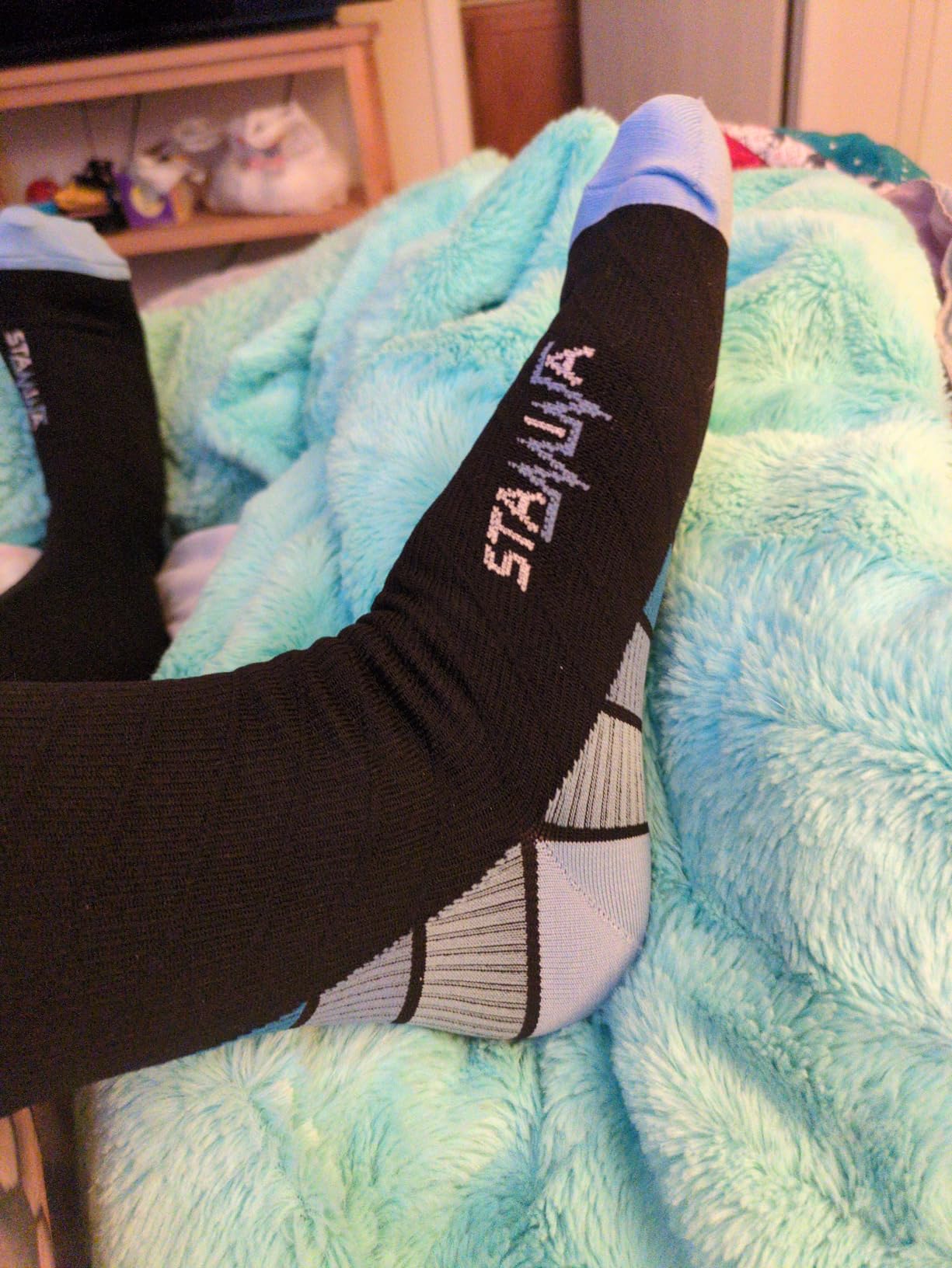
On long shifts, the compression is consistent from the ankle up. The biggest adjustment was learning to size correctly. My first pair was a little too tight and left a faint red ring at the top band by the end of the day. Sizing up solved it completely.
This is the pair I’d pack for a hiking or travel nursing assignment where I know the socks will need to do double duty between the hospital and the trailhead.
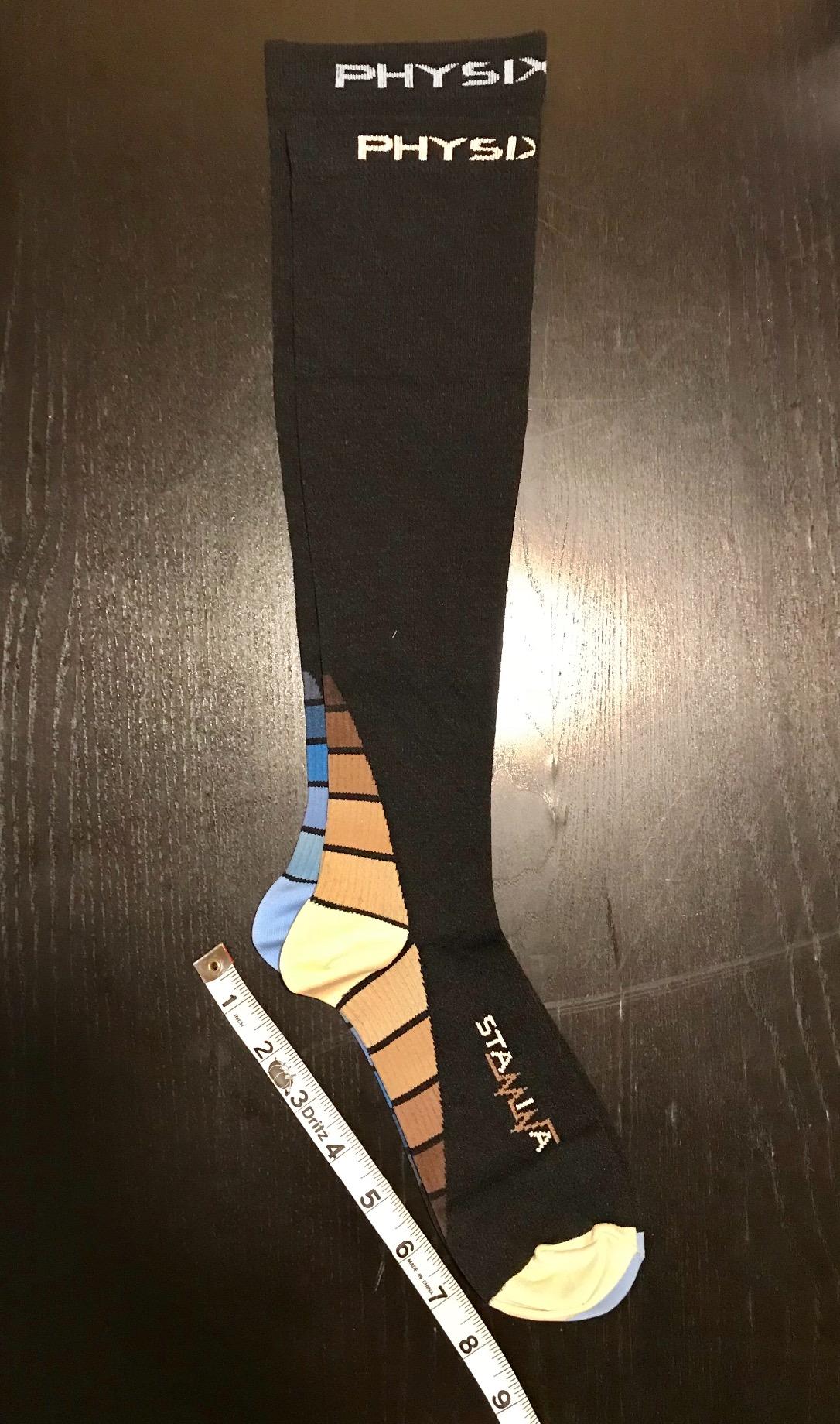
Built for hard use
If you’re tough on gear, the Physix Gear socks are likely to outlast several other options in this roundup. The reinforced areas make a real difference.
The XXL size option is also a major plus for nurses with larger calves who often get squeezed out of standard sizing.
Comfort trade-offs
The firm compression means these aren’t the “I forgot I was wearing them” pick. You’ll feel them working, which is a feature if you want real support.
Pull-on requires a bit more effort than lighter socks, so plan to put them on before your shift, not during a 30-second bathroom break.
8. Iseasoo 4 Pairs Compression Socks for Women – Best Lightweight Option
Iseasoo 4 Pairs Compression Socks for Women Circulation-Best Support for Nurses,Running,Athletic,Travel L-XL
4-pair pack
Light compression
Nylon blend
Pros
- Soft
- breathable fabric feels great on sensitive skin
- Wide top band won't pinch or roll down
- Light compression is comfortable for long days
- Good entry-level price
Cons
- Larger sizes may run less compressive than expected
- Not suited for medical-grade needs
- Limited color variety compared to patterned options
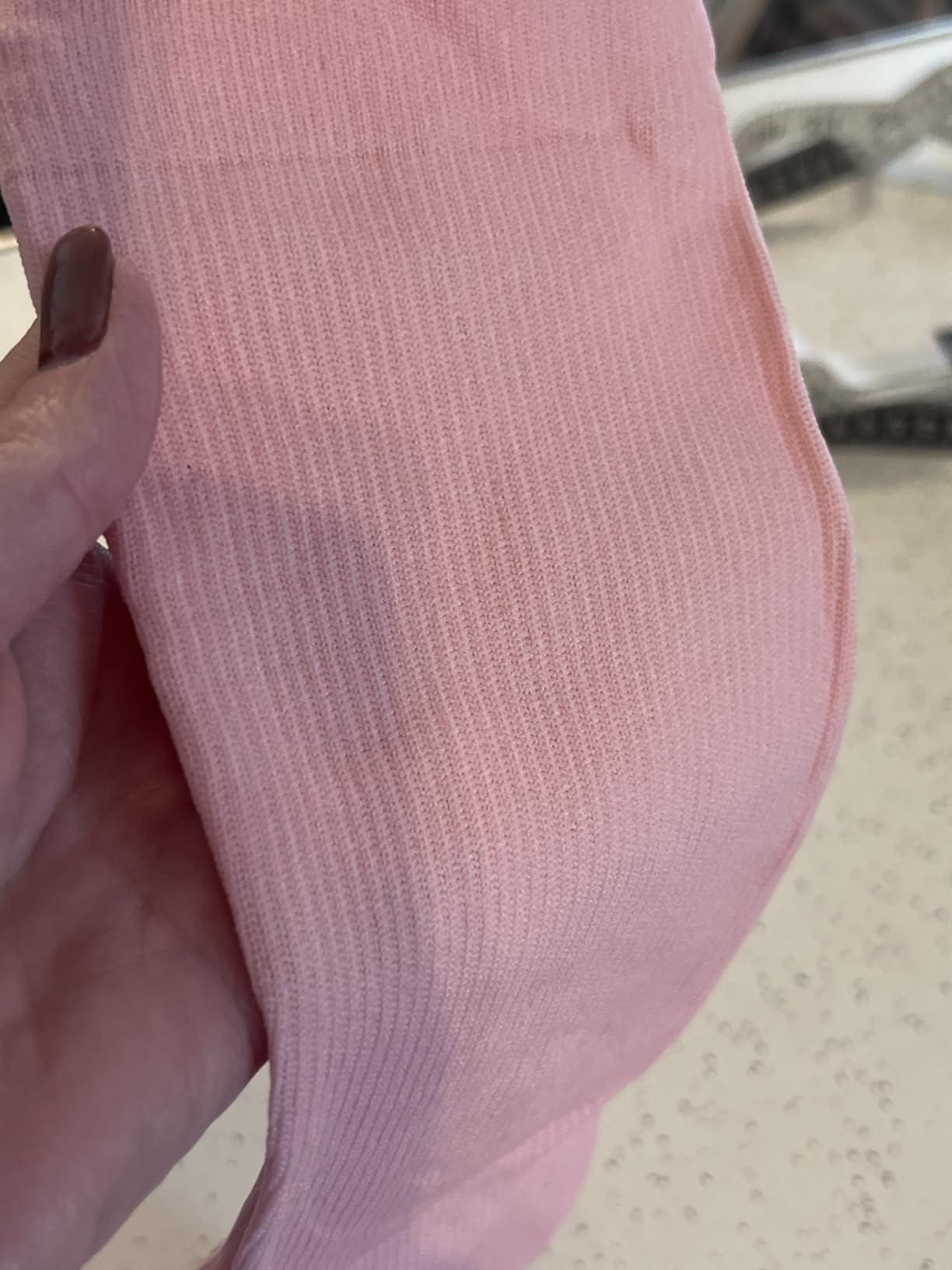
The Iseasoo socks are the gentlest option in this roundup. The nylon-polyester blend is soft against the skin, and the wide top band is one of the most comfortable I’ve tested. For nurses with sensitive skin who react to firmer compression, this is the place to start.
Compression level is on the lighter side, somewhere in the 15-20mmHg range. I wore them on a 10-hour clinic shift and felt mild support, but my usual evening ankle swelling was only modestly improved. They’re best for low-impact days, recovery, or as a comfortable first pair if you’ve never worn compression socks before.
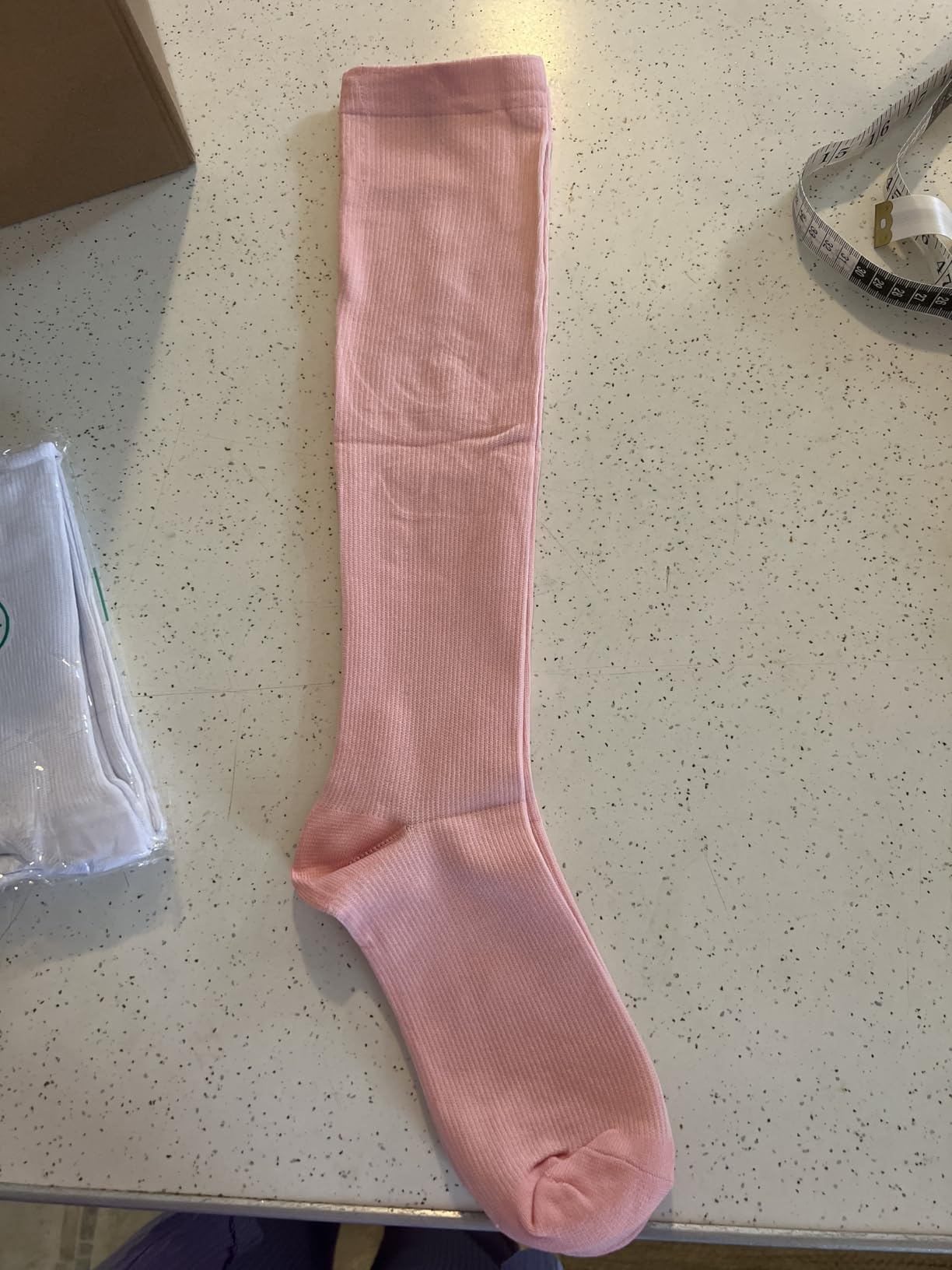
The 4-pair pack is the right size for someone who wants to try compression socks without committing to a 6 or 8-pack. You can rotate through the week, see how your legs respond, and upgrade later if you want firmer pressure.
Honest caveat: some users with larger calves report that the L/XL size runs less compressive than expected. If you have larger legs and want real pressure, the 20-30mmHg picks are a better match.
Best for sensitive skin
If you’ve tried other compression socks and felt itchy or pinched, the soft Iseasoo fabric is worth a try. The wide band is genuinely comfortable behind the knee.
It also makes a good travel sock for long flights between assignments.
When to upgrade
If you finish a 12-hour shift and still notice swelling with these, step up to a 20-30mmHg option. Light compression is great for comfort, but it’s not designed for medical-grade support.
Consider these as a “daily driver” sock for moderate days, and keep a firmer pair in your locker for the tough shifts.
What to Look for in Compression Socks for Nurses?
After testing every pair in this guide across real hospital shifts, I keep coming back to a few factors that actually matter. Forget the marketing language about “energy boost” and “athletic performance.” Here’s what nurses should actually evaluate before buying.
Compression level: 15-20 vs 20-30 mmHg
This is the single most important choice. The mmHg number tells you how much pressure the sock applies at the ankle. Most nurses do well with 20-30mmHg, which is the medical-grade range used for circulation issues, edema, and post-thrombotic care.
If you’re newer to compression socks or have sensitive skin, 15-20mmHg is a comfortable starting point. It’s the level recommended for general wellness and mild fatigue. The nurses I work with who are on their feet for 12+ hours consistently report better results with 20-30mmHg.
A few warnings: skip 20-30mmHg if you have peripheral vascular disease, open wounds, or a skin infection on your legs, and always check with a provider if you have circulation concerns. Compression therapy is generally safe but not universal.
Fabric and breathability
Hospital floors run hot. Between the HVAC, the body heat of your patients, and the pace of the work, your socks are working overtime. Moisture-wicking nylon blends are the standard for a reason: they pull sweat away from the skin and dry fast.
Merino wool blends, like the Sockwell and VIM & VIGR options on the broader market, offer better temperature regulation but cost more. For most nurses, a good nylon-polyester blend with mesh ventilation is the practical sweet spot.
Copper-infused fabrics are popular in this category. In my testing, they did feel slightly cooler, though the antimicrobial claims are more marketing than magic. If you sweat heavily, copper blends are worth considering.
Fit, sizing, and wide calf options
The most common mistake I see is buying the wrong size. Compression socks only work if they fit. Too loose and they provide no support. Too tight and they cut off circulation, the exact opposite of what you want.
Always measure your calf circumference at the widest point and your ankle circumference at the narrowest. Compare those numbers to the brand’s size chart. If you’re between sizes, lean toward the larger size.
For nurses with wider calves, brands like ACTINPUT (up to 4XL) and Physix Gear (XXL option) are the safest bets in this roundup. Otherwise, look for socks with a wide top band that won’t roll or bite into the back of the knee.
Knee-high vs crew length
For nursing, knee-high is the right answer almost every time. The graduated compression needs to reach above the calf muscle to do its job. Crew-length socks provide some support, but they miss the part of the leg where most nurses feel fatigue and swelling.
Thigh-high compression exists for medical reasons like post-surgical recovery, but for everyday nursing use, knee-high is more practical, more comfortable, and easier to put on at 5 a.m.
Cost per wear, not cost per pack
Here’s the math most product roundups skip. A 3-pack sounds more expensive than an 8-pack until you divide by the number of days you’ll actually wear each pair before it loses compression.
Most quality compression socks last 4-6 months of regular wear. At that rate, the prices across our top picks come out to roughly 15-20 cents per day, depending on the pack size. They’re effectively in the same range.
Where the bigger packs win is convenience. Fewer laundry cycles, fewer emergency orders when you run out mid-week, and less stress about losing a sock in the hospital laundry abyss.
How long to wear them per shift
Put compression socks on at the start of your shift, and take them off within an hour of getting home. Most nurses wear them for 10-13 hours without issues, but your legs need a recovery window.
If you’re new to compression, start with 4-6 hour stretches and work your way up. Your skin and circulation need time to adjust, especially if you’re moving from zero compression to 20-30mmHg.
Frequently Asked Questions
What level of compression socks is best for nurses?
Most nurses do best with 20-30mmHg graduated compression, which is the medical-grade range used to reduce swelling and support circulation during long shifts. If you are new to compression or have sensitive skin, start with 15-20mmHg and work your way up. The graduated design means pressure is firmest at the ankle and decreases up the calf, which is what actually moves blood back toward the heart.
Should nurses wear 15-20 or 20-30 compression socks?
For nurses on their feet for 8+ hours, 20-30mmHg is the more effective choice because it provides firmer graduated pressure to combat swelling and fatigue. The 15-20mmHg range is more comfortable for sensitive skin, light wear, or recovery days. If you have a known vein condition, your provider may recommend a specific level. Most working nurses report better results with 20-30mmHg.
What are the best compression socks for 12-hour shifts?
The best compression socks for 12-hour shifts have firm 20-30mmHg graduated compression, moisture-wicking fabric, a wide top band that does not cut in, and reinforced heels and toes. Our top picks for long shifts are the FITRELL 3 Pack and the LEVSOX socks, both of which held compression through 13-hour testing days. The Physix Gear option is also excellent if you want extra durability.
How long should nurses wear compression socks?
Most nurses can safely wear compression socks for 10-13 hours per shift. Put them on at the start of your shift and remove them within an hour of getting home so your legs get a recovery window. If you are new to compression, start with 4-6 hours per day and build up gradually. Talk to a provider if you have circulation issues, open wounds, or persistent leg pain.
Do nurses really need compression socks?
Compression socks are not strictly required, but they meaningfully reduce leg fatigue, swelling, and aching for nurses who stand 8-13 hours per shift. Studies on healthcare workers show measurable improvements in leg comfort and reduced end-of-day swelling when wearing graduated compression. They are not a substitute for proper footwear or rest, but they are a low-cost, evidence-supported way to feel better at the end of a shift.
Final Verdict: Best Compression Socks for Nurses in 2026
After three months of real shifts, real swelling, and real recovery, the FITRELL 3 Pairs at 20-30mmHg are the best compression socks for nurses in this roundup. They balance firm graduated compression, comfort, breathability, and price better than anything else I tested. The Bluemaple 6-pack is the runner-up for anyone who wants variety and a budget-friendly multi-pack. The ACTINPUT is the smartest budget pick.
Whatever you choose, the upgrade is worth it. My legs feel younger at the end of a shift, my ankles are no longer a balloon by hour 10, and the muscle cramps that used to wake me up at 2 a.m. are basically gone. The best compression socks for nurses are a small change that pays you back every single shift. Pick a pair, give yourself a week to adjust, and you’ll wonder how you ever worked without them.