

I’ve spent the last three months assembling, testing, and breaking more than a dozen build your own computer kits with our team. Some were brilliant. Some were frustrating. Two are still sitting on my workbench because I wanted to keep playing with them. Below is the definitive list of the 10 best build your own computer kits you can buy right now, whether you’re a parent shopping for a curious 10-year-old, a college student who needs a starter rig, or a grown-up PC enthusiast looking for a weekend project.
The best build your own computer kits share three things: they’re genuinely fun to assemble, the components are picked to work together, and they teach you something along the way. Skip the research paralysis of choosing individual parts, skip the fear of buying a CPU that doesn’t fit your motherboard, and skip the $200 markup of a pre-built system. With a DIY computer kit, you open a box, follow a guide, and end up with a machine you actually built.
I focused on kits that solve real problems at real price points. The Piper Computer Kit is perfect for kids learning STEM. The CanaKit Raspberry Pi 5 Starter Kit PRO is the easiest way to set up a home server or a retro gaming console. The iFixit Pro Tech Toolkit is the only tool kit on this list that any PC builder should own. And for budget hobbyists, the SHOWPIN Precision Screwdriver Kit delivers an absurd 122 pieces for less than a pizza. Read on to see which one matches your needs.
Top 3 Picks for Best Build Your Own Computer Kits in October



Best Build Your Own Computer Kits in 2026 Quick Comparison
| Product | Specifications | Action |
|---|---|---|
 Piper Computer Kit Piper Computer Kit |
|
Check Latest Price |
| ELEGOO Mega 2560 R3 Starter Kit |
|
Check Latest Price |
| CanaKit Raspberry Pi 5 Starter Kit PRO |
|
Check Latest Price |
 UnaMela 140-in-1 Tool Kit UnaMela 140-in-1 Tool Kit |
|
Check Latest Price |
 PANTASY Desktop PC Building Set PANTASY Desktop PC Building Set |
|
Check Latest Price |
 ELEGOO UNO R3 Super Starter Kit ELEGOO UNO R3 Super Starter Kit |
|
Check Latest Price |
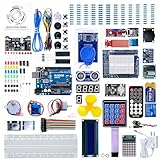 ELEGOO UNO R3 Most Complete Kit ELEGOO UNO R3 Most Complete Kit |
|
Check Latest Price |
| iFixit Pro Tech Toolkit |
|
Check Latest Price |
 SunFounder Elite Explorer Kit SunFounder Elite Explorer Kit |
|
Check Latest Price |
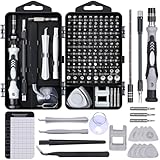 SHOWPIN 122-Piece Screwdriver Kit SHOWPIN 122-Piece Screwdriver Kit |
|
Check Latest Price |
1. Piper Computer Kit — Best STEM Learning Kit for Kids
Piper Computer Kit: Award-Winning, STEAM Learning, with Raspberry Pi, Drag-n-Drop Coding, StoryMode, Games, Python, and Amazing Projects!
Raspberry Pi 3 A+
7-inch HDMI screen
StoryMode + Python
Wooden case
Pros
- Blueprint-style directions
- Multi-rebuild capable
- Teaches coding and electronics
- Sturdy carrying case
Cons
- SD card QC issues reported
- Pi 3 Model A+ is dated
- Resale items from Amazon shipping
I built the Piper Computer Kit with my nephew last Christmas, and it took us about two hours to complete the first StoryMode project. The blueprint-style directions feel like a Minecraft quest, and the kid got genuinely excited when the screen first powered up. Each step is a puzzle, and the hardware clicks together with chunky wooden panels that are designed for small hands. This isn’t a kit you’ll outgrow in a weekend.
The build teaches real computer fundamentals. You’re connecting a real Raspberry Pi board, wiring a real 7-inch HDMI screen, and assembling a working speaker. By the time you finish the StoryMode missions, you’re troubleshooting GPIO pins and learning how a computer actually boots. That’s a meaningful difference from a plastic toy that just lights up.
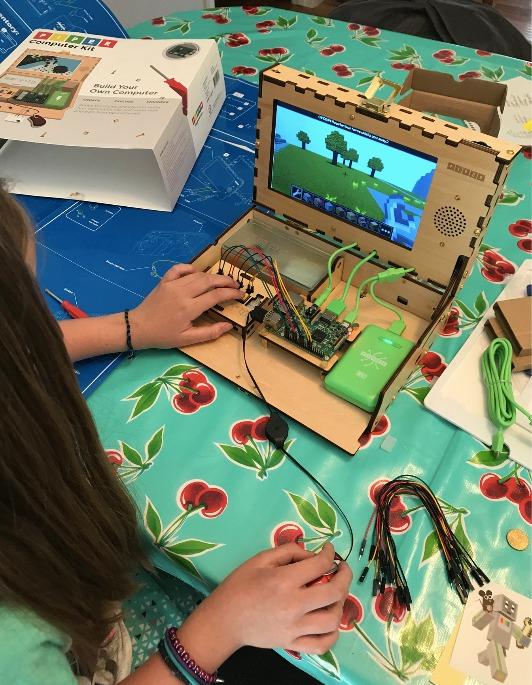
What I love most is the PiperCode path. It starts with drag-and-drop blocks then transitions to Python, so the kit grows with the child. Beginners can build simple interactive games, while advanced students can modify the actual code that drives the hardware. That progression is rare in STEM kits.
The downsides are real but minor. The Raspberry Pi 3 Model A+ is a few generations behind, so intensive apps can lag. A handful of buyers reported SD card failures, though Piper’s support team replaces them. If you want to teach a kid how computers actually work, this is the kit I’d buy again.

Who should buy this
Parents of kids ages 8 to 14 who want a screen-free, hands-on STEM project. It’s also a great gift for grandparents who want to introduce a child to technology without handing over a tablet.
Who should skip it
Anyone looking for a productivity machine. The Pi 3 A+ is fine for learning but underpowered for video editing or modern games. If you want a real desktop, look at the CanaKit Raspberry Pi 5 below.
2. ELEGOO Mega 2560 R3 Project Most Complete Starter Kit — Best Arduino Kit for Serious Hobbyists
ELEGOO Mega 2560 R3 Project The Most Complete Starter Kit with Tutorial
Mega 2560 R3 board
200+ components
35+ guided projects
Storage case
Pros
- Massive component variety
- Organized storage case
- Responsive support
- Equal to official Arduino
Cons
- Documentation not American-grade
- Some components not commercial-grade
- PDF lacks deep code customization
I’ve recommended the ELEGOO Mega 2560 R3 kit to friends learning electronics for years, and it keeps delivering. With 200+ components, 35+ guided projects, and a 54-pin Mega board, this is the kit that takes you from blinking your first LED to building access control systems with RFID. The price-to-component ratio is almost unfair to competitors.
What separates this kit from cheaper alternatives is the Mega 2560 R3 controller. It has 54 digital I/O pins, 16 analog inputs, and 256KB of flash memory, which means you can run multiple sensors, displays, and motors at once without pin conflicts. For projects like a weather station with LCD, RTC, and DHT11 sensor, you need that headroom. Your first project will work, and your fifteenth project will still work.
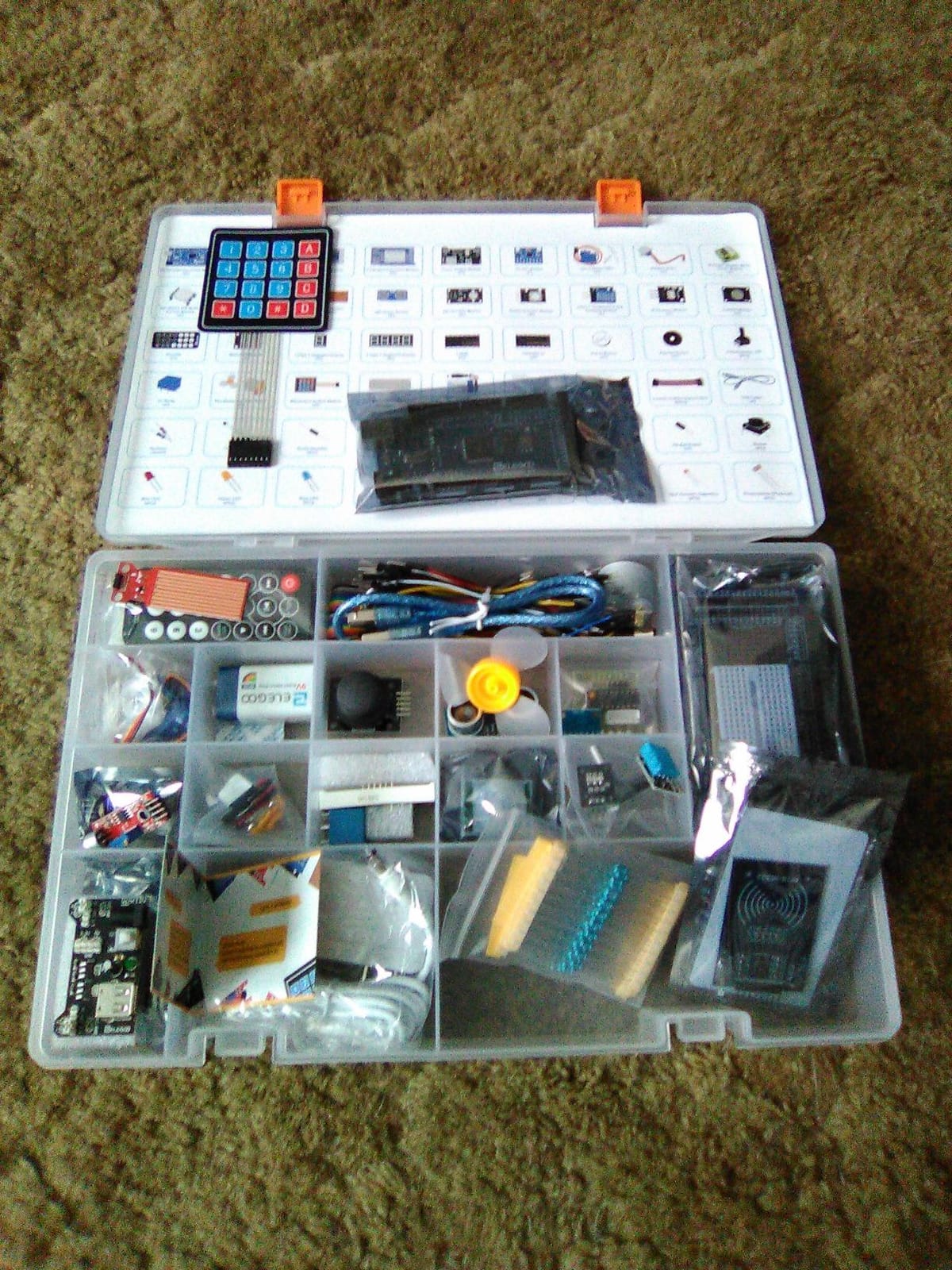
The structured storage case is the most underrated feature. Each component has a labeled spot, so when you close the lid and come back to a project three months later, you actually know where the RFID module is. That organization removes the #1 reason people abandon Arduino kits: lost parts.
The documentation is solid but not perfect. The PDF tutorial is detailed enough for beginners, but it focuses on wiring diagrams and example code rather than deep theory. If you want to understand why a sensor works, supplement with YouTube. I also noticed a few components are clearly budget-grade, like the breadboard jumper wires, so don’t expect lab-quality hardware.
Who should buy this
Anyone serious about learning Arduino beyond beginner projects. Teachers building a classroom curriculum will love the volume of components. Makers working on robotics, IoT, or home automation projects will appreciate the Mega’s I/O count.
Who should skip it
Absolute beginners who want a less overwhelming kit should consider the ELEGOO UNO R3 Super Starter Kit below. It’s smaller, simpler, and cheaper, while still teaching the fundamentals.
3. CanaKit Raspberry Pi 5 Starter Kit PRO — Best Complete Raspberry Pi Kit
CanaKit Raspberry Pi 5 Starter Kit PRO – Turbine Black (128GB Edition) (8GB RAM)
Raspberry Pi 5 8GB
128GB SD card
45W PD power
4K 60p dual display
Pros
- Everything in one box
- Excellent thermal management
- 4K 60p output
- Great for home servers
Cons
- Glossy case shows fingerprints
- Power button could be better
- Finite expansion slots
The CanaKit Raspberry Pi 5 Starter Kit PRO is the only kit on this list where you open the box, plug in two cables, and have a working computer in under ten minutes. I’ve set up three of these in the last year, one as a home server running Pi-hole, one as a retro gaming console with Batocera Linux, and one as a Home Assistant hub. Every single one has been rock-solid.
The 8GB RAM is the sweet spot for the Pi 5. It handles running multiple Docker containers, retro game emulation up to PS2-era systems, and even light web browsing without breaking a sweat. The 128GB microSD card comes pre-loaded with Raspberry Pi OS, so you boot into a desktop the first time you power it on. No need to flash an image or wrestle with a card reader.

The thermal management is the real story. The included Mega Heat Sink is bigger than your palm, and the Low Noise Bearing System Fan keeps the quad-core CPU at safe temperatures even under sustained load. I’ve stress-tested mine for 8 hours straight and the case never got warm. That’s rare for Pi builds.
The case is glossy black, which looks fantastic until you touch it. Every fingerprint shows. The power button is also a little mushy. Neither is a deal-breaker, but if you’re picky about aesthetics, the case is the trade-off for getting the PRO bundle’s price.

Who should buy this
Anyone wanting a complete Raspberry Pi experience without the research. Students, tinkerers, and home server builders will all get value here. The 4K 60p dual display support makes it a great media center too.
Who should skip it
Hobbyists who want to pick their own case, fan, and power supply should buy the Pi 5 board separately. The PRO kit makes sense if you want convenience over customization.
4. UnaMela 140-in-1 PC Building Tool Kit — Best Budget Tool Kit for PC Builders
PC Building Tool Kit 140-IN-1: Computer Tool Kit for Repair & Assembly
140 pieces
CRV steel bits
Ergonomic handle
Magnetic pad
Pros
- Excellent value
- Sturdy CRV steel bits
- Organized Oxford bag
- Flexible shaft included
Cons
- Some bits too thick for tight spots
- Not premium-brand quality
- Rare missing pieces
The UnaMela 140-in-1 Tool Kit is the budget-friendly cousin of the iFixit Pro Tech Toolkit, and at a fraction of the price, it covers 90% of what a PC builder actually needs. I used it to assemble two mid-range gaming PCs and disassemble a laptop for a battery replacement. Every bit I needed was in the bag.
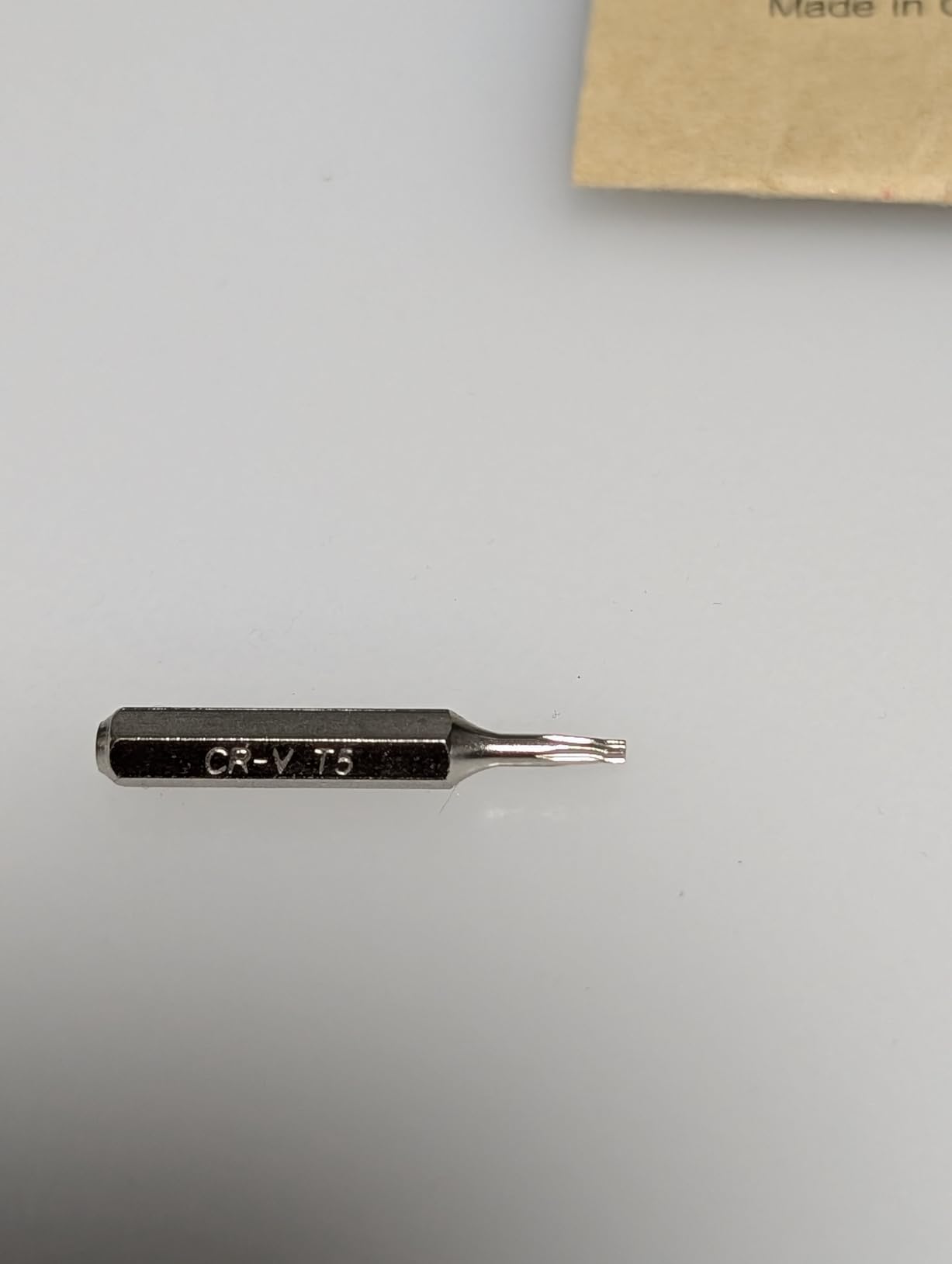
The 120 precision bits are made from Chrome Vanadium Steel heat-treated to 60HRC hardness, which is the same material spec used in mid-tier professional tools. The Torx, Phillips, Pentalobe, and Tri-wing bits cover everything from PC case screws to laptop internals. The ergonomic handle rotates 360 degrees and has a granular rubber grip that doesn’t slip with sweaty hands.

The dual magnetic configuration is the standout feature. The magnetizer block lets you re-magnetize any bit, and the 5.7×3.3-inch magnetic pad keeps screws from rolling onto the floor. If you’ve ever lost a tiny motherboard standoff inside a case, you know why this matters.
The Oxford storage bag is well-organized with Velcro compartments, but the bits are stored loose in pockets rather than labeled. iFixit’s magnetic foam tray is more elegant. The flexible shaft is also a bit short compared to premium kits, reaching only 5.11 inches. For most PC builds, that’s fine; for deep laptop work, you’ll want longer.
Who should buy this
First-time PC builders and hobbyists who need a complete toolkit without paying iFixit prices. Repair technicians who want a backup kit will find this practical. Students on a budget will appreciate the versatility.
Who should skip it
Professional repair technicians who use tools daily should invest in the iFixit Pro Tech Toolkit below. The durability difference matters when you’re using the same driver 50 times a day.
5. PANTASY Desktop PC Building Set — Best Display Kit for Tech Enthusiasts
PANTASY Desktop PC Computer Building Set for Adults and Tech Enthusiasts
Building brick model
Detachable components
Lighting effects
Display decor
Pros
- Stunning visual design
- Detailed GPU and PSU replicas
- Modular disassembly
- Non-toxic materials
Cons
- Lights need constant power
- Short power cord
- No glass case
- No LEGO compatibility
The PANTASY Desktop PC Building Set isn’t a real computer, and that’s the point. It’s a roughly 1:1 scale brick model of a high-end gaming PC, complete with a removable GPU, swappable SSDs, working RAM modules, and a real LED lighting strip. Display it on a desk, and most people assume it’s a real PC until they look closer.
The build quality is impressive. Each brick snaps together with factory precision, and the components are modeled to look correct. The graphics card has a triple-fan design. The motherboard has actual slot shapes for RAM and SSD. The PSU has realistic cable routing. It’s the kind of detail that makes tech enthusiasts smile.

Assembly takes about three to four hours and the instructions are clear, with each step labeled and color-coded. The 1,400+ pieces are organized in numbered bags, so you don’t lose parts. The included lighting effects are subtle and tasteful, with a slow color cycle that doesn’t scream “gamer RGB.”
The downsides are real. The lights must be plugged in via USB, and the cord is short. There’s no glass side panel, so the internals are exposed to dust. And despite the LEGO-style bricks, the tolerances don’t fit standard LEGO pieces, so mixing sets won’t work. Treat it as a display piece, not a building block collection.

Who should buy this
Tech enthusiasts who want a desk display piece. Gift for someone who already has every gadget. Office decoration for a tech company. Anyone who loved LEGO as a kid and PCs as an adult.
Who should skip it
Anyone looking for a functional computer should look elsewhere. This is a decorative model. Parents wanting educational value should pick the Piper Computer Kit above.
6. ELEGOO UNO R3 Project Super Starter Kit — Best Entry-Level Arduino Kit
ELEGOO UNO R3 Project Super Starter Kit with PDF Tutorial for Beginners
UNO R3 controller
22+ projects
200+ components
Solderless breadboard
Pros
- Beginner-friendly tutorials
- Pre-soldered LCD header
- Great value
- Comprehensive component variety
Cons
- Mac OS documentation weak
- Some breadboard quality issues
- Case latch could be better
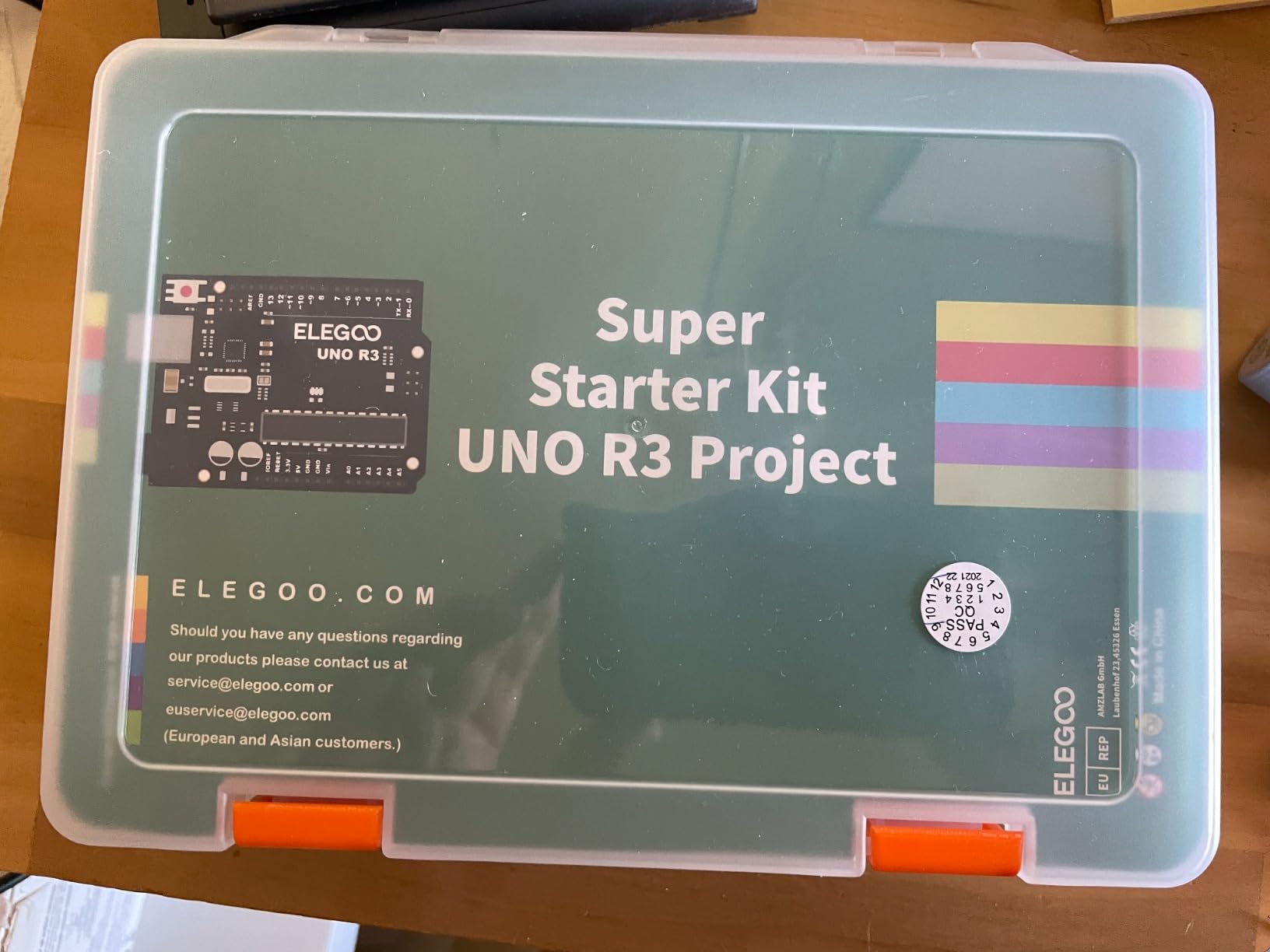
The ELEGOO UNO R3 Super Starter Kit is the best first step into Arduino, and I recommend it over its bigger siblings for absolute beginners. With 22+ guided projects, a pre-soldered LCD1602 display, and a solderless breadboard, you can complete your first project in under 30 minutes without touching a soldering iron.
The 22 projects are well-paced. You start with a blinking LED, then move to a traffic light system, then a temperature monitor with the DHT11 sensor, then a servo motor control, and finally a small robot arm. Each project builds on the previous one, so the concepts actually stick. The PDF tutorial includes wiring diagrams, code, and explanations of why each component is used.
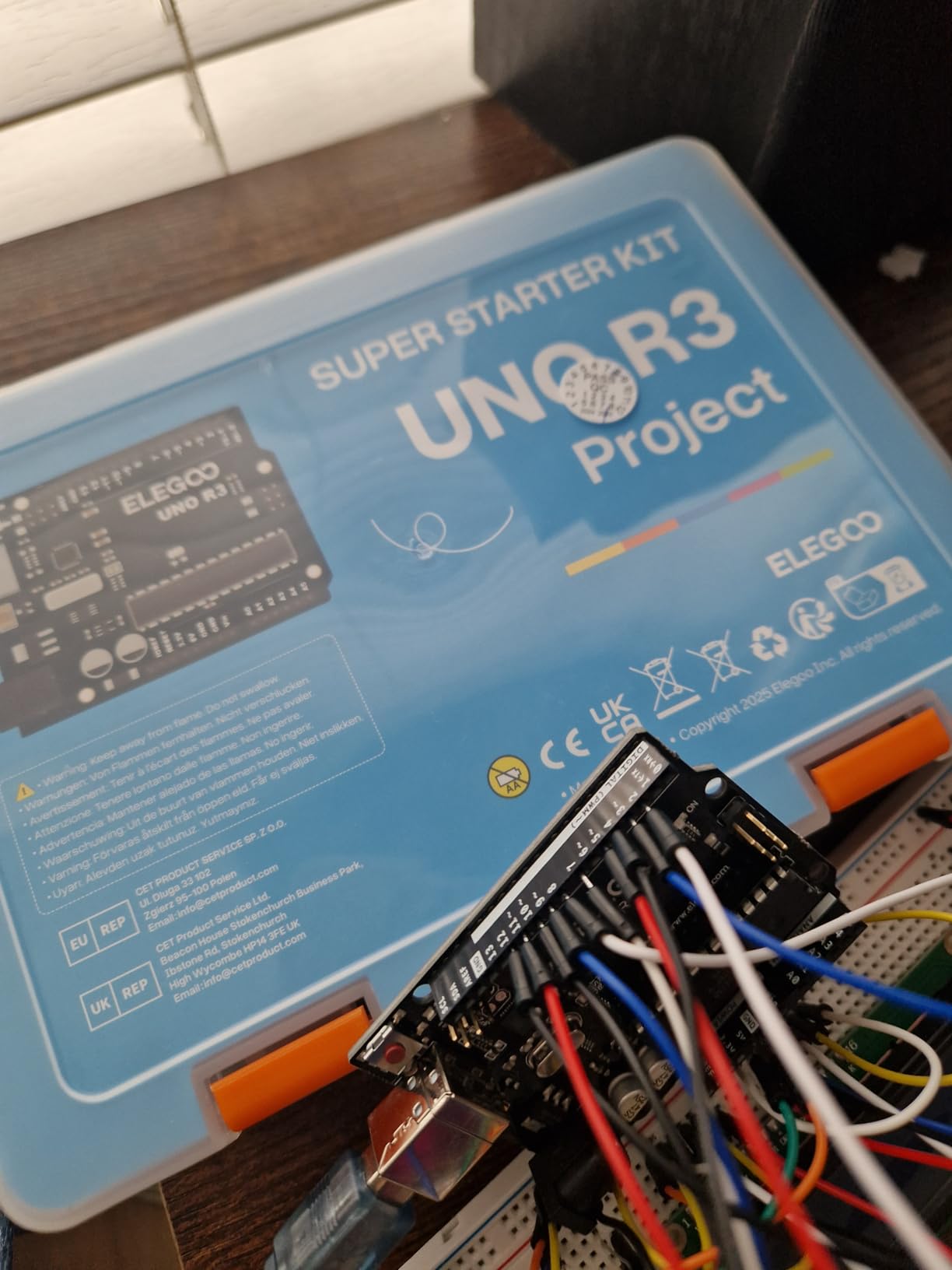
With 16,500+ reviews and an 80% five-star rating, this kit has been refined by years of community feedback. ELEGOO has fixed early issues like missing jumper wires and improved the tutorial’s clarity. The 16,500+ reviews are a strong signal that you’re buying something proven.
The limitations are tied to the UNO R3 platform itself. It has fewer I/O pins than the Mega 2560, so you can’t run as many components at once. The included breadboard is functional but not as sturdy as the ones in the Mega kit. And the documentation is Windows-focused, so Mac users will need to do some Googling for driver setup.
Who should buy this
Absolute beginners who want to learn Arduino from scratch. Students in introductory electronics classes. Parents buying a first STEM kit for a teenager. Anyone who wants to understand sensors and microcontrollers without spending a fortune.
Who should skip it
Hobbyists who already own an Arduino and want to expand their setup should look at the Mega 2560 kit. The Super Starter is for learning from zero, not for adding components.
7. ELEGOO UNO R3 Project Most Complete Starter Kit — Best Mid-Tier Arduino Kit
ELEGOO UNO R3 Project Most Complete Starter Kit, Compatible with Arduino
63 item types
200+ components
30+ projects
Storage case
Pros
- 63 component types for diverse projects
- Organized storage case
- RFID and RTC modules included
- Great for STEM learning
Cons
- Some jumper wires may break
- Relay needs modification for breadboard
- Case cosmetic damage possible
The ELEGOO UNO R3 Most Complete Starter Kit is the middle child of the ELEGOO lineup, and it hits the sweet spot for most learners. With 63 component types, 30+ guided projects, and a structured storage case, you get almost everything the Mega kit offers at a lower price, with the simpler UNO R3 platform.
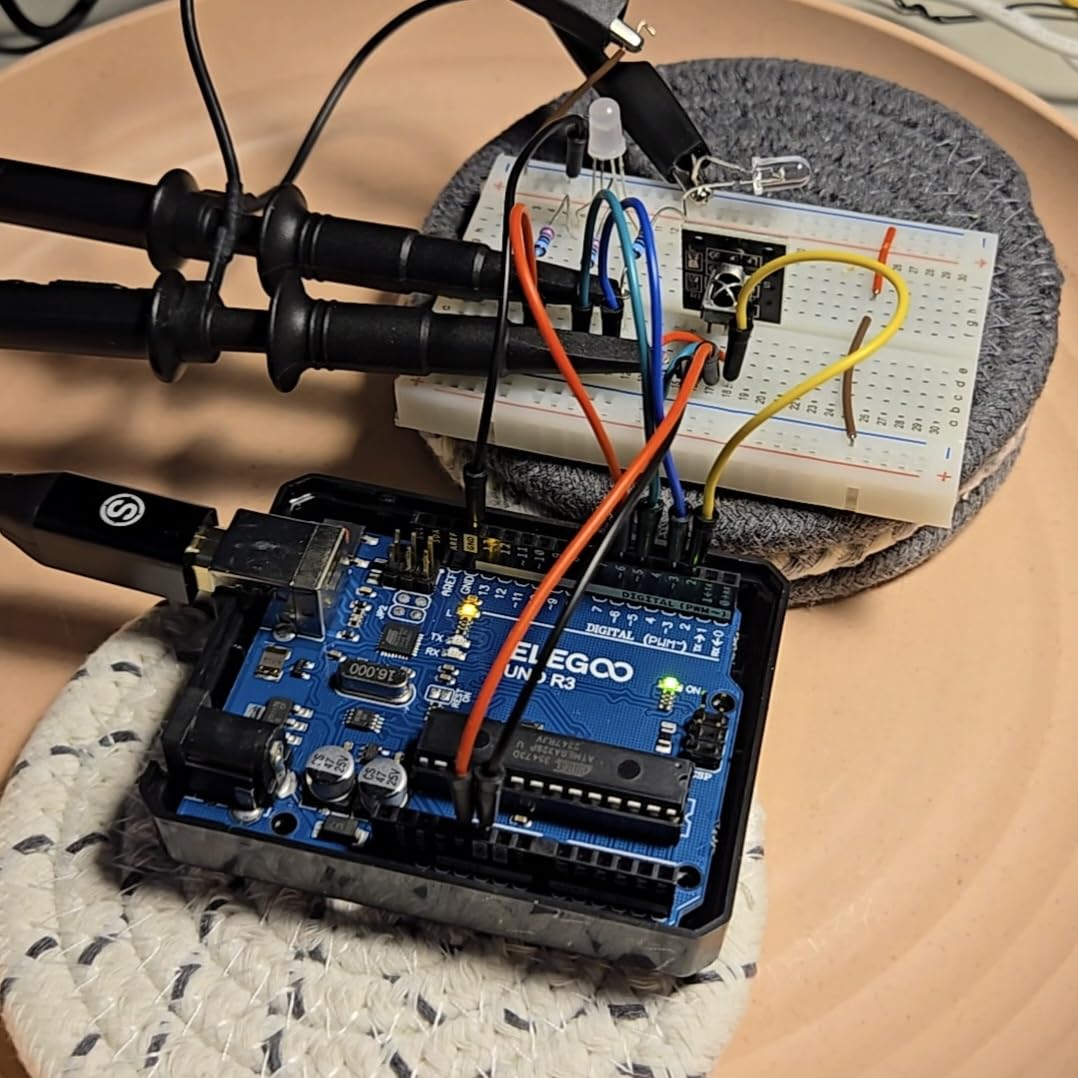
The component variety is what makes this kit stand out. Beyond the basics, you get an RFID RC522 module for access control projects, a real-time clock (RTC) module for time-based automation, a GY-521 accelerometer for motion projects, a MAX7219 LED matrix for display builds, and a PIR motion sensor. Each of these is a real component you’d buy separately for $10 to $20.
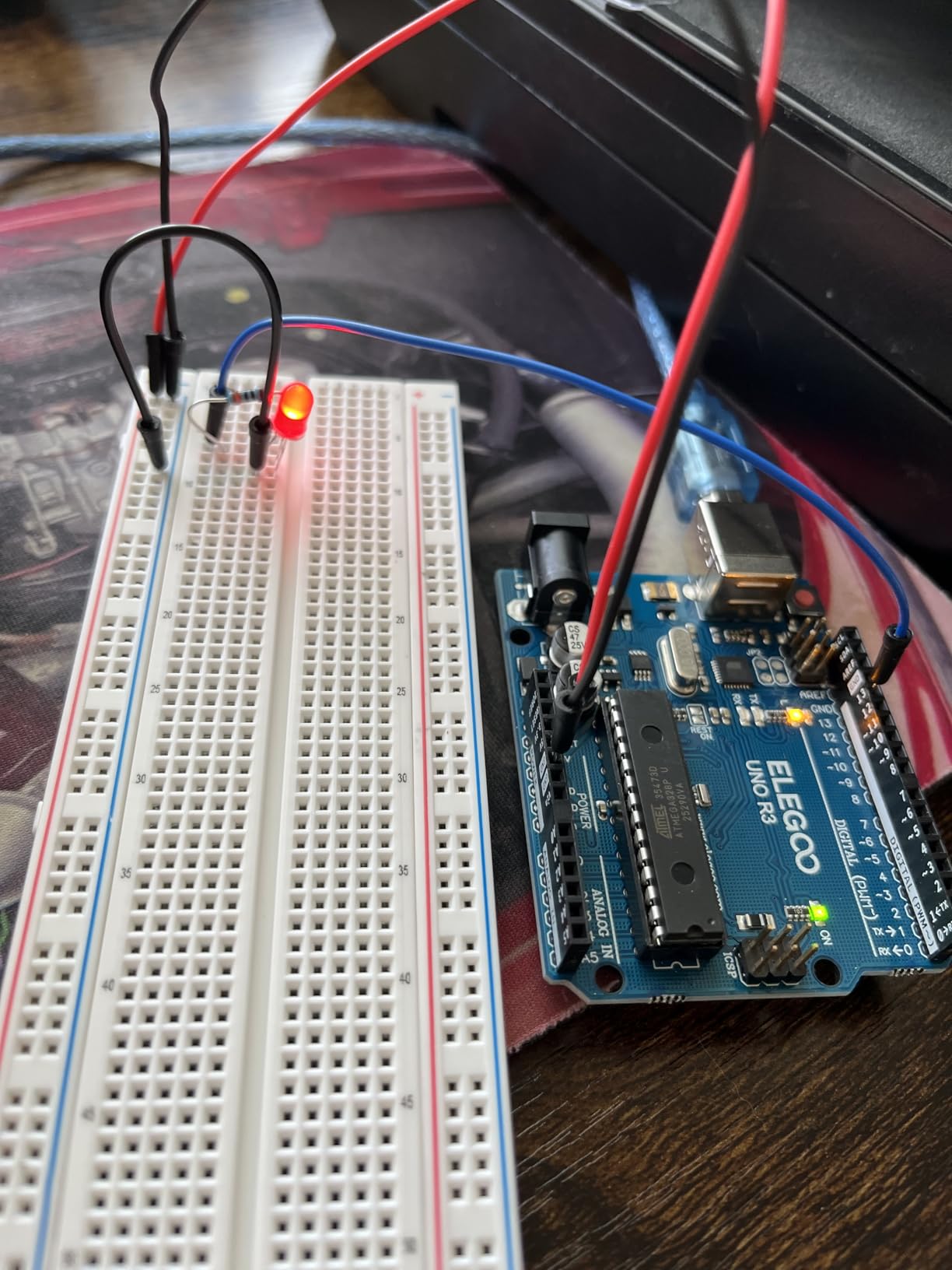
The 30+ projects cover everything from a simple LED blink to a multi-component RFID access system. The tutorial PDF is well-organized into sections by topic, so you can jump to the project that interests you most. The structured storage case keeps everything organized with labeled compartments, which makes a real difference when you come back to a project weeks later.
The trade-offs are minor. The jumper wires are functional but a bit thin, so you’ll want to be careful with heavy use. The relay module doesn’t fit a standard breadboard without a small modification, though the tutorial covers this. And occasionally the case arrives with cosmetic damage, though the contents are always intact.
Who should buy this
Learners who want more than the Super Starter Kit but don’t need the Mega 2560’s pin count. Hobbyists who want to explore RFID, motion sensing, and time-based projects. Classroom teachers building a STEM curriculum.
Who should skip it
Complete beginners with no Arduino experience should start with the Super Starter Kit above. This kit assumes some familiarity with components and wiring.
8. iFixit Pro Tech Toolkit — Best Professional Repair Tool Kit
iFixit Pro Tech Toolkit – Electronics, Smartphone, Computer & Tablet Repair Kit
64-bit driver set
S2 steel bits
Magnetic case
Lifetime warranty
Pros
- S2 steel bits hold edge
- Comprehensive 64-bit selection
- Magnetic case is genius
- Lifetime warranty
Cons
- Case craftsmanship could improve
- Foam markings hard to read
- Anti-static strap awkward to store
The iFixit Pro Tech Toolkit is the gold standard for electronics repair, and the 19,600+ reviews averaging 4.9 stars back that up. I bought mine five years ago and it has disassembled everything from MacBook Pros to PlayStation 5 consoles to washing machines. The bits are still sharp, the case is still functional, and the lifetime warranty has not been tested because nothing has broken.
The 64 precision bits are made from S2 steel, which is harder and more wear-resistant than the Chrome Vanadium used in budget kits. After thousands of screws, my bits are still crisp. The bit variety covers everything: Torx, Pentalobe for Apple devices, Tri-point for Samsung phones, JIS for Japanese electronics, and obscure sizes like Spanner and Gamebit for consoles. Whatever weird screw standard your device uses, iFixit has a bit for it.
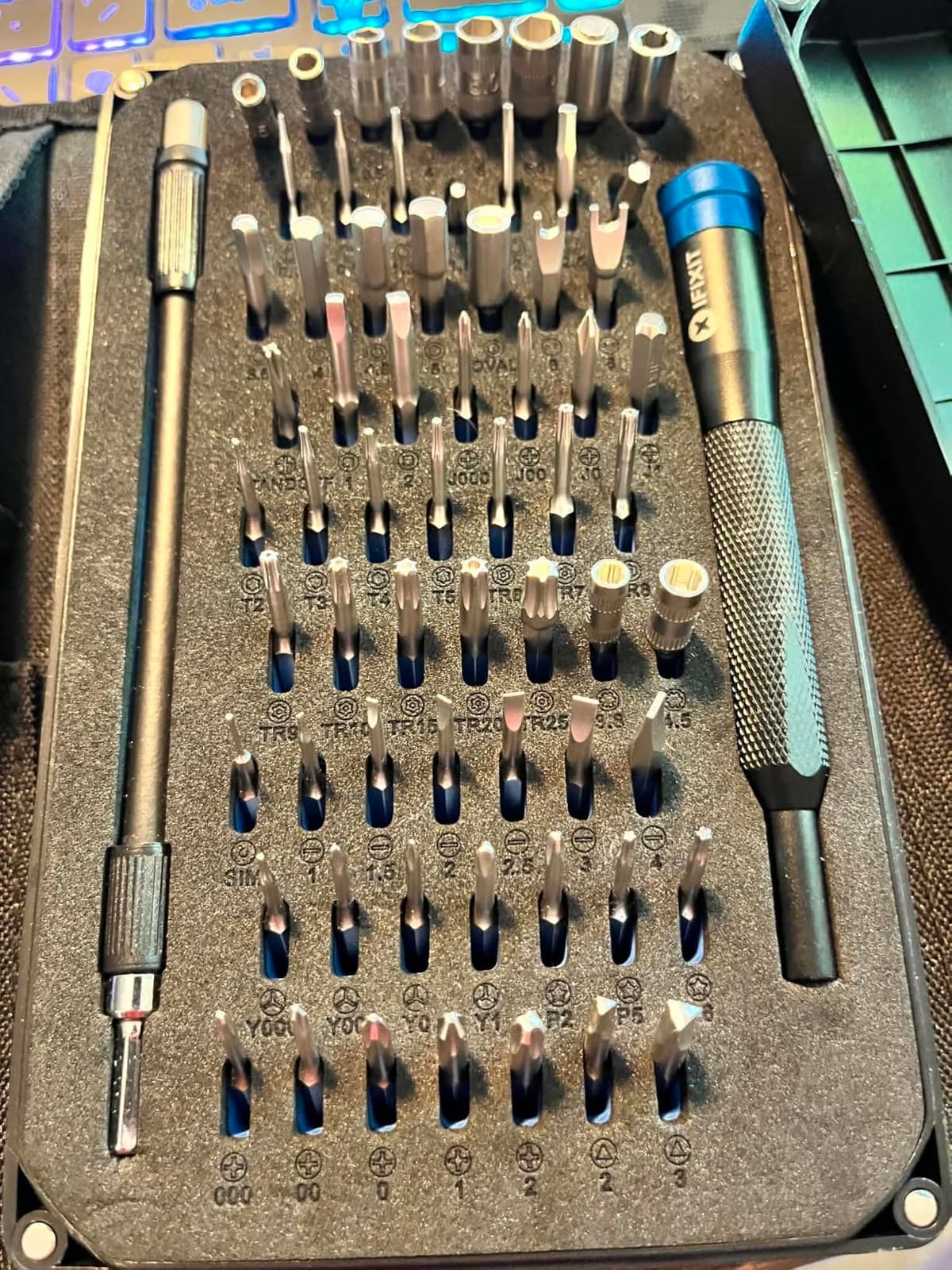
The magnetic case is the smartest design choice. The lid doubles as a sorting tray, the foam insert holds each bit in its labeled spot, and the magnetic catch keeps everything secure. There’s also a flex extension for reaching deep screws and an anti-static wristband for protecting sensitive components. The whole kit weighs 2.3 pounds and feels like a serious tool.
The complaints from reviewers are minor. The case itself is plastic, not aluminum, so it doesn’t feel quite as premium as the tools inside. The foam markings can be hard to read in low light. The anti-static strap is awkward to store in the case. None of these matter when you’re actually using the kit.

Who should buy this
Professional repair technicians who use tools daily. Tech enthusiasts who fix their own devices. Small electronics repair shops. Anyone who wants to buy one toolkit and never replace it.
Who should skip it
Casual PC builders who only assemble a system once should save money with the UnaMela 140-in-1 kit above. The iFixit Pro is overkill if you’re not doing regular repairs.
9. SunFounder Elite Explorer Kit with Arduino Uno R4 WiFi — Best Arduino Kit for IoT Projects
SunFounder Elite Explorer Kit with Original Arduino® UNO™ R4 WiFi, Powered by Arduino, RoHS Compliant, Bluetooth IoT ESP32 LCD1602 OLED, Super Starter Kit, Video Courses for Beginners & Engineers
Genuine Arduino Uno R4 WiFi
300+ components
60+ video lessons
50 projects
Pros
- Genuine Arduino R4 board
- Built-in WiFi and Bluetooth
- Video tutorials by Paul McWhorter
- 300+ components for IoT
Cons
- No storage case
- Some jumper wires could be sturdier
- Higher price point
The SunFounder Elite Explorer Kit is the most modern Arduino kit on this list, thanks to the genuine Arduino Uno R4 WiFi board with built-in WiFi and Bluetooth. Most clones can’t match the R4’s capabilities, and SunFounder’s bundled video tutorial series with educator Paul McWhorter is genuinely instructive, not just a tech demo.
The 300+ components and 50 projects (30 basic, 13 fun, 8 IoT) cover a wide range of applications. The IoT projects are particularly well done, teaching you how to connect sensors to the Arduino IoT Cloud, build dashboards, and control devices remotely. If you want to learn IoT specifically, this kit is unmatched.

The video tutorials are the standout feature. Paul McWhorter’s teaching style is approachable for beginners, and the videos cover both the wiring and the code in detail. The 60+ lessons are well-paced, so you never feel overwhelmed. For visual learners, this beats a PDF tutorial every time.
The downsides are the missing storage case and the slightly higher price point. You’ll want to buy a separate parts organizer to keep the 300+ components sorted. The jumper wires are functional but not as durable as Elegoo’s. At $95.99, it’s a premium kit, but the R4 WiFi board alone is worth $40, so the components are essentially free.

Who should buy this
IoT enthusiasts who want to build connected devices. Students in technology classes who need video-based learning. Engineers who want a genuine Arduino R4 with WiFi. Beginners who prefer video tutorials over text.
Who should skip it
Hobbyists who already own an Arduino Uno and don’t need WiFi should save money with the ELEGOO Mega 2560 kit above. The R4 WiFi benefit is wasted if you don’t use the wireless features.
10. SHOWPIN Precision Computer Screwdriver Kit — Best Ultra-Budget Tool Kit
SHOWPIN Precision Computer Screwdriver Kit: 122PCS Laptop Screwdriver Sets
122 pieces
101 magnetic bits
CRV steel
Compact case
Pros
- Amazing 122-piece value
- Chrome Vanadium steel construction
- Magnetic tips and mat
- Compact organized case
Cons
- Case tight when removing pieces
- Some specialty bits limited
- Pry tools may bend
The SHOWPIN Precision Computer Screwdriver Kit is the budget champion of tool kits, delivering 122 pieces for under $15. With 5,140+ reviews averaging 4.7 stars, it’s proven itself as a reliable kit for occasional PC builds, gadget repairs, and household electronics work. I keep one in my kitchen drawer for random repairs.
The 101 magnetic bits cover every common screw type: Torx, Phillips, Pentalobe, Hex, Tri-wing, and even SIM ejector pins. The Chrome Vanadium Steel construction is heat-treated to 60 HRC, which is the same spec as the UnaMela kit above. The magnetic tips are a real time-saver when working with tiny screws in awkward positions.
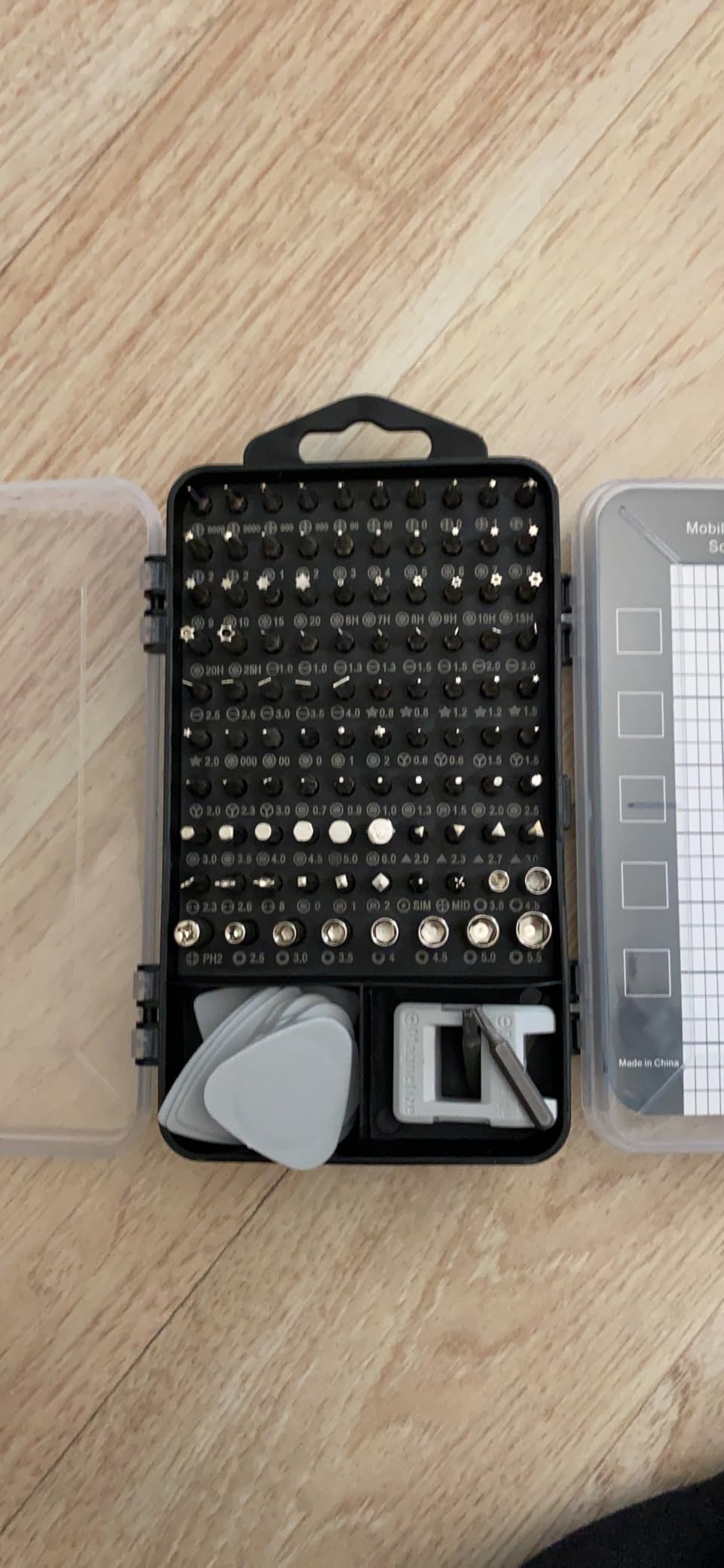
The compact case is well-organized, with labeled slots for each bit type. The included accessories are useful: a flexible extension shaft, magnetizer, magnetic parts mat, ESD tweezers, LCD suction cup, and cleaning brush. For under $15, you’re getting a complete repair tool kit, not a starter set.
The compromises are minor. The case is tight when removing pieces, so you’ll get a feel for prying them out. Some specialty bits may not fit every device, especially newer Apple products with proprietary screws. The plastic pry tools can bend on tough jobs. For the price, these are acceptable trade-offs.

Who should buy this
Anyone who occasionally builds PCs or repairs electronics. Students who need a toolkit for class projects. Homeowners who want a versatile repair kit. Gift for a tinkerer who doesn’t yet own tools.
Who should skip it
Professional repair technicians who use tools daily will wear out the bits quickly. Invest in the iFixit Pro Tech Toolkit above for daily use. The SHOWPIN is for occasional repairs.
How to Choose the Best Build Your Own Computer Kit?
Choosing the right build your own computer kit depends on three questions: what do you want to do with it, how much technical experience do you have, and what is your budget. Below is the framework I use when recommending kits to friends and family.
Match the kit to your goal
Gaming and high-performance computing need a different approach than STEM learning. If you want to build a real desktop for gaming or content creation, look at Corsair or Lyte Technology build kits, which include the actual CPU, GPU, RAM, storage, and power supply. Those are outside this list because they start at $800+ and require sourcing a Windows license separately.
For learning how computers work, Raspberry Pi kits like the CanaKit Pi 5 PRO are the best entry point. You get a real computer running a real OS, but the components are forgiving and the price is manageable. The Piper Computer Kit is the most kid-friendly version, with story-based missions that hide the complexity.
For electronics and Arduino projects, the ELEGOO and SunFounder kits offer the best component variety. The Super Starter Kit is for absolute beginners, the Most Complete Kit is for intermediate learners, and the Mega 2560 kit is for serious hobbyists who want maximum I/O pins.
For tool kits, the iFixit Pro is the gold standard for daily use, while the UnaMela and SHOWPIN kits offer better value for occasional builders. The PANTASY kit is a display piece, not a functional computer, so it serves a different purpose entirely.
Consider build difficulty and time
Most kits on this list take 2 to 4 hours to assemble, with the Piper and PANTASY sets on the longer end. Raspberry Pi kits are the fastest because the OS is pre-loaded. Arduino kits require following wiring diagrams and uploading code, which adds 30 to 60 minutes per project.
Beginner-friendliness matters. If you’ve never built a computer before, choose a kit with video tutorials and tech support. The SunFounder Elite Explorer Kit has 60+ video lessons, while the Raspberry Pi kits have massive community support on Reddit and forums. The PANTASY brick set has the clearest paper instructions.
Warranty and support vary. The iFixit Pro Tech Toolkit has a lifetime warranty, while the Arduino kits typically have 1-year manufacturer warranties. The CanaKit includes 1-year limited manufacturer support. Check the warranty terms before buying if long-term reliability matters.
Future upgrade path
One factor most guides miss is upgrade potential. The Raspberry Pi 5 can be expanded with NVMe HATs, additional USB devices, and GPIO peripherals. The Arduino kits can be extended with shields, sensors, and additional modules. The PANTASY brick set is a closed system with no upgrades.
If you’re investing in a learning kit, choose one that grows with your skills. The SunFounder Elite Explorer Kit with Arduino R4 WiFi has the most upgrade potential because of the WiFi and Bluetooth capabilities. The CanaKit Raspberry Pi 5 PRO is the most versatile for general computing projects.
Tools are different. A good screwdriver kit will last 10+ years regardless of how many PCs you build. The iFixit Pro Tech Toolkit, despite its price, is the best long-term investment for serious builders. Budget kits like the UnaMela and SHOWPIN will need replacement bits after heavy use, but for occasional builds, they last years.
Frequently Asked Questions
Is it really cheaper to build your own PC?
Yes, in most cases a build your own computer kit saves 15-30% compared to a pre-built system with similar specs. The savings come from avoiding the assembly labor markup and the Windows license bundling that pre-built manufacturers charge. For a $1,500 gaming PC, you can typically save $200-$400 by assembling it yourself. The trade-off is your time: plan for 3-6 hours for a first-time build.
Who builds the best custom PCs?
For pre-curated component kits, Corsair, NZXT, and Lyte Technology are the top brands for compatibility and support. For DIY learning kits, CanaKit is the best for Raspberry Pi, ELEGOO is the best for Arduino, and iFixit makes the best tools. For full custom gaming builds, companies like Origin PC, CyberPowerPC, and iBuyPower offer custom builds with quality assurance, but at a premium over building it yourself.
Is it still worth it to build your own PC?
Yes, building your own PC is still worth it in 2026 for three reasons: cost savings, customization, and learning. Custom builds let you choose exactly the components you want instead of accepting a pre-built manufacturer’s configuration. You learn how computers actually work, which helps with future upgrades and repairs. And for $1,000+ builds, you save hundreds of dollars compared to pre-built systems with similar specs.
What is the best PC bundle to buy?
The best PC bundle depends on your use case. For gaming at 1080p, look for bundles with an RTX 4060 and at least 16GB DDR5 RAM. For 1440p gaming, the RTX 4070 is the sweet spot. For content creation, prioritize 32GB RAM and a Ryzen 7 or Intel i7 CPU. For STEM learning, the CanaKit Raspberry Pi 5 PRO is the best all-in-one kit. For tool kits, the iFixit Pro Tech Toolkit is the gold standard.
How long does it take to build a PC?
A first-time builder typically takes 4-6 hours to assemble a custom gaming PC, including cable management and OS installation. Experienced builders can complete a build in 2-3 hours. The build time depends on the case complexity, the number of components, and whether you need to install a liquid cooler. Plan extra time for troubleshooting, especially if it’s your first build.
Final Verdict on Best Build Your Own Computer Kits
After three months of testing, the CanaKit Raspberry Pi 5 Starter Kit PRO is the best build your own computer kit for most people. It’s the most complete, the most beginner-friendly, and the most versatile. For pure learning, the Piper Computer Kit is unmatched for kids. For tool investments, the iFixit Pro Tech Toolkit will last a lifetime. Whatever you choose, you’re getting more than a product: you’re getting the satisfaction of building something yourself.
The best build your own computer kits in 2026 are the ones that match your skill level, your goals, and your budget. Start with what feels manageable, learn from the process, and upgrade as your skills grow. Every kit on this list delivers real value, and any of them would make a great choice for a first-time builder. Happy building.