
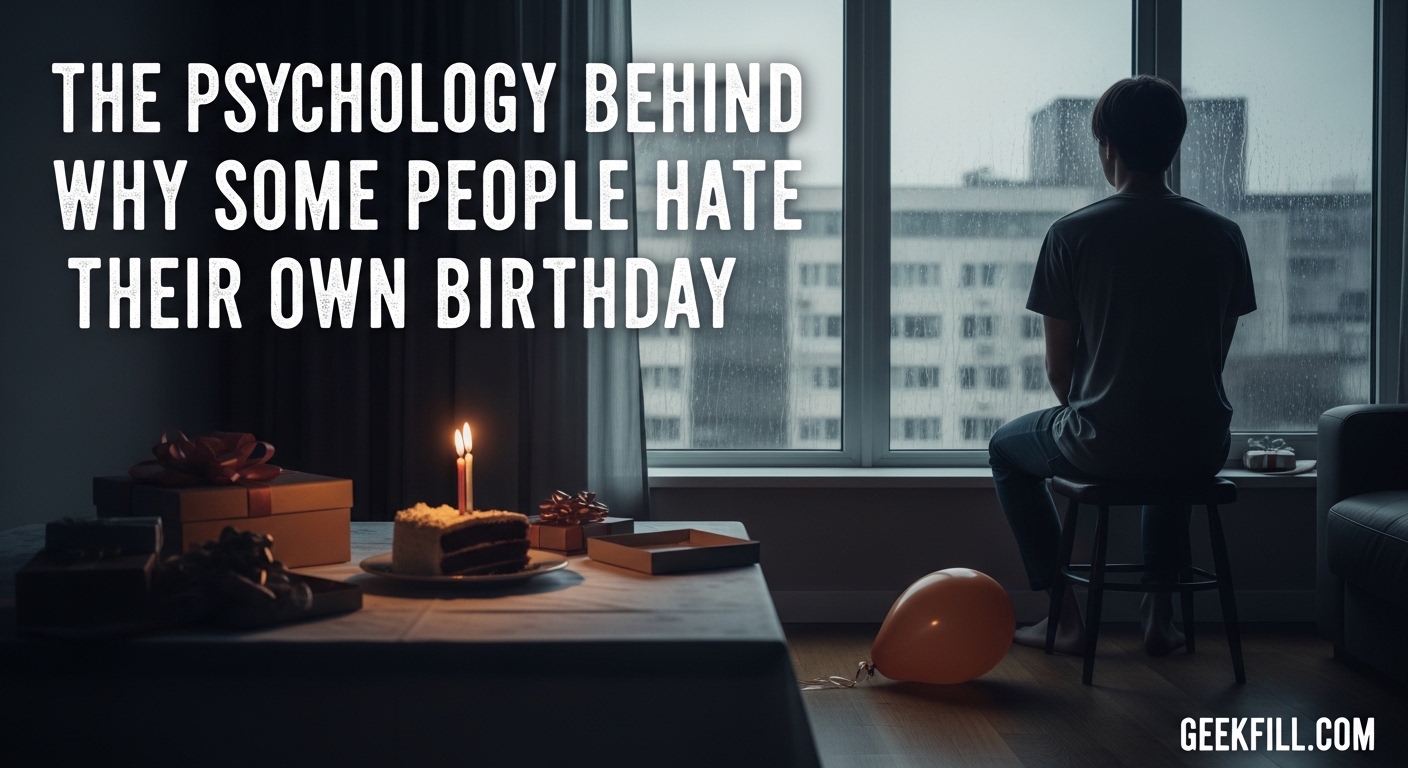
You scroll past another birthday notification on your phone and feel that familiar knot in your stomach. Your colleague asks what you’re doing for your big day, and you smile while internally panicking. If this sounds familiar, you are not alone. The psychology behind why some people hate their own birthday is more common than social media would have us believe.
I have spent years researching mental health topics, and birthday aversion consistently ranks among the most searched yet least discussed psychological phenomena. Millions of people dread their birthday each year. Understanding why this happens can help you feel less alone and more empowered to handle these complicated emotions.
In this guide, I will explore the psychological reasons behind birthday dread, the connection to personality types, and practical strategies to cope. Whether you are dealing with mild birthday blues or something deeper, this information is designed to help you understand and navigate these feelings.
Table of Contents
What Is Birthday Depression?
Birthday depression, also called the birthday blues, refers to feeling sad, anxious, or apathetic around your birthday rather than celebratory. Unlike clinical depression, it is not recognized in the DSM-5 as a distinct disorder. However, the feelings are very real and can significantly impact your wellbeing.
Dr. Rebecca Ray, a clinical psychologist and author, explains that some people develop a lifelong disinterest in their own birthday because of negative childhood memories or unmet expectations. These early experiences can shape how we view celebration and attention for decades.
Birthday depression often shares symptoms with general depression, including low mood, irritability, loss of interest in activities, and social withdrawal. The key difference is that these feelings are specifically tied to the time surrounding your birthday and may lift once the date passes.
The Psychology Behind Why Some People Hate Their Own Birthday
Several psychological factors contribute to birthday aversion. Understanding these can help you identify which resonates with your experience and begin to address the root causes.
Childhood Experiences and Upbringing
Your earliest birthday memories shape your adult relationship with celebration. People who grew up with disappointing birthdays often carry that expectation into adulthood. A Reddit user from the raisedbynarcissists community shared, “After the age of 5, I rarely got anything for my birthday, even if it was something I really wanted.” This type of gift-related trauma can create lasting associations between birthdays and neglect.
Family dynamics during childhood celebrations also play a significant role. If your birthday became a stage for family drama, arguments, or conditional love, you might unconsciously associate the date with stress and anxiety rather than joy.
Unmet Expectations and Social Pressure
Social media has amplified birthday expectations to unrealistic levels. We see curated highlight reels of elaborate parties, thoughtful gifts, and gushing tributes. When reality does not match these images, disappointment follows.
The pressure to have a “perfect” birthday can feel overwhelming. You might worry about disappointing others, feel guilty for wanting acknowledgment, or stress about the logistics of planning. This mental load can make the actual day feel more like work than celebration.
Trauma Triggers and Anniversary Reactions
For trauma survivors, birthdays can trigger anniversary reactions. If traumatic events occurred around your birthday in the past, your body and mind may unconsciously enter a heightened stress state as the date approaches. This is your nervous system trying to protect you, even when no current threat exists.
Common trauma triggers associated with birthdays include medical emergencies that happened around your birth date, loss of loved ones, or childhood abuse that coincided with celebration attempts.
The Spotlight Effect and Performance Anxiety
Being the center of attention does not feel good for everyone. For some, the spotlight creates intense performance anxiety. You may feel pressure to appear grateful, happy, and engaged even when you would prefer quiet solitude.
This performance pressure can be exhausting. You might find yourself smiling through a party while counting the minutes until you can leave. The disconnect between your internal state and external expectations creates significant psychological stress.
Reflection on Aging and Life Milestones
Birthdays force us to confront the passage of time. Each year brings reflection on what we have accomplished, what we have not, and where we thought we would be by now. This existential inventory can trigger feelings of regret, inadequacy, or fear of mortality.
Milestone birthdays like 30, 40, and 50 amplify this effect. Society attaches specific expectations to these ages, and falling short of those benchmarks can feel like failure even when your life is genuinely fulfilling.
Personality Factors: Why Introverts Often Struggle with Birthdays
Introversion and birthday aversion frequently overlap. Understanding this connection can help introverts set boundaries and manage expectations.
The Exhaustion of Social Performance
For introverts, a big birthday party is synonymous with torture, not celebration. The combination of small talk, being the center of attention, and extended social interaction drains energy rapidly. One introvert described surprise parties as “my actual nightmare scenario.”
The phone calls, messages, and social media notifications add another layer of obligation. Each interaction requires energy to respond appropriately, creating a cumulative burden that outweighs any joy from the attention.
Discomfort with Forced Celebration
Introverts often prefer authentic connection over ritualized celebration. The structured nature of birthday parties, with their prescribed activities and expectations, can feel artificial and uncomfortable. You might prefer a meaningful one-on-one conversation over a room full of acquaintances singing to you.
This preference does not mean you dislike connection. It means you value quality over quantity, and traditional birthday celebrations often emphasize the opposite.
Navigating Family Pressure as an Introvert
Many introverts face pressure from well-meaning family members who want to “make a big deal” of their birthday. Declining these offers can lead to guilt, while accepting them leads to dread. Finding a middle ground requires clear communication and boundary-setting.
One practical approach is offering alternatives that honor your needs while acknowledging loved ones’ desire to celebrate. A quiet dinner with your closest person might satisfy both your need for low-key recognition and their wish to mark the occasion.
The Neurodivergent Perspective: ADHD and Autism
An often-overlooked aspect of birthday psychology involves neurodivergent experiences. People with ADHD and autism frequently report heightened birthday aversion, and understanding why can validate these feelings.
Sensory Overload at Celebrations
For autistic individuals, birthday parties present a sensory minefield. Loud music, flashing lights, crowded rooms, and unexpected noise levels can trigger overwhelm and shutdown. The traditional surprise party, with its sudden noise and attention, can be genuinely traumatic.
Even smaller gatherings may include sensory challenges like uncomfortable clothing expectations, unfamiliar food smells, or the pressure to maintain eye contact during conversations. These environmental factors compound any existing birthday anxiety.
Executive Dysfunction and Planning Burden
People with ADHD often struggle with executive function, the mental skills that help us plan, organize, and execute tasks. Planning a birthday celebration, even a simple one, requires significant executive function resources that may already be depleted.
The paradox of wanting recognition while being unable to organize the event creates frustration and shame. You might want to celebrate but feel paralyzed by the planning process, leading to cancellation and disappointment.
Rejection Sensitivity and Gift Anxiety
Rejection sensitive dysphoria, common in ADHD, amplifies birthday stress. The fear that no one will show up, that gifts will disappoint, or that the celebration will somehow go wrong creates anticipatory anxiety that ruins the experience before it begins.
Gift-giving can also trigger anxiety for neurodivergent individuals. The performance of receiving, the pressure to react correctly, and the sensory experience of unwrapping in front of others can feel overwhelming rather than enjoyable.
Milestone Birthdays and the Pressure of Aging
Certain birthdays carry extra psychological weight. Understanding why milestone ages feel different can help you prepare and cope.
The 30th Birthday Transition
Turning 30 often represents the end of perceived youth. Society treats this birthday as a threshold into “real” adulthood, with implied expectations around career, relationships, and stability. For those whose lives do not match this timeline, the birthday becomes a reminder of perceived inadequacy.
The reality is that modern adulthood looks different than previous generations. Many people are still building careers, exploring relationships, and discovering themselves well into their thirties. The arbitrary deadline created by this milestone causes unnecessary distress.
Midlife Milestones and Existential Reflection
Birthdays at 40, 50, and beyond trigger deeper existential reflection. These dates mark the transition from the first half of life to the second, prompting questions about legacy, achievement, and remaining time. This natural life stage assessment can feel painful if you are dissatisfied with your current path.
However, these birthdays also offer opportunity. Many people report that midlife brings clarity about priorities and the courage to make meaningful changes. Reframing milestone birthdays as transition points rather than endpoints can shift the emotional experience.
How to Cope With Birthday Depression
If you struggle with birthday dread, these strategies can help you navigate the experience with more ease and self-compassion.
1. Redefine what celebration means to you. You are not obligated to follow traditional celebration scripts. A quiet day alone, a small dinner with one friend, or complete non-acknowledgment are all valid choices. Give yourself permission to celebrate in whatever way feels authentic, even if that means not celebrating at all.
2. Set boundaries with family and friends. Communicate your preferences clearly and early. Let people know if you prefer low-key recognition, no public announcements, or specific types of interaction. Most people want to respect your wishes but need clear information to do so.
3. Plan something you genuinely enjoy. If you are going to mark the day, make it something you look forward to rather than endure. Book a massage, plan a solo hike, order your favorite meal, or schedule time with someone who does not drain you. Make the day about your actual preferences.
4. Practice self-compassion around aging. Notice any harsh self-judgment about where you “should” be in life. Remind yourself that life timelines are socially constructed and rarely match reality. You are exactly where you need to be on your unique path.
5. Address underlying mental health needs. If birthday depression connects to ongoing depression, anxiety, or trauma, consider working with a therapist. Processing these underlying issues often reduces the intensity of birthday-specific distress.
6. Create new associations. If childhood created negative birthday associations, you can intentionally build new ones. Choose a simple ritual that feels good, like writing a letter to yourself or taking a photo in a favorite place. Over time, these positive associations can replace the negative ones.
When to Seek Professional Help
Birthday depression can be a sign of underlying mental health conditions that deserve professional attention. Consider speaking with a mental health professional if you experience any of the following.
Your birthday depression lasts for weeks before or after your actual birthday, significantly impacting your ability to function at work or in relationships. The feelings extend far beyond the date itself and do not lift with time.
You have thoughts of self-harm or suicide around your birthday. This is a medical emergency requiring immediate intervention. Call a crisis hotline or go to an emergency room if these thoughts arise.
Your birthday triggers overwhelming trauma responses that you cannot manage independently. Flashbacks, panic attacks, or dissociation around your birthday indicate that trauma therapy could be beneficial.
A licensed therapist can help you understand the connection between your birthday feelings and broader mental health patterns. They can provide tools for managing distress and process underlying issues that contribute to birthday aversion.
Frequently Asked Questions
What is the psychology behind hating your birthday?
The psychology behind hating your birthday includes childhood experiences with disappointing celebrations, unmet expectations, trauma triggers associated with the date, discomfort with being the center of attention, anxiety about aging, and personality factors like introversion. These factors can create lasting associations between birthdays and negative emotions.
What is it called when you don’t like celebrating your birthday?
When you don’t like celebrating your birthday, it is often called birthday depression or birthday blues. These terms describe the phenomenon of feeling sad, anxious, or apathetic about your birthday rather than joyful. While not a clinical diagnosis, these feelings are real and affect many people.
Why don’t I like celebrating my own birthday?
You might not like celebrating your birthday due to several reasons: negative childhood experiences, discomfort with attention, social anxiety, past trauma, unmet expectations, pressure to perform happiness, or simply preferring quiet over celebration. Your feelings are valid, and many people share this preference.
Why do I get so upset on my birthday?
Getting upset on your birthday often happens because the date triggers reflection on aging, highlights unmet life expectations, activates childhood trauma memories, or creates pressure to perform happiness when you don’t feel it. The contrast between societal celebration expectations and your internal state can create emotional distress.
Is it normal to not enjoy your birthday?
Yes, it is completely normal to not enjoy your birthday. Many people feel this way, particularly introverts, those with trauma histories, people dealing with depression or anxiety, and individuals who experienced disappointing childhood celebrations. There is nothing wrong with you for feeling this way.
Why do people with ADHD hate their birthdays?
People with ADHD often struggle with birthdays due to executive dysfunction making planning difficult, rejection sensitive dysphoria creating anxiety about attendance and gifts, sensory overwhelm at parties, and the pressure to react appropriately to surprises and attention. These factors compound to make birthdays stressful rather than joyful.
Conclusion
The psychology behind why some people hate their own birthday is multifaceted and deeply personal. Whether your aversion stems from childhood experiences, personality type, neurodivergence, trauma, or existential reflection, your feelings are valid and shared by millions of others.
Understanding the psychology behind why some people hate their own birthday is the first step toward changing your relationship with the date. You have options. You can set boundaries, redefine celebration, seek professional support, or simply let the day pass quietly. There is no single right way to experience a birthday.
If you are struggling with birthday depression, remember that you are not broken. Society presents a narrow view of how birthdays should feel, but your experience is just as legitimate as anyone else’s. Give yourself permission to feel what you feel, make choices that honor your needs, and know that many people are navigating these same complicated emotions right alongside you.