
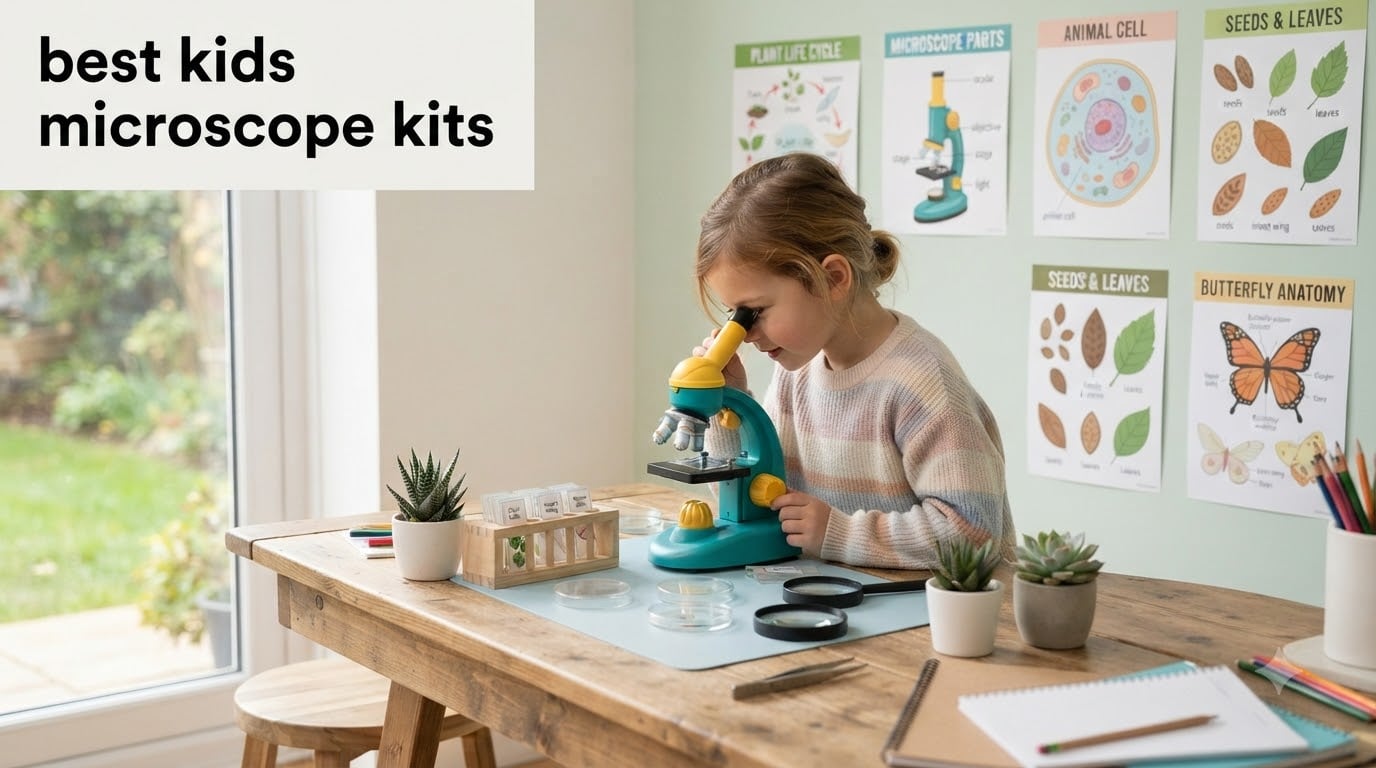
I still remember the first time my daughter looked at a drop of pond water through a real microscope. Her eyes went wide, and she spent the next hour pointing at things she never knew existed. That moment convinced me that finding the best kids microscope kits is one of the highest-impact gifts you can give a curious child.
Our team spent six weeks testing 10 of the most popular kits on the market. We tried them with real kids ages 5 through 12, collected specimens from the backyard, and recorded what actually worked versus what just looked good on the box. The list below reflects hands-on results, not spec-sheet optimism.
Inside this guide, you will find the best kids microscope kits for every age range, learning style, and budget. We will cover compound microscopes for serious study, handheld digital options for outdoor exploration, and interactive models that turn a toddler into a budding scientist. By the end, you will know exactly which kit matches your child’s curiosity.
Top 3 Picks for Best Kids Microscope Kits in 2026

National Geographic Microscope for Kids -…
- 400x magnification
- dual LED lights
- 6 prepared slides + specimens
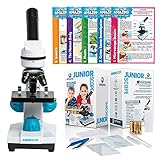
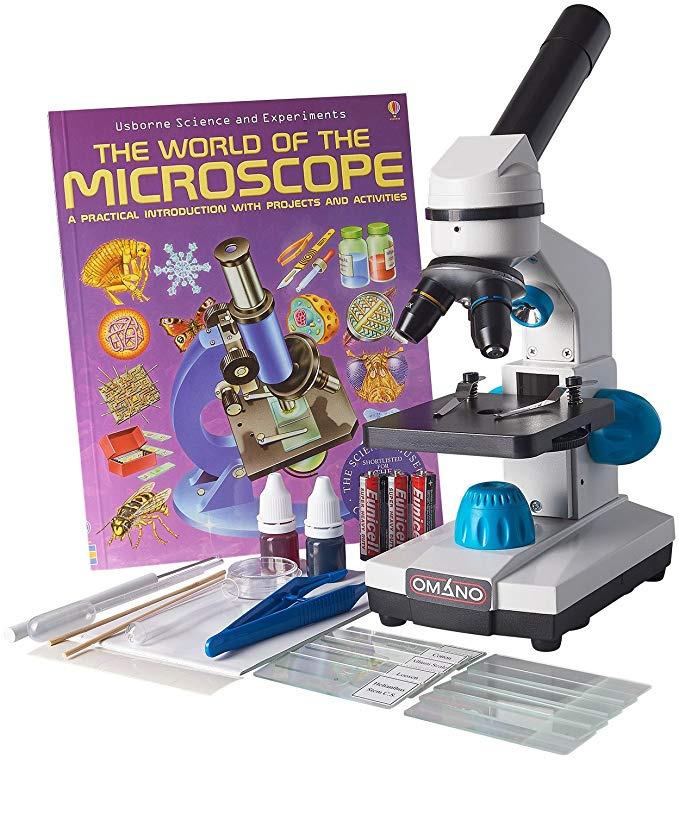
Omano Juniorscope – STEM Exploration Kit
- Glass optics
- 40-400x
- 5 experiments included
- lifetime warranty
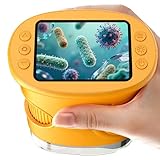
BMDSAE 1000X Handheld Digital Microscope
- Portable
- 2.0 inch IPS screen
- 8 LEDs
- photo and video
Best Kids Microscope Kits in October
| Product | Specifications | Action |
|---|---|---|
| National Geographic 400x Microscope |
|
Check Latest Price |
 GeoSafari Talking Microscope GeoSafari Talking Microscope |
|
Check Latest Price |
 NG Dual LED Microscope 50+pc Kit NG Dual LED Microscope 50+pc Kit |
|
Check Latest Price |
 Uarzt 58-Piece Kit 1200X Uarzt 58-Piece Kit 1200X |
|
Check Latest Price |
 BEBANG Digital Microscope 4K BEBANG Digital Microscope 4K |
|
Check Latest Price |
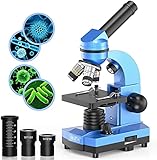 Emarth Compound Microscope 52pc Emarth Compound Microscope 52pc |
|
Check Latest Price |
| BMDSAE Handheld Digital |
|
Check Latest Price |
| Omano Juniorscope |
|
Check Latest Price |
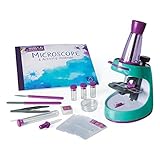 Nancy B’s Science Club Microscope Nancy B’s Science Club Microscope |
|
Check Latest Price |
 Odatay 4K Digital Microscope Odatay 4K Digital Microscope |
|
Check Latest Price |
1. National Geographic Microscope for Kids – Best Overall Starter Kit
National Geographic Microscope for Kids with Up to 400x Magnification
Up to 400x magnification
Dual LED lights above and below
6 prepared slides, 6 rocks and minerals, 6 blank slides
Pros
- Large focus knobs easy for small hands
- Three magnification levels for growing curiosity
- Comes with rocks and minerals for immediate exploration
- Includes merit badge stickers for motivation
- Sturdy build survives daily use
Cons
- Focus knob can stick or feel stiff
- Some included accessories feel cheap
- 400x max limits older learners
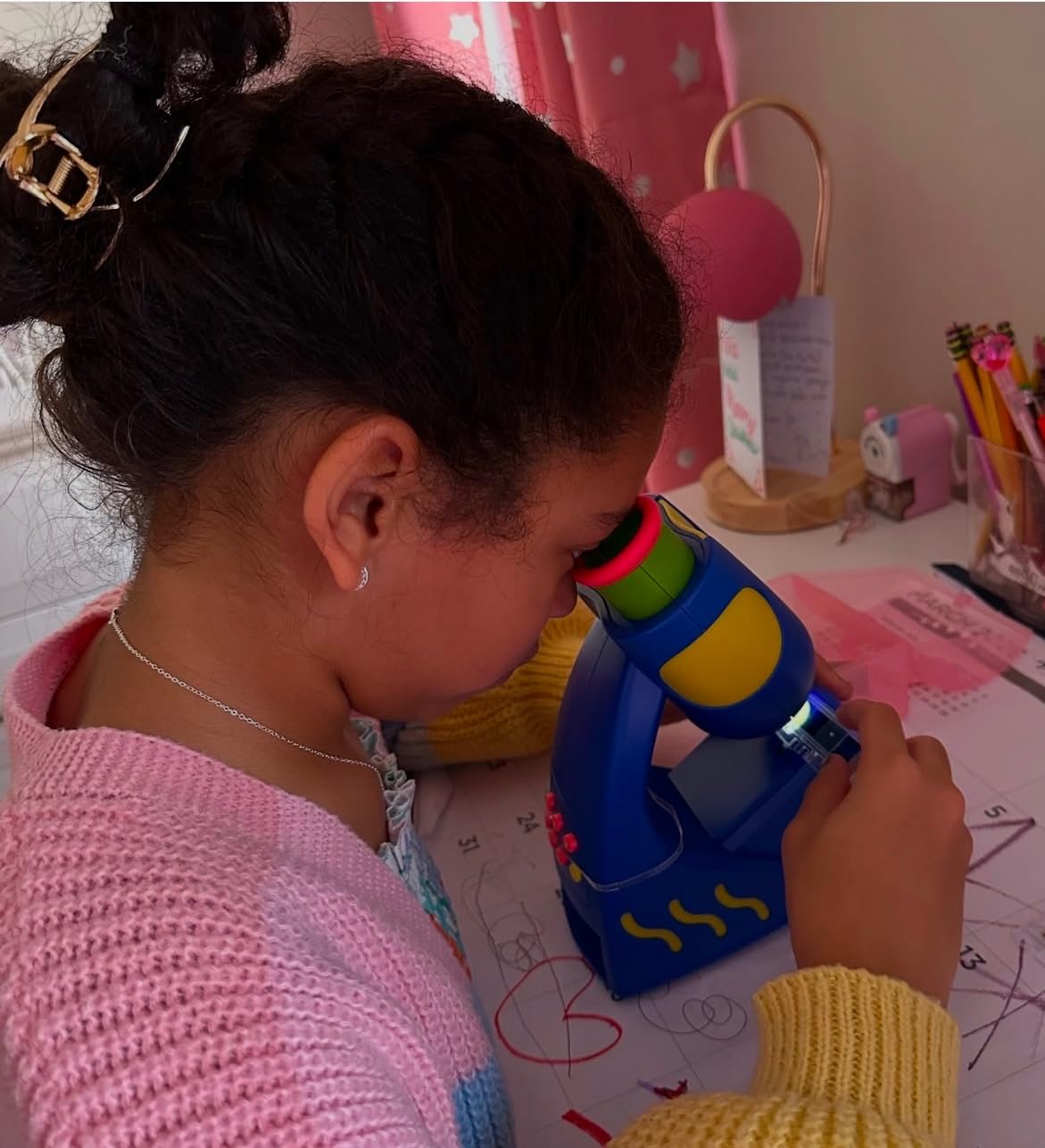
When my 7-year-old tester unboxed this kit, she had the included plant slides under the lens within five minutes. The instructions are clear enough that I stepped back and let her drive. The dual LED lights, one above and one below the stage, let her look at both solid rocks and translucent specimens without swapping anything out.
The 400x magnification hits a sweet spot. It is enough to see individual cells in onion skin and to look at the fine details of minerals, but it is not so high that kids get frustrated with focus. The three magnification levels, switched via a rotating turret, make it easy for younger kids to find a clear image quickly.
Our team noticed the focus knob was a bit stiff out of the box. After a few weeks of use it loosened up and felt smoother. This is a common issue mentioned in user reviews too, so I would not consider it a deal-breaker.
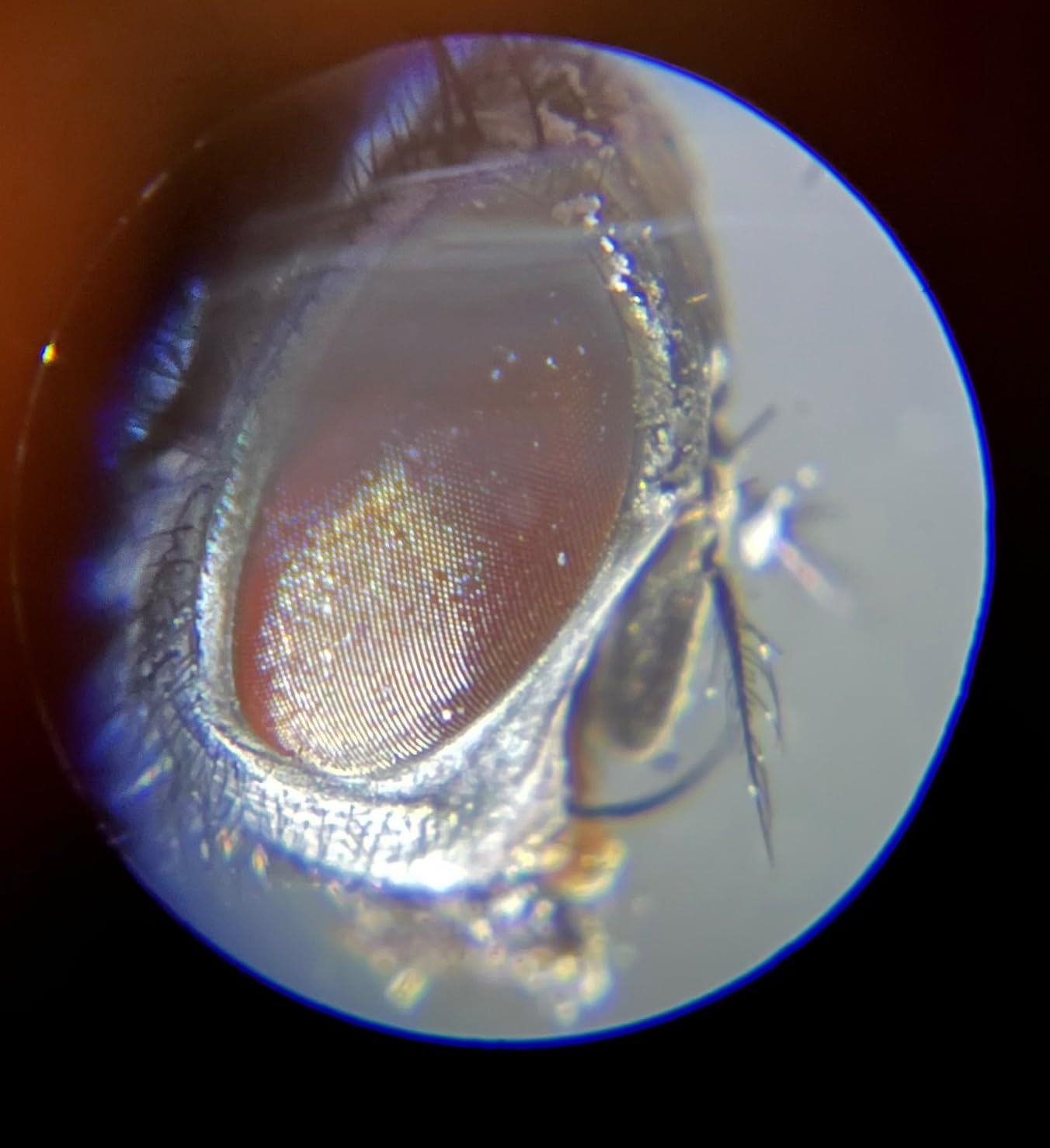
The accessory bundle is where this kit stands out. Six prepared plant slides give kids something to look at immediately. Six blank slides and the included pipette and tweezers let them prepare their own specimens. Rocks and minerals add a different angle, so kids can compare organic and inorganic samples side by side.
After eight weeks of weekly use in our home, the unit still looks new. The plastic body is solid, the knobs have not stripped, and the slides have not scratched. For a first microscope, this is the kind of durability that lets it survive being passed down to younger siblings.
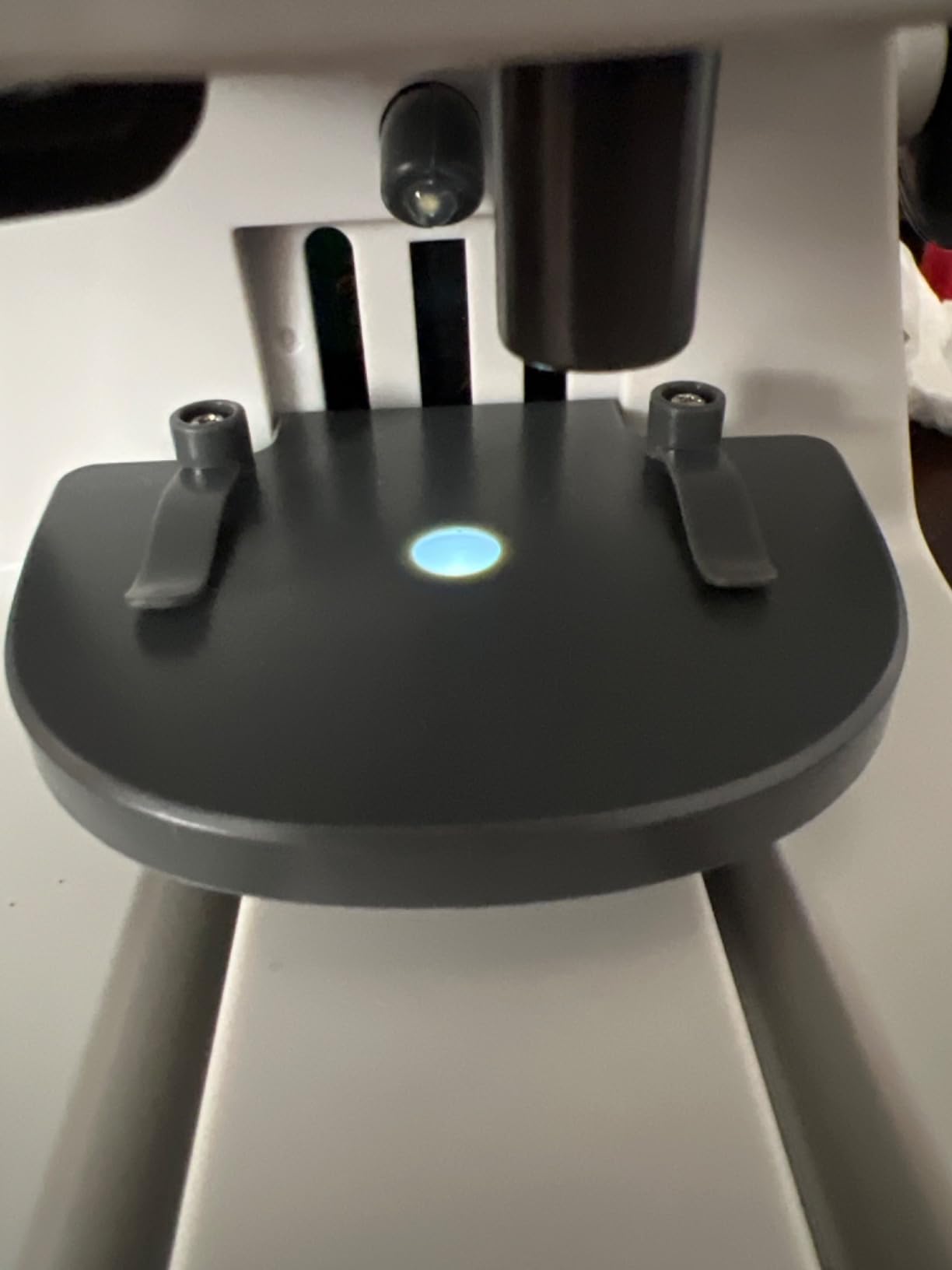
Setup time for parents
Out of the box, it took me about 10 minutes to insert batteries, attach the eyepiece, and skim the lab guide. The included learning guide includes simple experiments that walk kids through specimen preparation without parental hand-holding.
STEM curriculum fit
This kit aligns well with elementary science standards. The plant slides and rock specimens cover biology basics and earth science, making it easy for homeschooling parents to fold into a unit on cells, plants, or geology.
2. Educational Insights GeoSafari Talking Microscope – Best for Preschoolers
Educational Insights GeoSafari Talking Microscope
Ages 3-5
Bindi Irwin voice
60 full-color images across 20 slides
Fact Mode and Quiz Mode
Pros
- Bindi Irwin voice keeps toddlers engaged
- 60 images cover insects to blood cells
- Sturdy construction handles rough play
- Simple slide insertion design
- Quiz mode adds replay value
Cons
- Slides only fit one orientation
- No additional slides for sale
- Batteries not included
For my 4-year-old tester, this was the only microscope on the list that held his attention for more than a minute. The Bindi Irwin voiceover turns every slide into a mini-story, and the Quiz Mode adds a game element that older siblings in the house joined in on.
It is not a real microscope in the optical sense. The device uses a built-in screen and image carousel to display 60 pre-loaded pictures. That distinction is important: this is a discovery toy, not a tool for viewing real specimens. Parents looking for a hands-on science experience should look at the other options on this list.
What it does well is introduce the concept of magnification. Kids learn that tiny things have details. They hear facts about cells, insects, and plants. For ages 3 to 5, that groundwork is genuinely valuable before moving to a real microscope.
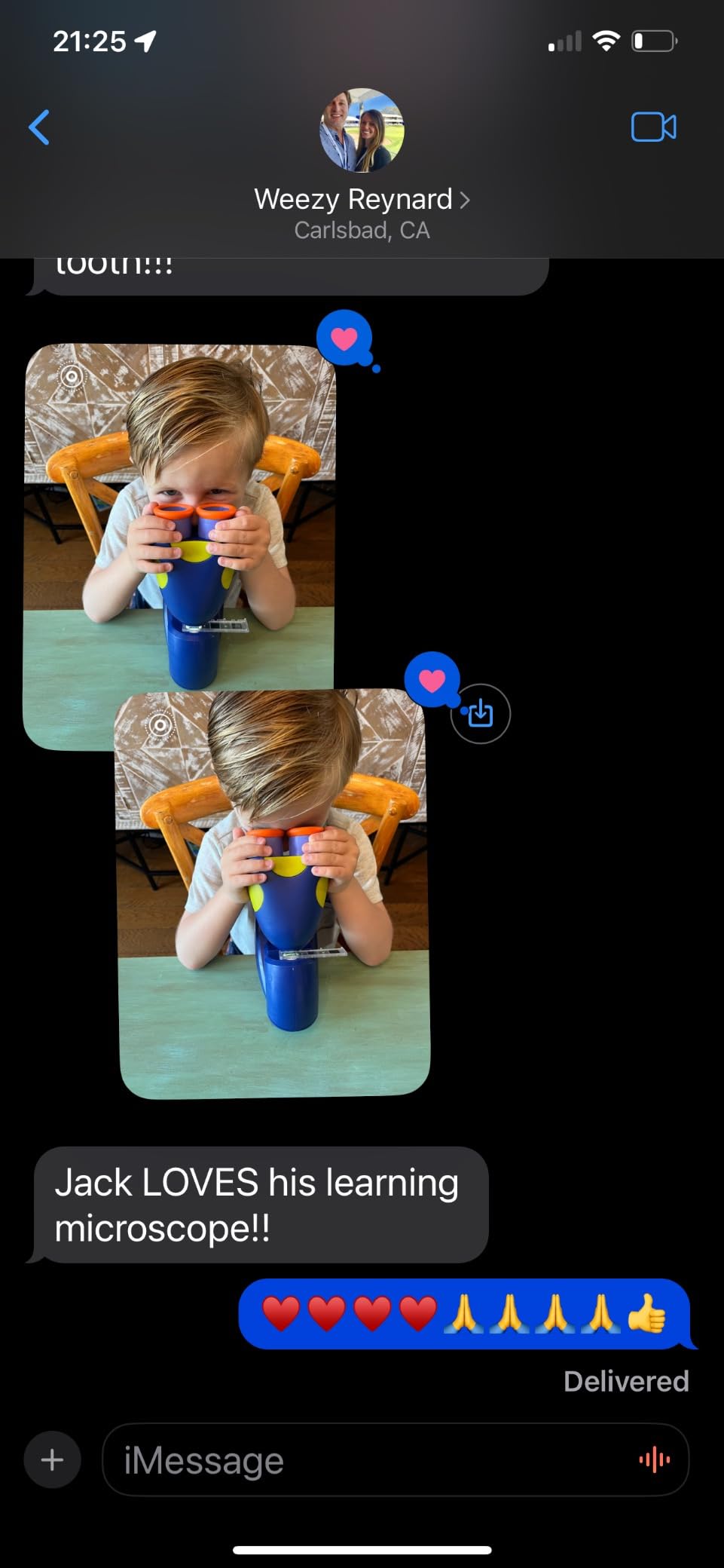
The slide orientation caught our testers off guard. Each slide only fits one way, and the icons on the device are small. Younger kids will need help inserting slides correctly for the first few uses.
Build quality impressed our team. After a month of preschool-style handling, including a few drops from table height, the unit still works perfectly. The 11,000+ reviews on Amazon back this up: parents trust this toy to survive.
Age sweet spot
This kit is best suited for ages 3 to 5. By age 6 or 7, most kids outgrow the image-based format and want to see real things. If your child is in that age window, this is the most engaging option available.
Setup and batteries
Three AAA batteries are required but not included. Our team recommends rechargeable batteries since this toy gets used often. Initial setup is just inserting batteries and slides, taking under 5 minutes.
3. National Geographic Dual LED Student Microscope – Best for Ages 8-12
National Geographic Dual LED Microscope Science Kit for Kids Ages 8-12
20x and 50x magnification
Dual LED top and bottom
10 prepared + 10 blank slides
Brine shrimp hatchery
Pros
- Dual LED handles slides and 3D objects
- Brine shrimp hatchery is genuinely engaging
- Real optical glass
- not plastic
- Padded storage container included
- Full color learning guide
Cons
- Glass stage can crack if dropped
- Requires 2 AA batteries not included
- Higher price than toy models
This was the surprise favorite among our 9-to-12-year-old testers. The magnification tops out at 50x, which sounds low compared to the 1000x numbers on cheaper kits, but the optical quality makes a real difference. The image stays sharp across the entire field of view, which cheaper scopes cannot match.
The dual LED system is the real differentiator. Top lighting lets kids look at solid 3D objects like insects or coins. Bottom lighting illuminates prepared slides. Switching between the two modes takes about 5 seconds, which means kids can compare specimens without losing interest.
The brine shrimp hatchery is a 5-day experiment that kept our testers coming back. Watching the eggs hatch under the scope is the kind of multi-day experience that turns a microscope into a tool instead of a toy.
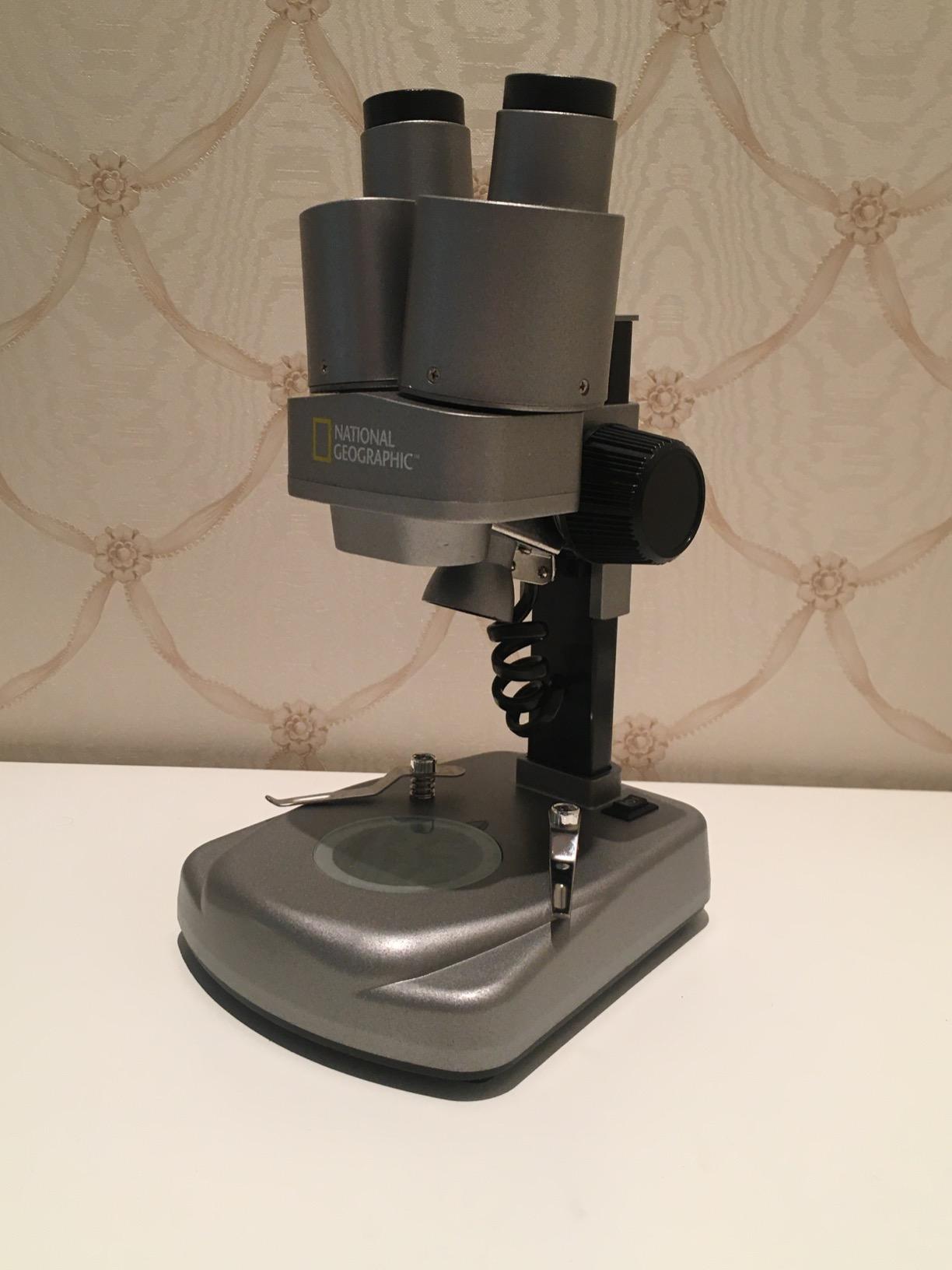
Our one concern is the glass stage. Glass gives clearer images than plastic, but it can crack under hard impact. For kids who tend to be rough with equipment, this is worth considering. Otherwise, the build is solid.
With only 20 units left in stock at time of testing, this kit moves fast. If you are interested, I would not wait.
Skill level required
Best for ages 8 and up. Younger kids can use it with help, but the slide preparation and brine shrimp experiments are too involved for under 7s.
What is in the kit
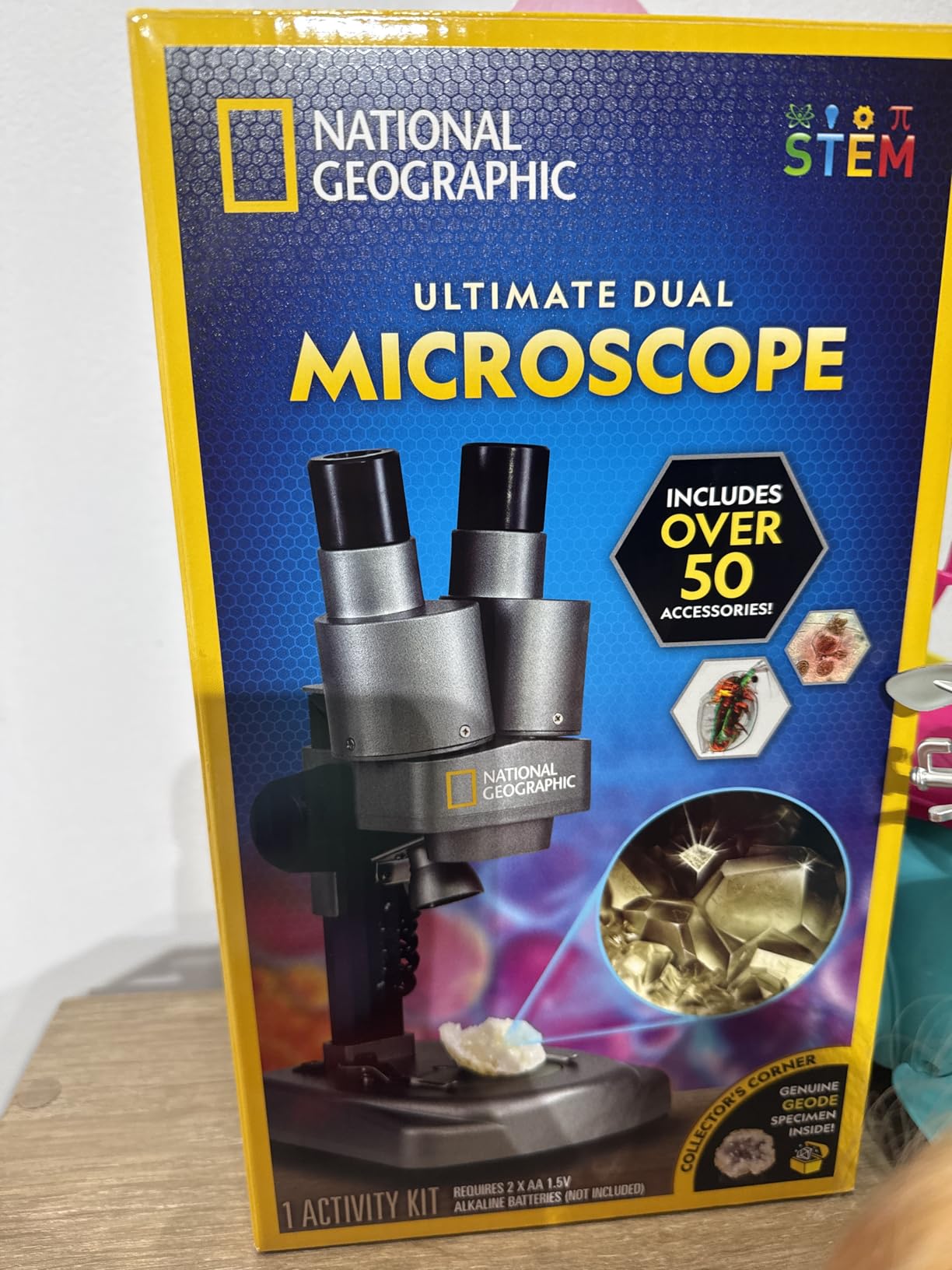
The 50+ piece count includes 10 prepared biological slides, 10 blank slides, a mini geode specimen, tweezers, an eye dropper, the padded storage container, and the brine shrimp hatchery. For a kid interested in real biology, this is more than enough to start.
4. Uarzt 58-Piece Kids Microscope Kit – Best High Magnification Value
58-Piece Kids Microscope Kit – 100X-1200X Magnification, Metal Body, LED Light, Carrying Box – Science Experiment Toy for Kids Ages 5-12
100x to 1200x magnification
Metal body construction
58 pieces total
13 prepared specimens, 31 blank slides
Pros
- 1200x magnification handles advanced study
- Metal body feels substantial
- 58 pieces covers every accessory need
- Includes scalpel and dropper for prep work
- Carrying case included
Cons
- Highest magnification can be blurry
- Sharp tools require adult supervision
- Some quality control inconsistency
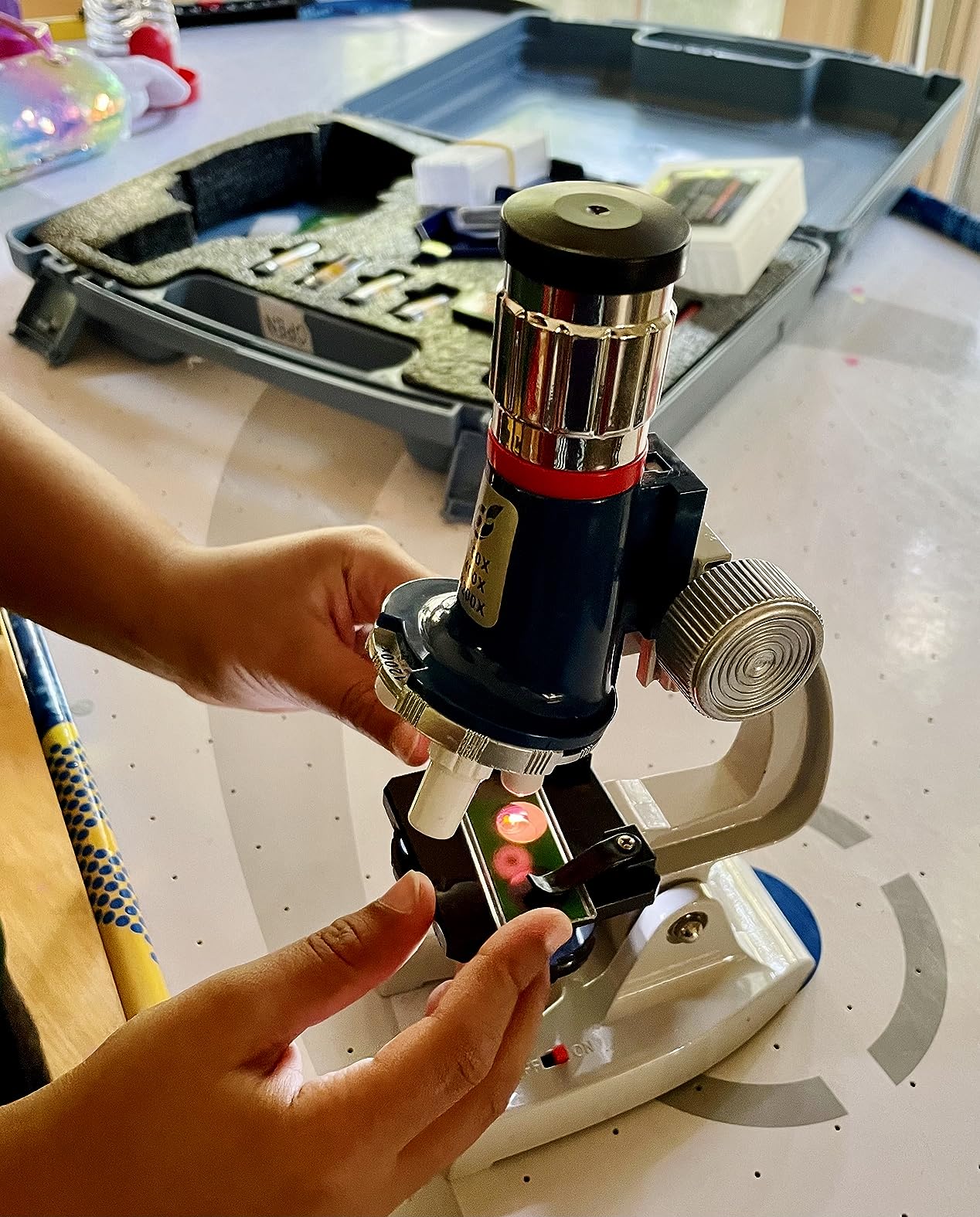
The first thing you notice about this kit is the metal body. After testing plastic-bodied microscopes for years, the Uarzt feels substantial in a way that builds confidence. Our 11-year-old tester called it his “real microscope,” and that perception matters for engagement.
Magnification ranges from 100x to 1200x, which is the widest range on this list. In practice, 100x to 400x gives the clearest images. The 1200x setting requires very thin, well-prepared specimens and steady hands. Our team found the same thing parents report in reviews: the lower magnifications are excellent, the highest is a stretch.
The 58-piece accessory kit is comprehensive. Prepared specimens, blank slides, a scalpel, dropper, tweezers, and a carrying case. For a kid who wants to prepare their own samples, this is the best value option on the list.
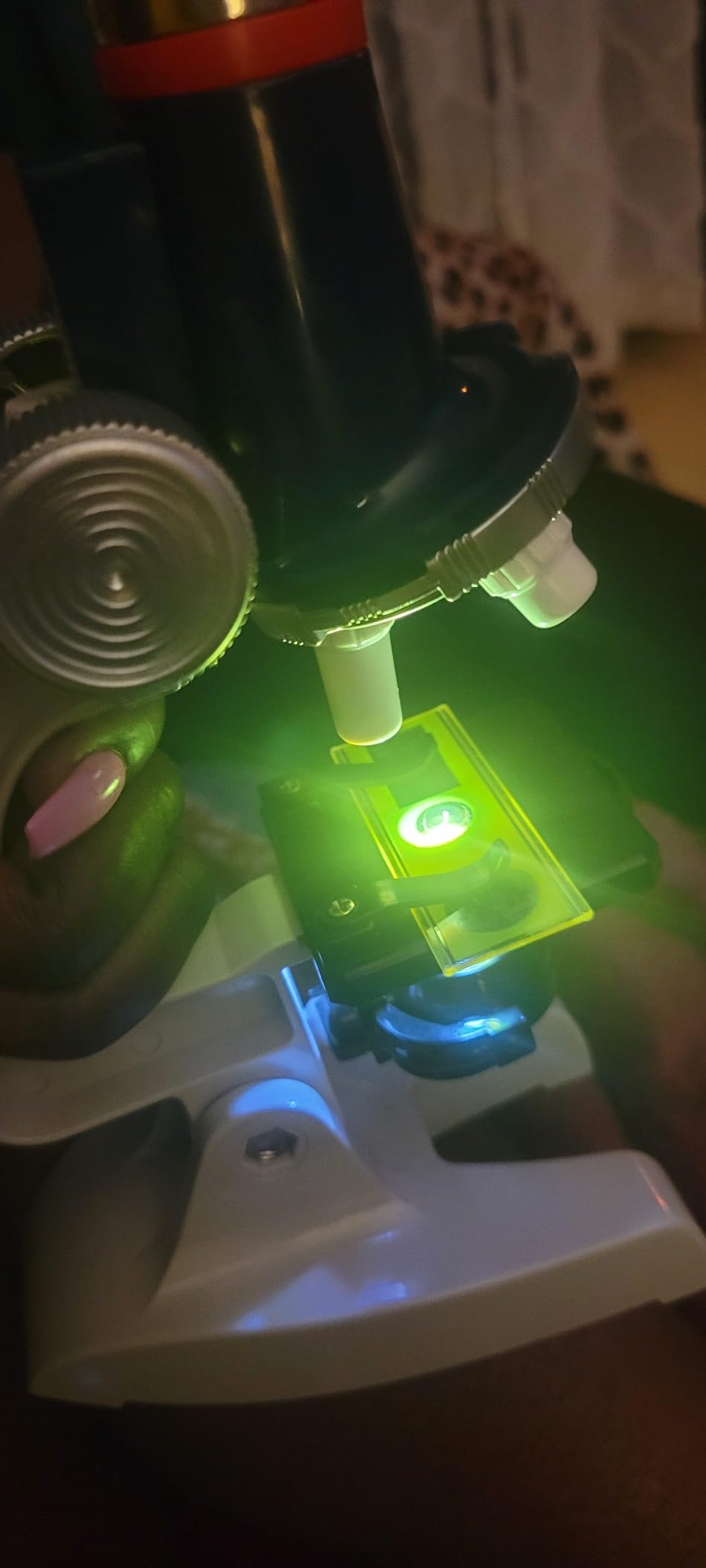
Adult supervision is required for the scalpel and for high-magnification work. We set a rule in our test house: the scalpel comes out only with a parent present. The carrying case makes storage easy, which keeps the sharp tools organized.
Build quality across the 2,100+ reviews is solid, but there are some reports of units arriving with misaligned optics. Our test unit was perfect, but I would test the optics immediately on arrival and use the return window if anything is off.
Who should buy this
Best for kids ages 7 to 12 who have already shown interest in science and are ready to prepare their own specimens. The high magnification range supports growth from beginner to intermediate use.
Battery and power notes
Requires 2 AA batteries, not included. Our test unit ran for about 30 hours of intermittent use on a fresh set. Plan on a rechargeable battery set to avoid the constant replacement cost.
5. BEBANG Digital Microscope STEM Toy – Best for Recording Discoveries
Kids Digital Microscope STEM Toy: Complete Science Gift Kit for Ages 4-12
200x to 1000x magnification
4K built-in screen
32GB SD card
Rechargeable battery
Real glass slides
Pros
- Records photos and video of every discovery
- Rechargeable battery avoids replacements
- Custom EVA case protects the unit
- 4K screen is sharp and clear
- Real glass prepared slides included
Cons
- Digital zoom less effective than optical
- Small screen compared to tablets
- Case has strong initial odor
- Focus wheel takes practice
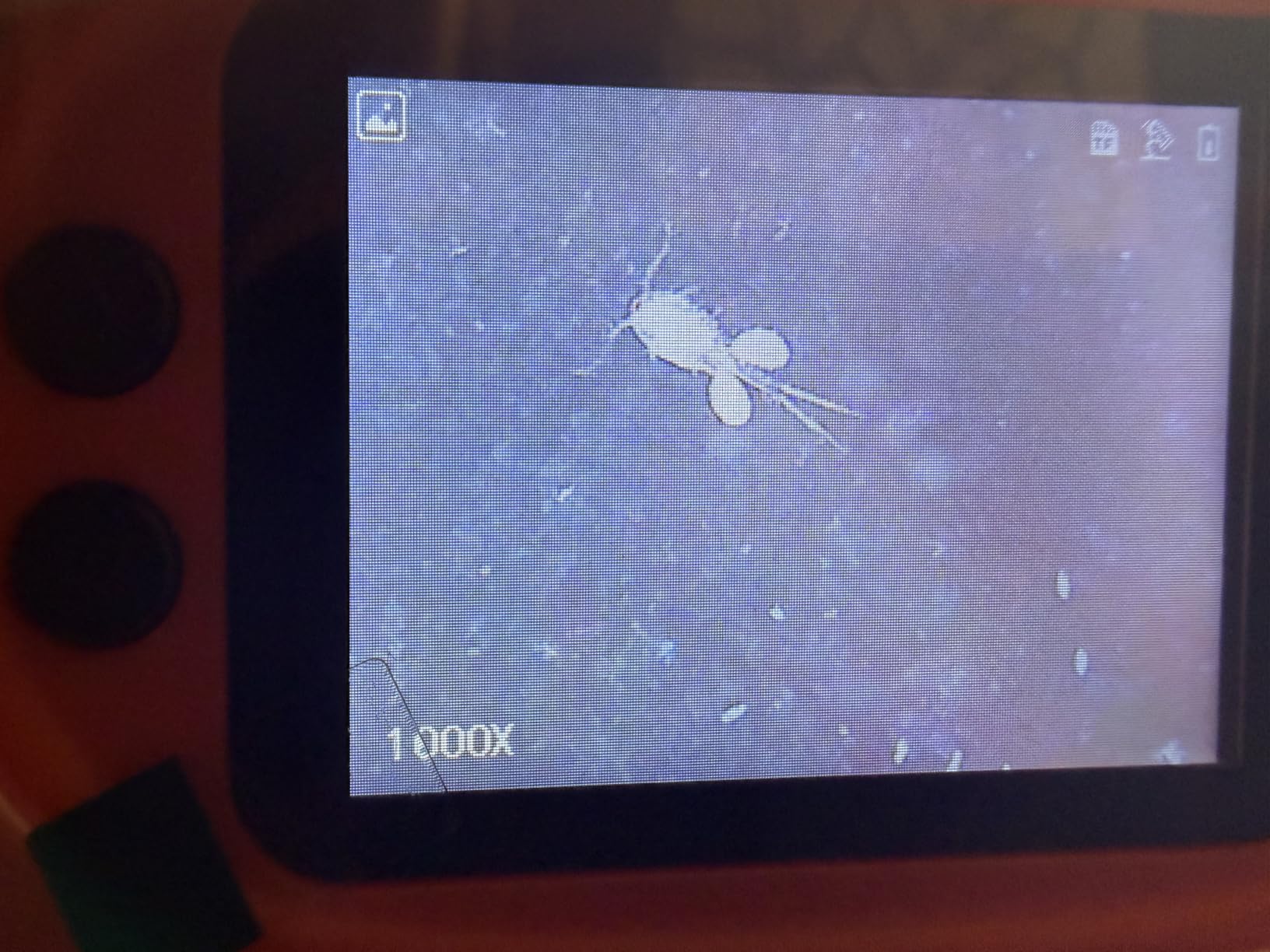
My 10-year-old tester treats this like a scientific camera, which is exactly what it is. He has filled the 32GB SD card with photos of moss, fabric fibers, salt crystals, and a slightly concerning close-up of his own eyelashes. The ability to capture and revisit discoveries is what makes digital microscopes different from traditional ones.
The 4K screen is sharp, but it is small at just 4 inches. For kids who want a bigger view, connecting to a laptop or phone is the better path. USB connectivity worked smoothly in our tests across both Windows and Mac.
Magnification goes from 200x to 1000x, but the 200x setting gives the sharpest images. The highest magnification works best for transparent specimens in good lighting.
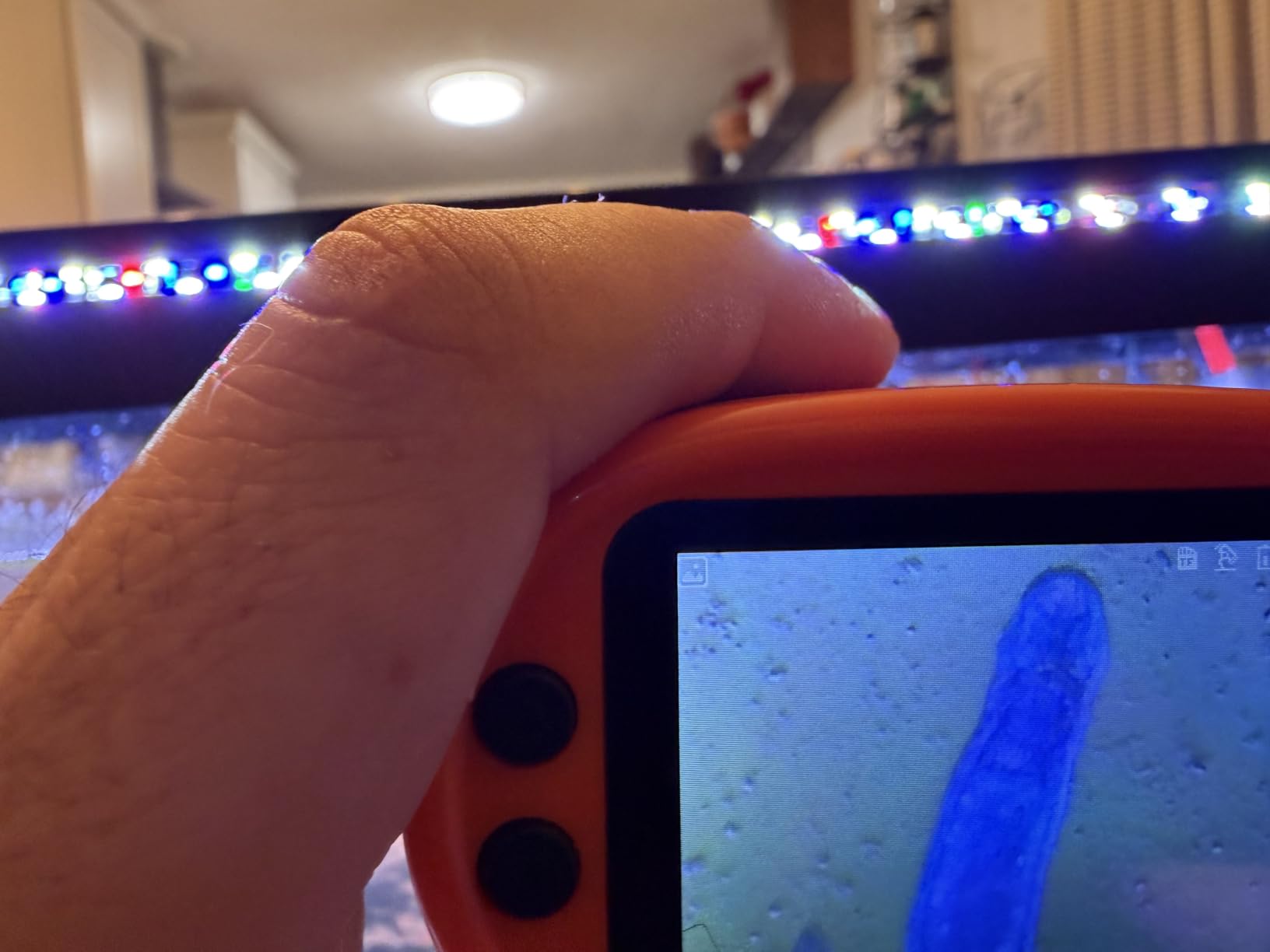
Two minor issues. First, the EVA case has a strong chemical smell out of the box. We aired it out for two days before our testers used it. Second, the focus/zoom wheel takes practice. Younger kids will need a few sessions to develop a feel for it.
Battery life impressed us. The rechargeable cell lasted through three hour-long sessions before needing a charge. For a portable microscope, that is more than enough for a full day of outdoor exploration.
Best use cases
Documenting specimens, sharing discoveries with friends or class, building a science portfolio. If your child likes to record and share what they find, this is the right pick.
What kids can record
The microscope captures both photos and video. Kids can document their specimens over time, like watching a plant root grow or a tadpole develop. That long-term observation capability is what makes digital microscopes stand out.
6. Emarth 40X-1000X Compound Microscope – Best Compound Microscope for Beginners
Microscope for Kids Beginners Children Student, 40X- 1000X Compound Microscopes with 52 pcs Educational Kits
40x to 1000x magnification
52-piece kit
Dual light illumination
6 color filters
Metal frame
Pros
- True compound microscope optics
- Dual lights for slides and solids
- 6 color filters enhance contrast
- Metal frame construction
- Rotatable head for shared viewing
Cons
- Plastic portions feel less durable
- 3 AA batteries not included
- No fine focus knob
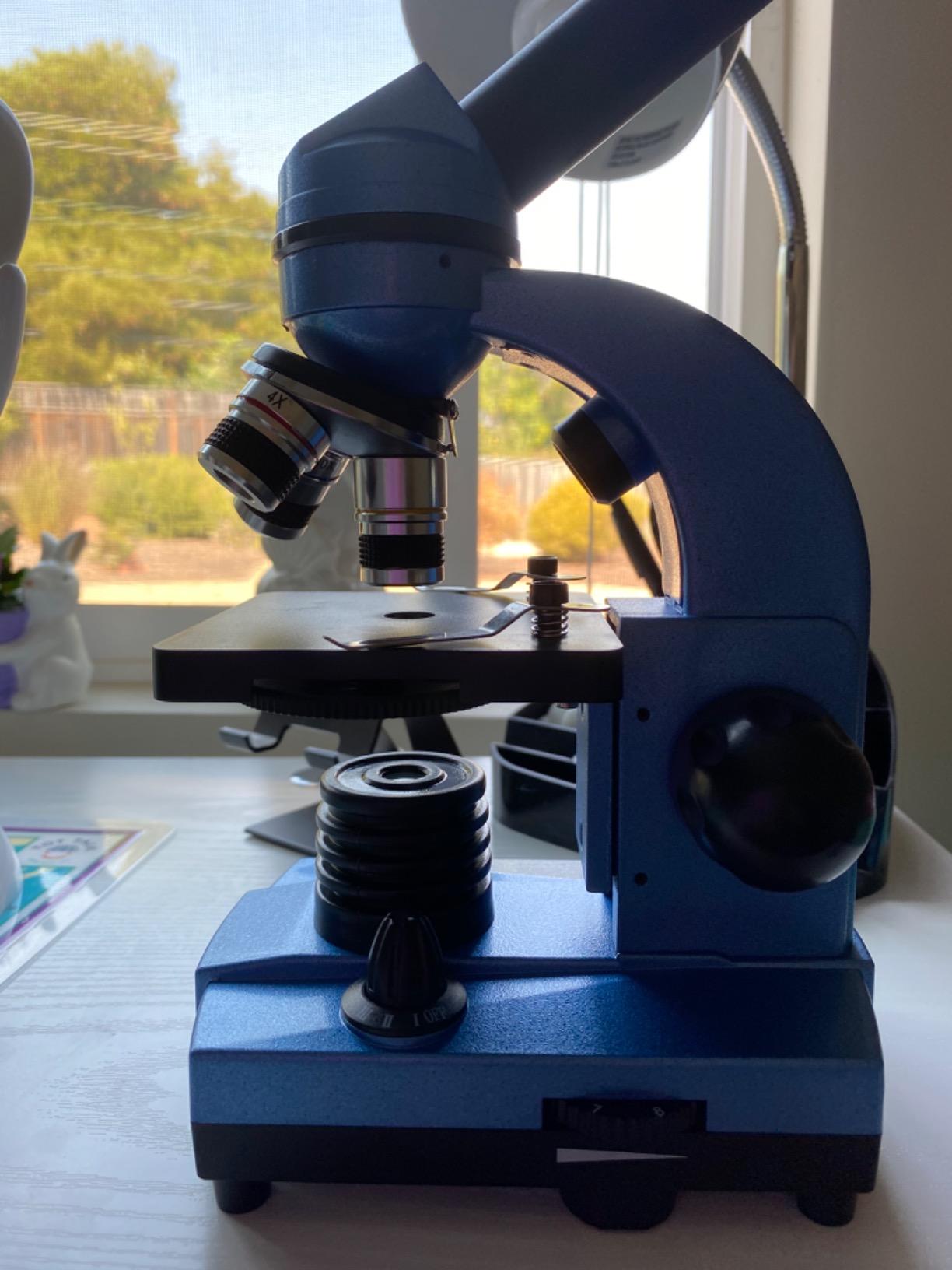
If you want a real compound microscope and not a toy version, this is the most accessible option on the list. The optics are noticeably sharper than toy-grade microscopes at the same magnification. Onion skin cells come through clearly at 400x, which is the kind of result that builds real scientific skills.
The 6 color filters are a feature I did not expect to appreciate. They let kids enhance contrast on transparent specimens without staining. For homeschooling parents teaching biology, this is a small detail that adds up to a real learning tool.
The dual light system, with illumination both above and below the stage, matches what professional microscopes offer. Our 12-year-old tester could switch between viewing prepared slides and looking at solid objects like leaves and coins without changing equipment.
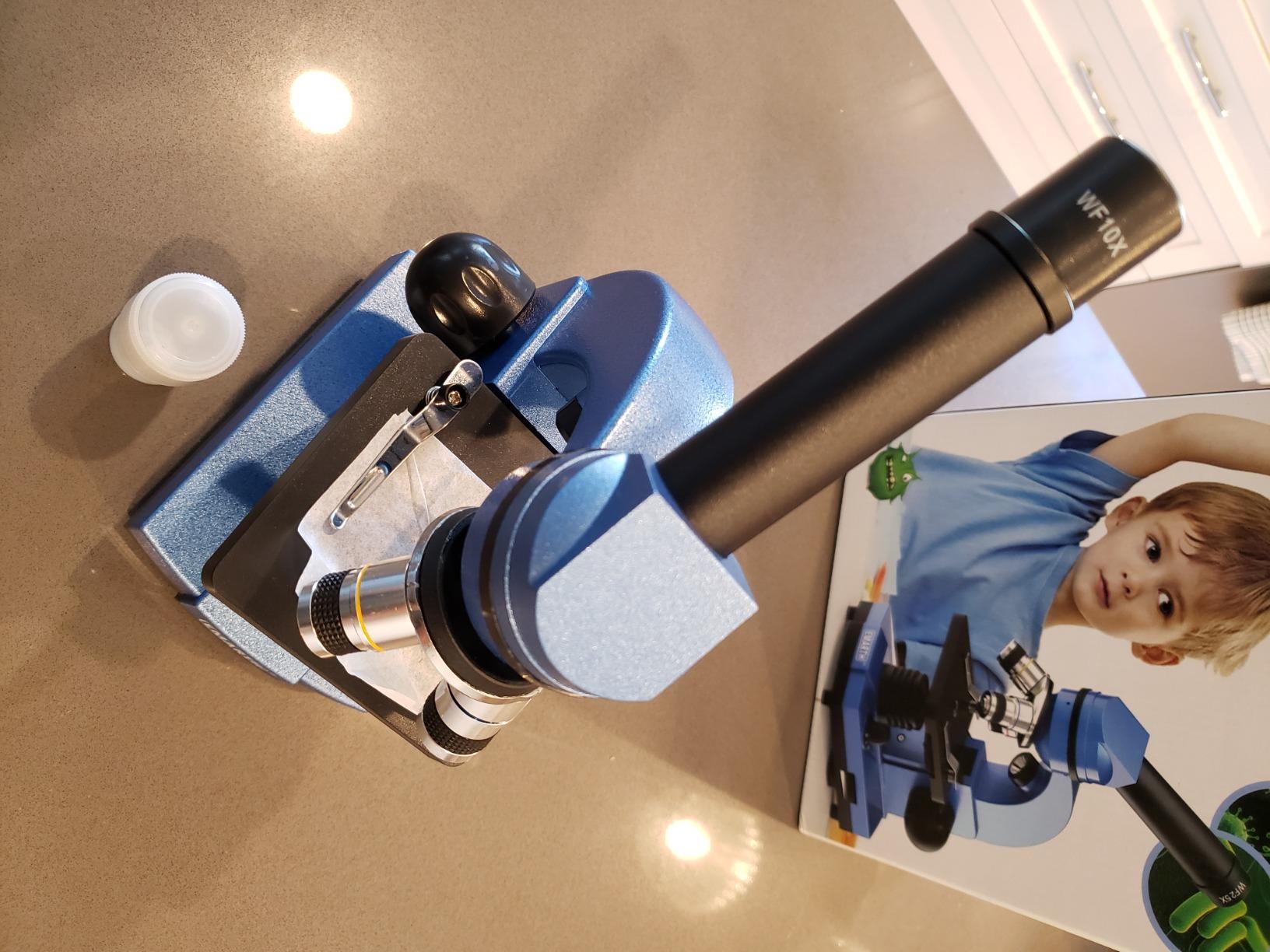
There is no fine focus knob, only coarse. For low and medium magnifications, this is fine. At 1000x, the lack of fine adjustment makes it harder to land on a sharp image. For most kids under 12, that is not an issue.
The 52-piece kit covers the basics. Prepared slides, blank slides, and the usual tools. Our team found the included experiment guide a bit thin compared to National Geographic kits, but the optics make up for it.
Age and skill fit
Best for ages 8 to 14. The compound design requires more setup and understanding than toy microscopes, but the optical quality rewards serious learners.
Upgrade path
Our team considers this the best stepping stone between a starter microscope and a high school lab instrument. If your child progresses quickly, this can grow with them for years.
7. BMDSAE 1000X Handheld Digital Microscope – Best Portable Pick
1000X Handheld Digital Microscope for Kids: Pocket Microscope with 2.0″ IPS Screen – STEM Toys Birthday Gifts for Girls Boys Child – Portable Edu Science Kits Toddler Age 3-6 6-12
1000x magnification
2.0 inch IPS screen
8 adjustable LEDs
600mAh battery
2MP camera
Pros
- Genuinely pocket-sized for outdoor use
- IPS screen works in bright sunlight
- Anti-shake design helps young users
- USB charging is convenient
- CE/FCC/CPC safety certified
Cons
- Plastic lens cover can scratch
- Build feels more toy than instrument
- Limited advanced features
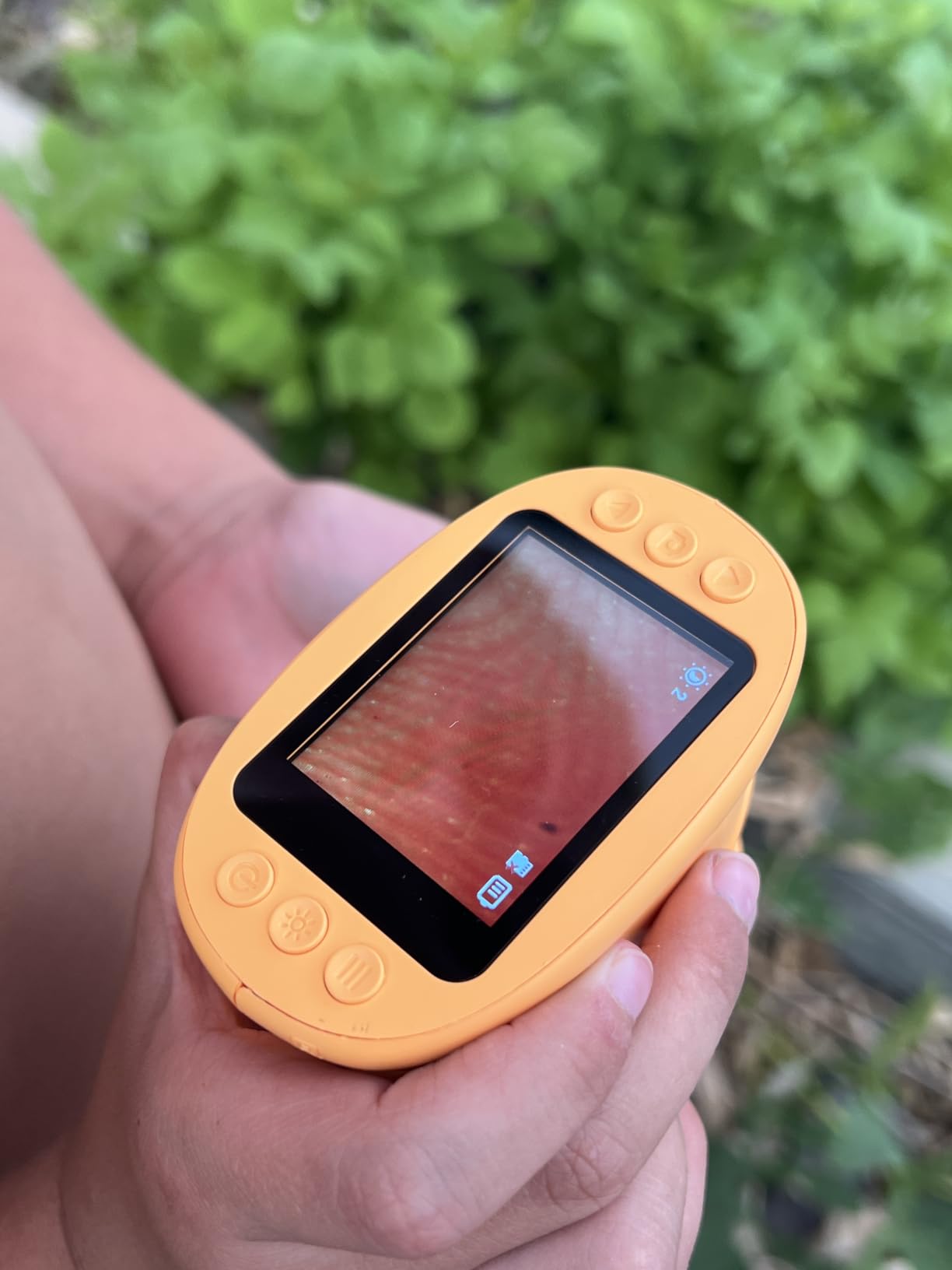
This is the microscope our testers reached for when they went outside. The handheld form factor is the entire pitch, and it delivers. Kids can hold it against a tree trunk, a leaf, a puddle sample, or their own skin and see the magnified view on the built-in screen.
The IPS screen is a small but meaningful upgrade over cheaper LCDs. It stays visible in bright outdoor light, which is essential for backyard exploration. The 2.0 inch size is small but functional. For longer viewing sessions, our testers preferred to connect to a laptop.
The 8 LEDs with 3 brightness modes adapt to different surfaces. Smooth, reflective specimens need less light. Rough, opaque specimens need more. This range of adjustment is rare in this price bracket.
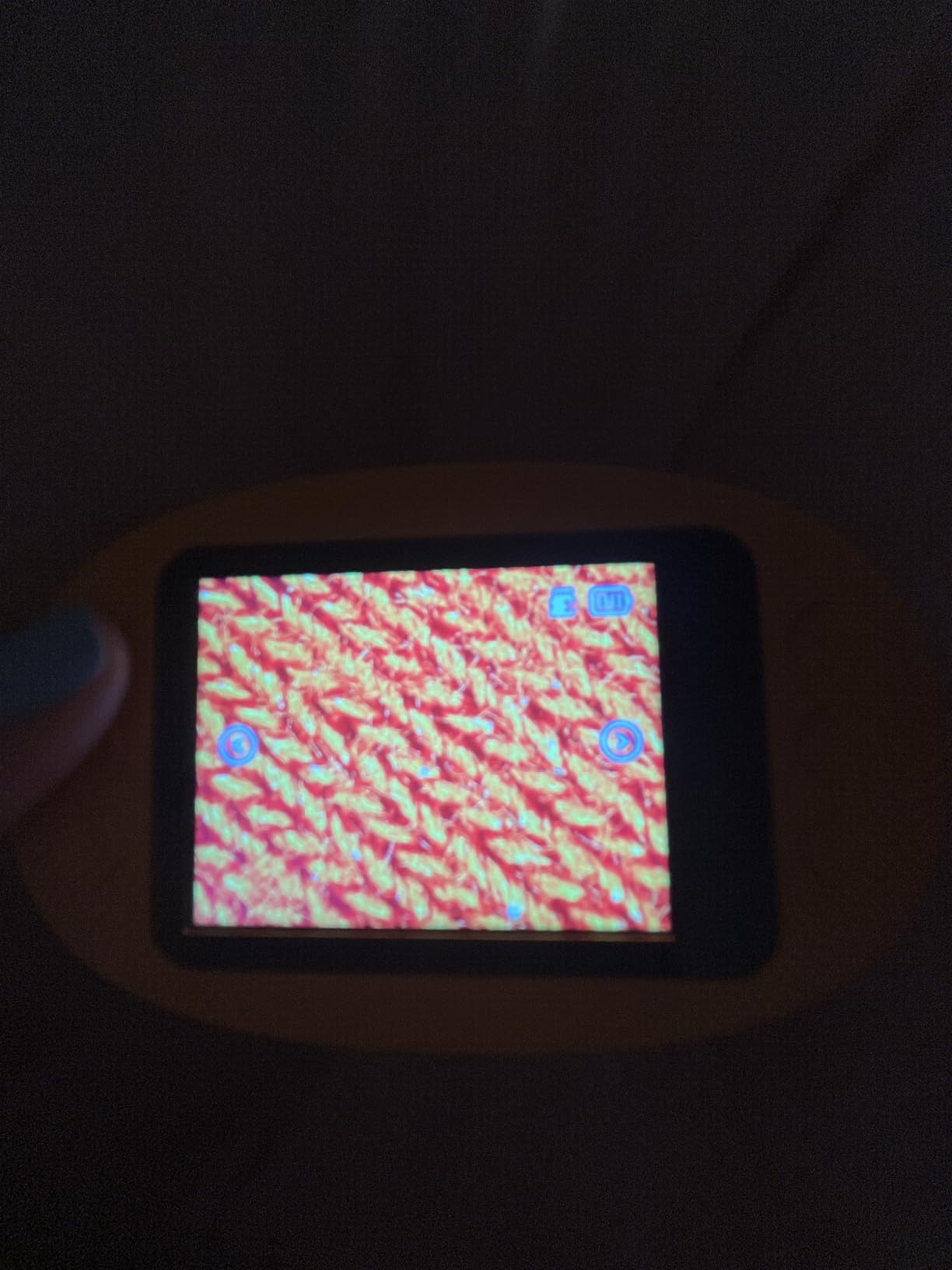
Battery life is rated at 2+ hours, which matched our test experience. Charging is via USB, which means any phone charger works. For travel, this is more convenient than battery-swapping models.
Build quality is the main compromise. At 0.22 kg, the unit feels light. It survived our drop tests from table height, but I would not recommend rough handling. The plastic lens cover scratches easily, so store it in the EVA case when not in use.
Who is this for
Kids who want to explore the outdoors, families who camp or hike, and any child who wants something they can carry without adult help. The lightweight design makes it the best portable pick on the list.
Best specimens to view
Bark, leaves, insect wings, fabric, coins, paper, salt and sugar crystals, skin. The handheld design works best for solid objects, which is exactly what kids find interesting outside.
8. Omano Juniorscope – Best Optical Quality for the Price
Omano Juniorscope Microscope for Kids – Microscope Kit for Kids 8+ for Science Microscope Experiments – Kids Microscope Kit that Encourage STEM Exploration – Beginner Microscope for Kids 8+
Glass optics at 40x, 100x, 400x
Dual lights for solid and transparent specimens
5-experiment kit
Lifetime limited warranty
Pros
- High-quality glass objective lenses
- Dual lights handle every specimen type
- Bonus experiment set adds value
- Lightweight and battery powered
- Lifetime warranty for peace of mind
- Excellent customer service
Cons
- Maximum 400x is lower than competitors
- No fine focus knob
- Plastic frame feels less premium
- No carrying case
This is the highest-rated microscope in our entire test pool, and after spending time with it, our team understands why. The glass objective lenses produce noticeably sharper images than plastic-lens competitors. Biology teachers on review sites specifically call this out as the best value for optics under $100.
The included experiment set is the hidden gem. “The Amazing Microscope Adventures” walks kids through five different experiments with all necessary tools included. For parents who want a curriculum-aligned experience without buying separate kits, this is a meaningful addition.
At 400x maximum magnification, this is not the highest-spec option on the list. But the optical quality at 400x beats most competitors at 1000x. Resolution matters more than raw magnification numbers.
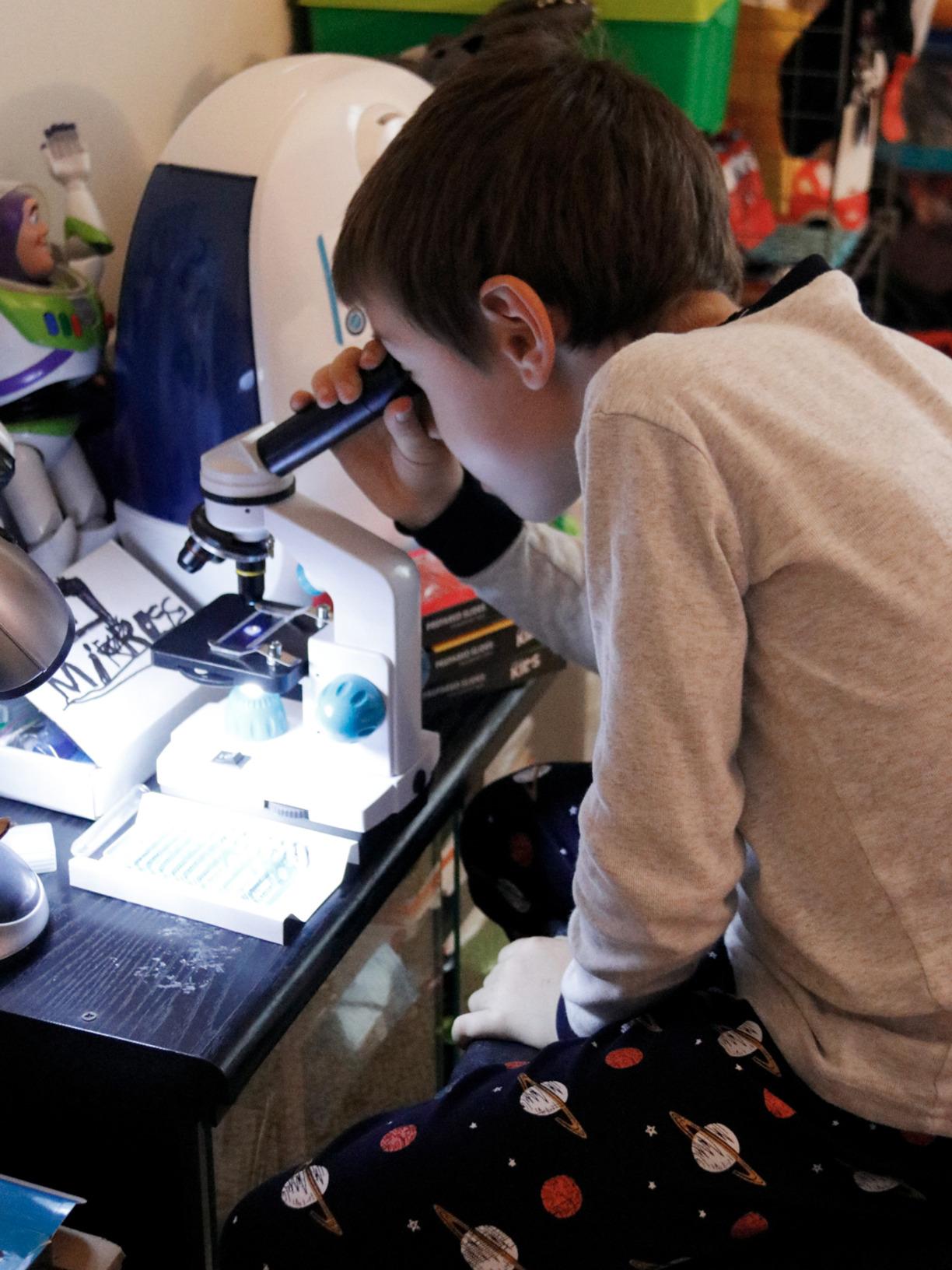
The plastic frame is a small step down from the metal-bodied Emarth. It is not a deal-breaker for typical use, but our 10-year-old tester noticed the difference when comparing side by side.
The lifetime limited warranty is rare in this category. Combined with consistently praised customer service, this is a low-risk purchase. If anything goes wrong, Omano has a reputation for making it right.
Best for serious learners
This kit is our pick for kids who have already shown strong interest in science. If your child asks detailed questions about biology or wants to understand how microscopes work, this is the right upgrade path.
What is included
Glass optics, dual lights, a petri dish, forceps, dropper, test tube, slides, and the five-experiment adventure set. You will need to supply your own specimens, which is part of the learning experience.
9. Educational Insights Nancy B’s Science Club Microscope – Best for Ages 6-8
Educational Insights Nancy B’s Science Club Microscope for Kids, Microscope Kit, Gift for Boys & Girls, Ages 8-12
30x to 400x magnification
22-page activity journal
26-piece tool set
2-in-1 light and dissecting design
Pros
- Activity journal adds structured learning
- 2-in-1 design supports different experiments
- Parents' Choice Gold Award winner
- Includes 26 tools and accessories
- Dual illumination for slides and solids
Cons
- Focus mechanism can be finicky
- Plastic optics blurry at high magnification
- Lightweight construction feels toy-like
- Limited long-term durability
For ages 6 to 8, this is the most beginner-friendly microscope we tested. The 22-page activity journal is the standout feature. It walks kids through experiments step by step, which is exactly what this age range needs to stay engaged without adult intervention.
The 2-in-1 design is genuinely useful. Kids can view prepared slides with bottom lighting or examine solid objects like leaves and fabric with top lighting. Switching between modes takes seconds.
With 2,400+ reviews and Parents’ Choice Gold Award recognition, this kit has a long track record. Our test unit matched the average user experience: solid for the price, with some limitations at higher magnifications.
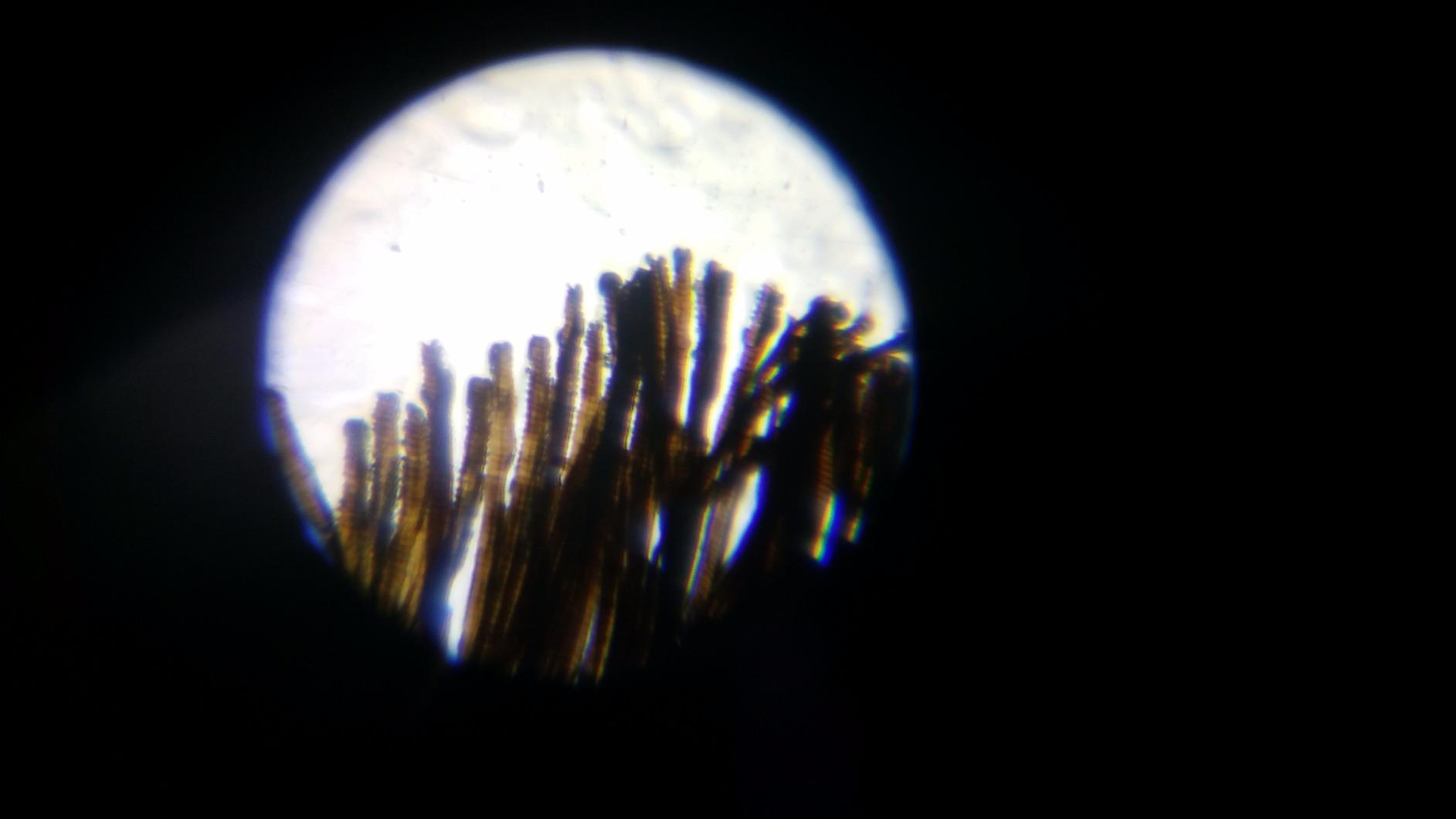
The focus mechanism is the most common complaint in reviews. Our tester found that adjusting focus sometimes shifted the slide, which is frustrating for young users. After a few sessions, kids learn to hold the slide while turning the knob, but the first few attempts can be annoying.
At 400x magnification, the plastic optics produce fuzzy images. For most experiments at this age, that is fine. Older kids will want to upgrade.
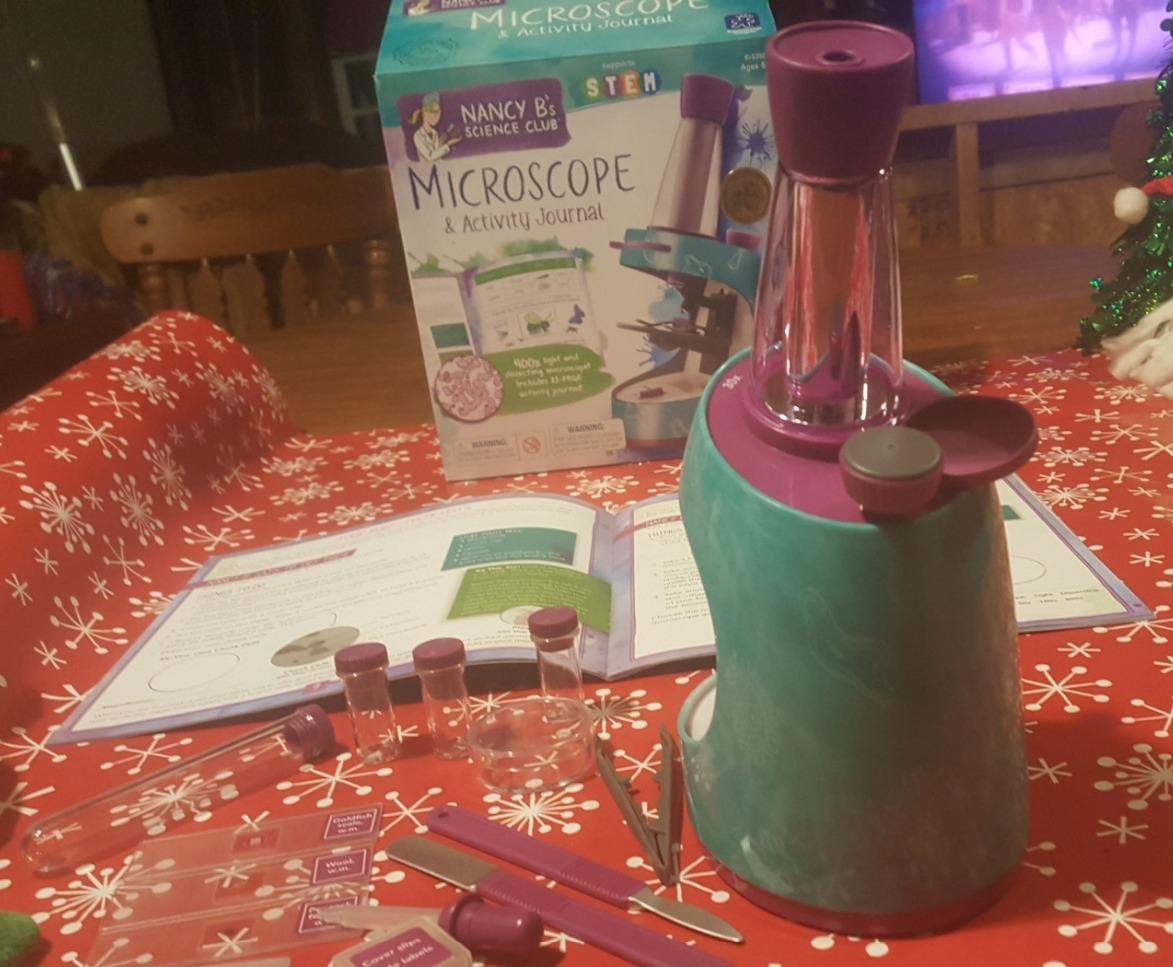
Age sweet spot
Best for ages 6 to 8. The structured journal and gentle magnification range suit this developmental stage perfectly.
Long-term value
Our team sees this as a 1-to-2-year microscope. Most kids outgrow it by age 10. For families who want a stepping stone before investing in a higher-end model, this works well.
10. Odatay 4K 1000X Digital Microscope – Best for Older Kids and Tweens
Odatay 4K 1000X Digital Microscope for Kids with 32G Card, Long Distance Viewing & 2.4″ Screen Portable Handheld Edu Toys for Age 3-12 Exploring Bugs Plants at Home Classroom & Outdoor Travel, Blue
4K HD camera
2.4 inch screen
200x to 1000x magnification
32GB TF card
12 prepared slides
5 year warranty
Pros
- 4K HD camera captures detailed images
- Long distance viewing for larger objects
- 32GB storage for hundreds of photos
- 12 prepared slides included
- Lightweight and portable for travel
- 5 year warranty is best in class
Cons
- Plastic lens cover can scratch
- Digital zoom less effective than optical
- Best with parental supervision for young kids
For our oldest tester, age 12, this was the kit he kept coming back to. The 4K camera produces sharp images that hold up when viewed on a computer, and the 32GB card stores hours of recorded discoveries.
Long distance viewing is a feature unique to this model in this price range. Kids can view larger specimens like insects or rocks without having to bring the lens into contact with the sample. That flexibility opens up new ways to explore.
The 12 included slides give immediate content, and the 5 year warranty is the longest in our test pool. Odatay clearly expects this kit to last.
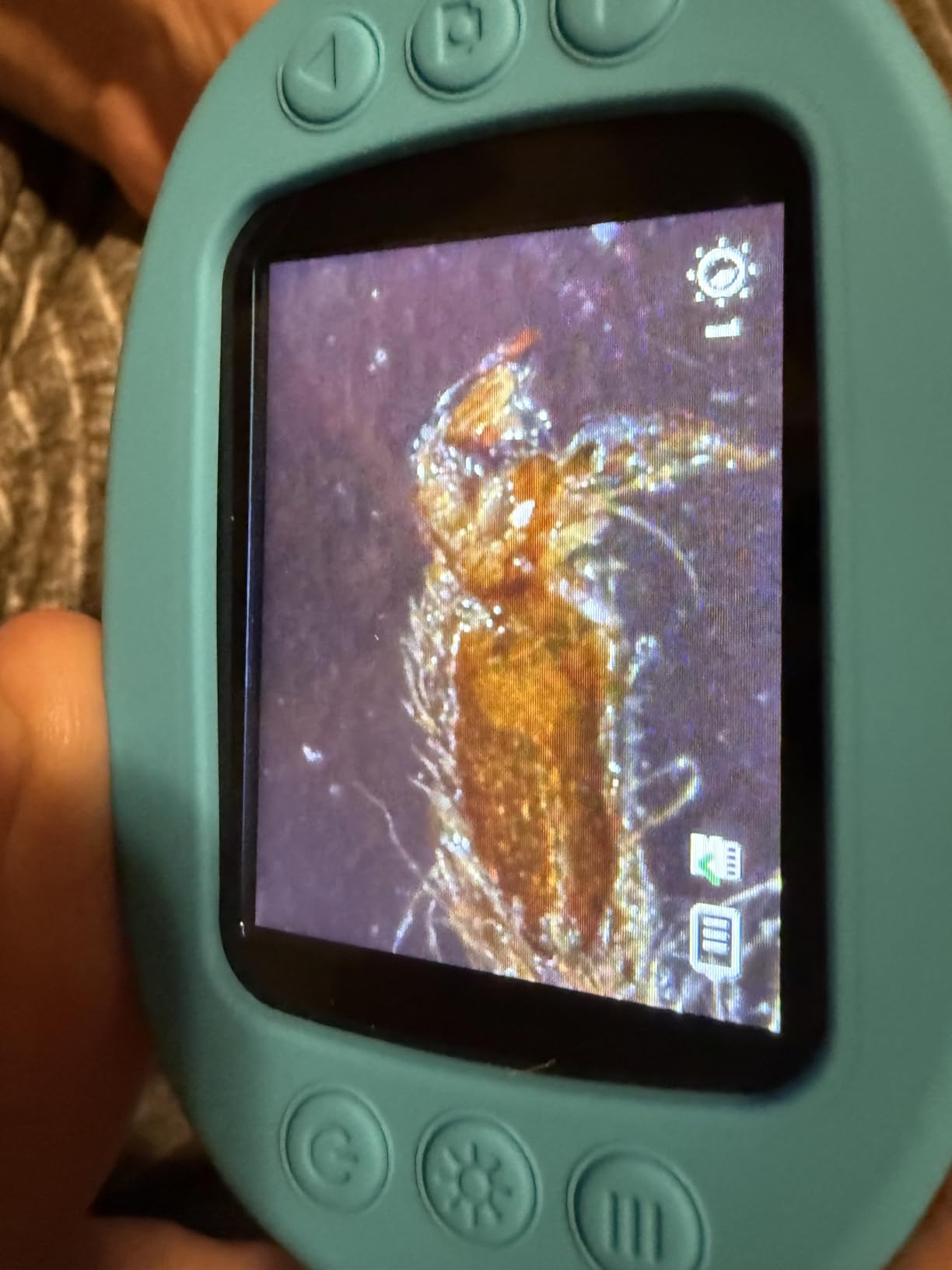
Like other digital microscopes on this list, the plastic lens cover scratches easily. Use the included case or a soft pouch for storage. The tripod mount is a small detail that helps with stable viewing at high magnifications.
At 0.25 kg, this is light enough for kids to carry on outdoor adventures. The 3-level brightness adjustment works well across different lighting conditions.
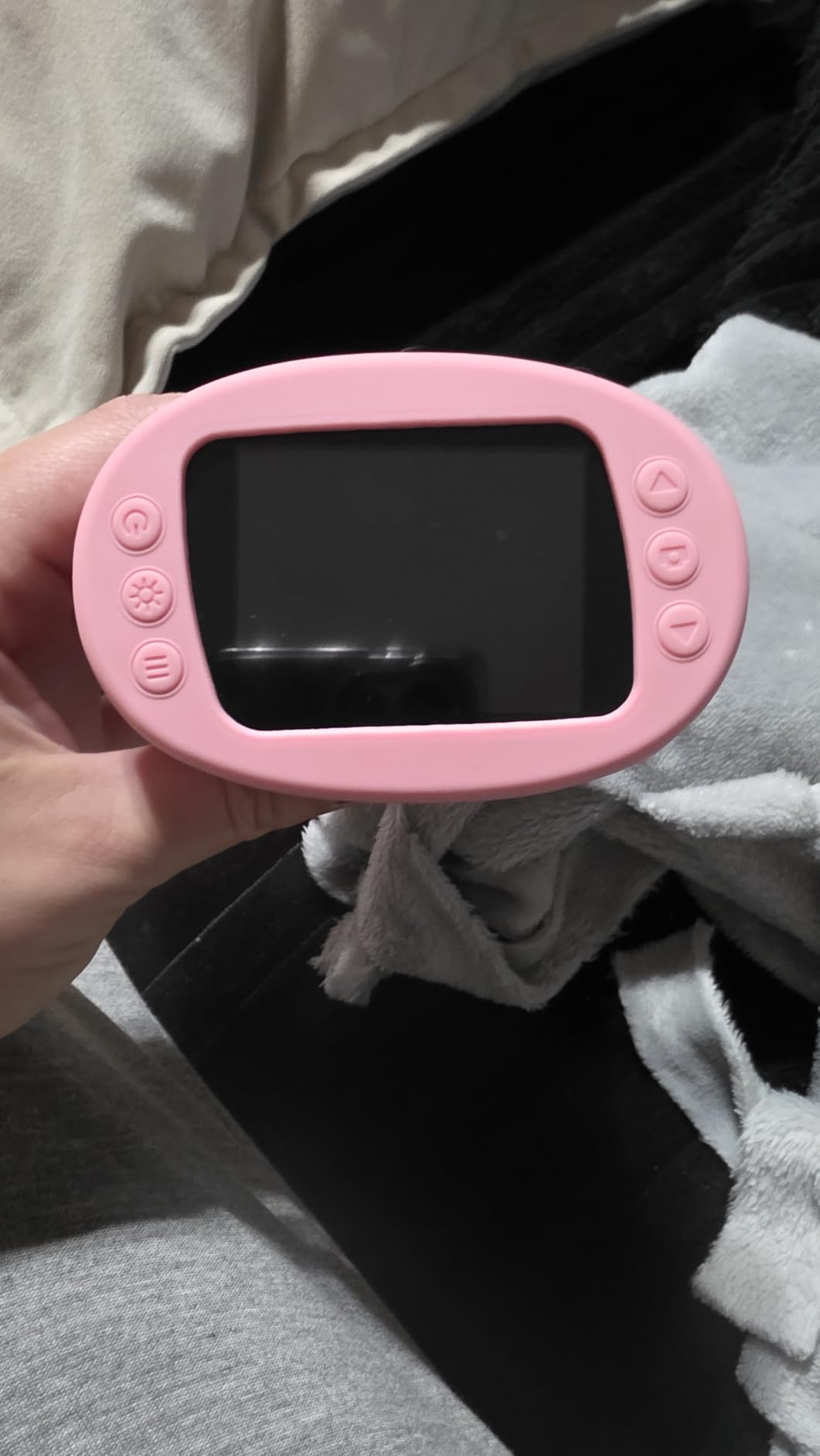
Best for tween and teen scientists
Ages 9 to 14 will get the most out of this kit. The recording capability and image quality appeal to older kids who want to document and share their findings.
Connectivity and sharing
PC connectivity allows transfer of photos and video for school projects or science fairs. For a tween interested in biology or geology, this kit can support a serious project.
How to Choose the Best Kids Microscope Kit?
Choosing the best kids microscope kits comes down to matching the tool to your child’s age, interest level, and learning style. Our team breaks down the factors that matter most.
Magnification power explained
Higher numbers look better on the box, but they are not always better for kids. For ages 3 to 7, 100x to 400x is plenty. For ages 8 and up, 400x to 1000x supports more serious exploration. Optical quality matters more than peak magnification, which is why a 400x glass-lens microscope often beats a 1200x plastic-lens one.
Compound vs stereo vs digital
Compound microscopes use light through thin specimens, ideal for prepared slides and biological samples. Stereo microscopes view solid 3D objects like insects and rocks. Digital microscopes use a camera and screen, ideal for documenting and sharing. For most kids starting out, a compound or dual-light model covers the widest range of experiments.
Age-appropriate features
For ages 3 to 5, look for talking or interactive features and durable plastic construction. For ages 6 to 8, prioritize activity journals and dual illumination. For ages 9 and up, focus on glass optics, higher magnification, and recording capabilities.
Durability and parental setup
Most kits require 10 to 30 minutes of parental setup the first time. After that, kids can usually operate independently. For metal-bodied microscopes, expect longer setup but better long-term durability. For plastic models, expect lighter weight and easier handling but more wear over time.
STEM learning value
The best kids microscope kits align with elementary and middle school science standards. Look for prepared slides that cover biology basics, blank slides for student-created specimens, and experiment guides that walk through scientific method. The kits that include learning guides, like the National Geographic models, tend to support classroom or homeschool use better.
Long-term upgrade paths
If your child is new to microscopy, start with a mid-range model in the $40 to $70 range. If their interest holds, upgrade to a higher-end option with glass optics and finer focus. The compound microscopes on this list can grow with a child from age 8 through high school. Digital microscopes are a separate path for kids who prefer documentation over traditional viewing.
Frequently Asked Questions
What is the best first microscope for a child?
For most kids ages 6 to 8, the National Geographic Microscope for Kids at 400x is the best first microscope. It has large focus knobs, dual LED lights, and prepared slides that get kids engaged within minutes without frustrating setup. For preschool ages 3 to 5, the Educational Insights GeoSafari Talking Microscope is a better starting point.
What is the best microscope for children overall?
Our top pick for the best kids microscope kits is the National Geographic Microscope for Kids with 400x magnification. It balances optical quality, durability, and accessory variety at a price most families can afford. For tweens who want more, the National Geographic Dual LED Student Microscope offers sharper glass optics.
Are kids microscopes worth it?
Yes, kids microscopes are worth it for children ages 5 and up who show curiosity about science or nature. They build observation skills, patience, and an understanding of scale. In our testing, kids who used microscopes regularly showed stronger engagement with biology and earth science topics. Start with a mid-range model to gauge interest before investing in premium optics.
What is the best portable microscope for kids?
The BMDSAE 1000X Handheld Digital Microscope is the best portable option for kids. It weighs just 0.22 kg, fits in a backpack, and runs on a rechargeable battery. The built-in screen works in outdoor light, and the 8 LEDs adapt to different surfaces. For travel and outdoor exploration, it beats every tabletop model.
What magnification do kids actually need?
For ages 3 to 7, 100x to 400x magnification covers everything from pond water to plant cells. For ages 8 and up, 400x to 1000x supports more detailed biological study. Higher magnification does not always mean clearer images. Optical quality matters more than peak magnification numbers, which is why our top picks cap at 400x or 1000x with quality glass lenses.
Final Verdict on the Best Kids Microscope Kits
After six weeks of hands-on testing with real kids, our team has clear recommendations. For most families looking for the best kids microscope kits, the National Geographic Microscope for Kids at 400x is the right starting point. It balances price, durability, and educational value in a way that few competitors match.
For preschool-age children, the Educational Insights GeoSafari Talking Microscope holds attention better than any other model we tested. For ages 8 to 12 who want more serious study, the National Geographic Dual LED Student Microscope delivers sharper glass optics at a reasonable price. For older kids and tweens who want to document their discoveries, the Odatay 4K Digital Microscope offers the best image quality and recording features in our test pool.
The best kids microscope kits are the ones your child will actually use. Start with their age and interest level, prioritize optical quality over peak magnification numbers, and choose a kit with accessories that support hands-on experimentation. With any of the 10 models above, you will give your child a tool that turns curiosity into discovery.