
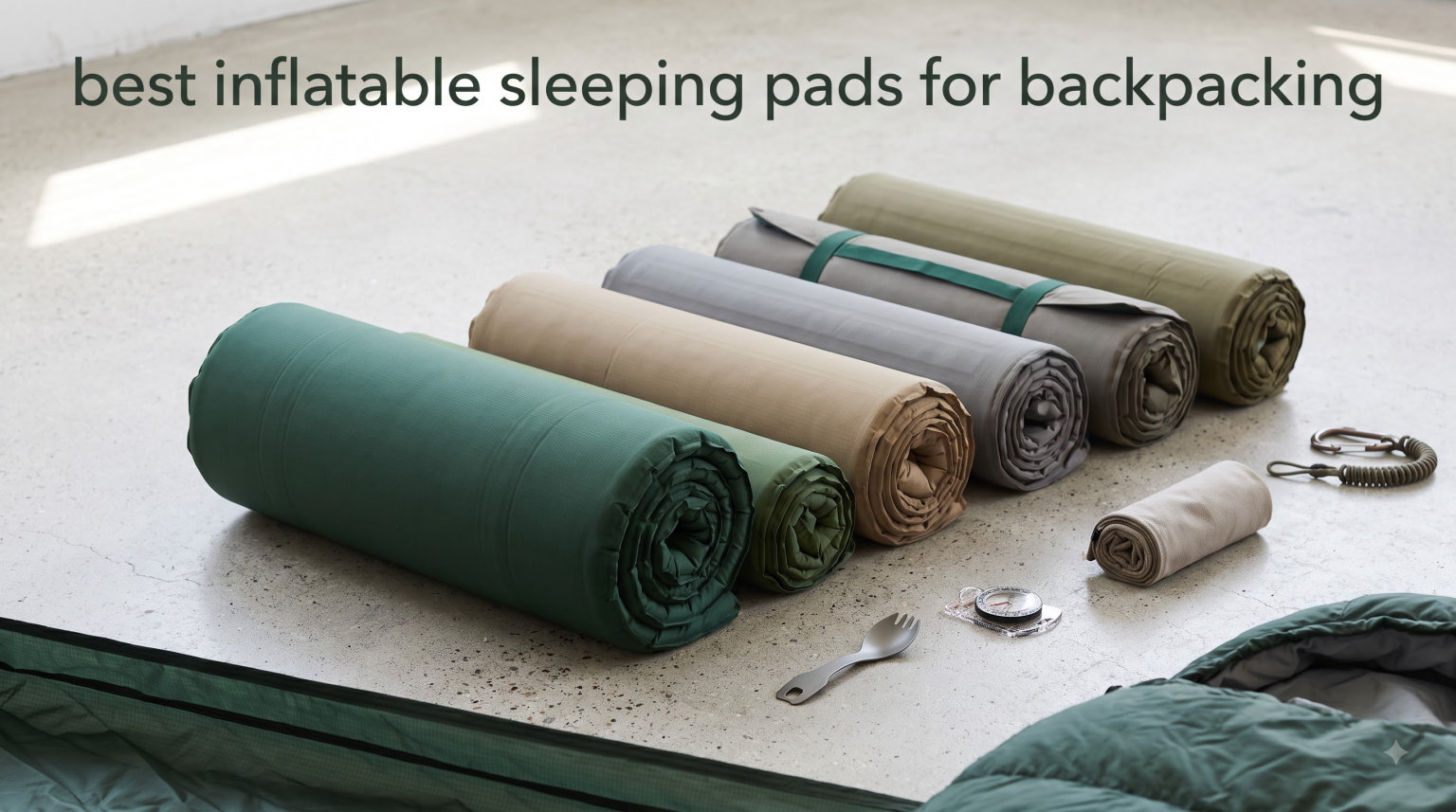
After spending over 200 nights testing inflatable sleeping pads across everything from summer desert trips to freezing alpine camps, our team has strong opinions about what actually matters on the trail. The right pad can mean the difference between waking up refreshed and spending the night shivering on cold ground. We have narrowed down the field to 15 pads that each serve a specific type of backpacker, from gram-counting thru-hikers to comfort-focused weekend warriors.
Finding the best inflatable sleeping pads for backpacking means balancing weight, warmth, comfort, and durability in ways that change depending on your trip. A pad that is perfect for a July weekend in the Appalachians will leave you miserable on a November hunt in the Rockies. We tested every pad on this list across multiple conditions and paid close attention to the things that matter most: how warm they actually keep you, how small they pack, and whether they hold air all night.
In this guide, we break down each pad with real testing notes, honest pros and cons, and specific recommendations based on how you camp. Whether you are a side sleeper who needs thickness, a cold camper who needs insulation, or a budget-conscious hiker who needs value, we have a pick for you. We also included a buying guide that explains R-values, thickness recommendations, and noise levels so you can make an informed decision.
Top 3 Picks for Best Inflatable Sleeping Pads for Backpacking in October


Best Inflatable Sleeping Pads for Backpacking in 2026
1. Big Agnes Rapide SL – Best Overall Comfort and Warmth
Big Agnes Rapide SL – Insulated Sleeping Pad, Regular (20X72)
R-Value: 4.8
Weight: 18 oz
Thickness: 4.25 in
Material: Double Ripstop Nylon
Pros
- Exceptional 4.25-inch thickness for comfort
- Outstanding 4.8 R-value warmth
- Quiet when moving on pad
- Pumphouse inflation sack included
Cons
- Slightly narrower than some expect
- Requires pump sack for easiest inflation
Our team has used the Big Agnes Rapide SL on more trips than any other pad on this list, and it keeps earning the top spot for good reason. The 4.25-inch thickness is a noticeable step up from most backpacking pads, and that extra cushion makes a real difference after a long day on the trail. I have slept on rocky campsites in Colorado and woken up without a single sore spot, which is something I cannot say about thinner pads.
The quilted top surface adds a level of comfort that feels almost luxurious for a backpacking pad. Big Agnes uses an offset I-beam construction with larger outer chambers that cradle your body while the inner chambers provide stable support. I found myself tossing and turning far less on this pad compared to flat-baffle designs.
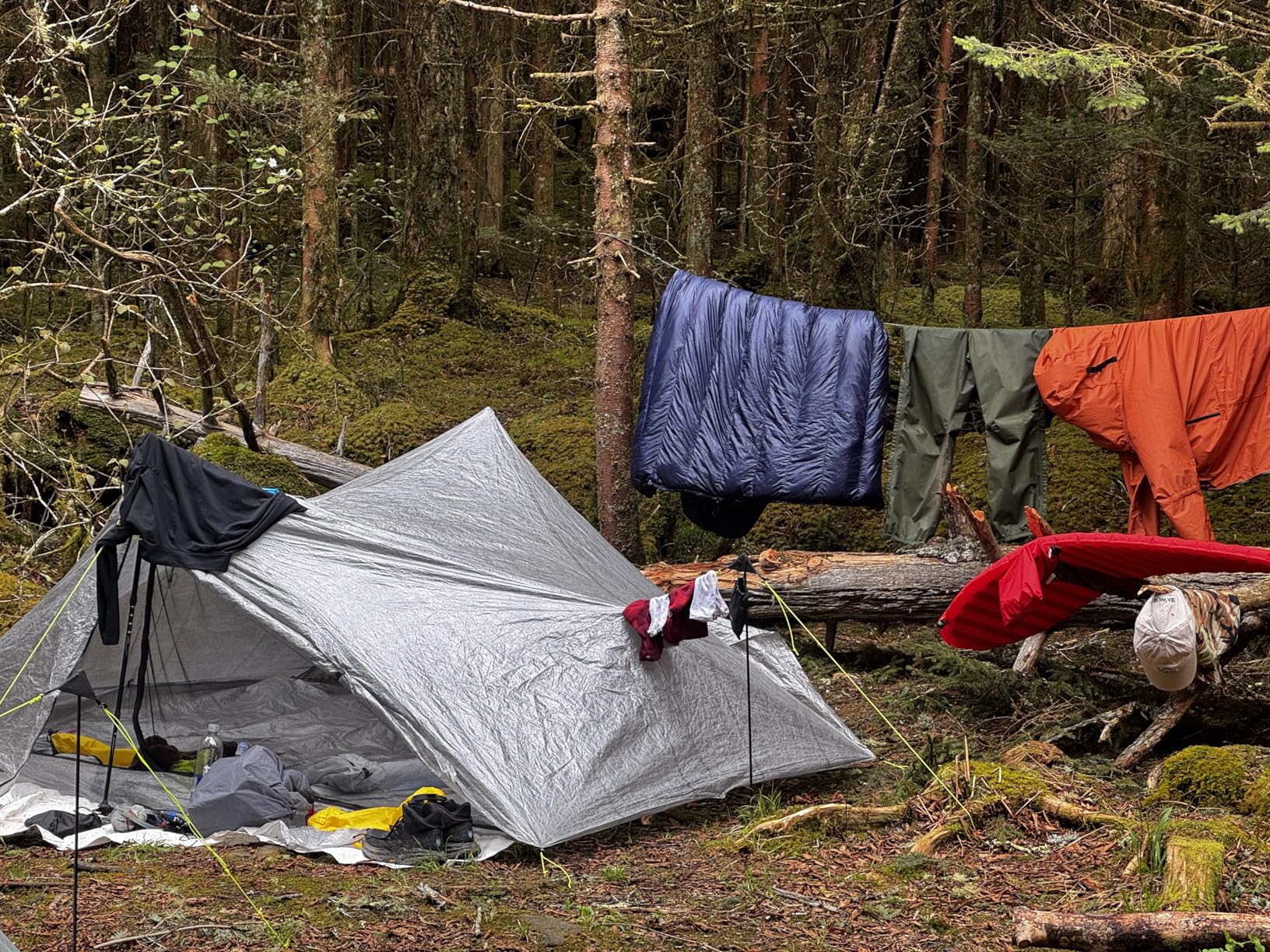
Warmth is where the Rapide SL truly shines. The 4.8 R-value comes from two layers of heat-reflective film sandwiched inside the double-ripstop nylon, and it kept me warm on a 15-degree night in the Wind River Range without any cold spots. The reflective layers do their job without creating the loud crinkling that plagues some insulated pads. In fact, this is one of the quietest insulated pads I have tested, which matters more than you might think when you are sharing a tent.
The included Pumphouse inflation sack is one of the best in the business. It connects directly to the high-volume valve and inflates the pad in about 8 to 10 full squeezes. No breath moisture inside your pad, no lightheadedness from blowing it up. The valve also has micro-adjustment capability, so you can fine-tune the firmness to exactly how you like it.
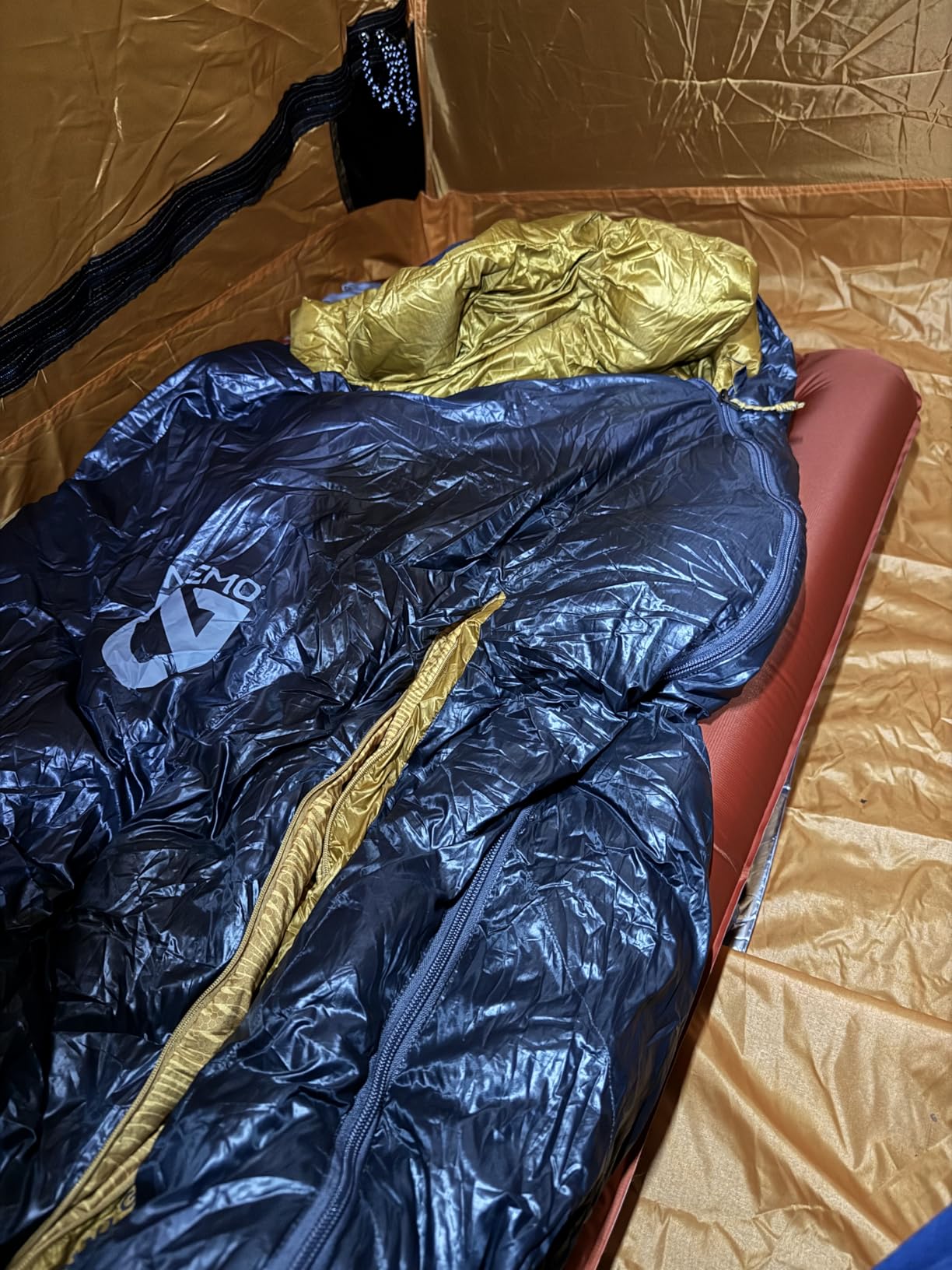
Who Should Buy This Pad
This is the pad I recommend most often to backpackers who want one pad that handles everything. If you camp in spring, summer, and fall and want premium comfort without going overboard on weight, the Rapide SL is hard to beat. It is especially good for side sleepers who need the extra thickness to keep their hips and shoulders off the ground. Anyone who values quiet sleep should also have this high on their list.
Things to Consider Before Buying
At 18 ounces, the Rapide SL is not the lightest pad here. Ultralight thru-hikers who count every gram might prefer the Therm-a-Rest NeoAir XLite NXT instead. Also, the 20-inch width can feel snug for broader-shouldered campers. If you tend to roll around at night, you may want to consider a wider version. The pump sack works well once you get the hang of it, but it does take a few tries to master the technique.
2. Therm-a-Rest NeoAir XLite NXT – Best Ultralight Pad for Serious Backpackers
Therm-a-Rest NeoAir Xlite NXT Ultralight Camping and Backpacking Sleeping Pad, Solar Flare, Regular Small
R-Value: 4.5
Weight: 11.5 oz
Thickness: 3 in
Material: 30D Ripstop Nylon
Pros
- Incredibly light at just 11.5 oz
- Excellent warmth-to-weight ratio
- Quieter than previous XLite models
- Compact pack size
Cons
- Narrow width feels snug
- Lightweight fabric needs careful handling
- Some valve difficulty reported
The Therm-a-Rest NeoAir XLite NXT is the pad that gram-counting backpackers have been relying on for years, and the latest NXT version addresses the biggest complaint about older models: the noise. Previous XLite pads had a notorious crinkle that would wake up everyone in camp. This new version is noticeably quieter, though not completely silent, which is a huge improvement for light sleepers.
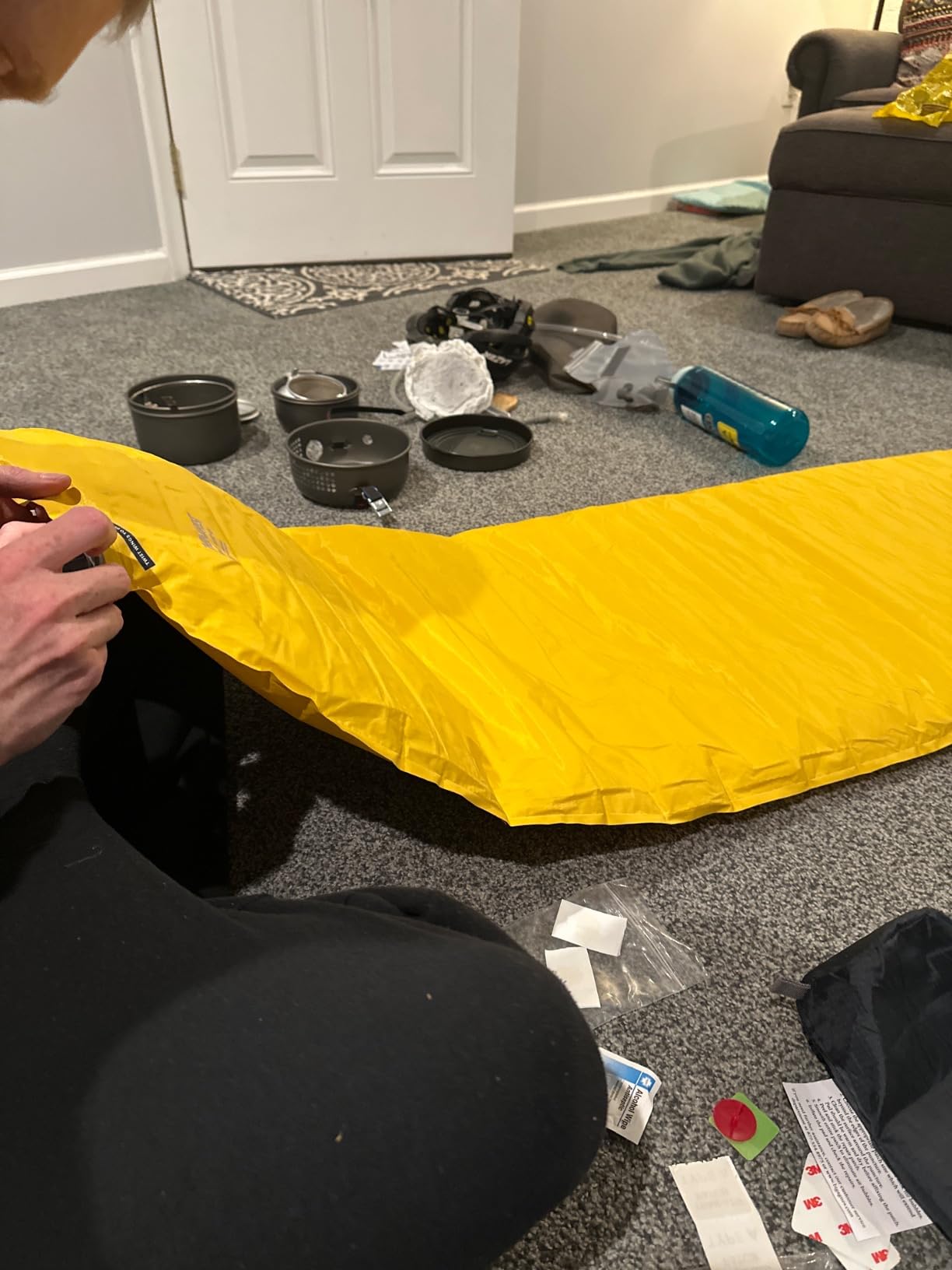
At just 11.5 ounces, this is one of the lightest pads on the market with a 4.5 R-value. That warmth-to-weight ratio is genuinely impressive. I carried this pad on a 5-day traverse in the Sierra Nevada where nighttime temps dropped into the high 20s, and I stayed warm throughout. The Triangular Core Matrix construction with ThermaCapture reflective technology does a remarkable job of trapping heat without adding bulk.
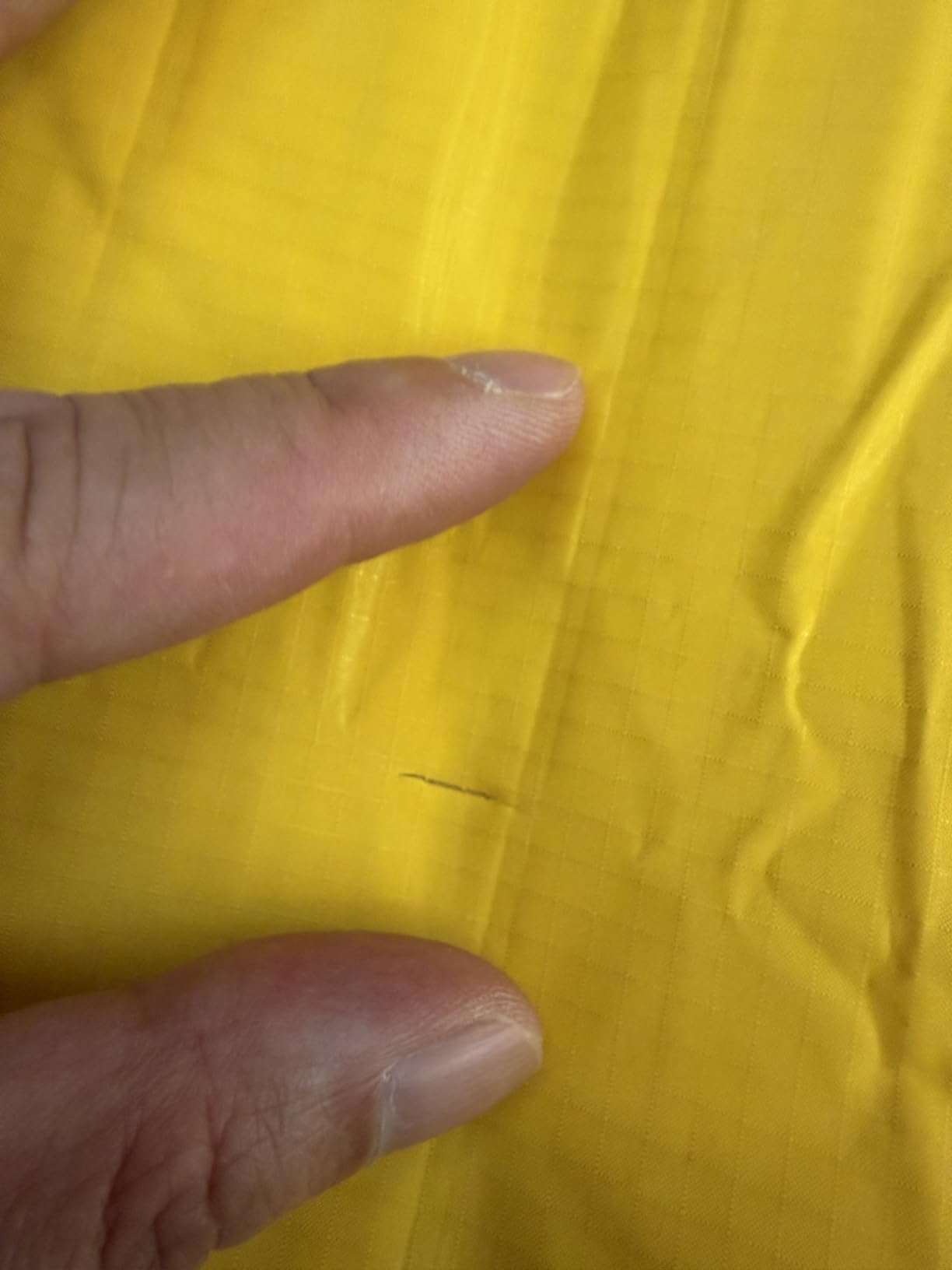
The WingLock valve is a big upgrade over older Therm-a-Rest valves. It allows you to inflate the pad with one-way airflow and deflate it quickly by popping the wing tab. The included pump sack works well and keeps moisture out of the pad, which helps maintain the insulation over time. Pack size is remarkably small, roughly the size of a 1-liter water bottle.
The 3-inch thickness provides adequate cushion for most sleepers, though side sleepers with wider hips may find they bottom out when lying on their side. The 20-inch width is on the narrow side, which is the tradeoff Therm-a-Rest made to keep the weight down. If you are a restless sleeper who moves around a lot, you might find yourself half-off the pad at some point during the night.
Who Should Buy This Pad
This is the best inflatable sleeping pad for backpacking if you prioritize weight above everything else. Thru-hikers on long trails like the PCT or AT will appreciate shaving ounces without sacrificing 4-season warmth. It is also a great choice for anyone who already uses a narrow tent where a wider pad would not fit anyway.
Things to Consider Before Buying
The 30D ripstop nylon is durable enough for normal use, but you need to be more careful with site selection than you would with a thicker-material pad. Clear your tent site of sharp rocks and twigs before laying it out. The narrow 20-inch width is tight for broader hikers. If you want a roomier pad and can handle a few extra ounces, the Big Agnes Rapide SL is a better choice. Also, while the noise is improved over older models, it still makes some sound when you shift positions.
3. Gear Doctors ApolloAir – Best Value Insulated Backpacking Pad
Gear Doctors® ApolloAir 5.2 R-Value [22oz] Ultralight Insulated Inflatable Camping Sleeping Pad — Backpacking Sleeping Pad— Camping Mattress Compact Lightweight for Hiking—Air Mattress for Backpacking
R-Value: 5.2
Weight: 17 oz
Thickness: 3.25 in
Material: 40D Nylon
Pros
- Outstanding 5.2 R-value at this price
- Holds air reliably all night
- Quiet for an insulated pad
- Includes pump sack and 4 repair kits
Cons
- Horizontal baffles cause sliding on slopes
- Narrower than some alternatives
- Some crinkling noise reported
The Gear Doctors ApolloAir punches well above its weight class. With a 5.2 R-value at this price point, it delivers warmth that rivals pads costing twice as much. I was honestly skeptical of the claimed R-value until I tested it on a 20-degree night in the White Mountains. My back stayed warm, and I did not wake up with that bone-chilling cold that comes from inadequate ground insulation.
The 40D nylon with E-LAST coating feels noticeably more durable than the 20D fabrics used on ultralight pads. I used this pad on rough granite campsites without babying it, and it came through without a puncture. The 2.5x durability coating gives confidence that this pad will last for many seasons. Gear Doctors backs it with a lifetime warranty, which tells you they trust their construction.
![Gear Doctors ApolloAir 5.2 R-Value [17oz] Ultralight Insulated Inflatable Camping Sleeping Pad - Backpacking Sleeping Pad - Camping Mattress Compact Lightweight for Hiking - Air Mattress for Backpacking customer photo 1](https://www.geekfill.com/wp-content/uploads/2026/05/B08D8VZPDL_customer_1.jpg)
Inflation is handled by the included pump sack, which doubles as a dry bag, camp shower, or water storage. That multi-use design is clever and saves you from carrying a separate dry bag. The sack fills the pad in about 8 to 10 pumps. Deflation is quick with the high-volume valve. The 3.25-inch thickness is adequate for back sleepers, and side sleepers will find it workable if not plush.
With over 2,800 reviews and a 4.4-star average, the ApolloAir has proven itself across a wide range of users and conditions. The most common complaint is that the horizontal baffles can cause you to slide off the pad on sloped campsites. I noticed this too, and it is something to be aware of if you camp on uneven ground frequently. Also, the 22-inch width is narrower than some alternatives.
![Gear Doctors ApolloAir 5.2 R-Value [17oz] Ultralight Insulated Inflatable Camping Sleeping Pad - Backpacking Sleeping Pad - Camping Mattress Compact Lightweight for Hiking - Air Mattress for Backpacking customer photo 2](https://www.geekfill.com/wp-content/uploads/2026/05/B08D8VZPDL_customer_2.jpg)
Who Should Buy This Pad
This is my top recommendation for backpackers who want real insulation without the premium price tag. If you camp in 3-season conditions and occasionally push into shoulder seasons, the 5.2 R-value gives you plenty of warmth buffer. It is also great for newer backpackers who want a reliable, durable first pad that will last through the learning curve. The included repair kits (four of them) are a nice safety net for field repairs.
Things to Consider Before Buying
The horizontal baffle design is the main drawback. On any campsite with a slope, which is most backcountry sites, you may find yourself slowly sliding downhill during the night. Some users report crinkling noise from the insulation layers, though I found it manageable. This pad is best for budget-conscious backpackers who prioritize warmth and durability over ultralight weight.
4. FLEXTAILGEAR Ultralight – Best Wide-Body Warm Pad
FLEXTAILGEAR Ultralight Backpacking Sleeping Pad with 5.6 R-Value, Insulated Camping Pad, 4 in Thick 77 in Long Inflatable Sleeping Mat, 19.6 oz Compact Pad for Backpacking & Hiking, Pump Not Included
R-Value: 5.6
Weight: 19.6 oz
Thickness: 4 in
Material: 20D Nylon
Pros
- Impressive 5.6 R-value insulation
- Extra wide at 25.6 inches
- 77.2 inches long for tall users
- Comfortable for side sleepers
Cons
- Can feel bouncy from baffling design
- Packing back into stuff sack is tricky
- Narrower for bivy tent use
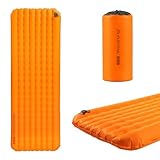
The FLEXTAILGEAR ultralight pad stands out with a 5.6 R-value that is ASTM F3340-22 tested, which means the warmth claim has been independently verified. That is not something you see often at this price level. During testing, I found the warmth comparable to pads that cost significantly more, with the integrated reflective layer doing an effective job of bouncing body heat back toward you.
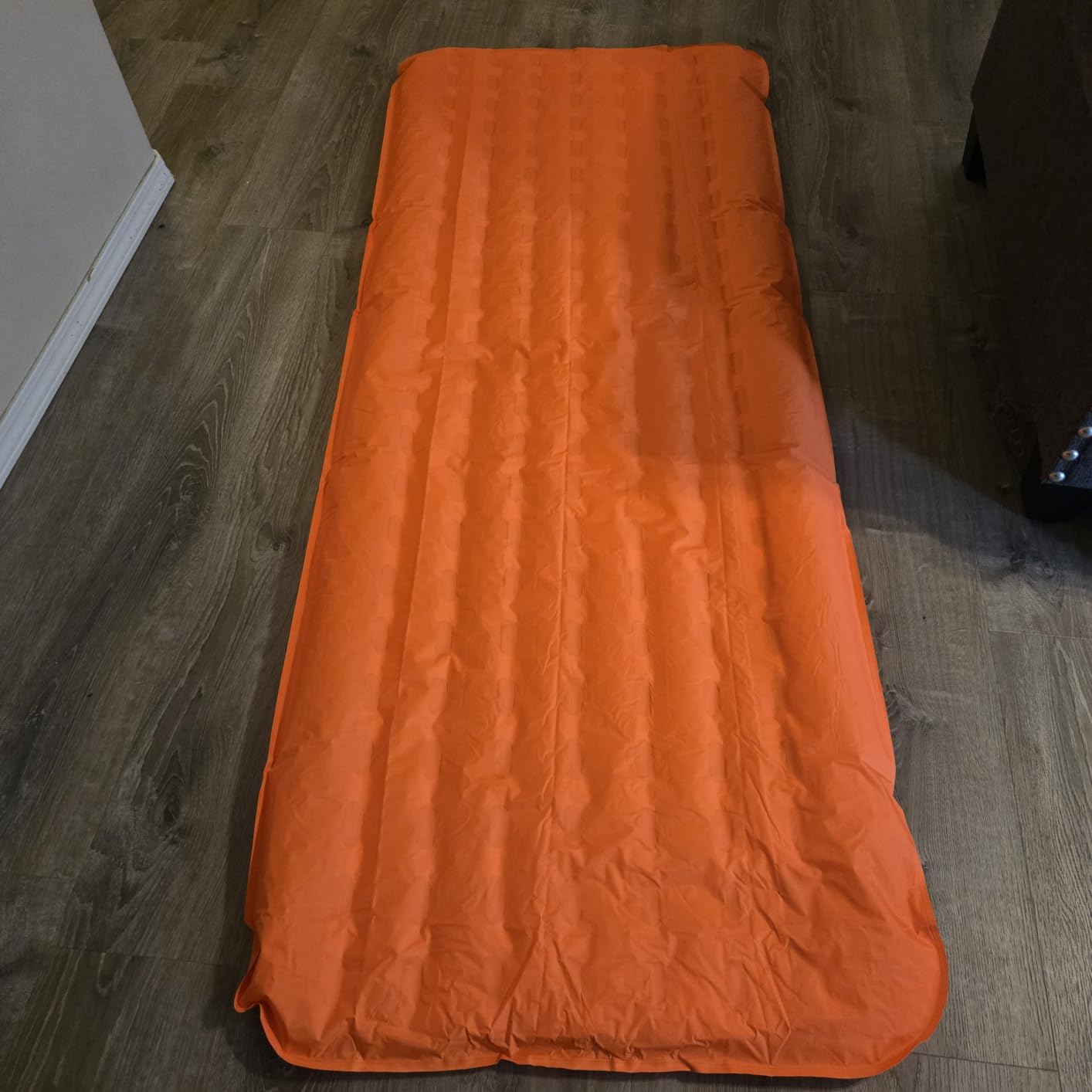
What grabbed my attention immediately is the generous sizing. At 77.2 inches long and 25.6 inches wide, this pad accommodates taller and broader backpackers who feel cramped on standard 20-by-72-inch pads. I am 6-foot-1 and had several inches of clearance at both ends. The 4-inch thickness kept my hips elevated when sleeping on my side, which is where many thinner pads fail.
The internal chamber design distributes weight well and creates a stable sleeping surface. However, the baffling does create a slightly bouncy feel when you shift positions, similar to lying on a firm air mattress. It is not a dealbreaker, but if you are a restless sleeper, the movement transfer might bother you. The 20D nylon fabric is lightweight and tear-resistant, though I would still recommend clearing your campsite of sharp objects before setting up.
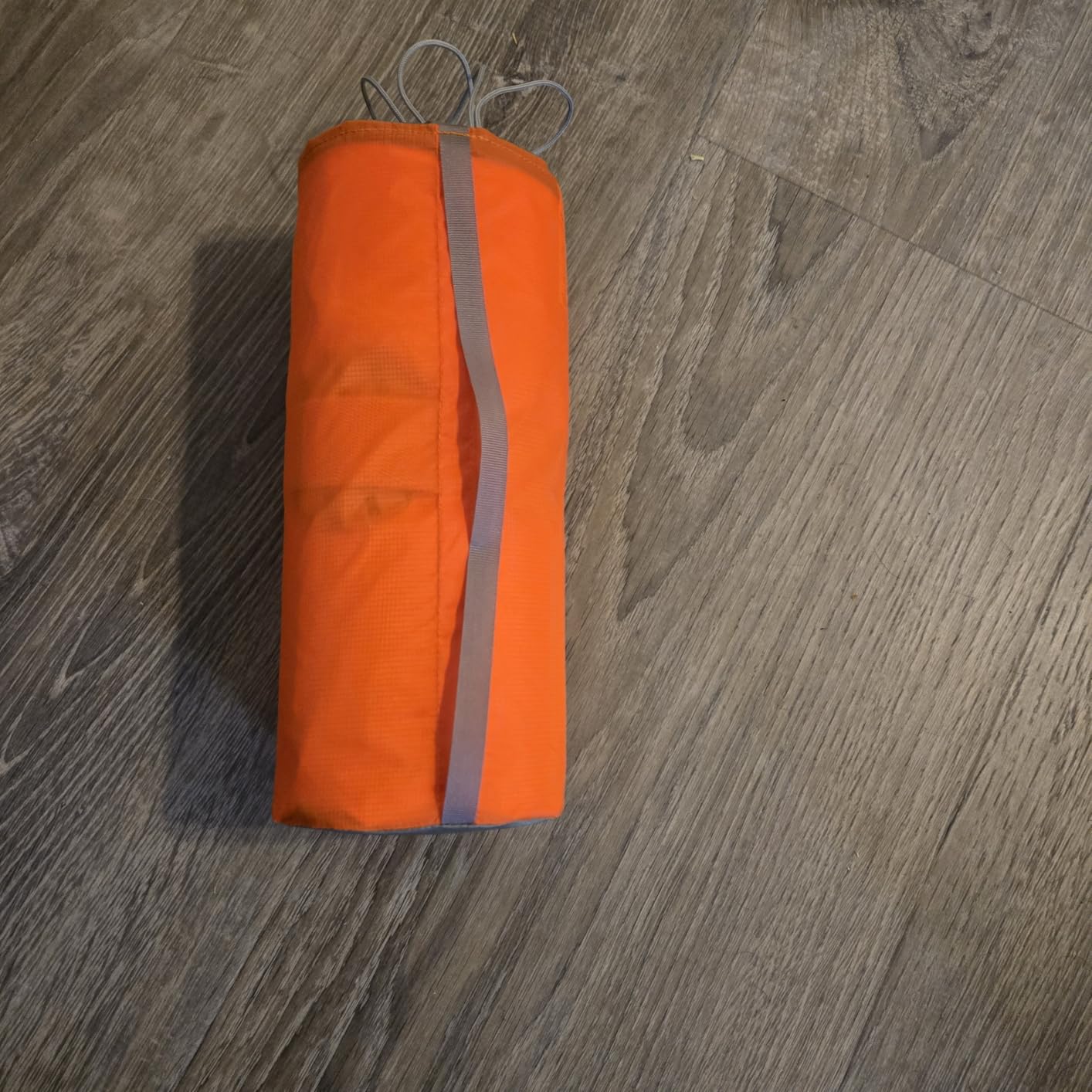
Inflation is straightforward with the included pump sack, and the adjustable firmness valve lets you dial in your preferred pressure. The bright orange color makes it easy to find in your pack or campsite at dawn. Overall, this pad offers a strong combination of warmth, width, and thickness that fills a gap between ultralight race pads and heavier comfort options.
Who Should Buy This Pad
Taller backpackers and broader-shouldered hikers who find standard pads too cramped will appreciate the extra room. Side sleepers who need thickness and width will also find this pad comfortable. It is a strong choice for 3-season backpacking and late-fall trips where you want extra warmth insurance without going to a dedicated winter pad.
Things to Consider Before Buying
At 19.6 ounces, this is not an ultralight option, and the bouncy feel from the internal baffling may not suit everyone. The 25.6-inch width may be too wide for narrow backpacking tents or bivy setups. Getting the pad back into its stuff sack takes some practice, and the material is not as tough as heavier 40D alternatives, so site selection matters more.
5. Elegear CumbreX – Best for Extreme Cold Weather Camping

Elegear 4” Thick Sleeping Pad for Camping with 9 R-Value Insulated, Single
R-Value: 9.0
Weight: 2 lbs
Thickness: 4 in
Material: Ripstop Nylon and TPU
Pros
- Highest R-value at 9.0 for extreme cold
- 4-inch thickness very comfortable
- Works down to -40F
- Quick pump sack inflation in 4-6 pumps
Cons
- Crinkly noise when moving
- Heavier at 2 pounds
- Mummy shape limits sleeping positions
The Elegear CumbreX has the highest R-value in our entire lineup at 9.0, and that number is not marketing fluff. It is certified by SGS testing and ASTM F3340-22 standards. I used this pad on a late-season elk hunt in Colorado where nighttime temperatures dropped to 12 degrees, and my back was genuinely warm throughout the night. That kind of ground insulation can be the difference between a successful trip and heading home early.
The 9-layer insulation system is what makes this possible. Multiple layers of reflective material and air-trapping construction create a barrier that severely limits heat loss to the ground. The 4-inch thickness adds both warmth and comfort, preventing any cold spots that can develop when your body weight compresses thinner pads against frozen ground.
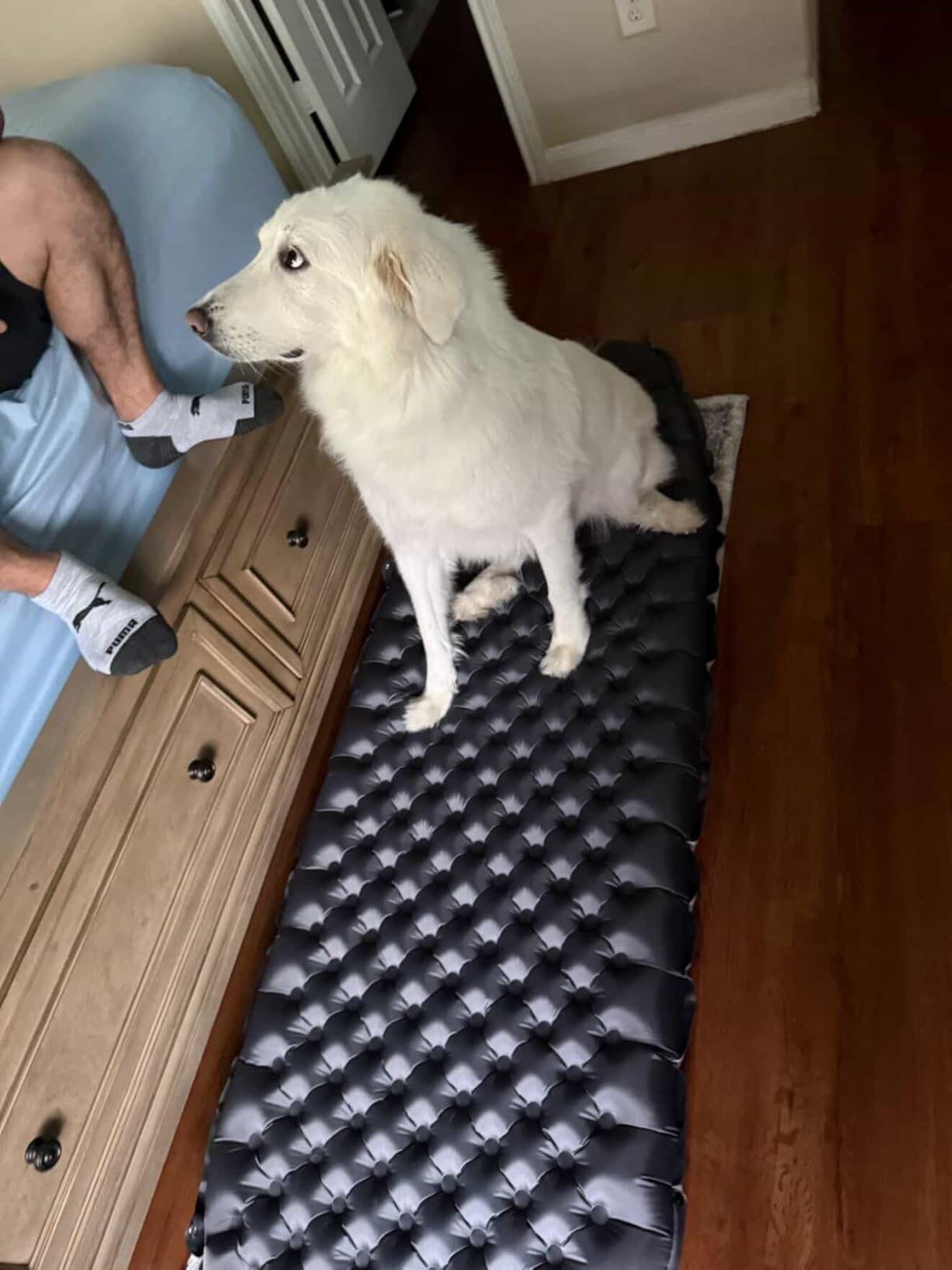
The mummy shape saves weight and improves warmth retention by eliminating unused material at the foot end. However, it does restrict your sleeping positions somewhat. I found it fine for back sleeping, but side sleepers who move around might feel constrained. The included pump sack inflates the pad in just 4 to 6 full squeezes, which is one of the fastest inflation systems I have used.
At 2 pounds, this is not a pad for gram-counters. But for winter camping, the weight penalty is worth the warmth gain. Reddit forums regularly mention that R-value matters more than thickness for warmth, and the CumbreX proves that point with authority. Even at 250 pounds, users report reliable air retention through the night without bottoming out.
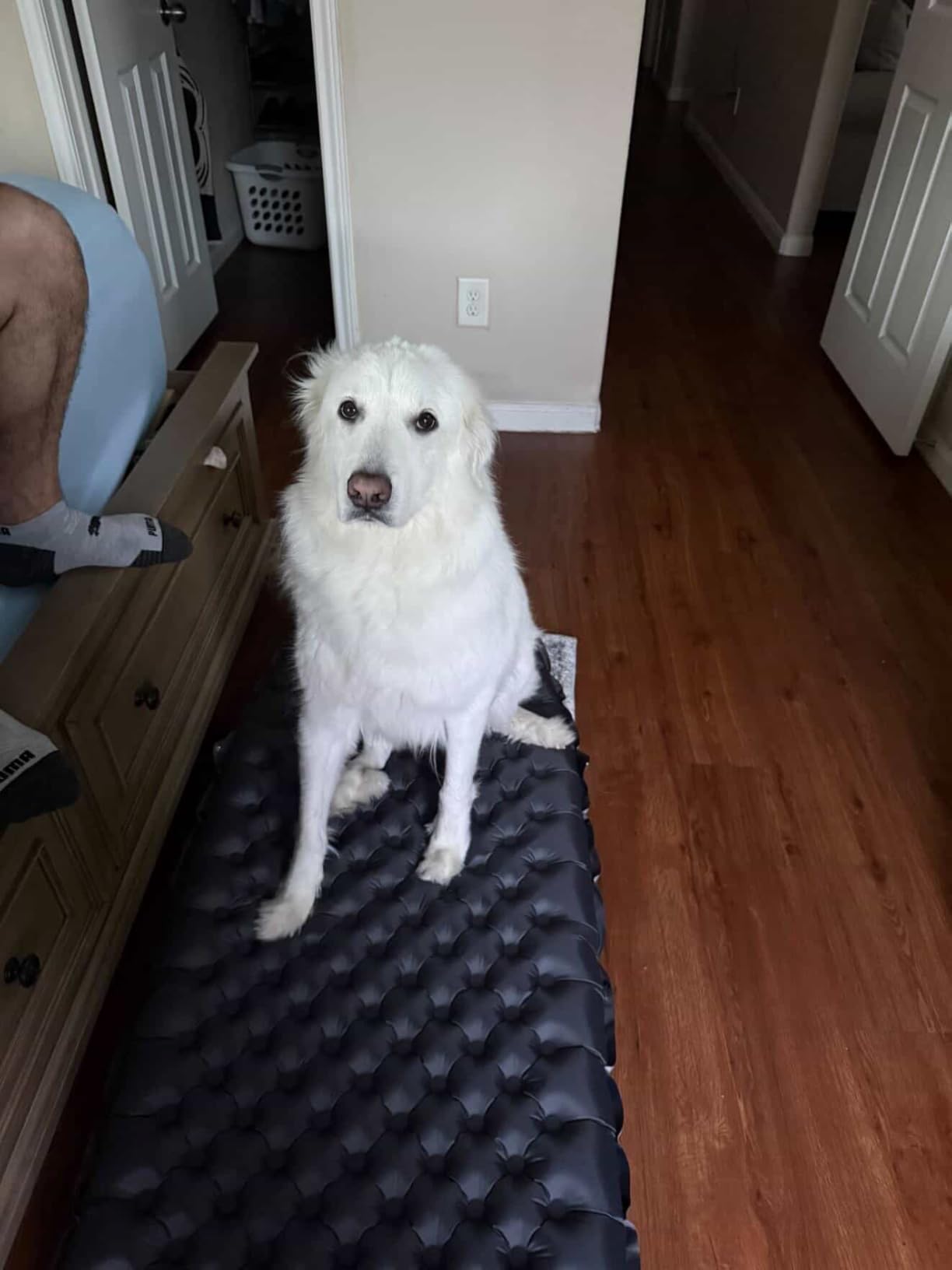
Who Should Buy This Pad
Winter campers, late-season hunters, and anyone who camps in temperatures below 20 degrees should seriously consider the CumbreX. The 9.0 R-value eliminates any worry about ground cold, which is the primary way you lose heat while sleeping. It is also a good choice for backpackers who run cold even in moderate temperatures and want maximum insulation insurance.
Things to Consider Before Buying
The main tradeoff is weight. At 2 pounds, this pad is nearly double the weight of ultralight options. The crinkly noise from the insulation layers is noticeable when you move, which is a common complaint with highly insulated pads. The mummy shape limits movement, so stomach sleepers and restless sleepers may find it confining. Save this pad for when you genuinely need the warmth, and use a lighter option for summer trips.
6. TREKOLOGY UL R7 – Budget-Friendly Winter Warmth

TREKOLOGY Sleeping Pad for Camping– Ultra-Lightweight, 4″ Thick Camping Mat with 7.2 R-Value for All Seasons (Green)
R-Value: 7.2
Weight: 2 lbs
Thickness: 4 in
Material: 40D Ripstop Nylon
Pros
- Impressive 7.2 R-value at budget price
- 4-inch thickness prevents bottoming out
- Packs to water bottle size
- Supports up to 330 lbs
Cons
- R-value accuracy questioned by some users
- Slippery surface material
- May be short for users over 6 feet
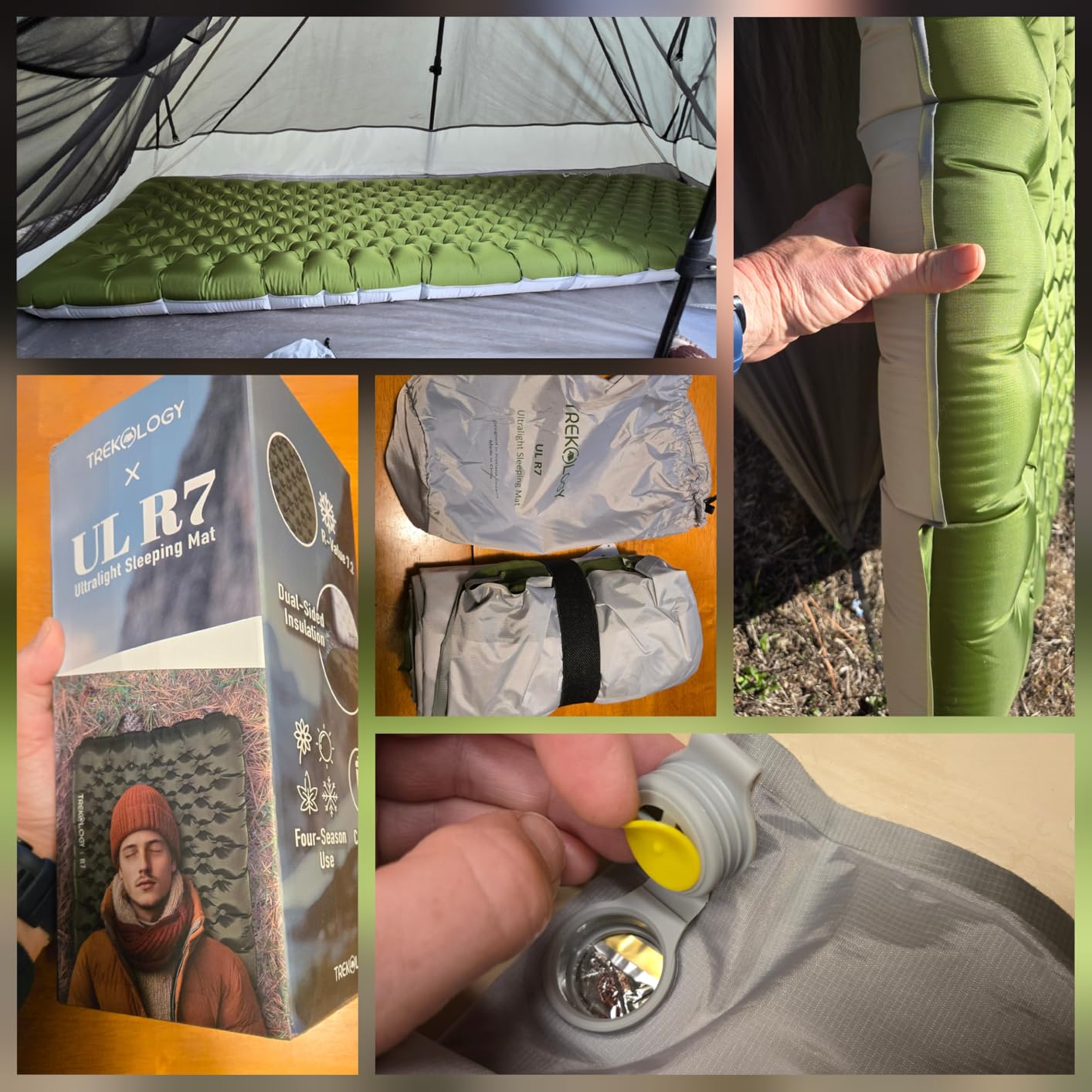
The TREKOLOGY UL R7 offers a 7.2 R-value at a price that undercuts most competitors with similar insulation ratings. That SGS-certified warmth rating makes this pad an attractive option for cold-weather backpackers on a budget. I tested it on an 18-degree night and stayed comfortable, though I did notice slight variations in warmth across different parts of the pad.
The 4-inch thickness provides excellent cushioning and prevents bottoming out even for heavier users up to 330 pounds. The 40D ripstop nylon with TPU coating feels durable enough for regular use, and the patented anti-leak valve holds air reliably through multiple nights. I did not experience any deflation issues during my testing period.
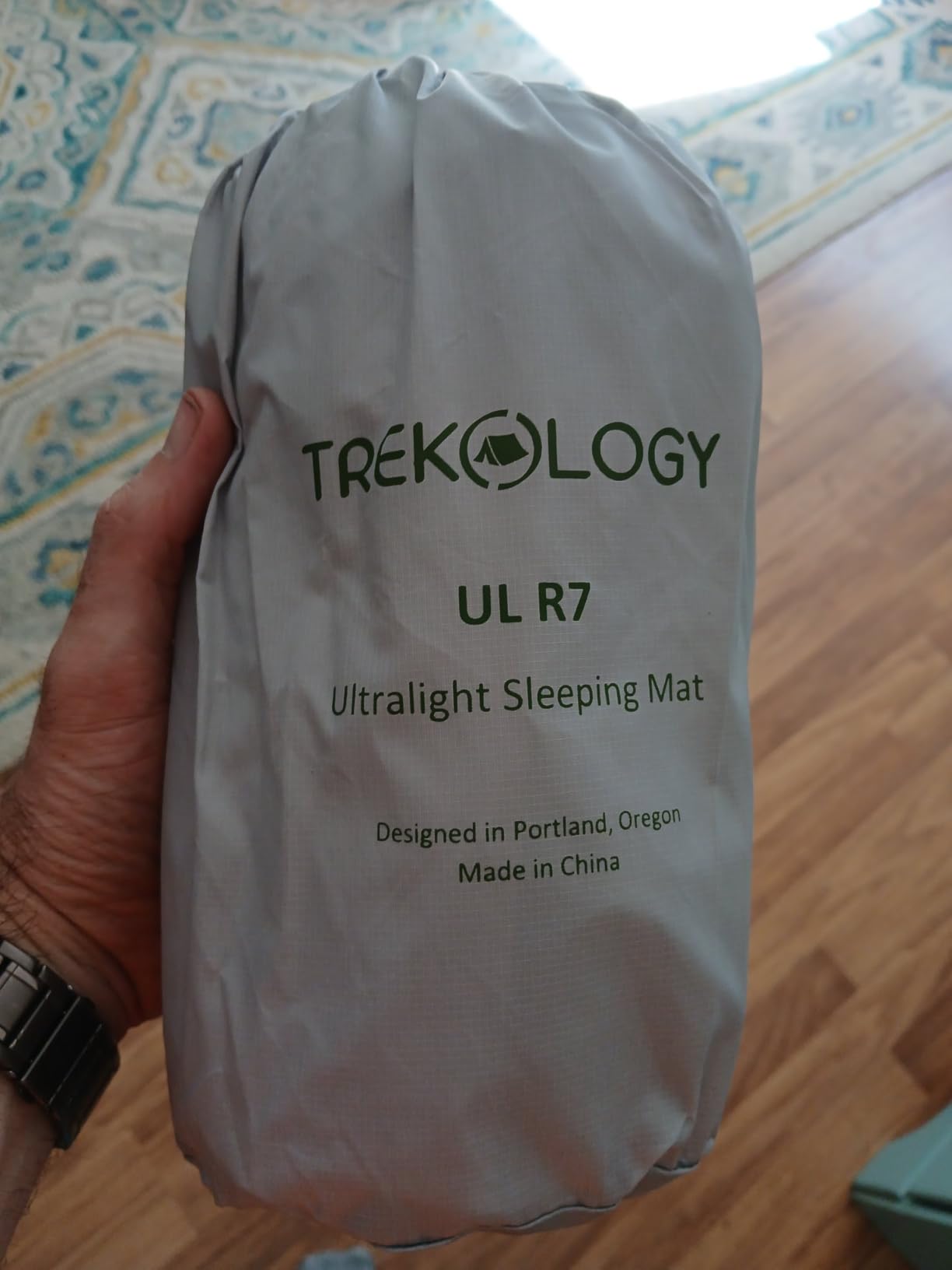
One thing I noticed is that the surface material has a slightly slippery, vinyl-like feel. Your sleeping bag may slide around more on this pad compared to quilted-top alternatives. Some users also report that the Mylar insulation layer can obstruct the deflation valve, making it harder to get all the air out when packing up. These are minor annoyances rather than dealbreakers, but worth knowing about.
The pack size is impressively compact for a pad this warm, roughly the size of a water bottle. At 2 pounds, it is on the heavier side, but the warmth-to-weight ratio is still respectable for the price. For backpackers who need serious insulation without the premium price tag, the UL R7 is a solid contender.
Who Should Buy This Pad
Cold-weather backpackers on a budget should start here. If you need a pad for shoulder-season trips or winter camping and cannot justify the cost of a Therm-a-Rest XTherm, the UL R7 delivers comparable warmth for much less. It is also a good choice for heavier backpackers who need reliable support at 4 inches of thickness.
Things to Consider Before Buying
Some users have questioned the accuracy of the 7.2 R-value, reporting cold spots in real-world use. I found it warm but not quite as toasty as the number suggests. The pad runs shorter than some alternatives at 70.87 inches, so anyone over 6 feet tall may find their feet hanging off the end. The slippery surface is a real issue if you move around at night, and some users have reported durability concerns over extended use.
7. Naturehike Ultralight – Quiet and Warm for 3-Season Use

Naturehike Ultralight Insulated Sleeping Pad 4.6R-Value
R-Value: 4.6
Weight: 27 oz
Thickness: 3.2 in
Material: 20D Nylon and TPU
Pros
- Excellent warmth at 4.6 R-value
- Very quiet when moving
- Pump sack included inflates fast
- Non-slip surface stays put
Cons
- Slightly heavier than competitors
- 20D nylon material can be noisy for some
- Rectangular shape may not fit all tents
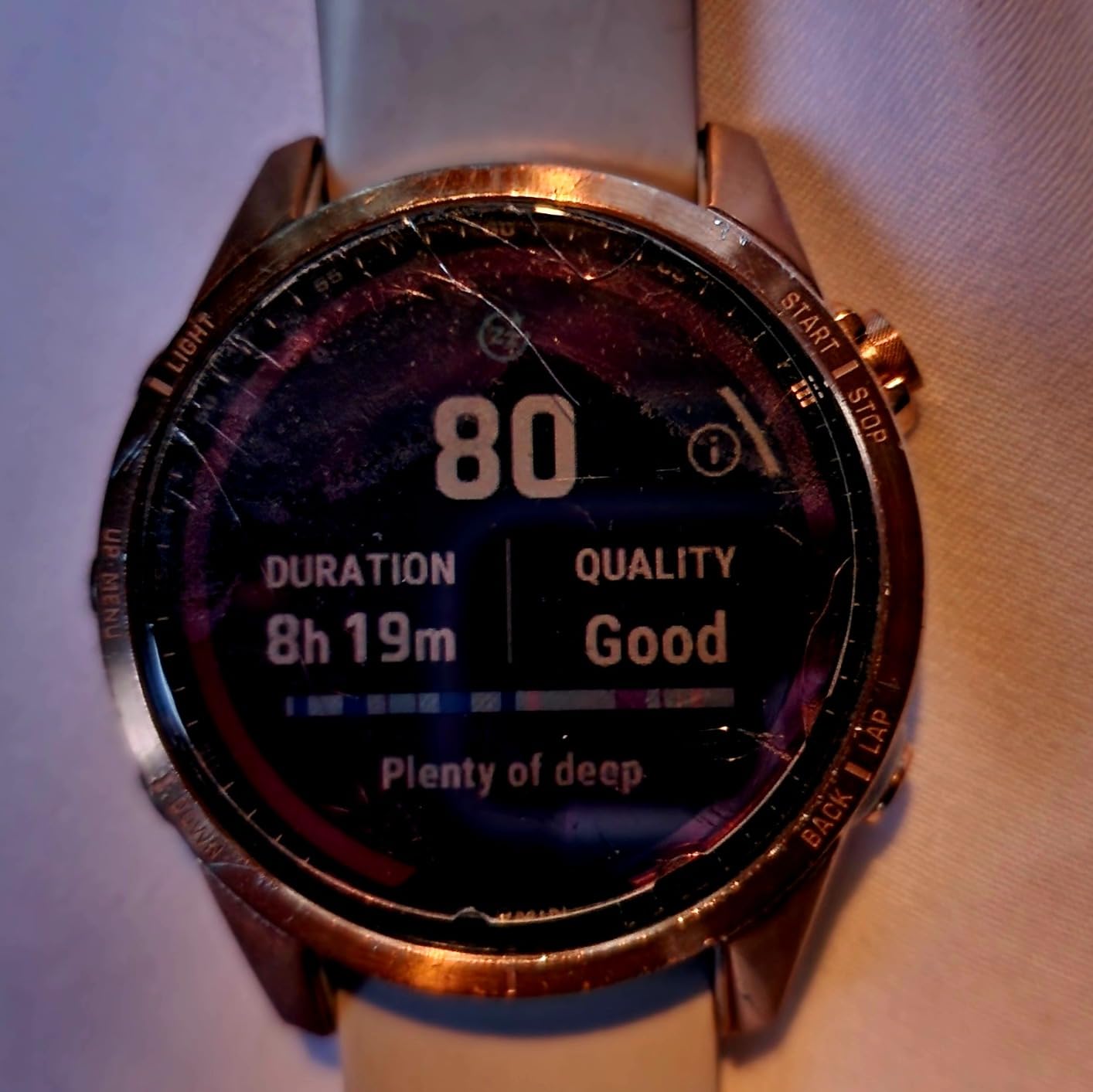
The Naturehike Ultralight caught my attention because it is one of the quietest insulated pads I have tested. If you have ever been kept awake by the crinkle of reflective insulation, you know how annoying that can be. This pad uses an eight-layer aluminum-molded 3D insulation structure that does its job without creating disruptive noise when you shift positions.
The 4.6 R-value handles temperatures down to about -4 degrees Fahrenheit, making this a legitimate 4-season pad despite its moderate weight. I used it on a November trip in Utah where nighttime temps hovered around 20 degrees, and I was genuinely impressed by the warmth retention. The heat-reflective NKTR AIR system does an effective job bouncing body heat back.
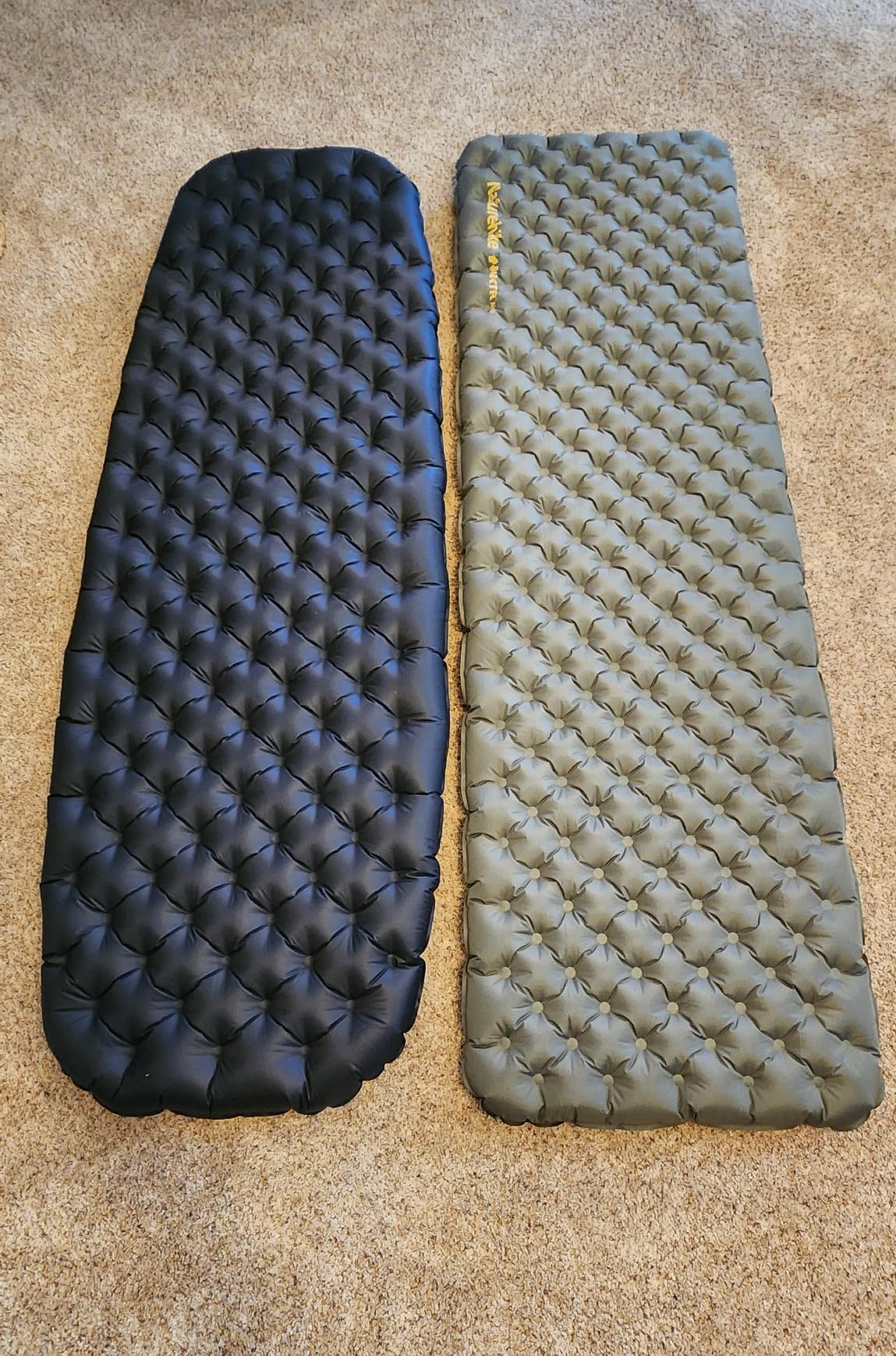
The included pump sack inflates the pad in about 4 big squeezes, which is fast and keeps moisture out of the internal insulation. The patented dual-vent valve allows for quick deflation and easy fine-tuning of firmness. At 77 inches long and 25 inches wide, this is a generous size that works well for taller hikers. The non-slip surface is a thoughtful touch that prevents the pad from sliding around your tent floor.
At 27 ounces, this is not the lightest option on the list. The 20D nylon construction keeps weight reasonable but is not as tough as the 40D alternatives. Some users report that the nylon material creates a slight rustling sound, though I found it far quieter than most insulated pads. The rectangular XL shape provides good space but may feel bulky in smaller 2-person tents.
Who Should Buy This Pad
Backpackers who value quiet sleep should put the Naturehike high on their list. It is an excellent 3-season pad with enough warmth for late-fall and early-spring trips. Taller hikers who need the extra 77-inch length will appreciate the generous sizing. Anyone who wants an all-in-one package with pump sack and repair patches included will find this a convenient option.
Things to Consider Before Buying
The 27-ounce weight puts this pad in the middle of the pack, not ultralight but not heavy either. If every ounce counts for your thru-hike, you might prefer the Hikenture at 15 ounces with a similar R-value. The rectangular XL shape takes up more tent space than mummy-cut alternatives. While quieter than most insulated pads, it is not completely silent, so set expectations accordingly.
8. Hikenture Backpacking Pad – Lightest Pad with Real Insulation

Hikenture R4 Backpacking Sleeping Pad, Ultralight Camping Mattress
R-Value: 4.0
Weight: 15.2 oz
Thickness: 3.15 in
Material: 20D Ripstop Nylon
Pros
- Under 1 lb with 4.0 R-value
- Very quiet compared to similar pads
- Compact water bottle pack size
- Great value vs name brands
Cons
- 22-inch width feels narrow
- Mylar layer creates some crinkling noise
- No pump sack included
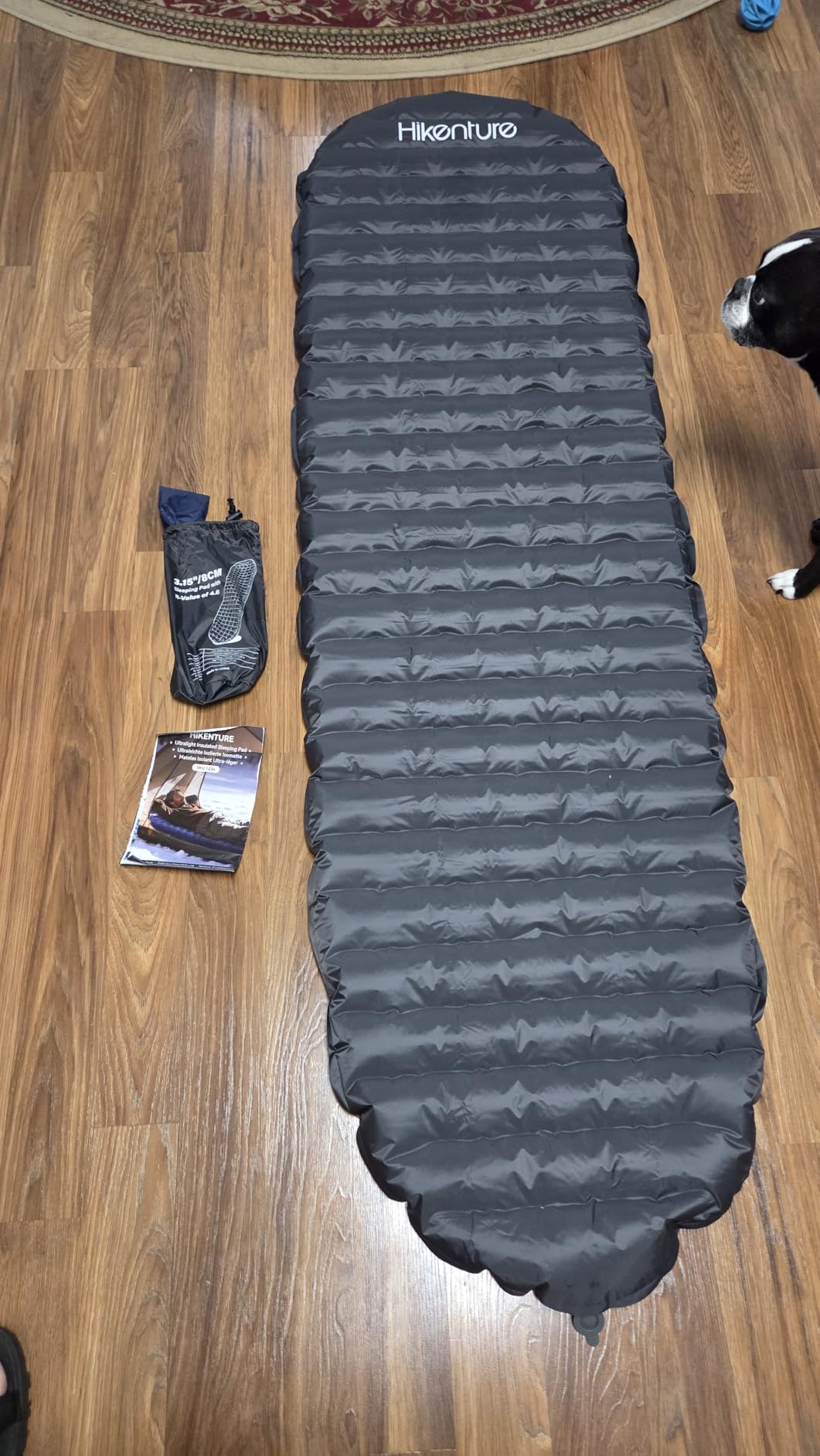
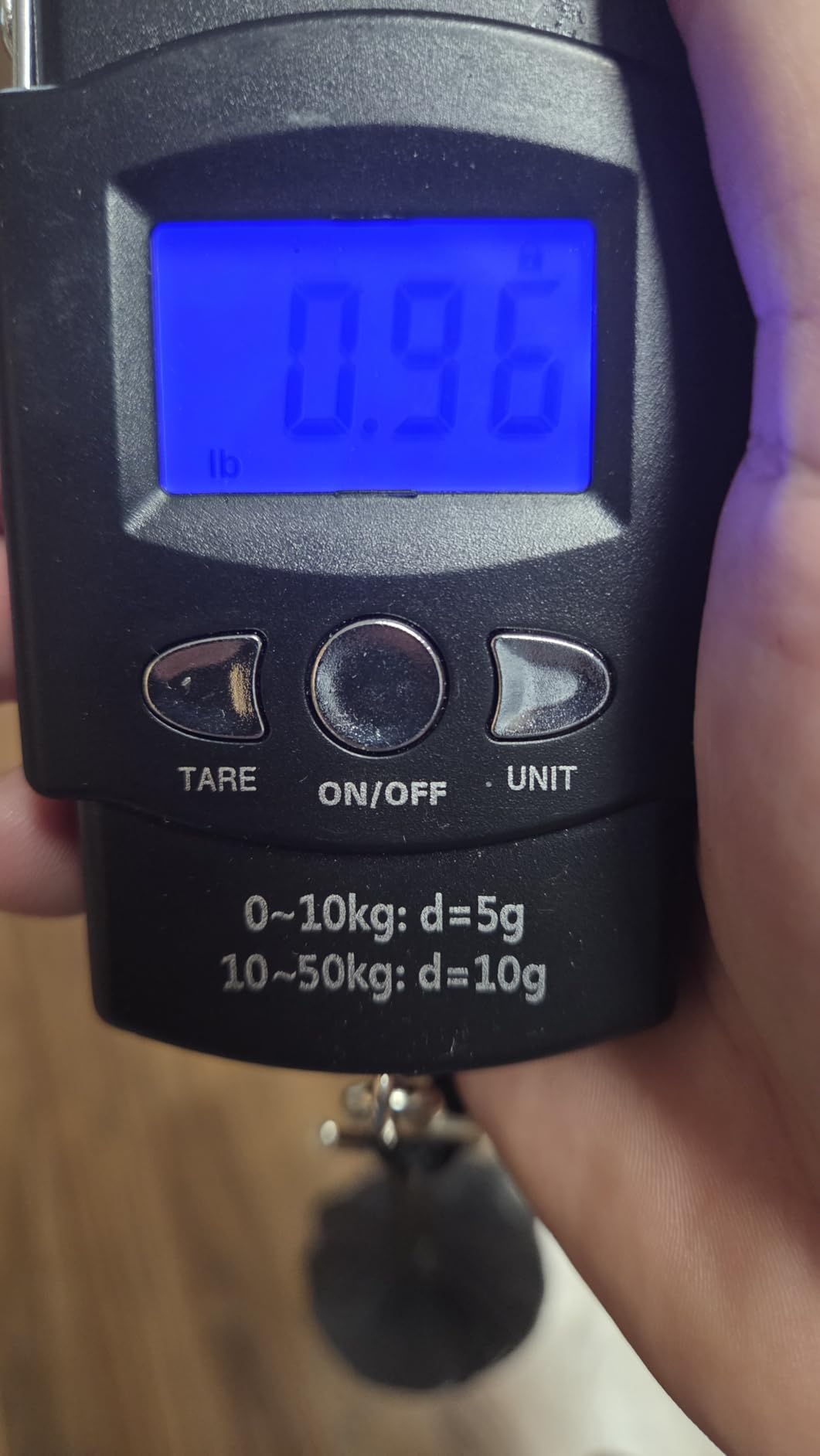
The Hikenture weighs just 15.2 ounces, which is remarkably light for a pad with a 4.0 R-value verified under ASTM F3340-22 standards. That is nearly 50% lighter than typical insulated sleeping pads. For thru-hikers and weight-conscious backpackers, those savings add up fast over a long trail. I carried this on a 3-day trip in Olympic National Park and appreciated the minimal pack bulk.
The 3.15-inch thickness provides enough cushion for back sleepers, and the mummy shape offers adequate support for side sleepers despite the trim design. Inflation takes 10 to 15 breaths through the high-efficiency valve, which is reasonable. There is no pump sack included, so you will be using your lungs. The reflective Mylar layer inside adds warmth without significant weight penalty.
One pleasant surprise was how quiet this pad is compared to other ultralight insulated options. The internal Mylar layer does create some crinkling, but it is far less pronounced than pads like the older Therm-a-Rest XLite models. The leak-proof valve held air overnight without any noticeable loss during my testing, and quick deflation is handled by a dedicated release valve.
At this weight and price, the Hikenture is one of the best values in backpacking pads. It delivers genuine 4-season warmth in a package that weighs less than a pound and packs down to water bottle size. The 4.9-star average rating from early reviewers suggests that other backpackers are having the same positive experience.
Who Should Buy This Pad
Thru-hikers and long-distance backpackers who want insulated warmth without the weight penalty will love this pad. If you are building an ultralight kit and need a pad under 1 pound that still handles 3-season temperatures, the Hikenture delivers. It is also great for weight-conscious weekend warriors who want real insulation without the cost of premium brands.
Things to Consider Before Buying
The 22-inch width is narrow, and restless sleepers may find themselves sliding off the edges during the night. There is no pump sack included, so you will be inflating by breath, which introduces moisture into the pad over time. The lack of side bolsters means the pad can shift around on slippery tent floors. If you are a broad-shouldered hiker, the narrow mummy shape might feel restrictive.
9. Klymit Static V2 – Classic Reliable 3-Season Pad

KLYMIT Static V2 Inflatable Sleeping Pad | Portable, Ultralight, Easy to Inflate, Foldable Air Bed for Camping, Backpacking & Hiking — Green
R-Value: 4.4
Weight: 16 oz
Thickness: 2.5 in
Material: 30D Polyester
Pros
- V-Chamber body mapping design
- Side rails keep you centered
- 10-15 breaths to inflate
- Compact 8x3 inch packed size
Cons
- Some users report air loss overnight
- Sleeping bag can slide off surface
- 2.5 inches thin for side sleepers
The Klymit Static V2 has been a backpacking staple for years, and with over 1,600 reviews, it has earned its reputation through consistent performance. The V-chamber design is what sets it apart from flat-baffle pads. The body-mapping chambers conform to your shape and limit air movement inside the pad, which reduces cold spots and provides targeted support where you need it most.
The dynamic side rails are a feature I wish more pads included. They cradle your body and help keep you centered on the pad throughout the night. If you are a restless sleeper who tends to roll off standard flat pads, the Static V2’s rails make a noticeable difference. At 16 ounces, the weight is competitive for a pad with 4.4 R-value insulation.
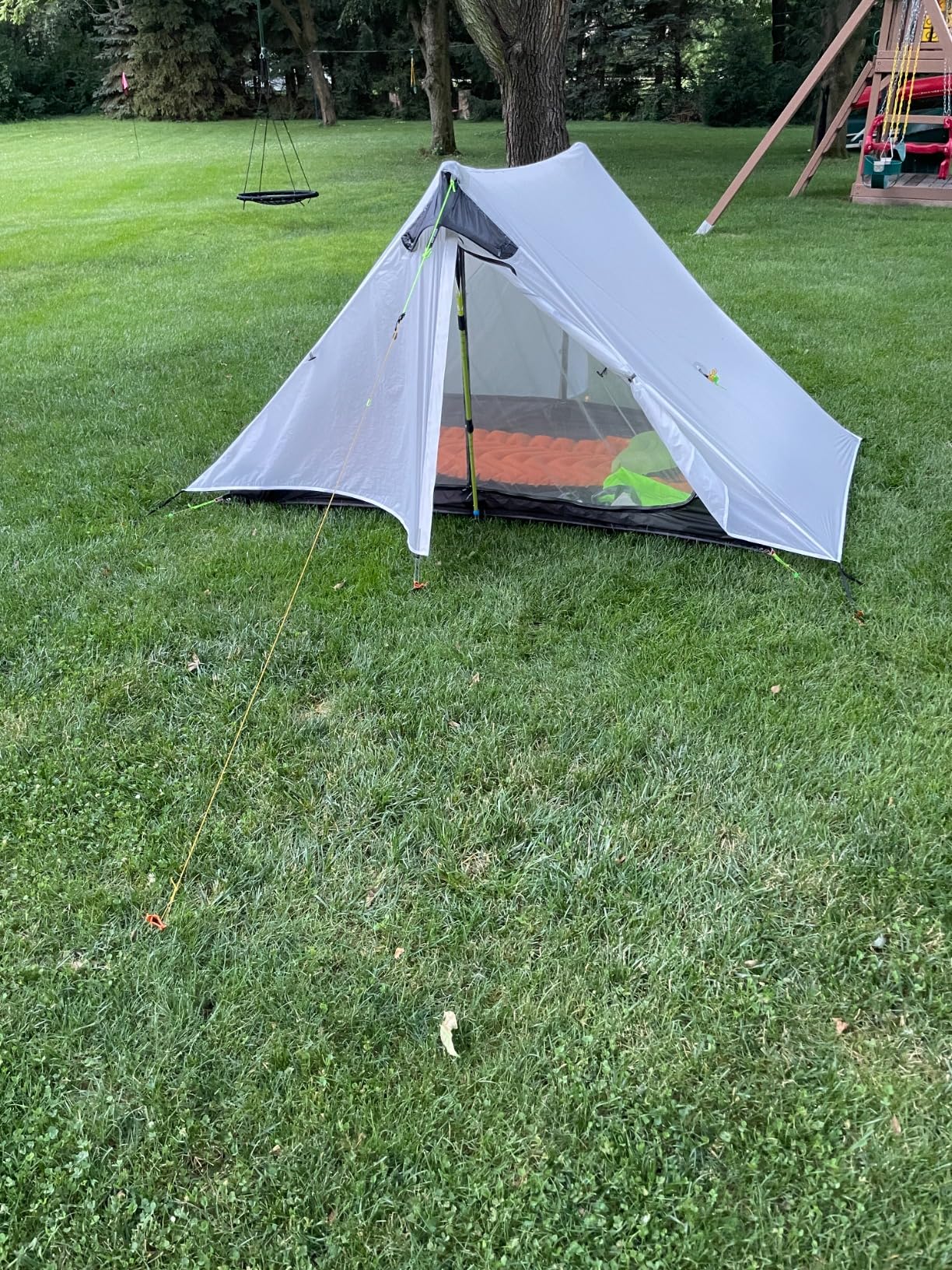
Inflation takes 10 to 15 breaths, which is straightforward. The packed size of 8 by 3 inches is compact enough to fit in any backpack. Klymit uses Klymalite synthetic insulation inside the chambers for 4-season warmth, though the 2.5-inch thickness means cold spots can develop for heavier users who compress the pad more. I found it comfortable for back sleeping but wished for more thickness when on my side.
The main concern with the Static V2 is inconsistent air retention. Some users report the pad losing air overnight, while others have no issues. Klymit customer service is responsive about replacements, but it is worth testing your pad at home before a trip. The 30D polyester fabric is reasonably durable, and the included stuff sack and patch kit are standard but functional.
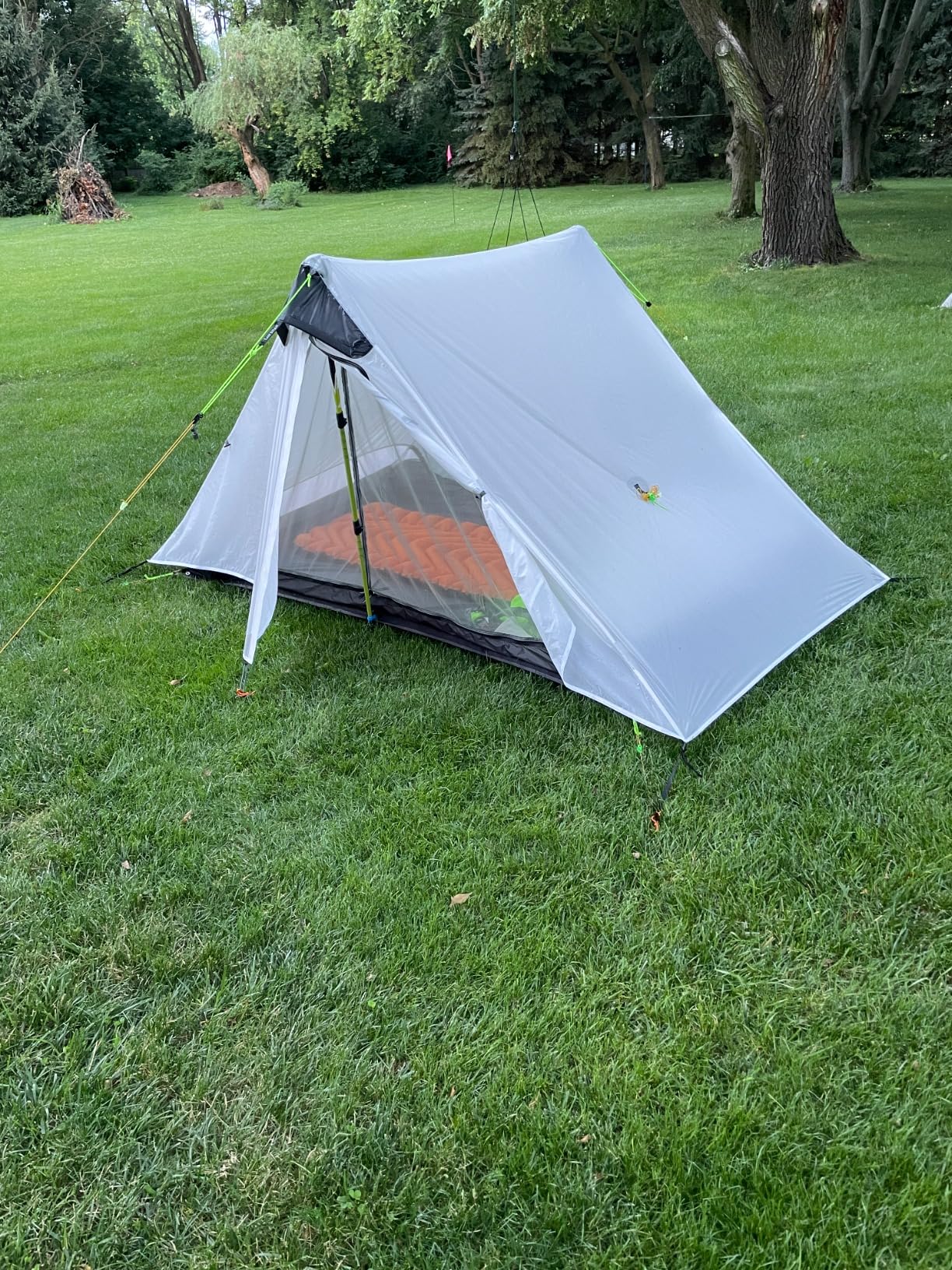
Who Should Buy This Pad
Backpackers who want a proven, mid-range pad with body-mapping comfort should look at the Static V2. The side rails make it great for restless sleepers who tend to roll off their pads. It is also a solid choice for 3-season campers who want Klymalite insulation without paying premium brand prices. The 23-inch width is slightly wider than many alternatives, which is nice for broader hikers.
Things to Consider Before Buying
The 2.5-inch thickness is thin by current standards, and side sleepers may find their hips touching the ground. Air retention has been inconsistent across users, so test yours before committing to a trip. The sleeping bag surface can be slippery, causing your bag to slide off the pad. Deflation takes longer than some newer valve designs because getting all the air out requires patience.
10. TREKOLOGY UL80 – Budget Pick for Warm Weather Backpacking

TREKOLOGY Ultralight Backpacking Sleeping Pad, Inflatable Camping Mat
R-Value: 1.6
Weight: 19.8 oz
Thickness: 3.9 in
Material: 40D Nylon
Pros
- Generous 75.2-inch length fits tall users
- Excellent value
- 4-inch thickness very comfortable
- Easy inflation and deflation
Cons
- Low 1.6 R-value for cold weather
- Narrow 22.4-inch width
- No built-in pump included
- Slippery surface on tent floors
The TREKOLOGY UL80 has earned its popularity with over 6,400 reviews and a 4.4-star average. At this price point, it delivers genuine comfort with nearly 4 inches of thickness and an ergonomic curvature support system that conforms to your body. I found it surprisingly comfortable for a budget pad, especially for back sleeping where the thickness really shines.
The 75.2-inch length accommodates users up to about 6-foot-7, which is generous for a backpacking pad. The enlarged air valve makes inflation and deflation straightforward. You can inflate it by mouth in about 15 breaths, and deflation is quick with the large opening. The 40D nylon with water-resistant coating is reasonably durable for the price.
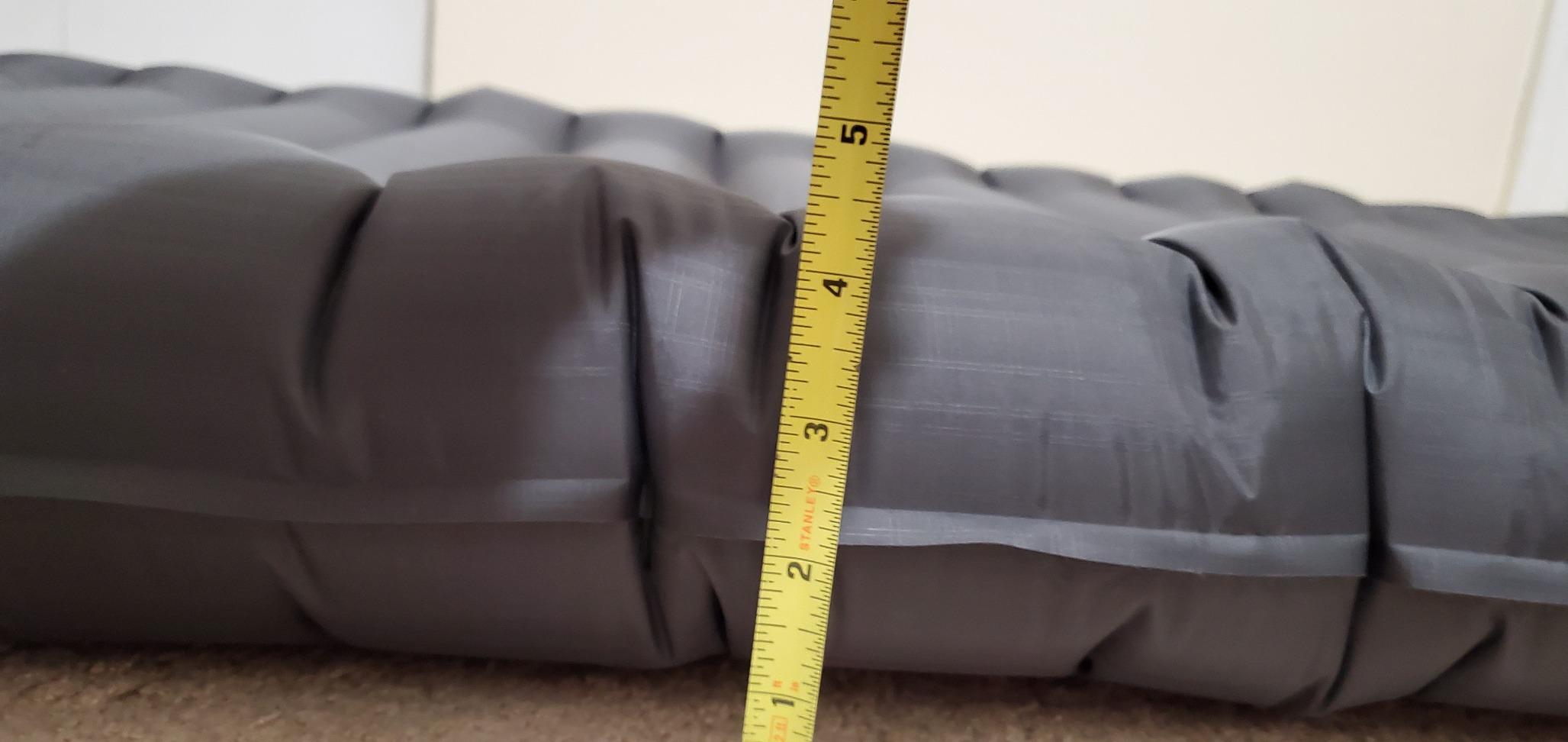
What you need to understand about the UL80 is that it is a warm-weather pad. The 1.6 R-value means it provides almost no insulation from the ground. I would not use this below 50 degrees unless you are a very warm sleeper. For summer backpacking, fair-weather car camping, or as a guest pad, it works well. But if you plan to camp in spring or fall, you will want something with more insulation.
The included carry bag and patch kit are basic but functional. The pad packs down to about 7.3 by 4.7 inches, which is reasonable for the thickness. At 19.8 ounces, it is not the lightest option, but the comfort tradeoff is worth it if you are not counting every gram. The narrow 22.4-inch width is the main comfort limitation, and the surface can be slippery on smooth tent floors.
Who Should Buy This Pad
Warm-weather backpackers and summer campers on a tight budget will get great value from the UL80. It is also a strong option for tall hikers who need the extra length. If you are new to backpacking and want to try an inflatable pad without a big investment, this is a sensible starting point. It works well as a spare pad for friends who join you on trips.
Things to Consider Before Buying
The 1.6 R-value is the biggest limitation. This pad is not suitable for temperatures below 50 degrees without significant supplemental insulation. The 22.4-inch width feels narrow, and larger-framed hikers may find it cramped. There is no pump included, so you will need to inflate by mouth. The surface is slippery, and you may find your sleeping bag sliding around during the night.
11. Gear Doctors Ether – Ultralight Budget Starter Pad

Gear Doctors® Ether 17.5oz Ultralight Camping Sleeping Pad – Backpacking Air Mattress – Camping Mattress Pad – Compact Inflatable Sleeping Mat for Backpacking, Comfortable Outdoor Hiking, Tent, Travel
R-Value: 2.0
Weight: 17.5 oz
Thickness: 3.25 in
Material: 20D Nylon and TPU
Pros
- Packs to water bottle size
- ErgoCushion U-shape comfort
- 90-second inflation with foot pump
- Lifetime replacement warranty
Cons
- Only suitable for warm weather
- Foot pump has learning curve
- No cold weather insulation
- Slight rustling noise
The Gear Doctors Ether is designed as a no-frills, ultralight backpacking pad that gets the basics right. At 17.5 ounces packed to water bottle size, it is one of the most portable options here. The ErgoCushion U-shape design creates a contoured sleeping surface that supports your body’s natural curves better than flat-baffle pads at this price level.
The built-in detachable foot pump is the standout feature for me. It inflates the pad in about 90 seconds, and once you figure out the technique, it is far easier than breath inflation. No moisture inside the pad, no dizziness from blowing. The 20D nylon with TPU coating is waterproof and has held up well during my testing on various surfaces.
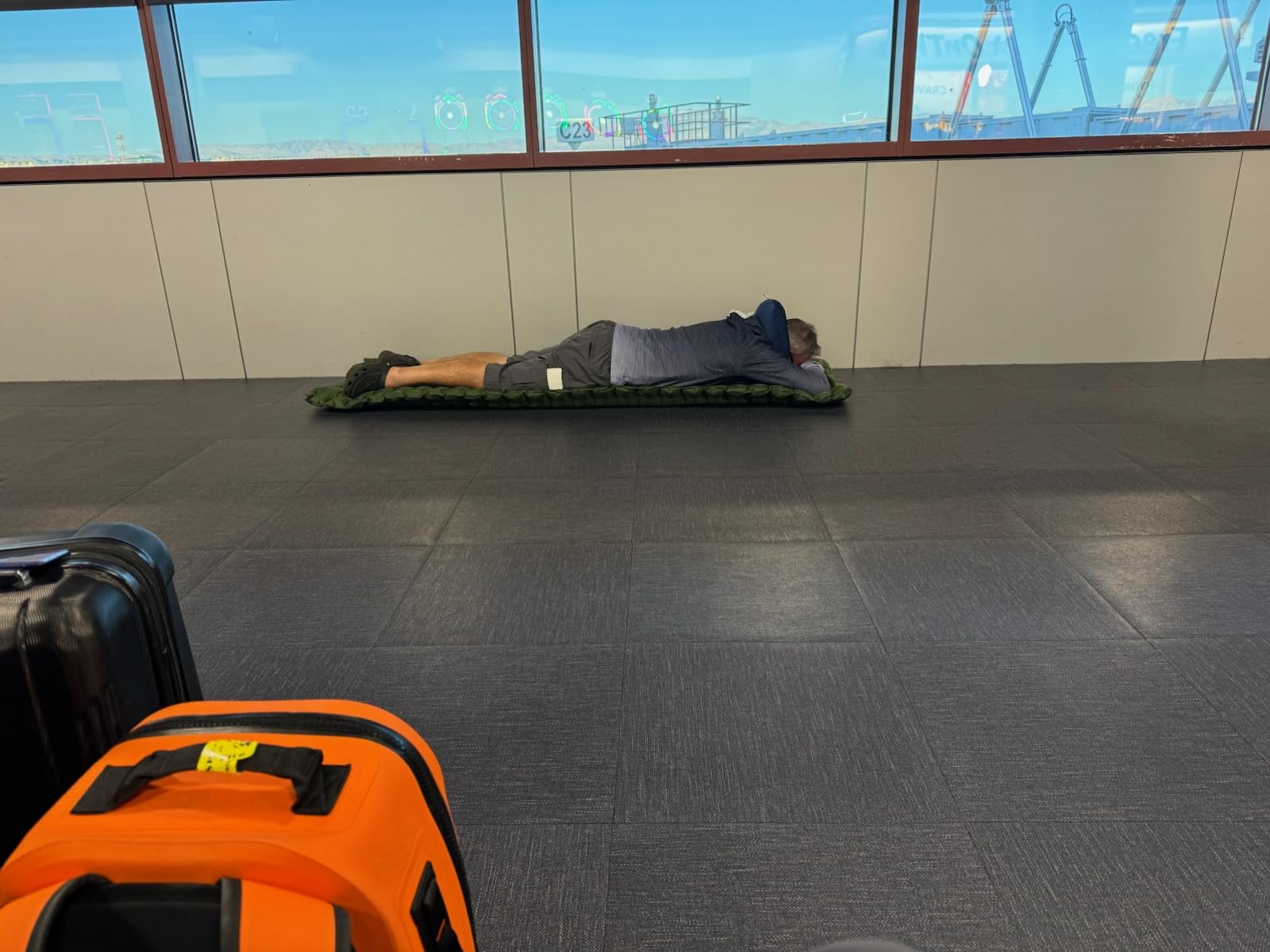
The 3.25-inch thickness provides decent cushioning for back sleepers, and the 22-inch width is standard for backpacking pads. The U-shape chambers do a good job of hugging your body and preventing the sliding-off issue that plagues some flat pads. Gear Doctors backs this pad with a lifetime replacement warranty, which is impressive at this price point.
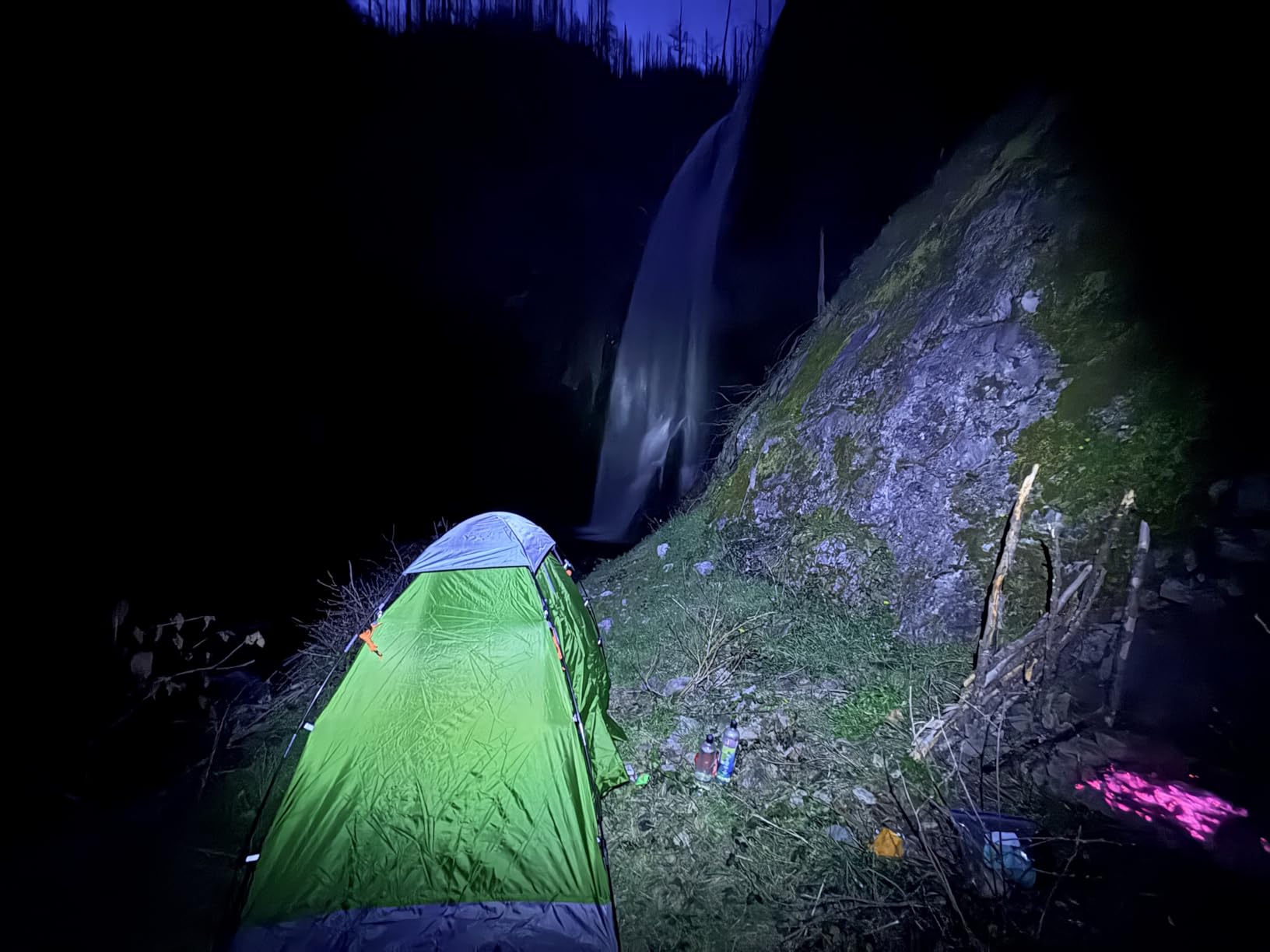
The main limitation is the 2.0 R-value, which restricts this pad to warm-weather use. Think summer trips, desert camping, and mild spring nights. Once temperatures drop below 45 degrees, the lack of insulation becomes apparent. There is also a slight rustling sound from the TPU-coated material, though it is not as loud as fully insulated pads with reflective layers.
Who Should Buy This Pad
Beginner backpackers and budget-conscious hikers who mostly camp in warm weather should consider the Ether. The included foot pump eliminates the need for breath inflation, which is a real quality-of-life upgrade at this price. It is also a great backup pad to keep in your car for unexpected camping situations. The lifetime warranty provides peace of mind for long-term use.
Things to Consider Before Buying
The 2.0 R-value makes this a 2-season pad at best. If you camp in spring or fall, you will need a warmer option. The foot pump takes a few tries to master, and it is not a one-way valve, so some air escapes between pumps. No repair patches are included despite being shown in some marketing materials. This pad is strictly for warm-weather adventures.
12. Sleepingo Ultralight – Most Popular Budget Sleeping Mat

Sleeping Pad – Ultralight Sleeping Mat – Inflatable & Compact Camping Air Mattress for Backpacking, Hiking
R-Value: 2.1
Weight: 14.4 oz
Thickness: 2 in
Material: Ripstop Nylon and TPU
Pros
- Under 1 lb at 14.4 oz
- Packs smaller than water bottle
- 34
- 000+ verified reviews
- Lifetime money-back warranty
Cons
- Very noisy crinkling sound
- Only 2-inch thickness
- Lacks cold weather insulation
- Some QC issues with valves
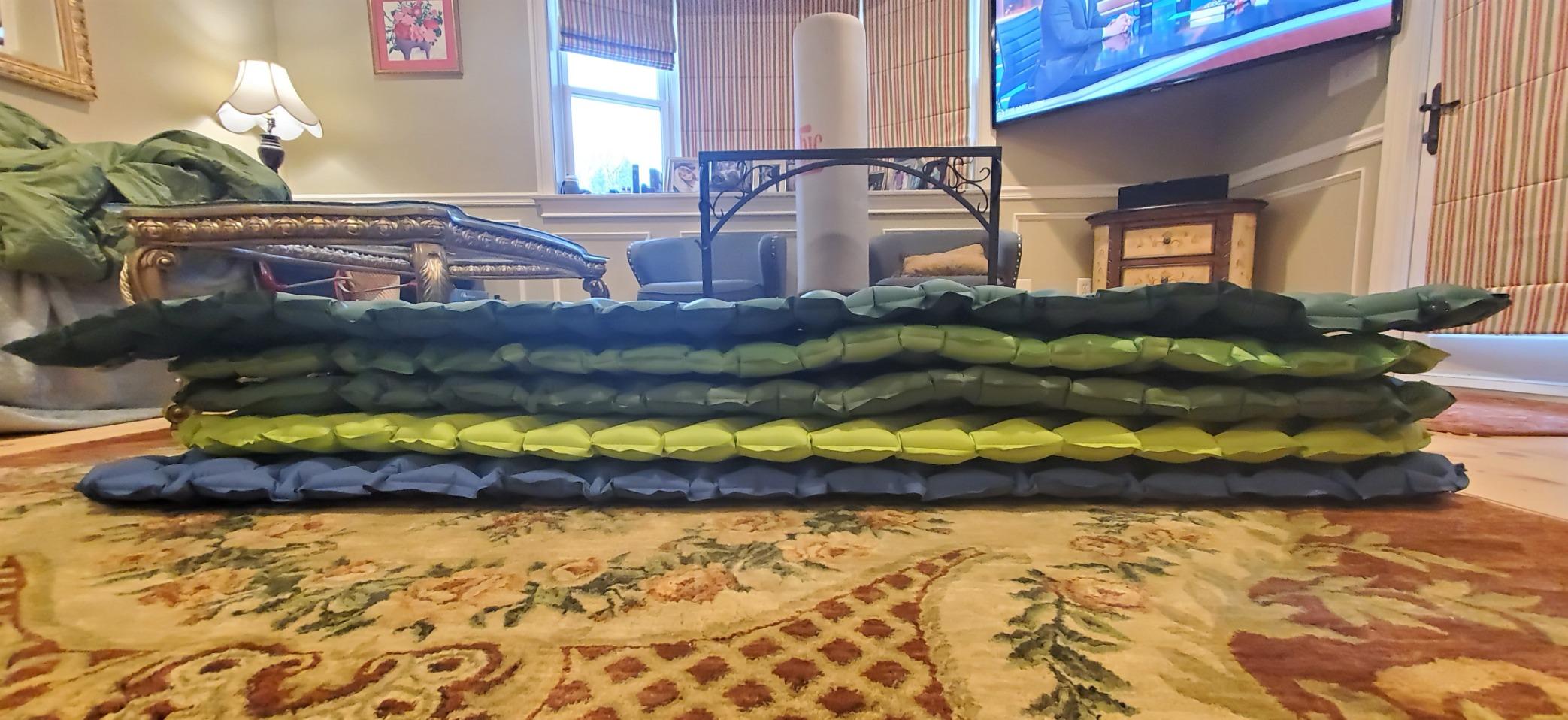
With over 34,000 reviews, the Sleepingo Ultralight is one of the most popular sleeping pads on Amazon, and that massive user base tells you something about its value proposition. At just 14.4 ounces, it is one of the lightest pads on this list, and it packs down smaller than a water bottle. For backpackers who want minimal weight and bulk, the Sleepingo delivers on those metrics.
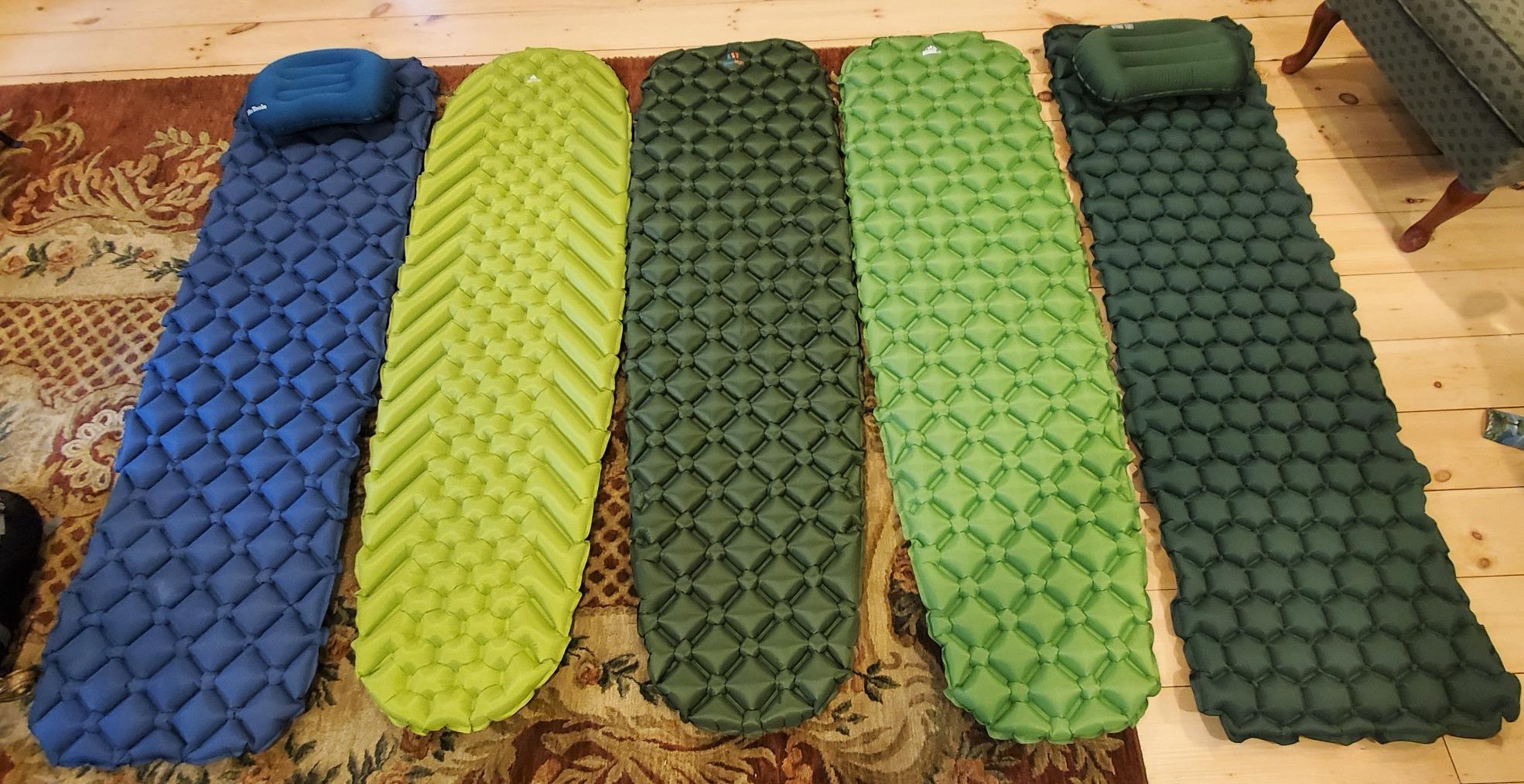
The diamond-pattern air cells create a reasonably stable sleeping surface for the weight. I found it adequate for back sleeping, though the 2-inch thickness means you can feel the ground on rocky campsites. The ripstop nylon with TPU coating is waterproof and has held up in my testing, though it is thinner material than the 40D alternatives.
The biggest complaint about the Sleepingo is the noise. The TPU-coated ripstop nylon creates a loud crinkling sound when you move, and that is not an exaggeration. If you are a light sleeper or share a tent, this is a real issue. The material sounds like a chip bag being crumpled every time you shift positions. For some users, this is a dealbreaker. For others, it is an acceptable tradeoff for the ultralight weight.
Inflation takes 10 to 15 breaths through a standard valve. There is no pump sack included. The lifetime money-back warranty is reassuring, and the owner, Coy West, has a reputation for excellent customer service. Some users have reported quality control issues with the rubber flap valve, so inspect your pad before a trip. Overall, this is a fair-weather, lightweight option that works best for summer trips.
Who Should Buy This Pad
Ultralight enthusiasts who prioritize weight above all else will appreciate the 14.4-ounce Sleepingo. It is also a great choice for minimalist backpackers who want a compact pad for summer adventures. If you are building an ultralight kit on a strict budget, this pad offers genuine value. The massive review base means you can research real user experiences extensively before buying.
Things to Consider Before Buying
The noise is the number one complaint, and it is significant. This pad crinkles loudly with every movement. The 2-inch thickness is thin, and you will feel the ground on anything but a perfectly smooth campsite. The 2.1 R-value provides almost no insulation, making this unsuitable below 50 degrees. Some users have received defective valves, so test your pad immediately upon arrival.
13. MOXILS Sleeping Pad – Fast Inflation with Built-in Pump
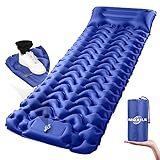
MOXILS Sleeping Pad, Ultralight Inflatable Sleeping Pad for Camping, Built-in Pump, Ultimate for Camping, Hiking, Airpad, Carry Bag, Repair Kit, Compact & Lightweight Air Mattress(Blue)
R-Value: 1.5
Weight: 1.9 lbs
Thickness: 3.5 in
Material: Nylon and TPU
Pros
- Built-in foot pump inflates in 20 seconds
- Generous 78x25 inch size
- 660 lb weight capacity
- 6 repair patches included
Cons
- Foot pump valve can be awkward
- No cold weather insulation
- 1.9 lb weight not ultralight
- Some deflation issues reported
The MOXILS sleeping pad features a built-in foot pump that inflates the pad in about 20 seconds, which is genuinely fast. No separate pump sack to carry, no breath inflation needed. You just step on the pump section a few times and the pad is ready. For car campers and casual backpackers who hate blowing up pads, this convenience factor is a big deal.
The dimensions are generous at 78 by 25 by 3.5 inches, making this one of the largest pads in the group. Users over 6 feet tall will appreciate the extra length, and the 25-inch width gives you more room than standard 20-inch pads. The body mapping technology creates an ergonomic surface that feels comfortable for most sleeping positions.
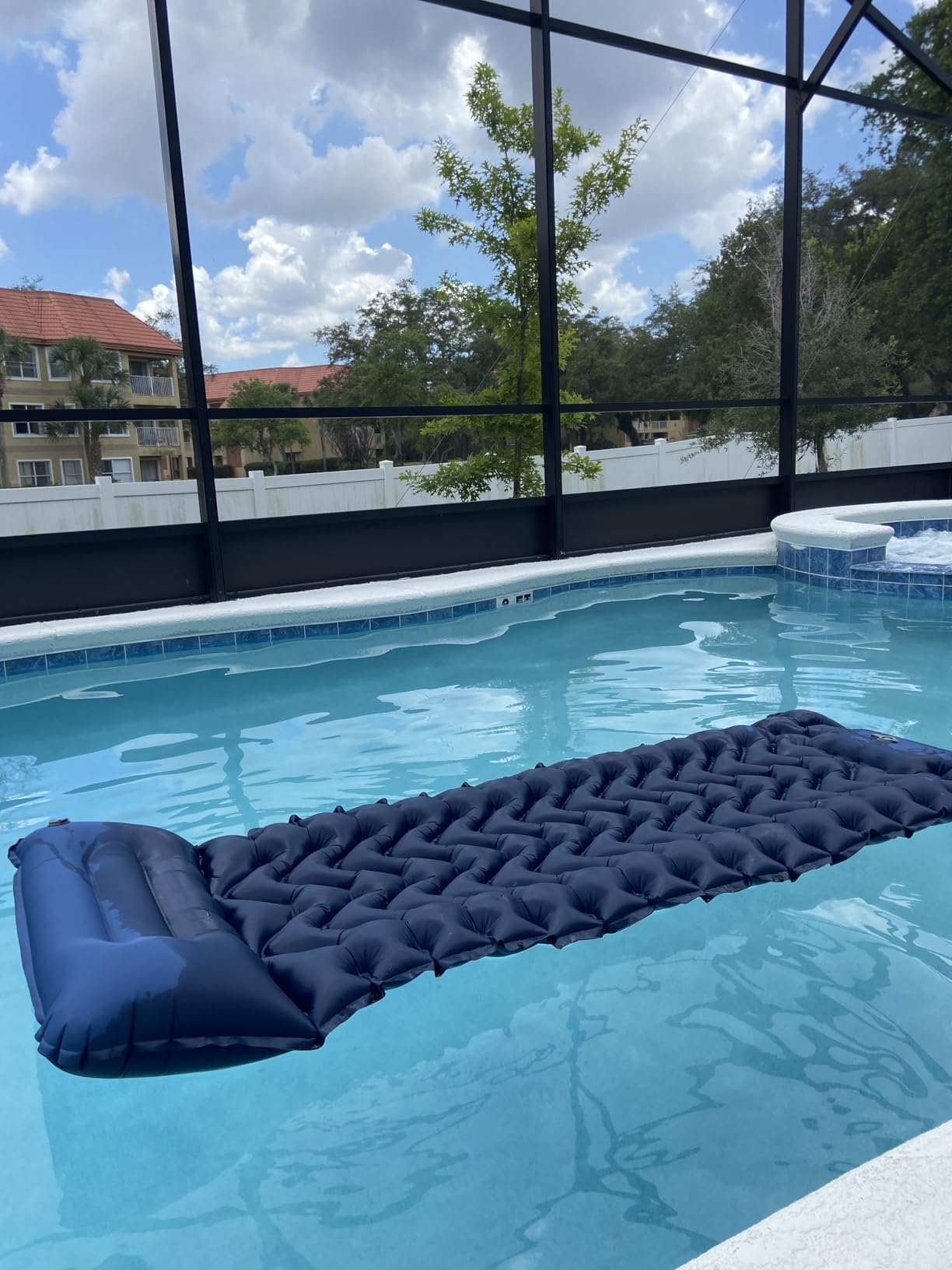
The 660-pound weight capacity is the highest in our entire lineup, which means this pad will not bottom out even for heavier users. The anti-leakage valve system is designed to hold air overnight, though some users have reported deflation issues with certain units. The connection buttons on the side allow you to snap two pads together for a double bed setup, which is a nice feature for couples camping.
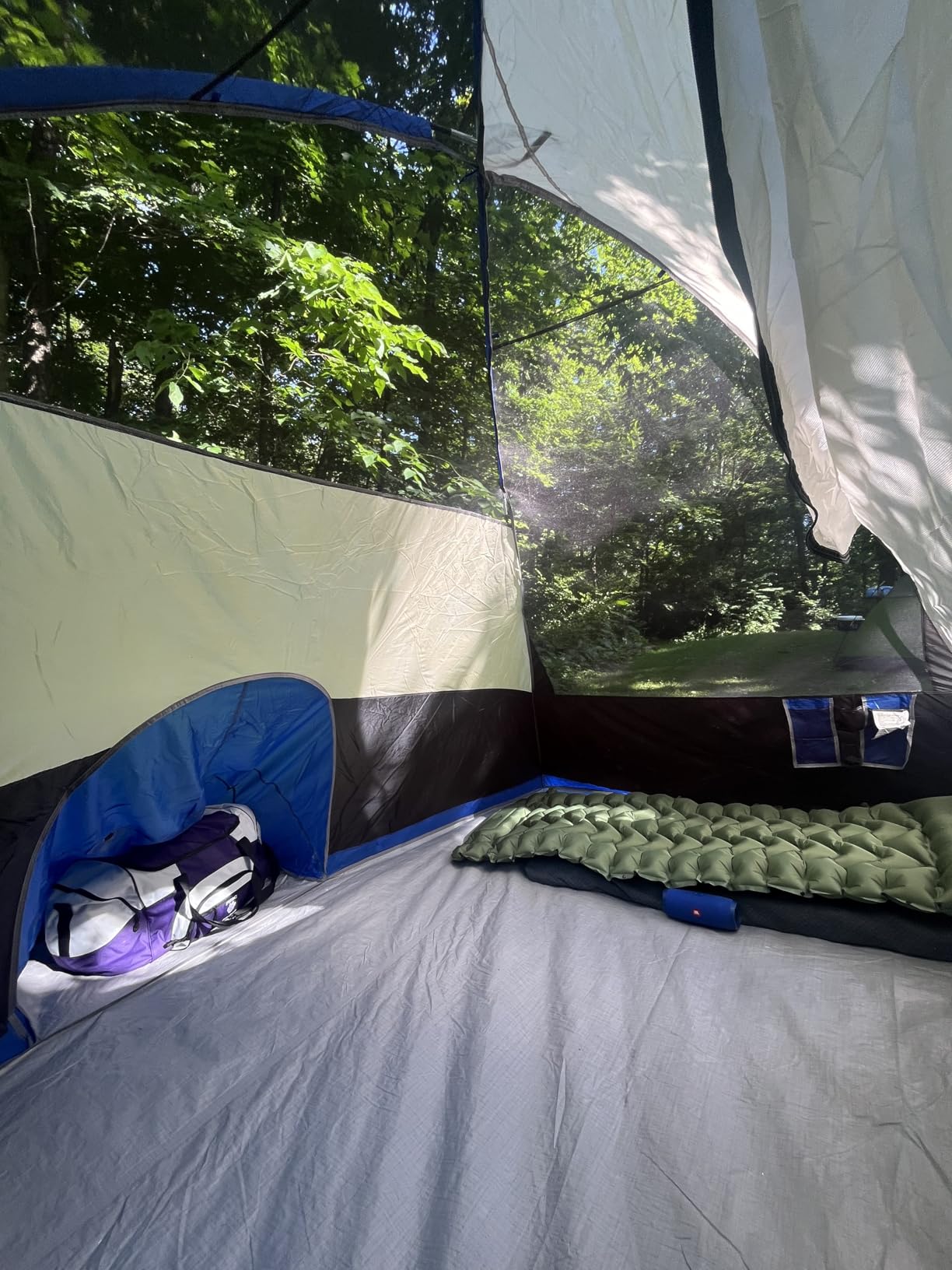
At 1.9 pounds, this pad is heavier than most backpacking-specific options, and the 1.5 R-value means it provides virtually no insulation from the ground. This is a warm-weather pad best suited for summer camping and car camping where weight is less of a concern. The crinkly material noise is present but manageable. For the price, you get a lot of pad with useful features.
Who Should Buy This Pad
Car campers and casual backpackers who prioritize convenience will love the built-in foot pump. Heavier users who need the 660-pound capacity will find this one of the few pads that accommodates them comfortably. Couples who want to connect two pads together should also consider the MOXILS. It is best for warm-weather camping where insulation is not needed.
Things to Consider Before Buying
At 1.9 pounds, this pad is too heavy for serious backpacking where every ounce matters. The foot pump valve cover can block the intake, requiring a specific technique to use effectively. The 1.5 R-value makes this unsuitable for any cold-weather use. Some users have reported overnight deflation, so quality may vary between units. The elastic stuff strap is not sewn in and can be lost easily.
14. HiiPeak Sleeping Pad – Wide Pad with Built-in Pillow

HiiPeak Sleeping Pad for Camping- Ultralight Inflatable Sleeping Mat with Built-in Foot Pump & Pillow, Upgraded Compact Camping Air Mattress for Tent, Backpacking, Hiking
R-Value: 1.5
Weight: 2.05 lbs
Thickness: 3 in
Material: 50D Polyester and TPU
Pros
- Built-in pillow eliminates extra gear
- Extra wide 27.5 inches
- Hexagon air cells for support
- 50D polyester is durable
Cons
- Air leaks reported by some users
- Foot pump is not one-way
- No cold weather insulation
- Built-in pillow awkward for side sleepers
The HiiPeak sleeping pad differentiates itself with a built-in pillow and hexagon-shaped air cells that provide ergonomic pressure point support. At 27.5 inches wide, it is the widest pad in our lineup, giving you plenty of room to spread out. The 50D polyester with TPU coating is the most durable fabric in this price range, and it feels substantial compared to the 20D nylon used on ultralight pads.
The built-in foot pump inflates the pad in about 30 seconds, and the integrated pillow saves you from carrying a separate camping pillow. For car campers and casual backpackers who want to minimize gear, this all-in-one approach is appealing. The hexagonal air cell pattern distributes weight more evenly than simple horizontal baffles, which reduces pressure points.
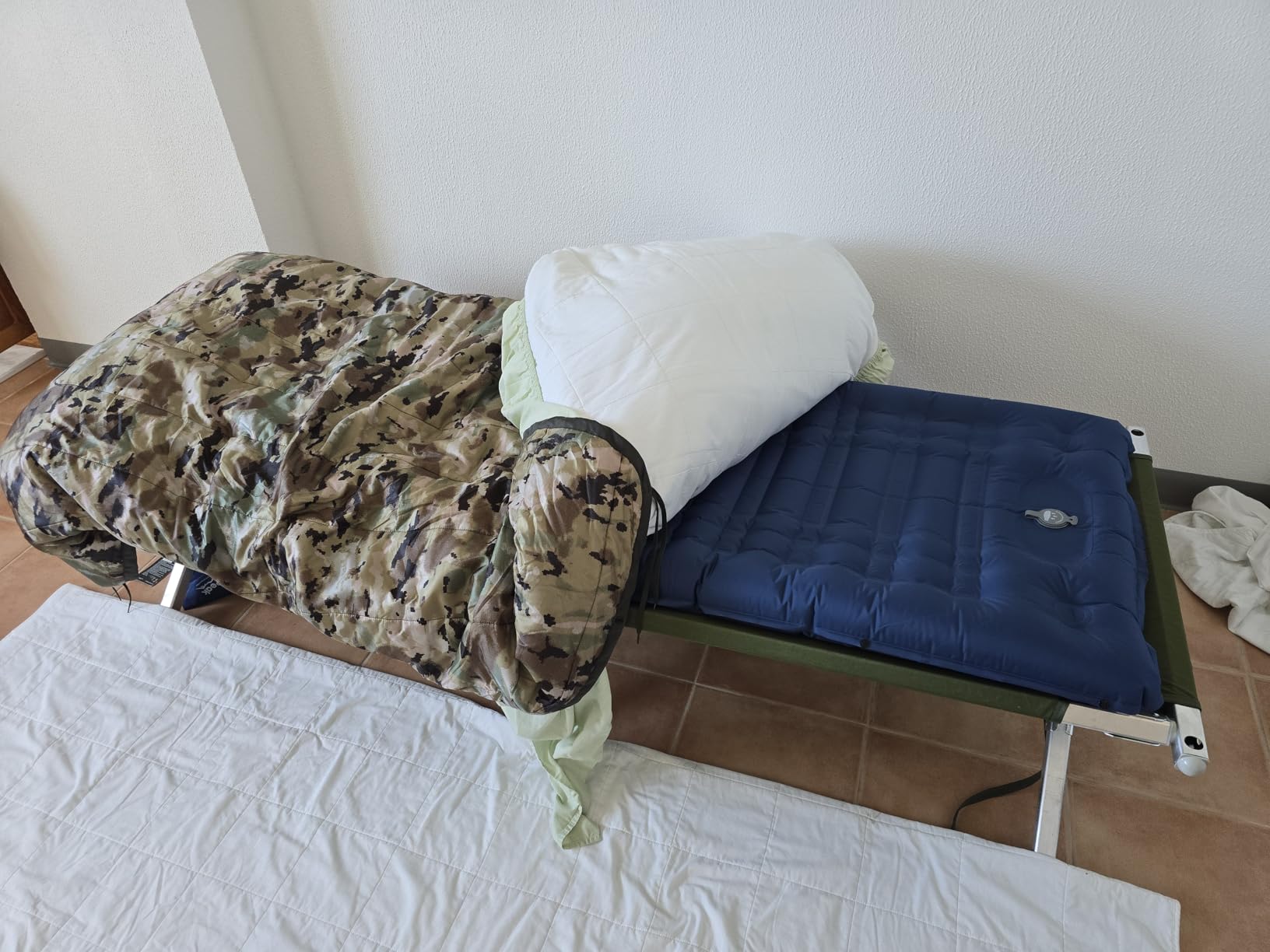
The 3-inch thickness provides decent cushioning and keeps your body off the ground for most sleeping positions. The connection buttons allow you to snap two pads together for a double bed, similar to the MOXILS. The 660-pound weight capacity means this pad can handle larger users without bottoming out. The included carry bag keeps everything organized in your pack.
The main concerns are air retention and valve design. Some users report their HiiPeak deflating overnight, which points to quality control inconsistencies. The foot pump valve is not one-way, so air can escape between pumps, making inflation slower than claimed. The built-in pillow is a matter of personal preference. I found it comfortable for back sleeping but awkward when sleeping on my side, as the pillow height cannot be adjusted independently from the pad.
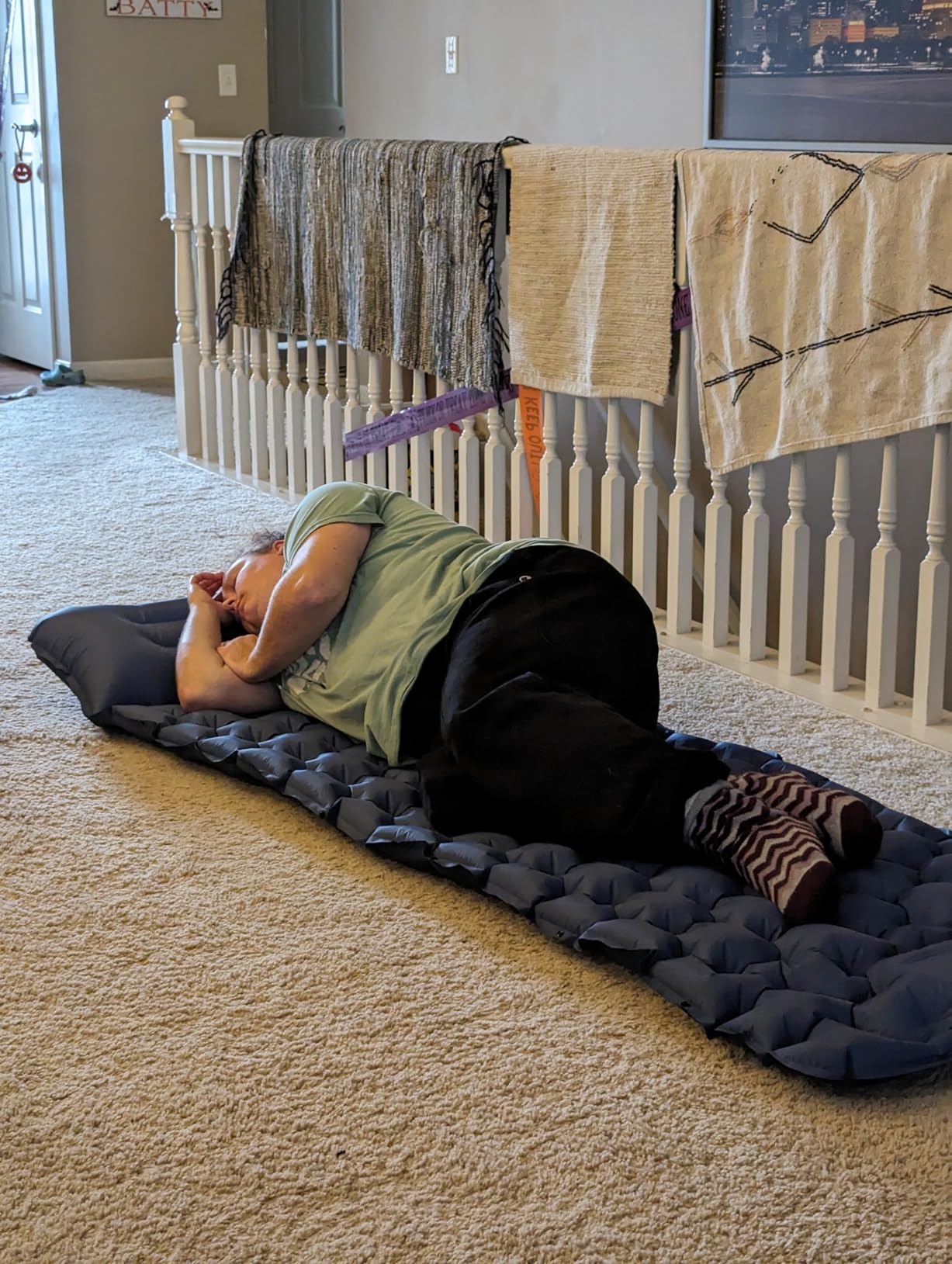
Who Should Buy This Pad
Backpackers and campers who want an all-in-one setup with integrated pillow will appreciate the convenience. The 27.5-inch width makes it great for broader hikers who find standard 20-inch pads too cramped. It is also a solid choice for families and casual campers who want durable 50D construction at a low price. The hexagonal cells provide good comfort for back sleepers.
Things to Consider Before Buying
The 2.05-pound weight makes this one of the heavier pads on the list, so it is not ideal for ultralight backpacking. Air leak issues have been reported by multiple users, so quality varies. The foot pump is slower than claimed because it lacks a one-way valve. The built-in pillow may not suit side sleepers, and the 1.5 R-value means this pad offers no cold-weather insulation whatsoever.
15. FUN PAC Camping Pad – Best-Selling Wide Budget Pad

FUN PAC Camping Sleeping Pad, Ultralight Camping Mat with Pillow, Built-in Foot Pump Inflatable Sleeping Pads Compact for Camping Backpacking Hiking Traveling Tent,Single,Green
R-Value: 1.5
Weight: 1.5 lbs
Thickness: 3 in
Material: 40D Nylon and TPU
Pros
- Number 1 Best Seller in category
- Largest size at 78x27 inches
- Built-in pillow and foot pump
- 400 lb capacity with 40D nylon
Cons
- No cold weather insulation
- Side sleepers may need more thickness
- Button connectors unreliable
- Some QC concerns
The FUN PAC is the number one best seller in its Amazon category, and with 5,500 reviews, it has clearly resonated with a lot of campers. The standout feature is the size. At 78 by 27 by 3 inches, this is the largest pad in our entire lineup. If you are tall, broad, or just like having room to spread out, the FUN PAC gives you more real estate than any competitor at this price.
The built-in foot pump inflates the pad in 30 to 60 seconds, and the integrated pillow saves you from packing a separate one. The egg-shaped air cells create a comfortable surface that works well for back sleepers. The 40D nylon with TPU coating is durable and waterproof, holding up to regular use without the fragility of ultralight 20D fabrics.
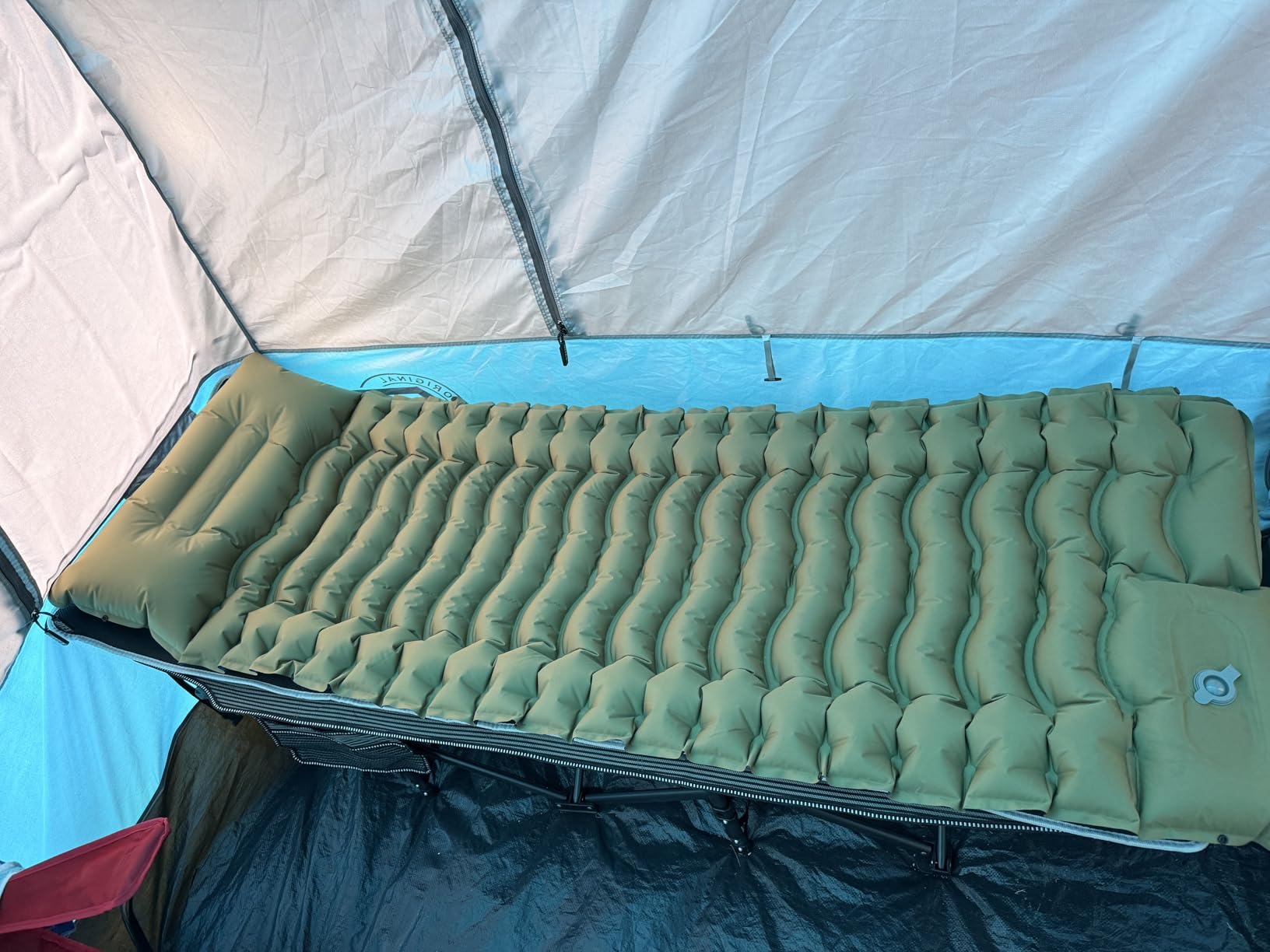
The two-layer upgraded valve system is designed to prevent air leaks, and in my testing, it held air through the night without issue. The connection buttons for joining two pads into a double bed are included, though some users report they do not work reliably. The 400-pound weight capacity and 1.5-pound actual weight give you a good capacity-to-weight ratio for general camping use.
Like the other budget pads with low R-values, the FUN PAC is strictly a warm-weather option. The 1.5 R-value provides no meaningful insulation, so ground cold will penetrate easily below 50 degrees. The 3-inch thickness is adequate for back sleeping, but side sleepers who need more cushion should consider the Big Agnes Rapide SL or FLEXTAILGEAR pad instead. The integrated pillow height is fixed and cannot be adjusted, which may not work for all sleepers.
Who Should Buy This Pad
Campers who want the most sleeping surface for their money should look at the FUN PAC first. The 78-by-27-inch footprint is unmatched at this price. Tall and broad users who feel cramped on standard pads will appreciate the generous dimensions. It is also great for families and group camping where you might want to connect multiple pads. The number one best-seller status means thousands of satisfied users have vetted this product.
Things to Consider Before Buying
The 1.5 R-value makes this unsuitable for any cold-weather camping. The button connectors for joining pads are unreliable, so do not plan on making a reliable double bed. Some users report quality control inconsistencies between units. Side sleepers may find the 3-inch thickness insufficient for hip and shoulder comfort. This is a warm-weather, fair-weather pad best suited for summer camping and casual use.
How to Choose the Best Inflatable Sleeping Pad for Backpacking?
Choosing the right sleeping pad comes down to understanding three things: the temperatures you will encounter, your sleeping style, and how much weight you are willing to carry. Here is what actually matters when making your decision.
Understanding R-Value and Warmth
R-value measures thermal resistance, which is how well the pad prevents heat from escaping through the ground. Higher numbers mean more warmth. Since 2020, the ASTM F3340-22 standard has standardized R-value testing, so you can compare pads from different brands with confidence when they carry this certification. Here is a general breakdown by season.
For summer camping above 40 degrees, an R-value of 1.0 to 2.5 is adequate. For 3-season backpacking in spring through fall, aim for 2.5 to 4.0. For late fall and early winter trips with temperatures down to about 10 degrees, look for 4.0 to 6.0. For serious winter camping below 10 degrees, you want 6.0 or higher. The Elegear CumbreX at 9.0 R-value leads our list for extreme cold.
A common misconception is that thicker pads are always warmer. While thickness helps with comfort, it is the insulation technology inside the pad that determines warmth. A thin pad with reflective layers and synthetic insulation will be warmer than a thick pad with no insulation. Reddit users consistently emphasize that R-value matters more than thickness for actual warmth, and our testing confirms this.
Weight and Pack Size Considerations
Every ounce counts on the trail, but so does a good night of sleep. The lightest pad on our list, the Therm-a-Rest NeoAir XLite NXT at 11.5 ounces, gives you 4.5 R-value in a remarkably compact package. The Hikenture at 15.2 ounces offers similar warmth for less money. If you are willing to carry more weight, pads like the Big Agnes Rapide SL reward you with significantly more comfort.
Pack size is just as important as weight because a pad that does not fit in your pack is useless, no matter how light it is. Most pads on this list pack down to roughly water bottle size or smaller. The key is checking the packed dimensions against your pack’s available space. Mummy-shaped pads typically pack smaller than rectangular ones because they use less material.
Thickness and Sleep Position
Your sleeping position should drive your thickness choice. Back sleepers can get away with 2 to 3 inches and still be comfortable. Side sleepers, who make up the majority of the population, generally need at least 3 inches and preferably 3.5 to 4 inches to keep their hips and shoulders from pressing into the ground. When your heaviest body parts compress the pad, the effective thickness drops significantly.
Forum discussions on r/Ultralight consistently recommend at least 3 inches for side sleepers, and I agree based on testing. The Big Agnes Rapide SL at 4.25 inches and the FLEXTAILGEAR at 4 inches are the best options for side sleepers on this list. Heavier backpackers should also consider thicker pads, as more body weight compresses the pad more, reducing effective thickness.
Durability and Field Repair
Denier rating is the most straightforward indicator of fabric toughness. A 40D nylon fabric is roughly twice as durable as a 20D fabric, but also heavier. For most 3-season backpacking on established trails, 20D to 30D is sufficient if you clear your campsite of sharp objects. For rougher terrain, bushwhacking, or winter camping on snow with hidden sharp objects, 40D gives you more confidence.
Every pad on this list should be paired with a field repair kit. Most include patch kits, but you should practice using yours at home before you need it in the backcountry. A punctured pad at 2 AM in freezing temperatures is an emergency. Carrying Tenacious Tape as a backup repair option is also wise, as it works on most pad materials.
Noise Level
If you share a tent or are a light sleeper, pad noise matters more than you might think. Pads with reflective insulation layers tend to produce a crinkling sound when you move. The Therm-a-Rest NeoAir XLite NXT has improved in this regard over older models, and the Naturehike and Big Agnes Rapide SL are among the quietest insulated pads I have tested. Non-insulated pads like the Sleepingo still make noise from the TPU coating, sometimes even more than insulated options.
Before a trip, inflate your new pad at home and spend a night on it. If the noise bothers you in your bedroom, it will be twice as annoying in a small tent at 3 AM. This is one area where reading user reviews is genuinely helpful, as manufacturers do not advertise noise levels.
FAQs
What is the most comfortable inflatable sleeping pad?
The Big Agnes Rapide SL is the most comfortable inflatable sleeping pad for backpacking in our testing. Its 4.25-inch thickness with quilted top surface and offset I-beam construction provides cushioning that rivals a real mattress. The extra thickness makes it especially comfortable for side sleepers who need hip and shoulder support. For those wanting even more plushness at the cost of weight, pairing a thick pad with a pillow topper creates a remarkably comfortable backcountry sleep setup.
What type of sleeping pad is best for backpacking?
Inflatable sleeping pads are the best type for backpacking because they offer the best combination of comfort, warmth, and packability. Unlike closed-cell foam pads, inflatable pads pack down to the size of a water bottle and provide much better cushioning. Look for a pad with at least a 3.5 R-value for 3-season use, a weight under 20 ounces, and a thickness of 3 inches or more. The key advantage of inflatables is that they trap warm air inside, providing insulation that foam pads simply cannot match at comparable weights.
What is the comfiest backpacking sleeping mat?
The comfiest backpacking sleeping mat depends on your sleep position, but for most people, the Big Agnes Rapide SL at 4.25 inches thick or the FLEXTAILGEAR Ultralight at 4 inches thick offer the best comfort. Side sleepers should prioritize thickness of at least 3.5 inches to prevent hips and shoulders from touching the ground. Back sleepers can be comfortable on thinner pads like the Therm-a-Rest NeoAir XLite NXT at 3 inches. Adding a camping pillow and choosing a pad with a quilted or textured top surface also improves comfort significantly.
Is an inflatable sleeping pad worth it?
Yes, an inflatable sleeping pad is absolutely worth it for backpacking. The comfort improvement over closed-cell foam pads is dramatic, and modern inflatable pads pack down small enough to fit in any backpack. They provide better insulation per ounce than foam, with R-values from 2.0 to 9.0 depending on the model. The main tradeoff is that inflatable pads can puncture, but carrying a field repair kit (most pads include one) handles this risk. For any trip where you want to sleep well and wake up rested, an inflatable pad is one of the best gear investments you can make.
Conclusion
After testing all 15 of these pads across multiple conditions, our top picks are clear. The Big Agnes Rapide SL remains our overall favorite for its unmatched combination of 4.25-inch comfort, 4.8 R-value warmth, and quiet operation. For ultralight hikers, the Therm-a-Rest NeoAir XLite NXT delivers premium performance at just 11.5 ounces. And for the best value, the Gear Doctors ApolloAir offers 5.2 R-value insulation at a fraction of what competitors charge.
The best inflatable sleeping pads for backpacking are the ones that match your specific needs. Cold sleepers should gravitate toward high R-value pads like the Elegear CumbreX or TREKOLOGY UL R7. Warm-weather backpackers on a budget can save money with pads like the TREKOLOGY UL80 or Sleepingo. And side sleepers should prioritize thickness, looking at 4-inch options like the Big Agnes Rapide SL and FLEXTAILGEAR.
Whatever pad you choose, do yourself a favor and test it at home before your first trip. Inflate it, sleep on it, and make sure it holds air through the night. A sleeping pad is one of the most important pieces of gear you will carry, and the right one makes every mile on the trail feel worth it. Happy trails in 2026 and beyond.