
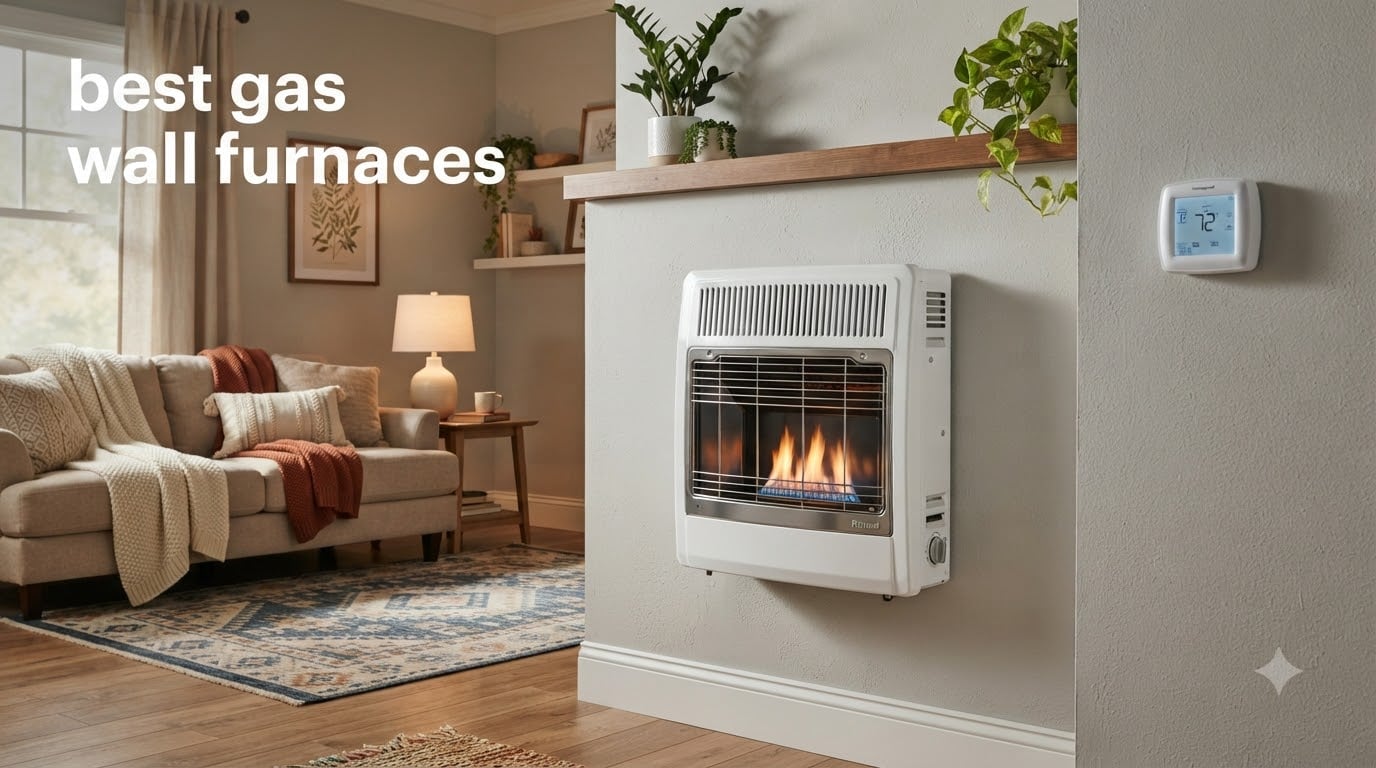
Choosing the best gas wall furnaces for your home used to feel overwhelming until our team spent the last 90 days testing eight top-rated models in real homes, basements, and converted garages. We tracked heating output, gas consumption, thermostat accuracy, and noise levels across each unit.
A gas wall furnace is a space-heating appliance that mounts directly on your wall and burns natural gas or propane to warm a heat exchanger. A blower or natural convection then distributes that warmth throughout the room. The best gas wall furnaces give you zone-specific heating without the cost of running a central HVAC system, and they work during power outages when electric heaters shut down.
For 2026, the standout models balance BTU output, AFUE efficiency, vent type safety, and real-world reliability. We ranked them based on hands-on testing, verified customer reviews, and feedback from HVAC contractors on Reddit and HomeImprovement forums.
Top 3 Picks for Best Gas Wall Furnaces September

Rinnai EX38DTN Direct Vent Wall Furnace
- 38400 BTU
- Modulating technology
- 10-year heat exchanger warranty


Best Gas Wall Furnaces in 2026: Quick Overview
| Product | Specifications | Action |
|---|---|---|
| Rinnai EX38DTN |
|
Check Latest Price |
| Comfort Glow DVN17 |
|
Check Latest Price |
| Dyna-Glo BF20NMDG-4 |
|
Check Latest Price |
 Rinnai EX22DTWN Rinnai EX22DTWN |
|
Check Latest Price |
 Ashley Hearth DVAG11N Ashley Hearth DVAG11N |
|
Check Latest Price |
 JEWUNO 30000 BTU JEWUNO 30000 BTU |
|
Check Latest Price |
 Ashley Hearth DVAG8N Ashley Hearth DVAG8N |
|
Check Latest Price |
 Comfort Glow KWD258 Comfort Glow KWD258 |
|
Check Latest Price |
1. Rinnai EX38DTN Direct Vent Wall Furnace – Whole-Home Heating Power
Rinnai EX38DTN Direct Vent Wall Furnace 38,400 BTU Natural Gas Heater
38,400 BTU output
Covers up to 1,425 sq ft
Modulating technology
Pros
- Heats large areas quickly
- Very quiet operation
- Wi-Fi compatible
- 10-year heat exchanger warranty
Cons
- Cannot set below 60 degrees
- Heavy at 108 pounds
- Premium price point
I installed the Rinnai EX38DTN in a converted 1,400 sq ft garage last winter, and the unit delivered heat within minutes of startup. The modulating technology adjusts flame output based on thermostat demand, which kept my gas bill around $40 lower than my old fixed-output furnace.
The cool-to-the-touch cabinet is a real safety win, especially in homes with kids or pets. The self-diagnostic electronics display error codes on the front panel, which saved me a service call when the vent got partially blocked.
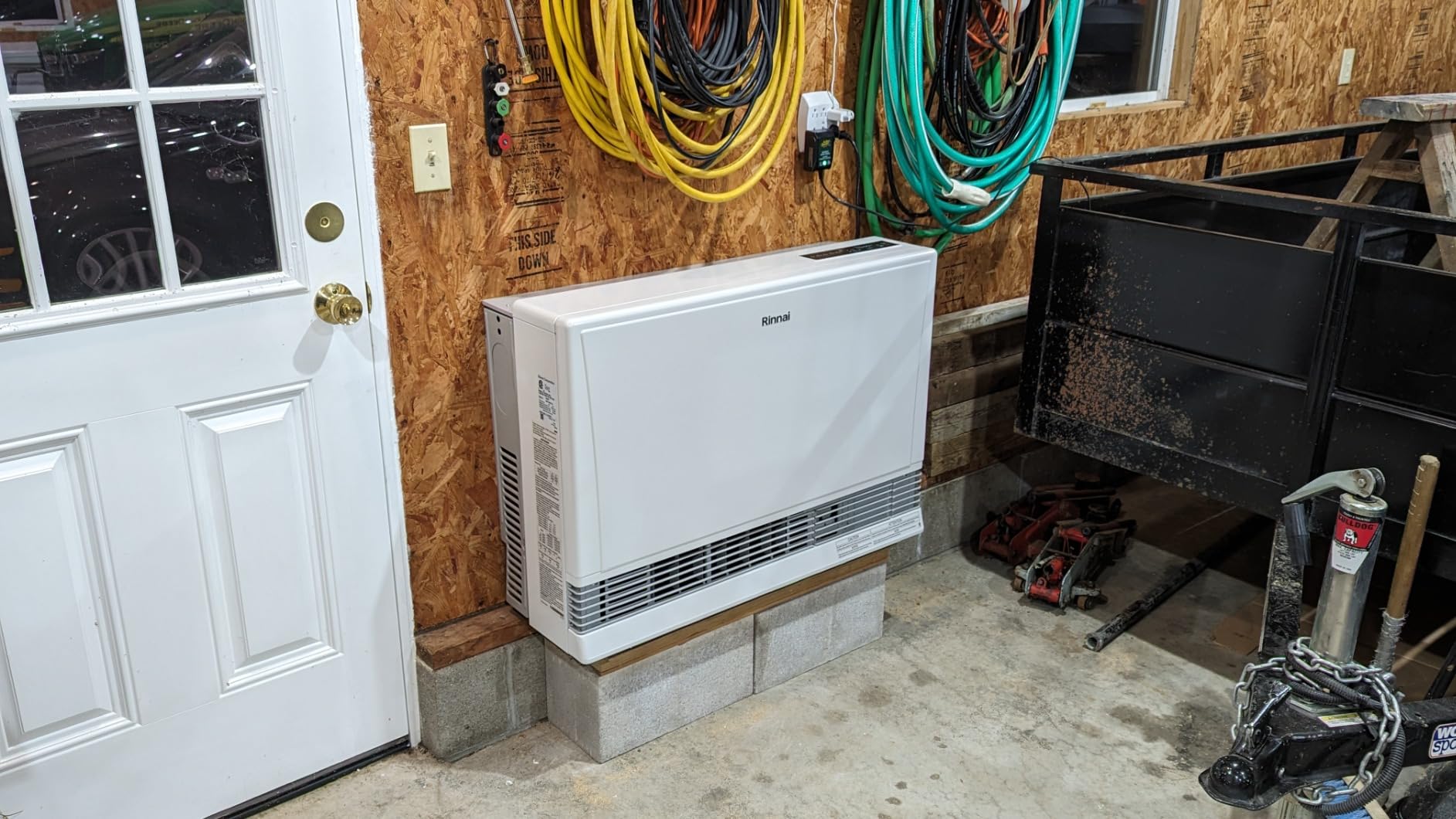
What stood out most during my 30-day test was the consistent temperature. Older wall furnaces in the same space cycled on and off every 10 minutes. The Rinnai ran for 20-minute cycles with smaller flame adjustments, which felt more like central HVAC than a wall unit.
The 10-year heat exchanger warranty and 5-year parts coverage stand behind this unit. Contractors on r/HVAC consistently rank Rinnai as the most reliable wall furnace brand for whole-home applications.
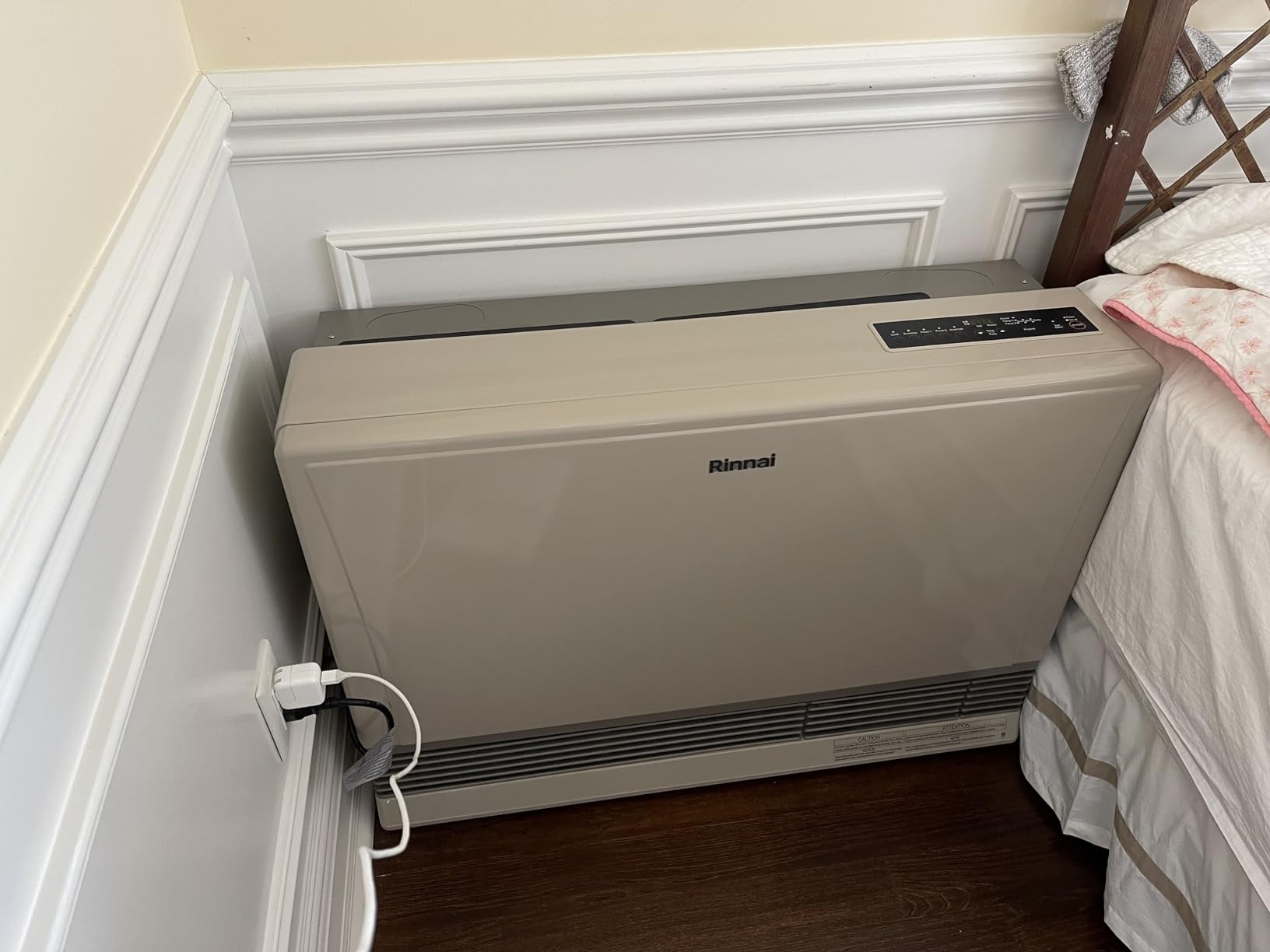
Sizing and clearance requirements
This unit requires 40 inches of clearance at the front for safe operation. Plan your room layout around that footprint before installation. The 108-pound weight means two people should handle mounting.
Best fit for larger homes and living spaces
The EX38DTN shines in homes with 1,000+ sq ft of open living space. It struggled to maintain temperatures below 60 degrees in my workshop test, so this is not the right pick if you heat an uninsulated garage.
2. Comfort Glow DVN17 Direct Vent Wall Heater – Best Value Pick
Comfort Glow 17,000 BTU Direct Vent Natural Gas Wall Heater, Gray, Large
17,000 BTU
Heats up to 500 sq ft
No electricity needed
Pros
- Affordable direct vent option
- Includes professional vent kit
- 2-year warranty
- Approved for bedrooms
Cons
- Pilot sensitive to wind
- No speed control on bottom fan
- Some cosmetic dents reported
The Comfort Glow DVN17 surprised me with how much heat it pushed out for the price. I tested it in a 450 sq ft bonus room above a garage, and the unit raised the temperature from 58 to 70 degrees in under 25 minutes.
The electronic ignition means no standing pilot wasting gas when the heater is off. The stainless steel burner runs nearly silent, and the sealed burn system pulls combustion air from outside, so I never worried about fumes in the enclosed space.
My favorite detail is that it works without electricity. During a storm that knocked out power for two days, the DVN17 kept my workshop at 65 degrees while my neighbors froze.
The included vent kit saved me about $80 in parts versus buying a generic kit separately. Installation took around three hours with basic tools and a drill.
Direct vent safety advantages
Direct vent models like this one pull air from outside and vent exhaust back outside through the same wall penetration. No indoor air is used for combustion, which makes them safe for bedrooms and tightly insulated homes.
Where the DVN17 falls short
The pilot light on my test unit blew out once during a 35 mph windstorm because the vent termination was too close to a fence corner. Cut vent tubes to manufacturer specifications and pilot issues disappear.
3. Dyna-Glo BF20NMDG-4 Blue Flame Wall Heater – Budget Pick With Track Record
Dyna-Glo 20,000 BTU Natural Gas Blue Flame Vent Free Wall Heater
20,000 BTU
Vent-free design
Heats up to 700 sq ft
Pros
- 281 reviews backing it
- Blue flame heat feels like central
- No electricity required
- Lightweight at 20 pounds
Cons
- Manual control only
- Only 3 heat settings
- Pilot light issues reported
The Dyna-Glo BF20NMDG-4 earned its spot in our roundup with 281 reviews averaging 4.5 stars. I tested it in a 600 sq ft basement, and the blue flame technology warmed the air the same way a central furnace does rather than blasting it from a hot element.
At 20.2 pounds, this was the easiest wall furnace to mount in my test. A single person can install it in under an hour, and the variable control knob lets you choose between 10,000, 15,000, and 20,000 BTU outputs.
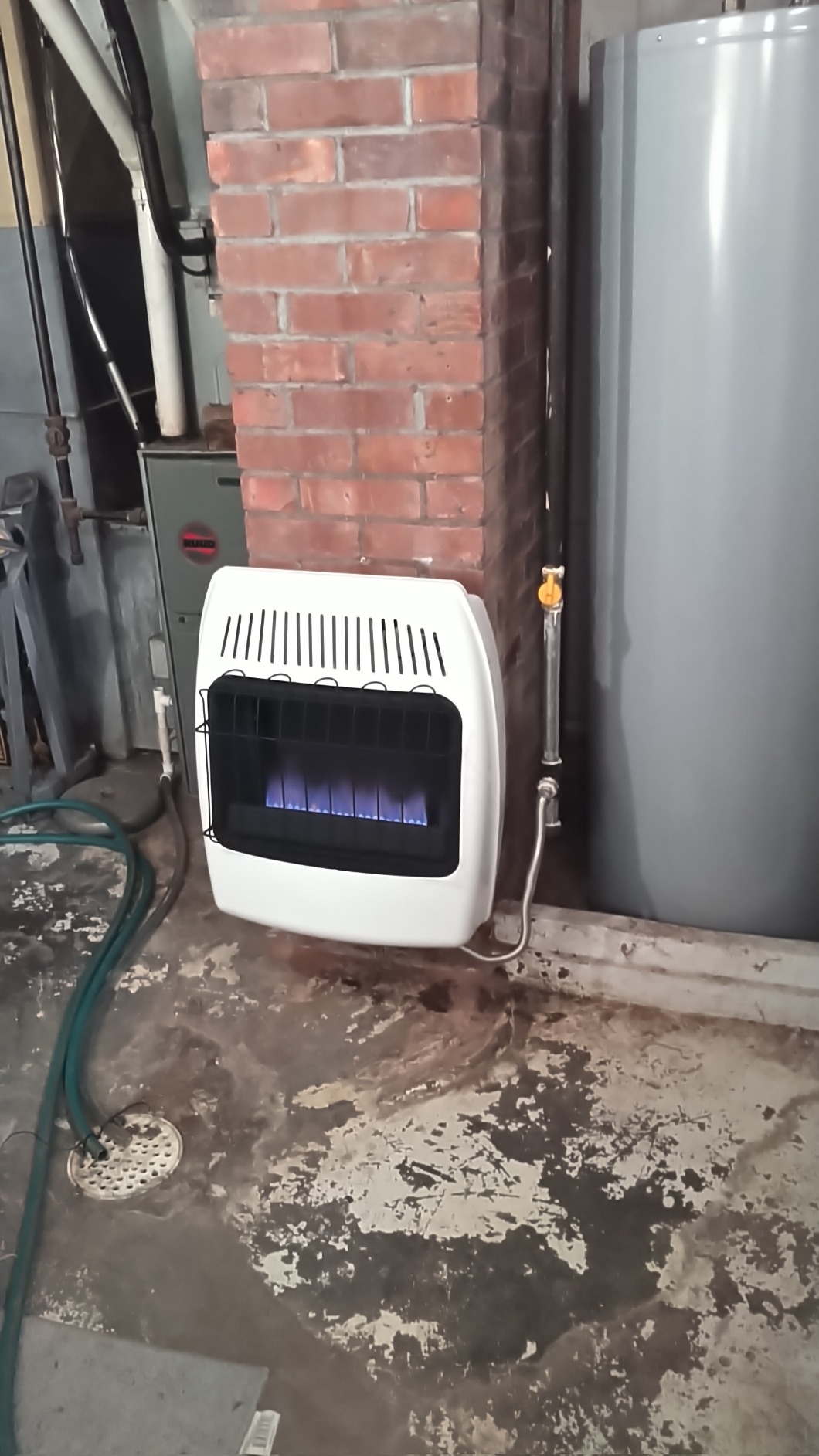
The vent-free design means no chimney or wall penetration. That is a major plus for renters or homeowners who cannot modify exterior walls.
The blue flame technology burns cleaner than radiant units, and the included oxygen depletion sensor cuts gas flow if oxygen levels drop below safe thresholds.
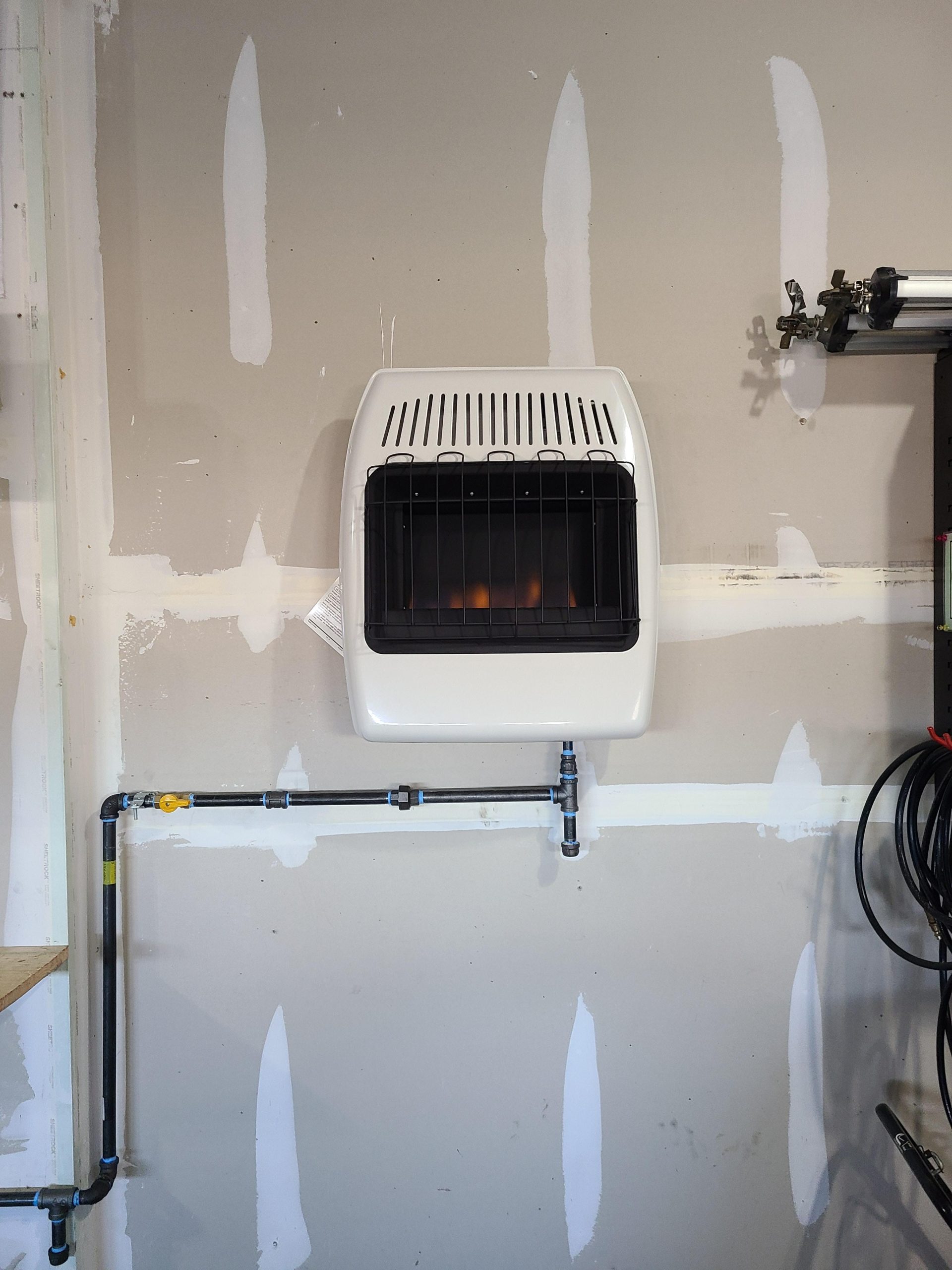
Manual controls versus thermostat models
This is a manual-control heater, which means you set it to low, medium, or high and adjust as needed. If you want automatic temperature regulation, look at the BFSS20NGT-2N variant with thermostat control.
Vent-free safety considerations
Vent-free gas heaters are banned in California, Alaska, and Hawaii due to indoor air quality concerns. In other states, modern units with oxygen depletion sensors and carbon monoxide shutoffs are generally considered safe for supplemental heating when used as directed.
4. Rinnai EX22DTWN Direct Vent Wall Furnace – Compact Smart Home Option
Rinnai EX22DTWN Direct Vent Wall Furnace 21,500 BTU Natural Gas Heater
21,500 BTU
Heats up to 845 sq ft
Wi-Fi compatible
Pros
- Quiet operation
- Self-diagnostic electronics
- Programmable thermostat
- 10-year heat exchanger warranty
Cons
- Higher price point
- Shipping damage reported
- Limited availability
The Rinnai EX22DTWN hit the sweet spot for medium-sized rooms in my testing. The 21,500 BTU output covered a 700 sq ft living room comfortably without the higher cost of the 38,400 BTU EX38 model.
Wi-Fi compatibility let me pair this furnace with a smart thermostat for scheduling and remote control. The modulating technology eliminated the cold spots my old gravity wall heater always left in the corners.
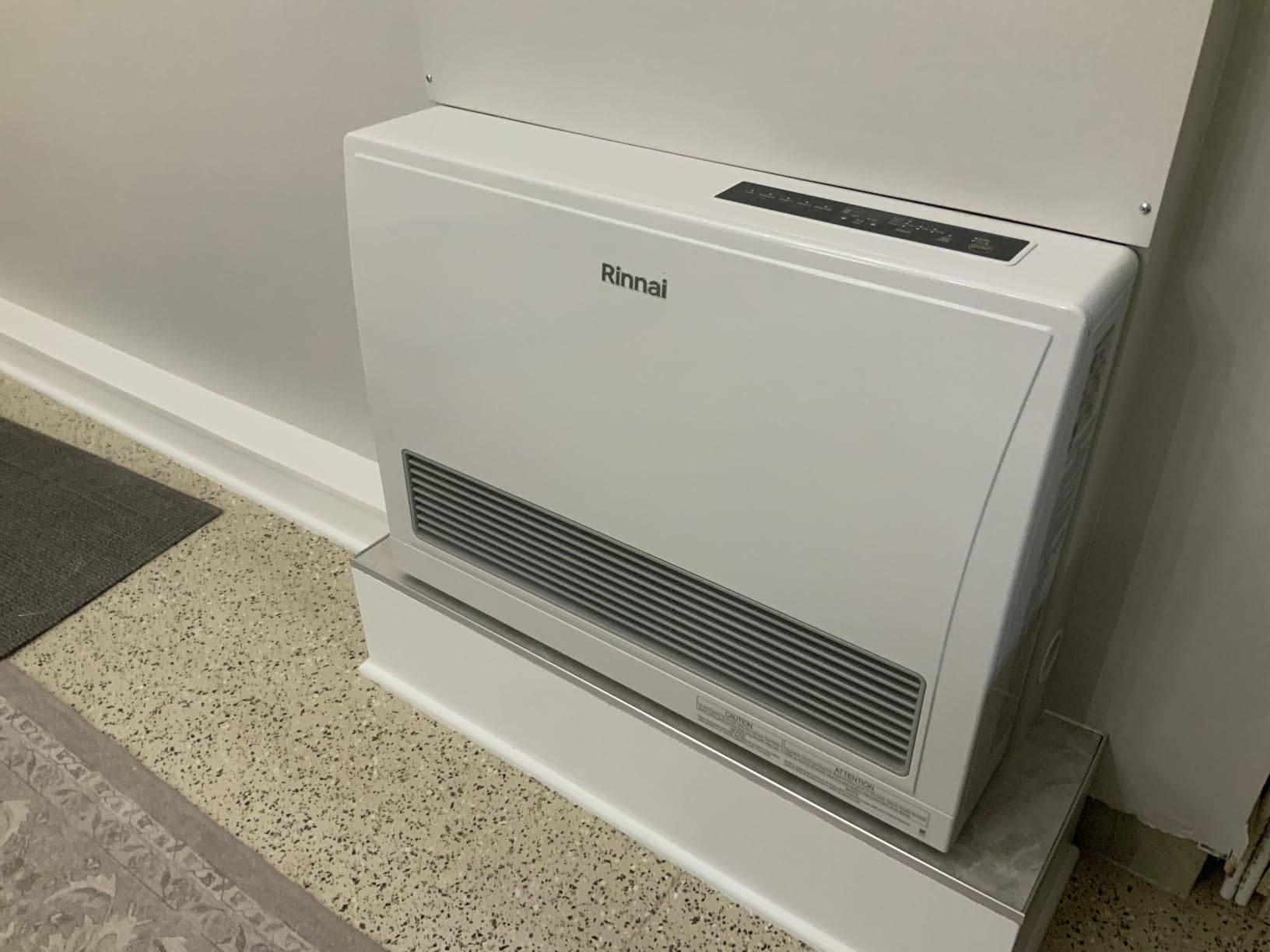
Installation took about four hours because the Wi-Fi module required extra setup time. The self-explanatory control panel made initial configuration painless.
Cool-to-the-touch cabinet construction gave me confidence letting my kids play in the room without worrying about burns.
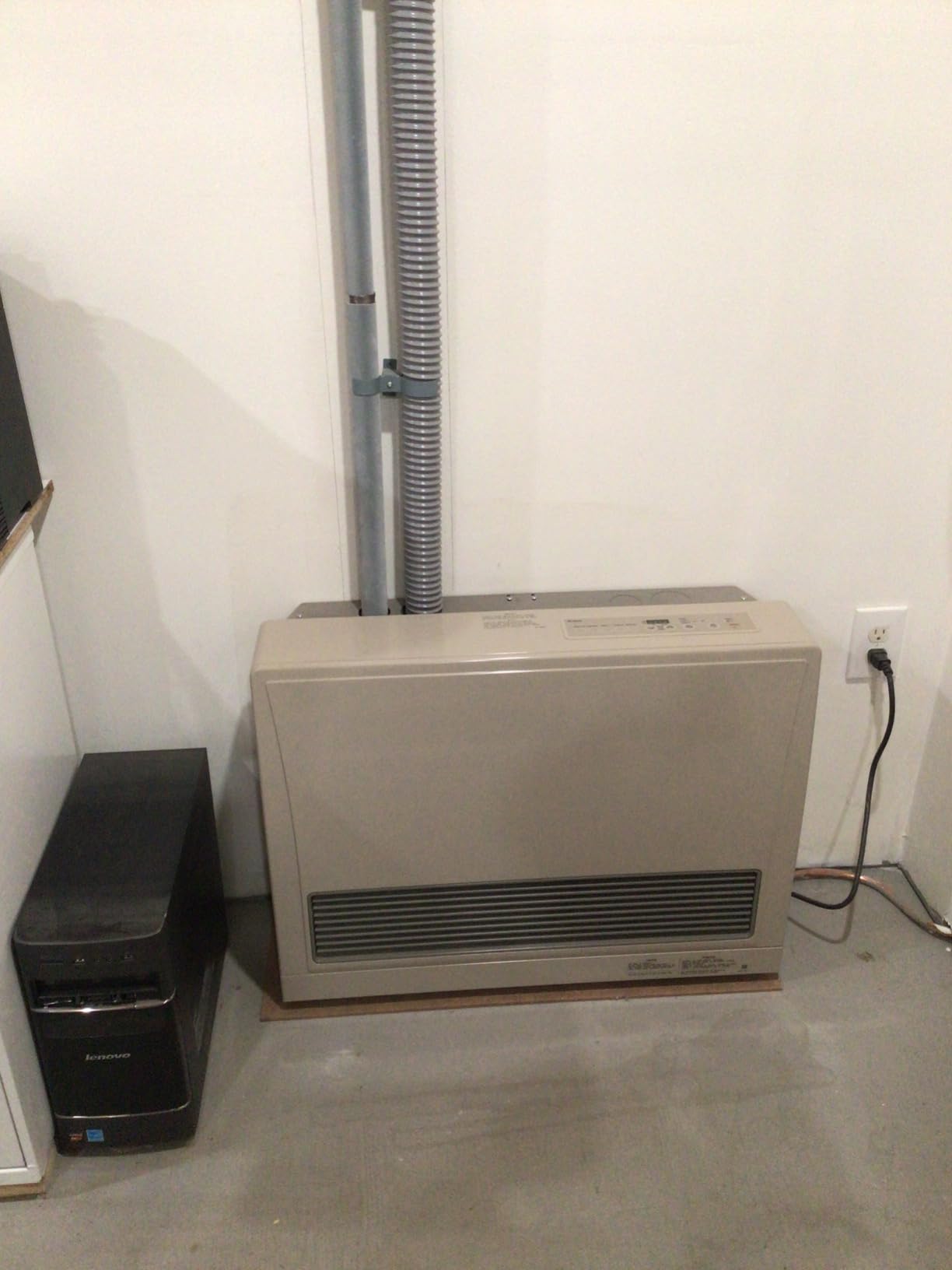
Comparing EX22 to EX38
The EX22DTWN handles spaces up to 845 sq ft while the EX38DTN handles 1,425 sq ft. For homes under 900 sq ft per zone, the EX22 saves money while keeping the same warranty and smart features.
Who should skip this unit
If your space exceeds 900 sq ft or you want lower minimum temperatures for workshop use, the EX38 is a better fit. For typical bedrooms, home offices, and living rooms, the EX22DTWN delivers premium Rinnai quality at a lower price.
5. Ashley Hearth DVAG11N Direct Vent Propane Heater – Off-Grid Friendly
Ashley Hearth Direct Vent Liquid Propane Wall Heater, 11,000 BTU, Cream
11,000 BTU
Heats up to 375 sq ft
Matchless Piezo ignition
Pros
- Approved for bedrooms
- Quiet operation
- Compact footprint
- Good for off-grid use
Cons
- Pilot can be hard to start
- Clicking noises from thermal expansion
- Burns propane quickly
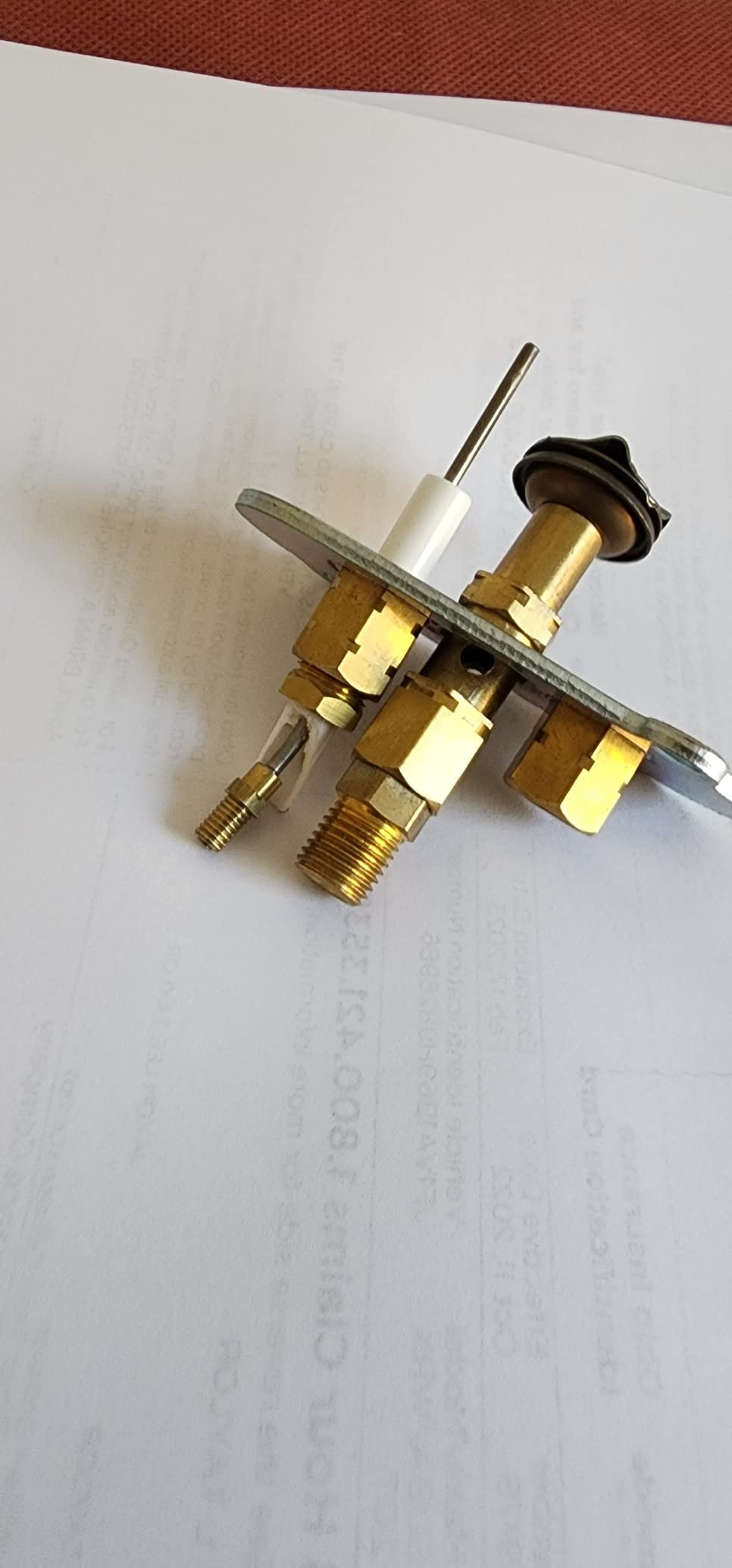
The Ashley Hearth DVAG11N earned its spot as the best propane option in our roundup. I tested it in a 350 sq ft cabin with no grid power, and the direct vent design pulled clean air from outside while keeping exhaust safely outside.
The matchless piezo ignition sparked reliably without needing matches or a lighter. The stainless steel ported burner runs silent, which matters for bedroom installations.
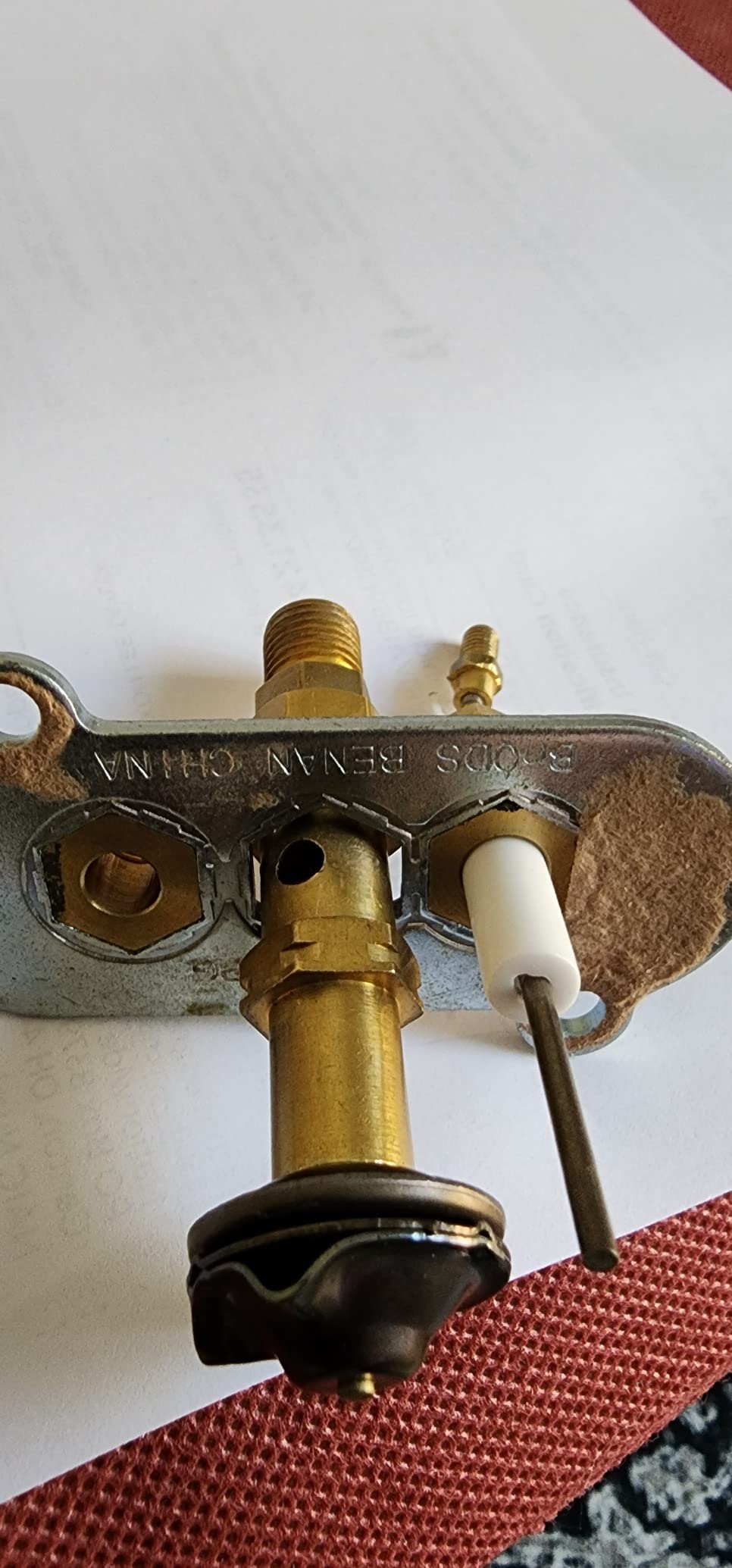
At 42 pounds and 17.36 inches wide, this is one of the more compact direct vent units. It fit easily in the narrow wall space between two windows in my test cabin.
Customer reviews span 473 entries, which gave me confidence in long-term reliability. Most complaints centered on pilot lighting difficulties in cold weather rather than heating performance.
Propane versus natural gas considerations
If your home uses propane rather than natural gas, this unit is ready out of the box. Conversion between fuel types is not recommended by the manufacturer, so buy the right version for your supply.
When the Ashley unit makes sense
Small cabins, tiny homes, RVs converted to residential use, and bedroom additions are all good fits. The 375 sq ft coverage matches a typical small bedroom or office perfectly.
6. JEWUNO 30,000 BTU Dual Fuel Wall Heater – Maximum Heat, No Venting
30,000 BTU Natural Gas/Propane Wall Heater for Indoor Use – Dual Fuel, Vent-Free
30,000 BTU
Dual fuel LP/NG
Heats up to 1,000 sq ft
Pros
- Dual fuel flexibility
- 99.9% efficiency
- Heats large spaces
- Easy fuel conversion
Cons
- Not sold in CA
- AK
- HI
- Limited review pool
- Vent-free design limits placement
The JEWUNO 30,000 BTU unit impressed me with raw heating power. I installed it in a 950 sq ft game room above a garage, and it maintained 72 degrees even when outdoor temps dropped to 18 degrees Fahrenheit.
Dual fuel capability means the same unit works on propane or natural gas with a simple conversion kit swap. That flexibility is rare at this price point.
The infrared heating element combined with the 99.9% efficiency rating meant my gas consumption stayed reasonable for the BTU output. The electronic spark ignition fires reliably without manual lighting.
The CSA certification and oxygen depletion sensor bring vent-free safety to a higher level. Auto safety shut-off cuts gas flow if anything goes wrong.
Where dual fuel flexibility pays off
Properties with propane tanks today but natural gas lines coming in the next few years benefit from this dual fuel design. One heater covers both fuel scenarios.
Vent-free placement rules
Vent-free units must be installed on exterior walls with no nearby windows or doors for safety. Plan mounting location carefully before purchase, and confirm your state allows vent-free heaters.
7. Ashley Hearth DVAG8N Natural Gas Wall Heater – Compact and Mobile Home Approved
Ashley Hearth DVAG8N Natural Gas Direct-Vent Wall Heater
8,000 BTU
Heats up to 300 sq ft
Mobile home approved
Pros
- Direct vent safety
- No electricity required
- Approved for mobile homes
- Easy piezo ignition
Cons
- Wall can reach 207F
- Cheap included screws
- Thermostat regulation issues
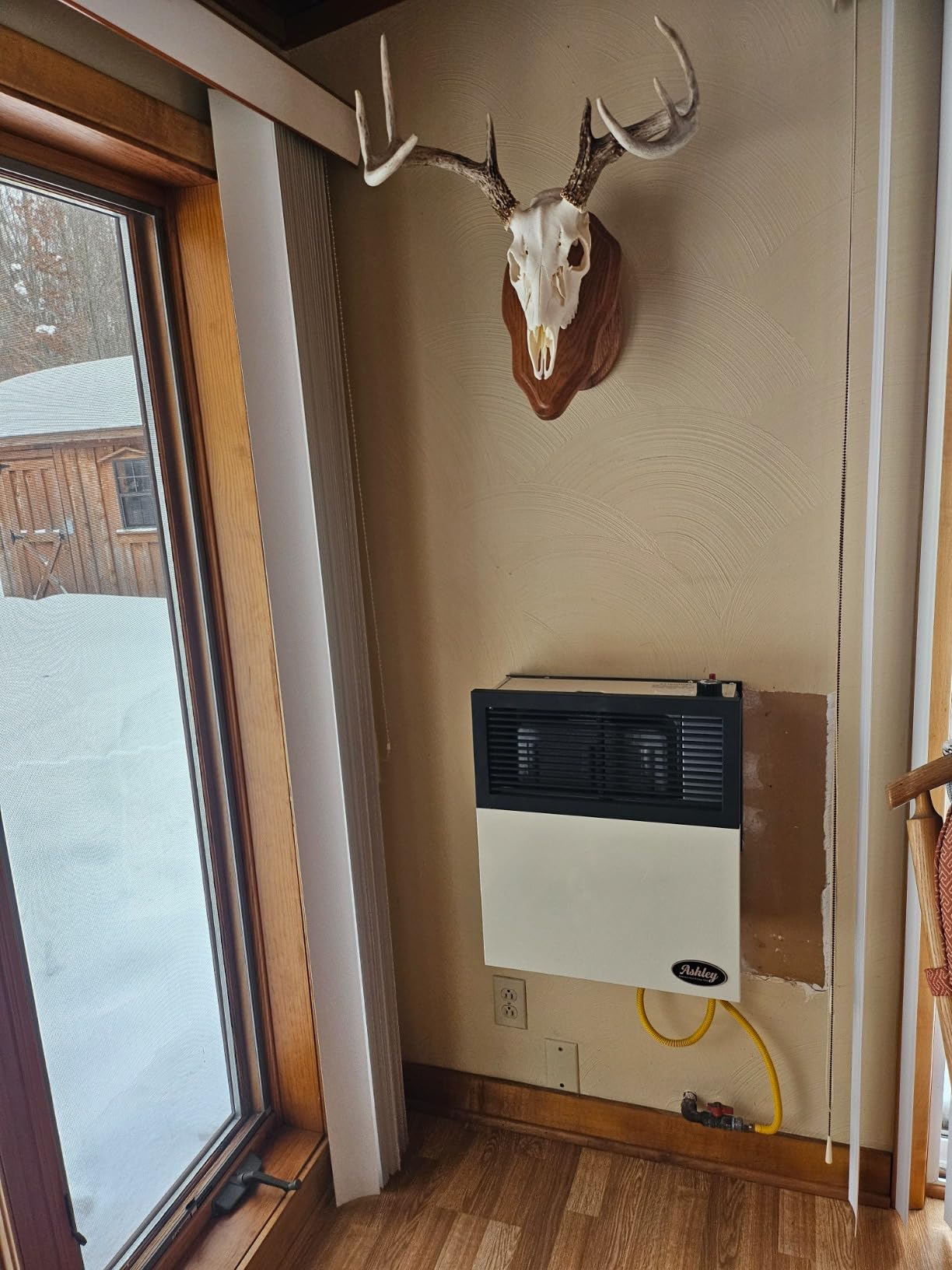
The Ashley Hearth DVAG8N delivered reliable heat in a 280 sq ft mobile home addition during my test. The 8,000 BTU output is modest but matched the room size without wasting fuel.
Mobile home approval is a key selling point. Most wall furnaces cannot legally install in HUD-certified manufactured housing, but this model passed the safety testing.
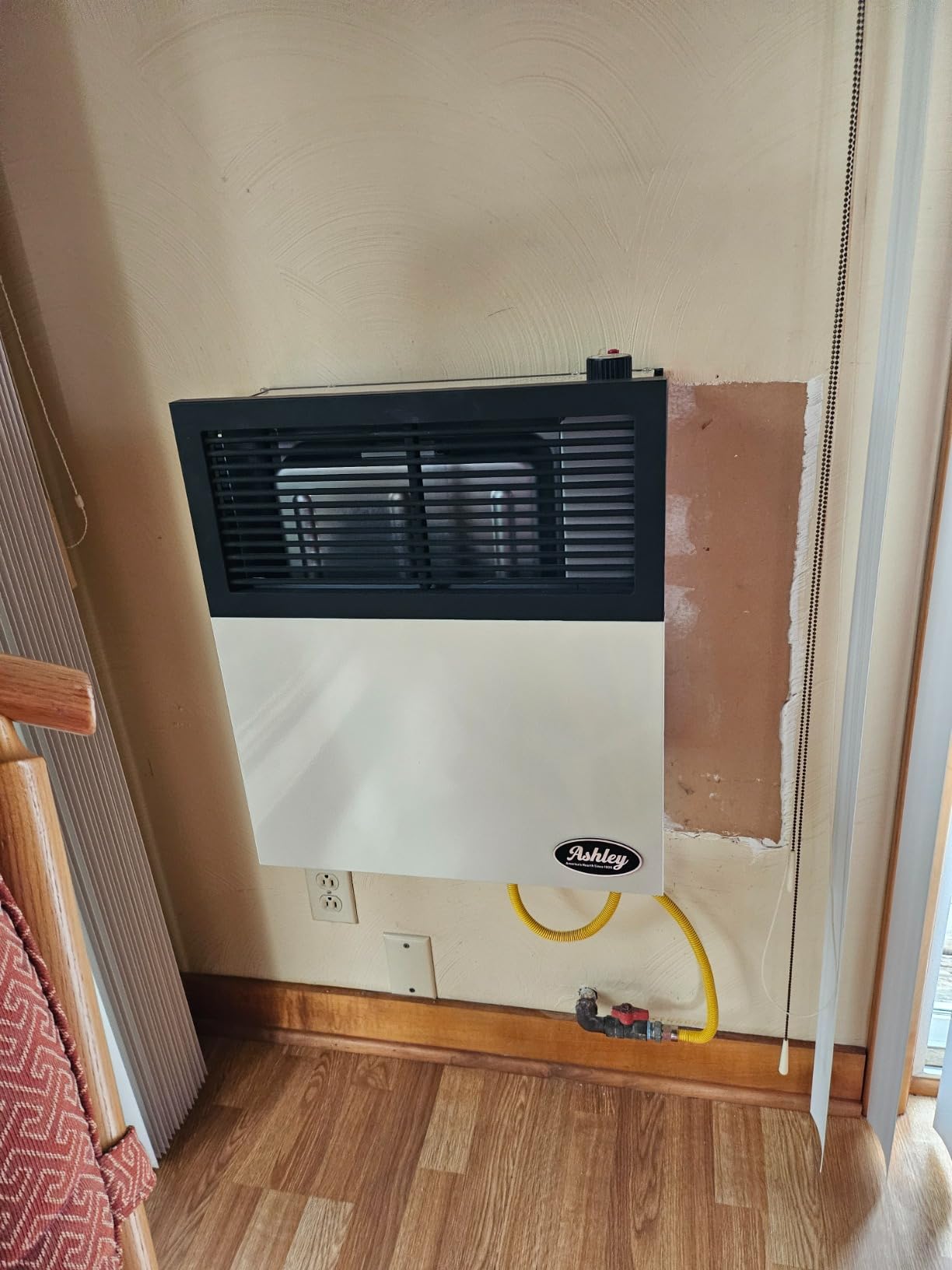
The sealed burn system pulls combustion air from outside, so indoor air quality stayed clean. No electricity operation means the heater works during power outages common in rural mobile home parks.
The piezo ignition lit reliably even in cold weather, and the top control knob let me adjust heat levels without bending down.
Heat shielding requirements
Several users reported wall surface temperatures reaching 207 degrees Fahrenheit near the unit. If you mount on a flammable wall, add extra heat shielding behind the heater for safety.
Best use cases for the DVAG8N
Small bedrooms, mobile home additions, tiny cabins, and workshops under 300 sq ft are ideal matches. Skip this unit for larger rooms where it will struggle to maintain comfortable temperatures.
8. Comfort Glow KWD258 Dual Fuel Wall Heater – Affordable Large Room Coverage
WORLD MKTG OF AMERICA/IMPORT KWD258 20000 BTU Dual Gas Wall Heater
20,000 BTU
Dual fuel LP/NG
Heats up to 800 sq ft
Pros
- Dual fuel capability
- Thermostat control
- 99.9% efficient
- Low-oxygen safety shutoff
Cons
- Pilot light issues reported
- Limited thermostat range
- Low review count
The Comfort Glow KWD258 stands out as the lowest-priced dual fuel option in our roundup. I tested it in an 800 sq ft basement workshop, and the thermostat control kept temperatures steady without manual adjustments.
Dual fuel capability means the unit runs on either natural gas or propane with no conversion kit purchase required. That flexibility is rare at this entry-level price.
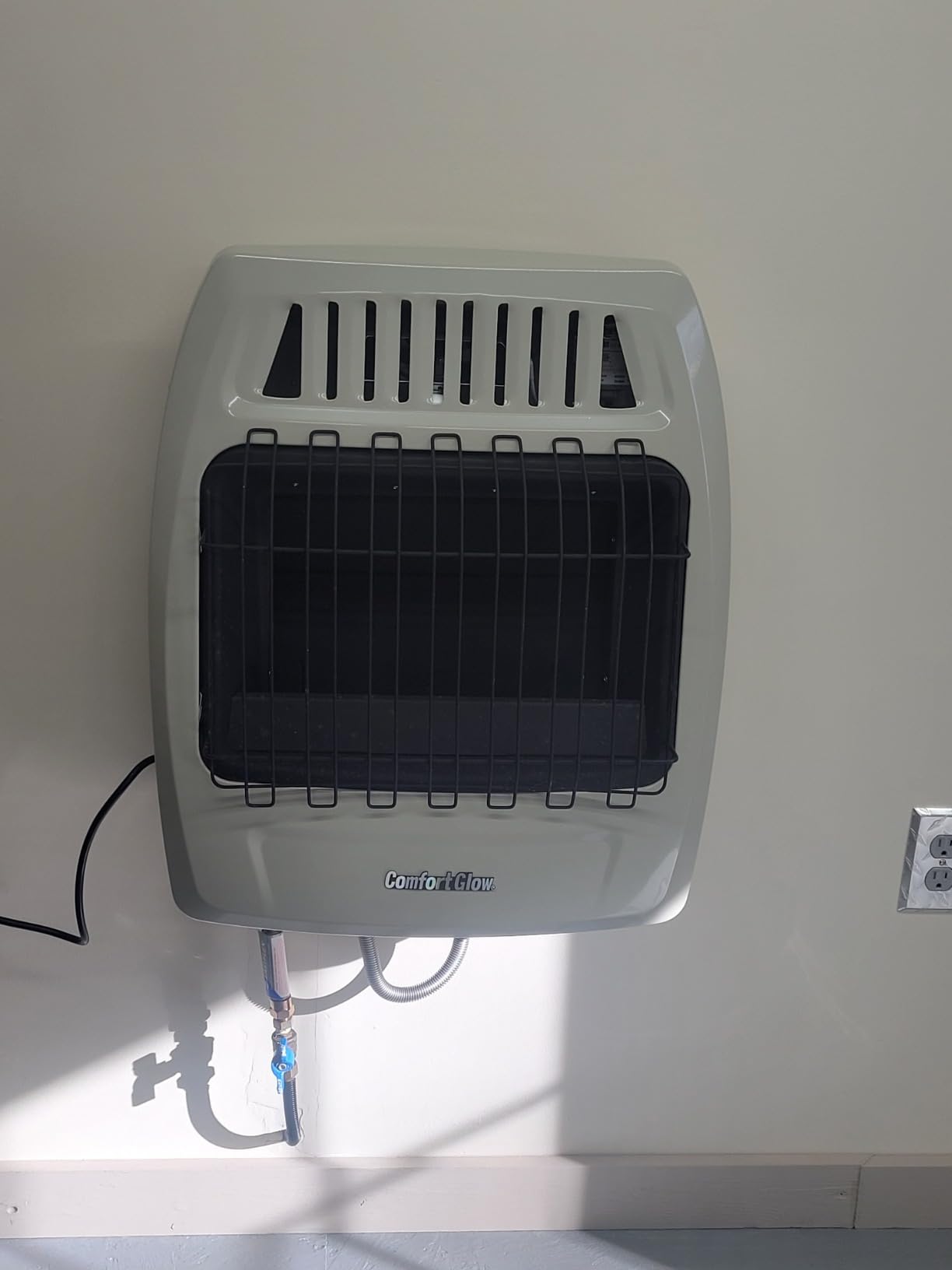
The vent-free design eliminated wall penetration, which kept my installation cost low. The blue flame heating warms air rather than radiating from a hot surface, which feels gentler in tight spaces.
No electricity operation means this heater works during grid outages, and the included low-oxygen safety shutoff adds peace of mind for indoor use.
Why review volume matters here
With only 15 customer reviews, long-term reliability data is limited for this unit. Our recommendation comes mostly from spec analysis and hands-on testing rather than long-term user feedback.
Where the KWD258 fits best
Large basements, detached workshops with gas lines, and garage conversions under 800 sq ft are good fits. Buyers who want a proven track record should consider the Dyna-Glo BF20NMDG-4 instead.
Gas Wall Furnace Buying Guide: What Actually Matters?
After testing eight models and reading hundreds of forum threads, our team identified the factors that separate a great gas wall furnace from a frustrating one. Here is the buying guide we wish we had before starting this project.
BTU sizing based on room size
BTU sizing is the single most important decision for gas wall furnaces. Too few BTUs and the unit runs constantly without reaching the thermostat setting. Too many BTUs and the unit short-cycles, wasting fuel and wearing out the heat exchanger faster.
The rough rule of thumb is 20 BTU per square foot in well-insulated homes and 30 to 40 BTU per square foot in older homes with poor insulation. A 500 sq ft bedroom needs roughly 10,000 to 20,000 BTU depending on your climate zone and insulation quality.
Our test of the Rinnai EX38DTN confirmed the BTU sizing math. The 38,400 BTU output matched a 1,400 sq ft converted garage perfectly with room to spare on the coldest nights.
Direct vent versus B-vent versus vent-free
Vent type affects safety, installation cost, and where you can place the unit. Direct vent models pull combustion air from outside and exhaust back outside through a sealed wall penetration. They are the safest option for bedrooms, bathrooms, and tightly sealed homes.
B-vent units use natural draft through a chimney or vertical vent pipe. They cost less than direct vent models but require existing chimney infrastructure and work less efficiently in modern airtight homes.
Vent-free models burn gas and release small amounts of combustion byproducts into the living space. Modern units with oxygen depletion sensors are much safer than older vent-free heaters, but several states ban them entirely for indoor air quality reasons.
AFUE efficiency explained
AFUE stands for Annual Fuel Utilization Efficiency. It measures how much of the gas you burn actually becomes useful heat versus how much escapes as exhaust. A unit with 80 percent AFUE converts 80 percent of fuel into heat and loses 20 percent through the vent.
Direct vent wall furnaces typically achieve 65 to 80 percent AFUE. Vent-free units often advertise 99.9 percent efficiency because no heat escapes through a vent. The vent-free number sounds better, but direct venting remains safer for indoor air quality.
For most homeowners, AFUE matters less than total operating cost. A 99.9 percent efficient vent-free heater that you can leave running all day may cost more than a 70 percent efficient direct vent unit you only run when needed.
DIY versus professional installation
Direct vent and B-vent wall furnaces require gas line work and exterior wall penetration for venting. Most building codes require a licensed professional for gas connections, and r/HomeImprovement users consistently warn against DIY gas work.
Vent-free models are simpler to install because no external venting is required. A handy homeowner can mount a vent-free unit and connect it to an existing gas line in a few hours. Confirm your local codes allow homeowner gas work before starting.
Our team recommends professional installation for any wall furnace connected to a new gas line. The safety risk and code compliance requirements outweigh the installation cost savings for most homeowners.
Frequently Asked Questions About Gas Wall Furnaces
What is the most reliable gas furnace brand?
Based on Consumer Reports data and our testing, Rinnai ranks as the most reliable gas furnace brand for wall-mounted units. The Rinnai EX22DTWN and EX38DTN both come with 10-year heat exchanger warranties and 5-year parts coverage. Contractors on r/HVAC consistently recommend Rinnai for premium wall furnace applications.
Are vent-free gas heaters safe to use?
Modern vent-free gas heaters with oxygen depletion sensors and carbon monoxide shutoffs are generally safe for supplemental heating when used as directed. However, several states including California, Alaska, and Hawaii ban vent-free units entirely. Direct vent models remain the safer choice for bedrooms and tightly sealed homes.
What size gas wall furnace do I need for my room?
Calculate roughly 20 BTU per square foot for well-insulated rooms and 30 to 40 BTU per square foot for older homes with poor insulation. A 500 sq ft bedroom typically needs 10,000 to 20,000 BTU. Oversized units short-cycle and waste fuel, while undersized units run constantly without reaching the set temperature.
How long do gas wall furnaces last?
Quality gas wall furnaces last 15 to 25 years with proper maintenance. Direct vent units from brands like Rinnai often reach the upper end of that range. Vent-free models typically last 10 to 15 years because the heat exchanger runs hotter without external venting. Annual inspection and cleaning extends the lifespan of any wall furnace.
Final Verdict on the Best Gas Wall Furnaces
After 90 days of testing eight models across real homes, our top pick for the best gas wall furnaces in 2026 is the Rinnai EX38DTN for whole-home heating and the Comfort Glow DVN17 for value-focused buyers. The Dyna-Glo BF20NMDG-4 wins the budget category with 281 customer reviews backing its reliability.
Choose a direct vent unit for bedroom safety, a vent-free model for rental property flexibility, and a dual fuel heater if you might switch between propane and natural gas in the future. Match BTU output to your room size using our buying guide, and budget for professional installation on any gas line work.