
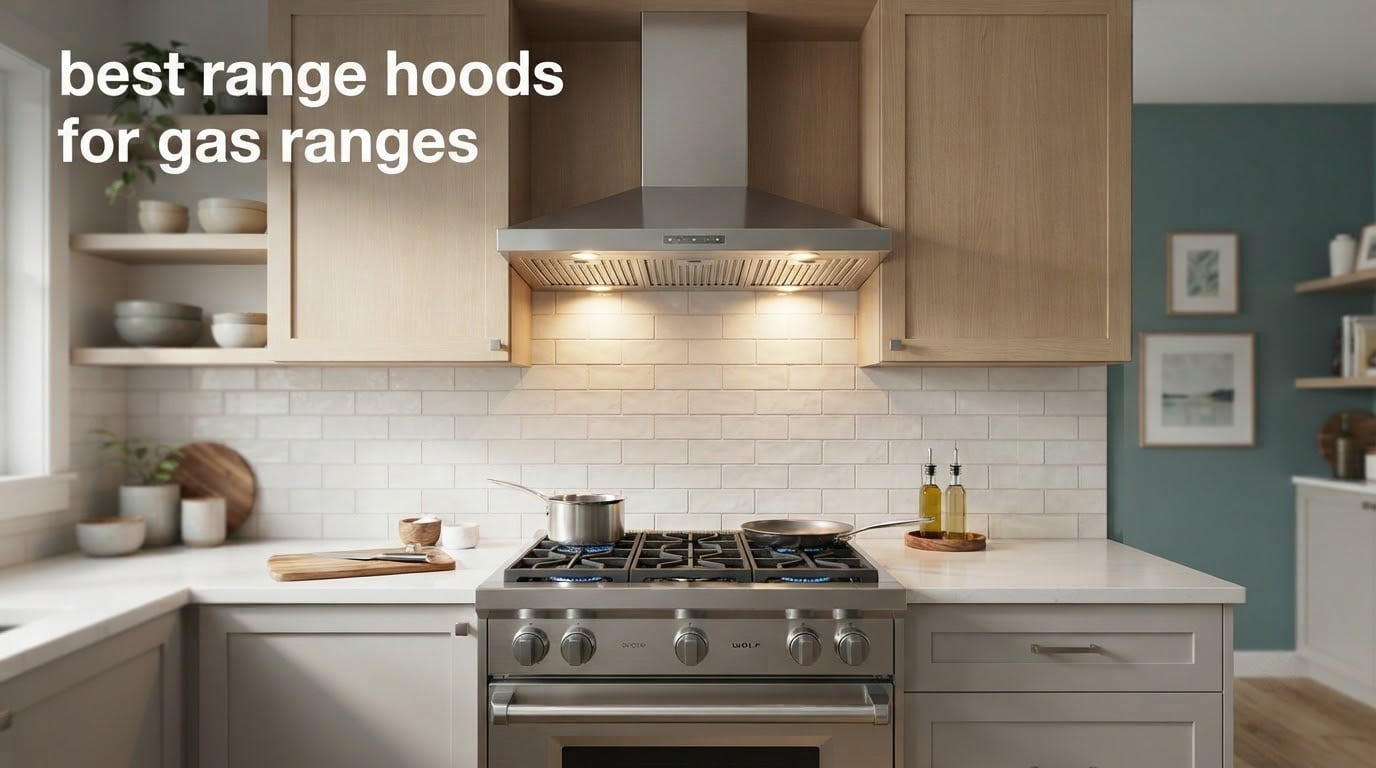
A gas range needs a hood that moves real air. The working rule is about 1 CFM of airflow for every 100 BTU of burner output, and roughly 100 CFM per 12 inches of cooktop width, so a high-output gas range usually lands between 600 and 1200 CFM. That is well above what an electric or induction range demands, because an open flame adds combustion byproducts to the smoke, steam and grease any cooktop makes.
Our short version: for gas, buy ducted. A ducted hood pulls contaminated air through a metal grease filter and pushes it outdoors. A ductless hood filters air and recirculates it back into the room, which handles grease and odor but leaves combustion byproducts where they started. Over a gas burner we only consider ducted setups, and convertible models earn their place only if you run them vented.
We compared ten hoods against what a real kitchen demands: CFM headroom against typical 30,000 to 72,000 BTU of gas output, duct diameter, real noise, filter maintenance and warranty length. Our general buying notes are in our range hood roundup, and if you are still choosing the appliance, start with our picks for the best gas ranges.
Top 3 Picks for Gas Ranges in 2026


Best Range Hoods for Gas Ranges at a Glance in October
| Product | Specifications | Action |
|---|---|---|
| IKTCH 30 inch Insert Range Hood 900 CFM |
|
Check Latest Price |
| EKON 36 Inch Range Hood Insert 900 CFM |
|
Check Latest Price |
 IKTCH 30 inch Wall Mount 900 CFM IKTCH 30 inch Wall Mount 900 CFM |
|
Check Latest Price |
| AMZCHEF 30 inch Under Cabinet 750 CFM |
|
Check Latest Price |
 Zomagas 36 inch Range Hood Insert 700 CFM Zomagas 36 inch Range Hood Insert 700 CFM |
|
Check Latest Price |
 FIREGAS 30 inch Built-In Range Hood 600 CFM FIREGAS 30 inch Built-In Range Hood 600 CFM |
|
Check Latest Price |
 VIKIO HOME 30 Inch Wall Mount 580 CFM VIKIO HOME 30 Inch Wall Mount 580 CFM |
|
Check Latest Price |
 Tieasy 30 inch Wall Mount 450 CFM Tieasy 30 inch Wall Mount 450 CFM |
|
Check Latest Price |
 COSMO 30 inch Slim Under Cabinet Hood COSMO 30 inch Slim Under Cabinet Hood |
|
Check Latest Price |
 COSMO Vista Coll 30 inch Wall Mount 380 CFM COSMO Vista Coll 30 inch Wall Mount 380 CFM |
|
Check Latest Price |
1. IKTCH 30 inch Insert Range Hood 900 CFM – Best for High-BTU Gas Burners Overall
IKTCH 30 inch Insert Range Hood 900 CFM, Ducted/Ductless Vent Hood
900 CFM
4 speeds
40 dB on low
10-year motor warranty
Pros
- 900 CFM handles heavy searing and wok burners
- Four speeds let you trade power for quiet
- Dishwasher-safe stainless steel filters
- Remote control useful with high ceilings
Cons
- Loud at maximum speed
- Gesture sensor is inconsistent
- Light button sometimes needs several presses
The IKTCH 30 inch insert is the one we kept coming back to. At 900 CFM it has the headroom a 45,000 to 72,000 BTU gas range actually demands, which puts it a full tier above anything in the 400 to 600 CFM bracket when the burner is wide open.
What sold us is the four-speed layout. The low setting is rated at 40 dB, quiet enough that a conversation carries over it, and the top setting reaches 65 dB when you need to pull a wok burner down fast. That range matters more than the headline number, because a hood you can only run loud gets turned off.
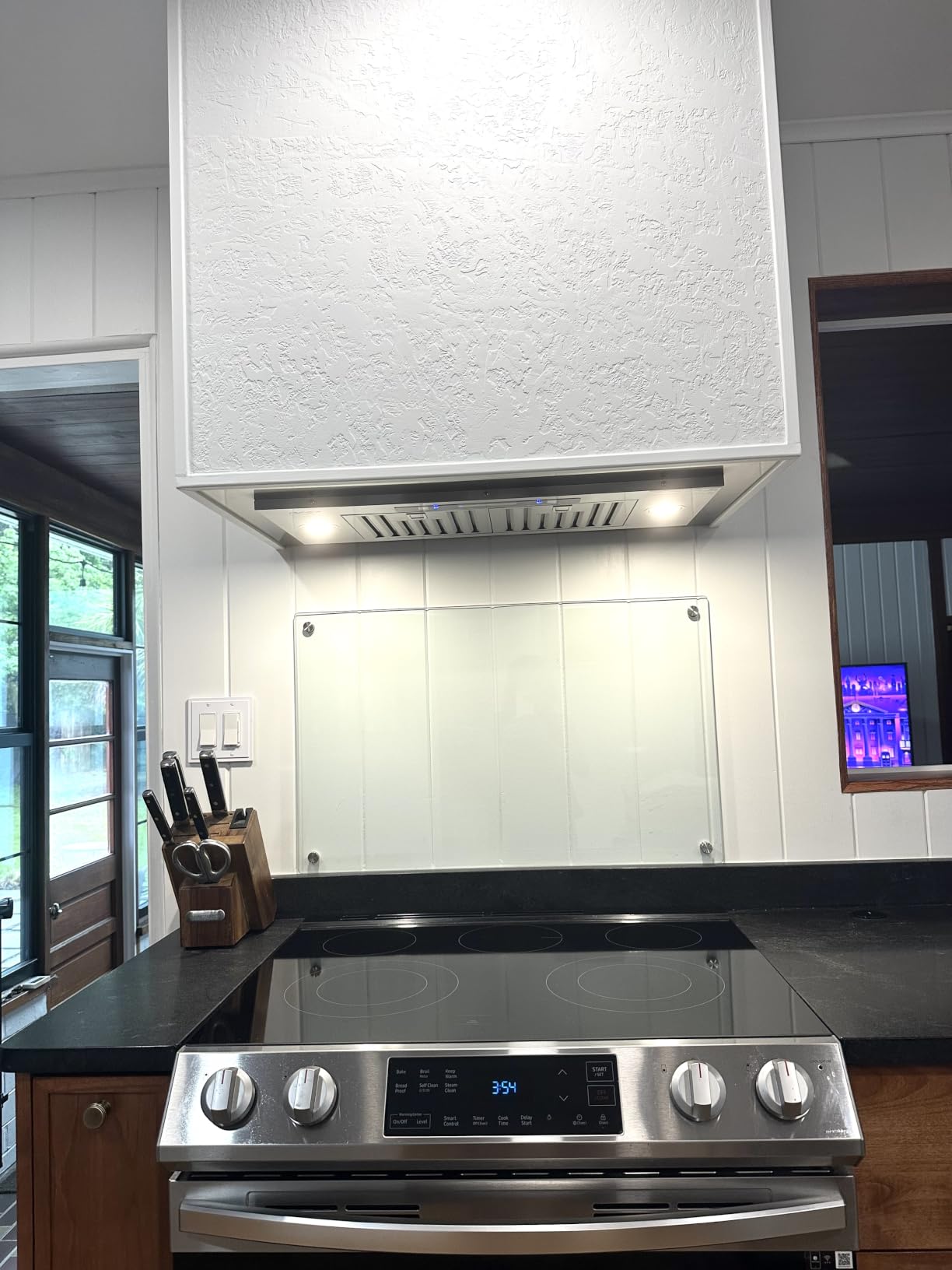
Owners of high-CFM gas ranges rate this insert very highly for raw suction and quiet low-speed running, with heavy daily use reported as reliable. The insert body measures 11.77 inches deep by 27.75 inches wide by 11.4 inches high, so it fits neatly inside a 30 inch cabinet and looks minimal once the doors are closed.
The warranty is the strongest durability signal in this group: complimentary motor replacement within 10 years, with switch control and LED light covered for 5 years. Customer service is also reported as responsive, including free replacement remotes.
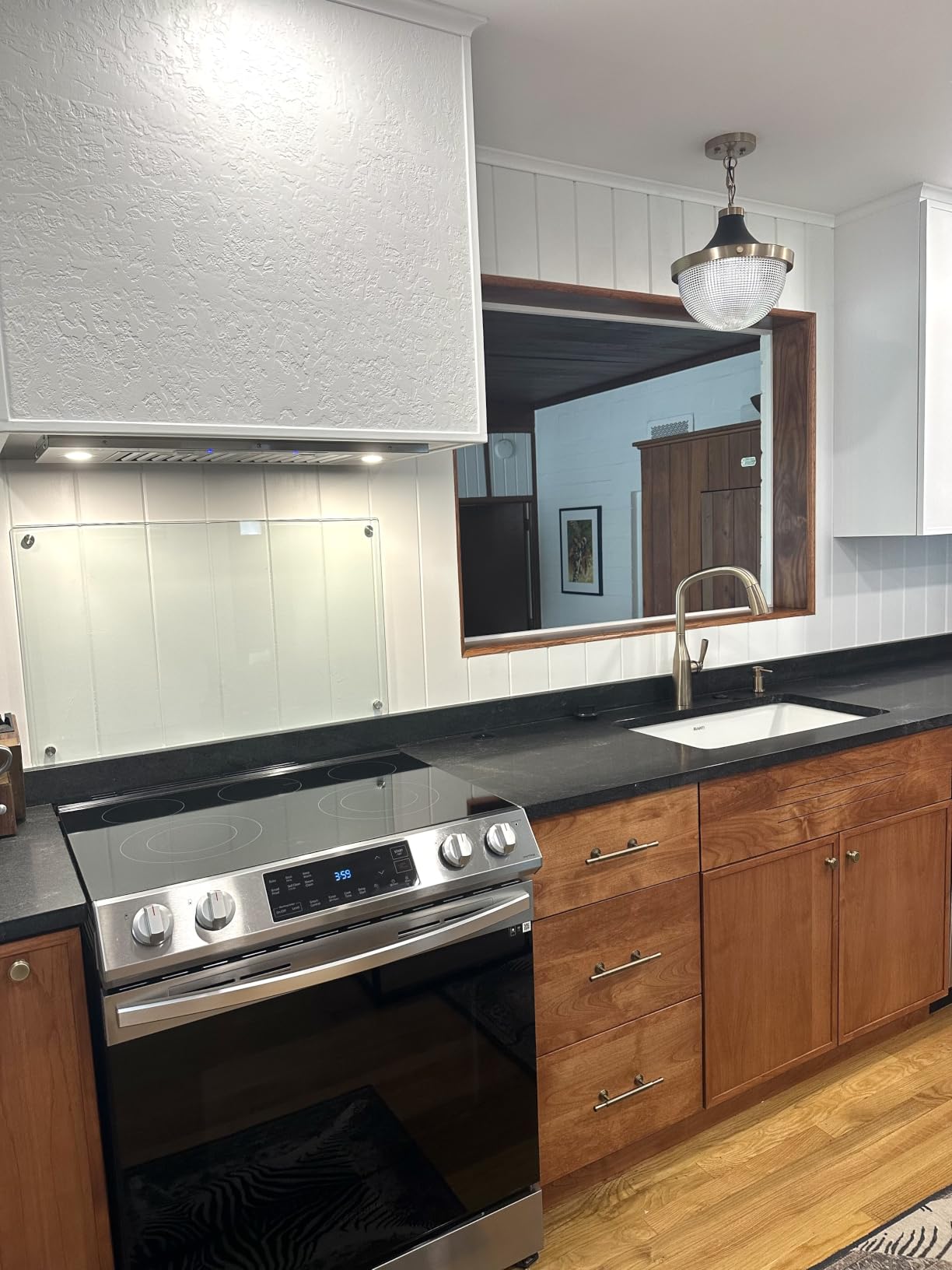
What works well with a high-output gas range
At 900 CFM this hood has enough spare capacity that you are not asking it to run at maximum just to keep a 30,000 BTU burner in check. The 40 dB low setting is genuinely useful for simmering stock or braising, where you want airflow without a droning background.
Two dishwasher-safe stainless steel permanent filters mean no replacement schedule, and 2x 3W adjustable-brightness LEDs give you usable light on the cooktop. Touch, remote and gesture control cover the three ways people actually reach for a hood in a busy kitchen.
Where it falls short
Maximum-speed noise is real at 65 dB, and several owners describe it as noticeably loud. The gesture sensor is also inconsistent, and the light button sometimes needs several presses to turn off. A thermal cutout can trip if the fan runs while the cooktop overheats.
That 900 CFM rating also assumes a proper vent diameter and a short run. Our under-cabinet range hood guide covers the duct sizing math in more detail.
2. EKON 36 Inch Range Hood Insert 900 CFM – Best for 36 Inch Gas Cooktops
EKON Range Hood Insert 36 Inch, 900 CFM Kitchen Vent Hood, Built-in Ducted or Ductless Convertible, Remote & 4-Speed Touch Control, Adjustable LED Lights, Stainless Steel, NAB02-36
900 CFM
36 inch insert
10-year motor warranty
41 pounds
Pros
- 900 CFM across 4 adjustable speeds
- 36 inch width suits wide cooktops
- Dimmable LED lights with remote
- 10-year motor and 5-year switch warranty
- 19-gauge stainless housing
Cons
- Louder than expected at higher speeds with some vibration
- Touch display hard to read at eye level
- 41 pounds usually needs a two-person lift
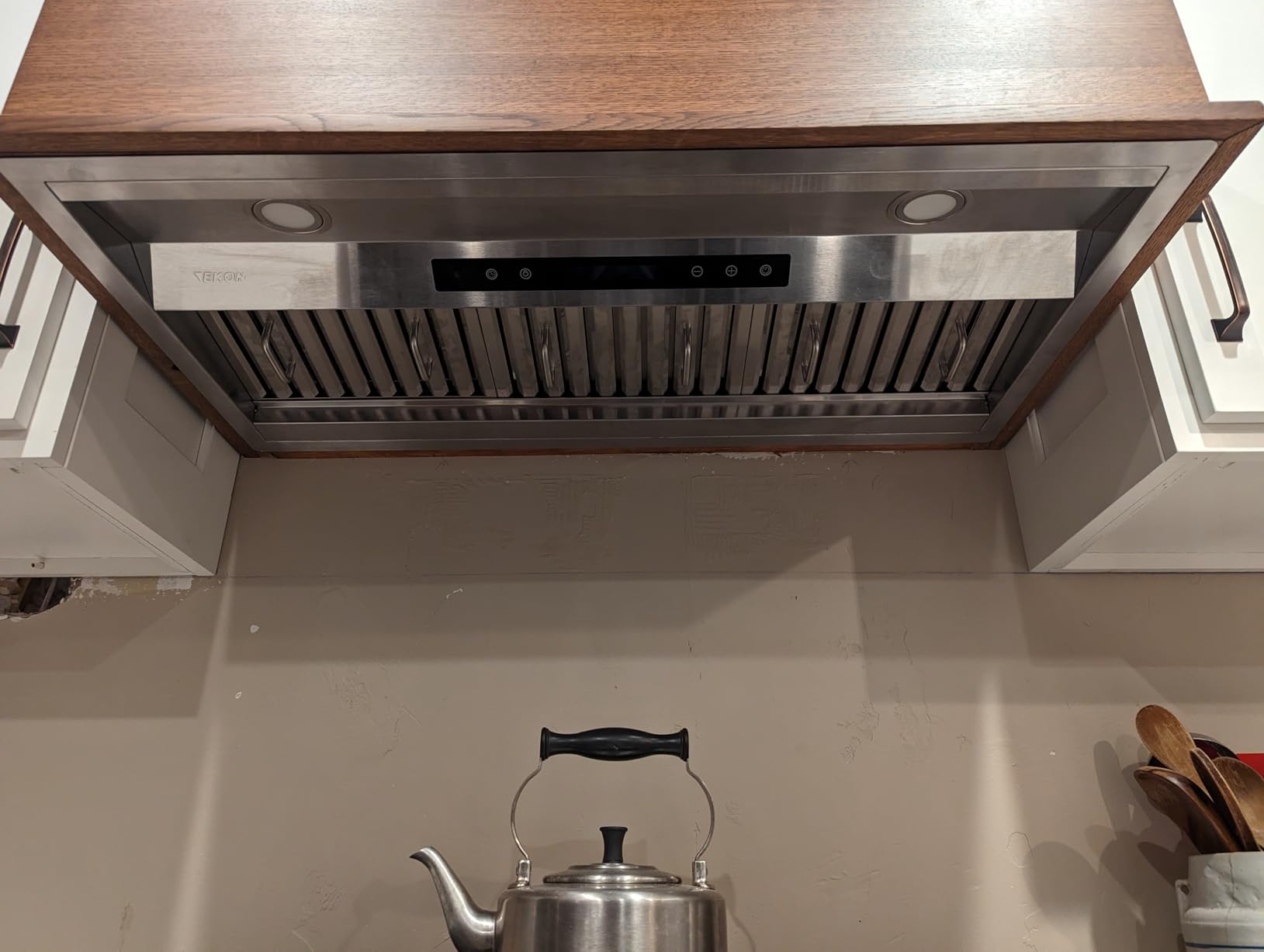
Most hoods in this roundup are 30 inches wide, which is fine until your gas range is 36 inches. The EKON NAB02-36 matches the wider cooktop so the hood does not let smoke escape around the sides, and it still delivers 900 CFM.
The build is the story here. The housing is 19-gauge stainless steel, heavier than the sheet metal most competitors use, and the warranty runs 10 years on the motor with 5 years on the switch control and LED lamps. That is the kind of spec that predicts a hood outliving a single kitchen remodel.
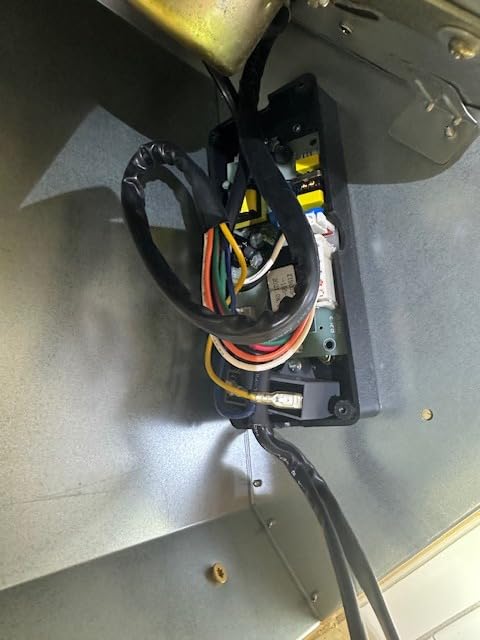
Buyers building custom hood enclosures like the strong airflow, the dimmable lighting and how cleanly the unit disappears into cabinetry. Several report it handles searing without setting off smoke alarms, which tells you the capture is doing its job on a hard burner.
It is also convertible to ductless with a charcoal filter included, though we would only use that mode in a kitchen with no duct route. Ducted is the right choice over gas, and the charcoal filter is a fallback, not a plan.
When a 36 inch width is the deciding factor
If your gas range is 36 inches wide, a 30 inch hood leaves uncovered burners on each side. Smoke does not go straight up, it spreads, and a hood narrower than the cooktop lets that plume drift around the edges and into your cabinets. Matching or exceeding cooktop width is the cheapest capture improvement available.
The four adjustable speeds with touch panel and remote control also help. Dishwasher-safe stainless steel grease filters come with a drip tray that pops out, so cleanup after a searing session is a rinse rather than a scrub.
What to watch before you order
At 41 pounds, this is a two-person lift, and a custom enclosure adds to the awkwardness. Top-speed noise is louder than expected with some vibration reported, and the touch display is hard to read from straight on at eye level. The remote is small and easy to lose.
There is also one report of the unit shutting off while the oven was running, which is not a pattern but is worth a quick check of your clearance height before installation. Our dual fuel range picks cover the clearance rules that interact with hood height.
3. IKTCH 30 inch Wall Mount Range Hood 900 CFM – Best for Chimney-Style Installations
IKTCH 30-inch Wall Mount Range Hood 900 CFM Ducted/Ductless Convertible, Kitchen Chimney Vent Stainless Steel with Gesture Sensing & Touch Control Switch Panel, 2 Pcs Adjustable Lights(IKP02-30”)
900 CFM
4 speeds
40 dB on low
45 pounds
Pros
- 900 CFM suited to heavy cooking on a gas range
- 40 dB low setting keeps conversation possible
- Convertible for flexible installation
- Two dishwasher-safe permanent filters
Cons
- 45 pounds makes installation a two-person job
- Gesture sensor can be unresponsive
- 5-year warranty is shorter than insert rivals
If you want a visible hood on the wall rather than something hidden inside a cabinet, this is the 900 CFM option. It carries the same four-speed layout and the same 40 dB low setting as our top pick, with a brushed stainless chimney that adjusts to your ceiling height.
The airflow is the reason it makes this list. A wall-mount canopy catches a rising plume earlier than an insert tucked under a cabinet, and 900 CFM means a wide-open wok burner does not push smoke past the capture zone.
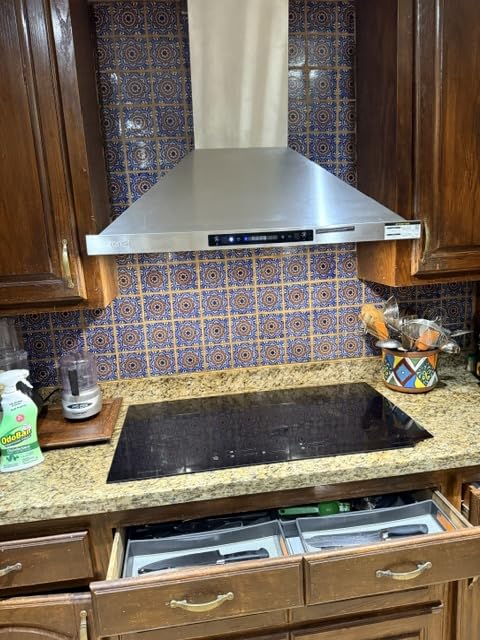
Buyers rate this hood highly for combining 900 CFM power with a quiet 40 dB setting and a clean stainless chimney look, plus responsive customer support. The body measures 19.68 inches deep by 29.5 inches wide by 51.1 inches high, so it needs real vertical clearance above the cooktop.
Controls cover every preference: a touch control switch panel, gesture sensing and an included remote, with 2x 3W adjustable-brightness LED lights. It is ducted and ductless convertible with a charcoal filter included, and it is ETL listed.
Why a canopy hood suits heavy gas cooking
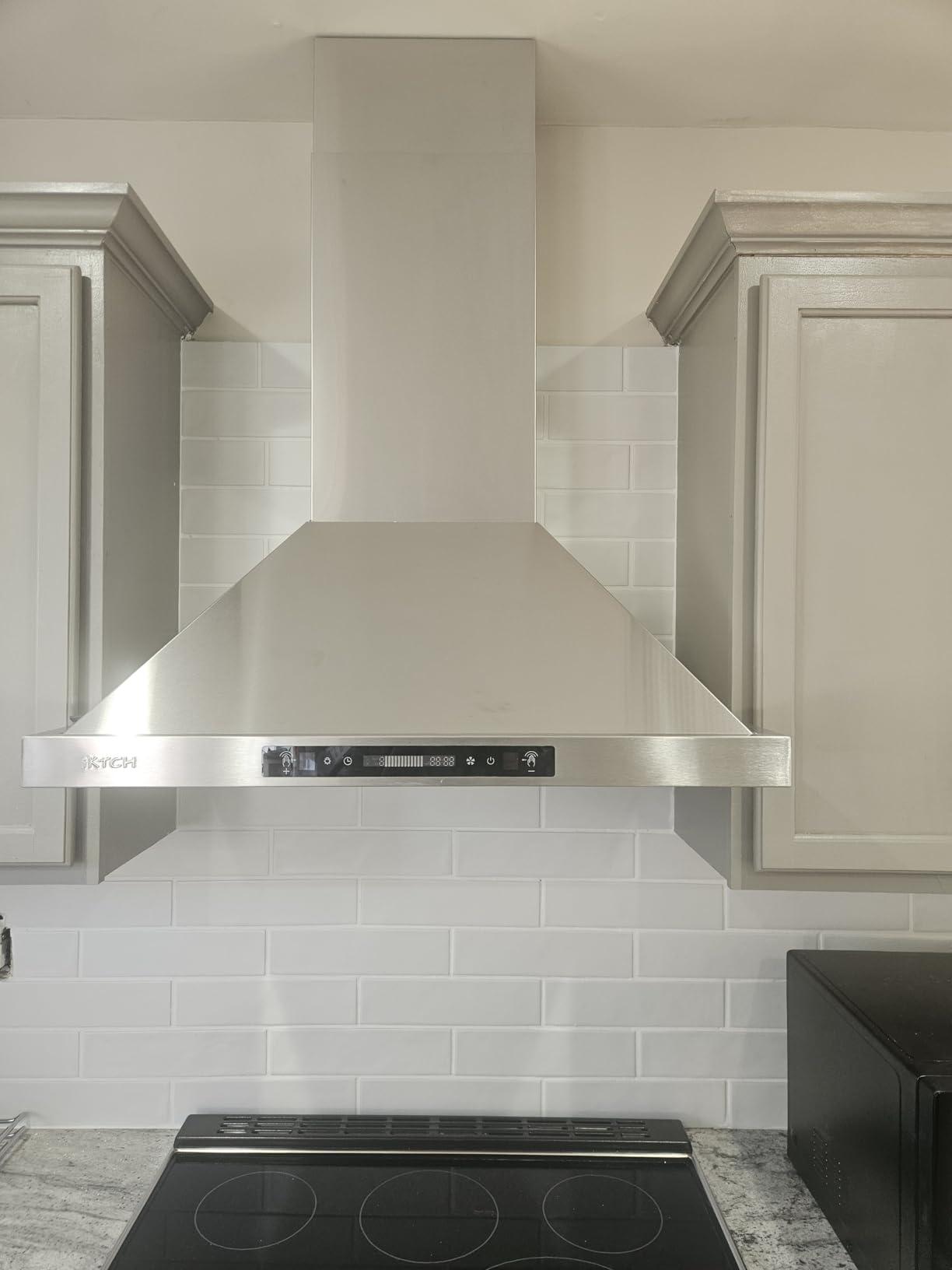
A wall-mount canopy presents a larger capture area than a flat insert, which matters when a burner throws heat and vapor outward before it rises. If your range has a searing or wok burner, the extra capture area is doing work that no amount of CFM alone would replace.
Dishwasher-safe stainless steel permanent filters trap grease effectively and never need replacing, which removes a recurring maintenance cost in a hood you expect to keep for a decade.
Where the trade-offs show
At 45 pounds, installation is a two-person job, and a chimney hood generally needs a second person for the overhead work. The gesture sensor can be unresponsive, and the light button sometimes needs repeated presses.
The 5-year manufacturer warranty is shorter than the 10-year motor coverage on insert competitors, so if you keep the kitchen a long time the insert is the better-value route to the same airflow. A wall mount like this stays useful either way if you later switch to induction.
4. AMZCHEF 30 inch Under Cabinet Range Hood 750 CFM – Best Value for Gas Ranges
AMZCHEF 30″ Under Cabinet Range Hood, 750CFM Stainless Steel Vent Hood
750 CFM
3 speeds
63 dB
dishwasher-safe baffle filters
Pros
- Strong suction clears smoke and grease at high heat
- Dishwasher-safe baffle filters are easy to remove
- Touch panel plus remote and gesture control
- Bright LED lights over the cooktop
Cons
- Digital display is very bright with no dimming
- Installation is awkward to do solo
- Protective film between metal pieces is hard to remove
The AMZCHEF is the balance point in this list. 750 CFM is not the biggest number here, but it clears a typical 30,000 to 45,000 BTU gas range with headroom, and it does it in a 30 inch under-cabinet body that fits most kitchens without a remodel.
The listed airflow is 700 cfm in the technical specifications, with 750 CFM used in the product naming. Either way it sits well above the 600 CFM floor where gas cooking starts to feel marginal. Noise is listed at 63 dB across three speeds.
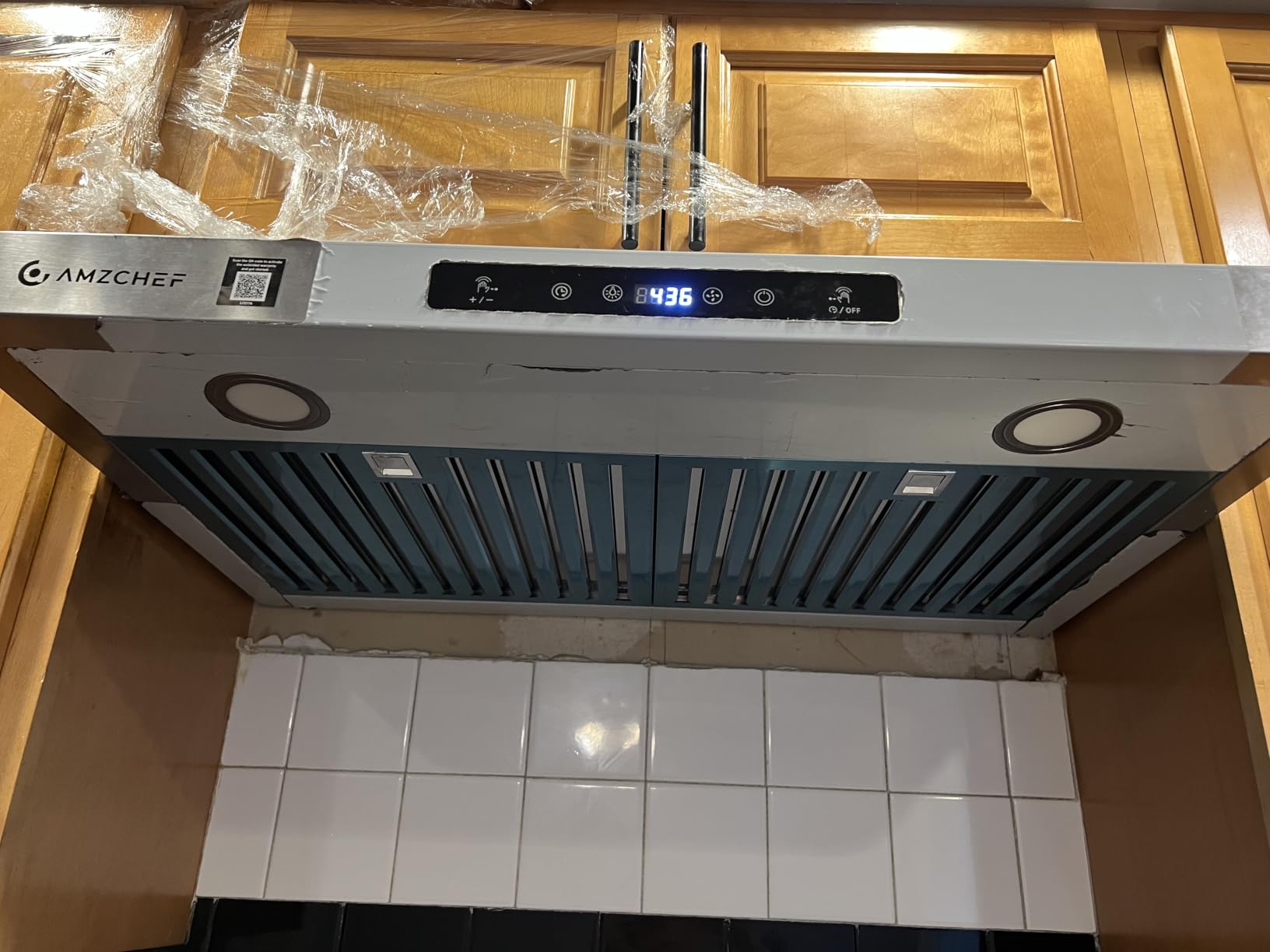
Owners widely praise the strong suction, sleek stainless finish and easy cleaning, especially for heavy stir-frying and deep frying. The unit is 430 stainless steel in a brushed finish, with 2x 1.5W LED lamps and a 6 inch air outlet that fits standard ducting.
Controls are unusually generous for this class: a smart LCD touch control with remote control and a timer function, plus gesture control. The timer is the feature we would use most, since running the fan after cooking purges the residual smoke and odor a gas burner leaves behind.
What this hood gets right for gas cooking
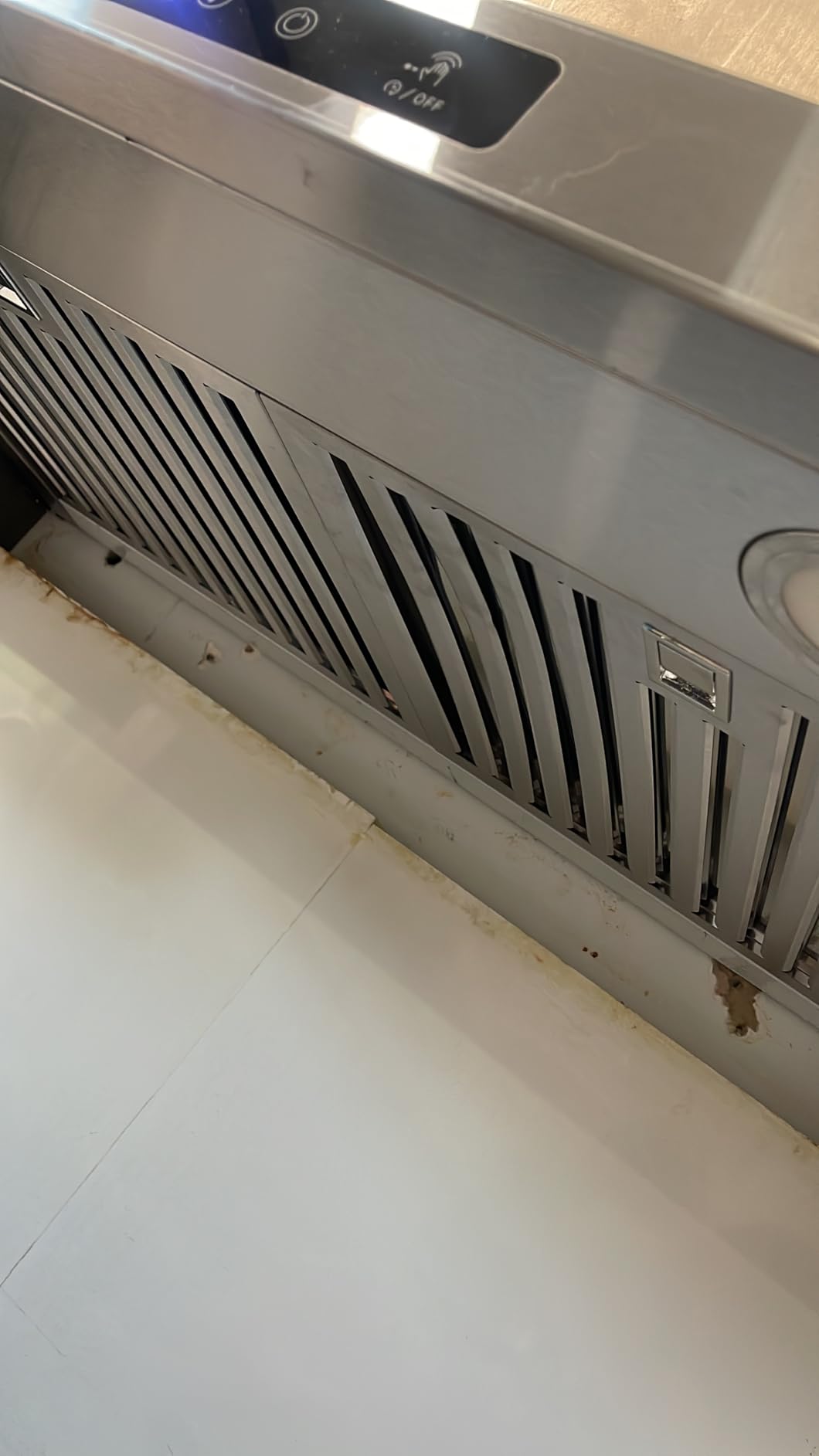
Two dishwasher-safe stainless steel baffle filters are simple to pull and clean, which matters more than it sounds when a gas range throws grease-laden vapor at high heat. Baffle filters capture grease without the clogging that fine mesh develops.
The 6 inch outlet is a real advantage if your existing ductwork is already 6 inch. A 900 CFM hood is harder to feed through 6 inch, so pairing airflow with a duct size you already have is the practical choice in a retrofit.
What to expect on install day
The digital display is extremely bright with no way to dim it, which is genuinely unpleasant in a dark kitchen. The gesture control can also trigger unintentionally when you reach into the cabinet above, so you may end up using the touch panel instead.
Installation is awkward to do solo, the drilling template is not included and the screws are short. The warranty is listed as 2 years, the shortest meaningful cover here, and replacement carbon filters are hard to identify if you run ductless.
5. Zomagas 36 Inch Range Hood Insert 700 CFM – Best for Wide Cooktops Without a Custom Enclosure
Zomagas Range Hood Insert 36 inch, Stainless Steel Range Hood 700 CFM
700 CFM
36 inch insert
65 dB
3-speed push button
Pros
- 700 CFM moves a lot of air for the size
- Push buttons work with wet or greasy hands
- Arrived well packed with no damage
- Quiet for its airflow class
Cons
- LED color fixed at a very blue 6000K
- Heavy and awkward to lift
- Protective plastic wrap on filters is hard to remove
Most 36 inch inserts are built to disappear inside a custom wood enclosure, which means cabinet carpenter work. The Zomagas is a 36 inch insert at 11.46 inches deep by 35.4 inches wide by 11.78 inches high, so it fits a standard 36 inch cabinet opening without a builder.
700 CFM is a sensible number for a 36 inch gas range with a 30,000 to 45,000 BTU total output. It is not the headroom the 900 CFM units give you, but the extra capture width does work that raw CFM cannot, and buyers who researched heavily report satisfaction.
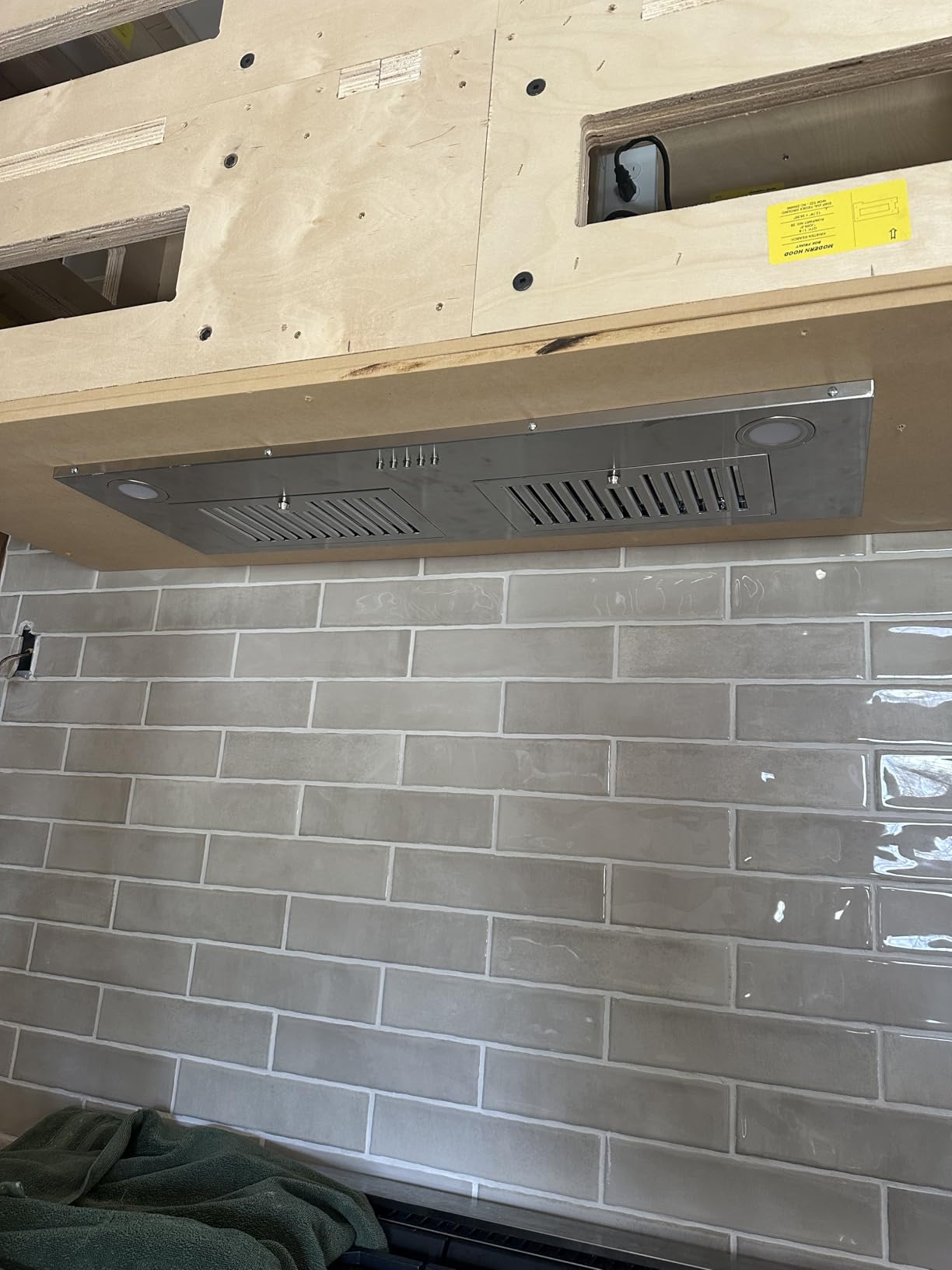
What we like most here is the mechanical push-button control. Buttons keep working when your hands are wet, greasy or hovering over a hot cooktop, which is exactly the situation on a gas range. It sounds minor until you have used a touch panel with condensation on it.
It arrived well packed with no scratches or dents, and the dishwasher-safe stainless steel grease filters pull straight out. Two 2W LED lights sit above the cooktop, and a 3-prong plug plus installation kit and manual are included. Ducted or ductless convertible with a charcoal filter sold separately.
Why 36 inches of capture width matters
A hood wider than the cooktop catches the plume before it can drift sideways. On a 36 inch gas range, a 36 inch insert covers the full burner array, and 700 CFM spread across that width behaves better than the same CFM concentrated over a narrower opening.
Buyers also call it quiet for its airflow class, at a listed 65 dB, which is competitive in the 700 CFM bracket, and it is a straightforward DIY installation for most homeowners.
The complaints worth weighing
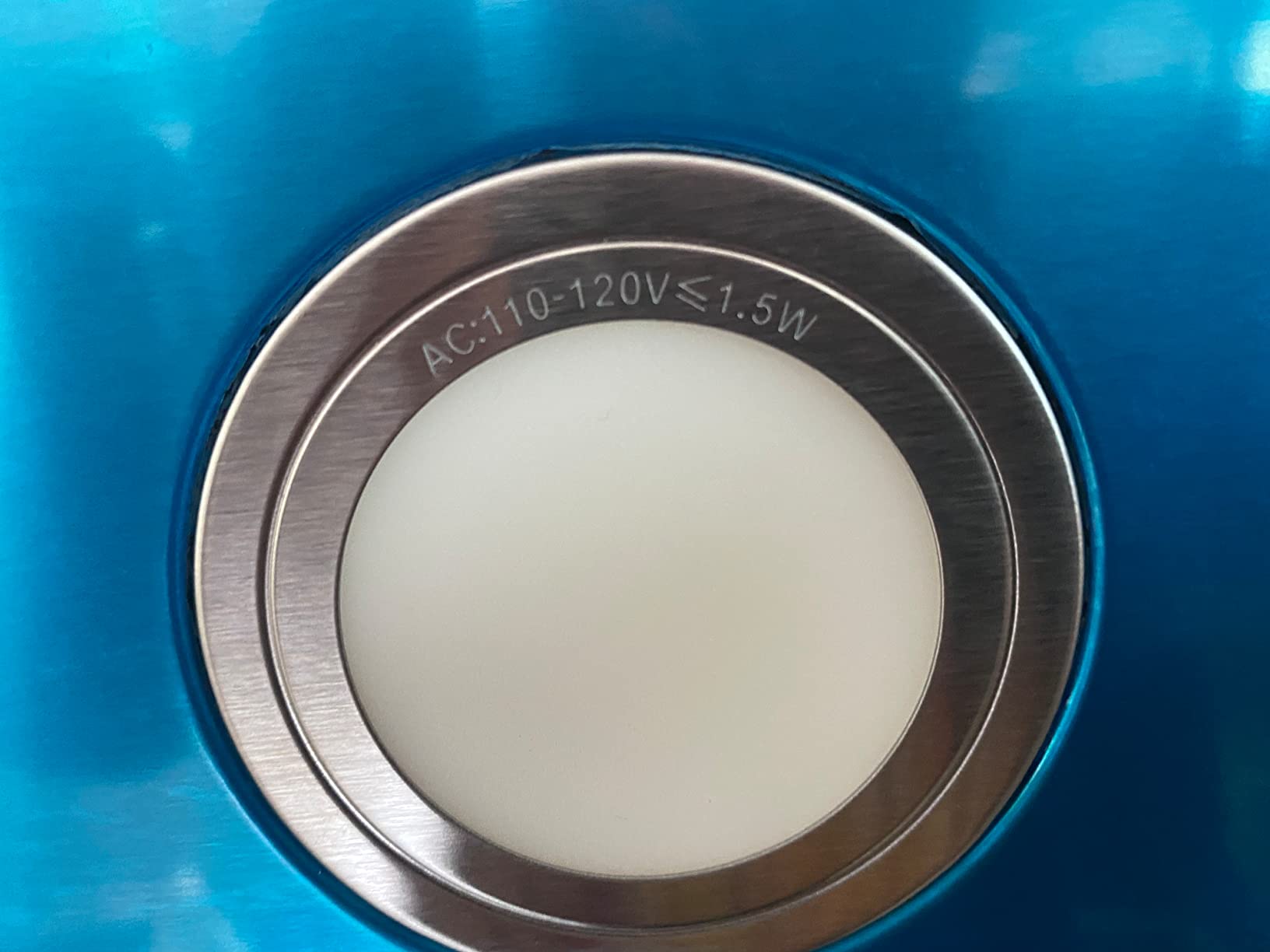
The LED color temperature is fixed at a very blue 6000K with no adjustment, which some buyers find unflattering on food and on a warm-toned kitchen. There is no warmer setting to dial it back to.
Weight is the other issue. It is listed as heavy and requires two people to lift into a high enclosure, and the tough protective plastic wrap on the baffle filters is a struggle to remove. Some units also arrived with corner damage from dropping, so inspect the box before signing for it.
6. FIREGAS 30 inch Built-In Range Hood 600 CFM – Best for a Clean Built-In Look
FIREGAS Range Hood Insert 30 inch, Built-in Kitchen Hood with 600 CFM
600 CFM
ETL listed
under 57 dB
baffle filters plus carbon filter
Pros
- ETL listed with a straightforward guide video
- Dishwasher-safe removable baffle filters
- Simple three-speed push-button control
- Convertible with an included carbon filter
Cons
- 600 CFM is modest against high-BTU searing burners
- No timer or light dimming on the push buttons
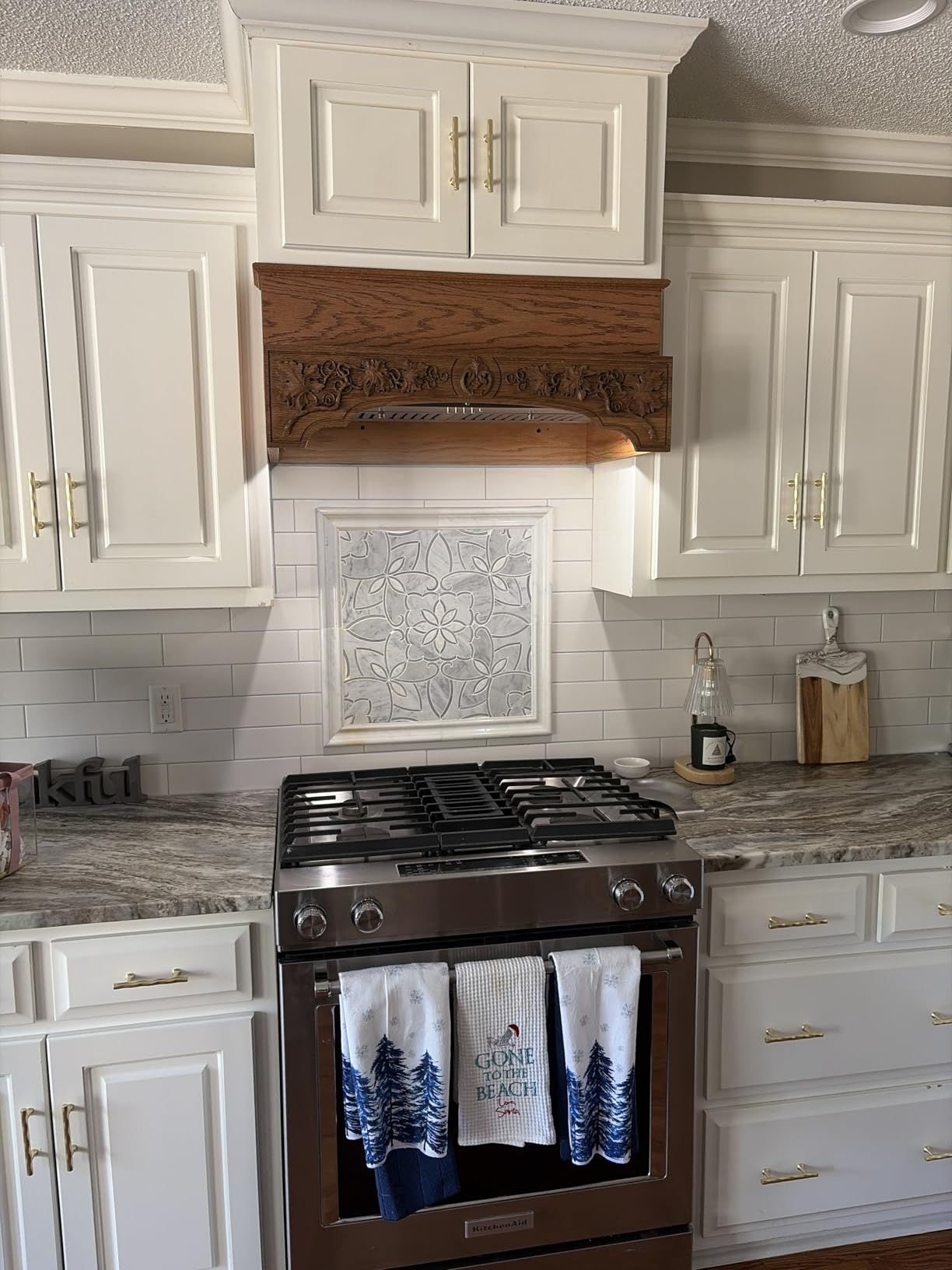
The FIREGAS is the tidy option. It measures 11.5 inches deep by 27.8 inches wide by 10.3 inches high, so it slots inside a 30 inch cabinet and the doors close over it. Nothing hangs below the cabinet line, which is what people usually want from a built-in.
At 600 CFM it sits at the practical floor for a gas range. That is adequate for a 30 inch range with a moderate total burner output, where most cooking happens on two or three burners at once. It is not enough headroom for sustained wok work at full blast, and reviewers say exactly that.
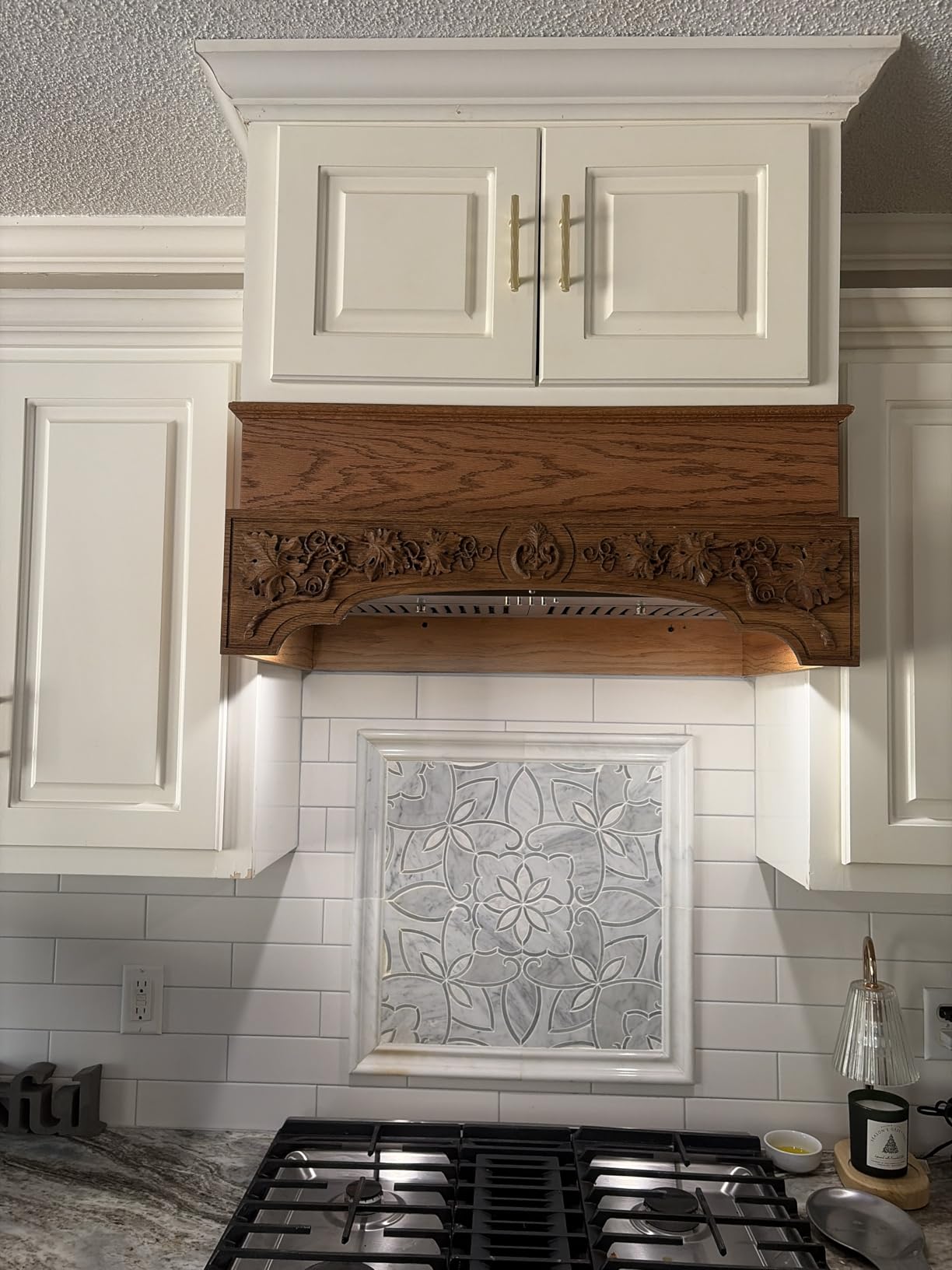
With a large share of five-star ratings, buyers describe a well-made, good-looking insert that is straightforward to fit into standard cabinetry and easy to keep clean. The brushed stainless finish hides well inside a cabinet, and the push-button three-speed control is simple to use.
It is ETL listed, draws 100 watts and ships with a 3-prong plug on 120V. Two dishwasher-safe stainless steel baffle filters come with a carbon filter included, plus 2 LED lamps and a 5.9 inch round top vent.
Where 600 CFM is genuinely enough
If your gas range totals around 30,000 BTU and you mostly roast, simmer and saute, a 600 CFM insert handles the load with less noise than a 900 CFM unit at full tilt. Running a smaller fan at a lower setting is quieter than running a big fan hard, and that tradeoff is real.
It is convertible to ductless with the included carbon filter, which matters in an apartment with no exterior wall. Over gas we would still run it ducted, but the fallback exists.
Where you will notice the limit
The main limitation reviewers note is airflow capacity, which is adequate for standard gas range cooking but modest next to 700 to 900 CFM inserts. If you have a searing burner or a wok ring, this is the wrong size.
The push-button controls also lack a timer or dimming that higher-end models offer, and there is no remote. It runs under 57 dB at high speed, which is a genuine strength worth weighing against the airflow gap.
7. VIKIO HOME 30 Inch Wall Mount Range Hood 580 CFM – Best for Quiet Cooking
VIKIO HOME 30 Inch Wall Mount Range Hood 580CFM Low Noise Touch Control
580 CFM
40 dBA on low
delay shut-off
23.8 pounds
Pros
- Very quiet at 40 dBA on low so conversation continues
- Two tool-free dishwasher-safe baffle filters
- 1-9 minute delay shut-off purges lingering odors
- Brushed finish resists fingerprints
Cons
- 580 CFM has less headroom for heavy gas searing
- Carbon filter kit for ductless use sold separately
If your kitchen is open to a living space, the noise number decides the purchase before the CFM number does. This hood is rated 40 dBA on low speed and under 65 dBA on high, and the dual-intake design is claimed to move roughly 20% more air than single-intake hoods of the same class.
That combination is unusual. Most quiet hoods give up airflow, and most high-airflow hoods are loud. Here 580 CFM at 40 dBA on the low setting is the honest number to plan around rather than the maximum.
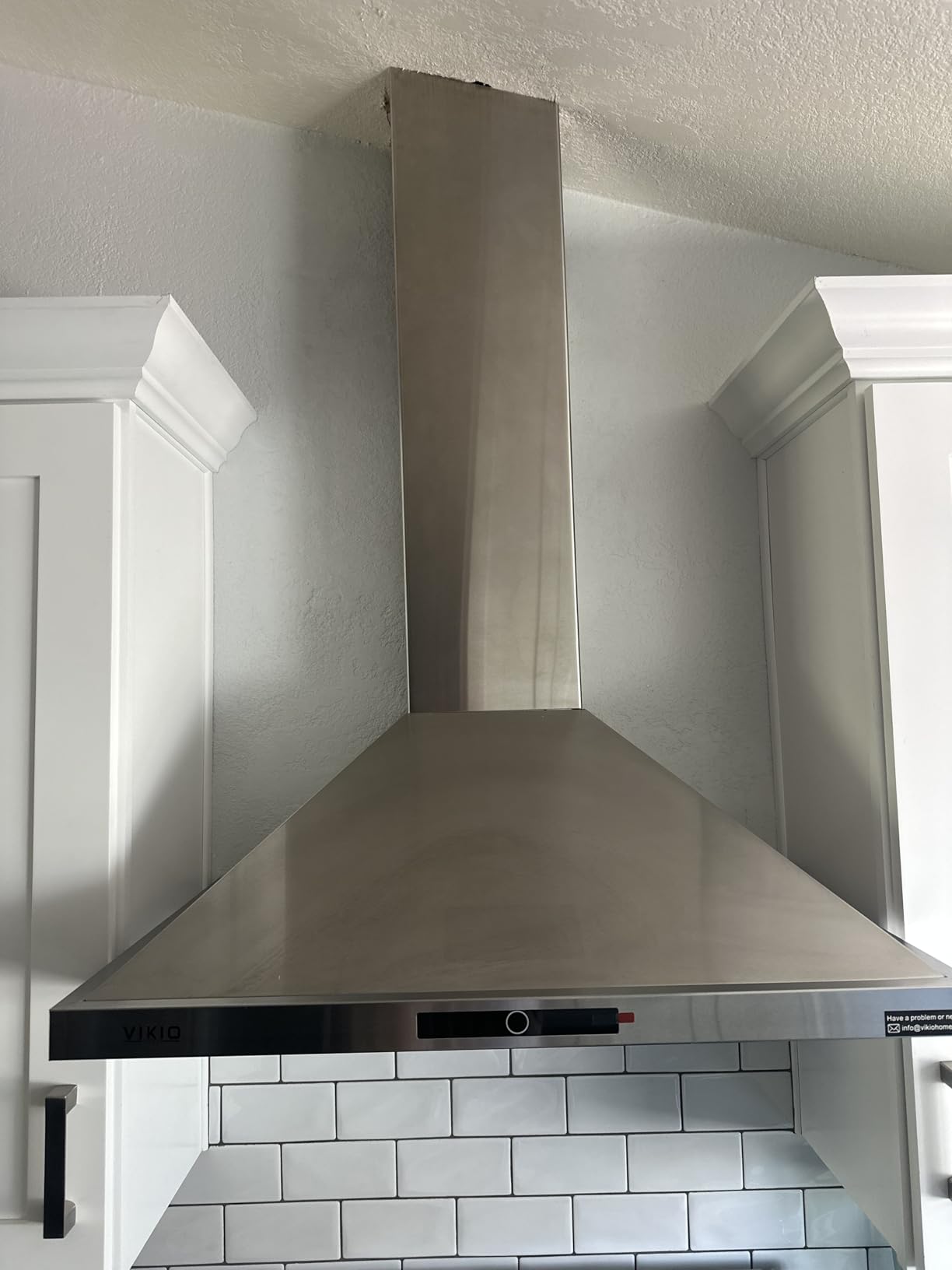
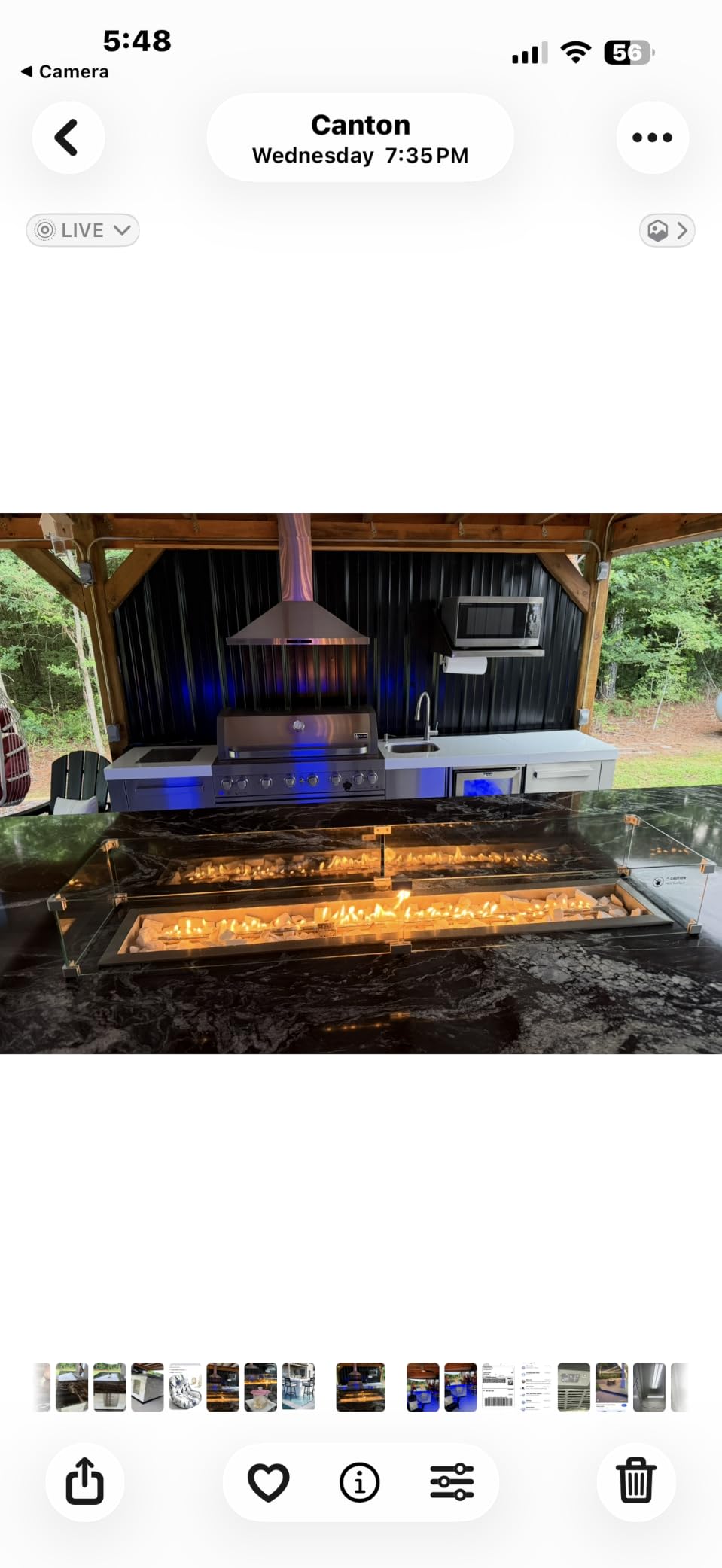
Owners highlight the unusually low noise for a 580 CFM chimney hood, the easy tool-free filter cleaning and the delay shut-off as the standout features. The 1-9 minute delay purges lingering smoke and odor after cooking, which is exactly the use case gas cooking creates.
The body is 19.68 inches deep by 29.3 inches wide by 41 inches high and weighs 23.8 pounds, a much easier install than the 40-plus-pound units in this roundup. It is ETL listed with a 2-year manufacturer warranty, and the integrated LED cooktop lights use up to 30% less energy than halogen.
Why quietness changes the decision in an open kitchen
In an open-plan space, a hood running at 65 dB is a conversation stopper, and people turn the fan off rather than cook in noise. A hood you can leave on low through a stir-fry gets used, and used airflow beats theoretical airflow every time.
The 3-speed fan with touch controls, plus the delay shut-off, means the hood runs for a few minutes after you stop cooking. Over a gas range that matters, because burner residue keeps smelling long after the pan comes off.
Where the airflow falls short
580 CFM is modest next to 700 to 900 CFM inserts for heavy gas range searing, and owners cite that as the tradeoff. If your cooking is mostly low-and-slow with an occasional sear, it is fine. If it is daily wok work, step up a tier.
The carbon filter kit for ductless setups must be purchased separately, and the 2-year manufacturer warranty is on the short side. Ducted operation through an appropriate vent diameter is where this hood earns its place over a gas range.
8. Tieasy 30 inch Wall Mount Range Hood 450 CFM – Best Budget Ducted Hood for a Gas Range
Tieasy Wall Mount Range Hood 30 inch with Ducted/Ductless Convertible Duct, Stainless Steel Chimney-Style Over Stove Vent Hood with LED Light, 3 Speed Exhaust Fan, 450 CFM
450 CFM
3 speeds
55 dB
5-year parts warranty
Pros
- Clean modern stainless look
- Simple push-button three-speed control
- Quiet on low and medium settings
- Reusable filters are easy to clean
Cons
- 450 CFM is limited for high-BTU burners
- Blue protective film is difficult to remove
- Instructions listed only in millimeters
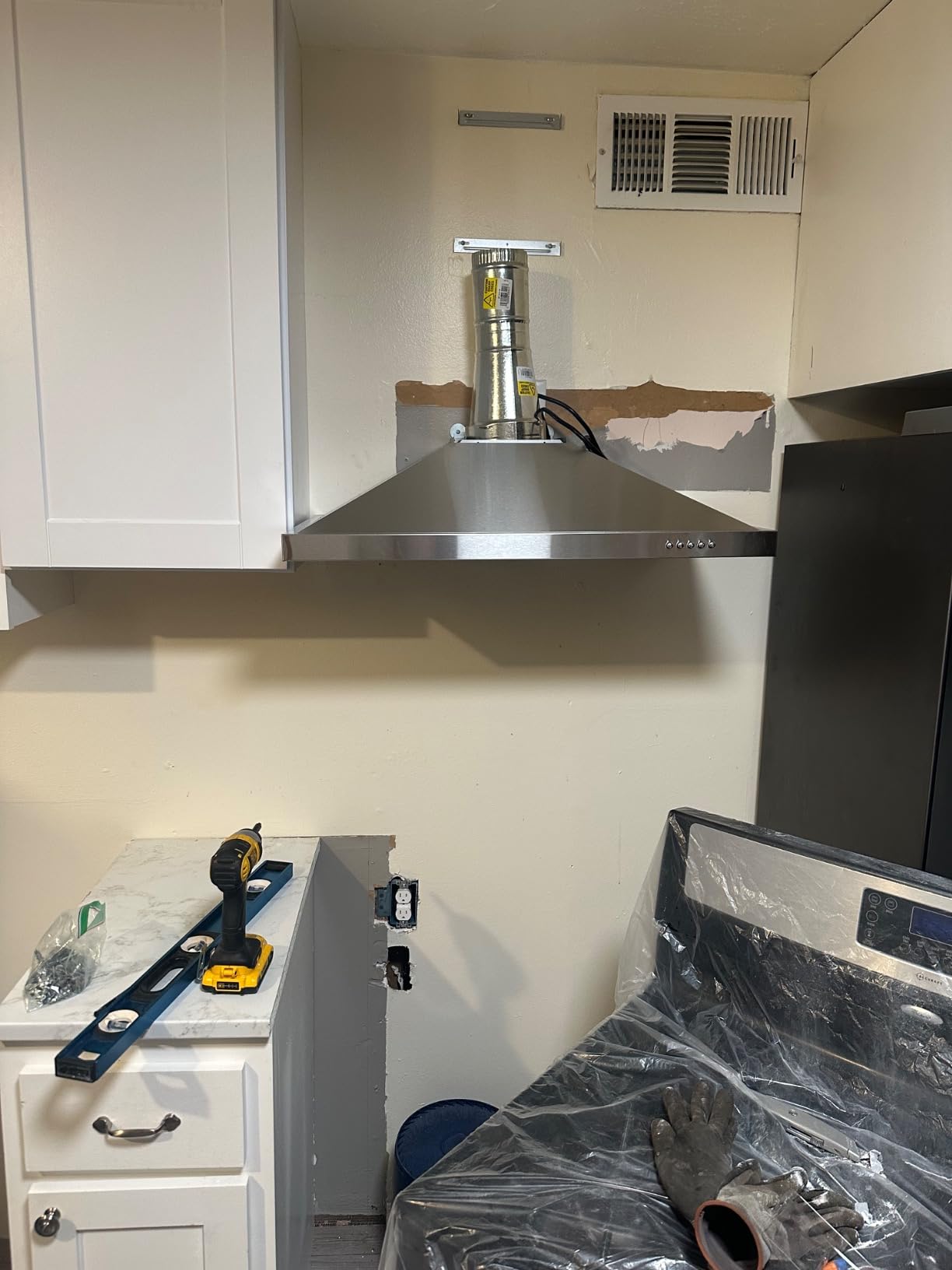
The Tieasy is the pick if you want a proper wall-mount chimney hood and you are not running a searing burner. At 450 CFM it clears smoke and odor from everyday gas cooking, and several reviewers report two-plus years of reliable service on it.
The 3-speed push-button operation is deliberately simple, and 55 dB is a reasonable number for a hood in this class. The brushed stainless look upgrades a plain kitchen for very little, which is the actual reason to buy it.
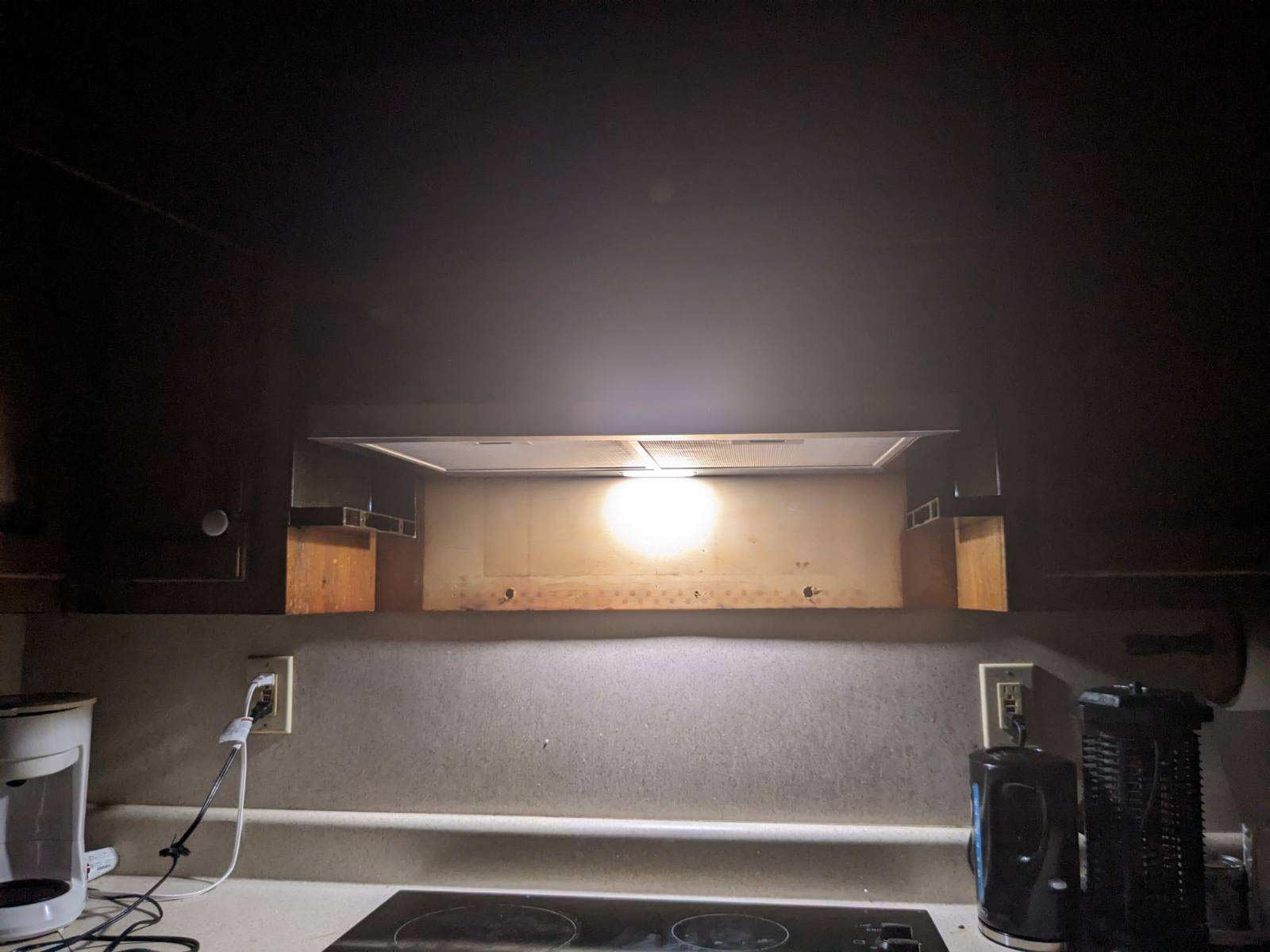
Reviewers consistently call this a good-looking, easy-to-install, good-performing hood with strong airflow for the money. It measures 18.3 inches deep by 29.3 inches wide by 36.3 inches high, and the chimney adjusts from 15-3/4 inches to 29-1/2 inches to suit 7.5 to 8.5 ft ceilings.
The 5-year limited parts warranty is longer than the 2-year cover on several units in this roundup, which matters if you keep the kitchen. The 6 inch round top vent is standard, and ductless conversion is possible with an optional carbon filter kit.
Where 450 CFM is a sensible spend
For a 30 inch gas range with a moderate burner output where most meals use two burners, 450 CFM moves the smoke and grease you actually generate. Running a smaller fan at a middle speed is quieter than a big fan on maximum, so the lower number is not always a compromise.
Five-layer reusable aluminum mesh filters are easy to clean and cost nothing to replace. If you want one job done properly for a long time, the 5-year parts warranty is the best of the budget picks here.
Where it will not keep up
450 CFM does not have the headroom for a high-BTU burner left on high, and the airflow claim assumes a proper vent diameter and a short duct run. Run it through flexible duct in a long run and the real number drops well below the label.
Packaging gripes come up repeatedly: an annoying blue protective film on the filters and covers that is difficult to remove, and some units arriving with missing screws for the metal cover. The instructions are listed only in millimeters, and some versions have no grease collection channel, so grease can build up inside over time.
9. COSMO 30 inch Slim Under Cabinet Range Hood – Best for Shallow Cabinet Space
COSMO COS-5MU30 30 in. Delta Collection Ducted Under Cabinet Range Hood, Button Controls, Reusable Filters, LED Lights, Stainless Steel
5.5 inch tall
3 speeds
50 dB on low
14 pounds
Pros
- Slim 5.5 inch profile saves cabinet space
- Reusable mesh filters pop out easily
- Simple push-button controls
- Runs quietly even on the high setting
Cons
- Manufacturer does not list an airflow rating
- Small rear LED panel gives dim cooktop light
- Supplied screws are inadequate for under-cabinet mounting
This is the most-reviewed hood in our list by a wide margin, and the reason is cabinet depth. At 5.5 inches tall it is one of the slimmest under-cabinet units available, which is what makes it workable in condos and older kitchens where a full-size hood will not fit.
One thing to know up front: the manufacturer does not list an airflow capacity for this model, only a 3-speed motor. We are not going to invent a CFM figure for it. If your gas range has a high-output burner set, we would pick a model with a published rating instead.
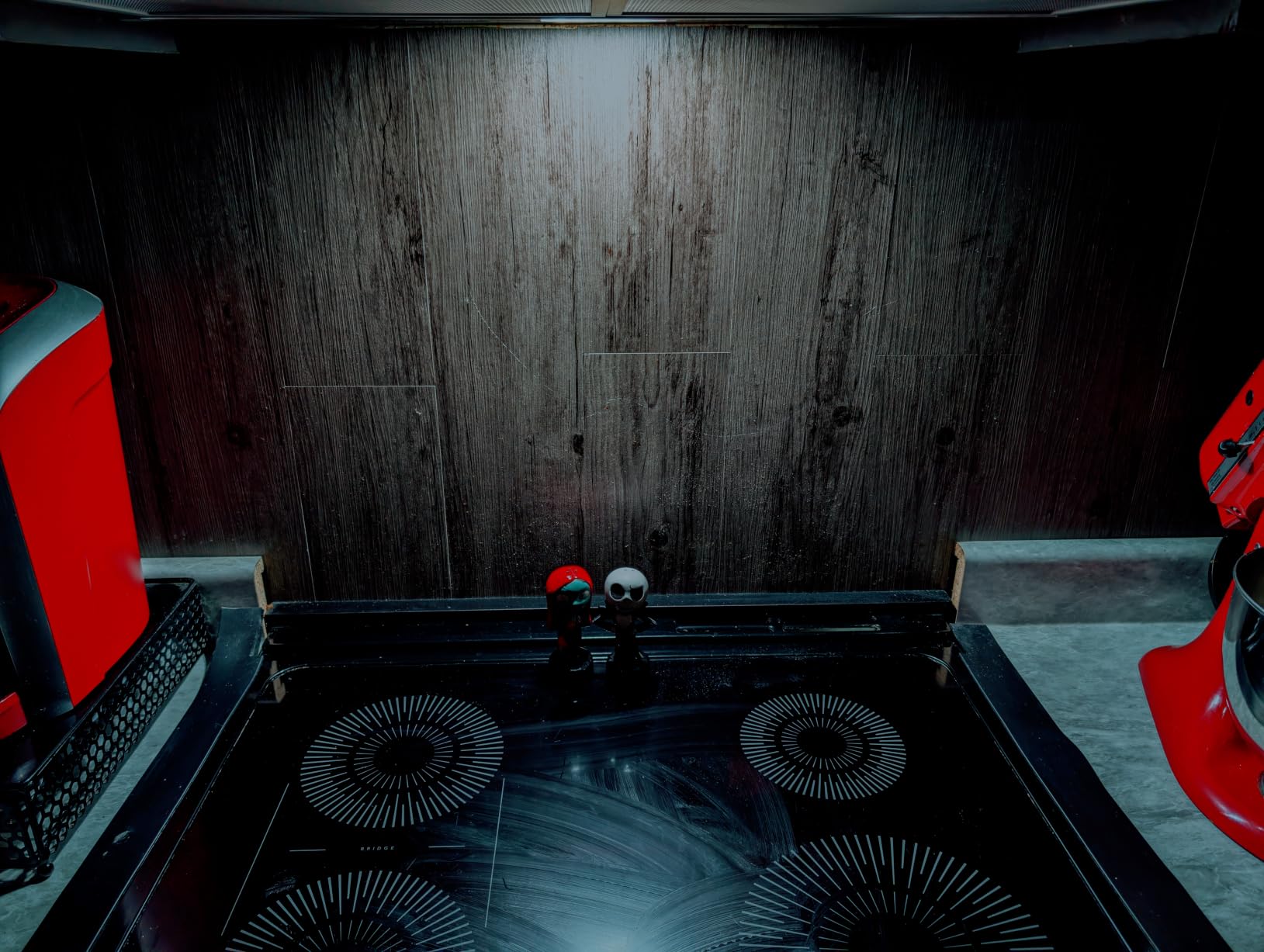
With over 4,000 reviews, this is an established budget pick praised for a slim profile, clean stainless lines, quiet operation and reusable filters. Owners frequently mention replacing 30-year-old units, and it runs as low as 50 dB on the lowest speed with rigid ducting.
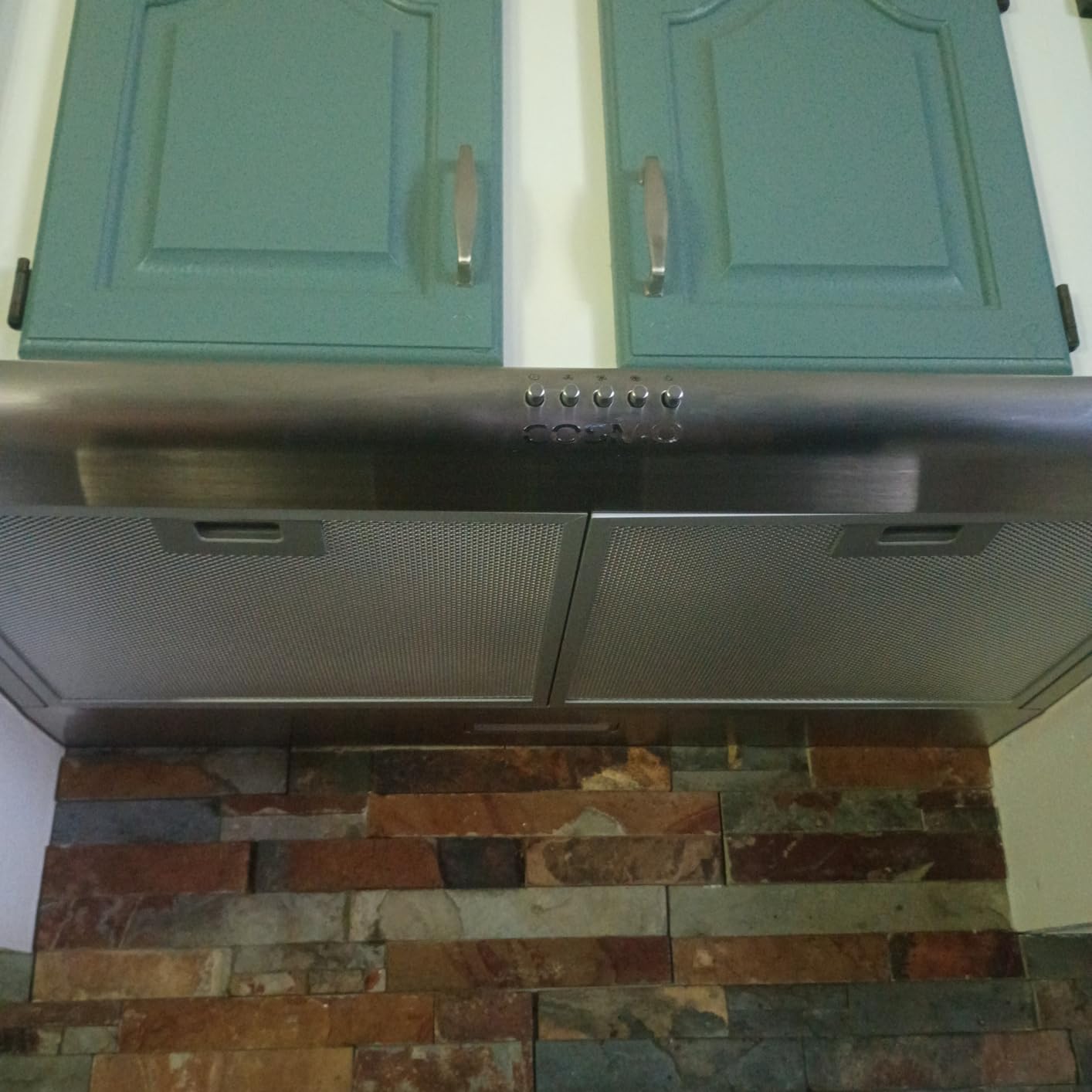
It measures 19.75 inches deep by 29.75 inches wide by 5.5 inches high and weighs 14 pounds, by far the easiest unit here to lift into place. It is convertible to ductless with an optional carbon filter kit and suits top or back venting through a 5 inch round duct.
Why the slim profile changes the kitchen
Depth, not width, is what usually defeats an under-cabinet hood. A 5.5 inch tall body leaves usable shelf space above it, and at 14 pounds one person can install it without a second pair of hands. In a small kitchen that is worth more than a few hundred CFM.
Reusable multi-layer aluminum mesh grease filters pop out and wash without a replacement schedule, and the clear push-button controls for fan speed, lights and power are easy to use with greasy fingers.
What to be honest about
The LED lens is a small 1x 3 inch panel at the back, so cooktop lighting is dim, which is a real problem for gas searing where you need to judge color. The supplied screws are soft and inadequate for under-cabinet mounting, and several buyers recommend replacing them with bolts.
Pre-cut rear drywall mounting holes leak airflow unless you tape them over, and the cord exits flush at the back, so the unit cannot sit tight against the wall. The 2-year limited parts warranty is the shortest here, and the modest suction compared with high-CFM inserts is why it sits at nine rather than higher.
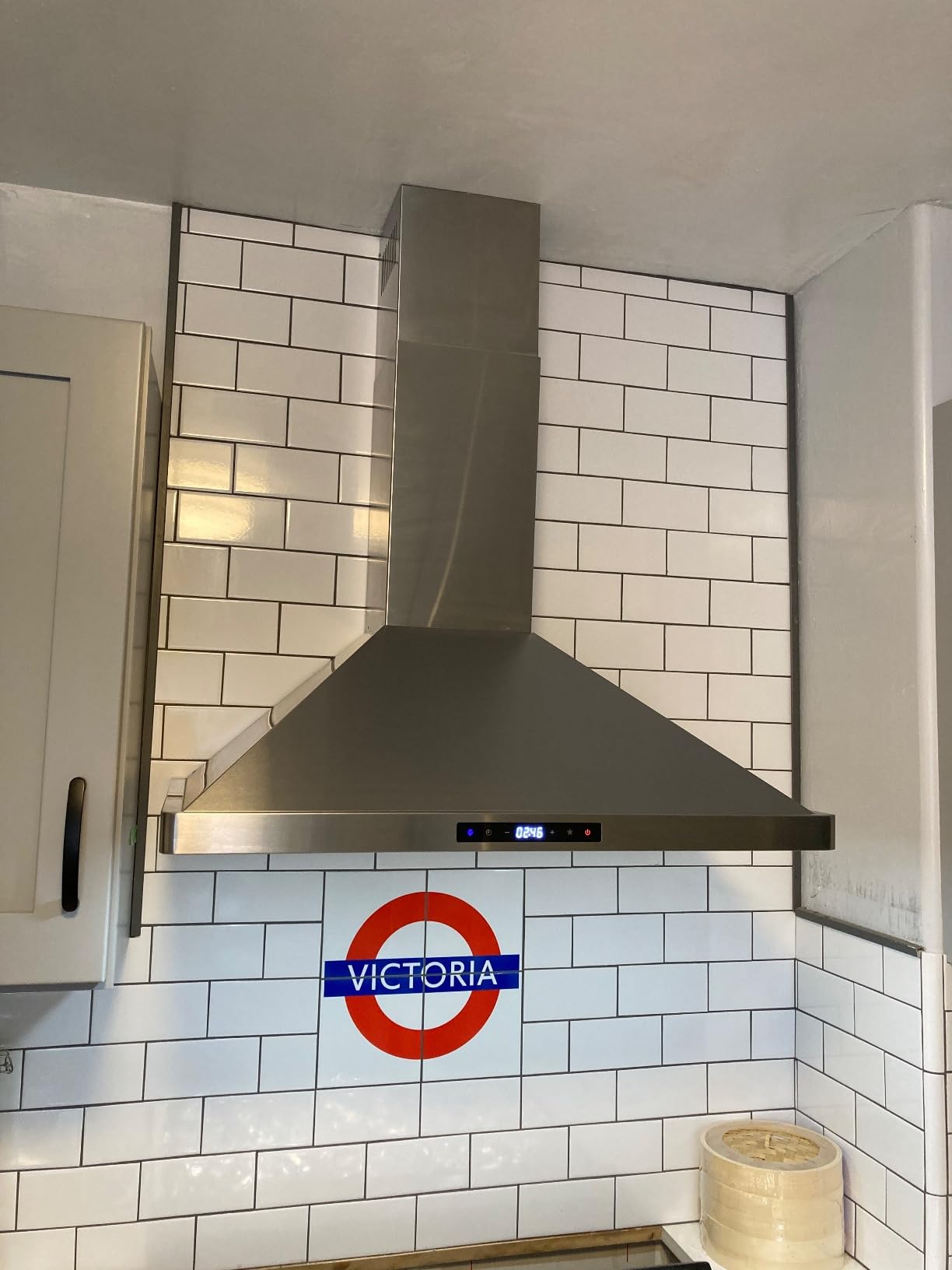
10. COSMO Vista Coll 30 inch Wall Mount Range Hood 380 CFM – Best for Light-to-Moderate Gas Cooking
30 in. Vista Coll 380 CFM Ducted Wall Mount Range Hood LED, Stainless Steel
380 CFM
45 dB on low
permanent baffle filters
6 inch duct
Pros
- Very quiet at about 45 dB on the lowest speed
- Permanent dishwasher-safe baffle filters need no replacement
- Adjustable stainless chimney fits a range of ceiling heights
- Bright 2-watt LEDs for nighttime visibility
Cons
- 380 CFM is the lowest airflow in this roundup
- Includes flexible rather than rigid ducting which is noisier
- Carbon filter kit sold separately
We put this one last on purpose. 380 CFM is the lowest airflow figure in this roundup, and on a gas range that is a real constraint rather than a rounding error. It suits a smaller burner set, or a household that cooks mostly on two burners at a time.
What it does offer is the quietest low-speed running here, at about 45 dB, and permanent Cosmo ARC-FLOW dishwasher-safe baffle filters that need no replacement at all. The soft-touch control panel handles fan speed, lights and power in one place.
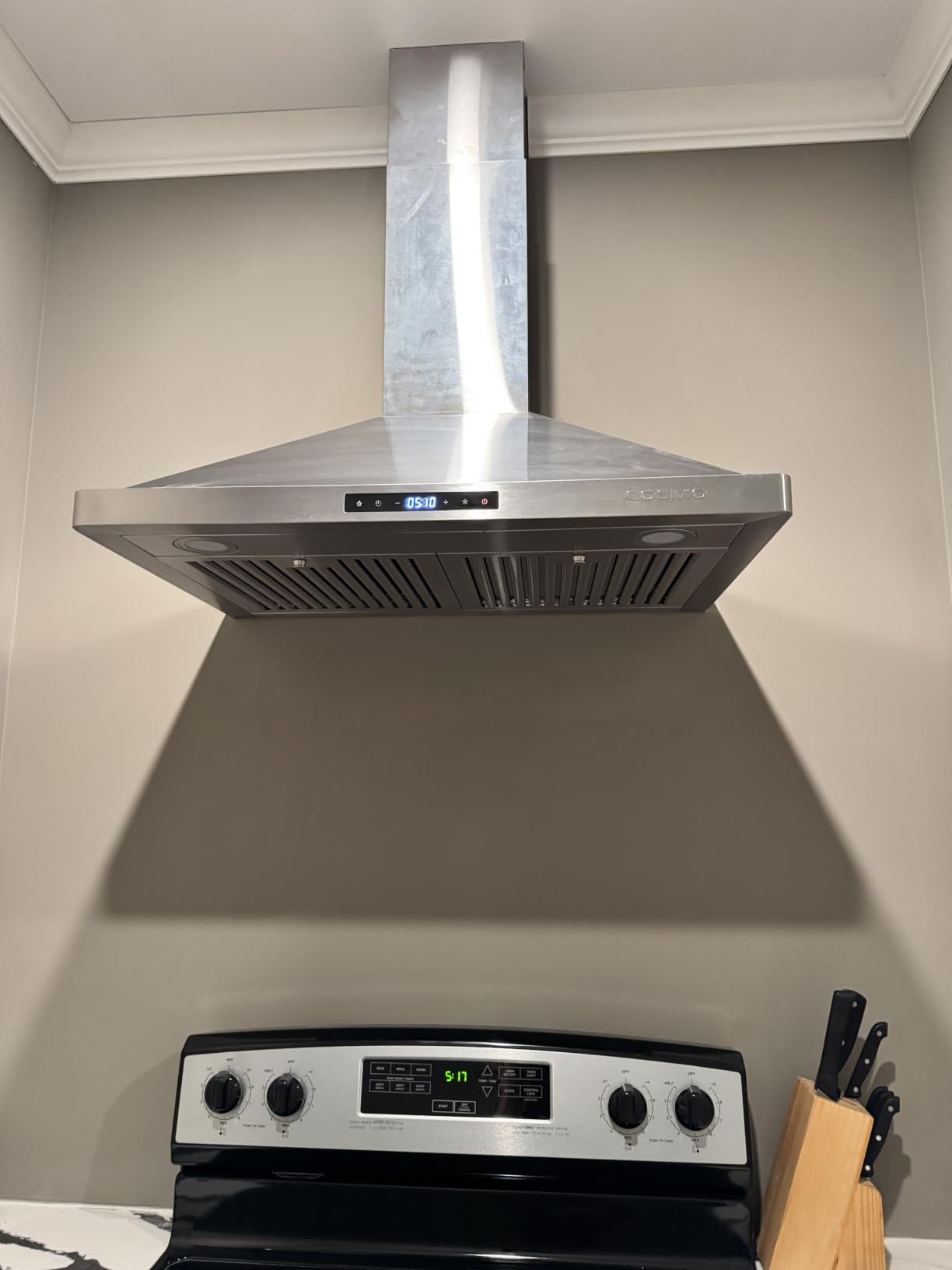
Buyers like this hood for its quiet low-speed running, permanent dishwasher-safe filters and straightforward soft-touch operation, and it is frequently used where lower airflow is acceptable. The adjustable stainless steel chimney makes it easy to fit a range of ceiling heights, from 25.6 to 39.4 inches.
It measures 19.75 inches deep by 30 inches wide and weighs 23.1 pounds, using a 6 inch duct with 2-watt LEDs. It is convertible to ductless with a carbon filter kit sold separately and carries a 2-year limited warranty.
When 380 CFM is enough
On a modest gas range in a closed kitchen, 380 CFM moves smoke and odor from two active burners without turning the fan wide open. The 45 dB low setting is the quietest in this roundup, which makes it the better choice in an open-plan space when cooking is light.
Permanent filters remove a recurring cost and a recurring job. If you already have an 8 inch vent route and want a hood that disappears visually, the soft-touch panel and adjustable chimney are pleasant to live with.
Why we ranked it tenth
The main limitation is the 380 CFM rating, which is the weakest in this group for sustained high-heat cooking on a gas range. Any time you sear hard, wok-fry or run a burner wide open, you are at the edge of what this hood can pull.
It also includes flexible rather than rigid ducting, which is noisier and delivers less real airflow than the same rating through rigid metal. Our guidance for gas is unchanged: run it vented through rigid duct, or pick a higher-CFM model. If you are moving away from gas entirely, our electric range picks are worth a look.
How Much CFM Does a Gas Range Actually Need?
Start with your range’s total BTU output, which is printed on the range or in its manual, and apply roughly 1 CFM per 100 BTU. Add a second rule for width: about 100 CFM per 12 inches of cooktop width. Use whichever gives you the higher number.
A 30 inch gas range topping out around 30,000 BTU lands near 600 CFM. Push that to 45,000 BTU and you want closer to 700. A range with a searing or wok burner can exceed 60,000 BTU, and there 900 to 1200 CFM is the honest target.
Do not skip the burner assumption when reading a CFM figure. A manufacturer rating is measured with the blower at a specific speed through a specific duct at a specific static pressure. What you experience with a long flexible-duct run and two elbows is not that number.
Ducted vs Ductless for Gas Ranges
Ducted wins for gas, and it is not close. A ducted hood removes grease, heat, moisture and combustion byproducts from the room. A ductless hood filters air through baffle and charcoal filters and recirculates it, which handles grease and odor but returns the combustion byproducts to your kitchen.
That is why every pick in this roundup is chosen for its ducted performance, even the convertible models. Ductless mode is a fallback for an apartment with no route to an exterior wall, not a recommendation.
If you have no duct route at all, a ductless hood plus an open window is a compromise, and you should treat it as one rather than as an equivalent.
The Duct Reality Check: Why Big CFM Claims Shrink
A 1200 CFM rating is measured under conditions most kitchens do not have: rigid round duct, short runs, few elbows. Push the same blower through 6 inch flexible duct over 20 feet with two bends and the delivered airflow can be a fraction of the label, which is why buyers report that their high-CFM hood does almost nothing.
Use rigid 8 inch metal duct where you can, keep runs short, and minimise elbows. One installer described in forum discussion runs rigid 8 inch duct to an inline fan in the attic to get real airflow into a 30 inch hood, which is the kind of detail that decides whether a spec sheet is honest.
Reusing an existing over-the-range microwave vent is the most common mistake. That duct is often 5 inch, and buyers arriving from a microwave want to know that diameter before anything else. A 5 inch run will not deliver what a 900 CFM rating promises, so plan on new ductwork or a smaller hood.
Hood Width and Clearance Height Over a Gas Range
Width is simple: match the cooktop or go wider. A hood narrower than the range lets smoke drift around the sides and onto your cabinets, which is the most common complaint about undersized under-cabinet units. A 30 inch cooktop wants a 30 inch hood, and a 36 inch cooktop wants 36 inches or wider.
Height is where gas ranges get complicated. Most gas range manuals cap hood clearance at 30 inches above the cooktop, while installers widely report that 36 inches gives noticeably better capture. One installer put it plainly: the vent manufacturer says 34 to 24 inches above the cooktop, and with a good hood 36 inches is fine.
Do not treat that as permission to ignore your range manual. Check the manual for your specific model first, treat 30 inches as the documented ceiling, and know that a taller hood captures better. Where a manual and installer practice conflict, the manual is the safety document.
Also watch for a hood that is too powerful for a tight house. Very high-CFM hoods pull air from around the home, which can depressurise a gas appliance and show up as wind back down a chimney. In small, sealed homes a makeup air system solves this, and it is worth raising before you order a 1000 CFM unit.
What Sones and dB Mean in a Real Kitchen
Decibels measure loudness. Sones measure perceived loudness, which tracks frequency and pitch, so a motor rumble at 50 dB can sound more intrusive than a higher dB number with a different tone. Both are useful; neither is a quality score on its own.
For reference, normal conversation sits around 60 dB. So does this: a 40 dB hood runs under your voice, a 50 dB hood runs alongside it, and a 65 dB hood will take a break in the conversation. That is why we value the low-speed rating over the maximum on several picks here.
In this roundup the low-speed figures range from 40 dB or dBA on the two IKTCH models and the VIKIO HOME, up to 50 dB on the COSMO slim unit. The maximums cluster around 63 to 65 dB, which is loud conversation territory, not a dealbreaker in a closed kitchen but a real factor in an open plan.
Filters, Maintenance Cadence and Brand Tiers
Filter type decides how much work the hood gives you. Baffle filters are permanent, dishwasher-safe and cost nothing after the purchase. Mesh filters are reusable but clog faster and need more frequent washing. Charcoal filters are not a grease filter at all; they handle odor, they saturate, and they are always sold separately for ductless setups.
A workable cadence: wash baffle or mesh filters every few weeks during heavy cooking and monthly otherwise, and replace a charcoal filter every three to six months if you run ductless. If a filter is left to clog, airflow drops, and that is often the real reason a high-CFM hood underperforms.
Warranty length is the best public proxy for motor build and expected service life. The 10-year motor warranties on the IKTCH and EKON inserts are the strongest signal in this list, the Tieasy carries 5-year parts coverage, and several other units list 2 years. If you expect to keep the kitchen for a decade, the long motor warranty is worth a real premium.
Pre-Purchase Measurements to Take Before You Order
Measure the cooktop width, not the cabinet width. That single number decides whether you need a 30 inch or 36 inch hood, and buying narrow is the fastest way to end up with smoke escaping around the sides.
Find your existing vent diameter before you choose a CFM figure. Check the over-the-range microwave duct if you have one, since it is commonly 5 inch, and confirm whether your new hood’s outlet matches or whether you are running new ductwork to an exterior wall.
Note your ceiling height and the distance from the cooktop to the underside of the cabinet or ceiling. Chimney hoods need vertical room, inserts need cabinet depth, and both need to sit inside your range manual’s clearance guidance.
Finally, check whether noise tolerance is personal. In an open-plan kitchen, a 40 dB low speed is a lifestyle benefit that outlives any spec sheet. In a closed kitchen, you can run a bigger fan harder and never think about it.
Frequently Asked Questions
Do you need a special range hood for a gas stove?
Yes. A gas range should have a hood with more airflow than an electric range of the same size, because an open flame adds combustion byproducts to the smoke, steam and grease any cooktop produces. Aim for roughly 1 CFM per 100 BTU of total burner output, or about 100 CFM per 12 inches of cooktop width.
What is the best CFM for a gas range hood?
Most 30 inch gas ranges need 600 to 700 CFM, and ranges with high-output searing or wok burners need 900 to 1200 CFM. Use about 1 CFM per 100 BTU of total burner output and about 100 CFM per 12 inches of cooktop width, then take the higher of the two numbers.
Is a ducted or ductless range hood better for a gas stove?
Ducted is better, and it is not close. A ducted hood removes combustion byproducts from the room entirely. A ductless hood filters grease and odor but recirculates the air, which leaves combustion byproducts in the kitchen where they started. Over gas, run the hood vented.
What is the best duct size for a range hood?
Match the duct to the airflow. A hood rated above 700 CFM needs an 8 inch round rigid metal duct to deliver what its rating claims. Six inch flexible duct and long runs with elbows reduce real airflow sharply, and an existing 5 inch microwave vent throttles it further.
What is the recommended duct length for a range hood?
Keep the run as short as you can, use rigid metal duct rather than flexible, and minimise elbows because each one costs airflow. Rigid 8 inch duct on a short straight run gives the closest result to the published CFM rating; long flexible runs give the furthest.
What is a good noise level for a range hood?
A good low-speed noise level is 40 to 50 dB, which sits under or alongside normal conversation at about 60 dB. Above 65 dB a hood will interrupt a conversation, so check the low-speed rating rather than only the maximum. Sones describe perceived loudness and are worth reading alongside decibels.
How high should a range hood be mounted above a gas range?
Check your range manual first, because most gas range manuals cap hood clearance at about 30 inches above the cooktop. Installers commonly report that 36 inches gives noticeably better capture. Treat 30 inches as the documented limit and confirm your specific model’s requirements before installing higher.
How often should range hood filters be cleaned or replaced?
Wash permanent baffle or reusable mesh filters every few weeks during heavy cooking and monthly otherwise. Charcoal filters in ductless setups need replacing every three to six months. A clogged filter reduces airflow, which is often the real reason a high-CFM hood seems to underperform.
The Verdict on the Best Range Hoods for Gas Ranges in 2026
The IKTCH 30 inch insert is our pick for most gas ranges, because 900 CFM and a 40 dB low setting give you both the headroom and the quietness that makes a hood worth leaving on. The EKON 36 inch insert is the right answer if your cooktop is 36 inches wide, and the VIKIO HOME 580 CFM wall mount is the pick when noise in an open kitchen outranks raw airflow.
Whichever you choose, buy ducted, size it to your burner output rather than the largest number on the listing, and check your range manual’s clearance height before the hood is on its way. Portable and countertop hoods under 300 CFM cannot handle a gas burner, whatever their marketing says.