
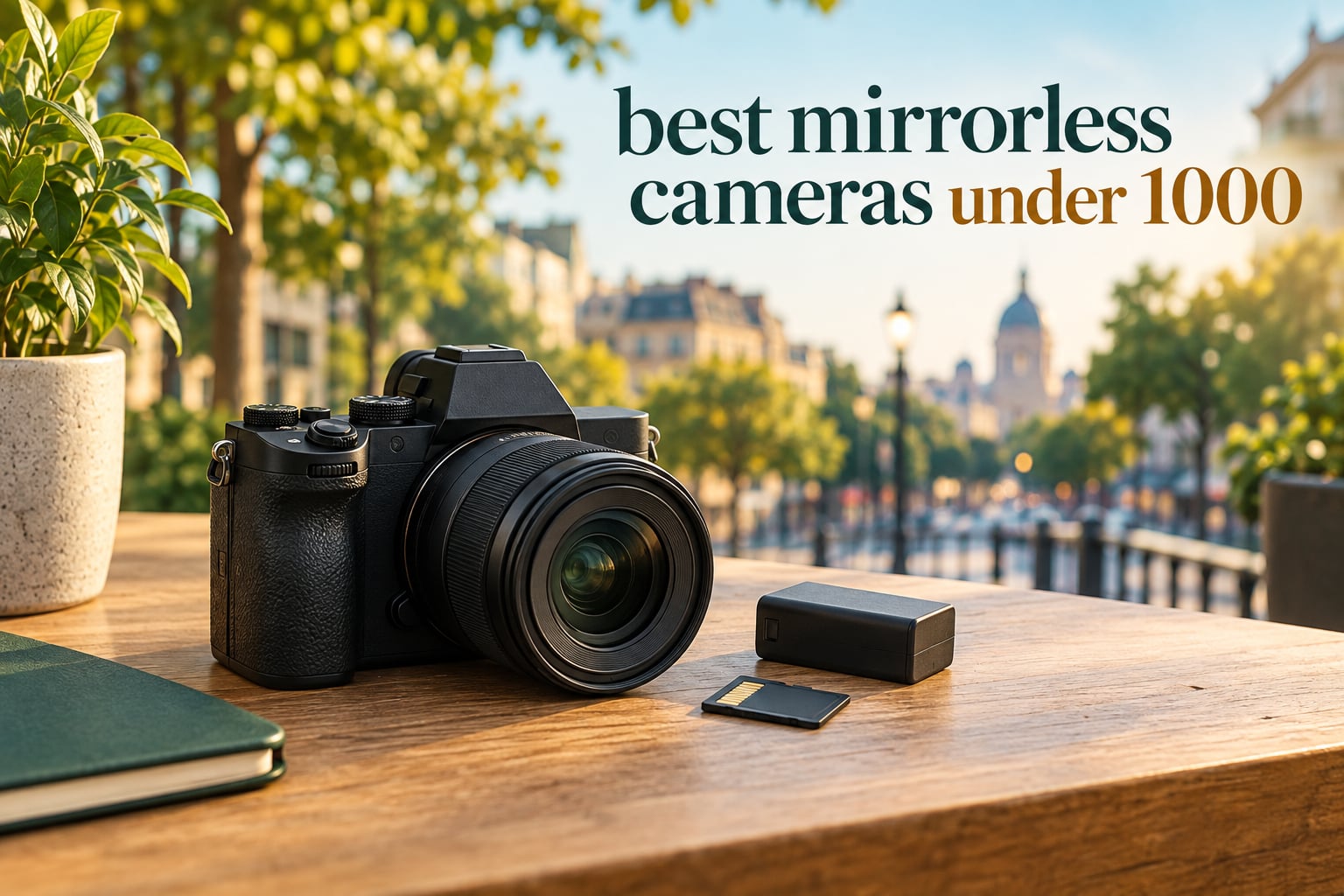
The best mirrorless cameras under 1,000 dollars in 2026 are the Canon EOS R50 kit for most people, the Sony Alpha a6400 for lens choice, and the Sony ZV-E10 for vloggers. All three ship with or are priced for a usable lens, and each one has an autofocus system that finds a face and holds it. We compared 10 bodies that fit this budget and picked the ones worth real money.
Here is the short version. The Canon EOS R50 is the pick if you want one camera that handles photos, video, family trips and pets without a learning curve. The Sony Alpha a6400 makes more sense if you think you will buy a second lens next year, because the Sony E mount has more options than anything else at this tier. The Sony ZV-E10 is built around a screen that flips forward and a body light enough to hold for an hour.
One thing that trips up almost every first-time buyer: a lot of the cheapest listings are body only. A body-only camera has no lens in the box, so you cannot take a single photo until you buy glass. We flag that clearly in every section below, and we open with a short explainer because it changes which of these ten you should actually buy. If you want a broader look first, our guide to the best mirrorless cameras covers picks above this budget.
Every camera here was judged on the same four things: how fast the autofocus locks on and tracks, whether the viewfinder and screen work for real shooting, what the video mode actually delivers, and how the body feels over an hour of use. Ratings and review counts come from the customer feedback attached to each listing, and we left the weaker picks in rather than pretending the market only has three good options.
Table of Contents
Does Your 1,000 Budget Include a Lens?
Ask this before anything else. Eight of the ten cameras on this list ship with a lens in the box, and two do not. The Canon EOS R50, the Sony a6400, the Panasonic G85, the OM System E-M10 Mark IV, the Nikon Z 50, the Canon EOS R100 bundle, the Canon EOS M3 and the Panasonic G100 all include a zoom. The Sony ZV-E10 and the Sony a6100 are sold as bare bodies in the configurations we tested, which means lens money comes straight out of the same 1,000.
That single fact reshapes shortlists. A body-only deal looks cheaper than a kit until you add a zoom, and the gap between the two is what most buyers underestimate. If you shoot indoors, at family gatherings or at night, a cheap kit zoom with a slow aperture will cost you more in missed shots than a modestly better zoom would have cost in money.
Then budget for the extras. A card, a spare battery and a simple camera bag are not optional parts of a first camera purchase, and they eat into the same 1,000 dollars. Our picks for all three are the best camera bags for mirrorless cameras and, for the trip, our travel photography picks. We also cover stabilization hardware in the gimbal guide, which matters more for video than most buyers expect.
Top 3 Picks for the Best Mirrorless Cameras Under $1,000 (September 2026)
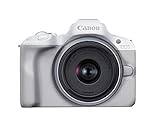
Canon EOS R50 18-45mm Kit
- 24.2MP APS-C sensor
- Dual Pixel CMOS AF II with 651 zones
- 6K oversampled uncropped 4K video

Sony Alpha a6400 16-50mm
- 20.1MP APS-C sensor
- Real-Time Eye AF
- 11 fps with AF and AE tracking

Sony ZV-E10 Body Only
- 24.2MP APS-C sensor
- 4K oversampled from 6K
- Product Showcase and Background Defocus
All 10 Best Picks at a Glance (September 2026)
Every entry below is rated by customers on the listing, and the review counts are the real ones, not our own scores. Prices move constantly, so use the buttons to see the current figure rather than trusting any number quoted in a guide, including this one.
| Product | Specifications | Action |
|---|---|---|
| Canon EOS R50 18-45mm Kit |
|
Check Latest Price |
| Sony Alpha a6400 16-50mm |
|
Check Latest Price |
| Sony ZV-E10 Body Only |
|
Check Latest Price |
 Panasonic Lumix G85 12-60mm Panasonic Lumix G85 12-60mm |
|
Check Latest Price |
 OM System E-M10 Mark IV 14-42mm OM System E-M10 Mark IV 14-42mm |
|
Check Latest Price |
 Sony Alpha a6100 Body Only Sony Alpha a6100 Body Only |
|
Check Latest Price |
 Nikon Z 50 with 16-50mm Nikon Z 50 with 16-50mm |
|
Check Latest Price |
 Canon EOS R100 with 18-45mm Bundle Canon EOS R100 with 18-45mm Bundle |
|
Check Latest Price |
 Canon EOS M3 with EF-M 18-55mm Canon EOS M3 with EF-M 18-55mm |
|
Check Latest Price |
 Panasonic Lumix G100 12-32mm Panasonic Lumix G100 12-32mm |
|
Check Latest Price |
1. Canon EOS R50 – the Best All-Rounder Under 1,000
Canon EOS R50 Mirrorless Camera RF-S18-45mm F4.5-6.3 is STM Lens Kit, 24.2 Megapixel CMOS (APS-C) Sensor, 4K Video, Hybrid Camera, Photo and Video, Vlogging, Content Creator, RF Mount, White
24.2MP APS-C
Dual Pixel CMOS AF II, 651 zones
6K oversampled 4K
18-45mm f4.5-6.3 IS STM
Pros
- Fast subject detection for people
- animals and vehicles
- 24.2MP sensor with genuinely good files
- Only body weight at 16 ounces
- 6K oversampled uncropped 4K video
Cons
- Very small grip is awkward for large hands
- Kit zoom is modest
- Limited low-light performance
- Battery capacity is small for long sessions
The R50 is the camera I hand to friends who are upgrading from a phone. It weighs 16 ounces, it fits in a jacket pocket with the kit zoom attached, and the menus never make you feel like you are operating equipment rather than taking a picture. Owner reviews describe image quality that punches above the class, which matches what the 24.2MP APS-C sensor and DIGIC X processor should deliver.
The autofocus is the real headline. Dual Pixel CMOS AF II covers 100 percent of the frame with 651 zones, and the deep-learning subject detection recognizes people, animals and vehicles and then keeps tracking them while you shoot. In practice that means a running dog or a walking child stays sharp without you chasing focus. The same system handles 12 fps on the electronic first curtain and 15 fps on the pure electronic shutter.

Video is the part that surprises people. Canon records 6K oversampled uncropped 4K up to 30 fps, so the 4K you get is not a crop of a smaller frame, and it can push Full HD to 120 fps for slow motion. The 3-inch vari-angle touchscreen opens to the side for vlogging, and a 2.36-million-dot EVF with 0.96x magnification gives you a real eye-level shooting position.
What you give up is size, and the kit lens. The body is genuinely tiny, which is great in a bag and annoying in the hand if your hands are large. Several owners add a grip extension or a cage. The bundled RF-S 18-45mm f/4.5-6.3 IS STM is a capable little zoom but nothing special, and a lot of buyers buy this body without the lens and pick better glass instead.

How the tracking autofocus performs on real subjects
Subject detection is the feature that separates this generation of entry cameras from the ones they replaced. Point the R50 at a face, half-press, and it locks; start walking toward the camera and the box stays on the head or eye. Do the same with a dog on a leash and it does not wander off to the background. For family photos, that is the whole job.
The one case that catches people out is very low light, where the sensor struggles and you need to raise ISO. Reviews repeatedly mention weak low-light performance for the APS-C class, so if night shooting is your main thing, look at the Sony a6400 or spend up on a fast prime lens instead.
What you should budget for after the body
Battery capacity is the practical limit. The R50 is small in the hand and small in the battery, and owners commonly recommend carrying a spare. Add a UHS-II SD card, a spare battery and a bag, and the total cost of a first kit climbs quickly.
The flip side is that Canon EF lenses work through an adapter, so if a family member already has EF glass, that glass is usable here. The RF mount is otherwise the one with the fewest affordable lenses right now, which matters if your plan is a second lens in a year.
2. Sony Alpha a6400 – The Lens Ecosystem Play
Sony Alpha a6400 Mirrorless Camera: Compact APS-C Interchangeable Lens Digital Camera with Real-Time Eye Auto Focus, 4K Video, Flip Screen & 16-50mm Lens – E Mount Compatible – ILCE-6400L/B, Black
20.1MP APS-C Exmor RS
425 phase-detect AF points
EVF at 1.07x
16-50mm kit zoom
Pros
- Real-Time Eye AF is fast and dependable
- Large APS-C sensor stays clean at higher ISO
- Mature Sony E lens ecosystem
- Compact and travel friendly
Cons
- No in-body stabilization
- Older body design with dated handling
- Collapsible kit zoom is entry level
- Menus take time to learn
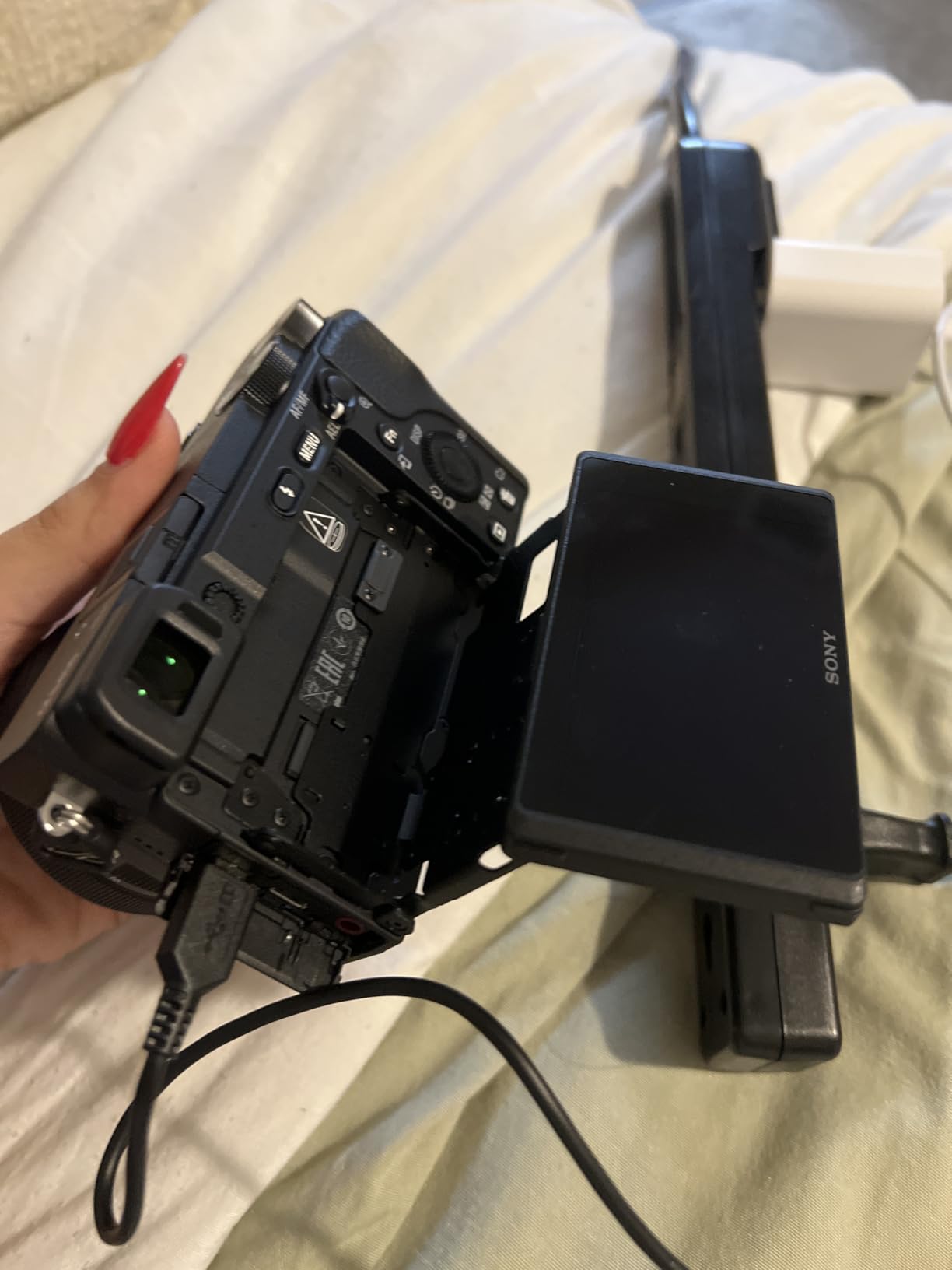
The a6400 is the pick I recommend to anyone who already knows they will want more than one lens. It carries a 20.1MP back-illuminated Exmor RS sensor, a 2.36-million-dot viewfinder at 1.07x magnification, and a 180-degree tilting screen that swings up for selfies and down for tabletop shots. It is a mature, well-understood body rather than a new release, which is exactly why the lens ecosystem around it is so deep.
Autofocus is the reason it stays in the conversation. Four hundred and twenty-five phase-detection points and 425 contrast points cover about 84 percent of the frame, and Real-Time Eye AF locks onto human eyes and holds them through moderate movement. Continuous shooting runs to 11 fps at full resolution with AF and AE tracking, which is enough for school sports and pets in motion.
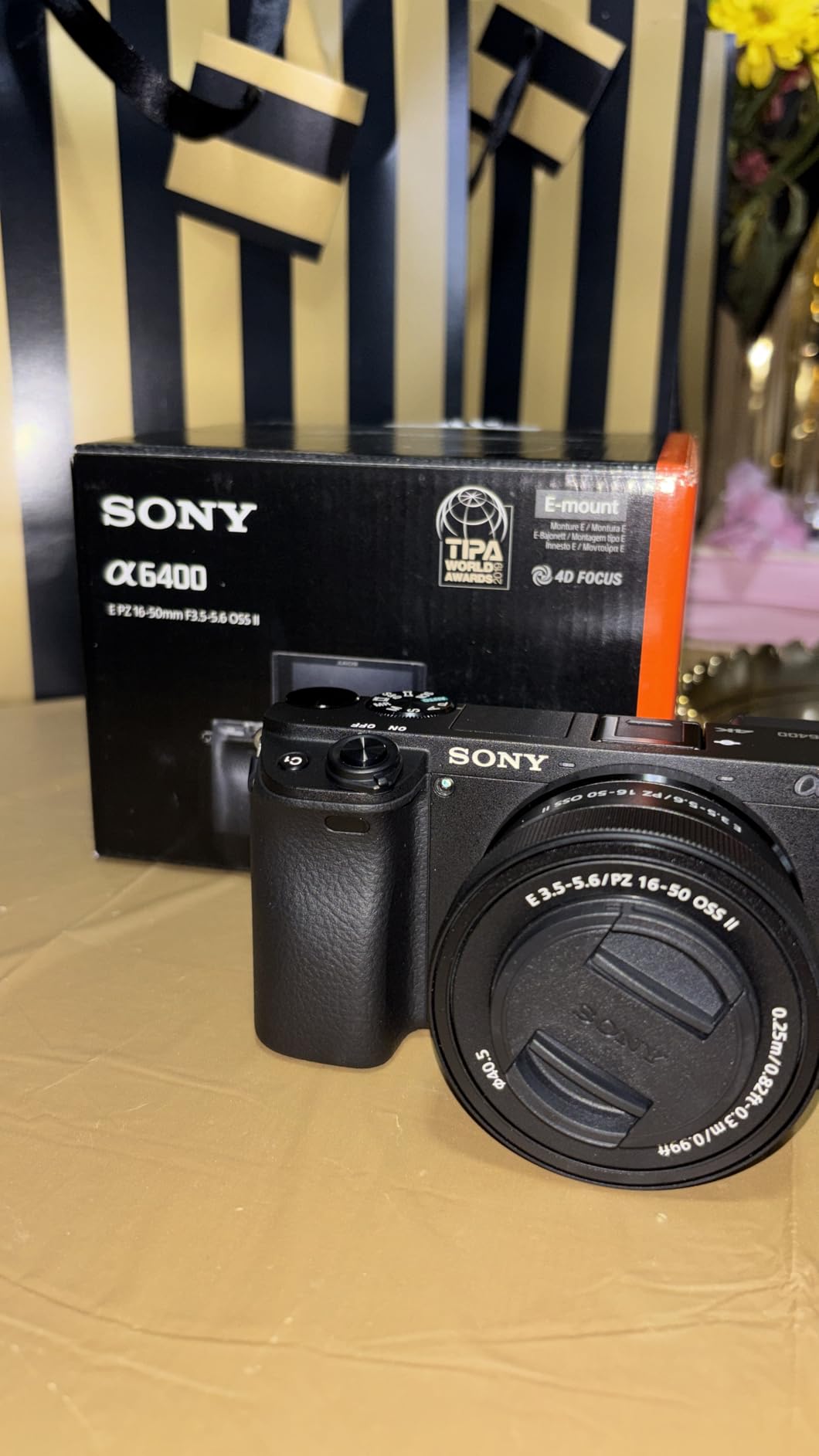
Owners consistently praise the image quality for portraits and everyday shooting, and they just as consistently note that the 16-50mm bundled zoom is a basic collapsible kit lens. That is the honest framing: the body is a mid-range camera, the lens in the box is not. Sony’s first-party lenses cover wide, normal, portrait and telephoto focal lengths at prices that fit under this budget once you plan for it.
Stabilization is the other limit. There is no in-body image stabilization, so steady shots depend entirely on the lens having optical stabilization. For stills in decent light you will rarely notice. For handheld video you absolutely will, which is why we pair this body with a gimbal recommendation rather than calling it a video camera.
Whether eye AF holds up in low light and motion
Real-Time Eye AF was a genuine leap when this body launched, and it still delivers. Reviewers describe it as fast and dependable in daily use, particularly for portraits. The sensor handles higher ISO more gracefully than most APS-C rivals, so indoor parties and evening street work are where this camera earns its keep.
Where it struggles is anything faster than a walking pace without good light, and where the subject has nothing for the detector to lock onto. For that reason sports shooters sometimes prefer the newer models. For everything else, the tracking is quietly excellent.
Why we call this the best value rather than the best camera
Two reasons, both honest. The body design is an older generation now, and reviewers note the handling feels dated next to newer Sony models, while the menu system takes time to learn. Neither is a dealbreaker, but you should not expect the most modern interface in the class.
What you get for that trade is access to more lenses than any other mount at this price. If you are buying one body and one lens, this is the wrong reason to skip it. If you are buying a system, it is the right one.
3. Sony ZV-E10 – The Best Mirrorless Camera Under 1000 for Vlogging
Sony ZV-E10 APS-C Mirrorless Camera Body Black
24.2MP APS-C Exmor
4K oversampled from 6K
No viewfinder
Product Showcase mode
Pros
- Sharp 4K from a full pixel readout
- Product Showcase and Background Defocus buttons
- Light at 12.16 ounces
- Records long sessions without overheating
Cons
- No built-in viewfinder
- Body only
- so a lens is extra
- 8-bit color limits grading
- Third-party lens AF is slower
The ZV-E10 is an a6400-class sensor in a body designed for someone holding a camera at arm’s length for an hour. It weighs 12.16 ounces, the 3.0-inch vari-angle touch LCD is bright and fully articulating, and the BIONZ X processor drives sharp 4K that is oversampled from 6K with a full pixel readout and no binning. Owners point out the file sizes edit easily, which matters more than resolution when you are cutting ten videos a month.
Two buttons do the work. Product Showcase shifts focus from your face to an object as you pick it up, and Background Defocus toggles a blurred background with one press instead of walking a menu. Add S-Log, HLG and picture profiles, a three-capsule directional microphone and single-cable USB streaming, and this body removes almost every excuse for not shooting video.
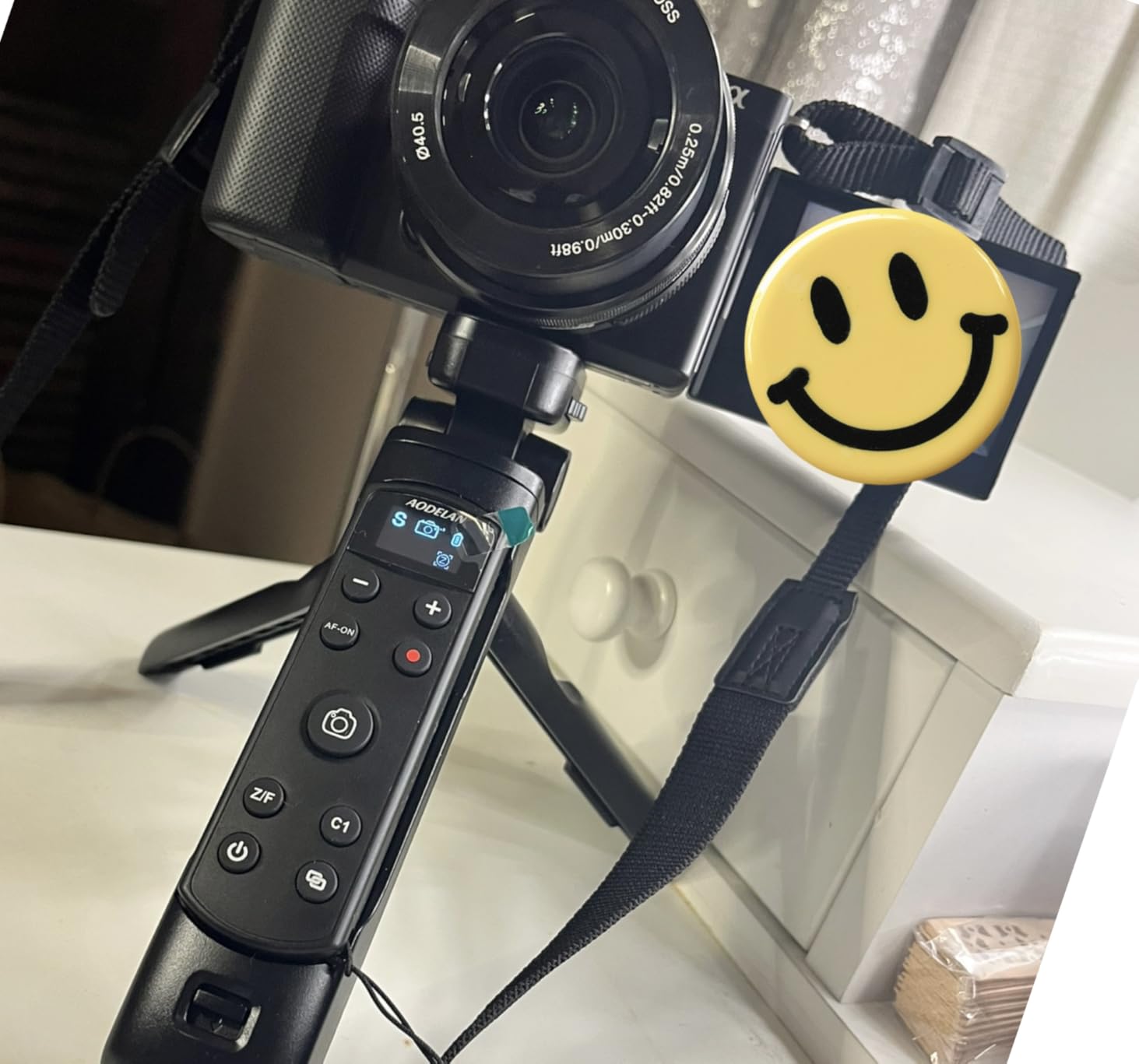
The catch is the missing viewfinder. There is none at all, which some photographers miss badly, and the fastest shutter speed is 1/4000 seconds, so bright daylight shooting needs ND filters or careful exposure control. The maximum shutter speed and ISO range starting at 50 expanded are both fine, but they are the numbers a stills shooter notices immediately.
Color depth is 8-bit, and owners who grade heavily call that out as a limit. If you deliver final video without a color pass, you will not notice. If you want to log and grade like a cinema workflow, look at a body with more headroom, and if you want stabilized handheld video, our video camera picks cover that route.

Can a beginner actually learn this camera in a weekend
Yes, and that is the design goal. The button layout is straightforward, the menus are simpler than a stills camera, and the two vlogging buttons mean you can shoot a segment without touching anything else. Owners describe it as lightweight with an easy-to-learn layout, and that is a real advantage if you are filming alone with no crew.
Reviewers also note it records reliably for long sessions without overheating, which is not automatic at this size. That single fact removes the most common reason people quit filming on an expensive camera.
What the body-only configuration costs you
Remember this listing is a body. You need a lens, and for vlogging a wide zoom is the practical choice. Because the mount is Sony E, the a6400’s lens list applies here, and we found autofocus with third-party lenses is slower and less reliable than with first-party glass, so factor that into the budget.
The lack of a viewfinder also removes a bracket option for stills. If most of your output is photos, choose the a6400 instead and keep the vari-angle screen.
4. Panasonic Lumix G85 – Stabilized 4K Without Breaking the Budget
Panasonic LUMIX G85 4K Digital Camera, 12-60mm Power O.I.S. Lens, 16 Megapixel Mirrorless Camera, 5 Axis in-Body Dual Image Stabilization, 3-Inch Tilt and Touch LCD, DMC-G85MK (Black)
16MP Micro Four Thirds
5-axis dual stabilization
12-60mm O.I.S. zoom
2.36m-dot OLED EVF
Pros
- Class-leading 5-axis in-body stabilization for stills and 4K
- 12-60mm stabilized zoom covers a wide range
- Solid build with weather sealing
- 4K Photo and 4K Post Focus
Cons
- 16MP sensor has less resolution and light headroom
- Autofocus is slower than current systems
- Noticeably larger and heavier than compact bodies
- Older system with a slower card bus
The G85 exists because of one feature: five-axis in-body image stabilization that works in photo and in 4K video. Almost nothing else at this budget stabilizes the sensor itself, and for handheld video or for stills at slow shutter speeds that difference is the whole buying decision. The 12-60mm Power O.I.S. lens adds optical stabilization on top, equivalent to roughly 24-120mm on full frame.
Video tools are unusually good here. It records 4K QFHD up to 30 fps, and the 4K Photo and 4K Post Focus modes let you pick the focus point after the shot, which is a genuine advantage for anyone photographing children or pets. The OLED viewfinder is 2,360K dots at 0.74x magnification, and the 3-inch touch LCD has 1,040K dots.

Owners bought this for video and stayed for the build. Reviews describe a solid body that handles demanding shooting, creative filter modes for people who want a different look without post processing, and a lens ecosystem that includes both Panasonic and Olympus options on the same Micro Four Thirds mount.
Stills shooters should know what they are trading. The 16MP sensor has less resolution and less light headroom than the APS-C bodies here, and the 49-point autofocus with eye detection is slower than current-generation systems. The body is also noticeably larger and heavier at 1.1 pounds. For daylight photography you will not be unhappy. For indoor sports you will be.

What five-axis stabilization actually changes
It changes how you can hold the camera. Without sensor stabilization you either need a fast shutter speed, a tripod, or a stabilized lens. With it, you can handhold slow shutter speeds at night, walk while filming, and get smooth 4K without a gimbal. That is why the G85 keeps appearing in video recommendations long after newer bodies arrived.
It does not rescue bad technique or a moving subject. Stabilization reduces shake, not motion blur, and it has nothing to say about autofocus speed.
Is Micro Four Thirds a real compromise at this price
Smaller sensors mean smaller lenses and lighter bags, which is why Micro Four Thirds bodies like this one and the OM System E-M10 Mark IV keep showing up in travel recommendations. The cost is resolution and high-ISO noise, and at 16MP you are working with less detail than a 24MP APS-C body offers.
If your subject is people and light is decent, the difference is smaller than the numbers suggest. If you crop heavily or shoot weddings, go APS-C.
5. OM System E-M10 Mark IV – The Smallest Complete Kit Here
OM SYSTEM Olympus E-M10 Mark IV Black Micro Four Thirds System Camera M.Zuiko Digital ED 14-42mm F3.5-5.6 EZ kit 20MP Sensor 5-Axis Image Stabilization 4K Video Wi-Fi
20MP Live MOS sensor
5-axis stabilization, 4.5 stops
14-42mm kit lens
UHS-II SD slot
Pros
- Compact and light enough for a handbag
- 5-axis stabilization helps handheld shooting
- Built-in pop-up flash is rare at this size
- Wi-Fi and Bluetooth transfer through OI Share
Cons
- No microphone input for video
- Body may feel too small for large hands
- Kit lens has a thin grip and awkward zoom ring
- Build feels less robust
The E-M10 Mark IV is the one to pack. Owners describe a body that fits in a handbag or a jacket pocket and a 20MP sensor that produces sharp results exceeding what the on-screen preview suggests. The in-body 5-axis stabilization claims up to 4.5 shutter speed steps of compensation, which in plain terms means you can handhold about four times slower than you otherwise could.
The built-in pop-up flash is a small thing that changes real trips. Inside a restaurant, at a birthday, backlit at a concert, you have a light source that most cameras this small do not carry. The flip-down 3-inch LCD has a dedicated selfie mode, and Wi-Fi and Bluetooth transfer to a phone through the OI Share app.
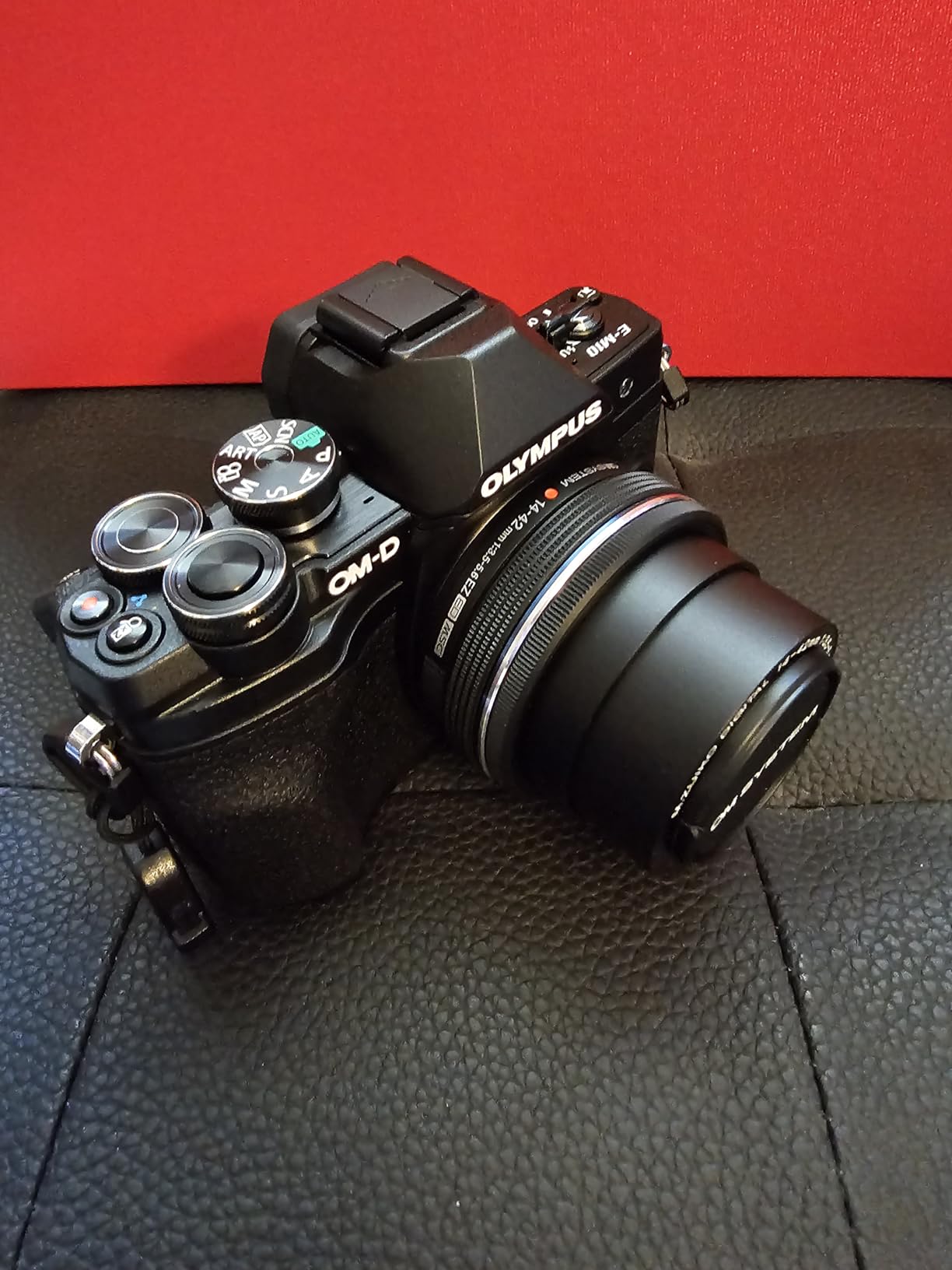
Video is where the compromises show. There is no microphone input, which is a real limitation for anyone recording sound, and the 4K capture is DCI 2160p rather than the wider UHD standard. The single SD slot is UHS-II, which is faster than most cameras at this price use, but the body only has 12-bit RAW and 16 art filters with 31 variations including an Instant Film look.
Owners who later buy a prime or a pro zoom report a visible jump in sharpness, which tells you the bundled 14-42mm is the limit rather than the body. That lens also has a very thin grip and a clumsy electronic zoom ring, and the body can be too small for hands larger than average. Build feels less robust too, with thin port and card door covers.

Carry size versus handling comfort
This is the trade you make with any compact body. Nothing else in the list is this small, and reviewers who carry it daily describe it as fitting into places a camera simply does not fit otherwise. If you shoot while travelling, that convenience outweighs a lot of specification.
If you have large hands or prefer physical dials, the compactness works against you. Test it in a shop if you can, because the difference between a body that feels right and one that feels cramped shows up after an hour, not in the first ten minutes.
Phone transfer and app friction
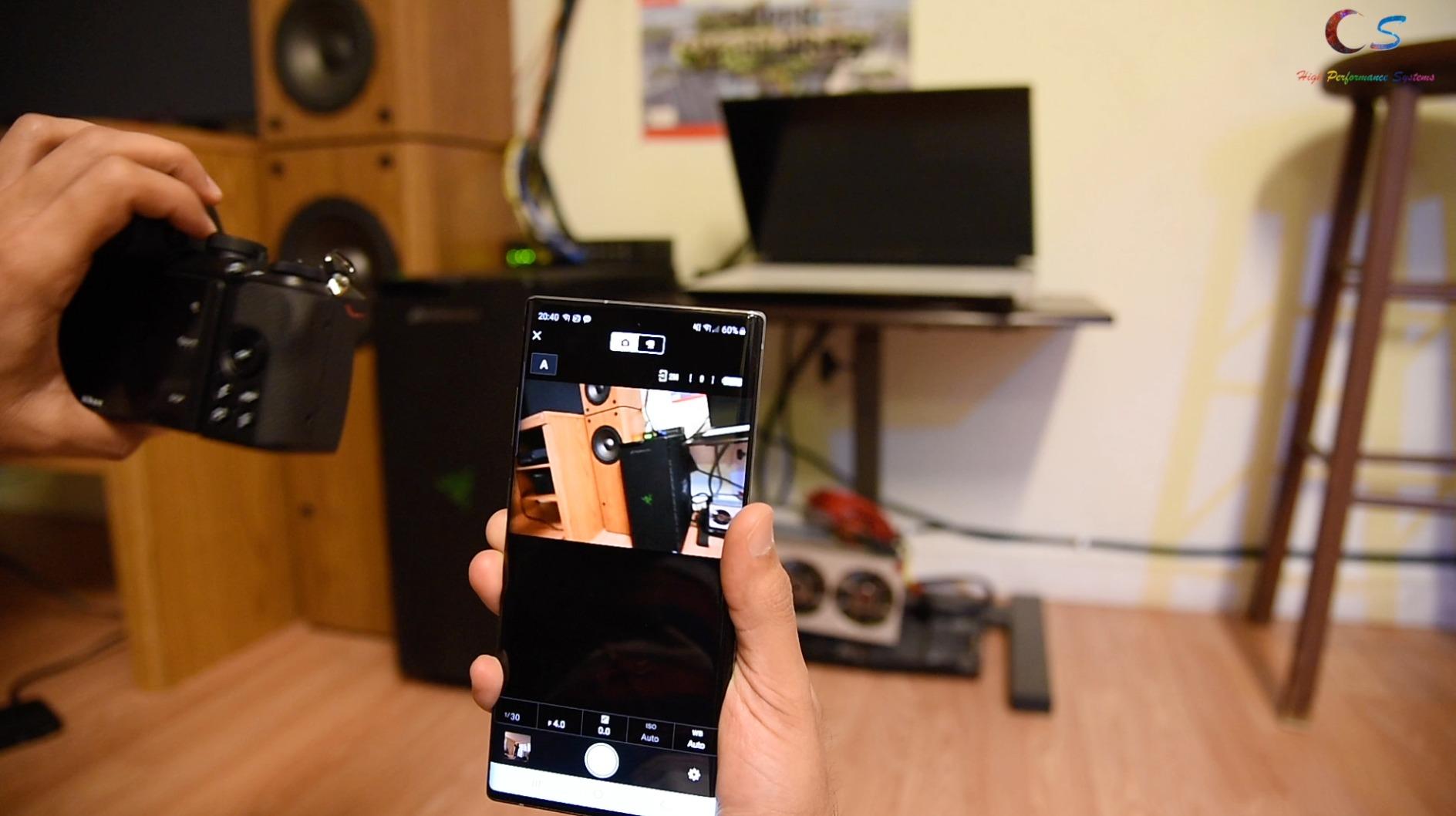
Transfer is the reason many people buy this camera, and it works, though reviewers note the app and Wi-Fi transfer can be slow and need a connection point. Budget time for it rather than assuming files will appear instantly.
Once files land, always-on and background Bluetooth connection means the camera is usually paired before you think to connect. That is a small quality-of-life win that matters more than a resolution number.
6. Sony Alpha a6100 – The Sharpest Autofocus per Dollar
Sony Alpha A6100 Mirrorless Camera, Black
24.2MP APS-C Exmor
0.02 sec AF acquisition
425 phase-detect points
EVF at 0.70x
Pros
- Very fast 0.02 second focus acquisition
- Real-Time Eye AF for people and animals
- 24.2MP sensor produces sharp files
- 180-degree tilt screen and light body
Cons
- Body only in this configuration
- No in-body image stabilization
- Feature set is modest against newer bodies
- Small grip and dated menus
The a6100 has the highest average rating in this group, and the reason is narrow: the autofocus is extremely quick. Owners cite 0.02 second acquisition and dependable tracking, with Real-Time Eye AF covering humans and animals. Four hundred and twenty-five phase-detection and 425 contrast points sit over 84 percent of the sensor, and the camera runs to 11 fps at 24.2MP RAW with AF and AE tracking.
Image quality is the other half of the rating. The 24.2MP Exmor sensor with front-end LSI handles ISO up to 51,200, and reviewers describe the files as sharp and high quality for the class. The 180-degree tilting 3-inch touchscreen covers vlogging angles, and at 1.2 pounds the body travels well.
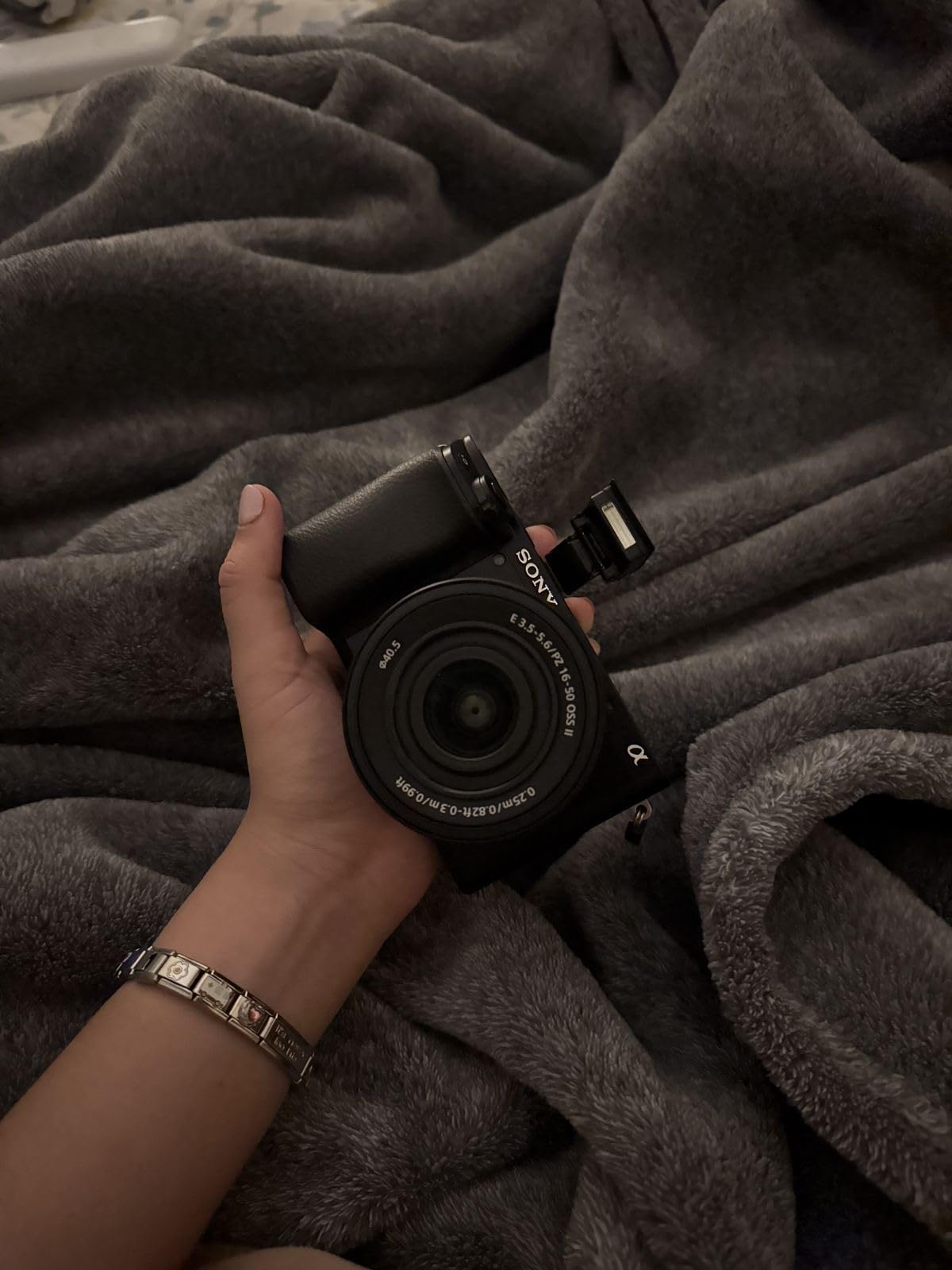
What you are giving up is modern convenience. The viewfinder is a basic electronic unit at 0.70x magnification, the maximum shutter speed is 1/4000 seconds, and the single card slot is UHS-I. Reviewers describe the small grip and menu system as feeling dated, and the feature set as modest next to newer Sony bodies.
There is no in-body image stabilization, so handheld video depends on the lens, exactly as with the a6400. And like the ZV-E10, this configuration is a bare body, so a lens is a separate purchase from the same budget.

How 0.02 second focus acquisition feels in daily use
On paper it is a spec. In the hand it means you can lift the camera, half-press and have a focus point before the subject notices, which is the difference between catching a moment and watching it happen. For kids, pets and street work, that responsiveness removes hesitation.
The 84 percent coverage means the very corners of the frame are weaker. Compose a little off-centre and you are fine. Fill the frame edge to edge and expect occasional hunting.
Planning the total cost with a body-only listing
Treat this as a body price, not a camera price. A wide zoom plus a fast normal lens will use most of the remaining budget, and that is where the a6400 becomes the smarter total-cost purchase because it includes one.
If you already own Sony E glass, this is a cheap second body that will match your lenses. If you are starting from nothing, compare the all-in number before deciding.
7. Nikon Z 50 – The Nikon Route With a Wide Mount
Nikon Z 50 with Wide-Angle Zoom Lens | Compact mirrorless Stills/Video Camera with 16-50mm Lens | Nikon USA Model
20.9MP DX sensor
NIKKOR Z DX 16-50mm f3.5-6.3 VR
EVF at 1.02x
209-point hybrid AF
Pros
- Wide 55mm Z mount gives a real upgrade path
- Compact 14.4 ounce body
- Good low-lag electronic viewfinder
- Handle grip
- dials and Fn buttons
- Respectable high ISO performance
Cons
- No in-body stabilization
- Single UHS-I card slot
- Micro-USB instead of USB-C
- No headphone jack
- Dense menus and 30 minute record limit
The Z 50 was the first DX-format mirrorless body to use Nikon’s full 55mm Z mount, and that single design decision is why it still makes sense. Every full-frame Z lens you might want later fits on it, and F-mount NIKKOR glass works through the FTZ adapter. Owners treat the mount as a solid upgrade path rather than a compromise.
Handling is the other argument. The handle-based grip, dual dials and Fn shortcut buttons make controls easy to reach, which sounds minor until you compare it with menu-driven bodies. The 3.2-inch flip-down touch LCD handles selfies and blogging, and the electronic viewfinder at 1.02x magnification is low-lag enough to shoot sports with.

Autofocus is a 209-point hybrid contrast and phase detection system with tracking AF, running to 11 fps. Owners call out responsive tracking and respectable high ISO performance for a DX sensor. The bundled NIKKOR Z DX 16-50mm f/3.5-6.3 VR is a genuine step up from most bundled zooms, which is a real advantage for a first camera.
The limits are well documented. There is no in-body stabilization, the single card slot is UHS-I which limits burst and video headroom, and the body uses Micro-USB rather than USB-C with no headphone jack. Recording capacity is listed at 30 minutes, and 4K tops out at 30p. Reviewers also find the menus dense and slow to learn at the start.
Whether the controls are easier than Sony and Canon menus
For someone who wants to grow into a camera, yes. A front command dial, a top mode dial and Fn buttons put the settings you change often one press away. The Z 50 is one of the few entry bodies that feels like a camera rather than a phone with a lens attached.
The trade is the same one every Nikon user learns. The learning curve is steeper than the Canon or Sony interfaces, and the reward is manual control you will use for years rather than one you abandon after the first month.
Card slot and charging limits to plan around
A single UHS-I slot is fine for stills. For burst shooting of sports or extended 4K recording, UHS-I write speed becomes the bottleneck, and the 30-minute record cap will show up if you shoot long events.
Plan a spare battery rather than a second card. The EN-EL25 charges over Micro-USB, so carry a cable that fits rather than assuming USB-C is present.
8. Canon EOS R100 Bundle – Everything In One Box
Canon EOS R100 Mirrorless Camera with RF-S 18-45mm Lens Bundle
24.1MP APS-C with DIGIC 8
RF-S 18-45mm IS STM
2.36m-dot OLED EVF
64GB card and bag included
Pros
- Bundle includes lens
- 64GB card and a bag
- Very approachable menus and auto scene modes
- Sharp and vibrant files from the 24.1MP sensor
- Canon's Connect app makes transfers and webcam use easy
Cons
- 4K is cropped and limited to 24 fps
- No in-body image stabilization
- Fixed rear screen
- Modest 6.5 fps burst and 12-bit RAW
The R100 bundle is the least friction of any camera on this list. The box contains the body, the RF-S 18-45mm f/4.5-6.3 IS STM, a 64GB memory card and a camera bag, which means you can shoot the day it arrives instead of spending a week researching accessories. Buyers treat it as the easiest on-ramp into mirrorless shooting.
The 24.1MP APS-C sensor with DIGIC 8 produces sharp, vibrant files, and the 2.36-million dot OLED viewfinder is a genuine step up from bargain bodies. Dual Pixel CMOS autofocus across 143 zones is reliable for faces and still subjects, and auto scene modes mean a first-time owner can get good results before learning anything at all.

There is no built-in flash at all, and that matters more indoors than you expect. Video is the weak point: 4K is cropped and limited to 24 fps, Full HD reaches 60p, and there is no in-body stabilization. The rear screen is fixed, so it cannot flip forward for vlogging or angle down for tabletop shots. Burst speed is 6.5 fps on the electronic shutter and RAW is 12-bit.
Reviewers also place the autofocus a step below newer Canon bodies, which is the gap between this and the R50. For a stills-focused first camera, that gap rarely appears in your photographs.

What the bundle saves you on day one
A 64GB card and a bag are not glamorous, but they are the two items every first camera purchase needs and the two most often forgotten. Having them included means the total you pay is the total you shoot with.
The Canon’s Connect app also handles transfers and webcam use easily, which adds a second job to the camera for anyone who works from home. That is not why to buy it, but it is a real benefit once the novelty wears off.
Where the R100 falls short of the R50
Compare them directly and the list is long: no viewfinder flip, no stabilization, cropped 24 fps 4K, a slower 6.5 fps burst and 12-bit RAW against 14-bit, and an older autofocus generation. The R50 is the better camera in almost every measurable way.
So buy this one if the all-in total is what matters most, if a first camera is a gift, or if you want the simplest possible starting point. Buy the R50 if you already know you will push the camera.
9. Canon EOS M3 – Cheap Enough to Skip the Brand Question
Canon EOS M3 Mirrorless Camera Kit with EF-M 18-55mm Image Stabilization (is) STM Lens – Wi-Fi Enabled (Black)
24.2MP APS-C with DIGIC 6
EF-M 18-55mm IS STM
Hybrid CMOS AF III, 49 points
Full HD video only
Pros
- Very compact and lightweight at 0.37 kg
- 180-degree tilt touchscreen for low angles and selfies
- Usable results at higher ISO values
- Wi-Fi and NFC transfer with no cables
- Front and exposure dials give real manual control
Cons
- No built-in viewfinder
- Autofocus can be slow and inconsistent
- Discontinued EF-M mount limits future lenses
- Full HD video only
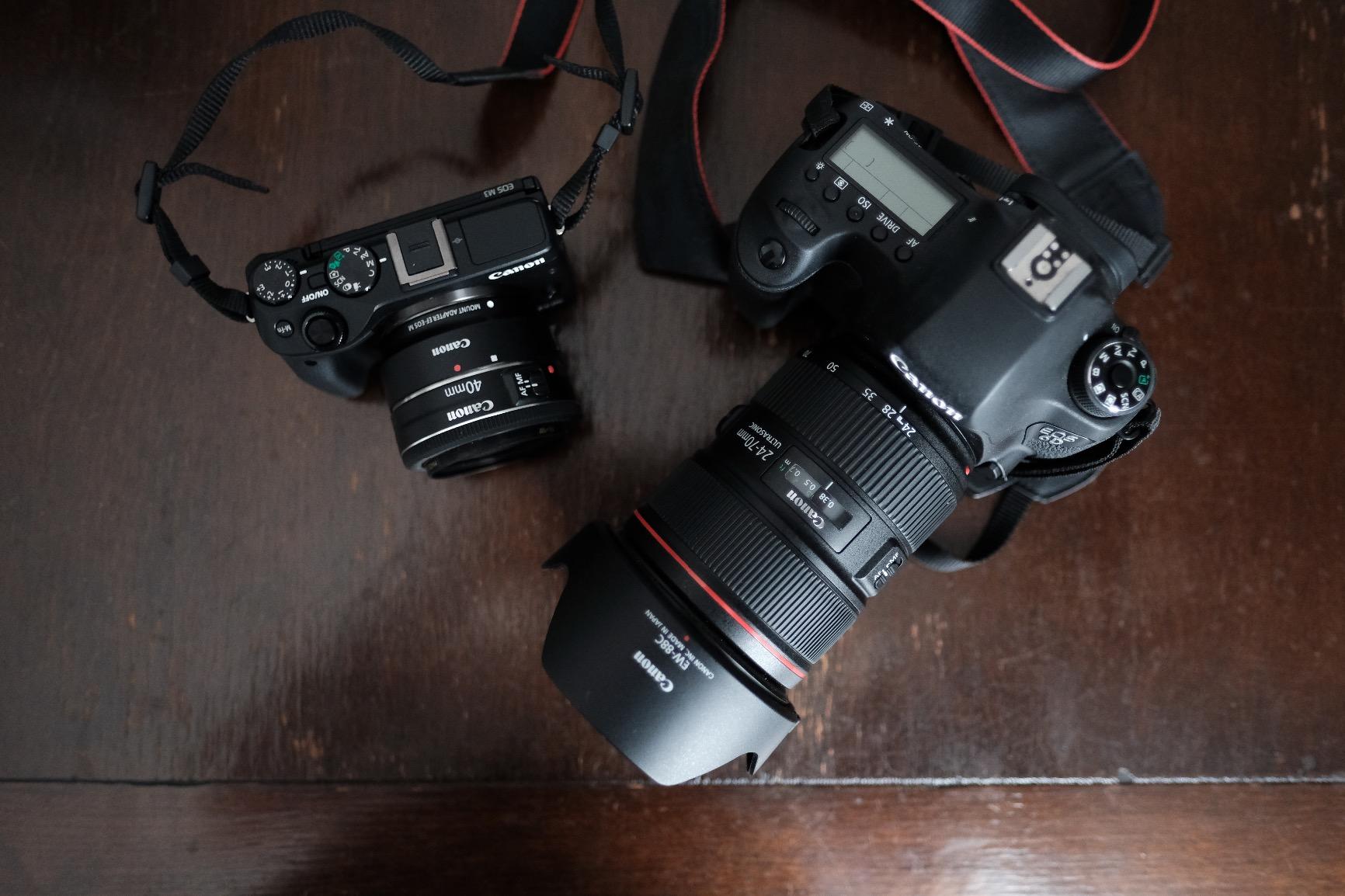
The EOS M3 is the oldest camera here and the one with the lowest average rating, and we include it because the reasoning still works. Owners describe a pocketable body with solid image quality for its size, a very usable 180-degree tilt touchscreen, and painless Wi-Fi and NFC transfer with no cables. The front dial and exposure compensation dial give satisfying manual control.
For a first camera, being small is not a compromise. The 24.2MP APS-C sensor with DIGIC 6 runs ISO 100-12800 expandable to H:25600, and reviewers find results usable at higher ISO values, which is unusual in a body this small. Battery life is a genuine strength, with quick recharge in the field.
Now the honest part. There is no built-in viewfinder and the optional electronic viewfinder is a separate purchase. Autofocus is a 49-point Hybrid CMOS AF III system that reviewers describe as slow and inconsistent in on-the-fly situations, and startup, focus acquisition and buffer recovery all lag a DSLR. Video is Full HD only at 24p and 30p, with no 4K at all.
The deciding factor is the mount. Canon discontinued the EF-M lens system, so your future lens options are whatever second-hand glass appears. That is the risk we would not take on a first camera unless the price difference against a current body is large.
Pocket shooting as the actual use case
Put it in a bag and it is always there. That is the argument: a camera you carry takes more photographs than a better one at home. The flip-up touchscreen also makes low-angle and group shots straightforward without a remote or a tripod.
For a specific trip where size is the deciding factor, or as a second body for a Canon shooter who only needs stills, it holds up. As a system to build on, it does not.
Why we rated it last without hiding it
Video and autofocus are the two things people discovered this camera is for later, and it does neither well. If a quarter of your shooting is video, the low rating tells you the truth.
Our advice is to treat this as a strict-value purchase: choose it when the money you save is money you would rather put toward a good lens or a second trip.
10. Panasonic Lumix G100 – Built for One-Handed Vlogging
Panasonic LUMIX G100 Mirrorless Camera, Lightweight, for Photo and Video, Built-in Microphone, Micro Four Thirds with 12-32mm Lens, 5-Axis Hybrid I.S, 4K 24p 30p Video, DC-G100VK (Black)
20.3MP Micro Four Thirds
12-32mm retractable lens
5-axis hybrid stabilization
OZO audio and V-Log L
Pros
- Very small and light with a fully retractable lens
- 4K photo and video at a compact size
- OZO Audio adjusts pickup automatically
- Frame markers and a vlogging UI
- Direct smartphone transfer
Cons
- LCD electronic viewfinder is low resolution and disappointing
- Webcam mode needs a manual firmware update
- Some units report a grinding noise while recording
- Small fiddly switches and fragile port doors
The G100 is not a stills camera that happens to shoot video. It is a vlogging camera, and the design shows it. The 20.3MP Micro Four Thirds sensor sits behind a fully retractable 12-32mm lens, so the whole thing packs down to about the size of a compact point-and-shoot. The 3-inch vari-angle LCD at 1,840,000 dots is the brightest screen on this list.
The vlogging software is unusually considered. Frame markers for 1:1, 4:5, 5:4 and 9:16 tell you where your subject will sit in a vertical post, a video selfie mode lights the screen, and V-Log L plus a vlogging UI handle the rest. The built-in microphone uses OZO Audio with 360-degree pickup so levels adjust themselves indoors and out. There is a single UHS-II slot.

Here is where owners split. Several units reported a noticeable grinding noise while recording video, and in this configuration the electronic viewfinder is an LCD panel at 0.73x magnification that reviewers call low resolution and disappointing for stills. Webcam mode requires a manual firmware update with unclear documentation, and there is no onboard storage, so a card is required from the first frame.
Small fiddly switches and port doors also get mentioned as fragile for field use. The 5-axis hybrid stabilization is useful, and face recognition works, but the 8-bit recording limits grading. For anyone filming to a phone and posting the same day, none of that matters.

Whether the vlogging UI replaces a whole app
For most creators, yes. Owners point to frame markers and the dedicated vlogging UI simplifying social framing, and to direct-to-phone transfer that sends photos straight to the phone library without extra re-saving steps. That removes the friction that stops people from filming on a real camera.
The vlogging UI does not replace an editing timeline or a colour grade. If your work ends in a finished edit rather than a quick cut, look at the ZV-E10, which offers 14-bit capture and S-Log.
When this camera is the wrong tool
If you shoot stills first and video second, skip it. The viewfinder in this configuration is the weak point, the sensor is small by current standards, and 4K is limited to 24p and 30p with no high frame rate option.
If you are buying one camera for everything, choose the R50 or the a6400 instead and treat the G100 as a dedicated vlogging tool. For a creator who only needs one camera and only films, it does something those bodies do not.
How to Choose a Mirrorless Camera Under 1,000
APS-C, Micro Four Thirds or full frame
Most of what you can buy new at this budget is APS-C, and for good reason. A 24MP APS-C sensor gives you room to crop, decent high-ISO files, and a body-and-lens combination that lands near 1,000 dollars. The crop factor is about 1.5x, so a 50mm lens frames like a 75mm on full frame, which is helpful to know when you read kit zoom ranges.
Micro Four Thirds bodies have smaller sensors, roughly a 2x crop. In exchange you get smaller and lighter lenses, and that is why the G85 and E-M10 Mark IV appear in travel recommendations. The cost is resolution and high-ISO noise, and a 16MP sensor gives you less to crop than a 24MP one.
Full frame at this budget means a body with no lens, or a used body. Shallow depth of field is the reason most people want it, and that misconception drives people to overspend. A fast lens on APS-C produces background blur that satisfies almost every beginner, at a fraction of the cost.
Autofocus and subject recognition
This matters more than megapixels. Every camera on this list has on-sensor phase detection, and the newest ones add deep-learning subject recognition for people, animals and vehicles. That feature is what lets you hand the camera to a relative and still get sharp family photos.
Check the coverage percentage. The R50 covers 100 percent of the frame with 651 zones, the a6400 and a6100 cover about 84 percent, and older bodies like the M3 use a 49-point system that reviewers find slow. If action is your subject, prioritize tracking over resolution.
Video specs that actually change the result
Resolution is the least interesting number. Three things matter more: whether 4K is cropped, how many frames per second you get, and how long the camera records before it overheats. The R50 records uncropped 4K at up to 30 fps, the ZV-E10 oversamples 4K from 6K with a full pixel readout, and the G85 adds 4K Post Focus for focus selection after the shot.
Bit depth decides how much colour work you can do later. 14-bit files from the R50, a6400, a6100, ZV-E10 and Z 50 give you more grading latitude than 12-bit or 8-bit files from the R100, E-M10 Mark IV and G100. If you deliver graded video, weight that above resolution.
Stabilization and when you need it
IBIS stabilizes the sensor inside the camera, which helps handheld stills at slow shutter speeds and smooths handheld video. The G85 and E-M10 Mark IV have five-axis systems, while the R50 relies on stabilization built into the lens. The a6400, a6100, Z 50, R100, ZV-E10 and M3 have none, so they depend on a stabilized lens or a support rig.
That is fine for daylight stills and a problem for walking video. If video is more than a quarter of your shooting, treat stabilization as a requirement rather than a nice-to-have.
Lens mount and the ecosystem decision
Date the bodies, marry the lenses. The camera will be replaced in a few years, the lenses may last a decade, and this is the most common piece of advice that comes back from owner communities. Sony E has the deepest affordable lens lineup, Canon RF has strong first-party glass but a newer and smaller selection, Nikon Z is wide and can use F-mount glass through the FTZ adapter, and Micro Four Thirds shares glass between Panasonic and OM System.
If you already own lenses for a system, stay in it. Adapting old glass to a new body costs an adapter and often costs autofocus performance, and third-party lenses are generally slower to focus than first-party glass on the same body.
Kit lens versus body only
As established at the top of this guide, the answer depends on whether the price includes glass. A body-only price understates what you will spend. If you intend to buy one lens anyway, a discounted body is the better deal. If you want to shoot on day one, the kit is cheaper than body plus lens.
Watch the focal range. A kit zoom like the 18-45mm is a normal-to-short-telephoto range, which covers most daily shooting but not wide interiors or distant wildlife. The Panasonic 12-60mm and Nikon 16-50mm reach wider on the wide end, which is why they suit travel better.
The accessory budget nobody mentions
A memory card, a spare battery and a bag are part of the purchase, not extras. A fast enough UHS-II card matters most if you shoot burst or 4K, and batteries from the same camera usually cost less than OEM equivalents. Add a small tripod or a gimbal if you shoot video, and your 1,000 dollars becomes a 900-dollar camera with extras rather than a 1,000-dollar camera with nothing.
Used and refurbished routes
A used full-frame body is where a lot of value hides at this budget. Older Nikon Z and Sony full-frame bodies deliver noticeably better low-light files than any new APS-C here, and a used body plus a used lens can still land under 1,000 dollars. The trade is shutter count, battery condition and no warranty, so check return terms carefully and inspect the sensor in full daylight before you commit.
For a used body, prioritise models with a modern viewfinder and a UHS-II slot. Buy the body first and choose the lens separately, because on a used body the glass choice matters more than one or two megapixels of sensor difference.
Frequently Asked Questions
What is the best mirrorless camera under 1,000 dollars?
The Canon EOS R50 kit is the best all-rounder for most people: a 24.2MP APS-C sensor, Dual Pixel CMOS AF II covering the whole frame with 651 zones, subject detection for people, animals and vehicles, and 6K oversampled uncropped 4K. The Sony a6400 wins on lens choice and the Sony ZV-E10 wins for vlogging, but the R50 is the one to buy first.
What is the best mirrorless camera on a budget?
On a tight budget the Canon EOS R100 bundle is the easiest entry point because the box includes the 18-45mm lens, a 64GB card and a bag, so nothing else needs buying on day one. Its 4K is cropped at 24 fps and there is no in-body stabilization, so treat it as a stills-first camera.
What is a good camera for photography under 1,000 dollars?
APS-C is the right format at this budget. A 24MP APS-C body gives room to crop and usable high-ISO files, and the best options are the Canon EOS R50, the Sony a6400 and the Nikon Z 50 with its 16-50mm lens. Full frame at this price means a used body, which is a good option if low-light files are your priority.
Should I buy a DSLR or mirrorless camera?
Buy a mirrorless camera today unless you already own DSLR lenses you want to keep. Mirrorless bodies are smaller, they track subjects better with modern phase detection and face and eye detection, and they shoot usable 4K video. A DSLR only wins if your budget is tied to an existing lens collection.
What is the best used mirrorless camera under 1,000 dollars?
A used full-frame body is the value route here, since older Nikon Z and Sony bodies have better low-light performance than any new APS-C camera on this list. Buy the body first, check the sensor and shutter count in daylight, confirm the return terms, and budget separately for a fast lens, a memory card and a spare battery.
Conclusion
The Canon EOS R50 kit is the best mirrorless camera under 1,000 dollars for most people in 2026, because it pairs the most reliable subject-tracking autofocus in this group with uncropped 4K and a body light enough to carry every day. Buy the kit rather than the body so you have a usable zoom on day one, and add a card, a spare battery and a bag from the same budget.
Buy the Sony a6400 instead if you already know a second lens is coming, the Panasonic G85 if stabilized handheld video matters most, the Sony ZV-E10 if you are filming solo, and the OM System E-M10 Mark IV if the smallest complete kit is the goal. Check current pricing on each listing before you commit, then spend whatever is left on glass rather than on a higher-end body.