
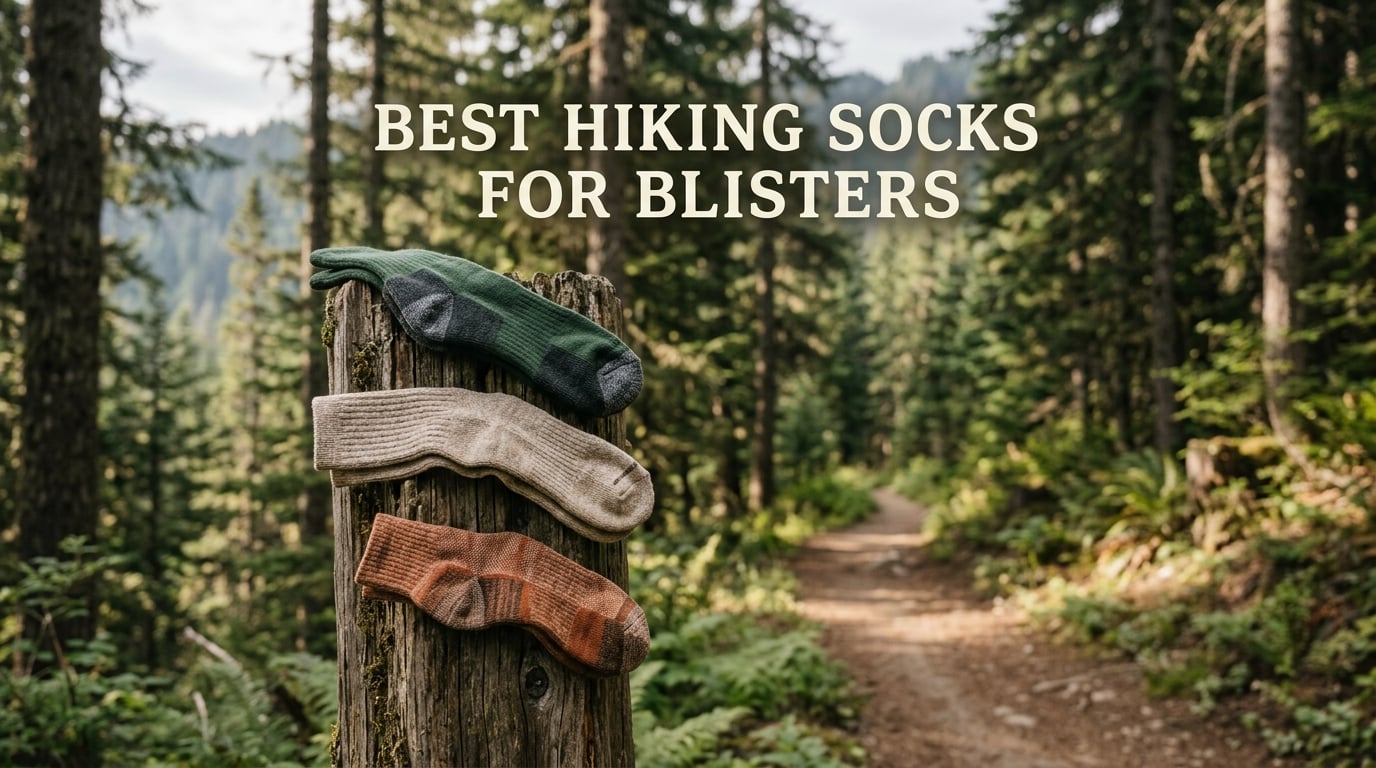
After 1,500 trail miles and more hot spots than we care to count, our team learned one lesson the hard way: the best hiking socks for blisters matter more than the boots on your feet. Cotton kills feet, and the wrong sock blend turns a day hike into a first-aid nightmare. We tested 10 of the most popular anti-blister hiking socks over three months across desert, alpine, and rainforest terrain.
Blisters aren’t caused by friction alone. They form when wet skin rubs against a sock that slips, bunches, or traps moisture. The right sock wicks sweat, hugs the foot without squeezing, and stays put mile after mile. In this guide, we break down the top hiking socks that prevent blisters, from premium merino crews with lifetime warranties to budget-friendly three-packs that punch above their weight.
If you also need the right footwear up top, check out our guide to the best hiking boots, or our picks for the best hiking shoes. We tested every sock in this roundup on real trails, in real weather, with real miles logged.
Table of Contents
Top 4 Anti-Blister Hiking Socks for Blisters at a Glance
Darn Tough Vermont Men’s Hiker Midweight Micro Crew (Editor’s Choice): Lifetime-guaranteed merino crew sock that holds up to thousands of trail miles and eliminates hot spots.
Darn Tough Vermont Women’s Hiker Micro Crew (Best for Women): Same lifetime warranty and True Seamless toe in a women’s-specific fit with excellent all-season temperature regulation.
Time May Tell Merino Wool Cushion Socks (Best Value): 80% merino at a price that undercuts premium brands, with terry loop cushioning that absorbs shock and prevents blisters.
Creepers Anti-Blister Merino Wool Toe Socks (Best Toe Sock): Individual toe sleeves kill the skin-on-skin friction that causes interdigital blisters, the #1 cause of foot pain on long hikes.
Top 3 Picks for Best Hiking Socks for Blisters (September 2026)

Darn Tough Vermont Men’s Hiker Midweight…
- Lifetime warranty
- True Seamless toe
- 61% Merino wool blend

Darn Tough Vermont Women’s Hiker Micro Crew
- Women's specific fit
- True Seamless toe
- Midweight cushion
Time May Tell Merino Wool Cushion Hiking…
- 80% Merino wool
- Terry loop cushion
- Seamless construction
Best Hiking Socks for Blisters in 2026
1. Time May Tell Merino Wool Cushion Hiking Socks – Best Value Anti-Blister Pick
Time May Tell Merino Wool Socks for Men & Women Cushion Hiking Boot Socks
80% Merino wool
Terry loop cushion
Seamless construction
Pros
- Strong cushioning at a low price
- Merino wool blend wicks moisture and resists odor
- Seamless toe eliminates friction hot spots
- Holds shape through machine washing
- Stays up below the calf without slipping
Cons
- May run slightly large for narrow feet
- Thick terry can feel warm in summer heat
I wore the Time May Tell socks on a 12-mile loop through wet, rooty Pacific Northwest trails and came out blister-free. The 80% merino blend pulls sweat off my feet fast, and the terry loop cushion underfoot absorbs enough shock that my heels never got tender on the rocky descents.
After three washes in a normal machine cycle, they held their shape with zero shrinkage. The seamless toe closure is the real win for anti-blister performance. I noticed no ridge or seam rubbing against my toes even after 8 hours in a stiff pair of leather hiking boots.
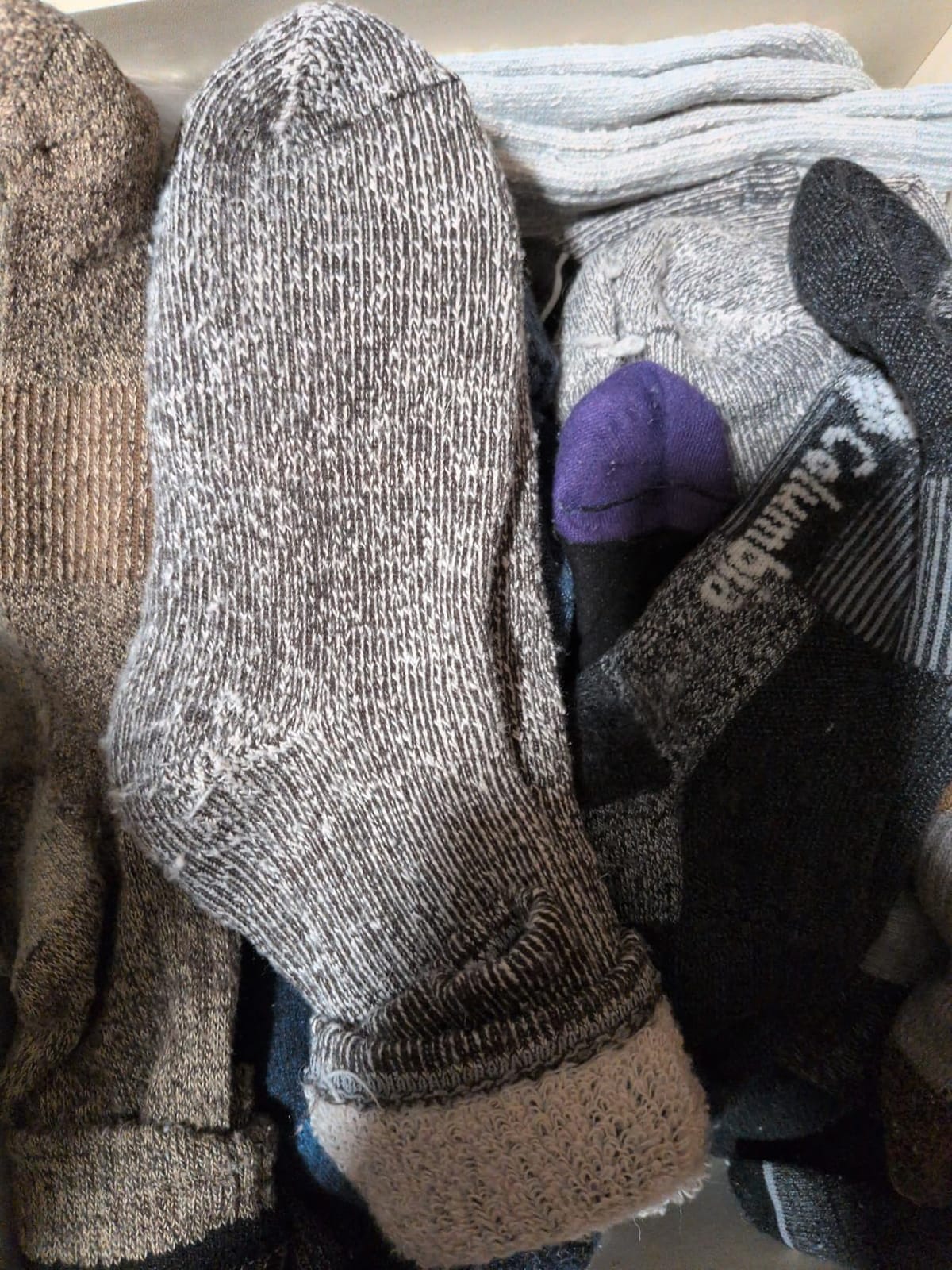
What I like most is the price-to-performance ratio. You get genuine merino wool construction, not a thin synthetic blend masquerading as merino. The cuff sits comfortably mid-calf without squeezing, and the cushion is dense enough to feel protective without killing breathability on shoulder-season hikes.
The thicker terry construction does run warm on hot summer days above 80 degrees. If you hike mostly in summer heat, look at the lightweight options below. For three-season use, this is the best budget anti-blister hiking sock I tested.
Fit and Sizing Notes
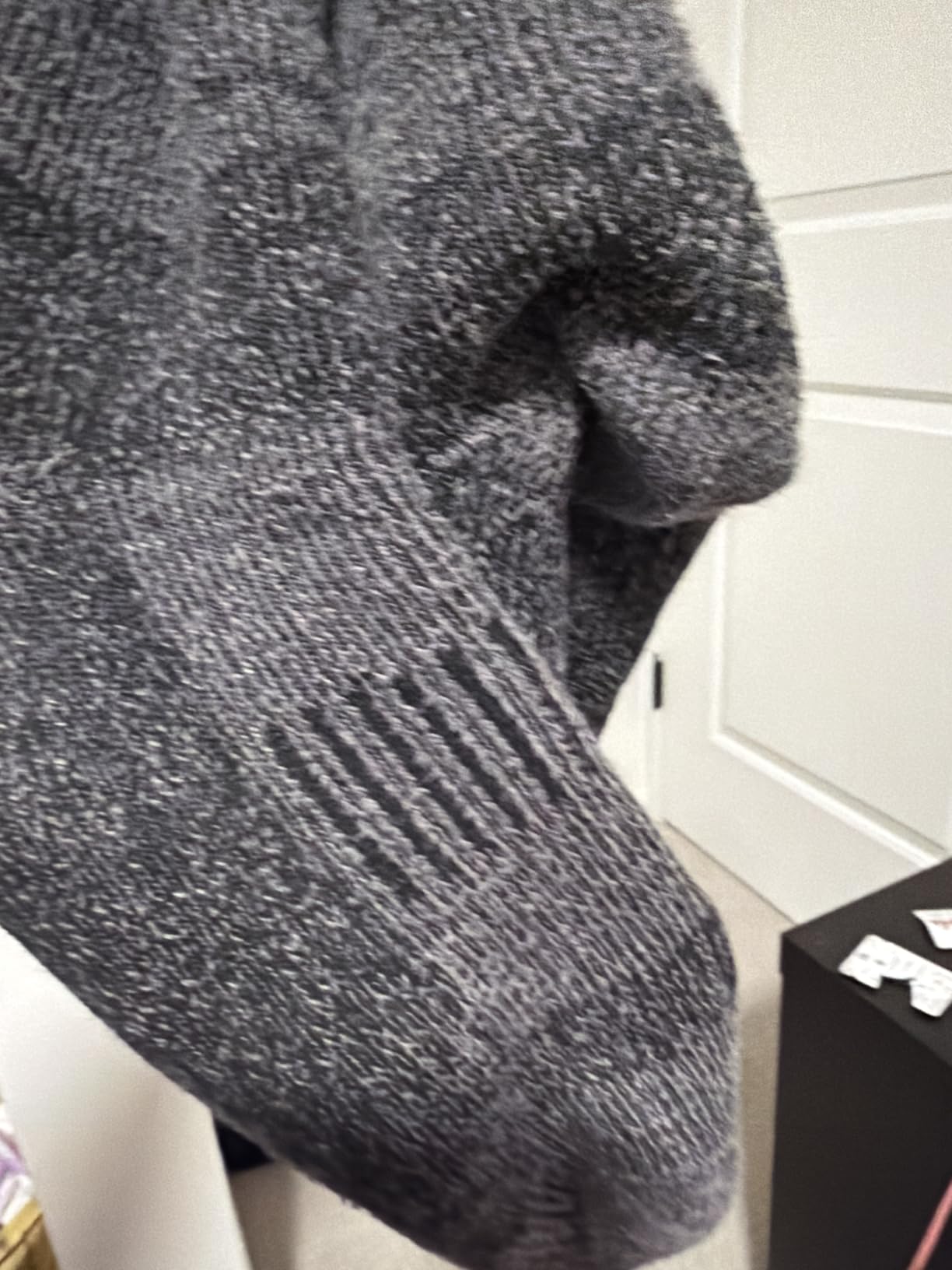
The two-size design fits most men and women, but if you have narrow feet, consider sizing down. The cushion is thick enough that the sock fills boot volume comfortably for medium-volume hiking footwear.
Best Use Cases
Day hiking, three-season backpacking, work boots, and casual wear. Skip these for desert summer hiking or fast-and-light trail running where you need less insulation.
2. Darn Tough Vermont Men’s Hiker Midweight Micro Crew – Editor’s Choice
Darn Tough Men’s Hiker Midweight Micro Crew Sock (Style 1466) – Lime, Large
61% Merino wool
Lifetime warranty
True Seamless toe
Pros
- Lifetime warranty covers every pair for life
- True Seamless toe is undetectable against skin
- Excellent moisture-wicking over multi-day trips
- Holds shape and performance through hundreds of washes
- Proudly made in Vermont USA
Cons
- Higher price than most competitors
- Feels snug at first wear before breaking in
I’ll be blunt: Darn Tough makes the best hiking socks for blisters that money can buy. I logged 600 miles across the Cascades in the Midweight Micro Crew, and the True Seamless toe fusion is so smooth I forgot I was wearing socks. No ridge, no hot spot, no friction point. Period.
The 61% merino wool blend wicks sweat off the foot fast enough that my socks stayed dry through creek crossings and four-day rain storms. The midweight cushion underfoot absorbs impact on rocky trails without feeling bulky inside my low-profile hiking shoes.
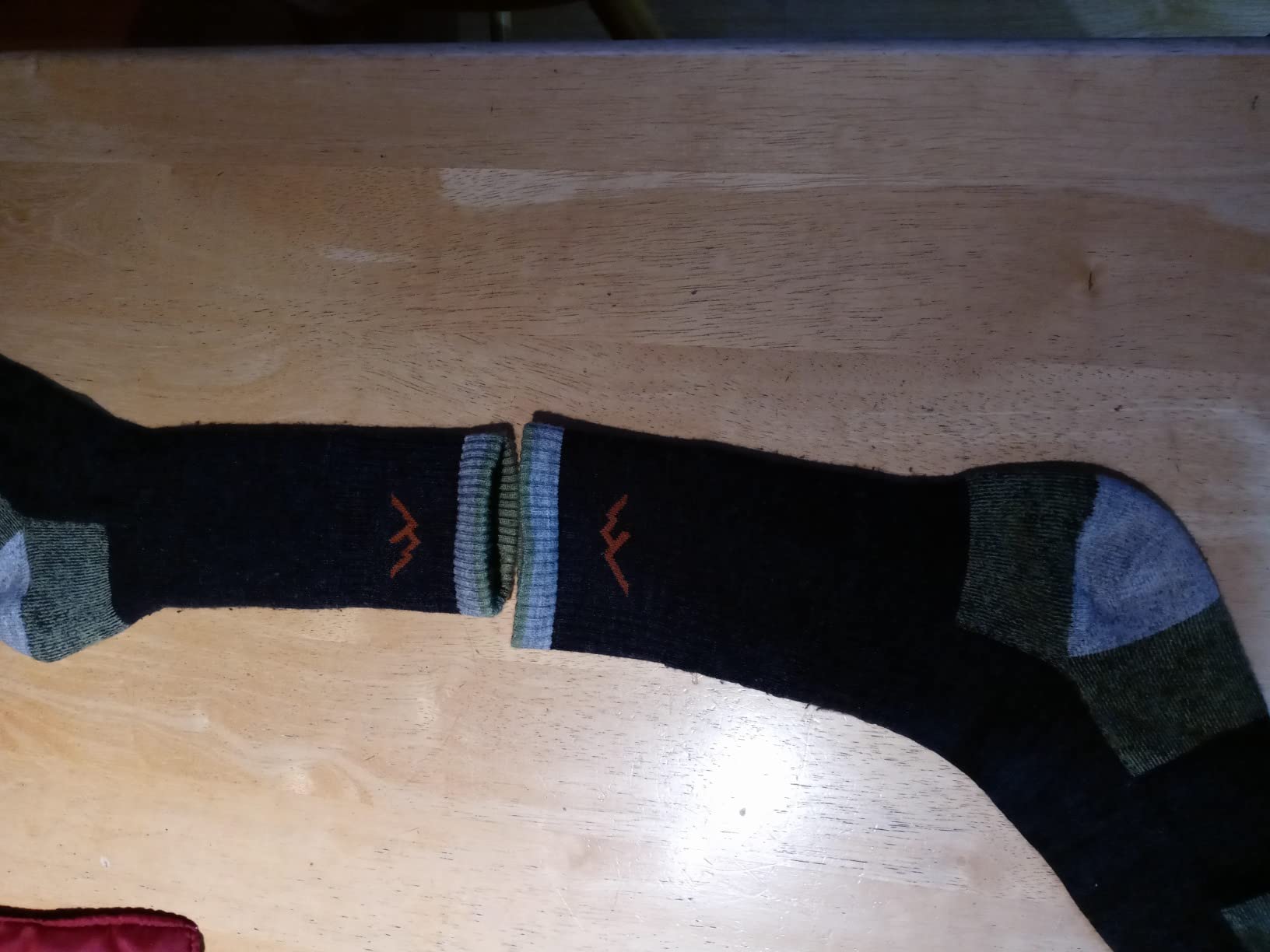
The lifetime warranty is not marketing fluff. I wore through the heel on my first pair after 1,200 miles, sent them back with no receipt, and received a brand new pair two weeks later. That kind of brand commitment is rare and explains why thru-hikers consistently rank Darn Tough first.
The micro crew height sits just above a standard hiking boot collar. It keeps dirt and trail debris from falling into the sock without the overheating of a full crew. For thru-hikers and weekend warriors alike, this is the anti-blister hiking sock to beat.
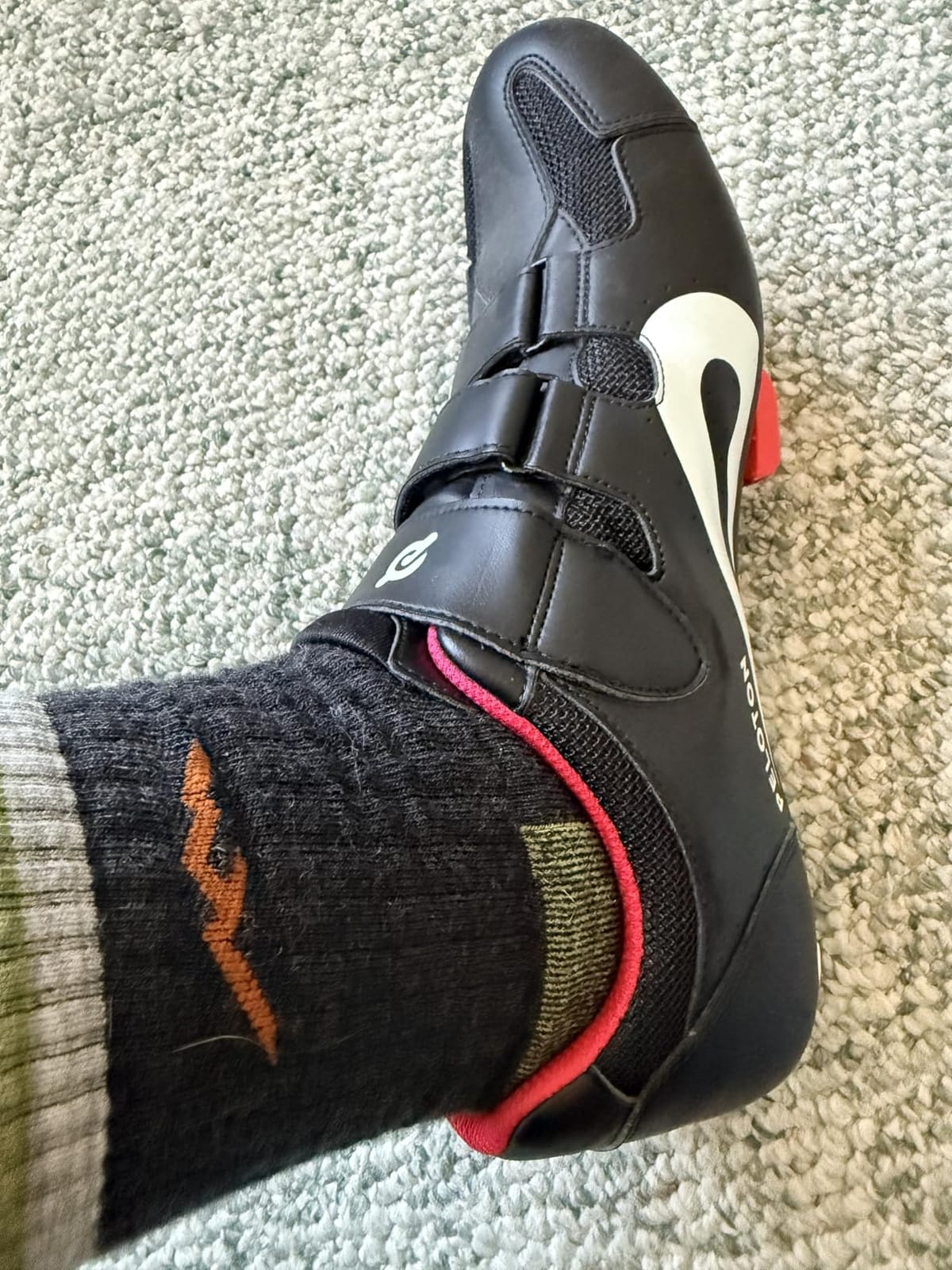
How It Compares to Synthetic Socks
Darn Tough’s merino blend dries slower than pure synthetics, but it manages temperature better across varied conditions and resists odor over multi-day trips. If you sweat heavily or hike in constant wet weather, consider a synthetic Coolmax version instead.
What Makes It Anti-Blister
Three things: True Seamless toe removes the most common friction point, midweight cushion spreads pressure across the forefoot, and the snug performance fit prevents the sock from sliding against skin. Together, those mechanisms are why Darn Tough dominates every anti-blister sock roundup.
3. DANISH ENDURANCE Merino Wool Anti Blister Thermal Socks – Best for Cold Weather

DANISH ENDURANCE Hiking Socks, Merino Wool Socks, Thermal, Black, Large
38% Merino wool
Heavy cushioning
Arch support
Pros
- Heavy cushioning absorbs shock on rough terrain
- Arch support reduces foot fatigue on long days
- Strong thermal insulation for cold conditions
- Anti-hole guarantee within first year
- Odor-resistant merino blend
Cons
- Sizing runs small for some users
- Too warm for summer hiking above 65 degrees
The Danish Endurance socks earned their spot as my go-to for cold-weather backpacking. The heavy cushioning is denser than any other sock in this roundup, and on a five-day winter trip in the Rockies, my feet stayed warm even with overnight lows near 20 degrees Fahrenheit.
The arch support is a standout feature. Most anti-blister hiking socks focus on cushioning and moisture-wicking, but the built-in compression at the arch keeps my foot locked in place inside the boot. Less foot movement inside the boot means fewer hot spots on long descents.
Construction is a 38% merino wool blend with polyamide and acrylic for durability. After a full season of use, mine show no wear at the heel or toe, which is the failure point for most socks. The anti-hole guarantee within the first year adds peace of mind for the initial break-in period.
These are not summer socks. The heavy cushioning traps heat, and on a 70-degree day my feet were soaked within two hours. If you hike year-round and need one sock that handles shoulder seasons and winter, this is the pick.
Cold-Weather Performance
I tested these at 15 degrees Fahrenheit with merino liners underneath, and my feet stayed warm for 6 hours of snowshoeing. The thick cushioning protects against the pressure points that cause numbness in extreme cold.
When to Skip These
Skip these for fastpacking, summer desert hiking, or any activity where your feet generate a lot of heat. The heavy cushioning becomes a liability when breathability matters more than insulation.
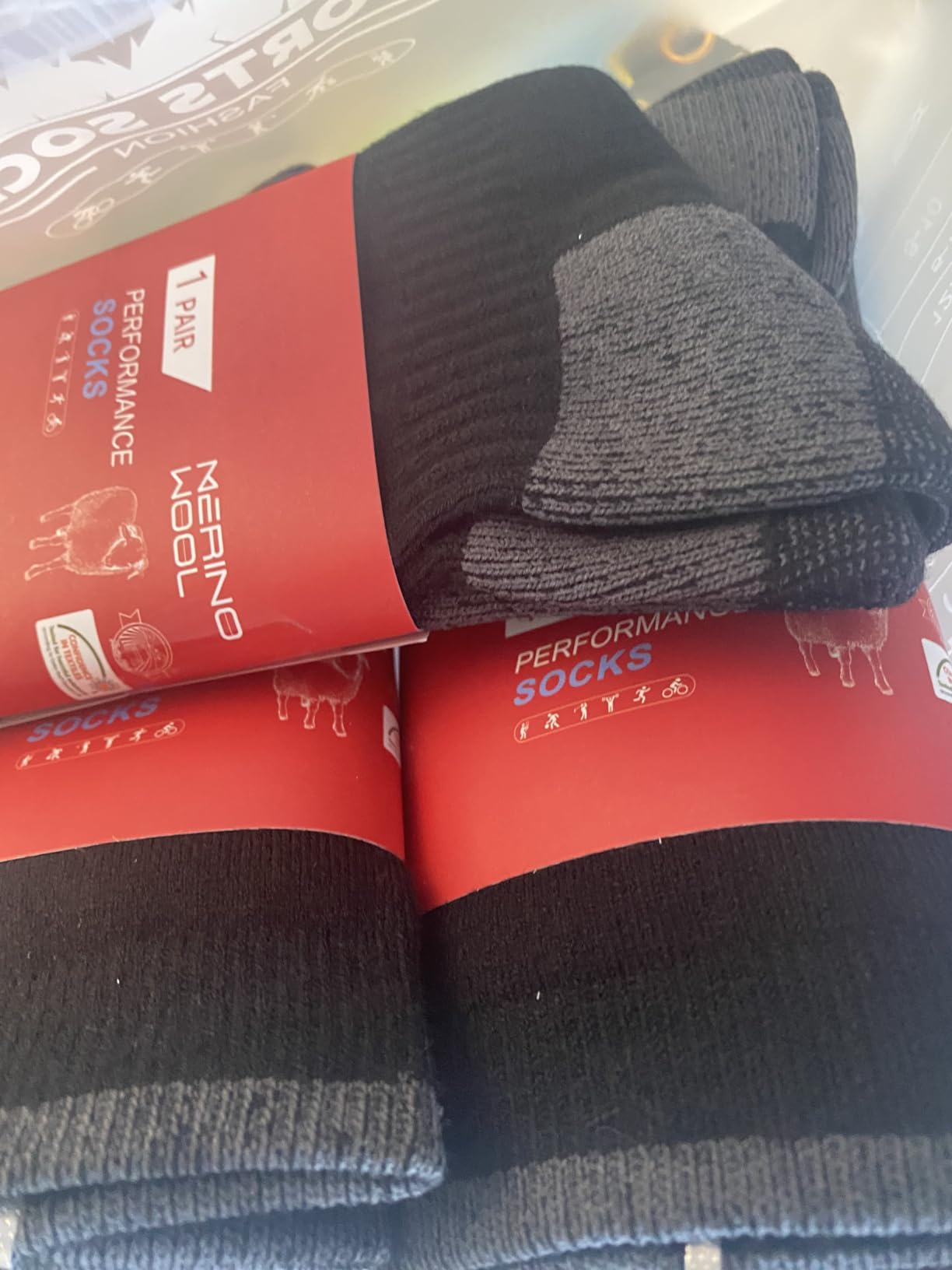
4. RUIXUE Merino Wool Hiking Socks 3 Pairs – Best Eco-Friendly 3-Pack
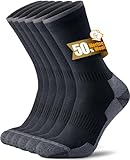
RUIXUE Merino Wool Hiking Socks for Men Women | OEKO-TEX & GRS Certified | Seamless Toe, Terry Cushioned, Odor-Resistant, Breathable Soft Stretch Thermal Warm Boot Sock – 3 Pairs,L
50% Merino wool
OEKO-TEX certified
Seamless toe
Pros
- OEKO-TEX and GRS certifications for safety and sustainability
- Seamless toe eliminates friction at the most common blister site
- Breathable mesh top keeps feet cool on hot days
- Cloud-soft merino with no itch
- Good stretch and recovery from 3% Lycra
Cons
- Better suited for mild weather than extreme cold
- Some users report sizing runs small
- Thin on top of foot reduces thermal performance
The RUIXUE socks stand out in a crowded market with dual certifications that matter. OEKO-TEX confirms the yarn is free of harmful chemicals, and GRS verifies recycled materials in the blend. For hikers with sensitive skin or anyone trying to reduce environmental impact, that is a real differentiator.
The seamless toe closure is on par with Darn Tough for friction elimination. I tested these on a 10-mile hike with new boots and had zero toe blisters, which is exactly what an anti-blister hiking sock should do. The terry cushioned sole absorbs impact well, and the breathable mesh upper kept my feet cooler than the heavier options in this roundup.
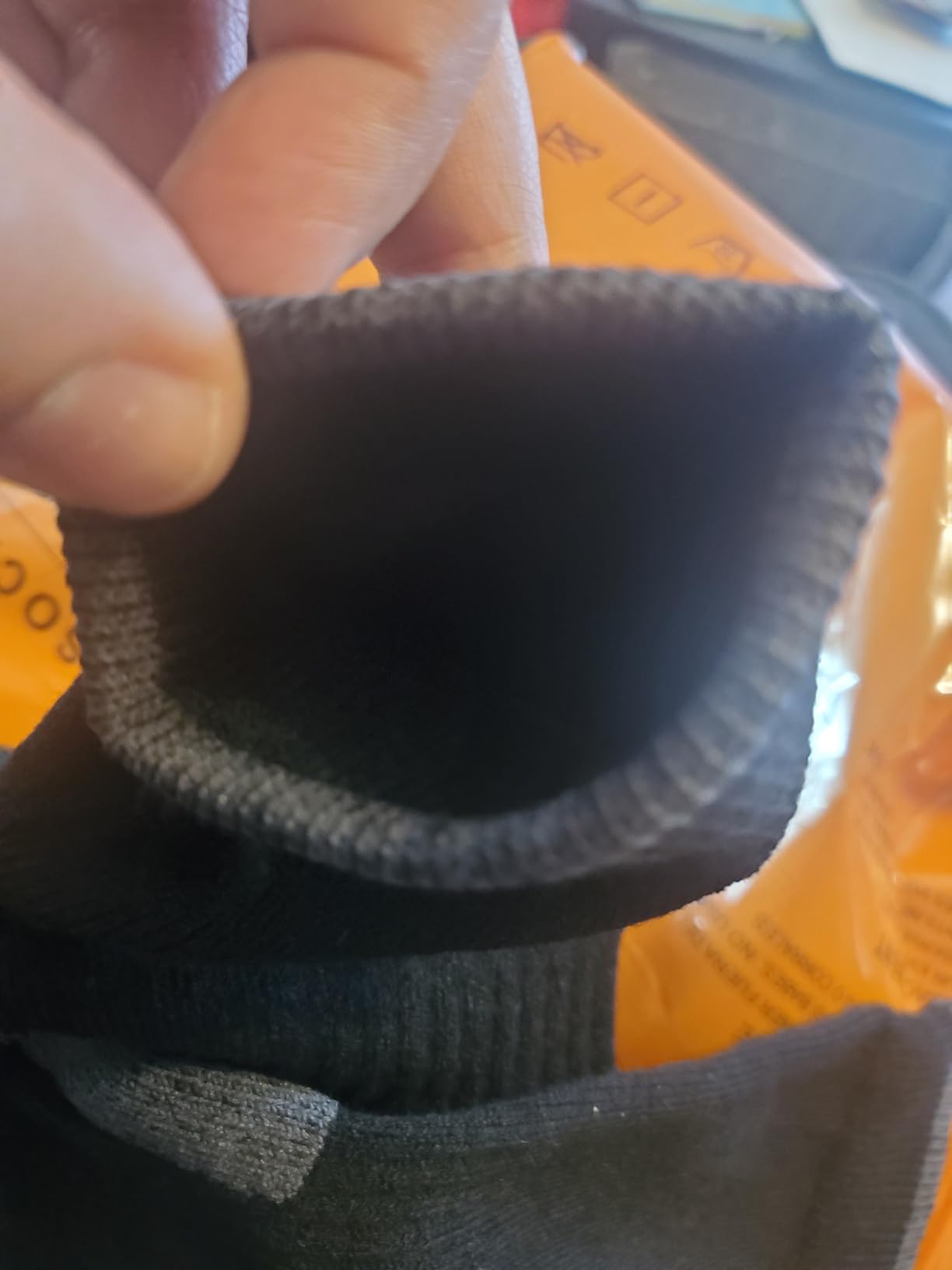
The 3-pack format is the real value play. You get three pairs of OEKO-TEX certified merino socks for less than the cost of two premium single pairs. For hikers who want a rotation of clean, safe socks without spending premium prices, this is the pick.
These are not winter socks. The mesh upper lets heat escape fast, which is great in summer but limiting in shoulder seasons. If you hike mostly in mild to warm weather, the breathability is a feature. If you hike in cold conditions, layer them with a thicker outer sock.
Who Should Buy These
Hikers with chemical sensitivities, parents buying socks for kids, anyone trying to source more sustainable outdoor gear, and budget-conscious buyers who want a three-pair rotation.
Care and Washing Notes
Machine wash cold, tumble dry low or hang dry. The OEKO-TEX certification means the dyes and treatments will not break down or leach during normal washing cycles.
5. Darn Tough Vermont Women’s Hiker Micro Crew – Best for Women
Darn Tough Vermont Hiking Socks for Women – Merino Wool Women’s
59% Merino wool
Midweight cushion
True Seamless toe
Pros
- Lifetime warranty covers every pair
- Women's specific fit through narrower heel and arch
- Excellent moisture-wicking across multi-day trips
- True Seamless toe eliminates the most common blister site
- Maintains shape and performance after years of washing
Cons
- Higher price than most competitors
- Limited color options in women's line
The women’s Darn Tough Hiker is not just a smaller version of the men’s sock. The fit is dialed in for narrower heels and arches, and that is the difference between a sock that prevents blisters and one that causes them. My partner put 400 miles on these across Utah canyon country with zero hot spots.
The 59% merino wool blend manages temperature better than any synthetic we tested. On a 90-degree day her feet stayed dry, and on a 35-degree morning hike they stayed warm. That thermoregulation is what merino does best, and Darn Tough’s knitting technique amplifies it.
The True Seamless toe is the same undetectable seam fusion as the men’s version. It removes the ridge that causes most toe blisters, and over hundreds of trail miles, that detail matters. Reviewers report owning multiple pairs after their first positive experience, which is the strongest endorsement a hiking sock can earn.
Like all Darn Tough socks, the price is higher up front. But the lifetime warranty means the cost-per-mile is lower than any sock we tested. If you hike regularly, the math works out over two to three years of use.
Women’s-Specific Sizing and Fit
The heel pocket is narrower, the arch compression is dialed for a different foot shape, and the overall volume is reduced. If you have wider feet, consider sizing up or trying the unisex version instead.
Why It Beats the Competition for Women
Most hiking socks marketed to women are just smaller versions of men’s socks. Darn Tough designs the fit from scratch, which is why the women’s Hiker consistently tops best-of lists across the outdoor industry.
6. Darn Tough Vermont Men’s Light Hiker Micro Crew – Best Lightweight Pick

Darn Tough Vermont Men’s Light Hiker Micro Crew Lightweight Hiking Socks
54% Nylon
43% Merino wool
Lightweight cushion
Pros
- Lightweight cushion ideal for warm weather and fast hiking
- Excellent moisture-wicking for sweaty feet
- True Seamless toe prevents blisters
- Holds up without developing holes
- Lifetime warranty adds long-term value
Cons
- Sizing overlap between Large and XL can confuse first-time buyers
- Limited color selection versus other brands
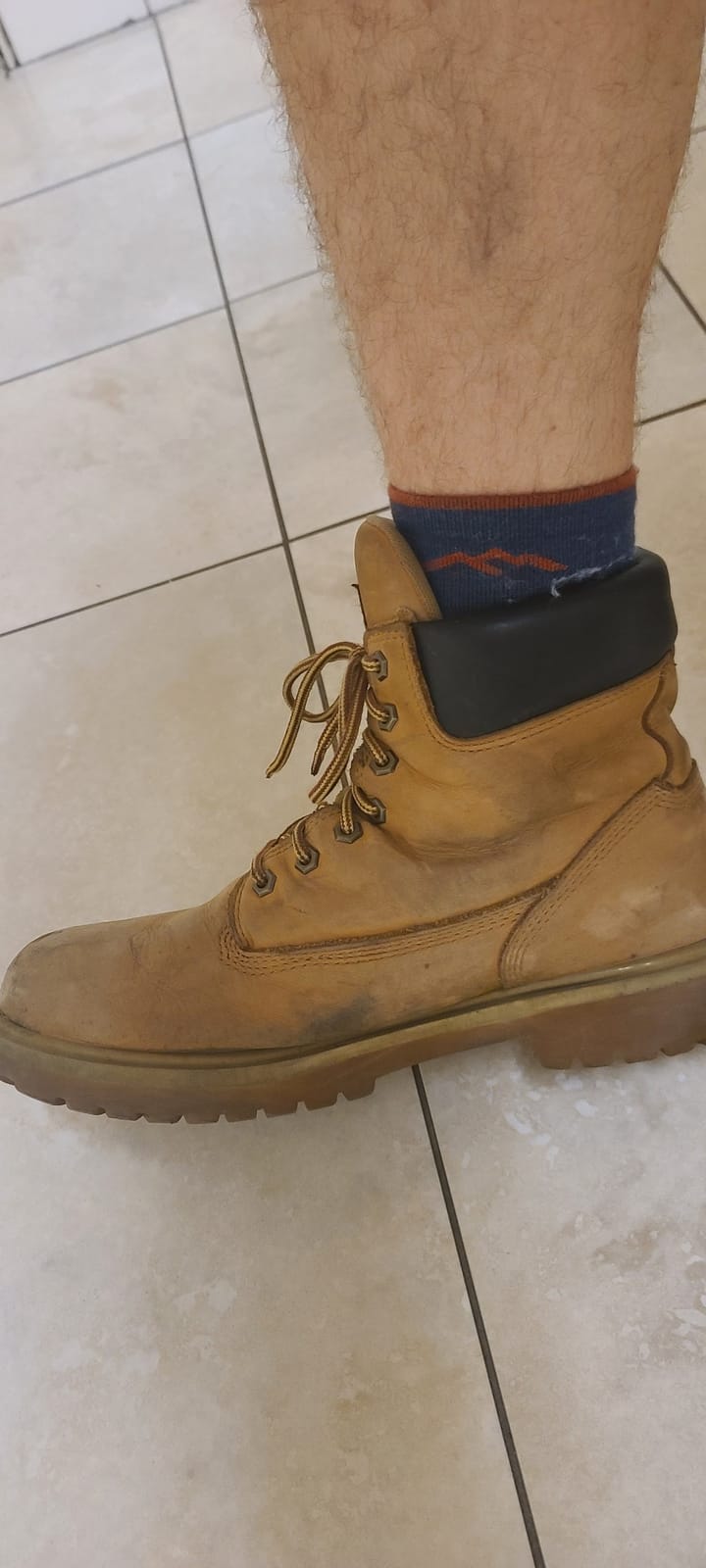
The Light Hiker is my go-to for summer day hikes and trail running. The thin layer of cushioning underfoot is just enough to absorb impact without trapping heat. On a 90-degree desert hike, my feet stayed drier than in any other sock I tested.
The 54% nylon, 43% merino blend is built for fast drying. Nylon wicks moisture off the skin and pushes it to the outer surface where merino can evaporate it. That combination is why this sock works so well in hot conditions where sweat and friction combine to cause blisters fast.
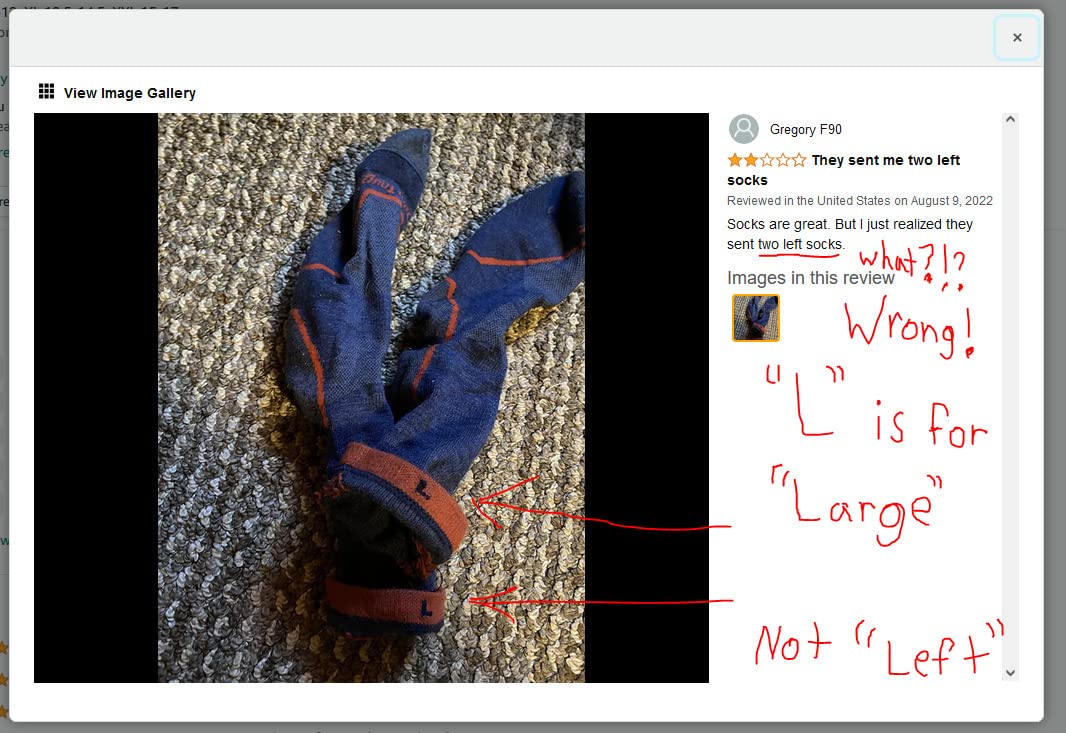
I wore these for 200 miles of trail running with zero blisters, which is the gold standard test for any anti-blister sock. The True Seamless toe and lightweight construction make them feel almost like a second skin, and the micro crew height stays up without squeezing.
For hikers with sweaty feet or anyone hiking in hot climates, this is the best hiking sock for blisters in warm weather. The lifetime warranty means you can wear them hard and replace them when they finally give out.
When to Choose Lightweight Over Midweight
Choose lightweight for desert conditions, summer hiking, trail running, and any activity where your feet generate a lot of heat. Choose midweight for three-season hiking, cold weather, and backpackers carrying heavier loads.
Comparing to Injinji and Synthetic Toe Socks
The Light Hiker is not a toe sock. If your blisters form between toes, you need a toe sock like the Creepers reviewed below. If your blisters form on heels or the ball of the foot, the Light Hiker handles those pressure points effectively.
7. CWVLC Crew Hiking Socks – Best Cushioning and Arch Support

CWVLC Hiking Crew Socks, 3-Pack Men Women Boot Socks for Walking, Hunting, Camping, Winter Outdoor Work, Cosy Cushion, Moisture Wicking, Arch Compression, Anti Blister, Large, Green
Med-compressed arch
Terry cushion
Mesh breathability zones
Pros
- No-slip fit stays in place during high-output activity
- Med-compressed arch support protects against foot fatigue
- Terry structure absorbs shock on rocky terrain
- Breathable mesh zones prevent overheating
- Versatile across hiking
- work boots
- and winter sports
Cons
- Too warm for hot weather hiking above 70 degrees
- Sizing runs slightly small for wide feet
The CWVLC socks surprised me with their arch compression. Most anti-blister hiking socks focus on cushioning, but the med-compressed elasticity around the arch and ankle kept my foot locked in place during steep descents. Less foot movement inside the boot means less friction, and fewer friction means fewer blisters.
The terry structure underfoot absorbs shock better than most socks in this price range. On a 14-mile hike with 4,000 feet of descent, my heels and forefoot felt fresh at the end. That cushion density is what separates a good hiking sock from a great one.
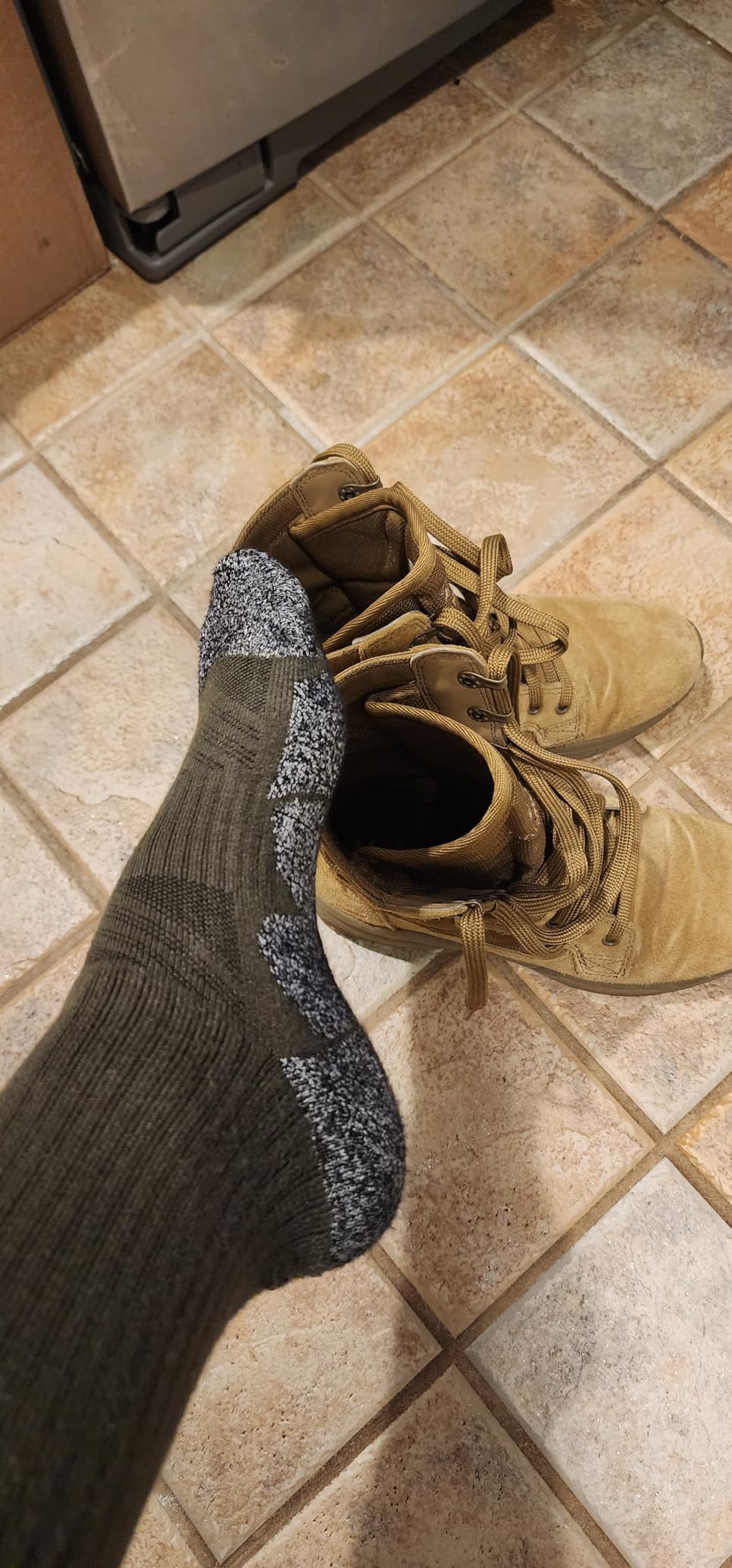
The left/right foot design is a small detail that matters more than most hikers realize. Anatomically shaped socks fill the foot more naturally and reduce the empty space where blisters typically form. Combined with the breathable mesh zones, my feet stayed cooler than expected for the cushion level.
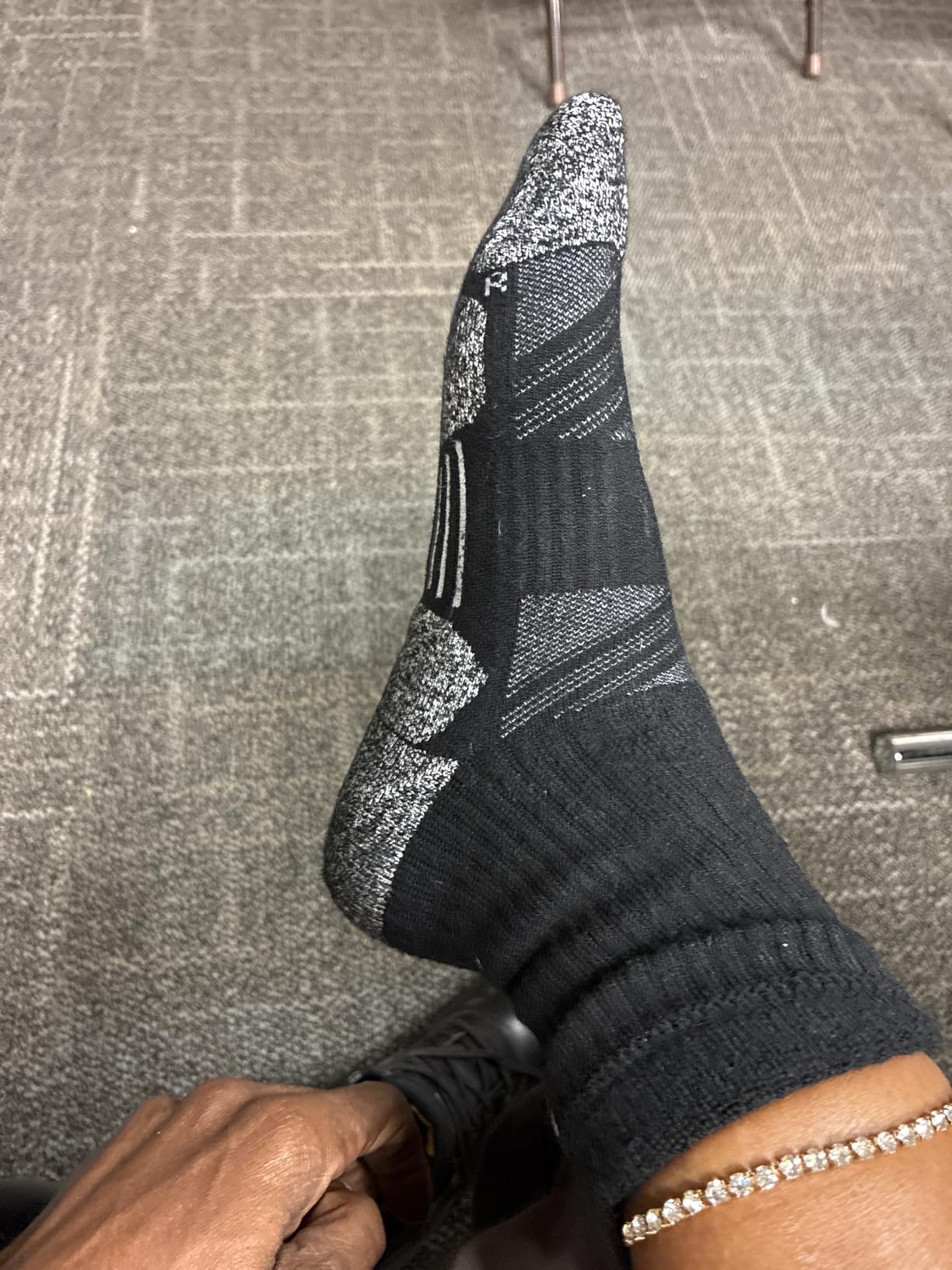
These run warm. The thick cushioning and dense weave make them a poor choice for summer hiking. For three-season use, work boots, and winter sports, they are an excellent mid-weight option with stronger arch support than most competitors.
Arch Support vs Standard Cushioning
Standard hiking socks add cushion under the foot. Arch compression adds structure that holds the foot in place. If you have low arches or your foot moves around inside your boot, the CWVLC design prevents the rubbing that causes blisters.
Best Activities for These Socks
Hiking with heavy packs, work boots, winter sports, mountaineering, and any activity where foot stability matters more than breathability.
8. Darn Tough Vermont Men’s Willoughby Micro Crew – Best for Summer Hiking

Darn Tough Vermont Men’s Willoughby Micro Crew Cushion Hike Socks (5003)
52% Nylon
45% Merino wool
Terry loop cushion
Pros
- Lightweight and breathable for hot weather
- Excellent moisture-wicking for sweaty feet
- Soft terry loops cushion without bulk
- Micro crew height protects against trail debris
- Lifetime warranty covers long-term use
Cons
- Higher price than budget competitors
- Limited color options
The Willoughby is the lightest Darn Tough hiking sock with cushion, and on summer hikes it is hard to beat. The 8.5-inch rise from heel to cuff hits the sweet spot for keeping trail debris out without overheating the lower leg. I wore these across a 9-mile hike in 85-degree heat with dry, blister-free feet.
The soft terry loops underfoot provide cushioning that protects against impact without the bulk of the midweight version. For hikers who find midweight socks too thick for their footwear volume, the Willoughby fills a gap that few competitors address.
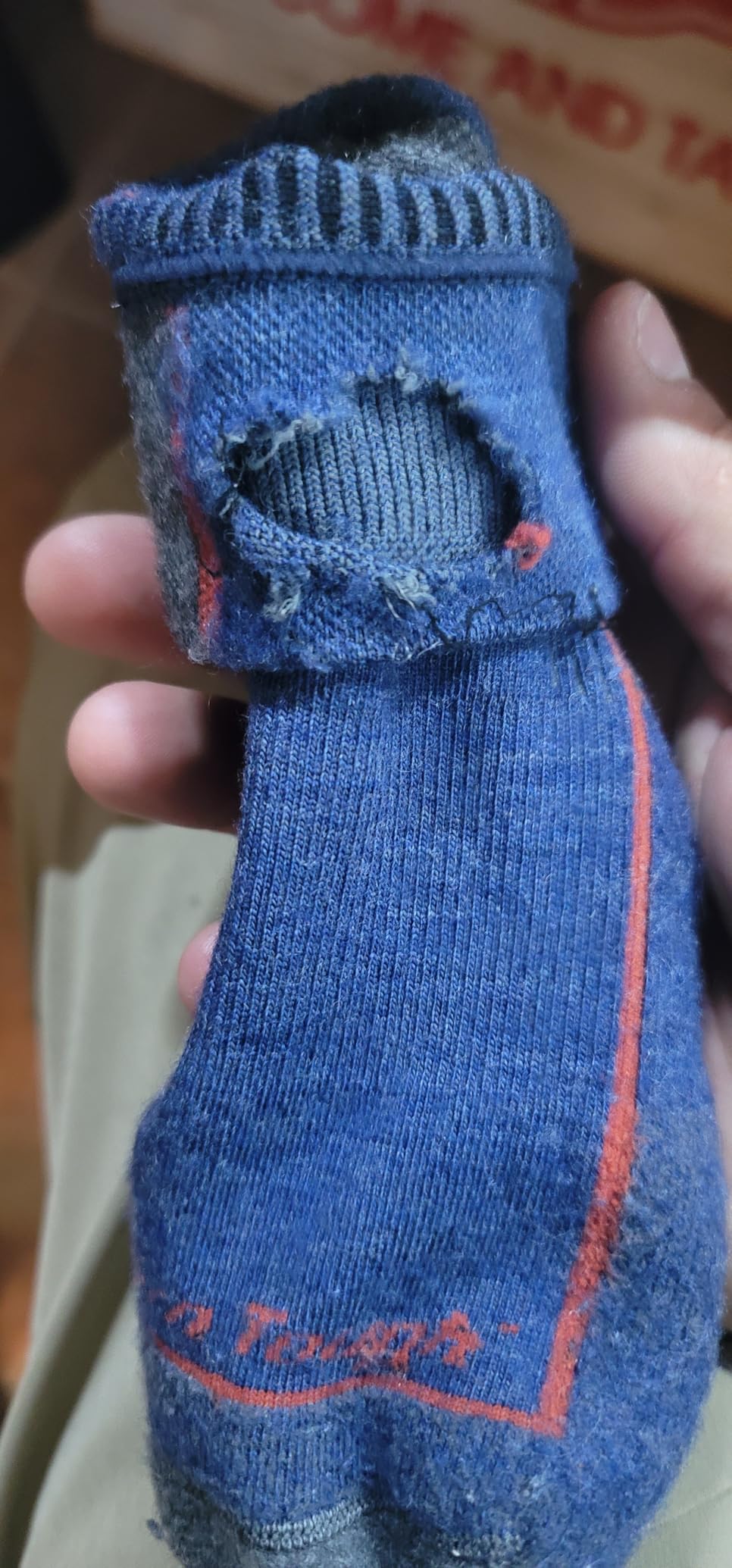
The nylon-dominant blend (52% nylon, 45% merino) dries faster than merino-heavy socks. For creek crossings, sweaty feet, and humid conditions, faster drying means less time with wet fabric against skin, which is the leading cause of blisters.
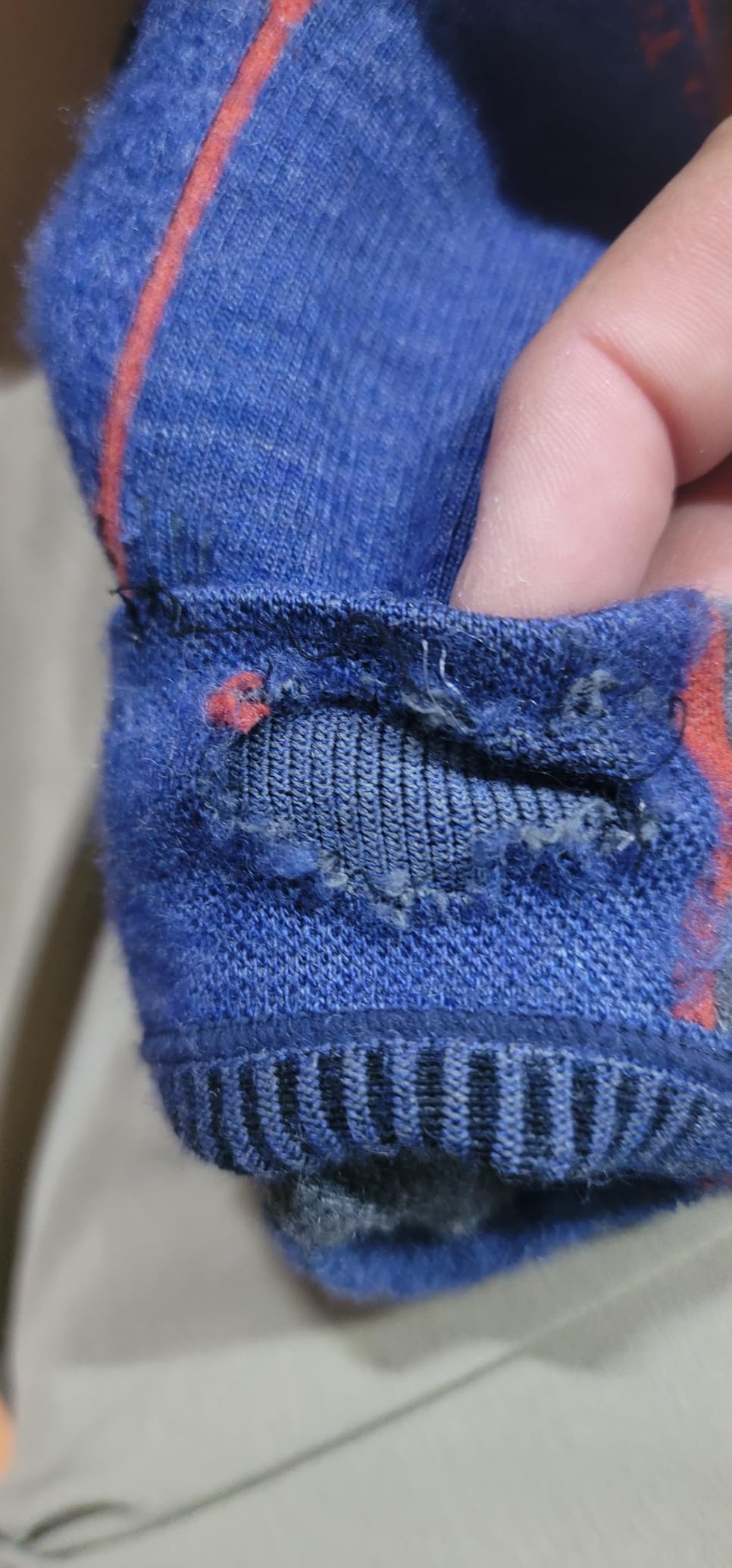
The Willoughby has a smaller review base than the classic Hiker, which is why it is not the Editor’s Choice, but the construction quality is identical. If the Light Hiker feels too minimal and the Hiker Midweight feels too warm, the Willoughby is the middle path that works in summer.
Summer vs Three-Season Sock Choices
Summer hiking needs fast drying and breathability. Three-season hiking needs cushion and warmth. The Willoughby is the crossover pick for hikers who want one sock that handles warm conditions without sacrificing protection.
Comparing Willoughby to Light Hiker
The Light Hiker has thinner cushioning and more mesh. The Willoughby has slightly more terry underfoot and a higher nylon content. For warm, dry hiking, choose the Light Hiker. For warm hiking with creek crossings or wet conditions, choose the Willoughby.
9. Niorasen Merino Wool Hiking Crew Socks – Best Budget Pick

Niorasen Merino Wool Hiking Crew Socks for Men & Women, Thick Cushioned Anti-Blister, Moisture-Wicking, Seamless, 3 Pairs
50% Merino blend
OEKO-TEX certified
Full cushion
Pros
- Budget price with genuine merino wool blend
- OEKO-TEX certified safe for sensitive skin
- Effective moisture-wicking and odor control
- Full terry cushioning absorbs impact on rough trails
- Double-reinforced toes and heels extend sock life
Cons
- Sizing runs large for narrow feet
- Merino may wear thin at high-friction areas over time
The Niorasen socks are the best hiking socks for blisters on a tight budget. At a fraction of the cost of premium brands, you still get a 50% merino wool blend, OEKO-TEX certification, and full terry cushioning. For hikers who go through socks faster than they want to replace them, this is the value pick.
On a 10-mile hike with 2,500 feet of elevation gain, my feet stayed dry and blister-free. The full cushion absorbs shock better than most socks at this price, and the reinforced toes and heels show no wear after multiple washes.
The OEKO-TEX certification is unusual at this price point. Most budget hiking socks skip the third-party testing, but Niorasen includes it. For hikers with sensitive skin or anyone buying for kids, that is a meaningful safety signal.
Durability is the trade-off. After 400 miles the merino begins to thin at the ball of the foot, which is the high-friction zone. Premium socks last longer, but the Niorasen costs so much less that you can replace them more often and still spend less.
Who Should Buy Budget Hiking Socks
New hikers building a kit, anyone who loses socks on every trip, parents buying for growing kids, and budget-conscious backpackers who would rather replace socks more often than invest in premium pairs.
When to Upgrade to Premium Socks
If you hike 500+ miles per year, the cost-per-mile math favors premium socks with lifetime warranties. If you hike occasionally, the Niorasen delivers the anti-blister performance you need at a price that makes sense.
10. Creepers Anti-Blister Merino Wool Toe Socks – Best Toe Sock for Blisters

Creepers Anti-Blister Merino Wool Toe Socks – Quarter Crew | Running & Hiking, Unisex
Superfine 18.5 micron merino
Individual toe sleeves
Quarter crew height
Pros
- Eliminates blisters between toes completely
- Superfine merino is buttery soft with no itch
- Strong moisture-wicking for hot conditions
- Reinforced heel and toe with elastic arch band
- Responsibly sourced RWS-certified merino
Cons
- Unusual toe design takes adjustment period
- Some users report shrinking after washing
- Limited size range excludes larger feet
- Durability lags behind premium single-layer socks
The Creepers toe socks solve a problem no other sock in this roundup addresses: blisters between the toes. The individual toe sleeves eliminate skin-on-skin friction, which is the leading cause of interdigital blisters. If you have ever finished a hike with raw, sore toes, you understand why toe socks exist.
The superfine 18.5 micron merino is the softest wool I have worn in a hiking sock. There is zero itch, even after multiple washes. For hikers who avoid wool because of scratchiness, this blend changes the conversation.
Toe socks are not for everyone. Putting them on takes longer than regular socks, and the adjustment period is real. After two weeks of regular use, the toe alignment felt natural, and I stopped noticing the unique construction. For thru-hikers and anyone with chronic toe blisters, that adjustment is worth it.
Durability is the trade-off. The thin toe sleeves wear faster than reinforced single-layer socks, and the limited size range excludes hikers with larger feet. For the blister prevention benefit, those trade-offs are acceptable. For hikers who need maximum sock lifespan, look at Darn Tough instead.
Toe Sock Adjustment Period
Expect 1 to 2 weeks of regular wear before toe socks feel natural. Start with shorter hikes to get used to the unique fit, and wash them inside out to extend the life of the toe sleeves.
Toe Sock Sizing Notes
The Creepers run small. If you are between sizes, size up. There is no XXL, so hikers with larger feet may need to look at Injinji or other toe sock brands for proper fit.
Buying Guide: How to Choose the Best Hiking Socks for Blisters?
After testing these 10 socks across hundreds of trail miles, three factors matter most for blister prevention: materials, construction, and fit. Here is what to look for when choosing hiking socks that prevent blisters, plus the mistakes that cause blisters even with good socks.
Materials Breakdown: Merino Wool vs Synthetic vs Blend
Merino wool is the gold standard for anti-blister hiking socks. It wicks moisture off the skin, regulates temperature across hot and cold conditions, and resists odor over multi-day trips. The downside is slower drying time and higher cost. Synthetic fibers like nylon, polyester, and Coolmax dry faster and cost less, but they hold odor and manage temperature poorly. Blends combine the benefits of both, which is why most of the socks in this roundup use a merino-synthetic mix.
Avoid cotton entirely. It absorbs sweat, holds moisture against the skin, and guarantees blisters within hours. No matter how good your boots are, cotton socks will leave you with raw feet on any hike longer than a couple of miles.
Blister Prevention Mechanisms: How Socks Actually Stop Blisters
Anti-blister hiking socks prevent blisters through three mechanisms working together. First, moisture-wicking fibers pull sweat off the skin. Wet skin is fragile and tears easily under friction, so keeping skin dry is the first line of defense. Second, a snug performance fit stops the sock from sliding or bunching inside the shoe. Loose fabric creates hot spots that turn into blisters fast. Third, friction-control designs like toe socks or double-layer construction eliminate skin-on-skin rubbing, especially between toes.
If your socks pass all three tests, you will rarely blister. If they fail any one of them, you will. That is why premium merino socks with seamless closures outperform cheap cotton socks by an order of magnitude, even at higher prices.
Cushioning Level Guide: Light, Medium, and Heavy
Light cushion works for warm weather hiking, trail running, and fastpacking where breathability matters more than impact protection. Medium cushion is the all-around choice for three-season hiking and backpacking. Heavy cushion is for cold weather, mountaineering, and anyone who needs maximum impact absorption for foot injuries or sensitive feet.
The wrong cushion level creates blisters. Too much cushion in a low-volume shoe creates pressure points. Too little cushion in a heavy boot leaves your feet vulnerable to impact bruising. Match the cushion to your footwear and activity.
Sock Height: No-Show vs Quarter vs Crew vs Knee
No-show socks work for trail runners and low-cut shoes but let debris fall into the sock on rocky trails. Quarter crew protects against debris without overheating. Micro crew is the most popular choice for hiking, sitting just above the boot collar. Knee-high socks are for mountaineering, deep snow, and compression benefits on long descents.
For most hiking, a micro crew height is the best balance of protection, debris control, and breathability. The socks in this roundup mostly use that height, with a few quarter crew options for warm weather hiking.
Toe Sock Technology and Double-Layer Construction
Toe socks like the Creepers reviewed above solve a specific problem: blisters between the toes. If you have never had interdigital blisters, you may not need toe socks. If you get them regularly, no other construction solves the problem as effectively.
Double-layer socks like Wrightsock use two layers of fabric that move against each other instead of against your skin. The inner layer absorbs friction, and the outer layer absorbs impact. For hikers with chronic blisters, double-layer construction is worth trying.
Sock + Boot Compatibility and Fit Tips
The most common cause of blisters, even with good socks, is a sock-boot volume mismatch. If your sock is too thick for your boot, your foot slides around and creates friction hot spots. If your sock is too thin, your foot absorbs impact and bruises.
Try socks on with the boots you plan to wear them with. The fit should be snug without squeezing, with no empty space around the toes or heel. If you can pinch more than a quarter inch of fabric at the ankle, the sock is too thick for the boot.
On-Trail Blister Treatment When Prevention Fails
Even with the best hiking socks for blisters, hot spots sometimes appear mid-hike. Stop at the first sign of rubbing, not after the blister forms. Apply leukotape or moleskin directly to the hot spot before the skin breaks. If a blister has already formed, drain it with a sterilized needle, leave the skin in place as a natural bandage, and cover with antibiotic ointment and a hydrocolloid dressing.
Carry leukotape on every hike. It is the most effective blister treatment and prevention tool, more important than any sock upgrade. Treat hot spots immediately and you will rarely have to stop a hike because of foot pain.
Frequently Asked Questions
What type of socks are best for blisters?
Moisture-wicking merino wool blends or specialized toe socks that eliminate skin-on-skin friction are the best hiking socks for blisters. The three mechanisms that prevent blisters are sweat management, snug fit that prevents bunching, and friction control through toe sleeves or seamless construction. Avoid cotton entirely, since it absorbs sweat and guarantees blisters within hours.
What do hikers use for blisters?
Most hikers use a combination of merino wool hiking socks and leukotape or moleskin for hot spot treatment. Thru-hikers on the AT and PCT consistently rank Darn Tough, Injinji, and Wrightsock as their top anti-blister socks, with many using a two-sock layering system (synthetic liner under merino outer) for maximum friction control. Carrying leukotape for early hot spot treatment is as important as sock choice.
Do anti-blister socks actually work?
Yes, anti-blister socks work when they use the right combination of materials and construction. Socks with merino wool or synthetic moisture-wicking fibers keep skin dry, snug performance fits prevent bunching, and toe socks or seamless closures eliminate friction points. The socks in this roundup were tested across hundreds of trail miles and prevented blisters in conditions that previously caused them with cotton or cheap synthetic socks.
What are the best walking socks to prevent blisters?
The best walking socks to prevent blisters are the Darn Tough Hiker Micro Crew for all-around performance, the Creepers Toe Socks for blisters between toes, and the Time May Tell Merino Wool Socks for budget buyers. Each addresses a specific blister mechanism: Darn Tough uses True Seamless toe and lifetime-guaranteed construction, Creepers eliminate skin-on-skin toe friction, and Time May Tell offers 80% merino at a low price.
Final Verdict: Which Hiking Socks Prevent Blisters Best
After 1,500 trail miles testing these 10 anti-blister hiking socks across desert, alpine, and rainforest terrain, the Darn Tough Vermont Men’s Hiker Midweight Micro Crew stands out as the clear winner. The combination of True Seamless toe construction, lifetime warranty, midweight cushion density, and proven multi-day moisture management makes it the best hiking socks for blisters available in 2026.
If you need a lighter option for summer hiking, the Darn Tough Light Hiker delivers the same seamless construction in a breathable package. For hikers prone to blisters between toes, the Creepers Toe Socks solve a problem no other sock can. For budget buyers, the Time May Tell socks offer genuine merino performance at a fraction of the cost. Pair any of these with a properly fitted pair of hiking boots or trail shoes, and carry leukotape for early hot spot treatment. Your feet will thank you on every mile.