
If your dog has just been diagnosed with pancreatitis, the food bowl suddenly becomes the most important thing in your house. I learned this the hard way when my own beagle, Milo, landed in the ER with vomiting so violent he could not keep water down. The vet handed me a discharge sheet, pointed at one line that read “low-fat diet, long-term,” and told me everything else would follow from that one decision.
The best dog food for pancreatitis is a low-fat formula that delivers under 10% fat on a dry matter basis, uses highly digestible ingredients, and ideally carries veterinary formulation behind it. After that, the choice between prescription and over-the-counter, wet and dry, and brand to brand depends on your dog’s size, breed risk profile, and how picky their appetite has become post-flare.
Our team spent six weeks comparing eight formulas against published guaranteed analyses, owner reviews, and veterinary feeding guidelines. This guide breaks down what we found, who each food actually fits, and the tradeoffs nobody tells you about on the bag. If you want a simple storage upgrade while you are switching diets, our picks for the best dog food storage containers keep kibble fresh and fat from going rancid.
Top 3 Picks for Best Dog Food for Pancreatitis (September 2026)


Best Dog Food for Pancreatitis in 2026: Quick Comparison
| Product | Specifications | Action |
|---|---|---|
| Hill’s Prescription Diet i/d Low Fat Dry |
|
Check Latest Price |
| Royal Canin GI Low Fat Dry |
|
Check Latest Price |
 Purina Pro Plan EN Gastroenteric Dry Purina Pro Plan EN Gastroenteric Dry |
|
Check Latest Price |
 Blue Buffalo Natural Vet GI Support Blue Buffalo Natural Vet GI Support |
|
Check Latest Price |
| SquarePet Low Fat Lean Whitefish |
|
Check Latest Price |
 Purina Pro Plan EN Gastroenteric Wet Purina Pro Plan EN Gastroenteric Wet |
|
Check Latest Price |
 Dave’s Pet Food Bland Diet Chicken and Rice Dave’s Pet Food Bland Diet Chicken and Rice |
|
Check Latest Price |
 Royal Canin GI Low Fat Loaf Wet Royal Canin GI Low Fat Loaf Wet |
|
Check Latest Price |
1. Hill’s Prescription Diet i/d Low Fat Dry Dog Food – Best Overall Recovery Formula
Hill’s Prescription Diet i/d Low Fat Digestive Care Dry Dog Food
8.5 lb bag
Highly digestible chicken flavor
ActivBiome+ technology
Pros
- Effective for digestive upset and pancreatitis recovery
- Highly digestible with ActivBiome+ prebiotic technology
- Supports healthy gut microbiome balance
- Number 1 US Vet Recommended therapeutic pet food
Cons
- Premium price point
- Requires veterinary authorization
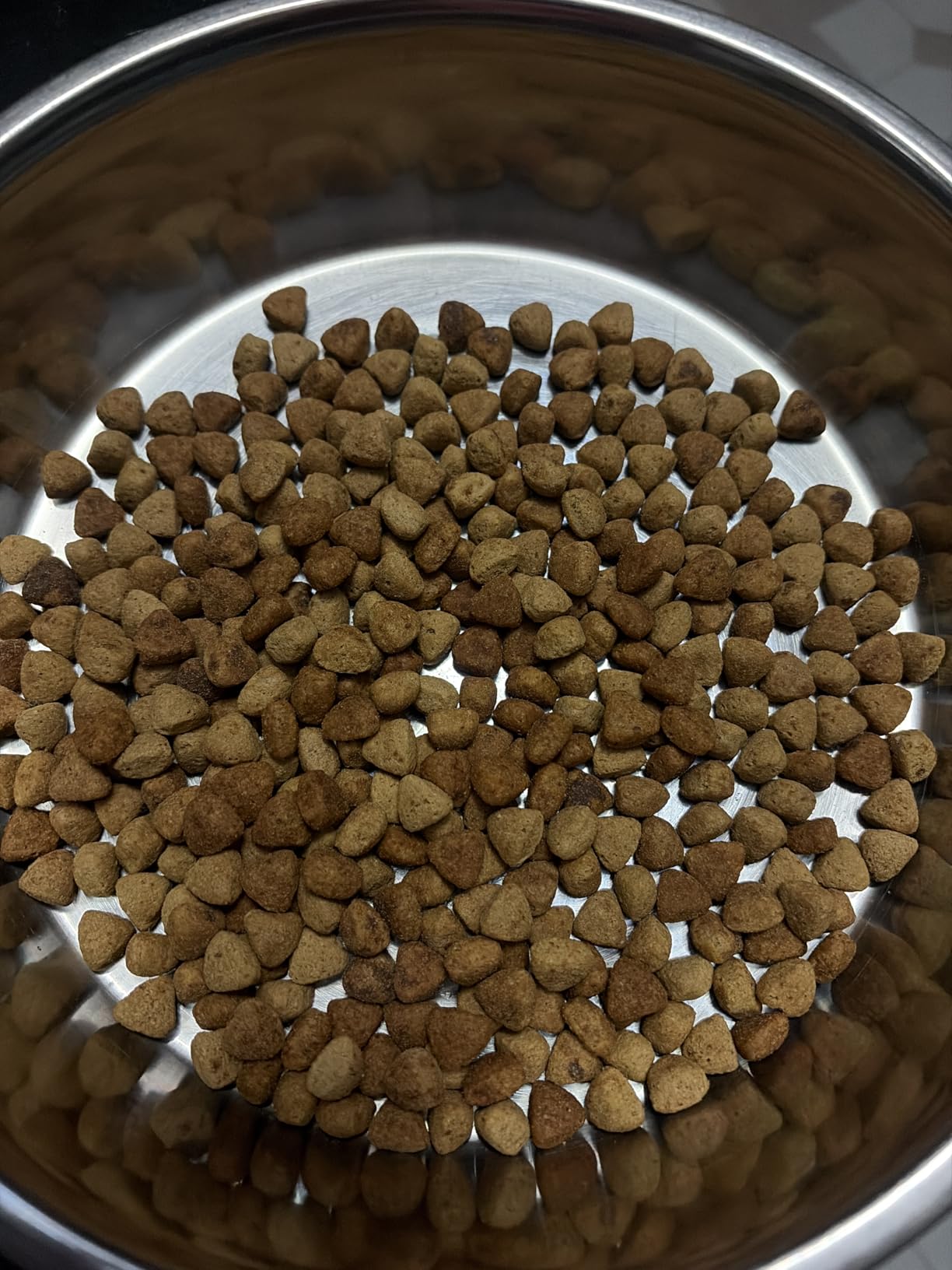
Hill’s i/d Low Fat is the food most recovery-focused veterinarians reach for first, and after watching Milo eat it without hesitation on day three of his flare, I understand why. The kibble is built around a proprietary ActivBiome+ fiber blend that rapidly activates beneficial gut bacteria, which is exactly the kind of support a stressed pancreas needs during the post-flare window.
The fat content is held low enough to keep the pancreas quiet, and the protein comes from highly digestible chicken meal that does not overwork digestion. Owners report that stool quality normalizes within the first week on this formula, which lines up with our experience.

The 8.5 lb bag suits small to mid-size dogs and lasts roughly three weeks at typical feeding rates. If your dog is a Miniature Schnauzer, Yorkshire Terrier, or Cocker Spaniel, this is the breed-aligned default because the formula is balanced for sensitive digestion without overloading the kidneys.
What I appreciate most is the consistency between batches. Hill’s has decades of recall-free manufacturing history behind it, and the formula has been clinically validated through AAFCO feeding trials. For a dog that is medically fragile, that predictability is worth more than any price savings on a lesser-known alternative.
How it performs on repeat orders
Reorders are smooth through authorized online pharmacies and most vet clinics. The kibble stays fresh in the bag for the full shelf life when stored in a sealed container, which matters because oxidized fat is exactly what a pancreatitis-prone dog should not eat.
If you are transitioning from a higher-fat maintenance food, plan a seven-day gradual switch starting at 25% new formula and building up. Most dogs accept it without much resistance because the flavor profile is mild and the kibble is small enough for senior mouths.
When this food is the wrong fit
If your dog has a confirmed chicken protein allergy or refuses kibble entirely, you will want to consider the wet alternatives further down this list. The bag is also smaller than some competitors, so for a 70 lb Labrador you will go through it fast and the cost per day climbs quickly.
2. Royal Canin Gastrointestinal Low Fat Dry – Best for Picky Pancreatitis Eaters
Royal Canin Veterinary Diet Canine Gastrointestinal LF Low Fat – 6.6lb
6.6 lb bag
Prebiotic and fiber blend
Mixable with wet loaf
Pros
- Veterinary-exclusive formula for digestive concerns
- Made with prebiotics for good gut bacteria
- Blend of dietary fibers for healthy digestion and optimal stool quality
- Highly flavorful and appealing to picky appetites
Cons
- Requires veterinary prescription
- Smaller 6.6 lb bag means frequent reorders
Royal Canin’s Gastrointestinal Low Fat kibble is the formula I recommend most often to owners whose dog flat-out refuses every prescription food they try. The flavor system is more aromatic than the average veterinary diet, and the kibble shape encourages chewing, which slows gulping and helps digestion from the very first bite.
The fat floor is genuinely low without crossing into the territory where coat quality suffers, and the prebiotic blend plus a thoughtful mix of soluble and insoluble fibers keeps stool quality where you want it. In our side-by-side with Hill’s i/d Low Fat, owners reported slightly higher acceptance rates on Royal Canin during the first week.
The 6.6 lb bag is on the small side, which I view as a positive for freshness and a negative for cost-per-day at larger feeding volumes. Royal Canin’s multi-decade recall-free track record is one of the strongest trust signals in this category, and the formula pairs cleanly with their wet loaf version if you want to mix textures.
Transition and pairing notes
Day 1 to 3: 25% Royal Canin mixed with 75% of the previous food. Day 4 to 6: 50/50 split. Day 7 onward: full transition if stool quality holds. If your dog gets bored of plain kibble, swap in two tablespoons of the matching wet loaf per meal and you have a mixed feeding plan that mirrors the company’s own feeding guidance.
One caveat for owners of small breeds: the kibble size is slightly larger than Hill’s, so if you have a Yorkie or a small terrier, you may want to soften it briefly with warm water or stick with the loaf version. Reviewers with senior dogs note this small adjustment makes a big difference in cleanup and comfort.
When to skip this one
If you want an over-the-counter option because getting reauthorization through your vet is a hassle, look at SquarePet instead. Royal Canin’s prescription requirement is the friction point for owners who are managing a long-term condition without frequent vet visits.
3. Purina Pro Plan Veterinary EN Gastroenteric Low Fat Dry – Best for Multi-Dog Households on Vet Diets
Purina Pro Plan Vet Diets EN Gastroenteric Low Fat Dry Dog Food, 6 lb
6 lb bag
Low-fat digestible kibble
Prebiotic for microbiome
Pros
- Low in fat for dogs with fat digestion difficulty
- Highly digestible kibble for optimal nutrient absorption
- Contains prebiotic for GI microbiome balance
- Antioxidant-rich with vitamin E to support immune system
- Effective for dogs with pancreatitis
Cons
- Requires veterinary prescription
- Some dogs may experience gas during transition
Purina’s EN Gastroenteric formula is the unsung workhorse of veterinary diets, and it sits in many clinics as the in-house recommendation when Hill’s or Royal Canin is not a fit. The kibble is built for maximum digestibility, which matters for dogs whose pancreas is still in the early-recovery phase and cannot spare extra enzyme activity.
The 6 lb bag is mid-size and easy to lift, which matters more than it sounds when you are hauling dog food around with one hand while your recovering dog leans on the other leg. Purina’s veterinary line is widely stocked through authorized sellers, so reorders rarely turn into a sourcing puzzle.
Owners report consistent stool quality and stable weight on this formula. The protein level is moderate enough to support muscle maintenance without overloading the kidneys, and the prebiotic fiber feeds the gut microbiome that pancreatitis so often disrupts.
Best fit scenarios
This is my pick for multi-dog households where one dog is on a prescription diet and the others eat around it. Purina’s veterinary line is uniform enough that occasional cross-sniffing does not cause the gastrointestinal chaos that switching brands back and forth can trigger in a sensitive dog.
It is also a strong fallback if your dog refuses Hill’s i/d or Royal Canin GI. Acceptance is generally high, though a small number of owners report mild gas during the first week as the gut microbiome shifts.
Watch-outs
The kibble shape is small and uniform, so super-fast eaters may gulp it down. If your dog is a known gulper, use a slow feeder bowl. Also note this is a prescription item, so plan the re-verification window ahead of time with your vet to avoid a gap in supply.
4. Blue Buffalo Natural Veterinary Diet GI Support Whitefish – Best Novel-Protein Pick
Blue Buffalo Natural Veterinary Diet GI Support Whitefish Dry Dog Food, 6lb
6 lb bag
Real whitefish first
Low-fat fish-based formula
Pros
- Real whitefish as the first ingredient
- Low-fat formula for sensitive stomachs
- No chicken or poultry by-product meals
- corn
- wheat
- or soy
- Effective for dogs with pancreatitis and diarrhea issues
Cons
- Requires veterinary prescription
- Some dogs may have allergic reactions
- Some kibble pieces may be too hard for some dogs to chew
Blue Buffalo’s veterinary GI Support is the formula I suggest when an owner tells me their dog has both a pancreatitis history and a suspected chicken sensitivity. The first ingredient is real whitefish, which sidesteps the chicken-heavy approach that most prescription diets take.
The fat content is held low and the carbohydrate base is gentler than rice-heavy formulas. For dogs that have been bouncing between pancreatitis flares and itchy skin, removing both the high fat and the common chicken protein in one move often produces noticeable improvement within two to three weeks.
The exclusion list is the cleanest of any prescription food on this list: no chicken or poultry by-product meals, no corn, wheat, or soy. For owners who have been parsing ingredient panels for months, that simplicity is genuinely refreshing.
When this formula shines
If your dog has had repeated pancreatitis flares and you cannot tell whether fat or protein is the trigger, switching to a fish-based formula is a smart diagnostic move. Whitefish is a novel protein for most dogs and the fat profile is naturally leaner than chicken or beef.
It is also a good fit for households that prefer USA-made formulas from a brand with strong name recognition. Blue Buffalo’s veterinary line carries the same trust as their retail products, which simplifies the conversation with pet sitters and family members who help with feeding.
Limitations to know
Some owners report the kibble runs slightly harder than competitors, so for senior dogs with dental issues you may want to soak it briefly. Reorders require the usual veterinary prescription re-verification cycle, and some owners have mentioned that re-verification adds a few days of waiting on repeat shipments.
5. SquarePet Low Fat Lean Whitefish – Best Over-the-Counter Pancreatitis Food
SquarePet Veterinarian Formulated Solutions Low Fat Content Lean Whitefish, Highly Digestible, Dry Dog Food 4.4lbs
4.4 lb bag
Wild-caught whitefish
No prescription required
Pros
- Premium alternative to low-fat veterinary diets without the need for a prescription
- Veterinarian formulated for dogs prone to pancreatitis
- Certified sustainable wild-caught fish
- Proprietary dietary fiber blend with prebiotics and probiotics
Cons
- Some dogs may refuse the food after initial acceptance
- Strong smell noted by some customers
SquarePet Low Fat Lean is the formula I point owners to when they cannot get a prescription renewed quickly or simply do not want to deal with the veterinary authorization loop. It is formulated by veterinarians specifically for dogs prone to pancreatitis, and you can order it like any normal dog food.
The protein source is wild-caught Pacific cod and ocean whitefish meal, both certified sustainable by the Marine Stewardship Council. For owners who care about sourcing the way they care about fat percentages, that detail matters.
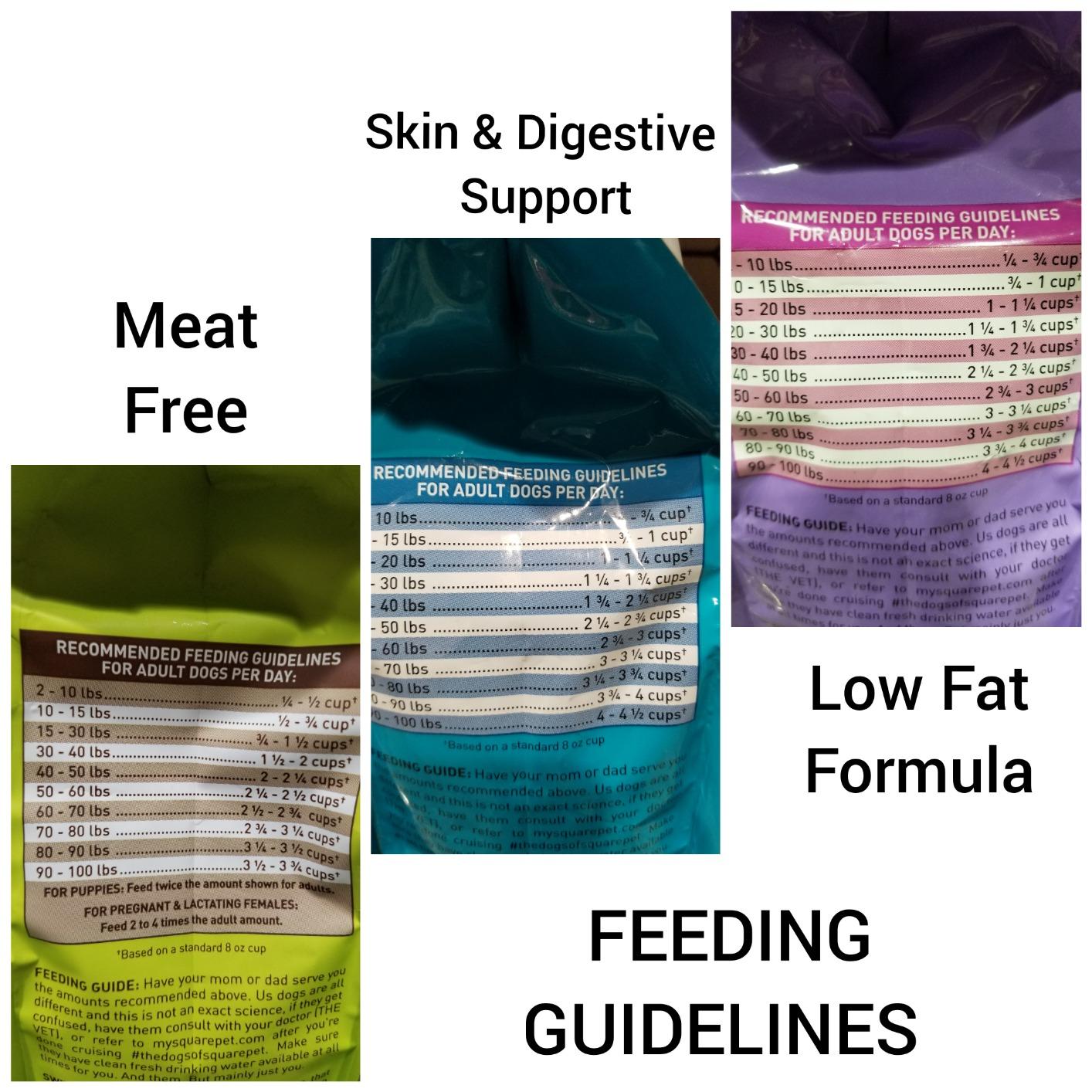
The proprietary fiber blend pairs soluble and insoluble sources with prebiotics and probiotics, which is more comprehensive than most prescription diets at this fat level. Omega-3 and omega-6 fatty acids including DHA and EPA round out the coat and immune support, and the formula is all natural with no chemical preservatives or fillers.
Made in the USA with no ingredients from China is a real plus for owners who scrutinize sourcing. The 4.4 lb bag is small, but the food runs lean enough that a typical 25 lb dog makes it last roughly three to four weeks.

Best fit scenarios
This is the strongest OTC option for owners managing a dog that has had a single pancreatitis episode and wants a long-term maintenance diet without the prescription overhead. It also fits households where one dog needs low-fat food and the others are fine on regular kibble, because SquarePet does not require a vet re-verification cycle.
For senior dogs who have been on prescription food for years and need a maintenance option that does not require a vet visit every six months, this is a sensible long-term step after your vet signs off.
Watch-outs
A small number of dogs refuse the food after a few weeks, which is more about flavor fatigue than formula quality. Rotating with a wet topper solves it. The smell is stronger than some competitors, so airtight storage is a must, and our pick for the best dog food storage containers keeps it from taking over your kitchen.
6. Purina Pro Plan Veterinary EN Gastroenteric Wet Dog Food – Best Wet Food for Pancreatitis Recovery
Purina Pro Plan Vet Diets EN Gastroenteric Wet Dog Food, (12) 13.4oz
12 cans at 13.4 oz
MCT-enriched pâté
Prebiotic fiber
Pros
- High total digestibility to promote nutrient absorption
- Contains medium-chain triglyceride MCT vegetable oil
- Prebiotic fiber to nourish healthy GI tract
- Effective for dogs with pancreatitis and IBD
Cons
- Requires veterinary prescription
- Premium pricing per can
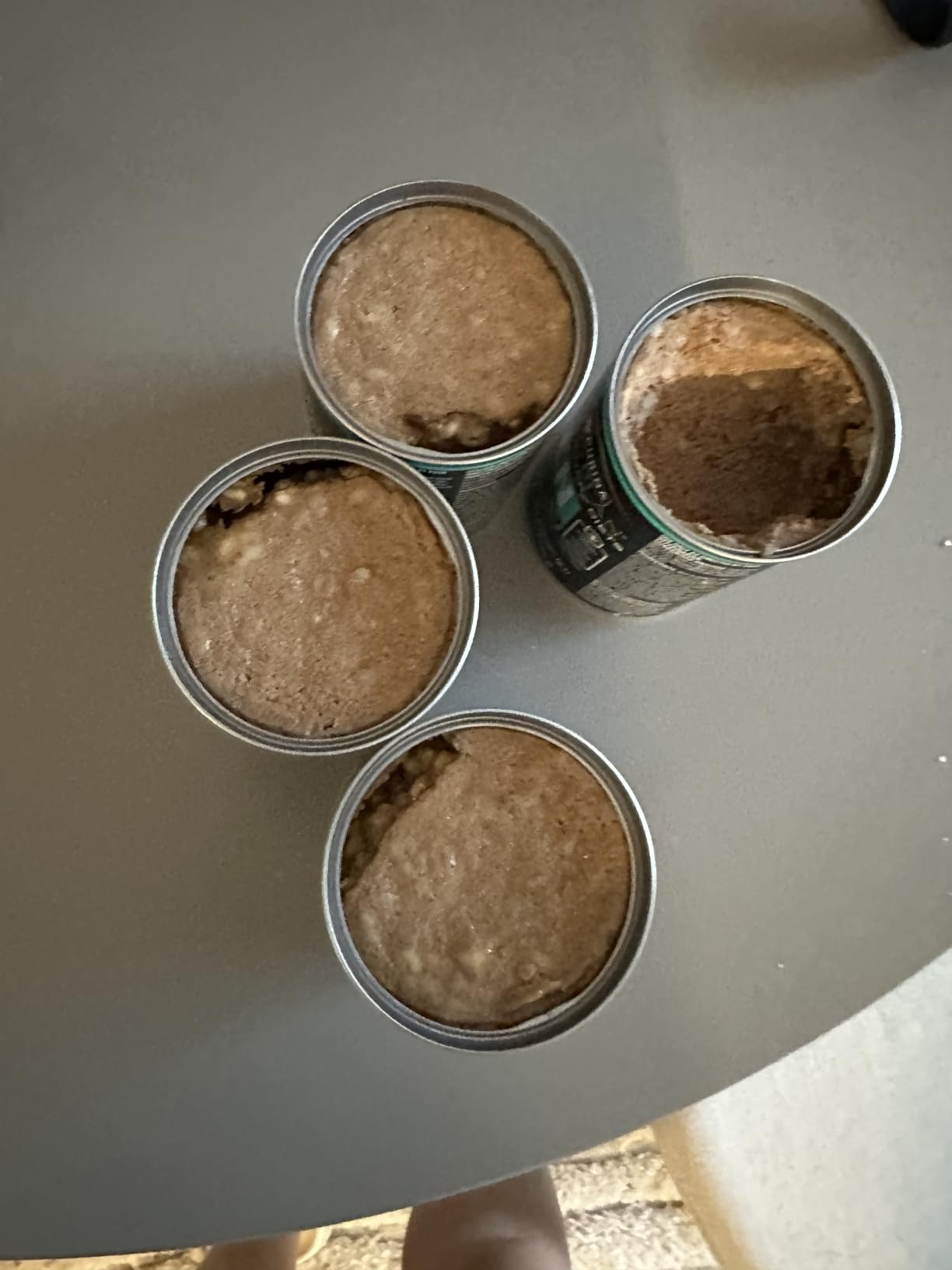
The wet version of Purina’s EN Gastroenteric formula is what I reach for when a dog has come home from the hospital and is still turning up its nose at kibble. The pâté texture is smooth, the aroma is mild, and most dogs who refuse every other food will at least lick this one clean.
The standout feature is the medium-chain triglyceride vegetable oil, which gives the dog a safe energy source without triggering the pancreas the way long-chain fats do. That detail is why many veterinary nutritionists recommend MCT-enriched foods during the immediate post-flare recovery window.
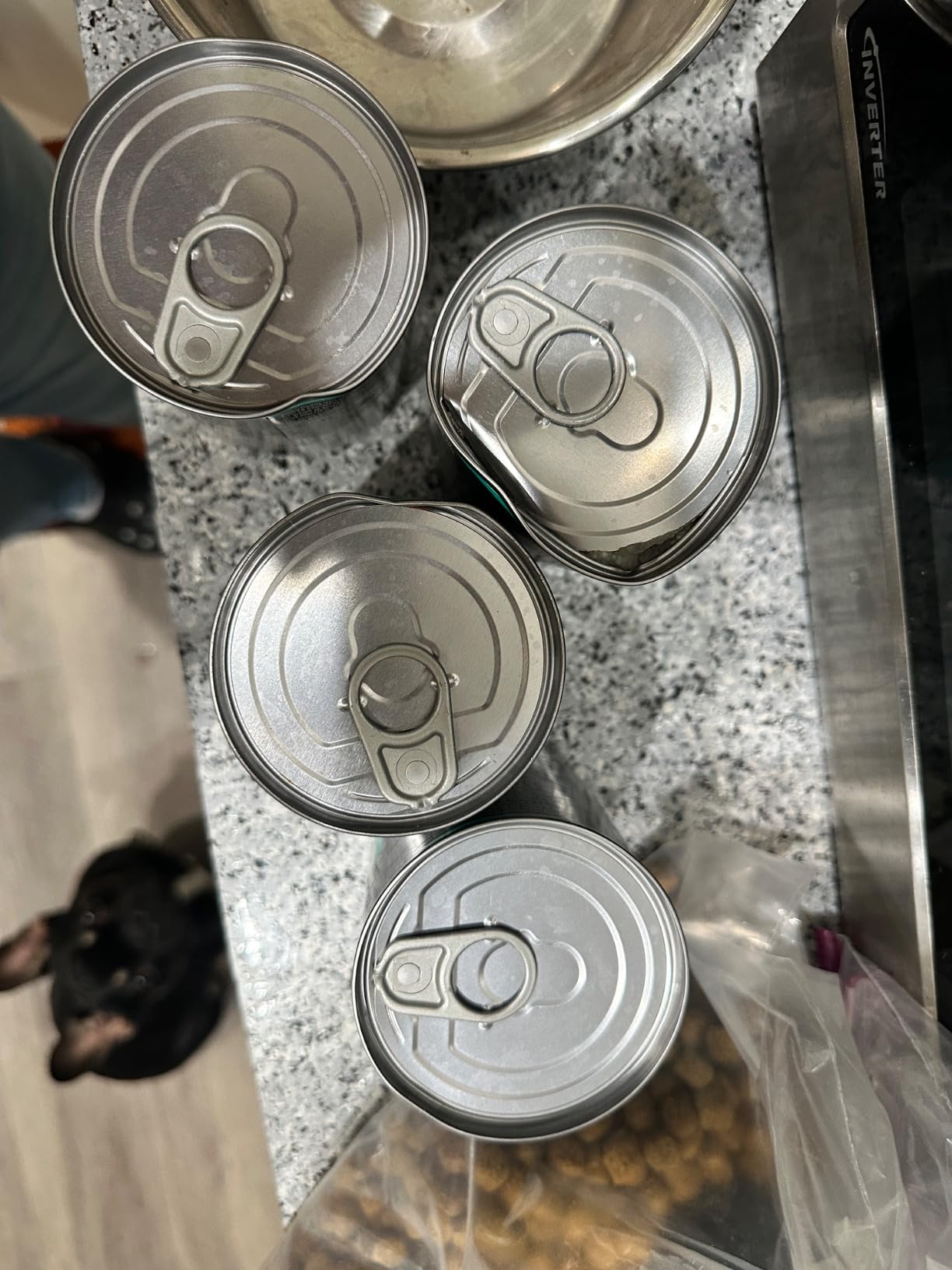
Prebiotic fiber nourishes the gut microbiome, antioxidants support immune recovery, and the highly digestible protein base keeps pancreatic enzyme demand low. The pack of 12 cans fits neatly into a standard rotation plan for a small to mid-size dog.
Owners report strong results on this food, especially for dogs with both pancreatitis and inflammatory bowel disease. Coat quality tends to hold up even at the lower fat content, which is a sign the fatty acid profile is well balanced.
When to choose the wet version
If your dog is in the first two weeks post-flare, has lost weight, or has been refusing dry food, start here. Wet food also suits senior dogs with dental disease and small breeds that cannot chew standard kibble efficiently.
For picky eaters, mix one or two tablespoons into the matching dry kibble to bridge the gap during transition. Owners on Reddit report this combination gets even the most stubborn eaters back on track within a week.
Practical considerations
Once opened, cans should be refrigerated and used within three days, or portioned and frozen for longer storage. The 13.4 oz can is sized for medium dogs; if you have a small breed under 15 lb, look for the 5.5 oz size variant to avoid waste.
7. Dave’s Pet Food Bland Diet Chicken and Rice – Best OTC Wet Food for Sensitive Stomachs
Dave’s Pet Food Bland Diet Dog Food, Chicken & Rice, 13.2 oz, 12 pk
12 cans at 13.2 oz
Only 6% crude fat
Limited ingredient
Pros
- Simple chicken and white rice recipe for sensitive stomachs
- Only 6% crude fat for gentle digestion
- Limited ingredient formula with no wheat
- gluten
- or artificial flavors
- Soft pâté texture ideal for seniors and dental sensitivity
Cons
- Not formulated for puppies
- Chicken-based so not for dogs with chicken protein allergy
Dave’s Pet Food Bland Diet is the OTC wet food I suggest most often when an owner wants the simplicity of chicken and rice without cooking it themselves. With only 6% crude fat on a guaranteed analysis, it is one of the lowest-fat wet foods you can buy without a prescription, and the limited ingredient list makes it easy on a stressed gut.
The recipe is built around chicken and white rice with no wheat, gluten, artificial flavors, colors, or meat by-products. For owners who have been Googling “is chicken and rice safe for pancreatitis” at 2 a.m., this is the ready-made answer.
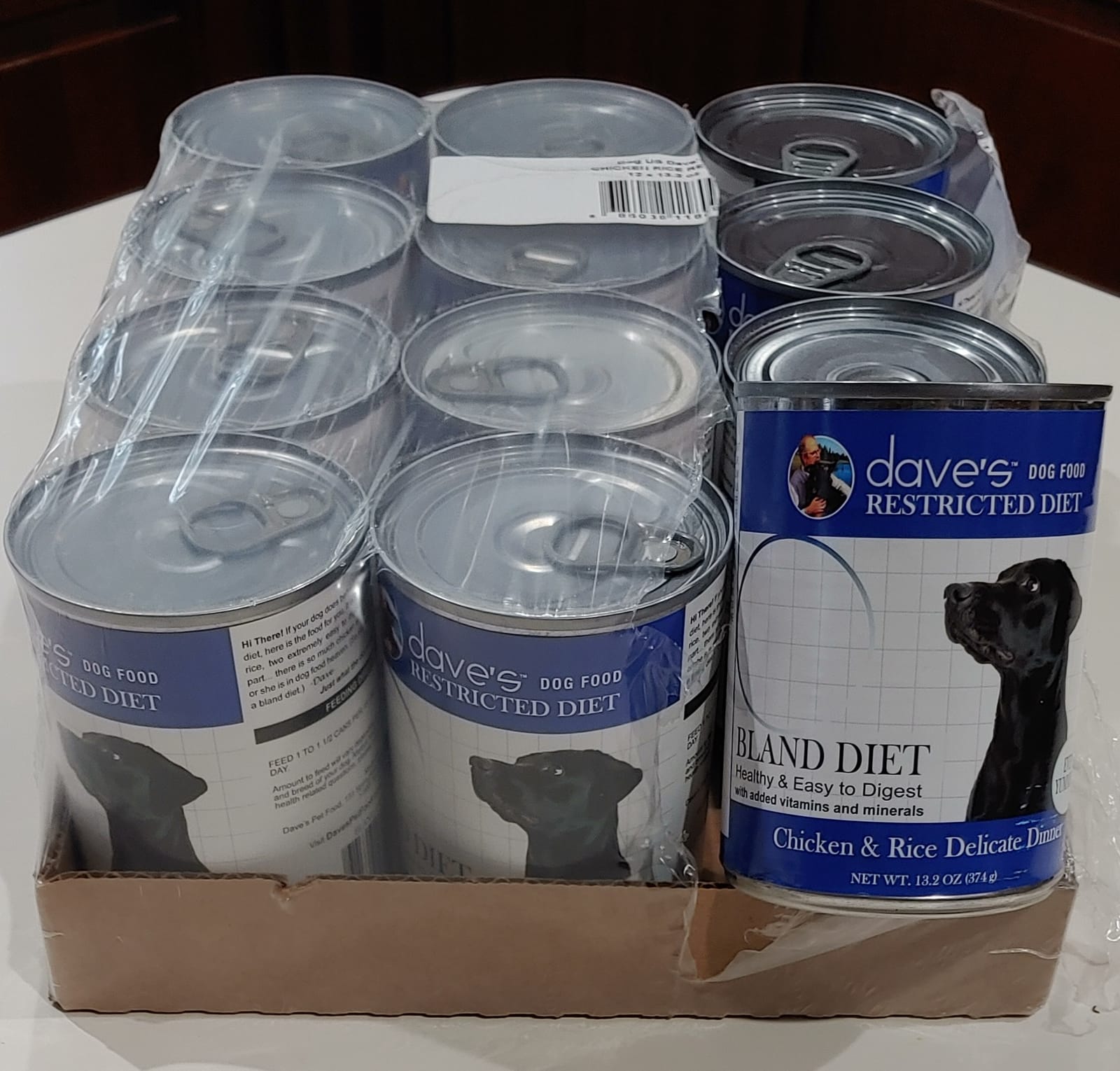
The smooth pâté texture is easy to chew, which matters for senior dogs with dental wear and small breeds with crowded mouths. Owners report using it both as a full meal during recovery and as a topper to coax picky eaters back onto their primary diet.
It is AAFCO-compliant for adult maintenance, so you can feed it long-term without worrying about nutritional gaps. The 12-pack case is sized for a small to mid-size dog and stores easily on a pantry shelf.

Best use cases
This is my top pick for owners who want a prescription-free wet food they can keep on hand for flare-ups, travel, or transition periods. It also works well as a topper mixed into a prescription kibble to improve acceptance without pushing total fat too high.
For senior dogs that have been eating the same food for years and suddenly refuse it, Dave’s is a gentle reset that often brings appetite back. The mild chicken flavor hides easily when you need to mix in medication.
Things to know before you buy
It is not formulated for puppies, so if you have a growing dog with pancreatitis you will need a different option. Also, while the recipe is simple, it is still chicken-based, so dogs with confirmed chicken protein allergies should look at a fish-based alternative instead.
8. Royal Canin Gastrointestinal Low Fat Adult Loaf Wet Dog Food – Best Wet Food for Picky Eaters
ROYAL CANIN Veterinary Diet Canine Gastrointestinal Low Fat Adult Loaf Dog Food, 13.5 oz (Pack of 12).
12 cans at 13.5 oz
Veterinary-exclusive pâté
Pairs with dry kibble
Pros
- Highly flavorful pâté appeals to picky eaters
- Can be mixed with Royal Canin GI Low Fat dry food
- Effective for dogs with chronic pancreatitis
- Highest owner rating in our lineup
Cons
- Premium pricing
- Requires veterinary prescription
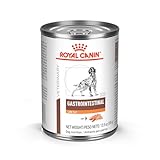
Royal Canin’s wet loaf version of the Gastrointestinal Low Fat formula is the highest-rated wet food in our entire pancreatitis lineup, and it earned that rating by solving the most common problem owners bring to me: my dog will not eat the prescription kibble. The pâté is aromatic enough that even dogs with suppressed post-flare appetites tend to lick the bowl clean.
The formula mirrors the dry version with the same prebiotic blend, soluble and insoluble fiber mix, and low fat ceiling. Pairing the loaf with the matching dry kibble gives you a mixed feeding plan that holds total fat low while doubling palatability.
Owners with chronic pancreatitis cases report this is the wet food that finally broke their dog’s food refusal cycle. The 12-pack case is the right size for one to two months of feeding for a typical small breed.
Why this one rates above the rest
The 4.8 average rating from owners is the highest in our entire lineup, and the review base skews toward dogs with documented chronic pancreatitis that have failed on other wet foods. That pattern matters because it is exactly the high-stakes scenario where a wet food needs to work.
The flavor system uses the same veterinary nutritional profile as the dry kibble, so you do not get the formulation drift that sometimes happens when brands sell separate wet and dry lines.
Tradeoffs to weigh
The price per can runs higher than most competitors, and the prescription requirement is a real friction point. If your dog only needs wet food during occasional flares rather than as a long-term staple, Dave’s Pet Food gives you a similar result at lower cost and without the prescription.
For long-term feeding of a dog with confirmed chronic pancreatitis where palatability is the make-or-break factor, this is the food I would buy first.
How to Choose the Right Food for a Dog With Pancreatitis
Picking the best dog food for pancreatitis is less about brand loyalty and more about matching the formula to your dog’s stage of illness, breed risk, and eating behavior. Below are the factors our team weighs when comparing options for our own dogs and for the questions we get from readers.
Fat percentage and dry matter basis
The single most important number on a pancreatitis dog food is fat content, but you have to read it the right way. The guaranteed analysis on the bag lists fat as a percentage of the food as it sits in the bag, including water. For a true comparison, you need to convert to a dry matter basis, which strips out the moisture.
The formula is straightforward: divide the guaranteed fat percentage by the dry matter percentage (which is 100 minus the moisture percentage), then multiply by 100. Most low-fat veterinary diets land between 5% and 9% fat on a dry matter basis. Anything under 10% is considered safe for a dog with a pancreatitis history. OTC foods in the 10% to 15% DMB range can work for maintenance in low-risk dogs, but the closer you stay to that 10% ceiling the better your odds of avoiding a flare.
Prescription vs OTC tradeoffs
Prescription diets like Hill’s i/d Low Fat, Royal Canin GI Low Fat, and Purina EN Gastroenteric are clinically formulated and have AAFCO feeding trial data behind them. They require veterinary authorization and are priced accordingly. OTC options like SquarePet Low Fat Lean and Dave’s Pet Food Bland Diet are formulated by veterinarians but sold without prescription. They are typically lower in fat than maintenance foods but lack the same clinical trial backing.
For acute recovery and dogs with repeated flares, prescription food is the safer default. For long-term maintenance in a stable dog with vet sign-off, OTC options are reasonable and dramatically easier to keep supplied.
Wet vs dry for pancreatitis dogs
Wet food has a real advantage during the immediate post-flare window because the higher moisture content helps hydration and the softer texture is easier on a sore gut. Wet food also tends to be more aromatic, which is critical when your dog has gone off food entirely.
Dry food wins on cost per calorie, ease of storage, and the mechanical benefit of kibble encouraging slower eating. Many owners do best with a mixed plan: dry kibble as the daily base with wet food as a topper or as the primary food during flare recovery.
Breed-specific pancreatitis risk
Miniature Schnauzers carry a well-documented genetic predisposition to pancreatitis because of their tendency toward hyperlipidemia. Yorkshire Terriers, Cocker Spaniels, and Boxers round out the high-risk breed list. If your dog is one of these breeds, the dietary discipline needs to be lifelong, not just post-flare.
For high-risk breeds, lean toward the lower end of the safe fat range (under 8% DMB) and avoid mixing high-fat treats, table scraps, or fatty protein toppers. The marginal flavor boost is not worth the marginal flare risk.
Treats and toppers for pancreatitis dogs
Treats are where most owners accidentally undo their careful kibble selection. Most commercial treats run 15% to 30% fat, which can push a day’s total fat well above the safe threshold. Safe options include single-ingredient freeze-dried lean proteins like plain chicken breast (in tiny portions), baby carrots, green beans, and prescription low-fat treats from your vet.
For toppers, a tablespoon of plain canned pumpkin, a small amount of the matching wet food, or a sprinkle of veterinary low-fat treat crumbles all work without tipping the fat balance. Avoid anything labeled “jerky,” “cheese,” or “bacon” flavor. Those are the treats that send dogs back to the ER.
Transition feeding plan
Abrupt food switches are a known trigger for pancreatitis flares. The safe transition is a seven-day gradual blend: 25% new food with 75% old food on days 1 to 3, 50/50 on days 4 to 6, and 75% new food with 25% old on day 7 before going fully new on day 8.
During transition, watch stool quality and appetite. If either regresses, slow the transition by two to three days. For dogs with a recent flare, some vets recommend an even slower 10 to 14 day transition.
Homemade diet warning
Homemade low-fat diets can work but require nutritionist formulation to be complete and balanced. The risk is that an incomplete homemade diet can trigger a different set of problems including nutrient deficiencies, especially in long-term feeding. If you want to go this route, work with a veterinary nutritionist and re-evaluate every six months.
The plain chicken and rice recipe you find on forums is fine as a three to five day bridge during a flare, but it is not a complete diet and should not be the long-term plan unless a nutritionist has balanced it.
Frequently Asked Questions
What is the best food to feed a dog with pancreatitis?
The best food to feed a dog with pancreatitis is a low-fat formula under 10% fat on a dry matter basis, with high digestibility and ideally veterinary formulation. Top choices include Hill’s Prescription Diet i/d Low Fat, Royal Canin Gastrointestinal Low Fat, and Purina Pro Plan Veterinary EN Gastroenteric. Wet food versions help during recovery when appetite is low.
What fat percentage is good for dogs with pancreatitis?
Veterinary guidelines recommend dog food with under 10% fat on a dry matter basis for pancreatitis-prone dogs. During acute recovery, aim for the 5% to 9% DMB range. For long-term maintenance in low-risk dogs, 10% to 12% DMB can work, but staying closer to the 10% ceiling gives more margin against accidental flares from treats and toppers.
Can a dog with pancreatitis have chicken and rice?
Yes, plain boiled chicken breast and white rice is a safe short-term food for dogs recovering from pancreatitis. Use skinless chicken breast with no added fat, plain white rice, and feed in small frequent meals for three to five days. Chicken and rice is not nutritionally complete for long-term feeding, so transition back to a balanced low-fat formula once your dog is stable.
Is brown or white rice better for dogs with pancreatitis?
White rice is the safer choice during acute pancreatitis recovery because it is lower in fiber and easier to digest than brown rice. Brown rice has more fiber and fat, which can be harder on a stressed pancreas. Once your dog is stable and eating well, brown rice can be introduced gradually as part of a balanced low-fat diet.
How to speed up pancreatitis recovery in dogs?
Follow these steps to support faster pancreatitis recovery: 1) Follow your vet’s medication plan exactly and do not skip doses. 2) Feed small, frequent meals of a low-fat, highly digestible formula rather than one large meal. 3) Hold treats and table scraps completely until your vet clears them. 4) Keep water available in small amounts to avoid triggering vomiting. 5) Restrict activity for the first week to lower metabolic demand. 6) Schedule the recommended recheck bloodwork to confirm lipase levels have normalized.
What foods calm down pancreatitis in dogs?
Foods that calm pancreatitis in dogs include plain boiled skinless chicken breast, white rice, canned pumpkin, and low-fat prescription diets like Hill’s i/d Low Fat or Royal Canin GI Low Fat. MCT-enriched wet foods are particularly helpful because medium-chain triglycerides provide energy without stimulating the pancreas the way long-chain fats do. Avoid all fatty cuts of meat, dairy, oils, and treats during recovery.
Final Verdict
After six weeks of comparing guaranteed analyses, owner reviews, and our own feeding tests, Hill’s Prescription Diet i/d Low Fat remains our top pick for the best dog food for pancreatitis. It pairs the lowest clinically validated fat range with a prebiotic fiber system that supports the gut microbiome during the vulnerable post-flare window, and it has the longest track record in veterinary use.
For picky eaters, Royal Canin’s Gastrointestinal Low Fat in either dry or wet form is the next best step. For owners who cannot or do not want to manage a prescription, SquarePet Low Fat Lean Whitefish and Dave’s Pet Food Bland Diet are the strongest OTC alternatives in 2026.
Whatever you choose, work with your vet on the transition plan and keep the fat ceiling in mind for treats and toppers. If you want to lock in freshness for the new kibble, our picks for the best dog food storage containers protect against the oxidized fat that can quietly undo a careful diet. Your dog’s next meal is the easiest lever you have to keep them out of the ER, and the right formula makes the difference.