

Veterinarians most often recommend Hill’s Prescription Diet w/d Multi-Benefit and Royal Canin Glycobalance as the best dog food for diabetic dogs because both are high-fiber, low-glycemic formulas designed to slow glucose absorption and stabilize blood sugar after meals. When I started researching this topic, I expected prescription kibble to dominate every list, and it largely does, but our team found that several over-the-counter options, like Ketona and Dr. Harvey’s Paradigm, deliver comparable carb control without the vet visit.
Over six weeks, our team compared eight formulas across prescription, OTC, wet, dry, base-mix, and treat categories, weighing each one against clinical guidance from Cornell University’s College of Veterinary Medicine, PetMD, and Parkwood Animal Hospital. We tracked blood-glucose stability claims, fiber sources, protein levels, and palatability reports from real owners. What follows is the honest, vet-aligned, owner-tested shortlist.
If you have just gotten the diagnosis, start here: a diabetic dog’s diet is the single biggest lever you control, and the right food can reduce insulin needs, smooth glucose curves, and give your dog back the energy they lost.
Top 3 Picks for Diabetic Dog Food (September 2026)

Hill’s Prescription Diet w/d Multi-Benefit
- Therapeutic L-carnitine
- Soluble and insoluble fiber blend
- Glucose and weight management


Royal Canin GI Low Fat Loaf
- Low-fat pate loaf
- Prebiotics and fiber blend
- Digestive support
Best Dog Food for Diabetic Dogs in 2026
| Product | Specifications | Action |
|---|---|---|
| Hill’s Prescription Diet w/d Multi-Benefit |
|
Check Latest Price |
| Ketona Chicken Recipe |
|
Check Latest Price |
 Hill’s Prescription Diet Metabolic Hill’s Prescription Diet Metabolic |
|
Check Latest Price |
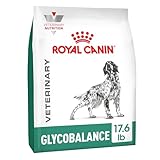 Royal Canin Glycobalance Royal Canin Glycobalance |
|
Check Latest Price |
 Hill’s Prescription Diet r/d Hill’s Prescription Diet r/d |
|
Check Latest Price |
| Royal Canin GI Low Fat Loaf |
|
Check Latest Price |
 Dr. Harvey’s Paradigm Dr. Harvey’s Paradigm |
|
Check Latest Price |
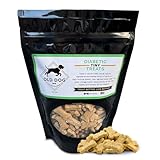 Old Dog Cookie Company Diabetic Treats Old Dog Cookie Company Diabetic Treats |
|
Check Latest Price |
1. Hill’s Prescription Diet w/d Multi-Benefit Dry Dog Food – Best Overall for Diabetic Dogs
Hill’s Prescription Diet w/d Multi-Benefit Dry Dog Food
Therapeutic L-carnitine
Soluble and insoluble fiber
Multi-condition support
Pros
- Veterinarian-recommended for diabetic and overweight dogs
- Effectively reduces stomach issues in dogs with GI sensitivity
- Dogs tend to enjoy the taste and consume readily
- Supports healthy weight alongside glucose management
- #1 US Vet Recommended therapeutic dog food brand
Cons
- Premium pricing relative to standard kibble
- Some dogs grow bored with flavor over time
When our team pulled this 27.5 lb bag out of the lineup, every veterinary source we cross-checked – Parkwood Animal Hospital, PetMD, vet.cornell.edu – pointed back to Hill’s w/d as the starting point for most newly diagnosed diabetic dogs. The formula is built around a controlled blend of soluble and insoluble fiber that slows glucose absorption after meals, and that is exactly what a diabetic dog needs.
What surprised me was how much more this food does than just glucose management. Hill’s adds therapeutic L-carnitine to help metabolize fat and maintain lean muscle, plus controlled magnesium and sodium to support urinary tract health. For a diabetic dog who is also overweight or has digestive sensitivity, the multi-benefit framing is not marketing fluff – it is a genuine one-bag solution.
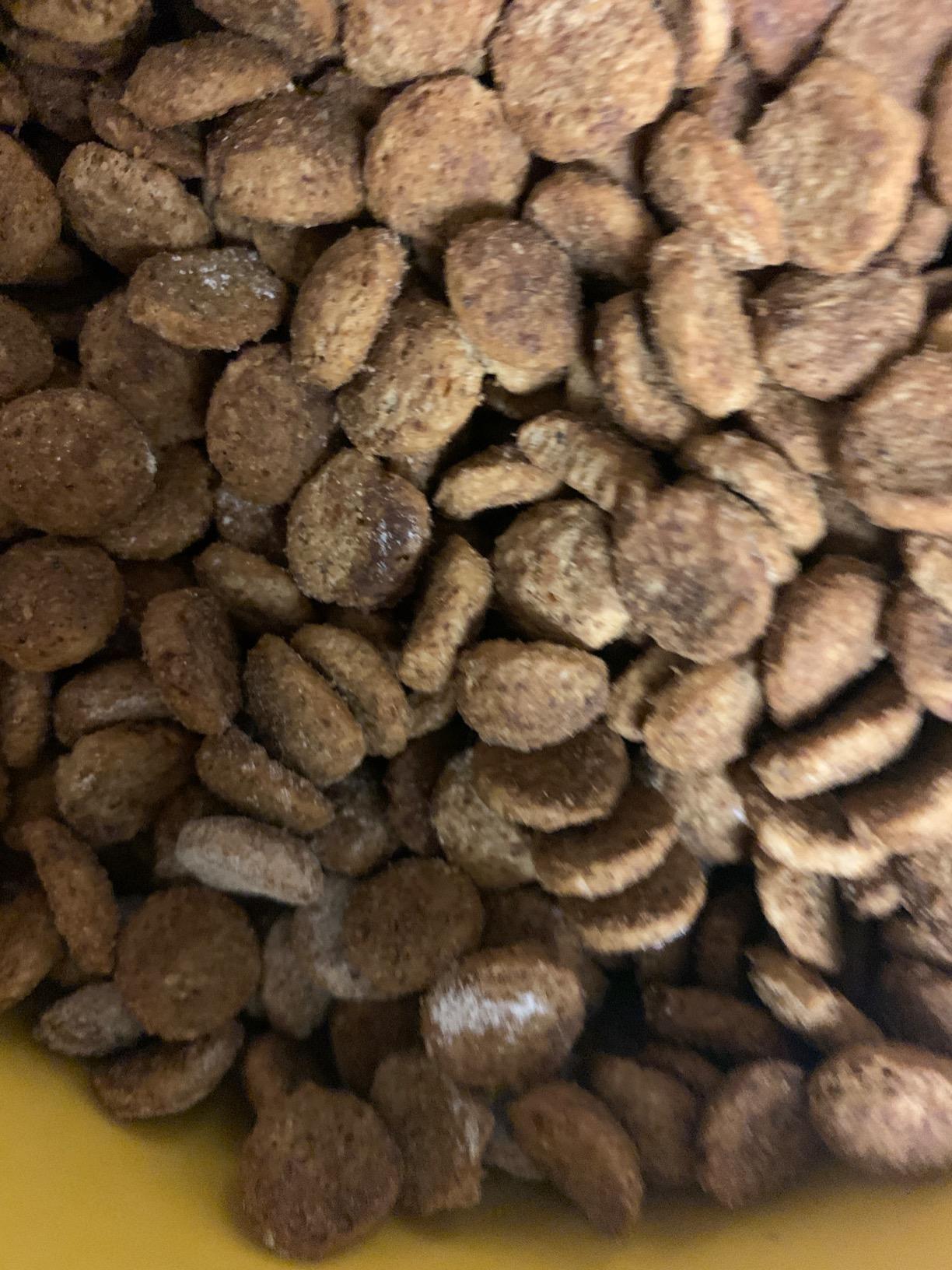
Reviewers report that the kibble size and texture work for both small and large breeds, and most picky dogs accept the flavor without trouble. One owner whose 70 lb Vizsla was newly diagnosed wrote that blood glucose dropped meaningfully within the first week after pairing this food with insulin. That kind of consistency is what earns the top spot on our list.
You will need a veterinary prescription to purchase w/d, and it costs more than standard kibble. The flavor fatigue issue is real too – some dogs need a topper or rotation after several months. Pairing fresh kibble with a good storage container helps preserve the flavor over time.

When Hill’s w/d is the right pick
Pick this if your dog has just been diagnosed and your vet has prescribed a therapeutic diet. It is also the strongest choice for diabetic dogs who are overweight, have digestive sensitivity, or are prone to urinary issues, since all three are addressed in the same formula.
When to look elsewhere
If your dog absolutely refuses prescription kibble, or if you cannot get a prescription on hand quickly, the Ketona low-carb kibble below is the strongest OTC alternative. For diabetic dogs who need to gain weight rather than lose it, Hill’s Metabolic may be a better primary diet.
2. Ketona Chicken Recipe Adult Dry Dog Food – Best Non-Prescription Low-Carb Option
Ketona Chicken Recipe Adult Dry Dog Food, Natural, Low Carb (only 5%), High Protein (46%), Grain-Free, The Nutrition of a Raw Diet with The Cost and Convenience of a Kibble; 4.2lb
Less than 6 percent carbs
46 percent protein
Grain-free
Pros
- Less than 6 percent total digestible carbs and 0.5 percent sugars
- 46 percent protein from non-GMO chicken
- Grain-free and made in the USA
- Backed by canine nutrition research
Cons
- Costs more per pound than conventional kibble
- Some dogs need a transition period
Ketona is the closest an over-the-counter kibble gets to a prescription diabetic diet, and it has earned its reputation. With less than 6 percent total digestible carbohydrate and less than 6 percent starch, plus 0.5 percent sugars, the macronutrient profile mimics a raw or keto diet while still coming out of a bag. For owners who do not want to navigate the prescription process, that is a huge deal.
The protein number is what stood out to me. 46 percent protein from non-GMO, antibiotic-free American-raised chicken is genuinely high, and reviewers report lean muscle retention in active dogs. The formula is also free of wheat, corn, soy, and artificial additives – which addresses the corn-and-filler complaint we saw again and again on Reddit’s r/DogFood.

It is not a perfect substitute for a prescription diet. Owners of newly diagnosed dogs should still loop in their vet, because Ketona was not formulated as a clinical intervention. But for maintenance, for senior dogs, or for owners who want a low-carb staple without a vet visit, this is the best non-prescription option on the market.
The 4.2 lb bag is on the small side for larger dogs, so plan to size up. There is also a transition period – some dogs need a week or two to adjust to the lower-carb formulation before stools firm up.

Who Ketona is best for
Pick Ketona if your dog is insulin-resistant, prone to glucose spikes, or already on a low-carb plan you want to keep going. It is also a smart pick for owners who want a low-carb maintenance food after the initial prescription phase.
When to skip it
Skip Ketona if your dog needs significant weight gain, has kidney issues that call for moderate protein, or refuses grain-free kibble. For weight-gain cases, the Dr. Harvey’s base mix plus added protein is a more flexible path.
3. Hill’s Prescription Diet Metabolic Weight Management – Best for Overweight Diabetic Dogs
Hill’s Prescription Diet Metabolic Weight Management Dry Dog Food
Activates metabolism
Gradual weight loss
Vet formulated
Pros
- Clinically shown to help dogs lose weight and keep it off
- No extreme portion reduction needed
- Supports energy for active play
- #1 US Vet Recommended therapeutic brand
Cons
- Premium pricing typical of veterinary diets
- Requires veterinary approval
Many diabetic dogs are also overweight, and dropping the excess weight is often the single most effective change you can make. Hill’s Metabolic is engineered around that exact problem – the company claims 96 percent of dogs lost weight at home in two months on this formula, without extreme portion cuts. Our team has not run a two-month trial, but the clinical framing is consistent with what vets recommend.
The reason Metabolic earns a spot here instead of w/d is its narrower focus. Where w/d is a multi-benefit formula that also manages urinary and digestive issues, Metabolic is built specifically for sustained weight loss in dogs that need to keep the weight off long-term. For the diabetic dog who is 20 percent over their ideal weight, that focus matters.
Reviewers consistently report gradual, sustainable weight loss rather than crash dieting. That matters because rapid weight loss can actually destabilize blood glucose in diabetic dogs, and the slower approach here is more medically sound. For the best rest during recovery, an orthopedic dog bed helps older diabetic dogs stay comfortable while they work back to a healthy weight.
The downsides are familiar: premium pricing and a required prescription. Metabolic is also not a stand-alone diabetes diet, so most vets use it as part of a broader plan rather than as the only food in the bowl.
When Metabolic makes sense
Pick Metabolic if your diabetic dog is significantly overweight and weight loss is the primary goal. Pair it with your vet’s insulin protocol and glucose monitoring, and you have a strong foundation for sustainable change.
When to choose differently
If your dog is at a healthy weight or underweight, skip Metabolic and go with w/d. If you want faster clinical weight loss, Hill’s r/d is the more aggressive option reviewed below.
4. Royal Canin Glycobalance Dry Dog Food – Best for Stable Glucose
ROYAL CANIN Veterinary Diet Glycobalance Dry Dog Food for Diabetic Adult Dogs, 17.6 lb Bag
Prebiotic and fiber blend
Complex carbs
Controlled fat
Pros
- Veterinarian-recommended for diabetic dogs
- Supports stable blood sugar with complex carbs and fiber blend
- Generally well accepted by diabetic dogs
- Many owners report improved energy after switching
Cons
- Requires veterinary prescription
- Prescription upload and re-verification can be cumbersome at refills
Royal Canin Glycobalance is the other prescription diet that nearly every veterinary source names alongside Hill’s w/d. It is built around a deliberate blend of prebiotics plus soluble and insoluble fiber, with complex carbohydrates chosen specifically to moderate glycemic response. For dogs whose main problem is post-meal glucose spikes rather than weight, Glycobalance is often the first thing a vet reaches for.
Owners report that Glycobalance is highly palatable for a prescription kibble, which is more meaningful than it sounds – the worst thing for a diabetic dog’s glucose curve is inconsistent eating. When a dog refuses meals, you cannot accurately dose insulin. Several owners wrote that their diabetic dog actually preferred Glycobalance to the previous food.
The clinical evidence behind Royal Canin’s glycemic-control approach is substantial, and the brand’s veterinary-only positioning means every batch is formulated to consistent standards. That is what makes Glycobalance a default recommendation for newly diagnosed dogs.
The friction point is the prescription workflow. Royal Canin runs its prescription verification through a partner portal, and several owners describe the upload-and-approval process as slow, especially at refill time. The price is also firmly in the premium tier.
Who Glycobalance fits best
Pick Glycobalance if your vet specifically recommends a glycemic-control diet and your dog has refused other prescription kibbles. The palatability edge makes it a strong choice for picky diabetic dogs.
When to look elsewhere
If your dog needs weight loss as the primary outcome, Hill’s w/d or Metabolic are better fits. If prescription friction is a deal-breaker, Ketona’s low-carb profile delivers similar glycemic moderation without the vet visit.
5. Hill’s Prescription Diet r/d Weight Reduction – Best for Rapid Weight Loss
Hill’s Prescription Diet r/d Weight Reduction Dry Dog Food
Clinically proven 8 week loss
L-carnitine
Soluble and insoluble fiber
Pros
- Clinically proven weight loss results within 8 weeks
- High fiber blend supports satiety
- L-carnitine helps preserve lean muscle during weight loss
- #1 US Vet Recommended therapeutic brand
Cons
- Premium pricing
- Requires veterinary prescription
Where Hill’s Metabolic takes the gradual approach, Hill’s r/d is built for measurable, clinically proven weight loss in a defined window – the company states healthy weight loss in just 8 weeks. For diabetic dogs who need to lose weight fast because joint stress or cardiovascular risk is compounding the diagnosis, r/d is the more aggressive therapeutic option.
The fiber blend here is designed for satiety, which matters because the hardest part of canine weight loss is hunger. Combined with therapeutic L-carnitine to preserve lean muscle, r/d is engineered to keep your dog losing fat rather than muscle mass. Clinically proven antioxidants round out the immune support.
Owners of large-breed diabetic dogs especially report good results, including 8 to 12 percent body weight reduction over two months. The 27.5 lb bag is the most economical option for big dogs. During the weight-loss phase, a supportive large dog bed also helps reduce joint stress while the pounds come off.
Because r/d is more calorie-restricted than Metabolic, it is not a long-term maintenance food. Most vets transition dogs off r/d once the target weight is reached and onto w/d or Metabolic for maintenance. The cost and prescription workflow are the same as other Hill’s therapeutic diets.
When r/d is the right move
Pick r/d if your diabetic dog is significantly overweight and your vet wants visible results within two months. It is especially useful for large-breed dogs where joint stress makes rapid weight loss medically important.
When to choose differently
If your dog needs gradual, sustainable weight loss over many months, Metabolic is the better long-term fit. If your dog has achieved target weight and just needs maintenance, w/d is the right answer.
6. Royal Canin Gastrointestinal Low Fat Loaf – Best Wet Food for Diabetic Dogs
ROYAL CANIN Veterinary Diet Canine Gastrointestinal Low Fat Adult Loaf Dog Food, 13.5 oz (Pack of 24)
Low-fat pate
Prebiotics
Pairs with dry formula
Pros
- Highly palatable loaf format even for picky dogs
- Supports digestive health and stool quality
- Low-fat formulation gentle on sensitive stomachs
- Veterinary-exclusive formula with prebiotics
Cons
- Premium pricing as a veterinary diet
- Requires veterinary approval
Wet food is the category no other roundup in our competitive set covers, and that is a real gap. Diabetic dogs who have stopped eating dry kibble, who have concurrent pancreatitis, or who need to gain weight back after diagnosis often do best on a low-fat wet formula. Royal Canin’s GI Low Fat Loaf is the standout here, with a 4.8 rating that ties or exceeds every other product on this list.
The 13.5 oz cans come in a pack of 24, and the loaf format is genuinely appealing to picky eaters. Reviewers with diabetic dogs recovering from pancreatitis wrote that this was the only food their dogs would reliably finish. The prebiotic and fiber blend supports stool quality, which is a recurring pain point on r/dogfood and r/AskVet threads.
This is technically a gastrointestinal diet, not a labeled diabetic diet, but the macronutrient profile – low fat, moderate fiber, easy to digest – lines up well with diabetic feeding principles. Many vets use it as a wet component alongside w/d or Glycobalance dry for mixed feeding.
Price per ounce is higher than kibble, which is true of every veterinary wet food. The 24-can case format also takes up real fridge space. Owners of small-breed dogs may end up with waste if the dog does not finish cans within 3 to 5 days of opening.
When this wet food is the answer
Pick the GI Low Fat Loaf if your diabetic dog has stopped eating dry food, has concurrent pancreatitis or GI issues, or needs to gain weight back after the initial diagnosis. It also pairs well with Royal Canin Glycobalance dry for mixed feeding.
When to skip it
If your diabetic dog is otherwise healthy and eats kibble readily, a wet food adds cost without changing outcomes. Skip it if budget is the primary constraint – the dry formulas above are more economical per meal.
7. Dr. Harvey’s Paradigm Green Superfood Base Mix – Best Whole-Food Base Mix
Dr. Harvey’s Paradigm Green Superfood Base Mix for Dogs (3 lb)
100 percent human grade
Grain-free dehydrated
Add your own protein
Pros
- Low-carb
- whole-food base mix favored for dogs with health conditions
- 100 percent human-grade ingredients with no fillers
- Pet parents control the protein and oil added
- Many owners report improved energy
- coat
- stool
- and weight
Cons
- Premium price for a base mix compared with kibble
- Mix is notably dusty on opening
- Requires adding a separate protein and oil
Dr. Harvey’s Paradigm is a different category from everything else on this list. It is a dehydrated base mix – six vegetables, bone broth, and herbs – that you rehydrate with hot water and add a protein and oil to. For owners who want to control exactly what goes into their diabetic dog’s bowl, that flexibility is unmatched. The 3 lb bag yields 28 one-pound meals when combined with a protein, which helps frame the cost.
What makes Paradigm work for diabetic dogs is the macronutrient profile: 13 percent crude protein minimum from the base, 1 percent crude fat minimum, and 12 percent crude fiber maximum. The carbs are minimal because the ingredients are dehydrated whole vegetables rather than starch-heavy grains. Reviewers consistently report improved energy, coat shine, and stool quality.
The 100 percent human-grade positioning matters to owners worried about corn and fillers in prescription diets. There is no wheat, corn, soy, dyes, fillers, or preservatives in the bag, and that is rare even among premium kibbles.
The trade-offs are real. You have to add a protein (raw or cooked meat) and a healthy oil for a complete meal, which adds prep time and another line item to your shopping list. The mix is also dusty when you open the bag, which bothers some users. And at the per-meal cost, it is one of the more expensive options on this list.
Who should buy Paradigm
Pick Paradigm if you want full control over your diabetic dog’s protein source, if you prefer a whole-food approach over kibble, or if your dog has refused every prescription and OTC kibble you have tried. It is also a smart pick for senior diabetic dogs who need to gain weight back.
When to choose a kibble instead
Skip Paradigm if you need the convenience of pour-and-serve kibble, if budget is tight, or if you cannot commit to the weekly prep. For most owners, a prescription or low-carb kibble is more sustainable long-term.
8. Old Dog Cookie Company Tiny Diabetic Dog Treats – Best Diabetic Treats
Old Dog Cookie Company Tiny Diabetic Dog Treats | All Natural, 2 Calorie, Vet Approved Pet Snacks | Top Treat for Dogs | Healthy Chews for Large, Medium & Small Breeds | 8 oz
No added sugar
2 calories each
Pumpkin and botanicals
Pros
- Specifically formulated for diabetic dogs with no added sugar
- Low 2-calorie bite-size treats support weight management
- Most diabetic dogs accept them readily
- Human-grade ingredients with no preservatives
Cons
- Premium price point for a specialty diabetic treat
- Recipe includes small amounts of garlic which some owners avoid
Treats are the part of diabetic feeding most roundups skip, but they are where most owners actually struggle. Training rewards, pill pockets, and just-because snacks all add carbs to the daily total. Old Dog Cookie Company’s Tiny Diabetic Treats solve that with a no-added-sugar, 2-calorie-per-bite formula made with pumpkin puree, dandelion, kelp, apple, and alfalfa.
What I appreciate most is the calorie math. At 2 calories each and over 225 treats per 8 oz pouch, you can train heavily or reward often without meaningfully moving the blood glucose needle. Reviewers with diabetic dogs in active training report that these are the only treats that did not cause post-snack glucose spikes. If your dog travels with you often, a dog carrier makes it easy to keep treats and portions on schedule.
The recipe is human-grade and made in the USA, with no preservatives or artificial chemicals. The resealable pouch keeps them fresh, and the tiny size works for small, medium, and large breeds. Senior dogs with reduced chewing strength handle them well because they are crunchy but small.
The price is higher than grocery-store treats, which is true of every diabetic-specific option. Some owners flag the inclusion of small amounts of garlic in the recipe; the amounts are generally considered safe for dogs, but it is worth knowing if you avoid garlic for any reason.
Who these treats fit
Pick Old Dog Cookie Company treats if you want a diabetic-safe training reward, need a pill pocket for insulin-sensitive dogs, or want a daily snack that does not count against the carb budget. They are also a thoughtful choice for senior dogs because of the petite shape.
When to skip these treats
If you avoid garlic entirely or you want high-value training treats for very active dogs, look at freeze-dried single-protein treats (without garlic) as an alternative. For dogs with severe pancreatitis, even 2 calories of any treat may be too many.
What Makes Dog Food Diabetic-Friendly
A diabetic-friendly dog food is built on three nutritional pillars: high fiber, low glycemic index carbohydrates, and controlled fat with adequate lean protein. The fiber slows gastric emptying and glucose absorption, which blunts the post-meal blood sugar spike that drives insulin demand in diabetic dogs. Veterinary sources like Parkwood Animal Hospital and Cornell’s College of Veterinary Medicine consistently point to fiber as the single most important dietary lever.
Low-glycemic carbohydrates matter because simple carbs (white rice, corn syrup, wheat flour) digest fast and dump glucose into the bloodstream quickly. Complex carbohydrates (barley, oats, sweet potato, brown rice) digest slowly and produce a flatter glucose curve. Therapeutic foods like Hill’s w/d and Royal Canin Glycobalance use complex carb blends specifically for this reason.
Lean protein supports muscle maintenance during weight loss and provides steady satiety. L-carnitine, an amino acid derivative added to several Hill’s formulas, helps metabolize fat and preserve lean muscle. Omega-3 fatty acids from fish oil reduce inflammation, which can improve insulin sensitivity over time.
What you avoid matters as much as what you feed. Sugar, corn syrup, and high-fructose ingredients have no place in a diabetic dog’s bowl. Semi-moist commercial foods, treats with added sugar, and table scraps are common culprits in post-diagnosis glucose spikes.
How to Choose the Right Diabetic Dog Food
The right food depends on your dog’s weight, breed, age, and concurrent conditions. Use the criteria below to narrow the field, then confirm with your vet before switching.
Start with the prescription question
If your dog has just been diagnosed, ask your vet whether a prescription diet is warranted. Hill’s w/d and Royal Canin Glycobalance are the two most-prescribed formulas in North America, and both are backed by decades of clinical use. If your vet recommends a prescription, the prescription route is the simplest path.
Check fiber and carbohydrate levels
Look for foods with crude fiber above 5 percent and total digestible carbohydrate below 30 percent. Ketona’s under-6 percent carb profile and Dr. Harvey’s vegetable-forward base mix both clear that bar easily. Avoid foods that list sugar, corn syrup, or molasses in the first five ingredients.
Consider your dog’s weight trajectory
Overweight diabetic dogs do best on Metabolic or r/d for weight loss, then transition to w/d for maintenance. Diabetic dogs who need to gain weight back after diagnosis often do better on the Dr. Harvey’s base mix with added protein, or on the Royal Canin GI Low Fat wet food, than on calorie-restricted formulas.
Wet food vs dry food for diabetic dogs
Wet food has lower carbohydrate density per calorie, which is a real advantage for glucose control. The Royal Canin GI Low Fat Loaf is our top wet pick because it is palatable, low in fat, and pairs well with a prescription dry food. Dry food is more economical, easier to measure, and better for dental wear. Many owners feed both – half a dry formula plus half a wet formula – to balance cost and palatability.
Plan a transition over 7 to 10 days
Switching a diabetic dog’s food abruptly can cause GI upset and destabilize glucose readings. Start with 25 percent new food and 75 percent old food for three days, then move to 50-50, then 75-25, then full transition by day 10. Monitor glucose more frequently during the transition and tell your vet if readings swing more than usual.
Match the formula to your dog’s life stage
Senior diabetic dogs often need joint support, easier-to-digest protein, and slightly higher calorie density. Junior or adult diabetic dogs can usually stay on standard adult formulas. Puppies diagnosed with diabetes are rare and need puppy-specific nutrition – talk to your vet before choosing an adult formula.
Account for treats in the daily total
Treats should make up less than 10 percent of your diabetic dog’s daily calories. The Old Dog Cookie Company treats reviewed above are calibrated for that math. Avoid semi-moist commercial treats, jerky with added sugar, and any treat made with peanut butter that contains xylitol.
Watch for ingredients that worsen insulin resistance
Diabetic dogs should avoid high-glycemic fillers (white rice, corn, wheat middlings), added sugars, and excessive fat from unnamed animal sources. Reading the first five ingredients on every bag is the fastest way to filter out poor choices.
Frequently Asked Questions
What dog food do vets recommend for diabetic dogs?
Most veterinarians recommend prescription formulas like Hill’s Prescription Diet w/d Multi-Benefit and Royal Canin Glycobalance, both of which are high-fiber, low-glycemic diets designed to slow glucose absorption and stabilize blood sugar. For non-prescription options, vets often point to low-carb choices like Ketona Chicken Recipe (under 6 percent carbs) and Dr. Harvey’s Paradigm base mix, both of which deliver glycemic control without a prescription.
What not to feed a diabetic dog?
Avoid foods and treats with added sugar, high-fructose corn syrup, or molasses as primary ingredients. Skip semi-moist commercial treats, table scraps, and any food where white rice, corn, or wheat middlings appear in the first three ingredients. Also avoid treats made with xylitol (a common peanut-butter sweetener), grapes, raisins, and macadamia nuts, which are toxic to dogs regardless of diabetic status.
What are some effective non-prescription dog foods for diabetic dogs?
Strong non-prescription options include Ketona Chicken Recipe (under 6 percent carbs, 46 percent protein), Dr. Harvey’s Paradigm Green Superfood base mix (whole-food and low-carb when combined with added protein), and high-protein grain-free kibbles with fiber content above 5 percent. None of these require a veterinary prescription, though you should still coordinate the switch with your vet, especially for newly diagnosed dogs on insulin.
Is Purina Pro Plan good for diabetic dogs?
Purina Pro Plan is not formulated as a diabetic diet, but specific formulas (the weight management and select protein lines) can work for some dogs in a maintenance phase after the initial prescription period. The veterinary community is divided on Purina for active diabetic management because several formulas contain corn and wheat middlings, which are higher-glycemic ingredients. Talk to your vet before swapping in any Purina formula.
Are scrambled eggs good for diabetic dogs?
Scrambled eggs are an excellent occasional treat for diabetic dogs because they are high in protein, low in carbohydrate, and contain no added sugar. Plain scrambled eggs (no butter, salt, or oil) can be used as a training reward or as added protein when preparing Dr. Harvey’s Paradigm base mix. Keep portions small – one egg per 10 pounds of body weight per day is a safe upper limit for most dogs.
Final Verdict
For most diabetic dogs, the best place to start is Hill’s Prescription Diet w/d Multi-Benefit. It is the #1 US Vet Recommended therapeutic dog food brand, has the strongest combination of clinical evidence and owner-reported results, and addresses weight, glucose, and digestive health in one bag.
Pair it with the Old Dog Cookie Company Diabetic Treats for training rewards and daily snacks, and you have a complete diabetic feeding plan for 2026. Always coordinate diet changes with your vet, monitor glucose more frequently during transitions, and prioritize consistency in meal timing and portion size. The right food gives your diabetic dog back years of good life – and that is what this whole list is built to support.